Summer Nap

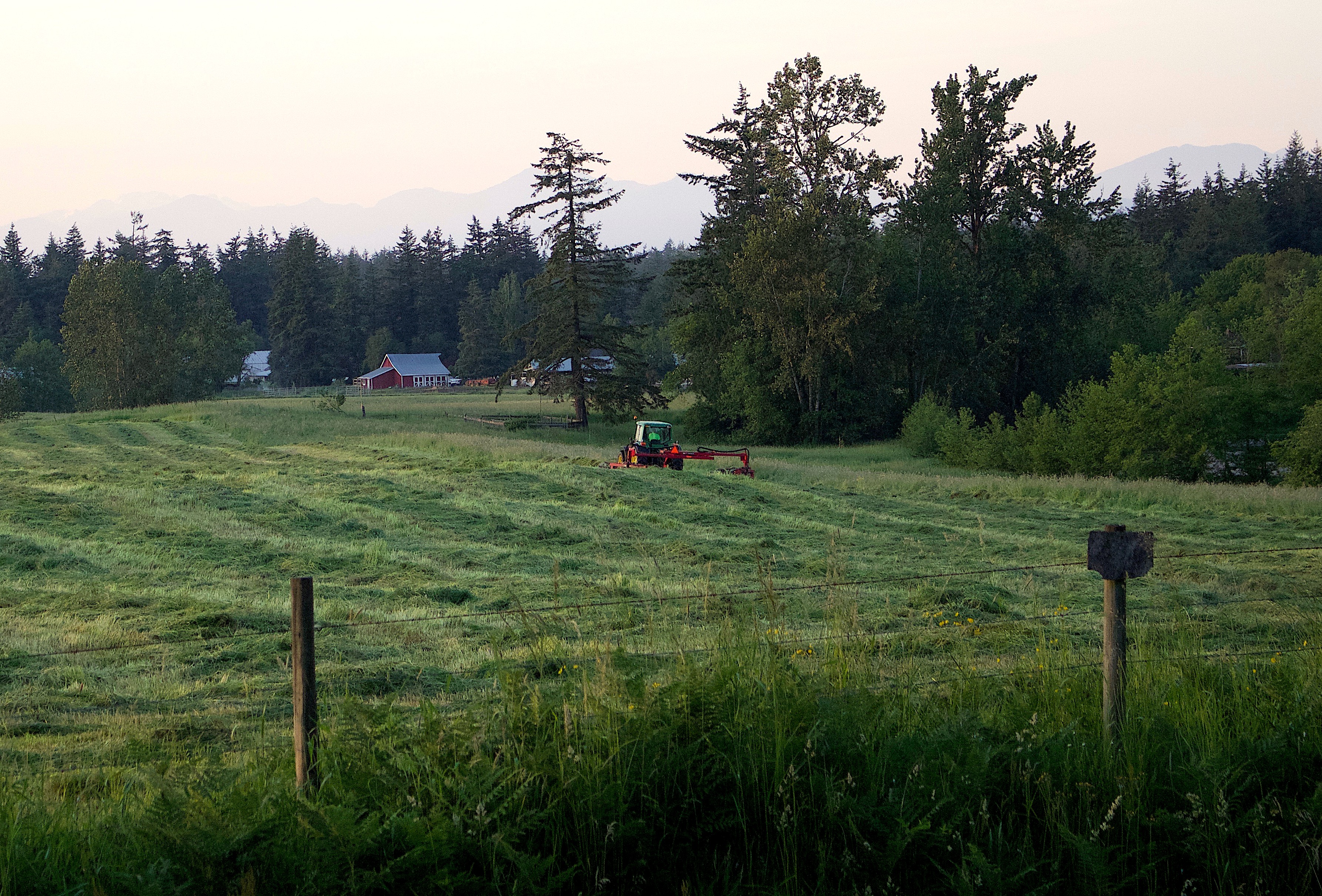
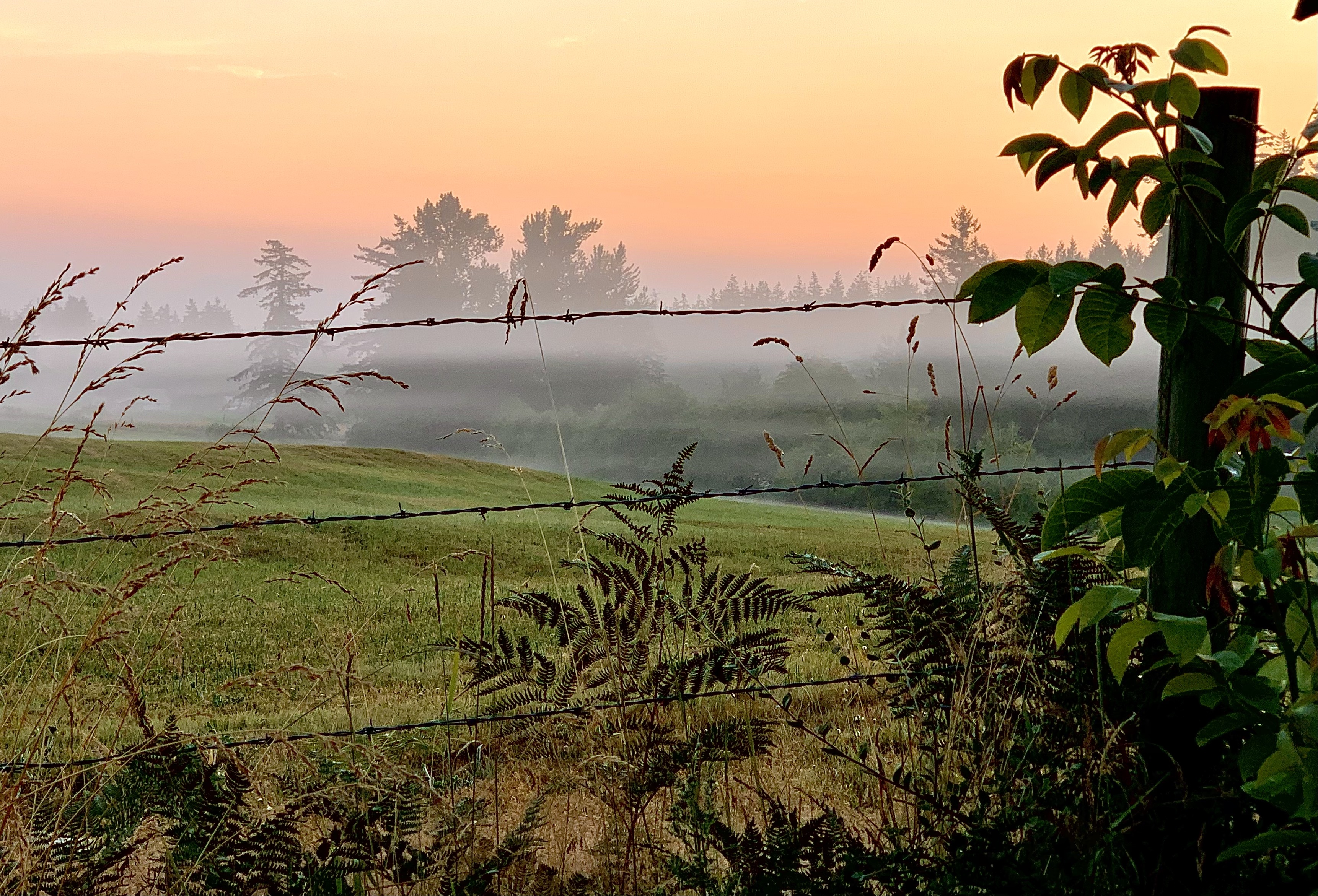
In the afternoon of summer, sounds
come through the window: a tractor
muttering to itself as it

Pivots at the corner of the
hay field, stalled for a moment
as the green row feeds into the baler.

The wind slips a whisper behind
an ear; the noise of the highway
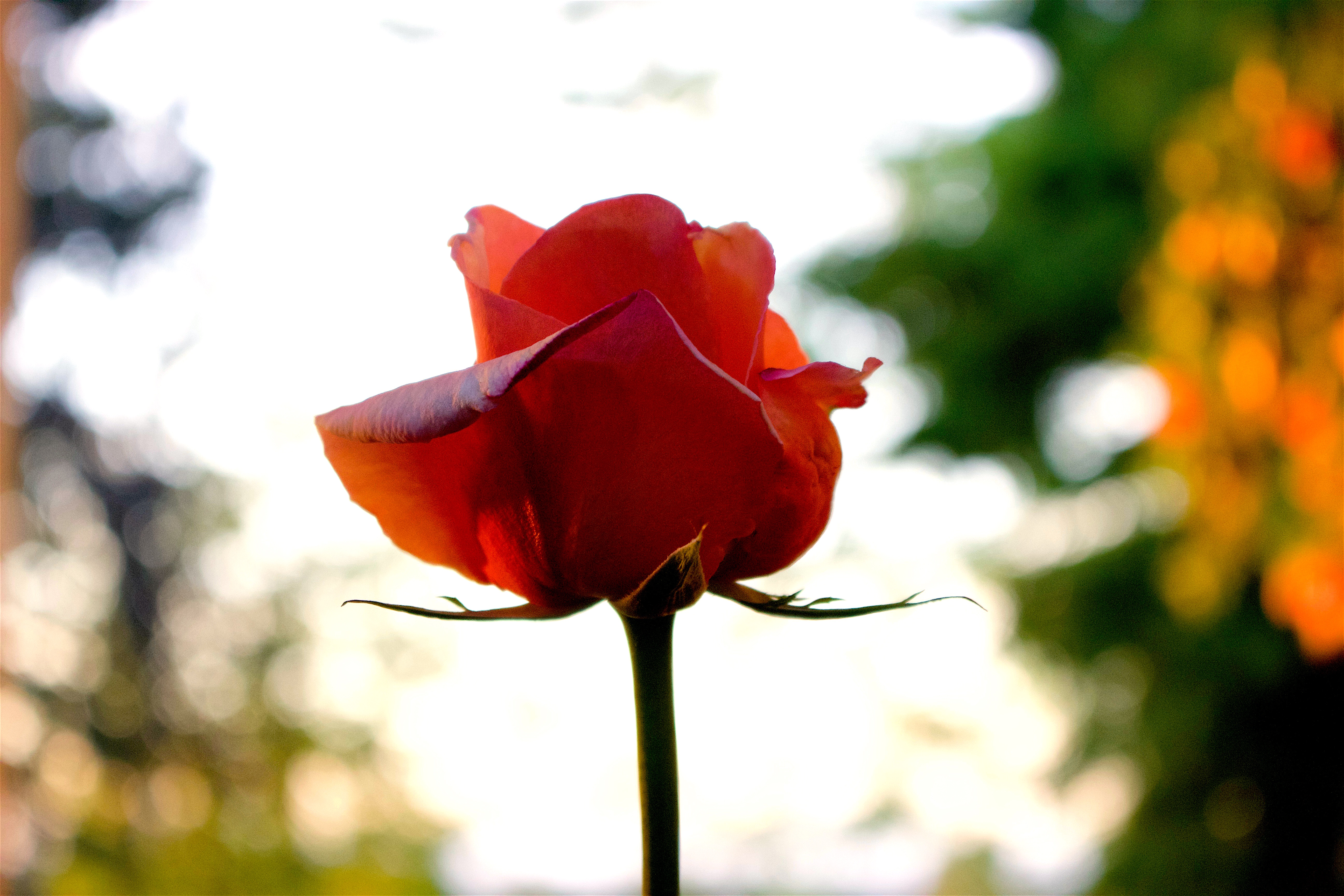
is like the dark green stem of a rose.

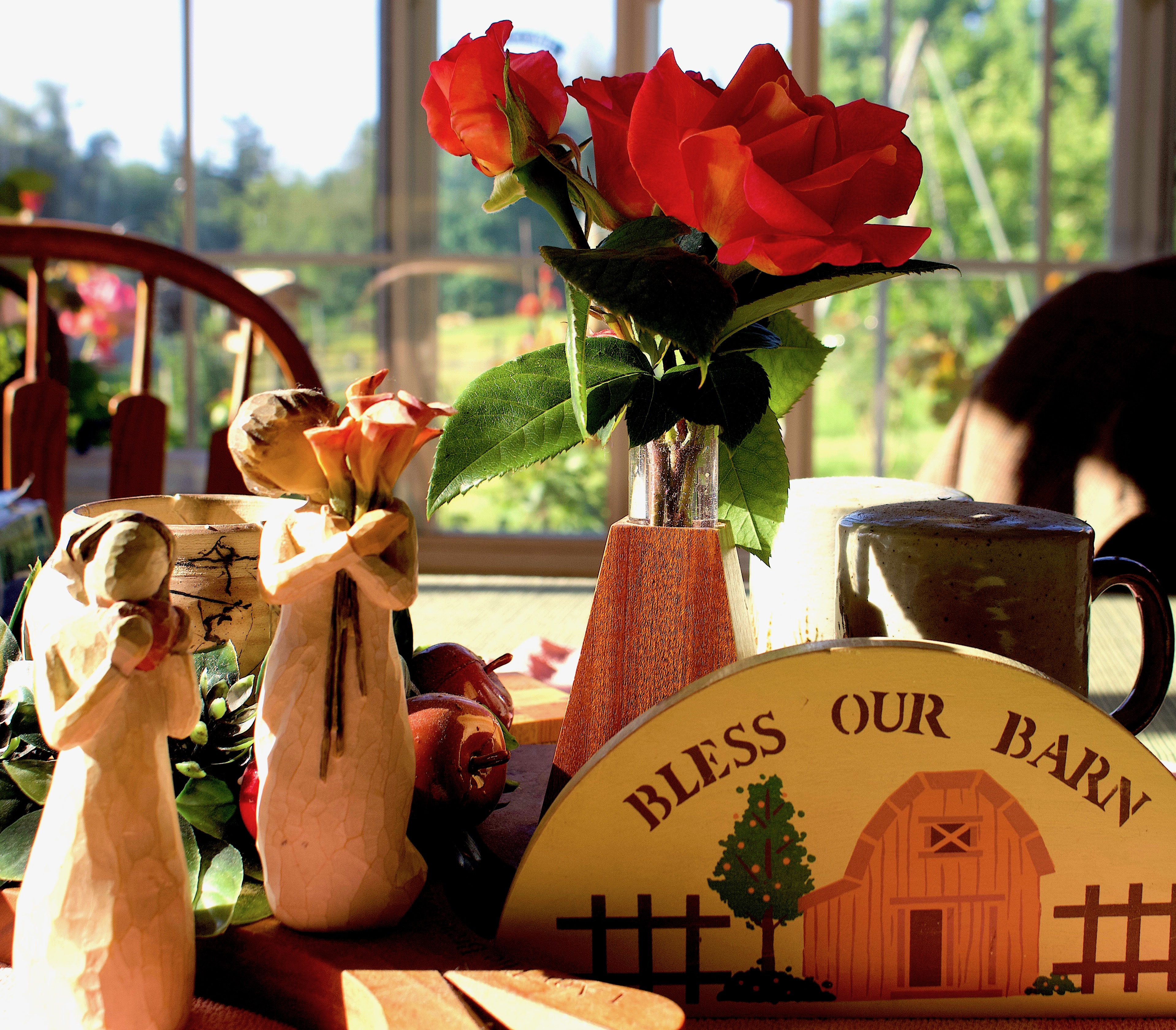
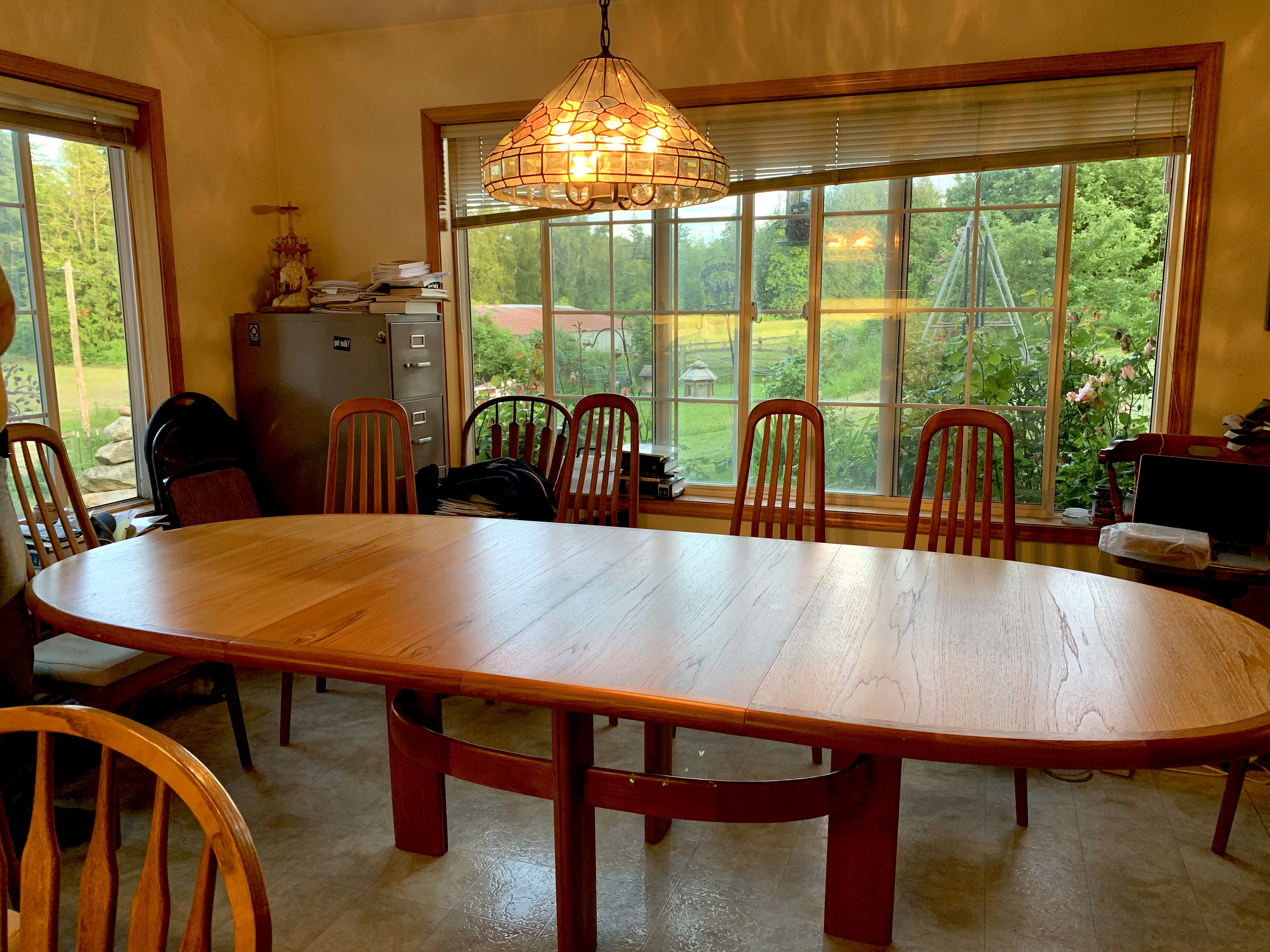
From the kitchen the blunt banging
of cupboard doors and wooden chairs
makes a lonely echo in the floor.

Somewhere, between the breeze
and the faraway sound of a train,
comes a line of birdsong, lightly
threading the heavy cloth of dream.

~Joyce Sutphen, “Soundings” from Naming the Stars

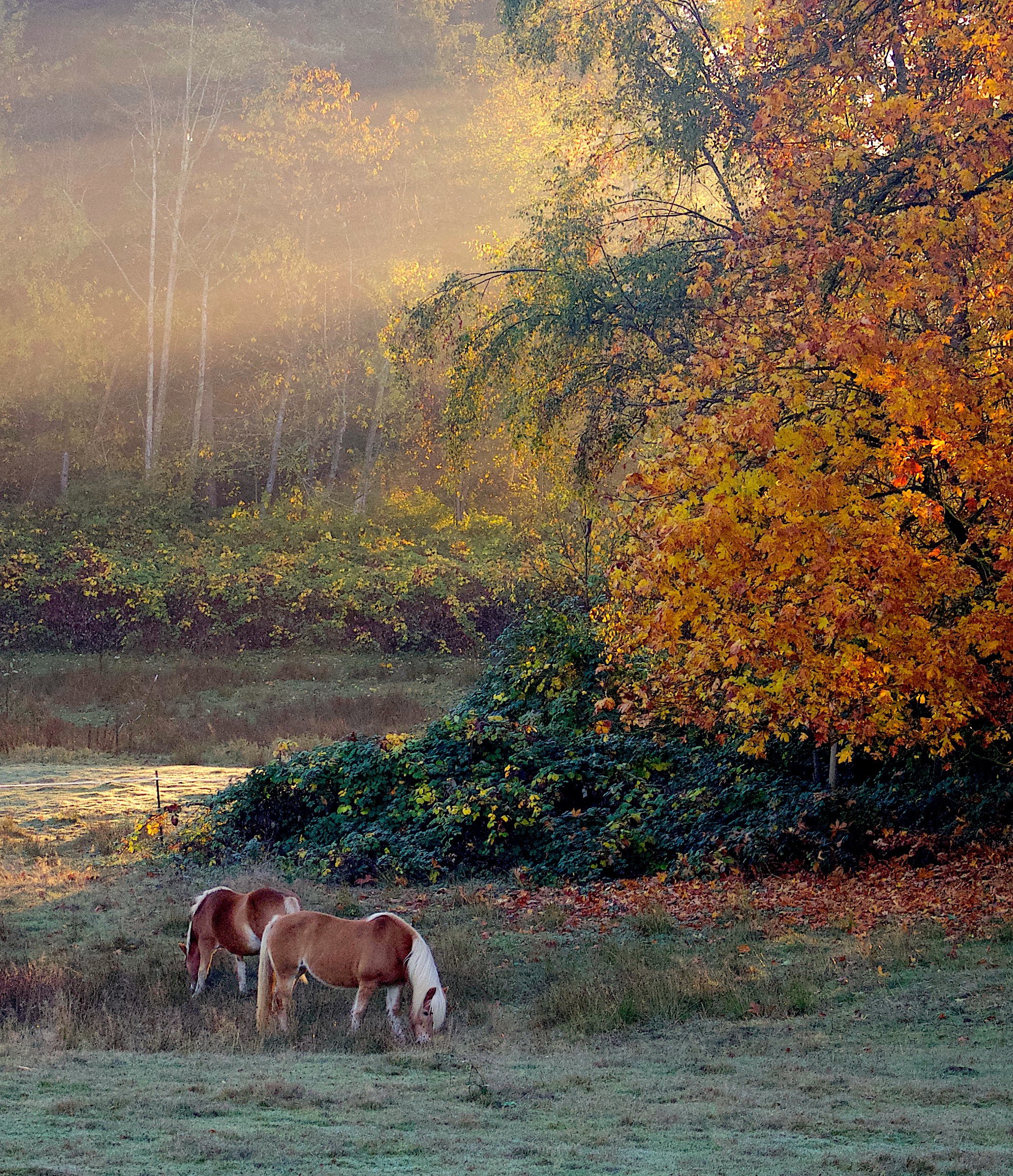
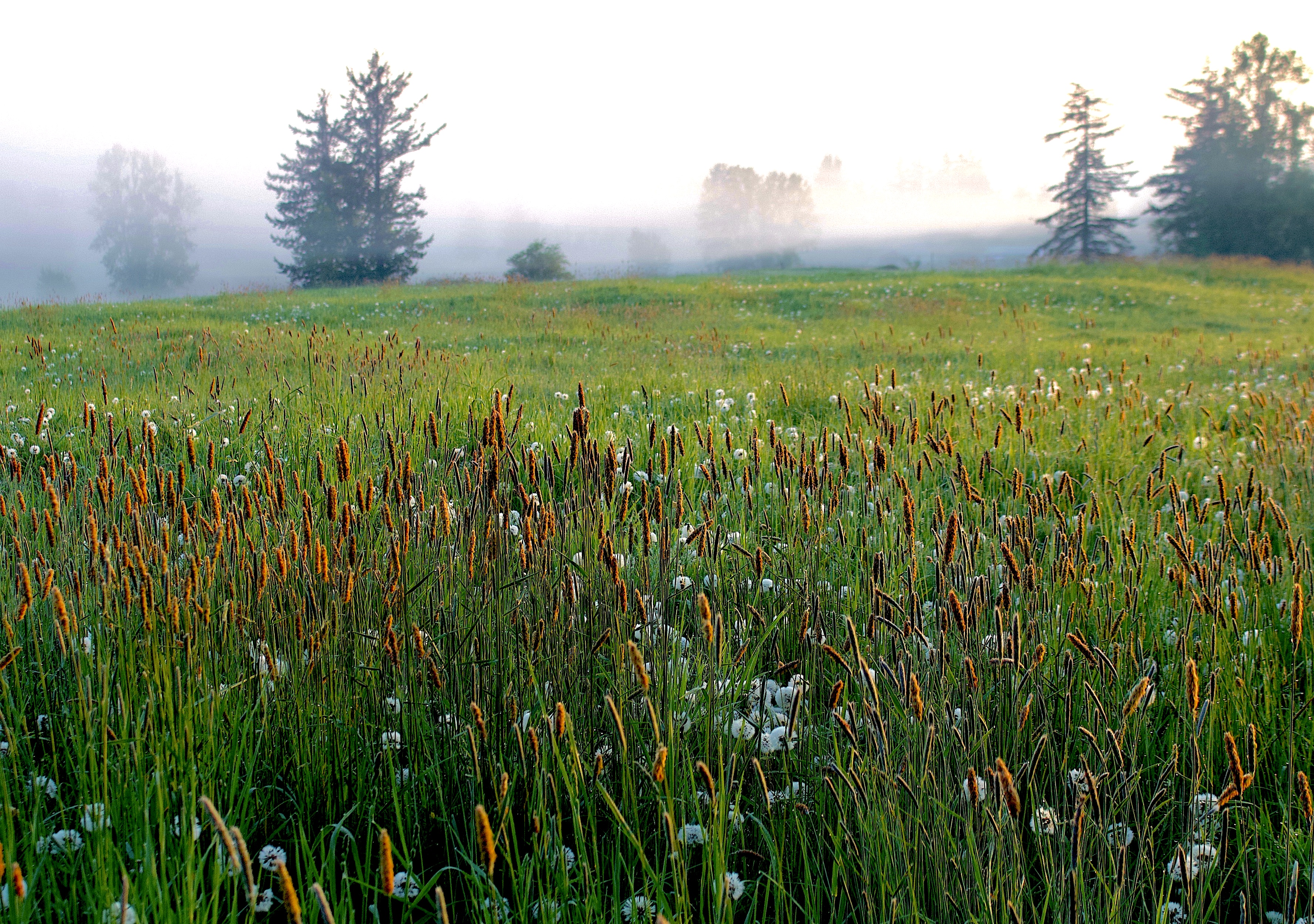
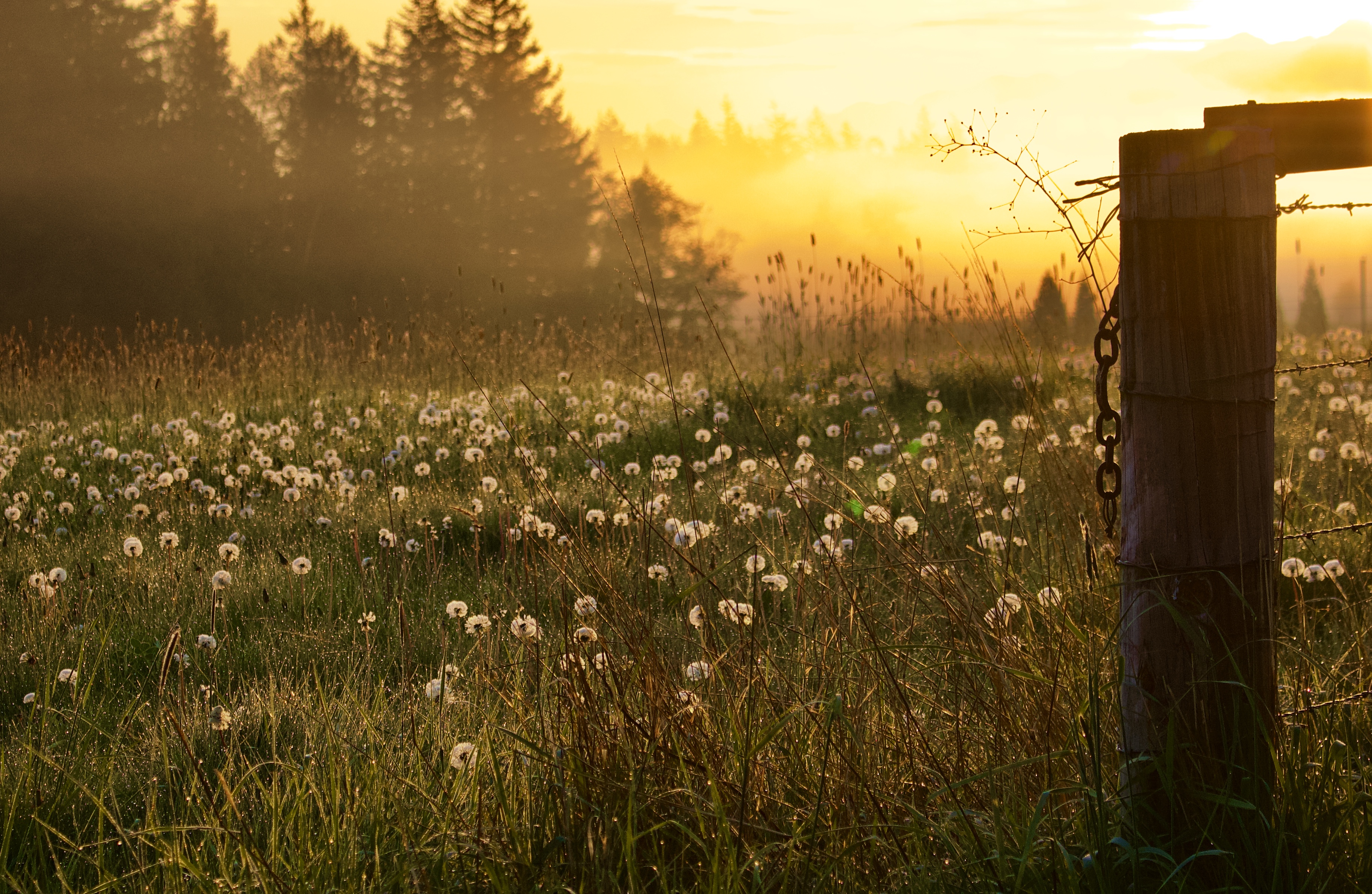
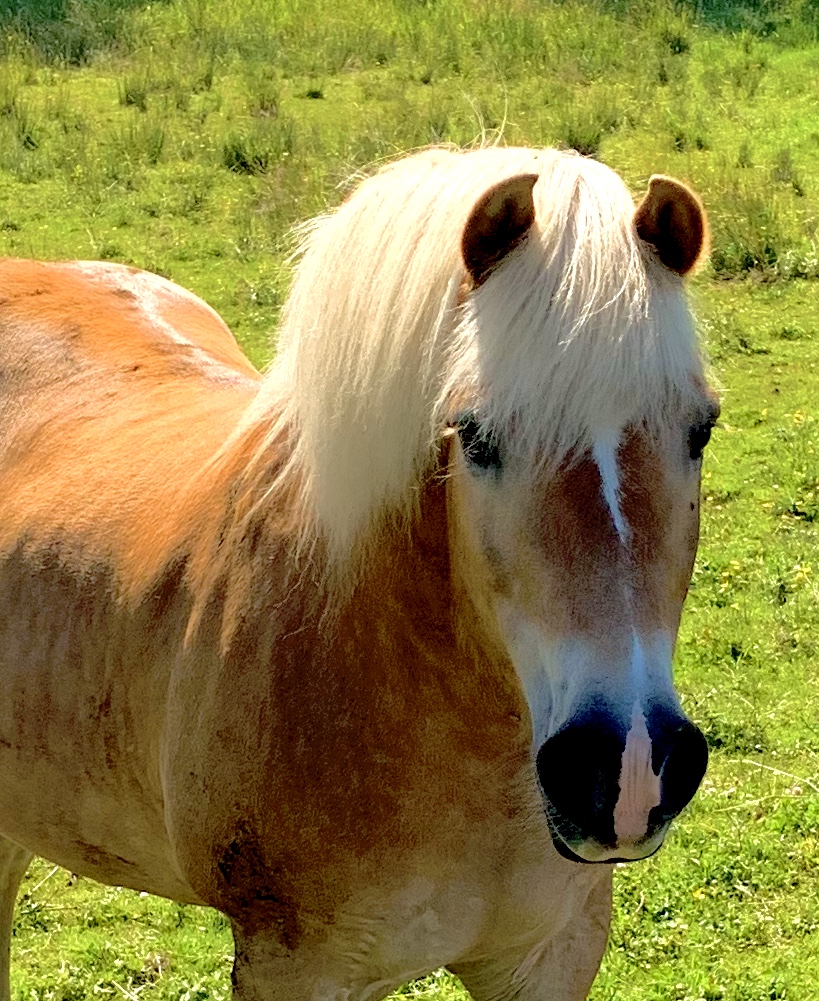
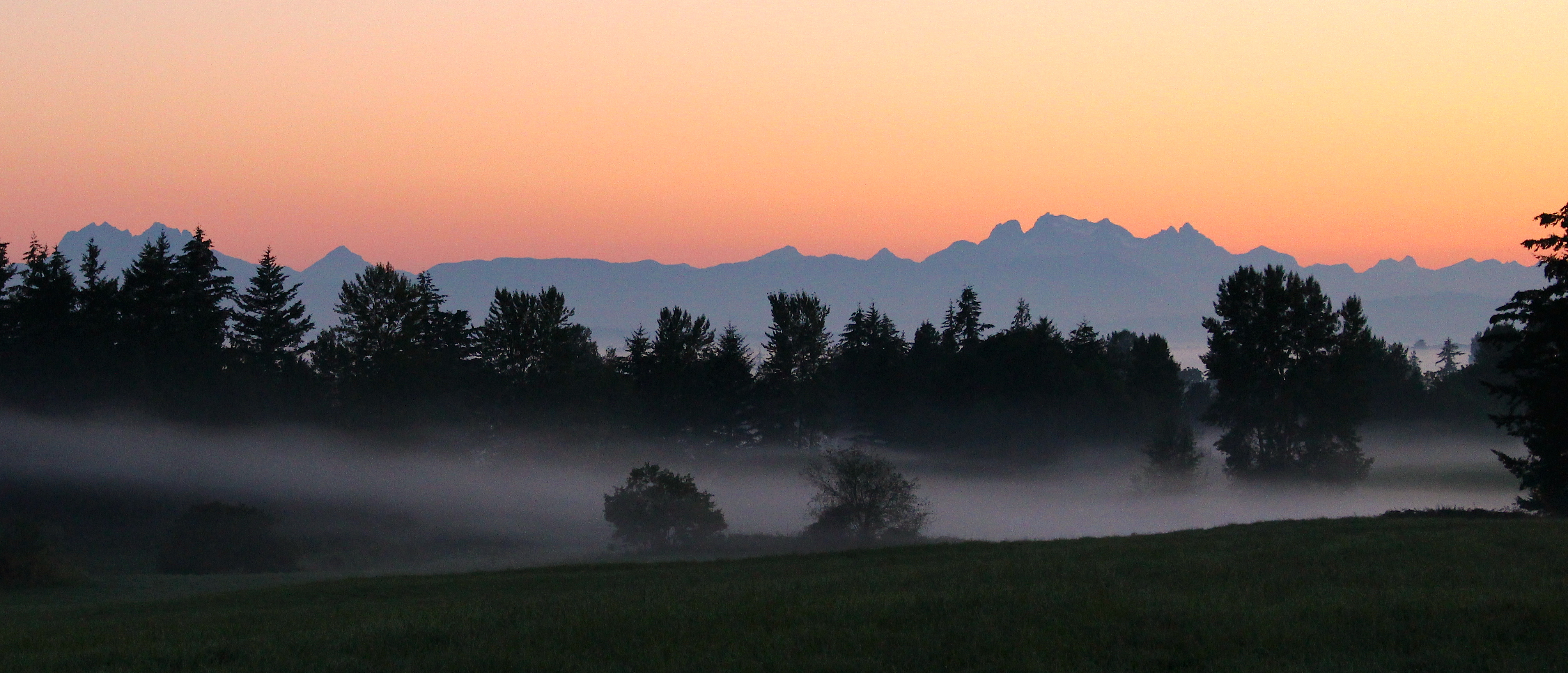
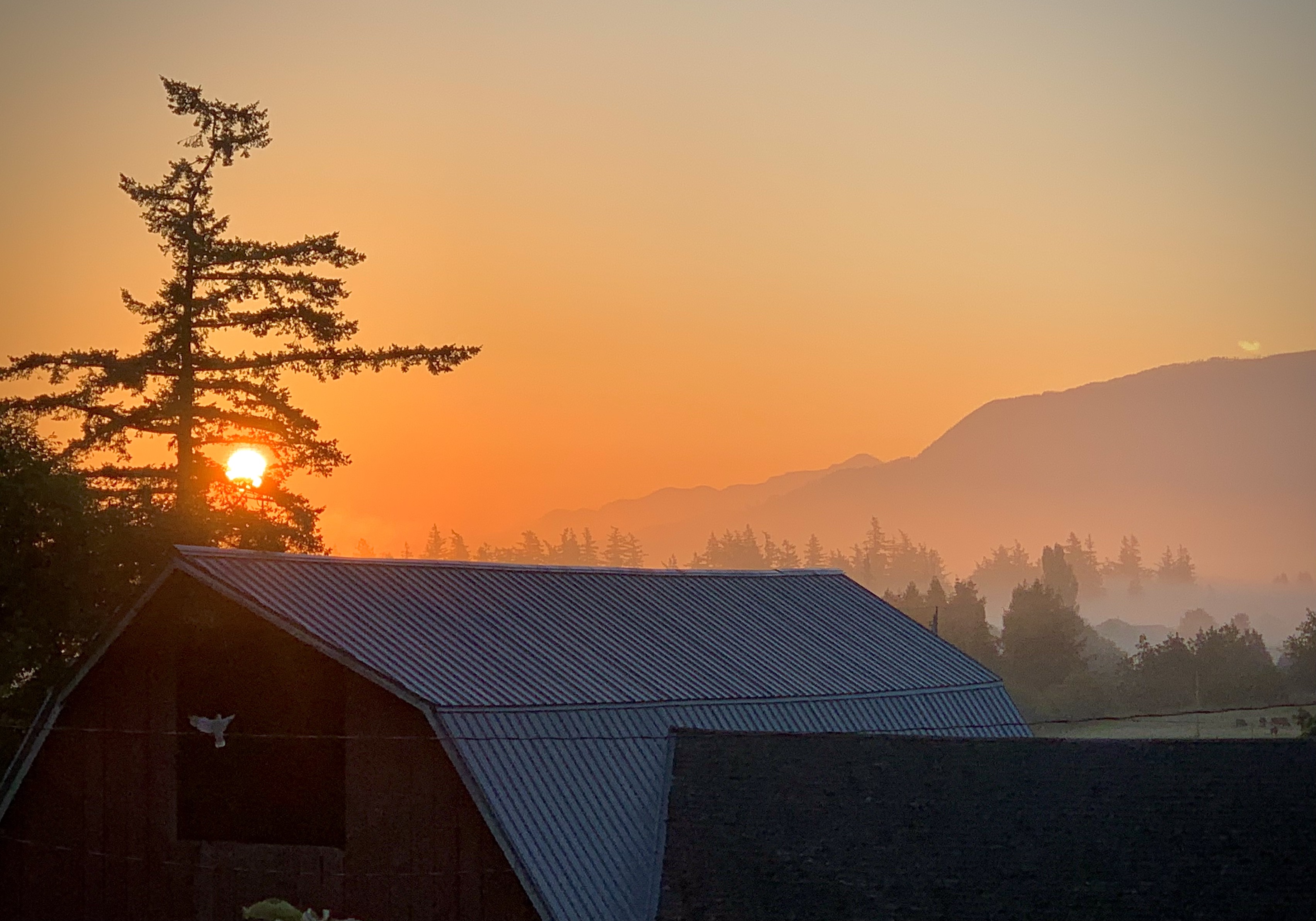
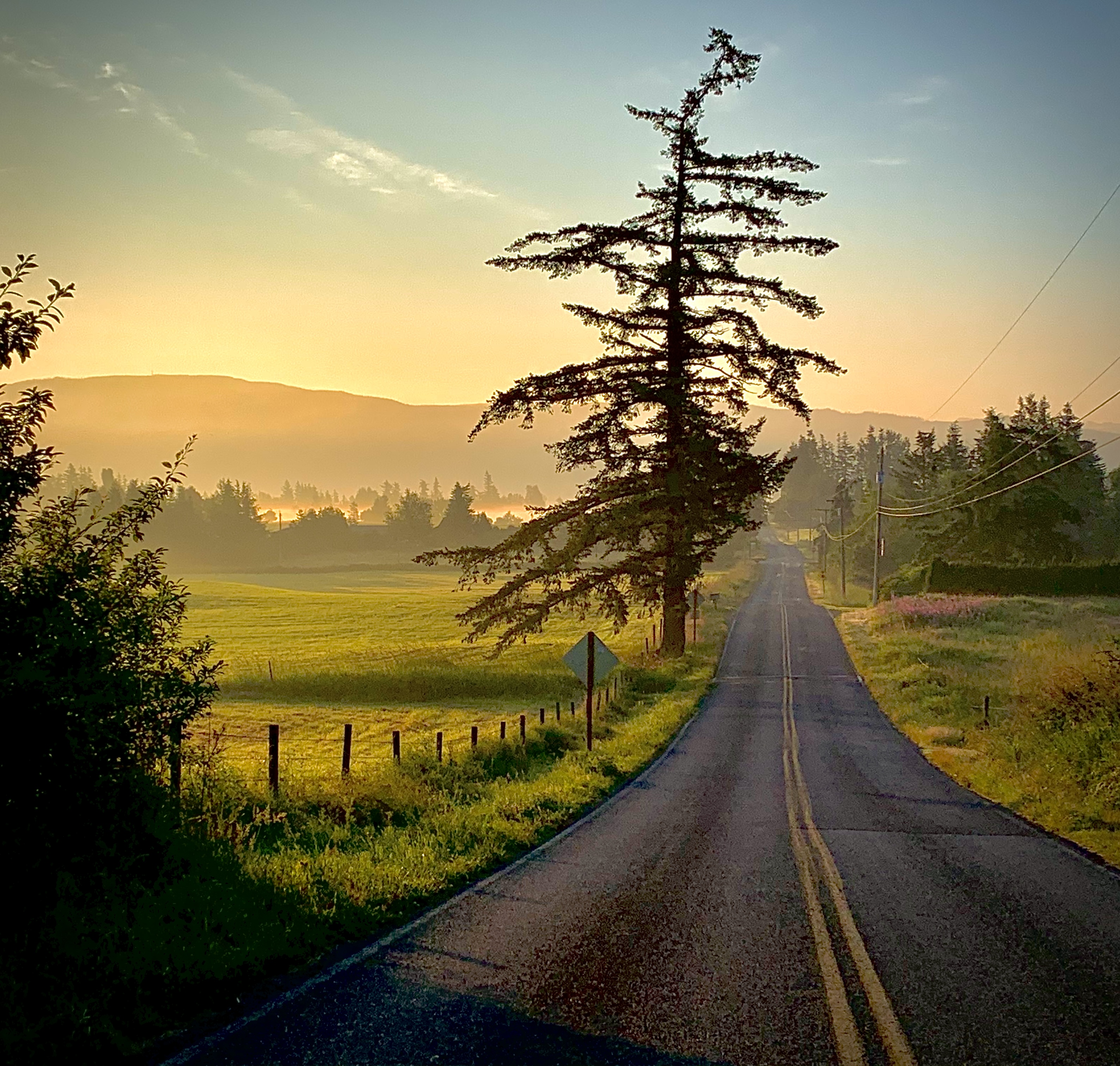
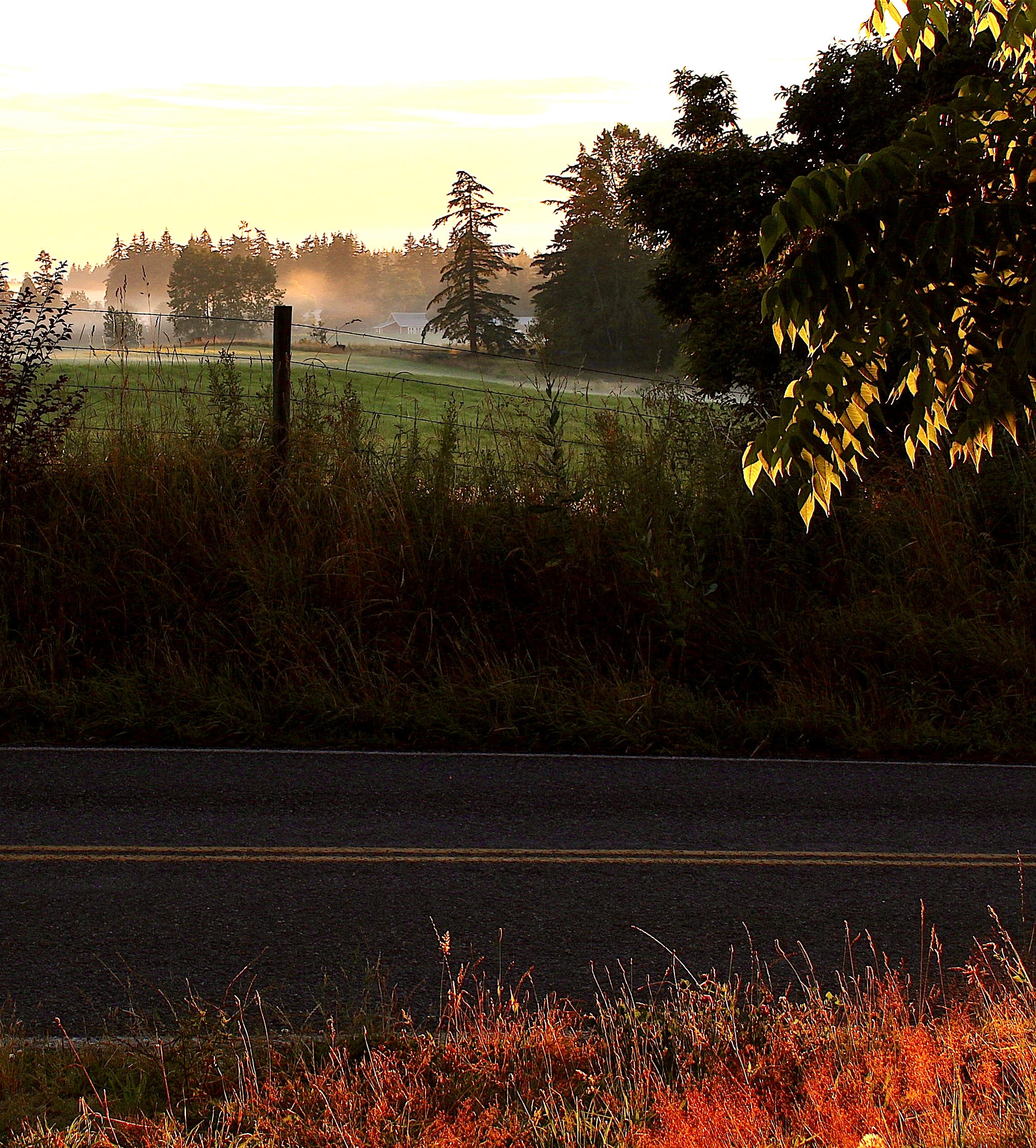
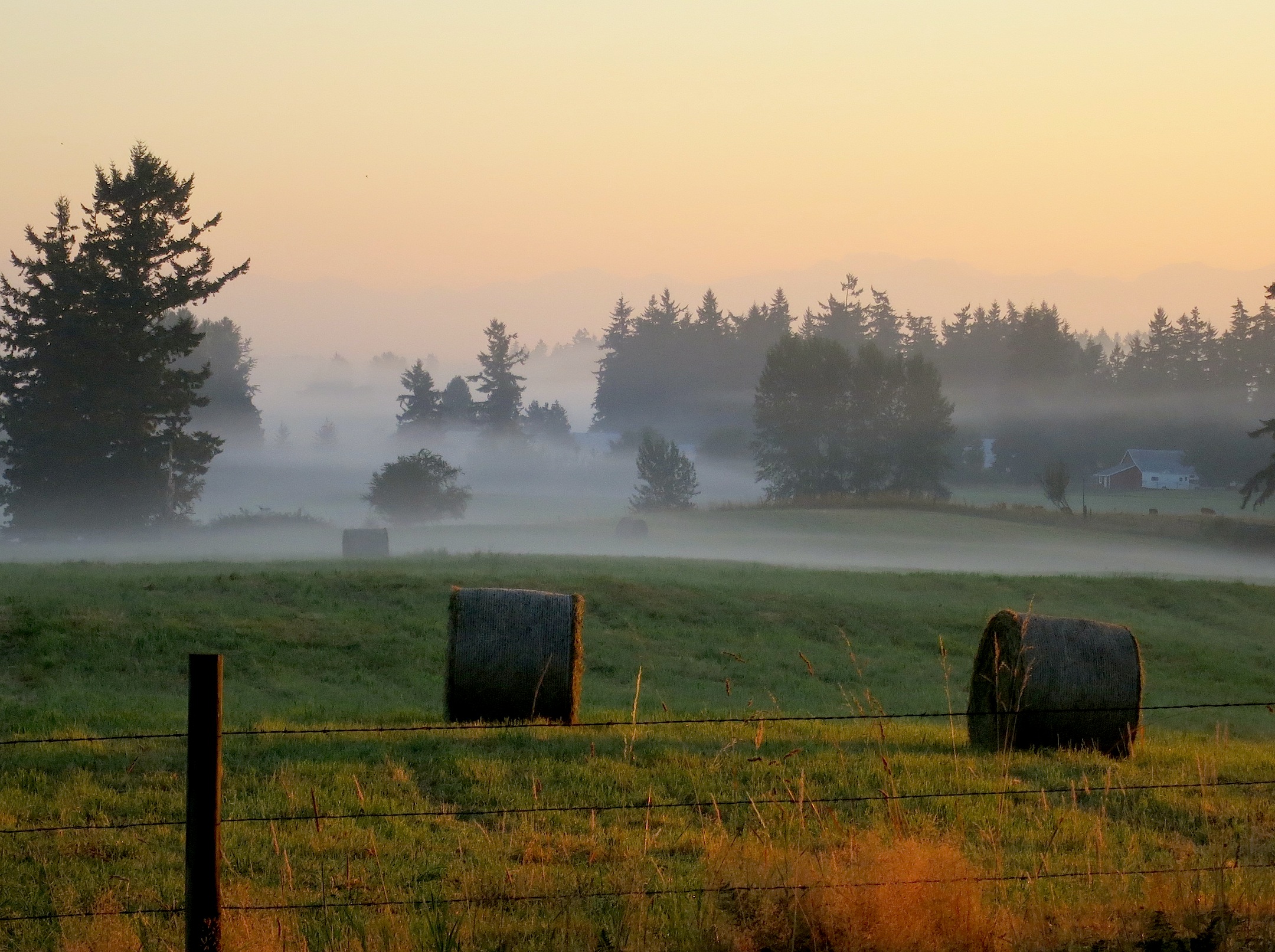
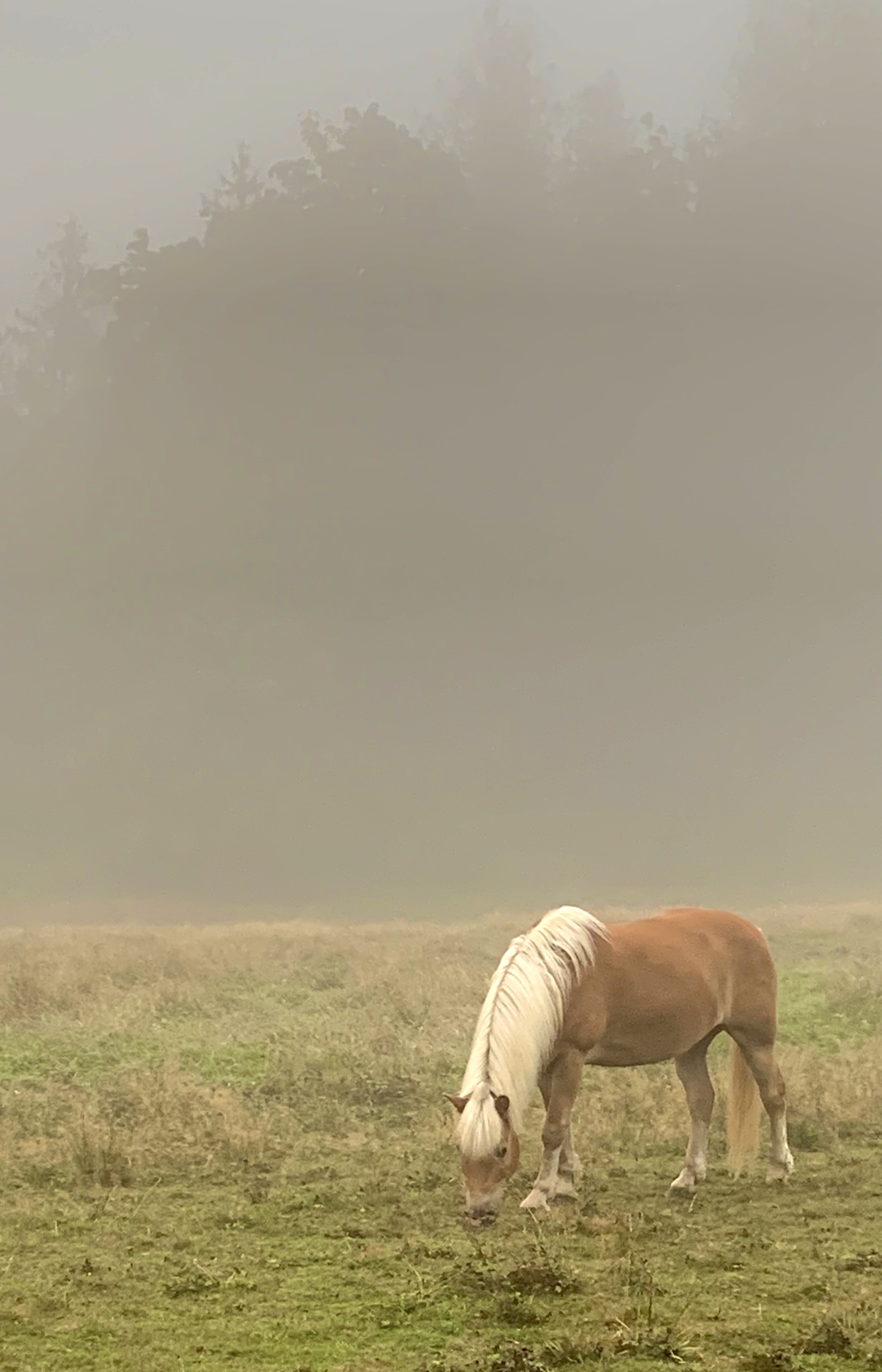
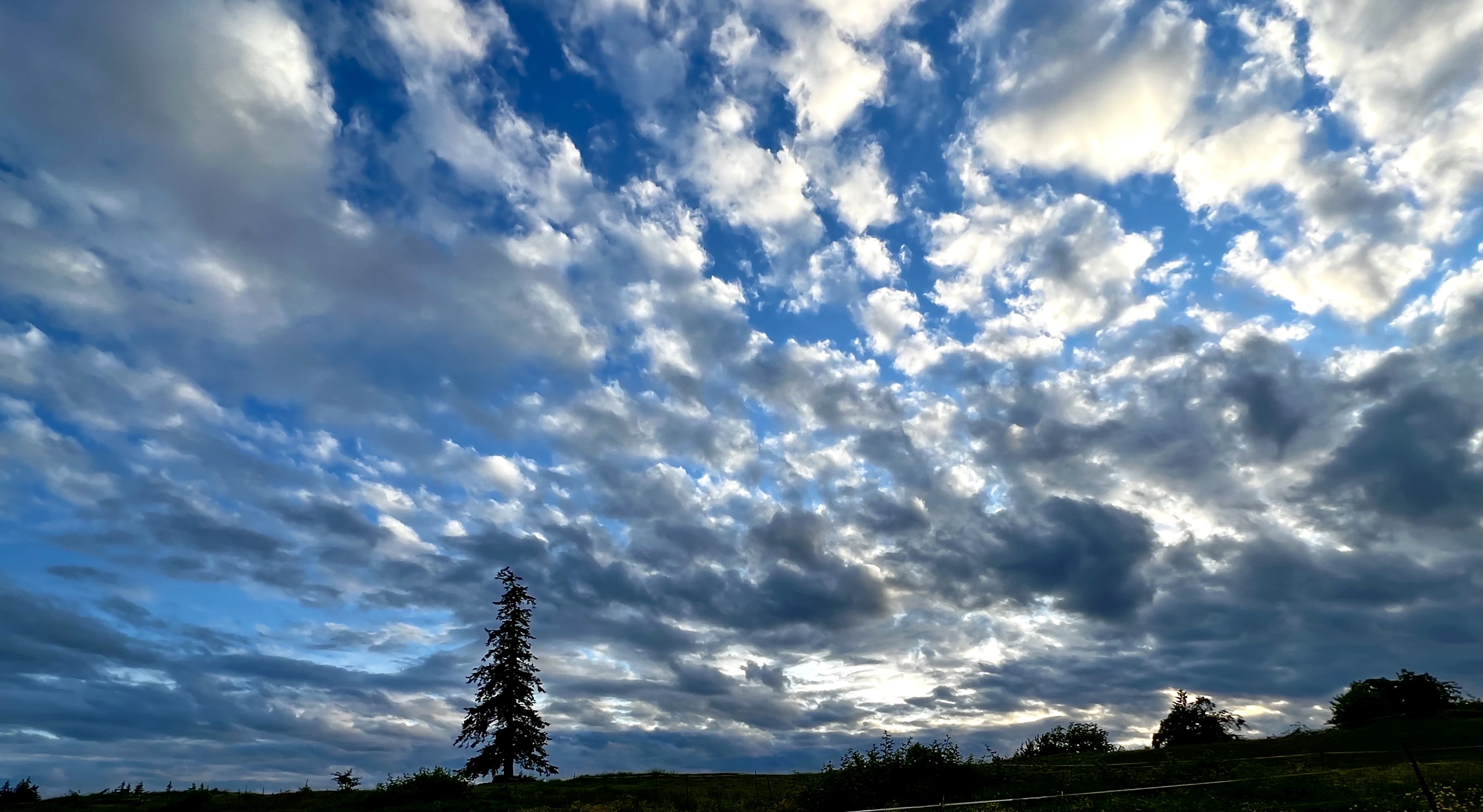
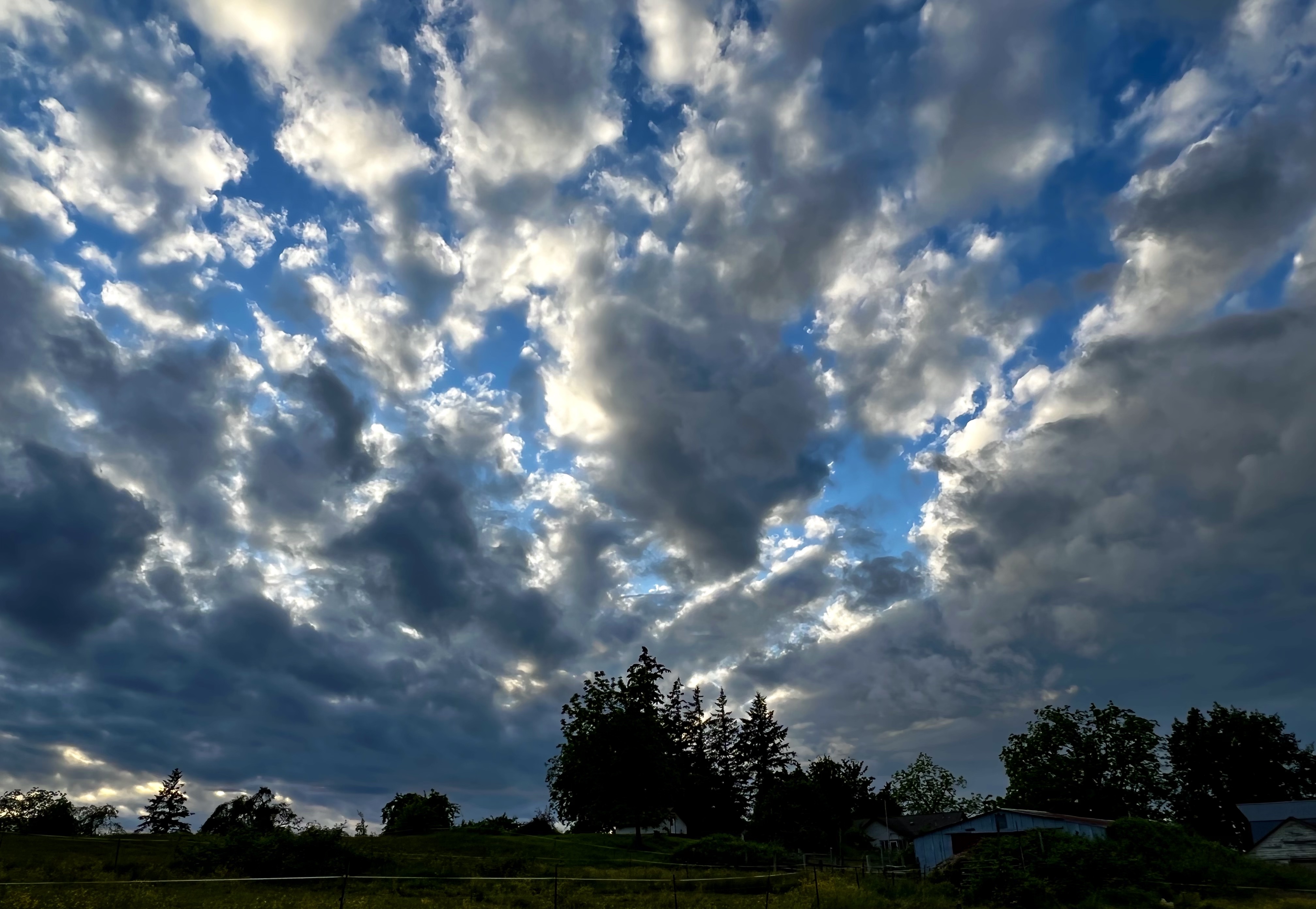
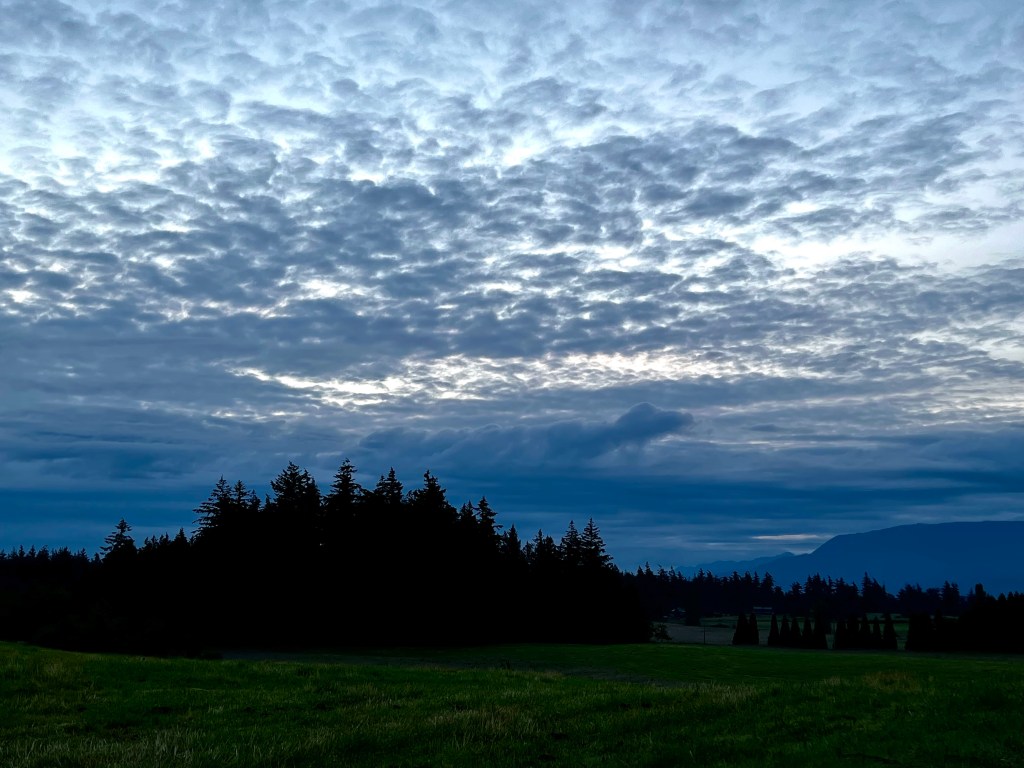
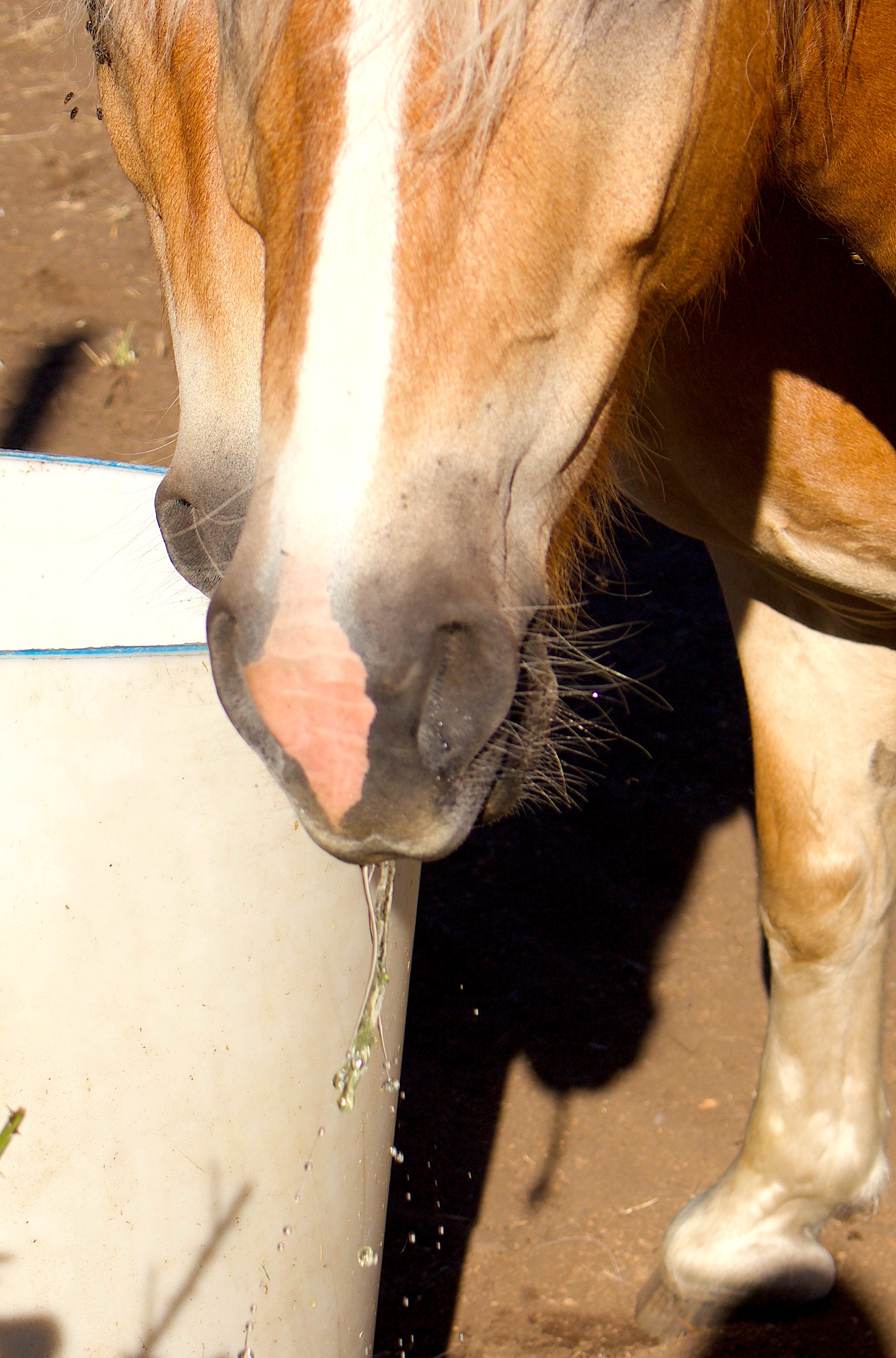
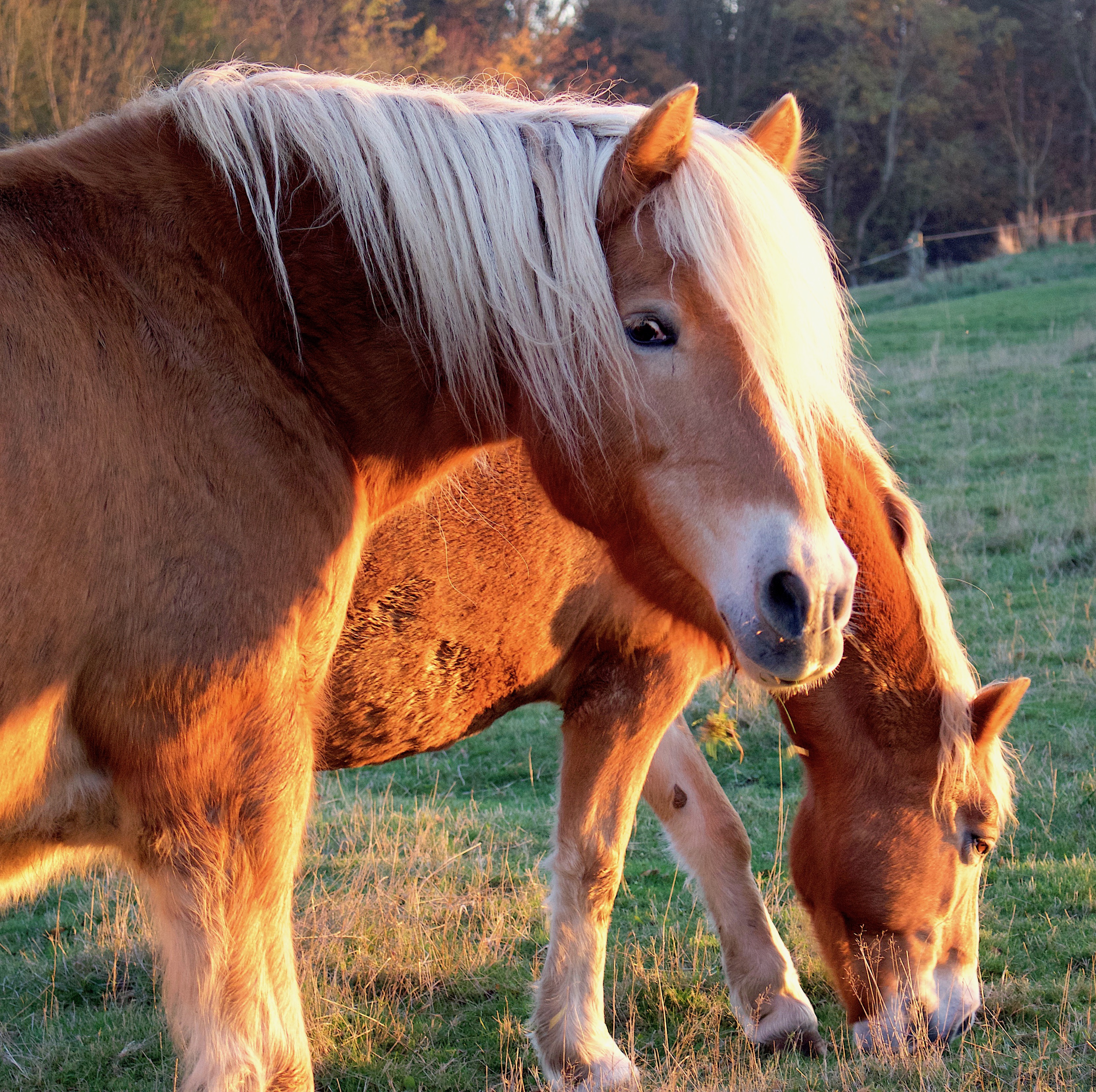
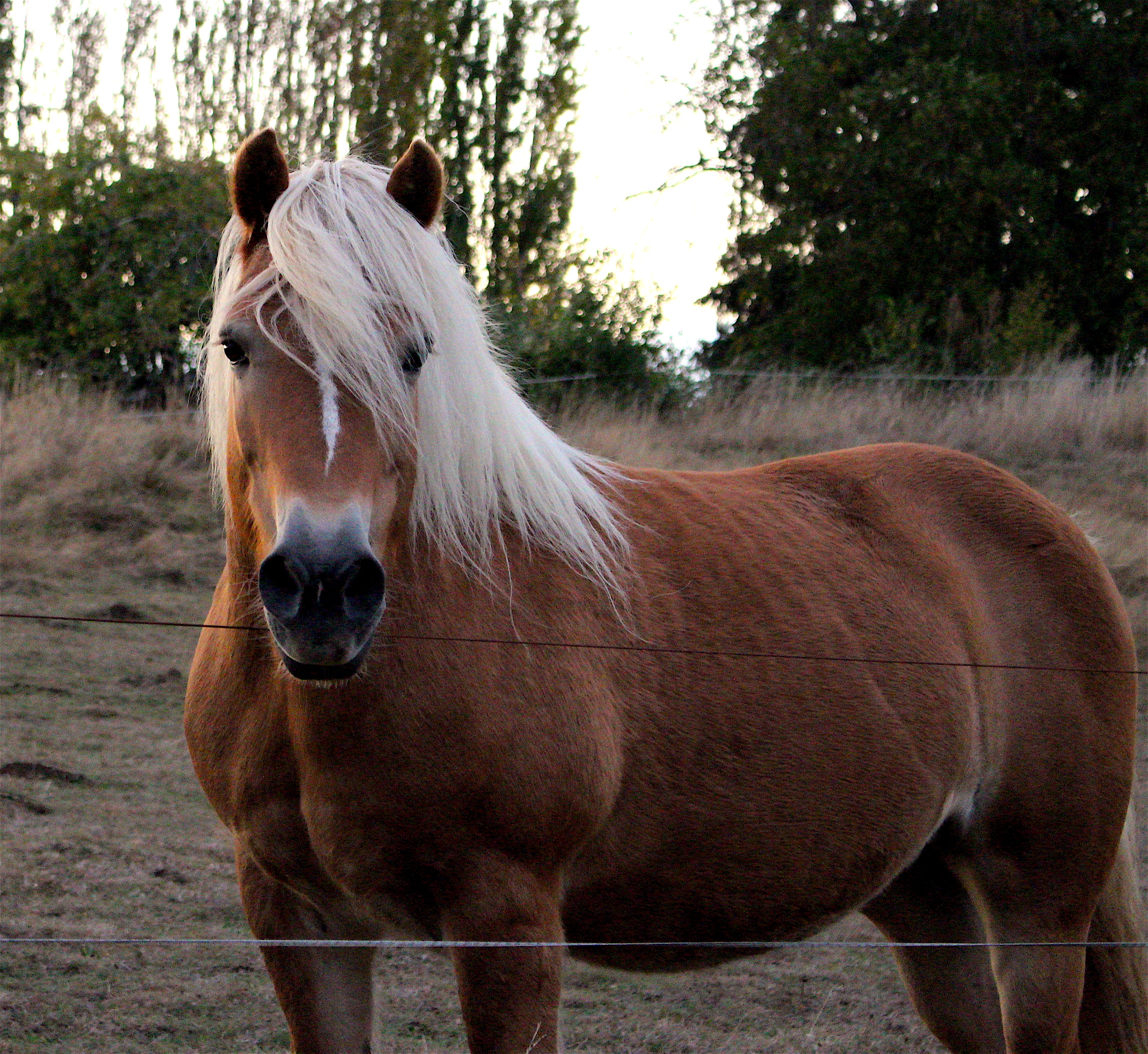
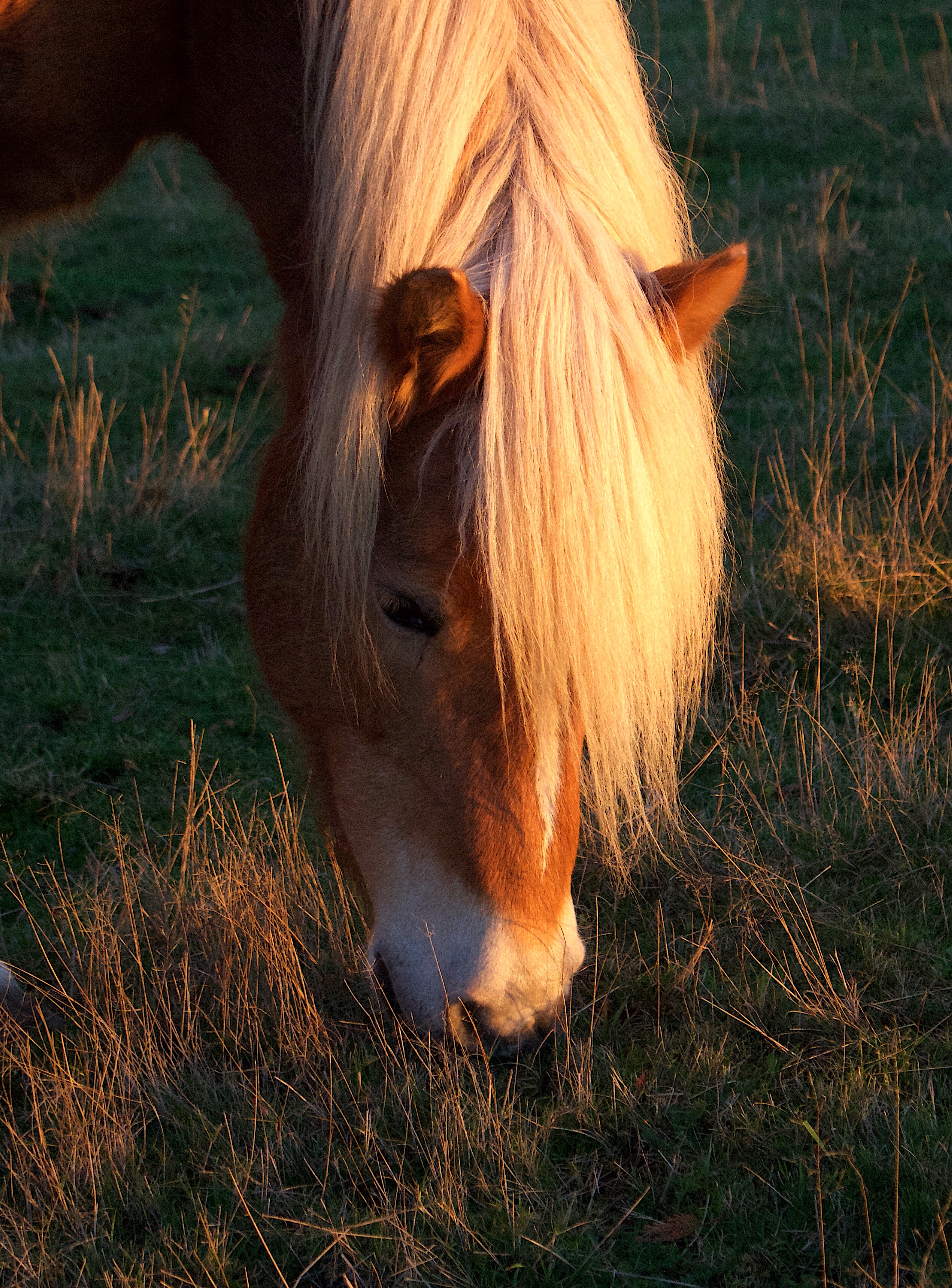
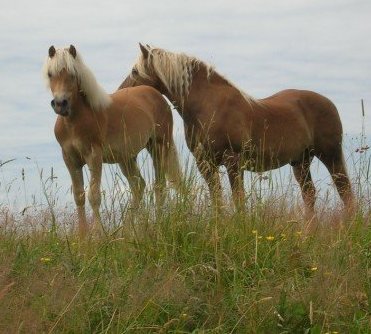
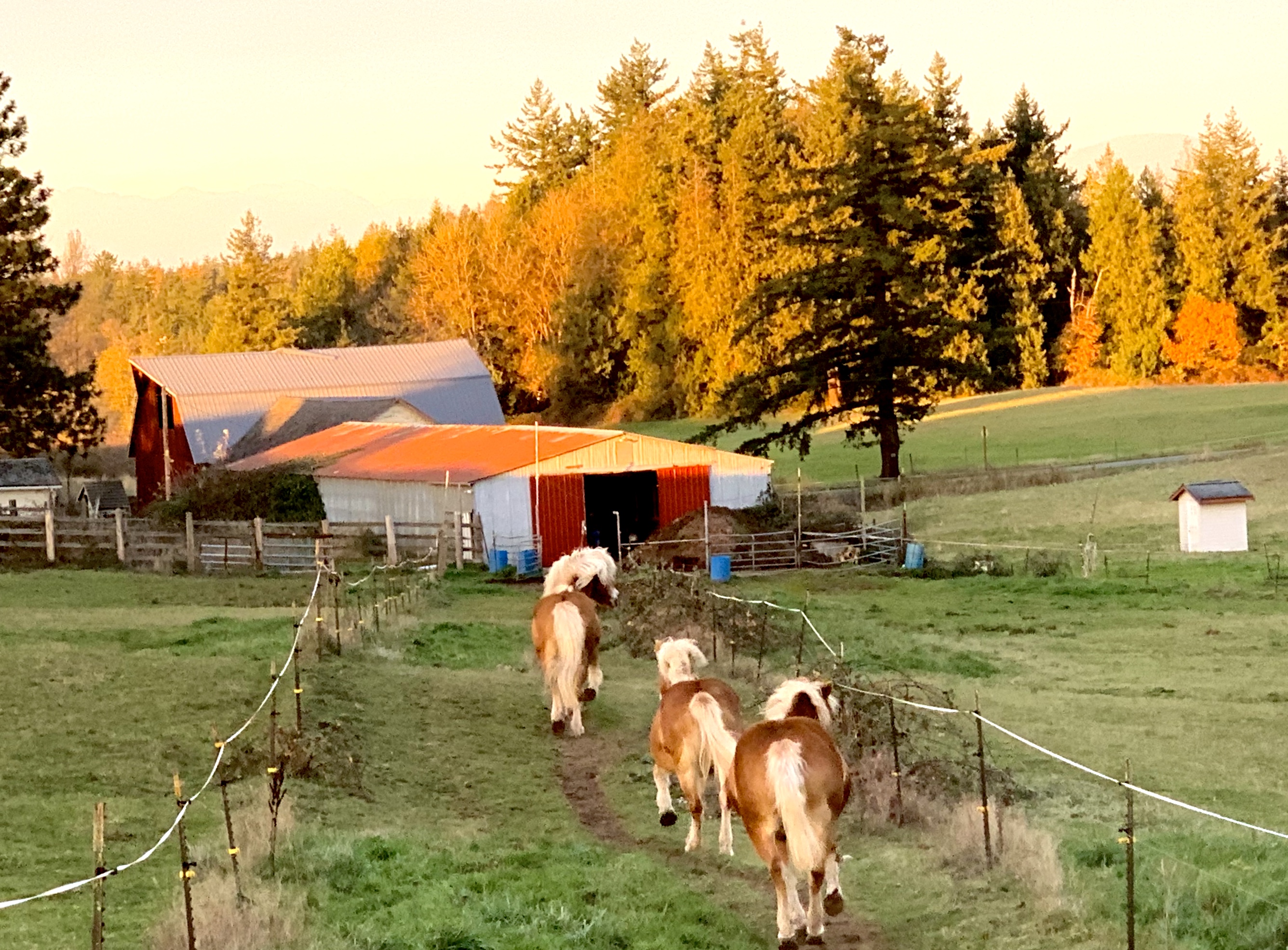
As a young child, I remember waking from my summer afternoon naps to the sights and sounds of our rural community. I could hear tractors working fields in the distance, farm trucks rumbling by on the road, the cows and horses in the fields, a train whistle in the distance and the ever-present birdsong from dawn to dusk.

These were the sounds of contentment and productivity, both together. Surely this is how heaven must be: always a sense of something wonderful happening, always a reason to celebrate, always a profound sense of respite and sanctuary.

Even now, there is that moment of awakening of my heart and soul from a summer nap when I try to listen for the chorus of angels outside my open window.

photo by Harry Rodenberger

One-Time
Monthly
Yearly

Make a one-time or recurring donation to support daily Barnstorming posts

Make a monthly donation

Make a yearly donation

Choose an amount

¤5.00
¤10.00
¤20.00
¤5.00
¤15.00
¤100.00
¤5.00
¤15.00
¤100.00

Or enter a custom amount

¤

Your contribution is deeply appreciated.

Your contribution is appreciated.

Your contribution is appreciated.

DonateDonate monthlyDonate yearly

In a Cloud of Gold

Photo of Aaron Janicki haying with his Oberlander team in Skagit County courtesy of Tayler Rae
Benjamin Janicki of Sedro Woolley raking hay with his team of Oberlanders

Travel as a backward step.
You journey until you find
a meadow where wildflowers
grow with pre-factory-farming
copiousness, a horse-drawn
landscape where hay is saved
in older ways, to revive
the life you lived once,
catch up with your past.
~Dennis O’Driscoll from Time Pieces (2002)

… The Amish have maintained what I like to think is a proper scale, largely by staying with the horse. The horse has restricted unlimited expansion. Not only does working with horses limit farm size, but horses are ideally suited to family life. With horses you unhitch at noon to water and feed the teams and then the family eats what we still call dinner. While the teams rest there is usually time for a short nap. And because God didn’t create the horse with headlights, we don’t work nights.
Amish farmer David Kline in Great Possessions

photo by Tayler Rae

One evening I stopped by the field to watch the hay rake
drawn toward me by two black, tall, ponderous horses
who stepped like conquerors over the fallen oat stalks,
light-shot dust at their heels, long shadows before them.
At the ditch the driver turned back in a wide arc,
the off-horse scrambling, the near-horse pivoting neatly.
The big side-delivery rake came about with a shriek—
its tines were crashing, the iron-bound tongue groaned aloud—
then, Hup, Diamond! Hup, Duke! and they set off west,
trace-deep in dust, going straight into the low sun.

The clangor grew faint, distance and light consumed them;
a fiery chariot rolled away in a cloud of gold
and faded slowly, brightness dying into brightness.
The groaning iron, the prophesying wheels,
the mighty horses with their necks like storms—
all disappeared; nothing was left but a track
of dust that climbed like smoke up the evening wind.

~Kate Barnes “The Hay Rake” from Where the Deer Are

My grandparents owned the land,
worked the land, bound
to the earth by seasons of planting
and harvest.

They watched the sky, the habits
of birds, hues of sunset,
the moods of moon and clouds,
the disposition of air.
They inhaled the coming season,
let it brighten their blood
for the work ahead.

Soil sifted through their fingers
imbedded beneath their nails
and this is what they knew;
this rhythm circling the years.
They never left their land;
each in their own time
settled deeper.
~Lois Parker Edstrom “Almanac” from Night Beyond Black.

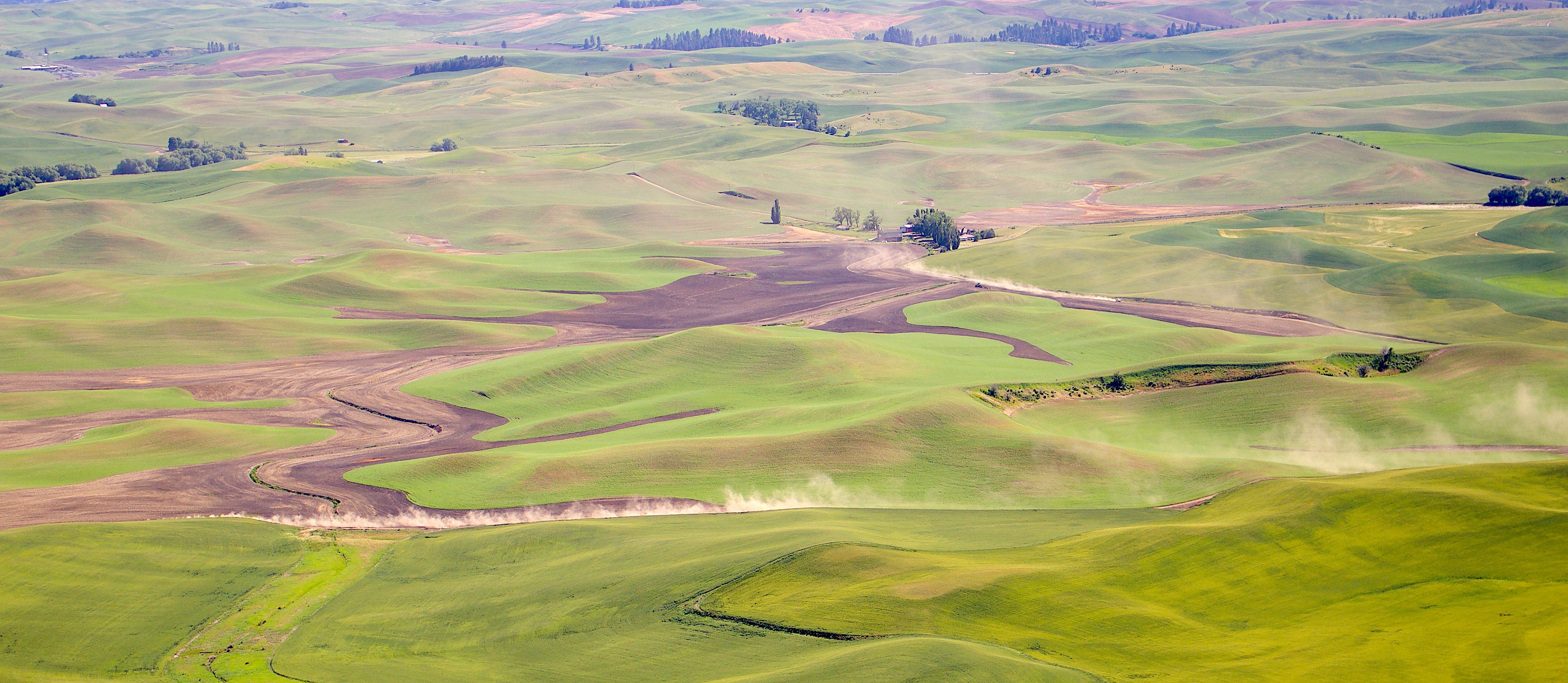
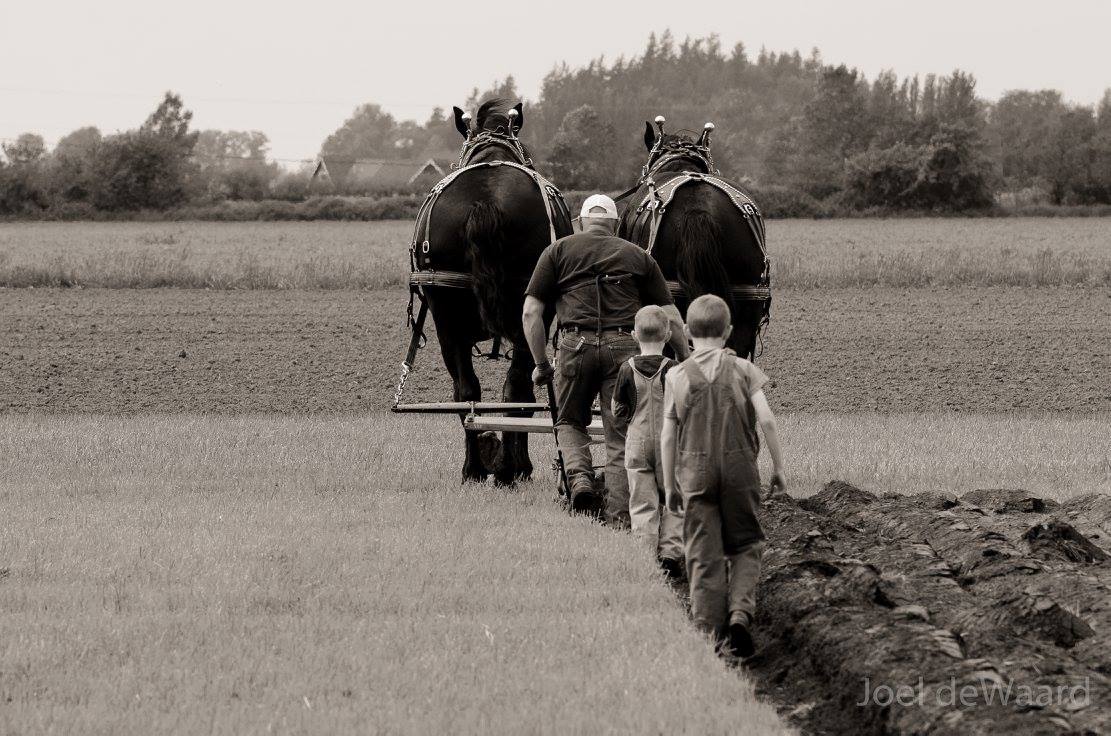
Nearing 68, I am old enough to have parents who both grew up on farms worked by horses, one raising wheat and lentils in the Palouse country of eastern Washington and the other logging in the woodlands of Fidalgo Island of western Washington.  The horses were crucial to my grandfathers’ success in caring for and tilling the land, seeding and harvesting the crops and bringing supplies from town miles away.  Theirs was a hardscrabble life in the early 20th century with few conveniences.  Work was year round from dawn to dusk; caring for the animals came before any human comforts.  Once night fell, work ceased and sleep was welcome respite for man and beast.

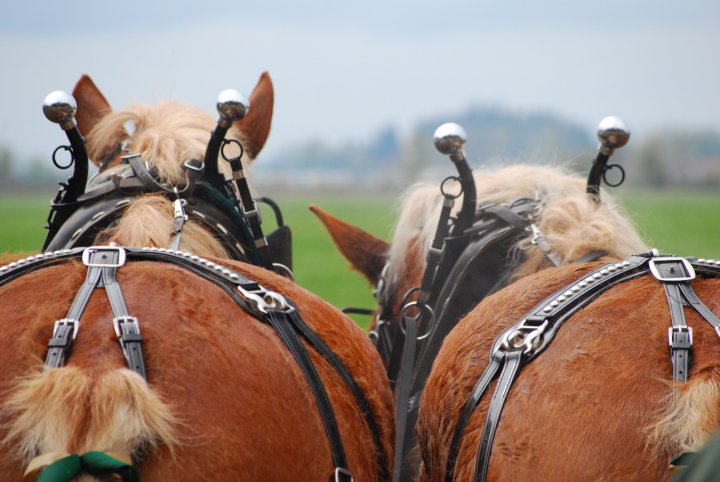
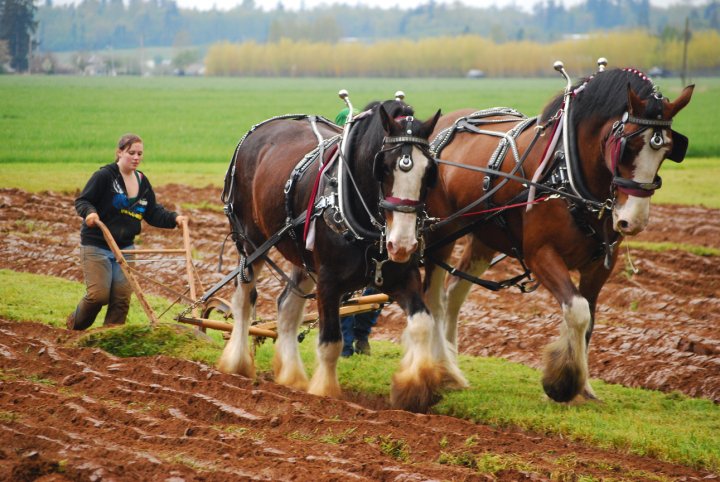
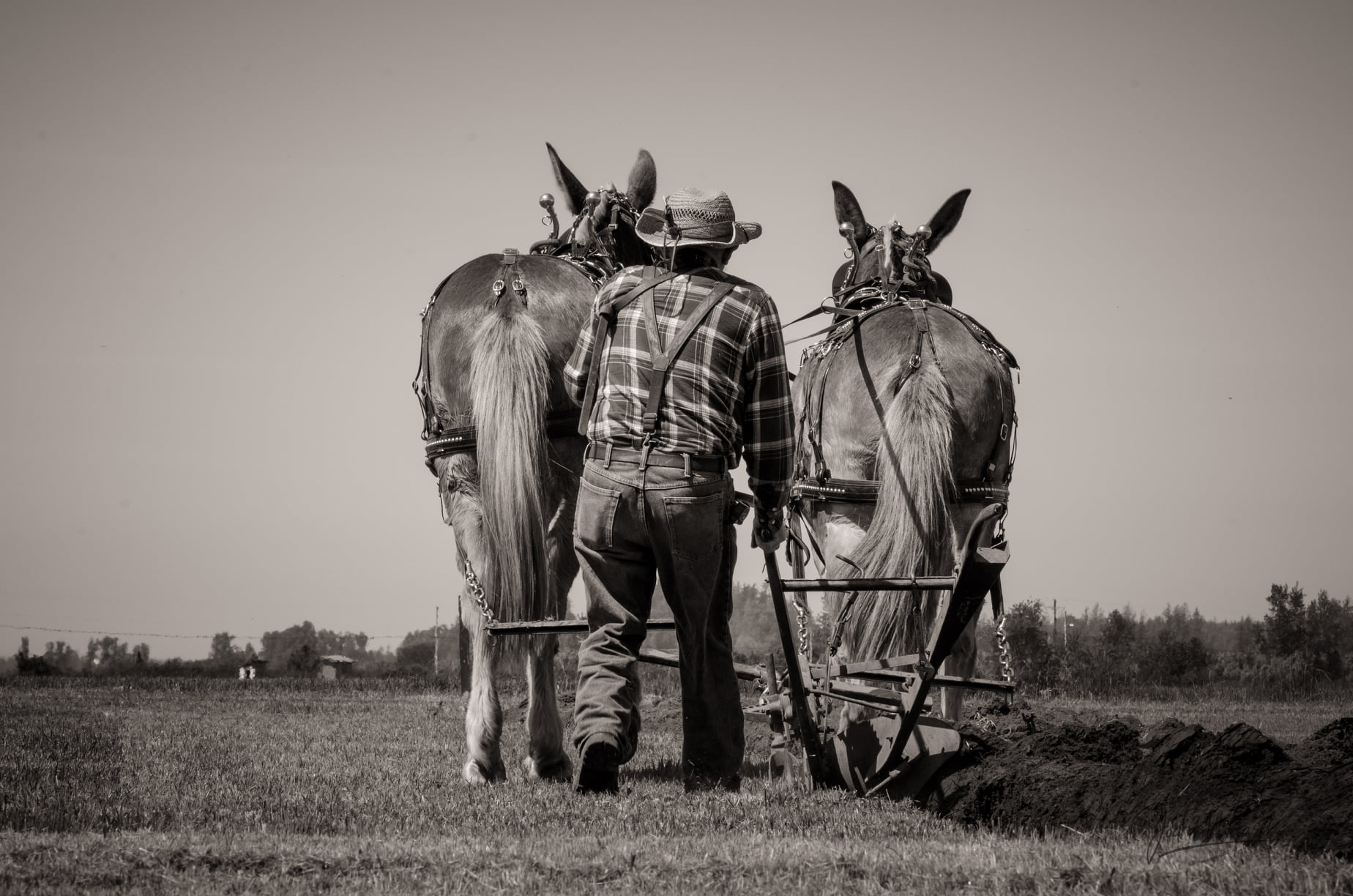
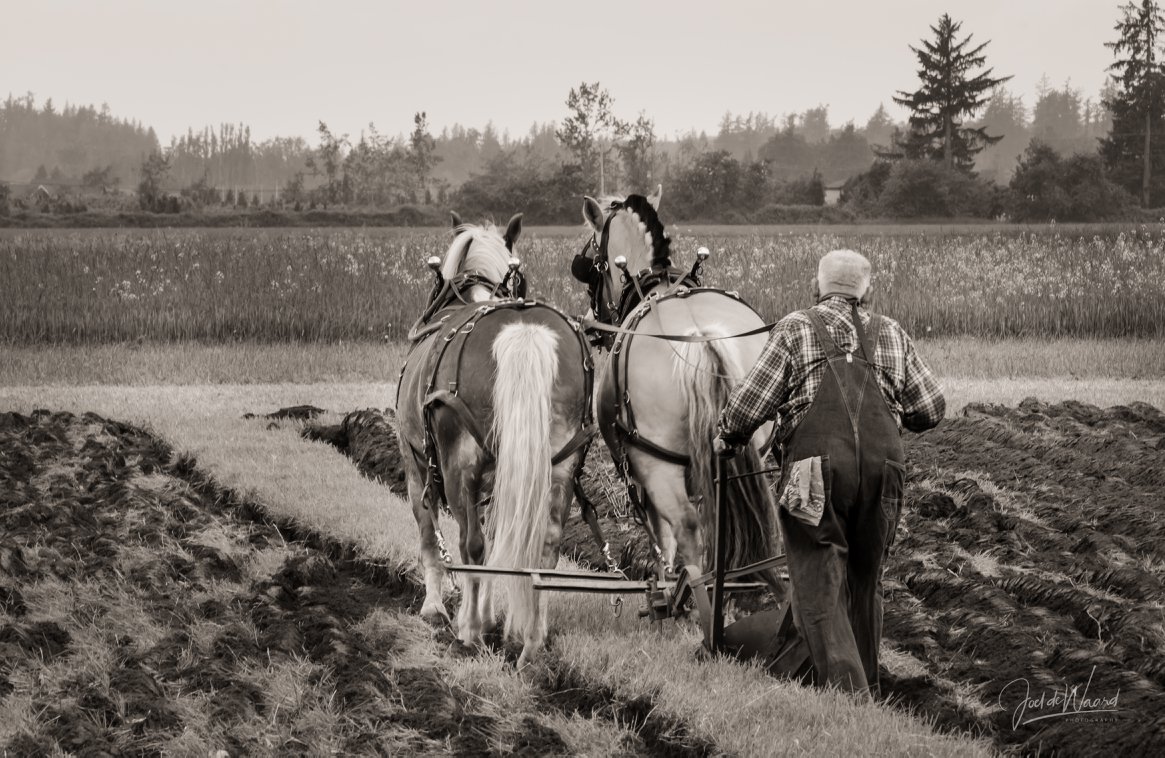
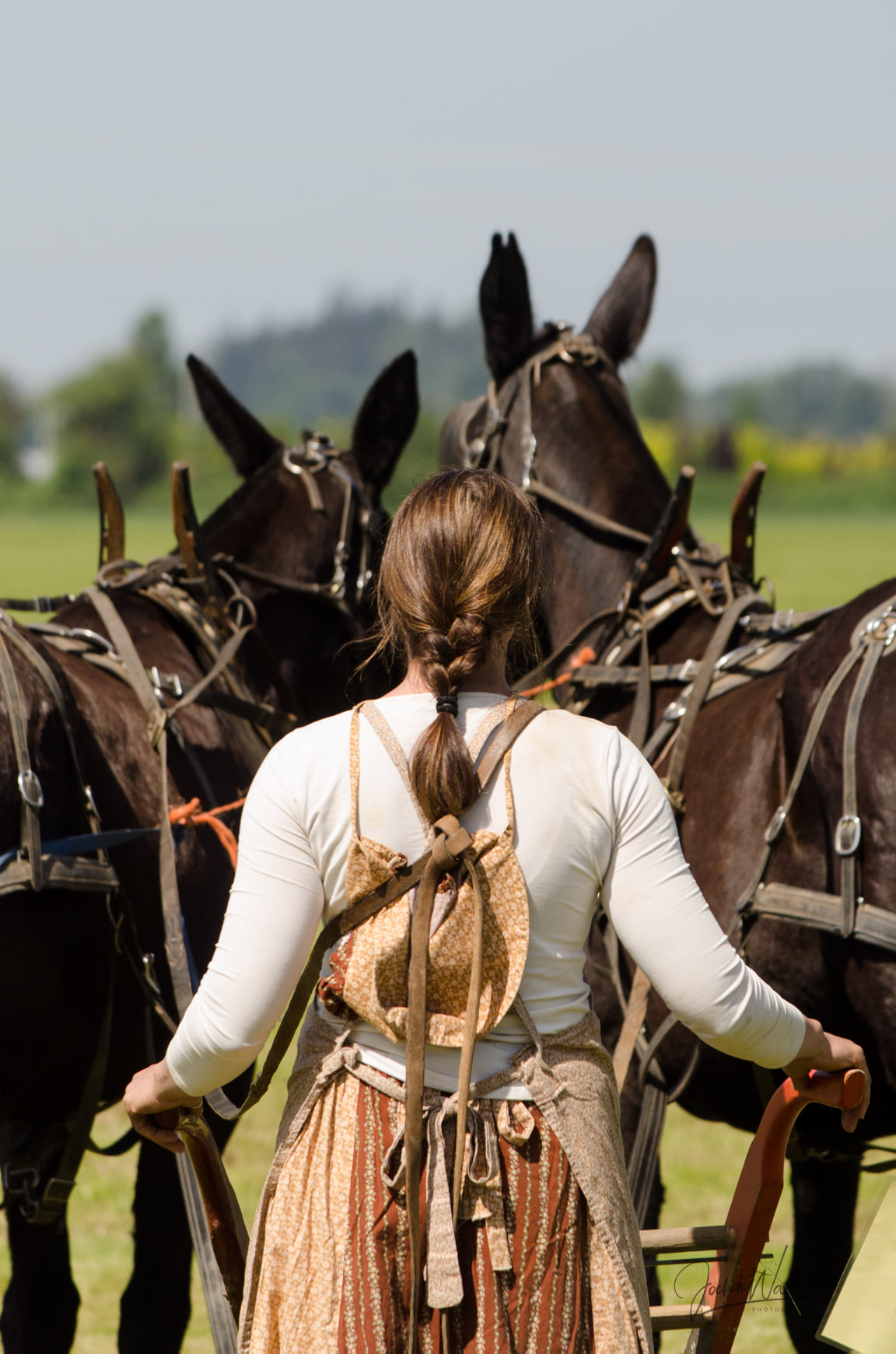
In the rural countryside where we live now, we’ve been fortunate enough to know people who still dabble in horse farming, whose draft teams are hitched to plows and mowers and manure spreaders as they head out to the fields to recapture the past.  Watching a good team work with no diesel motor running means hearing bird calls from the field, the steady footfall of the horses, the harness chains jingling, the leather straps creaking, the machinery shushing quietly as gears turn and grass lays over in submission.  No ear protection is needed.  There is no clock needed to pace the day.   There is a rhythm of nurture when animals instead of engines are part of the work day.   The gauge for taking a break is the amount of foamy sweat on the horses and how fast they are breathing. It is time to stop and take a breather, it is time to start back up do a few more rows, it is time to water, it is time for a meal, it is time for a nap, it is time for a rest in a shady spot.  This is gentle use of the land with four footed stewards who deposit right back to the soil the digested forage they have eaten only hours before.

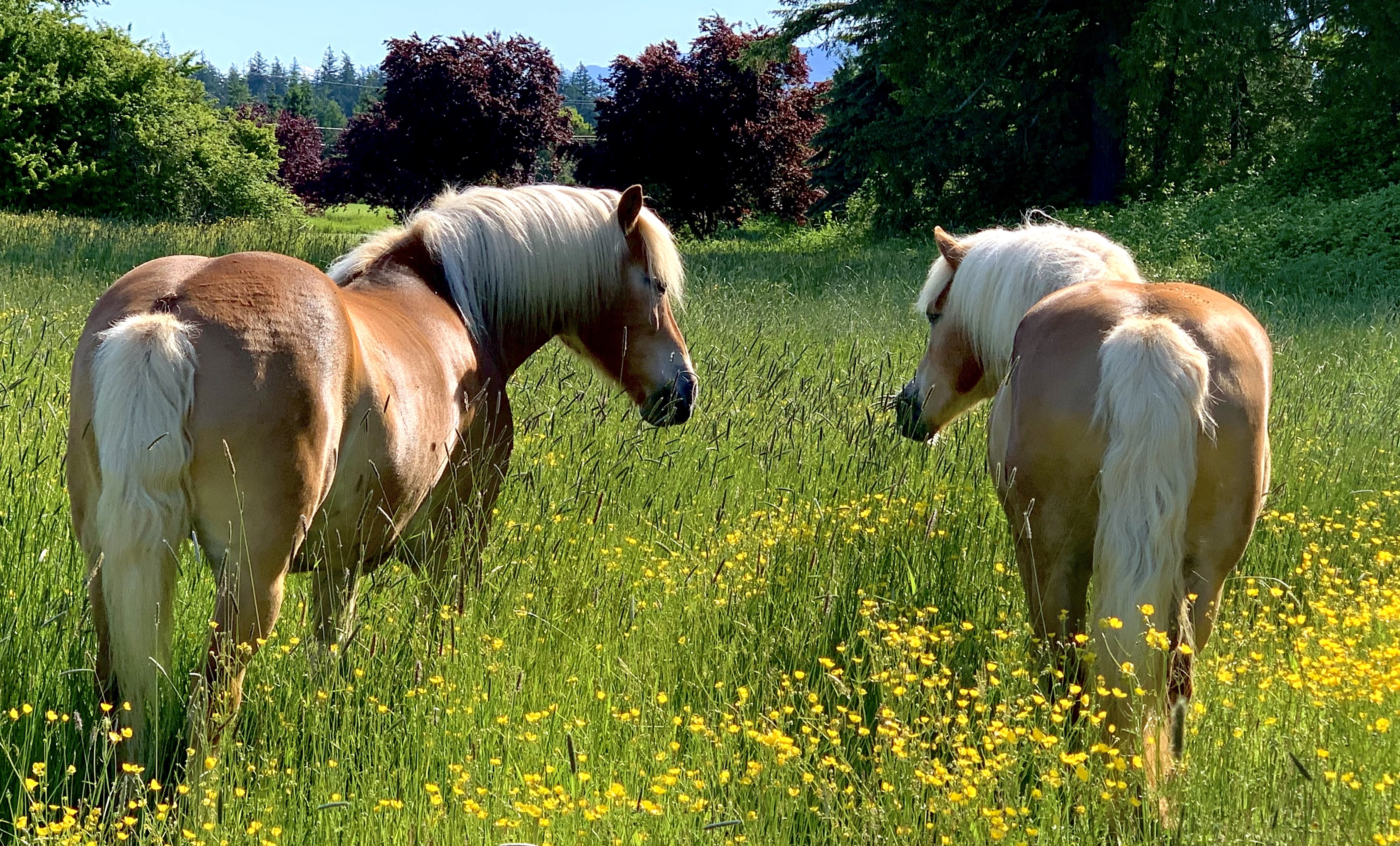
Our modern agribusiness megafarm fossil-fuel-powered approach to food production has bypassed the small family farm which was so dependent on the muscle power of humans and animals.  In our move away from horses worked by skilled teamsters,  what has been gained in high production values has meant loss of self-sufficiency and dedicated stewardship of a particular plot of ground.  Draft breeds, including the Haflinger horses we raise, now are bred for higher energy with lighter refined bone structure meant more for eye appeal and floating movement,  rather than the sturdy conformation and unflappable low maintenance mindset needed for pulling work.   Modern children are bred for different purpose as well, no longer raised to work together with other family members for a common purpose of daily survival.   Their focus at school is waning as they have no morning farm chores when they get up, too little physical work to do before they arrive at their desks in the morning.   Their physical energy, if directed at all,  is directed to competitive sports, engaged in fantasy combat rather than winning a very real victory over hunger.

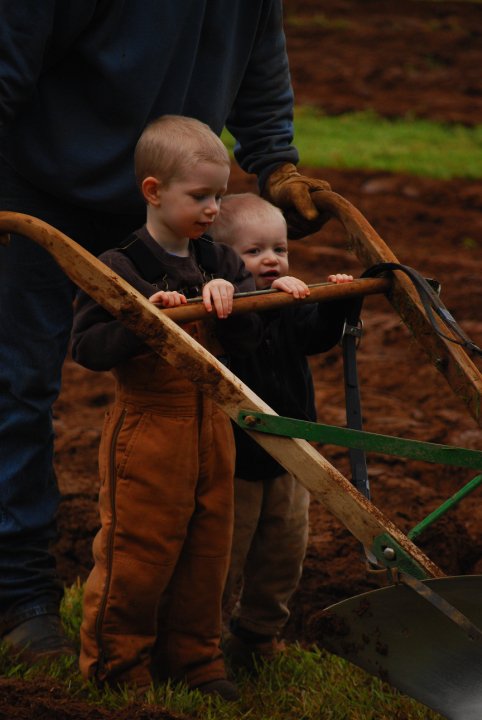
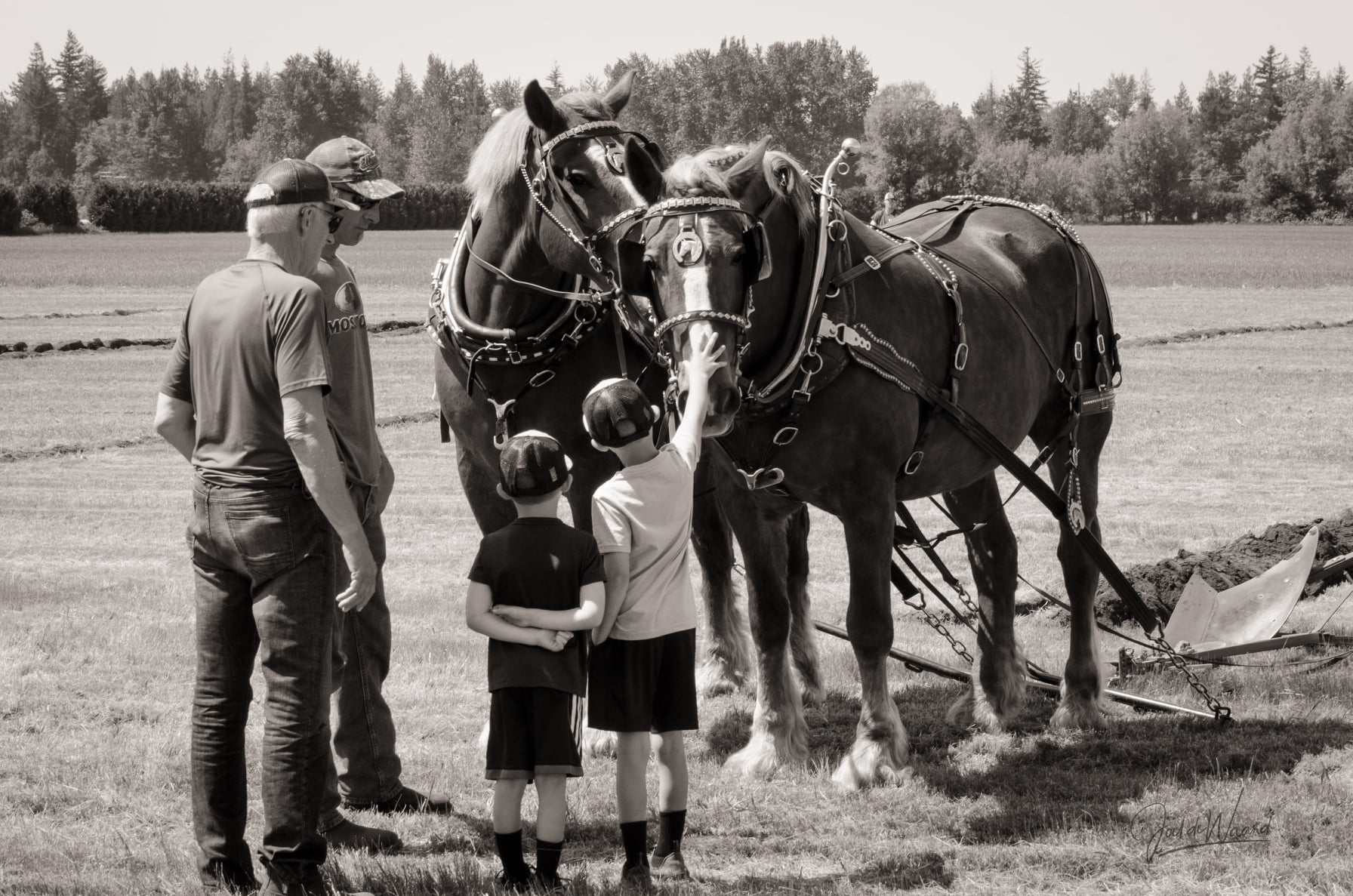
I am encouraged when young people still reach for horse collars and bridles, hitch up their horses and do the work as it used to be done.   All is not lost if we can still make incremental daily progress,  harnessed together as a team with our horses, tilling for truth and harvesting hope.

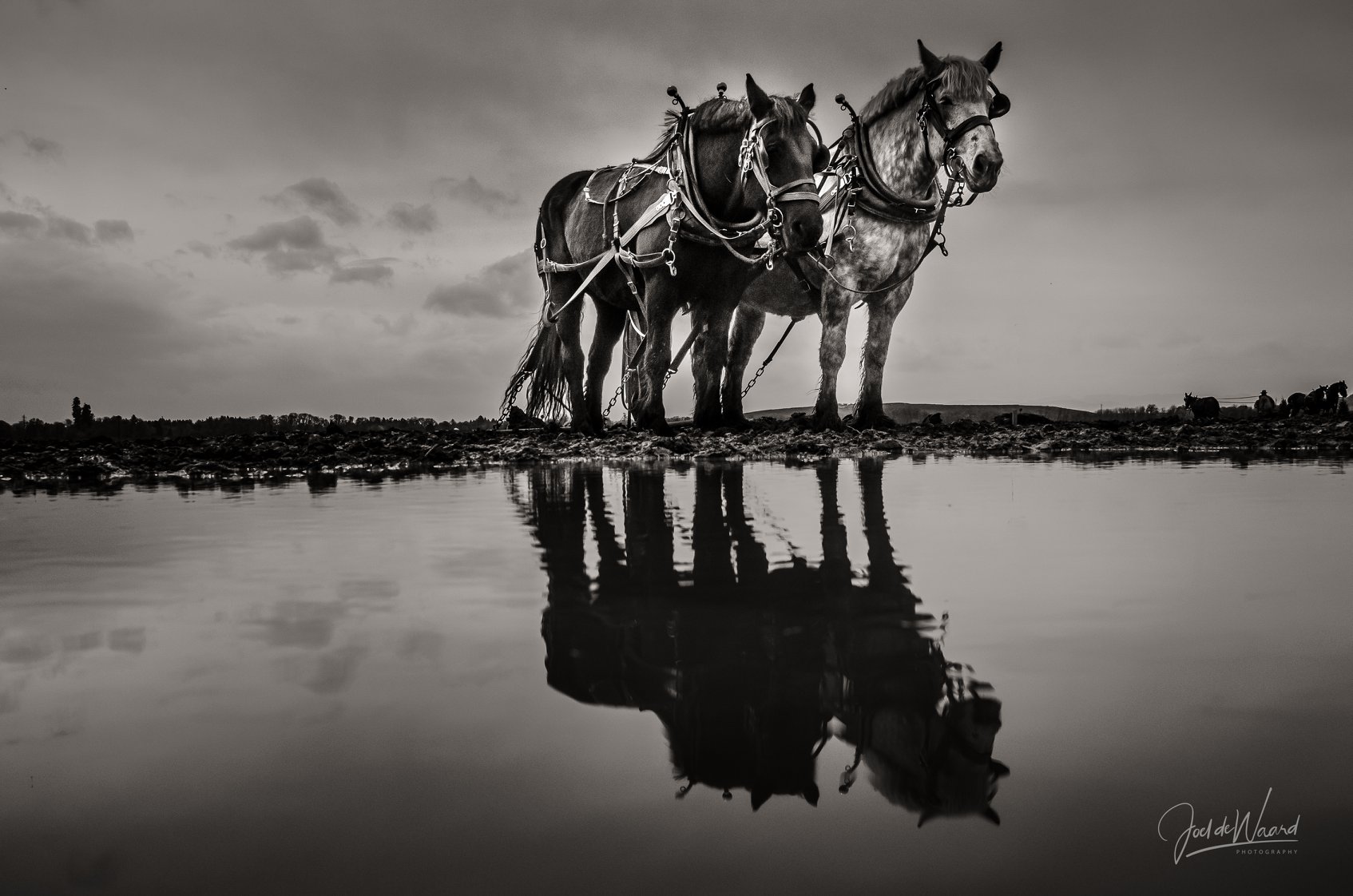
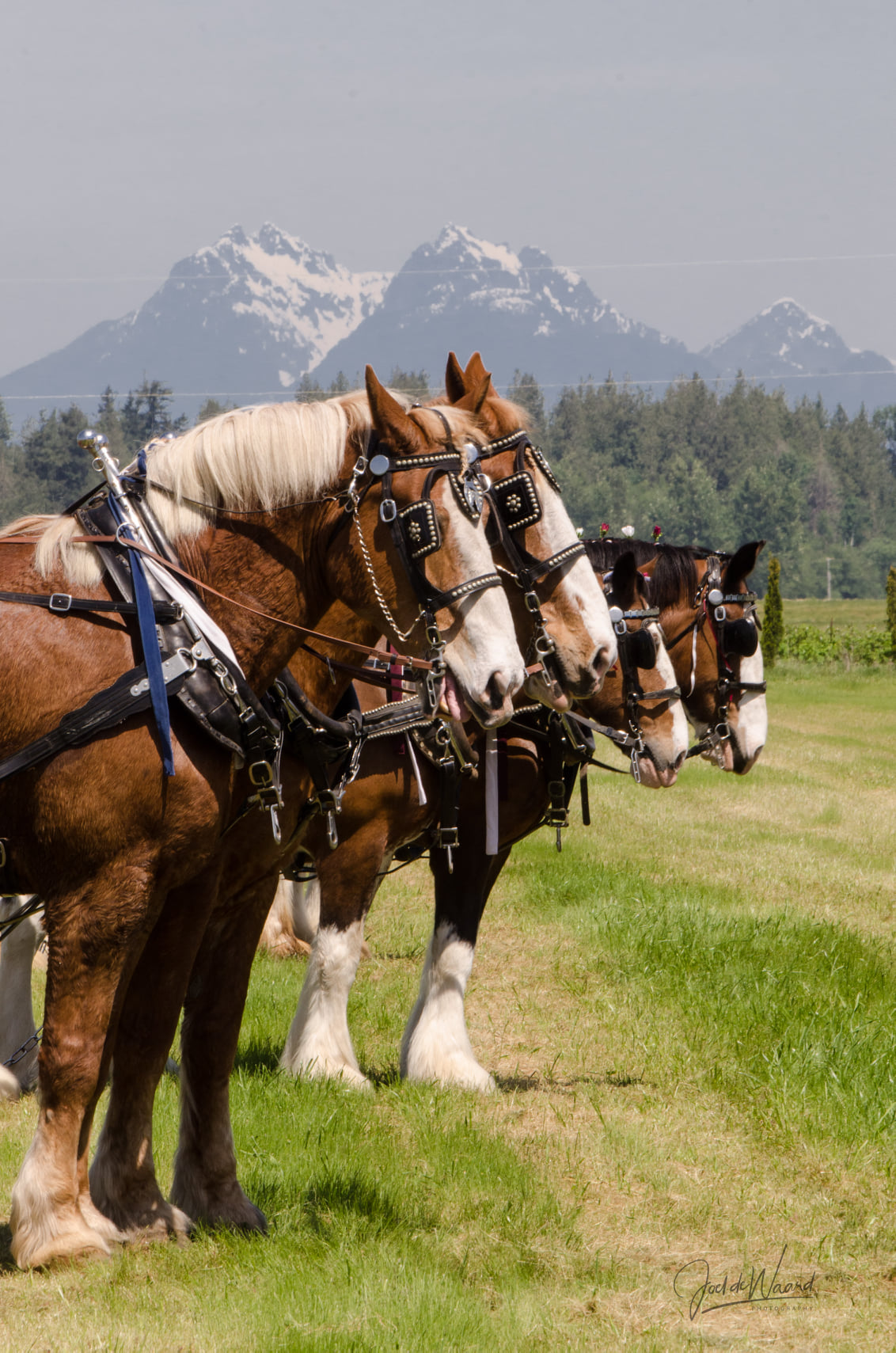
photo by Joel DeWaard


I like farming. I like the work. I like the livestock and the pastures and the woods.  It’s not necessarily a good living, but it’s a good life.  I now suspect that if we work with machines the world will seem to us to be a machine, but if we work with living creatures the world will appear to us as a living creature.  That’s what I’ve spent my life doing, trying to create an authentic grounds for hope. ~Wendell Berry, horse farmer, essayist, poet, professor

One-Time
Monthly
Yearly

Make a one-time or recurring donation to support daily Barnstorming posts

Make a monthly donation

Make a yearly donation

Choose an amount

¤5.00
¤10.00
¤20.00
¤5.00
¤15.00
¤100.00
¤5.00
¤15.00
¤100.00

Or enter a custom amount

¤

Your contribution is deeply appreciated.

Your contribution is appreciated.

Your contribution is appreciated.

DonateDonate monthlyDonate yearly

A Morning Luminous with Mystery and Pain

Heart,
I implore you,
it’s time to come back
from the dark,
it’s morning,
the hills are pink
and the roses
whatever they felt

in the valley of night
are opening now
their soft dresses,
their leaves

are shining.
Why are you laggard?
Sure you have seen this
a thousand times,

which isn’t half enough.
Let the world
have its way with you,
luminous as it is

with mystery
and pain–
graced as it is
with the ordinary.

~Mary Oliver “Summer Morning”

I love to stay in bed
All morning,
Covers thrown off, naked,
Eyes closed, listening.

There’s a smell of damp hay,
Of horses, laziness,
Summer sky and eternal life.

I know all the dark places
Where the sun hasn’t reached yet,
Where the last cricket
Has just hushed; anthills

Where it sounds like it’s raining,
Slumbering spiders spinning wedding dresses.

The good tree with its voice
Of a mountain stream
Knows my steps.
It, too, hushes.

I stop and listen:
Somewhere close by
A stone cracks a knuckle,
Another turns over in its sleep.

I hear a butterfly stirring
Inside a caterpillar.
I hear the dust talking
Of last night’s storm.

Farther ahead, someone
Even more silent
Passes over the grass
Without bending it.

And all of a sudden
In the midst of that quiet,
It seems possible
To live simply on this earth.

~Charles Simic from “Summer Morning”

Reading headlines about yet more unimaginable losses and grieving people is extraordinarily painful on a summer morning when all should be luminous and lighthearted. My heart isn’t feeling the light at all; I struggle to leave behind those dark places where the sun hasn’t reached yet.

Yet if I’m still and quiet, I can hear life going on all around me. My sadness doesn’t change the mystery of a world God created in beauty and peace, now overshadowed by our fall into darkness, yet redeemed by a sacrificial Love we cannot possibly comprehend.

What a summer morning revelation. It’s as extraordinarily ordinary and simple as that.

One-Time
Monthly
Yearly

Make a one-time or recurring donation to support daily Barnstorming posts

Make a monthly donation

Make a yearly donation

Choose an amount

¤5.00
¤10.00
¤20.00
¤5.00
¤15.00
¤100.00
¤5.00
¤15.00
¤100.00

Or enter a custom amount

¤

Your contribution is deeply appreciated.

Your contribution is appreciated.

Your contribution is appreciated.

DonateDonate monthlyDonate yearly

Freedom: Being Easy in the Harness

photo by Joel DeWaard
Photo by Joel DeWaard
photo by Joel DeWaard

I find my greatest freedom on the farm.
I can be a bad farmer or a lazy farmer and it’s my own business.
What is my definition of freedom?
It’s being easy in your harness.

~Robert Frost in 1954, at a news conference on the eve of his 80th birthday

photo by Joel DeWaard

Little soul,
you and I will become
the memory
of a memory of a memory.
A horse
released of the traces
forgets the weight of the wagon.
~Jane Hirshfield “Harness”

photo by Joel DeWaard

The past was faded like a dream; 
There come the jingling of a team, 
A ploughman’s voice, a clink of chain, 
Slow hoofs, and harness under strain. 
Up the slow slope a team came bowing

O wet red swathe of earth laid bare,
O truth, O strength, O gleaming share,
O patient eyes that watch the goal,
O ploughman of the sinner’s soul.
O Jesus, drive the coulter deep
To plough my living man from sleep…


That Christ was standing there with me, 
That Christ had taught me what to be, 
That I should plough, and as I ploughed 
My Saviour Christ would sing aloud, 
And as I drove the clods apart 
Christ would be ploughing in my heart, 
Through rest-harrow and bitter roots, 
Through all my bad life’s rotten fruits.

Lo, all my heart’s field red and torn,
And Thou wilt bring the young green corn,
And when the field is fresh and fair
Thy blessed feet shall glitter there,
And we will walk the weeded field,
And tell the golden harvest’s yield,
The corn that makes the holy bread
By which the soul of man is fed,
The holy bread, the food unpriced,
Thy everlasting mercy, Christ.
~John Masefield from The Everlasting Mercy

photo by Joel DeWaard

We historically have shouldered much burden
in our pursuit of happiness and freedom;
it’s worth every ounce of sweat,
every sore muscle,
every drop of blood,
every tear.

We forget the weight of the plow
as it turns over the earth
where someday we will rest as dust.

The soil of our hearts is well-tilled,
yielding to the plowshare
digging deep with the pull of the harness.
The furrow straight and narrow.

Although we are tread upon
yet do we bloom;
though we are turned upside down
yet we produce bread.

Plowing brings freshness to the surface,
a new face upturned to the cleansing dew,
knots of worms making our simple dust fertile.

Plow deep our hearts this day
of celebrating freedom in You, Dear Lord.
Let us remember to worship You, and not ourselves.

May we plow, sow, grow,
gather and harvest what is needed
to feed your vast and hungry children
everywhere.

photo by Joel DeWaard

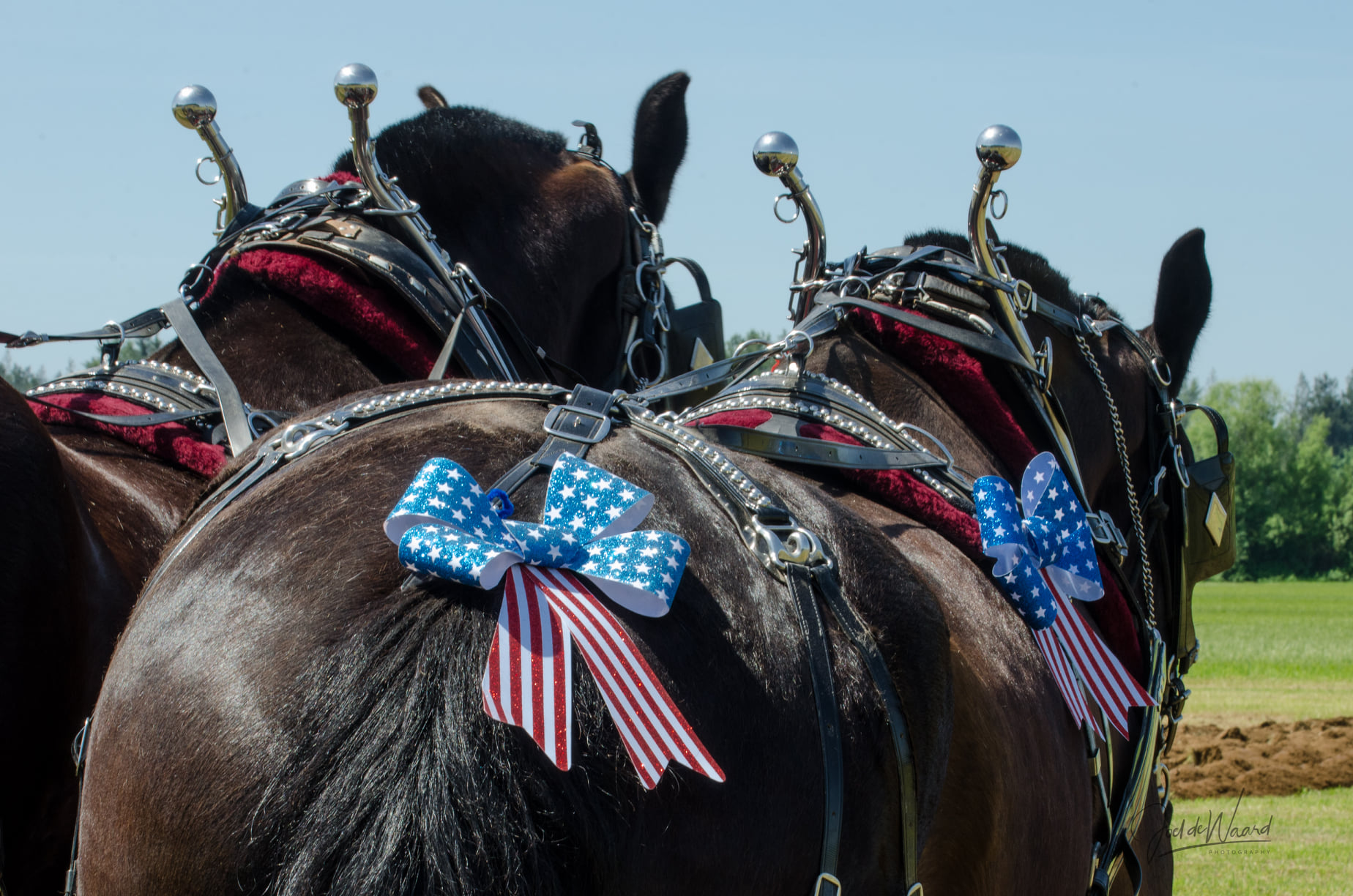
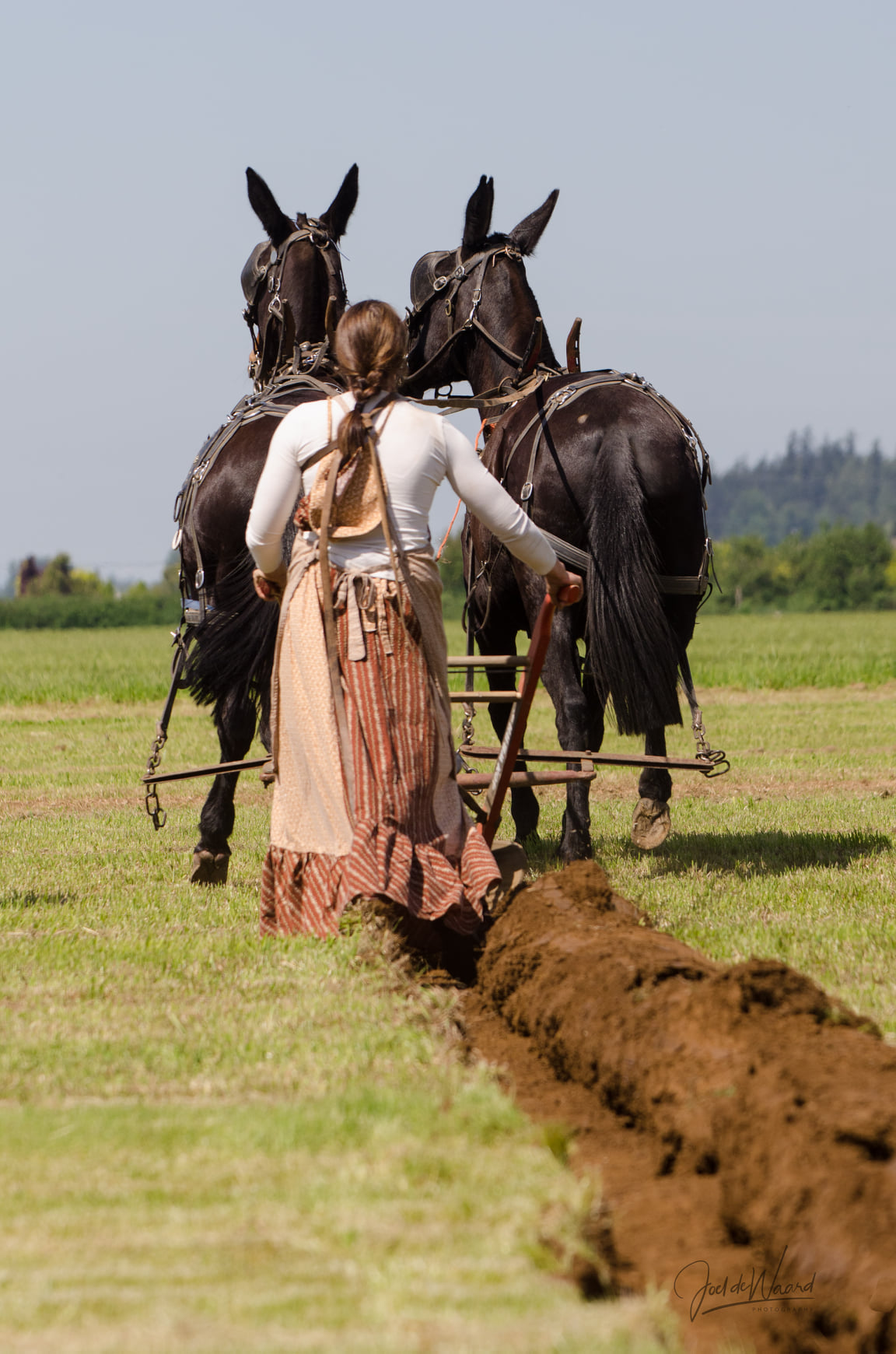
Thank you once again to Joel DeWaard, local farmer, craftsman and photographer, who graciously shares his photos of the Annual International Lynden (Washington) Plowing Match

Whatcha gonna do when the plowin’s done?
Workin’ all day in the heat of the sun
The game’s been caught; the bread’s been won
Whatcha gonna do when the plowin’s done?

What I’m gonna do when the plowin’s done
Is take some time just to have some fun
Say the barn-dance just begun
That’s where I’m goin’ when the plowin’s done

Whatcha gonna do when the daylight’s gone
Twilight settles and the shade grows long
The whippoorwill sings his favorite song
Whatcha gonna do when the daylight’s gone?

What I’m gonna do when the daylight’s gone
Is take you to the dance if you’ll come along
The down-home past time can’t go wrong
That’s what I’m doing when the daylight’s gone

Whatcha gonna do when the moonlight’s gone
And dewdrops settle on the farmer’s lawn
I’m gonna stay right here and dance till dawn
That’s what I’m doing when the moonlight’s gone

One-Time
Monthly
Yearly

Make a one-time or recurring donation to support daily Barnstorming posts

Make a monthly donation

Make a yearly donation

Choose an amount

¤5.00
¤10.00
¤20.00
¤5.00
¤15.00
¤100.00
¤5.00
¤15.00
¤100.00

Or enter a custom amount

¤

Your contribution is deeply appreciated.

Your contribution is appreciated.

Your contribution is appreciated.

DonateDonate monthlyDonate yearly

Be Winged

O! for a horse with wings! 
~William Shakespeare from Cymbeline

photo by Bette Vander Haak

Be winged. Be the father of all flying horses.
~C.S. Lewis from The Magician’s Nephew

photo by Bette Vander Haak

One reason why birds and horses are happy is because they are not trying to impress other birds and horses. 
~Dale Carnegie

photo by Bette Vander Haak

When I bestride him, I soar, I am a hawk:
he trots the air; the earth sings when he touches it;
~William Shakespeare from Henry V

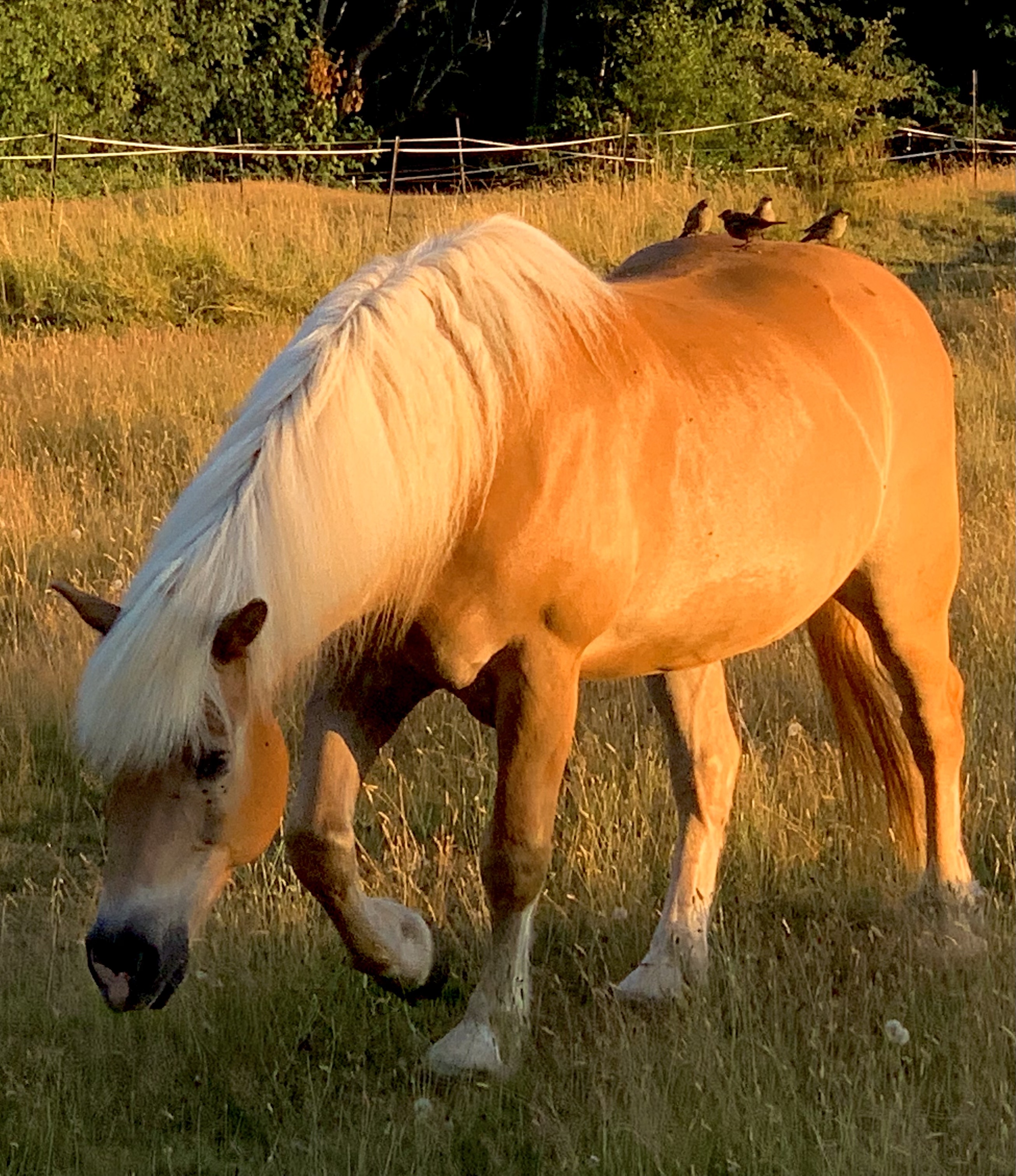
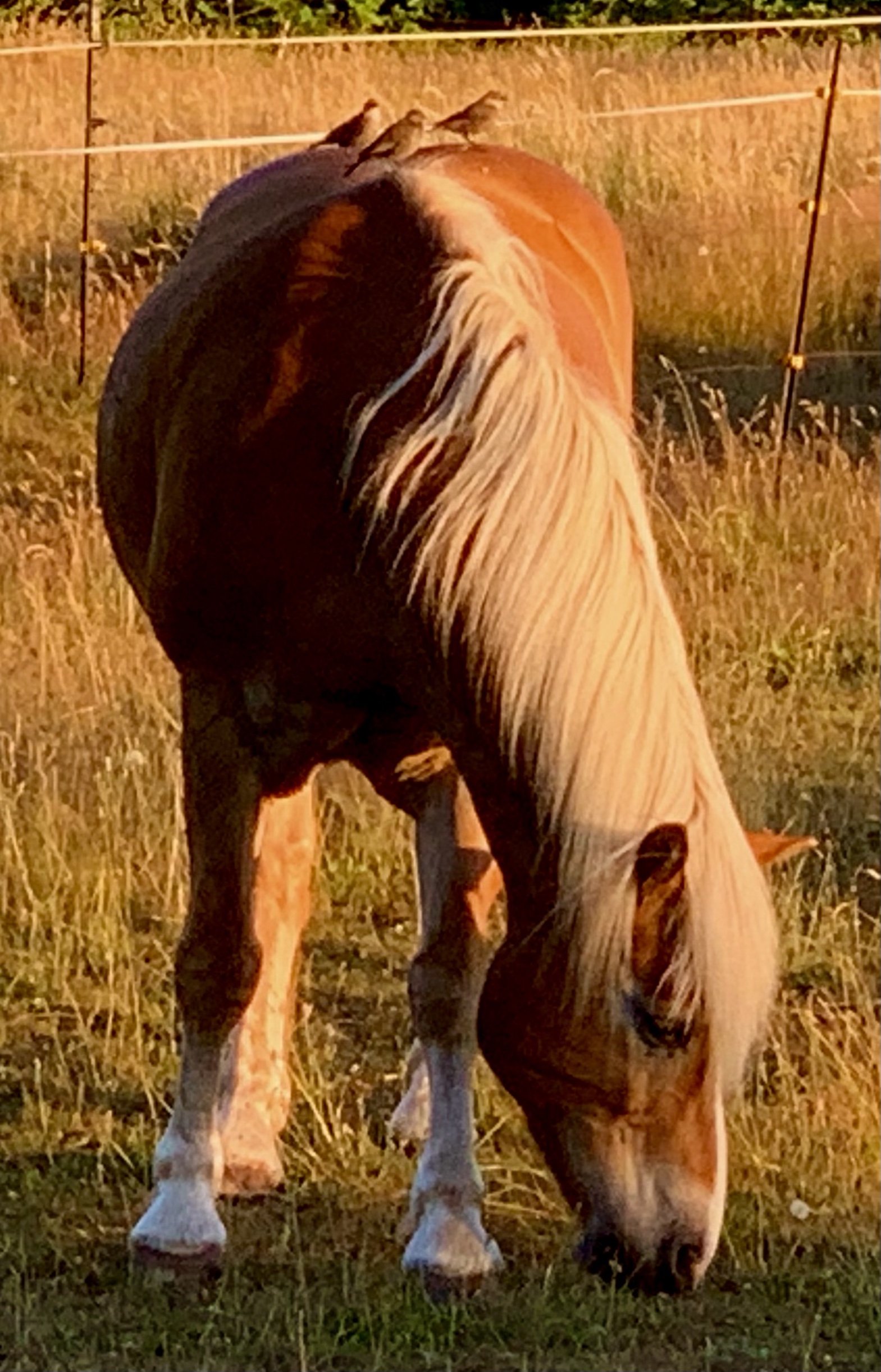
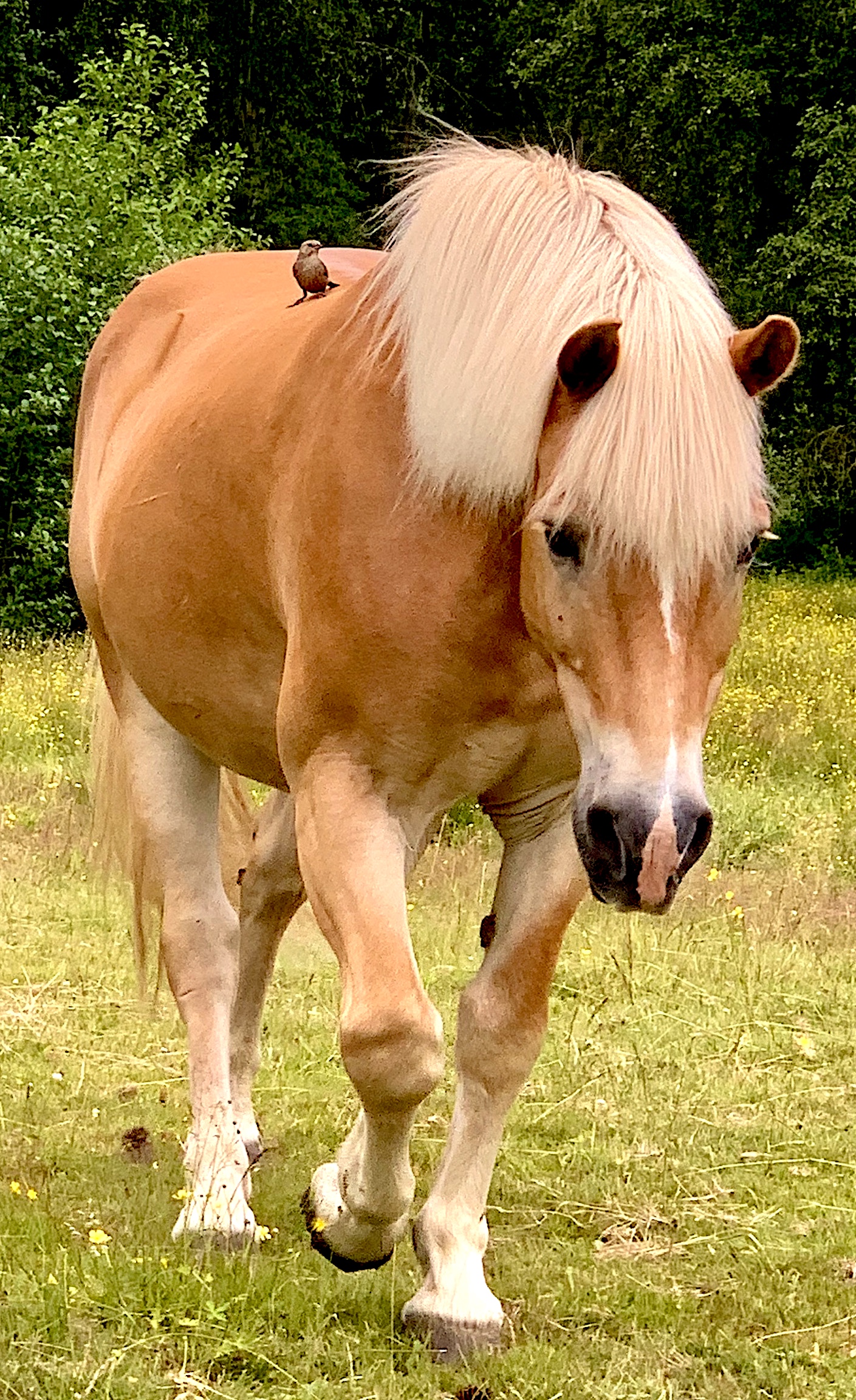
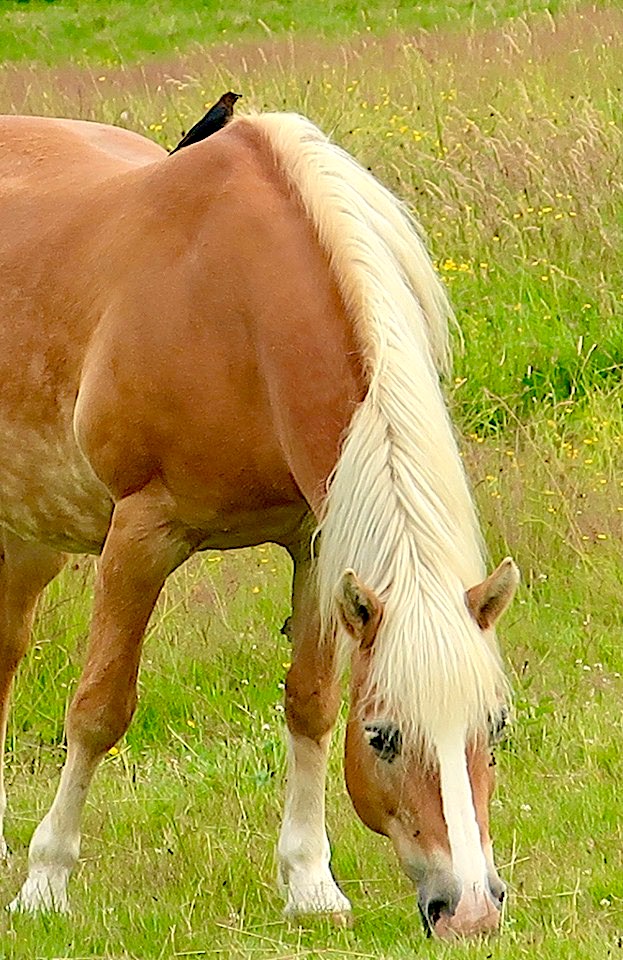
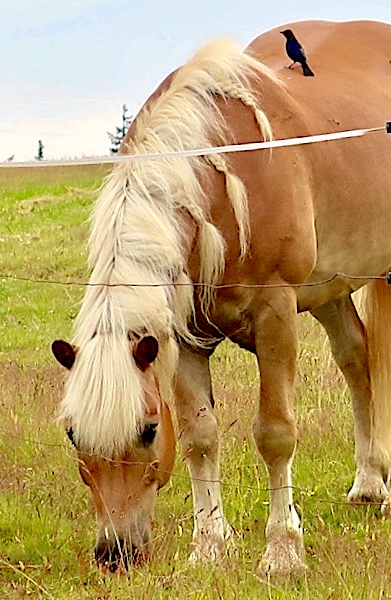
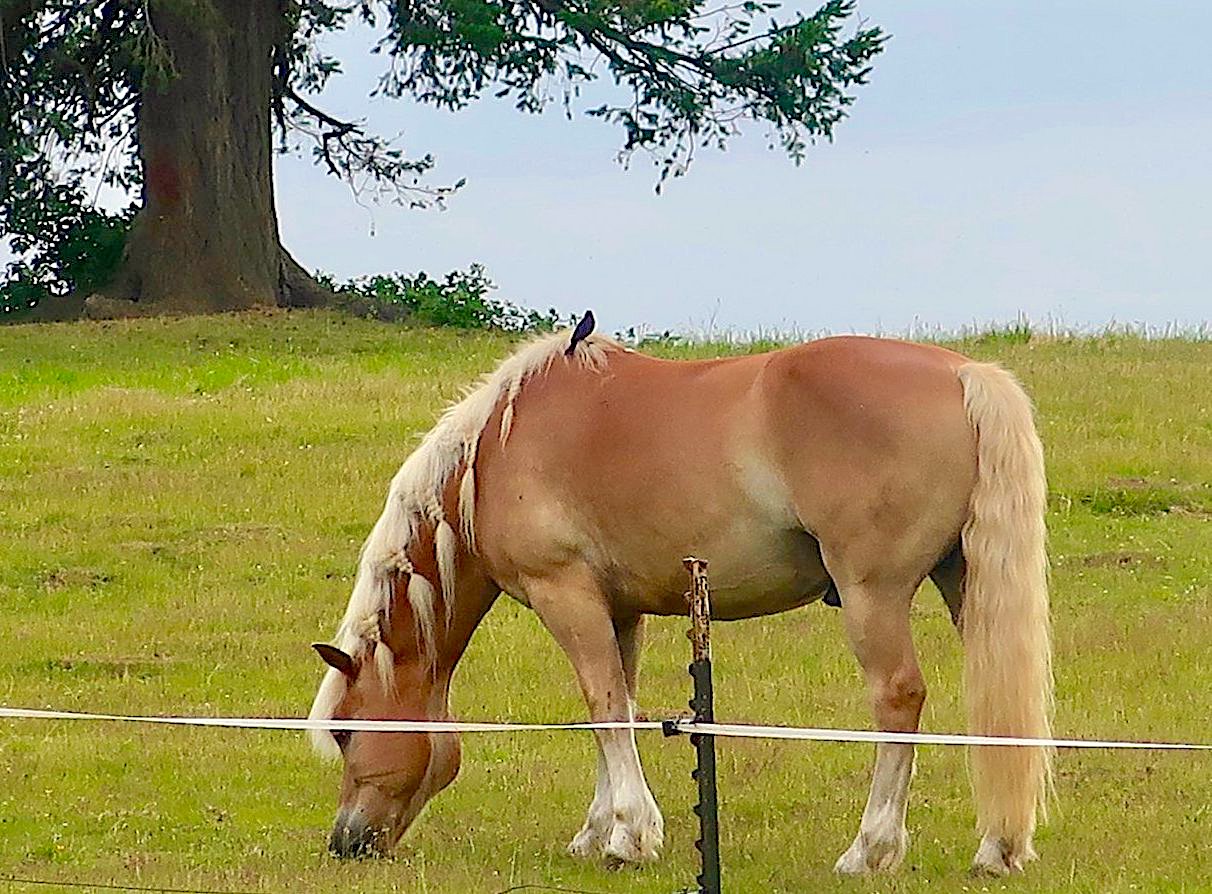
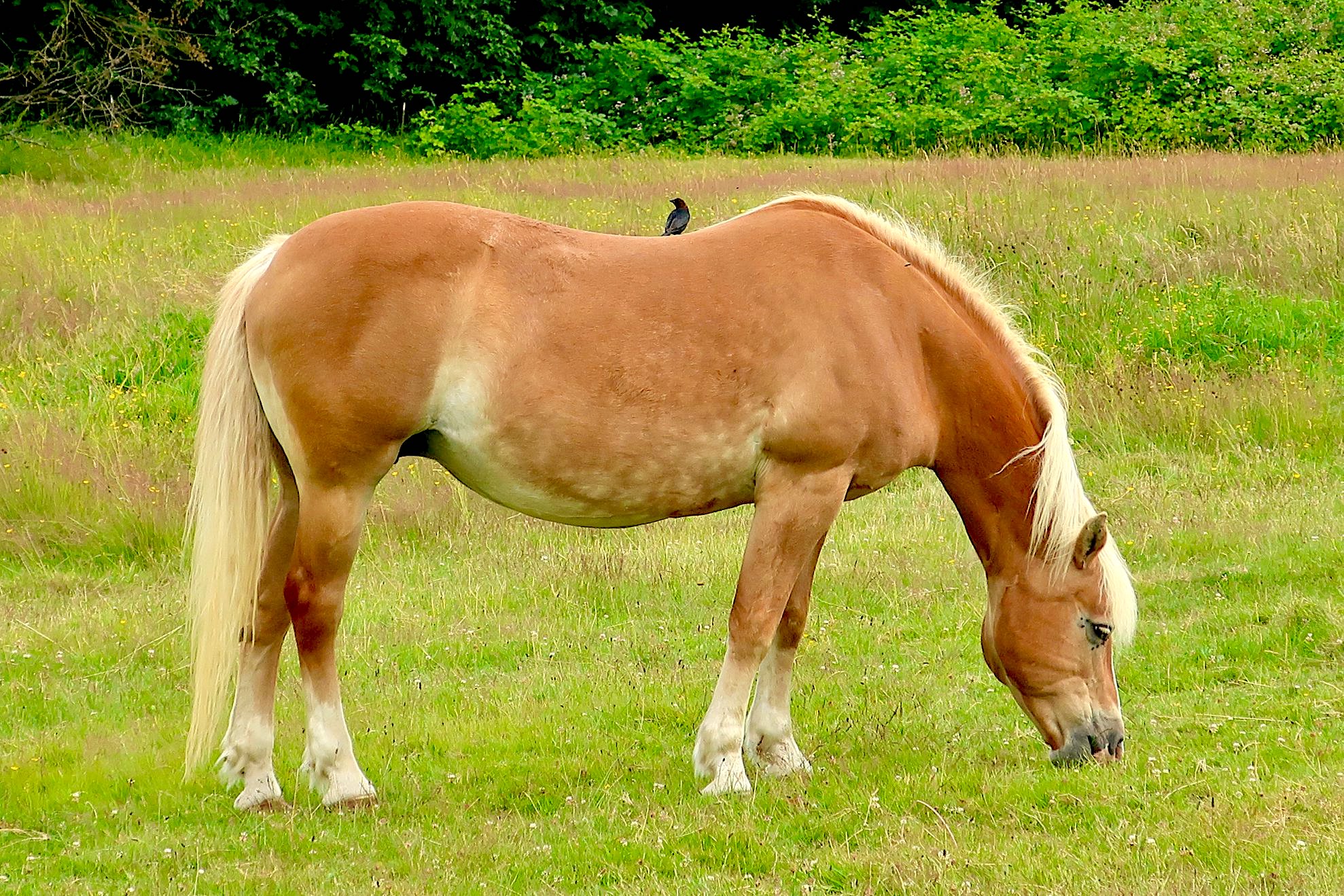
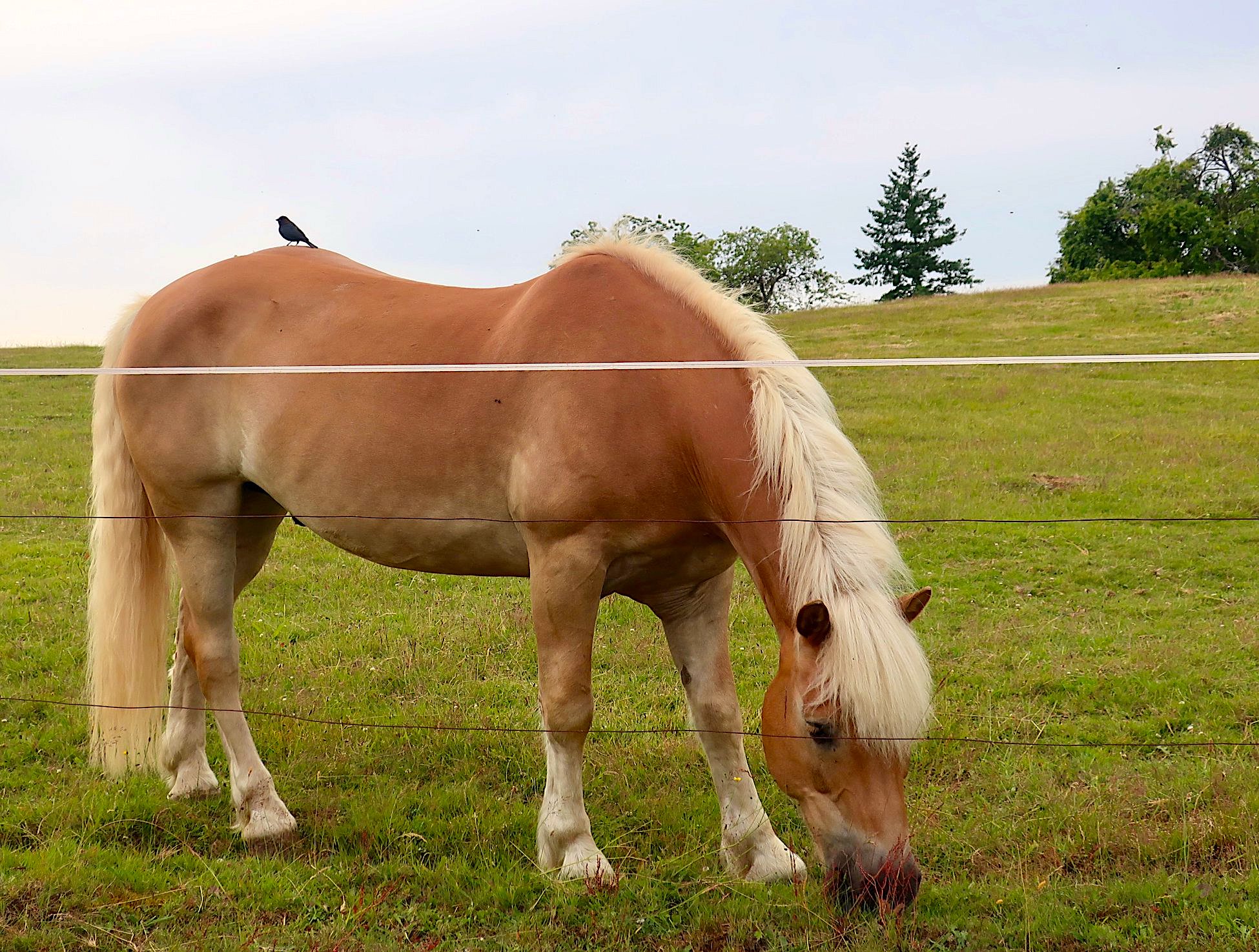
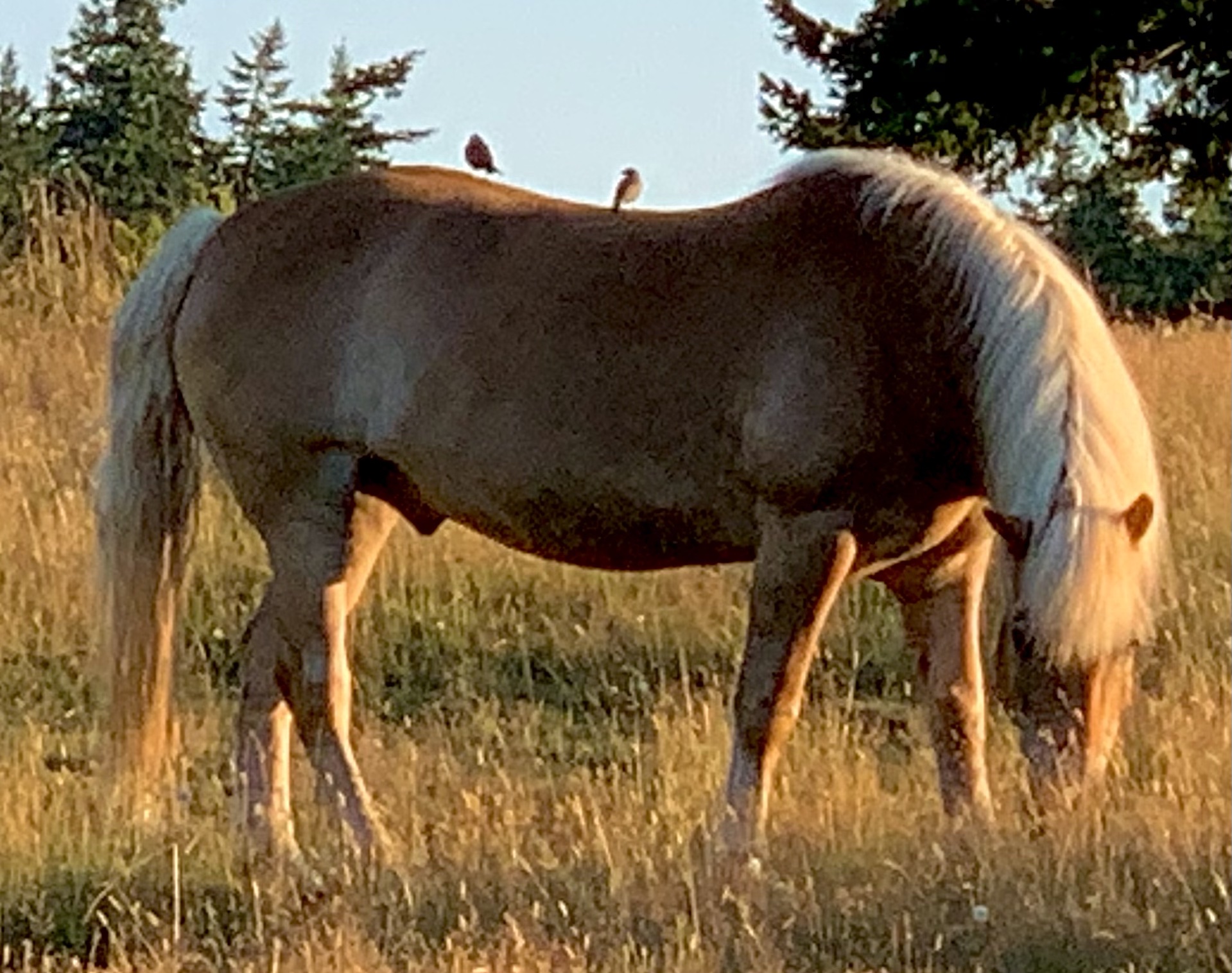
We all need someone along for the ride with us, blessing us with their company — a precious friend who has our back and scratches it wonderfully – helping to keep the biting flies away by gobbling them up.

It is symbiosis at its best: a relationship built on mutual trust and helpfulness. In exchange for relief from annoying insects that a tail can’t flick off, a Haflinger horse serves up bugs on a smorgasbord landing platform located safely above farm cats and marauding coyotes.

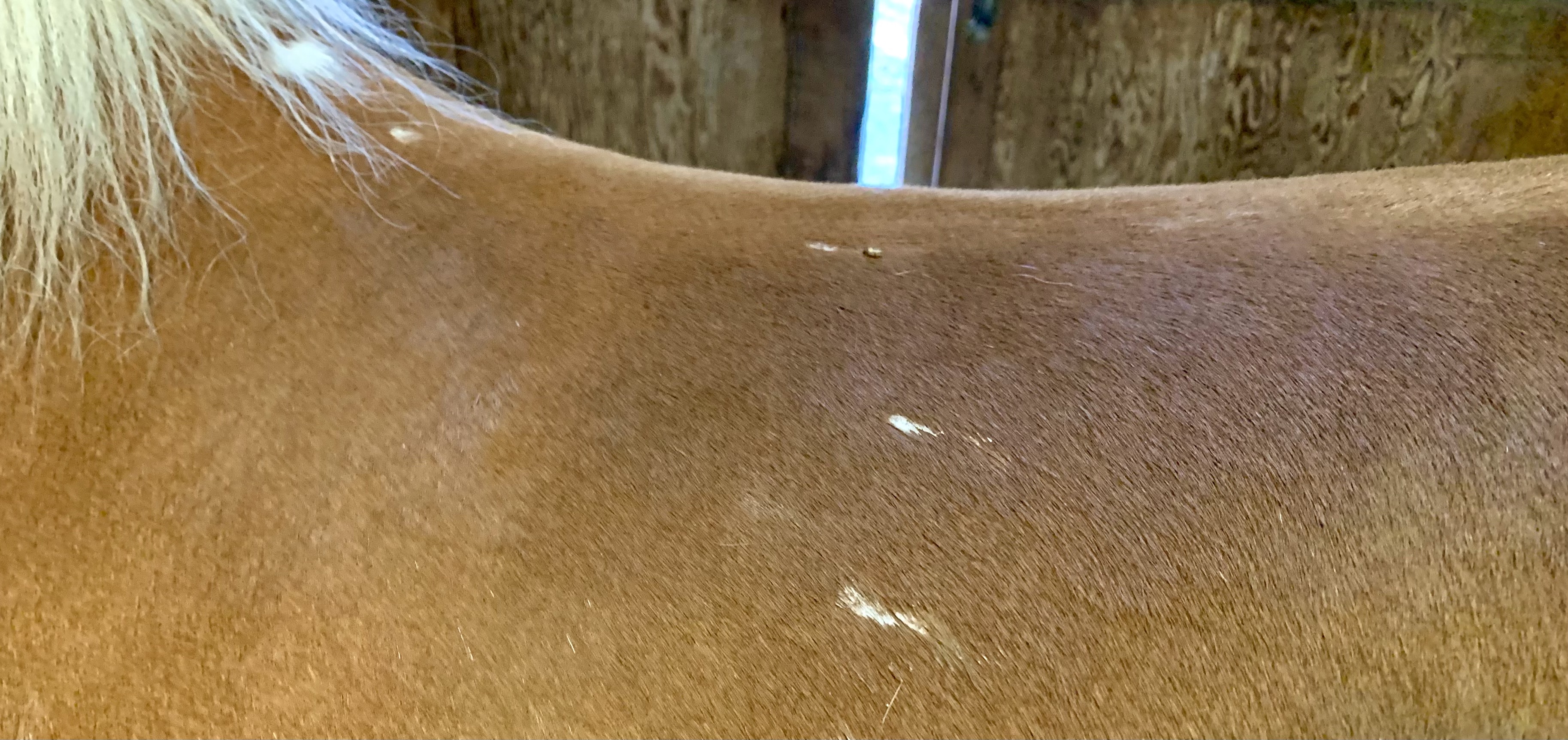
Thanks to their perpetual full meal deals, these cowbirds do leave generous “deposits” behind that need to be brushed off at the end of the day. Like any good friendship, cleaning up the little messes left behind is a small price to pay for the bliss of companionable comradeship.

We’re buds after all – best forever friends, trotting the air while the earth sings along.

And this is exactly what friends are for: one provides the feast while the other provides the wings, even when things get messy.

Be winged. Be fed. Together.

One-Time
Monthly
Yearly

Make a one-time or recurring donation to support daily Barnstorming posts

Make a monthly donation

Make a yearly donation

Choose an amount

¤5.00
¤10.00
¤20.00
¤5.00
¤15.00
¤100.00
¤5.00
¤15.00
¤100.00

Or enter a custom amount

¤

Your contribution is deeply appreciated.

Your contribution is appreciated.

Your contribution is appreciated.

DonateDonate monthlyDonate yearly

Roaming Soft About the Slope

The mare roamed soft about the slope,
Her rump was like a dancing girl’s.
Gentle beneath the apple trees
She pulled the grass and shook the flies,
Her forelocks hung in tawny curls,
She had a woman’s limpid eyes,
A woman’s patient stare that grieves.
And when she moved among the trees,
The dappled trees, her look was shy,
She hid her nakedness in leaves.
A delicate though weighted dance
She stepped while flocks of finches flew
From tree to tree and shot the leaves
With songs of golden twittering;
How admirable her tender stance.
And then the apple trees were new,
And she was new, and we were new,
And in the barns the stallions stamped
And shook the hills with trumpeting.
~Ruth Stone, “The Orchard” from What Love Comes To

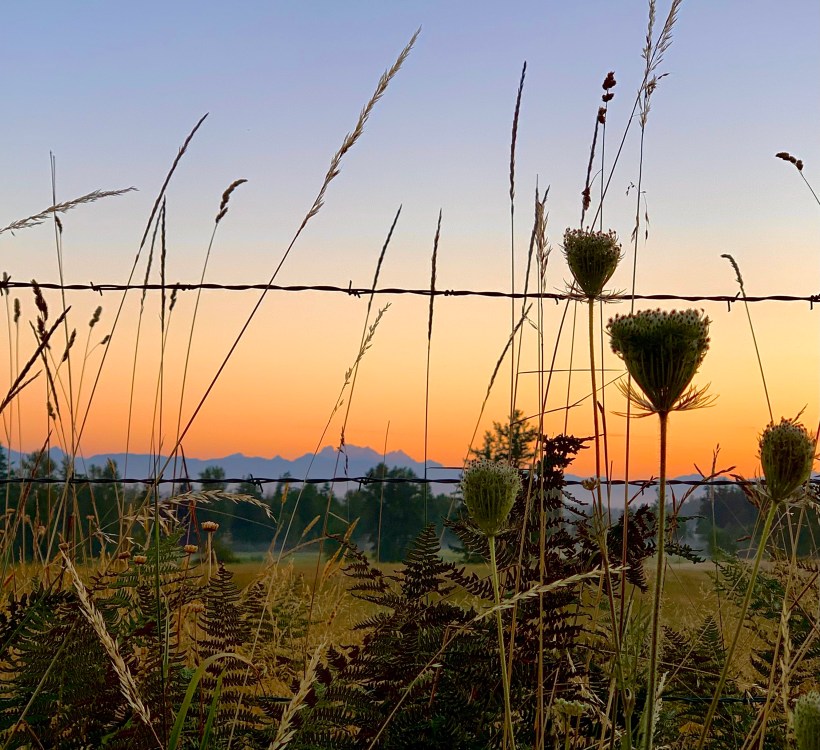
Our retired mares are aging, the oldest now thirty and the others only a few years younger. Born on this land, they have served us well over the decades, birthing us their foals and working when asked. They deserve this easy life on pasture for as long as their legs and feet will carry them up and down the slopes of our hilly farm – they are more and more resembling our ancient crooked crippled orchard trees, some of which have already toppled in the winter winds..

I’m thinking we are close to the end of these loyal mares’ long lives; hard decisions must be made at some point and I don’t feel quite prepared to determine when they are no longer enjoying their time under the sun but I don’t want them to topple over like an old hollow tree in the wind. I listen for their nickers as I come into the barn each morning and still see their eagerness to be set free to the fields. I look in their eyes when they come in at night to discern what they have to say about how their day went out on the grass.

Perhaps I too identify a bit much with the stiffness as they move and their need for frequent napping times in the field, swishing at flies while they dream of younger days of flirting with stallions, nursing babies, having suppler joints and a wild gallop at twilight.
I’ve been singing a sad lullaby to myself and them as I work about the barn with slow deliberation, knowing there is somber sorrow when life eventually must come to its inevitable end.

Ah, all the pretty little horses…

One-Time
Monthly
Yearly

Make a one-time or recurring donation to support daily Barnstorming posts

Make a monthly donation

Make a yearly donation

Choose an amount

¤5.00
¤10.00
¤20.00
¤5.00
¤15.00
¤100.00
¤5.00
¤15.00
¤100.00

Or enter a custom amount

¤

Your contribution is deeply appreciated.

Your contribution is appreciated.

Your contribution is appreciated.

DonateDonate monthlyDonate yearly

A Wet and Trembling Solstice

The light stretched and tangy, up on its horse
and riding through the ripening meadows,
buzzing the leaves and the
birds who’ve been at it for hours.
Light that in its excess has become something else.
The way you look from a hill’s highest point,
your head full of chlorophyll,
heart shucking winter like a clayload of guilt,
like pollen with its open fire policy
compensating loss. You exceed yourself,
tanked on the light and the birds
who’ve been singing forever.
~Donna Kane from Summer Solstice

Green was the silence, wet was the light
the month of June trembled like a butterfly
~Pablo Neruda from “Sonnet XL”

Why do we bother with the rest of the day,
the swale of the afternoon,
the sudden dip into evening,
then night with his notorious perfumes,
his many-pointed stars?

This is the best—
throwing off the light covers,
feet on the cold floor,
and buzzing around the house on espresso—
maybe a splash of water on the face,
a palmful of vitamins—

but mostly buzzing around the house on espresso,
dictionary and atlas open on the rug,
the typewriter waiting for the key of the head,
a cello on the radio,
and, if necessary, the windows—
trees fifty, a hundred years old
out there,
heavy clouds on the way
and the lawn steaming like a horse
in the early morning.
~Billy Collins “Morning”

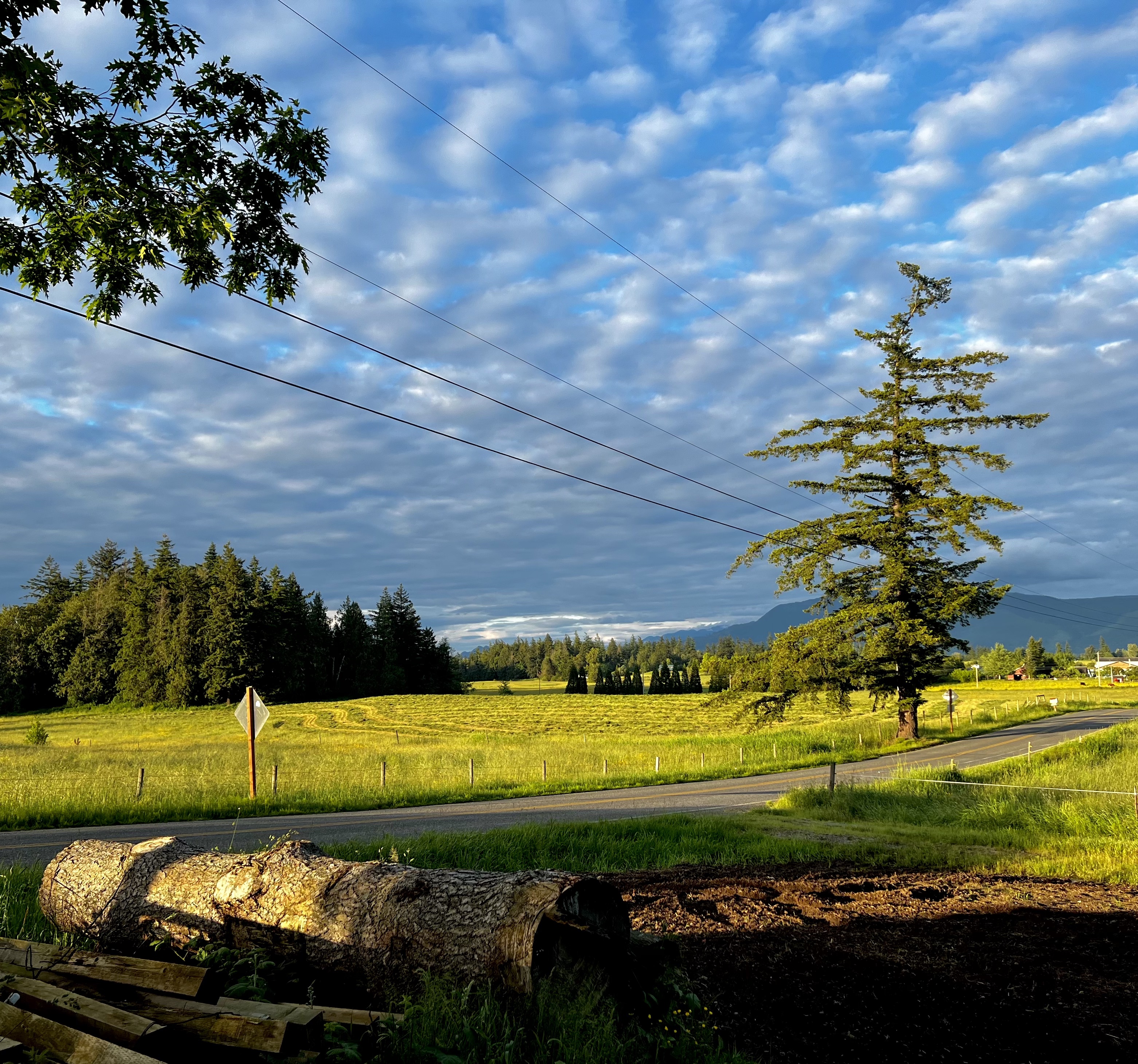
Early this morning, the northern hemisphere transitioned to summer, but aside from the date on the calendar, here it would be difficult to prove otherwise.  It has been unseasonably cool and wet, the skies stony gray, the rivers running full and fast, the ground peppered with puddles. Rain has chosen to fall at night, hiding behind the cover of darkness as if ashamed of itself.   As it should be.
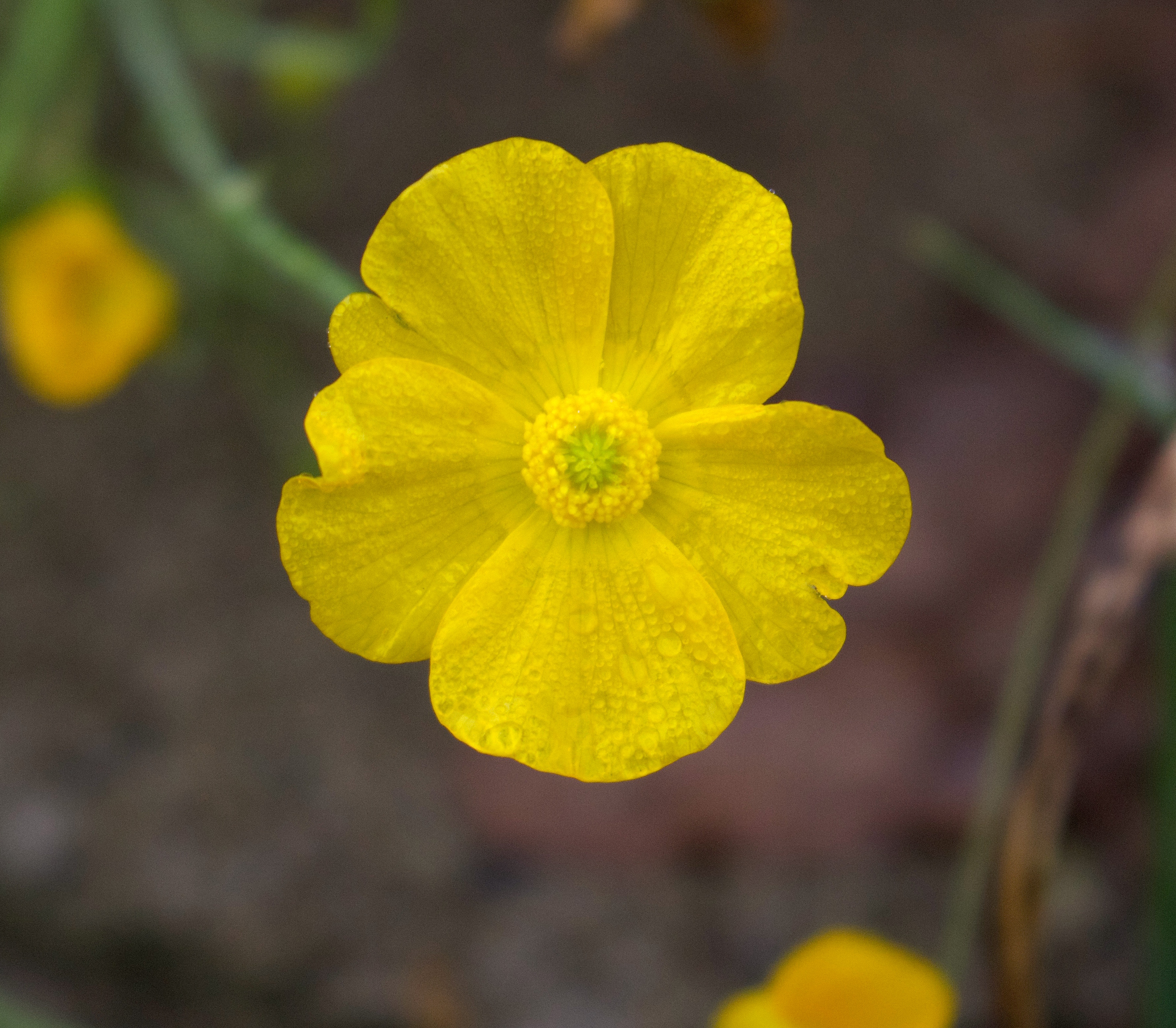
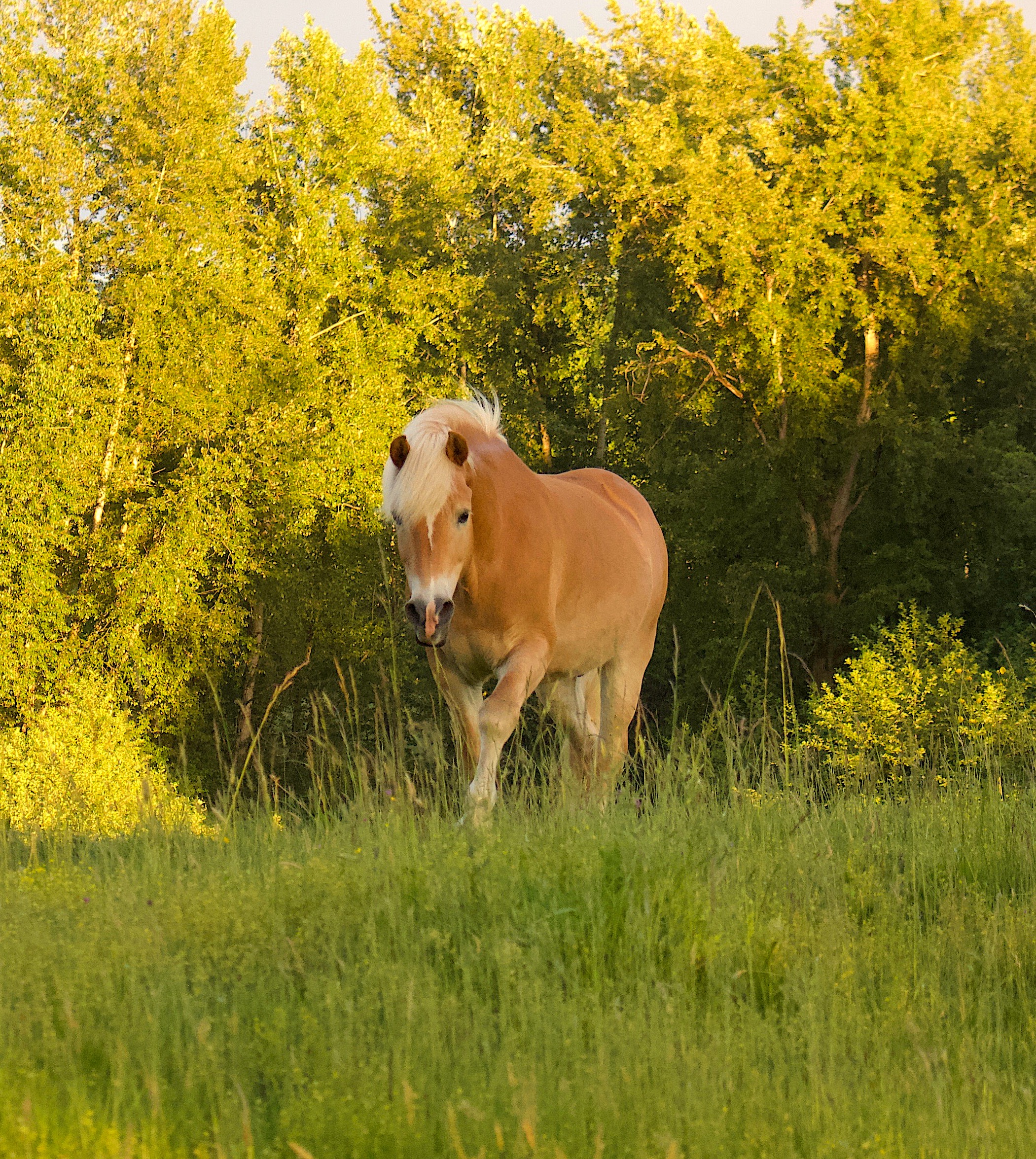
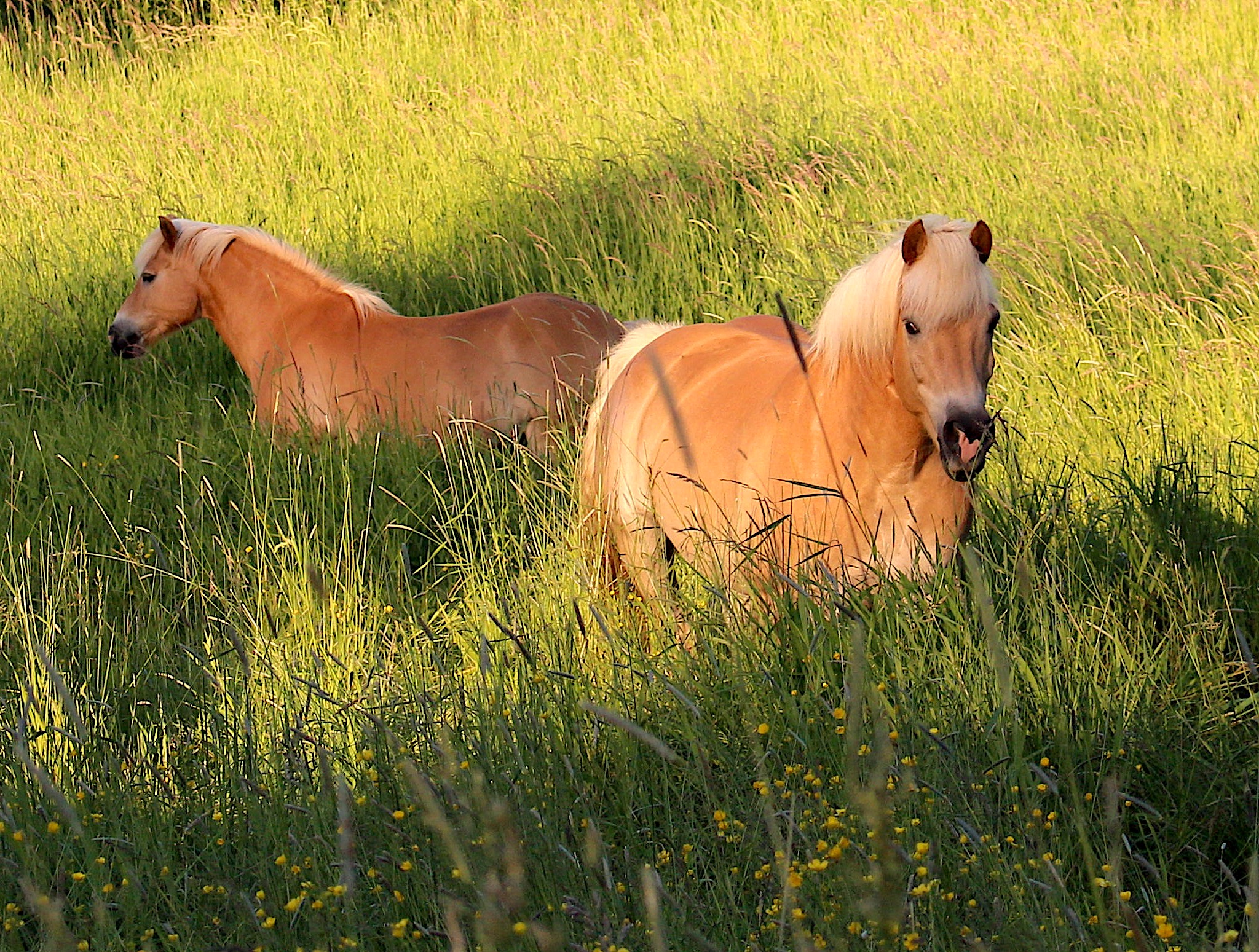
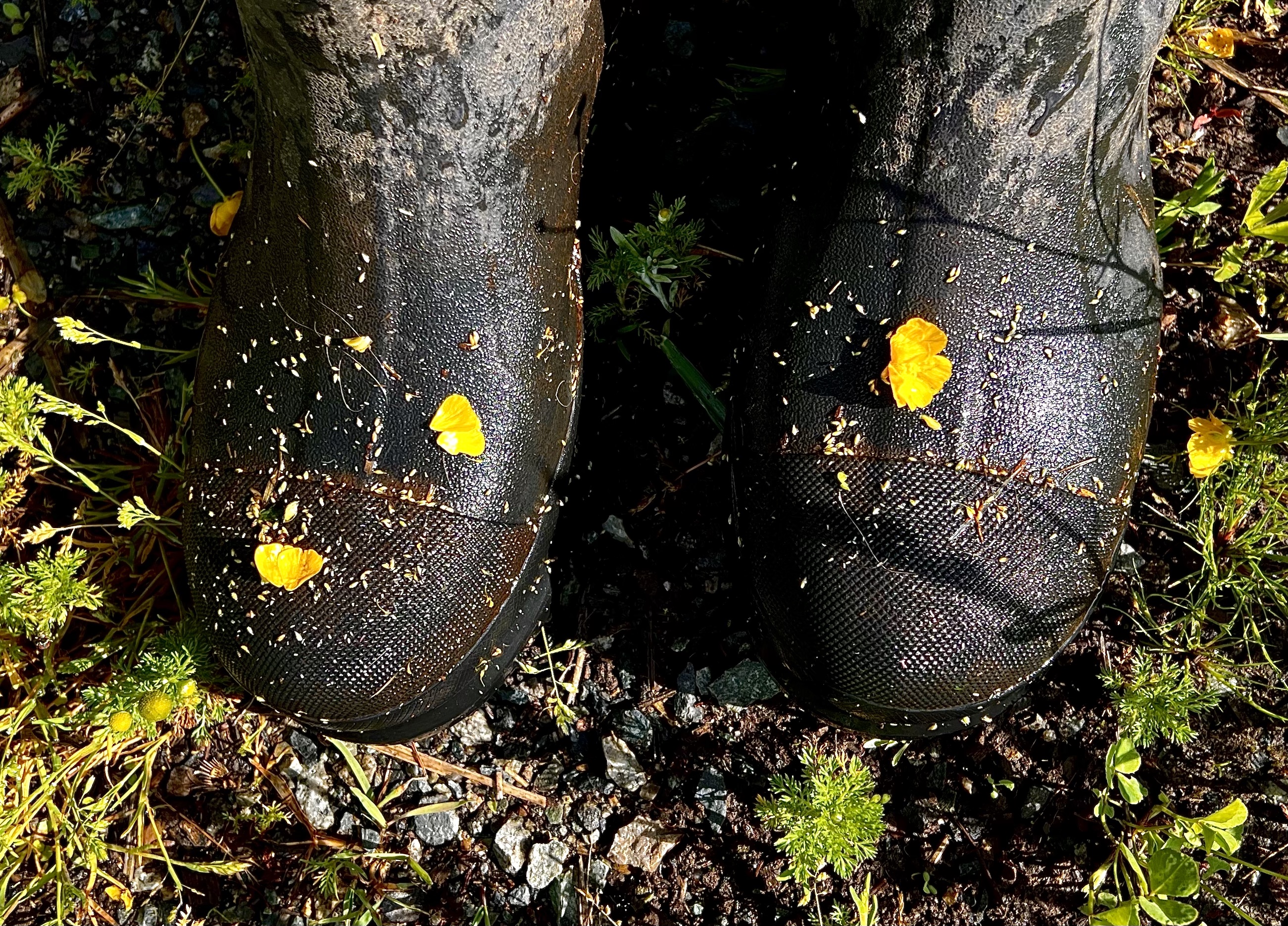
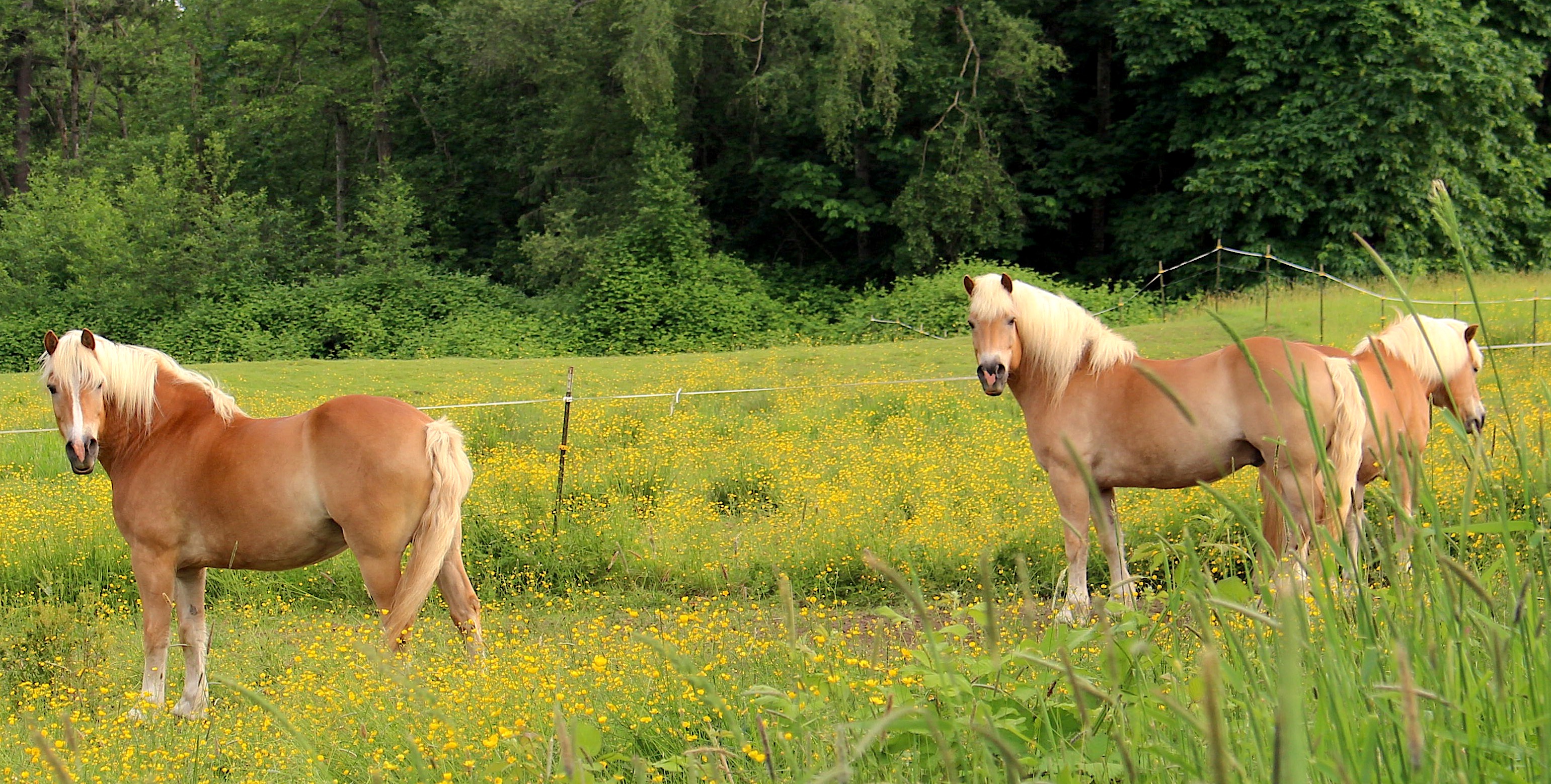
What all this moisture will yield is acres and acres of towering grass growth, more grass than imaginable, more grass than we can keep mowed,  burying the horses up to their backs as they dive head long into the pasture.  The Haflingers don’t need to lower their necks to graze,  choosing instead to simply strip off the ripe tops of the grasses as they forge paths through five foot forage.   It is like children at a birthday party swiping the frosting off cupcake after cupcake, licking their fingers as they go.  Instead of icing, the horses’ muzzles are smeared with dandelion fluff,  grass seed and buttercup petals.

Here in the northwest, June can tend to shroud its promise of longer days under clouds.  Outdoor weddings brace for rain and wind with a supply of umbrellas, graduation potlucks are served on covered porches and Fourth of July picnics stay inside, sheltered and dry. 

Despite the cool and wet, people here still have that universal wary anticipation of solstice as it signals the slow inexorable return of darkness from which we have not yet fully recovered.

I got up early this morning to witness the beginning of summer just to see what might happen. You never know what might be just over the horizon as we round this corner to face the darkening.

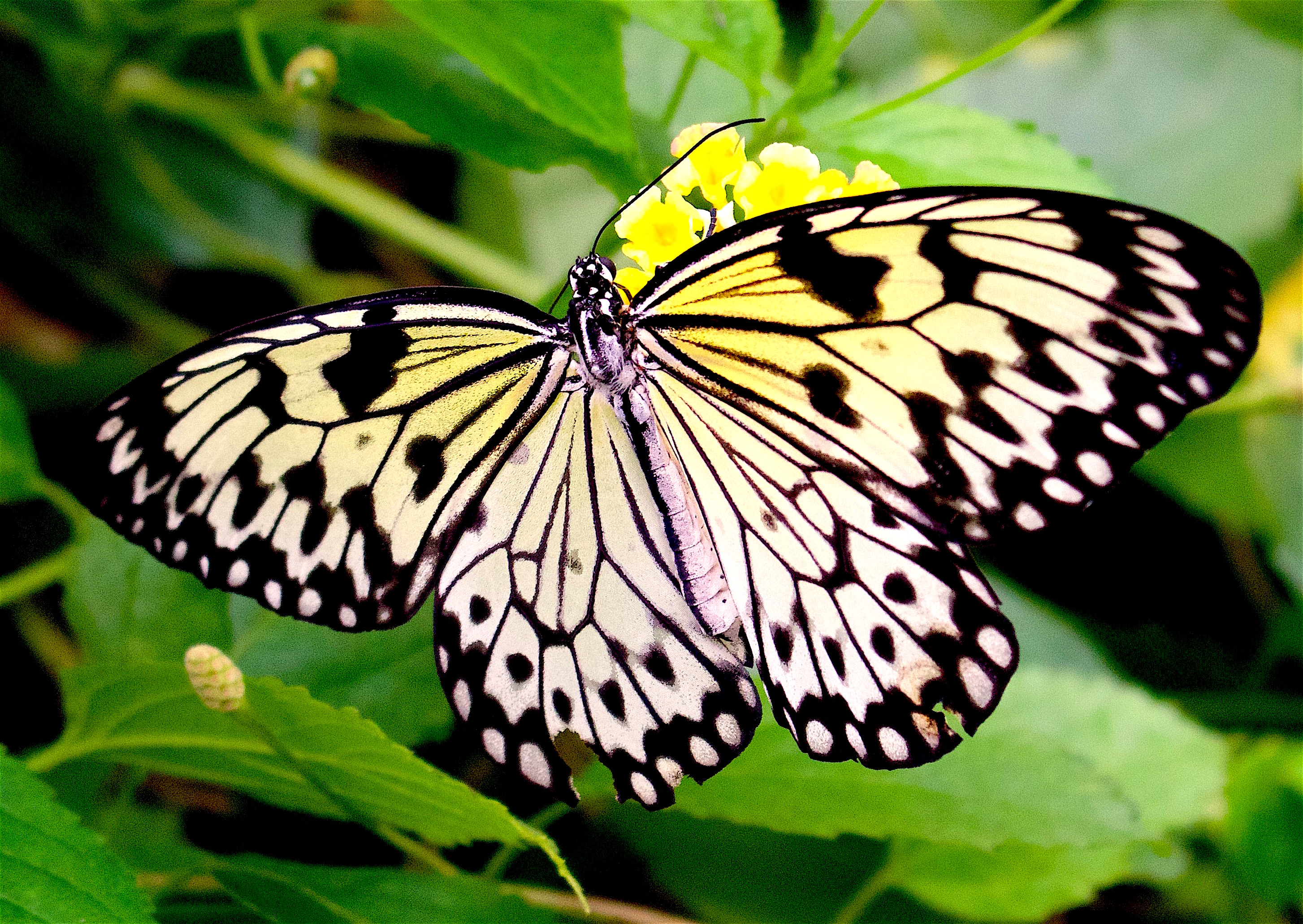
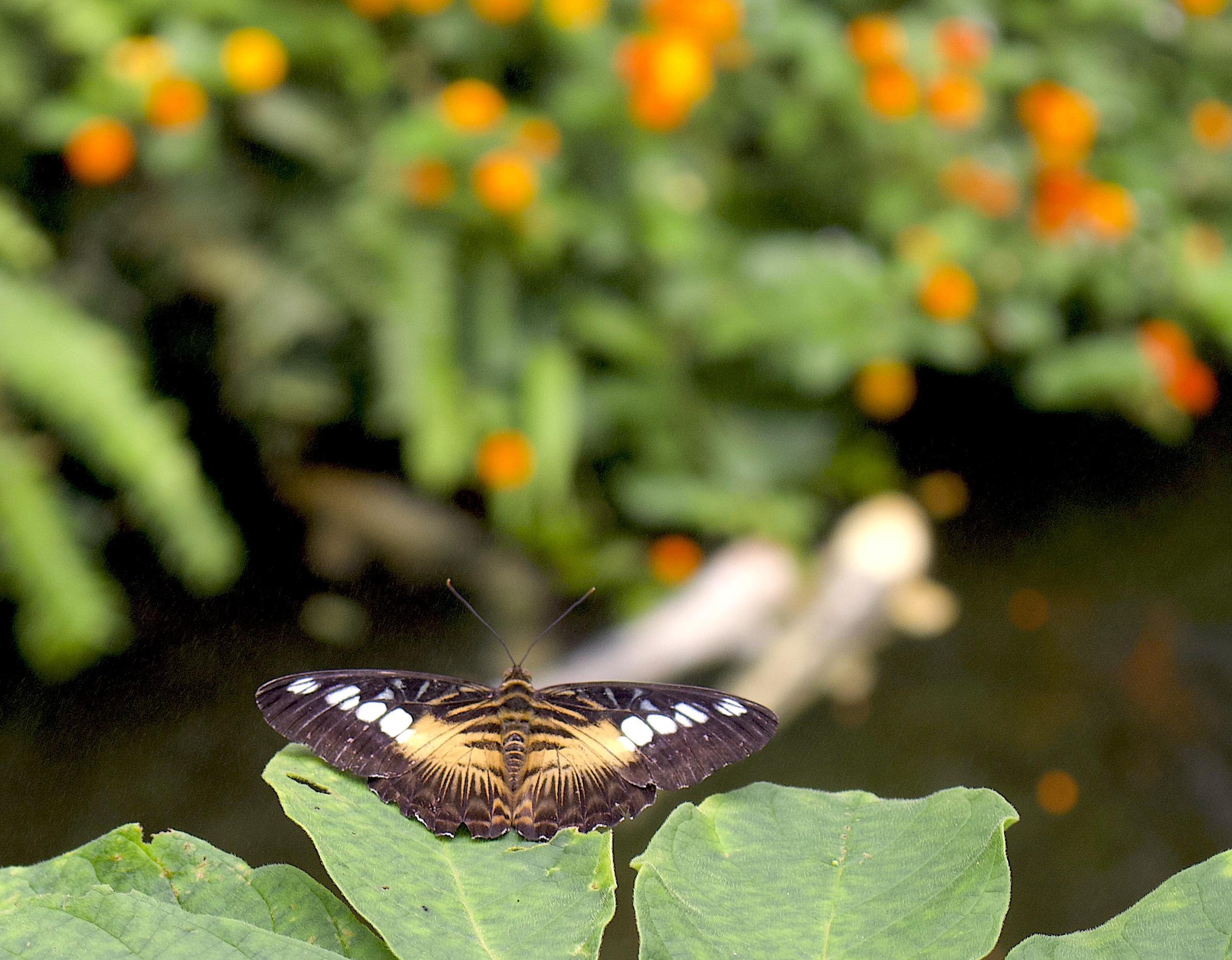
Trembling, I splash through this squishy morning, quivering like a wet butterfly emerging from its cocoon ready to unfurl its wings to dry, but unsure how to fly and uncertain of the new world that awaits.  In fact the dark empty cocoon can look mighty inviting on a rainy June night or during a loud mid-day thunderstorm.   If I could manage to squeeze myself back in, it might be worth a try.

After all, there is no place like home, sweet (but damp) home.

Daylight comes and nighttime goes, nighttime falls, day flies
Round and round the cycle goes,
we live and then we die and then we live and then we die.
The seasons of my life go round, the sunshine and the rain
The fallow and the fruitful days,
the joy and then the pain and then the joy and then the pain.
As light below, so light above, so light in all we see

The light is in the act of love, the light that sets us free,
yes, it’s the light that sets free.
Daylight comes…
~Libby Roderick

One-Time
Monthly
Yearly

Make a one-time or recurring donation to support daily Barnstorming posts

Make a monthly donation

Make a yearly donation

Choose an amount

¤5.00
¤10.00
¤20.00
¤5.00
¤15.00
¤100.00
¤5.00
¤15.00
¤100.00

Or enter a custom amount

¤

Your contribution is deeply appreciated.

Your contribution is appreciated.

Your contribution is appreciated.

DonateDonate monthlyDonate yearly

Buttercups and Velvet Bums

A week ago I had a fire
To warm my feet, my hands and face;
Cold winds, that never make a friend,
Crept in and out of every place.


Today the fields are rich in grass,
And buttercups in thousands grow;
I’ll show the world where I have been–
With gold-dust seen on either shoe.


Till to my garden back I come,
Where bumble-bees for hours and hours
Sit on their soft, fat, velvet bums,
To wriggle out of hollow flowers.

~William Henry Davies “All in June”

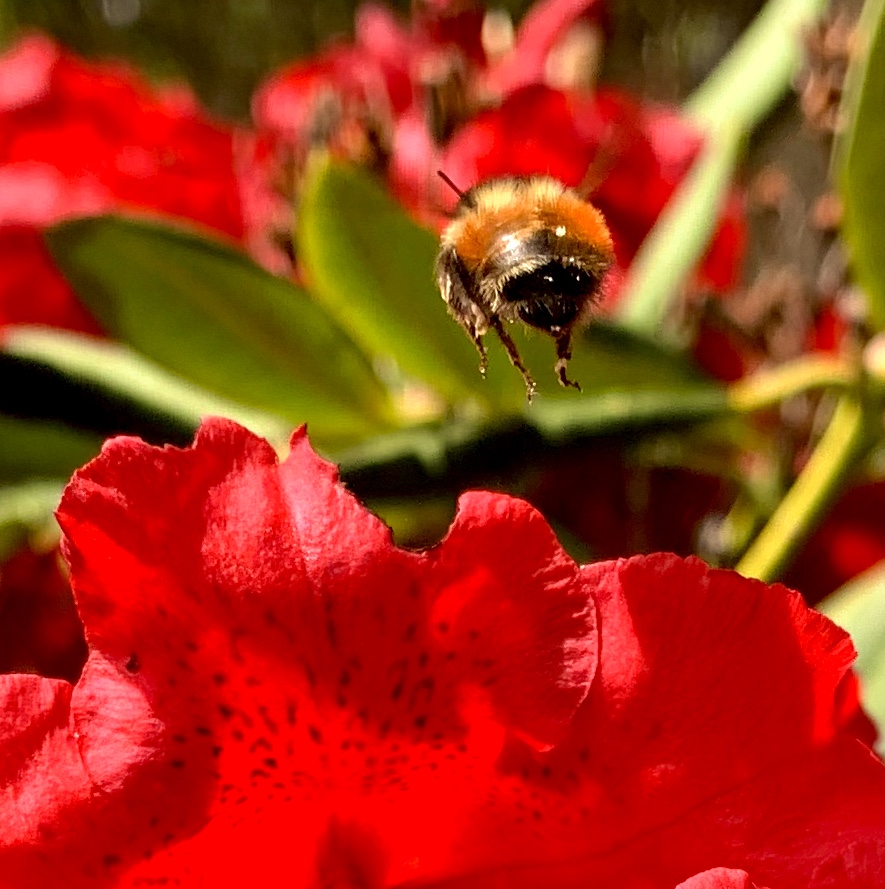
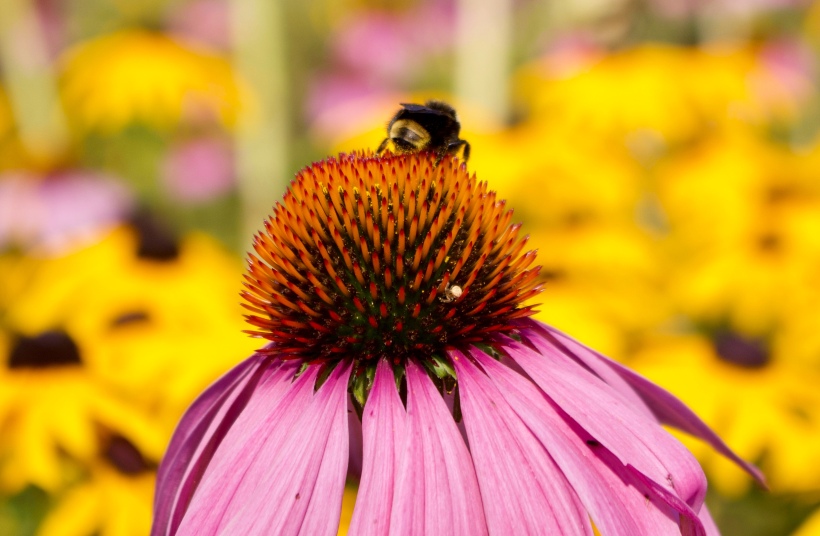
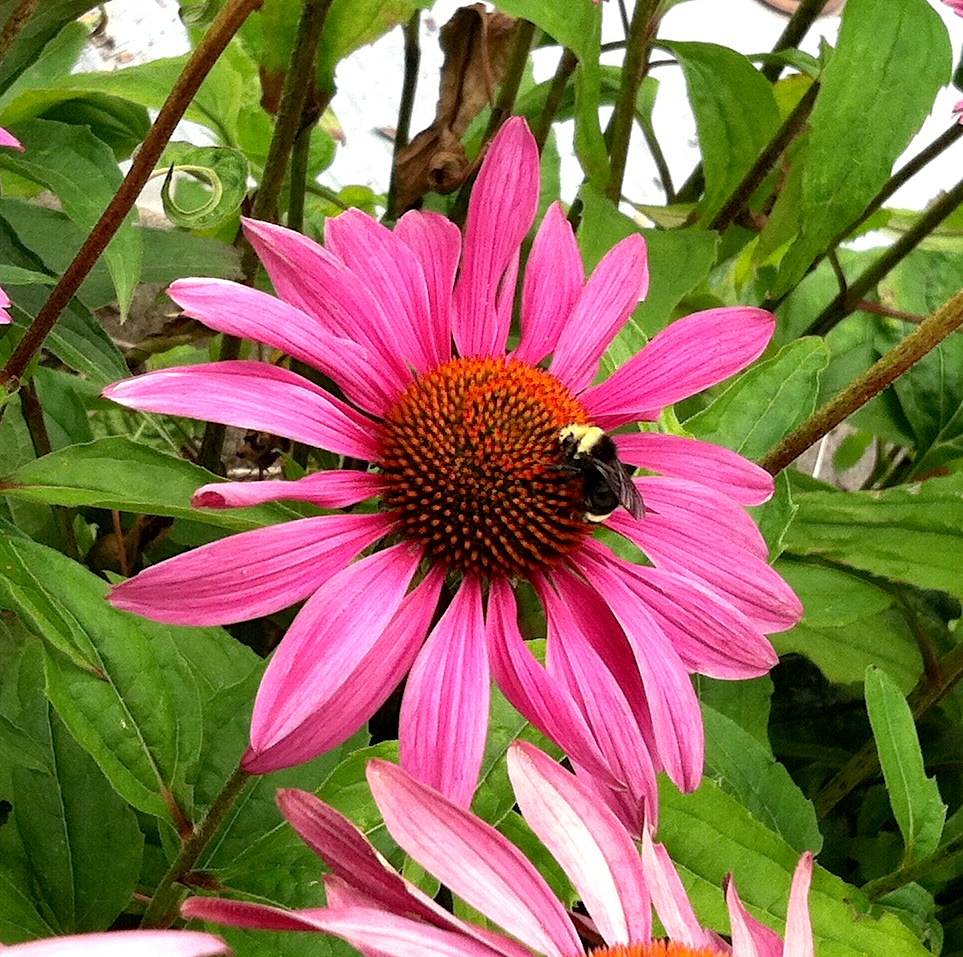
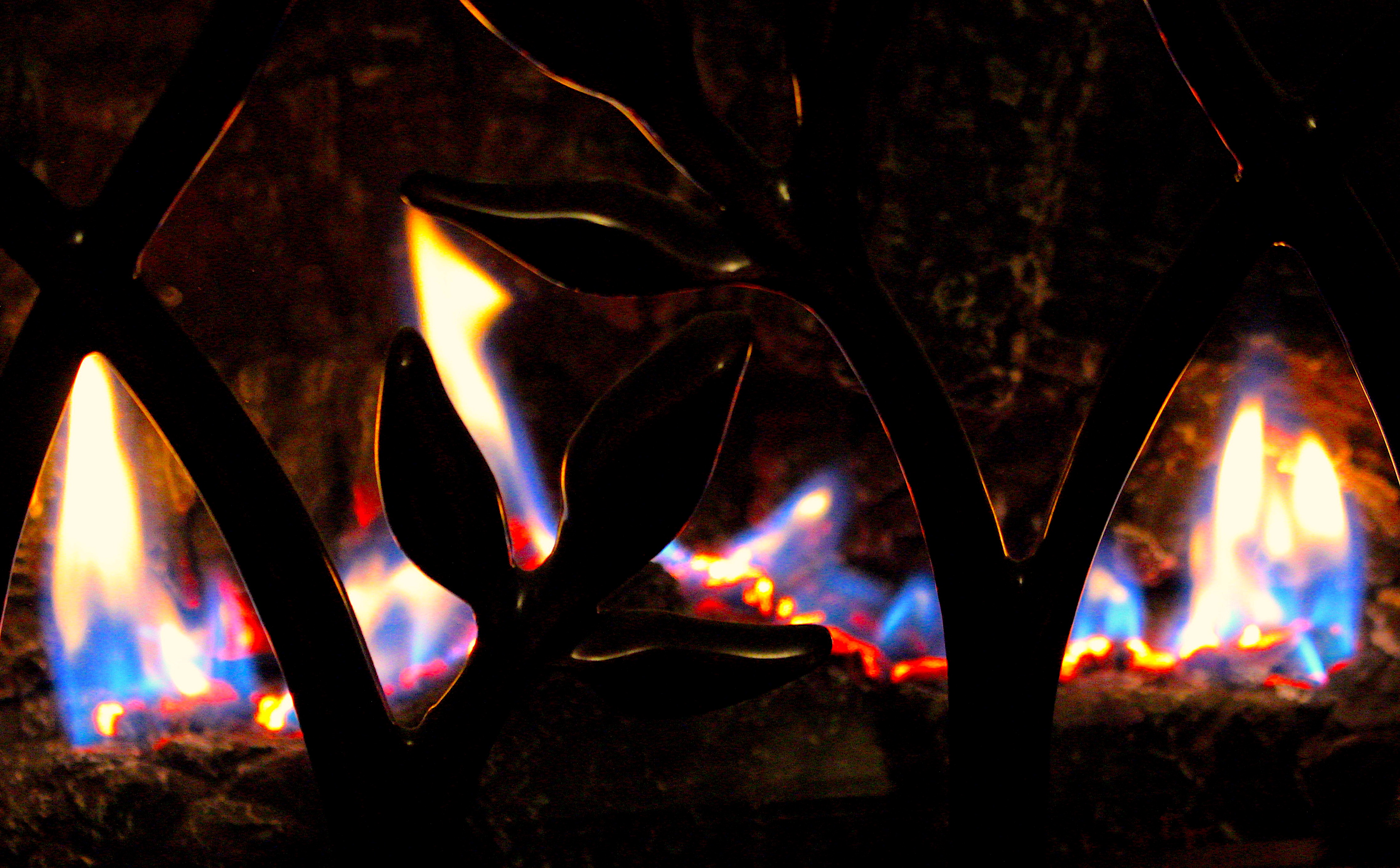
This has been the coldest wettest June in decades here in the Pacific Northwest: we have the stove lit for warmth, the fields are too wet to till, the gardens lie idle because planted seeds will rot. Despite the chill, the buzzing pollinators have been out doing their important work in fields of buttercups where the Haflinger horses graze, sometimes getting too soppy in the rain to return to their hives. It is hard work to move those chunky bodies with those little tiny wings – but they manage.

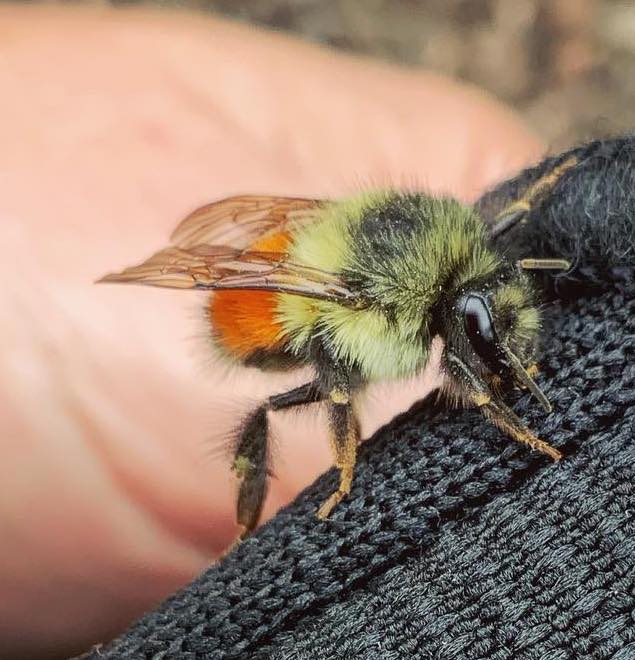
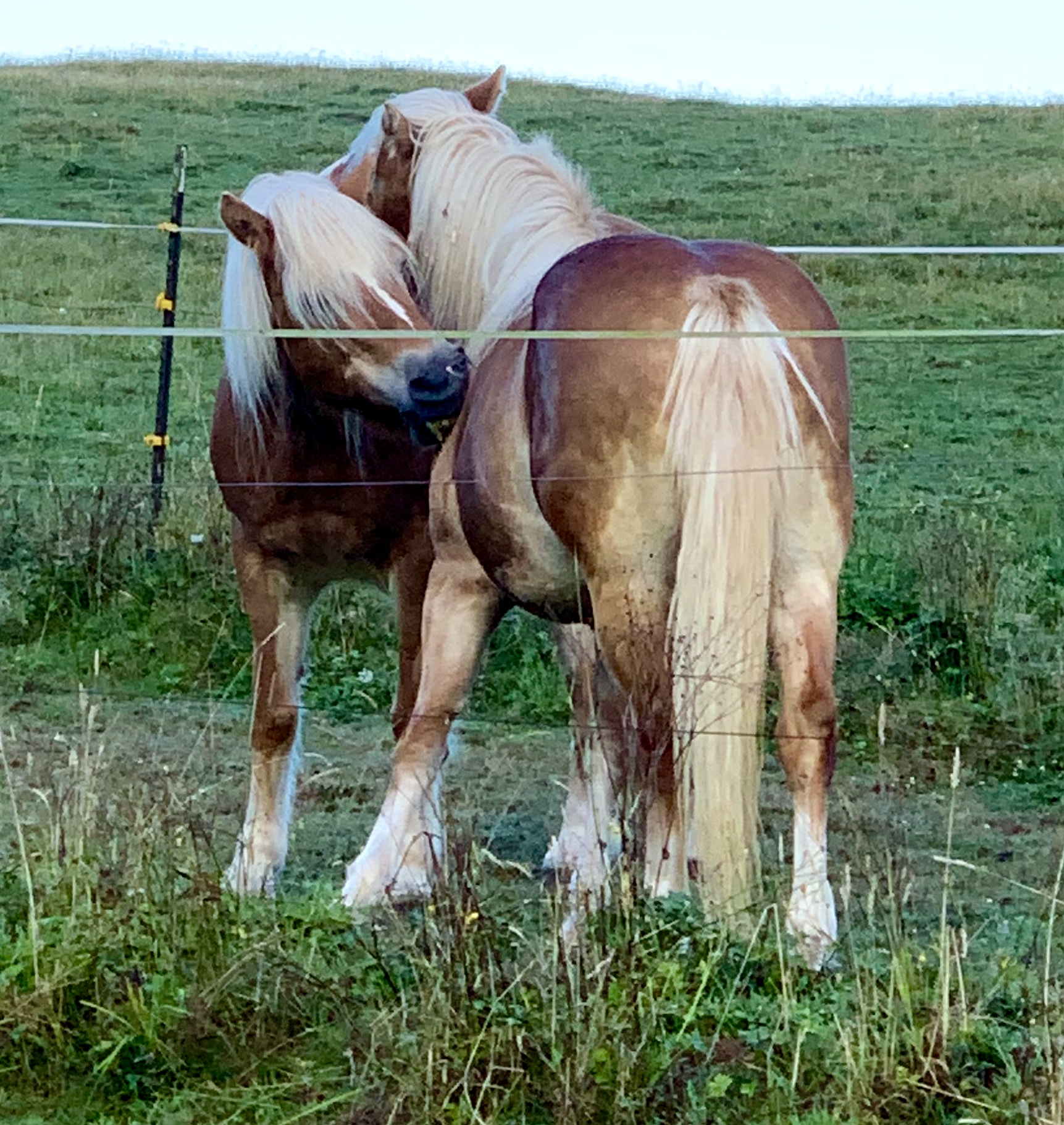
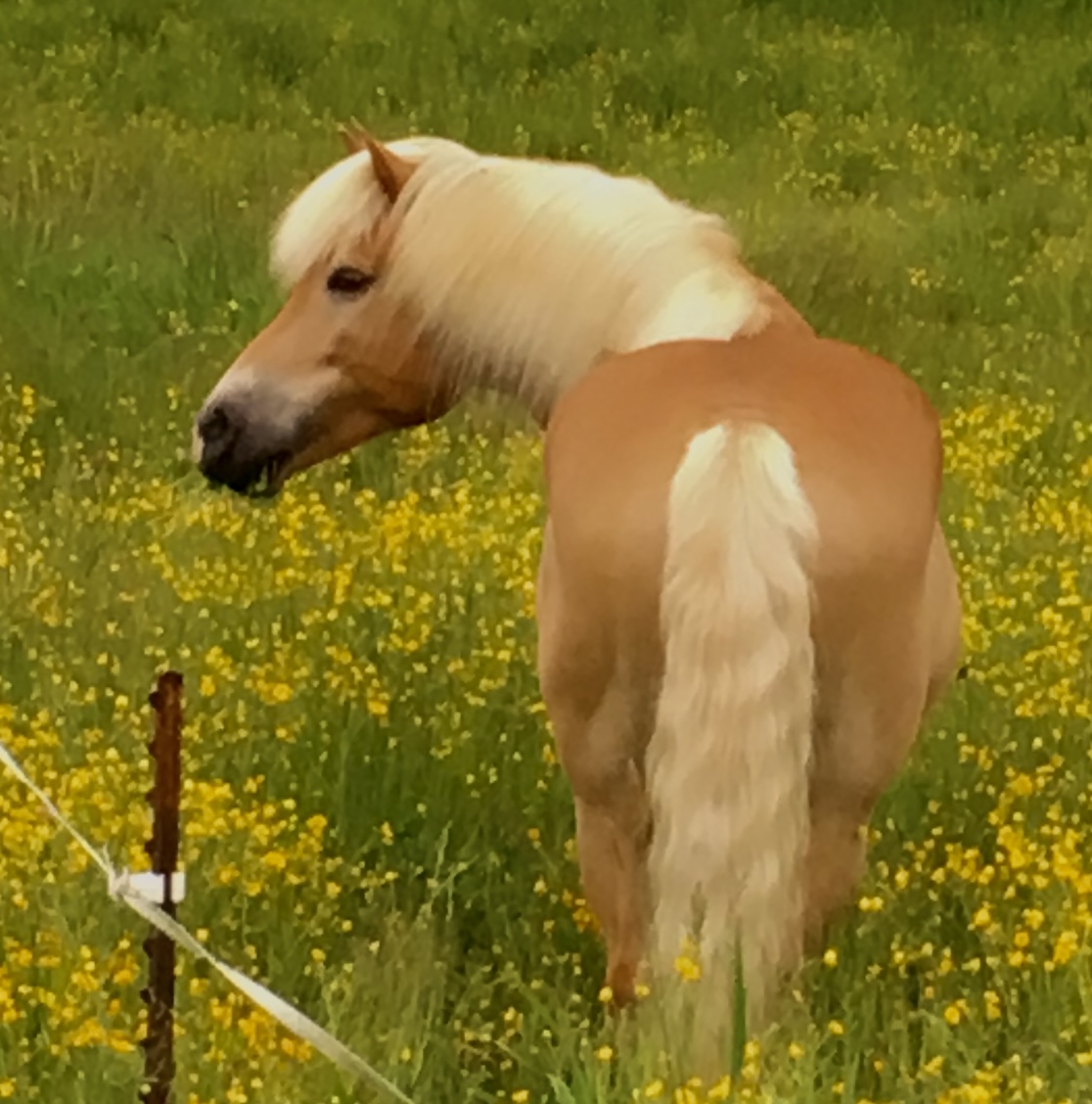
The Haflingers and bumblebees have something in common — pudgy generous backsides. There is nothing quite as deceptive as a bumblebee bum – fat, soft, velvety….yet with a sting in the middle. I know this from personal experience: I sat down on one as a kid wearing a bathing suit and never forgot it.

But all is forgiven. I now appreciate bumblebee bums. They make me feel less self-conscious about my fluffy horses’ hind ends …
and my own.

photo by Andrea Nipges (Z’s Happy Bees)

Some things that fly there be,—             
Birds, hours, the bumble-bee:  
Of these no elegy.
~Emily Dickinson from “XIV”

One-Time
Monthly
Yearly

Make a one-time or recurring donation to support daily Barnstorming posts

Make a monthly donation

Make a yearly donation

Choose an amount

¤5.00
¤10.00
¤20.00
¤5.00
¤15.00
¤100.00
¤5.00
¤15.00
¤100.00

Or enter a custom amount

¤

Your contribution is deeply appreciated.

Your contribution is appreciated.

Your contribution is appreciated.

DonateDonate monthlyDonate yearly

Trusting All This to be True

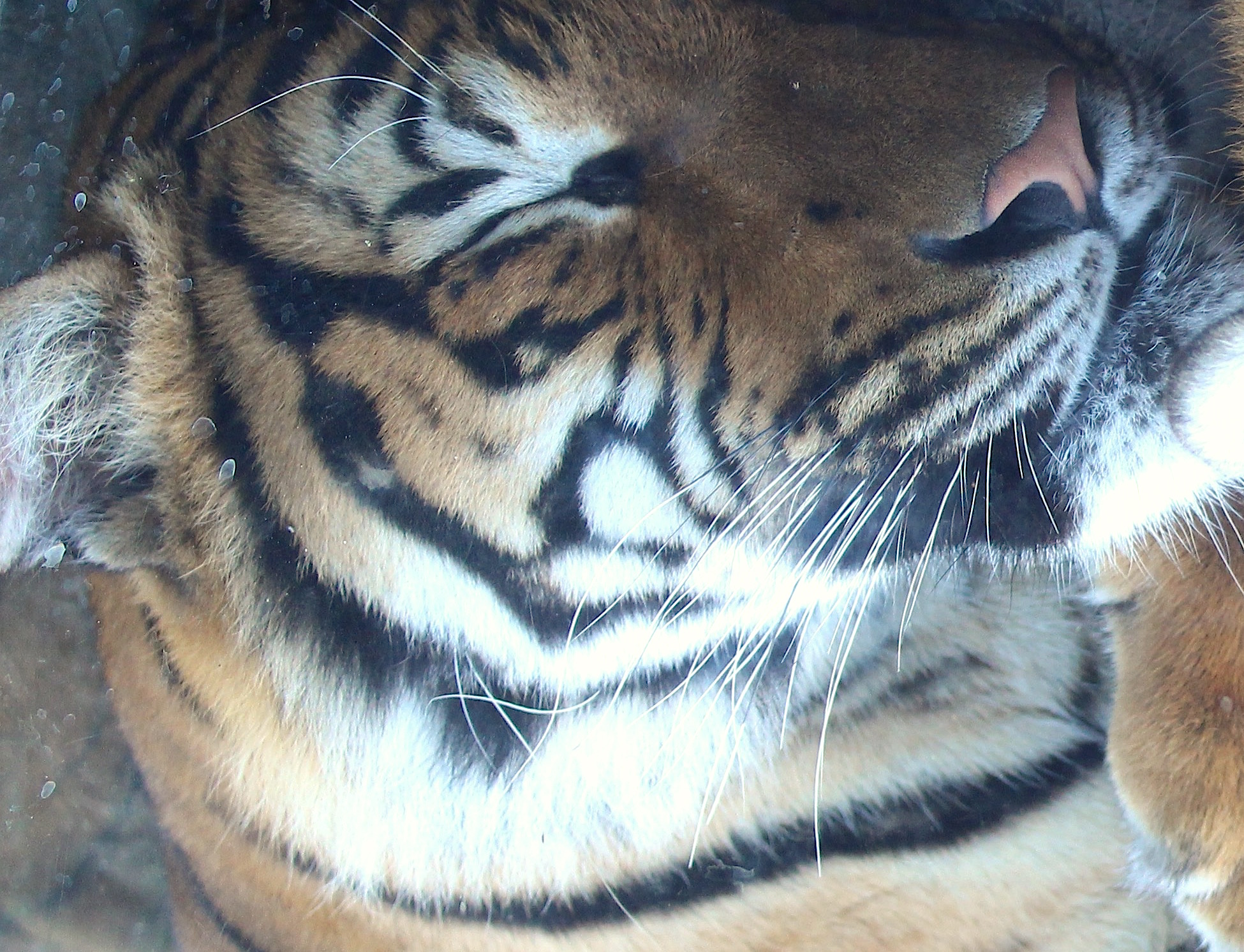
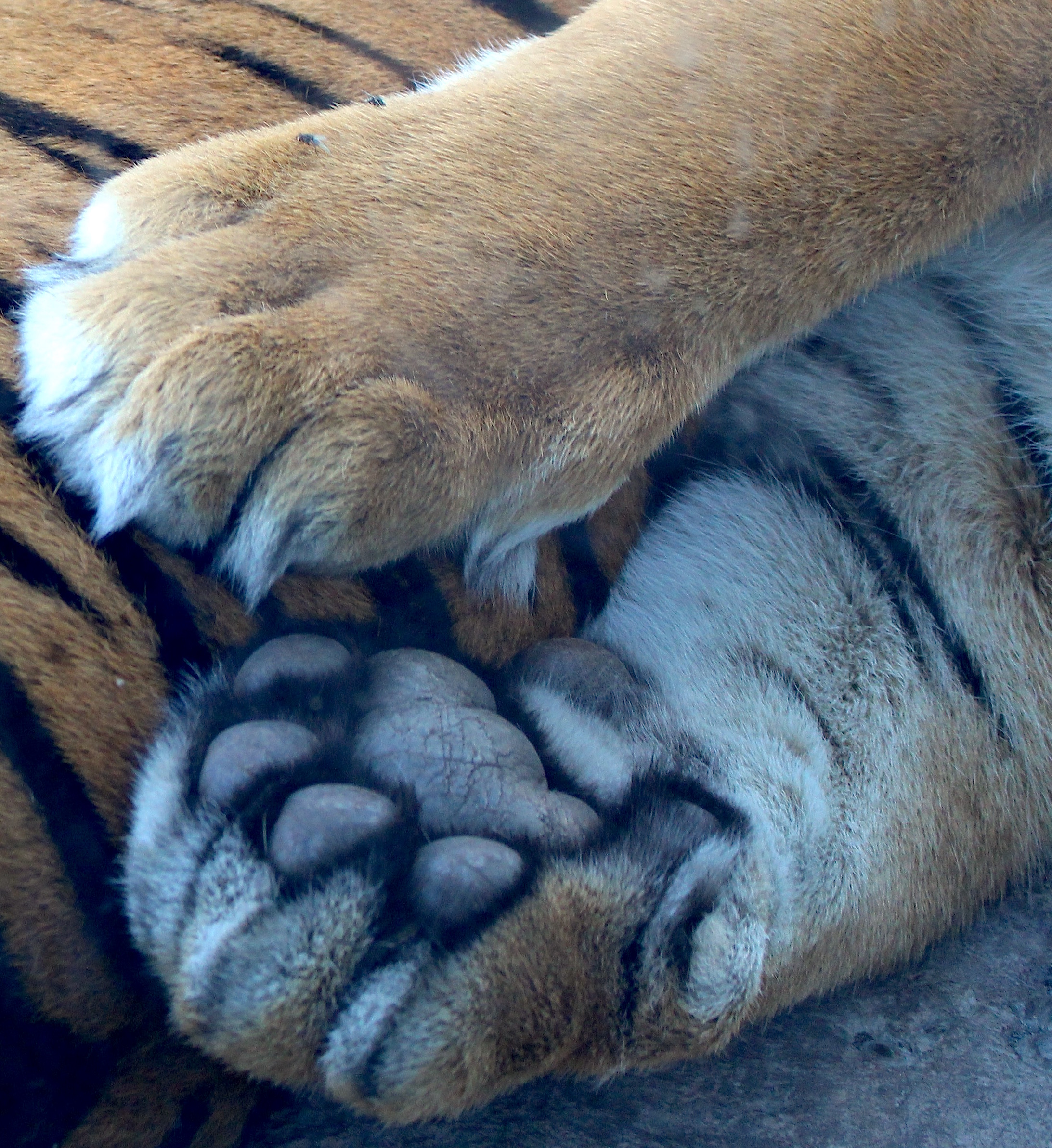
Trust that there is a tiger, muscular
Tasmanian, and sly, which has never been
seen and never will be seen by any human
eye. Trust that thirty thousand sword-
fish will never near a ship, that far
from cameras or cars elephant herds live
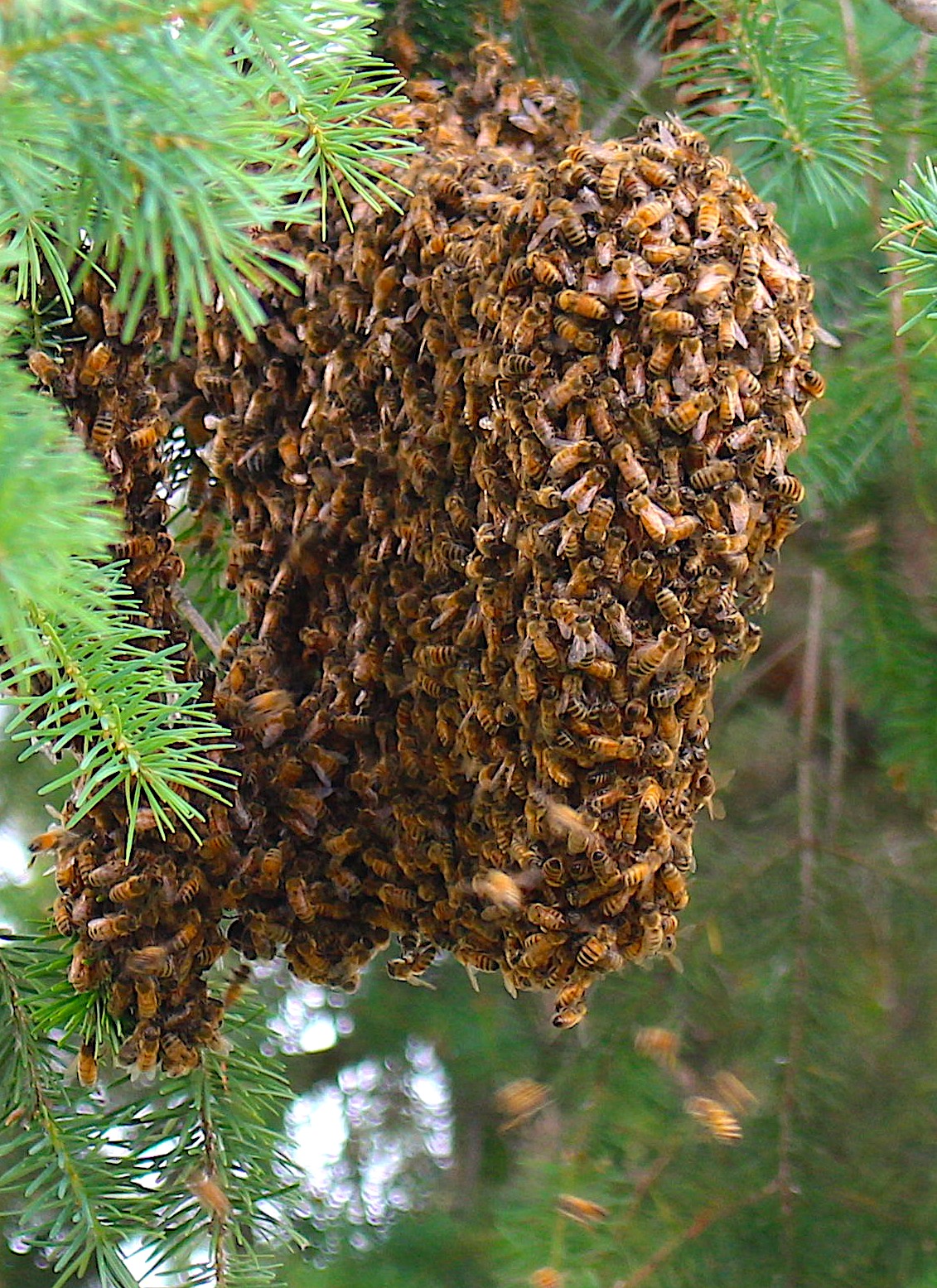
long elephant lives. Believe that bees
by the billions find unidentified flowers
on unmapped marshes and mountains. Safe
in caves of contentment, bears sleep.
Through vast canyons, horses run while slowly
snakes stretch beyond their skins in the sun.
I must trust all this to be true, though
the few birds at my feeder watch the window
with small flutters of fear, so like my own.
~Susan Kinsolving “Trust”

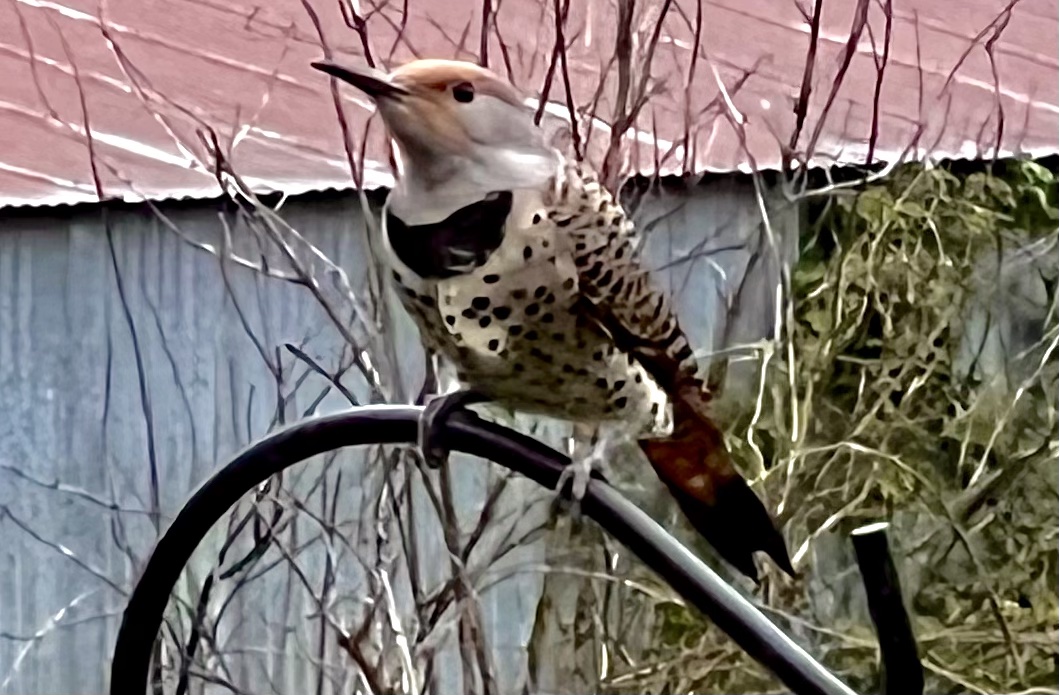
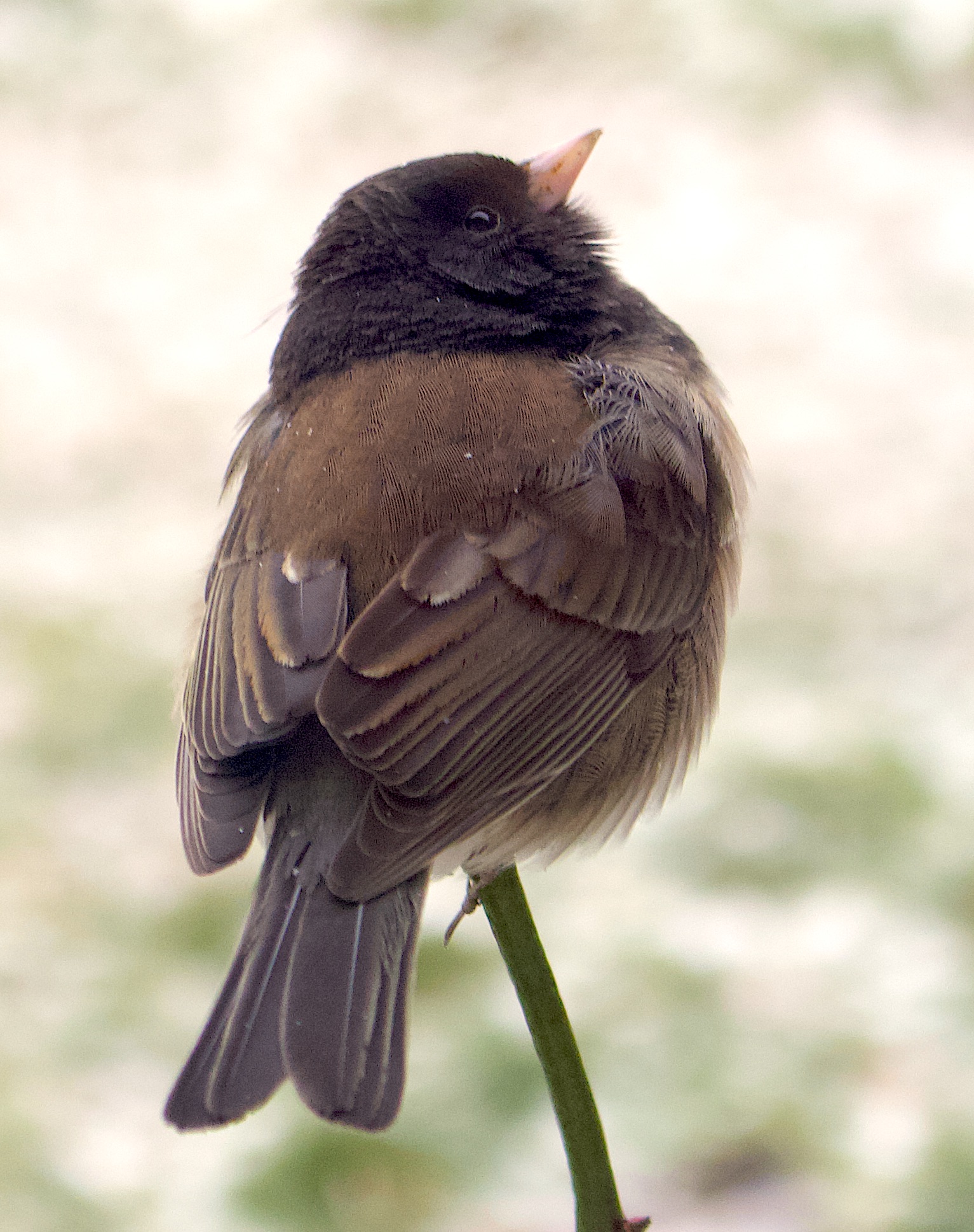
When I stand at the window watching the flickers, sparrows, finches, chickadees, and red-winged blackbirds come and go from the feeders, I wonder who is watching who.  They remain wary of me, fluttering away quickly if I approach.  They fear capture, even within a camera.  They have a life to be lived without my witness or participation.  So much happens that I never see or know about; it would be overwhelming to absorb it all.

I understand:  I fear being captured too.

Even if only for a moment as an image preserved forever, I know it doesn’t represent all I am, all I’ve done, all I feel, all my moments put together.  The birds are, and I am, so much more than one moment.

Only God sees me fully in every moment that I exist, witness to my freedom and captivity, my loneliness and grief, my joy and tears, knowing my very best and my very worst.

And He is not overwhelmed by what He sees of me. He knows me so well, in Him I must trust.

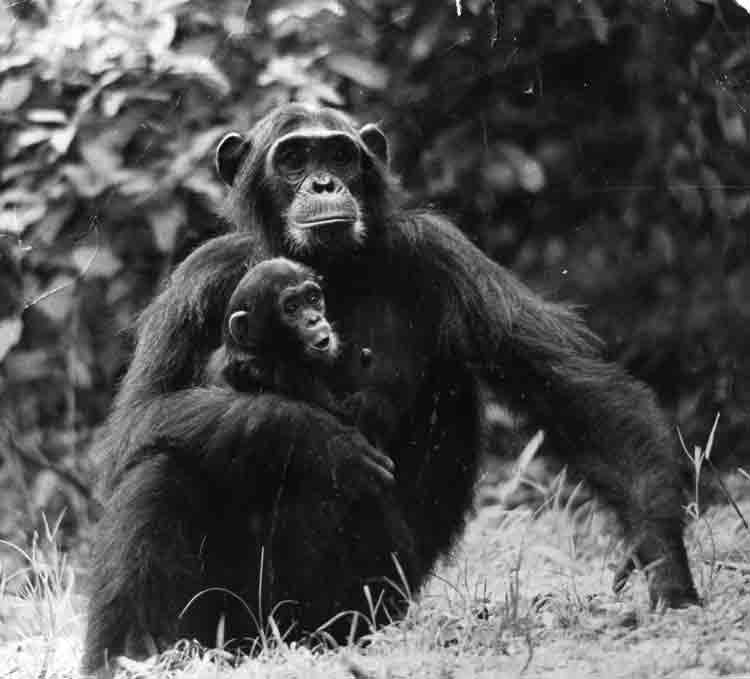
photo by Larry Goldman (Gombe National Park, Tanzania)

One-Time
Monthly
Yearly

Make a one-time or recurring donation to support daily Barnstorming posts

Make a monthly donation

Make a yearly donation

Choose an amount

¤5.00
¤10.00
¤20.00
¤5.00
¤15.00
¤100.00
¤5.00
¤15.00
¤100.00

Or enter a custom amount

¤

Your contribution is deeply appreciated.

Your contribution is appreciated.

Your contribution is appreciated.

DonateDonate monthlyDonate yearly

The Dignity of Being

Two horses were put together in the same paddock.
Night and day. In the night and in the day
wet from heat and the chill of the wind
on it. Muzzle to water, snorting, head swinging
and the taste of bay in the shadowed air.
The dignity of being. They slept that way,
knowing each other always.

Withers quivering for a moment,
fetlock and the proud rise at the base of the tail,
width of back. The volume of them, and each other’s weight.
Fences were nothing compared to that.
People were nothing. They slept standing,
their throats curved against the other’s rump.
They breathed against each other,
whinnied and stomped.
There are things they did that I do not know.
The privacy of them had a river in it.
Had our universe in it. And the way
its border looks back at us with its light.
This was finally their freedom.
The freedom an oak tree knows.
That is built at night by stars.
~Linda Gregg, “The Weight” from All of It Singing: New and Selected Poems

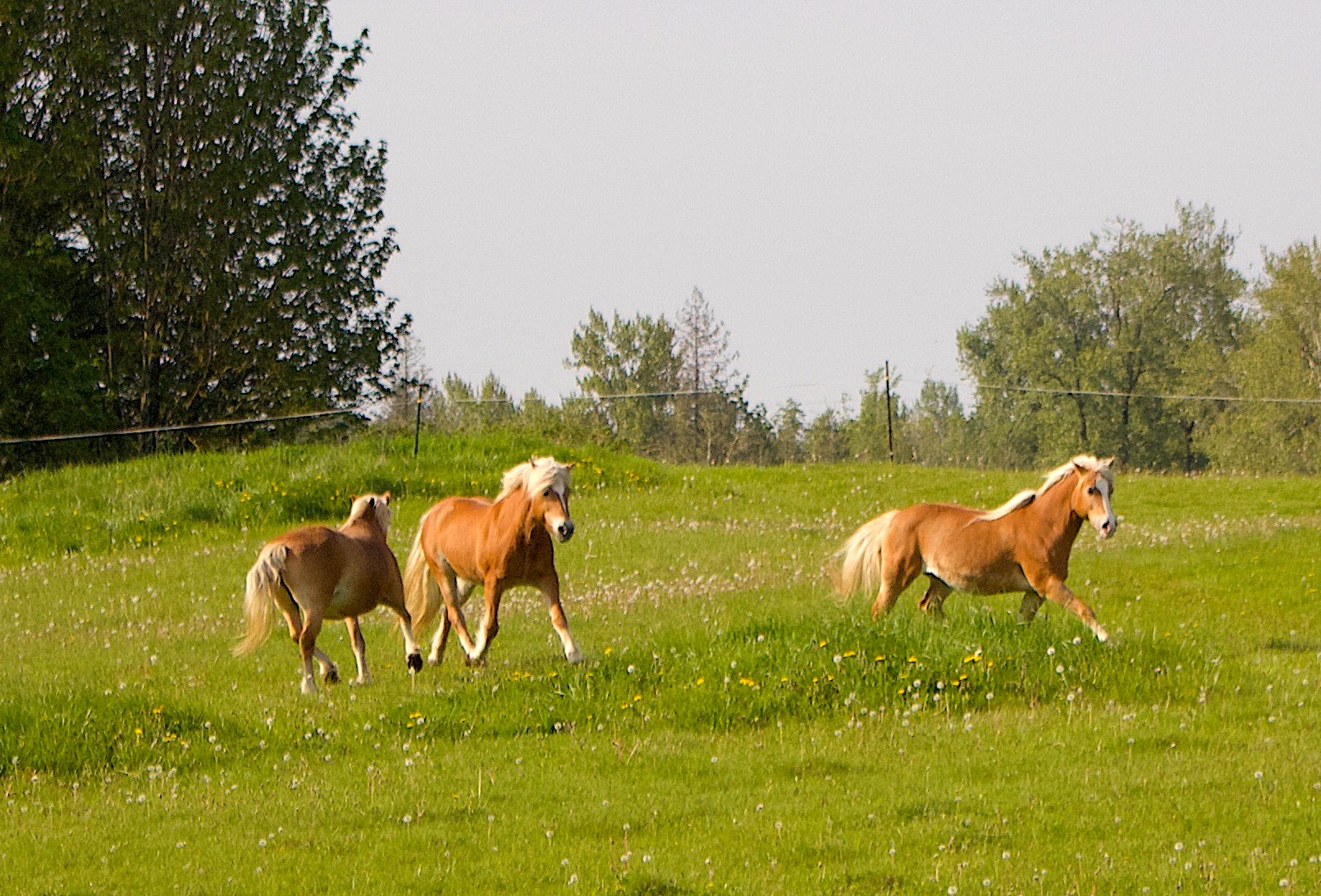
When the pasture gate opens
after a long winter, they are let out on grass
to a world vast and green and lush
beyond their wildest imaginings.

They run leaping and bounding,
hair flying in the wind, heels kicked up
in a new freedom to re-form together
their binding trust of companionship.

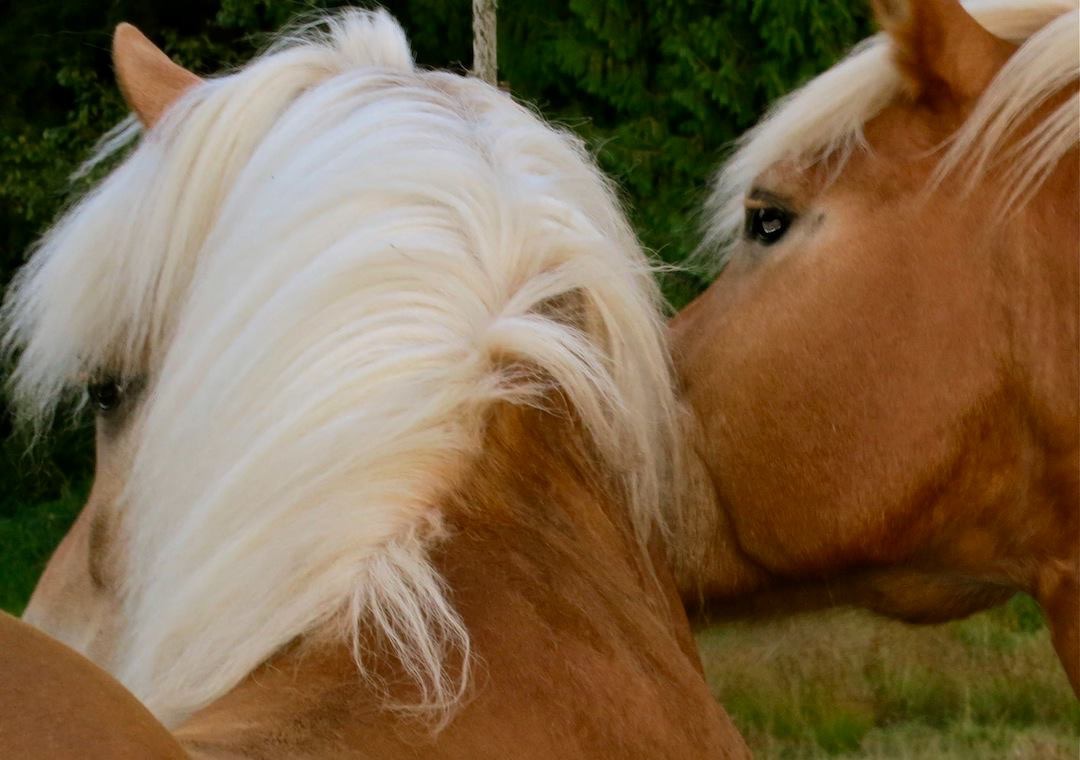
They share feasting and grooming with one another,
as grace grows like grass
stretching to eternity yet bounded
safely within fence rows.

When cold rains come, as miserable times will,
and this spring day feels far removed,
when covered in the mud or frost or drought of life,
they still have warm memories of one another.

Even though fences lean and break, as they will,
the ponies are reminded where home is,
whistled back to the barn if they lose your way,
pointing them back to the gate to night’s rest and quiet.

Once there they long again for the gift of pasture freedom:
how blessed is this opened gate, these fences,
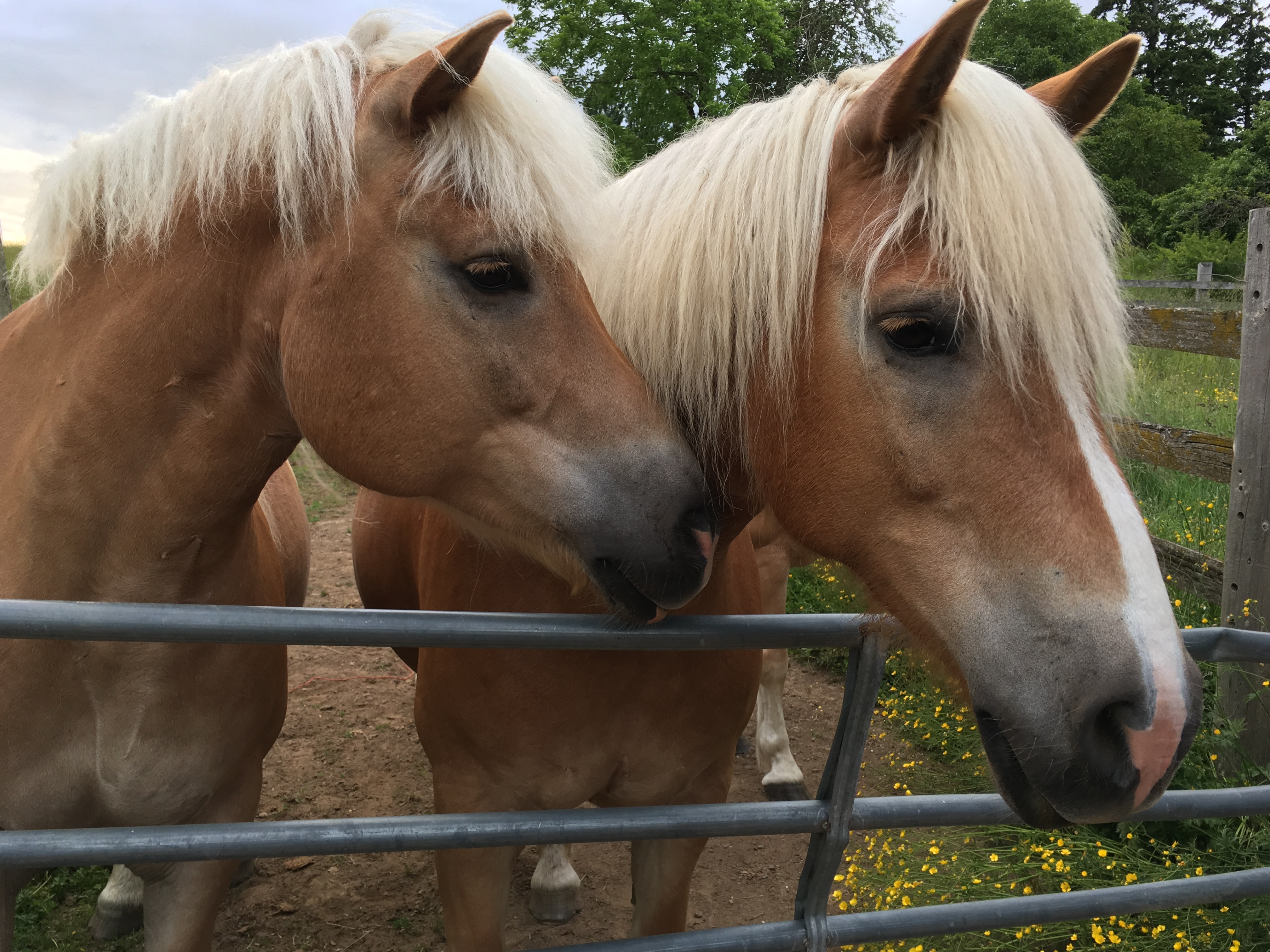
and most of all their dignity of being together
as they feast with joy on the richness of spring.

One-Time
Monthly
Yearly

Make a one-time or recurring donation to support daily Barnstorming posts

Make a monthly donation

Make a yearly donation

Choose an amount

¤5.00
¤10.00
¤20.00
¤5.00
¤15.00
¤100.00
¤5.00
¤15.00
¤100.00

Or enter a custom amount

¤

Your contribution is deeply appreciated.

Your contribution is appreciated.

Your contribution is appreciated.

DonateDonate monthlyDonate yearly