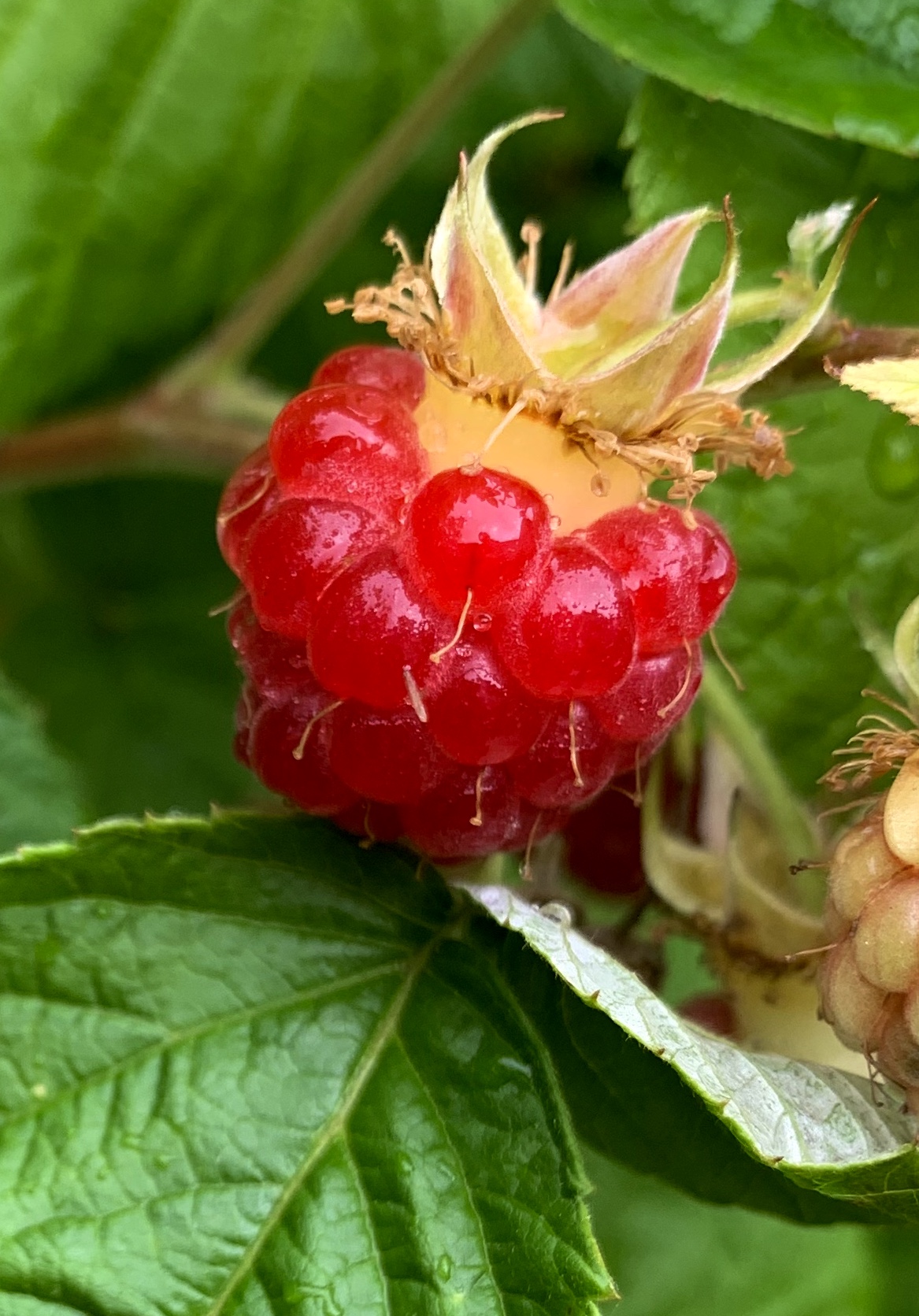
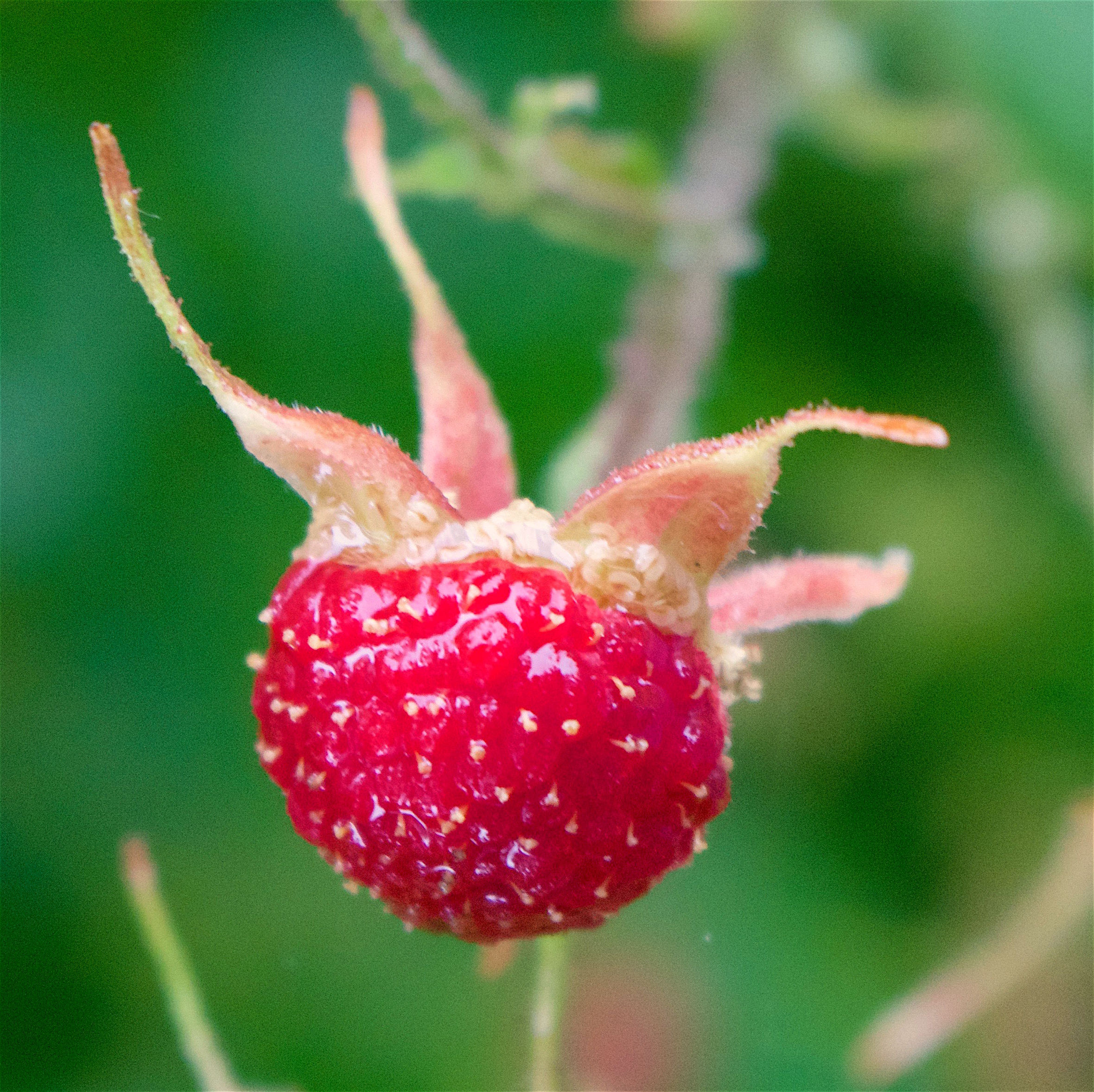
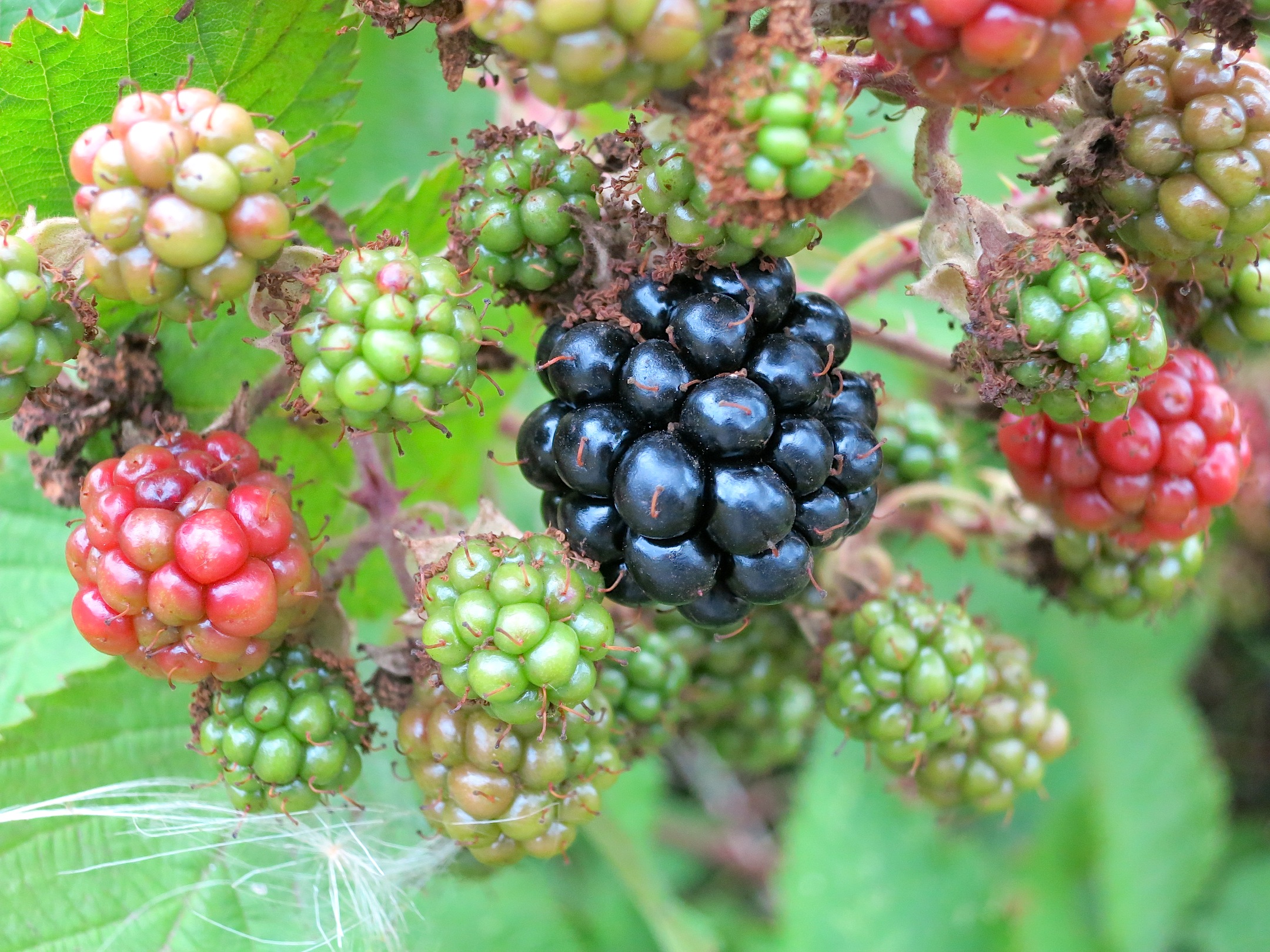
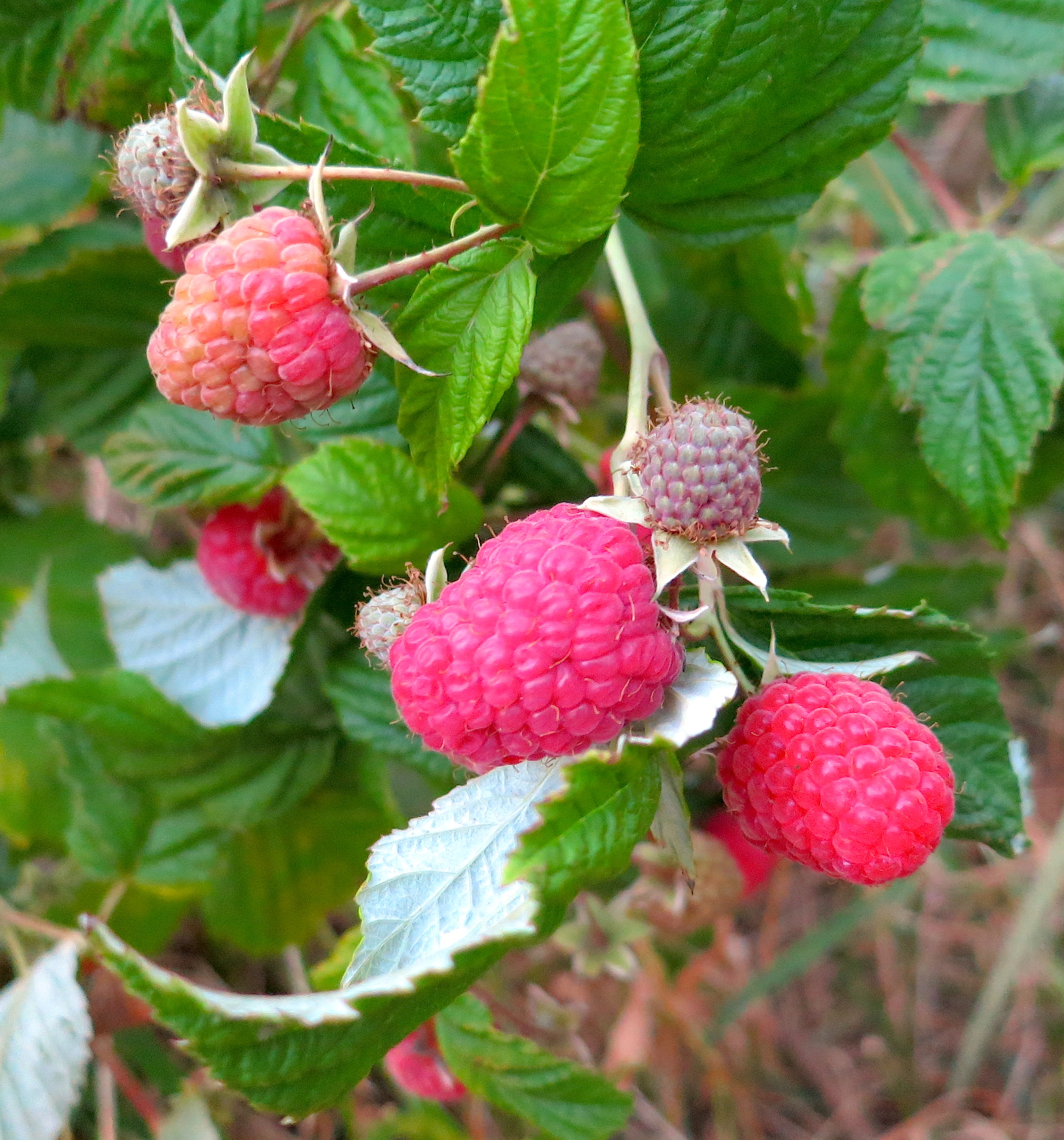
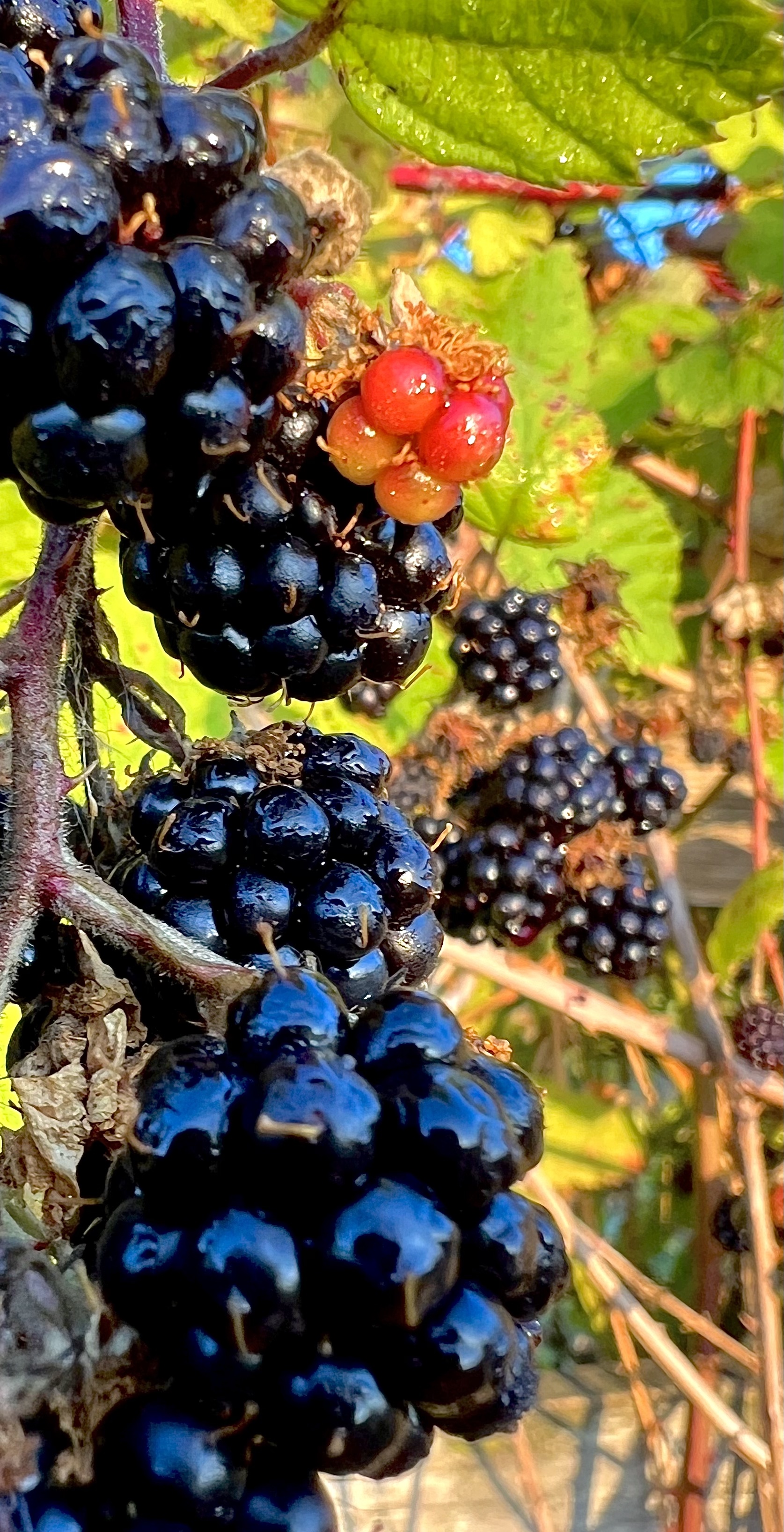
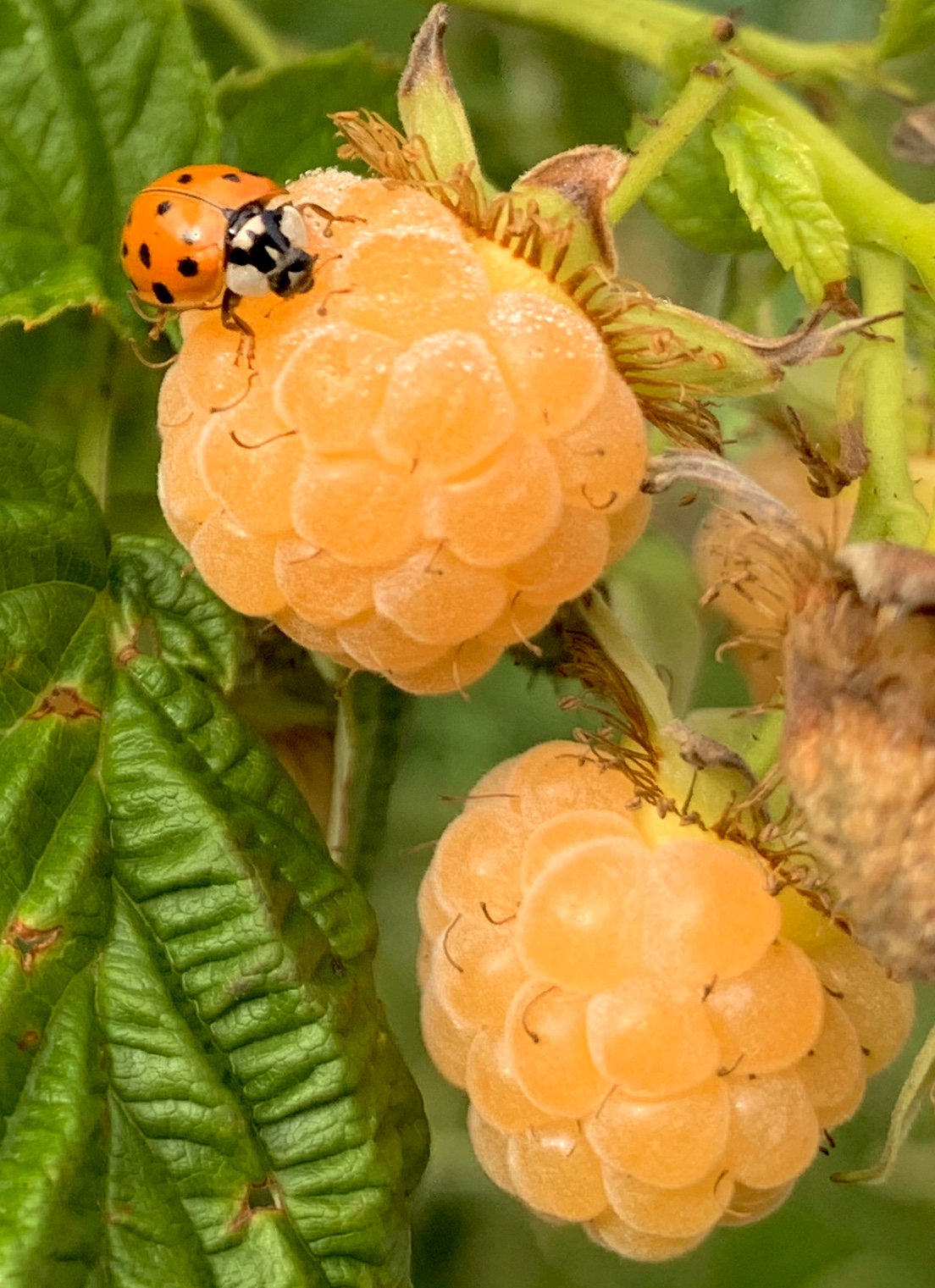
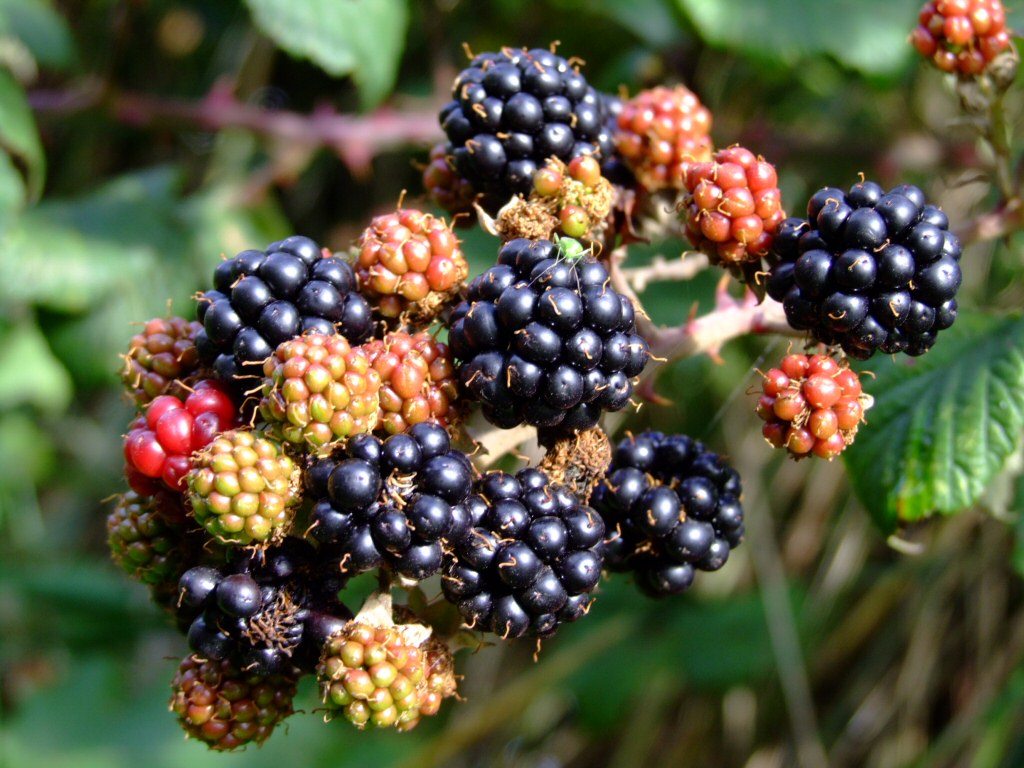
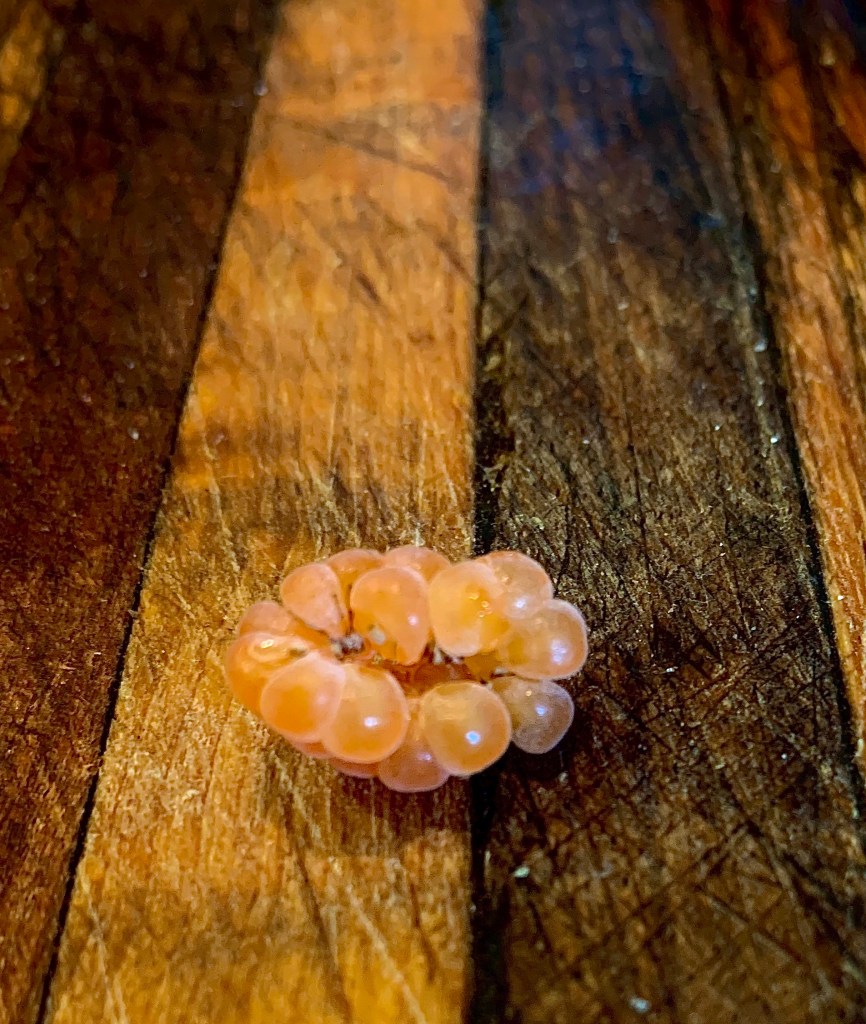
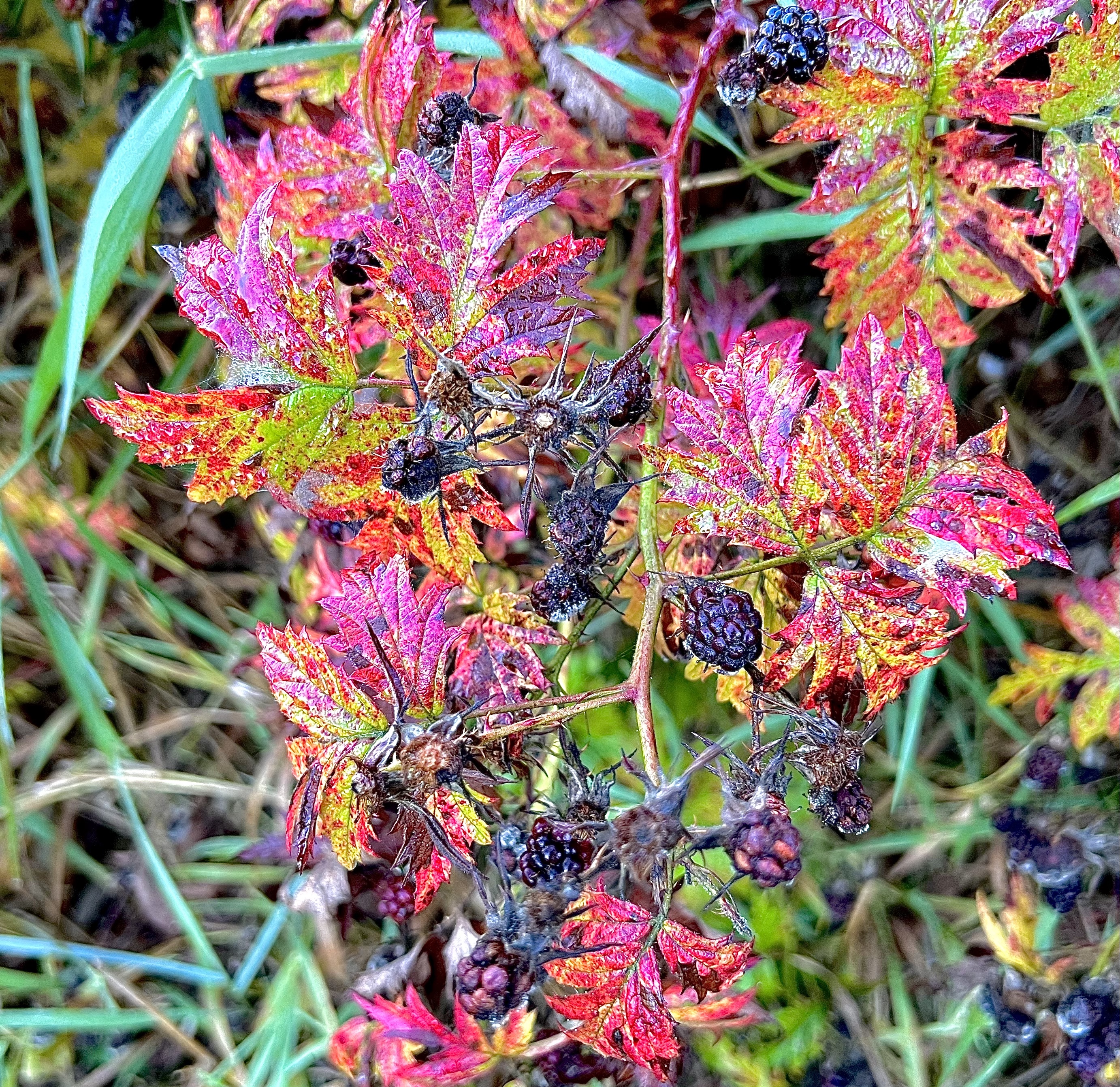
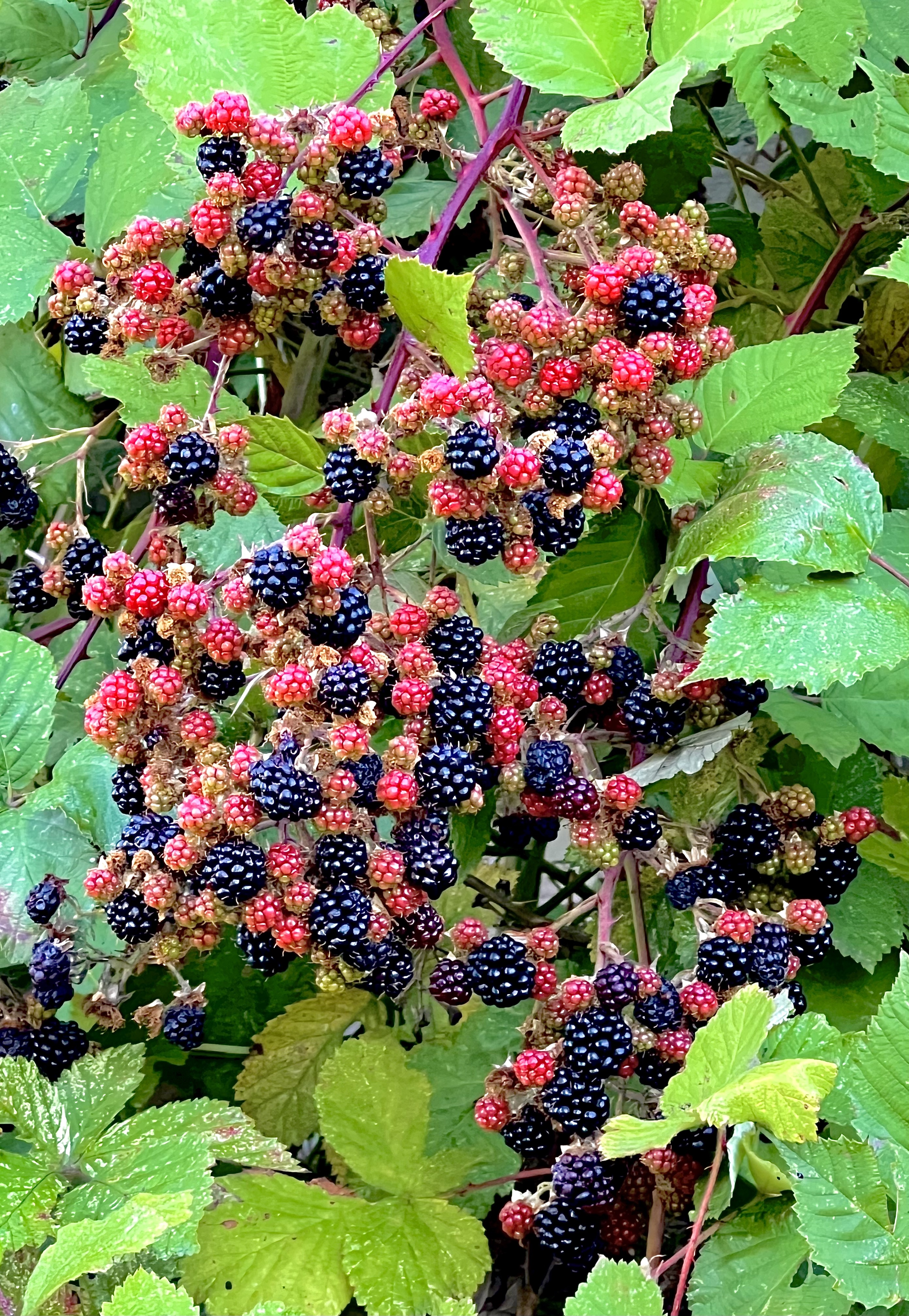
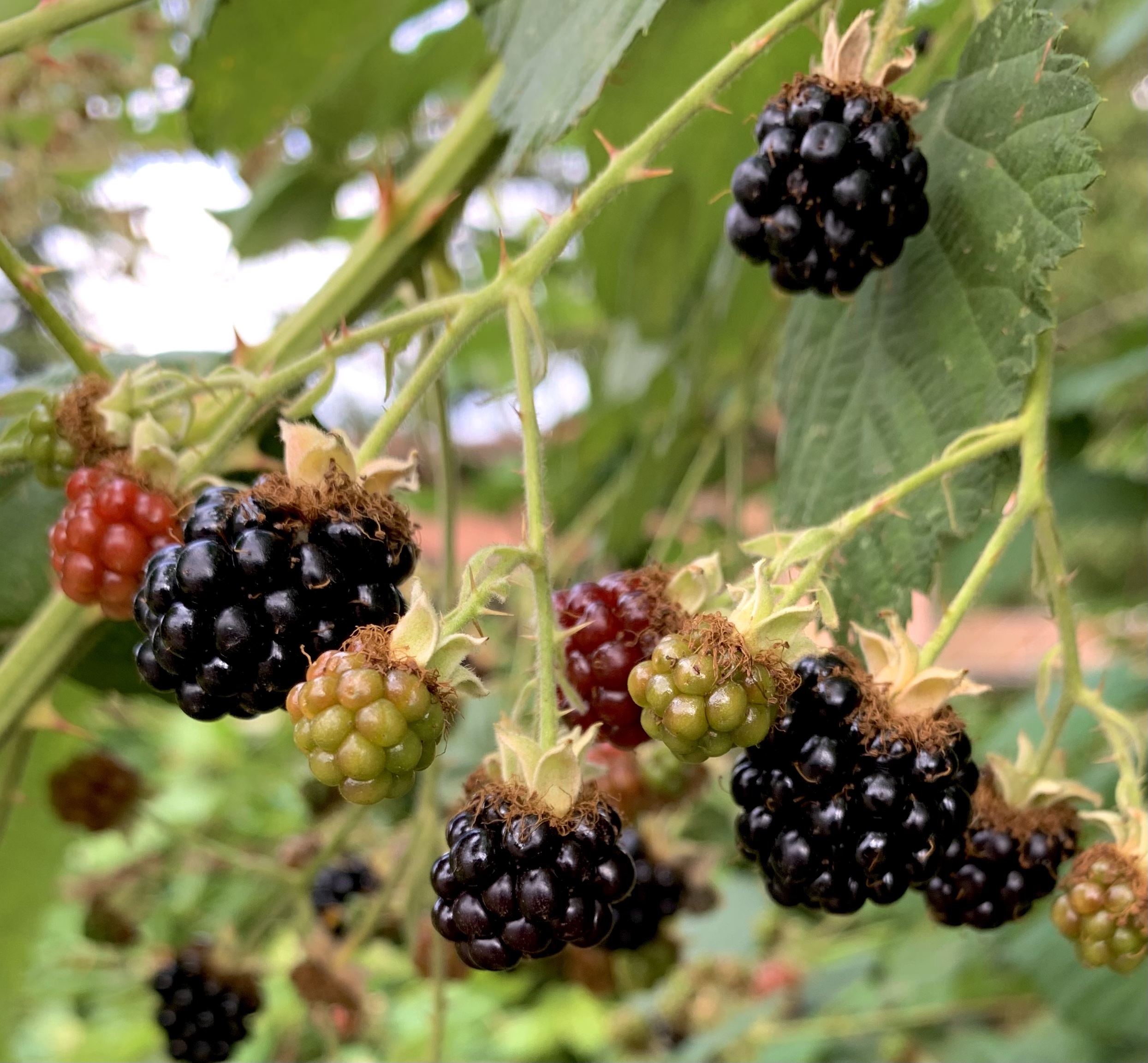
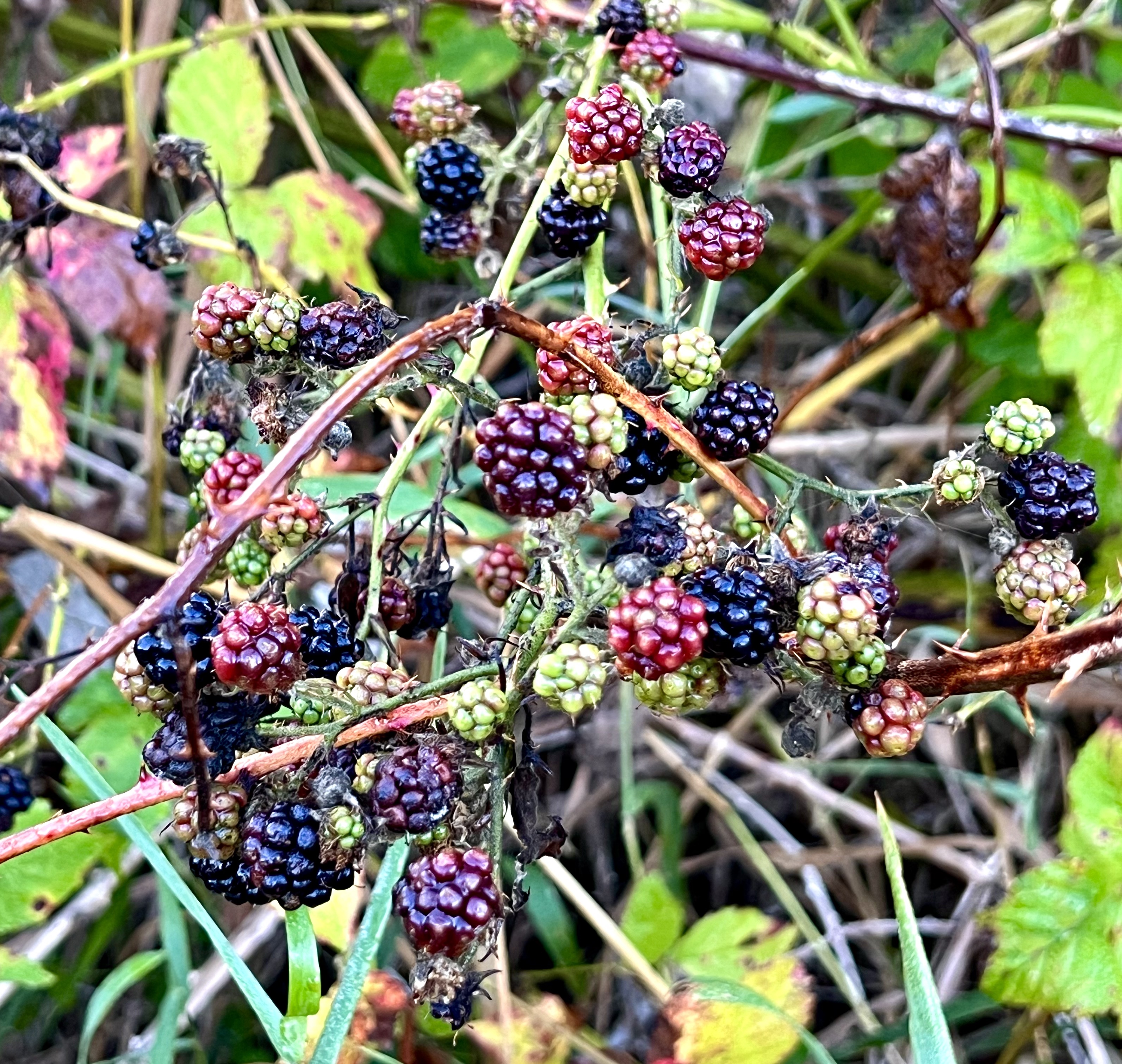
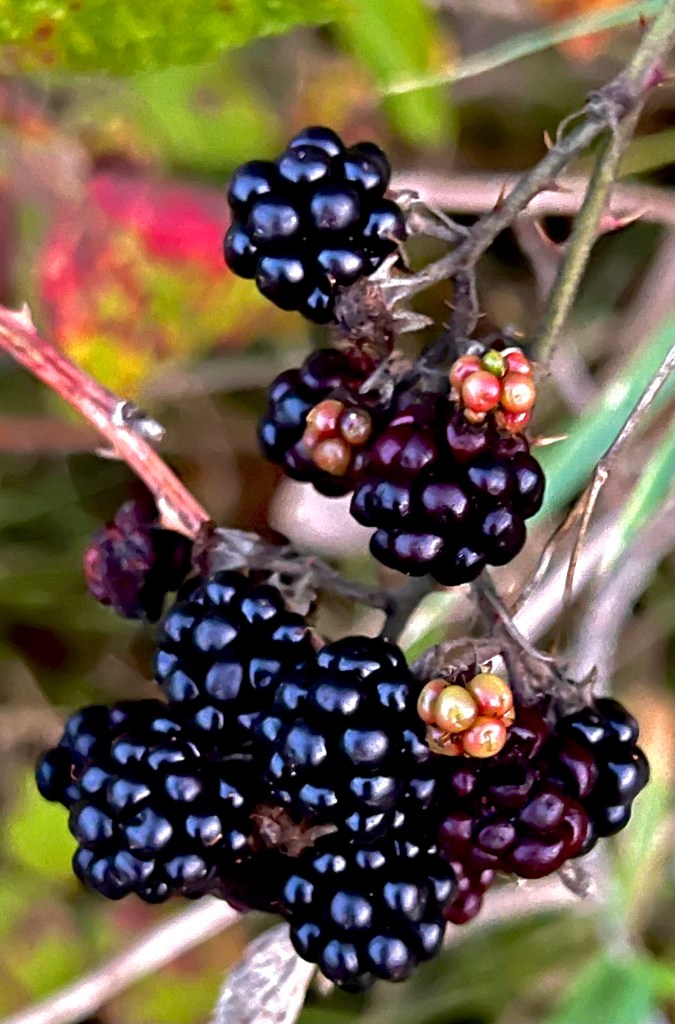
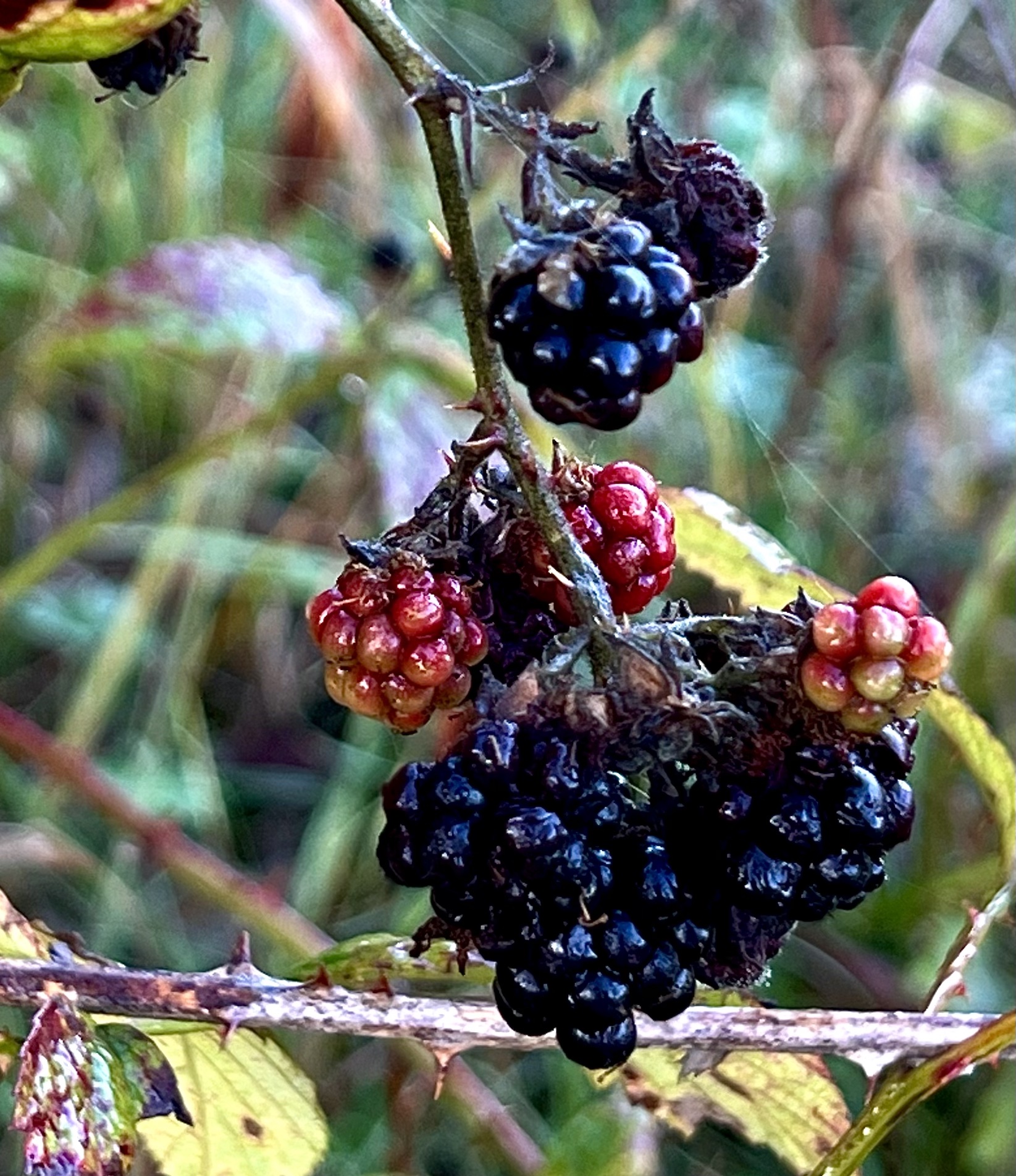
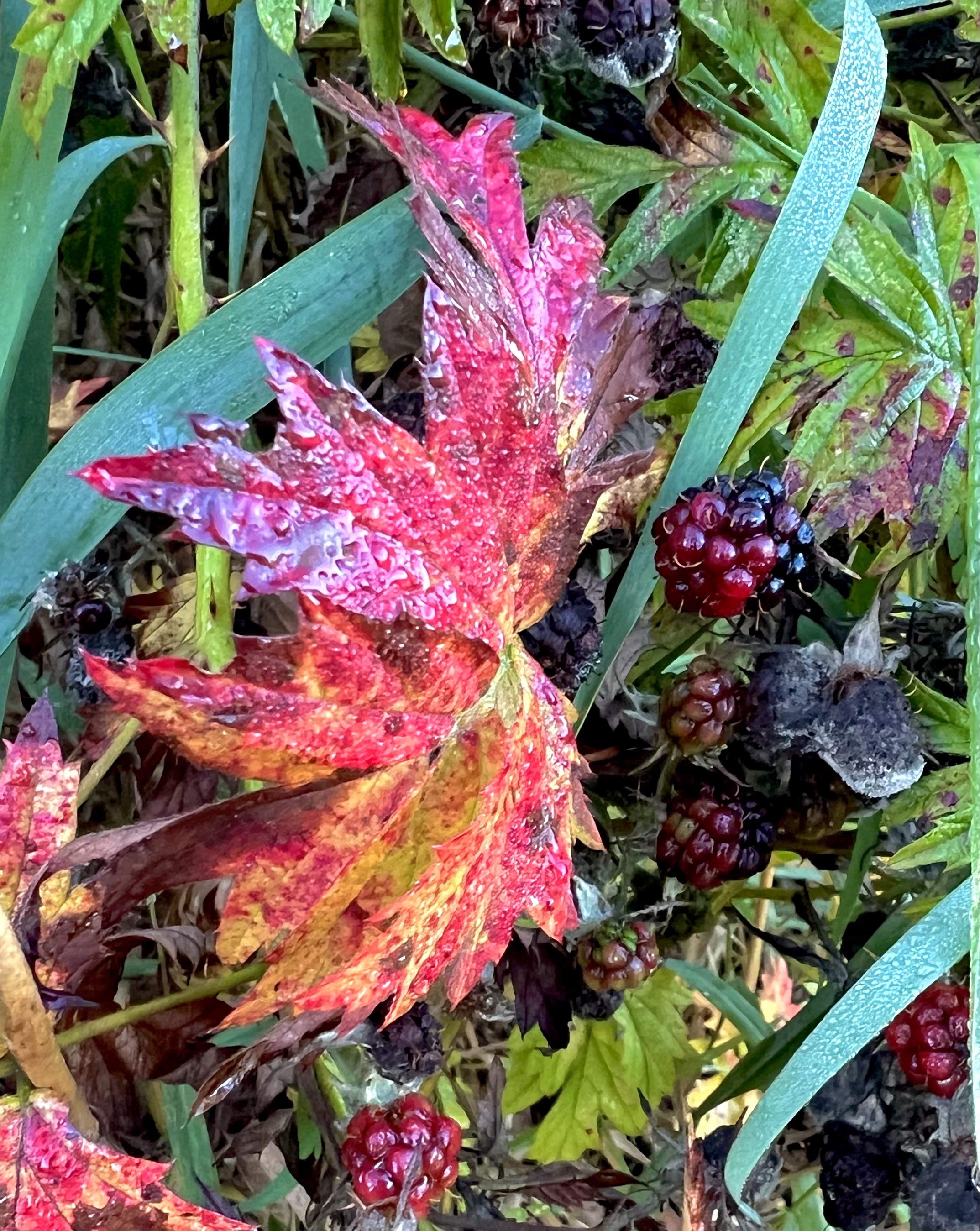
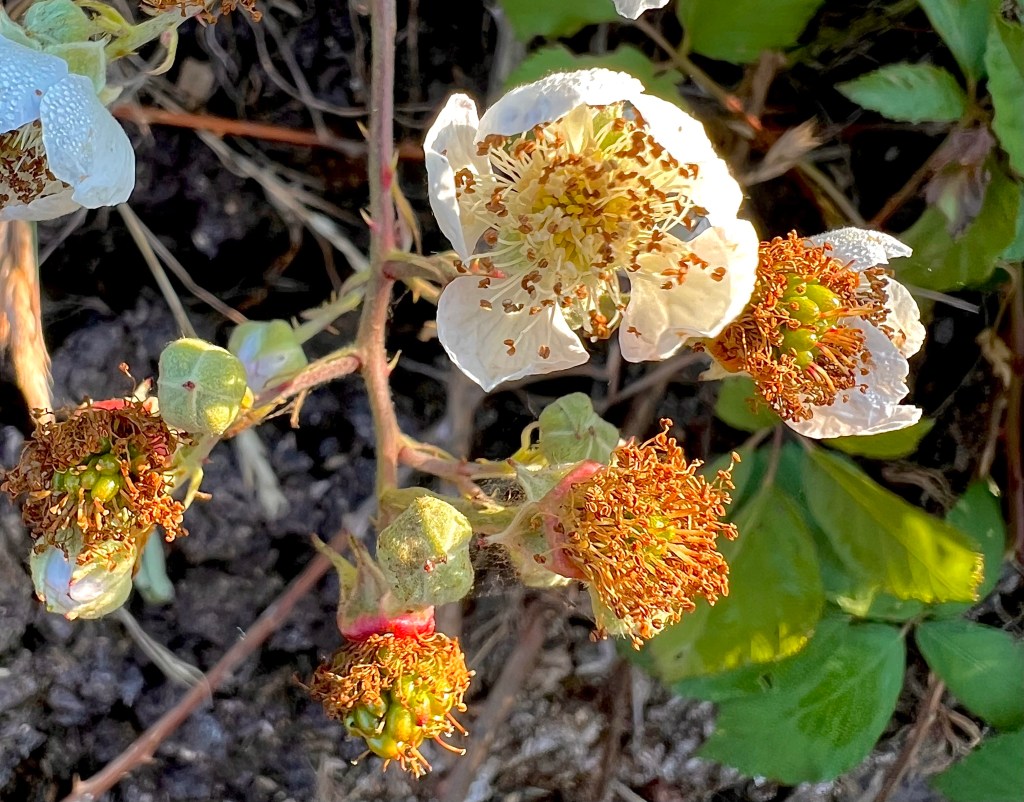
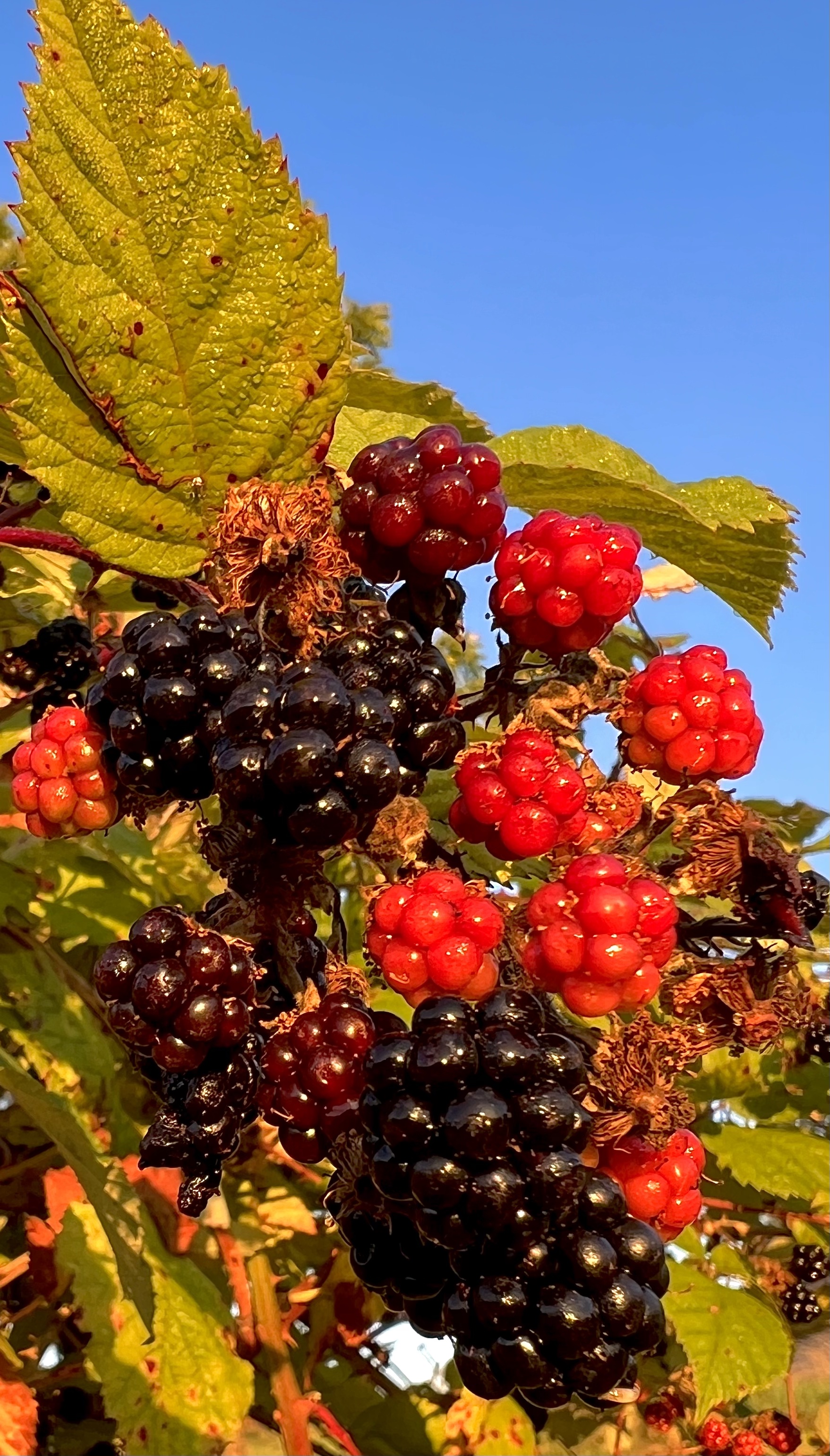
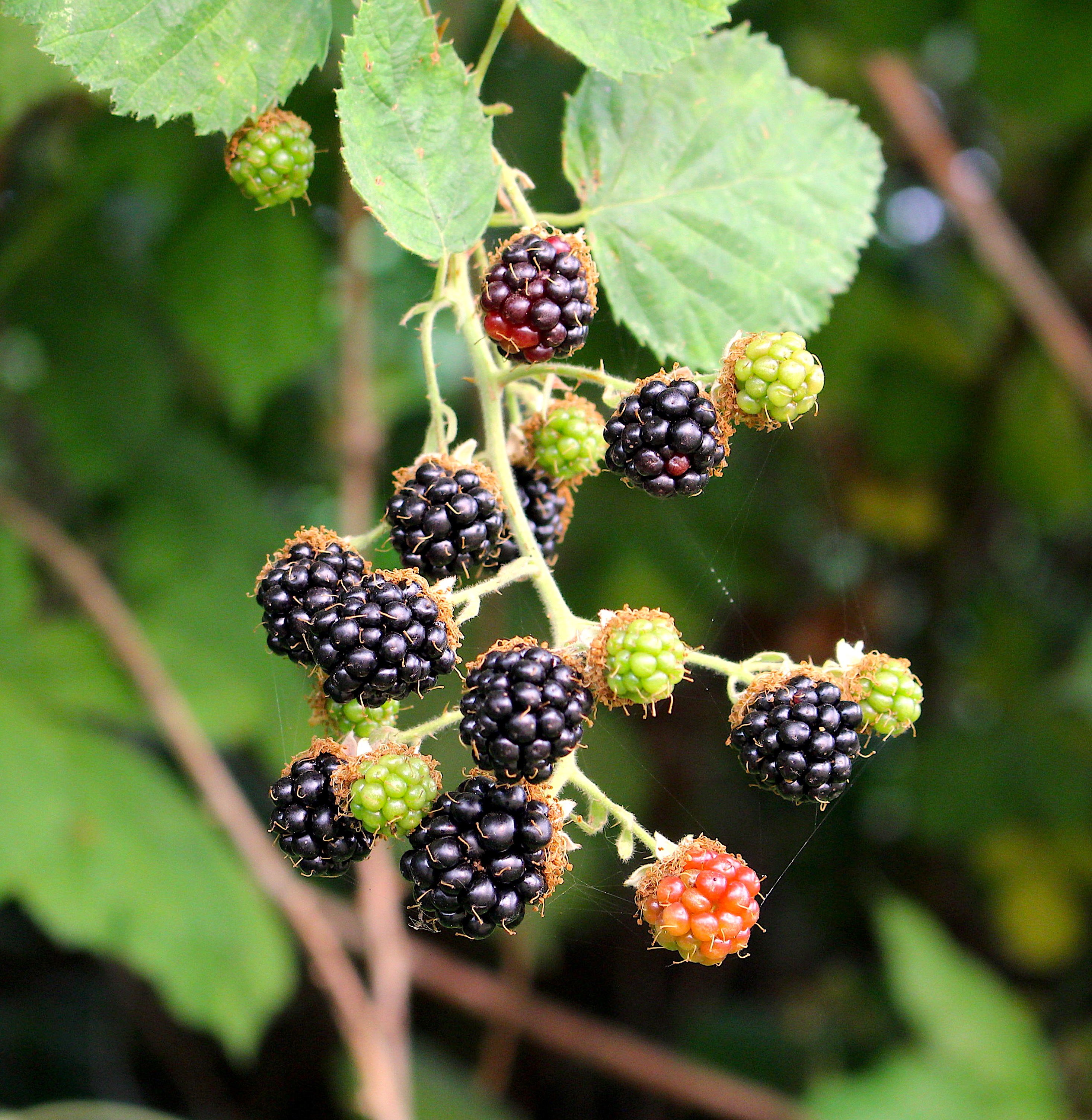
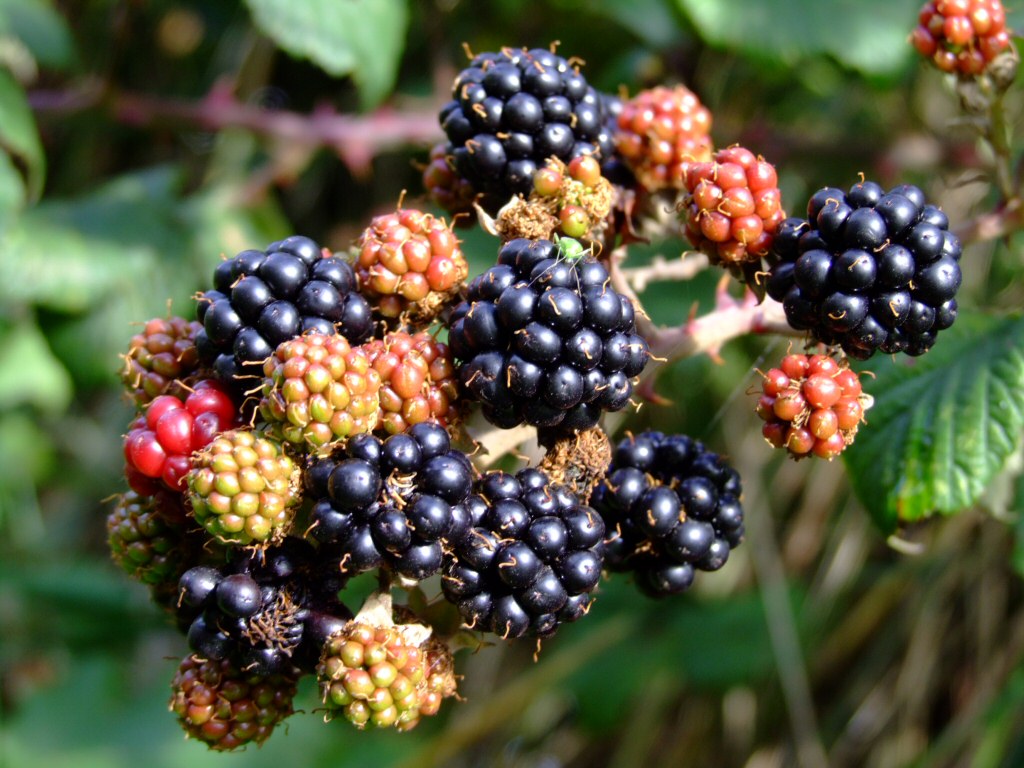
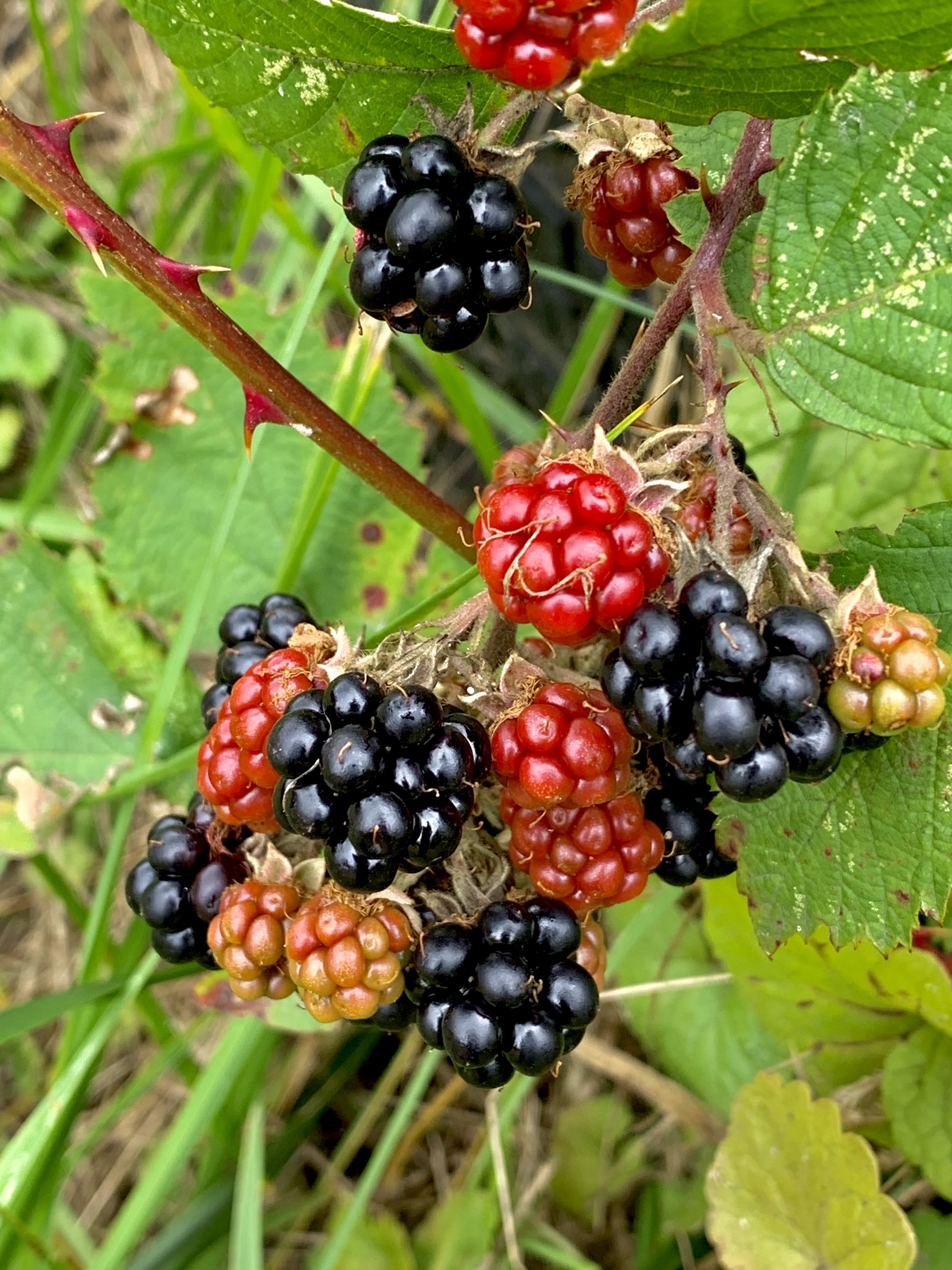
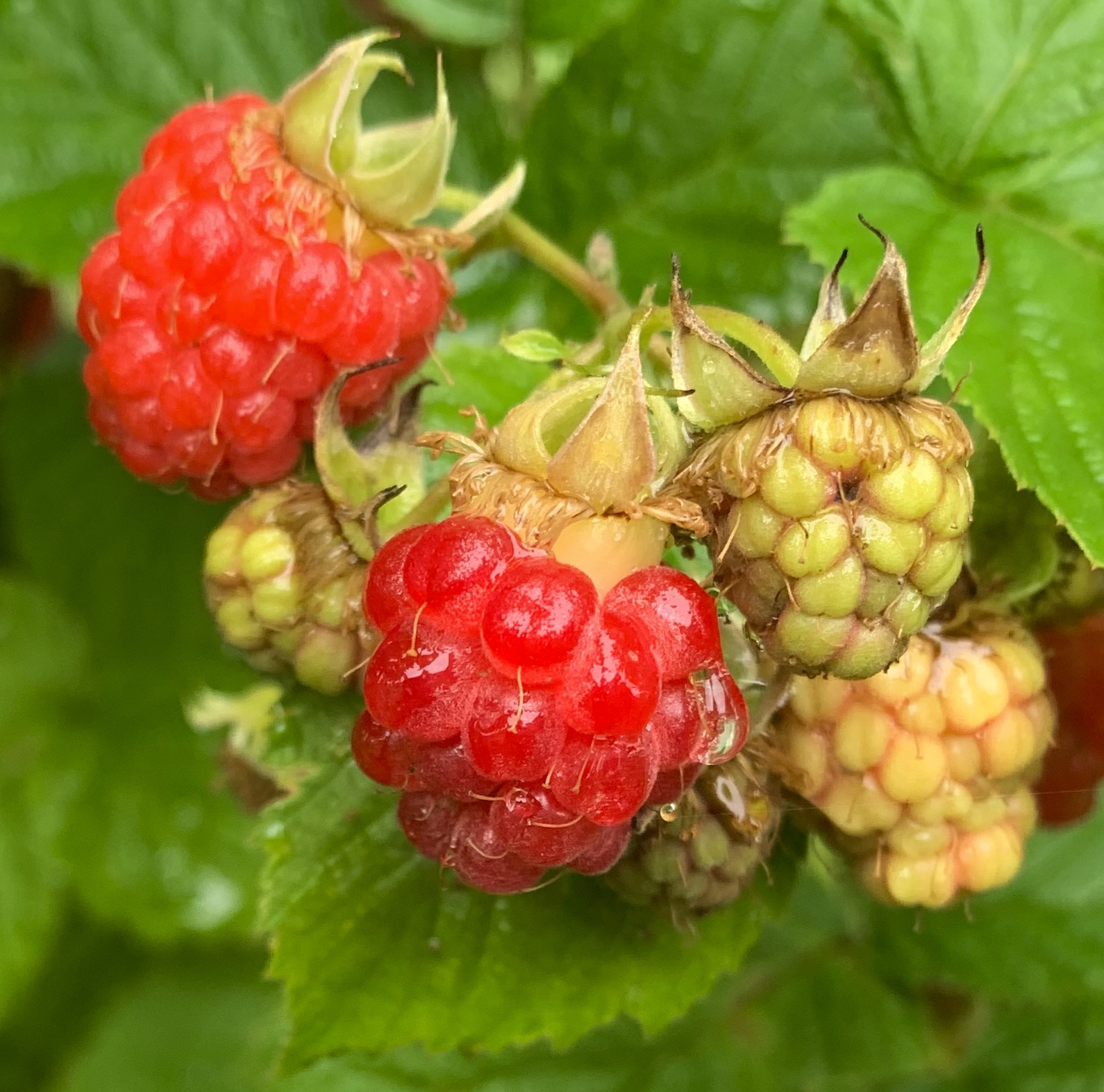
I’ve always wondered if there was a name for the small round globe, part of an aggregate berry like a thimbleberry, raspberry or blackberry – each so smooth and perfectly formed, each unique yet a homogenous part of the whole. Yet if separated all by itself, nearly invisible.
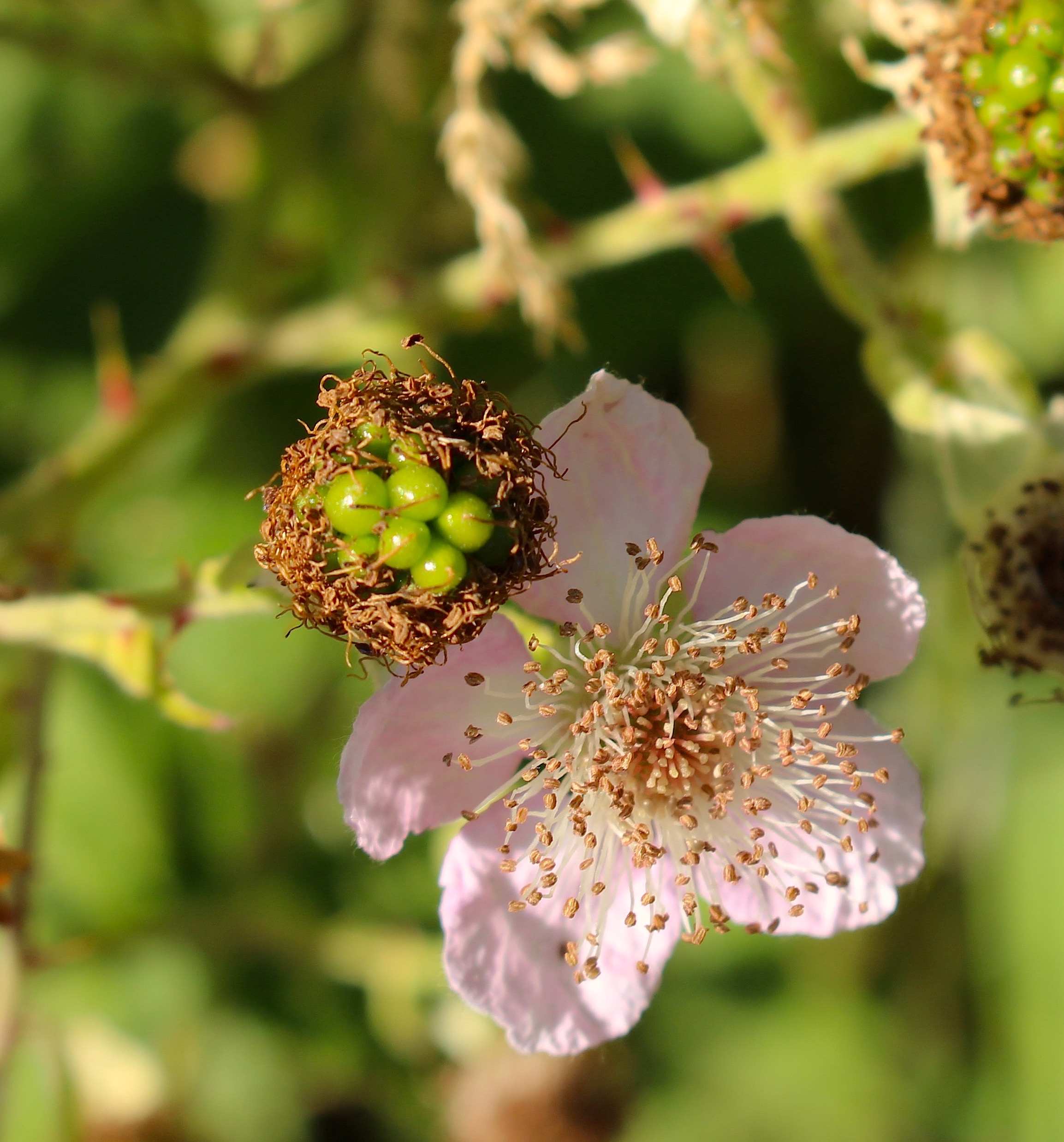
Each is called a small drupe, or more familiar and lovingly, a drupelet.
Despite such a plain name, a little drupelet has its own smooth shiny beauty, a drop of flavor to be savored, unforgotten, made sweeter by being part of the whole – even sweeter when redeemed and consumed.
Kind of like us – each of us a small part of the whole of life – each sacrificed for a taste of eternity.
Kind of like us…
photo by Nate Gibson
Lyrics: I am a small part of the world I have a small hand which to hold But if I stand by your side And you put your hand in mine Together we can be so strong and bold
I am a small part of the world I have a small dream in my eyes But if I tell you my dreams And you add your dreams to mine Together we can reach up to the skies
Hand in hand, dreams combine Voice with voice, together for all time Hand in hand, dreams combine Voice with voice, for all time
I am a small part of the world I have a small voice ringing clear But if I sing out for freedom And you add your voice to mine
Hand in hand, dreams combine Voice with voice for all time I am a small part of the world Take my hand
Writer(s): Jay Althouse, Sally Albrecht
One-Time
Monthly
Yearly
Make a one-time or recurring donation to support daily Barnstorming posts
They lie on the ground after the deer have left after the bear has had her fill they
lie under the stars and under the sun in a cloud of brambles the ripest ones fall first become black jam in the thatch. as a boy I hated picking blackberries the pail never full like one half of a slow conversation.
Now their taste is sweeter in memory the insect buzz the branches too high the blue summer never quite over before the fall begins. ~Richard Terrell from “Blackberries” from What Falls Away is Always
You ate that first one and its flesh was sweet Like thickened wine: summer’s blood was in it Leaving stains upon the tongue and lust for Picking. Then red ones inked up and that hunger Sent us out with milk cans, pea tins, jam-pots Where briars scratched and wet grass bleached our boots. Round hayfields, cornfields and potato-drills We trekked and picked until the cans were full, Until the tinkling bottom had been covered With green ones, and on top big dark blobs burned Like a plate of eyes. Our hands were peppered With thorn pricks, our palms sticky as Bluebeard’s.
We hoarded the fresh berries in the byre. But when the bath was filled we found a fur, A rat-grey fungus, glutting on our cache. The juice was stinking too. Once off the bush The fruit fermented, the sweet flesh would turn sour. I always felt like crying. It wasn’t fair That all the lovely canfuls smelt of rot. Each year I hoped they’d keep, knew they would not. ~Seamus Heaney from “Blackberry Picking”
In the early morning an old woman is picking blackberries in the shade. It will be too hot later but right now there’s dew.
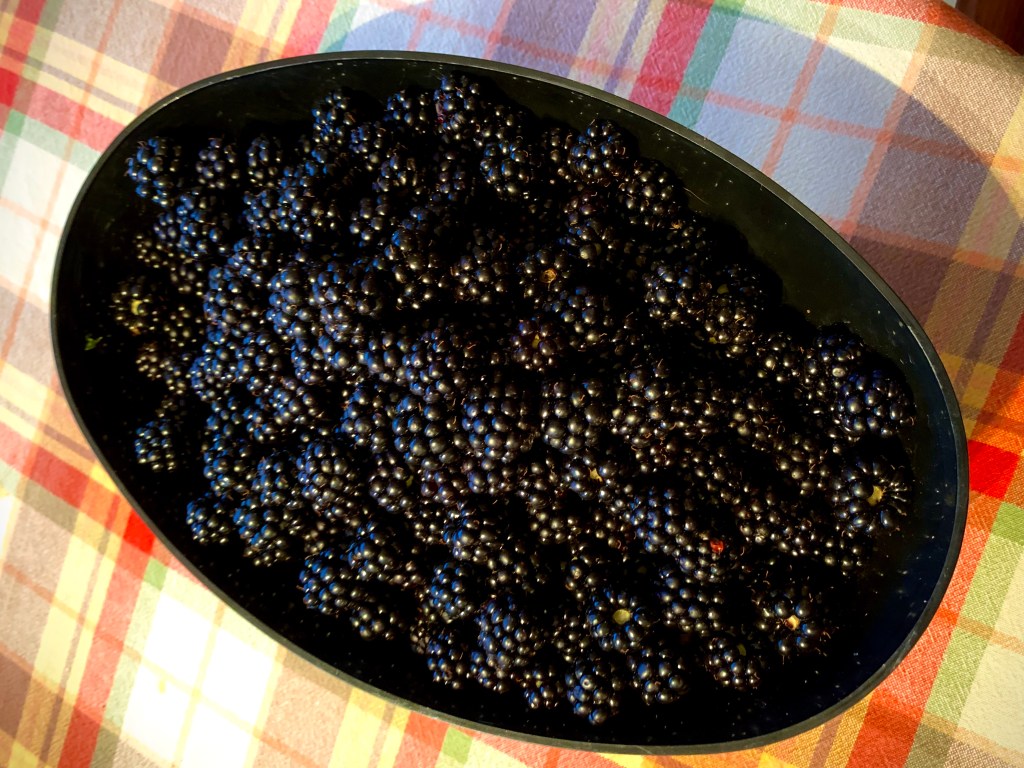
Some berries fall: those are for squirrels. Some are unripe, reserved for bears. Some go into the metal bowl. Those are for you, so you may taste them just for a moment. That’s good times: one little sweetness after another, then quickly gone.
Once, this old woman I’m conjuring up for you would have been my grandmother. Today it’s me. Years from now it might be you, if you’re quite lucky.
The hands reaching in among the leaves and spines were once my mother’s. I’ve passed them on. Decades ahead, you’ll study your own temporary hands, and you’ll remember. Don’t cry, this is what happens.
Look! The steel bowl is almost full. Enough for all of us. The blackberries gleam like glass, like the glass ornaments we hang on trees in December to remind ourselves to be grateful for snow.
Some berries occur in sun, but they are smaller. It’s as I always told you: the best ones grow in shadow. ~Margaret Atwood “Blackberries” from Dearly
I love to go out in late September among the fat, overripe, icy, black blackberries to eat blackberries for breakfast, the stalks very prickly, a penalty they earn for knowing the black art of blackberry-making; and as I stand among them lifting the stalks to my mouth, the ripest berries fall almost unbidden to my tongue, as words sometimes do, certain peculiar words like strengths or squinched, many-lettered, one-syllabled lumps, which I squeeze, squinch open, and splurge well in the silent, startled, icy, black language of blackberry-eating in late September. ~Galway Kinnell “Blackberry Eating”
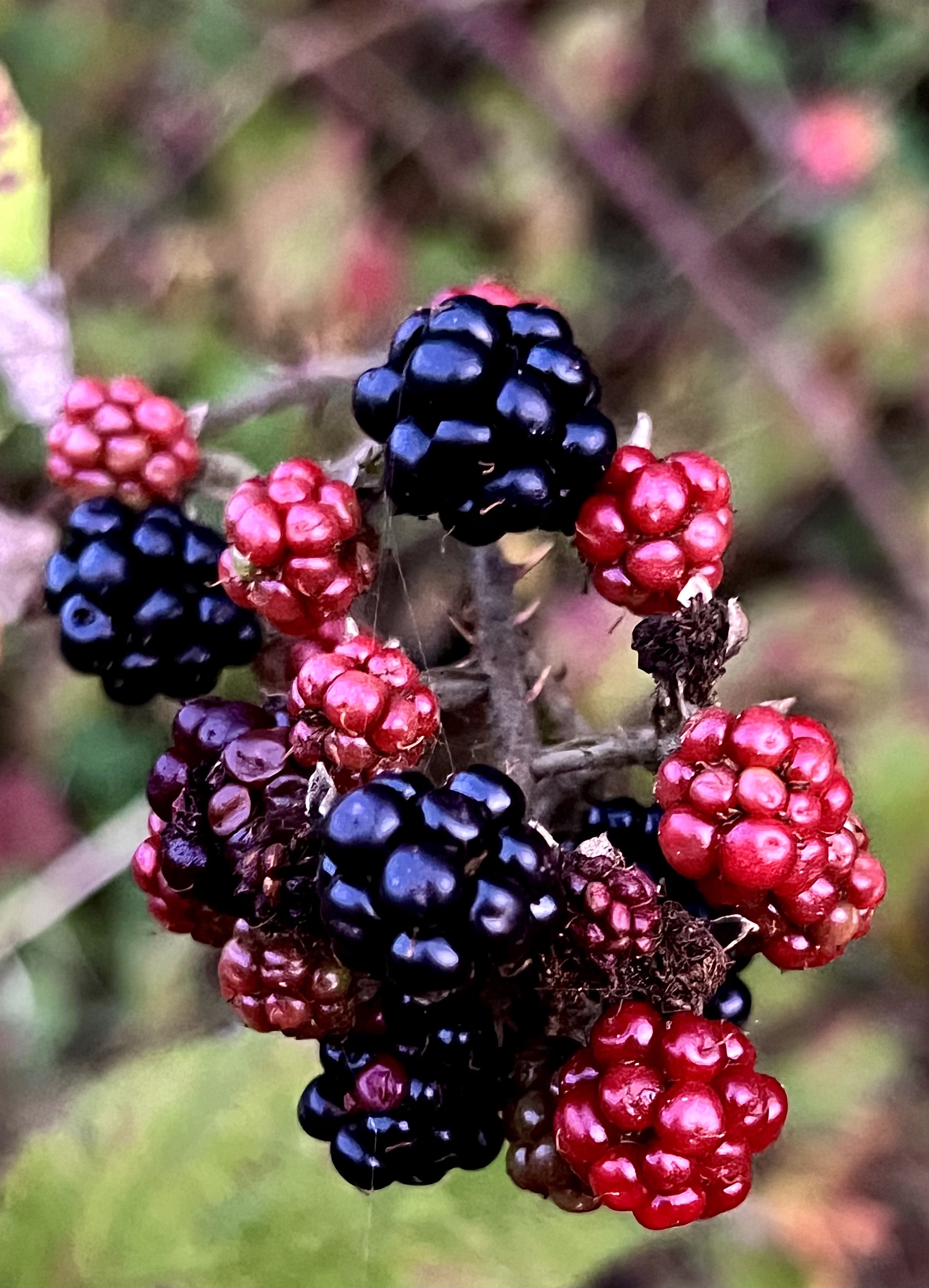
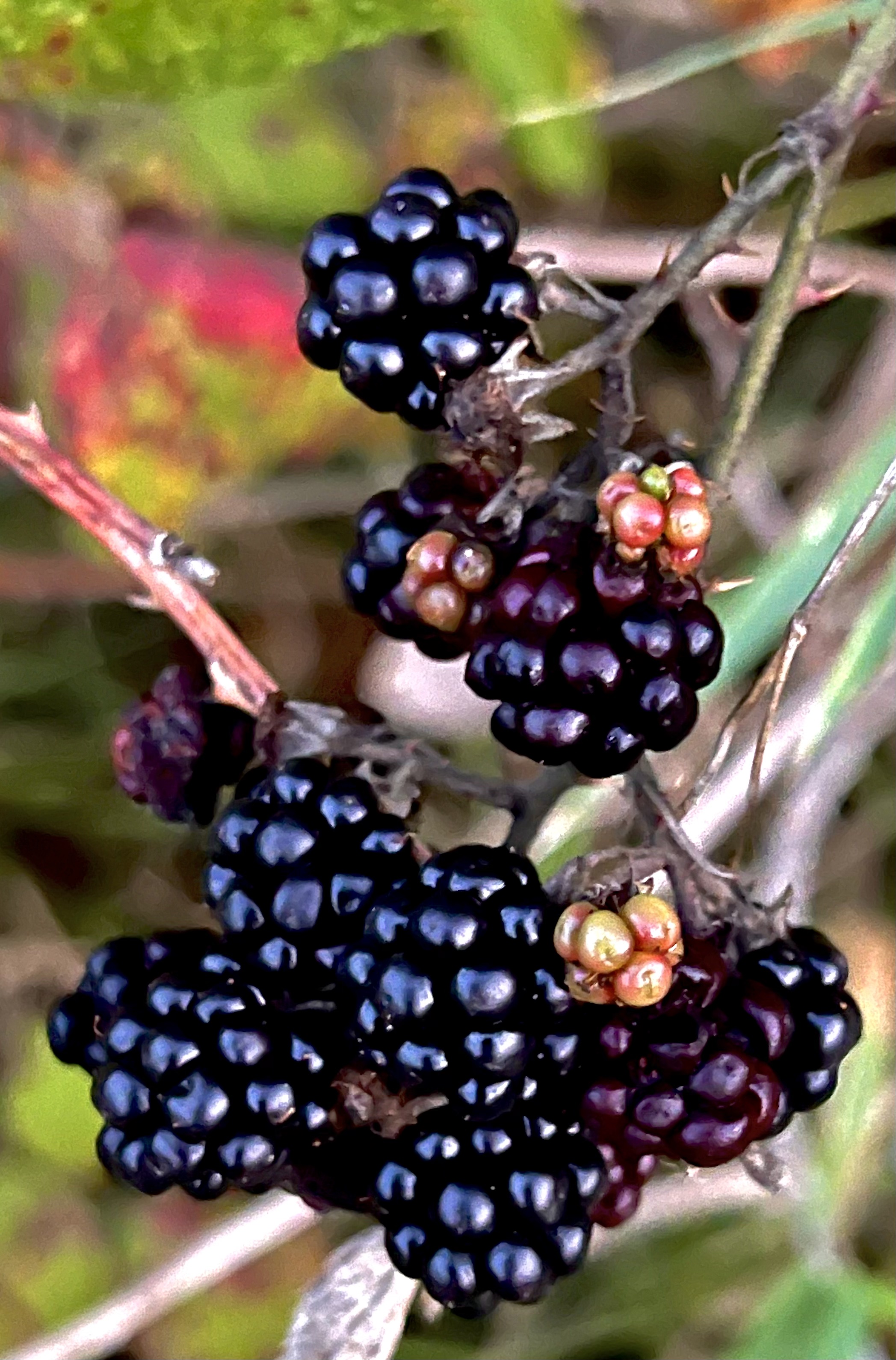
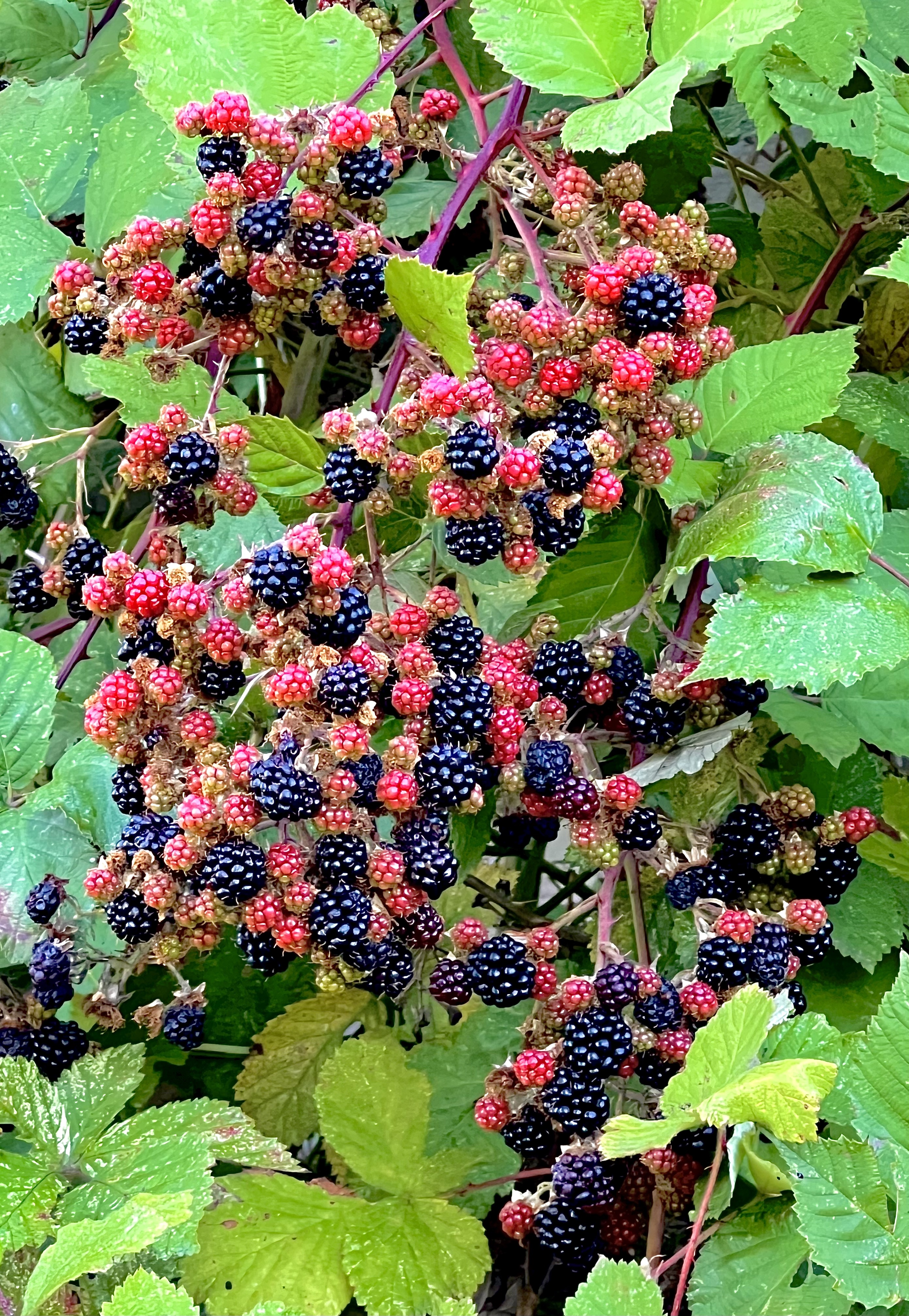
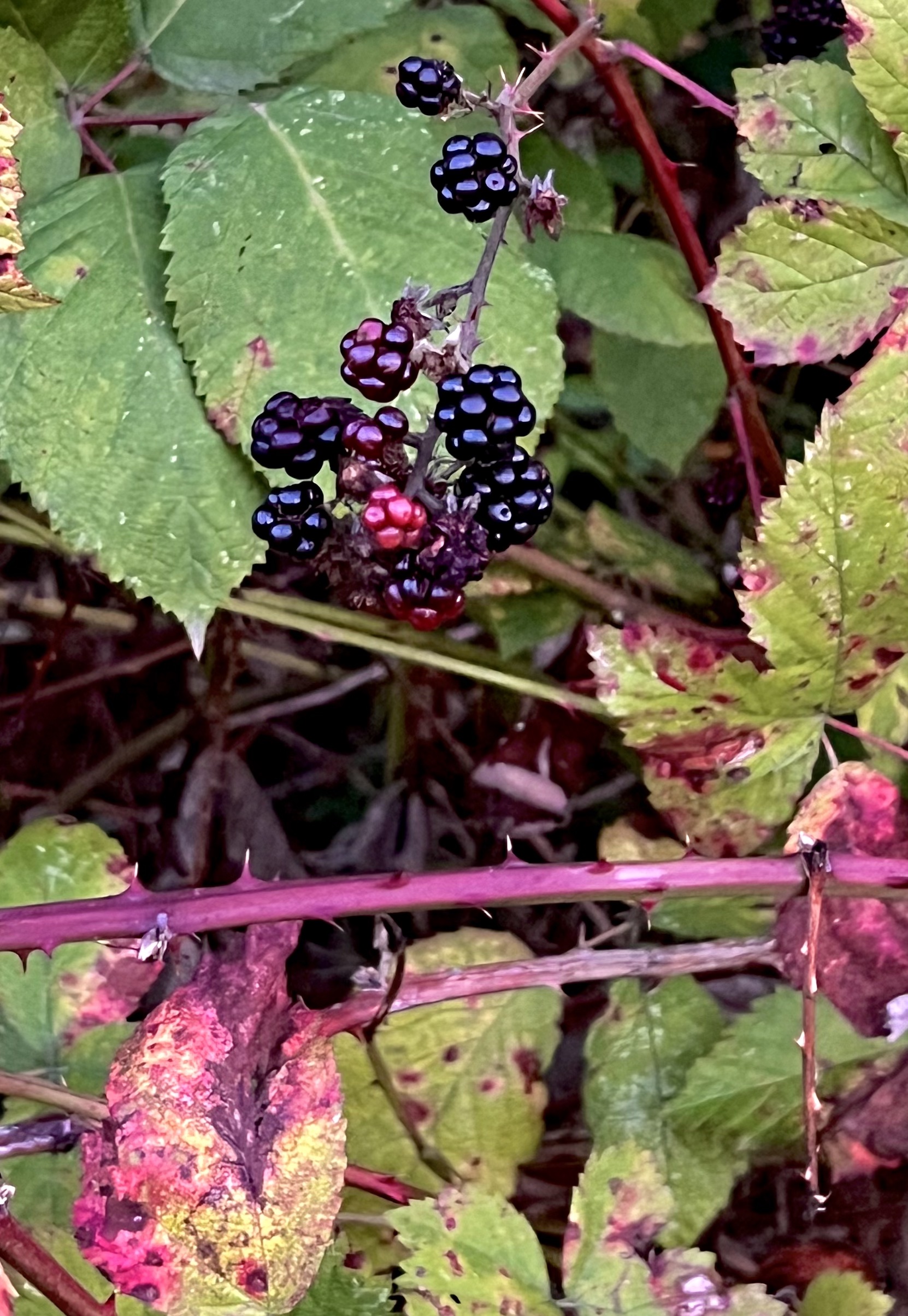
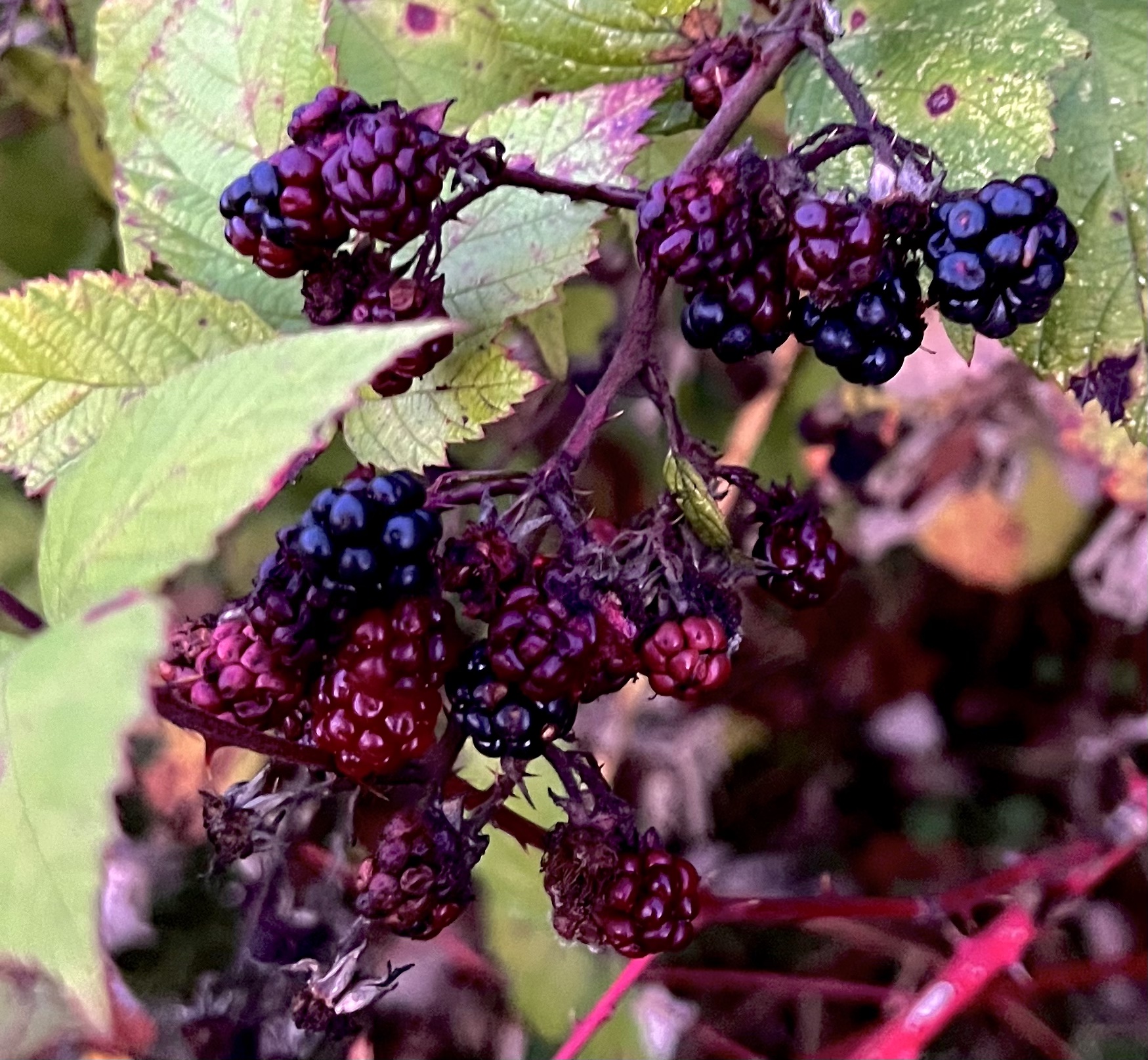
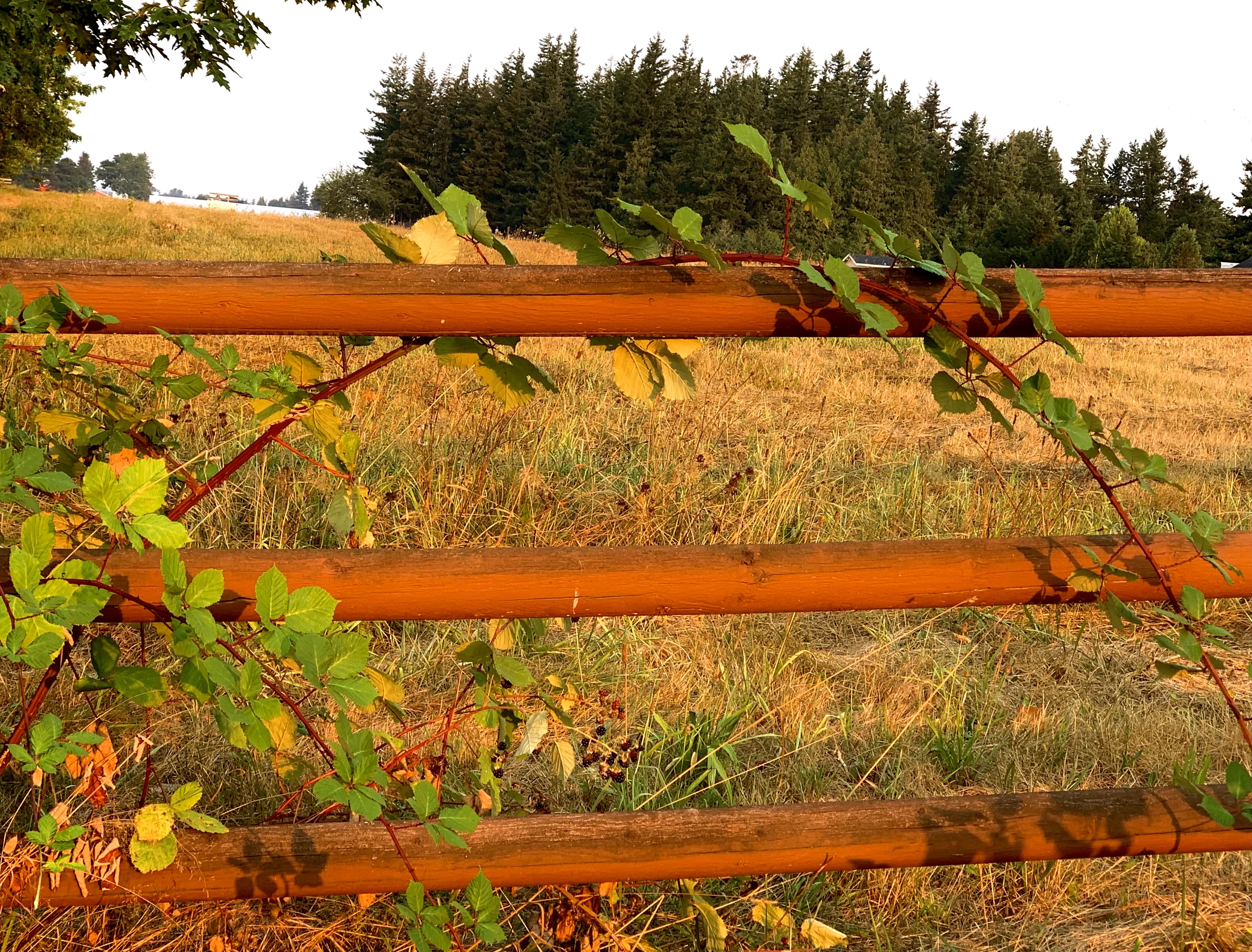
Blackberry vines are trouble 90% of the year – always growing where they are not welcome – reaching out to grab passersby without discriminating between human, dog or horse. But for a month in late summer and early fall, they yield black gold – bursting, swelling, unimaginably sweet fruit that is worth the hassle tolerated the rest of the weeks of the year.
It has been an unusually dry summer here in the Pacific Northwest with little rain until recently, so the fields are brown and even the usually lush blackberry vines have started to dry and color up. The berries themselves are rich from the sun but starting now to shrivel and mold.
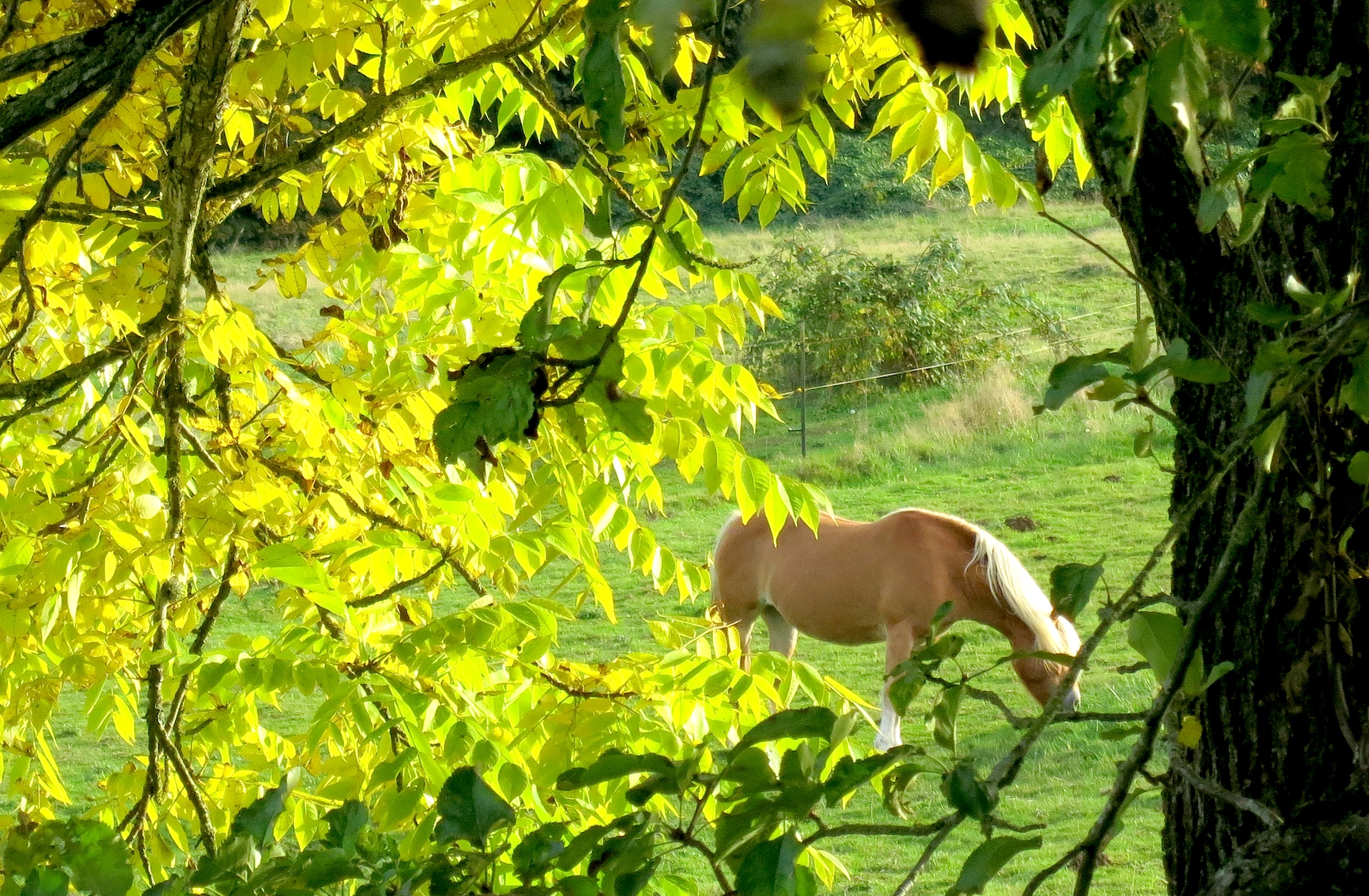
Our Haflinger horses have been fed hay for the past several weeks as there is not enough pasture for them without the supplement–we are about 6 weeks ahead of schedule in feeding hay. I had grown a little suspicious the last couple nights as I brought the Haflingers into the barn for the night. Two of the mares turned out in the back field had purplish stains on their chests and front legs. Hmmmm. Raiding the berries. Desperate drought forage behavior in an extremely efficient eating machine.
So this evening I headed toward the berries. When the mares saw the bowl in my hand, that was it. They mobbed me. I was irresistible.
So with mares in tow, I approached a berry bank. It was ravaged. Trampled. Haflinger poop piles everywhere. All that were left were some clusters of gleaming black berries up high overhead, barely reachable on my tip toes, and only reachable if I walked directly into the thicket. The mares stood in a little line behind me, pondering me as I pondered my dilemma.
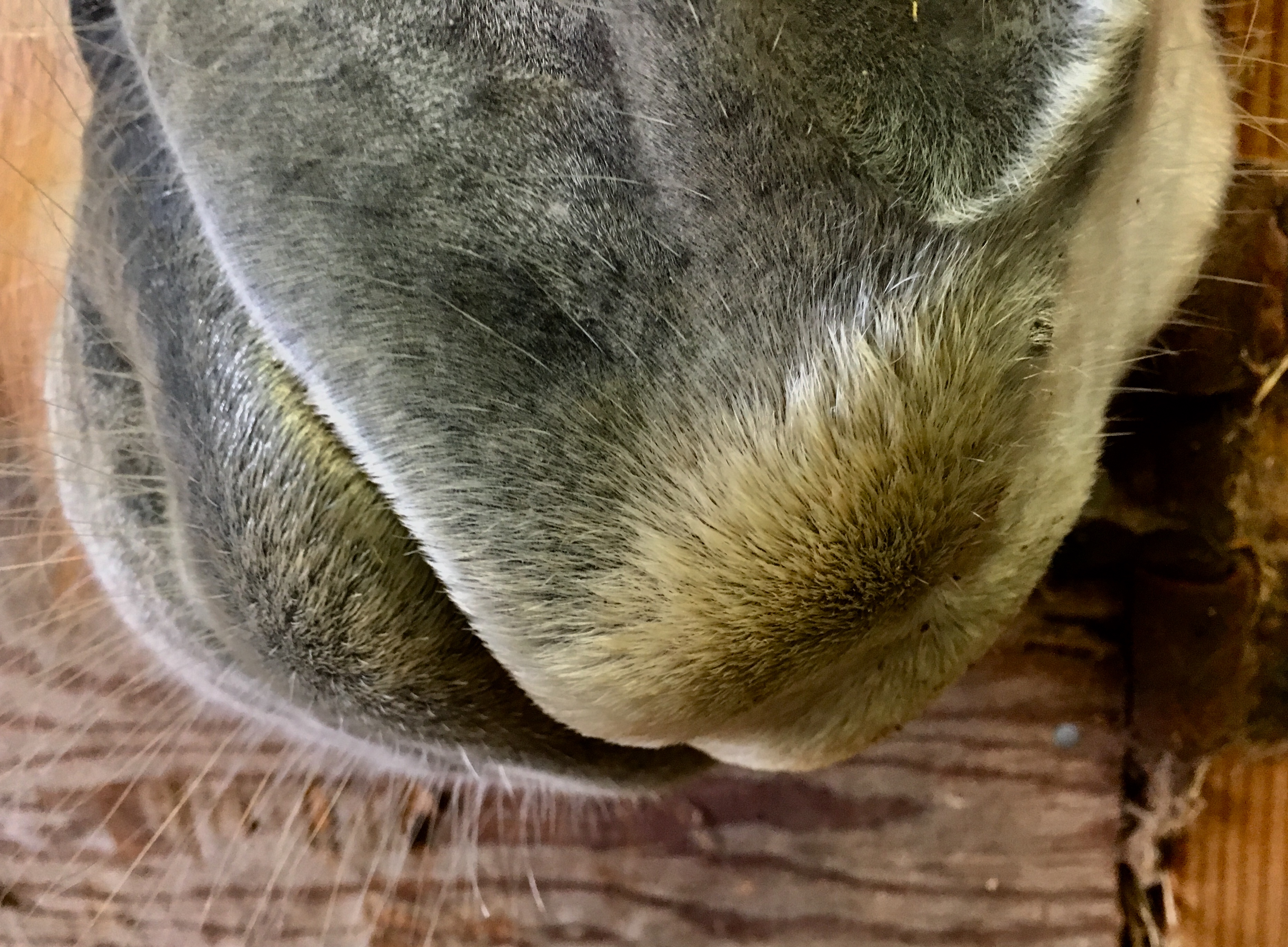
I set to work picking what I could reach, snagging, ripping and bloodying my hands and arms, despite my sleeves. Pretty soon I had mares on either side of me, diving into the brambles and reaching up to pick what they could reach as well, unconcerned about the thorns that tore at their sides and muzzles. They were like sharks in bloody water–completely focused on their prey and amazingly skilled at grabbing just the black berries, and not the pale green or red ones.
Plump Haflingers and one *plumpish* woman were willingly accumulating scars in the name of sweetness.
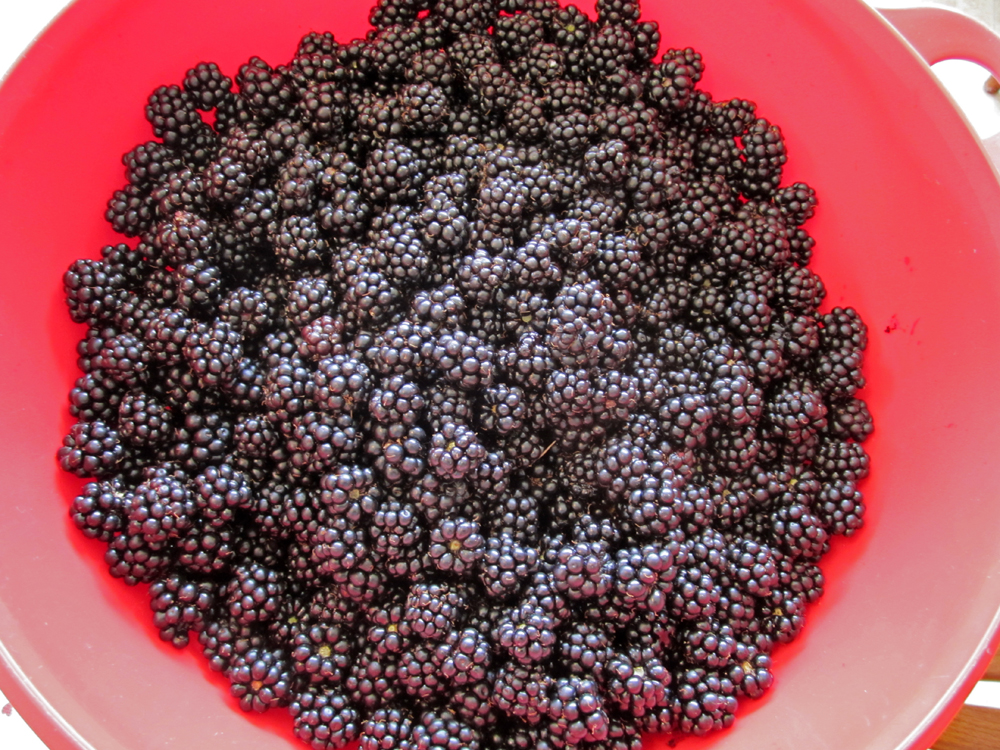
When my bowl was full, I extracted myself from the brambles and contemplated how I was going to safely make it back to the barn without being mare-mugged. Instead, they obediently trailed behind me, happy to be put in their stalls for their evening hay, accepting a gift from me with no thorns or vines attached.
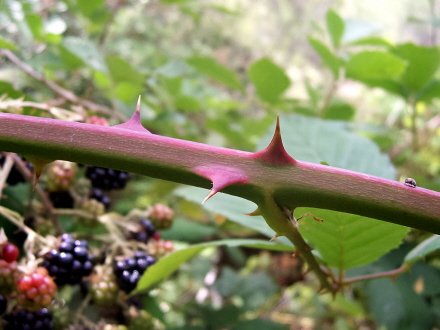
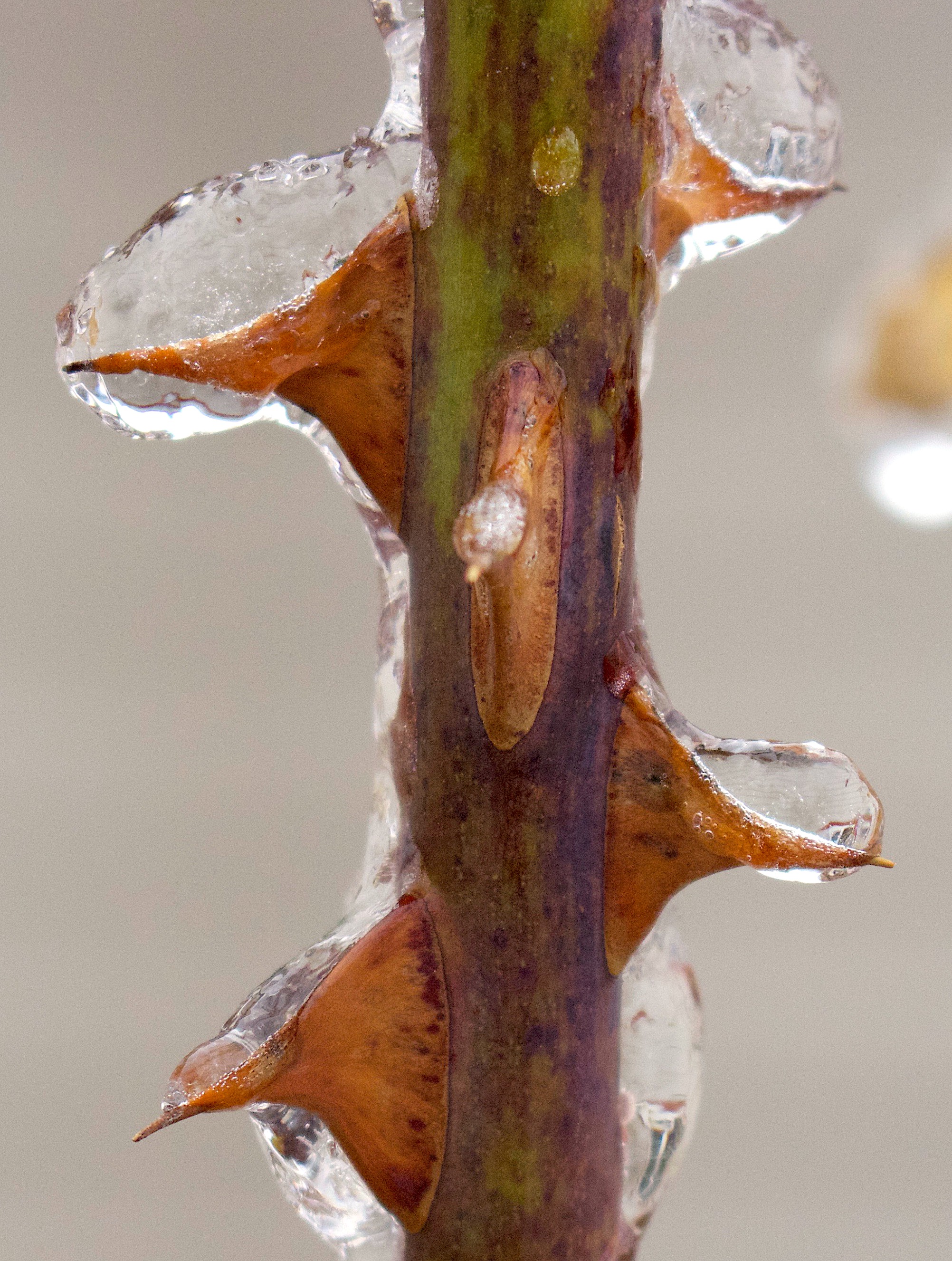
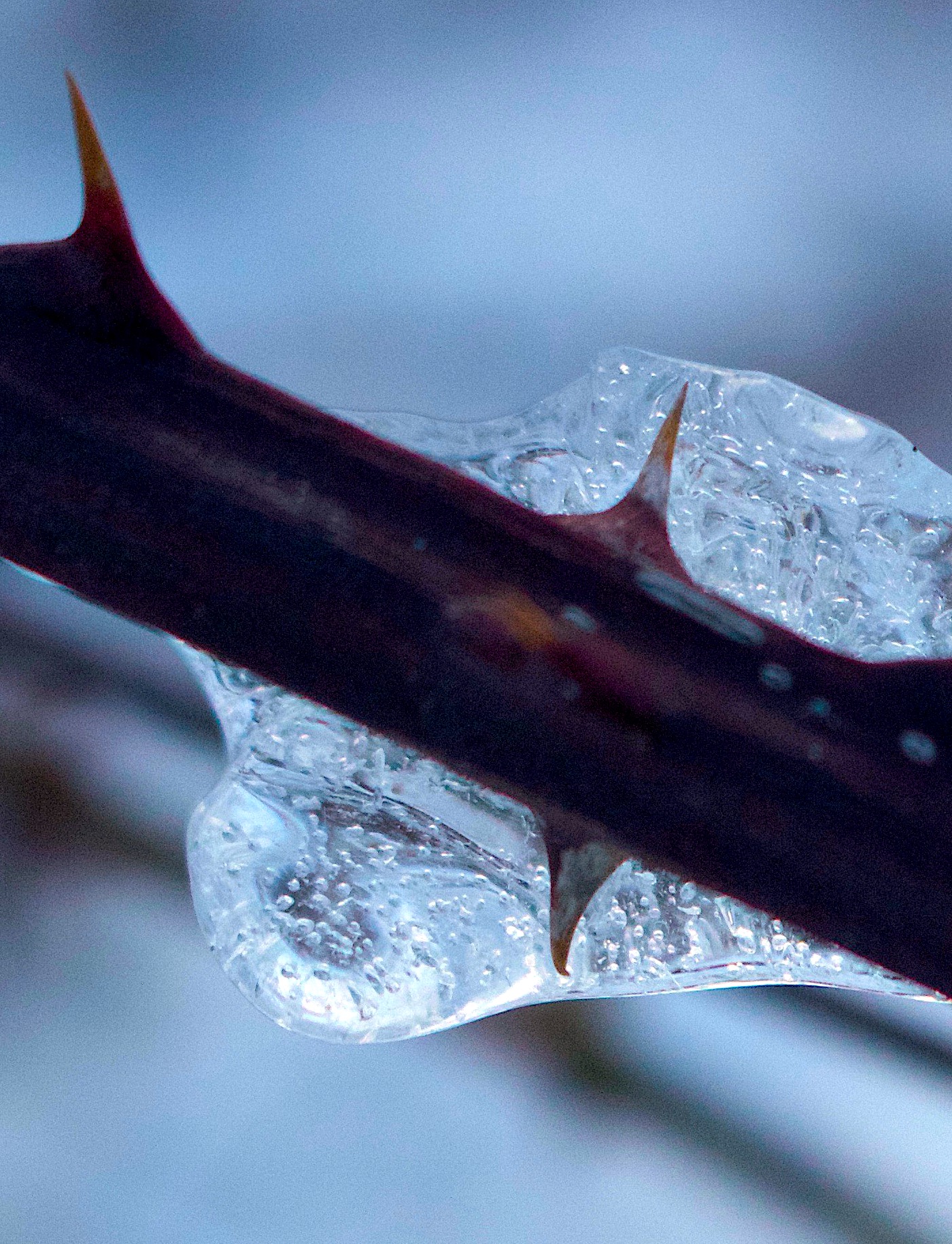
Clearly, thorns are part of our everyday life. Thorns stand in front of much that is sweet and good and precious to us. They tear us up, bloody us, make us cry, make us beg for mercy.
Yet thorns have been overcome. They did not stop our salvation, did not stop goodness raining down on us, did not stop the taste of sweetness given as a gracious gift.
If we hesitate, thorns only proliferate unchecked.
So, desperate and hungry, we dive right in, to taste and eat.
One-Time
Monthly
Yearly
Make a one-time or recurring donation to support daily Barnstorming posts
Earth’s crammed with heaven And every common bush afire with God But only he who sees, takes off his shoes, The rest sit round it and pluck blackberries~ –Elizabeth Barrett Browning from “Aurora Leigh”
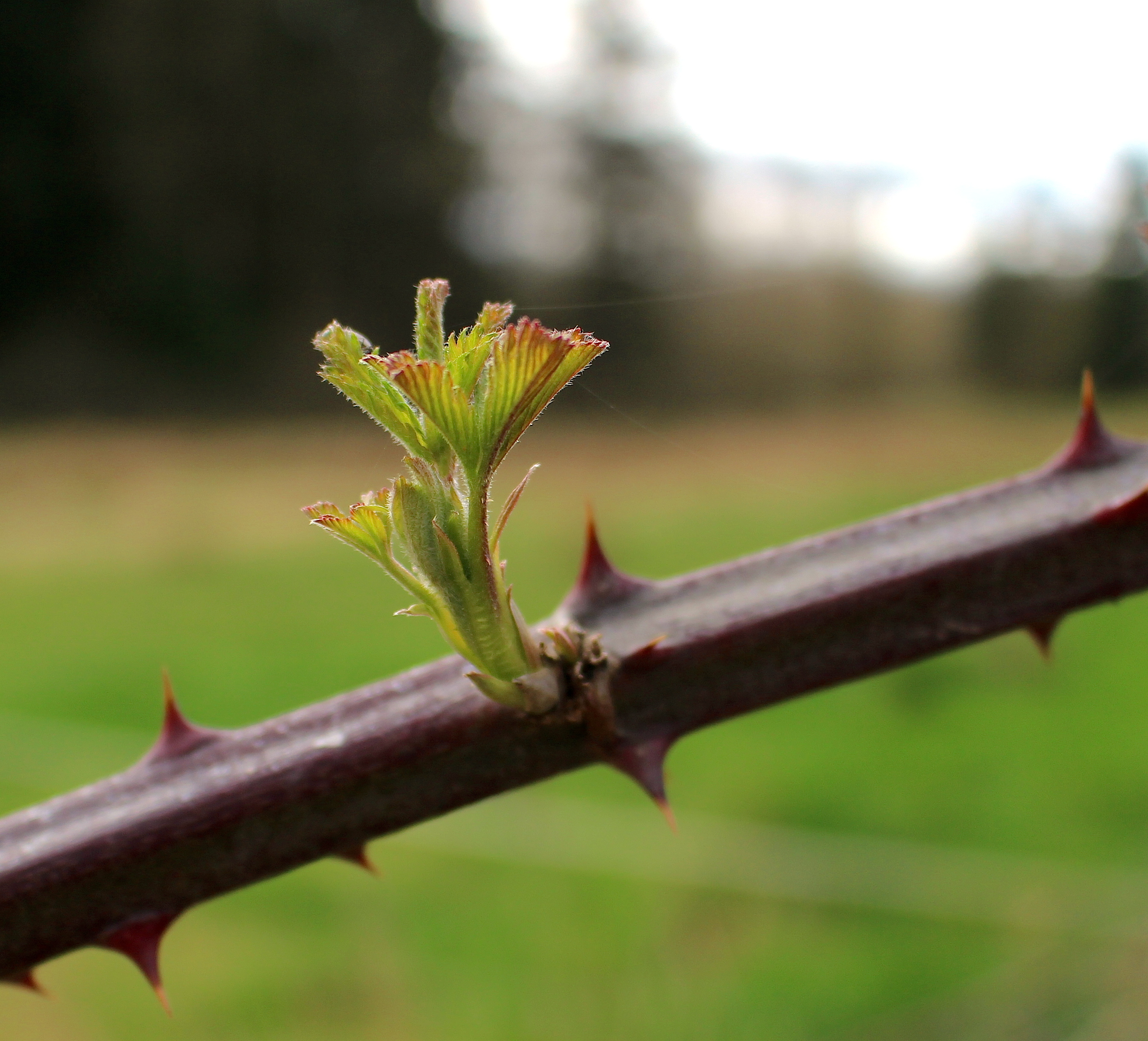
Fringing the woods, the stone walls, and the lanes, Old thickets everywhere have come alive, Their new leaves reaching out in fans of five From tangles overarched by this year’s canes.
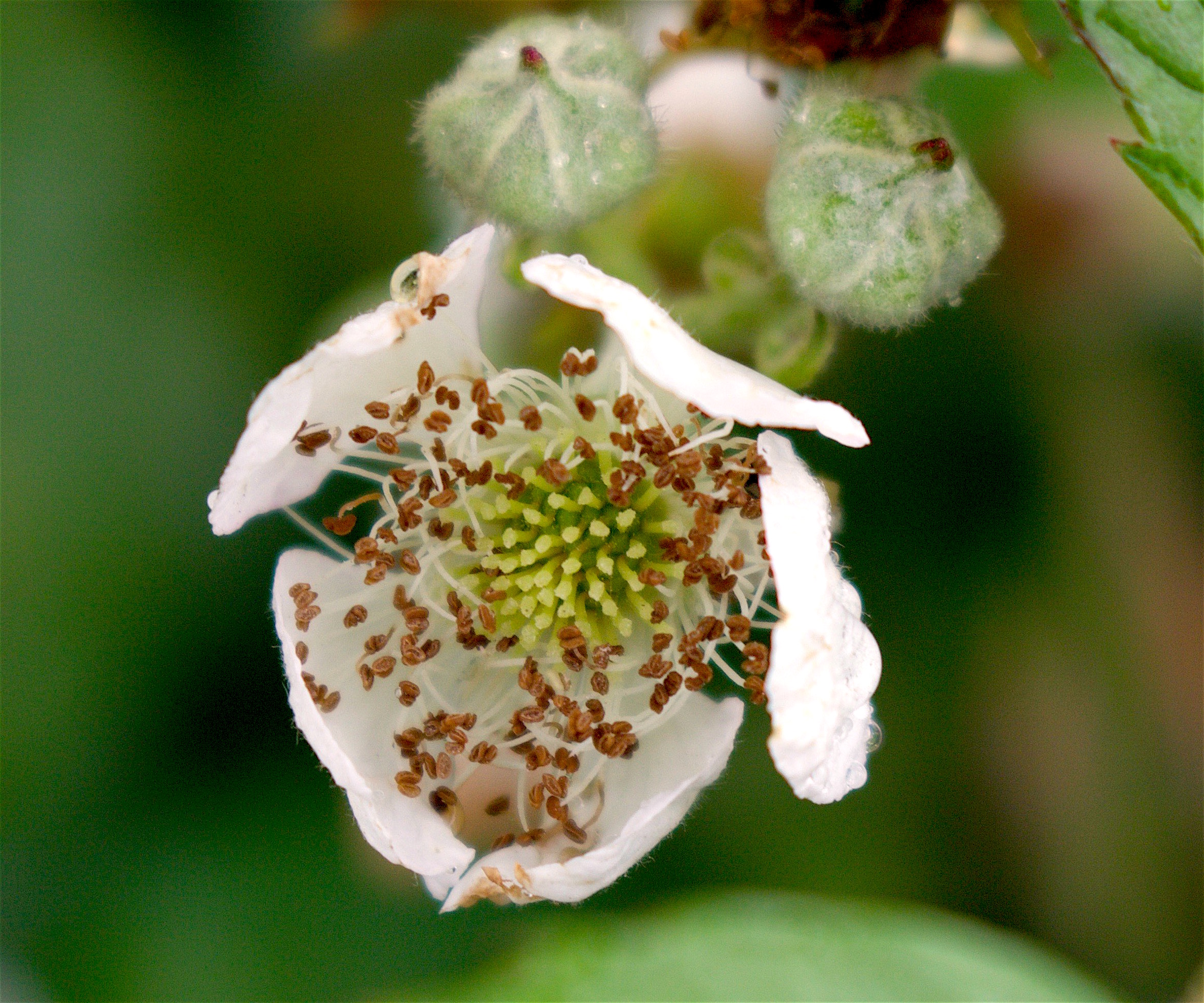
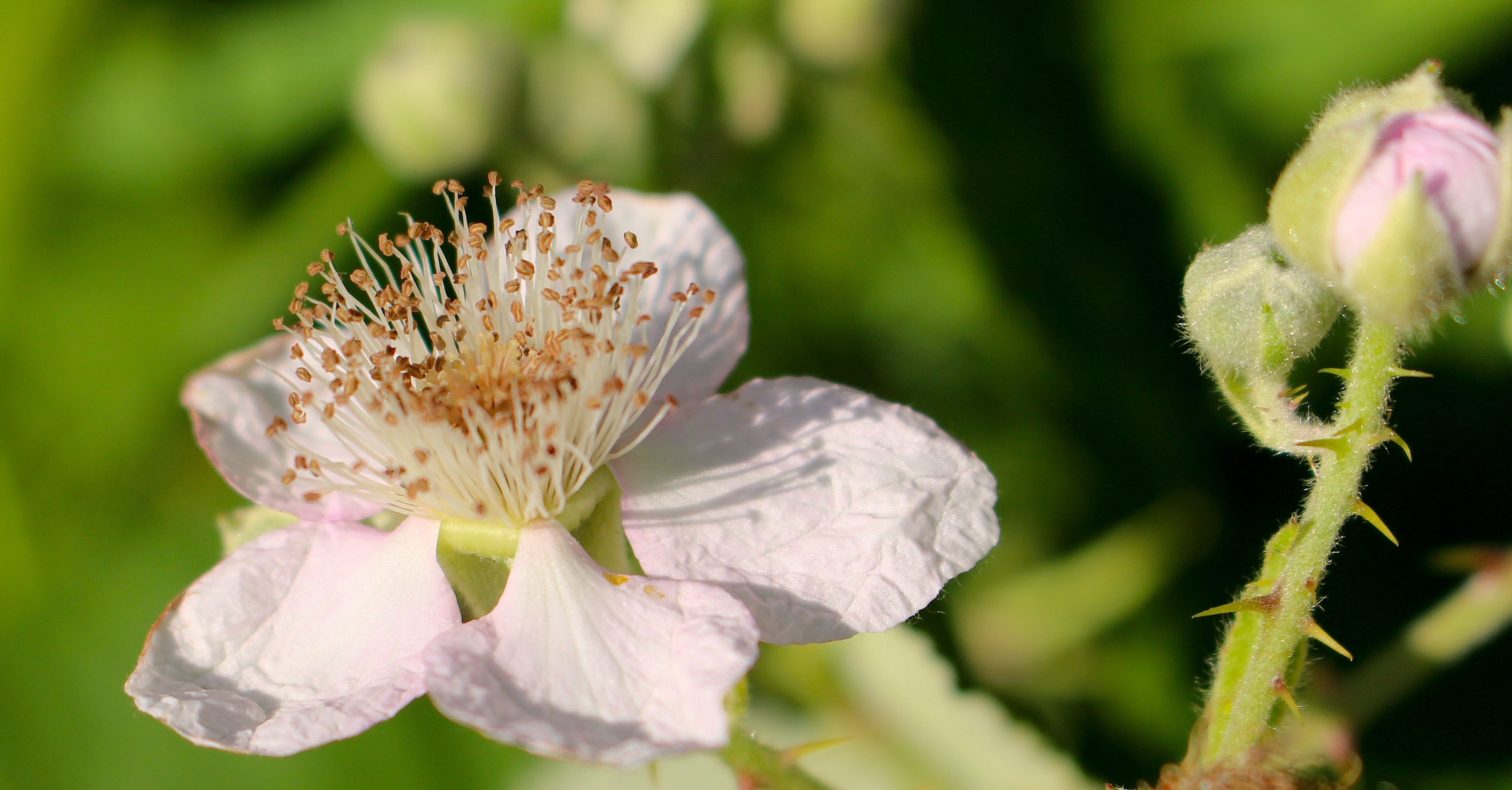
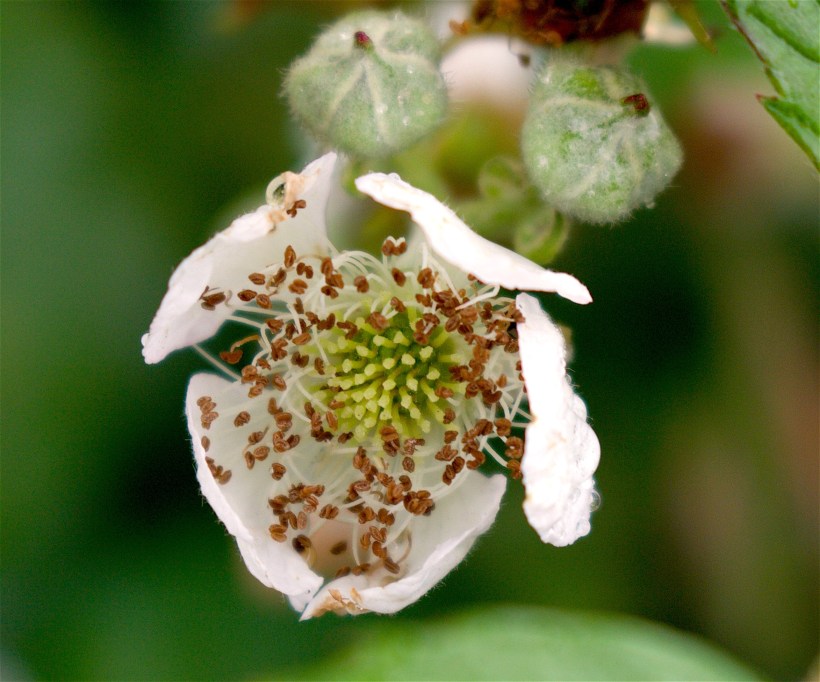
They have their flowers too, it being June, And here or there in brambled dark-and-light Are small, five-petaled blooms of chalky white, As random-clustered and as loosely strewn
As the far stars, of which we now are told That ever faster do they bolt away, And that a night may come in which, some say, We shall have only blackness to behold.
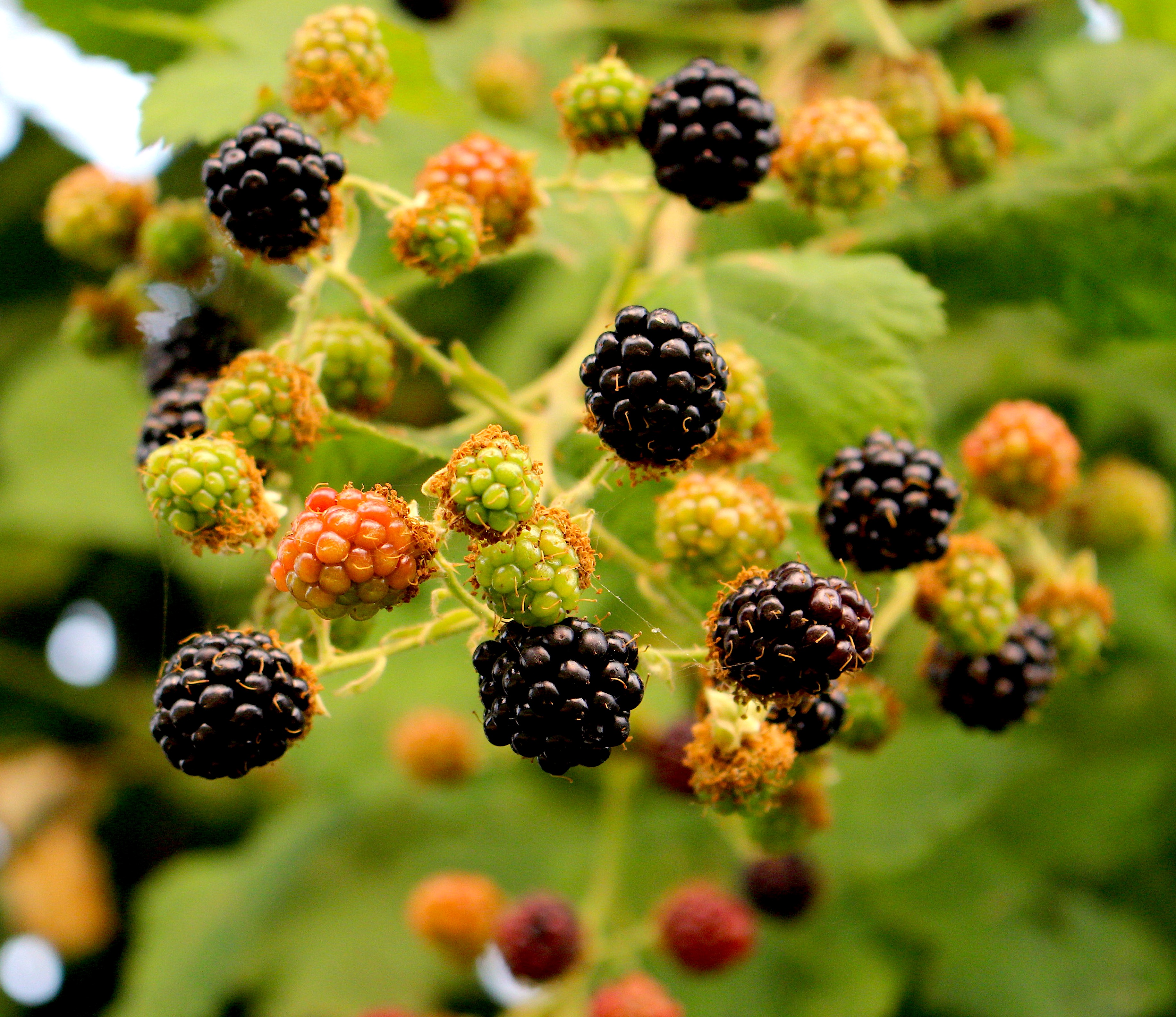
I have no time for any change so great, But I shall see the August weather spur Berries to ripen where the flowers were– Dark berries, savage-sweet and worth the wait–
And there will come the moment to be quick And save some from the birds, and I shall need Two pails, old clothes in which to stain and bleed, And a grandchild to talk with while we pick. ~Richard Wilbur “Blackberries for Amelia”
I love to go out in late September among the fat, overripe, icy, black blackberries to eat blackberries for breakfast, the stalks very prickly, a penalty they earn for knowing the black art of blackberry-making; and as I stand among them lifting the stalks to my mouth, the ripest berries fall almost unbidden to my tongue, as words sometimes do, certain peculiar words like strengths or squinched, many-lettered, one-syllabled lumps, which I squeeze, squinch open, and splurge well in the silent, startled, icy, black language of blackberry-eating in late September. ~Galway Kinnell“Blackberry Eating”
All I wanted was a few blackberries.
My objective was just to pick enough for cobbler for dessert, being oblivious to God burning in the bushes towering over me, around me, snagging me at every opportunity. If I had given it more thought, I would have realized the reaching vines hooking my arms and legs were hardly subtle. The thorns ripped at my skin, leaving me bloody and smarting. The fruit itself stained my hands purple, making them look freshly bruised. I crushed fat vines underfoot, trampling and stomping with my muck boots in order to dive deeper into the bushes. Webs were everywhere, with spiders crawling up my arms and dropping down into my hair. I managed to kick up one hornet’s nest so I called it quits.
All I wanted was a few blackberries, so blinded to all the clues crammed in every nook and cranny of every bush.
All I wanted was a few blackberries, trampling on holy ground with well-protected feet, unwilling to be barefoot and tenderly vulnerable.
All I wanted was a few blackberries, the lure of black gold plucked at the cost of rips and scratches and tears.
What I got was burned by a bush…
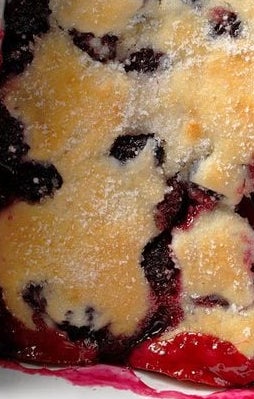
and a few blackberries for a crammed-with-heaven cobbler.
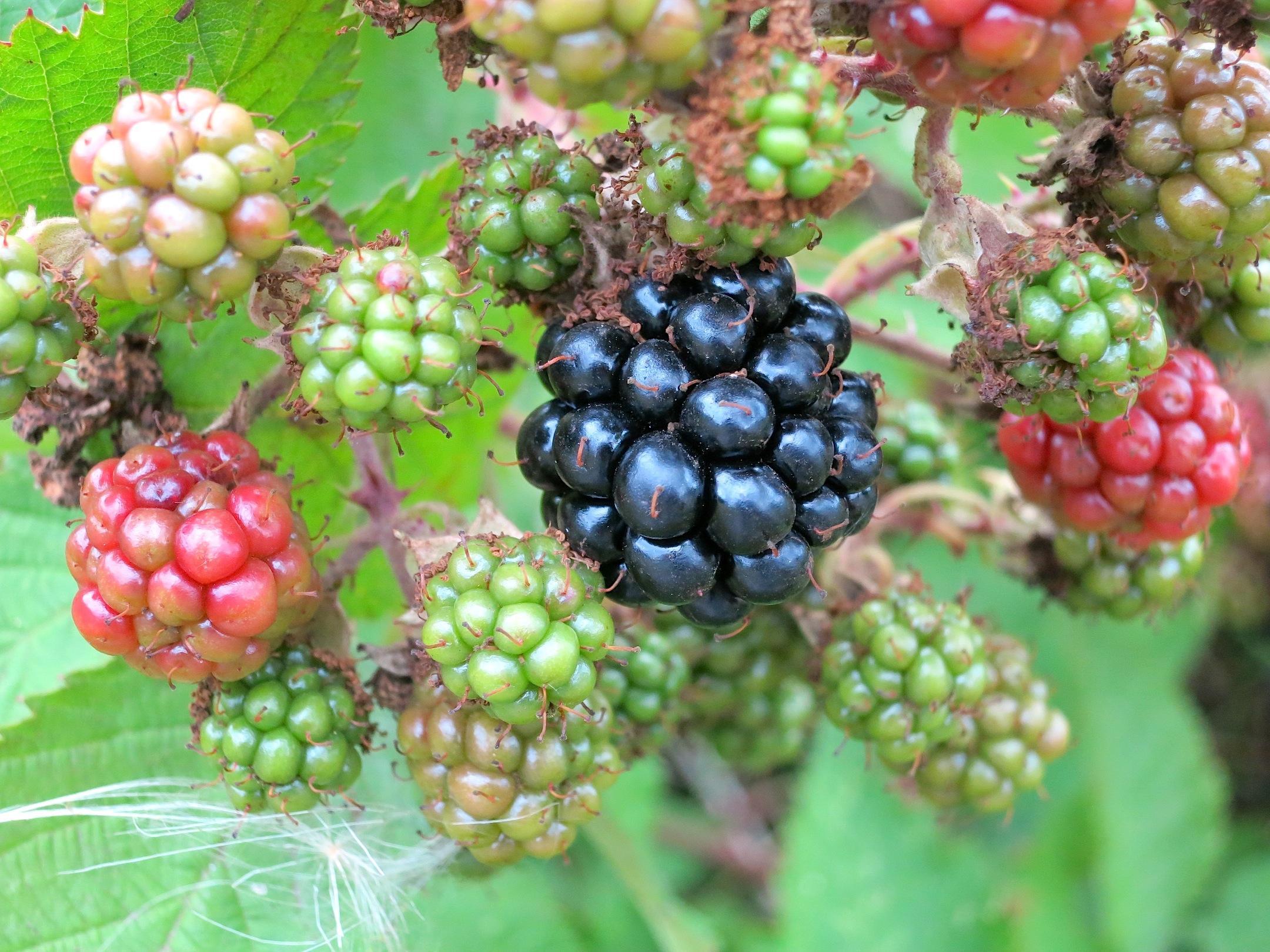
photo by Joel DeWaard
One-Time
Monthly
Yearly
Make a one-time or recurring donation to support daily Barnstorming posts
If you listen, you can hear it, a blackberry changing from flower to berry, in the slowness
you can hear the leaves make oxygen, like filling a low tire, or a pinfeather breaking loose,
the still has different shades of quiet, some potency, and then, the words disappear
you have to lower the heart like temperature, like a stone in molasses, filling the emptiness. ~Martin Willitts Jr., “Sitting Still to Hear the Quiet” at Blue Heron Review
Earth’s crammed with heaven And every common bush afire with God But only he who sees, takes off his shoes, The rest sit round it and pluck blackberries~ –Elizabeth Barrett Browning in “Aurora Leigh”
…the ripest berries fall almost unbidden to my tongue, as words sometimes do, certain peculiar words like strengths or squinched, many-lettered, one-syllabled lumps, which I squeeze, squinch open, and splurge well in the silent, startled, icy, black language of blackberry-eating…. ~Galway Kinnell from “Blackberry Eating”
The hot days of summer bring a new stillness when I find it difficult to do even the basics each day. The air is sticky and so am I.
So I sit in silence, listening for the changes taking place around me as blossoms slowly fruit and once-bare thorny vines bear black gold.
What once was empty fills quickly.
I am filled to fruiting as well, finding no words to describe how life feels. I’m blinded to the burning bushes surrounding me, I forget to take off my shoes and pay attention to the holy ground beneath my feet.
Instead I sit and pluck blackberries, lost within myself, trying to fill up my empty spots when God knows He is sufficient.
One-Time
Monthly
Yearly
Make a one-time or recurring donation to support daily Barnstorming posts
Berry picking is a lesson in perspective: I would miss most of the fruit if I refused to lower my eyes, then stoop and bend.
I push aside leaves and canes to find the round and juicy globes, gently pulling the berries until they fall into my palm. ~Janet Ruth Heller, from “Picking Raspberries: Learning Perspective from Nature’s Olympics
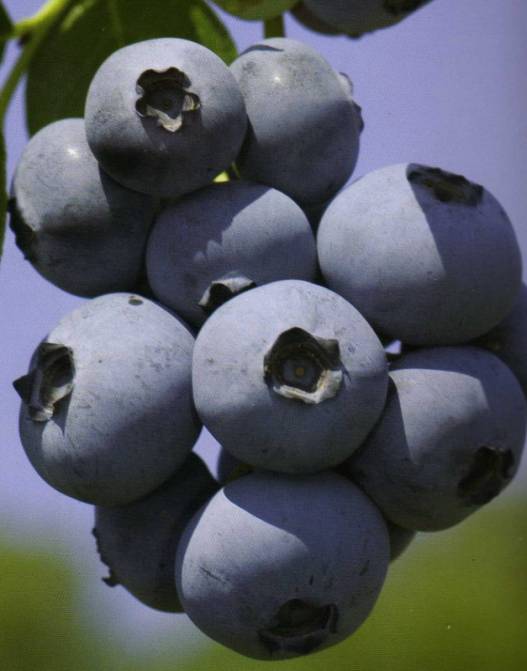
Blueberries as big as the end of your thumb, Real sky-blue, and heavy, and ready to drum In the cavernous pail of the first one to come! And all ripe together, not some of them green And some of them ripe! You ought to have seen!
I wish I knew half what the flock of them know Of where all the berries and other things grow, Cranberries in bogs and raspberries on top Of the boulder-strewn mountain, and when they will crop. ~Robert Frost from “Blueberries”
We live in the middle of a county with bountiful berries this time of year, both wild and farmed.
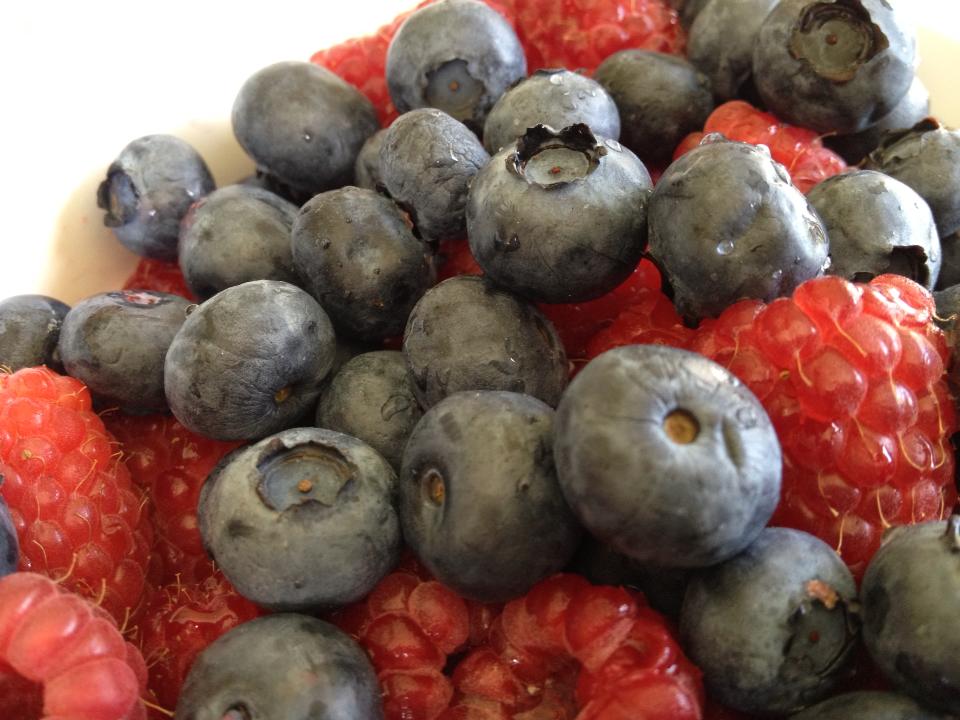
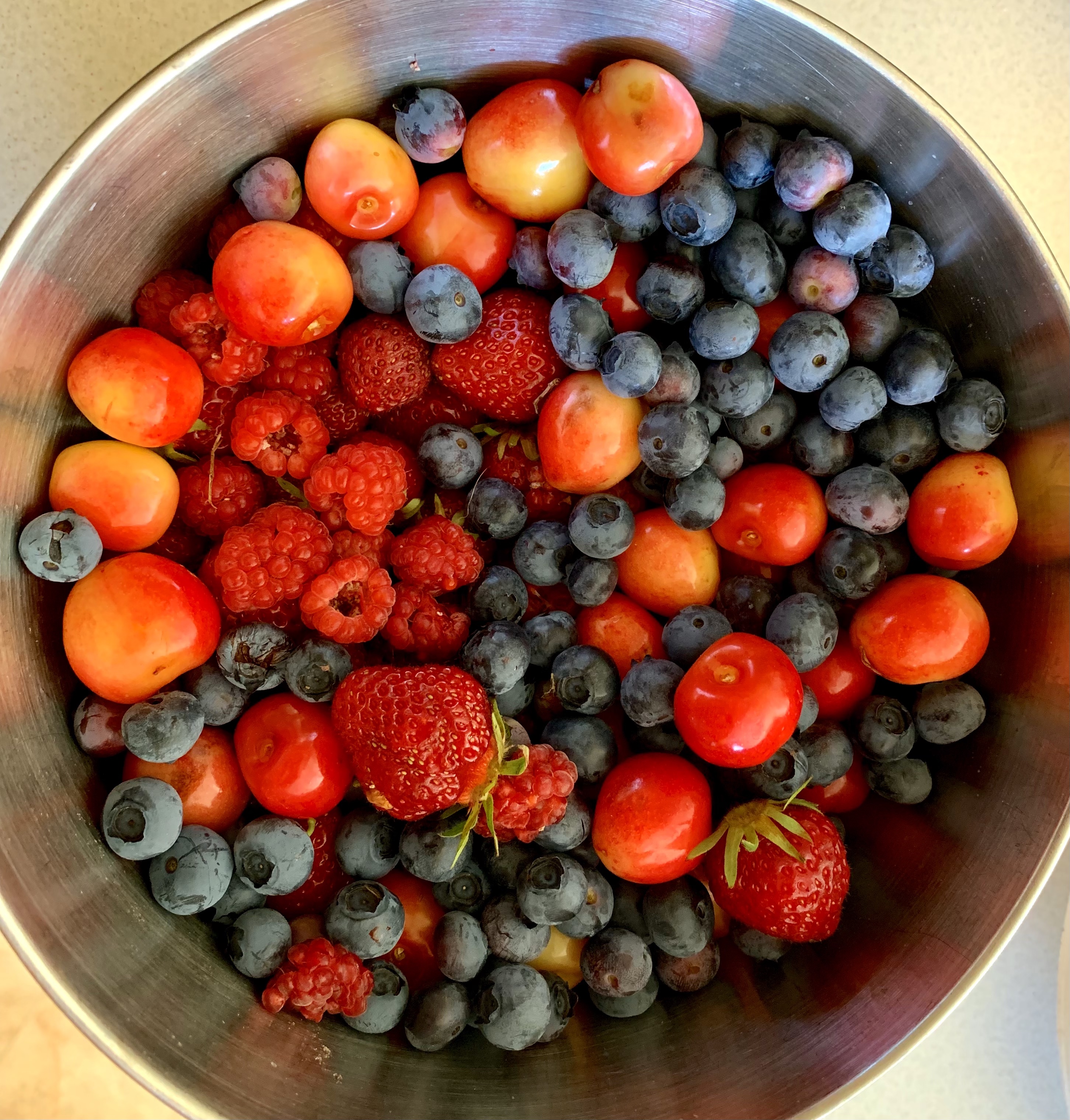
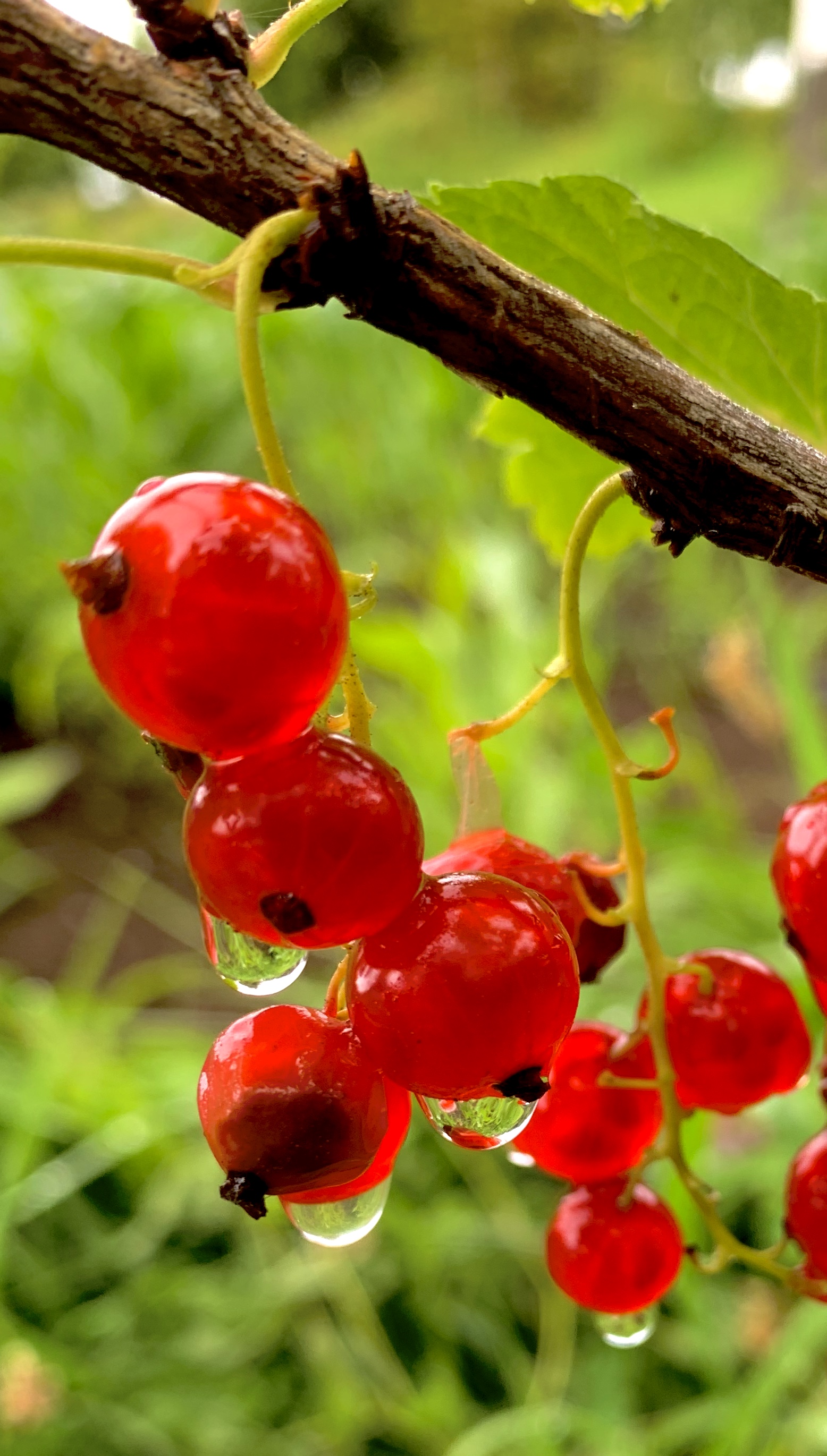
Just as sweet cherries are disappearing from the orchards and strawberry harvest finished a few weeks ago, now raspberries are going strong for almost three weeks and blueberries are hanging in heavy branch-busting clusters begging for relief. Domesticated marion blackberries are already in the berry stands, but the wild evergreen and Himalaya wild blackberries are about two weeks from harvesting. Local currants are shiny and glistening.
It is truly a miracle to live within a few miles of all this lovely fruit, with many of them growing wild in our own back yards and woodlands.
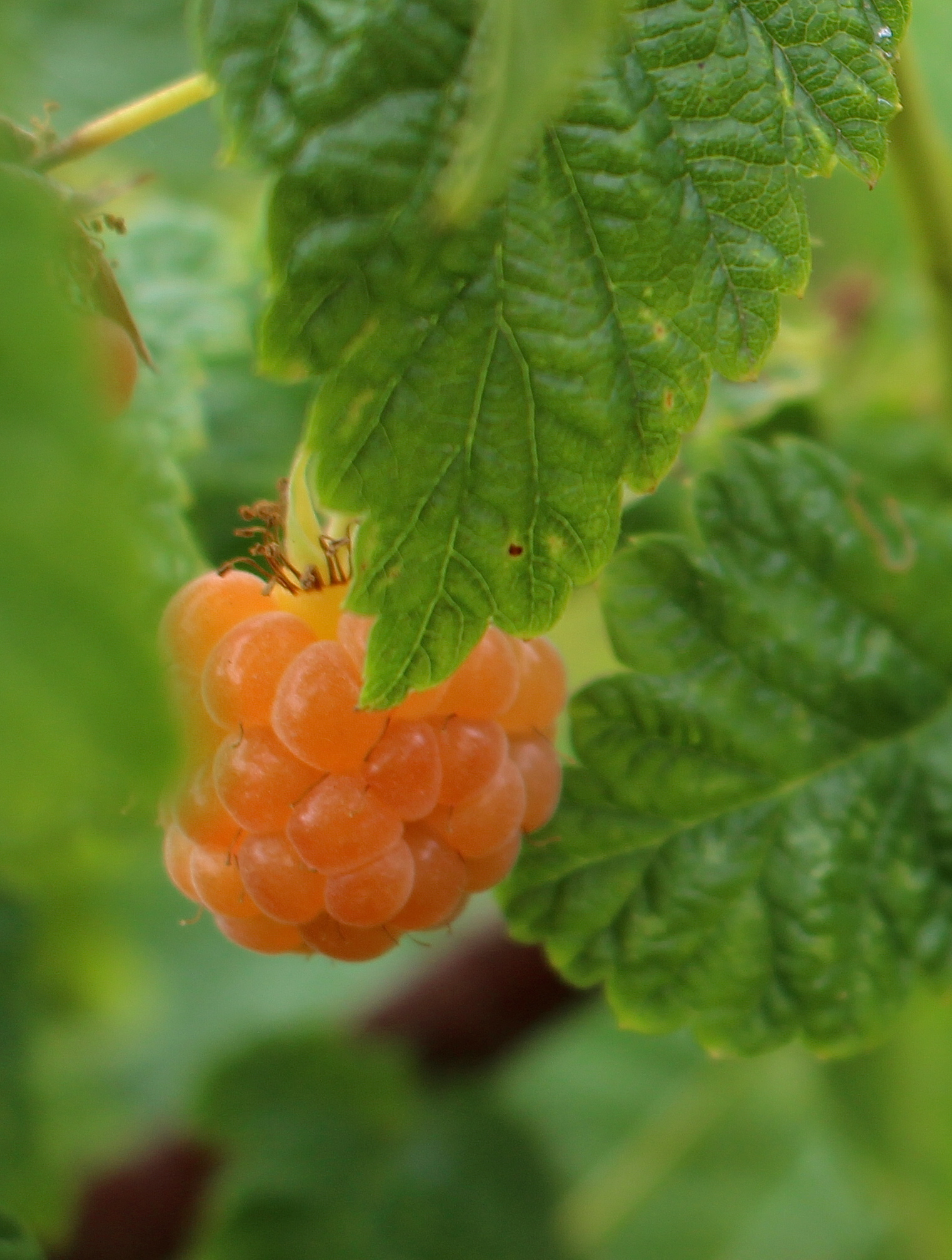
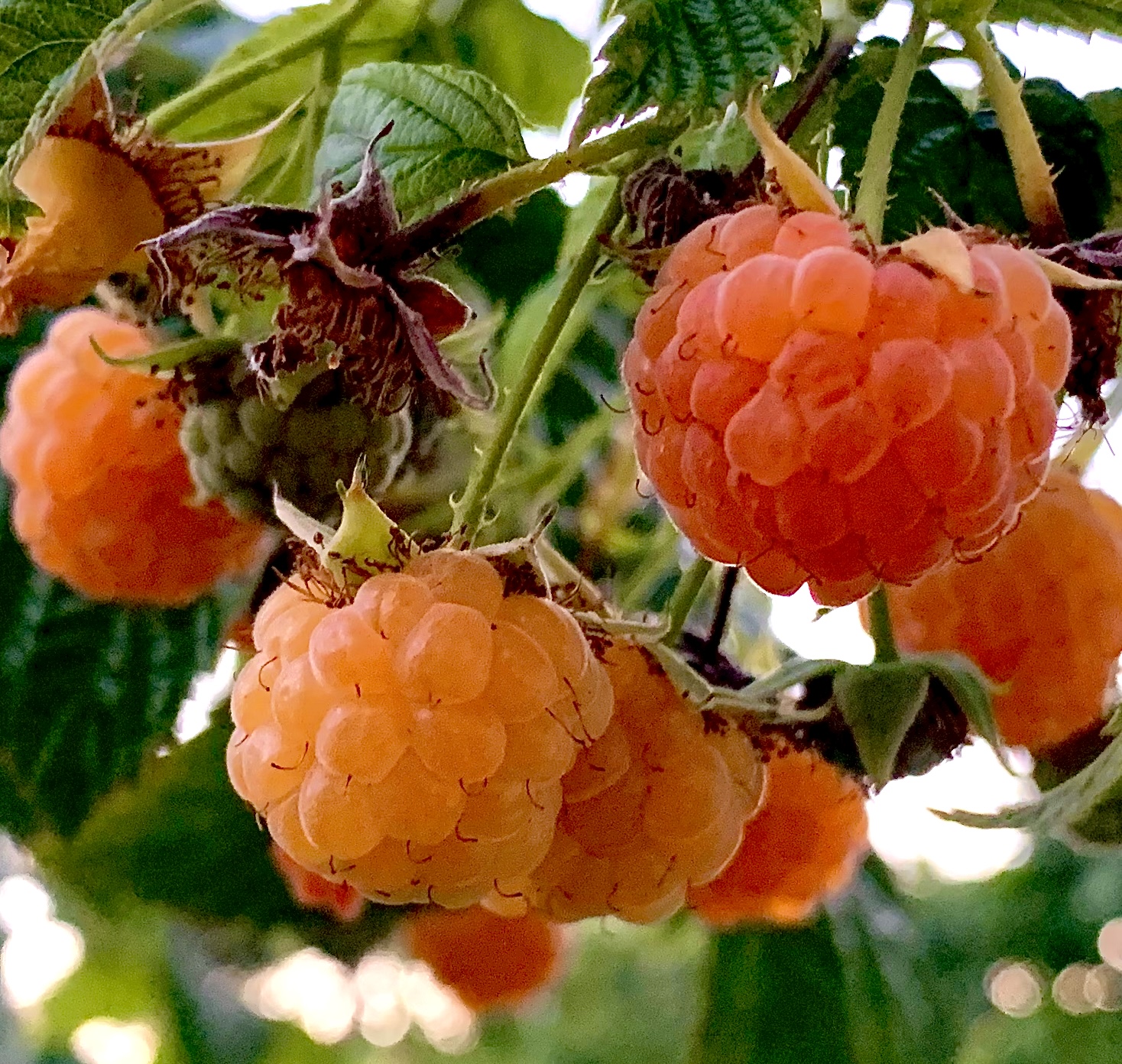
There are still wild strawberries in close-to-the-ground crawling vines with little roundish-shaped berries with a slightly tart taste, far more savory than the standard sweet juice laden market strawberry. Thimble berries hang from wild bushes – salmon colored, red and black varieties. Orange huckleberries grow wild in the low lands, and purple huckleberries are happiest up in the foothills, a great treasure find for hikers. Most highly prized, however, are the sweet tiny wild blackberries that are ripening on gentle winding vines right now at the edges of the woods and fences, as well as in roadside ditches or around tree stumps. They command huge prices per pound because it takes such effort to find and pick them.
As a child of the Pacific Northwest, growing up on a farm with both wild and domesticated berry vines and bushes, this was simply part of summer as I knew it. I watched the blossoms, then the forming fruit, then watched as the color would get just right, waiting to pick until the precise moment of ripeness before the birds would beat me to it. I also picked in the local fields as a summer job, including wild blackberries from our own woods, for 3 cents a pound. For the sweet wild blackberries, a yield of 75 cents was an exceptionally great day.
I preferred blueberry picking most of all. When I now put a blueberry in my mouth, I transport back to those summer days that started at 6 AM, walking down the road to the neighbor’s berry field with pungent smelling peat ground converted from swamp to productive berry farm before the legislation that now prevents messing with wetlands. The bushes were tall, towering over my head, providing shade in the hot sweaty July sun. The berry clusters were easy to find, there were no thorns to shred sleeves and skin, and the berries made a very satisfying *plink* when they hit the empty pail. They didn’t smush, or bruise, and didn’t harbor many bees, spider webs or ugly bugs. They were refreshingly sweet and rejuvenating when a quick snack was in order. I wasn’t even aware, as I am now, that blueberries contain anthocyanins and other antioxidant chemicals believed to be helpful in preventing the growth of cancer cells. In short, blueberries were perfect then, and they are perfect now.
There are now so many raspberry and blueberry fields in our county, the price per pound has dropped and the market is sometimes shaky and it is a bigger challenge to find berry pickers. A few years ago one farmer put a full page ad in the local newspaper today, begging the public to come pick his ripe blueberries at 99 cents a pound, just to get them off his bushes. I stopped by another farm’s roadside stand and chatted with the Sikh owner and his three young sons as they measured out my 5 pounds of luscious blueberries. He was philosophical about the low prices, explaining he was a patient man, and he hoped the bushes would yield blue gold for his family for a very long time, even if some years are low price years.
As a fellow farmer, I am aware of how one’s carefully tended crops can go to waste, whether it is due to weather or pests or the vagaries of the market. I hope our berry farmers can persist through the hard times so the exquisite perfection of a local berry bounty can continue in such variety of colors, shapes and sizes, even some as big as the end of your thumb.
One-Time
Monthly
Yearly
Make a one-time or recurring donation to support daily Barnstorming posts
Late August, given heavy rain and sun For a full week, the blackberries would ripen. At first, just one, a glossy purple clot Among others, red, green, hard as a knot. You ate that first one and its flesh was sweet Like thickened wine: summer’s blood was in it Leaving stains upon the tongue and lust for Picking. Then red ones inked up and that hunger Sent us out with milk cans, pea tins, jam-pots Where briars scratched and wet grass bleached our boots. Round hayfields, cornfields and potato-drills We trekked and picked until the cans were full, Until the tinkling bottom had been covered With green ones, and on top big dark blobs burned Like a plate of eyes. Our hands were peppered With thorn pricks, our palms sticky as Bluebeard’s.
We hoarded the fresh berries in the byre. But when the bath was filled we found a fur, A rat-grey fungus, glutting on our cache. The juice was stinking too. Once off the bush The fruit fermented, the sweet flesh would turn sour. I always felt like crying. It wasn’t fair That all the lovely canfuls smelt of rot. Each year I hoped they’d keep, knew they would not. ~Seamus Heaney “Blackberry Picking”
…Do not be afraid, though briers and thorns are all around you… Ezekiel 2:6
In the real world of pain, how could one worship a God who was immune to it?He laid aside his immunity to pain. He entered our world of flesh and blood, tears and death. ~John Stottfrom The Cross
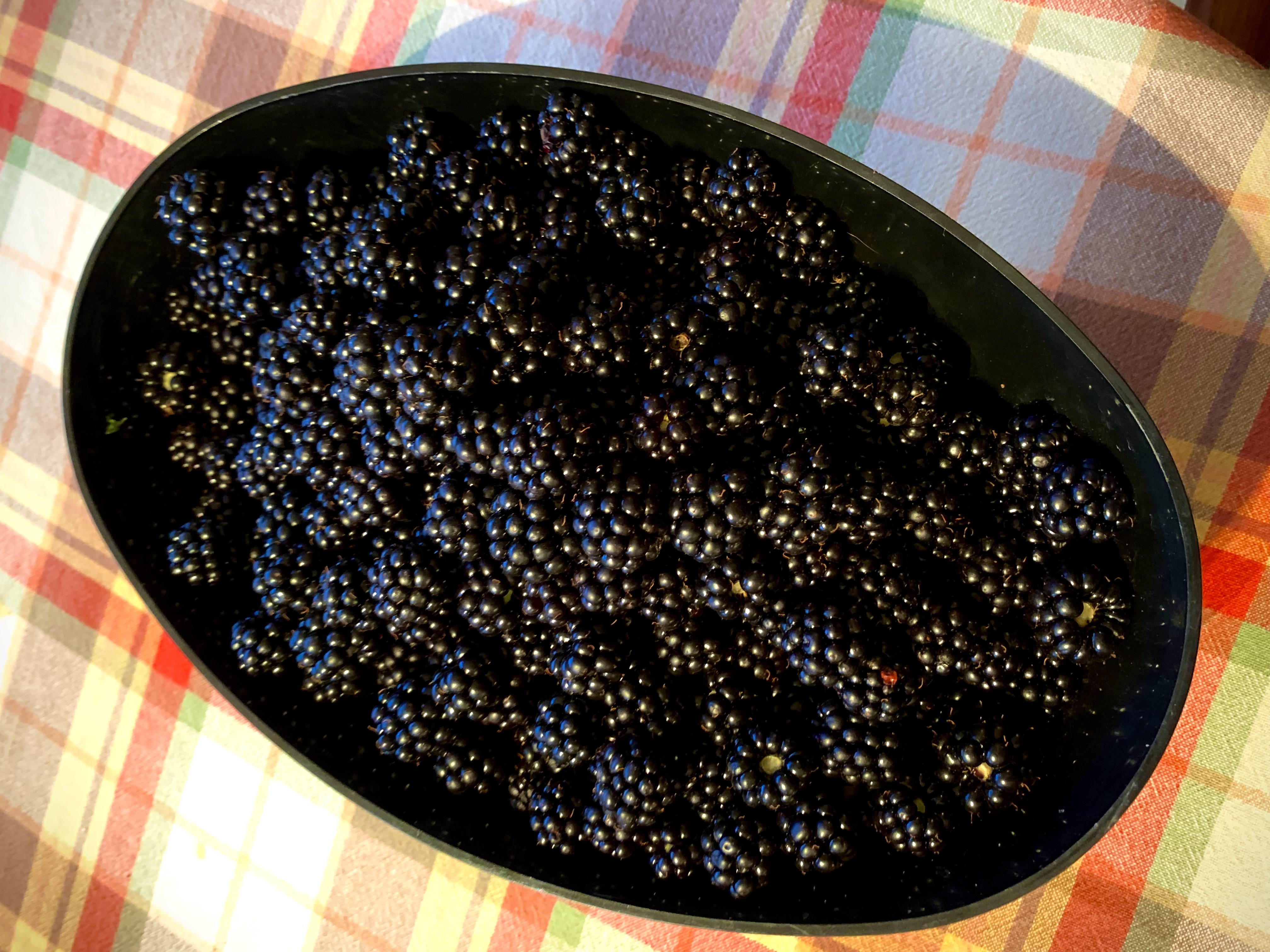
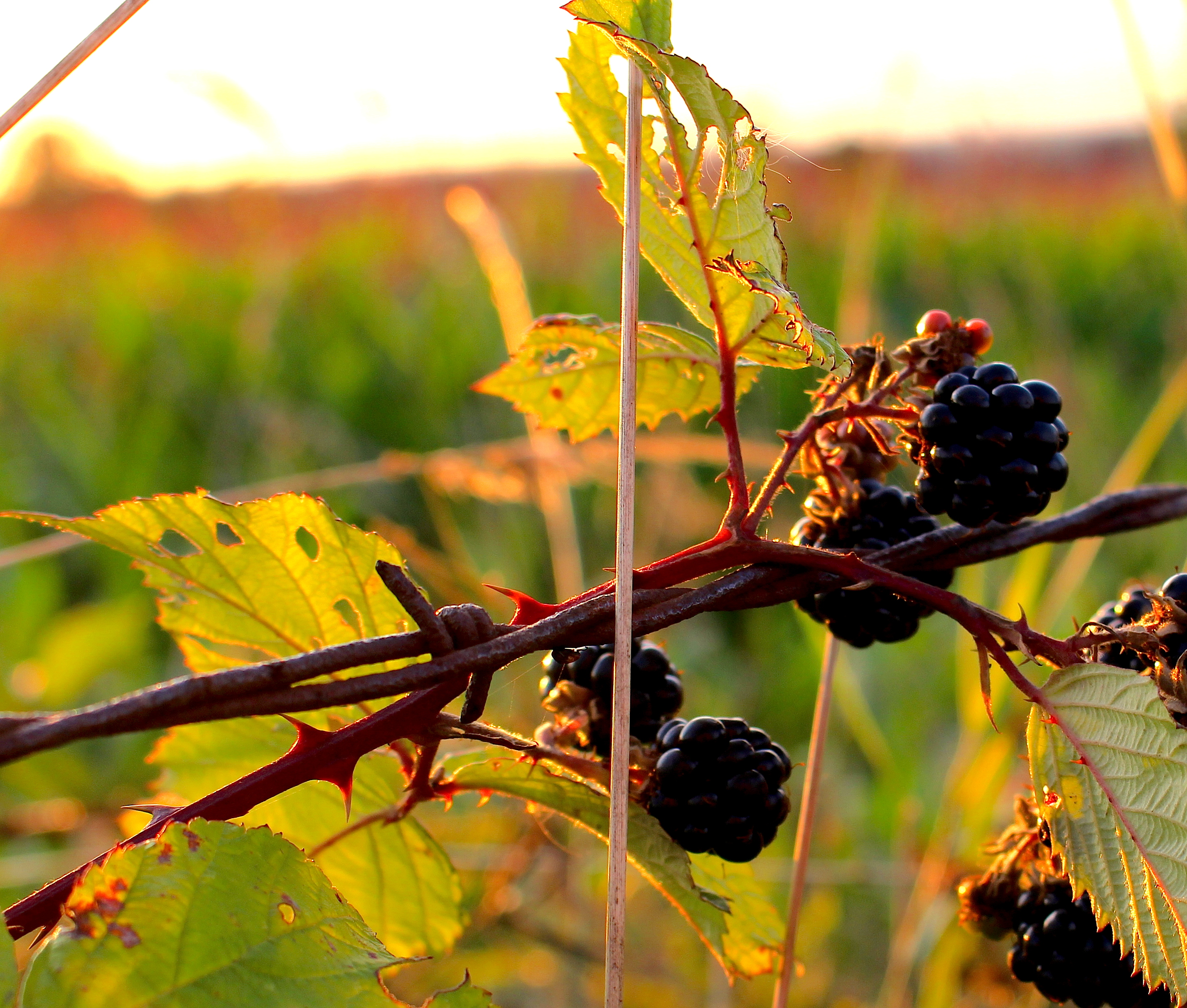
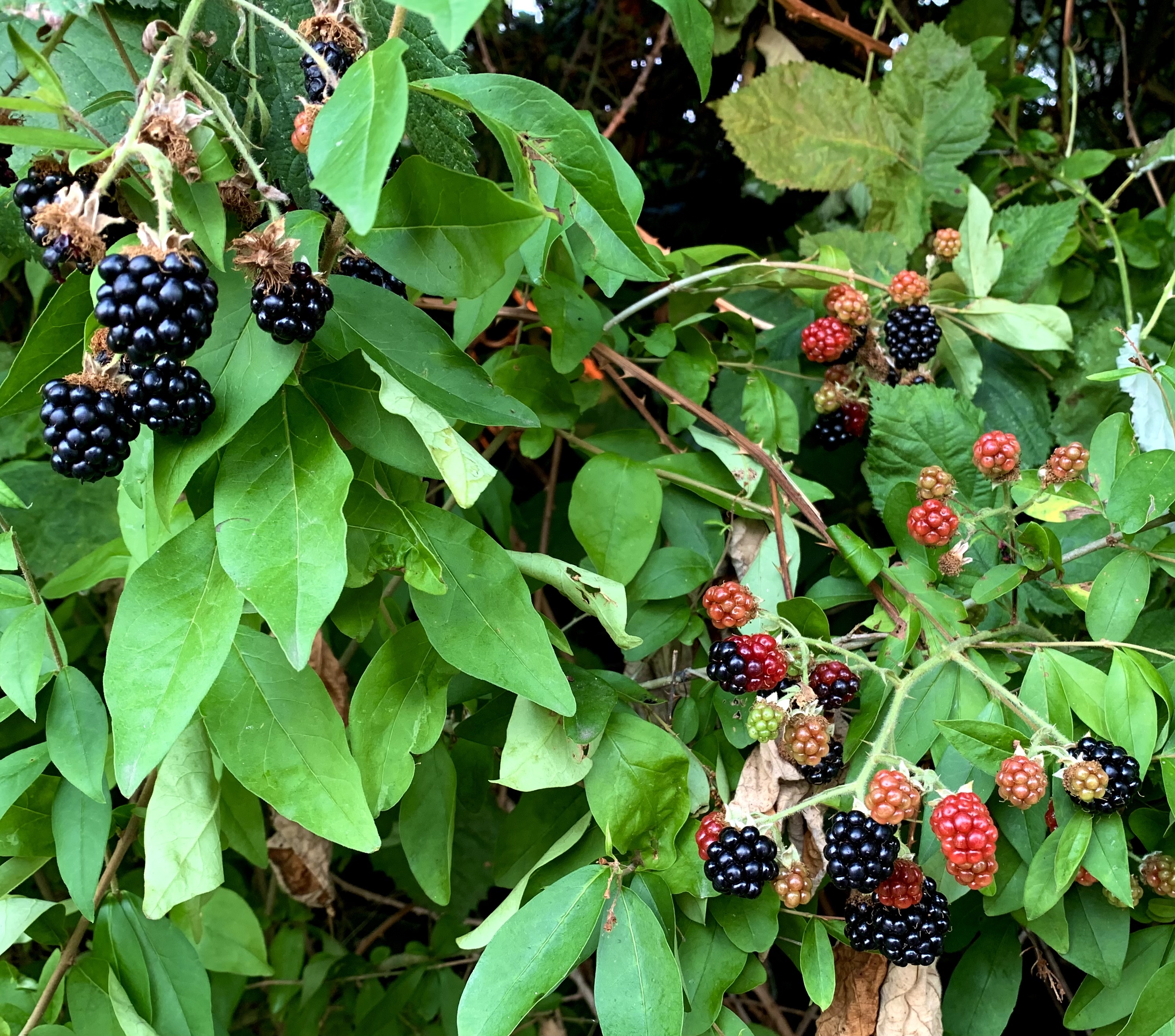
Today I will make wild blackberry cobbler, facing down the brambles and briers that thwart my reach for the elusive fruit – in this heat, it is important to harvest blackberries before they shrivel up and rot on the vine. I aim to gather more berries than scratches to prove that thorns and rot must never win and I will not yield to them.
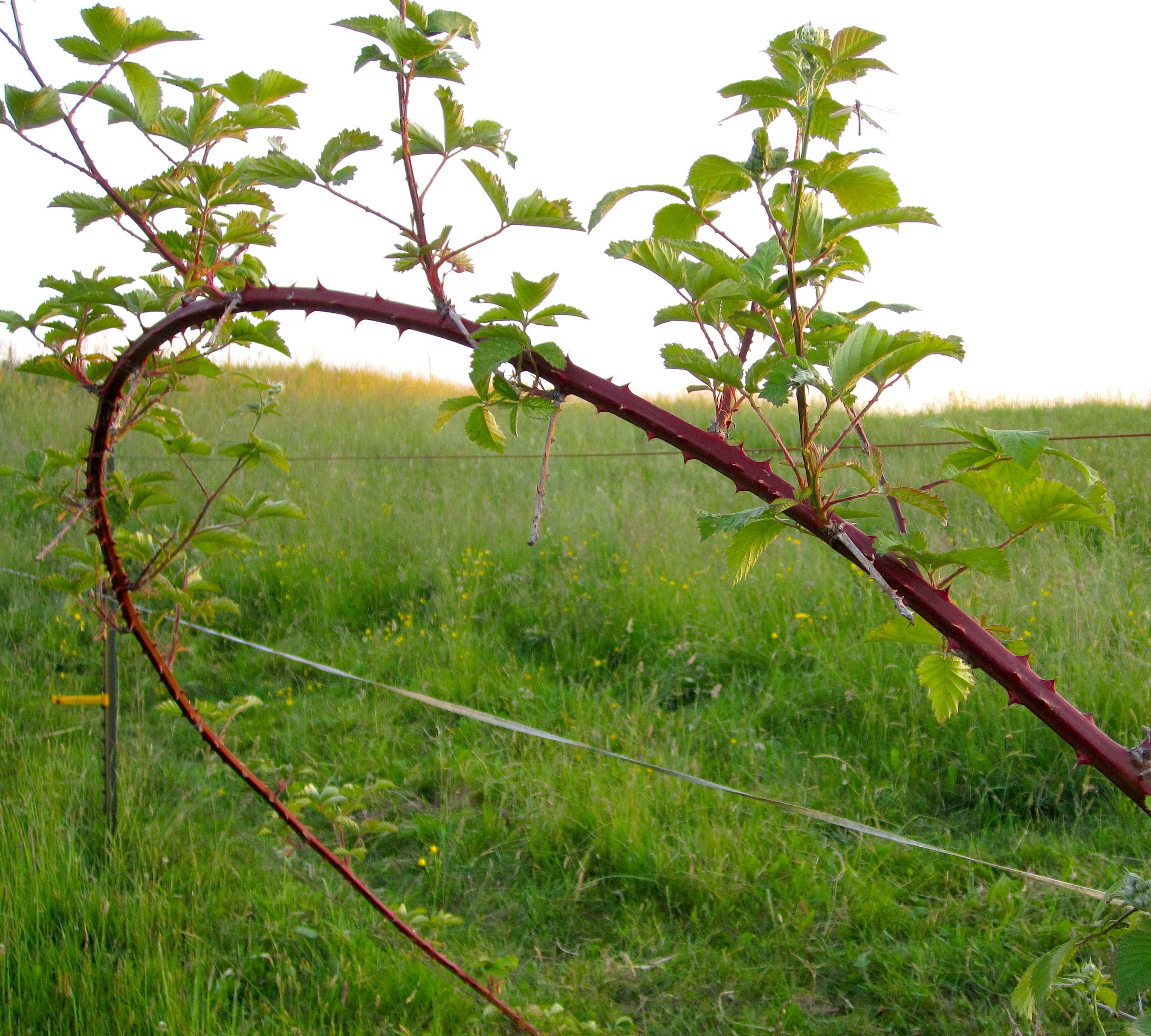
Painful thorns and decay have always been part of life. They barricade us from all that is sweet and good and precious. They tear us up, bloody us, make us cry out in pain and grief, cause a stink, and deepen our fear that we may never overcome such a sorrowful destiny.
Yet even the most brutal crown of thorns or the rot of the grave did not stop the loving sacrifice, can never thwart the sweetness of redemption, will not spoil the goodness, nor destroy the promise of salvation to come.
We simply wait to be fed the loving gift that comes only from bloodied hands.
Flesh will fail and bones will break thieves will steal, the earth will shake Night will fall, the light will fade The Lord will give and take away
Put no trust in the earth in the sod you stand upon Flowers fade into dust The Lord will make a place for us
Because of His great Love We are not overcome Because of His great Love We are not overcome
Have no fear for your life Turn your cheek, turn your cheek Bear the yoke of love and death The Lord will give all life and breath
Because of His great Love We are not overcome Because of His great Love We are not overcome (from Bifrost Arts)
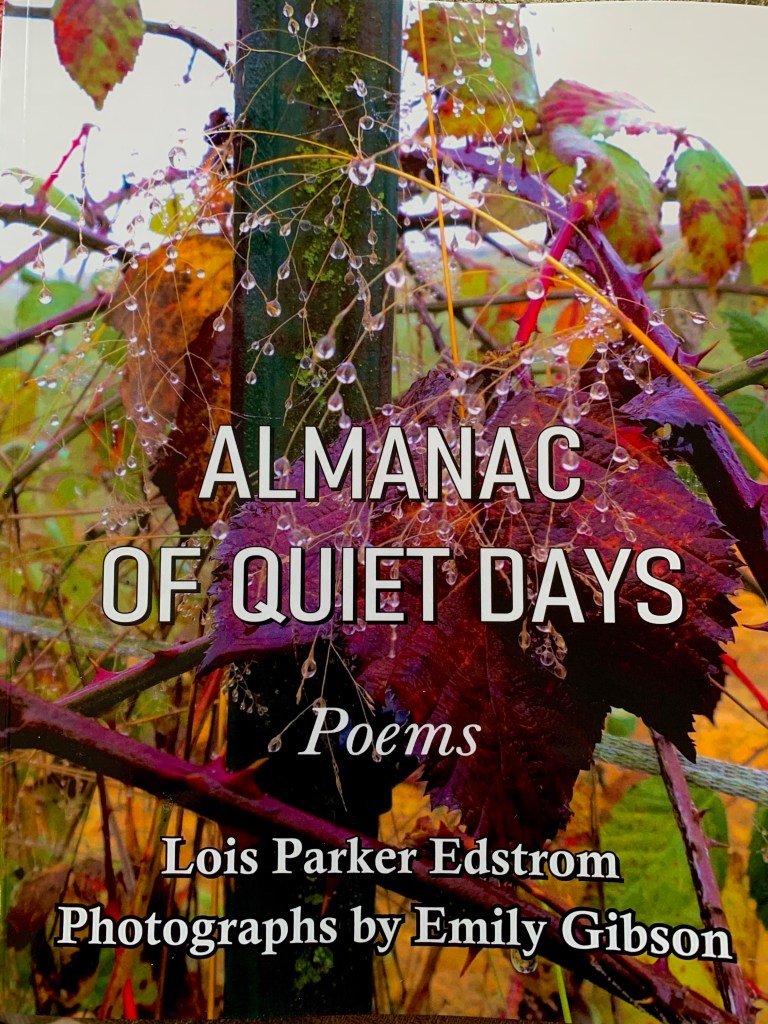
If you enjoy the Barnstorming blog, you’ll like our new book, available for order here:
No doubts are permitted— though they will come and may before our time overwhelm us.
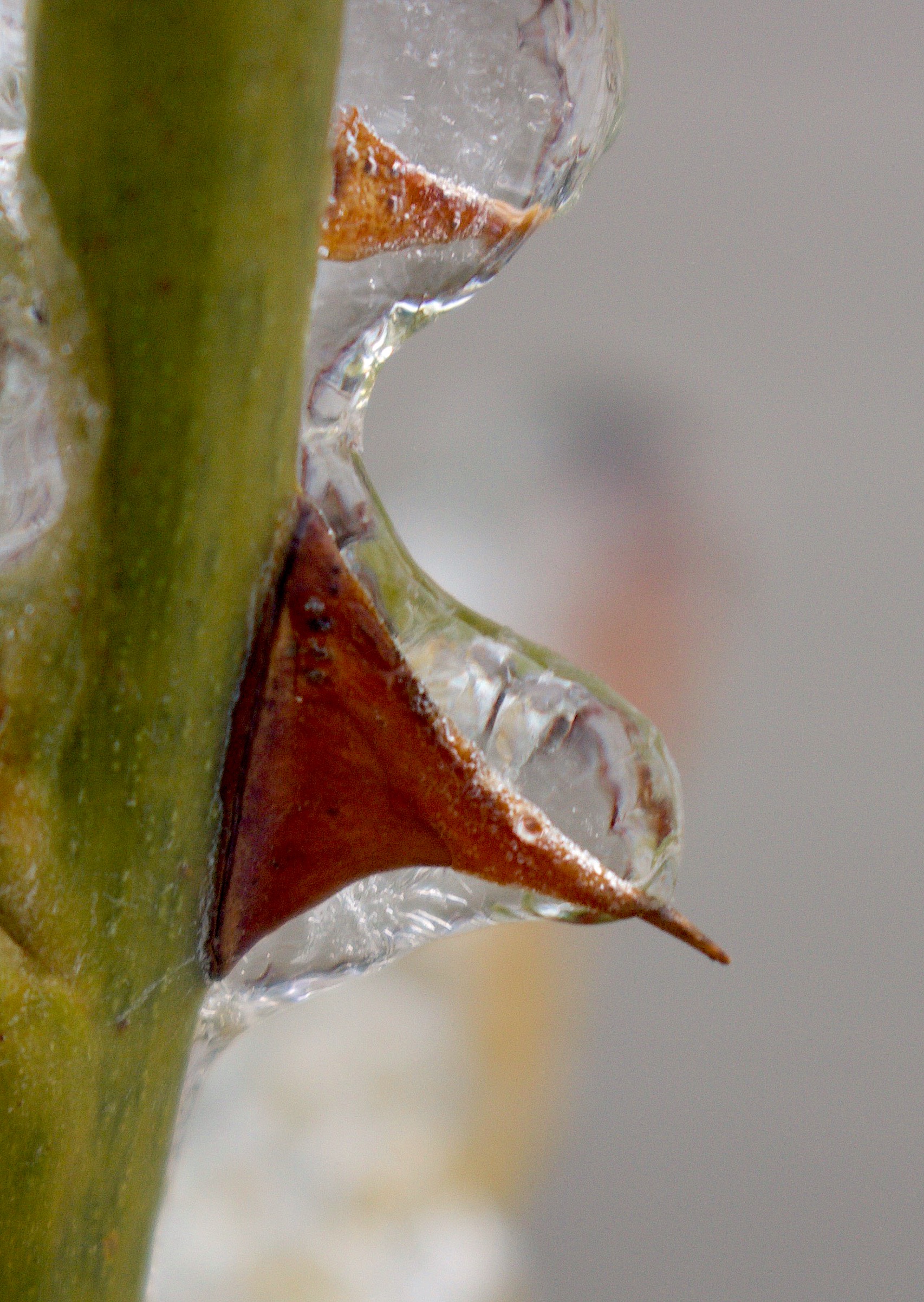
Just as the nature of briars is to tear flesh, I have proceeded through them. Keep the briars out, they say. You cannot live and keep free of briars.
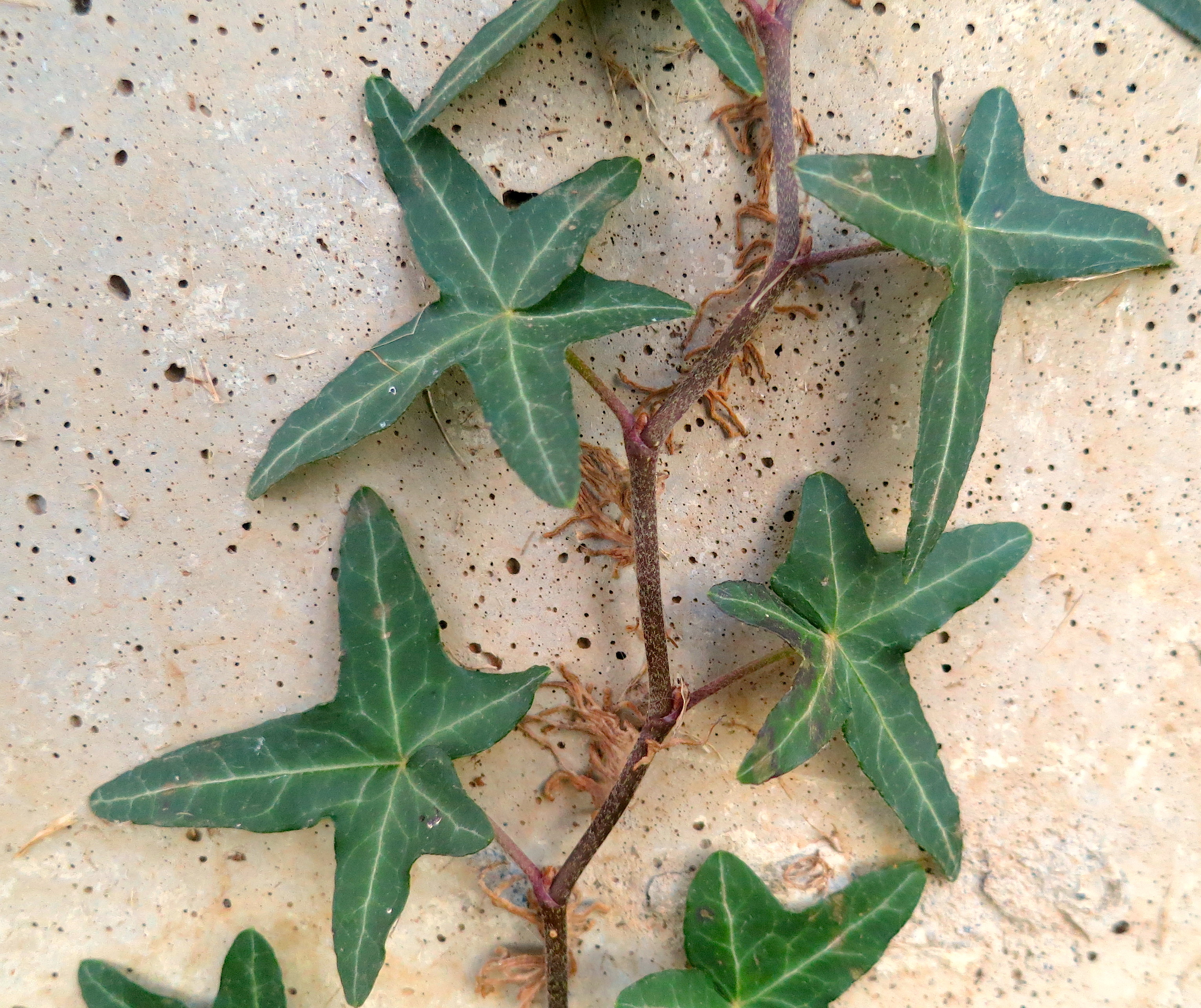
At our age the imagination across the sorry facts lifts us to make roses stand before thorns.
But we are older, I to love and you to be loved, we have, no matter how, by our wills survived to keep the jeweled prize always at our finger tips. We will it so and so it is past all accident. ~William Carlos Williams (written at age 72) from “The Ivy Crown”
How can we, at our age, who have treated love as no accident, looking into a well of such depth and richness – how can we tell the young to will their love to survive – to strive through thorns and briars, though tears wept and flesh torn, to come to cherish the prize of rose and ivy crown.
It is everything that matters, this crown of love we have willed and worn together:
I love you or I do not live at all. I to love and you to be loved.
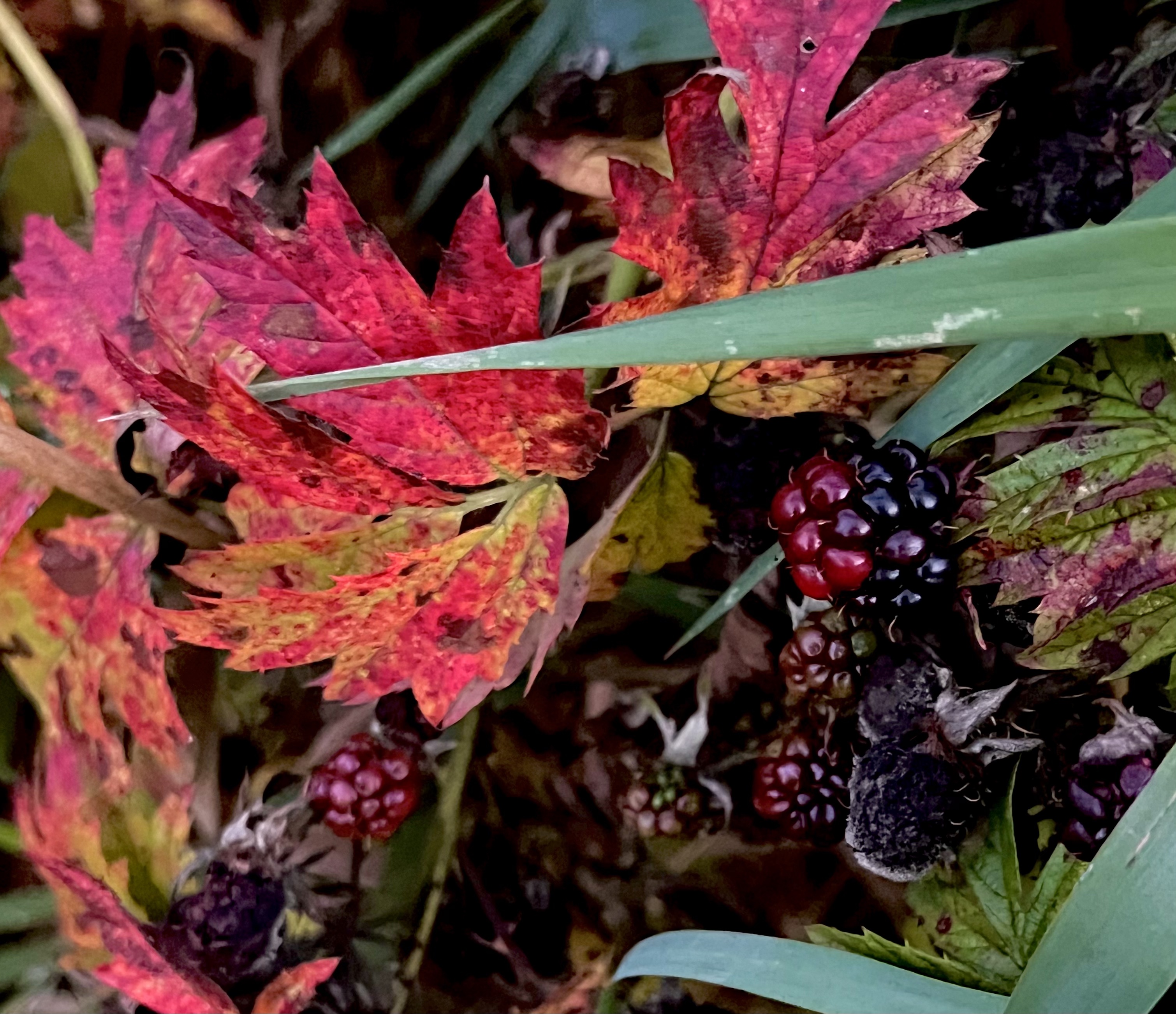
I’ve always wondered if there was a name for the small round globe that is part of the whole aggregate berry like a thimbleberry, raspberry or blackberry – they are so smooth and perfectly formed, each a uniquely homogenous part of the whole. Yet if separated and by itself, nearly invisible.
So I found out each individual is called a drupe, or more familiar and lovingly, a drupelet. Despite such a plain name, each little drupelet bears its own beauty, and a special flavor to be savored and unforgotten, only made sweeter by being part of the whole – – even sweeter when redeemed and consumed.
Kind of like us, willing to die for just such a taste of eternity.
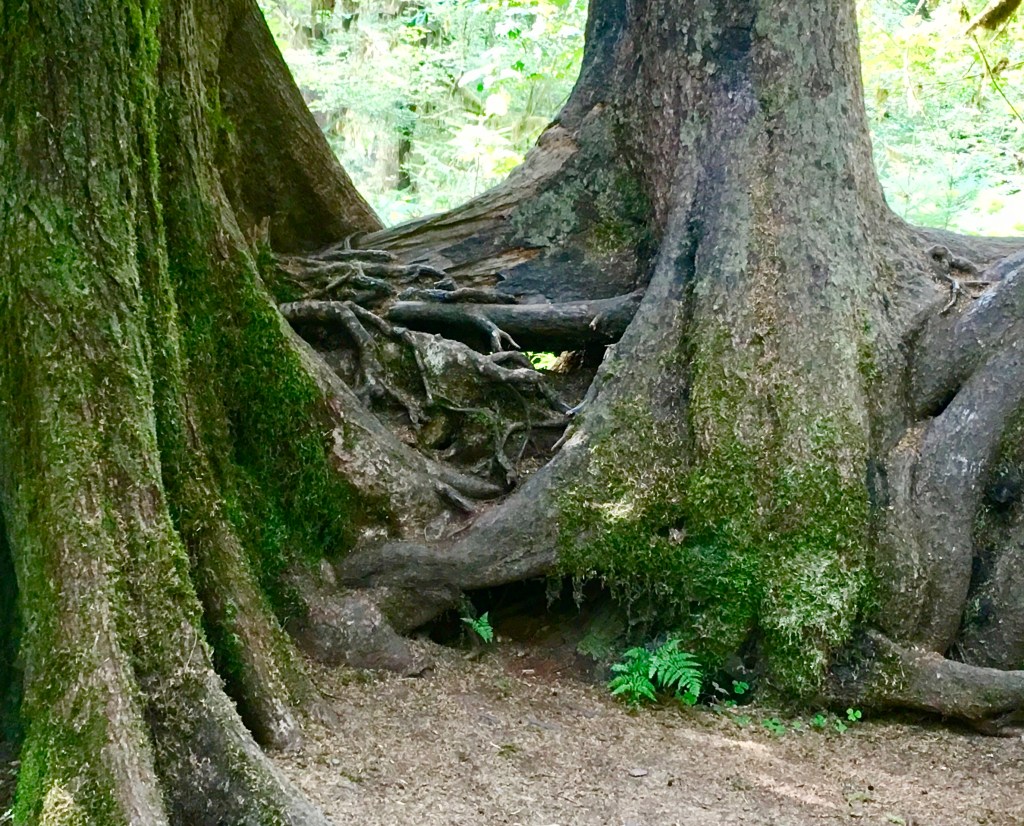
However just and anxious I have been I will stop and step back from the crowd of those who may agree with what I say, and be apart. There is no earthly promise of life or peace but where the roots branch and weave their patient silent passages in the dark; uprooted, I have been furious without an aim. I am not bound for any public place, but for ground of my own where I have planted vines and orchard trees, and in the heat of the day climbed up into the healing shadow of the woods. Better than any argument is to rise at dawn and pick dew-wet berries in a cup. ~Wendell Berry “A Standing Ground”from The Selected Poems of Wendell Berry
This is an age of argument: silence is labeled violence so we’re induced to have our say and look for others to listen and support our point of view. Without mutual agreement, there is plenty of fodder for argument with a duel-to-the-death determination to win others over to our way of thinking.
Agreeing to disagree doesn’t seem to be an option any longer. Why can’t our debates simply settle down to get on with life and find a way to live alongside each other? Instead, if I don’t see it your way, I’m morally deficient or hostile or worst of all I’m not an ally, so by modern definition, I’ve become the enemy.
But I’m not the enemy and never want to be.
It’s enough to make one retreat from the fray altogether. Those of us who have been around awhile know: anger puts a match to feelings that burn hot inside and outside. Initially debate is energizing with a profound sense of purpose and direction, yet too soon it becomes nothing but ashes.
I refuse to be furious for the sake of fury and indignation. Arguments, tempting as they may be in the heat of the moment, don’t hold a candle to the lure of sharing sweet fruit of the garden and the cool shadows of the forest with those who need it most.
So come in and help me eat berries and cherries but leave your arguments at the door. You can pick them up later on your way out if you wish, but most likely they will have forgotten all about you and wandered away while you were busy living life.
Fickle things, arguments – they tend to fizzle out until someone decides to light a match to them again.
I love to go out in late September among the fat, overripe, icy, black blackberries to eat blackberries for breakfast, the stalks very prickly, a penalty they earn for knowing the black art of blackberry-making; and as I stand among them lifting the stalks to my mouth, the ripest berries fall almost unbidden to my tongue, as words sometimes do, certain peculiar words like strengths or squinched, many-lettered, one-syllabled lumps, which I squeeze, squinch open, and splurge well in the silent, startled, icy, black language of blackberry-eating in late September. ~Galway Kinnell“Blackberry Eating”
“In that year, 1914, we lived on the farm And the relatives lived with us. A banner year for wild blackberries Dad was crazy about wild blackberries No berries like that now. You know Kitsap County was logged before The turn of the century—it was easiest of all, Close to water, virgin timber, When I was a kid walking about in the Stumpland, wherever you’d go a skidroad Puncheon, all overgrown. We went up one like that, fighting our way through To its end near the top of a hill: For some reason wild blackberries Grew best there. We took off one morning Right after milking: rode the horses To a valley we’d been to once before Hunting berries, and hitched the horses. About a quarter mile up the old road We found the full ripe of berrytime— And with only two pails—so we Went back home, got Mother and Ruth, And filled lots of pails. Mother sent letters To all the relatives in Seattle: Effie, Aunt Lucy, Bill Moore, Forrest, Edna, six or eight, they all came Out to the farm, and we didn’t take pails Then: we took copper clothes-boilers, Wash-tubs, buckets, and all went picking. We were canning for three days.” ~ Gary Snyder “6” from Myths and Texts.
Earth’s crammed with heaven And every common bush afire with God But only he who sees, takes off his shoes, The rest sit round it and pluck blackberries~ –Elizabeth Barrett Browning in “Aurora Leigh”
All I wanted was a few blackberries.
I admit my objective was just to pick enough for cobbler for today’s noon dinner after church, oblivious to God burning in the bushes towering over me, around me, snagging me at every opportunity. If I had given it more thought, I would have realized the reaching vines hooking my arms and legs were hardly subtle. The thorns ripped at my skin, leaving me bloody and smarting. The fruit itself stained my hands purple, making them look freshly bruised. I crushed fat vines underfoot, trampling and stomping with my muck boots in order to dive deeper into the bushes. Webs were everywhere, with spiders crawling up my arms and dropping down into my hair. I managed to kick up one hornet’s nest so I called it quits.
All I wanted was a few blackberries, so blinded to all the clues crammed in every nook and cranny of every bush.
All I wanted was a few blackberries, trampling on holy ground with well-protected feet, unwilling to be barefoot and tenderly vulnerable.
All I wanted was a few blackberries, the lure of black gold plucked at the cost of rips and scratches and tears.
What I got was burned by a bush…
and a few blackberries for today’s crammed-with-heaven cobbler.













 Barnstorming