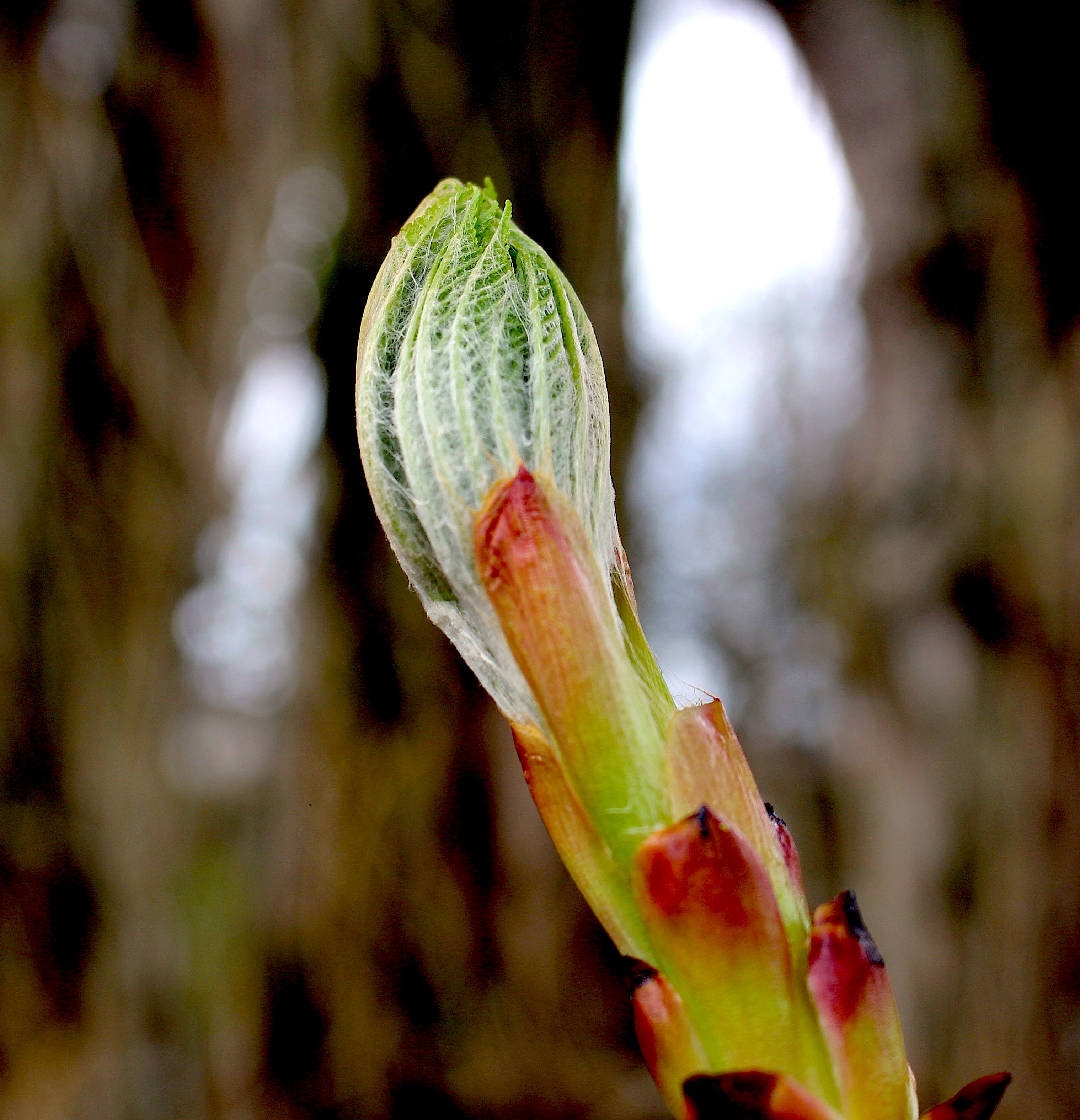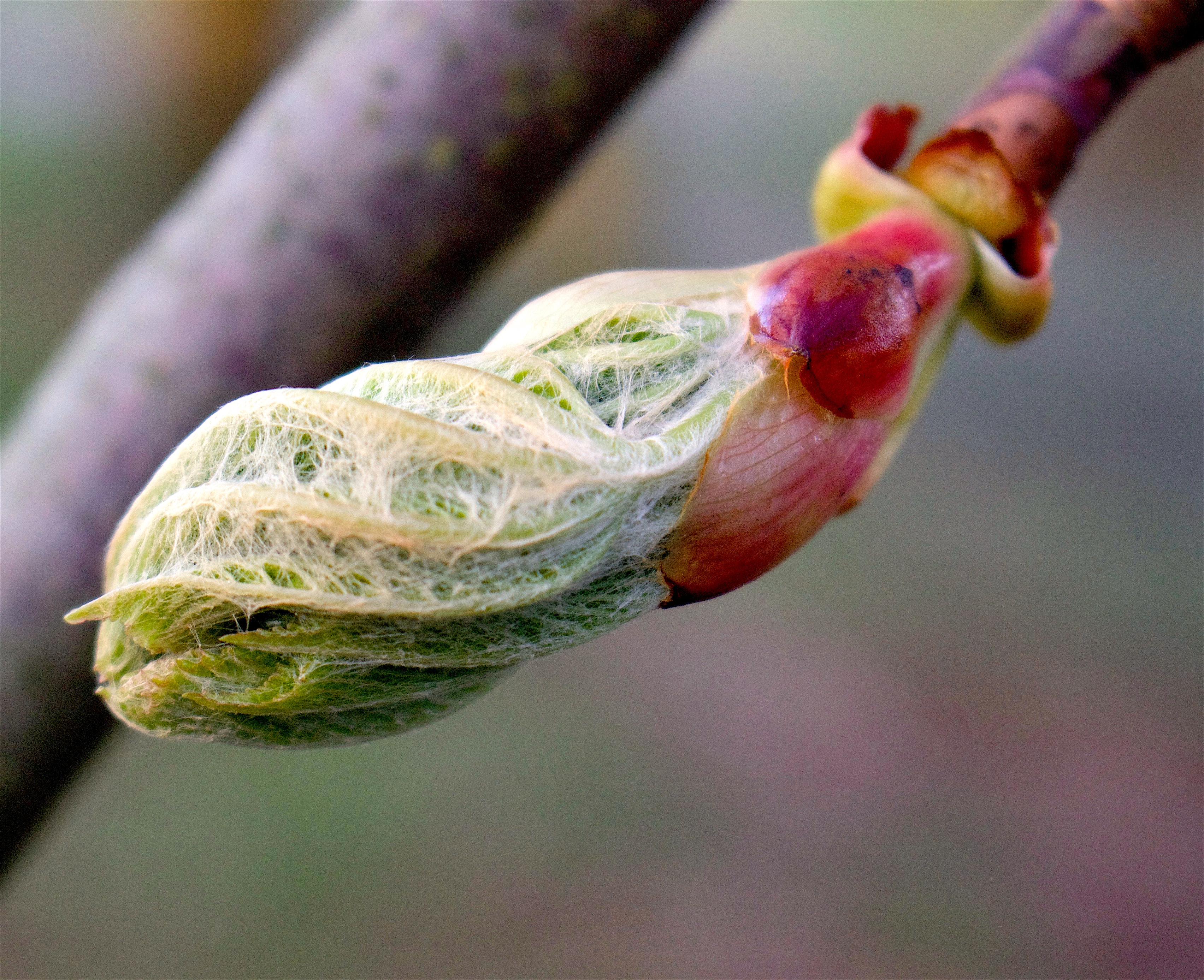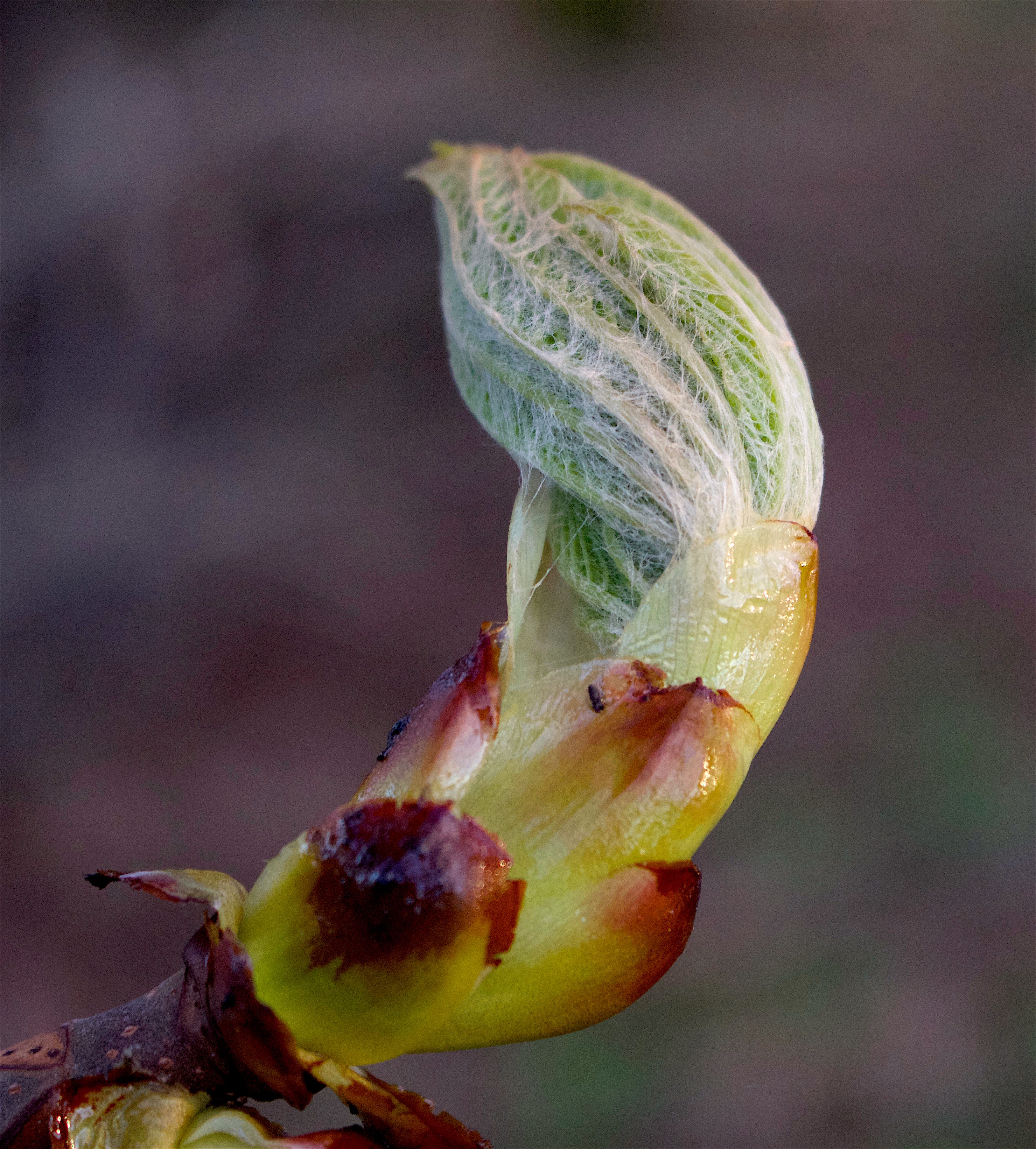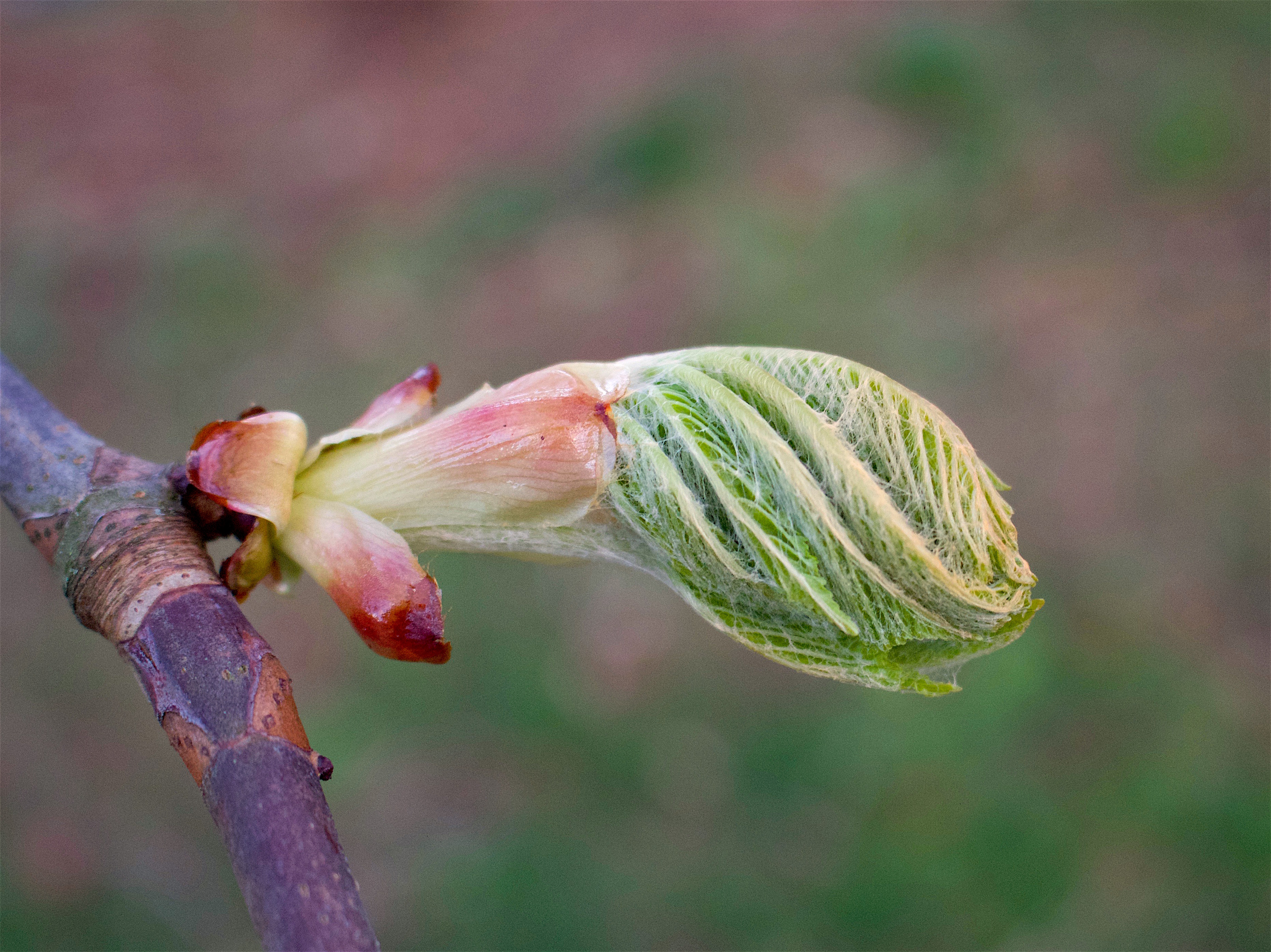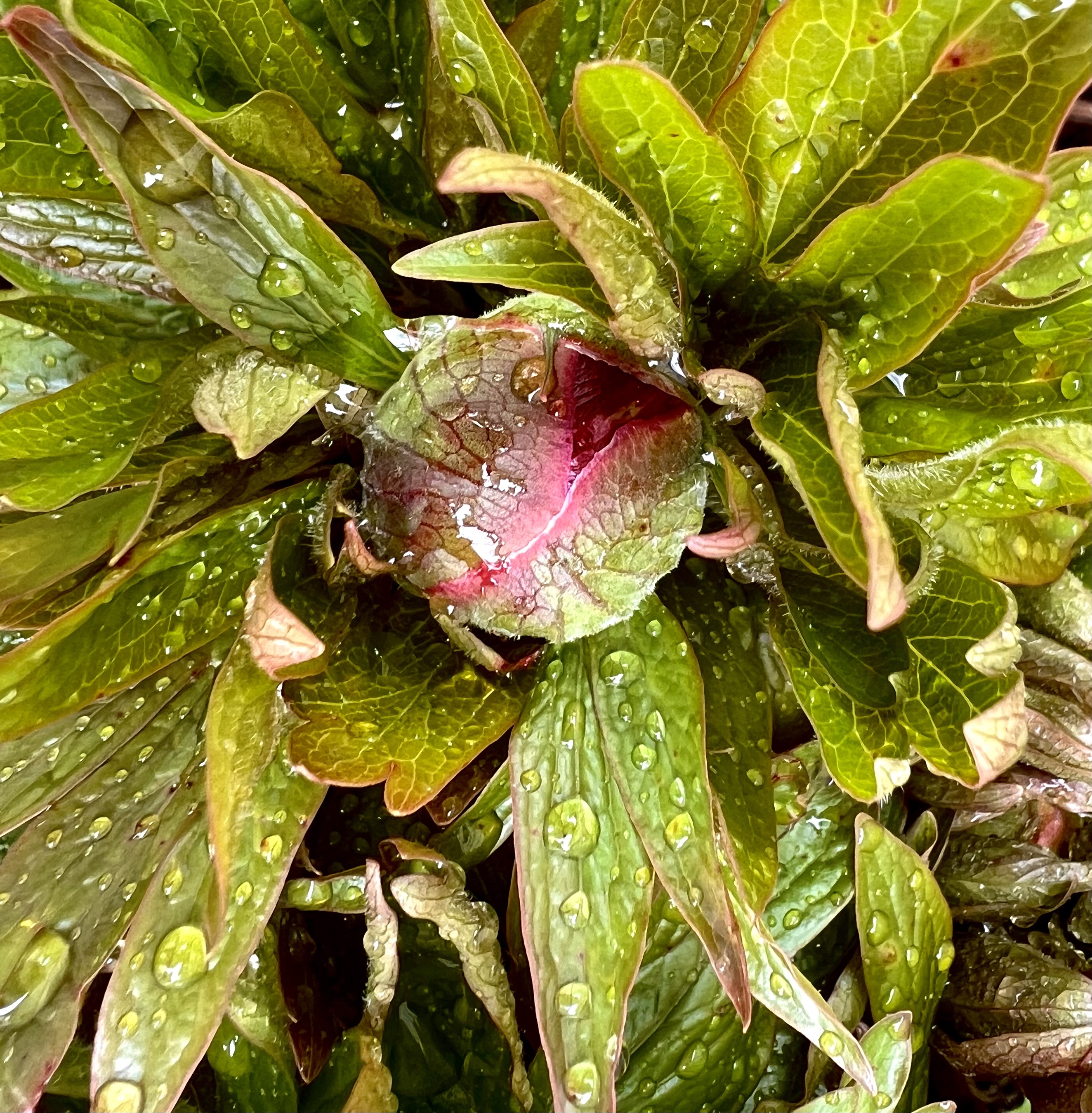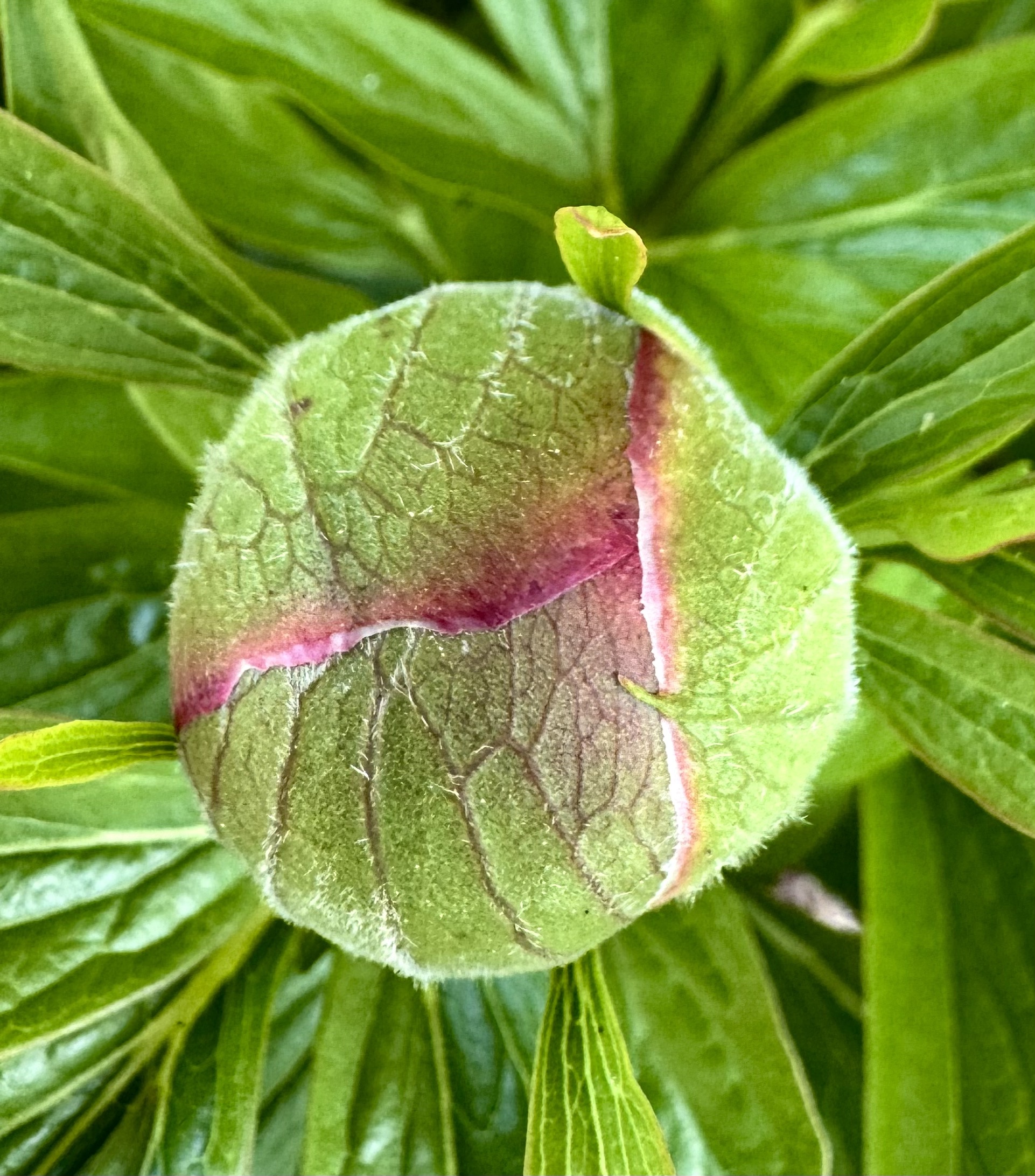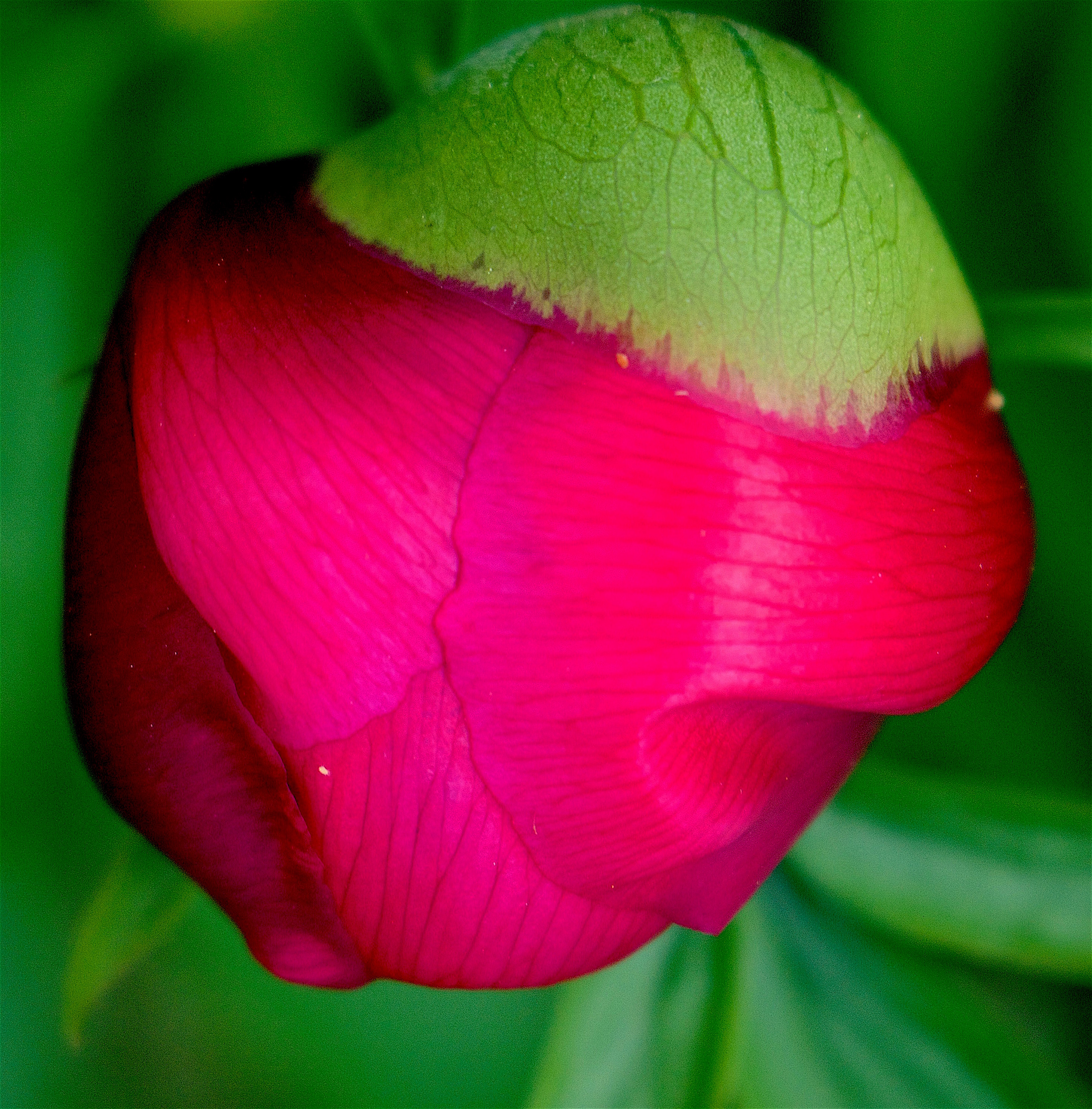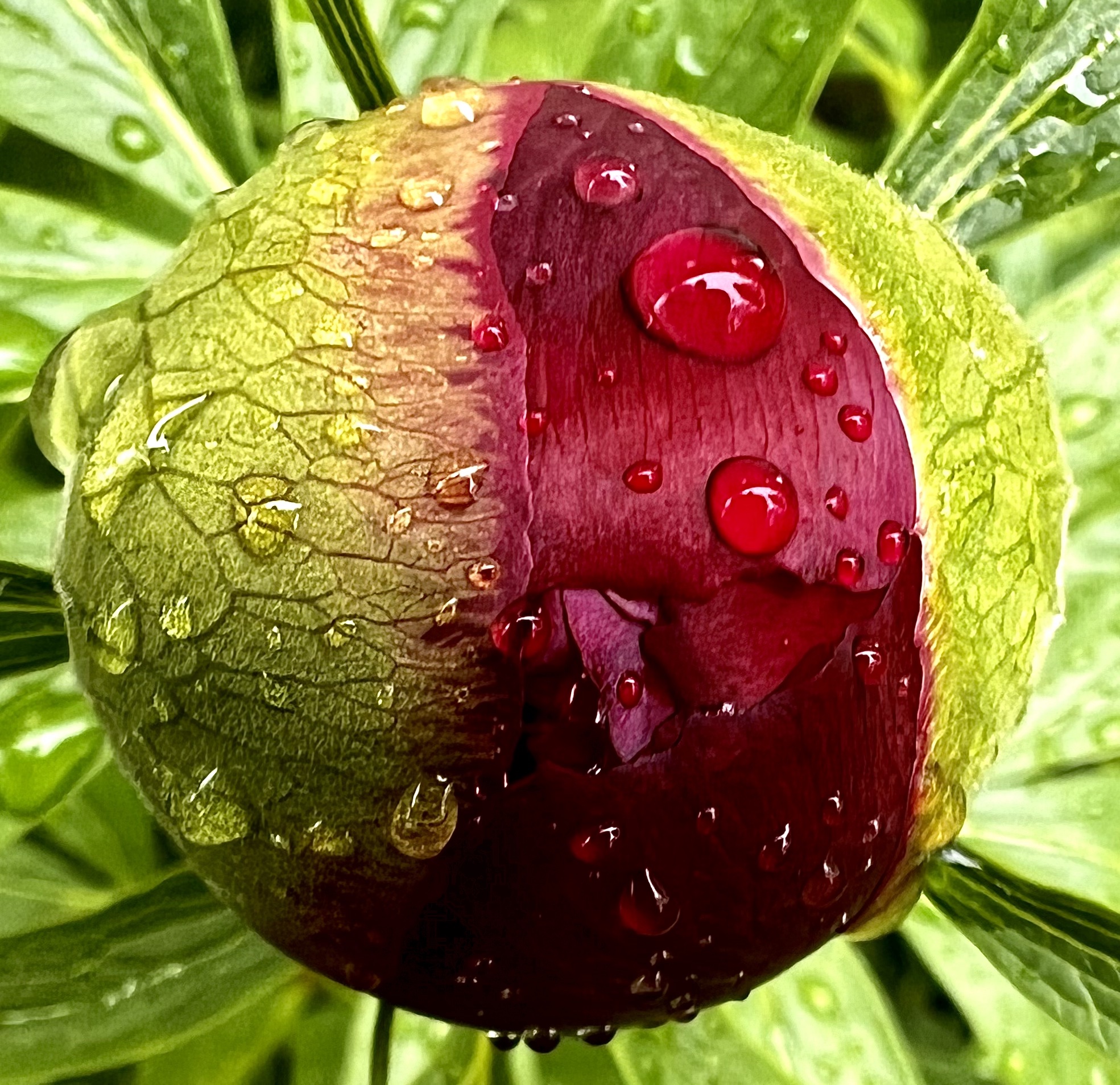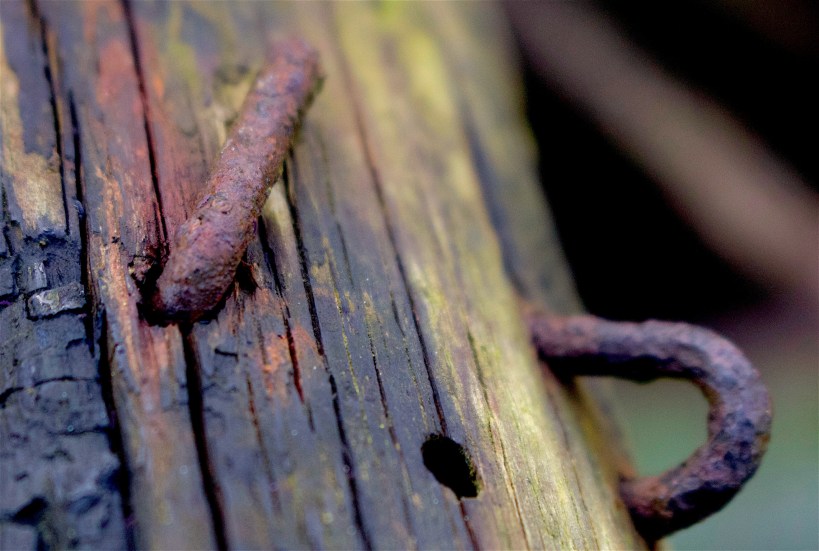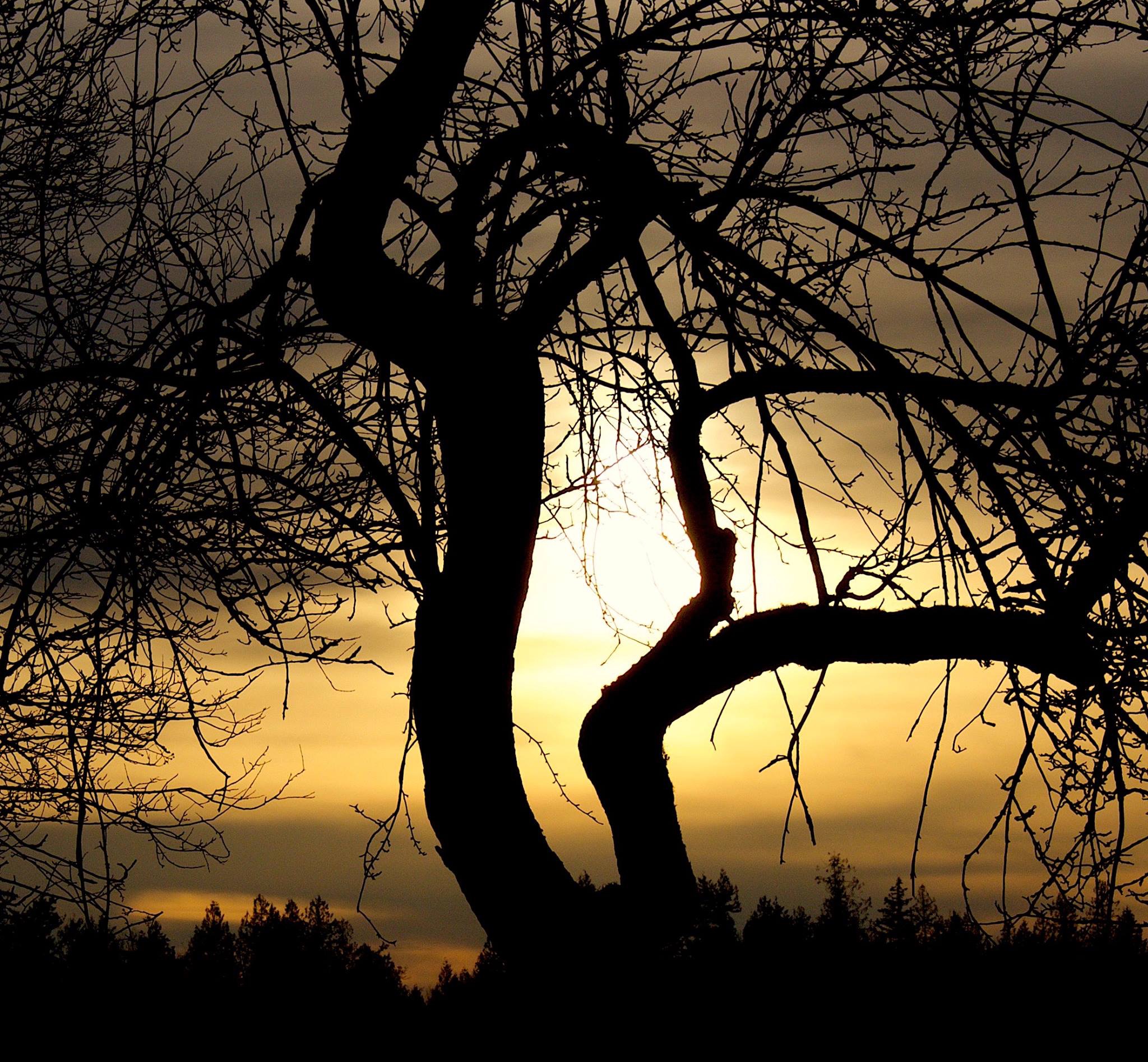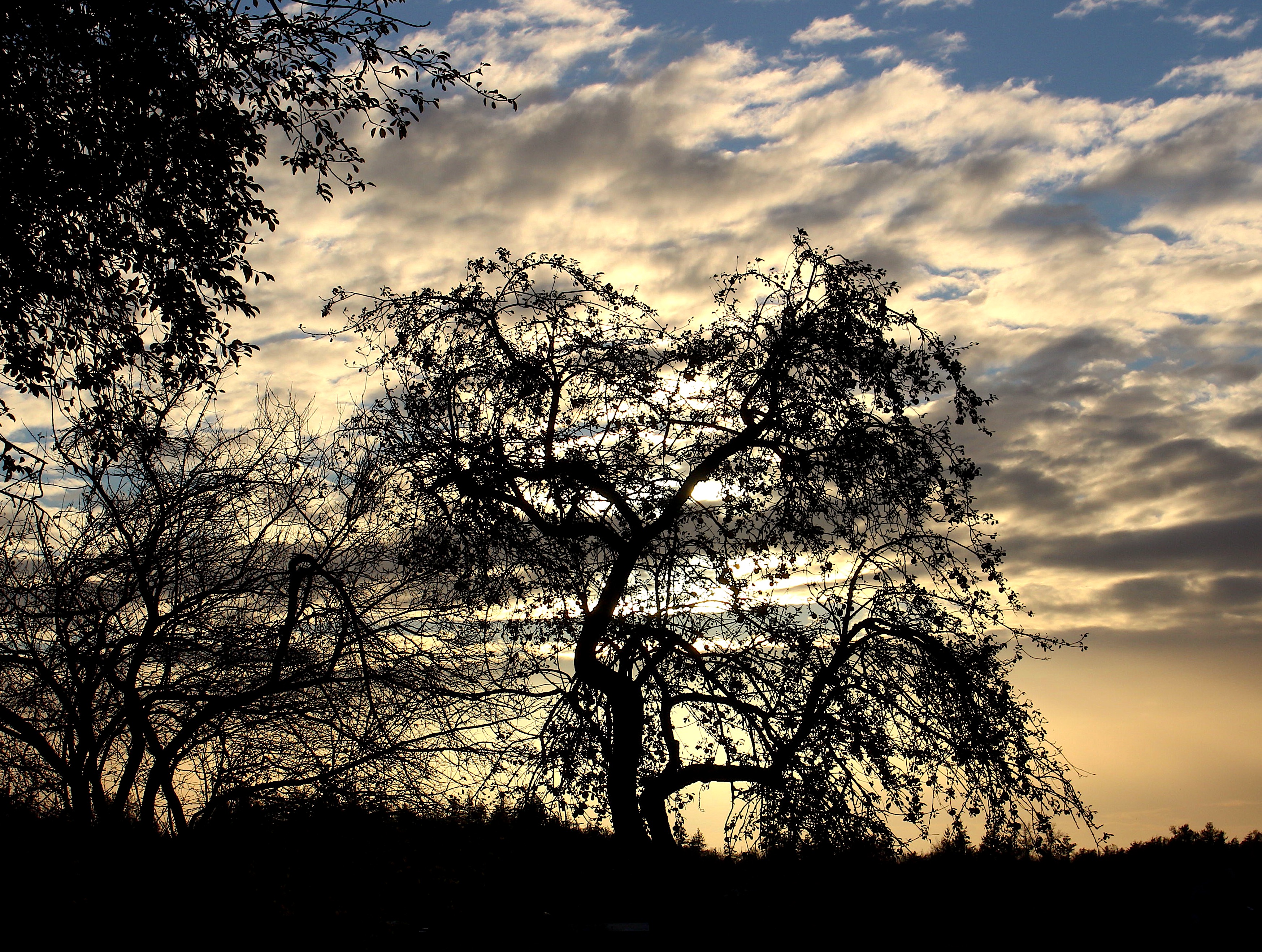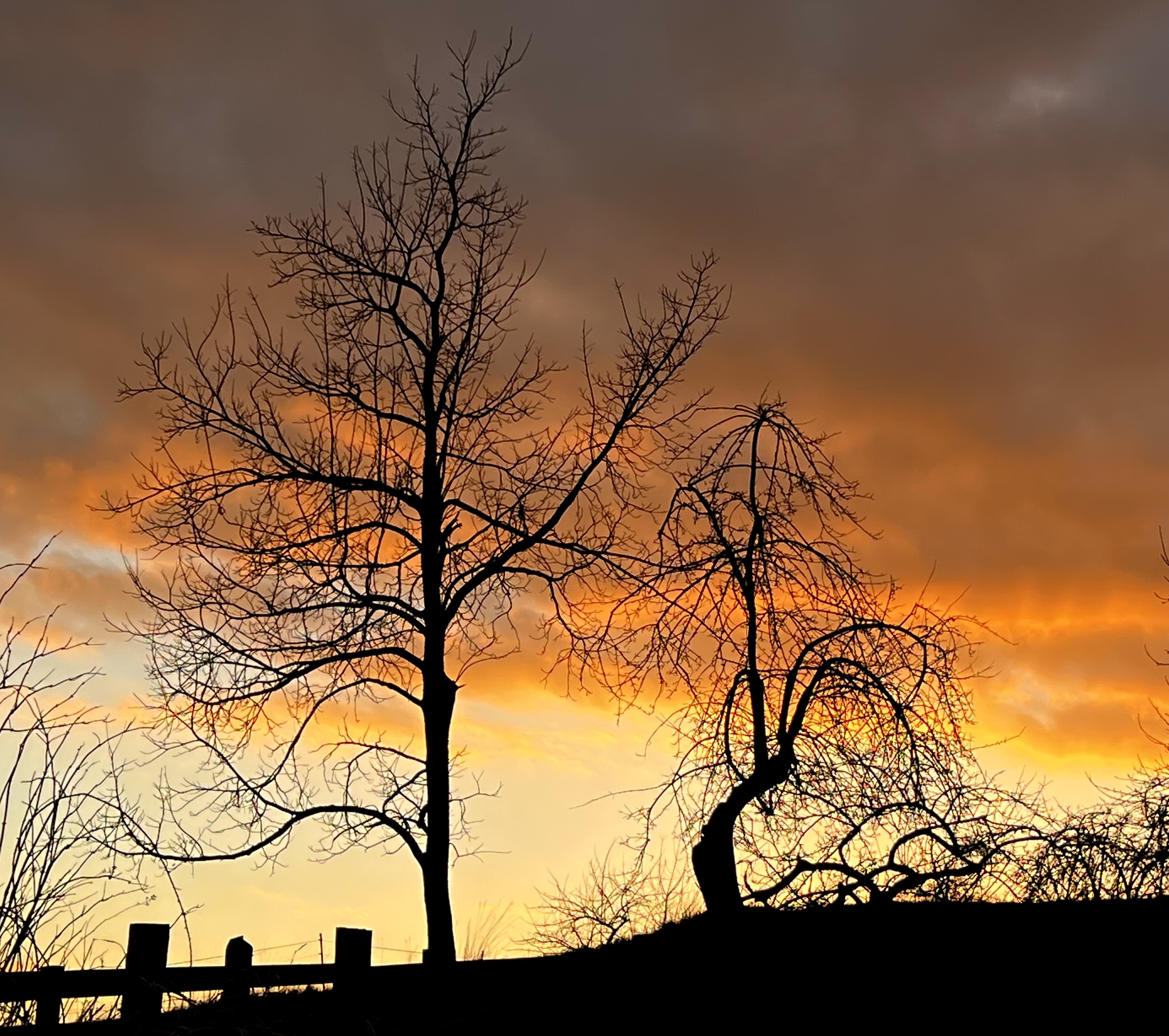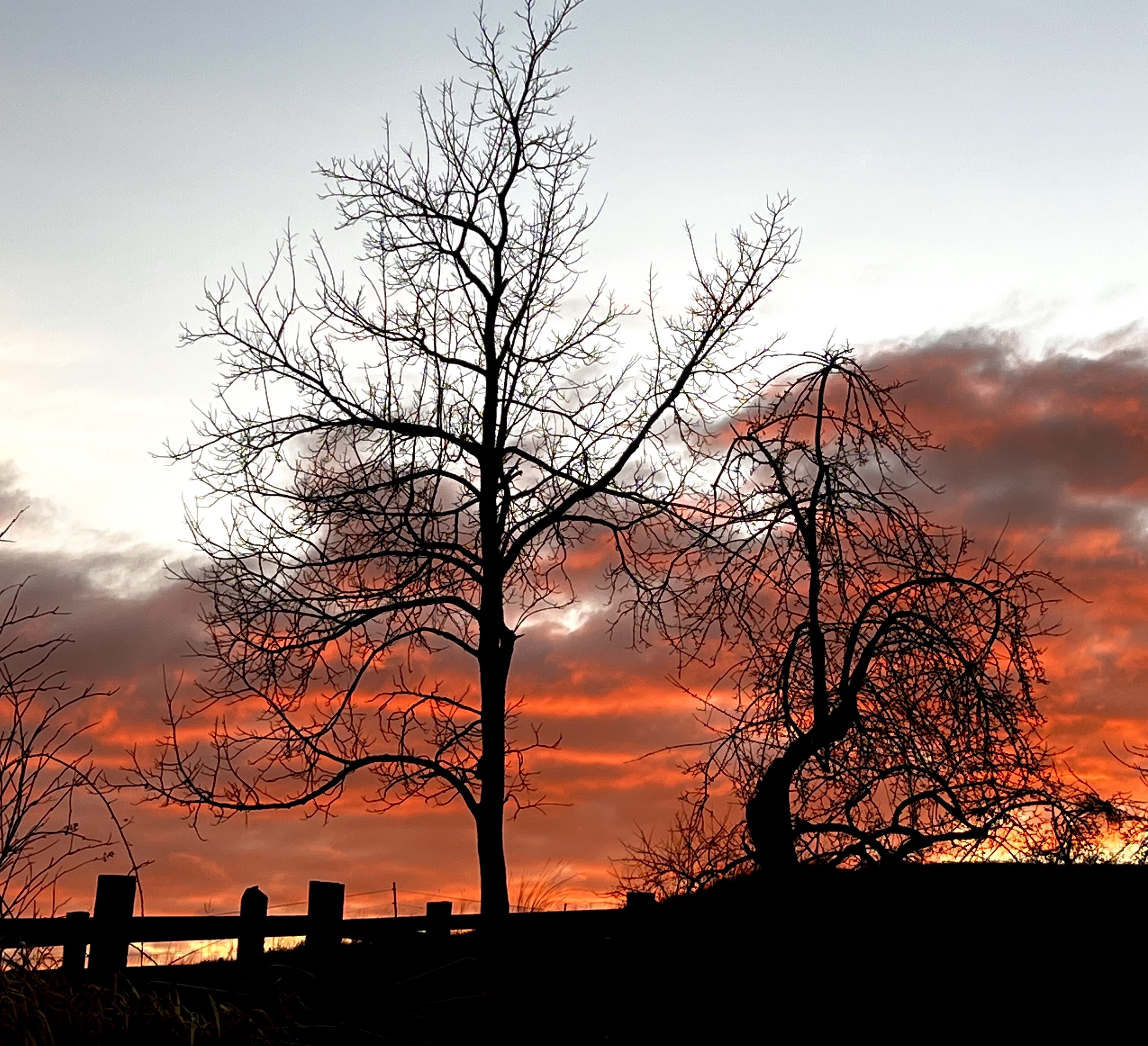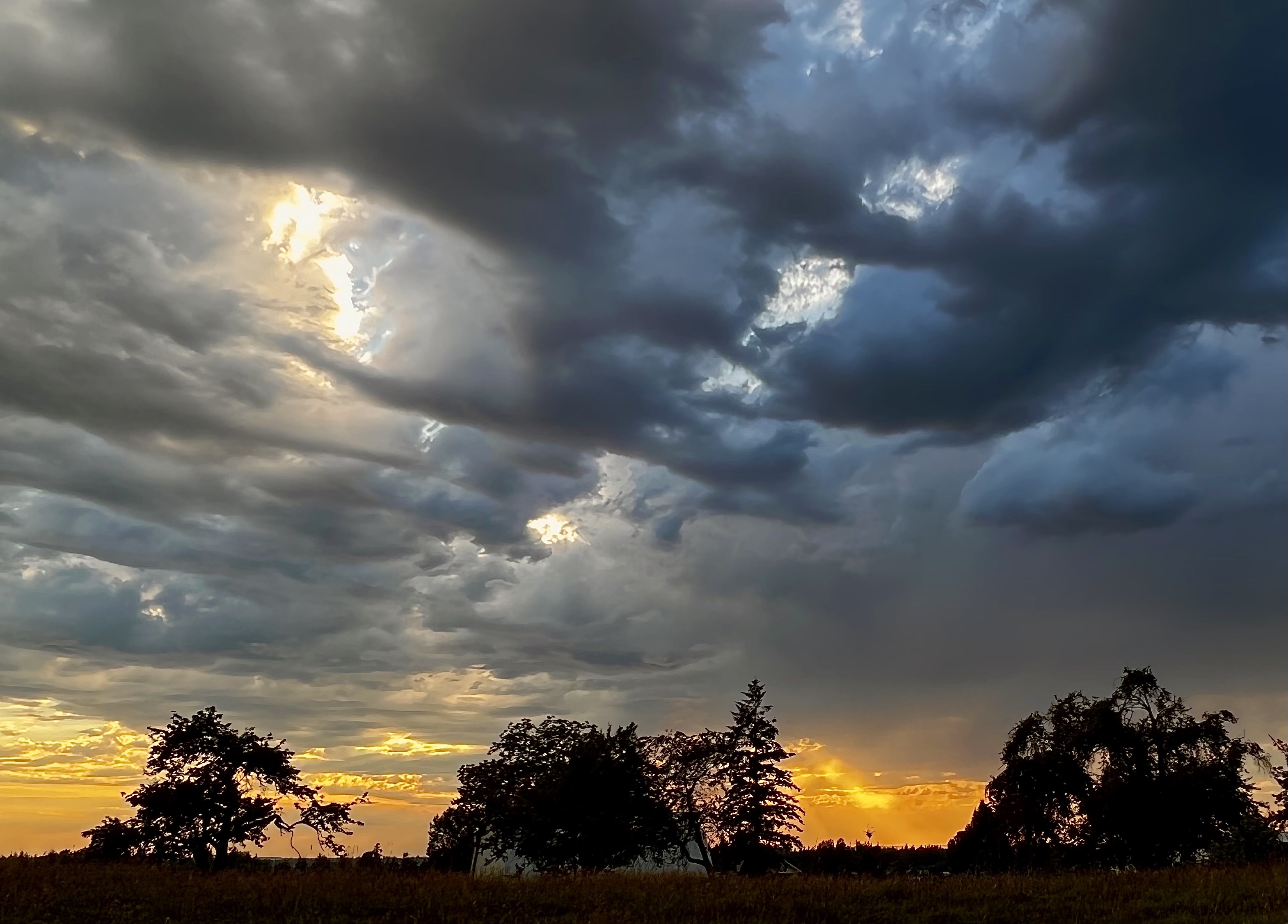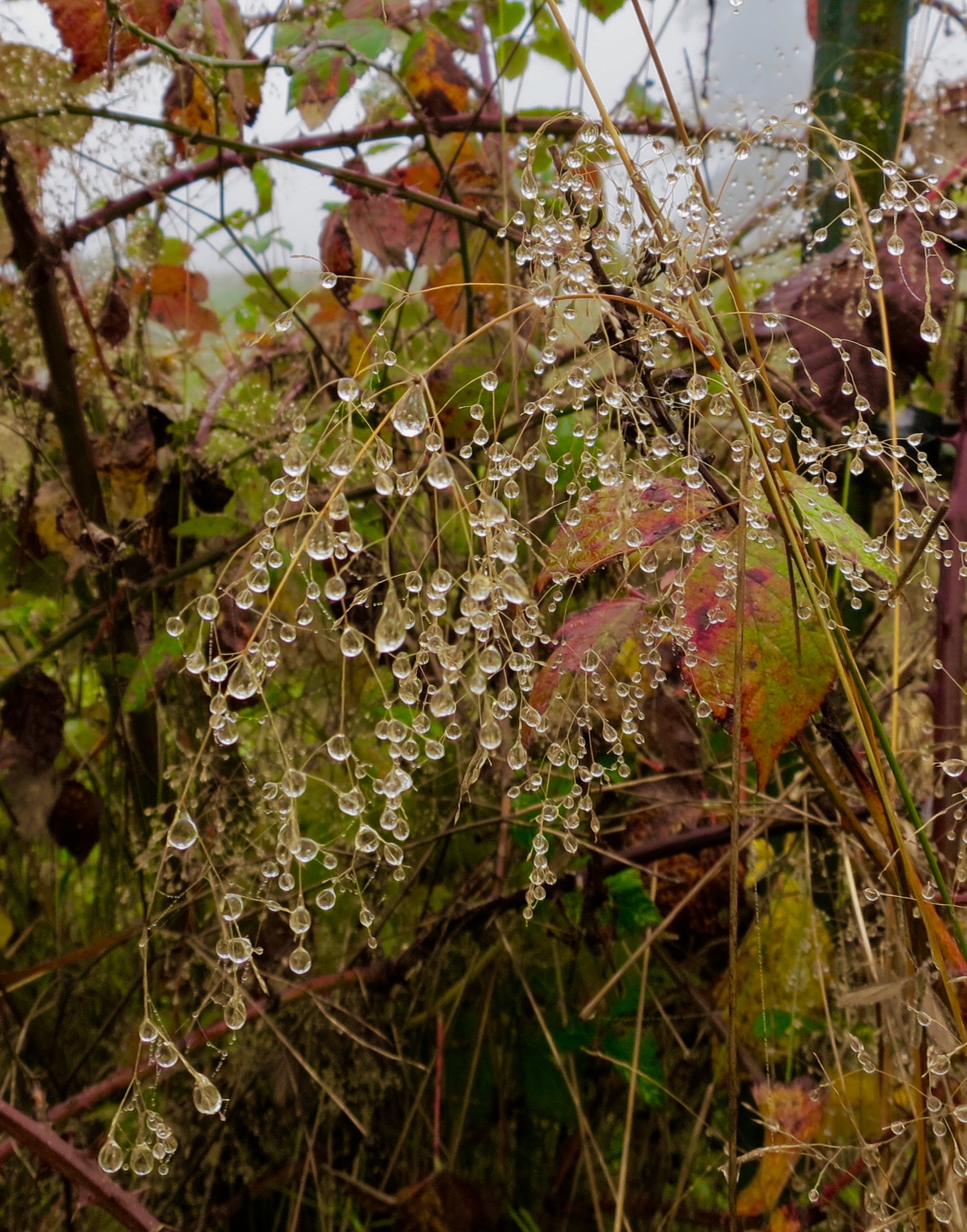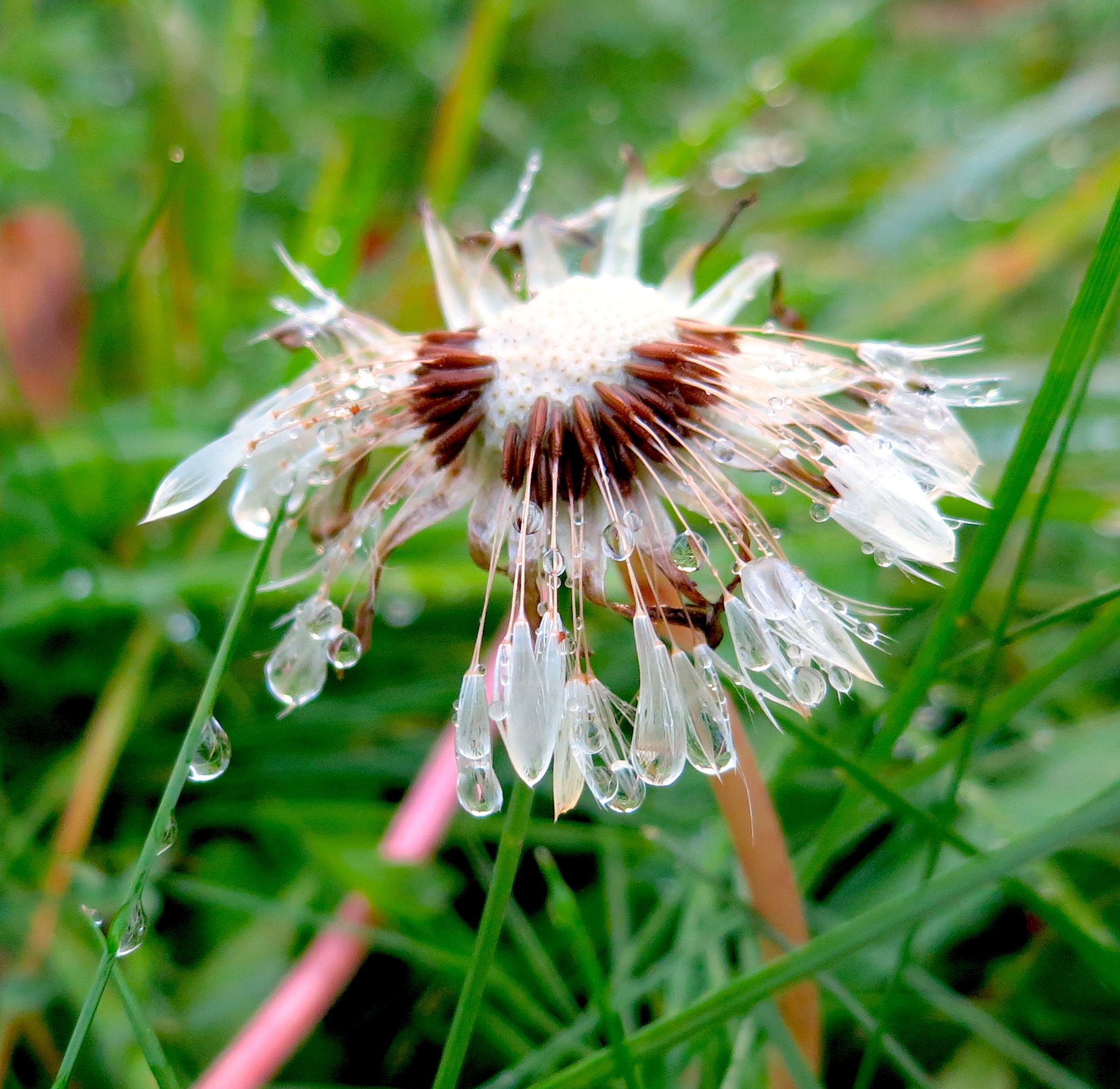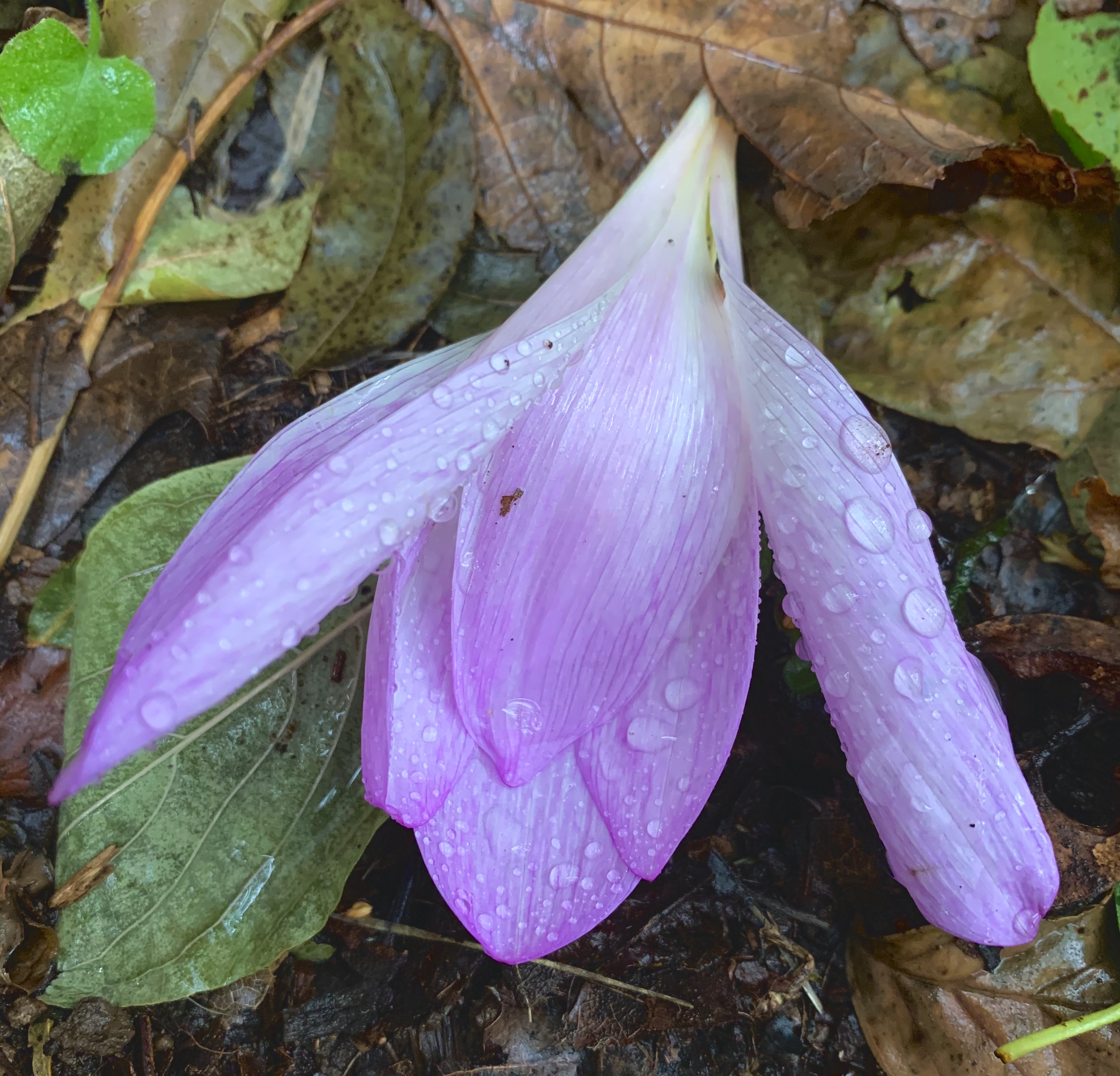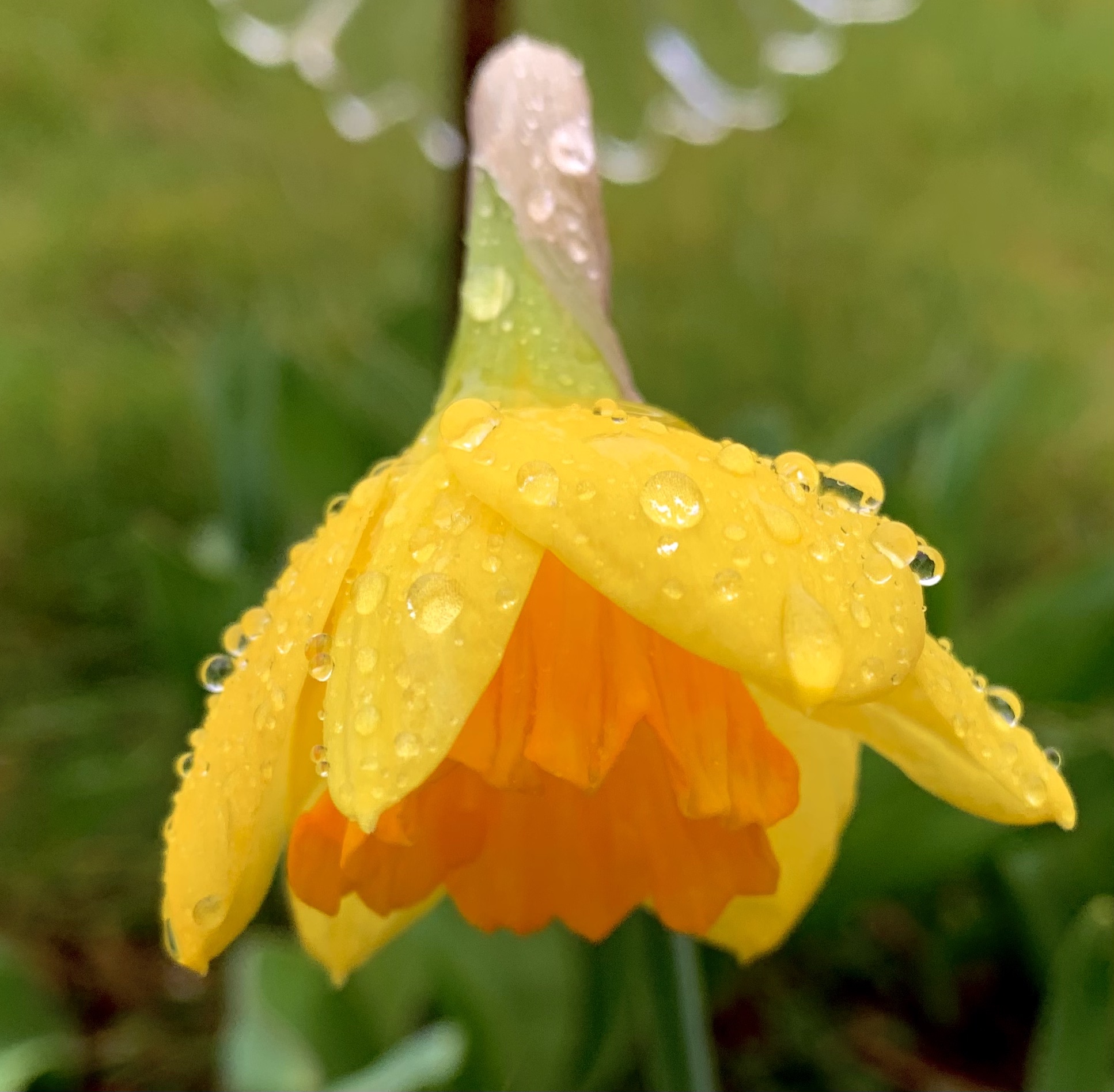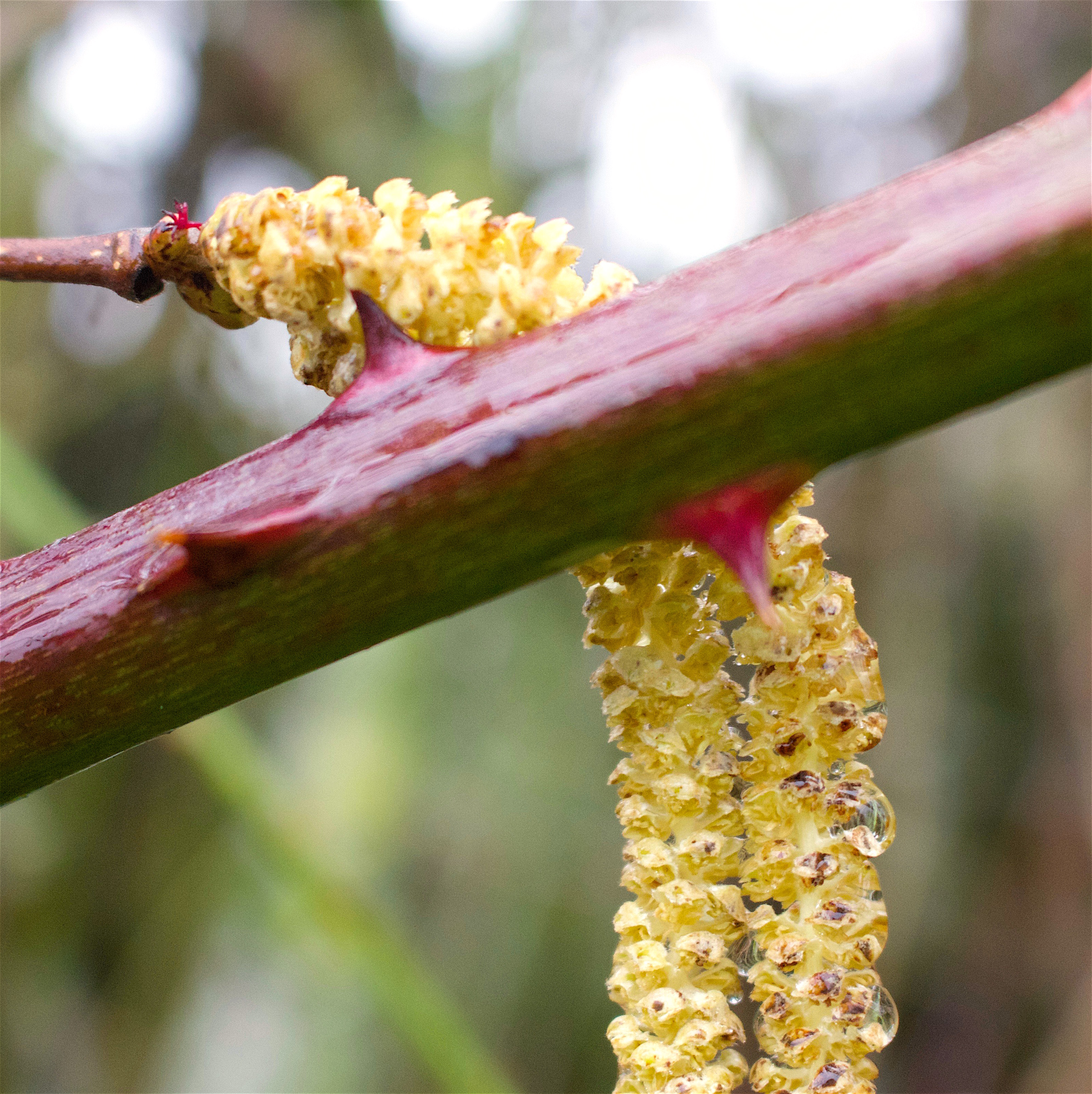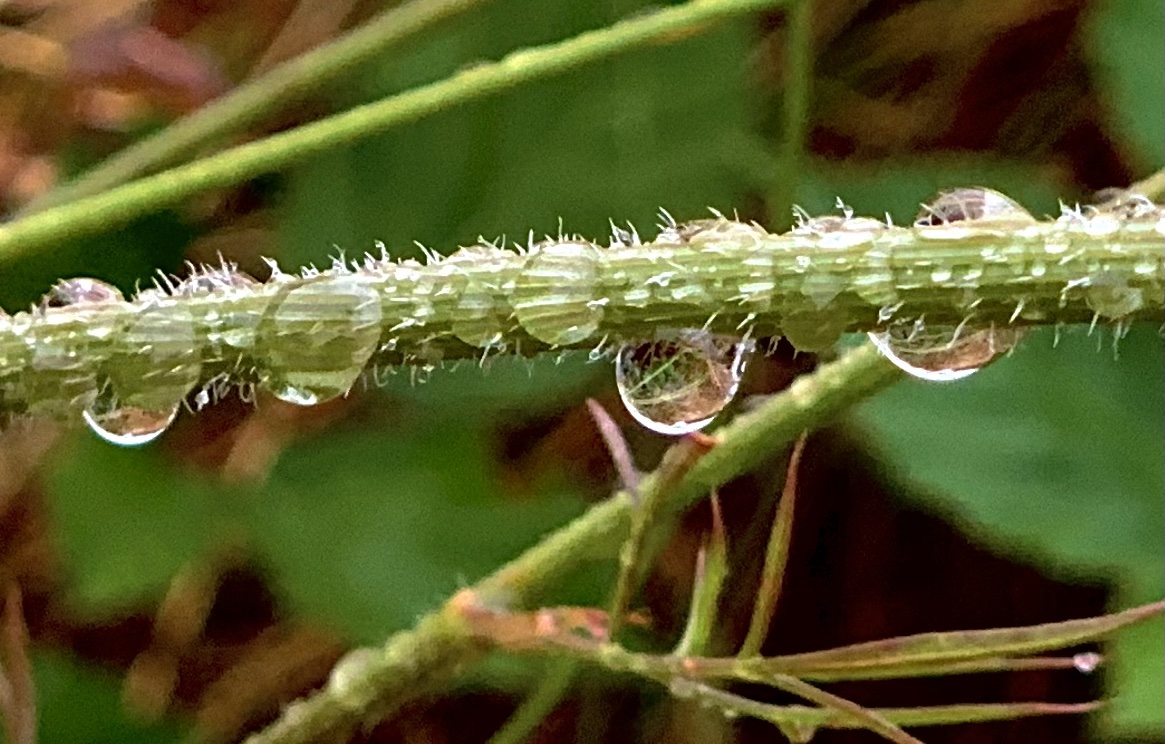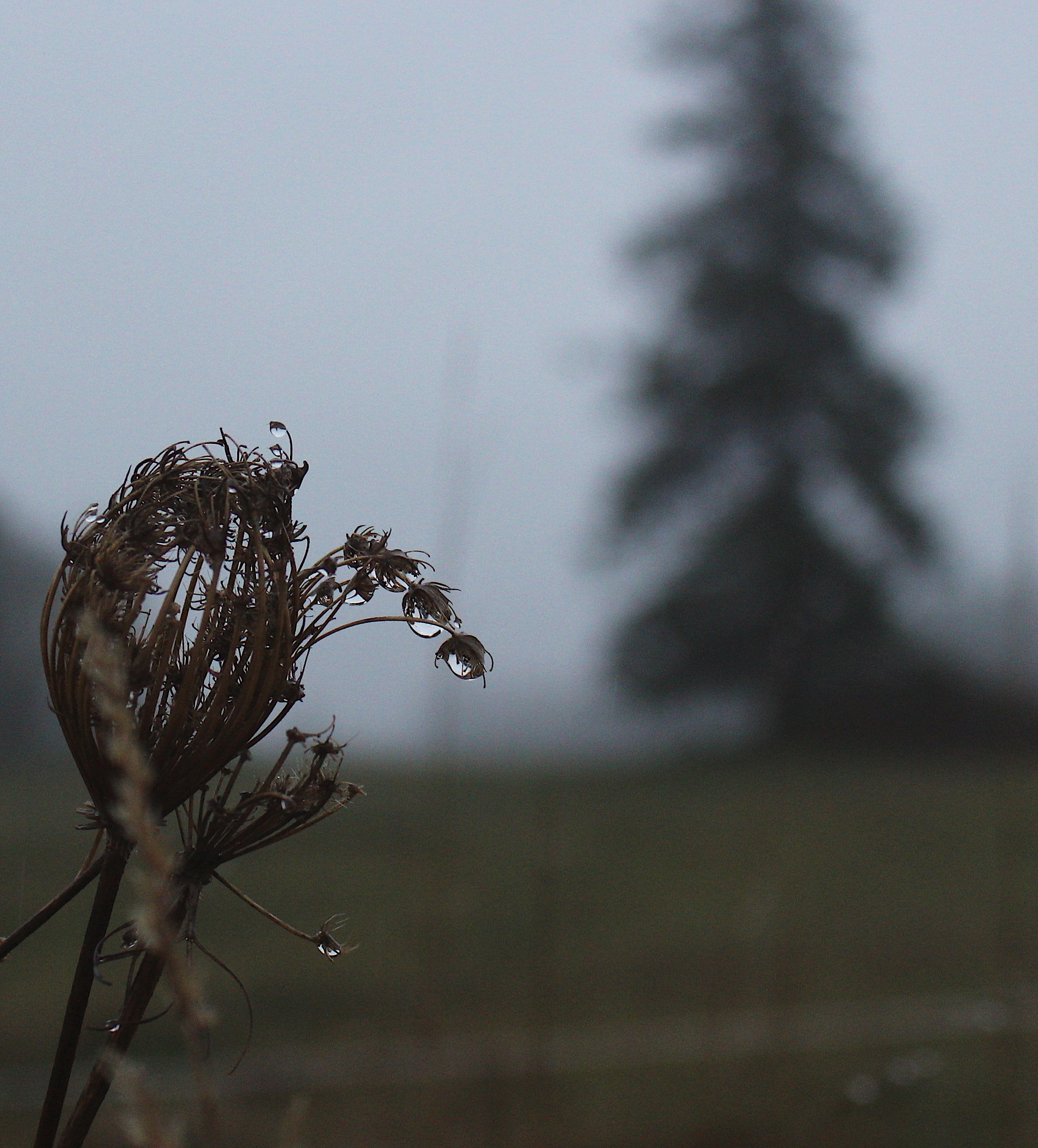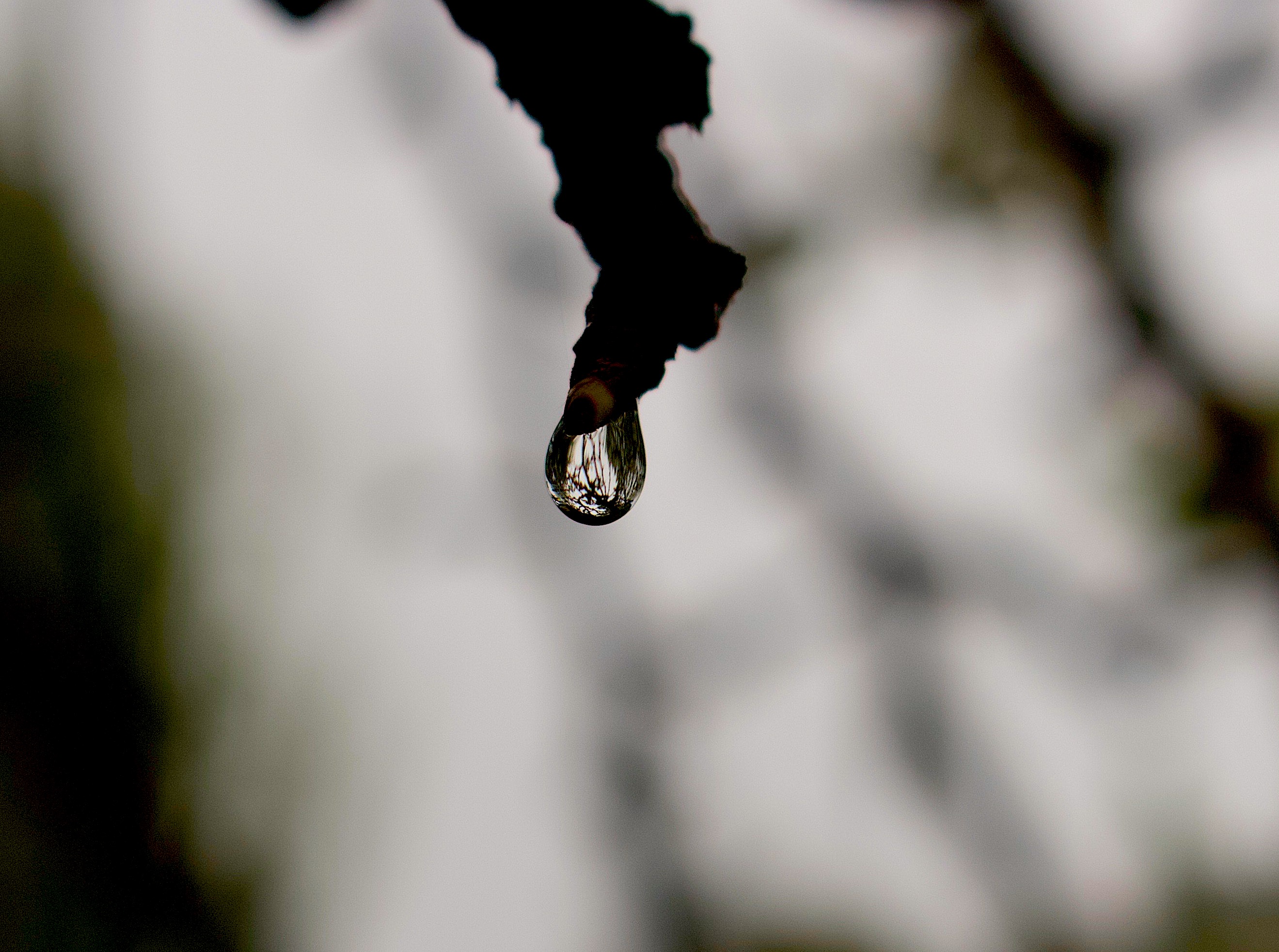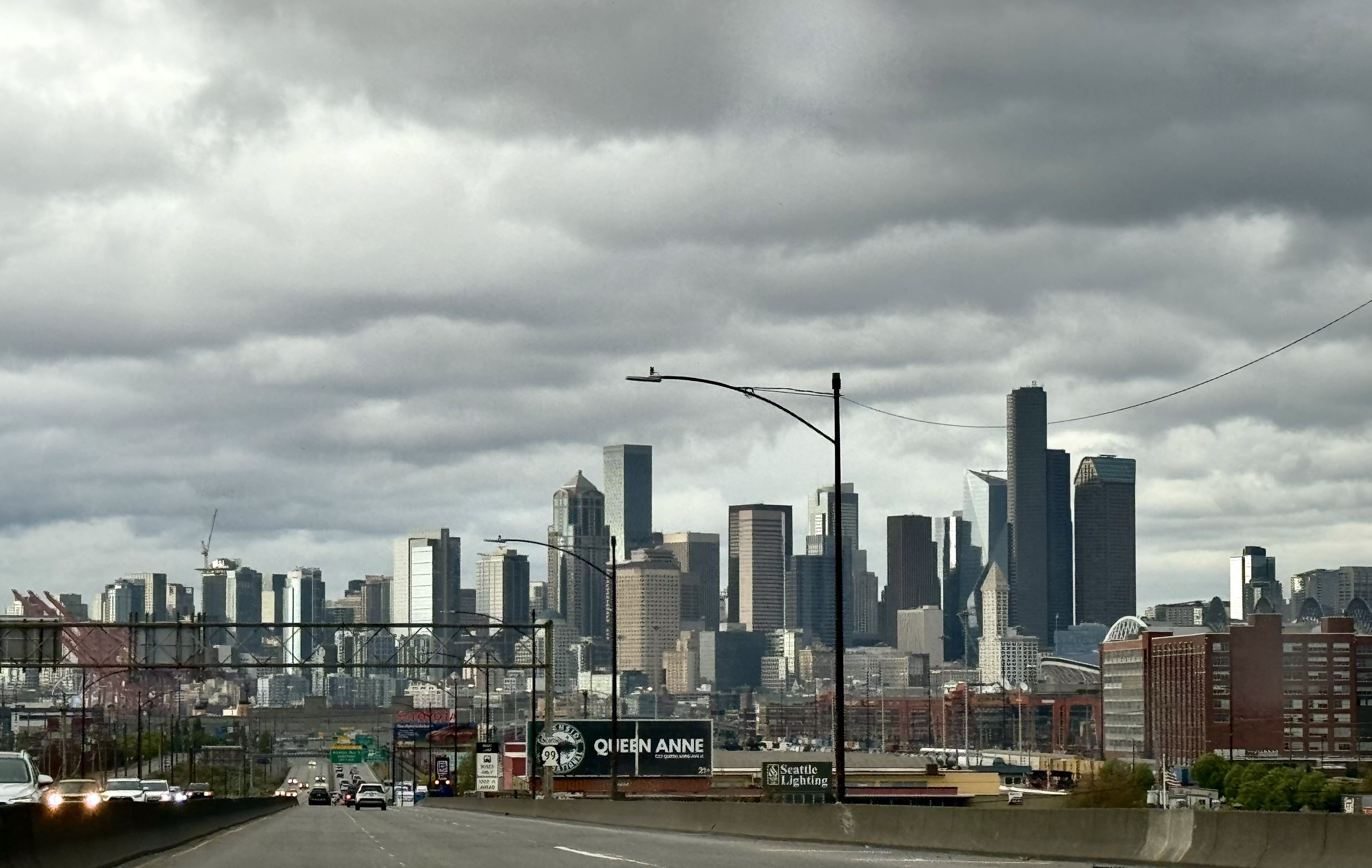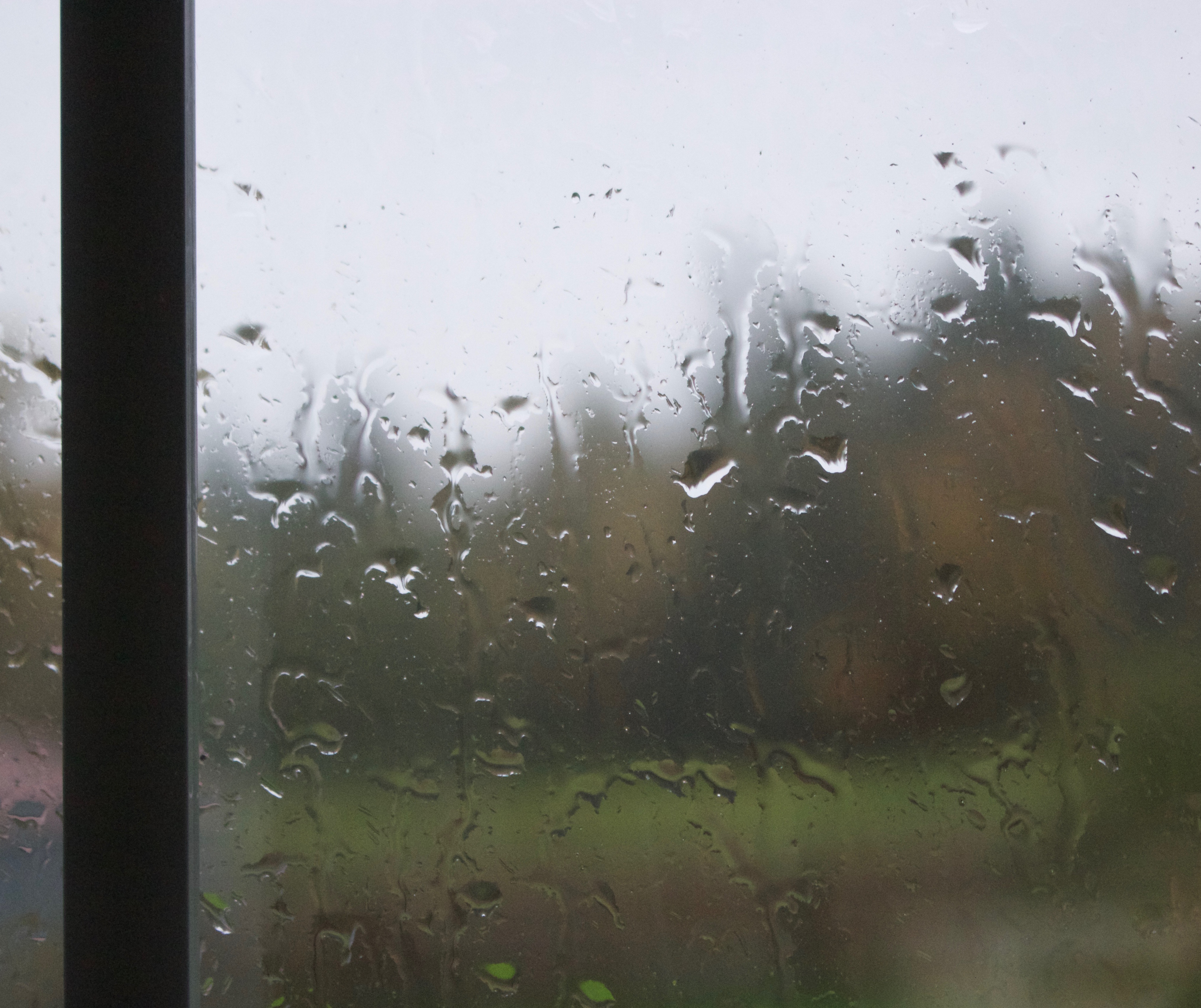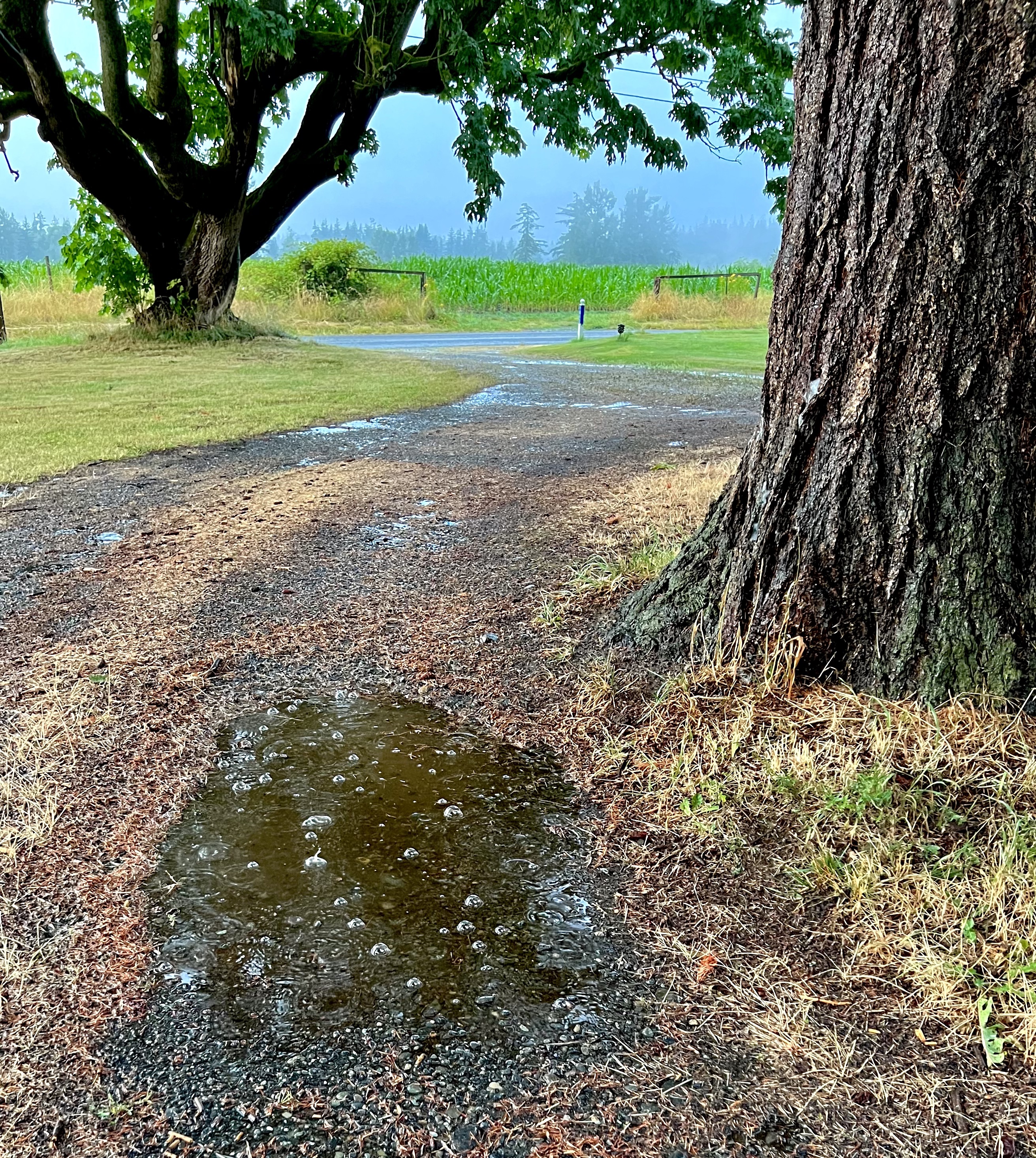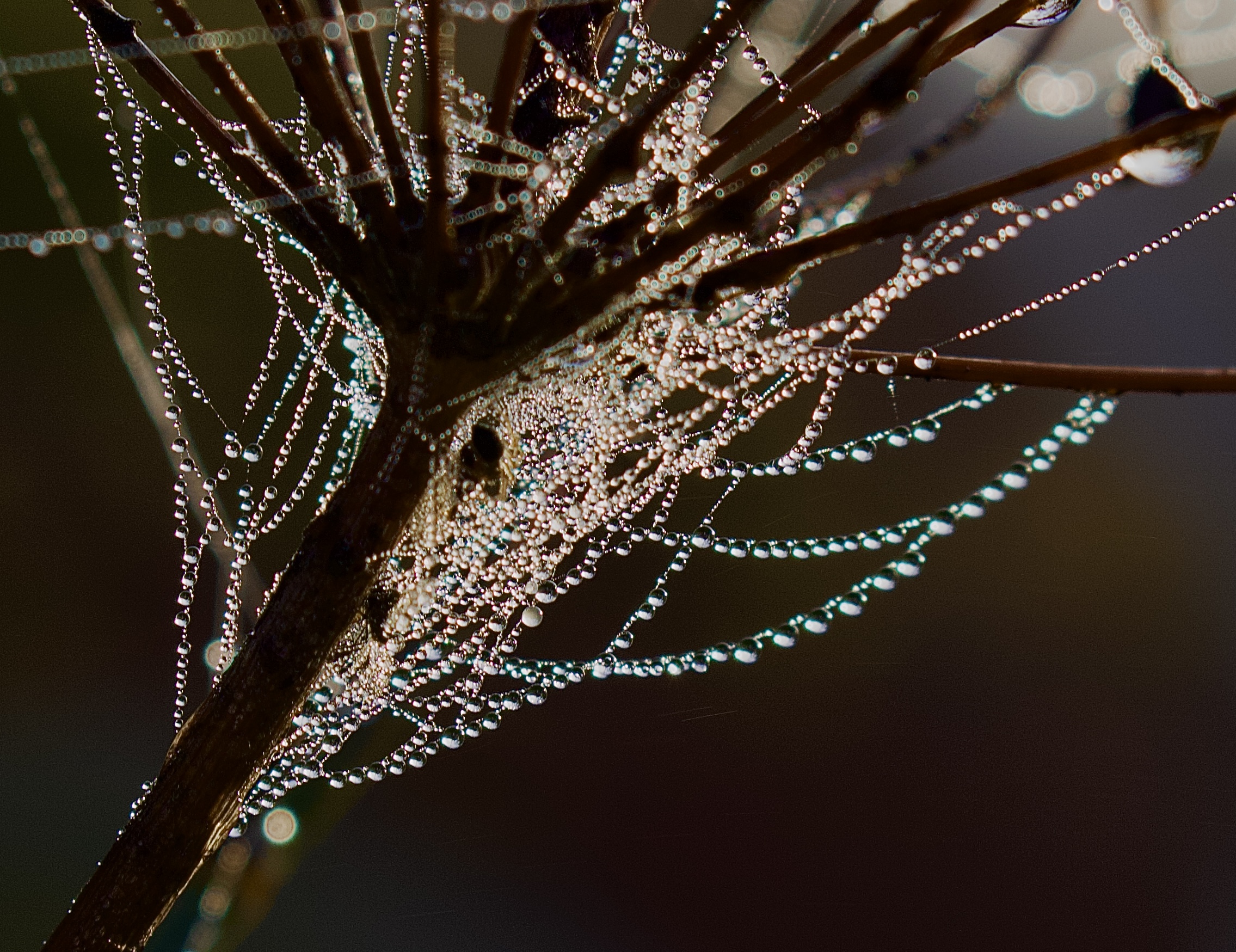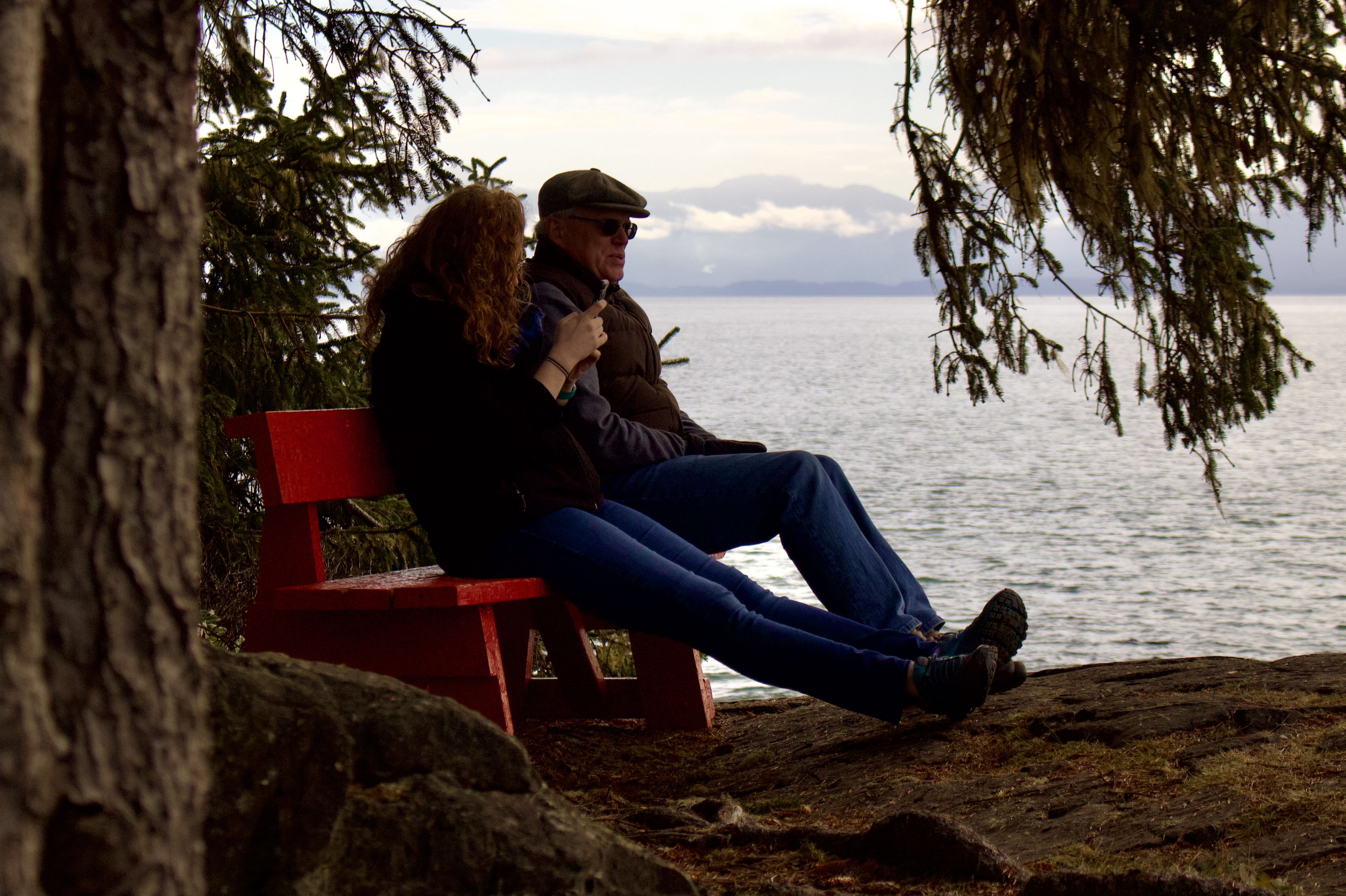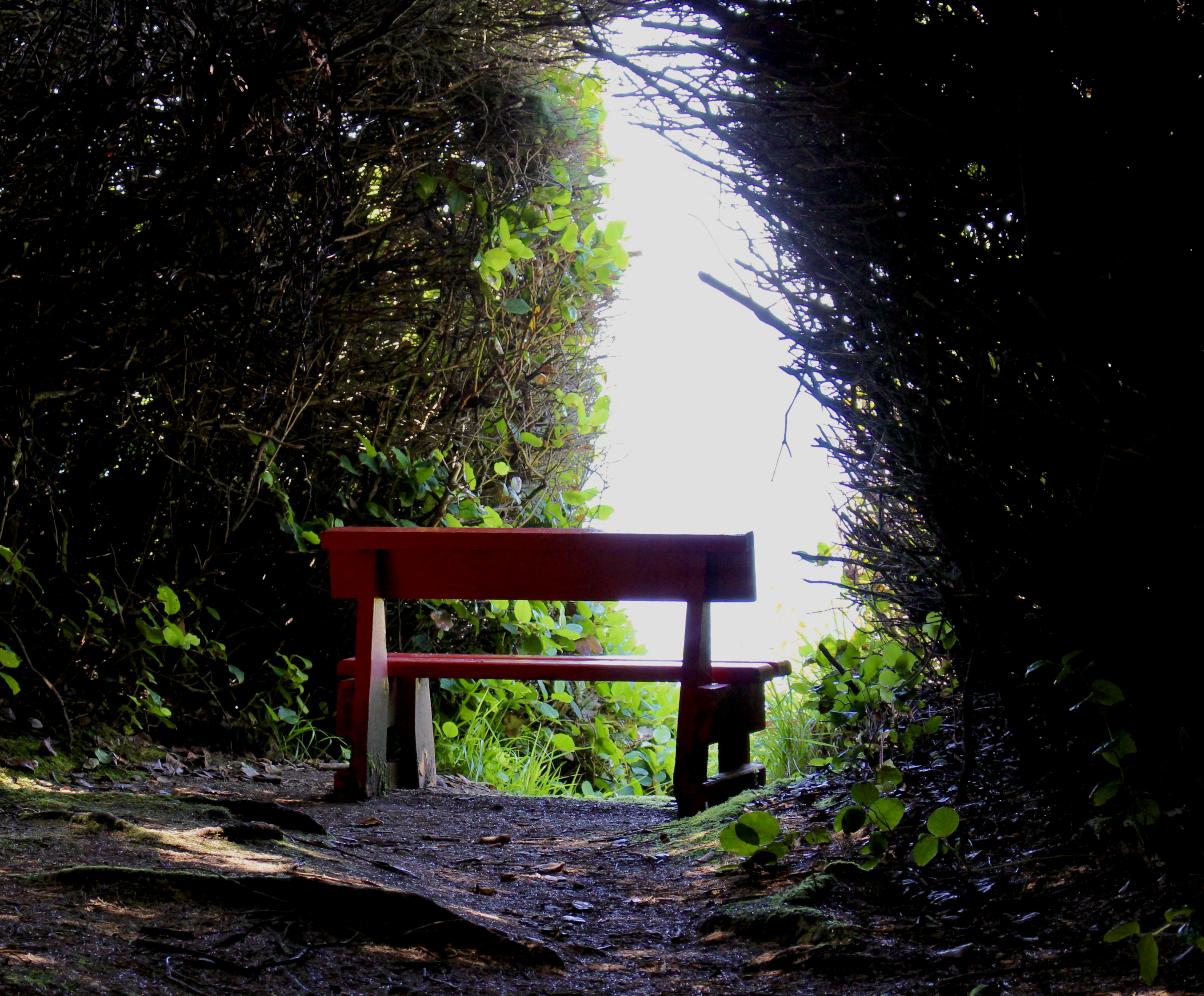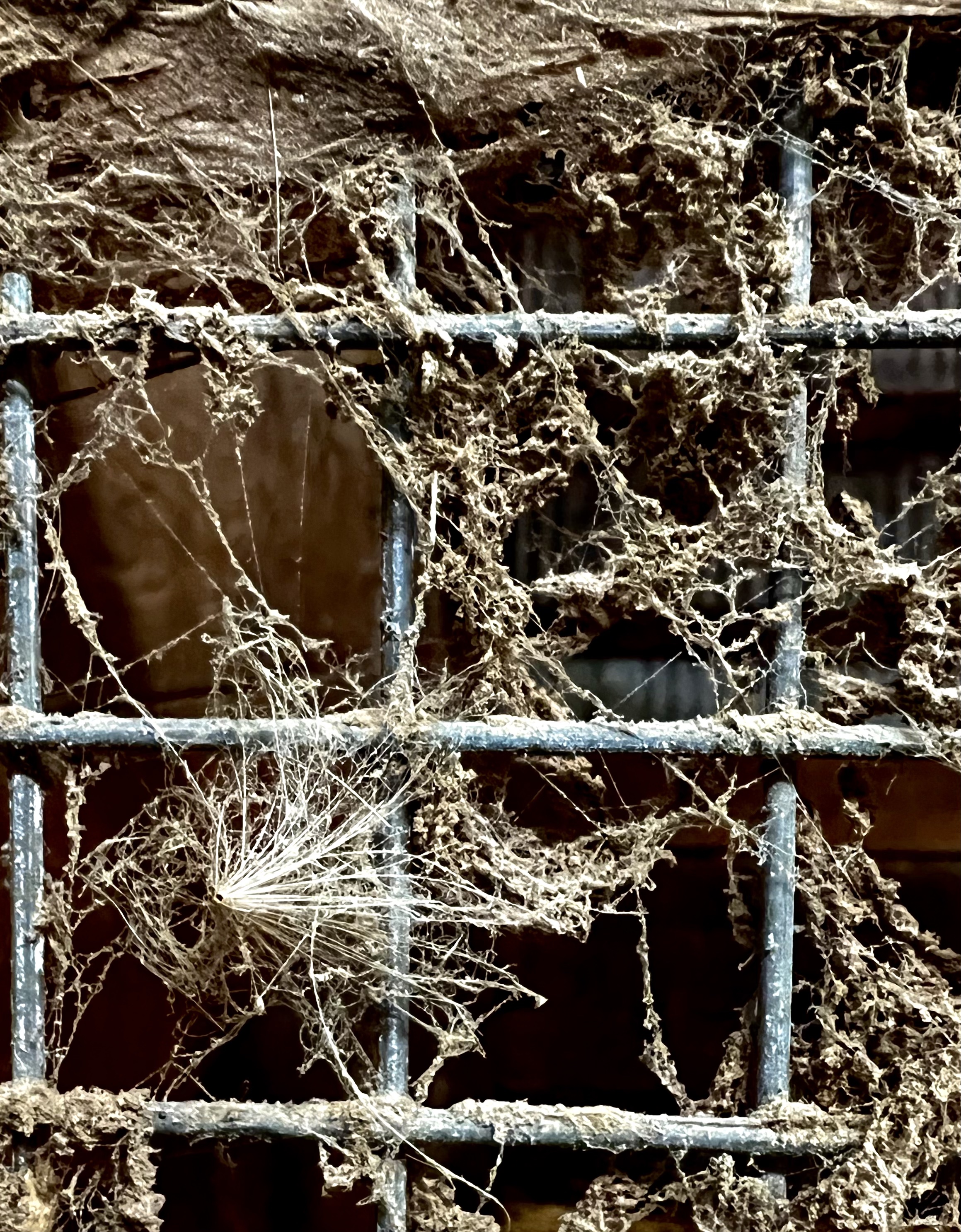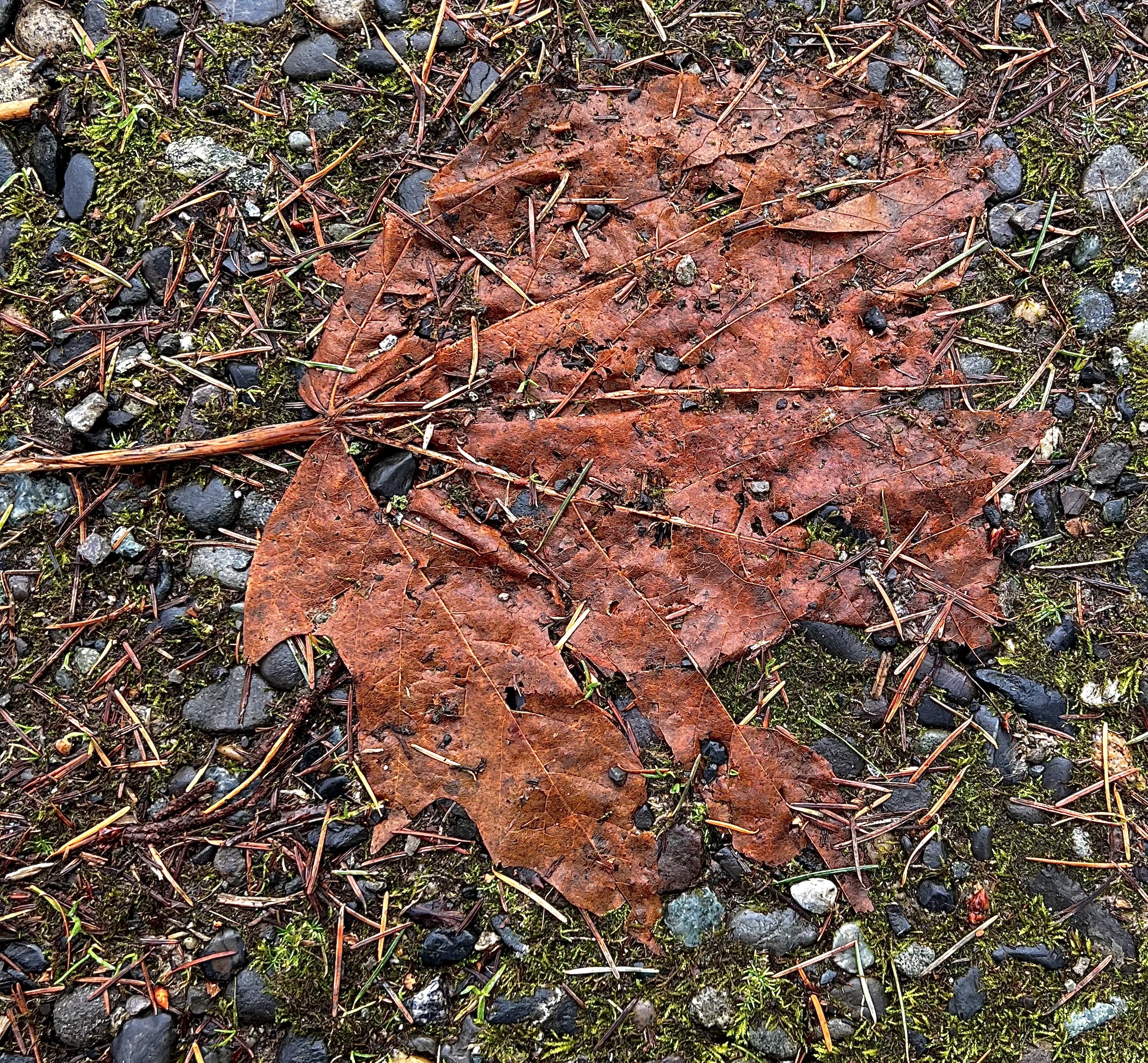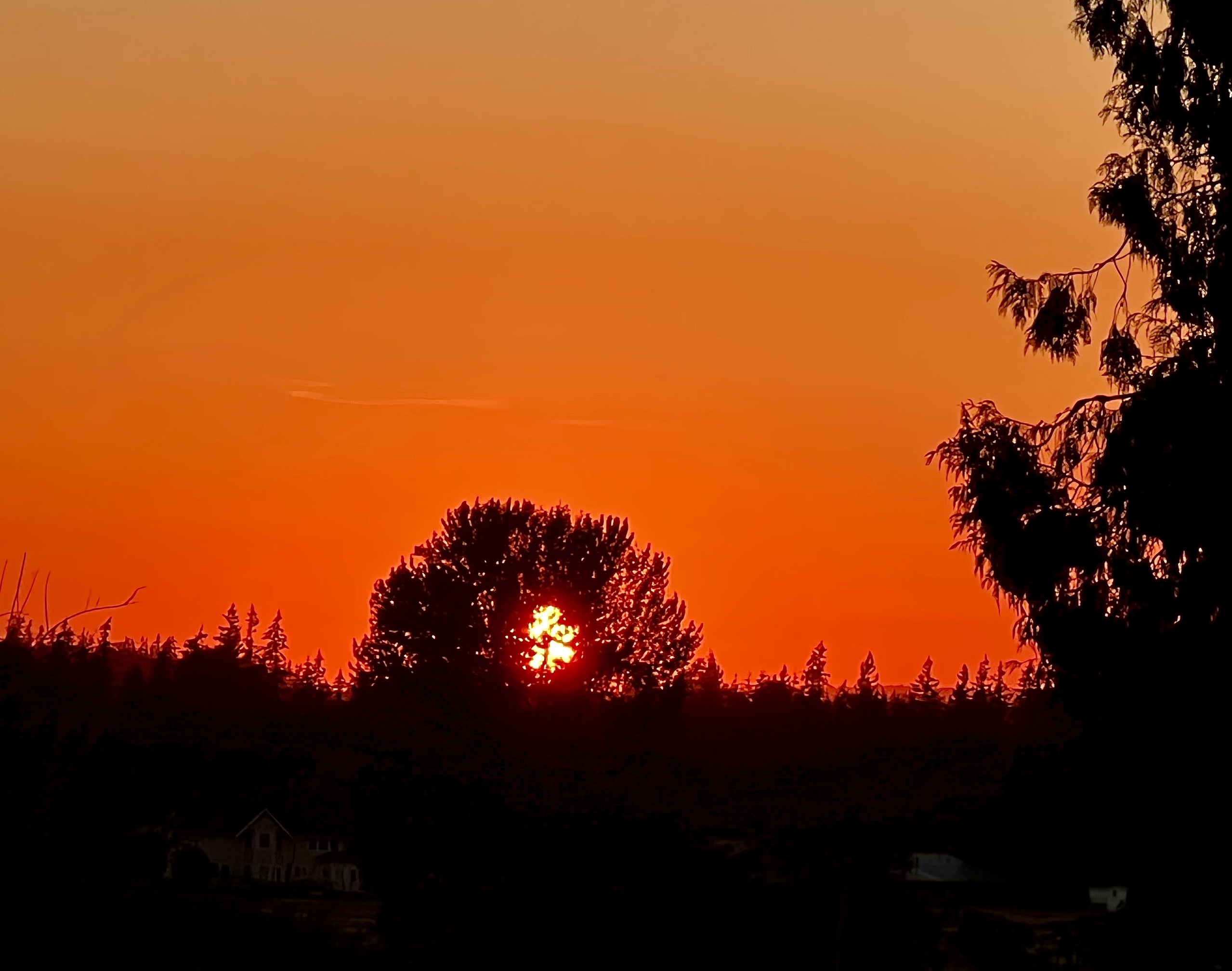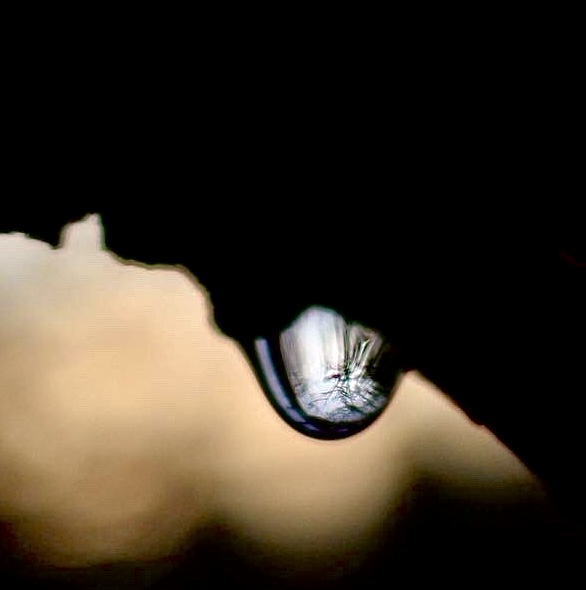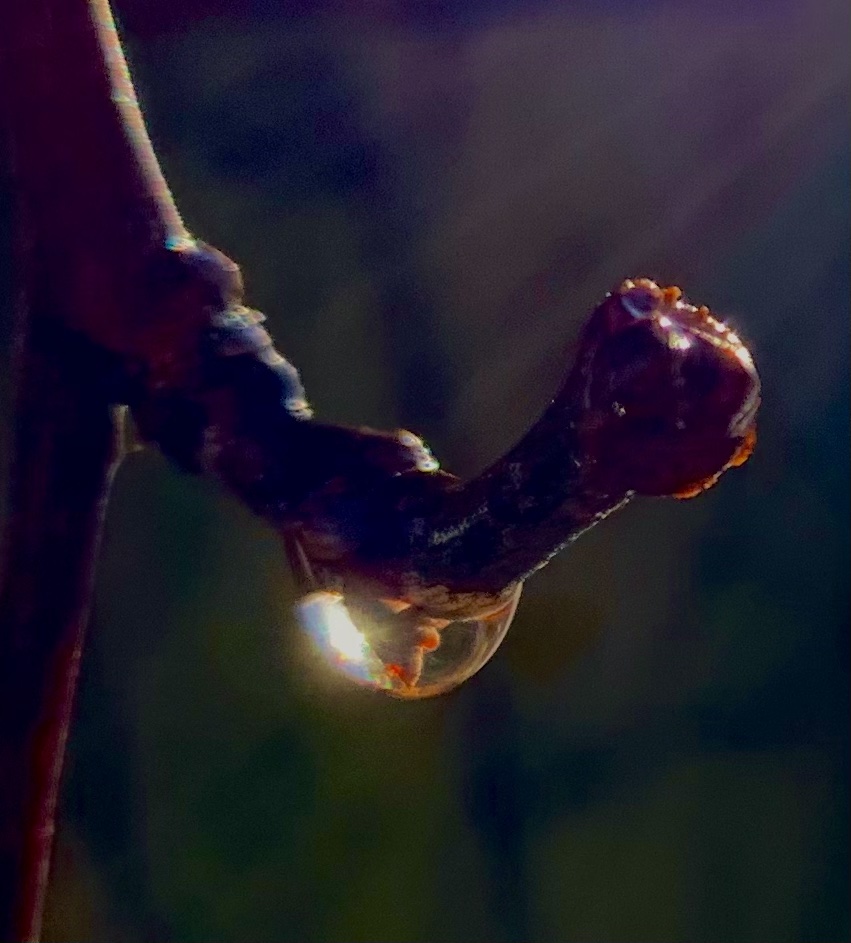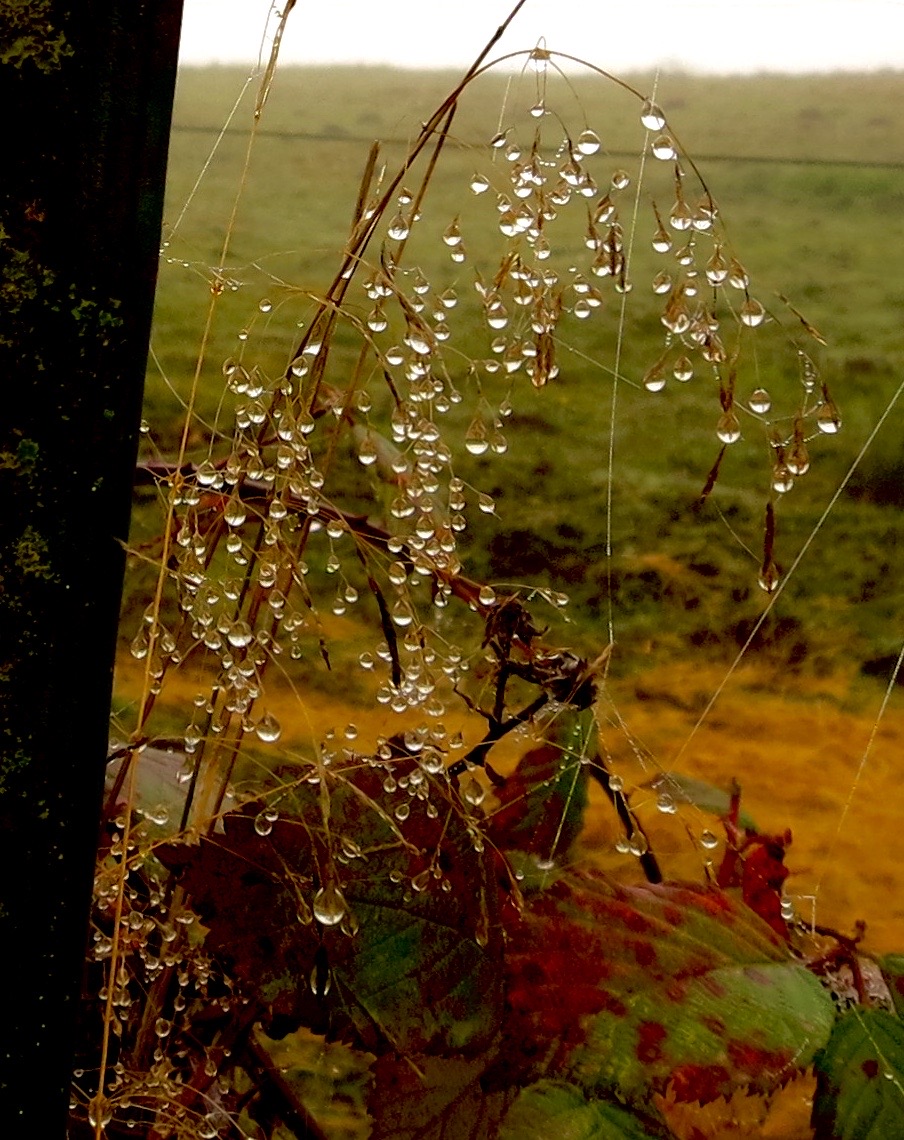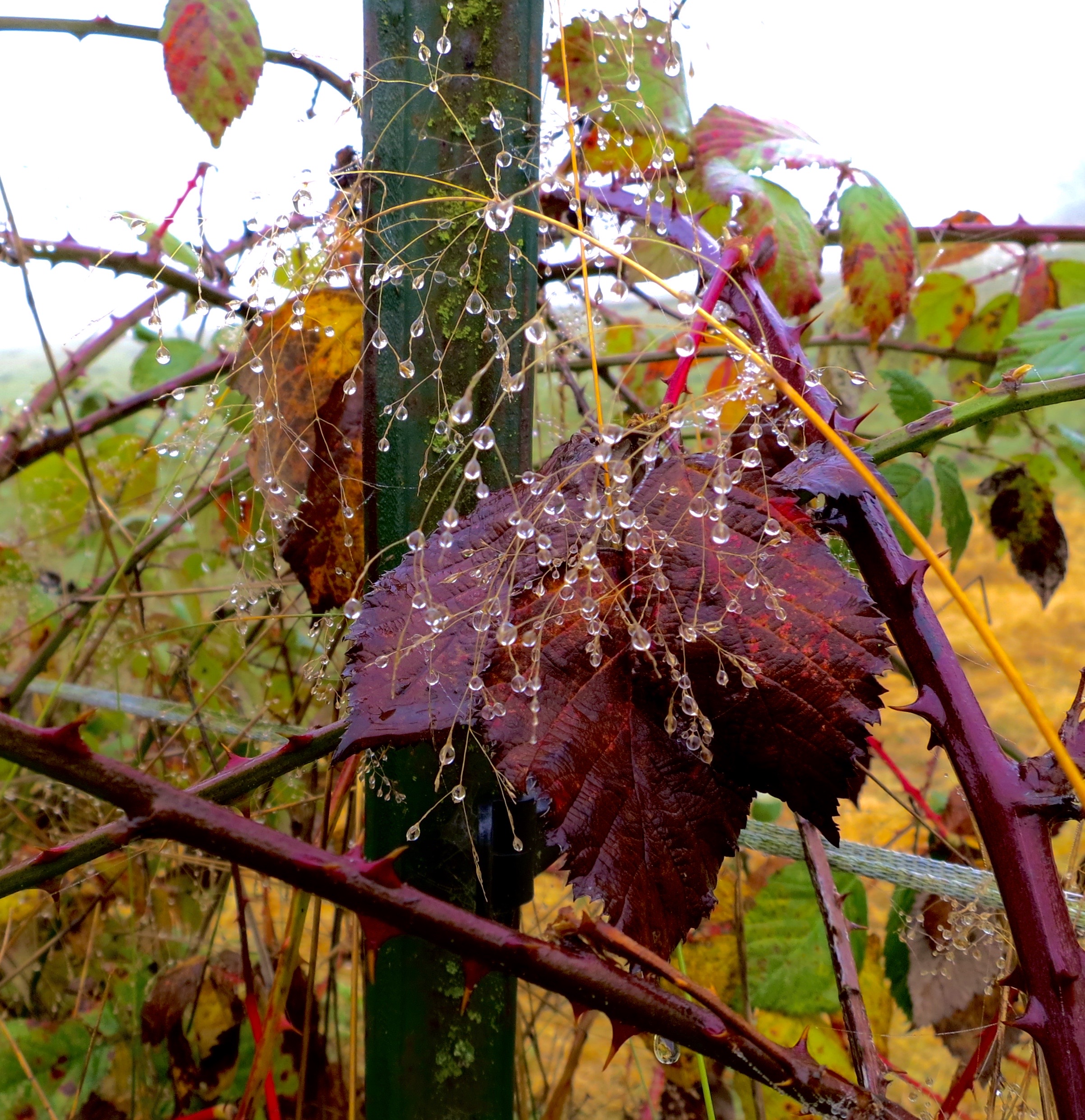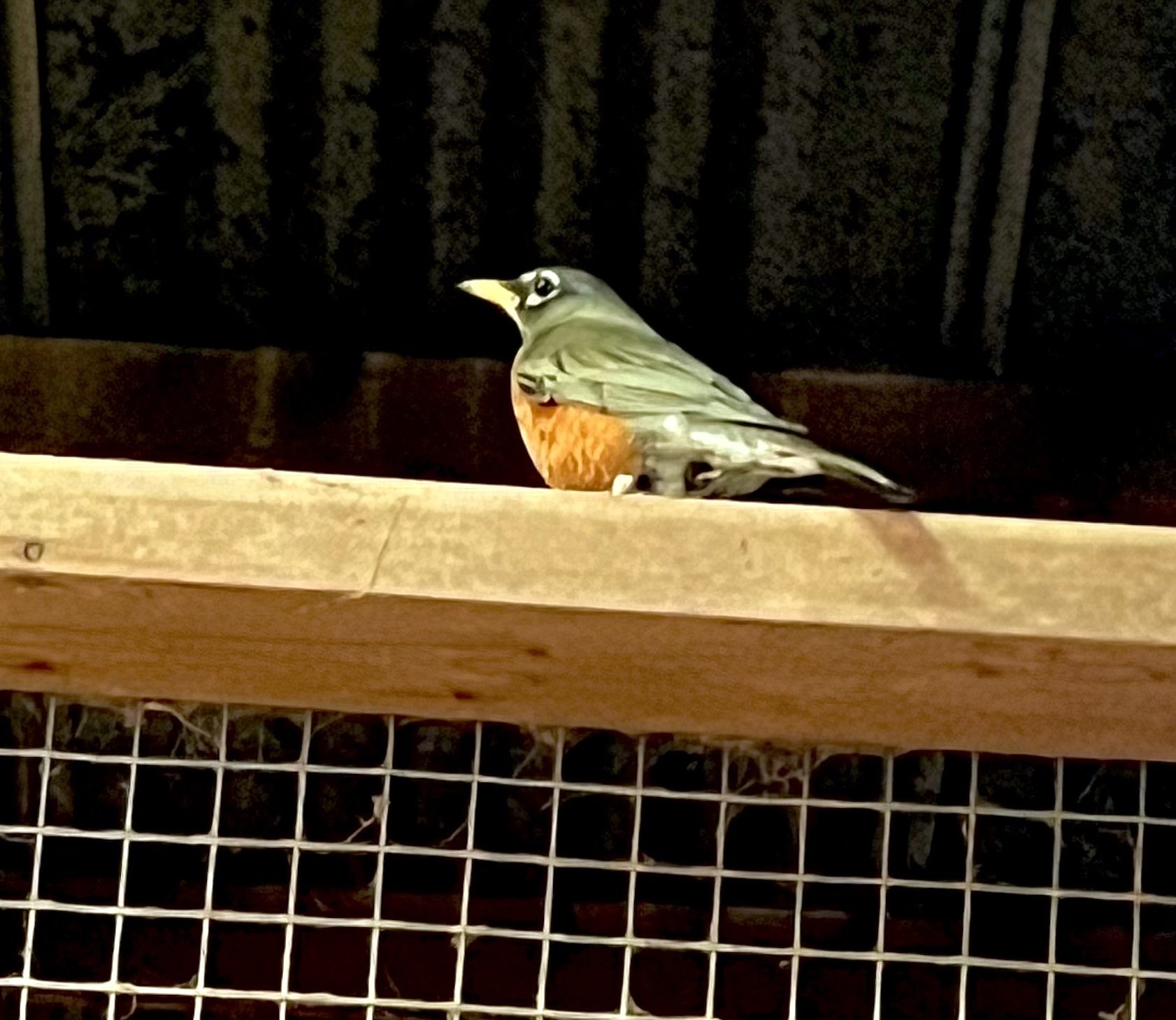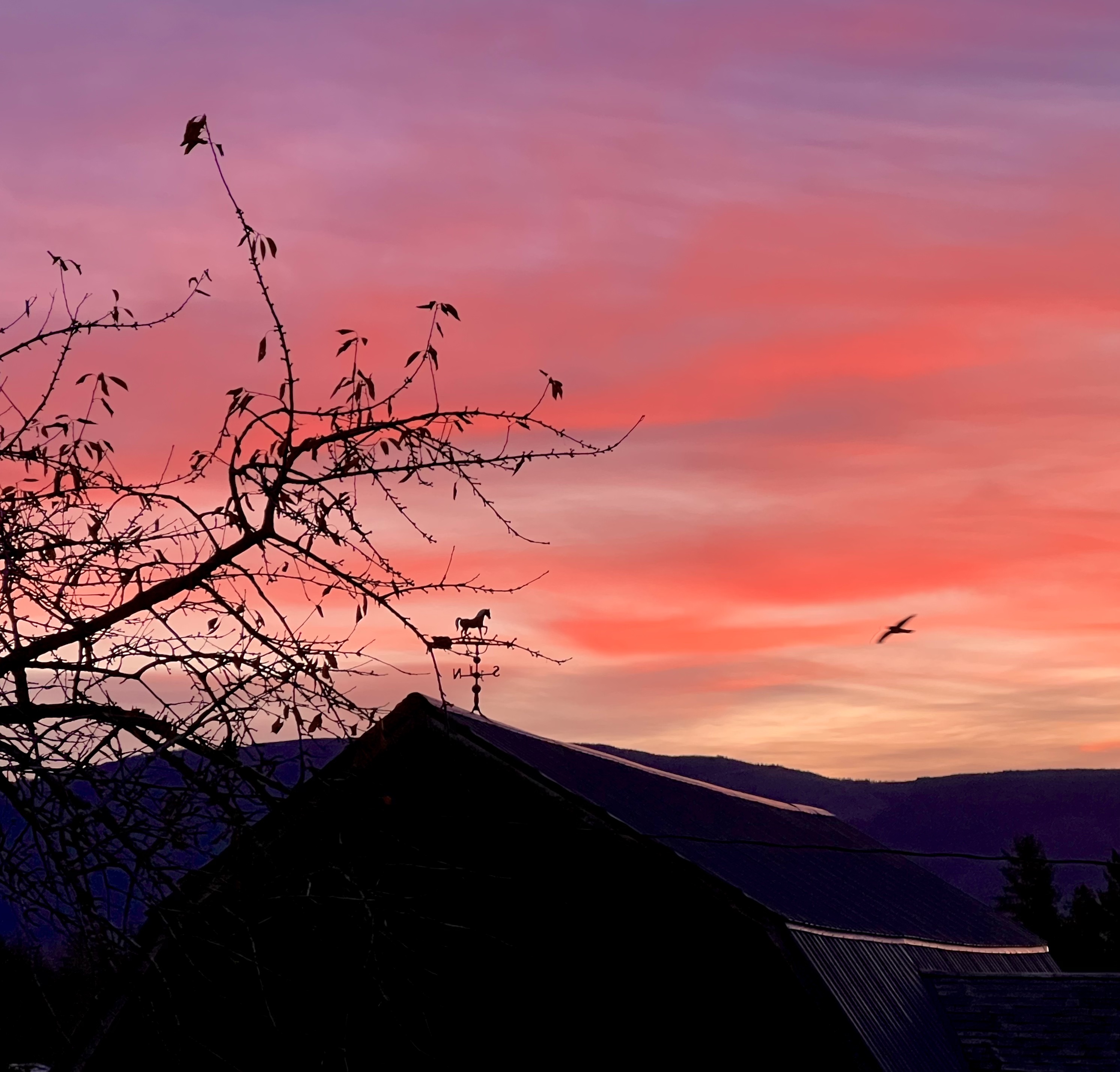
Jesus comes near and he beholds the city And looks on us with tears in his eyes, And wells of mercy, streams of love and pity Flow from the fountain whence all things arise. He loved us into life and longs to gather And meet with his beloved face to face How often has he called, a careful mother, And wept for our refusals of his grace, Wept for a world that, weary with its weeping, Benumbed and stumbling, turns the other way, Fatigued compassion is already sleeping Whilst her worst nightmares stalk the light of day. But we might waken yet, and face those fears, If we could see ourselves through Jesus’ tears. ~Malcolm Guite “Jesus Weeps”
When Jesus wept, the falling tear in mercy flowed beyond all bound; when Jesus groaned, a trembling fear seized all the guilty world around. ~William Billings
And when he drew near and saw the city, he wept over it, saying, “Would that you, even you, had known on this day the things that make for peace! But now they are hidden from your eyes. ~Luke 19:41-42
Commencing this holy week of remembrance, knowing how our world is in a terrible disarray, too many sleeping in the street, some in graves, many grieving losses, all wondering what comes next.
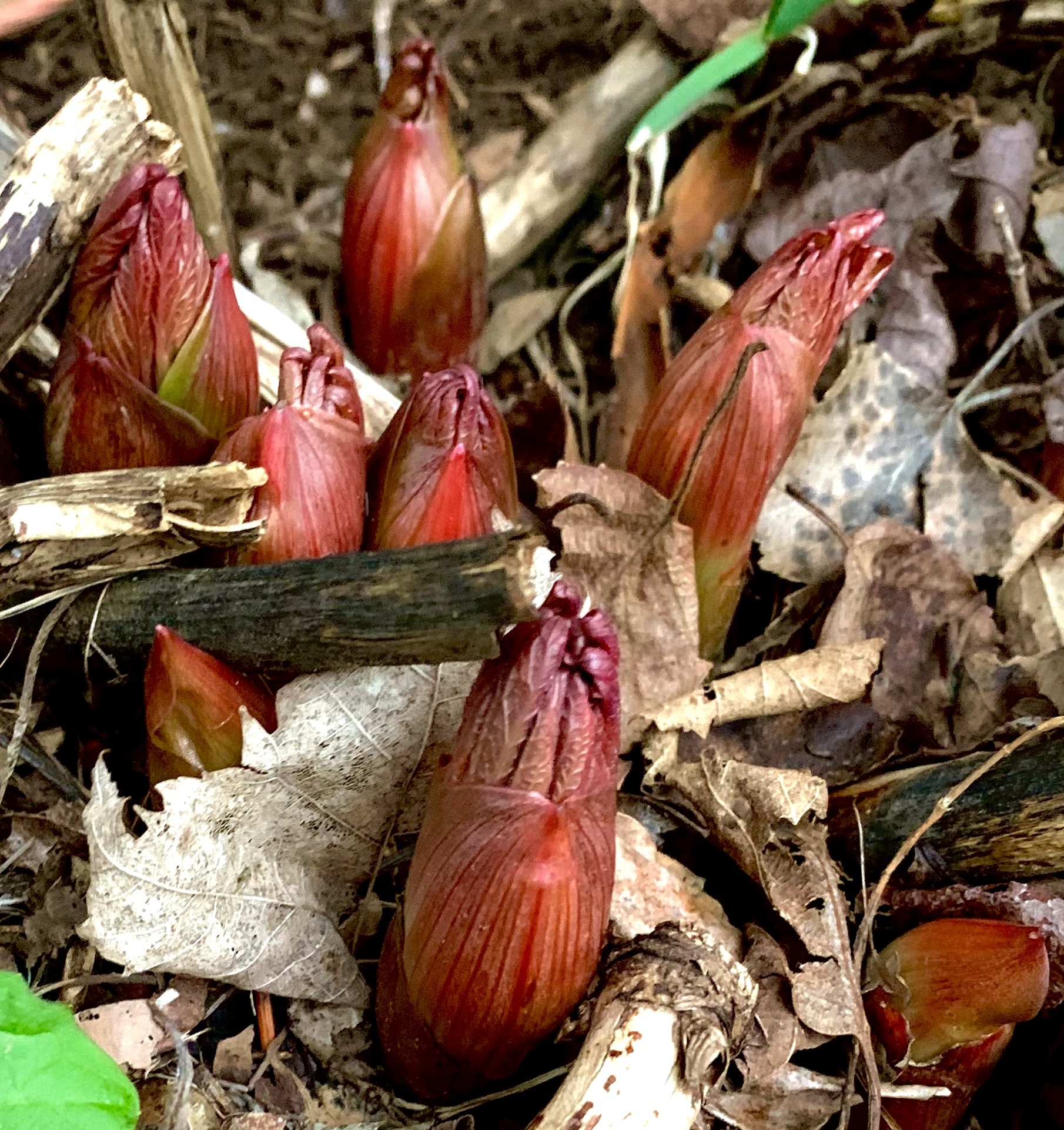
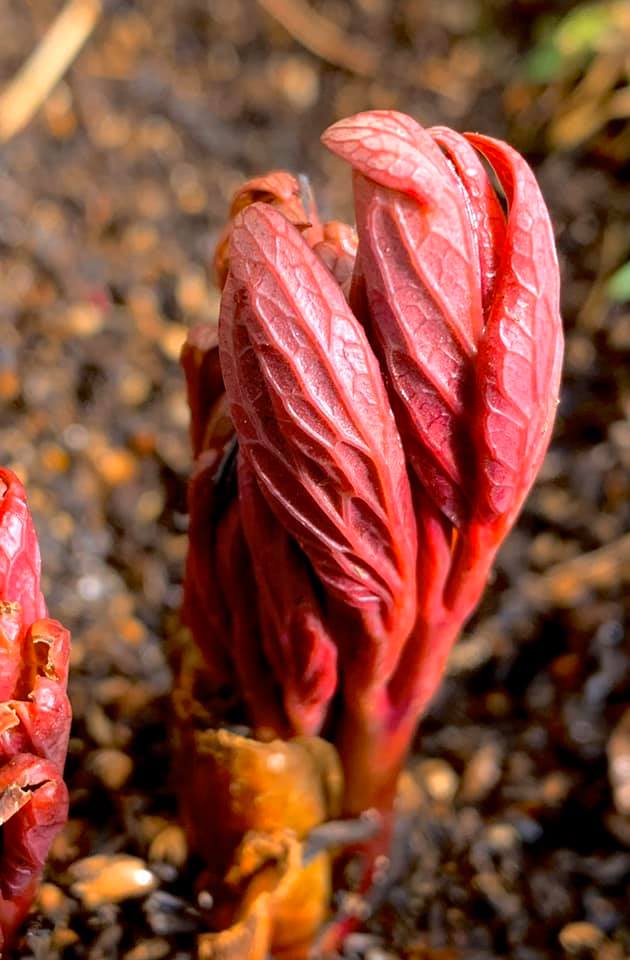
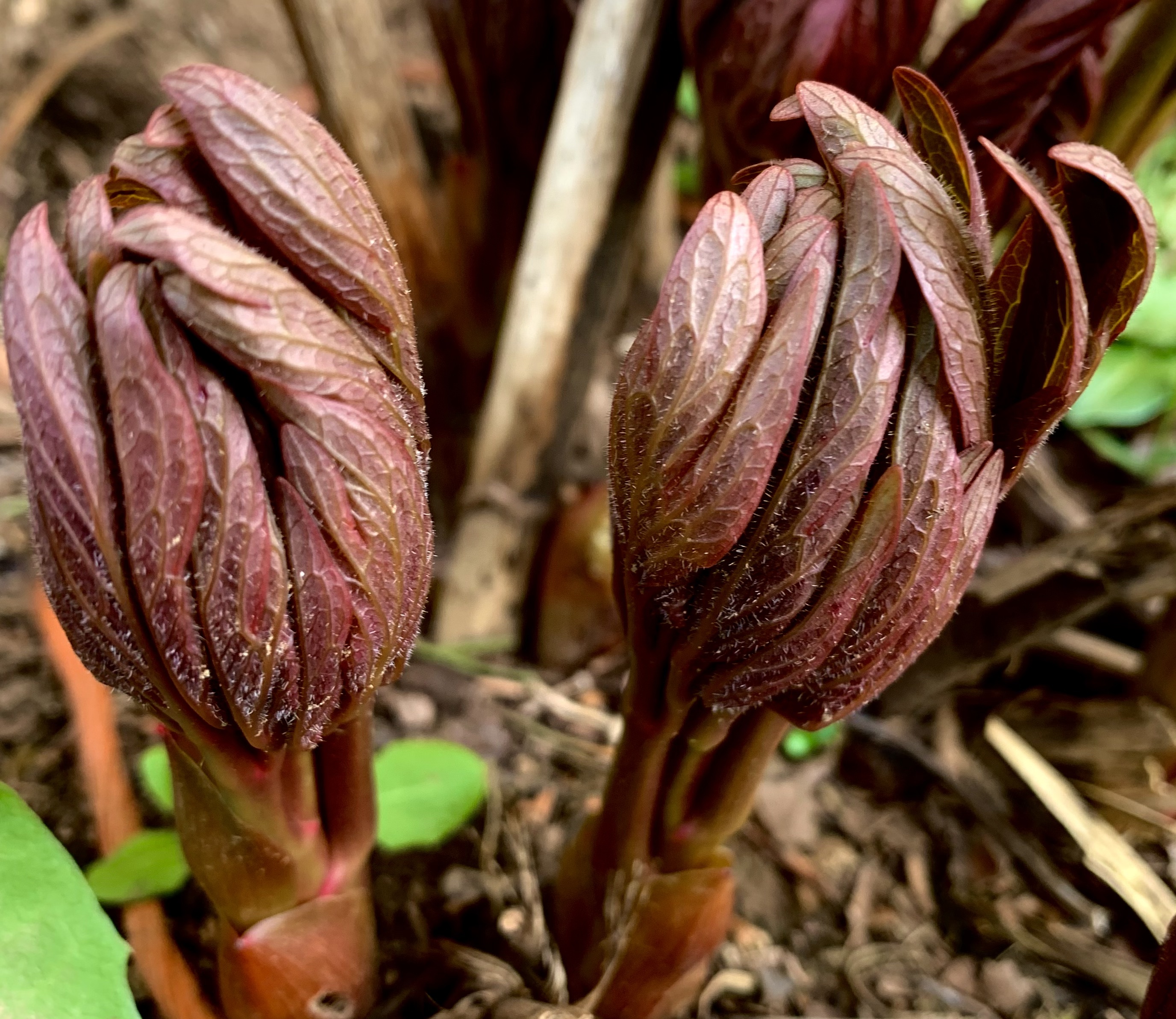
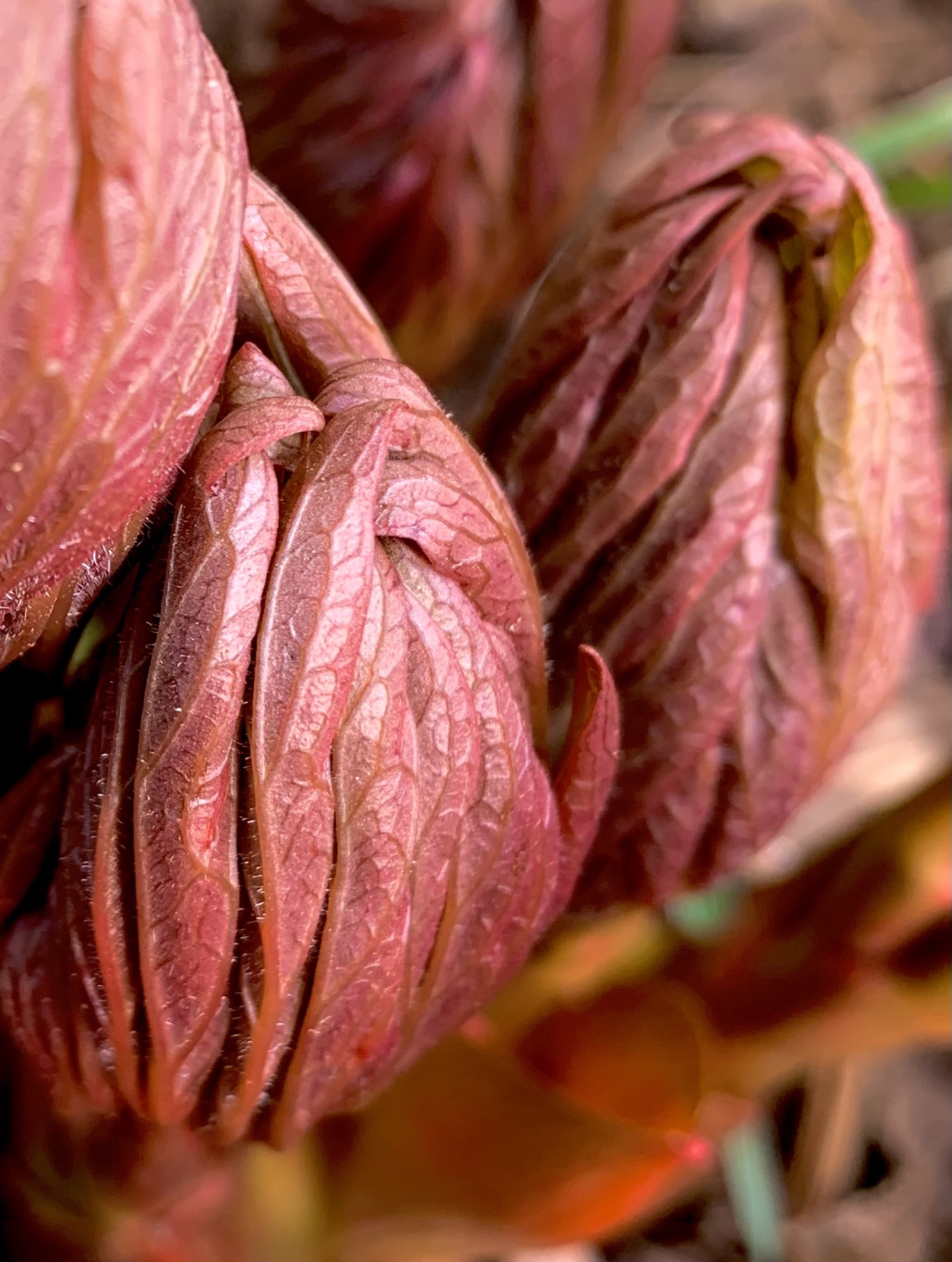
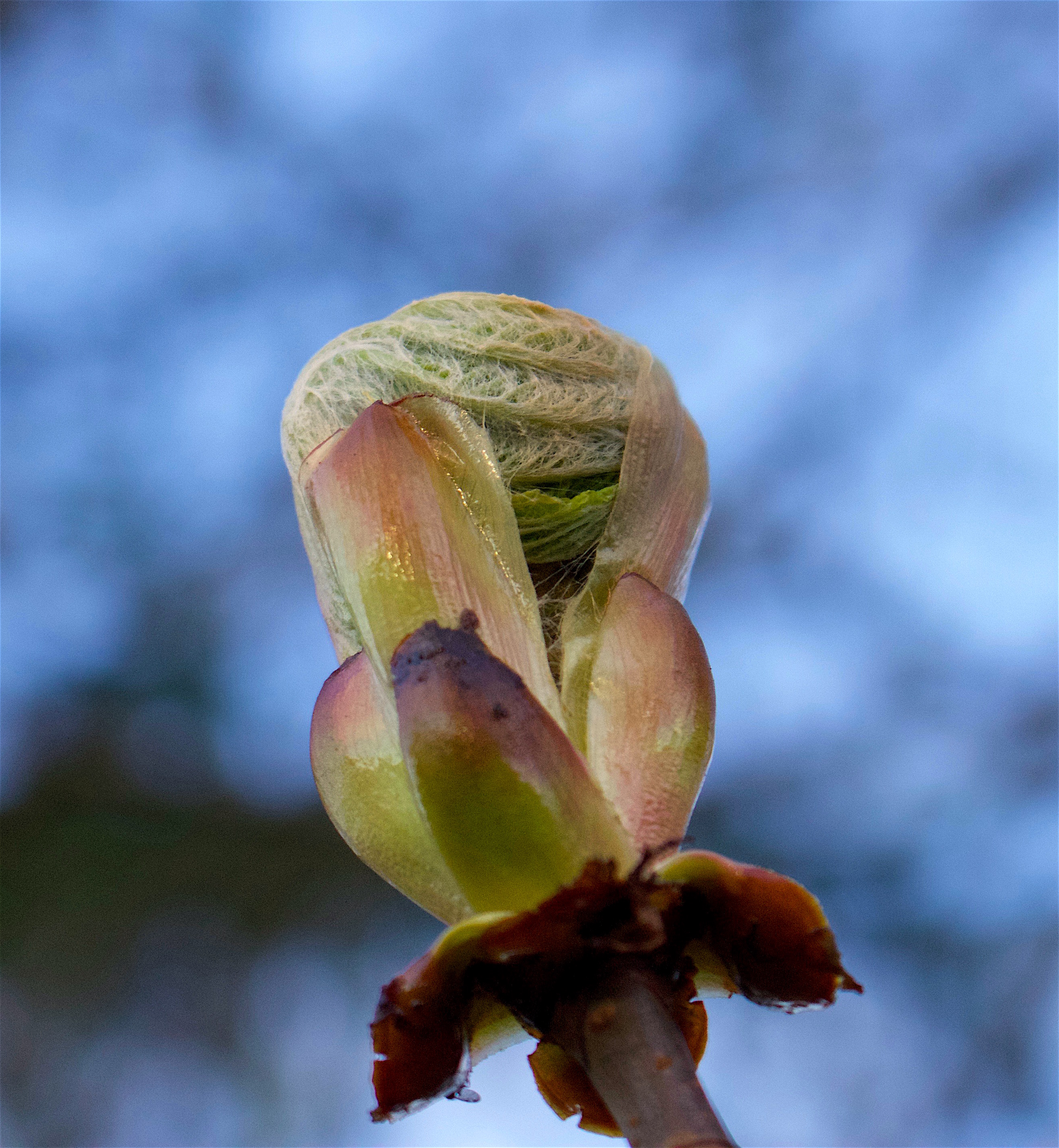
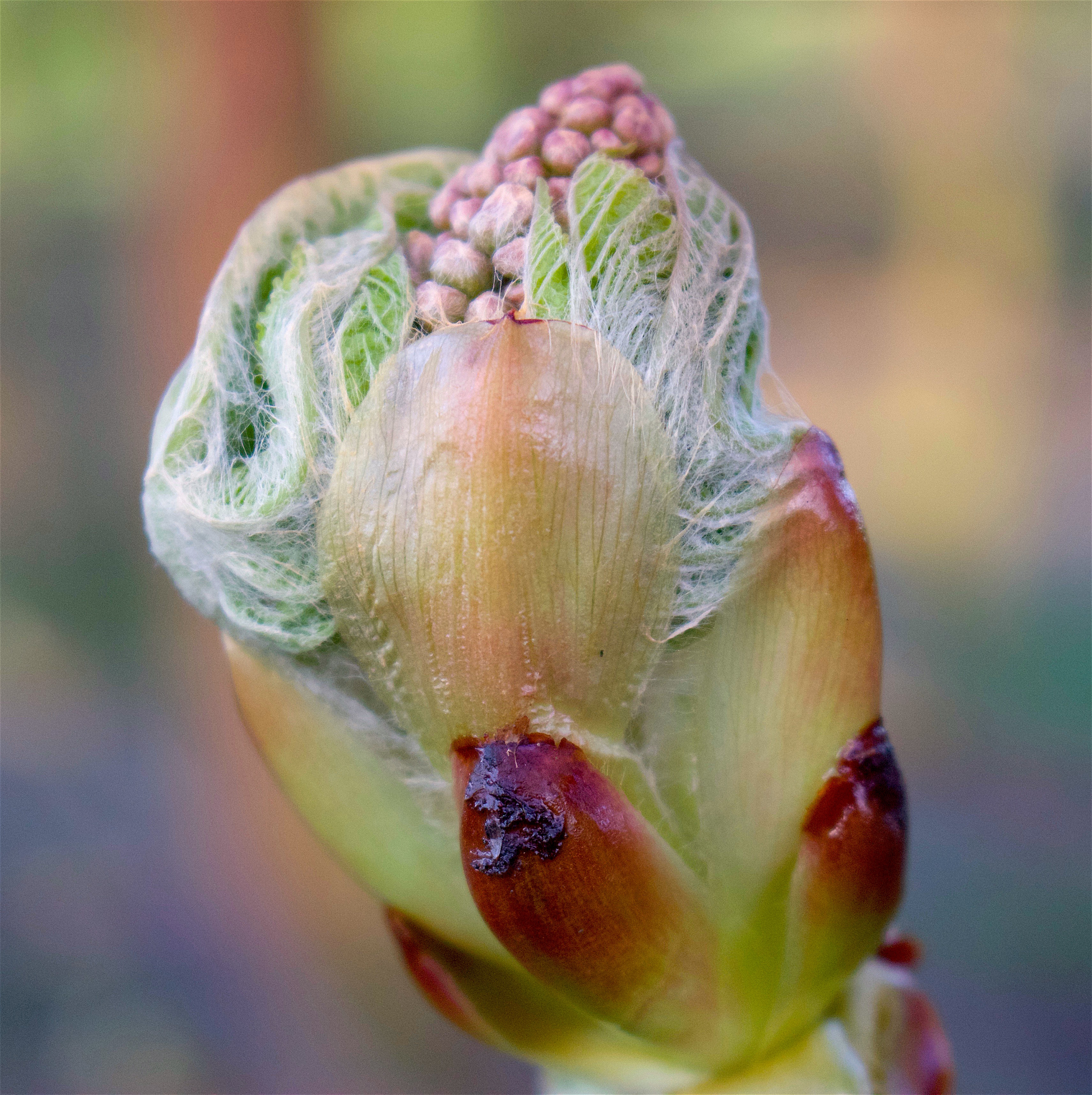
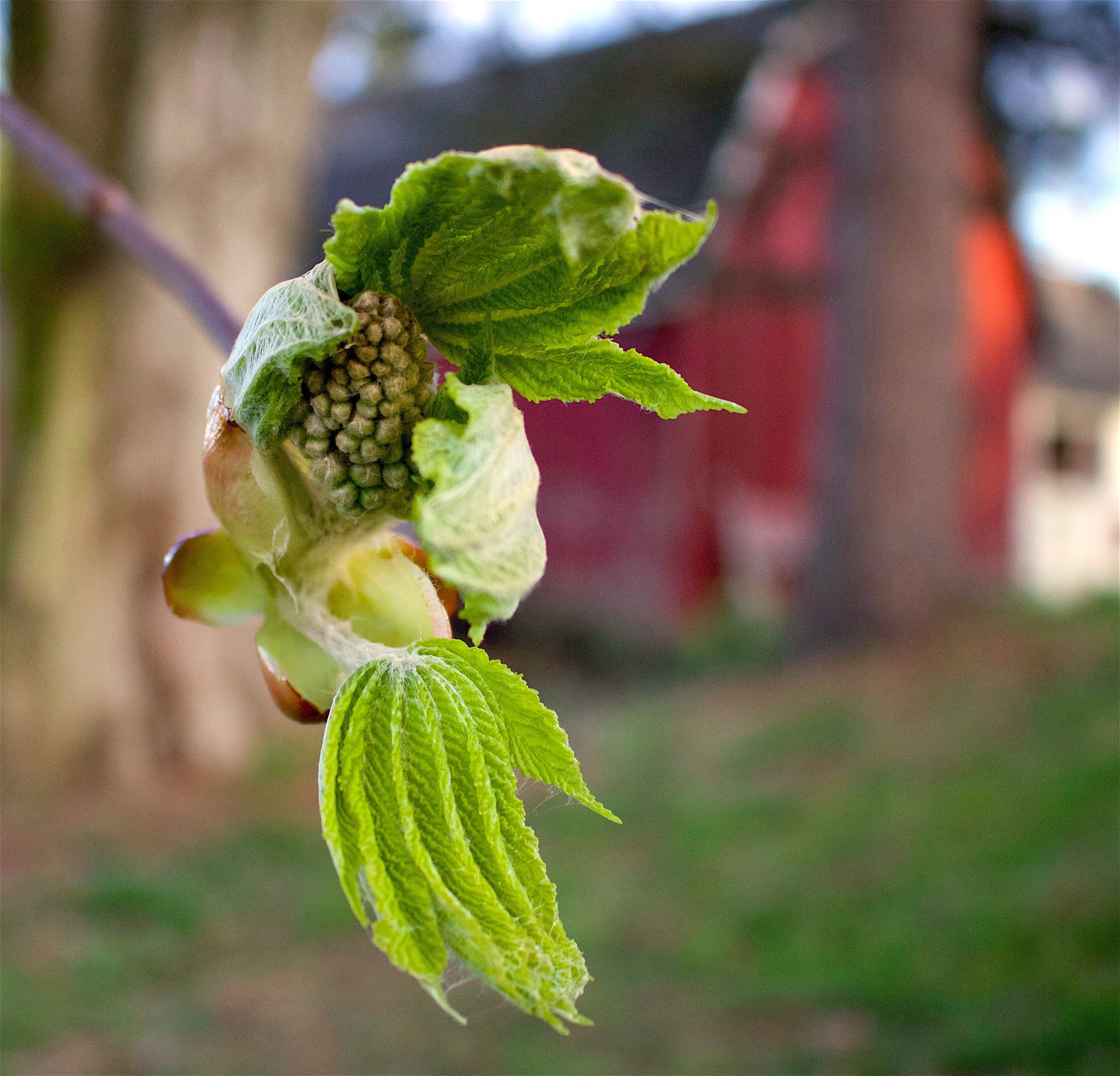
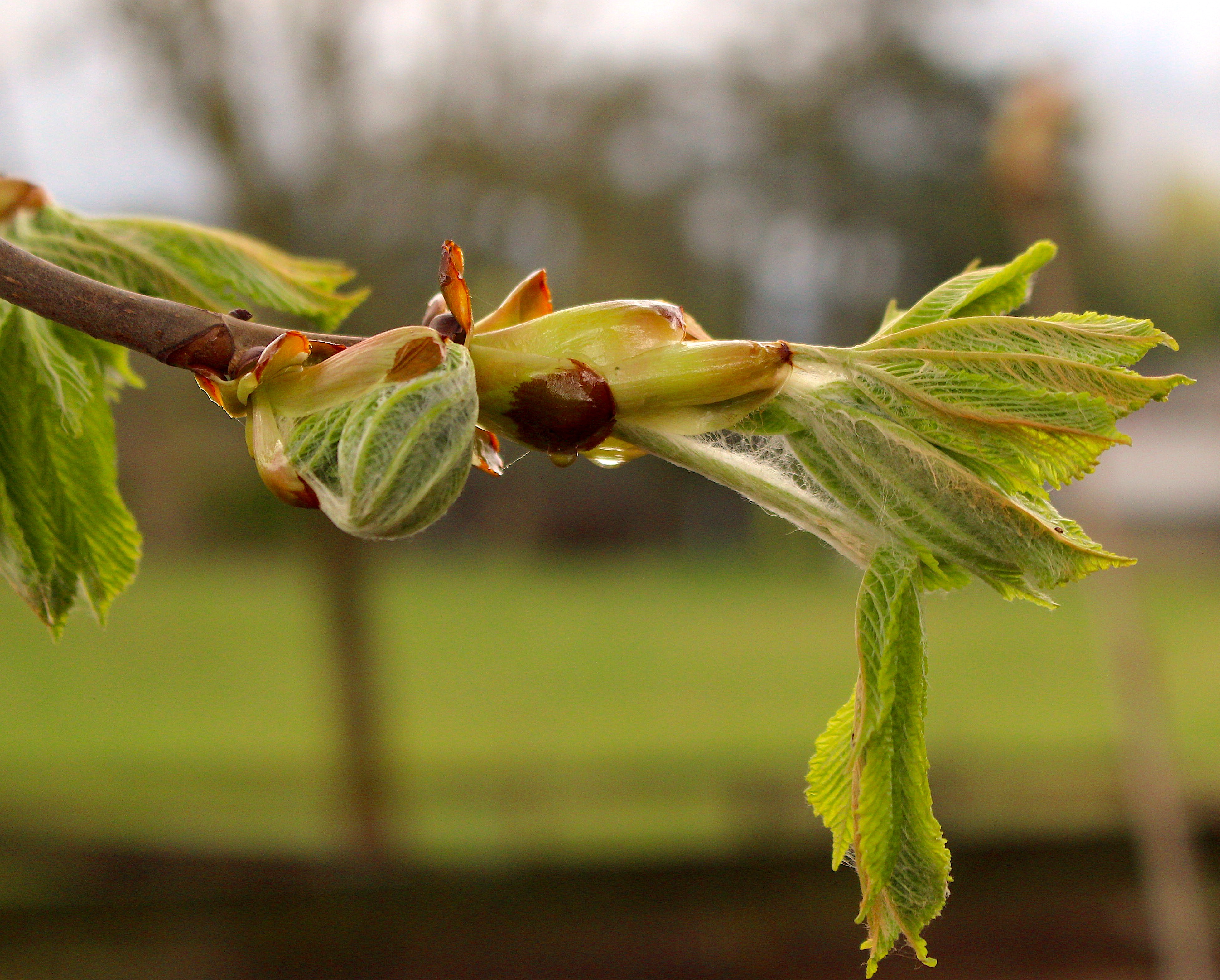
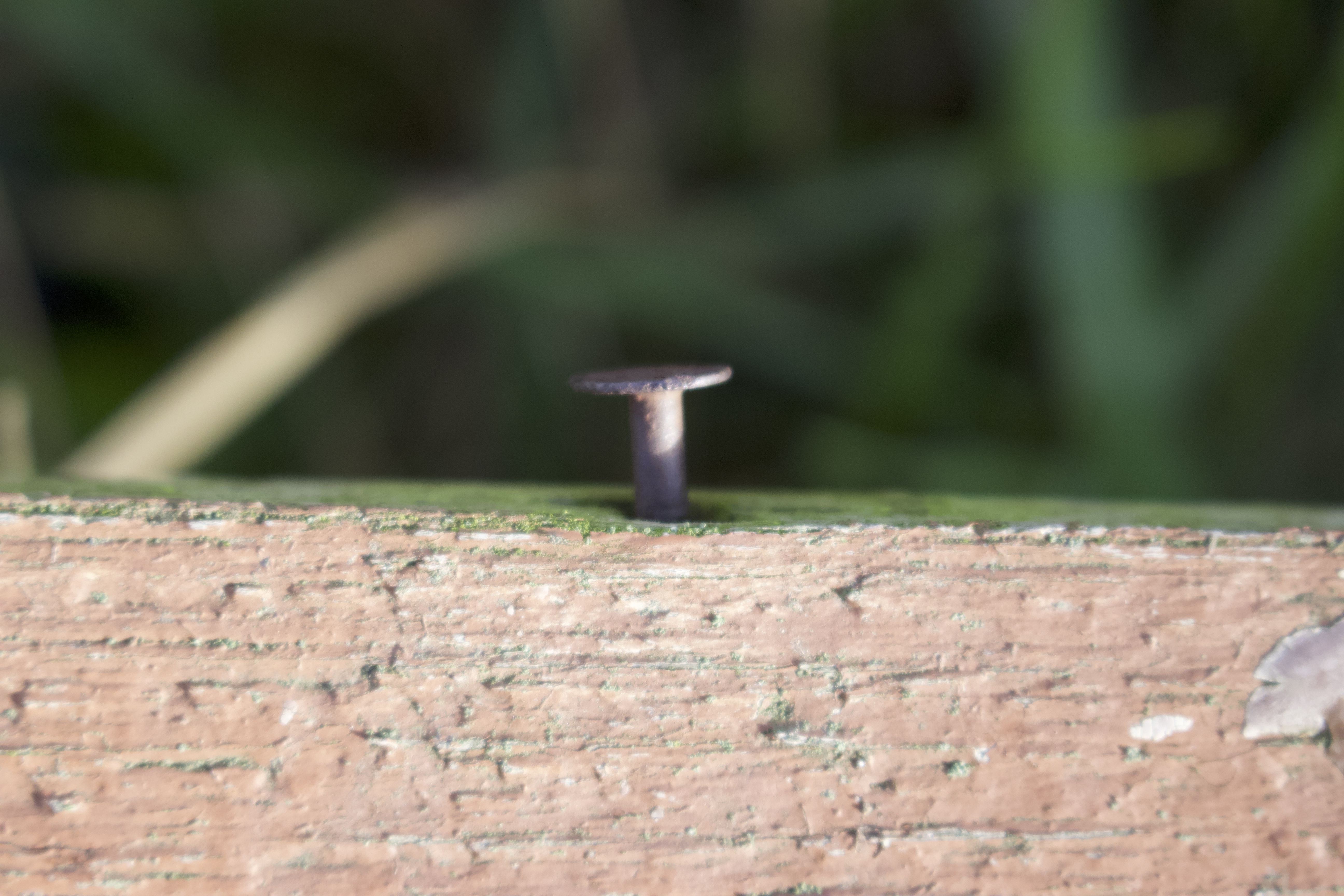
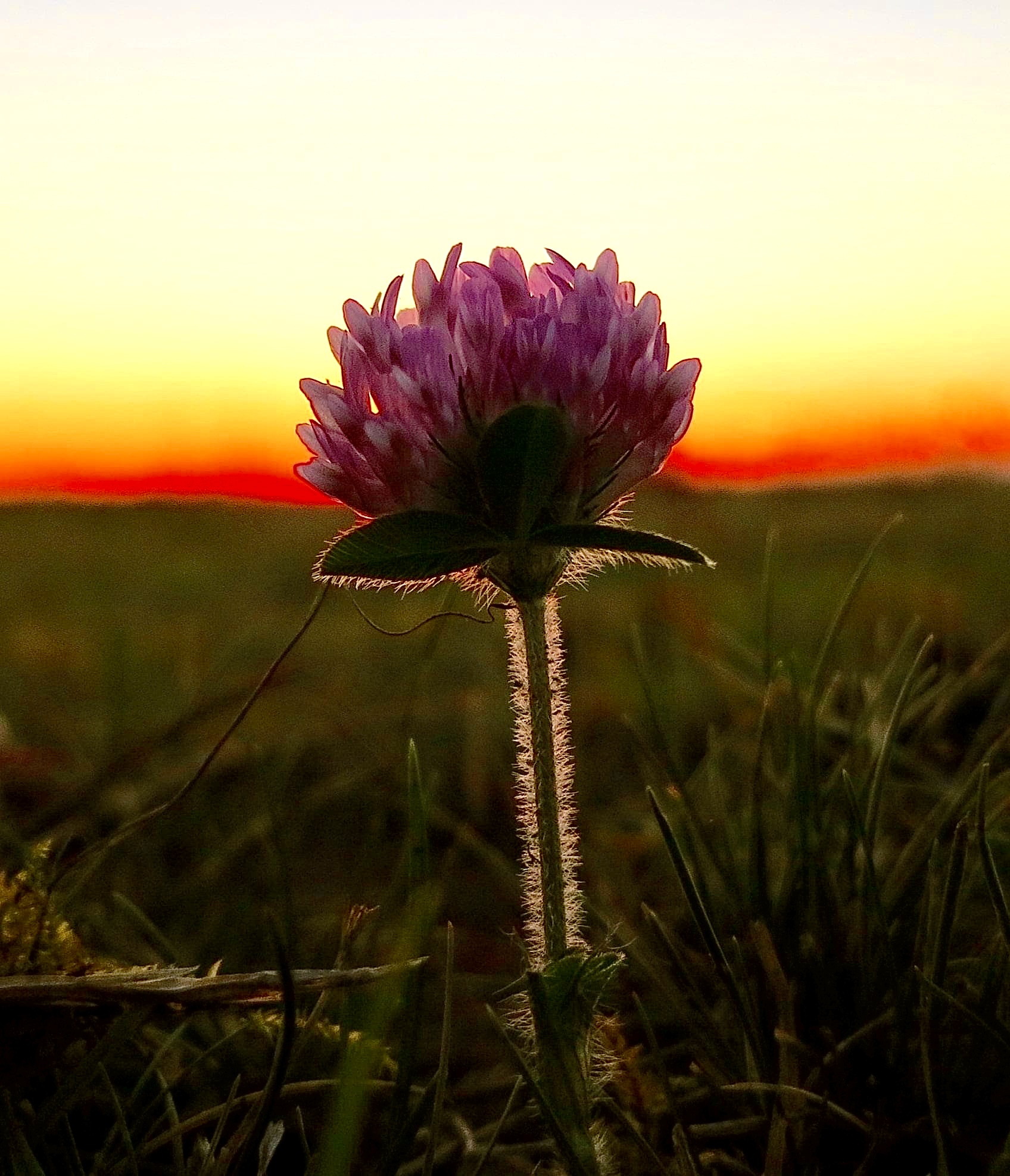
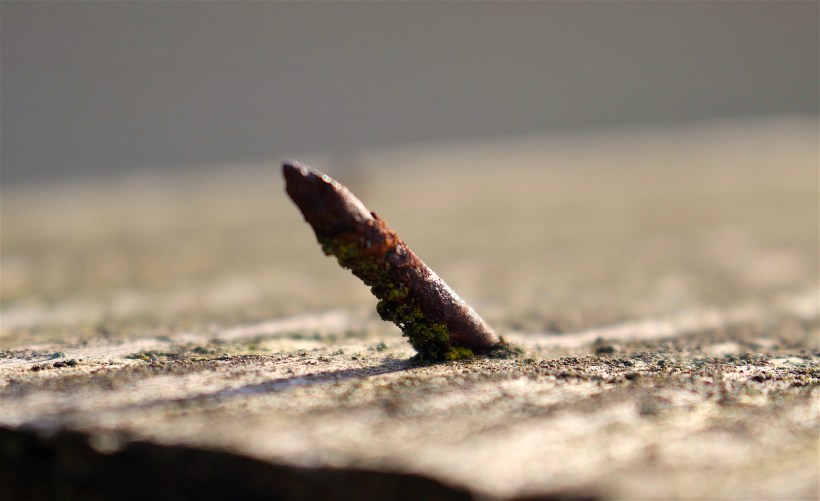
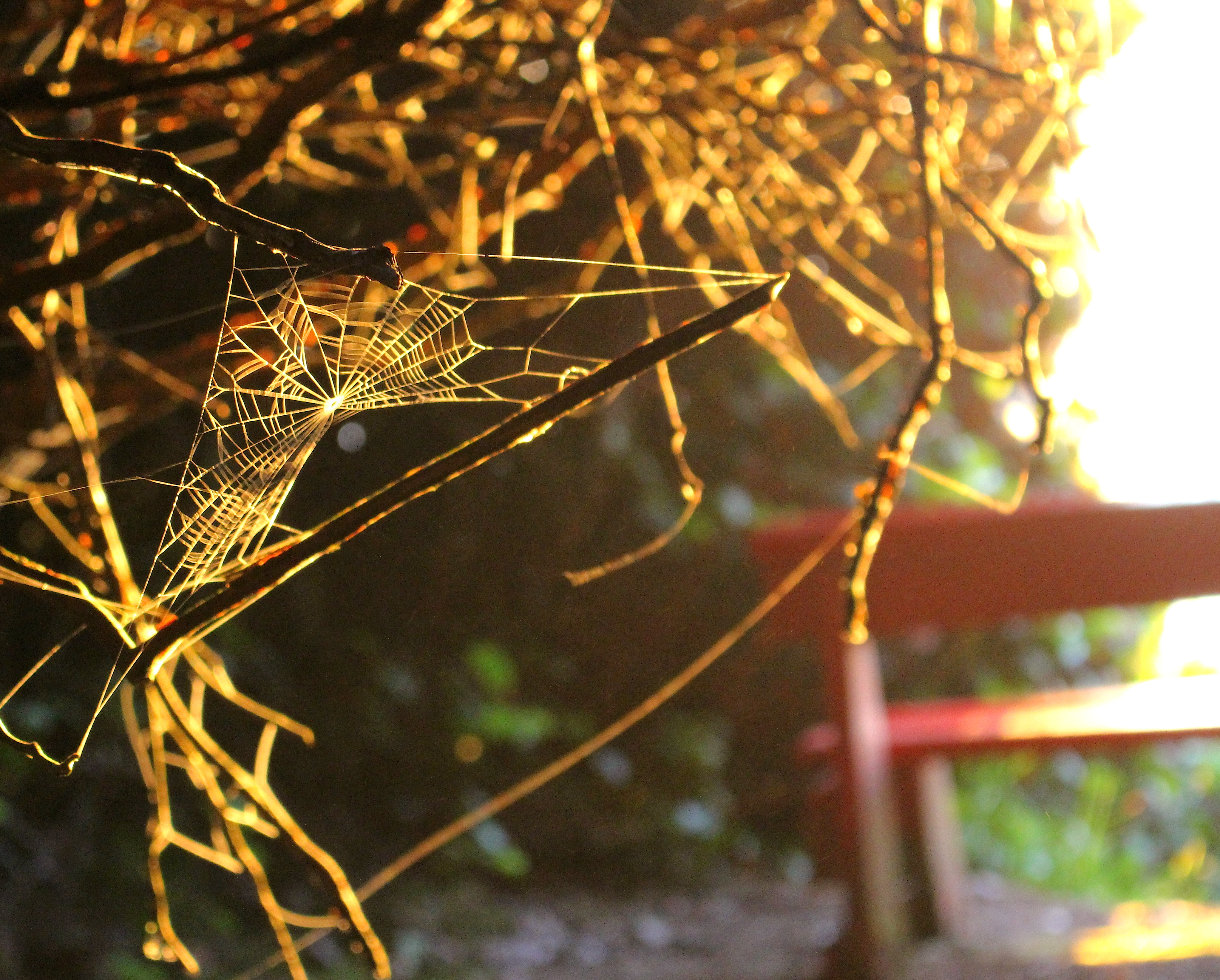
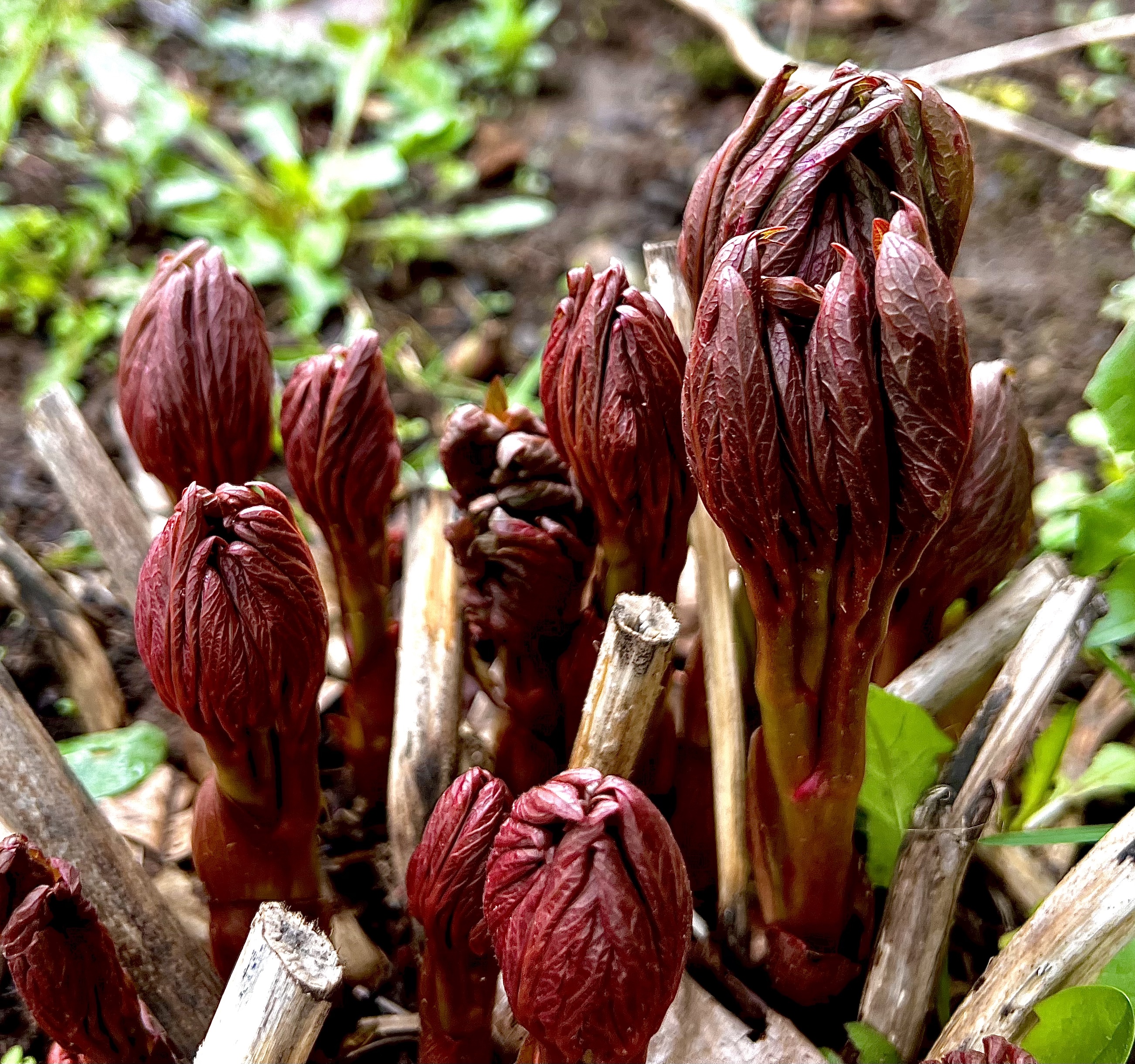
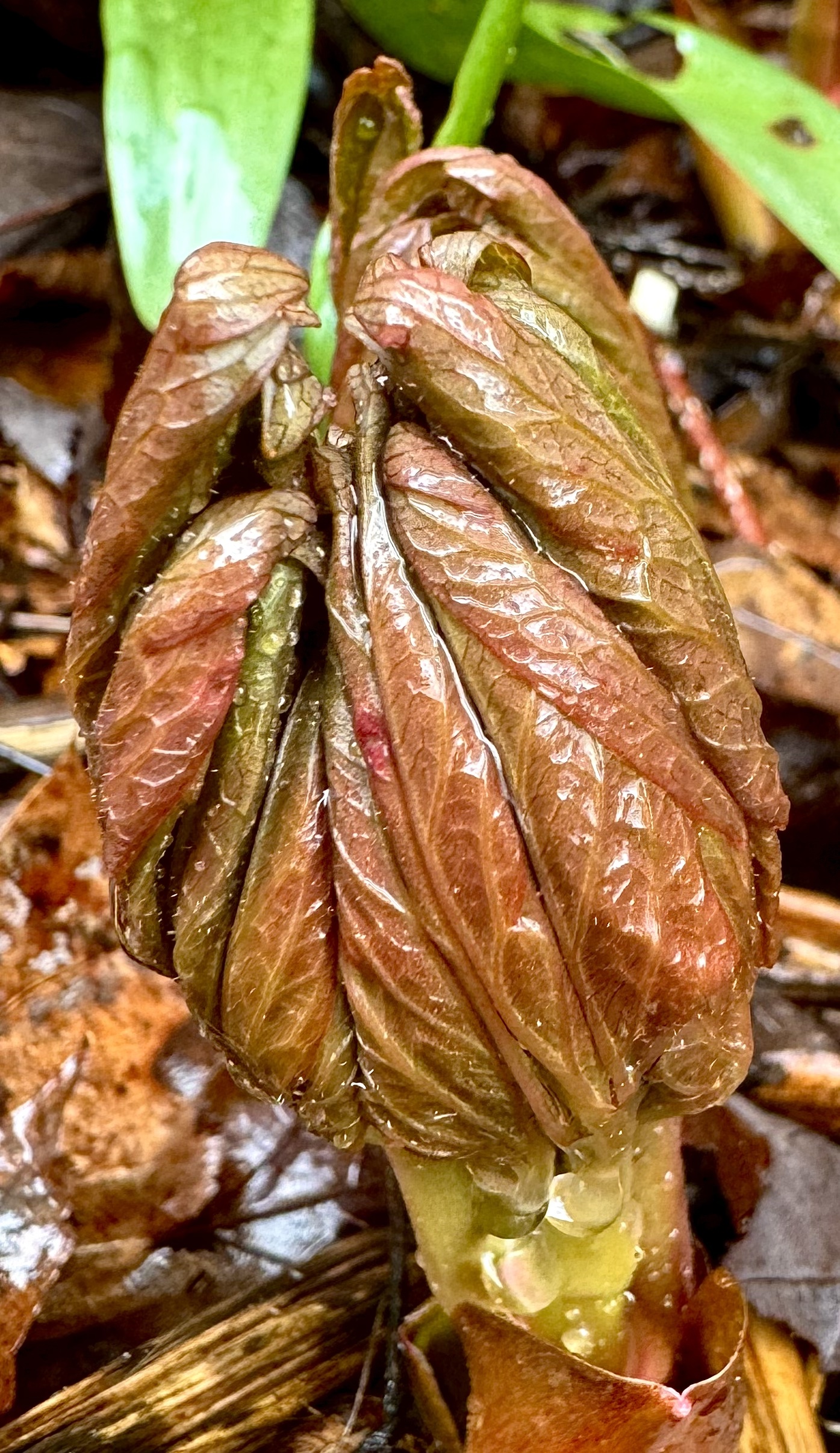
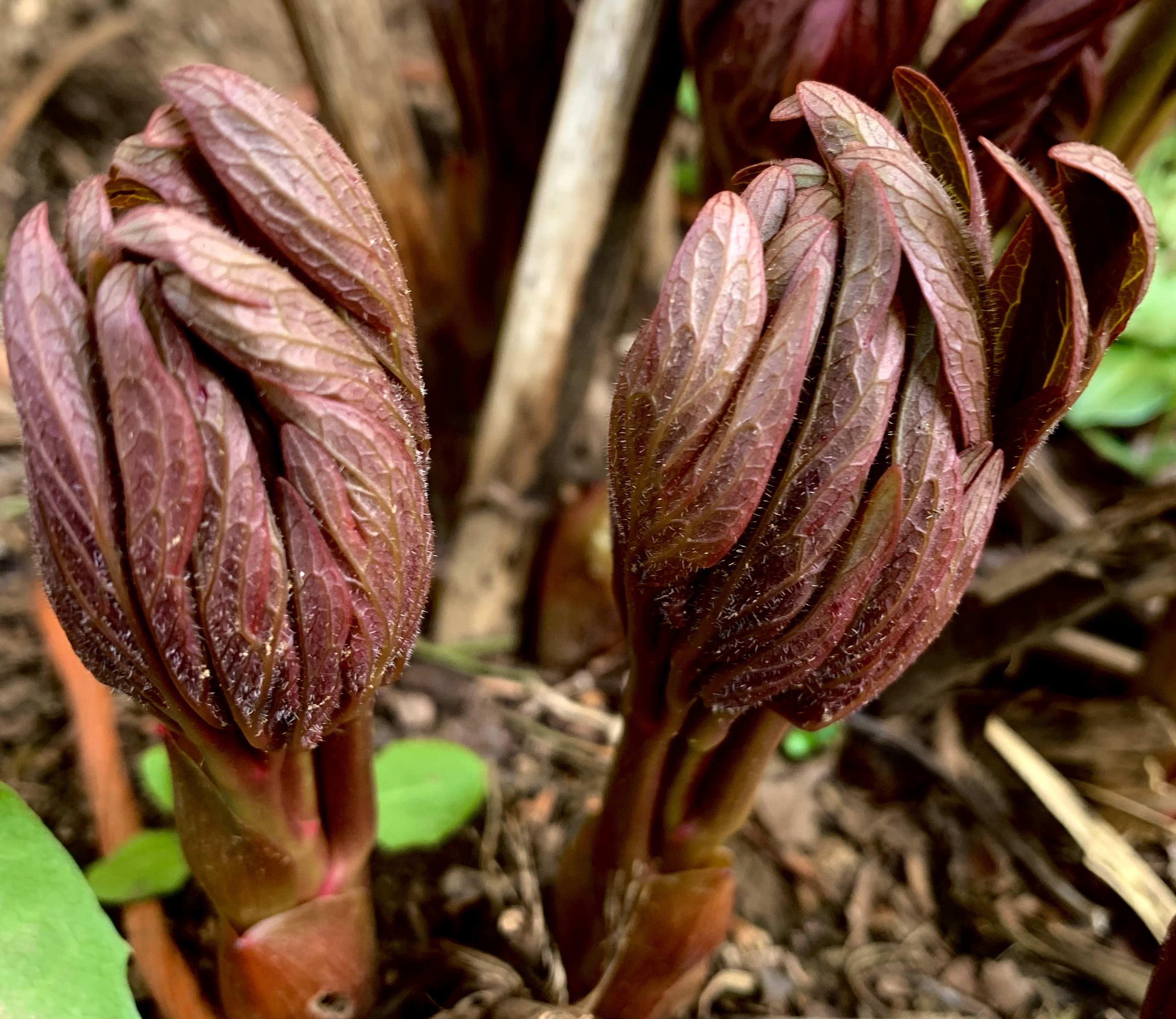
On this journey, we face our own fears of vulnerability and mortality, these days when thorns overwhelm emerging blossoms~~
To remember what He did this week long ago, and still does today to conquer the shroud and the stone, to defy death, makes all the difference to me.
Indeed Jesus wept and groaned for us.
To be known for who we are by a God who weeps for us and moans with pain we caused: we can know no greater love.
This week ends our living for self, only to die, and begins our dying to self, in order to live.
This year’s Lenten theme:
…where you go I will go… Ruth 1:16
One-Time
Monthly
Yearly

Make a one-time or recurring donation to support daily Barnstorming posts
I wake and feel the fell of dark, not day. Whathours, O what black hours we have spent This night! what sights you, heart, saw; ways you went! And moremust, in yet longer light’s delay.
With witness I speak this. But where I say Hours I mean years, mean life. And my lament Is cries countless, cries like dead letters sent To dearest him that lives alas! away.
I am gall, I am heartburn. God’s most deep decree Bitter would have me taste: my taste was me; Bones built in me, flesh filled, blood brimmed the curse.
Selfyeast of spirit a dull dough sours. I see The lost are like this, and their scourge to be As I am mine, their sweating selves; but worse. ~Gerard Manley Hopkins “I wake and feel the fell of dark”
Surfacing to the street from a thirty two hour hospital shift usually means my eyes blink mole-like, adjusting to searing daylight after being too long in darkened windowless halls. This particular January day is different. As the doors open, I am immersed in a subdued gray Seattle afternoon, with horizontal rain soaking my scrubs.
Finally remembering where I had parked my car in pre-dawn dark the day before, I start the ignition, putting the windshield wipers on full speed. I merge onto the freeway, pinching myself to stay awake long enough to reach my apartment and my pillow.
The freeway is a flowing river current of head and tail lights. Semitrucks toss up tsunami waves cleared briefly by my wipers frantically whacking back and forth.
Just ahead in the lane to my right, a car catches my eye — it looks just like my Dad’s new Buick. I blink to clear my eyes and my mind, switching lanes to get behind. The license plate confirms it is indeed my Dad, oddly 100 miles from home in the middle of the week. I smiled, realizing he and Mom have probably planned to surprise me by taking me out for dinner.
I decide to surprise them first, switching lanes to their left and accelerating up alongside. As our cars travel side by side in the downpour, I glance over to my right to see if I can catch my Dad’s eye through streaming side windows. He is looking away to the right at that moment, obviously in conversation. It is then I realize something is amiss. When my Dad looks back at the road, he is smiling in a way I have never seen before. There are arms wrapped around his neck and shoulder, and a woman’s auburn head is snuggled into his chest.
My mother’s hair is gray.
My initial confusion turns instantly to fury. Despite the rivers of rain obscuring their view, I desperately want them to see me. I think about honking, I think about pulling in front of them so my father would know I have seen and I know. I think about ramming them with my car so that we’d perish all, unrecognizable, in an explosive storm-soaked mangle.
At that moment, my father glances over at me and our eyes meet across the lanes. His face is a mask of betrayal, bewilderment and then shock, and as he tenses, she straightens up and looks at me quizzically.
I can’t bear to look any longer.
I leave them behind, speeding beyond, splashing them with my wake. Every breath burns my lungs and pierces my heart. I can not distinguish whether the rivers obscuring my view are from my eyes or my windshield.
Somehow I made it home to my apartment, my heart still pounding in my ears. The phone rings and remains unanswered.
I throw myself on my bed, bury my wet face in my pillow and pray for sleep without dreams, without secrets, without lies, without the burden of knowing a truth I alone now knew and wished I didn’t..
Postscript: I didn’t tell anyone what I saw that day. My father never asked. He divorced my mother, and was remarried quickly, my mother and two families shattered as a result. Ten years later, his second wife died due to a relentless cancer, and he returned to my mother, asking her forgiveness and wanting to remarry. Within months, he too was diagnosed with cancer and Mom nursed him through his treatment, remission, recurrence and then hospice.
We became a family again, not the same as before, yet put back together for good reason – forgiving and forgiven.
This year’s Lenten theme:
…where you go I will go… Ruth 1:16
AI image created for this post
One-Time
Monthly
Yearly
Make a one-time or recurring donation to support daily Barnstorming posts
Oh! hush thee, my baby, the night is behind us, And black are the waters that sparkled so green. The moon, o’er the combers, looks downward to find us At rest in the hollows that rustle between. Where billow meets billow, there soft be thy pillow; Ah, weary wee flipperling, curl at thy ease! The storm shall not wake thee, nor shark overtake thee, Asleep in the arms of the slow-swinging seas. ~Rudyard Kipling “Seal Lullaby”
For you created my inmost being; you knit me together in my mother’s womb. 14 I praise you because I am fearfully and wonderfully made; your works are wonderful, I know that full well. 15 My frame was not hidden from you when I was made in the secret place, when I was woven together in the depths of the earth. 16 Your eyes saw my unformed body; all the days ordained for me were written in your book before one of them came to be. 17 How precious to me are your thoughts,[a] God! How vast is the sum of them! 18 Were I to count them, they would outnumber the grains of sand— when I awake, I am still with you. Psalm 139: 13-18
The call came in the middle of a busy night as we worked on a floppy baby with high fever, a croupy toddler whose breathing squeezed and squeaked, a pale adolescent transfusing due to leukemia bleeding.
It was an anencephalic baby just born, unexpected, unwanted in a hospital across town, and she needed a place to die.
Our team of three puzzled how to manage a baby without a brain– simply put her in a room, swaddled, kept warm but alone? Hydrate her with a dropper of water to moisten her mouth? Offer her a taste of milk?
She arrived by ambulance, the somber attendants leaving quickly, unnerved by her mewing cries.
I took the wrapped bundle and peeled away the layers to find a plump full term baby, her hands gripping, arms waving once freed; just another newborn until I pulled off her stocking cap and looked into an empty crater — only a brainstem lumped at the base.
No textbook pictures had prepared me for the wholeness, the holiness of this living, breathing child.
Her forehead quit above the eyebrows with the entire skull missing, tufts of soft brown hair fringed her perfect ears, around the back of her neck. Her eyelids puffy, squinting tight, seemingly too big above a button nose and rosebud pink lips.
She squirmed under my fingers, her muscles strong, breaths coming steady despite no awareness of light or touch or noise.
Yet she cried in little whimpers, mouth working, seeking, lips tentatively gripping my fingertip. A bottle warmed, nipple offered, a tentative suck allowing tiny flow, then, amazing, a gurgling swallow.
Returning every two hours, more for me than for her, I picked her up to smell the salty sweet scent of amnion still on her skin as she grew dusky.
Her breathing weakened, her muscles loosened, giving up her grip on a world she would never see or hear or feel to behold something far more glorious, as I gazed into her emptiness, waiting to be filled.
…we all suffer. For we all prize and love; and in this present existence of ours, prizing and loving yield suffering. Love in our world is suffering love. Some do not suffer much, though, for they do not love much. Suffering is for the loving. This, said Jesus, is the command of the Holy One: “You shall love your neighbor as yourself.” In commanding us to love, God invites us to suffer.
Over there, you are of no help. What I need to hear from you is that you recognize how painful it is. I need to hear from you that you are with me in my desperation. To comfort me, you have to come close. Come sit beside me on my mourning bench. ~Nicholas Wolterstorff from Lament for a Son
I wondered if 7:30 AM was too early to call her. As a sleep-deprived fourth year medical student finishing a long night admitting patients in the hospital, I selfishly needed to hear her voice.

I wanted to know how Margy was doing with the latest round of chemotherapy for breast cancer; I knew she was not sleeping well these days. She was wearing a new halo brace—a metal contraption that wrapped around her head like a scaffolding to secure her degenerating cervical spine from collapsing from metastatic tumor growths in her bones.

She knew, we all knew, she was trying to buy more time from a life of rapidly diminishing days.
Each patient I had seen the previous 24 hours while working in the Emergency Room benefited from the interviewing skills Margy had taught each medical student in our class. She reminded us that each patient had an important story to tell, and no matter how pressured our time, we needed to ask questions that gave permission for that story to be told. As a former nun now married with two teenage children, Margy had become our de facto therapist at a time no medical school hired supportive counselors.
She insisted physicians-in-training remember the suffering soul thriving inside the broken body.
“Just let the patient know with certainty, through your eyes, your body language, your words, that you want to hear what they have to say. You can heal so much hurt simply by sitting beside them and caring enough to listen…”
After her diagnosis with stage 4 cancer, Margy herself became the broken vessel who needed the glue of a good listener. She continued to teach, often from her bed at home. I planned to visit her that day, maybe help out by cleaning her house, or take her for a drive as a diversion.
Her phone rang only once after I dialed her number. There was a long pause; I could hear a clearing of her throat. A deep dam of tears welled behind a muffled “Hello?”
“Margy?”
“Yes? Emily? ”
“Margy? What is it? What’s wrong?”
Her voice shattered like glass into fragments, strangling on words that struggled to form.
“A policeman just left. He told us our boy is dead.”
I sat in stunned silence, listening to her sobs, completely unequipped to know how to respond.
None of this made sense. I knew her son was on college spring break, heading to Mexico for a missions trip.
“I’m here, what’s happened?”
“The doorbell rang about an hour ago. Larry got up to answer it. I heard him talking to someone downstairs, so I decided to try to get up and go see what was going on. There was a policeman sitting with Larry on the couch. I knew it had to be about Gordy.”
She paused and took in a shuddering breath.
“The group was driving through the night in California. He was asleep in the back of the camper. They think he was sleepwalking and walked right out of the back of the moving camper and was hit by another car.”
Silence. A strangling choking silence.
“They’ll bring him home to me, won’t they? I need to know I can see my boy again. I need to tell him how much I love him.”
“They’ll bring him home to you, Margy. I’m on my way to help you get ready…“
God is not only the God of the sufferers but the God who suffers. … It is said of God that no one can behold his face and live. I always thought this meant that no one could see his splendor and live. A friend said perhaps it meant that no one could see his sorrow and live. Or perhaps his sorrow is splendor. … Instead of explaining our suffering, God shares it. ~Nicholas Wolterstorff from Lament for a Son
This year’s Lenten theme:
…where you go I will go… Ruth 1:16
One-Time
Monthly
Yearly
Make a one-time or recurring donation to support daily Barnstorming posts
This is a litany to earth and ashes, to the dust of roads and vacant rooms, to the fine silt circling in a shaft of sun, settling indifferently on books and beds. This is a prayer to praise what we become, “Dust thou art, to dust thou shalt return.” Savor its taste—the bitterness of earth and ashes. ~Dana Gioia from “The Litany”
I will show you fear in a handful of dust. ~T.S. Eliot from “The Wasteland”
…let us be marked not for sorrow. And let us be marked not for shame. Let us be marked not for false humility or for thinking we are less than we are
but for claiming what God can do within the dust, within the dirt, within the stuff of which the world is made, and the stars that blaze in our bones, and the galaxies that spiral inside the smudge we bear. ~Jan Richardson from “Blessing the Dust”in Circle of Grace
God’s people are reminded today, through dust and ashes, that our stay here is temporary.
This reality recently became very clear to me. So I follow Christ where He goes, He paused to gather me in – one more lost sheep.
This earth quakes and floods and burns and shatters, as does my frail human heart in all its dustiness.
His light splinters, spilling into colors and hues through that misty veil -God’s people are smudged with no longer bitter ash, no longer opaque, but shining luminous and eternal and glorious.
This year’s Lenten theme:
…where you go I will go… Ruth 1:16
One-Time
Monthly
Yearly
Make a one-time or recurring donation to support daily Barnstorming posts
When we have died, and arms long empty of our memories, reach to know love’s pure and sacred touch, and to embrace a long sought, long anticipated place…
when we have gone the way of all the earth, and pain and sorrow are no more, not seen or heard or found, no more the discontent of place or time or any lesser haste, but only One whose love transcends our harsh and wearied days,
when we have died and gone and fallen fast asleep, and found the settled light and our so much a sweeter sacral rest, forever held in caring arms, yes, held now everlasting in a wonder of it all, then we have not gone down empty, we have not died alone. ~Henry Lewis from “When”
This event happened in 1975 while I was an undergraduate student researcher in Tanzania, East Africa, working alongside other researchers assisting Dr. Jane Goodall in her study of wild chimpanzees and baboons.
Several metal buildings were scattered along the shore at Gombe National Park, having been built over the years since Jane Goodall and her mother Vanne arrived on a bare beach in 1960. From the very beginning, one of the most powerful connections between these two British women and the Tanzanian villagers who lived up and down Lake Tanganyika was their provision of basic medical supplies and services when needed. Initially, under the cover of the camp tents, they tended to wounds, provided a few medications, and assisted whenever they were needed for help.
Later, an actual dispensary was built as part of the park buildings, with storage for first aid supplies and medications, many of which were traditional Chinese medications, in little boxes with Chinese characters, and no translation. All we had was a sheet of paper explaining if a medication was to be used for headaches, fevers, bleeding problems or infections.
There were “open” times in the dispensary and each of the research assistants took turns to see villagers as they came by to be seen for medical issues. We saw injuries that had never healed properly, some people with permanently crippled limbs, centipede bites that swelled legs, babies who were malnourished, malarial fevers.
It felt like so little to offer. None of us had medical training beyond first aid and CPR, but what small service we could provide was met with incredible gratitude.
So it wasn’t a surprise when a villager arrived one afternoon, running and out of breath, asking that we come right away to help. There had been a terrible accident up the beach when a water taxi engine exploded while transporting two dozen villagers, along with their provisions, including goats and chickens. As people rushed to get away from the engine fire, the roofed boat overturned, with everyone trapped among the boxes, unable to escape.
Even more tragic, Tanzanians were never taught to swim, so no one on shore could help in the rescue effort.
We dropped everything and six of us ran up the beach for a mile, and could see an overturned water taxi just off shore. The best swimmers went out and started searching for people who had been too long in the deep water. They began to pull the bloated bodies to shore, one by one, the lake water pouring from lifeless mouths and noses. All we could do was line them up side by side on the beach, trying to keep the biting flies from covering them, trying to make sense of what was so senseless. There were eight children of various ages, including two small babies, several older women, one pregnant woman, the rest men of all ages–twenty four souls in all, not a single survivor.
As a nurses’ aide, I had cared for the dying and helped to bathe their bodies after death, but I had never before seen so much death at once, and never a dead child.
Before long, relatives started arriving, their grief-stricken wails of loss filling the air on this remote African lakeshore. Husbands and wives wept, keening over a spouse. Children crouched, in shock, by a dead parent. Grandmothers clutched their dead children and grandchildren and would not let go.
We had saved no one. We had no power to bring them back to life.
We could only bear witness to the loss and grief with deep compassion for our neighbors who had come to depend on us to help. It became even clearer to me, in a way I had never understood before, how deep our need is for the mercy of God who is our only comfort when terrible things happen.
I have not forgotten those who were lost to the world that day fifty years ago. Still, all these years later, when I see photos of senseless violence and death, whether war or other disasters, I grieve for them anew with fresh tears, all over again.
Psalm 51: Have mercy, O God… according to your great compassion…
AI image created for this post
One-Time
Monthly
Yearly
Make a one-time or recurring donation to support daily Barnstorming posts
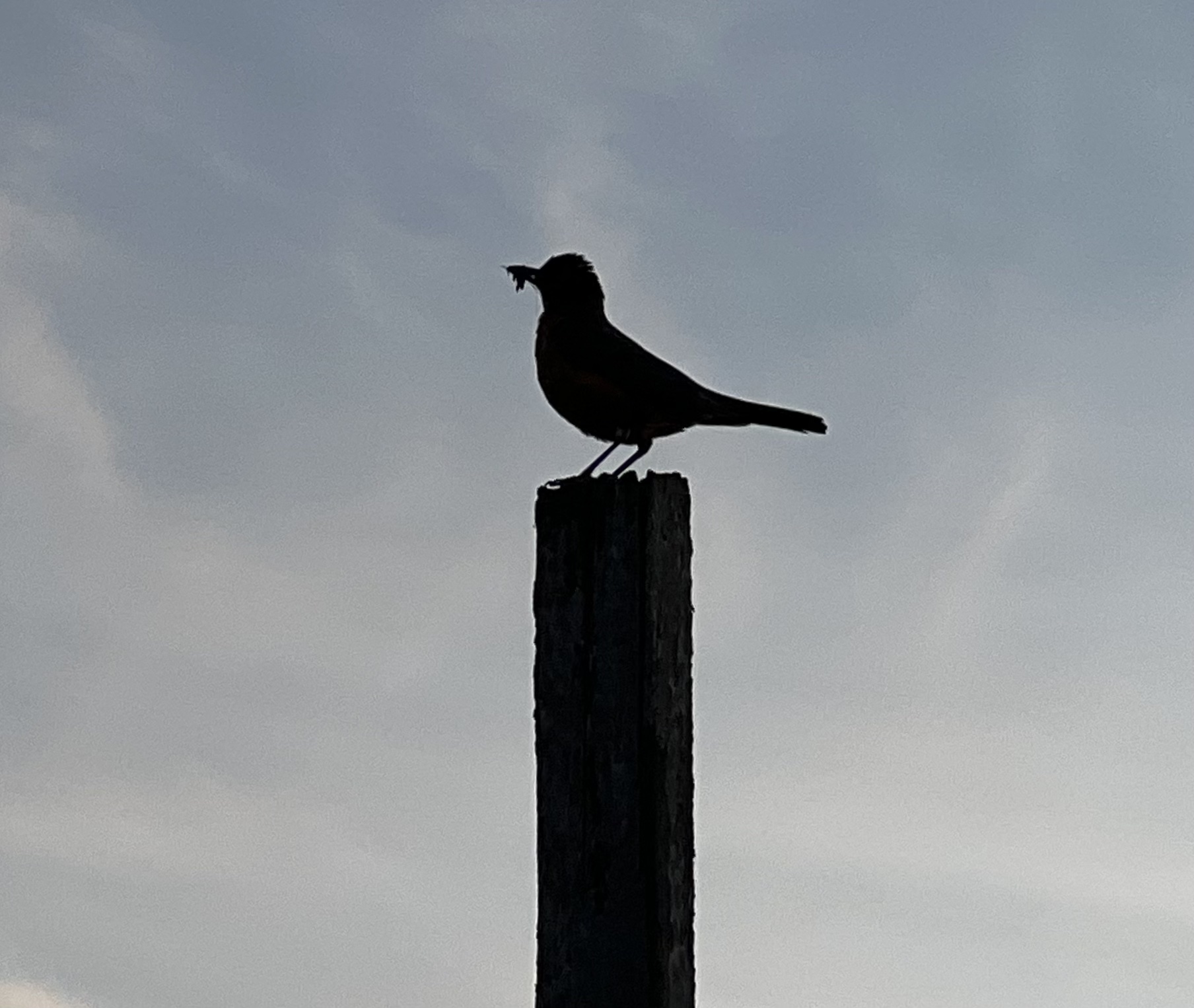
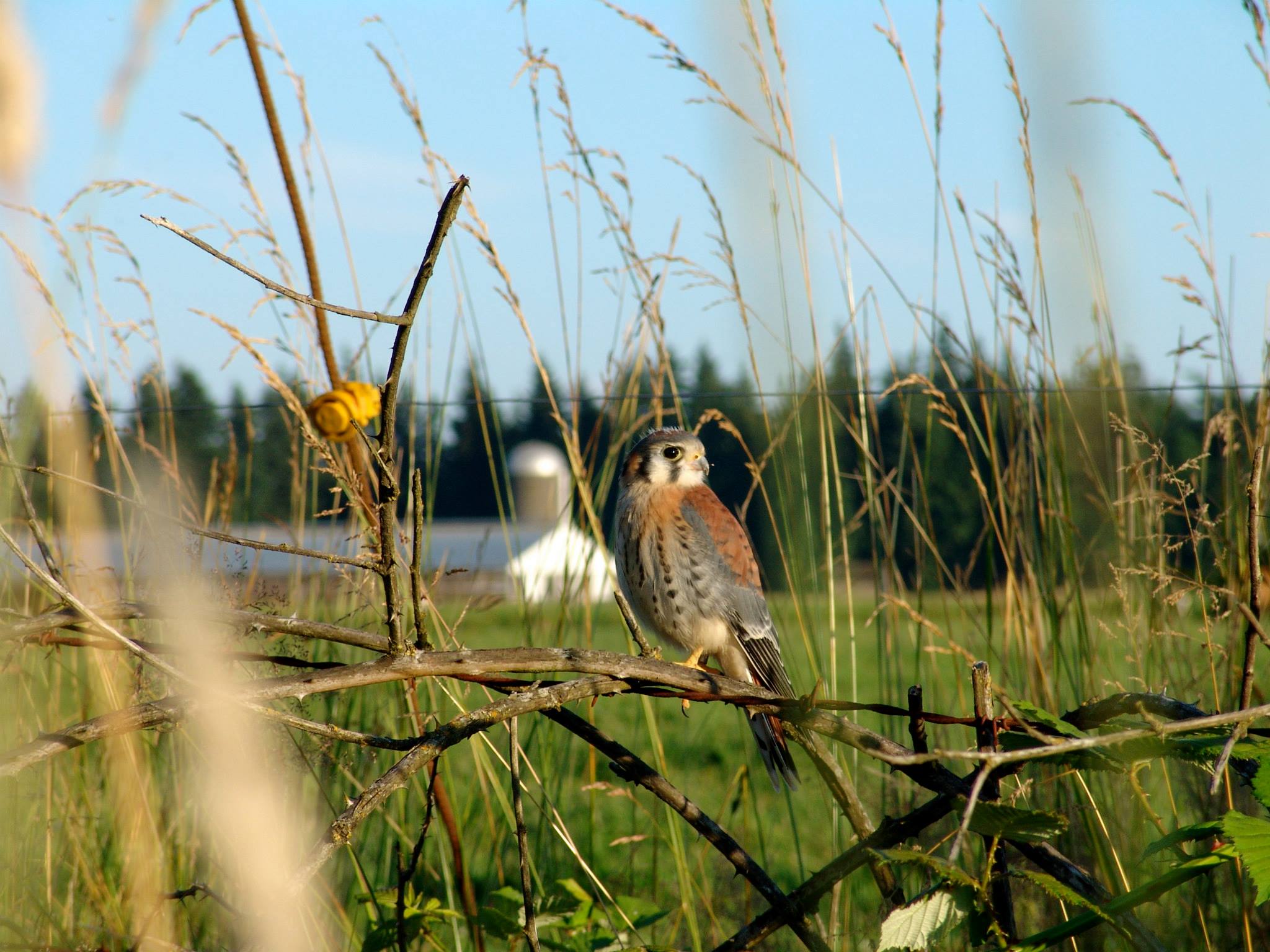
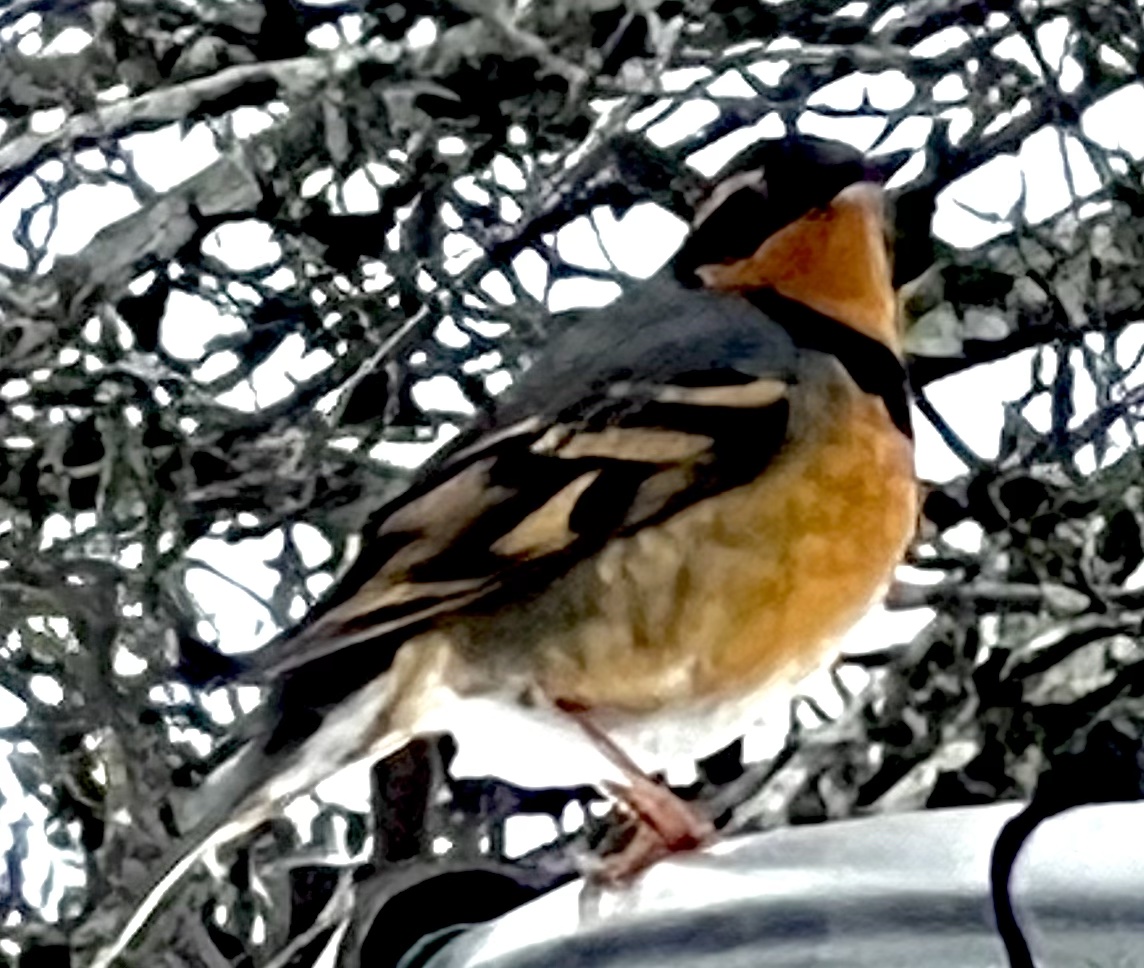
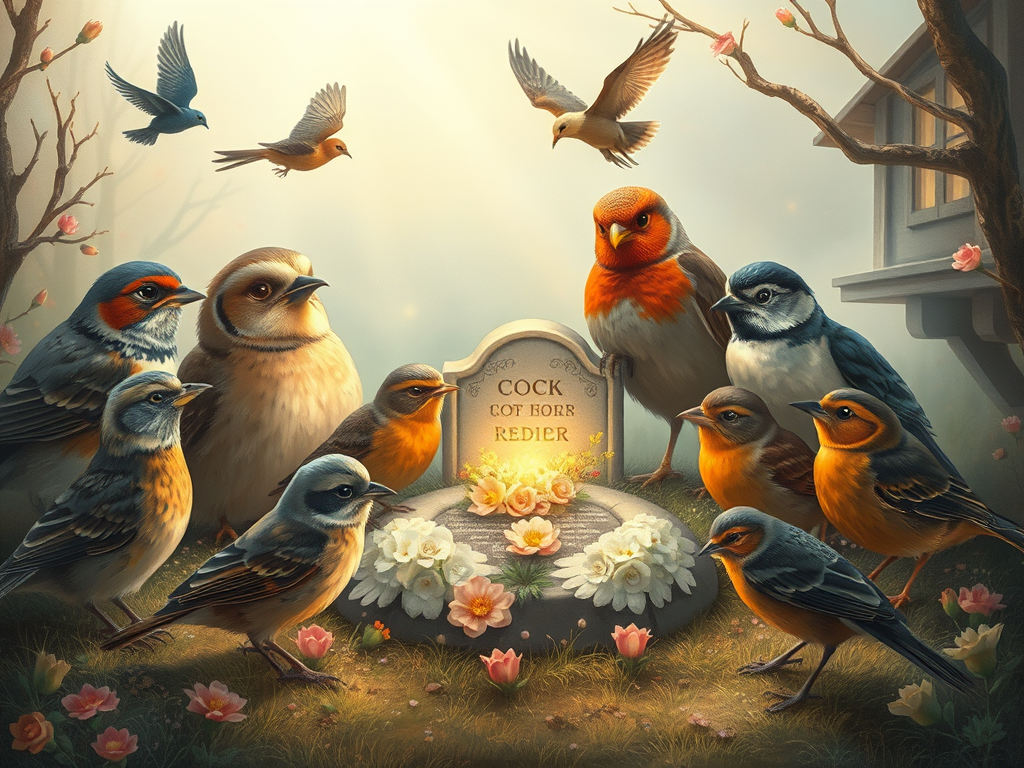
“Who killed Cock Robin?” “I,” said the Sparrow, “With my bow and arrow, I killed Cock Robin.” “Who saw him die?” “I,” said the Fly, “With my little eye, I saw him die.” “Who caught his blood?” “I,” said the Fish, “With my little dish, I caught his blood.” “Who’ll make the shroud?” “I,” said the Beetle, “With my thread and needle, I’ll make the shroud.” “Who’ll dig his grave?” “I,” said the Owl, “With my pick and shovel, I’ll dig his grave.” “Who’ll be the parson?” “I,” said the Rook, “With my little book, I’ll be the parson.” “Who’ll be the clerk?” “I,” said the Lark, “If it’s not in the dark, I’ll be the clerk.” “Who’ll carry the link?” “I,” said the Linnet, “I’ll fetch it in a minute, I’ll carry the link.” “Who’ll be chief mourner?” “I,” said the Dove, “I mourn for my love, I’ll be chief mourner.” “Who’ll carry the coffin?” “I,” said the Kite, “If it’s not through the night, I’ll carry the coffin.” “Who’ll bear the pall?” “We,” said the Wren, “Both the cock and the hen, we’ll bear the pall.” “Who’ll sing a psalm?” “I,” said the Thrush, “As she sat on a bush, I’ll sing a psalm.” “Who’ll toll the bell?” “I,” said the bull, “Because I can pull, I’ll toll the bell.” All the birds of the air fell a-sighing and a-sobbing, When they heard the bell toll for poor Cock Robin. ~Anonymous“Who Killed Cock Robin”
photo by Kate Steensma of Steensma Creameryphoto by Harry Rodenberger
Sighing and sobbing…
The times we live in now are surreal as this dark nursery tale rhyme about the killing of a robin by a smaller bird.
What do we do with the sparrow’s proud confession in the first stanza? Whatever happened to instigate such destructive violence? Self-defense? Vengeance? Accident? Just for sport? Or simple random cruelty?
Such boasting about a killing makes about as much sense as our being witness to the overt destruction of the rule of law taking place right under our noses in the U.S.
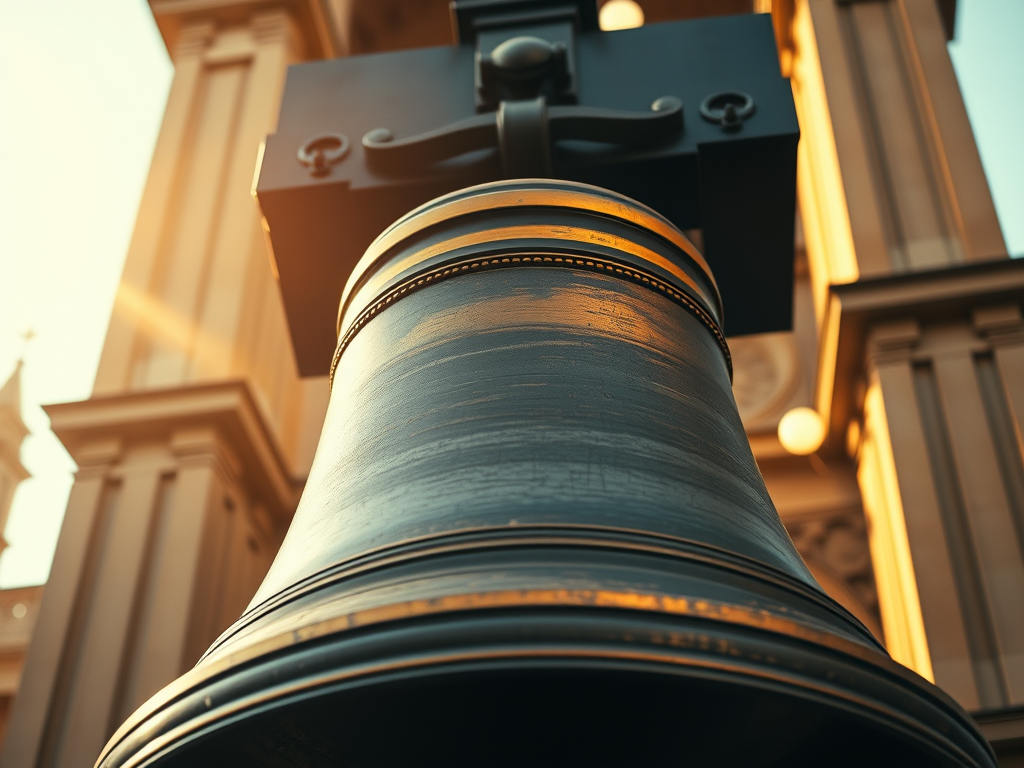
Hear the bell toll. We are each diminished as citizens. Let the mourning begin. It is our own death we grieve…
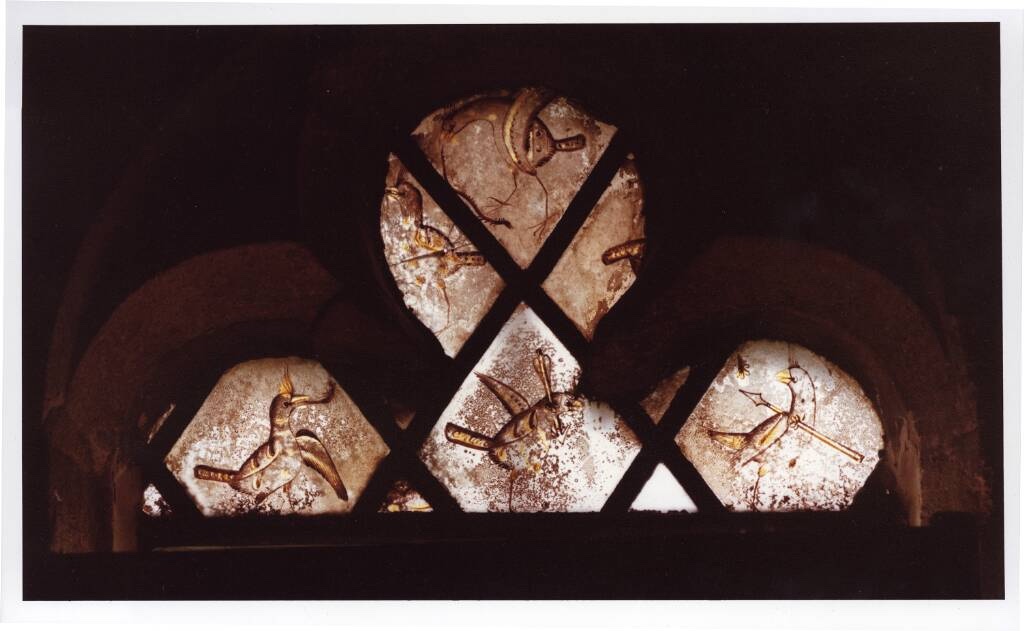
Medieval Stained Glass of a robin shot by an arrow in Buckland Rectory, Gloucester, UK
No man is an island, Entire of itself. Each is a piece of the continent, A part of the main. Each man’s death diminishes me, For I am involved in mankind. Therefore, send not to know For Whom the bell tolls, It tolls for thee… ~John Donne from “For Whom the Bell Tolls”
AI image created for this postAI image created for this post
One-Time
Monthly
Yearly
Make a one-time or recurring donation to support daily Barnstorming posts
It was beautiful as God must be beautiful: glacial eyes that had looked on violence and come to terms with it; a body too huge and majestic for the cage in which it had been put; up and down in the shadow of its own bulk it went lifting, as it turned, the crumpled flower of its face to look into my own face without seeing me. It was the colour of the moonlight on snow and as quiet as moonlight, but breathing as you can imagine that God breaths within the confines of our definition of him, agonizing over immensities that will not return. ~R.S. Thomas “The White Tiger”
There are nights that are so still that I can hear the small owl calling far off and a fox barking miles away. It is then that I lie in the lean hours awake listening to the swell born somewhere in the Atlantic rising and falling, rising and falling wave on wave on the long shore by the village that is without light and companionless. And the thought comes of that other being who is awake, too, letting our prayers break on him, not like this for a few hours, but for days, years, for eternity. ~R.S.Thomas “The Other”
Angels, where you soar Up to God’s own light, Take my own lost bird On your hearts tonight; And as grief once more Mounts to heaven and sings, Let my love be heard Whispering in your wings. ~Alfred Noyes “A Prayer”
We confine and cage our concept of God, trying to understand His power and beauty within our limited world. He tells us what He is capable of, yet we diminish His immensity to only what we are able to fathom.
He is an eternal mystery, allowing our beseeching prayers to break over Him again and again and again.
Our grief is carried on wings to God, our prayers desperate for His breath and comfort.
Let our love be heard, let our love be heard, let our love be heard –always and forever.
One-Time
Monthly
Yearly
Make a one-time or recurring donation to support daily Barnstorming posts
All the complicated details of the attiring and the disattiring are completed! A liquid moon moves gently among the long branches. Thus having prepared their buds against a sure winter the wise trees stand sleeping in the cold. ~William Carlos Williams “Winter Trees”
Winter – a quiet, still time for trees, a time for preparation for new attire, a time for root-stretching and branch-reaching.
Unless there are windstorms Unless there is frozen rain Unless there is heavy burden of snowfall
A tree might be taken unawares in the night, branches breaking like popping gunshots, as if innocent prey is hunted.
Remnants lie waiting on the ground, unaware of their brokenness, still budding, hopeful for yet another spring.
AI image created for this post
One-Time
Monthly
Yearly
Make a one-time or recurring donation to support daily Barnstorming posts
Out of the bosom of the Air, Out of the cloud-folds of her garments shaken, Over the woodlands brown and bare, Over the harvest-fields forsaken Silent, and soft, and slow Descends the snow.
Even as our cloudy fancies take Suddenly shape in some divine expression, Even as the troubled heart doth make In the white countenance confession, The troubled sky reveals The grief it feels.
This is the poem of the air, Slowly in silent syllables recorded; This is the secret of despair, Long in its cloudy bosom hoarded, Now whispered and revealed To wood and field. ~Henry Wadsworth Longfellow “Snow-Flakes”
Snowflakes cover all, settling in around us, drifting about the tucked corners of a downy white comforter
Watching as heaven comes to earth, plumps the pillows, cushions the landscape, and tries to lighten our grieving hearts.
I know dark clouds will gather ’round me I know my way is hard and steep But beauteous fields arise before me Where God’s redeemed, their vigils keep ~from Wayfaring Stranger
AI image created for this post
One-Time
Monthly
Yearly
Make a one-time or recurring donation to support daily Barnstorming posts