A May 19th Memory

sparrow
photo by Larry Goldman


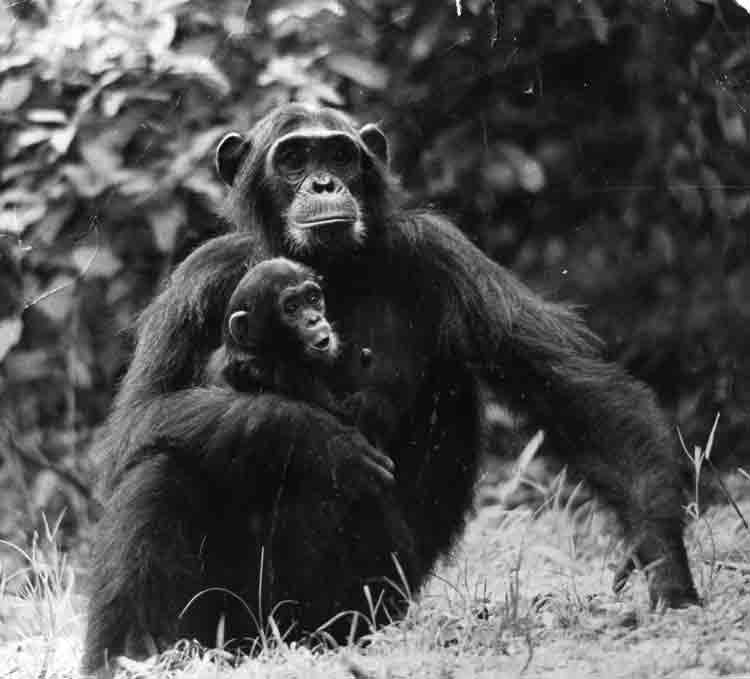
Reflecting on, and with respect for, the courage shown by Tanzanian park rangers and my kidnapped research colleagues on this unforgettable day 43 years ago  —  I’m reposting this again as part of my Gombe saga from when I worked as a student research assistant for Jane Goodall in western Tanzania in 1975.

At first glance,  Gombe National Park in Tanzania felt like paradise—a serene piece of the earth filled with exotic and fascinating wildlife, an abundance of fish and fruit to eat, and the rich unfamiliar sounds and smells of the tropical jungle.  It was a façade.  It was surrounded by the turmoil and upheaval of political rebellion and insurgencies in its neighboring countries, inflamed even more by the fall of Saigon in Vietnam a month previously due to the earlier pull out of the Americans from that long and tragic war.

Only a few miles north of our research station in Gombe National Park in western Tanzania, there had been years of civil war in the small land locked country of Burundi.  When the wind was just right, we could hear gunfire and explosions echoing over the valleys that separated us.  Escaping refugees would sometimes stop for food on their way to villages in Tanzania to the south, seeking safe haven in one of the poorest countries in the world, only a decade into its own experiment with socialism, Ujamaa.

There was also word of ongoing military rebellion against the dictatorship of President Mobutu in the mountainous country of Zaire twelve miles west across Lake Tanganyika.

Morning comes early for field studies of wildlife, as the research day must start before the chimpanzee and baboon subjects wake up and begin to stir. Before midnight, while we slept soundly in our metal huts scattered up the mountainside, a group of armed soldiers arrived by boats to the shore of Gombe National Park.

Storming the beach huts housing two unarmed Gombe park rangers and their families, the soldiers seized one and demanded to be told where the researchers were. The ranger refused to provide information and was severely beaten about the head and face by the butts of the rifles carried by the invaders.  The armed soldiers then divided into smaller groups and headed up the trails leading to the huts, coming upon four sleeping student researchers, tying them up, taking them hostage, forcing them into boats and taking them across the lake back to Zaire.

Asleep farther up the mountain, we were wakened by other researchers who were fleeing, hearing the commotion.  No one really understood what was happening down lower on the mountain. There were shouts and screams, and gun shots had been heard.  Had someone been injured or killed?   There was no choice but to run and hide deep in the bush at a predetermined gathering spot until an “all clear” signal was given by the rangers.

We hurried along barely familiar  trails in the black of the jungle night, using no flashlights, our hearts beating hard, knowing we had no defense available to us other than the cover of darkness.

That was the longest wait for morning of my life, sitting alongside Jane holding her son Grub.  A hand full of other students had also made their way to the hiding spot, none of us knowing what to think, say or do.  We could only barely see each other’s faces in the darkness and were too frightened to make any sounds.  We carried no weapons, and there was no way to communicate with the outside world.   We had no idea how many of us may be missing, or possibly dead.

Jane held Grub in her arms, endeavoring in vain to keep him quiet, but his eight year old imagination was ignited by the events that had just unfolded.

“Will they kidnap me, Jane?  Will they come for me?  Where will they take us?  Will they shoot us dead?”

Jane, her face hidden by her blonde hair loose about her shoulders,  sat rocking him, cradling him. “Shhh, shhh, we don’t want them to find us.  We’re safe staying right here.  Everything will be fine in the morning.  No one will take you from me.”

Grub began to sob silently into her shoulder.

When the morning of May 20 dawned, the park rangers located us, and pieced together the events as best they could–the soldiers were Zairean rebels living in remote mountains, fighting  an insurgency against the Zaire government. Seeking funds for their cause, they saw a kidnapping of Americans and Europeans as a way to raise quick funds and world publicity and sympathy.  Four of our friends/coworkers were missing, the camp was ransacked and the rangers beaten but with no life threatening injuries.   There was no way to remain safe at the Park, and our colleagues needed whatever help we could offer for their rescue.

We were able to send a messenger to a nearby fishing village, and a radio call was sent out to the small town of Kigoma, then relayed to Dar Es Salaam and Nairobi.  Help arrived within a few hours, when a United Nations boat monitoring the civil war activities in Burundi pulled off shore near our camp.  We were told we needed to evacuate Gombe that day, and would be taken to Kigoma, and then flown by bush pilot to Nairobi, Kenya to cooperate in the investigation of the kidnapping.

In Nairobi, at the US Embassy, I met CIA agents who viewed our wild primate studies with suspicion.  Each of us were grilled individually as to our political beliefs, our activities at the camp and whether we may be somehow involved in subversive actions against the Zaire or Tanzanian governments.  We were dumbfounded that our own countrymen would be so skeptical about our motives for being in Africa.  It became clear our own government would be no help in resolving the kidnapping and bringing our friends home to safety.  The agents did not shed any light on whether they knew our friends were alive or dead.

We were then hustled into a press conference where we were interviewed for television and print media by the worldwide news agencies, and my parents saw me on the CBS evening news before they actually heard my voice over the phone.  I flew back to Stanford the next day, spending 24 hours on a plane that made six stops up the coast of West Africa on its way back west, to tell what I knew to Stanford President Lyman and other administration officials as they prepared a plan to locate and free the students.   I then returned home to Washington state to await any news that came too slowly from a place so far away that I remain astonished to this day that I was ever there at all.

It took over three months, private negotiations and ransom money to free all four of our friends back to safety. They remain close to each other and the remarkable man who helped free them, Dr. David Hamburg. We have had several reunions together over the years to remember those days of living in a place that at one time seemed like paradise.

several of my colleagues have written books about their experience at Gombe:
Following Fifi by Dr. John Crocker

The Ghosts of Gombe by Dale Peterson

Jane Goodall by Dale Peterson

The Jane Effect by Dale Peterson

and of course, Jane’s wonderful books that led me to Gombe in the first place:

In the Shadow of Man

Through a Window: My Thirty Years with the Wild Chimpanzees of Gombe
Reason for Hope

stanforddailymay281975
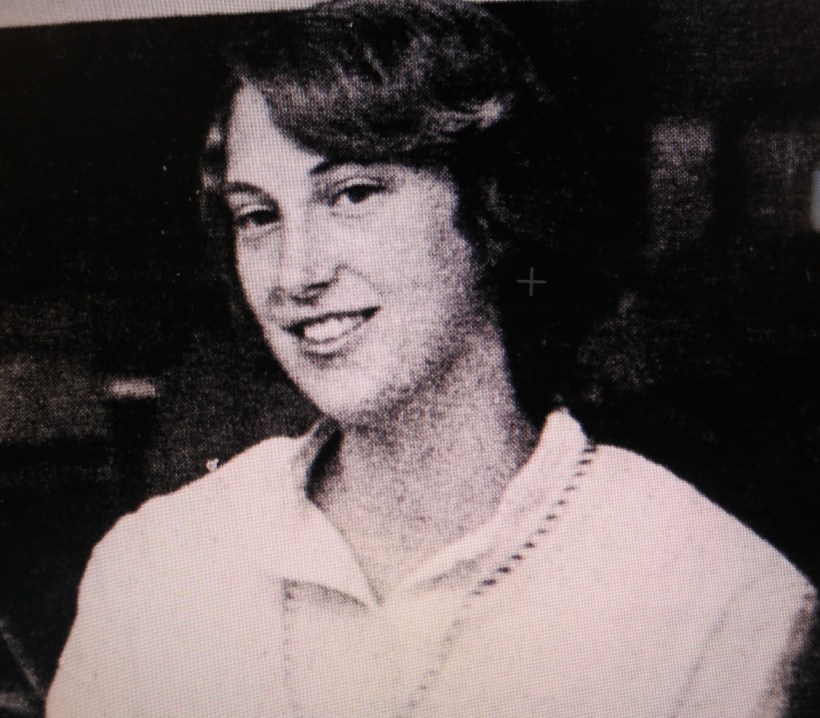
photo from a press conference at Stanford a few days later


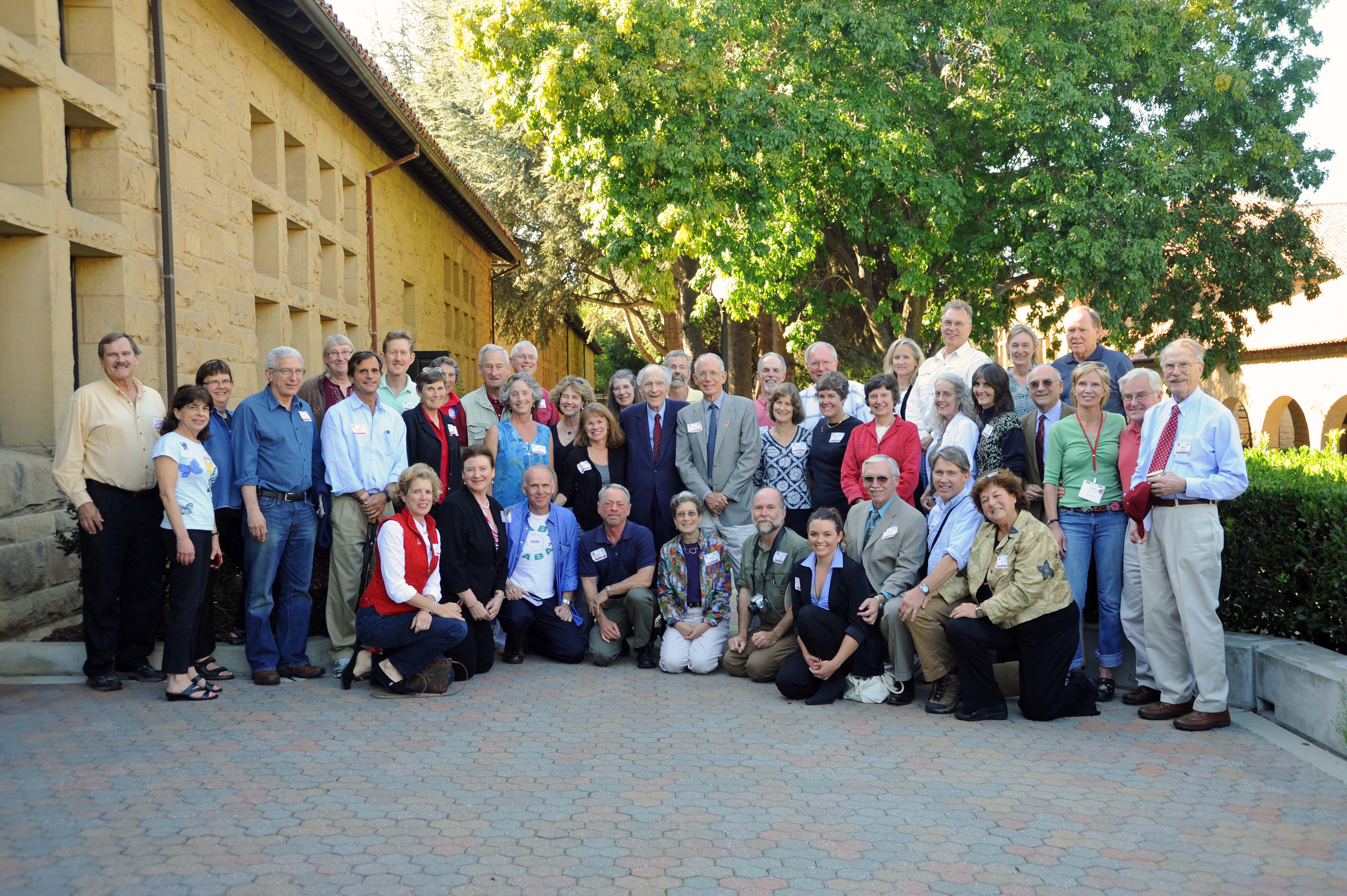
Alumni during the HumBio 40th Reunion.
Gombe Alumni and faculty in 2011 at Stanford (I’m in the very back 5th from the left)

Two Kinds of Infection

springlanerobin


Good things as well as bad, you know are caught by a kind of infection.

If you want to get warm you must stand near the fire:
if you want to be wet you must get into the water.
If you want joy, power, peace, eternal life,
you must get close to, or even into, the thing that has them. 

They are not a sort of prize which God could, if He chose, just hand out to anyone.
They are a great fountain of energy and beauty spurting up at the very centre of reality.
If you are close to it, the spray will wet you: if you are not, you will remain dry.

Once a man is united to God, how could he not live forever?
Once a man is separated from God, what can he do but wither and die?

~C.S. Lewis- Mere Christianity


pinkdogwoodmay2018


upperfield


Each Monday morning, as I transition once again from the observance of Sabbath with God’s people to move into the secular world of government work, I feel an acute separation.

I want to remain infected (and contagious) with the reality of God yet my life feels necessarily compartmentalized.

On Monday, I’m gloved and masked to prevent my infecting others.

All week I am exposed daily to the reality of the world and must defend myself from getting infected.

If I’m to be contagious, let it be because I’m overwhelmed with the Spirit, not the world.


sunset55181


pinkonwhite

Tempted to Run and Rush

pinkdogwoodbudding


The duties and cares of the day crowd about us when we awake each day
– if they have not already dispelled our night’s rest.

How can everything be accommodated in one day?
When will I do this, when that?
How will it all be accomplished?

Thus agitated, we are tempted to run and rush.
And so we must take the reins in hand and remind ourselves,

“Let go of your plans. The first hour of your morning belongs to God.
Tackle the day’s work that he charges you with,
and he will give you the power to accomplish it.”
~Edith Stein from Essays on Woman


pearblossoms20184


pearblossoms20181


Rushing headlong pell-mell tumble-bumble into the day is a specialty of mine.  Once I step out the door there isn’t a single moment of quiet breathing space until I step back in the door 12 hours later.  I realize this is a daily choice I make to live this way: no one forces me to see just one more patient (or four) or complete each chart before I leave or make sure I have responded to a hundred messages.

I would not rest well until the work is finished.

Therefore my hour of quiet starts very early in the day, usually before the sun rises or the birds start to twitter, when there is no every-fifteen-minute appointment schedule and the phone remains silent.

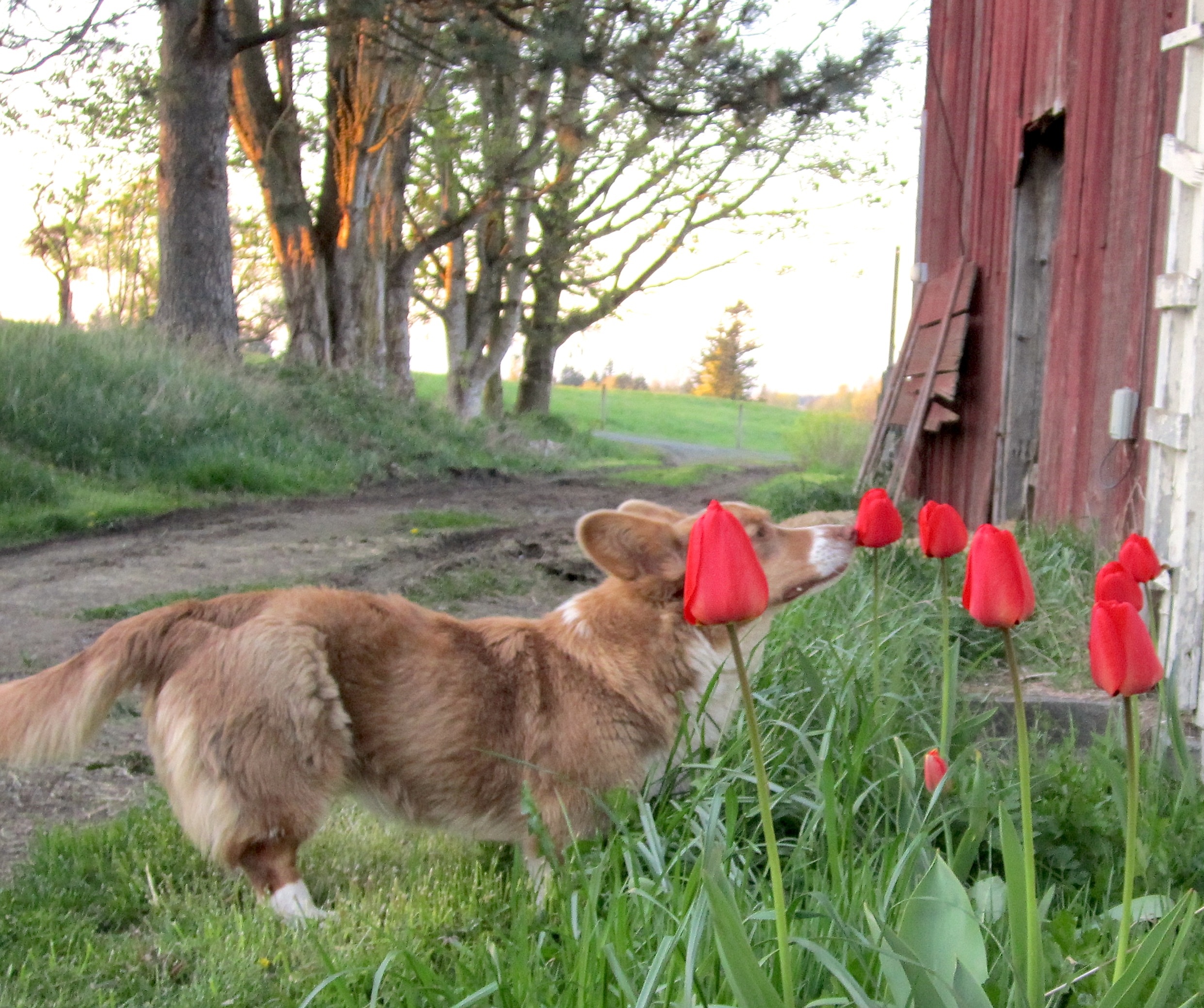
However the rising morning does not belong to me: God knows what I’ll need to get through the day.  He reminds me to breathe deeply, find time to smell the tulips, and take a walk with a buddy,  always remembering I’m not alone.


josehomer


meetingofminds


tulipsam


outforawalk1


Oatmeal Should Not Be Eaten Alone


I eat oatmeal for breakfast.
I make it on the hot plate and put skimmed milk on it.
I eat it alone. 
I am aware it is not good to eat oatmeal alone.
Its consistency is such that is better for your mental health 
if somebody eats it with you.
That is why I often think up an imaginary companion to have 
breakfast with.
Possibly it is even worse to eat oatmeal with an imaginary 
companion. 
Nevertheless, yesterday morning, I ate my oatmeal porridge, 
as he called it with John Keats.
Keats said I was absolutely right to invite him: 
due to its glutinous texture, gluey lumpishness, hint of slime, 
and unusual willingness to disintegrate, oatmeal should 
not be eaten alone.
…I can see him drawing a spoon through the stuff, gazing into the glimmering
furrows, muttering.
Maybe there is no sublime; only the shining of the amnion’s tatters.
~Galway Kinnell from “Oatmeal”


But now the supper crowns their simple board, 
The halesome parritch, chief o Scotia’s food;
~Robert Burns from “The Cotter’s Saturday Night”


But when the melancholy fit shall fall 
Sudden from heaven like a weeping cloud, 
That fosters the droop-headed flowers all, 
And hides the green hill in an April shroud; 
Then glut thy sorrow on a morning rose, 
Or on the rainbow of the salt sand-wave, 
Or on the wealth of globed peonies;
~John Keats from “Ode on Melancholy”


Oatmeal mixed up with a bit of chewy melancholy,
reading of poets and peonies and wholesome parritch;
it seems early for poetry on this sublime shrouded morning in April …
yet like porridge, nothing more is needed to begin the day well.


Preparing Through Parable: For I Was Hungry and Thirsty

AA7602C6-A54A-43C7-BB26-DB13B2683482


31 “When the Son of Man comes in his glory, and all the angels with him, he will sit on his glorious throne. 32 All the nations will be gathered before him, and he will separate the people one from another as a shepherd separates the sheep from the goats. 33 He will put the sheep on his right and the goats on his left.

34 “Then the King will say to those on his right, ‘Come, you who are blessed by my Father; take your inheritance, the kingdom prepared for you since the creation of the world. 35 For I was hungry and you gave me something to eat, I was thirsty and you gave me something to drink, I was a stranger and you invited me in, 36 I needed clothes and you clothed me, I was sick and you looked after me, I was in prison and you came to visit me.’

37 “Then the righteous will answer him, ‘Lord, when did we see you hungry and feed you, or thirsty and give you something to drink? 38 When did we see you a stranger and invite you in, or needing clothes and clothe you? 39 When did we see you sick or in prison and go to visit you?’

40 “The King will reply, ‘Truly I tell you, whatever you did for one of the least of these brothers and sisters of mine, you did for me.’

41 “Then he will say to those on his left, ‘Depart from me, you who are cursed, into the eternal fire prepared for the devil and his angels. 42 For I was hungry and you gave me nothing to eat, I was thirsty and you gave me nothing to drink, 43 I was a stranger and you did not invite me in, I needed clothes and you did not clothe me, I was sick and in prison and you did not look after me.’

44 “They also will answer, ‘Lord, when did we see you hungry or thirsty or a stranger or needing clothes or sick or in prison, and did not help you?’

45 “He will reply, ‘Truly I tell you, whatever you did not do for one of the least of these, you did not do for me.’

46 “Then they will go away to eternal punishment, but the righteous to eternal life.”
Matthew 25: 31-46


summertable2


The final parable of Jesus prepares us to enter Holy Week, as we once again become the crowd shouting the mixed messages of Palm Sunday.

Jesus arrives to Hosannas as a King with glory, laud and honor, not at all treated as the “least of these” on that Sabbath.

Yet within days he was rejected, betrayed, sold for silver, convicted and punished as a common criminal with the assent of those who had earlier welcomed him with such warmth.

So who are we to become on this day?
Do we claim adoration but  in reality practice rejection?
Do we give him a kiss that ultimately is his betrayal?
Do we protest when he washes our dirty feet but argue about who among us is greatest?
Do we prepare a glorious meal but then offer up only vinegar?
Do we throw our cloaks down at his feet, dress him in an elegant robe but later strip him naked to cast lots for the clothing off his back?
Do we rescue him from his unjust captivity or do we turn the other way when he is flogged, beaten and crucified?

Who are we – his people, his family, his church – during this week to come?

We are clearly told: we feed the hungry, offer drink to the thirsty, clothe the naked, visit the lonely and care for the sick.  We are his hands, his feet, his heart, his spirit on earth.

Let us never forget.


May my eyes see, my ears hear, my heart understand. He prepares me with parable.


CB811DBB-020B-43C5-9BAF-5E58F49BB4DD

492CA1C3-B27C-42B5-8302-113D25633CA5


Preparing Through Parable: Be Humbled


“When someone invites you to a wedding feast, do not take the place of honor, for a person more distinguished than you may have been invited. If so, the host who invited both of you will come and say to you, ‘Give this person your seat.’ Then, humiliated, you will have to take the least important place. 10 But when you are invited, take the lowest place, so that when your host comes, he will say to you, ‘Friend, move up to a better place.’ Then you will be honored in the presence of all the other guests. 11 For all those who exalt themselves will be humbled, and those who humble themselves will be exalted.”

“When you give a luncheon or dinner, do not invite your friends, your brothers or sisters, your relatives, or your rich neighbors; if you do, they may invite you back and so you will be repaid. 13 But when you give a banquet, invite the poor, the crippled, the lame, the blind, 14 and you will be blessed. Although they cannot repay you, you will be repaid at the resurrection of the righteous.”
Luke 14: 7-14


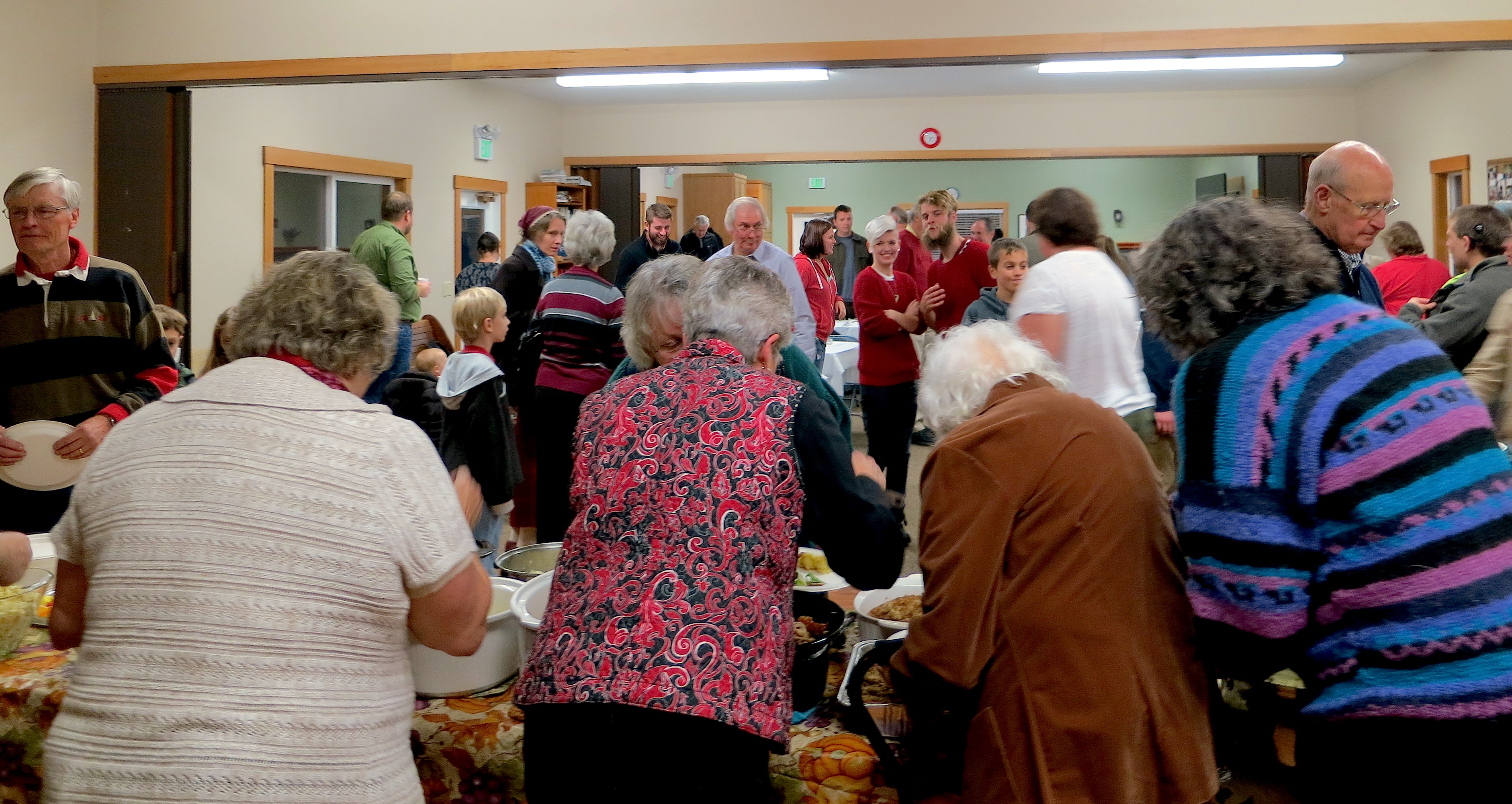
In the unspoken hierarchy of what makes a church function, I’m a kitchen lady and always will be.  I remember those very women from my childhood church of the fifties and sixties– their tight-knit ability to function as if one organism, swarming in aprons among tables set up in the fellowship hall and bustling around in the back by the stoves with steaming pots and pans and the occasionally dropped plate.

They kept the rest of us alive, those church ladies, by feeding us efficiently and plentifully and never ever sitting down.  I would occasionally see them eating standing up in the back of the hall, chatting amiably among themselves after the rest of us were served, but I knew they carefully wrapped up the leftovers during the clean up to deliver to shut-ins who couldn’t make it to the church supper.

I knew I was destined to become a kitchen lady, shy and introverted as I am, hiding myself behind huge plates of food and piles of dish cloths.  For me, it is a place of comfort and clean up filled with plenty of leftovers for anyone who needs them, and that just about perfectly describes the kingdom of God in my book and His Book.


May my eyes see, my ears hear, my heart understand.  He prepares me with parable.

Preparing Through Parable: We Know Your Voice

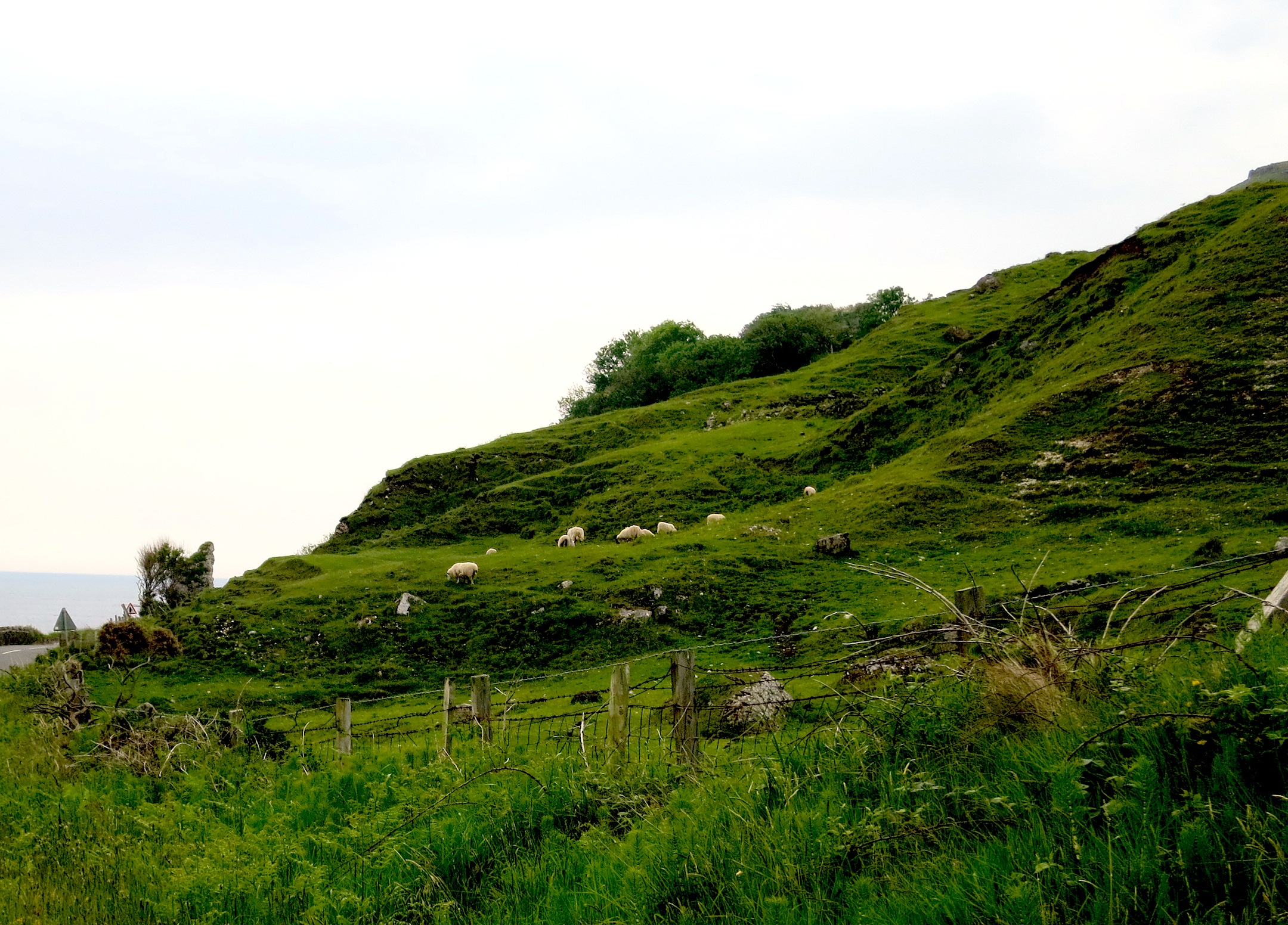
coastalsheep2


scotlandkirkbride


“The one who enters by the gate is the shepherd of the sheep. The gatekeeper opens the gate for him, and the sheep listen to his voice. He calls his own sheep by name and leads them out. When he has brought out all his own, he goes on ahead of them, and his sheep follow him because they know his voice. But they will never follow a stranger; in fact, they will run away from him because they do not recognize a stranger’s voice.

14 “I am the good shepherd; I know my sheep and my sheep know me— 15 just as the Father knows me and I know the Father—and I lay down my life for the sheep.16 I have other sheep that are not of this sheep pen. I must bring them also. They too will listen to my voice, and there shall be one flock and one shepherd. 
John 10:1-5, 14-16


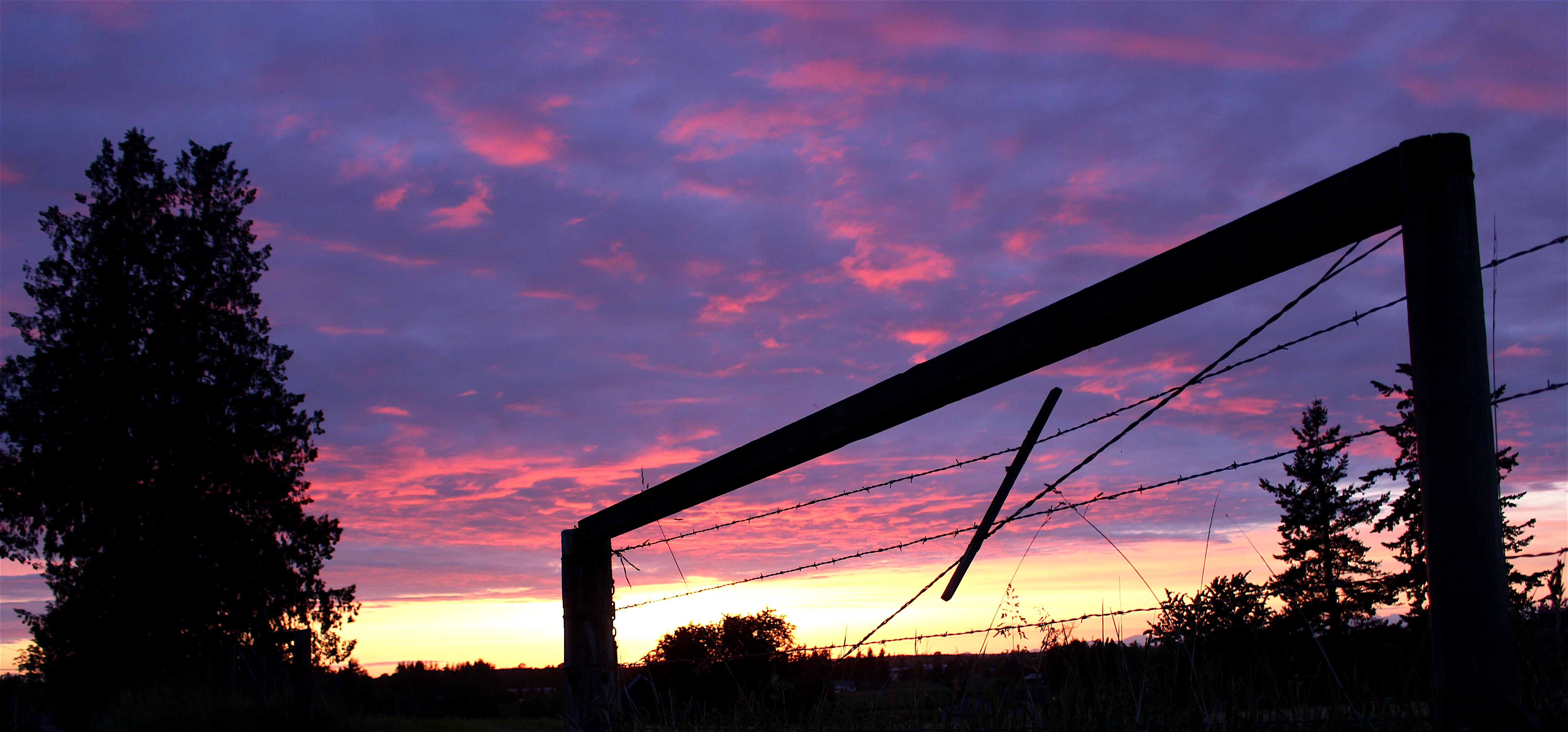
sunsetfence


Gentle Shepherds
of this wayward flock
each of us wanting to go
his or her own way

We know your voice
and listen intently
to follow you
where you know we should be

You lead us
to the green pastures
of The Word
to fill up full.

Alongside the still waters
we quench our thirst,
we are comforted
that you point the way.

If one has gone astray
we know you will come looking
until we are searched out
in our hiding place.

We rejoice together
in celebration
of the lost
now found.

You know your sheep
through a full generation
of us thriving
in your love and care.

We know our shepherds.
We know your voice.
We know you were brought to us
through the loving grace of God Himself.

Amen and Amen again.


May my eyes see, my ears hear, my heart understand.  He prepares me with parable.

205513_1998412525418_7201553_n
Pastor Bert and Jane Hitchcock — over 25 years at Wiser Lake Chapel


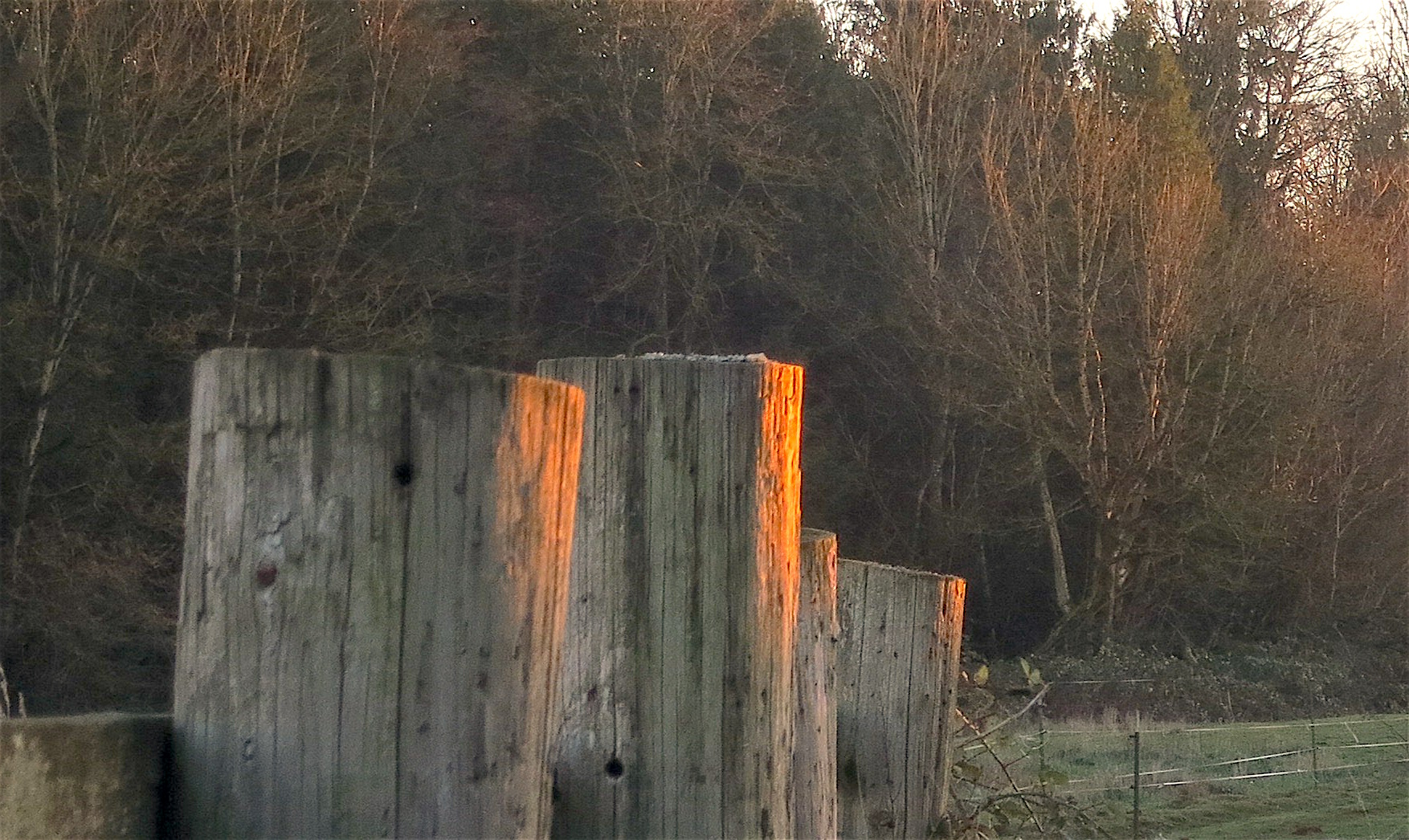
fencepostssunset


Thunder Made of Whispers

webs7


webdesign2


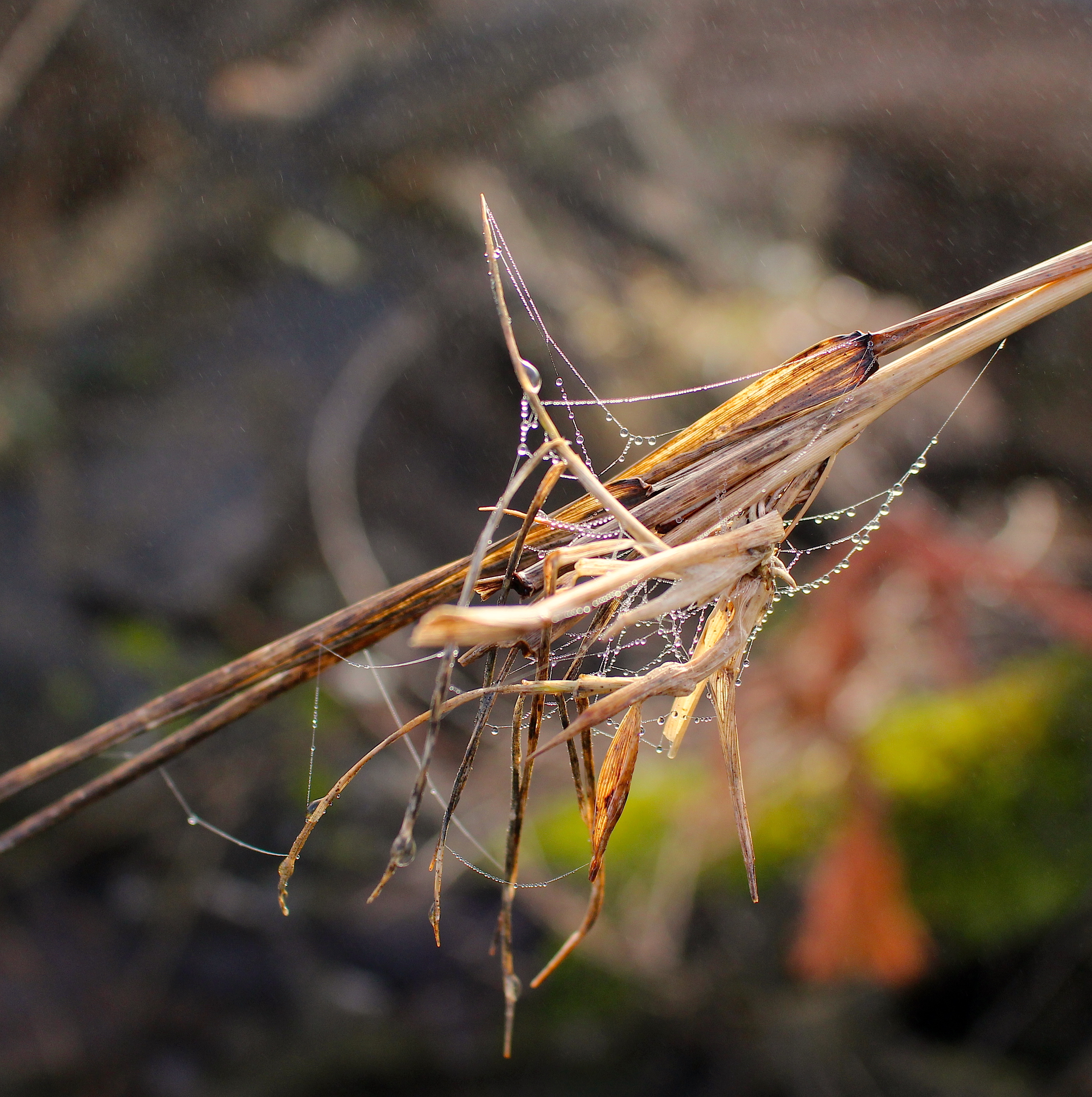
A poem is a spider web
Spun with words of wonder,
Woven lace held in place
By whispers made of thunder.
~Charles Ghigna


webdesign14


webdesign10


I wander the barnyard
studying the complexities of web design,
marveling at a tiny creature’s creation
of connection by the slenderest thread.

Through words and pictures I whisper
from my own corner of the web
and wait patiently for the shimmer of connection:
my rumbling thunder has been heard.


webdesign7


webdew2

A Simple Welcome

stainedglass


sunset12217


mossyroof


He saw clearly how plain and simple – how narrow, even – it all was;
but clearly, too, how much it all meant to him,
and the special value of some such anchorage in one’s existence.
He did not at all want to abandon the new life and its splendid space
s, 
to turn his back on sun and air and all they offered him 
and creep home and stay there; 
the upper world was all too strong, 
it called to him still, even down there, 
and he knew he must return to the larger stage. 
But it was good to think he had this to come back to, 
this place which was all his own, 
these things which were so glad to see him again 
and could always be counted upon for the same simple welcome.
~Kenneth Grahame, from Wind in the Willows (about the Mole and his home at Mole End)


IMG_1777


If your everyday life seems poor to you, do not accuse it; accuse yourself, tell yourself you are not poet enough to summon up its riches; since for the creator there is no poverty and no poor or unimportant place.
― Rainer Maria Rilke


houseinhiding


As a child, I would sometimes spend long rainy afternoons languishing on the couch at home, complaining to my mother how boring my life was.  Her typical response was to remind me my boredom said more about me than about life – I became the accused, rather than the accuser,  failing to summon up life’s riches.  Thus convicted, my sentence followed:  she would promptly give me chores to do.   I learned not to voice my complaints about life because it always meant work.

Some things haven’t changed, even fifty five years later.  Whenever I am tempted to feel pitiful or bored, accusing my life of being poor or unfair, I need to remember what that says about me.  There is a whole world out there to explore, plenty of work needing doing and always a welcome home when I return.

If I’m not poet enough to celebrate the gilded edge of the plain and simple, if I’m not poet enough to articulate beauty even in the sharp thorns of life, if I’m not poet enough to recognize the Creator’s brilliance in every molecule, then it is my poverty I’m accusing, not his.

Back to work then.  There is a life to be lived, a world to experience and words to be written.

And it is good to think we have all this to come back to, this place which is all our own.


januaryevening


740136_566992905994_1484433424_o
photo by Nate Gibson


molecity

An Amalgam of Black and White

reflection2


Let me say finally, that in the midst of the hollering and in the midst of the discourtesy tonight, we got to come to see that however much we dislike it, the destinies of white and black America are tied together. Now the races don’t understand this apparently. But our destinies are tied together. And somehow, we must all learn to live together as brothers in this country or we’re all going to perish together as fools.

…Whether we like it or not culturally and otherwise, every white person is a little bit negro and every negro is a little bit white. Our language, our music, our material prosperity and even our food are an amalgam of black and white, so there can be no separate black path to power and fulfillment that does not intersect white routes and there can ultimately be no separate white path to power and fulfillment short of social disaster without recognizing the necessity of sharing that power with black aspirations for freedom and human dignity.
~Martin Luther King, Jr.
in one of his last speeches, given at Grosse Point, Michigan high school (near Detroit) to a mostly white and often heckling audience, March 14, 1968


mlk2

I grew up during the 1960’s in Olympia, Washington, a fair-sized state capitol of 20,000+ people at the time and our city had only one black family.

One.

There were a few Japanese and Korean families, a few Hispanics, but other than the Native American folks from the nearby Nisqually Reservation, our community seemed comprised of homogenized milk. Pretty much plain Anglo Saxon white.

In 1970, a white Olympia High School graduation student speaker caused a controversy  when she called our town a “white racist ghetto” in her speech. Numerous parents walked out of the ceremony in protest of her protest, and didn’t watch their children graduate.

It was the first time I’d heard someone other than Martin Luther King, Jr. actually crack a previously unspoken barrier using only words. What she said caused much local consternation and anger, but the ensuing debate in the newspaper Letters to the Editor, around lunch counters at the five and dime, and in the churches and real estate offices made a difference. Olympia, after being called out for bigotry in its hiring practices and housing preferences, began to open its social and political doors to people who weren’t white.

Attending college in California helped broaden my limited point of view, but in the early 70′s there were still few diversity admissions initiatives, so Stanford was still a mostly white campus. While living in Africa to study wild chimpanzees in Africa in 1975, I experienced being one of two whites living and traveling among hundreds of very dark skinned Ugandans, Rwandans, Tanzanians and Kenyans. I became the one gawked at, viewed as an oddity, pointed at by small children who were frightened, amused and perplexed by my appearance.

I constantly felt out of place. I did not belong. Yet I was treated graciously, with hospitality, although always a curiosity:  the homogenized white milk in the mix.

There was minimal diversity in my medical school class where women constituted less than 25% of my class graduating in 1980.  It wasn’t until I was in family practice residency at Seattle’s Capitol Hill Group Health Cooperative Hospital that I began to experience the world in full technicolor. I joined a group of doctors in training that included an African American activist from the east coast, a Kiowa Indian, several of Jewish background, a son of Mexican immigrants, a daughter of Chinese immigrants, a Japanese American, someone of Spanish descent, and a Yupik Eskimo.  I was challenged to appreciate my inner city patients’ cultural, racial, religious, ethnic and sexual minority identities, and saw how much more effectively my colleagues and teachers of diverse backgrounds worked with patients who looked or grew up like them.

My training was such a foundational experience that I was drawn to a medical practice in a Group Health Rainier Valley neighborhood clinic. There I saw patients who lived in the projects that lined Martin Luther King Way, struggling to overcome poverty and social fragmentation, clustered together in knots of extended family within a few square miles. There were many ethnic groups: African Americans, Vietnamese, Cambodian and Laotian refugees, Ashkenazi Jews, Middle East Muslims, Russian immigrants and some Catholic Italian families who spoke broken English. I delivered babies who would grow up learning languages and traditions from every corner of the globe. It was a wide world of diversity walking into my exam rooms, richly filling in the white corners of my life in ways I had never imagined.

I found that white milk, nurturing as it was, was not a reflection of everything the world had to offer.

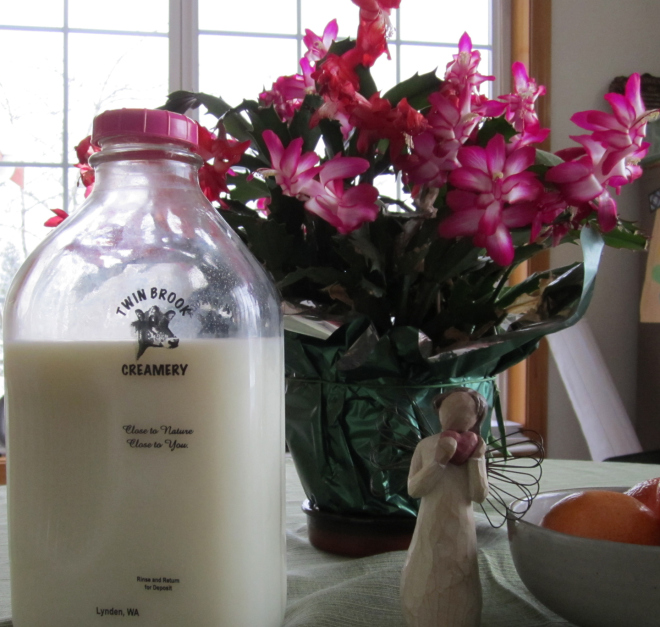
When I married and Dan and I started our own family, we made the decision to move north near his parents and home community of Lynden, a town of Dutch dairy farming immigrants. We planned to own our own farm to raise our children in a rural setting just as both of us had been raised. There was significant adjustment necessary once again adapting to a primarily Caucasian community. I am not Dutch even though I am as white and tall as the Frieslanders (some of my ancestry is from Schleswig-Holstein in Germany, right across the Holland border).  Even though I looked like my neighbors, I still didn’t belong.

I didn’t share the same cultural or church background to fit in easily in my new home. The color of my skin no longer set me apart, but the difference in rituals, language quirks and traditions became very apparent. In other words, the milk looked just as white, (maybe skim versus whole or 2%), but varied significantly in taste (were the cows just let out on grass??)

Over the past thirty plus years since we moved here, our rural community is transforming slowly.  We have two growing Native American sovereign nations within a few miles of our farm, the Nooksack and Lummi tribes, along with increasing numbers of migrant Hispanic families who work the seasonal berry and orchard harvest, many of whom have settled in year round. My supervisors at the University where I work are African American. Our close proximity to the lower mainland of British Columbia has brought Taiwanese, Japanese and Hong Kong immigrants to our area, and many East Indians immigrate to our county in large extended families, attracted by affordable farmland. A rural corner grocery close to our farm is owned by Sikhs with shelves stocked with the most amazing array of Indian spices and Mexican chili sauce, with Dutch peppermints and licorice thrown in for good measure.

Our children grew up rural but, as adults, have become part of communities even more varied. Nate teaches multiracial students from a dozen different countries in an international high school in Tokyo, has married a Japanese woman and our beloved granddaughter is biracial. Ben finished two years as a Teach for America high school math teacher on the Pine Ridge Lakota Sioux Reservation in South Dakota, and married to Hilary, have lived as a racial minority in a mostly black neighborhood in New Haven, Connecticut before moving to the melting pot of the Bay Area in California.   Lea is teaching fourth graders of multiple ethnicities in a Title 1 school in a military town just a few hours away.

Our children are privileged to work within the kaleidoscope of humanity and our family is blessed to no longer be just plain white milk.

Homogenized means more than just uniformity. It is a unity of substance, a breaking down of barriers so there is no longer obvious separation.  Martin Luther King, Jr. called it amalgam — a mixture that yields something stronger than the original parts.

I am still all white on the outside — that I would never want to change —  but I can strive to break down barriers that separate me from the diverse people who live, work and worship around me.  Thanks to that amalgam, my life is enriched and the flavor of my days remarkably enhanced.


images