Waiting in Wilderness: A Shining Garment

There is no event so commonplace
but that God is present within it,
always hiddenly,
always leaving you room to recognize Him
or not…

Listen to your life.
See it for the
fathomless mystery that it is.

In the boredom and pain of it no less
than in the excitement and gladness:
touch, taste, smell your way to the
holy and hidden art of it
because in the last analysis
all moments are key moments…..

and Life itself is Grace.
~Frederick Buechner from Now and Then- Listening to Your Life

The locus of the human mystery is perception of this world.
From it proceeds every thought, every art.
I like Calvin’s metaphor—nature is a shining garment in which God is revealed and concealed.
~Marilynne Robinson from her â€śReclaiming a Sense of the Sacred” essay

Perhaps it is the mystery of His life that brings us back,
again and again, to read His story, familiar as it is,
at first wrapped in the shining garment of swaddling clothes,
then a plain robe to be gambled away beneath His nailed feet
and finally a shroud left carefully folded and empty.

How can this mystery be?
God appearing on earth,
hidden in the commonplace,
rendering it sacred and holy
by His spilled blood.

How can it be?
Through the will of the Father
and the breath of the Spirit,
this Son was born, died, then rose again
and still is,
and yet to be,
forever and ever.

O greatest mystery beyond all understanding.

Waiting in Wilderness: An Awful Thing

It was in the Spring
The Passover had come.
There was feasting in the streets and joy.
But an awful thing
Happened in the Spring –
Men who knew not what they did
Killed Mary’s Boy.
He was Mary’s Son,
And the Son of God was He –
Sent to bring the whole world joy.
There were some who could not hear,
And some were filled with fear –
So they built a cross
For Mary’s Boy
~Langston Hughes “The Ballad of Mary’s Boy”
from The Collected Poems of Langston Hughes

We have had several days of southerly winds trying to break us loose from the vise grip of a tired and dying winter. Yet we are held tightly by our frailties.

Despite the warming trend, I find my strength still waning at the end of a long day. I slipped in the mud trying to gain traction unloading a couple hundred pounds of manure from the wheelbarrow.  Landing on my backside, my pants muddied thoroughly, I can choose to laugh or cry.

The baptism of mud is a sacrament of the present moment,  reminding me of my need for cleansing grace. So I both laugh and cry.

God is revealed in the awful and glorious moments of my being covered in the soil of earth and the waste of its creatures. He knows I need reminding that I too am dust and to dust shall return.

He knows I am too often wasteful and a failed steward,
so need reminding by landing me in the middle of it.

He knows I need to laugh at myself,
so lands me right on my backside.

He knows I need to cry,
so allows me to feel sore and sorrow.

To be known for who I am
by a God who laughs with me, weeps for me
and groans with the pain I have caused;
I will know
no greater love.

God, as Mary’s boy, conquered the shroud and the rolled away stone,
ending my living for myself, only to die,
and began my dying to self, in order to live.
and that has made all the difference.

When Jesus wept, the falling tear
In mercy flowed beyond all bound.
When Jesus groaned, a trembling fear
Seized all the guilty world around.

Waiting in Wilderness: So Strange and Wild a Guest

In the dark, a child might ask, What is the world?
just to hear his sister
promise, An unfinished wing of heaven,
just to hear his brother say,
A house inside a house,
but most of all to hear his mother answer,
One more song, then you go to sleep.
How could anyone in that bed guess
the question finds its beginning
in the answer long growing
inside the one who asked, that restless boy,
the night’s darling?
Later, a man lying awake,
he might ask it again,
just to hear the silence
charge him, This night
arching over your sleepless wondering,
this night, the near ground
every reaching-out-to overreaches,
just to remind himself
out of what little earth and duration,
out of what immense good-bye,
each must make a safe place of his heart,
before so strange and wild a guest
as God approaches.
~Li-Young Lee “Nativity”

“What’s wrong with the world?” asked The Times of famous authors.
“Dear Sir,
I am.

Yours, G.K. Chesterton

I’m not ashamed that I still ask the hard questions, just as I did when I was a child, lying in bed, fearful in the dark. Some call it a lack of faith: if I truly believed, I would trust completely, so asking such questions would be “out of the question.”

Yet God throughout scripture encourages questions, listens to lament, isn’t intimidated by uncertainty and weakness. He waits patiently for His people to make their hearts a safe place for Him to dwell – a place of wings and songs and awe and worship – even when resounding with questions.

My heart is a womb where our strange and wild God seeks to reside in this world. “Why me?” I ask, pondering yet another hard question in the dark.
“Why not you?” comes His response: a question for which He awaits my answer.

Waiting in Wilderness: In the Interstices

As the deer pants for the water so my soul pants for you, God.
My soul thirsts for God, for the living God.
As with a deadly wound in my bones,
my adversaries taunt me,
while they say to me all the day long,
“Where is your God?”
from Psalm 42

Why no! I never thought other than
That God is that great absence
In our lives, the empty silence
Within, the place where we go
Seeking, not in hope to
Arrive or find. He keeps the interstices
In our knowledge, the darkness
Between stars. His are the echoes
We follow, the footprints he has just
Left. We put our hands in
His side hoping to find
It warm. We look at people
And places as though he had looked
At them, too; but miss the reflection.

~R.S. Thomas “Via Negativa”

We are treated as impostors, and yet are true;
as unknown, and yet well known;
as dying, and behold, we live;
as punished, and yet not killed;
as sorrowful, yet always rejoicing;
as poor, yet making many rich;
as having nothing, yet possessing everything.
2 Corinthians 6: 8b-10

The way of negation (via negativa) – describing who God is by describing who He is not — is like describing the interstitial spaces between my cells rather than the cells themselves, or the blackness between stars rather than the light that emanates from them.

It is impossible to understand God unless I absorb what He says about Himself. Yet I am too finite and He is too infinite to grasp fully.

So, like a deer panting for water, I thirst for Him, seeking more than a reflection of water for my real thirst. I want Him tangible and warm before me like Thomas thrusting his hand into Jesus’ wound, crying “My Lord and My God!”

The mystery of God is how He is so much more than mere reflection and the spaces in between what I see and feel in this existence. He is all things, all at once.

So I continue to seek Him, thirsting.

Open or Closed

Although I favor the open mind, I certainly do not advocate that the mind should be so open that the brains fall out.
~Arthur Hays Sulzberger (among others) — New York Times publisher from 1935-1961 from “Freedom of Information” 

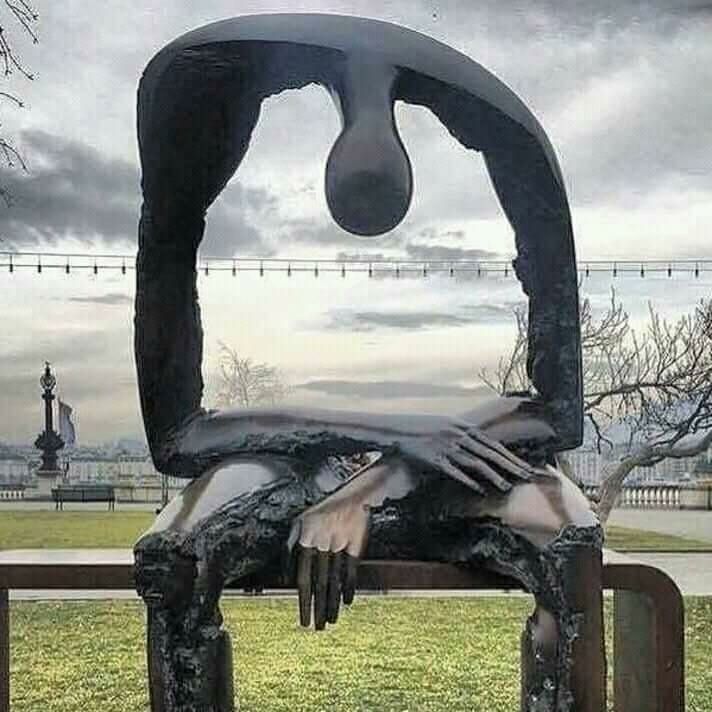
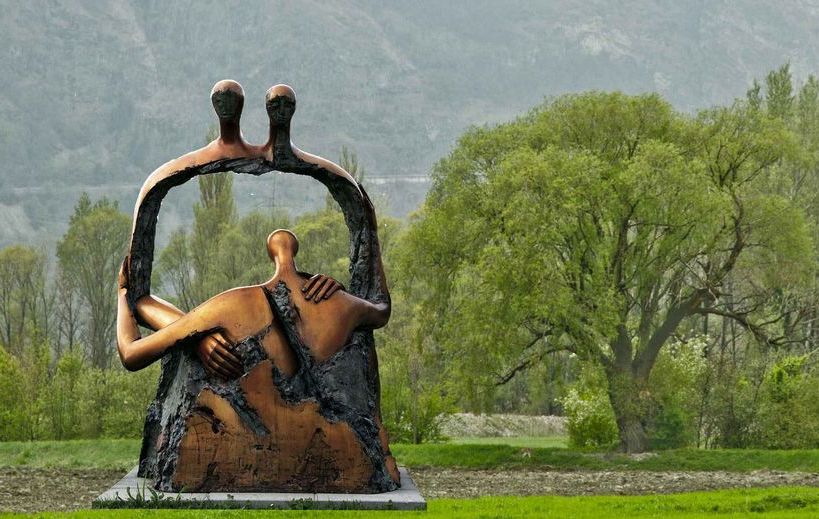
Sculpture “Melancholy” in Geneva, Switzerland by Albert György

I tell you this
to break your heart,
by which I mean only
that it break open and never close again
to the rest of the world.
— Mary Oliver from New and Selected Poems, Volume Two

Few things are as condemning in this day and age than being accused of being closed-minded.  In religion and politics, the most zealous liberals and hard-core conservatives are the least likely to see another point of view, much less tolerate it. They are more than willing to “cancel” anyone who might be bold enough to express another perspective.

On the one hand, when unwilling to consider a differing opinion or world view, it becomes impossible to admit one could be a little bit misinformed or just plain wrong. Some hard-heads are locked so tight because they have intentionally lost the key to ever risk being open.

On the other hand, I know those who are so open-minded, there is nothing left but blank space because common sense has spilled out — whatever feels right, anything goes, no judgment, no boundaries, no barriers, all doors and windows flung ajar with “liberating” breezes coming and going.

It is a terribly empty void to behold when one’s brains have fallen out.

As for me, moderate middle-of-the-road person that I am, I tend to keep a protective helmet on but listen for the knock on the door of my convictions and opinions to see who or what may be there, remaining receptive to some possibility other than what I think I know.

All in all, we should prefer open-hearted over open- or closed-minded.  Although far costlier, Love spilled from a broken Incarnate Heart and flooded the world with undeserved Grace. It will never be closed again.

Sculpture by Albert György Geneva, Switzerland

The Swarm Fell on His Back

Painting “Plowing the Field” by Joyce Lapp

When the plowblade struck   
An old stump hiding under   
The soil like a beggar’s   
Rotten tooth, they swarmed up   
& Mister Jackson left the plow   
Wedged like a whaler’s harpoon.   
The horse was midnight   
Against dusk, tethered to somebody’s   
Pocketwatch.  He shivered, but not   
The way women shook their heads   
Before mirrors at the five   
& dime—a deeper connection   
To the low field’s evening star.   
He stood there, in tracechains,   
Lathered in froth, just   
Stopped by a great, goofy   
Calmness. He whinnied   
Once, & then the whole   
Beautiful, blue-black sky   
Fell on his back.
~Yusuf Komunyakaa “Yellow Jackets” from Pleasure Dome

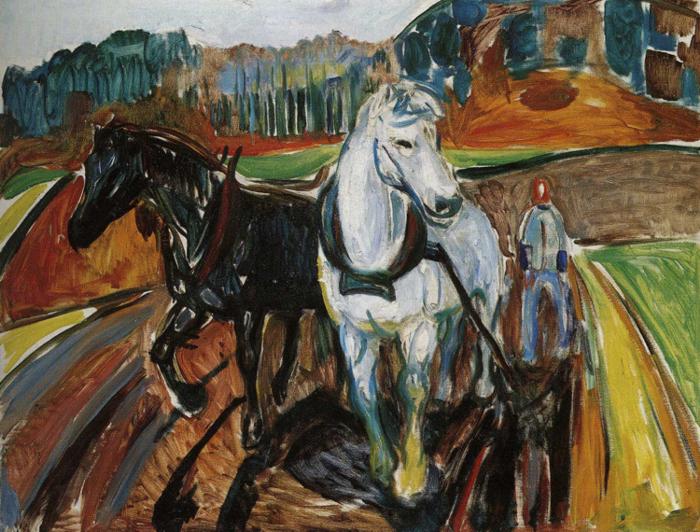
Horse Team by Edvard Munch

Death by a thousand stings.

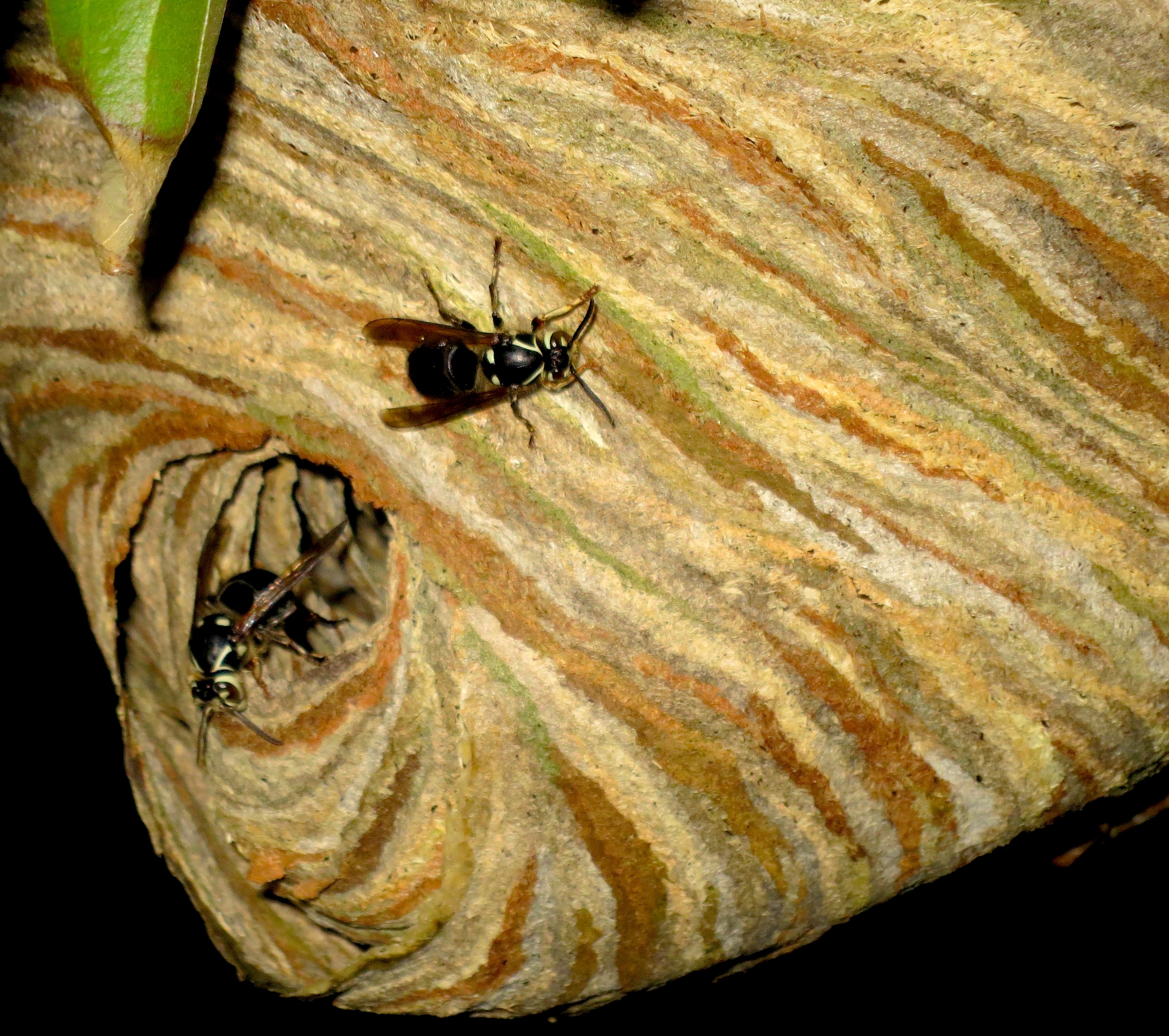
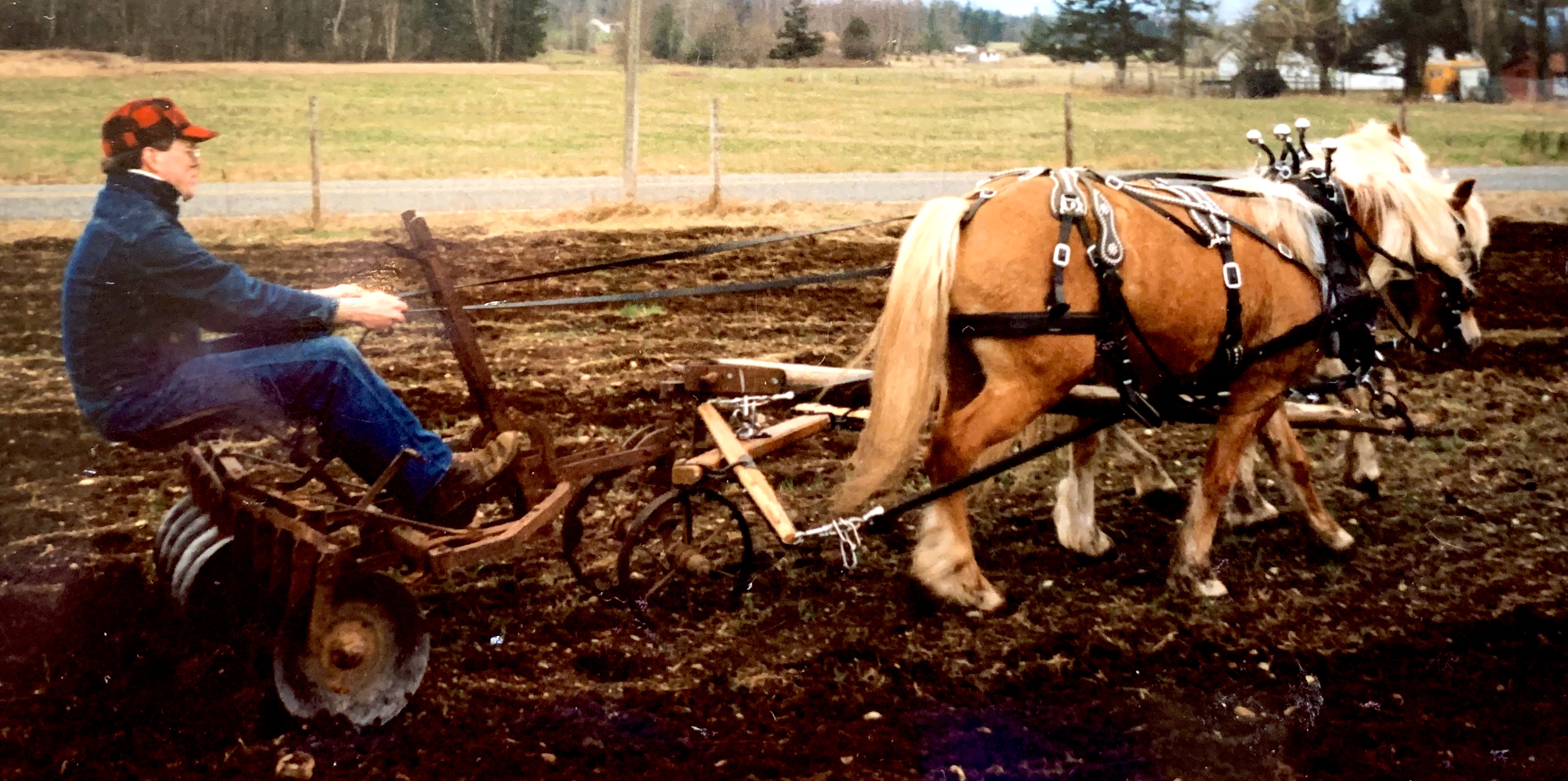
This poem is twenty years old, yet shattering to read by the light of the events of this past week and this past year. Written by a Pulitzer Prize winning Black poet and Vietnam War veteran, it is a stark description of a teamster and plow horse going about their routine work when a hive of yellow jackets is disturbed.
The farmer saves himself.

The abandoned work horse remains harnessed and chained to the immobilized plow, eventually falling crushed beneath the swarm on his back.

How many times recently have we witnessed this stark reality of the power of the angry swarm – whether the target is someone set upon and killed by law enforcement gone rogue, or last week, a man in blue defending the U.S. Capitol, beaten and crushed by rioters who pummeled him senseless with the pole of the American flag?

A poetic metaphor about an enslaved worker dying in chains expands to include us all:

-we are the farmer who panics and runs for his life in the midst of crisis
-we are the harnessed plowhorse obediently and calmly doing his job, becoming the sacrifice for the sake of the farmer
-we are the angry swarm whose well being and security is threatened so all hell breaks loose
-we are the poet whose words try to make sense of the senseless.

Ultimately, the Writer of the Word is our rescuer: rather than abandoning us to our fate, He saves us by becoming the sacrifice Himself.

He allowed the swarm to fall on His back rather than on us.

When Darkness Dazzles


Deep midwinter, the dark center of the year,
Wake, O earth, awake,
Out of the hills a star appears,
Here lies the way for pilgrim kings,
Three magi on an ancient path,
Black hours begin their journeyings.

Their star has risen in our hearts,
Empty thrones, abandoning fears,
Out on the hills their journey starts,
In dazzling darkness God appears.
~Judith Bingham “Epiphany”

sunset12172

…the scent of frankincense
and myrrh
arrives on the wind,
and I long
to breathe deeply,
to divine its trail.
But I know their uses
and cannot bring myself
to breathe deeply enough
to know
whether what comes
is the fragrant welcoming
of birth
or simply covers the stench of death.
These hands
coming toward me,
is it swaddling they carry
or shroud?
~Jan Richardson from Night Visions –searching the shadows of Advent and Christmas

birchgold

Unclench your fists
Hold out your hands.
Take mine.
Let us hold each other.
Thus is his Glory Manifest.
~Madeleine L’Engle “Epiphany”

newyearsice2

All this was a long time ago, I remember,
And I would do it again, but set down
This set down
This: were we led all that way for
Birth or Death? There was a Birth, certainly
We had evidence and no doubt. I had seen birth and death,
But had thought they were different; this Birth was
Hard and bitter agony for us, like Death, our death.


…I should be glad of another death.
~T.S. Eliot from “Journey of the Magi”

futuremapletree3

Imagine the Lord, for the first time,
from darkness, and stranded
Immensely in distance,

recognizing Himself in the Son
Of Man:

His homelessness plain to him now in a homeless one.
~Joseph Brodsky from “Nativity Poem” translated from Russian by Seamus Heaney

In the cold season, in a locality accustomed to heat more than
to cold, to horizontality more than to a mountain,
a child was born in a cave in order to save the world;
it blew as only in deserts in winter it blows, athwart.

To Him, all things seemed enormous: His mother’s breast, the steam
out of the ox’s nostrils, Caspar, Balthazar, Melchior—the team
of Magi, their presents heaped by the door, ajar.
He was but a dot, and a dot was the star.

Keenly, without blinking, through pallid, stray
clouds, upon the child in the manger, from far away—
from the depth of the universe, from its opposite end—the star
was looking into the cave.

And that was the Father’s stare.
~Joseph Brodsky “Star of the Nativity”

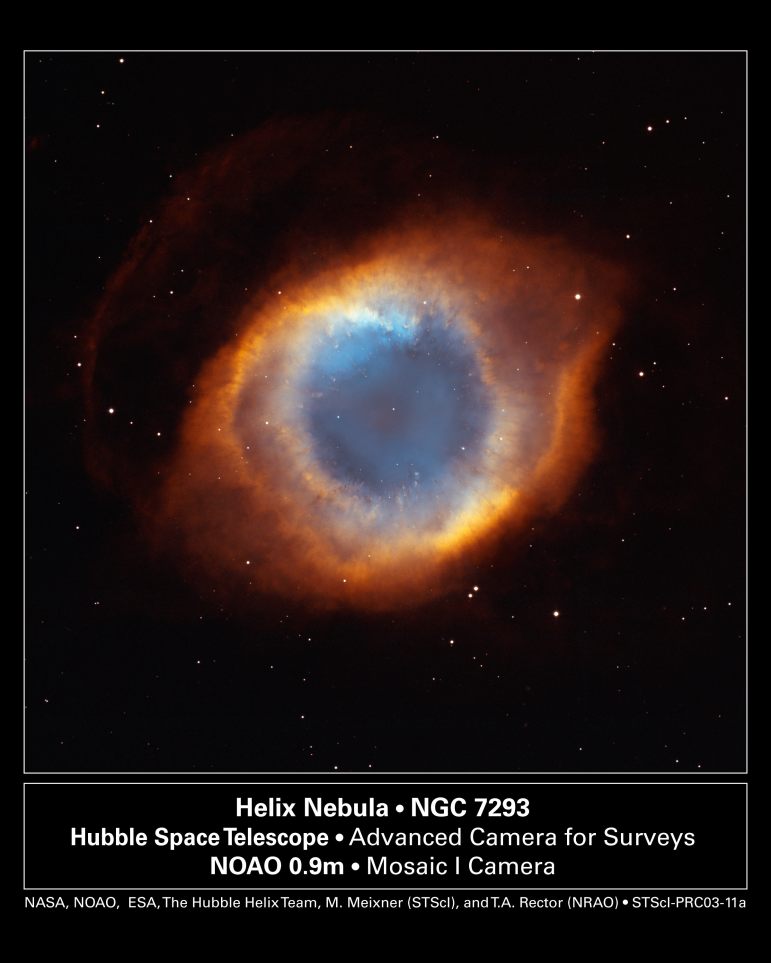
“The Eye of God” Nebula

The Christmas season is now a wrap,
the lights put away for another year.
Yet our hearts are not so easily packed and stored.

Our troubles and concerns go on;
the pandemic numbers soar,
our frailty a daily reality.
We can be distracted with holidays for a few weeks,
but our time here slips away ever more quickly.

The Christmas story is not just about
light and birth and joy to the world,
magi following a star
to discover they are reborn in Light themselves.

It is about how His swaddling clothes
became a shroud that wrapped Him tight
for only three days.
There is not a birth without His death;
even when we try to store Him away,
neatly wrapped to pull out in another year.

Christ does not stay on the closet shelf.

God came to be with and among us;
Delivered so He could deliver.
Planted on and in the earth.
Born so He could die in our place
and leave the linen strips behind, neatly folded.

Advent: an interminable wait in the darkness
Christmas:  an unwrapping of the ultimate gift of life
Epiphany: the Father watches us from afar
to see how the Seed He sent takes root in our hearts,
dazzling our darkness.

bakersteaming

The Snow of Home

You wake up on a winter morning and pull up the shade, and what lay there the evening before is no longer there–
the sodden gray yard, the dog droppings, the tire tracks in the frozen mud, the broken lawn chair you forgot to take in last fall.
All this has disappeared overnight, and what you look out on is not the snow of Narnia but the snow of home,
which is no less shimmering and white as it falls.


The earth is covered with it, and it is falling still in silence so deep that you can hear its silence.
It is snow to be shoveled, to make driving even worse than usual, snow to be joked about and cursed at,
but unless the child in you is entirely dead,
it is snow, too, that can make the heart beat faster when it catches you by surprise that way,
before your defenses are up.


It is snow that can awaken memories of things more wonderful than anything you ever knew or dreamed.
~Frederick Buechner “Sudden Snow”

There will be rest, and sure stars shining
     Over the roof-tops crowned with snow,
A reign of rest, serene forgetting,
     The music of stillness holy and low.

I will make this world of my devising
     Out of a dream in my lonely mind.
I shall find the crystal of peace, – above me
     Stars I shall find.

~Sara Teasdale “There Will Be Rest”

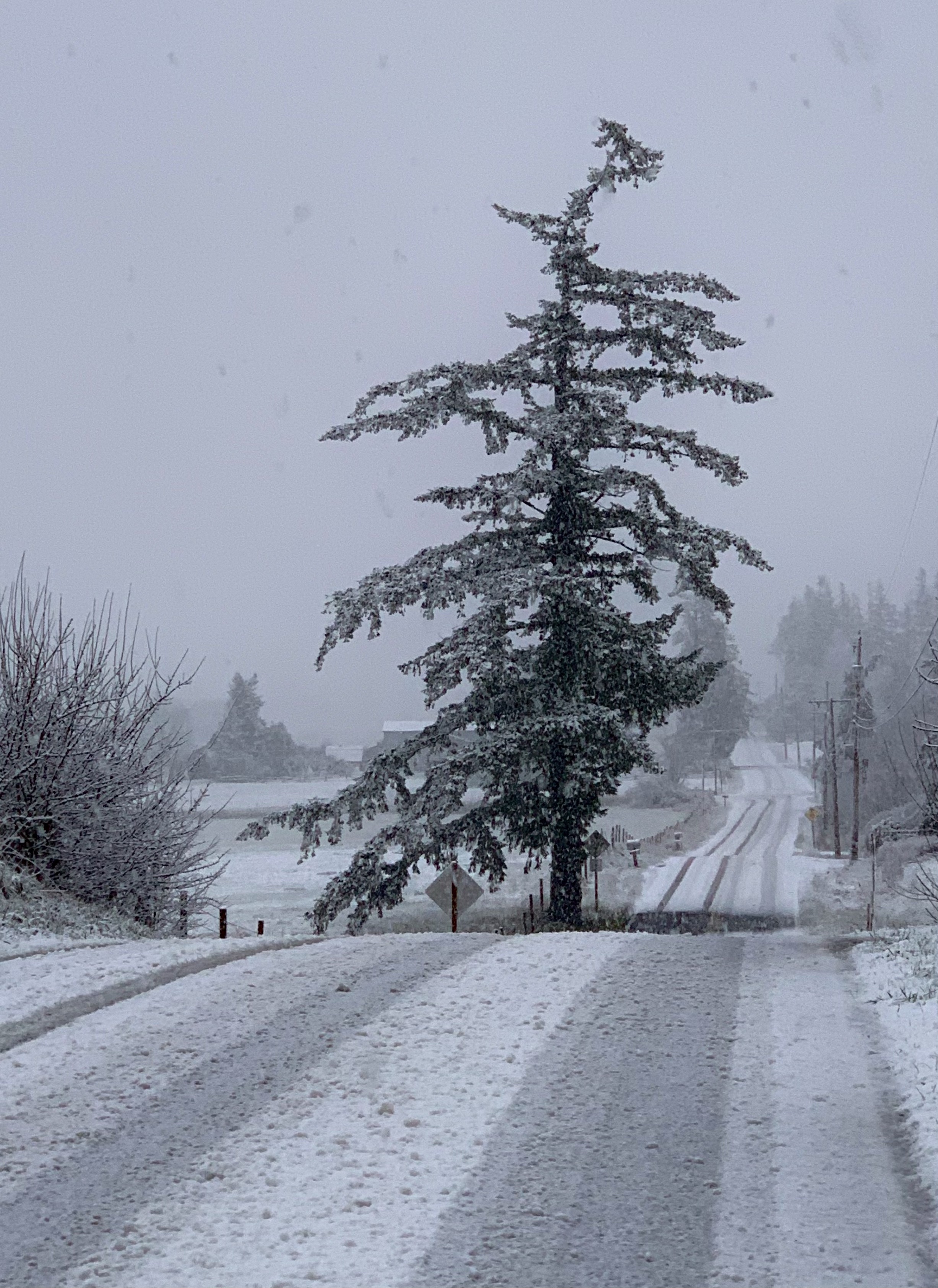
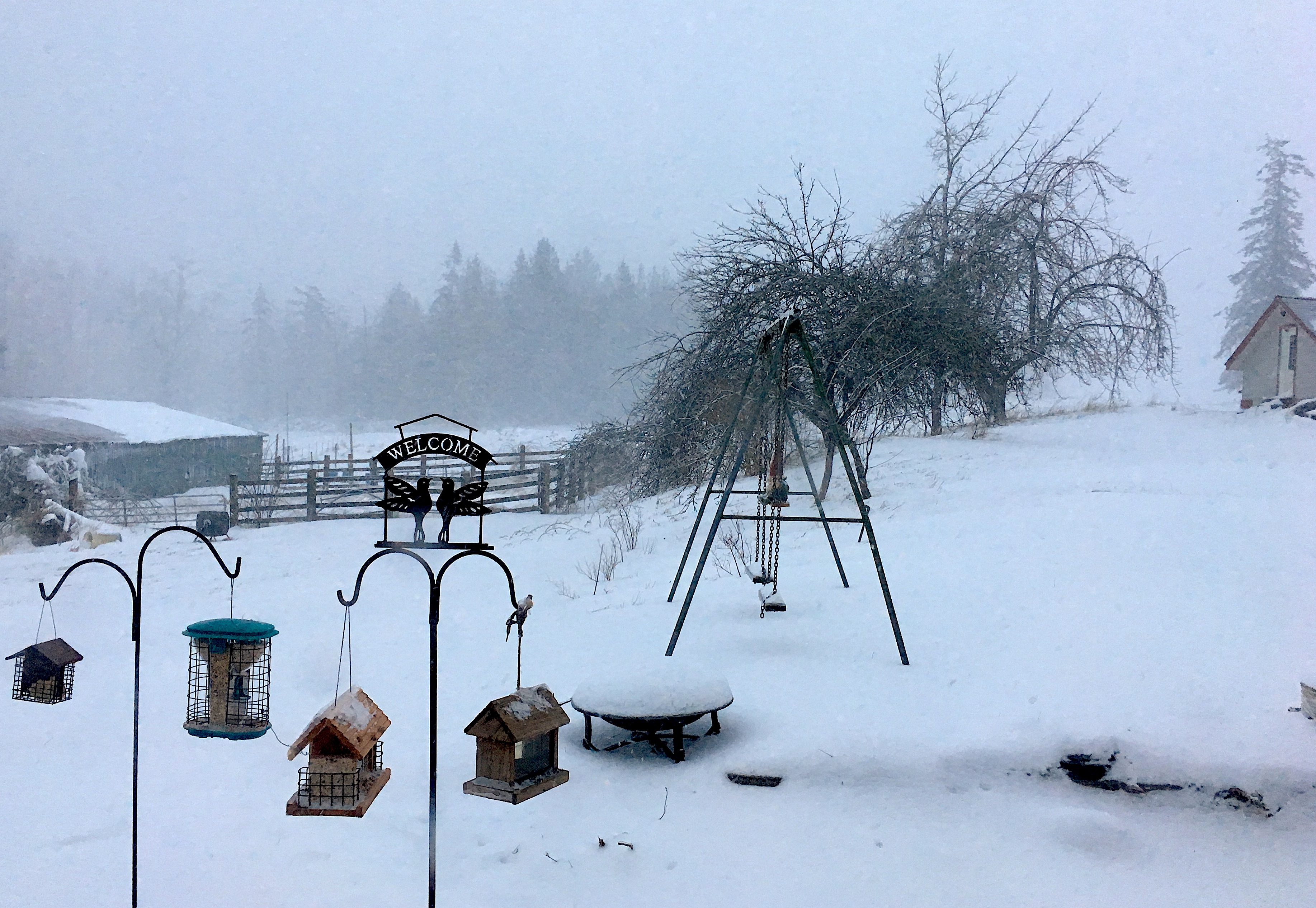
We had a surprise snowfall on the first day of winter last week.

In the Pacific Northwest, snow is often a once-a-winter event and usually doesn’t stay long. Here in the upper NW corner close to the Canadian border, it is accompanied by frigid northeast winds, blowing and drifting and making us all frankly miserable.

Yet this fresh-into-winter snowfall came down gently for several hours, without wind or drifts. It covered a multitude of messes that had accumulated over the previous year, making all things shimmer with newness. It made magic where before previously there had been drudgery.

And it silently lingered, like a long-lost memory I wanted to cling to, rolling it over and over in my mind like a snow ball that grows with each turn.

After a night of warm rain, it vanished and all was back to as it was.
Yet I am better for having been visited by an unexpected snow, reminding me how my memories and dreams are not buried so deep that they are lost forever.

Because They Are No More…

A voice is heard in Ramah,
    mourning and great weeping,

Rachel weeping for her children
    and refusing to be comforted,
    because they are no more.
Matthew 2:18 and Jeremiah 31:15

We think of him as safe beneath the steeple,
Or cosy in a crib beside the font,
But he is with a million displaced people|
On the long road of weariness and want.
For even as we sing our final carol
His family is up and on that road,
Fleeing the wrath of someone else’s quarrel,
Glancing behind and shouldering their load.

Whilst Herod rages still from his dark tower
Christ clings to Mary, fingers tightly curled,|
The lambs are slaughtered by the men of power,
And death squads spread their curse across the world.
But every Herod dies, and comes alone
To stand before the Lamb upon the throne.
~Malcolm Guite from Waiting on the Word

 â€¦as you sit beneath your beautifully decorated tree, eat the rich food of celebration, and laugh with your loved ones, you must not let yourself forget the horror and violence at the beginning and end of the Christmas story. The story begins with the horrible slaughter of children and ends with the violent murder of the Son of God. The slaughter depicts how much the earth needs grace. The murder is the moment when that grace is given.

Look into that manger representing a new life and see the One who came to die. Hear the angels’ celebratory song and remember that sad death would be the only way that peace would be given. Look at your tree and remember another tree – one not decorated with shining ornaments, but stained with the blood of God.

As you celebrate, remember that the pathway to your celebration was the death of the One you celebrate, and be thankful.
~Paul Tripp

There can be no consolation;
only mourning and great weeping,
sobbing that wrings dry
every human cell,
leaving dust behind–
dust, only dust
which is beginning
and end.

He came to us
for times such as this,
born of
the dust of woman and
the breath of Spirit,
God who bent down to
lie in barn dust,
walk on roads of dust,
die and be laid to rest as dust
in order to conquer
such evil as this
that could terrify masses
and massacre innocents.

He became dust to be
like us
He began a mere speck in a womb
like us,
so easily washed away
as unexpected, unneeded, unwanted.

Lord, You are long expected.
You are needed
You are wanted.

Your heart beat
like ours
breathing each breath
like ours
until a fearful fallen world
took Your
and our breath
away.

You shine through
the shadows of death
to guide our stumbling uncertain feet.
Your tender mercies flow freely
when there is no consolation
when there is no comfort.

You hear our cries
as You cry too.
You know our tears
as You weep too.
You know our mourning
as You mourned too.
You know our dying
as You died too.

God weeps
as tragedy happens.
Evil comes not from God
yet humankind embraces it.
Sin is a choice
we made from the beginning,
a choice we continue to make.

Only God can glue together
what evil has shattered.
He just asks us to hand Him
the pieces of our broken hearts.

We will know His peace
when He comes
to bring us home,
our tears will finally be dried,
our cells no longer
just dust,
never only dust
as we are glued together
by the breath of God
forevermore.

the tender mercy of our God,
    by which the rising sun will come to us from heaven
to shine on those living in darkness
    and in the shadow of death,
to guide our feet into the path of peace.
Luke 1: 78-79

Came Down

The Word became flesh. Ultimate Mystery born with a skull you could crush one-handed. Incarnation.
It is not tame.
It is not beautiful.
It is uninhabitable terror.
It is unthinkable darkness riven with unbearable light.
Agonized laboring led to it, vast upheavals of intergalactic space, time split apart, a wrenching and tearing of the very sinews of reality itself.

You can only cover your eyes and shudder before it, before this:
“God of God, Light of Light, very God of very God… who for us and for our salvation,”
as the Nicene Creed puts it, “came down from heaven.”  

Came down.

Only then do we dare uncover our eyes and see what we can see.
It is the Resurrection and the Life she holds in her arms.
It is the bitterness of death he takes at her breast.

~Frederick Buechner from Whistling in the Dark: A Doubter’s Dictionary

Down he came from up,
and in from out,
and here from there.
A long leap,
an incandescent fall
from magnificent
to naked, frail, small,
through space,
between stars,
into our chill night air,
shrunk, in infant grace,
to our damp, cramped
earthy place
among all
the shivering sheep.

And now, after all,
there he lies,
fast asleep.
~Luci Shaw “Descent” from Accompanied By Angels

[The Incarnation is like] a wave of the sea which, 
rushing up on the flat beach, 
runs out, even thinner and more transparent, 
and does not return to its source but sinks into the sand and disappears.
~Hans Urs von Balthasar from Origen: Spirit and Fire

Perhaps it is the mystery of the thing that brings us back,
again and again, to read the story of 
how God came down and disappeared into us.

How can this be?
God appearing on earth first to animals, then the most humble of humans.

How can He be?
Through the will of the Father and the breath of the Spirit,
the Son was, and is and yet to be.

O great mystery beyond all understanding.

O magnum mysterium,
et admirabile sacramentum.
Ut animalia viderent
Dominum natum, iacentem in
praesepio: Beata Virgo,
cujus viscera meruerunt portare
Dominum Christum
Alleluia