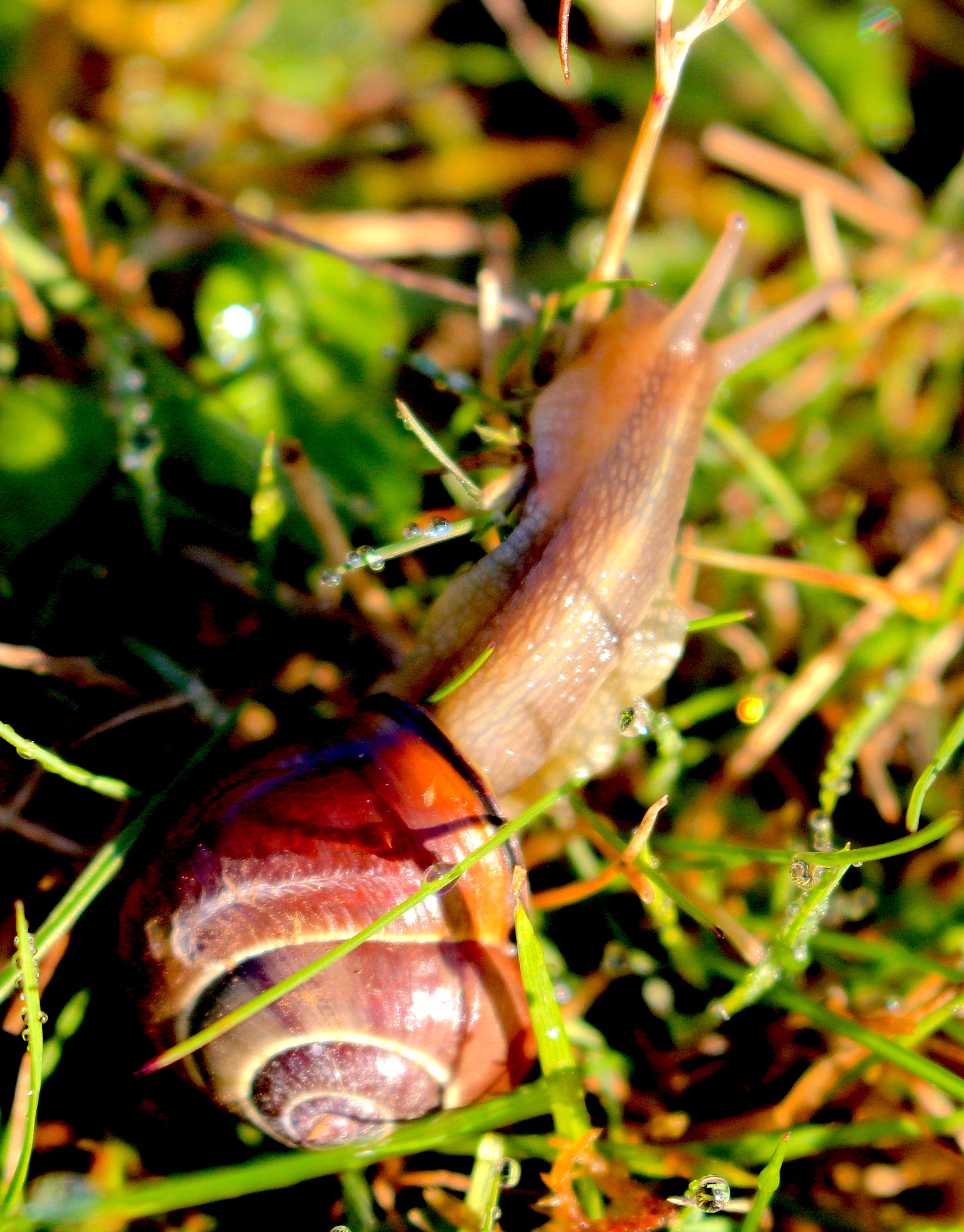
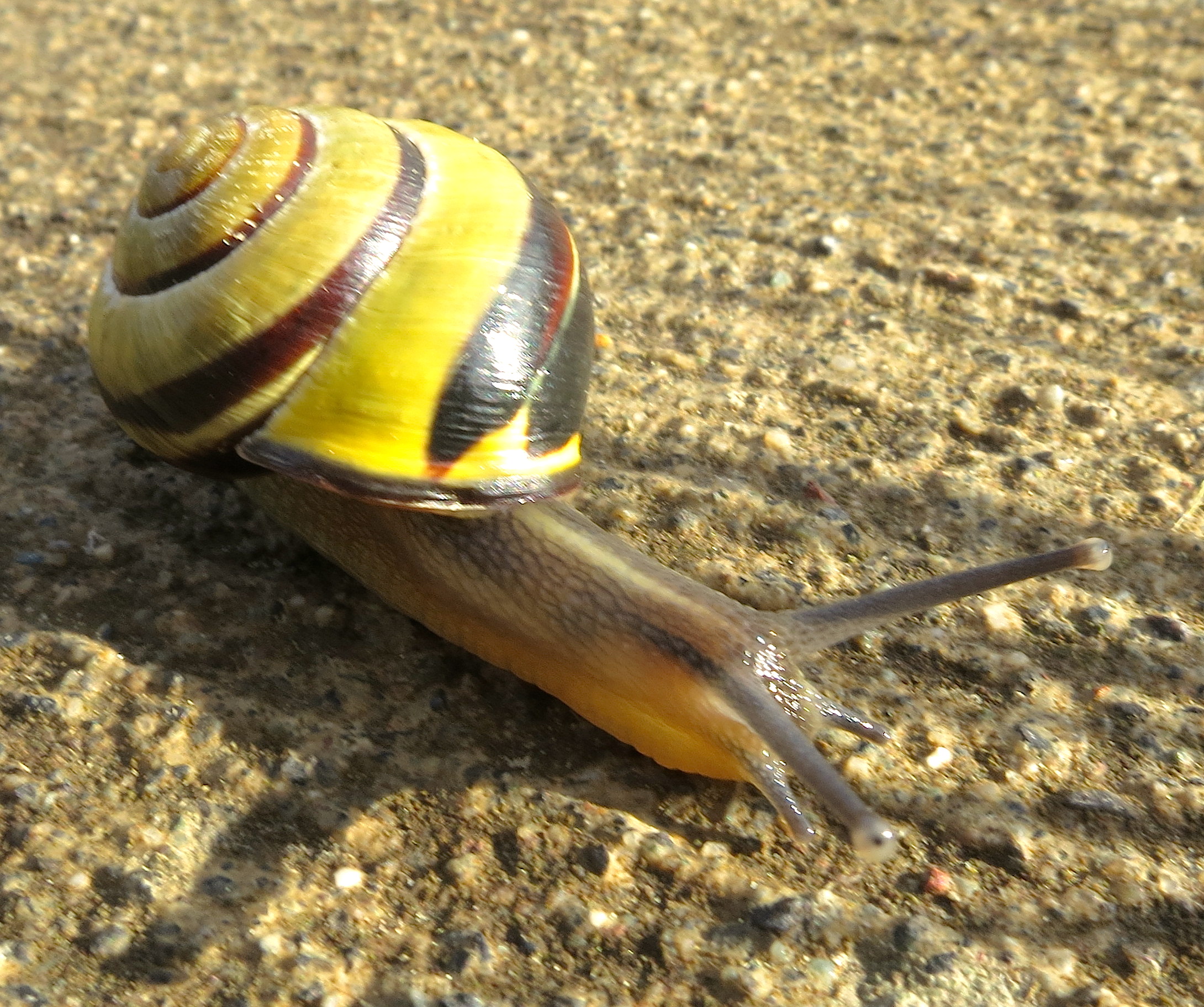
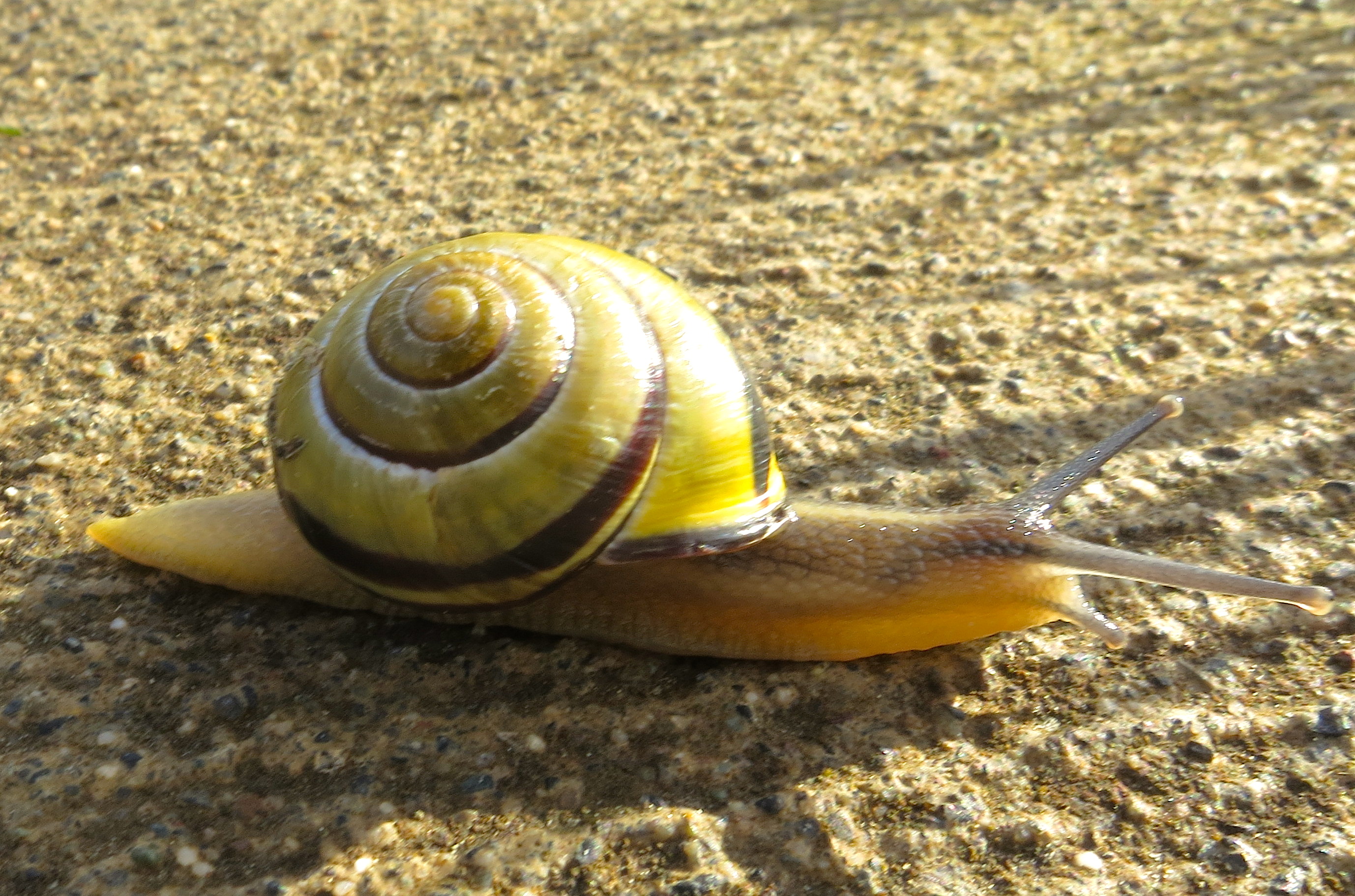
The snail pushes through a green night, for the grass is heavy with water and meets over the bright path he makes, where rain has darkened the earth’s dark. He moves in a wood of desire,
pale antlers barely stirring as he hunts. I cannot tell what power is at work, drenched there with purpose, knowing nothing. What is a snail’s fury? All I think is that if later
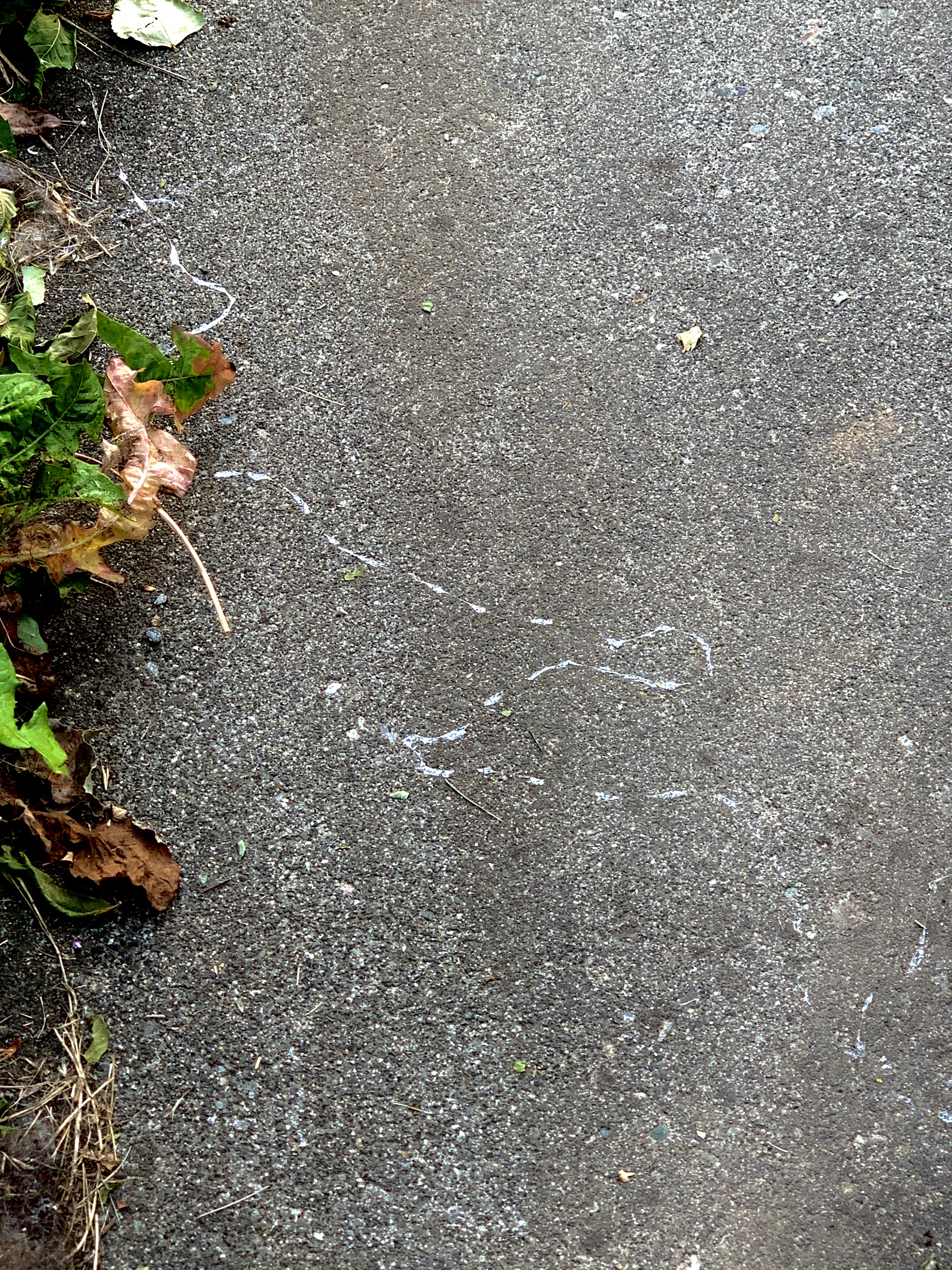
I parted the blades above the tunnel and saw the thin trail of broken white across litter, I would never have imagined the slow passion to that deliberate progress. ~Thom Gunn “Considering the Snail”
…who has a controlled sense of wonder before the universal mystery, whether it hides in a snail’s eye or within the light that impinges on that delicate organ? ~Loren Eiseley from The Star Thrower
May the poems be the little snail’s trail.
Everywhere I go, every inch: quiet record
of the foot’s silver prayer. I lived once. Thank you. It was here. ~Aracelis Girmay “Ars Poetica”
What do I leave behind as I pass through to what comes next?
It might be as slick and silvery and random as a snail trail — hardly and barely there, easily erased.
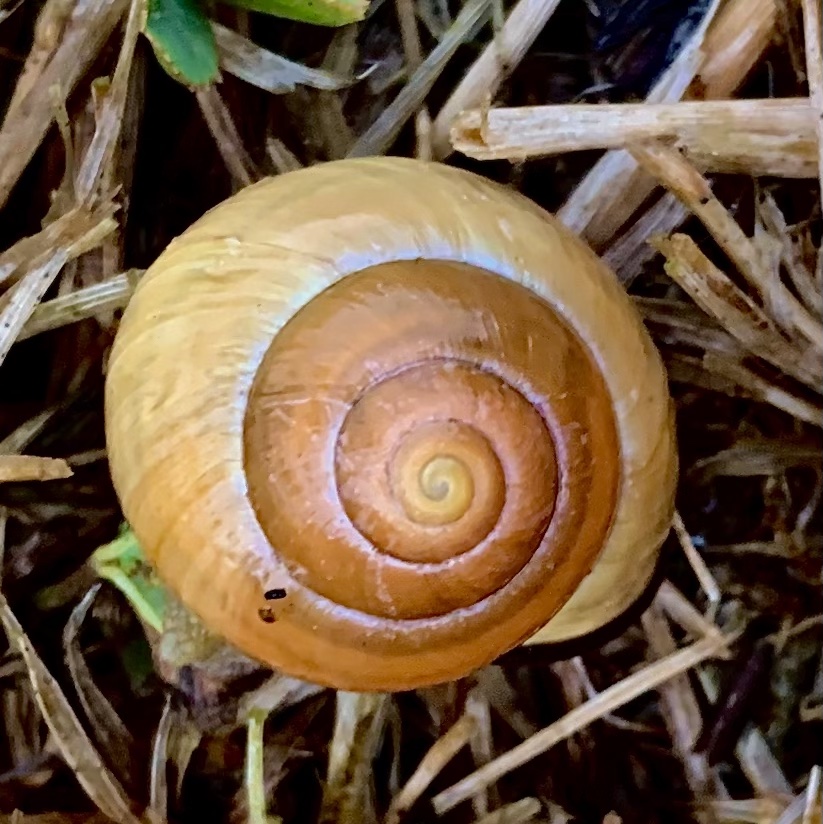
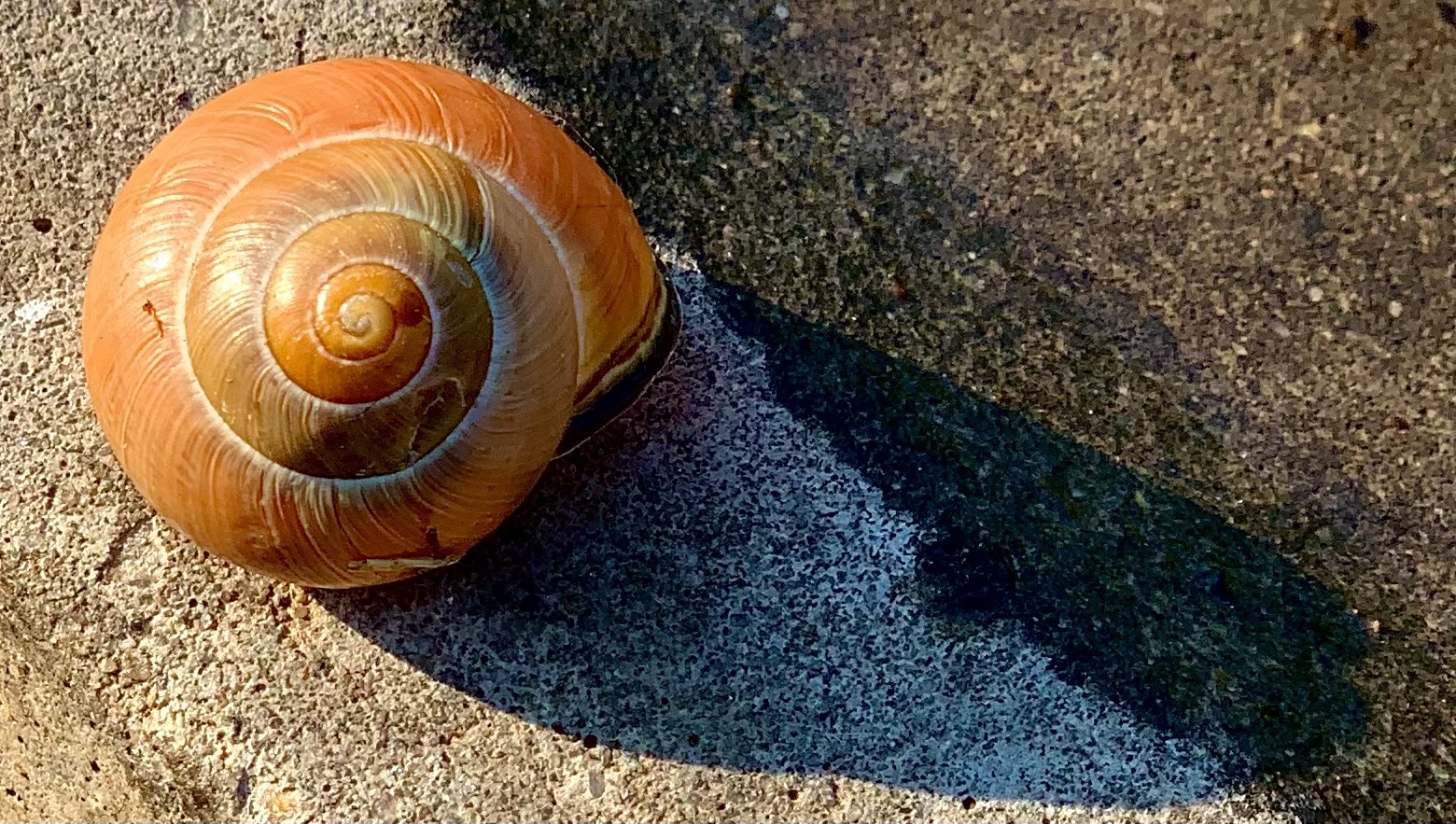
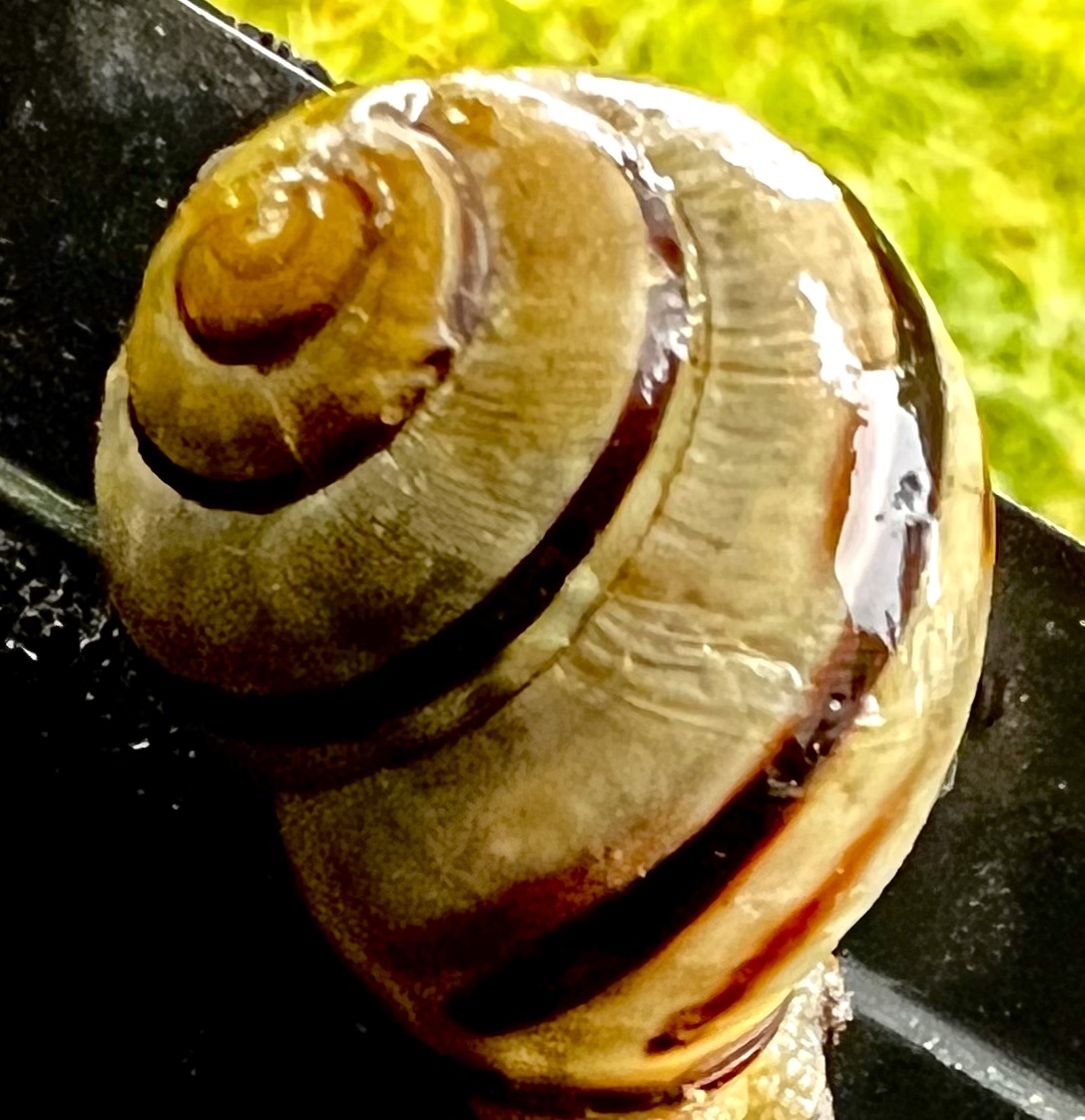
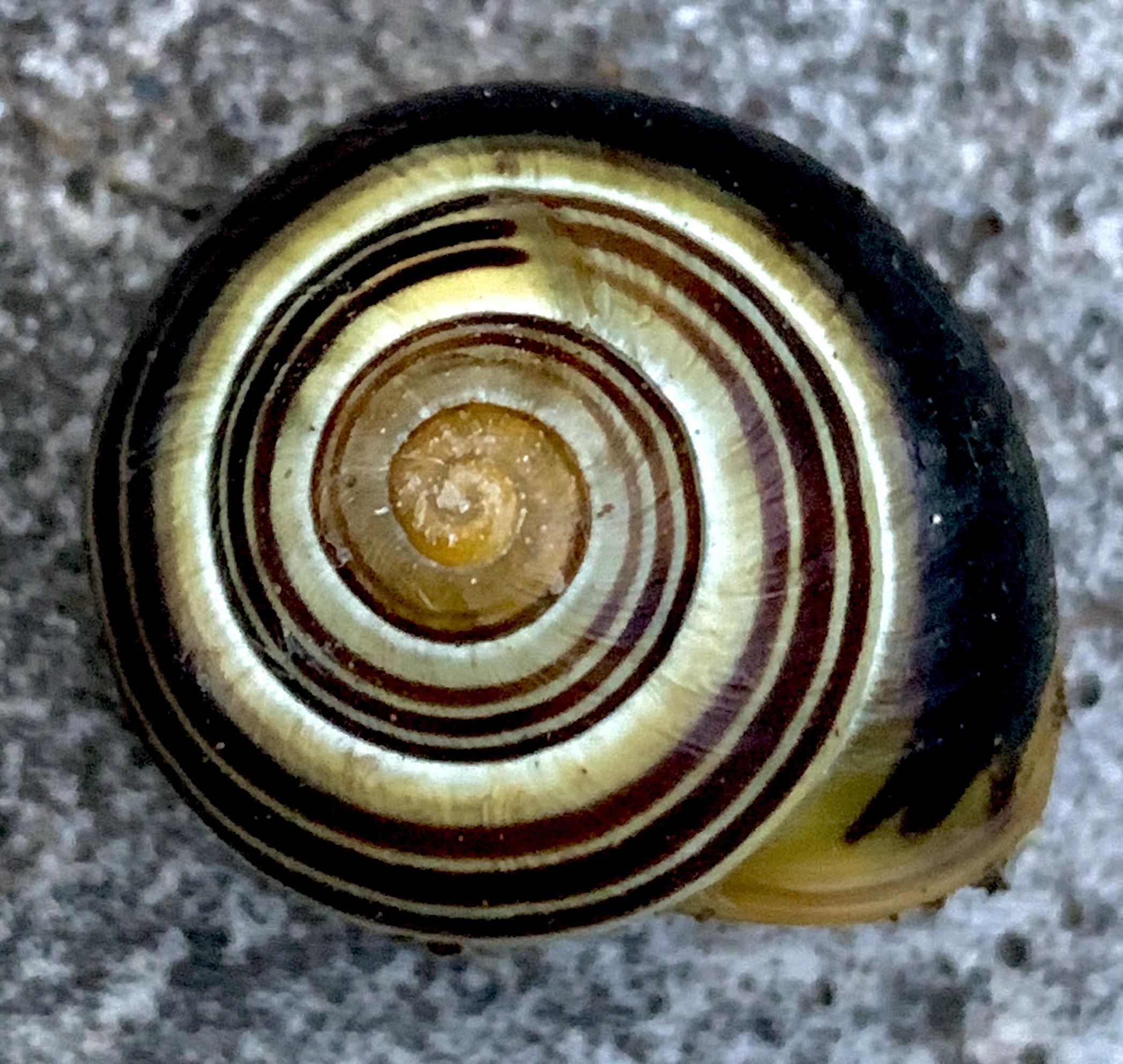
I might leave behind the solid hollow of an empty shell, leading to infinity, spiraling to nothing and everything.
Instead, just like the persistent snail, I am not my own.
I pray, grateful, for this slow passion of words and images; there is unending wonder as I make deliberate progress on this journey.
I was here and so were you. And we ultimately belong elsewhere.
One-Time
Monthly
Yearly
Make a one-time or recurring donation to support daily Barnstorming posts
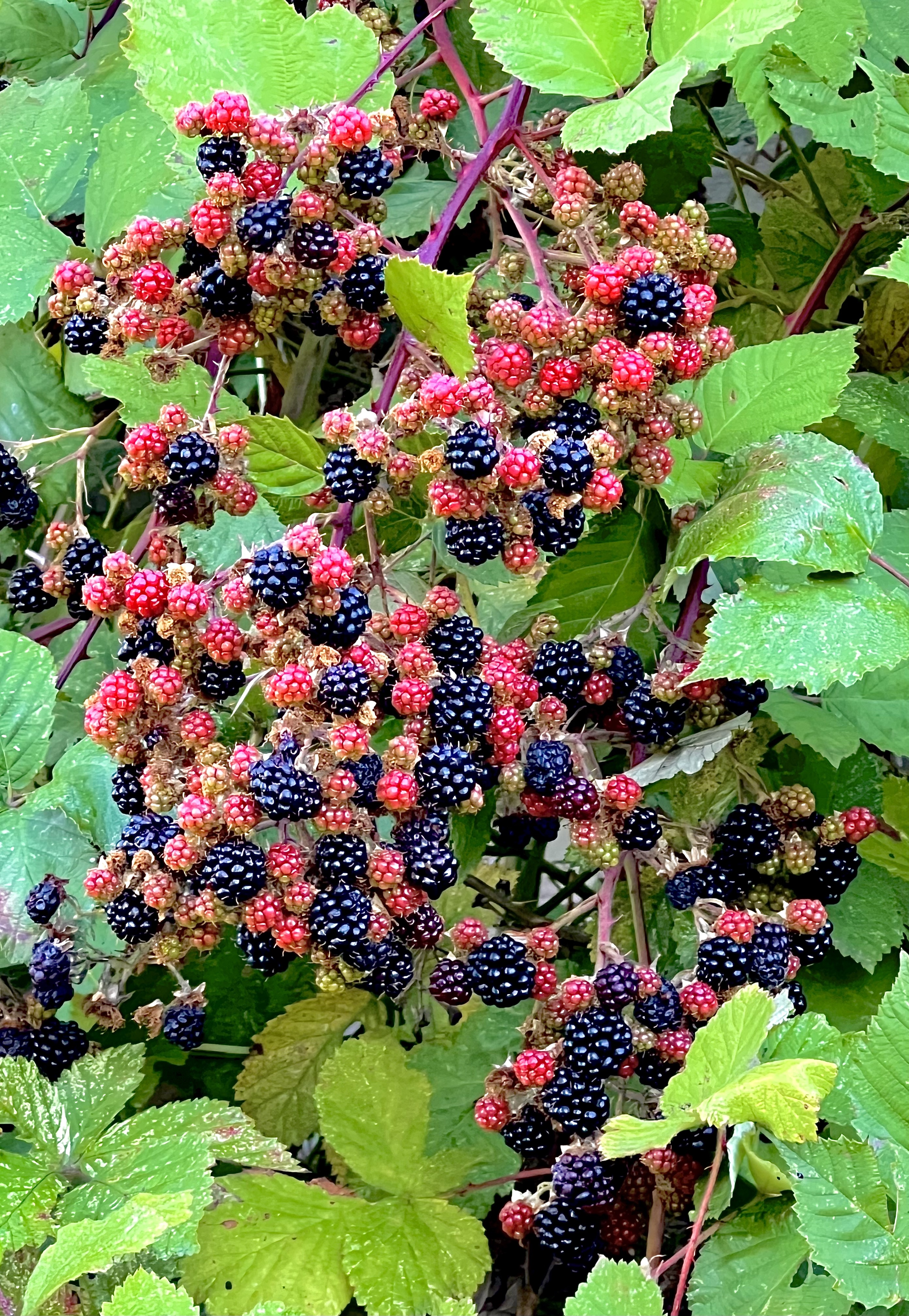
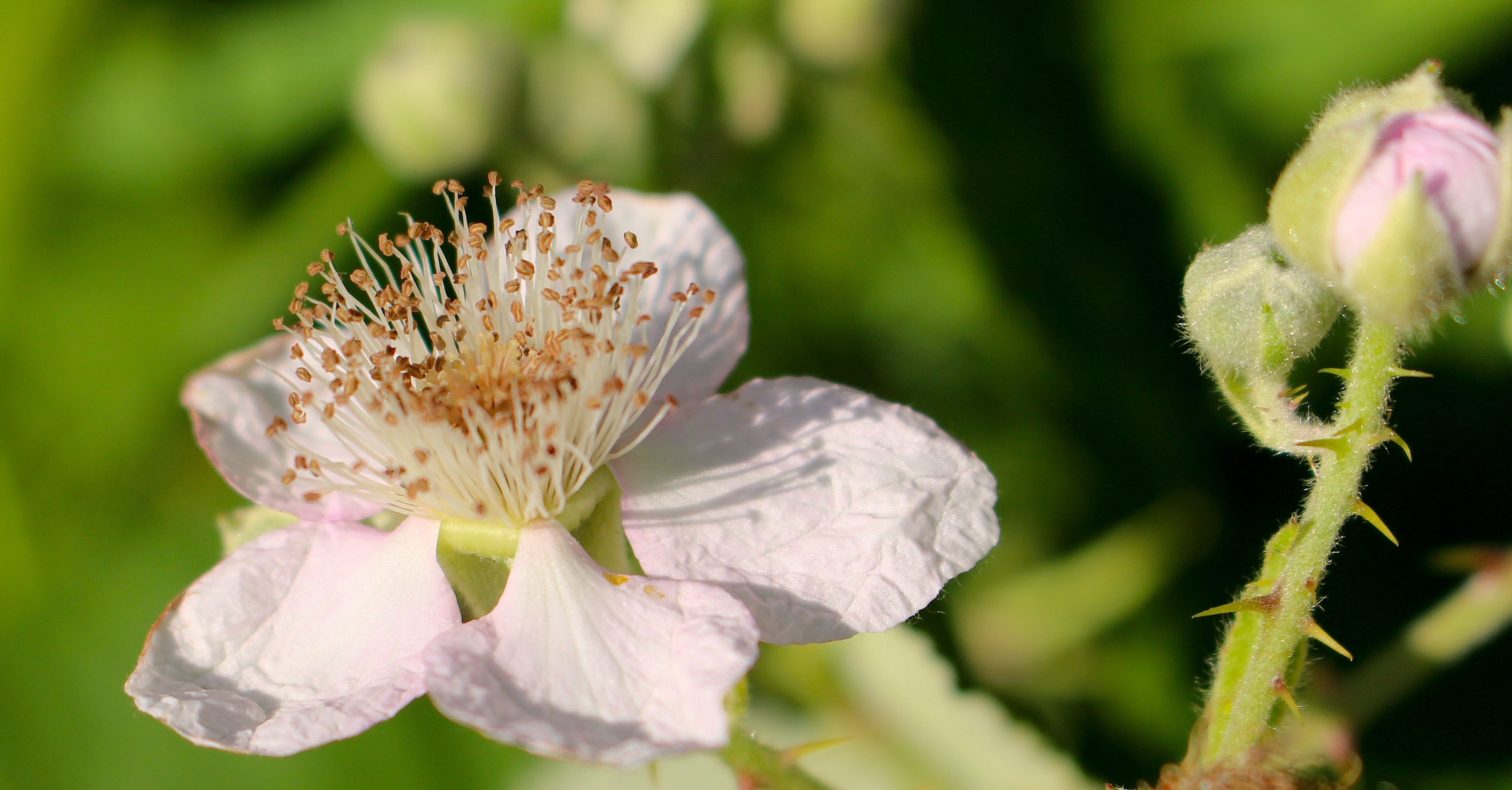
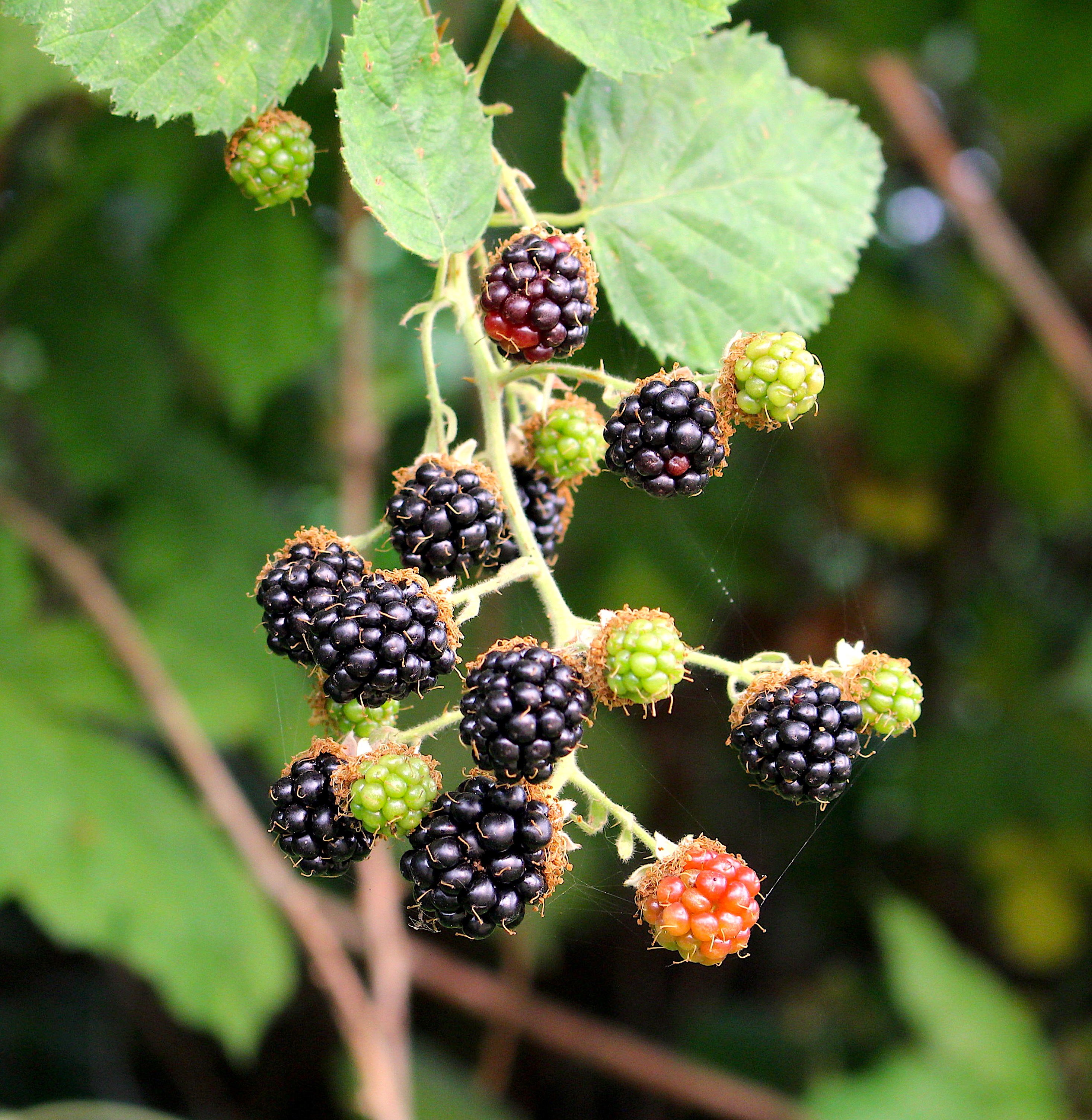
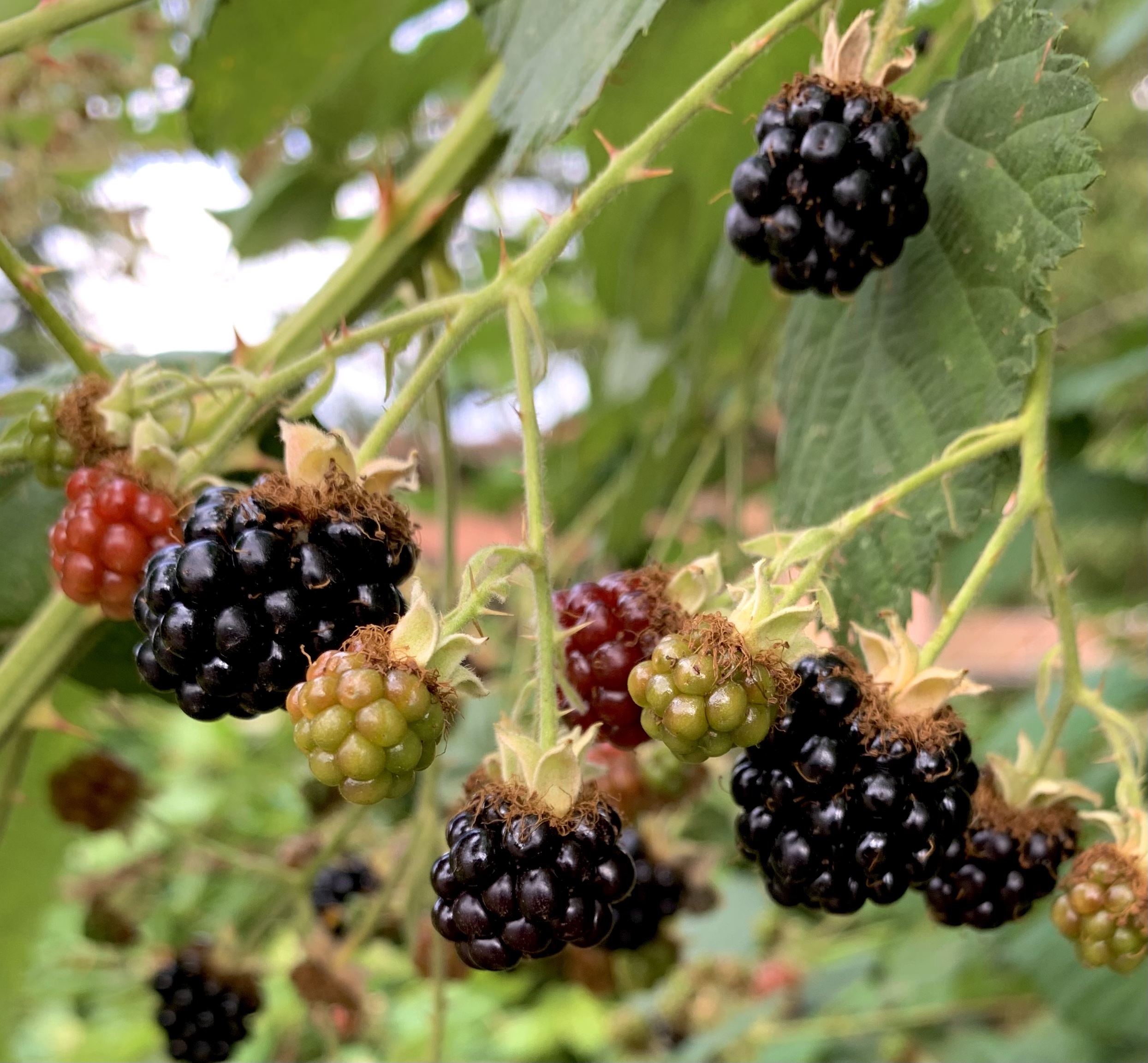
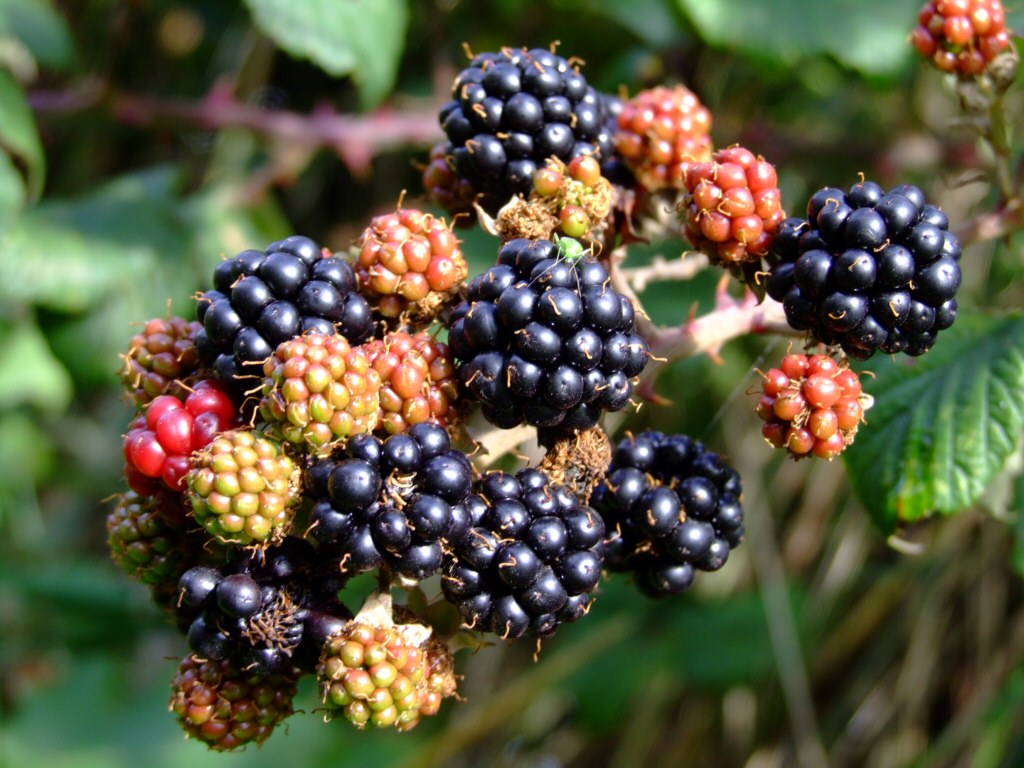
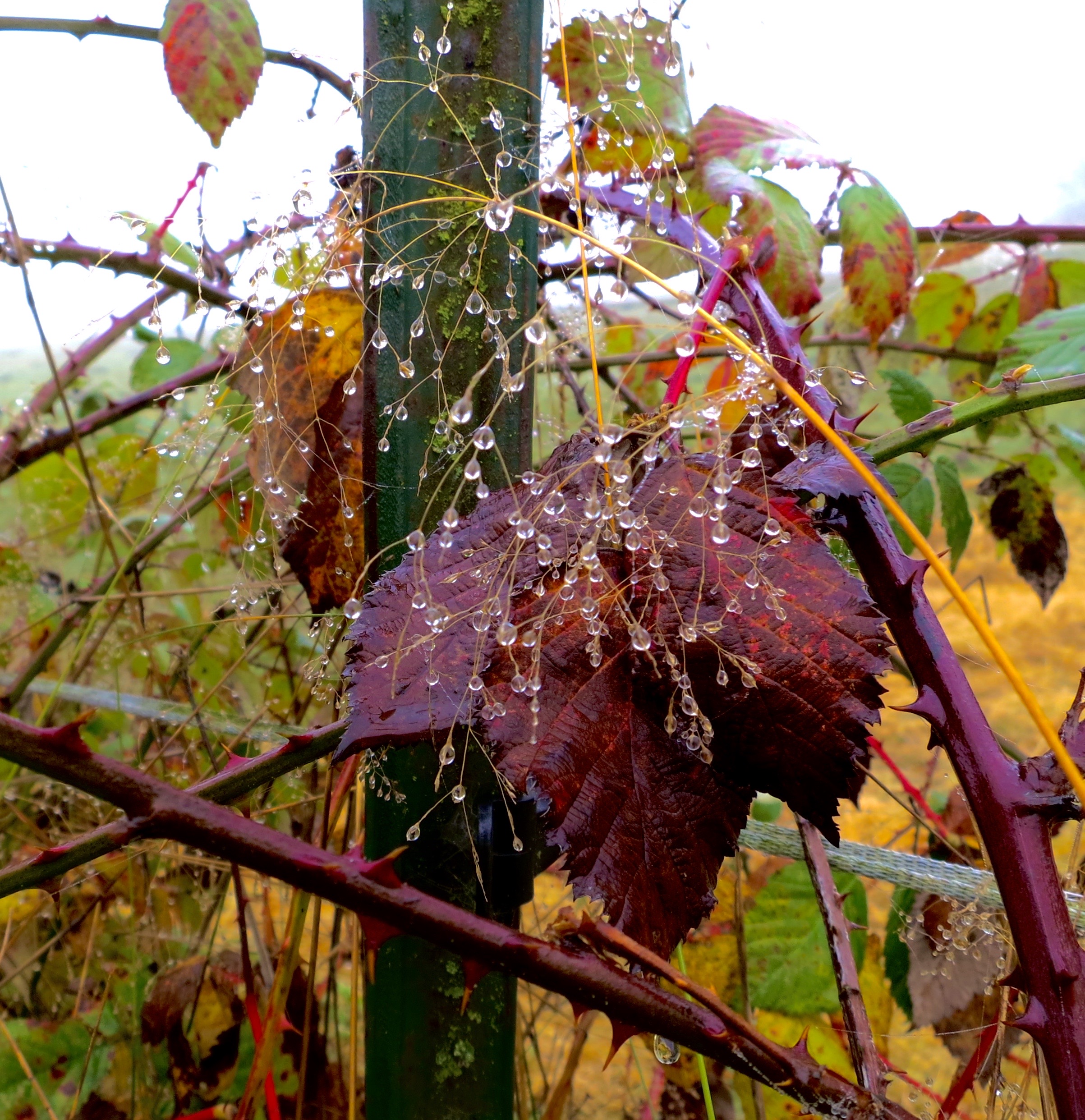
Earth’s crammed with heaven And every common bush afire with God But only he who sees, takes off his shoes, The rest sit round it and pluck blackberries~ –Elizabeth Barrett Browning from “Aurora Leigh”
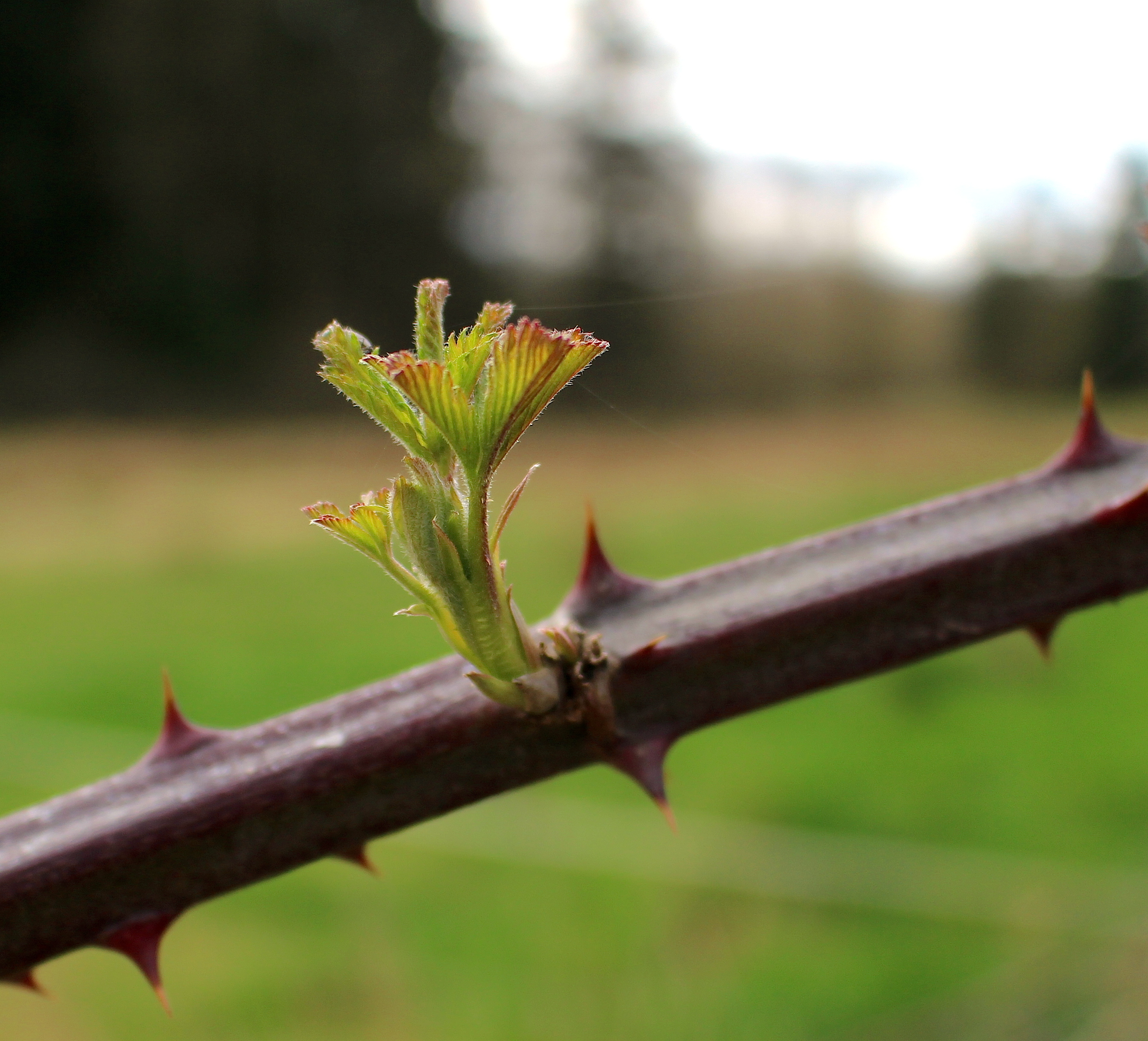
Fringing the woods, the stone walls, and the lanes, Old thickets everywhere have come alive, Their new leaves reaching out in fans of five From tangles overarched by this year’s canes.
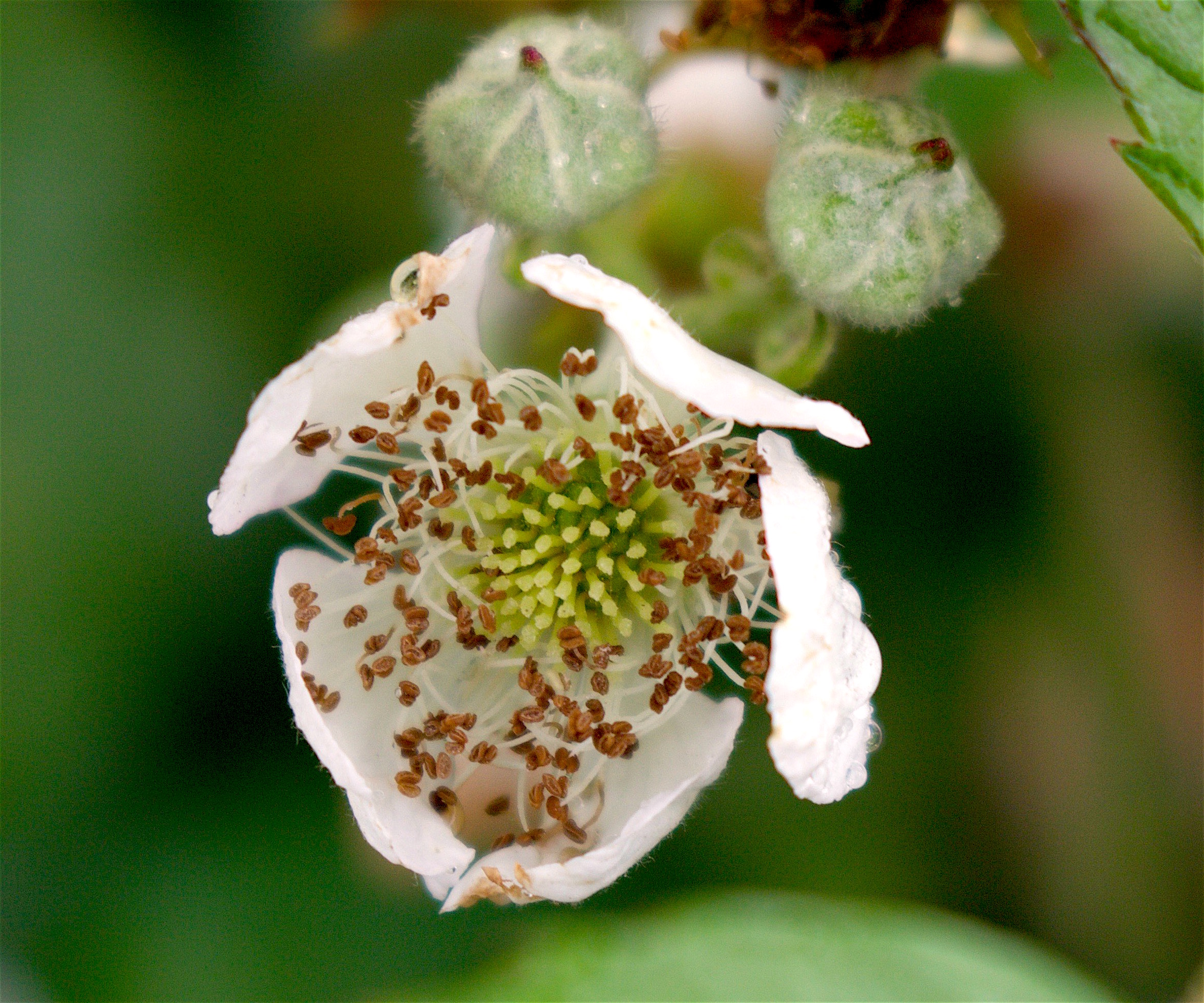
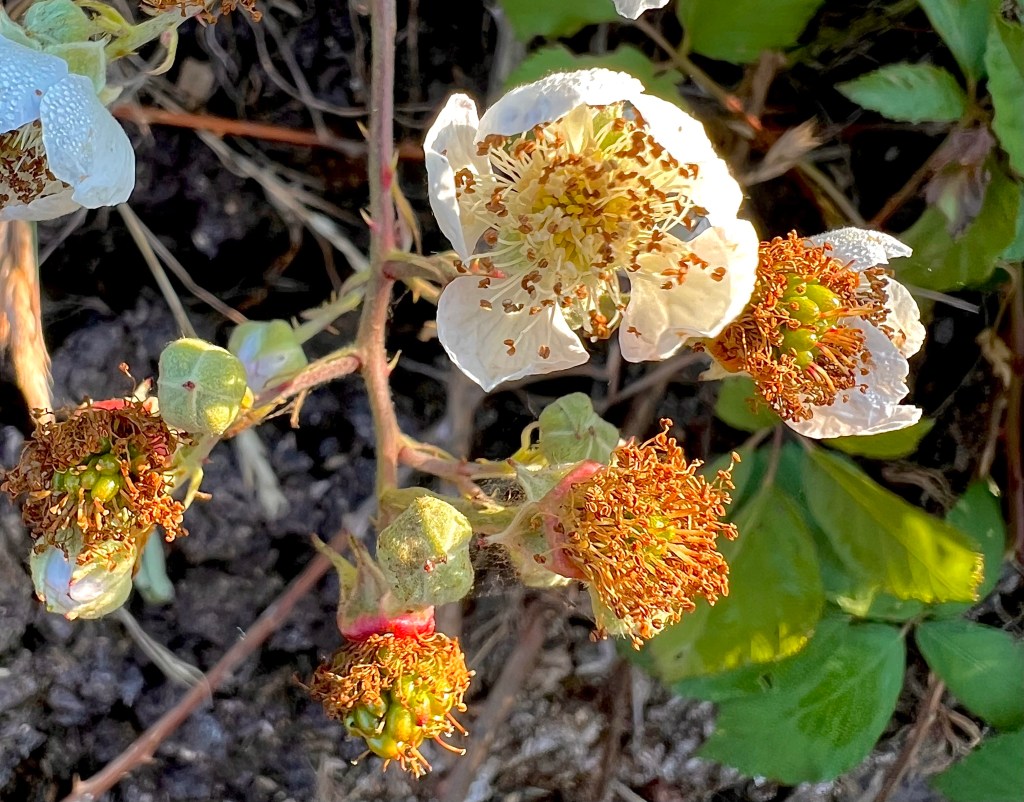
They have their flowers too, it being June, And here or there in brambled dark-and-light Are small, five-petaled blooms of chalky white, As random-clustered and as loosely strewn
As the far stars, of which we now are told That ever faster do they bolt away, And that a night may come in which, some say, We shall have only blackness to behold.
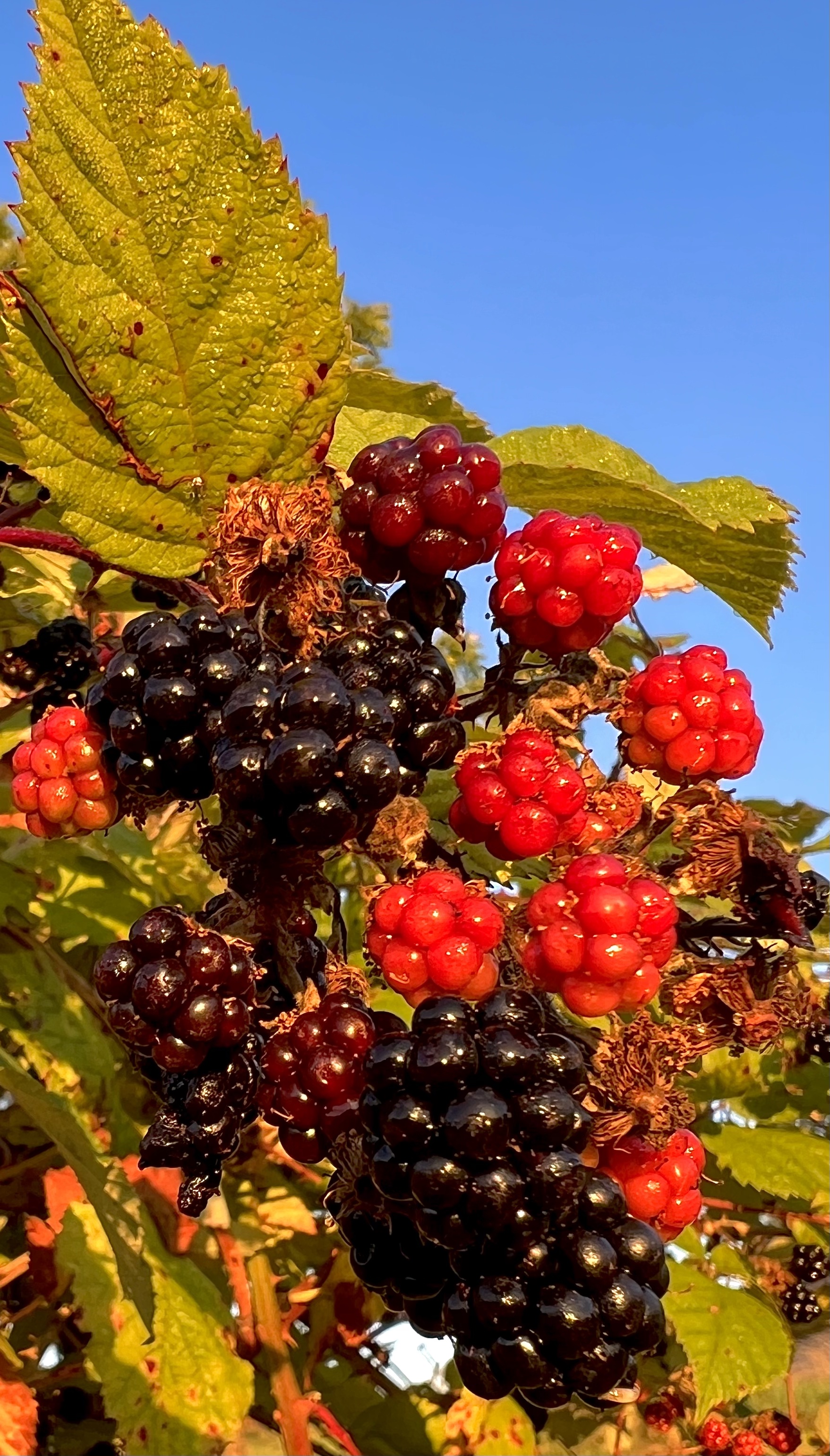
I have no time for any change so great, But I shall see the August weather spur Berries to ripen where the flowers were– Dark berries, savage-sweet and worth the wait–
And there will come the moment to be quick And save some from the birds, and I shall need Two pails, old clothes in which to stain and bleed, And a grandchild to talk with while we pick. ~Richard Wilbur “Blackberries for Amelia”
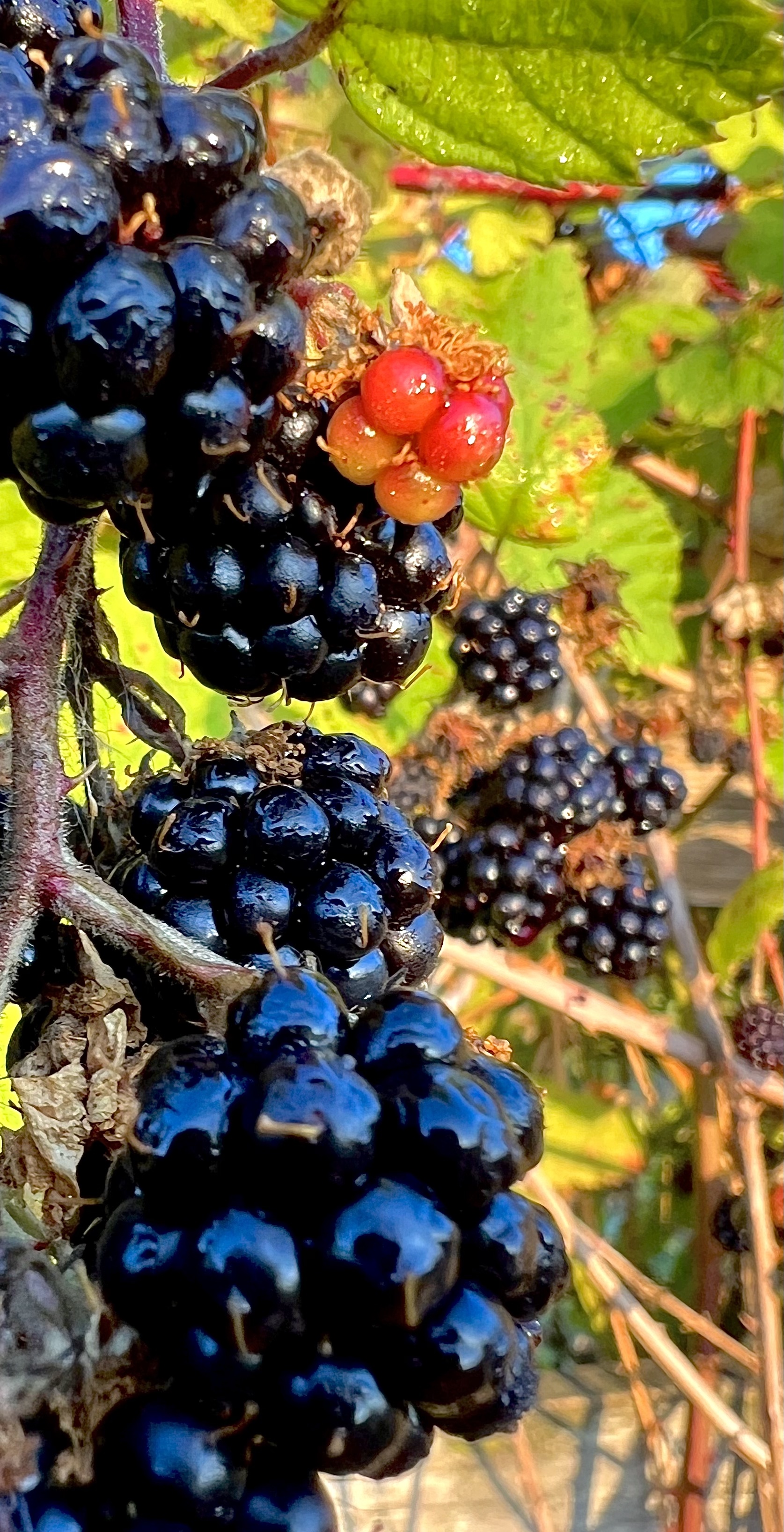
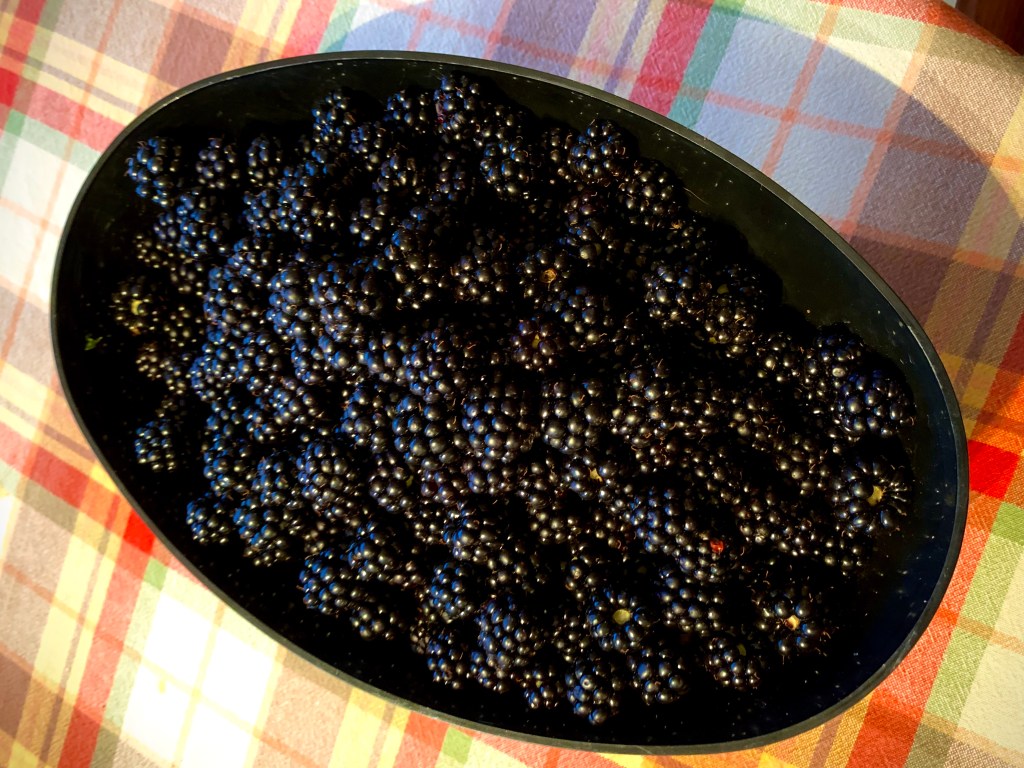
I love to go out in late September among the fat, overripe, icy, black blackberries to eat blackberries for breakfast, the stalks very prickly, a penalty they earn for knowing the black art of blackberry-making; and as I stand among them lifting the stalks to my mouth, the ripest berries fall almost unbidden to my tongue, as words sometimes do, certain peculiar words like strengths or squinched, many-lettered, one-syllabled lumps, which I squeeze, squinch open, and splurge well in the silent, startled, icy, black language of blackberry-eating in late September. ~Galway Kinnell“Blackberry Eating”
All I wanted was a few blackberries.
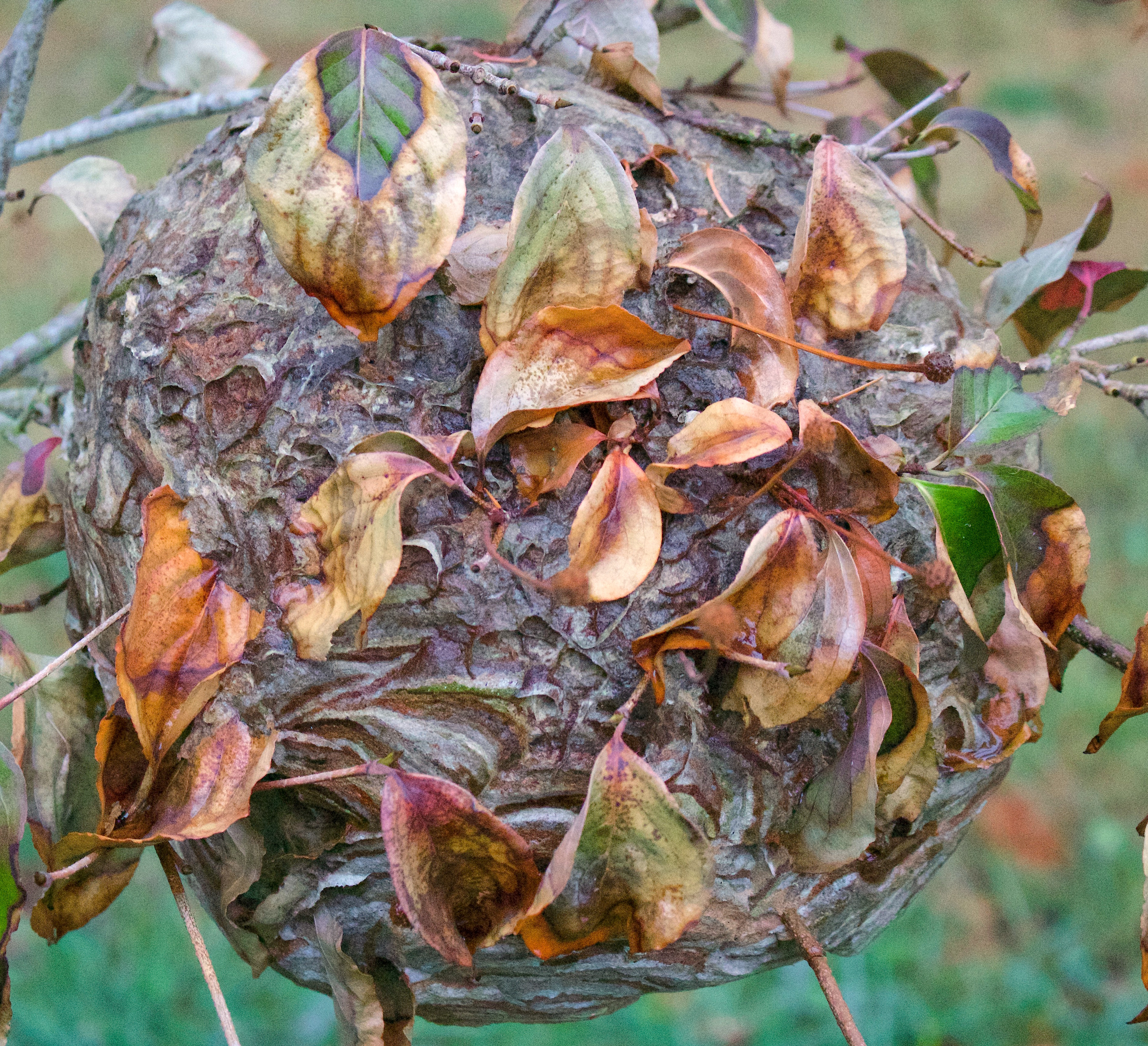
My objective was just to pick enough for cobbler for dessert, being oblivious to God burning in the bushes towering over me, around me, snagging me at every opportunity. If I had given it more thought, I would have realized the reaching vines hooking my arms and legs were hardly subtle. The thorns ripped at my skin, leaving me bloody and smarting. The fruit itself stained my hands purple, making them look freshly bruised. I crushed fat vines underfoot, trampling and stomping with my muck boots in order to dive deeper into the bushes. Webs were everywhere, with spiders crawling up my arms and dropping down into my hair. I managed to kick up one hornet’s nest so I called it quits.
All I wanted was a few blackberries, so blinded to all the clues crammed in every nook and cranny of every bush.
All I wanted was a few blackberries, trampling on holy ground with well-protected feet, unwilling to be barefoot and tenderly vulnerable.
All I wanted was a few blackberries, the lure of black gold plucked at the cost of rips and scratches and tears.
What I got was burned by a bush…
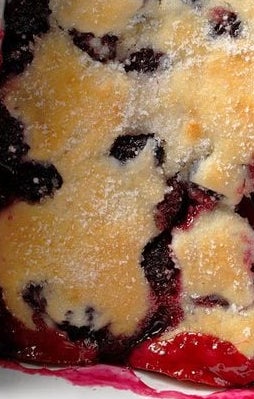
and a few blackberries for a crammed-with-heaven cobbler.
photo by Joel DeWaard
One-Time
Monthly
Yearly
Make a one-time or recurring donation to support daily Barnstorming posts
If you suddenly and unexpectedly feel joy, don’t hesitate. Give in to it. There are plenty of lives and whole towns destroyed or about to be. We are not wise, and not very often kind. And much can never be redeemed. Still, life has some possibility left. Perhaps this is its way of fighting back, that sometimes something happens better than all the riches or power in the world. It could be anything, but very likely you notice it in the instant when love begins. Anyway, that’s often the case. Anyway, whatever it is, don’t be afraid of its plenty. Joy is not made to be a crumb. ~Mary Oliver “Don’t Hesitate”
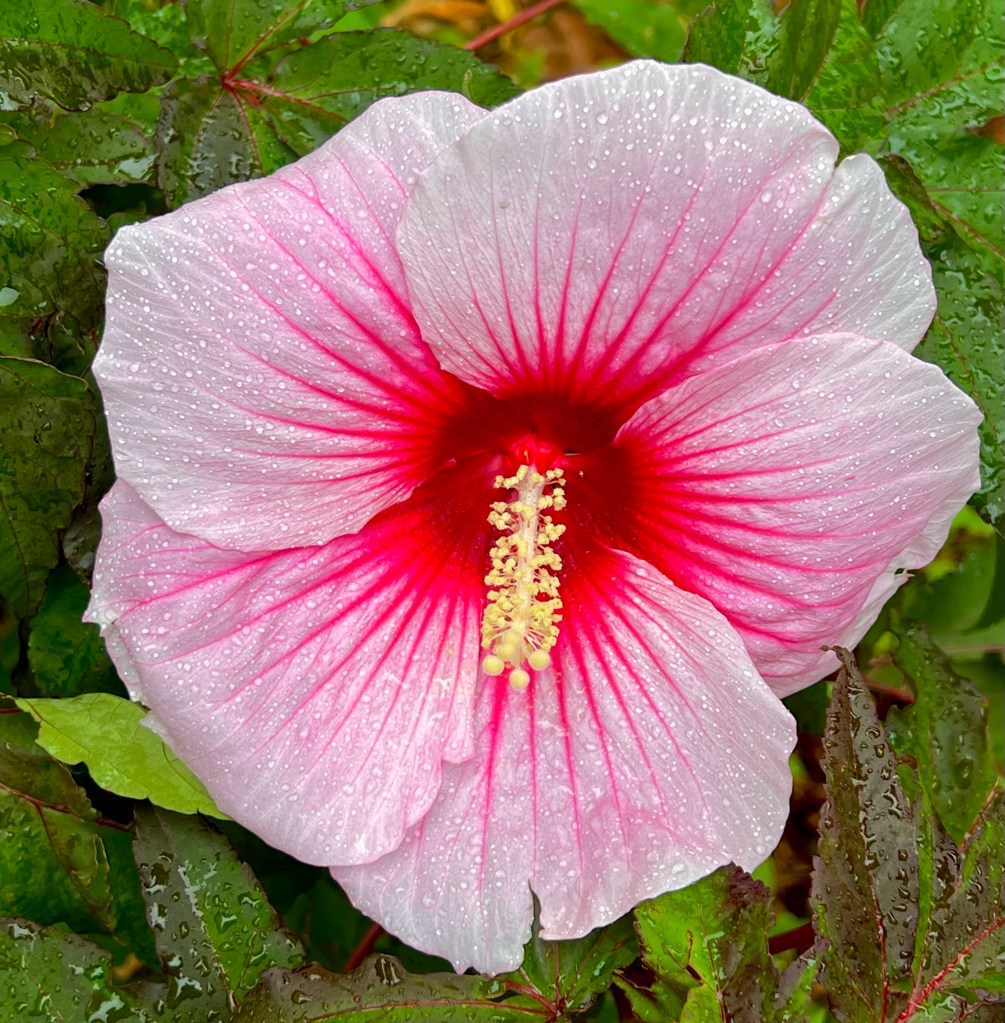
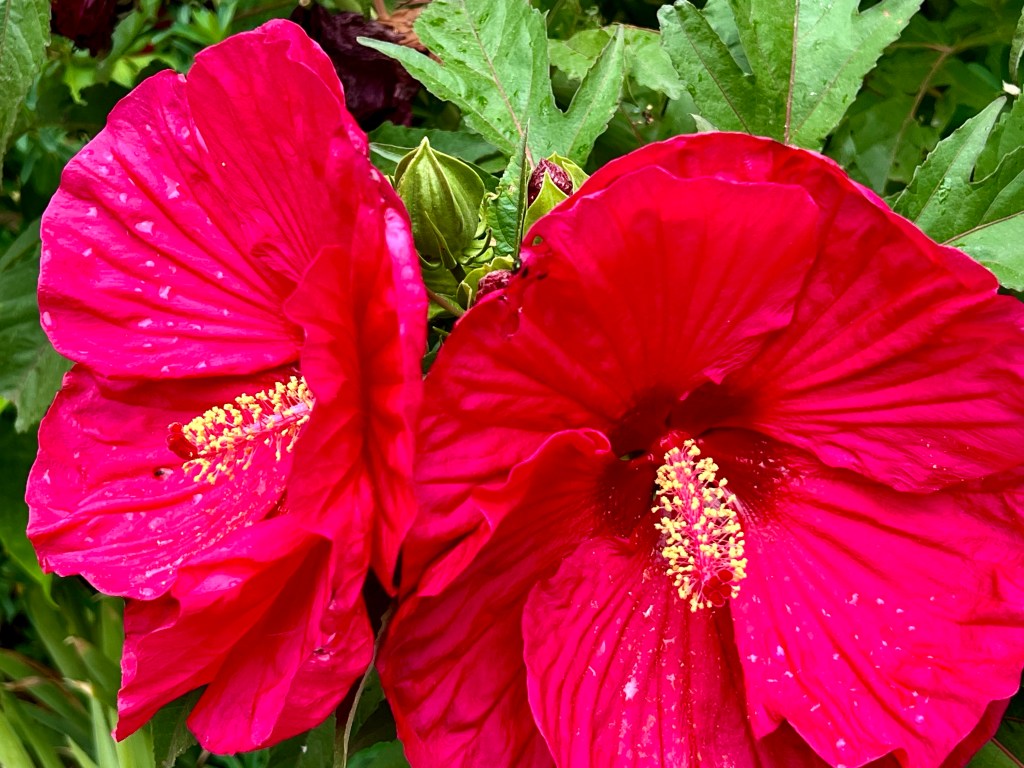
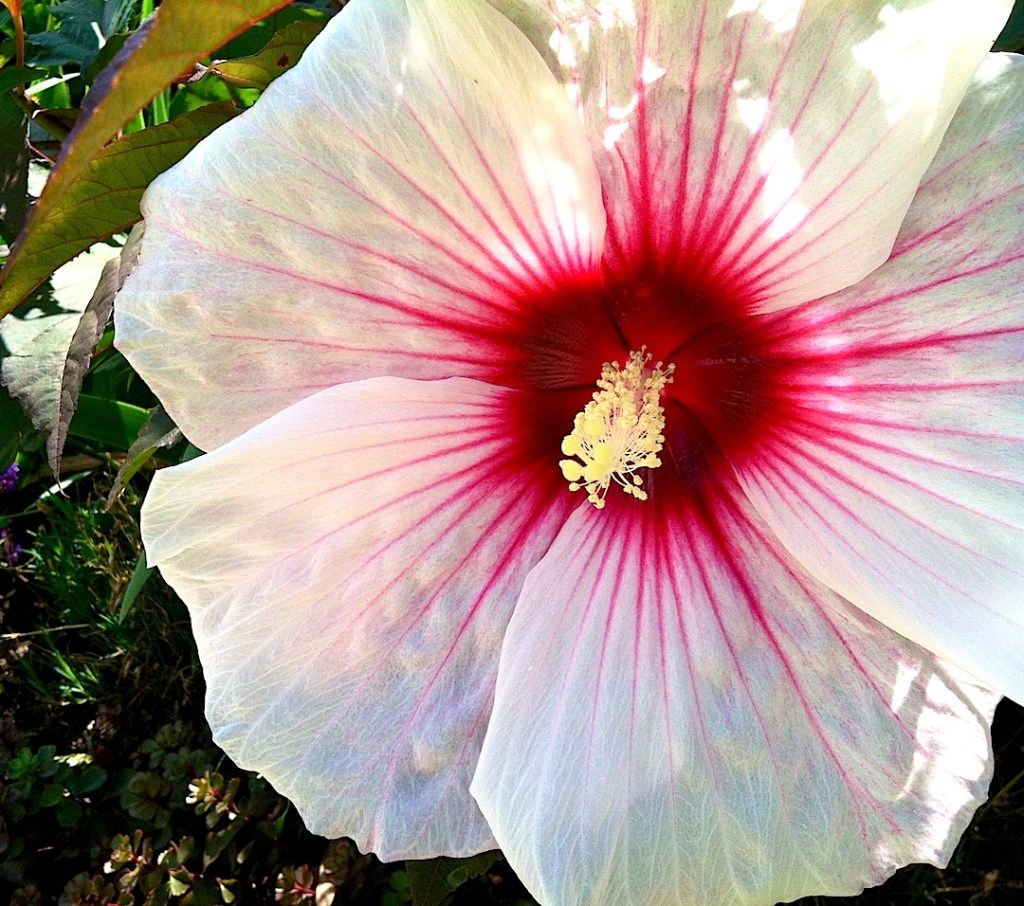
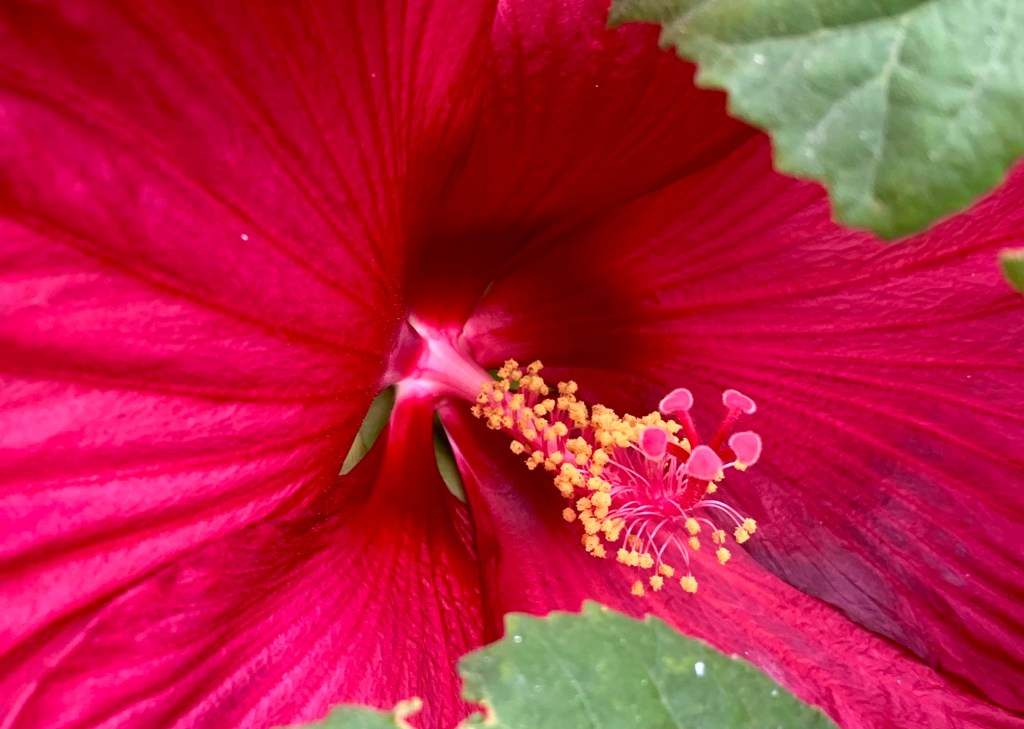
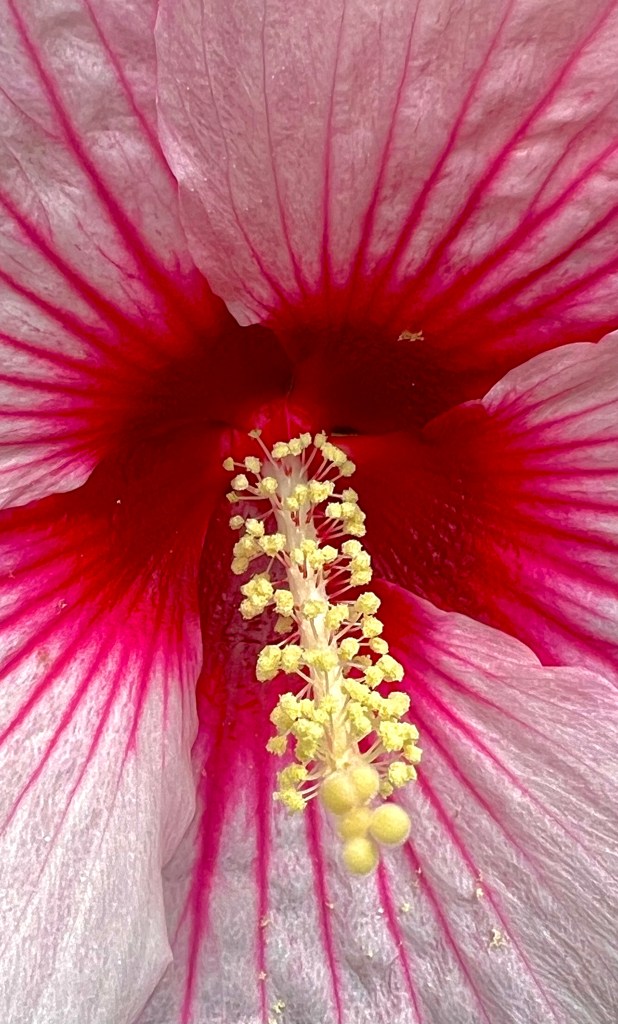
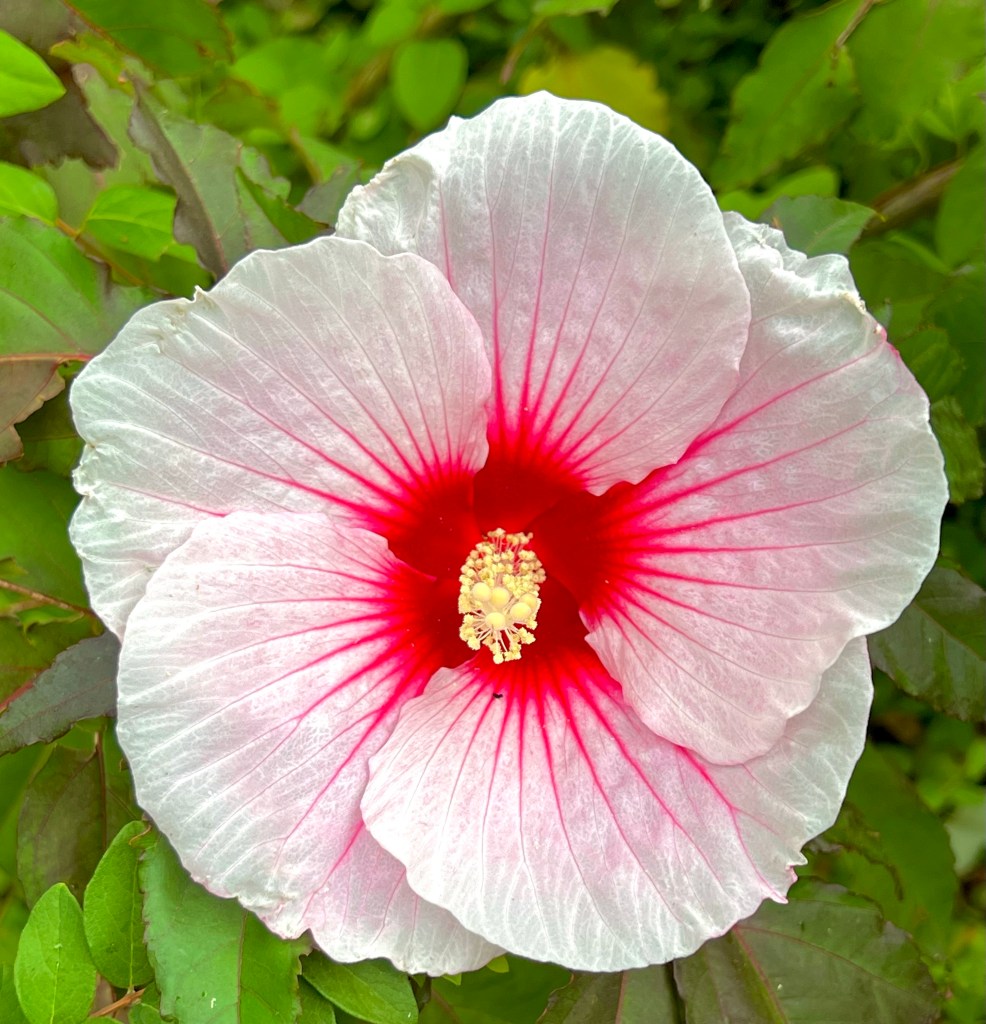
In nature there are no colors or shades. Only hues. The flower of the hibiscus is the purest red I know, as if it draws its color from a divine source. ~Toni Morrison
Joy is not made from a crumb nor from a dusting of hibiscus pollen. It can happen spontaneously. Joy is meant to catch our breath and bring us to our knees with gratitude.
I want to hold fast to the hue of joy I felt during visits to all five (soon to be six!) of our grandchildren at various times over the past two weeks. Their lives are so full of possibility: sunny faces bright with joy and cheeks that bloom like hibiscus.
One-Time
Monthly
Yearly
Make a one-time or recurring donation to support daily Barnstorming posts
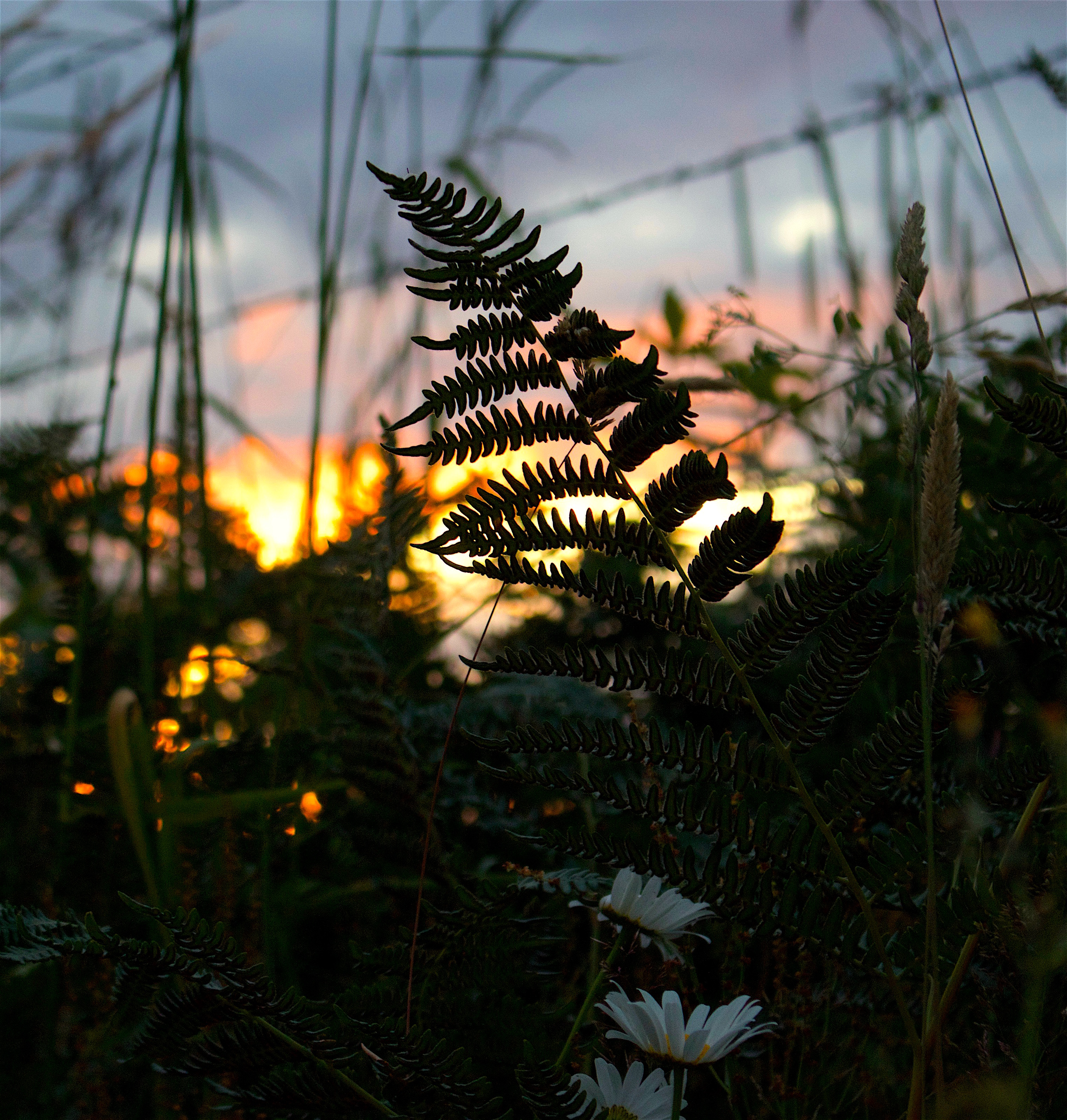
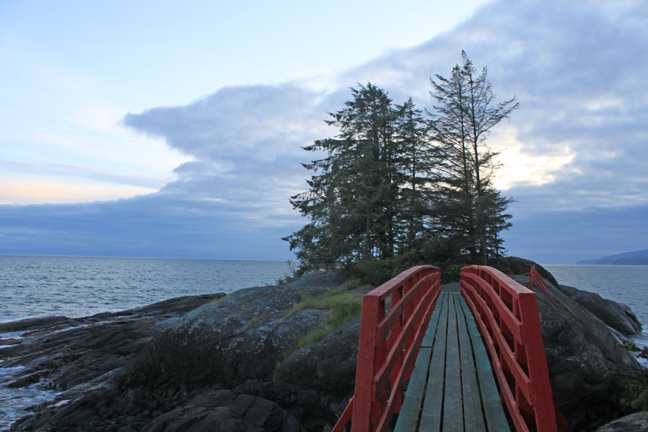
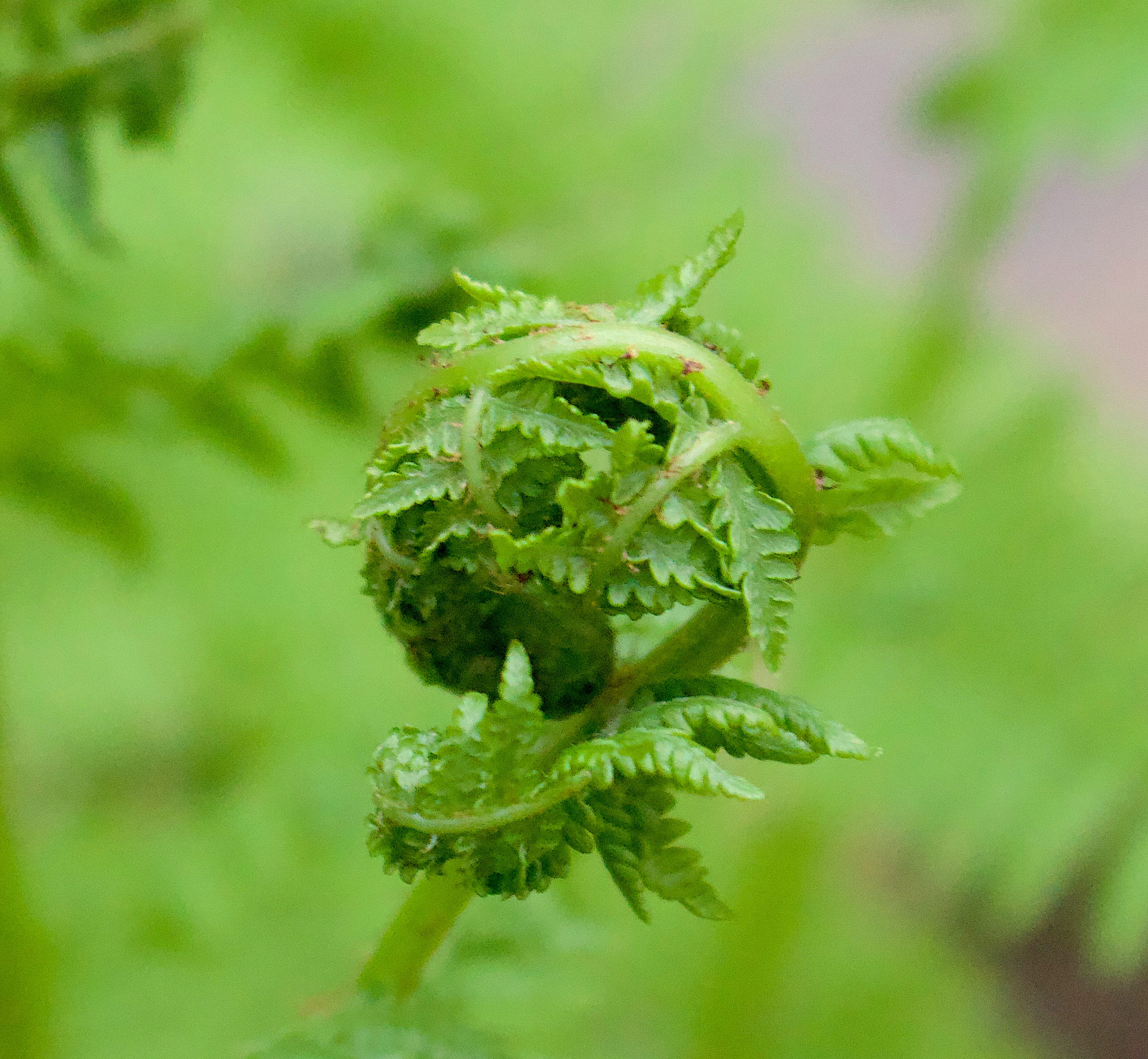
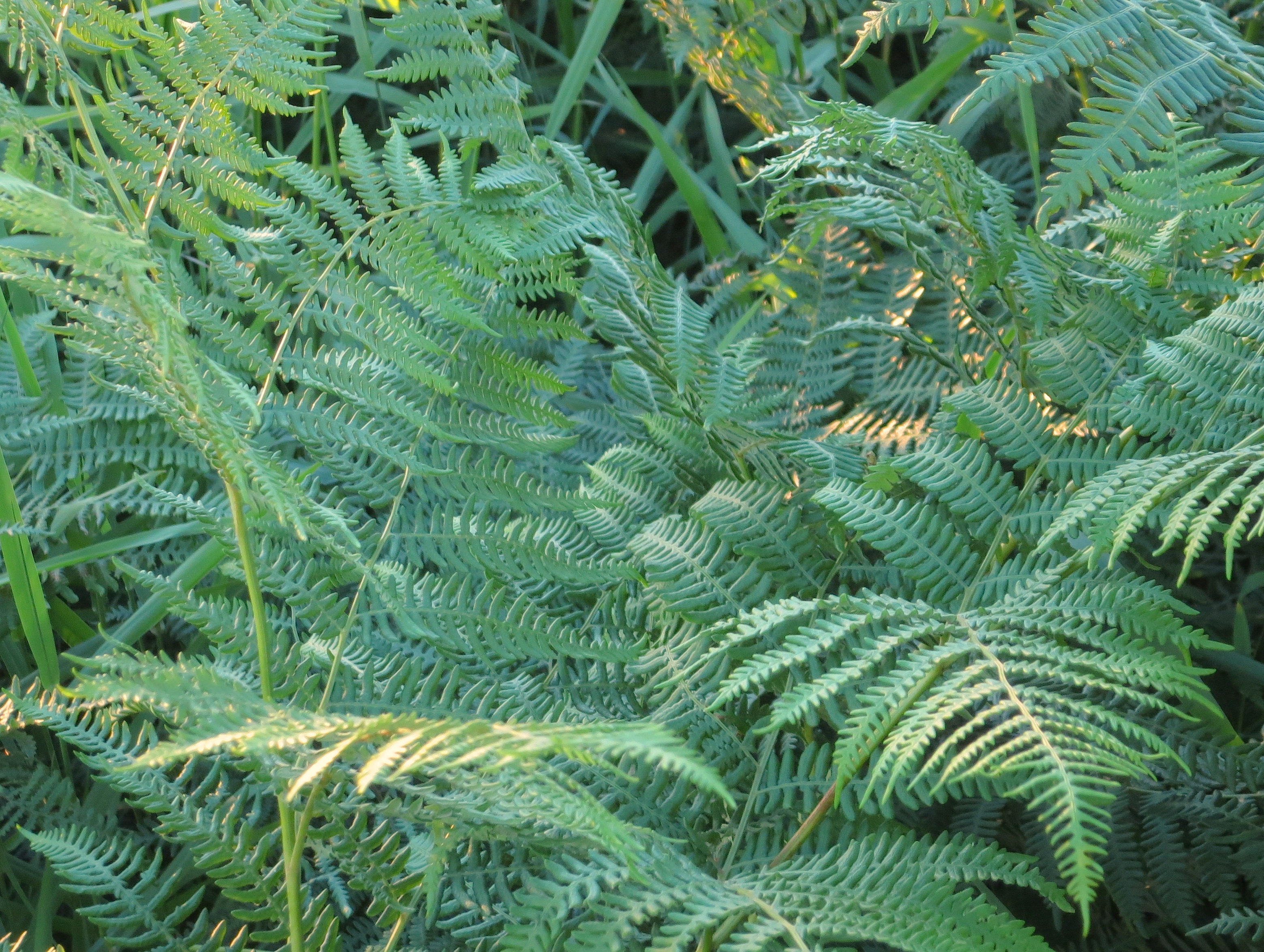
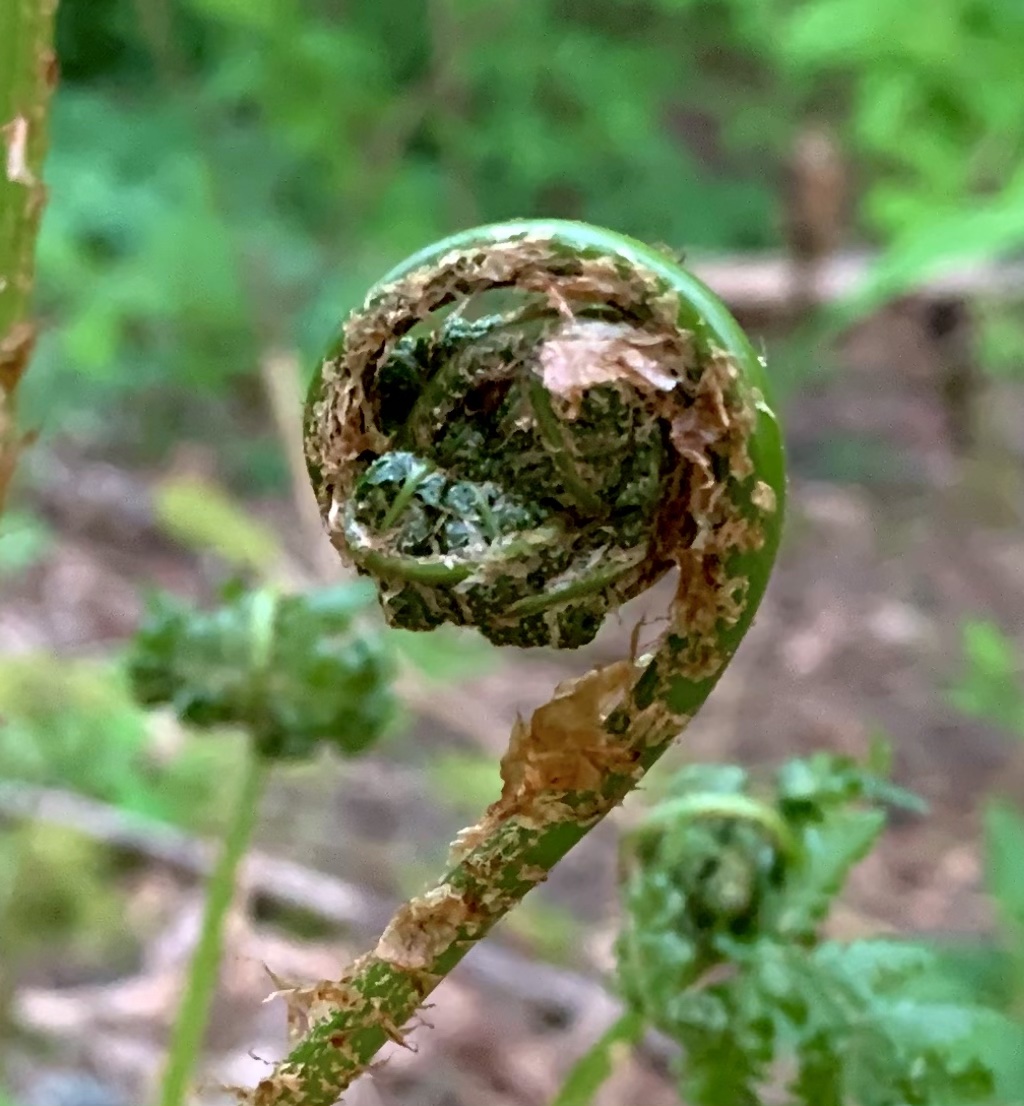
The fern fronds glow with a clean, green light, and I lift one and point out the spores, curled like sleep on the back, the rows so straight, so even, that I might be convinced of Providence at this moment. My daughter is seven. She looks at the spores, at the leaf, at the plant, at this wise, wide forest we are in, and sighs at my pointing out yet another Nature Fact. But look, I say, each one is a baby ready to grow. Each one can become its own fern. But she is already moving down the path toward the bridge and whatever’s beyond. ~Gillian Wegener “Nature Walk” from This Sweet Haphazard
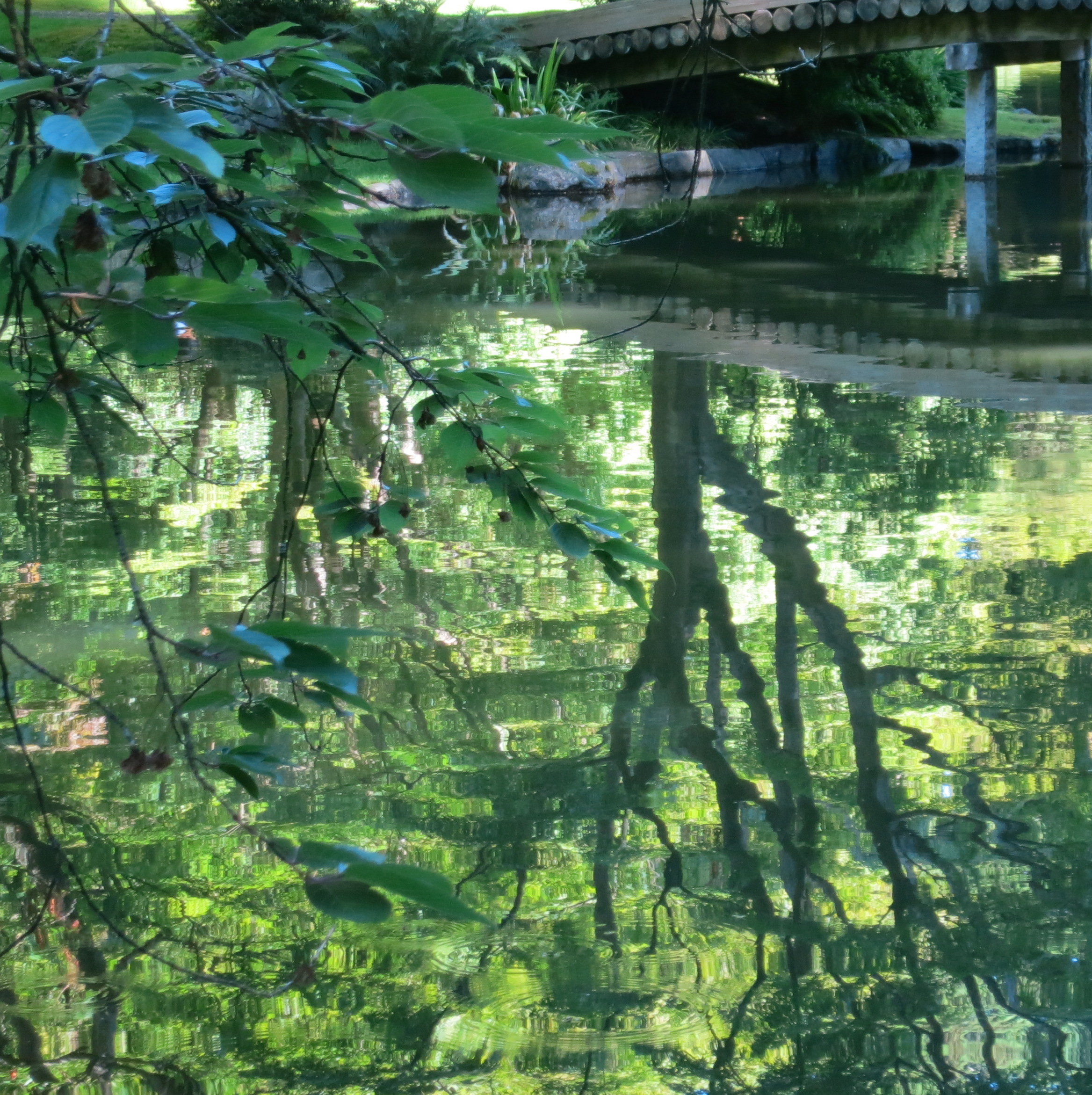
Others taunt me with having knelt at well-curbs Always wrong to the light, so never seeing Deeper down in the well than where the water Gives me back in a shining surface picture Me myself in the summer heaven godlike Looking out of a wreath of fern and cloud puffs. Once, when trying with chin against a well-curb, I discerned, as I thought, beyond the picture, Through the picture, a something white, uncertain, Something more of the depths—and then I lost it. Water came to rebuke the too clear water. One drop fell from a fern, and lo, a ripple Shook whatever it was lay there at bottom, Blurred it, blotted it out. What was that whiteness? Truth? A pebble of quartz? For once, then, something. ~Robert Frost “For Once, Then, Something”
I took many nature walks by myself as a kid living on 7 acres of woods and pasture. There wasn’t much that I didn’t scrutinize carefully throughout the seasons, keeping track of how things changed, died, reappeared and thrived.
I knew the woods of my childhood would not be my forever home as that home was sold after my parents’ divorce. I dwelled for nearly a decade in the city before settling in with my husband on this rural road over thirty years ago. We want to remain here for as long as we are able to manage it.
What I see on my work around our farm is what I share here. Some of you like the nature walks I offer. Others have moved on ahead of me, heading to the bridge to a destination beyond.
I understand that need to move on. I’ve done it as well.
Those of you who stick with me on my walk, day in and day out – you are very special to me. I hear from some of you (thank you!) every day, when you see your reflection in the waterwell of these photos and words.
Most of you are too shy or busy or don’t think it matters that I know you have seen and read and listened what I post here. In fact, I love to know you have visited. If you haven’t connected with me for awhile or never at all, I appreciate knowing if: for once, then, something touched you here.
That indeed is the truth – our walk together, for now, is a blessing. The bridge to whatever is beyond will be waiting when we’re ready.
One-Time
Monthly
Yearly
Make a one-time or recurring donation to support daily Barnstorming posts
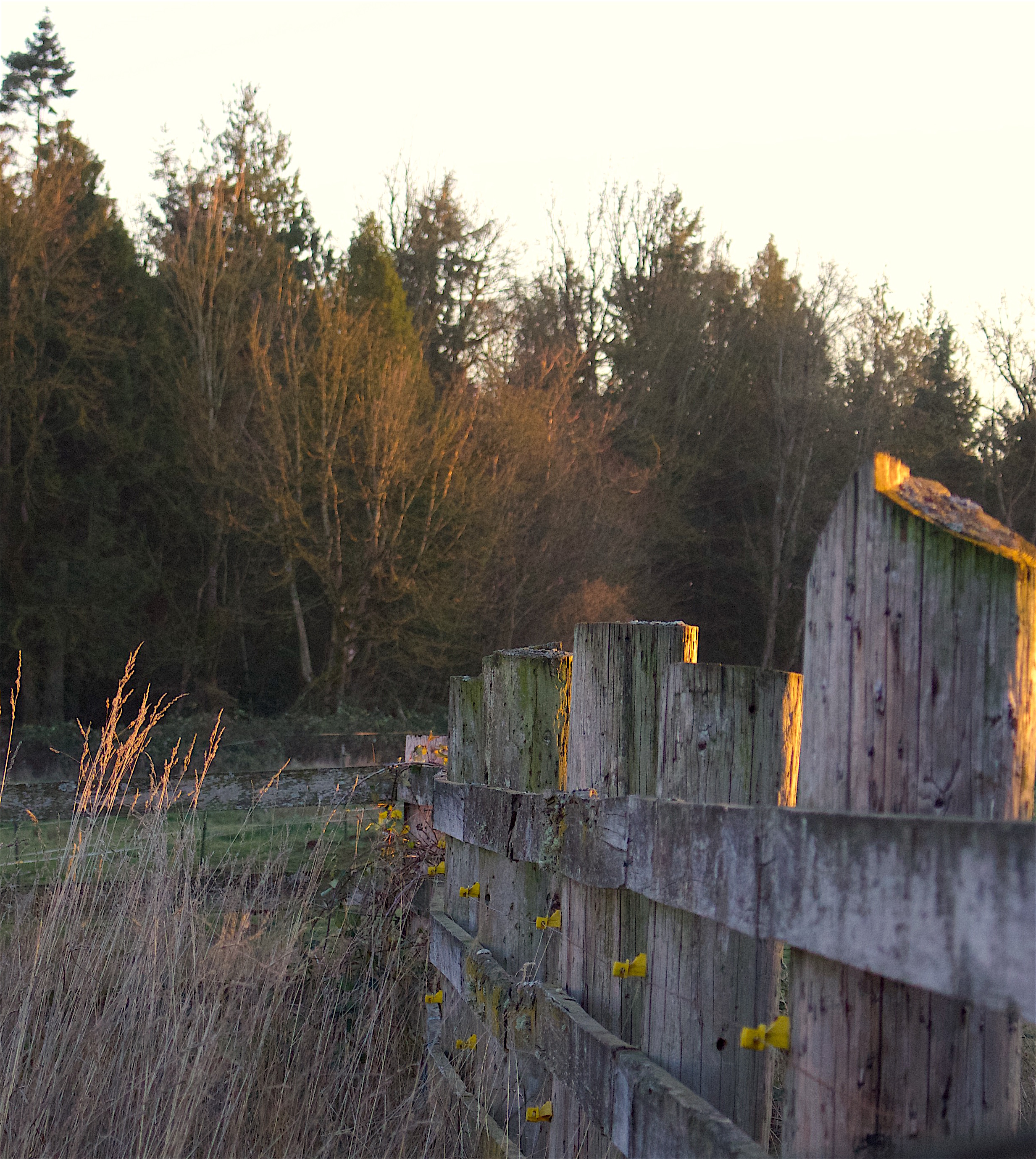
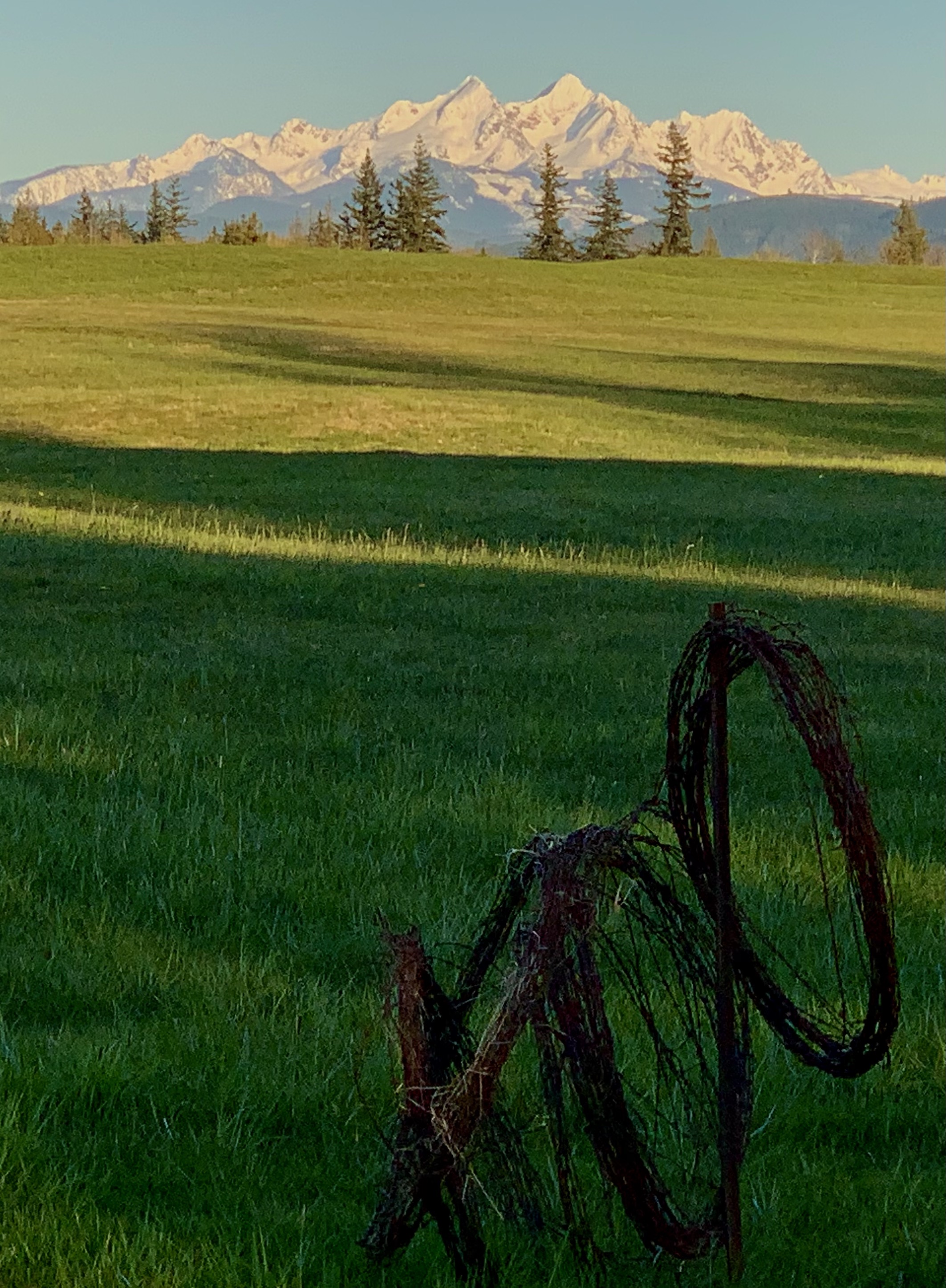
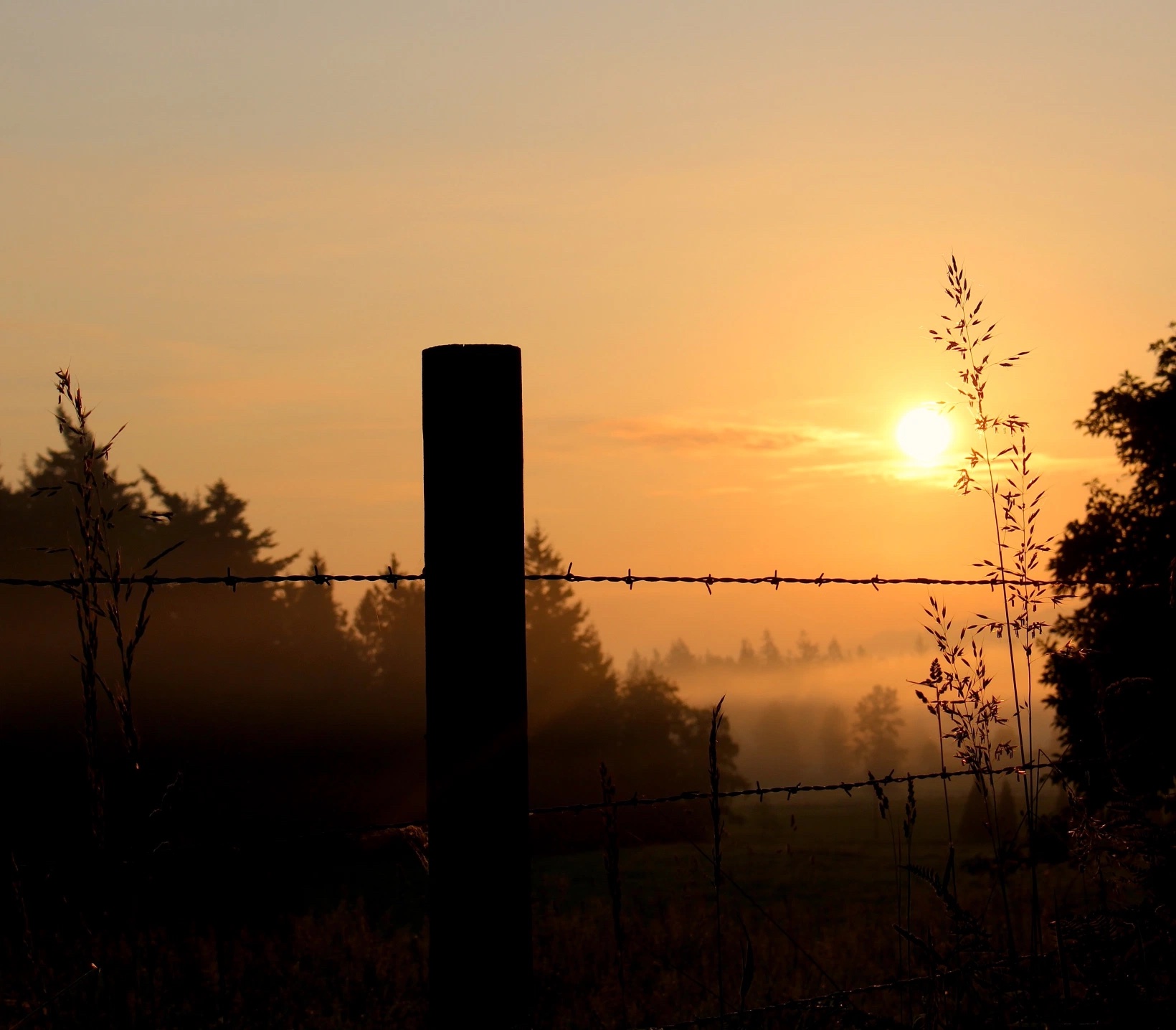
I look for the spade I used when I was young, when my grandfather said dig and I dug holes the depth I’d been taught so the posts would stand, hold the miles of barbed and hog wire dividing our ground… Dig, he would say, and all morning, afternoon, until it rained, until dark, until I couldn’t lift the spade and grub and he said enough, I dug through dry brown until it turned yellow clay or black earth caked to the tip of the steel. He taught me to measure strength by depth, narrow the hole around the oiled post, and sturdy the line he’d laid before I was old enough to blister from work, acquire the knowledge of straight, of strength, cool soil, rusted staples and splintered wood, the knowledge of bending spikes new, splicing wire, swinging a hammer down hard, the ache from hours of digging, calloused hands and sunburn. He trained me to rake, tamp, stomp, pack dirt and clay, the weight of the earth around the post, its strength into the line. Now the hammers, pliers and cutters are gone. No rolls of wire hang from the beams. No boxes of staples and spikes jam the shelves. The tamping stick is broken. Someone has wrapped duct tape around the spade handle; the steel has rusted brown and rough; a crack climbs from the tip to the mud-caked neck. He would say it is useless, that things are not like they were… ~Curtis Bauer from “A Fence Line Running Through It”
The old farmers in our county are dying off, the ones who remember when horse and human muscle provided the power instead of diesel engines. They have climbed down off their tractors and into their beds for a good night’s sleep.
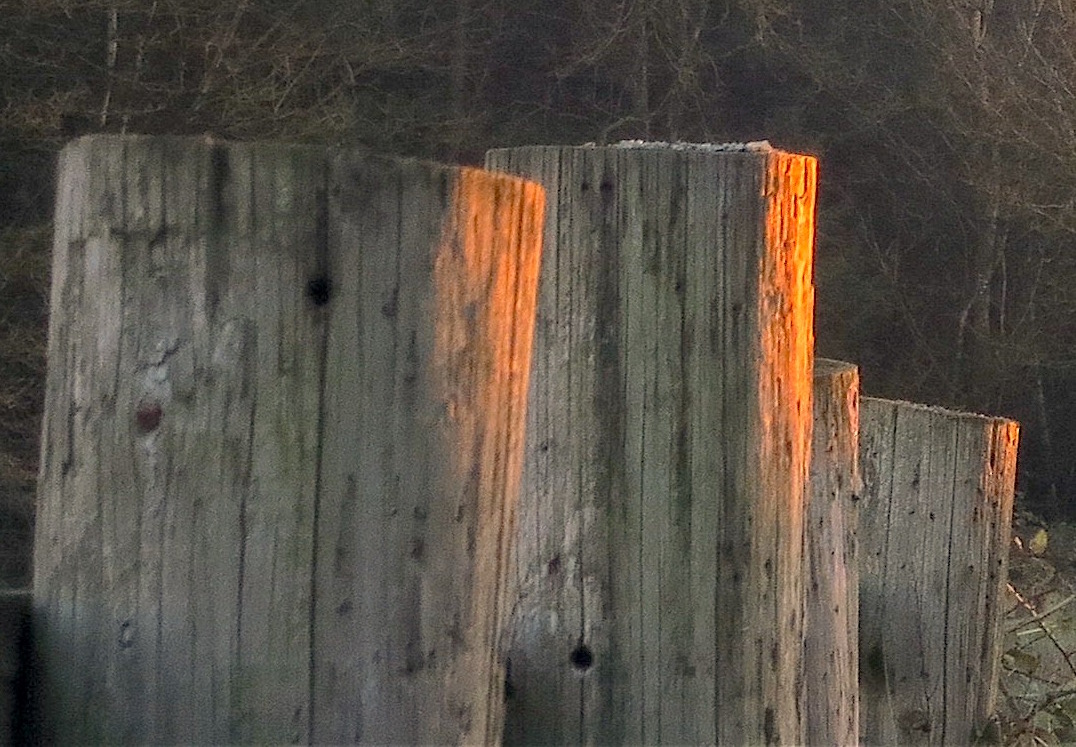
Their machine sheds are cleared in an auction, their animals trucked away for butcher, their fence lines leaning yet the corner posts, set solid and sure in the hard ground, keep standing when the old farmer no longer does.
These old farmers knew hard work. knew there were no days off, no shirking duty, knew if anyone was going to do what needed doing it was them, no one else. Things are not like they were yet the strong posts remain, ready to hold up another fence line, showing us few remaining farmers what hard work yields.
One-Time
Monthly
Yearly
Make a one-time or recurring donation to support daily Barnstorming posts
Toward the end of August I begin to dream about fall, how this place will empty of people, the air will get cold and leaves begin to turn. Everything will quiet down, everything will become a skeleton of its summer self. Toward
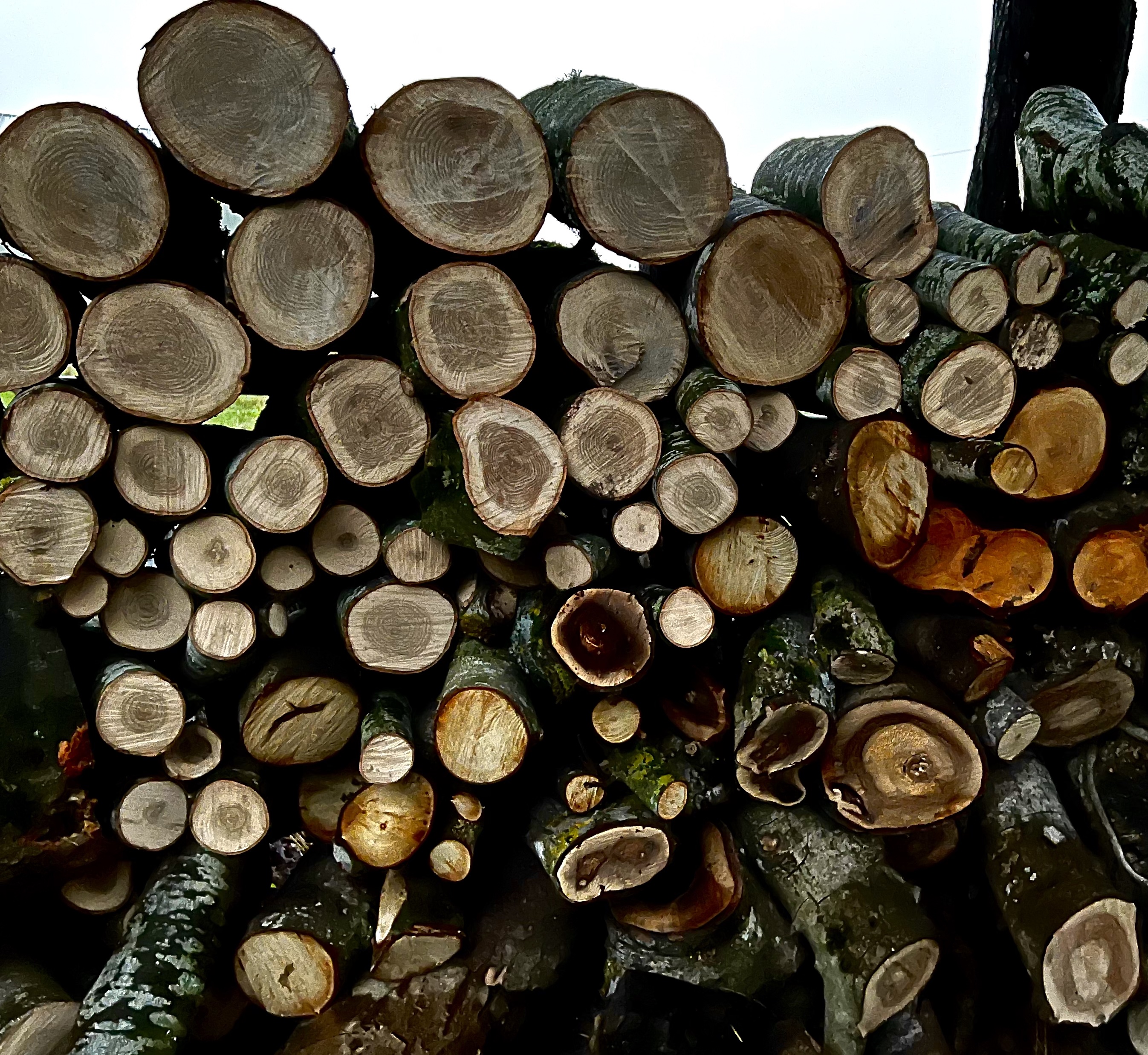
the end of August I get nostalgic for what’s to come, for that quiet time, time alone, peace and stillness, calm, all those things the summer doesn’t have. The woodshed is already full, the kindling’s in, the last of the garden soon
will be harvested, and then there will be nothing left to do but watch fall play itself out, the earth freeze, winter come. ~David Budbill, “Toward the End of August” from Tumbling Toward the End.
As the calendar page flipped to September this past week, I felt nostalgic for what is coming, especially for our grandchildren who are starting new classes tomorrow.
Summer is filled with so much overwhelming activity due to ~18 hours of daylight accompanying weeks of unending sunny weather resulting in never-enough-sleep. Waking on a summer morning feels so brim full with possibilities: there are places to go, people to see, new things to explore and of course, a garden and orchard always bearing and fruiting out of control.
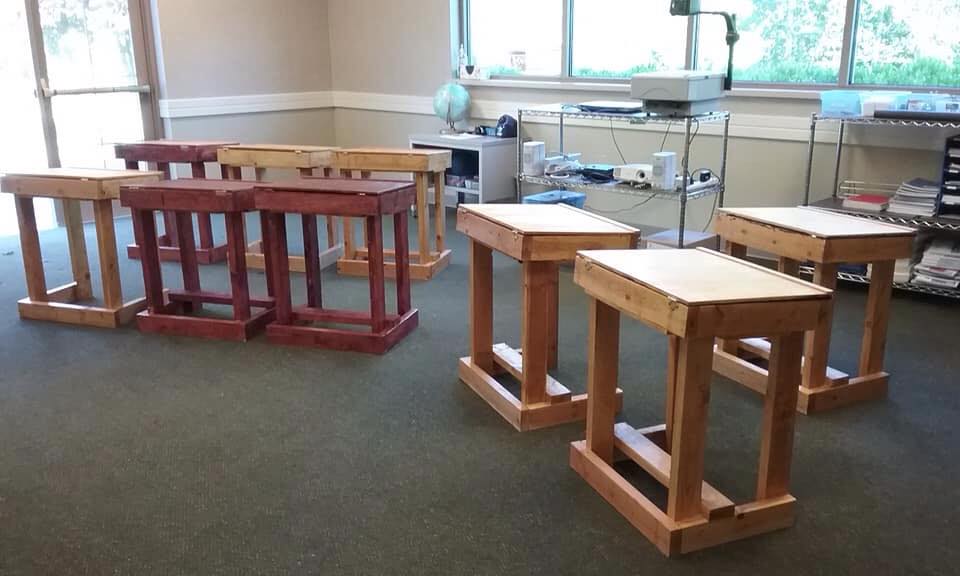
As early September days usher us toward autumn, we long for the more predictable routine of school days, so ripe with new learning opportunities. One early September a few years ago, my teacher friend Bonnie orchestrated an innovative introduction to fifth grade by asking her students, with some parental assistance, to make (from scratch) their own personalized school desks that went home with them at the end of the year. These students created their own learning center with their brains and hands, with wood-burned and painted designs, pictures and quotes for daily encouragement.
For those students, their desks will always represent a solid reminder of what has been and what is to come.
So too, I welcome September’s quieting times ushering in a new cool freshness in the air as breezes pluck and toss a few drying leaves from the trees. I will watch the days play themselves out rather than feeling I must direct each moment. I can be a sponge, ready to take in what the world is trying to teach me.
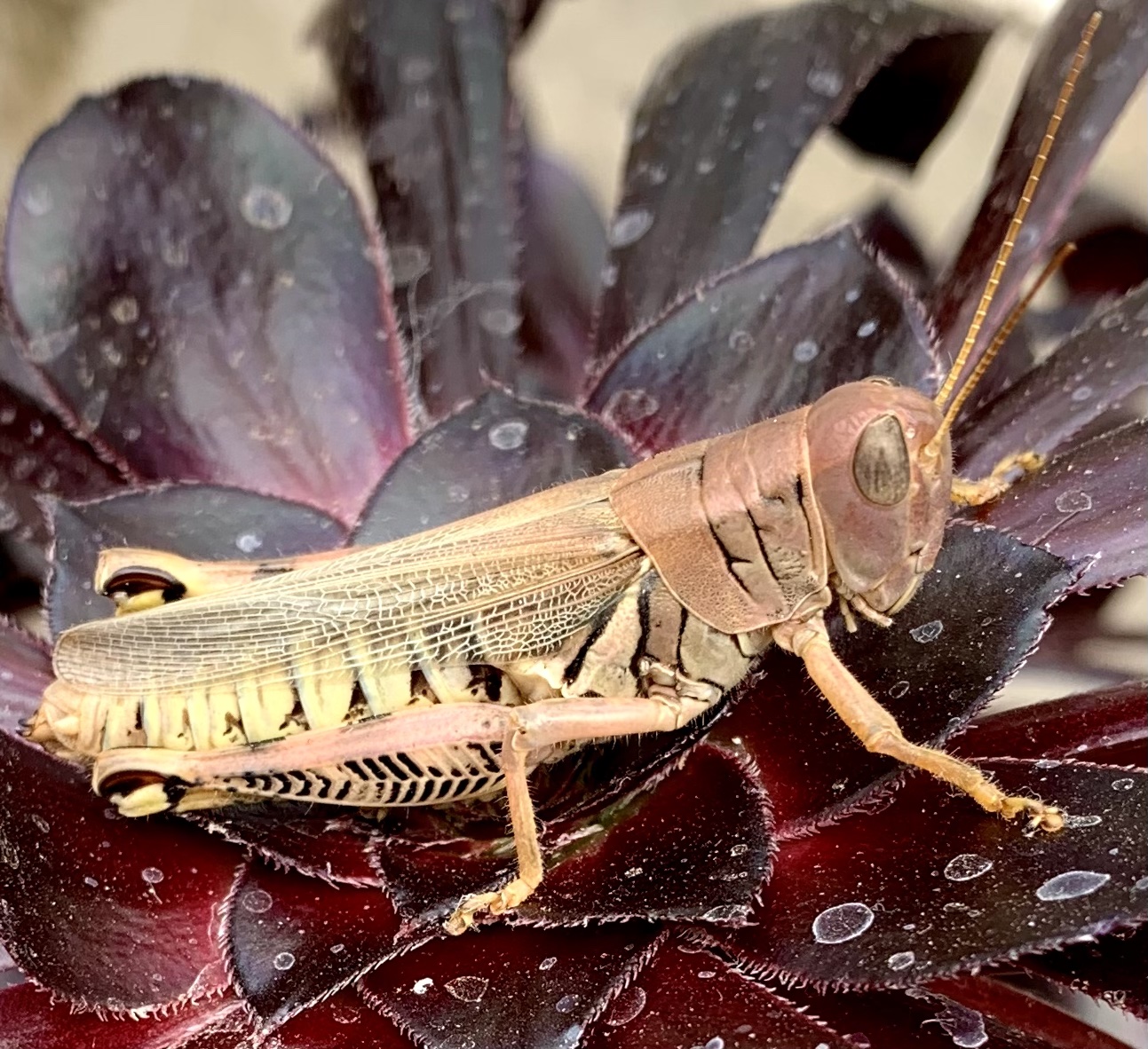
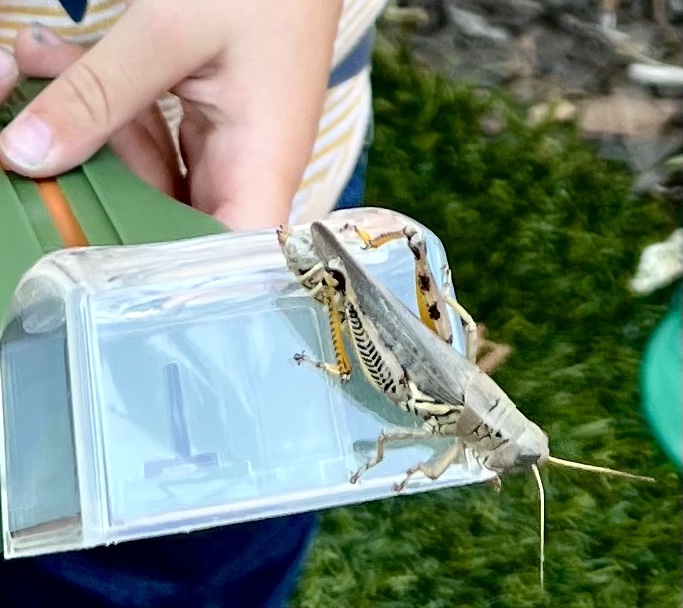
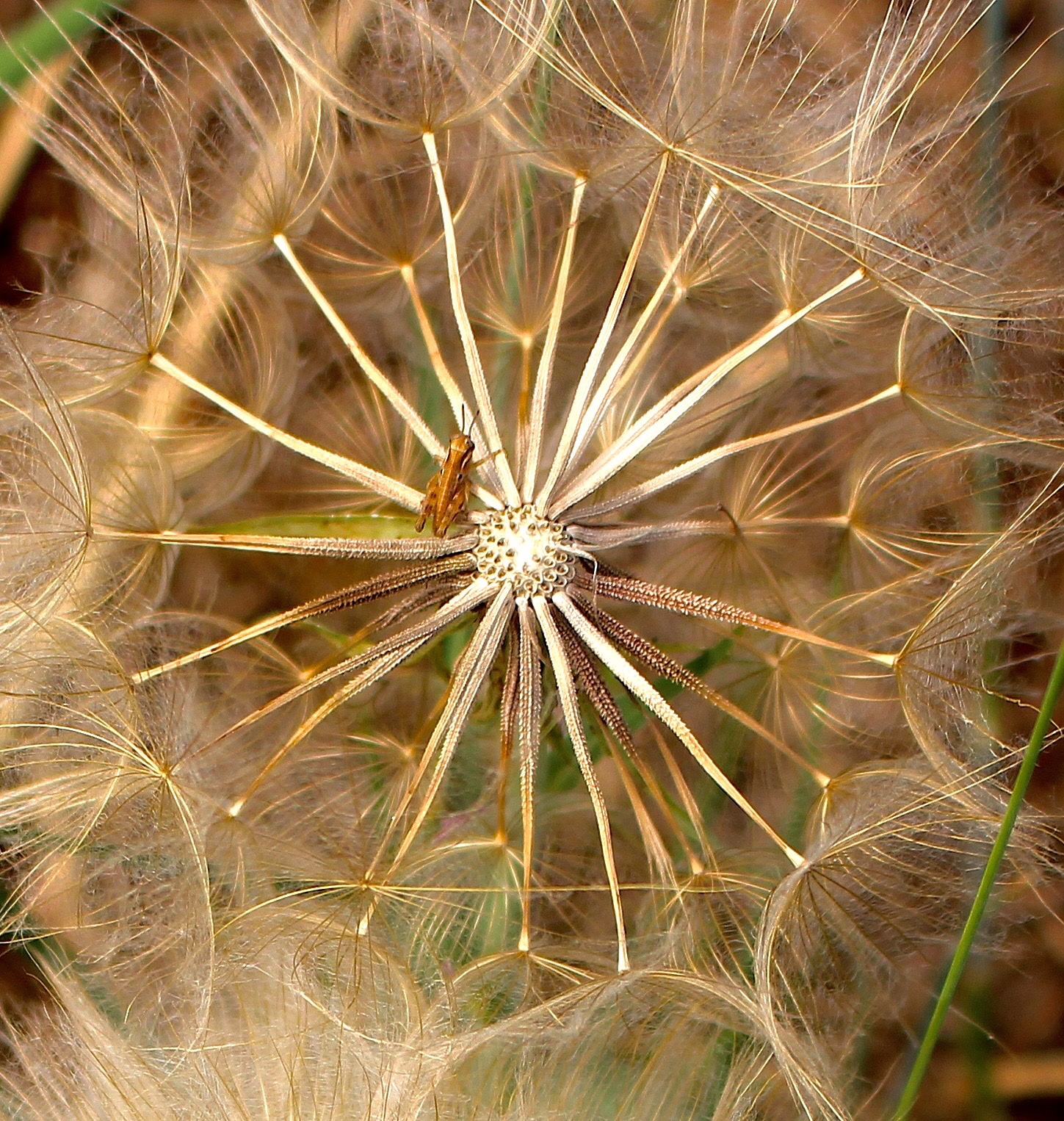
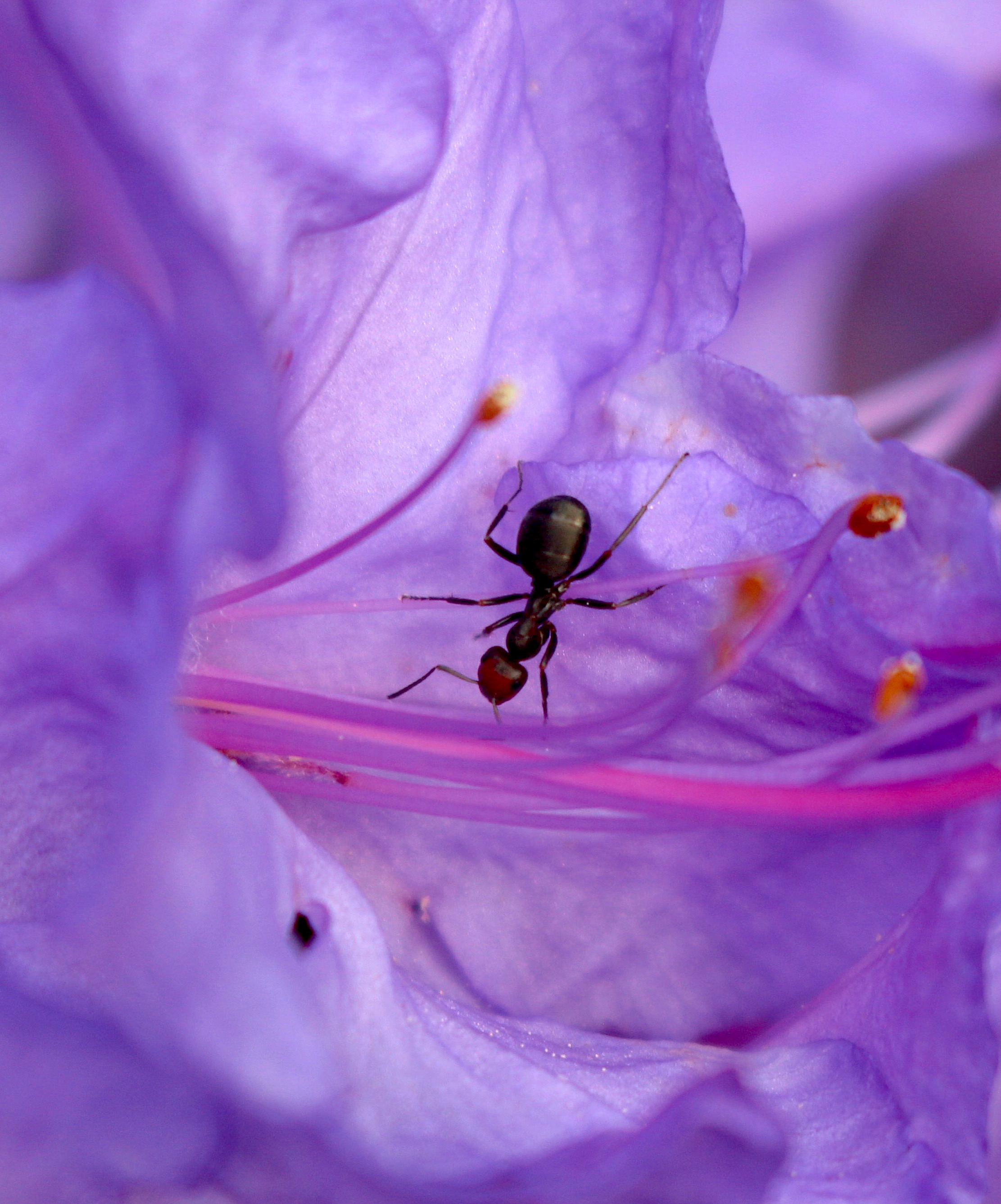
‘Ant, look at me!’ a young Grasshopper said, As nimbly he sprang from his green, summer bed, ‘See how I’m going to skip over your head, And could o’er a thousand like you! Ant, by your motion alone, I should judge That Nature ordained you a slave and a drudge, For ever and ever to keep on the trudge, And always find something to do.
‘Oh! there is nothing like having our day, Taking our pleasure and ease while we may, Bathing ourselves in the bright, mellow ray That comes from the warm, golden sun! While I am up in the light and the air, You, a sad picture of labor and care! Still have some hard, heavy burden to bear, And work that you never get done.
‘I have an exercise healthful, and good, For timing the nerves and digesting the food— Graceful gymnastics for stirring the blood Without the gross purpose of use. Ant, let me tell you ‘t is not a la mode, To plod like a pilgrim and carry a load, Perverting the limbs that for grace were bestowed, By such a plebeian abuse.
‘While the whole world with provisions is filled, Who would keep toiling and toiling to build And lay in a store for himself, till he ‘s killed With work that another might do? Come! drop your budget and just give a spring. Jump on a grass-blade and balance and swing. Soon you’ll be light as a gnat on the wing, Gay as a grasshopper, too!’
Ant trudged along while the grasshopper sung, Minding her business and holding her tongue, Until she got home her own people among; But these were her thoughts on the road. ‘What will become of that poor, idle one When the light sports of the summer are done? And, where is the covert to which he may run To find a safe winter abode?
‘Oh! if I only could tell him how sweet Toil makes my rest and the morsel I eat, While hope gives a spur to my little black feet, He’d never pity my lot! He’d never ask me my burden to drop To join in his folly—to spring, and to hop; And thus make the ant and her labor to stop, When time, I am certain, would not.
‘When the cold frost all the herbage has nipped, When the bare branches with ice-drops are tipped, Where will the grasshopper then be, that skipped, So careless and lightly to-day? Frozen to-death! ‘a sad picture’ indeed, Of reckless indulgence and what must succeed, That all his gymnastics ca ‘nt shelter or feed, Or quicken his pulse into play.
‘I must prepare for a winter to come. I shall be glad of a home and a crumb, When my frail form out of doors would be numb, And I in the snow-storm should die. Summer is lovely, but soon will be past. Summer has plenty not always to last. Summer’s the time for the ant to make fast Her stores for a future supply!’ ~Hannah Flagg Gould “The Grasshopper and the Ant”
I did not grow up in a household that took time off. We were trudgers.
When my dad came home from his desk job in town, he would immediately change into his farm clothes and put in several hours of work outside, summer or winter, rain or shine, light or dark.
My mother did not work in town while we were children, but worked throughout her day inside and outside the house doing what farm wives and mothers need to do: growing, hoeing, harvesting, preserving, washing, cleaning, sewing, and most of all, being there for us.
As kids, we had our share of chores that were simply part of our day as our work was never done on a farm. When we turned twelve, we began working for others: babysitting, weeding, barn and house cleaning, berry picking. I have now done over 56 years of gainful employment – at times holding part-time jobs at once because that was what I could put together to keep things together.
An absolutely dedicated trudger.
Now in retirement, my work is about showing up to do what is needed where I am needed. There is a sweetness to trudging that I’ve not known before.
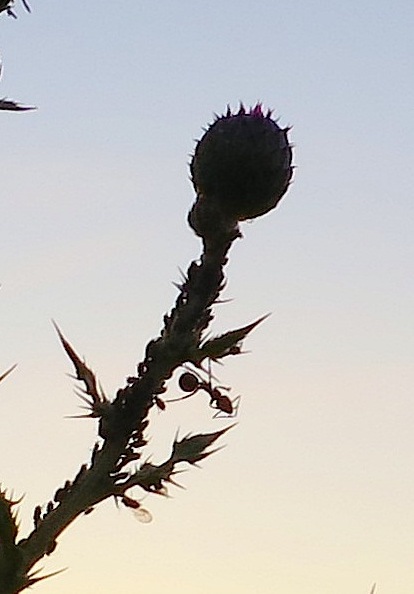
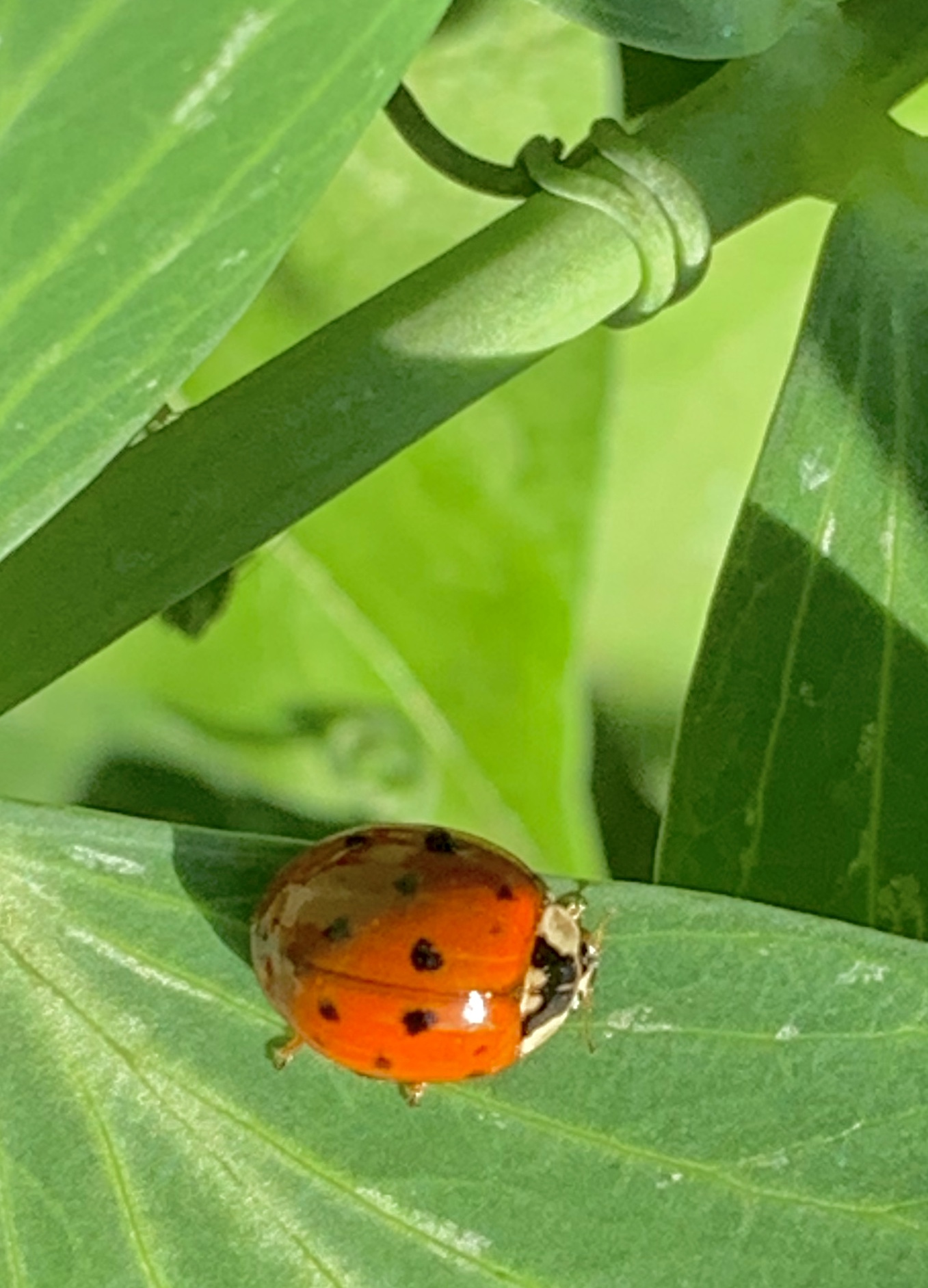
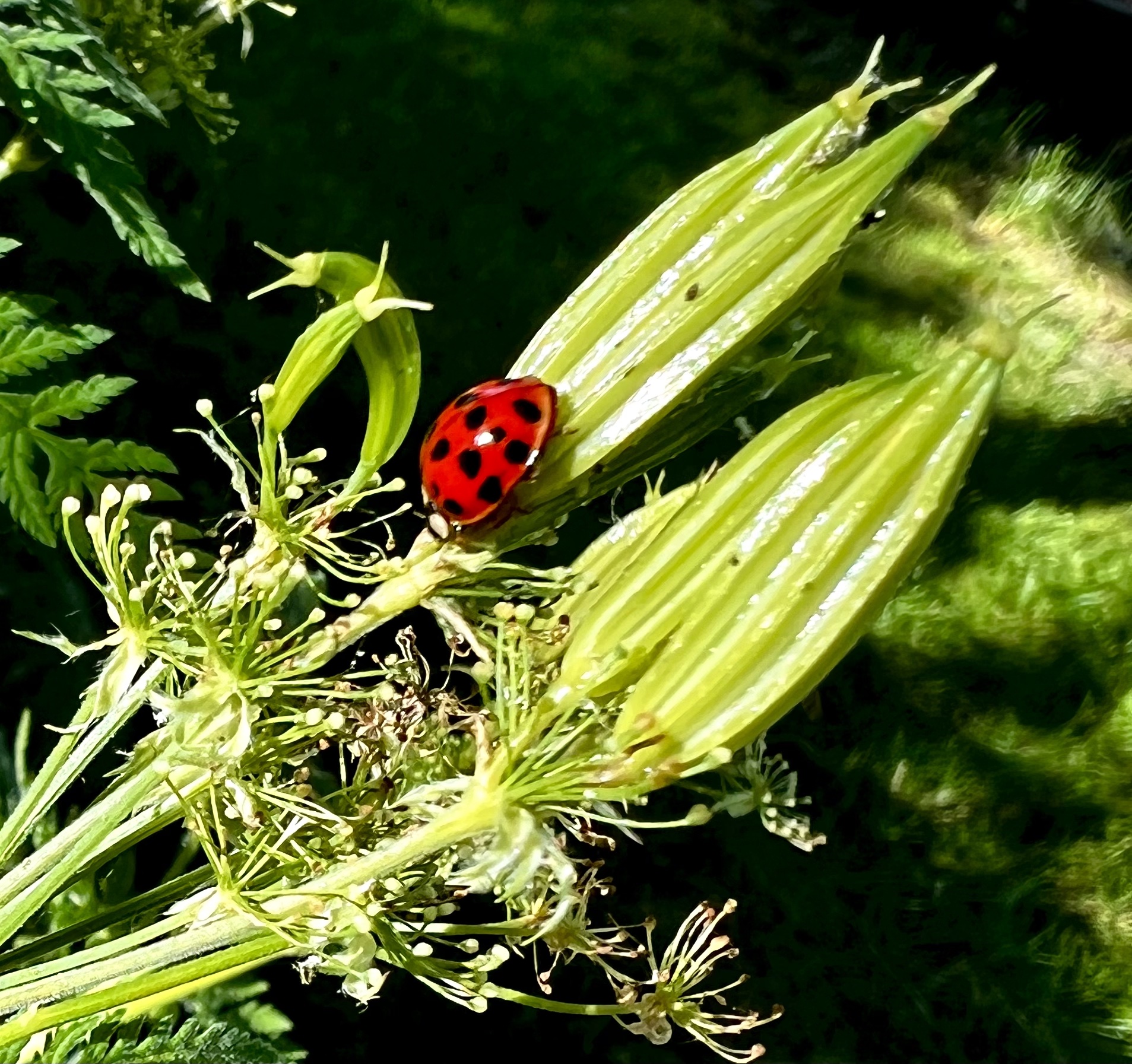
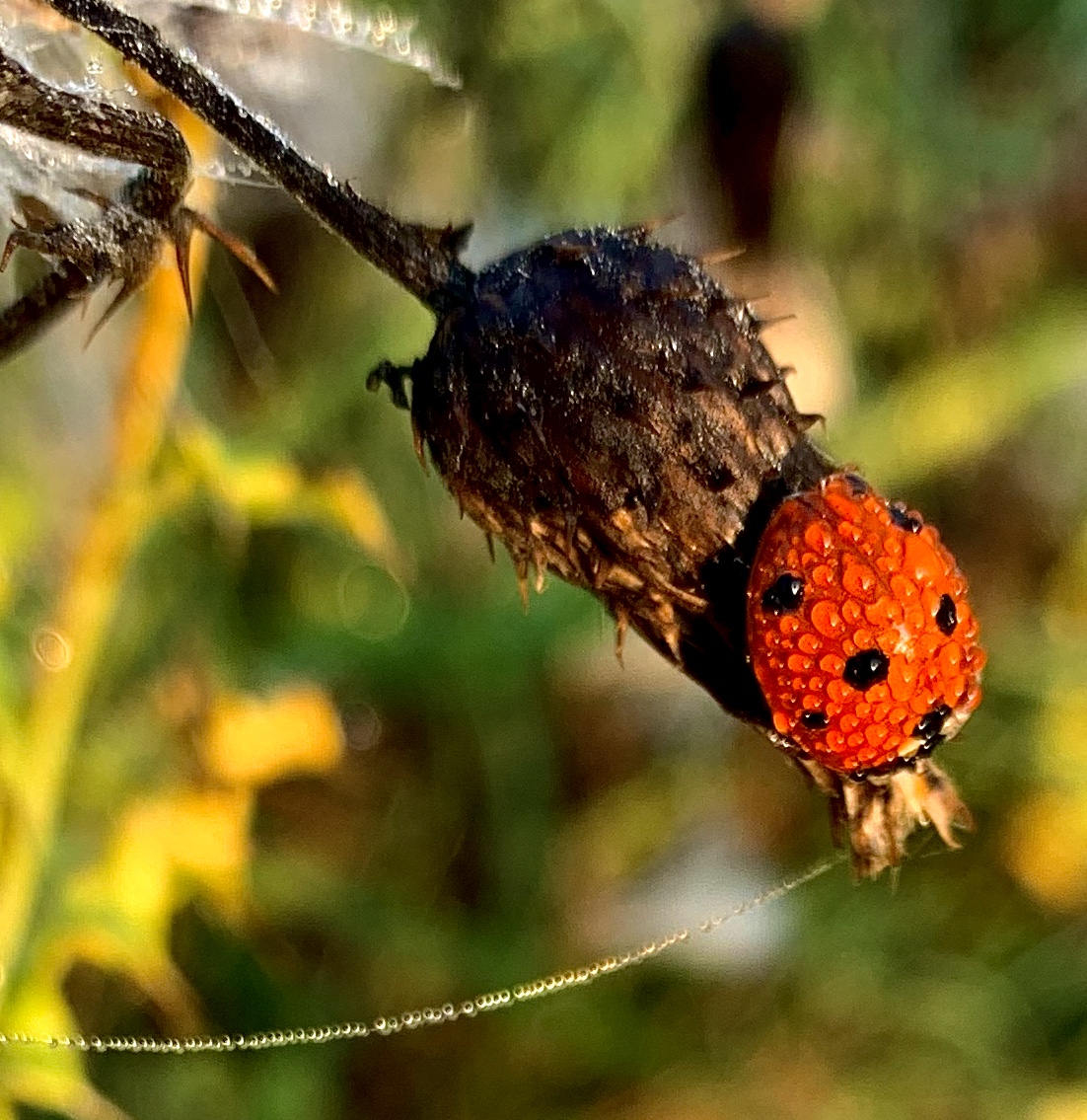
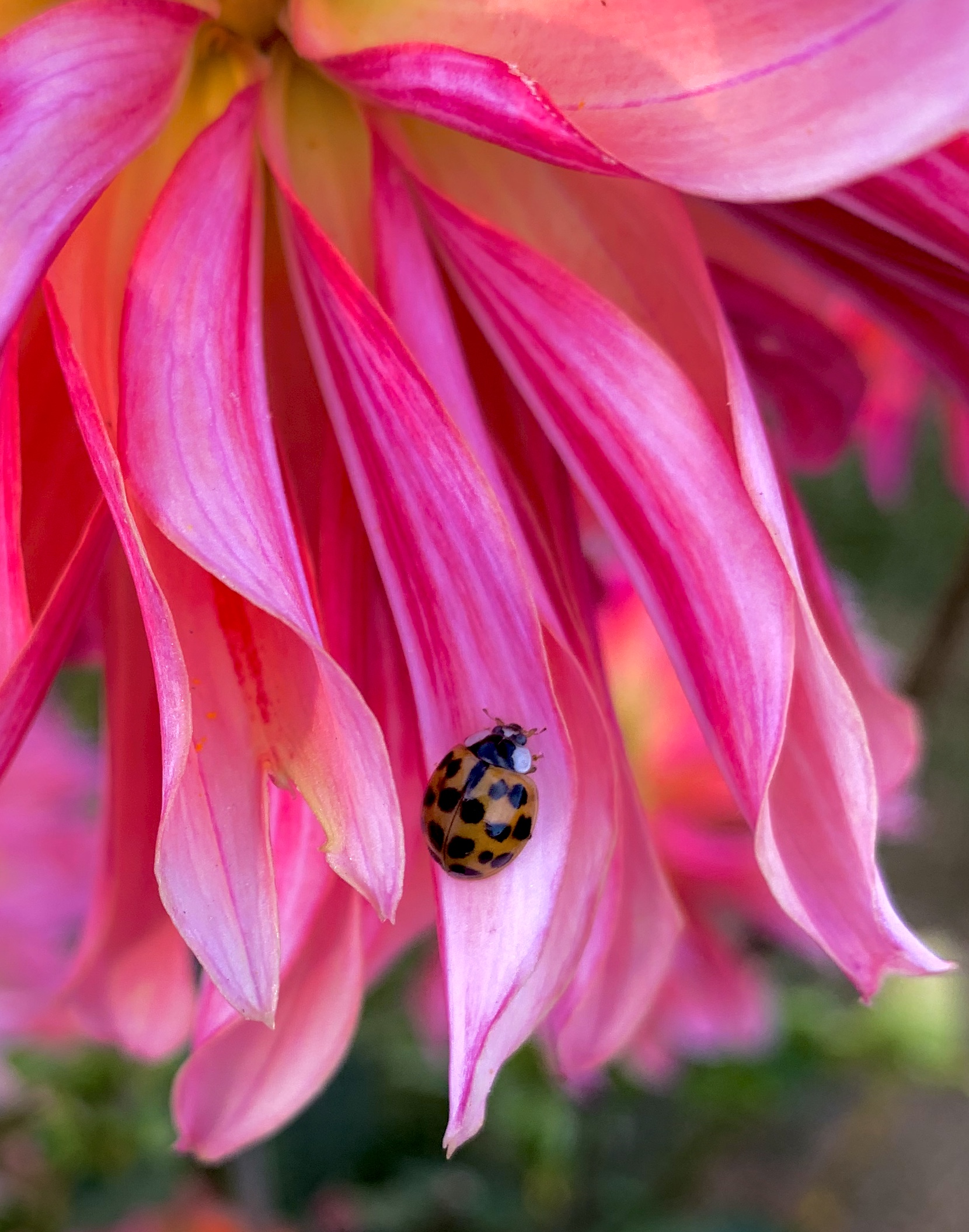
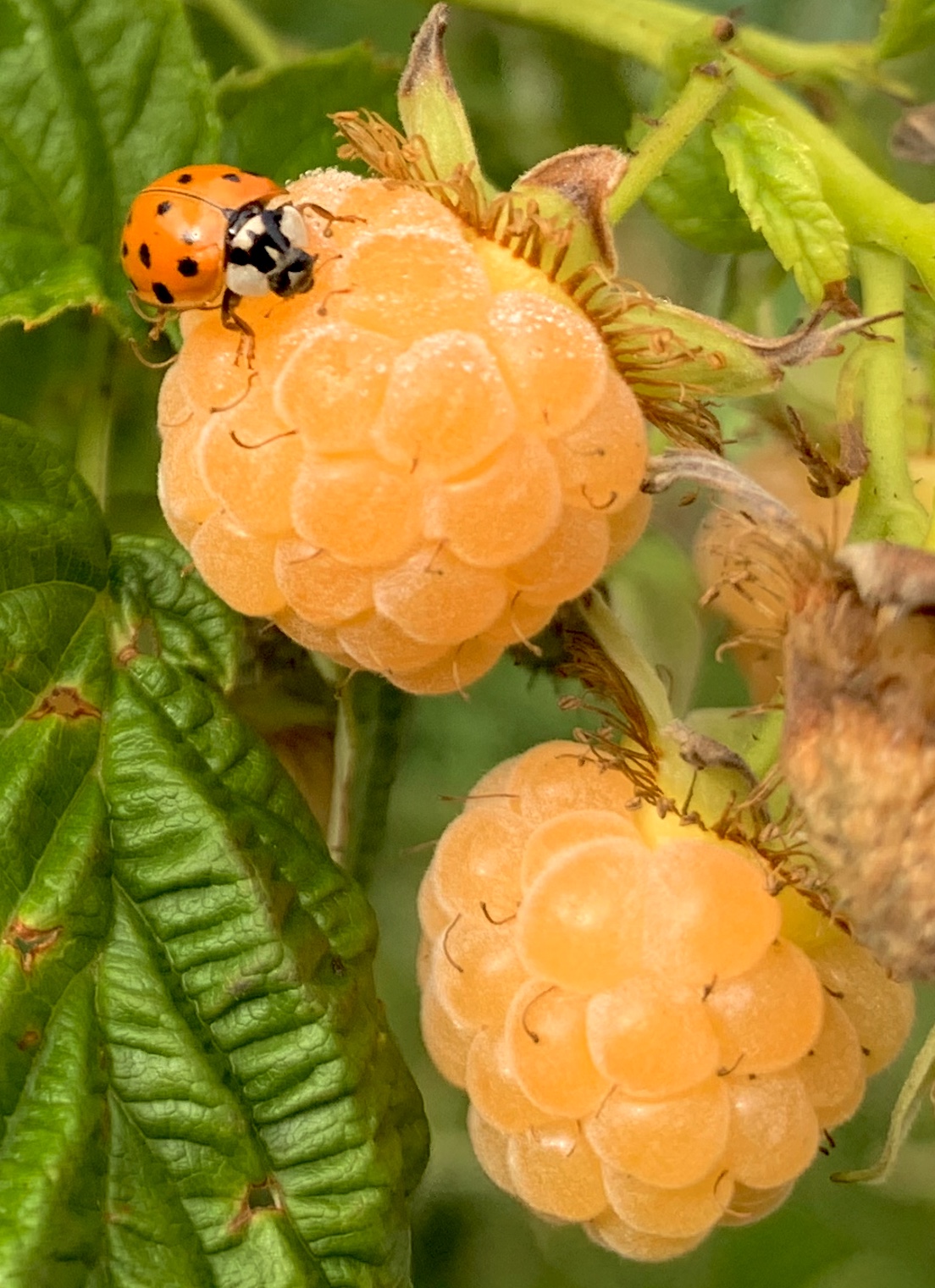
Perhaps it is finding the blend of trudger ant and celebrant grasshopper in the form of the peaceful, gentle and colorful ladybug – doing its job of protecting the garden from harmful intruders.
Truly we should strive to emulate a creature who is welcome wherever it may be found.
Ladybugs are possibly the only non-controversial subject left in the world.You can start a ladybug conversation with a total stranger without getting hit in the mouth. ~Charles Harper
One-Time
Monthly
Yearly
Make a one-time or recurring donation to support daily Barnstorming posts
The Old Testament book of Micah answers the question of why we are here with another: “What doth the Lord require of thee but to do justly, and to love mercy, and to walk humbly with thy God?” We are here to abet creation and to witness it, to notice each thing so each thing gets noticed. Together we notice not only each mountain shadow and each stone on the beach but we notice each other’s beautiful face and complex nature so that creation need not play to an empty house. ~Annie Dillard from Life Magazine’s “The Meaning of Life”
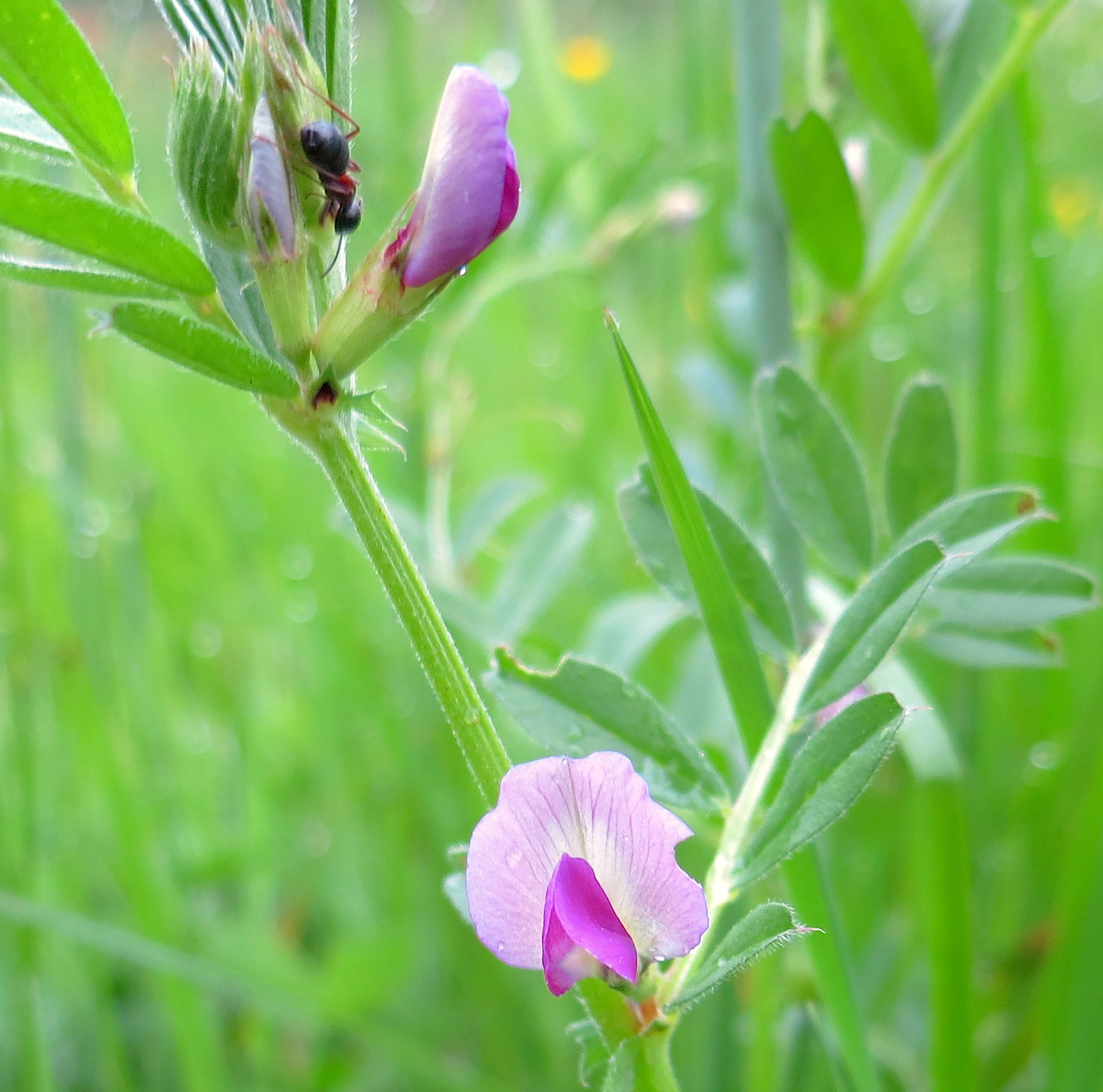
I started out a noticer, a child who crawled on the ground to follow winding ant trails from their hills, then watched nests bloom with birds, sitting still as a lizard sunning himself on a rock.
Next I was a student researcher of great apes, following wild chimpanzees deep into an exotic forest to observe their life in a community so much like our own.
Then came a profession and parenting and daughtering, with mounting responsibilities and worries and cares, and I stopped noticing any more, too much inside the drama to witness it from outside.
Creation played to an empty house and the empty house was me.
Slowly now, I’ve returned to noticing again~ buying my ticket, finding my seat, smiling and nodding applauding hooting and hollering begging for an encore.
It’s a non-stop show of the miraculous where I’m an appreciative audience preparing to write a great review.
One-Time
Monthly
Yearly
Make a one-time or recurring donation to support daily Barnstorming posts
Dear Bill: I’ve made a couple of sandwiches for you. In the ice-box you’ll find blue-berries–a cup of grapefruit a glass of cold coffee.
On the stove is the tea-pot with enough tea leaves for you to make tea if you prefer–Just light the gas– boil the water and put it in the tea
Plenty of bread in the bread-box and butter and eggs– I didn’t know just what to make for you. Several people called up about office hours– See you later.
Love. Floss.
Please switch off the telephone.
munching a plum on the street a paper bag of them in her hand They taste good to her They taste good to her. They taste good to her
You can see it by the way she gives herself to the one half sucked out in her hand Comforted a solace of ripe plums seeming to fill the air They taste good to her ~William Carlos Williams “To a Poor Old Woman”
Such richness flowing through the branches of summer and into
the body, carried inward on the five rivers! Disorder and astonishment
rattle your thoughts and your heart cries for rest but don’t
succumb, there’s nothing so sensible as sensual inundation. Joy
is a taste before it’s anything else, and the body
can lounge for hours devouring the important moments. Listen,
the only way to tempt happiness into your mind is by taking it
Who needs an icebox anyway when the plums are hanging heavy in the orchard
dotted with chilled dew glistening in the spare pink light of dawn
so ripe and so ready their golden flesh warming in the sun. ~Emily Gibson “A response to Dr. Williams”
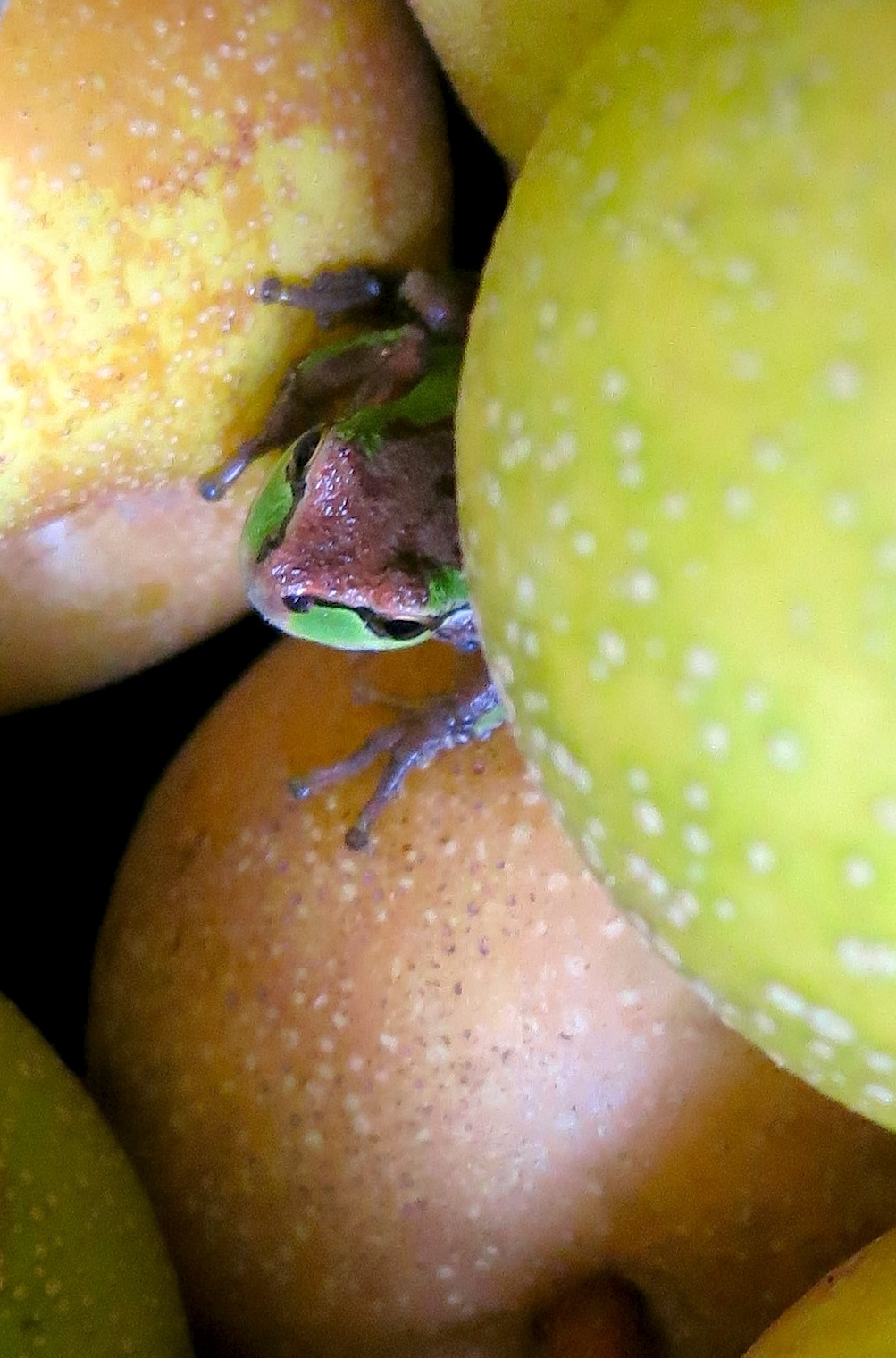
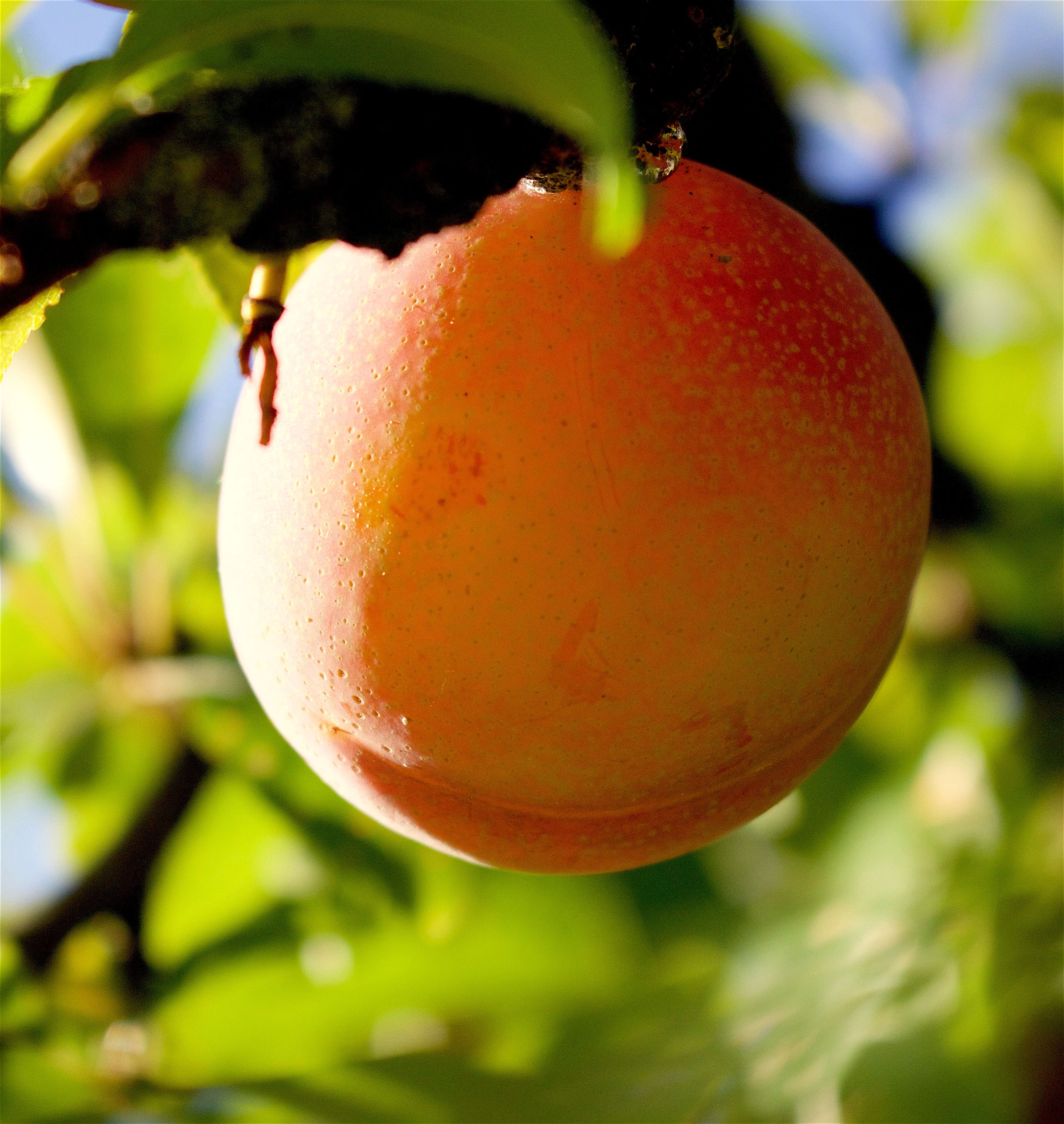
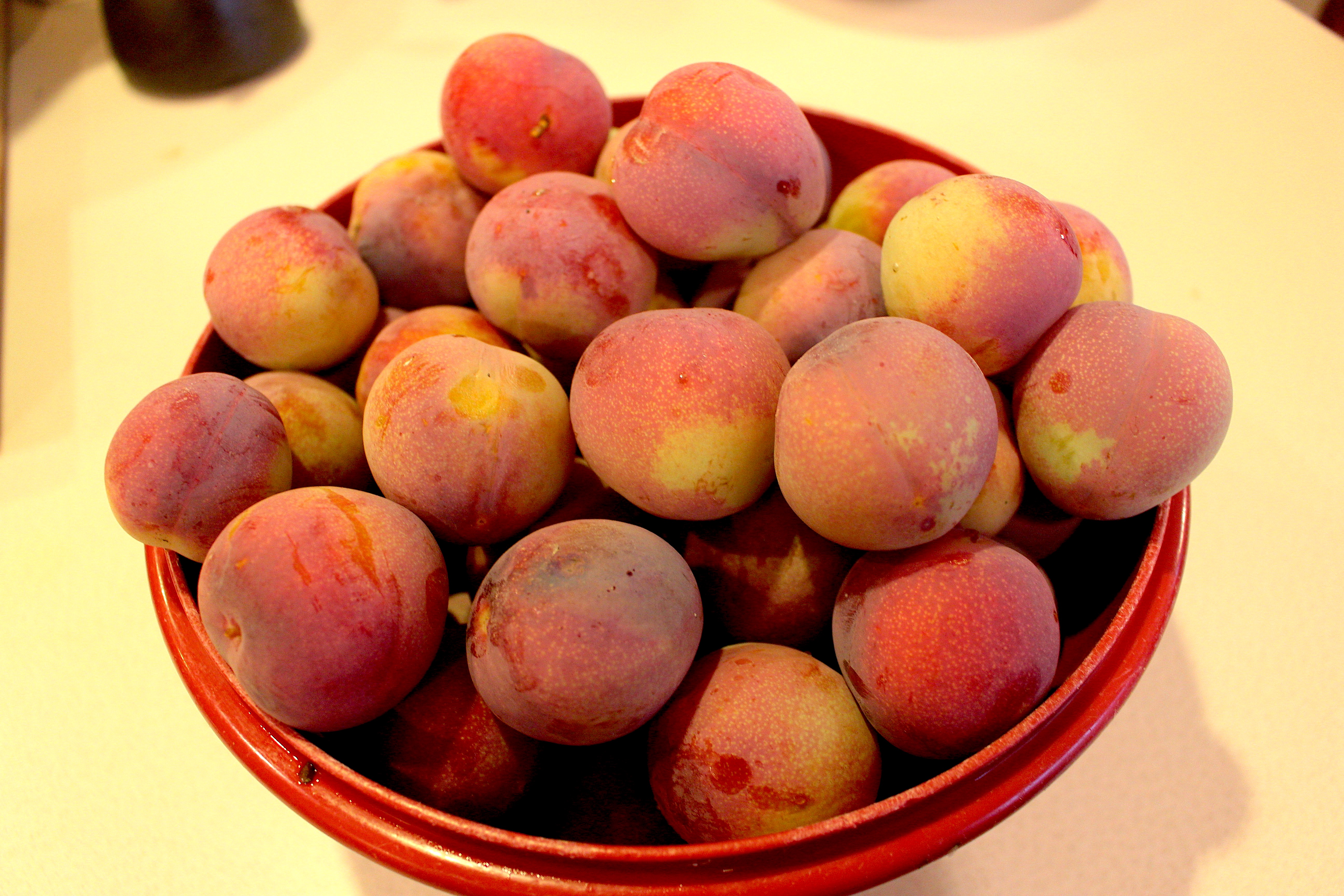
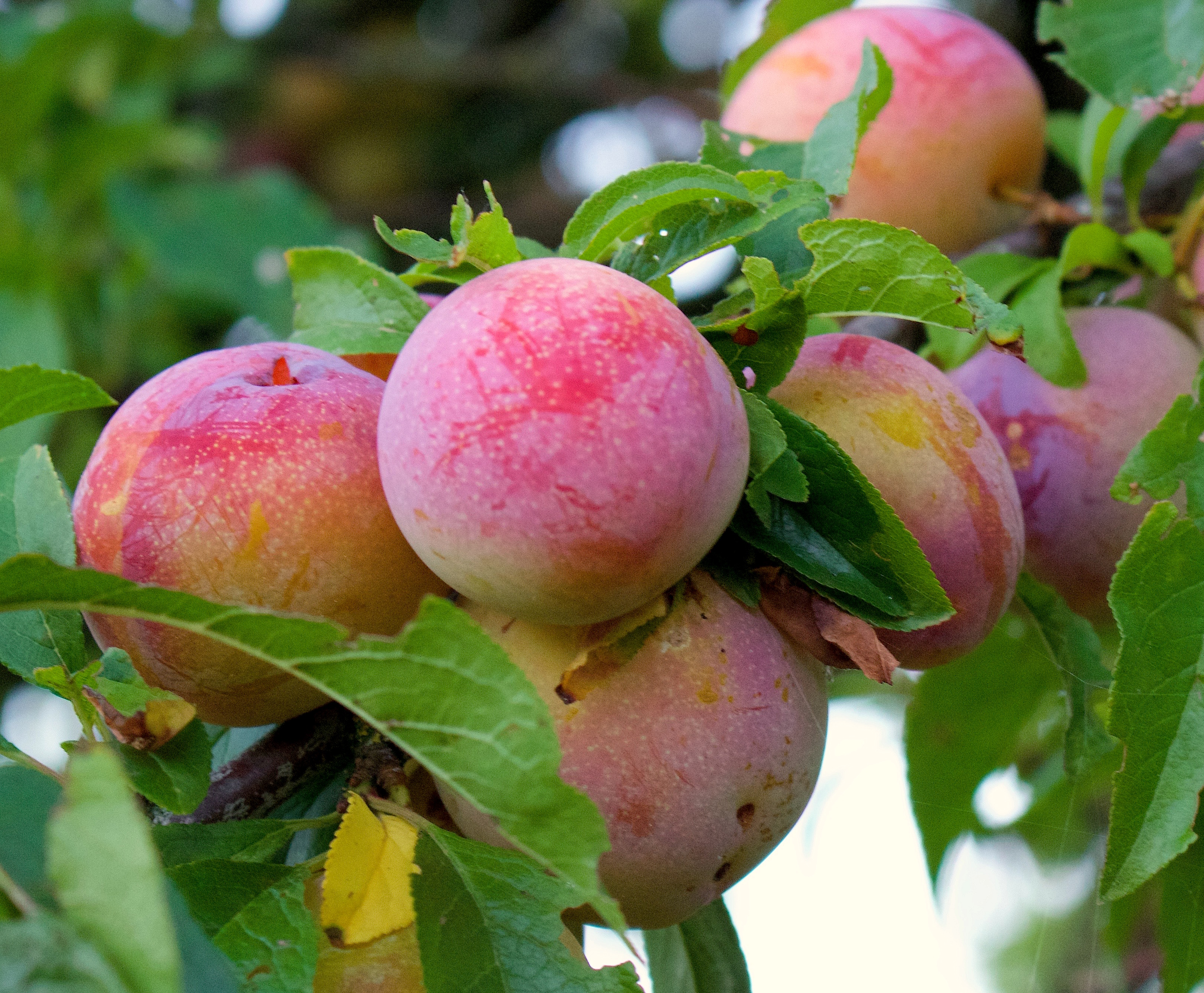
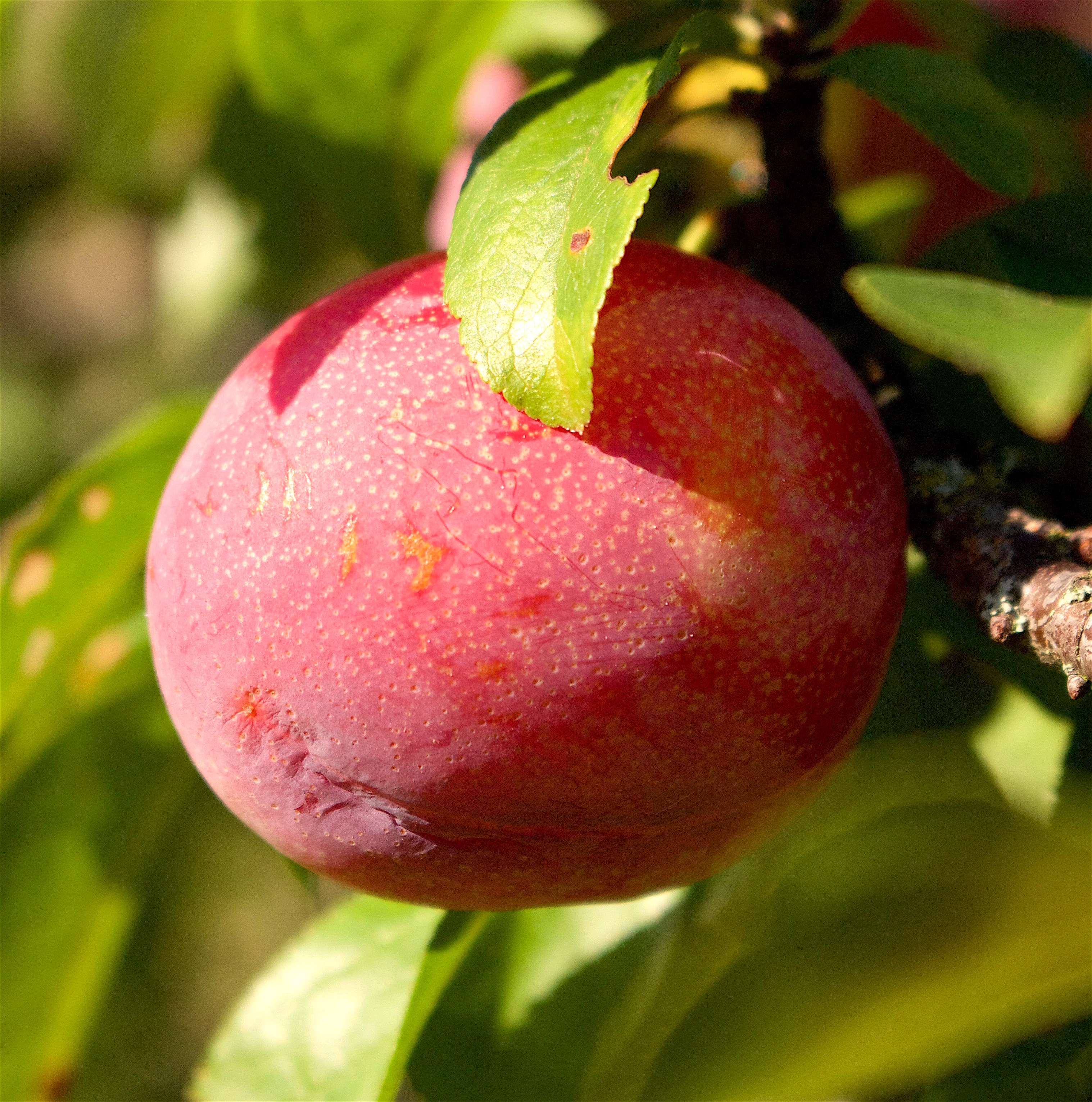
There is a plum tree on our farm that is so plain and unassuming much of the year that I nearly forget that it is there. It is a bit off by itself away from the other fruit trees; I have to make a point of paying attention to it otherwise it just blends into the background.
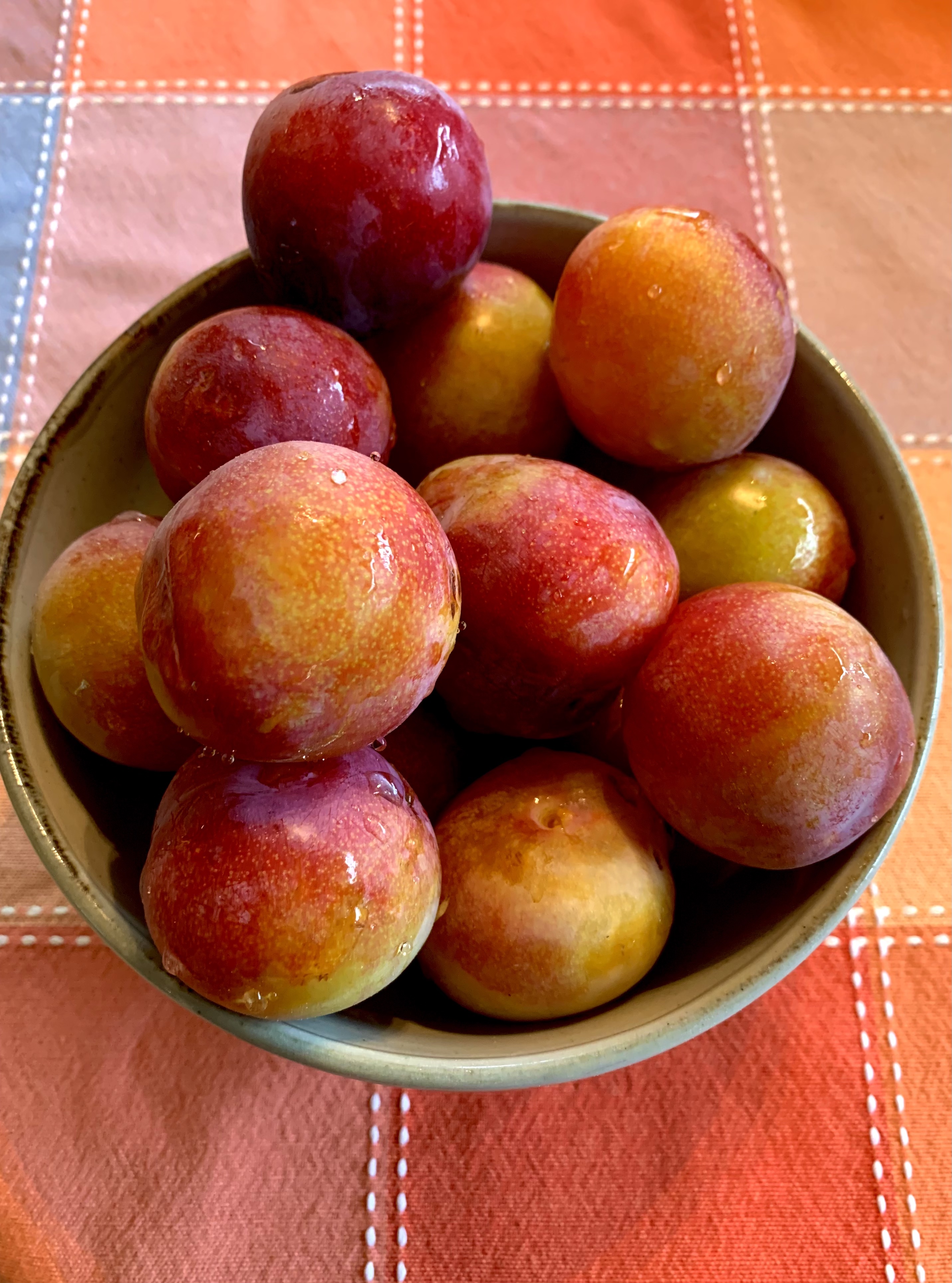
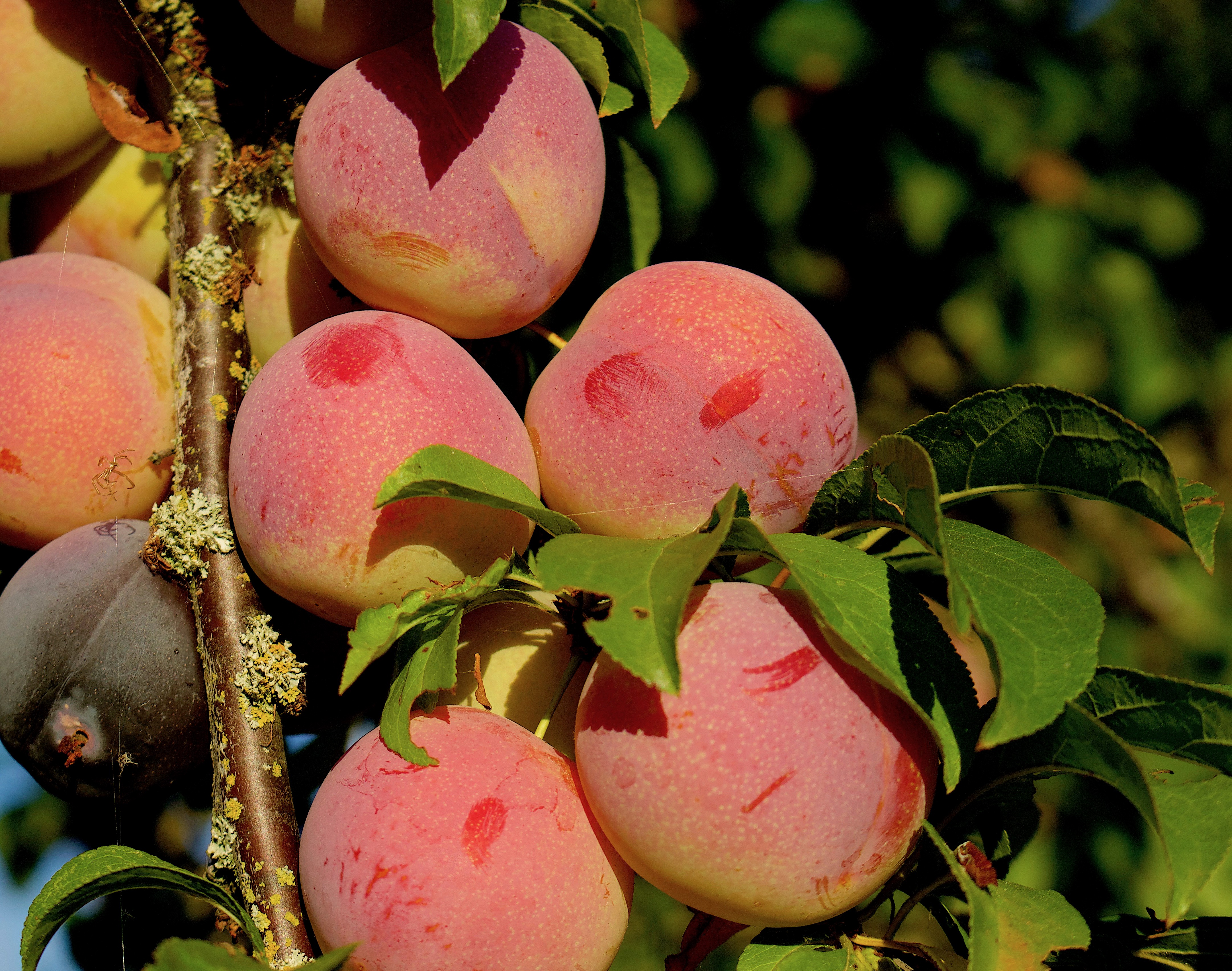
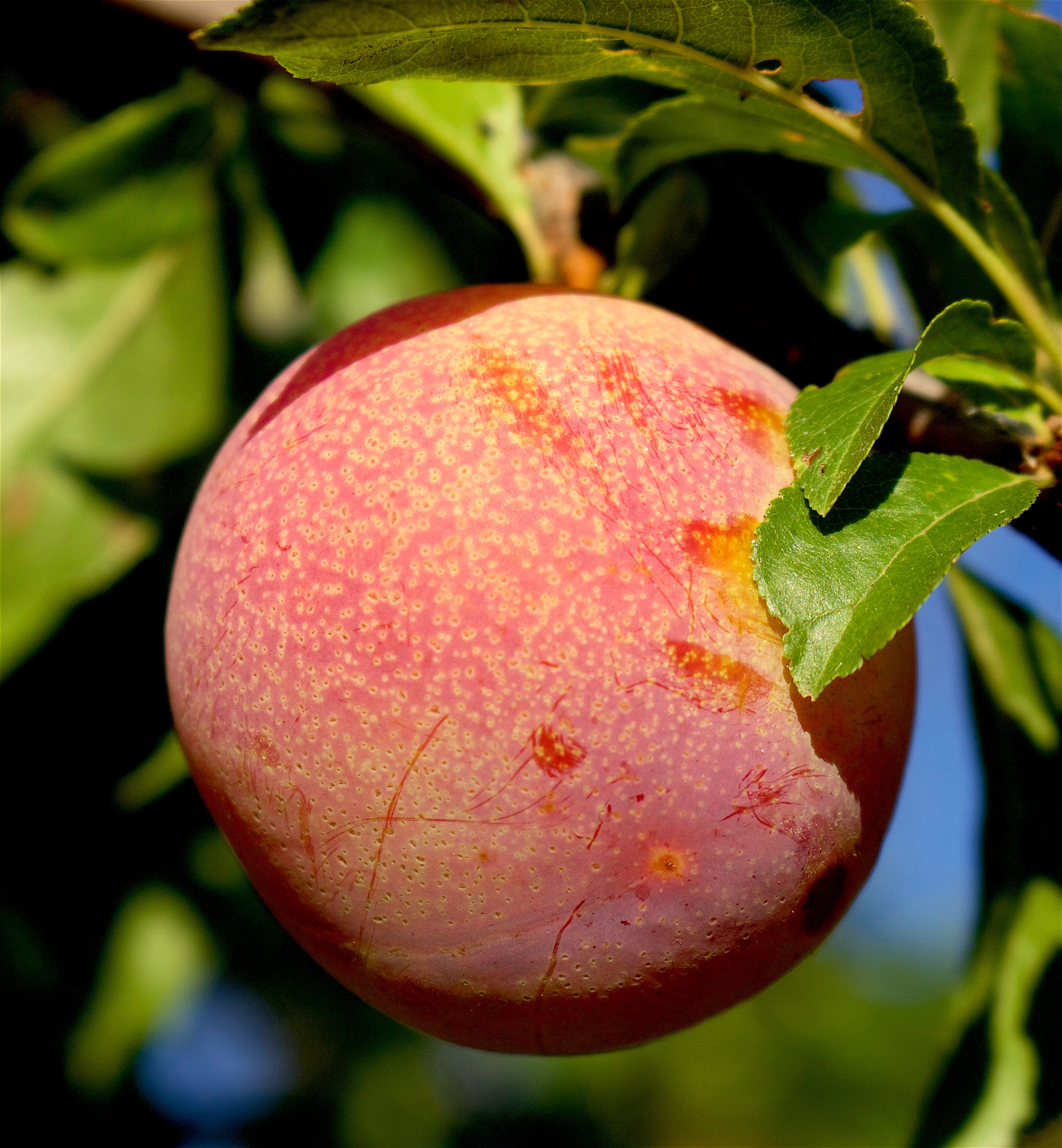
Despite not being noticed or having any special care, this tree thrives. In the spring it is one of the first to bud out into a cloud of white blossoms with a faint sweet scent. Every summer it is a coin toss whether it will decide to bear fruit or not. Some years–not at all, not a single plum. Other years, like this one, it is positively glowing with plum harvest– each a golden oval with a pink blush. These plums are extraordinarily honey flavored and juicy, a pleasure to eat right off the tree if you don’t mind getting past a bitter skin and an even more bitter pit inside. This is a beauty with a bite — sweet surrounded by bitter.
I think the tree secretly grins when it sees puckering taking place all around it.
This tree is a lot like some people I know: most of the time barely noticeable, hanging on the periphery, fairly reserved and unobtrusive. But when roots go deep and the nourishment is substantial, they bear a bounty of fruit, no doing things half-way. The feast is plentiful and abundant, the meal glorious despite the hint of sour. Maybe it is even more glorious because of sweet within bitter.
If “tucker” describes a great down-home meal, then being “plum-tuckered” would be eating our fill of the bitter-sweet. Even when the bitter in this life is plentiful, the sweet will always overwhelm and overcome.
One-Time
Monthly
Yearly
Make a one-time or recurring donation to support daily Barnstorming posts












 Barnstorming