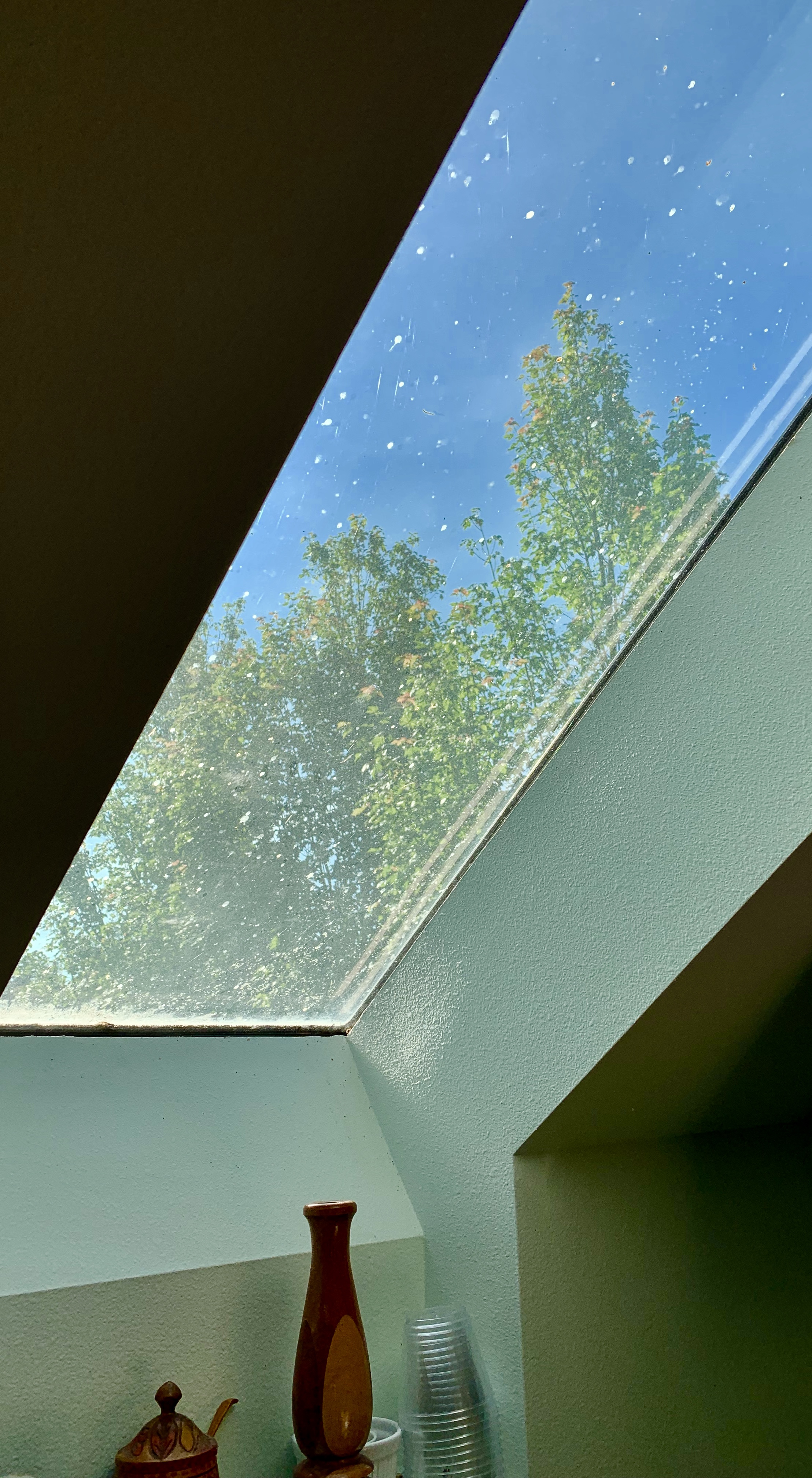
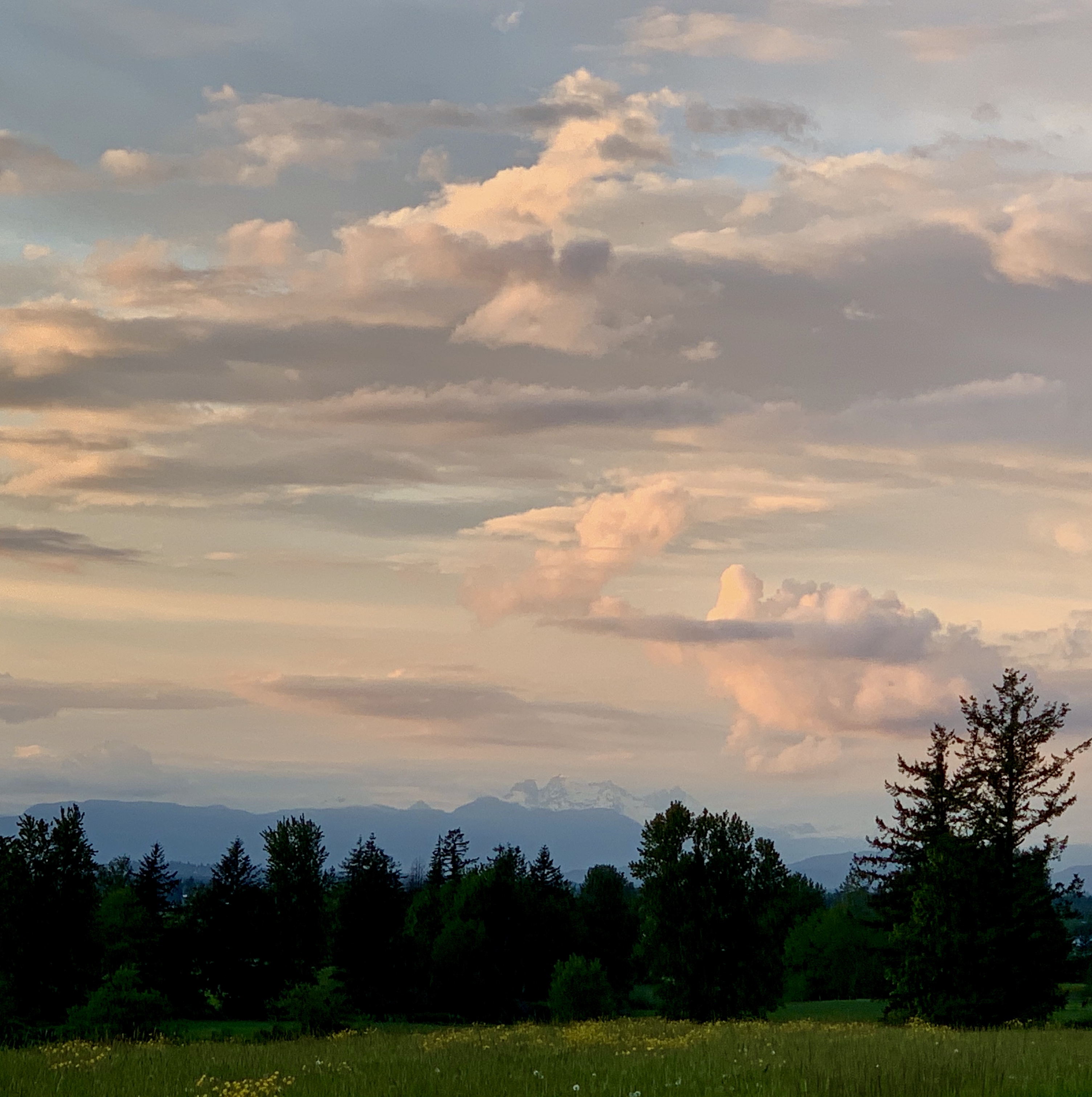
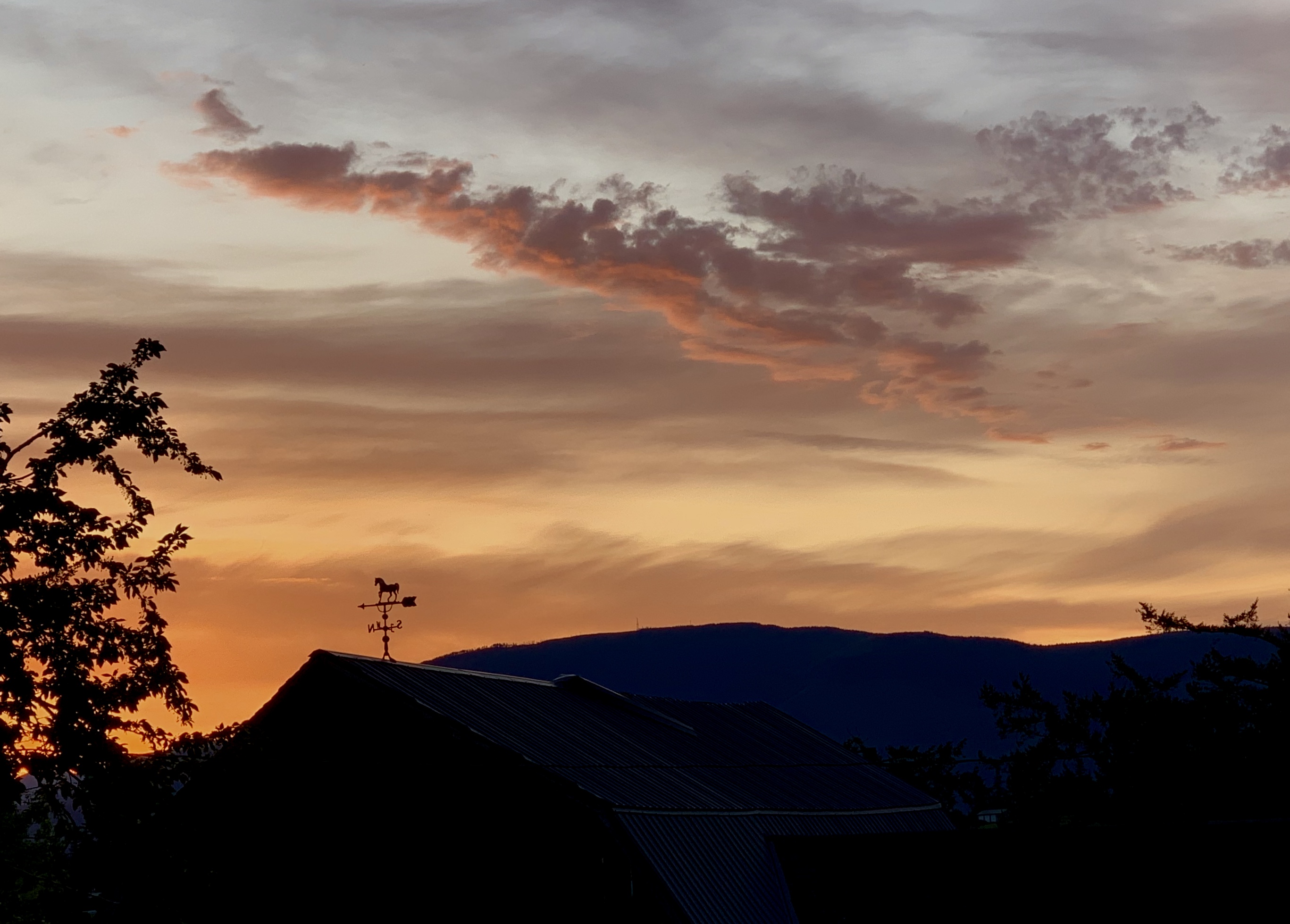
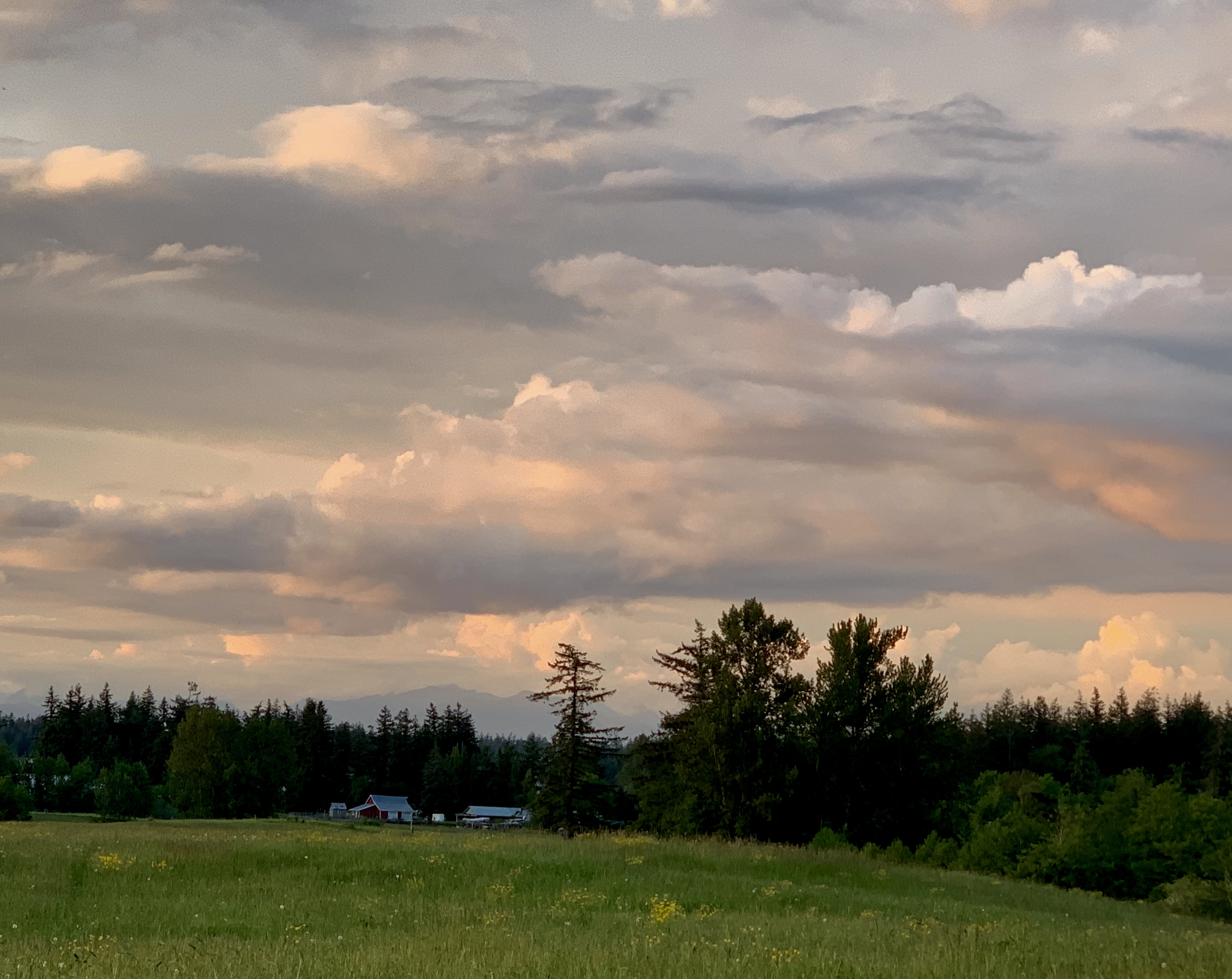
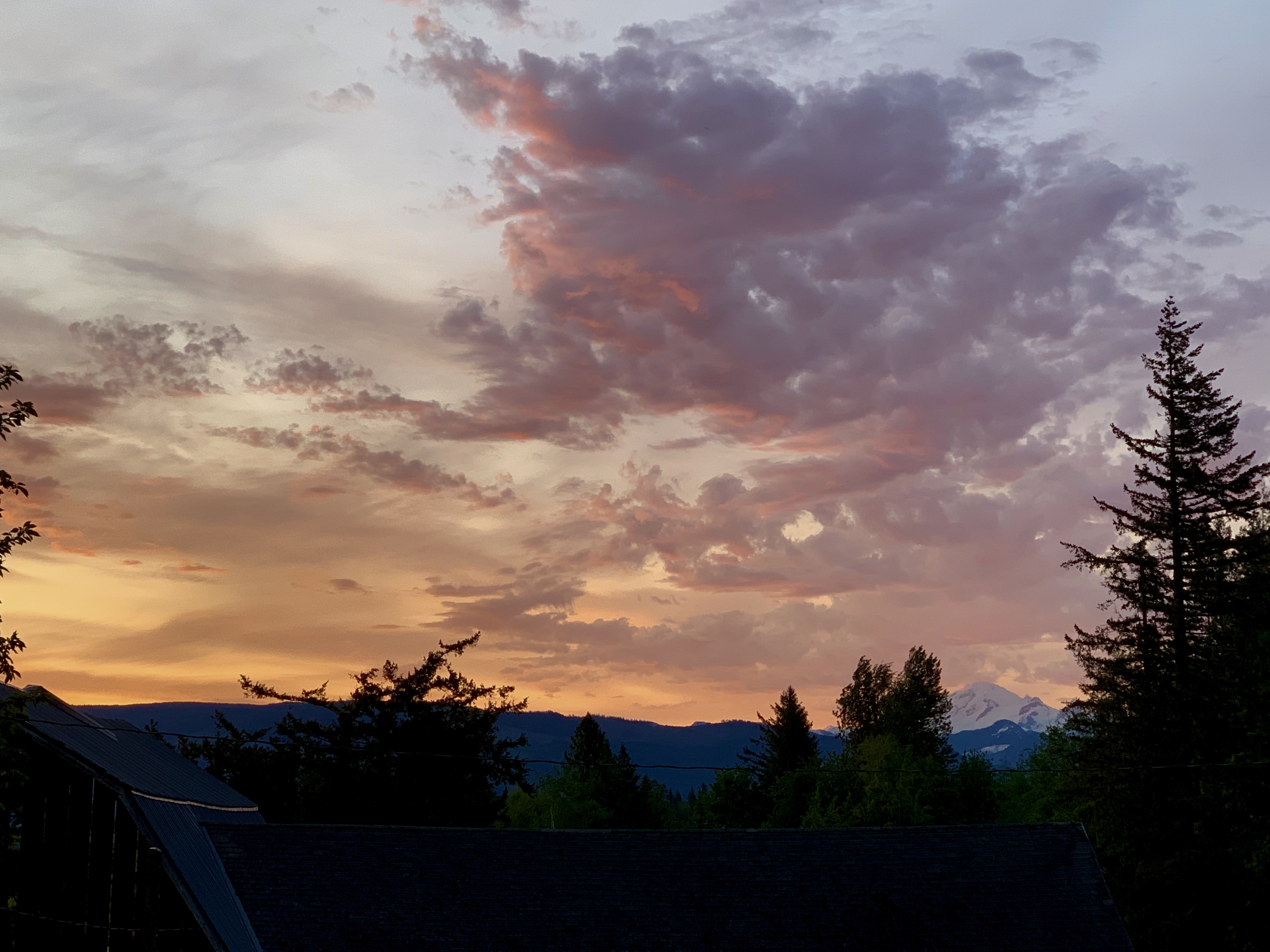
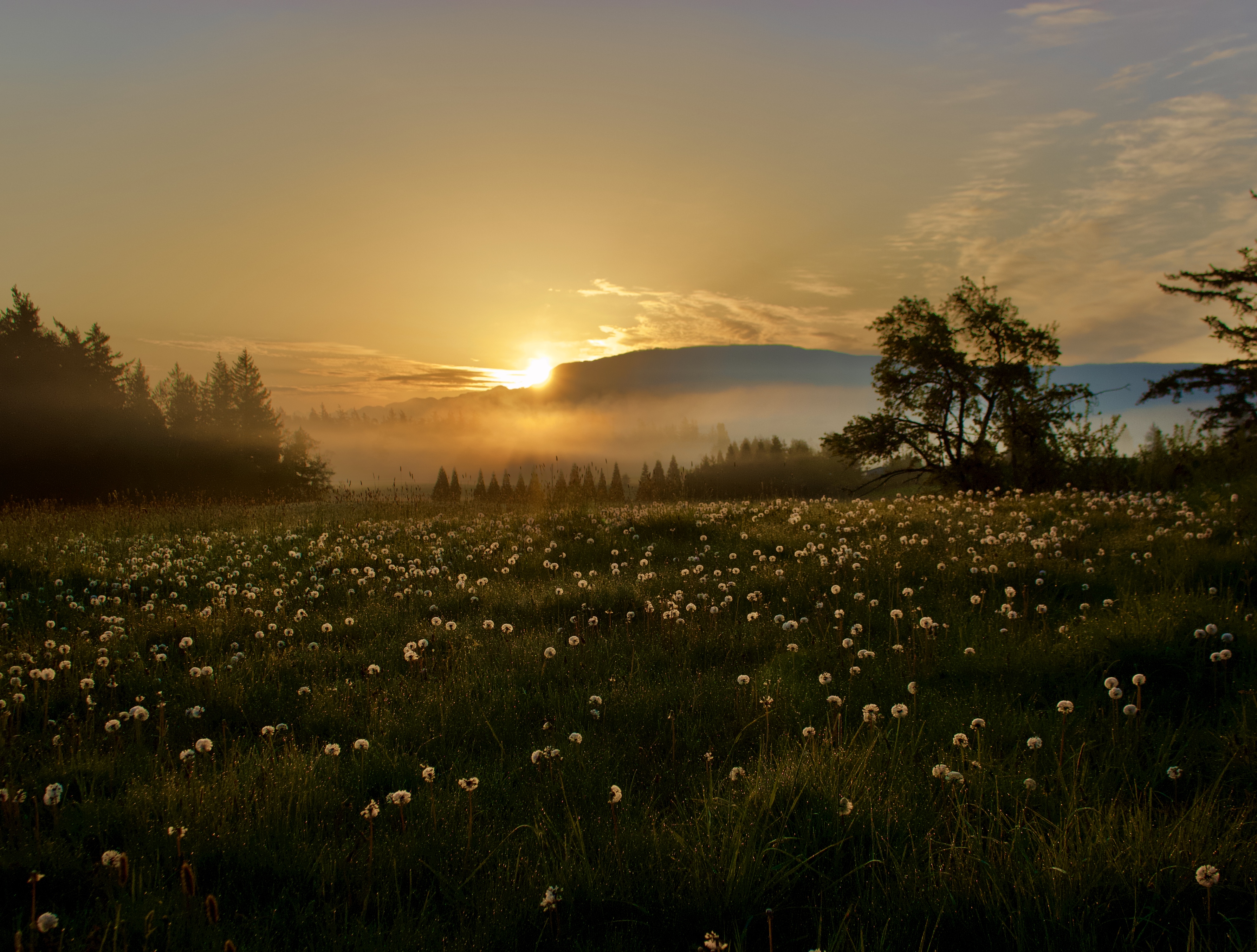
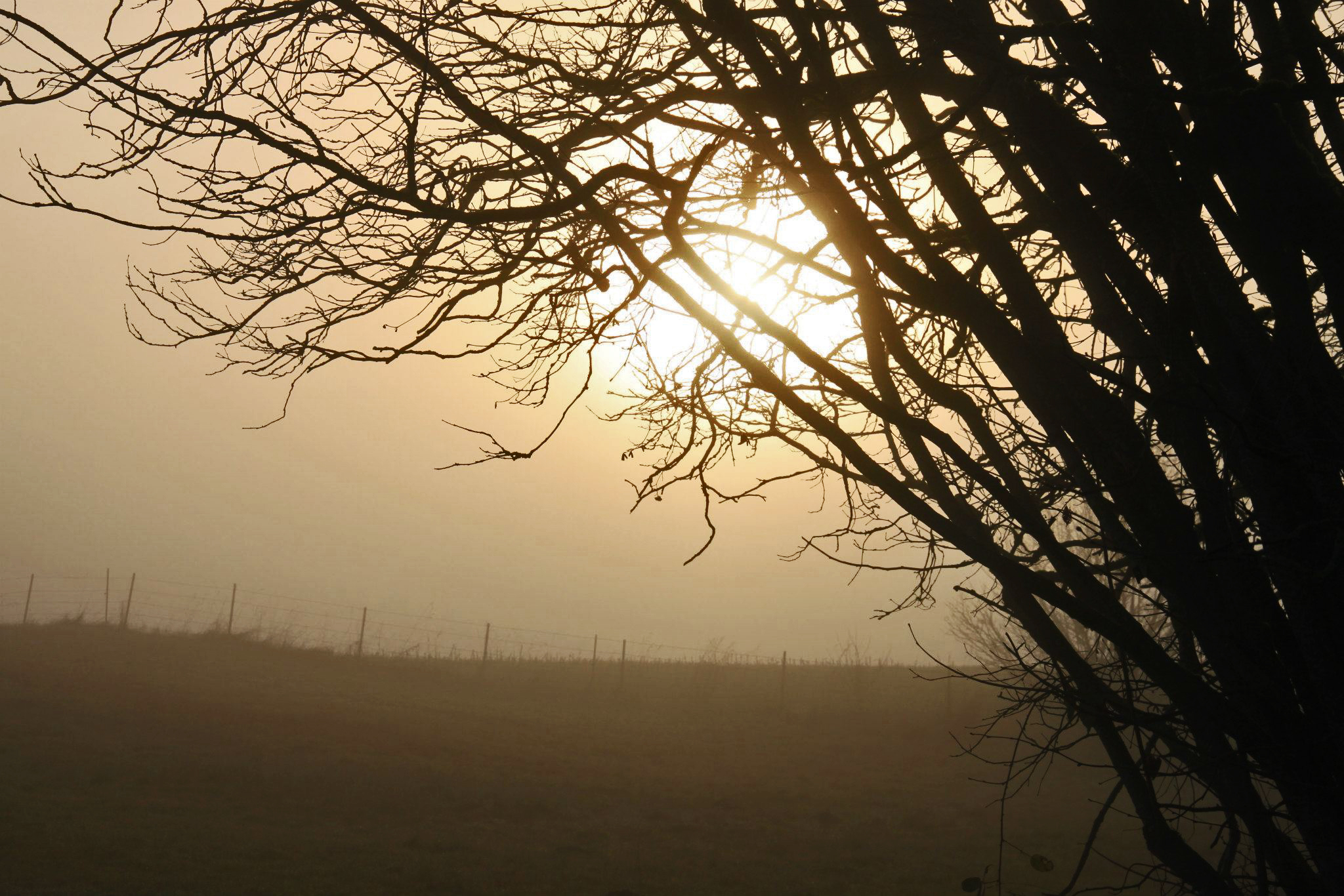
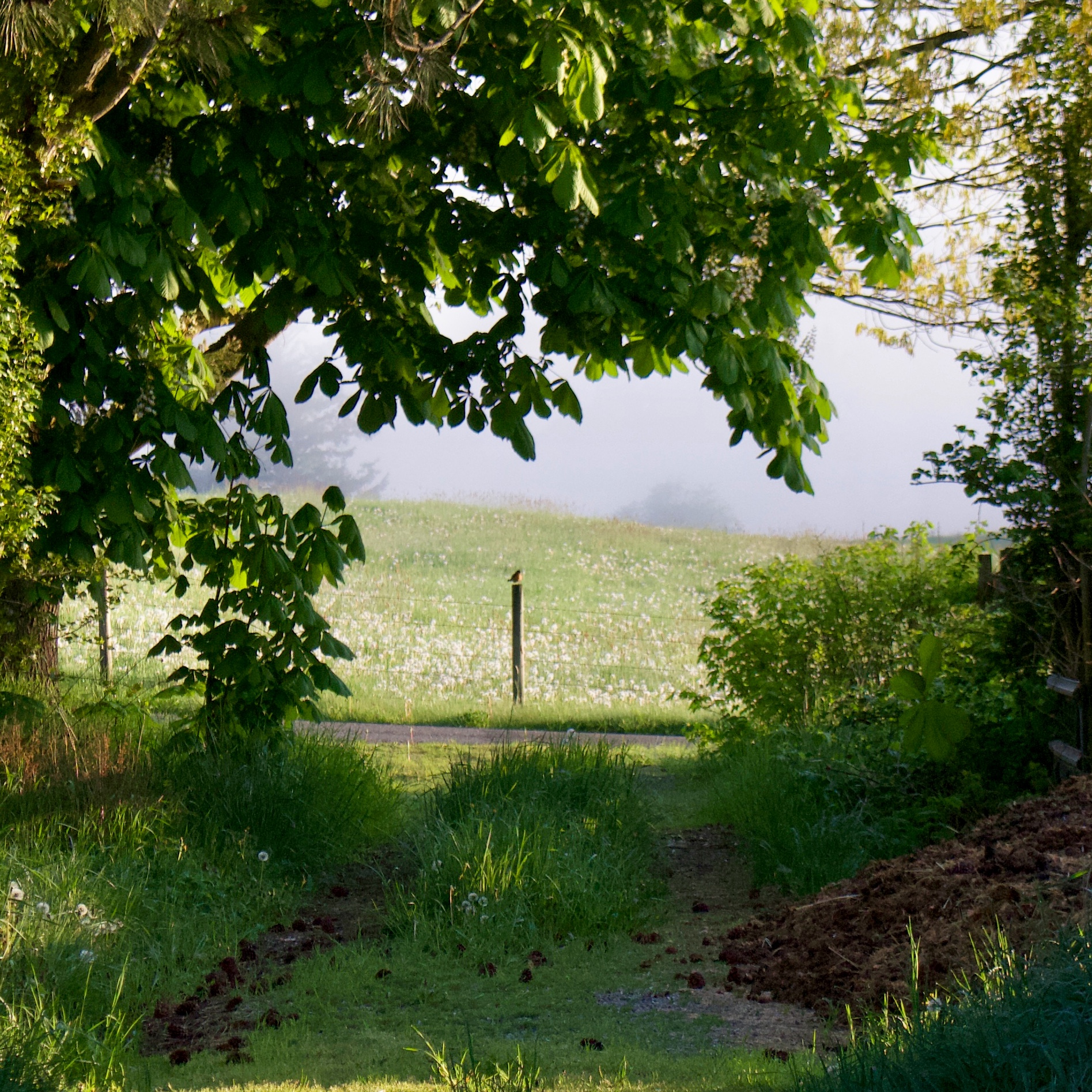
How should I not be glad to contemplate the clouds clearing beyond the dormer window and a high tide reflected on the ceiling? There will be dying, there will be dying, but there is no need to go into that. The poems flow from the hand unbidden and the hidden source is the watchful heart. The sun rises in spite of everything and the far cities are beautiful and bright. I lie here in a riot of sunlight watching the day break and the clouds flying. Everything is going to be all right. ~Derek Mahon,”Everything is Going to be All Right” from Selected Poems
It’s tough to find reassurance these days; in a mere five months, things have gone from “doing okay” to outright disastrous. There is no expert anywhere with a crystal ball who can tell us what things will be like in another five months. We simply have to live it out as best we can.
I regularly remind myself: history has a way of repeating itself, and yes, the world has been in this place before. We’ve fought back against global pandemics and economic depressions and devastating world conflicts and we somehow manage to come out the other side.
It takes time and patience and prayer and groaning and a fair amount of teeth gritting.
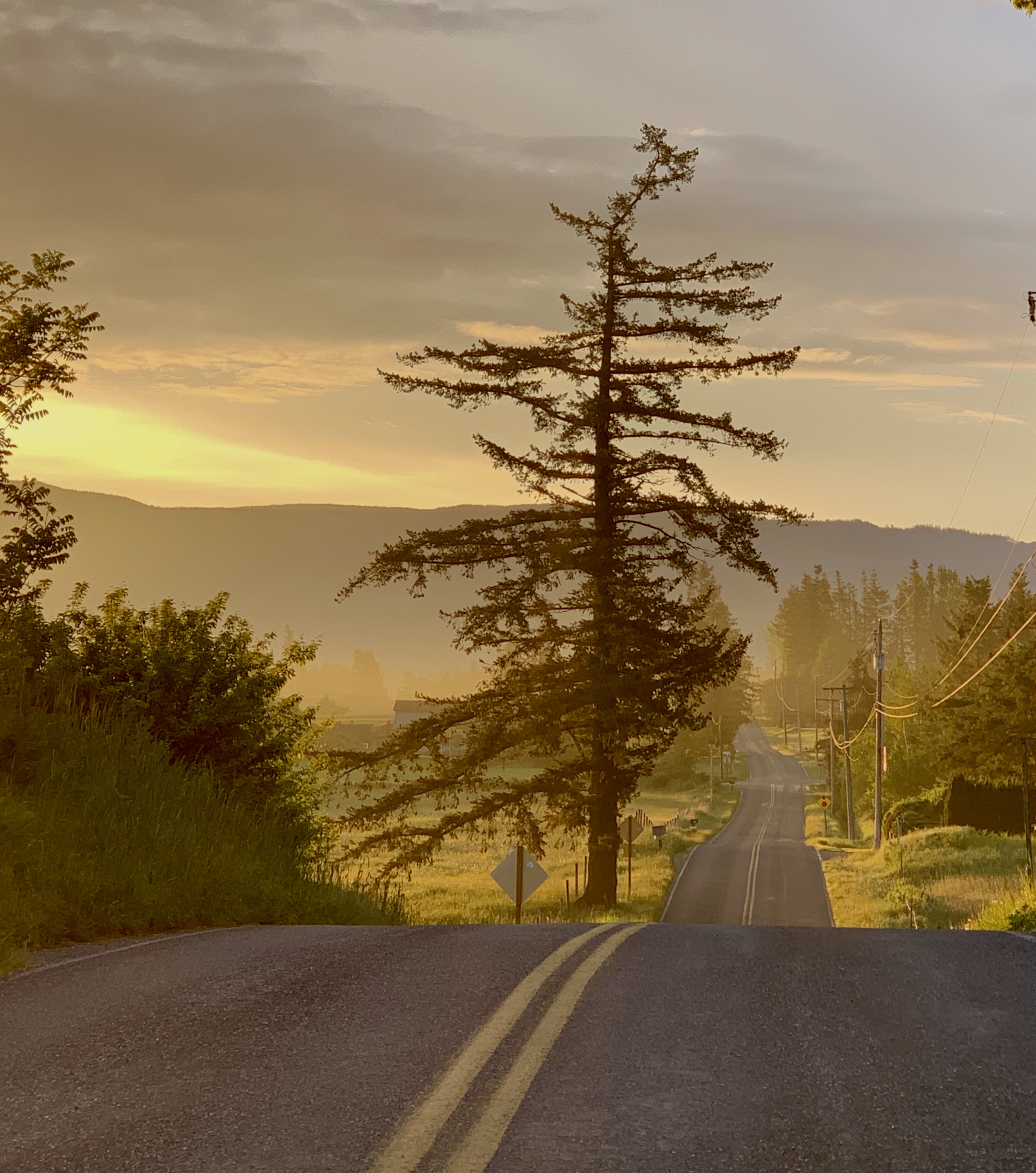
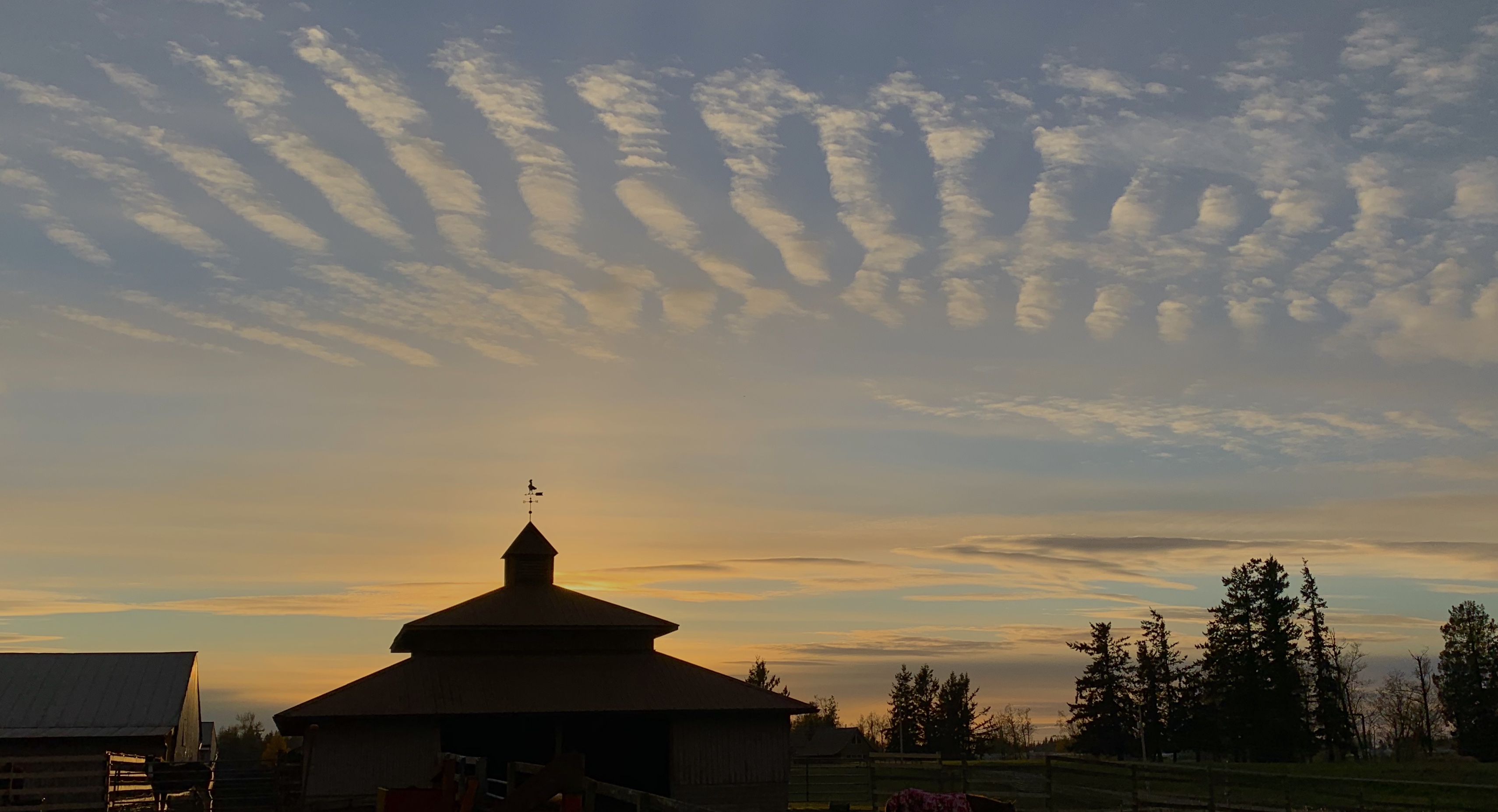
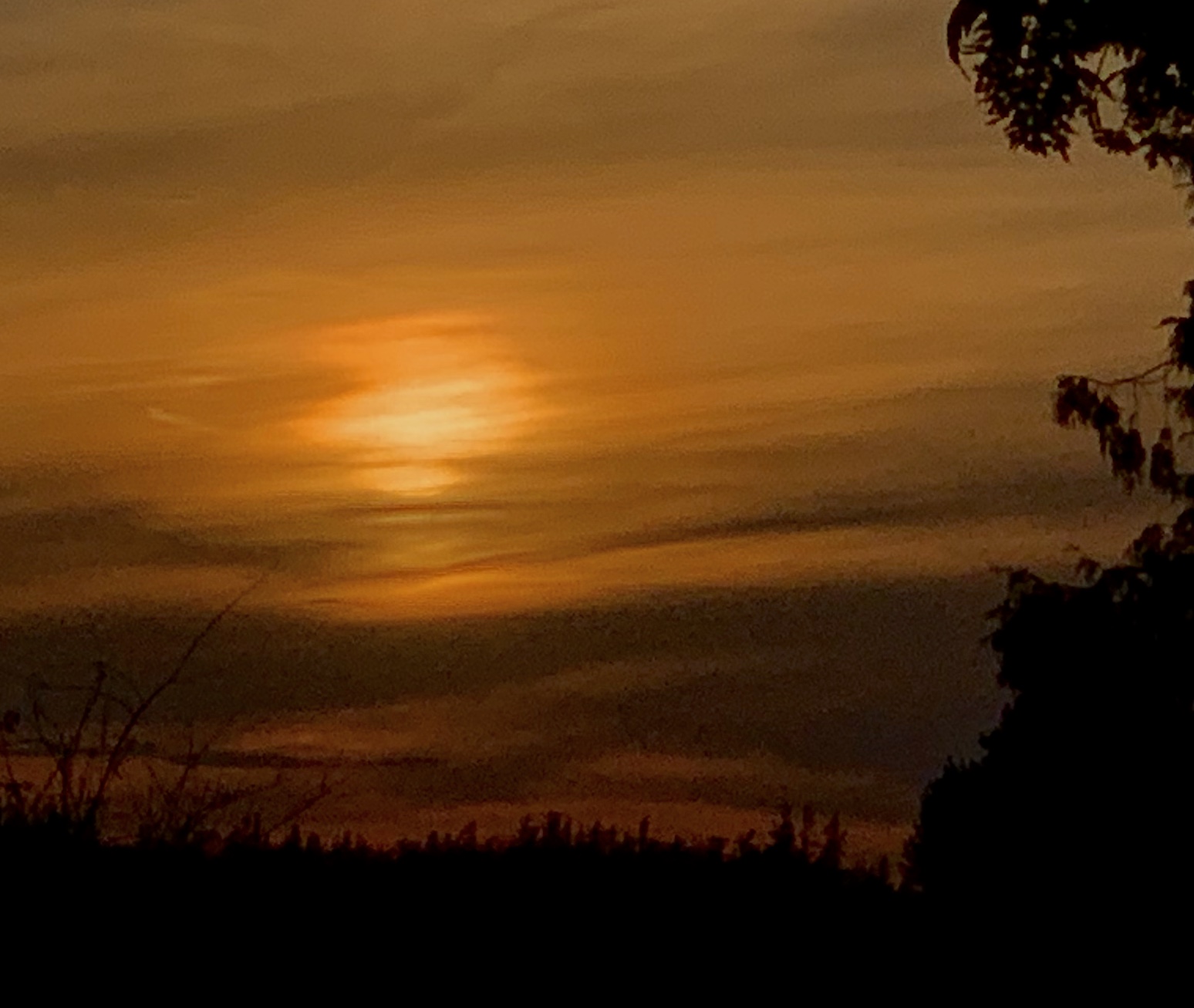
So the sun rises in spite of everything. The clouds still fly by above us. We still love one another even when it takes a little work. So let’s give ourselves a little break from the bad news and just love, oh Lord above, in the glory of now.
Everything is going to be all right. Let your heart be watchful and untroubled.
We do not want merely to see beauty… we want something else which can hardly be put into words- to be united with the beauty we see, to pass into it, to receive it into ourselves, to bathe in it, to become part of it.
We discern the freshness and purity of morning, but they do not make us fresh and pure. We cannot mingle with the splendours we see. But all the leaves of the New Testament are rustling with the rumour that it will not always be so. Someday, God willing, we shall get in. ~C.S. Lewis from The Weight of Glory
We are wounded by the grime of this world, no question about it. Just one look at the headlines shows how tainted and sullied we’ve become, so long separated from the beauty and perfection for which we were created.
The wounds we bear are from beauty banished when we desperately wish to bathe in it. We’re offered just such a cleansing when we offer up our soiled selves.
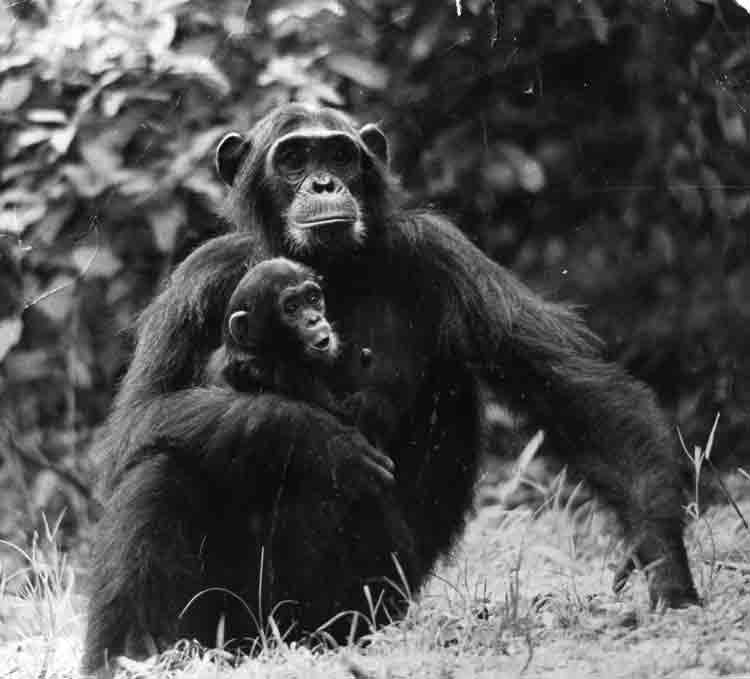
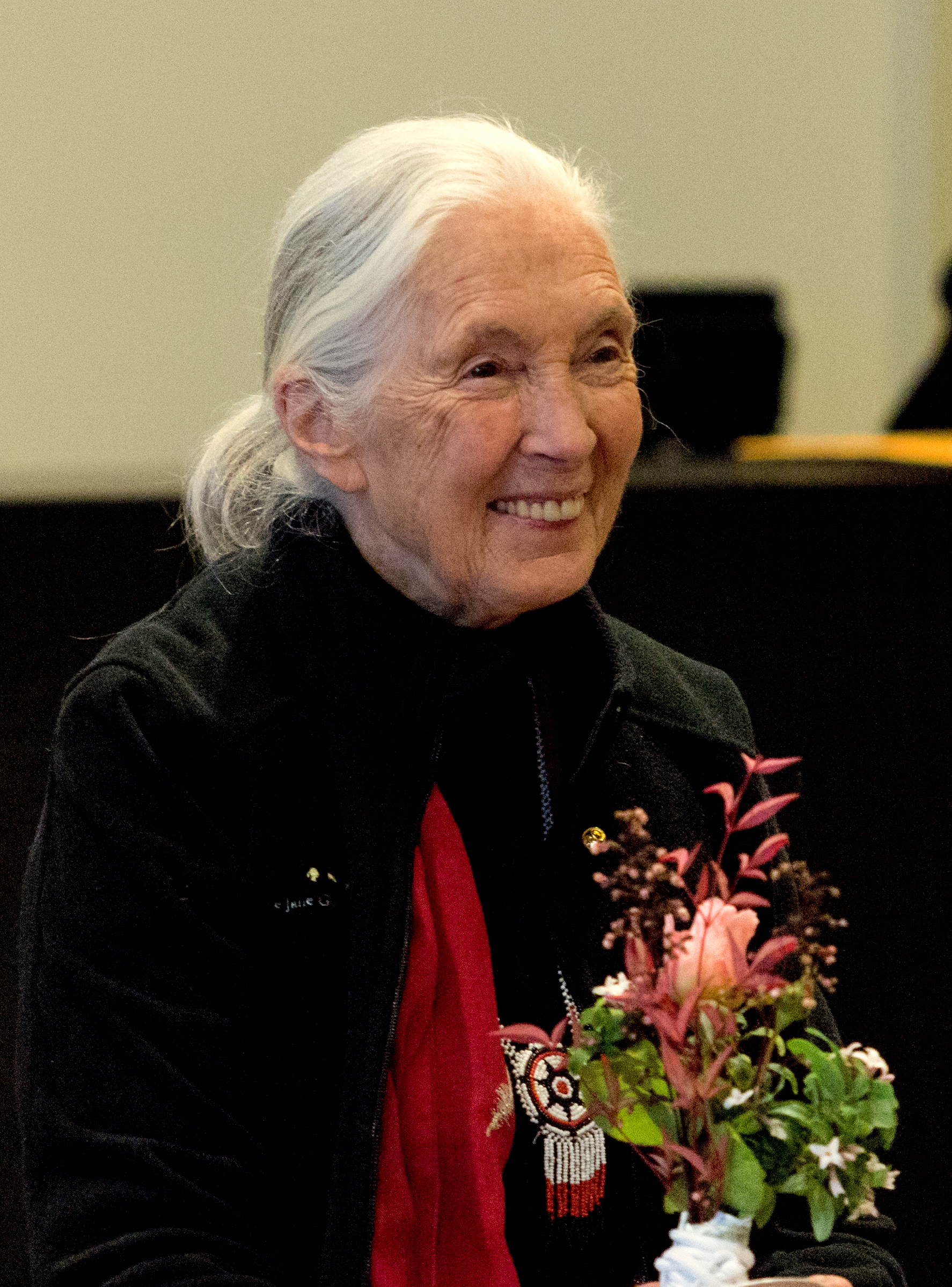
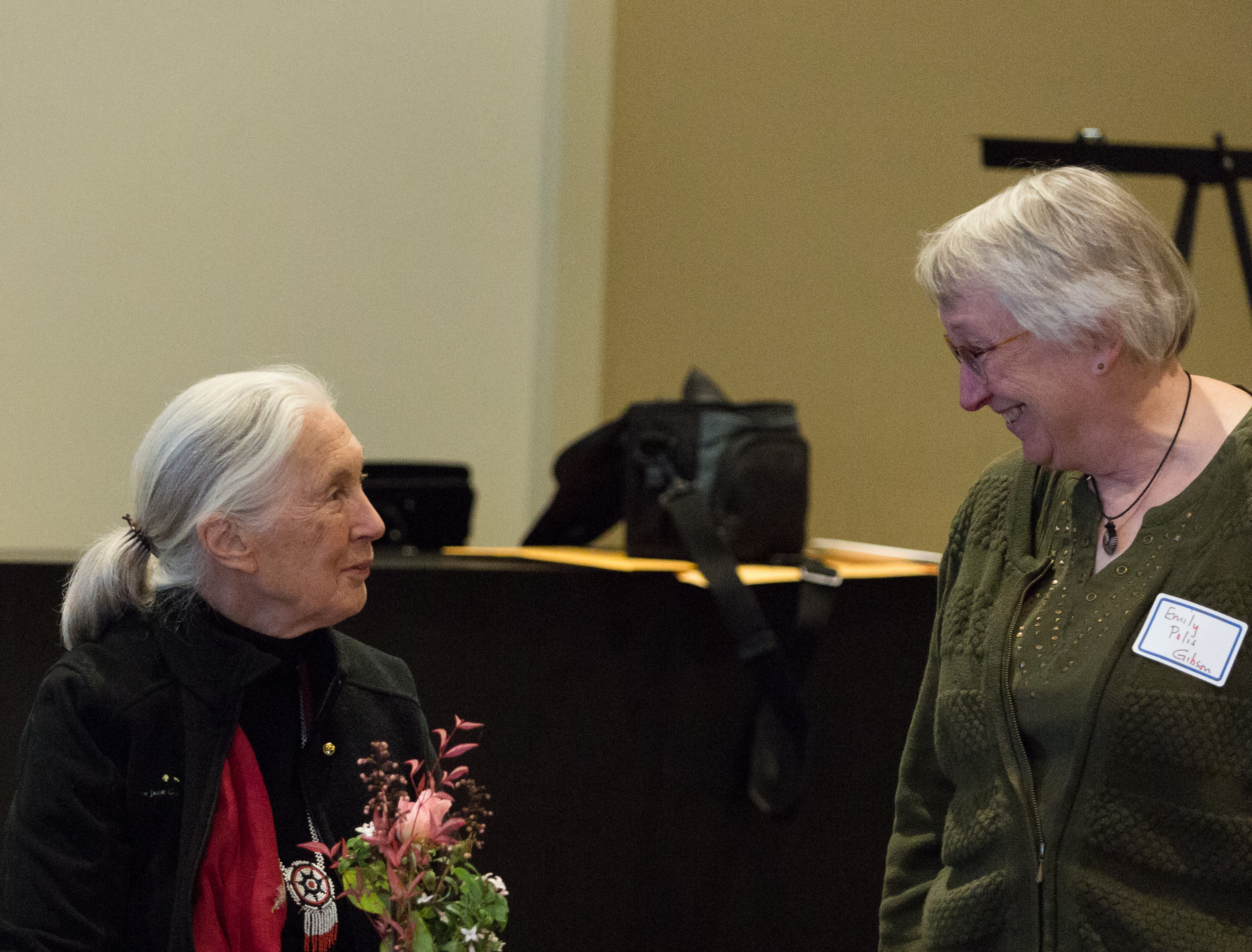
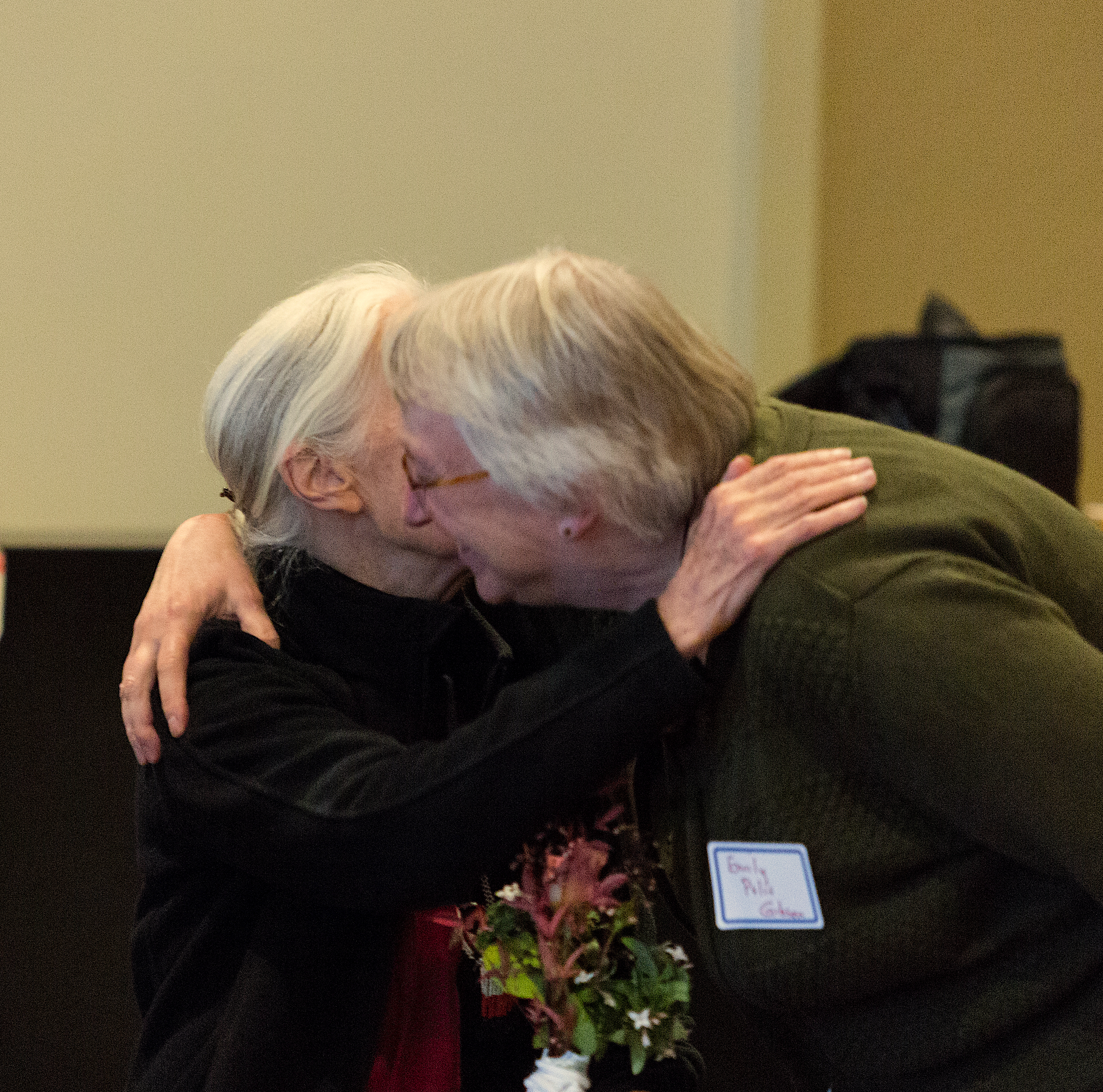
photo of Gombe chimpanzees by Larry Goldmanphoto of Jane Goodall, smiling at me as I came up to give her a hug during her WWU visit October 2018, courtesy of WWU University Communications
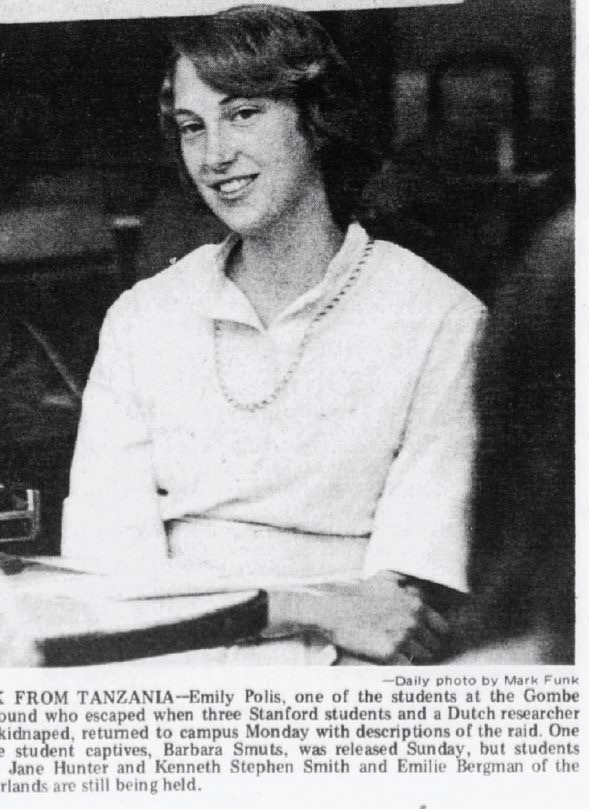
Reflecting on, and with respect for, the courage shown by Tanzanian park rangers and my kidnapped research colleagues on this unforgettable day 45 years ago — I’m reposting this again as part of my Gombe saga from when I worked as a student research assistant for Jane Goodall in western Tanzania in 1975.An archived New York Times account is found here.
At first glance, Gombe National Park in Tanzania felt like paradise—a serene piece of the earth filled with exotic and fascinating wildlife, an abundance of fish and fruit to eat, and the rich unfamiliar sounds and smells of the tropical jungle. It was a façade. It was surrounded by the turmoil and upheaval of political rebellion and insurgencies in its neighboring countries, inflamed even more by the fall of Saigon in Vietnam a month previously due to the earlier pull out of the Americans from that long and tragic war.
Only a few miles north of our research station in Gombe National Park in western Tanzania, there had been years of civil war in the small land locked country of Burundi. When the wind was just right, we could hear gunfire and explosions echoing over the valleys that separated us. Escaping refugees would sometimes stop for food on their way to villages in Tanzania to the south, seeking safe haven in one of the poorest countries in the world, only a decade into its own experiment with socialism, Ujamaa.
There was also word of ongoing military rebellion against the dictatorship of President Mobutu in the mountainous country of Zaire twelve miles west across Lake Tanganyika.
Morning comes early for field studies of wildlife, as the research day must start before the chimpanzee and baboon subjects wake up and begin to stir. Before midnight, while we slept soundly in our metal huts scattered up the mountainside, a group of armed soldiers arrived by boats to the shore of Gombe National Park.
Storming the beach huts housing two unarmed Gombe park rangers and their families, the soldiers seized one and demanded to be told where the researchers were. The ranger refused to provide information and was severely beaten about the head and face by the butts of the rifles carried by the invaders. The armed soldiers then divided into smaller groups and headed up the trails leading to the huts, coming upon four sleeping student researchers, tying them up, taking them hostage, forcing them into boats and taking them across the lake back to Zaire.
Asleep farther up the mountain, we were wakened by other researchers who were fleeing, hearing the commotion. No one really understood what was happening down lower on the mountain. There were shouts and screams, and gun shots had been heard. Had someone been injured or killed? There was no choice but to run and hide deep in the bush at a predetermined gathering spot until an “all clear” signal was given by the rangers.
We hurried along barely familiar trails in the black of the jungle night, using no flashlights, our hearts beating hard, knowing we had no defense available to us other than the cover of darkness.
That was the longest wait for morning of my life, sitting alongside Jane holding her eight year old son Grub. A hand full of other students had also made their way to the hiding spot, none of us knowing what to think, say or do. We could only barely see each other’s faces in the darkness and were too frightened to make any sounds. We carried no weapons, and there was no way to communicate with the outside world. We had no idea how many of us may be missing, or possibly dead.
Jane clasped Grub in her arms, endeavoring in vain to keep him quiet, but his fears was ignited by the events that had just unfolded.
“Will they kidnap me, Jane? Will they come for me? Where will they take us? Will they shoot us dead?”
Jane, her face hidden by her blonde hair loose about her shoulders, sat rocking him, cradling him. “Shhh, shhh, we don’t want them to find us. We’re safe staying right here. Everything will be fine in the morning. No one will take you from me.”
Grub began to sob silently into her shoulder.
When the morning of May 20 dawned, the park rangers located us, and pieced together the events as best they could–the soldiers were Zairean rebels living in remote mountains, fighting an insurgency against the Zaire government. Seeking funds for their cause, they saw a kidnapping of Americans and Europeans as a way to raise quick funds and world publicity and sympathy. Four of our friends/coworkers were missing, the camp was ransacked and the rangers beaten but with no life threatening injuries. There was no way to remain safe at the Park, and our colleagues needed whatever help we could offer for their rescue.
We were able to send a messenger to a nearby fishing village, and a radio call was sent out to the small town of Kigoma, then relayed to Dar Es Salaam and Nairobi. Help arrived within a few hours, when a United Nations boat monitoring the civil war activities in Burundi pulled off shore near our camp. We were told we needed to evacuate Gombe that day, and would be taken to Kigoma, and then flown by bush pilot to Nairobi, Kenya to cooperate in the investigation of the kidnapping.
In Nairobi, at the US Embassy, I met CIA agents who viewed our wild primate studies with suspicion. Each of us were grilled individually as to our political beliefs, our activities at the camp and whether we may be somehow involved in subversive actions against the Zaire or Tanzanian governments. We were dumbfounded that our own countrymen would be so skeptical about our motives for being in Africa. It became clear our own government could be no help in resolving the kidnapping and bringing our friends home to safety. The agents did not shed any light on whether they knew our friends were alive or dead.
We were then hustled into a press conference where we were interviewed for television and print media by the worldwide news agencies, and my parents saw me on the CBS evening news before they actually heard my voice over the phone. I flew back to Stanford the next day, spending 24 hours on a plane that made six stops up the coast of West Africa on its way back west, to tell what I knew to Stanford President Lyman and other administration officials as they prepared a plan to locate and free the students. I then returned home to Washington state to await any news that came too slowly from a place so far away that I remain astonished to this day that I was ever there at all.
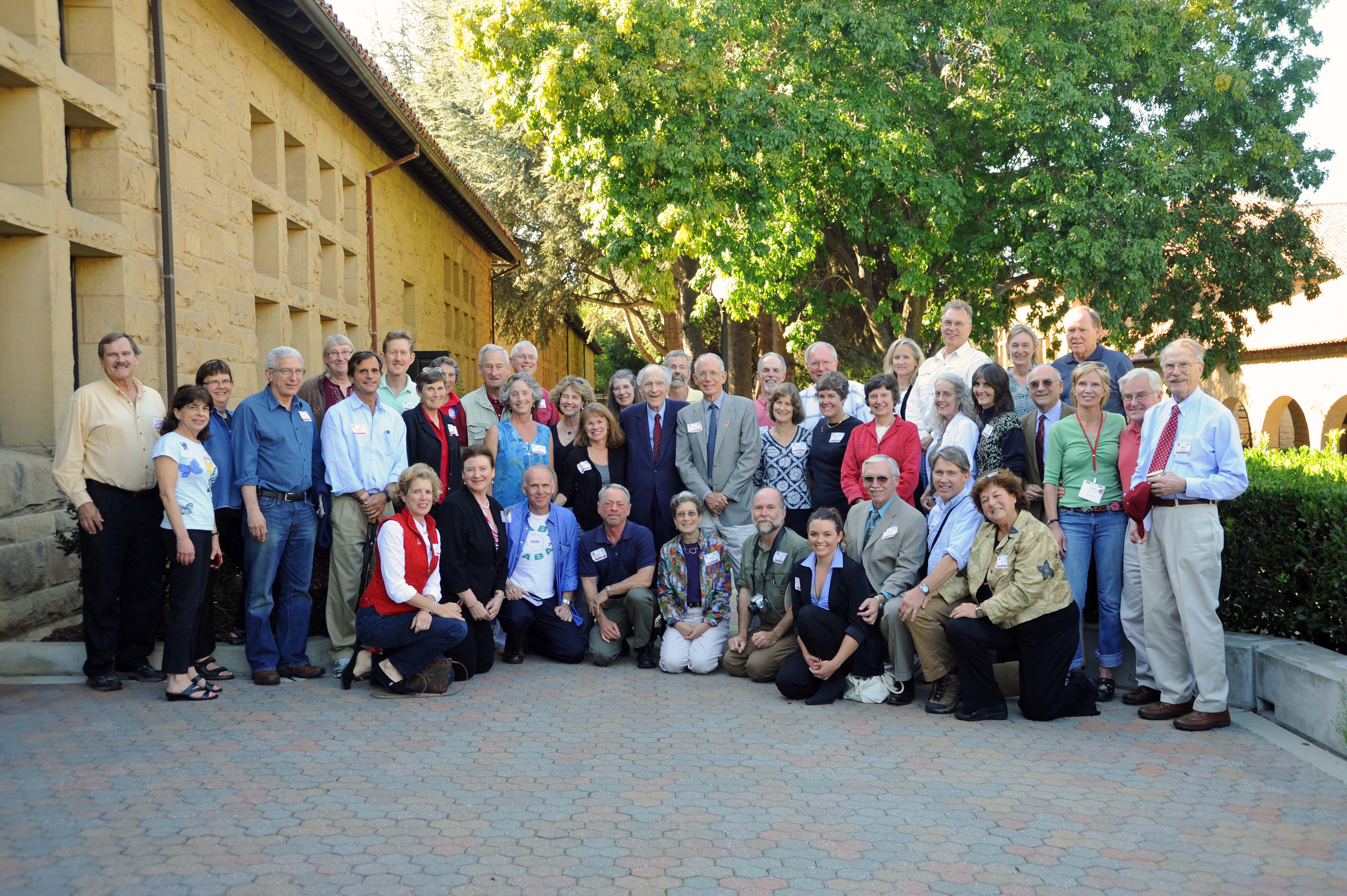
It took over three months, private negotiations and ransom money to free all four of our friends back to safety. They remain close to each other and to the remarkable man who helped free them, Dr. David Hamburg. We have had several reunions together over the years to remember those days of living in a place that at one time seemed like paradise.
Just this past year we have lost both Dr. Hamburg and Dr. Donald Kennedy, both instrumental as our faculty and mentors during our years at Stanford. Dr. Goodall, now 86, remains a vital part of the global message to preserve the wild chimpanzee, traveling over 300 days a year giving lectures around the world through her organization www.janegoodall.org
Several of my colleagues have written about their experience at Gombe:
On the day when The weight deadens On your shoulders And you stumble, May the clay dance To balance you.
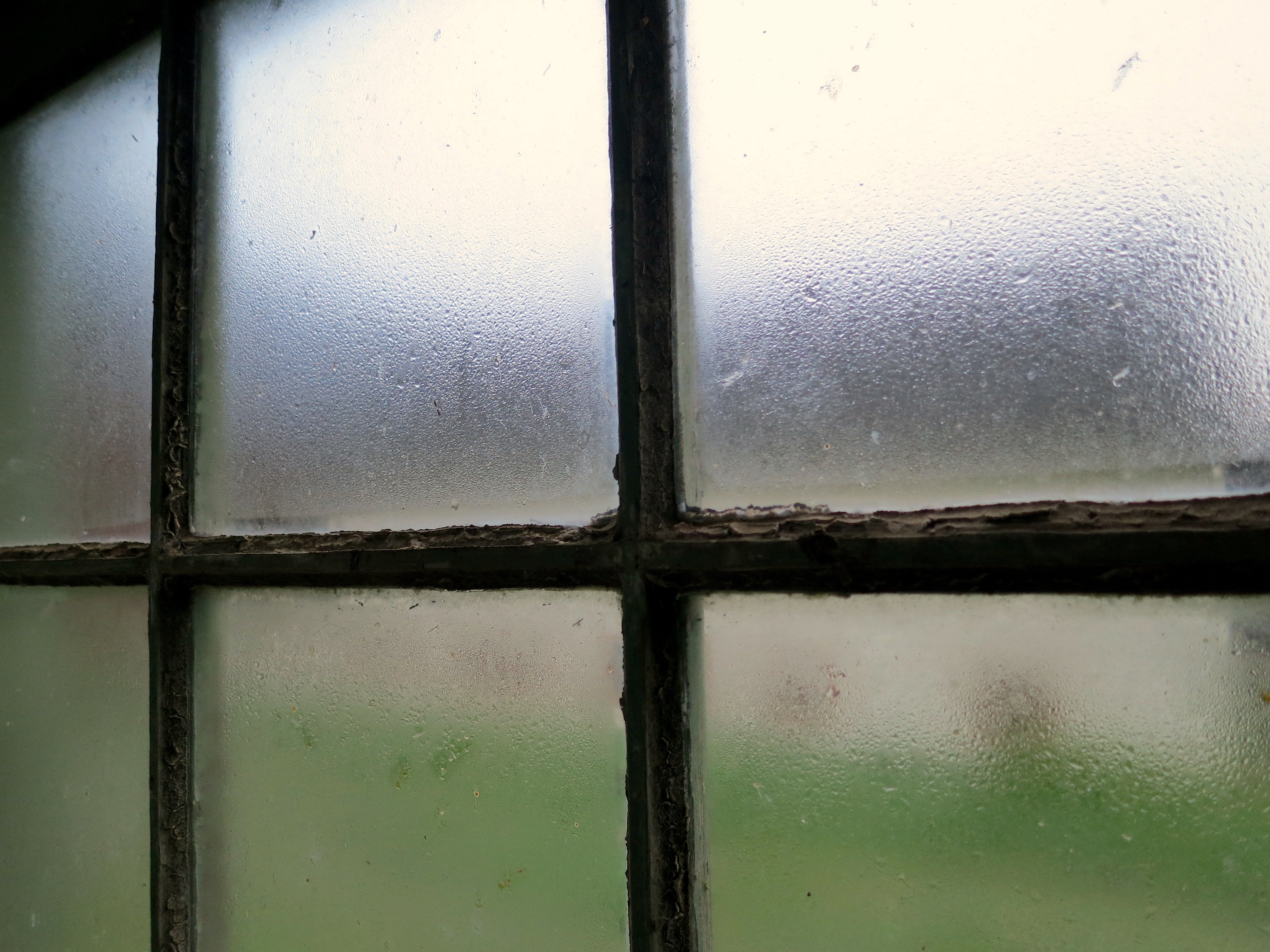
And when your eyes Freeze behind The gray window And the ghost of loss Gets in to you, May a flock of colors, Indigo, red, green And azure blue, Come to awaken in you A meadow of delight.
When the canvas frays in the currach of thought and a stain of ocean blackens beneath you, may there come across the waters a path of yellow moonlight to bring you safely home.
May the nourishment of the earth be yours, may the clarity of light be yours, may the fluency of the ocean be yours, may the protection of the ancestors be yours.
And so may a slow wind work these words of love around you, an invisible cloak to mind your life. ~John O’Donohue “Beannacht”
So many of us grieve the loss of the way things were and the loss of the people we loved.
There seems no light at all in the world, only heaviness of burden, of clouds and sickness.
May God bring back the lightness to our days, the color back to the gray, the clarity of purpose throughout generations.
May God be real to us now, cleansing us from our doubts, our frustrations, our anger and our impatience with one another and with Him.
May God love us in the midst of our weeping, cloaked in His Word and His arms.
After nourishment, shelter and companionship, stories are the thing we need most in the world. Philip Pullman
You’re going to feel like hell if you wake up someday and you never wrote the stuff that is tugging on the sleeves of your heart: your stories, memories, visions, and songs–your truth, your version of things–in your own voice. That’s really all you have to offer us, and that’s also why you were born. ~Anne Lamott in a recent TED Talk
Write as if you were dying. At the same time, assume you write for an audience consisting solely of terminal patients. That is, after all, the case. ~Annie Dillard from “Write Till You Drop”
I began to write after September 11, 2001 because that day it became obvious to me I was dying, albeit more slowly than the thousands who vanished that day in fire and ash, their voices obliterated with their bodies. So, nearly each day since, while I still have voice and a new dawn to greet, I speak through my fingers and my camera lens to others dying around me.
Over the past several months, there have been too many who have met their end sooner than they wished, having been felled by a rogue virus that cares not who or how badly it infects.
We are, after all, terminal patients, some more imminent than others, some of us more prepared to move on, as if our readiness had anything to do with the timing.
Each day I too get a little closer, so I write and share photos of my world in order to hang on awhile longer, yet with loosening grasp. Each day I must detach just a little bit, leaving a small trace of my voice and myself behind. Eventually, through unmerited grace, so much of me will be left on the page there won’t be anything or anyone left to do the typing.
I used to think the land had something to say to us, back when wildflowers would come right up to your hand as if they were tame.
Sooner or later, I thought, the wind would begin to make sense if I listened hard and took notes religiously. That was spring.
Now I’m not so sure: the cloudless sky has a flat affect and the fields plowed down after harvest seem so expressionless, keeping their own counsel.
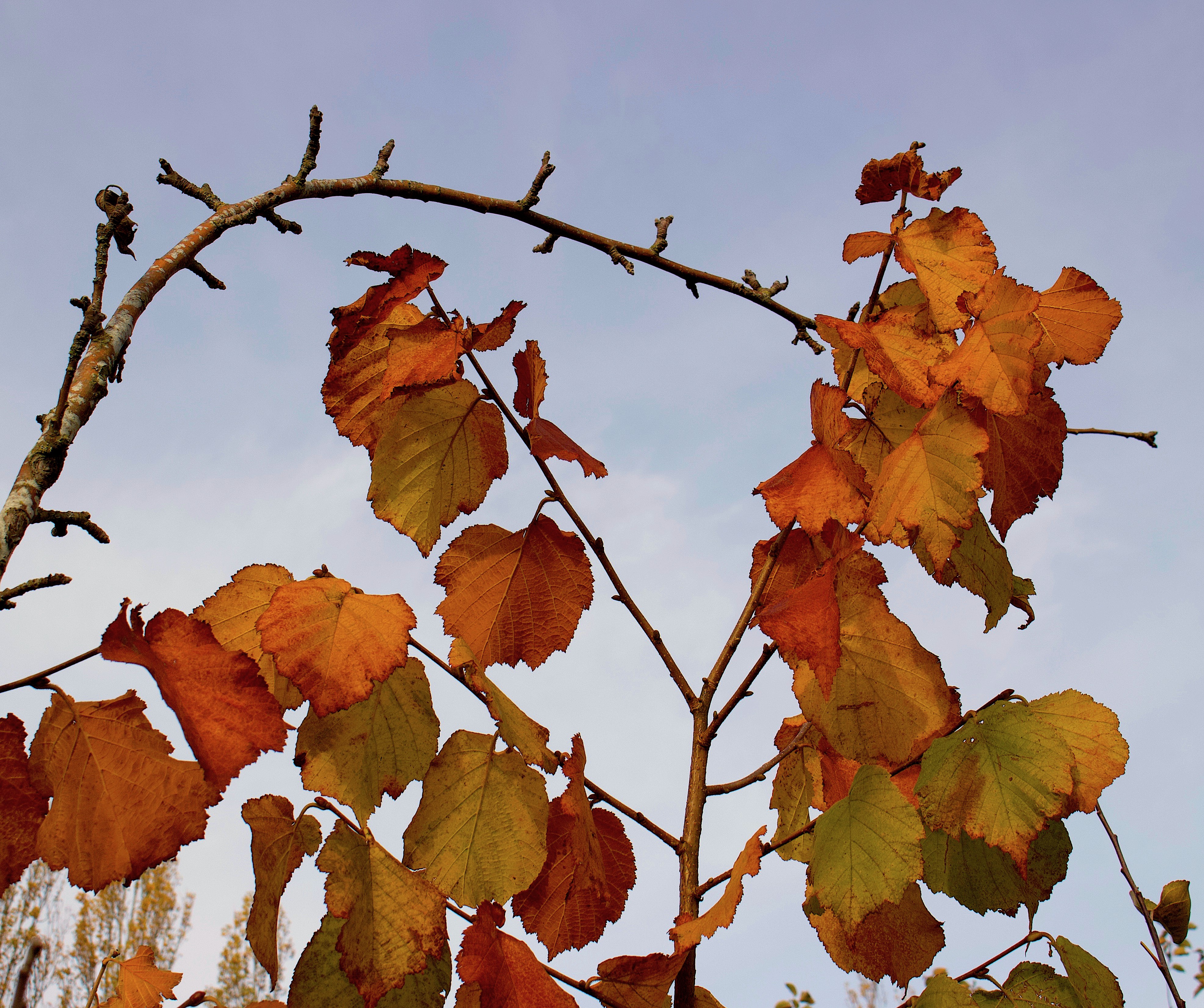
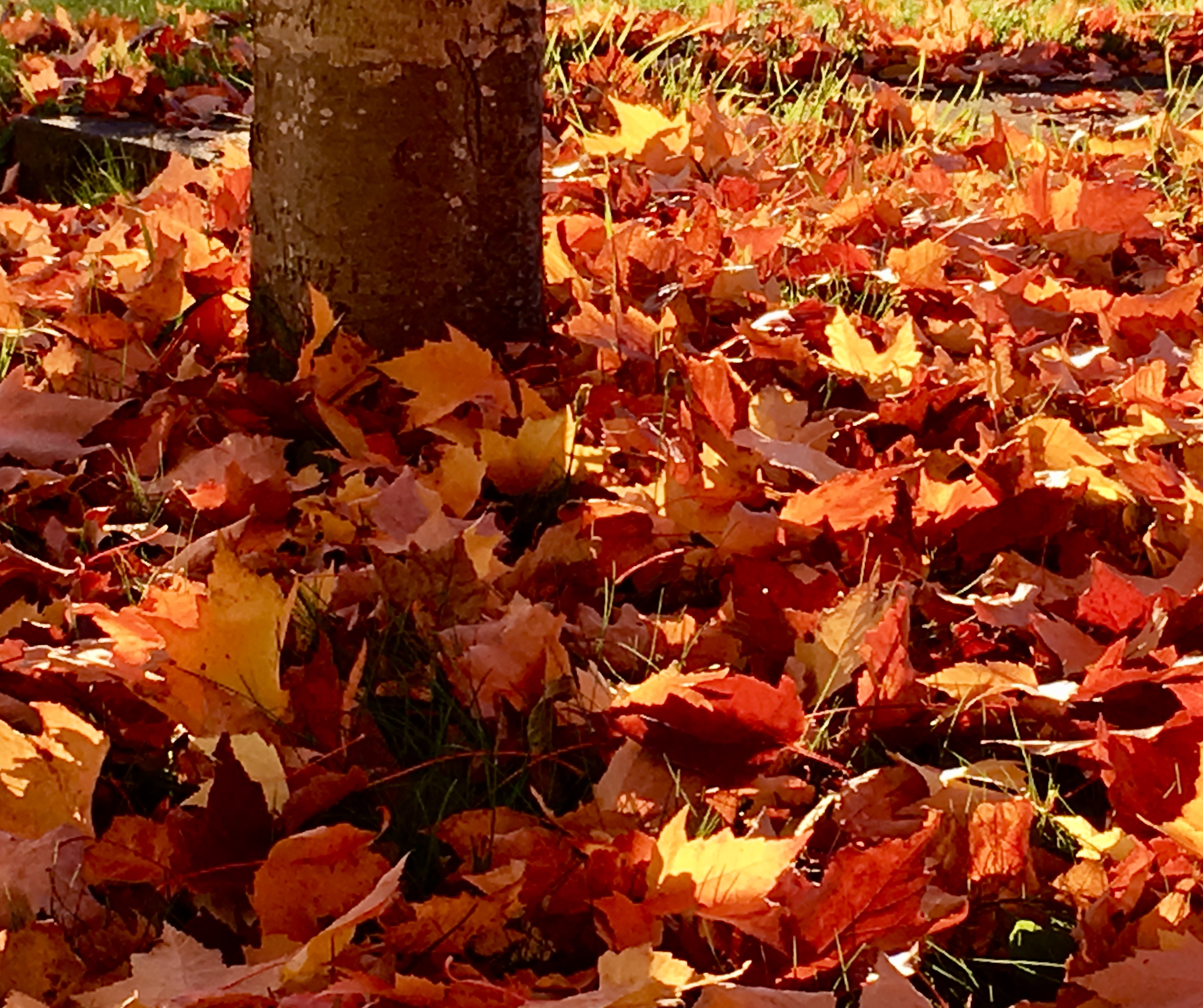
This afternoon, nut tree leaves blow across them as if autumn had written us a long letter, changed its mind, and tore it into little scraps. ~Don Thompson October
photo by Nate Gibsonphoto by Nate Gibson
We’re in a time of seasonal abundance but our emotions are spent from containment through lock-down, shelter-in, social distancing, zoom-in and zoom-out.
As I meet with my patients via a televisit, I try to read their faces and find that along with the flatness of our screens, our emotions are flat too. My usual gentle humor to lighten things up becomes pointless – it is hard to elicit smiles these days. On the other hand, there no longer is a need for abundant tissues for tearful conversations because no one will weep on screen. There may be a hint of emotion in a catch in a voice, but I have yet to see anyone actually cry in two months of telehealth conversations. That would be too vulnerable – somehow being on camera suggests we need to put the actor-mask on, be expression-less, strong and invulnerable. And somehow my patient knows I can’t reach out as I would in an exam room, literally and verbally, to reassure them I’m present and listening. I’m not really present on a screen even though I’m listening.
And while out in society, we must literally hide ourselves behind a mask that conceals our smiles as well as our grim-faced frowns.
So our social and clinical interactions are as flat as the screens they play out on.
We need some unchecked tears about now, as well as endless belly laughs. Perhaps there will be a reawakening to the range of emotions we have taken for granted before finding ourselves in this time of restraint and restriction.
As we reintegrate and reunite, slowly, carefully and compassionately, let us re-experience in 3-D what we have been missing in our virtual meetings: tears that accompany joyous reunion as well as the lament of all we’re lost during this time.
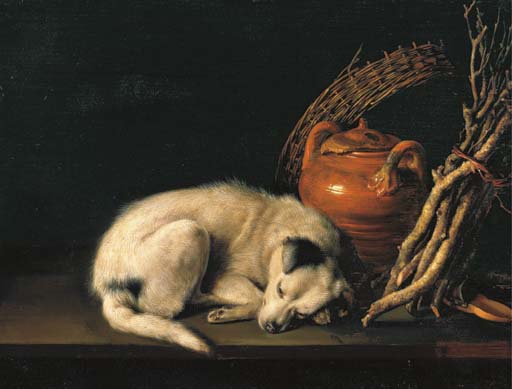
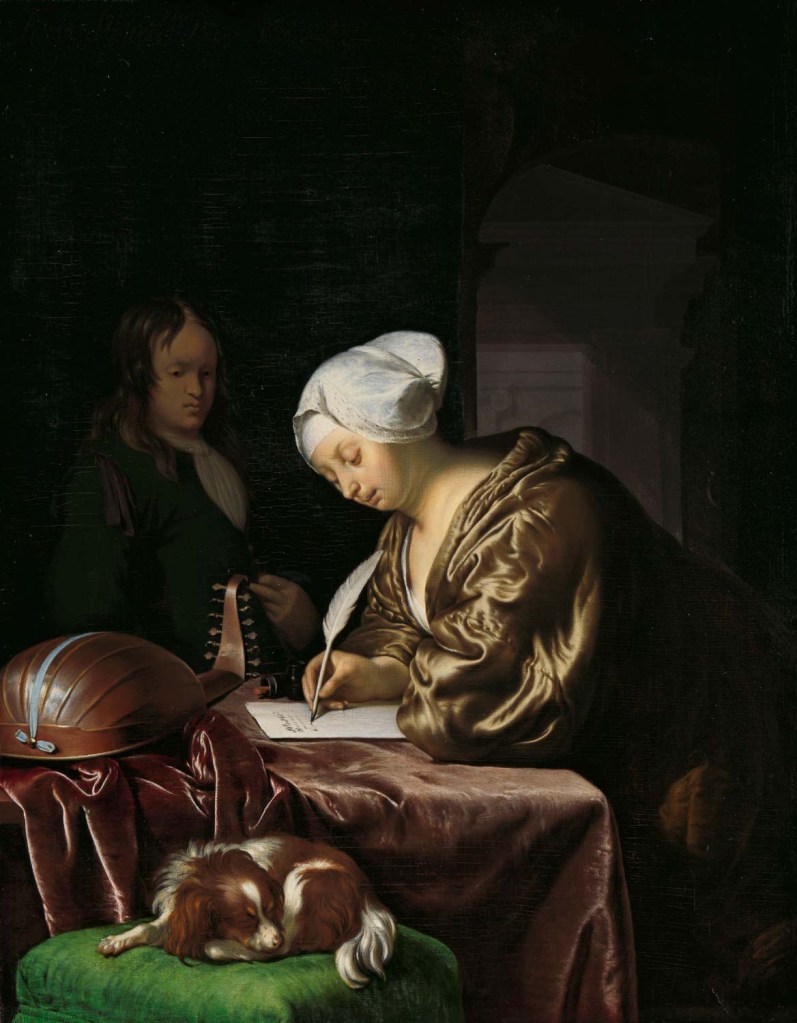
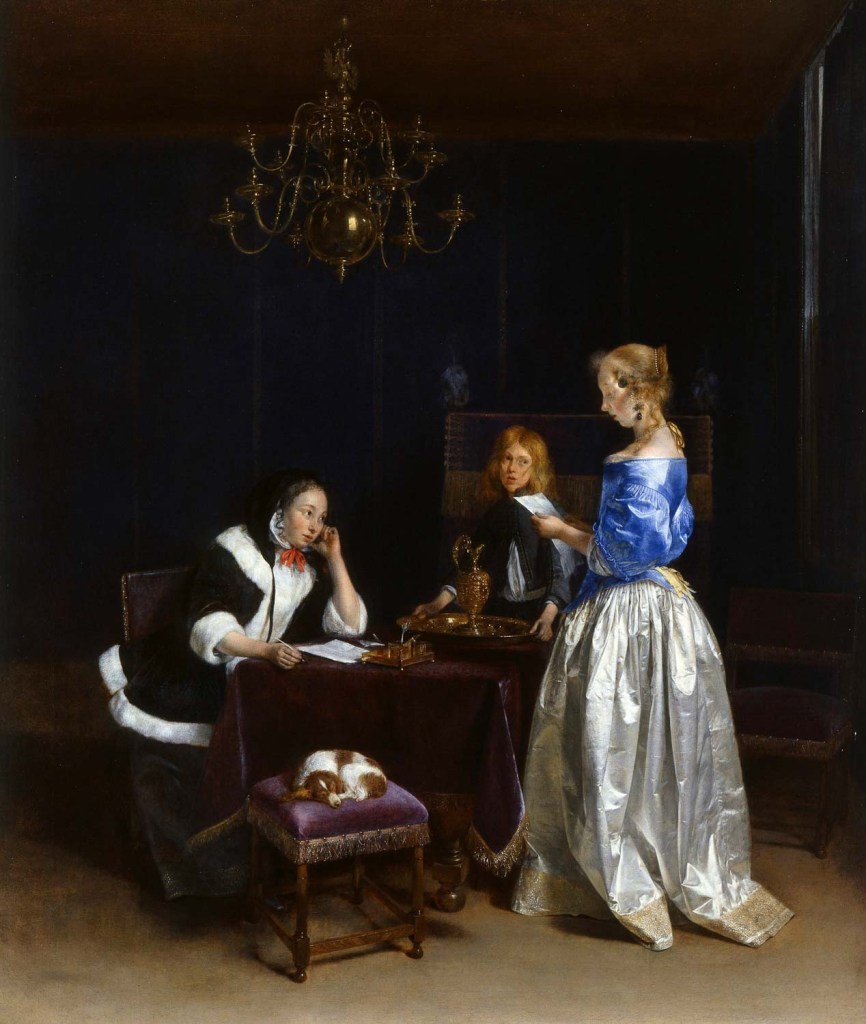
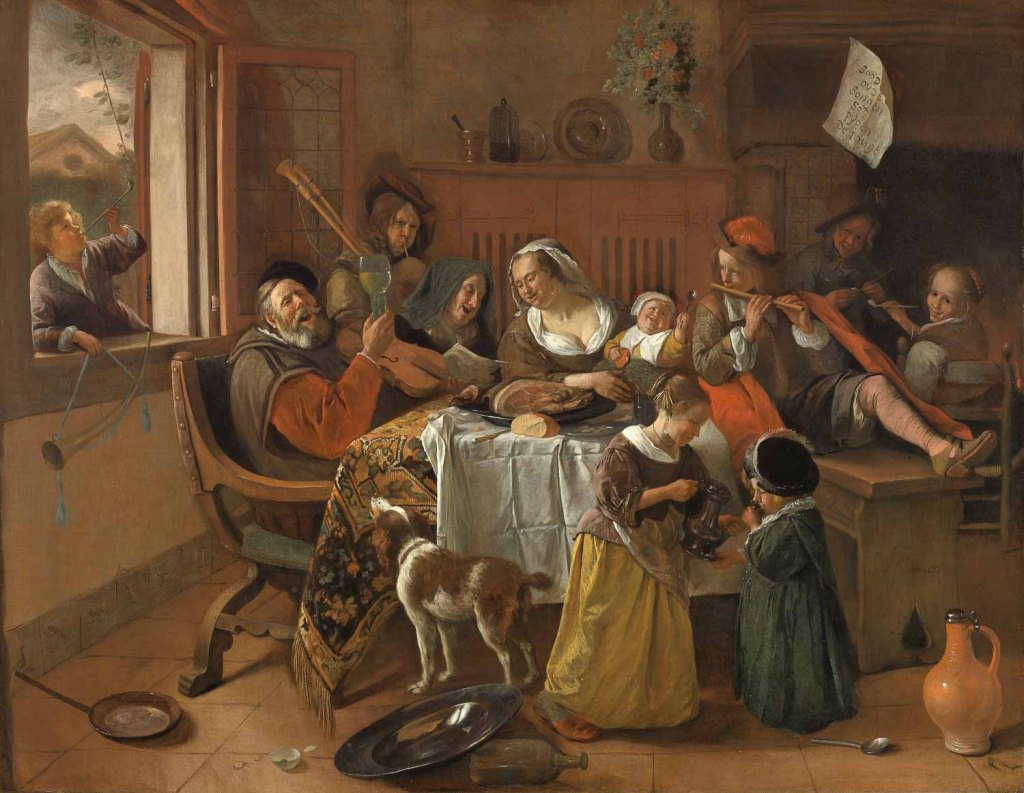
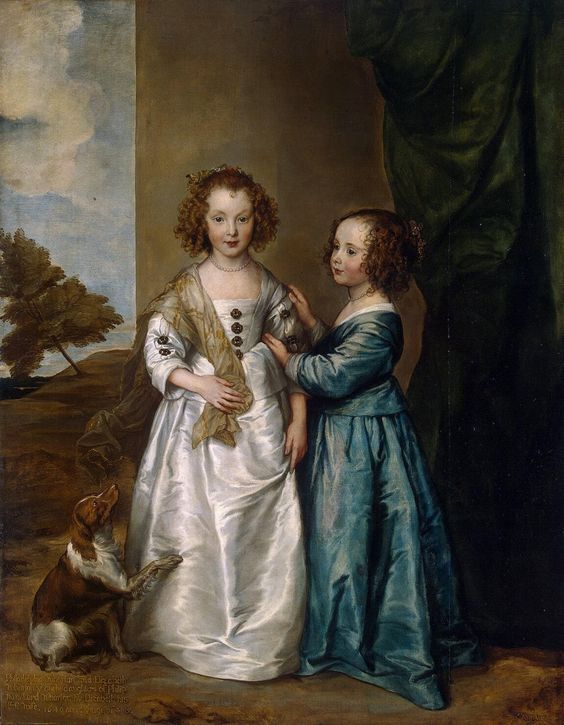
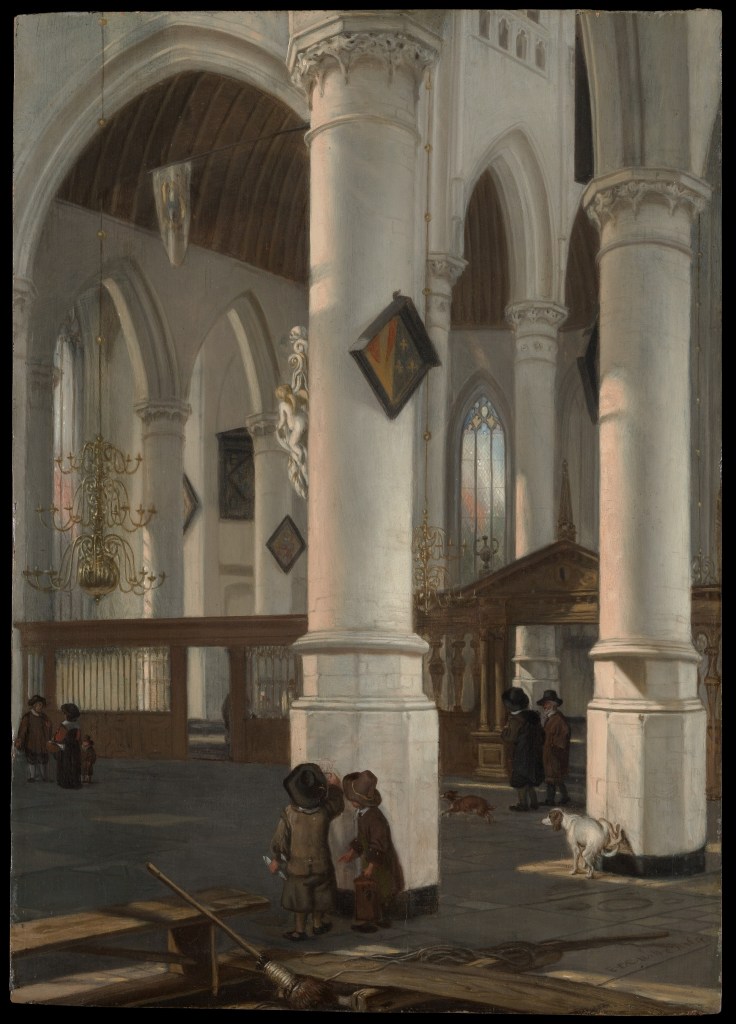
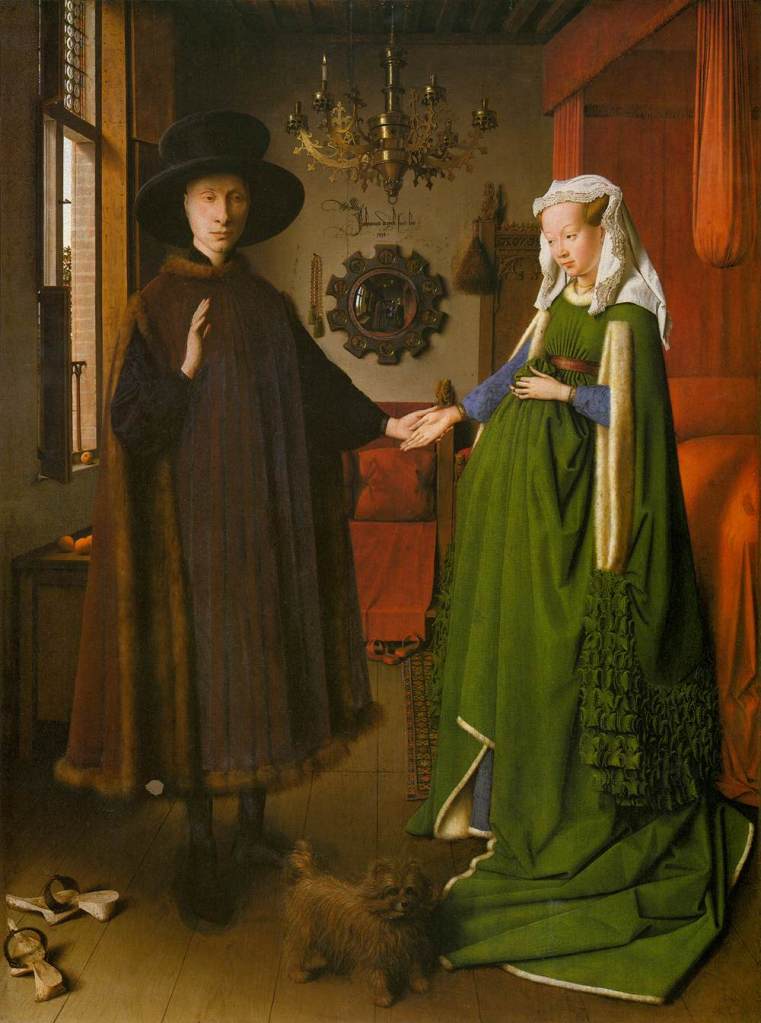
How shall I not adore them, snoozing right through the Annunciation? They inhabit the outskirts of every importance, sprawl dead center in each oblivious household.
They’re digging at fleas or snapping at scraps, dozing with noble abandon while a boy bells their tails. Often they present their rumps in the foreground of some martyrdom.
What Christ could lean so unconcernedly against a table leg, the feast above continuing? Could the Virgin in her joy match this grace as a hound sagely ponders an upturned turtle?
No scholar at his huge book will capture my eye so well as the skinny haunches, the frazzled tails and serene optimism of the least of these mutts, curled
in the corners of the world’s dazzlement. ~David Graham “The Dogs in Dutch Paintings” from The Honey of Earth.
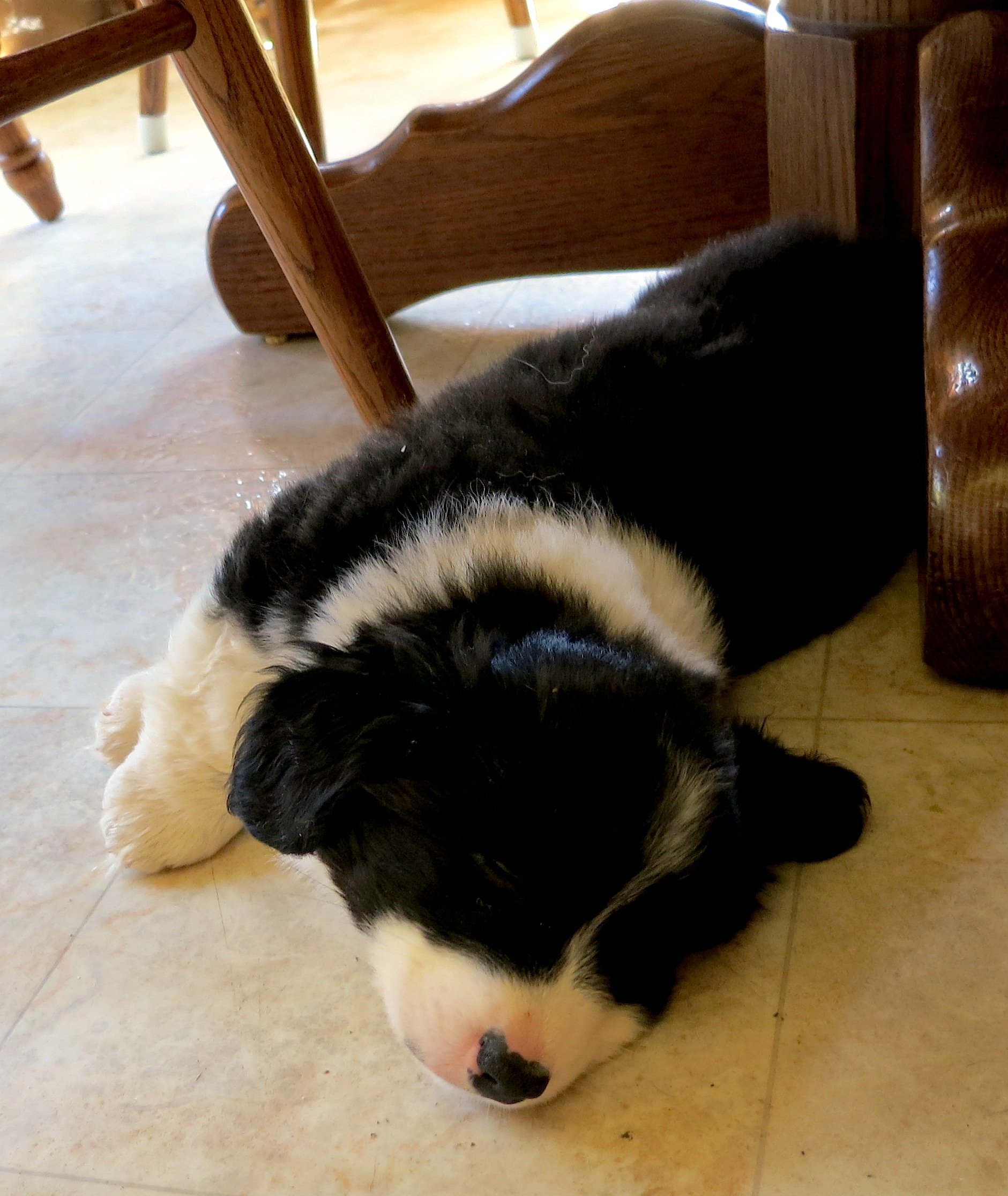
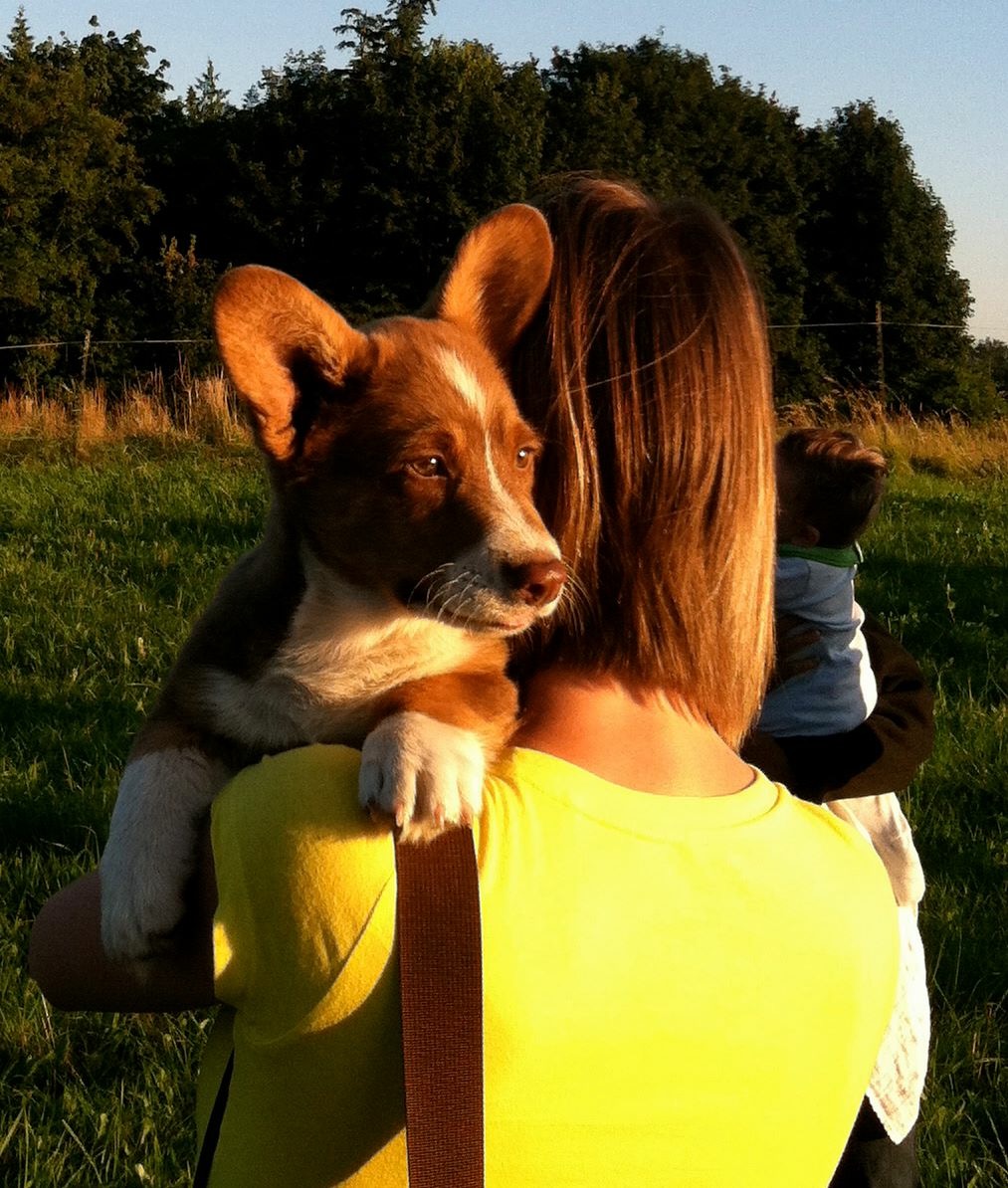
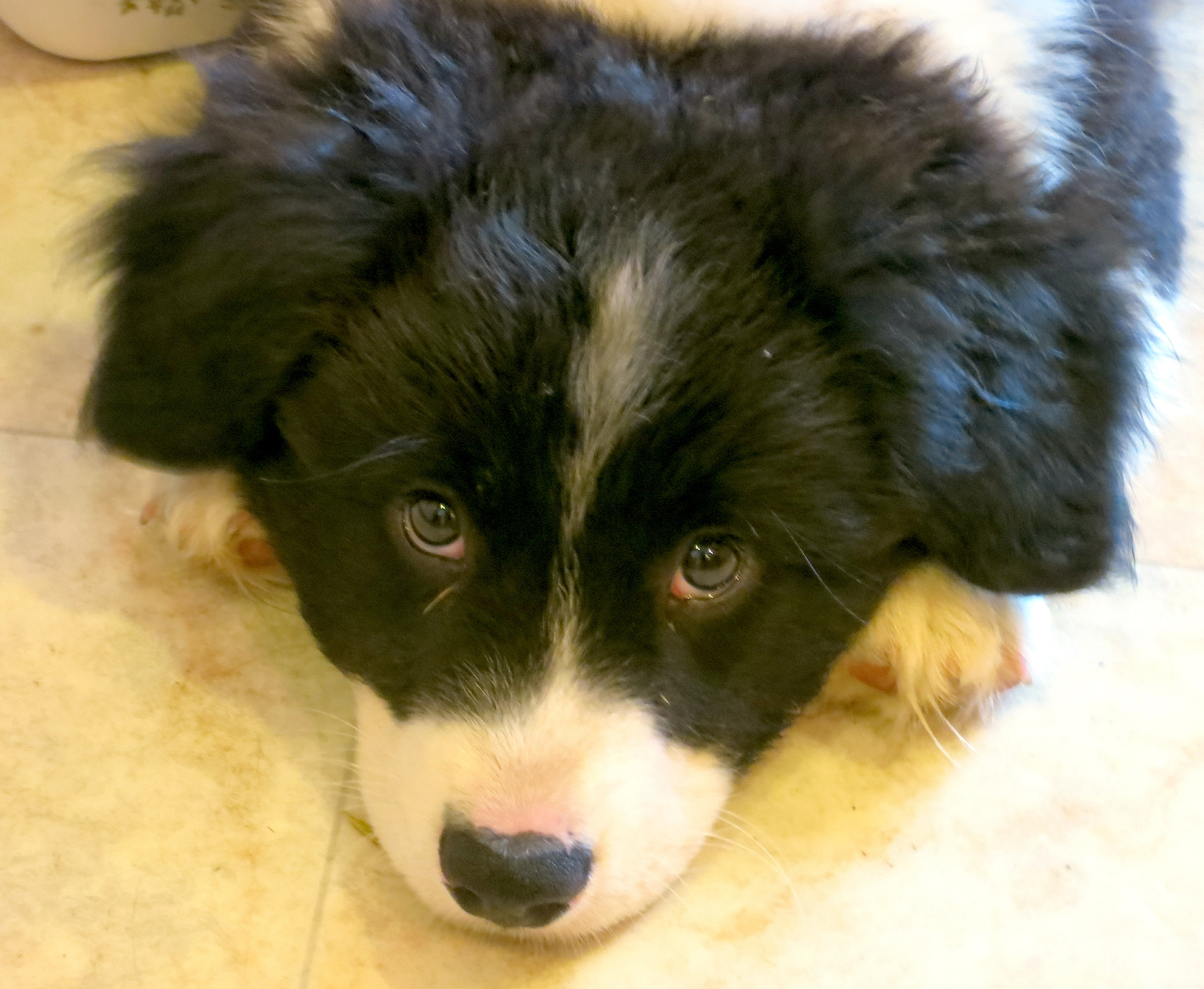
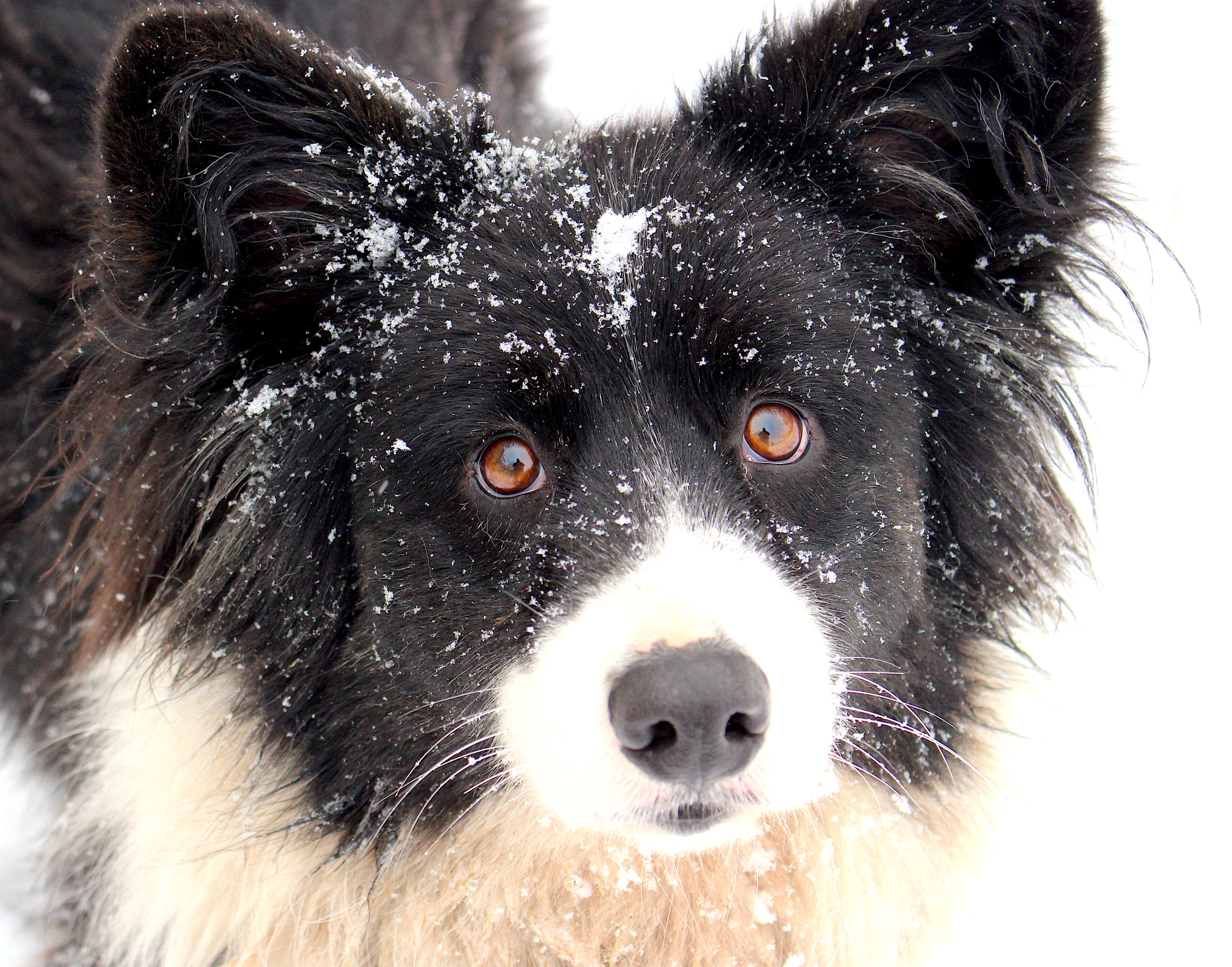
They are part of the scenery, always there, close by and near enough to touch, yet taken for granted until they are gone.
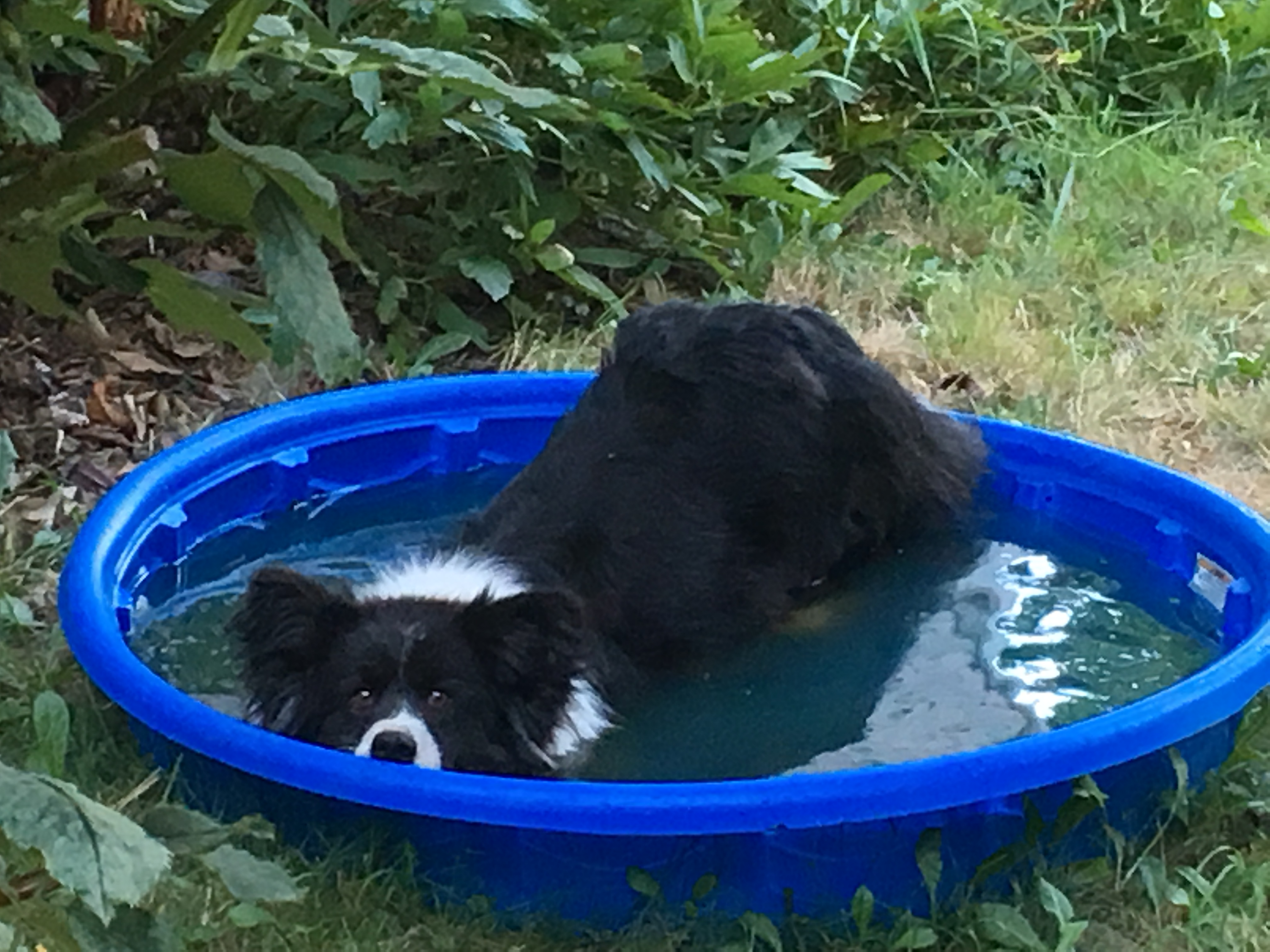
What would I do without them during times like these, when I need their steady gaze and happy wag? They look right into my eyes, trying to discern what I’m thinking and what I’ll do or say next, so I am held to a higher standard. These four-footed fluffy fellows are my conscience, reminding me my motives are always scrutinized.
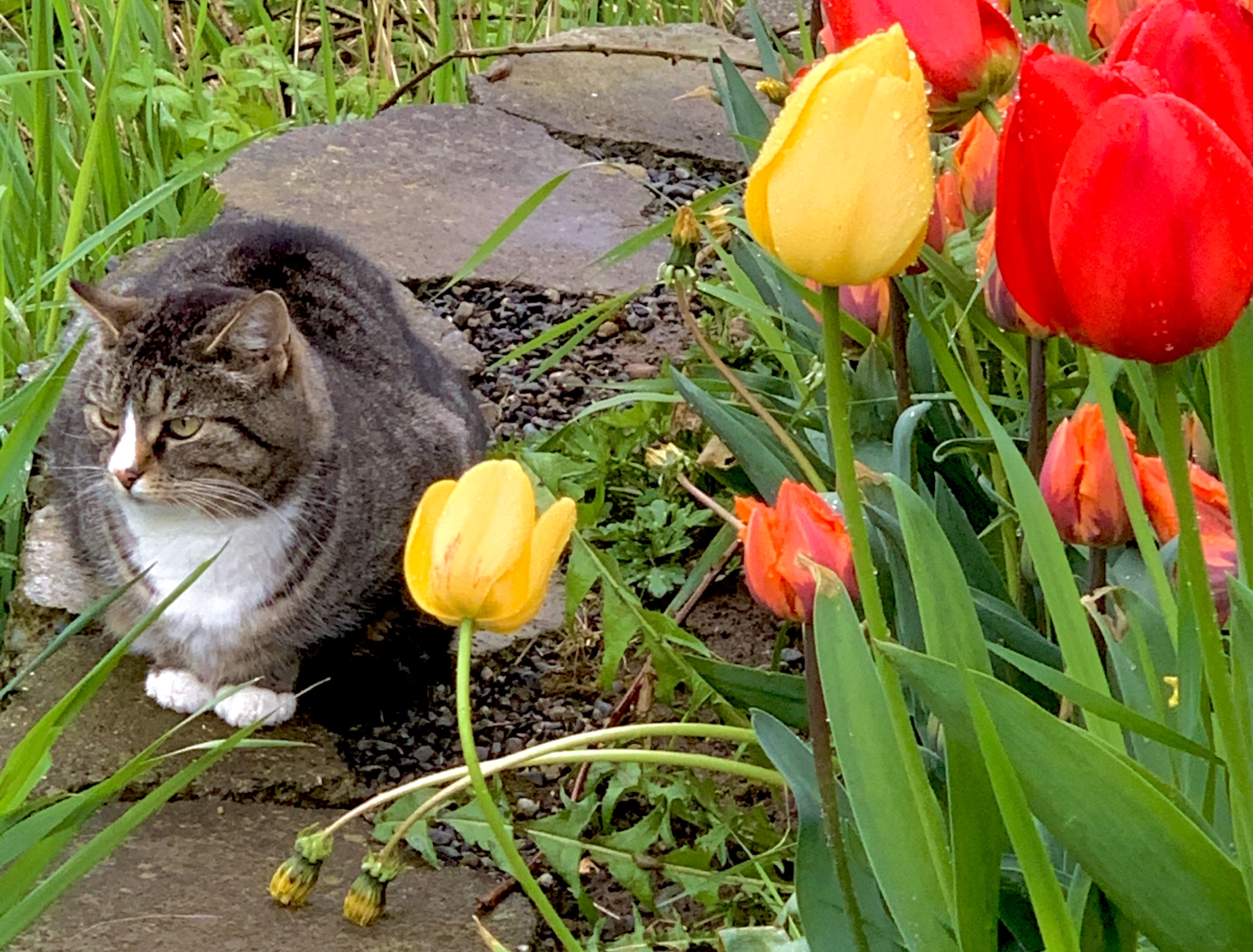
They may be in the background of the old masterpieces, curled in the corners, just part of the furniture, but day in and day out their love and loyalty dazzle me, remaining front and center in my heart.
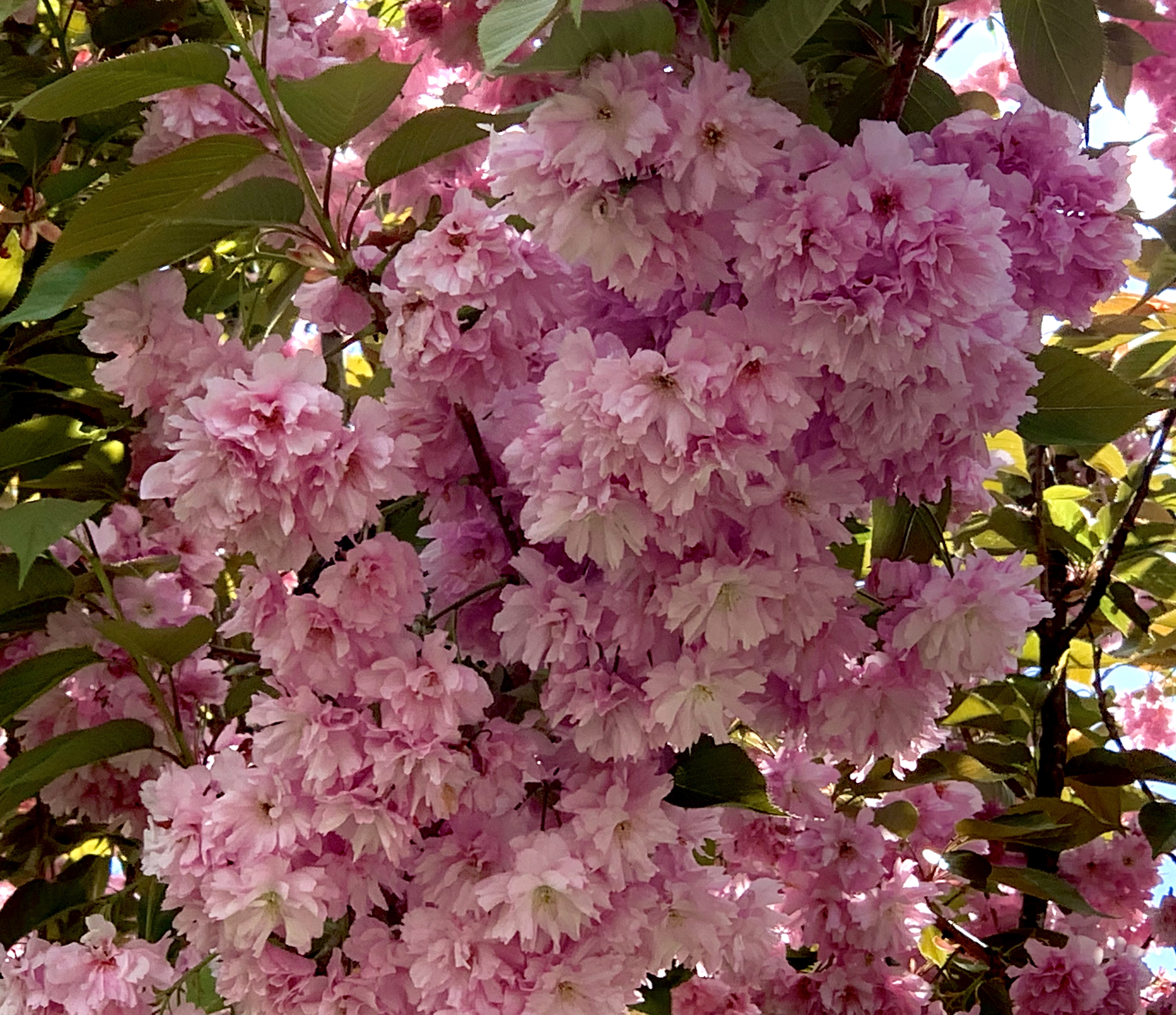
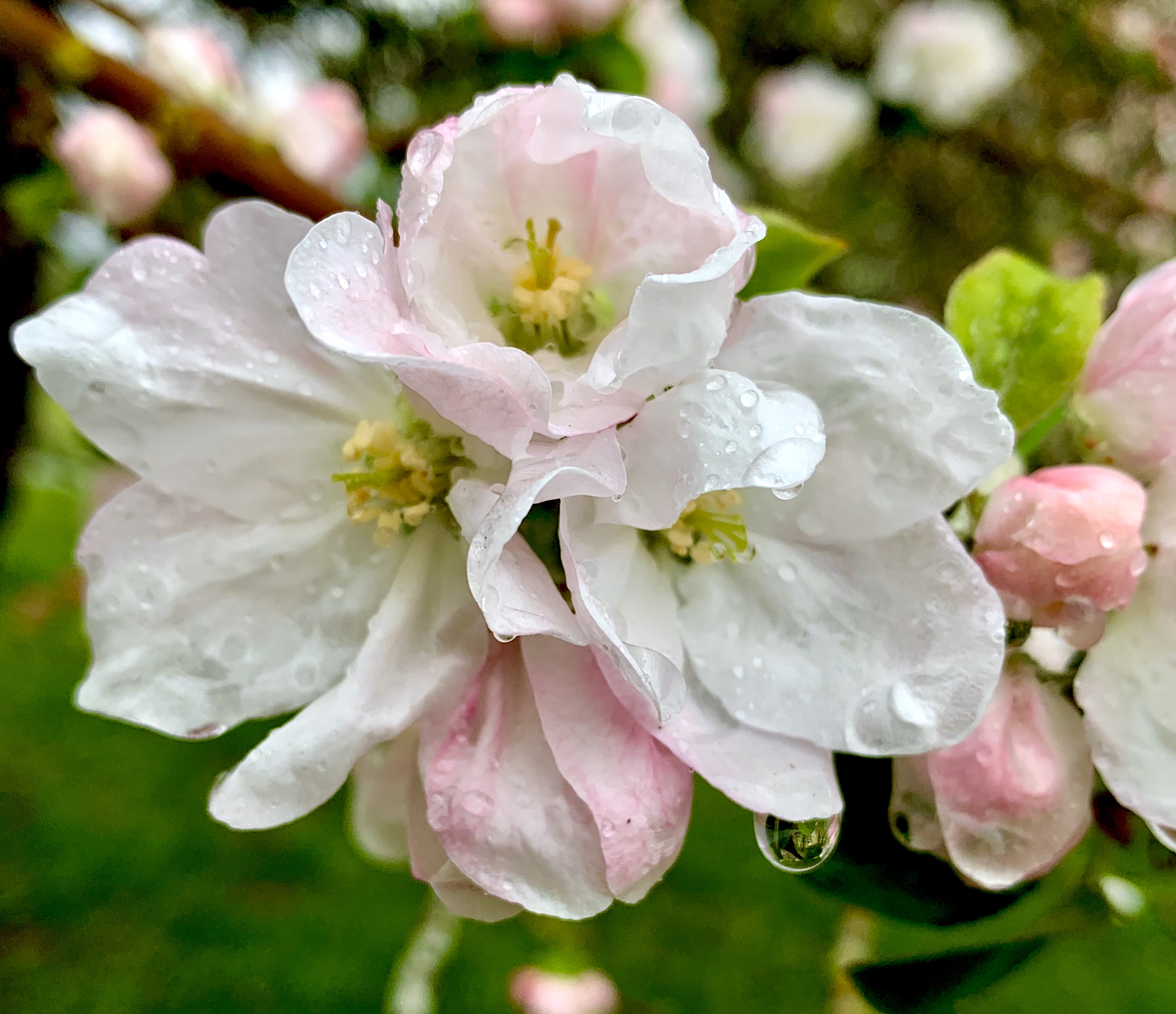
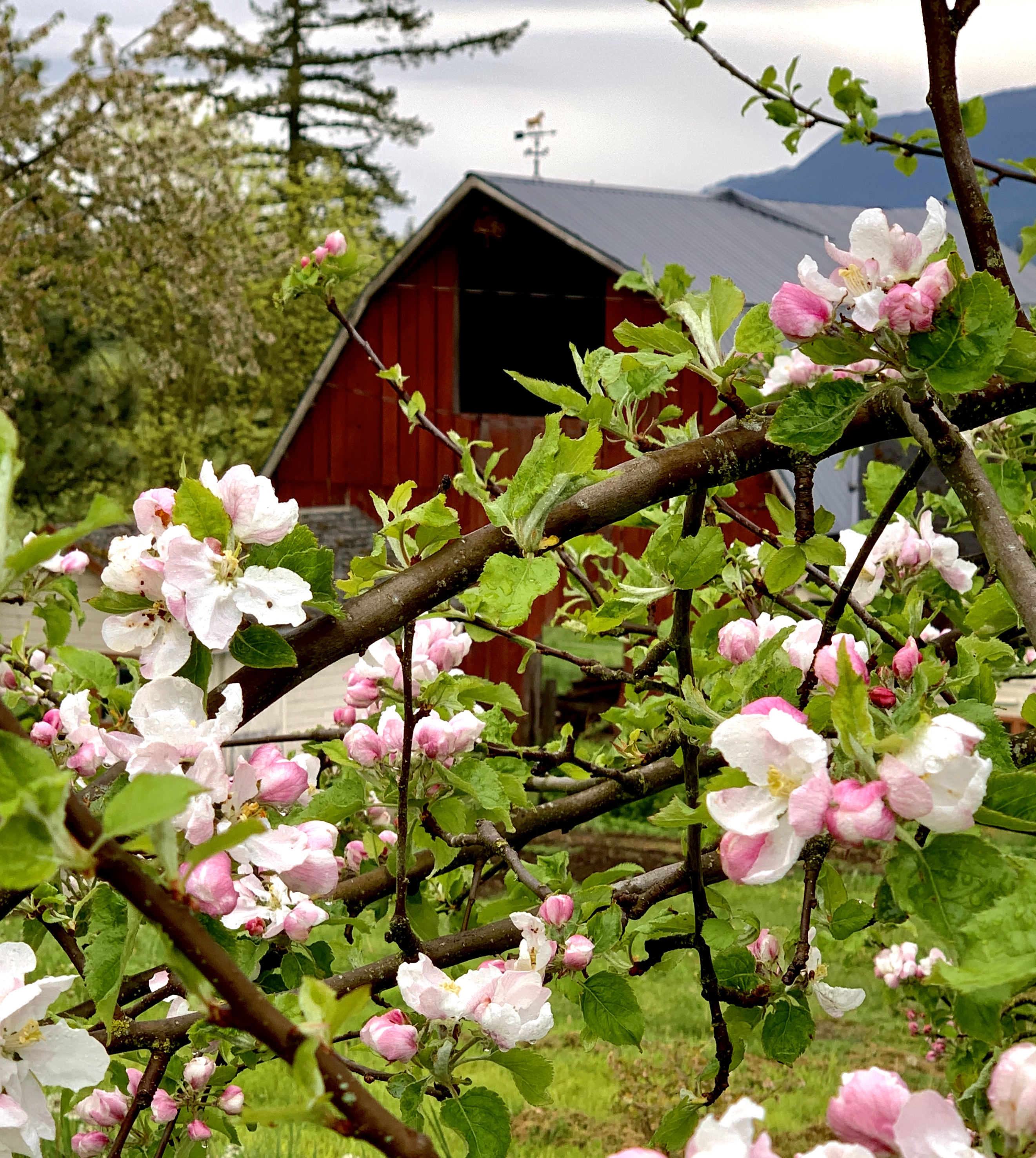
Oh, give us pleasure in the flowers today; And give us not to think so far away As the uncertain harvest; keep us here All simply in the springing of the year.
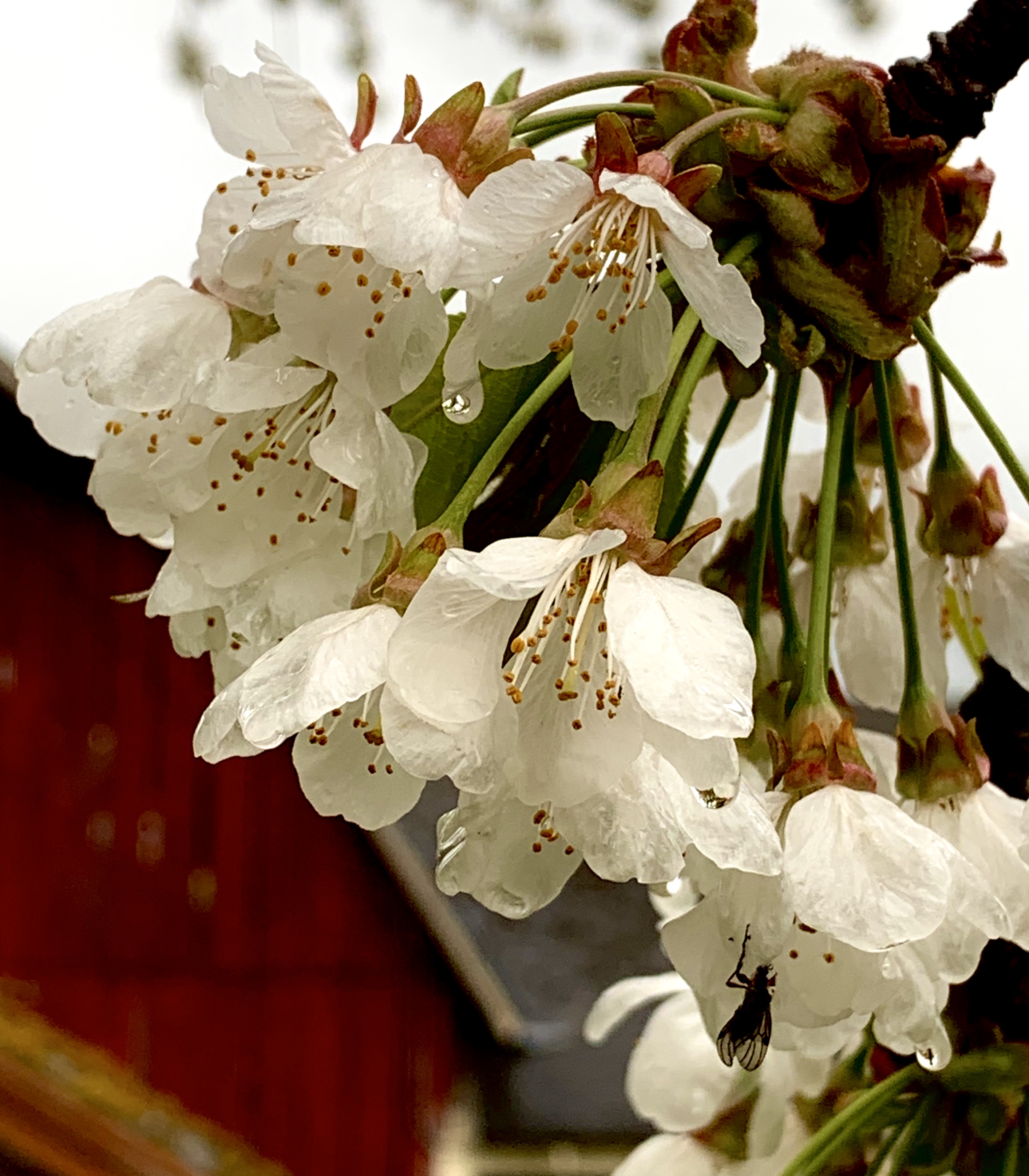
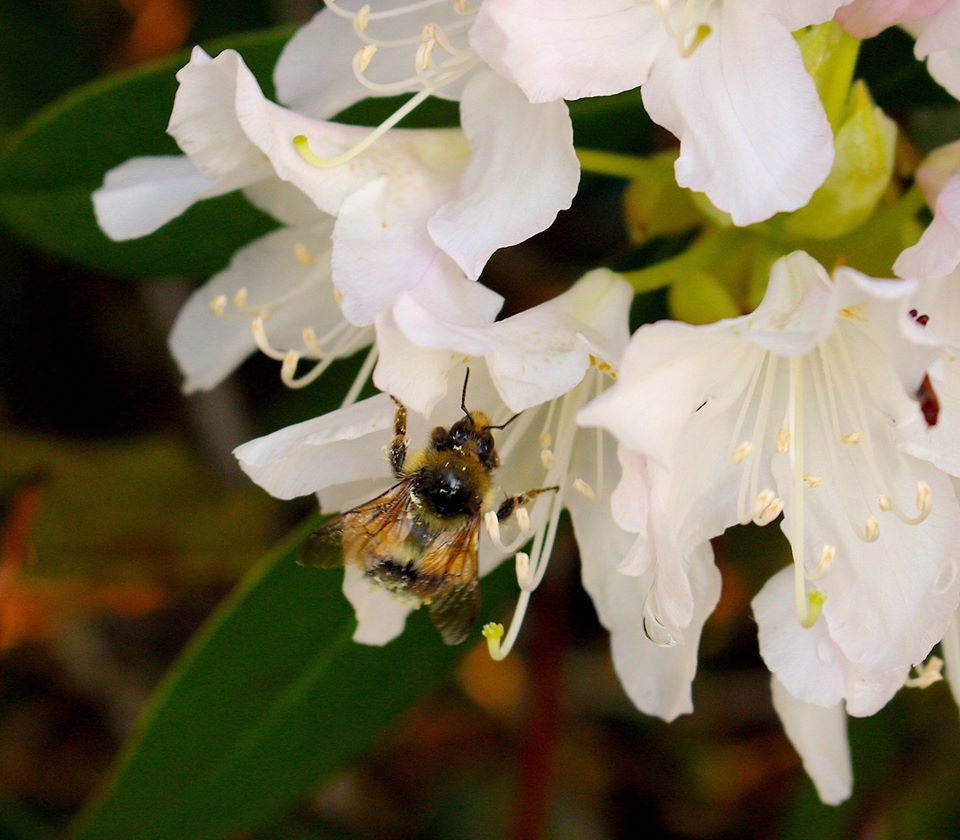
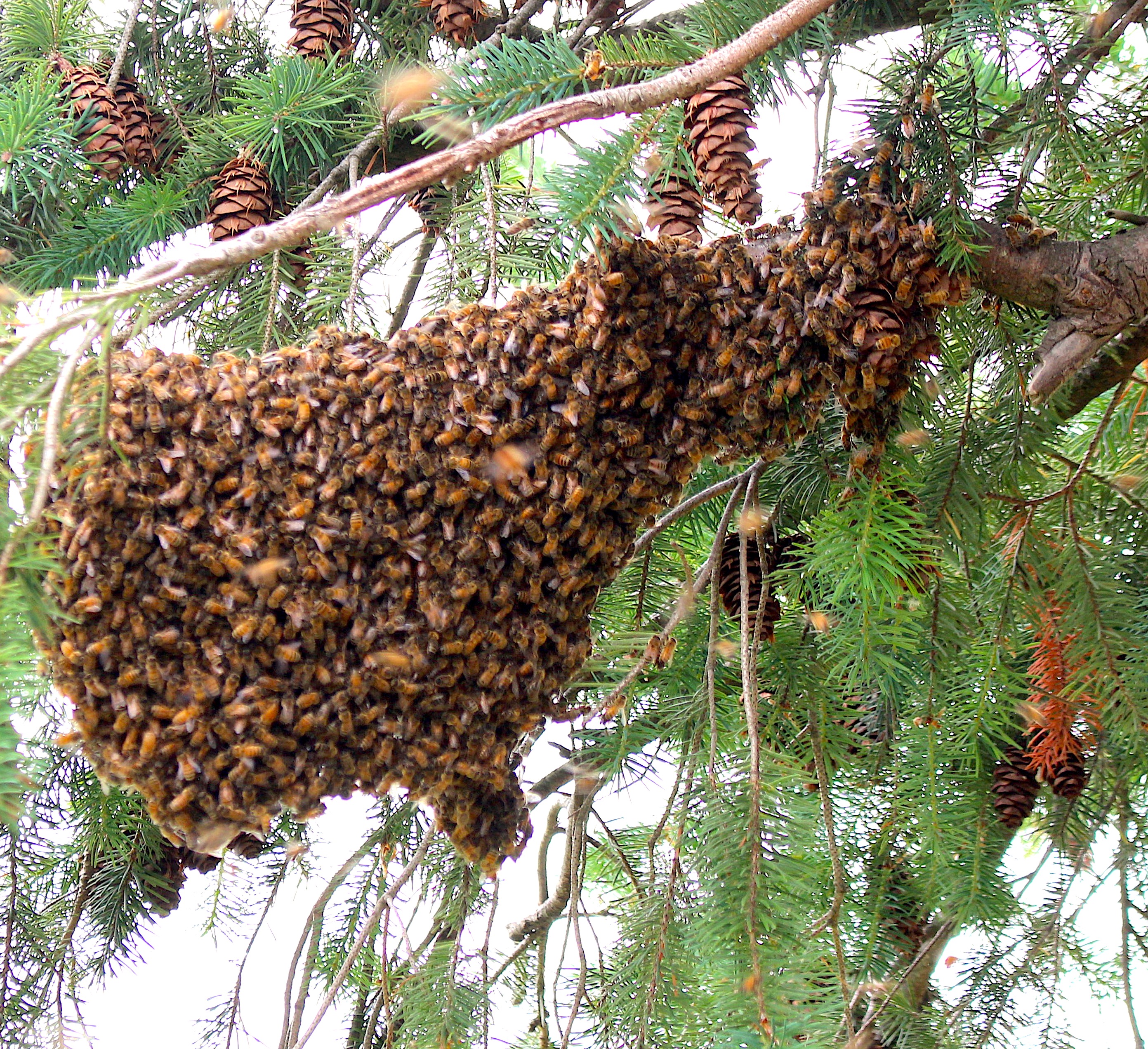
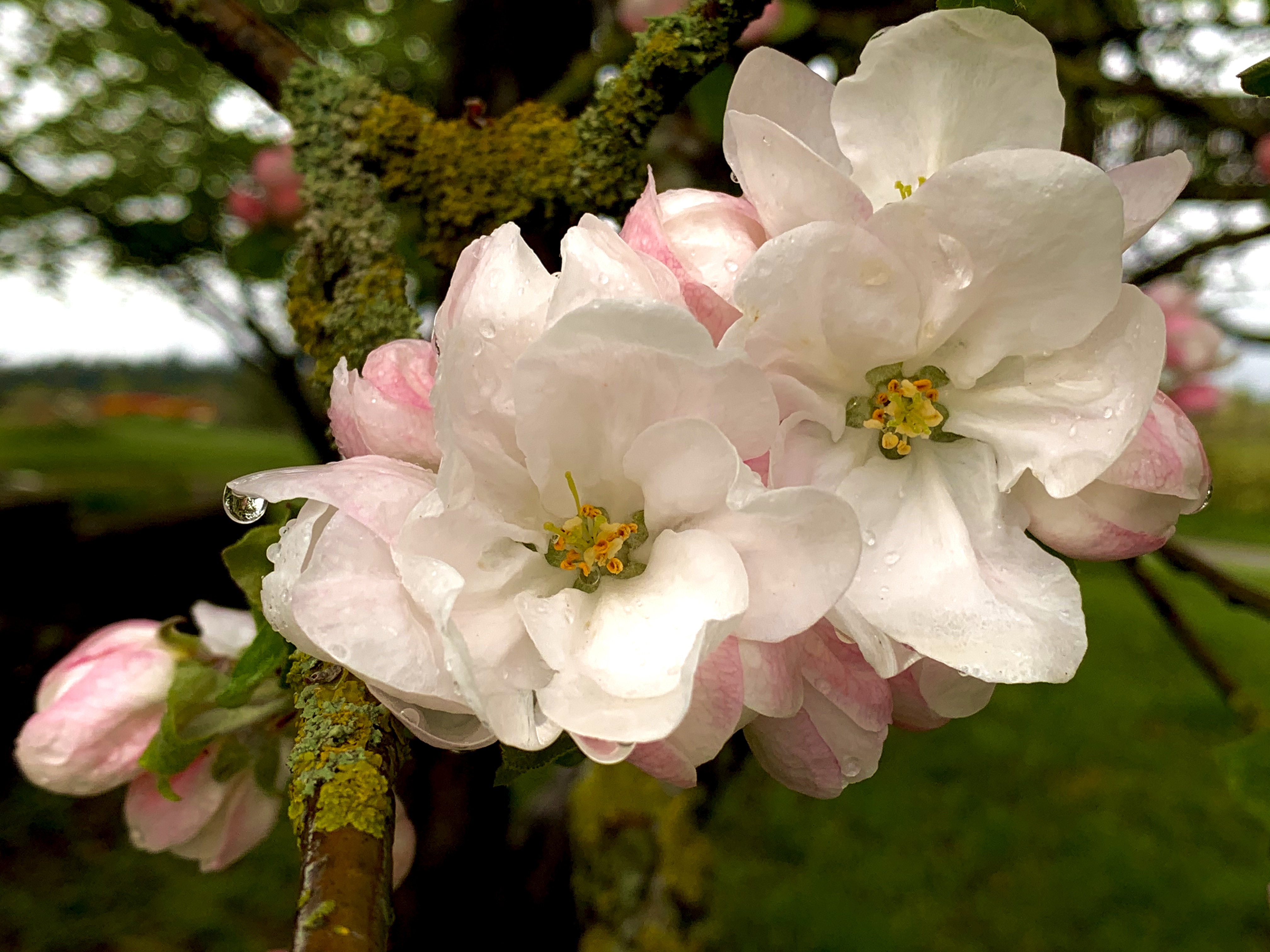
Oh, give us pleasure in the orchard white, Like nothing else by day, like ghosts at night; And make us happy in the happy bees, The swarm dilating round the perfect trees.
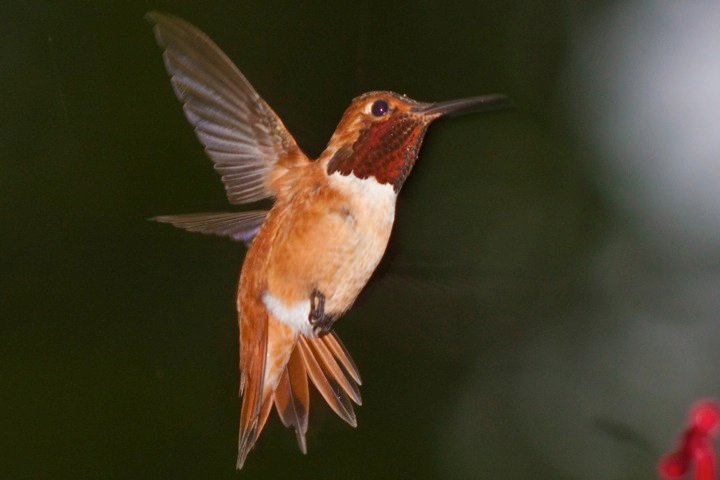
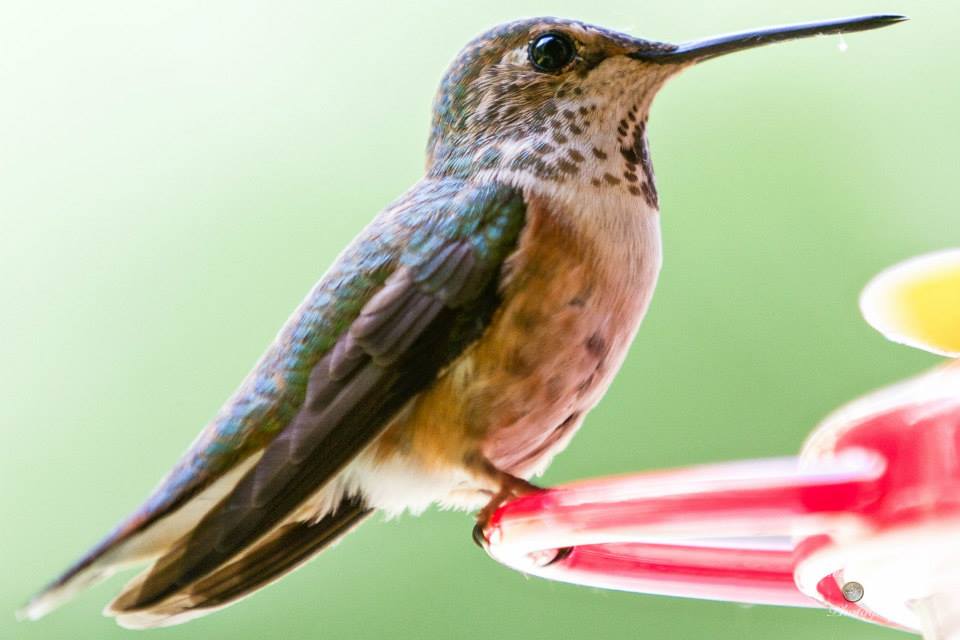
And make us happy in the darting bird That suddenly above the bees is heard, The meteor that thrusts in with needle bill, And off a blossom in mid-air stands still.
For this is love and nothing else is love, The which it is reserved for God above To sanctify to what far ends He will, But which it only needs that we fulfil. ~Robert Frost“A Prayer in Spring”
We are wisely warned what may happen in the next few months: a second or third wave of virus, more disruption, more closures, more deaths. There seems no end in sight on this long COVID road. Or perhaps the end is prematurely near for too many.
Thinking so far away to uncertain times ahead, we need to remember the future has always been uncertain; we just aren’t reminded so starkly. Instead we are reminded to dwell in the present here and now, appreciating these quiet moments at home for what they may bestow.
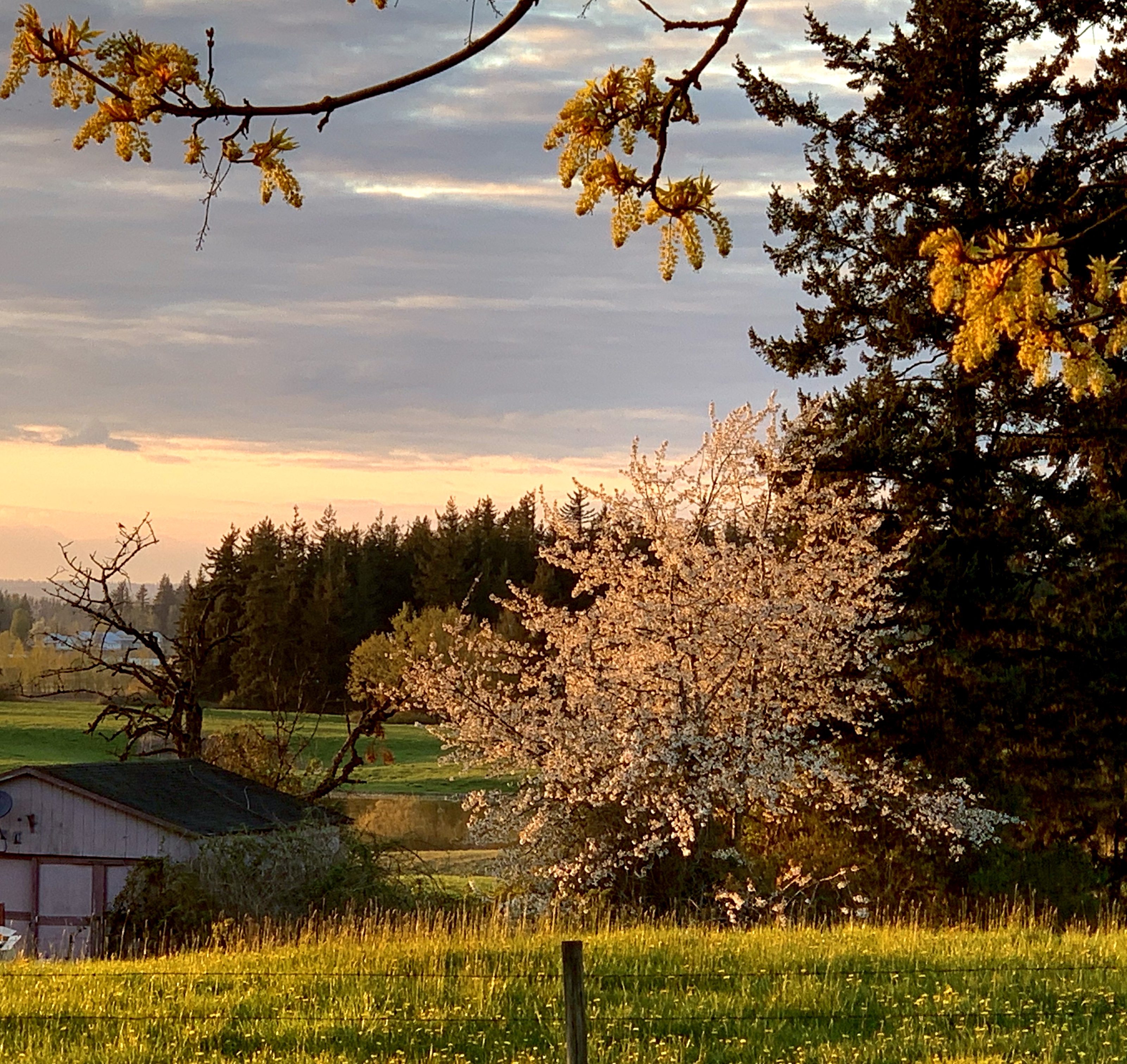
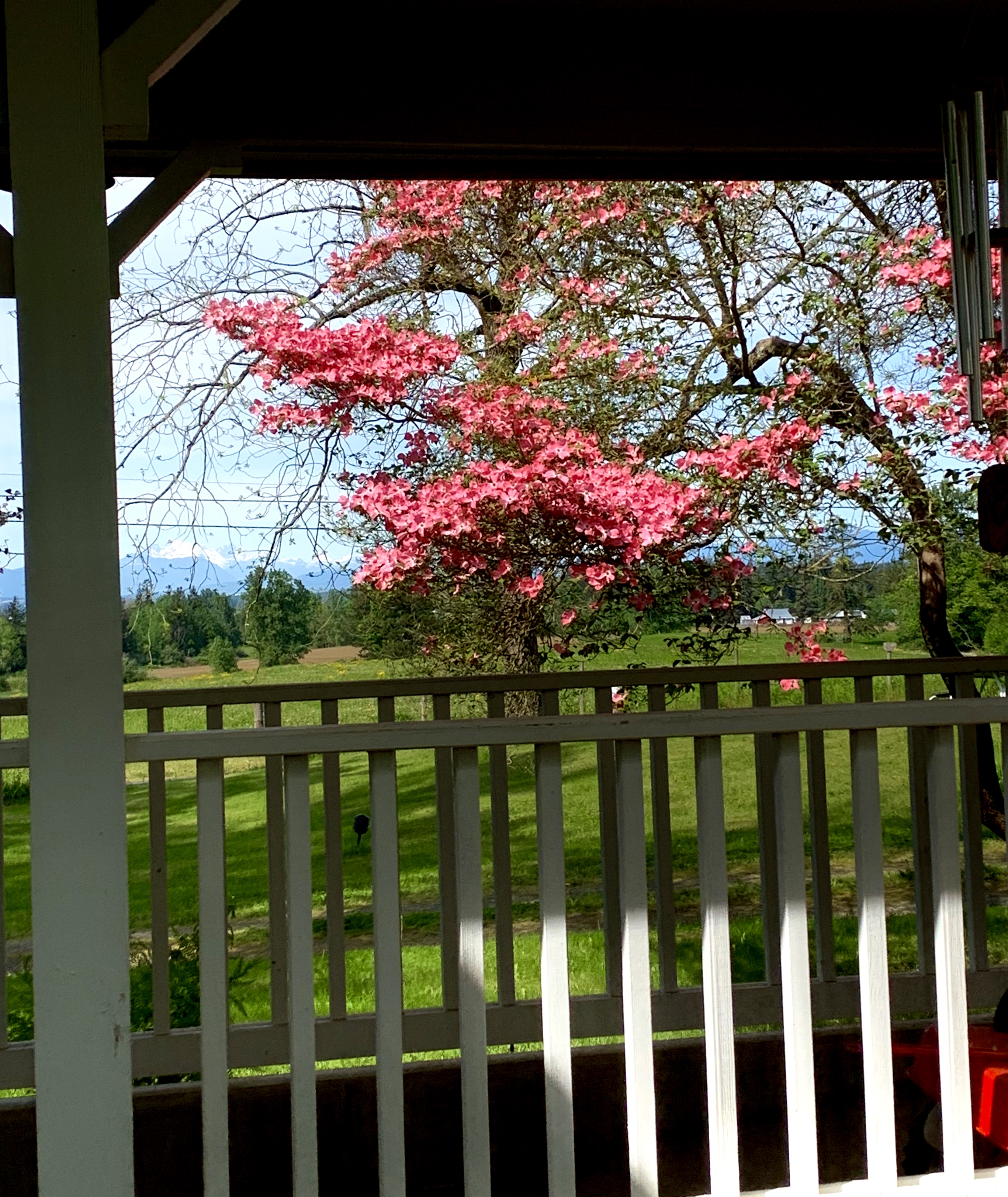
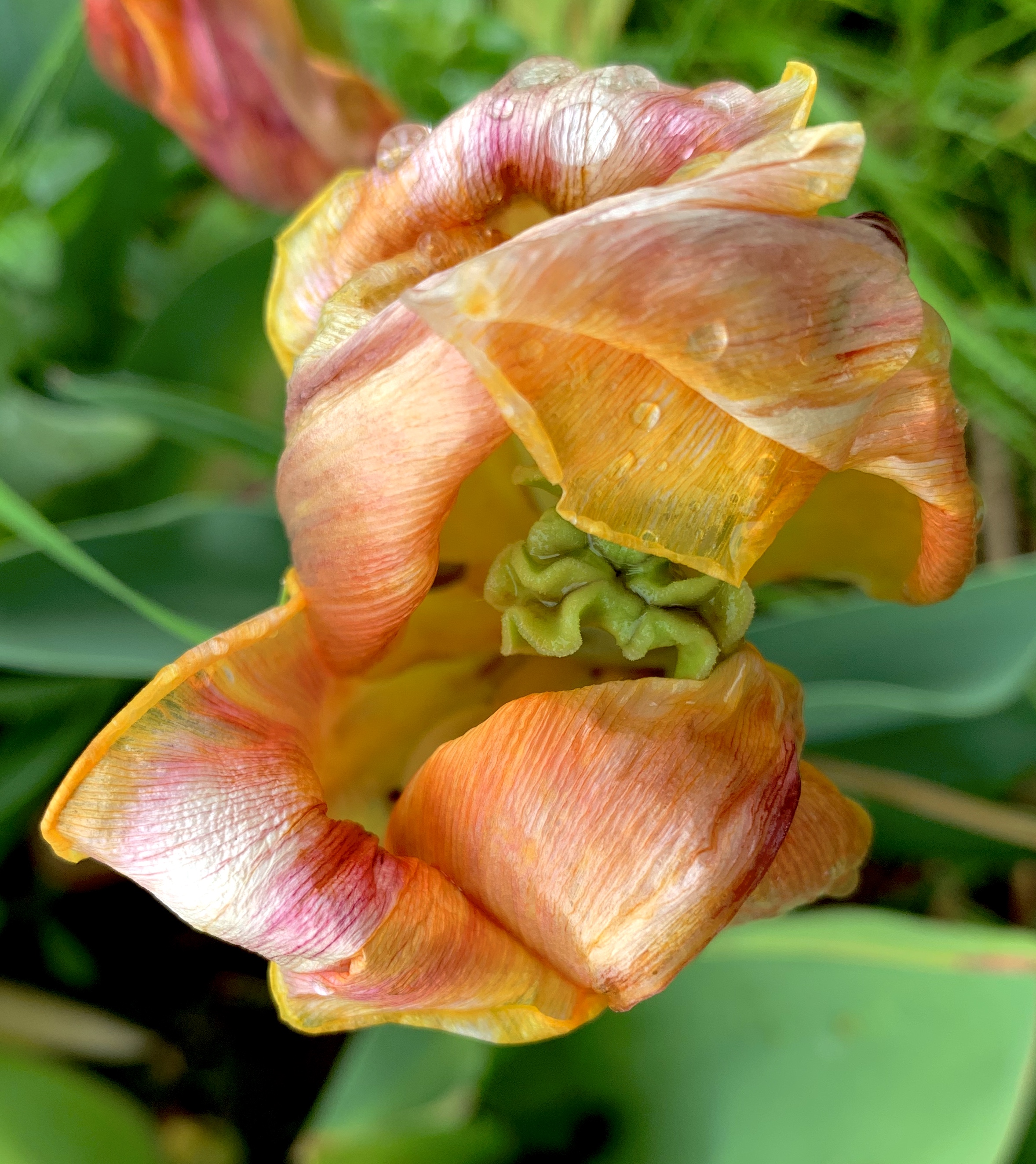
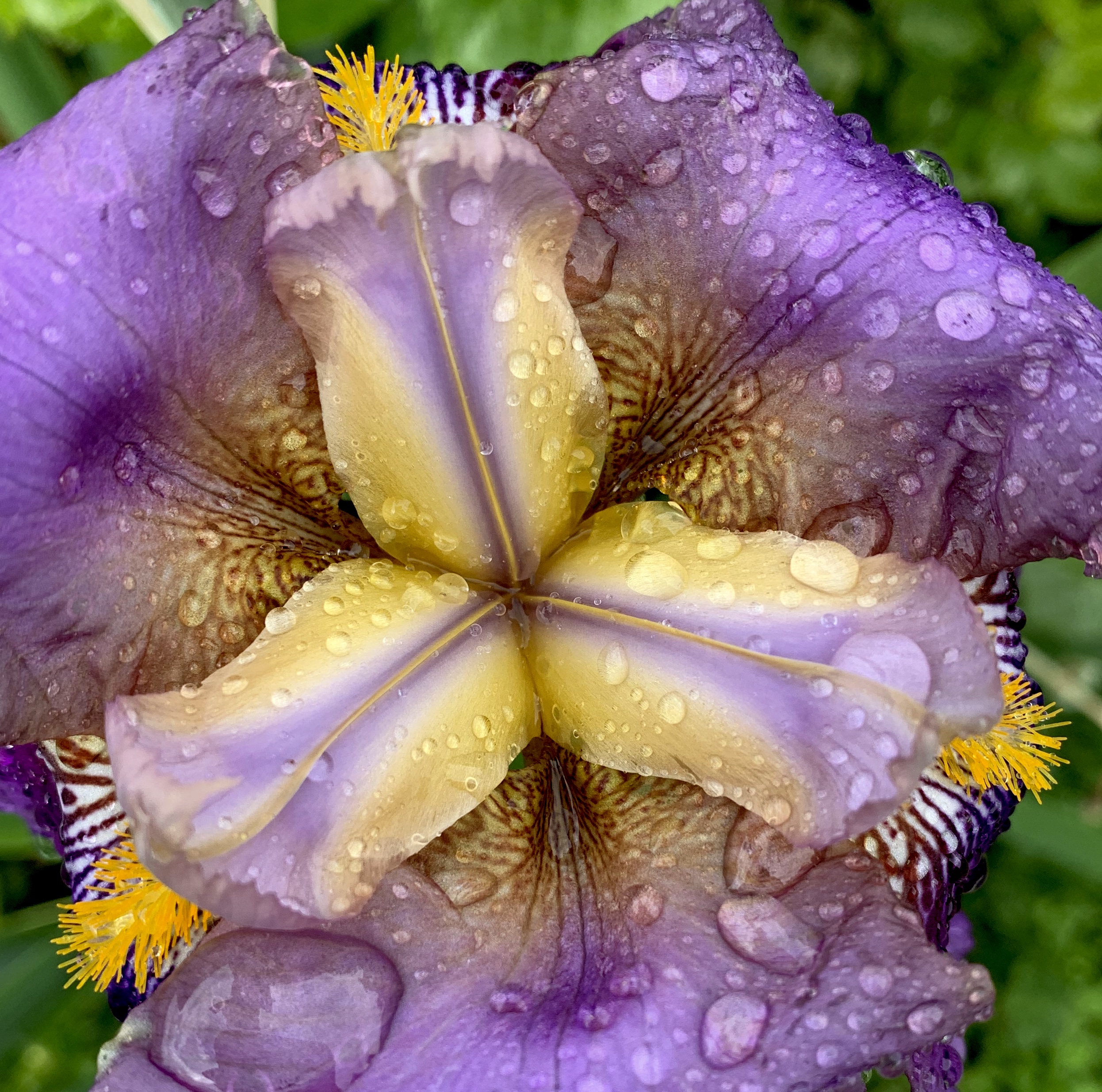
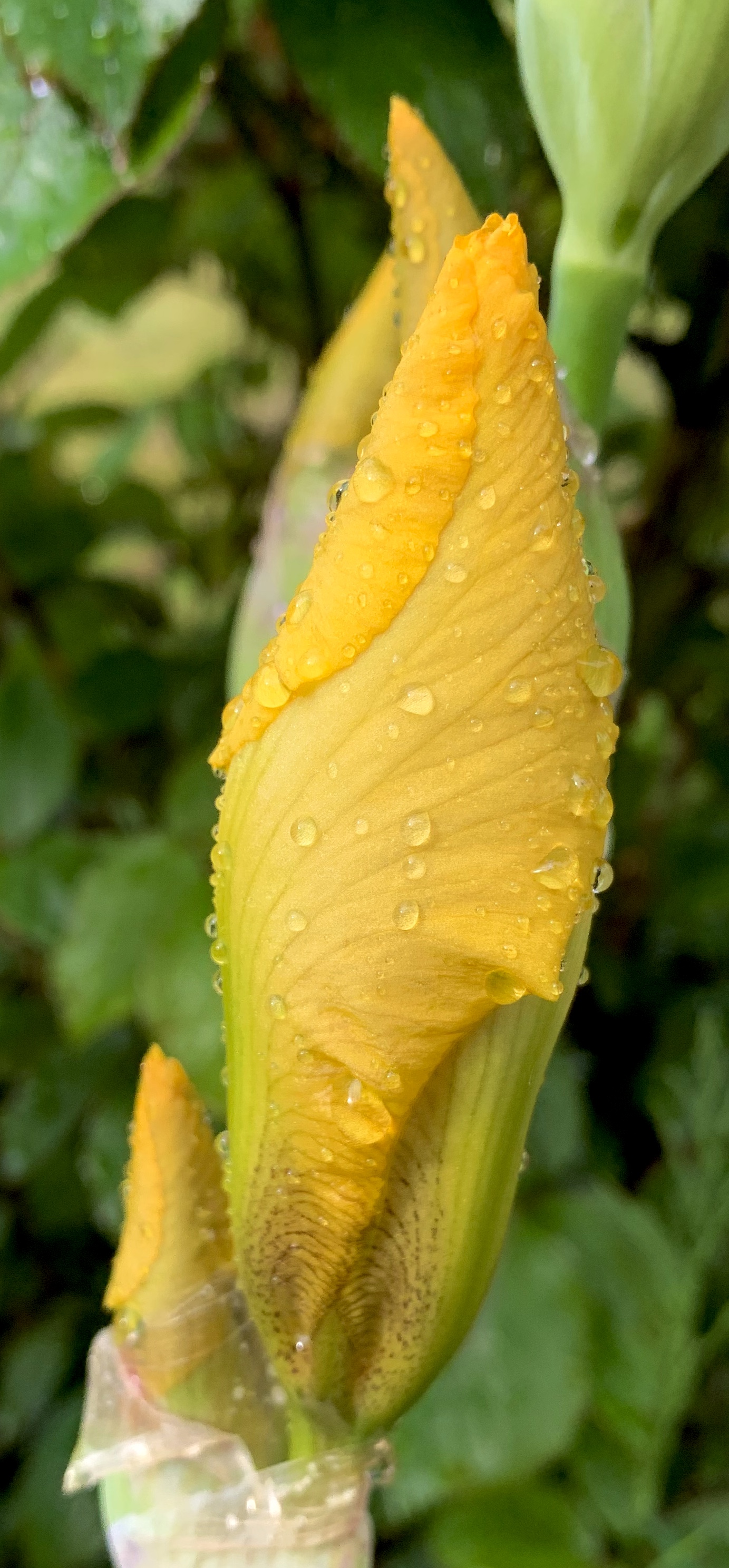
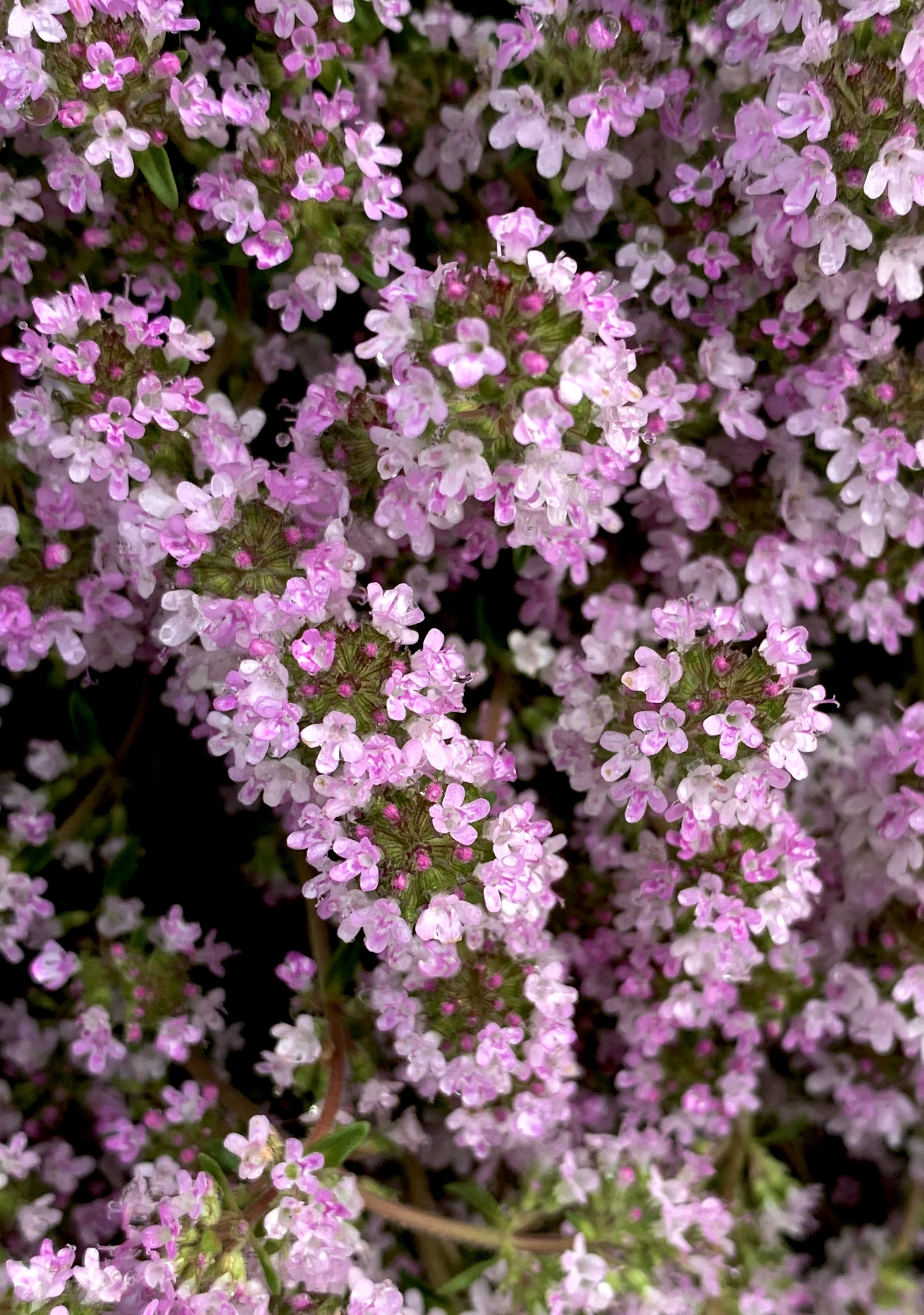
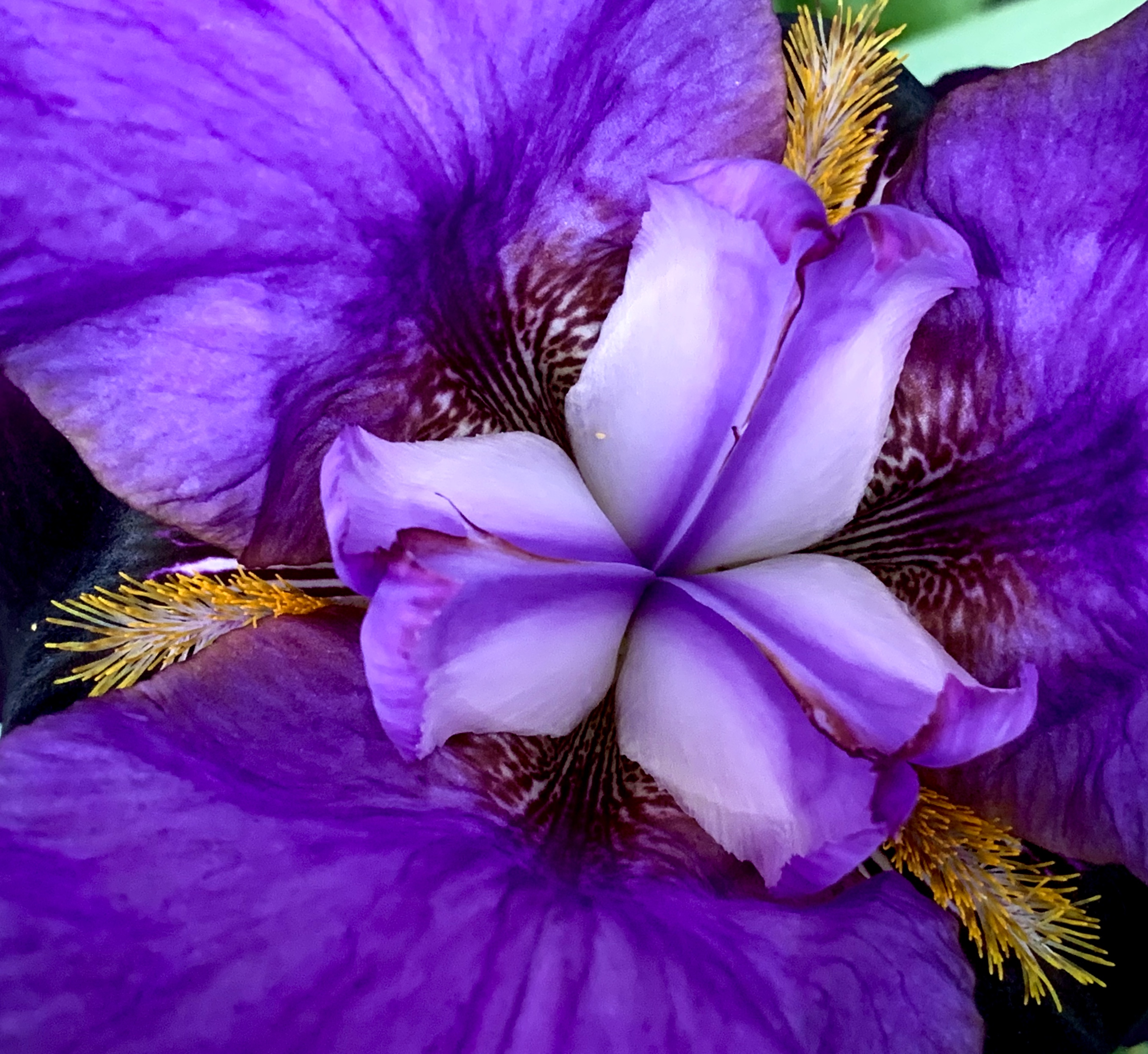
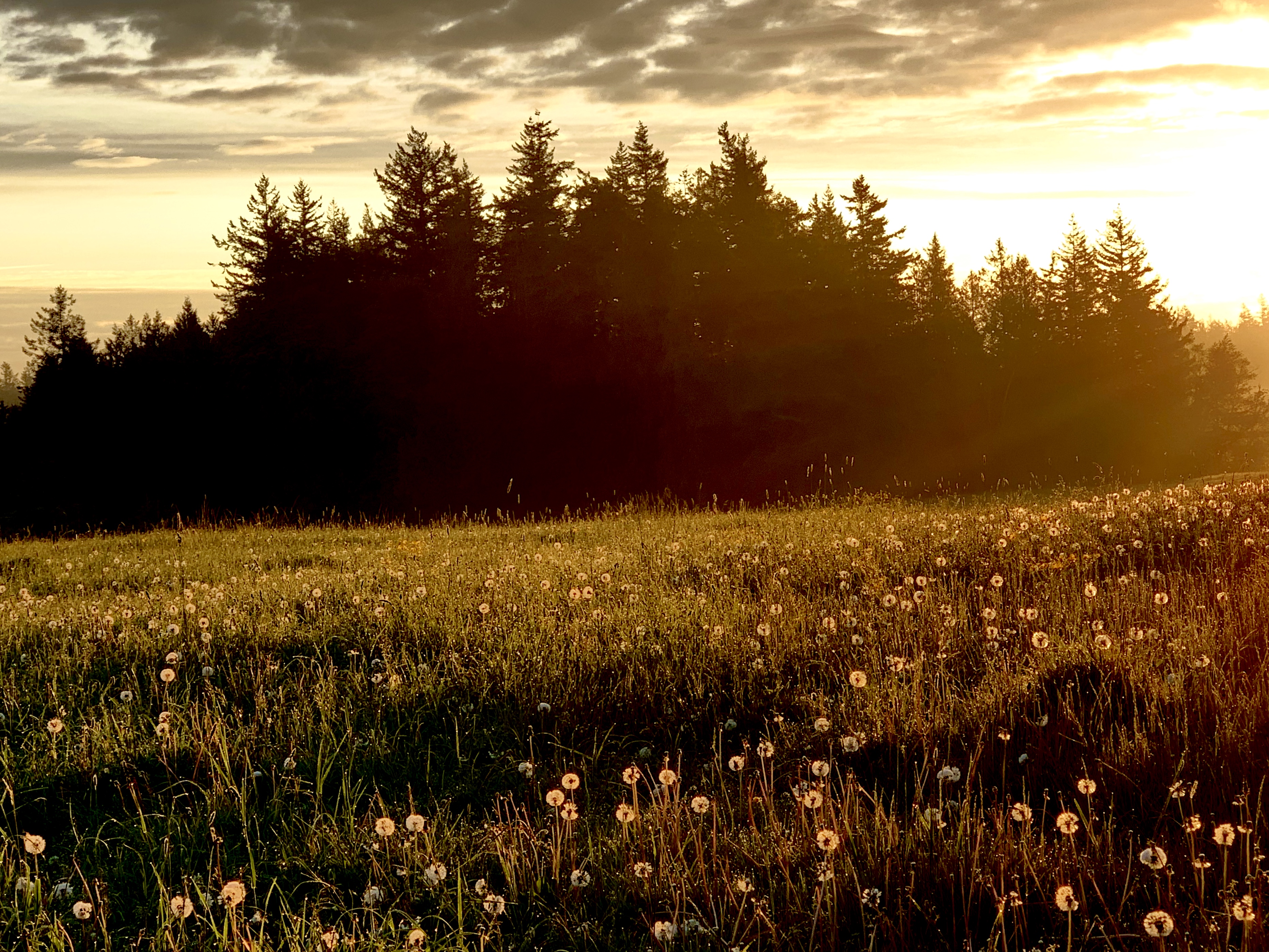
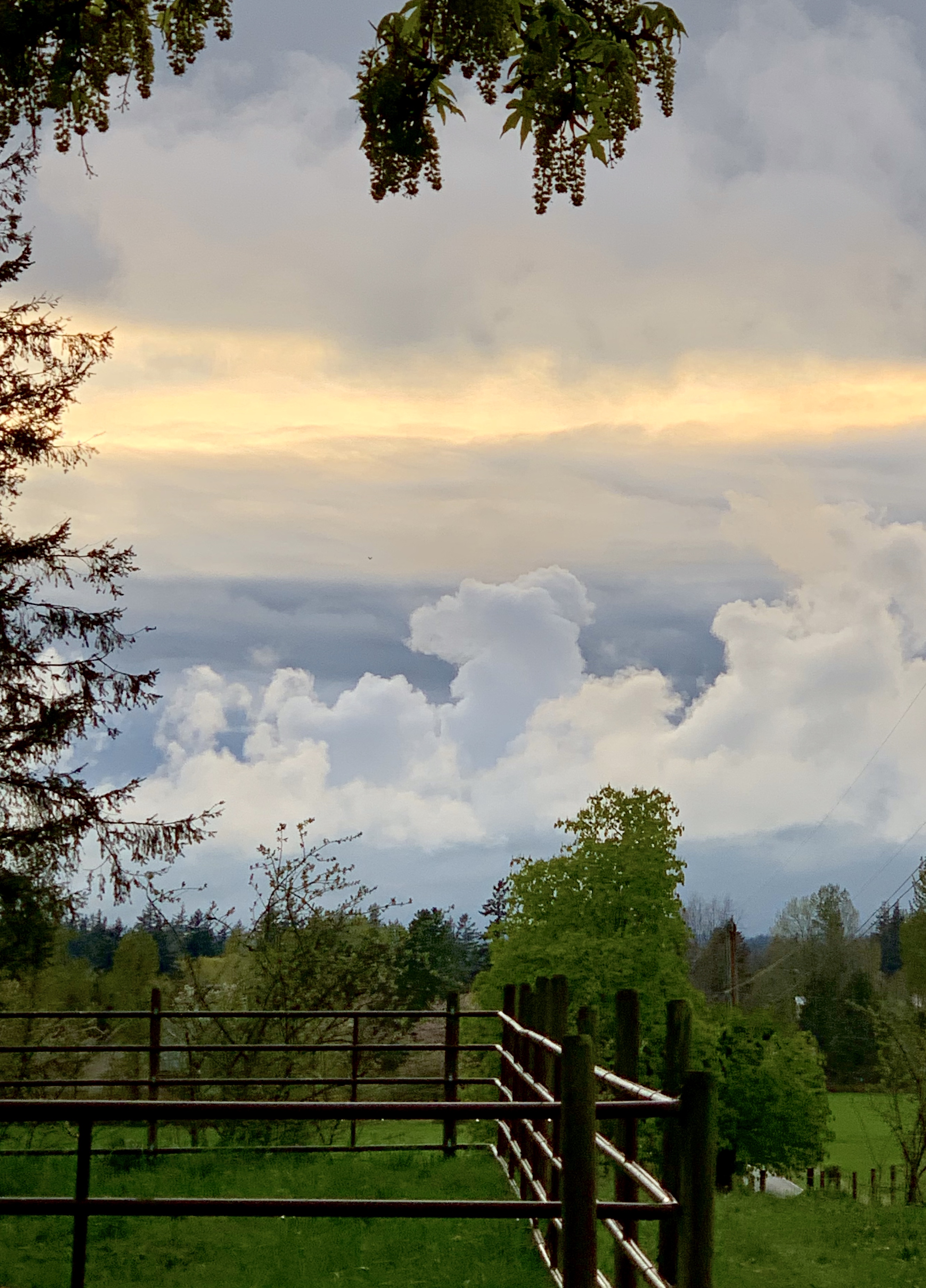
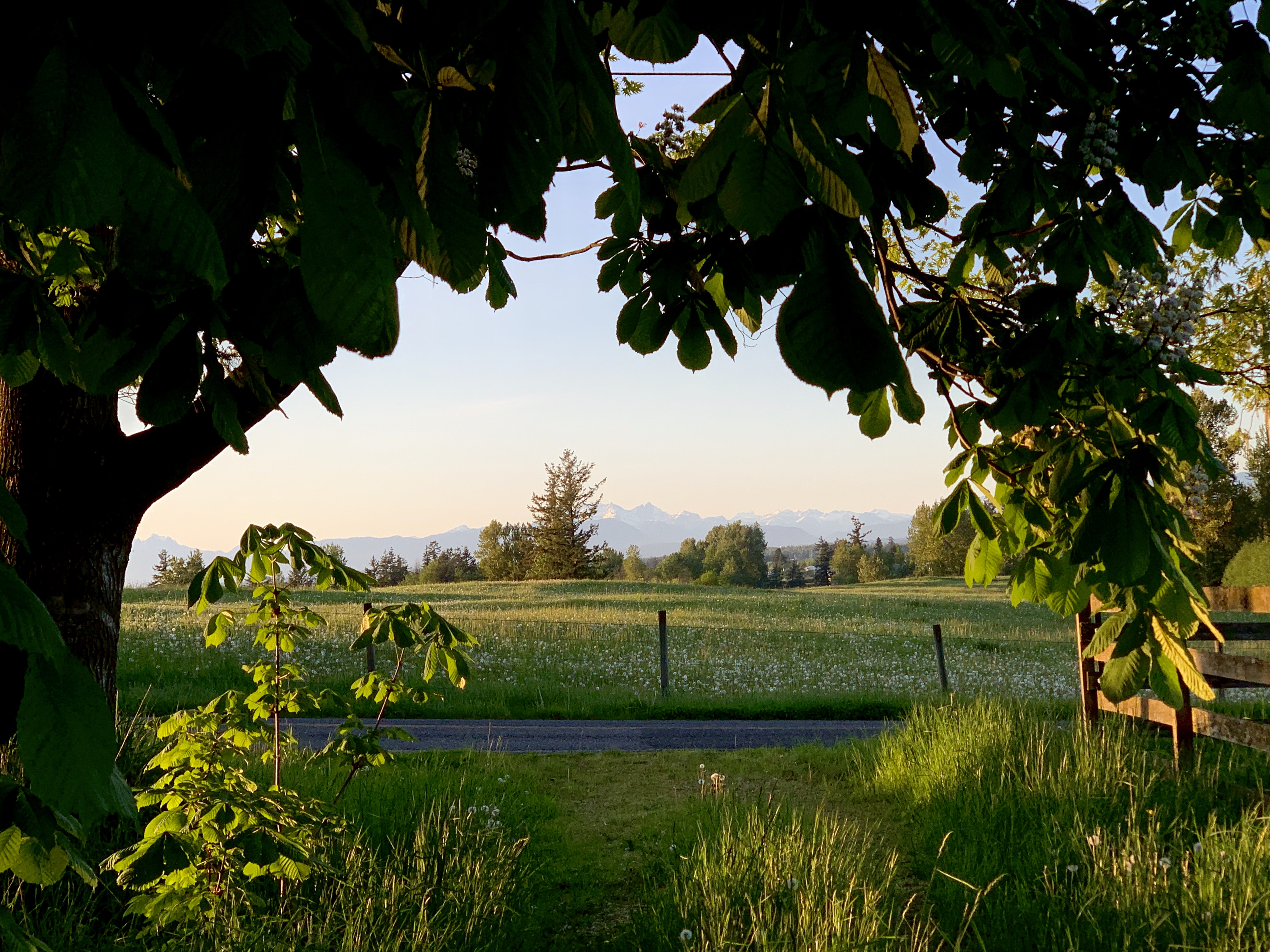
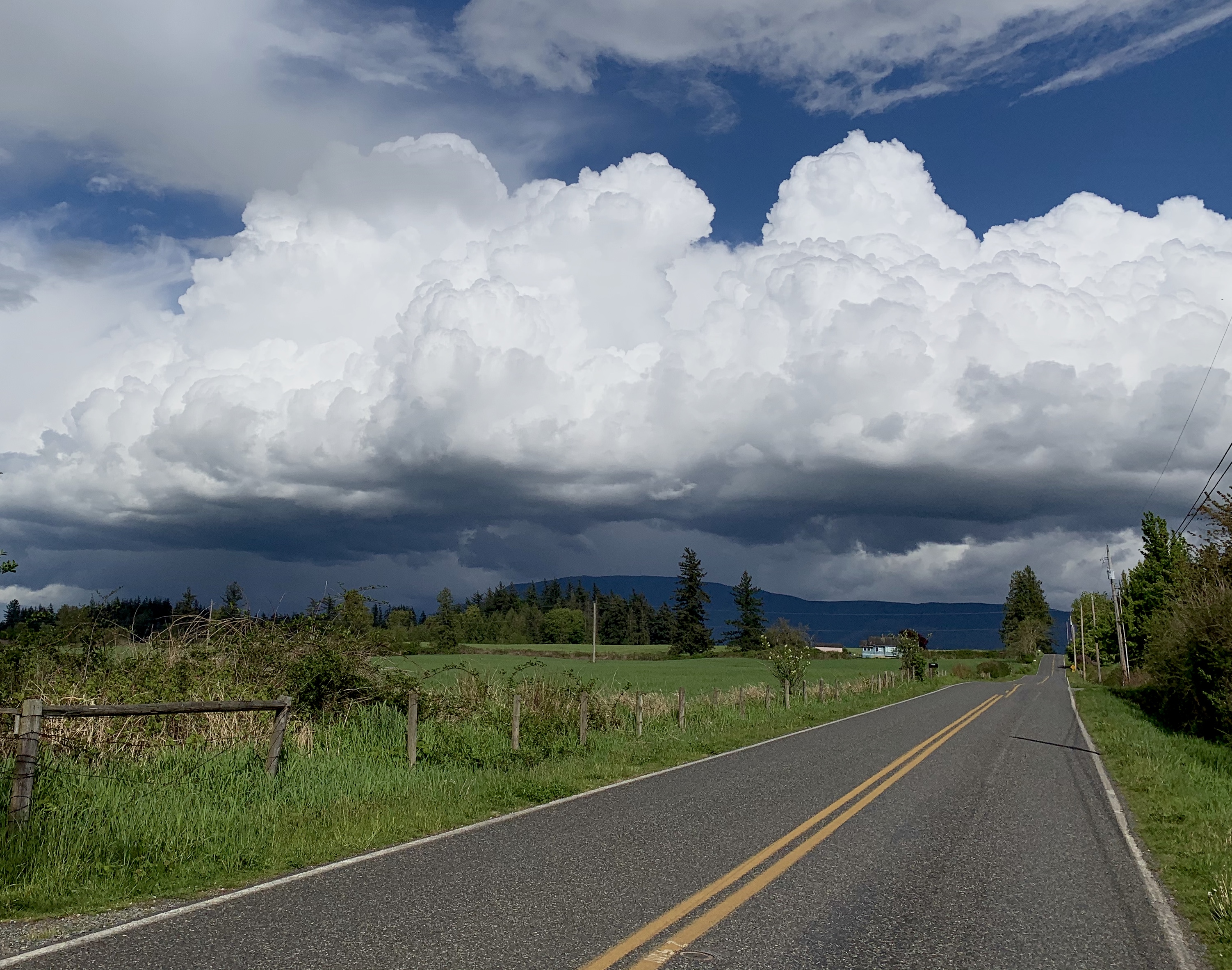
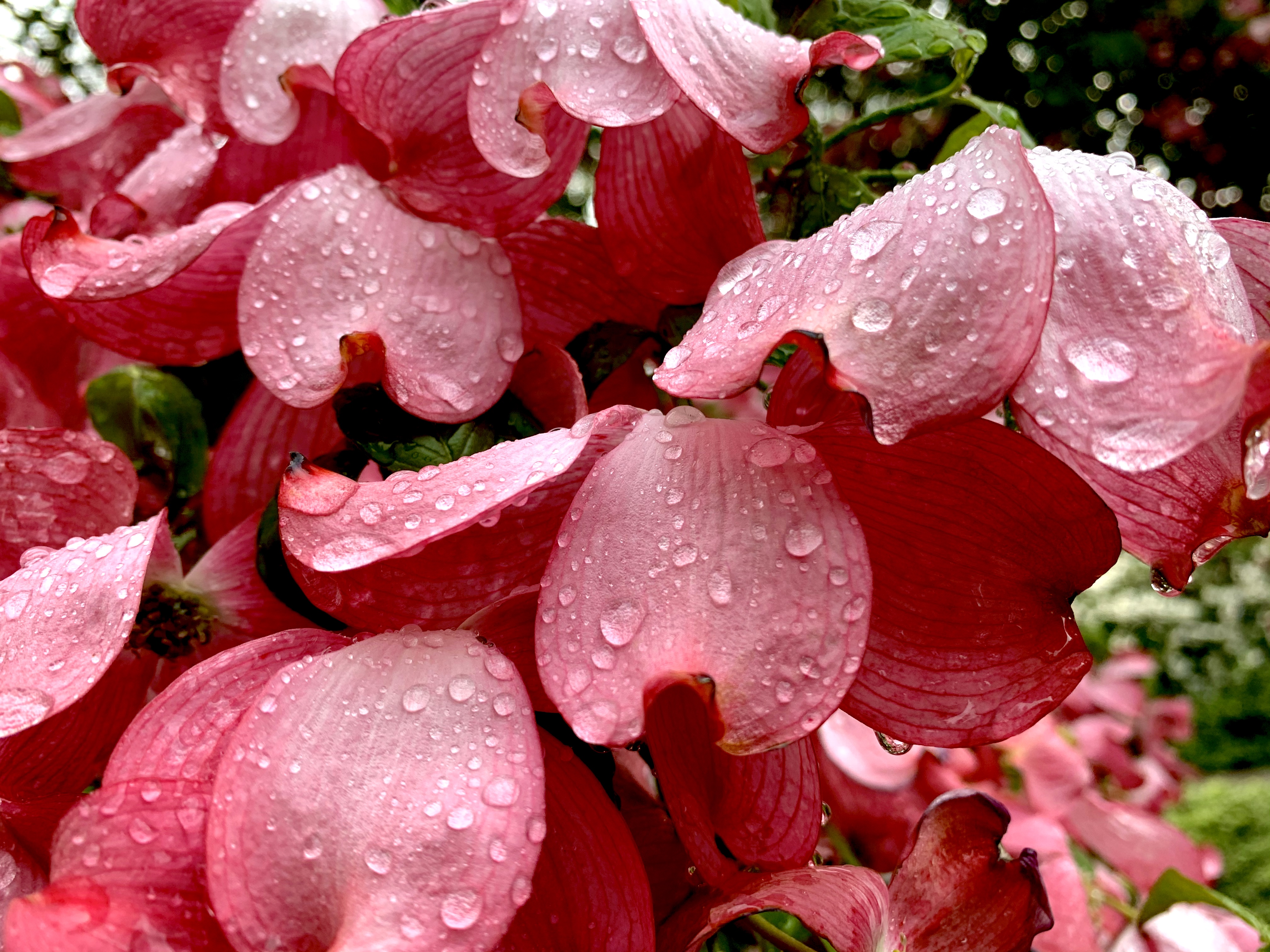
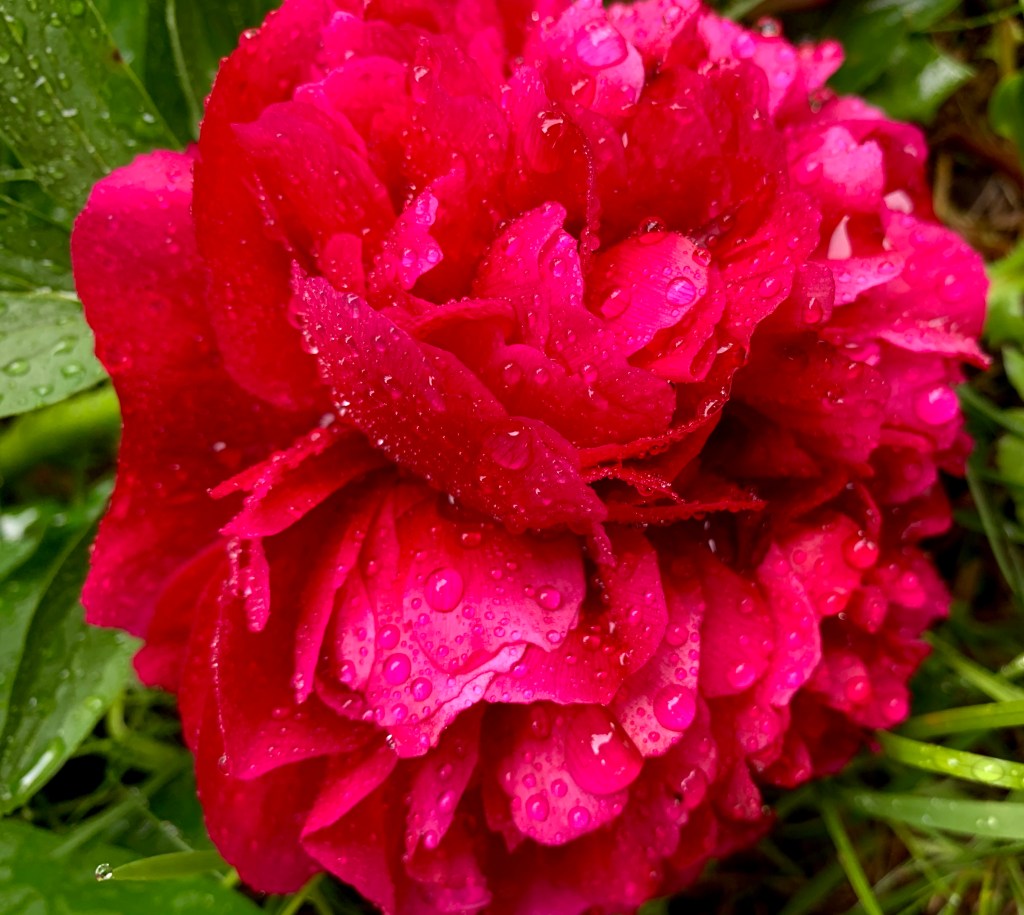
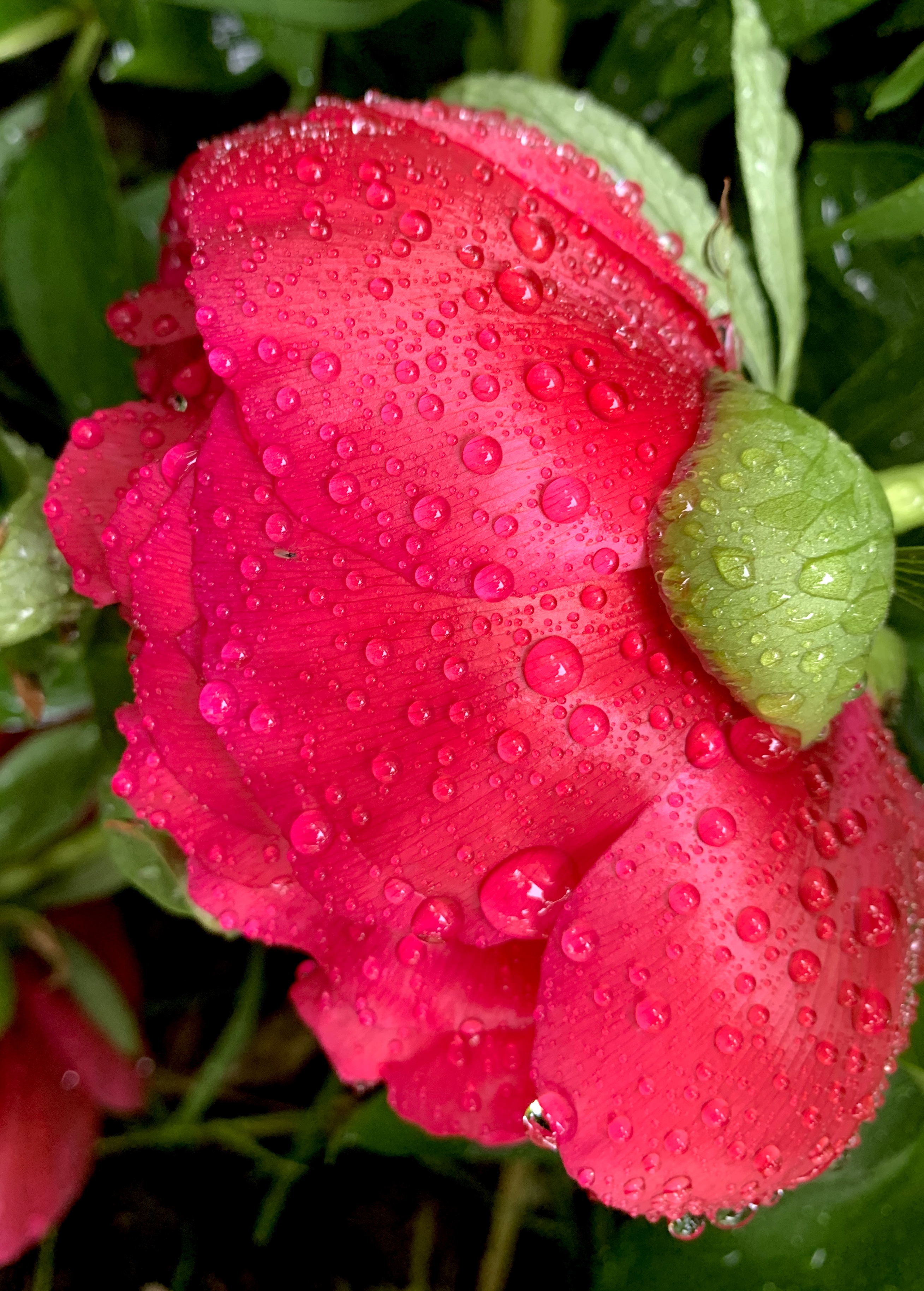
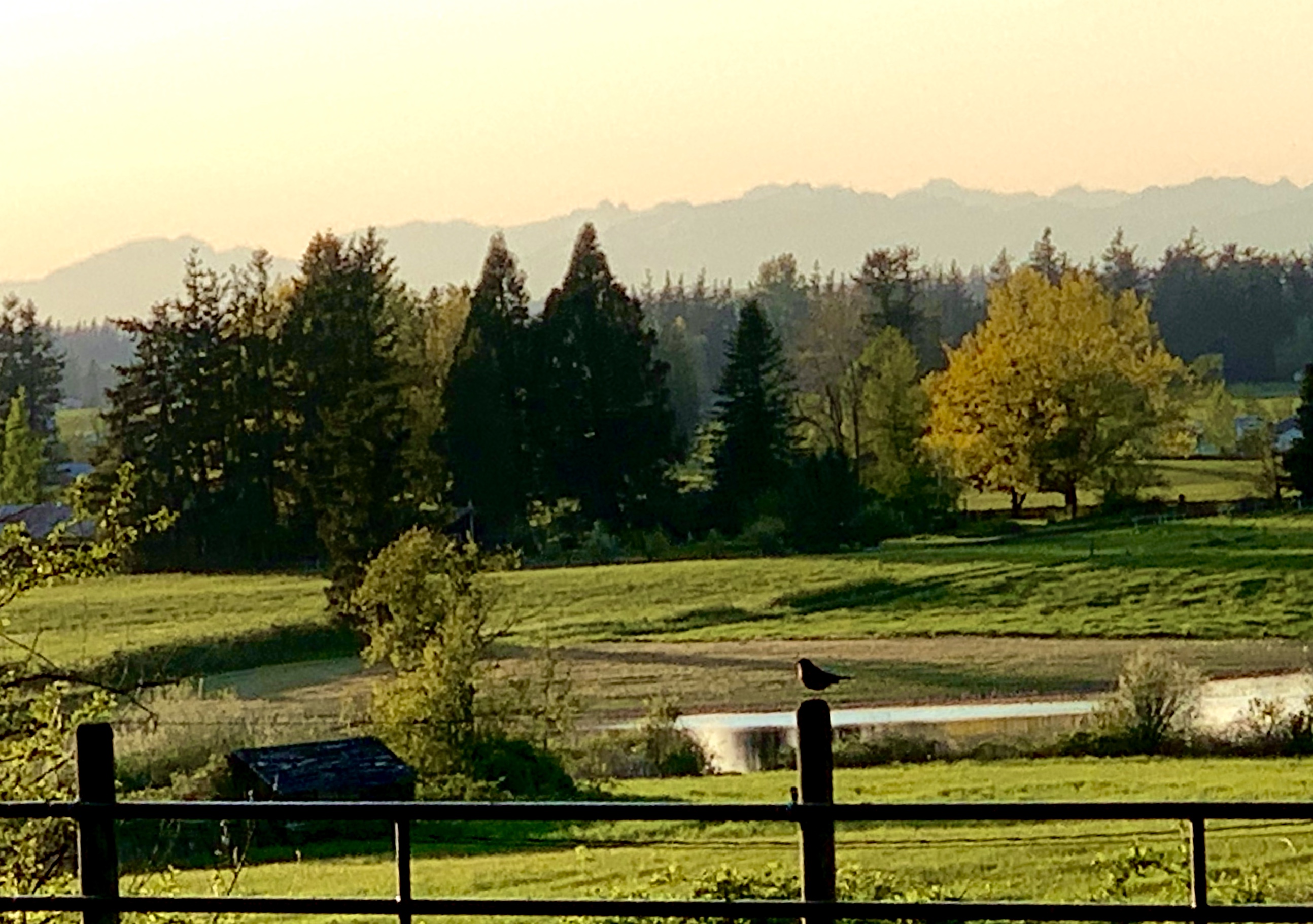
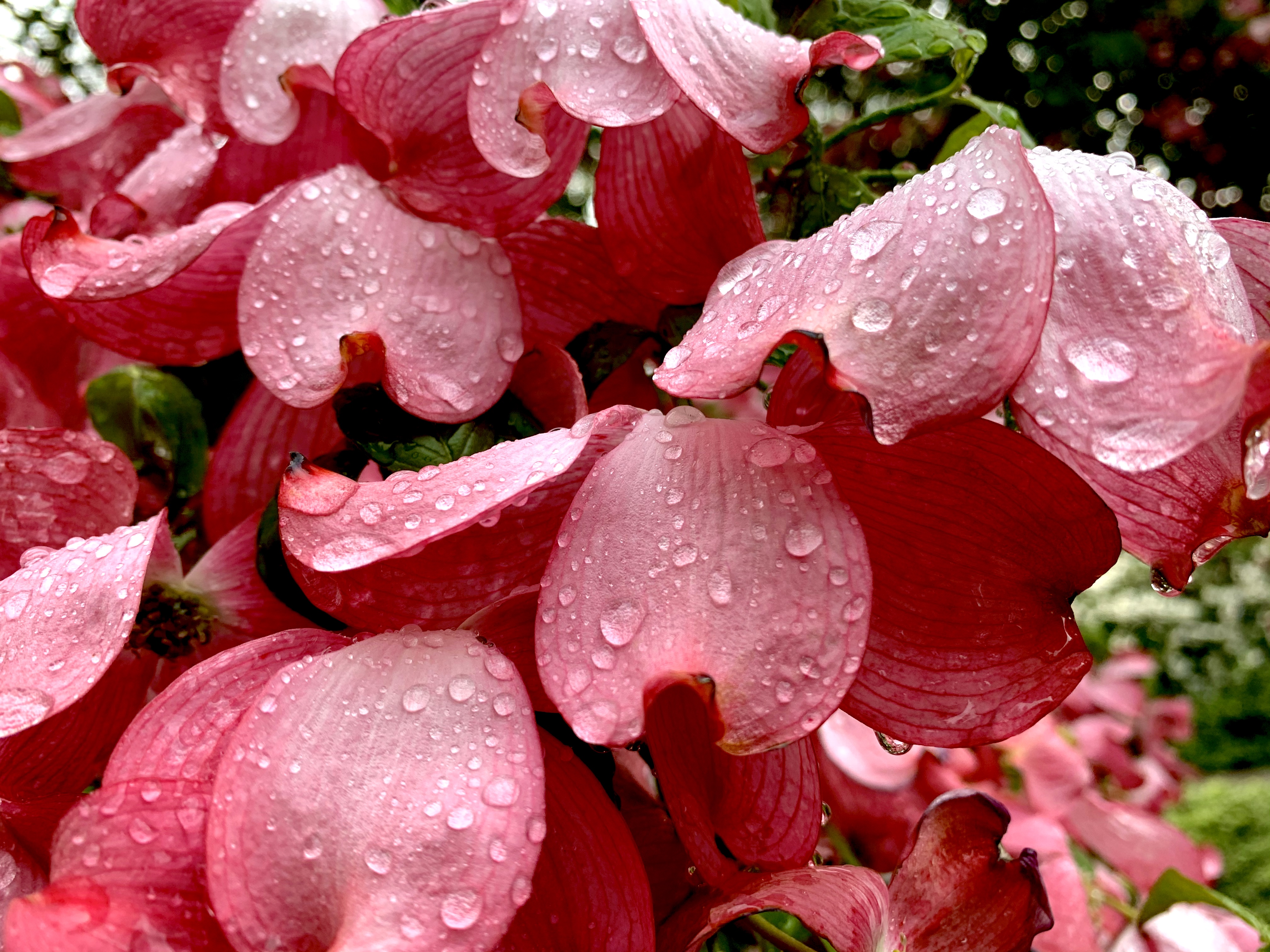
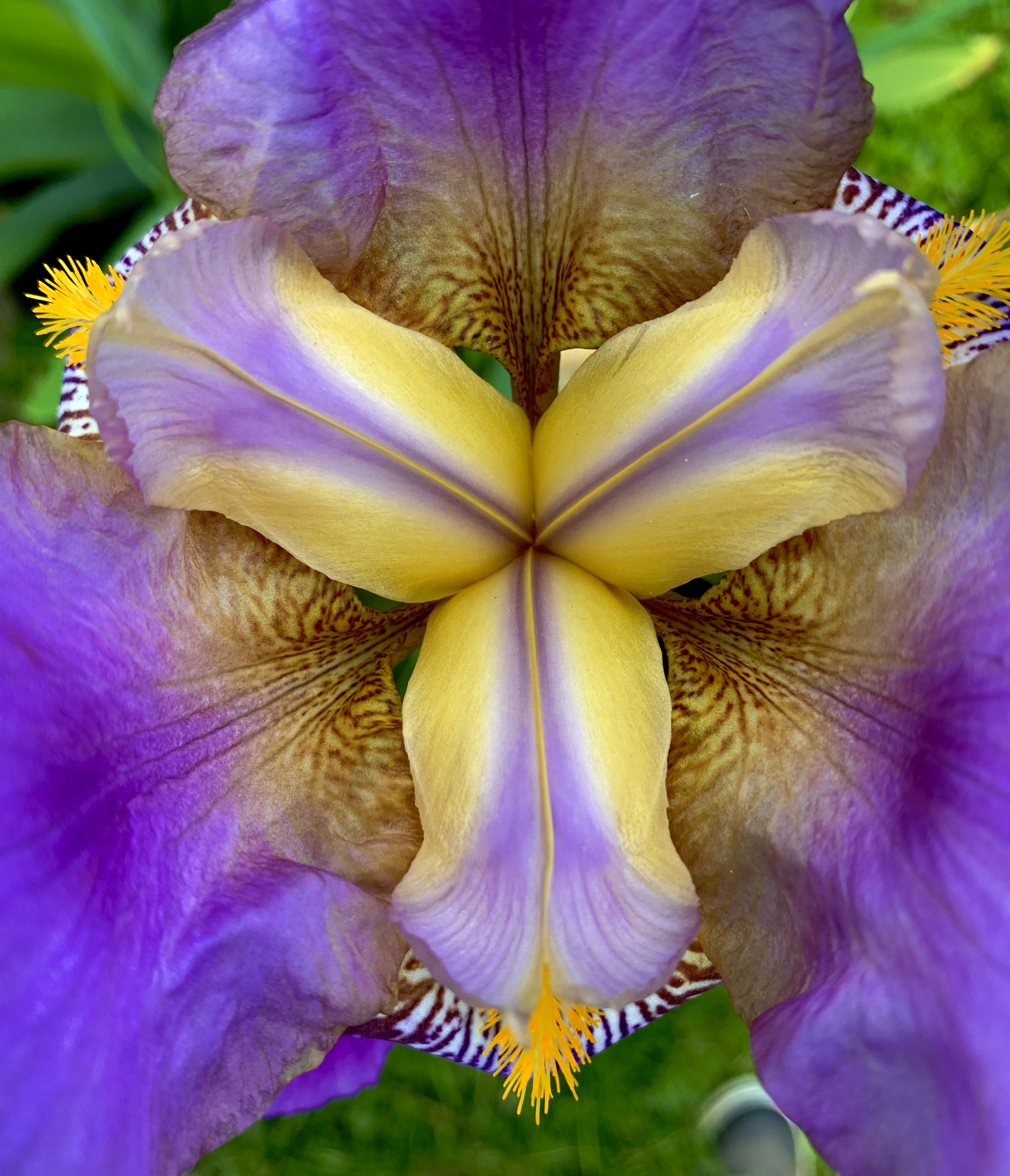
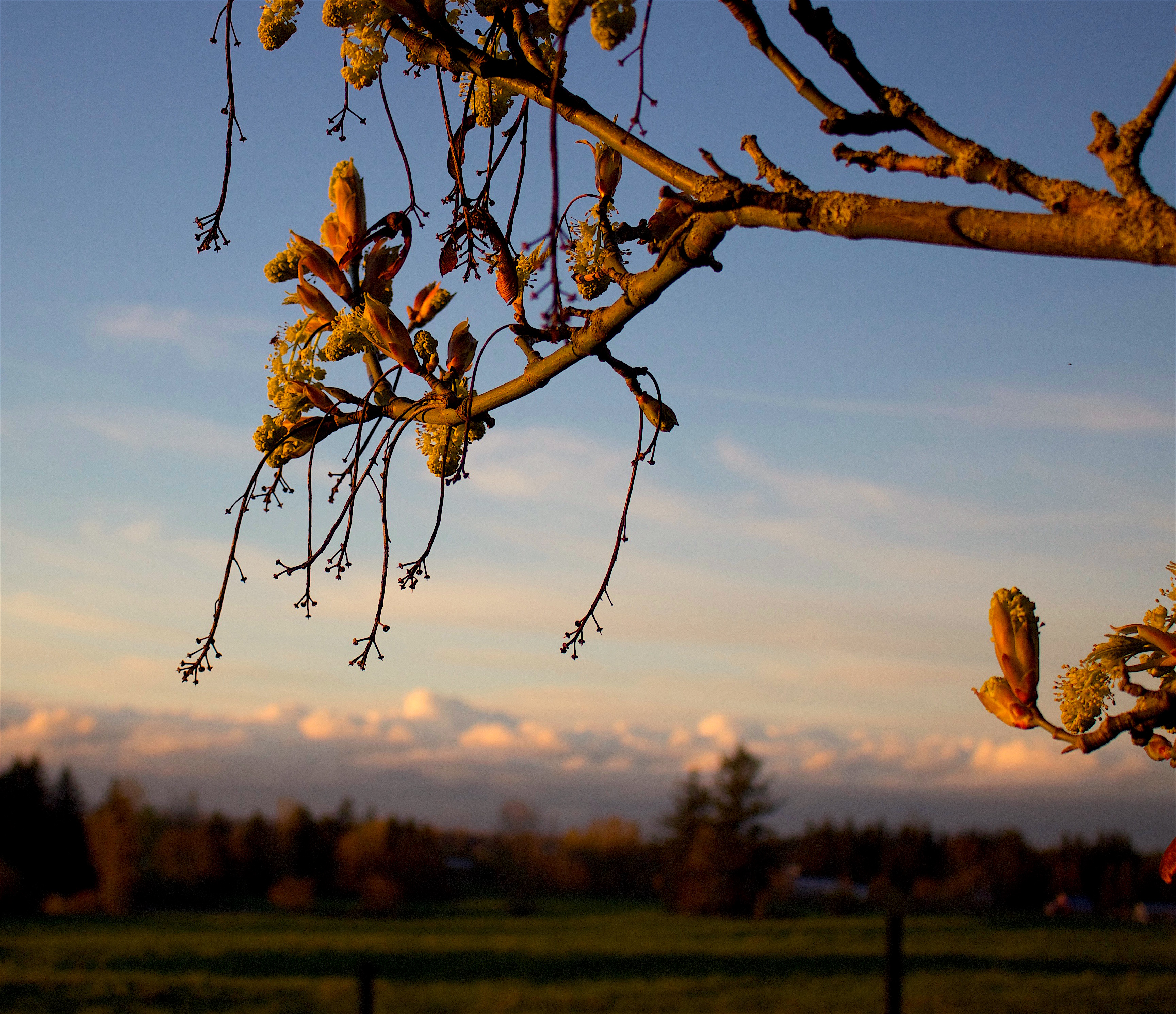
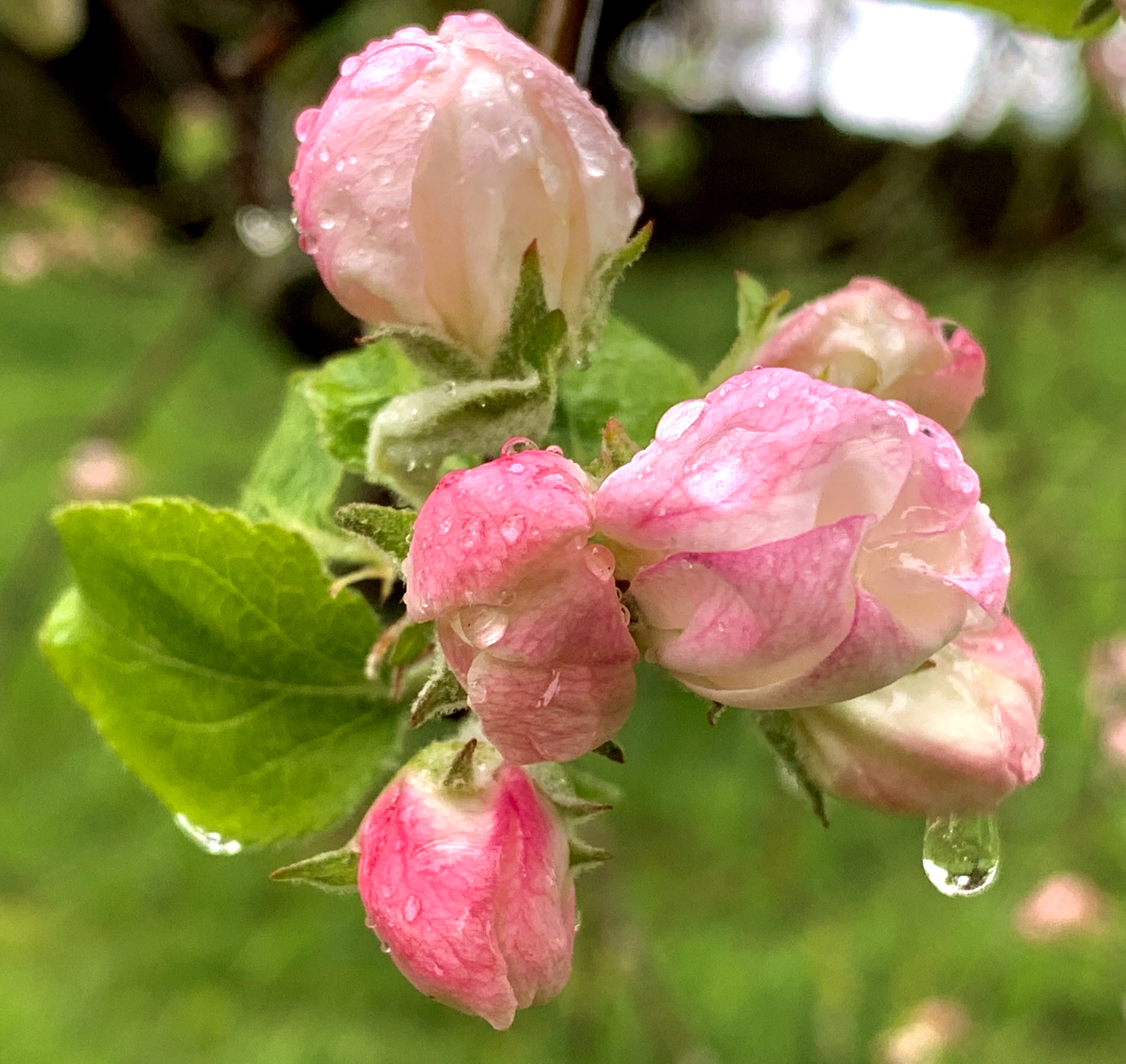
The earth is springing even while our hearts are weary of distancing and isolation. Each breath is filled with new fragrance, the greens startlingly verdant, each blossom heavy with promise.
There is reassurance in this renewal we witness yet again.
This, now, is love springing. This is His love, reminding us He has not abandoned us. This is love and nothing else can be as certain as that.








 Barnstorming