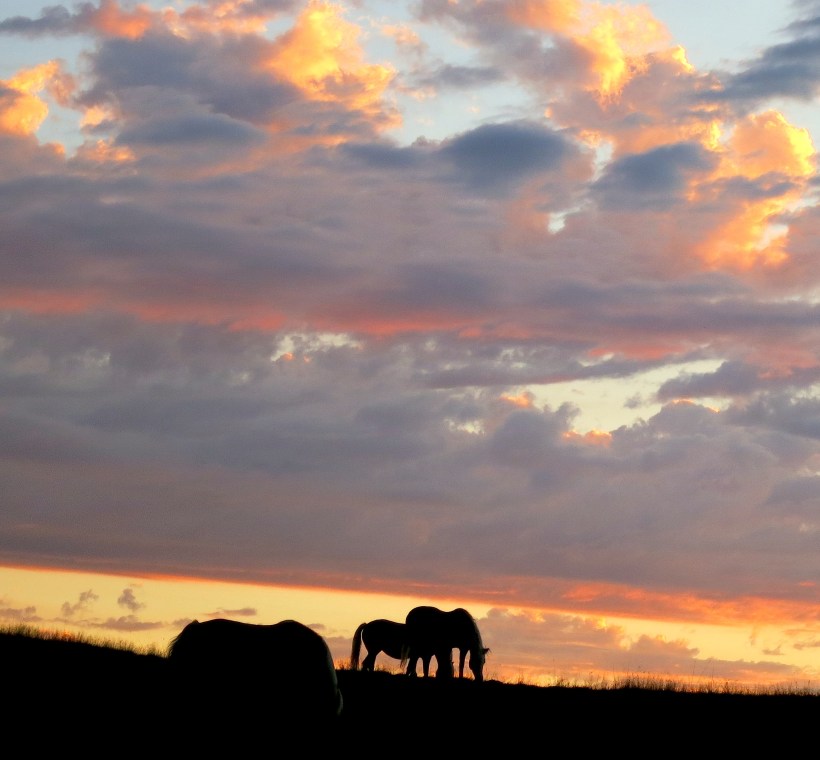
Standing Together and Apart

sunset92horses

In southern France live two old horses,
High in the foothills, not even French,
But English, retired steeplechasers
Brought across to accept an old age
Of ambling together in the Pyrenees.
At times they whinny and kick
At one another with impatience,
But they have grown to love each other.

In time the gelding grows ill
And is taken away for treatment.
The mare pines, pokes at her food,
Dallies on her rides until the other
Comes home.
                        She is in her stall
When the trailer rumbles
Through the gate into the field,
And she sings with impatience
Until her door is opened.
                                             Then full
Of sound and speed, in need of
Each other, they entwine their necks,
Rub muzzles, bumping flanks
To embrace in their own way.
Together they prance to
The choicest pasture,
Standing together and apart,
To be glad until
They can no longer be glad.
~Paul Zimmer, “Love Poem”
outongrass2

pastureoctober


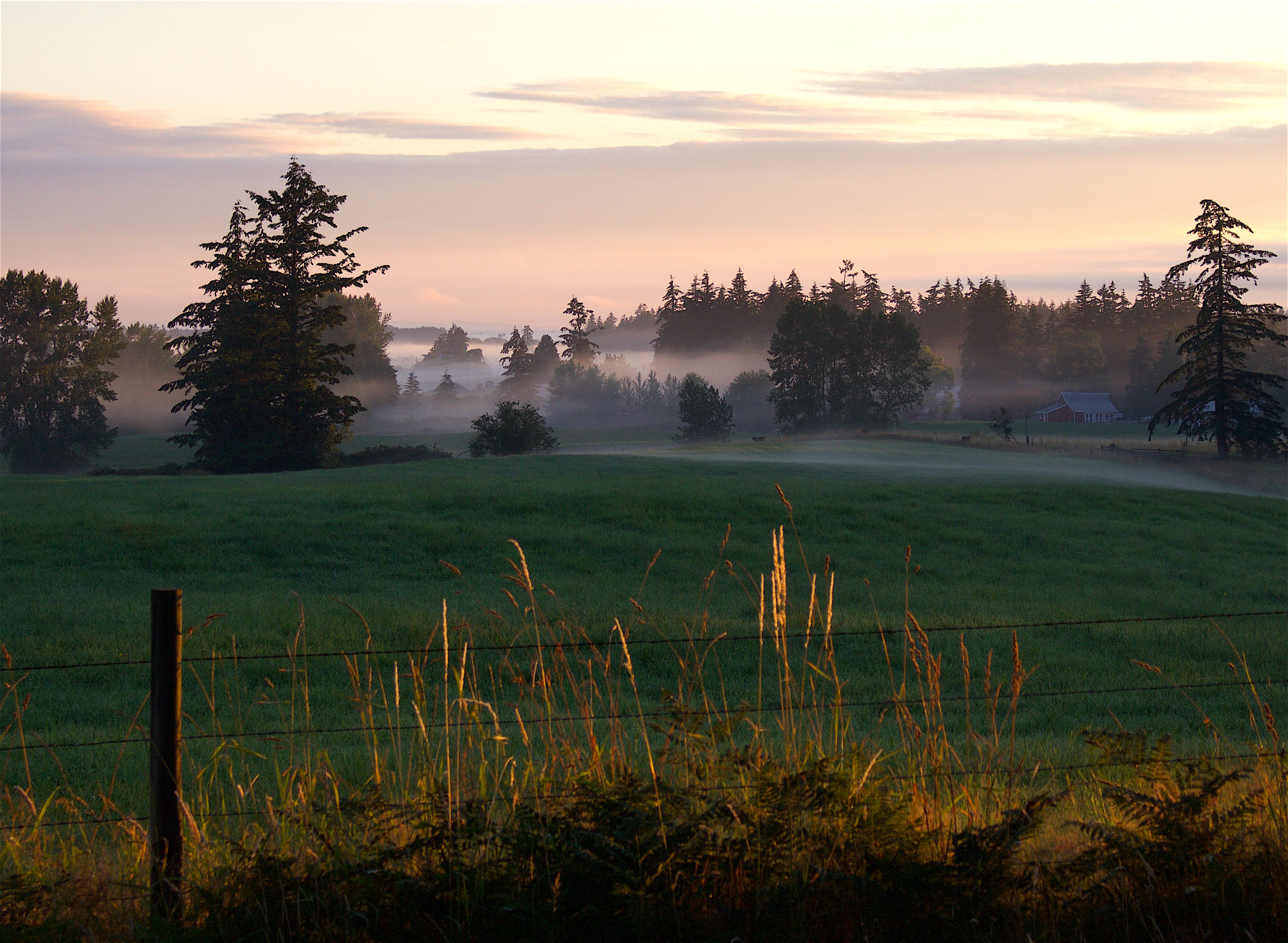
There is security in a basic routine, especially on our farm – predictable things happening in predictable ways, day after day, week after week, year after year.  Somehow, dull as it may seem, the “norm” is quite comforting, like each breath taken in and let go, each heart beat following the next. We depend on it, take it for granted, forget it until something doesn’t go as it should.

Mornings are very routine for me.  I wake before the alarm, usually by 5:30 AM, fire up the computer and turn the stove on to get my coffee water boiling.  I head down the driveway to fetch the paper, either feeling my way in the dark if it is winter, or squinting at the glare of early morning sunlight if it is not.  I make my morning coffee, check my emails, eat my share of whole grains while reading the paper, climb into my rubber boots and head out for chores.

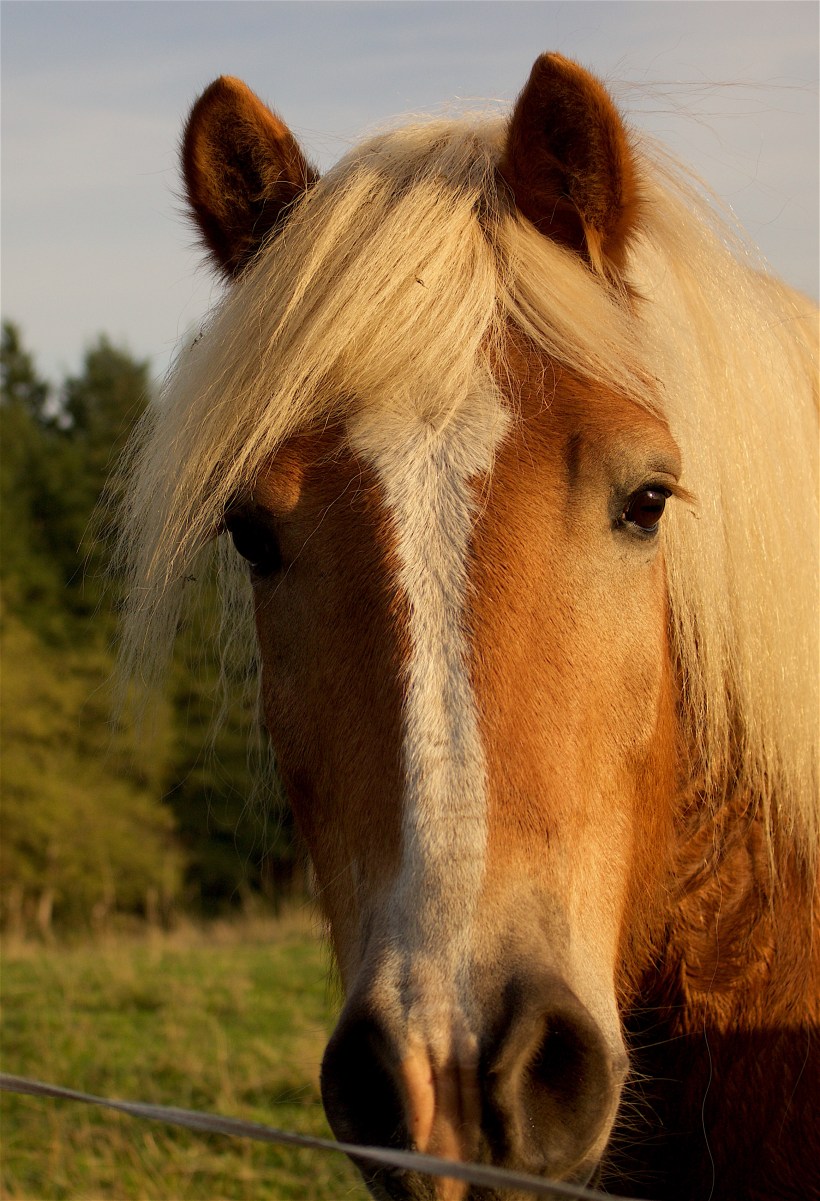
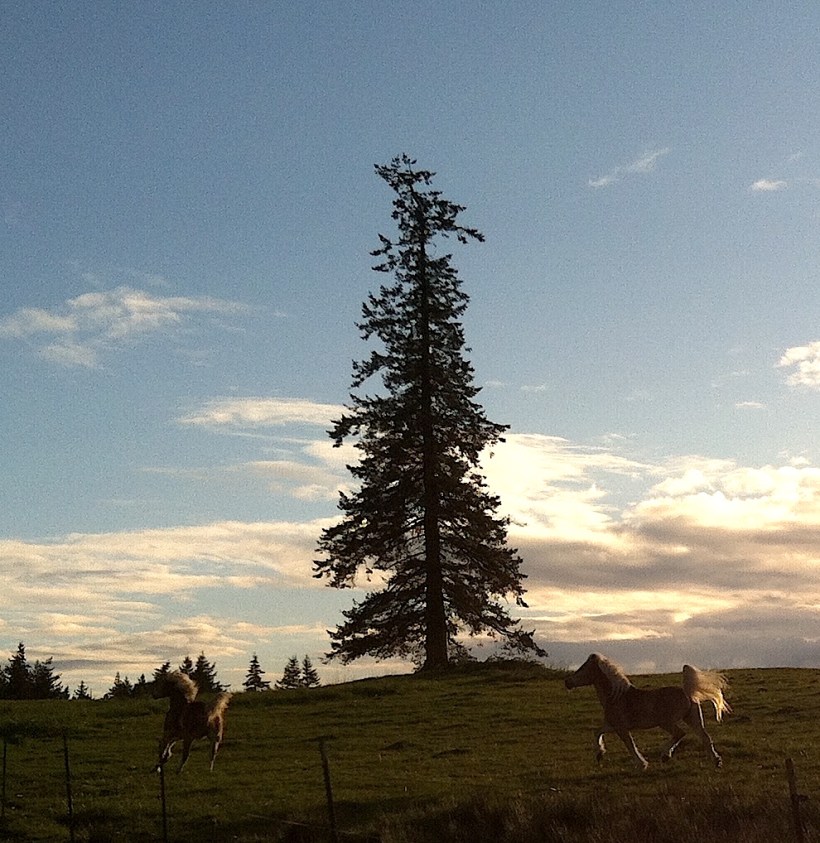
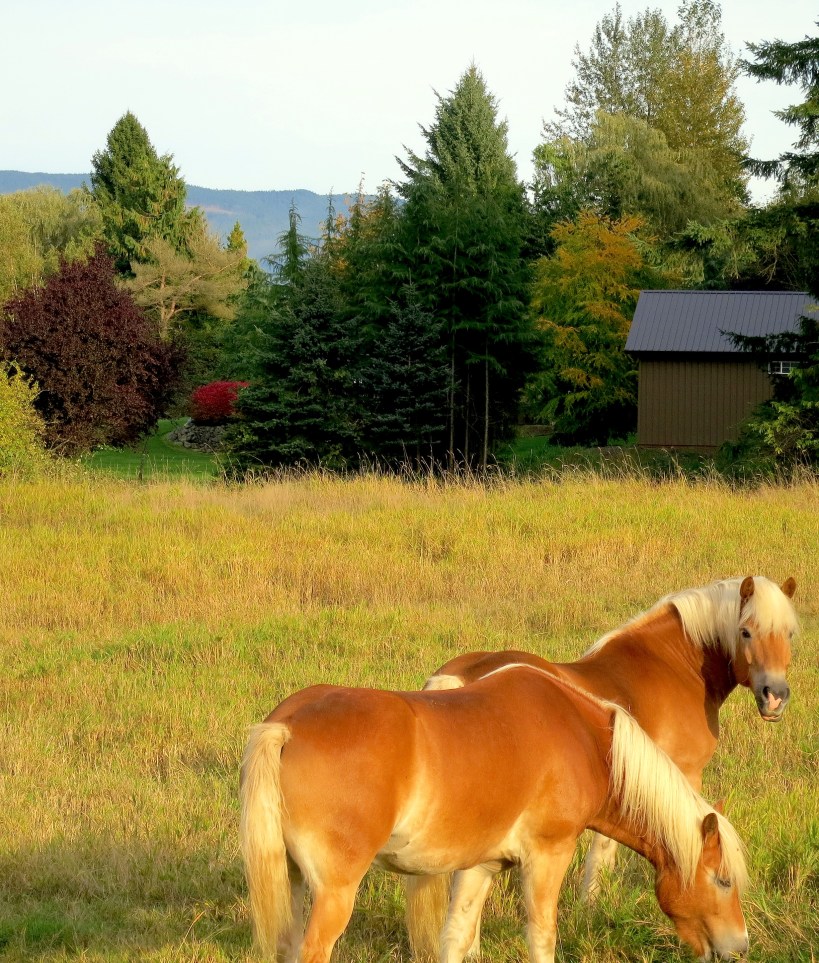
Some years ago, as I was leading a mare and her colt out to pasture for their daytime turnout, I was whistling to the wandering colt as he had his own ideas about where he wanted to be, and it wasn’t where I was leading. Fifty yards away, he decided he was beyond his comfort zone so whirled around, sped back to his mom and me, and traveling too fast to put his brakes on ended up body slamming her on her right side, putting her off balance and she side stepped toward me, landing one very sizeable Haflinger hoof directly on my rubber booted foot.  Hard.

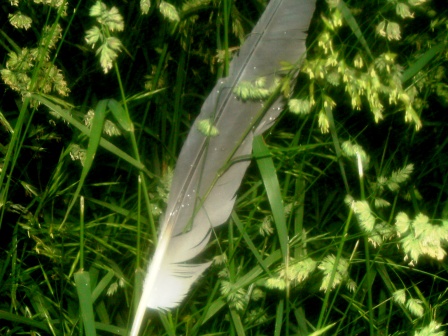
I hobbled my way with them to the pasture, let them go, closed the gate and then pulled my boot off to see my very scrunched looking toes, puffing up and throbbing.  I still had more horses to move, so I started to limp back to the barn, biting my lip and thinking “this is no big deal, this is just a little inconvenience, this will feel better in the next few minutes”  but each step suggested otherwise.  I was getting crankier by the second when I passed beneath one of our big evergreen trees and  noticed something I would not have noticed if I hadn’t been staring down at my poor sore foot.  An eagle feather, dew covered, was lodged in the tall grass beneath the tree, dropped there as a bald eagle had lifted its wings to fly off from the tree top, probably to dive down to grab one of the many wild bunnies that race across the open pasture, each vulnerable to the raptors that know this spot as a good place for lunch .  The wing feather lay there glistening, marking the spot, possessing the tree, claiming the land, owning our farm.  It belonged there and I did not–in fact I can’t even legally keep this feather–the law says I’m to leave it where I find it or turn it over to the federal government.

I am simply a visitor on this acreage, too often numbly going through my morning routine, accomplishing my chores for the few years I am here until I’m too old or crippled to continue. The eagles will always be here as long as the trees and potential lunch remain to attract them.

Contemplating my tenure on this earth, my toes didn’t hurt much anymore.  I was reminded that nothing truly is routine about daily life, it is gifted to us as a feather from heaven, floating down to us in ways we could never expect nor deserve.  I’d been body slammed that morning all right, but by the touch of a feather.  Bruised and broken but then built up, carried and sustained, standing together but yet apart.

I am glad for the gifts of this life, for the ache that love inevitably brings, as pain such as this can bring revelation and renewal.  Sometimes it is the only thing that does.
feather

sasha1015

A Healthy Fence Row

morning528151

mistyfence

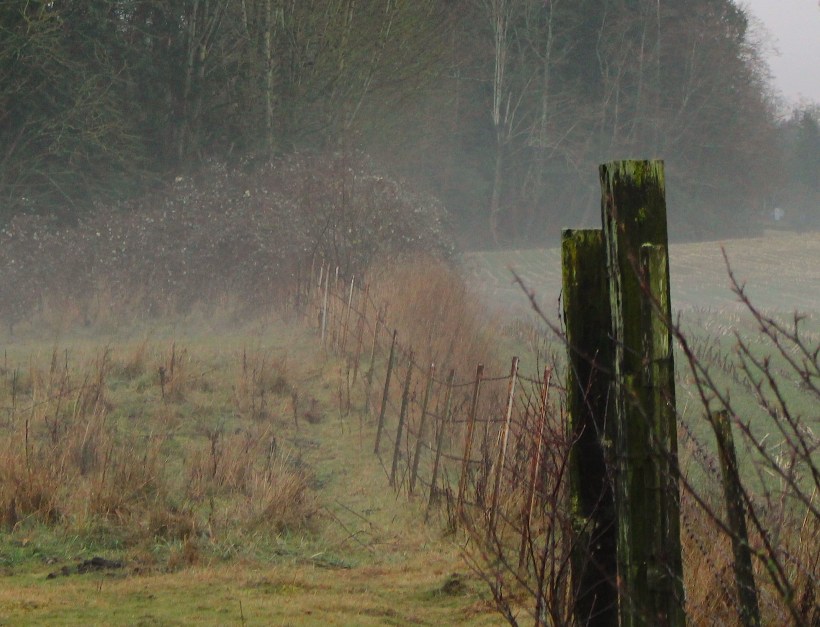
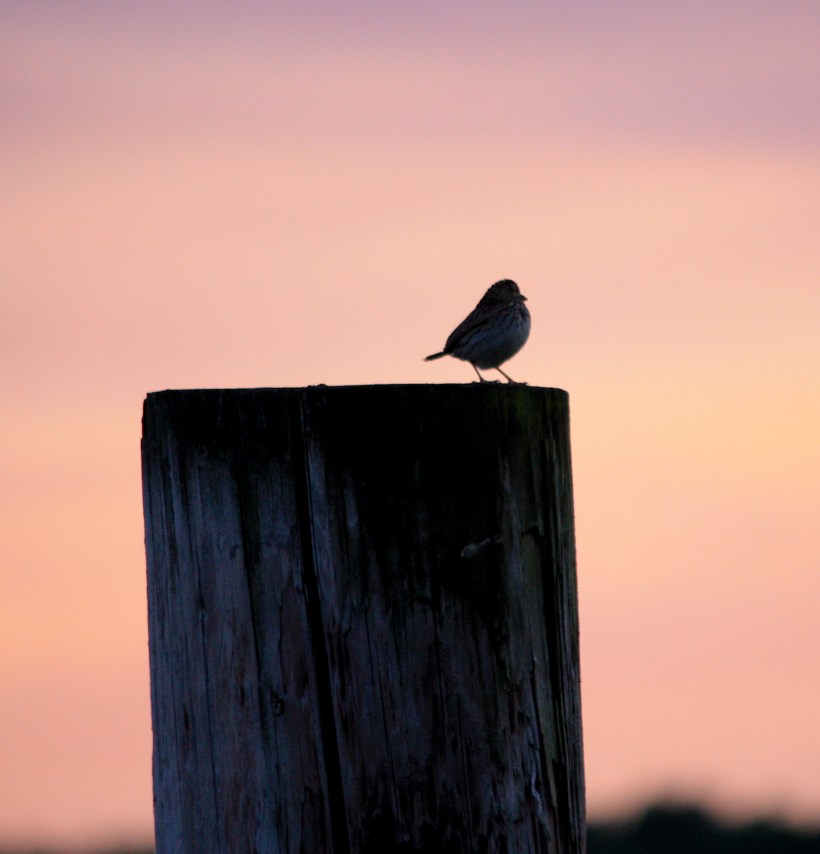
Brushy fencerows are in a sense a gift from man to nature — at least if, after the posts are dug in and the fence stapled to the posts, nature is given some free reign. Birds sitting on the fence and posts will pass undigested seeds in their droppings. Some of these seeds of blackberry, wild cherry, elderberry, bittersweet, sassafras, mulberry, and unfortunately, in some areas, multiflora rose, will take root in the loose soil around the posts and later in soil dug up by woodchucks. Chipmunks scurrying along the fence will bring and bury acorns and hickory nuts, while the wind will deliver dandelion, milkweed, and thistle seeds — all ingredients for a healthy fencerow.
~David Kline from Great Possessions

fence

Before I built a wall I’d ask to know
What I was walling in or walling out,
And to whom I was like to give offence.

He will not go behind his father’s saying,
And he likes having thought of it so well
He says again, “Good fences make good neighbors.”
~Robert Frost from “Mending Fences”

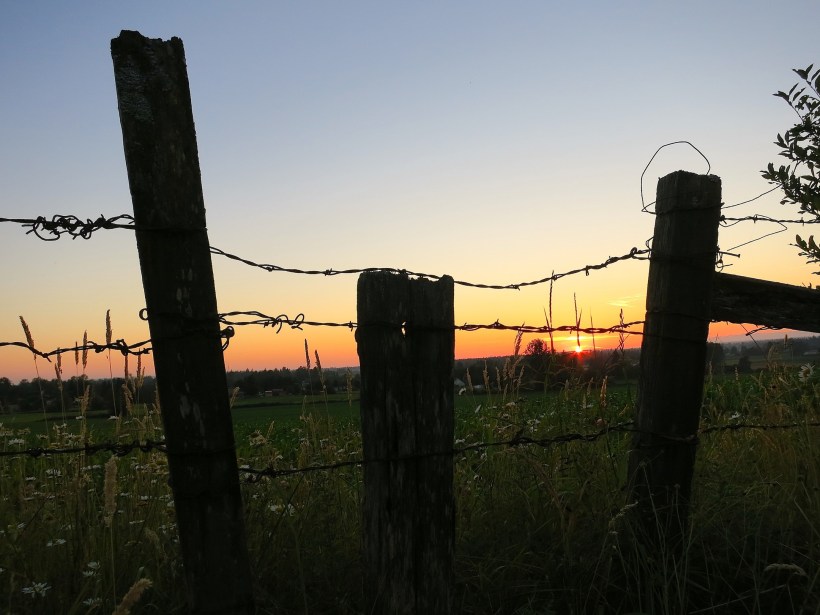
fencepostssunset32

birdonpostrodenberger
photo by Harry Rodenberger


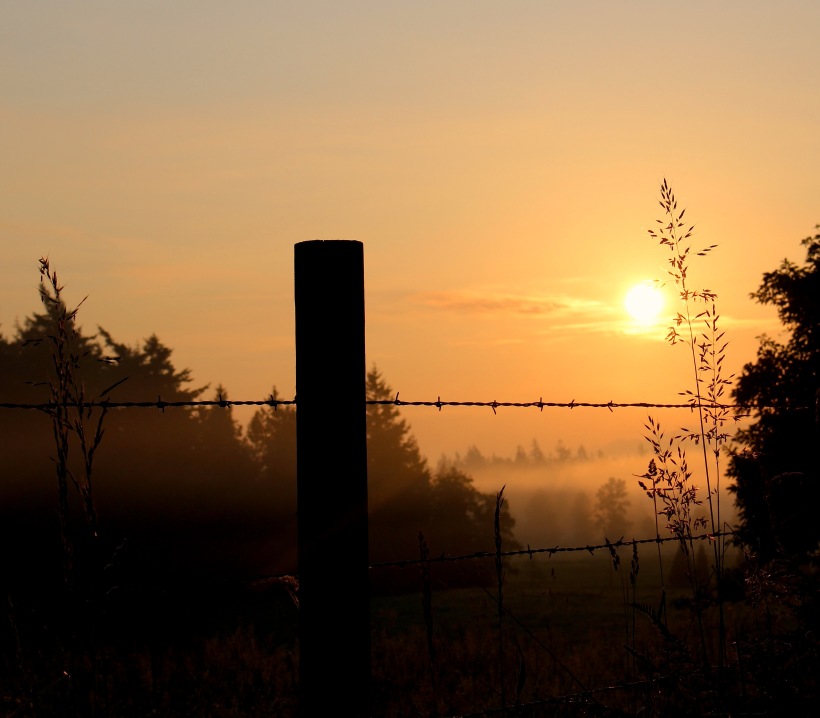
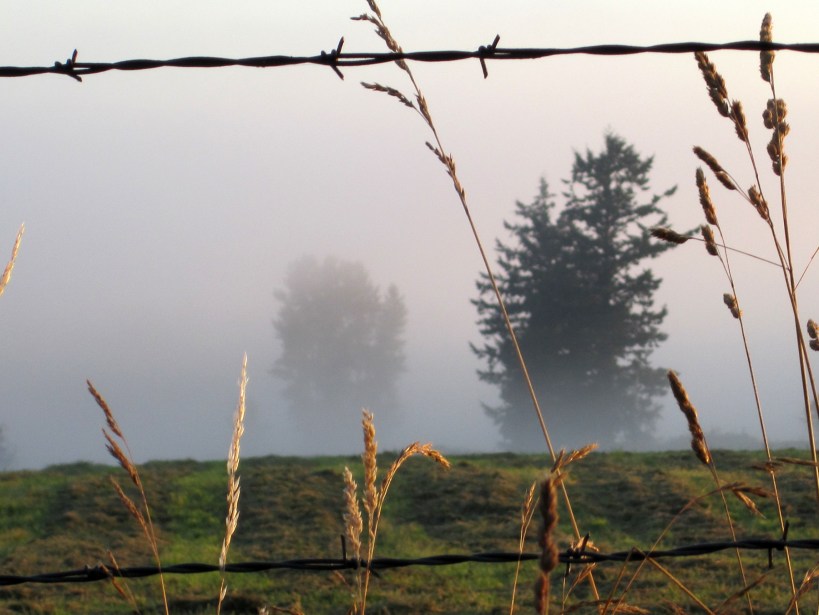
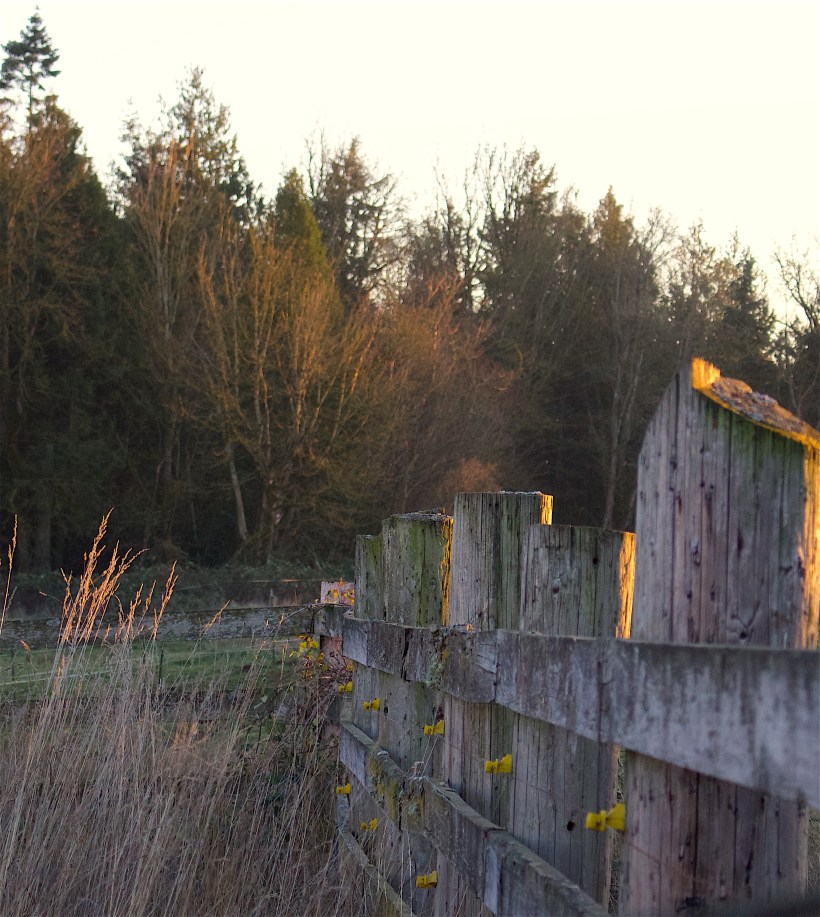
I maintain, in my haphazard and often ineffectual way, our farm’s wood rail and hot wire fences to keep the horses confined, preventing them from wandering into the adjacent orchard, corn field, or most risky of all, the road. As utilitarian as a fence is for that purpose, the fence row itself is the hospitality center for all sorts of diversity of flora and fauna.  It doesn’t repel; it invites.

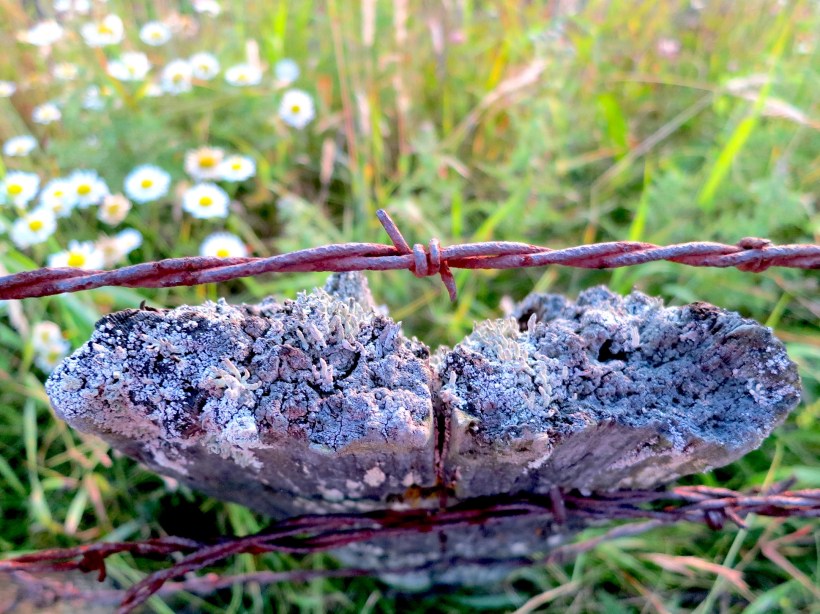
As one travels in the United Kingdom and across the plains and mountains of North America, old fences are everywhere. Some fences were built painstakingly of stone centuries ago, some of old barbed wire, now falling and decrepit, no longer effective, but still testimony to a determined farmer’s desire to section off his barren land from another’s barren land, or perhaps the requirement borne of the homesteading laws of the time. Robert Frost wrote in his poem “Mending Fences” that a fence spans the balance between man’s sometimes irrational desire for barriers, acknowledging the order that they bring to an uncertain and sometimes unpredictable world that lays beyond our walls.

Political fences continue to exist in many parts of the world today, created primarily out of fear. Indeed, new walls have been proposed, absurdly ridiculous in their scope and expense.  Much celebration accompanied the fall of the Berlin Wall after its years of imposing testimony to the lack of trust and understanding between people who were once relatives, neighbors and friends. The Great Wall of China still stands, now primarily tourist attraction, no longer serving any other useful purpose other than to illustrate the lengths to which man goes to barricade himself off from others.

So why maintain life’s fences, even if the building and maintaining of these fences seems a futile and foolish task when they are pushed down, blown over in the winds, with trees fallen over them, and overgrown with brush and wild blackberries?

Fences, like rules and laws, define order and structure. They can bite back if they are breached. If crashed and broken, they are hazardous in and of themselves, not withstanding the potential dangers that lay beyond them. Remove them altogether and we risk losing the diversity represented in the fence row itself.

So, in the best of times, we are mending walls out of continuing need for contact with our neighbors. We meet across the barriers to shake hands and visit while we repair the fences together, leaving the barriers standing and strong, and the space in the fence row becomes even more diverse and welcoming. In the worst of times, we fortify and hide behind the walls, making them taller, wider, deeper, creating greater and greater gulfs between us and eventually losing touch forever as the walls themselves deteriorate without the necessary mutual “mending”.

So we must not love walls themselves, but must maintain them with our neighbor. We don’t worship the walls themselves but instead respect the foundation they rest on and the life they protect within the row itself.

We accept such boundaries with humility, recognizing their necessity is due to our own imperfections, as we too are full of prickles and barbs that too easily draw blood when breached.

oldfence

moydalganfield5

sunsetfence

sunsetfence

Crossing the Threshold

hayfield

earsgrass

John O’Donohue gave voice to the connection between beauty and those edges of life—
thresholds was the word he loved—
where the fullness of reality becomes more stark and more clear.

If you go back to the etymology of the word “threshold,” it comes from “threshing,” which is to separate the grain from the husk. So the threshold, in a way, is a place where you move into more critical and challenging and worthy fullness.

There are huge thresholds in every life.

You know that, for instance, if you are in the middle of your life in a busy evening, fifty things to do and you get a phone call that somebody you love is suddenly dying, it takes ten seconds to communicate that information.

But when you put the phone down, you are already standing in a different world. Suddenly everything that seems so important before is all gone and now you are thinking of this.

So the given world that we think is there and the solid ground we are on is so tentative.
And a threshold is a line which separates two territories of spirit, and very often how we cross is the key thing.

When we cross a new threshold worthily, what we do is we heal the patterns of repetition
that were in us that had us caught somewhere.

~John O’Donohue from an “On Being” interview with Krista Tippett on “Becoming Wise”

clouds7816

I emerge from the mind’s
cave into the worse darkness
outside, where things pass and
the Lord is in none of them.
I have heard the still, small voice
and it was that of the bacteria
demolishing my cosmos. I
have lingered too long on
this threshold, but where can I go?
To look back is to lose the soul
I was leading upwards towards
the light. To look forward? Ah,
what balance is needed at
the edges of such an abyss.
I am alone on the surface
of a turning planet. What
to do but, like Michelangelo’s
Adam, put my hand
out into unknown space,
hoping for the reciprocating touch?
~R.S. Thomas “Threshold”

fullmoon61916


These past few months of mass shootings, tragic deaths and never-ending conflict have forced us all to a threshold needing to be crossed. Yet we stand stubborn, immobilized, frozen and dying on the spot, peering out in fear but never peering inward for self-examination.

Instead of submitting to the crushing winnowing that must happen to blow away the chaff of our lives, to get down to the kernel of truth that sustains us, we cling to the old and familiar. It is we who have delivered ourselves a non-choice between two deeply flawed individuals for president. They represent what evils we tolerate as a people: celebrating entitlements, tolerating their legal, moral and financial shenanigans simply because they are rich and famous.

Unwilling to change attitude or perspective, reluctant to move forward into largely uncharted territory, mired in a tribalism only skin deep, we wonder why history repeats itself, why we are dying every day, by our own hand or by others’.

How to cross worthily? How to cross together, arm in arm, united in the need to move forward beyond this mess we have made for ourselves?

We need a good threshing, badly. We need to be worthy. We need to reach out our hands into the unknown that lies ahead, hoping and praying Someone is there to grab hold and lead us across to a better day.


thimbleweb

Plunged into the Dark Abyss

salpiglossis

The ultimate weakness of violence is that it is a descending spiral
begetting the very thing it seeks to destroy.
Instead of diminishing evil, it multiplies it.
Through violence you may murder the liar,
but you cannot murder the lie, nor establish the truth.
Through violence you may murder the hater,
but you do not murder hate.
In fact, violence merely increases hate.
So it goes.
Returning violence for violence multiplies violence,
adding deeper darkness to a night already devoid of stars.
Darkness cannot drive out darkness:
only light can do that.
Hate cannot drive out hate: only love can do that.
Hate multiplies hate,
violence multiplies violence,
and toughness multiplies toughness
in a descending spiral of destruction….
The chain reaction of evil —
hate begetting hate,
wars producing more wars —
must be broken,
or we shall be plunged
into the dark abyss of annihilation.
~
Dr. Martin Luther King, Jr. from Strength to Love

salpiglossis3

The world is indeed full of peril and in it there are many dark places.
But still there is much that is fair. And though in all lands, love is now
mingled with grief, it still grows, perhaps, the greater.
— J. R. R. Tolkien

rainyrose

We forget that God is right there, waiting for us to turn to him, no matter how dire our situation.  We forget the reassuring words of his messengers: “Fear not.”   God always seeks to draw close to us — even in the depths of hell.
…it comes down to this: the only way to truly overcome our fear of death is to live life in such a way that its meaning cannot be taken away by death.  It means fighting the impulse to live for ourselves, instead of for others.  It means choosing generosity over greed.  It also means living humbly, rather than seeking influence and power.  Finally, it means being ready to die again and again — to ourselves, and to every self-serving opinion or agenda.
~Johann Christoph Arnold

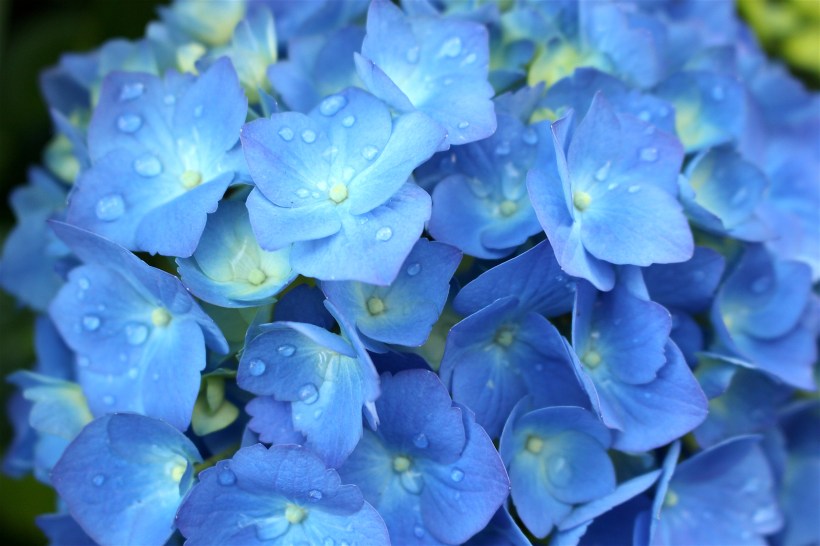
hydrangearainyblu

This week, bullets have been fired out of fear and anger by, and have struck down, people who look and are just like us.  Shed tears never need translation or interpretation, no matter what color cheeks they moisten.

Distrust and fear continue to impact our communities daily, settling like a shroud over the most routine activities.  So we must fall back on what we were told long ago and each and every day in 365 different verses in the Word itself: fear not.

Do not be overwhelmed with evil but overcome evil with good.

The goal of this life is to live for others, to live in such a way that death cannot erase the meaning and significance of a life.  We are called to give up our selfish agendas in order to consider the dignity of others and their greater good.

Cherish life, all lives, including, as is crystal clear from Christ’s example,  those who are so fearful, they hate and want to murder us.

Our only defense against evil is God’s offense; only He will lead us to Tolkien’s “where everything sad will come untrue”, where tears are no longer shed in sorrow,  but can only be tears of joy.

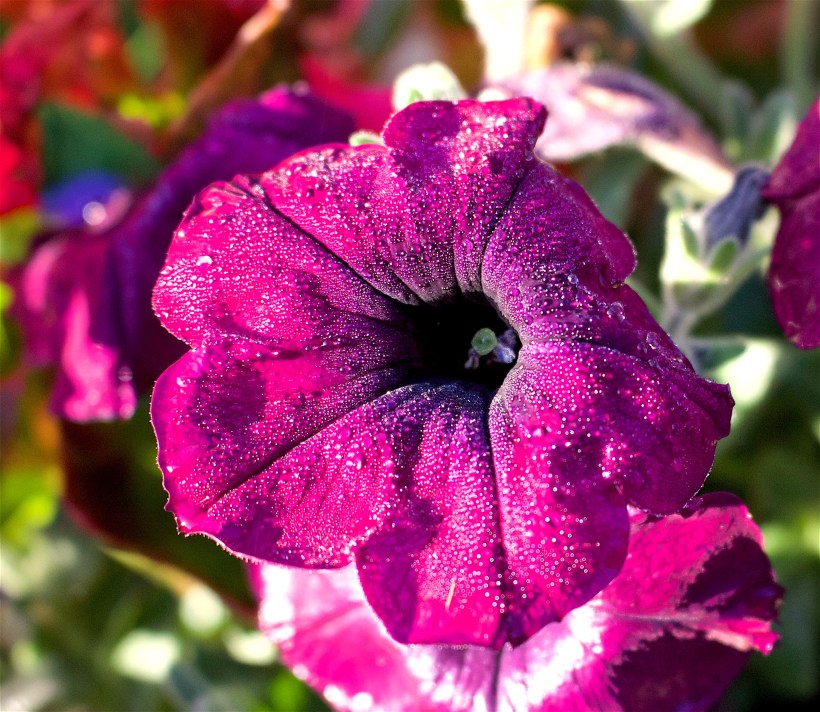
dewypetunia

A Tender Heart

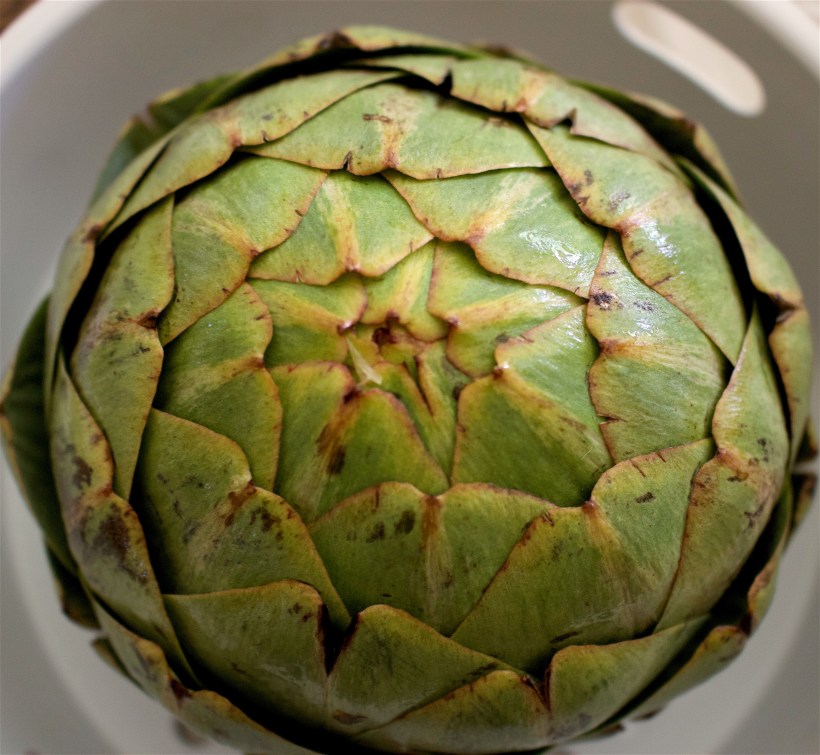
choke

The artichoke
With a tender heart
Dressed up like a warrior,
Standing at attention, it built
A small helmet
Under its scales
It remained
Unshakeable, She enters the kitchen
And submerges it in a pot.

Thus ends
In peace
This career
Of the armed vegetable
Which is called an artichoke,
Then
Scale by scale,
We strip off
The delicacy
And eat
The peaceful mush
Of its green heart.
~Pablo Neruda from “Ode to an Artichoke”

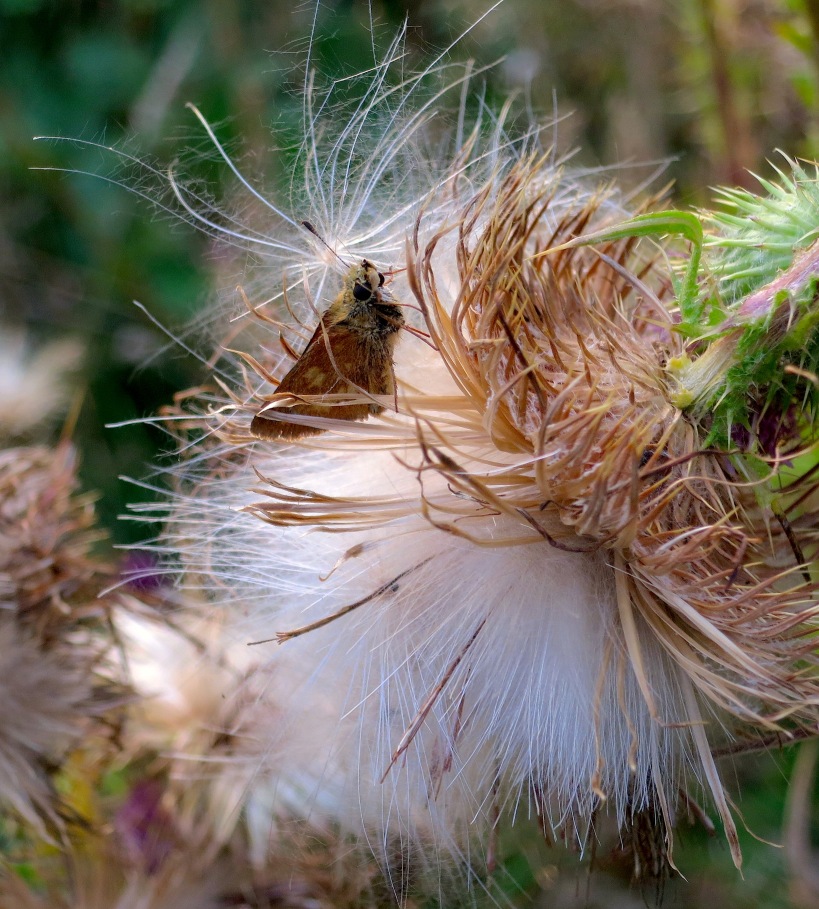
I first encountered a globe artichoke in my first week at college in California.  I’d never seen one before, much less dismantled and actually eaten one.  The California natives around me in the dining hall were astonished my world view had never before included artichoke leaves and heart.   After all, we were only an hour away from the artichoke capital of the world, Watsonville,  where the motto for the annual artichoke festival was “Thistle Be Fun!”

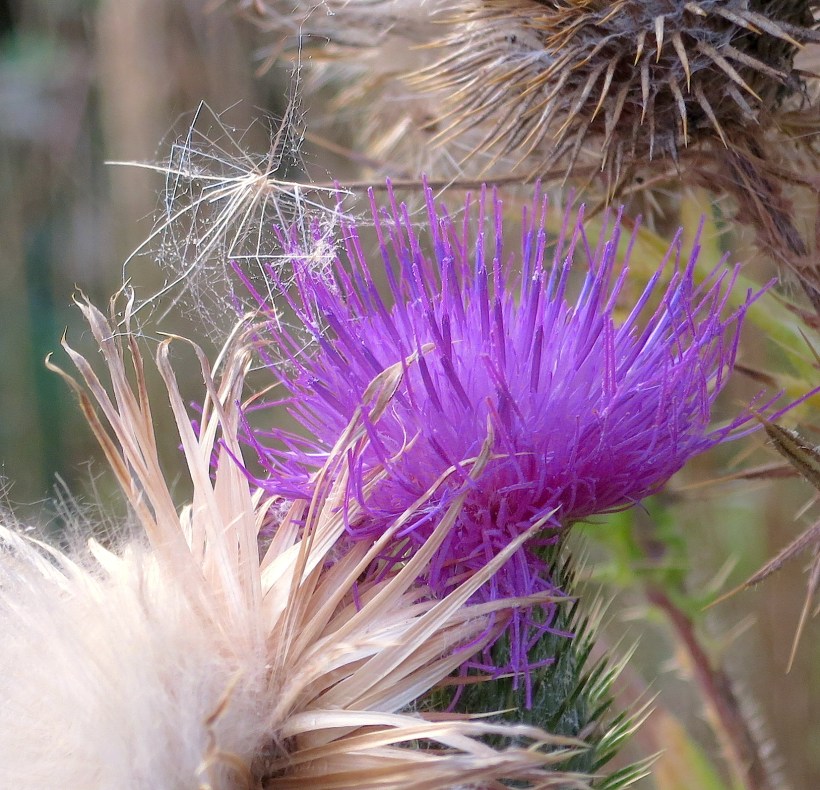
My frame of reference growing up on a farm was that thistle-looking plants were noxious weeds and needed to be chopped down before going to seed and reproducing even more noxious weeds.  This spiny looking bud that was about to bloom a purple thistle flower looked highly suspicious to me and not to be trusted.

But then someone showed me how to peel off a leaf, dip the base in mayonnaise or lemon garlic butter and scrape off the soft part with my teeth.  Noxious?  Not even close.  Absolutely delicious!  It was a revelation.

The circumferential peeling of leaves one by one leads deeper to softer petals and fewer prickles, with the flavor becoming less subtle and more distinct.  Once the leaves are all off, there lies uncovered at the base a heart to be scooped out.  The round meaty heart is the point of all this effort.  It is the gold in the buried treasure chest, the pot at the end of the rainbow. It takes work to reach it, but it never disappoints.

How to mentally get past the plainness and prickles?  How to recognize what appears so undesirable as something to preserve and nurture?   There are so many times in my day I walk right past such people or opportunities as not worth the trouble.  Sometimes I myself am the one with the prickles, protective as they seem to me yet cautionary to others, not to be trusted.

How could anyone know the tender heart that dwells within unless we gently, graciously, gratefully peel the prickles away?

thistle22


A Sprung Metronome

morning7616 morninghaze2

“A devout but highly imaginative Jesuit,”
Untermeyer says in my yellowed
college omnibus of modern poets,
perhaps intending an oxymoron, but is it?
Shook foil, sharp rivers start to flow.
Landscape plotted and pieced, gray-blue, snow-pocked
begins to show its margins. Speeding back
down the interstate into my own hills
I see them fickle, freckled, mounded fully
and softened by millennia into pillows.
The priest’s sprung metronome tick-tocks,
repeating how old winter is. It asks
each mile, snow fog battening the valleys,
what is all this juice and all this joy?
~Maxine Kumin “Almost Spring, Driving Home, Reciting Hopkins”

sunrise97144

These summer mornings I awake in a Hopkins landscape~
the priest who died too young at 44
would have created even more beauty
if he had lived twice as long,
combining words in suspended rhythm,
recreating the world outside our windows
entirely in our minds.

What is this joy I feel when witnessing
what must have moved him to write?
What could be more powerful
than words that awaken in us dawn’s redeeming light?

sunrise94141

Oh, morning, at the brown brink eastward, springs —
Because the Holy Ghost over the bent
    World broods with warm breast and with ah! bright wings.
~Gerard Manley Hopkins from “God’s Grandeur”
morning27616

How Many Flowers Fail

eveningpetunia

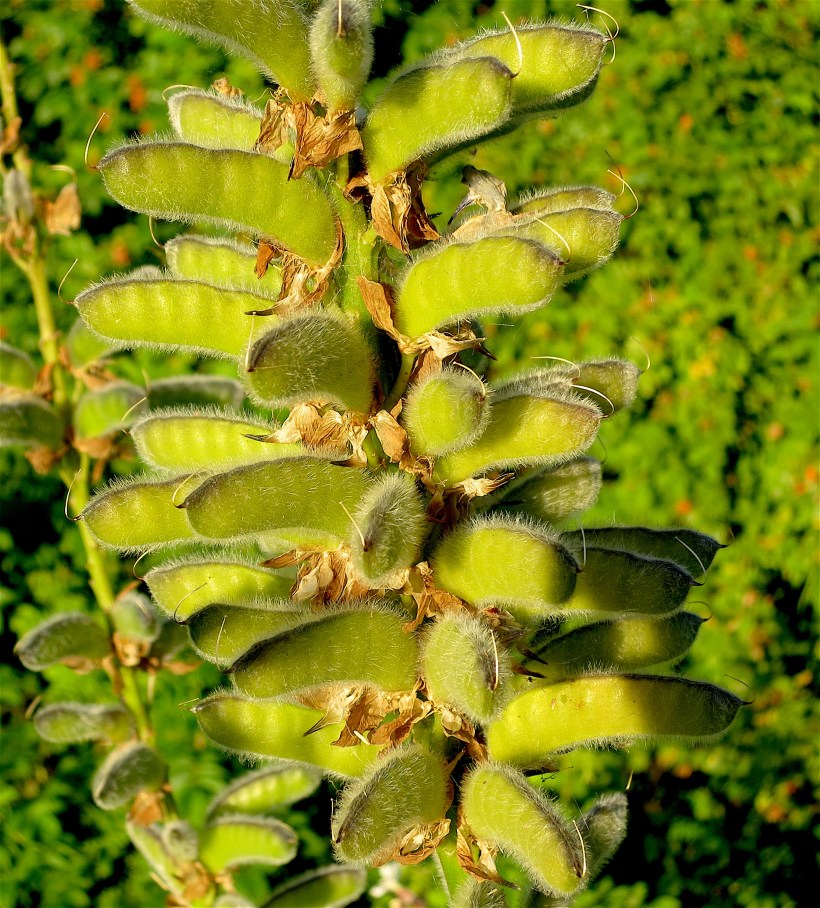
lupinepods

How many Flowers fail in Wood –
Or perish from the Hill –
Without the privilege to know
That they are Beautiful –

How many cast a nameless Pod
Upon the nearest Breeze –
Unconscious of the Scarlet Freight –
It bear to Other Eyes –
~Emily Dickinson

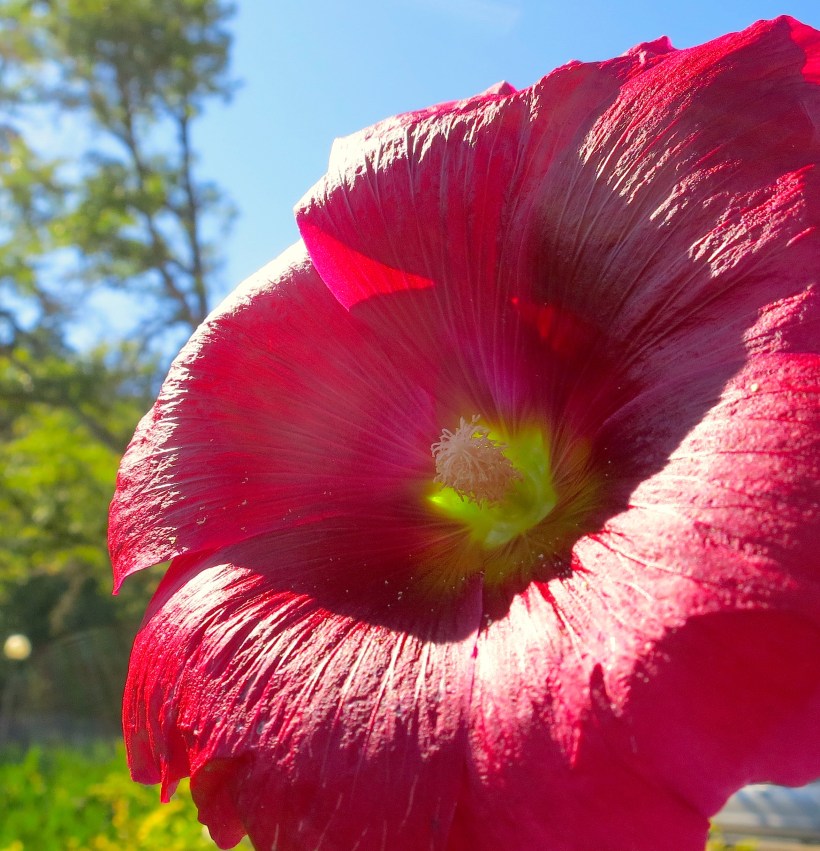
hollyhockwwured

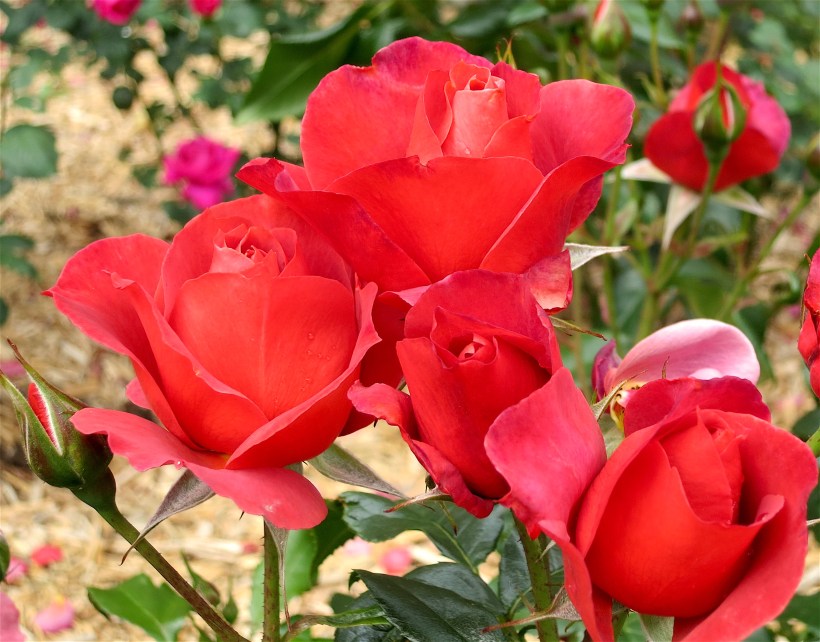
If seeds in the black earth can turn into such beautiful roses, what might not the heart of man become in its long journey toward the stars?
—G.K. Chesterton

rosechocolate

We are mere seeds lying dormant, plain and simple, with no knowledge of the beauty we harbor within, a beauty for which we were created. There is nothing to distinguish us one from the other until the murmurs of spring begin, so soft, so subtle.  The soil shakes loose frosty crust as the thawing warmth begins.   Sunlight makes us stir and swell, no longer frozen but animate and intimate.

We are called awake from our quiescence to sprout, bloom and fruit.  We reach as far as our tethered roots will allow, beyond earthly bounds to touch the light and be touched. We fling our seeds to the wind.

There is renewed hope created in the heart of man, ready and waiting to unfurl, with a precious fragrance that lingers long after our pods have burst open, as our seed dries, loosens, and falls to freedom.

rows

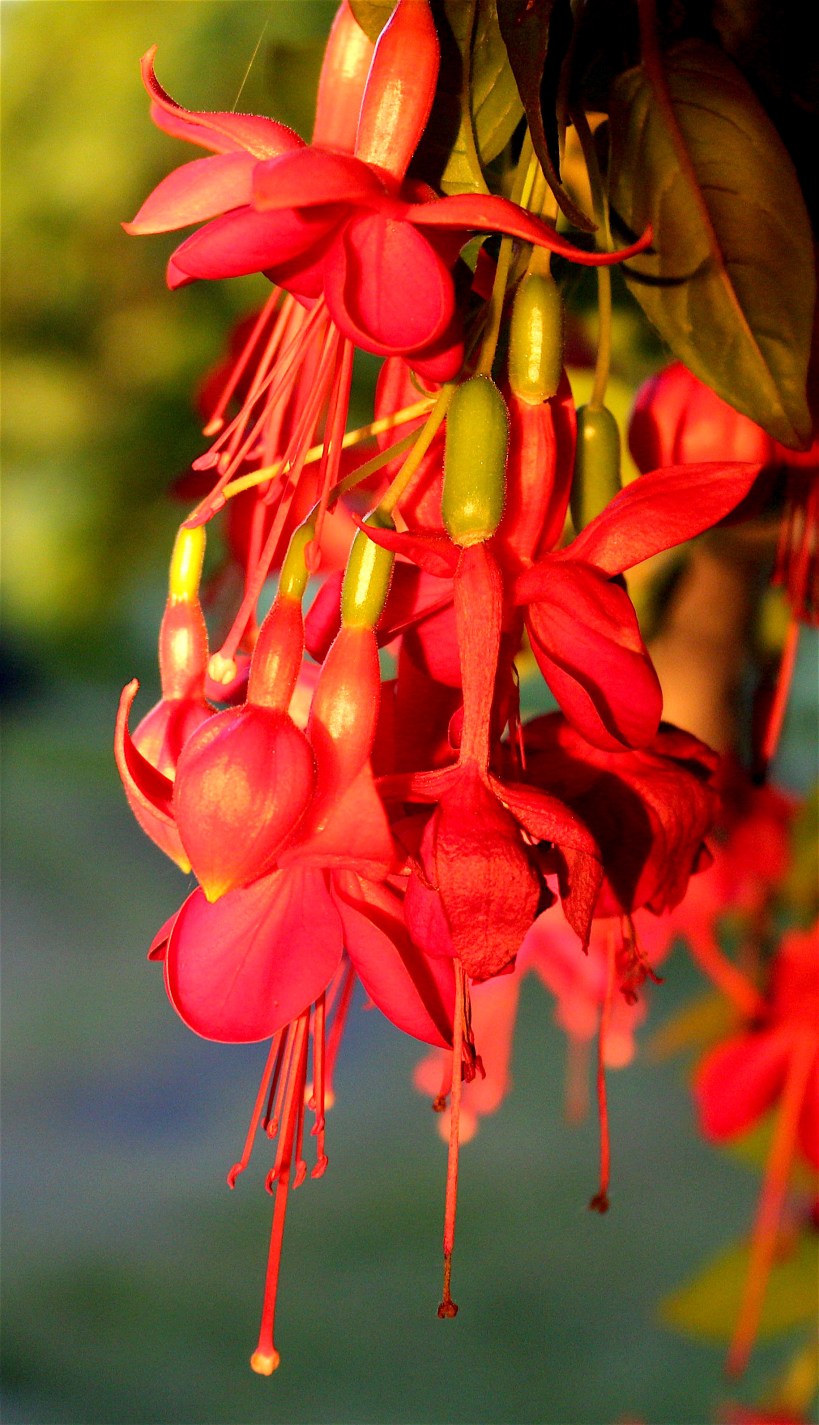
redfuschia

hollyhockred

Happiness Beyond Our Grasp

butterflythistle

July 4 is not only the birthday of our independence as the United States of America.  It is the day we declared to the world:

“We hold these truths to be self-evident, that all men are created equal, that they are endowed by their Creator with certain unalienable Rights, that among these are Life, Liberty and the pursuit of Happiness.”

No one had ever said it out loud before.  Historically there had been many a treatise written and wars won and lost about the right to live, and the right to freedom, but the right to pursue happiness?  Unprecedented– and so typically American.

Declaring it is one thing.  Making it so is quite another matter.  Happiness likes to elude our pursuit.

As the famous American author Nathaniel Hawthorne, born on July 4, wrote:

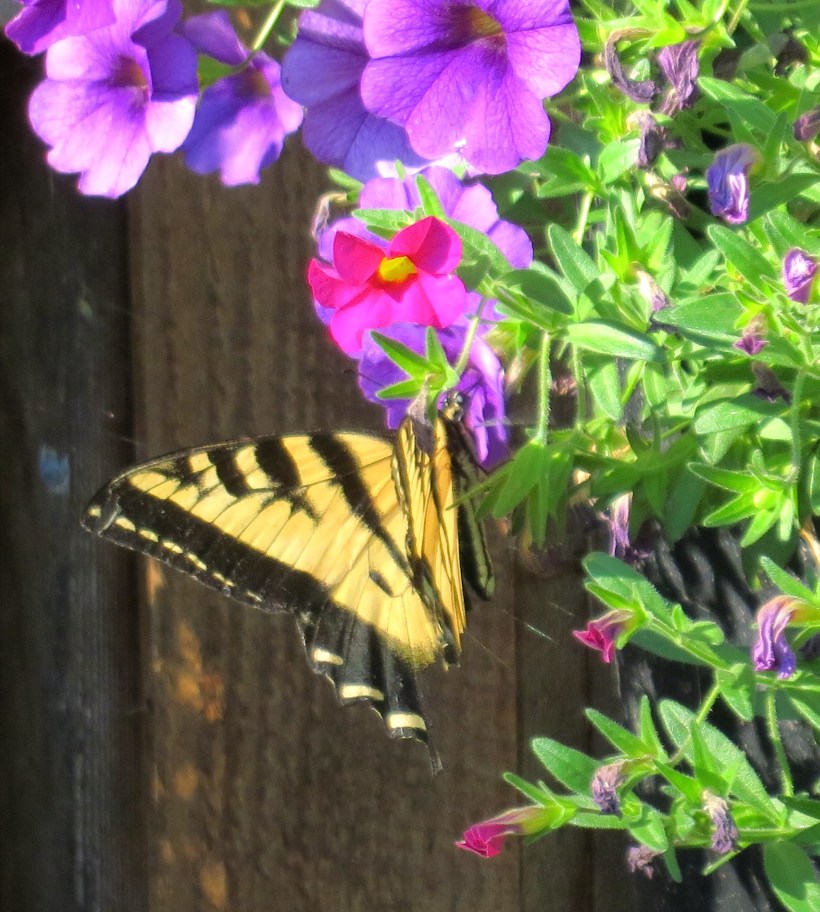
“Happiness is like a butterfly which, when pursued, is always beyond our grasp, but, if you will sit down quietly, may alight upon you.”

Americans pay a steep price in our noisy and pushy pursuit of happiness.  Perhaps it is the larger mortgage for a bigger house, a wider flat screen TV, the latest tech device, unlimited access to 24 hour porn sites, the best recreational substance money can buy, or the tank of gas that will carry us just a little farther down the road in our big trucks, RVs and SUVs.  We try to buy our way to happiness with our charge cards maxed out and find ourselves in a deeper debt pit, putting our life and liberty in serious jeopardy.  Even the government itself, home of the brave and the free, has never been so deep in deficit spending.

Happiness cannot be purchased with plastic, but is bought through individual personal sacrifice, making sure others have what they need before we ourselves rest easy.  It is the selfish pursuit of selflessness.  And that is exactly why it is so elusive because inalienable rights don’t come naturally–they must be fought for and preserved daily.

Much blood has been shed by Americans to guarantee Life and Liberty for others, including citizens of other countries.  If the price paid through the sacrifice of hundreds of thousands of lives has resulted in more happiness, why do we still seem so unsatisfied and miserable?

Perhaps we have it backward, as Hawthorne suggests.  We can’t pursue happiness;  it will find us, like God’s grace,  when we least expect or deserve it.

Happiness certainly won’t be found in the fireworks that will be blown up today, or the food consumed, or the free flowing alcohol. It will be in a quiet moment of realization that we are truly blessed by this incredible place to live and raise our children, and that we need to work harder than ever to make it even better.   We will not be free until we stop allowing our appetites to dictate how we live our lives, but realize true freedom comes when we do what ought to be done to preserve equality, justice and liberty for future generations.

At that moment, in a public, no longer silent, prayer of thanks to the Creator addressed in our Declaration of Independence, can we know the Happiness that pursues us when we live in a forward thinking spirit of gratitude and sacrifice.

Happiness touches us, like a butterfly that lights upon us in our stillness,
in a moment of pure grace.

swallowtail2

Holding Fast By Letting Go

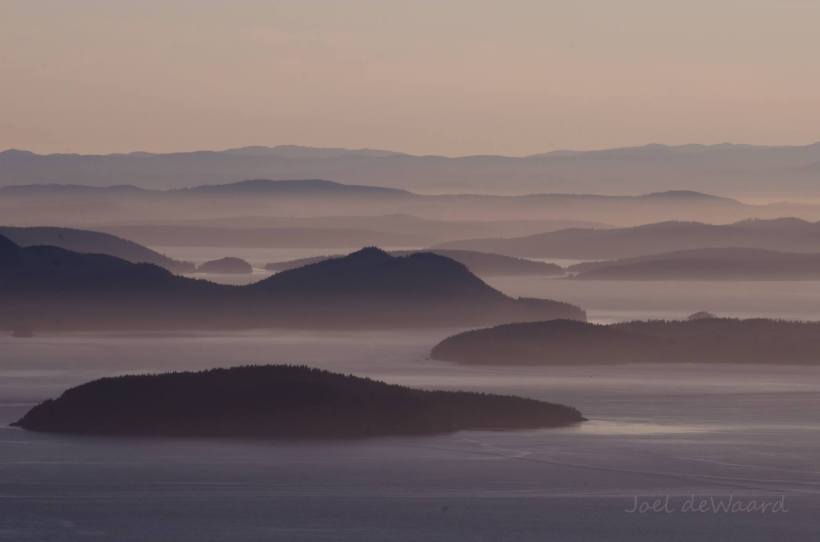
13568908_1331106450251998_5537218373532189485_o
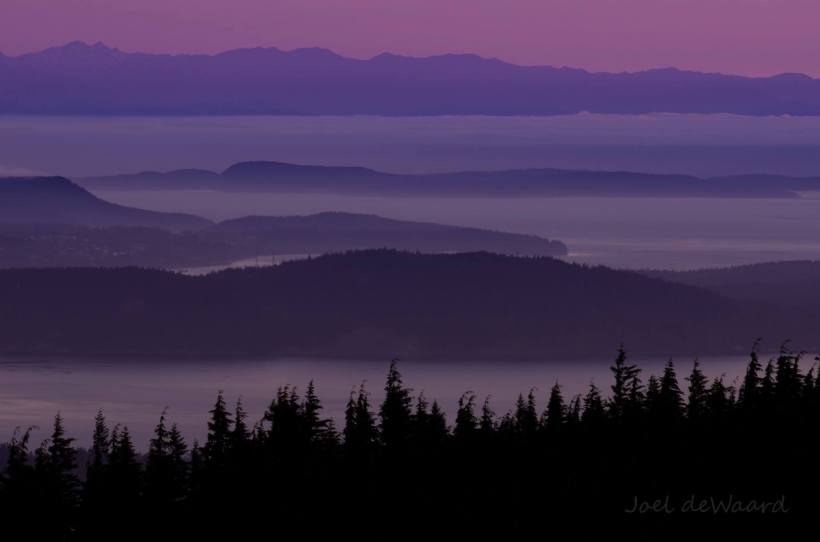
photo of San Juan Islands by Joel DeWaard


We find by losing.
We hold fast by letting go.
We become something new by ceasing to be something old.
This seems to be close to the heart of that mystery.
I know no more now than I ever did about the far side of death as the last letting-go of all,
but I begin to know that I do not need to know and that I do not need to be afraid of not knowing.
God knows.
That is all that matters.
Out of Nothing he creates Something.
Out of the End he creates the Beginning.
Out of selfness we grow, by his grace, toward selflessness,
and out of that final selflessness,
which is the loss of self altogether,
“eye hath not seen nor ear heard, neither have entered into the heart of man”
what new marvels he will bring to pass next.
All’s lost.
All’s found.
And if such words sound childish, so be it.
Out of each old self that dies
some precious essence is preserved for the new self that is born;
and with in the child-self that is part of us all,
there is perhaps nothing more precious than the fathomless capacity to trust.
~Frederick Buechner
– Originally published in A Room Called Remember


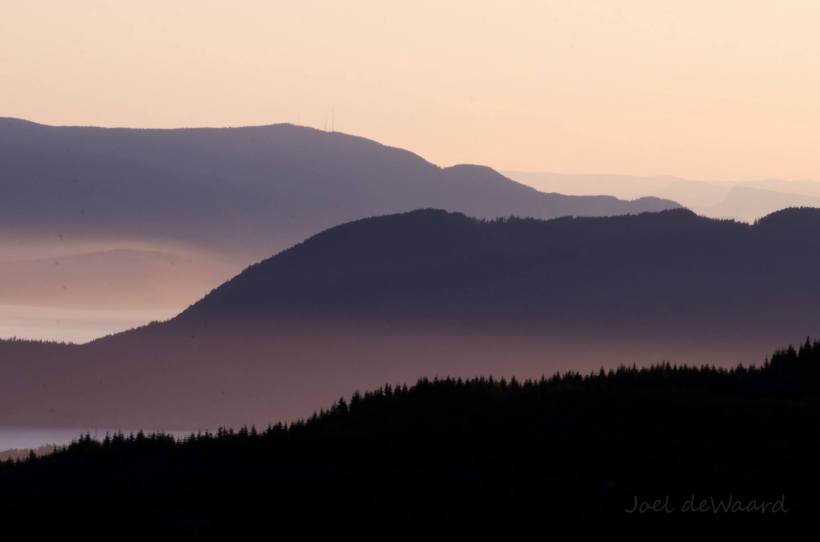
13582040_10209847969305847_7694704282789970999_o
photo of San Juan Islands by Joel DeWaard


With a blue line of mountains north of the wall,
And east of the city a white curve of water,

Here you must leave me and drift away
Like a loosened water-plant hundreds of miles….
I shall think of you in a floating cloud;
So in the sunset think of me.
…We wave our hands to say good-bye,
And my horse is neighing again and again.
~Li Po “A Farewell to a Friend”


13558746_1330353816993928_1992708106779604756_o
photo of San Juan Islands by Joel DeWaard

‘Tis Hay Time

haybarnfull

haywagon

Tis haytime & the red complexioned sun
Was scarcely up ere blackbirds had begun
Along the meadow hedges here & there
To sing loud songs to the sweet smelling air
Where breath of flowers & grass & happy cow
Fling oer ones senses streams of fragrance now
While in some pleasant nook the swain & maid
Lean oer their rakes & loiter in the shade
Or bend a minute oer the bridge & throw
Crumbs in their leisure to the fish below
—Hark at that happy shout—& song between
Tis pleasures birthday in her meadow scene
What joy seems half so rich from pleasure won
As the loud laugh of maidens in the sun.
~John Clare “Hay Making”

farmcrew3

haymaking5

haying2012

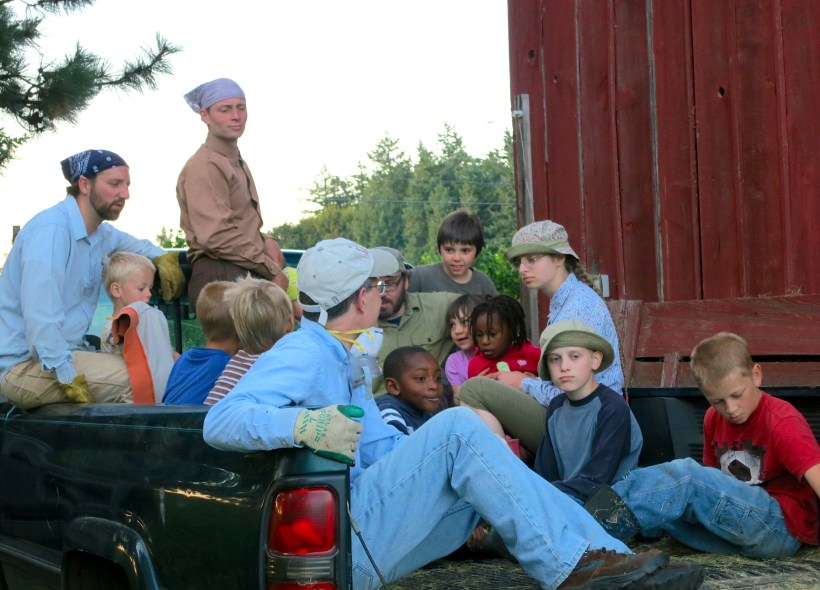
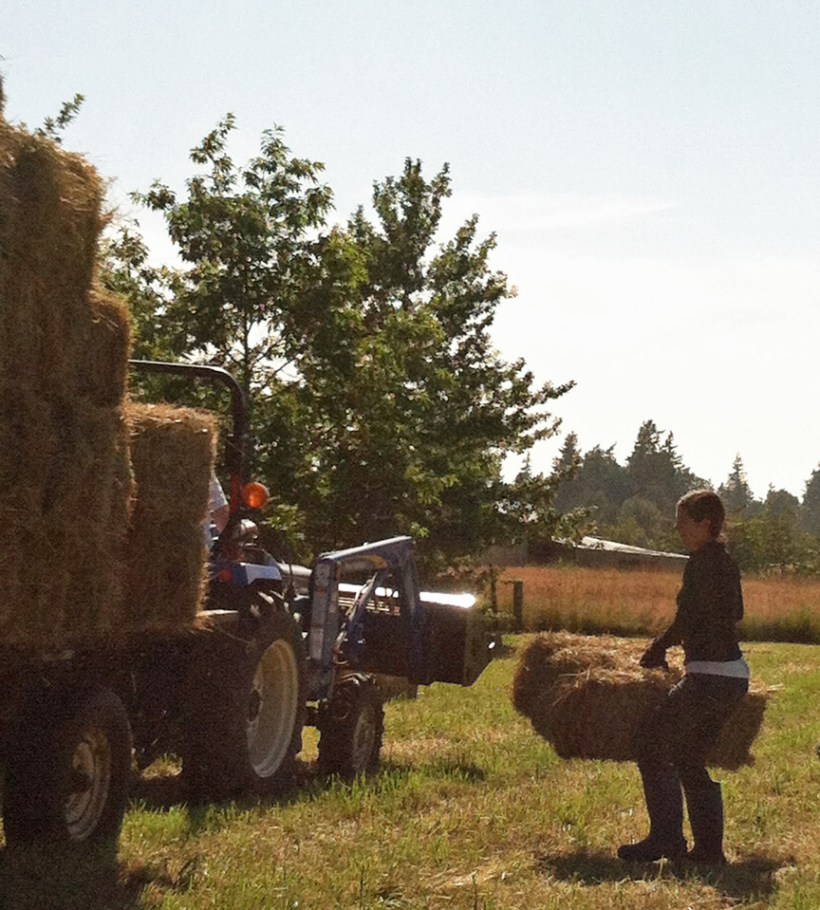
Every hay crew is the same
Though the names change;
Young men flexing their muscles,
A seasoned farmer defying his age
Tossing four bales high,
Determined girls bucking up on the wagon,
Young children rolling bales closer,
Add a school teacher, pastor,
Professor, lawyer and doctor
Getting sweaty and dusty
United in being farmers
If only for an evening.

Stacking
Basket weave
Interlocking
Cut side up
Steadying the load
Riding over hills
Through valleys
In slow motion
Eagles over head
Searching the bare fields
Evening alpen glow
Of snowbound
Eastern peaks

Friends and neighbors
Walking the dotted pastures,
Piling on the wagons,
Driving the truck,
Riding the top of hay stack
In the evening breeze,
Filling empty barn space to the rafters,
Making gallons of lemonade in the kitchen.
A hearty meal consumed
In celebration
Of summer baled, stored, preserved
For another year.

Hay crew
Remembered on
Frosty autumn mornings before dawn
When bales are broken for feed
And fragrant summer spills forth.
In the dead of winter

sunset81115

sunset811153

puffsunset2