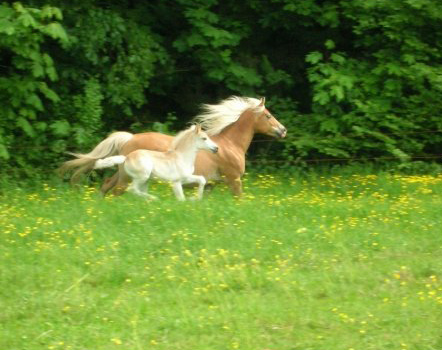
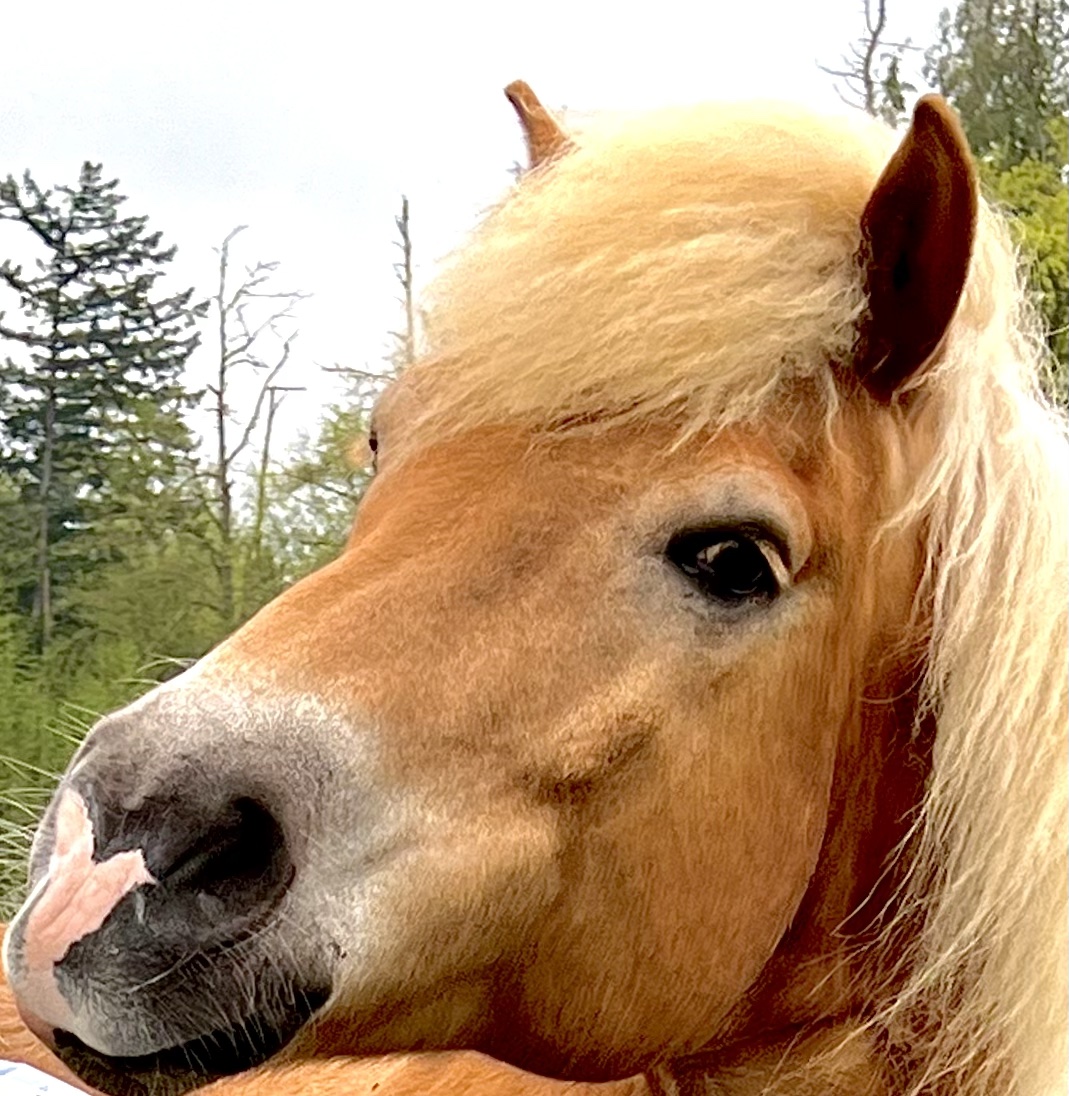
Ears Up

I like the lady horses best,
how they make it all look easy,
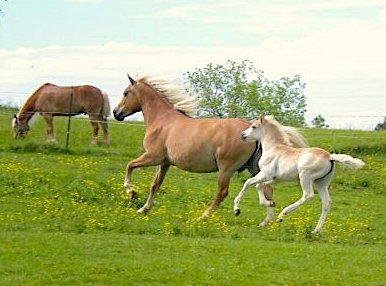
like running 40 miles per hour
is as fun as taking a nap, or grass.
I like their lady horse swagger,
after winning. Ears up, girls, ears up!
But mainly, let’s be honest, I like
that they’re ladies. As if this big
dangerous animal is also a part of me,
that somewhere inside the delicate
skin of my body, there pumps
an 8-pound female horse heart,
giant with power, heavy with blood.
Don’t you want to believe it?
Don’t you want to lift my shirt and see
the huge beating genius machine
that thinks, no, it knows,
it’s going to come in first.

~Ada Limón “How to Triumph Like a Girl”
Primarily from my college training in animal behavior, I have an appreciation for social cues, both human and non-human: those often nonverbal signals that are communicated through subtle means–in people, perhaps it is a raised eyebrow, a rapid blink, a tensing of the lips, a fidgeting foot. 

When I studied captive and wild chimpanzees, they showed very familiar facial expressions and nonverbal communication that could be understood readily by a human primate.

In horses, it can be harder to interpret but their nonverbal language is there for all to see. The herdmates and the human handler, with careful observation and interpretation, should not be surprised about “what is going to happen next.” 

It is no mystery.

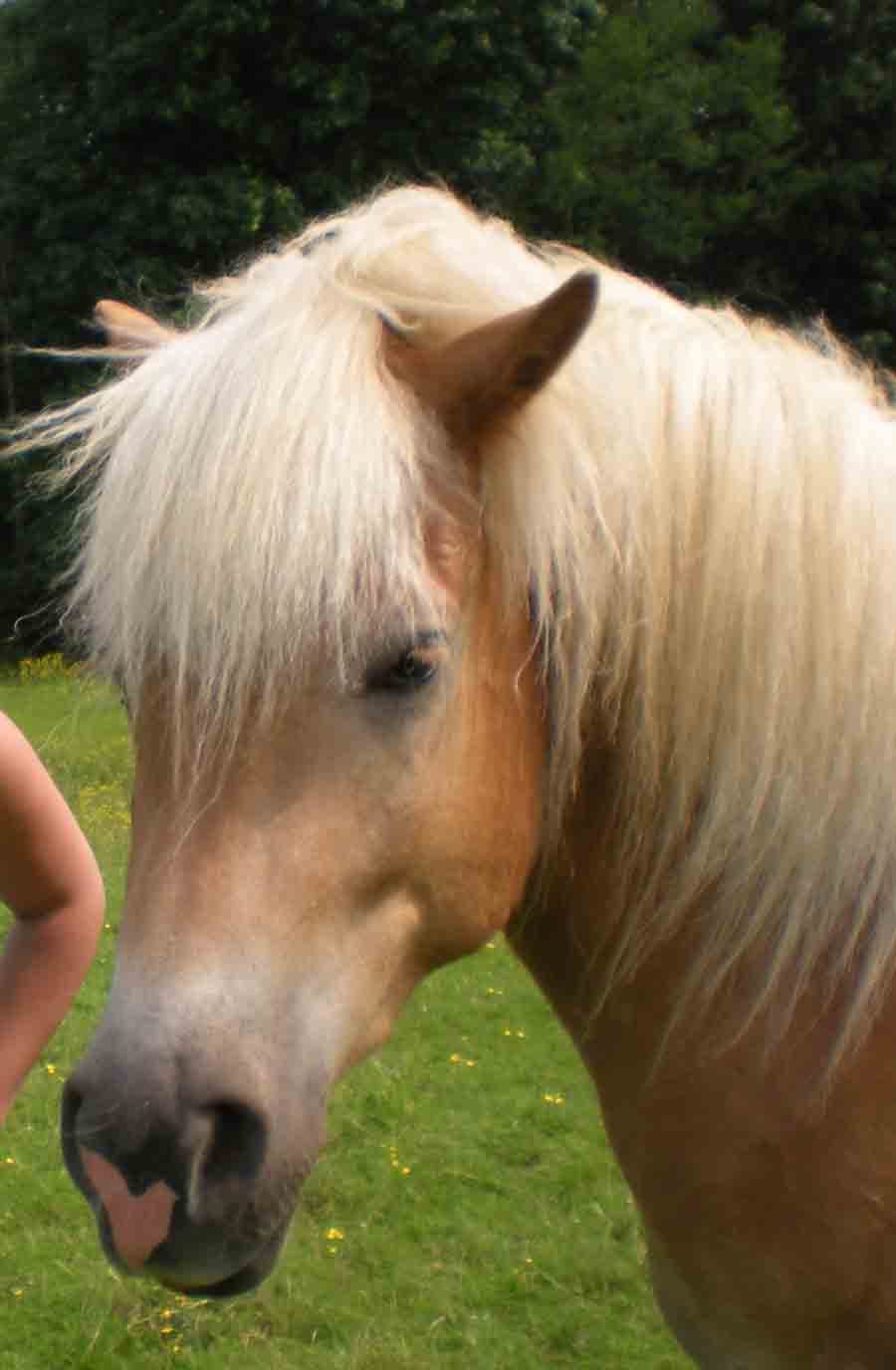
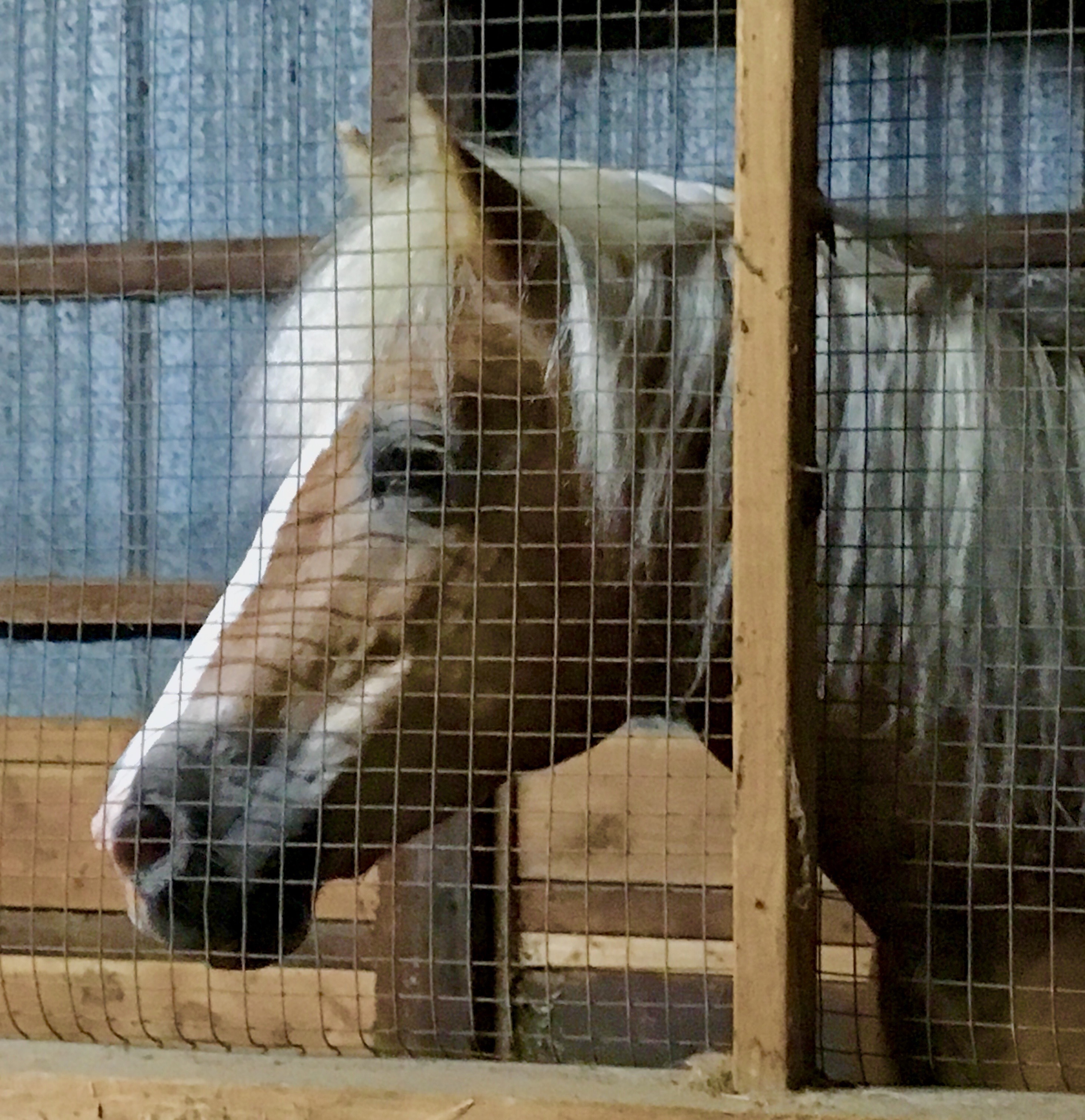
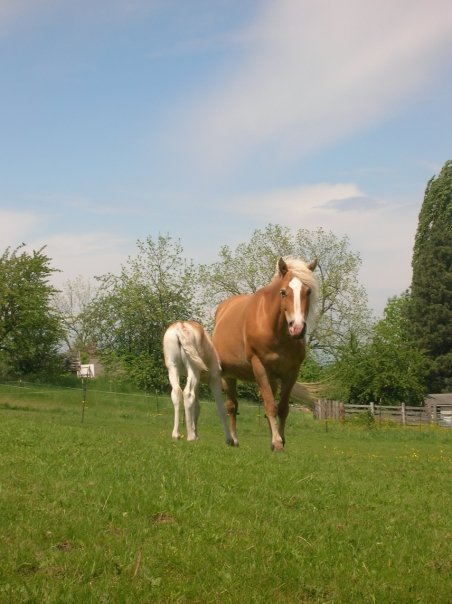
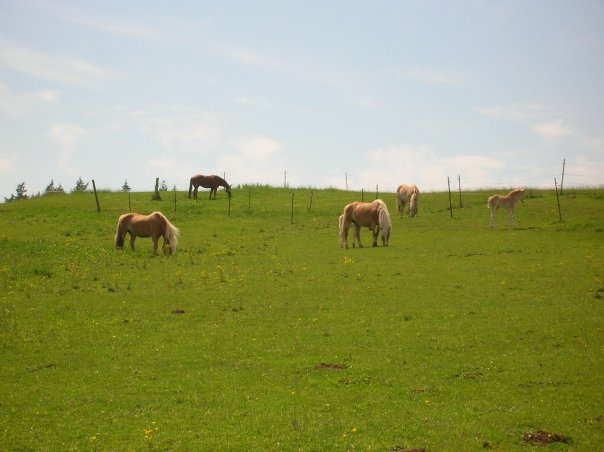
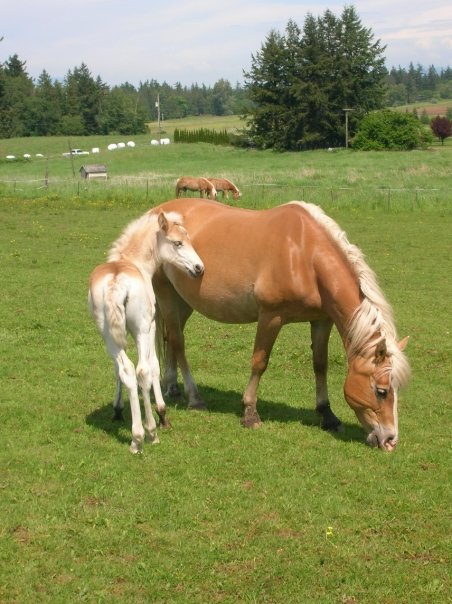
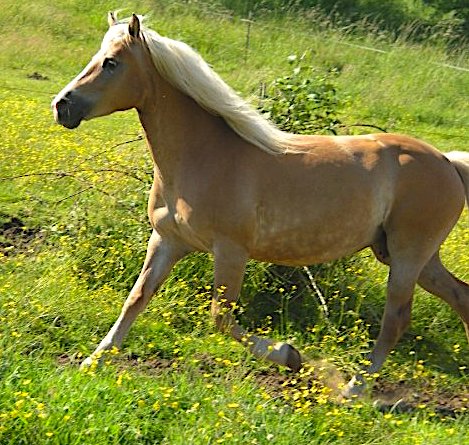
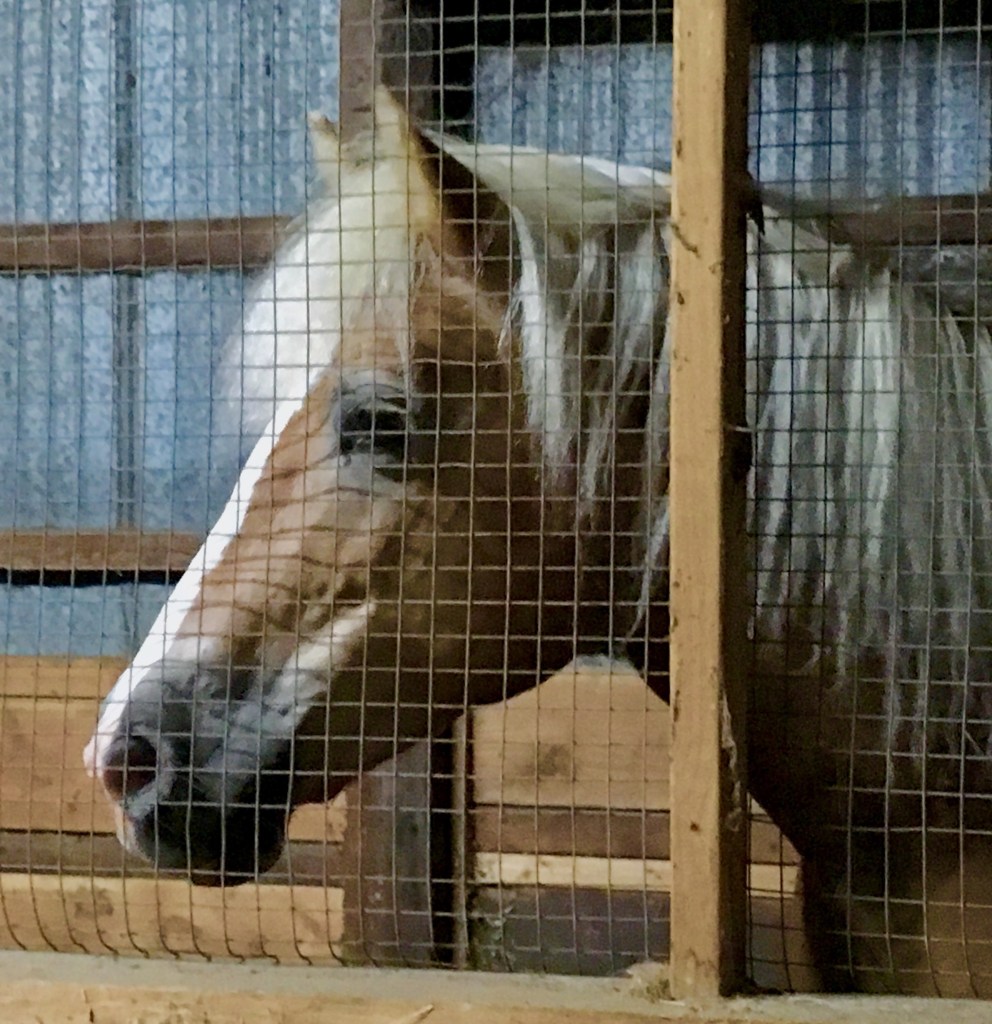
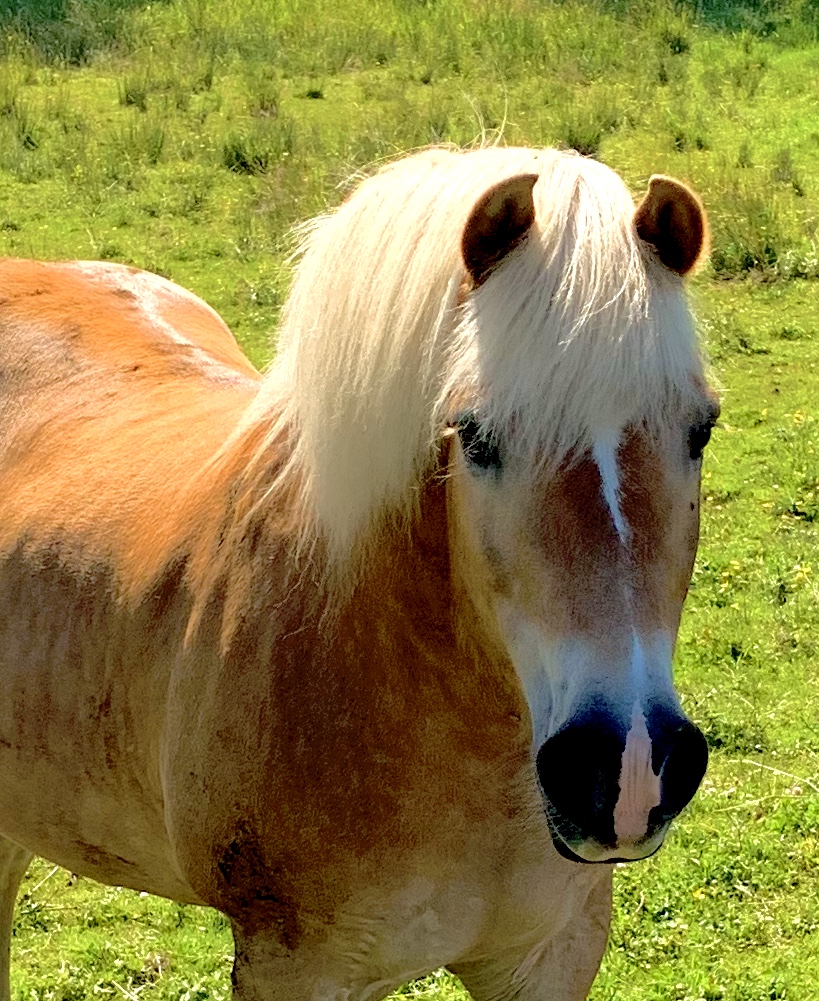
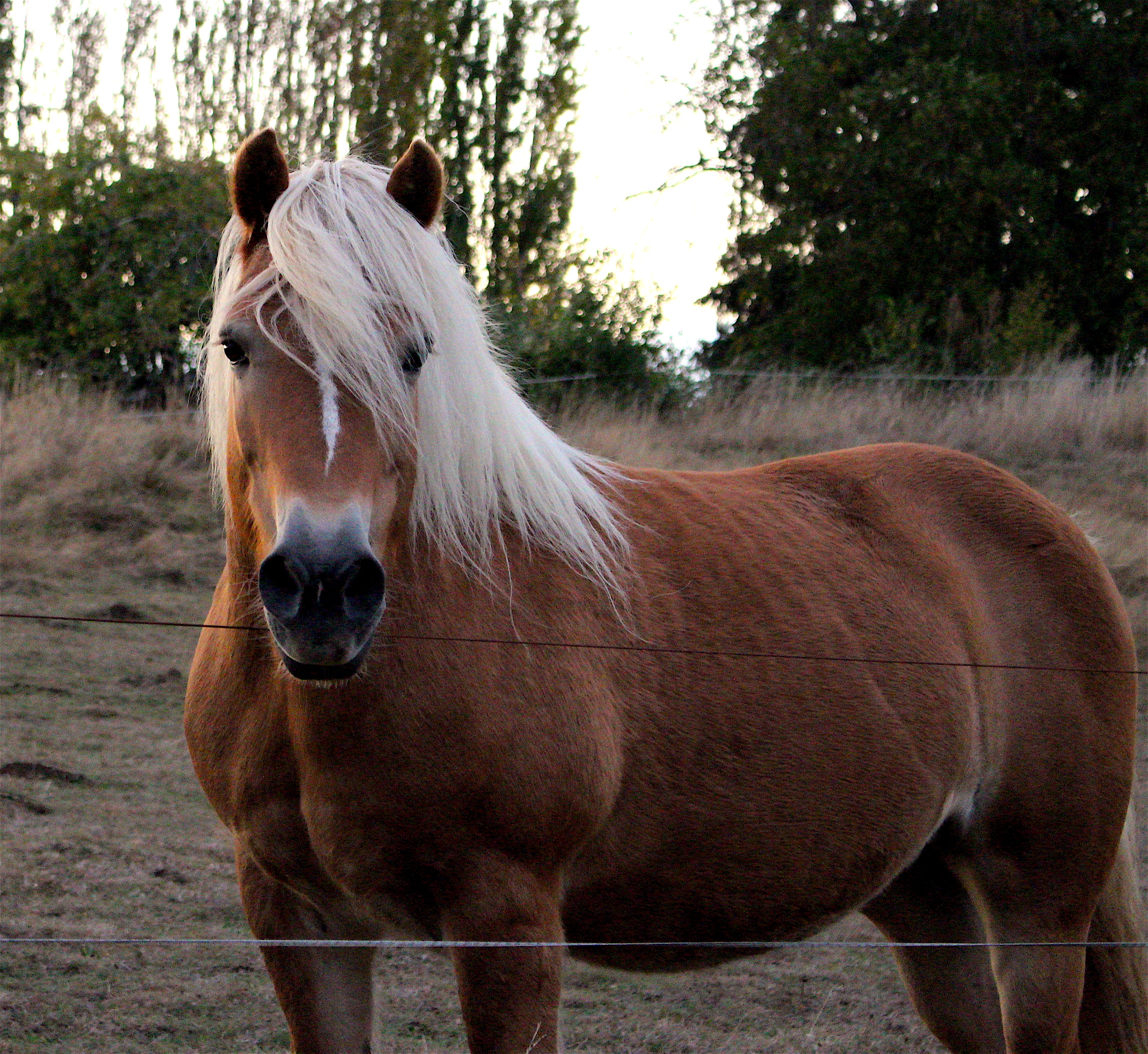
I don’t consider Haflinger horses particularly subtle in their communication with each other or with humans. They can tend to have a “bull in a china shop” approach to life; this is not a breed that evolved particularly plagued with the existence of many predators in the Austrian Alps, so the need to blend into the background was minimal. Haflingers tend to be “out there”: unafraid, bold, meeting one’s gaze, and curious what the human is thinking.

I’ve found over the years that the best way to interpret a Haflinger’s emotions is by watching their ears, and to a lesser extent, their lips and tails. They usually have “poker face” eyes, deceptive at times in their depth, calmness and serenity. I tend to get lost in the beauty of their eyes and not pay attention to what the rest of the horse is saying.

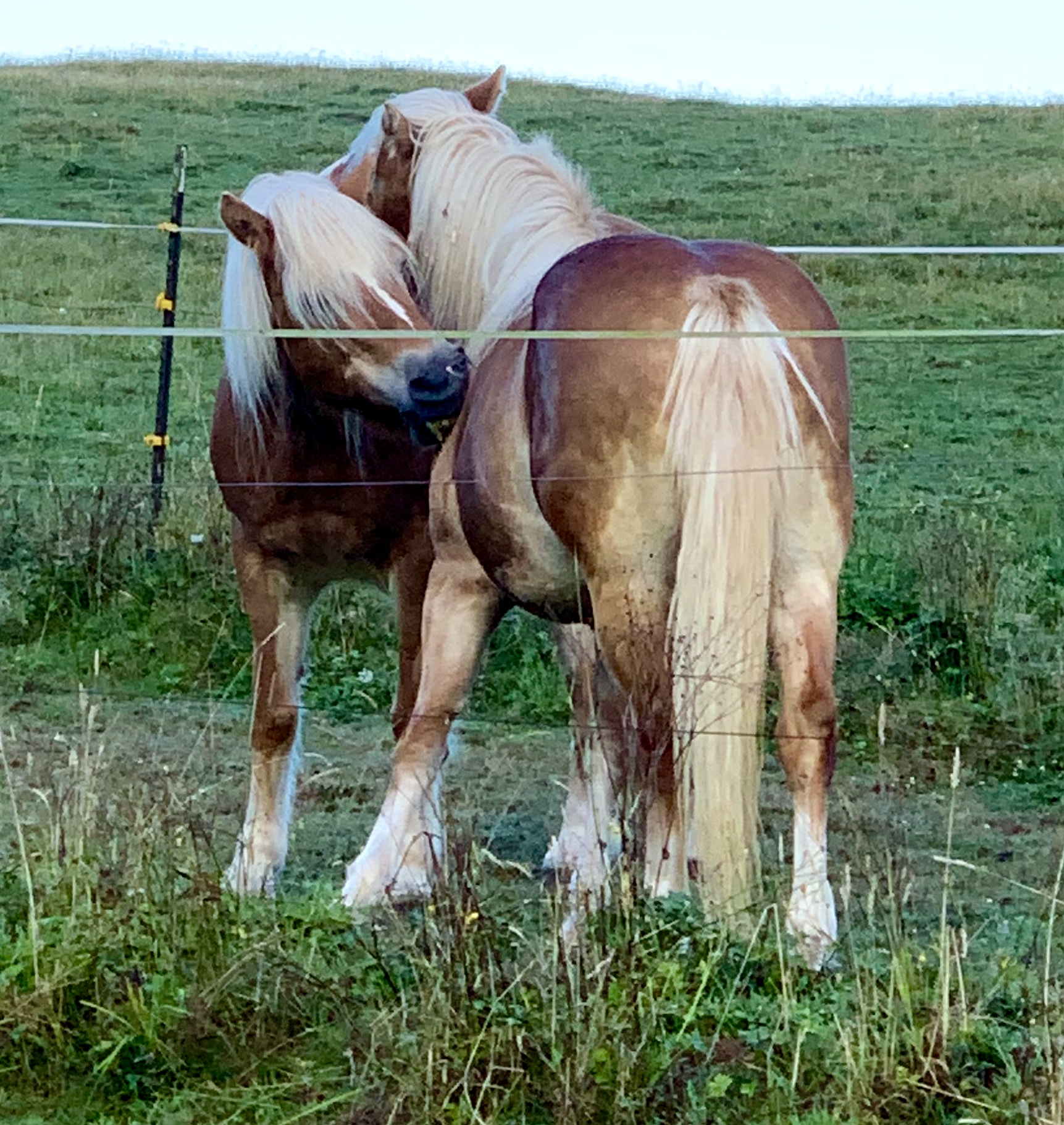
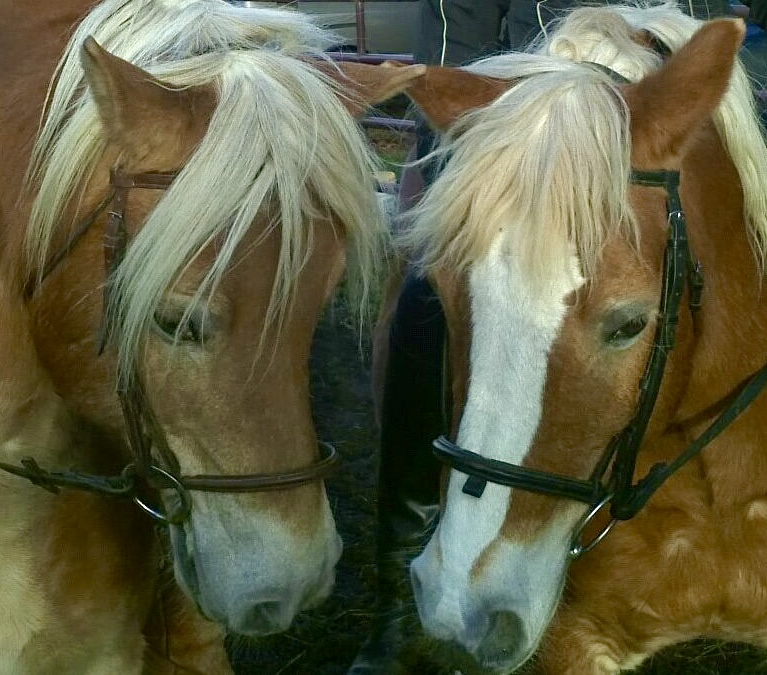
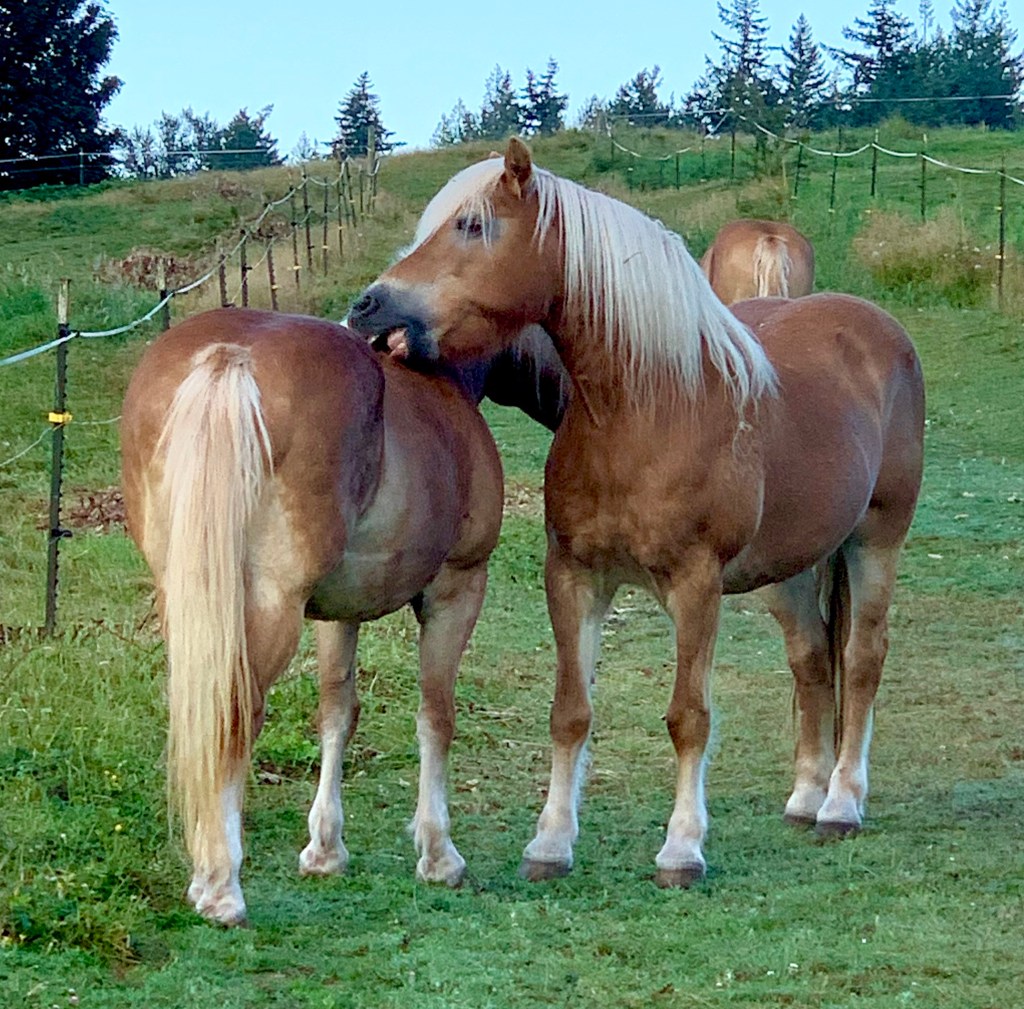
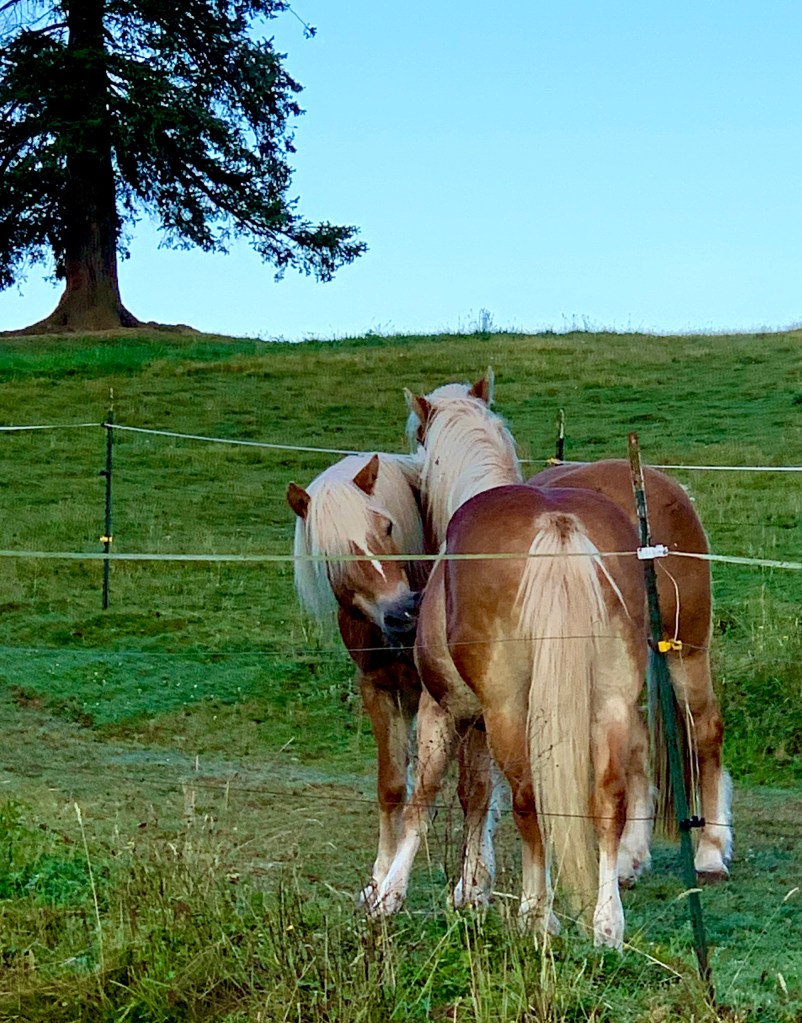
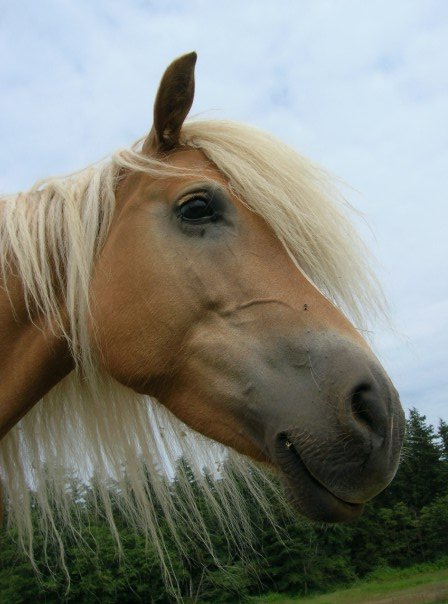
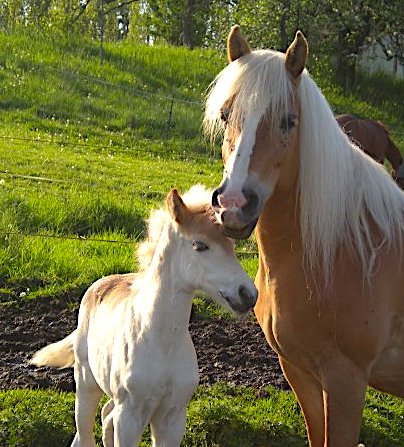
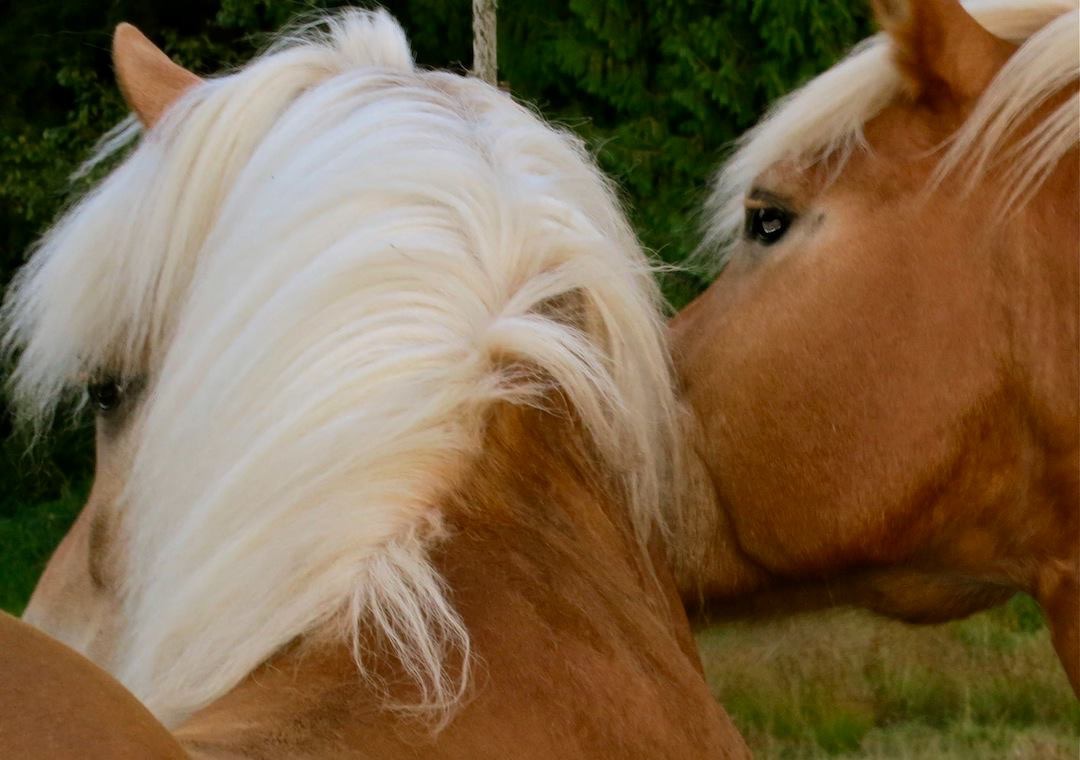
Watching them interact with each other, almost everything is said with their ears. A horse with a friendly approach has ears forward, receptive, eager. If the horse being approached is welcoming, the ears are relaxed. Two good friends grooming or grazing together have swiveling, loose ears, often pointing toward each other, almost like a unique conversation between the four ears themselves. So when a Haflinger is happy to approach, or be approached by humans, the ears always say so.

Ears that are swiveling back, tensing and tight, or pinning are another story altogether. It is the clear signal of “get outta my way!”, or “you are not sharing this pile of hay with me” or “you may think you are a cute colt, but if you climb on me one more time…”

Ears can signal impatience “you are not getting my grain fast enough”, or “I’ve been standing here tied for too long!” A simple change in ear position can cause a group of horses to part like the Red Sea.

I owned a mare who was orphaned at 3 days of age, and spent her early weeks with intensive handling by people, and then allowed to socialize with a patient older gelding until she was old enough to be among other weanlings. When she came to our farm at 6 months of age, she had not learned all the usual equine social cues of a mare herd, and though very astute at reading human gestures and behavior, took awhile to learn appropriate responses. When turned out with the herd, she was completely clueless–she’d approach the dominant alpha mare incorrectly, without proper submission, get herself bitten and kicked and was the bottom of the social heap for years, a lonesome little filly with few friends and very few social skills.

She had never learned submission with people either, and had to have many remedial lessons on her training path. Once she was a mature working mare, her relationship with people markedly improved as there was structure to her work and predictability for her, and after having her own foals, she picked up cues and signals that helped her keep her foal safe, though she has always been one of our most relaxed “do whatever you need to do” mothers when we handle her foals as she simply never learned that she needed to be concerned.

Over the years, as the herd changed, this mare became the alpha mare, largely by default and seniority, so I don’t believe she really trusted her position as “real”. She tended to bully, and react too quickly out of her own insecurity about her inherited position. She was very skilled with her ears but she is also a master at the tail “whip” and the tensed upper lip–no teeth, just a slight wrinkling of the lip. The herd scattered when they see her face change.

The irony of being on top of the herd hierarchy: she was more lonely than when she was at the bottom. She was a whole lot less happy as she had few grooming partners any more. She craved power more than friends.

I certainly see people like this at times in the world. Some are not at all attuned to social cues, blundering their way into situations without understanding the consequences and “blurting without thinking”. It takes lots of kicks and bites for them to learn how to read other people and behave appropriately. Sometimes they turn to bullying because it is communication that everyone understands and responds to, primarily by “getting out of their way”. Perhaps they are very lonely, insecure, and need friends but their need for power overcomes their need for support.

We see this too frequently in people in our news headlines.

I continue to “watch the ears”–both Haflinger and human. And I continue to refine my own way of communicating so that I’m not a mystery to those around me. Hopefully no one scatters when they see me coming…
One-Time
Monthly
Yearly

Make a one-time or recurring donation to support daily Barnstorming posts

Make a monthly donation

Make a yearly donation

Choose an amount

$10.00
$25.00
$50.00
$5.00
$15.00
$100.00
$5.00
$15.00
$100.00

Or enter a custom amount

$

Your contribution is deeply appreciated.

Your contribution is appreciated.

Your contribution is appreciated.

DonateDonate monthlyDonate yearly

Dawn on our Darkness: An Abrupt Calling

Years ago in the Hebrides,
I remember an old man
who walked every morning
on the grey stones
to the shore of baying seals,
who would press his hat
to his chest in the blustering
salt wind and say his prayer
to the turbulent Jesus
hidden in the water,

and I think of the story
of the storm and everyone
waking and seeing
the distant
yet familiar figure
far across the water
calling to them

and how we are all
preparing for that
abrupt waking,
and that calling,
and that moment
we have to say yes,
except it will
not come so grandly
so Biblically
but more subtly
and intimately in the face
of the one you know
you have to love

so that when
we finally step out of the boat
toward them, we find
everything holds
us, and everything confirms
our courage, and if you wanted
to drown you could,
but you don’t
because finally
after all this struggle
and all these years
you simply don’t want to
any more
you’ve simply had enough
of drowning
and you want to live and you
want to love and you will
walk across any territory
and any darkness
however fluid and however
dangerous to take the
one hand you know
belongs in yours.

~David Whyte from “TrueLove” in The Sea in You

When the mystery of God’s love breaks through into my consciousness, do I run from it? Or am I virgin enough to respond from my deepest, truest self, and say a “yes” that will change me forever?
~Kathleen Norris from Amazing Grace – A Vocabulary of Faith

Again and again, we are called to do something that takes all our courage – we feel we will sink and drown, perishing in our humiliation, our weakness, our sheer lack of faith in what we are able to accomplish.

Eventually, we tire of the fear of drowning so we just say yes to the invitation to do this hard thing and we take the hand that guides us home.

He calls on us to trust He’ll reach out and hold us up when our faith, and our feet, waver and stumble.

We are not left to drown.

This year’s Advent theme “Dawn on our Darkness” is taken from this 19th century Christmas hymn:

Brightest and best of the sons of the morning,
dawn on our darkness and lend us your aid.
Star of the east, the horizon adorning,
guide where our infant Redeemer is laid.
~Reginald Heber -from “Brightest and Best”

One-Time
Monthly
Yearly

Make a one-time or recurring donation to support daily Barnstorming posts

Make a monthly donation

Make a yearly donation

Choose an amount

¤10.00
¤20.00
¤50.00
¤5.00
¤15.00
¤100.00
¤5.00
¤15.00
¤100.00

Or enter a custom amount

¤

Your contribution is deeply appreciated.

Your contribution is appreciated.

Your contribution is appreciated.

DonateDonate monthlyDonate yearly

Being in the Driver’s Seat

I heard an old man speak once,
someone who had been sober for fifty years,
a very prominent doctor.
He said that he’d finally figured out a few years ago
that his profound sense of control,
in the world and over his life,
is another addiction and a total illusion.
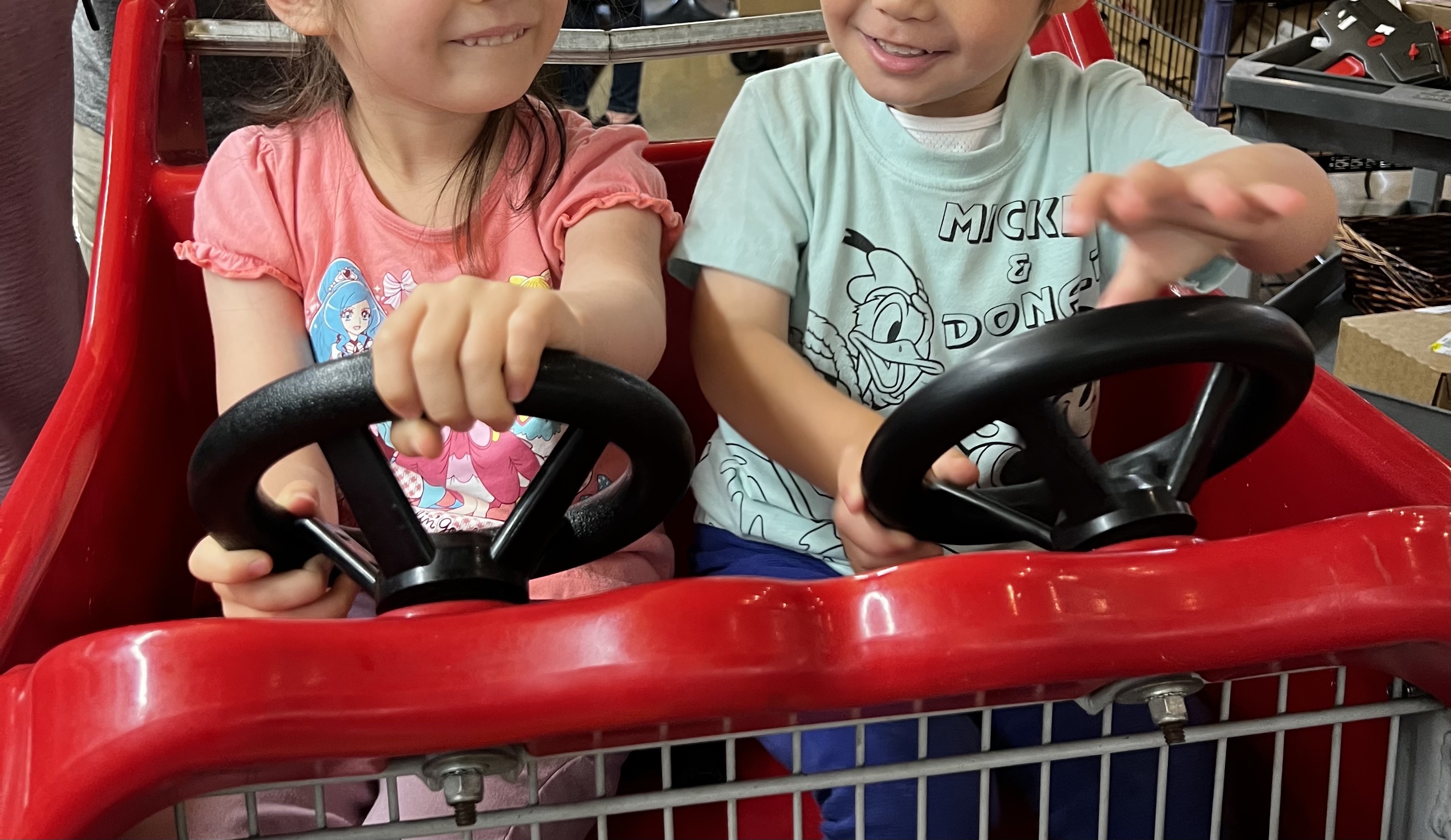
He said that when he sees little kids sitting in the back seat of cars,
in those car seats that have steering wheels,
with grim expressions of concentration on their faces,
clearly convinced that their efforts are causing the car
to do whatever it is doing,
he thinks of himself
and his relationship with God:
God who drives along silently,
gently amused,
in the real driver’s seat.

~Anne Lamott from Operating Instructions

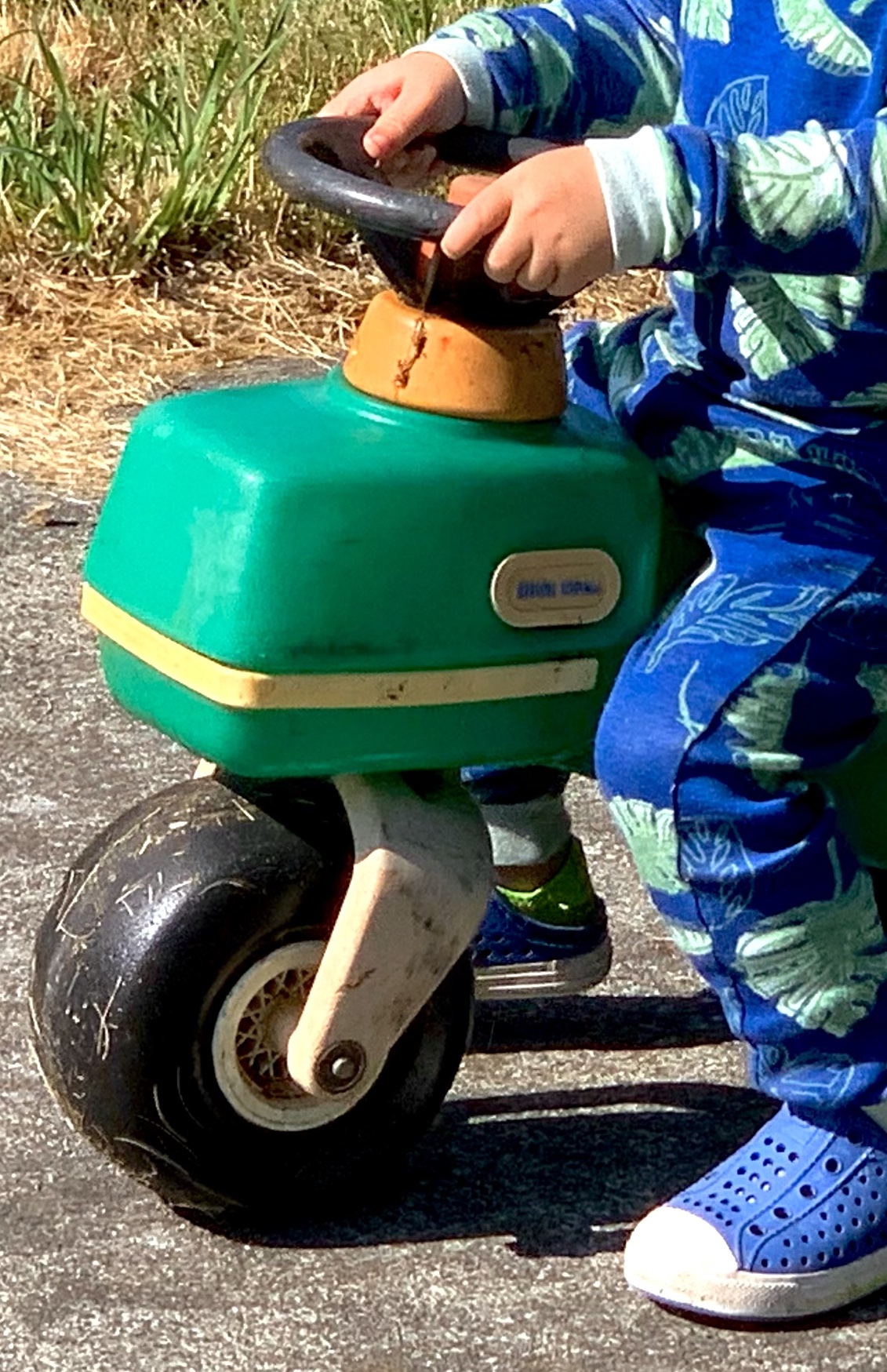
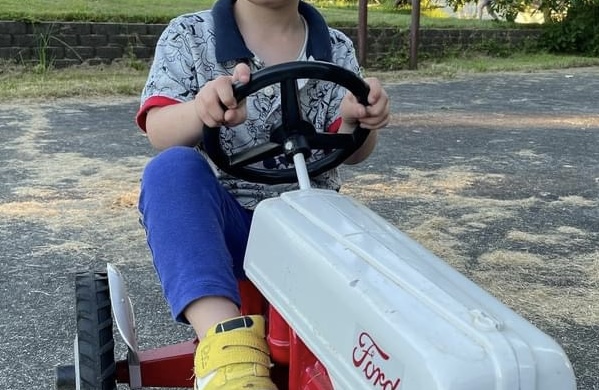
We want to steer life in the way we want it to go:
our plans, our timing, our chosen destination,
our hopes and dreams matter first and foremost.

And then life happens and suddenly the road ceases to look familiar and we don’t seem to be going the direction we intended.

Who is doing the driving anyway?

We are under the illusion that we are in control:

Sadness and hopelessness, frustration and anger stem from discouragement over our lack of control over where we are headed. We feel there is no turning back, unable to see the road signs to another path to a different future.

There is an epidemic of hopelessness and helplessness especially among children and young adults – their path is murky, their debts too great, their reserves too limited, their foundations too shaky, their hope nonexistent, their future too dim.

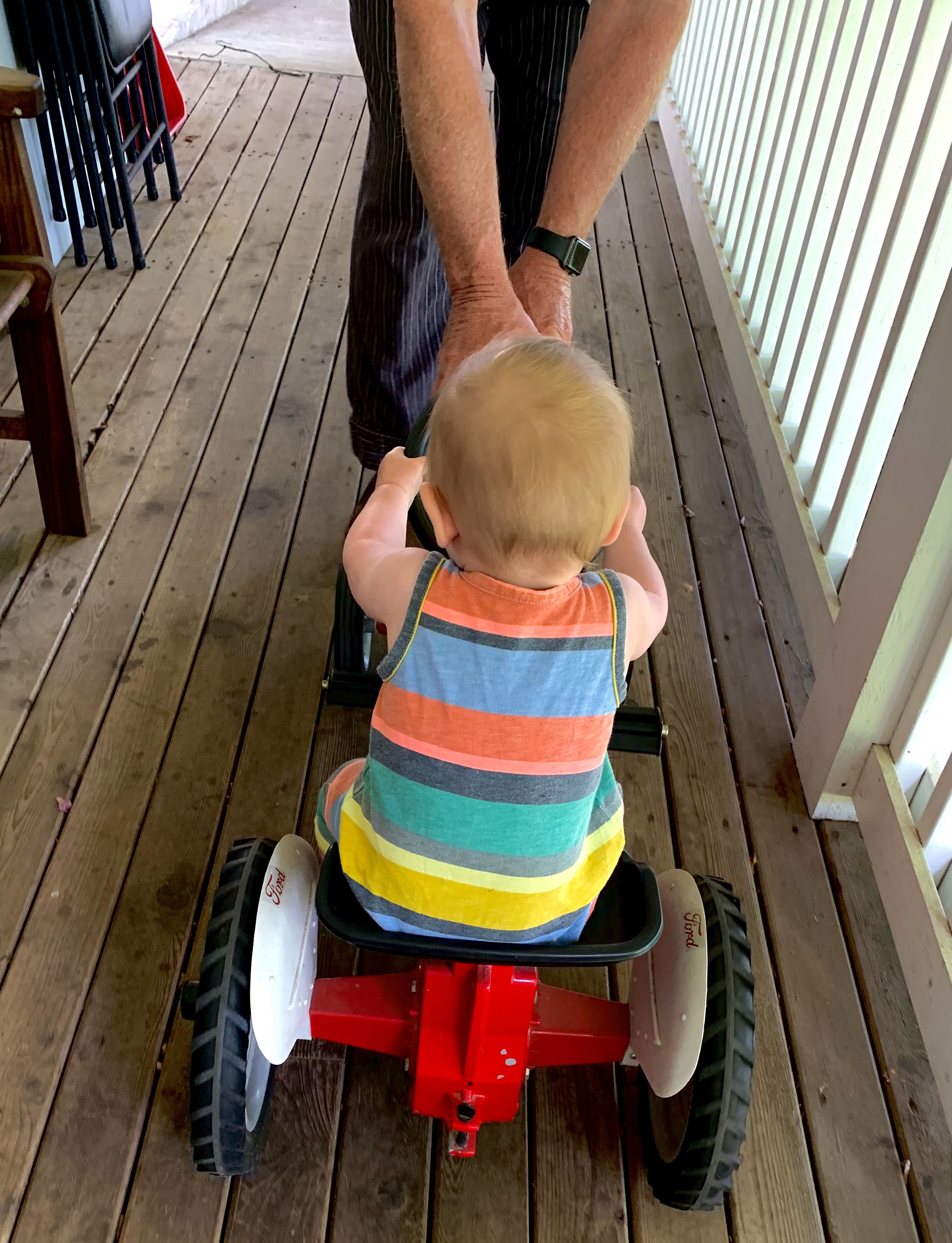
Relinquishing control by giving up the driver’s seat is not in our nature. We want to be seen as competent and feel as though we are prepared to be the captain of our fate.

Instead we need to give up our carefully planned-out life to the God who created us and has it all planned for us.

We turn over the steering wheel saying: may it be to me as you say.

May it be.
Your plans, Your purpose, Your promise.
Let it be.

Even if it may pierce my soul as with a sword:
You are there to plug the bleeding hole.

And I will follow wherever you steer me.

One-Time
Monthly
Yearly

Make a one-time or recurring donation to support daily Barnstorming posts

Make a monthly donation

Make a yearly donation

Choose an amount

¤10.00
¤20.00
¤50.00
¤5.00
¤15.00
¤100.00
¤5.00
¤15.00
¤100.00

Or enter a custom amount

¤

Your contribution is deeply appreciated.

Your contribution is appreciated.

Your contribution is appreciated.

DonateDonate monthlyDonate yearly

Madly in Love

How is it they live for eons in such harmony
– the billions of stars –
when most men can barely go a minute
without declaring war in their mind

against someone they know.

There are wars where no one marches with a flag,

though that does not keep casualties from mounting.

Our hearts irrigate this earth. 
We are fields before each other.
How can we live in harmony?


First we need to know 

we are all madly in love
with the same God.

O Lord my God, make me
submissive without protest,

poor without discouragement,
chaste without regret,
patient without complaint,
humble without posturing,
cheerful without frivolity,
mature without gloom,
and quick-witted without flippancy.


Grant that I may know
what You require me to do.
Bestow upon me
the power to accomplish Your will,
as is necessary and fitting
for the salvation of my soul.

~St. Thomas Aquinas

I look at headline news through my fingers, cringing.  

Amid the centuries of posturing between governments and every imaginable tribe and faction, the names and faces change but the nature of hatred of the “other” doesn’t.

We’ve seen this all before, over and over through history.  Over 150 years ago it was in the Gettysburg fields that blood of rival armies intermingled and irrigated U.S. soil.  Though now we stand side by side with Germany and Japan, our bitter adversaries a mere eighty years ago, our world continually brews new enemies and ignites new conflicts.

We can barely go a minute without declaring war in our minds even against our neighbor, even those we consider friends and family. There is yelling from the streets in angry protest and screaming at school board meetings. Casualties mount in our bitterness toward one another.

And who am I to point fingers or squint through them at the news of the day?
I am as prone to this as anyone.

Am I myself capable of submission without protest, remaining patient and uncomplaining even when I disagree? Can I embody humility without having a hidden agenda? Can I remain selfless when my true nature is wholly selfish?

How can there ever be harmony? 
How can I overcome my own rancorous heart?

As critical as it seems, It is not love for one another that comes first.
I must first know, love and trust the only God who has loved the unloveable so much He became one with us, overpowering our tendency to hate one another by taking it all upon Himself.

Jesus found us dying in a world desperately drying up; His bleeding heart poured itself out onto our thirsting soil. We have been handed salvation.

It is, in fact, God who is madly in love with us and though we’ve done nothing to deserve it, it is our turn to show love to one another.

A book from Barnstorming is available for order here:

My Rough Edges

What does it feel like to be alive?
Living, you stand under a waterfall…
It is time pounding at you, time.
Knowing you are alive is watching on every side
your generation’s short time falling away
as fast as rivers drop through air,
and feeling it hit.

I had hopes for my rough edges.
I wanted to use them as a can opener,
to cut myself a hole in the world’s surface, and exit through it.

~Annie Dillard from An American Childhood

I saw a mom take her raincoat off
and give it to her young daughter when
a storm took over the afternoon. My god,
I thought, my whole life I’ve been under her
raincoat thinking it was somehow a marvel
that I never got wet.

~Ada Limón from “The Raincoat”

Mothering is like standing under a waterfall, barely able to breathe, barraged by the firehose of birthing and raising children – so much so fast.  Ideally, nothing rough remains after child rearing — all becomes soft and cushiony, designed to gather in, hold tight, and then reluctantly and necessarily, let go.

All the while a mother does whatever she must to protect her children from also getting soaked in the barrage, knowing one day they will also feel overwhelmed in the storms of life.

Now that my children have grown and flown, I’m well aware my rough edges still can surface, like Godzilla from the primordial swamp, unbidden and unwarranted, ready to cut a hole in the world.  I wish my sharpness gone, smoothed to a fine sheen and finish, sanded down by the relentless flow of the waters of time.

Now from afar, my children polish me even as I try to throw my raincoat over them virtually to keep them from getting wet in inevitable downpours. My reach will never be far enough.

Time pounds away both at me and them. I can feel it ruffing and buffing me every single moment, every drop its own mixed blessing, every drop unique, never to come again.

Waiting in Wilderness: A Time of Treading Life

This is the wilderness time,
when every path is obscure
and thorns have grown around the words of hope.

This is the time of stone, not bread,
when even the sunrise feels uncertain
and everything tastes of bitterness.

This is the time of ashes and dust,
when darkness clothes our dreams
and no star shines a guiding light.

This is the time of treading life,
waiting for the swells to subside and for the chaos to clear.

Be the wings of our strength, O God,
in this time of wilderness waiting.
– Keri Wehlander from “600 Blessings and Prayers from around the world” compiled by Geoffrey Duncan

He will cover you with his feathers,
    and under his wings you will find refuge;
    his faithfulness will be your shield and rampart.
Psalm 91:4

To be commanded to love God at all, let alone in the wilderness,
is like being commanded to be well when we are sick,
to sing for joy when we are dying of thirst,
to run when our legs are broken.
But this is the first and great commandment nonetheless.
Even in the wilderness- especially in the wilderness – you shall love him.   
~Frederick Buechner from A Room Called Remember:Uncollected Pieces

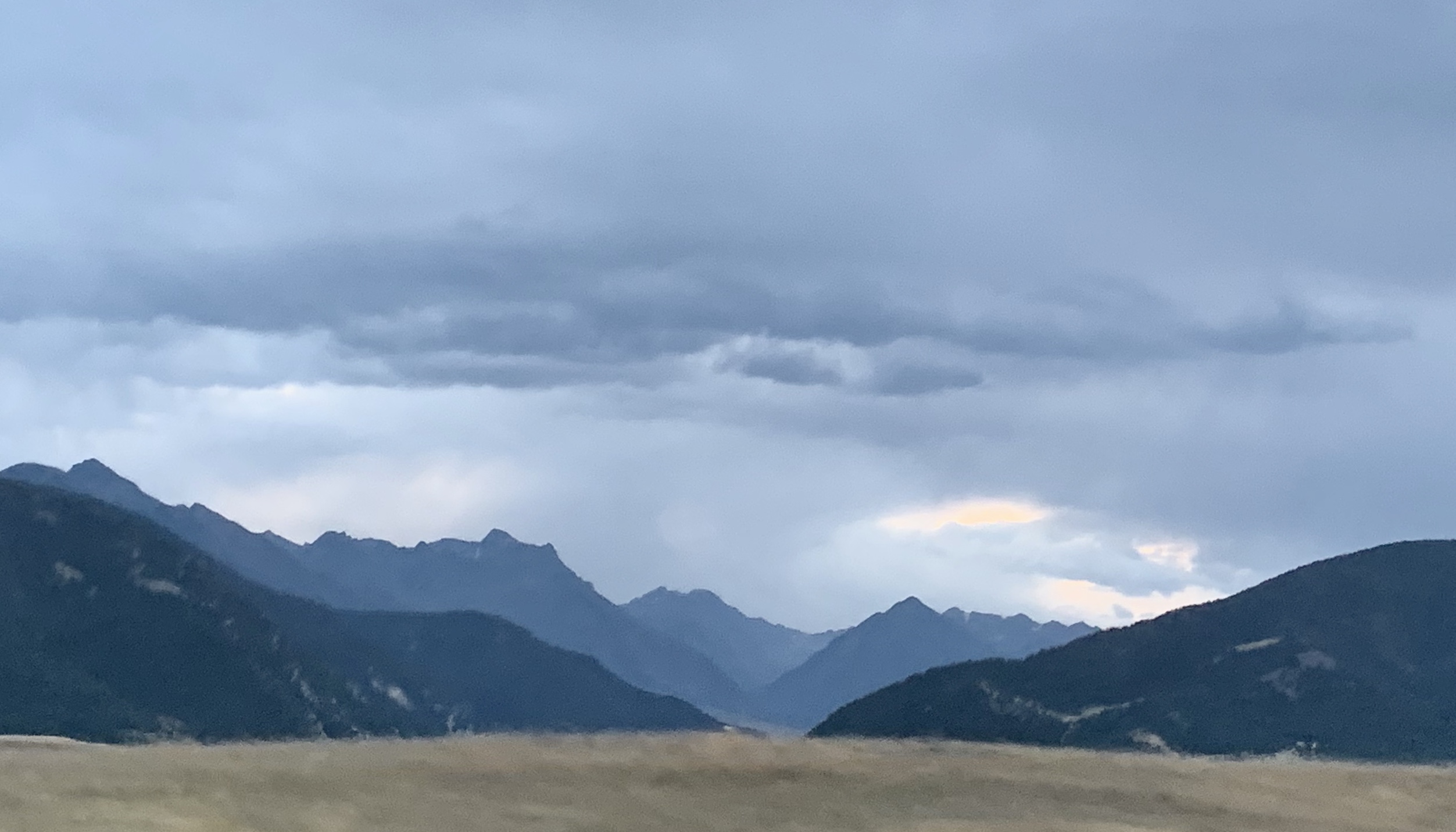
I usually think of wilderness as a distant peak far removed from anything or anyone.  From my farmhouse window on a clear day, I can see a number of distant peaks if the cloud cover moves away to reveal them.

Or perhaps the wilderness is a desolate plain that extends for miles without relief in sight.

Wilderness is also found in an isolated corner of my human heart. I keep it far removed from anything and anyone. During my televisit computer work,  I witness this wilderness in others, many times every day.

A diagnosis of “wilderness of the heart” doesn’t require a psychiatric manual: 
there is despair, discouragement, disappointment, lack of gratitude, lack of hope. 
One possible treatment to tame that wilderness is a covenantal obedience to God and others. It reaches so deep no corner is left untouched.

There come times in one’s life, and this past year especially, when loving God as commanded seems impossible. We are too broken, too frightened, too ill and too wary to trust God with faith and devotion.  We are treading life simply to stay afloat.

During this second Lenten pandemic, God’s love becomes respite and rescue from the wilderness of my own making. He is the sweet cure for a bitter and broken heart.

Turning Darkness Into Light: He Holds On to Us

The angel said there would be no end
to his kingdom. So for three hundred days
I carried rivers and cedars and mountains.
Stars spilled in my belly when he turned.
Now I can’t stop touching his hands,
the pink pebbles of his knuckles,

the soft wrinkle of flesh
between his forefinger and thumb.
I rub his fingernails as we drift
in and out of sleep. They are small
and smooth, like almond petals.

Forever, I will need nothing but these.

But all night, the visitors crowd
around us. I press his palms to my lips
in silence. They look down in anticipation,
as if they expect him to suddenly
spill coins from his hands
or raise a gold scepter
and turn swine into angels.

Isn’t this wonder enough
that yesterday he was inside me,
and now he nuzzles next to my heart?

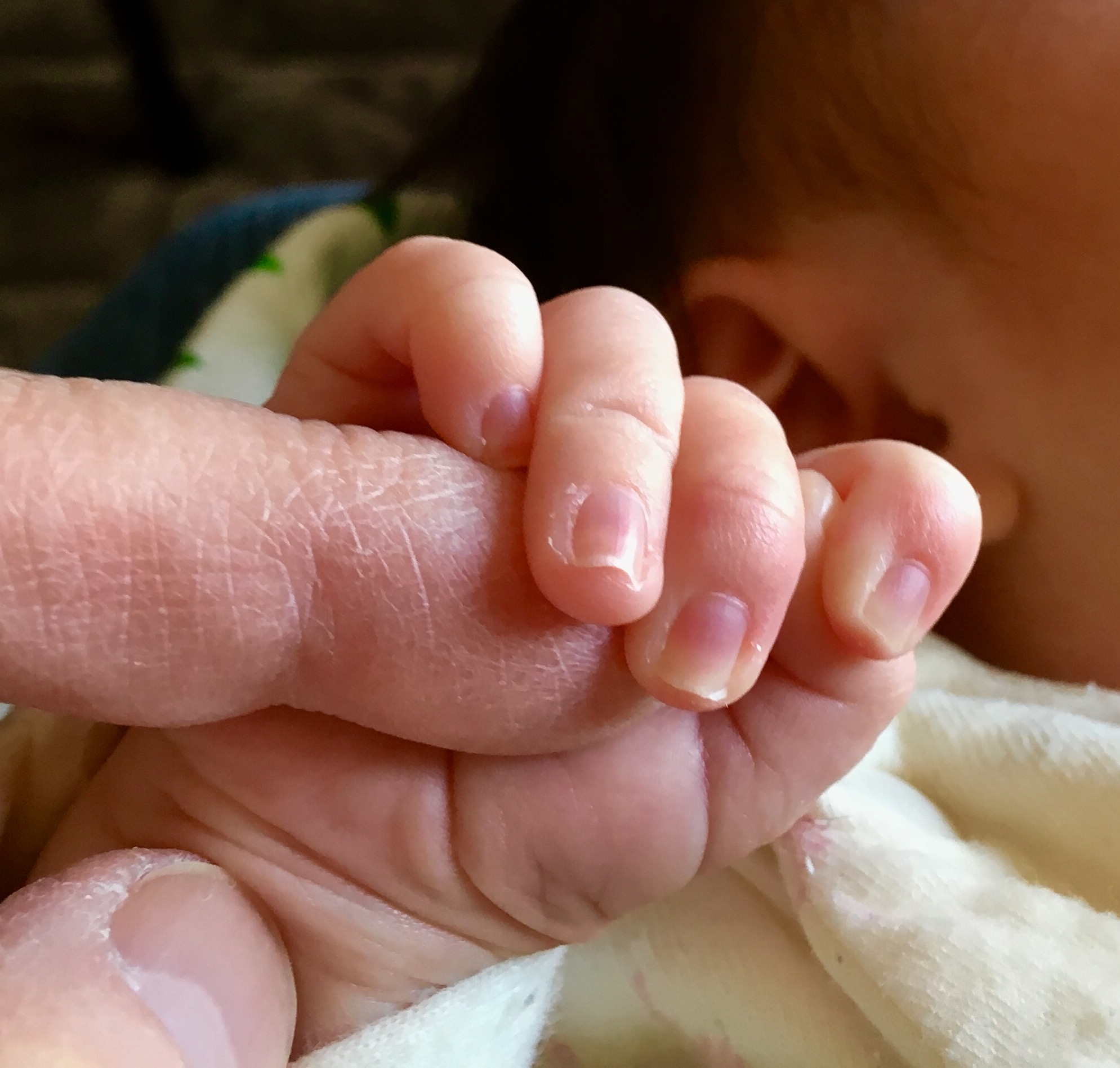
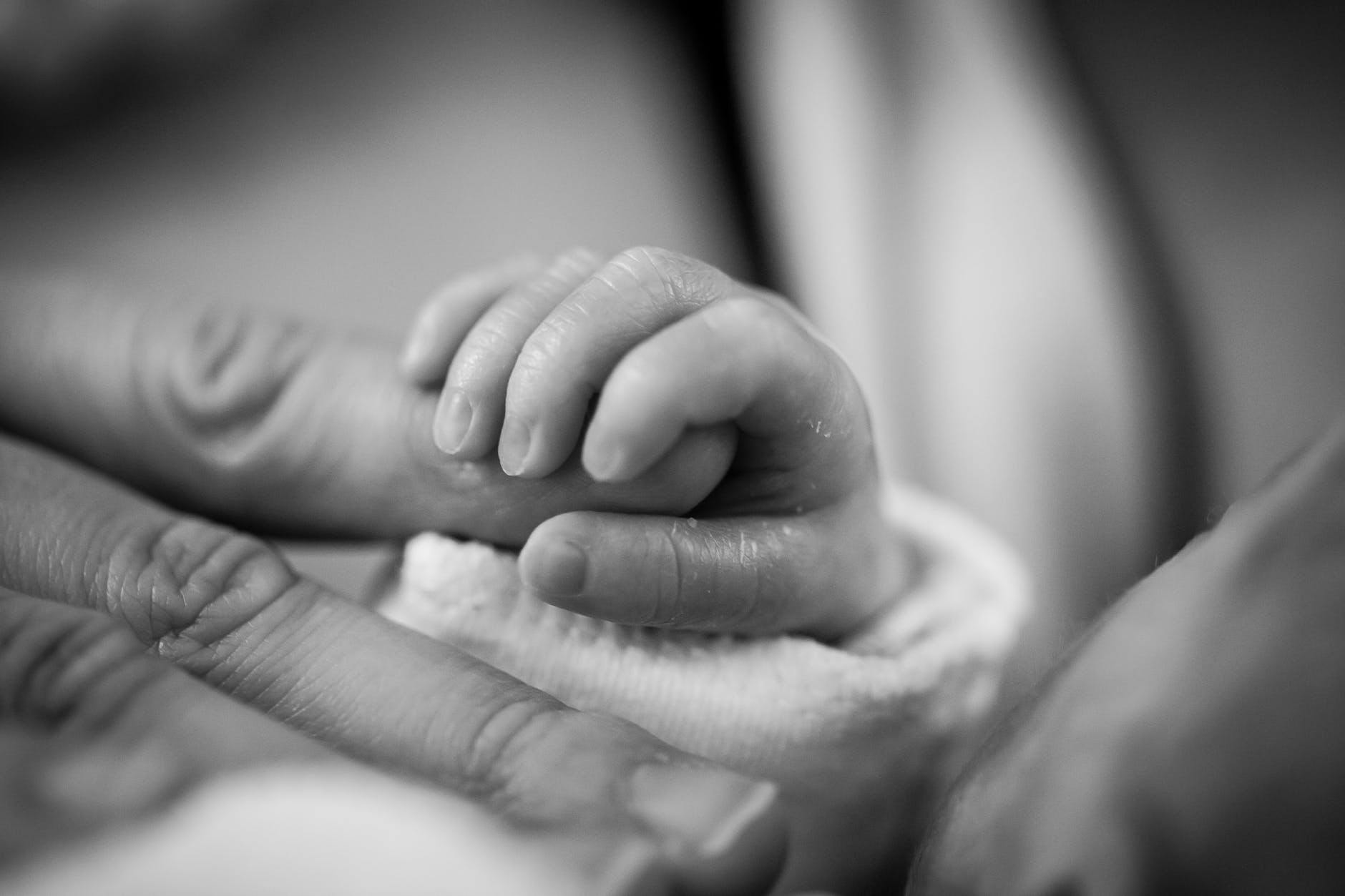
That he wraps his hand around
my finger and holds on?
~Tania Runyan “Mary” from Nativity Suite

Now, newborn,
in wide-eyed wonder
he gazes up at his creation.
His hand that hurled the world
holds tight his mother’s finger.
Holy light
spills across her face
and she weeps
silent wondering tears
to know she holds the One
who has so long held her.
~Joan Rae Mills from “Mary” in the Light Upon Light Anthology by Sara Arthur

Photo by Pixabay on Pexels.com

The grip of the newborn is, in fact, superhuman. It is one of the tests of natural infant reflexes that are checked medically to confirm an intact nervous system in the newborn. A new baby can hold their own weight with the power of their hand hold, and Jesus would have been no different, except in one aspect: He also held the world in His infant hands.

We have been held from the very Beginning, and have not been let go. Try as we might to wiggle free to go our own way, He keeps a powerful grip on us.

We know the strength of the Lord whose hands “hurled the world” into being.

This is what our good God has done for us… He hangs on tight.

Good people all, this Christmas time
Consider well and bear in mind
What our good God for us has done
In sending his beloved son

With Mary holy we should pray
To God with love this Christmas Day
In Bethlehem upon that morn
There was a blessed Messiah born

Near Bethlehem did shepherds keep
Their flocks of lambs and feeding sheep
To whom God’s angels did appear
Which put the shepherds in great fear’

Prepare and go, ‘ the angels said
‘To Bethlehem, be not afraid
For there you’ll find, this happy morn
A princely babe, sweet Jesus born

With thankful heart and joyful mind
The shepherds went, this babe to find
And as God’s angel had foretold
They did our saviour Christ behold

Within a manger he was laid
And by his side the virgin maid
Attending on the Lord of life
Who came on earth to end all strife

Good people all, this Christmas time
Consider well and bear in mind
What our good God for us has done
In sending his beloved Son

With Mary holy we should pray
To God with love this Christmas day
In Bethlehem upon that morn
There was a blessed Messiah born

Trying Their Wings

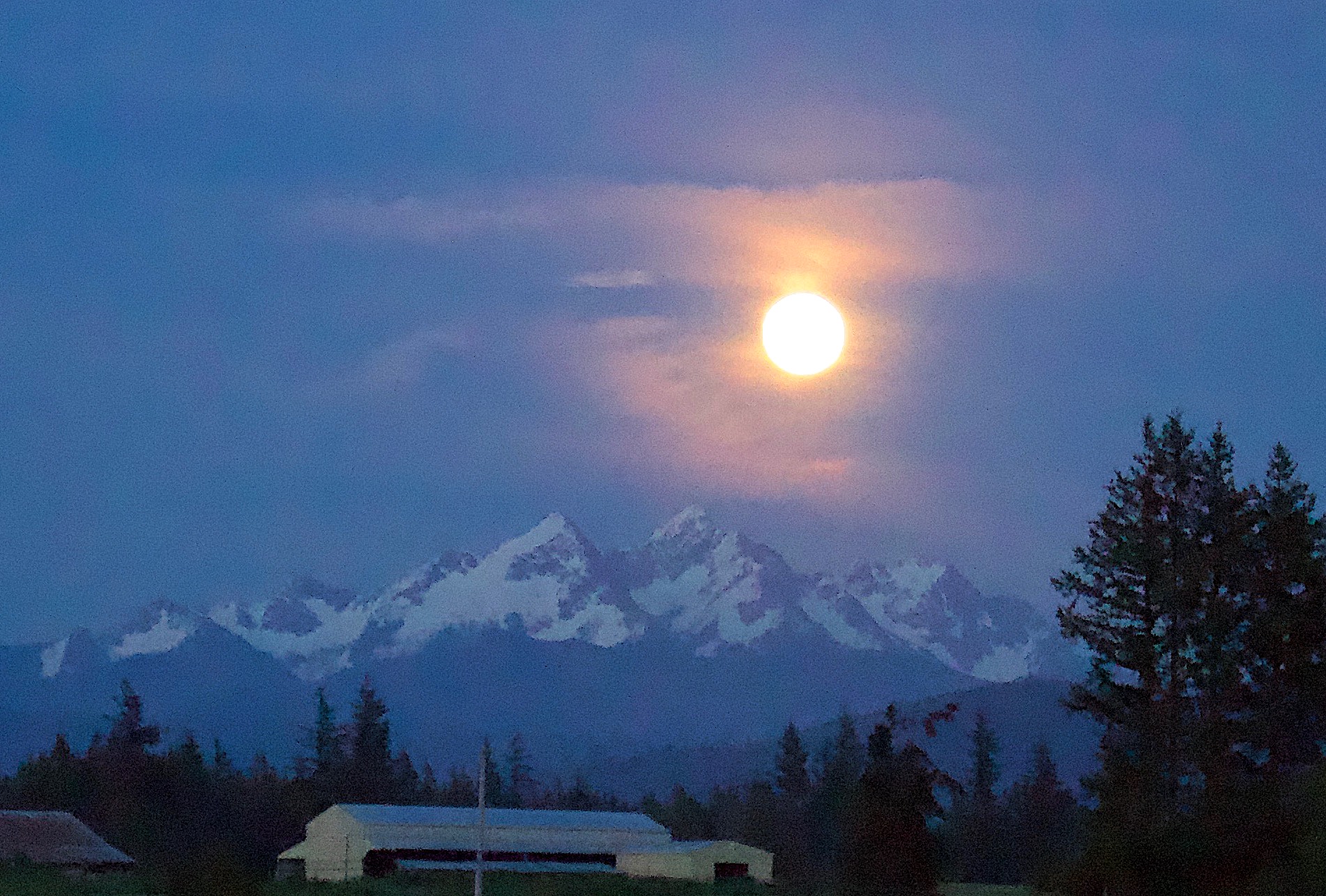
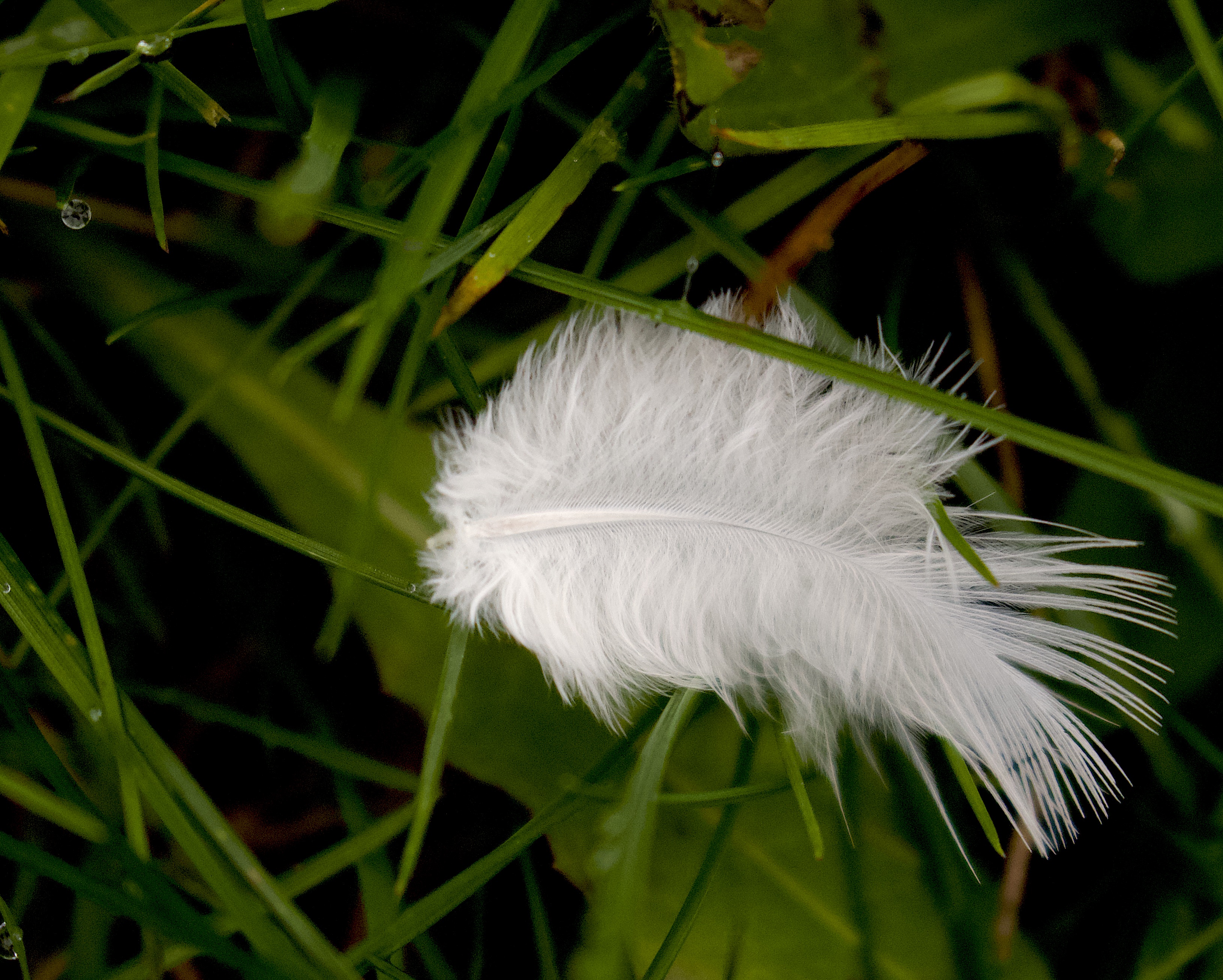
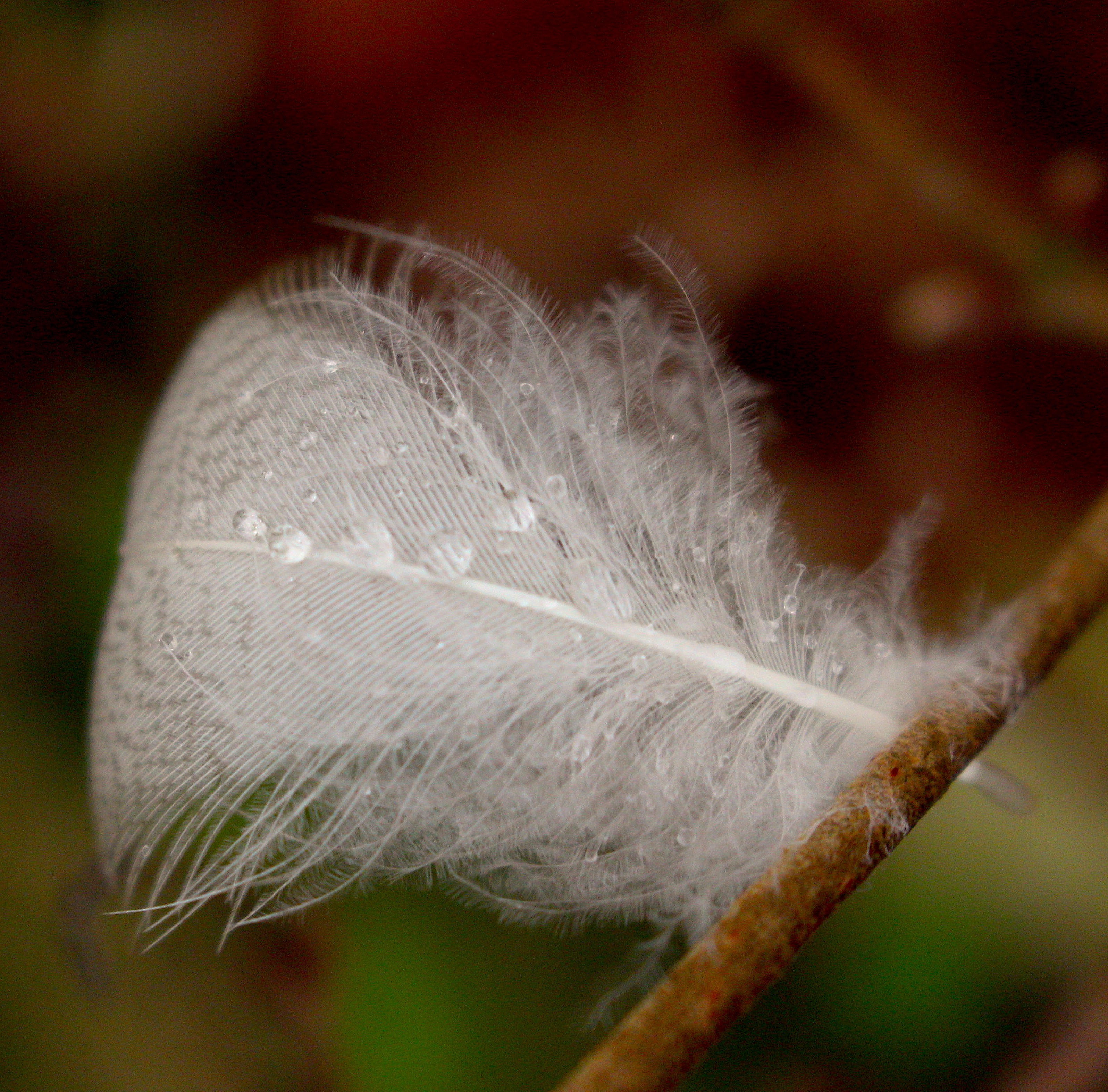
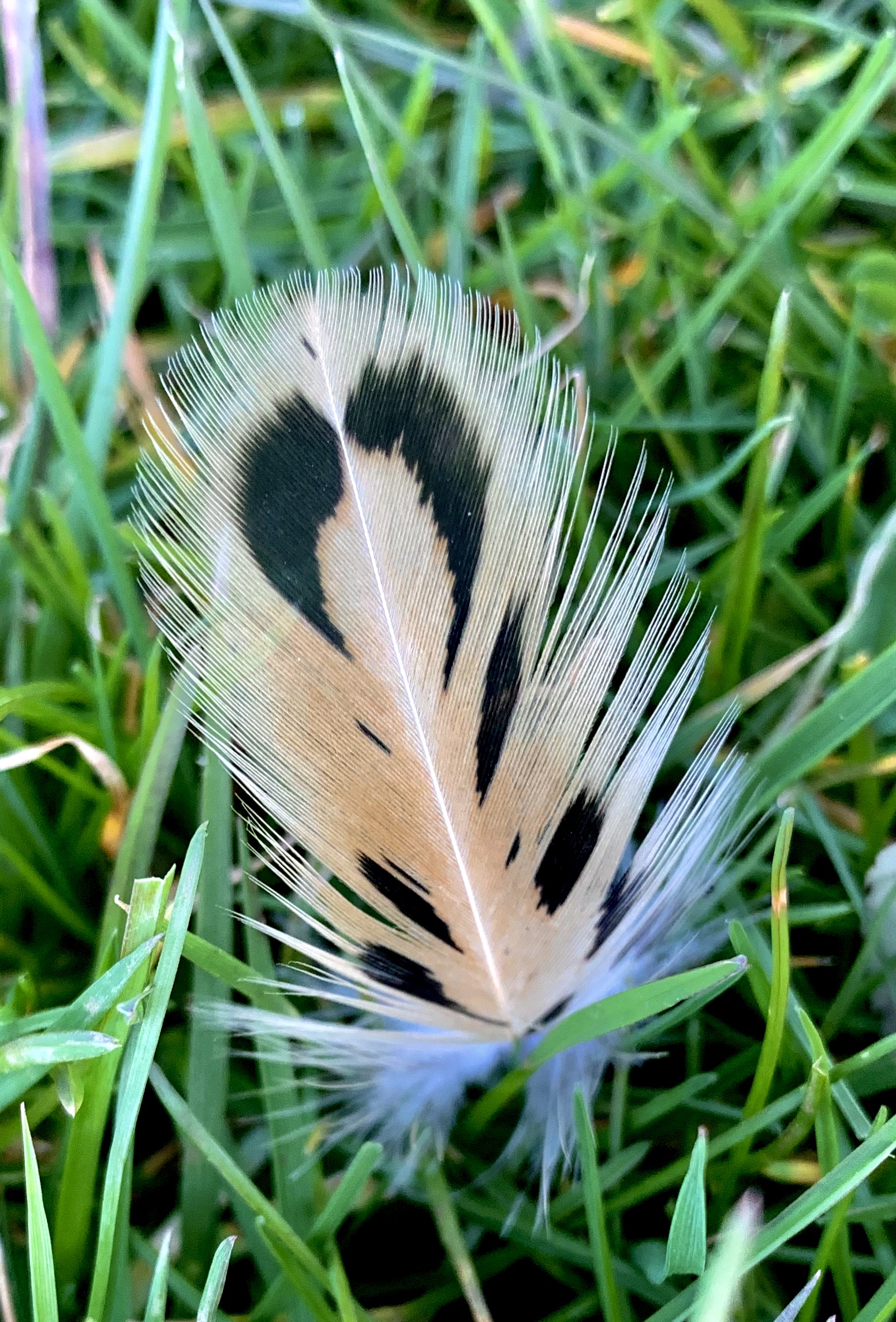
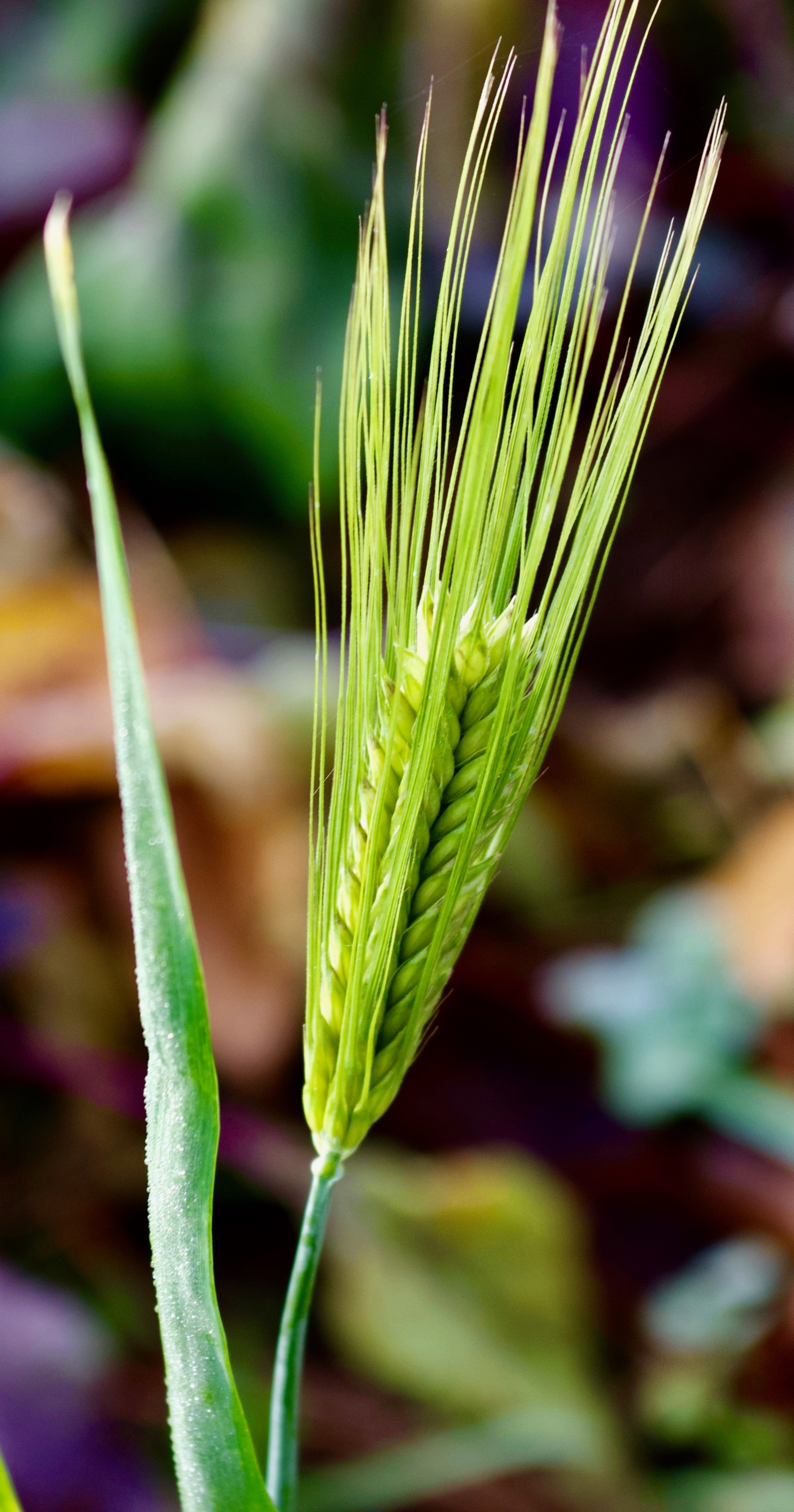
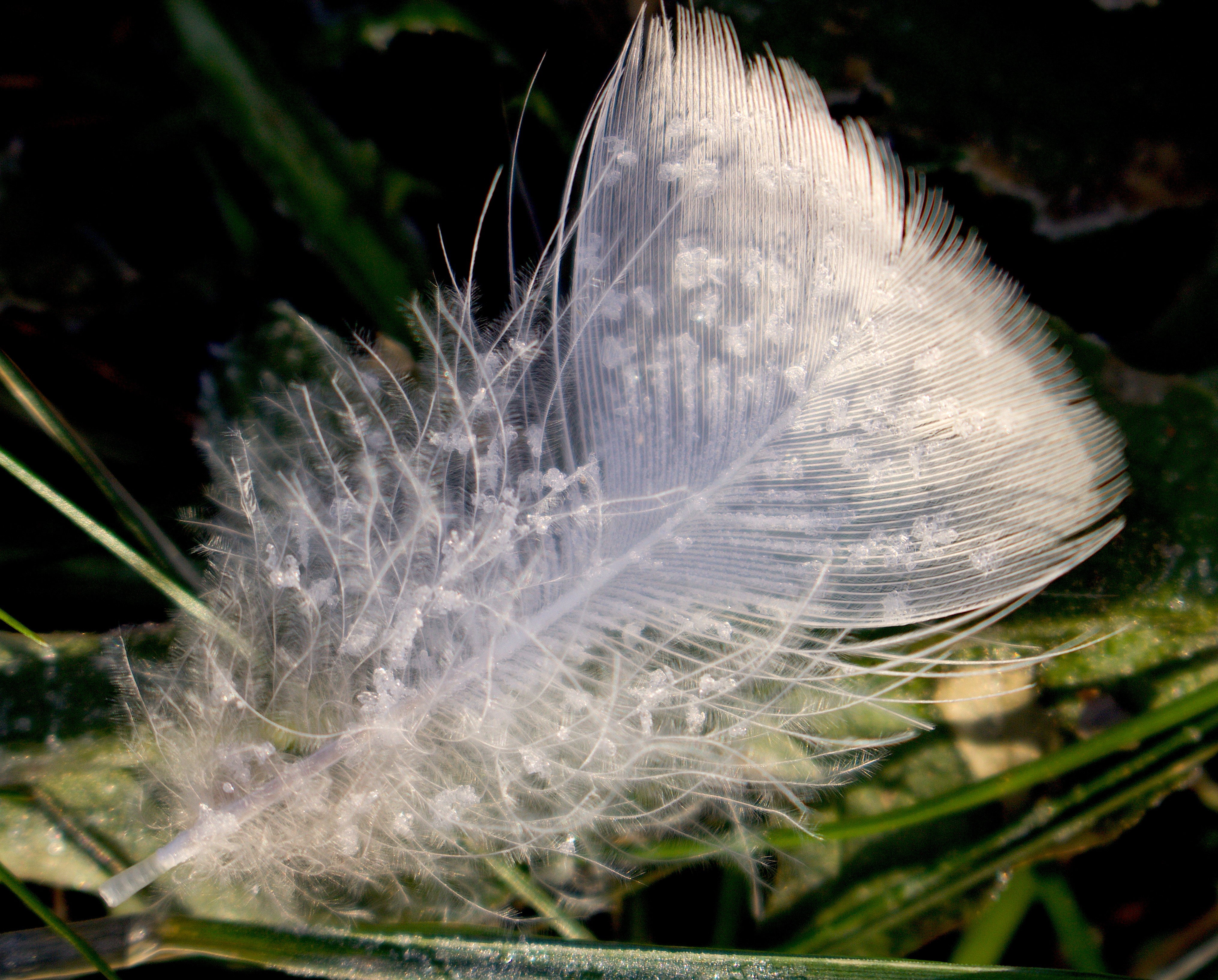
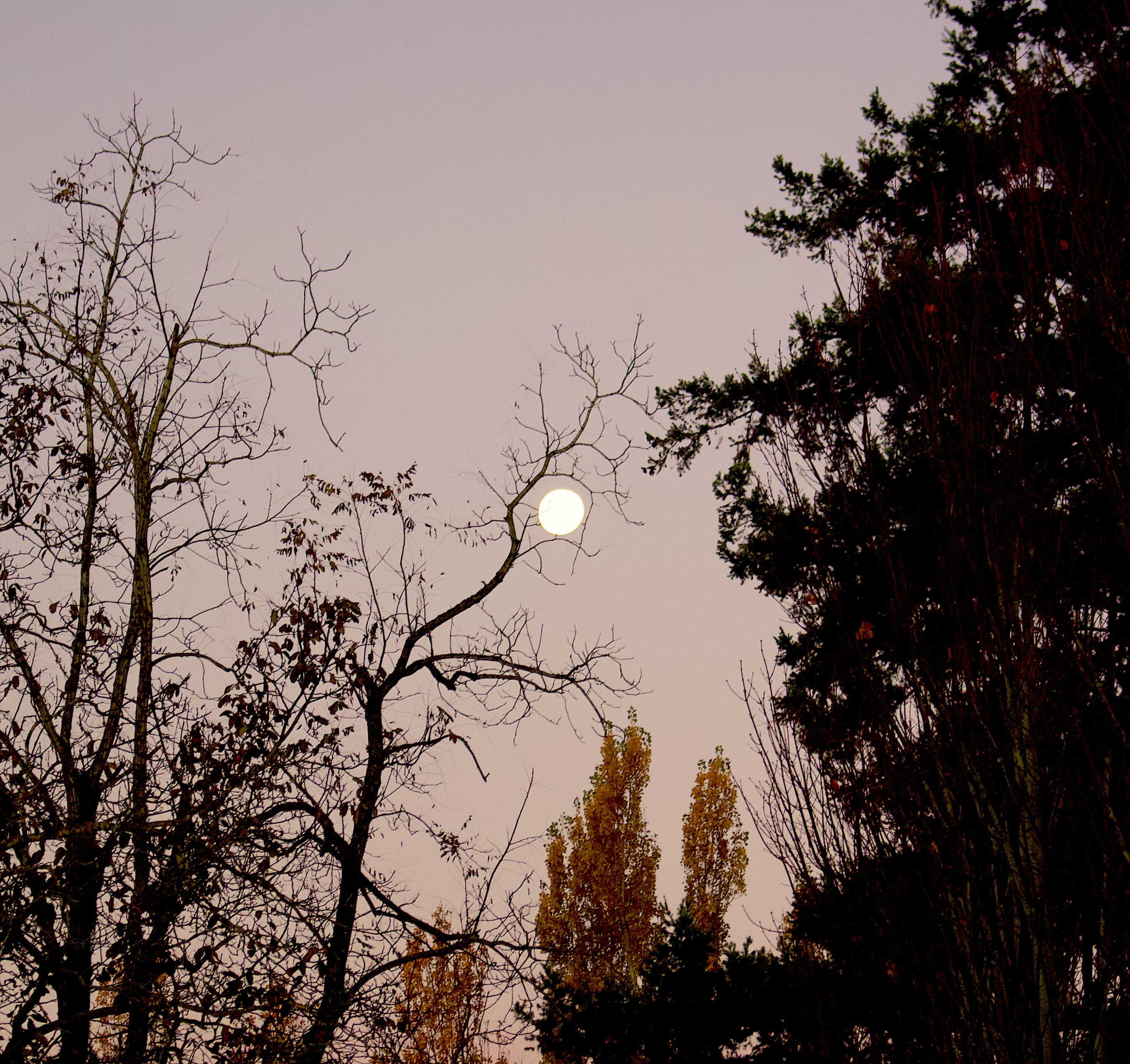
The moon drops one or two feathers into the field.   
The dark wheat listens.
Be still.
Now.
There they are, the moon’s young, trying
Their wings.

I stand alone by an elder tree, I do not dare breathe
Or move.
I listen.
The wheat leans back toward its own darkness,
And I lean toward mine.

~James Wright from “Beginning” from Above the River: The Complete Poems and Selected Prose.

I am holding my breath today,
trying to be still
and wait.
It is time to listen, watching.

Light spills iridescence:
its fragments dot the surface of this bleak earth,
illuminating the darkness.

I can reflect the Light or remain in the dark.
Having been chosen,
I can try my wings.

Fighting a Harder Battle

Mostly, I want to be kind.
And nobody, of course, is kind,
or mean,
for a simple reason.

~Mary Oliver from “Dogfish”

Be kind, for everyone you meet is fighting a harder battle.
~Plato

Our mare Belinda has a two decade history of fighting the hard battle of being consistently on the bottom of the mare hierarchy. She is unusually shy, very submissive and never one to stir up trouble in the herd. Most of the time she simply wants to disappear so the other mares can’t see her to bully her.

I’ve watched her over the years to learn how she copes day in and day out with her low status. She is clearly more clever than the higher-ranking mares who lord it over her, reminding her of their rank.
In the mornings when the mares are turned out to pasture from their individual stalls, I always open Belinda’s door first so she has the option to walk out to pasture ahead of the others if she chooses. Instead, she’ll stand waiting at the open door, watching the other mares leave their stalls and pass by, then follow behind them out to pasture keeping a safe distance between them and herself.

Once outside, she’ll stand at the water barrel just inside the pasture gate, and pretend to drink water for several minutes (I’m convinced she doesn’t actually drink a drop) while the other mares wander into the field to find their preferred grazing spot.

Once the others are clearly settled, she joins them at a safe distance. Then the worst bully will approach her, just as Belinda has started to eat, and will start to groom Belinda’s withers with her teeth. This is a clear invitation to be scratched back, so despite being hungry and clearly fearful, Belinda mutually chews/scratches for at least ten minutes with her mortal enemy. I’d like to think this is their brief truce in the battle for status every day; one clearly has a need and wants Belinda to comply. Belinda is more than willing to set aside her own needs if it means keeping peace in the herd.
At the end of the day, Belinda stays up in the field until the other mares have returned to the barn and are back in their stalls with the doors latched. I know she counts the number of doors she hears closing because she will refuse to come in from outside and return to her stall until she hears the last door closing, knowing it is then safe to some into the barn.

The first thing she does returning to her stall is to drop a pile of manure right inside her door. It is her claim of “mine” – no other horse here does that, since they would have to walk through manure to leave the stall, but for Belinda, it is a way of saying if for some reason the closed door isn’t enough to keep her secure, the pile of manure at least marks her territory.

She does not always have a peaceful night alone in her stall as I would expect. Her stall floor is churned and messy in the morning, as if she continues to be on the move even in the darkness, or perhaps she is a mare having nightmares.

I know her long life has been one of constant worry and vigilance despite always having access to plenty of food, a safe place to rest at night and always being part of a community, though not one that has supported her.

She reminds me that everyone, especially the lowest on the totem pole, deserves kindness because I cannot possibly understand the battles they are fighting, both day and night.

And they deserve respect: to simply survive, they are much smarter than I am.


A Joy So Violent

She lay on her back in the timothy
and gazed past the doddering
auburn heads of sumac.

A cloud – huge, calm,
and dignified – covered the sun
but did not, could not, put it out.

The light surged back again.
Nothing could rouse her then

from that joy so violent
it was hard to distinguish from pain.

~Jane Kenyon, “The Poet at Ten” from The Best Poems of Jane Kenyon

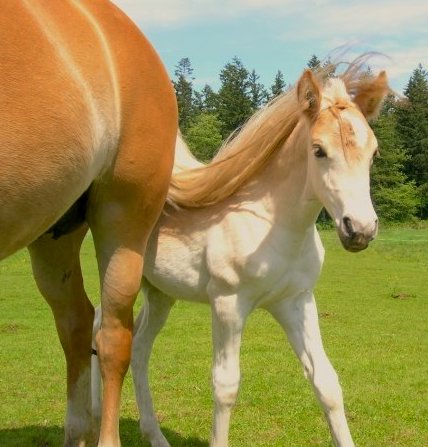
I have a mare who journeyed as a foal
from overseas alongside her mother,
a difficult immigration to a new life and farm,
followed by the drama of weaning and separation,
then introduced to a new herd who didn’t speak her language
so she couldn’t always understand what was being said.

She was shy and fearful from the beginning,
knowing she didn’t belong,
worried about doing the wrong thing,
cringing when others laid back ears at her or bared their teeth,
she always hung back and let others go first,
waiting hungry and thirsty while others had their fill.

What she did best was be a mother herself,
devoting herself to the care of her foals,
as they became the light of her life
though still covered with the cloud of not belonging,
she grieved loudly at their weanling goodbyes.

Still, two decades later, in her retirement,
she is shy and submissive, still feeling foreign,
as if she never quite fit in,
always letting others go first,
concerned about making a misstep.

I think of her as an immigrant
who never felt at home
unless she had a baby at her side~
to live alongside one to whom she finally belonged:
how does one measure the pain of true joy and love
while knowing the violence of separation is inevitable?

thank you to Lea Gibson Lozano and Emily Vander Haak for their photos of Belinda and her babies