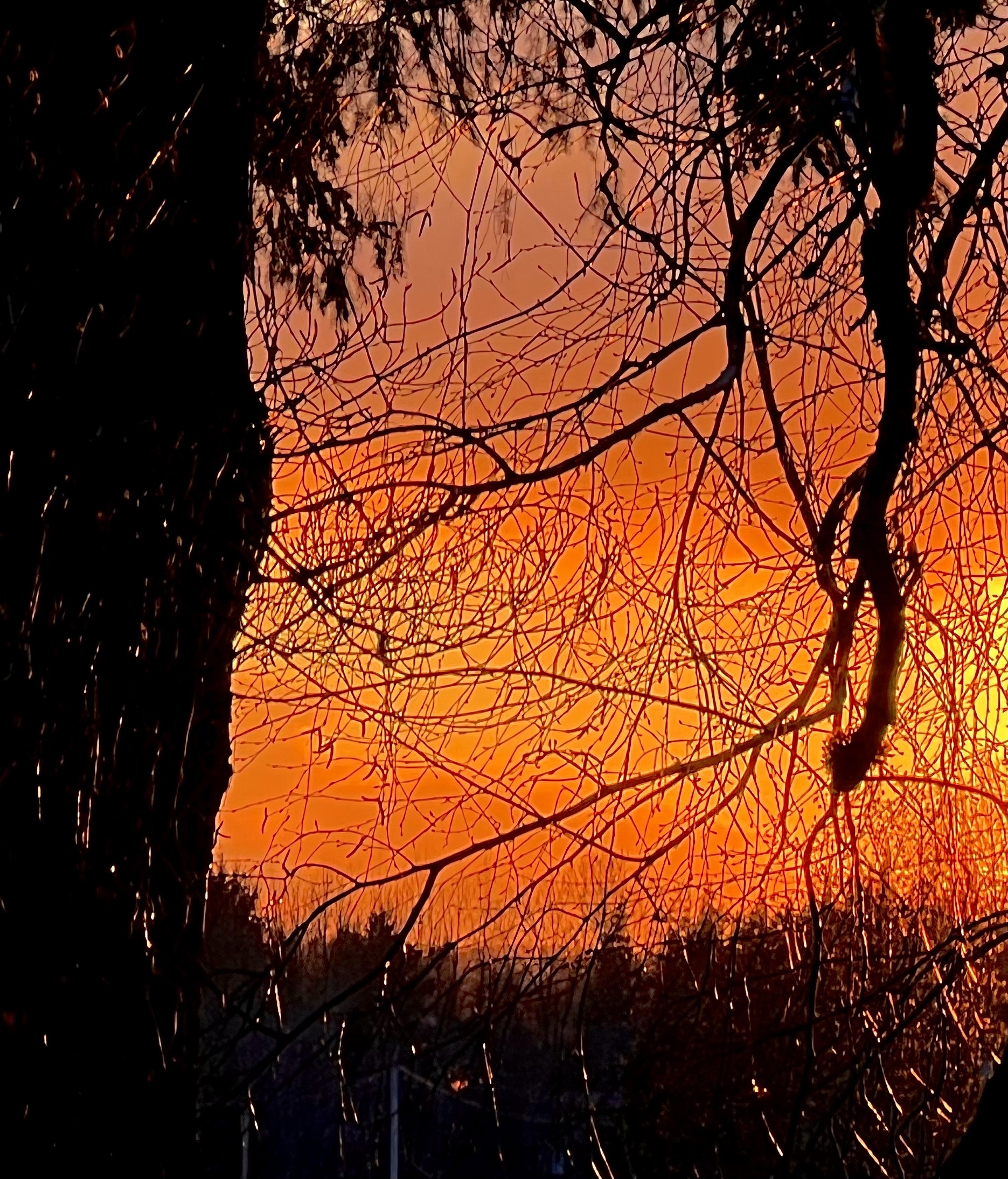
Ice burns, and it is hard to the warm-skinned to distinguish one sensation, fire, from the other, frost. ~A. S. Byatt from Elementals: Stories of Fire and Ice
I have reservoirs of want enough to freeze many nights over. ~Conor O’Callaghan from “January Drought”
Some say the world will end in fire, Some say in ice. From what I’ve tasted of desire I hold with those who favor fire. But if it had to perish twice, I think I know enough of hate To say that for destruction ice Is also great And would suffice. ~Robert Frost “Fire and Ice”
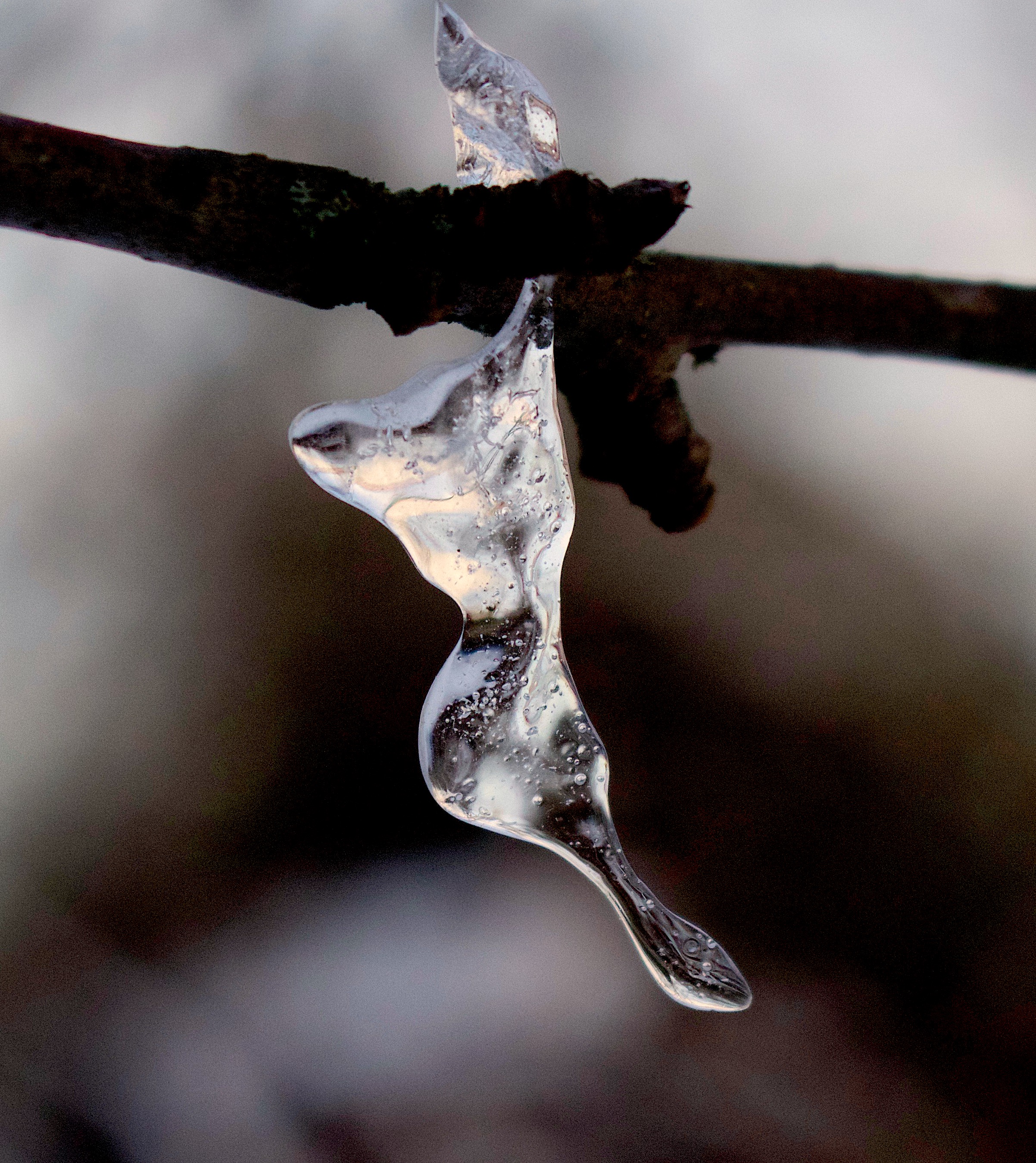
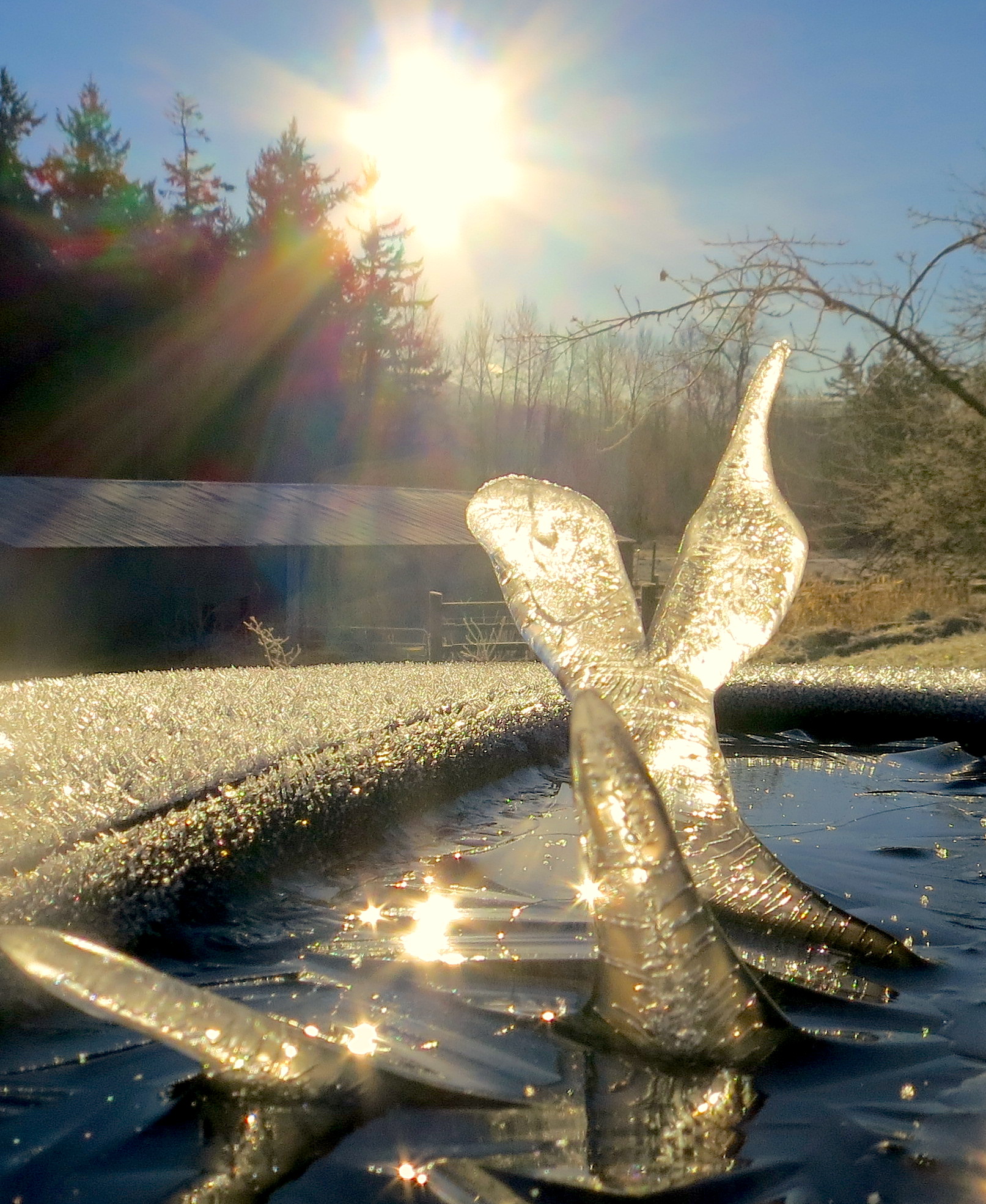
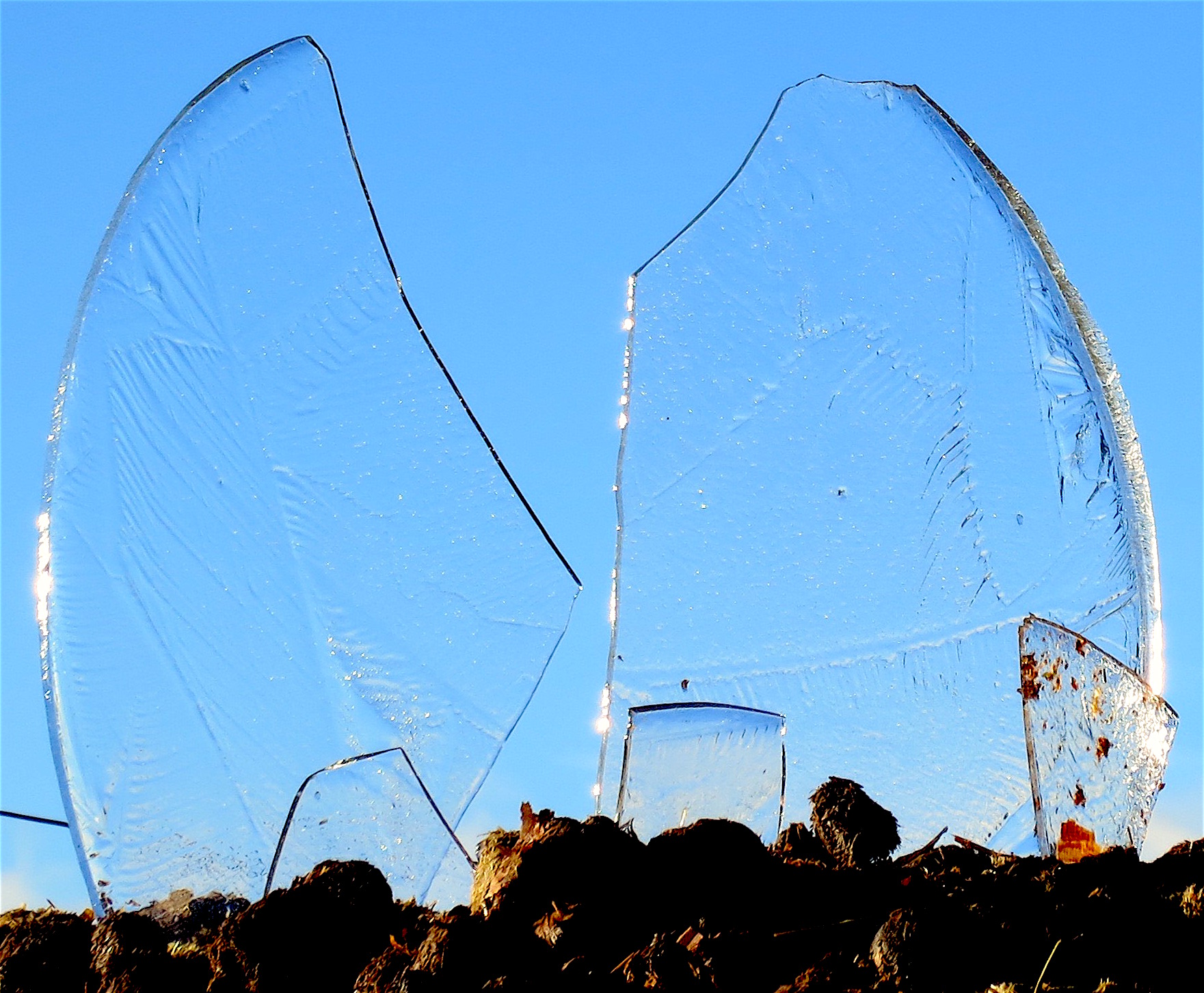
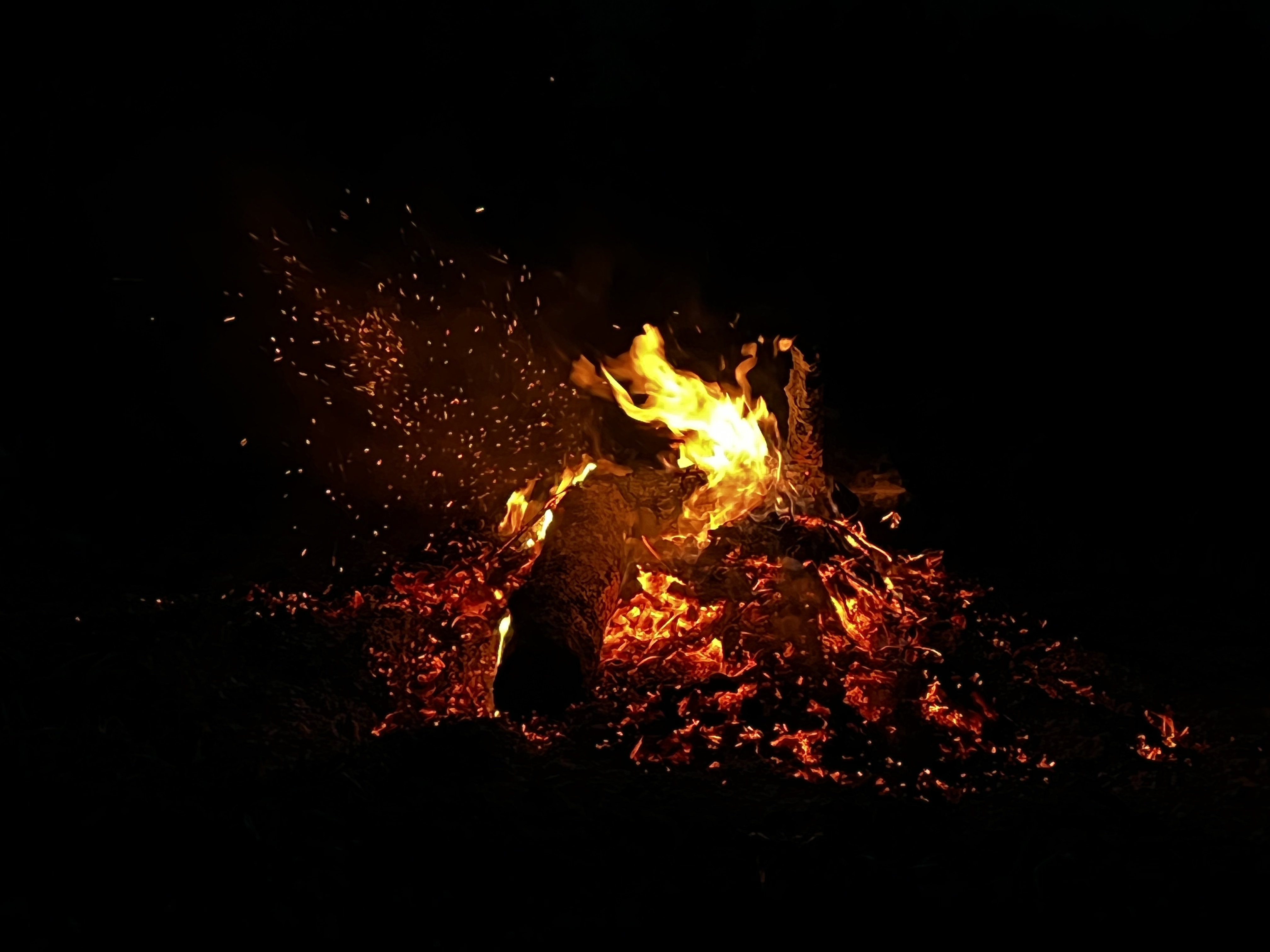
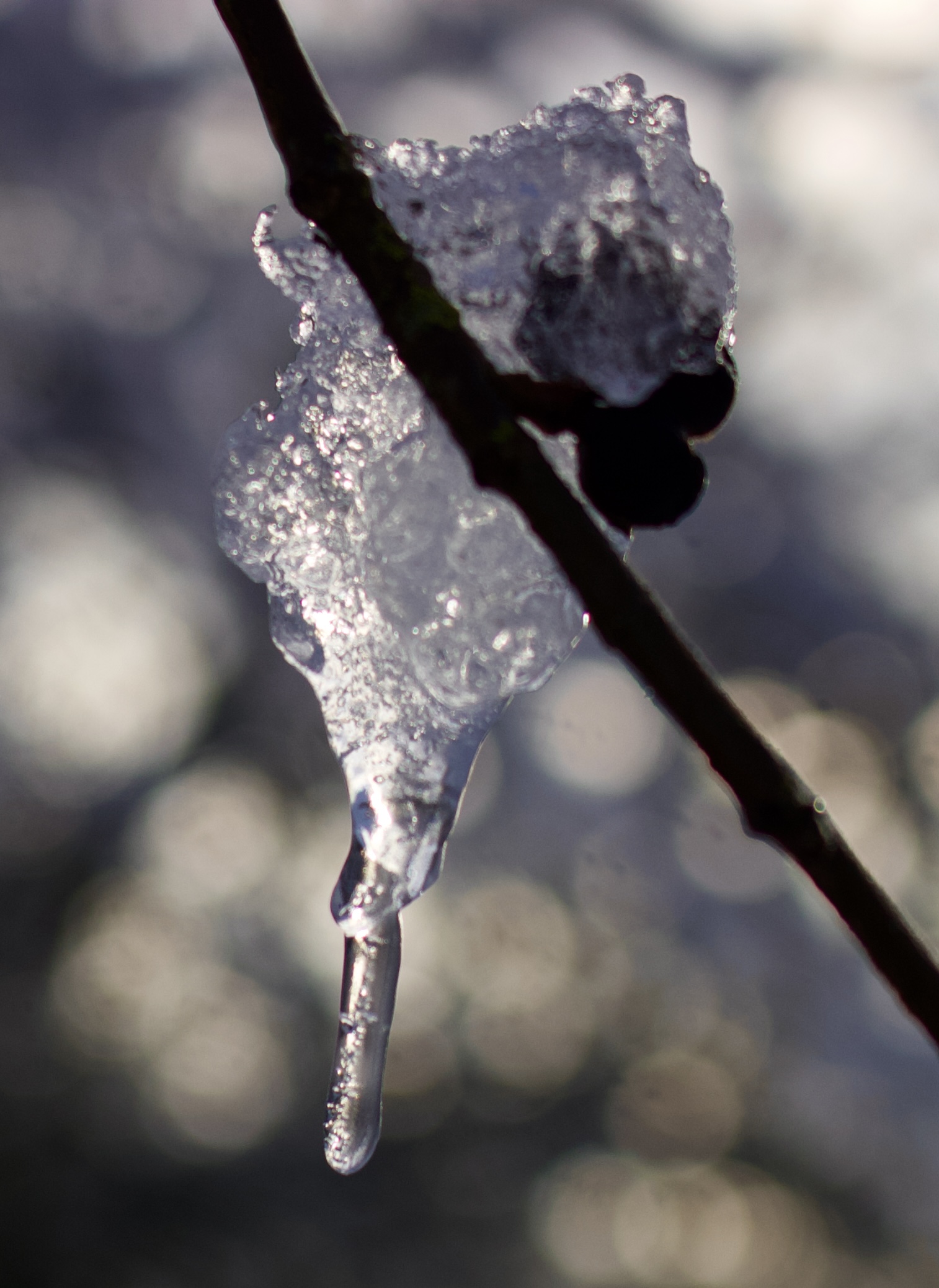
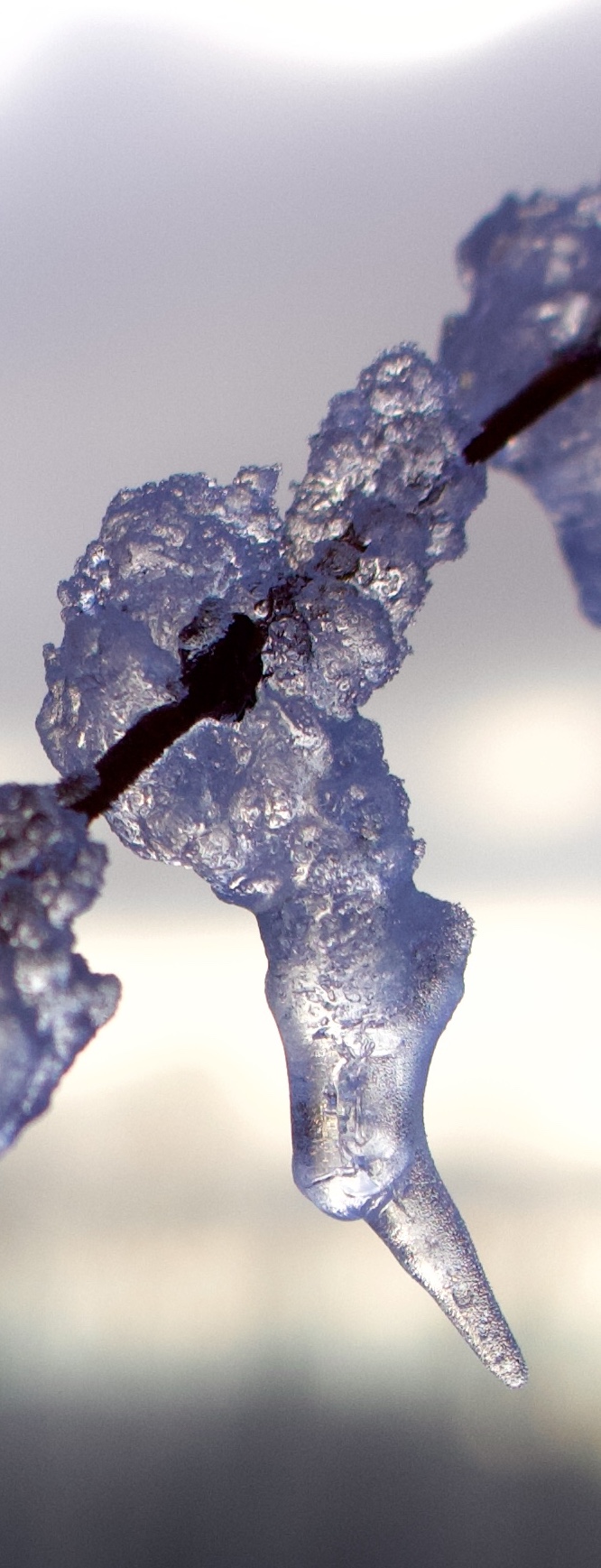
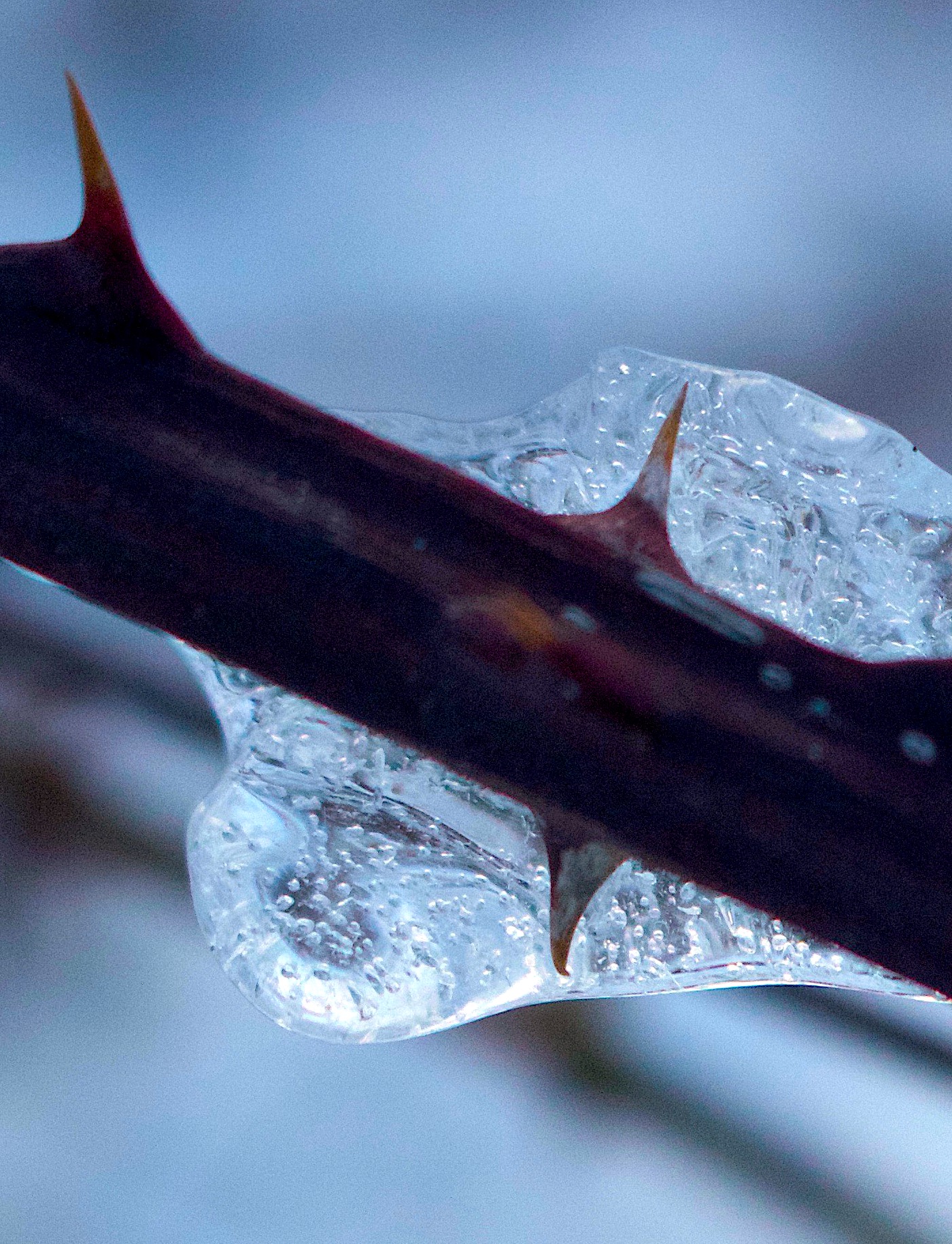
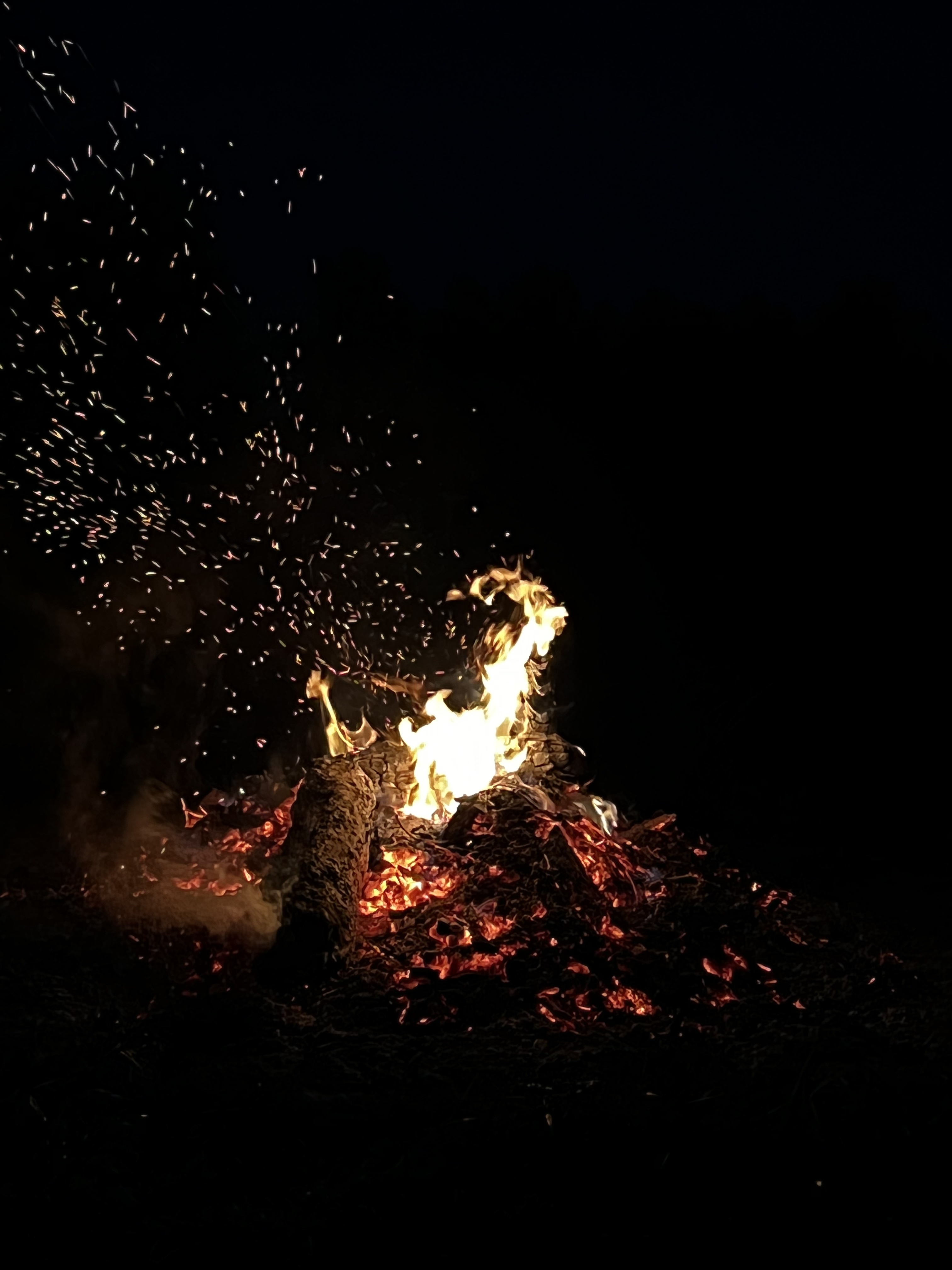
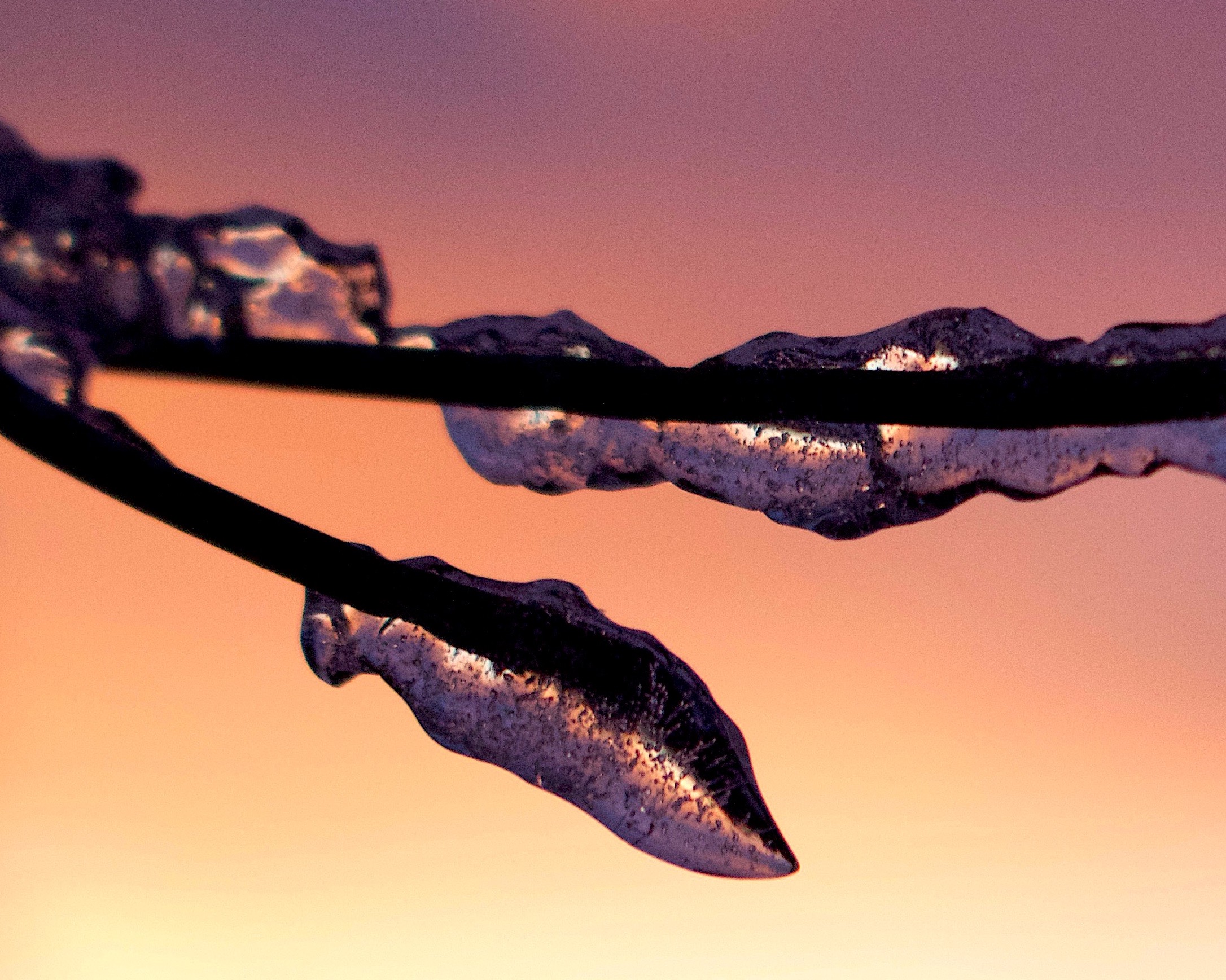
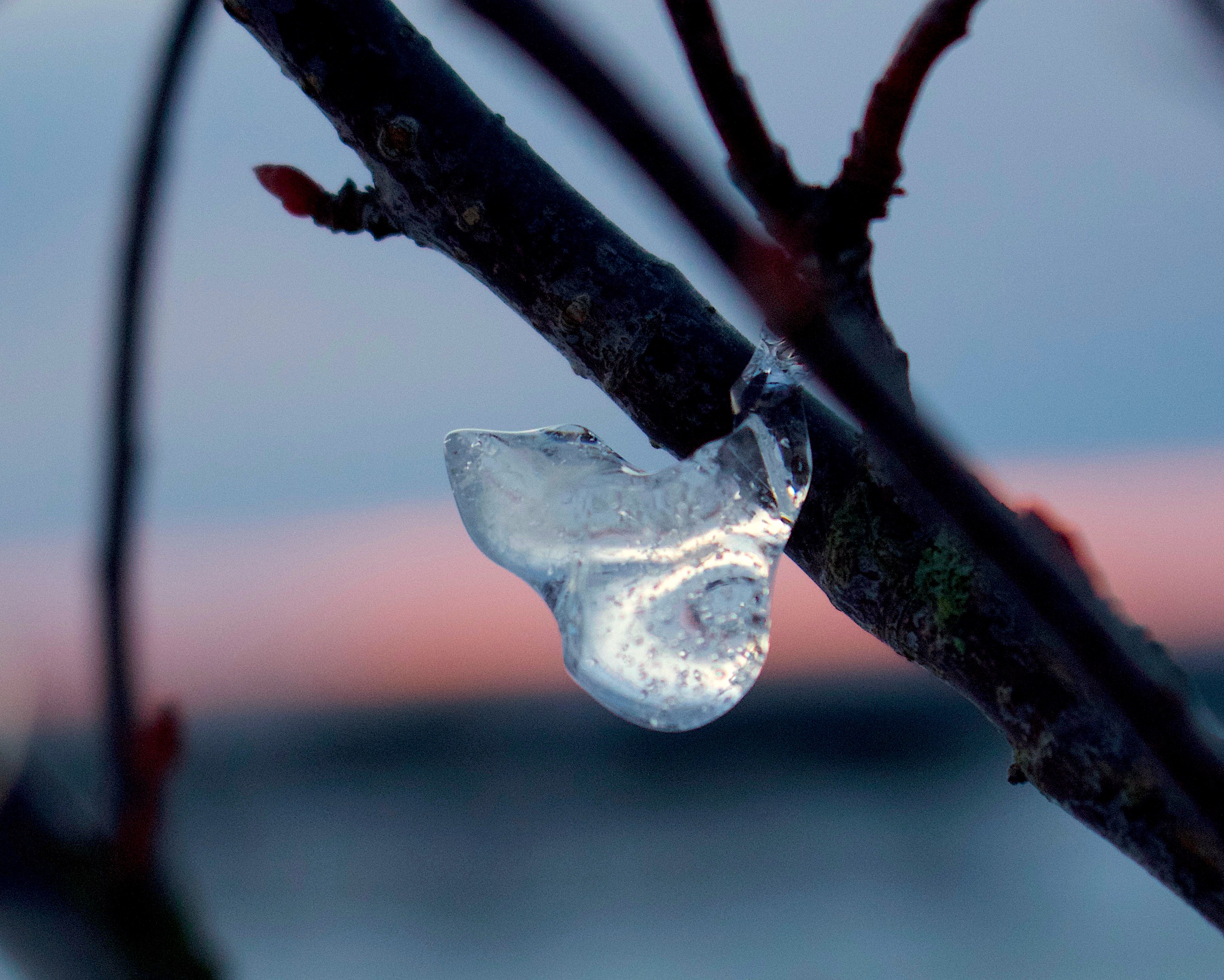
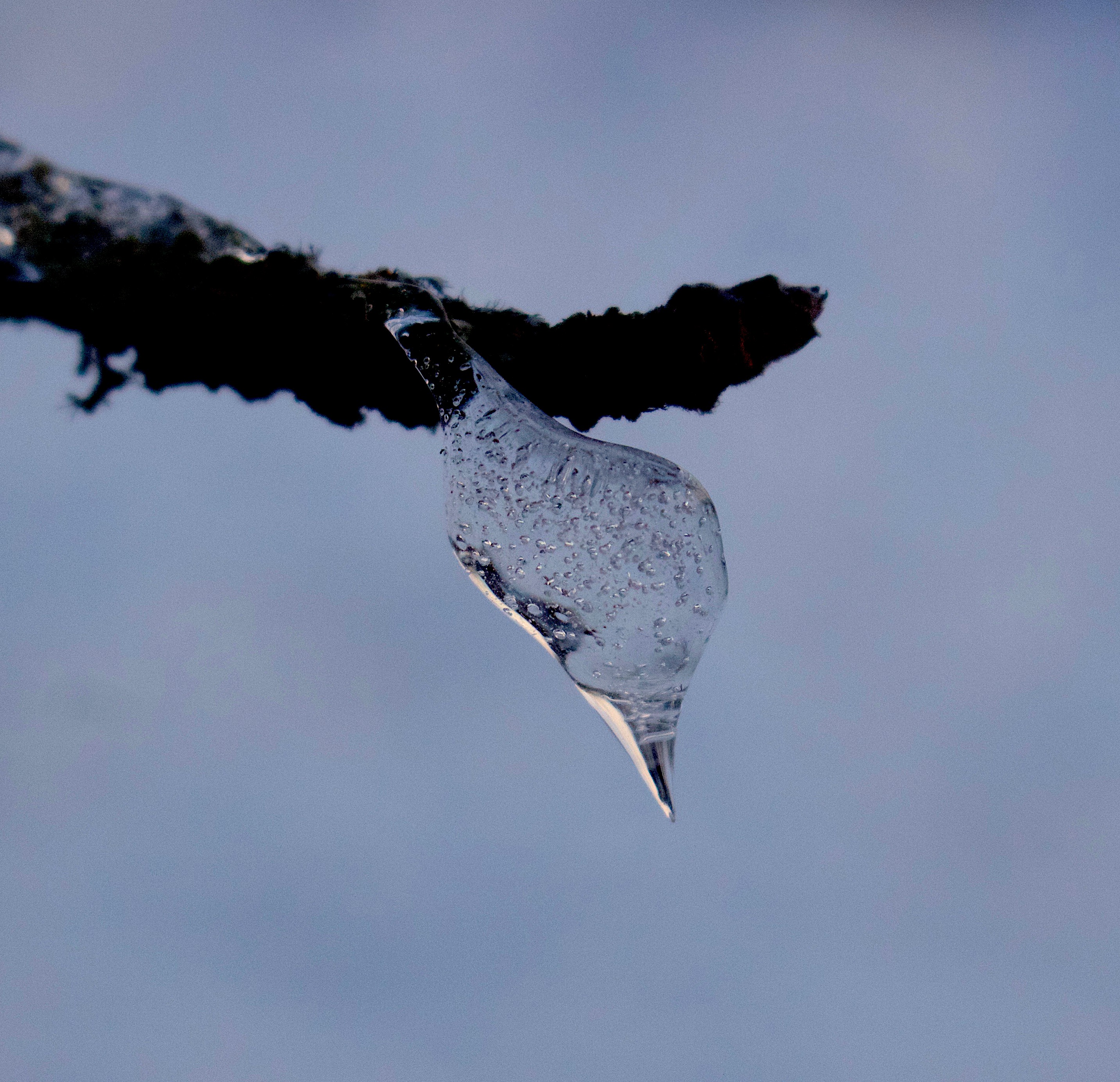
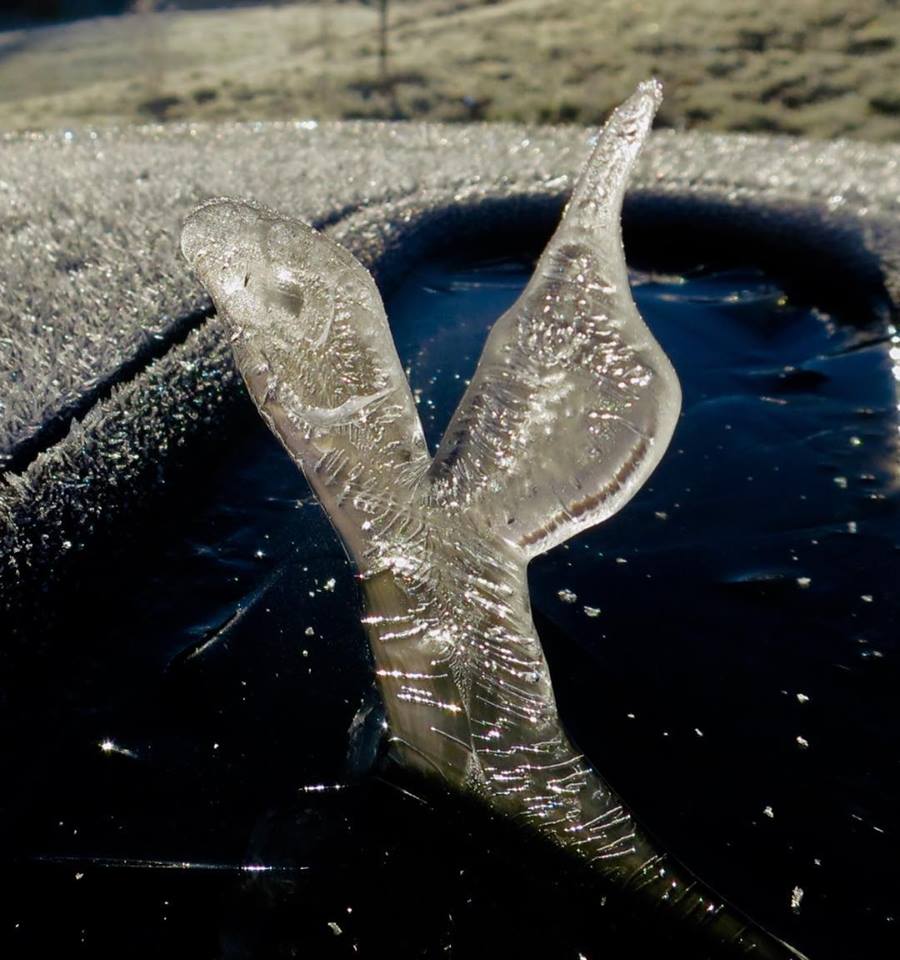
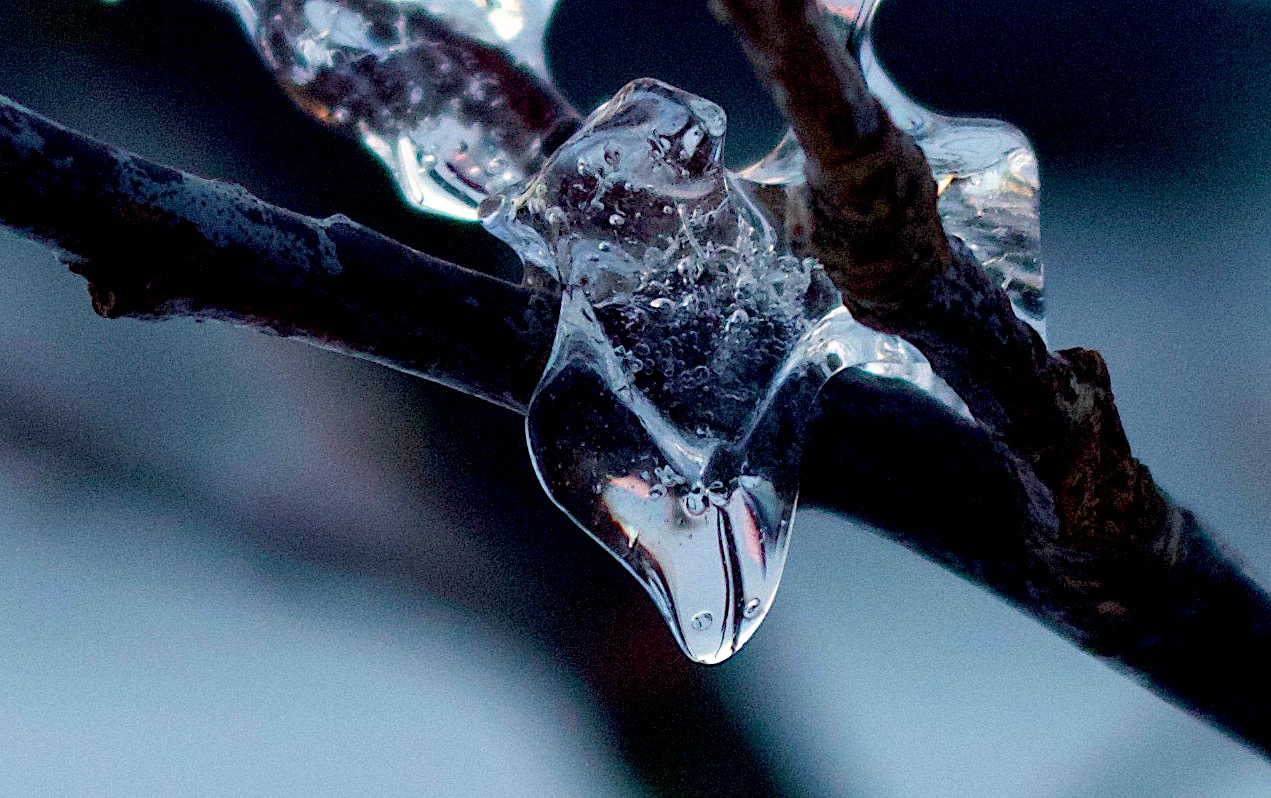
Whether consumed by flames or frost, if rendered to ash or crystal — both burn.
Yet ashes remain ashes, reduced to mere dust.
Yet encased by ICE, only a thaw will restore.
Frozen memories sear until starting to melt, thereby the imprisoned are freed.
One-Time
Monthly
Yearly
Make a one-time or recurring donation to support daily Barnstorming posts
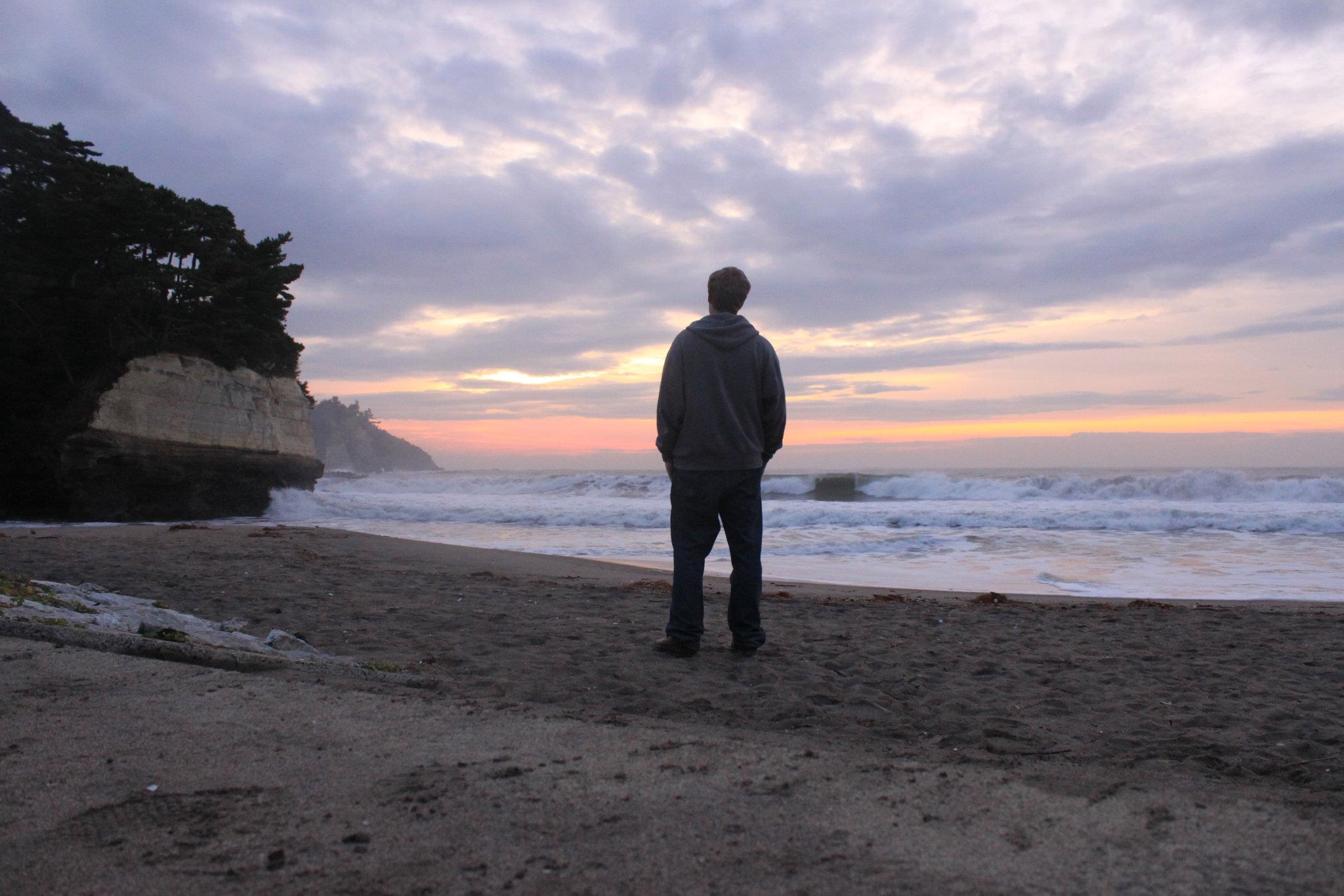
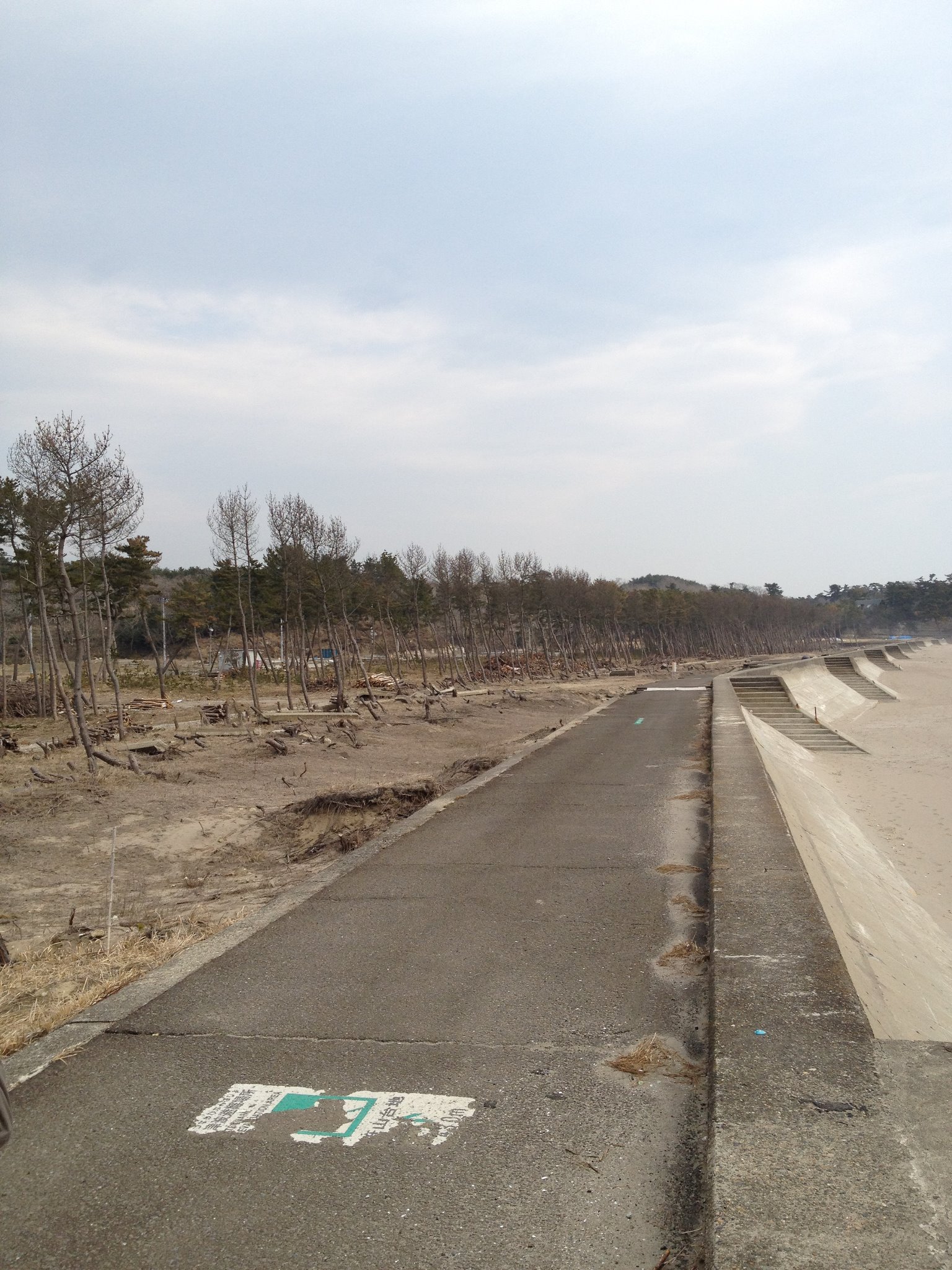
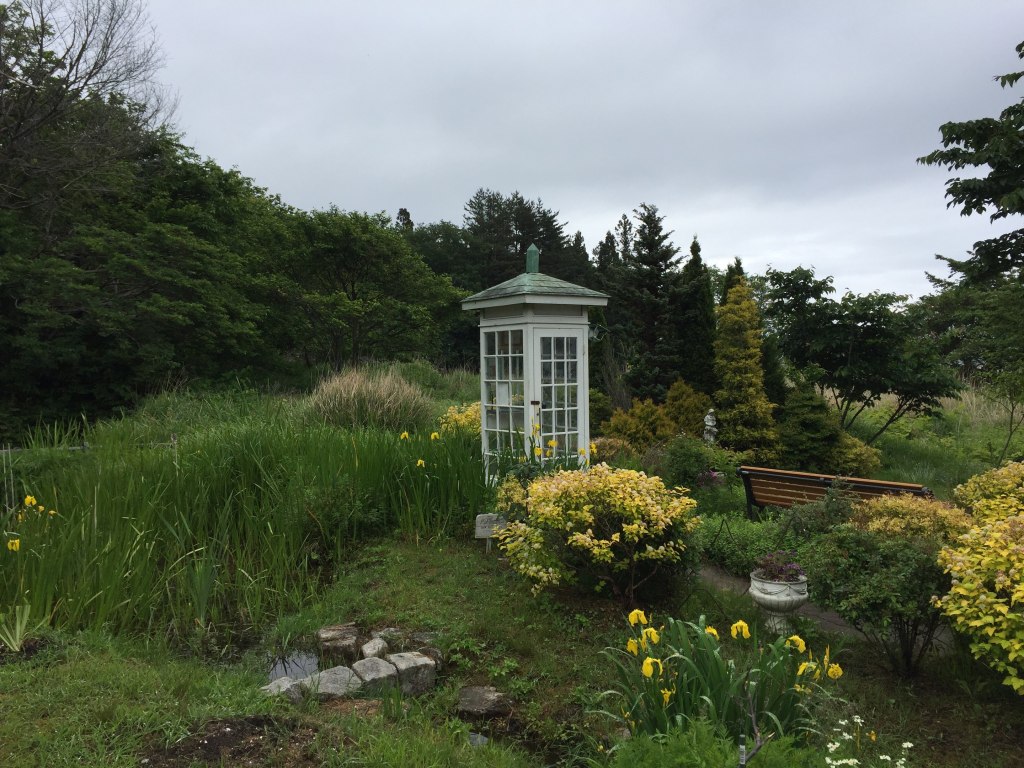
In 2012, we stayed with our friends Brian and Bette at their cabin on a bluff just above the Pacific Ocean at Sendai, Japan, just a few dozen feet above the devastation that wiped out an entire fishing village below during the 3/11/11 earthquake and tsunami.
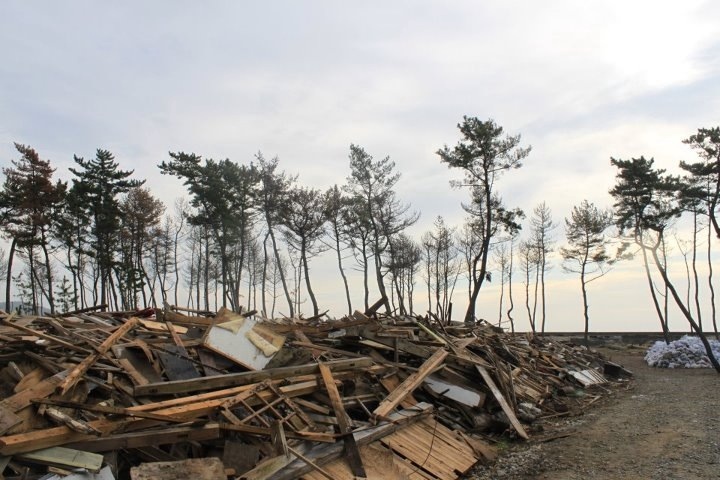
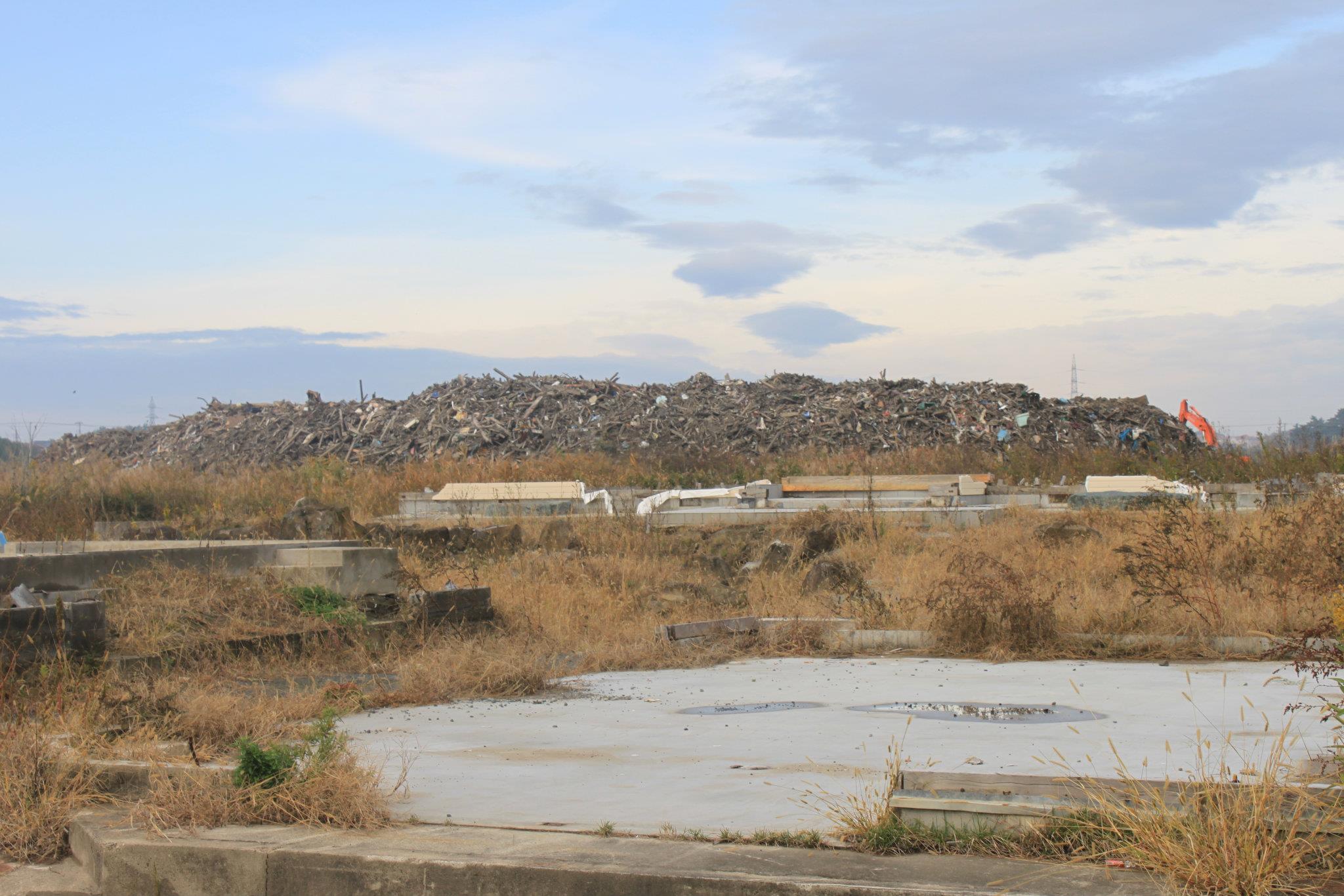
As we walked that stretch of beach, we heard the stories of the people who had lived there, some of whom did not survive the waves that swept their houses and cars away before they could escape. We walked past the footprints of foundations of hundreds of demolished homes, humbled by the rubble mountains yet to be hauled away a year later, to be burned or buried. There were acres of wrecked vehicles piled one on another, waiting to become scrap metal.
It was visual evidence of life so suddenly and dramatically disrupted and carried away.
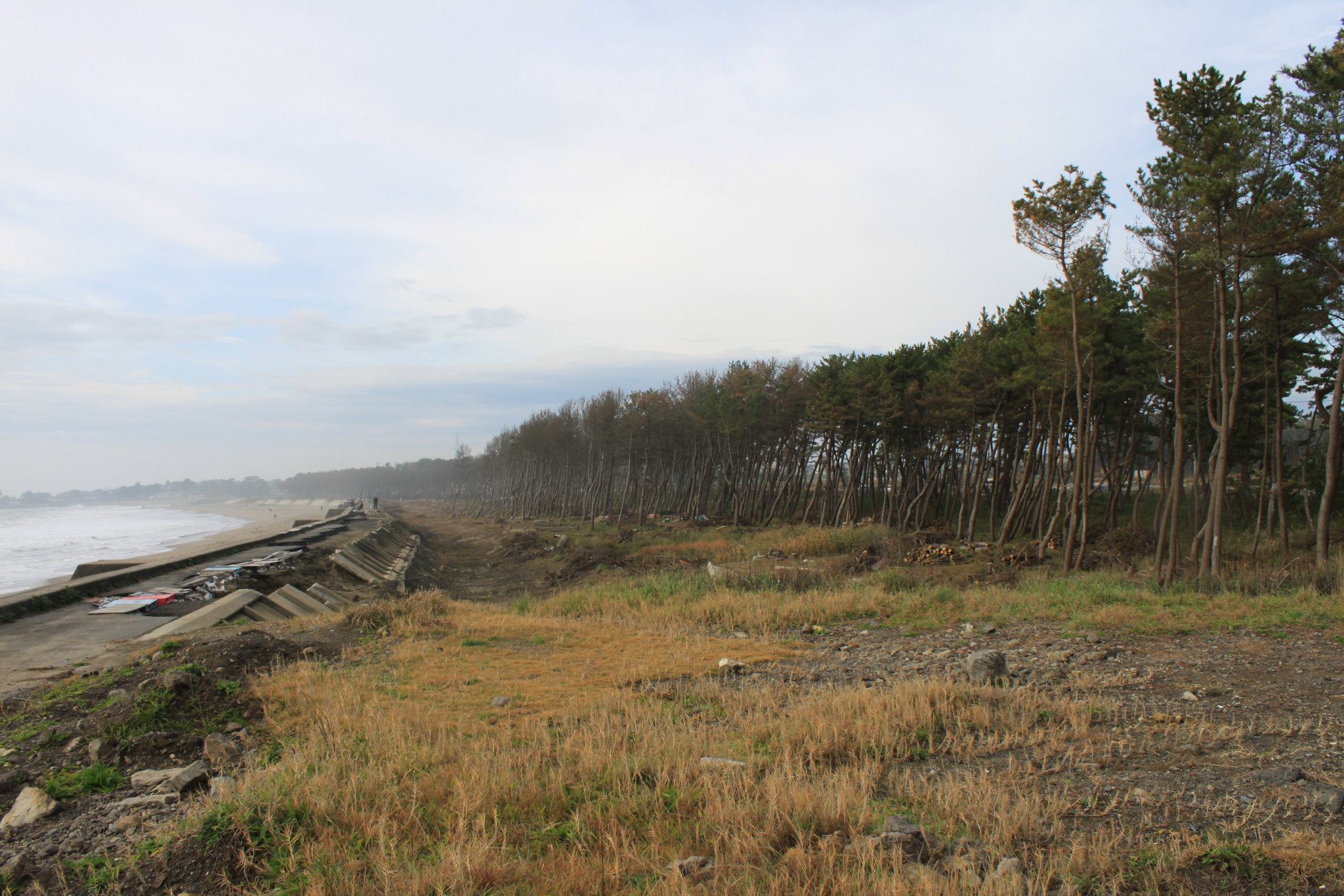
This had been a place of recreation and respite for some who visited regularly, commerce and livelihood for others who stayed year round and, in ongoing recovery efforts, struggling to be restored to something familiar. Yet it looked like a foreign ghostly landscape. Many trees perished, lost, broken off, fish nets still stuck high on their scarred trunks. There were small memorials to lost family members within some home foundations, with stuffed animals and flowers wilting from the recent anniversary observance.
Tohoku is a powerful place of memories for those who still live there and know what it once was, how it once looked and felt, and painfully, what it became in a matter of minutes on 3/11/11. The waves swept in inexplicable suffering, then carried their former lives away. Happiness gave ground to such terrible pain that could never have hurt as much without the joy and contentment that preceded it.
We are tempted to ask God why He doesn’t do something about the suffering that happened in this place or anywhere a disaster occurs –but if we do, He will ask us the same question right back. We need to be ready with our answer and our action.
God knows suffering. Far more than we do. He took it all on Himself, feeling His pain amplified, as it was borne out of His love and joy in His creation.
This beautiful place, and its dedicated survivors have slowly recovered, but the inner and outer landscape is forever altered. What remains the same is the pulsing tempo of the waves, the tides, and the rhythm of the light and the night, happening just as originally created.
With that realization, pain will finally give way, unable to stand up to His love, His joy, and our response to His sacrifice.
We can call Him up anytime and anywhere.
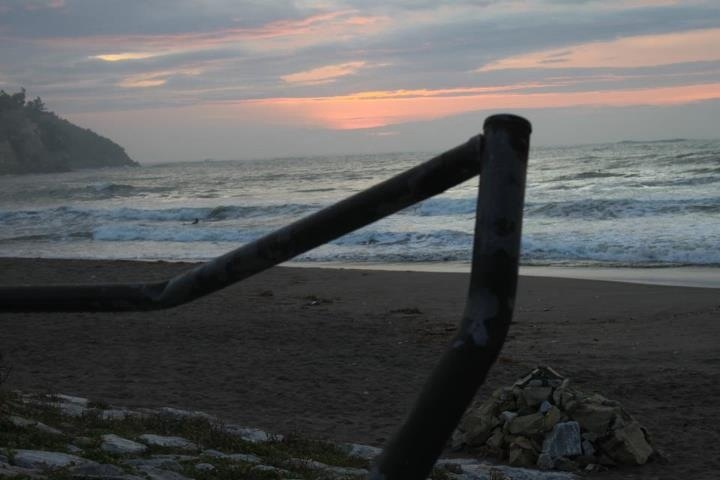
bent gate at Sendai beach -2012
One-Time
Monthly
Yearly
Make a one-time or recurring donation to support daily Barnstorming posts
“Open thy mouth wide, and I will fill it,” reads the needlepoint above the dentist’s door, beyond which “Little Learners” are doing time in the chair. One at a time, up and down, they practice how to be not afraid, to tip their chins, spit. And then to brush in circles gently for two minutes. No blood today, no needles, drills, just a plastic sack of gifts: a magnet of a happy tooth, a purple toothbrush, paste. …when they’re all lined up and holding hands in pairs, they lift their faces as if toward God to the camera. Having been happily trained for pain, they flash their unharmed smiles, and in my mind, I exit with them, all my ex-selves, mittens attached to their jackets, bright and unbreakable. ~Dierdre O’Connor from “At the Dentist’s” from The Cupped Field
One thing I like less than most things is sitting in a dentist chair with my mouth wide open. And that I will never have to do it again is a hope that I am against hope hopen.
Because some tortures are physical and some are mental, But the one that is both is dental. It is hard to be self-possessed With your jaw digging into your chest.
So hard to retain your calm When your fingernails are making serious alterations in your life line or love line or some other important line in your palm;
So hard to give your usual effect of cheery benignity When you know your position is one of the two or three in life most lacking in dignity.
And your mouth is like a section of road that is being worked on. And it is all cluttered up with stone crushers and concrete mixers and drills and steam rollers and there isn’t a nerve in your head that you aren’t being irked on.
Oh, some people are unfortunate enough to be strung up by thumbs. And others have things done to their gums, And your teeth are supposed to be being polished, But you have reason to believe they are being demolished. And the circumstance that adds most to your terror Is that it’s all done with a mirror, Because the dentist may be a bear, or as the Romans used to say, only they were referring to a feminine bear when they said it, an ursa, But all the same how can you be sure when he takes his crowbar in one hand and mirror in the other he won’t get mixed up, the way you do when you try to tie a bow tie with the aid of a mirror, and forget that left is right and vice versa?
And then at last he says That will be all; but it isn’t because he then coats your mouth from cellar to roof With something that I suspect is generally used to put a shine on a horse’s hoof.
And you totter to your feet and think. Well it’s all over now and after all it was only this once. And he says come back in three monce. And this, O Fate, is I think the most vicious circle that thou ever sentest, That Man has to go continually to the dentist to keep his teeth in good condition when the chief reason he wants his teeth in good condition is so that he won’t have to go to the dentist. ~Ogden Nash “This is Going to Hurt a Little Bit”
Yesterday, as I rested comfortably in the dental chair for a repair of two decades-old fillings in my front teeth, I thought about my childhood dental experiences over 60 years ago.
There was the little round basin with swirling water next to the chair where I was told to spit the bloody stuff accumulating in my mouth as they drilled out the cavities.
Cavities were drilled and filled without novocaine for children. The injection was considered more traumatic than the sensation of the drill. I was a very compliant child, stoic when I was told to be, but tightly gripped the arm rests of that old dental chair as the high-pitched whir of the drill sent pain from my tooth into my brain.
It was, in a word, torture. But that’s how things were done back then.
I did get novocaine injections for several tooth extractions necessary for orthodontia to correct my crooked teeth. No numbing gel, no slow infiltration of the anesthetic into the gums, just one scary giant needle into the gums or hard palate.
I gripped the arm rests even tighter for that.
Dentists back didn’t want to torture children. They simply weren’t trained to do it differently. They didn’t wear gloves, only washing their hands between patients. And they had plenty of on-the-job hazards themselves with mercury exposure and being bitten.
In fact, my childhood dentist was so impressed with my stoicism, he later hired me as a high schooler to be his chair-side assistant several days a week after school. I learned many skills, helping people of all ages cope with a painful experience, but also learned I didn’t have what it takes to be a patient dentist.
I love my current dentist’s gentle technique, his pain-free injection of anesthesia, his reassuring banter and frequent check-ins (“you doing okay?”). Too many older adults still struggle all these years later with dentist-phobia, avoiding routine cleanings and check-ups. I still have all my teeth thanks to several incredibly skilled dental artisans over the decades who have saved my enamel with their sculpted crowns and fillings. I am beyond grateful for their care.
So I sit in the dental chair, put on the sunglasses, and gladly open wide for them.
But, I can’t help it, out of habit and reflex, I still grip the arm rests too tightly.
One-Time
Monthly
Yearly
Make a one-time or recurring donation to support daily Barnstorming posts
My God, my God, why have you forsaken me? Why are you so far from saving me, so far from my cries of anguish? 2 My God, I cry out by day, but you do not answer, by night, but I find no rest.
I am poured out like water, and all my bones are out of joint. My heart has turned to wax; it has melted within me. 15 My mouth is dried up like a potsherd, and my tongue sticks to the roof of my mouth; you lay me in the dust of death.
16 Dogs surround me, a pack of villains encircles me; they pierce my hands and my feet. 17 All my bones are on display; people stare and gloat over me. 18 They divide my clothes among them and cast lots for my garment.
19 But you, Lord, do not be far from me. You are my strength; come quickly to help me. ~Psalm 22: 1-2, 14-19
his appearance was so disfigured beyond that of any human being and his form marred beyond human likeness— so he will sprinkle many nations, and kings will shut their mouths because of him. For what they were not told, they will see, and what they have not heard, they will understand. Isaiah 52: 13-15
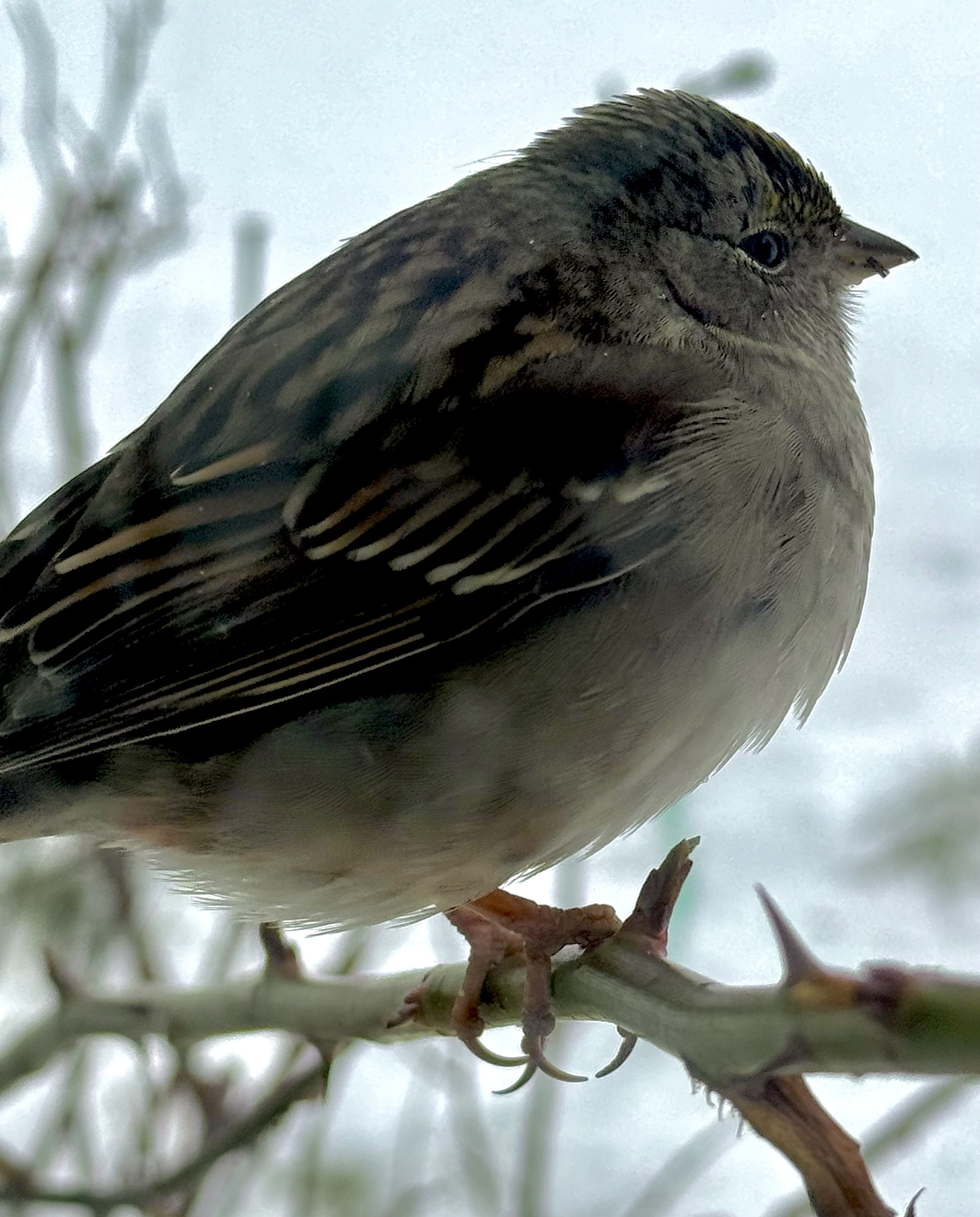
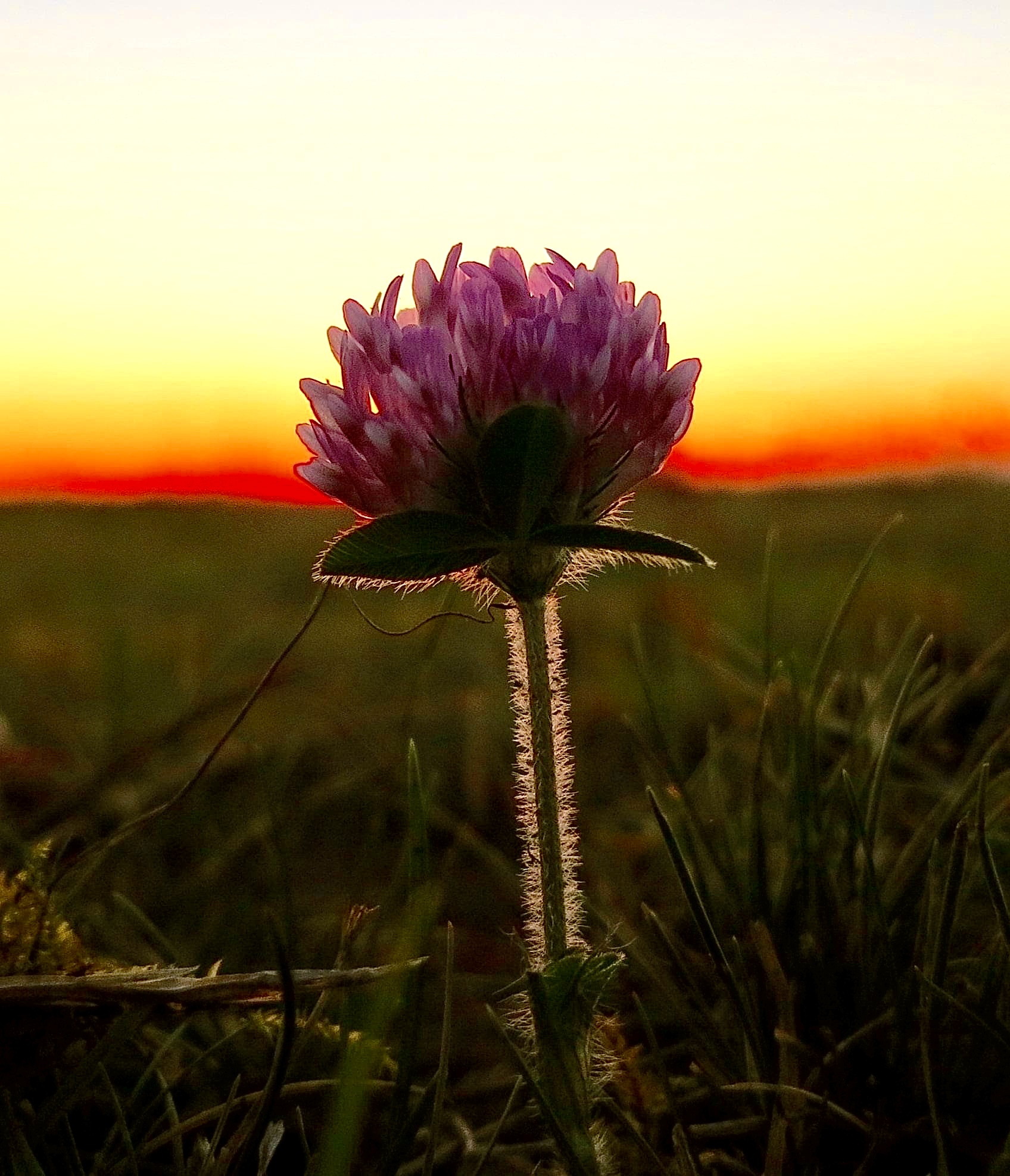
When I was wounded whether by God, the devil, or myself —I don’t know yet which— it was seeing the sparrows again and clumps of clover, after three days, that told me I hadn’t died. When I was young, all it took were those sparrows, those lush little leaves, for me to sing praises, dedicate operas to the Lord. But a dog who’s been beaten is slow to go back to barking and making a fuss over his owner —an animal, not a person like me who can ask: Why do you beat me? Which is why, despite the sparrows and the clover, a subtle shadow still hovers over my spirit. May whoever hurt me, forgive me. ~Adelia Prado “Divine Wrath” translated from BrazilianPortuguese by Ellen Doré Watson
*************************************
“My God, My God,” goes Psalm 22, “hear me, why have you forsaken me?”
This is the anguish all we of Godforsaken heart know well. But hear the revelation to which Christ directs us, further in the same psalm:
For He has not despised nor scorned the beggar’s supplication, Nor has He turned away His face from me; And when I cried out to Him, He heard me.
He hears us, and he knows, because he has suffered as one Godforsaken. Which means that you and I, even in our darkest hours, are not forsaken. Though we may hear nothing, feel nothing, believe nothing, we are not forsaken, and so we need not despair.
And that is everything.
That is Good Friday and it is hope, it is life in this darkened age, and it is the life of the world to come. ~Tony Woodlief from “We are Not Forsaken”
*******************************
Emmett Till’s mother speaking over the radio
She tells in a comforting voice what it was like to touch her dead boy’s face,
how she’d lingered and traced the broken jaw, the crushed eyes–
the face that badly beaten, disfigured— before confirming his identity.
And then she compares his face to the face of Jesus, dying on the cross.
This mother says no, she’d not recognize her Lord, for he was beaten far, far worse
than the son she loved with all her heart. For, she said, she could still discern her son’s curved earlobe,
but the face of Christ was beaten to death by the whole world. ~Richard Jones “The Face” fromBetween Midnight and Dawn
******************************
In a daring and beautiful creative reversal, God takes the worse we can do to Him and turns it into the very best He can do for us. ~Malcolm Guite from The Word in the Wilderness
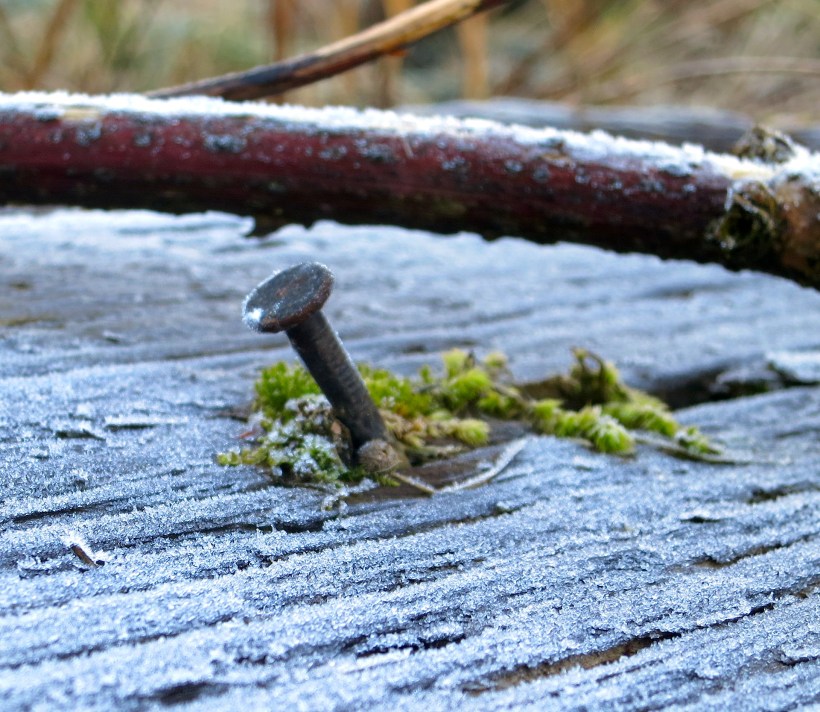
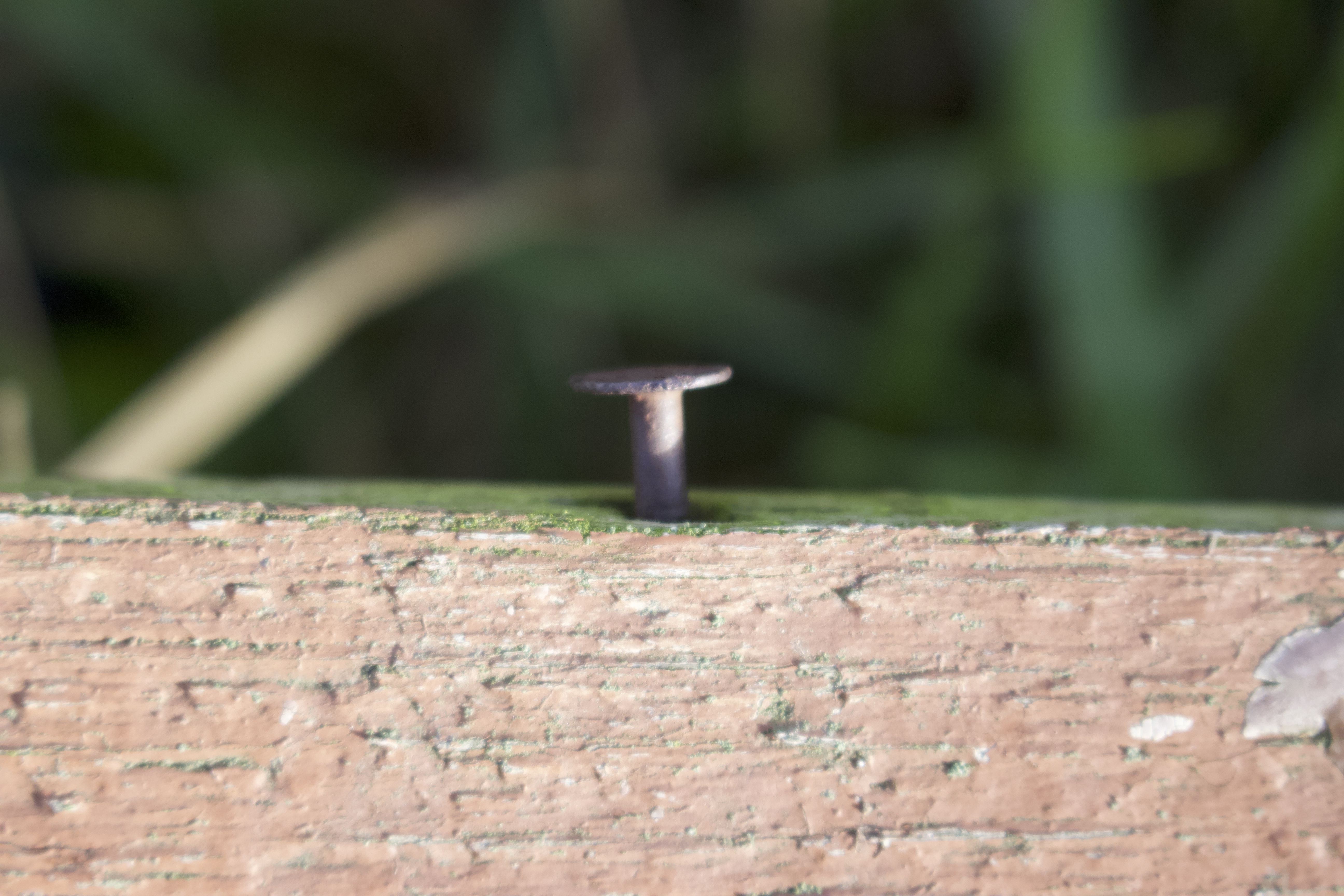
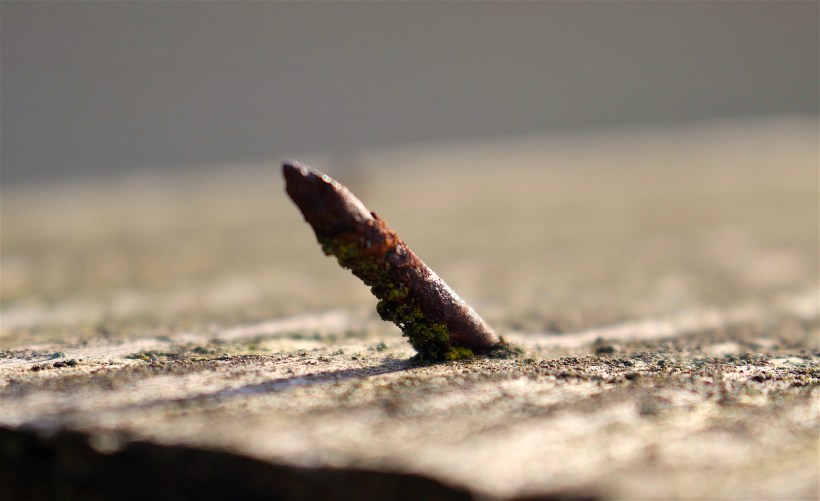
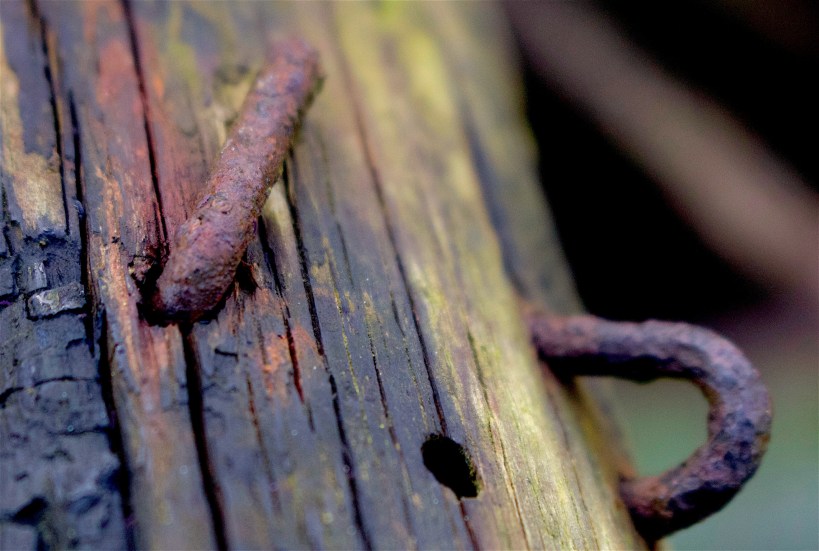
Strangely enough~ it is the nail, not the hammer, that fastens us together~ becoming the glue, the security, the permanence of solid foundation and strong supports, or protecting roof.
The hammer is only a tool to pound in the nail to where it binds so tightly; the nail can’t blend in or be forgotten, where the hole it leaves behind is a forever wounded reminder of what the hammer has done, yet, how thoroughly the hammer, and we, are forgiven.
This year’s Lenten theme:
…where you go I will go… Ruth 1:16
One-Time
Monthly
Yearly
Make a one-time or recurring donation to support daily Barnstorming posts
I’m still discovering, right up to this moment, that it is only by living completely in this world that one learns to have faith. I mean living unreservedly in life’s duties, problems, successes and failures, experiences and perplexities.
In so doing, we throw ourselves completely into the arms of God. ~Dietrich Bonhoeffer from The Cost of Discipleship
In the real world of pain, how could one worship a God who was immune to it? ~John Stott from “Cross”
With all that is happening daily in this disordered and confused world, we fall back on what we are told, each and every day, in 365 different verses in God’s Word itself:
Fear not.
Do not be overwhelmed with evil but overcome evil with good.
And so – we must overcome — despite the evil happening within our own country, despite our fear of one another and what might happen next.
As demonstrated by the anointing of Jesus’ feet by Mary of Bethany on Wednesday of Holy Week, we do what we can to sacrifice for the good of others, to live in such a way that death can never erase the meaning and significance of a life.
We are called to give up our own self-aggrandizing agendas to consider the dignity and well-being of others.
It is crystal clear from Christ’s example as we follow His journey to the cross this week: we are to cherish life – all lives – born and unborn, the stranger and the refugee. If Christ Himself forgave those who hated and murdered Him, He will forgive us for not understanding the damage we cause by our actions and inactions.
Our only defense against the evil we witness is God’s victory through His Love. Only God who knows pain can lead us to Tolkien’s “where everything sad will come untrue”, where we shall live in peace, walk hand in hand, no longer alone, no longer afraid, no longer shedding tears of grief and sorrow, but tears of relief and joy.
No longer overcome by evil but overcome with the goodness of a God who makes all things right.
All to God’s glory.
This year’s Lenten theme:
…where you go I will go… Ruth 1:16
One-Time
Monthly
Yearly
Make a one-time or recurring donation to support daily Barnstorming posts
This saying good-by on the edge of the dark And the cold to an orchard so young in the bark Reminds me of all that can happen to harm An orchard away at the end of the farm All winter, cut off by a hill from the house.
I wish I could promise to lie in the night And think of an orchard’s arboreal plight When slowly (and nobody comes with a light) Its heart sinks lower under the sod. But something has to be left to God. ~Robert Frost from “Good-bye and Keep Cold”
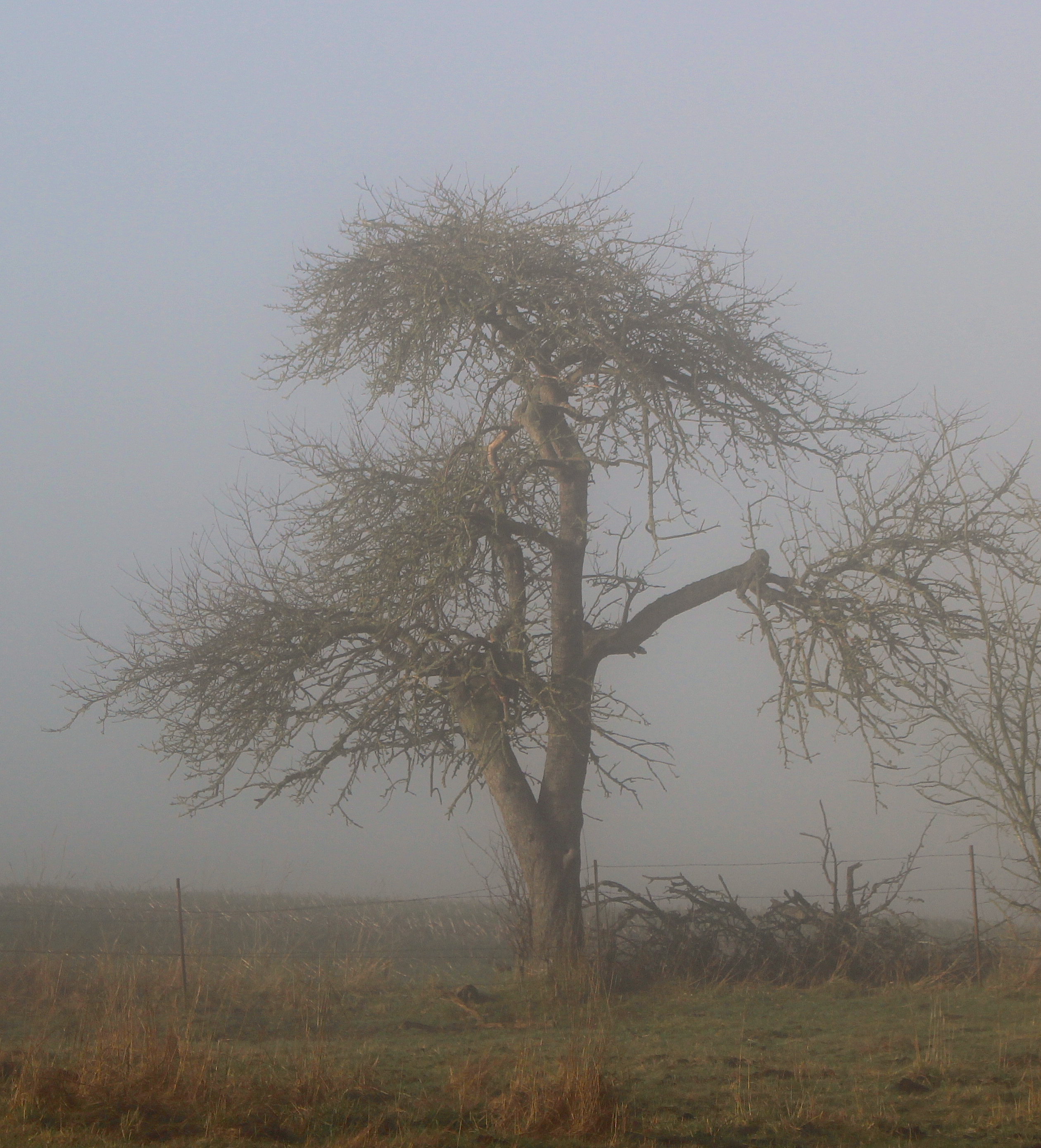
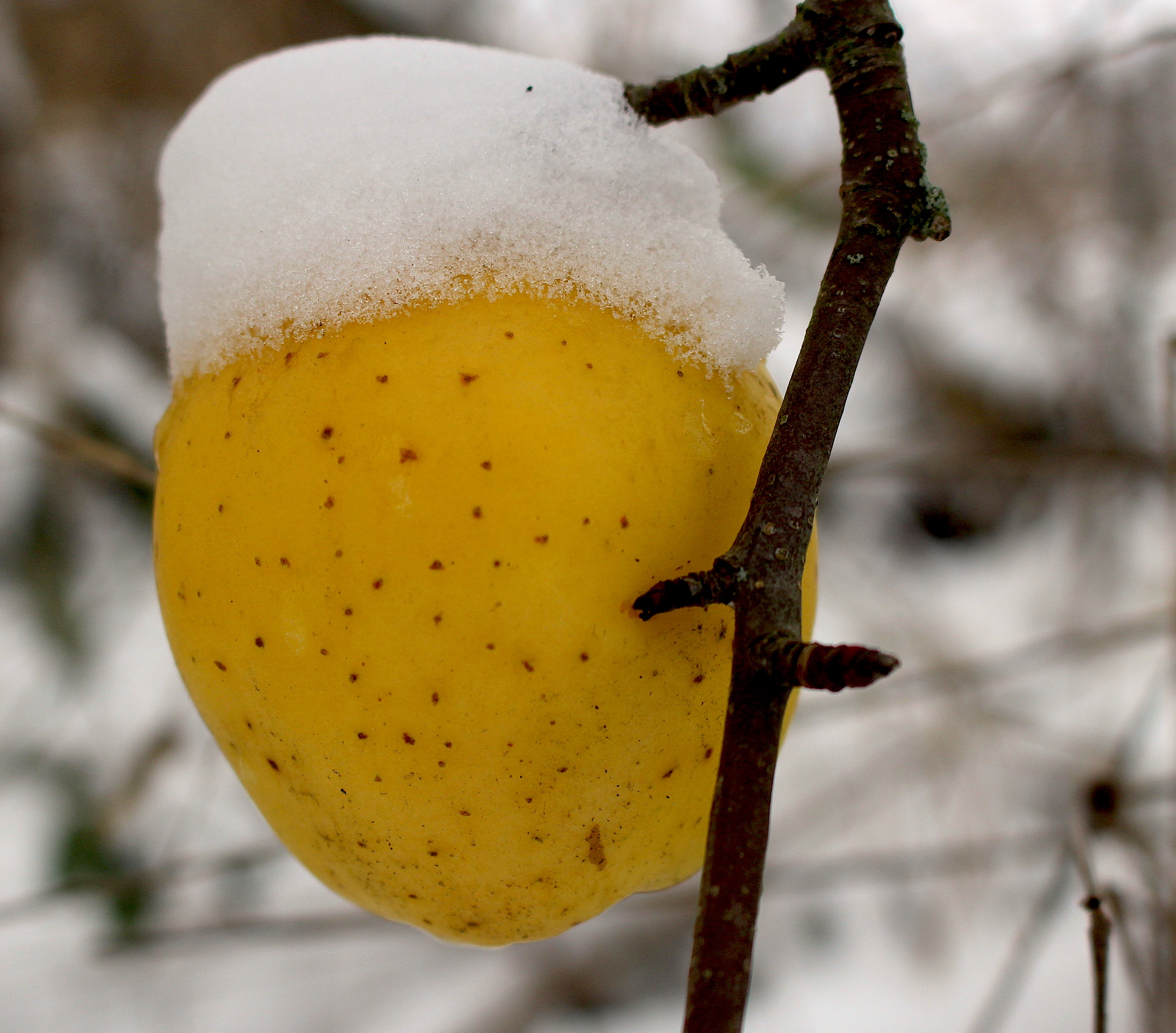
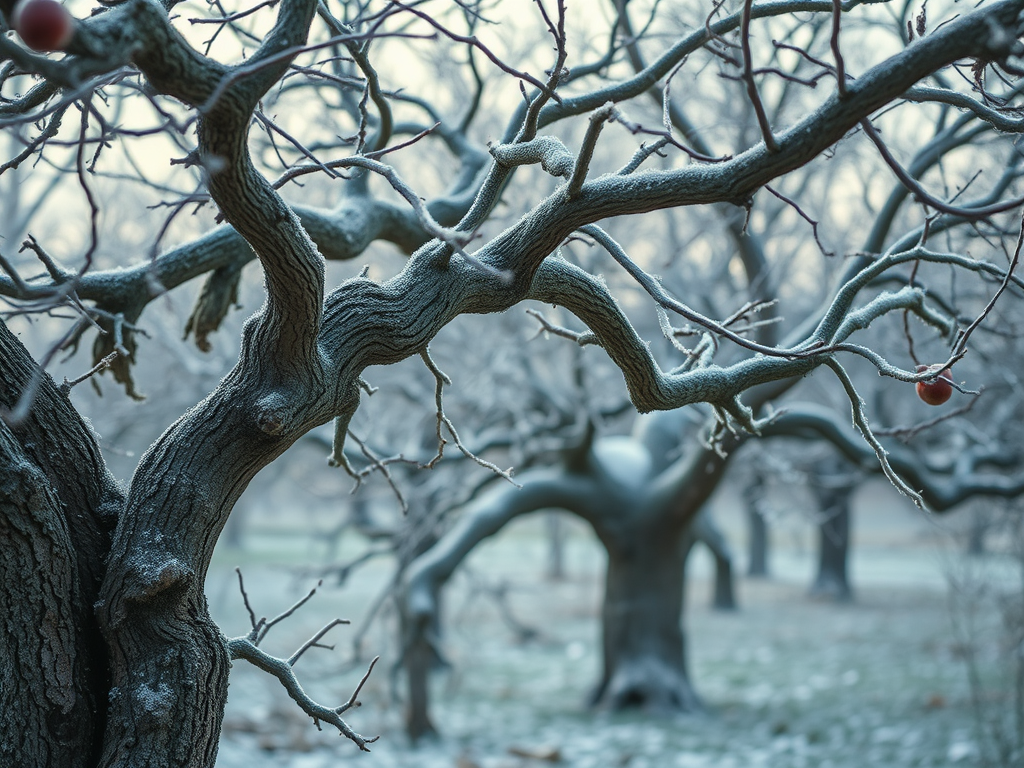
The winter orchard looks cold and silent yet I know plenty is happening beneath the sod.
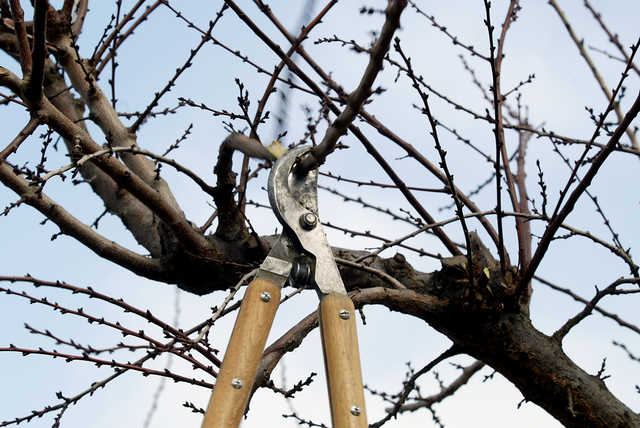
There isn’t much to be done this time of year until the pruning hook comes out. Ideally, now is the time the trees should be shaped and shorn.
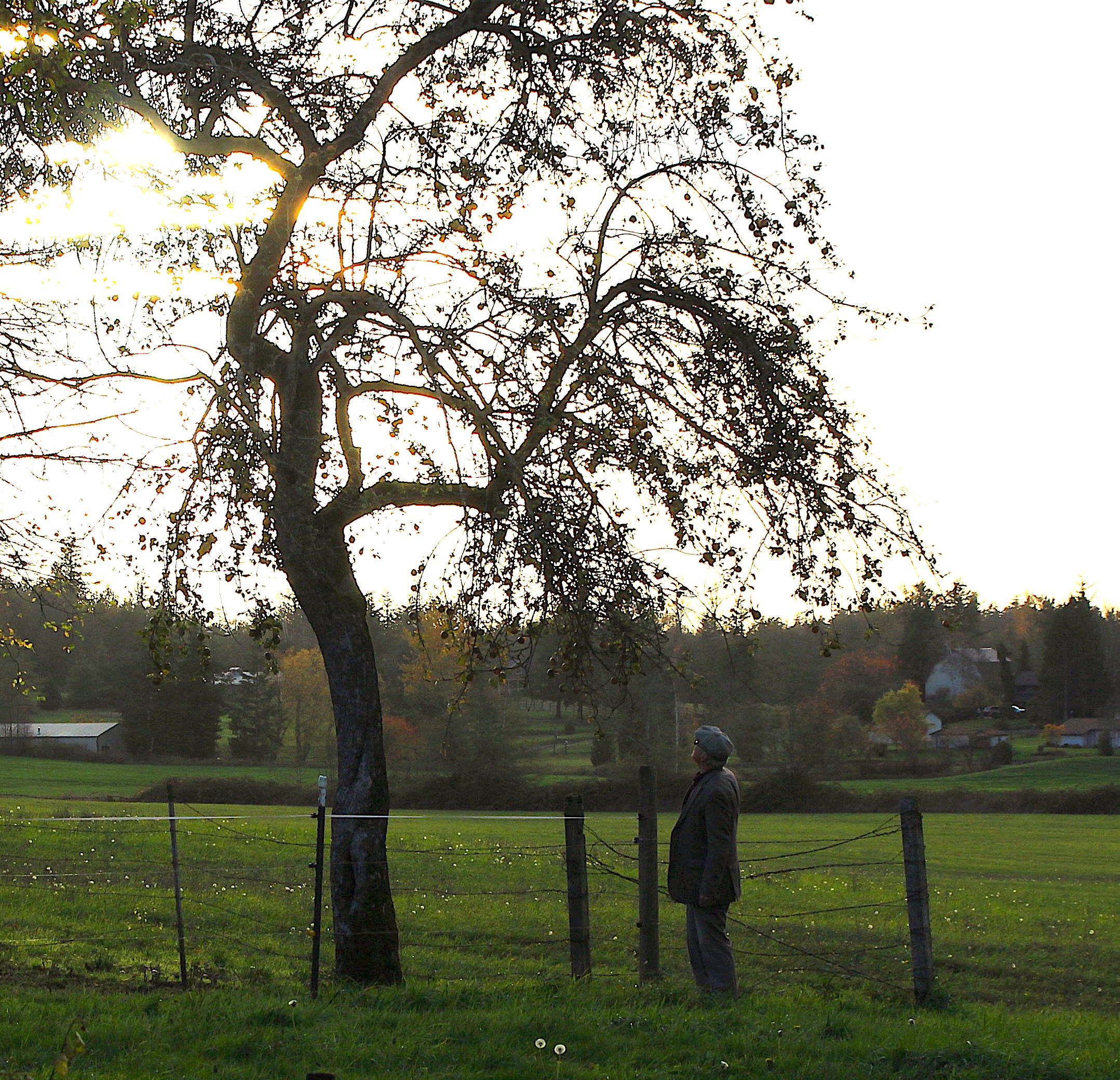
Pruning is one of those tasks that is immensely satisfying–after it’s done – way after. Several years after in some cases. In the case of our fruit trees, which all have an average age of 90 years or more, it is a matter of prune or lose them forever. We set to work, trying to gently retrain wild and chaotic apple, cherry, plum, and pear trees, but our consistency was lacking. The trees remained on the wild side, defying us, and several have toppled over in windstorms due to their weakened frame.
We hired additional help, hoping to get ahead of the new growth, but our helper had the “chain saw” approach to pruning and literally scalped several trees into dormancy before we saw what was happening and stopped the savaging.
Instead, the process of retraining a wild tree is slow, meticulous, thoughtful, and expectant. We must study the tree, the setting, know the fruit it is supposed to bear, and begin making decisions before making cuts. The dead stuff goes first–that’s easy. It’s not useful, it’s taking up space, it’s outta here. It’s the removal of viable branches that takes courage. Like thinning healthy vegetable plants in a garden, I can almost hear the plant utter a little scream as we choose it to be the next one to go. Gardening is not for the faint of heart. So ideally, we choose to trim about a third of the superfluous branches, rather than taking them all at once. In three years, we have the hoped-for tree, bearing fruit that is larger, healthier and hardier.
Then we’re in maintenance mode. That takes patience, vision, dedication, and love. That’s the ideal world.
The reality is we skip years of pruning work, sometimes several years in a row. Or we make a really dumb error and prune in a way that is counter productive, and it takes several years for the tree to recover. Or, in the case of the scalping, those trees took years to ever bear fruit again–standing embarrassed and naked among their peers.
Then there is the clean up process after pruning–if it was just lopping off stuff, I’d be out there doing it right now, but the process of picking up all those discarded branches off the ground, carrying them to a brush pile and burning them takes much more time and effort. That’s where kids come in very handy.
Our three children tolerated our shaping, trimming and pruning for years, grew tall and strong and ready to meet the world, to give it all they’ve got. In our hopes and dreams for them, there were times we probably pruned a bit in haste, or sometimes neglected to prune enough, but even so, they’re all bearing great fruit, now grown up with few “scars” to show for our mistakes.
I’m still pruned regularly by the Master Gardener, often painfully. Sometimes I see the pruning hook coming, knowing the dead branches that I’ve needlessly hung onto must go, and sometimes it comes as a complete surprise, cutting me at my most vulnerable spots. Some years I bear better fruit than other years. Some years, it seems, hardly any at all. I can be cold and dormant, unfruitful and at times desolate.
Yet, I’m still rooted, still fed when hungry and watered when thirsty, and still, amazingly enough, loved. I’ll continue to hang on to the root that chose to feed me and hold me fast through the windstorms of life. Even when my trunk is leaning, my branches broken, my fruit withered, I will know that God’s love sustains me, no matter what.
I am the true vine, and my Father is the gardener. He cuts off every branch in me that bears no fruit, while every branch that does bear fruit he prunes so that it will be even more fruitful. John 15: 1-2
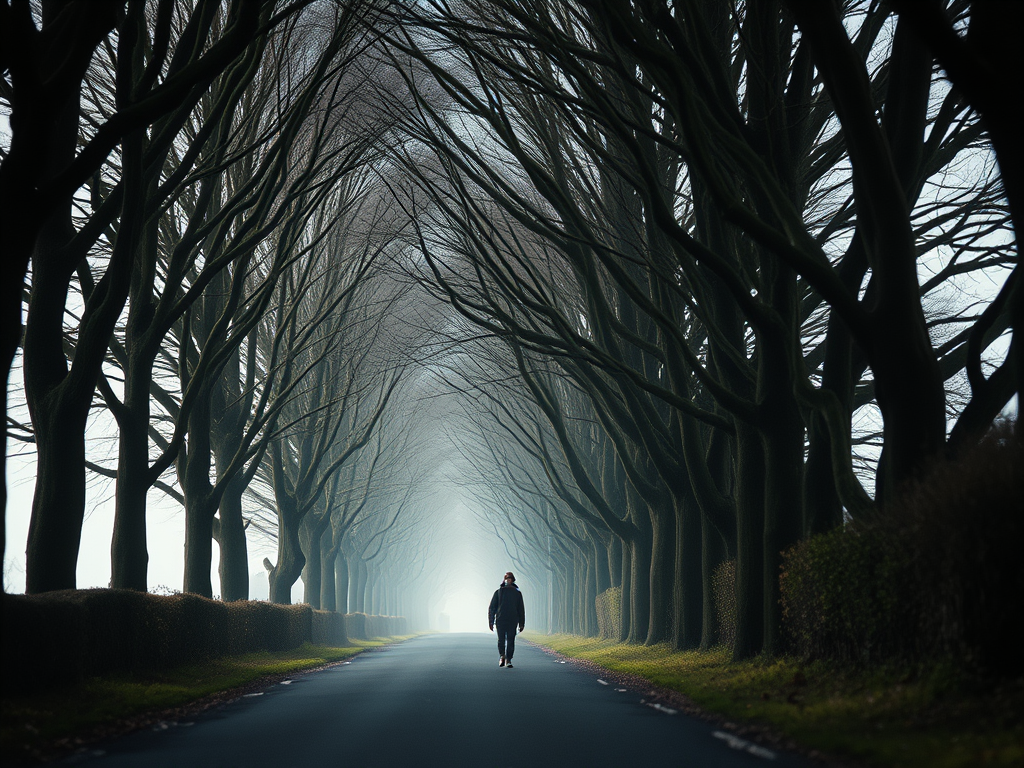
AI image created for this post
One-Time
Monthly
Yearly
Make a one-time or recurring donation to support daily Barnstorming posts
Make a monthly donation
Make a yearly donation
Choose an amount
$10.00
$25.00
$50.00
$5.00
$15.00
$100.00
$5.00
$15.00
$100.00
Or enter a custom amount
$
Your contribution is deeply appreciated to help offset the costs of maintaining an ad-free website.
The pain I feel now is the happiness I had before. That’s the deal. ~C.S. Lewisfrom A Grief Observed
I imagine one of the reasons people cling to their hates so stubbornly is because they sense, once hate is gone, they will be forced to deal with pain. ~James A. Baldwin
We pay for hate with our lives, and that’s too big a price to pay. ~Brené Brown from Braving the Wilderness
We live in a world of hurt. We are consumed with hatred for all that is unjust and unfair because we are people who are in fear and in pain.
We get angry at what we don’t like or don’t understand and that includes the mystery of the ways of God.
We are a people struggling with profound irritability of the spirit. We give no one the benefit of the doubt any more, and that includes God.
We ask God why He doesn’t do something about the suffering we see everywhere, or the terrible hurt we feel ourselves. We want answers, and that includes answers from God.
Instead He asks us the same question right back: What are we doing about the suffering of others? What are we doing to understand our own misery? Where are we seeking answers if not from His own Words?
God knows suffering and hurt. He knows fear. He knows what it is to be hated, far more than we do. He took it all on Himself, loving us so much because His pain was part of the deal He made with us to rescue us.
With that realization, we trade our pain for hope in Him, our fear for trust in His promises, and our hatred gives way to His sacrificial love.
Only then are we ready to respond to His call, wrap ourselves within and around Him, cling to His Word, and feel His comfort for His people.
There is no fear in love. But perfect love drives out fear.. 1 John 4:18a
AI image created for this post
One-Time
Monthly
Yearly
Make a one-time or recurring donation to support daily Barnstorming posts
Why should I have to deal with so-called human beings when I can be up on the roof hammering shingles harder than necessary,
driving the sharp nails down into the forehead of the house like words I failed earlier to say?
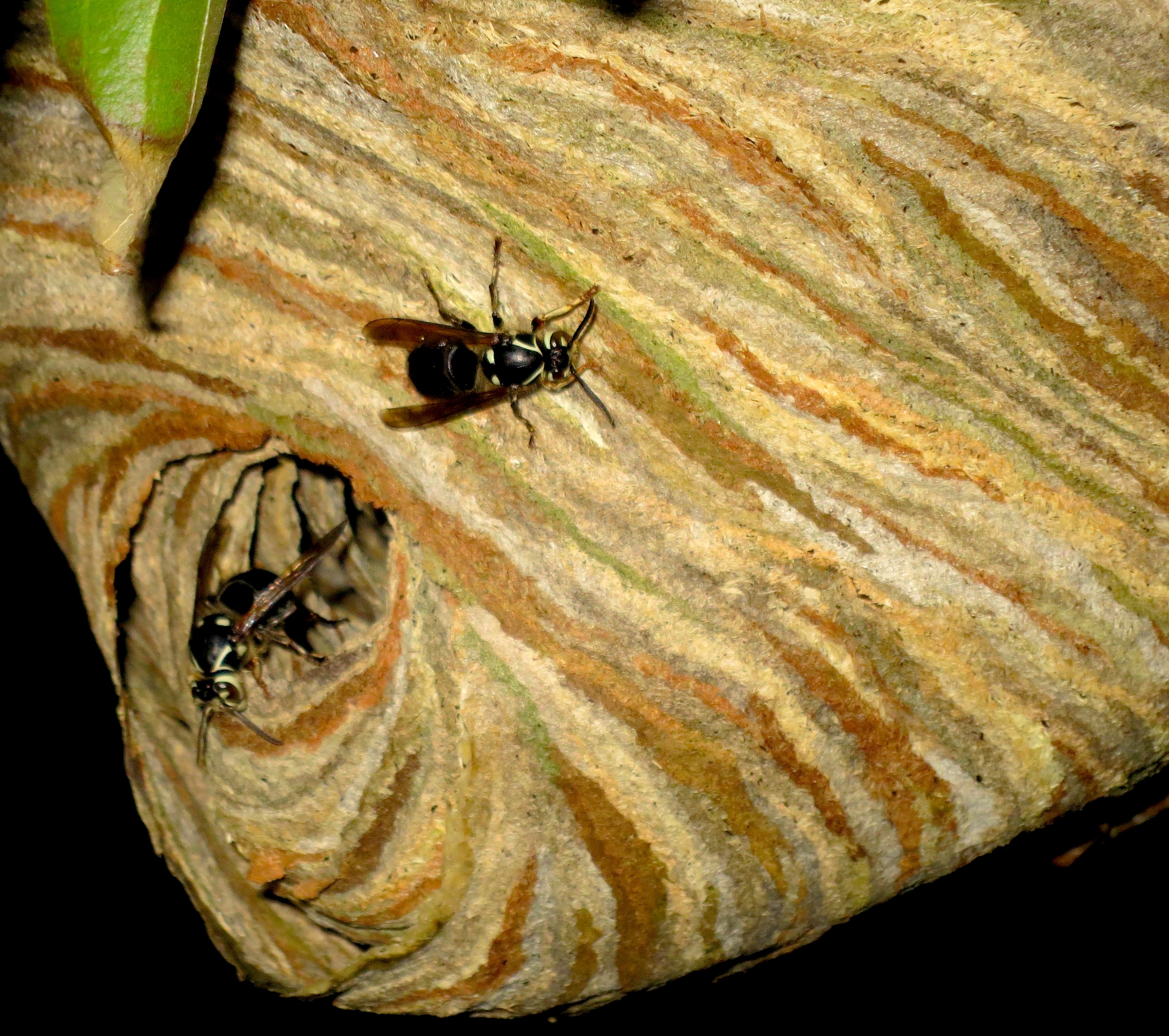
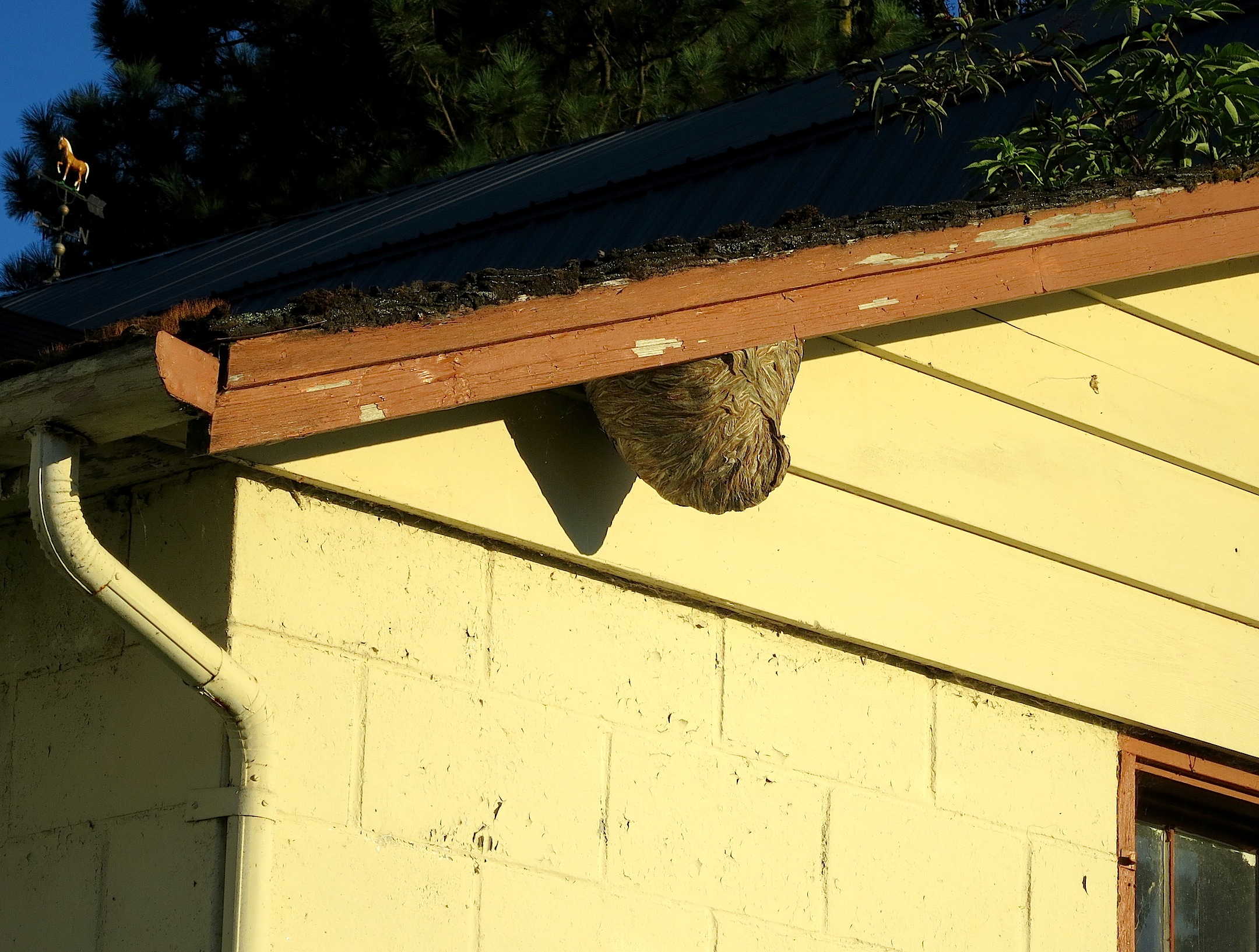
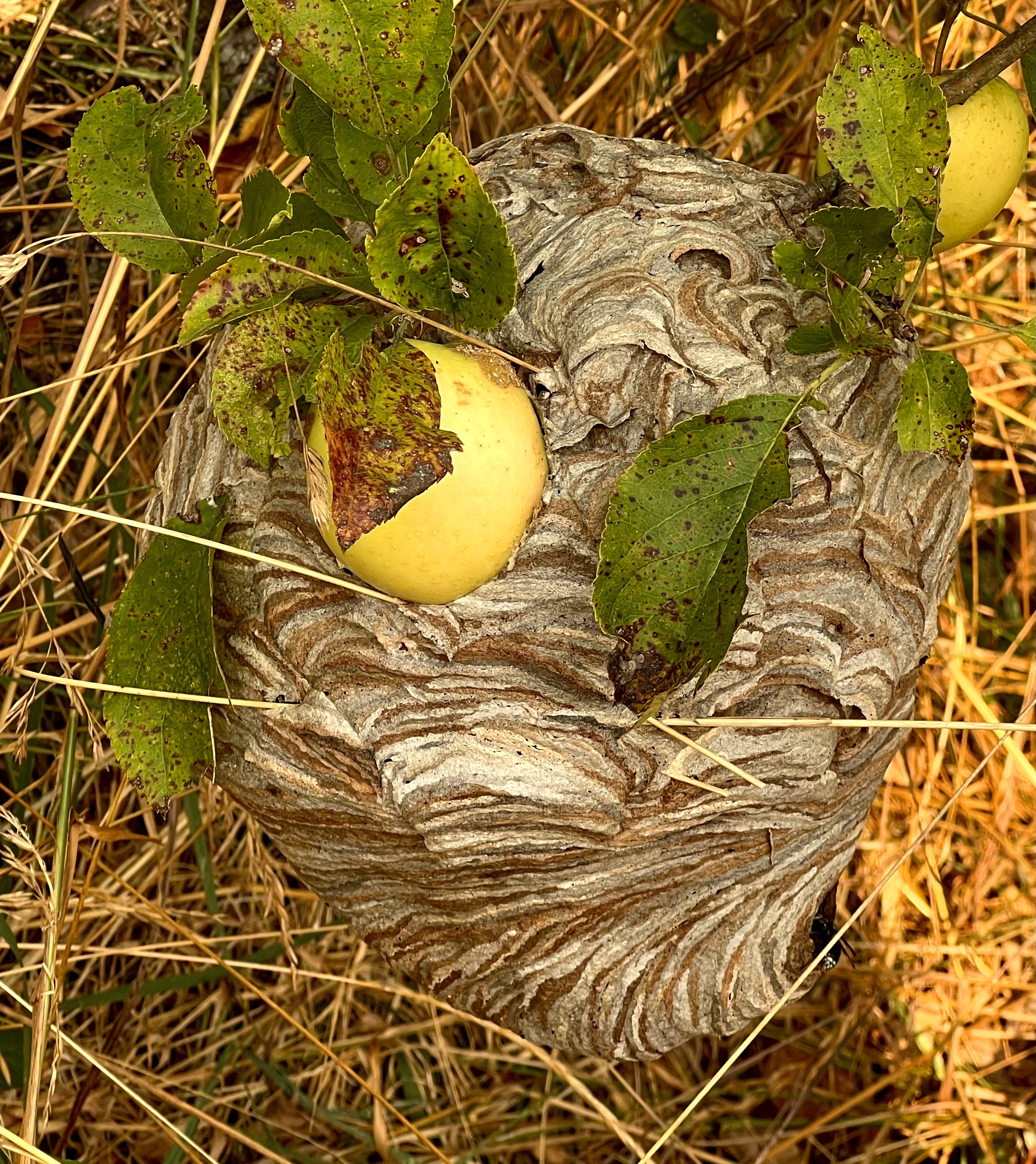
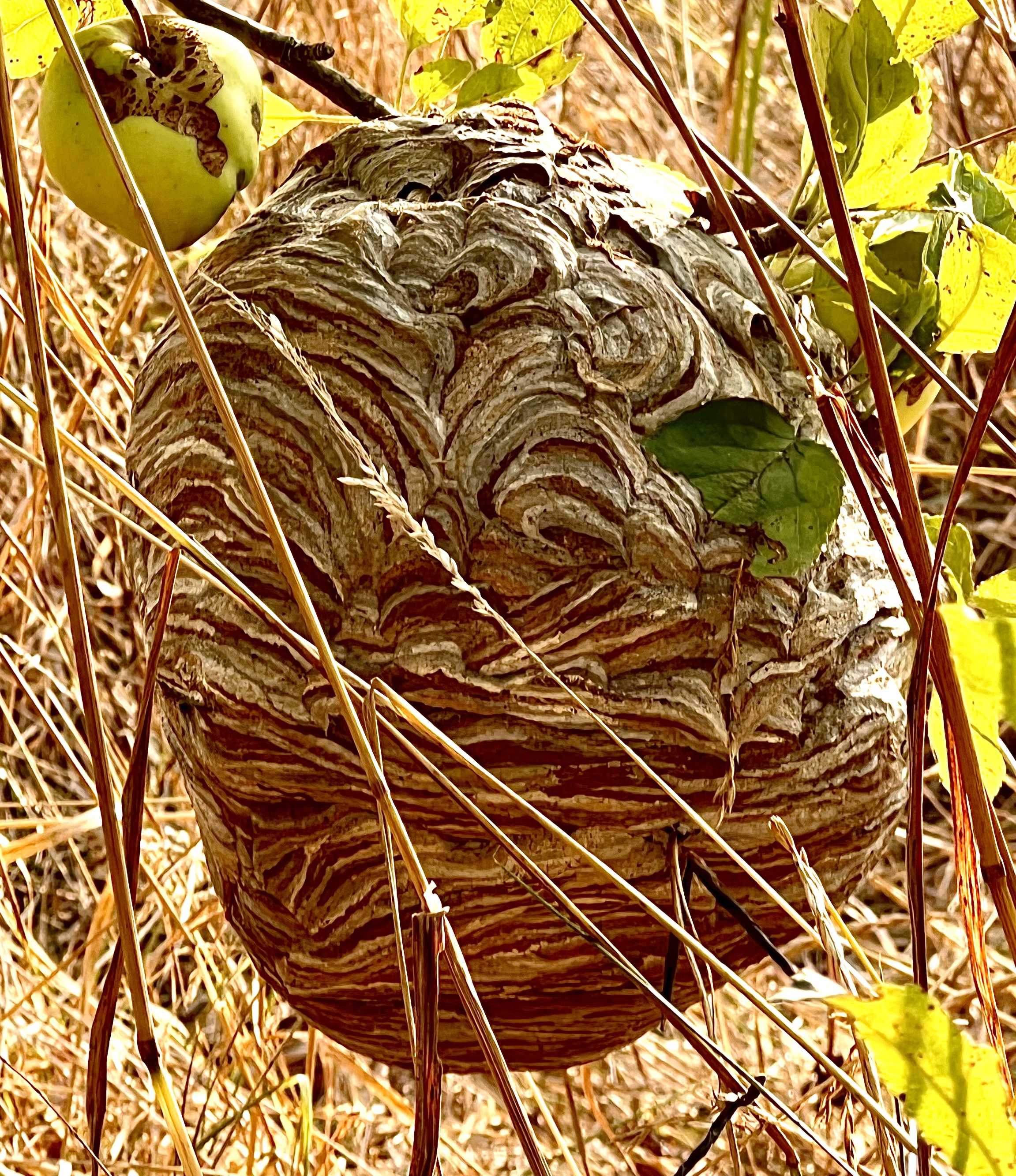
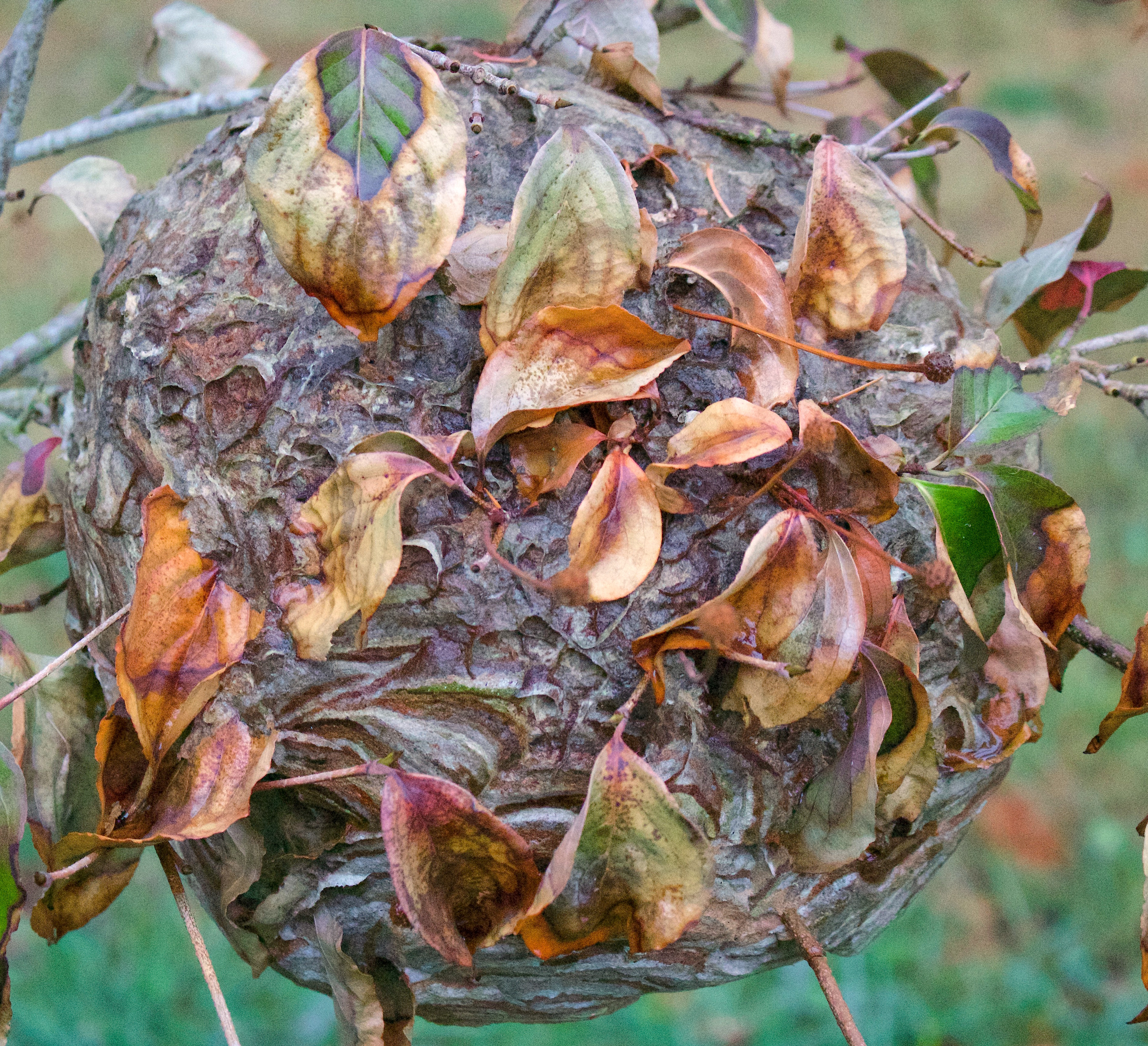
And when a few wasps eddy up from their hidden place beneath the eaves to zoom in angry agitation near my face
I just raise a canister of lethal spray and shoot them down without a thought. Don’t speak to me, please, about clarity and proportionate response.
The world is a can of contents under pressure; a human being should have a warning label on the side that says: Disorganized Narrative Inside; Beware of frequent sideways bursting
of one feeling through another —to stare into the tangled midst of which would make you as sick and dizzy as those wasps,
then leave you stranded on the roof on a beautiful day in autumn with a mouth full of nails,
trying to transplant pain by hammering down into a house full of echoes. ~Tony Hoagland “Wasp”
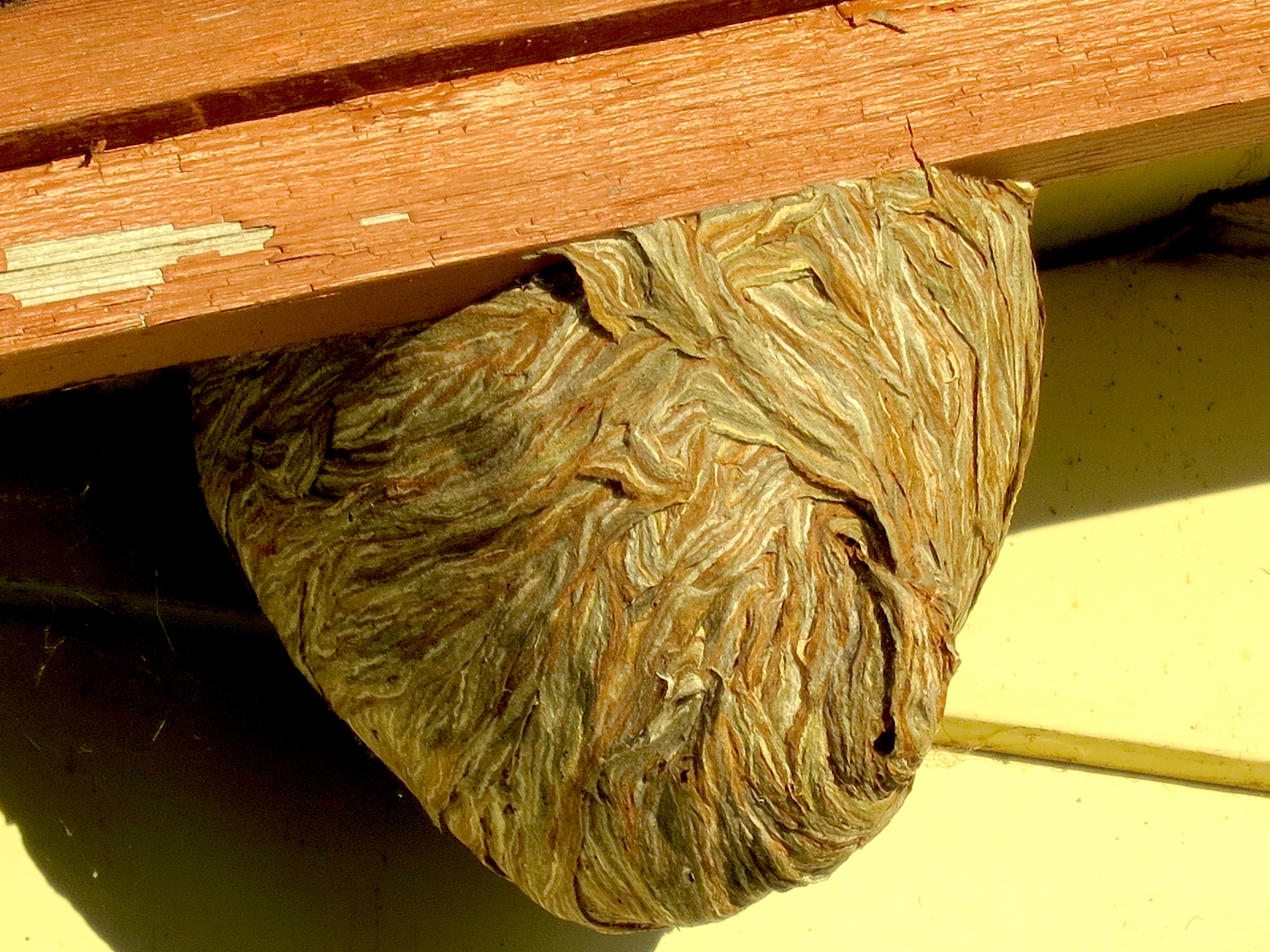
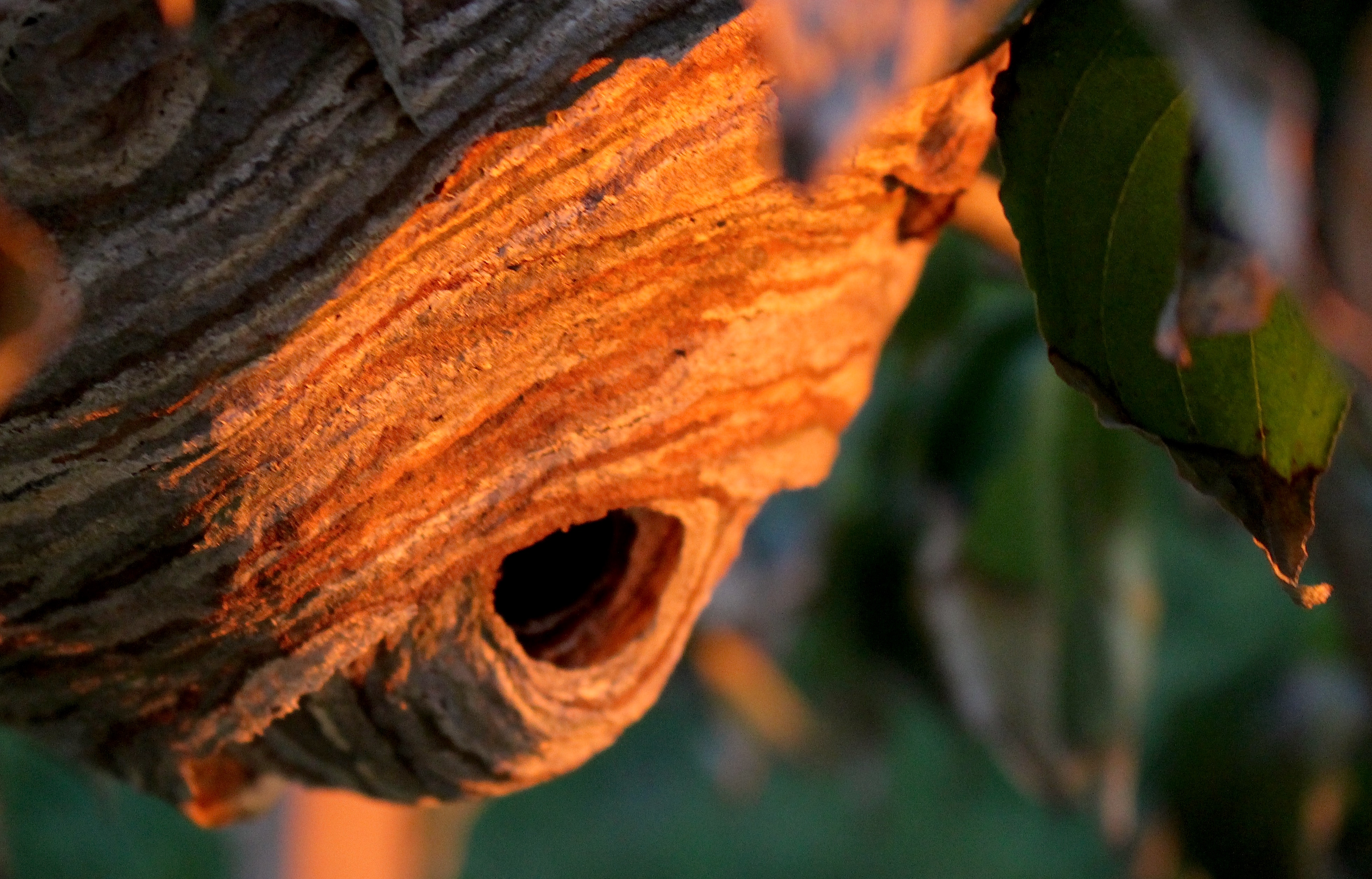
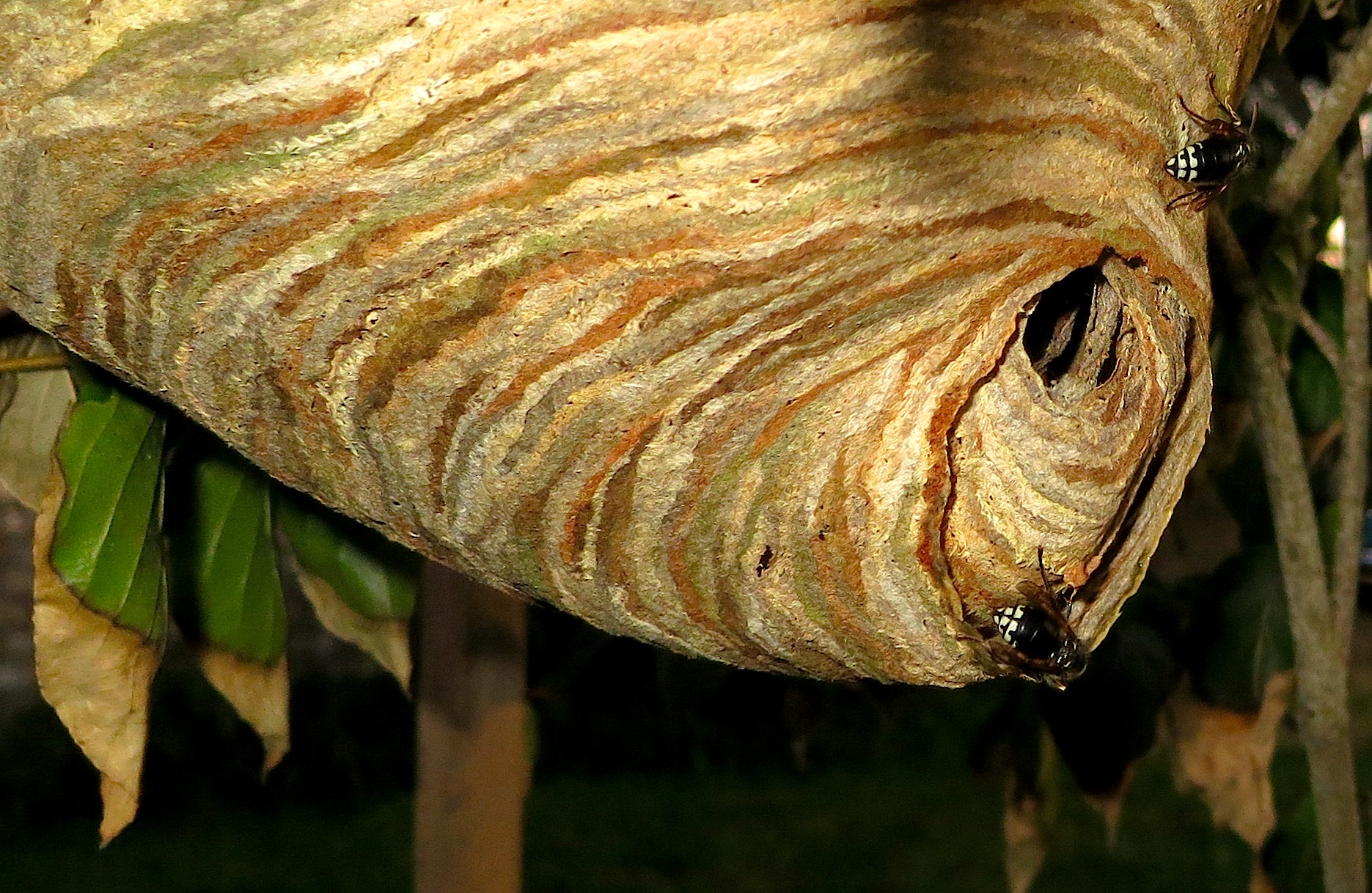
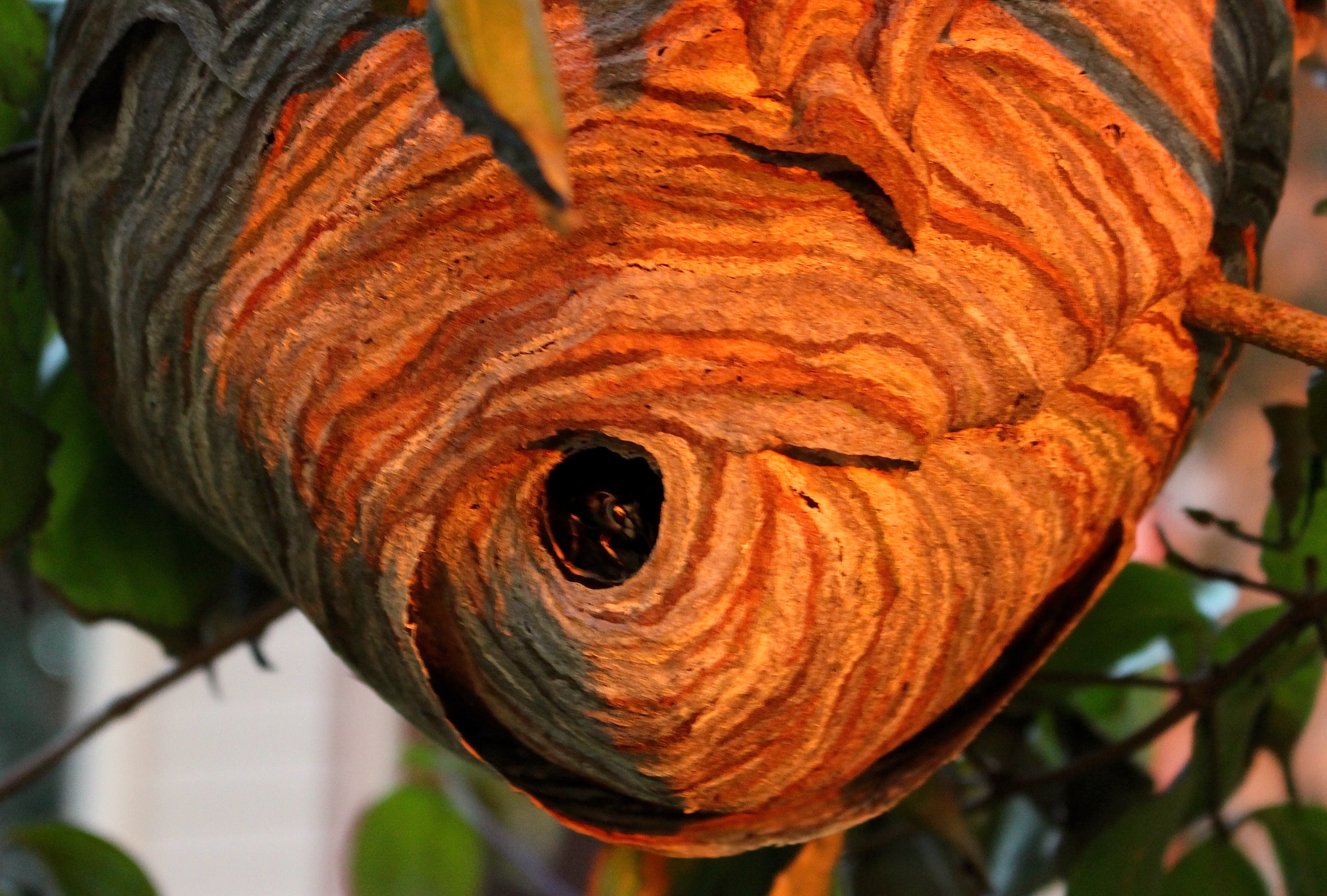
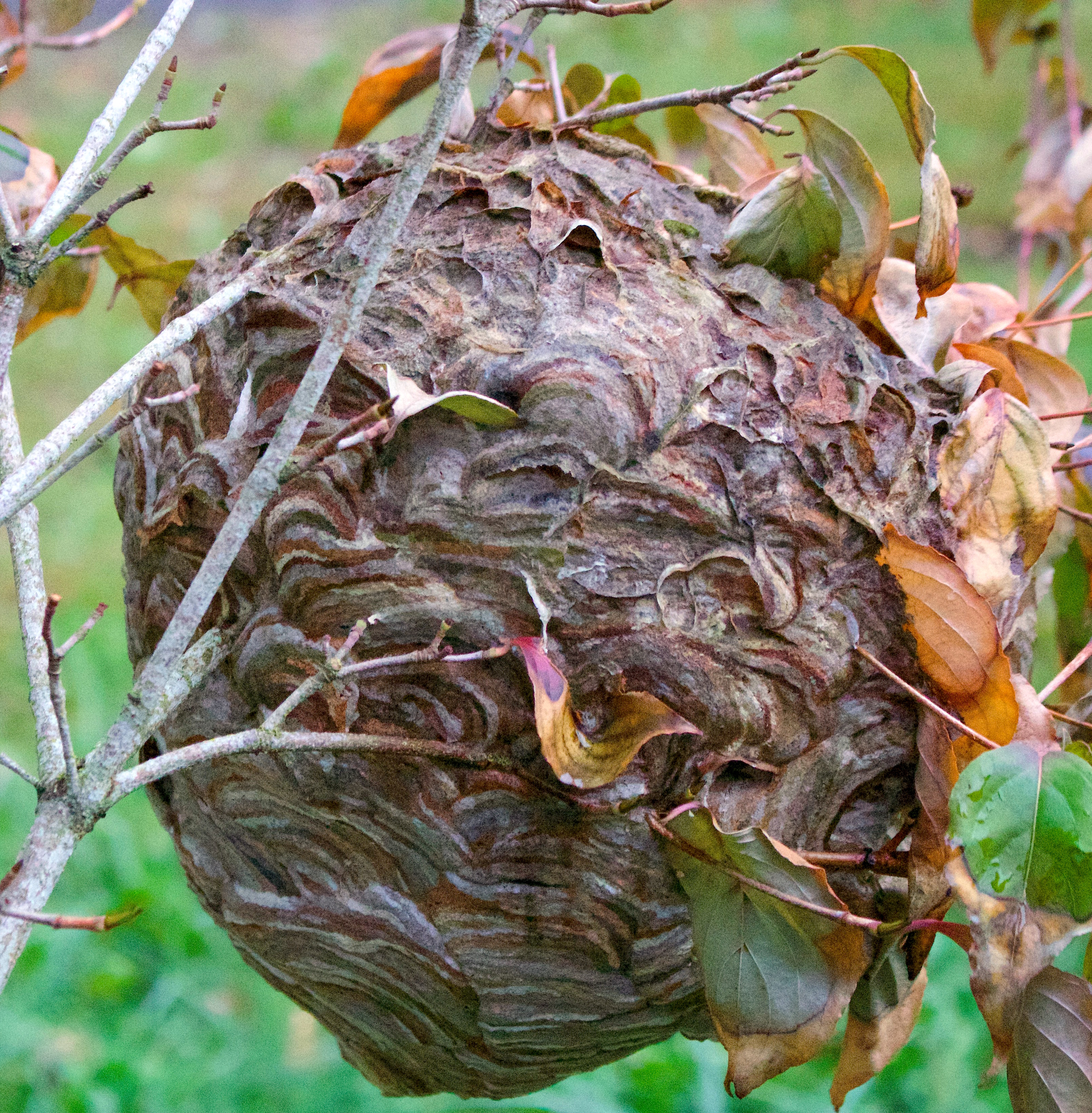
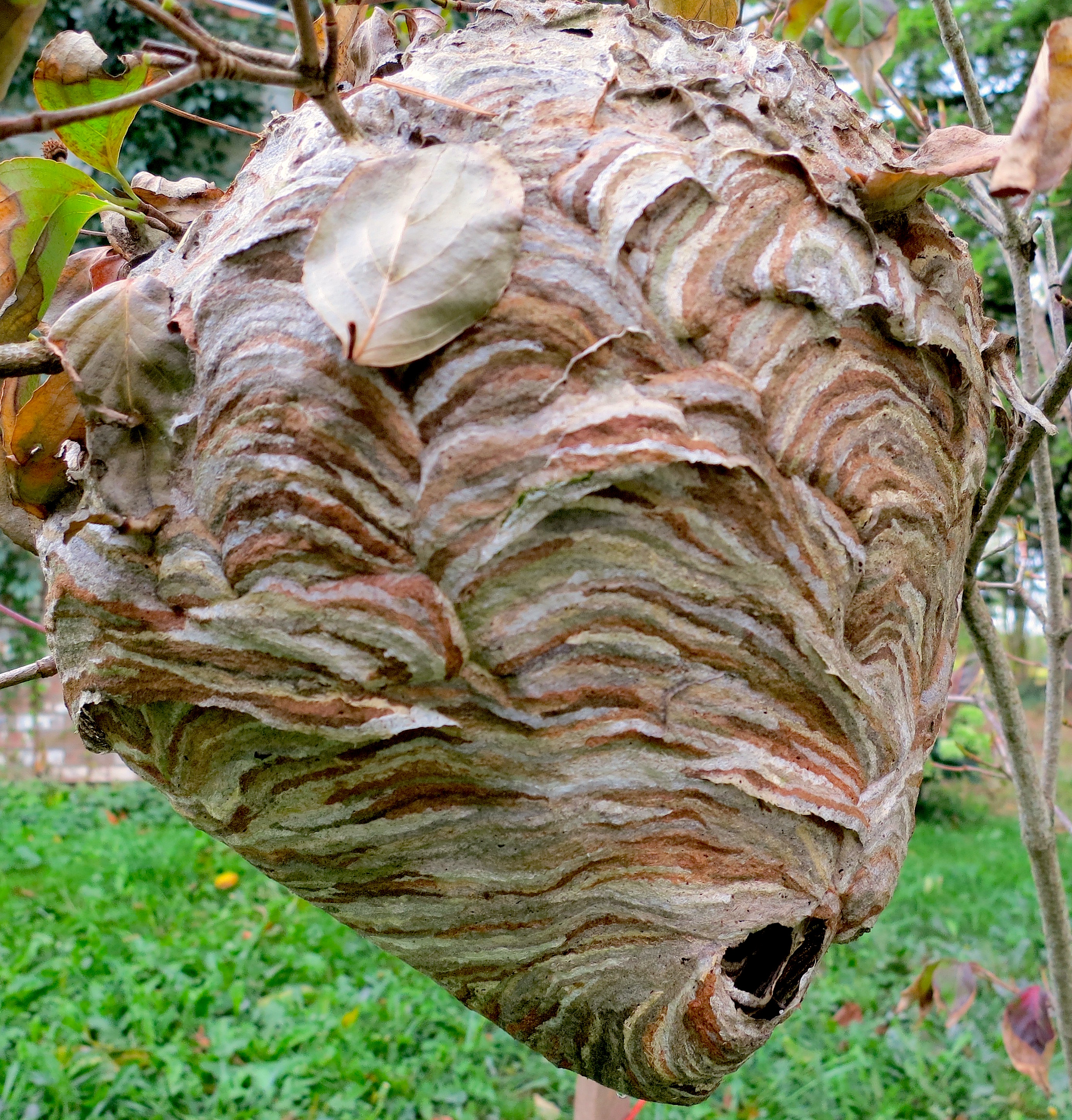
Two aerial tigers, Striped in ebony and gold And resonantly, savagely a-hum, Have lately come To my mailbox’s metal hold And thought With paper and with mud Therein to build Their insubstantial and their only home. Neither the sore displeasure Of the U. S. Mail Nor all my threats and warnings Will avail To turn them from their hummed devotions. And I think They know my strength, Can gauge The danger of their work: One blow could crush them And their nest; and I am not their friend. And yet they seem Too deeply and too fiercely occupied To bother to attend. Perhaps they sense I’ll never deal the blow, For, though I am not in nor of them, Still I think I know What it is like to live In an alien and gigantic universe, a stranger, Building the fragile citadels of love On the edge of danger. ~James L. Rosenberg “The Wasps’ Nest”
When will we ever learn?
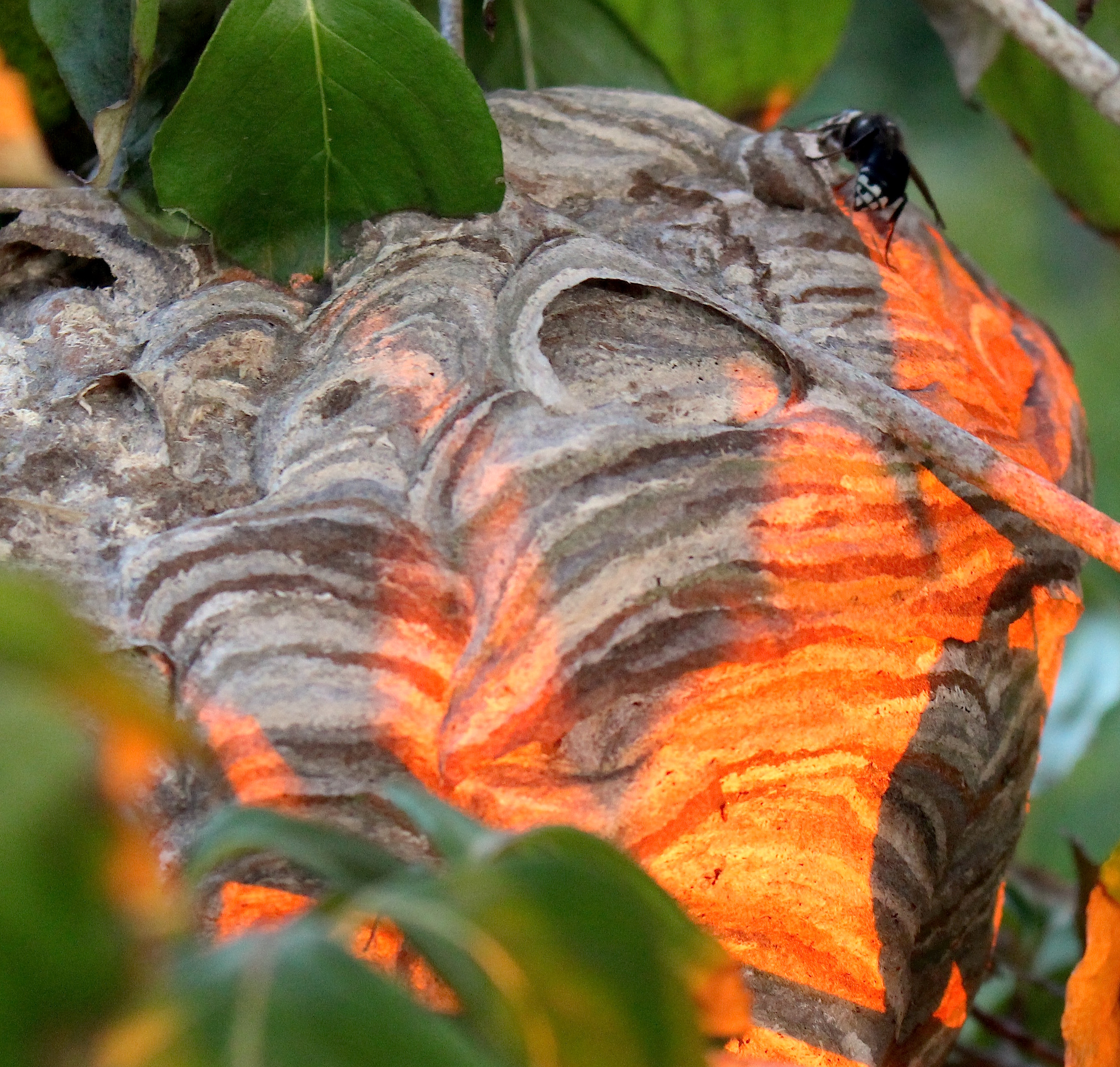
This election season is unprecedented with plenty of verbal kicking of various hornets’ nests, some while resting in our literal laps.
We are surrounded on every side by anger and agitation, some of it coming from our own words and activities. Some of us feel like we are precariously balanced between family members and friends, hoping not to make things worse by saying what we believe, or choosing silence.
Rather than throwing stones or spraying poison at yet another wasp nest, I walk on by, acknowledging its fragile presence, but uninterested in joining its buzz.
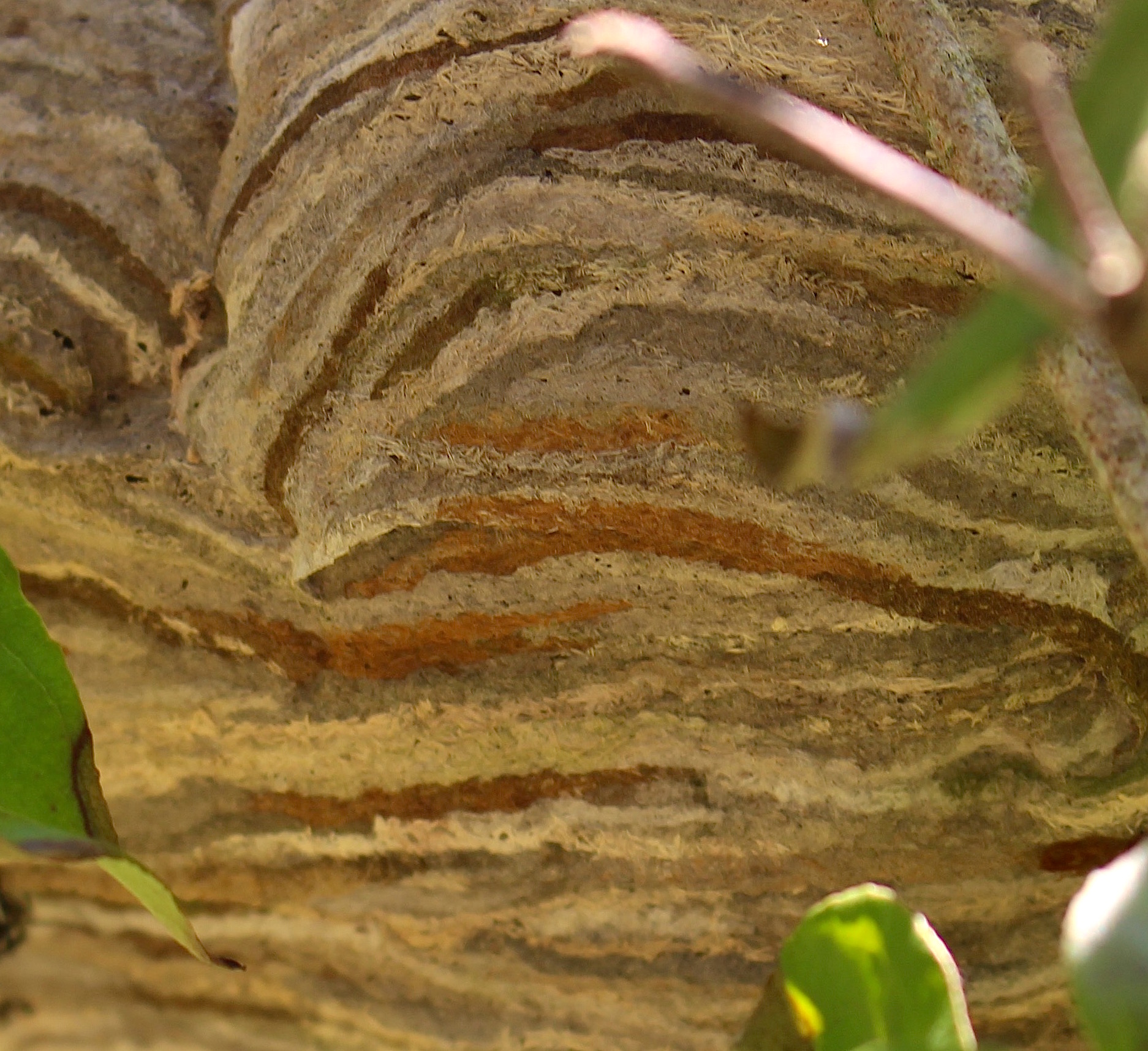
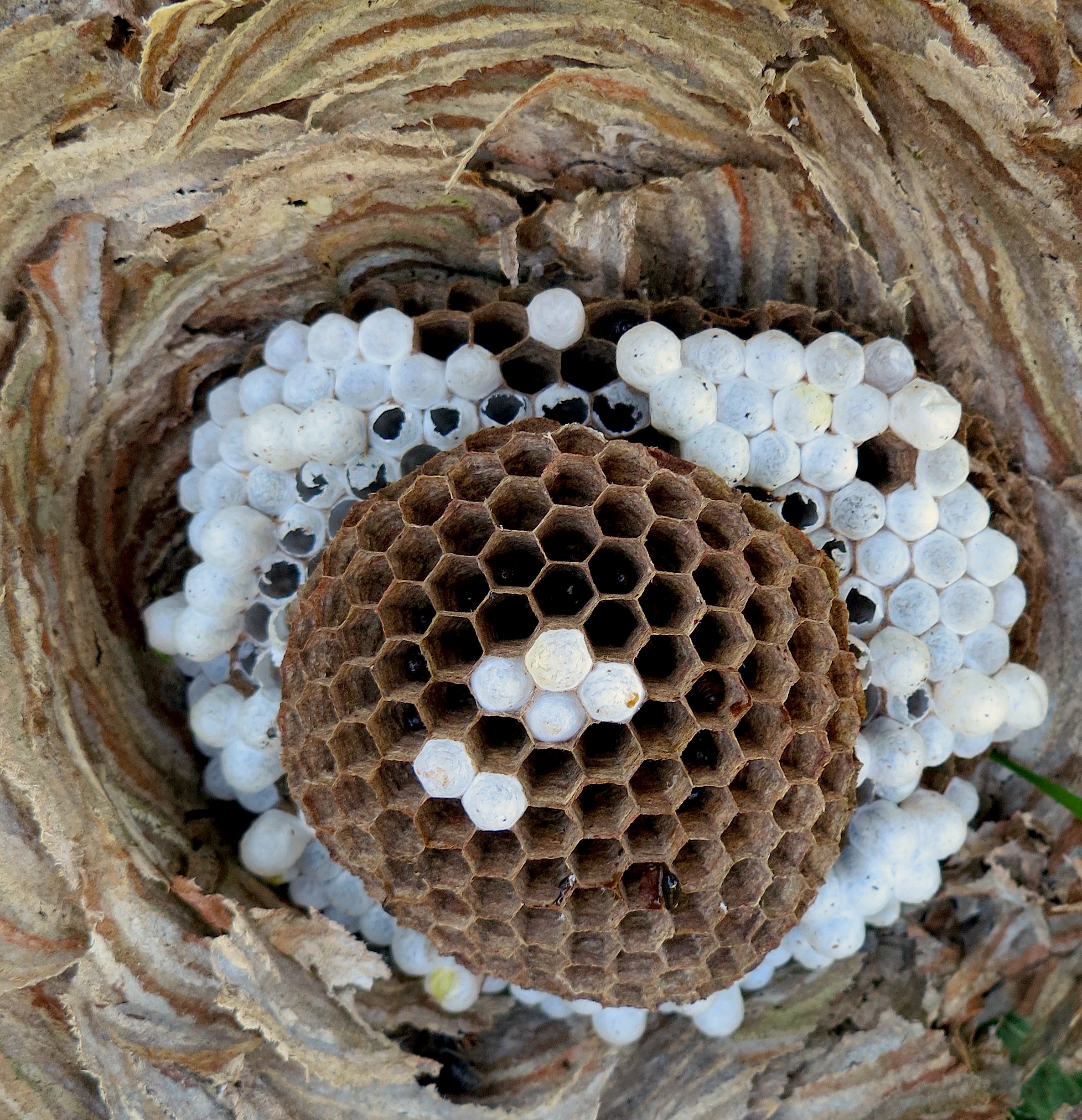
As the walls of this seasonal fortress are tissue-paper thin, it won’t survive the winds and rains of the coming winter. There will always be attempts at rebuilding and still I will try to avoid the agitation.
I’m not in or of them. It’s a long time passing…
One-Time
Monthly
Yearly
Make a one-time or recurring donation to support daily Barnstorming posts
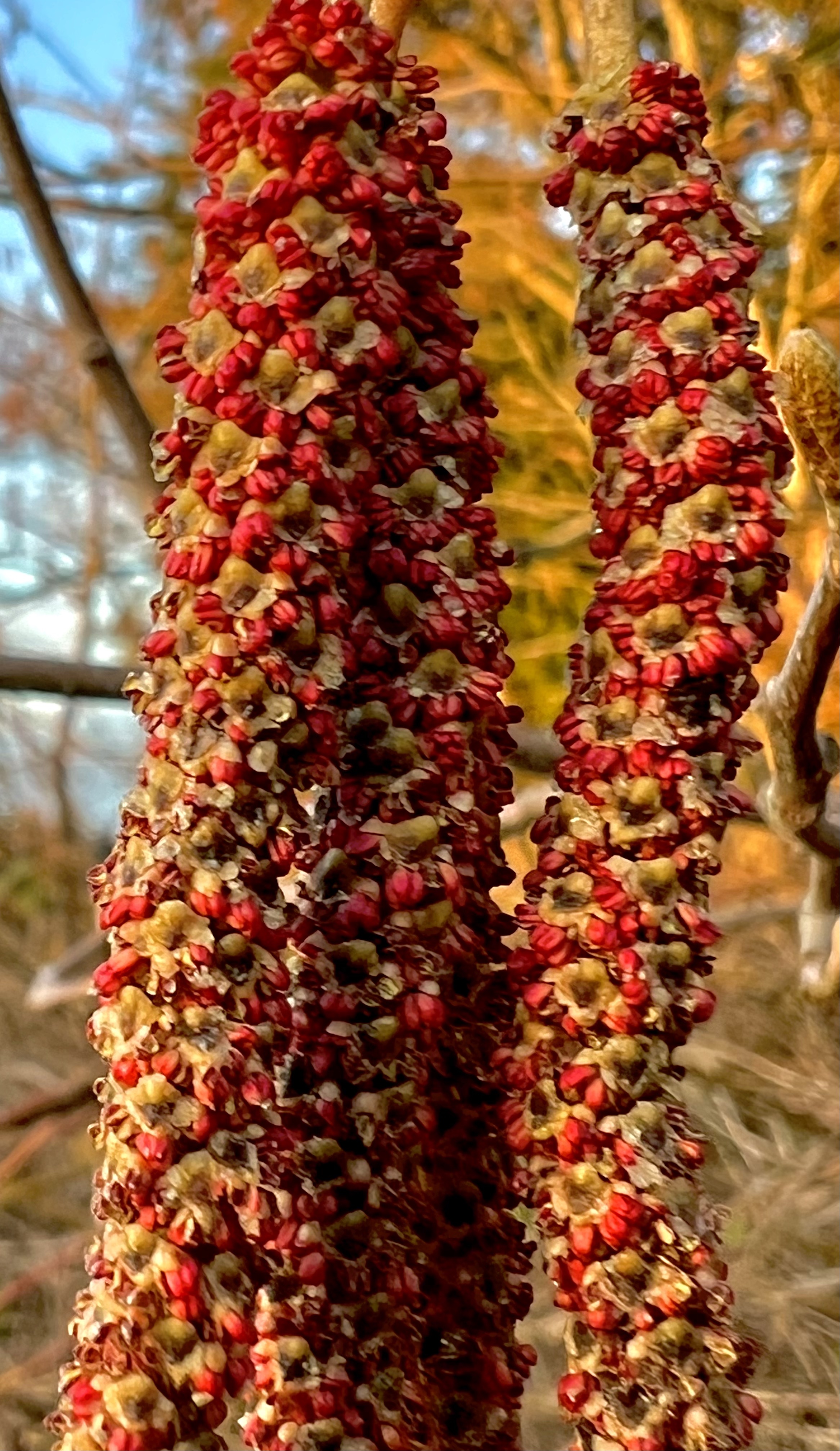
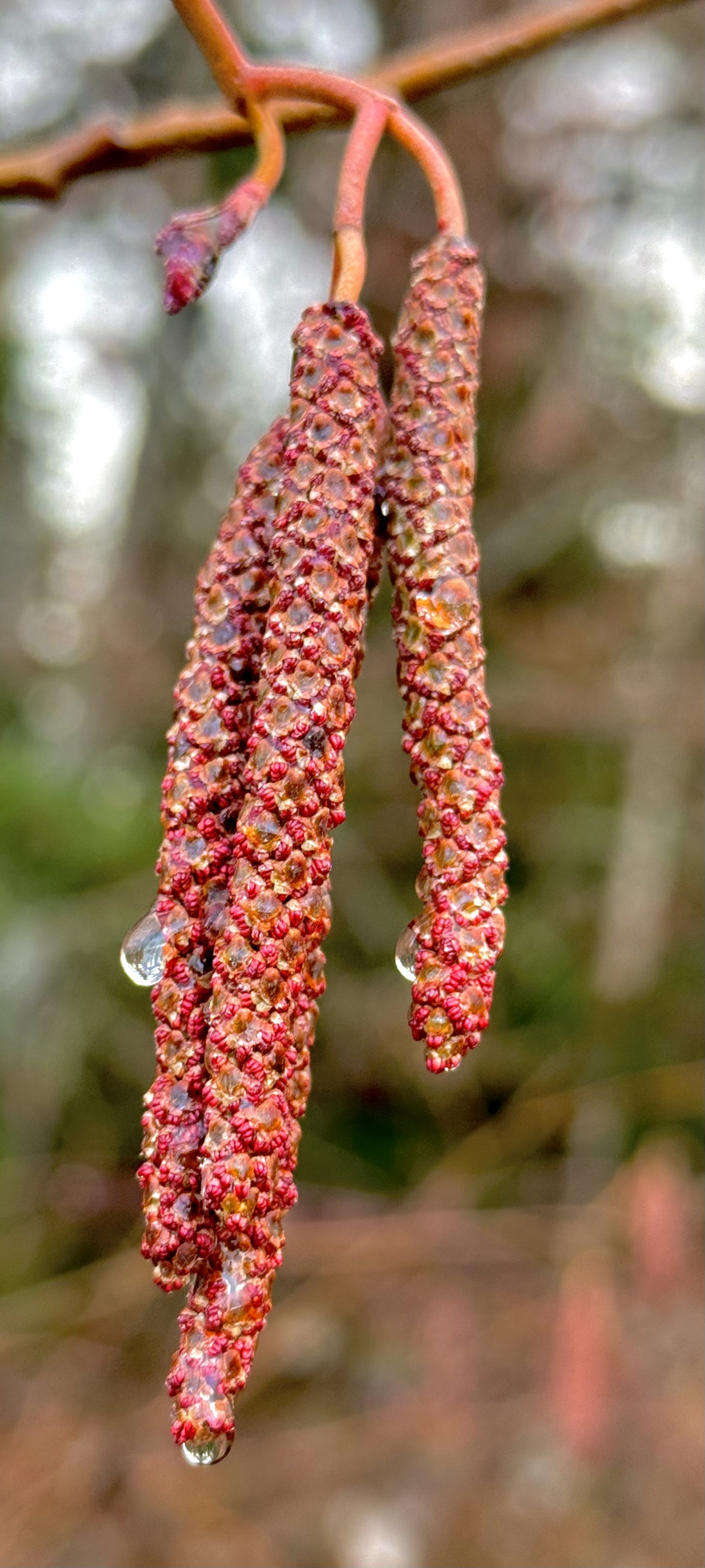
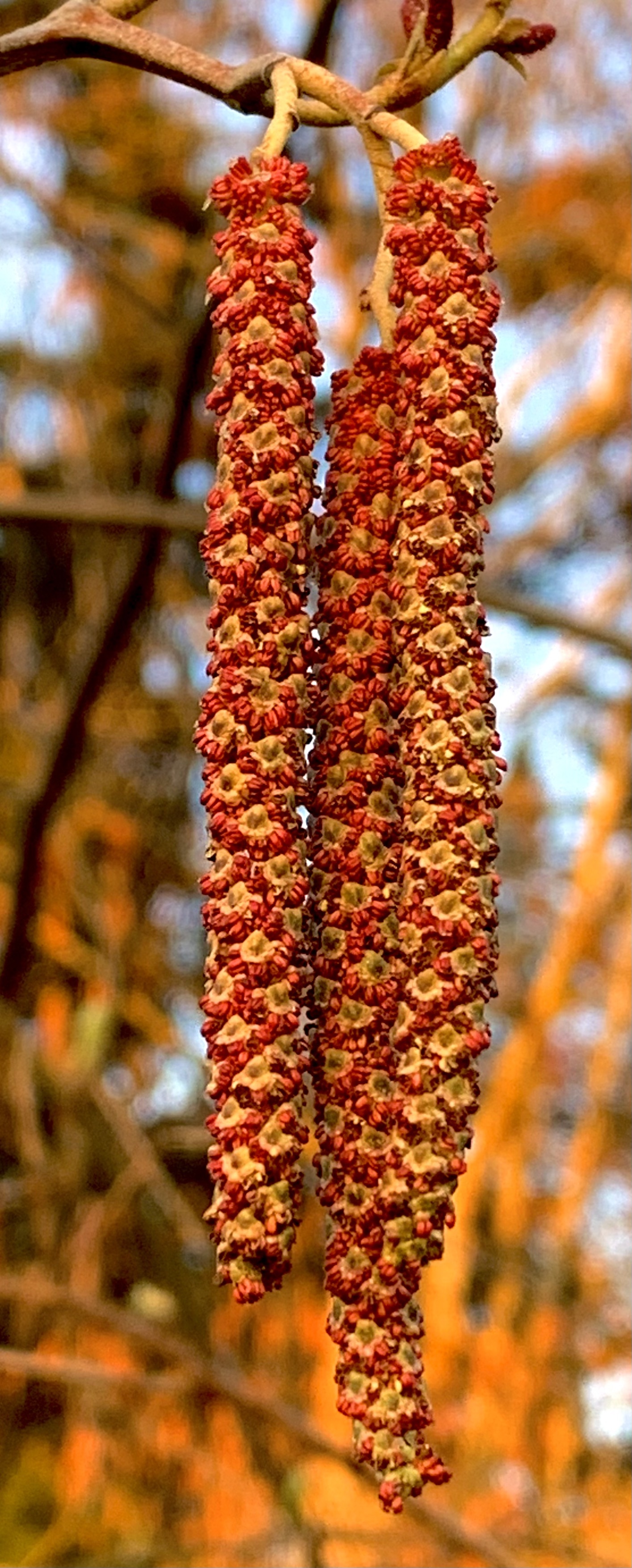
For the bark, dulled argent, roundly wrapped And pigeon-collared.
For the splitter-splatter, guttering Rain-flirt leaves.
For the snub and clot of the first green cones, Smelted emerald, chlorophyll.
For the scut and scat of cones in winter, So rattle-skinned, so fossil-brittle.
For the alder-wood, flame-red when torn Branch from branch.
But mostly for the swinging locks Of yellow catkins.
Plant it, plant it, Streel-head in the rain. ~Seamus Heaney “Planting the Alder”with an explanation of some of the poet’s poetic words here
I’ve worked in many medical settings, and have seen lots of illnesses and injuries over 40+ years of doctoring. Despite all that experience, I really don’t do well with badly broken bones. Basic wrists and fingers and ankles are no problem but open compound and comminuted fractures (i.e. “crushed bones”) are downright terrifying. It appears to me they can never be pieced back together. Even looking at the xrays makes me cringe. I avoided doing a surgical orthopedic rotation during my training because I knew I’d have issues with the saws and the smells involved in fixing bad fractures. And witnessing the pain is unforgettable – there are few things that hurt more.
In early spring 2008, my 87 year old mother shattered her lower femur trying to stand up after getting down on her hands and knees to retrieve a pill that had dropped to the floor and rolled under her desk. The pain was overwhelming until the paramedics managed to immobilize her leg in an air cast for transport to the ER. As long as her leg wasn’t moved, she was quite comfortable– in fact overjoyed to see me in the middle of a workday when I arrived at the hospital. She was so chatty that when she was asked by the ER doctor “how did this happen?” she launched into a long description of just how she had dropped the pill, where it had rolled, and what pill it was, what color it was, why she was taking it, etc etc. I started to get antsy, knowing how busy the Doc was and said, with just a *wee bit* of irritation, “Mom, he doesn’t need to know all that. Just tell him what happened when you tried to stand up.”
That did it.
Now it wasn’t just her leg that hurt, it was her feelings too, including her own sense of responsibility for what had happened, and her tears started to flow. The ER doc shot me a sideways glance that clearly said “now look what you’ve done” and then took my Mom’s hand tenderly, looking her straight in the eye and said, “That’s all right, these things happen despite our best intentions—you go right ahead and tell me the whole story, right from the beginning…”
So she did, completely reaffirmed and feeling absolved of her guilt that she had somehow done this to herself. Having been shown a caring and healing grace from a total stranger after her cherished physician daughter had totally blown Bedside Manners 101, she never really complained about the pain in her leg again.
Then it was my turn to feel guilty. Instead of planting the compassion she so badly needed in that moment, I guttered all her fear and pain together. It crushed her.
Her leg was quickly fixed with a rod and with physical therapy, she took a few steps with assistance. Sadly, she never again lived independently, and as happens so often with immobilized older people despite healed fractures, she died only eight months later. Bones heal but the spirit doesn’t. That spring day really was the beginning of the end for her, and in my heart, I knew that was likely to be the case. My irritation was about what I suspected was coming, and for what I knew it meant for her, but mostly for me.
What I had forgotten out of selfish self-concern and what I will not forget again: even the most horrendous pain can be relieved by compassionate grace. The crushed will stand, and walk, and thrive again with a gentle touch and a lot of love.
Let me hear joy and gladness; let the bones you have crushed rejoice. Psalm 51:8
This Lenten season I reflect on the words of the 19th century southern spiritual hymn “What Wondrous Love is This”
One-Time
Monthly
Yearly
Make a one-time or recurring donation to support daily Barnstorming posts
September. Second-year medical student. An early patient interview at the Massachusetts General Hospital Routine hernia repair planned, not done. Abdomen opened and closed. Filled with disease, cancer.
The patient is fifty-six, a workingman, Irish I sit with him, notice the St. Christopher medal around his neck. Can’t hurt, can it? he laughs. I have become his friend.
I bring him a coloring book picture that shows this thing, this unfamiliar organ that melted beneath our hands at dissection: Pancreas.
Leaving his room, crying, avoiding classmates, I take the back stairs. I find myself locked, coatless in the courtyard outside. ~Kelley Jean White “Pandora”
At seventeen years old, I thought I had things figured out. I had graduated near the top of my senior class, was heading off to college, and felt confident about who I was becoming. I had attended church all my life but my commitment to my faith was actually waning rather than strengthening.
In anticipation of college tuition bills, I took a summer job at a local nursing home for $1.25 an hour as a nurses’ aide. My total training was two days following a more experienced aide on her rounds of feeding, pottying, dressing and undressing, and bathing her elderly patients. Then I was assigned patients of my own and during a typical shift I carried a load of 13 patients. It didn’t take long for me to learn the rhythm of caretaking, and I enjoyed the work and my patients.
One woman in particular remains vivid in my memory 52 years later. Irene was in her 80’s with no nearby family, bedridden with a painful bone disease that had crippled her for a decade or more. She was unable to do any of her own self care but her mind remained sharp and her eyes bright. Her hearty greeting cheered me when I’d come in her room several times a shift to turn her on her egg-crate mattress bed to prevent pressure sores on her hips and shoulders.
The simple act of turning her in her bed was an ordeal beyond imagining – it always hurt her. I felt as though I was impaling her on hundreds of sharp needles.
I would prepare her for the turn by cushioning her little body with pads and pillows, but no matter how careful I was, her brittle bones would crackle and crunch like Rice Crispies cereal with every movement. Tears would flow from her eyes and she’d always call out “Oh Oh Oh Oh” during the process but then once settled in her new position, she’d look up at me and say “thank you, dear, for making that so much easier for me.”
I would nearly weep in gratitude at her graciousness when I could do so little to alleviate her suffering.
Before I’d leave the room, Irene would grab my hand and ask when I would be returning. Then she’d say “I know the Lord prepared you to take care of me” and she would murmur a prayer to herself.
As difficult as each “turning” was for both of us, I started to look forward to it. I knew she prayed not only for herself, but I knew she prayed for me as well. I felt her blessing each time I walked into her room knowing she was waiting for me. She trusted me to do my best.
One evening I came to work and was told Irene was running a high fever, and struggling to breathe. She was being given oxygen and was having difficulty taking fluids. The nurse I worked under asked that I check Irene more frequently than my usual routine.
As I approached her bed, Irene reached out and held my hand. She was still alert but very weak. She looked me in the eye and said “You know the Lord is coming for me today?” All I could say was “I know you have waited for Him a long time.” She murmured “Come back soon” and closed her eyes.
I returned to her room as often as I could and found her becoming less responsive, yet still breathing, sometimes short shallow breaths and sometimes long and deep. Near the end of my shift, as morning was dawning, when I entered the room, I knew He had come for her.
She lay silent and relaxed for the first time since I had met her. Her little body, so tight with pain only hours before, seemed at ease. It was my job to prepare her for the mortuary workers who would soon come for her. Her body still warm to touch, I washed and dried her skin and brushed her hair and wrapped her in a fresh sheet, wondering at how I could now turn her easily with no pain and no tears. I could see a trace of a smile at the corners of her mouth. I knew then the Lord had lifted her soul from her imprisonment. He had rewarded her faithful perseverance.
I rejoice in the hope of the glory of the Lord, thanks to Irene. She showed me what it means to watch for the morning when He will come. Though immobile in bed, crippled and wracked with pain, her perseverance led to loving a young teenager uncertain in her faith, and helped point me to my future profession in medicine.
Irene brought the Lord home to me when she went home to Him.
And werejoice in the hope of the glory of God. Not only so, but we also rejoice in our sufferings, because we know that suffering produces perseverance Romans 5:2b-3
This Lenten season I reflect on the words of the 19th century southern spiritual hymn “What Wondrous Love is This”
One-Time
Monthly
Yearly
Make a one-time or recurring donation to support daily Barnstorming posts















 Barnstorming