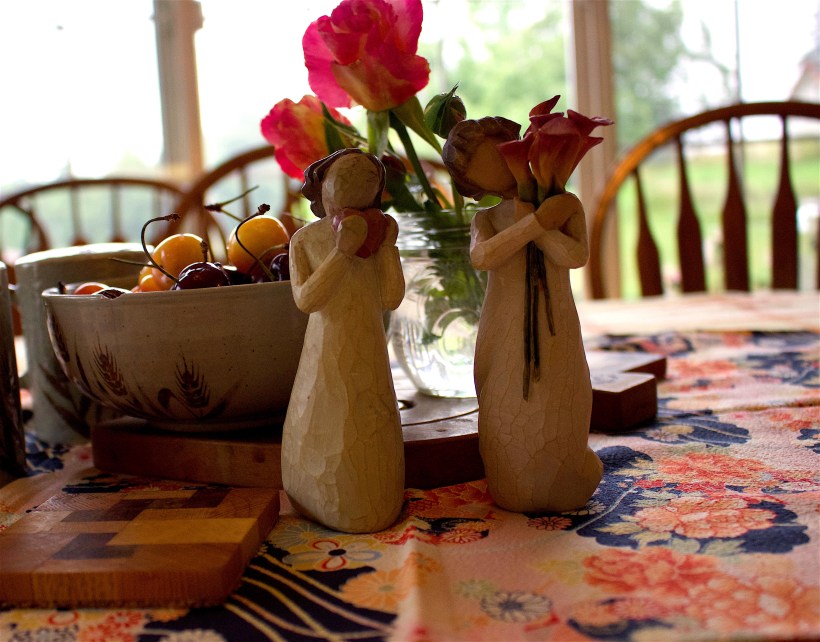
Crowded With God

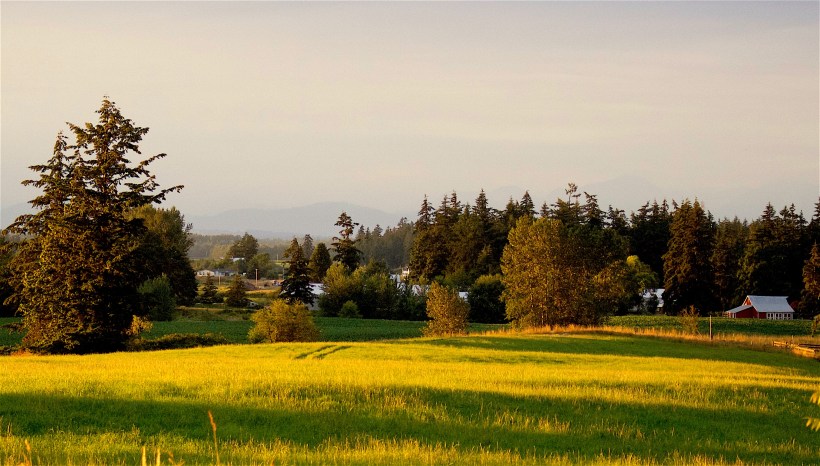
north71516

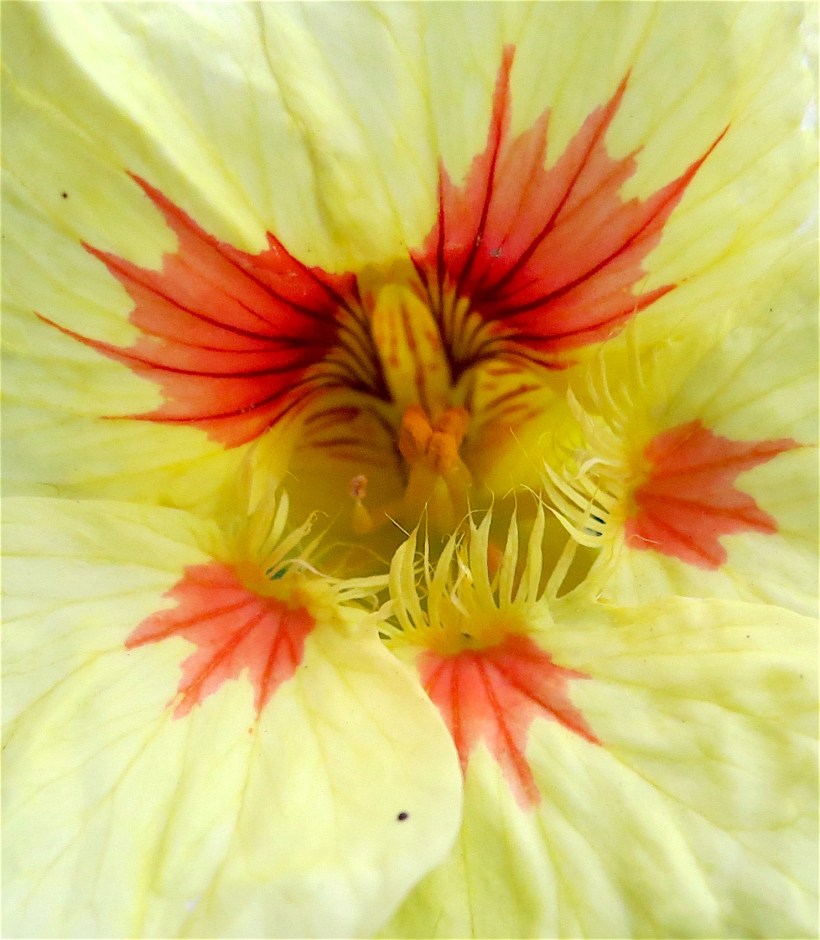
nasturtium7816

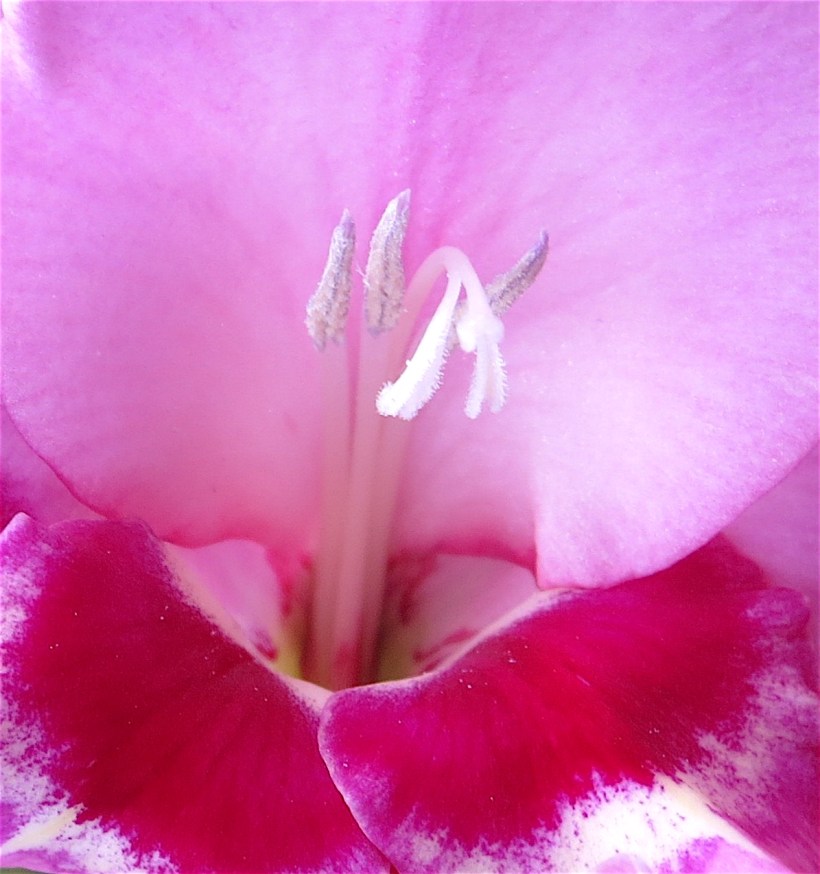
gladjuly

We may ignore, but we can nowhere evade, the presence of God.
The world is crowded with Him.
He walks everywhere incognito.
And the incognito is not always easy to penetrate.
The real labor is to remember to attend. In fact to come awake. Still more to remain awake.

~C.S.Lewis

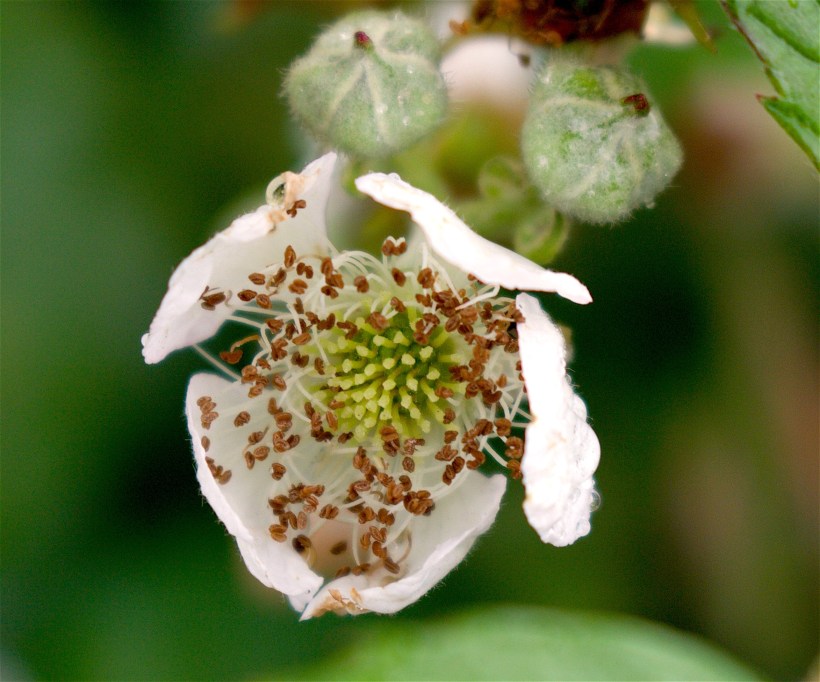
rainyblackberry

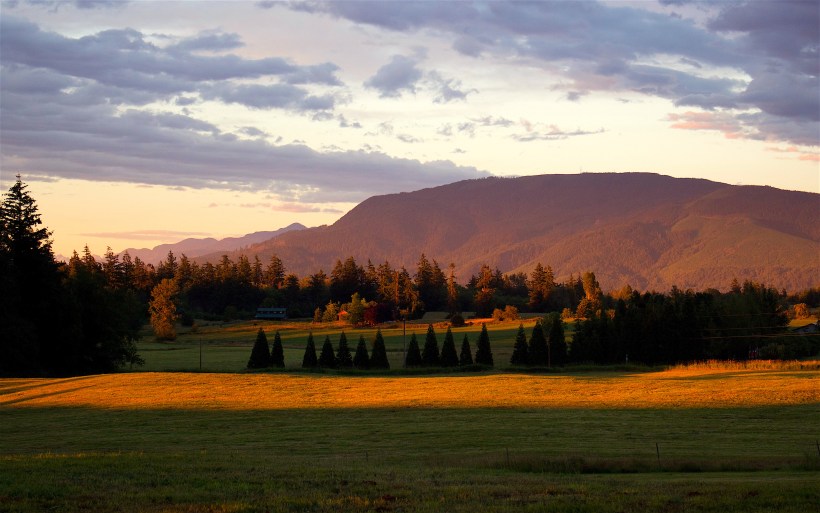
sumasmountain

The older I get, the more I recognize the need to be alert and awake to the presence of God in the crowded world around me.

It doesn’t come naturally.

We humans have an attention deficit, choosing to focus inwardly on self and ignoring the rest.  If it isn’t for me, or like me, or about me, it somehow is not worthy of my consideration.
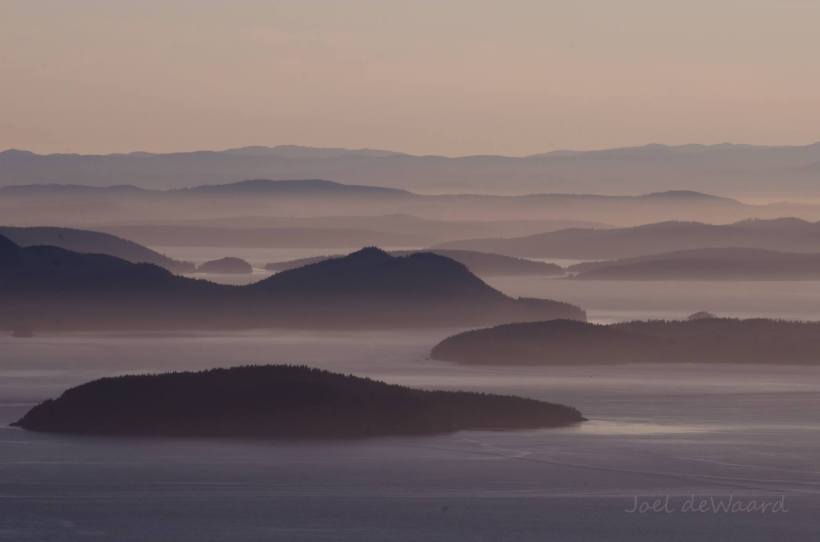
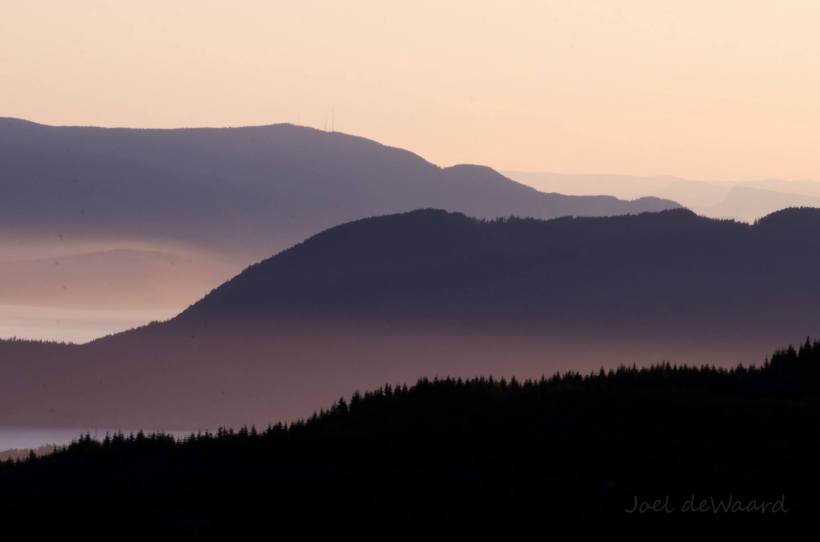
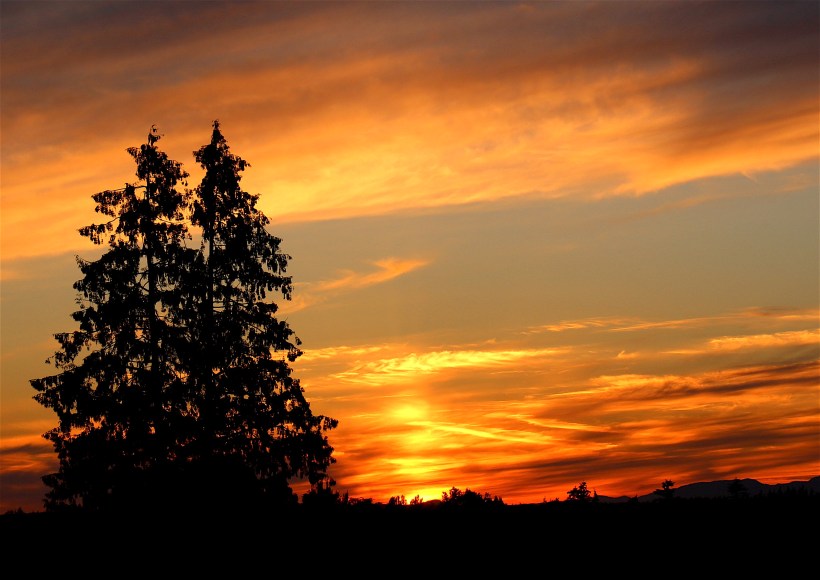
We wear blinders, asleep.

We need help to recognize the presence of God, to peel the layers off the ordinary and find Him at the extraordinary core, incognito.  He reveals Himself to us, invisible, yet right in plain sight.

sunset715162

gladjuly


A Hornet’s Nest in Your Lap

TOSHIBA Exif JPEG

gnome4

Ever have one of those days when it doesn’t really matter what you do, what you don’t do, what you say, what you don’t say—you find yourself sitting on top of a hornet’s nest, and at the slightest provocation, you’ll get nailed, but good.

The hardest reality of all is that you may have actually invited and fostered the hornets that are now ready to attack you.  You offered them shelter, a safe haven, a place to come home to and what happens in return?  You’re stung because you happen to be there, perched in a precarious position.

What difficult lessons life tosses at us sometimes.  And this little drama is happening in my own backyard.

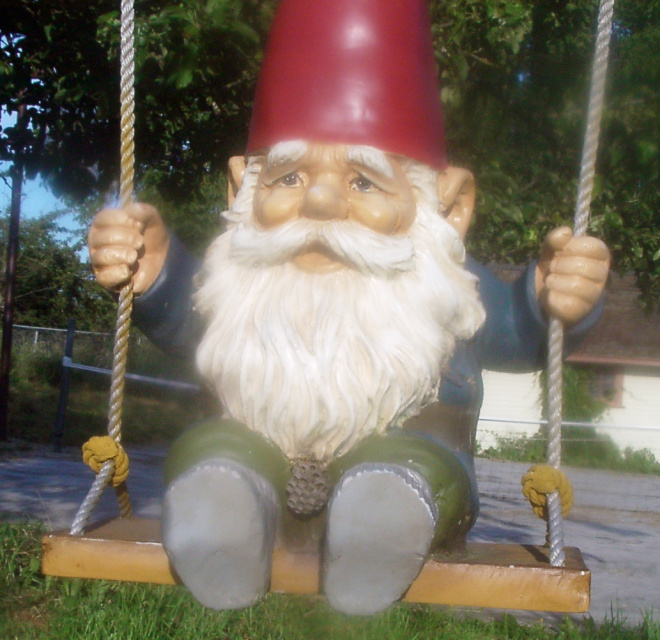
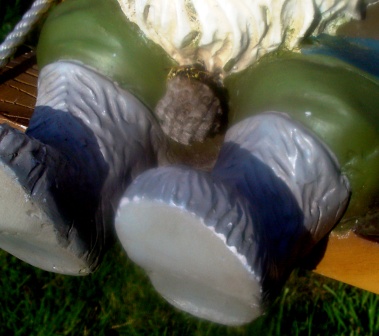
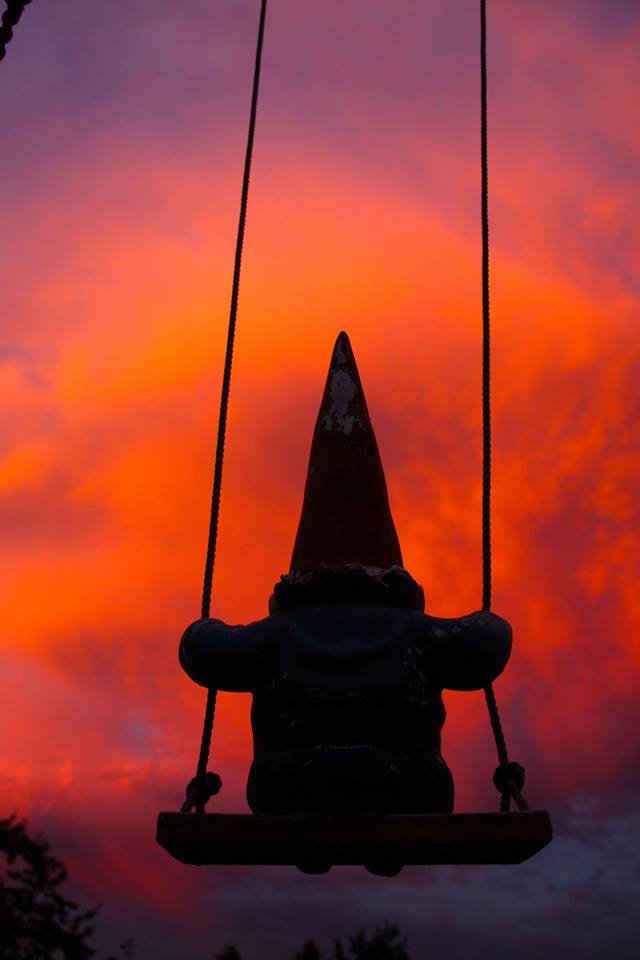
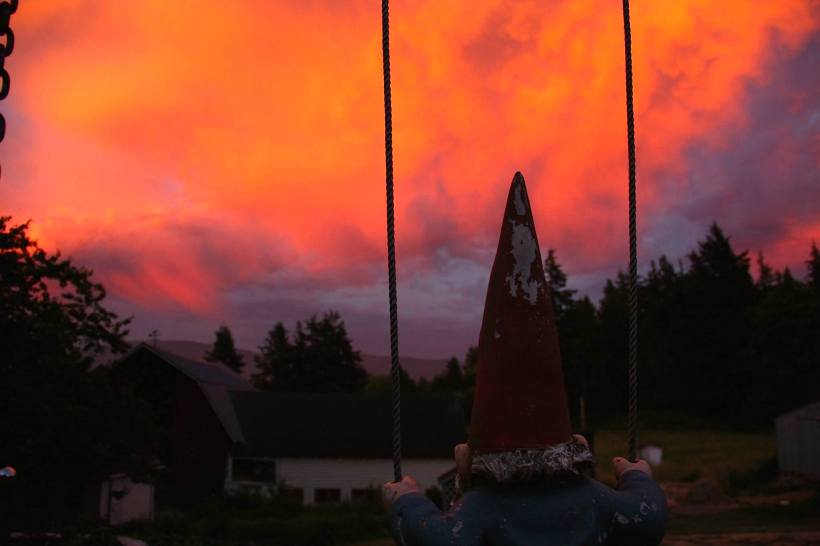
As I headed to the barn for chores and walked past our happy little gnome, I gave him my usual smile, wave and morning greeting, but something was different and I looked a little closer.  He looked suddenly anatomically correct.  And the look on his face had taken on a distinctly worried cast.  How had he gotten himself into this predicament of harboring a hornet’s nest in his lap?

He reminded me we should be worried too.  When we’re feeling very hospitable, welcoming and willing to share what we have with others, it can be the best feeling in the world.  There is a sense of graciousness and gratitude in being able to give something of one’s self, and a distinct “need to be needed” that is rewarded.  Yet it is often no selfless sacrifice, this “offering our lap”. We give because it feels good to give; share because we feel rewarded by gratitude, or because it is the “right thing to do”.  Perhaps we even expect something in return for our kindness. Indeed, that is the problem—often there is no acknowledgment or gratitude and that can hurt a lot.  I too occasionally share space with “hornets”, sometimes unwittingly, until I get stung and am sorely reminded of just what I’ve sat down in.  I’m rewarded, all right, and I get exactly what I deserve.

Yet what should worry us even more is that sometimes we’re the ones building a nest in an opportunistic place where we have been invited to take refuge.  In our most selfish moments, we’re looking for that lap to settle in where we can have the most control either by threat or worse.   We’re ready to sting at the slightest provocation, or perhaps for no reason at all.   How do we get ourselves into such a predicament that we sometimes hurt those that harbor us and who have been generous to us?

My little backyard friend is in a dilemma, pleading with his eyes to be saved from his agony.  I’m planning a stealth rescue mission.  Without warning, in the dark of night, I’ll turn a hose on that nest, sweep it to the ground and crush it, hornets and all.  A “take no prisoners” approach to a gnome held hornet-hostage.

We at least have been warned about our life’s precarious perch and to not sting the lap that holds us.  When we offer up ourselves, it must be without expectation, simply pure gift.  And every time I look at my gnome’s gracious cheerful face I will smile too, knowing that our rescue is at hand.

Postscript:

I didn’t execute the “save our gnome”  rescue mission soon enough.  While I was foolish enough to mow the grass under our swing set today, the offending hornet nailed me in the neck.  I walked right into it, forgetting there was a hornet hazard over my head.  One ice bag and benedryl later, I dispatched hornet and nest to the great beyond.

There are times when we need to be an active participant in our own rescue…


10380968_10202290227964679_1562398872265728726_n
photo by Tomomi Gibson

10511534_10202290221084507_4123148144039696205_o

Standing Together and Apart

sunset92horses

In southern France live two old horses,
High in the foothills, not even French,
But English, retired steeplechasers
Brought across to accept an old age
Of ambling together in the Pyrenees.
At times they whinny and kick
At one another with impatience,
But they have grown to love each other.

In time the gelding grows ill
And is taken away for treatment.
The mare pines, pokes at her food,
Dallies on her rides until the other
Comes home.
                        She is in her stall
When the trailer rumbles
Through the gate into the field,
And she sings with impatience
Until her door is opened.
                                             Then full
Of sound and speed, in need of
Each other, they entwine their necks,
Rub muzzles, bumping flanks
To embrace in their own way.
Together they prance to
The choicest pasture,
Standing together and apart,
To be glad until
They can no longer be glad.
~Paul Zimmer, “Love Poem”

outongrass2

pastureoctober


There is security in a basic routine, especially on our farm – predictable things happening in predictable ways, day after day, week after week, year after year.  Somehow, dull as it may seem, the “norm” is quite comforting, like each breath taken in and let go, each heart beat following the next. We depend on it, take it for granted, forget it until something doesn’t go as it should.

Mornings are very routine for me.  I wake before the alarm, usually by 5:30 AM, fire up the computer and turn the stove on to get my coffee water boiling.  I head down the driveway to fetch the paper, either feeling my way in the dark if it is winter, or squinting at the glare of early morning sunlight if it is not.  I make my morning coffee, check my emails, eat my share of whole grains while reading the paper, climb into my rubber boots and head out for chores.

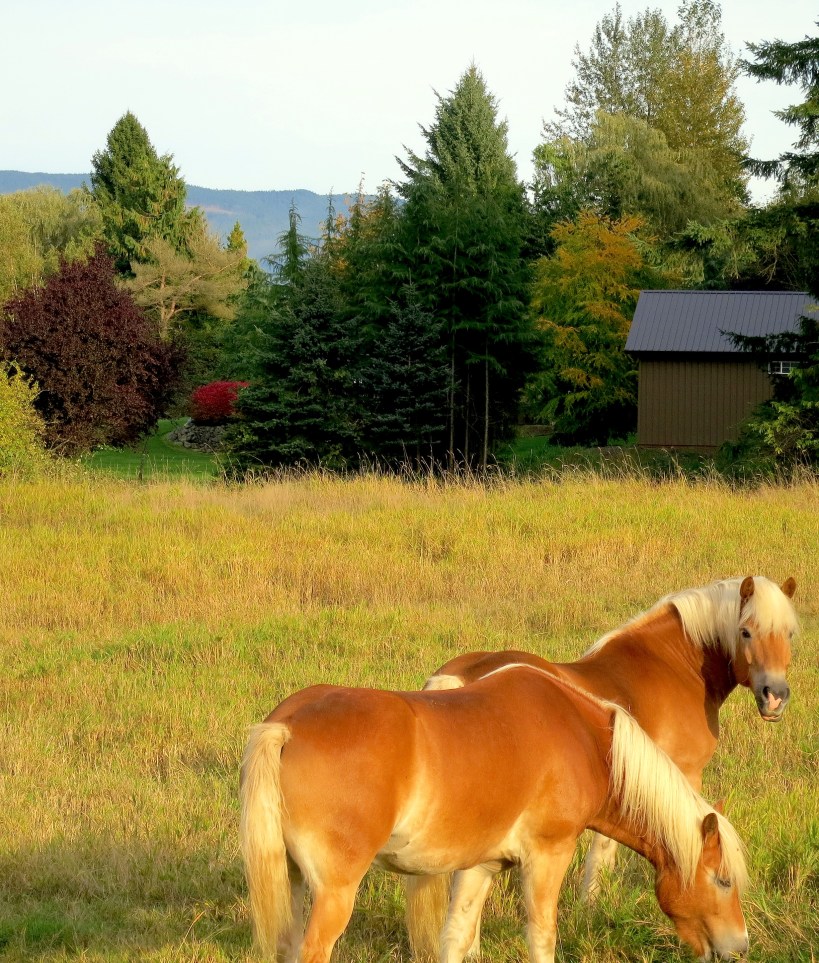
Some years ago, as I was leading a mare and her colt out to pasture for their daytime turnout, I was whistling to the wandering colt as he had his own ideas about where he wanted to be, and it wasn’t where I was leading. Fifty yards away, he decided he was beyond his comfort zone so whirled around, sped back to his mom and me, and traveling too fast to put his brakes on ended up body slamming her on her right side, putting her off balance and she side stepped toward me, landing one very sizeable Haflinger hoof directly on my rubber booted foot.  Hard.

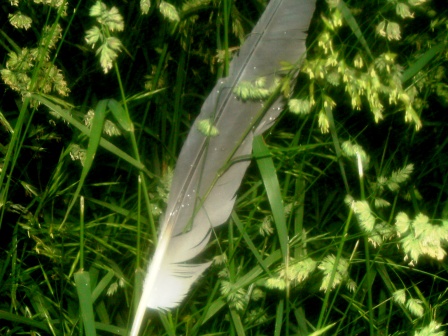
I hobbled my way with them to the pasture, let them go, closed the gate and then pulled my boot off to see my very scrunched looking toes, puffing up and throbbing.  I still had more horses to move, so I started to limp back to the barn, biting my lip and thinking “this is no big deal, this is just a little inconvenience, this will feel better in the next few minutes”  but each step suggested otherwise.  I was getting crankier by the second when I passed beneath one of our big evergreen trees and  noticed something I would not have noticed if I hadn’t been staring down at my poor sore foot.  An eagle feather, dew covered, was lodged in the tall grass beneath the tree, dropped there as a bald eagle had lifted its wings to fly off from the tree top, probably to dive down to grab one of the many wild bunnies that race across the open pasture, each vulnerable to the raptors that know this spot as a good place for lunch .  The wing feather lay there glistening, marking the spot, possessing the tree, claiming the land, owning our farm.  It belonged there and I did not–in fact I can’t even legally keep this feather–the law says I’m to leave it where I find it or turn it over to the federal government.

I am simply a visitor on this acreage, too often numbly going through my morning routine, accomplishing my chores for the few years I am here until I’m too old or crippled to continue. The eagles will always be here as long as the trees and potential lunch remain to attract them.

Contemplating my tenure on this earth, my toes didn’t hurt much anymore.  I was reminded that nothing truly is routine about daily life, it is gifted to us as a feather from heaven, floating down to us in ways we could never expect nor deserve.  I’d been body slammed that morning all right, but by the touch of a feather.  Bruised and broken but then built up, carried and sustained, standing together but yet apart.

I am glad for the gifts of this life, for the ache that love inevitably brings, as pain such as this can bring revelation and renewal.  Sometimes it is the only thing that does.

feather

sasha1015

A Healthy Fence Row

morning528151

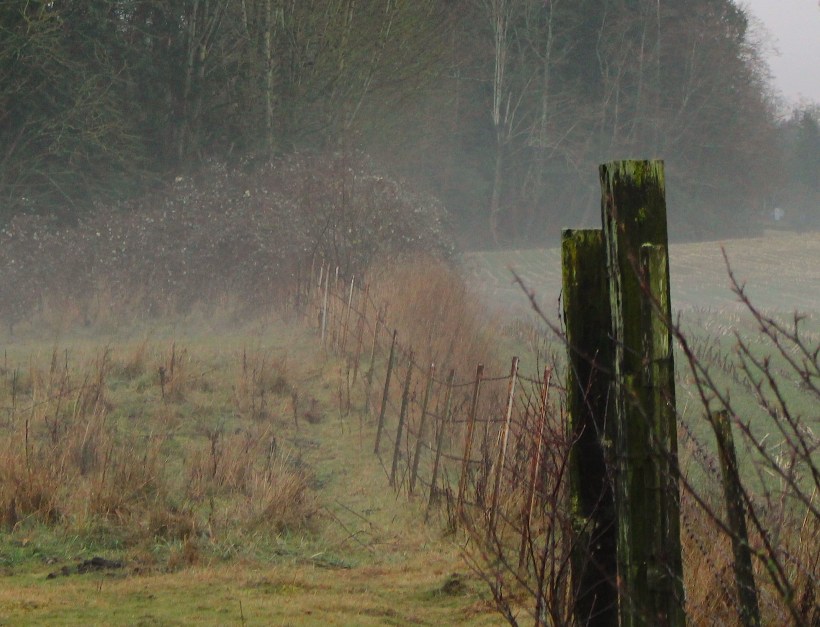
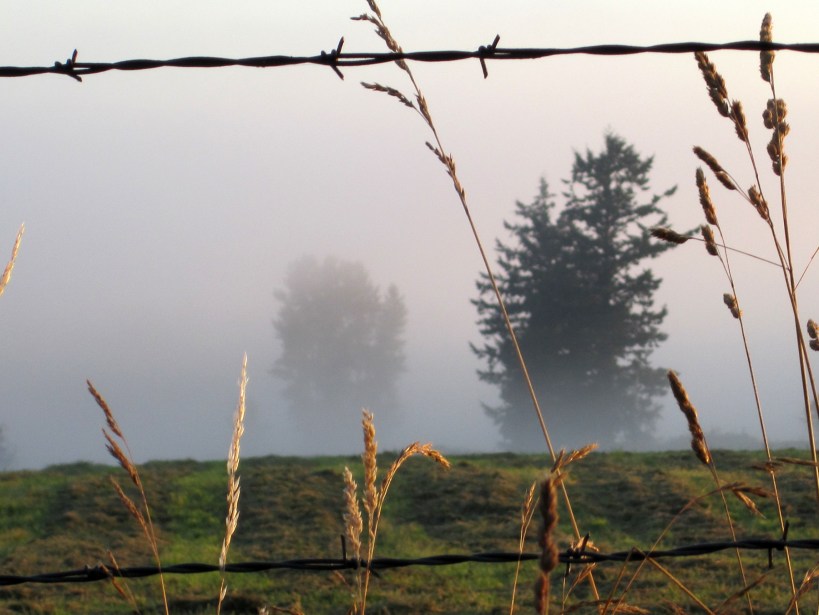
mistyfence

Brushy fencerows are in a sense a gift from man to nature — at least if, after the posts are dug in and the fence stapled to the posts, nature is given some free reign. Birds sitting on the fence and posts will pass undigested seeds in their droppings. Some of these seeds of blackberry, wild cherry, elderberry, bittersweet, sassafras, mulberry, and unfortunately, in some areas, multiflora rose, will take root in the loose soil around the posts and later in soil dug up by woodchucks. Chipmunks scurrying along the fence will bring and bury acorns and hickory nuts, while the wind will deliver dandelion, milkweed, and thistle seeds — all ingredients for a healthy fencerow.
~David Kline from Great Possessions

fence

Before I built a wall I’d ask to know
What I was walling in or walling out,
And to whom I was like to give offence.

He will not go behind his father’s saying,
And he likes having thought of it so well
He says again, “Good fences make good neighbors.”
~Robert Frost from “Mending Fences”

fencepostssunset32

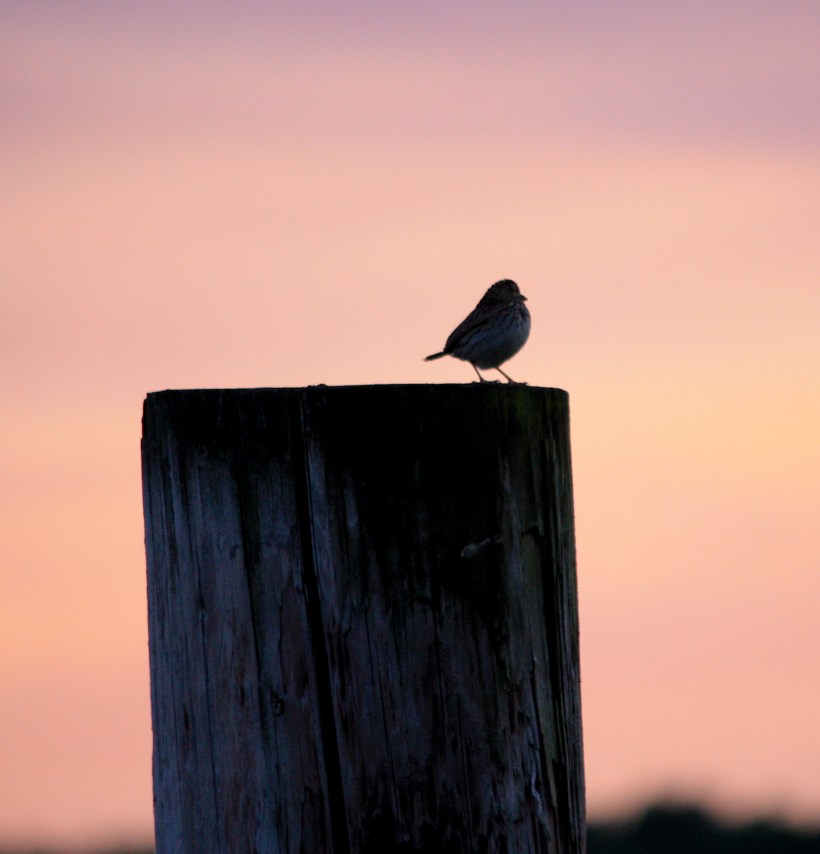
birdonpostrodenberger
photo by Harry Rodenberger


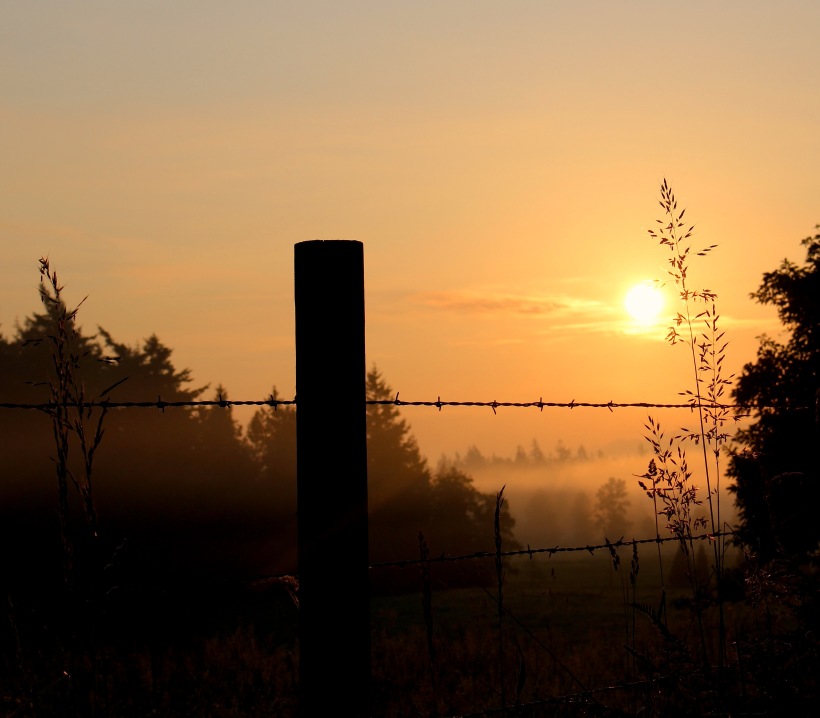
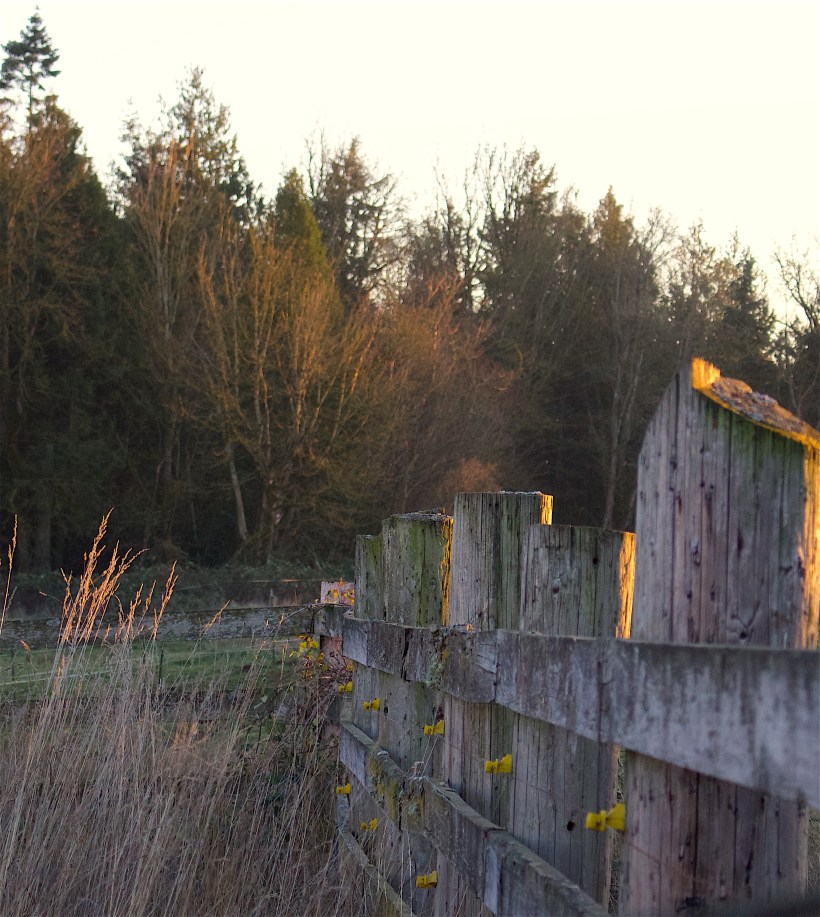
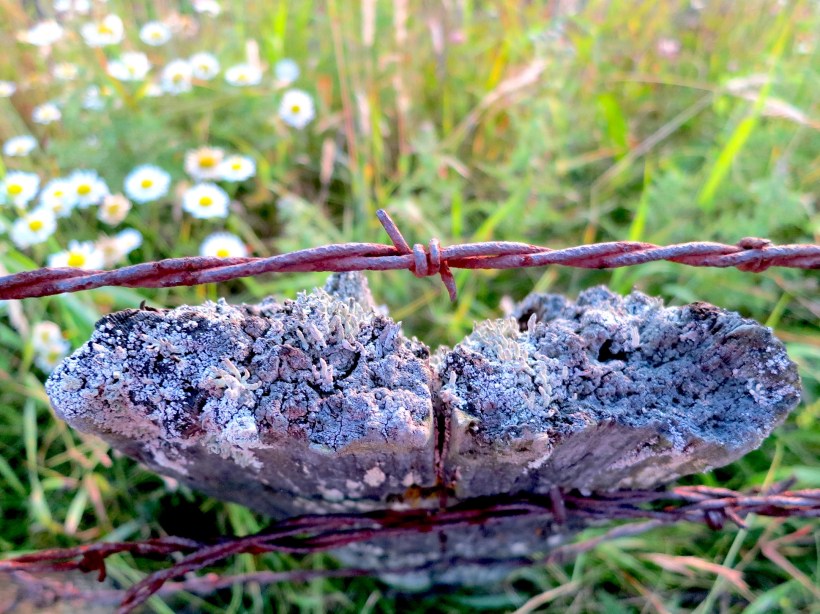
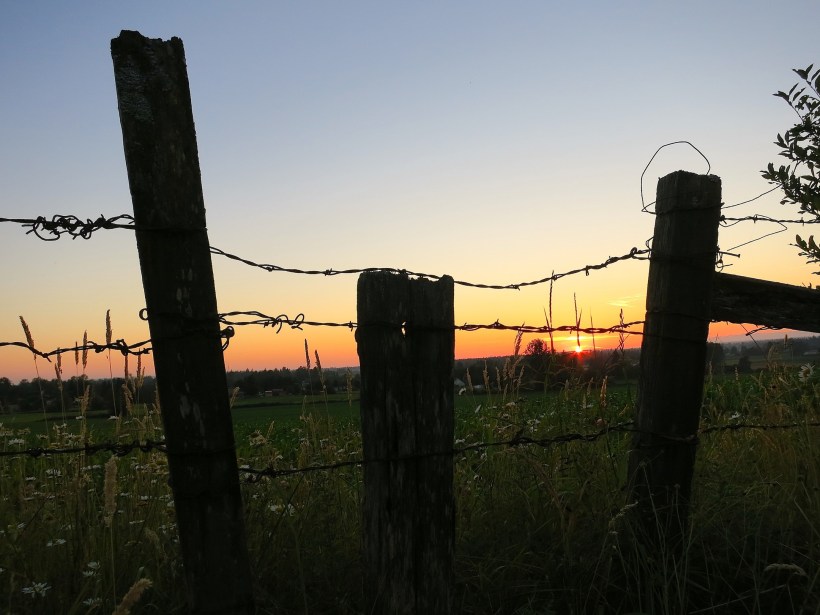
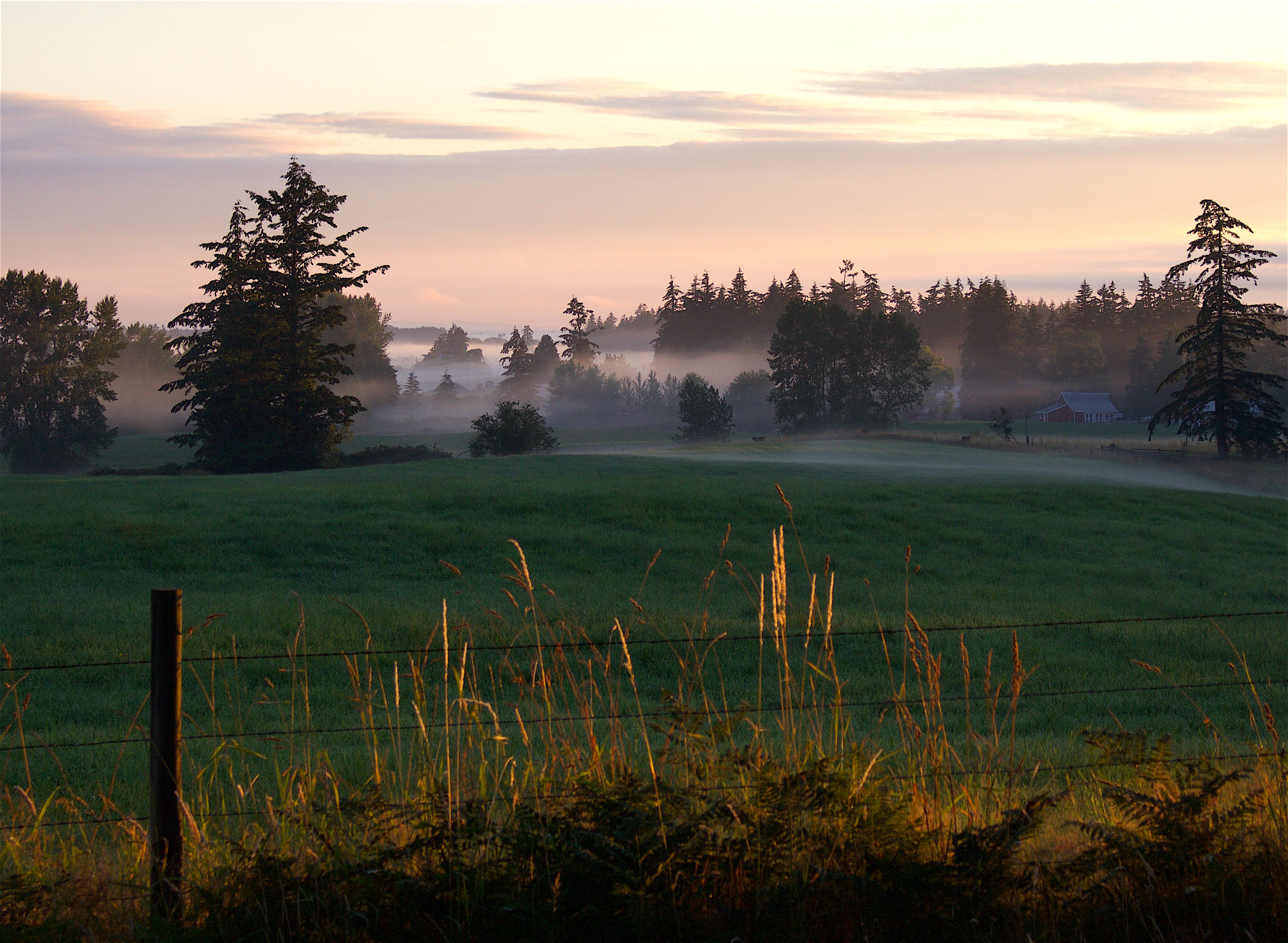
I maintain, in my haphazard and often ineffectual way, our farm’s wood rail and hot wire fences to keep the horses confined, preventing them from wandering into the adjacent orchard, corn field, or most risky of all, the road. As utilitarian as a fence is for that purpose, the fence row itself is the hospitality center for all sorts of diversity of flora and fauna.  It doesn’t repel; it invites.

As one travels in the United Kingdom and across the plains and mountains of North America, old fences are everywhere. Some fences were built painstakingly of stone centuries ago, some of old barbed wire, now falling and decrepit, no longer effective, but still testimony to a determined farmer’s desire to section off his barren land from another’s barren land, or perhaps the requirement borne of the homesteading laws of the time. Robert Frost wrote in his poem “Mending Fences” that a fence spans the balance between man’s sometimes irrational desire for barriers, acknowledging the order that they bring to an uncertain and sometimes unpredictable world that lays beyond our walls.

Political fences continue to exist in many parts of the world today, created primarily out of fear. Indeed, new walls have been proposed, absurdly ridiculous in their scope and expense.  Much celebration accompanied the fall of the Berlin Wall after its years of imposing testimony to the lack of trust and understanding between people who were once relatives, neighbors and friends. The Great Wall of China still stands, now primarily tourist attraction, no longer serving any other useful purpose other than to illustrate the lengths to which man goes to barricade himself off from others.

So why maintain life’s fences, even if the building and maintaining of these fences seems a futile and foolish task when they are pushed down, blown over in the winds, with trees fallen over them, and overgrown with brush and wild blackberries?

Fences, like rules and laws, define order and structure. They can bite back if they are breached. If crashed and broken, they are hazardous in and of themselves, not withstanding the potential dangers that lay beyond them. Remove them altogether and we risk losing the diversity represented in the fence row itself.

So, in the best of times, we are mending walls out of continuing need for contact with our neighbors. We meet across the barriers to shake hands and visit while we repair the fences together, leaving the barriers standing and strong, and the space in the fence row becomes even more diverse and welcoming. In the worst of times, we fortify and hide behind the walls, making them taller, wider, deeper, creating greater and greater gulfs between us and eventually losing touch forever as the walls themselves deteriorate without the necessary mutual “mending”.

So we must not love walls themselves, but must maintain them with our neighbor. We don’t worship the walls themselves but instead respect the foundation they rest on and the life they protect within the row itself.

We accept such boundaries with humility, recognizing their necessity is due to our own imperfections, as we too are full of prickles and barbs that too easily draw blood when breached.

oldfence

moydalganfield5

sunsetfence

sunsetfence

A Sprung Metronome

morning7616 morninghaze2

“A devout but highly imaginative Jesuit,”
Untermeyer says in my yellowed
college omnibus of modern poets,
perhaps intending an oxymoron, but is it?
Shook foil, sharp rivers start to flow.
Landscape plotted and pieced, gray-blue, snow-pocked
begins to show its margins. Speeding back
down the interstate into my own hills
I see them fickle, freckled, mounded fully
and softened by millennia into pillows.
The priest’s sprung metronome tick-tocks,
repeating how old winter is. It asks
each mile, snow fog battening the valleys,
what is all this juice and all this joy?
~Maxine Kumin “Almost Spring, Driving Home, Reciting Hopkins”

sunrise97144

These summer mornings I awake in a Hopkins landscape~
the priest who died too young at 44
would have created even more beauty
if he had lived twice as long,
combining words in suspended rhythm,
recreating the world outside our windows
entirely in our minds.

What is this joy I feel when witnessing
what must have moved him to write?
What could be more powerful
than words that awaken in us dawn’s redeeming light?

sunrise94141

Oh, morning, at the brown brink eastward, springs —
Because the Holy Ghost over the bent
    World broods with warm breast and with ah! bright wings.
~Gerard Manley Hopkins from “God’s Grandeur”
morning27616

How Many Flowers Fail

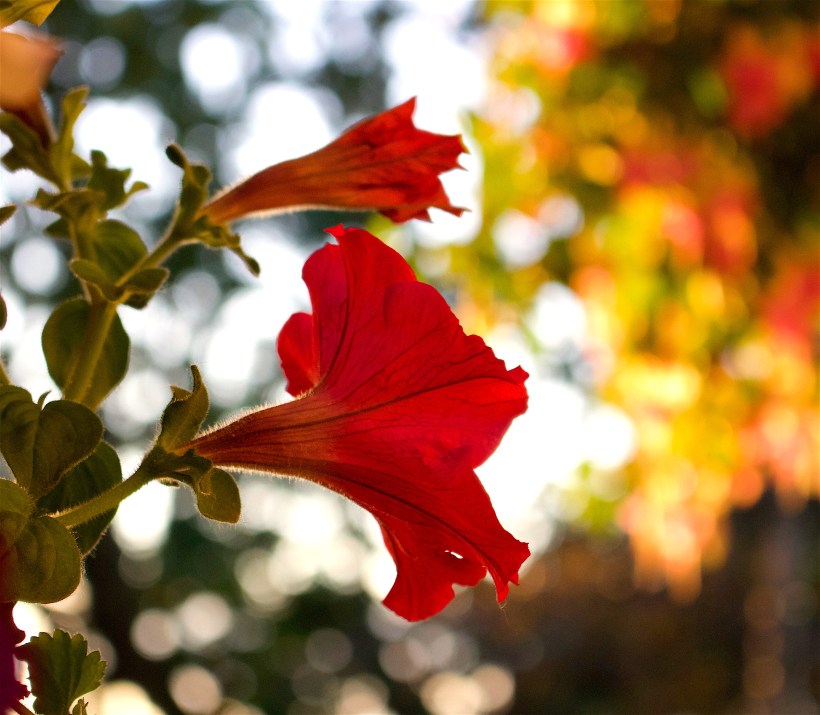
eveningpetunia

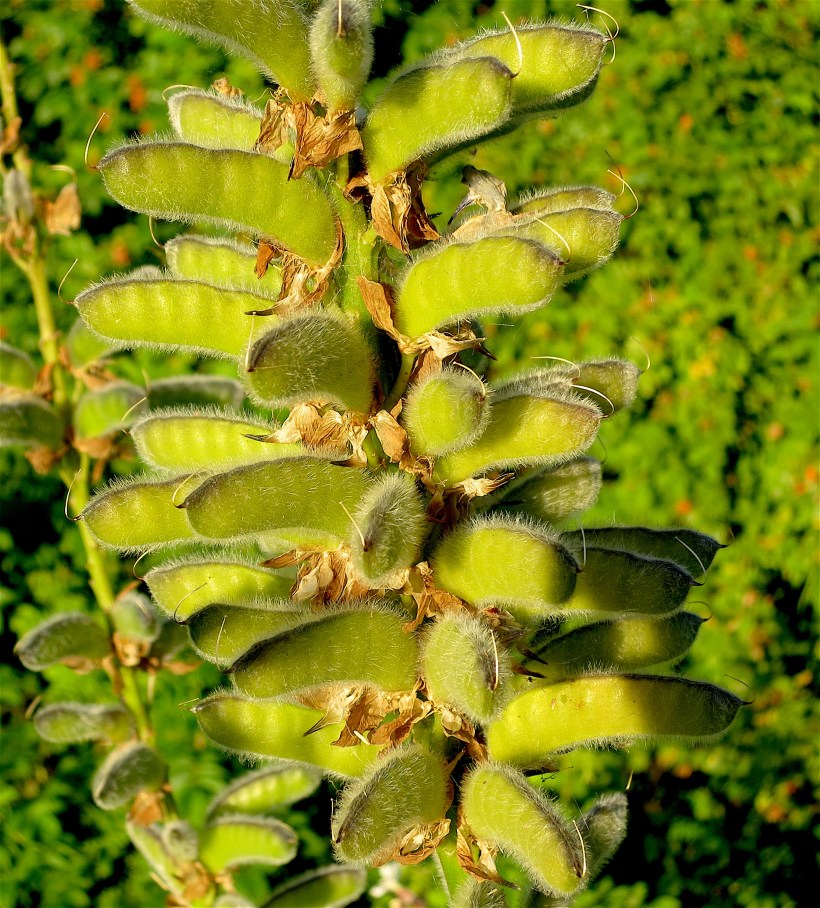
lupinepods

How many Flowers fail in Wood –
Or perish from the Hill –
Without the privilege to know
That they are Beautiful –

How many cast a nameless Pod
Upon the nearest Breeze –
Unconscious of the Scarlet Freight –
It bear to Other Eyes –
~Emily Dickinson

hollyhockwwured

If seeds in the black earth can turn into such beautiful roses, what might not the heart of man become in its long journey toward the stars?
—G.K. Chesterton

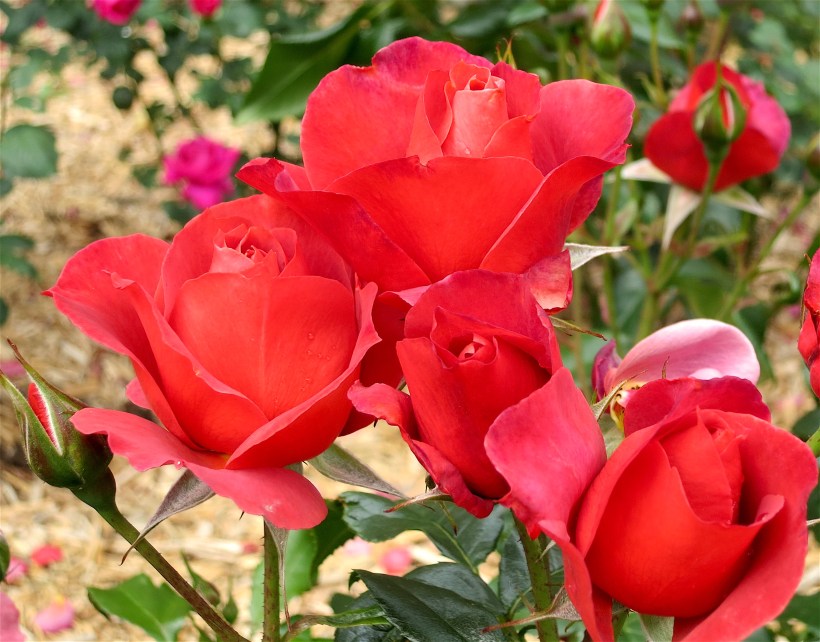
rosechocolate

We are mere seeds lying dormant, plain and simple, with no knowledge of the beauty we harbor within, a beauty for which we were created. There is nothing to distinguish us one from the other until the murmurs of spring begin, so soft, so subtle.  The soil shakes loose frosty crust as the thawing warmth begins.   Sunlight makes us stir and swell, no longer frozen but animate and intimate.

We are called awake from our quiescence to sprout, bloom and fruit.  We reach as far as our tethered roots will allow, beyond earthly bounds to touch the light and be touched. We fling our seeds to the wind.

There is renewed hope created in the heart of man, ready and waiting to unfurl, with a precious fragrance that lingers long after our pods have burst open, as our seed dries, loosens, and falls to freedom.

rows

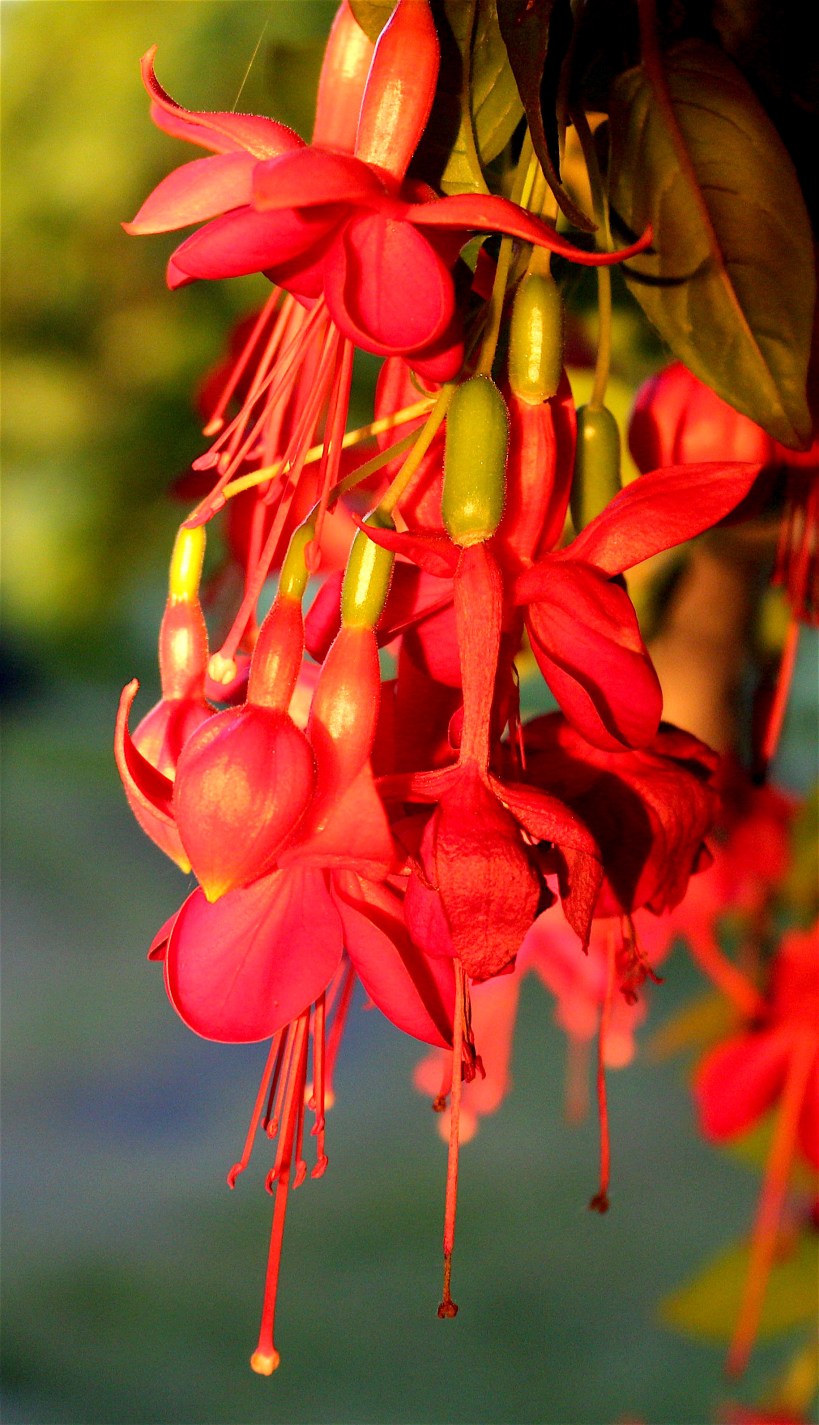
redfuschia

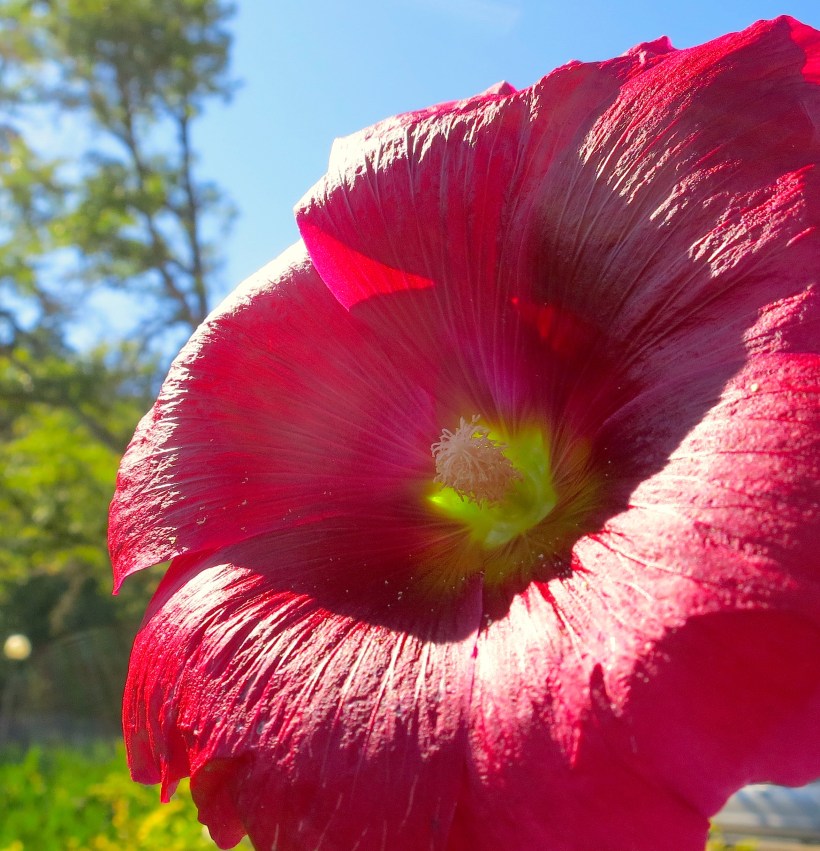
hollyhockred

Holding Fast By Letting Go

13568908_1331106450251998_5537218373532189485_o
photo of San Juan Islands by Joel DeWaard


We find by losing.
We hold fast by letting go.
We become something new by ceasing to be something old.
This seems to be close to the heart of that mystery.
I know no more now than I ever did about the far side of death as the last letting-go of all,
but I begin to know that I do not need to know and that I do not need to be afraid of not knowing.
God knows.
That is all that matters.
Out of Nothing he creates Something.
Out of the End he creates the Beginning.
Out of selfness we grow, by his grace, toward selflessness,
and out of that final selflessness,
which is the loss of self altogether,
“eye hath not seen nor ear heard, neither have entered into the heart of man”
what new marvels he will bring to pass next.
All’s lost.
All’s found.
And if such words sound childish, so be it.
Out of each old self that dies
some precious essence is preserved for the new self that is born;
and with in the child-self that is part of us all,
there is perhaps nothing more precious than the fathomless capacity to trust.
~Frederick Buechner
– Originally published in A Room Called Remember


13582040_10209847969305847_7694704282789970999_o
photo of San Juan Islands by Joel DeWaard


With a blue line of mountains north of the wall,
And east of the city a white curve of water,

Here you must leave me and drift away
Like a loosened water-plant hundreds of miles….
I shall think of you in a floating cloud;
So in the sunset think of me.
…We wave our hands to say good-bye,
And my horse is neighing again and again.
~Li Po “A Farewell to a Friend”


13558746_1330353816993928_1992708106779604756_o
photo of San Juan Islands by Joel DeWaard

Best of Barnstorming: Winter/Spring 2016

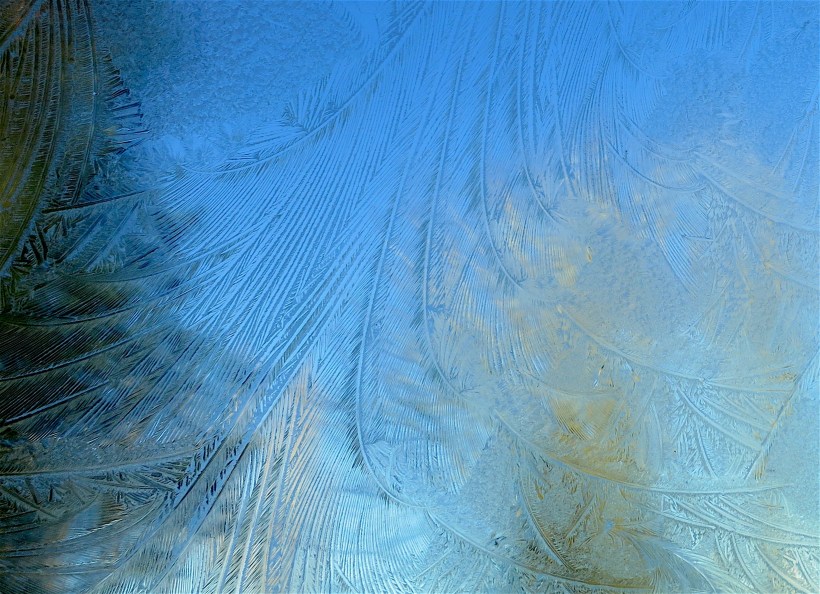
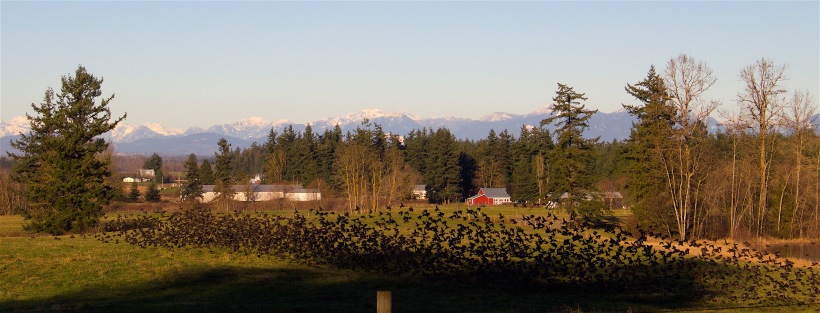
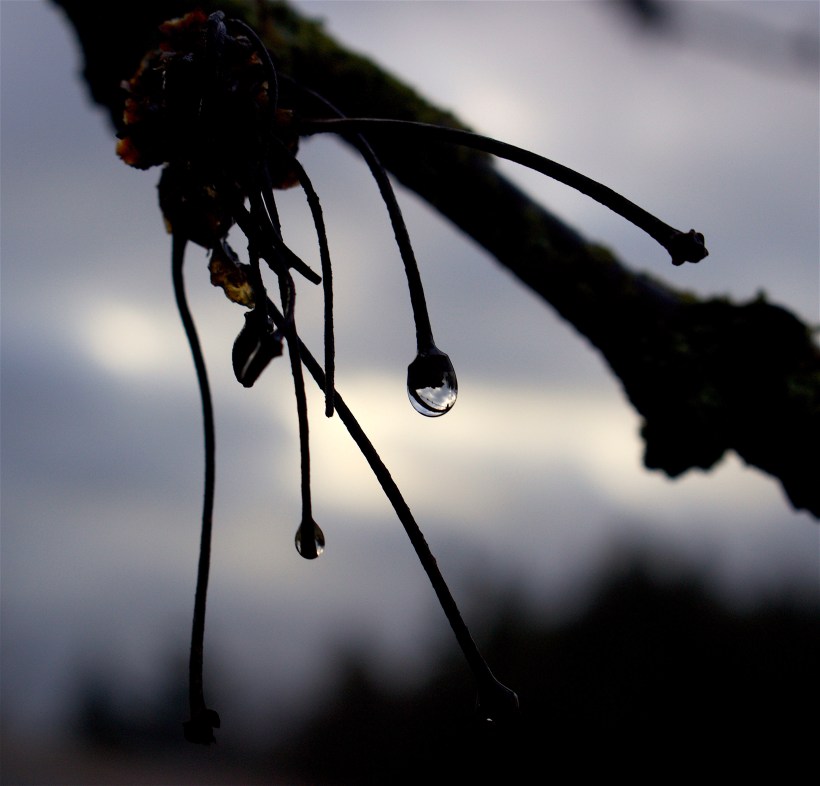
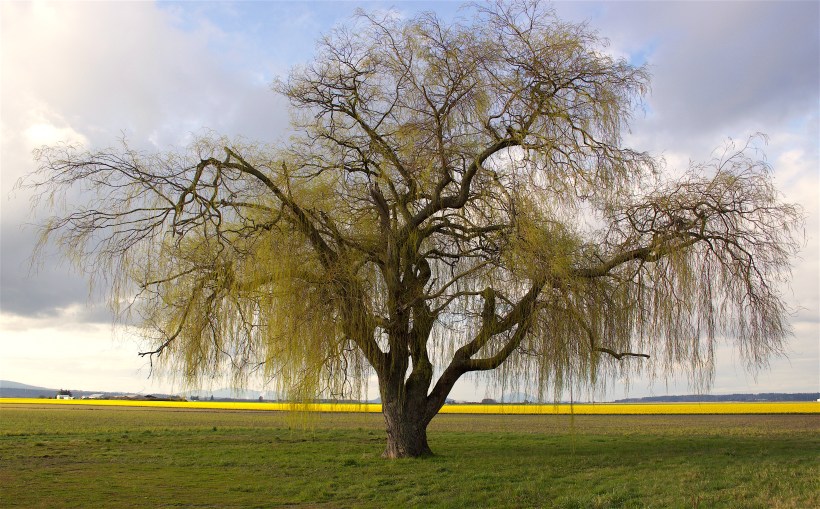
The last six months of documenting frozen to budding to blossoming to fruiting:

so may it be from the soil and from the heart.

frostymorn1116

amaryllis113

icepile3

icywindshield3

starlingmurmur2

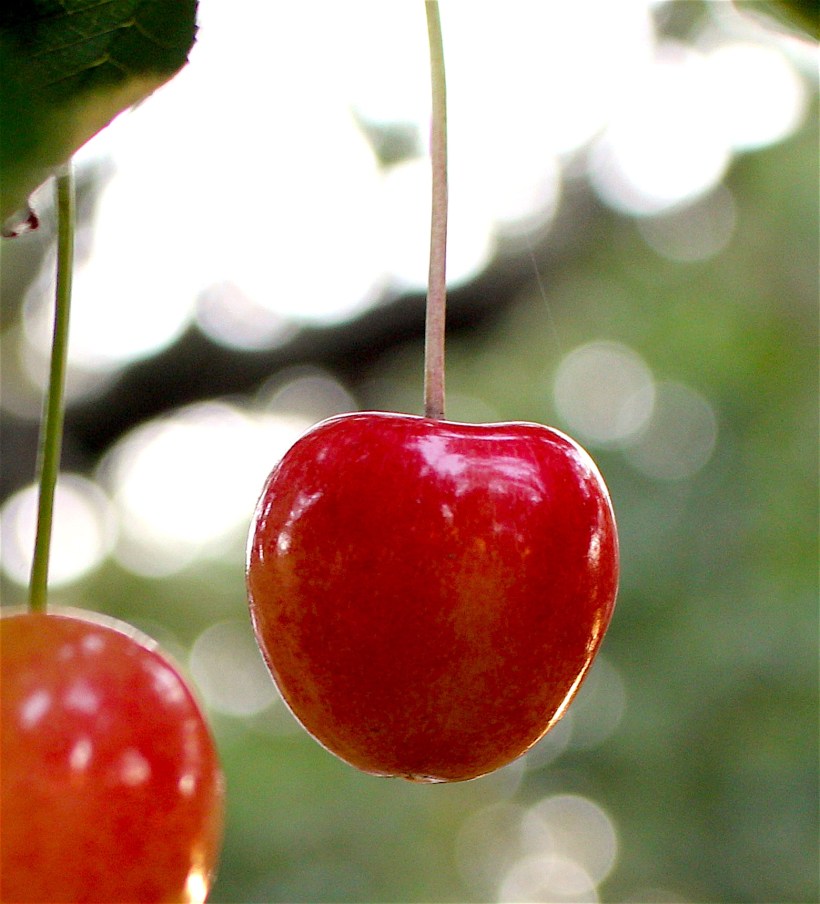
cherrydrops

skagitwillow

birchmorning

drizzlemoss3

trumpeters312416

drizzleparrotia2

drizzlesnowdrop

drizzleweed2

pearblossom2416

fullbloom

skagitfields232516

sundayevenin5

sunsetdogwood

firgrowth

sunset427161

willow11

tjoelkerbarn

thesisters1

dogwoodweb

filbertbloom

conwaychurch1

dafrain1

willowsun

chestnutspring8

sunset329162

wwunotpink

lily4216

sunset425164

peony428162

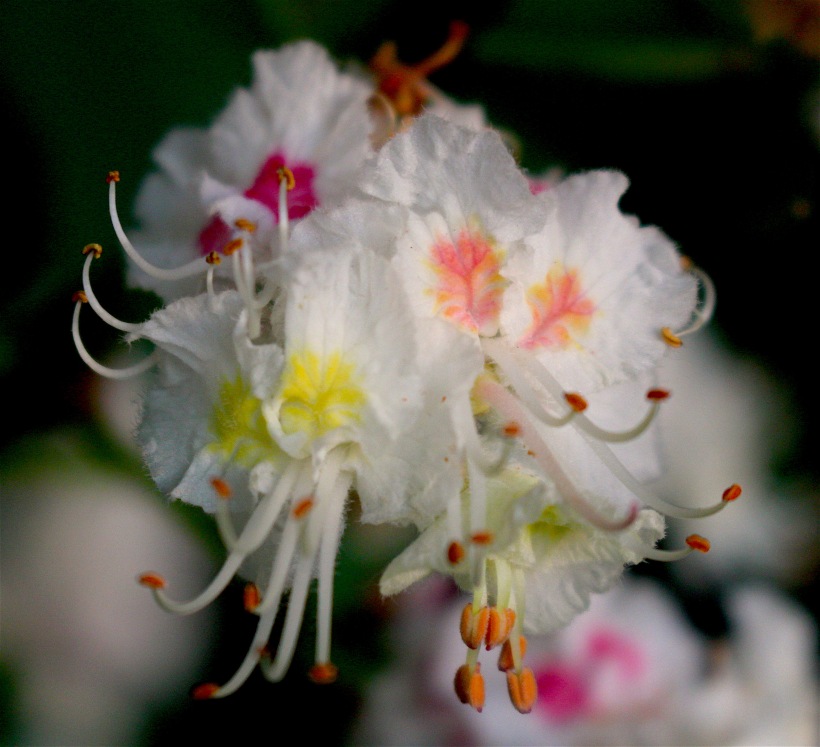
chestnutbloom51161

sunset251116

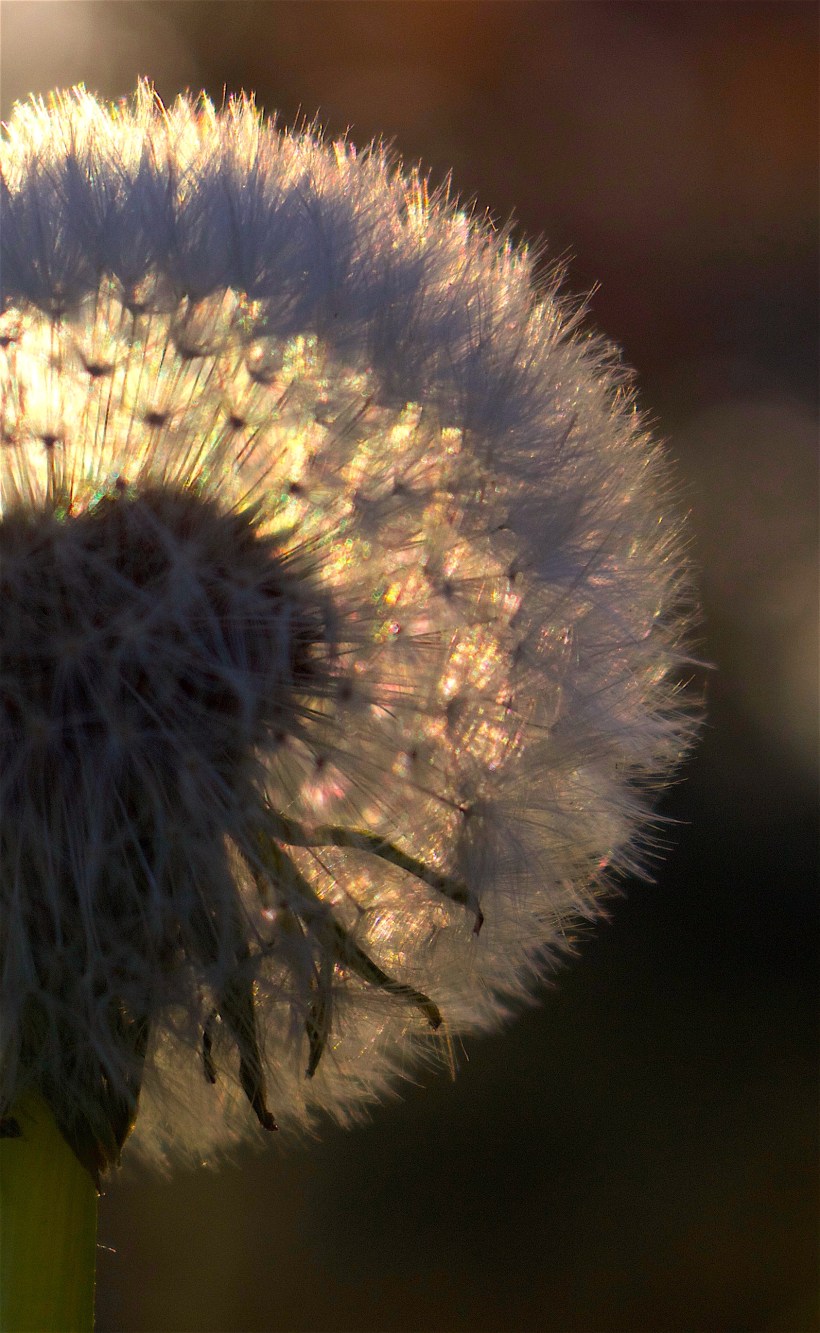
dandyrainbow

cavortingbuttercups

marshmallows51116

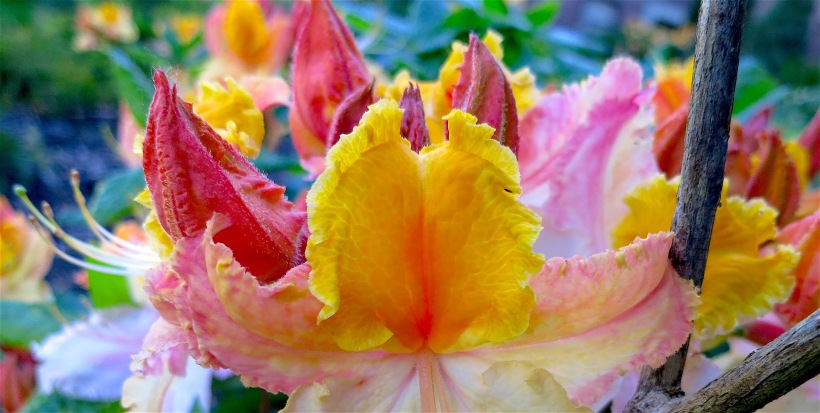
wwuazalea51216

sunsetfence

storm518162

morningbird

waterdrop

mejiergarden4

sunrise6316

evening612163

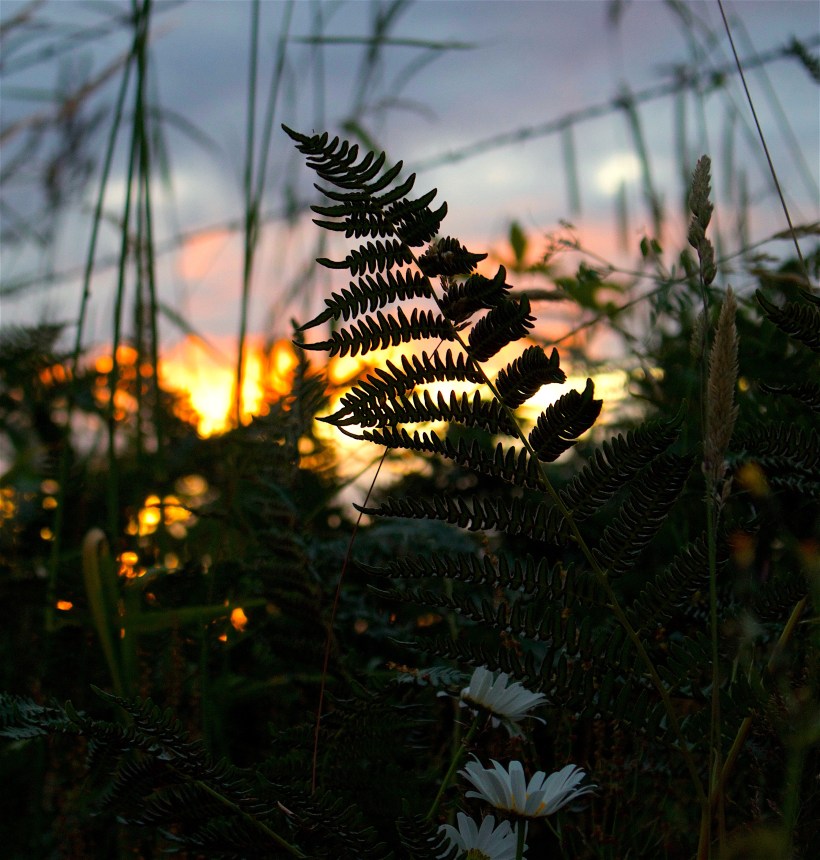
ferndaisies

dandy16

maplecentralroad

sunset67163

purplepetunia

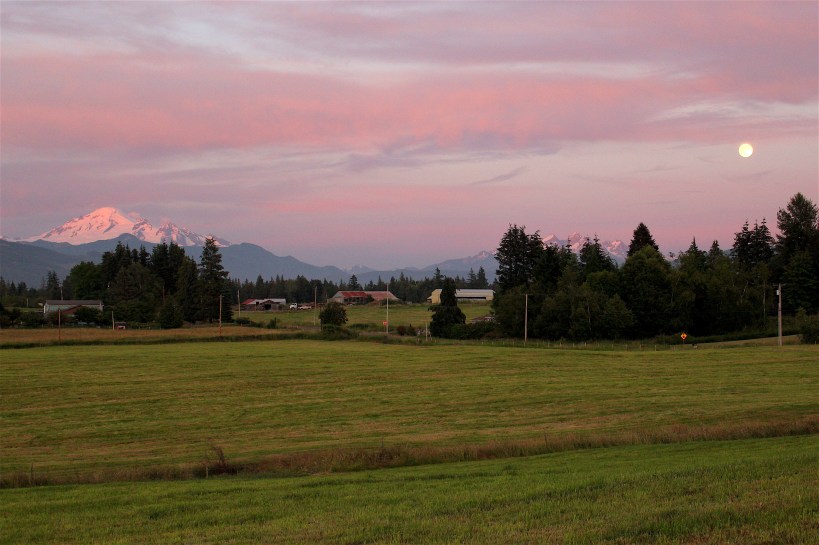
moonrise619163

royalannejune

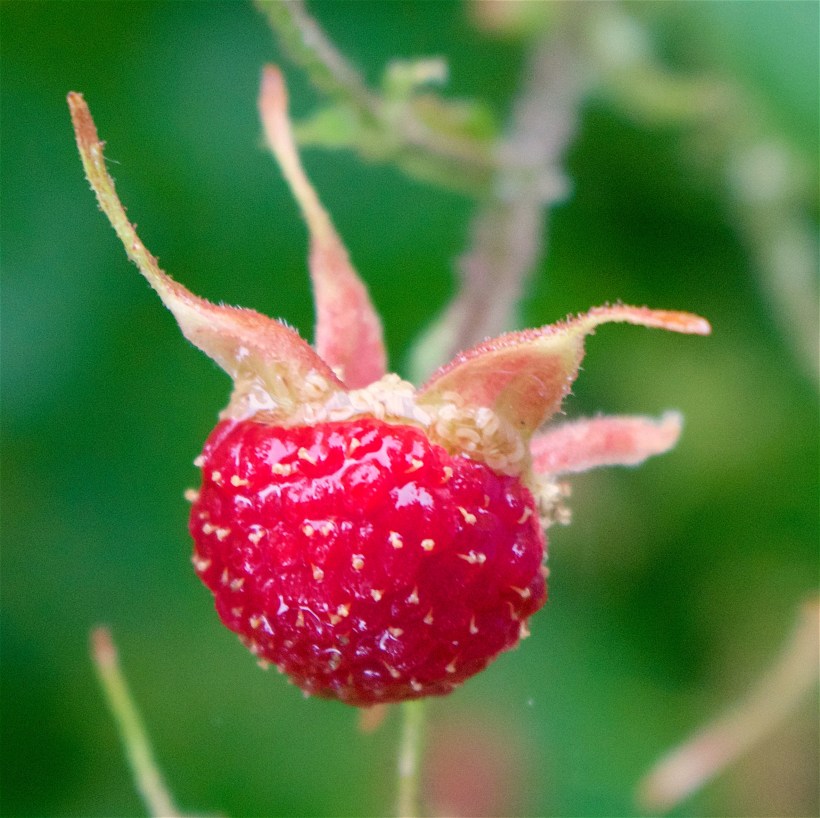
thimbleberry5

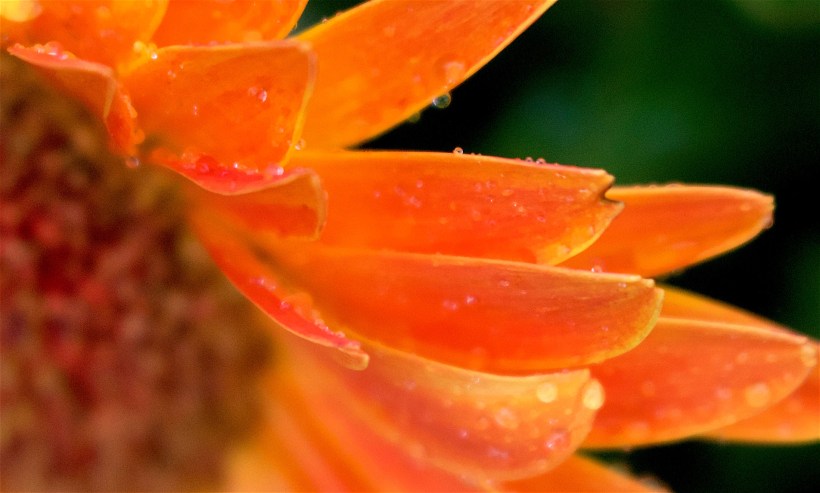
gerbera

rainylily

brightnight


For more “Best of Barnstorming” photos:

Summer/Fall 2015

Winter/Spring 2015

Summer/Fall 2014

Best of 2013

Seasons on the Farm:

BriarCroft in Summer, in Autumn, in Winter,
at Year’s End

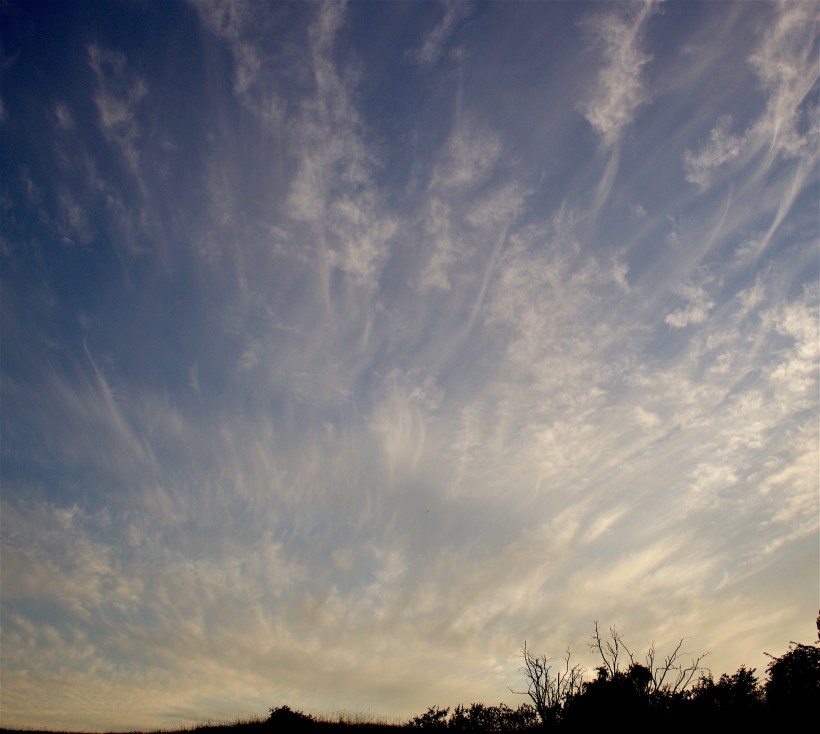
Another Day’s Chalking

skiffclouds

sunset626164

sunset62616

Life is grace.
Sleep is forgiveness.
The night absolves.
Darkness wipes the slate clean,
not spotless to be sure,
but clean enough for another day’s chalking.
~Frederick Buechner

sunrise627163

Today
is the tomorrow
hoped for last night,
a clean slate on which to
leave a mark on a new day
after night’s erasing rest.

No matter what took place the day before,
no matter the misgivings,
no matter what should have been left unsaid,
no matter how hard the heart,
there is another day to make it right.

Forgiveness finds a foothold in the dark,
when eyelids close and leak,
thoughts quietly crack open,
voices hush in prayers
of praise, petition and gratitude.

And so now
sleep on it
knowing his grace
abounds in blameless dreams.

Morning will come
awash in new light,
another chance
freely given.

sunrise627162

sunrise62716

Turn the Earth Upside Down

dewyblue
dewyflowers
 There is a treasure in the earth
that is a food tasty and pleasing
to the Lord.
Be a gardener.
Dig and ditch,
toil and sweat,
and turn the earth upside down
and seek the deepness
and water the plants in time.
Continue this labor
and make sweet floods to run
and noble and abundant fruits
to spring.
Take this food and drink
and carry it to God
as your true worship.
~Julian of Norwich
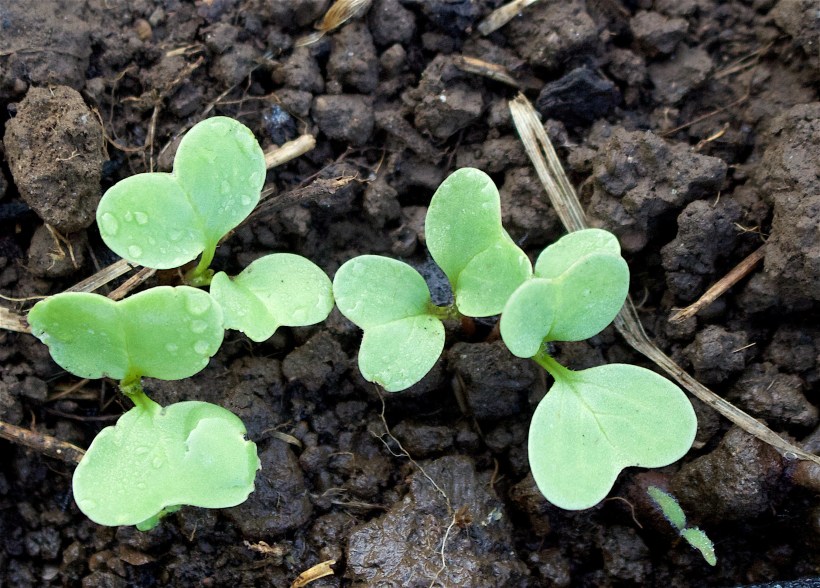
radish
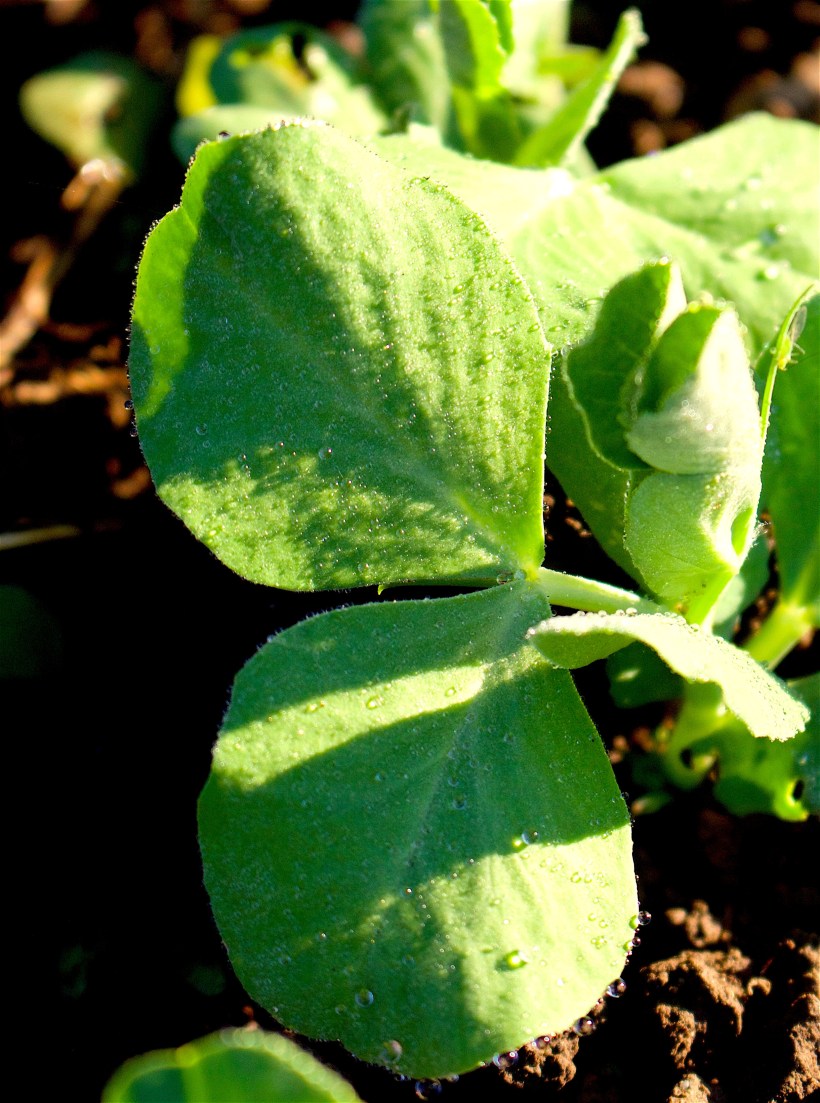
peasprout

In Summer, in a burst of summertime
Following falls and falls of rain,
When the air was sweet-and-sour of the flown fineflower of
Those goldnails and their gaylinks that hang along a lime;
~Gerard Manley Hopkins from “Cheery Beggar”

Sweet and sour extends far beyond a Chinese menu; it is the daily air we breathe.  Dichotomy is so much of our life and times,  more distinct than the bittersweet of simple pleasures laced with twinges and tears.

We are but cheery beggars in this world, desiring to hang tight to the overwhelming sweetness of each glorious moment — the startling sunrise, the lush green and golden blooms following spring showers, the warm hug of a compassionate word, the house filled with love and laughter.  But as beggars aren’t choosers, we can’t only have sweet alone;  we must endure the sour that comes as part of the package — the deepening dark of a sleepless night, the muddy muck of endless rain, the sting of a biting critique, the loneliness of an home emptying and much too quiet.

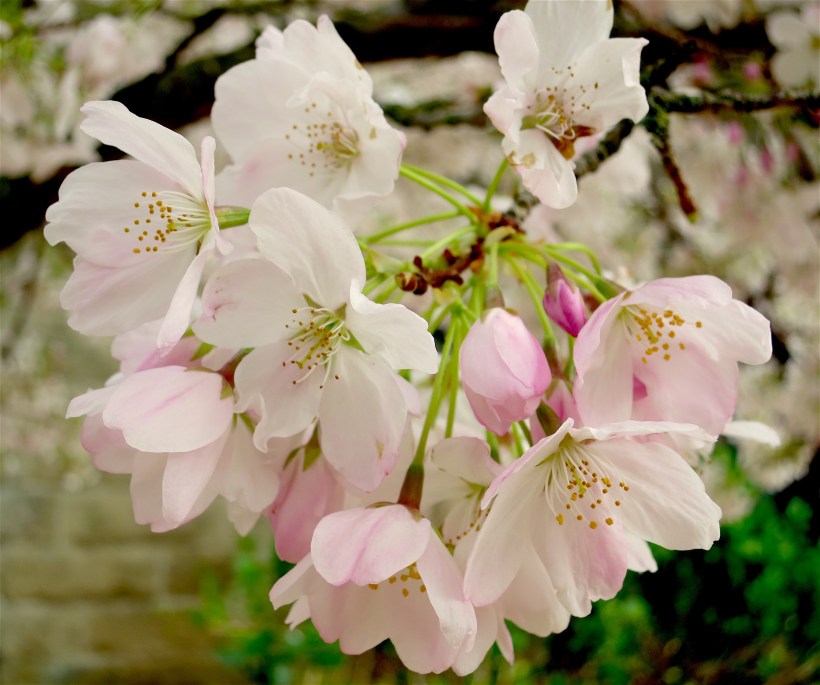
So we slog through sour to revel some day, even more so, in sweet.  Months of manure-permeated air is overcome one miraculous morning by the unexpected and undeserved fragrance of apple and pear blossoms, so sweet, so pure, so full of promise of the fruit to come.  The manure makes the sweet sweeter and once again the earth turns upside down.

And we breathe in deeply, content and grateful for a moment of grace and bliss, wanting to hold it in the depths of our lungs forever.

wwupinks

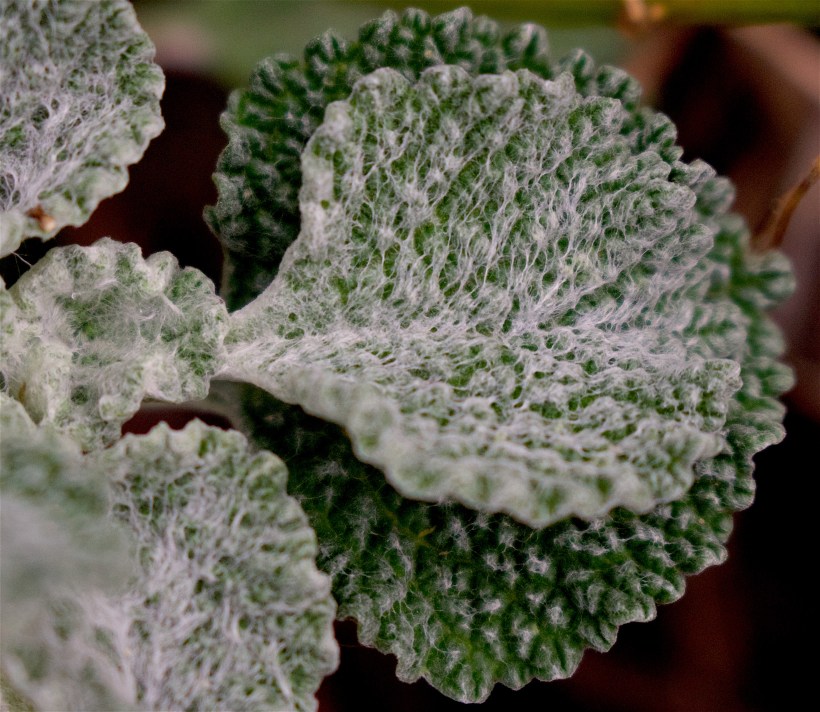
herboctober
summertable2