I am the whole dream of these things You see, I am alive, I am alive
I stand in good relation to all that is beautiful You see, I am alive, I am alive ~N.Scott Momaday from “The Delight Song of Tsoai-talee” from In the Presence of the Sun: Stories and Poems
I wonder if, in the dark night of the sea, the octopus dreams of me. ~N. Scott Momaday
If I am brutally honest with myself, one of my worst fears is to have lived on this earth for a few decades and then pass away forgotten, inconsequential, having left behind no legacy of significance whatsoever. I know it is self-absorbed to feel the need to leave a mark, but my search for purpose and meaning lasting beyond my time here provides new momentum for each day.
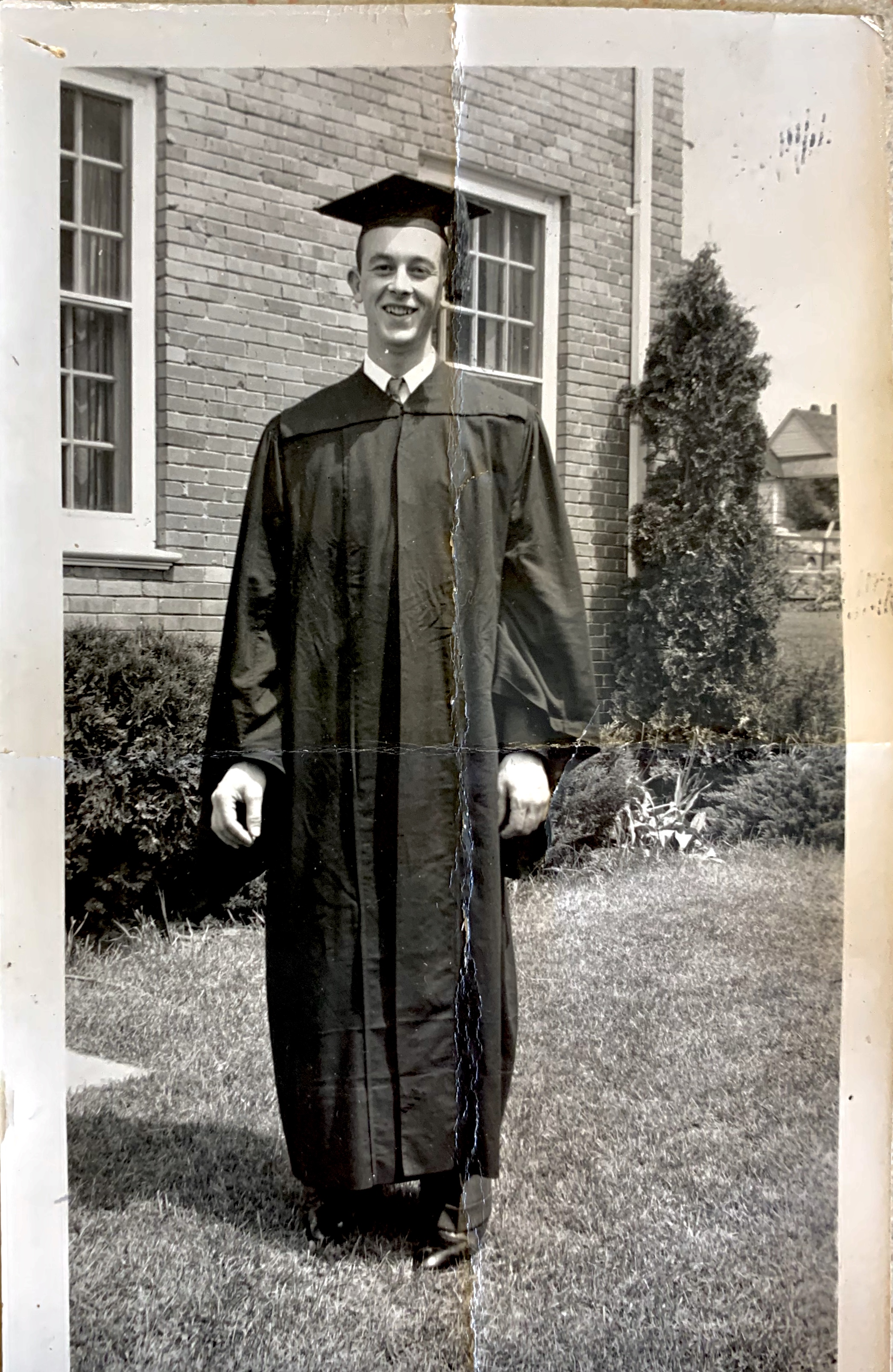
The forgetting can happen so fast. Most people know very little about their great great grandparents, if they even know their names. A mere four generations, a century, renders us dust, not just in flesh, but in memory as well. There may be a yellowed photograph in a box somewhere, perhaps a tattered postcard or letter written in elegant script, but the essence of who this person was is long lost and forgotten. We owe it to our descendants to write down or record the stories about who we were while we lived on this earth. We need to share why we lived, for whom we lived, for what we lived.
I suspect however, unless I try every day to record some part of who I am, it will be no different with me and those who come after me. Whether or not we are remembered by great great grandchildren or become part of the dreams of creatures in the depths of the seas: we came from dust and will return to dust- there is no changing that.
Good thing this is not our only home. Good thing we are created to be more than memory and dreams. Good thing there is an eternity that transcends good works or long memories or legacies left behind. Good thing we are loved that much and always will be, Forever and ever, Amen.
One-Time
Monthly
Yearly
Make a one-time or recurring donation to support daily Barnstorming posts
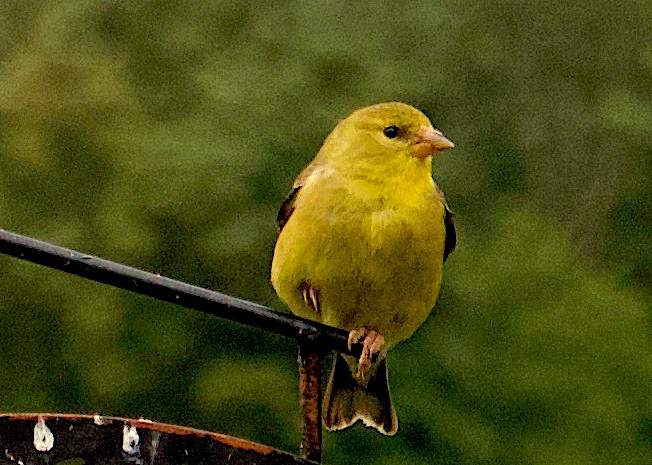
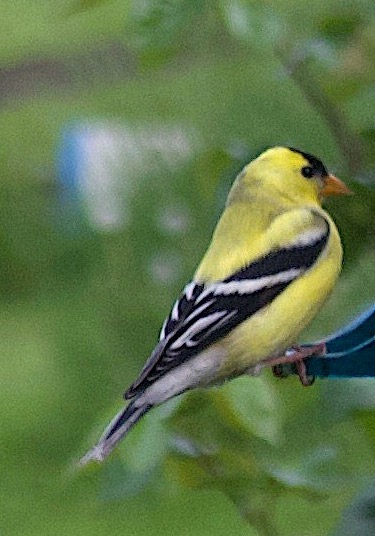
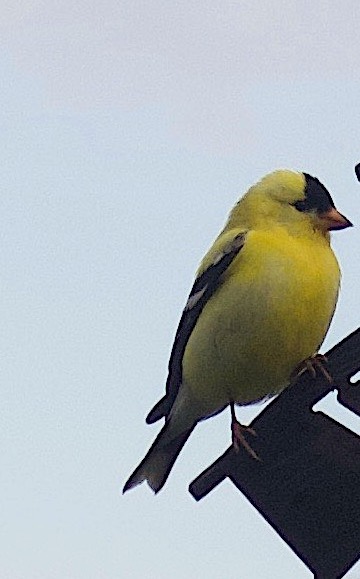
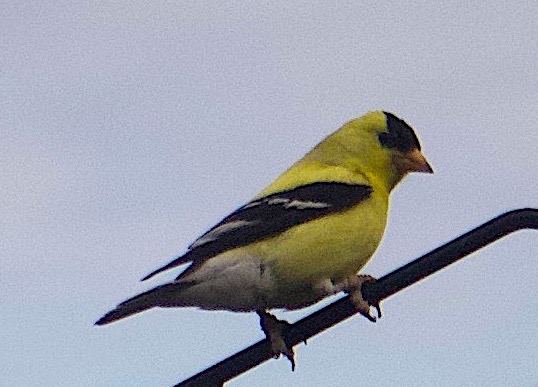
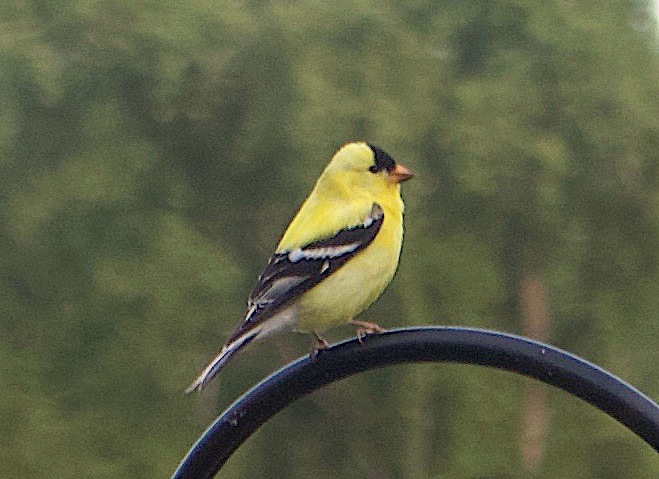
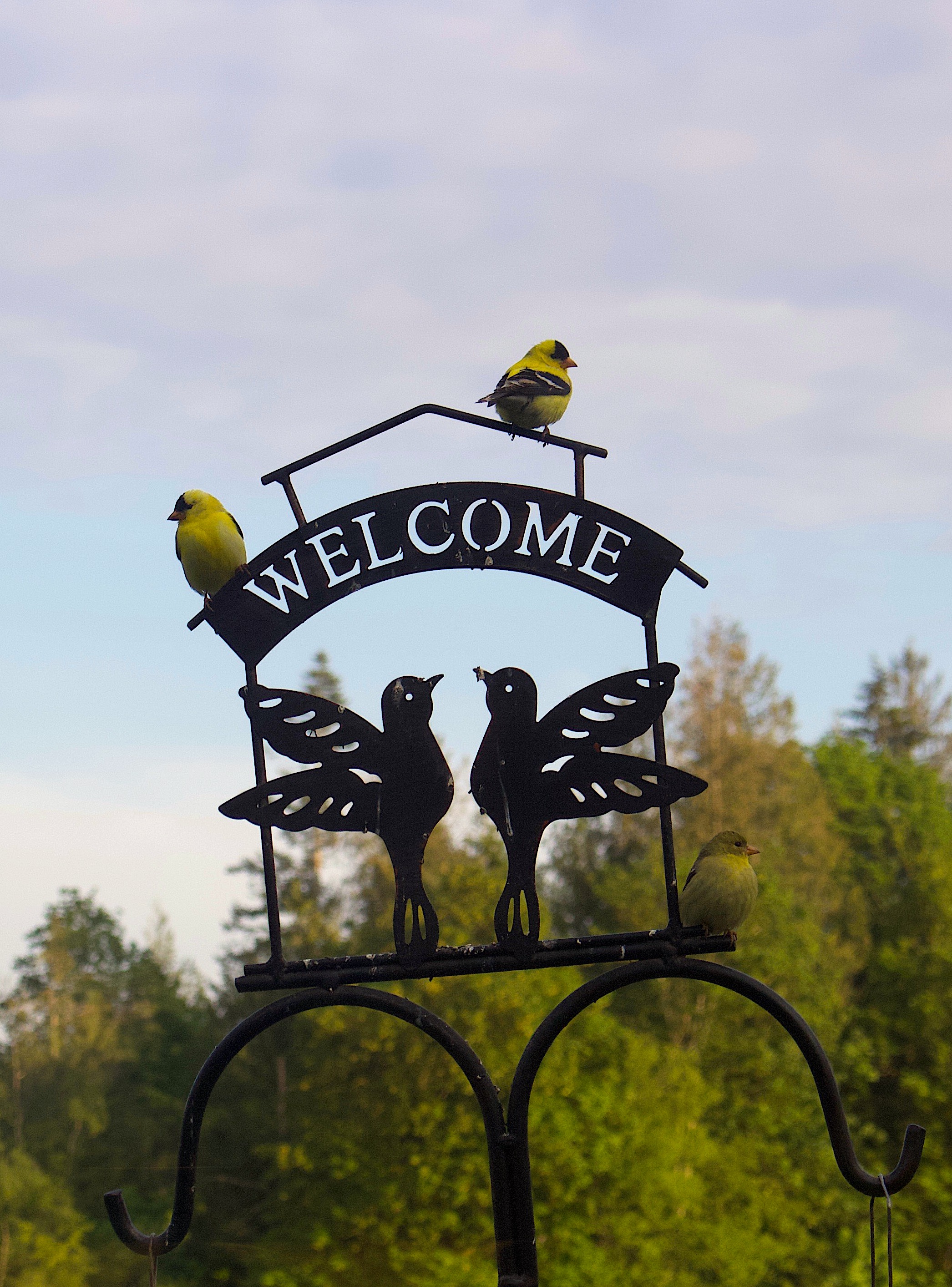
If I had a yellow breast, I would perch in high shadows. And in my dreams, if I had to fly, I would fly quickly
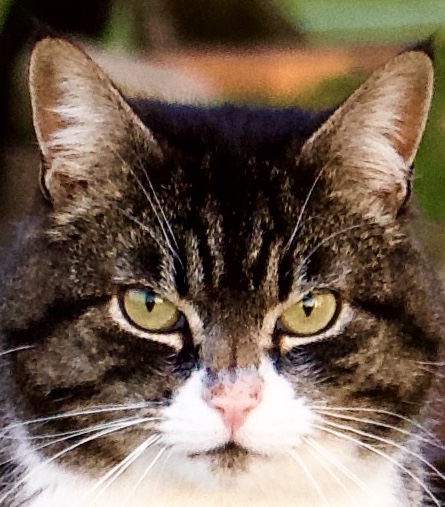
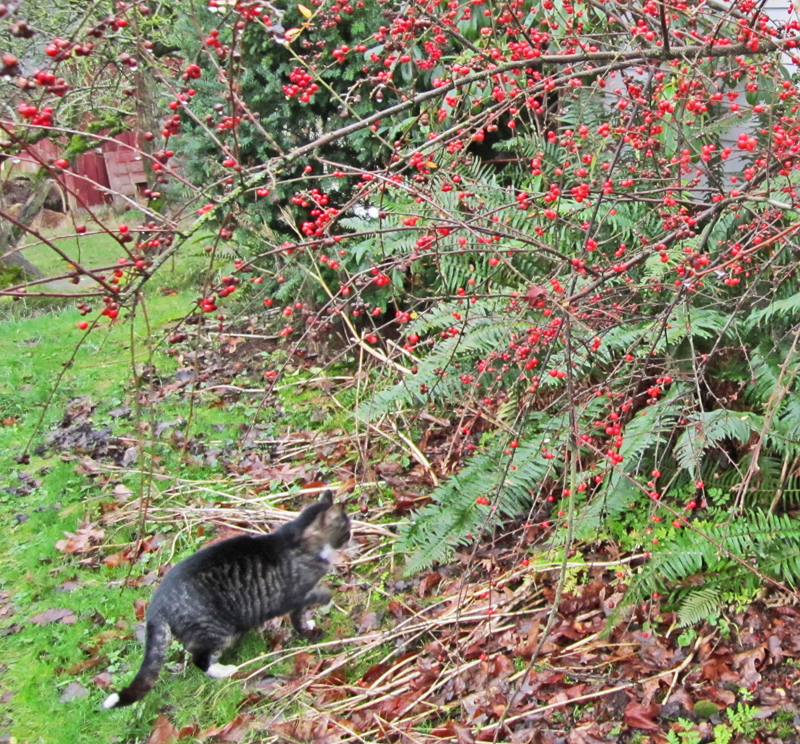
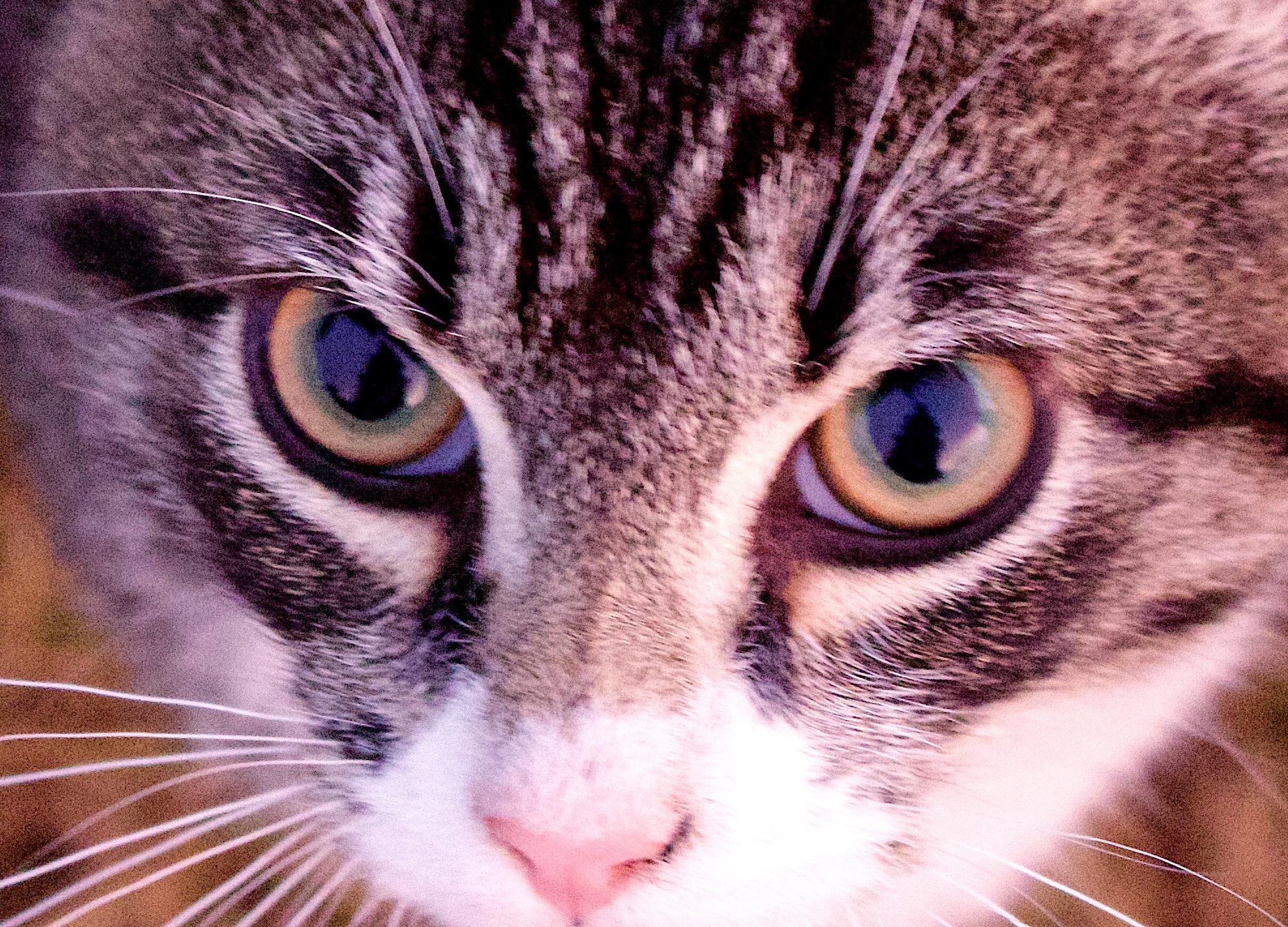
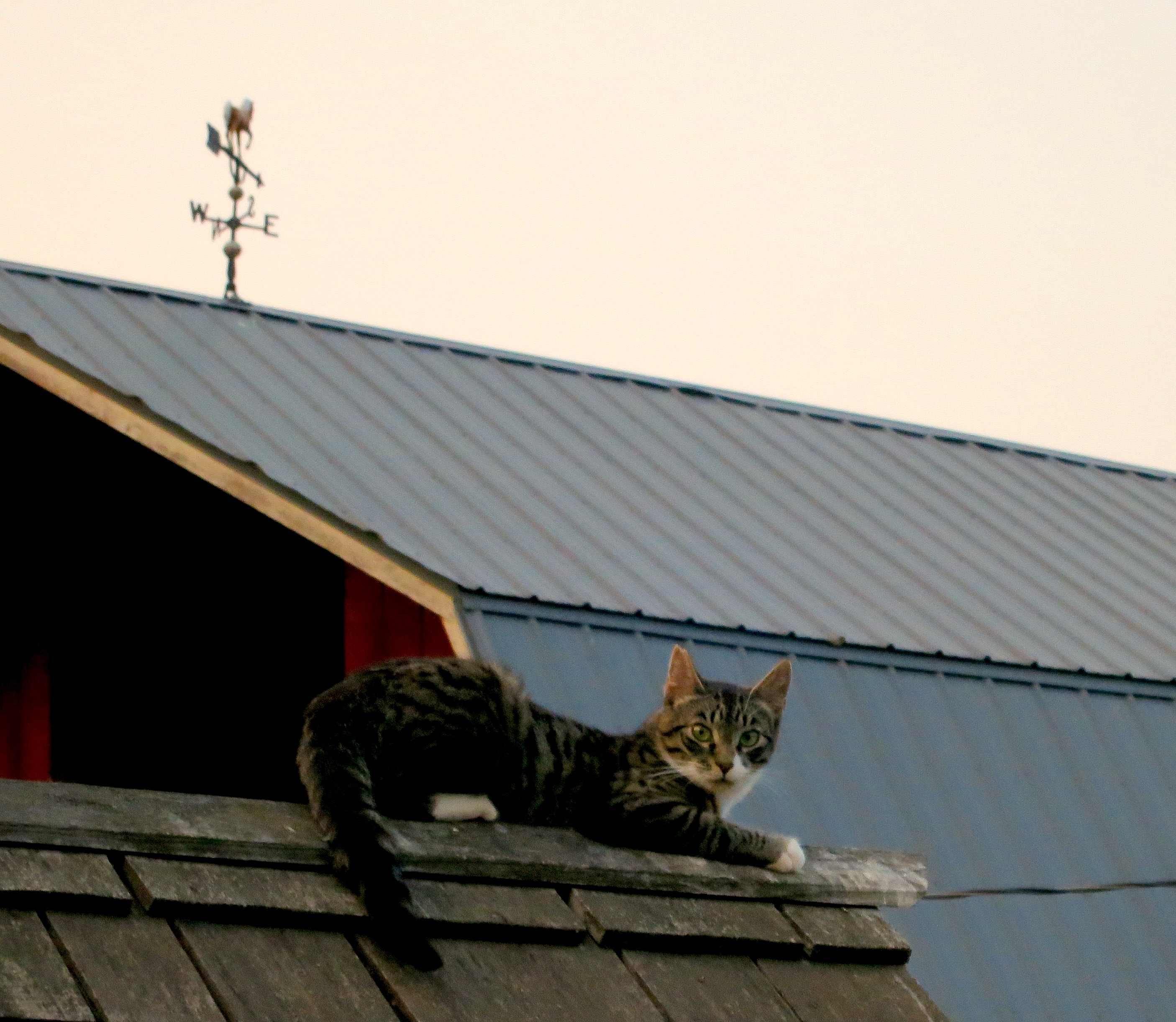
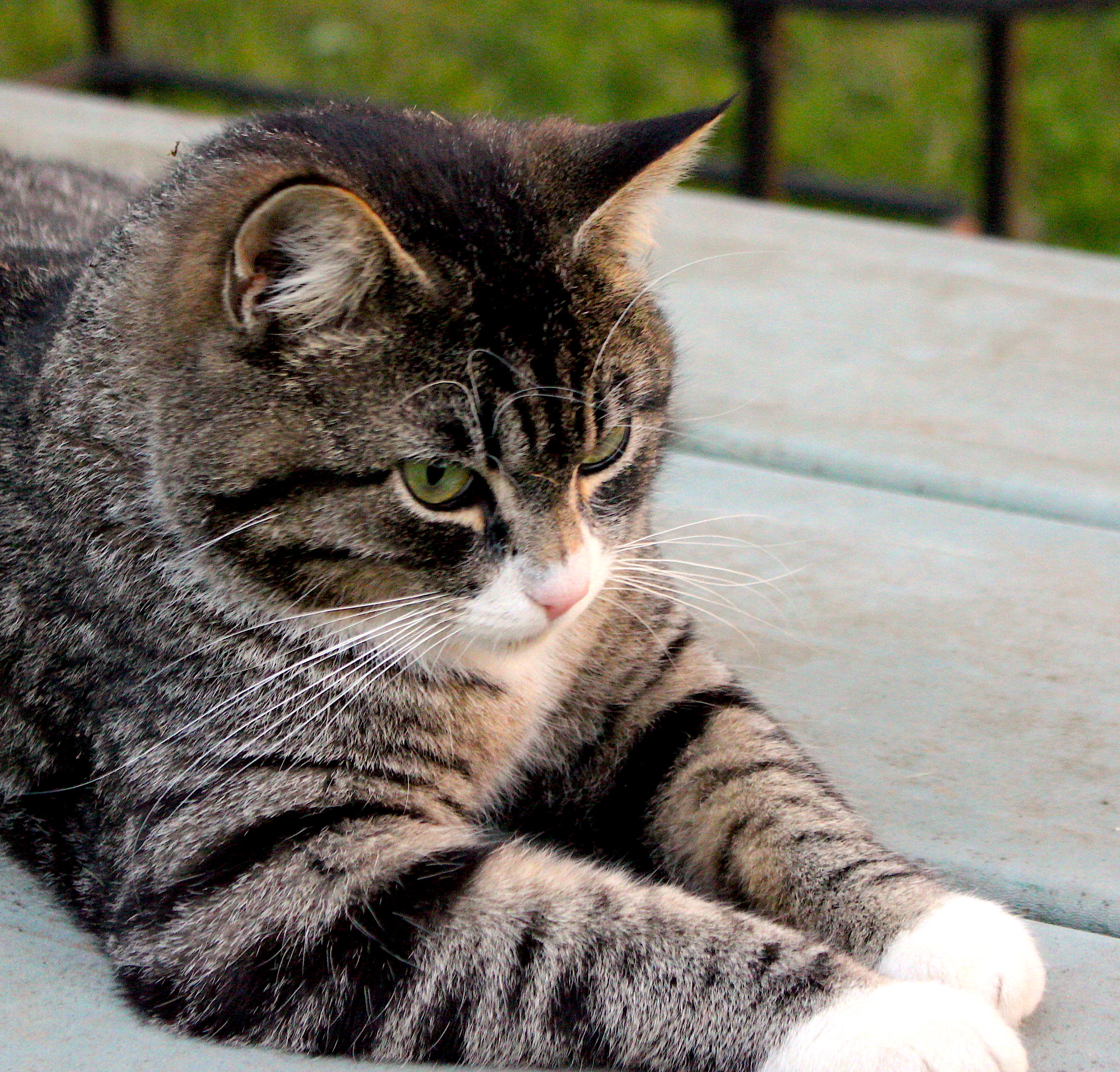
because if I shone, the tabby on the ground would not be fooled. He knows these trees do not flower.
Above me, bark rains down. And as his lifting paw reaches me I sense Don’t move. And I don’t. ~Lola Haskins “Goldfinch”from Homelight
The bird flying up at the windowpane aspired to the blue sky reflected in it but learned the hard truth and flew off again. Was it a finch, a blue tit or a linnet? I couldn’t quite identify the strain.
Checking a pocket guide to get it right (The Birds of lreland, illustrated text) I note the precise graphic work and definite descriptions there, and yet I’m still perplexed. I only glimpsed the bird in busy flight:
a bit like a goldfinch, like the captive one perched on a rail, by Rembrandt’s young disciple, except for the colouring, blue, yellow and green. A tit so, one of those from the bird table who whirr at hanging nuts and grain.
Off he flew. Now there’s a mist out there and a mist in here that wouldn’t interest him since what he wants is sky and open air. He’s in the trees; I’m trying one more time to find an opening in the stratosphere. ~Derek Mahon “At the Window”
In this world full of predators and prey, even perching high on a tree branch, motionless as a leaf or a bird-like blossom, is risking a sharp-eyed hunter’s detection.
Or flying, oblivious, head-long into an enticing reflection of blue sky might take me down
– any move I make could be my last –
So perhaps the moves I make, whether subtle or grand, must mean more than simply avoiding being eaten by the eater.
Instead, I move with grace and purpose to forage to feed my young, to offer a bit of flashing gold to a gray landscape, or fly with abandon because it is exactly what my wings are created to do –
even when I’m aware hungry whiskers twitch below…
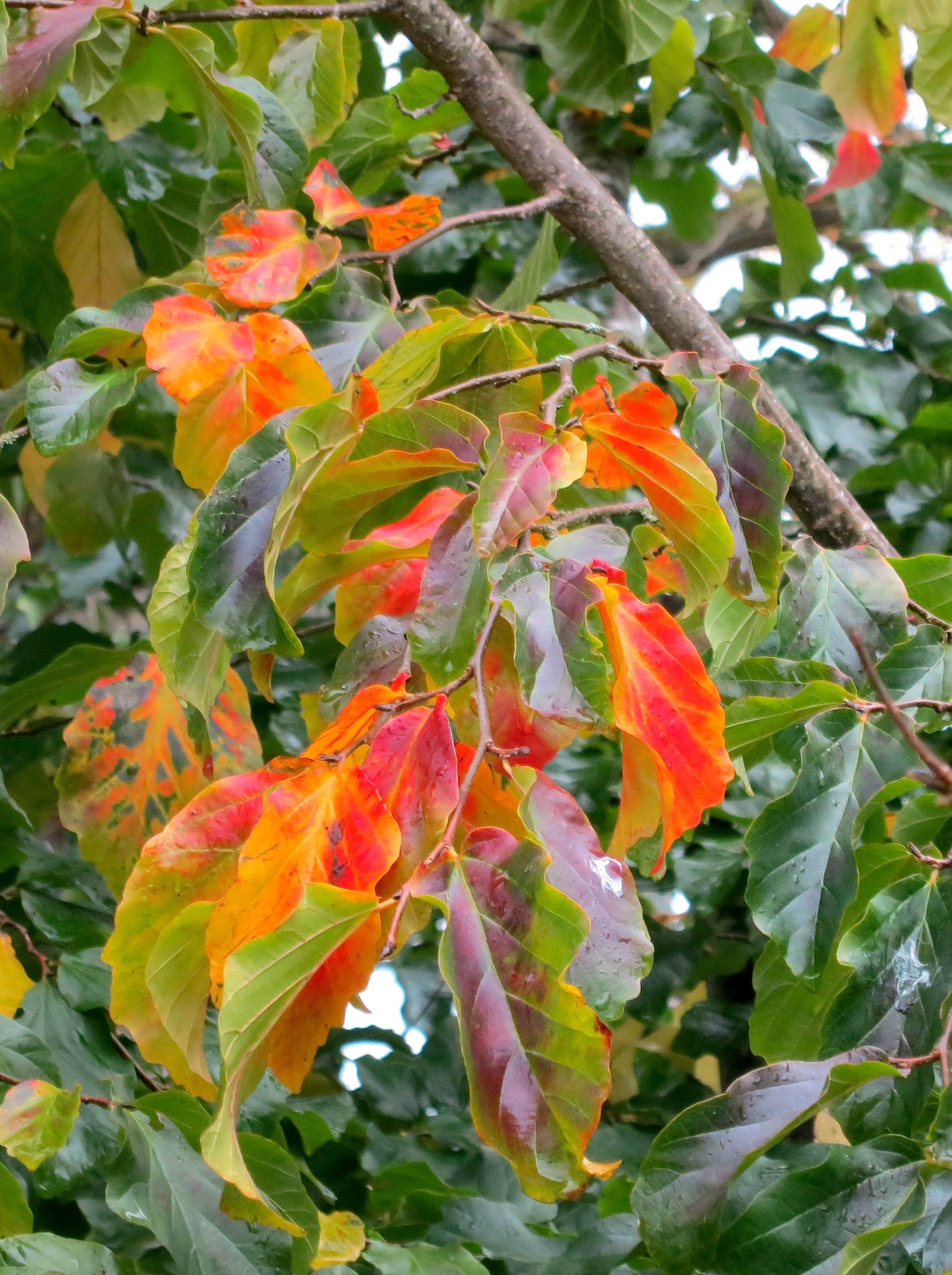
“handkerchief” tree in Northern Ireland
One-Time
Monthly
Yearly
Make a one-time or recurring donation to support daily Barnstorming posts
In a hundred trillion years— an actual number though we can’t begin to grasp it—the last traces of our universe will be not even a memory with no memory to lament it.
The last dust of the last star will not drift in the great nothing out of which everything we love or imagine eventually comes.
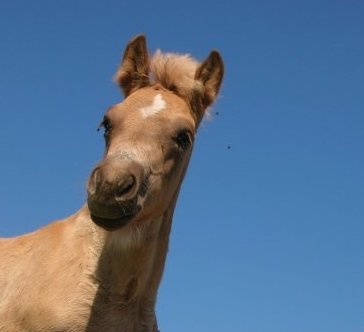
Yet every day, every four hours around the clock, Debbie prepares her goat’s-milk mix for the orphaned filly who sucks down all three liters of it, gratefully, it seems, as if it matters more than anything in the universe— and it does—at this moment while the sun is still four hours from rising on the only day that matters.
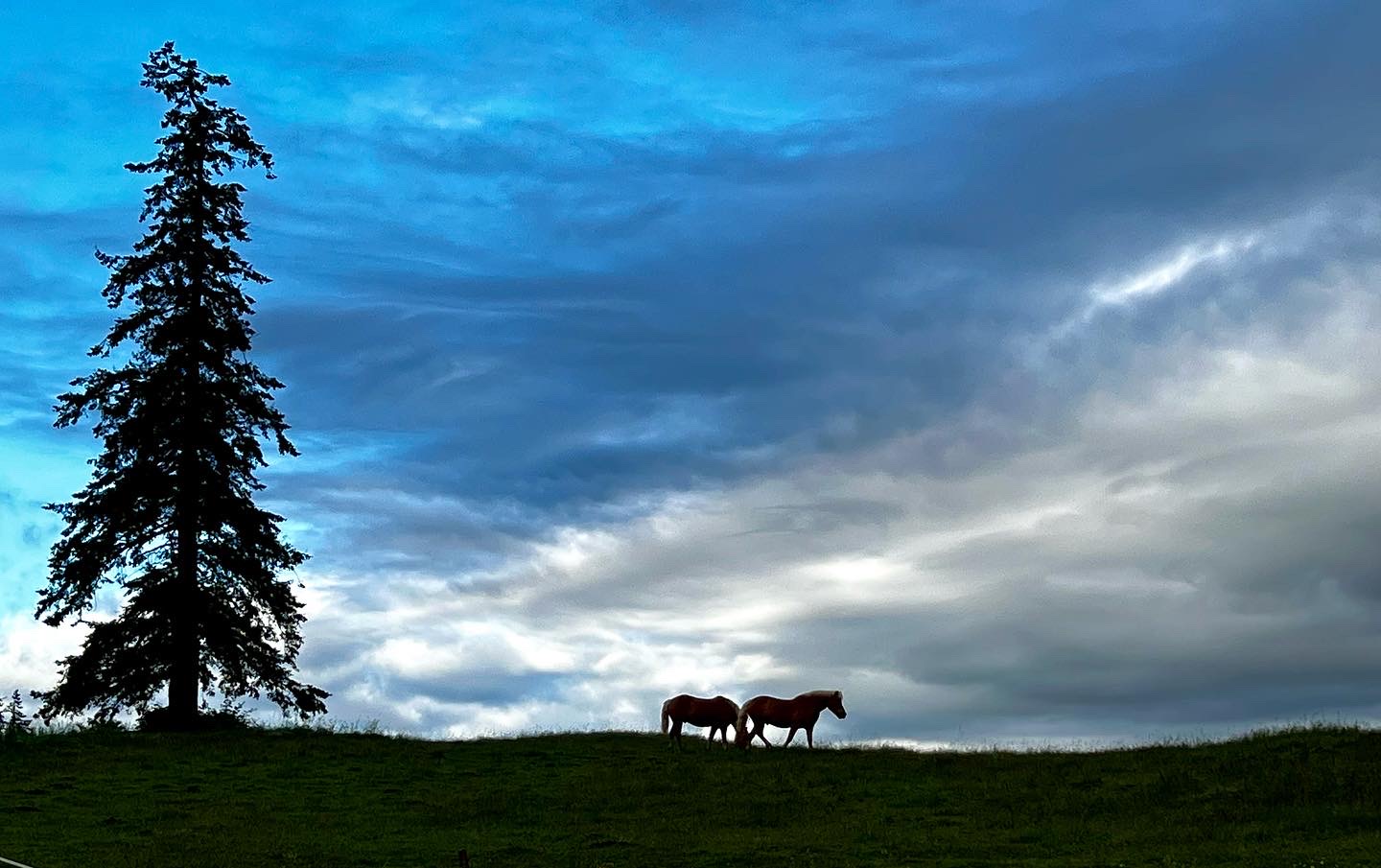
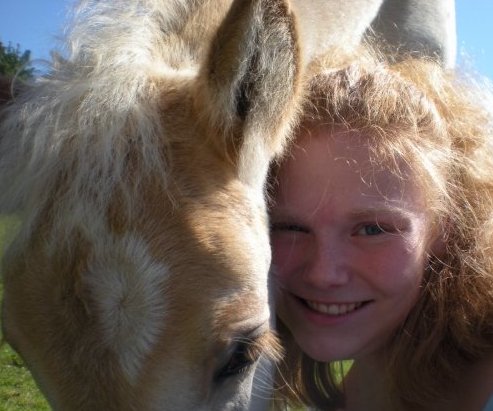
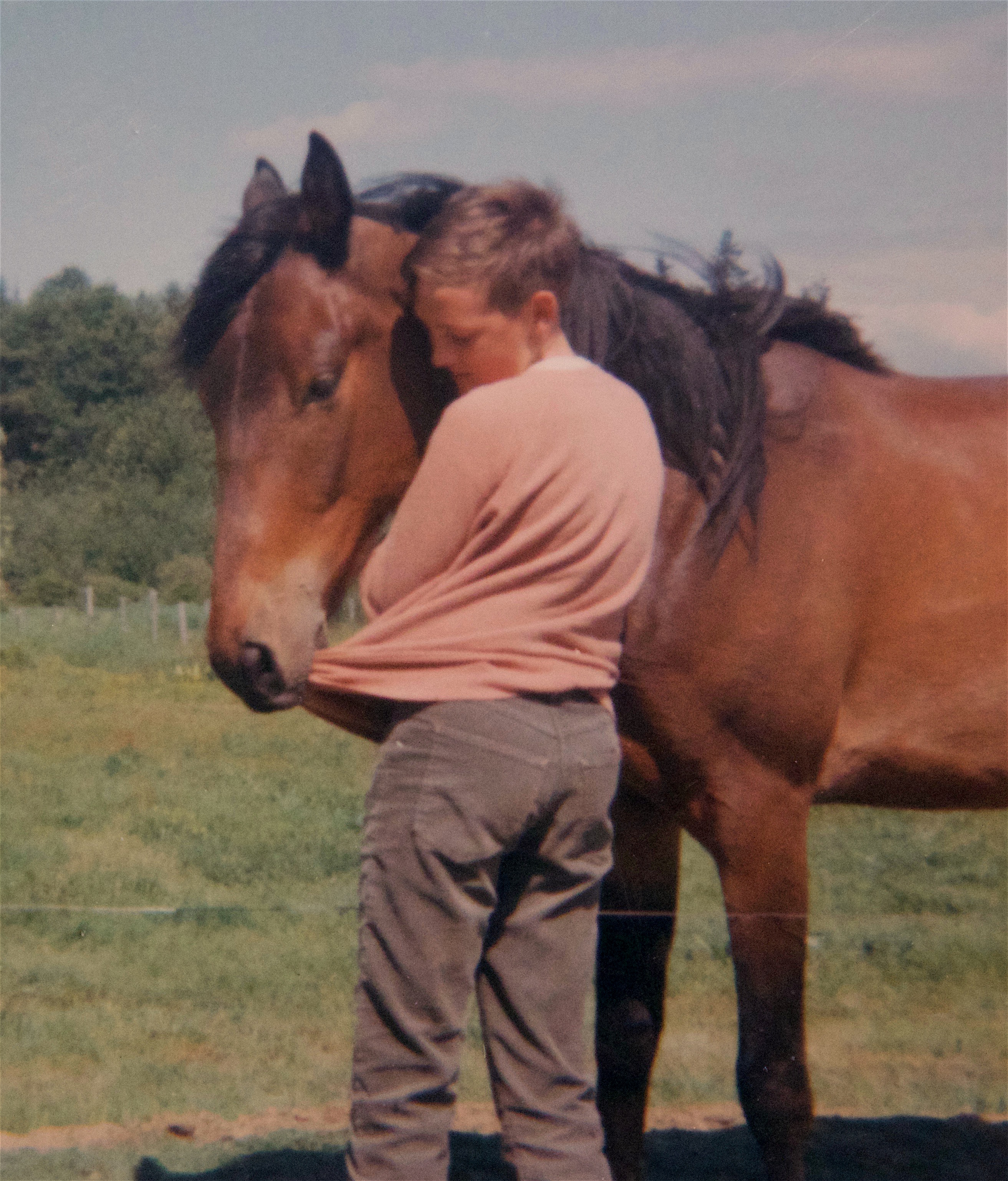
Over eight years ago, our Haflinger mare Marlee passed on to her forever home, far sooner than we planned. She was only twenty two, born only two months after our daughter’s birth, much too young an age for a Haflinger to die.
But something dire was happening to her over the previous two weeks — not eating much, an expanding girth, then shortness of breath. It was confirmed she had untreatable lymphoma.
Her bright eyes were shining to the end so it was very hard to ask the vet to turn the light off. But the time had clearly come.
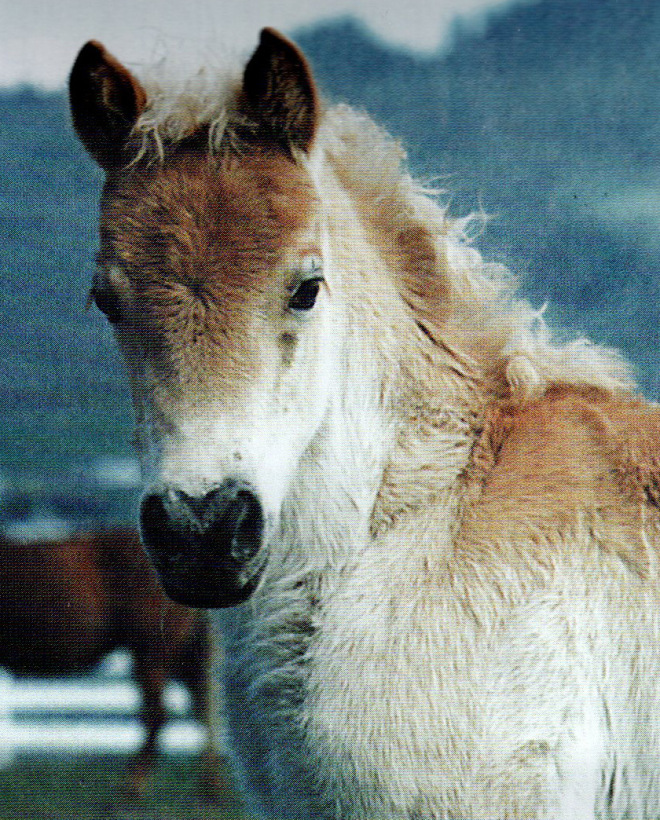
Marlee M&B came to us as a six month old “runty orphan” baby by the lovely stallion Sterling Silver, but she was suddenly weaned at three days when her mama Melissa died of sepsis. She never really weaned from her around the clock bottle/bucket feeding humans Stefan and Andrea Bundshuh at M&B Farm in Canada. From them she knew people’s behavior, learned their nonverbal language, and understood human subtleties that most horses never learn. This made her quite a challenge as a youngster as it also meant there was no natural reserve nor natural respect for people. She had no boundaries taught by a mother, so we tried to teach her the proper social cues.
When turned out with the herd as a youngster, she was completely clueless–she’d approach the dominant alpha mare incorrectly, without proper submission, get herself bitten and kicked and was the bottom of the social heap for years, a lonesome little filly with few friends and very few social skills. She had never learned submission with people either, and had to have many remedial lessons on her training path. Once she was a mature working mare, her relationship with people markedly improved as there was structure to her work and predictability for her, and after having her own foals, she picked up cues and signals that helped her keep her foal safe, though she was one of our most relaxed “do whatever you need to do” mothers when we handled her foals as she simply never learned that she needed to be concerned.
Over the years, as the herd changed, Marlee became the alpha mare, largely by default and seniority, so I don’t believe she really trusted her position as “real”. She tended to bully, and react too quickly out of her own insecurity about her inherited position. She was very skilled with her ears but she was also a master at the tail “whip” and the tensed upper lip–no teeth, just a slight wrinkling of the lip. The herd scattered when they saw her face change. The irony of it all is that when she was “on top” of the herd hierarchy, she was more lonely than when she was at the bottom. And I think a whole lot less happy as she had few grooming partners any more.
She accompanied us to the fair for a week of display of our Haflingers year after year after year — she could be always counted on to greet the public and enjoy days of braiding and petting and kids sitting on her back.
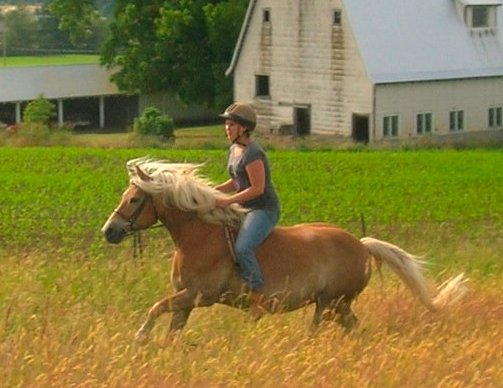
The day she started formal under saddle training was when the light bulb went off in her head–this was a job she could do! This was constant communication and interaction with a human being, which she craved! This was what she was meant for! And she thrived under saddle, advancing quickly in her skills, almost too fast, as she wanted so much to please her trainer.
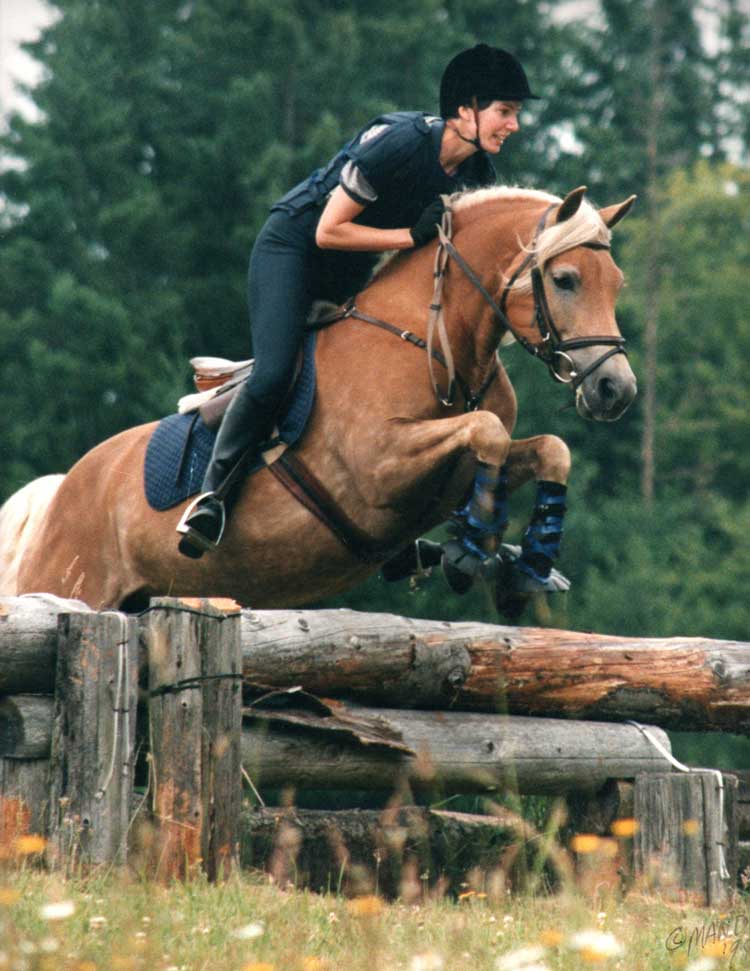
For a time, she had an unequaled record among North American Haflingers. She was not only regional champion in her beginner novice division of eventing as a pregnant 5 year old, but also received USDF Horse of the Year awards in First and Second Level dressage that year as the highest scoring Haflinger.
She had a career of mothering along with intermittent riding work, with 5 foals –Winterstraum, Marquisse, Myst, Wintermond, and Nordstrom—each from different stallions, and each very different from one another.
This mare had such a remarkable work ethic, was “fine-tuned” so perfectly with a sensitivity to cues–that our daughter said: “Mom, it’s going to make me such a better rider because I know she pays attention to everything I do with my body–whether my heels are down, whether I’m sitting up straight or not.” Marlee was, to put it simply, trained to train her riders.
I miss her high pitched whinny from the barn whenever she heard the back door to the house open. I miss her pushy head butt on the stall door when it was time to close it up for the night. I miss that beautiful unforgettable face and those large deep brown eyes where the light was always on. Keeping that orphan alive when she was so vulnerable in the first two months was all that mattered.
What a ride she had for twenty two years, that dear little orphan. What a ride she gave to many who trained her and who she trained over the years. Though I never climbed on her back, what joy she gave me all those years, as the surrogate mom who loved and fed her. May I meet her in my memories, whenever I feel lonesome for her, still unable to resist those bright eyes forever now closed in peace.
Marlee’s photo album:
One-Time
Monthly
Yearly
Make a one-time or recurring donation to support daily Barnstorming posts
Hear me: sometimes thunder is just thunder. The dog barking is only a dog. Leaves fall from the trees because the days are getting shorter, by which I mean not the days we have left, but the actual length of time, given the tilt of earth and distance from the sun. My nephew used to see a therapist who mentioned that, at play, he sank a toy ship and tried to save the captain. Not, he said, that we want to read anything into that. Who can read the world? Its paragraphs of cloud and alphabets of dust. Just now a night bird outside my window made a single, plaintive cry that wafted up between the trees. Not, I’m sure, that it was meant for me. ~Danusa Laméris “Night Bird” from Poetry
These days, I tend to read meaning into nearly everything.
Somehow, I imagine a purpose for whatever takes place, whether quotidian and mundane, or the dramatic and unforgettable. It seems to me I should derive meaning from all around me, learn from it, be inspired by it, or grieve over it.
How do we live out the days we have left – an unknowable number? I want to not miss a thing, knowing, through inattention and distraction and carelessness, I have missed so much over the past seventy years.
Even so, here I am now, reading the world for all it has to offer – even the fine print – trying to make sense of the messiness, the orneriness, the unexplainable, and the breathtaking.
Surely it is the only way to know what is true. I need to witness it all, and wonder.
One-Time
Monthly
Yearly
Make a one-time or recurring donation to support daily Barnstorming posts
The whole idea of it makes me feel like I’m coming down with something, something worse than any stomach ache or the headaches I get from reading in bad light- a kind of measles of the spirit, a mumps of the psyche, a disfiguring chicken pox of the soul.
You tell me it is too early to be looking back, but that is because you have forgotten the perfect simplicity of being one and the beautiful complexity introduced by two. But I can lie on my bed and remember every digit. At four I was an Arabian wizard. I could make myself invisible by drinking a glass of milk a certain way. At seven I was a soldier, at nine a prince.
But now I am mostly at the window watching the late afternoon light. Back then it never fell so solemnly against the side of my tree house, and my bicycle never leaned against the garage as it does today, all the dark blue speed drained out of it.
This is the beginning of sadness, I say to myself, as I walk through the universe in my sneakers. It is time to say good-bye to my imaginary friends, time to turn the first big number.
It seems only yesterday I used to believe there was nothing under my skin but light. If you cut me I could shine. But now when I fall upon the sidewalks of life, I skin my knees. I bleed. ~Billy Collins “On Turning Ten”
photo by Danyale Tamminga
No matter how hard you try to be what you once were, you can only be what you are here and now. Time hypnotizes. When you’re nine, you think you’ve always been nine years old and will always be. When you’re thirty, it seems you’ve always been balanced there on that bright rim of middle life. And then when you turn seventy, you are always and forever seventy. You’re in the present, you’re trapped in a young now or an old now, but there is no other now to be seen. ~ Ray Bradbury, Dandelion Wine
Some people turn sad awfully young. No special reason, it seems, but they seem almost to be born that way. They bruise easier, tire faster, cry quicker, remember longer and, as I say, get sadder younger than anyone else in the world. I know, for I’m one of them. ~Ray Bradbury, Dandelion Wine
Some reflections on moving from one decade of life to the next:
Turning ten is a big deal, no going back to single digits. Turning twenty is a bid goodbye to a fleeting childhood. Turning thirty is down to business of family, job and debt. Turning forty is a mid-life muddle, a surging forth into the second half. Turning fifty is settling in while finding the nest emptying. Turning sixty is grateful hope for a fruitful third life trimester. Turning seventy is just around the corner – there is no other now. Turning eighty, ninety or hundred would be pure gift of grace.
I hope once again, as when I was nine, I might only bleed out rays of light when cut – I pray these final decades shine bright with meaning and purpose.
I like to cry. After I cry hard it’s like it’s morning again and I’m starting the day over. ~Ray Bradbury, Dandelion Wine
One-Time
Monthly
Yearly
Make a one-time or recurring donation to support daily Barnstorming posts
Once again a child asks me suddenly What is a poem?, And once again I find myself riffing freely and happily Without the slightest scholarly expertise or knowledge; But I am entranced by how poems can hint and suggest And point toward things deeper than words. A poem is An owl feather, I say. It’s not the owl—but it intimates Owlness, see what I mean? You imagine the owl, owls, Silent flight, razors for fingers, a wriggle of mouse tail Slurped up right quick like the last strand of angel hair, A startle of moonlight, a fox watching from the thicket, All that from a feather. It’s like an owl is in the feather. A poem is a small thing with all manner of bigger in it. Poor poems only have a writer in them, but better ones Have way more in them than the writer knew or knows About. This poem, for example, amazingly has owls in It—who knew we’d see a flurry of owls this afternoon? ~Brian Doyle, “A Flurry of Owls”
I ask them to take a poem and hold it up to the light like a color slide
or press an ear against its hive.
I say drop a mouse into a poem and watch him probe his way out,
or walk inside the poem’s room and feel the walls for a light switch.
I want them to waterski across the surface of a poem waving at the author’s name on the shore.
But all they want to do is tie the poem to a chair with rope and torture a confession out of it.
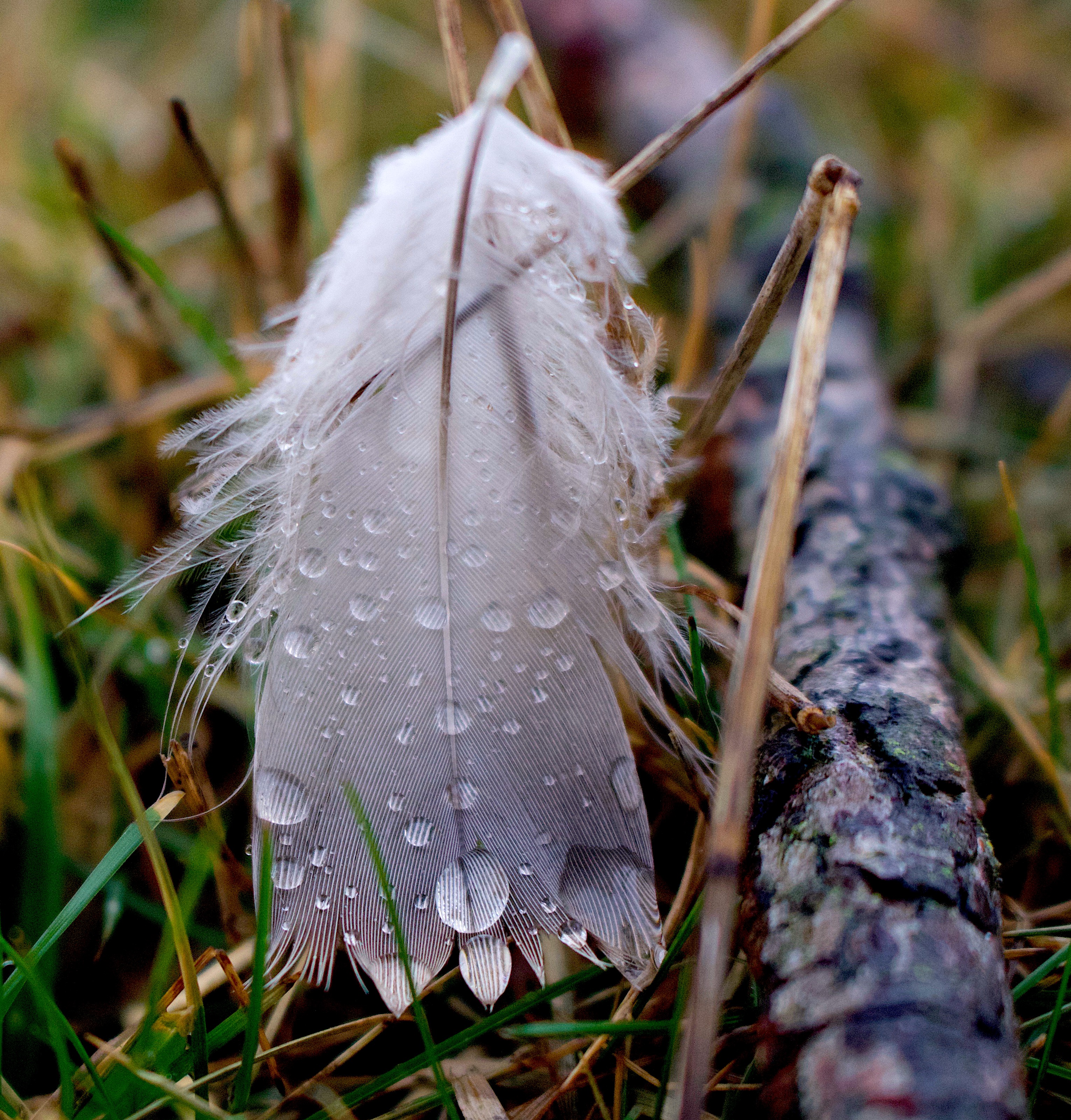
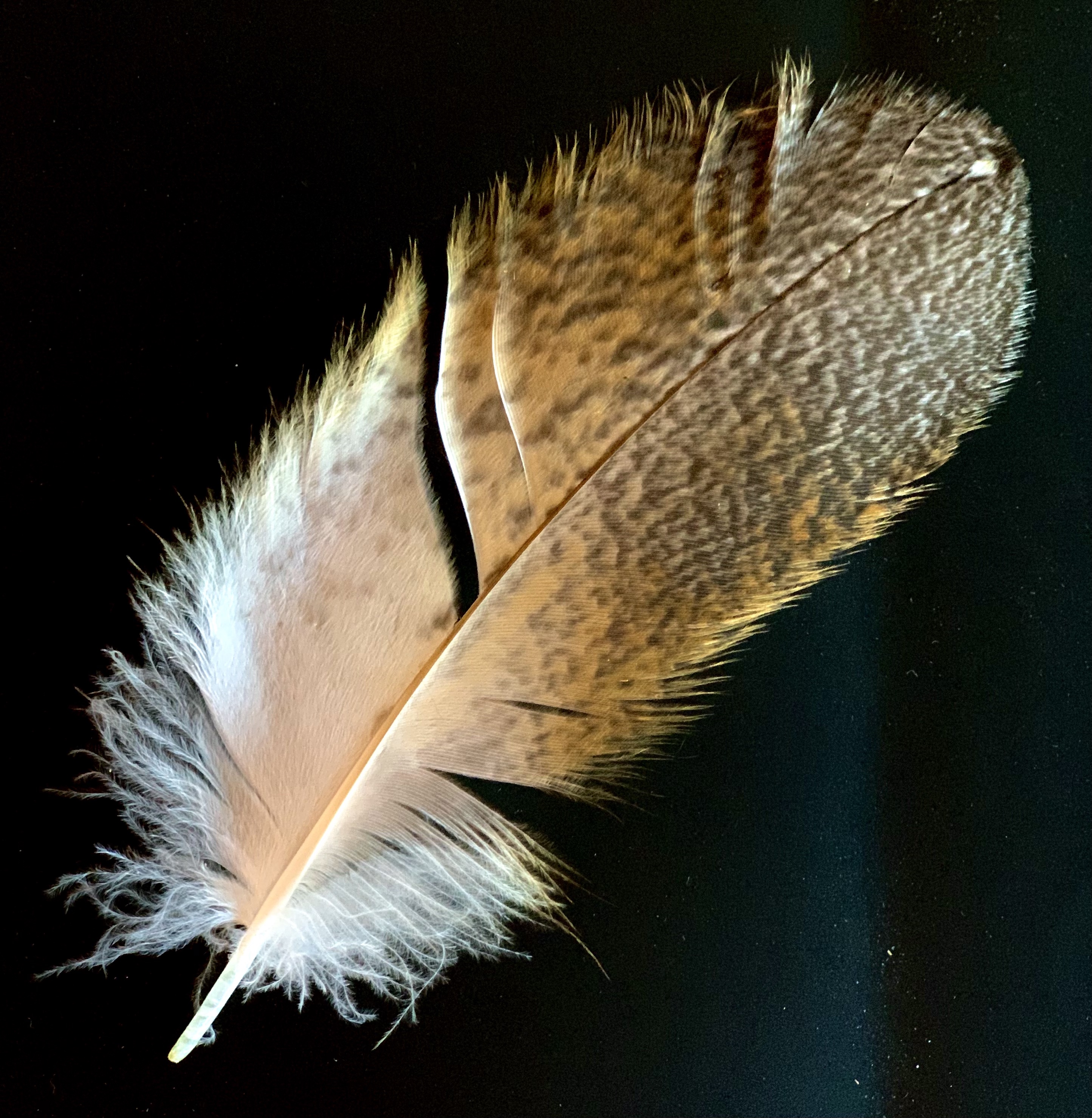
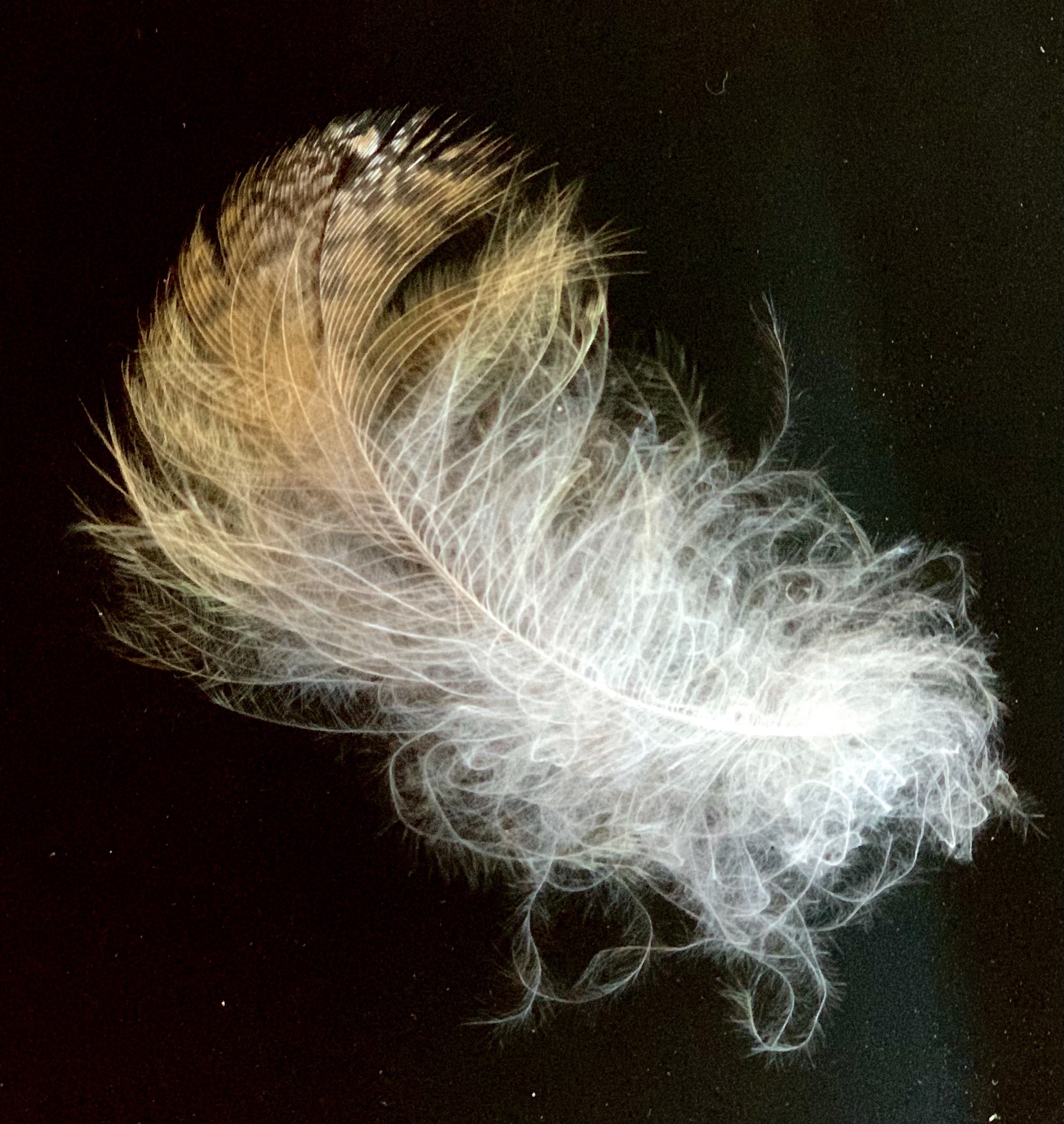
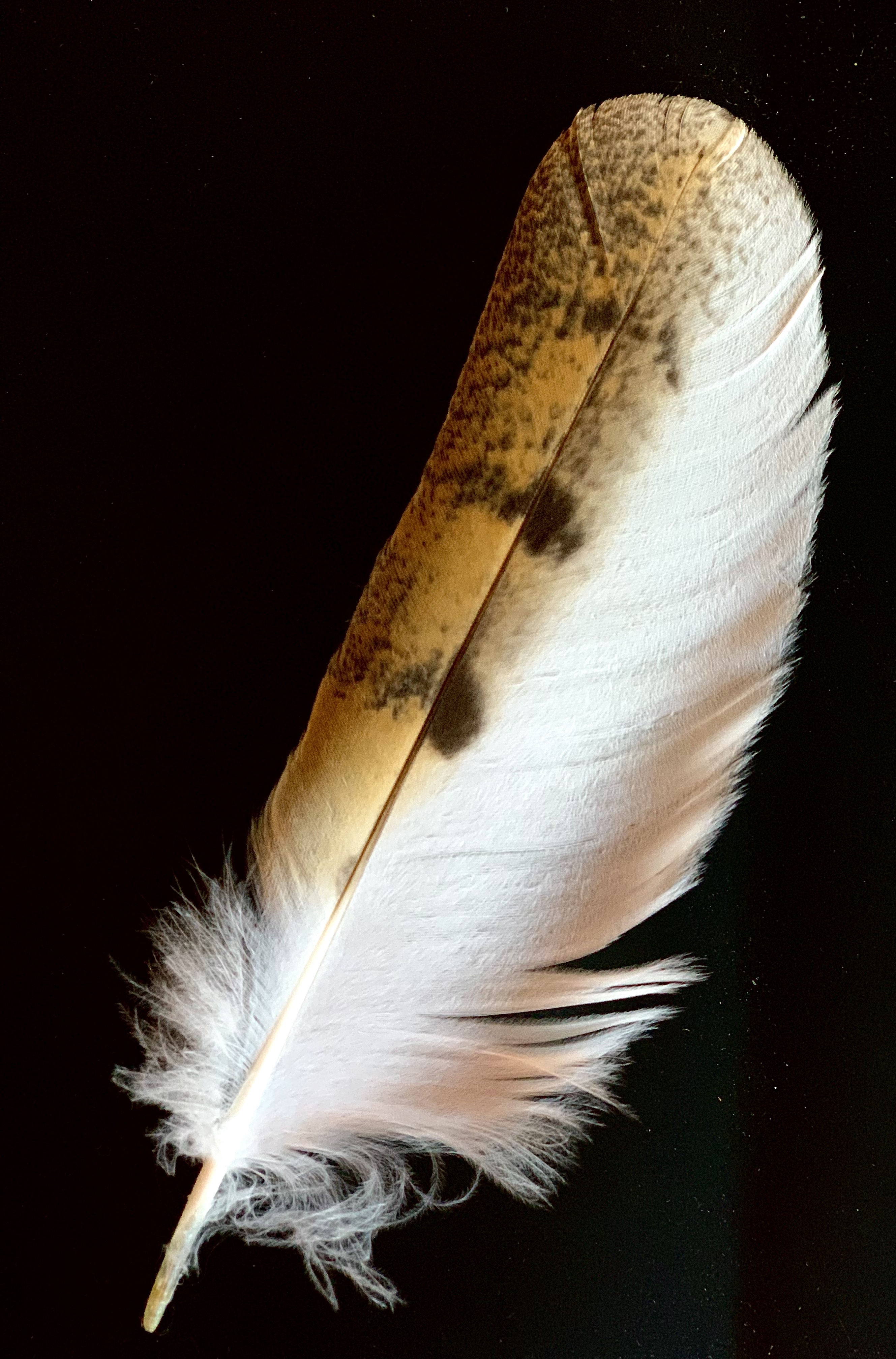
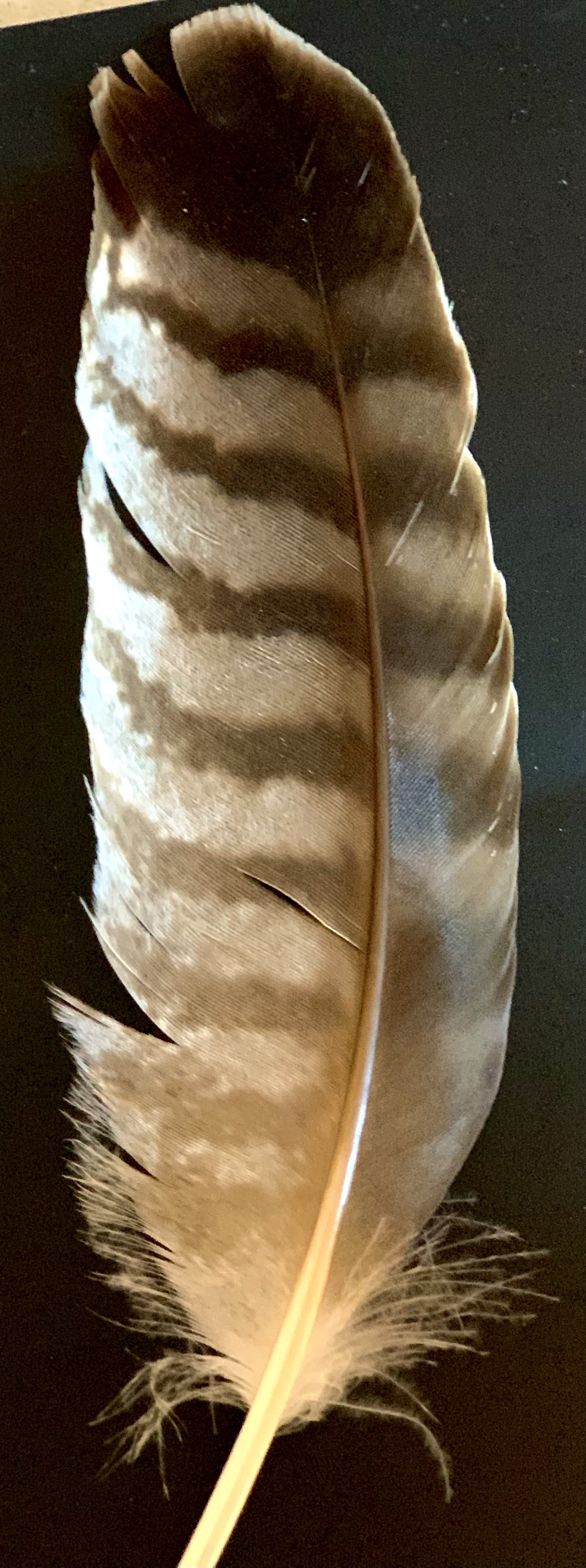
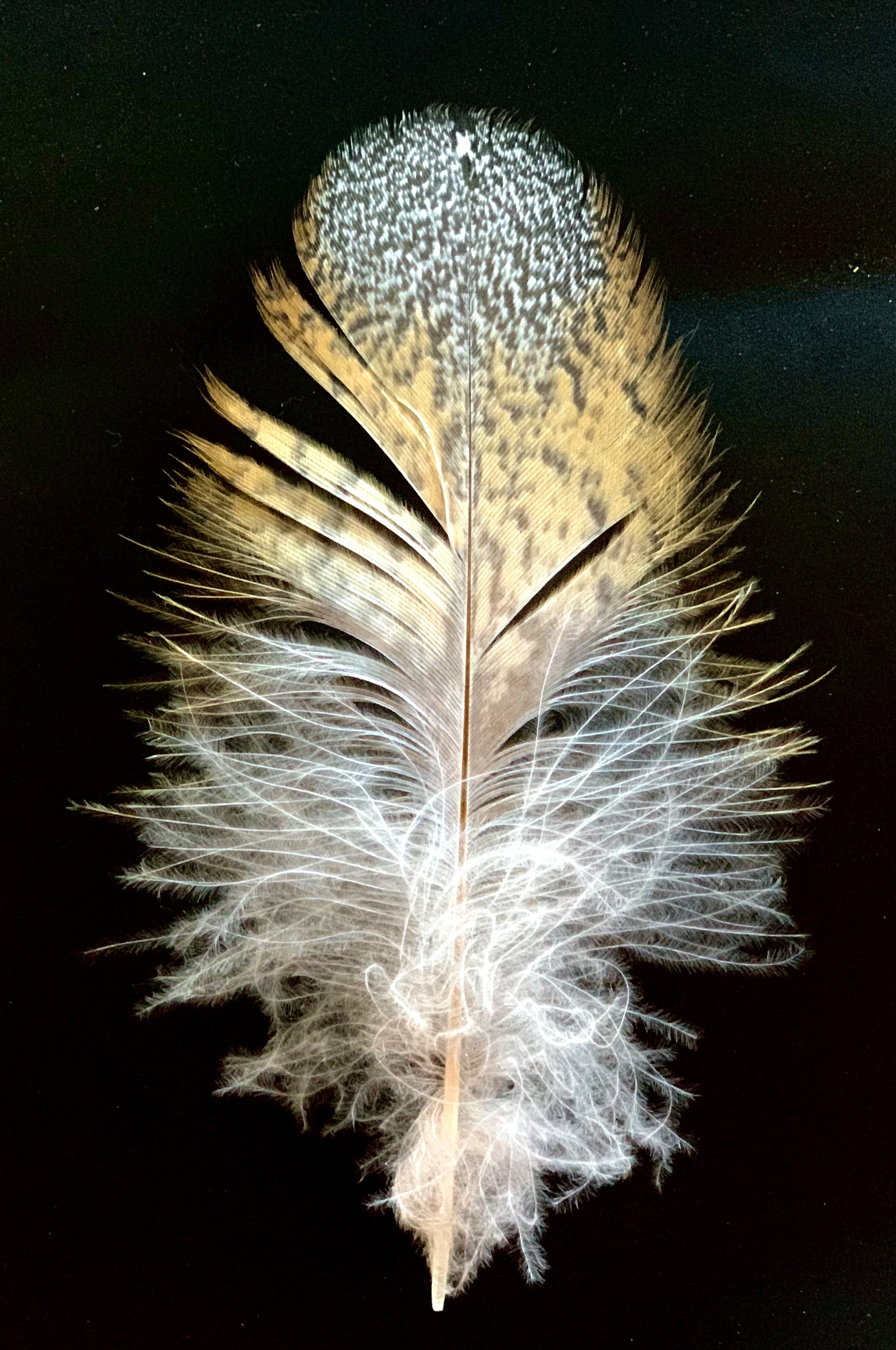
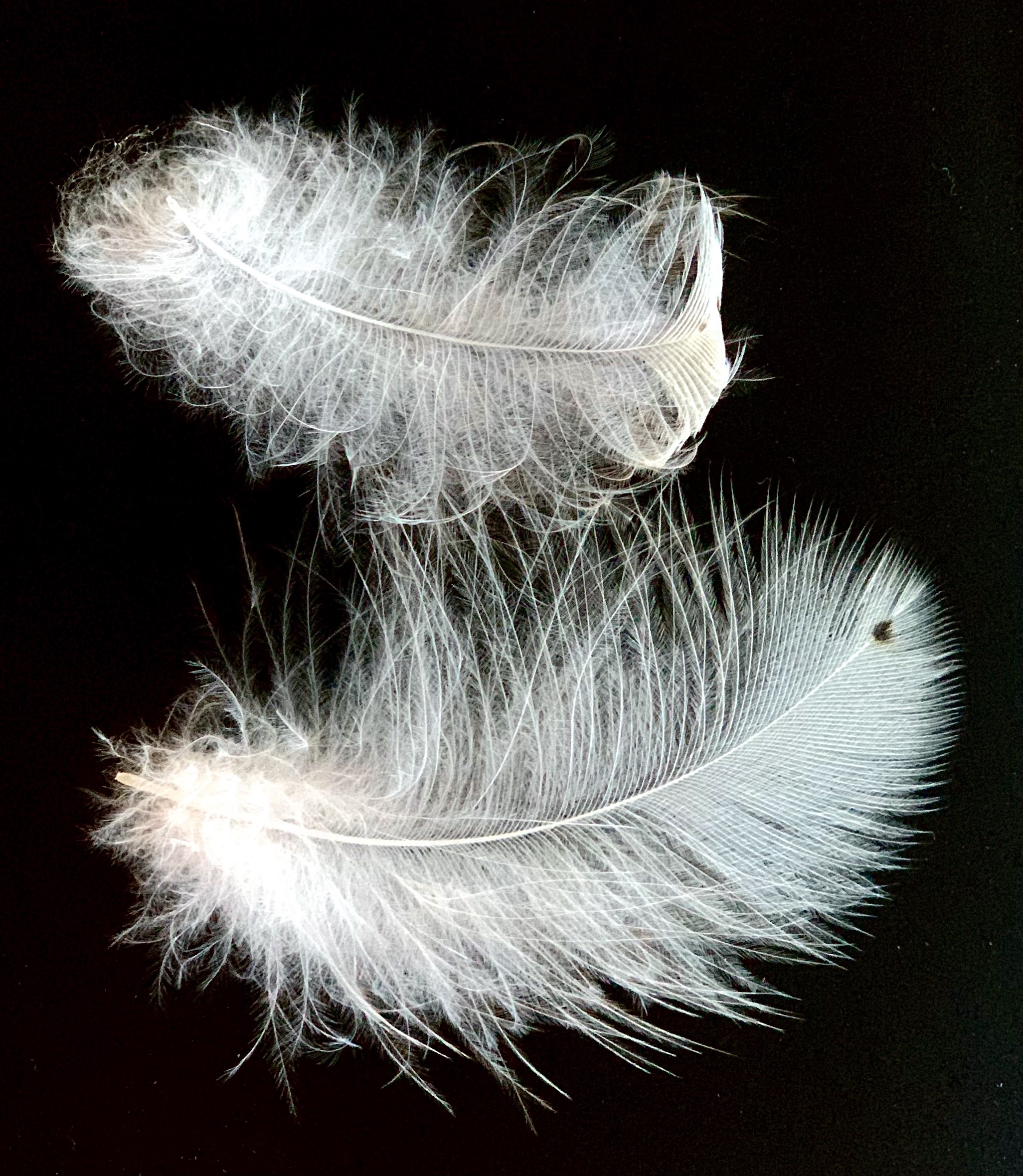
I walked into our big hay barn this week, finding scattered atop the few remaining bales from last summer these few owl feathers…
they were waiting for a poem to hide within, just as the barn owls are tucked invisibly in the rafters until the cool air of dusk and hunger lures them to the hunt, swooping outside to capture both moonlight and mice to be coughed up in pellets of fur and bones.
These feathers, dropped like so many random snowflakes, carry within them the glint and glow of the moon, a reminder what we leave behind matters, whether it be feather or fur or a wee dry skeleton, a shell of who we once were yet are no longer.
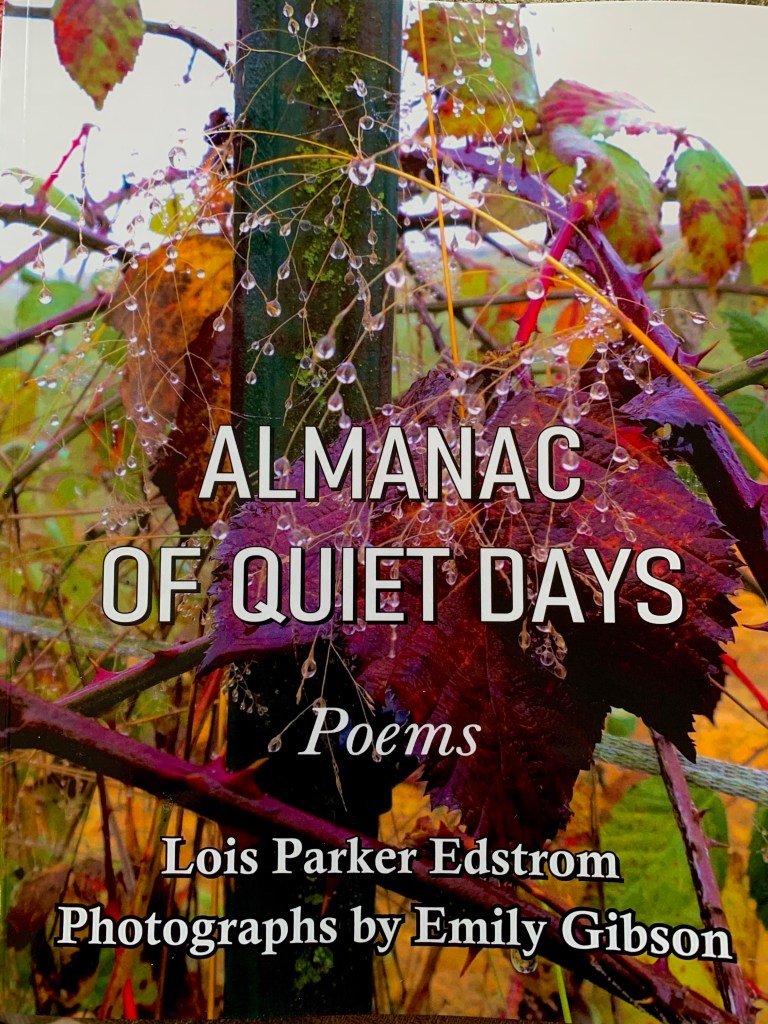
A new book from Barnstorming, available to order here:
The river is famous to the fish. The loud voice is famous to silence, which knew it would inherit the earth before anybody said so.
The cat sleeping on the fence is famous to the birds watching him from the birdhouse. The tear is famous, briefly, to the cheek. The idea you carry close to your bosom is famous to your bosom.
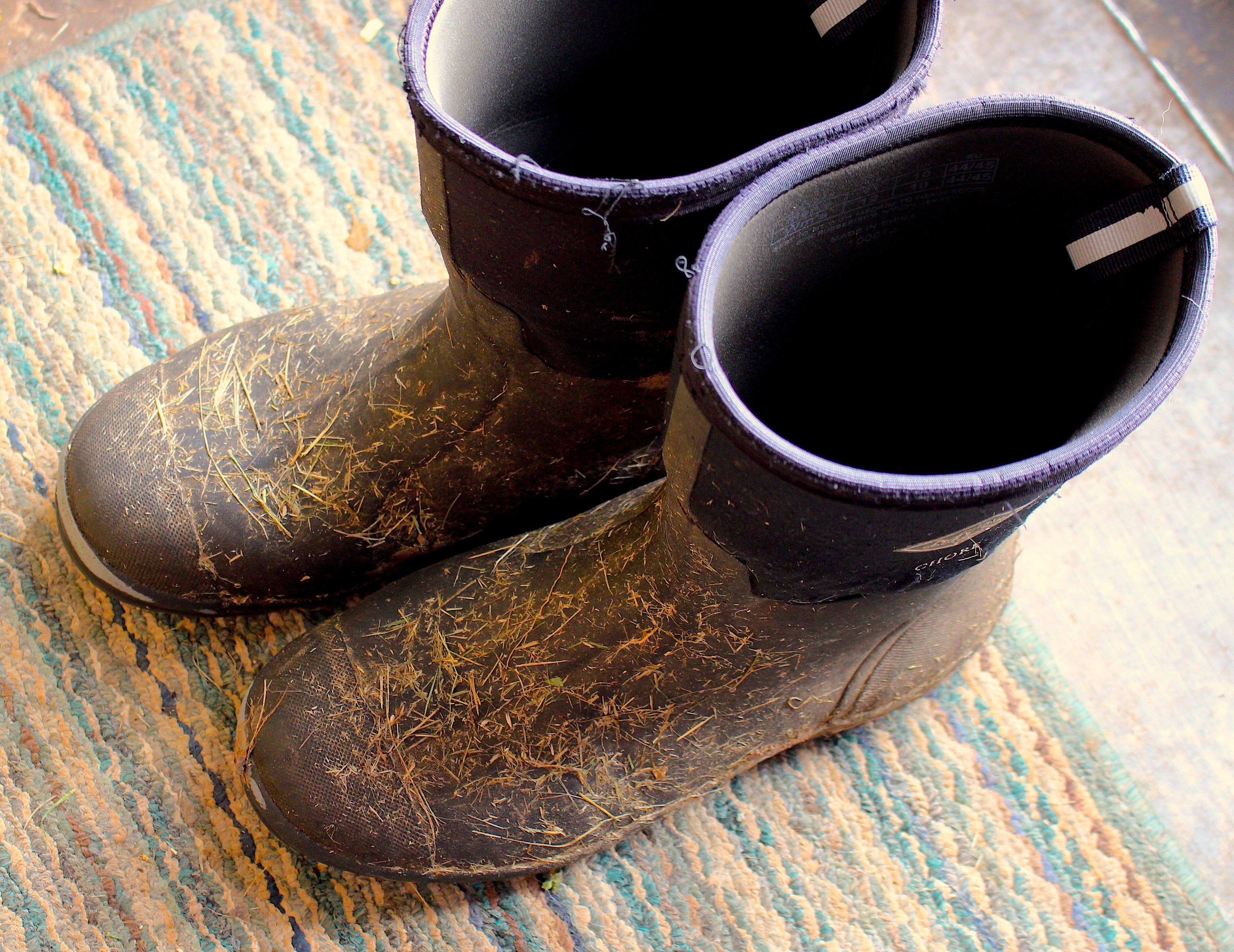
The boot is famous to the earth, more famous than the dress shoe, which is famous only to floors. The bent photograph is famous to the one who carries it and not at all famous to the one who is pictured.
I want to be famous to shuffling men who smile while crossing streets, sticky children in grocery lines, famous as the one who smiled back.
I want to be famous in the way a pulley is famous, or a buttonhole, not because it did anything spectacular, but because it never forgot what it could do. ~Naomi Shihab Nye “Famous” from Words Under the Words: Selected Poems
Detail from “Descent from the Cross” by Rogier van der Weyden
Here’s the truth of it: no one really wants to be famous but seeks a life of meaning and purpose rather than one empty of significance.
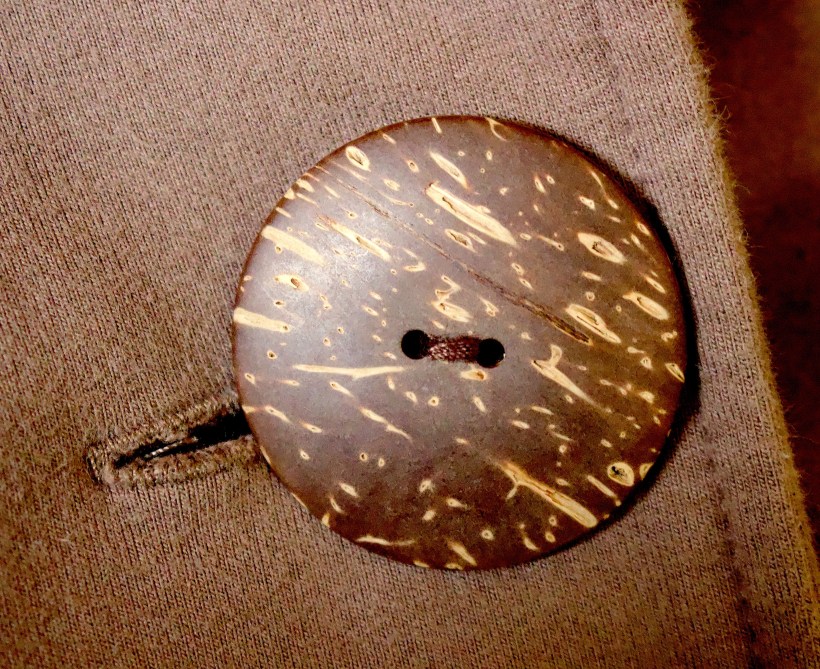
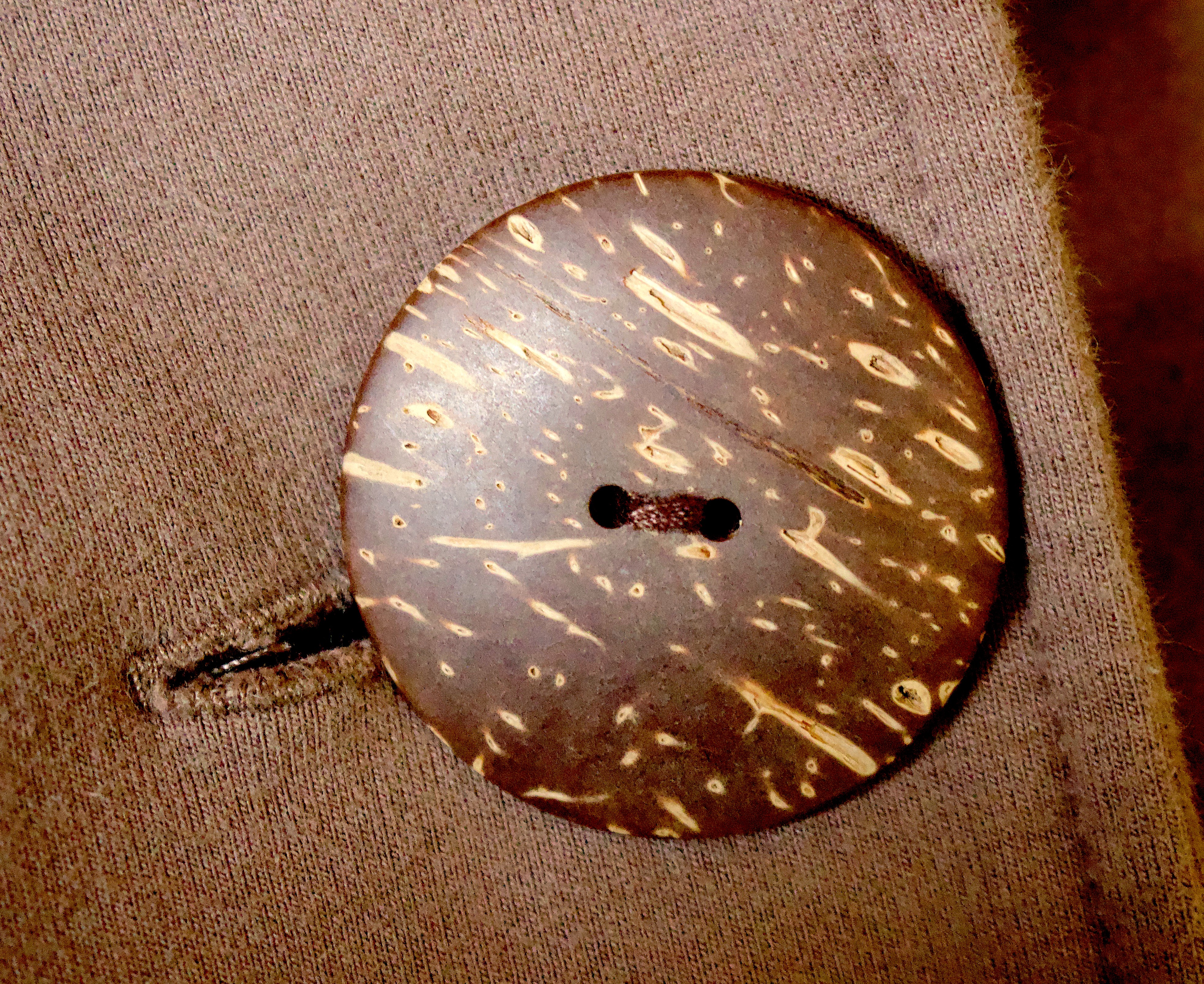
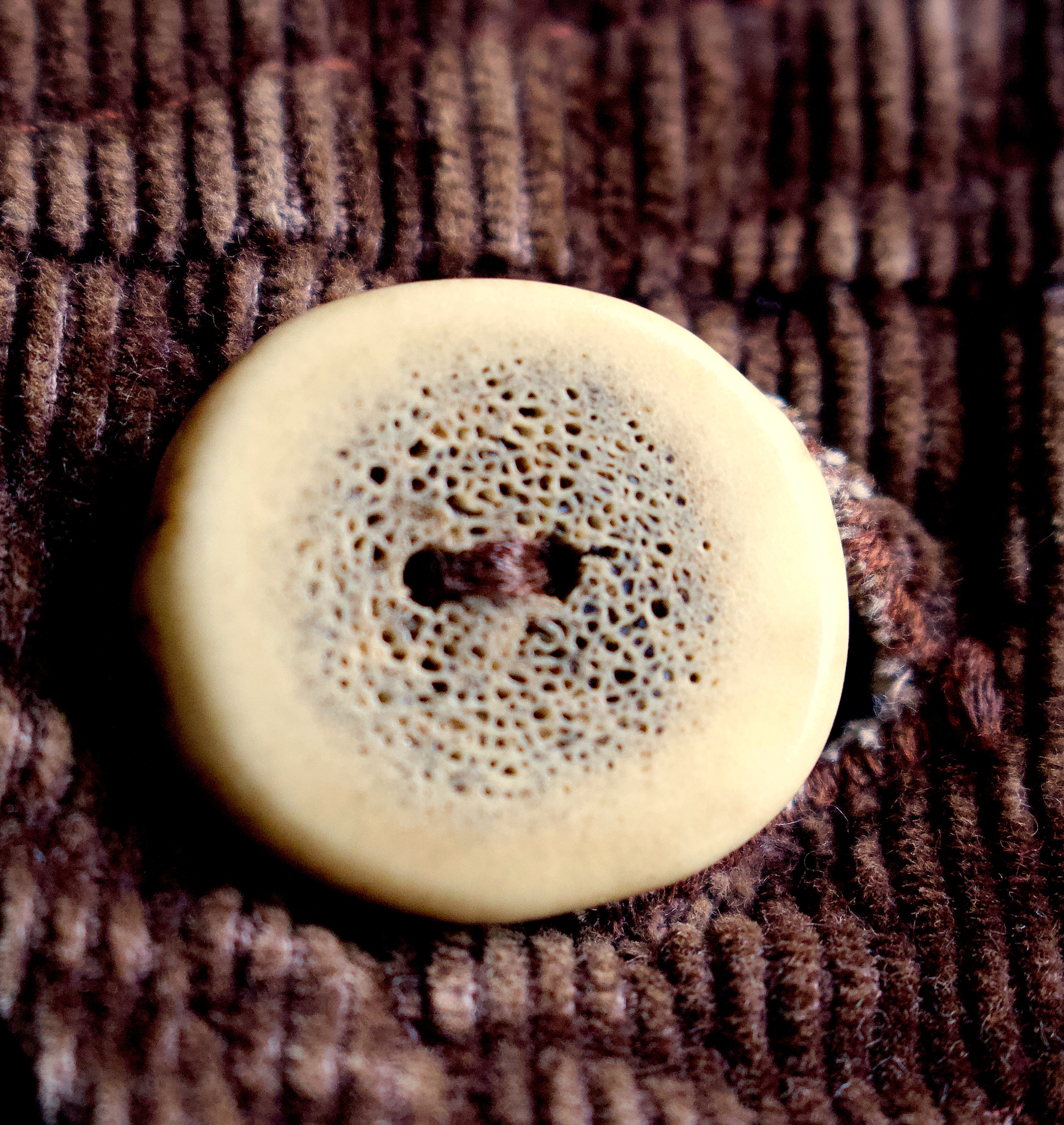
The button alone is pure window-dressing, a flash in the pan, a bauble ready to loosen and fall off, easy to go missing.
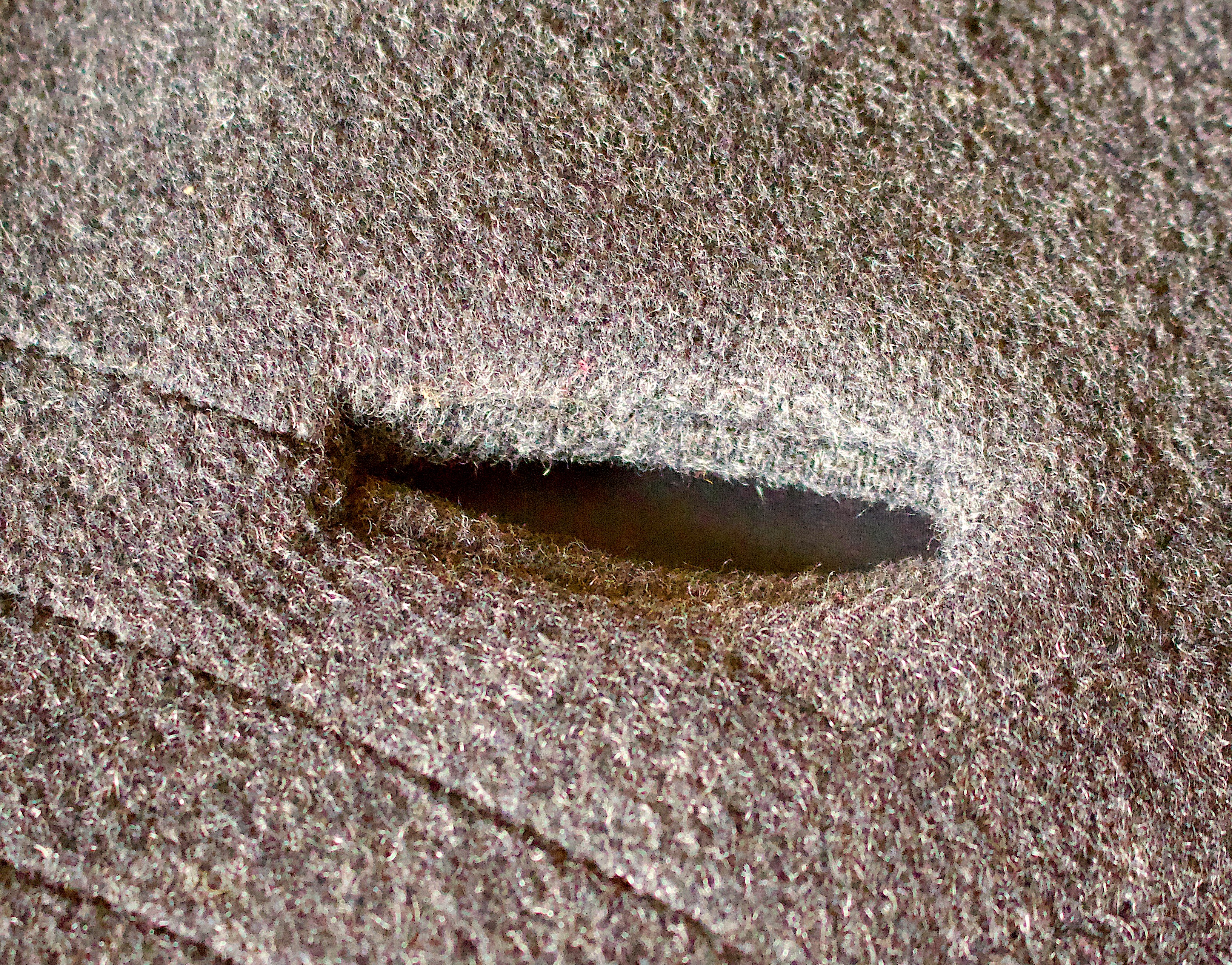
A button hole by itself without a button to latch around is plain and gaping and lonely and allows in drafts, blending into the background, silently waiting for its moment of usefulness.
We cannot forget who we’re meant to be and what we’re meant to do – we fit the task for which we’re made.
Send me a button and I’ll make sure it is secured.
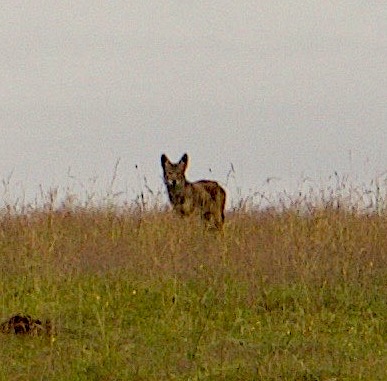
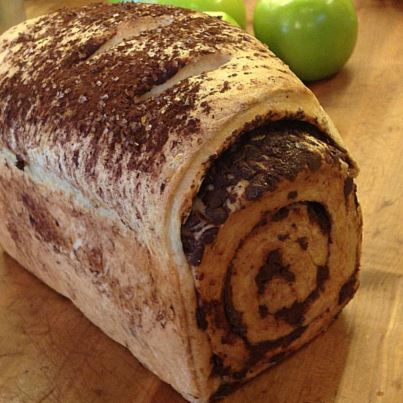
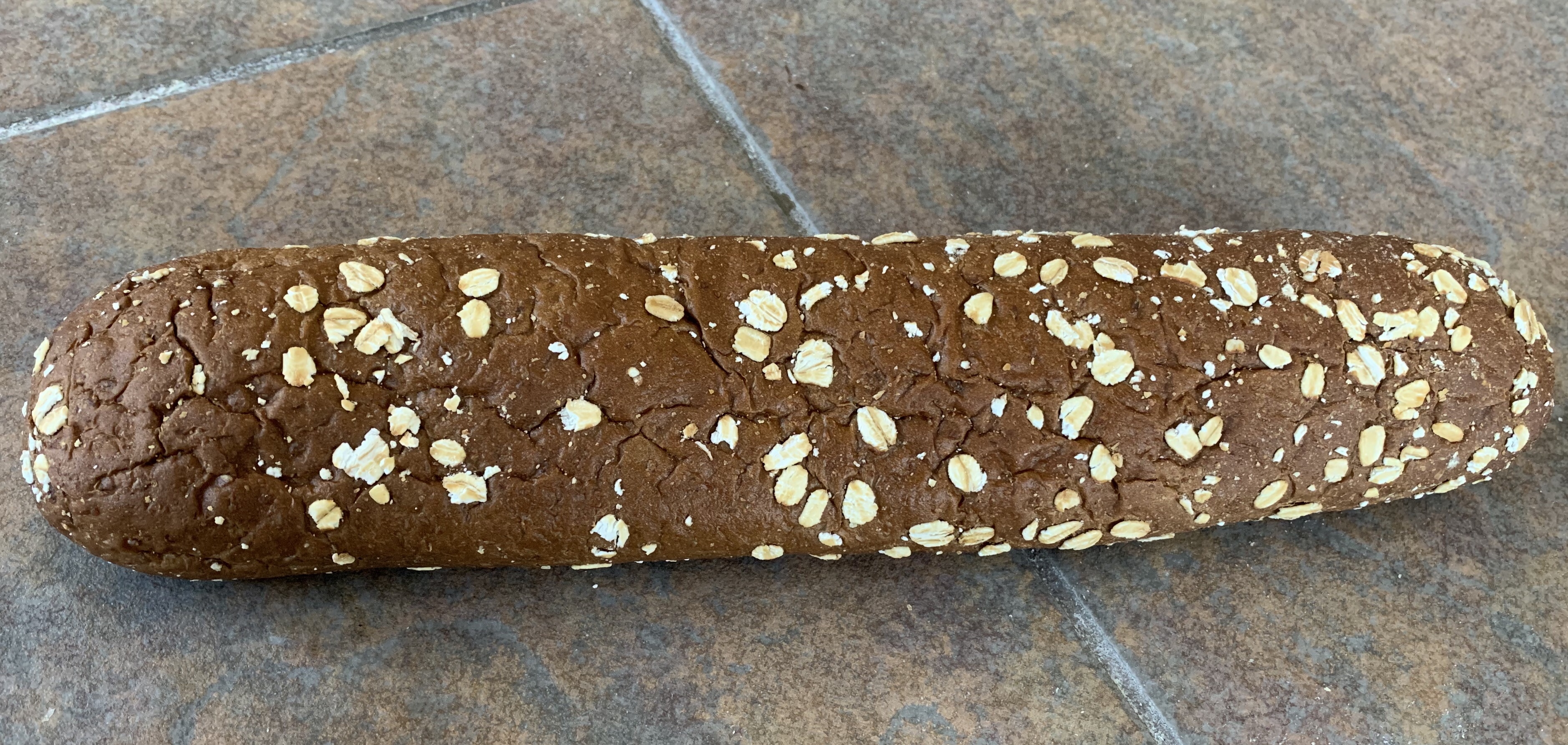
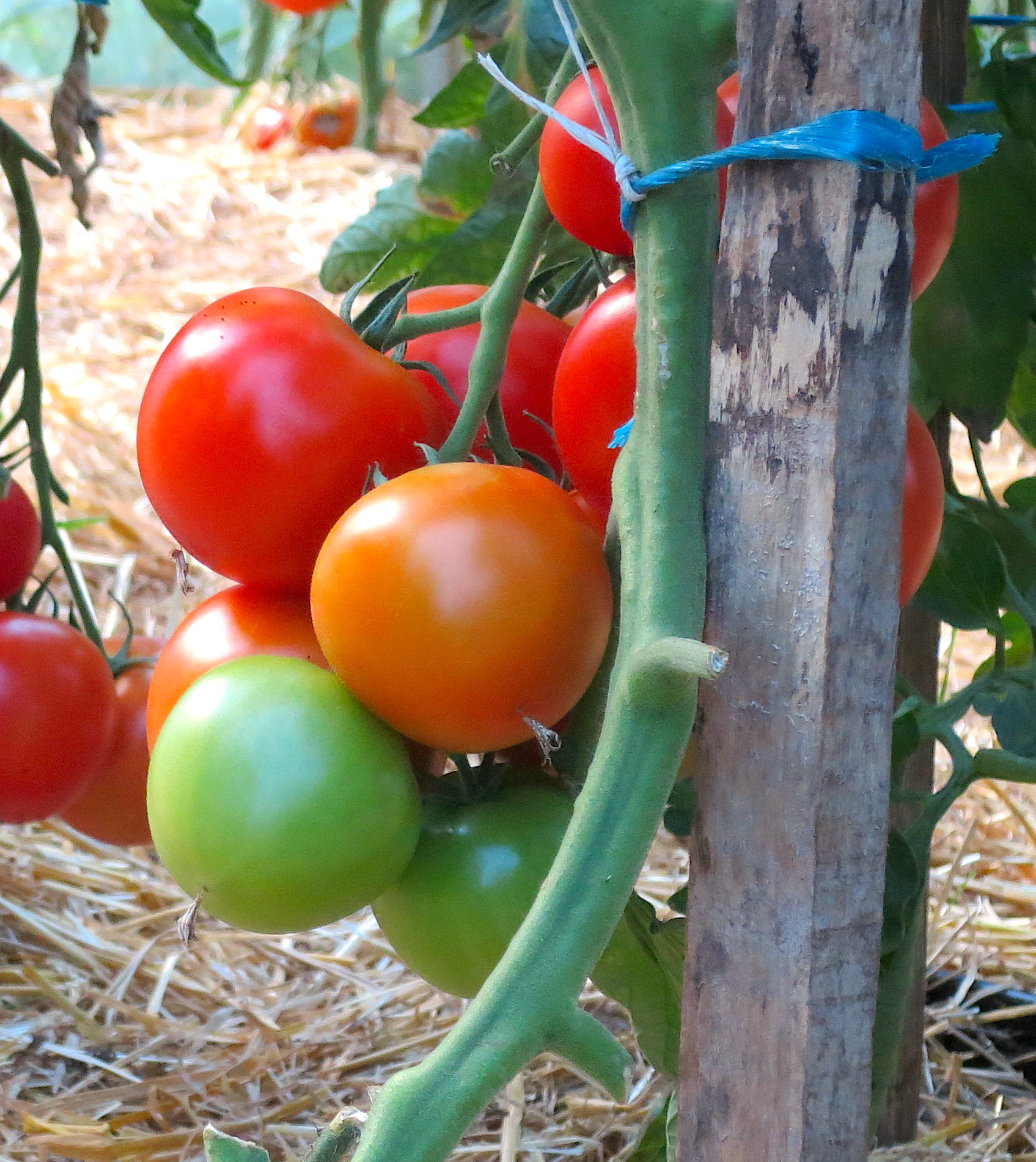
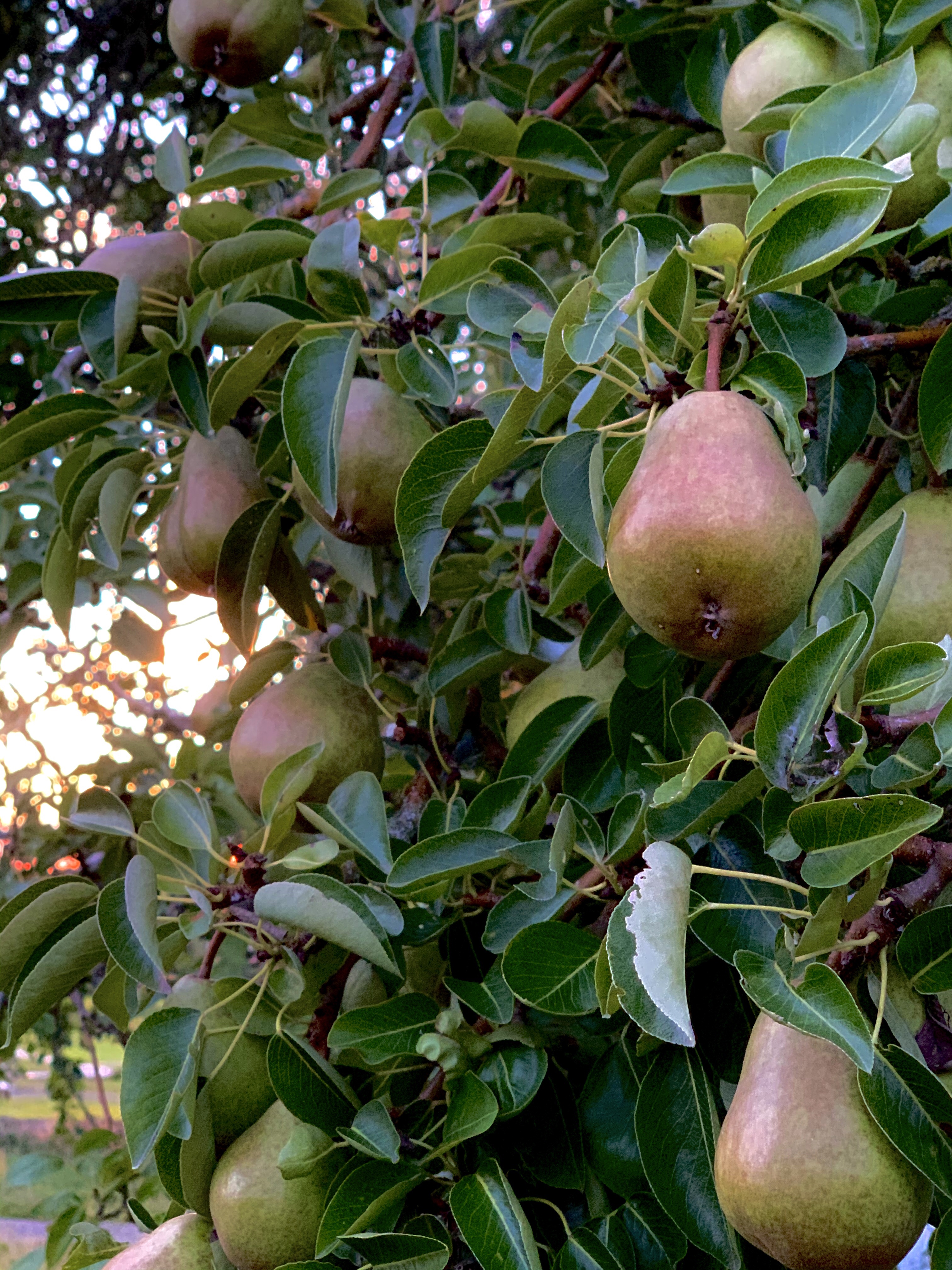
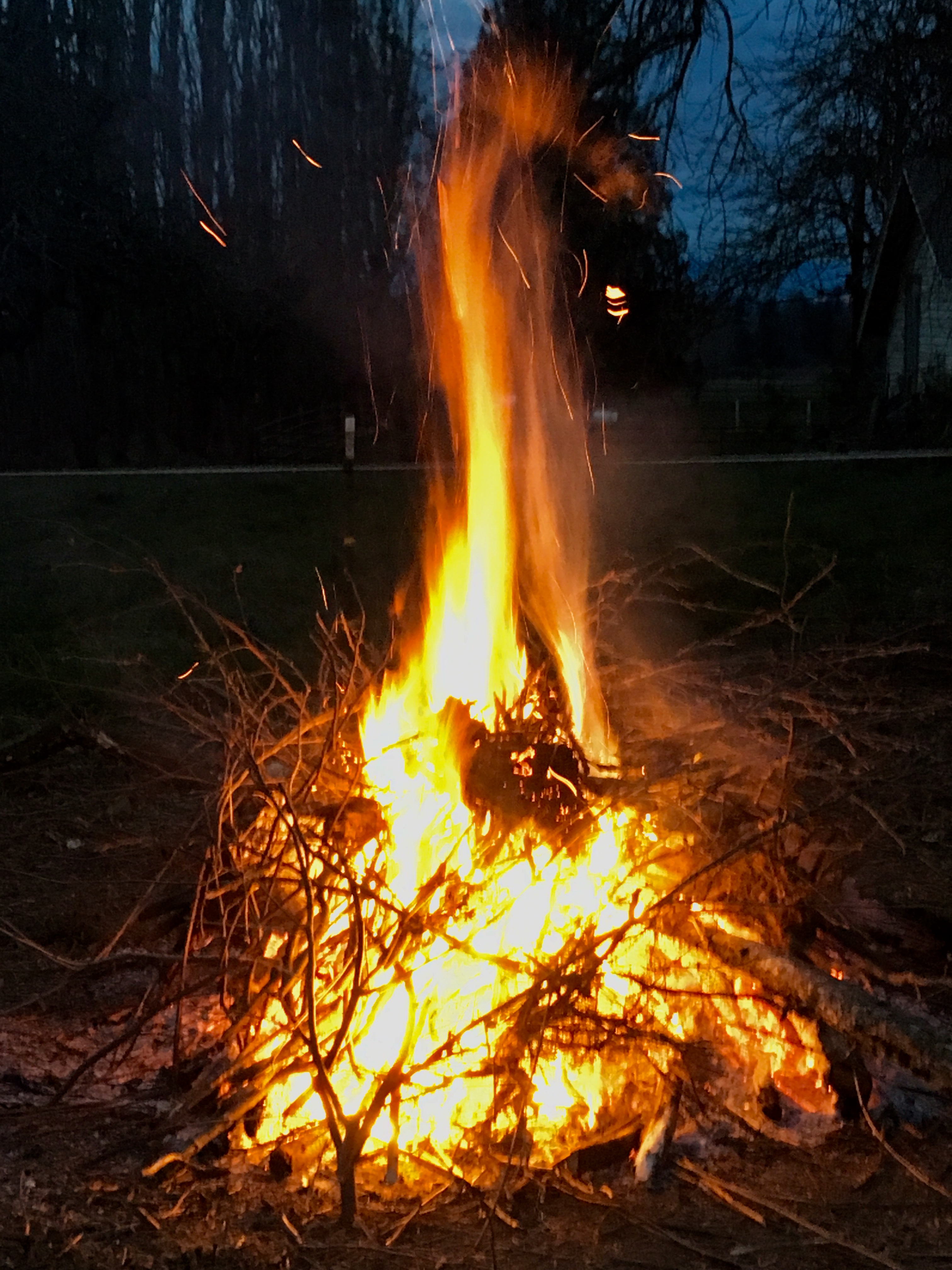
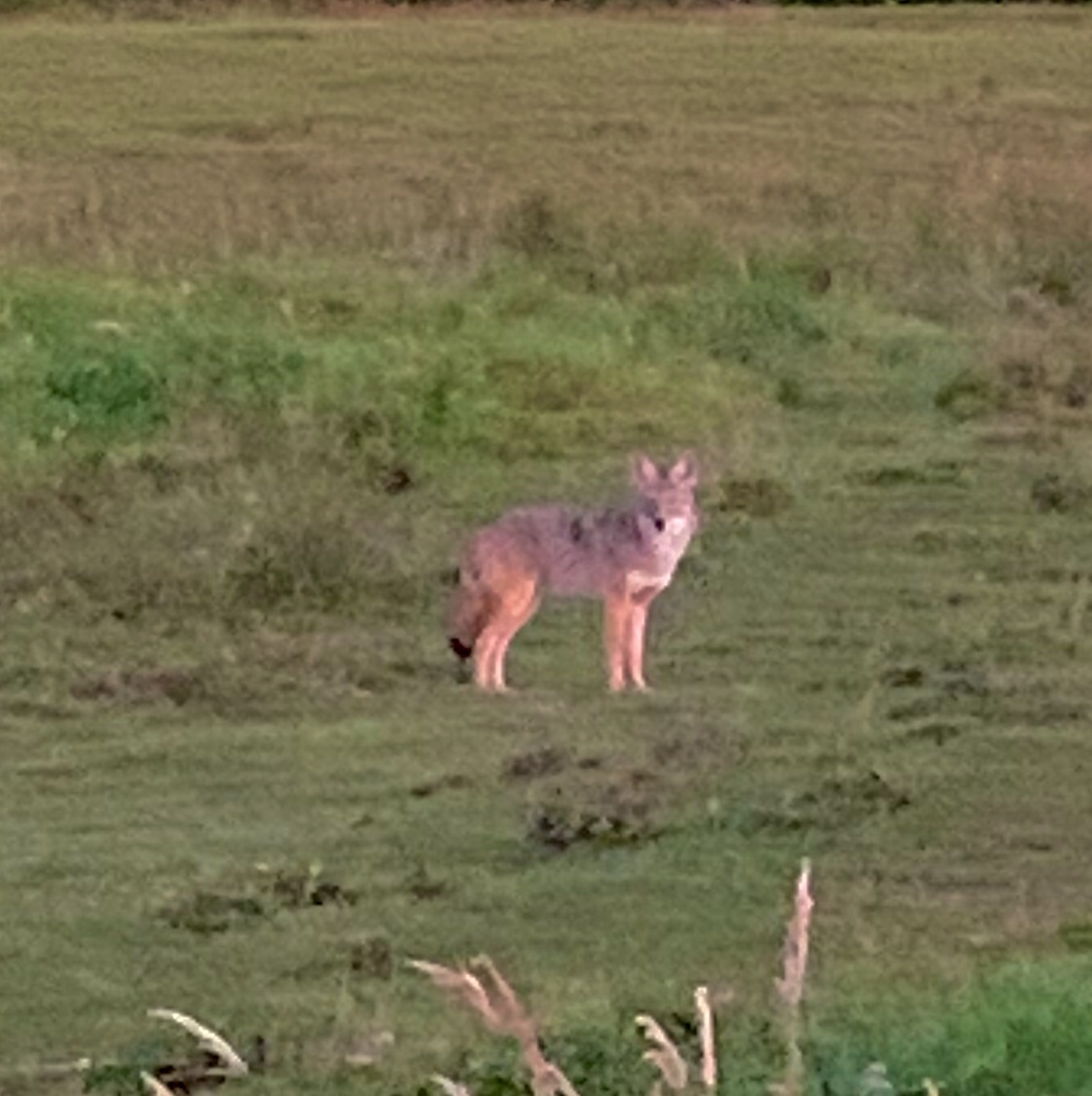
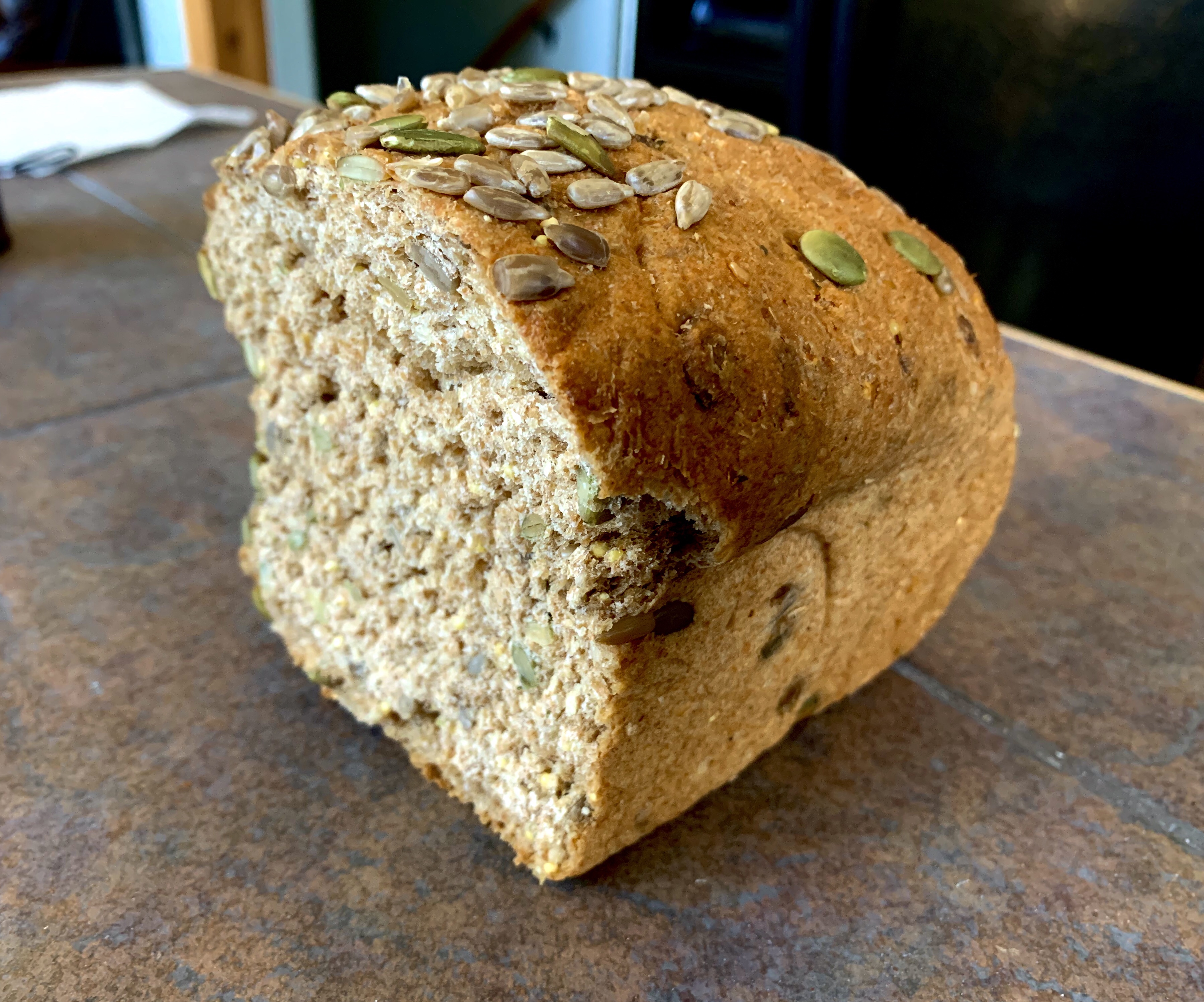
There is a day that comes when you realize you can’t bake enough bread to make things turn out right, no matter how many times you read Little House on the Prairie to your children. There aren’t enough quart jars to fill with tomatoes or translucent slices of pear to keep you from feeling unproductive. There is no bonfire that burns orange enough in the chill October night to keep your mind from following the lonesome howls and yips of the coyotes concealed by darkness in the harvested cornfield just beyond the circle of your fire.
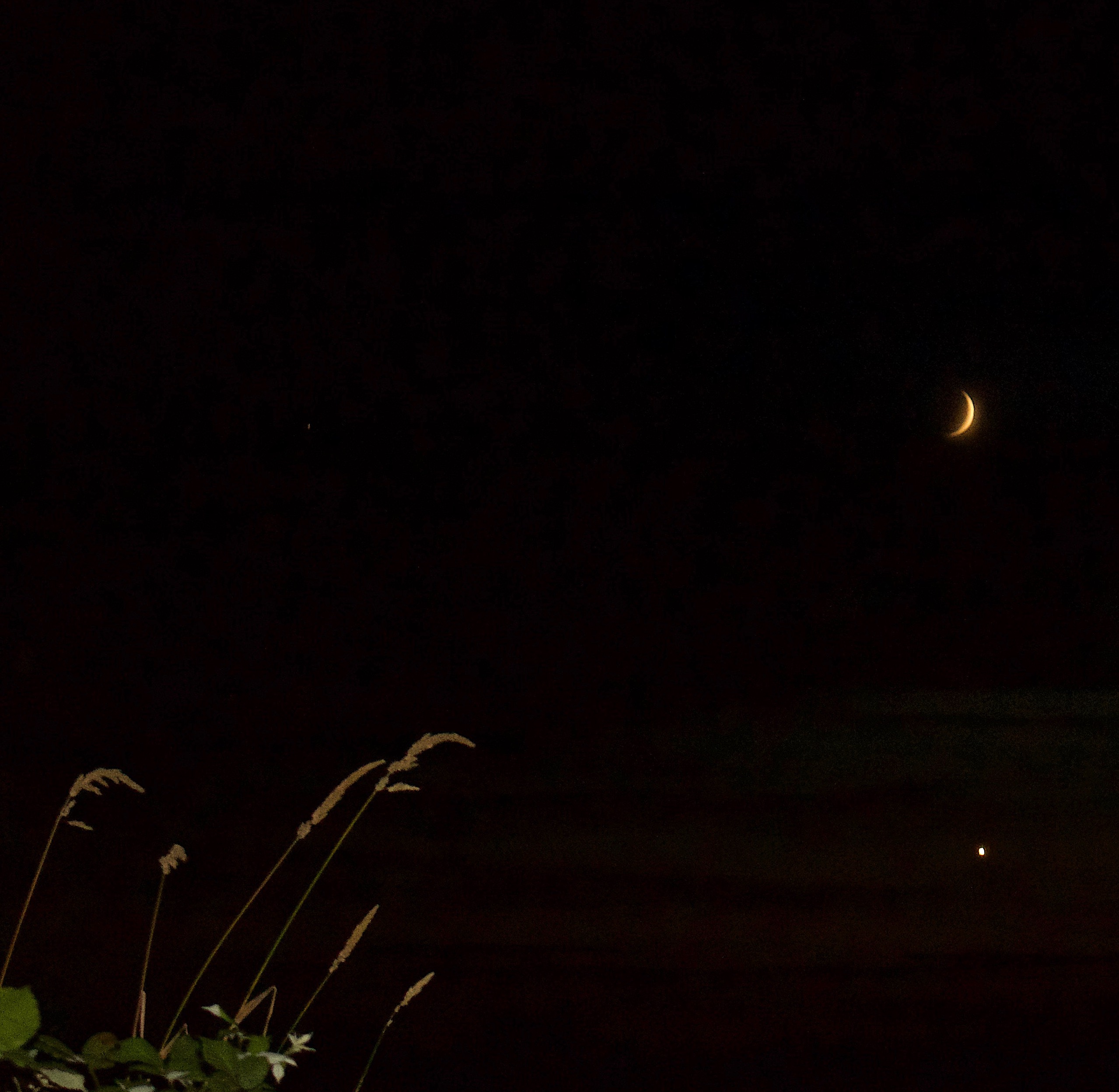
And when you step away from your family and fire, into the dark pasture and tip your head back, feel the whole black bowl of sky with its icy prickles of stars, its swath of Milky Way, settle over you, you know that no one and everyone is just this alone on the Earth though most keep themselves distracted enough not to notice. In your hollowness you open your arms to God because no one else is enough to fill them. Eternity passes between and no one knows this but you.
The hum of their conversation, the whole world, talking. When it is time, you turn, grasp the woodcart’s handle, pull it, bumping behind you across the frosty grass, up the hill to the house, where you step inside cubes of light, and begin to do ordinary things, hang up coats, open and close drawers, rinse hot chocolate from mugs. And you are still separate, but no longer grieving bread. ~Daye Phillippo “Bread” from The Exponent. Vol. 124 – No 75 (May 3, 2010)
Try as I might, there aren’t enough chores to do, nor meals to make, nor pictures to take or words to write to distract me from the emptiness that can hit in the middle of the night. We each try to find our own way to make the world feel right and good, to give us a sense of purpose for getting up each morning.
Yet life can be harsh. I hear regularly from my patients who fight a futile struggle with pointlessness. Hours, days and years are hollow without loving and meaningful relationships with each other, but especially with our Creator.
My work here is simple: to find meaning in routine and the rhythm of the seasons with a desire to leave behind something that will last longer than I will. In those moments of feeling hollowed-out, I am reminded that God-shaped hole is just as He created it. God knows exactly what I need— I rise like leavened bread becoming more than I could ever be without Him.
The ordinary in me is filled by the extraordinary.
























 Barnstorming