There was an entire aspect to my life that I had been blind to — the small, good things that came in abundance. ~Mary Karr
If you cultivate a healthy poverty and simplicity, so that finding a penny will literally make your day, then, since the world is in fact planted in pennies, you have with your poverty bought a lifetime of days. —Annie Dillard, Pilgrim at Tinker Creek
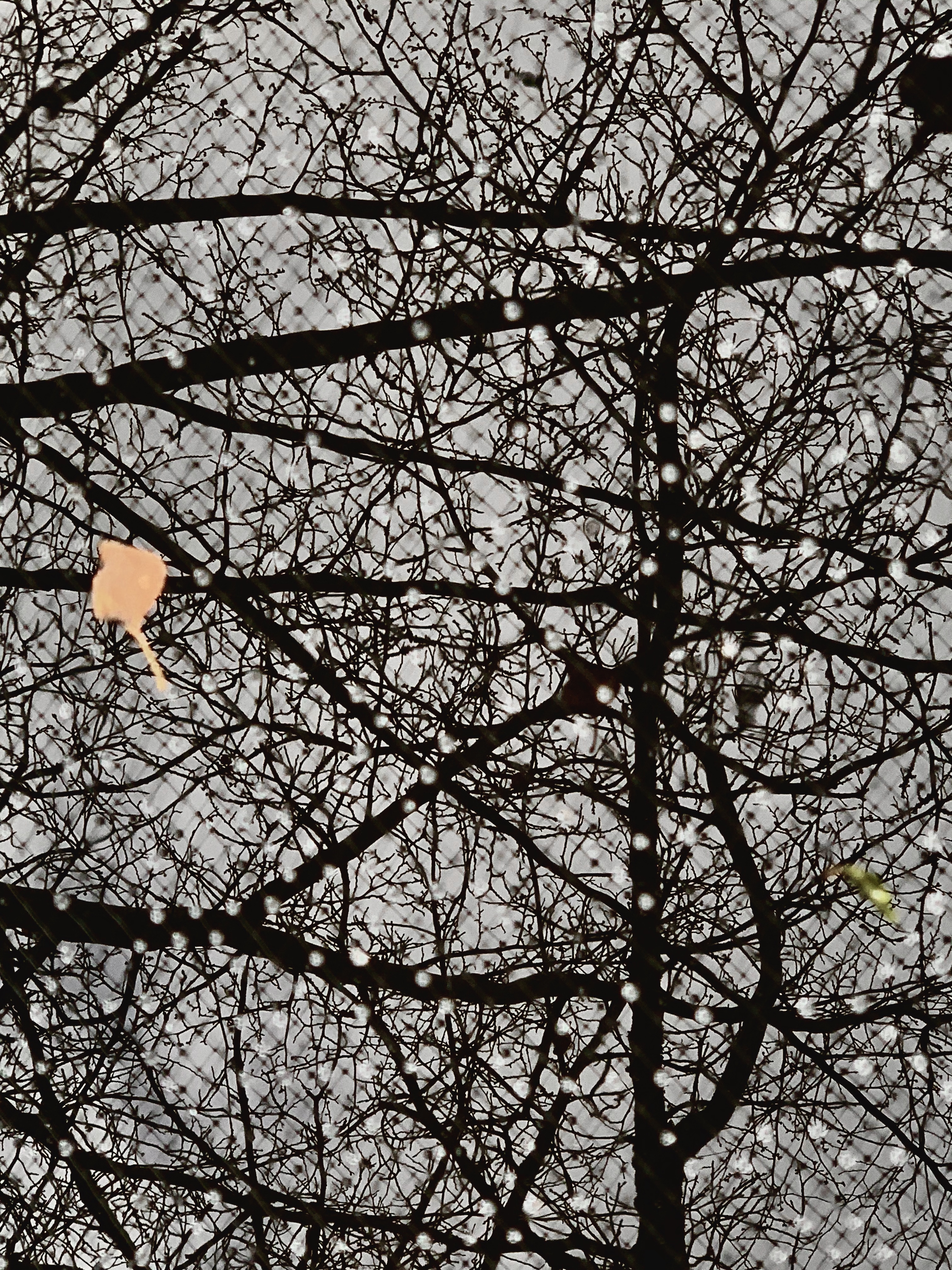
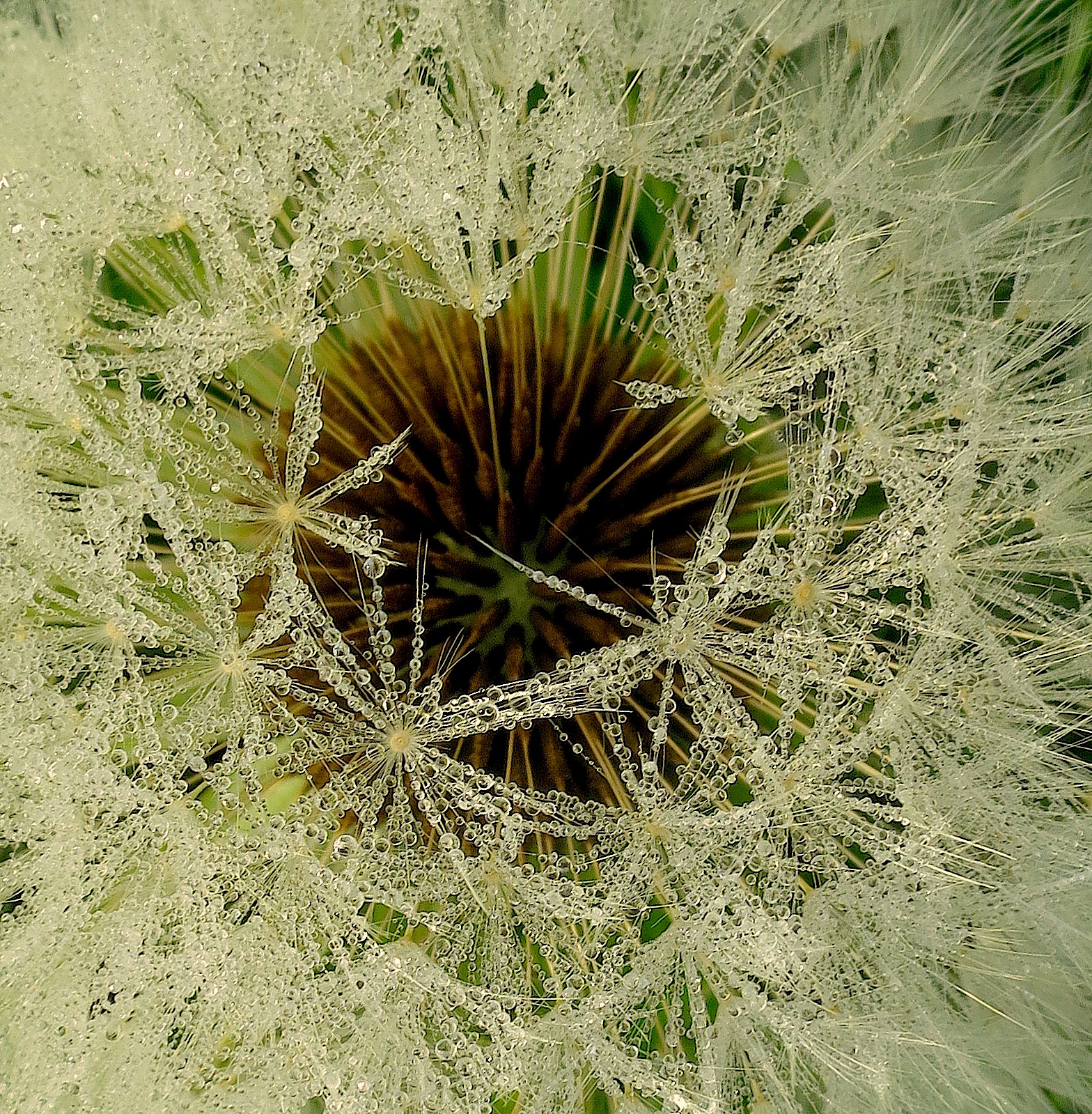
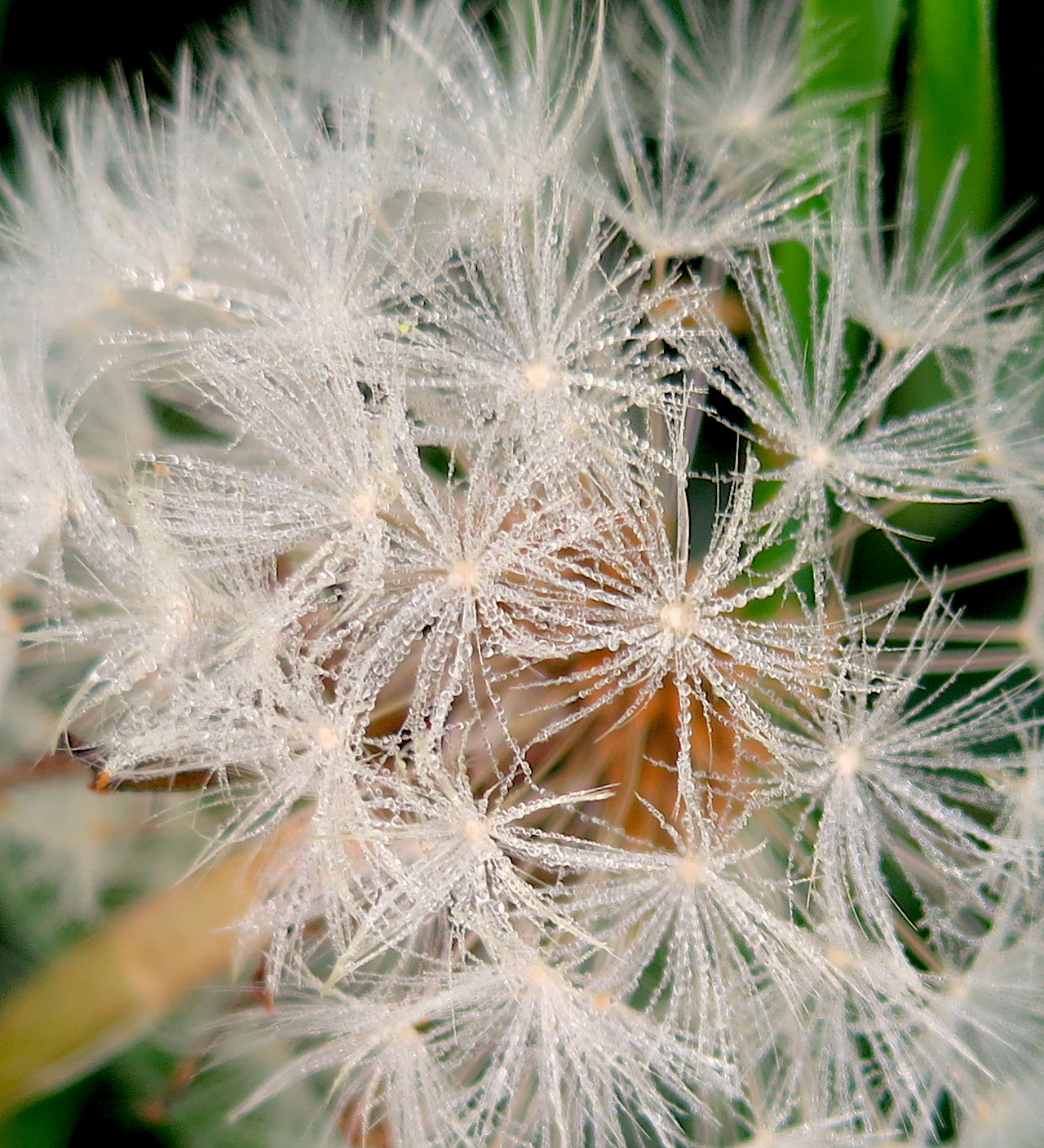
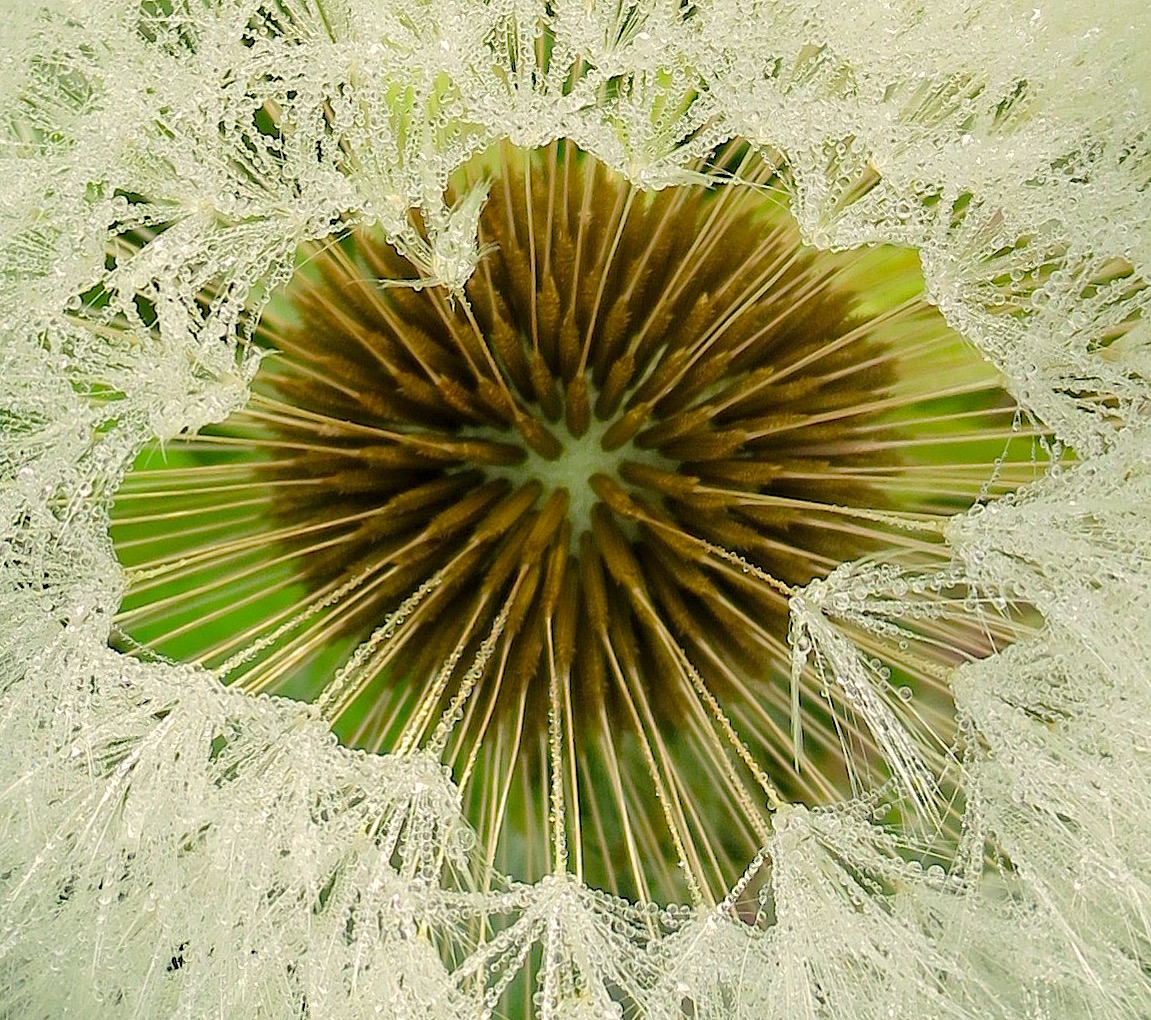
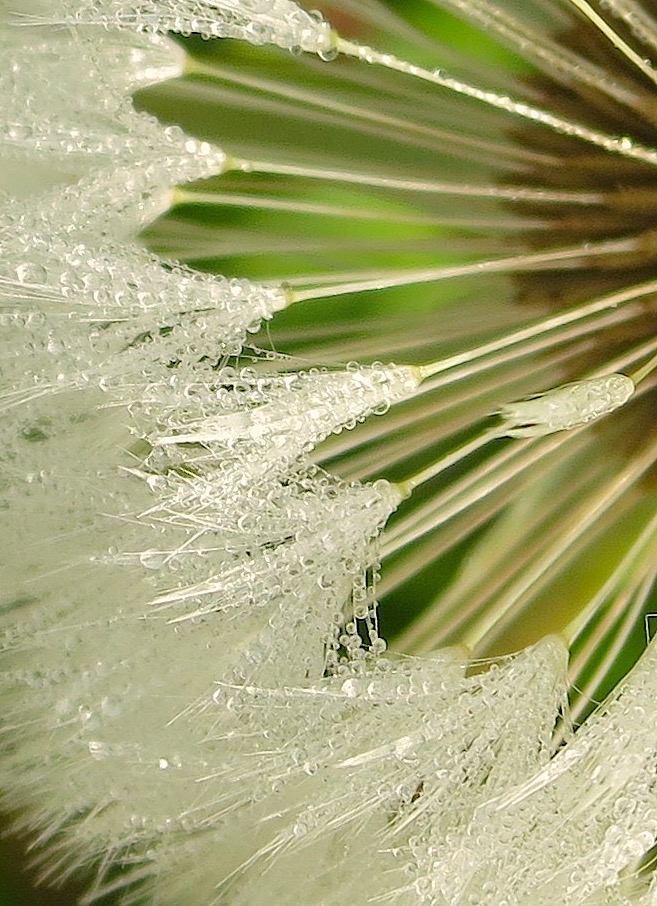
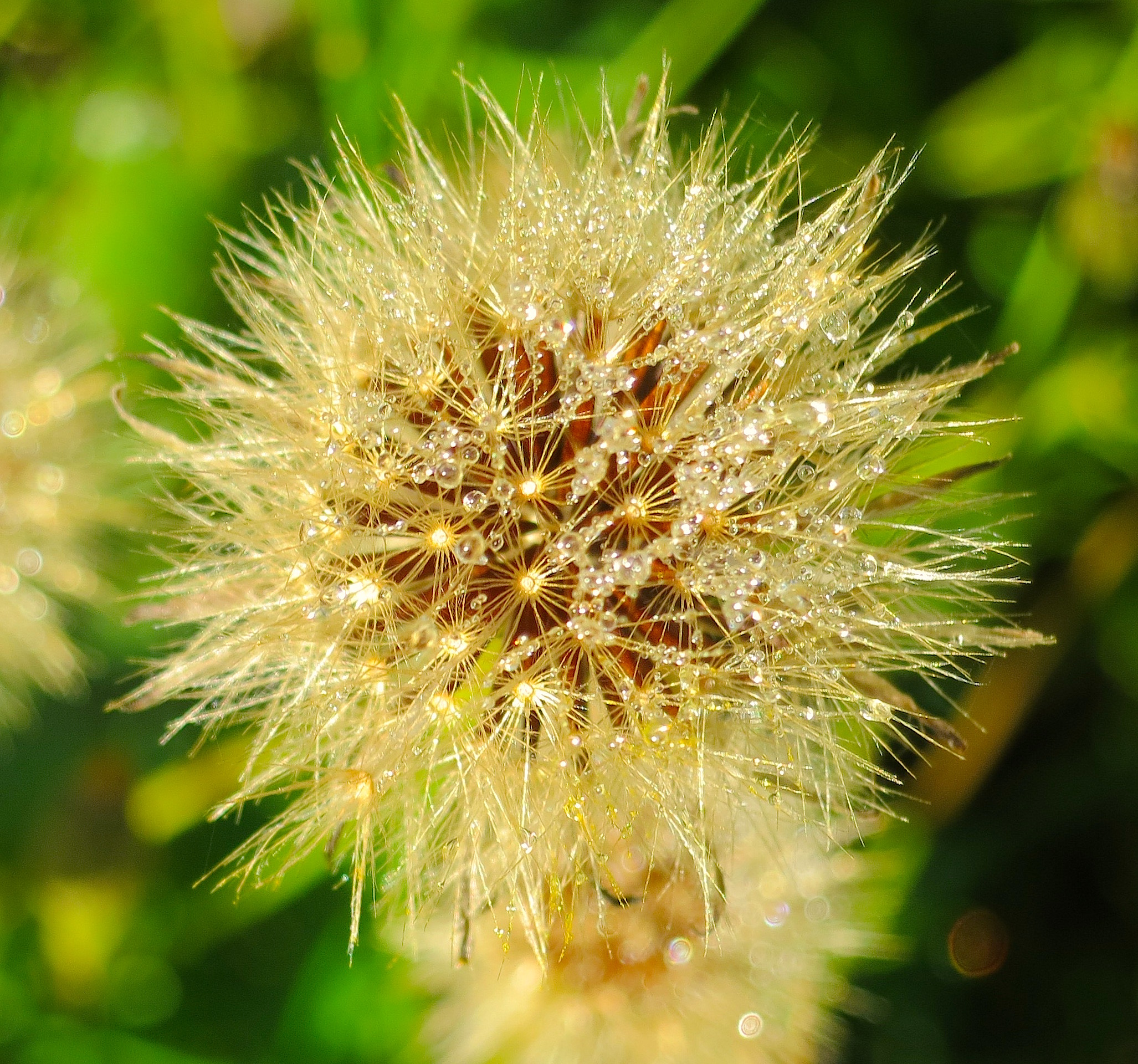
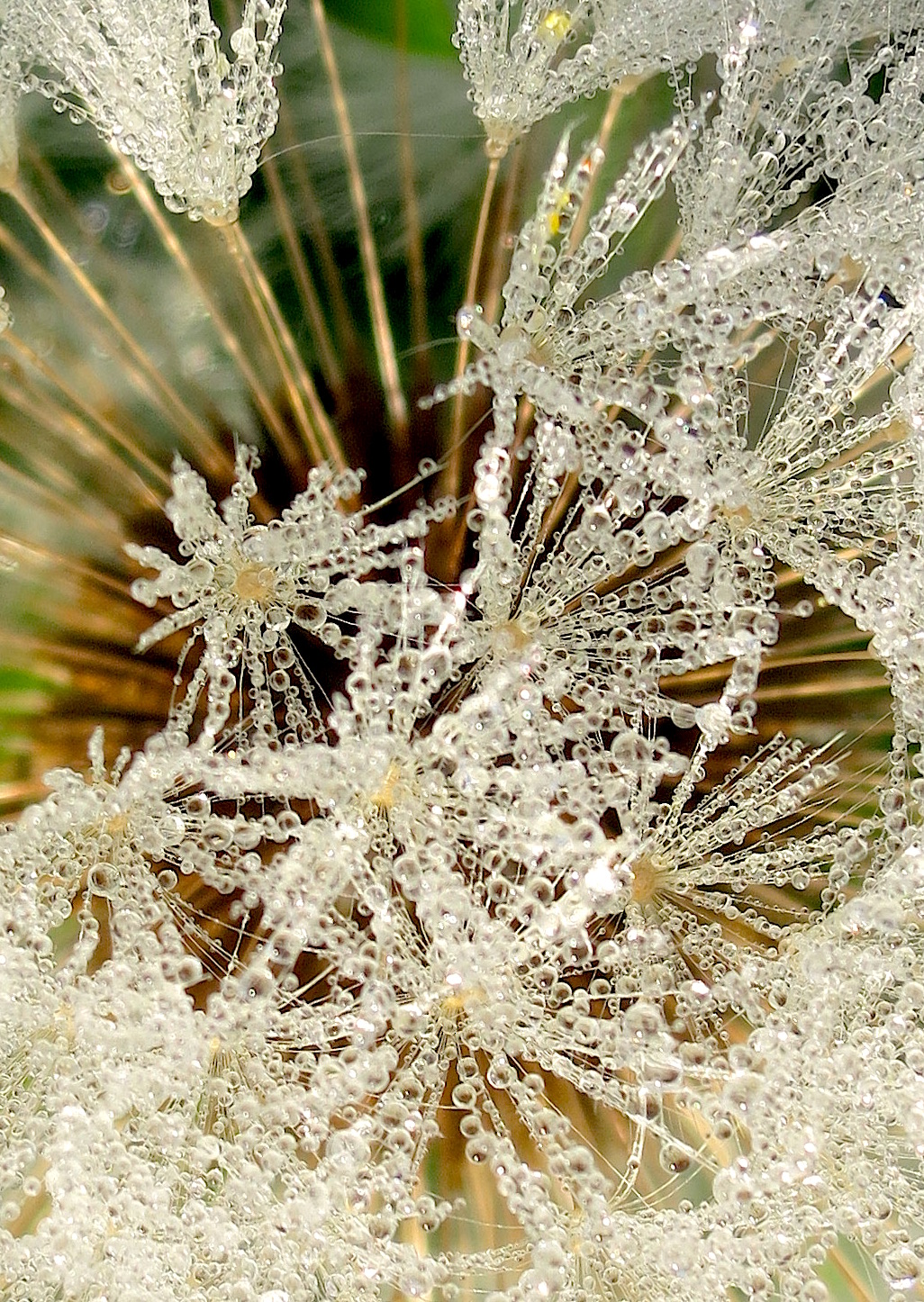
Planted pennies on days like today are like raindrops, just as plain and more than plentiful.
When I’m feeling dry and withered I only need to look up into gray skies turning amber and all the drops fill my overdrawn bank account, hydrating my soul, lost in wilderness.
The desert flows, my thirst is quenched by something so simple, so underwhelming, so enriching as pennies and raindrops.
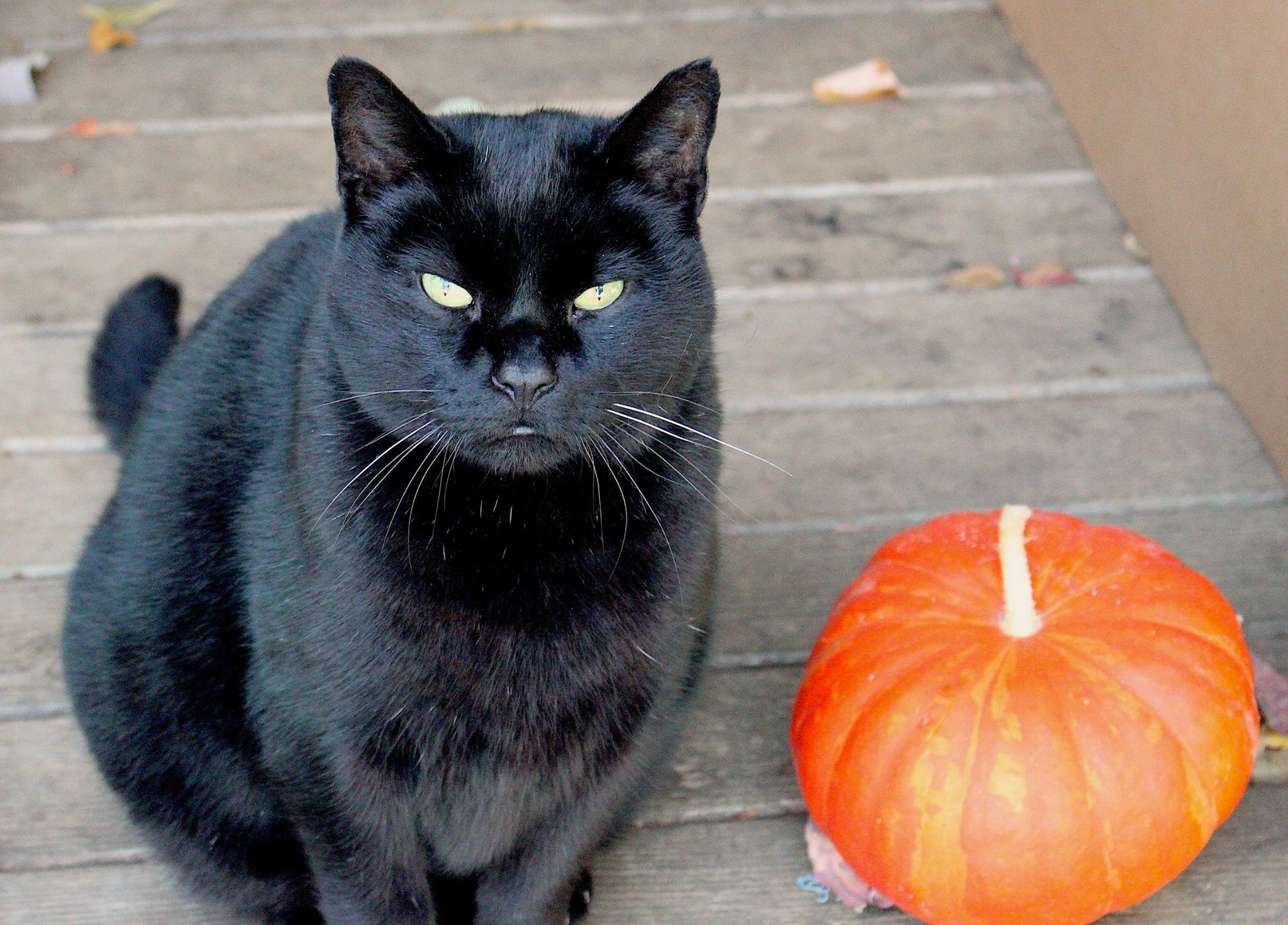
On Halloween day in 1985, I packed up my clothes, a roll up mattress, grabbed one lonely pumpkin from our small garden, locked our rental house door for the last time, climbed in my car and headed north out of Seattle. I never looked back in the rear view mirror at the skyline after nine years living in the city. My husband had moved to Whatcom County two months earlier to start his new job. I had stayed behind to wrap up my Group Health family practice in the Rainier Valley of Seattle, now leaving the city for a new rural home and a very uncertain professional future.
Never before had I felt such exhilaration at breaking through one wall to discover the unknown that lay on the other side.
I knew two things for sure: I was finally several months pregnant after a miscarriage and two years of infertility, so our family had begun. We were going to actually live in our own house, not just a rental, complete with a few acres and a barn.
A real (sort of) starter farm.
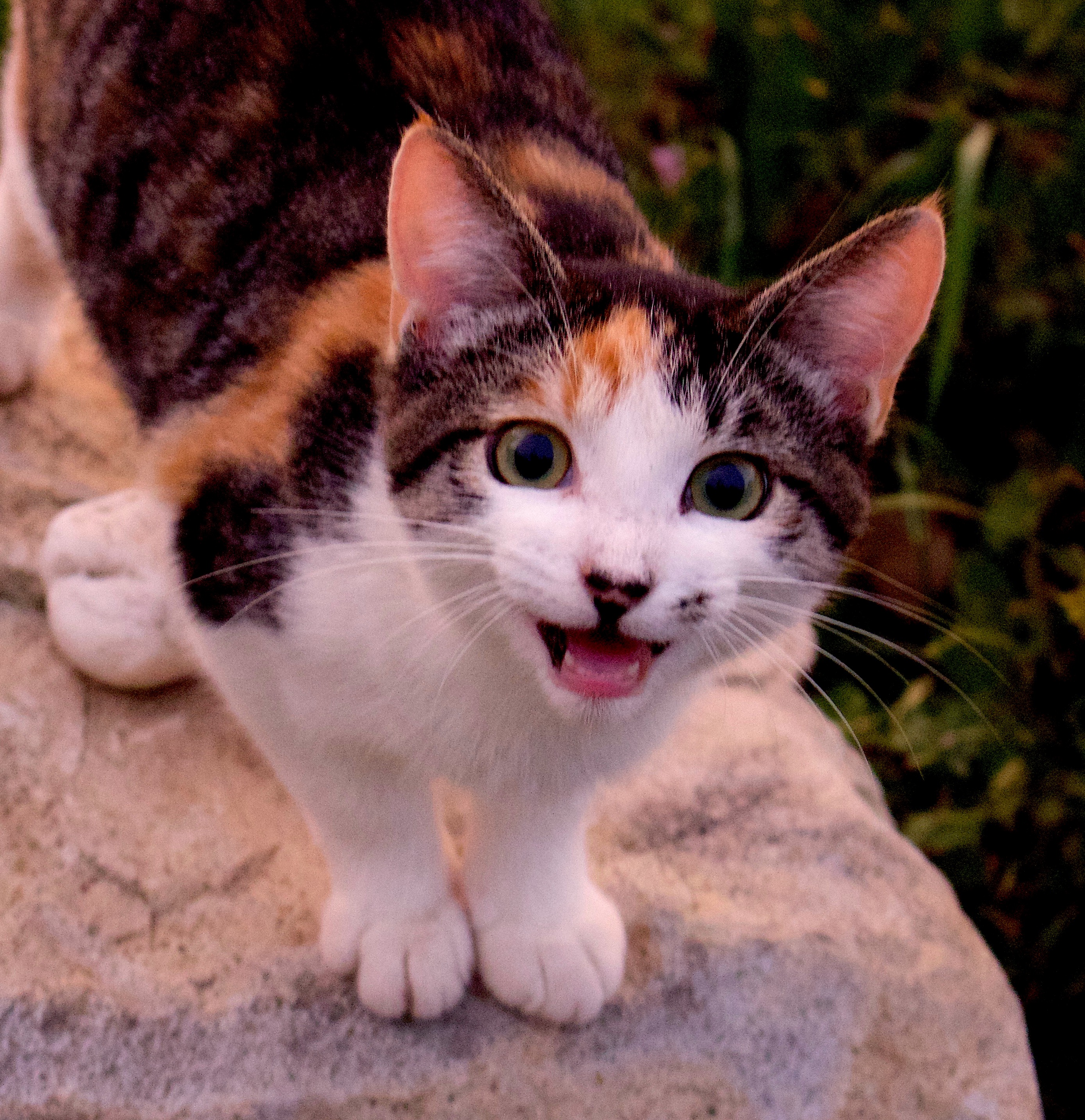
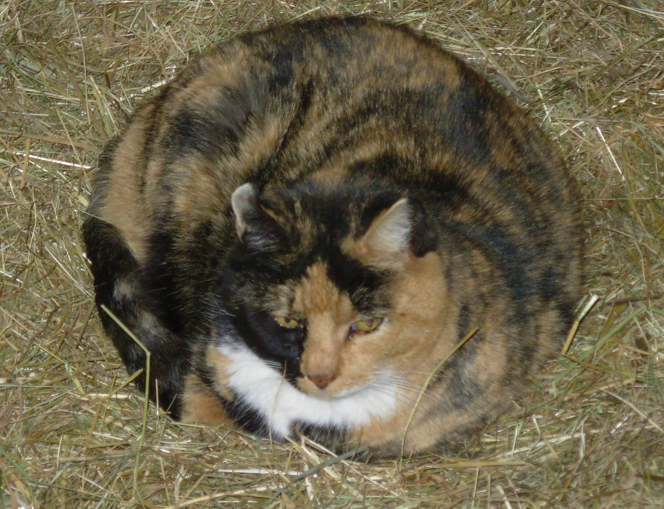
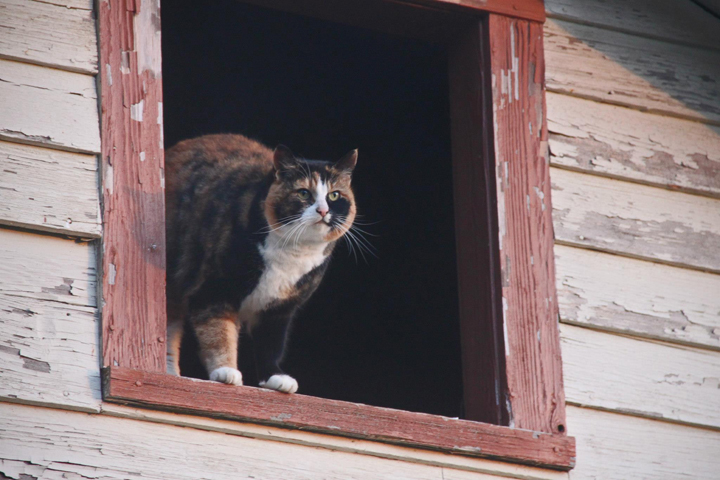
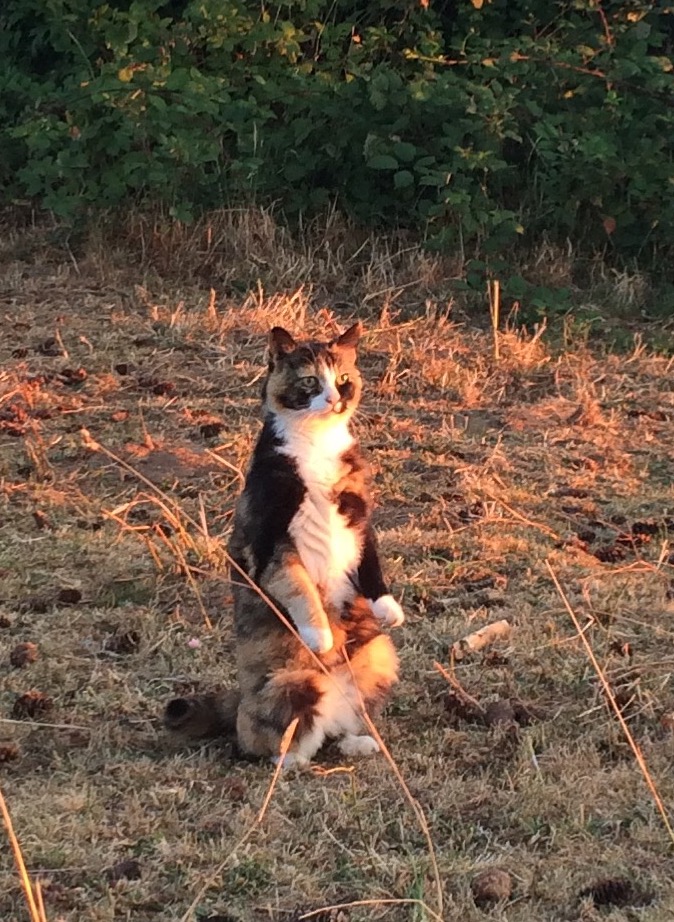
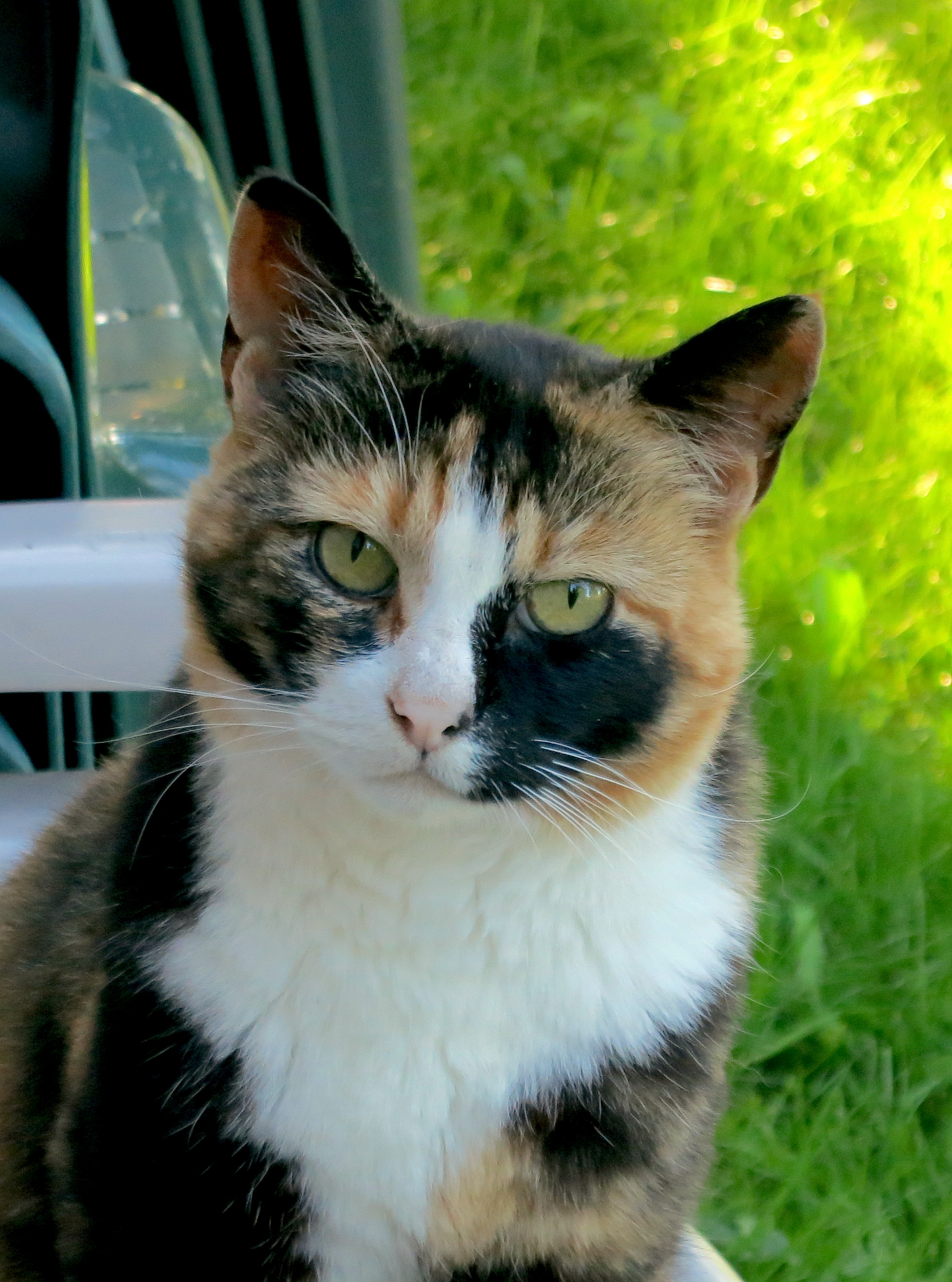
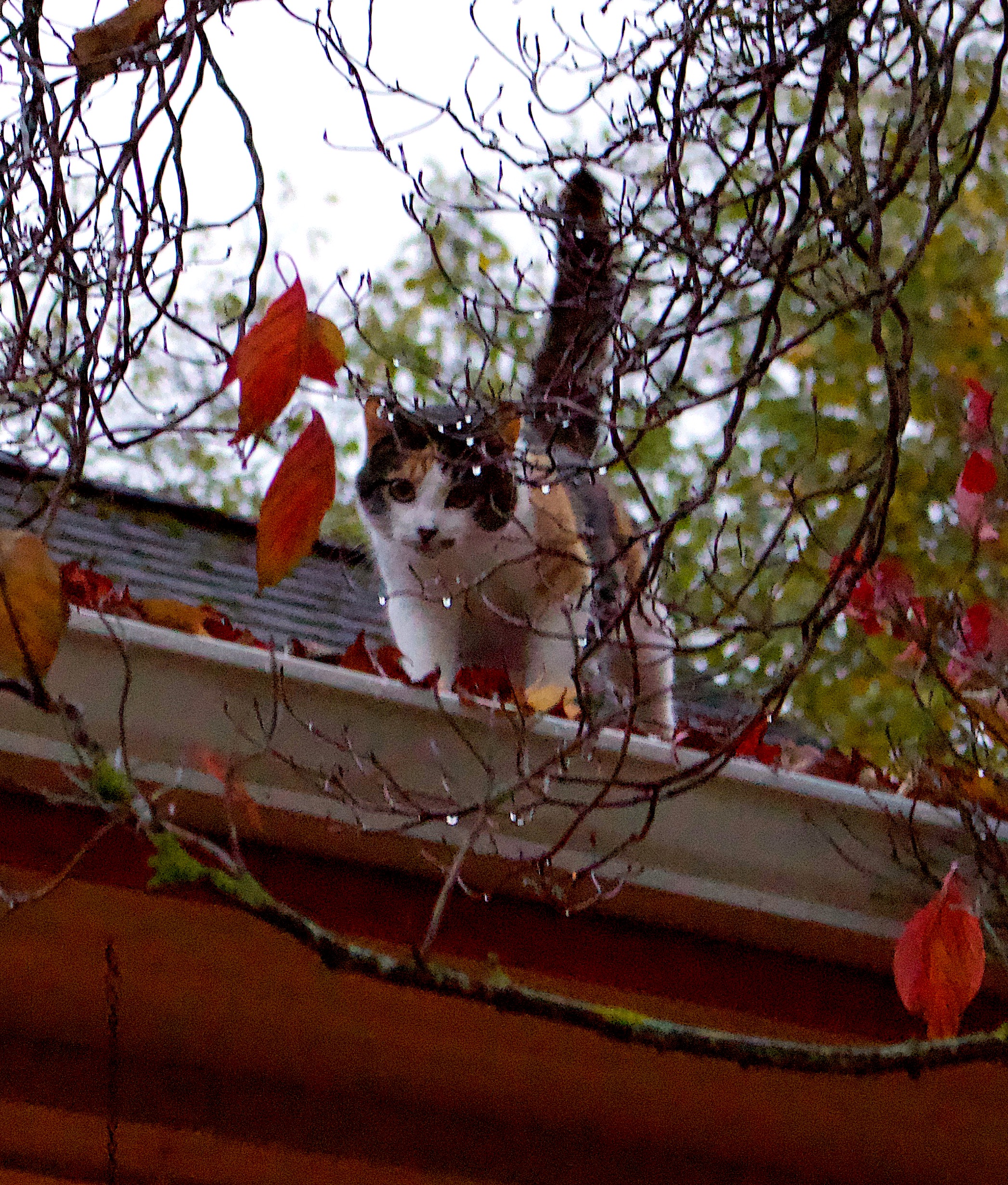
Since no farm can be complete without animals, I stopped at the first pet store I drove past and found two tortoise shell calico kitten sisters peering up at me, just waiting for new adventures in farmland. Their box was packed into the one spot left beside me in my little Mazda. With that admittedly impulsive commitment to raise and nurture those kittens, life seemed brand new.
I will never forget the feeling of freedom on that drive north out of the traffic congestion of the city. The highway seemed more open, the fall colors more vibrant, the wind more brisk, our baby happily kicking my belly, the kittens plaintively mewing from their box. There seemed to be so much potential even though I had just left behind the greatest job that could be found in any urban setting (the most diverse zip code in the United States): an ideal family practice with patients from all over the world: Muslims from the Middle East and Indonesia, Orthodox Jews, Italian Catholics, African Americans, Cambodians, Laotians, Vietnamese. I would never know so much variety of background and perspective again and if I could have packed them all into the Mazda and driven them north with me, I would have.
We started our farm with those kittens dubbed Nutmeg and Oregano, soon adding an ethnic diversity of farm animals: Belgian Tervuren dog Tango, Haflinger horse Greta, Toggenburg goats Tamsen and her kids, a few Toulouse geese, Araucana chickens, Fiona the Scottish Highland cow, then another Haflinger Hans and another, Tamara. I worked as a fill in locums doctor in four different clinics before our first baby, Nate, was born. We soon added little brother Ben and seven years later, sister Lea. We settled happily into parenthood, our church community, serving on school and community boards, gardening, and enduring the loss of our parents one by one.
Thirty four years later our children have long ago grown and gone to new homes of their own, off to their own adventures beyond the farm. Our sons married wonderful women, moving far away from home, our daughter teaches a fourth grade classroom a few hours away and we have two grandchildren with the third expected any moment.
A few cats, two Cardigan Corgi dogs, and a hand full of ponies remain at the farm with us. We are now both gray and move a bit more slowly, enjoy our naps and the quiet of the nights and weekends. My work has evolved from four small jobs to two decades of two part time jobs to one more than full time job that fit me like a well worn sweater 24 hours a day for thirty years. With retirement looming, I’m trying out a three day a week schedule and the old sweater doesn’t fit quite so comfortably.
My happily retired husband finds he is busier than ever: volunteering, serving on boards and being a full time farmer on our larger 20 acre place of fields and woods.
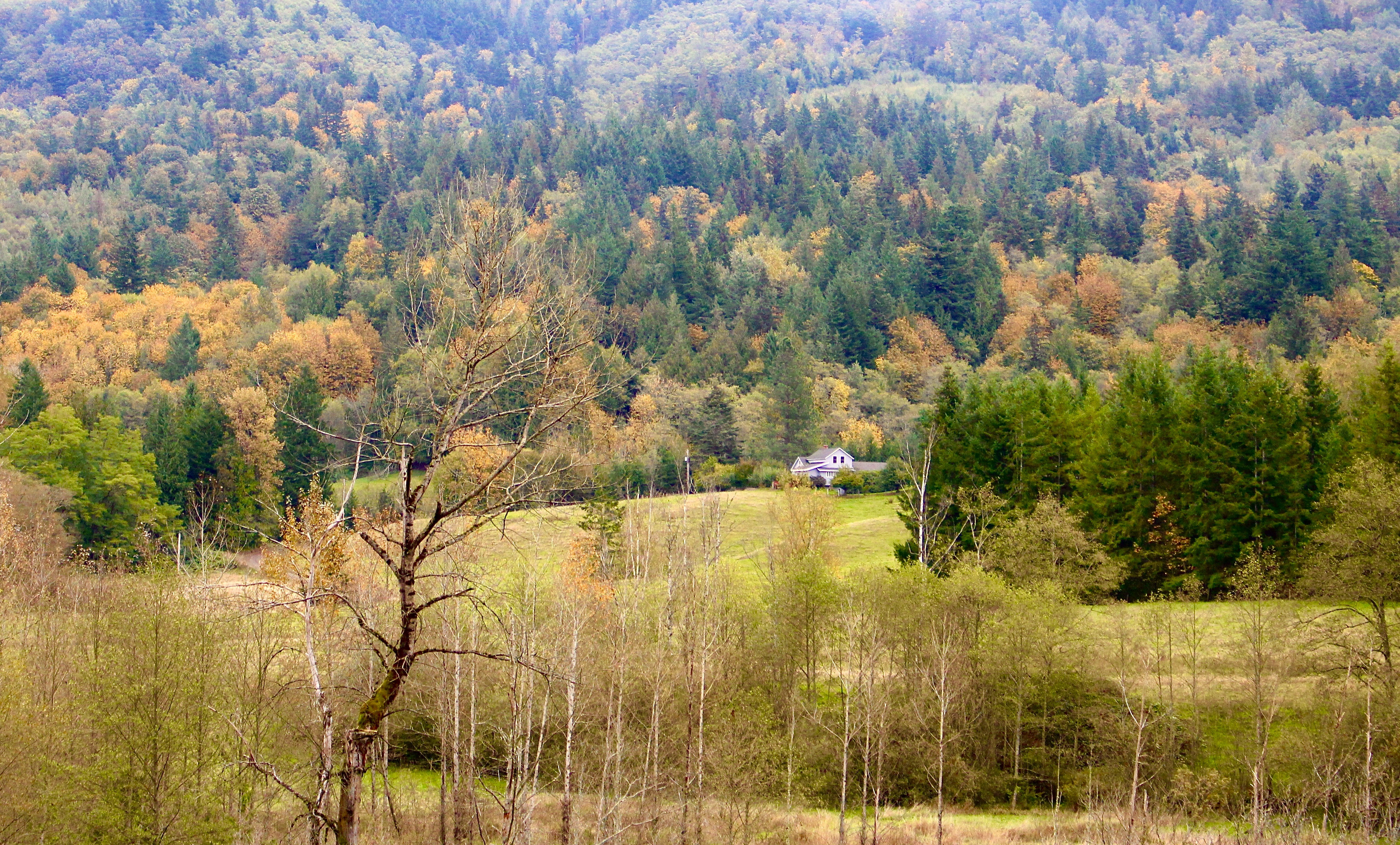
That rainy Halloween day over three decades ago I was freed into a wider world. I would no longer sit captive in freeway rush hour bumper to bumper traffic jams. Instead I celebrate my daily commute through farm fields, watching eagles fly, and new calves licked by their mamas. I am part of a broader community in a way I never could manage in the city, stopping to visit with friends at the grocery store, playing piano and teaching at church. Our home sits in the midst of woods and corn fields, with deer strolling through the fields at dawn, coyotes howling at night, Canadian and snow geese and trumpeter swans calling from overhead and salmon becoming more prolific every year in nearby streams. The snowy Cascades greet us in the morning and the sunset over Puget Sound bids us good night.
It all started October 31, 1985 with two orange and black kittens and a pumpkin sitting beside me in a little Mazda, my husband waiting for my homecoming 100 miles north. Now, thirty four years and three grown children and three (almost) grandchildren later, we celebrate this Halloween transition anniversary together. We’re still pregnant with the possibility that a wide world is waiting, just on the other side of the wall.
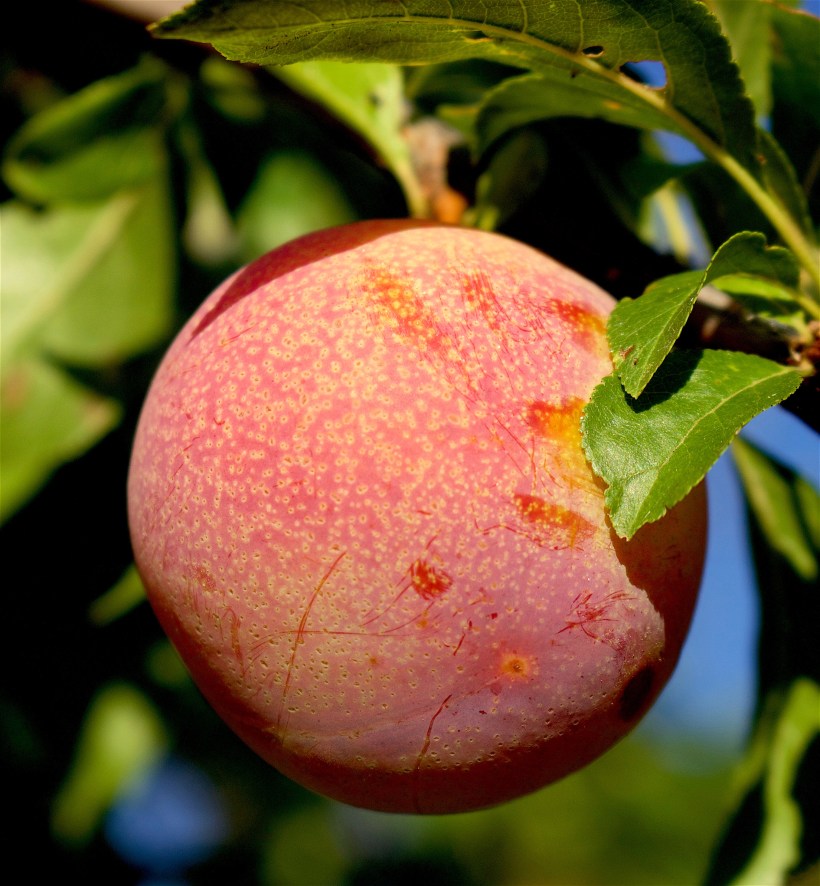
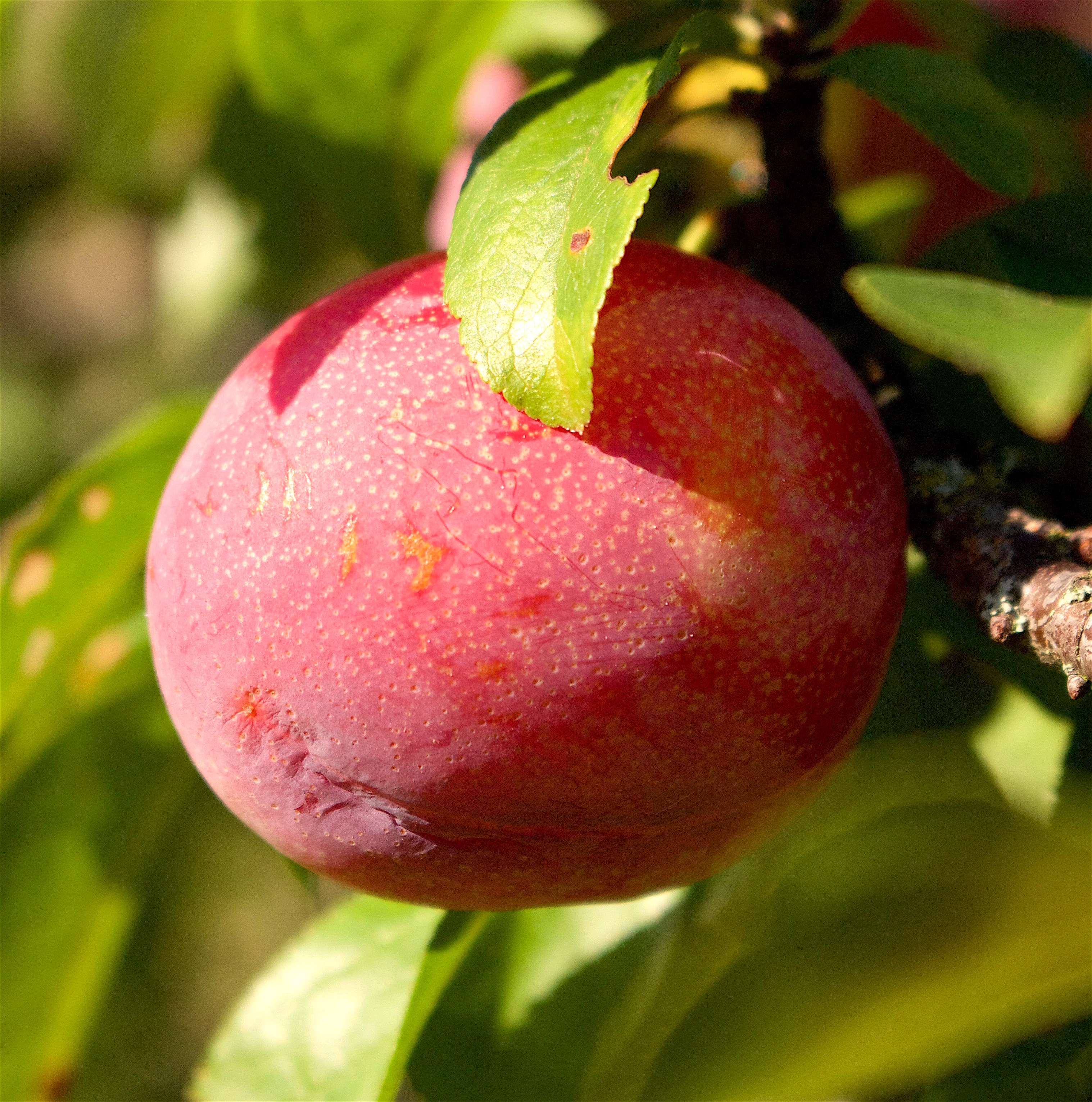
It hangs on its stem like a plum at the edge of a darkening thicket.
It’s swelling and blushing and ripe and I reach out a hand to pick it
but flesh moves slow through time and evening comes on fast
and just when I think my fingers might seize that sweetness at last
the gentlest of breezes rises and the plum lets go of the stem.
And now it’s my fingers ripening and evening that’s reaching for them. ~Geoffrey Brock, “The Day” author of Voices Bright Flags
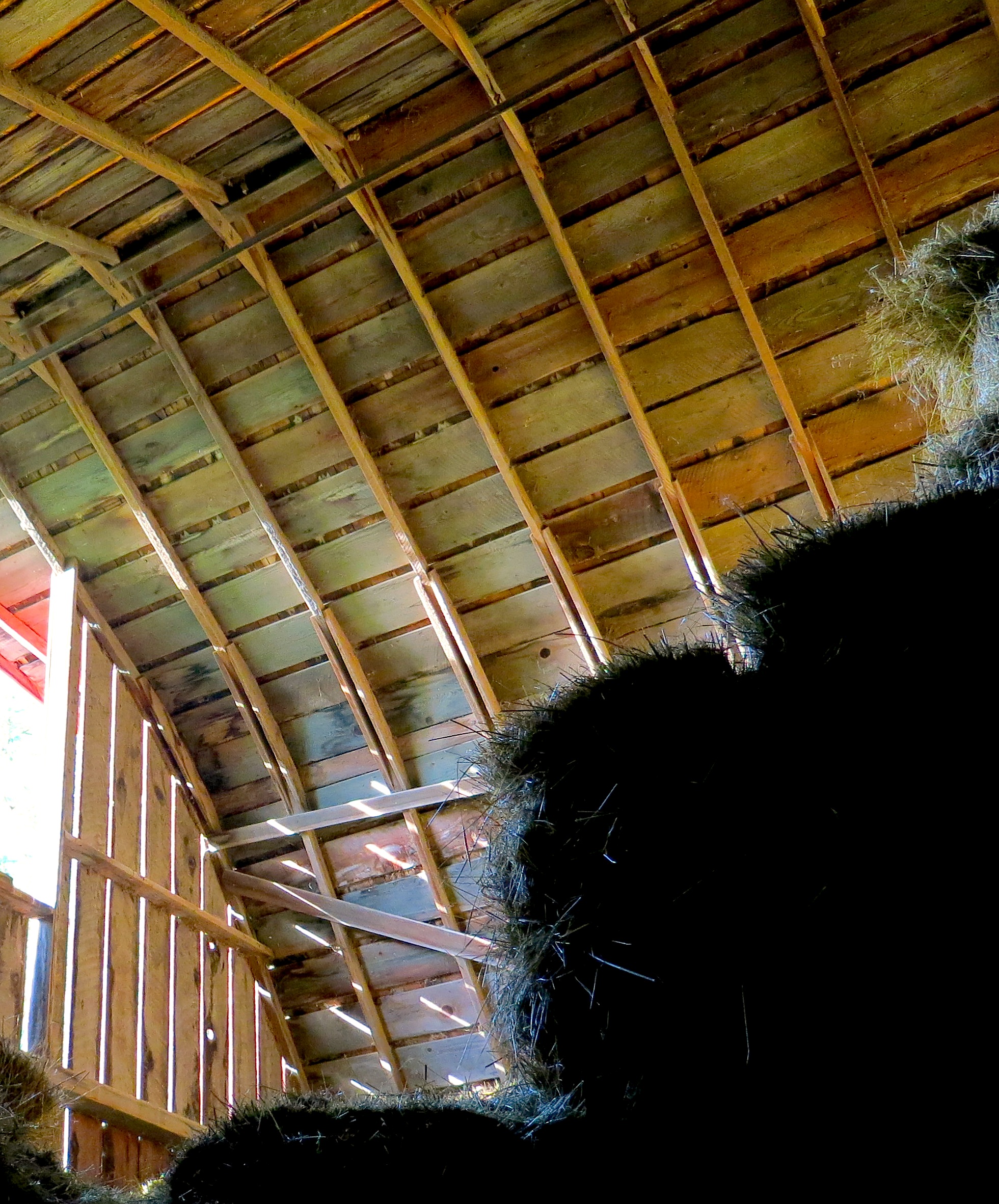
Let the light of late afternoon shine through chinks in the barn, moving up the bales as the sun moves down.
Let the cricket take up chafing as a woman takes up her needles and her yarn. Let evening come.
Let dew collect on the hoe abandoned in long grass. Let the stars appear and the moon disclose her silver horn.
To the bottle in the ditch, to the scoop in the oats, to air in the lung let evening come.
Let it come, as it will, and don’t be afraid. God does not leave us comfortless, so let evening come. ~Jane Kenyon, from “Let Evening Come” from Collected Poems.
So much of our living is preparing for rest and here we are, fighting it every step of the way.
We resist it mightily: the toddler fussing about taking a nap, the youngster devoted to their screen time and unwilling to surrender to darkness, or the parent trying to eke out the last bit of daylight to get the chores done.
We are comforted by activity. We are created in the image of One who remembered to rest.
So must we be “evened” by Him. The evening comes – there is no stopping it – we are to settle into it, our fingertips ripening, to close our eyes and drift on the comfort it brings.
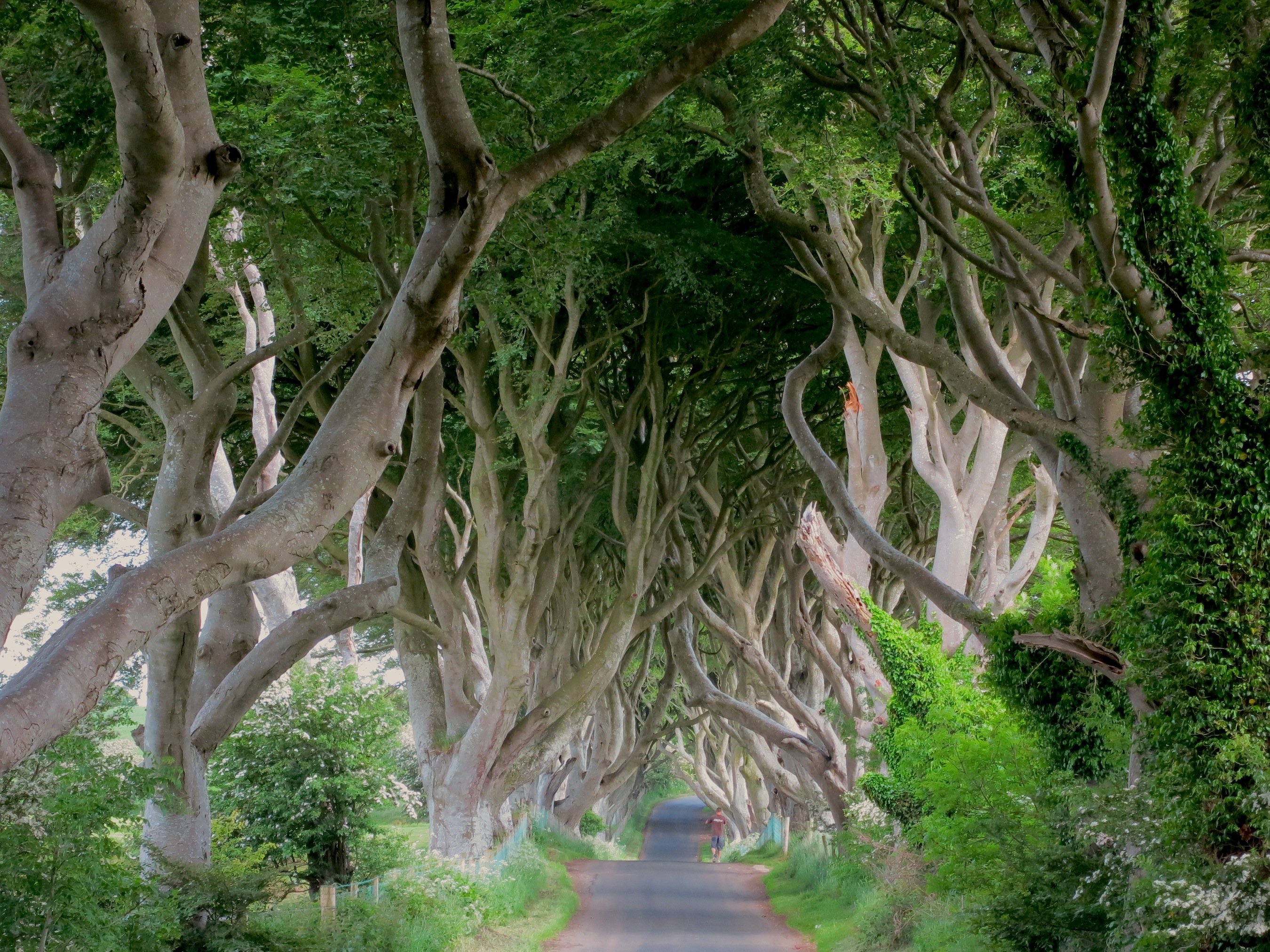
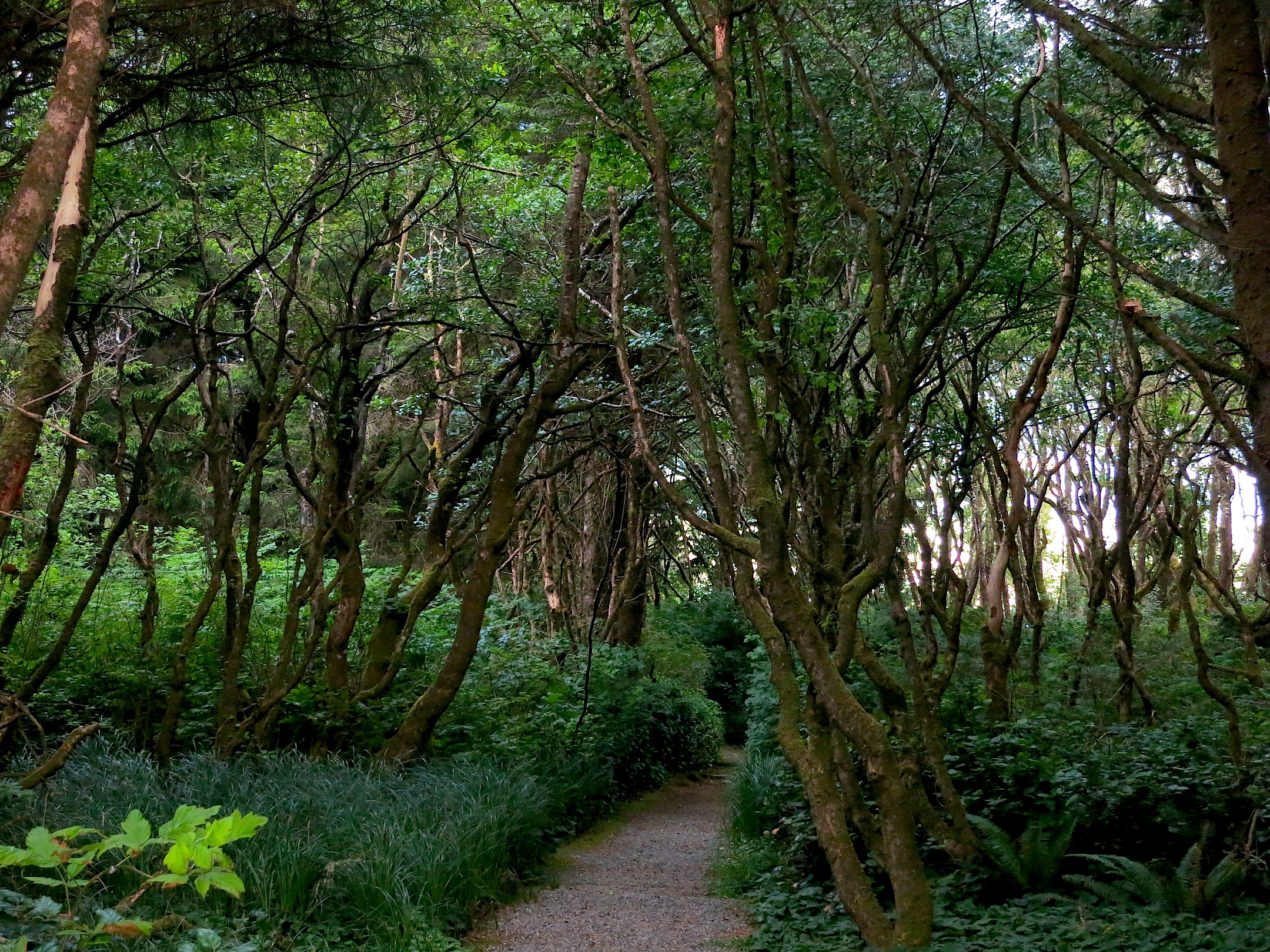
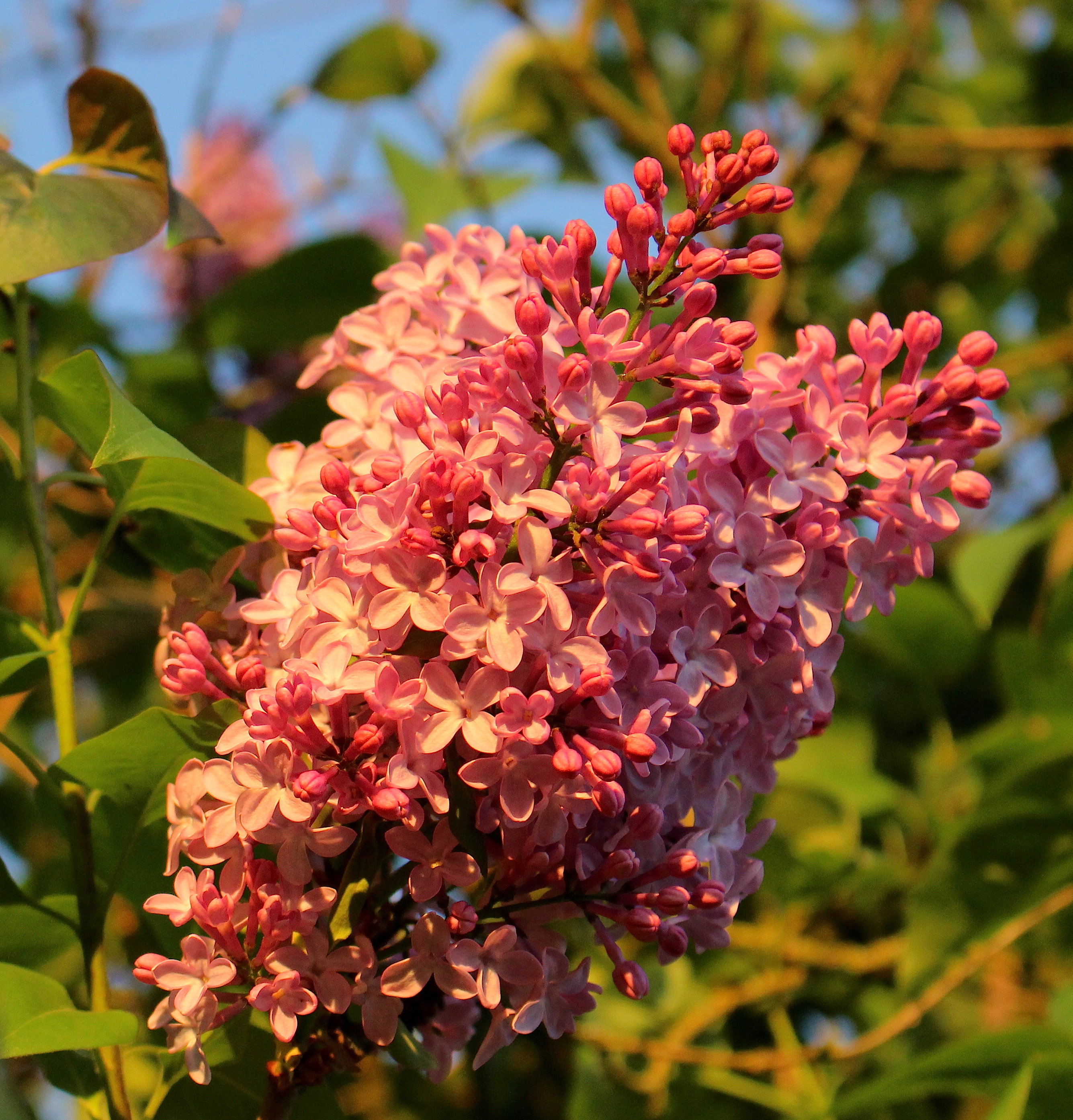
The gray path glided before me Through cool, green shadows; Little leaves hung in the soft air Like drowsy moths; A group of dark trees, gravely conferring, Made me conscious of the gaucherie of sound; Farther on, a slim lilac Drew me down to her on the warm grass. “How sweet is peace!” My serene heart said.
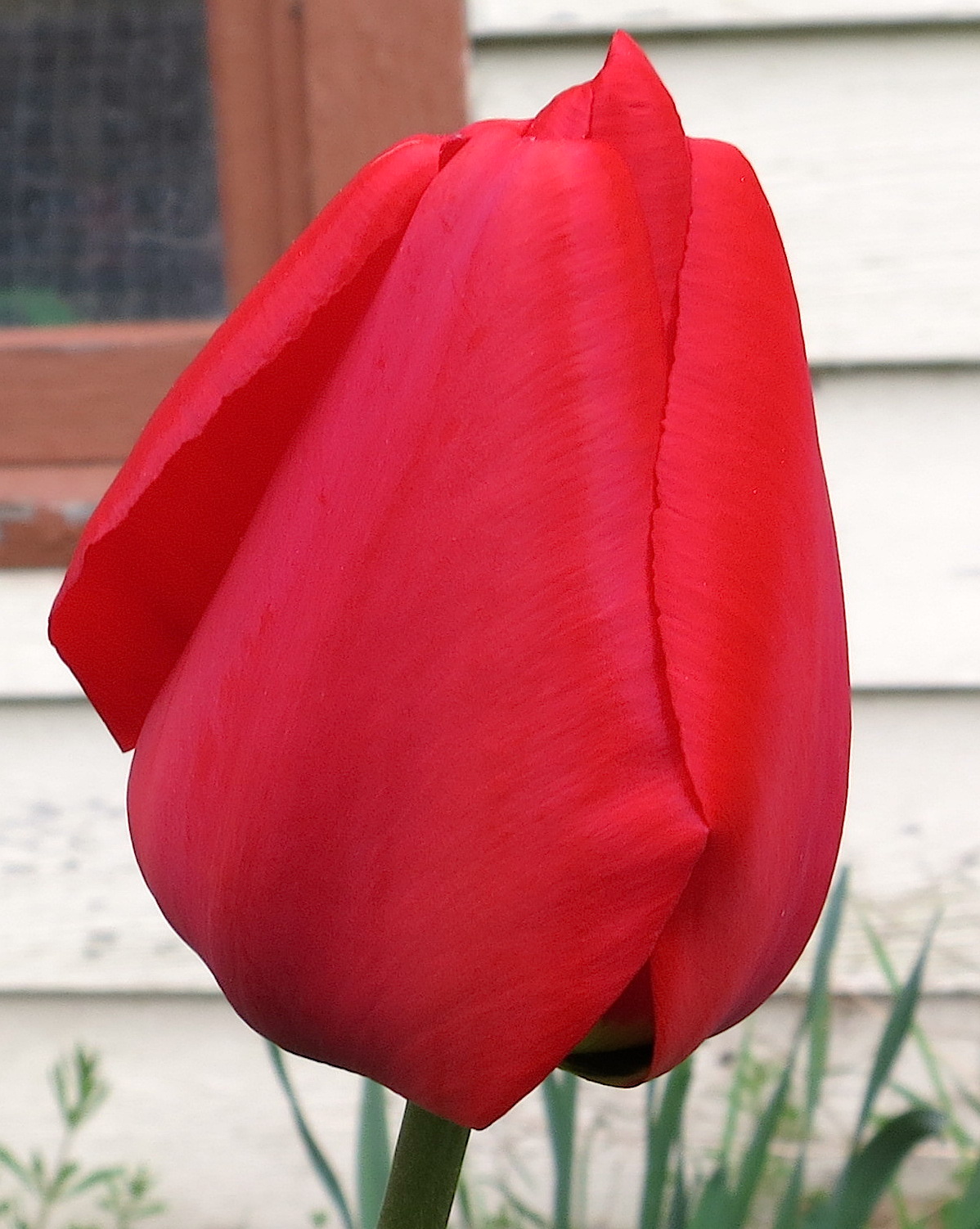
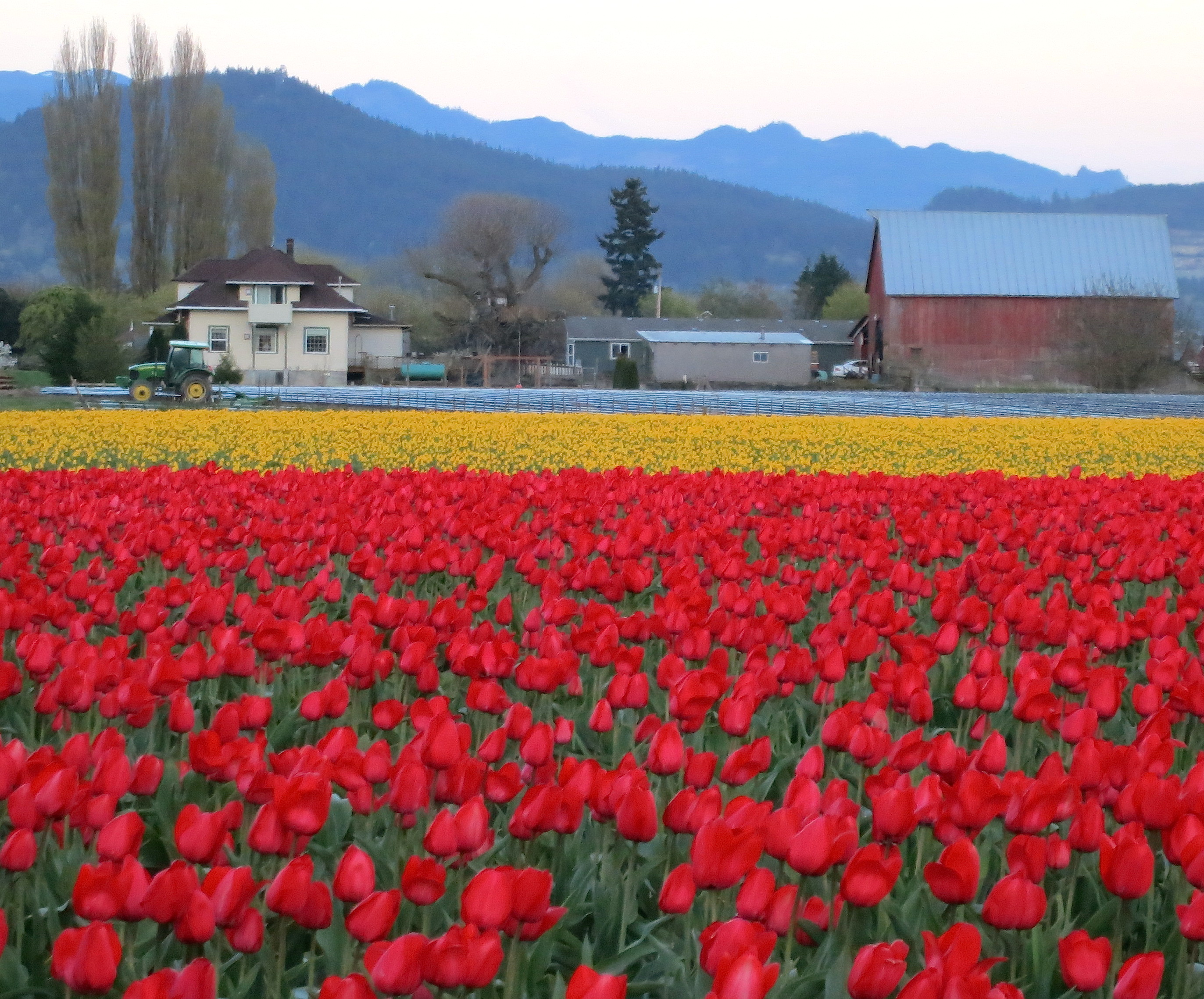
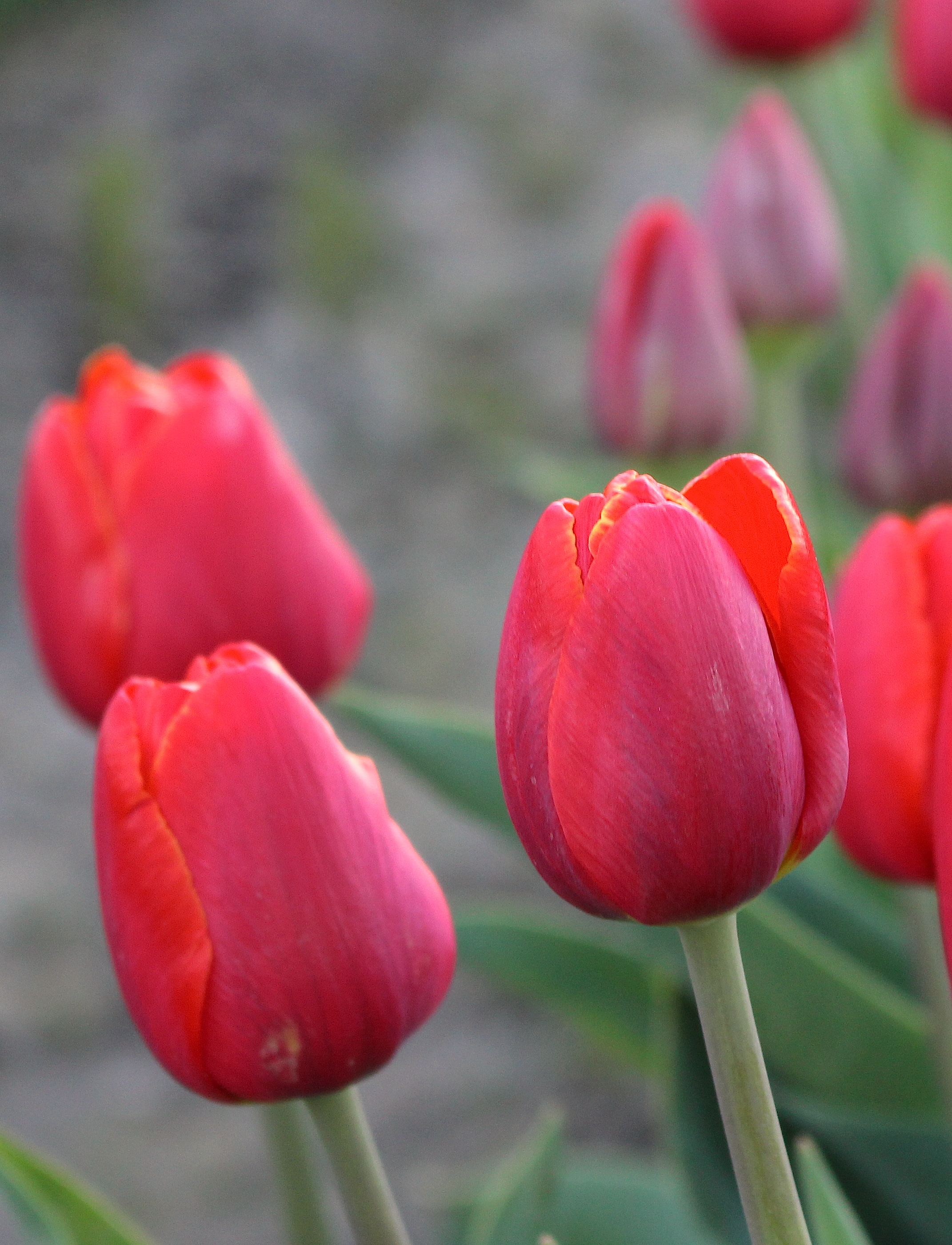
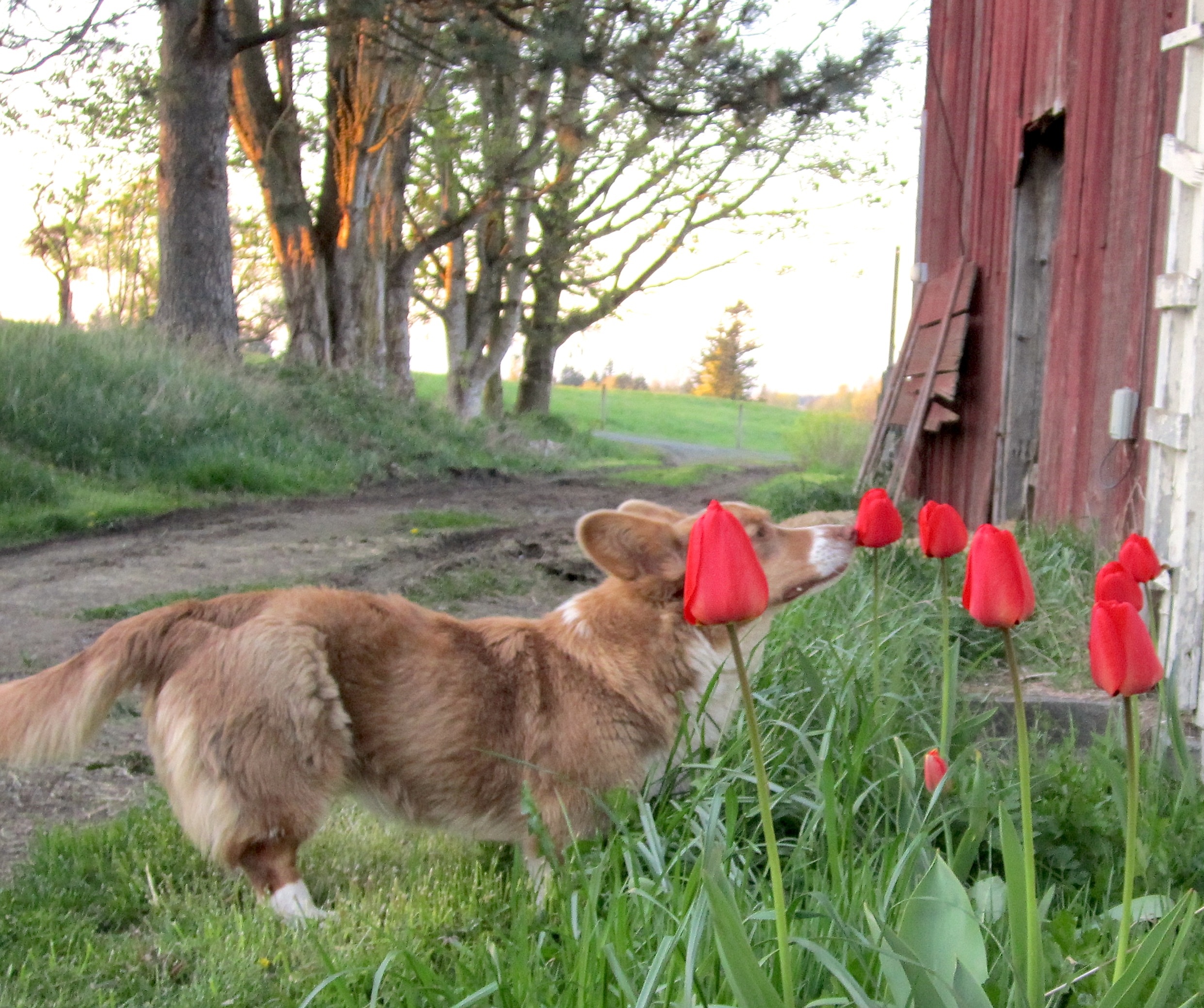
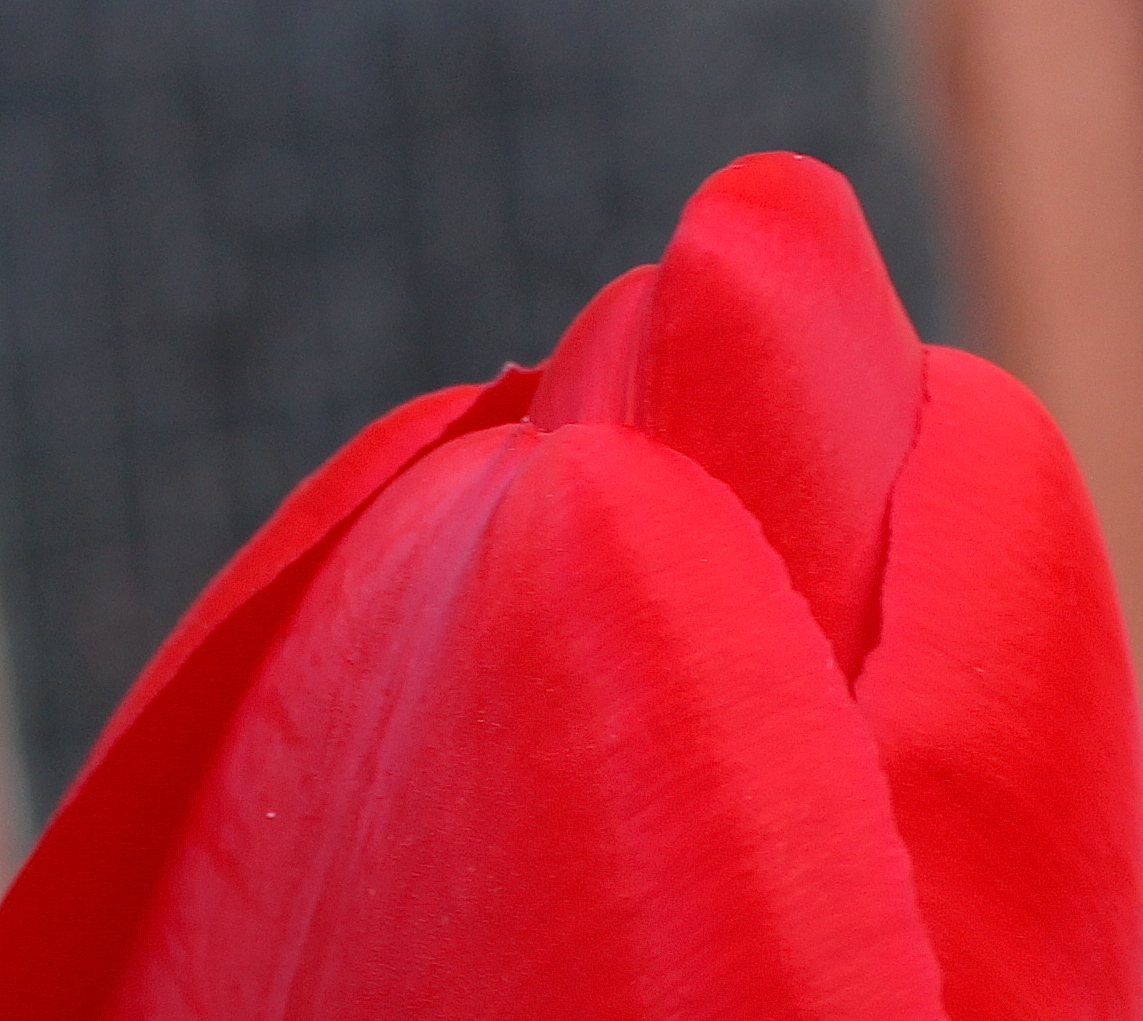
Then, suddenly, in a curve of the road, Red tulips! A bright battalion, swaying, They marched with fluttering flags, And gay fifes playing!
A swift flame leapt in my heart; I burned with passion; I was tainted with cruelty; I wanted to march in the wind, To tear the silence with gay music, And to slash the sober green Until it sobbed and bled.
I travel gray misty pathways of day to day existence, quietly below the radar and scarcely noticeable. It is a peaceful life, quiet and unassuming, utterly routine.
Yet predictability and acceptability shatters sometimes without much notice — my inner red tulip is found out, fighting for freedom, however briefly.
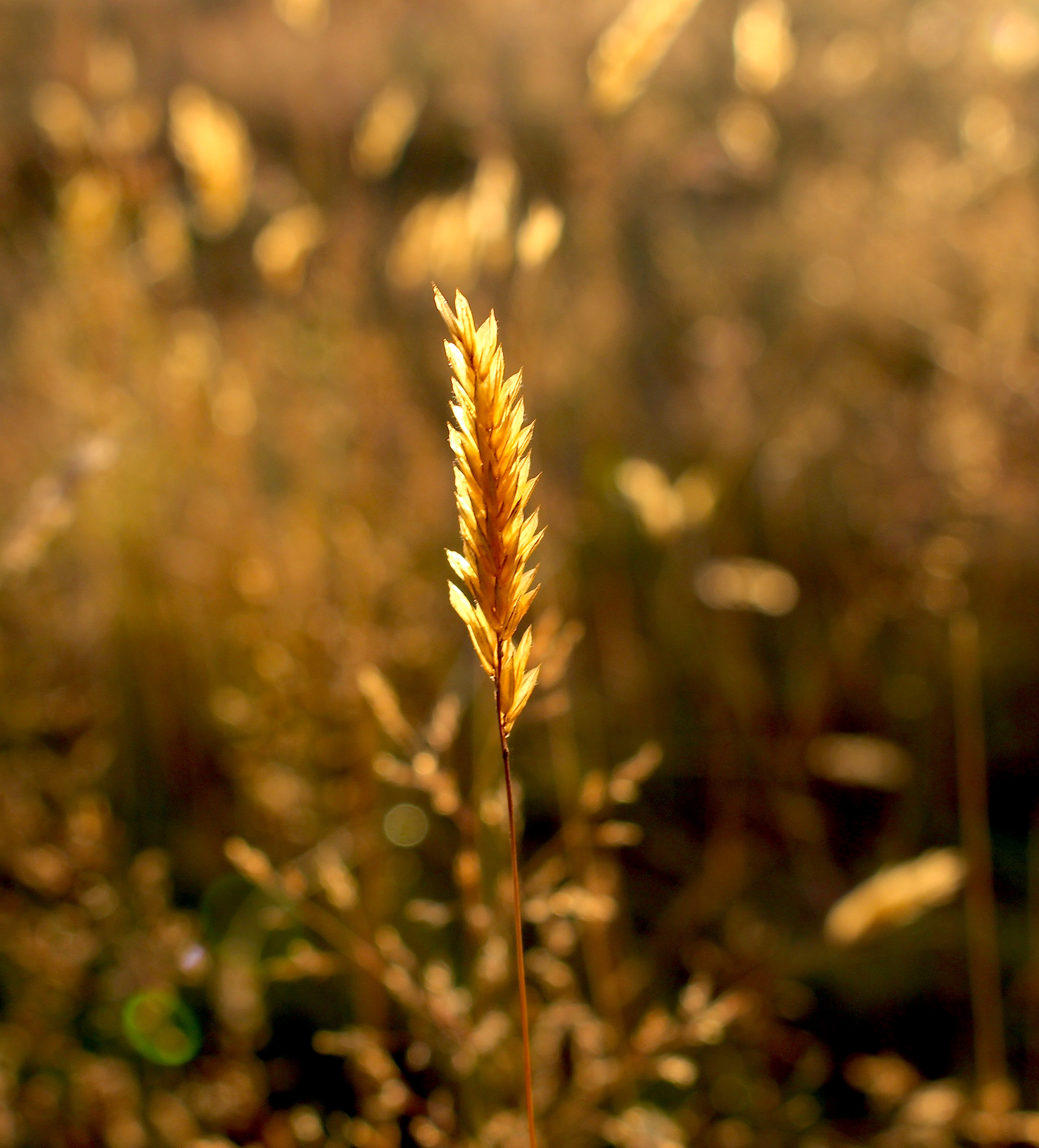
Summer was our best season:
it was sleeping on the back screened porch in cots,
or trying to sleep in the tree house;
summer was everything good to eat;
it was a thousand colors in a parched landscape… ~Harper Lee from “To Kill a Mockingbird”
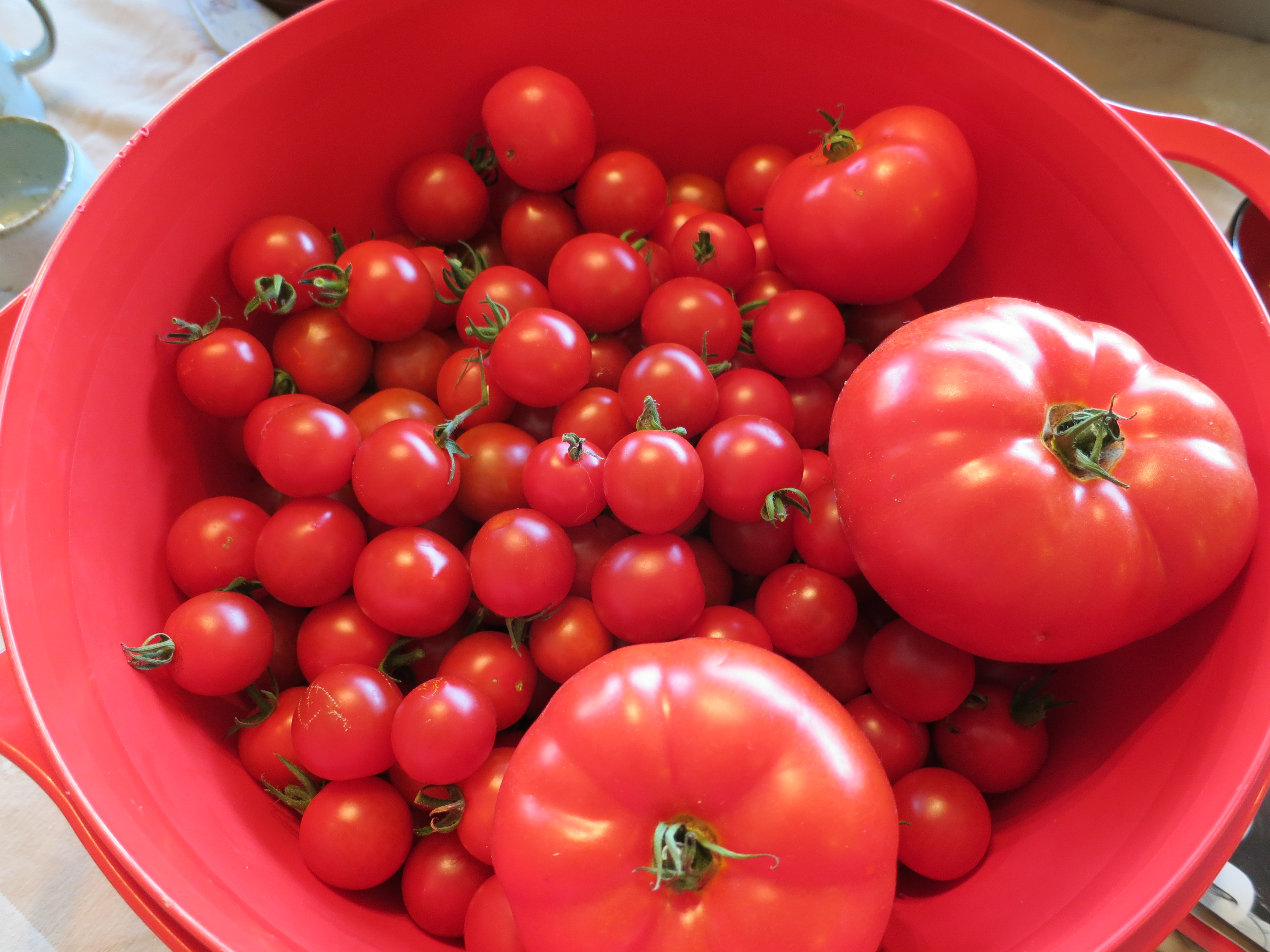
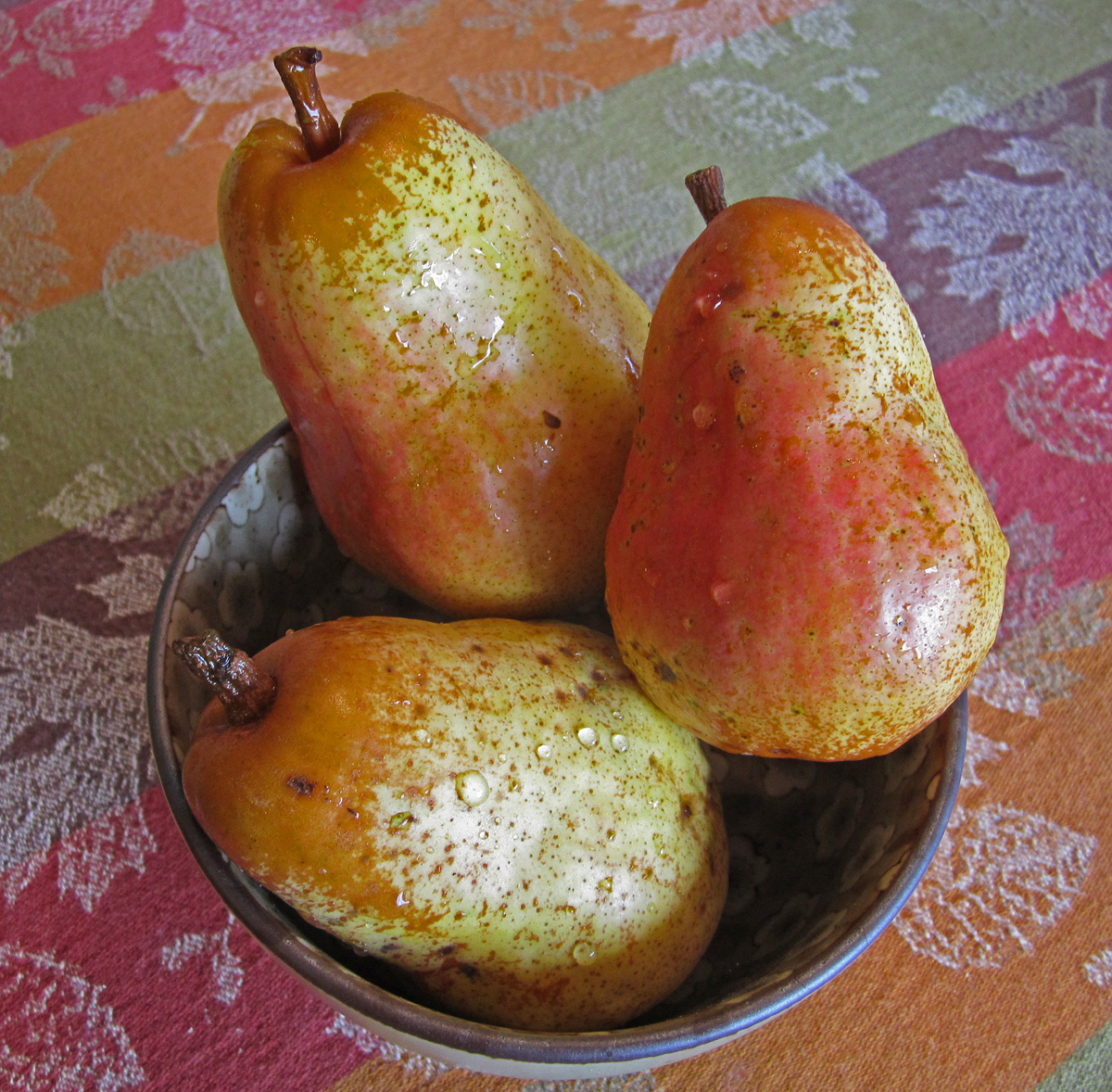
Do not ask your children to strive for extraordinary lives. Such striving may seem admirable, but it is a way of foolishness. Help them instead to find the wonder and the marvel of an ordinary life. Show them the joy of tasting tomatoes, apples, and pears. Show them how to cry when pets and people die. Show them the infinite pleasure in the touch of a hand. And make the ordinary come alive for them. The extraordinary will take care of itself.
~William Martin from The Parent’s Tao Te Ching: Ancient Advice for Modern Parents
There may be restrictions to a summer’s happiness, but the ease that belongs to simplicity is charming enough to make up for
whatever a simple life may lack… ~Sarah Orne Jewett from The Country of the Pointed Firs







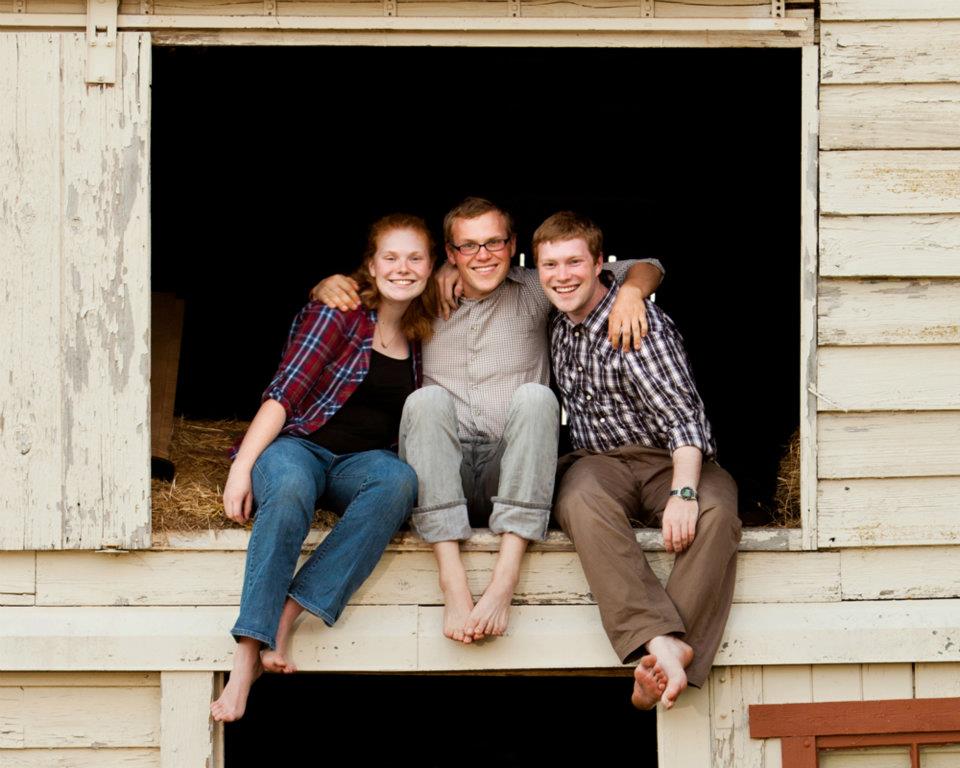


 Barnstorming