Fighting a Harder Battle

Mostly, I want to be kind.
And nobody, of course, is kind,
or mean,
for a simple reason.

~Mary Oliver from “Dogfish”
Be kind, for everyone you meet is fighting a harder battle.
~Plato
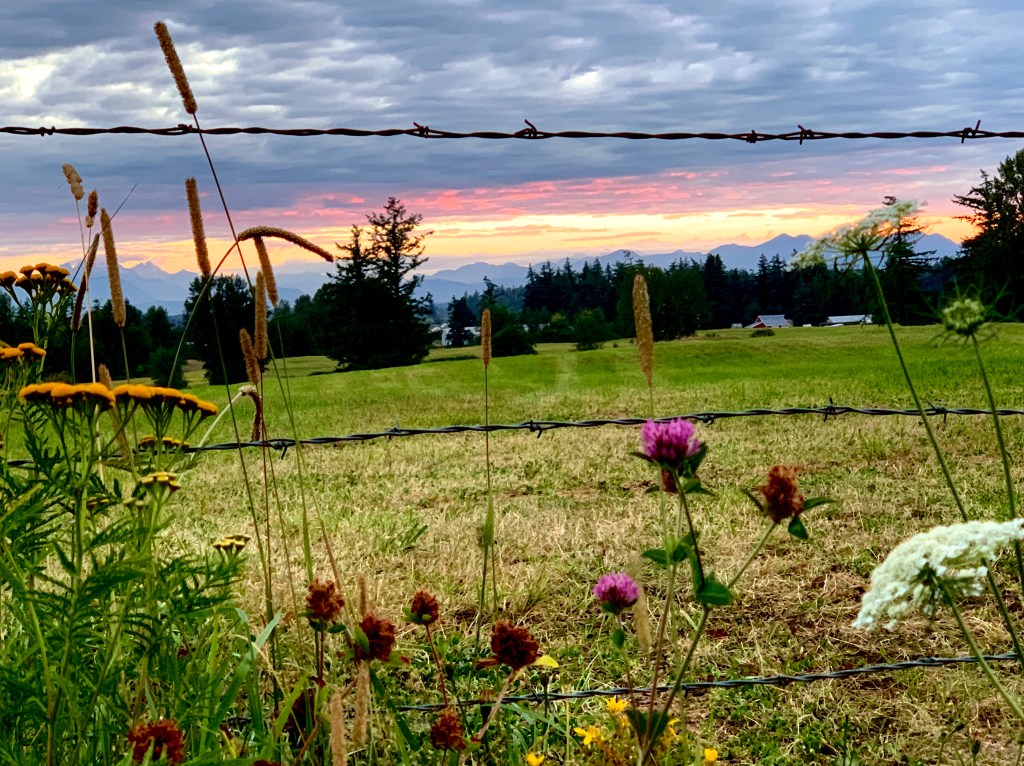
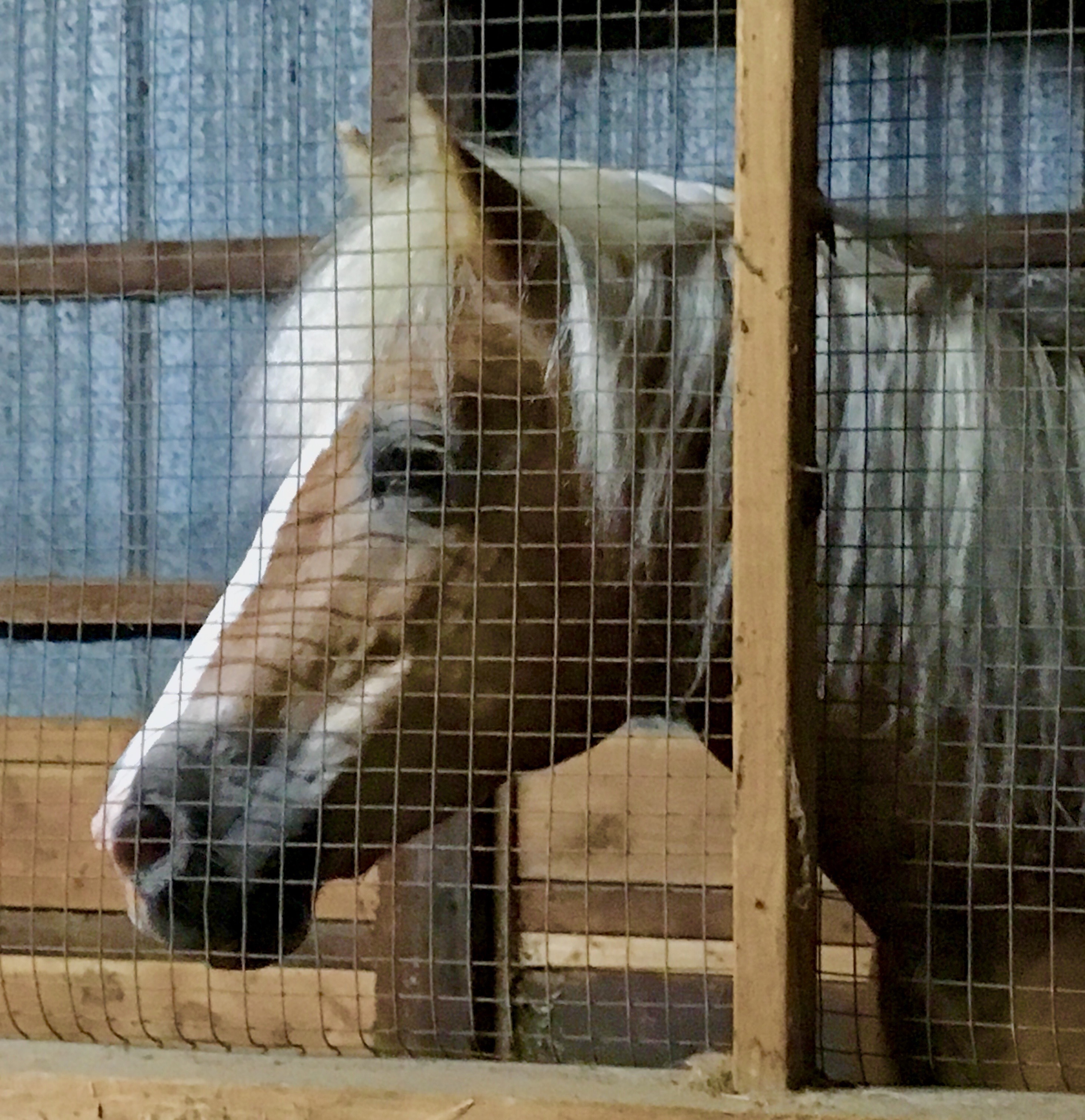
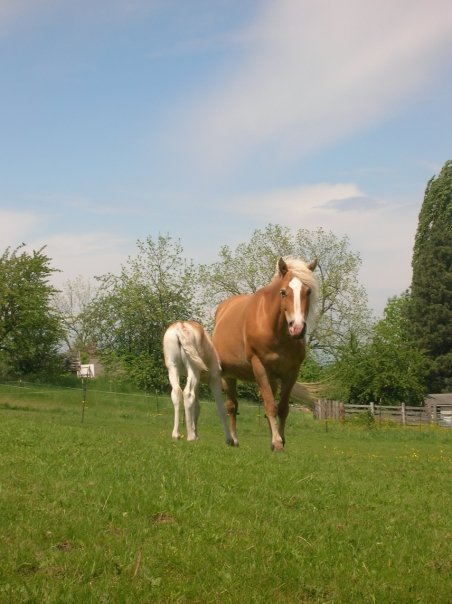
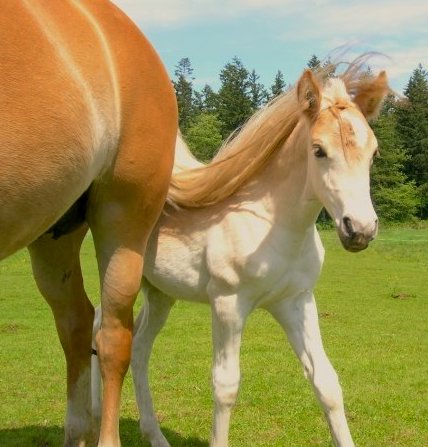
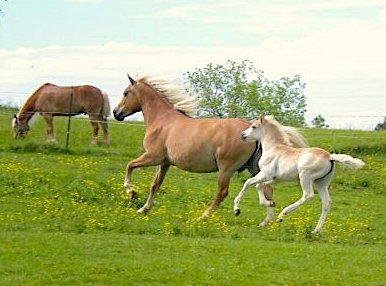
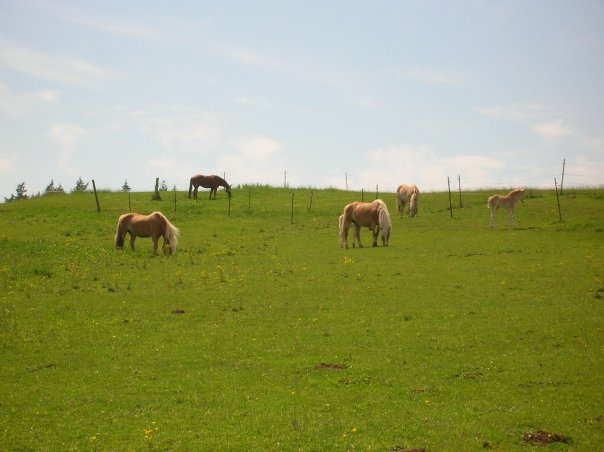
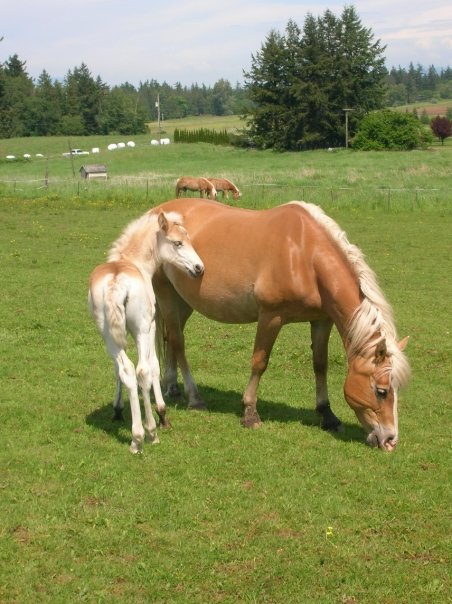
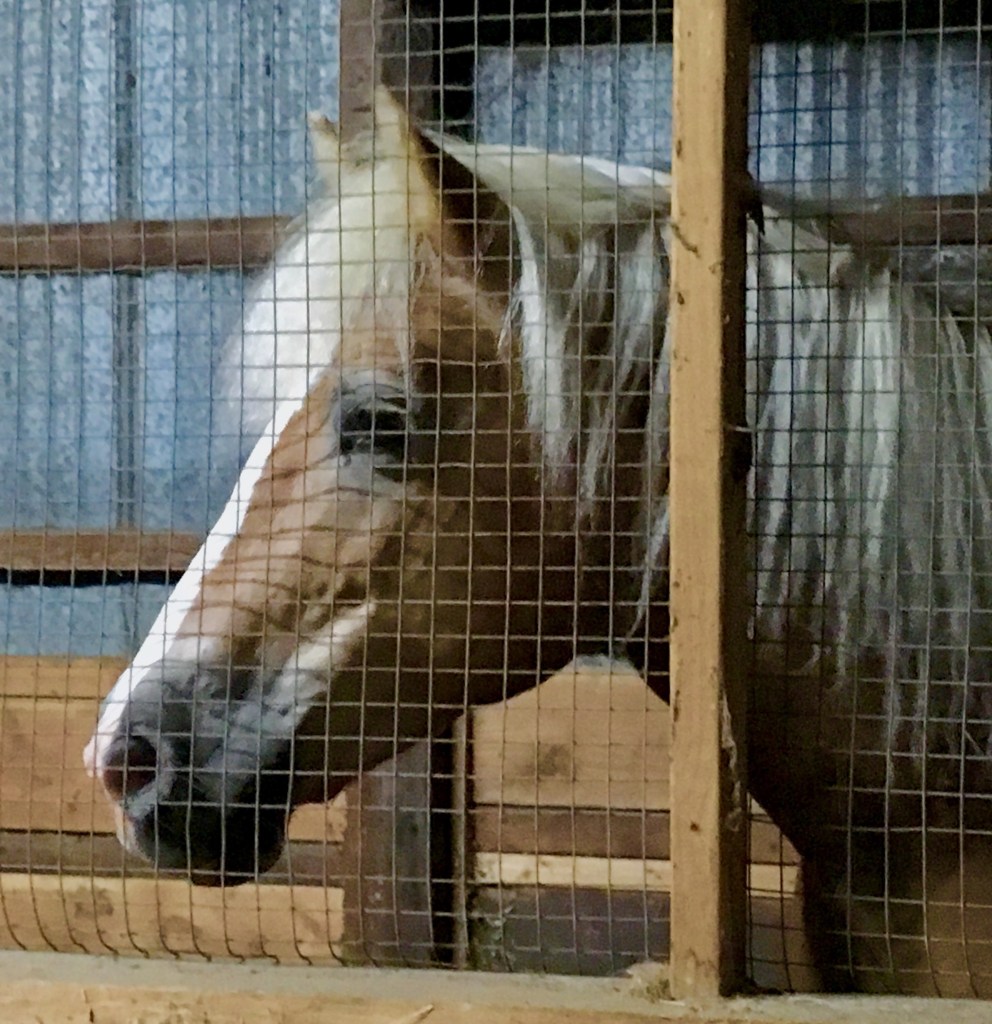
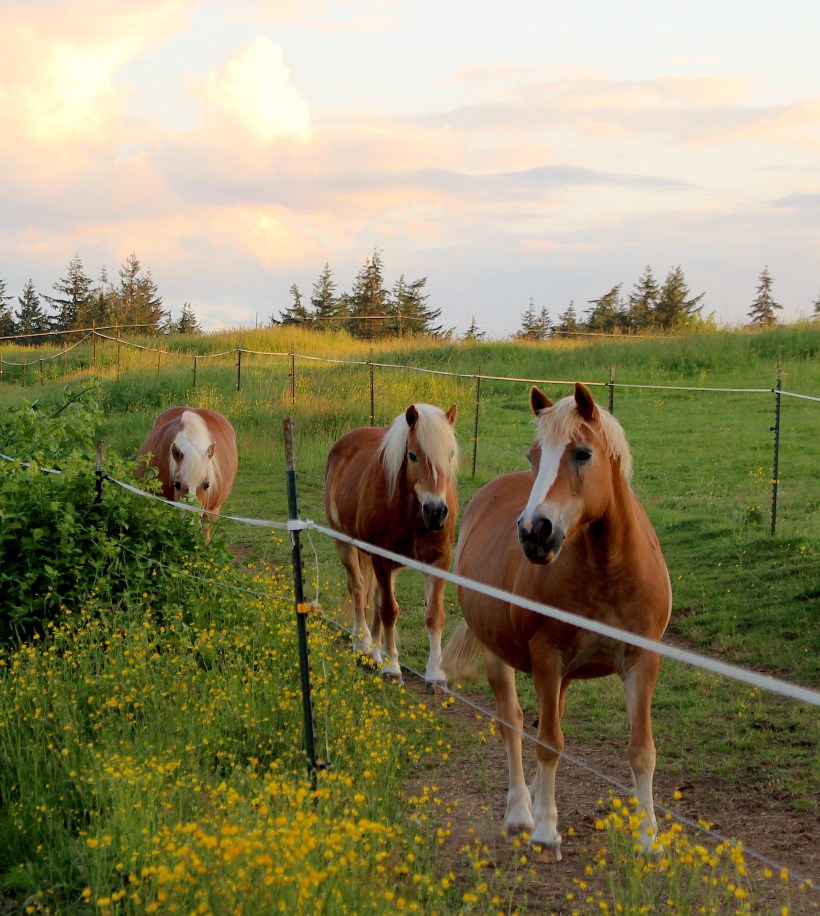
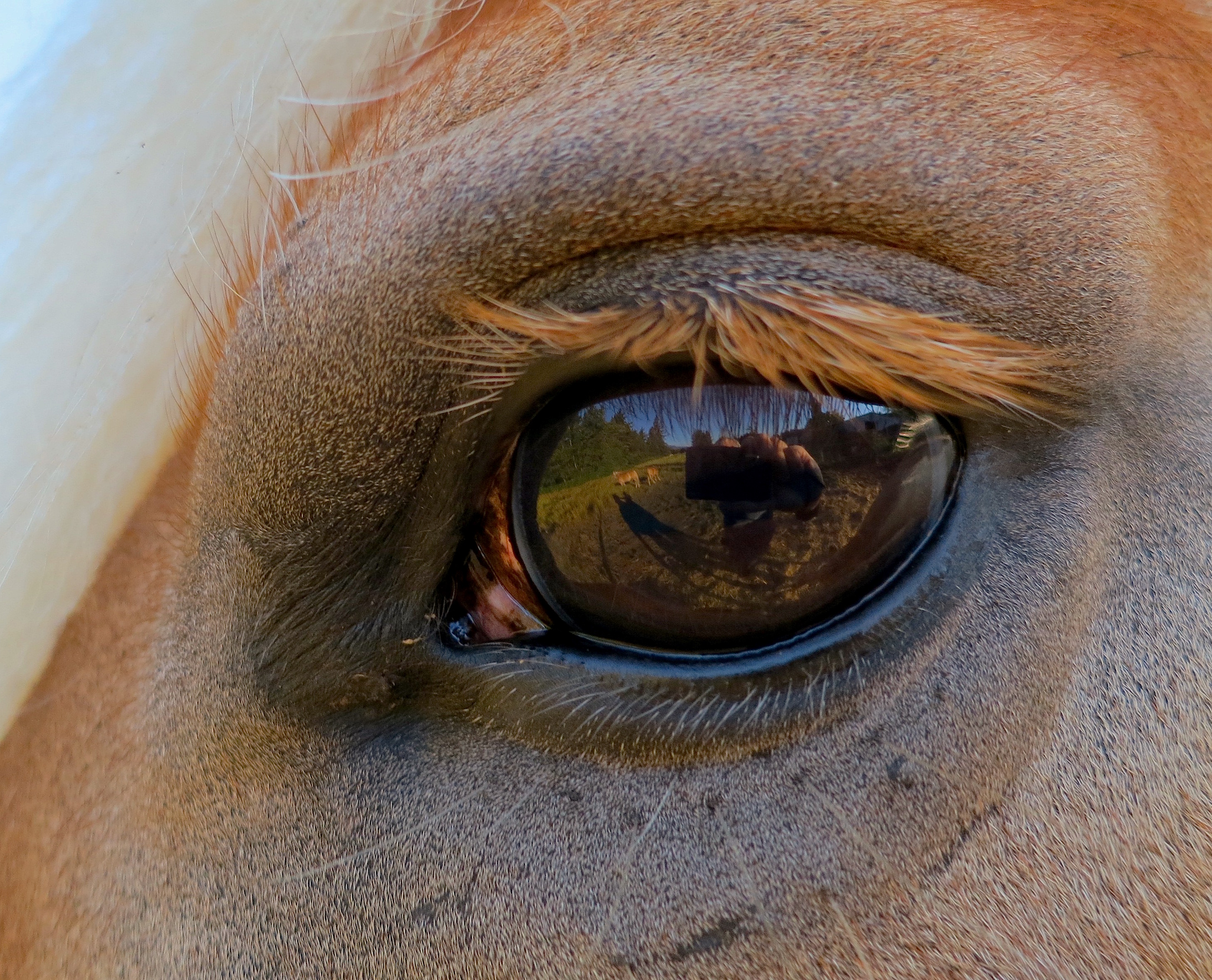
Our mare Belinda has a two decade history of fighting the hard battle of being consistently on the bottom of the mare hierarchy. She is unusually shy, very submissive and never one to stir up trouble in the herd. Most of the time she simply wants to disappear so the other mares can’t see her to bully her.

I’ve watched her over the years to learn how she copes day in and day out with her low status. She is clearly more clever than the higher-ranking mares who lord it over her, reminding her of their rank.

In the mornings when the mares are turned out to pasture from their individual stalls, I always open Belinda’s door first so she has the option to walk out to pasture ahead of the others if she chooses. Instead, she’ll stand waiting at the open door, watching the other mares leave their stalls and pass by, then follow behind them out to pasture keeping a safe distance between them and herself.

Once outside, she’ll stand at the water barrel just inside the pasture gate, and pretend to drink water for several minutes (I’m convinced she doesn’t actually drink a drop) while the other mares wander into the field to find their preferred grazing spot.

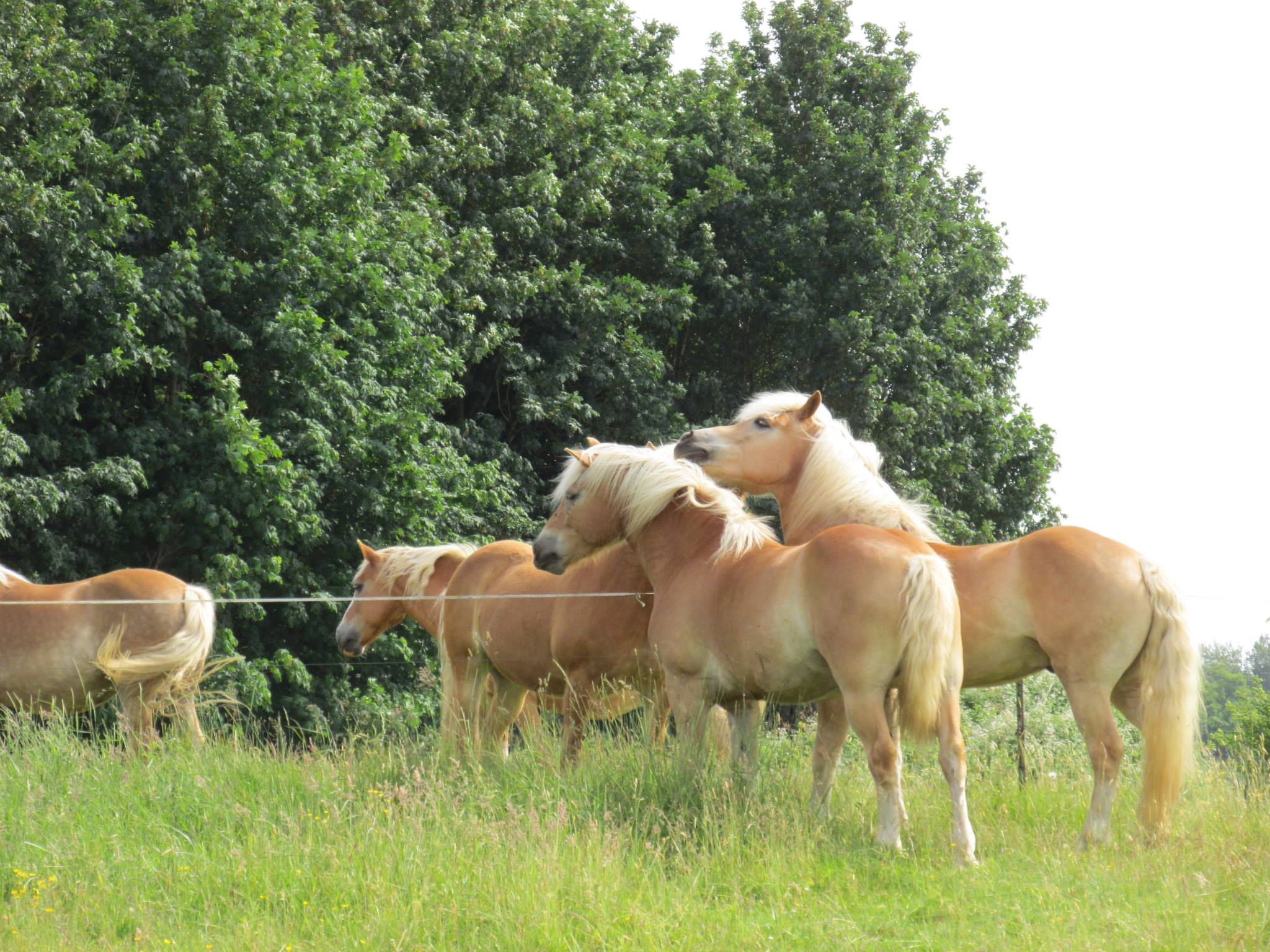
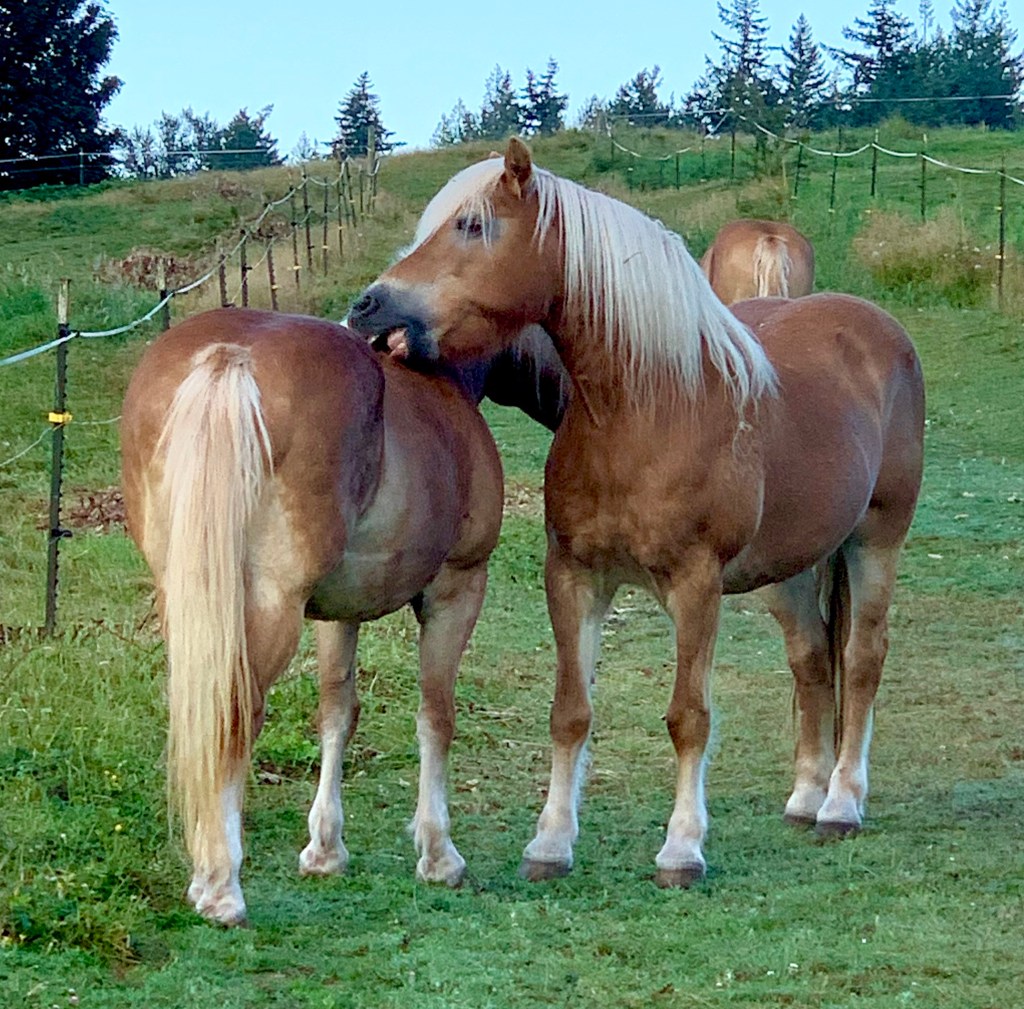
Once the others are clearly settled, she joins them at a safe distance. Then the worst bully will approach her, just as Belinda has started to eat, and will start to groom Belinda’s withers with her teeth. This is a clear invitation to be scratched back, so despite being hungry and clearly fearful, Belinda mutually chews/scratches for at least ten minutes with her mortal enemy. I’d like to think this is their brief truce in the battle for status every day; one clearly has a need and wants Belinda to comply. Belinda is more than willing to set aside her own needs if it means keeping peace in the herd.

At the end of the day, Belinda stays up in the field until the other mares have returned to the barn and are back in their stalls with the doors latched. I know she counts the number of doors she hears closing because she will refuse to come in from outside and return to her stall until she hears the last door closing, knowing it is then safe to some into the barn.

The first thing she does returning to her stall is to drop a pile of manure right inside her door. It is her claim of “mine” – no other horse here does that, since they would have to walk through manure to leave the stall, but for Belinda, it is a way of saying if for some reason the closed door isn’t enough to keep her secure, the pile of manure at least marks her territory.

She does not always have a peaceful night alone in her stall as I would expect. Her stall floor is churned and messy in the morning, as if she continues to be on the move even in the darkness, or perhaps she is a mare having nightmares.

I know her long life has been one of constant worry and vigilance despite always having access to plenty of food, a safe place to rest at night and always being part of a community, though not one that has supported her.

She reminds me that everyone, especially the lowest on the totem pole, deserves kindness because I cannot possibly understand the battles they are fighting, both day and night.

And they deserve respect: to simply survive, they are much smarter than I am.
 

Grazing and Feasting

Just past dawn, the sun stands
with its heavy red head
in a black stanchion of trees,
waiting for someone to come
with his bucket
for the foamy white light,
and then a long day in the pasture.
I too spend my days grazing,
feasting on every green moment
till darkness calls,
and with the others
I walk away into the night,
swinging the little tin bell
of my name.
~Ted Kooser “A Birthday Poem”

This is not a usual summer,
lacking boisterous gatherings of family and friends,
missing our endless July outdoor meals~
instead staying in place,
quietly feasting upon each gifted moment
while close-crop grazing
’til I’m full up and spilling over,
ready to someday again share all I have
until empty.


A Joy So Violent

She lay on her back in the timothy
and gazed past the doddering
auburn heads of sumac.

A cloud – huge, calm,
and dignified – covered the sun
but did not, could not, put it out.

The light surged back again.
Nothing could rouse her then

from that joy so violent
it was hard to distinguish from pain.

~Jane Kenyon, “The Poet at Ten” from The Best Poems of Jane Kenyon

I have a mare who journeyed as a foal
from overseas alongside her mother,
a difficult immigration to a new life and farm,
followed by the drama of weaning and separation,
then introduced to a new herd who didn’t speak her language
so she couldn’t always understand what was being said.

She was shy and fearful from the beginning,
knowing she didn’t belong,
worried about doing the wrong thing,
cringing when others laid back ears at her or bared their teeth,
she always hung back and let others go first,
waiting hungry and thirsty while others had their fill.

What she did best was be a mother herself,
devoting herself to the care of her foals,
as they became the light of her life
though still covered with the cloud of not belonging,
she grieved loudly at their weanling goodbyes.

Still, two decades later, in her retirement,
she is shy and submissive, still feeling foreign,
as if she never quite fit in,
always letting others go first,
concerned about making a misstep.

I think of her as an immigrant
who never felt at home
unless she had a baby at her side~
to live alongside one to whom she finally belonged:
how does one measure the pain of true joy and love
while knowing the violence of separation is inevitable?

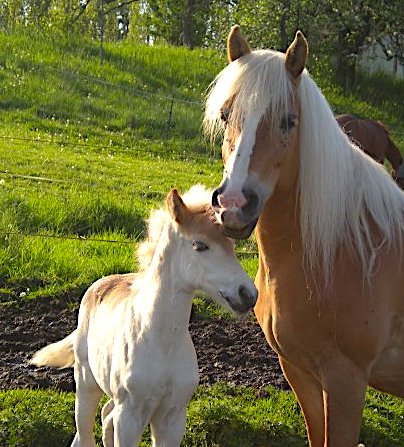
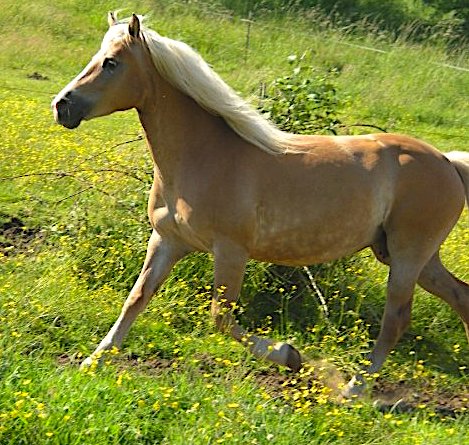
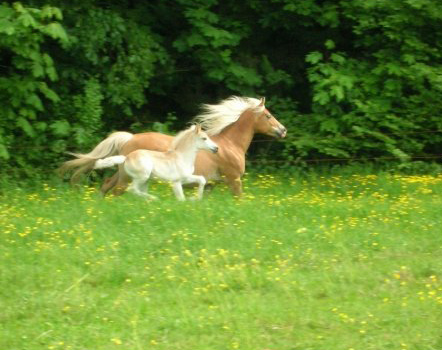
thank you to Lea Gibson Lozano and Emily Vander Haak for their photos of Belinda and her babies

Hard to Reach

Hard to reach, so you yank your clothes
getting at it—the button at your neck,
the knotted shoe. You snake your fingers in
until your nails possess the patch of skin
that’s eating you. And now you’re in the throes
of ecstasy, eyes lolling in your skull,
as if sensing the first time the joy one takes
                     in being purely animal.

             It’s so good to have a scratch,
though isn’t it a drag living like this,
jounced on a high wire of impulses,
every wish the same programmed response
to another signal passed from cell to cell,
amounting in the end to a distraction—
if truth be told—from rarer things, thoughts free
                     from the anchor-chain of self?

~David Yezzi from “Itchy”

There is almost nothing more frustrating than having an itch you can’t reach. It is hard to think of anything else; you become entirely immersed in that sensation and the need to relieve it. It’s almost as difficult as stifling a yawn or trying to prevent a sneeze. It becomes literally painful: some things simply can’t be stopped.

So scratching an itch becomes the most important thing in the moment. And having done finally done it, you can move on to other things in your day and not think about it again.

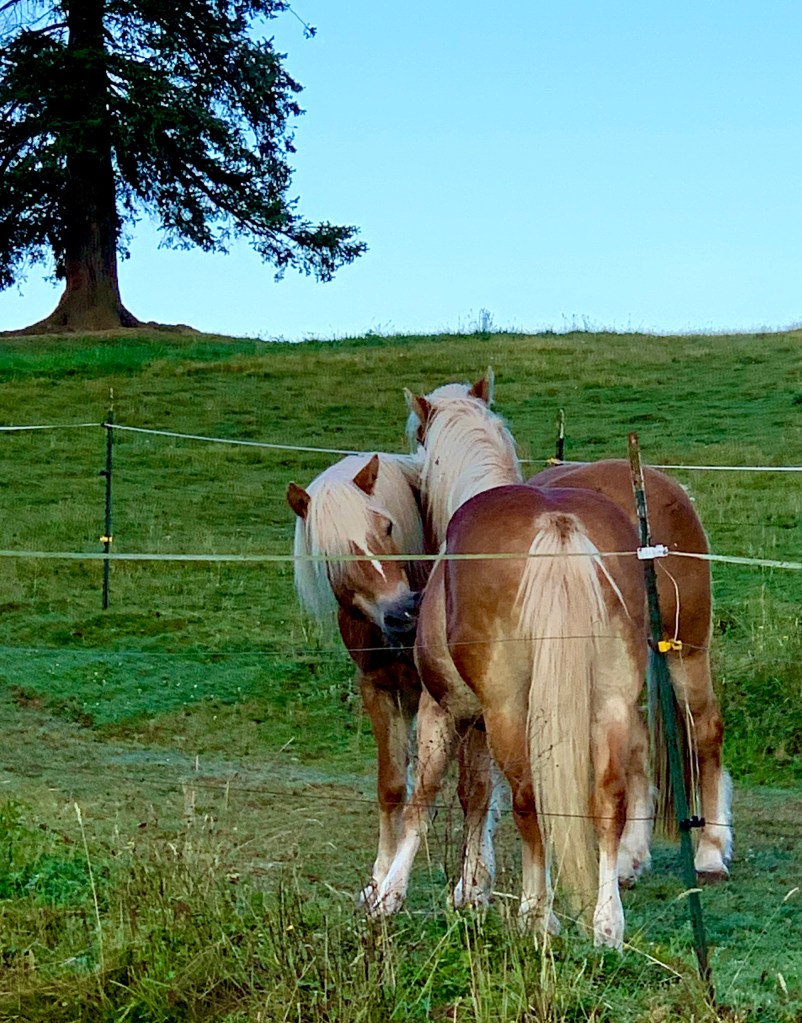
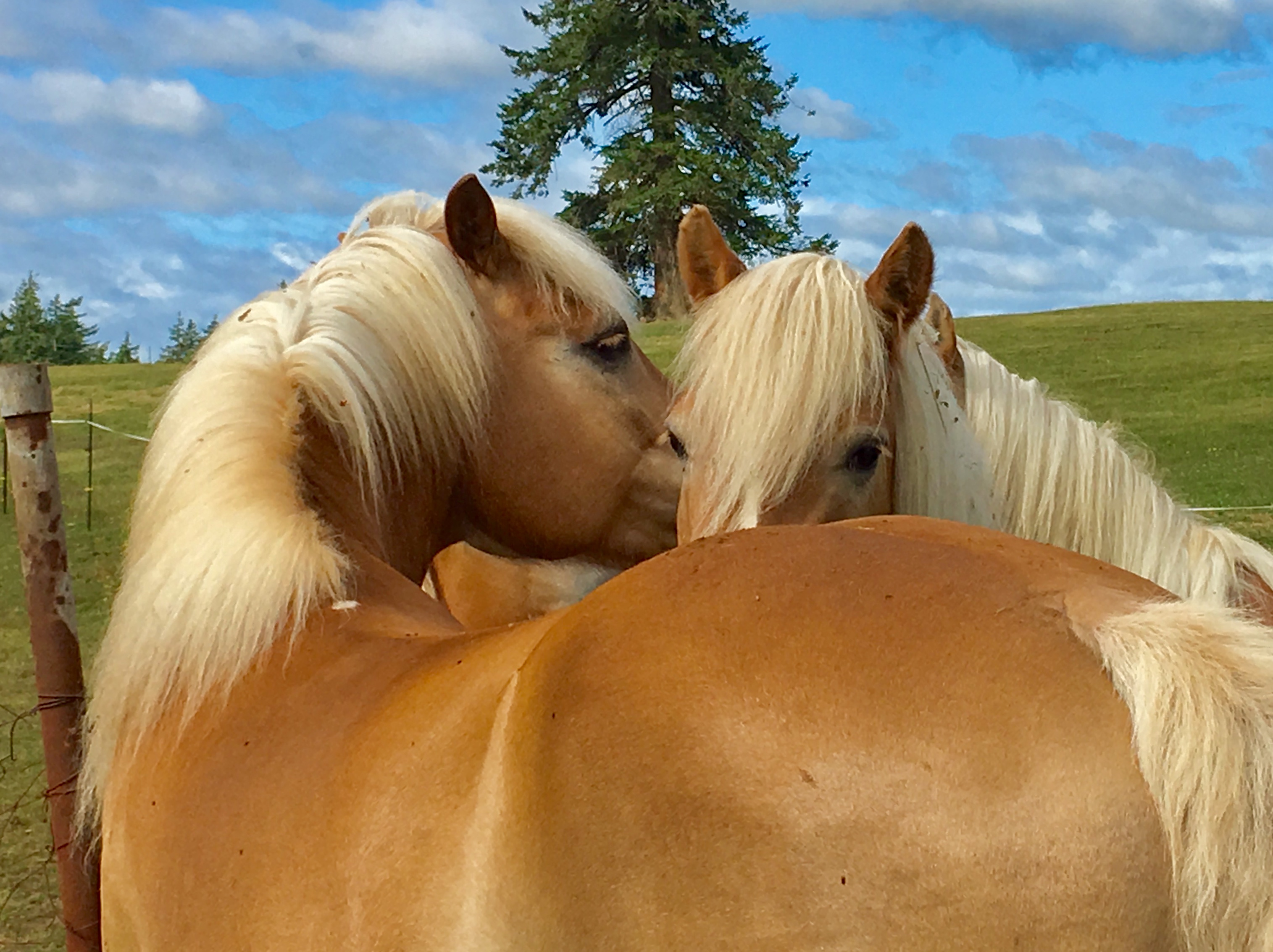
So when the itch is hard to reach, it is surely a blessing to have a mama or close buddy who will scratch it for you. In fact, there is hardly anything as wonderful as someone who will be on the look out for your moments of distraction and discomfort and without even being asked, take care of it for you.

And to be really in sync, you’ll find their itch to scratch at the same time. I knew “scratch my back, and I’ll scratch yours” must have come from somewhere — just out in my back field.
Quid pro quo.

Ancestral Wanderlust

Because I have come to the fence at night,
the horses arrive also from their ancient stable.
They let me stroke their long faces, and I note
in the light of the now-merging moon

how they, a Morgan and a Quarter, have been
by shake-guttered raindrops
spotted around their rumps and thus made
Appaloosas, the ancestral horses of this place.

Maybe because it is night, they are nervous,
or maybe because they too sense
what they have become, they seem
to be waiting for me to say something

to whatever ancient spirits might still abide here,
that they might awaken from this strange dream,
in which there are fences and stables and a man
who doesn’t know a single word they understand.

~Robert Wrigley “After a Rainstorm” from Beautiful Country

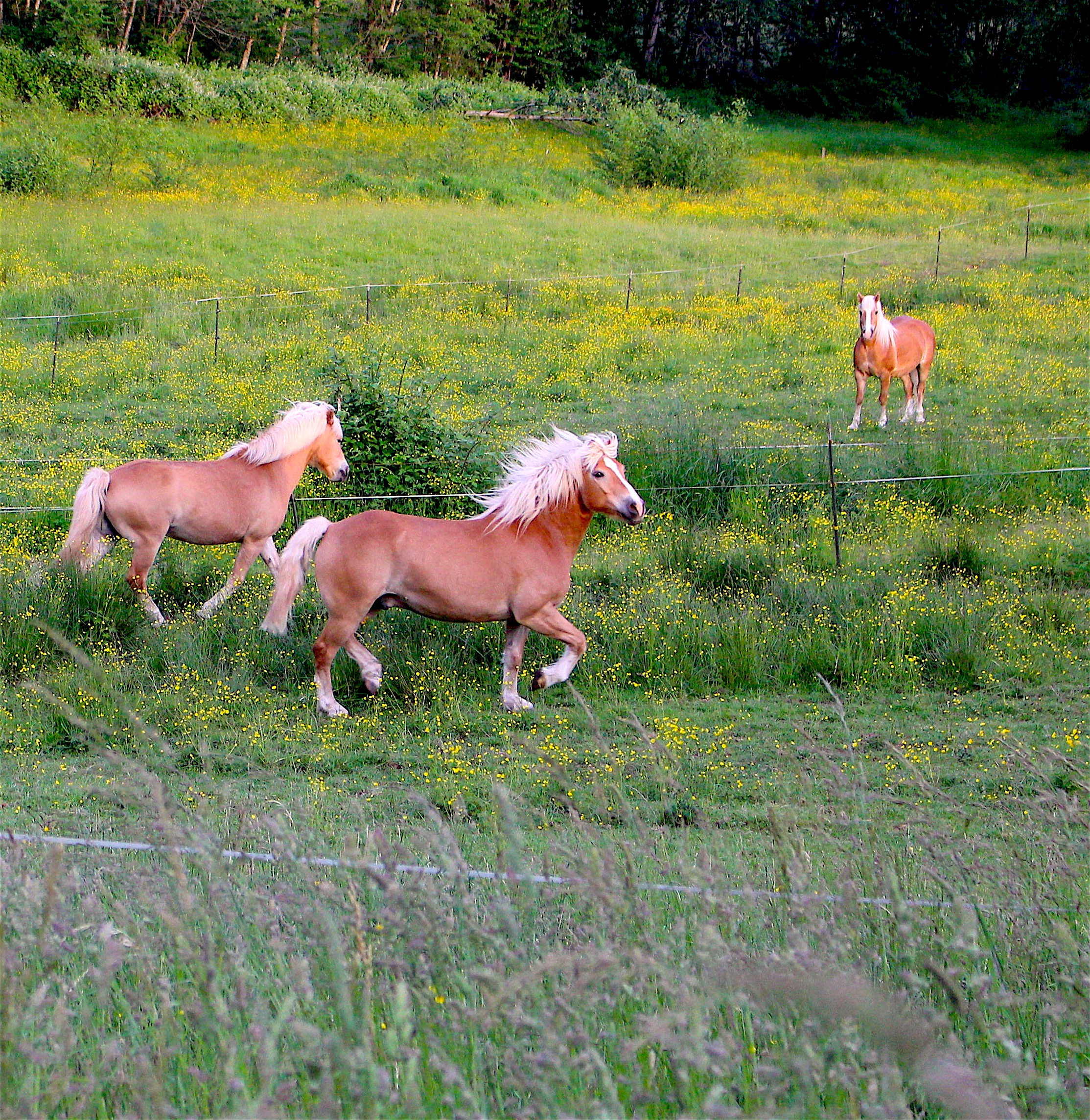
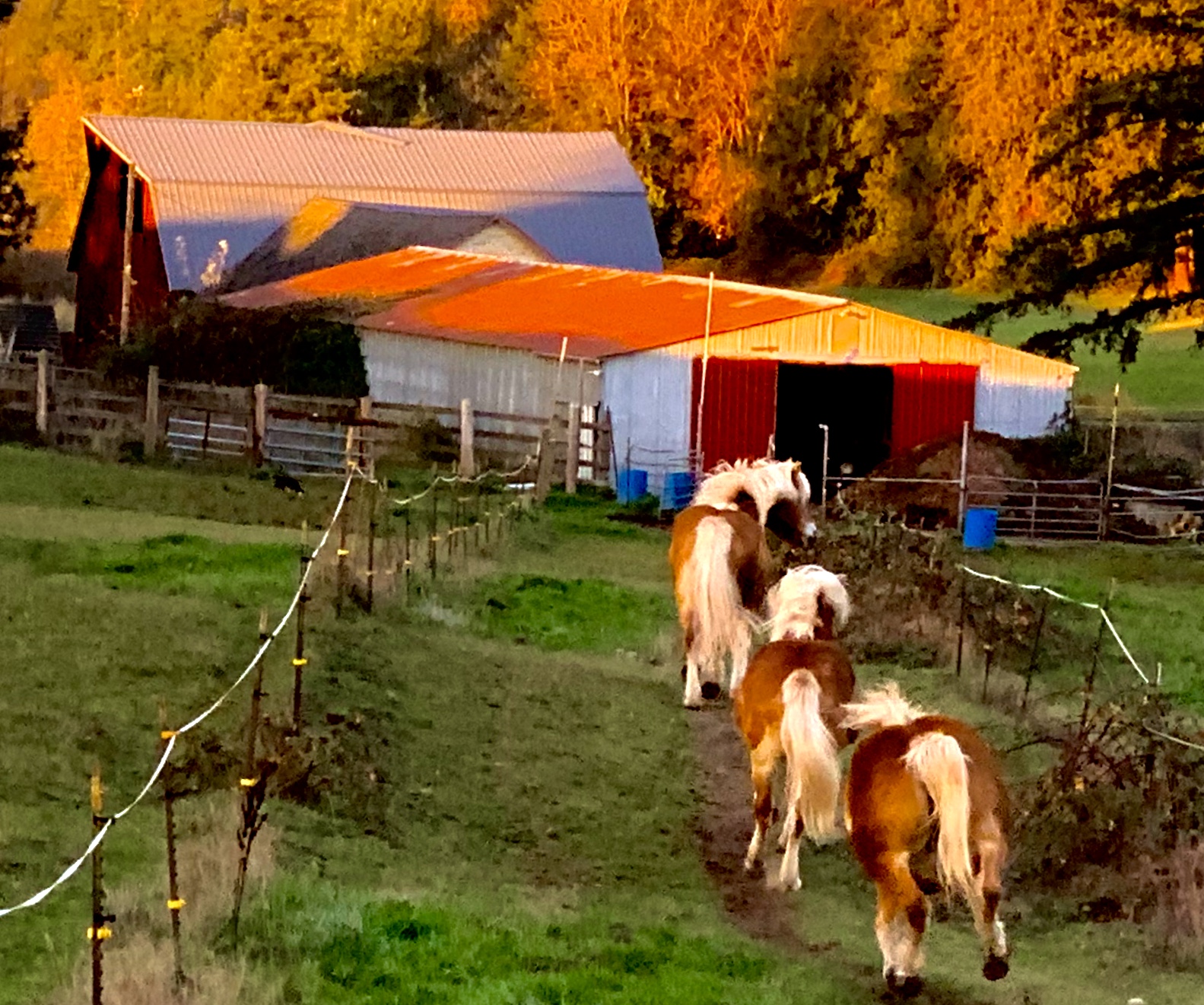
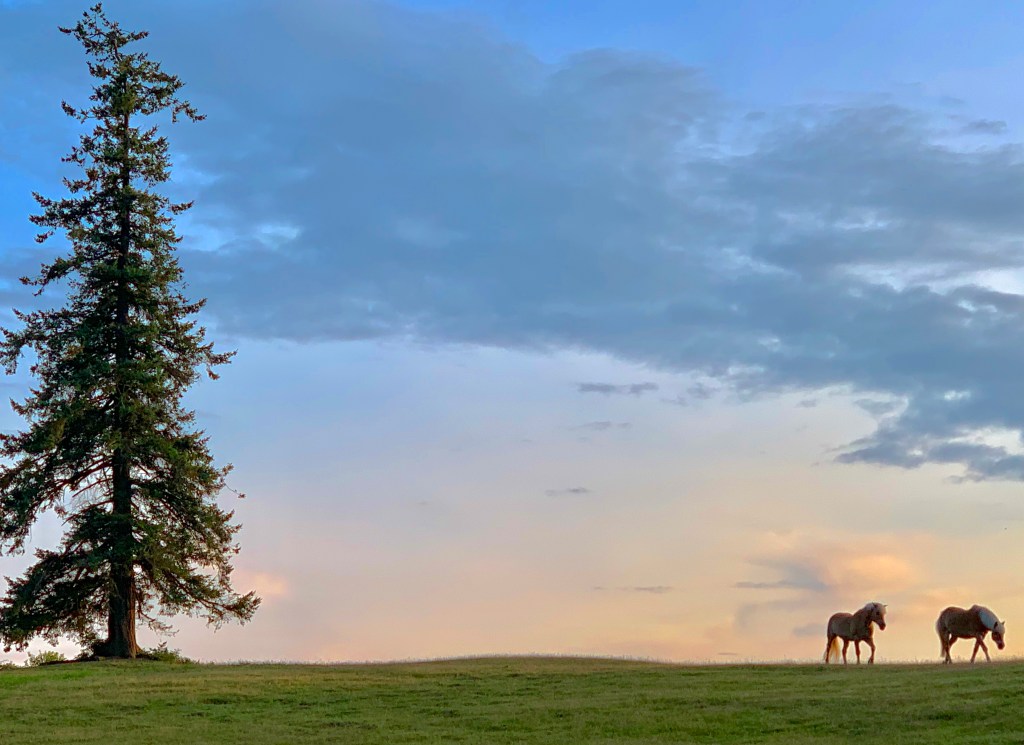
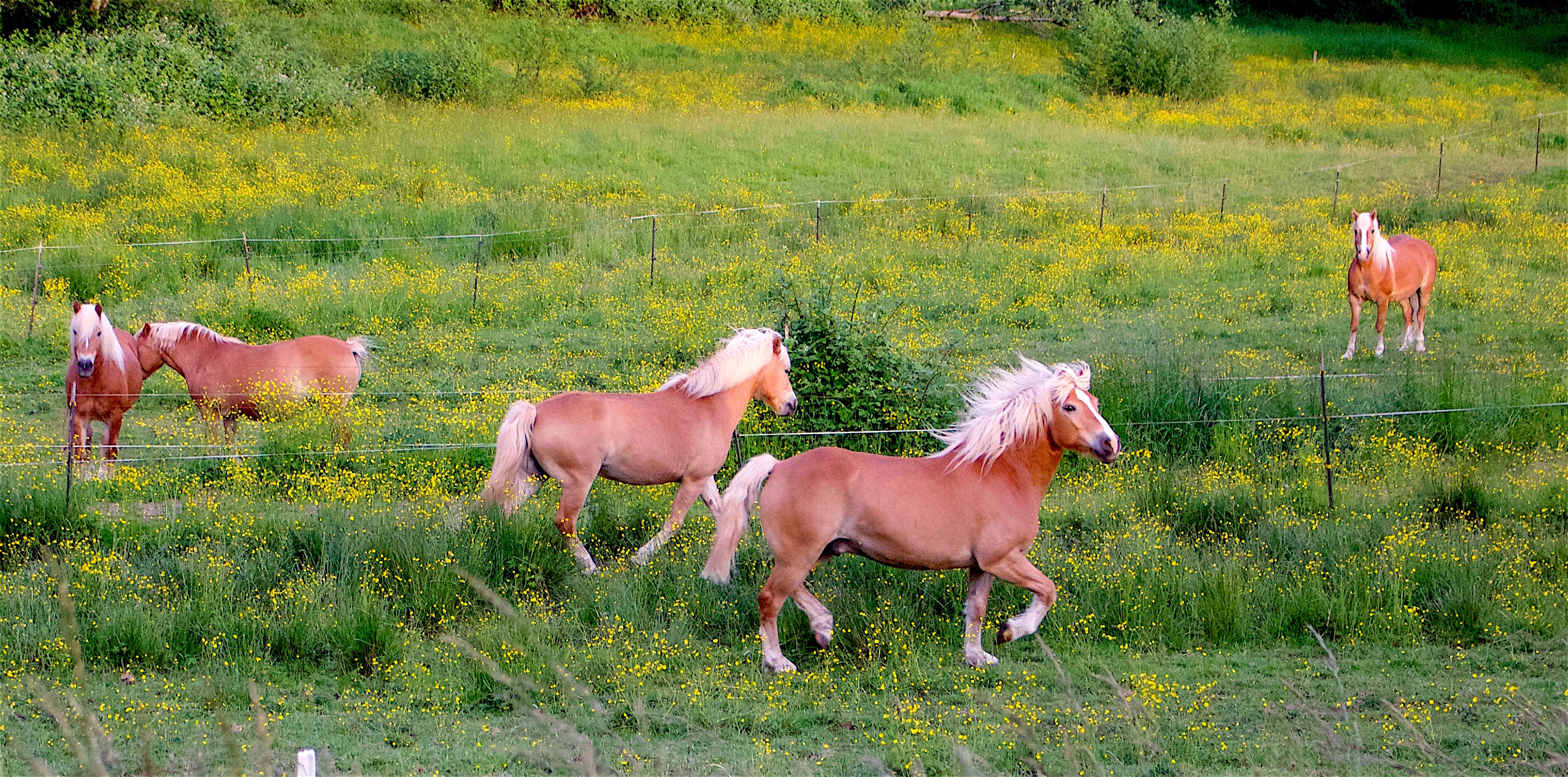
Haflinger horses must have a migration center in their brain that tells them that it is time to move on to other territory, a move based on quality of forage, the seasons, or maybe simply a sudden urge for a change in scenery. I imagine, over hundreds of years of living in the rather sparse Alpen meadows, they needed to move on to another feeding area enmasse on a pretty regular basis, or if the weather was starting to get crummy. Or perhaps the next valley over had a better view, who knows? Trouble is, my Haflingers seem to have the desire to “move to other pastures” even if the grass in their own territory is plentiful and the view is great. And there doesn’t seem to be much in the way of natural or man-made barrier that will discourage them.
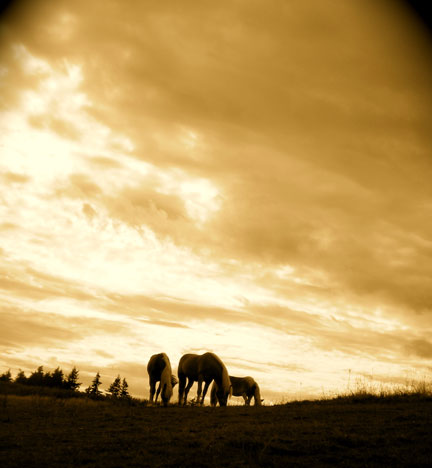
I have a trio of geldings (the “Three Musketeers”) who are particularly afflicted with wanderlust. There is not a field yet that has held them when they decide together that it is time to move on. We are a hotwire and white tape fenced farm–something that has worked fairly well over the years, as it is inexpensive, easily repaired and best of all, easily moved if we need to change the fencing arrangement in our pasture rotation between five different 2 acre pastures. Previous generations of Haflingers have tested the hotwire and learned not to bother it again. No problem. But not the Three Musketeers.
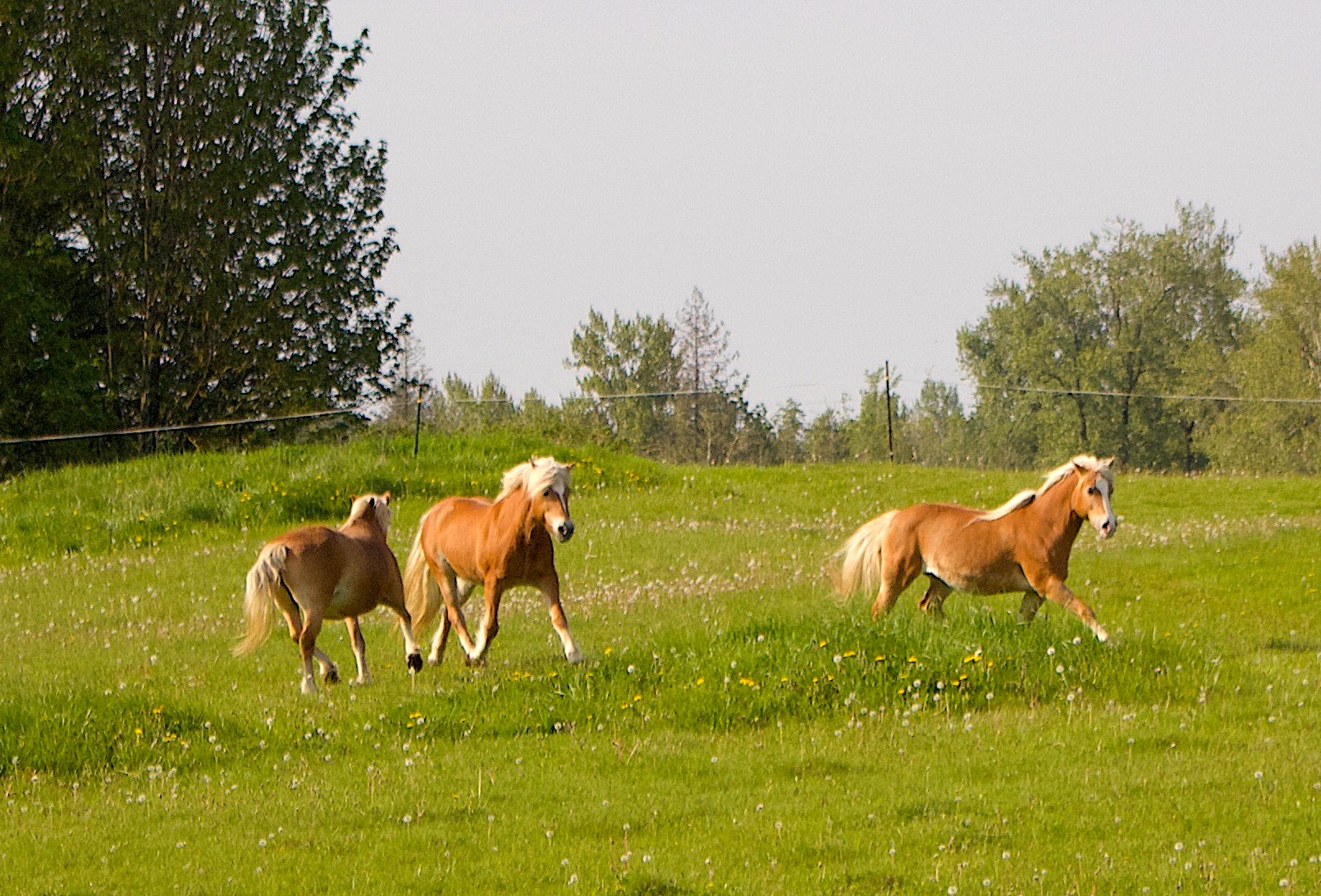
They know when the wire is grounding out somewhere, so the current is low. They know when the weather is so dry that the conduction is poor through the wire. They know when I’ve absent mindedly left the fencer unplugged because I’ve had someone visit and we wanted to climb unshocked through the fences to walk from field to field. These three actually have little conferences out in the field together about this–I’ve seen them huddled together, discussing their strategy, and fifteen minutes later, I’ll look out my kitchen window and they are in another field altogether and the wire and tape is strewn everywhere and there’s not a mark on any of them. Even more mysteriously, often I can’t really tell where they made their escape as they leave no trace–I think one holds up the top wire with his teeth and the others carefully step over the bottom wire. I’m convinced they do this just to make me crazy.

Last night, when I brought them in from a totally different field from where they had started in the morning, they all smirked at me as they marched to their stalls as if to say, “guess what you have waiting for you out there.” It was too dark to survey the damage last night but I got up extra early to check it out this morning before I turned them out again.

Sure enough, in the back corner of the field they had been put in yesterday morning, (which has plenty of grass), the tape had been stretched, but not broken, and the wires popped off their insulators and dragging on the ground and in a huge tangled mass. I enjoyed 45 minutes of Pacific Northwest cloudy morning putting it all back together. Then I put them out in the field they had escaped to last night, thinking, “okay, if you like this field so well, this is where you’ll stay”.

Tonight, they were back in the first field where they started out yesterday morning. Just to make me crazy. They are thoroughly enjoying this sport. I’m ready to buy a grand poobah mega-wattage fry-their-whiskers fence charger.

But then, I’d be spoiling their fun and their travels. As long as they stay off the road, out of our garden, and out of my kitchen, they can have the run of the place. I too remember being afflicted with wanderlust, long long ago, and wanting to see the big wide world, no matter what obstacles had to be overcome or shocks I had to endure to get there. And I got there after all that trouble and effort and realized that home was really where I wanted to be. Now, prying me away from my little corner of the world gets more difficult every year. I hope my Haflinger trio will eventually decide that staying home is the best thing after all.

Pounding the Earth

Nothing approaches a field like me. Hard
gallop, hard chest – hooves and mane and flicking
tail. My love: I apprehend each flower,
each winged body, saturated in a light
that burnishes. I would make a burnishing 
of you, by which I mean a field in flower,
by which i mean, a breaching – my hands
making an arrow of themselves, rooting
the loosened dirt. I would make for you
the barest of sounds, wing against wing,
there, at the point of articulation. Love, 
I pound the earth for you. I pound the earth. 

~Donika Kelly (2017) “Love Poem: The Centaur” from Bestiary

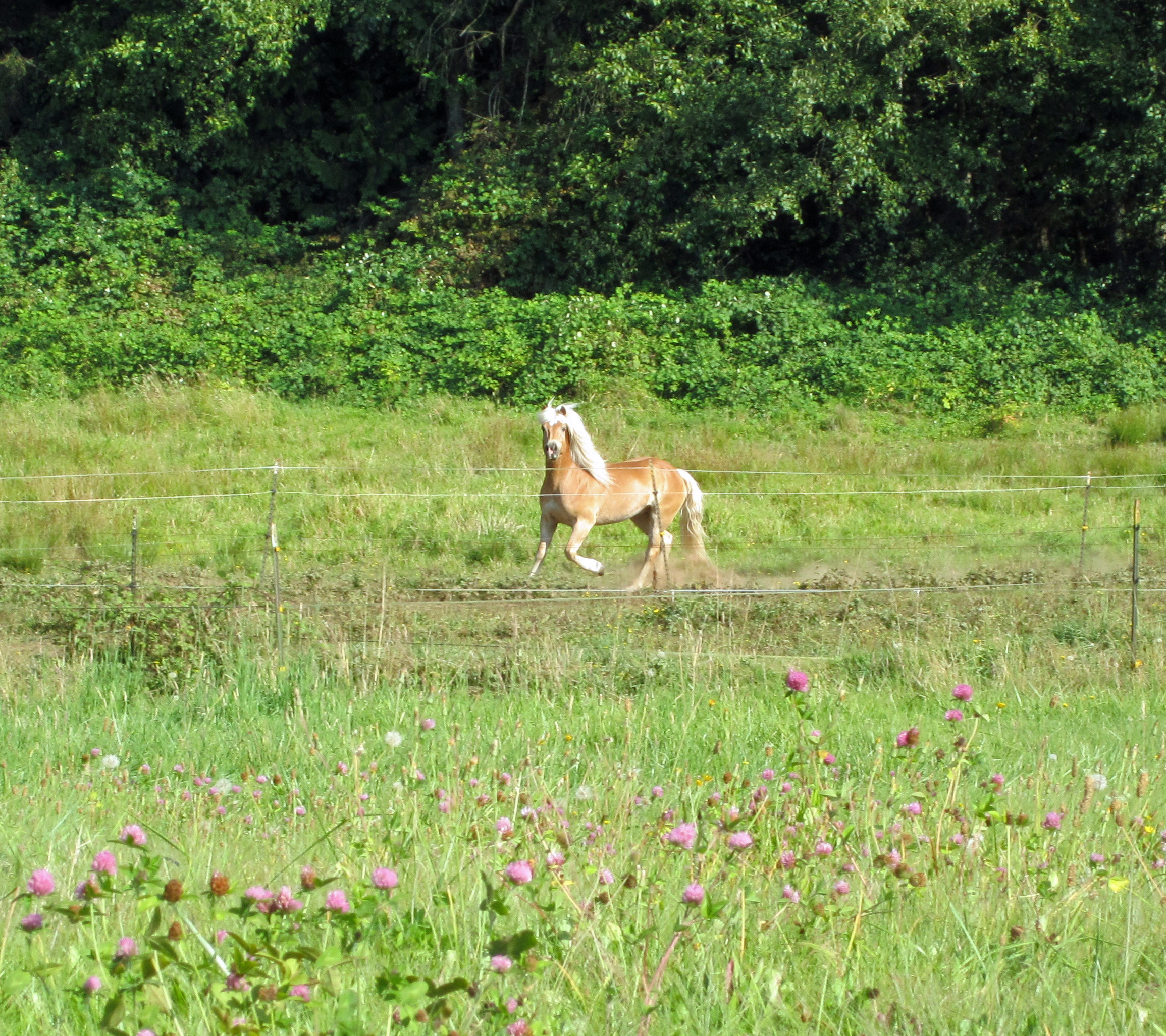
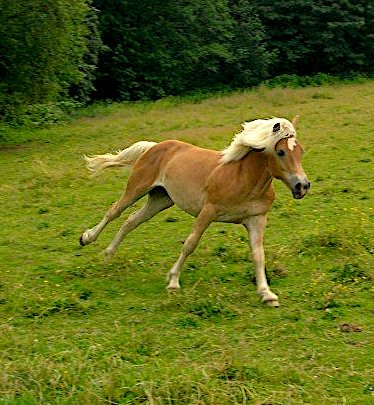
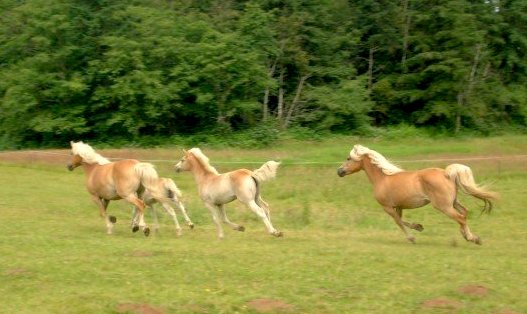
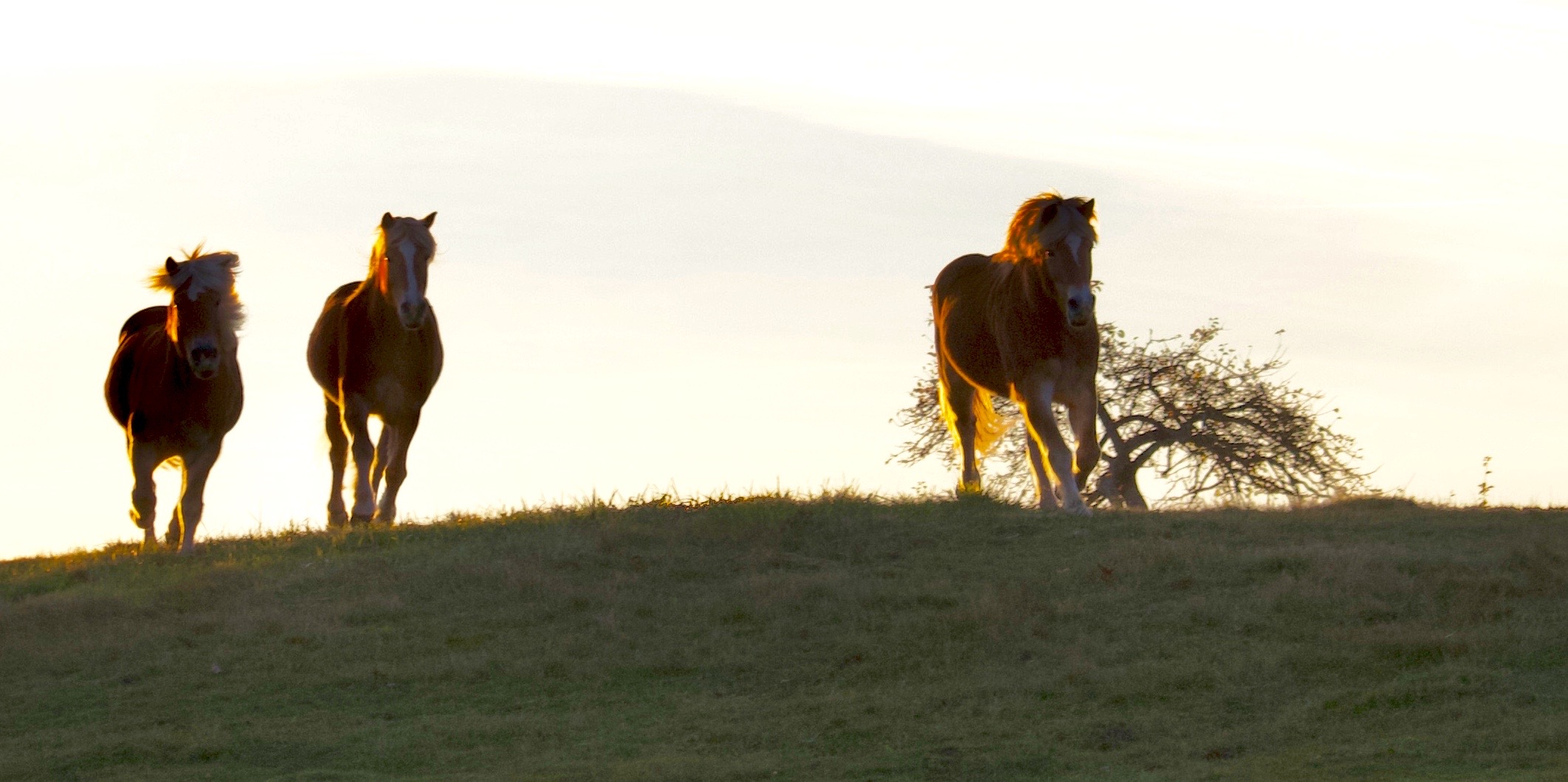
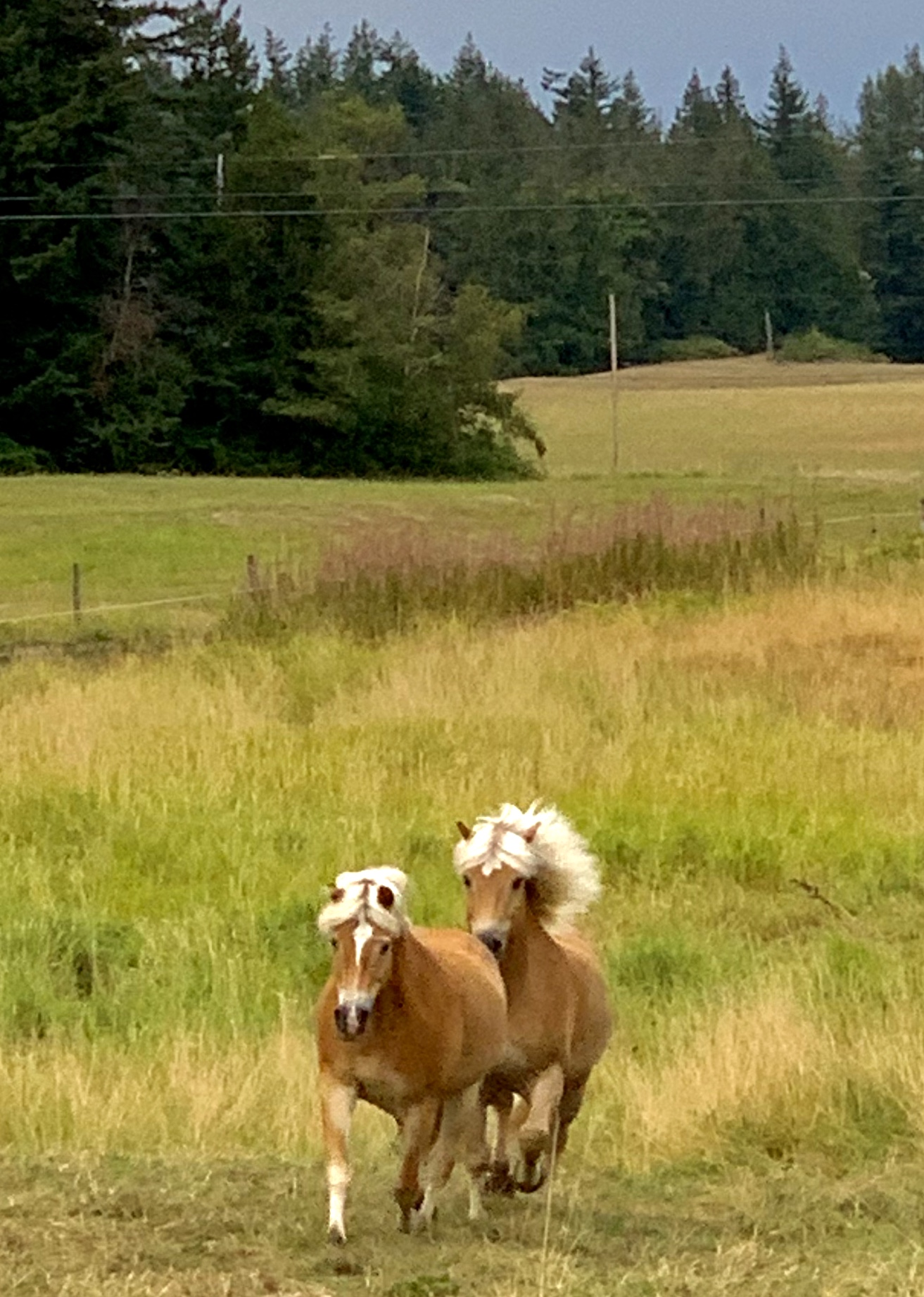
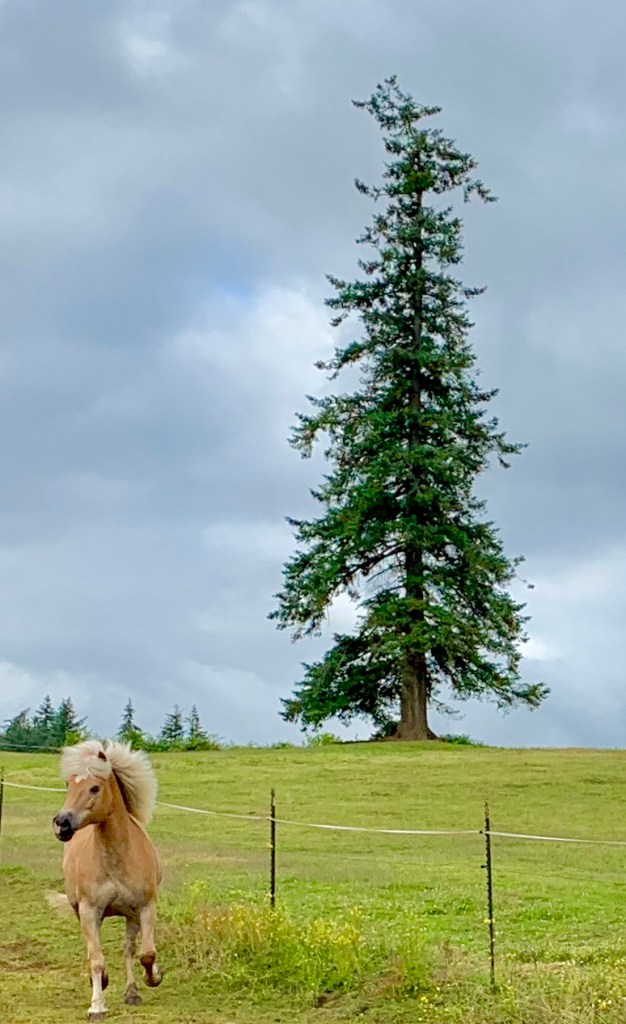
When Haflingers gallop in the field, it sounds like thunder as their hooves pound the earth. It can be a particularly ominous sound, especially in the middle of the night when the pounding hooves are going past our bedroom window which means only one thing: their field gate or the barn door has been breached. Haflingers are also Houdinis.

Their hooves may hug the ground, treading clover blossoms and blades of grass but I can see invisible wings as I watch them run. Their manes and tails float free even when the rest of their bodies are entirely earth-bound.

I know most of the time I move ponderously over the earth as well leaving my footprints behind. Some days I feel literally tethered to the ground, with no lightness of being whatsoever.

But once I breach the gate, I grow wings. The ground cannot hold me any longer and it rises to meet me as I fly.

Reflecting Stars

Two whistles, one for each,
and familiar sounds draw close in darkness—
cadence of hoof on hardened bottomland,
twinned blowing of air through nostrils curious, flared.
They come deepened and muscular movements
conjured out of sleep: each small noise and scent
heavy with earth, simple beyond communion…

…and in the night, their mares’ eyes shine, reflecting stars,
the entire, outer light of the world here. 
~Jane Hirschfield from “After Work”

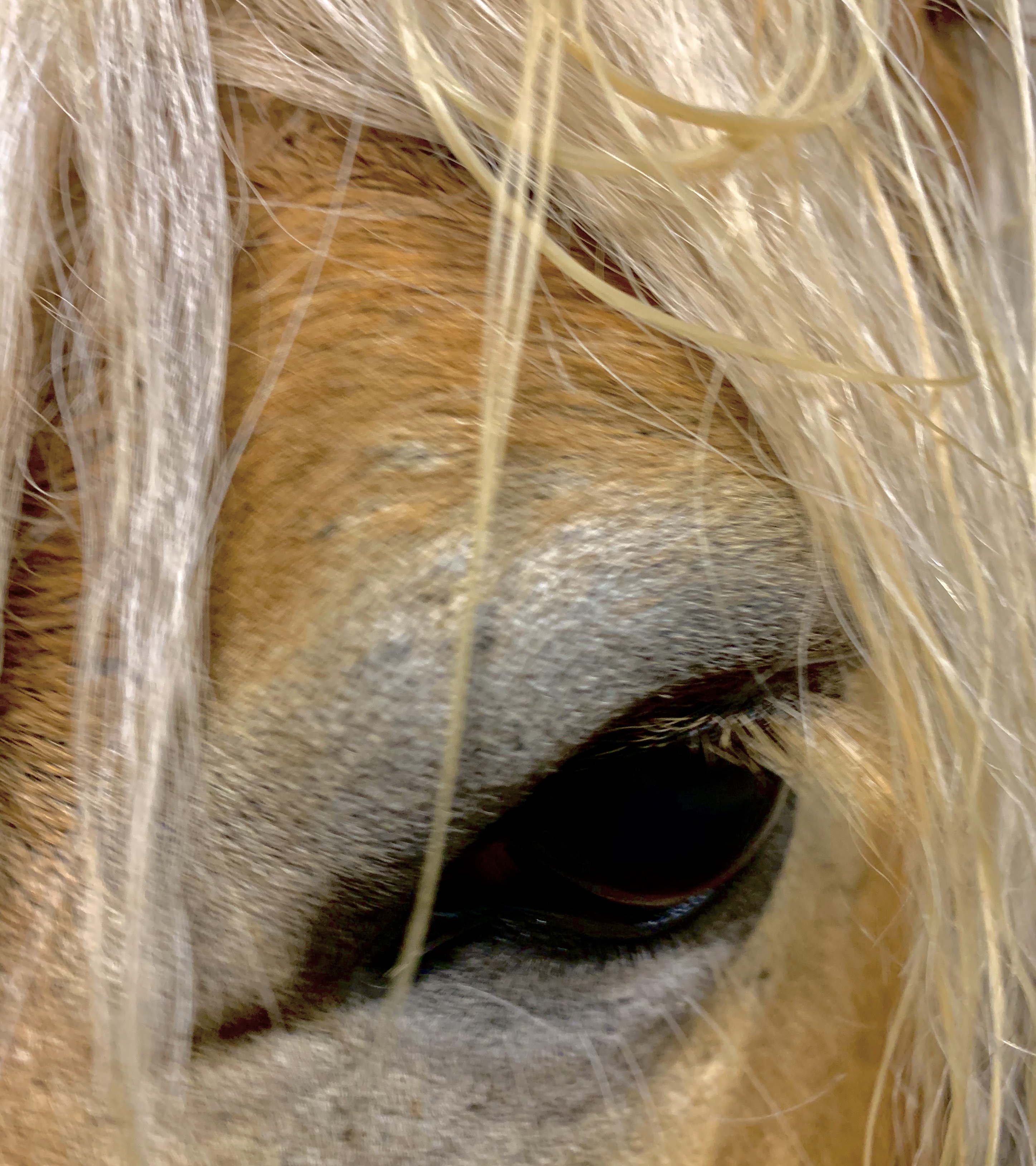
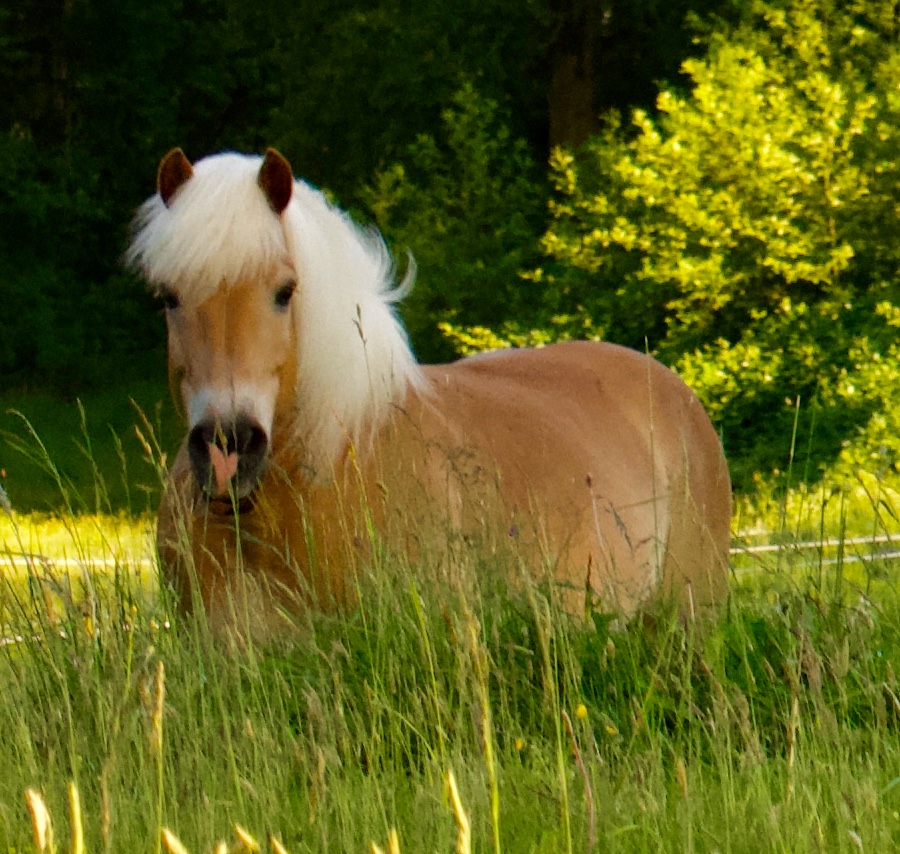
It’s tempting to fall headfirst into their fathomless well –
Their eyes are what rivet me as they search my own,
This retinal magnet drawing me into
Such incalculable depths.

Yet I’m merely reflected like starlight;
Only dancing on this mirrored surface
When I long to dive deep to understand what they see in me:
To be so lost I must be found.

Casting All Your Cares

Cast all your anxiety on him because he cares for you. 1Peter 5:7

In late May, on our farm,  there is only a brief period of utter silence during the dark of the night.  Up until about 2 AM, the spring peepers are croaking and chorusing vigorously in our ponds and wetlands, and around 4 AM the diverse bird song begins in the many tall trees surrounding the house and barnyard.

In between those bookend symphonies is stillness–usually.

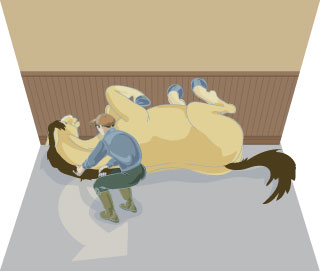
I woke too early this morning aware of something being unstill.  It was an intermittent banging, coming from the barn.  I lay in bed, trying to discern the middle of the night noise that could be a sign of a major problem, like a horse stuck up against a stall wall or “cast” in horseman’s parlance,  or simply one of my water-bucket-banging geldings who enjoys nocturnal percussion.

This was not sounding like a bucket drum set.  It was emphatic hooves frantically banging against metal walls.

Throwing on sweats and boots, I head out the back door into the mere light of pre-dawn, dewy, with the birds just starting to rouse from sleep, the floral perfume of lingering apple blossoms heavy in the air.  Entering the barn, I throw on the lights and start to count the noses I can see in the stalls as I walk down the aisle~all present and accounted for until I get to the very end of the row.  No nose.   Down in the corner is one of our older mares on her side, too close to the wall, her feet askew up against the boards and metal siding.  She nickered low to me, and my entering the stall sent her into a renewed effort to right herself, but all she could do was scrabble against the wall, digging an even bigger hole beneath her body.

This has happened infrequently over our 35 years of owning horses, usually when a horse is rolling to scratch their back and rolls too close to the wall, and becomes lodged there.  Haflingers, who have a fairly round conformation, are a bit prone to being cast.  Our older barn,  with dirt floors, is particularly likely to having this happen, as depressions in the floor where horses have been digging end up becoming deeper and trap a hapless horse that was nonchalantly rolling.  The horse literally is trapped like a turtle on its back.

Righting a 1000 lb. horse that is frantically flailing and struggling is not a particularly easy or safe task.  Thankfully Haflingers tend to be pretty sensible in this situation and will calm when spoken to and be reassured we’re trying to help.  Carefully, I threw and looped a rope around each lower leg, and with help from the man of the house, we were able to pull her back over, and then jump out of her way quickly.  She got up, shook herself off and immediately asked for breakfast–a good sign this was not a horse in distress or colicking with abdominal pain.

So our day started early.

I hope when I find myself trapped in a hole of my own making, when I’ve been careless about watching where I’m heading and find myself helpless and hopeless with no where and no way to turn, someone will hear my struggles and come rescue me.  I promise not to kick out or bite,  but to wait patiently, in gratitude, for such gracious liberation.  

My cares will be cast upon my rescuer.

And then please, offer me breakfast.

John 21: 12 – Jesus said to them, “Come and have breakfast.”

Always Falling

I’ve fallen many times:
the usual stumbles
over secret schoolgirl crushes,
head-over-heels for teen heartthrobs.
I loved them all.

I’ve fallen so many times:
tripped down the aisle
over husband, daughter, sons.
Madly and deeply,
I love them all.

I’ve fallen again and again:
new friends, a mentor, a muse,
numerous books, a few authors,
four dear pups and a stranger, or two.
I loved them all.

I’ve fallen farther,
fallen faster,

now captivated, I tumble—
enthralled with my grandchildren.
I love them each, ever and all.
~Jane Attanucci, “Falling” from First Mud

photo by Nate Gibson

Oh, yes, I have fallen, falling over and over again in my sixty-five years.
I’ve lived life loving that which is large and small, long-lasting and short-lived, sometimes bearing the scars that can result.

When I fall, I fall hard: puppies, ponies, peonies – passions that infect my every day thoughts and my night-time dreams.

I have fallen literally: in too much of a rush to get to the church sanctuary on a rainy New Year’s Eve to play piano for worship, catching my toe and tumbling forward into cement steps, breaking open my forehead and requiring a few dozen stitches to pull me back together. Tripping over my feet in the barnyard while pulling a wheelbarrow load of hay, I landed hard, dislocating and fracturing my elbow.

I have fallen hard for both the frivolous and the serious. Once I’ve fallen, I can’t stop myself, whether it is collecting every poem written by a poet, scouting every painting by an artist, listening to every song by a composer, watching every episode in a TV series, reading (more than once) every book by an author (impatiently awaiting Diana Gabaldon’s ninth book now).

Most emphatically I fall hard in love with others – now over forty years with an incredible man who loves me back but thankfully manages to stay on his feet. I am devoted to loving, though from much too far away, our three children and their life partners.

But how would I know? How could I fathom? How is it possible?
I’ve fallen farther and faster, head over heels, scarred forehead to stiff elbow, in love with each grandchild as they have made their appearance in the world.

There is nothing like it, the feeling of knowing they will carry into their own lives the love I feel for them. Such love is neither frivolous or wasted passion: it expands exponentially long after I’ve fallen onto the ground to stay.

I love them all, each and every one. May they always know.

Using Both Hands

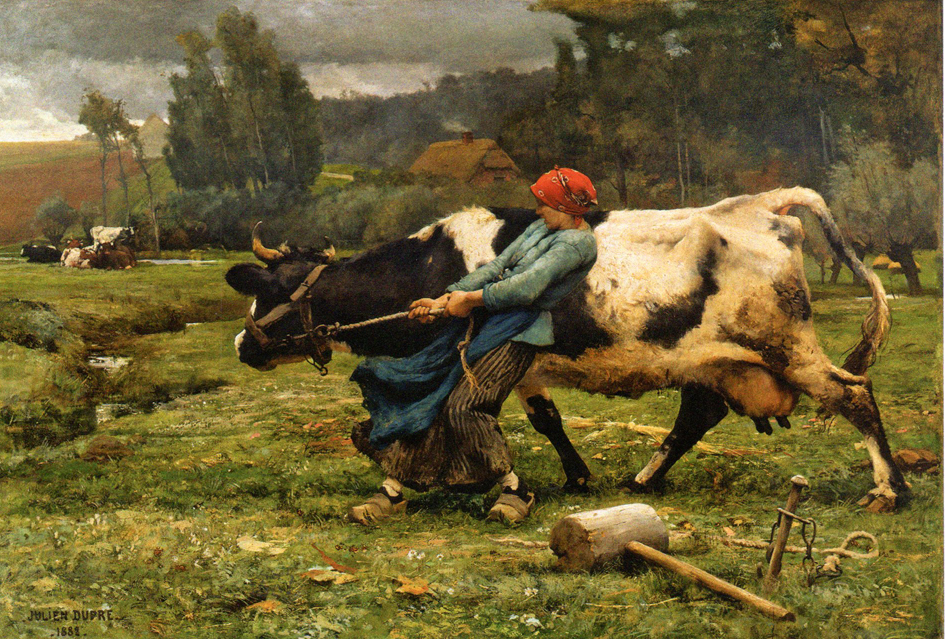
In the Pasture–Julien Dupre`

This is the grip, like this:
both hands. You can close
your eyes if you like. When I say,
“Now,” it’s time. Don’t wait
or it’s all over. But not
too soon, either—just right.
Don’t worry. Let’s go.
Both hands.

~William Stafford, “Survival Course” from Even in Quiet Places. 

I know well the feeling of pulling against a momentum determined to break free of the strength I can muster to keep it under control. This is how my life, personally and professionally has often felt over the decades. It seems I am barely hanging on, at times losing my grip, my feet braced but slipping beneath me.

The full-uddered cow in the painting is compelled to join her herd in a pastoral scene just across the creek, but the milk maid must resist the cow’s escape. For the cow’s benefit and comfort, she must be milked. The cow has another agenda. She has snapped her rope tie, almost pulled up the stake, and in a show of strength and determination, the maid braces to pull a much larger animal around to retie her and restore things to how they were.

The action suggests the maid may succeed, but the cow’s attention is directed far afield. She doesn’t even feel the tug on her halter. We’re not fully convinced the cow won’t suddenly pull loose and break away from the maid’s grip, leaping the stream, tail raised straight in the air like a flag of freedom.

Right now, as spring advances rapidly with grass growing thick in the pastures, our horses smell that richness in the air. Sometimes this tug of war takes place when my plan is different than the horse’s. The fields are too wet for them to be out full time yet, so they must wait for the appropriate time to be released to freedom. The grass calls to them like a siren song as I feed them their portion of last summer’s uninviting hay. They can pull my shoulders almost out of joint when they are determined enough, they break through fences in their pursuit of green, they push through stall doors and lift gates off hinges. Right now I’m barely an adequate counterbalance to the pursuit of their desires and I struggle to remind them I’m on the other end of their lead rope.

Each day I find I try too hard to restore order in my life, on the farm, in the house, in my work, with my family. I want to pull that cow back around, get her tied up and relieved of her burden of milk so that it can nurture and replenish others. Sometimes I hang on, only to be pulled roughly along on the ground, scraped and yelling in the process.

Sometimes I just let go and have to try to catch that cow all over again.

Once in awhile I successfully get the cow turned around and actually milked without a spill.

I’ve held on with both hands. I’m clasping them together in prayer and petition that I won’t get pulled into the mud. I’ve got a grip.
And maybe, just maybe, I will make cheese….

portrait of Dan’s mom, Emma Gibson, praying, by granddaughter Sara Larsen