The old church leans awry and looks quite odd, But it is beautiful to us, and God. ~Stephen Paulus “The Old Church”
The church knelt heavy above us as we attended Sunday School, circled by age group and hunkered on little wood folding chairs where we gave our nickels, said our verses, heard the stories, sang the solid, swinging songs.
It could have been God above in the pews, His restless love sifting with dust from the joists. We little seeds swelled in the stone cellar, bursting to grow toward the light.
Maybe it was that I liked how, upstairs, outside, an avid sun stormed down, burning the sharp- edged shadows back to their buildings, or how the winter air knifed after the dreamy basement.
Maybe the day we learned whatever would have kept me believing I was just watching light poke from the high, small window and tilt to the floor where I could make it a gold strap on my shoe, wrap my ankle, embrace any part of me. ~Maureen Ash “Church Basement”
There could be so much wrong with the church overall, comprised as it is with fallen people with broken wings, looking odd and leaning awry, determined to find flaws in each other’s doctrine, rituals, tradition, beliefs.
What is right with the church: who we pray to, why we sing, whose body we comprise so bloodied, fractured, yet healed despite our thoroughly motley messiness~ Our Lord of Heaven and Earth rains down His restless love upon our heads.
The time is ripe for looking back over the day, the week, the year, and trying to figure out where we have come from and where we are going to, for sifting through the things we have done and the things we have left undone for a clue to who we are and who, for better or worse, we are becoming. We cling to the present out of wariness of the past. But there is a deeper need yet, I think, and that is the need—not all the time, surely, but from time to time—to enter that still room within us all where the past lives on as a part of the present, where the dead are alive again, where we are most alive ourselves to turnings and to where our journeys have brought us. The name of the room is Remember—the room where with patience, with charity, with quietness of heart, we remember consciously to remember the lives we have lived.” ~Frederick Buechner from A Room Called Remember
He was a big man, says the size of his shoes on a pile of broken dishes by the house; a tall man too, says the length of the bed in an upstairs room; and a good, God-fearing man, says the Bible with a broken back on the floor below the window, dusty with sun; but not a man for farming, say the fields cluttered with boulders and the leaky barn.
A woman lived with him, says the bedroom wall papered with lilacs and the kitchen shelves covered with oilcloth, and they had a child, says the sandbox made from a tractor tire. Money was scarce, say the jars of plum preserves and canned tomatoes sealed in the cellar hole. And the winters cold, say the rags in the window frames. It was lonely here, says the narrow country road.
Something went wrong, says the empty house in the weed-choked yard. Stones in the fields say he was not a farmer; the still-sealed jars in the cellar say she left in a nervous haste. And the child? Its toys are strewn in the yard like branches after a storm—a rubber cow, a rusty tractor with a broken plow, a doll in overalls. Something went wrong, they say. ~Ted Kooser, “Abandoned Farmhouse” from Sure Signs: New and Selected Poems.
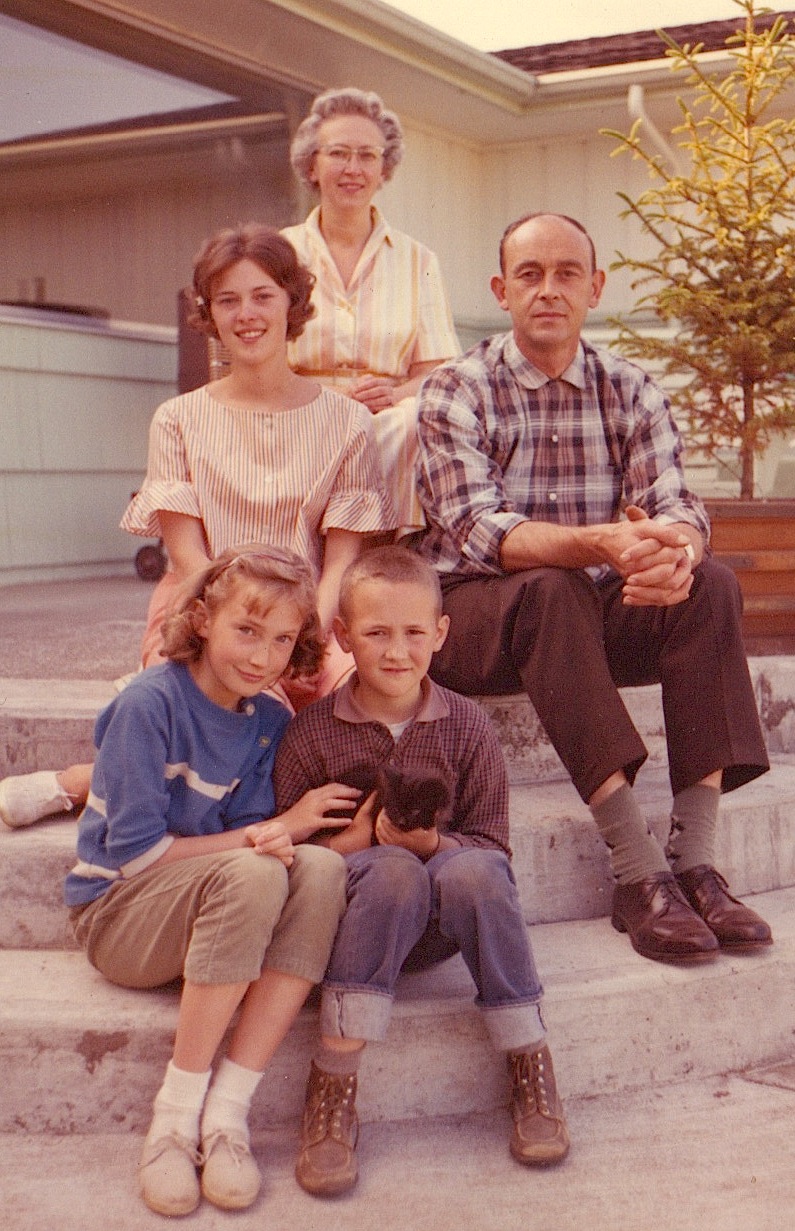
In 1959, when I was five years old, my father left his high school agriculture teaching position for a new supervisor position with the state. I didn’t understand at the time the reasons for his leaving his job after 13 years.
Our family moved from a large 3 story farm house in a rural community to a 1950’s newer rambler style home just outside the city limits of the state capitol. It was a big adjustment to move to a much smaller house without a basement or upper story, no garage, and no large haybarn nor chicken coop. It meant most things we owned didn’t make the move with us.
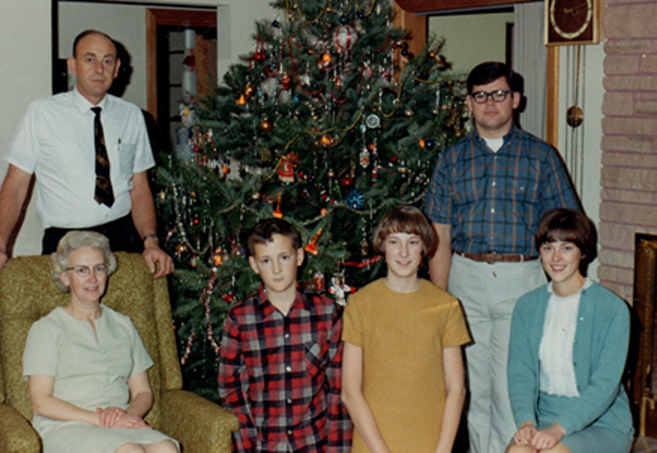
The rambler had two side by side mirror image rooms as the primary central living space between the kitchen on one side and the hallway to the bedrooms on the other. The living room could only be entered through the front door and the family room was accessed through the back door with a shared sandstone hearth in the center, containing a fireplace in each room. The only opening between the rooms had a folding door shut most of the year. In December, the door was opened to accommodate a Christmas tree, so it sat partially in the living room and depending on its generous width, spilled over into the family room. That way it was visible from both rooms, and didn’t take up too much floor space.
The living room, because it contained the only carpeting in the house, and our “best” furniture, was strictly off-limits. In order to keep our two matching sectional knobby gray fabric sofas, a green upholstered chair and gold crushed velvet covered love seat in pristine condition, the room was to be avoided unless we had company. The carpet was never to develop a traffic pattern, there would be no food, beverage, or pet ever allowed in that room, and the front door was not to be used unless a visitor arrived. The hearth never saw a fire lit on that side because of the potential of messy ashes or smoke smell. This was not a room for laughter, arguments or games and certainly not for toys. The chiming clock next to the hearth, wound with weighted cones on the end of chains, called out the hours without an audience.
One week before Christmas, a tree was chosen to fit in the space where it could overflow into the family room. I particularly enjoyed decorating the “family room” side of the tree, using all my favorite ornaments that were less likely to break if they fell on the linoleum floor on that side of the door.
It was as if the Christmas tree became divided, with a “formal” side in the living room and a “real life” face on the other side where the living (and hurting) was actually taking place.
The tree straddled more than just two rooms. Every year that tree’s branches reached out to shelter a family that was slowly, almost imperceptibly, falling apart, like the fir needles dropping to the floor to be swept away. Something was going wrong.
Each year since, the Christmas tree bearing those old ornaments from my childhood reminds me of a still room of mixed memories within me. I am no longer wary of the past, and when I sweep up the fir needles that inevitably drop, I no longer weep.
There’s coffee and pie with a widow from the church. Why do you sit in the back pew? she asks. I’m close enough, I say. Can I sit back there with you? I’ve always sat there, I tell her, with my same two friends, and their clicking oxygen pumps. One sat next to me for years, called herself my church girlfriend, who metastasized, telling me she was tired of waiting to die. Now, there’s just my 88-year-old friend, his pump echoing in the sanctuary, and there’s that empty space between us. I’d like to invite the widow to sit there, but I miss my dead friend’s laugh, her loving stories about her husband, and how we were always glad to see one another. I tell the widow all this. What if I just sat there? she asks. It’s a free country, I tell her, and she smiles. ~Bruce Pemberton “Autumn 2017” from Third Wednesday, (Vol. XI, no. 2, 2018)
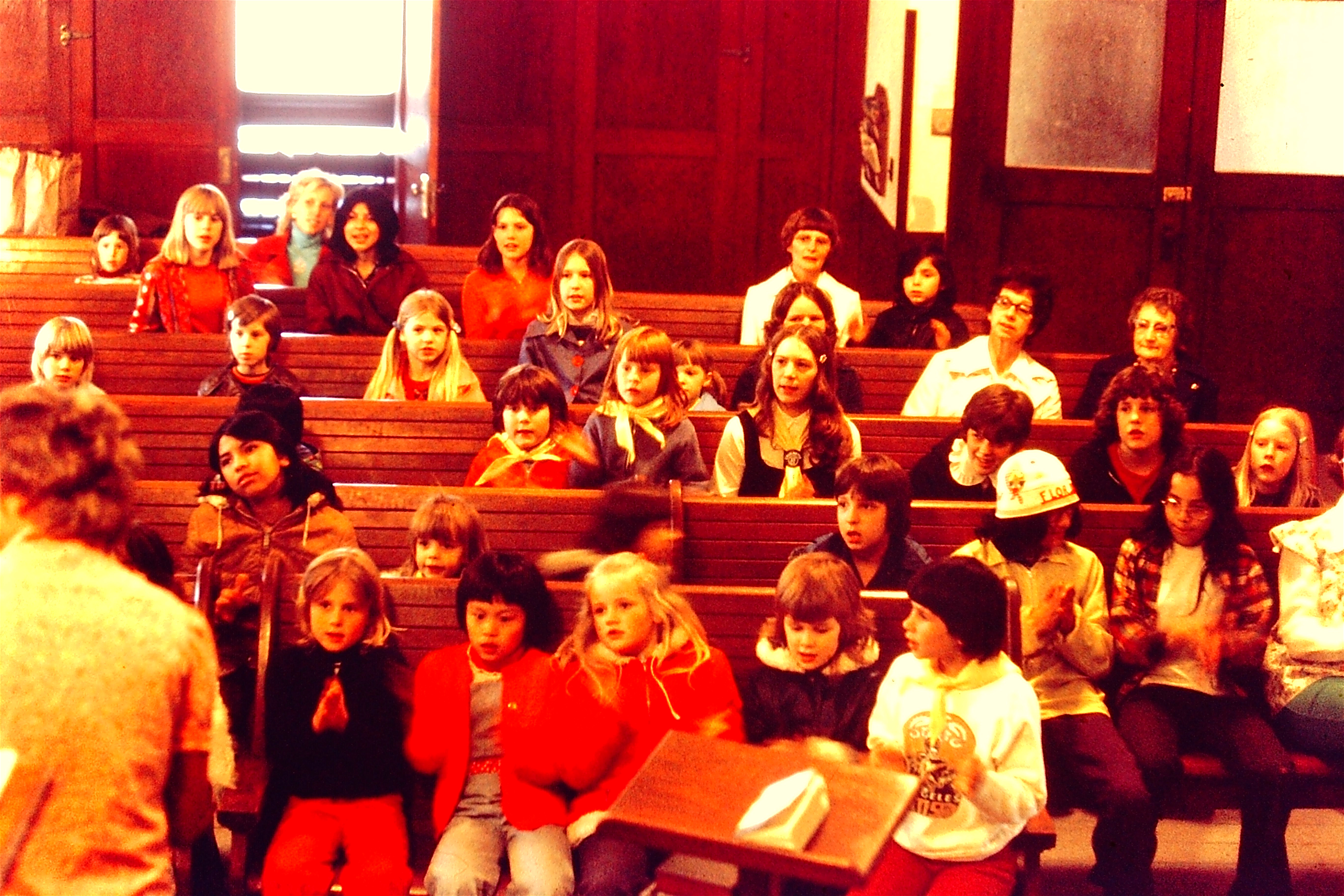
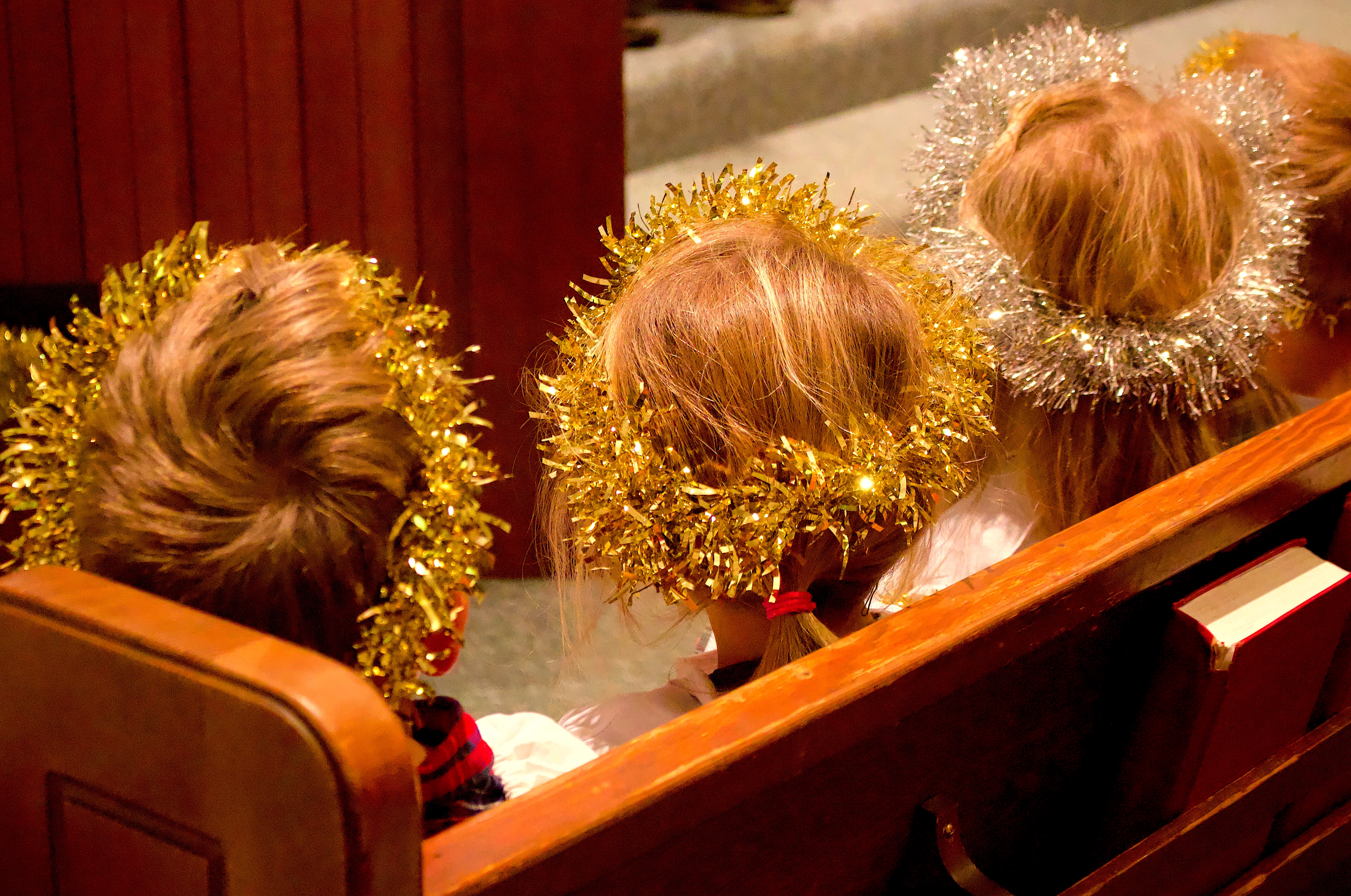
We used to occupy the back pew with our young family, figuring a wiggly child would be less disruptive if we stayed in the back. Our children would sing loud, draw pictures on index cards, take notes on the sermon and sometimes fall asleep under the bench. As they got older, we slowly made our way to the middle benches, and even sat in the very front when we walked into church late.
Sometimes we go sit in the back again for old times sake and find the most interesting group holding down those pews.
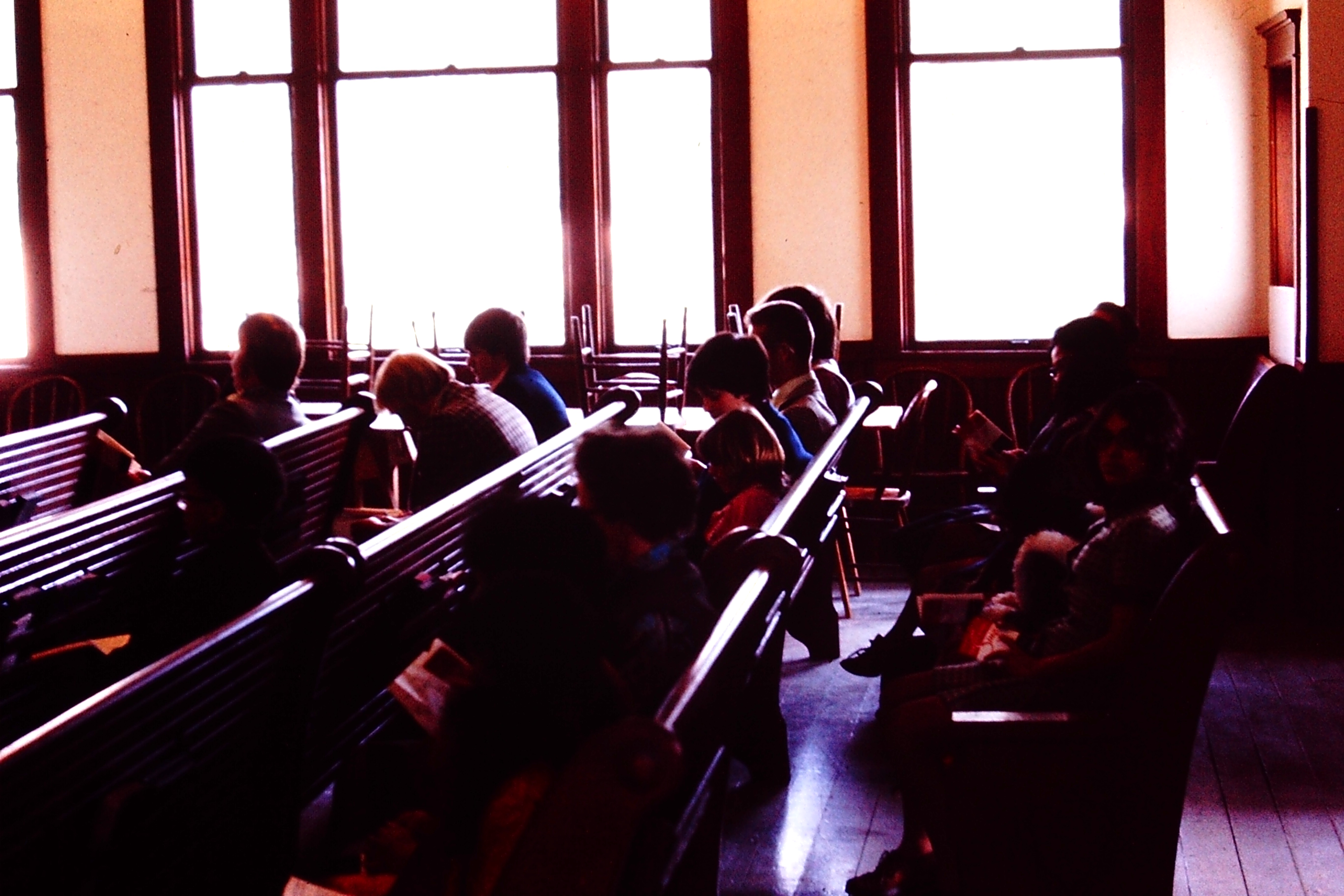
There is a fellow over ninety years old who still drives himself to church and he prefers the back because he can see everyone else who is in church without having to turn around. He decided the back was the place to be after seeing a 16 year old girl who always sat in the back pew bring her baby daughter to church for the first time, and how she was the center of a swarm of church ladies who came to oooh and aaah over the baby at the conclusion of the worship service. He told me he knew there was special grace and acceptance in that back bench.
It’s a loving and safe place to be. Everyone should try it sometime.
Gloomy night embraced the place Where the Noble Infant lay; The Babe looked up and showed his face, In spite of darkness, it was day. It was thy day, Sweet! and did rise Not from the east, but from thine eyes.
Welcome, all wonders in one sight! Eternity shut in a span; Summer in winter; day in night; Heaven in earth, and God in man. Great little one, whose all-embracing birth Lifts earth to heaven, stoops heaven to earth.
“…Christmas will come once again. The great transformation will once again happen. God would have it so. Out of the waiting, hoping, longing world, a world will come in which the promise is given. All crying will be stilled. No tears shall flow. No lonely sorrow shall afflict us anymore, or threaten.“ ~Dietrich Bonhoeffer in a sermon to a church in Havana, Cuba December 21, 1930
when this blessing comes, take its hand. Get up. Set out on the road you cannot see.
This is the night when you can trust that any direction you go, you will be walking toward the dawn. — Jan Richardson (author of Circle of Grace)
For God, who said, “Let light shine out of darkness,” has shone in our hearts to give the light of the knowledge of the glory of God in the face of Jesus Christ. 2 Corinthians 4: 6
On this longest night of the year, I look out the window eagerly hoping for a post-solstice reprieve from interminable darkness. I seek that promise of being led back into the light, even if it will take months to get there. It is a promise that keeps me going even if I can barely perceive the few minutes of extra daylight today. It is from the simple knowledge that things are changing, getting lighter and brighter, that I harvest hope.
God made light through His Word, not once but twice. In the beginning, He created the sun and the moon to penetrate and illuminate the creation of our hearts and our souls. In the stable He came to light the world from below as well as from above so those hearts and souls could be saved from self-destruction.
I am showered with His light even on the longest night of the year and forever more, lit from the glory of God reflected in the many faces of Jesus: as newborn, refugee seeking sanctuary, child teacher, working carpenter, healer, itinerant preacher, unjustly condemned, dying and dead, raised and ascended Son of God.
Let the dark days come as they certainly will. They cannot overwhelm me now that I’m lit from within, no matter how deeply the darkness oppresses.
I know His promise. I know His face. He knows I know.
What keeps the wild hope of Christmas alive year after year in a world notorious for dashing all hopes is the haunting dream that the child who was born that day may yet be born again even in us and our own snowbound, snowblind longing for him. ~Frederick Buechner from Secrets in the Dark
With the turn toward winter is the disappearance of the familiar world, of all that grows and thrives, of color and freshness, of hope in survival. Then there comes a moment of softness amid the bleak, a gift of grace and beauty, a glance of sunlight on a snowy hillside, a covering of low cloud puffs in the valley, a moon lit landscape, and I know the known world is still within my grasp because you have hold of me.
Heaven could not hold God. It is beyond my wildest hope He chose to dwell here, among us and within us. Imagine that.
Into this world, this demented inn, in which there is absolutely no room for him at all, Christ has come uninvited. But because he cannot be at home in it – because he is out of place in it, and yet must be in it – his place is with those others who do not belong, who are rejected because they are regarded as weak; and with those who are discredited, who are denied the status of persons, and are tortured, exterminated. With those for whom there is no room, Christ is present in this world. He is mysteriously present in those for whom there seems to be nothing but the world at its worst. ~Thomas Merton from Watch for the Light
God makes us happy as only children can be happy. God wants to always be with us, wherever we may be – in our sin, in our suffering and death. We are no longer alone; God is with us. We are no longer homeless; a bit of the eternal home itself has moved unto us. ~Dietrich Bonhoeffer
A Child in a foul stable, Where the beasts feed and foam; Only where He was homeless Are you and I at home;
To the end of the way of the wandering star, To the things that cannot be and that are, To the place where God was homeless And all men are at home. ~G.K. Chesterton from “The House of Christmas”
There have always been people living in boxes and tucked up against underpasses and under bridges. I’ve spent considerable time with those who come in from a bare existence outside when they are ill and need care, warmth and food. They would be offered a bed and protective shelter at discharge yet usually preferred to go back to the woods or street life they know, not trusting the gift of grace and mercy. They are so used to not belonging anywhere, they can’t imagine another way to live.
Homelessness has become an epidemic. Now we find tents lining urban sidewalks, and rundown RVs parked on streets with an attached generator. Cities are struggling to solve the dilemma of providing shelter for those who do want a different life, while moving those who don’t want to give up their piece of sidewalk.
We who have roofs over our heads are not so different, keeping our hearts safely out of God’s reach, preferring duct tape and baling twine to patch up our brokenness rather than accept His healing touch.
From our God, born homeless, comes a clear invitation to find home in Him. Rather than settling for a box and sleeping bag and tarps, there is a place built just for us, where we are safe and loved and wanted.
What we owned was piled on the bed and warmed the room with the smell of bodies, bleach, and dryer sheets. You, on one side, folded the colors and I, on the other, the whites. Between us, years, children, holes in the knees, stains.
What you folded became gifts, wrapped, too beautiful to open. I watched you work as I took sock after sock and married them. We knew that most of what we did would be undone, but it kept us coming back to the same bed, the same warm room. ~Jim Richards, “Laundry” from Mud Season Review #15
All day the blanket snapped and swelled on the line, roused by a hot spring wind…. From there it witnessed the first sparrow, early flies lifting their sticky feet, and a green haze on the south-sloping hills. Clouds rose over the mountain….At dusk I took the blanket in, and we slept, restless, under its fragrant weight. ~Jane Kenyon “Wash”
Twenty years ago the green square beyond our back door was webbed with lines on which I hung with wooden pegs my angels and my ghosts –white nightgowns winged in the wind, shrouds of tablecloths, shirts fluting their spooky sleeves, their dwindling tails — shadows of the lucid cloth moving like water on the grass.
Now we live over a basement dryer churning beneath a 40-watt bulb. The trap keeps filling with a gray lint as my cloths, my second skins, are dried out by the dialed minute. The air behind the house is empty of apparitions, epiphanies. Gone is the iron-fresh smell of damp linens praying their vapor to the sun. ~Luci Shaw “Evaporation” from Water Lines
We need to always be on the lookout for simple pleasures that keep us coming back for more again and again.
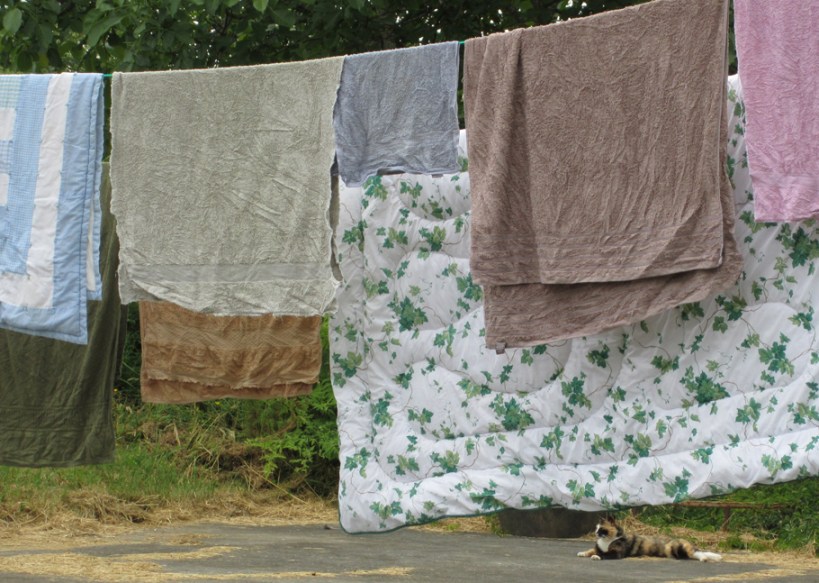
Clean laundry freshly dried on the clothesline is one of them. True, the towels and sheets are rougher when the wind has snapped them into shape rather than a rolling dryer drum with fabric softener sheets. The scent of the outdoors more than makes up for the sandpaper feel. I bury my face in the pile as I bring it inside to fold and put away.
Smoothing, folding, stacking, creating order- it will be undone and redone in merely a week, yet is such a comforting routine.
Even when there is disarray, when we are soiled and smelly, when we feel tossed into the dirty clothes hamper, we can be restored. Water and cleansing and wind bearing fresh air ready us to be folded and smoothed and stowed away until we are needed.
We don’t just keep coming back; we are called back. We are loved so much that dirty doesn’t matter because it always (always) can be made clean.
Passing down this story of Christ’s life, death, resurrection and ascension is not merely, or mainly, an exercise in cognition. Nor is it a divinely inspired game of telephone, where we simply whisper a message to the next generation through the ages.
Inevitably the story comes to us through ordinary people over dinner tables, at work, in songs, through worship, conflict, failure, repentance, ritual, liturgy, art, work and family. Christianity is something we believe, but it is also a practice. Central to our practice is what Christians call sacraments, where the mysteries of faith are manifest through the ordinary stuff of earth—water and skin, bread and teeth. ~Tish Harrison Warren from “True Story”
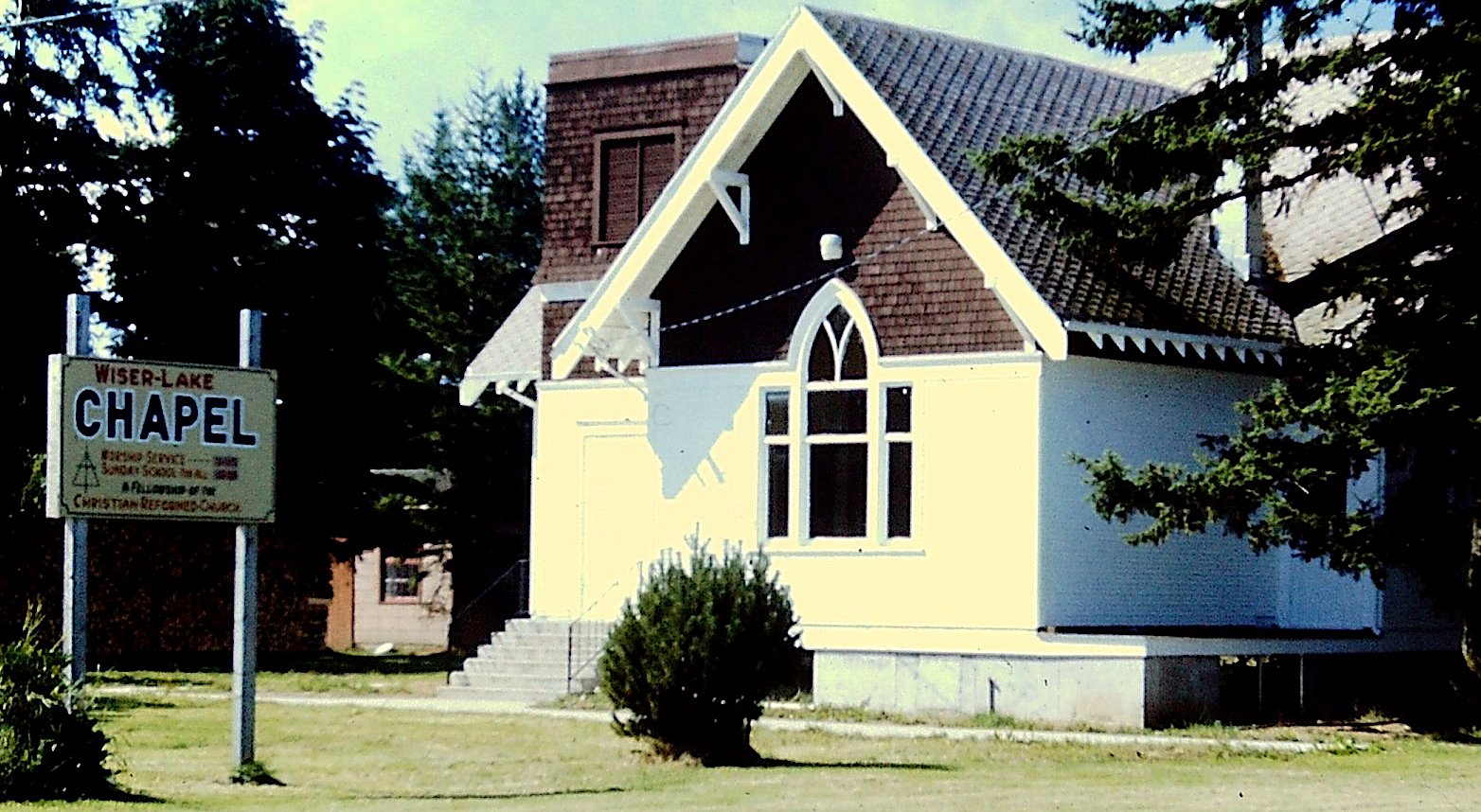
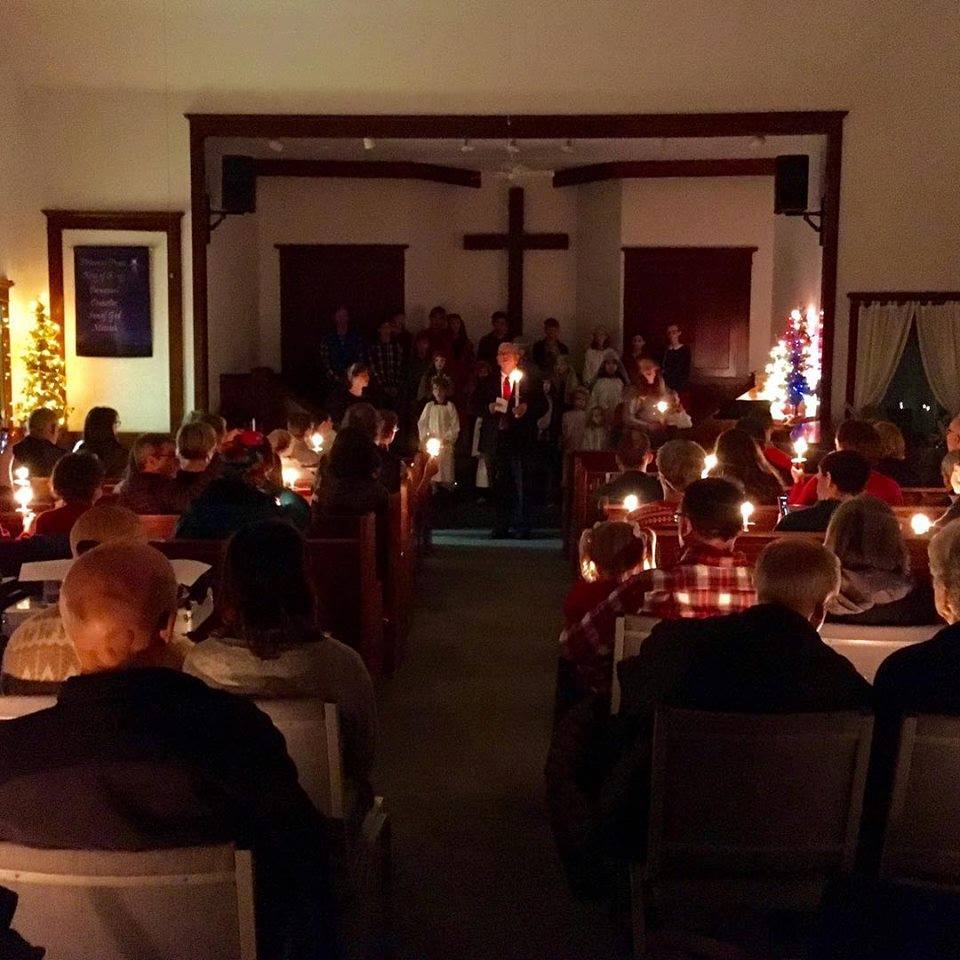
photo of Wiser Lake Chapel by Barbara Hoelle
…schizomeno—meaning in Greek “ripped open.” It occurs twice in the Gospels: once when the temple veil is torn the day of Christ’s crucifixion. The other is when “the heavens opened” upon Christ’s baptism. But they didn’t just “open.” They were ripped open. God broke into history with a voice and an act of salvation unlike any other.
To study the Bible with people of faith is to see it not only as an object of academic or antiquarian interest but also as a living word, a source of intellectual challenge, inspiration, comfort, uncomfortable ambiguities, and endless insights for people who gather in willingness to accept what seems to be God’s invitation: Wrestle with this. Healthy churches wrestle, working out their salvation over coffee and concordances, knowing there is nothing pat or simple about the living Word, but that it invites us into subtle, supple, resilient relationship with the Word made flesh who dwells, still, among us. ~Marilyn McEntyre from“Choosing Church”
Ripped open to allow access – that is what God has done to enter into this ordinary stuff of earth, and giving us access to Him.
I enter the church sanctuary every Sunday to be reminded of this wrestling match we have with ourselves, with each other, with the every day ordinary stuff, with the living Word of God. None of this is easy and it isn’t meant to be. We must work for understanding and struggle for contentment.
I keep going back – gladly, knowing my guilt, eager to be transformed – not only because I choose to be in church, but because He chose to invite me there.
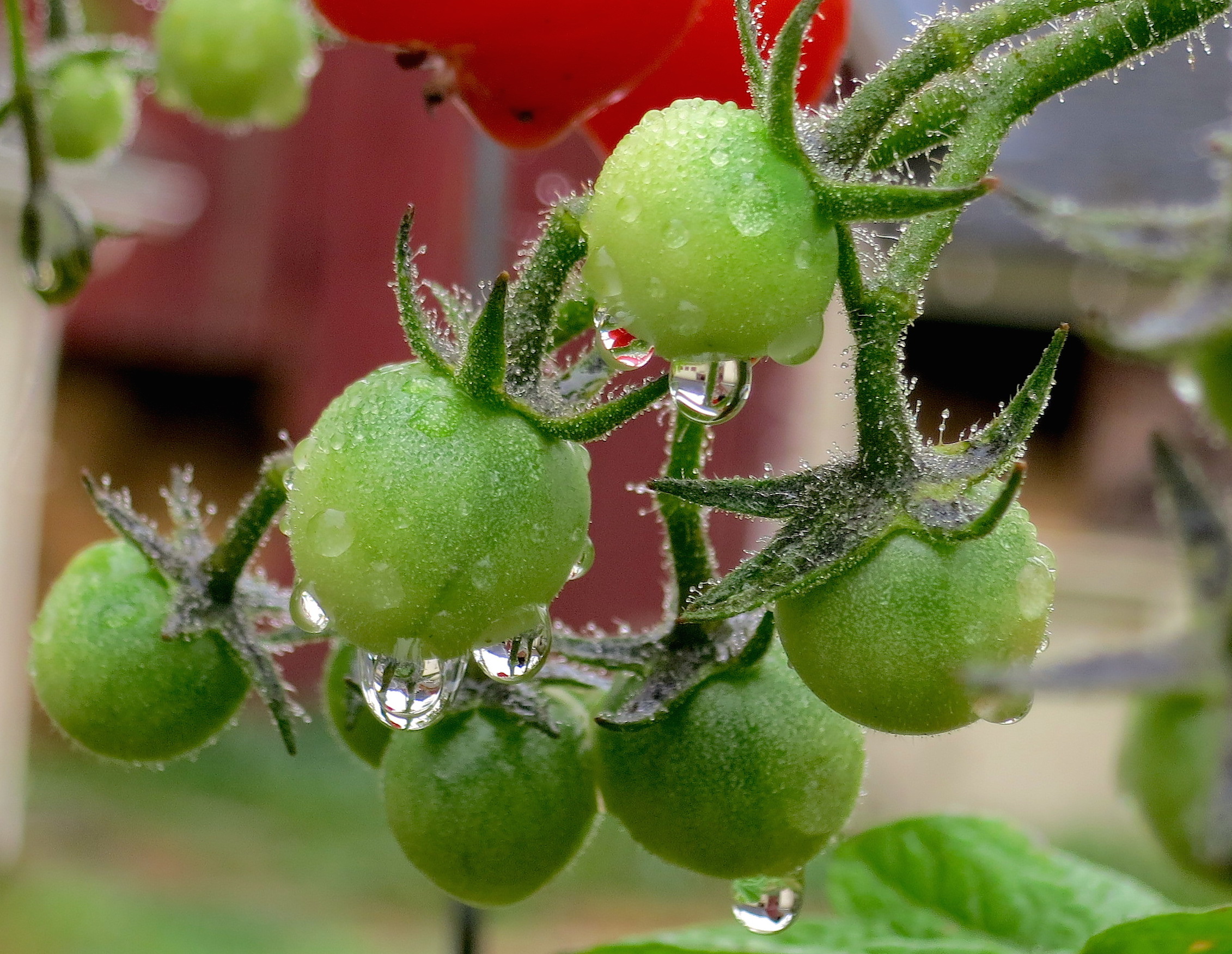
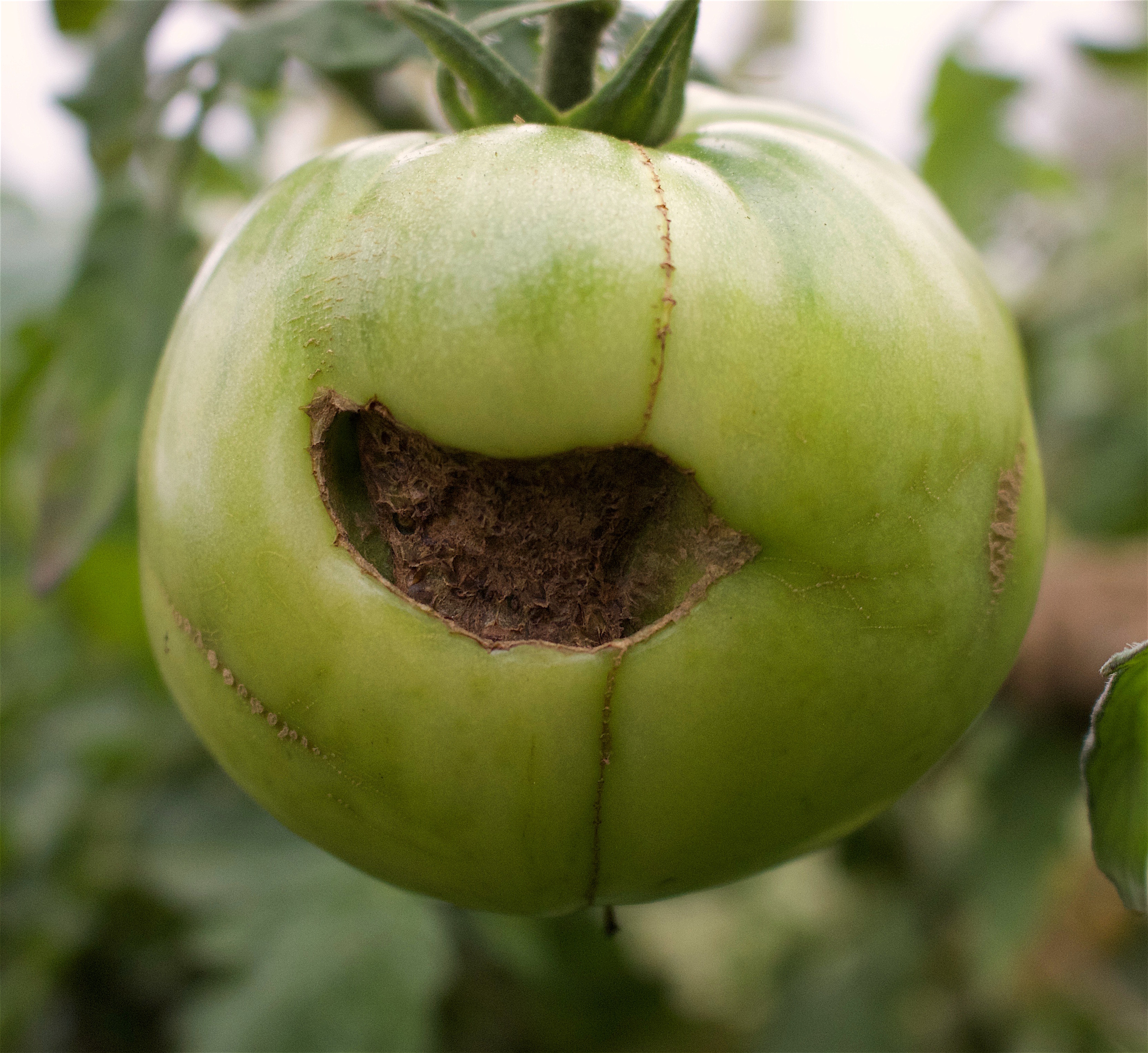
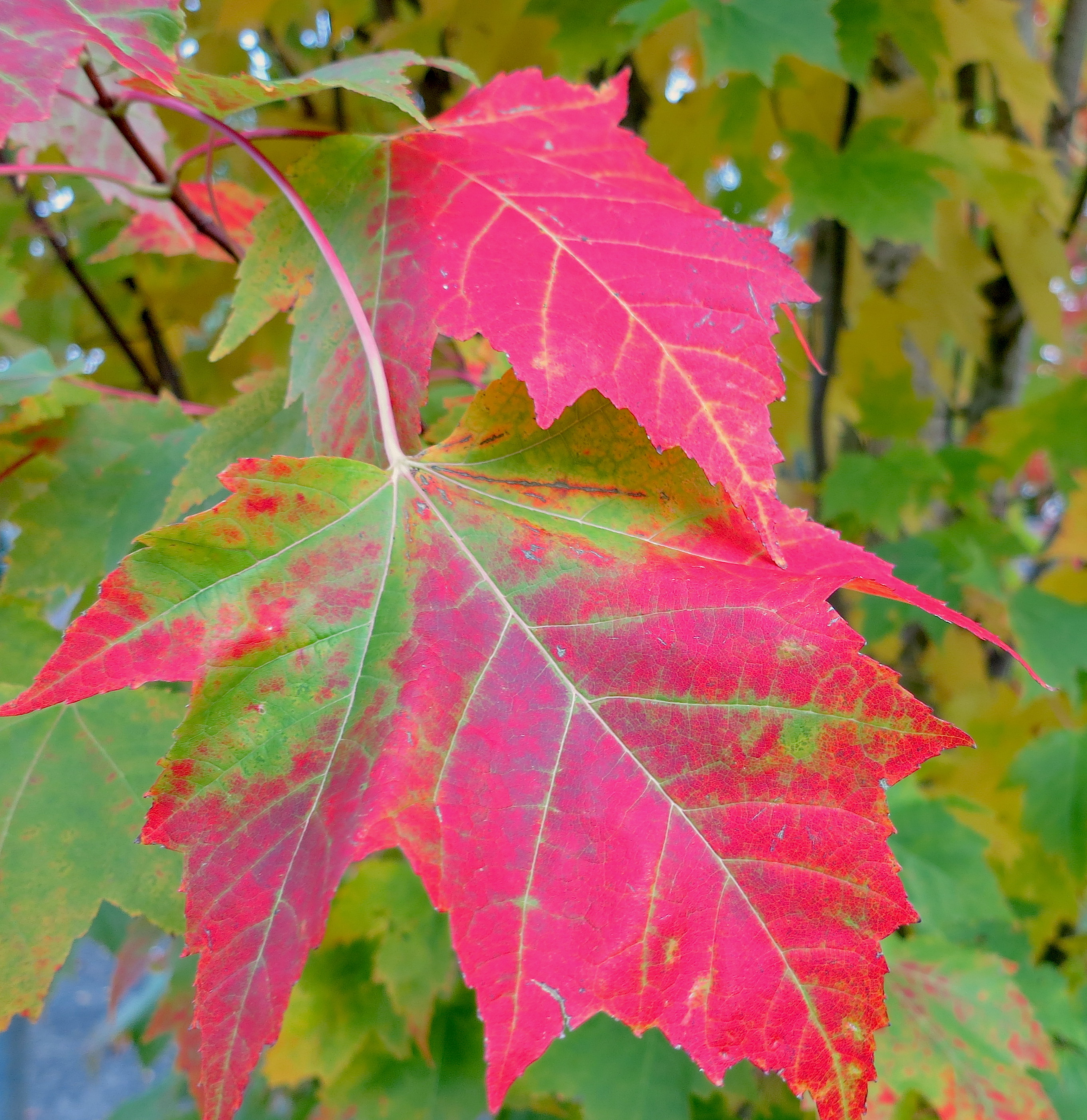
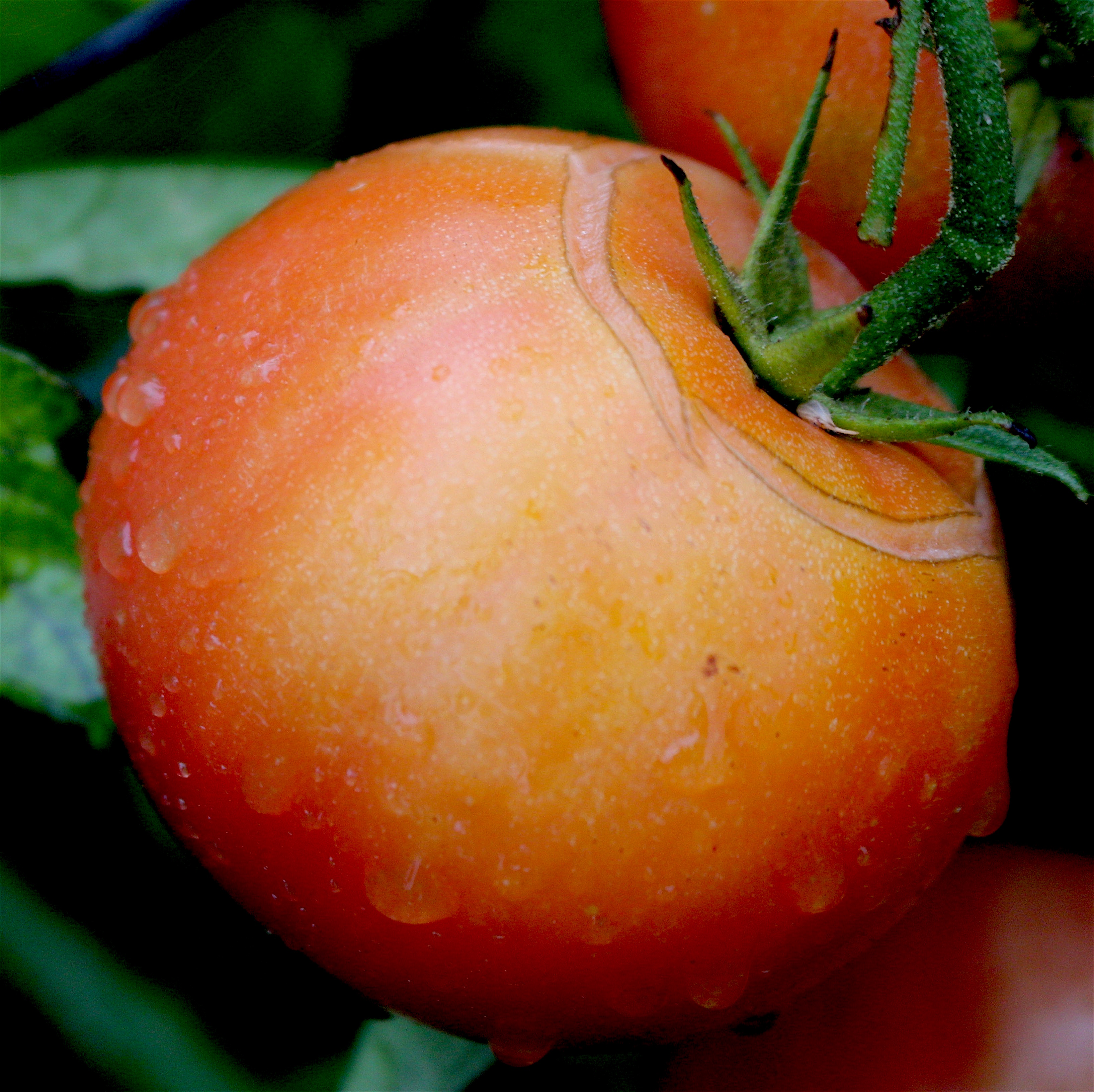
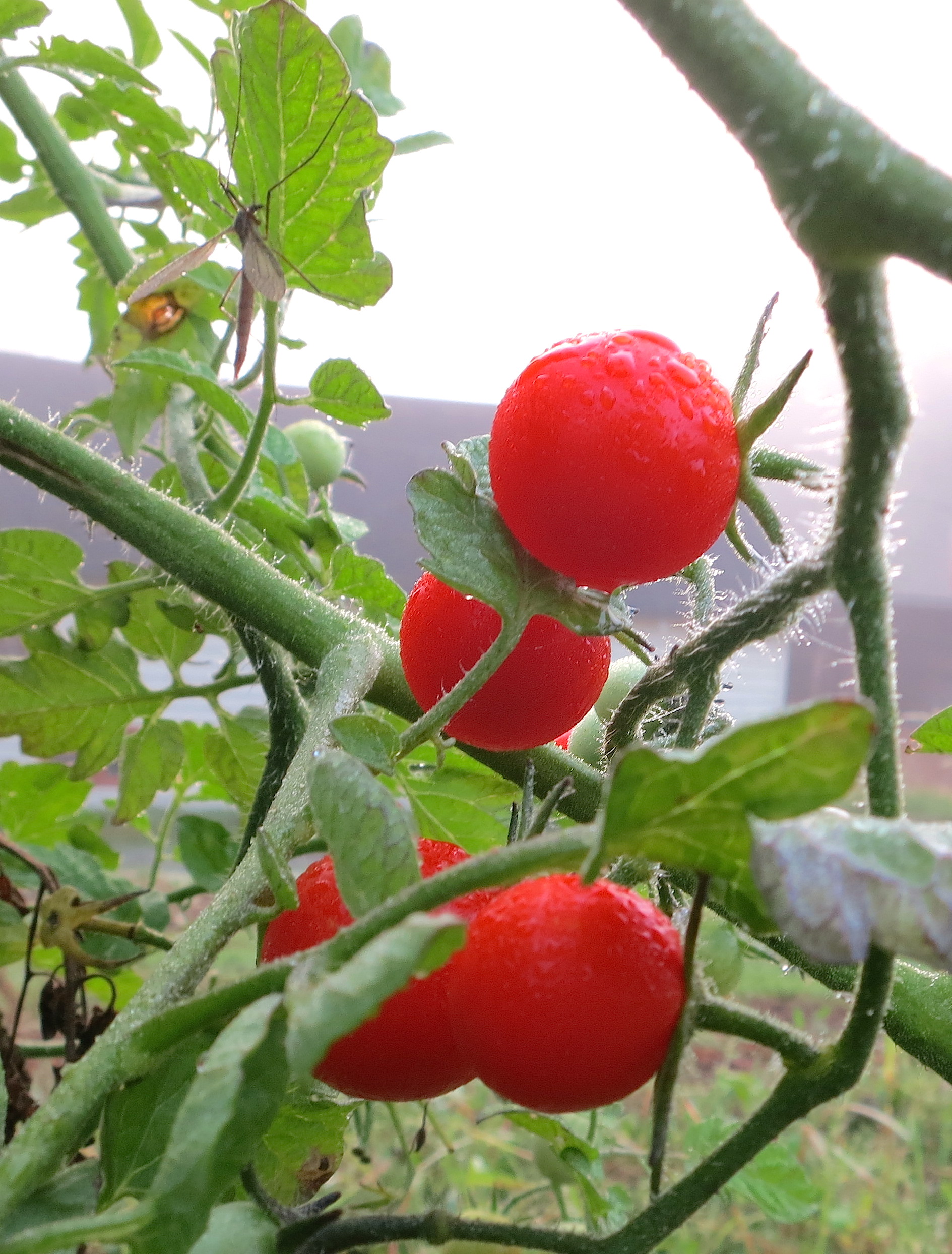
In your extended absence, you permit me use of earth, anticipating some return on investment. I must report failure in my assignment, principally regarding the tomato plants. I think I should not be encouraged to grow tomatoes. Or, if I am, you should withhold the heavy rains, the cold nights that come so often here, while other regions get twelve weeks of summer. All this belongs to you: on the other hand, I planted the seeds, I watched the first shoots like wings tearing the soil, and it was my heart broken by the blight, the black spot so quickly multiplying in the rows. I doubt you have a heart, in our understanding of that term. You who do not discriminate between the dead and the living, who are, in consequence, immune to foreshadowing, you may not know how much terror we bear, the spotted leaf, the red leaves of the maple falling even in August, in early darkness: I am responsible for these vines. ~Louise Glück “Vespers”
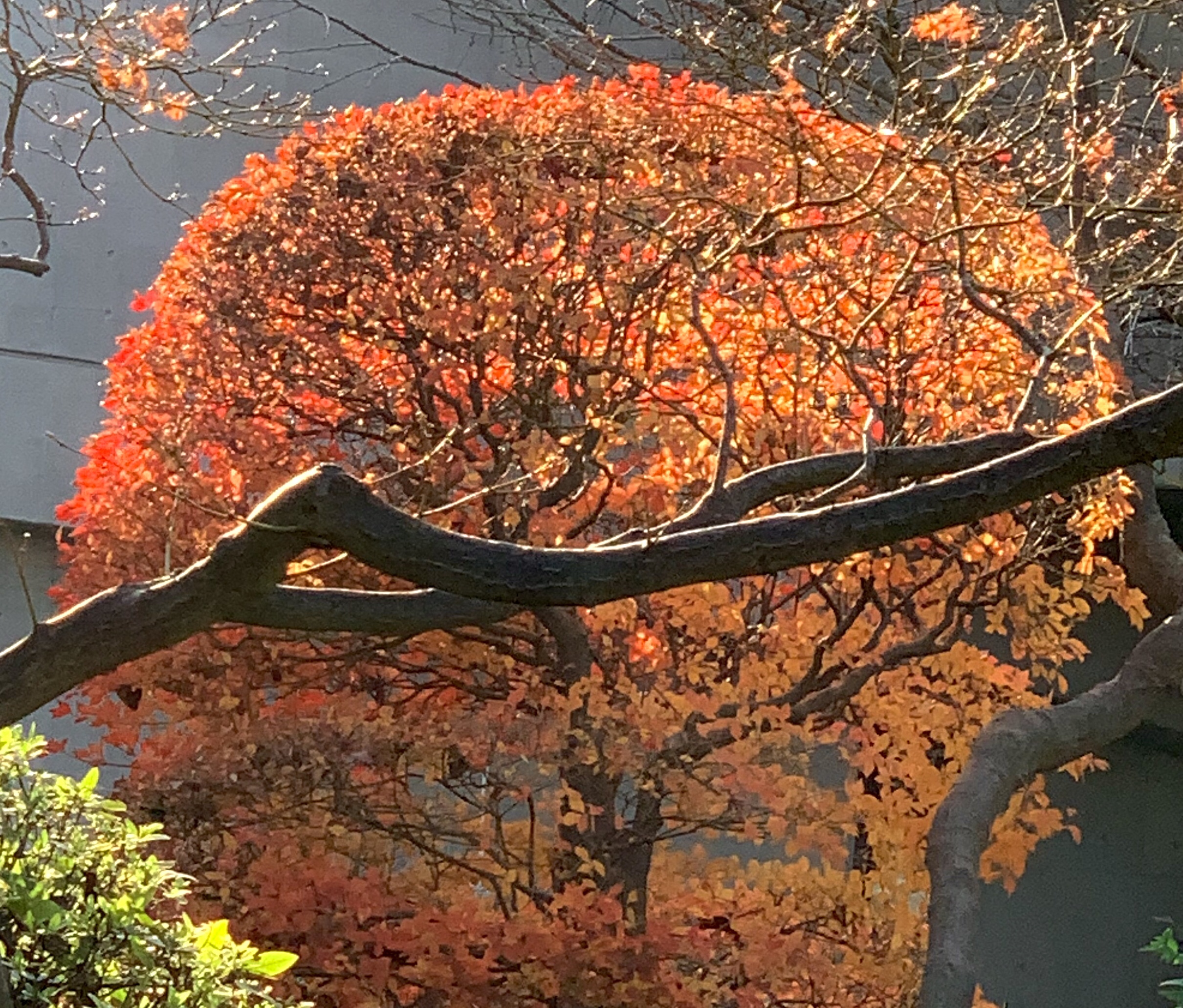
As the calendar turns to September and August fades away, I know all too well what this means. I have spent a lifetime loving the season of autumn best of all, but that is because I wasn’t living it, and it seems now I am.
More and more the blight feels personal, the color change is in the mirror looking back at me, the leaves falling from my own scalp, the threat of rot setting in quite real. There is nothing “pumpkin spice” and “harvest gold” about growing older.
Even so, the fruit I try to bear is still edible even if not as presentable; the vine still bears useful life. A first frost forces ripening and prepares what remains because time is short and there is so much yet to get done.
I feel the responsibility of making all this effort count for something. I am here because I was intentionally planted, weeded, nurtured, watered and warmed. When it is my turn, the rot is cut away and thankfully forgotten.
I will still be sweet to the taste, just as I am meant to be.
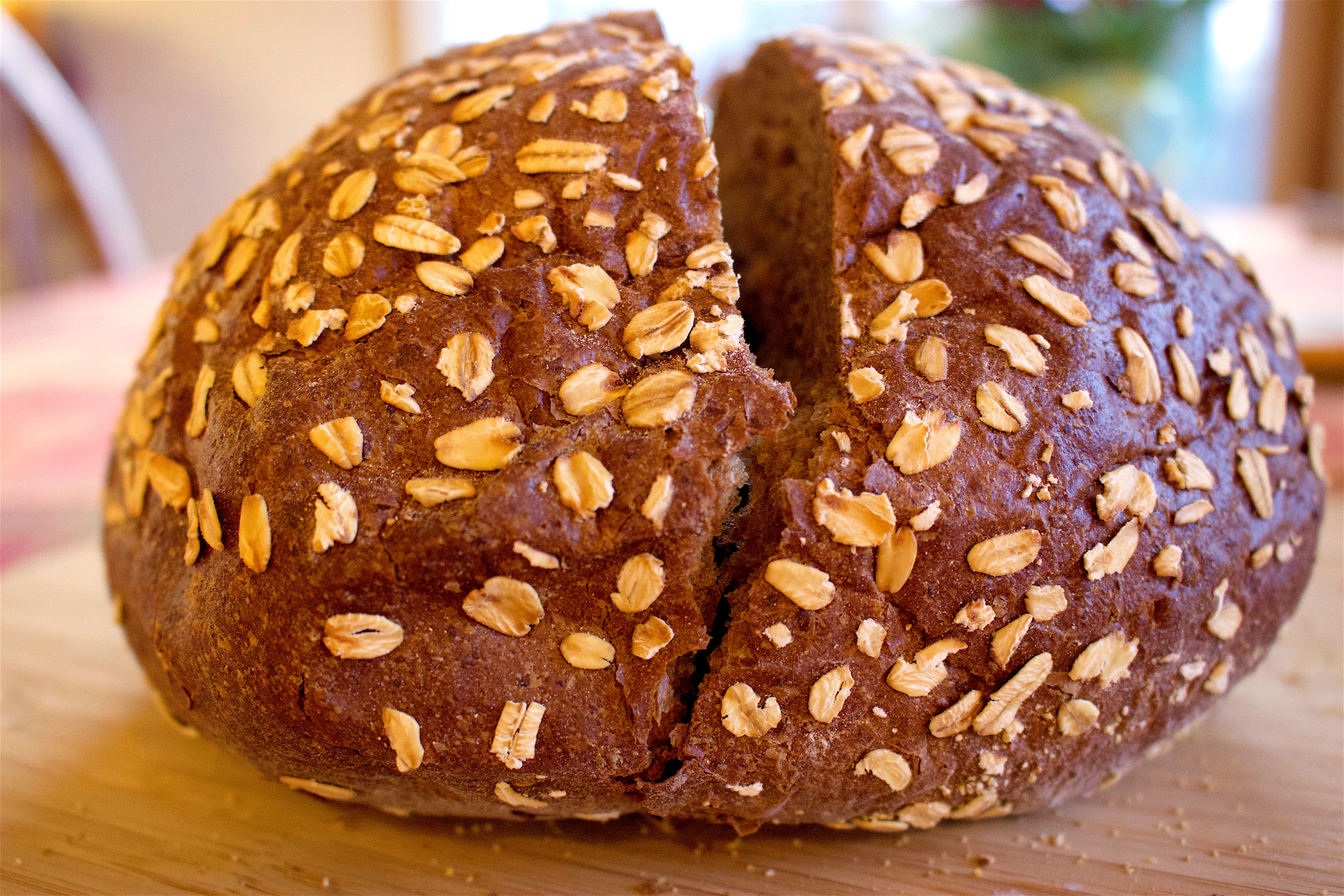
The bus releases you beside the bakery at 5 AM. His light’s on. You can smell the secret life of bread– the russet brawny shoulders rising in the pan, yeast swelling yearning toward croissants, pretzels, braided curls of challah. You give the baker money, he gives you a loaf. Neither of you can say the mystery you share like lovers. You shyly nod and bear your loneliness to work in helpless hands. Whatever it is, you can not explain the one thing that matters. You break his bread at noon and fling it toward frozen ducks on the millpond and you awaken from what you’ve been. You want to be bread broken. ~ Jeanne Murray Walker “Baker” from Pilgrim, You Find Your Path By Walking
We all harbor mystery; oftentimes we can’t even decipher what is in our hearts, much less communicate it to another. Breaking open may be the only way to reveal it but that can be too much for even the strongest of us.
We are not a mystery to God. We are transparent as shattered glass to Him when we are opaque to ourselves and others.
He knows our comings and goings, where our cracks are and where the glue continues to hold in what has already been repaired.
Most of all, He knows Himself what it means to be broken to feed others – flung and woke — even for those who turn their backs to a meal to freedom.





























 Barnstorming