A Thoughtful Dripping Muzzle

drippingmuzzle
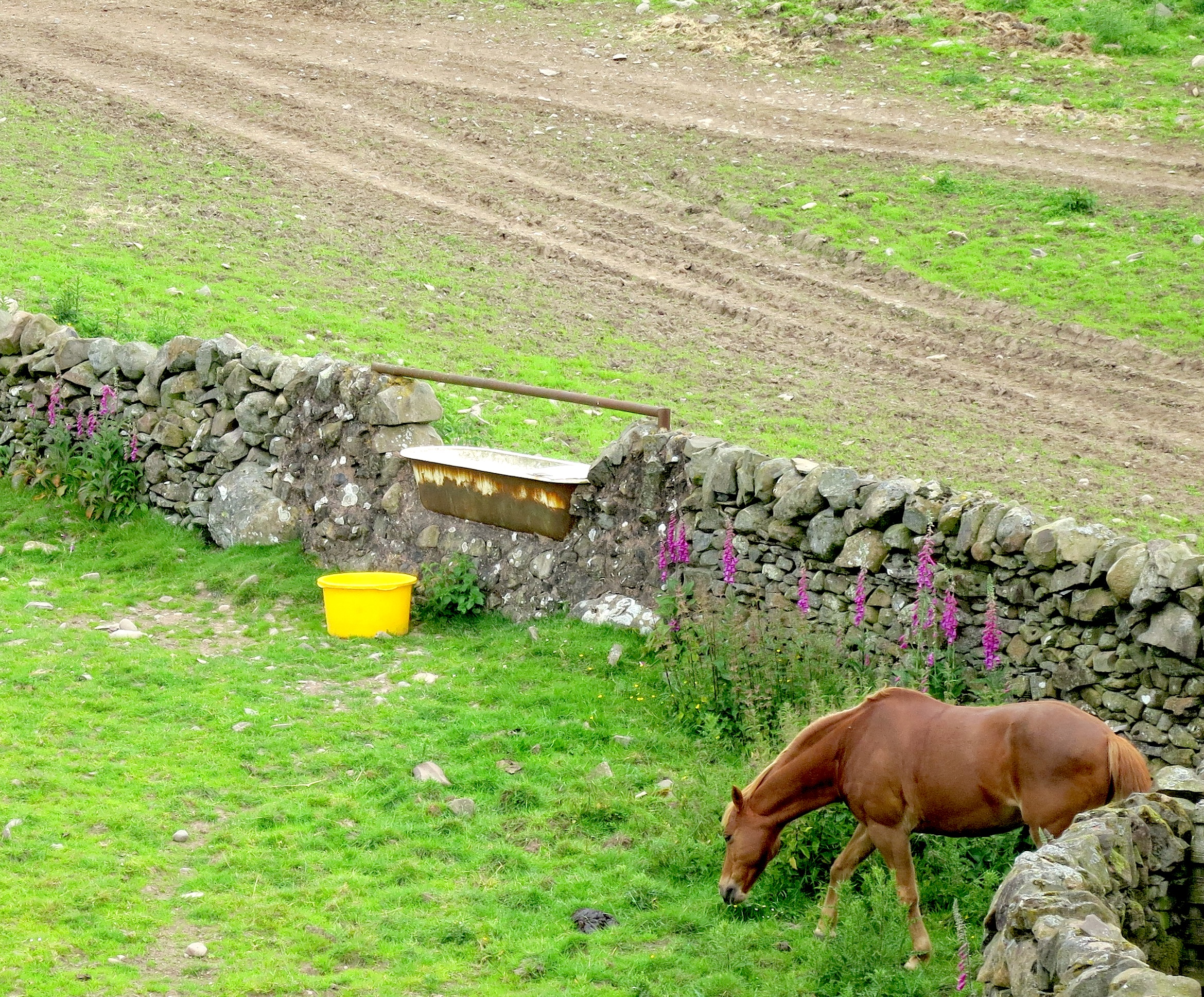
Scottish Watering Trough (like many American Troughs, it had a previous life)


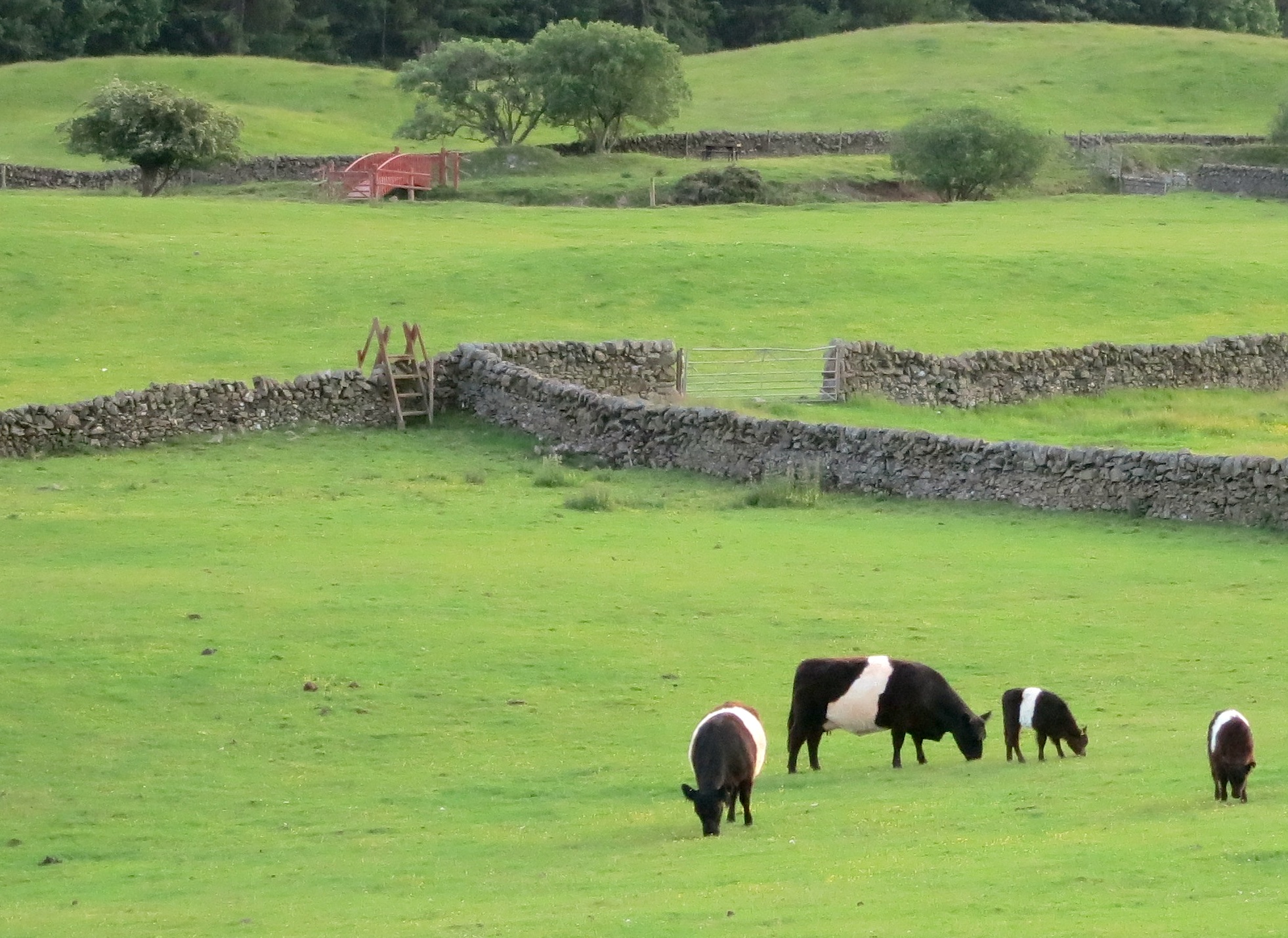
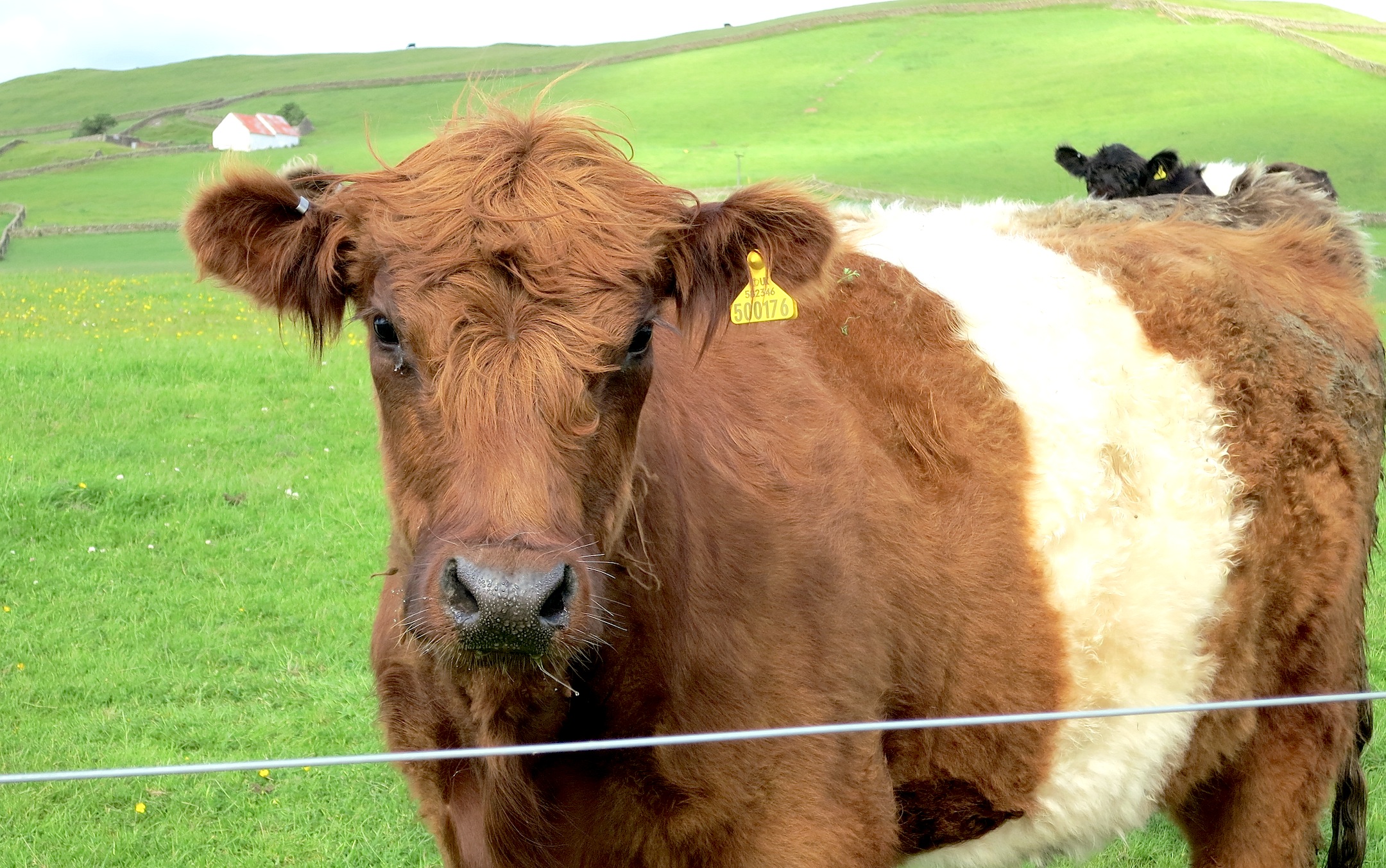
Belted Galloways in the Galloway region of Scotland

Let the end of all bathtubs
be this putting out to pasture
of four Victorian bowlegs
anchored in grasses.


Let all longnecked browsers
come drink from the shallows
while faucets grow rusty
and porcelain yellows.

Where once our nude forebears
soaped up in this vessel
come, cows, and come, horses.

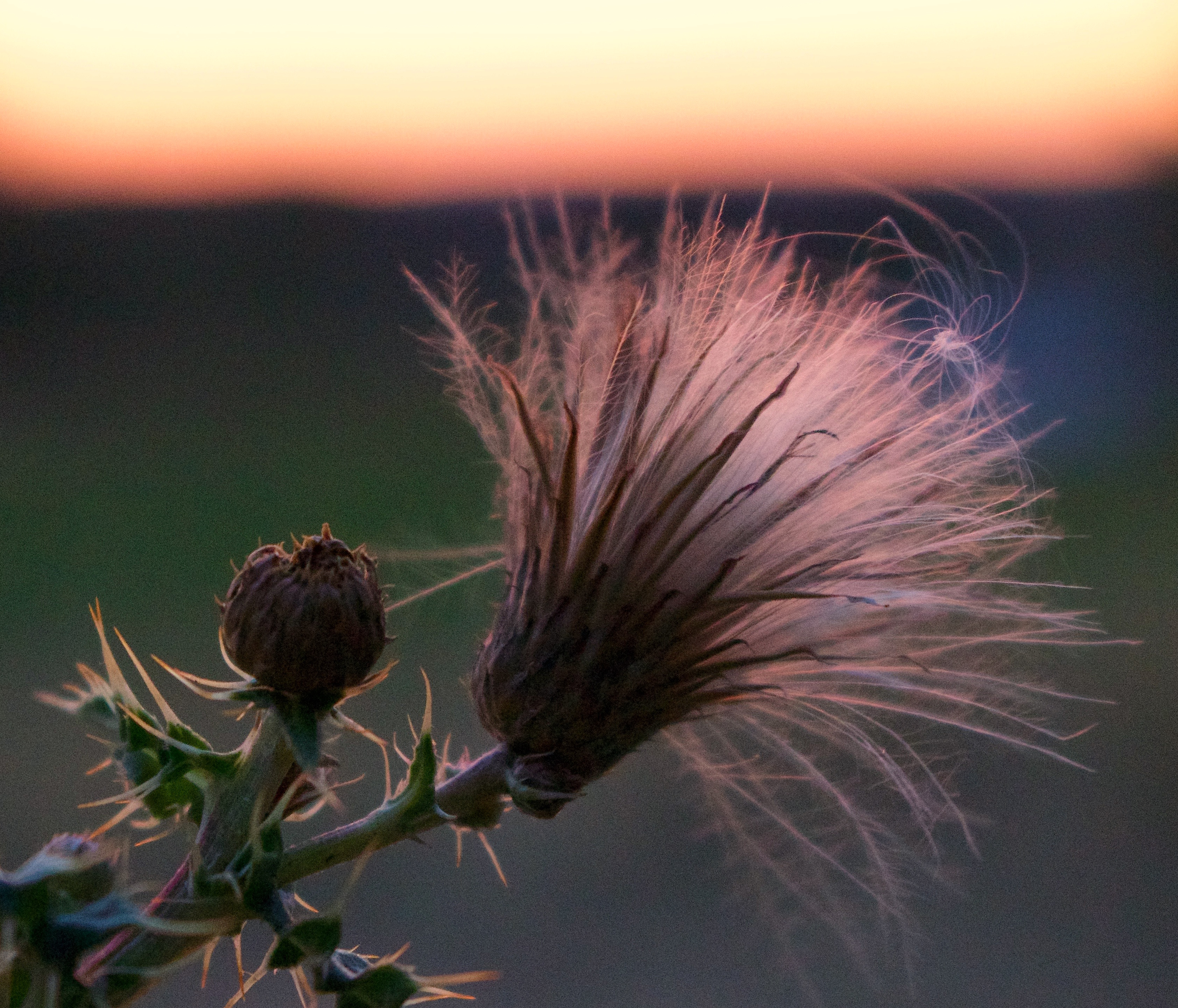
Bring burdock and thistle,
come slaver the scum of
timothy and clover
on the cast-iron lip that
our grandsires climbed over

and let there be always
green water for sipping
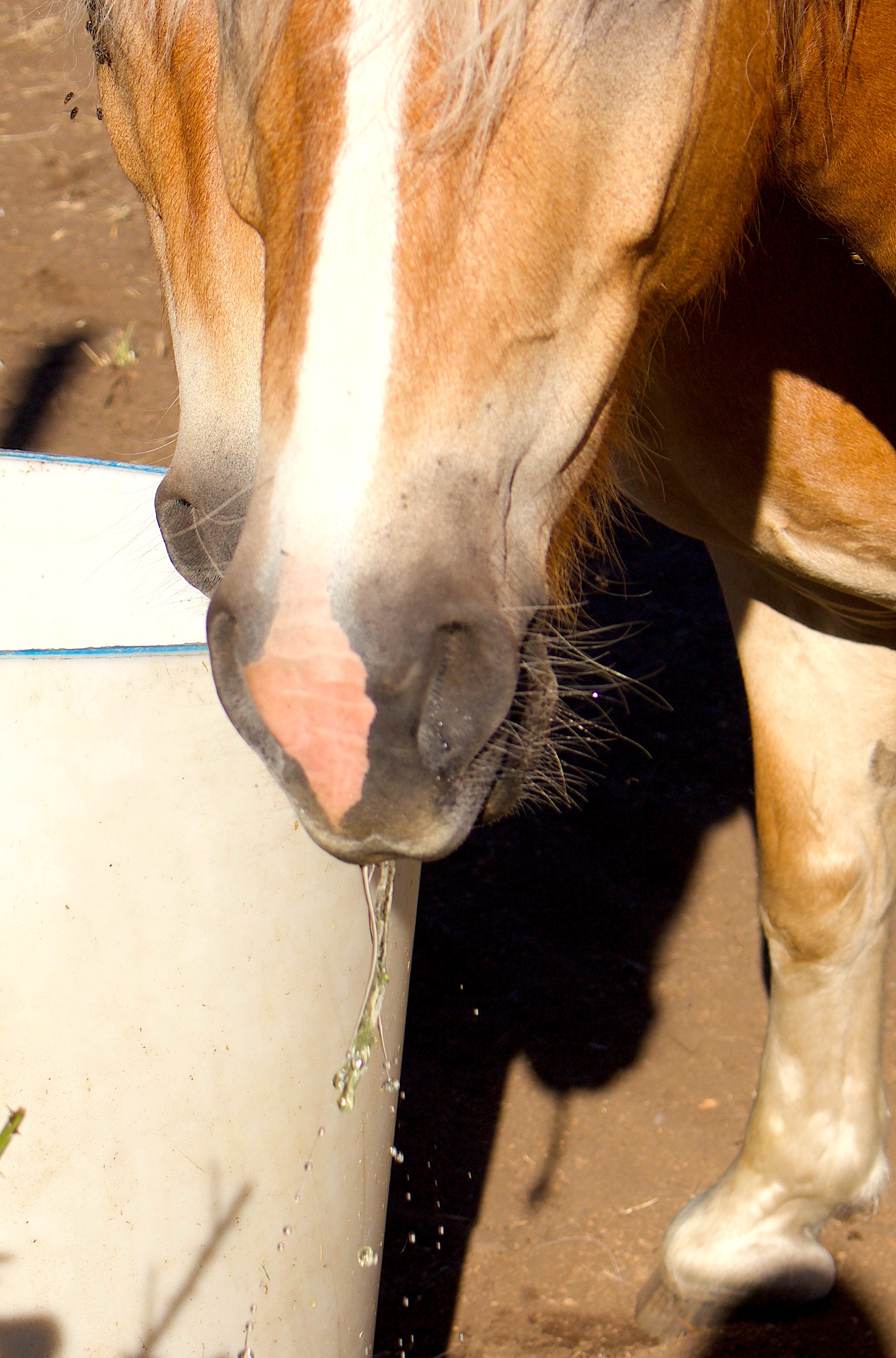
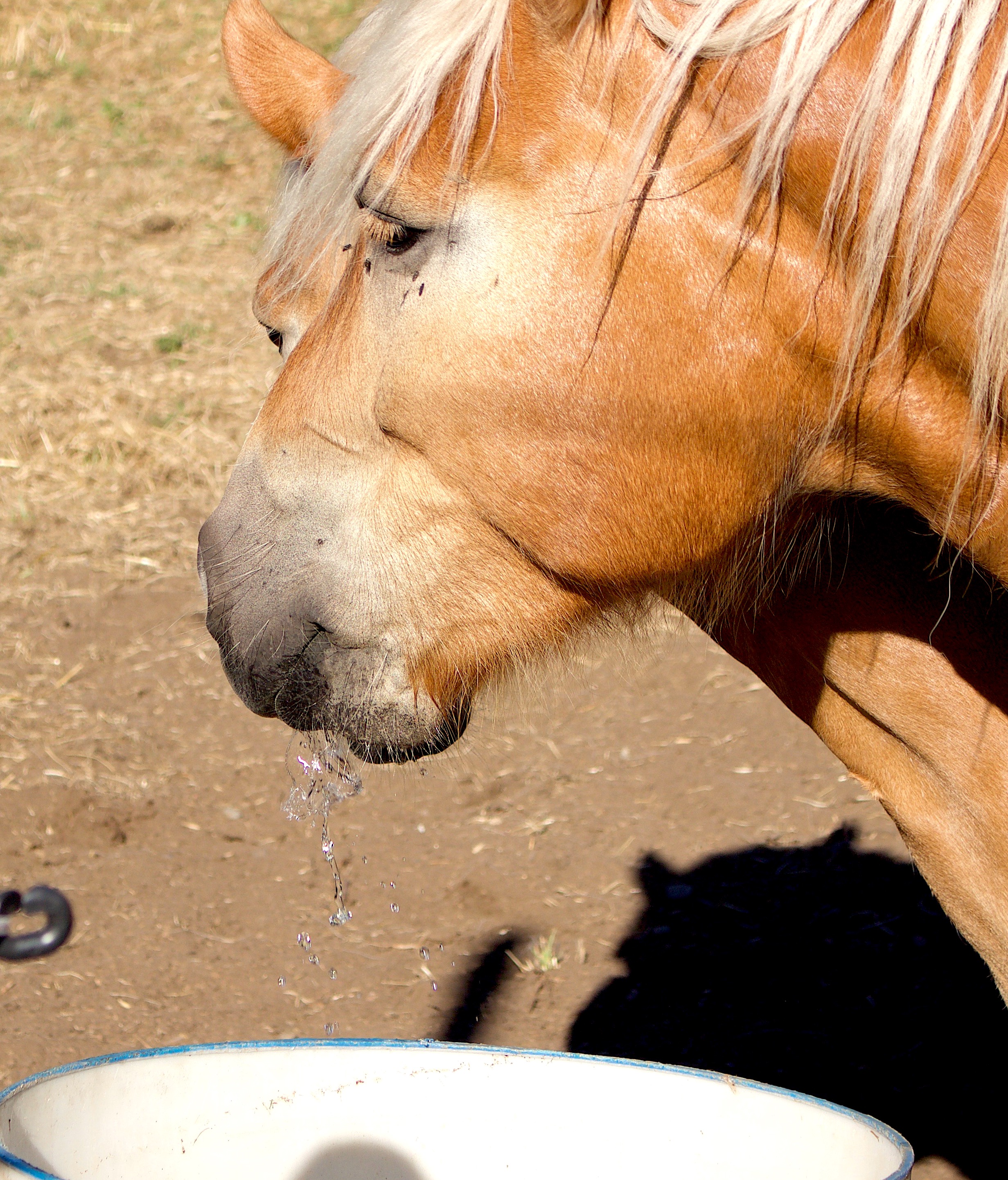
that muzzles may enter thoughtful
and rise dripping.
~Maxine Kumin “Watering Trough”


thistlebud3


thistle8215


burdock


burdockhorsehair


cloverbeauty


sunsetgrassplume


Farmers became the original recyclers before it was a word or an expectation — there isn’t anything that can’t be used twice or thrice for whatever is needed, wherever and whenever, especially far from the nearest retail outlet or farm supply store.

The water troughs on the farm where I grew up were cast-off four-legged bath tubs hauled home from the dump, exactly like the old tub I bathed in when staying overnight at my grandma’s farm house.  She needed her tub to stay put right in the bathroom, never considering an upgrade and remodel; she would never offer it up to her cows.

But there were people who could afford to install showers and molded tubs so out their tubs went to find new life and purpose on farms like ours.

We kept goldfish in our bathtub water trough, to keep the algae at bay and for the amusement of the farm cats. The horses and cows would stand drowsily by the tub, their muzzles dripping, mesmerized by flashes of orange circling the plugged drain.

I often wondered what they thought of sharing their drinking water with fish, but I suspect they had more weighty things to ponder: where the next lush patch of grass might be, how to reach that belly itch,  finding the best shade with fewest flies to take that afternoon nap.

When it comes to sharing a tub, maybe farm animals aren’t that different from their farmer keepers after all:  they both stand dripping and thoughtful alongside the tub, wondering about the next thing to be done, which may well be a well-earned rest.


redbelt


drippingmuzzle3


Mission Accomplished

cornfieldcrisscross


mowingfield


And on those hot afternoons in July,
when my father was out on the tractor
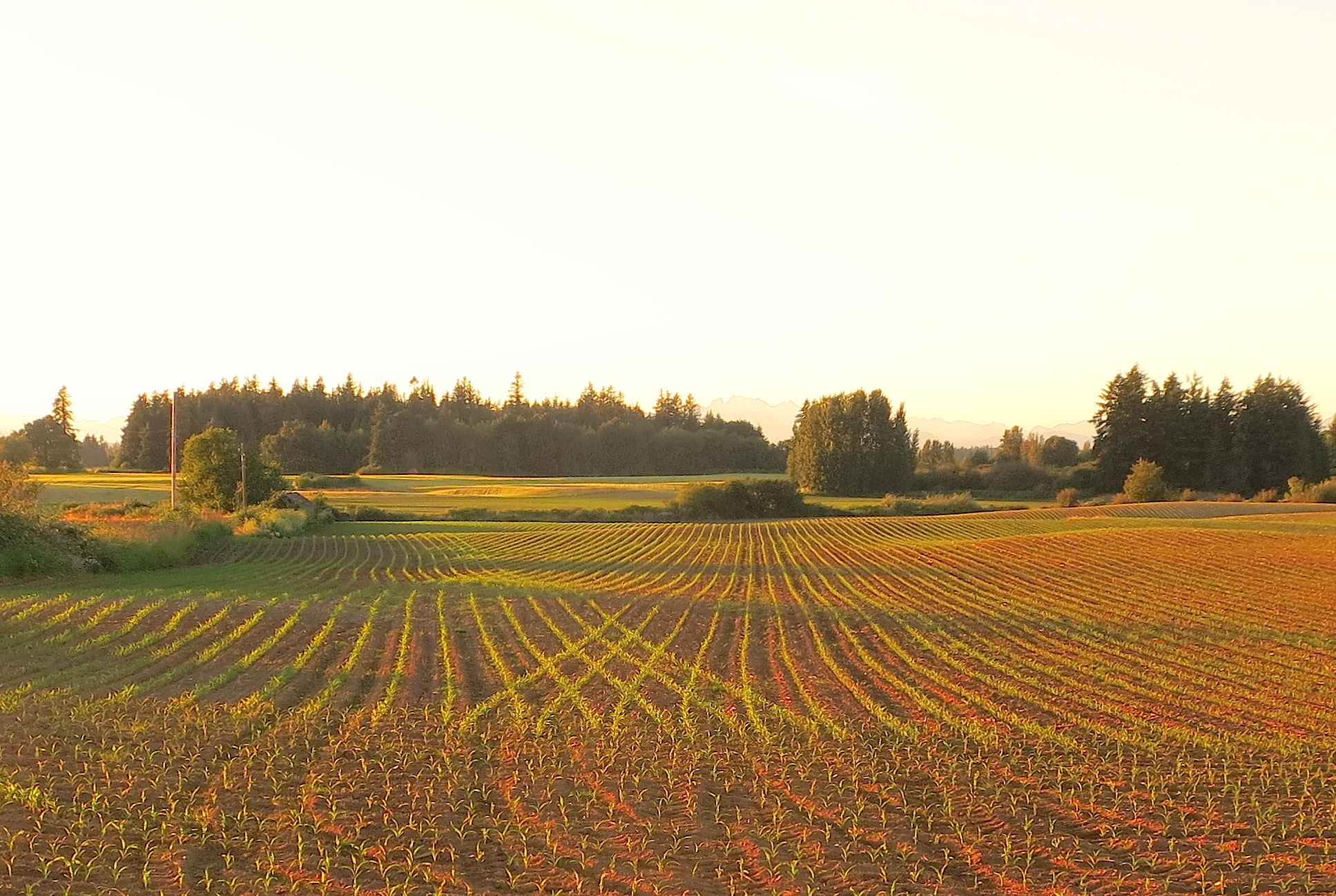
cultivating rows of corn, my mother
would send us out with a Mason jar
filled with ice and water, a dish towel
wrapped around it for insulation.

Like a rocket launched to an orbiting
planet, we would cut across the fields
in a trajectory calculated to intercept—
or, perhaps, even—surprise him
in his absorption with the row and the
turning always over earth beneath the blade.

He would look up and see us, throttle
down, stop, and step from the tractor
with the grace of a cowboy dismounting
his horse, and receive gratefully the jar
of water, ice cubes now melted into tiny
shards, drinking it down in a single gulp,
while we watched, mission accomplished.
~Joyce Sutphen “Carrying Water to the Field”


sunsetcornfield


It was a special responsibility to carry cold water out to my father when he was on the tractor.  Yes, he could have carried a thermos-full along with him all day but then he would not have seen his daughter walking carefully from the house over the fresh-turned dirt, he would not have an excuse for a short break to wipe the sweat from his face or survey the straightness of the furrows, he would not have lifted her up to sit beside him on the tractor and allowed her to “drive”, steering down the rows, curving around the killdeer nests so their young are spared.

Such a special responsibility to nurture someone hard at work who doesn’t stop to refill themselves. It happens rarely any more – whether field or factory or the family home. What wondrous love to carry water to those who thirst; what wondrous grace fills furrowed lives.


eveninglight611:17


field52151


sunset715173


Lift the Farm Like a Lid

mejier3

tubtrough


chelanducklings1


Straws like tame lightnings lie about the grass
And hang zigzag on hedges. Green as glass
The water in the horse-trough shines.
Nine ducks go wobbling by in two straight lines.

A hen stares at nothing with one eye,
Then picks it up. Out of an empty sky
A swallow falls and, flickering through
The barn, dives up again into the dizzy blue.

I lie, not thinking, in the cool, soft grass,
Afraid of where a thought might take me – as
This grasshopper with plated face
Unfolds his legs and finds himself in space.

Self under self, a pile of selves I stand
Threaded on time, and with metaphysic hand
Lift the farm like a lid and see
Farm within farm, and in the centre, me.
~Norman MacCaig “Summer Farm”


johnshens

sunsetdan

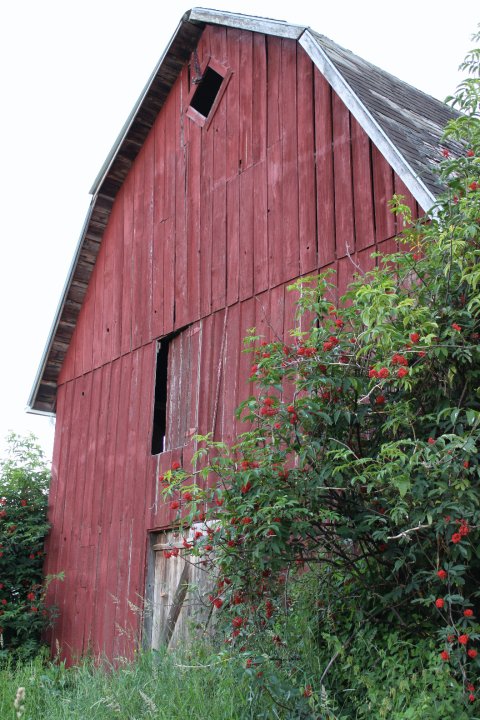
missingroof


photo by Bette Vander Haak


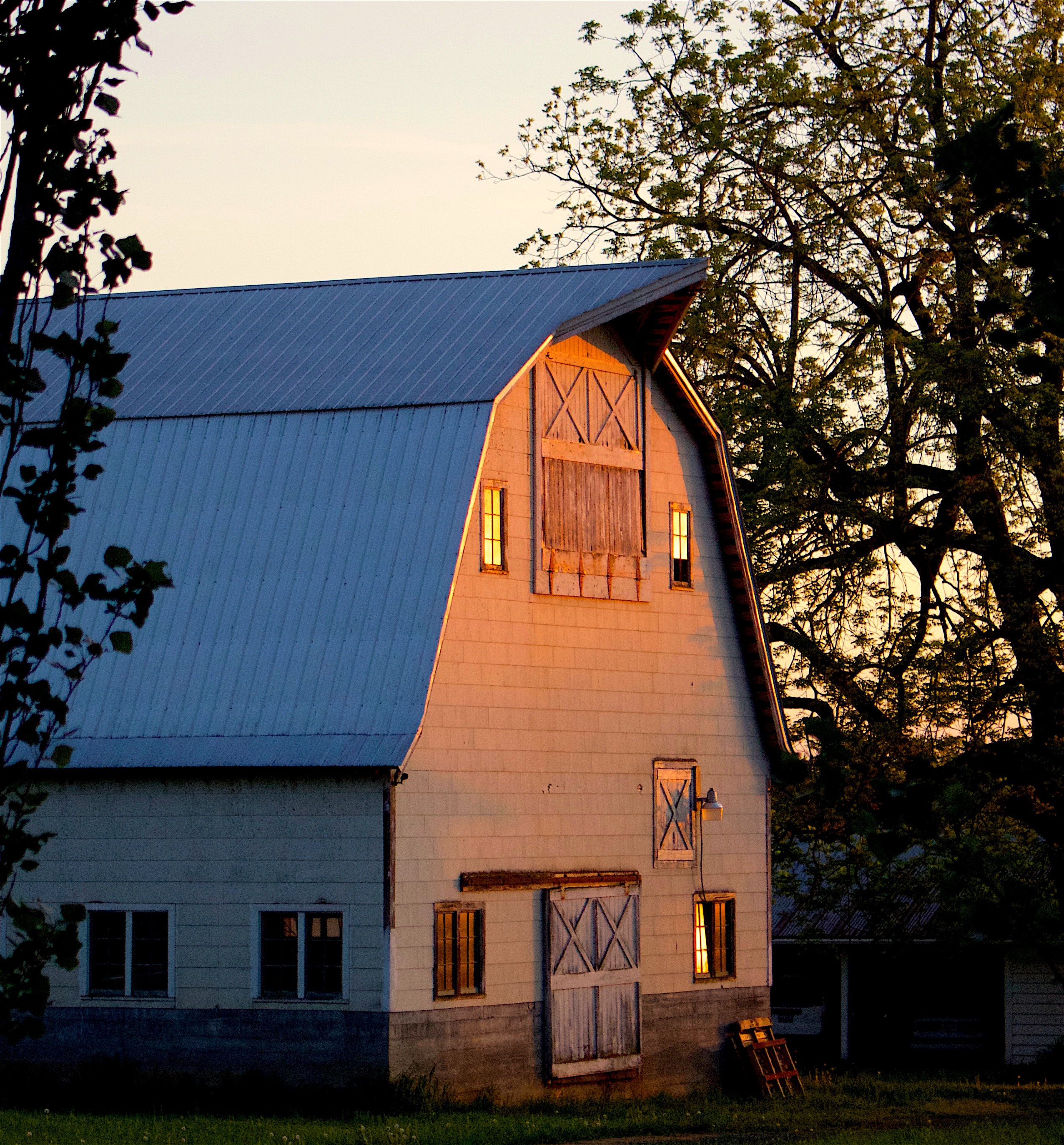
Most of my life, a barn has stood a few dozen yards from my back door. As a small child, I learned to ride a tricycle on the wooden planks of the chicken coop, sat on the bony back of a Guernsey cow while my father milked by hand, found new litters of kittens in cobweb-filled hideaways, and leaped with abandon into stacks of loose hay in a massive loft.

As a young girl, I preferred to clean stalls rather than my bedroom. The acoustics in the barn were first rate for singing loud and the horses and cows never covered their ears, although the dog would usually howl. A hay loft was the perfect spot for hiding a writing journal and reading books. It was a place for quiet contemplation and sometimes fervent prayer when I was worried: a sanctuary for turbulent adolescence.

Through college and medical training, I managed to live over twelve years in the city without access to a barn or the critters that lived inside. I searched for plenty of surrogate retreats: the library stacks, empty chapels within the hospitals I worked, even a remote mountainous wildlife refuge in central Africa.

It is hard to ignore one’s genetic destiny to struggle as a steward of the land through the challenges of economics and weather. My blood runs with DNA of wheat and lentil growers, loggers, cattle ranchers, dairy farmers, work horse teamsters, and flower and vegetable gardeners. A farm eventually called me to come back home and so I heeded over thirty years ago, along with a husband from a dairy farming background himself, and eventually there followed three children, now grown and flown far from the farm.

Like a once sturdily built barn now sagging and leaning, I too am buffeted by the gales of mid-life. My doors have been flung open wide, my roof/lid lifted and pulled off, at times leaving me reeling. More and more now I need restoration, renewal and reconciliation. And so I set to work to fix up my life with all the skill I can muster: setting things right where they’ve been upended, painting a fresh coat where chipped and dulled, shoring up rotted foundations.

If only I can get it done well enough, with sufficient perseverance, I surely can recover from the latest blow. But my hard work and determination is not enough. It is never enough. I am never finished.

The only true sanctuary isn’t found in a weather-beaten barn of rough-hewn old growth timbers vulnerable to the winds of life.

The barnstorming must happen within me, in the depths of my soul, comforted only by the encompassing and salvaging arms of God.

There I am held, transformed and restored, grateful beyond measure.


sunset625175

unfurling

To Dwell in Sovereign Barns

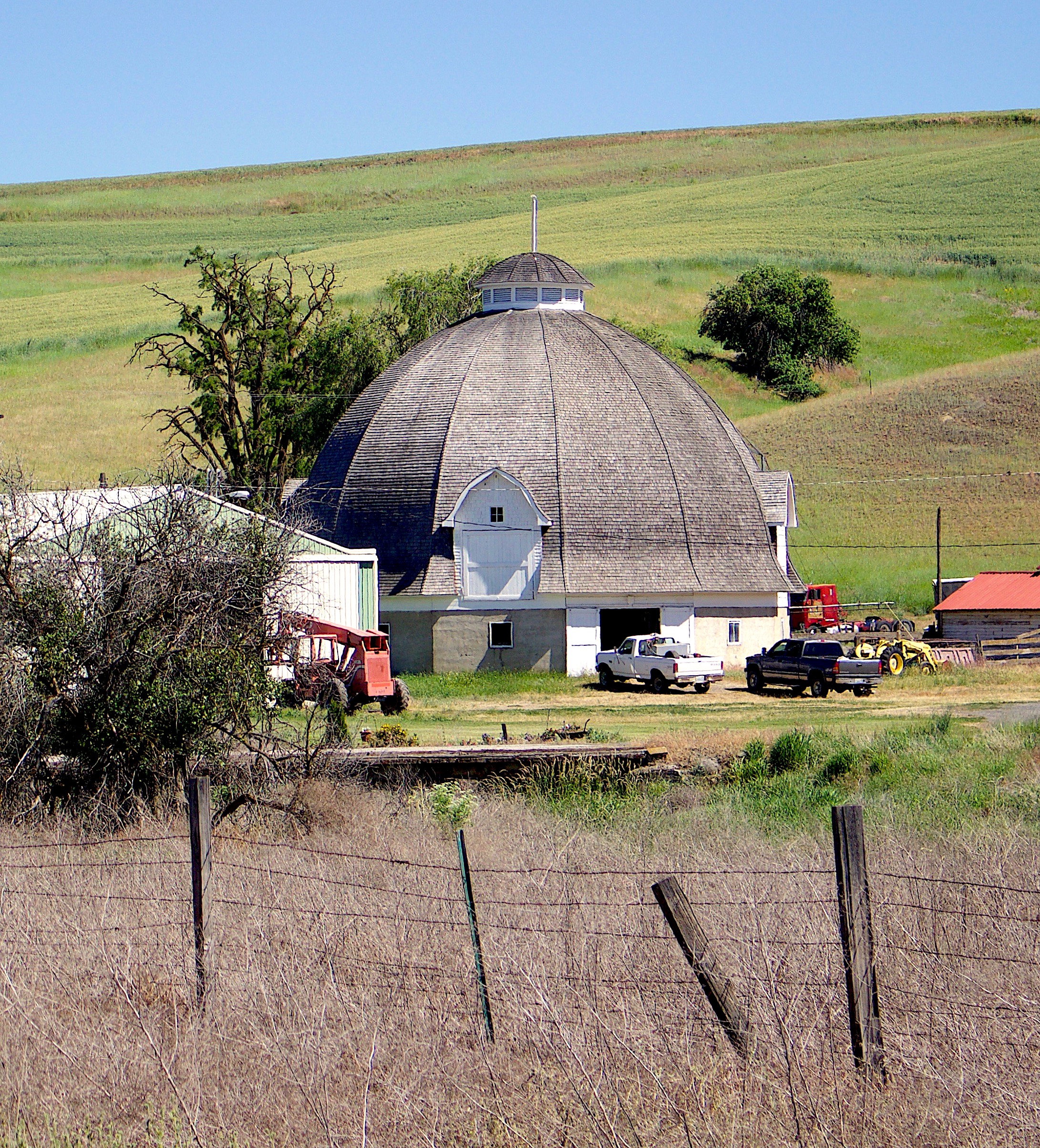
roundbarn

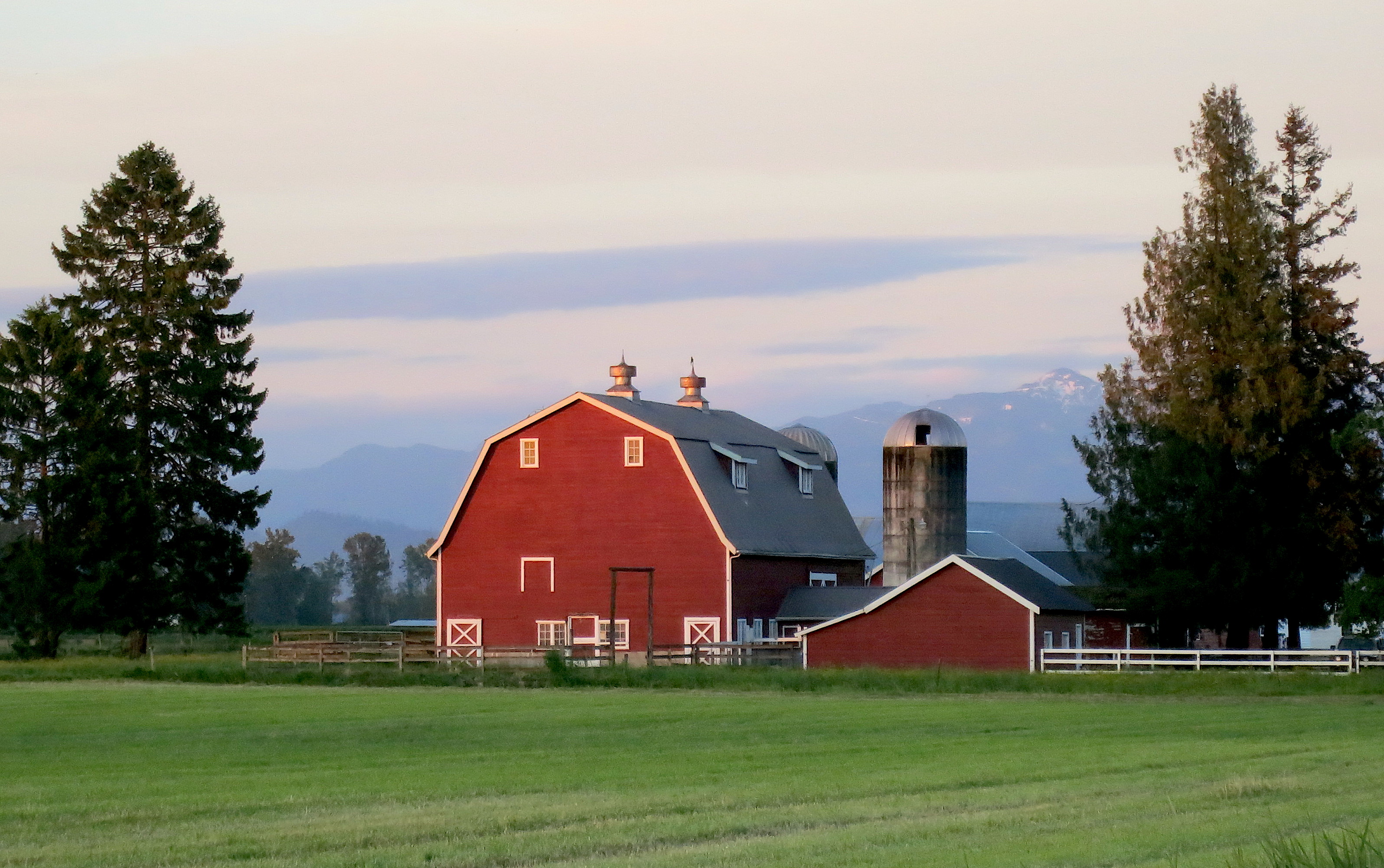
redbarn

36938_517503932294_148300158_30686212_6221659_n
photo by Nate Gibson


The grass so little has to do,—    
A sphere of simple green,   
With only butterflies to brood,
And bees to entertain, 
    
And stir all day to pretty tunes        
The breezes fetch along,
And hold the sunshine in its lap   
And bow to everything; 
    
And thread the dews all night, like pearls,
And make itself so fine,—            
A duchess were too common 
For such a noticing.   
    
And even when it dies, to pass    
In odors so divine,    
As lowly spices gone to sleep,        
Or amulets of pine.    
    
And then to dwell in sovereign barns,    
And dream the days away,— 
The grass so little has to do,
I wish I were a hay!
~Emily Dickinson

florabarn

emptyhaybarn

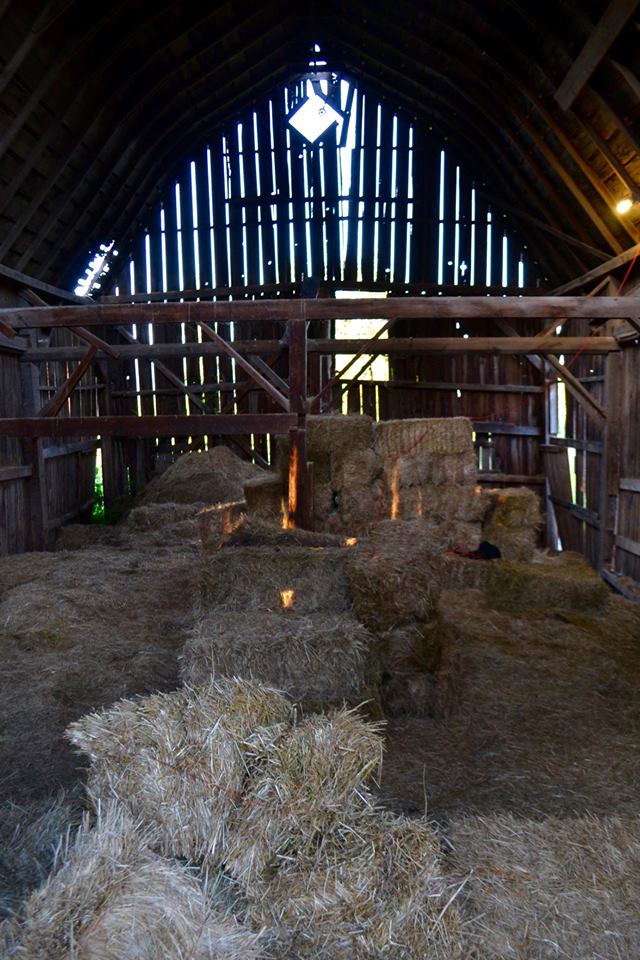
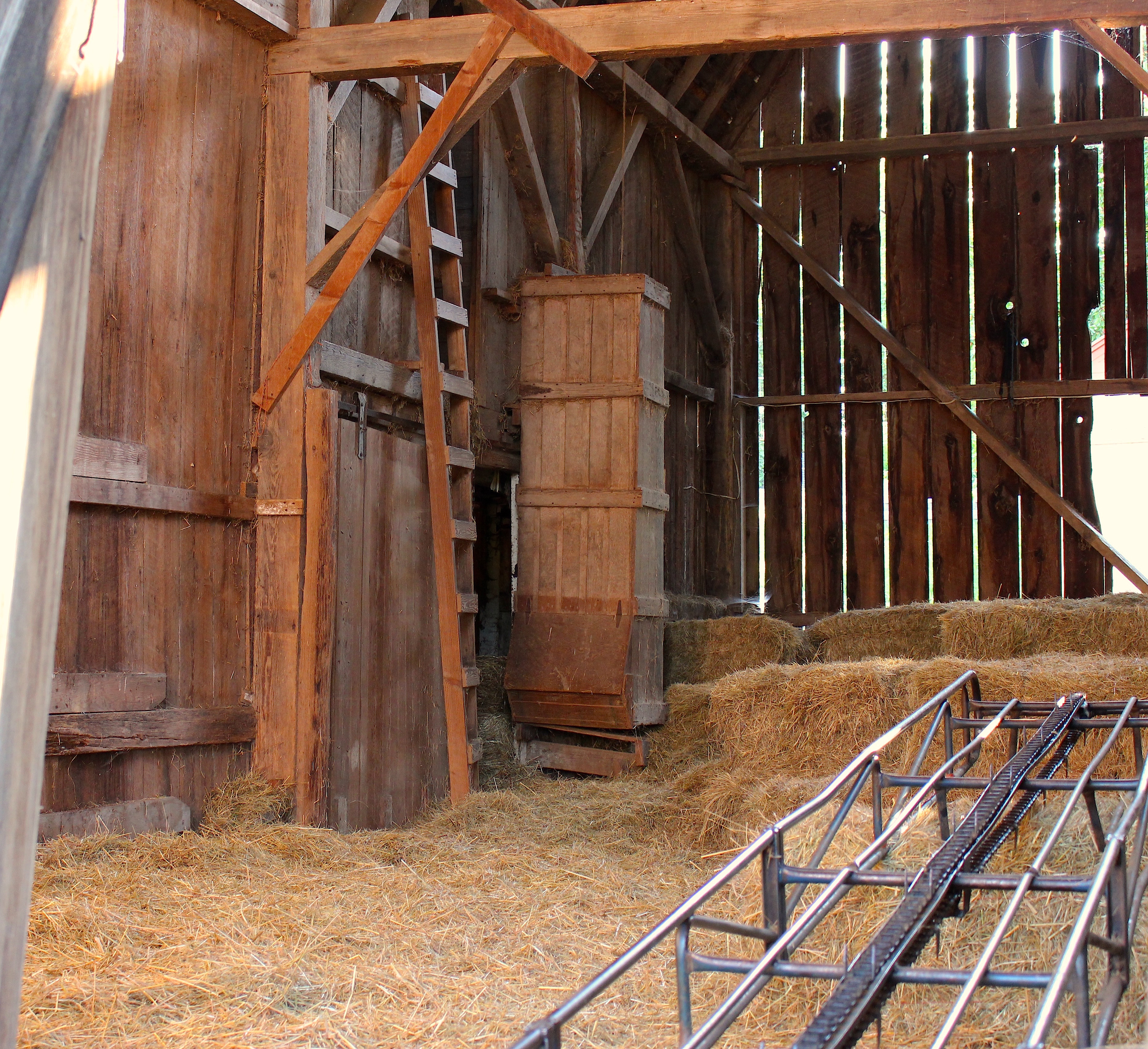
This is the week of the year our barn is at its emptiest, right before it fills up again. There is something very lonely about a barn completely empty of its hay stores.

Its hollow interior echoes with a century of farmers’ voices:
soothing an upset cow during a difficult milking,
uncovering a litter of kittens high in a hay loft,
shouting orders to a steady workhorse,
singing a soft hymn while cleaning stalls,
startling out loud as a barn owl or bat flies low overhead.

The dust motes lazily drift by in the twilight, seemingly forever suspended above the straw covered wood floor, floating protected from the cooling evening breezes.

There is no heart beat left in an empty barn. It is in full arrest, all life blood drained out, vital signs flat lined. I can hardly bear to go inside.

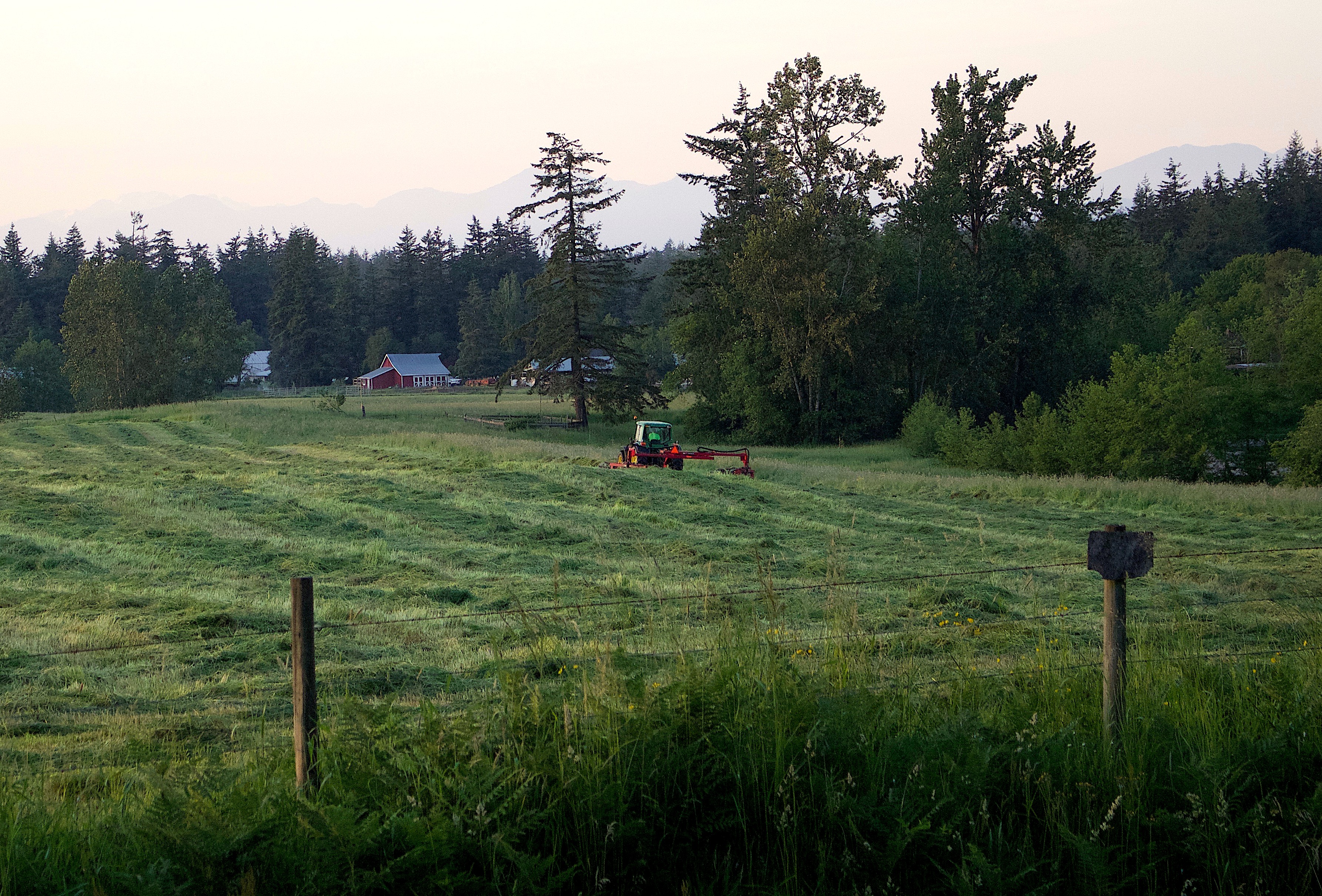
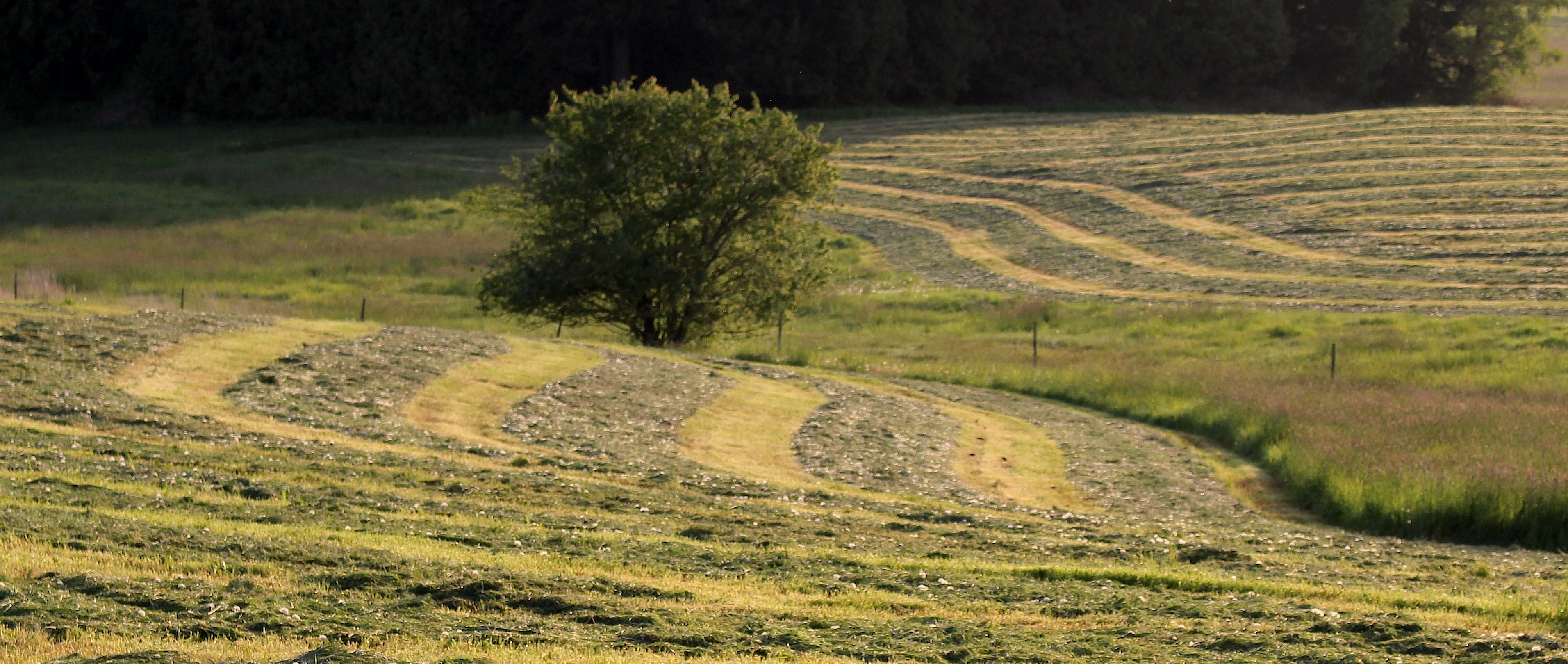
The weather is cooperating so the grass was cut two days ago.  Today it will be tossed about on the field to dry in a process called “tedding”, then tomorrow raked into windrows and baled for pick up by our “family and friends” hay crew.

Suddenly, the barn is shocked back to a pulse, with the throb of voices, music blaring, dust and pollen flying chaotically, the rattle of the electric “elevator” hauling bales from wagon to loft, the grunts and groans of the crew as they heft and heave the bales into place in the stack. This often goes on late into the night, the barn ablaze with lights, the barnyard buzzing with excitement and activity. It almost looks as if it is on fire.

Vital signs measurable, rhythm restored, volume depletion reversed, prognosis good for another year.

A healthy rhythm is elusive in this modern age of full time jobs off the farm, necessitating careful coordination with the schedule of the farmer who cuts and bales for many neighbors all within the same window of good weather. The farmer races his equipment from field to field, swooping around with a goliath tractor taking 12 foot swaths, raising dust clouds, and then on to the next job. It is so unlike the rhythm of a century ago when a horse drawn mower cut the tall grass in a gentle four foot swath, with a pulsing shh shh shh shh shh shh tempo that could be heard stretching across the fields. It is an unfamiliar sound today, the almost-silence of no motor at all, just the jingle of the harness and the mower blades slicing back and forth as the team pulls the equipment down the field. We’ve lost the peacefulness of a team of horses at work, necessitating a slower pace and the need to stop at the end of a row for a breather.

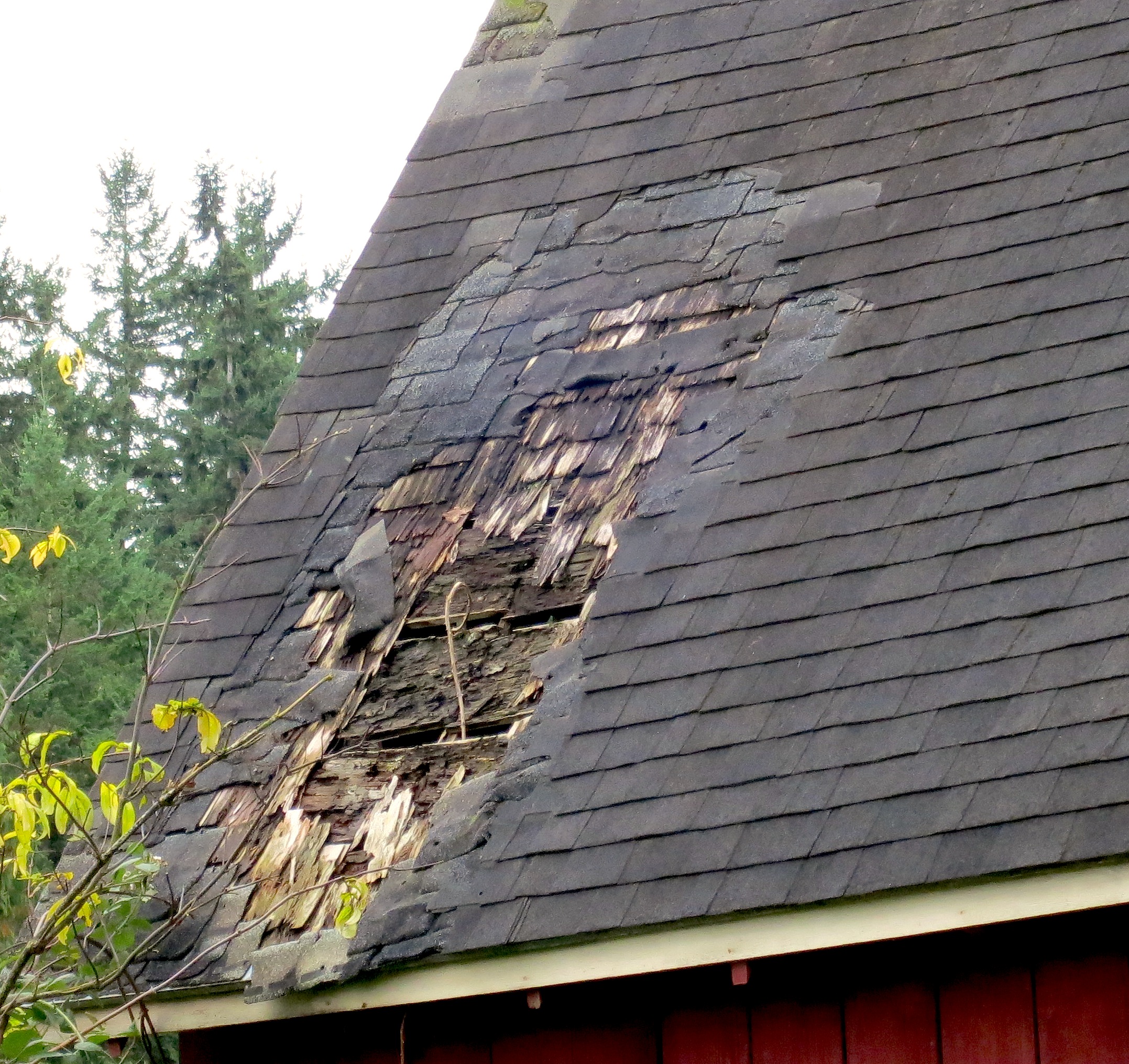
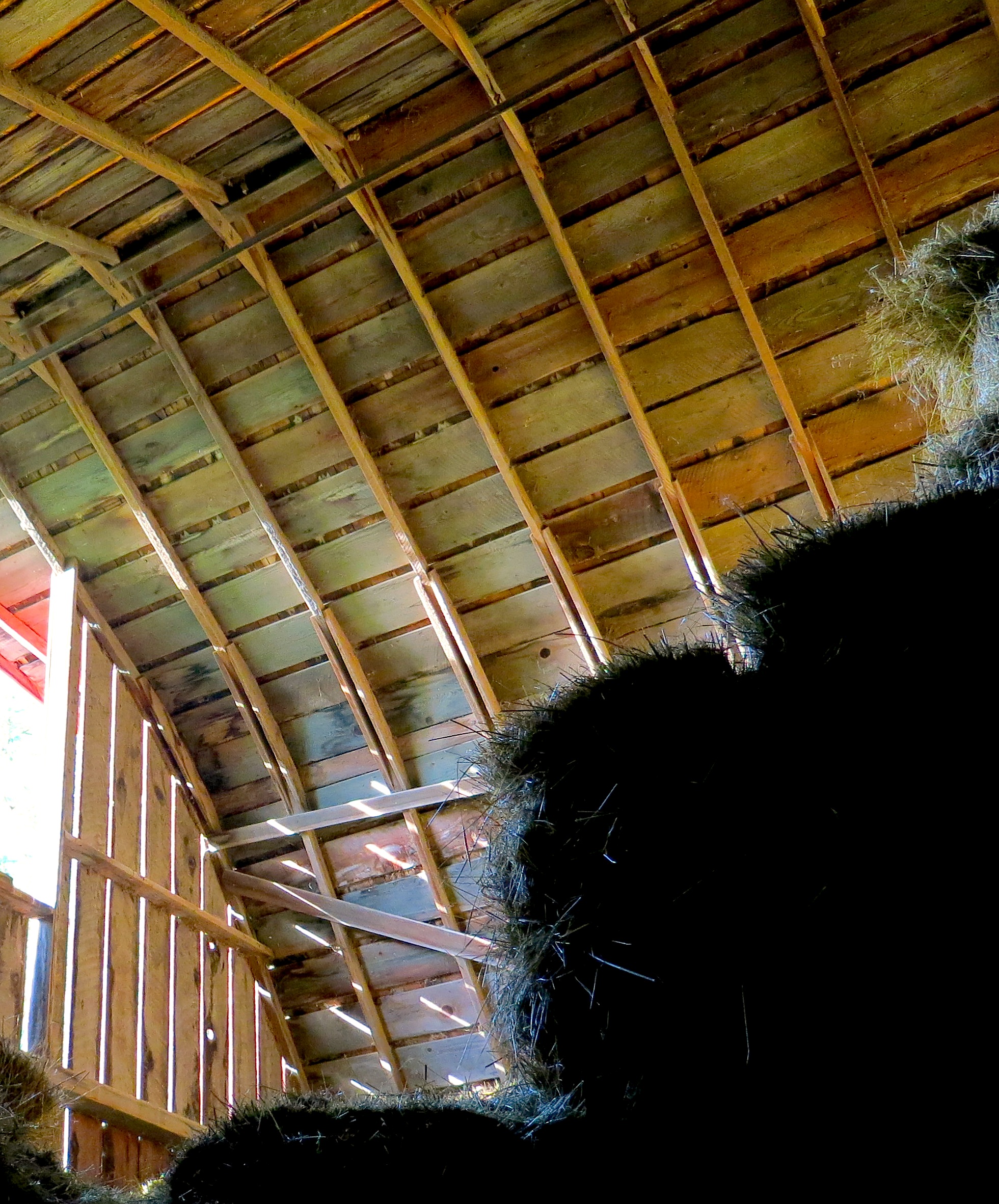
The old barn will be resuscitated once again. Its floor will creak with the weight of the hay bales, the walls will groan with the pressure of stacks. The missing shingles on the roof will be replaced and the doors locked tight against the winter winds. But it will be breathing on its own, having needed only a short rest these last few weeks.

Inside, once again, filled to the brim, life is held tight by twine, just waiting to be released.

mowingfield

396747_496652663682556_1002398142_n
Photo of Aaron Janicki raking hay with his Oberlander team in Skagit County courtesy of Tayler Rae

tjoelkerbarn

sunbeambarn3


This Good Man

fenceline3

This good man
~who has left us behind~

whose farm-hardened hands
wielded not only heavy hammers
but cradled a trembling wee bird.

This good man
~who has left us behind~

raised many a calf and chick
and a plethora of pups and piglets
and enough canaries to fill a thousand homes with song.

This good man
~who left us behind~

whose gentle smile
and generous heart
volunteered thousands of hours of selfless service.

This good man
~who has left us behind~

who raised no children himself
yet loved and nurtured a slew of nieces and nephews,
keeping track of every single one.

This good man
~who has left us behind~

who plowed and planted,
harvested and gathered
and saved and gave and gave and gave.

This good man
~who has left us behind~

who dressed for the farm every day
yet changed his jeans and tee shirt and muck boots
each week to Sunday’s best button-down shirt and sweater.

This good man
~who has left us behind~

is the only man to ever have owned both
a church organ in his front room
and a gold FireBird Trans Am in his back shed.

This good man
~who has left us behind~

has shown us the way to follow Him:

by his faithful service
by his love for the land
by his love for the garden
by his love for his animals
by his love for his family and friends
by his love for his church
by his love for the Lord.

This good man~
This good and humble man~
This good and humble and gentle man~

has gone down the lane ahead of us a bit
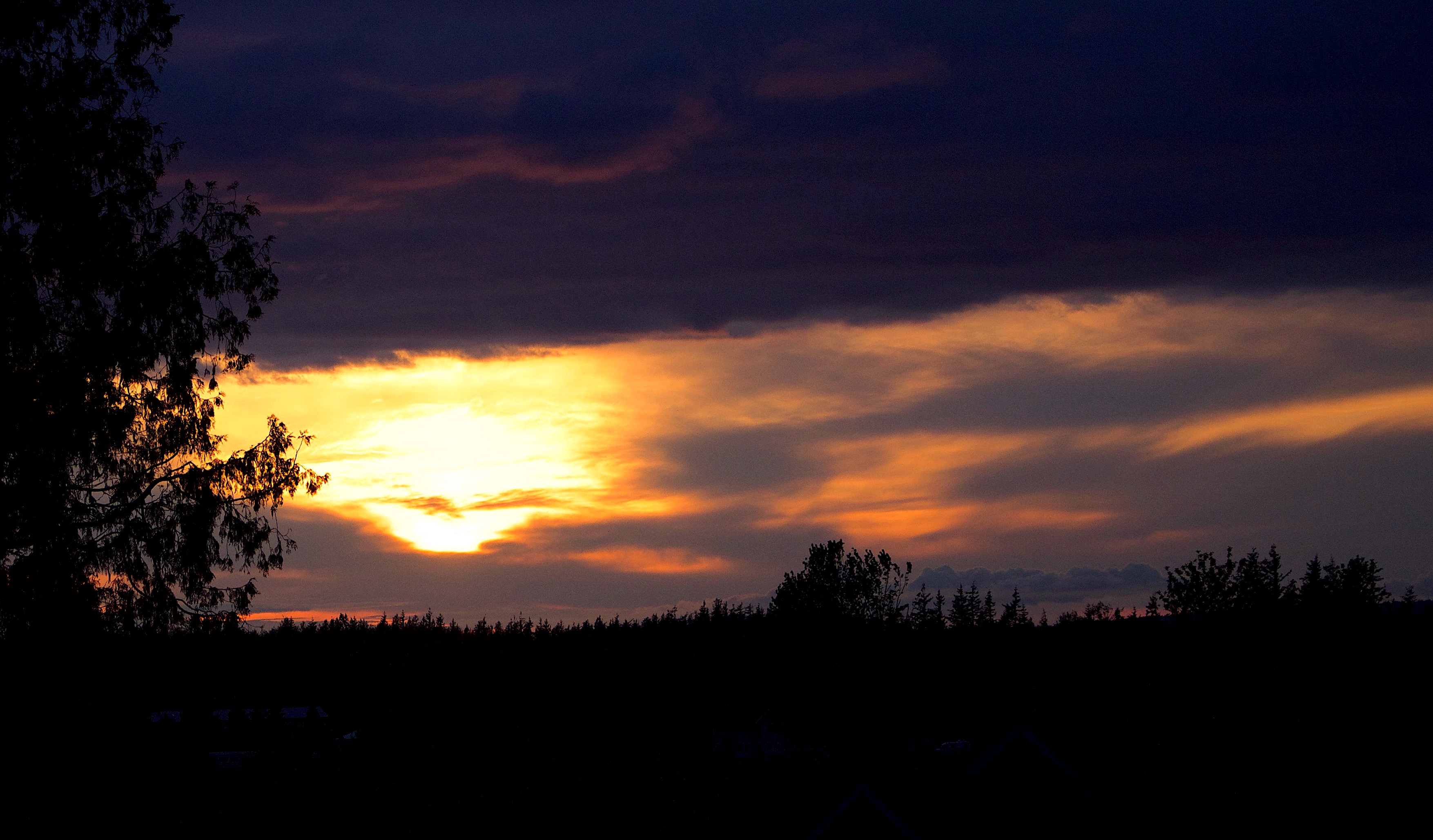
and will be waiting for us around the bend,
watching and waiting, waiting and watching,
keeping vigil until he can
someday see us coming on the horizon
and beckon us in and welcome us home.

driveway

sunset5117


john
Uncle John Smit

So God Made a Farmer

danbarn

And on the 8th day, God looked down on his planned paradise and said, “I need a caretaker.” So God made a farmer.

God said, “I need somebody willing to get up before dawn, milk cows, work all day in the fields, milk cows again, eat supper and then go to town and stay past midnight at a meeting of the school board.” So God made a farmer.

“I need somebody with arms strong enough to rustle a calf and yet gentle enough to deliver his own grandchild. Somebody to call hogs, tame cantankerous machinery, come home hungry, have to wait lunch until his wife’s done feeding visiting ladies and tell the ladies to be sure and come back real soon — and mean it.” So God made a farmer.

God said, “I need somebody willing to sit up all night with a newborn colt. And watch it die. Then dry his eyes and say, ‘Maybe next year.’ I need somebody who can shape an ax handle from a persimmon sprout, shoe a horse with a hunk of car tire, who can make harness out of haywire, feed sacks and shoe scraps. And who, planting time and harvest season, will finish his forty-hour week by Tuesday noon, then, pain’n from ‘tractor back,’ put in another seventy-two hours.” So God made a farmer.

God had to have somebody willing to ride the ruts at double speed to get the hay in ahead of the rain clouds and yet stop in mid-field and race to help when he sees the first smoke from a neighbor’s place. So God made a farmer.

God said, “I need somebody strong enough to clear trees and heave bails, yet gentle enough to tame lambs and wean pigs and tend the pink-combed pullets, who will stop his mower for an hour to splint the broken leg of a meadow lark. It had to be somebody who’d plow deep and straight and not cut corners. Somebody to seed, weed, feed, breed and rake and disc and plow and plant and tie the fleece and strain the milk and replenish the self-feeder and finish a hard week’s work with a five-mile drive to church.

“Somebody who’d bale a family together with the soft strong bonds of sharing, who would laugh and then sigh, and then reply, with smiling eyes, when his son says he wants to spend his life ‘doing what dad does.'” So God made a farmer.
~Paul Harvey (1978)

icyfarm

Good farmers, who take seriously their duties as stewards of Creation and of their land’s inheritors, contribute to the welfare of society in more ways than society usually acknowledges, or even knows. These farmers produce valuable goods, of course; but they also conserve soil, they conserve water, they conserve wildlife, they conserve open space, they conserve scenery.
~Wendell Berry

Farmers farm for the love of farming. They love to watch and nurture the growth of plants. They love to live in the presence of animals. They love to work outdoors. They love the weather, maybe even when it is making them miserable. They love to live where they work and to work where they live. If the scale of their farming is small enough, they like to work in the company of their children and with the help of their children.
~Wendell Berry from Bringing it to the Table: Writings on Farming and Food

snowyfarming

The ultimate goal of farming is not the growing of crops, but the cultivation and perfection of human beings.”
~Masanobu Fukuoka 

fieldpanorama
photo by Nate Gibson

It is hard for my husband and I to ignore our genetic destiny to struggle as stewards of the land through the challenges of economics and weather. Our blood runs with DNA of dairy farmers, wheat and lentil growers, loggers, cattle ranchers, work horse teamsters, and flower and vegetable gardeners. A farm eventually called us from the city and our professional lives to come back home and care for a piece of ground and its animals. So we heeded and here we remain, some 32 years later, children raised and gone.

Perhaps the call of the farmer genes will bring one of them back to the land.  Because farmers are hand-picked for the job by God Himself.

amberhomer

icychainlink

https://www.youtube.com/watch?v=AMpZ0TGjbWE

The Farmer’s Duct Tape

fog1184


twine6

My hands are torn
by baling twine, not nails, and my side is pierced
by my ulcer, not a lance.
~Hayden Carruth from “Emergency Haying”

twine3


twine2


twine4
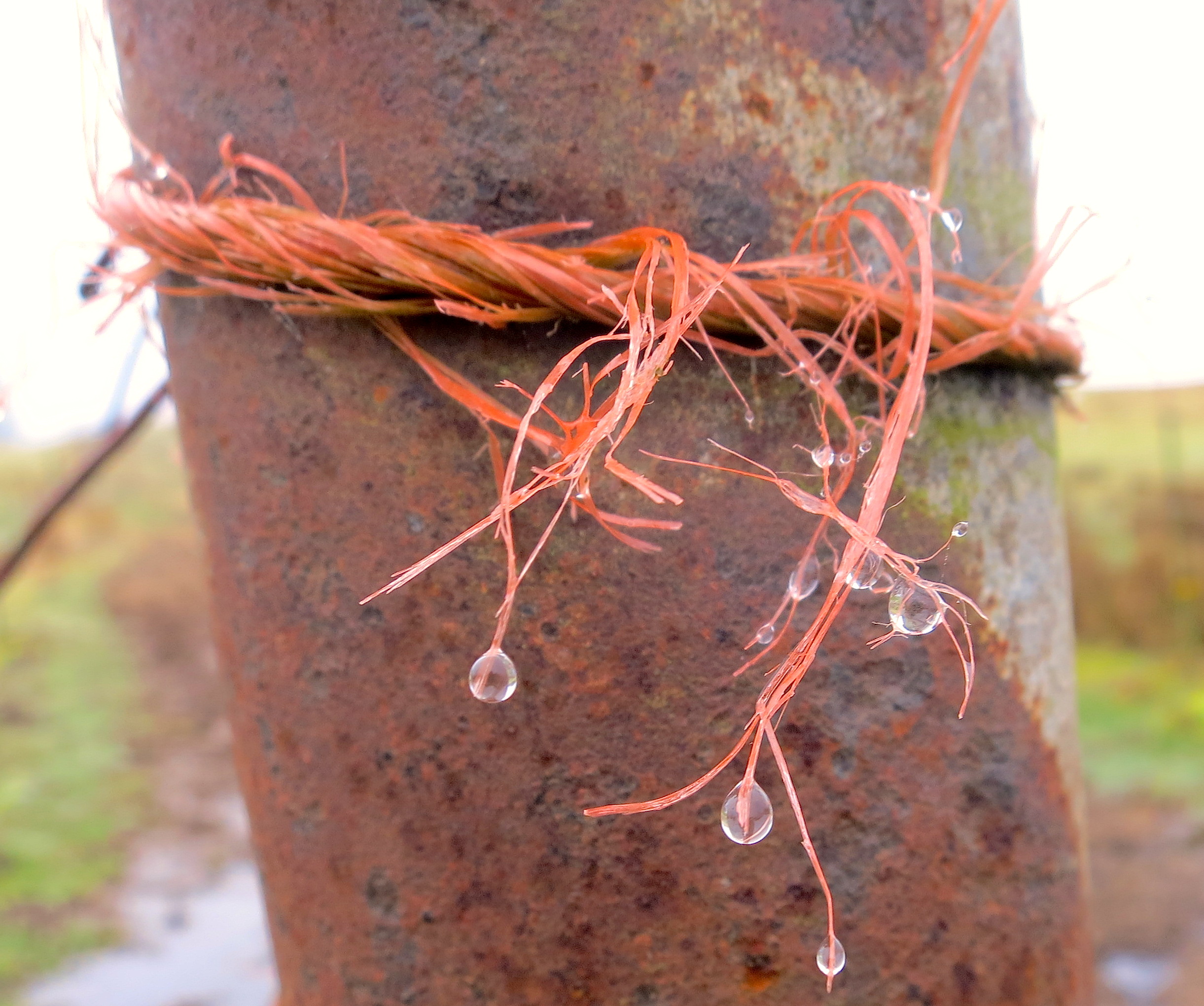
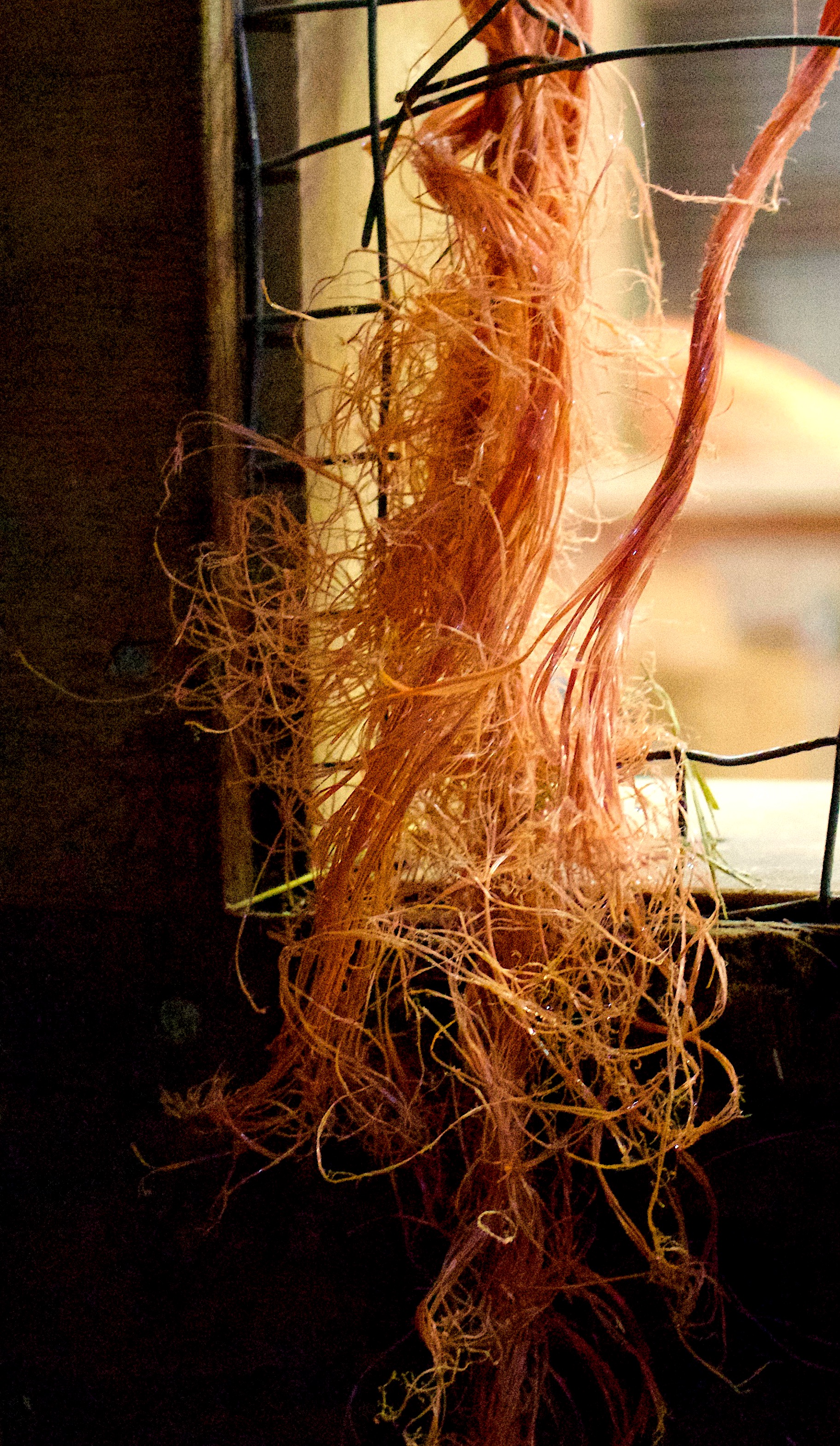
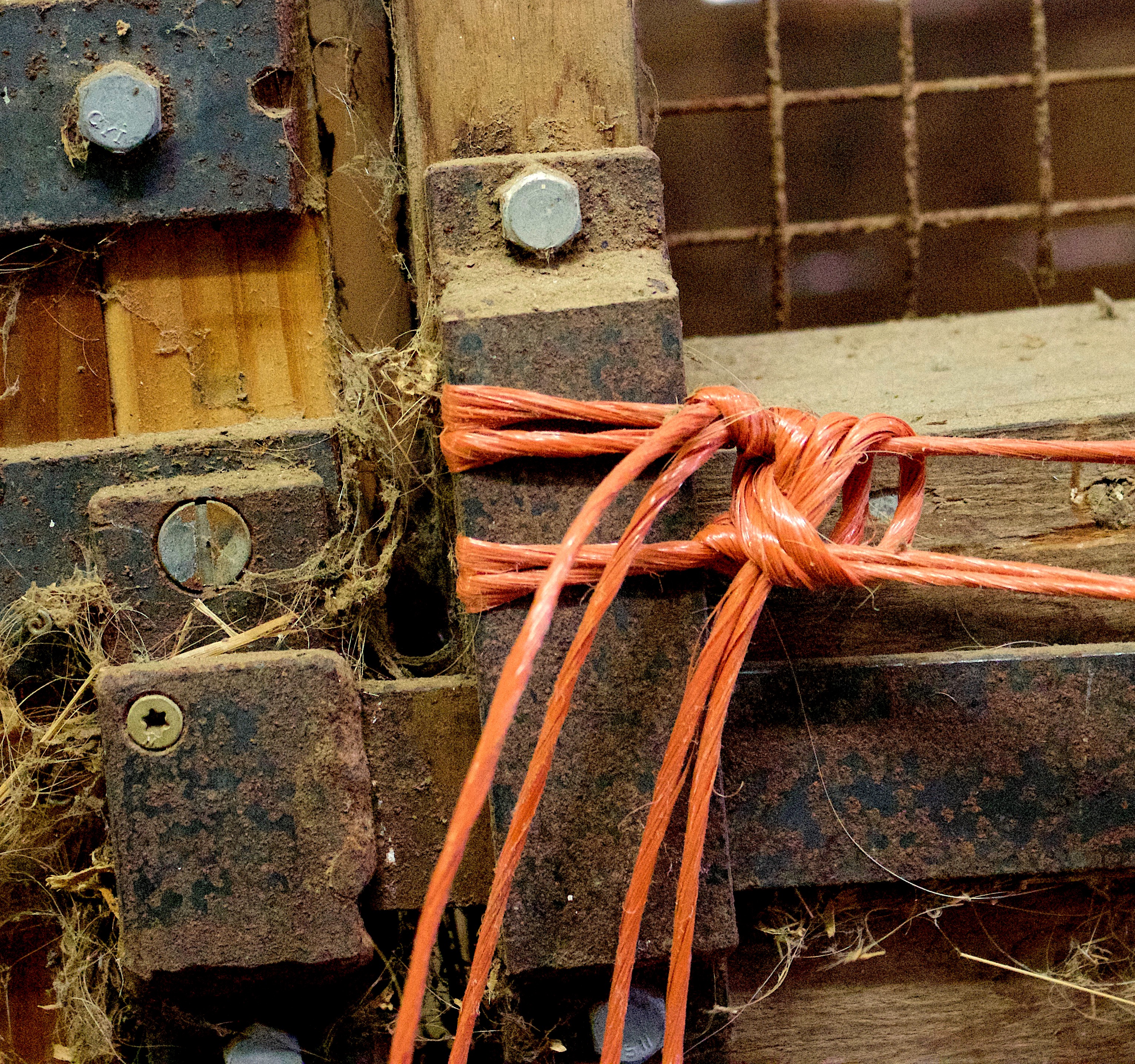
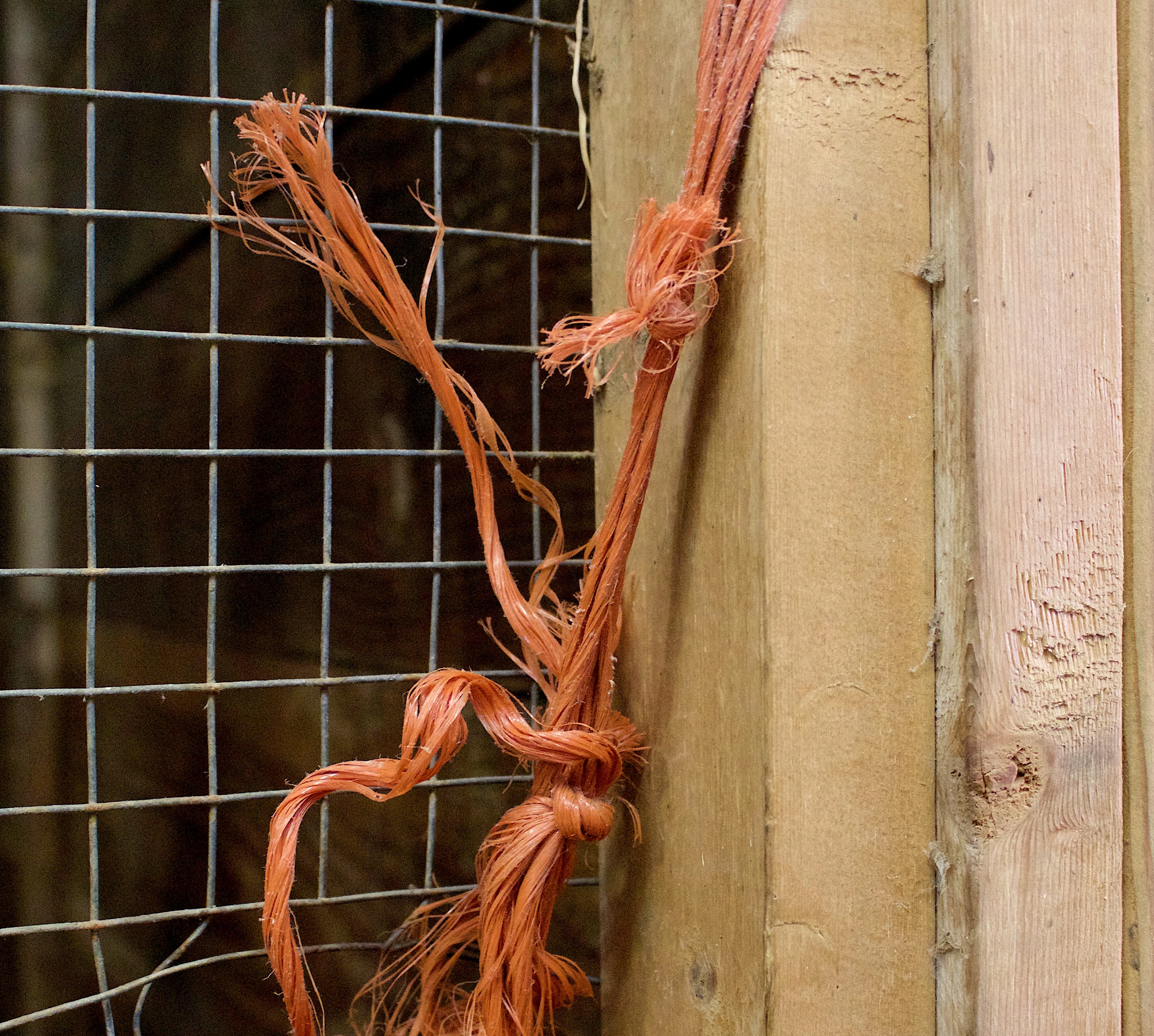
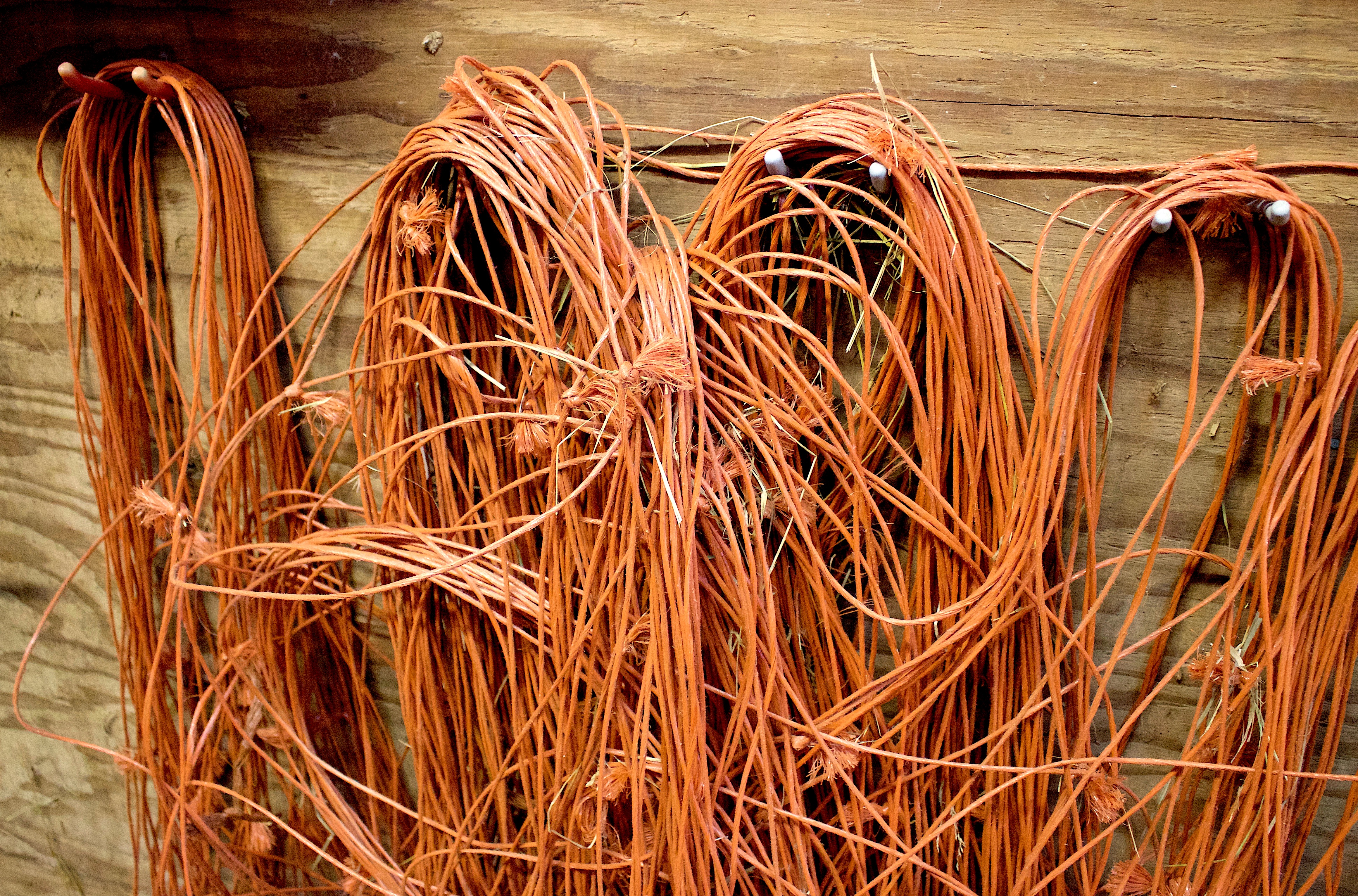
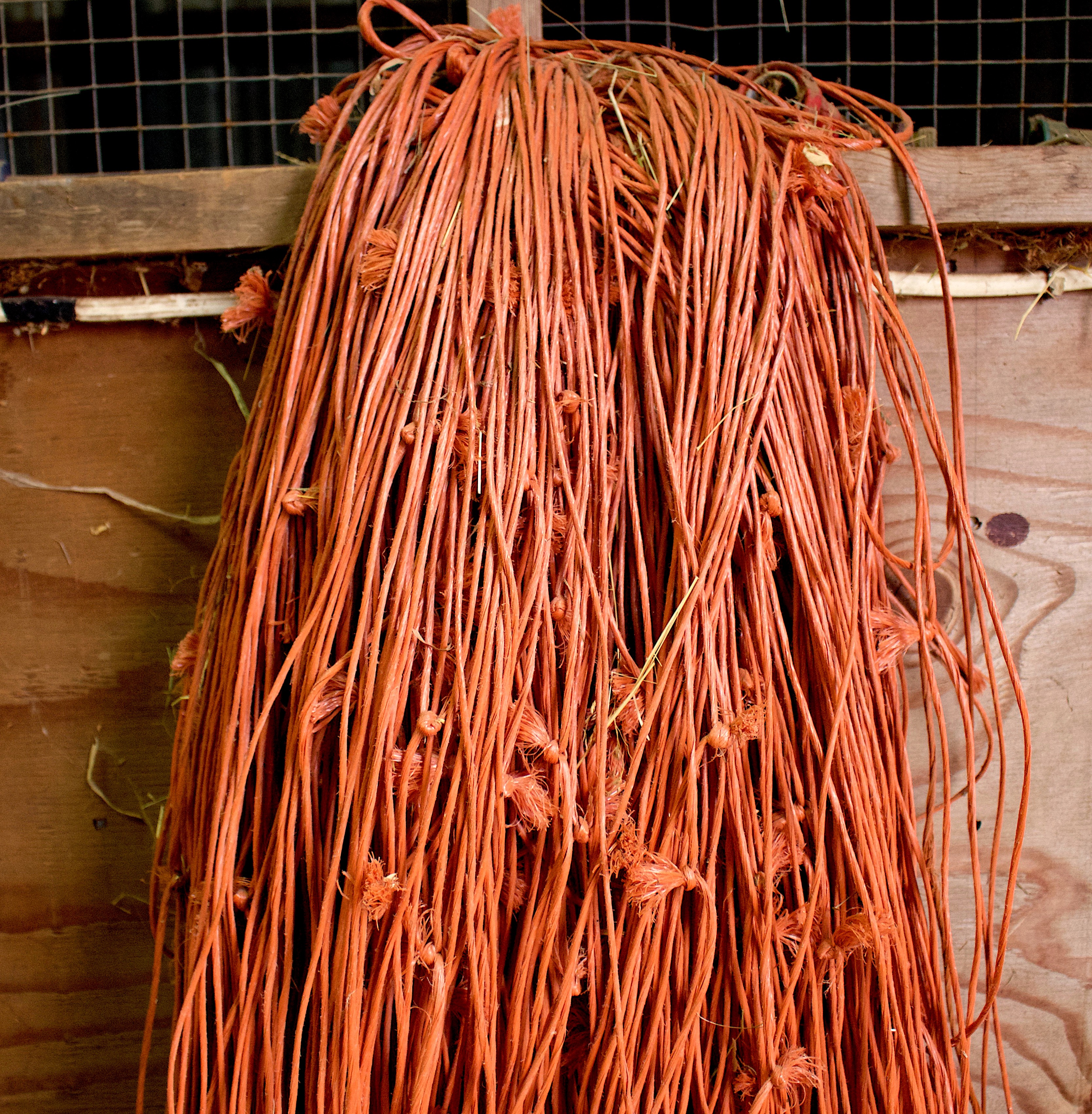
Miles of baling twine encircle
tons of hay in our barn,
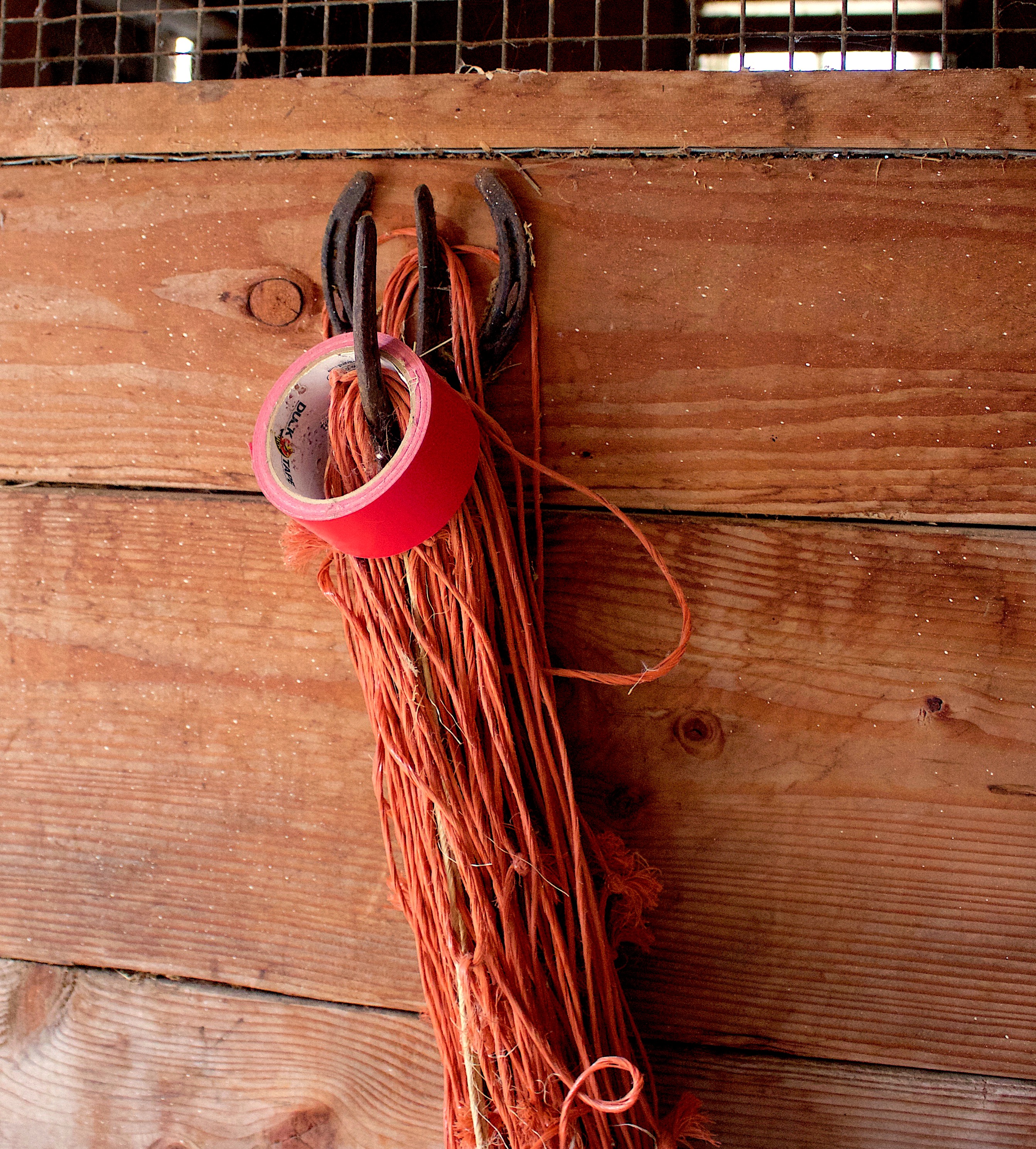
twice daily cut loose,
freed of grasses
and hung up to reuse again
in myriad ways:

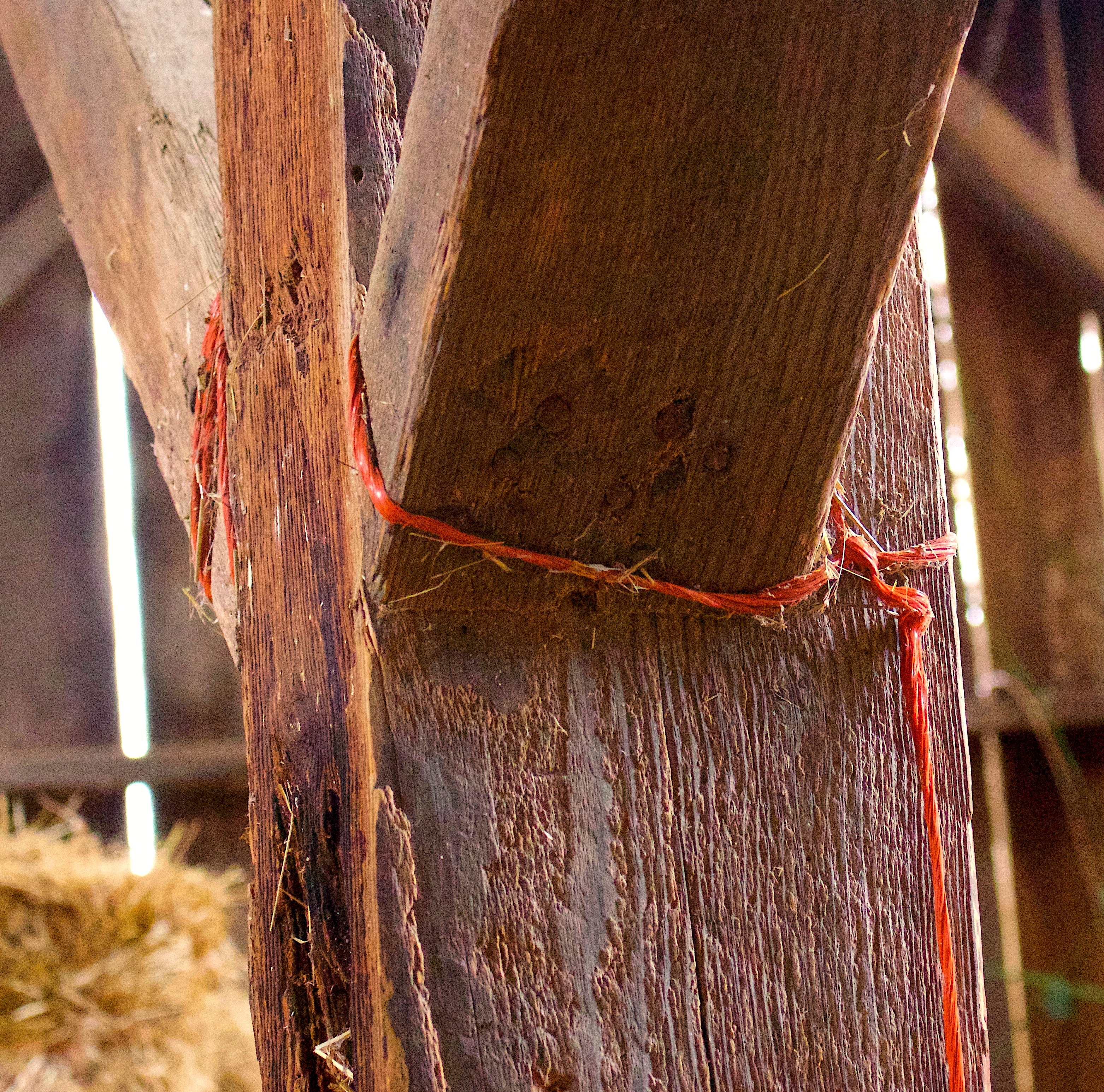
~~tighten a sagging fence
latch a swinging gate
tie shut a gaping door
replace a broken handle
hang a water bucket
suspend a sagging overalls
fix a broken halter
entertain a bored barn cat
snug a horse blanket belt~~

It is the duct tape of the barn
whenever duct tape won’t work;
a fix-all handy in every farmer’s pocket
made beautiful
by a morning fog’s weeping.


twine7


twine8


twine1

twine5

The Dent in the Ground

galloping2

396747_496652663682556_1002398142_n
Photo of Aaron Janicki haying with his Oberlander team in Skagit County courtesy of Tayler Rae
314753_496651617015994_783180103_n
photo by Tayler Rae

All winter your brute shoulders strained against collars, padding
and steerhide over the ash hames, to haul
sledges of cordwood for drying through spring and summer,
for the Glenwood stove next winter, and for the simmering range.

In April you pulled cartloads of manure to spread on the fields,
dark manure of Holsteins, and knobs of your own clustered with oats.
All summer you mowed the grass in meadow and hayfield, the mowing machine
clacketing beside you, while the sun walked high in the morning;

and after noon’s heat, you pulled a clawed rake through the same acres,
gathering stacks, and dragged the wagon from stack to stack,
and the built hayrack back, uphill to the chaffy barn,
three loads of hay a day from standing grass in the morning.

Sundays you trotted the two miles to church with the light load
a leather quartertop buggy, and grazed in the sound of hymns.
Generation on generation, your neck rubbed the windowsill
of the stall, smoothing the wood as the sea smooths glass.

When you were old and lame, when your shoulders hurt bending to graze,
one October the man, who fed you and kept you, and harnessed you every morning,
led you through corn stubble to sandy ground above Eagle Pond,
and dug a hole beside you where you stood shuddering in your skin,

and lay the shotgun’s muzzle in the boneless hollow behind your ear,
and fired the slug into your brain, and felled you into your grave,
shoveling sand to cover you, setting goldenrod upright above you,
where by next summer a dent in the ground made your monument.

For a hundred and fifty years, in the Pasture of dead horses,
roots of pine trees pushed through the pale curves of your ribs,
yellow blossoms flourished above you in autumn, and in winter
frost heaved your bones in the ground – old toilers, soil makers:

O Roger, Mackerel, Riley, Ned, Nellie, Chester, Lady Ghost.
~Donald Hall “Name of Horses”

octoberyard3

As a child, not yet a teenager, I regularly visited the horse grave dug by hand by my father in an open clearing of our woods where our horse rested in the ground. She was felled by a vet’s bullet to the head after an agonizing bout with colic. At first it was a place to cry where no one but the trees and wild flowers could see. When the tears dried up, it was a place to sing loudly where no one but chipmunks and my dog could hear. Later it became the sanctuary I retreated to talk to God when my church no longer was.

Your bones lie there still and no one but me knows where. The dent in the ground will always betray the spot.

I’ll always remember you.

wallysolstice

pastureoctober

galloping


A Steward of Creation

rainbowfarm

marshmallowmorning1

Good farmers, who take seriously their duties as stewards of Creation and of their land’s inheritors, contribute to the welfare of society in more ways than society usually acknowledges, or even knows. These farmers produce valuable goods, of course; but they also conserve soil, they conserve water, they conserve wildlife, they conserve open space, they conserve scenery.
~Wendell Berry

rows

When it is understood that one loses joy and happiness in the attempt to possess them, the essence of natural farming will be realized. The ultimate goal of farming is not the growing of crops, but the cultivation and perfection of human beings.”
~Masanobu Fukuoka 

hayjobdone

cedargrove2

I should understand the land, not as a commodity, an inert fact to be taken for granted, but as an ultimate value, enduring and alive, useful and beautiful and mysterious and formidable and comforting, beneficent and terribly demanding, worthy of the best of man’s attention and care… [My father] insisted that I learn to do the hand labor that the land required, knowing–and saying again and again–that the ability to do such work is the source of a confidence and an independence of character that can come no other way, not by money, not by education.
~Wendell Berry

northcountyevening

northcounty4

He knows all about the cycle of the seasons
When to plow, when to disc, when to harrow,
When to plant, when to fertilize,
When to irrigate, when to weed,
When to harvest, when to leave stubble and
When to lie fallow.

He knows to read the sky and feel the wind
When the forecast is right,
When it is just plain off,
When to quit early for the day,
When to keep going beyond dark and
When to give up and go to bed.

He knows his animals and what they need
When to bring them in, when to turn them out,
When to doctor them himself,
When to call the vet,
When to use heroics and
When to let go.

He knows his family and friends
When to tease his wife, when to hug her,
When to be tough on the kids, when to love them
When to give all he’s got, when to withhold
When to bid at the sale barn, when to just smile and
When to go home empty handed but full of stories.

He knows his Bible and his faith
When to pray aloud, when to be silent,
When to trust through hard times,
When to share abundance,
When to believe with burning heart and
When to forgive and be forgiven.

He knows his time is coming
When his worn and tired body slows down,
When he drives his pickup and takes a wrong turn,
When he shows up for chores breathing hard,
When he bids at auction just because and
When he lies down for a nap and doesn’t get up.

He lies fallow, sleeping,
Having given up and let go
To head home, without getting lost,
Stubbled, forgiven and loved,
Storing the rest of his harvest
For a new and glorious day.


tractorguy

A Terrible One-Sided Accord

johnshens

What did I love about killing the chickens? Let me start
with the drive to the farm as darkness
was sinking back into the earth.
The road damp and shining like the snail’s silver
ribbon and the orchard
with its bony branches.
All eighty-eight Cornish

hens huddled in their crates. Wrapping my palms around
their white wings, lowering them into the tapered urn.
Some seemed unwitting as the world narrowed;
some cackled and fluttered; some struggled.
I gathered each one, tucked her bright feet,
drew her head through the kill cone’s sharp collar,
her keratin beak and the rumpled red vascular comb
that once kept her cool as she pecked in her mansion of grass.
I didn’t look into those stone eyes. I didn’t ask forgiveness.
I slid the blade between the feathers
and made quick crescent cuts, severing
the arteries just under the jaw. Blood like liquor
pouring out of the bottle. When I see the nub of heart later,
it’s hard to believe such a small star could flare
like that. I lifted each body, bathing it in heated water
until the scaly membrane of the shanks
sloughed off under my thumb.
And after they were tossed in the large plucking drum
I loved the newly naked birds. Sundering
the heads and feet neatly at the joints, a poor
man’s riches for golden stock. Slitting a fissure
reaching into the chamber,
freeing the organs, the spill of intestines, blue-tinged gizzard,
the small purses of lungs, the royal hearts,
easing the floppy liver, carefully, from the green gall bladder,
its bitter bile. And the fascia unfurling
like a transparent fan. When I tug the esophagus
down through the neck, I love the suck and release
as it lets go.
I’m empty as I rinse each carcass,
and this is what I love most.

It’s like when the refrigerator turns off and you hear
the silence. Even in just this one thing:
looking straight at the terrible,
one-sided accord we make with the living of this world.
At the end, we scoured the tables, hosed the dried blood,
the stain blossoming through the water.
~Ellen Bass from “What Did I Love”

cedargrove

For a number of summers, we spent most of the morning and afternoon of Fourth of July with neighbors at a farm down the road doing that most American of activities: communally butchering chickens.

There is some risk to writing about killing living creatures.  Yet, I also pull carrots, radishes and onions from the ground, dig up potatoes and weed-whack thistles in the field.

It is what farmers do. Shopping at the local farmers’ market or grocery store, we are insulated from this harsh reality, this terrible one-sided accord humans have with the land and growing things.

It is how food ends up sustaining us, supporting the next generation and the next, and these living creatures deserve our blessing of gratitude.

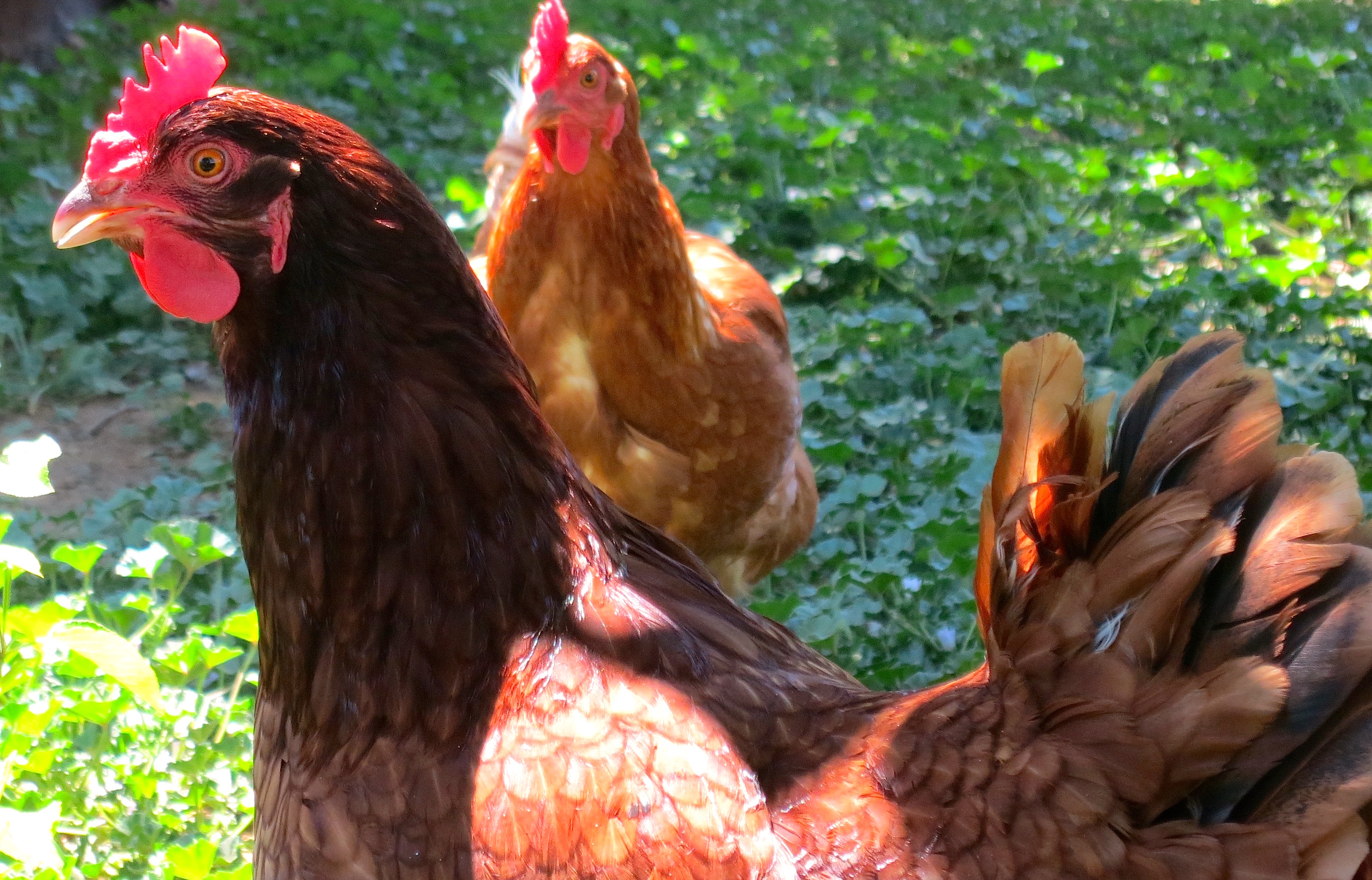
I grew up on a farm where we raised our own meat and my parents, who also grew up knowing the animals that would eventually be on their plate, encouraged us kids to watch and participate in the process so we understood what it meant to sacrifice an animal or a plant for our benefit.  We knew that animal from birth, we named them, looked them in the eye, we petted and held them, we fed them, cleaned up after them, and when the time came, we watched them slump to the ground, their hide or feathers stripped and their steaming carcass prepared.

I cannot take this lightly.  These creatures, who I respected and cared for, were breathing heart-beating beings just minutes before.

It has been quite a few years since we raised our own meat as a family, since those summers our children growing up also learned this relationship with the food on the table.  As a group of neighbors, we would combine our chicken butchering together on Fourth of July so we had an efficient assembly line approach to the process of putting dozens of chickens in the freezer all within a few hours.  There were catchers, holders, choppers, boilers, pluckers, gutters, rinsers and baggers. We all took turns doing different aspects of the task. There was an irreverent reverence to the day, a bit more joking and laughing than was warranted when blood is intentionally spilled.

We had to acknowledge the tight intertwine of life and death though none of us could bear to eat chicken for dinner that night. We too bore the stains of the day.


cedargrove1

mayrose516