He will wipe away every tear from their eyes, and death shall be no more, neither shall there be mourning, nor crying, nor pain anymore, for the former things have passed away. And he who was seated on the throne said, “Behold, I am making all things new.” Also he said, “Write this down, for these words are trustworthy and true. Revelation 21: 4-5
“Gandalf! I thought you were dead! But then I thought I was dead! Is everything sad going to come untrue?” ~J.R.R. Tolkien as Samwise Gamgee wakes to find his friends all around him in The Lord of the Rings
“The answer is yes. And the answer of the Bible is yes. If the resurrection is true, then the answer is yes. Everything sad is going to come untrue.” ~Pastor Tim Keller’s response in a sermon given in an ecumenical prayer service memorial in Lower Manhattan on the fifth anniversary of Sept. 11.
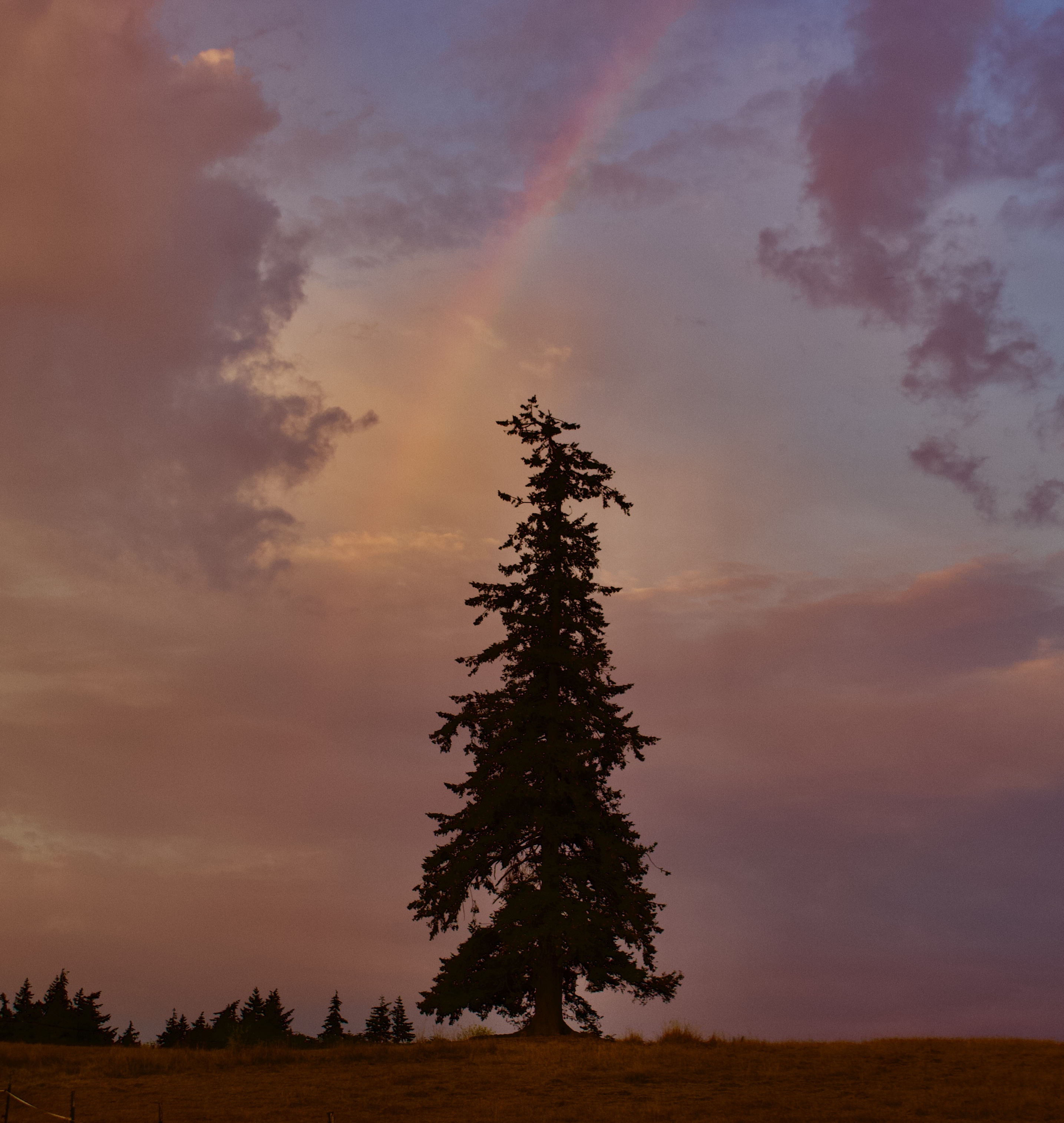
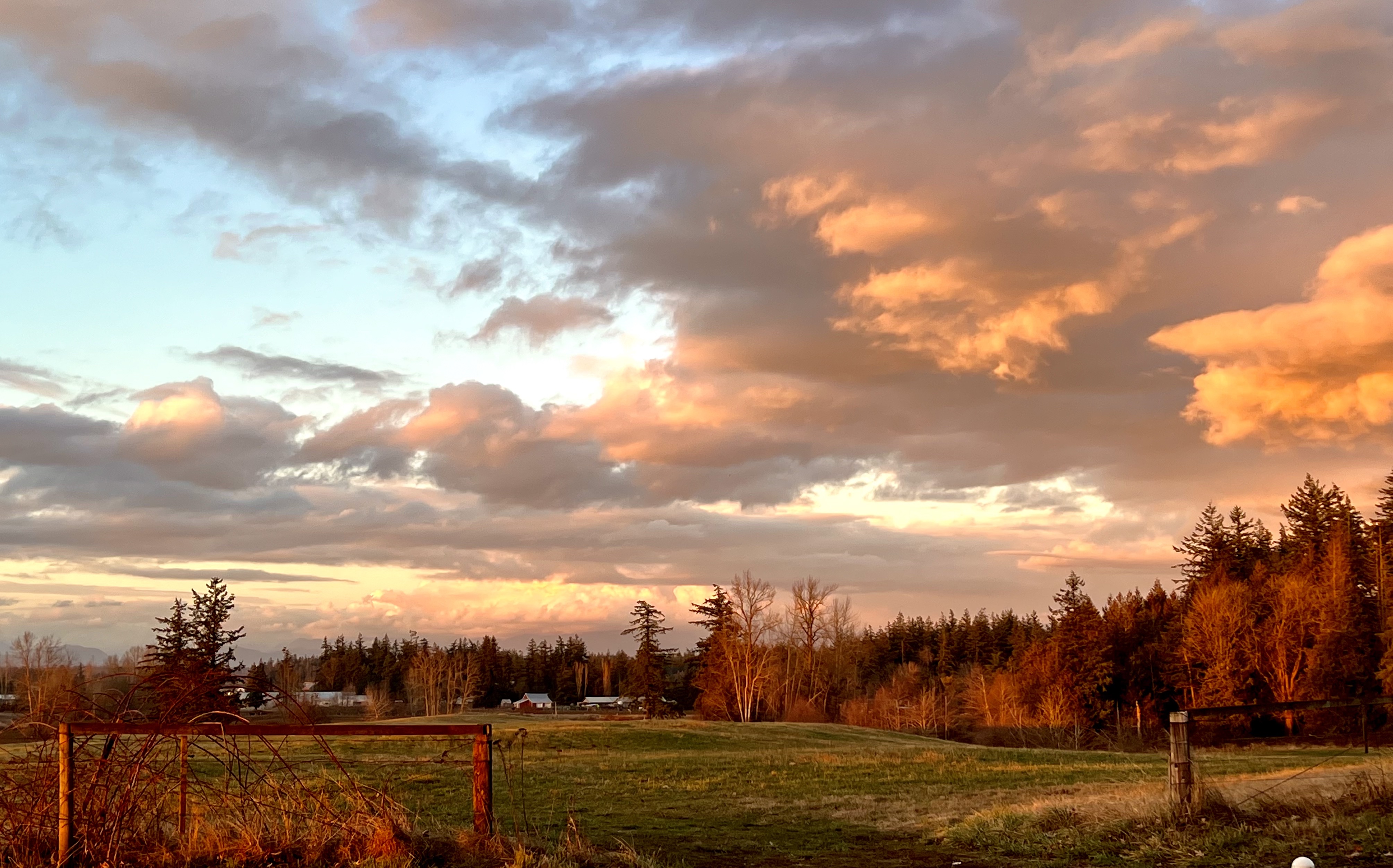
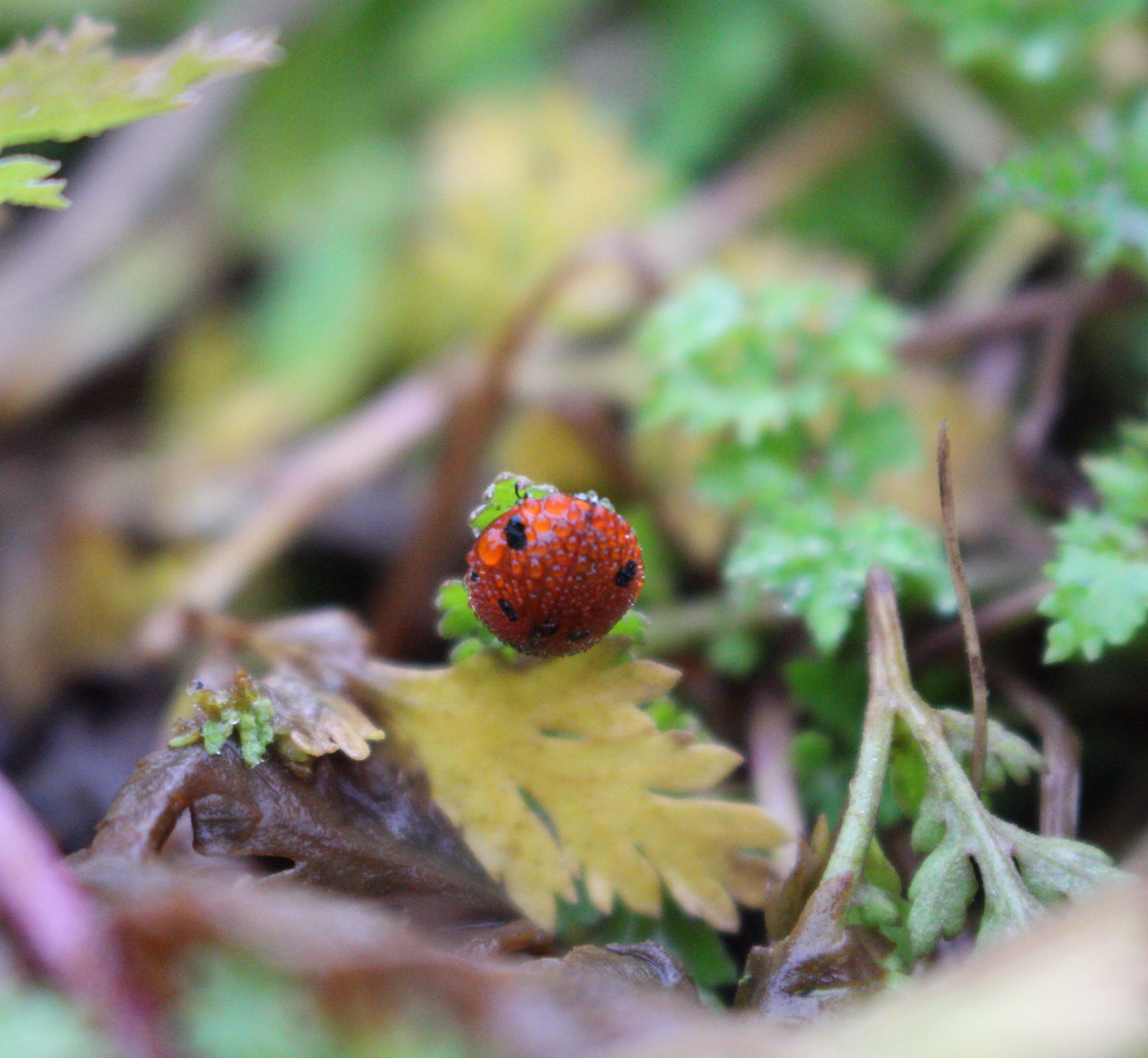
photo by Joel De Waard
In our minds, we want to rewind and replay the sad events of this week in a way that would prevent them from happening in the first place.
We want those in a broken relationship to come back together, hug and forgive. The devastating diagnosis would be proven an error and, in reality, only a transient illness. When a terrible tragedy happens, we want the dead and injured to rise up again. The destructive earthquake becomes a mere tremor, the flooding tsunami is only one foot, not over thirty feet tall, the hijackers are prevented from ever boarding a plane, the shooter changes her mind at the last minute and lays down her arms, the terrorist disables his suicide bombs and walks away from his training and misguided mission.
We want so badly for it all to be untrue. The bitter reality of horrendous suffering and sadness daily all over the earth is too much for us to absorb. We plead for relief and beg for a better day.
Our minds may play mental tricks like this, but God does not play tricks. He knows and feels what we do. He too wants to see it rewound and replayed differently. He has known grief and sadness, He has wept, He has suffered, He too has died in terrible humiliating and painful circumstances.
And because of this, because of a God who came to dwell with us, was broken, died and then rose again whole and holy, we are assured, in His time, everything sad is going to come untrue.
Our tears will be dried, our grief turned to joy, our pain nonexistent, not even a memory. It will be a new day, a better day–as it is written, trustworthy and true.
May it come.
Quickly.
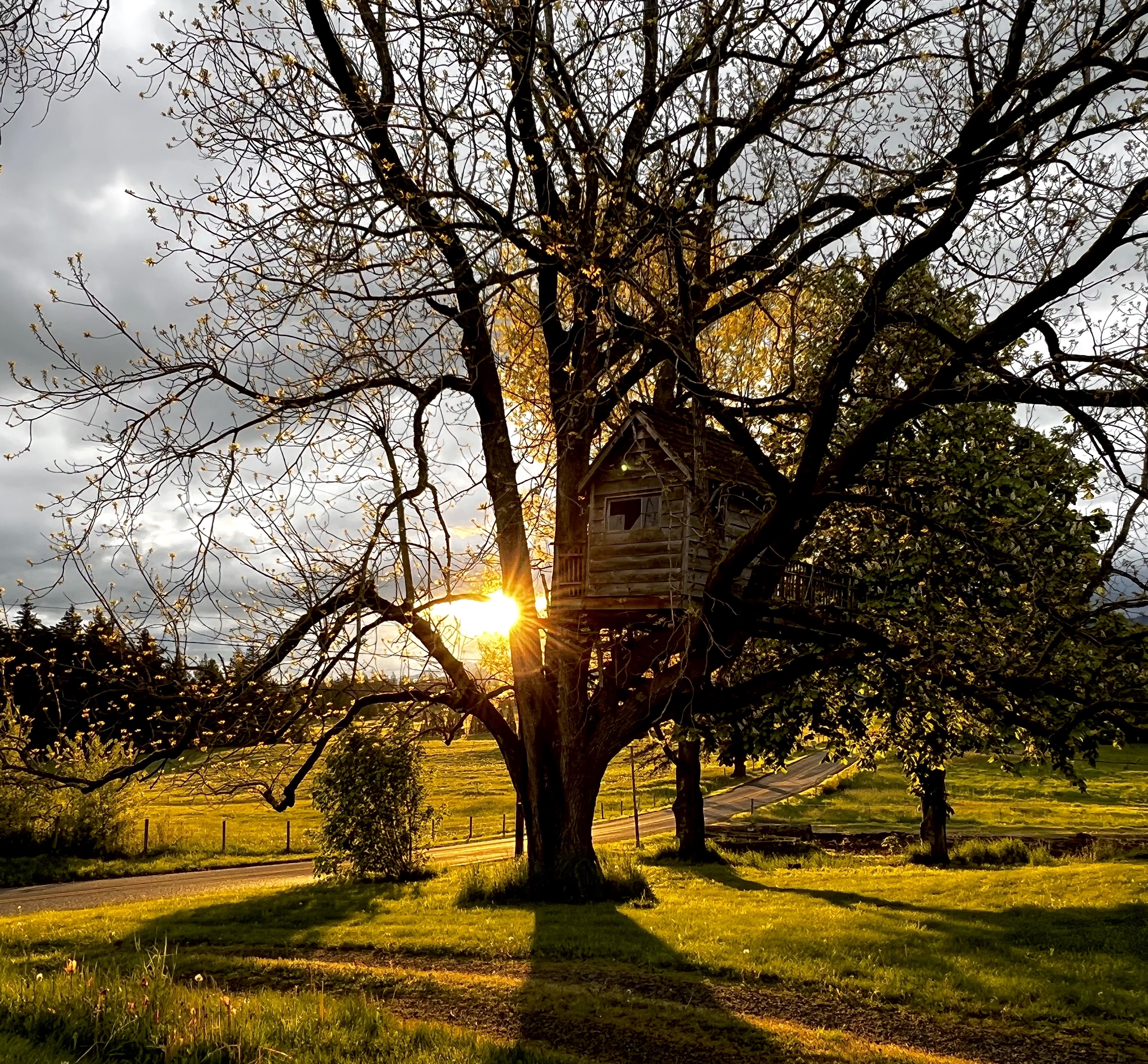
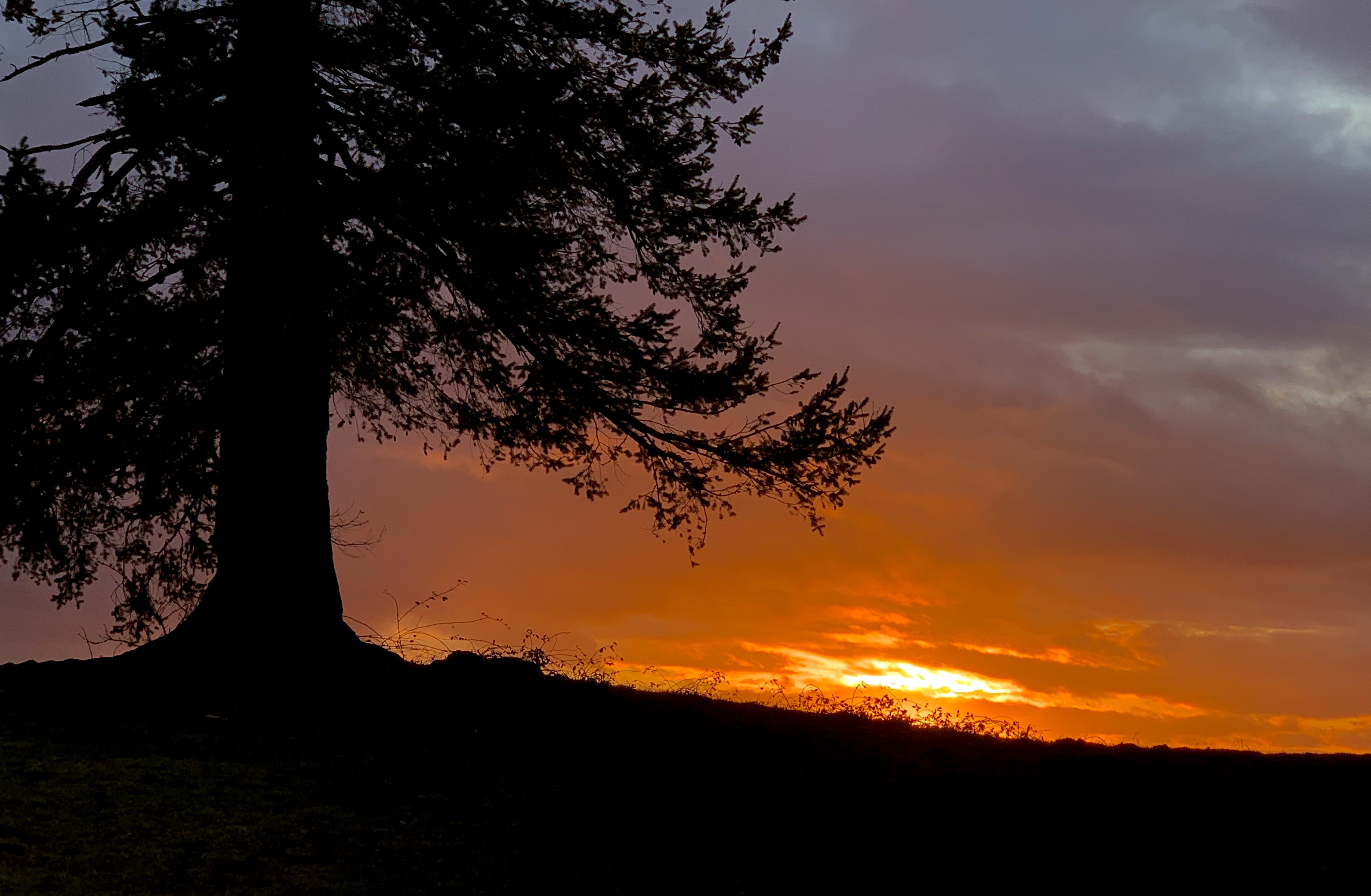
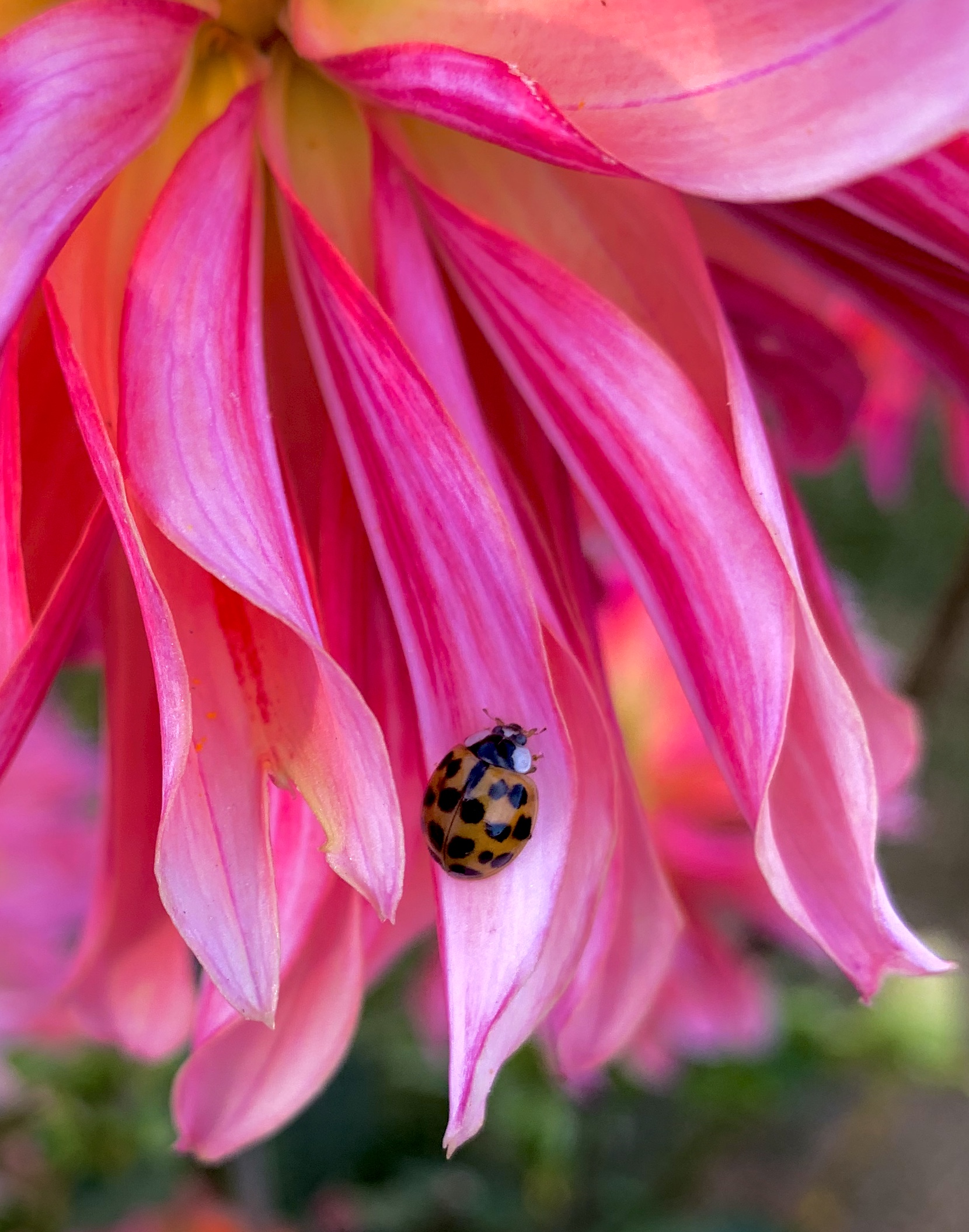
photo by Nate Gibson
This year’s Lenten theme: So we fix our eyes not on what is seen, but on what is unseen, since what is seen is temporary, but what is unseen is eternal. 2 Corinthians 4: 18
“I wish it need not have happened in my time,” said Frodo. “So do I,” said Gandalf, “and so do all who live to see such times. But that is not for them to decide. All we have to decide is what to do with the time that is given us.”
The world is indeed full of peril, and in it there are many dark places; but still there is much that is fair, and though in all lands love is now mingled with grief, it grows perhaps the greater. ― J.R.R. Tolkien, from The Fellowship of the Ring
God is not only the God of the sufferers but the God who suffers. … It is said of God that no one can behold his face and live. I always thought this meant that no one could see his splendor and live. A friend said perhaps it meant that no one could see his sorrow and live. Or perhaps his sorrow is splendor. …
Instead of explaining our suffering God shares it.
How is faith to endure, O God, when you allow all this scraping and tearing on us? You have allowed rivers of blood to flow, mountains of suffering to pile up, sobs to become humanity’s song–all without lifting a finger that we could see. You have allowed bonds of love beyond number to be painfully snapped. If you have not abandoned us, explain yourself.
We strain to hear. But instead of hearing an answer we catch sight of God himself scraped and torn. Through our tears we see the tears of God. ~Nicholas Wolterstorffin Lament for a Son
“My God, My God,” goes the Psalm 22, “hear me, why have you forsaken me?” This is the anguish all we of Godforsaken heart know well. But hear the revelation to which Christ directs us, further in the same psalm:
For He has not despised nor scorned the beggar’s supplication, Nor has He turned away His face from me; And when I cried out to Him, He heard me.
He hears us, and he knows, because he has suffered as one Godforsaken. Which means that you and I, even in our darkest hours, are not forsaken. Though we may hear nothing, feel nothing, believe nothing, we are not forsaken, and so we need not despair. And that is everything. That is Good Friday and it is hope, it is life in this darkened age, and it is the life of the world to come. ~Tony Woodlief from “We are Not Forsaken”
Scratch the surface of a human being and the demons of hate and revenge … and sheer destructiveness break forth.
Again and again we read the stories of violence in our daily papers, of the mass murders and ethnic wars still occurring in numerous parts of our world. But how often do we say to ourselves: “What seizes people like that, even young people, to make them forget family and friends, and suddenly kill other human beings?” We don’t always ask the question in that manner. Sometimes we are likely to think, almost smugly: “How different those horrible creatures are from the rest of us. How fortunate I am that I could never kill or hurt other people like they did.”
I do not like to stop and, in the silence, look within, but when I do I hear a pounding on the floor of my soul. When I open the trap door into the deep darkness I see the monsters emerge for me to deal with. How painful it is to bear all this, but it is there to bear in all of us. Freud called it the death wish, Jung the demonic darkness. If I do not deal with it, it deals with me. The cross reminds me of all this.
This inhumanity of human to human is tamed most of the time by law and order in most of our communities, but there are not laws strong enough to make men and women simply cease their cruelty and bitterness. This destructiveness within us can seldom be transformed until we squarely face it in ourselves. This confrontation often leads us into the pit. The empty cross is planted there to remind us that suffering is real but not the end, that victory still is possible… ~Morton Kelsey from “The Cross and the Cellar”
I’m depending on others’ words right now. The maelstrom of emotions following this week’s latest school shooting silences everything but my tears.
Have mercy, Holy God, on your people.
This year’s Lenten theme: So we fix our eyes not on what is seen, but on what is unseen, since what is seen is temporary, but what is unseen is eternal. 2 Corinthians 4: 18
Here in the time between snow and the bud of the rhododendron, we watch the robins, look into
the gray, and narrow our view to the patches of wild grasses coming green. The pile of ashes
in the fireplace, haphazard sticks on the paths and gardens, leaves tangled in the ivy and periwinkle
lie in wait against our will. This drawing near of renewal, of stems and blossoms, the hesitant return
of the anarchy of mud and seed says not yet to the blood’s crawl. When the deer along the stream
look back at us, we know again we have left them. We pull a blanket over us when we sleep.
As if living in a prayer, we say amen to the late arrival of red, the stun of green, the muted yellow
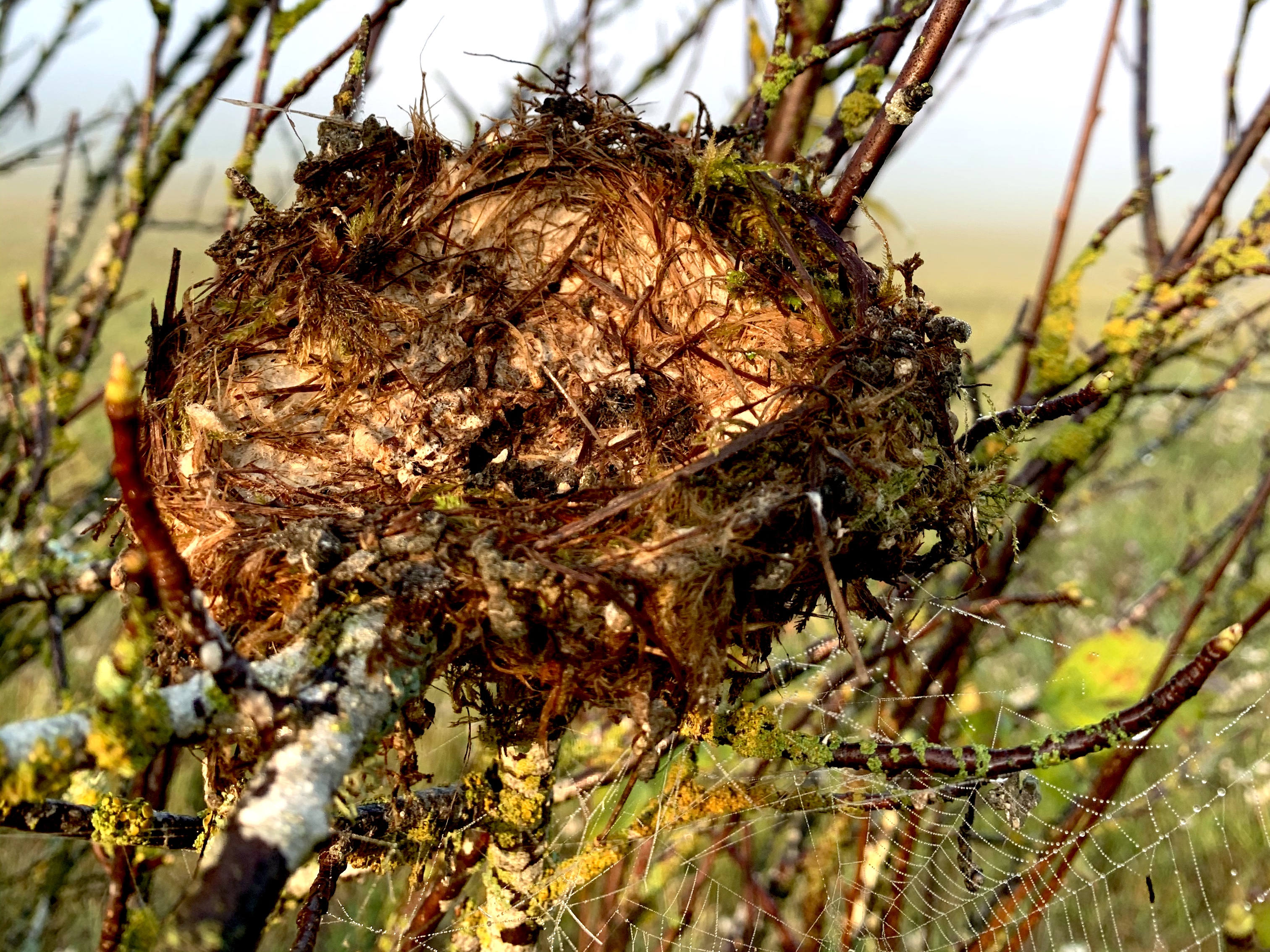
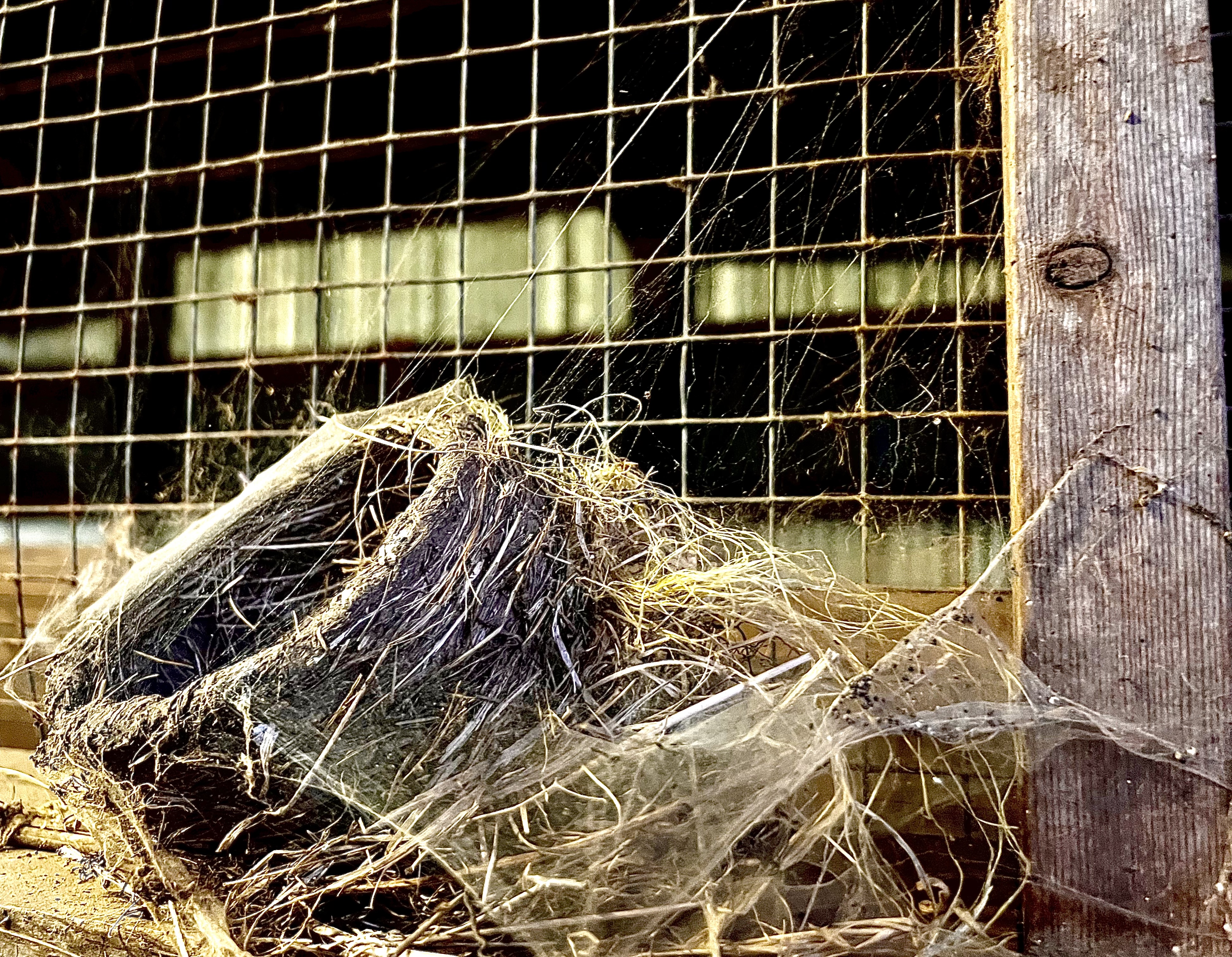
at the end of every twig. We will lift up our eyes unto the trees hoping to discover a gnarled nest within
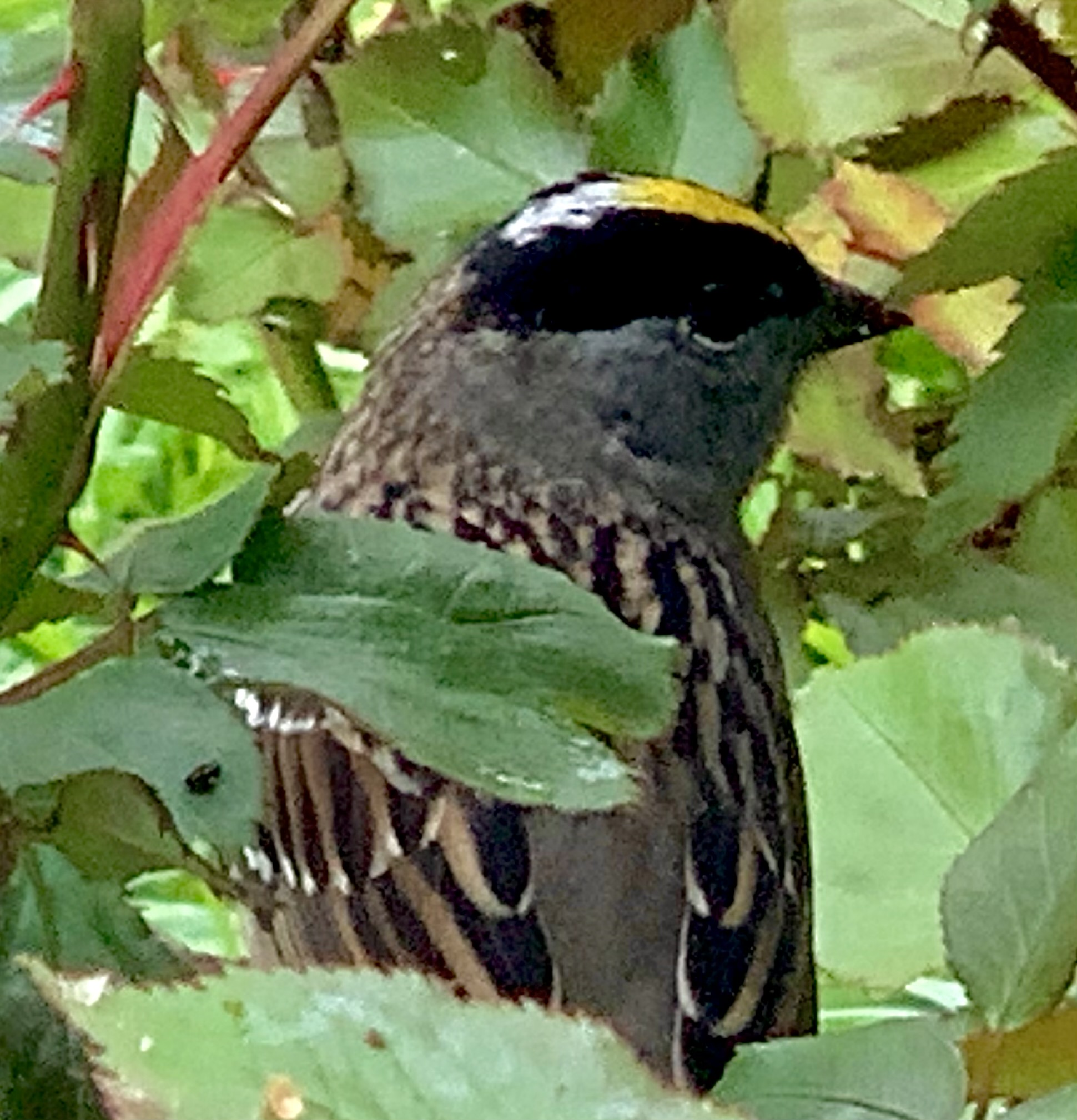
the branches’ negative space. And we will watch for a fox sparrow rustling in the dead leaves underneath. ~Jack Ridl, “Here in Time Between” from Practicing to Walk Like a Heron.
“Do you remember the Shire, Mr. Frodo? It’ll be spring soon. And the orchards will be in blossom. And the birds will be nesting in the hazel thicket. And they’ll be sowing the summer barley in the lower fields… and eating the first of the strawberries with cream. Do you remember the taste of strawberries?” ― J.R.R. Tolkien
In our despairing and wintery moments, we recollect and hold on to memories most precious to us, like a prayer, recalling what makes each moment, indeed life itself, special and worthwhile.
Something so seemingly simple becomes most cherished and retrievable: the aroma of cinnamon in a warm kitchen, the splash of new buds forming on orchard branches, the cooing of mourning doves as spring light begins to dawn, the velvety softness of a newborn foal’s fur, the taste of sweet berries in late spring.
Renewal is happening around us – and if we dig deep in our longing hearts, renewal happens within as well.
Death will not have the final word.
Amen and again, Amen.
Do you remember the Shire, Mr. Frodo? Do you remember?
This year’s Lenten theme: So we fix our eyes not on what is seen, but on what is unseen, since what is seen is temporary, but what is unseen is eternal. 2 Corinthians 4: 18
All day the stars watch from long ago my mother said I am going now when you are alone you will be all right whether or not you know you will know look at the old house in the dawn rain all the flowers are forms of water the sun reminds them through a white cloud touches the patchwork spread on the hill the washed colors of the afterlife that lived there long before you were born see how they wake without a question even though the whole world is burning ~W.S. Merwin “Rain Light”
My childhood fear was that my parents might die young and leave me alone to fend for myself. This fear was certainly fed by nuclear threats, bomb drills at school and the Cuban missile crisis. It felt as though the world was so uncertain that even the most routine day felt fraught with the potential of a tragic ending. As an overly-sensitive eight year old, I struggled to go to school because I was certain I would not see my mother again if bombs dropped and the world ended in fire. That prospect was more terrifying than my own life ending.
It took time, and my mother’s constant reassurance, for me to settle into the reality that life is an uncertain business. Whether or not I would know what may happen that day, I would know to look for beauty and peace and renewal. Many days started with morning rain, a quiet washing away of the night’s worries and frets.
Decades later, I would be okay when she left, which she did, at dawn. I came to sit beside her for a short time, knowing she was gone, knowing I would be all right, and knowing she had given me the tools to look each uncertain day in the eye and accept it for what it was going to be.
Now, for nearly seventy years, I wake and look out at these uncertain dawns. Even though I do not know what will come next, I have been given the gift of reassurance that I will be all right.
And so will you.
One-Time
Monthly
Yearly
Make a one-time or recurring donation to support daily Barnstorming posts
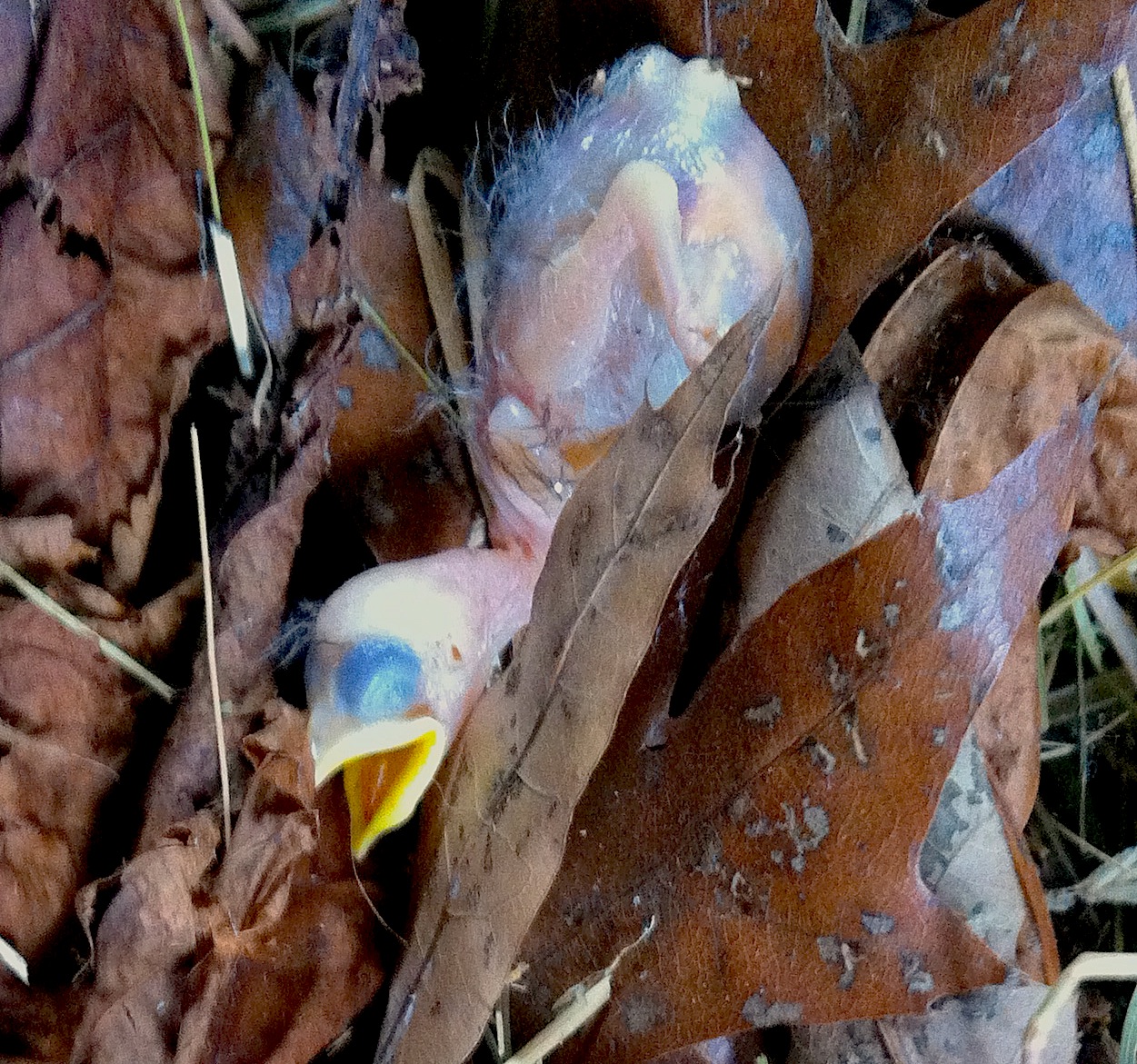
Yesterday our children, playing in a tree, watched as the tiniest bird fell from above them, where it belonged, to land below them, where it did not. The dog, animal and eager, stepped on the bird, then lowered his head. Our daughter screamed, hauled him back, then cupped her trembling hands around the trembling bird, Its one wing stretched and bent. Our son ran inside, obedient to our daughter’s instructions. I was in the shower, useless. You found a shoebox, sheltered the bird, helped our children find leaves and twigs, perched the box in the tree. At supper, we prayed for the bird while its mother visited the shoebox, her beak full. She fretted and fluttered. She couldn’t do anything, and we couldn’t do anything, and after supper, we found the trowel. Dust to dust, I said. O how I longed to gather you, you said, as a mother hen gathers her young beneath her wings. Our son pushed a stick into the soft earth. Our daughter told him not to push too far. ~Shea Tuttle “After reading our daughter’s poem”from Image Journal
Hope is the thing with feathers That perches in the soul, And sings the tune without the words, And never stops at all,
And sweetest in the gale is heard; And sore must be the storm That could abash the little bird That kept so many warm.
I’ve heard it in the chillest land, And on the strangest sea; Yet, never, in extremity, It asked a crumb of me. ~Emily Dickinson
I have known the helplessness of watching life ebb away from a living creature and not be able to do a thing to change what is happening.
As a teenage nurse aide in a rest home for the elderly, I saw much of dying over those years before going to medical school – some deaths were anticipated and some unexpected. What was most apparent to me in that setting is that my primary role was to be a caring witness and comforter. I could not change what was happening but I could be there, not leaving my patients to die alone. I hoped that I was useful in some way.
Later, when I worked as a physician in a hospital, there were certainly things we would do to respond to a sudden cardiac event, and it was very dramatic to see someone’s pulse restored and stabilized due to our intervention. But more often than not, what we could do wouldn’t change the reality – dying still happened and we were gathered to witness the end. We often left the bedside feeling useless.
Now I have grandchildren who are learning about death through observing the natural cycles of animals living and dying on our farm. They discover a dead bird or vole on the ground; they were aware one of our elderly horses recently died. They are aware our beloved farm dogs are aging and so are grandma and grandpa.
Children naturally ask “why?” and we do our best to explain there is always hope and comfort, even when physical bodies are dust in the ground, marked by a stick or stone or only a memory.
It is “Hope” that sings alive within us, even when we’re naked and featherless, even if we fall far from the nest we were born to. We are caught and safe under our Savior’s wings for the rest of eternity, never to be “just dust” again.
One-Time
Monthly
Yearly
Make a one-time or recurring donation to support daily Barnstorming posts
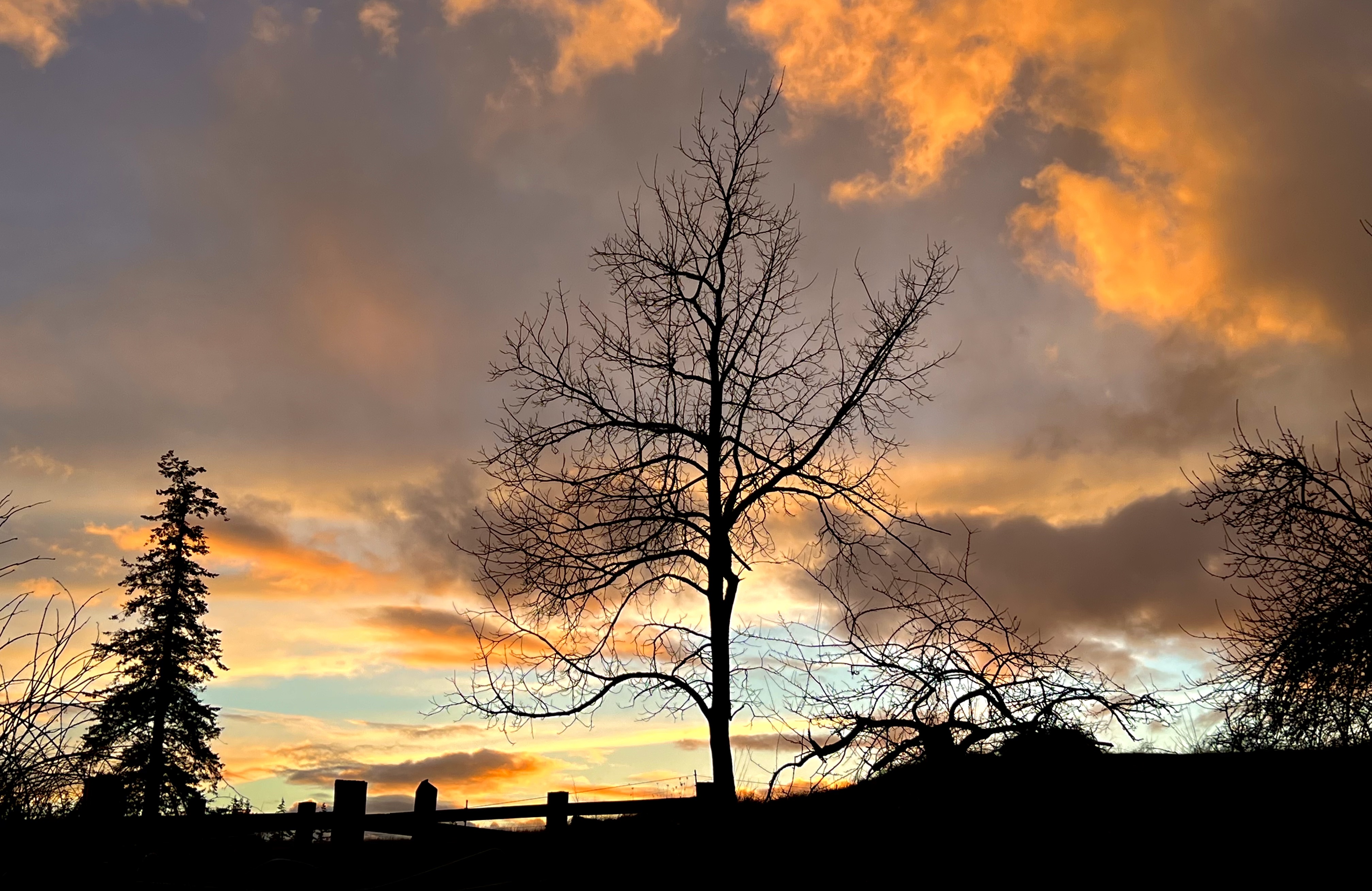
and look at the sky. Suddenly: orange, red, pink, blue, green, purple, yellow, gray, all at once and everywhere.
I pause in this moment at the beginning of my old age and I say a prayer of gratitude for getting to this evening
a prayer for being here, today, now, alive in this life, in this evening, under this sky. ~David Budbill from Winter: Tonight: Sunset
Write as if you were dying. At the same time, assume you write for an audience consisting solely of terminal patients. That is, after all, the case. ~Annie Dillard from “Write Till You Drop”
At its best, the sensation of writing is that of any unmerited grace.
It is handed to you, but only if you look for it. You search, you break your fists, your back, your brain, and then – and only then – it is handed to you. From the corner of your eye you see motion. Something is moving through the air and headed your way. It is a parcel bound in ribbons and bows; it has two white wings.
It flies directly at you; you can read your name on it. If it were a baseball, you would hit it out of the park. It is that one pitch in a thousand you see in slow motion; its wings beat slowly as a hawk’s. ~Annie Dillard from “Write Till You Drop”
I began to write regularly after September 11, 2001 because that day it became obvious to me I was dying too, though more slowly than the thousands who vanished in fire and ash, their voices obliterated with their bodies. So, nearly each day since, while I still have voice and a new dawn to greet, I speak through my fingers to others dying around me.
We are, after all, terminal patients, some of us more prepared than others to move on, as if our readiness has anything to do with the timing. Once, when our small church lost one of its most senior members to metastatic cancer, he announced his readiness once the doctor gave him the dire news (he liked to say he never bought green bananas as he wasn’t sure he’d be around to use them), but God had different plans and kept him among us for several years beyond his diagnosis.
Each day I too get a little closer to the end, but I write in order to feel a little more ready. Each day I detach just a little bit, leaving a trace of my voice behind. Eventually, through unmerited grace, so much of me will be left on the page there won’t be anything or anyone left to do the typing. I will be far out of the park, far beyond here.
Not a moment, not a sunrise, not a sunset, and not a word to waste.
One-Time
Monthly
Yearly
Make a one-time or recurring donation to support daily Barnstorming posts
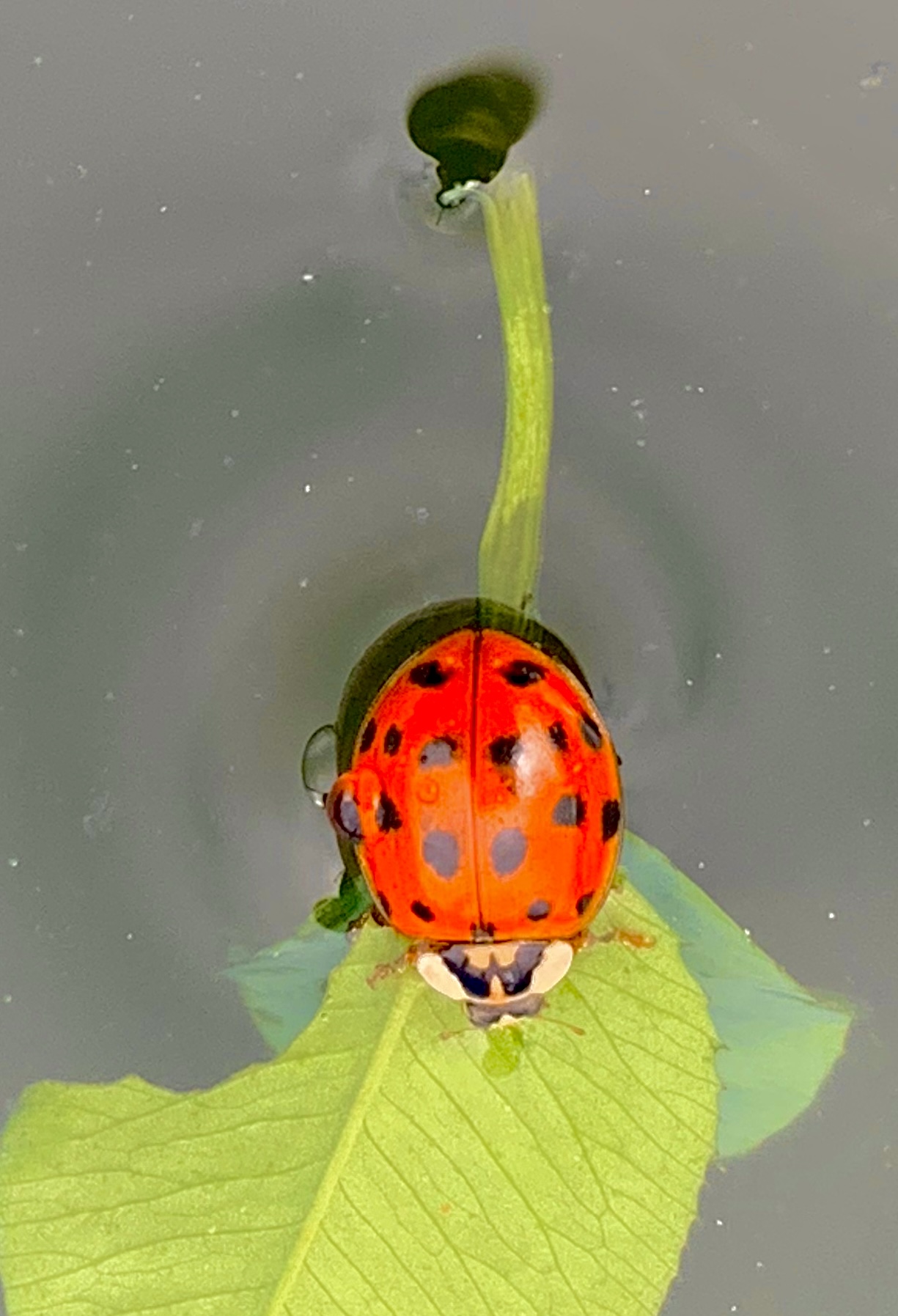
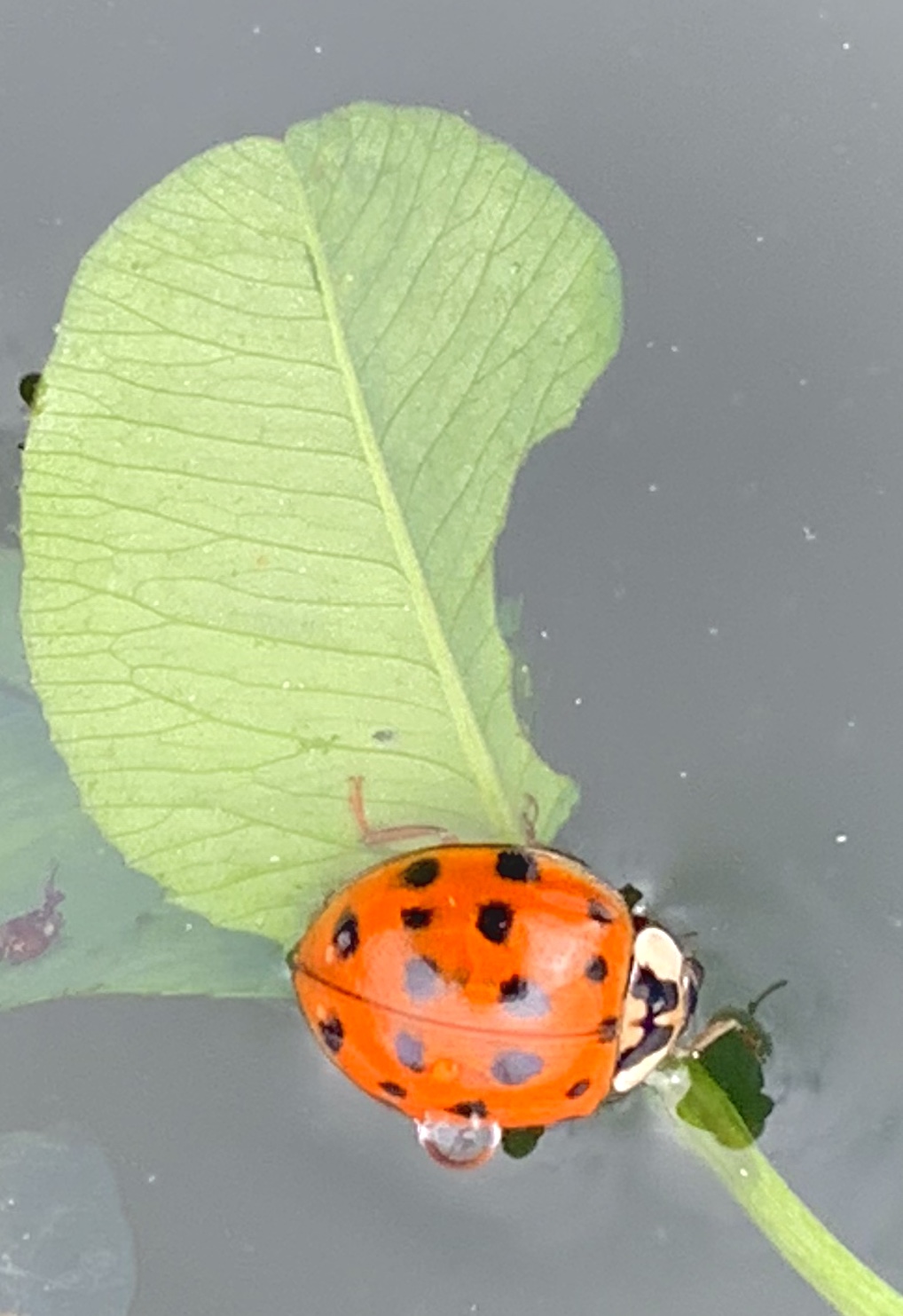
I couldn’t let it drown. I ripped off a piece of my sandwich bag, lifted it to safety. Its little legs reached behind its back to stroke its wings dry. I, too, have stretched my legs in strange positions. Is this a leap? What did you expect? For me to let the bug just be a bug. To leave it alone when it already planned on dying. To reach out and not imagine myself the God I wish would lift me from the water. ~Daniella Toosie-Watson “The Bug”
You are not your own; you were bought at a price. 1 Corinthians 6: 19b-20a
There is a well known story with a number of variations, all involving a scorpion that stings a good-souled frog/turtle/crocodile/person who tries to rescue it from drowning. Since the sting dooms the rescuer and as a result the scorpion as well, the scorpion explains “to sting is in my nature”. In one version, the rescuer tries again and again to help the scorpion, repeatedly getting stung, only to explain before he dies “it may be in your nature to sting but it is in my nature to save.”
This is actually a story originating from Eastern religion and thought, the purpose of which is to illustrate the “dharma”, or orderly nature of things. The story ends perfectly for the Eastern religions believer even though both scorpion and the rescuer die in the end, as the dharma of the scorpion and of the rescuer is realized, no matter what the outcome. Things are what they are, without judgment, and actualization of that nature is the whole point.
However, this story only resonates for the Christian if the nature of the scorpion is forever transformed by the sacrifice of the rescuer on its behalf. The scorpion is no longer its own so no longer slave to its “nature” – no longer just a scorpion with a need and desire to sting whatever it sees. It has been “bought” through the sacrifice of the Rescuer. It no longer is “just” a bug, planning on drowning.
So we too are no longer our own, no longer the helpless victim of our nature no longer the stinger no longer the stung no longer who we used to be before we were rescued.
We are bought at a price beyond imagining.
And our nature to hurt, to punish, to sting, even to die – shall be no more.
Where, O death, is your victory? Where, O death, is your sting? 1 Corinthians 15: 55
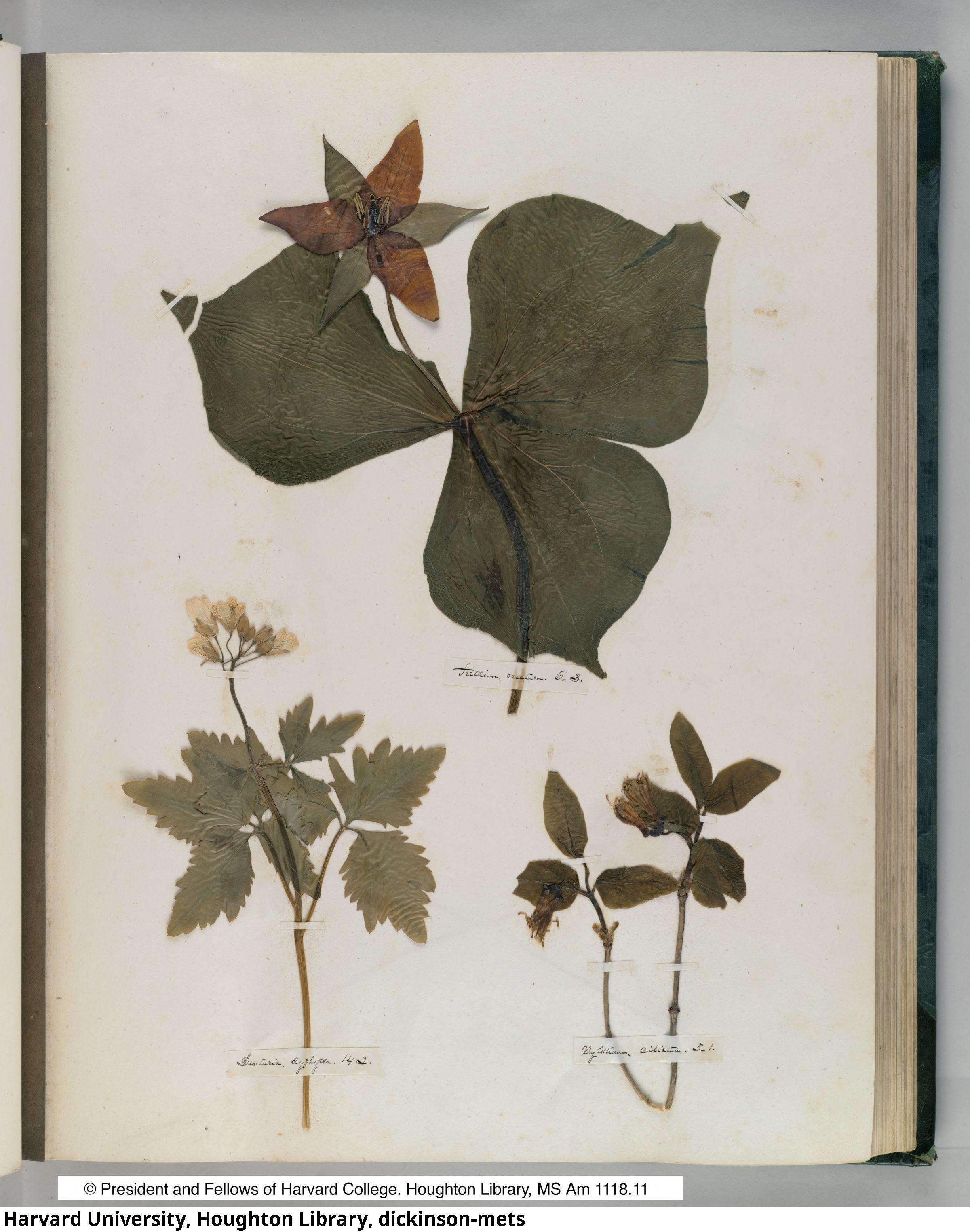
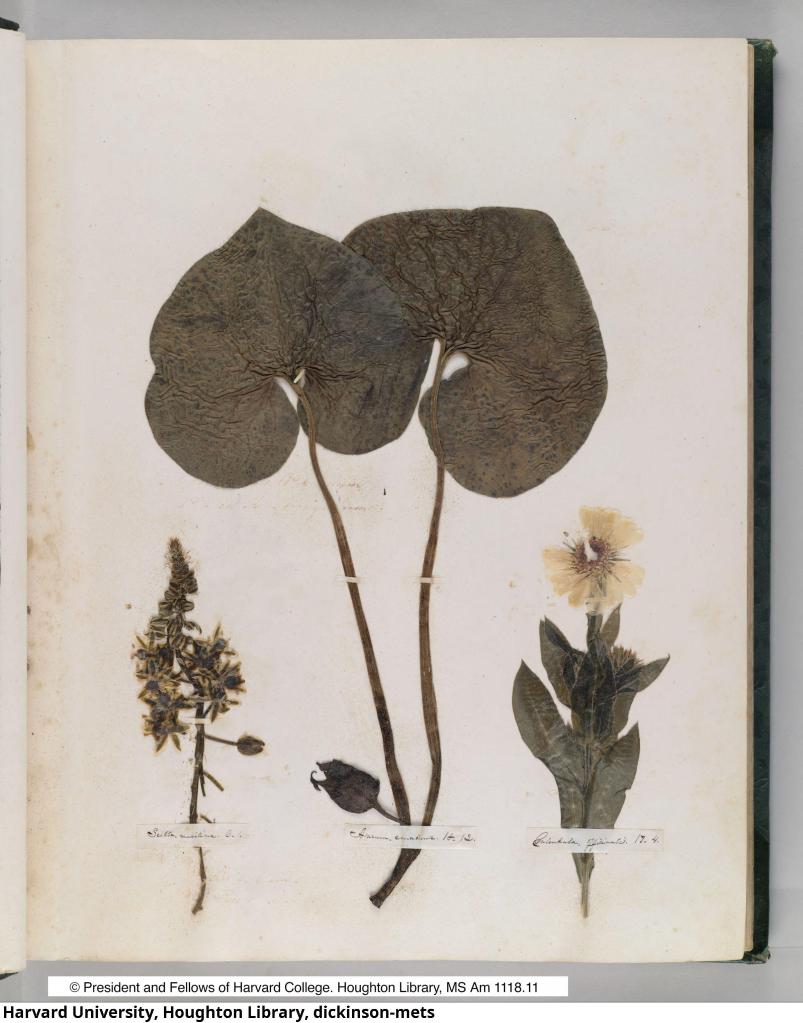
“Did you ever know that a flower, once withered and freshened again, becomes an immortal flower, – that is, that it rises again?” ~Emily Dickinson in a letter to a friend
Emily Dickinson Herbarium – preservation of trilliumEmily Dickinson herbarium- preservation of wild ginger (asarum)
While I was fearing it, it came— But came with less of fear Because that fearing it so long Had almost made it fair—
There is a Fitting—a Dismay— A Fitting—a Despair ’Tis harder knowing it is Due Than knowing it is Here.
The Trying on the Utmost The Morning it is new Is Terribler than wearing it A whole existence through. ~Emily Dickinson
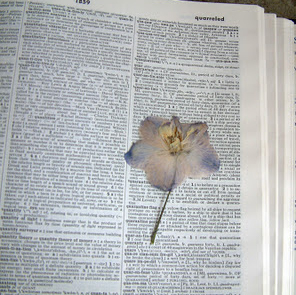
Over a decade ago, as I was going through my mother’s boxed-up possessions after her death, I found the 1956 Webster’s New Dictionary of the Twentieth Century that I grew up with. This book was massive, easily weighing 10 pounds, and served as a booster seat for haircuts, a step stool for trying to reach the cookie jar on the kitchen cupboard, and of course, for looking up any obscure word that ever existed in all of history. Or so it seemed.
It was an amazing tome. And as I flipped through the pages, I found some old familiar friends that were neither black nor white nor read all over. They had survived over half a century.
Wildflowers had been carefully pressed between the pages–over two dozen specimens paper thin themselves, their existence squeezed into two dimensions–still showing faint pink or blue, or purple color, almost exuding a long ago fragrance from a summer over fifty years ago. As a child I regularly wandered out to our fields and woods to gather crimson clover blossoms, buttercup, dandelions, daisies, wild violets, wild ginger, calypso lady slippers for bouquets for my mother, and she would select the most perfect to slide between the pages of the dictionary. Occasionally she would pull one out to gently paste on a hand written card she sent to a friend.
Here were my perfect flowers, preserved and pressed for time, just waiting for the senior-citizen me to rediscover them lying between wonderful words that I love to roll in my mouth and type on a page. They are too fragile to paste to a greeting card, or even to handle due to their brittleness. They need to stay right where they are, for another generation or two or three to discover.
As a child, I was always very worried about losing my parents, fearing their death would be the end of me as well. But as Emily Dickinson writes “fearing it so long/Had almost made it fair” – as an adult, I was more prepared for the day each parted from this life. As the poet suggests, fearing it for years was much harder than the acceptance when that time had come.
Now I too am pressed for time, fading and more fragile, perhaps more brittle than I care to admit. My mother and father have blown away like the puff ball seeds of the dandelion, on to other horizons, but the sturdy old dictionary is going nowhere. It will be passed down, its delicate passengers preserved inside from a long-ago-far-away summer afternoon of flower gathering. They will be shared as a great grandchild opens the book to look up a favorite word sometime in the not-so-far-off future.
One-Time
Monthly
Yearly
Make a one-time or recurring donation to support daily Barnstorming posts
My hand, my arm, make sweeping circles. Dust climbs the ladder of light. For this infernal, endless chore, for these eternal seeds of rain: Thank you. For dust. ~Marilyn Nelson from “Dusting” from Magnificat
It comes equally to us all, and makes us all equal when it comes. The ashes of an oak in the chimney are no epitaph of that oak, to tell me how high or how large that was; it tells me not what flocks it sheltered while it stood, nor what men it hurt when it fell and when a whirlwind hath blown the dust of the churchyard into the church, and the man sweeps out the dust of the church into the churchyard, who will undertake to sift those dusts again… ~John Donne from “The Equality of Death”
Dust if you must, but wouldn’t it be better To paint a picture, or write a letter, Bake a cake, or plant a seed; Ponder the difference between want and need?
Dust if you must, but there’s not much time, With rivers to swim, and mountains to climb; Music to hear, and books to read; Friends to cherish, and life to lead.
Dust if you must, but the world’s out there With the sun in your eyes, and the wind in your hair; A flutter of snow, a shower of rain, This day will not come around again.
Dust if you must, but bear in mind, Old age will come and it’s not kind. And when you go (and go you must) You, yourself, will make more dust. ~Rose Milligan “Dust If You Must”
…we all look the same in our beginning and again when the end comes… we are sifted through His hands, blown on with His breath, bled on in His sacrifice–
As varied as we are now in life, our bodies in death melt to a dustiness made manifest in His image: dust motes sprung to life forever.
One-Time
Monthly
Yearly
Make a one-time or recurring donation to support daily Barnstorming posts
I was still a kid interning at State he reminisces late in the meal— It was a young red-headed woman looked like my sister when the lines went flat I fell apart shook like a car with a broken axle Went to the head surgeon a fatherly man Boy, he said, you got to fill a graveyard before you know this business and you just did row one, plot one. ~Alicia Suskin Ostriker, “The Surgeon” from The Book of Seventy
As a physician-in-training in the late 1970’s, I rotated among a variety of inner city public hospitals, learning clinical skills on patients who were grateful to have someone, anyone, care enough to take care of them. There were plenty of homeless street people who needed to be deloused before the “real” doctors would touch them, and there were the alcoholic diabetics whose gangrenous toes would self-amputate as I removed stinking socks. There were people with gun shot wounds and stabbings who had police officers posted at their doors and rape victims who were beaten and poisoned into submission and silence. Someone needed to touch them with compassion when their need was greatest.
As a 25 year old idealistic and naive student, I truly believed I could make a difference in the 6 weeks I spent in any particular hospital rotation. That proved far too grandiose and unrealistic, yet there were times I did make a difference, sometimes not so positive, in the few minutes I spent with a patient. As part of the training process, mistakes were inevitable. Lungs collapsed when putting in central lines, medications administered caused anaphylactic shock, pain and bleeding caused by spinal taps–each error creates a memory that never will allow such a mistake to occur again. It is the price of training a new doctor and the patient always–always– pays the price.
I was finishing my last on-call night on my obstetrical rotation at a large military hospital that served an army base. The hospital, built during WWII was a series of far flung one story bunker buildings connected by miles of hallways–if one part were bombed, the rest of the hospital could still function. The wing that contained the delivery rooms was factory medicine at its finest: a large ward of 20 beds for laboring and 5 delivery rooms which were often busy all at once, at all hours. Some laboring mothers were married girls in their mid-teens whose husbands were stationed in the northwest, transplanting their young wives thousands of miles from their families and support systems. Their bittersweet labors haunted me: children delivering babies they had no idea how to begin to parent.
I had delivered 99 babies during my 6 week rotation. My supervising residents and the nurses on shift had kept me busy on that last day trying to get me to the *100th* delivery as a point of pride and bragging rights; I had already followed and delivered 4 women that night and had fallen exhausted into bed in the on call-room at 3 AM with no women currently in labor, hoping for two hours of sleep before getting up for morning rounds. Whether I reached the elusive *100* was immaterial to me at that moment.
I was shaken awake at 4:30 AM by a nurse saying I was needed right away. An 18 year old woman had arrived in labor only 30 minutes before and though it was her first baby, she was already pushing and ready to deliver. My 100th had arrived. The delivery room lights were blinding; I was barely coherent when I greeted this almost-mother and father as she pushed, with the baby’s head crowning. The nurses were bustling about doing all the preparation for the delivery: setting up the heat lamps over the bassinet, getting the specimen pan for the placenta, readying suture materials for the episiotomy.
I noticed there were no actual doctors in the room so asked where the resident on call was.
What? Still in bed? Time to get him up! Delivery was imminent.
I knew the drill. Gown up, gloves on, sit between her propped up legs, stretch the vulva around the crowning head, thinning and stretching it with massaging fingers to try to avoid tears. I injected anesthetic into the perineum and with scissors cut the episiotomy to allow more room, a truly unnecessary but, at the time, standard procedure in all too many deliveries. Amniotic fluid and blood dribbled out then splashed on my shoes and the sweet salty smell permeated everything. I was concentrating so hard on doing every step correctly, I didn’t think to notice whether the baby’s heart beat had been monitored with the doppler, or whether a resident had come into the room yet or not. The head crowned, and as I sucked out the baby’s mouth, I thought its face color looked dusky, so checked quickly for a cord around the neck, thinking it may be tight and compromising. No cord found, so the next push brought the baby out into my lap. Bluish purple, floppy, and not responding. I quickly clamped and cut the cord and rubbed the baby vigorously with a towel.
Nothing, no response, no movement, no breath. Nothing. I rubbed harder.
A nurse swept in and grabbed the baby and ran over to the pediatric heat lamp and bed and started resuscitation.
Chaos ensued. The mother and father began to panic and cry, the pediatric and obstetrical residents came running, hair askew, eyes still sleepy, but suddenly shocked awake with the sight of a blue floppy baby.
I sat stunned, immobilized by what had just happened in the previous five minutes. I tried to review in my foggy mind what had gone wrong and realized at no time had I heard this baby’s heart beat from the time I entered the room. The nurses started answering questions fired at me by the residents, and no one could remember listening to the baby after the first check when they had arrived in active pushing labor some 30 minutes earlier. The heart beat was fine then, and because things happened so quickly, it had not been checked again. It was not an excuse, and it was not acceptable. It was a terrible terrible error. This baby had died sometime in the previous half hour. It was not apparent why until the placenta delivered in a rush of blood and it was obvious it had partially abrupted–prematurely separated from the uterine wall so the circulation to the baby had been compromised. Potentially, with continuous fetal monitoring, this would have been detected and the baby delivered in an emergency C section in time. Or perhaps not. The pediatric resident worked for another 20 minutes on the little lifeless baby.
The parents held each other, sobbing, while I sewed up the episiotomy. I had no idea what to say, mortified and helpless as a witness and perpetrator of such agony. I tried saying I was so sorry, so sad they lost their baby, felt so badly we had not known sooner. There was nothing that could possibly comfort them or relieve their horrible loss or the freshness of their raw grief.
And of course, there were no words of comfort for my own anguish.
Later, in another room, my supervising resident made me practice intubating the limp little body so I’d know how to do it on something other than a mannequin. I couldn’t see the vocal cords through my tears but did what I was told, as I always did.
I cried in the bathroom, a sad exhausted selfish weeping. Instead of achieving that “perfect” 100, I learned something far more important: without constant vigilance, and even with it, tragedy intervenes in life unexpectedly without regard to age or status or wishes or desires. I went on as a family physician to deliver a few hundred babies during my career, never forgetting the baby that might have had a chance, if only born at a hospital with adequately trained well rested staff without a med student trying to reach a meaningless goal.
This baby would now be in his 40’s, likely with children of his own, his parents now proud and loving grandparents.
I wonder if I’ll meet him again — this little soul only a few minutes away from a full life — if I’m ever forgiven enough to share a piece of heaven with humanity’s millions of unborn babies who, through intention or negligence, never had opportunity to draw a breath.
Then, just maybe then, forgiveness will feel real and grace will flood the terrible void where, not for the first time nor the last, my guilt overwhelmed what innocence I had left.
One-Time
Monthly
Yearly
Make a one-time or recurring donation to support daily Barnstorming posts






































 Barnstorming