
“‘We would have healed Babylon,
but she cannot be healed;
let us leave her and each go to our own land,
for her judgment reaches to the skies,
it rises as high as the heavens.’
10 “‘The Lord has vindicated us;
come, let us tell in Zion
what the Lord our God has done.’
Jeremiah 51: 9-10
Does anyone have the foggiest idea of what sort of power we so blithely invoke?
Or, as I suspect, does no one believe a word of it?
The churches are children playing on the floor with their chemistry sets,
mixing up a batch of TNT to kill a Sunday morning.
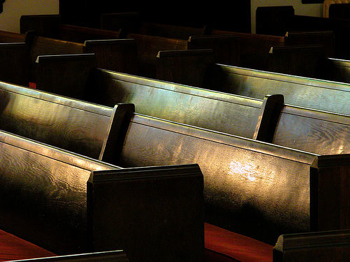
It is madness to wear ladies’ straw hats and velvet hats to church;
we should all be wearing crash helmets.
Ushers should issue life preservers and signal flares;
they should lash us to our pews.
~Annie Dillard from Teaching a Stone to Talk
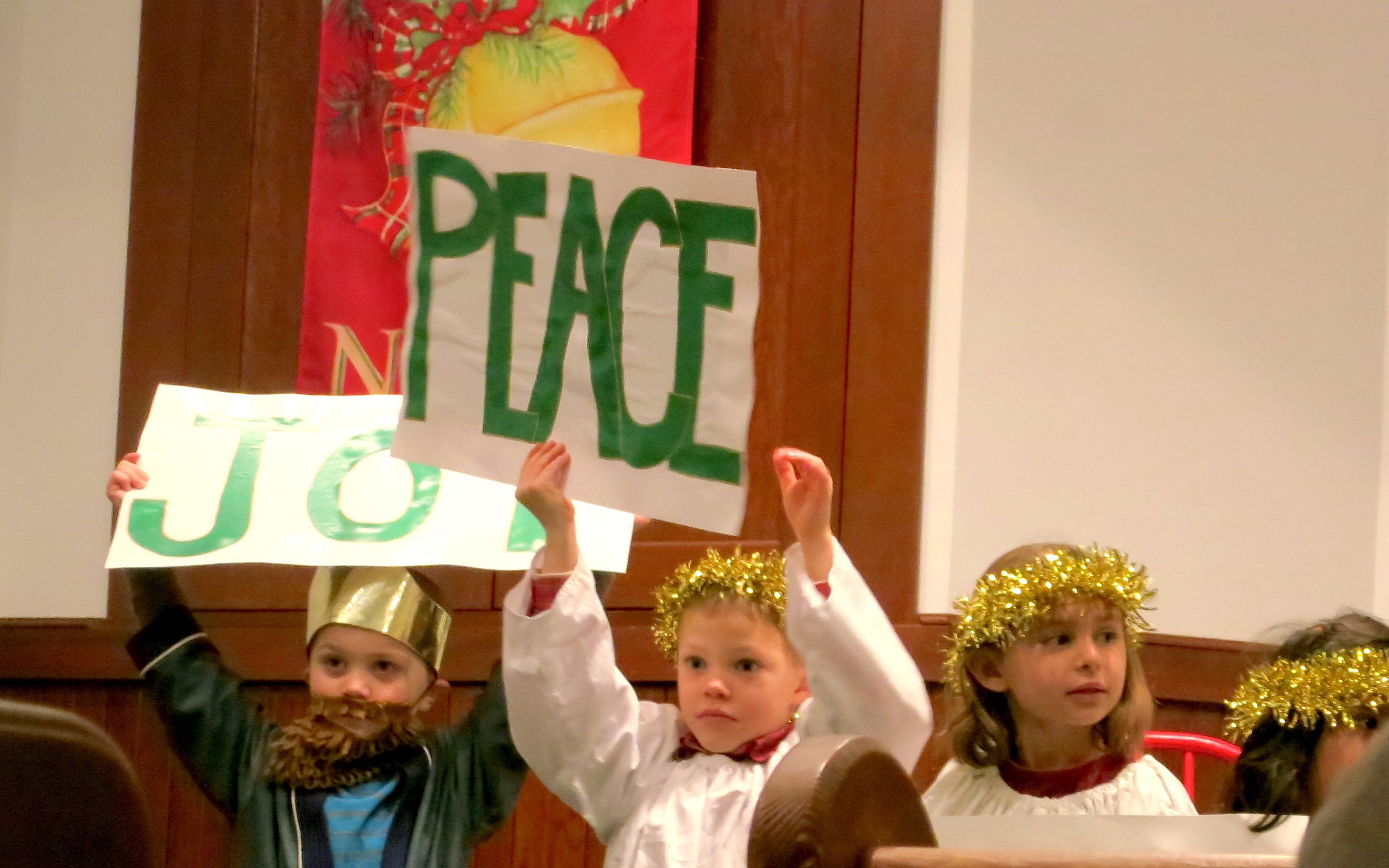
During Advent there are times when I am very guilty of blithely invoking the gentle story of that silent night, the sleeping infant away in a manger, the devoted parents hovering, the humble shepherds peering in the stable door.
The reality, I’m confident, was far different.
There was nothing gentle about a teenage mother giving birth in a stable, laying her baby in a feed trough.
I’m sure there were times when Mary could have used a life preserver.
There was nothing gentle about the heavenly host appearing to the shepherds, shouting and singing the glories and leaving them “sore afraid.”
The shepherds needed crash helmets.
There was nothing gentle about Herod’s response to the news that a Messiah had been born–he swept overboard a legion of male children whose parents undoubtedly begged for mercy, trying to cling to their children about to be murdered.
There was nothing gentle about a family’s flight to Egypt to flee that fate for their only Son.
There was nothing gentle about the life Jesus eventually led during his ministry: itinerant and homeless, tempted and fasting in the wilderness for forty days, owning nothing, rejected by his own people, betrayed by his disciples, sentenced to death by acclamation before Pilate.
Yet he understood the power that originally brought him to earth and would return him to heaven.
No signal flares needed there.
When I hear skeptics scoff at Christianity as a “crutch for the weak”, they underestimate the courage it takes to walk into church each week as a desperate person who can never ever save oneself. We cling to the life preserver found in the Word, lashed to our seats and hanging on. It is only because of grace that we survive the tempests of temptation, self-doubt, guilt to confront the reality of the wrath of God.
It is not for the faint of heart. There are times it is reasonable and necessary to be “sore afraid.”
And not forget our crash helmets.

- Good people all, this Christmas time,
- Consider well and bear in mind
- What our good God for us has done
- In sending his beloved son
- With Mary holy we should pray,
- To God with love this Christmas Day
- In Bethlehem upon that morn,
- There was a blessed Messiah born
- The night before that happy tide
- The noble Virgin and her guide
- Were long time seeking up and down
- To find a lodging in the town
- But mark right well what came to pass
- From every door repelled, alas
- As was foretold, their refuge all
- Was but a humble ox’s stall
- Near Bethlehem did shepherds keep
- Their flocks of lambs and feeding sheep
- To whom God’s angel did appear
- Which put the shepherds in great fear
- Arise and go, the angels said
- To Bethlehem, be not afraid
- For there you’ll find, this happy morn
- A princely babe, sweet Jesus, born
- With thankful heart and joyful mind
- The shepherds went the babe to find
- And as God’s angel had foretold
- They did our Saviour Christ behold
- Within a manger he was laid
- And by his side a virgin maid
- Attending on the Lord of Life
- Who came on earth to end all strife
- There were three wise men from afar
- Directed by a glorious star
- And on they wandered night and day
- Until they came where Jesus lay
- And when they came unto that place
- Where our beloved Messiah lay
- They humbly cast them at his feet
- With gifts of gold and incense sweet.
~Traditional Irish — the Wexford Carol 12th century















































 Barnstorming