Unless the Heart Catch Fire

The world is charged with the grandeur of God.
It will flame out, like shining from shook foil;
It gathers to a greatness, like the ooze of oil
Crushed. Why do men then now not reck his rod?
Generations have trod, have trod, have trod;
And all is seared with trade; bleared, smeared with toil;
And wears man’s smudge and shares man’s smell: the soil
Is bare now, nor can foot feel, being shod.

And for all this, nature is never spent;
There lives the dearest freshness deep down things;
And though the last lights off the black West went
Oh, morning, at the brown brink eastward, springs—
Because the Holy Ghost over the bent
World broods with warm breast and with ah! bright wings.
~Gerard Manley Hopkins “God’s Grandeur”

…the sudden angel affrighted me––light effacing
my feeble beam,
a forest of torches, feathers of flame, sparks upflying:
…as that hand of fire
touched my lips and scorched by tongue
and pulled by voice
into the ring of the dance.
~Denise Levertov from “Caedmon” in Breathing the Water

Unless the eye catch fire,
Then God will not be seen.
Unless the ear catch fire
Then God will not be heard.
Unless the tongue catch fire
Then God will not be named.
Unless the heart catch fire,
Then God will not be loved.
Unless the mind catch fire,
Then God will not be known.
~William Blake from “Pentecost”

Christ has no body now on earth but yours.
Yours are the only hands with which he can do his work.
yours are the only feet with which he can go about the world.
Yours are the only eyes through which his compassion
can shine forth upon a troubled world.
Christ has no body now on earth but yours.
~Teresa of Avila

Today,
when we feel we are without hope,
when the bent world reels with a troubled sickness of
shedding blood and spreading violence,
when faith feels frail,
when love seems distant,
we wait, stilled,
for the moment we ourselves – not our cities –
are lit afire ~
when the Living God is
seen, heard, named, loved, known
forever burning in our hearts deep down,
brooded over by His bright wings~
we are His dearest, His freshest deep down things,
in this moment
and for eternity.

A Synonym for Light

I hope my life was penned
in such a way that when time

comes to write my epitaph
someone might think to say
not that I was good so much
as kind and that I wrote
quite well beyond my means
because it was the wind of grace
blown down that gave me words
and moved my sluggish hands,
and that I always sought
to know the unseen things
and though I loved the breadth
of language for my art,
my heart always seemed fixed
on a day when all the sound
and words would fall away,
and that I was quite hopeful
to the last if anyone would choose
one line to inscribe my memory
in stone it surely should be
the simple supposition I know right:
there merely is no synonym for light.
~Margaret Ingraham “Epitaph” from Exploring This Terrain

The world can feel like a fearsome place
with endless stories of tragedy and loss,
so much pain and suffering,
blinding me in darkness
so I fail to see the light all around me.

How to describe a Light
that transforms all that is bleak?

With these Words:

Be not afraid
Come have breakfast

Touch and see
Follow me

Do you love me?
Feed my sheep
Peace be with you


As I am mere breath and bone,
a wisp in a moment of time,
His truth anchors my heart
and illuminates my soul:
I am called forth into His Light.

Cleansing Tears

We human beings do real harm.
History could make a stone weep.
~Marilynne Robinson from Gilead

As humankind was created with the freedom to choose our own way, we tend to opt for the path of least resistance with the highest return.

Hey, after all, we’re human and that’s our excuse and we’re sticking to it.

No road less traveled on for most of us–instead we blindly head down the superhighway of what’s best for #1, no matter what the means of transportation, what it costs to get there, how seedy the billboards or how many warning signs appear, or where the ultimate destination takes us.

History is full of the piled-high wrecking yards of demolition remnants from crashes along the way.

It’s enough to make a stone weep.

Certainly God wept.

And He wept even after creating man in His own image, emphatically declaring our creation good, even knowing how everything was going to turn out.

Despite the harm we continue to cause, despite our suffering too many crashes along the way, we are declared good only because His breath remains full within us while His tears never fail to wash us clean.

Bright Wings

Sometimes as an antidote
To fear of death,
I eat the stars

Those nights, lying on my back,
I suck them from the quenching dark
Til they are all, all inside me,
Pepper hot and sharp.

Sometimes, instead, I stir myself
Into a universe still young,
Still warm as blood:

No outer space, just space,
The light of all the not yet stars
Drifting like a bright mist,
And all of us, and everything
Already there
But unconstrained by form.

And sometime it’s enough
To lie down here on earth
Beside our long ancestral bones:

To walk across the cobble fields
Of our discarded skulls,
Each like a treasure, like a chrysalis,
Thinking: whatever left these husks
Flew off on bright wings.
~Rebecca Elson “Antidotes to Fear of Death”

We live out our earthly lives within these shells we call bodies, aware we were made intentionally and uniquely by our Creator in His image. Every part of us has purpose and meaning, down to the smallest corpuscle and the longest bone. We are His treasure, so much so He came to walk with us to preserve us by looking like, feeling like and suffering like us.

Yet we weaken over time, as this is temporal housing only. Even a small packet of viral RNA can cause us to fade and become dry husks.

Easter means it isn’t over. Death is overcome, the tethers of earth are broken, these husks become bright wings that soar as treasures lit from within.

…nature is never spent;   
There lives the dearest freshness deep down things;
And though the last lights off the black West went   
Oh, morning, at the brown brink eastward, springs —
Because the Holy Ghost over the bent   
World broods with warm breast and with ah! bright wings.
~Gerard Manley Hopkins from “God’s Grandeur”

Something Easters Up

There is a fragrance in the air,
a certain passage of a song,
an old photograph falling out from the pages of a book,
the sound of somebody’s voice in the hall
that makes your heart leap and fills your eyes with tears.


Who can say when or how it will be
that something easters up out of the dimness
to remind us of a time before we were born and after we will die?

God himself does not give answers. He gives himself.
~Frederick Buechner from Telling the Truth: The Gospel as Tragedy, Comedy and Fairy Tale

“Let Him easter in us, be a dayspring to the dimness of us, be a crimson-cresseted east.”
― Gerard Manley Hopkins
from “The Wreck of the Deutschland”

All changed, changed utterly:   
A terrible beauty is born.
~William Butler Yeats from “Easter, 1916”

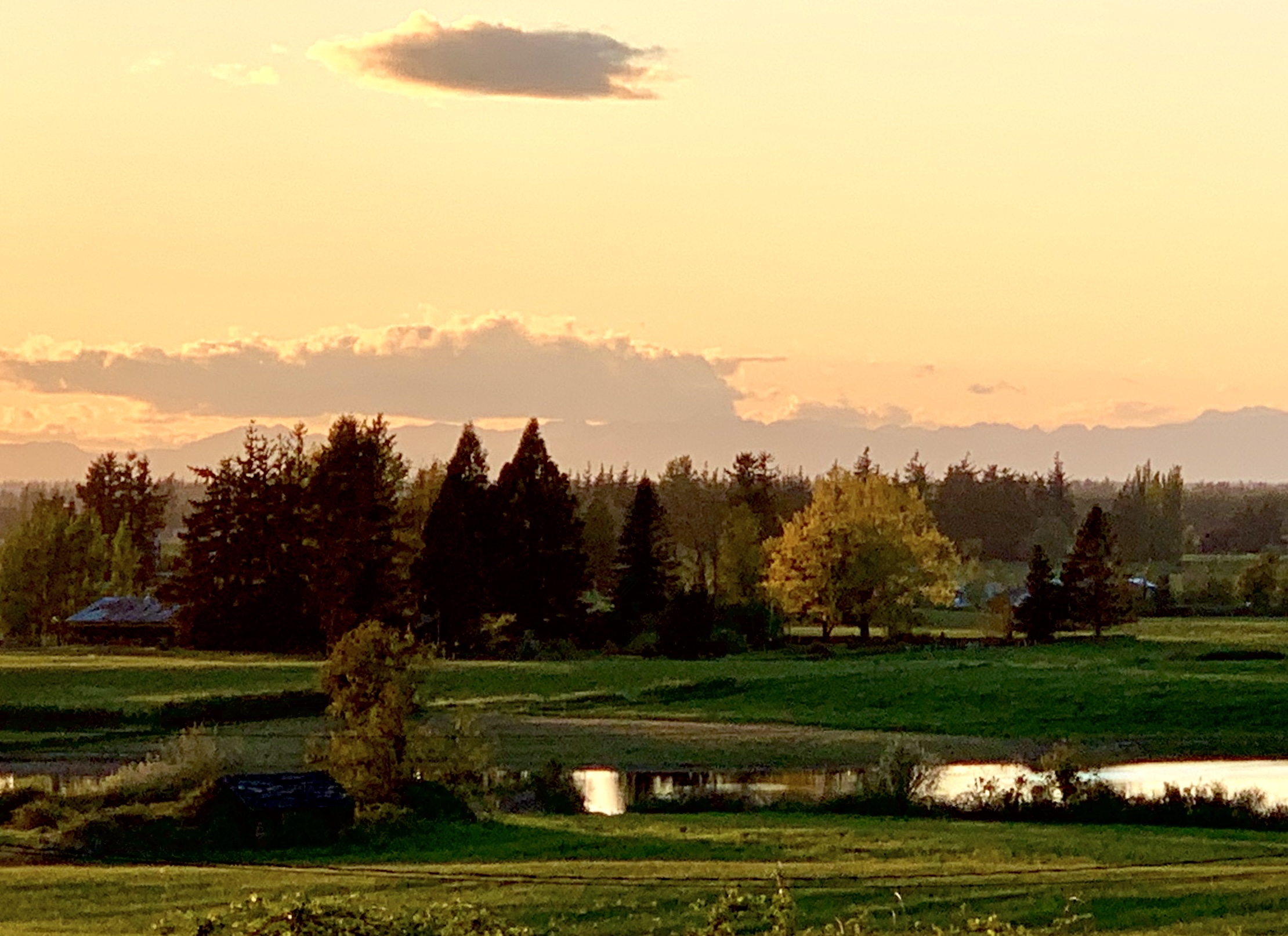
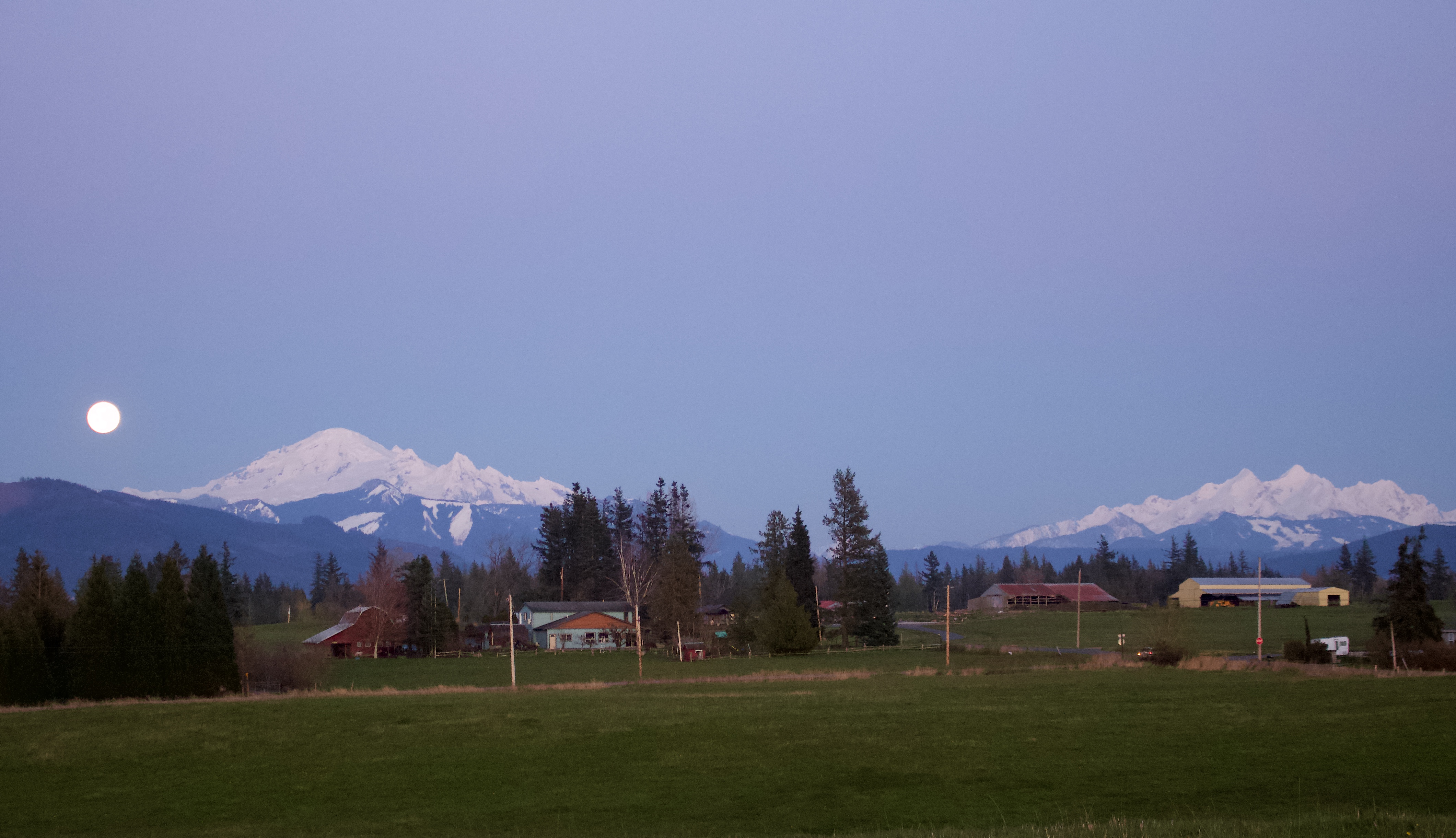
It has been a slow coming of spring this year, seeming in no hurry whatsoever as we all shelter in place, isolated and lonesome for one another.

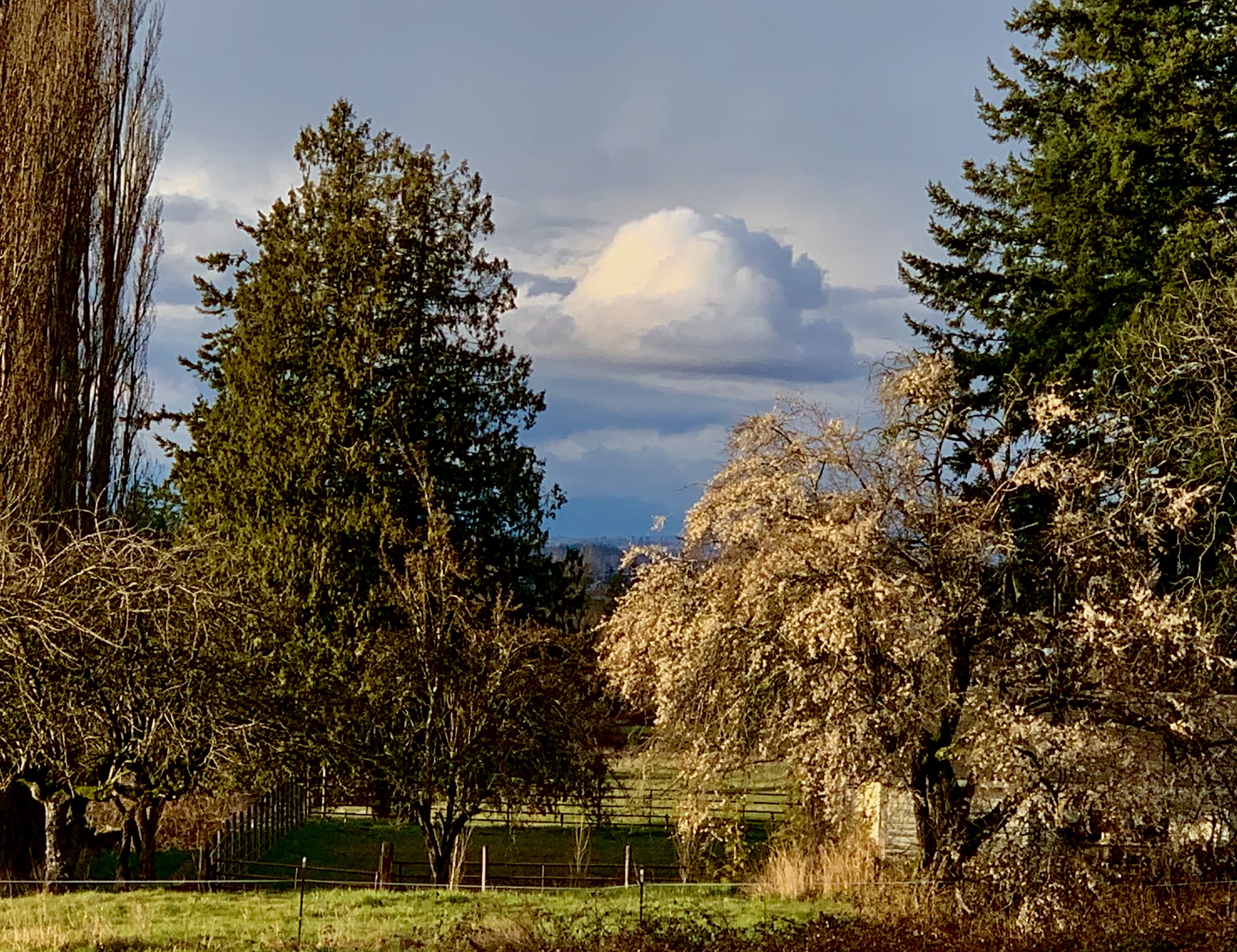
Snow remains in the foothills and the greening of the fields has only begun. The flowering plum and cherry trees finally have burst into bloom despite a continued chill.  It feels like winter at night yet the perfumed air of spring now permeates the day.

Such extreme variability is disorienting when we are desperate for something – anything – that feels routine and normal. It is almost like standing blinded in a spotlight in a darkened room.

This is exactly what eastering is like.  It is awakening out of a restless sleep, opening a door to let in fresh air, and the stone that locked us in the dark rolled back.

Overnight all has changed, changed utterly. We, who have been wintering and weathered, weary and withered, are transformed by the Light.

He is not only risen.  He is given indeed.

God Himself Scraped and Torn

How is faith to endure, O God, when you allow all this scraping and tearing on us? You have allowed rivers of blood to flow, mountains of suffering to pile up, sobs to become humanity’s song–all without lifting a finger that we could see. You have allowed bonds of love beyond number to be painfully snapped. If you have not abandoned us, explain yourself.

Instead of explaining our suffering God shares it.

We strain to hear. But instead of hearing an answer we catch sight of God himself scraped and torn. Through our tears we see the tears of God.
~Nicholas Wolterstorff  in Lament for a Son

In a daring and beautiful creative reversal, 
God takes the worse we can do to Him
and turns it into the very best He can do for us.
~Malcolm Guite from The Word in the Wilderness

“My God, My God,” goes the Psalm 22, “hear me, why have you forsaken me?”  

This is the anguish all we of Godforsaken heart know well. But hear the revelation to which Christ directs us, further in the same psalm:

For He has not despised nor scorned the beggar’s supplication,
Nor has He turned away His face from me;
And when I cried out to Him, He heard me.

He hears us, and he knows, because he has suffered as one Godforsaken. Which means that you and I, even in our darkest hours, are not forsaken. Though we may hear nothing, feel nothing, believe nothing, we are not forsaken, and so we need not despair. And that is everything. That is Good Friday and it is hope, it is life in this darkened age, and it is the life of the world to come.
~Tony Woodlief from “We are Not Forsaken”

We aren’t even capable of truly wanting Jesus
without his help.

Tim Keller

May we remember today, of all days,
the worst that can happen becomes the best that can happen.
We tussle and haggle over the price of what this will cost us, but realizing it has been paid for us makes an impossible loss possible.

We are paid in full, no longer debtors. 

From now on, we are freed from worry: the worst became the best because now we want Him over all else…


He Does Not Leave Us Where We Are: Between Heaven and Earth

Slowly the west reaches for clothes of new colors
which it passes to a row of ancient trees.
You look, and soon these two worlds both leave you
one part climbs toward heaven, one sinks to earth.

leaving you, not really belonging to either,
not so hopelessly dark as that house that is silent,
not so unswervingly given to the eternal as that thing
that turns to a star each night and climbs–

leaving you (it is impossible to untangle the threads)
your own life, timid and standing high and growing,
so that, sometimes blocked in, sometimes reaching out,
one moment your life is a stone in you, and the next, a star.
~Rainer Maria Rilke “Sunset” (Trans. by Robert Bly) from The Soul is Here for Its Own Joy


We, frail people that we are, live out our lives between heaven and earth, sometimes in an uneasy tug-of-war between the two. We feel not quite ready for heaven as our roots go deep here, yet the challenges of daily life on this soil can seem overwhelmingly difficult and we seek relief, begging for mercy.

As we struggle to stay healthy during a spreading pandemic, it is frightening to watch others suffer as death tolls rise. We pray for safety for ourselves and those we love, knowing we are living “in between” where we are now and where we soon will be.

Shall we remain stones on the ground, still and lifeless, or are we destined to become a star glistening in the firmament?

Or are we like a tree stretching between soil and sky trying to touch both and remain standing while buffeted by forces beyond our control?

Christ the Son, on earth and in heaven, maintains an eternal connection to above and below. In His hands and under His protection, we are safe no matter where we are and where He takes us.

We can be mere stones no more.

This year’s Barnstorming theme for the season of Lent:

God sees us as we are,
loves us as we are,
and accepts us as we are.
But by His grace,
He does not leave us where we are.
~Tim Keller

But By His Grace: Bearing Your Weight

The bridge of grace will bear your weight…
~Charles Spurgeon

Where God tears great gaps
we should not try to fill  them with human words.
They should remain open.
Our only comfort
is the God of the resurrection,

the Father of our Lord Jesus Christ,
who also was and is (our) God.

~Dietrich Bonhoeffer from “Circular Letters in the Church Struggle”

Great gaps are being torn in families, kept separate
in hospital ICUs and overflowing emergency rooms,
where patients struggle for breath and fight for life –
yet too sick, with too much risk
for loved ones to be near.

Christ too knew separation from His Father,
a chasm that appeared wholly unbridgeable-
forsaken, suffering for His brothers and sisters
by paying with His life
a ransom we could never satisfy:
we being so dead broke
and captive to our sin.

His grace is the only bridge able to bear our weight,
even now
even now
when our hearts break with uncertainty and fear.

We seek the comfort of
a grace strong enough
to fill our every hole
bridge our every gap
carry hope to our hopelessness
and restore us wholly to our Father
who was and is our God.

Lord, comfort us
by spanning our troubled waters,
bearing our weighty burdens,
to make sure we get safely to the Other Side
where Your arms await us.

This year’s Lenten theme for Barnstorming:

God sees us as we are,
loves us as we are,
and accepts us as we are.
But by His grace,
He does not leave us where we are.
~Tim Keller


He Accepts Us As We Are: Going to Pieces

Even if I knew that tomorrow the world would go to pieces, I would still plant my apple tree.
~Martin Luther

There is big excitement in C block today.
On the window sill,
in a plastic ice cream cup
a little plant is growing.
This is all the men want to talk about:
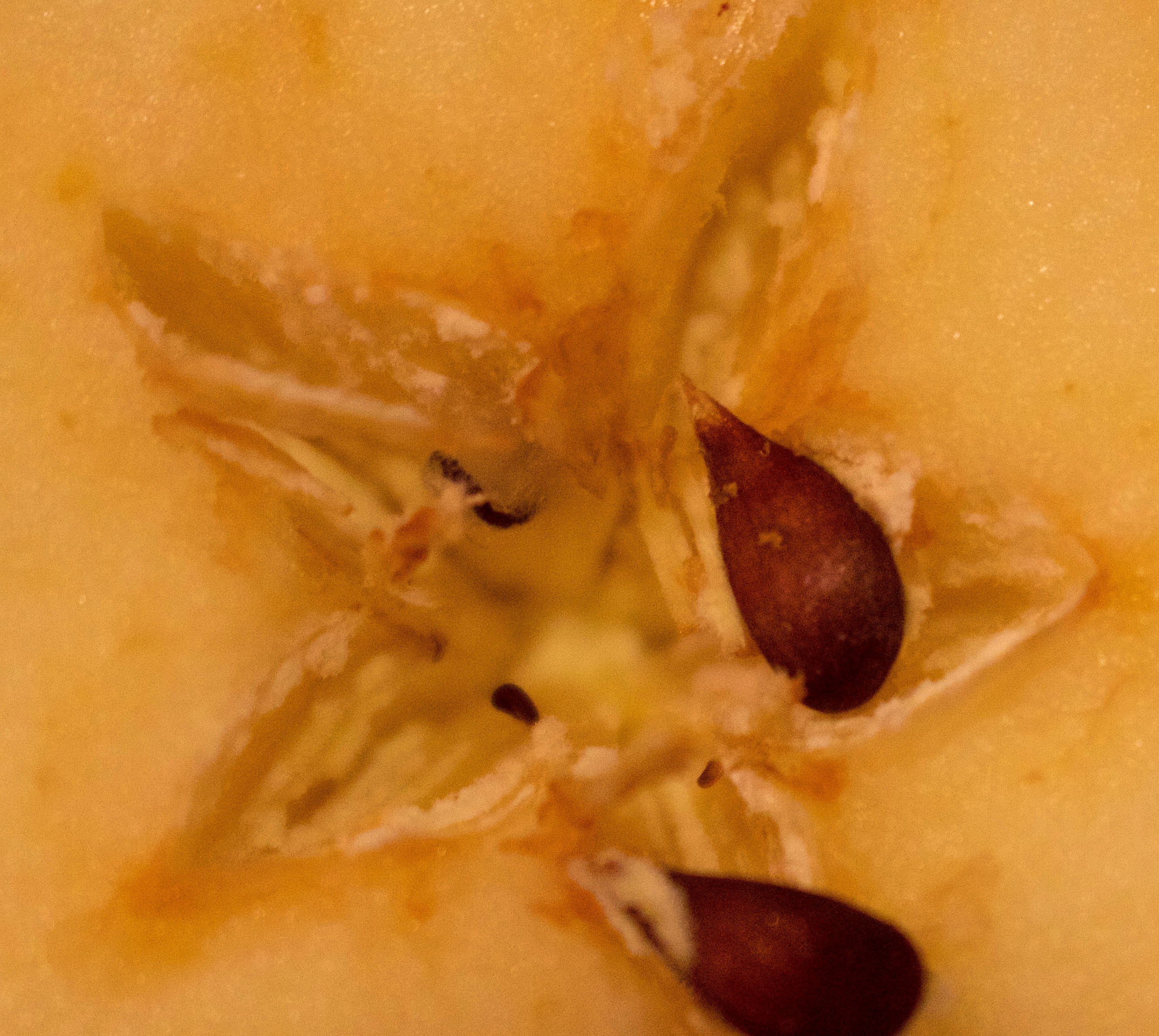
how an apple seed germinated
in a crack of damp concrete;
how they tore open tea bags
to collect the leaves, leached them
in water, then laid the sprout onto the bed
made of Lipton. How this finger of spring
dug one delicate root down
into the dark fannings and now
two small sleeves of green
are pushing out from the emerging tip.
The men are tipsy with this miracle.
Each morning, one by one,
they go to the window and check
the progress of the struggling plant.
All through the day they return
to stand over the seedling
and whisper.
~Nancy Miller Gomez “Growing Apples”

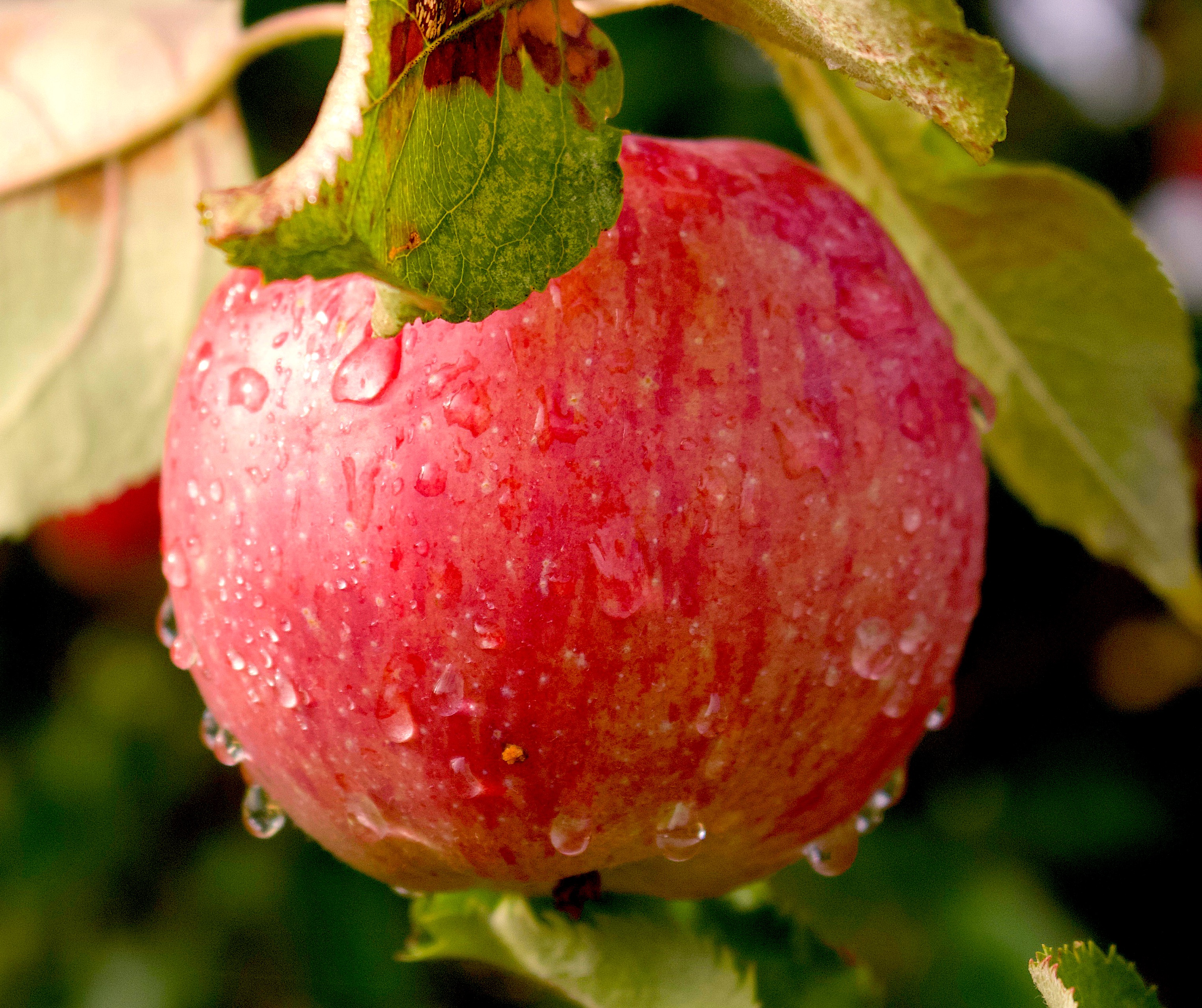
As a child I was fascinated by the early 1800’s story of John Chapman (aka Johnny Appleseed) who traveled on foot around the eastern United States creating nurseries of apple trees.  When our family traveled in Ohio and Pennsylvania in the 1960s, we visited places that claimed to have apple trees planted by John Chapman.  I marveled at how one little seed planted in such confident faith had the potential to produce decades of fruit and hope for generations of folk.

My two childhood farms had old apple trees–gravensteins and transparent varieties–good for climbing in and always great as scratching branches and shady snoozing spots for the horses and cows.  One had a platform fort where I spent hours sitting munching on apple cores, surveying the fields and enjoying watching the animals standing beneath me, relaxed, napping, chewing cud and swatting flies.

When we bought our farm here in Whatcom County over thirty years ago, there were left a few antique variety apple trees of a once vital orchard.  They were aging, with bent and broken branches and hollowed trunks, but still continued to produce fruit, great for baking, sauce, cider and winter storage. We’ve lost a few of the old trees over the years to the wind and elements,  though now nearly a century old, the survivors keep providing.

It seems God has accepted I follow my own appleseed trail, so no matter what may happen in my own life, if I’ve planted a seed that takes root, there will be fruit and hope for the future. The Lord Himself continues to plant seeds and words in the midst of a world going to pieces. 

Some day fifty years from now, a kid sitting high up in the branches of an apple tree,  contemplating life and its meaning,  will have an apple to munch and words to chew.

“O the Lord is good to me
and so I thank the Lord
for giving me the things I need-
the sun, the rain, and my appleseeds-
the Lord is good to me!”

This year’s Lenten theme for Barnstorming:

God sees us as we are,
loves us as we are,
and accepts us as we are.
But by His grace,
He does not leave us where we are.
~Tim Keller

The tree of life my soul hath seen,
Laden with fruit and always green:
The trees of nature fruitless be
Compared with Christ the apple tree.

His beauty doth all things excel:
By faith I know, but ne’er can tell
The glory which I now can see
In Jesus Christ the apple tree.

For happiness I long have sought,
And pleasure dearly I have bought:
I missed of all; but now I see
Tis found in Christ the apple tree.

I’m weary with my former toil,
Here I will sit and rest awhile:
Under the shadow I will be,
Of Jesus Christ the apple tree.

This fruit doth make my soul to thrive,
It keeps my dying faith alive;
Which makes my soul in haste to be
With Jesus Christ the apple tree.

He Loves Us As We Are: Turning First

The Lord turned and looked straight at Peter. Then Peter remembered…and he went outside and wept bitterly.
Luke 22:61-62

Peter never thought of turning (in the thick of his sin), but the Lord turned first. And when Peter would rather have looked anywhere else than at the Lord, the Lord looked at Peter. Only when we come to our Father in response to his waiting look can we be freed and forgiven.
~Henry Drummond
from Bread and Wine

Peter’s bitter tears flowed–out of his predicted personal failure, out of recognition of his guilt, as well as being caught in the act of doing what he said he would never do, knowing he himself had turned away and denied his best friend, mentor, and Lord.

What message was the Lord sending when he turned first with that “straight look” after Peter had turned away?

It wasn’t condemnation: Peter feels the heaviness of his guilt without any assistance at all.

It wasn’t anger: Peter’s denial was just as He predicted so not at all unexpected.

It was a look of love:
full of sad longing and waiting,
a look reflecting rejection and hurt,
a look of resignation, acknowledging the hard and painful path lying ahead,
a look wondering how long it will take the children of God to accept grace and to open the gift of forgiveness they were freely given.

We need to know this: even when we have turned away, denying and rejecting our relationship with Him, He turned toward us first, loving us as we are. But our story doesn’t end there. Our tears are dried and we turn back to Him, looking Him full in the face.

This year’s Lenten theme for Barnstorming:

God sees us as we are,
loves us as we are,
and accepts us as we are.
But by His grace,
He does not leave us where we are.
~Tim Keller

Turn to me, O man and be saved,
Says the Lord for I am God;
There is no other, none beside me.
I call your name.

1. I am He that comforts you;
Who are you to be afraid of man who dies,
is made like the grass of the fields, soon to wither.

2. Listen to me, my people;
Give ear to me my nation:
a law will go forth from me,
and my justice for a light to the people.

3. Lift up your eyes to the heavens,
and look at the earth down below.
The heavens will vanish like smoke,
and the earth will wear out like a garment.
– John Foley