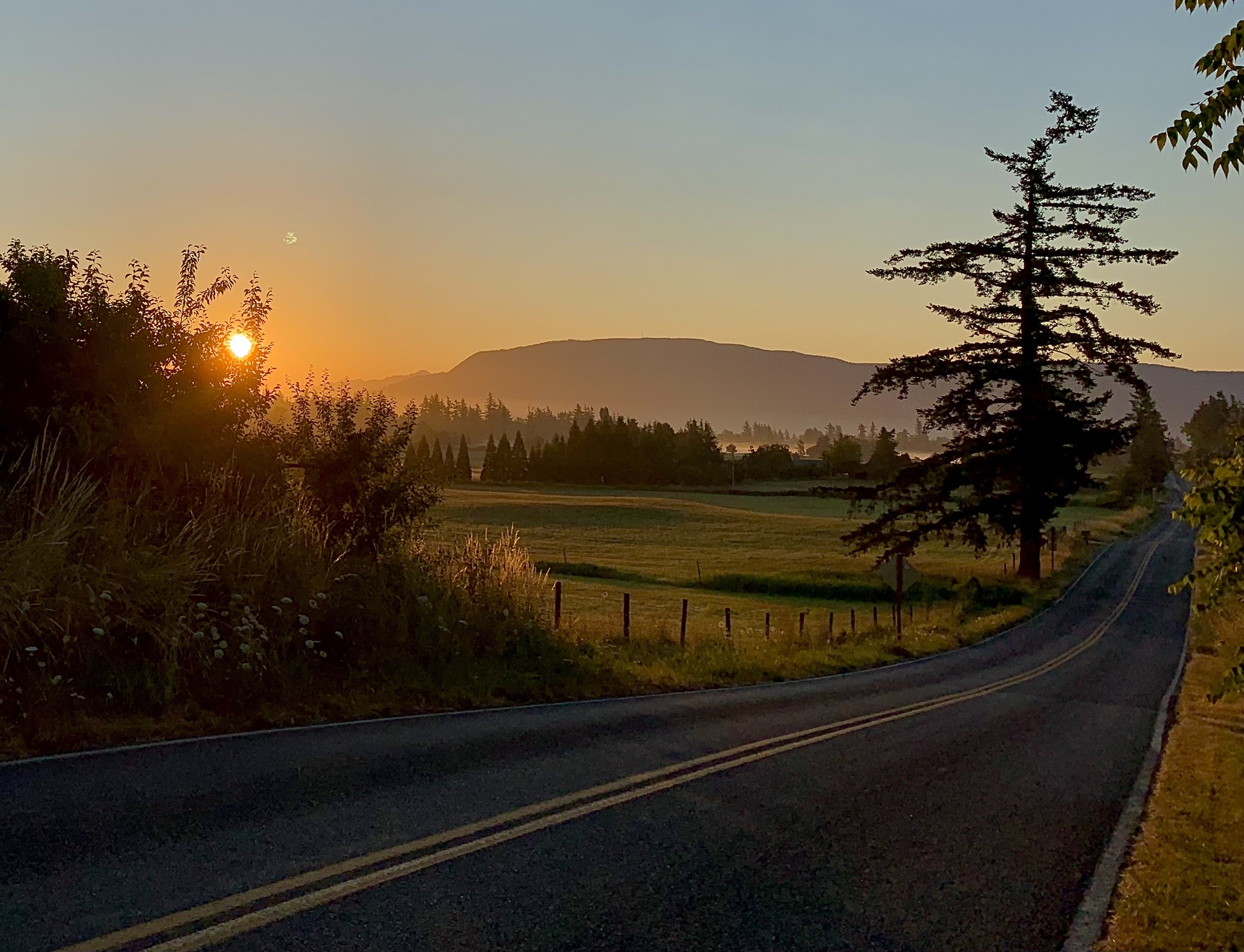
Tonight at sunset walking on the snowy road, my shoes crunching on the frozen gravel, first
through the woods, then out into the open fields past a couple of trailers and some pickup trucks, I stop
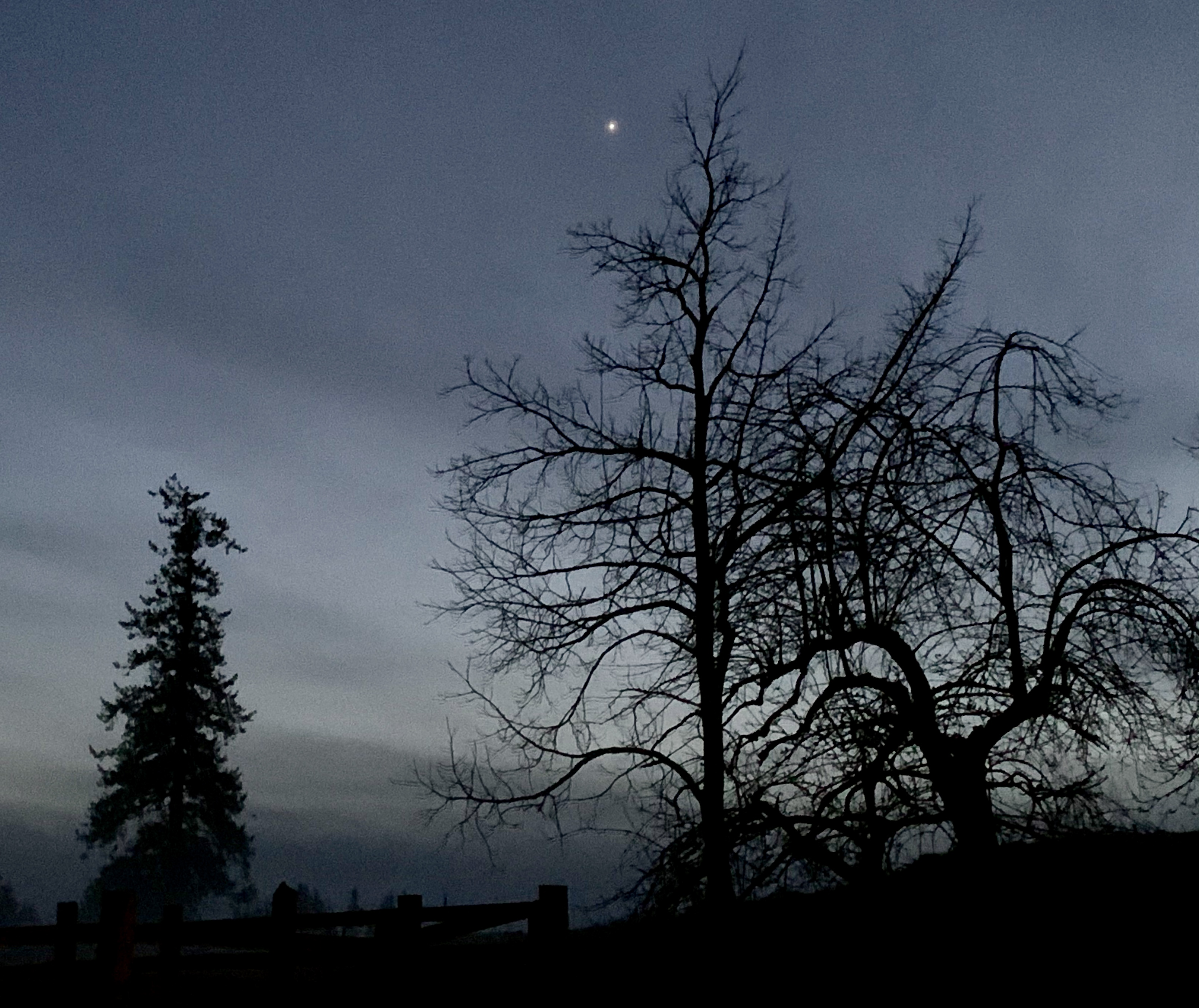
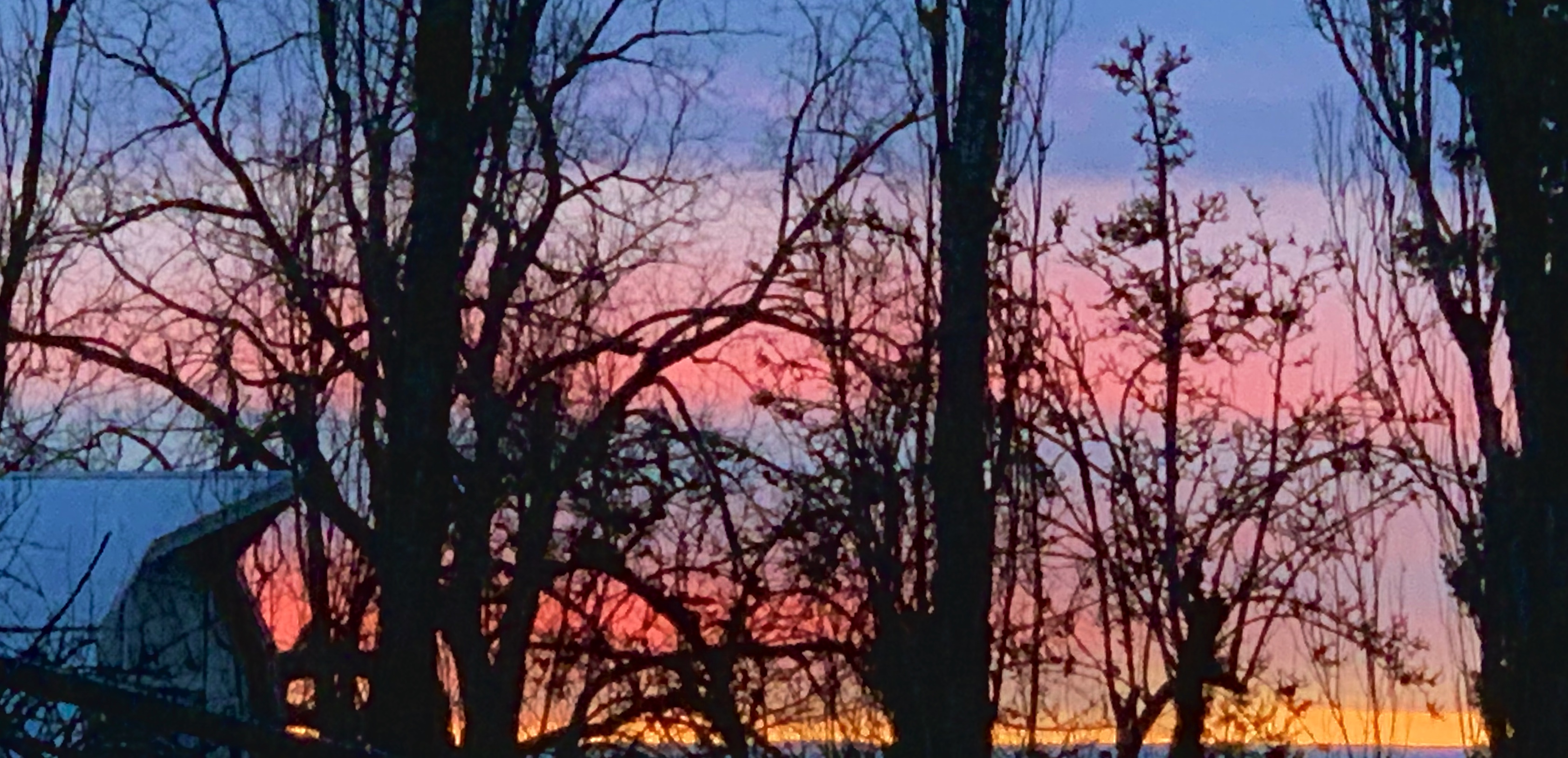
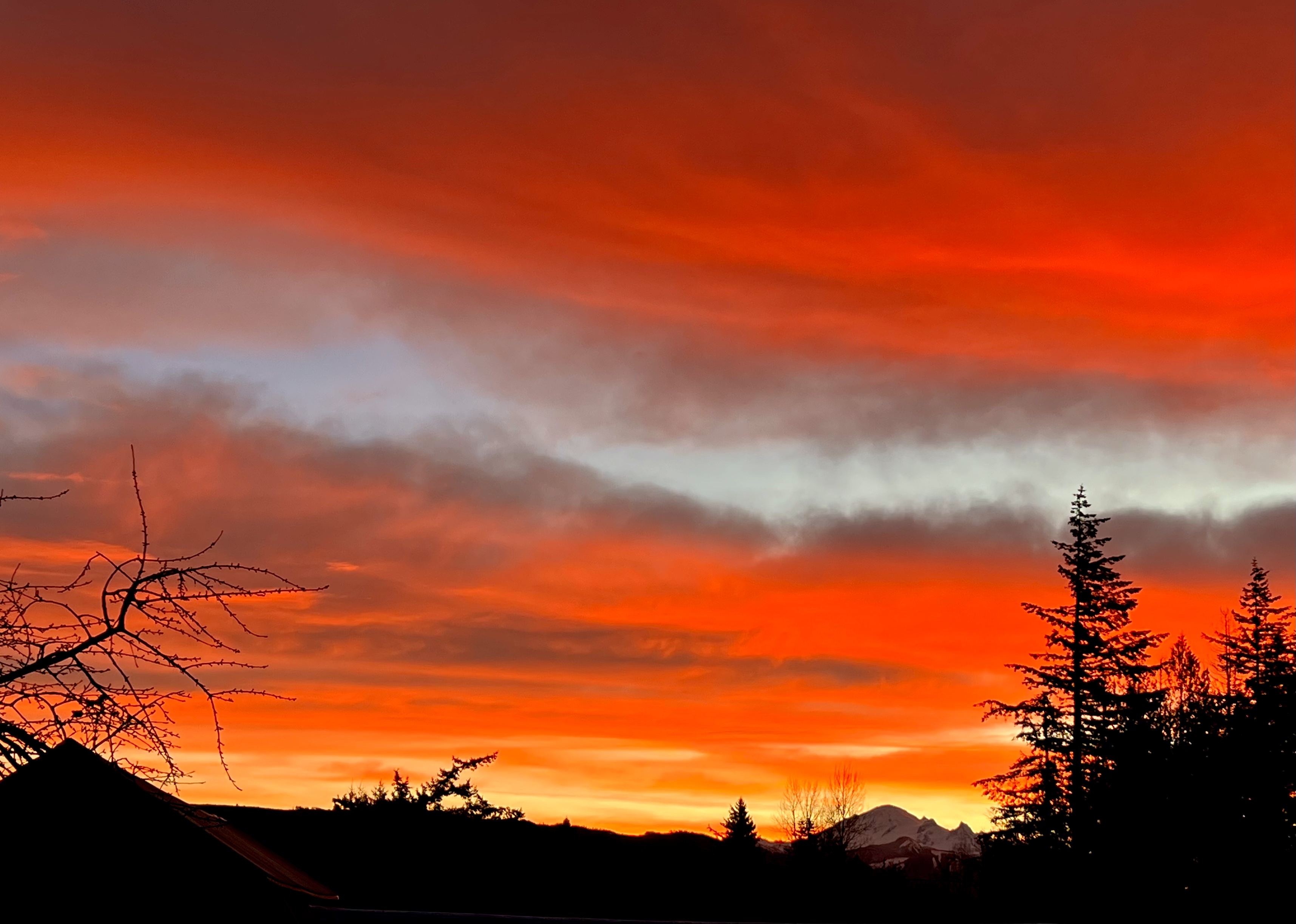
and look at the sky. Suddenly: orange, red, pink, blue, green, purple, yellow, gray, all at once and everywhere.
I pause in this moment at the beginning of my old age and I say a prayer of gratitude for getting to this evening
a prayer for being here, today, now, alive in this life, in this evening, under this sky. ~David Budbill “Winter: Tonight: Sunset”from While We’ve Still Got Feet
I thank you God for most this amazing day For the leaping greenly spirits of trees And a blue true dream of sky And for everything that is natural, which is infinite, which is yes I who have died am alive again today And this is the sun’s birthday This is the birth day of life and of love and wings And of the gay great happening illimitably earth How should tasting, touching, hearing, seeing, breathing any Lifted from the no of all nothing Human merely being doubt unimaginable You? Now the ears of my ears awake And now the eyes of my eyes are opened ~E. E. Cummings~
Each day, no matter how things feel, no matter how tired or distracted I am, no matter how empty or discouraged, no matter how worried, or fearful or heartsick:
it is up to me to distill my very existence down to this moment of beauty that will never come again; I’m given the unimaginable opportunity to be loving with every cell of my being.
One breath, one blink, one pause, one whispered word again and again: thanks, thanks, thanks be to God.
One-Time
Monthly
Yearly
Make a one-time or recurring donation to support daily Barnstorming posts
Clouded with snow The cold winds blow, And shrill on leafless bough The robin with its burning breast Alone sings now.
The rayless sun, Day’s journey done, Sheds its last ebbing light On fields in leagues of beauty spread Unearthly white.
Thick draws the dark, And spark by spark, The frost-fires kindle, and soon Over that sea of frozen foam Floats the white moon. ~ Walter De la Mare, “Winter” from By Heart
Roused by a faint glow between closed slats of window blinds at midnight
Our bedroom suffused in ethereal glow from a moon-white sky, mixing a million stars and snowflakes
A snow light covers all, settling gently around us, tucking in the drifting corners of a downy comforter
while heaven comes to earth, plumps the pillows, cushions the landscape, and illuminates our longing hearts.
One-Time
Monthly
Yearly
Make a one-time or recurring donation to support daily Barnstorming posts
There are several attitudes towards Christmas, Some of which we may disregard: The social, the torpid, the patently commercial, The rowdy (the pubs being open till midnight), And the childish – which is not that of the child For whom the candle is a star, and the gilded angel Spreading its wings at the summit of the tree Is not only a decoration, but an angel.
The child wonders at the Christmas Tree: Let him continue in the spirit of wonder At the Feast as an event not accepted as a pretext; So that the glittering rapture, the amazement Of the first-remembered Christmas Tree, So that the surprises, delight in new possessions (Each one with its peculiar and exciting smell), The expectation of the goose or turkey And the expected awe on its appearance,
So that the reverence and the gaiety May not be forgotten in later experience, In the bored habituation, the fatigue, the tedium, The awareness of death, the consciousness of failure, Or in the piety of the convert Which may be tainted with a self-conceit Displeasing to God and disrespectful to children (And here I remember also with gratitude St.Lucy, her carol, and her crown of fire):
So that before the end, the eightieth Christmas (By “eightieth” meaning whichever is last) The accumulated memories of annual emotion May be concentrated into a great joy Which shall be also a great fear, as on the occasion When fear came upon every soul: Because the beginning shall remind us of the end And the first coming of the second coming. ~T.S. Eliot “The Cultivation of Christmas Tree”
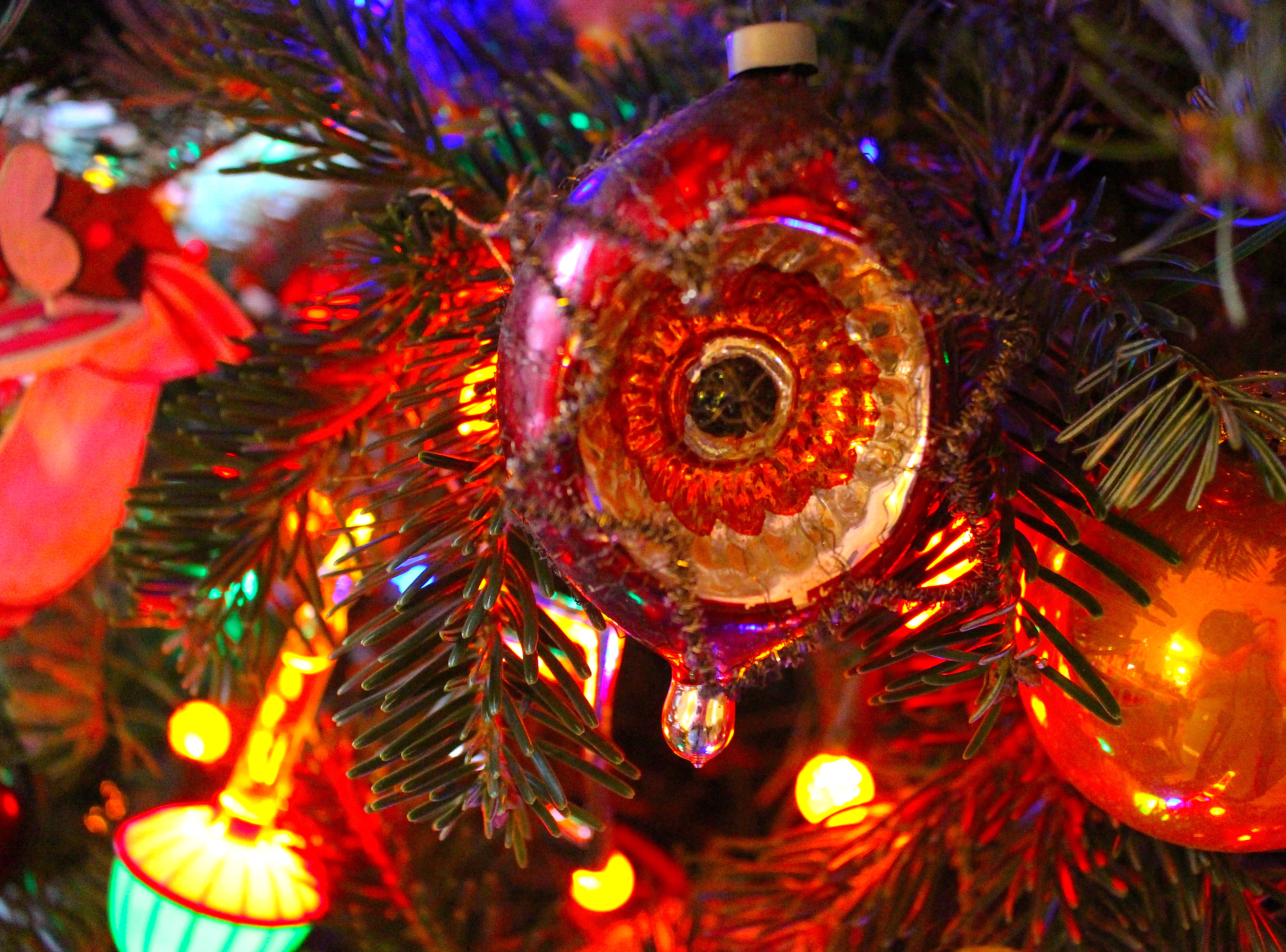
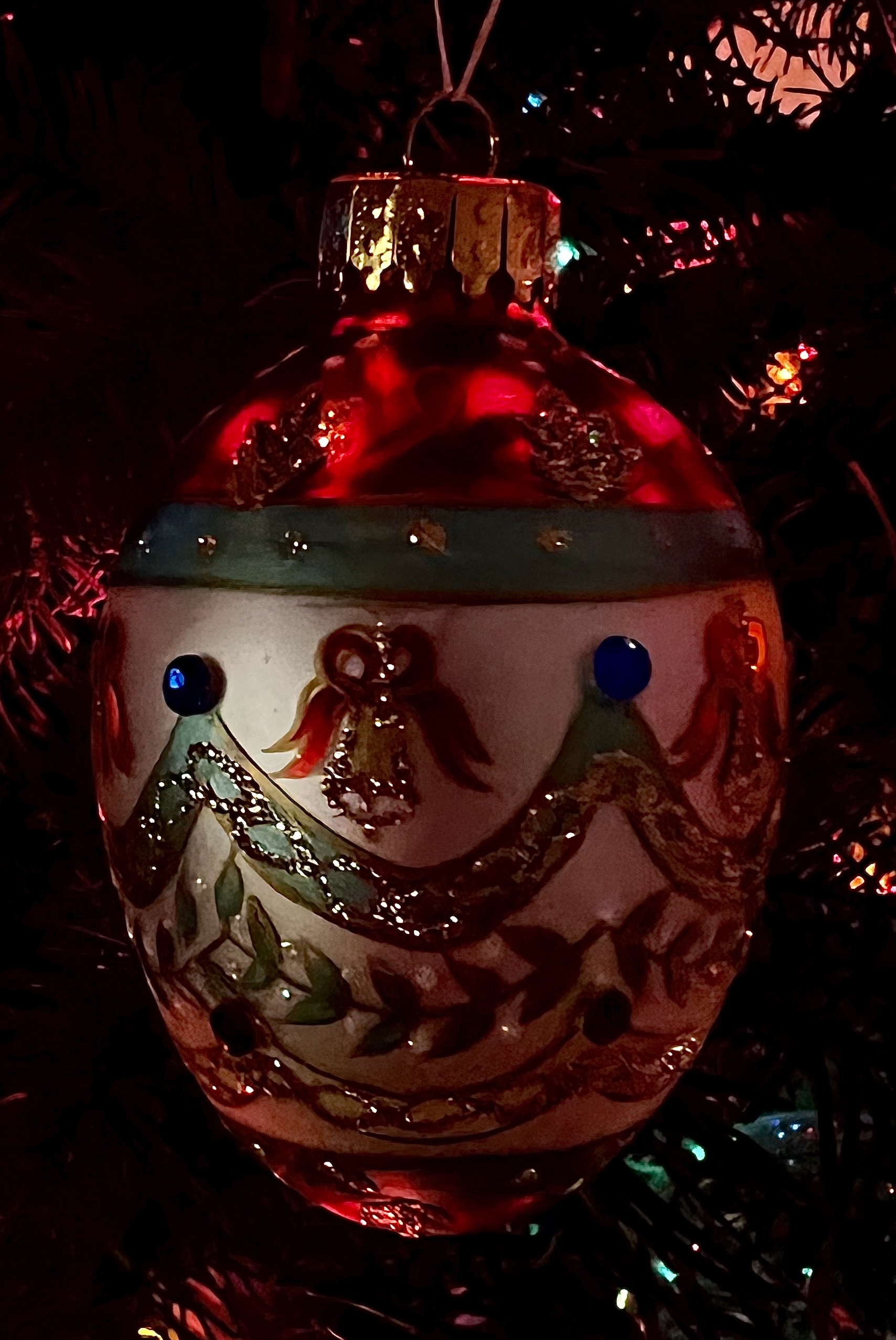
Hanging old ornaments on a fresh cut tree, I take each red glass bulb and tinfoil seraph And blow away the dust. Anyone else Would throw them out. They are so scratched and shabby.
My mother had so little joy to share She kept it in a box to hide away. But on the darkest winter nights—voilà— She opened it resplendently to shine.
How carefully she hung each thread of tinsel, Or touched each dime-store bauble with delight. Blessed by the frankincense of fragrant fir, Nothing was too little to be loved.
Why do the dead insist on bringing gifts We can’t reciprocate? We wrap her hopes Around the tree crowned with a fragile star. No holiday is holy without ghosts. ~Dana Gioia, “Tinsel, Frankincense, and Fir”
Whenthe song of the angels is stilled, when the star in the sky is gone, when the kings and princes are home, when the shepherds are back with their flocks, the work of Christmas begins: to find the lost, to heal the broken, to feed the hungry, to release the prisoner, to rebuild the nations, to bring peace among the people, to make music in the heart. ~Howard Thurman from The Mood of Christmas & Other Celebrations
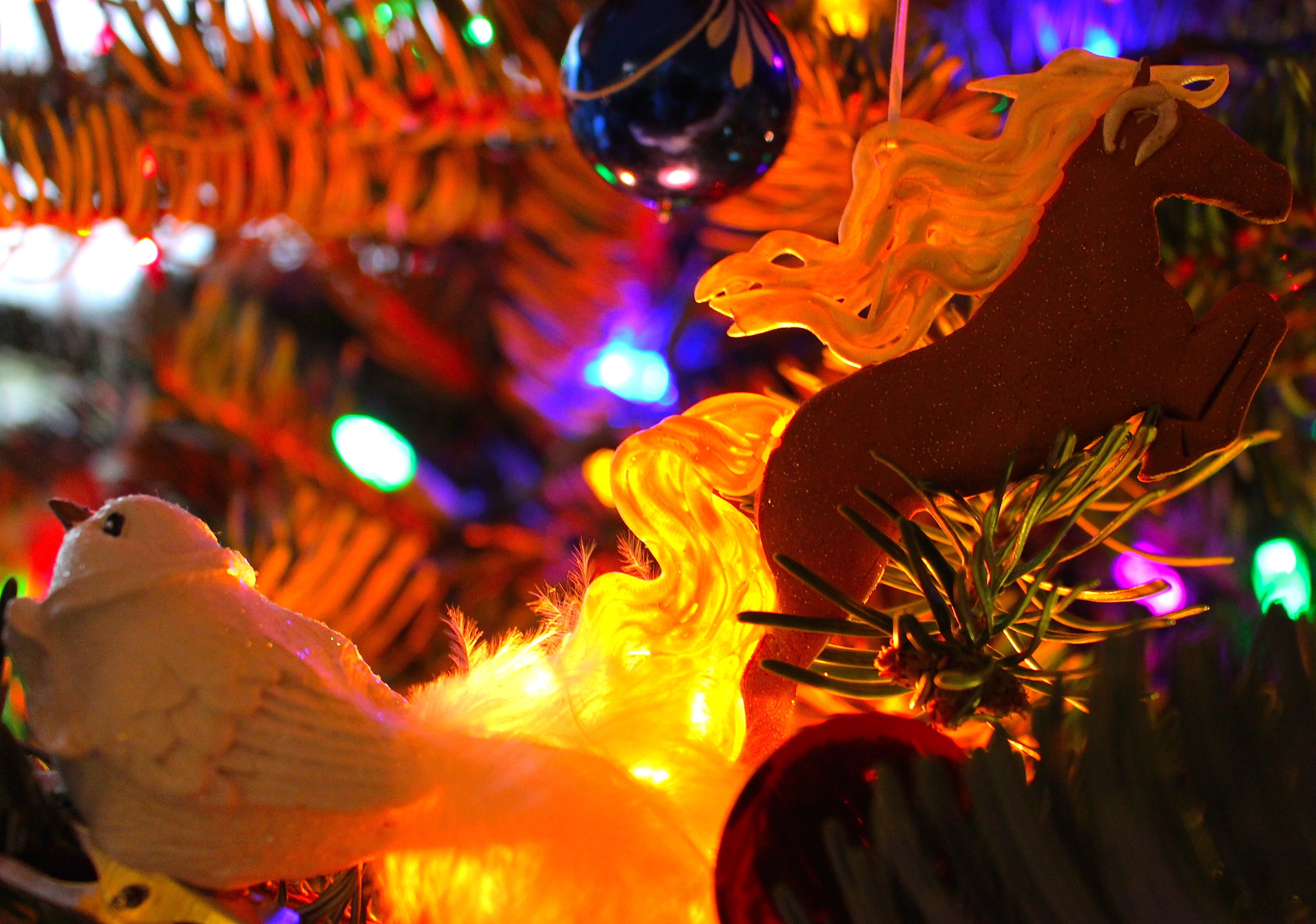
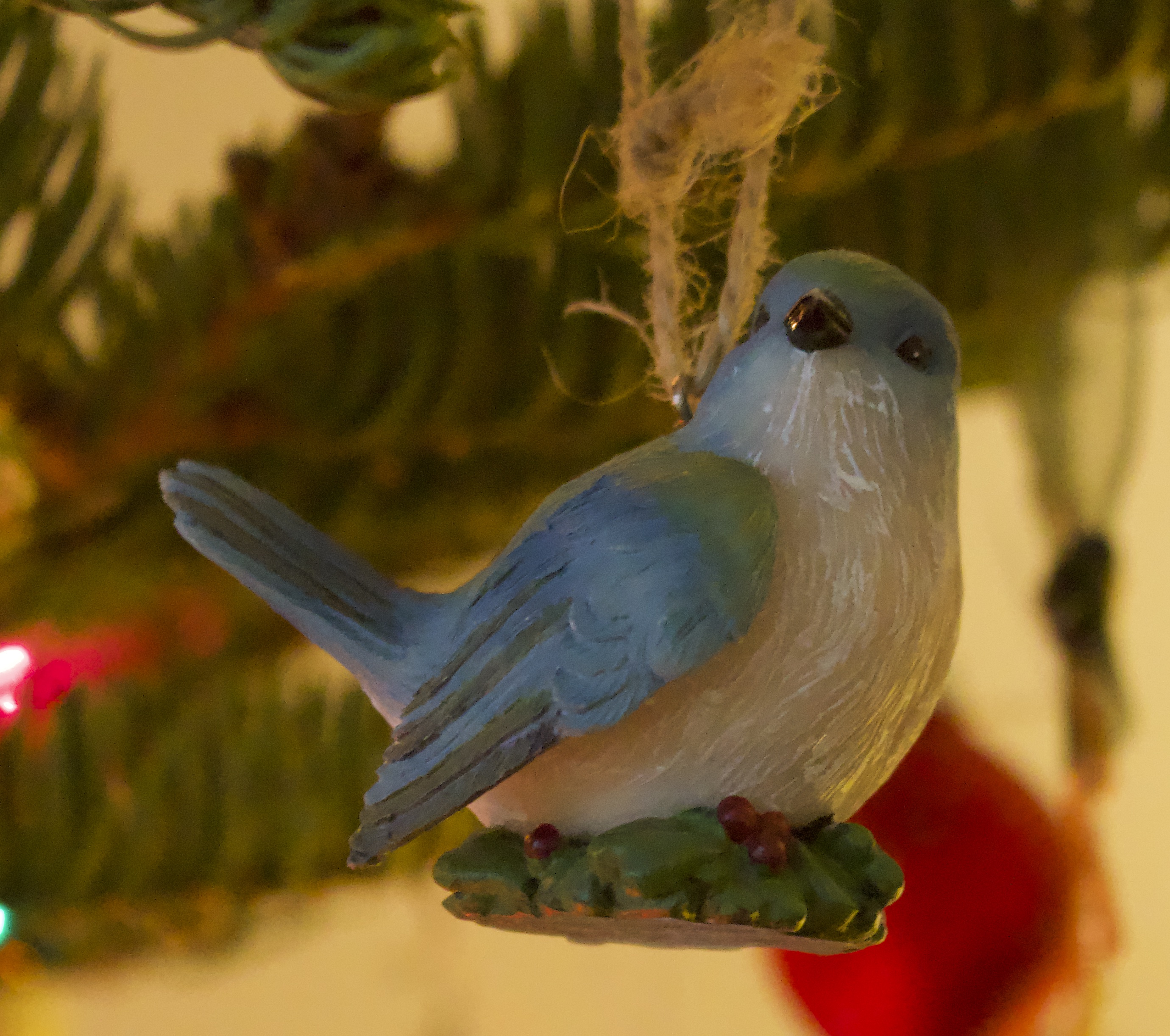
There are plenty of ghosts hiding in the boxes of ornaments I place on our Christmas tree.
Closing my eyes, I can see my father struggling to straighten our wild cut trees from our woods, mumbling under his breath in his frustration as he lies prone under the branches. I can see my mother, tears in her eyes, arranging ornaments from her parents’ childhoods, remembering times in her childhood that were fraught and fragile.
Each memory, every scratched-up glass ball is so easily breakable, a mere symbol for the fragility of us all this time of year.
Our real work of Christmas isn’t just during these frantic weeks of Advent but lasts year-long — often very hard intensive work, not just fa-la-la-la-la and jingle bells, but badly needed labor in this broken world with its homelessness, hunger, disease, conflict, addictions, depression and pain.
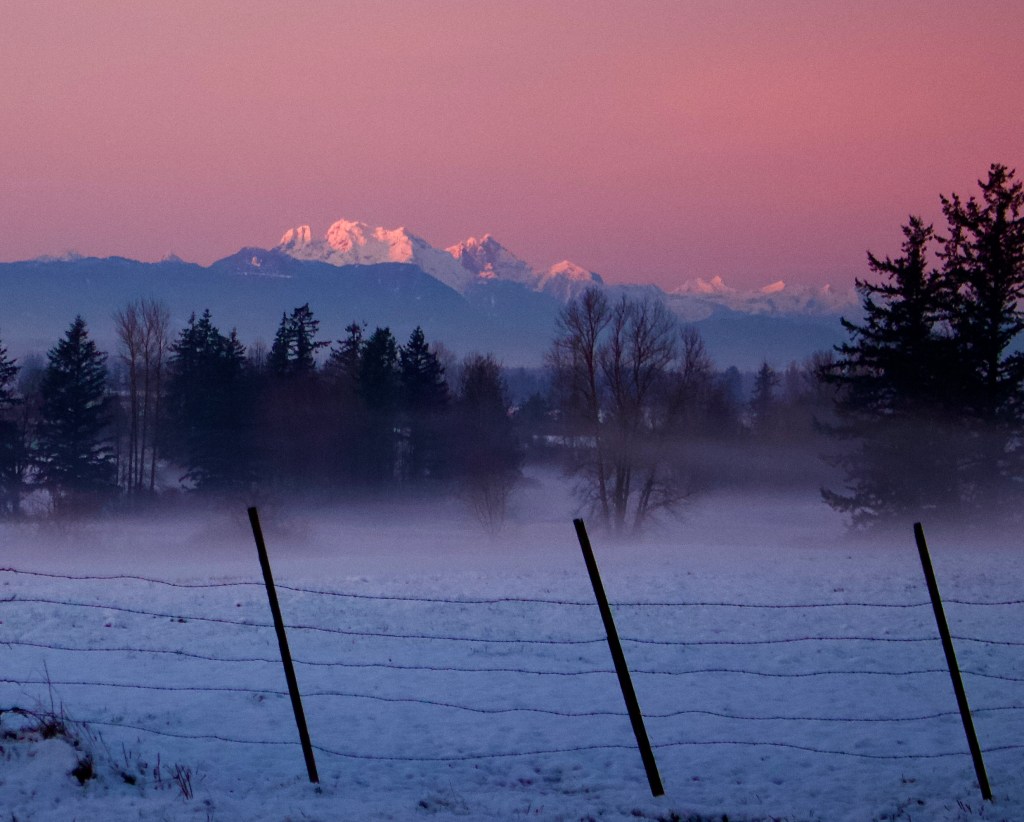
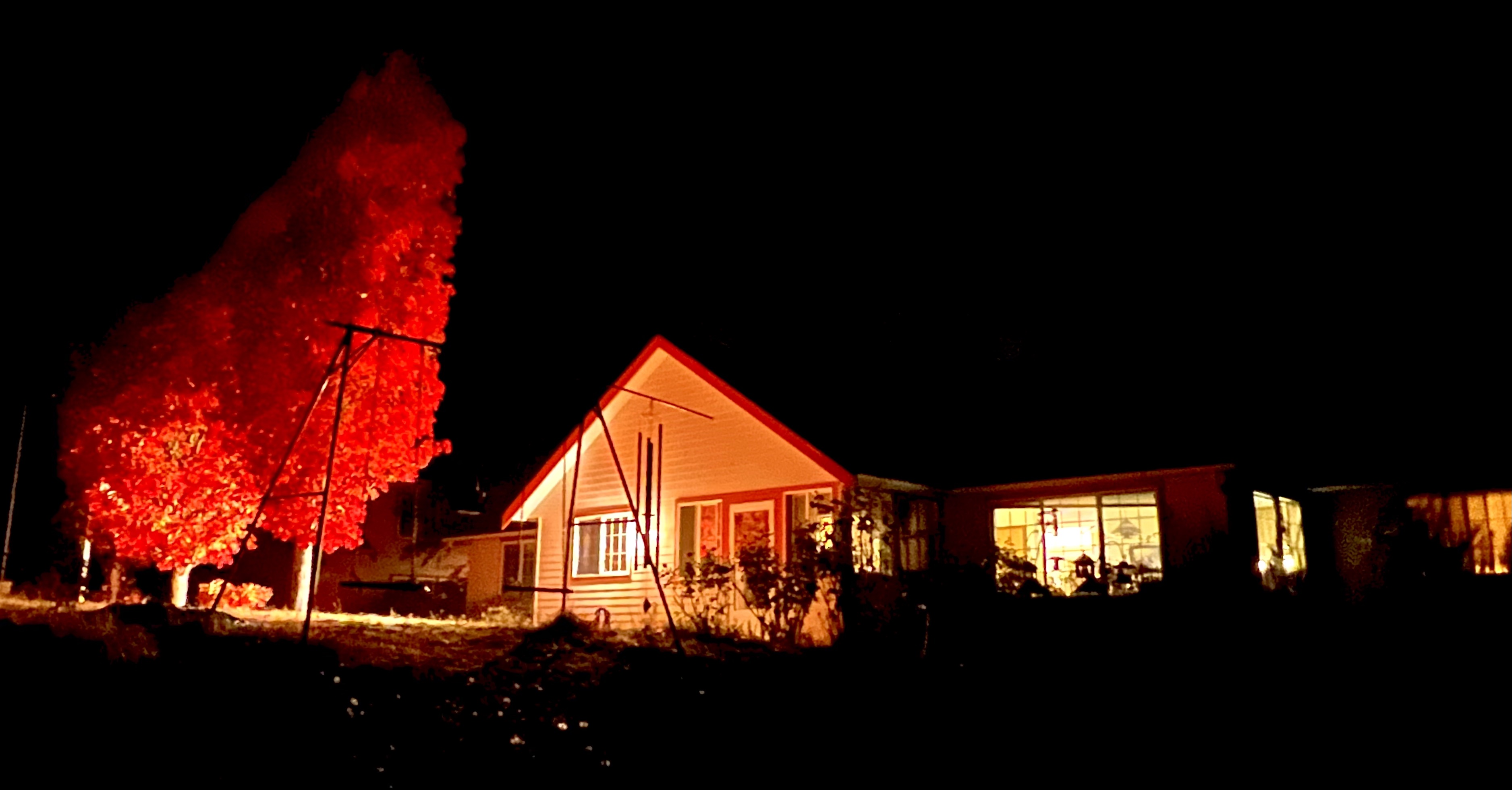
Even so, we enter winter next week replete with a startling splash of orange red that paints the skies in the evenings, the stark and gorgeous snow covered peaks surrounding us during the day, the grace of bald eagles and trumpeter swans flying overhead, the heavenly lights that twinkle every night, the shining globe that circles full above us, and the loving support of the Hand that rocks us to sleep when we are wailing loud.
Once again, I prepare myself to do the real work of Christmas, acknowledging the stark reality that the labor that happened in a barn that night was only the beginning of the labor required to salvage this world begun by an infant in a manger.
We don’t need a fragrant fir, full stockings on the hearth, Christmas villages on the side table, or a star on the top of the tree to know the comfort of His care and the astounding beauty of His creation, available for us without batteries, electrical plug ins, or the need of a ladder.
The ghosts and memories of Christmas tend to pull me up from my doldrums, alive to the possibility that even I, broken and fragile, scratched and showing my age, can make a difference, in His name, all year.
Nothing is too little to be loved…even me.
This year’s Advent theme “Dawn on our Darkness” is taken from this 19th century Christmas hymn:
Brightest and best of the sons of the morning, dawn on our darkness and lend us your aid. Star of the east, the horizon adorning, guide where our infant Redeemer is laid. ~Reginald Heber -from “Brightest and Best”
One-Time
Monthly
Yearly
Make a one-time or recurring donation to support daily Barnstorming posts
We grow accustomed to the Dark — When Light is put away — As when the Neighbor holds the Lamp To witness her Good bye —
A Moment — We Uncertain step For newness of the night — Then — fit our Vision to the Dark — And meet the Road — erect —
And so of larger — Darknesses — Those Evenings of the Brain — When not a Moon disclose a sign — Or Star — come out — within —
The Bravest — grope a little — And sometimes hit a Tree Directly in the Forehead — But as they learn to see —
Either the Darkness alters — Or something in the sight Adjusts itself to Midnight — And Life steps almost straight. ~Emily Dickinson
photo by Bob Tjoelker
So few grains of happiness measured against all the dark and still the scales balance.
The world asks of us only the strength we have and we give it. Then it asks more, and we give it. ~Jane Hirschfield from “The Weighing”
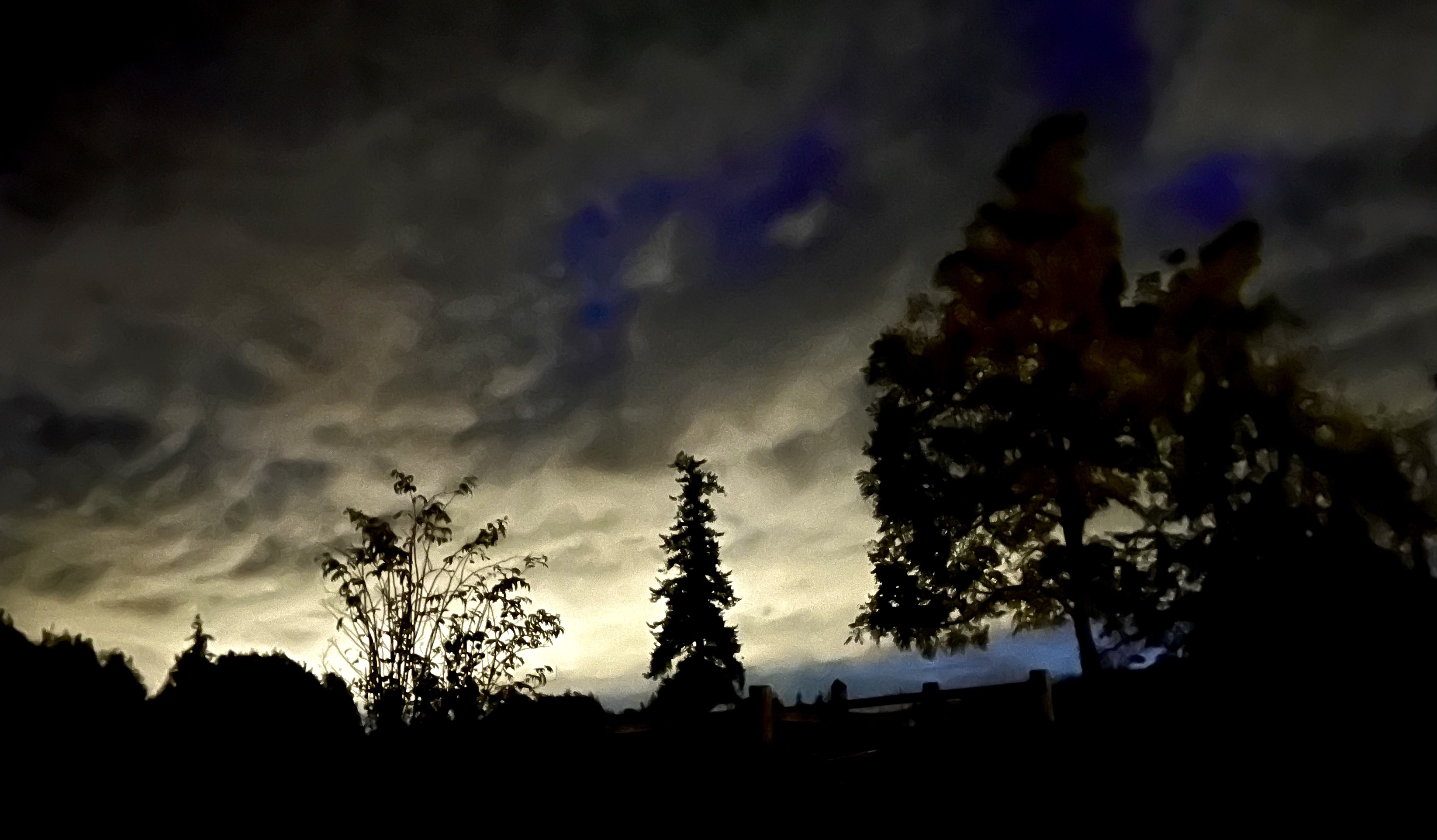
I admit that I’m stumbling about in the dark right now, bearing the bruises and scrapes of random collisions with objects hidden by the night.
My eyes must slowly adjust to such bare illumination, as the Lamp has been carried away.
I’m feeling my way through this time of life.
I suspect there are fellow darkness travelers who also have lost their way and their Light, giving what they can and sometimes more.
And so, blinded as we each are, we run forehead-first into the Tree which has always been there and always will be, the symbol of our salvation.
Because of who we are and Who loves us, we, now free and forgiven, safely follow a darkened road made nearly straight, all the way Home.
This year’s Advent theme “Dawn on our Darkness” is taken from this 19th century Christmas hymn.
Brightest and best of the sons of the morning, dawn on our darkness and lend us your aid. Star of the east, the horizon adorning, guide where our infant Redeemer is laid. ~Reginald Heber -from “Brightest and Best”
May you see God’s light on the path ahead when the road you walk is dark. May you always hear even in your hour of sorrow the gentle singing of the lark. When times are hard may hardness never turn your heart to stone. May you always remember when the shadows fall– You do not walk alone.
One-Time
Monthly
Yearly
Make a one-time or recurring donation to support daily Barnstorming posts
Fourteen years ago today, my mother, Elna Schmitz Polis, returned home for good, gently picked up and carried away by the Lord before dawn. She was just over 88 1/2 years old, and had lived much of her life anticipating her death day with some apprehension, having almost been called home at the age of 13 from a ruptured appendix, before antibiotics were an option. That near-miss seemed to haunt her, filling her with worry that it was a mistake that she survived that episode at all. Yet she thrived despite the anxiety, and ended up, much to her surprise, living a long life full of family and faith.
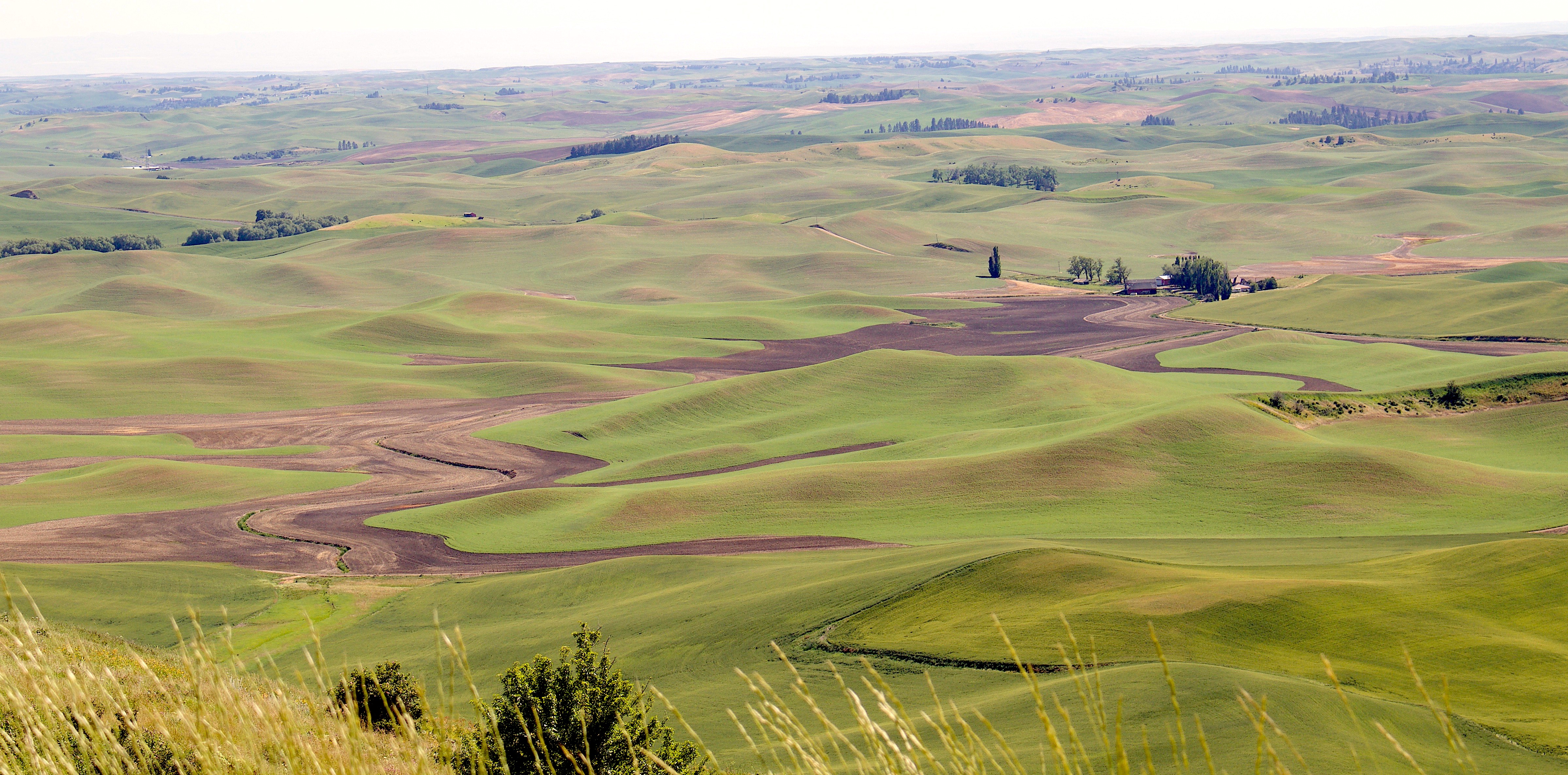
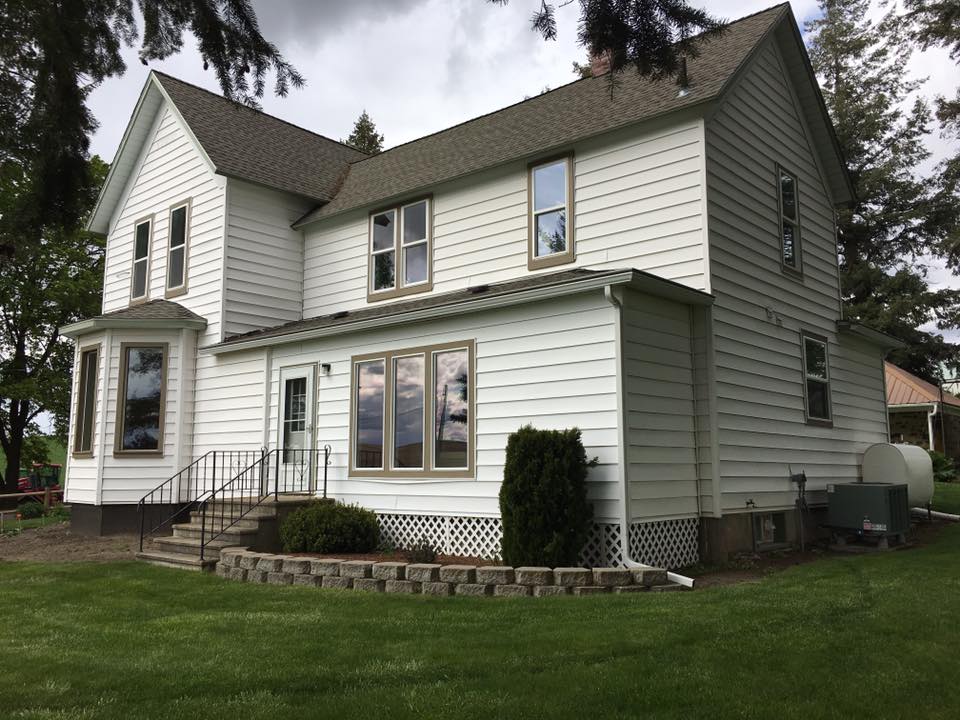
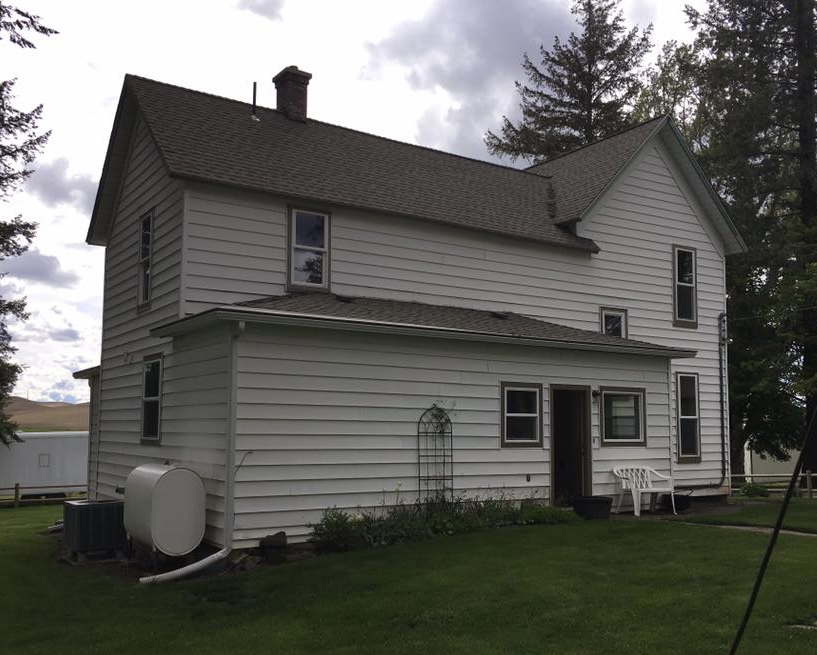
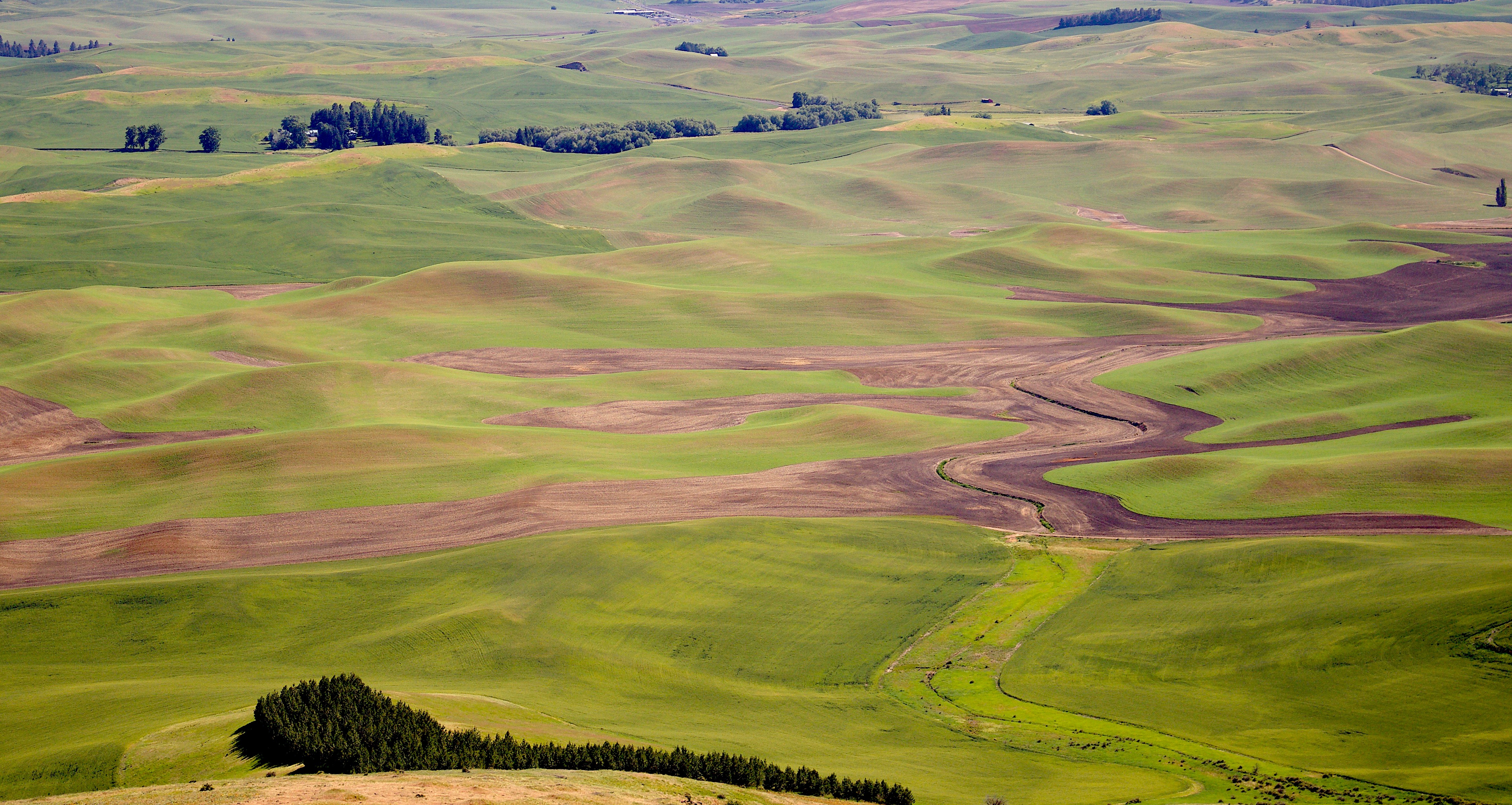
She was born in the isolation of a Palouse wheat and lentil farm in eastern Washington, in a two story white house located down a long lane and nestled in a draw between the undulating hills. Despite having one older brother, it was a lonely childhood which accustomed her to solitude and creative play inside her mind and heart. All her life and especially in her later years, she would prefer the quiet of her own thoughts over the bustle of a room full of activities and conversation.
Her childhood was filled with exploration of the rolling hills, the barns and buildings where her father built and repaired farm equipment, and the chilly cellar where the fresh eggs were stored after she reached under cranky hens to gather them. She sat in the cool breeze of the picketed yard, watching the huge windmill turn and creak next to the house. She helped her weary mother feed farm crews who came for harvest time and then settled in the screened porch listening to the adults talk about lentil prices and bushel production. She woke to the mourning dove call in the mornings and heard the coyote yips and howls at night.
As a young woman, she was ready to leave the farm behind for college, devoting herself to the skills of speech, and the creativity of acting and directing in drama, later teaching rural high school students, including a future Pulitzer Prize winning poet, Carolyn Kizer. She loved words and the power and beauty they wielded.
Marrying my father was a brave and impulsive act, traveling by train to the east coast only a week before he shipped out for almost 3 years to the South Pacific to fight as a Marine in WWII. She must have wondered about the man who returned from war changed and undoubtedly scarred in ways she could not see or touch. They worked it out, as rocky as it must have been at times, and in their reconciliation years later after divorce, I could see the devotion and mutual respect of life companions who shared purpose and love.
As a wife and mother, she rediscovered her calling as a steward of the land and a steward of her family, gardening and harvesting fruits, vegetables and children tirelessly. When I think of my mother, I most often think of her tending us children in the middle of the night whenever we were ill; her over-vigilance was undoubtedly due to her worry we might die in childhood as she almost did.
She never did stop worrying during the last few months if her life after a devastating leg fracture. As she became more dependent on others in her physical decline, she tried to give up the control she thought she had to maintain through her “worry energy” and became more accepting about the control the Lord maintains over all we are and will become.
I know from where my shyness comes, my preference for birdsongs rather than radio music, my preference for naps, and my tendency to be serious and straight laced with a twinkle in my eye. This is my German Palouse side–immersing in the quietness of solitude, thrilling to the sight of the spring wheat flowing like a green ocean wave in the breeze and appreciating the warmth of rich soil held in my hands. From that heritage came my mother and it is the legacy she has left with me. I am forever grateful to her for her unconditional love and her willingness to share the warmth of her nest whenever we felt the need to fly back home and shelter, overprotected but safe nonetheless, under her wings.
October is the treasurer of the year, And all the months pay bounty to her store; The fields and orchards still their tribute bear, And fill her brimming coffers more and more. But she, with youthful lavishness, Spends all her wealth in gaudy dress, And decks herself in garments bold Of scarlet, purple, red, and gold.
She heedeth not how swift the hours fly, But smiles and sings her happy life along; She only sees above a shining sky; She only hears the breezes’ voice in song. Her garments trail the woodlands through, And gather pearls of early dew That sparkle, till the roguish Sun Creeps up and steals them every one.
But what cares she that jewels should be lost, When all of Nature’s bounteous wealth is hers? Though princely fortunes may have been their cost, Not one regret her calm demeanor stirs. Whole-hearted, happy, careless, free, She lives her life out joyously, Nor cares when Frost stalks o’er her way And turns her auburn locks to gray. ~Paul Laurence Dunbar “October”
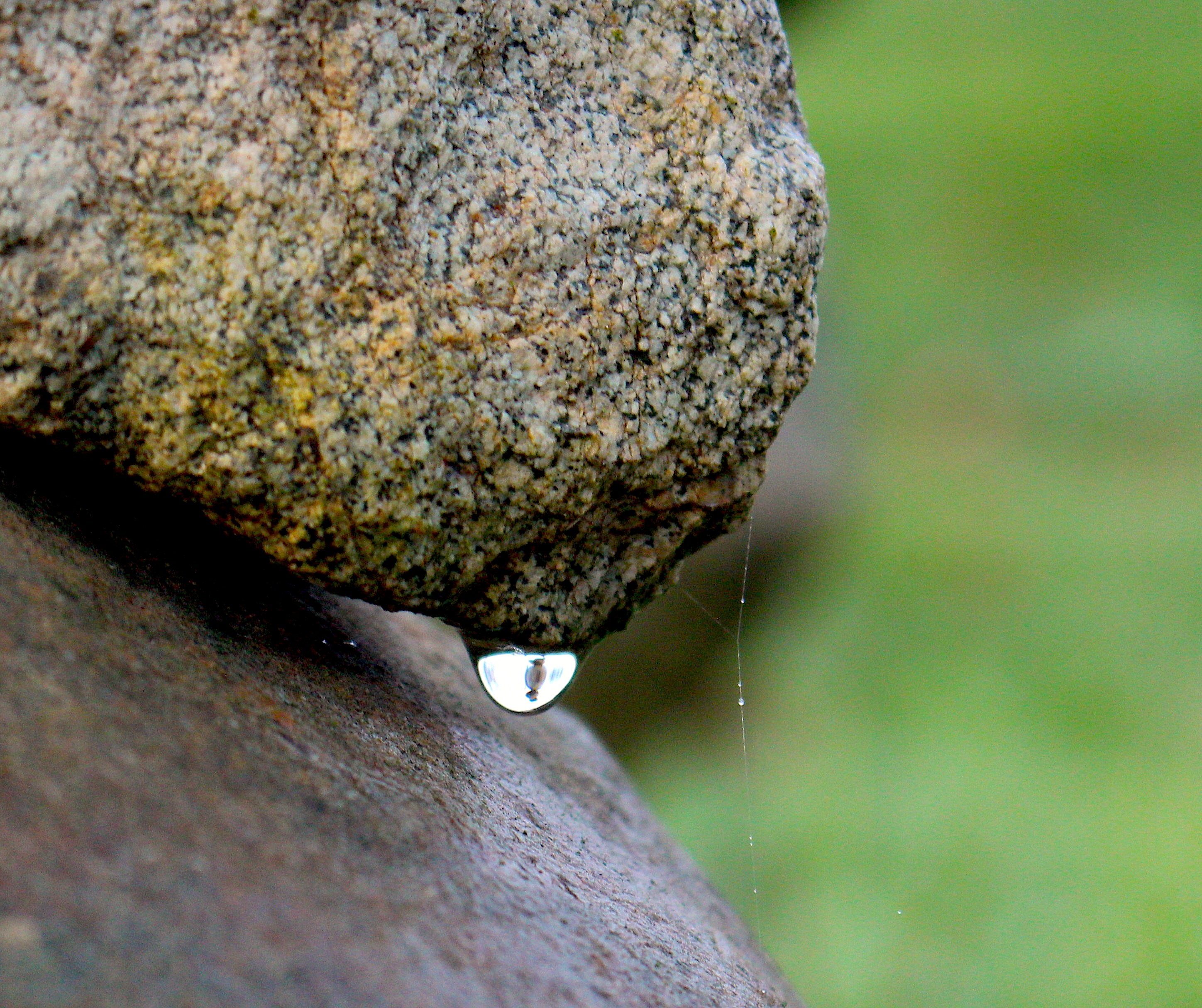
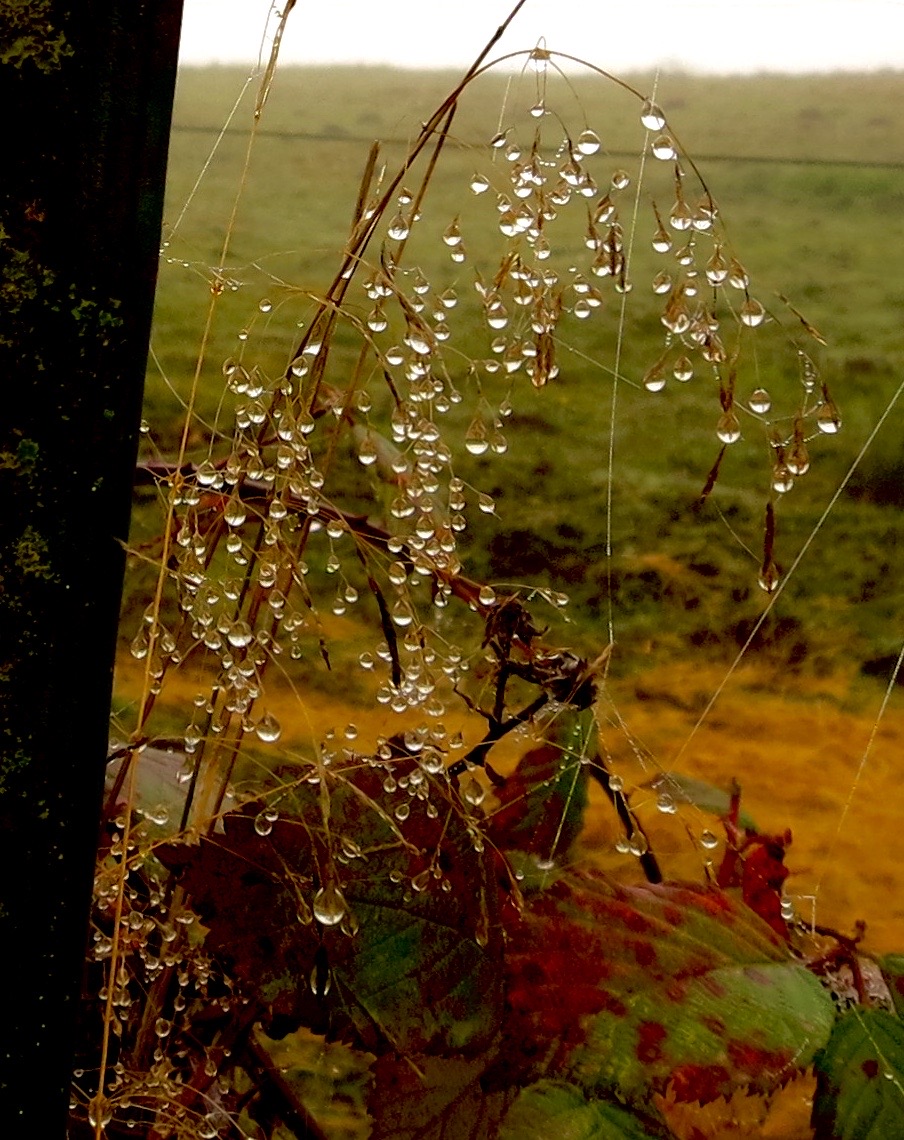
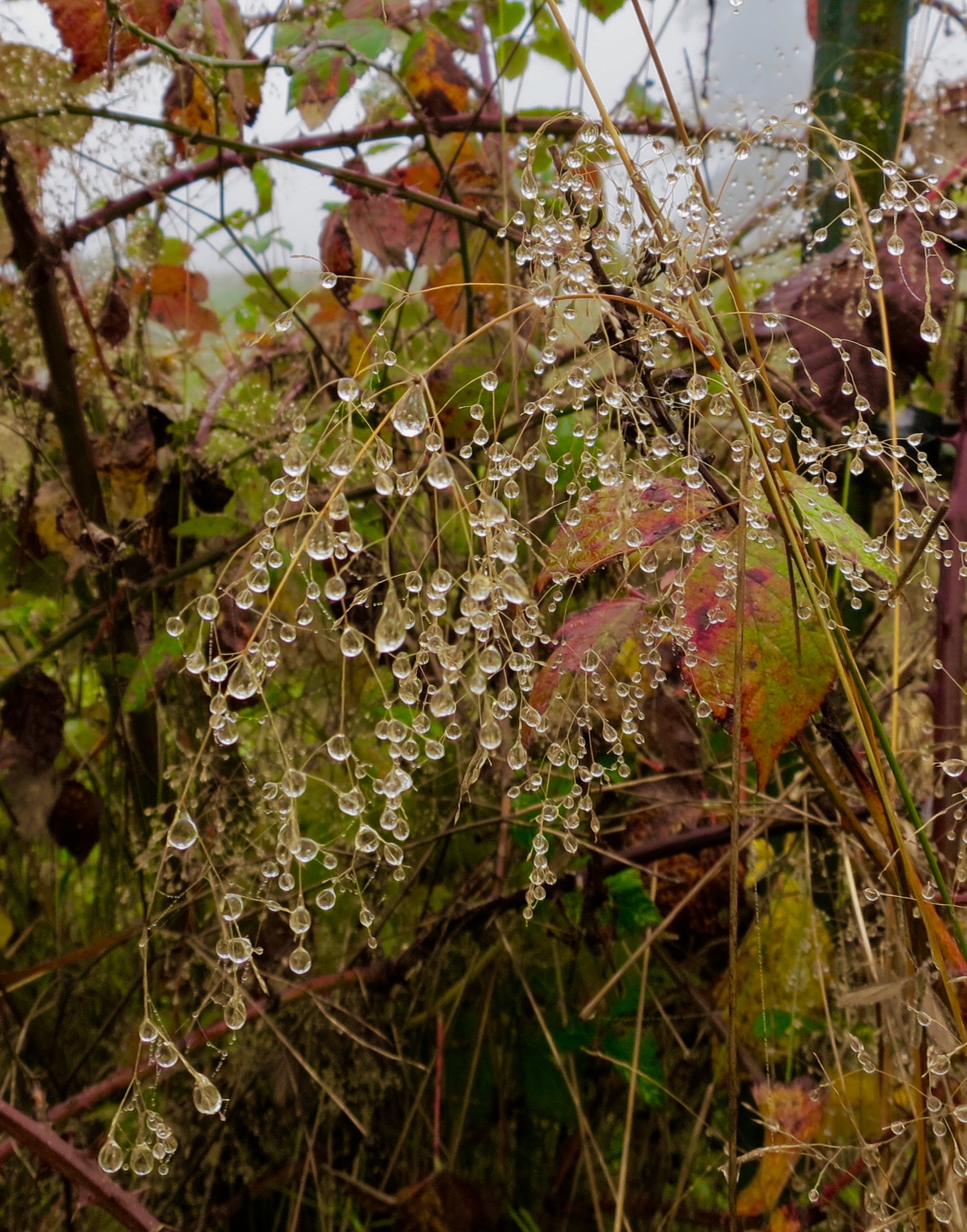
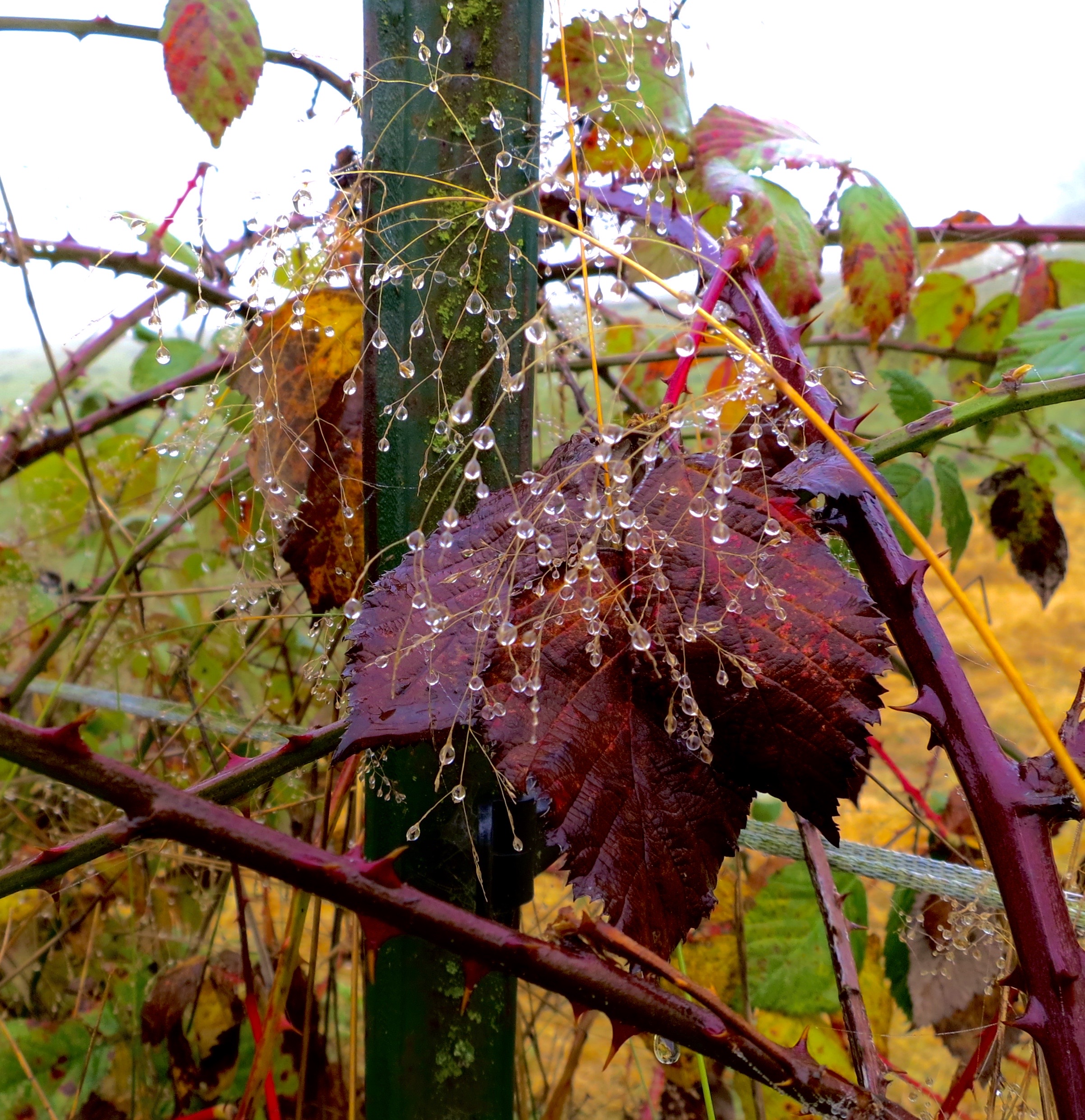
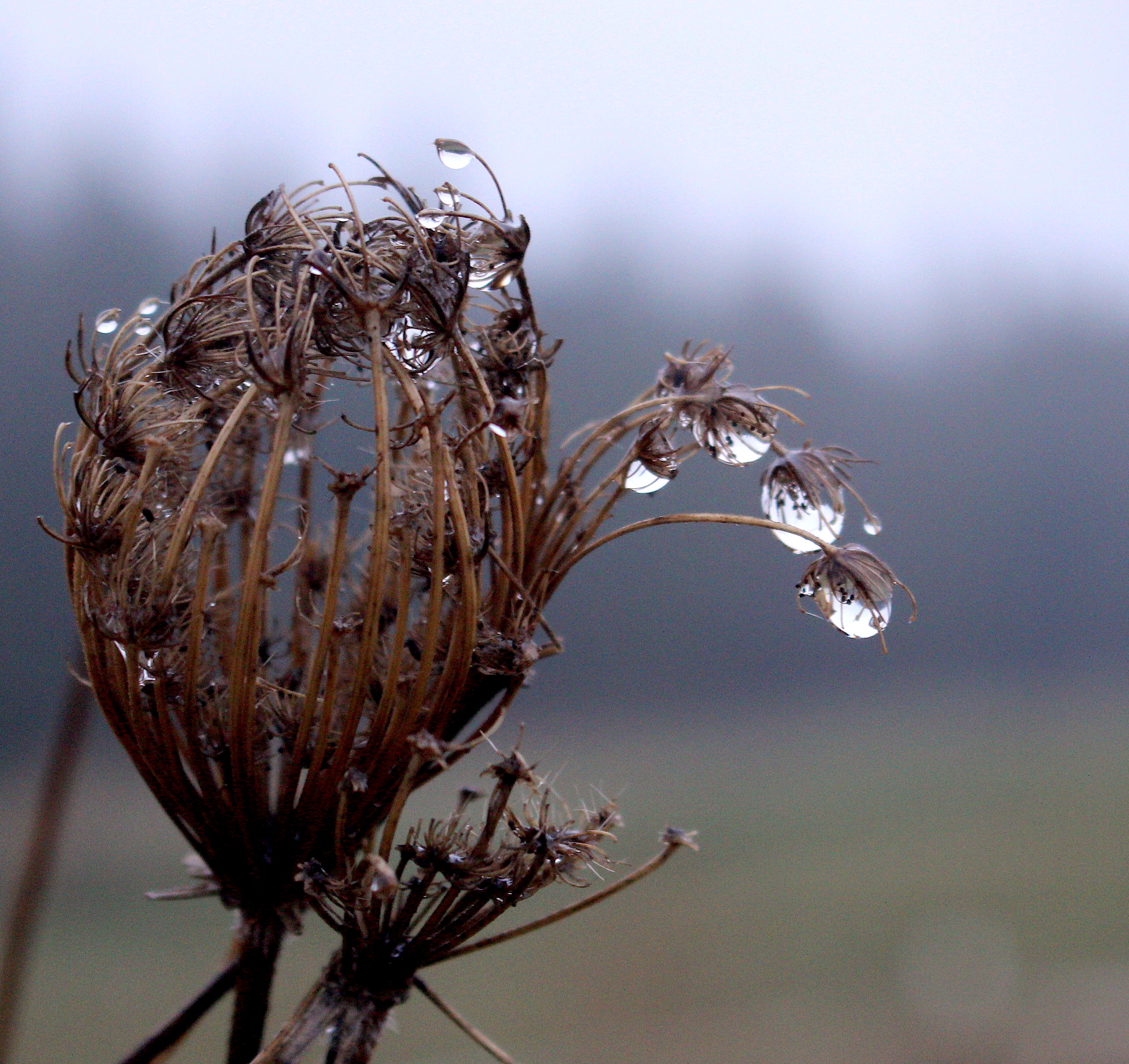
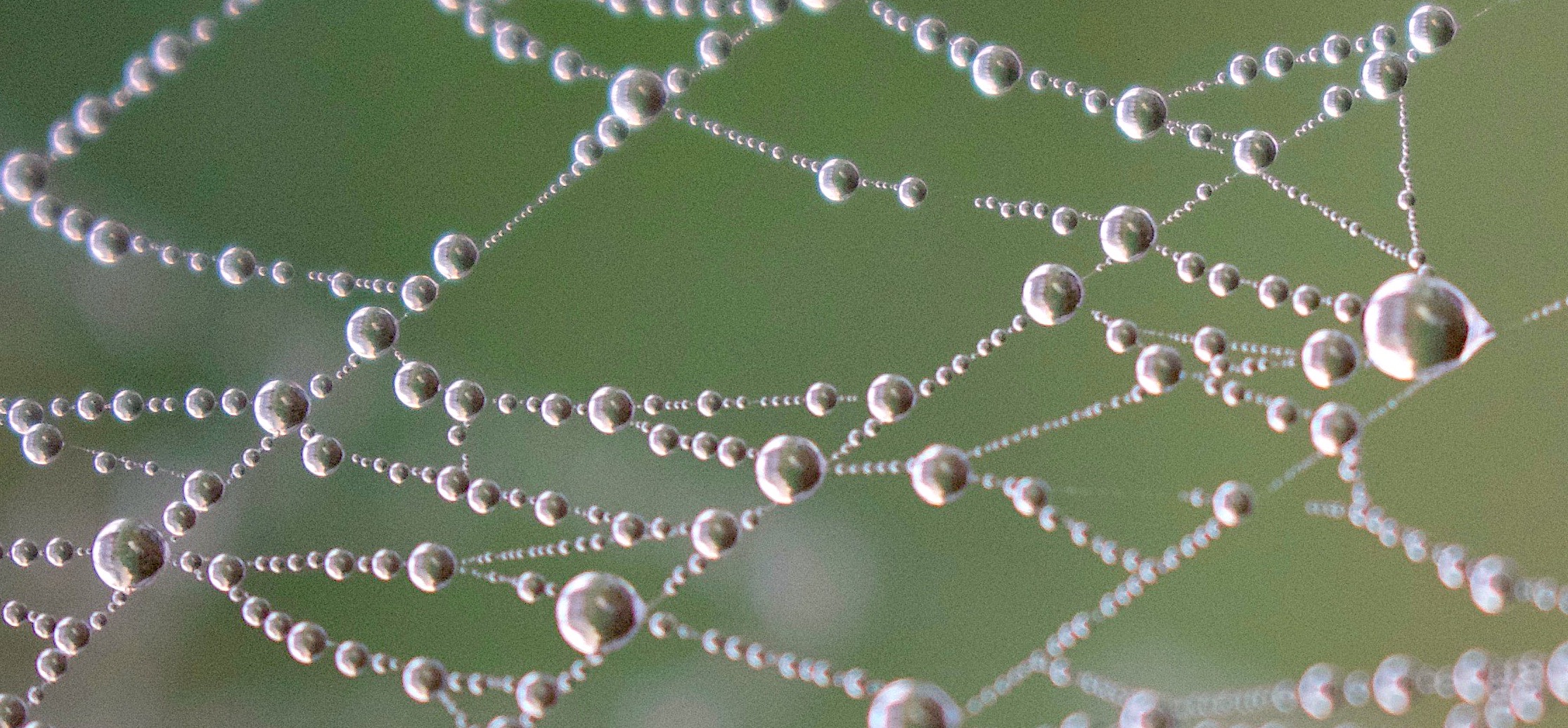
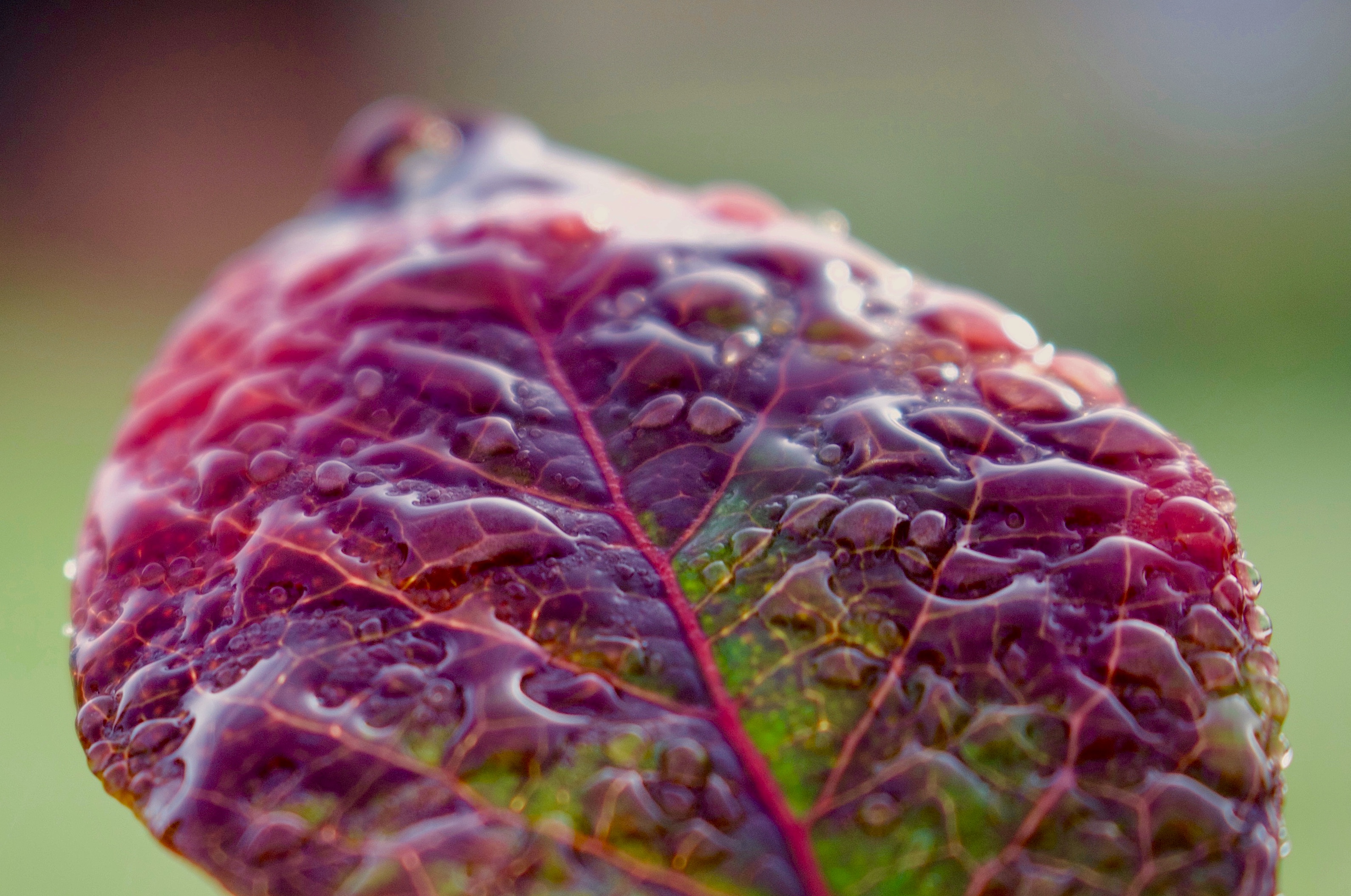
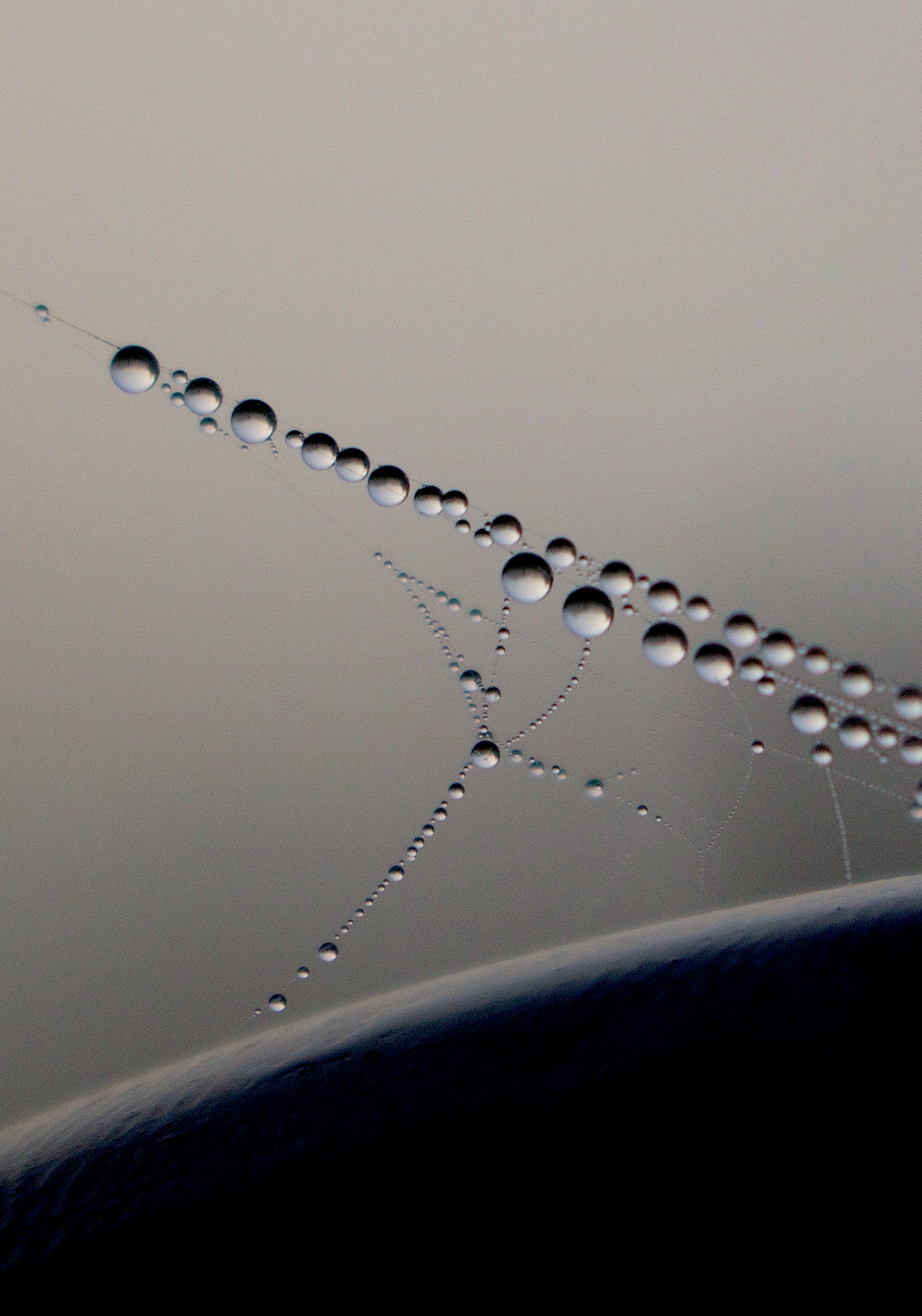
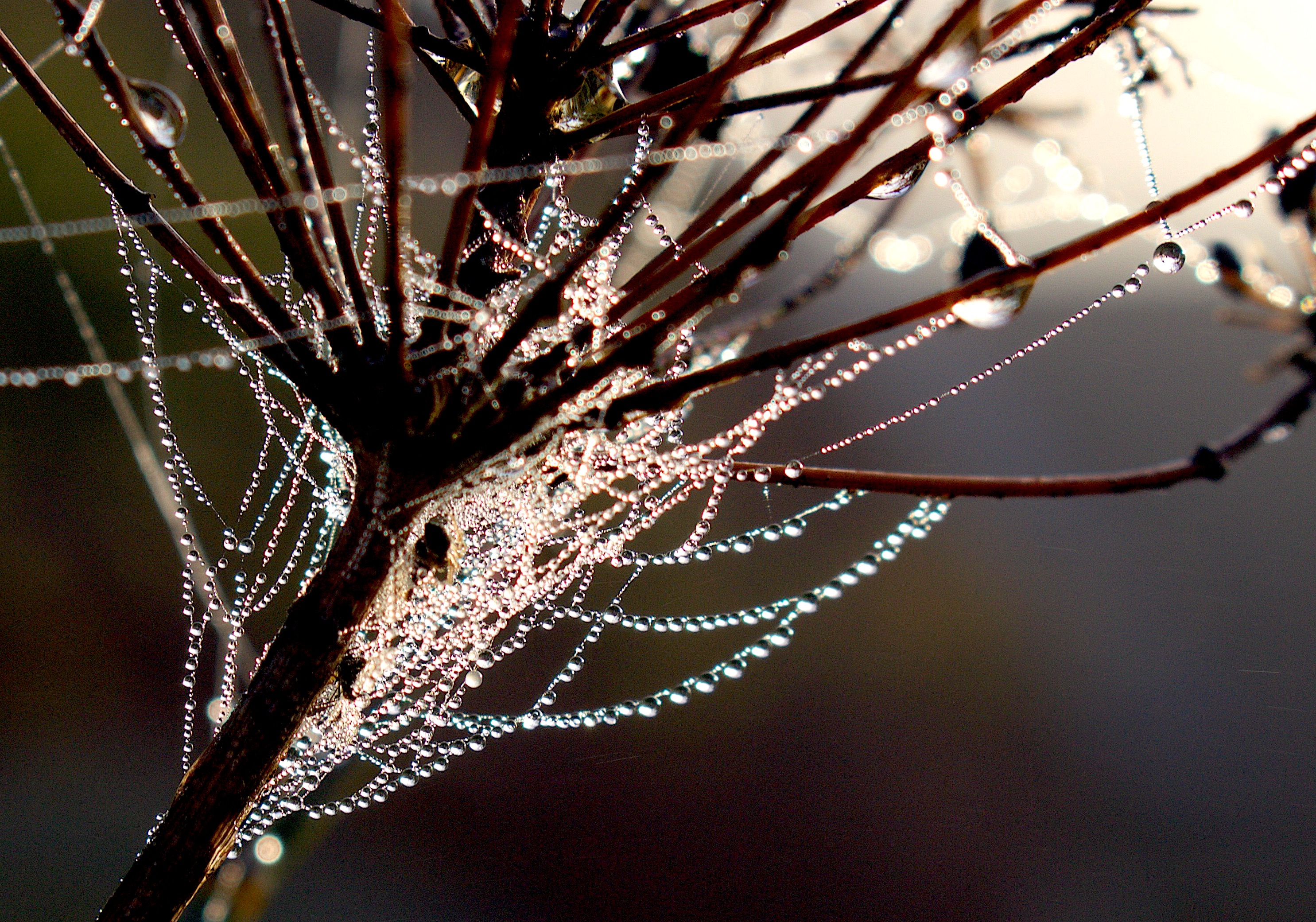
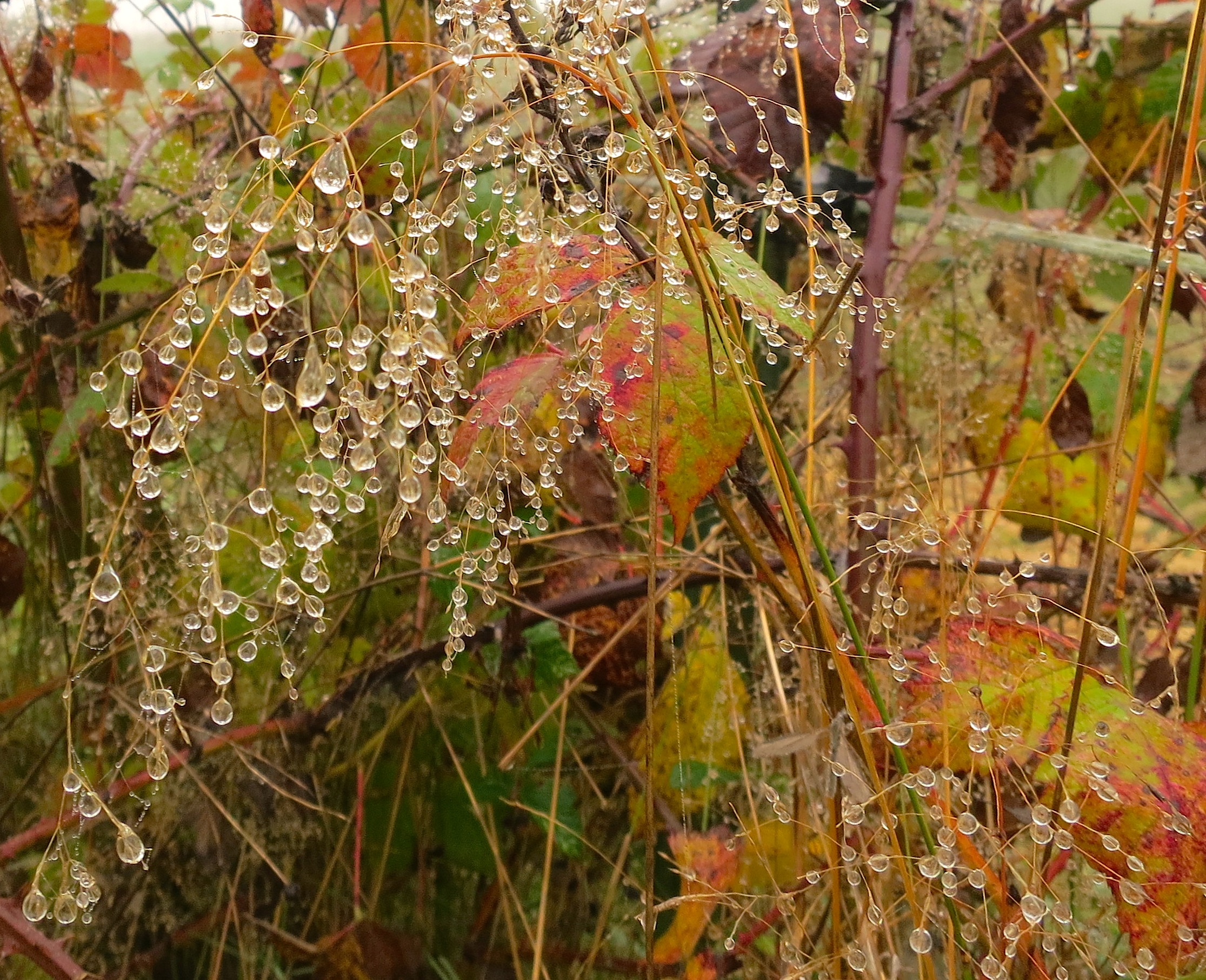
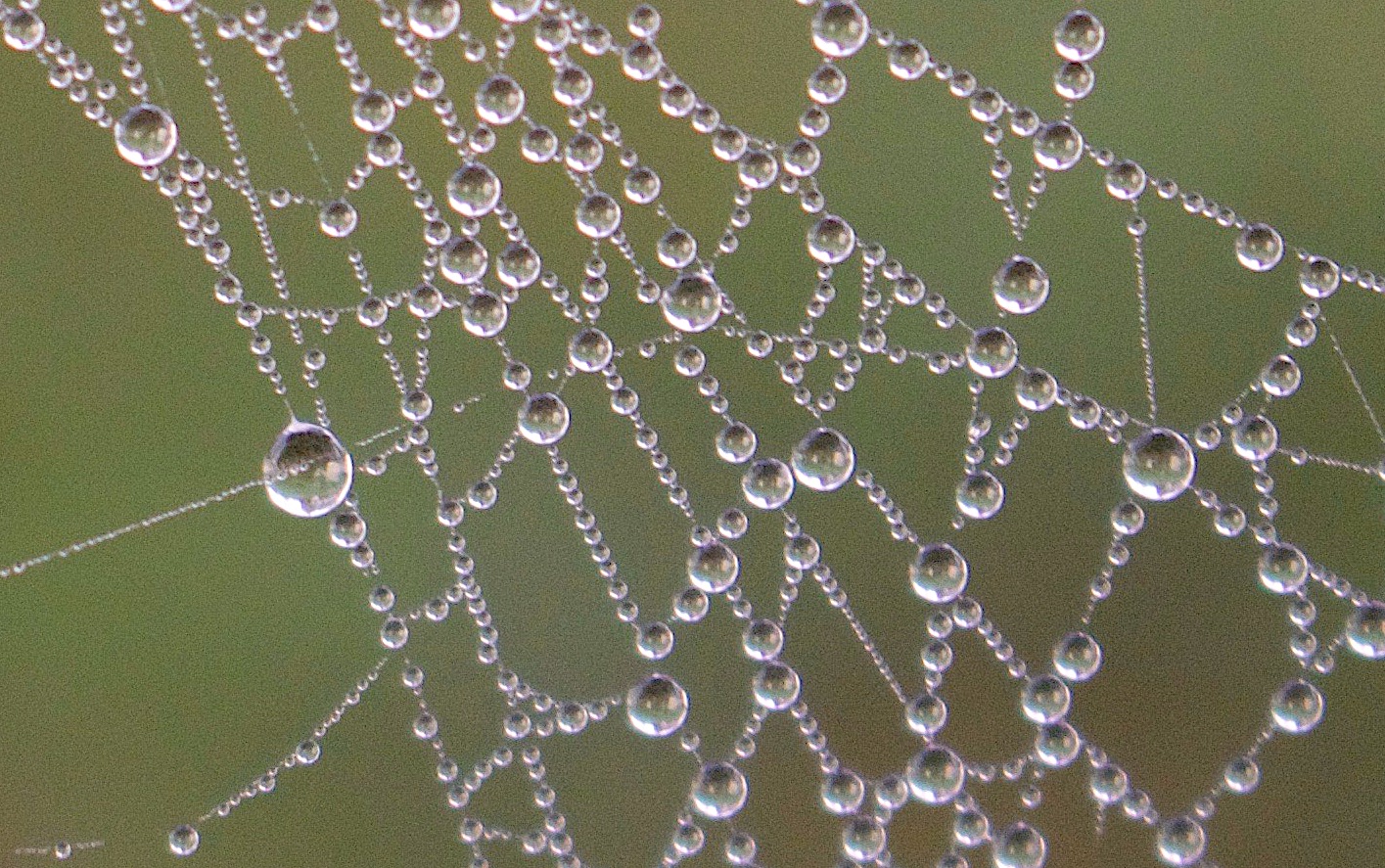
Frost arrives this week as pearls of dew freeze into place, dangling – strings of liquid gems transform to icy diamonds.
A rich and mellow October gives way to crisp and colorless November – a sorrowful undressing.
All fades to gray; so do I.
One-Time
Monthly
Yearly
Make a one-time or recurring donation to support daily Barnstorming posts
Now you hear what the house has to say. Pipes clanking, water running in the dark, the mortgaged walls shifting in discomfort, and voices mounting in an endless drone of small complaints like the sounds of a family that year by year you’ve learned how to ignore.
But now you must listen to the things you own, all that you’ve worked for these past years, the murmur of property, of things in disrepair, the moving parts about to come undone, and twisting in the sheets remember all the faces you could not bring yourself to love.
How many voices have escaped you until now, the venting furnace, the floorboards underfoot, the steady accusations of the clock numbering the minutes no one will mark. The terrible clarity this moment brings, the useless insight, the unbroken dark. ~Dana Gioia, “Insomnia” from 99 Poems: New and Selected.
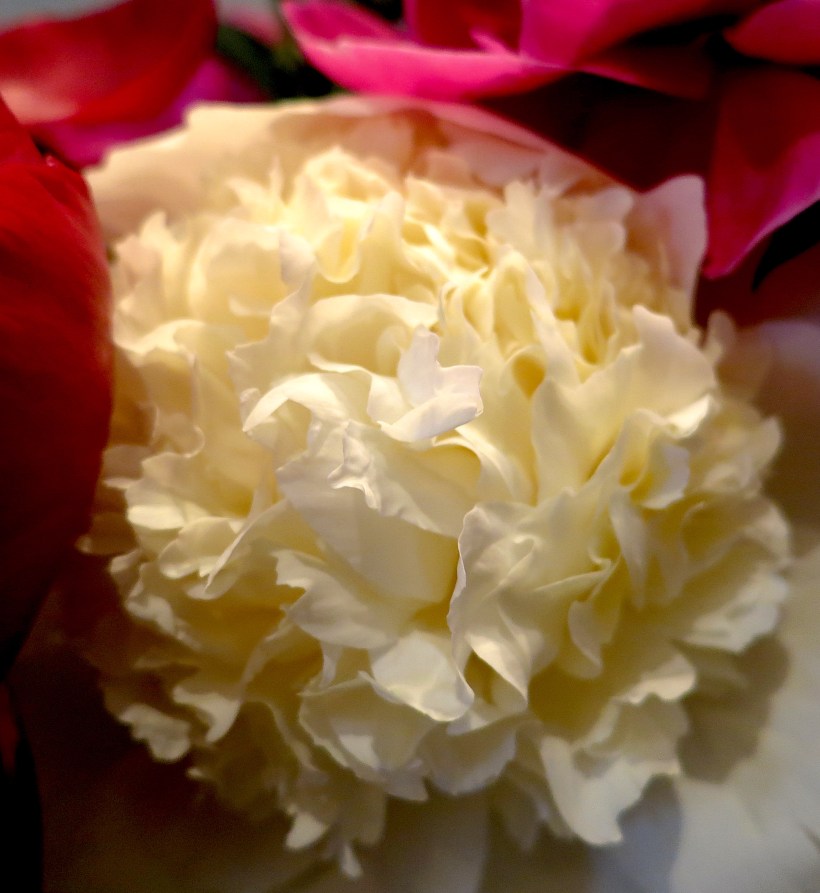
The almost disturbing scent of peonies presses through the screens, and I know without looking how those heavy white heads lean down under the moon’s light. A cricket chafes and pauses, chafes and pauses, as if distracted or preoccupied.
When I open my eyes to document my sleeplessness by the clock, a point of greenish light pulses near the ceiling. A firefly . . . In childhood I ran out at dusk, a jar in one hand, lid pierced with airholes in the other, getting soaked to the knees in the long wet grass.
The light moves unsteadily, like someone whose balance is uncertain after traveling many hours, coming a long way. Get up. Get up and let it out.
But I leave it hovering overhead, in case it’s my father, come back from the dead to ask, “Why are you still awake? You can put grass in their jar in the morning.” ~Jane Kenyon from “Insomnia” from Collected Poems
Sleep comes its little while. Then I wake in the valley of midnight or three a.m. to the first fragrances of spring which is coming, all by itself, no matter what My heart says, what you thought you have you do not have. My body says, will this pounding ever stop? My heart says: there, there, be a good student. My body says: let me up and out, I want to fondle those soft white flowers, open in the night ~Mary Oliver from A Thousand Morning Poems
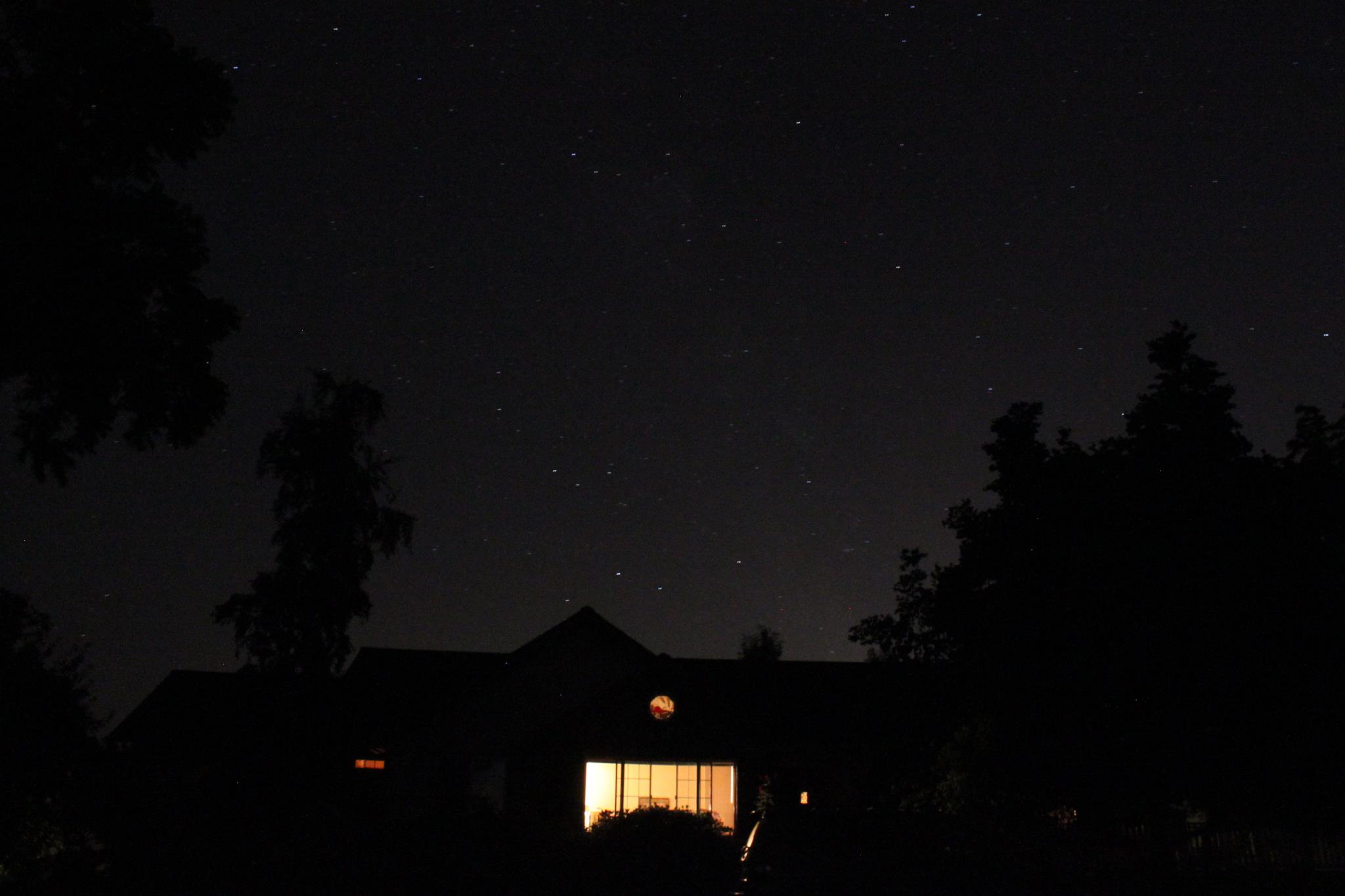
Our house does make sounds at night. It has many stories to tell, and does.
I’ve become accustomed to its various voices after almost thirty years sleeping (and too often not sleeping) here, yet hearing new noises are disconcerting – whether thumps that come from the attic, pattering of little feet across the roof, clinking and clunking of the furnace, or inexplicable wild sounds right outside the bedroom window.
Listening in the night reminds me I’m a mere visitor here. The house, the farm, all that surrounds me here remains long after I’m gone. Awake or asleep, I want to spend my time well here; tossing and turning in my thoughts gives me a chance to consider what the house, the land, the the wild and not-so-wild critters outside have to say. The “terrible clarity” of the unbroken dark is often disconcerting and downright frightening.
It is then, and only then – God’s still, small voice breaks the dark. Always has. Always will.
I will seek You Lord Search with all my heart till I find You Waiting patiently Longing for one word to breath new life Your words are life
I will listen, ever listen For Your still small voice Lord I’m longing to know You more So I will listen for Your still small voice
Take me to a place Sheltered from the noise and distraction Lord be my escape Open up my heart to whispers of Your life and love
I will listen, ever listen For Your still small voice Lord I’m longing to know You more So I will listen for Your still small voice
I will listen, ever listen For Your still small voice Lord I’m longing to know You more So I will listen for Your still small voice ~Jay Stocker
Original Barnstorming artwork note cards available as a gift to you with a $50 donation to support Barnstorming – information here
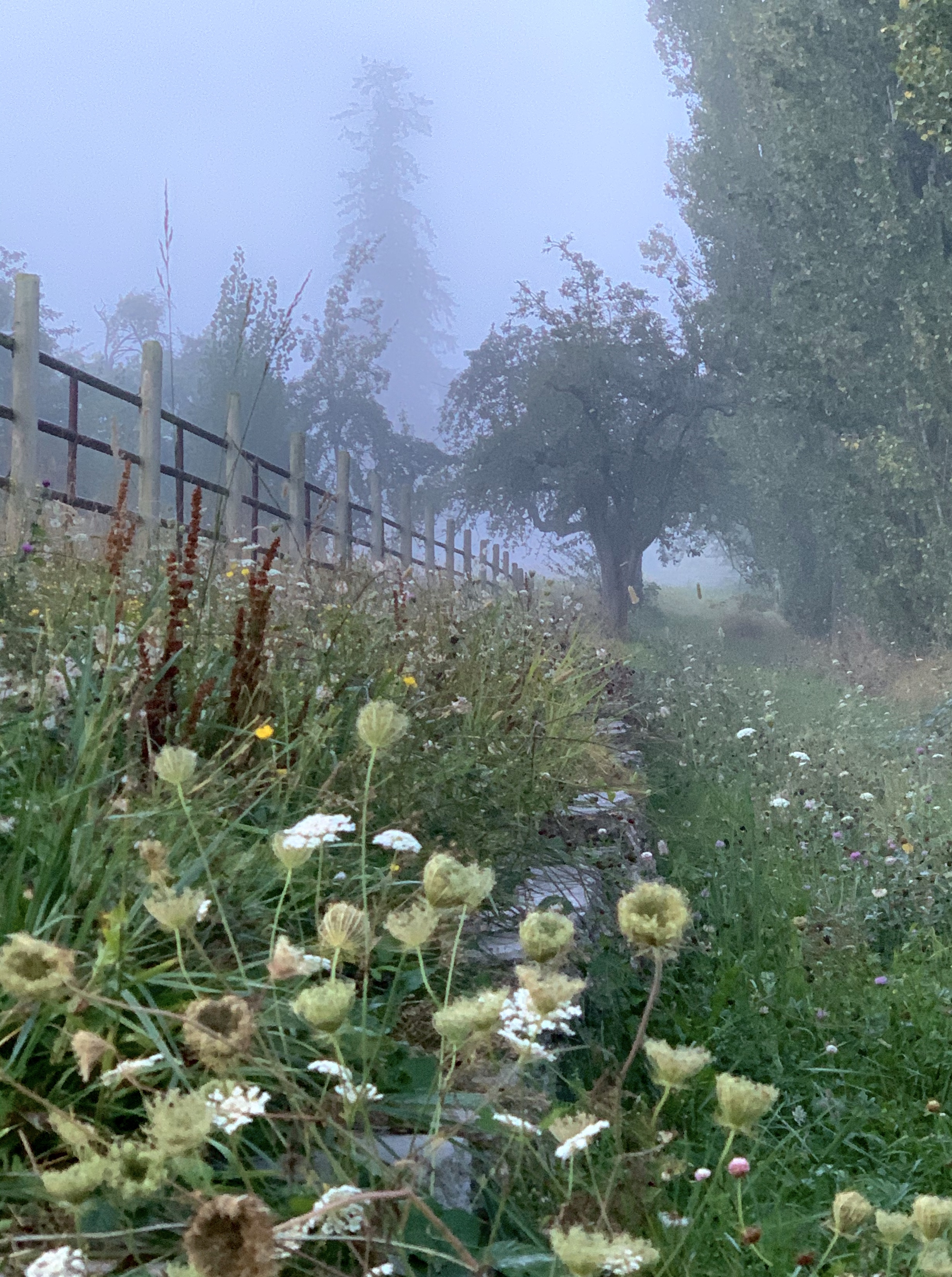
The yellow fog that rubs its back upon the window-panes, The yellow smoke that rubs its muzzle on the window-panes Licked its tongue into the corners of the evening, Lingered upon the pools that stand in drains, Let fall upon its back the soot that falls from chimneys, Slipped by the terrace, made a sudden leap, And seeing that it was a soft October night, Curled once about the house, and fell asleep. ~T.S. Eliot from “The Love Song of J. Alfred Prufrock”
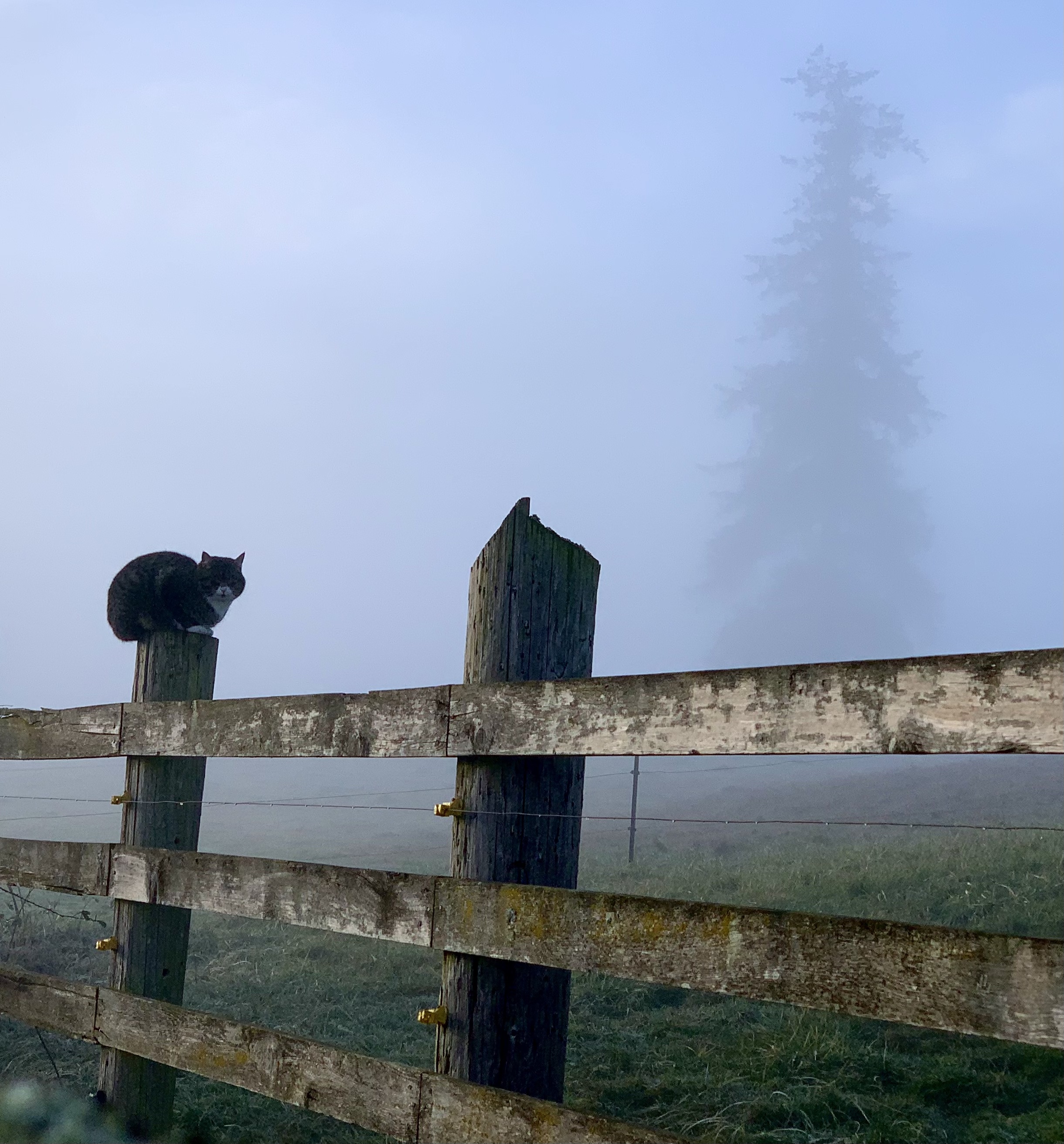
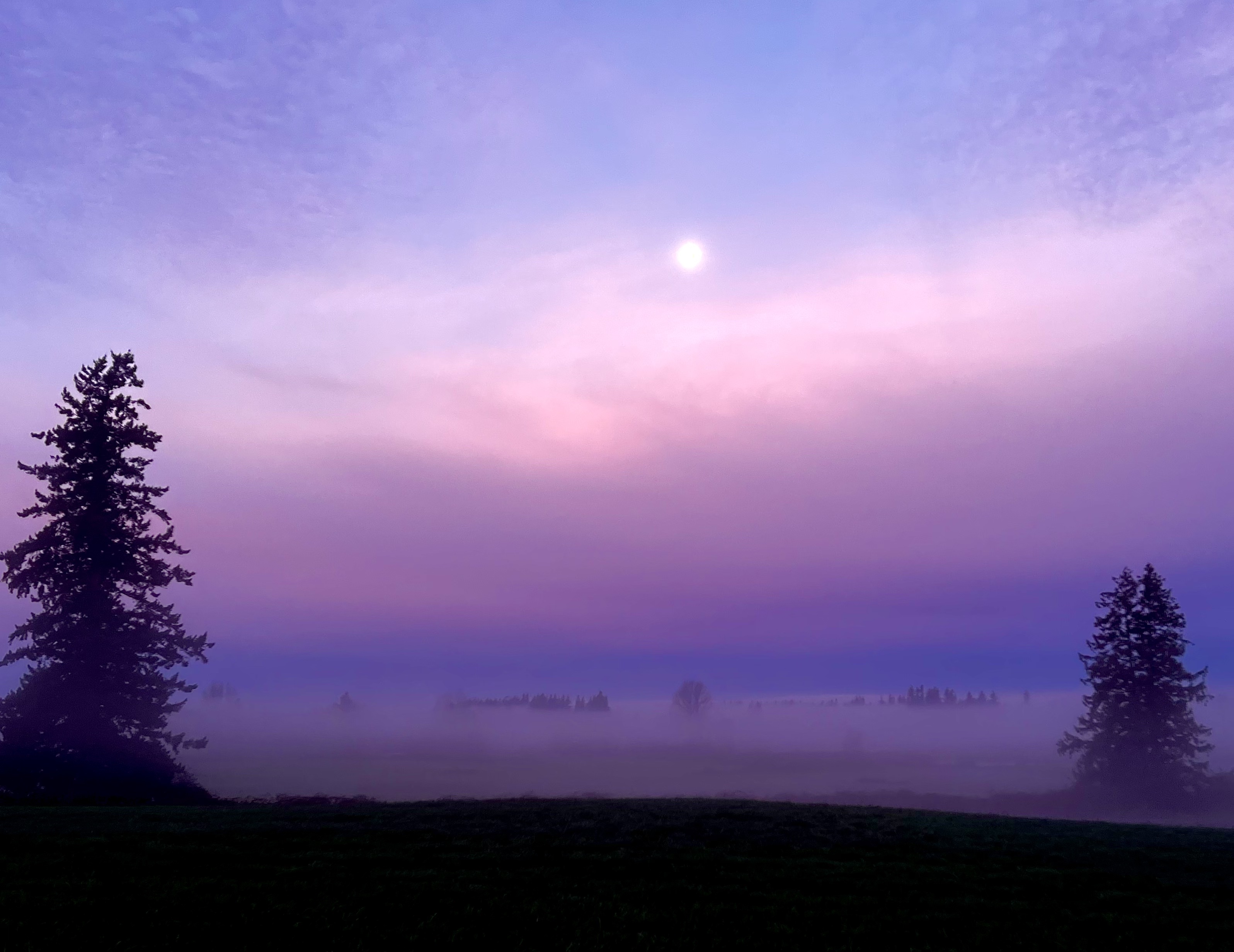
The fog comes on little cat feet. It sits looking over harbor and city on silent haunches and then moves on. ~Carl Sandburg “Fog”
When I was young, fog felt oppressive, as sorrow-filled as the fog horns sounding continually in nearby bay.
Now, as I approach my eighth decade of life, I appreciate fog for slowing me down when life is compelling me to rush too fast.
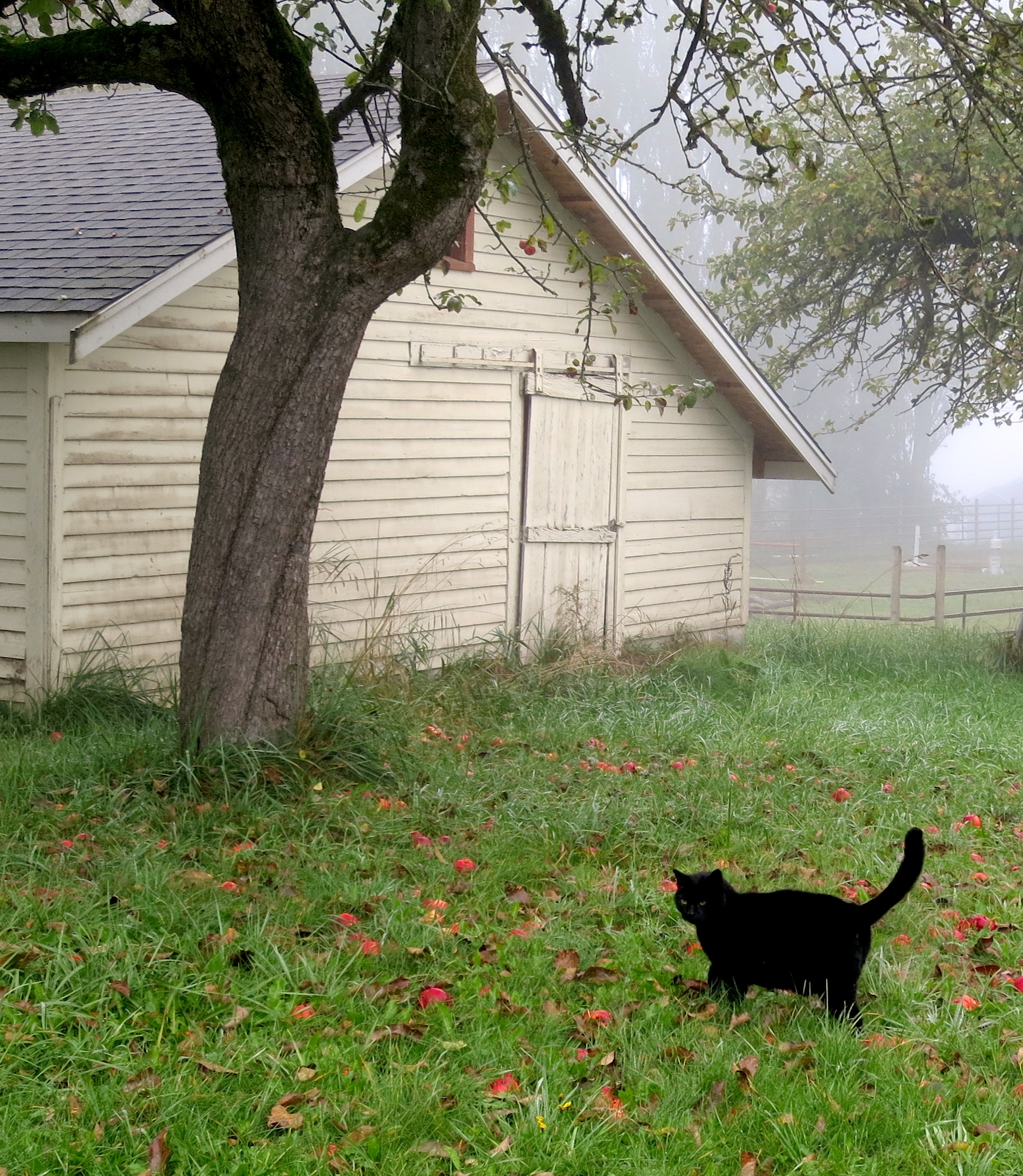
When forced to take time, I begin to notice what I missed before: a cloud descends to hug and kiss the ground, bejeweling everything it touches – like a cat luxuriously wrapping itself around the world, so soft and gentle.
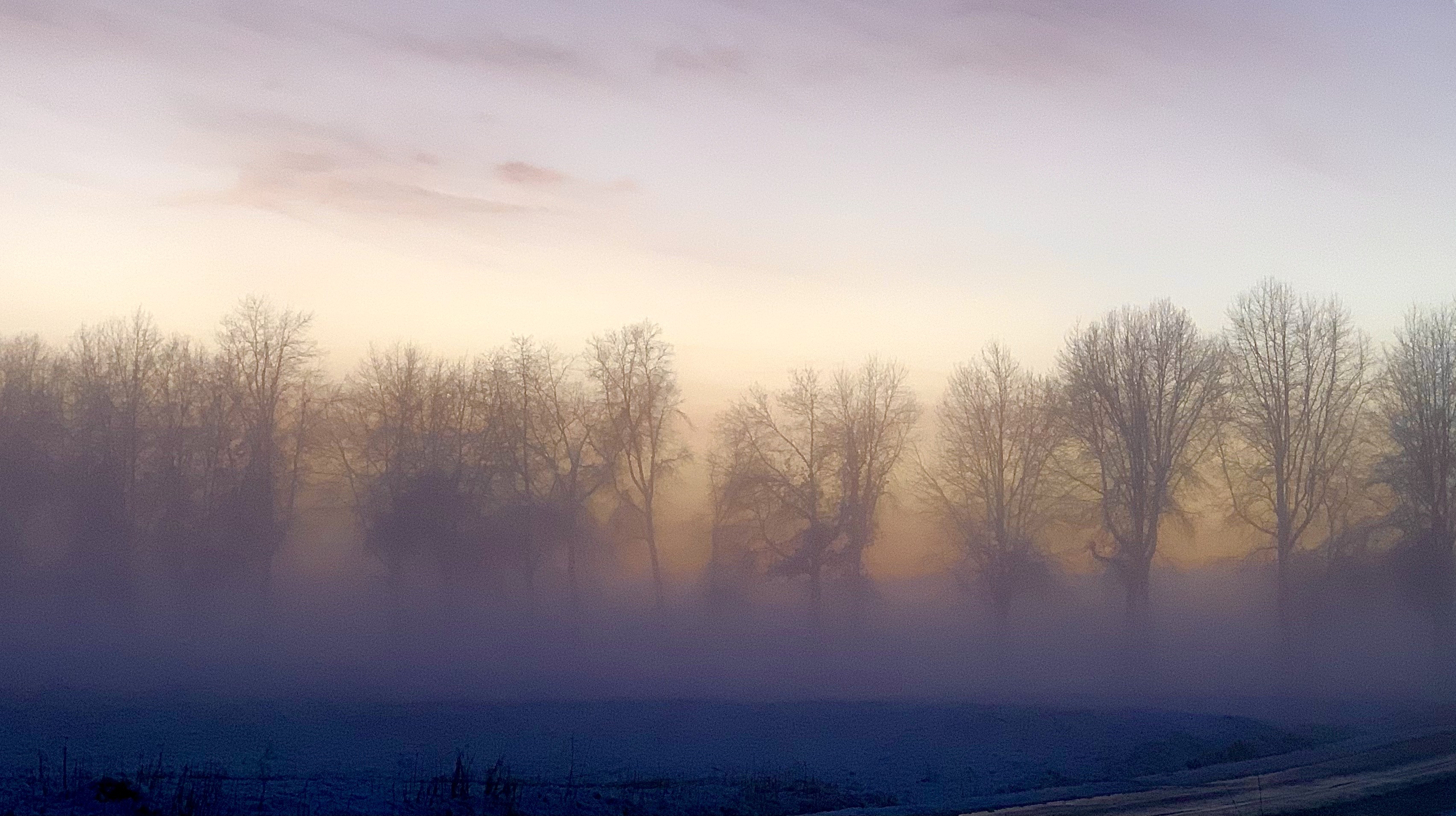
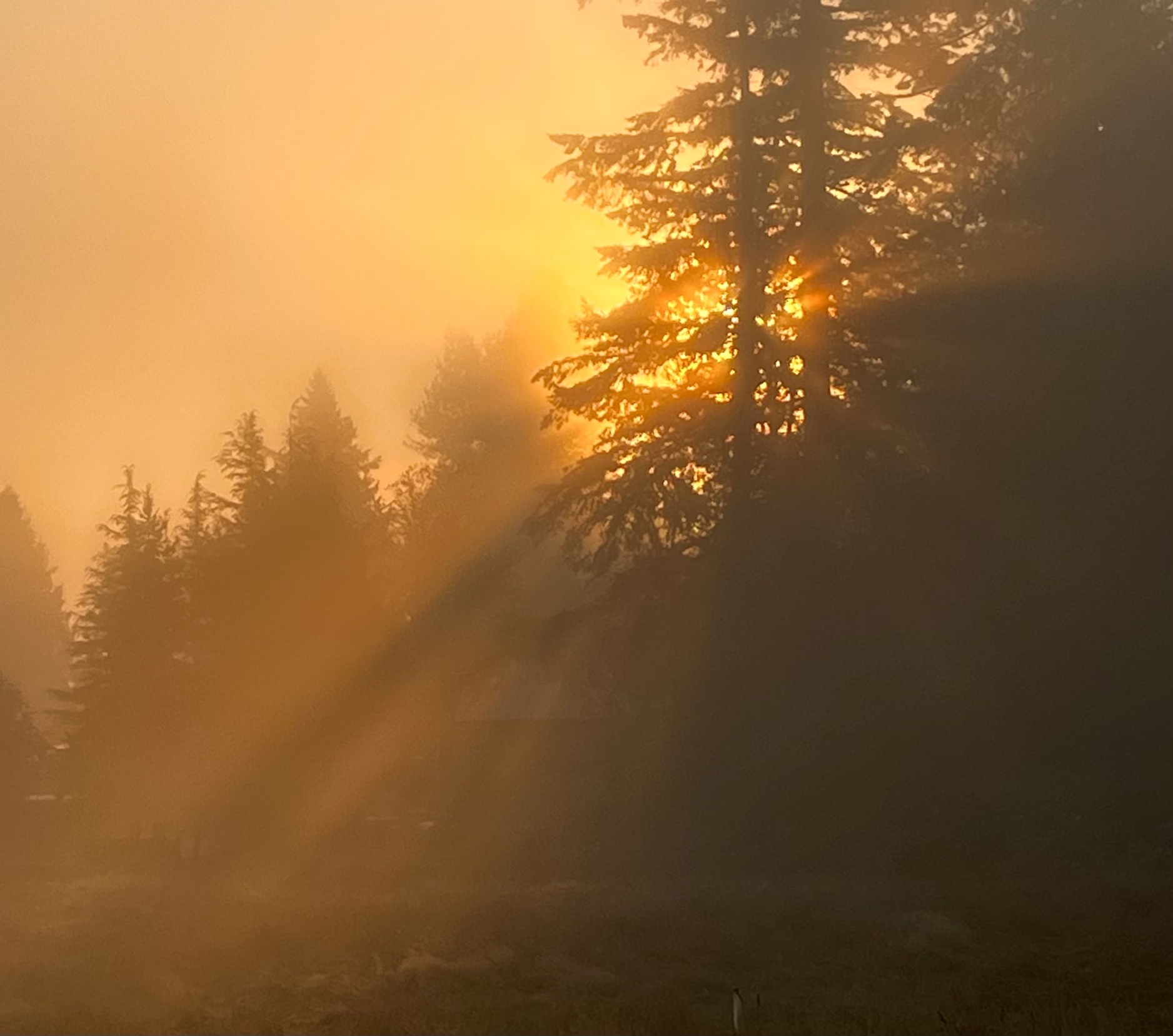
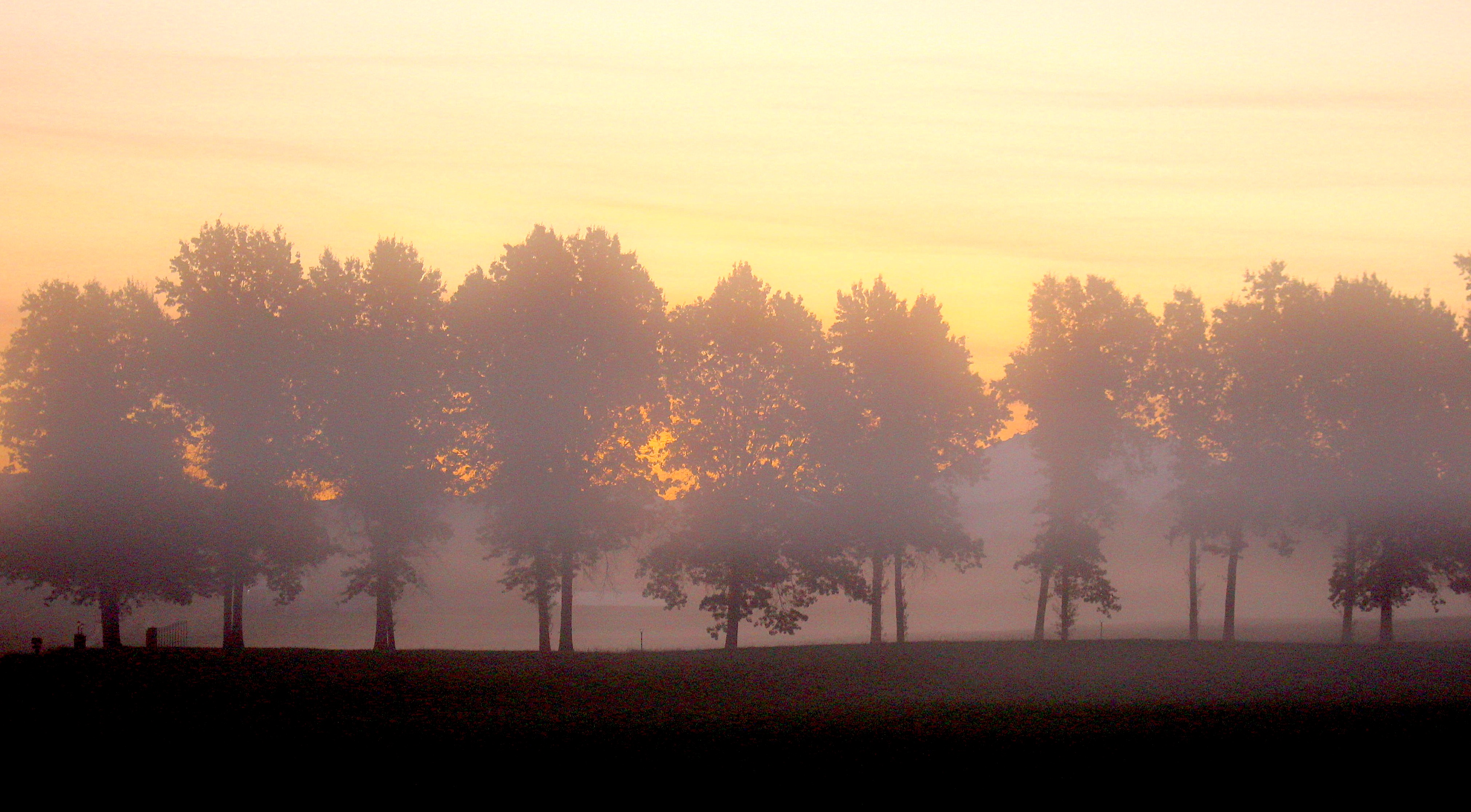
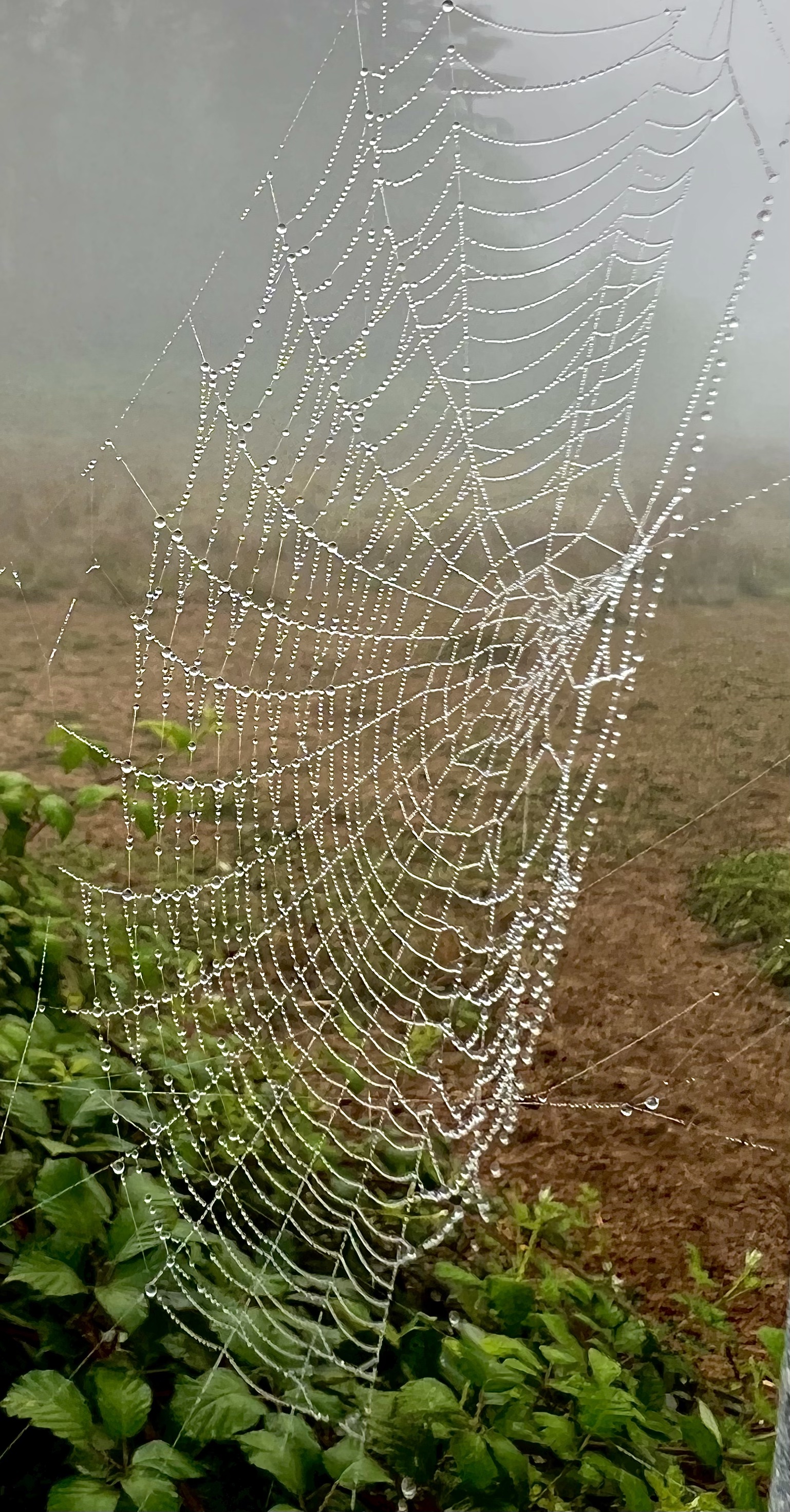
This October fog makes the dying of autumn subtly beautiful, all gossamer garland, transparent pearls and glowing whiskers.
Original Barnstorming artwork note cards available as a gift to you with a $50 donation to support Barnstorming – information here
The name of the author is the first to go followed obediently by the title, the plot, the heartbreaking conclusion, the entire novel which suddenly becomes one you have never read, never even heard of,
as if, one by one, the memories you used to harbor decided to retire to the southern hemisphere of the brain, to a little fishing village where there are no phones.
Long ago you kissed the names of the nine Muses goodbye and watched the quadratic equation pack its bag, and even now as you memorize the order of the planets,
something else is slipping away, a state flower perhaps, the address of an uncle, the capital of Paraguay.
Whatever it is you are struggling to remember, it is not poised on the tip of your tongue, not even lurking in some obscure corner of your spleen.
It has floated away down a dark mythological river whose name begins with an L as far as you can recall, well on your own way to oblivion where you will join those who have even forgotten how to swim and how to ride a bicycle.
No wonder you rise in the middle of the night to look up the date of a famous battle in a book on war. No wonder the moon in the window seems to have drifted out of a love poem that you used to know by heart. ~Billy Collins “Forgetfulness”
It happens more often than I like to admit.
I have a name on the tip of my tongue, but it fails to form as if it has somehow faded into the mists of a morning fog, only barely discernible to me. Sometimes only the first letter remains to haunt me until the light of day finally burns off the fog and my synapses start to click again.
I actually subscribe to a daily app to exercise my memory and listening ability, including vocabulary and math skills but I realize the best exercise is actually using those brain muscles in real life like I use my arms out in the barn scooping poop every day. My brain knows when it is just a game under the pressure of a time limit vs. a high stakes situation of remembering the correct dosage of a medication in a critical clinical scenario – just like my muscles know there is a difference between a repetitive weight machine in the gym vs. pushing a heavy wheelbarrow uphill against the wind in muddy footing.
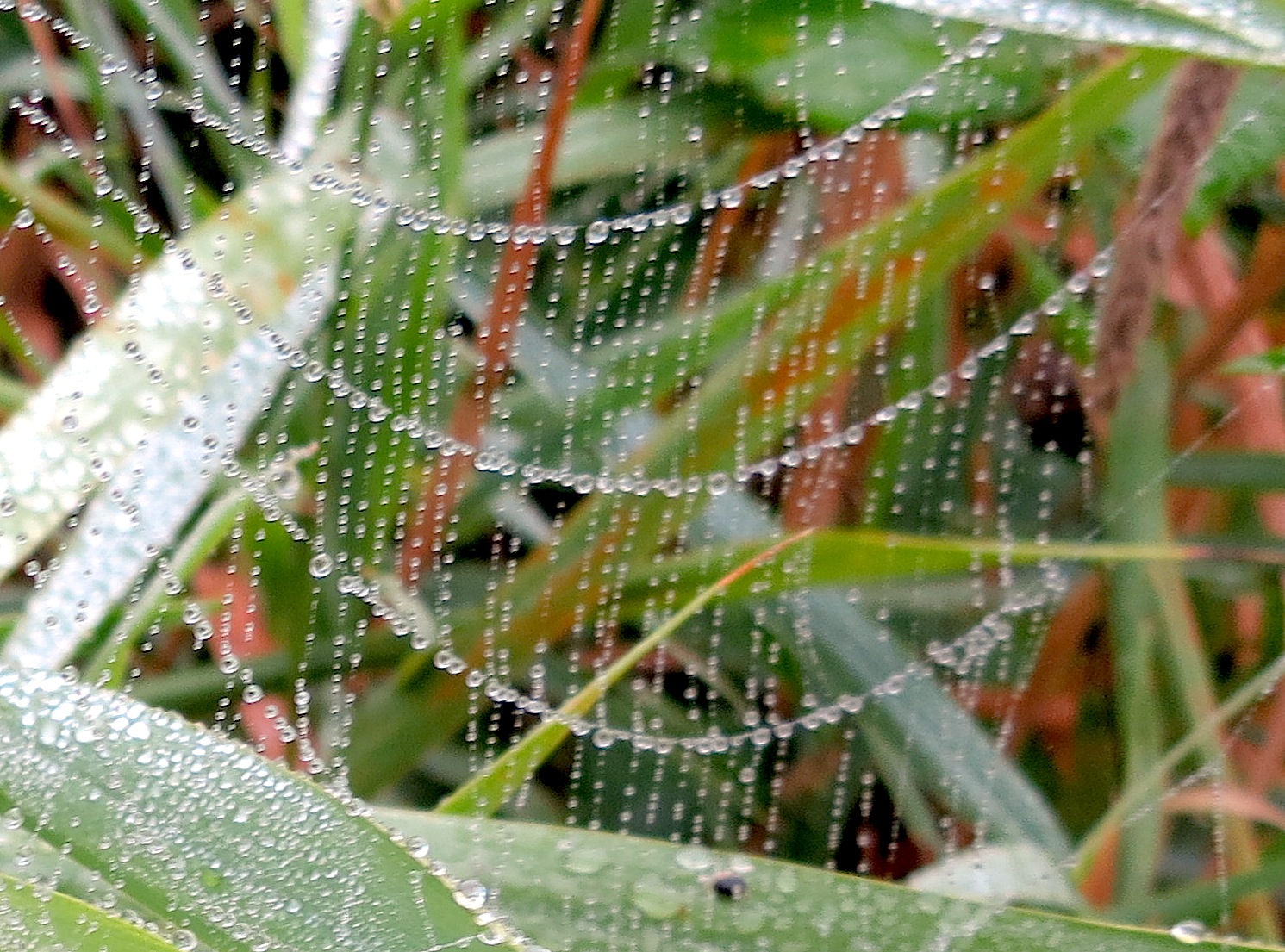
I think my brain’s memory capacity is an intricately woven web of connections that get stretched and battered over time. Each dropped connection is gone forever so I’m trying to treat it gently, hold on to and cherish the memories I never want to lose in the fog, and allow the minor forgettable stuff to float away without regrets.
After all, today will become tomorrow’s memory to store away for keeps so I need to do some serious house cleaning to make room…
Note cards with original artwork from our farm will be gifted to you for a $50 donation, information here
One-Time
Monthly
Yearly
Make a one-time or recurring donation to support daily Barnstorming posts
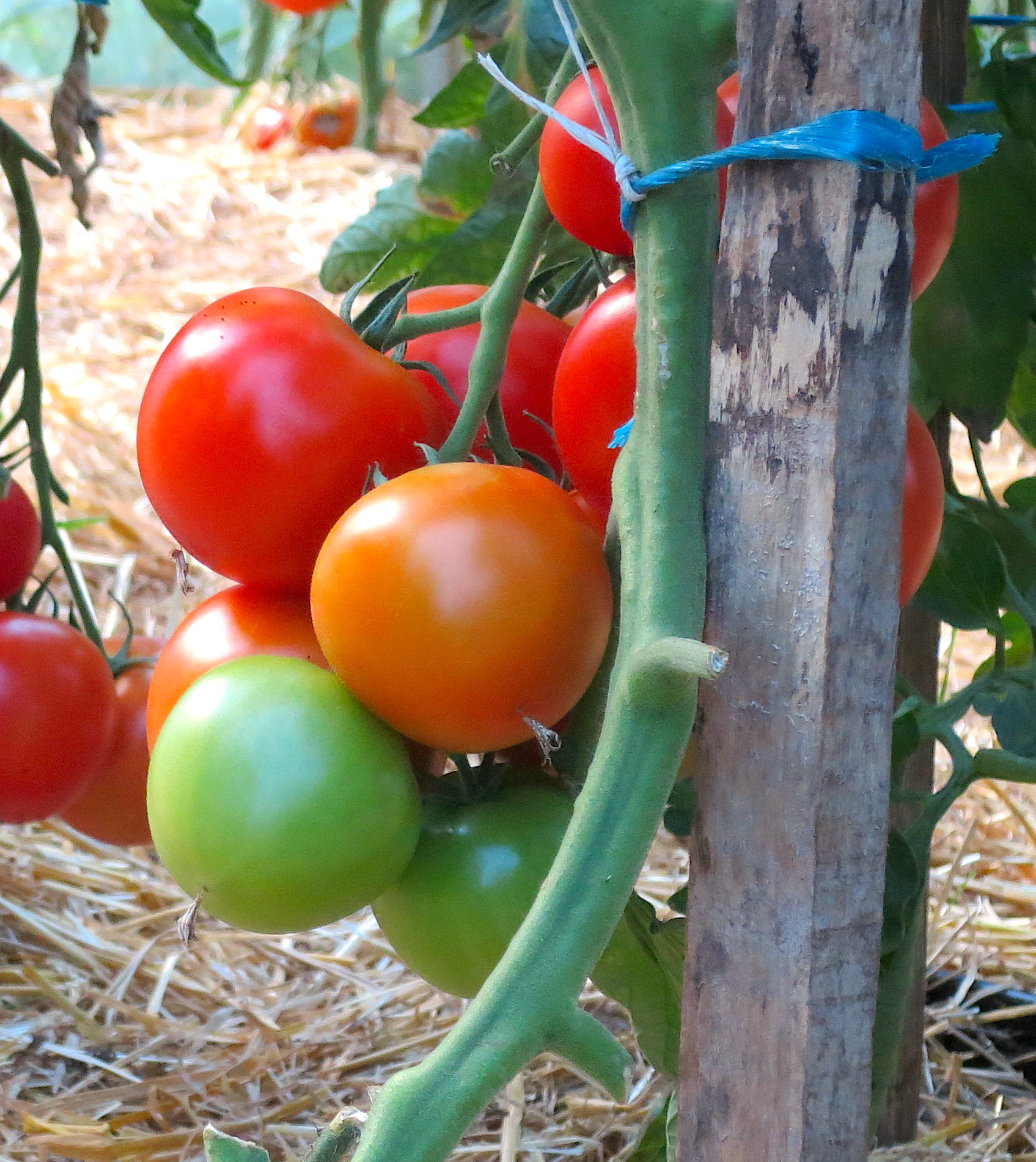
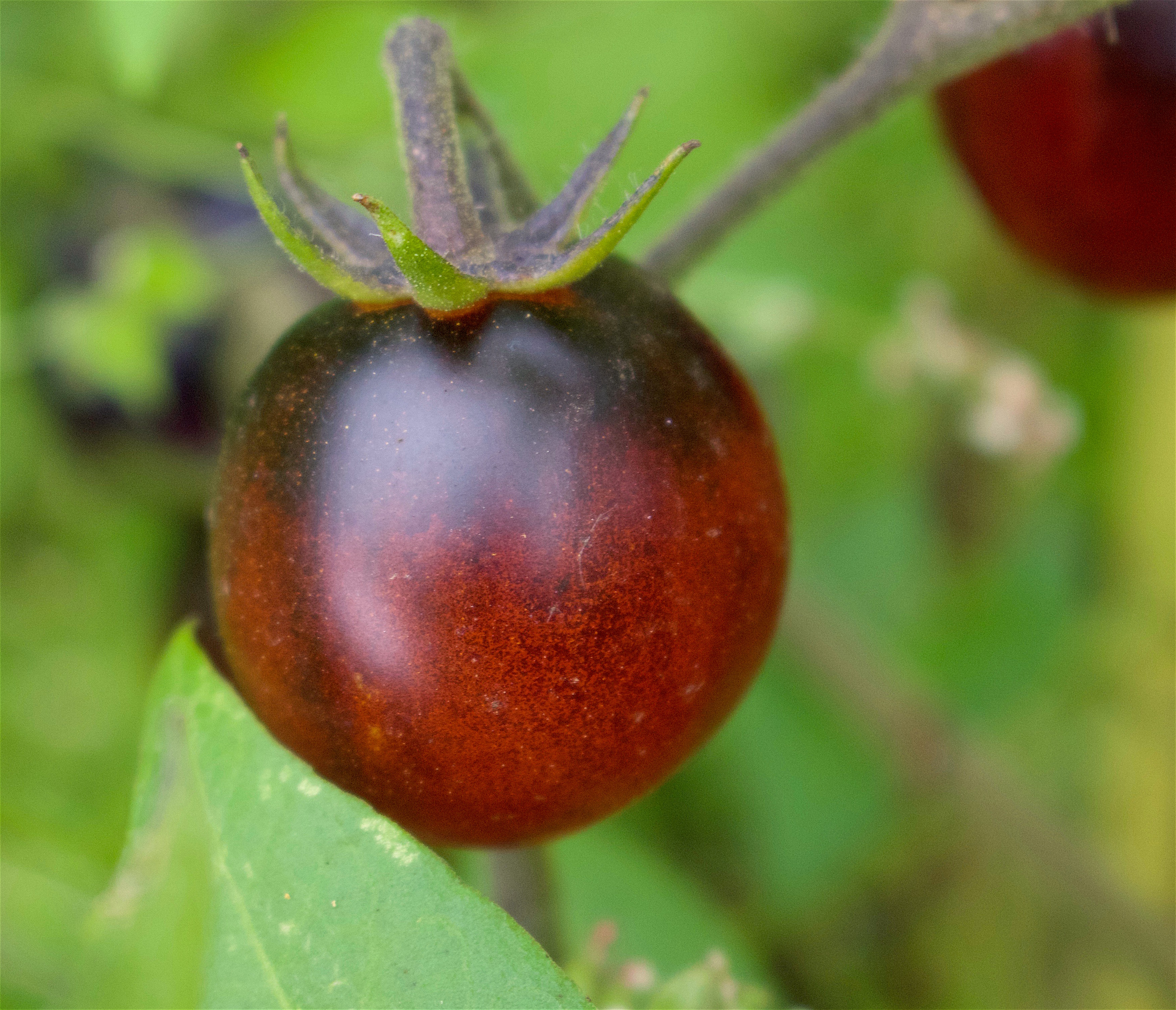
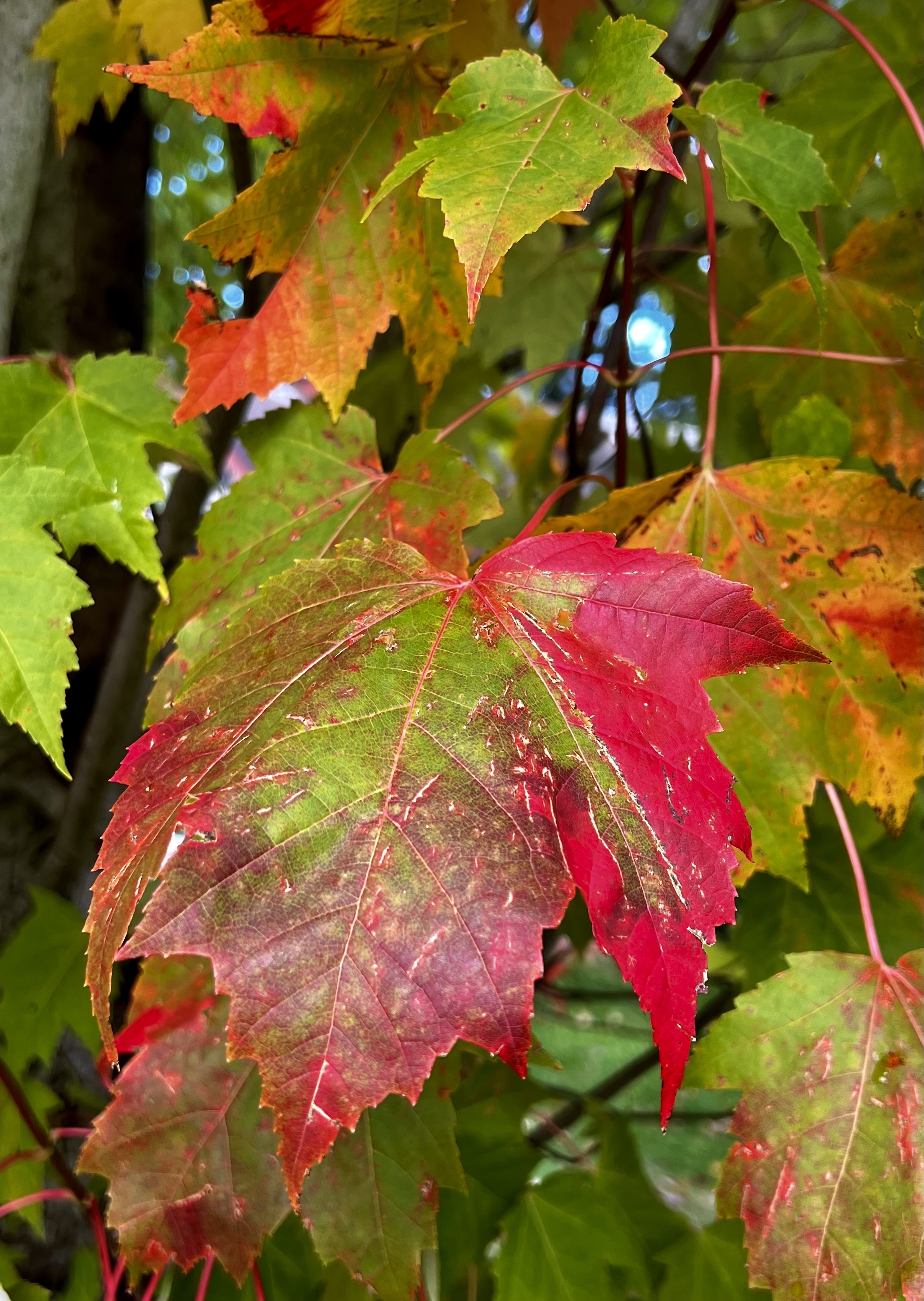
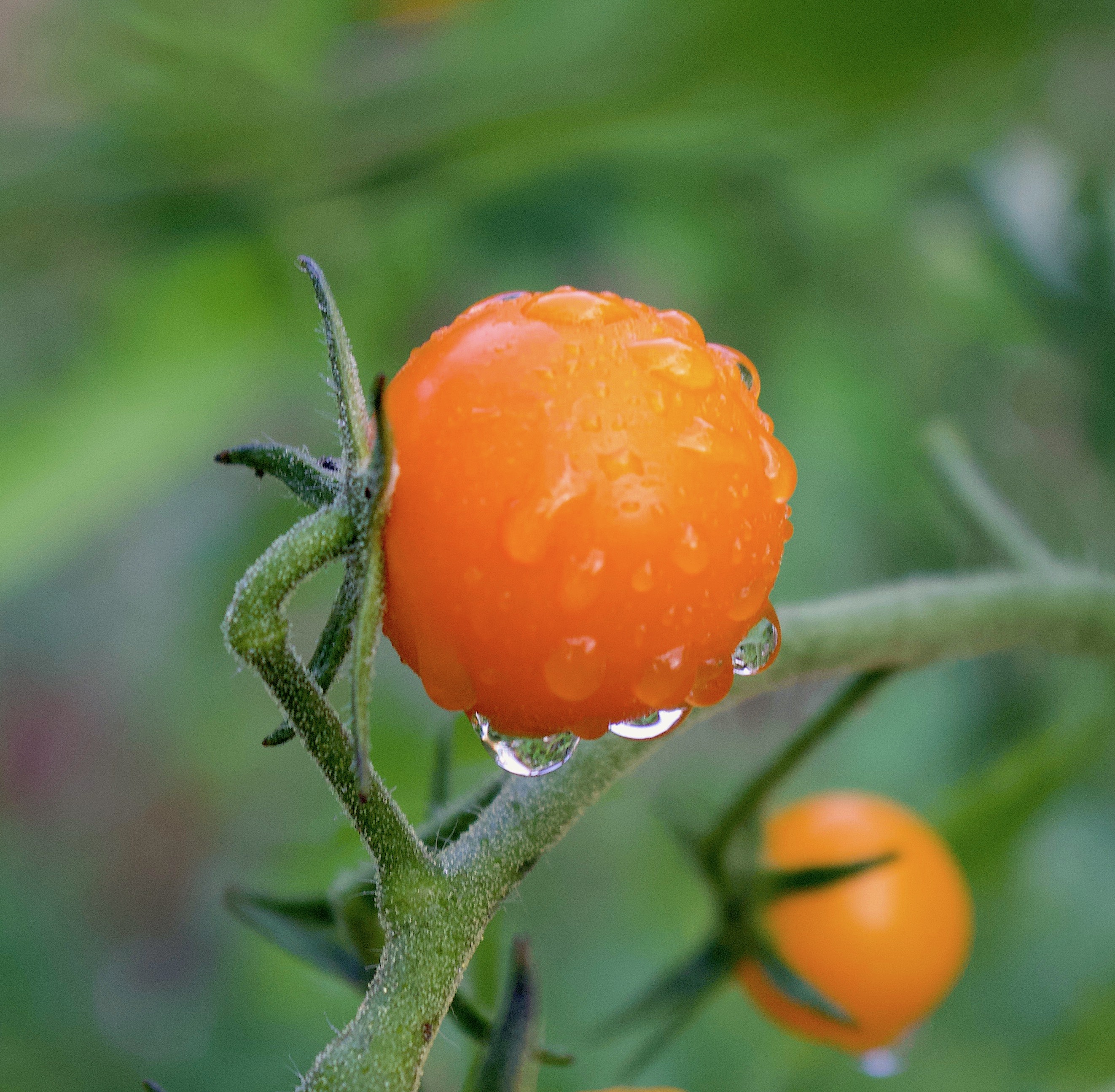
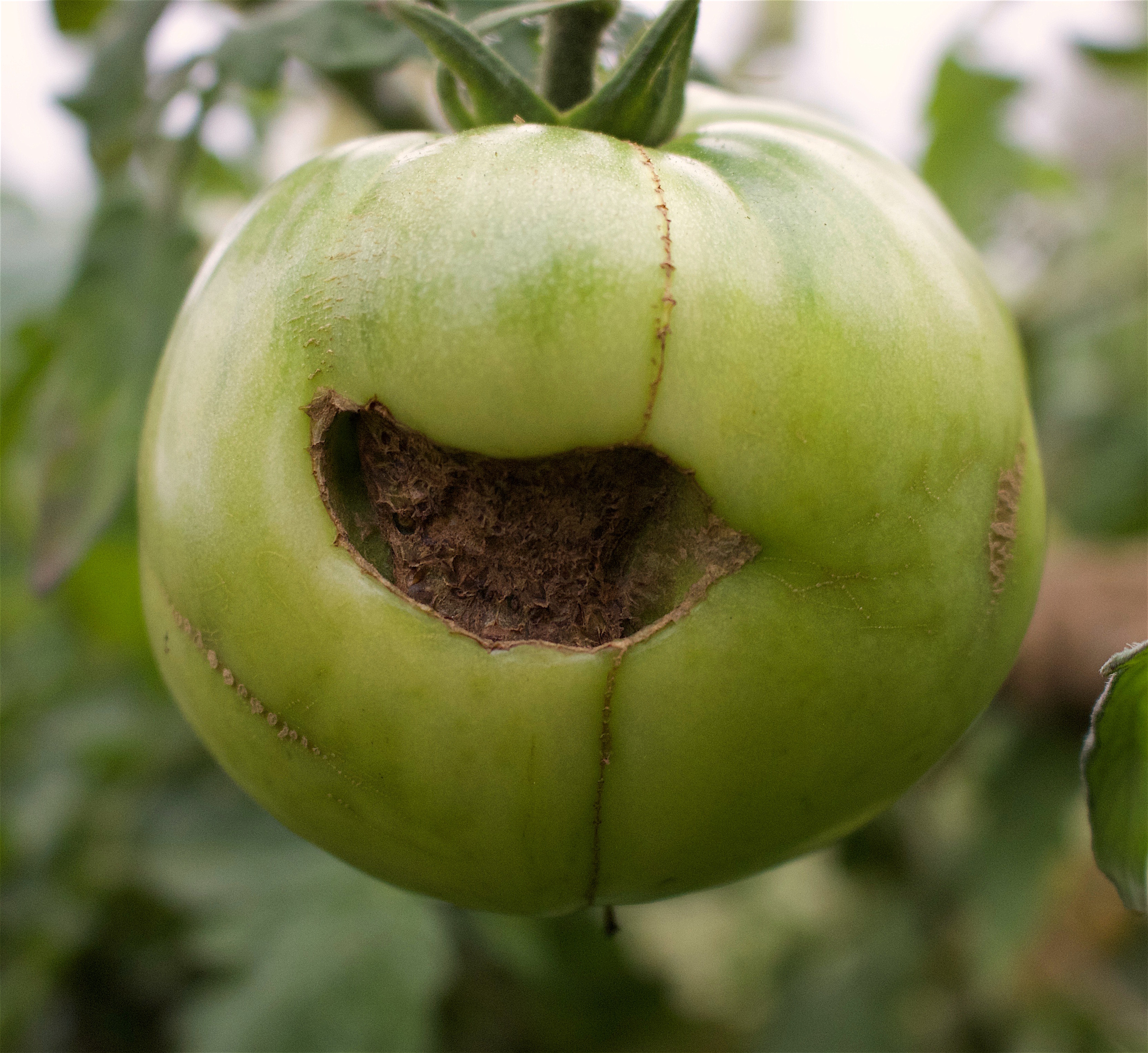
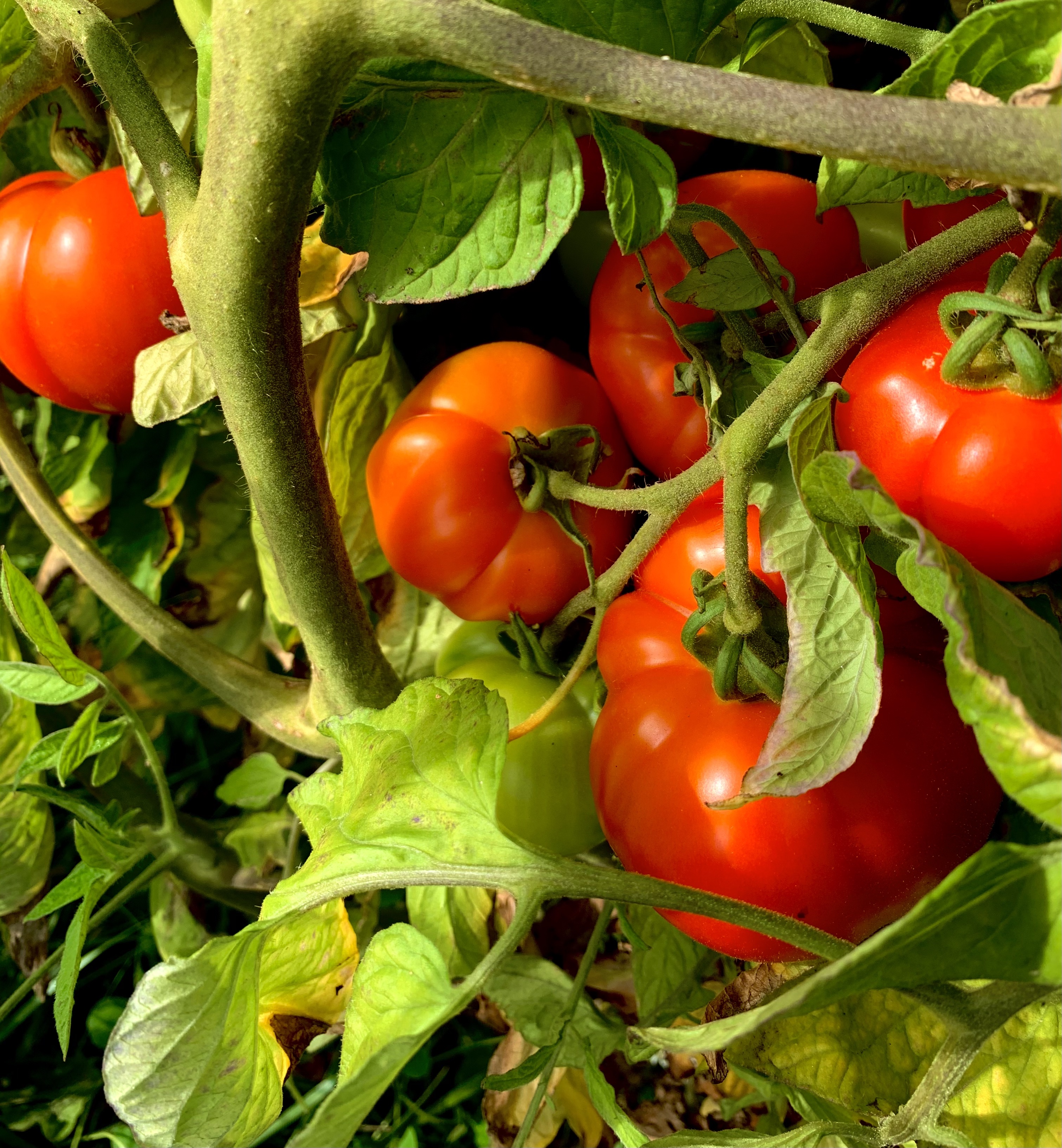
In your extended absence, you permit me use of earth, anticipating some return on investment. I must report failure in my assignment, principally regarding the tomato plants. I think I should not be encouraged to grow tomatoes. Or, if I am, you should withhold the heavy rains, the cold nights that come so often here, while other regions get twelve weeks of summer. All this belongs to you: on the other hand, I planted the seeds, I watched the first shoots like wings tearing the soil, and it was my heart broken by the blight, the black spot so quickly multiplying in the rows. I doubt you have a heart, in our understanding of that term. You who do not discriminate between the dead and the living, who are, in consequence, immune to foreshadowing, you may not know how much terror we bear, the spotted leaf, the red leaves of the maple falling even in August, in early darkness: I am responsible for these vines. ~Louise Glück “Vespers”
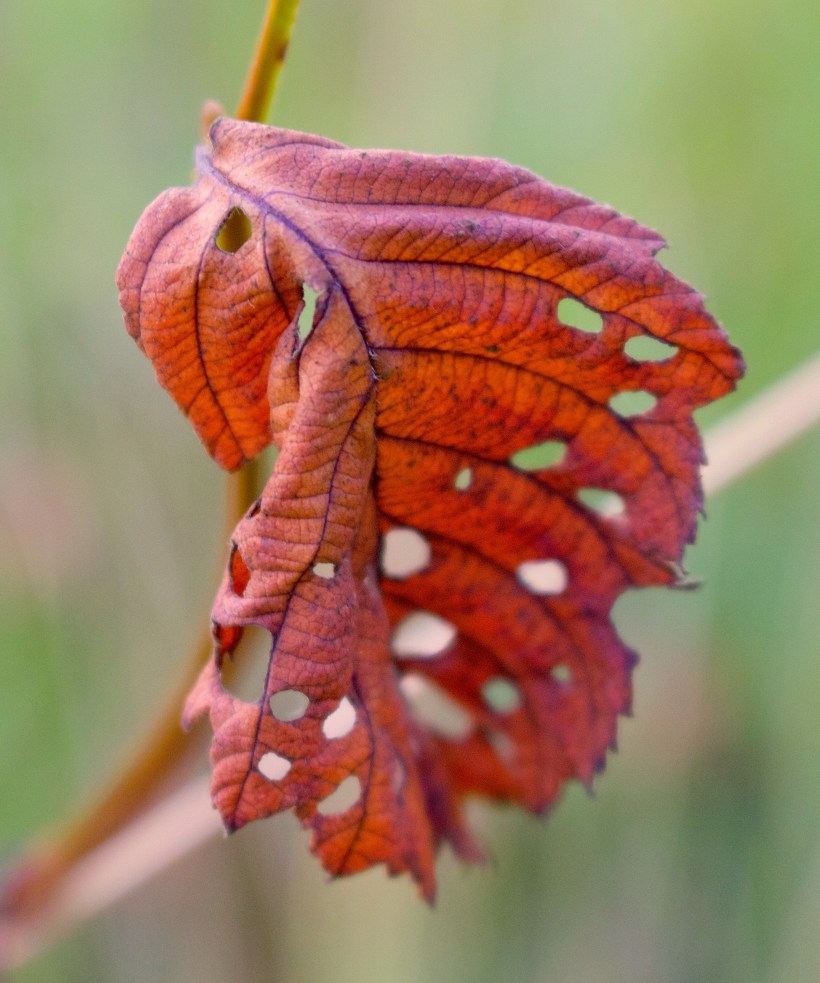
As the calendar turns to September and August fades away, I know all too well what this means. I have spent a lifetime loving the season of autumn best of all, but that is because I wasn’t living it, and, of course, it seems now I am in its midst.
More and more the blight feels personal, the color change is in the mirror looking back at me, the leaves falling from my own scalp, the threat of rot setting in quite real. Growing older is hardly “pumpkin spice” and “harvest gold” in reality.
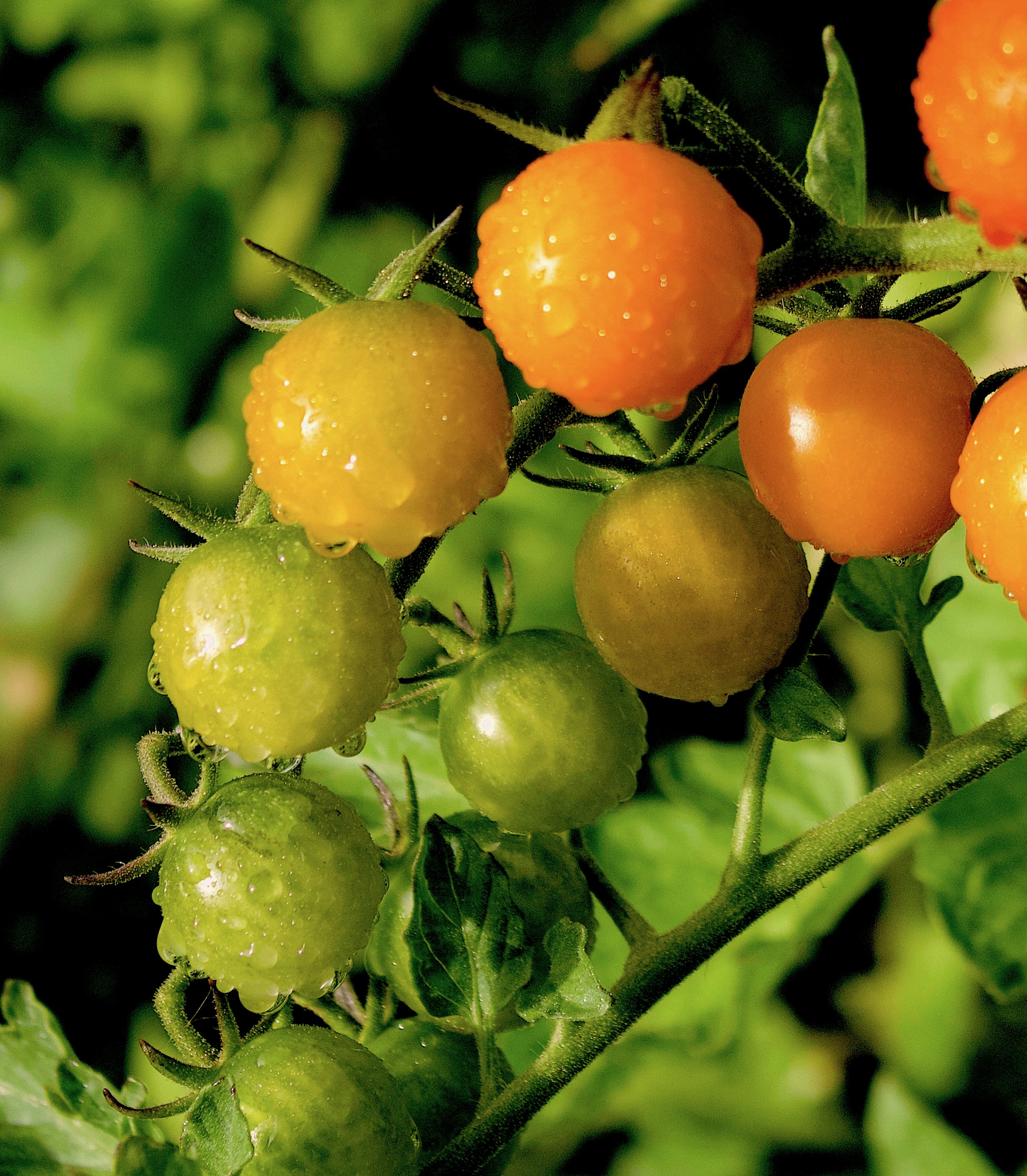
Even so, the fruit I still bear is edible even if not as presentable; the vine where I grow still bears useful life. A first frost forces ripening and prepares what remains because time is short and there is so much yet to get done.
So who am I anyway?
I feel the responsibility of making all this effort count for something. I am here because I was planted, weeded, nurtured, watered and warmed. The rot will thankfully be forgotten, so remaining sweet to the taste, just as I am meant to be.























 Barnstorming