I’ve learned that evenwhen I have pains, I don’t have to be one … I’ve learned that: people will forget what you said, people will forget what you did, but people will never forget how you made them feel. ~Maya Angelouon her 70th birthday, citing a quote from Carl Buehner
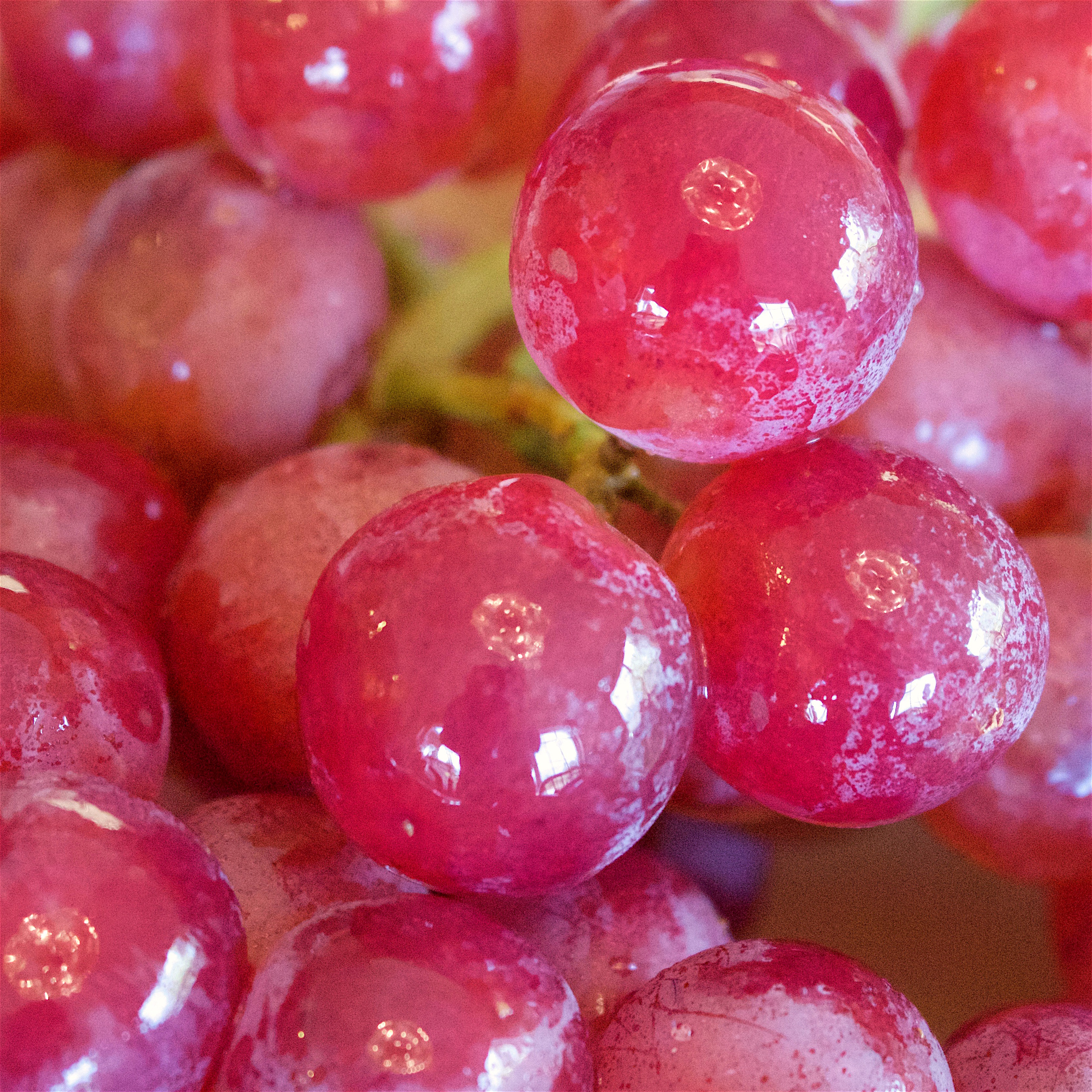
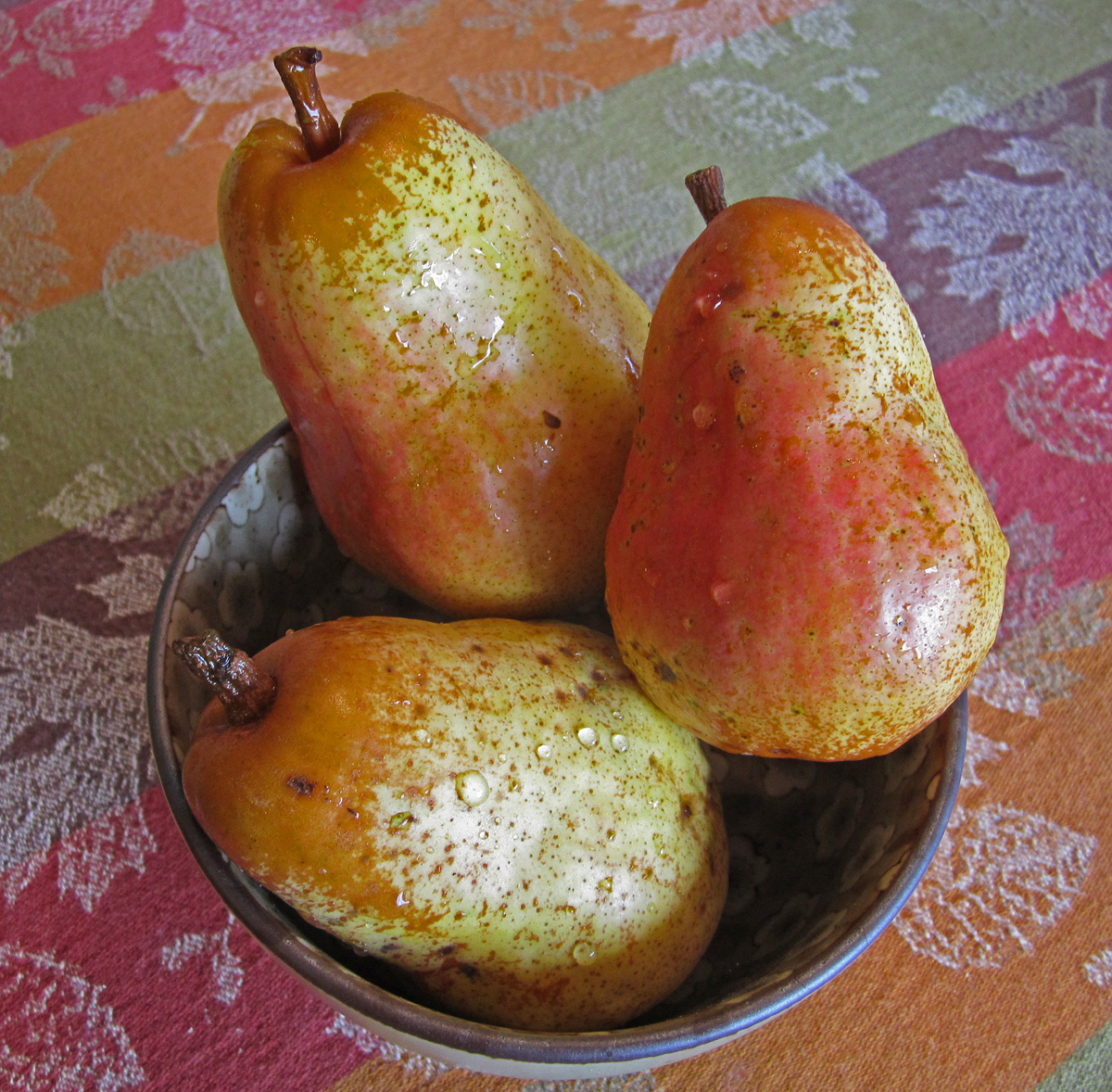
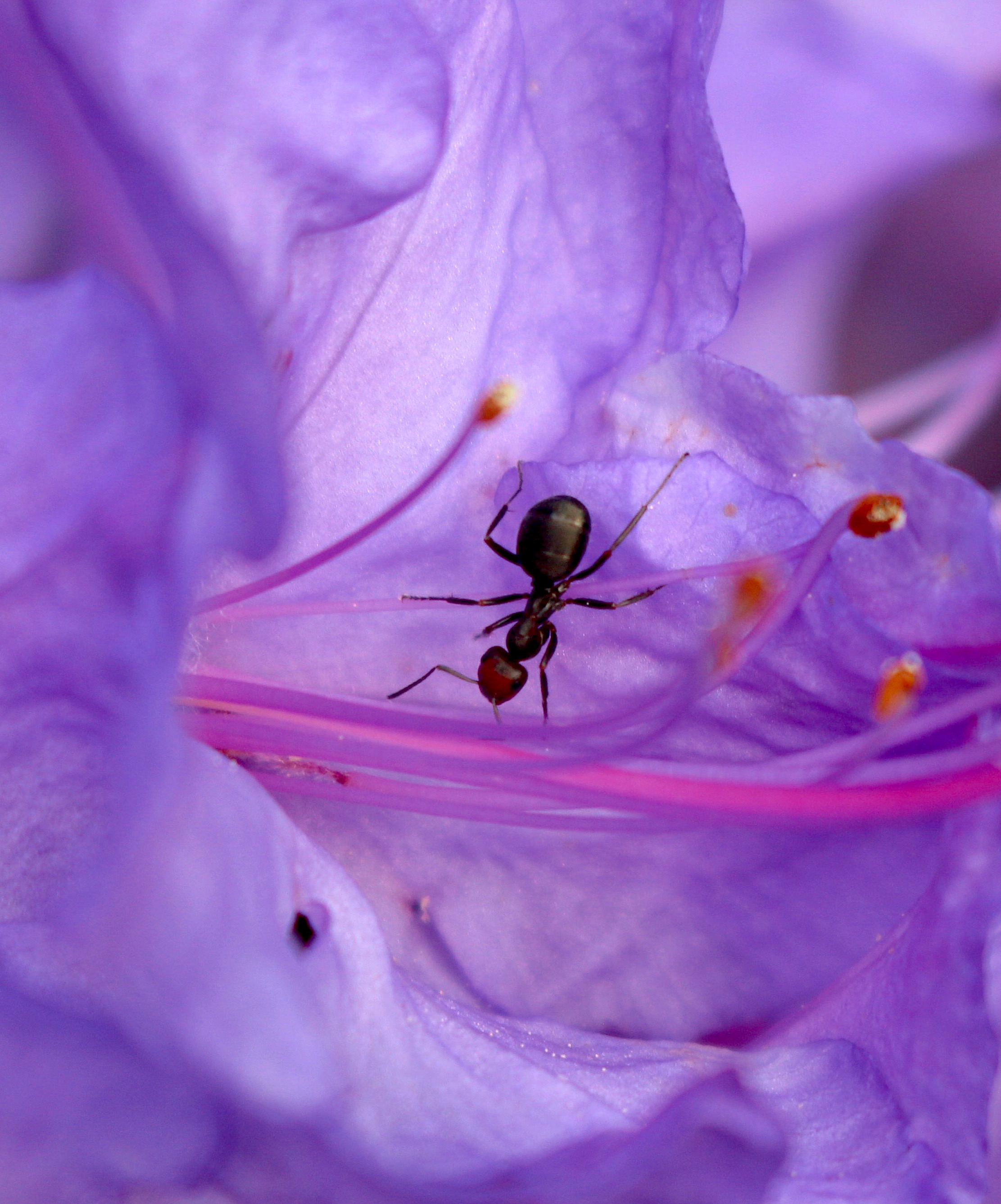
I learned from my mother how to love the living, to have plenty of vases on hand in case you have to rush to the hospital with peonies cut from the lawn, black ants still stuck to the buds. I learned to save jars large enough to hold fruit salad for a whole grieving household, to cube home-canned pears and peaches, to slice through maroon grape skins and flick out the sexual seeds with a knife point. I learned to attend viewings even if I didn’t know the deceased, to press the moist hands of the living, to look in their eyes and offer sympathy, as though I understood loss even then. I learned that whatever we say means nothing, what anyone will remember is that we came. I learned to believe I had the power to ease awful pains materially like an angel. Like a doctor, I learned to create from another’s suffering my own usefulness, and once you know how to do this, you can never refuse. To every house you enter, you must offer healing: a chocolate cake you baked yourself, the blessing of your voice, your chaste touch. ~Julie Kasdorf– “What I Learned from my Mother”
Moms often know best about these things — how to love others when and how they need it — the ways to ease pain, rather than become one. Despite years of practice, I don’t always get it right; others often do it better.
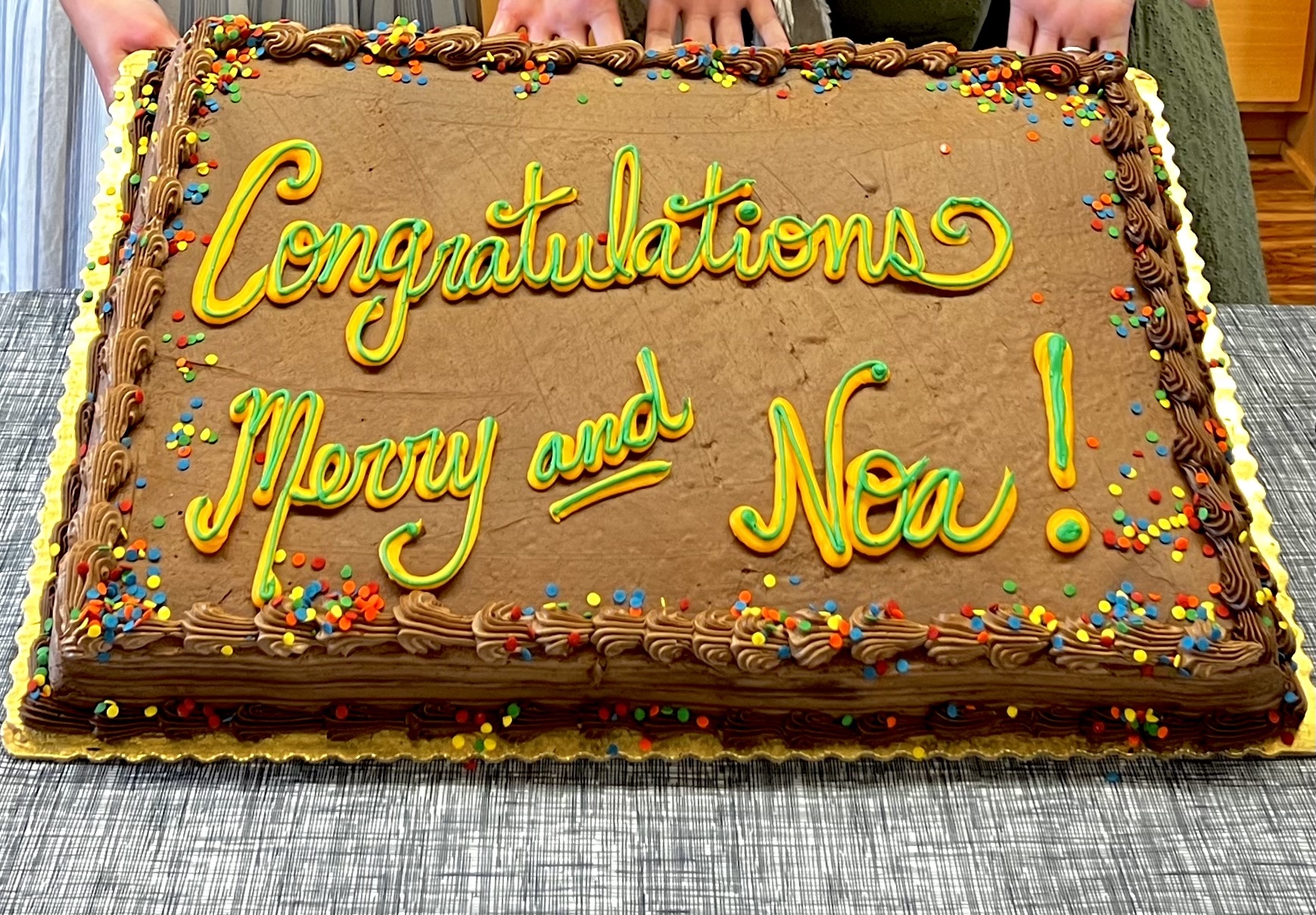
Showing up with food is always a good thing but it is the showing up part that is the real food; bringing a cake is simply the icing.
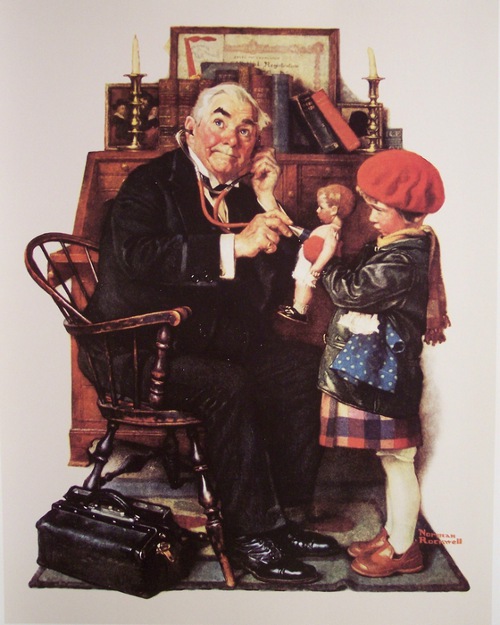
Working as a physician over four decades, my usefulness tended to depend on the severity of another’s worries and misery. If no illness, no symptoms, no fear, why bother seeing a doctor? Since retiring, the help I offer no longer means writing a prescription for a medication, or performing a minor surgery. I have to simply offer up me for what it’s worth, without the M.D.
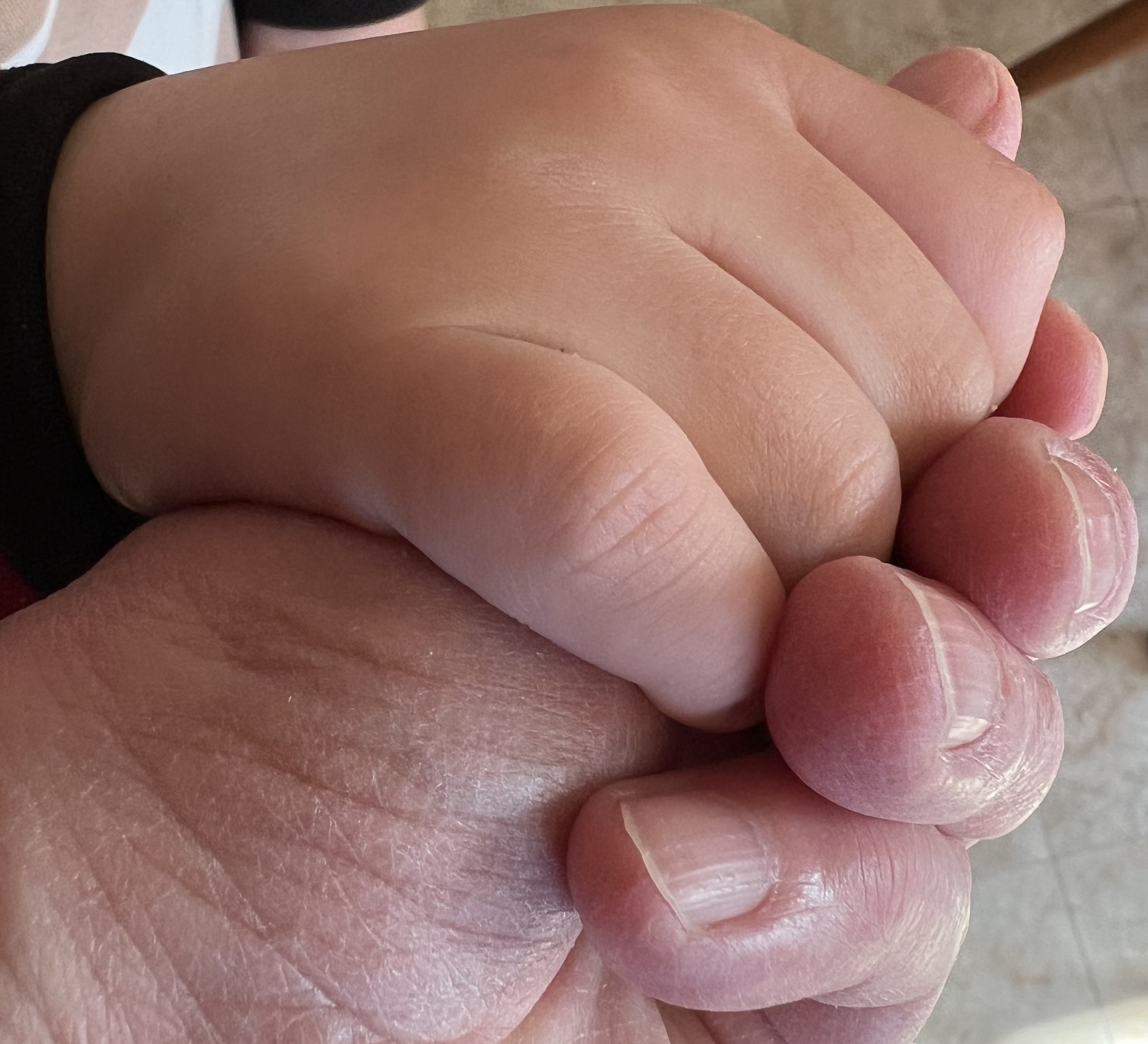
To be useful without a stethoscope, I aim to be like any good mom or grandma. I press my hand into another’s, hug when needed, smile and listen and nod and sometimes weep when someone has something they need to say. No advanced degree needed.
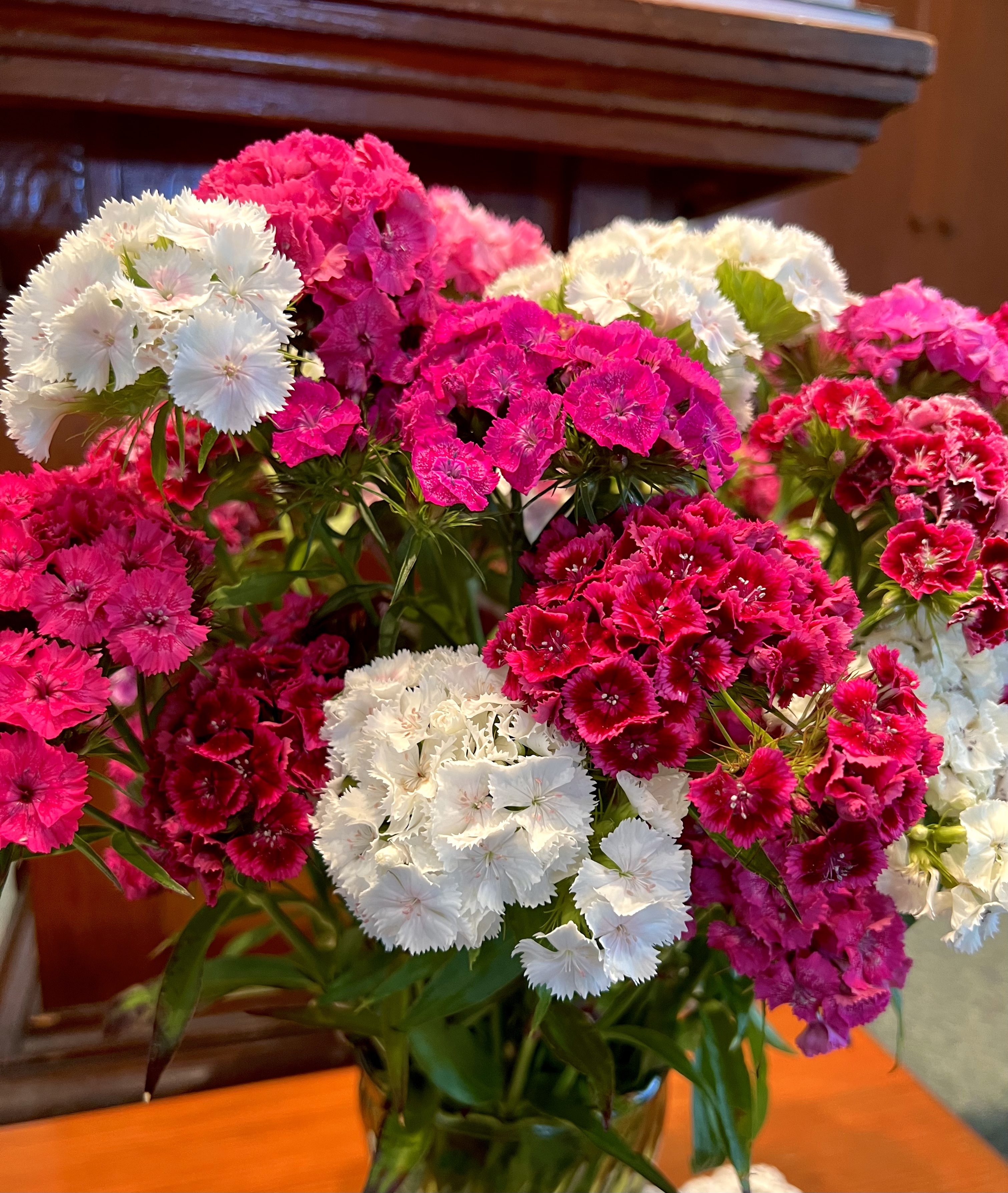
Oh, and bring flowers. Cut up fruit. Bake a cake. Leave the ants at home.
One-Time
Monthly
Yearly
Make a one-time and recurring donation to support daily Barnstorming posts
…any father, particularly an old father, must finally give his child up to the wilderness and trust to the providence of God.
It seems almost a cruelty for one generation to beget another when parents can secure so little for their children, so little safety, even in the best circumstances. Great faith is required to give the child up, trusting God to honor the parents’ love for him by assuring that there will indeed be angels in that wilderness. ~Marilynne Robinson, Gilead
A reassuring truth for many families during this graduation season – in past years, we too watched our children leave home to begin a life of their own. We trusted in God’s providence that in our absence, there would be angels in the wilderness waiting to guide them.
Indeed there have been angels and continue to be – you know who you are!
In turn, over thirty two years of clinical work in a university health center, I had opportunity to be that refuge in the wilderness for thousands of young adults who had left their parents’ home to seek out their own journey. Sometimes they found themselves stranded on a path that was twisting, rocky, full of pitfalls and peril.
Despite plenty of my own limitations over those years, I found keeping this perspective helped me greet each new face, not only with a physician’s skill and knowledge, but always with a mother’s embrace.
Are there angels in the wilderness? I don’t know I’ve got my doubts, but if you say so But I’ve got a feeling we’re doing ok We’re doing our part, to make the brambles seem less sharp
Beneath the wing of an angel Far away from the night Carry me till I am able Beneath the wing of an angel
On the wing of an angel Fly me on to the light Hold me close till I’m able Beneath the wing of an angel
One-Time
Monthly
Yearly
Make a one-time or recurring donation to support daily Barnstorming posts
Sometimes I like to hide in the word foxgloves – in the middle of foxgloves. The xgl is hard to say, out of the England of its harbouring word. Alone it becomes a small tangle, a witch’s thimble, hard-to-toll bell, elvish door to a door. Xgl a place with a locked beginning then a snag, a gl like the little Englands of my grief, a knotted dark that locks light in glisten, glow, glint, gleam and Oberon’s banks of eglantine which closes in on the opening of Gulliver whose shrunken gul says ‘rose’ in my fatherland. Meanwhile, in the motherland, the xg is almost the thumb of a lost mitten, an impossible interior, deeper than forests and further in. And deeper inland is the gulp, the gulf, the gap, the grip that goes before love. ~Zaffar Kunial“Foxglove Country” from England’s Green
I can get lost in a word when considering its origins. Sometimes it is how it looks on the page or screen that sucks me in, other times it is how it rolls off the tongue, or how it fits amid other words, like a musical note in a symphony. At times a word can seem an argle-bargle of nonsensical sounds, as if I’m listening to a foreign language.
This poem dissects an ordinary word like foxglove into letters and sounds in a way I have never considered, so that the flowers growing wild in our yard contain unexpected depth and width. Even eglantine is an elegant way to describe wild rose blossoms.
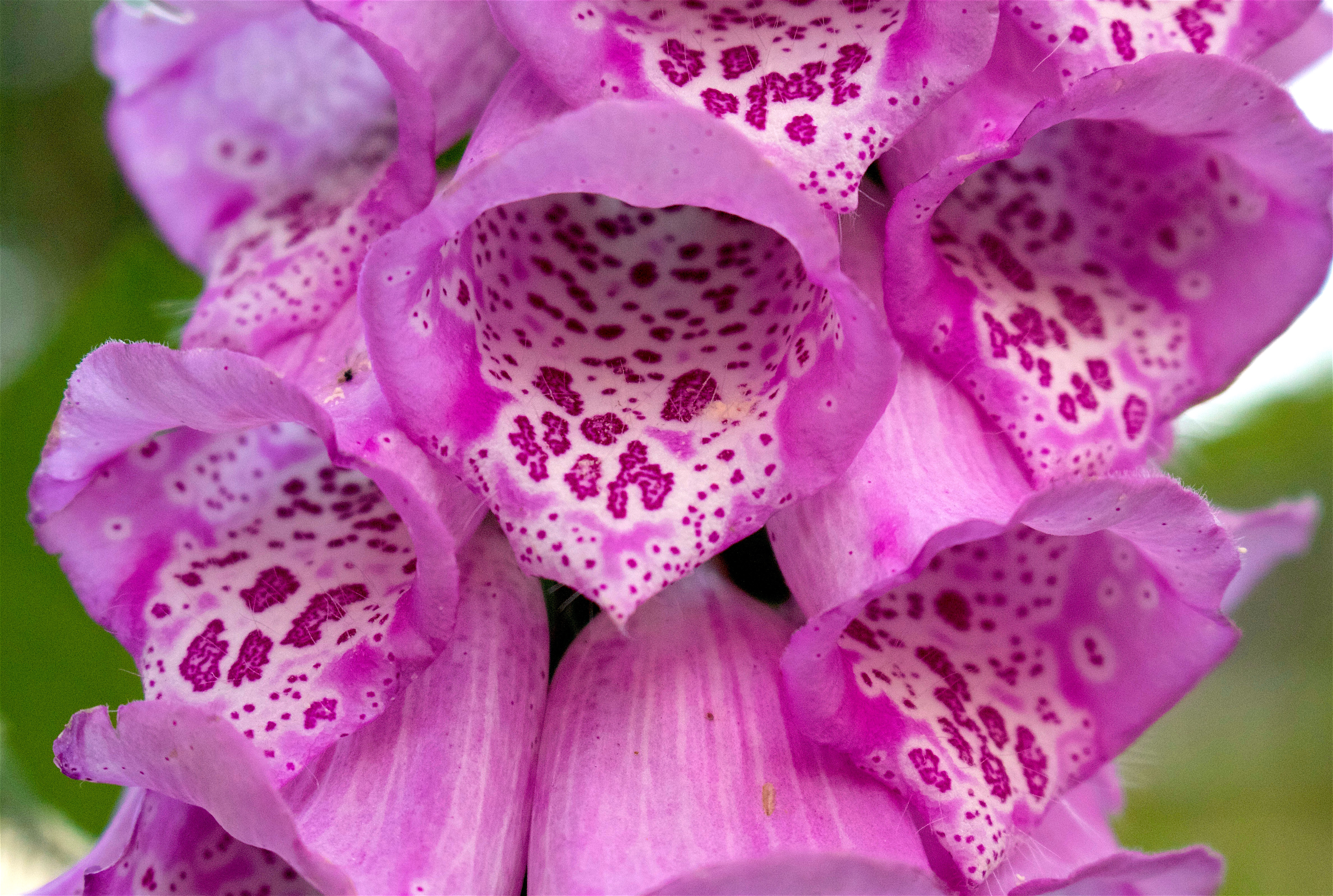
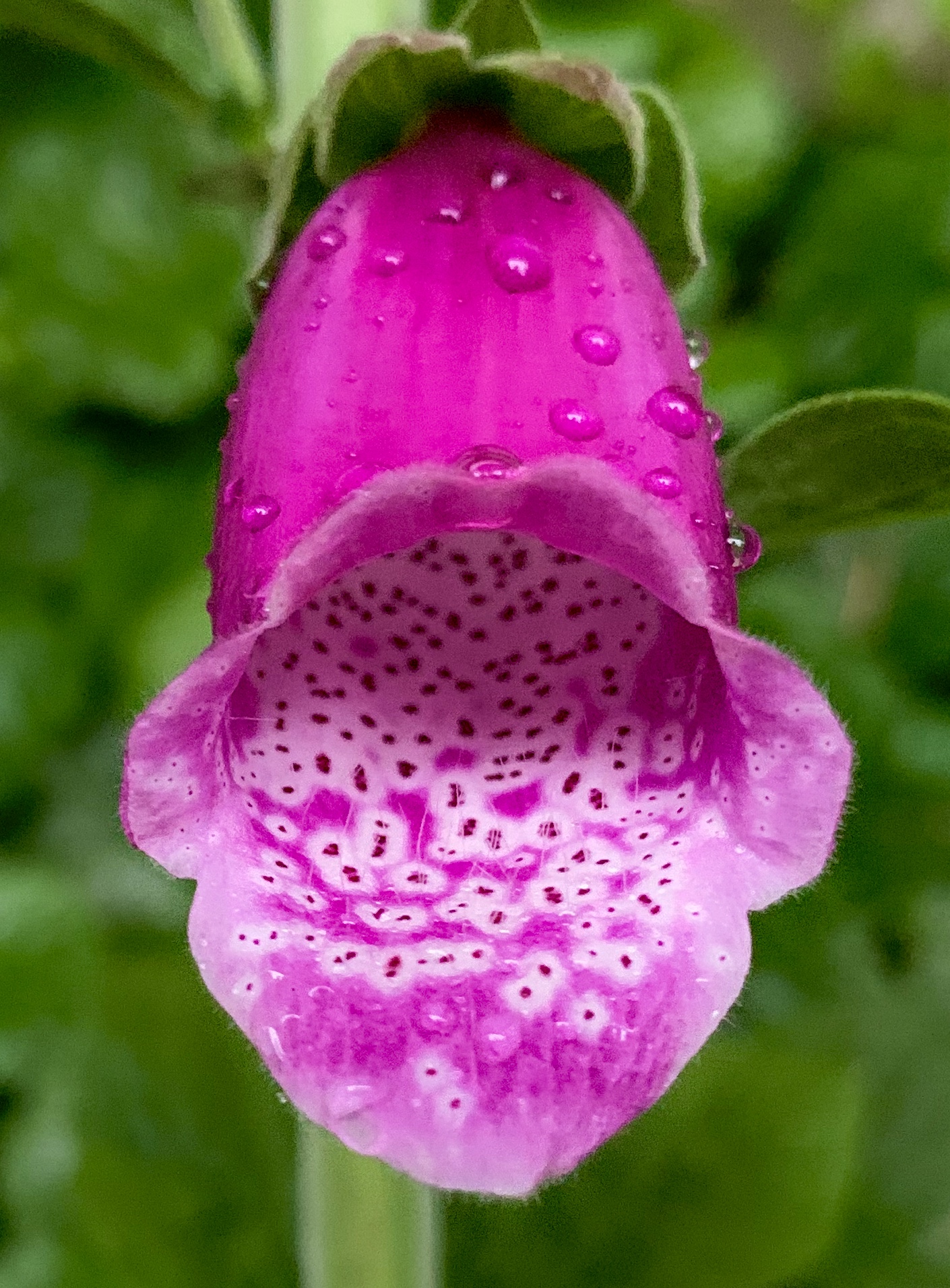
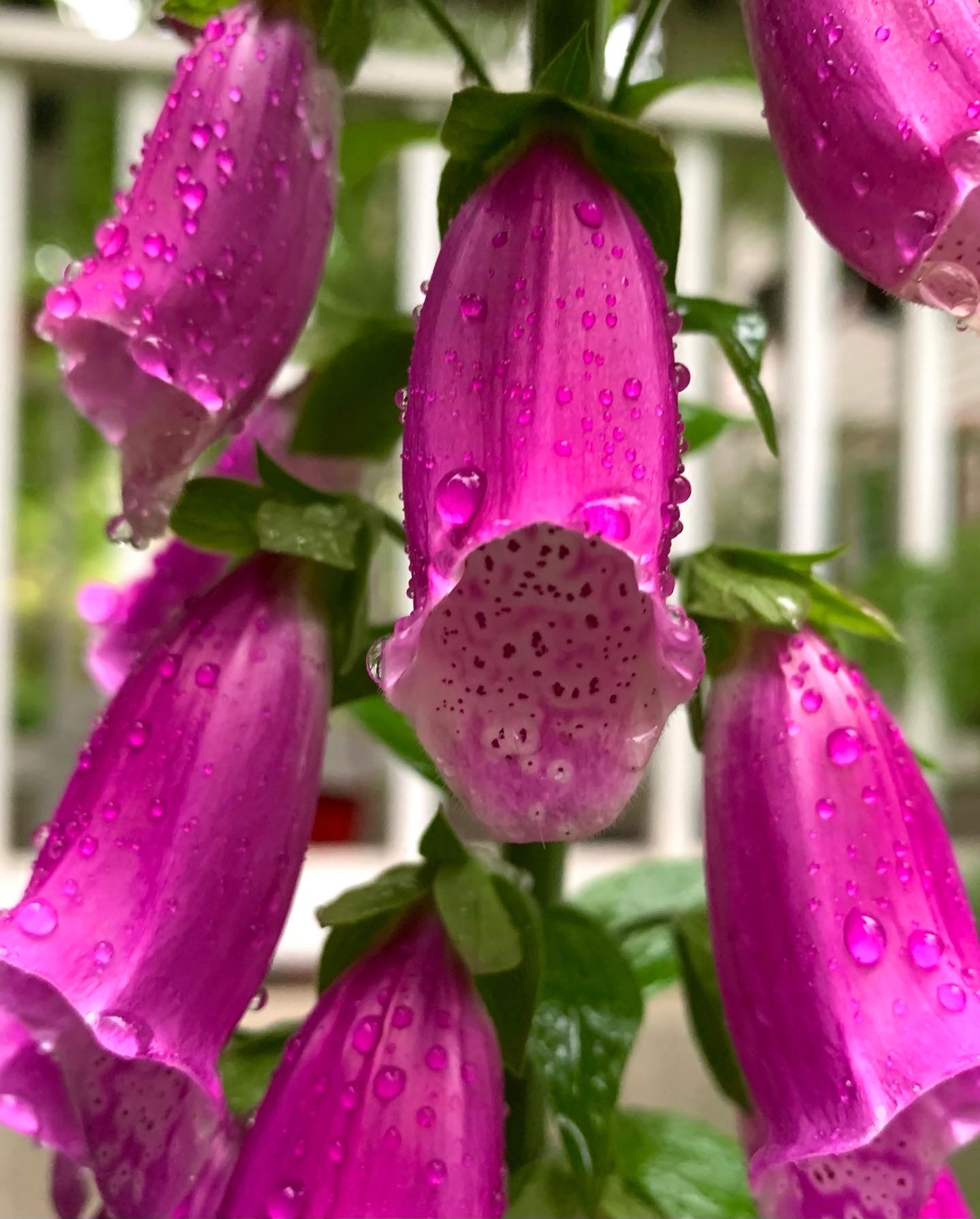
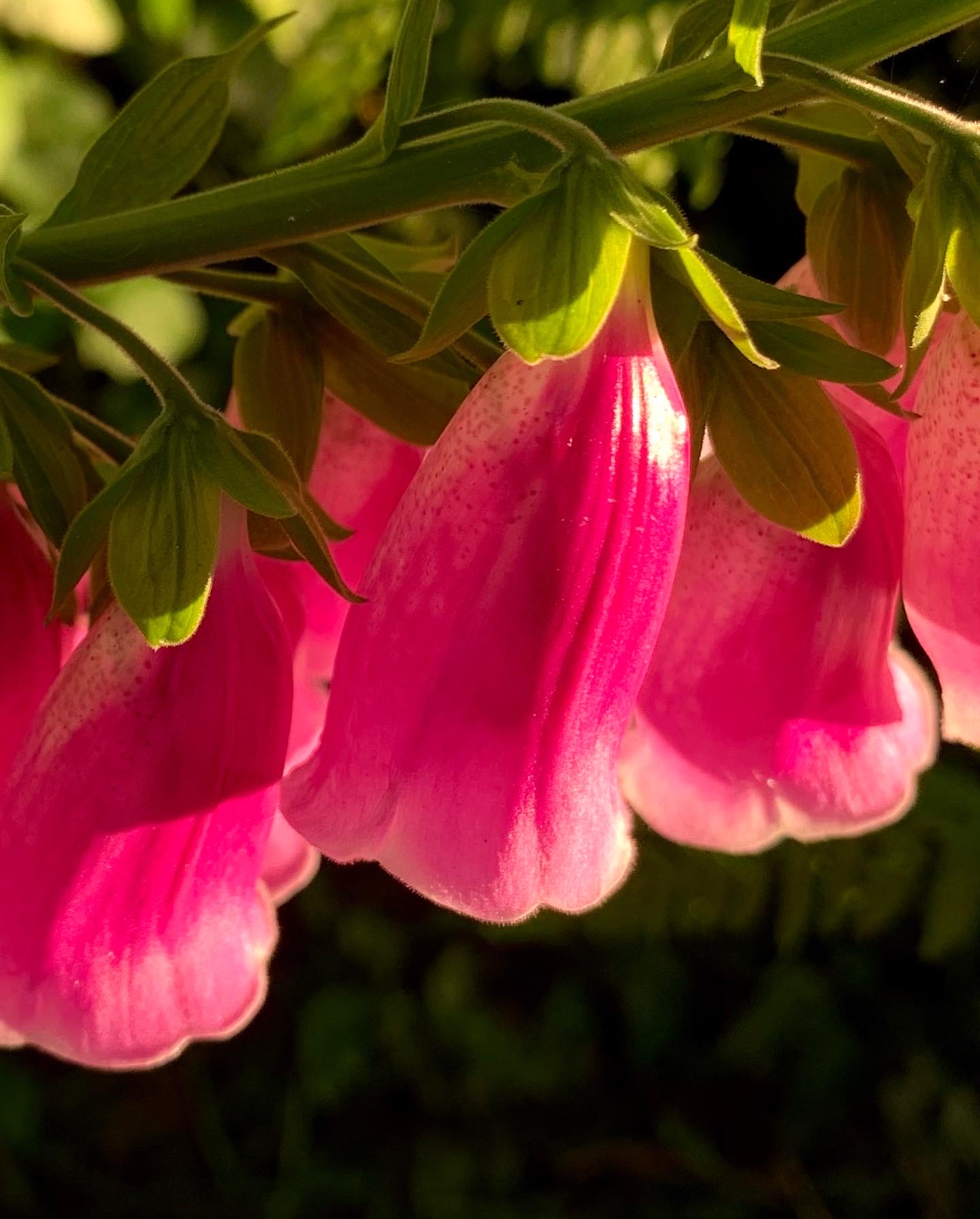
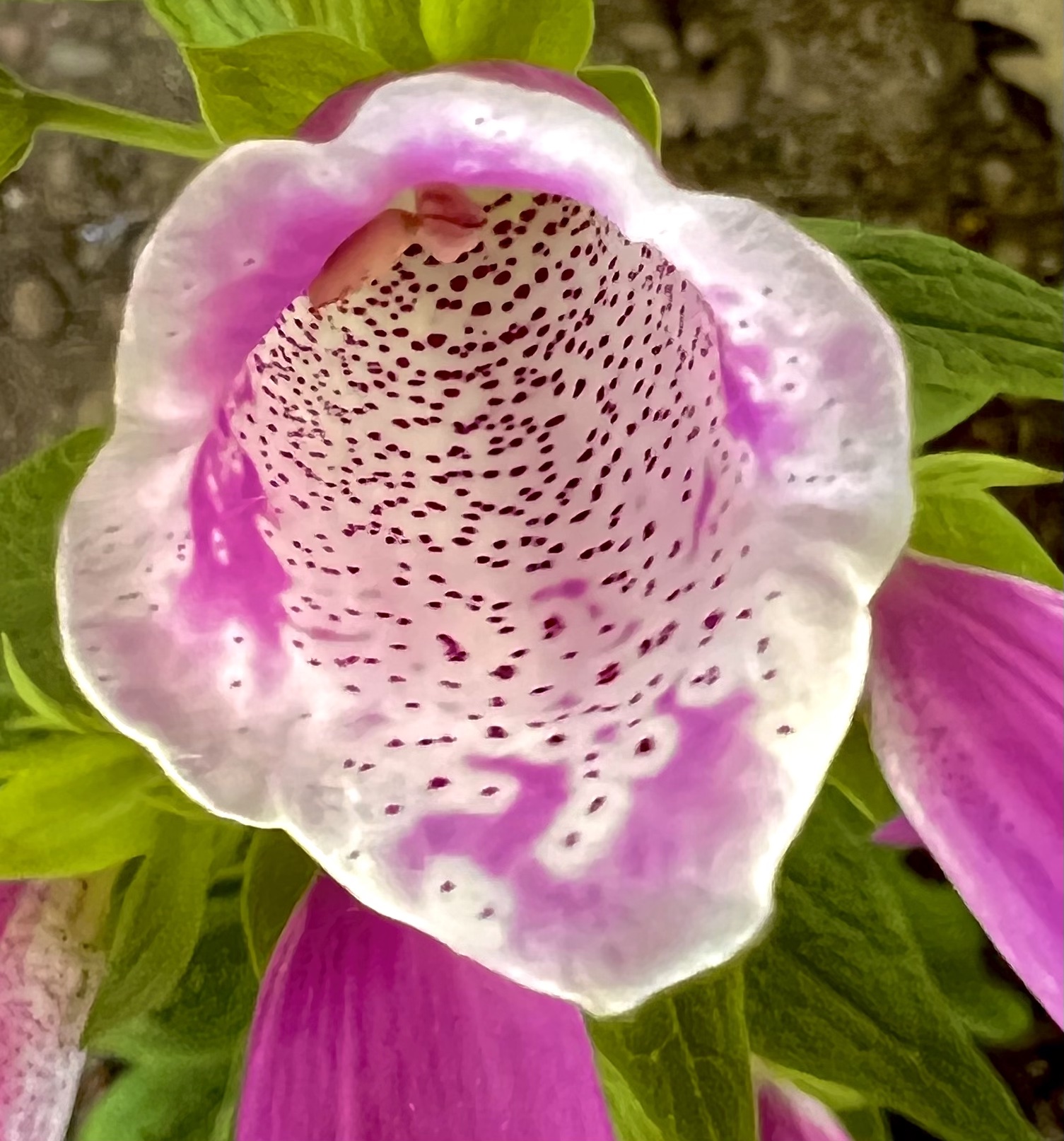
I love looking deep into the pinkish speckled innards of foxglove, lined up just-so in bell-like columns on a stem. I love the thought they were named as if they were little mittens a fox might happen to step into for a trot down the road. I love the thought of foxgloves being part of a glowing glistening fairy world that I only imagine in my dreams. I love that I have written prescriptions of foxglove derivatives for decades for patients who needed the rhythm-controlling properties of digitalis.
So here’s to nonsense, to words that are hard to say, and words that contain mysteries and fairytales within their letters, especially this particular word that actually spells out Love.
One-Time
Monthly
Yearly
Make a one-time or recurring donation to support daily Barnstorming posts
Good things as well as bad, you know are caught by a kind of infection.
If you want to get warm you must stand near the fire: if you want to be wet you must get into the water. If you want joy, power, peace, eternal life, you must get close to, or even into, the thing that has them.
They are not a sort of prize which God could, if He chose, just hand out to anyone. They are a great fountain of energy and beauty spurting up at the very centre of reality. If you are close to it, the spray will wet you: if you are not, you will remain dry.
Once a man is united to God, how could he not live forever? Once a man is separated from God, what can he do but wither and die? ~C.S. Lewis- Mere Christianity
Now looking back over four decades as a working physician, I remember struggling after the observance of rest and worship each Sunday, to return to the sterile world of a busy secular clinic.
Although freshly exposed to the Spirit, immersed in the reality of a loving God, I was restricted from sharing my infection while close to my patients. Each Monday, my responsibility was to prevent contagion, measuring my words and washing my hands thoroughly upon entering each exam room.
At times I failed in my efforts, even as I donned a protective mask and gloves to keep us from spreading our respective infections.
I hope now, with masks and gloves removed, if I’m contagious, may it be because I’m overwhelmed with the Spirit rather than engulfed in the infections of this world.
One-Time
Monthly
Yearly
Make a one-time or recurring donation to support daily Barnstorming posts
To pull the metal splinter from my palm my father recited a story in a low voice. I watched his lovely face and not the blade. Before the story ended, he’d removed the iron sliver I thought I’d die from.
I can’t remember the tale, but hear his voice still, a well of dark water, a prayer. And I recall his hands, two measures of tenderness he laid against my face, the flames of discipline he raised above my head.
Had you entered that afternoon you would have thought you saw a man planting something in a boy’s palm, a silver tear, a tiny flame. Had you followed that boy you would have arrived here, where I bend over my wife’s right hand.
Look how I shave her thumbnail down so carefully she feels no pain. Watch as I lift the splinter out. I was seven when my father took my hand like this, and I did not hold that shard between my fingers and think, Metal that will bury me, christen it Little Assassin, Ore Going Deep for My Heart. And I did not lift up my wound and cry, Death visited here! I did what a child does when he’s given something to keep. I kissed my father. ~Li-Young Lee, “The Gift” from Rose
I did, without ever wanting to, remove my child’s splinter, lance a boil, immobilize a broken arm, pull together sliced skin, clean many dirty wounds. It felt like I crossed the line between mommy and doctor. But someone had to do it, and a four hour wait in the emergency room didn’t seem warranted.
My own children learned to cope with hurt made worse by someone they trusted to be comforter. I dealt with inflicting pain, temporary though it may be, to flesh that arose from my flesh. It hurt as much as if it were my own wound needing cleansing, not theirs.
And so, in the similar way, our wounds are His – He is constantly feeling our pain as He performs healing surgeries in our lives, not because He wants to but because He must, to save us from our own self-destruction. Too often we yell and kick and protest in our distress, making it all that much more difficult for both of us.
If only we can come to acknowledge His intervention is our salvage: our tears to flow in relief, not anguish, we cling to His protection rather than pushing Him away, we kiss Him in gratitude as we are restored again and yet again.
This year’s Lenten theme: So we fix our eyes not on what is seen, but on what is unseen, since what is seen is temporary, but what is unseen is eternal. 2 Corinthians 4: 18
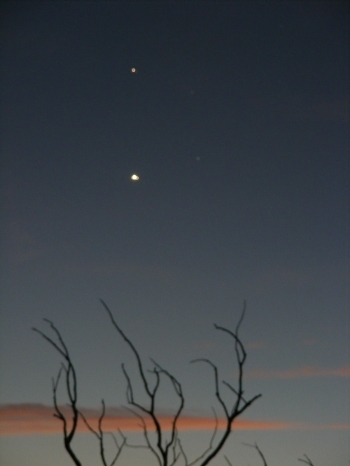
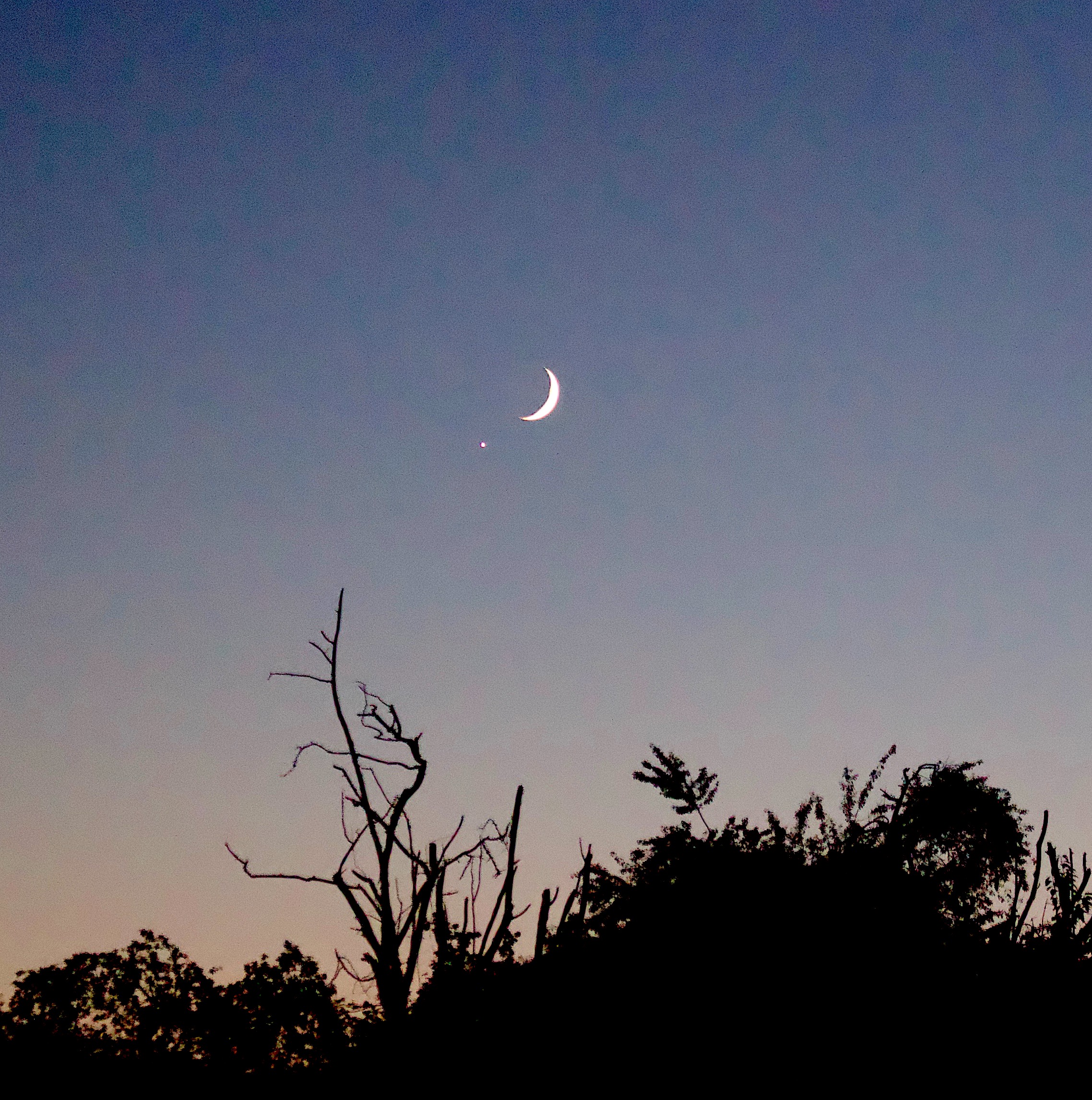
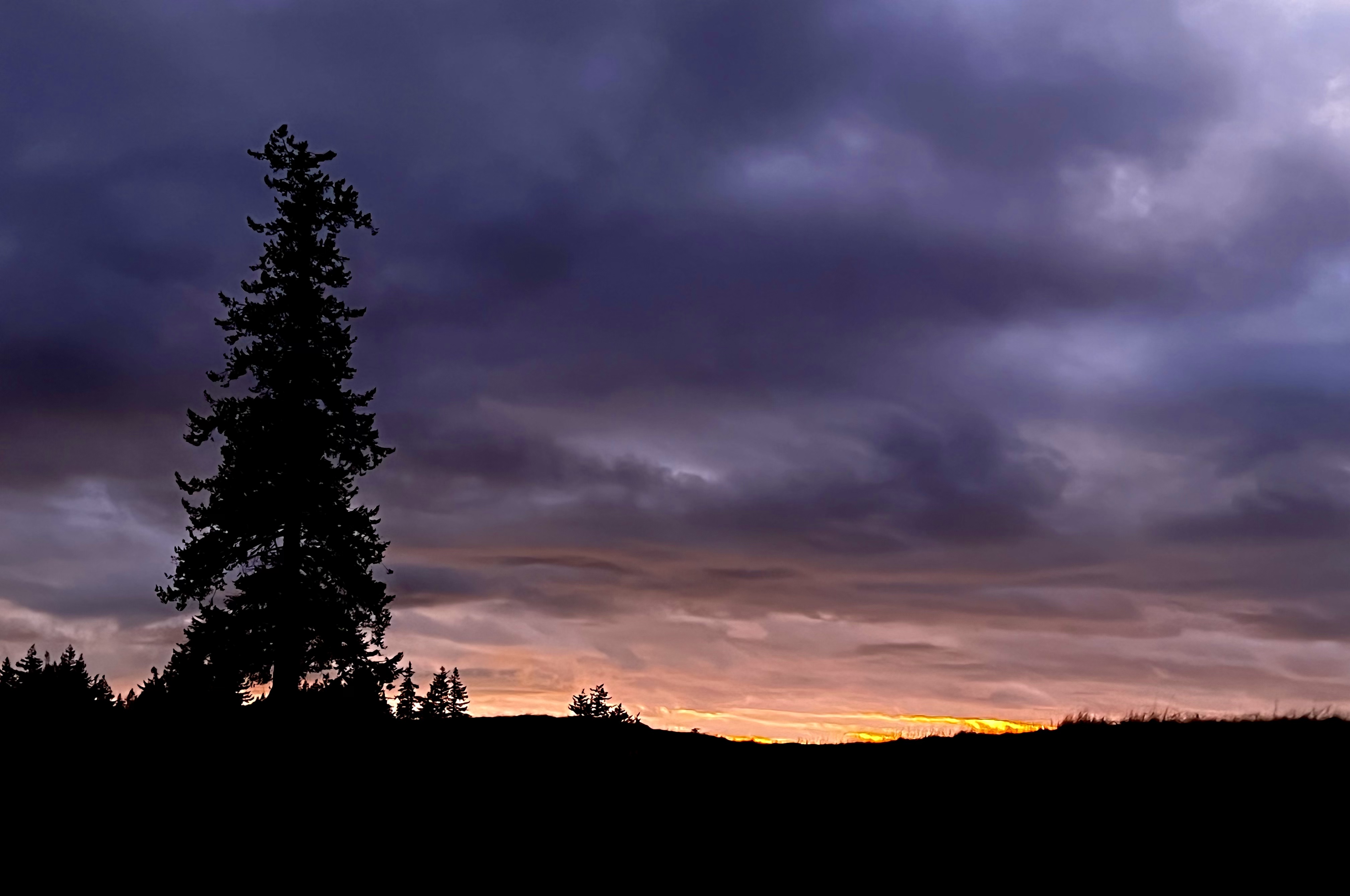
Always at dusk, the same tearless experience, The same dragging of feet up the same well-worn path To the same well-worn rock; The same crimson or gold dropping away of the sun The same tints—rose, saffron, violet, lavender, grey Meeting, mingling, mixing mistily; Before me the same blue black cedar rising jaggedly to a point; Over it, the same slow unlidding of twin stars, Two eyes, unfathomable, soul-searing, Watching, watching—watching me; The same two eyes that draw me forth, against my will dusk after dusk; The same two eyes that keep me sitting late into the night, chin on knees Keep me there lonely, rigid, tearless, numbly miserable, —The eyes of my Regret. ~Angelina Weld Grimké “The Eyes of My Regret”
How granular they feel—grief and regret, arriving, as they do, in the sharp particularities of distress. Inserting themselves— cunning, intricate, subversive—into our discourse.
In the long night, grievances seem to multiply. Old dreams mingling with new. Disappointment and regret bludgeon the soul, your best imaginings bruised, your hopes ragged.
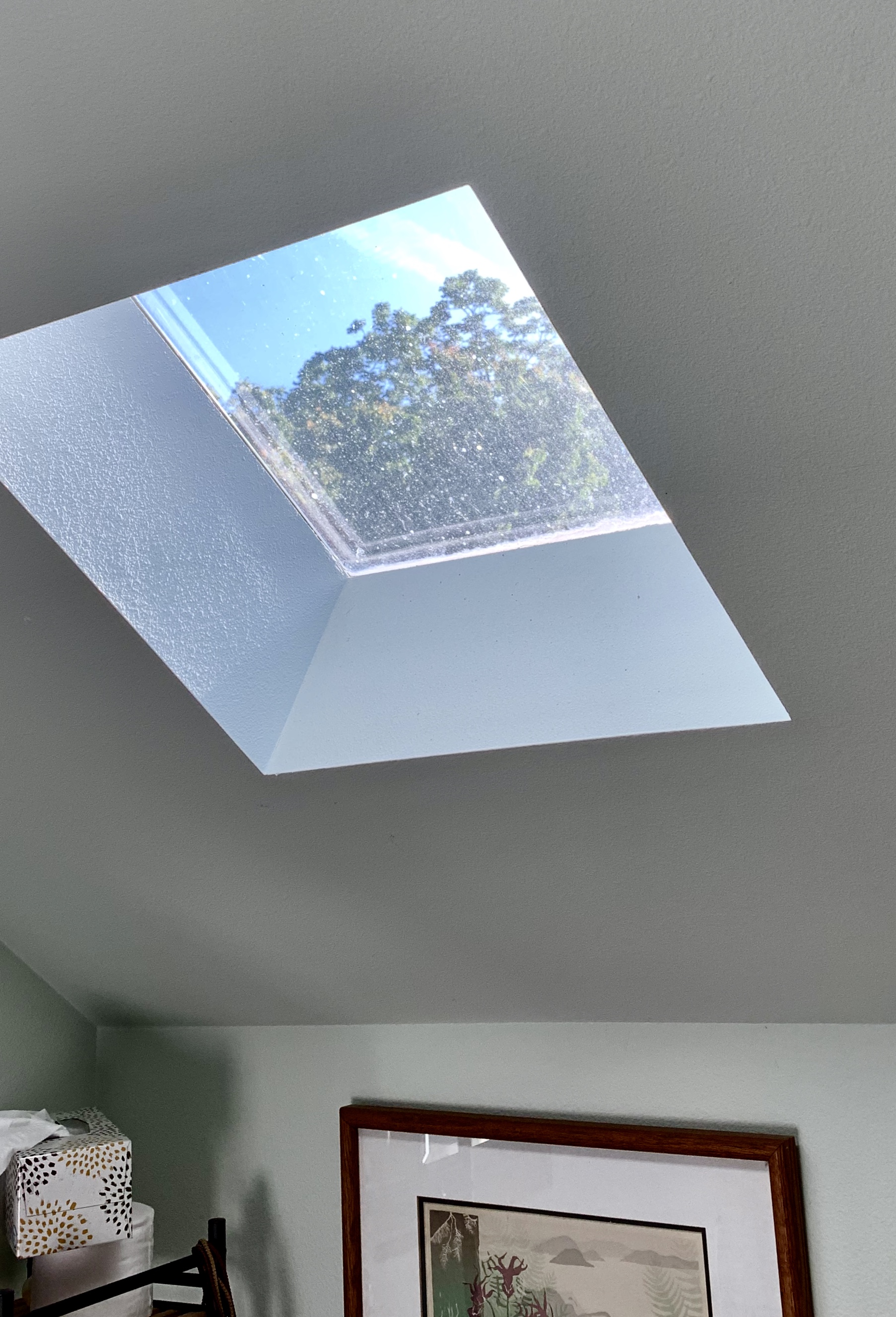
Yet wait, watch. From the skylight the room is filling with soft early sun, slowly sifting its light on the bed, on your head, a shower of fine particles. How welcome. And how reliable. ~Luci Shaw“Sorrow”
It’s now been a interminably long three years: millions of people sickened by a virus that could kill within days or simply be spread by those unwitting and asymptomatic. We’ve lived through shut down of businesses and schools, hospitals and clinics being overwhelmed, and hoarding behavior resulting in shortages of products addressing basic needs.
Now that I can look back with a bit more perspective, I know my first reaction was fear for myself and those I love. My words flew out too quickly, my anxiety mixed with frustration and anger, my tears spilling too easily. Like so many others, my work life forever changed.
I ended up lying awake many nights with regrets, wondering if I should be doing more than just telemedicine from home, yet wanting to hide myself and my M.D. degree under a rock until the unending viral scourge blew over.
Yet amazingly, miracles of grace in many places: generous people full of courage made a difference in small and large ways all around the world. Some took enormous personal risks to take care of strangers and loved ones. Some worked endless hours and when they came home, they remained isolated to avoid infecting their families.
Such grace happens when hardship is confronted head on by the brilliant light of sacrifice. I am deeply grateful to those who have worked tirelessly providing care and compassion to the ill. Their work is never done.
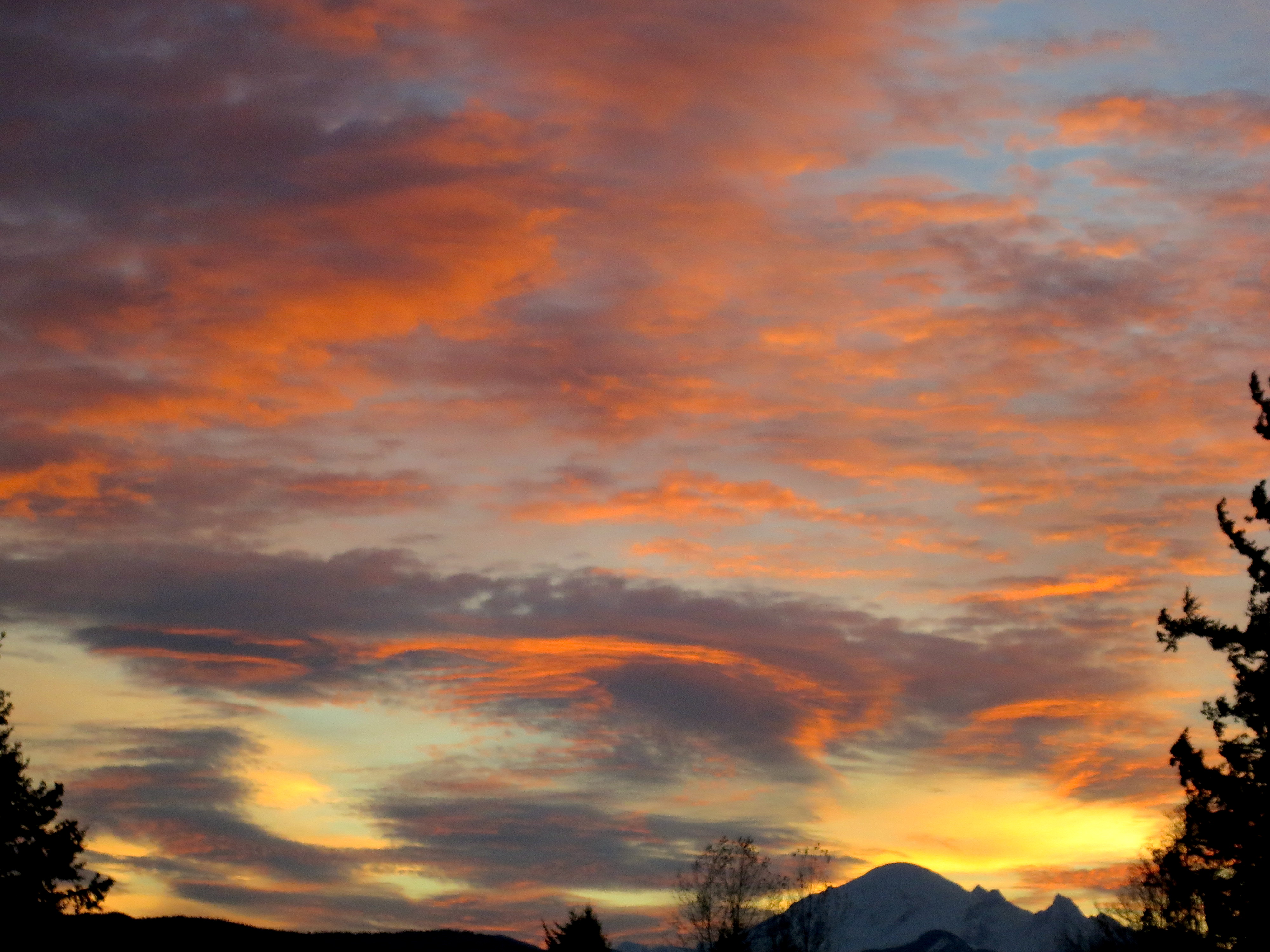
We know, in His humanity, Jesus wept, in frustration, in worry for His people, in grief. His tears still light the sky with a promise of salvation as He assures He won’t leave us alone in darkness – our regret dissipates with the dawn.
This year’s Barnstorming Lenten theme is taken from 2 Corinthians 4: 18: So we fix our eyes not on what is seen, but on what is unseen, since what is seen is temporary, but what is unseen is eternal.
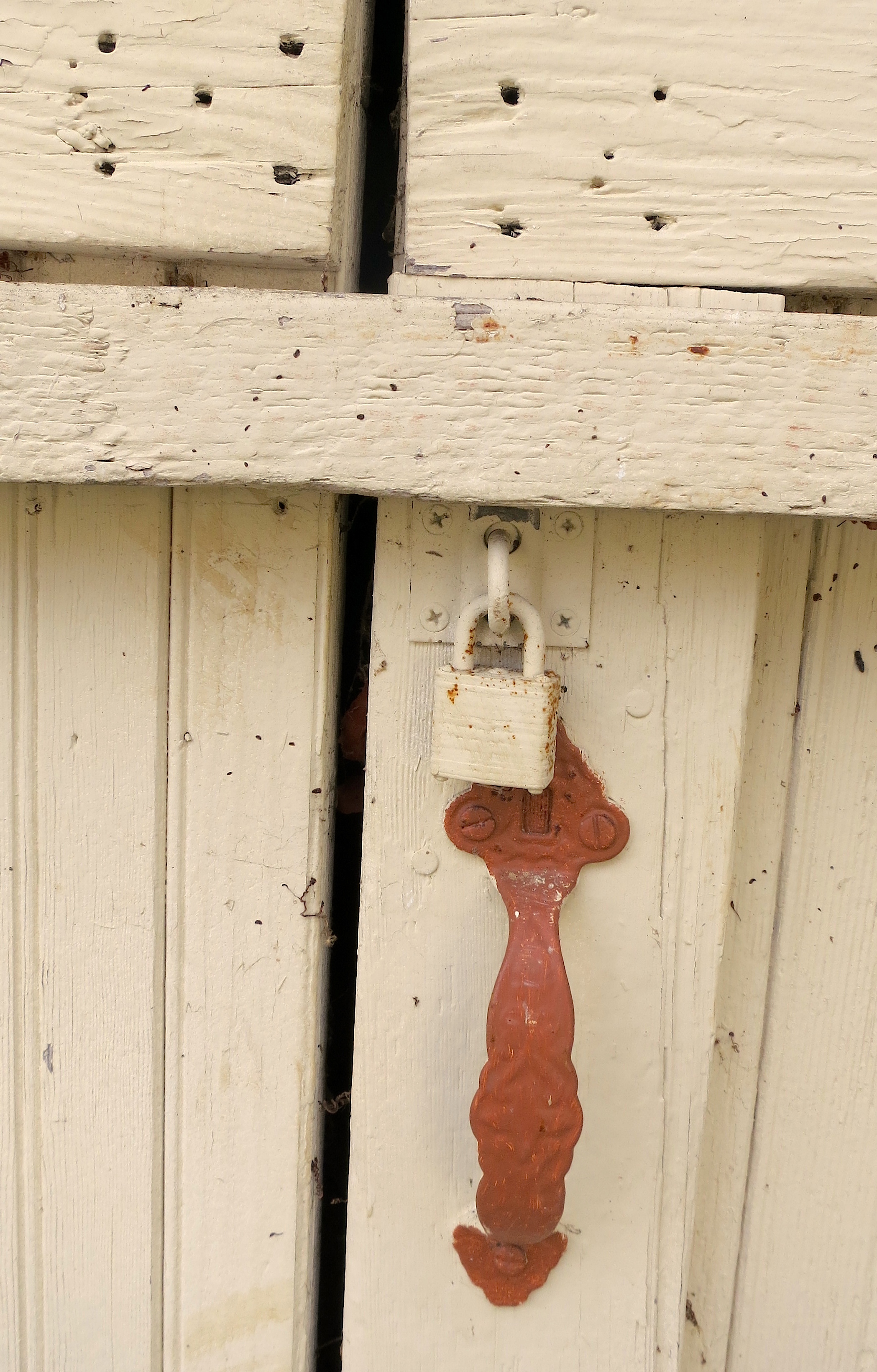
And yes it is necessary to admit walking in the forest the heart is a lock
it has inviolable chambers like the woods, fallen trees that block
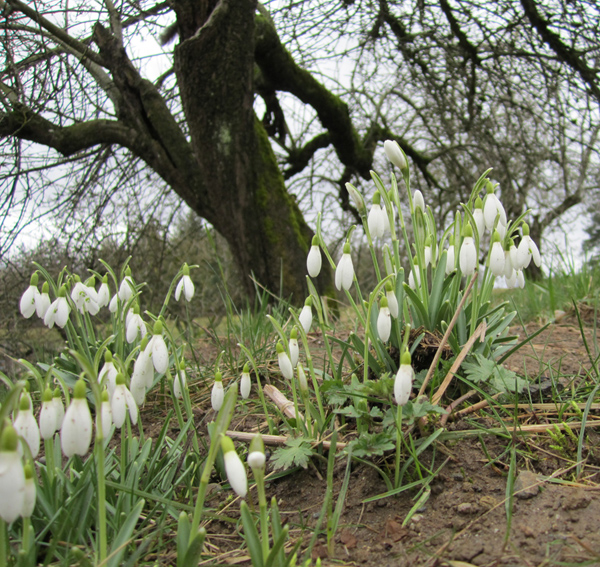
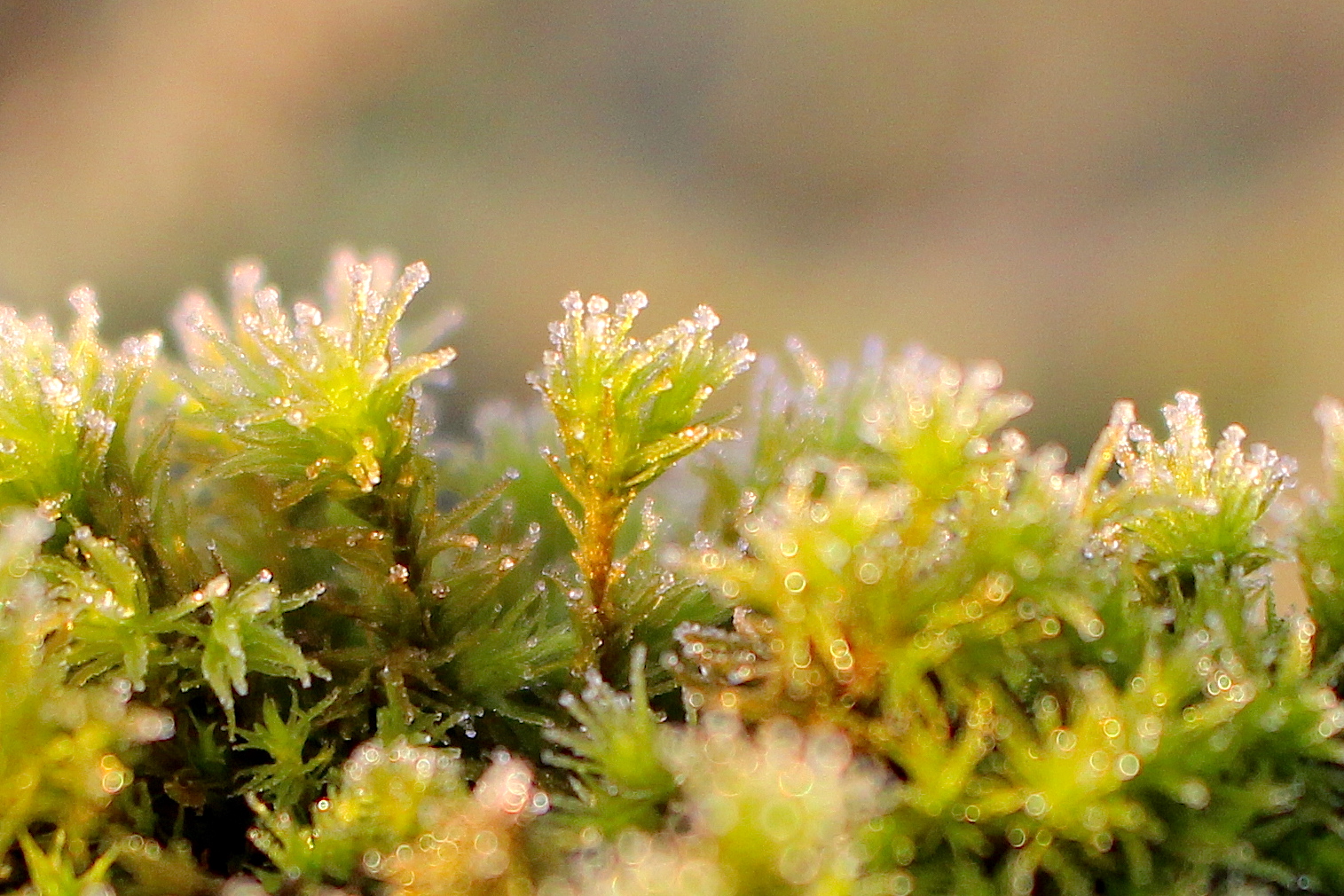
access to the river snowdrops surprising its edges moss crystalline with frost
What I thought I wanted what I have tried to be was the slender instrument that opened
a key: presence moving deeper into the forest that releases the birds from the trees and sends them ascends them to sky by definition open
but now there is nothing left to be solved like a riddle
this time the lock must be broken what’s left has to be seized
because God only loves the strong thief I mean the man who breaks his heart for God ~Jennifer Grotz, “Locked” from Window Left Open
All my life I wanted to be an effective key, unlocking life’s mysteries and opening up the world to those who are hopeless, stifled and trapped. Doctor training gave me a few locksmith tools. I found my patients taught me far more about their pain and suffering than my professors did.
Yet profound mysteries remain: some illnesses are rare or unique enough to defy diagnosis, some just don’t respond to available tools, while illnesses as well understood and treatable as depression or COVID infection still kill and incapacitate with abandon. The keys I may have accumulated don’t fit every lock. They don’t necessarily open the doors to freedom from fear or worry.
At times I feel aimless, wondering what tools I still have and if I remember how to use them. Simple knowledge is only one key, while brute force – breaking and entering – may be necessary to break the hardest lock of all – access to the troubled heart and soul.
God wants in, to pick up our broken pieces and put us back together. He doesn’t need a key to enter what He Himself has built from scratch. He owns the place.
One-Time
Monthly
Yearly
Make a one-time or recurring donation to support daily Barnstorming posts
When I was sick with a head cold, my head full of pressure, my father would soak a washcloth in hot water, then ball it up, ring it out. He would open it above my head, then place it against my face like a second skin, the light around me disappearing entirely except through the spaces between the stitching. I would inhale the steam in that darkness, hearing his voice on the other side, otherwise almost devoid of any other bodily sense but the warmth and depth of his voice, as if I had already died and was on the other side of life waiting for the sickness to lift, but I wasn’t. I was still on this earth, the washcloth going cold on my face, my body still sick, and my father still there when I opened my eyes, as he always was, there to give me warmth before going cold again. ~William Fargason “Elegy with Steam”
A common clinic conversation this time of year:
I’ve been really miserable with a cold for three days, and as my COVID test is negative, I need that 5 day Z-pack antibiotic to get better faster.
It really can be miserable suffering from cold symptoms. Ninety eight percent of the time these symptoms are due to a viral infection and since your rapid RSV and influenza nasal swab tests are also negative today, your illness should resolve over the next few days without you needing a prescription medication.
But I can’t breathe and I can’t sleep.
You can use salt water rinses and a few days of decongestant nose spray to ease the congestion.
But my face feels like there is a blown up balloon inside.
Try applying a warm towel to your face – the heat will help improve circulation in your sinuses and ease your discomfort.When it cools off, warm it up again – basically rinse and repeat.
And I’m feverish and having sweats at night.
Your temp today is 99.2 so not a concern. You can use ibuprofen or acetominophen to help the feverish feeling.
But my snot is green.
That’s not unusual with viral upper respiratory infections and not necessarily an indicator of a bacterial infection.
And my teeth are starting to hurt and my ears are popping.
Let me know if that is not resolving over the next few days.
But I’m starting to cough.
Your lungs are clear today so it is likely from post nasal drainage irritating your upper airway. Best way to help that is to breathe steam to keep your bronchial tubes moist, push fluids and prop up with an extra pillow.
But sometimes I cough to the point of gagging. Isn’t whooping cough going around?
Your illness doesn’t fit the typical timeline for pertussis. You can consider using an over the counter cough suppressant if needed.
But I always end up needing antibiotics. This is just like my regular sinus infection thing I get every year.
There’s plenty of evidence antibiotics can do more harm than good, eliminating healthy bacteria in your gut. They really aren’t indicated at this point in your illness and could have nasty side effects.
But I always get better faster with antibiotics. Doctors always give me antibiotics.
Studies show that two weeks later there is no significant difference in symptoms between those treated with antibiotics and those who did self-care without them.
But I have a really hard week coming up and my whole family is sick and I won’t be able to rest.
This could be your body’s way of saying that you need to take the time you need to recover – is there someone who can help pick up the load your carry?
But I just waited an hour to see you.
I really am sorry about the wait; we’re seeing a lot of sick people with so much viral illness going around and needing to test to rule out COVID and influenza.
But I paid a $20 co-pay today for this visit.
We’re very appreciative of you paying so promptly on the day of service.
But I can go down the street to the urgent care clinic or do one of those telehealth doctor visits and for $210 they will write me an antibiotic prescription without making me feel guilty for asking.
I wouldn’t recommend taking unnecessary medication that can lead to bacterial resistance, side effects and allergic reactions. I truly believe you can be spared the expense, inconvenience and potential risk of taking something you don’t really need.
So that’s it? Salt water rinses, warm towels on my face and just wait it out? That’s all you can offer?
Let me know if your symptoms are unresolved or worsening over the next few days.
So you spent all that time in school just to tell people they don’t need medicine?
I believe I can help most people heal themselves with self-care at home. I try to educate my patients about when they do need medicine and then facilitate appropriate treatment. Also, I want to thank you for wearing your mask today to reduce the chance of transmitting your virus to those around you.
I’m going to go find a real doctor who will actually listen to me and give me what I need.
It certainly is a choice you can make. A real doctor vows to first do no harm while always listening to what you think, what your physical examination shows, then takes into account what evidence-based clinical data says is the best and safest course of action. I realize you want something other than what I’m offering you today. If you are feeling worse over the next few days or develop new symptoms, please let me know so we can reevaluate how best to treat you.
I’ll bet you’ll tell me next you want me to get one of those COVID vaccines too, won’t you?
Actually, I prefer you be feeling a bit better before you receive both the COVID and influenza vaccines. That would offer extra immunity protection for you through the next few months. Shall we schedule you for a time for your vaccination updates next week?Remember, I’m still here if you need to review your options again…
One-Time
Monthly
Yearly
Make a one-time or recurring donation to support daily Barnstorming posts
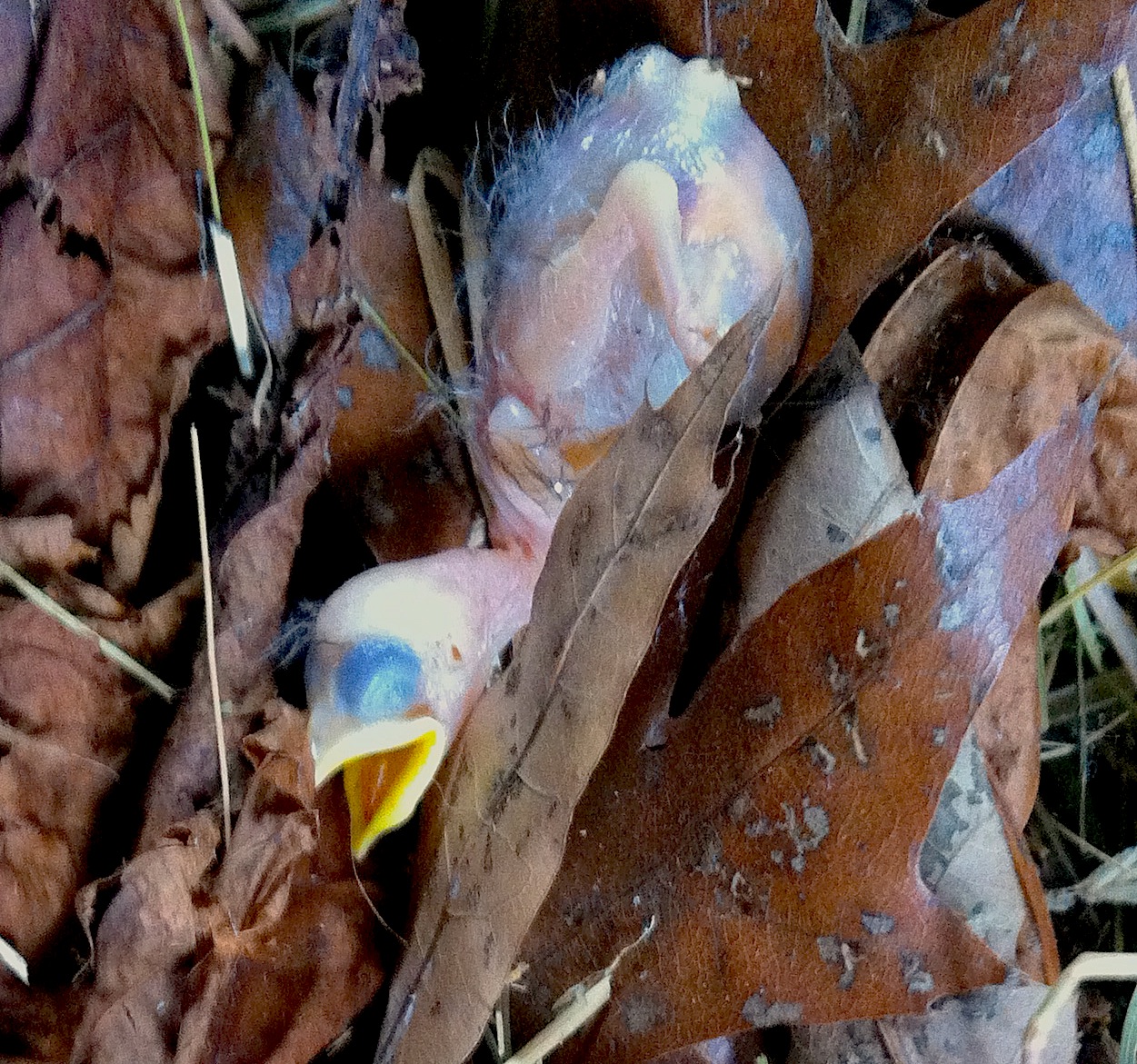
Yesterday our children, playing in a tree, watched as the tiniest bird fell from above them, where it belonged, to land below them, where it did not. The dog, animal and eager, stepped on the bird, then lowered his head. Our daughter screamed, hauled him back, then cupped her trembling hands around the trembling bird, Its one wing stretched and bent. Our son ran inside, obedient to our daughter’s instructions. I was in the shower, useless. You found a shoebox, sheltered the bird, helped our children find leaves and twigs, perched the box in the tree. At supper, we prayed for the bird while its mother visited the shoebox, her beak full. She fretted and fluttered. She couldn’t do anything, and we couldn’t do anything, and after supper, we found the trowel. Dust to dust, I said. O how I longed to gather you, you said, as a mother hen gathers her young beneath her wings. Our son pushed a stick into the soft earth. Our daughter told him not to push too far. ~Shea Tuttle “After reading our daughter’s poem”from Image Journal
Hope is the thing with feathers That perches in the soul, And sings the tune without the words, And never stops at all,
And sweetest in the gale is heard; And sore must be the storm That could abash the little bird That kept so many warm.
I’ve heard it in the chillest land, And on the strangest sea; Yet, never, in extremity, It asked a crumb of me. ~Emily Dickinson
I have known the helplessness of watching life ebb away from a living creature and not be able to do a thing to change what is happening.
As a teenage nurse aide in a rest home for the elderly, I saw much of dying over those years before going to medical school – some deaths were anticipated and some unexpected. What was most apparent to me in that setting is that my primary role was to be a caring witness and comforter. I could not change what was happening but I could be there, not leaving my patients to die alone. I hoped that I was useful in some way.
Later, when I worked as a physician in a hospital, there were certainly things we would do to respond to a sudden cardiac event, and it was very dramatic to see someone’s pulse restored and stabilized due to our intervention. But more often than not, what we could do wouldn’t change the reality – dying still happened and we were gathered to witness the end. We often left the bedside feeling useless.
Now I have grandchildren who are learning about death through observing the natural cycles of animals living and dying on our farm. They discover a dead bird or vole on the ground; they were aware one of our elderly horses recently died. They are aware our beloved farm dogs are aging and so are grandma and grandpa.
Children naturally ask “why?” and we do our best to explain there is always hope and comfort, even when physical bodies are dust in the ground, marked by a stick or stone or only a memory.
It is “Hope” that sings alive within us, even when we’re naked and featherless, even if we fall far from the nest we were born to. We are caught and safe under our Savior’s wings for the rest of eternity, never to be “just dust” again.
One-Time
Monthly
Yearly
Make a one-time or recurring donation to support daily Barnstorming posts
Instead of depression, try calling it hibernation. Imagine the darkness is a cave in which you will be nurtured by doing absolutely nothing. Hibernating animals don’t even dream. It’s okay if you can’t imagine Spring. Sleep through the alarm of the world. Name your hopelessness a quiet hollow, a place you go to heal, a den you dug, Sweetheart, instead of a grave. ~Andrea Gibson “Instead of Depression” from You Better Be Lightning
We didn’t say fireflies but lightning bugs. We didn’t say carousel but merry-go-round. Not seesaw, teeter-totter not lollipop, sucker. We didn’t say pasta, but spaghetti, macaroni, noodles: the three kinds. We didn’t get angry: we got mad. And we never felt depressed dismayed, disappointed disheartened, discouraged disillusioned or anything, even unhappy: just sad. ~Sally Fisher “Where I Come From” from Good Question.
…if you could distinguish finer meanings within “Awesome” (happy, content, thrilled, relaxed, joyful, hopeful, inspired, prideful, adoring, grateful, blissful.. .), and fifty shades of “Crappy” (angry, aggravated, alarmed, spiteful, grumpy, remorseful, gloomy, mortified, uneasy, dread-ridden, resentful, afraid, envious, woeful, melancholy.. .), your brain would have many more options for predicting, categorizing, and perceiving emotion, providing you with the tools for more flexible and functional responses. ~Lisa Feldman Barrett from How Emotions Are Made: The Secret Life of the Brain
Our own experience with loneliness, depression, and fear can become a gift for others, especially when we have received good care. As long as our wounds are open and bleeding, we scare others away. But after someone has carefully tended to our wounds, they no longer frighten us or others…. We have to trust that our own bandaged wounds will allow us to listen to others with our whole being. That is healing. — Henri Nouwen from Bread for the Journey
If there is anything I came to understand over the decades I served as a primary care physician, it is that every person experiences painful emotions that make them miserable, making it even more difficult to share with others. Sometimes those feelings build up such pressure that they leak out of our cells as physical symptoms: headaches, muscle tightness, stomach upset, hypertension. Other times they are so overwhelming we can no longer function in a day to day way – described clinically as rage, panic, mood disorder, depression, self-destructive, suicidal.
Somehow we’ve lost permission to be sad. Just sad. Sometimes unbearably, hopelessly sad.
Sadness happens to us all, some longer than others, some worse than others, some deeper than others. What makes sadness more real and more manageable is if we can say it out loud — whatever ‘sad’ means to us on a given day and if we describe our feelings in detail, explaining to others who can understand because they’ve been there too, then they can listen and help.
Painful emotions don’t always need a “fix” in the short term, particularly chemical, but that is why I was usually consulted. Alcohol, marijuana and other self-administered drugs tend to be the temporary anesthesia that people seek to stop feeling anything at all but it can erupt even stronger later.
Sometimes an overwhelming feeling just needs an outlet so it no longer is locked up, unspoken and silent, threatening to leak out in ways that tear us up and pull us apart.
Sometimes we need a healing respite/hibernation, with permission to sleep through the world’s alarms for a time. At times, medical management with antidepressants can be incredibly helpful along with talk therapy.
It helps to find words to express how things felt before this sadness, where you are now in the midst of it and where you wish you could be rather than being swallowed by sorrow. Healing takes time and like anything else that is broken, it hurts as it repairs. Armed with that self-knowledge and some gentle compassion, tomorrow and the next day and the next might feel a little less hopeless and overwhelming.
One-Time
Monthly
Yearly
Make a one-time or recurring donation to support daily Barnstorming posts



















 Barnstorming