A man travels the world over in search of what he needs and returns home to find it. ~George Moore
I remember well the feeling of restlessness, having an itch that couldn’t be reached, feeling too rooted and uneasy staying in one place for long, especially if that place was my hometown. I knew I must be destined for greater things, grander plans and extraordinary destinations. There exists in most human beings an inborn compulsion to wander far beyond one’s own threshold, venturing out into unfamiliar and sometimes hostile surroundings simply because one can. It is the prerogative of the young to explore, loosen anchor and pull up stakes and simply go. Most cannot articulate why but simply feel something akin to a siren call.
And so at twenty I heard and I went, considerably aging my parents in the process and not much caring that I did. To their credit, they never told me no, never questioned my judgment, and never inflicted guilt when I returned home after the adventure went sour.
I had gone on a personal quest to the other side of the world and had come home empty. But home itself was not empty nor had it ever been and has not been since.
There is a Dorothy-esque feeling in returning home from a land of wonders and horrors, to realize there is no place like home. There was no way to know until I went away, searching, then coming home empty-handed, to understand home was right inside my heart the whole time. There was no leaving after all, not really.
So I’m here to stay–there is no greater, grander or more extraordinary than right here. Even now when I board a plane for a far off place, I know I’ll be back as this is where the search ends and the lost found.
At almost 65, my head now rests easy on the pillow.
I tell you this to break your heart, by which I mean only that it break open and never close again to the rest of the world. — Mary Oliver from “Lead” from New and Selected Poems
Each one is a gift, no doubt, mysteriously placed in your waking hand or set upon your forehead moments before you open your eyes…
Through the calm eye of the window everything is in its place but so precariously this day might be resting somehow
on the one before it, all the days of the past stacked high like the impossible tower of dishes entertainers used to build on stage.
No wonder you find yourself perched on the top of a tall ladder hoping to add one more. Just another Wednesday
you whisper, then holding your breath, place this cup on yesterday’s saucer without the slightest clink. ~Billy Collins, “Day” from The Art of Drowning
Some days feel like that: teetering at the top of finite minutes and hours, trying to not topple over life so carefully balanced, even as the wind blows and the foundation slants and the ladder of time feels rickety.
It is a balancing act – this waking up to try on a new day while juggling everything still in the air from the days before.
To stay on solid ground I anchor deep into the calm eye of unchanging love, reminded, once again, I’m held up from above when everything beneath me feels precarious.
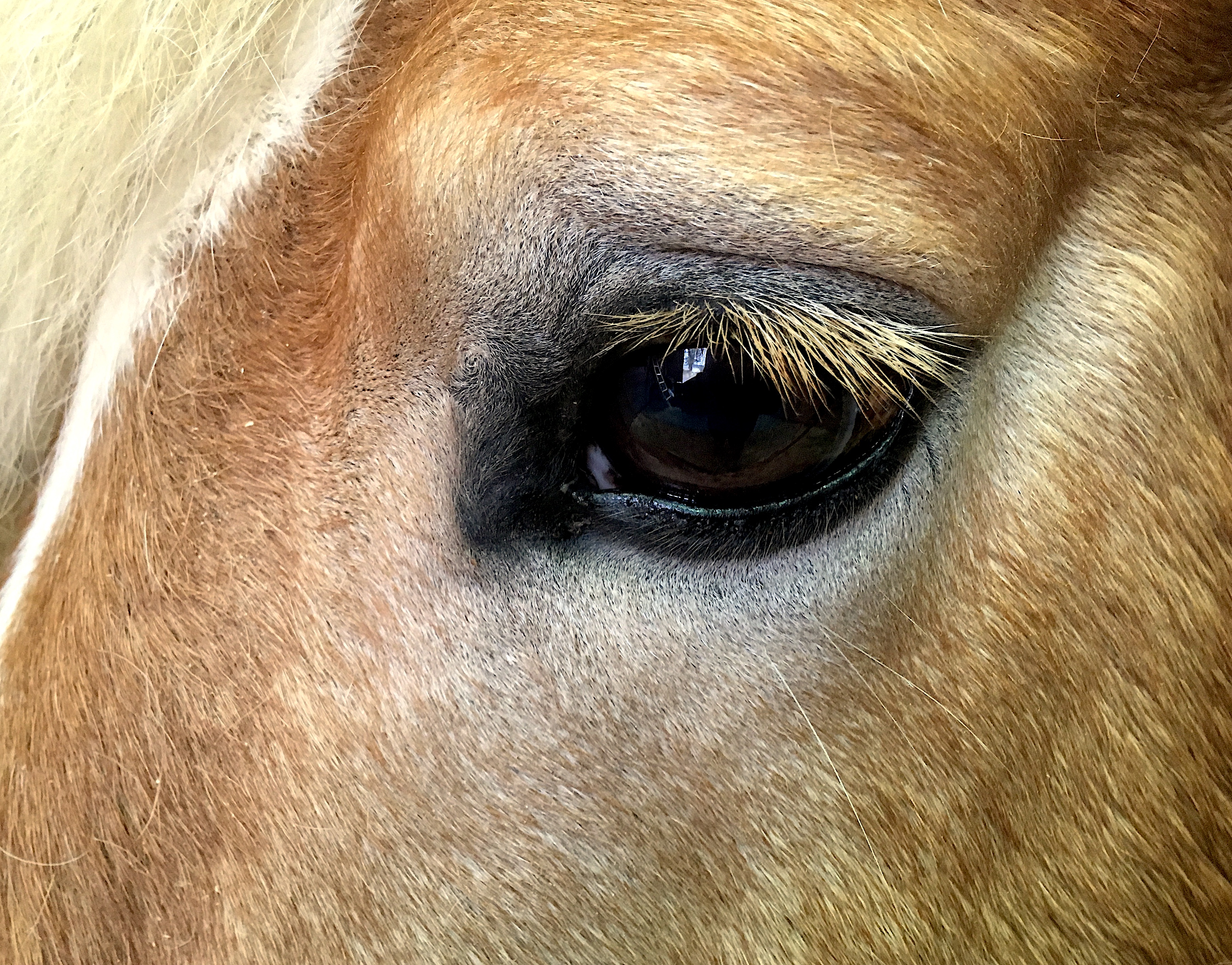
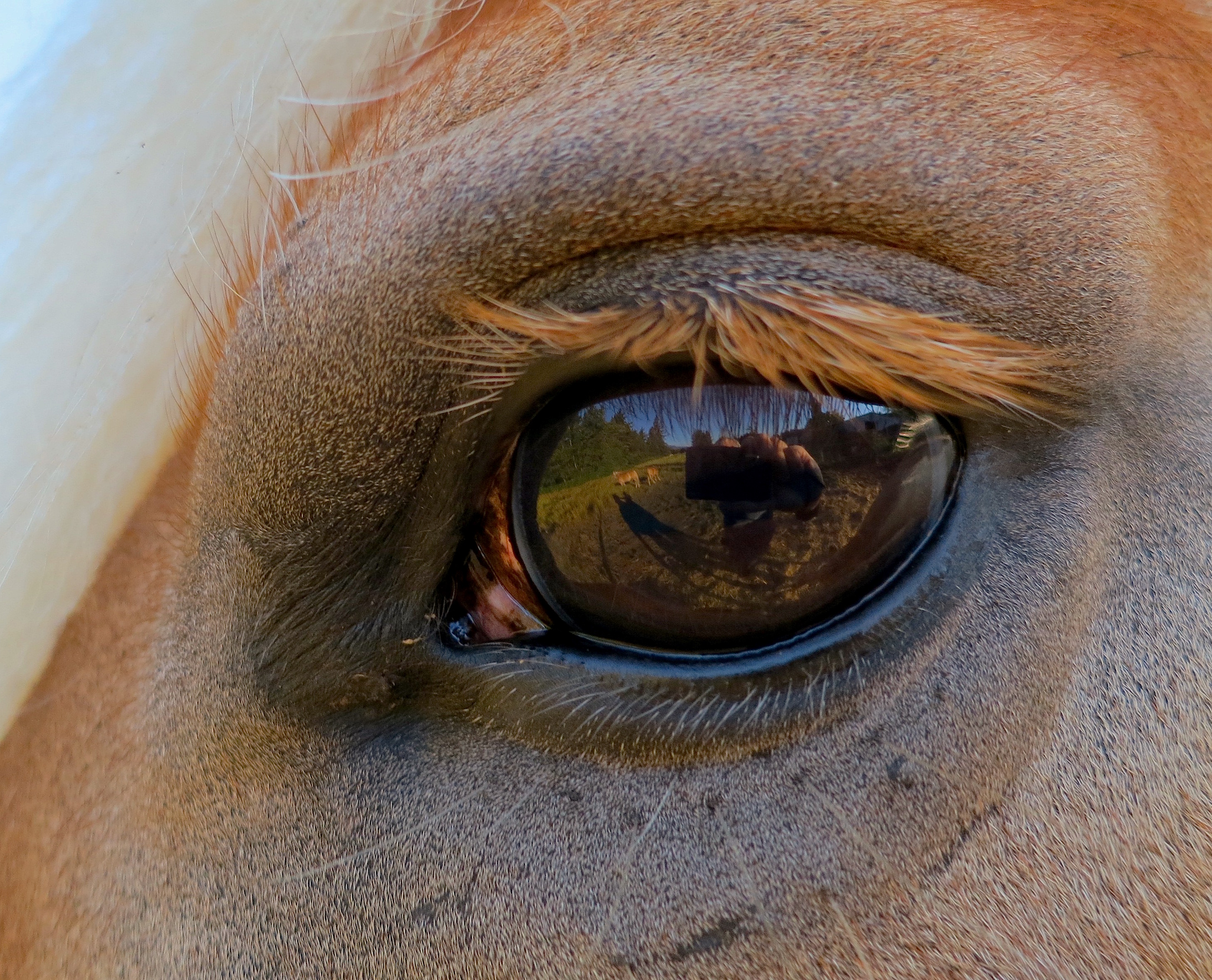
Light chaff and falling leaves or a pair of feathers
on the ground can spook a horse who won’t flinch when faced with a backhoe or a pack of Harleys. I call it “horse
ophthalmology,” because it is a different kind of system— not celestial, necessarily, but vision in which the small,
the wispy, the lightly lifted or stirring threads of existence excite more fear than louder and larger bodies do. It’s Matthew
who said that the light of the body is the eye, and that if the eye is healthy the whole body will be full of light. Maybe
in this case “light” can also mean “lightness.” With my eyes of corrupted and corruptible flesh I’m afraid I see mostly darkness
by which I mean heaviness. How great is that darkness? Not as great as the inner weightlessness of horses whose eyes perceive,
correctly I believe, the threat of annihilation in every windblown dust mote of malignant life. All these years I’ve been watching
out warily in obvious places (in bars, in wars, in night cities and nightmares, on furious seas). Yet what’s been trying to destroy
me has lain hidden inside friendly-seeming breezes, behind soft music, beneath the carpet of small things one can barely see.
The eye is also a lamp, says Matthew, a giver of light, bestower of incandescent honey, which I will pour more cautiously
over the courses I travel from now on. What’s that whisper? Just the delicate sweeping away of somebody’s life. ~Gail Wronsky
You are the light of the world. A town built on a hill cannot be hidden. 15 Neither do people light a lamp and put it under a bowl. Instead they put it on its stand, and it gives light to everyone in the house. 16 In the same way, let your light shine before others, that they may see your good deeds and glorify your Father in heaven. Matthew 5: 14-16
Some days I am dreaming awake with wide-open eyes. There is a slow motion quality to time as it flows from one hour to the next to the next, and I can only take it in, watching it happen. Life becomes more vivid, as in a dream — the sounds of birds, the smell of the farm, the depth of the greens in the landscape, the taste of fresh plums, the intensity of every breath, the reason for being.
There is lightness in all things, as the Creator intended.
Yet much of the time is rush and blur like sleepwalking, my eyes open but unseeing. I stumble through life’s shadows, the path indiscernible, my future uncertain, my purpose illusive. I traverse heaviness and darkness, much of my own creation.
“He (the professor) asked what I made of the other students (at Oxford) so I told him. They were okay, but they were all very similar… they’d never failed at anything or been nobodies, and they thought they would always win. But this isn’t most people’s experience of life.
He asked me what could be done about it. I told him the answer was to send them all out for a year to do some dead-end job like working in a chicken processing plant or spreading muck with a tractor. It would do more good than a gap year in Peru.
He laughed and thought this was tremendously witty. It wasn’t meant to be funny. ~James Rebanks from The Shepherd’s Life (how a sheep farmer succeeds at Oxford and then goes back to the farm)
In our barn we have a very beat up old AM/FM radio that sits on a shelf next to the horse stalls and serves as company to the horses during the rainy stormy days they stay inside, and serves as distraction to me as we clean stalls of manure and wet spots in the evening. We live about 10 miles south of the Canadian border, so most stations that come in well on this radio’s broken antenna are from the lower mainland of British Columbia. This includes a panoply of stations spoken in every imaginable language– a Babel of sorts that I can tune into: Spanish, Japanese, Chinese, Hindi, Russian, French and of course, proper British accent English. But standard issue American melting pot genetic mix that I am, I prefer to tune into the “Oldies” Station and reminisce.
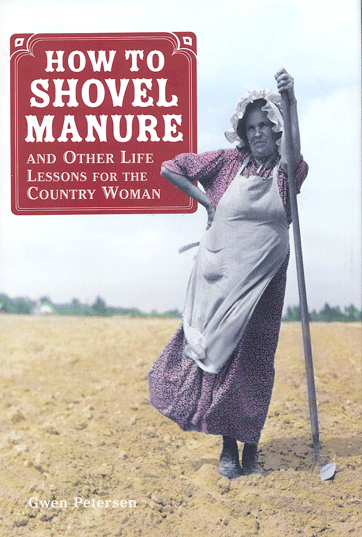
There is a strange comfort in listening to songs that I enjoyed 40-50+ years ago, and I’m somewhat miffed and perplexed that they should be called “oldies”. Oldies always referred to music from the 20’s, 30’s and 40’s, not the 50’s, 60’s, and 70’s! I listen and sing along with a mixture of feeling ancient and yet transported back to my teens. I can think of faces and names I haven’t thought of in decades, remember special summer days picking berries and hear long lost voices from school days. I can smell and taste and feel things all because of the trigger of a familiar song. There is something primordial –deep in my synapses– that is stirred by this music. In fact, I shoveled manure to these same songs 50 years ago, and somehow, it seems not much as changed.
Or has it? One (very quick) glance in the mirror tells me it has and I have.
Yesterday, I Got You, Babe and you were a Bridge Over Troubled Waters for this Natural Womanwho just wants to be Close to Youso You’ve Got a Friend. There’sSomething in the way ICherish The Way We Were and of courseLove Will Keep Us Together.If You Leave Me Now, You’re So Vain. I’ve always wanted it My Way but How Sweet It Is when I Want To Hold Your Hand. Come Saturday Morningwe’re Born to Be Wild.
Help!Do You Know Where You’re Going To?Me and You and A Dog Named Boo will travel Country Roadsand Rock Around the Clock even though God Didn’t Make the Little Green Apples. Fire and Rain will make things All Right Nowonce Morning is Broken, I’ll Say a Little Prayer For You.
I Can’t Get No Satisfactionfrom the Sounds of Silence —If— Those Raindrops Keep Fallin’ on My Head. Stand By Me as It’s Just My Imaginationthat I am a Rock,when really I only want Time in a Bottle and to just Sing, Sing a Song.
They just don’t write songs like they used to. I seem to remember my parents saying that about the songs I loved so well. Somehow in the midst of decades of change, there are some constants. Music still touches our souls, no matter how young or old we are.
And there will always be manure that needs shoveling.
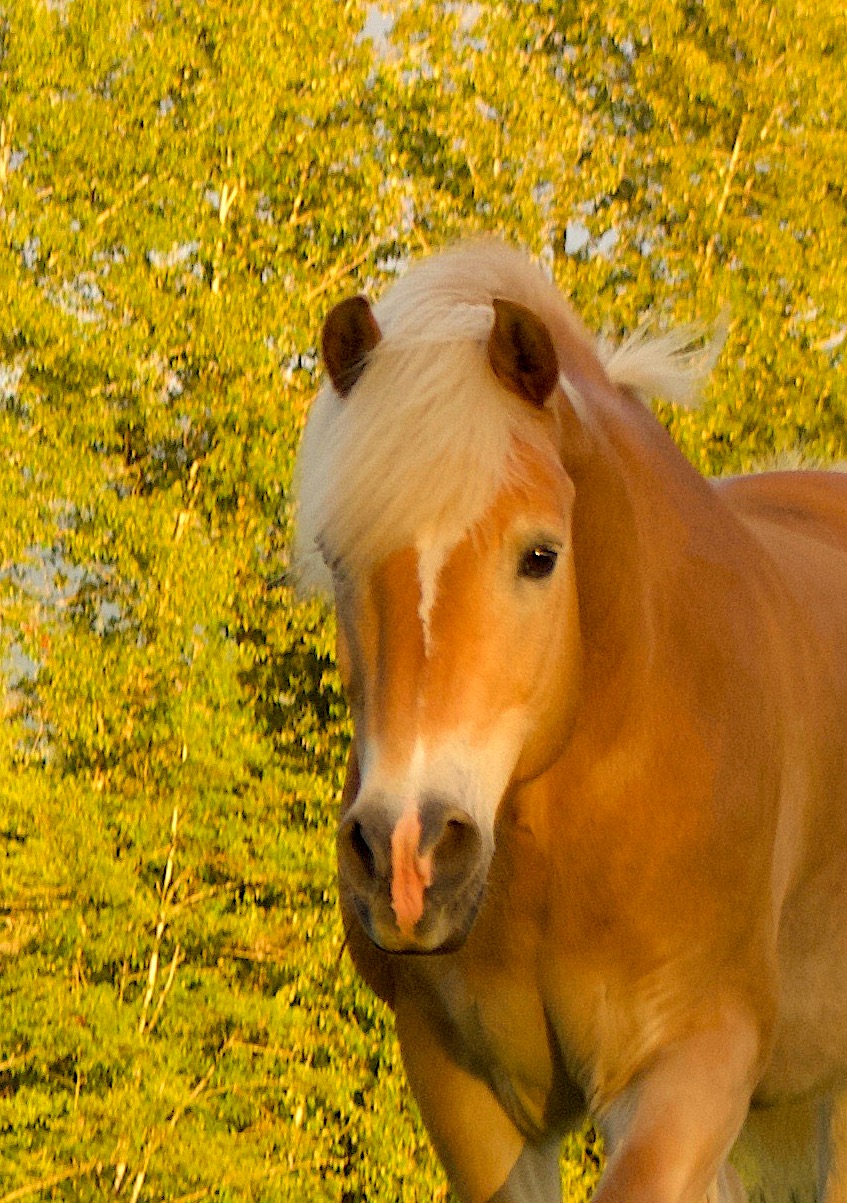
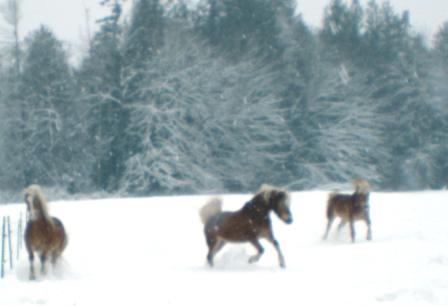
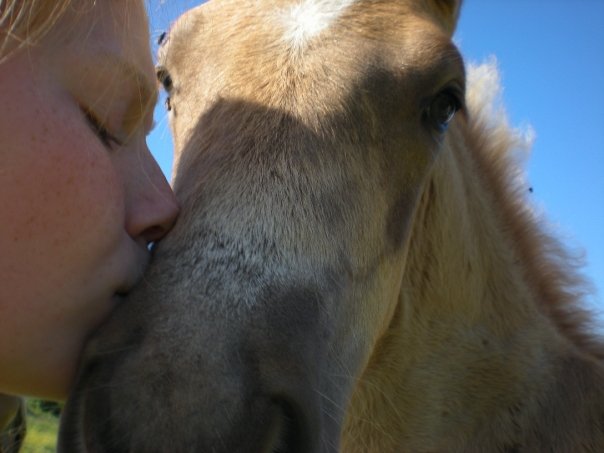
Maybe our world will grow kinder eventually. Maybe the desire to make something beautiful is the piece of God that is inside each of us. Now all four horses have come closer, are bending their faces toward me as if they have secrets to tell. I don’t expect them to speak, and they don’t. If being so beautiful isn’t enough, what could they possibly say? — Mary Oliver from Blue Horses
photo of Wheaton BCH by Emily Vander Haak
This is not a world filled with kindness – I think we all realize that most days. There is so much hurt and misunderstanding and lack of communication leading to all kinds of ugliness between so many of us.
When beauty is bestowed upon us, unexpectedly and silently and bountifully, where can it come from but from God? How can we possibly forget wherein He dwells richly, especially wherever beauty is so desperately needed.
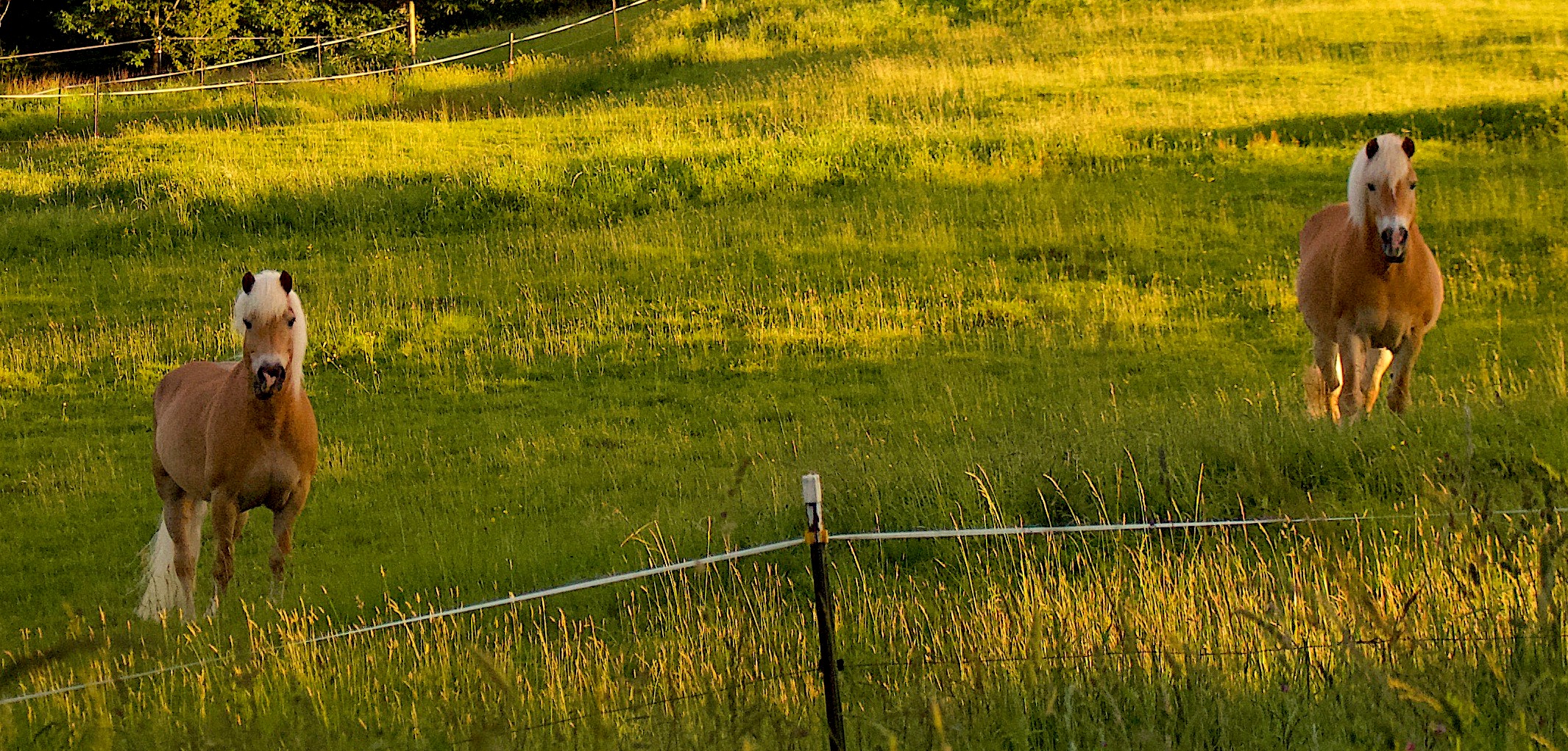
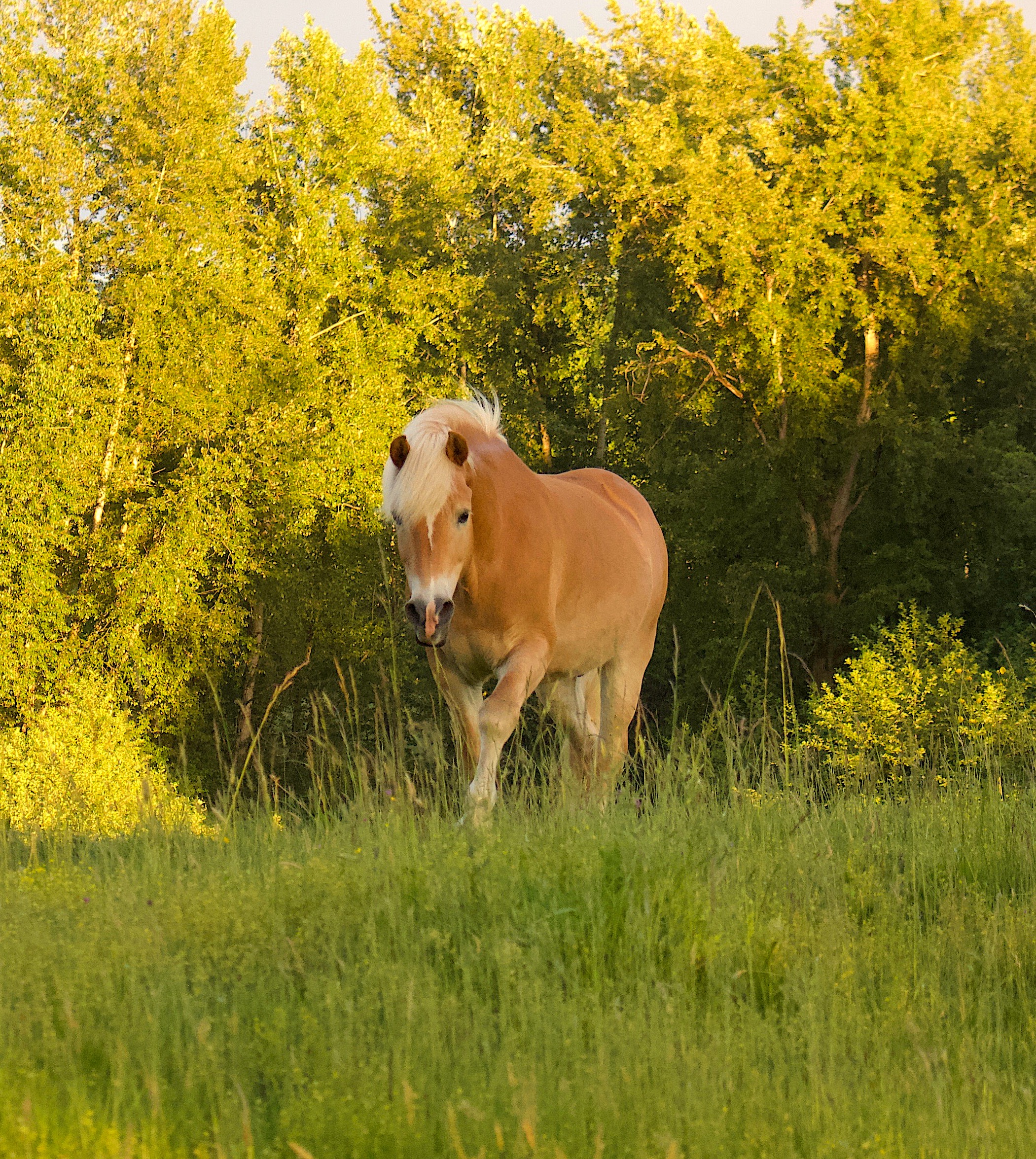
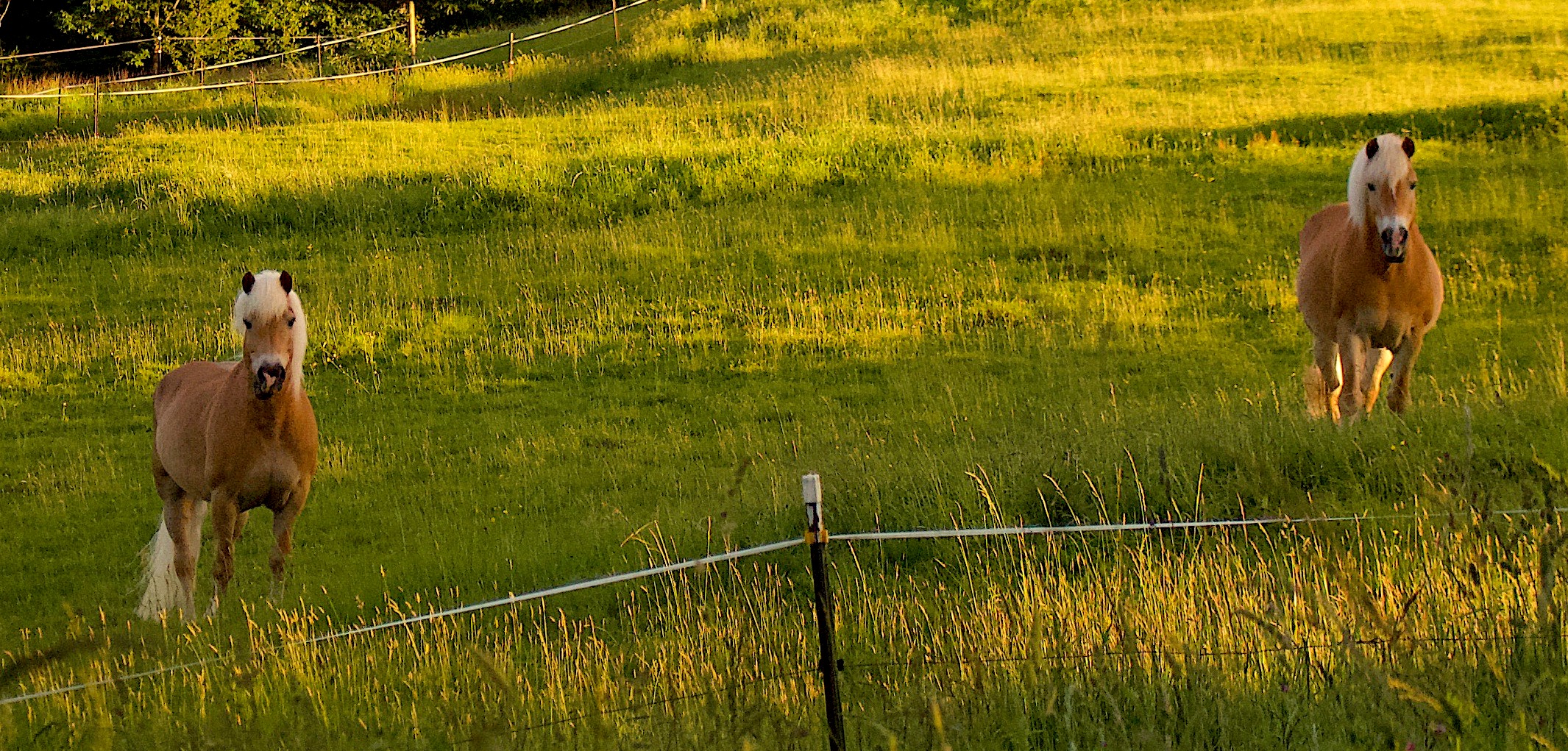
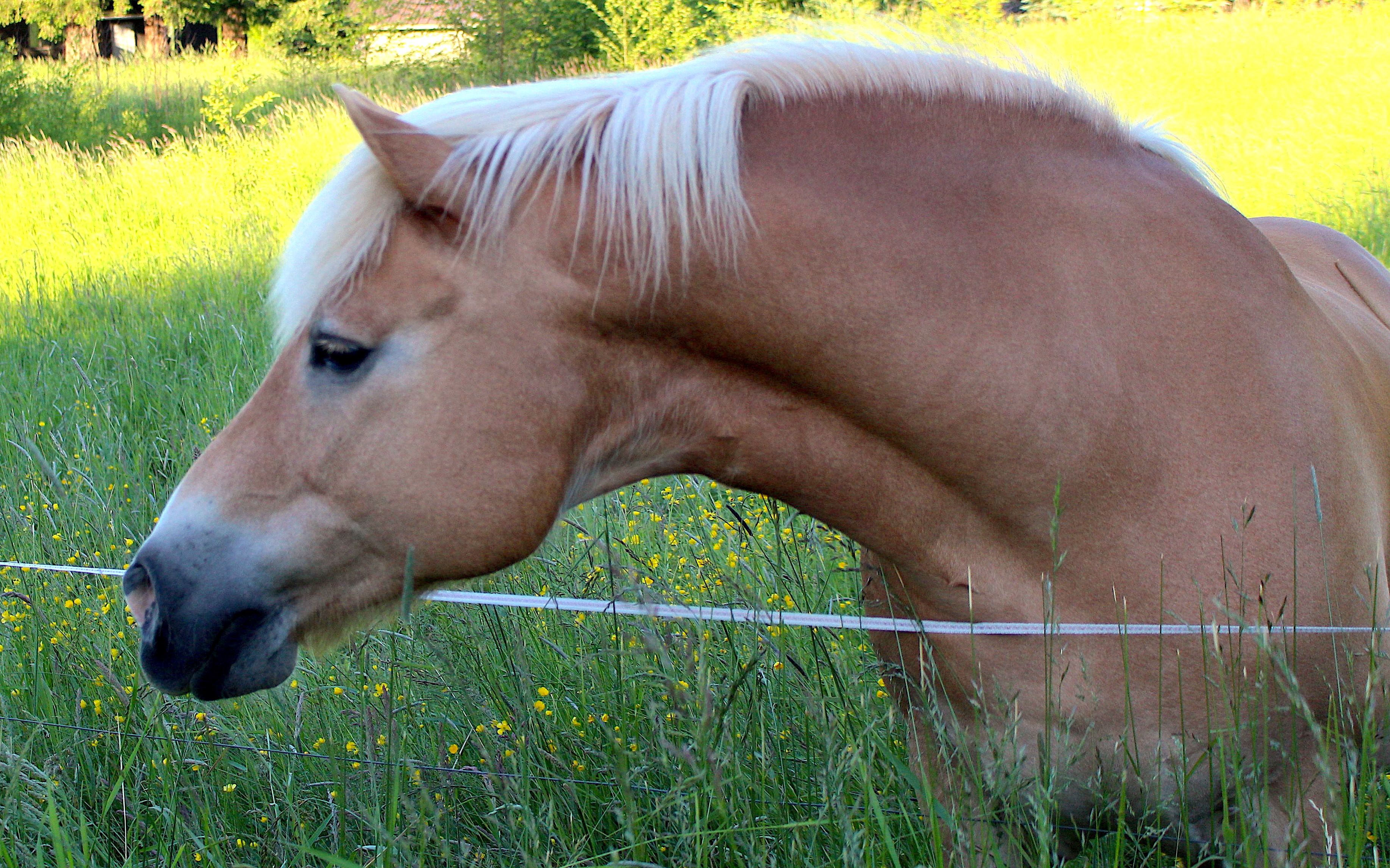
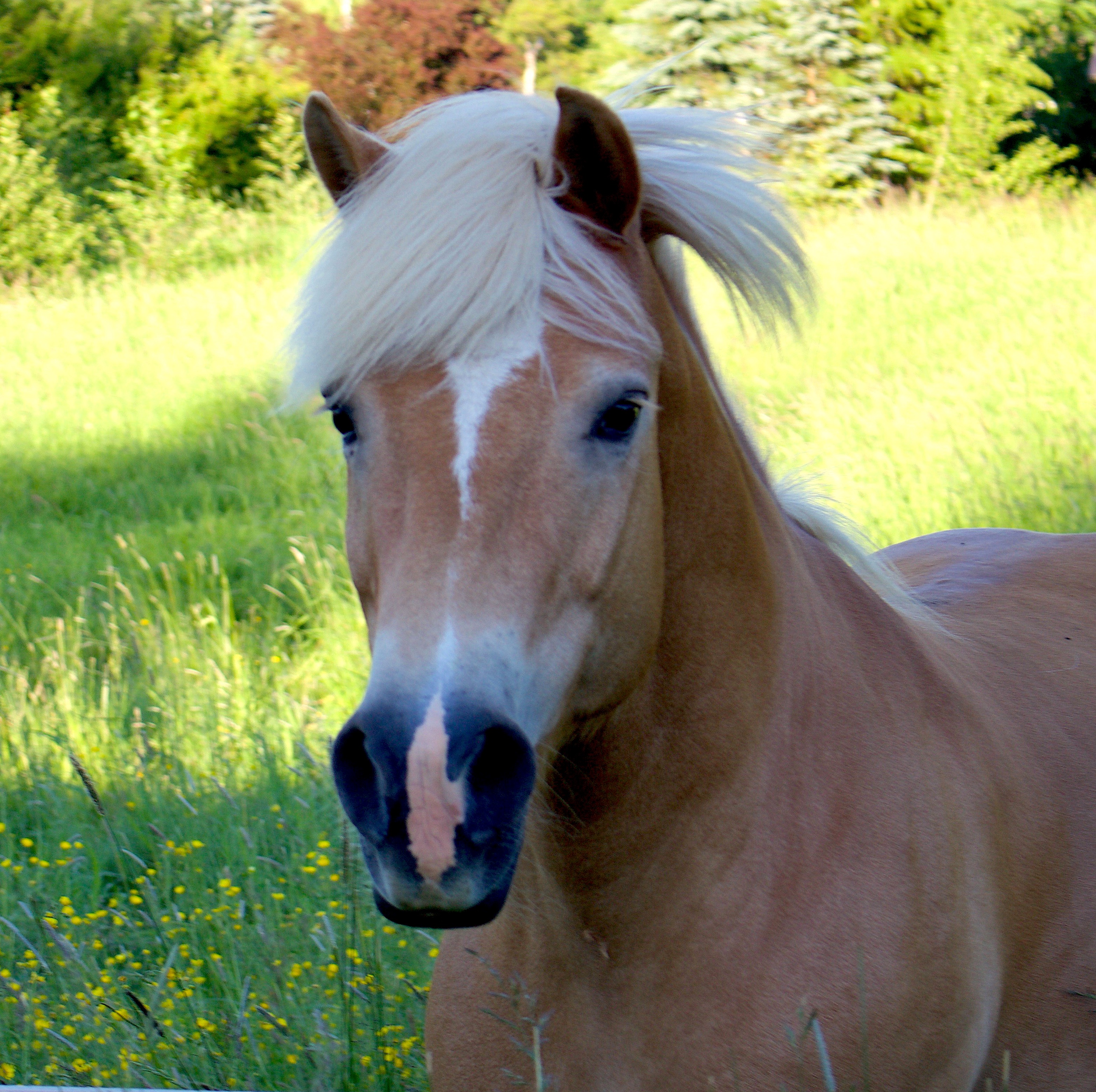
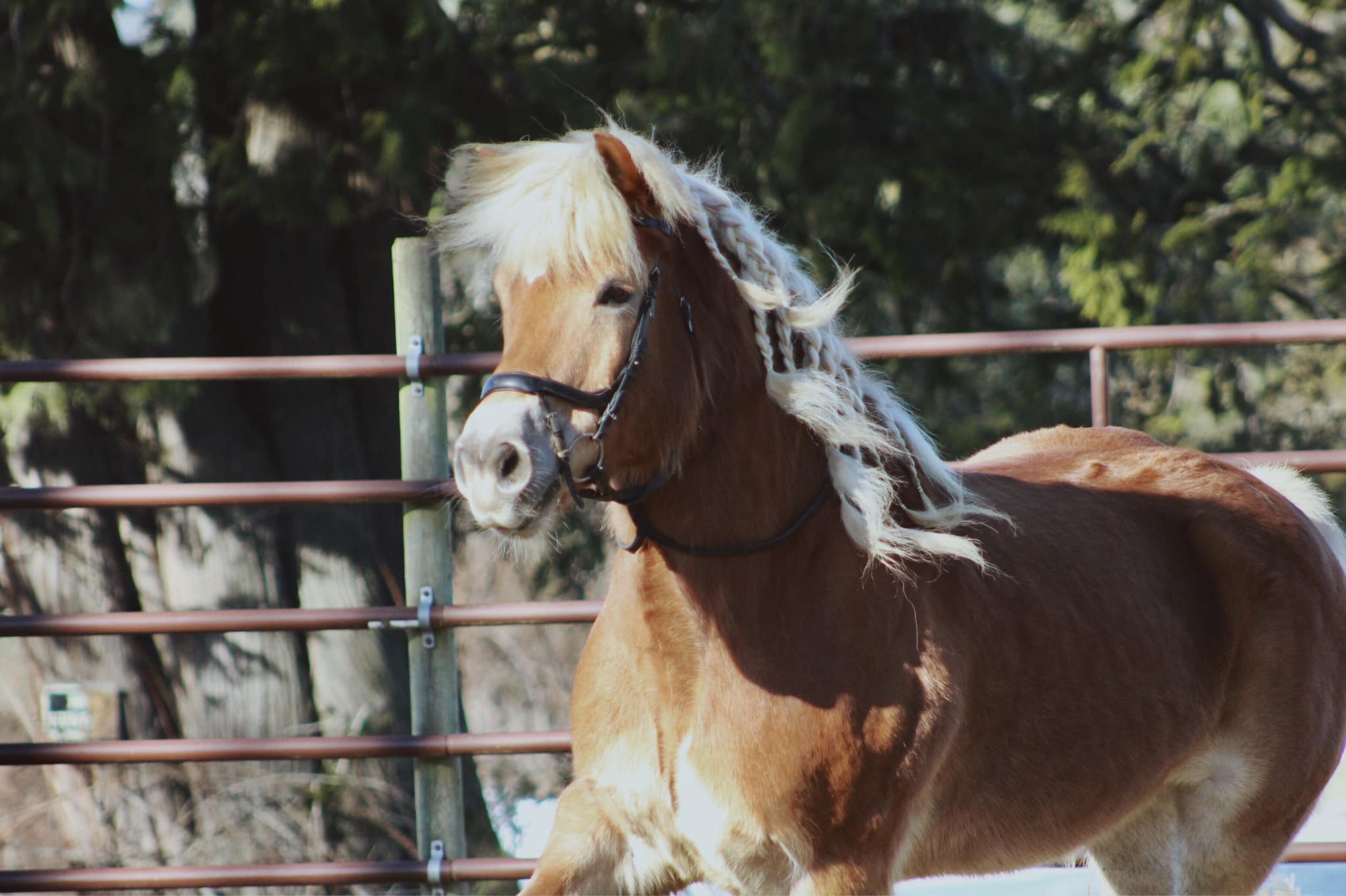
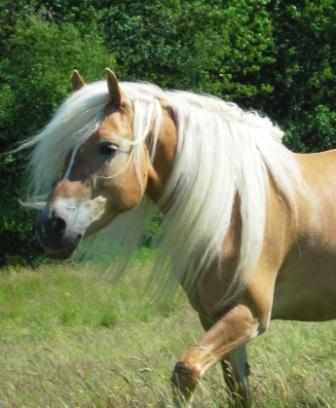
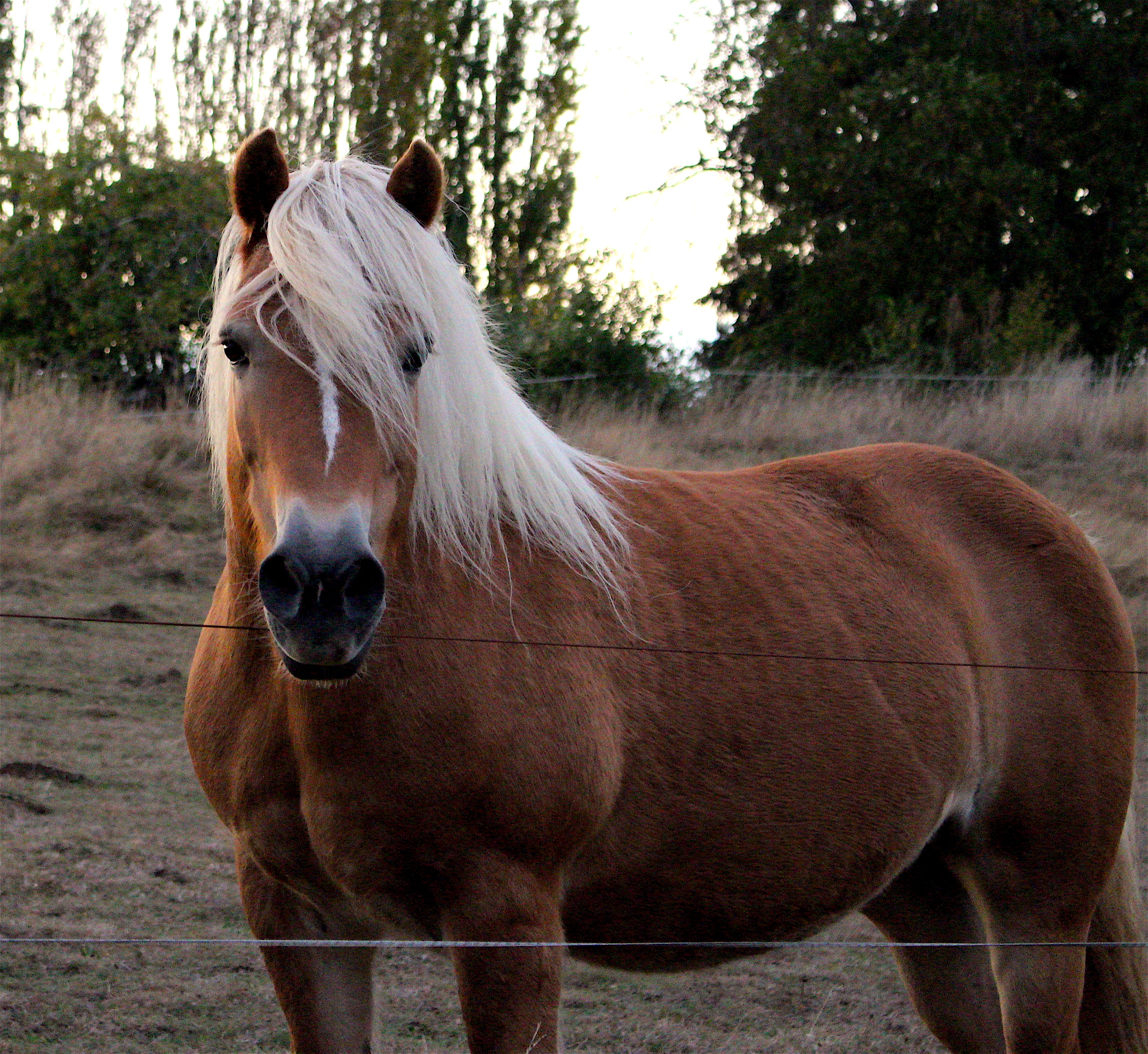
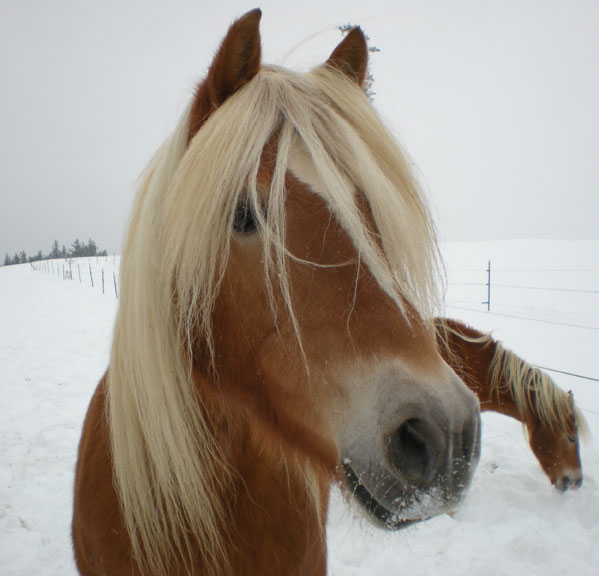
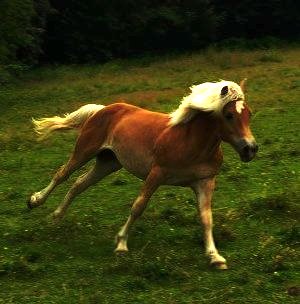
The Haflingers don’t have much to say, but then … they don’t need to.
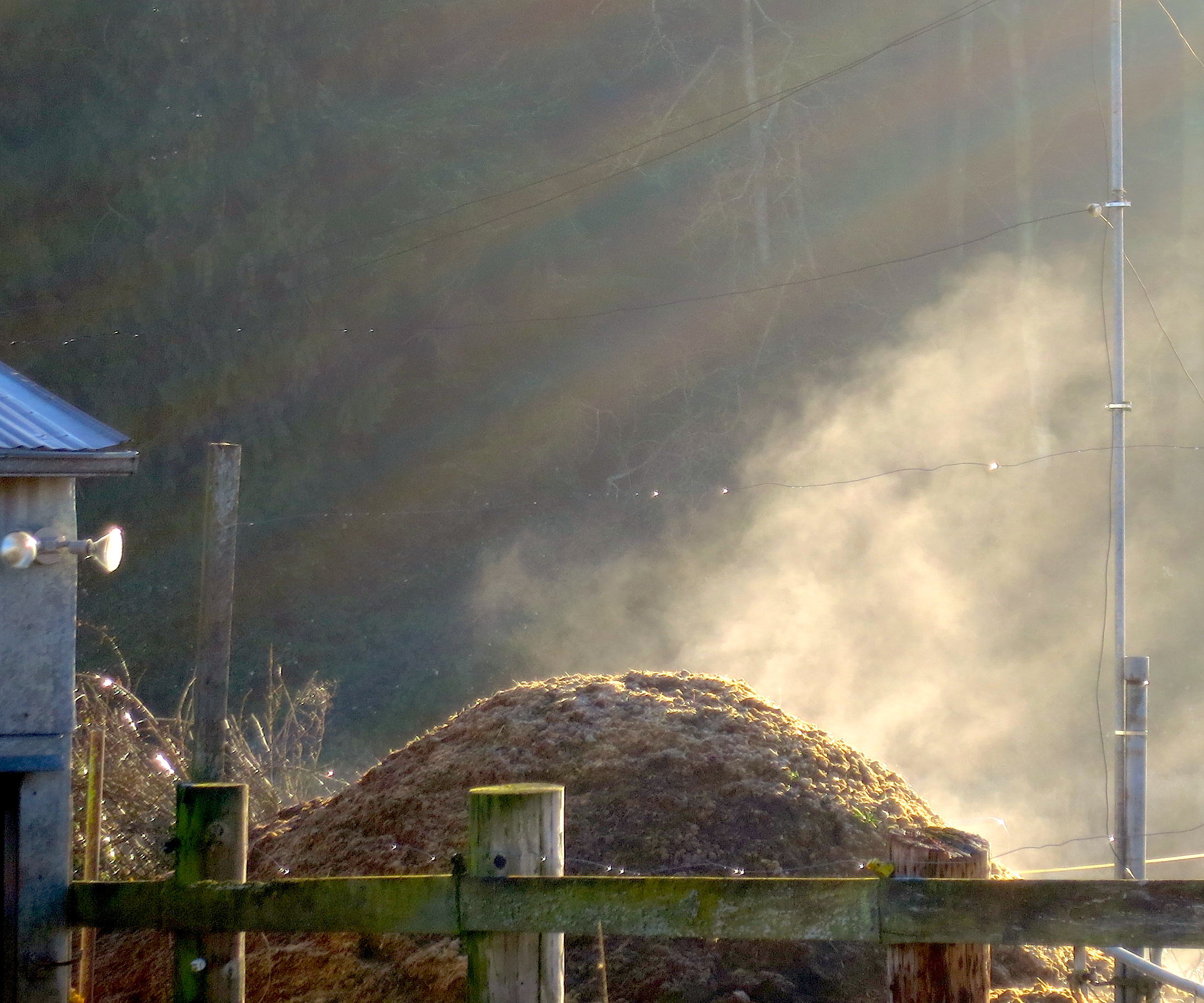
In a dry wind like this, snow and ice can pass directly into the air as a gas without having first melted to water. This process is called sublimation; tonight the snow in the yard and the ice in the creek sublime. A breeze buffets my palm held a foot from the wall. A wind like this does my breathing for me: it engenders something quick and kicking in my lungs. Pliny believed the mares of the Portuguese used to raise their tails to the wind, ‘and turn them full against it, and so conceive that genital air instead of natural seed; in such sort, as they become great withal, and quicken in their time, and bring forth foals as swift as the wind…’.
A single cell quivers at a windy embrace; it swells and splits, it bubbles into a raspberry; a dark clot starts to throb. Soon something perfect is born. Something wholly new rides the wind, something fleet and fleeting I’m likely to miss. ~Annie Dillard from Pilgrim at Tinker Creek
Whenever we have a blowing northeaster, I assumed that our snow simply blew southwest and we were left with nothing but a skiff of white here. But I was wrong. The snow and ice are sublimated, disappearing into the air as vapor.
I wish I could be so transformed, blown into something wholly new and free, not tethered and earth-bound.
Our Creator God does just that: we are so very sublime through the power of His breath.
…horses whose bellies are grain-filled, whose long-ribbed loneliness can be scratched into no-longer-lonely. ~Jane Hirshfield from The Love of Aged Horses
(originally written ~20 years ago)
Settling down into the straw, I am grateful for this quiet moment after a 12 hour workday followed by all the requisite personal conversations that help mop up the spills and splatters of every day life. My family has verbally unloaded their day like so much stored up laundry needing to be washed and rinsed with the spin cycle completed before tomorrow dawns. I moved from child to child to child to husband to grandmother, hoping to help each one clean, dry, fold and sort everything in their pile. Not to be outdone, I piled up a little dirty laundry of my own as I complain about my day.
By that time I’m on “spent” cycle myself and seeking a little “alone” time. I retreat to the barn where verbal communication isn’t necessary. Instead, I need to just sit quietly, watching what happens around me.
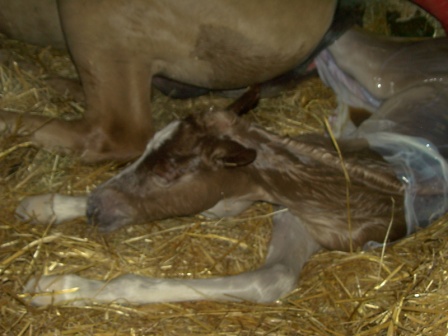
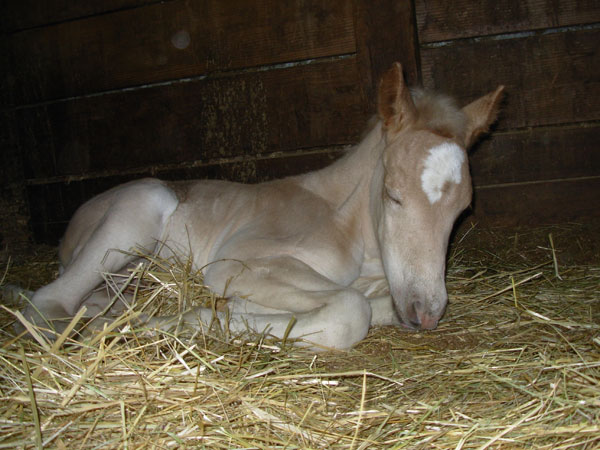
A new foal and his vigilant mama watch my every move.
This colt is intrigued by my intrusion into his 12′ x 24′ world. His mother is annoyed. He comes over to sniff my foot and his mother swiftly moves him away with a quick swing of her hips, daunting me with the closeness of her heels. Her first instinct insists she separate me from him and bar my access. My mandate is to woo her over. I could bribe her with food and sweet talk, but, no, that is too easy.
A curry comb is best. If nothing else will work, a good scratching always does. Standing up, I start peeling sheets of no longer needed winter hair off her neck, her sides, her flank and hindquarter. She relaxes in response to my efforts, giving her baby a body rub with her muzzle, wiggling her lips all up and down from his back to his tummy. He is delighted with this spontaneous mommy massage and leans into her, moving around so his hind end is under her mouth and his front end is facing me. Then he starts giving his own version of a massage too, wiggling his muzzle over my coat sleeve and wondrously closing this little therapeutic triangle, all of us “scratched into no-longer-lonely.”
Here we are, a tight little knot of givers/receivers with horse hair flying in a cloud about us. One weary human, one protective mama mare and one day-old foal, who is learning so young how to contribute to the well being of others. It is an incredible gift of trust they bestow on me like a blessing. I realize this horse family is helping me sort my own laundry in the same way I had helped with my human family’s load.
Too often in life we confine our lonely selves in painful triangles, passing our kicks and bites down the line to each other rather than providing nurture and respite. We find ourselves unable to wrench free from continuing to deliver the hurts we’ve just received. What strength it takes to respond with kindness when the kick has just landed on our backside. How chastened we feel when a kindness is directed at us, as undeserving as we are after having bitten someone hard.
Instead of biting, try a gentle scratching. Instead of kicking, try tickling. Instead of fear, try acceptance. Instead of annoyance, try patience. Instead of piling up so much laundry of your own, try washing, folding and sorting what is dumped on you by others, handing it back all ready for the next day.
Just settle into the straw to watch and wait – amazing things will happen.
When I pull open the barn doors, every morning and each evening, as my grandparents did one hundred years ago, six rumbling voices rise in greeting. We exchange scents, nuzzle each others’ ears.
I do my chores faithfully as my grandparents once did– draw fresh water into buckets, wheel away the pungent mess underfoot, release an armful of summer from the bale, reach under heavy manes to stroke silken necks.
I don’t depend on our horses’ strength and willingness to don harness to carry me to town or move the logs or till the soil as my grandparents did.
Instead, these soft eyed souls, born on this farm almost three long decades ago, are simply grateful for my constancy morning and night to serve their needs until the day comes they need no more.
I depend on them to depend on me to be there to open the doors; their low whispering welcome gives voice to the blessings of living on a farm ripe with rhythms and seasons, as if today and tomorrow are just like one hundred years ago.
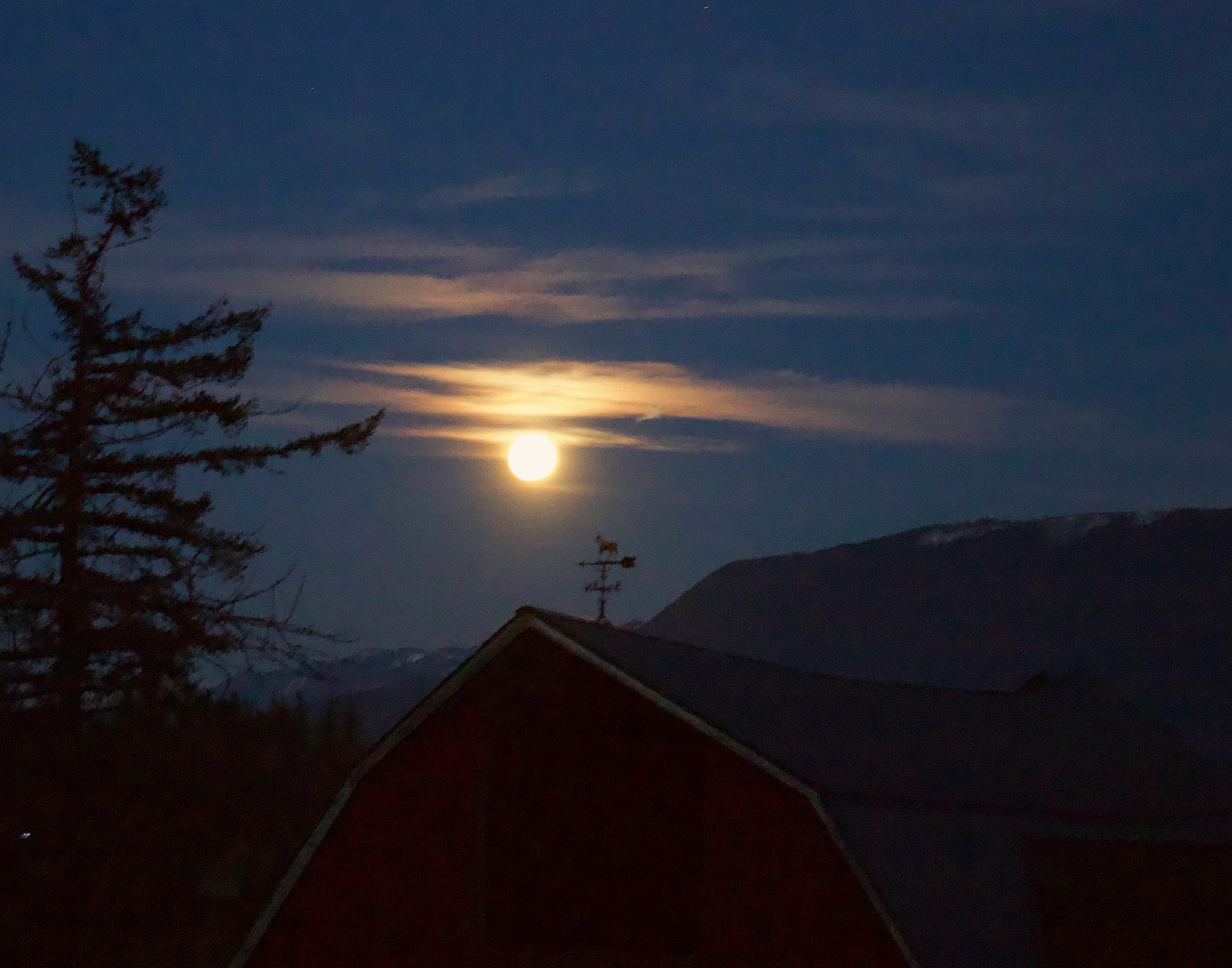
Deep in the grip of the midwinter cold The stars glitter and sparkle. All are asleep on this lonely farm, Deep in the winter night. The pale white moon is a wanderer, snow gleams white on pine and fir, snow gleams white on the roofs. Only tomten is awake.
Rubs his hand through his beard and hair, Shakes his head and his cap. Turns at his own command, Turns to the task at hand. He must appreciate what life he’s got By finding ways to tie time’s knot.
The ponies dream on in the cold moon’s light, Summer dreams in each stall. And free of harness and whip and rein, Tomten starts to twist and twirl each mane While the manger they drowse over Brims with fragrant clover.
Still is the forest and all the land, Locked in this wintry year. Only the distant waterfall Whispers and sighs in his ear. The tomten listens and, half in dream, Thinks that he hears Time’s endless stream, And wonders, how can its knots be bound? Where will its eternal source to be found? ~adapted from “Tomten” by Viktor Rydberg
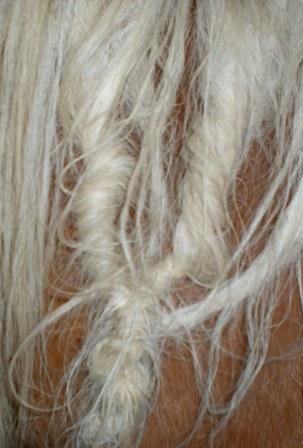
It is hard to say exactly when the first one moved in. This farm was distinctly gnome-less when we bought it, largely due to twenty-seven hungry barn cats residing here at the time, in various stages of pregnancy, growth, development and aging. It took awhile for the feline numbers to whittle down to an equilibrium that matched the rodent population. In the mean time, our horse numbers increased from three to seven to over fifteen with a resultant exponential increase in barn chores. One winter twenty years ago, I was surprised to walk in the barn one morning to find numerous complex knots tied in the Haflingers’ manes. Puzzling as I took precious time to undo them, (literally adding hours to my chores), I knew I needed to find the cause or culprit.
It took some research to determine the probable origin of these tight tangles. Based on everything I read, they appeared to be the work of Gernumbli faenilesi, a usually transient species of gnome called “tomtens” preferring to live in barns and haylofts in close proximity to heavy maned ponies. In this case, as the tangles persisted for months, they clearly had moved in, lock, stock and barrel. The complicated knots were their signature pride and joy, their artistic way of showing their devotion to a happy farm and trying to slow down time so they can stay in residence eternally.
All well and good, but the extra work was killing my fingers and thinning my horses’ hair. I plotted ways to get them to cease and desist.
I set live traps of cheese and peanut butter cracker sandwiches, hoping to lure them into cages for a “catch and release”. Hoping to drive them away, I played polka music on the radio in the barn at night. Hoping to be preemptive, I braided the manes up to be less tempting but even those got twisted and jumbled. Just as I was becoming ever more desperate and about to bring in more feral cats, the tangling stopped.
It appeared the tomtens had moved on to a more hospitable habitat. I had succeeded in my gnome eradication plan. Or so I thought.
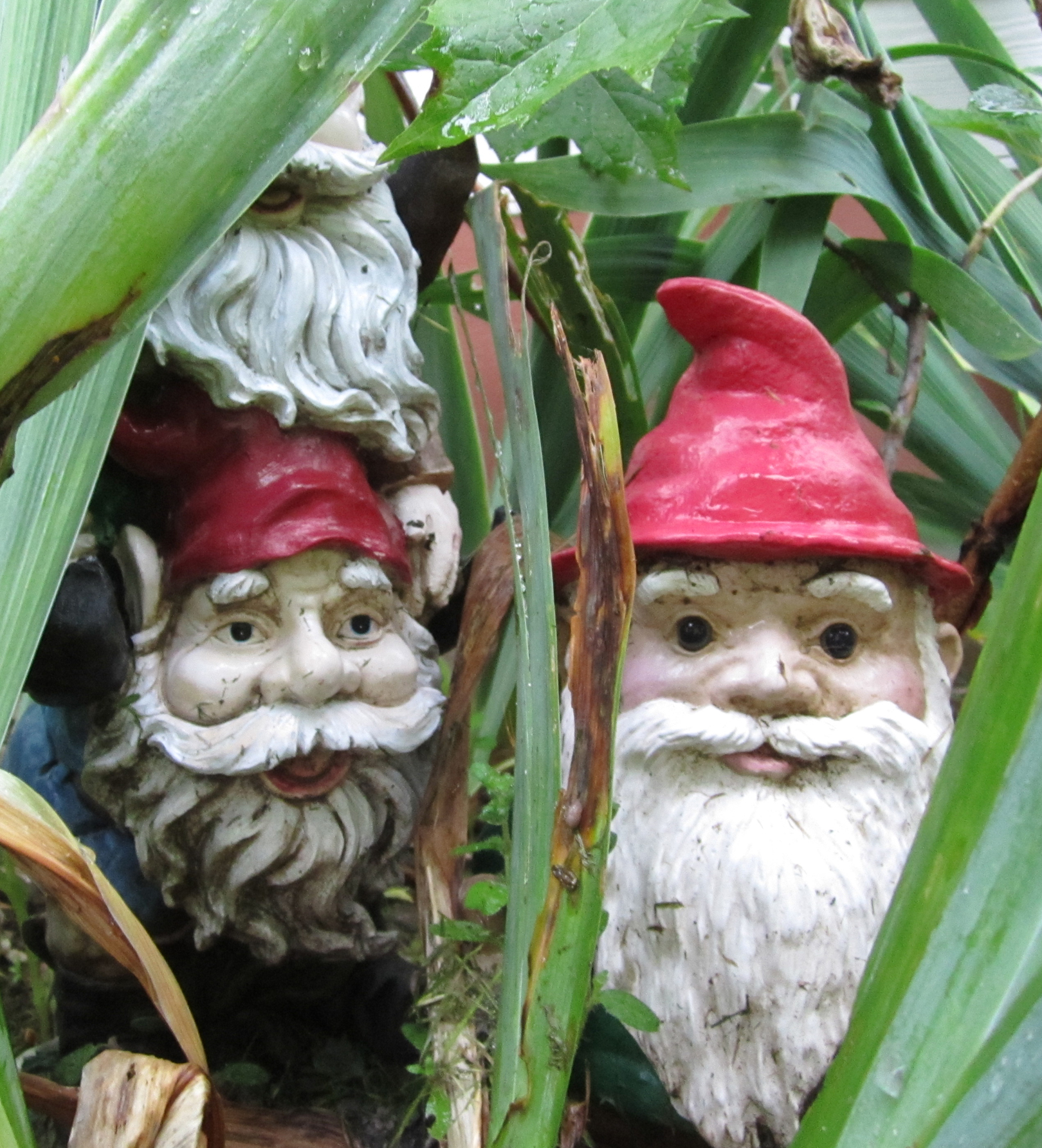
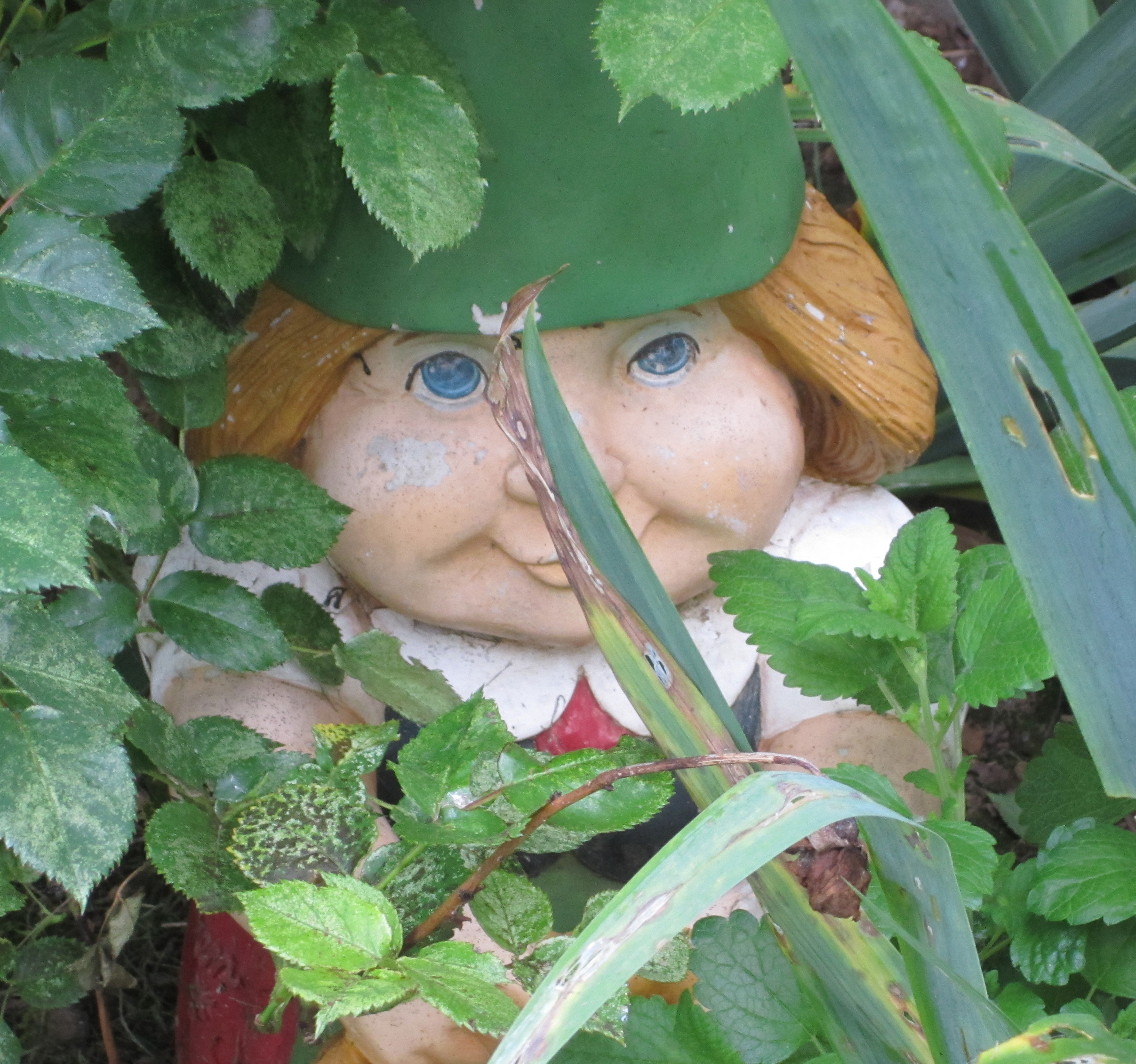
Not long after, I had the distinct feeling of being watched as I walked past some rose bushes in the yard. I stopped to take a look, expecting to spy the shining eyes of one of the pesky raccoons that frequents our yard to steal from the cats’ food dish. Instead, beneath the thorny foliage, I saw two round blue eyes peering at me serenely. This little gal was not at all intimidated by me, and made no move to escape. She was an ideal example of Gernumbli gardensi, a garden gnome known for their ability to keep varmints and vermin away from plants and flowers. They also happen to actively feud with Gernumbli Faenilesi so that explained the sudden disappearance of my little knot-tying pests in the barn.
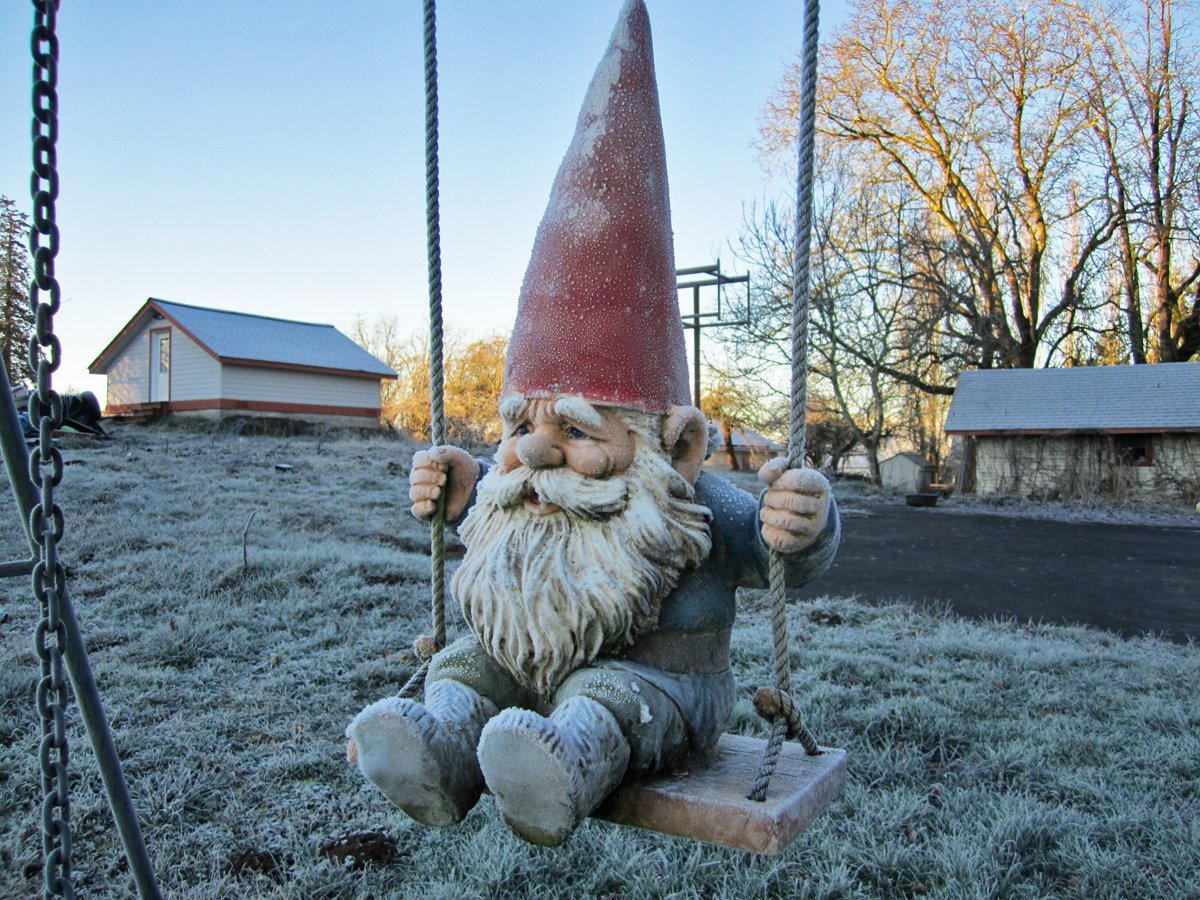
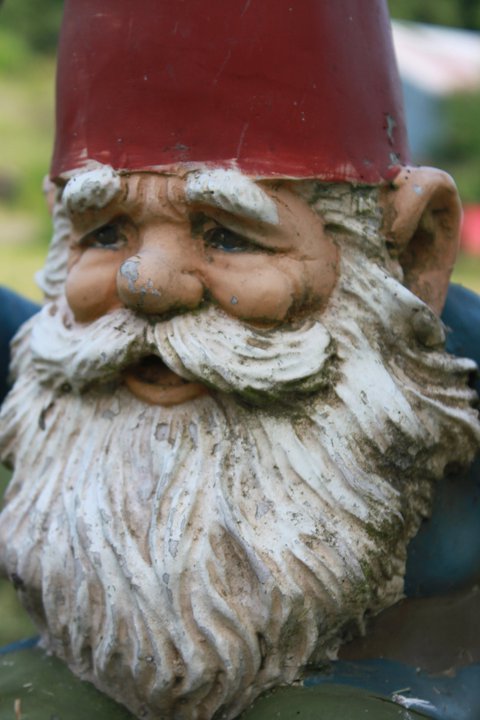
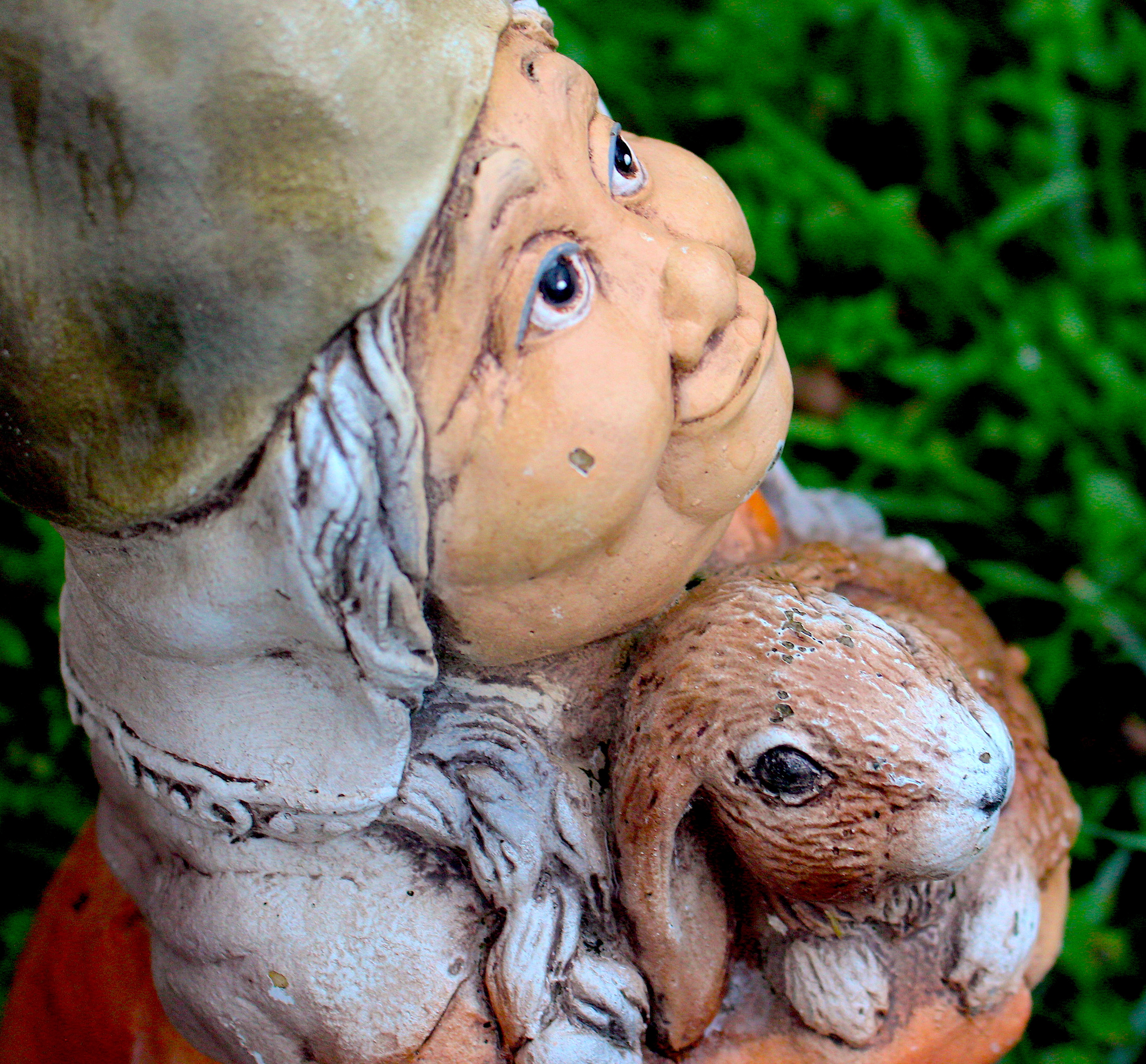
It wasn’t long before more Gardensi moved in, a gnomey infestation. They tended to arrive in pairs and bunches, liked to play music, smoked pipes, played on a teeter totter, worked with garden tools, took naps on sun-warmed rocks and one even preferred a swing. They are a bit of a rowdy bunch but I enjoy their happy presence and jovial demeanor.
As long as they continue to coexist peaceably with us and each other, keep the varmints and their knot tying cousins away, and avoid bad habits and swear words, I’m quite happy they are here. Actually, I’ve given them the run of the place. I’ve been told to be cautious as there are now news reports of an even more invasive species of gnome, Gernumbli kitschsi, that could move in and take over if I’m not careful.
I shudder to think. One has to consider the neighborhood.
She lingered in that charming little garden to say hello to the gnomes, such a glorious infestation! How few wizards realize just how much we can learn from the wise little gnomes-or, to give them their correct names, the Gernumbli gardensi. ‘Ours do know a lot of excellent swear words,’ said Ron… ~J.K. Rowling in Harry Potter and the Deathly Hallows
You never know what may cause them. The sight of the ocean can do it, or a piece of music, or a face you’ve never seen before. A pair of somebody’s old shoes can do it. Almost any movie made before the great sadness that came over the world after the Second World War, a horse cantering across a meadow…
You can never be sure. But of this you can be sure.Whenever you find tears in your eyes, especially unexpected tears, it is well to pay the closest attention. They are not only telling you something about the secret of who you are, but more often than not God is speaking to you through them of the mystery of where you have come from and is summoning you to where, if your soul is to be saved, you should go next. ~Frederick Buechner fromWhistling in the Dark
photo by Emily Vander Haak
I’m not paying close enough attention to the meaning of my leaking eyes if I’m constantly looking for kleenex to stem the flow. During the holidays it seems I have more than ample opportunity to find out the secret of who I am, where I have come from and where I am to be next.
So I keep my pockets loaded with kleenex.
It mostly has to do with welcoming family members back home for the holidays to become a full-out noisy messy chaotic household again, with puzzles and games and music and laughter and laundry and meal preparation. It is about singing grace together before a meal in five-part harmony and choking on precious words of gratitude. It is about remembering the drama of our youngest’s birthday twenty six years ago today, when she was saved by a snowstorm.
It certainly has to do with bidding farewell again as we will this weekend, gathering them all in for that final hug and then letting go.
We urge and encourage them to go where their hearts are telling them they are needed and called to be, even if that means thousands of miles away from their one-time home on the farm.
I too was let go once and though I would try to look back, too often in tears, I set my face toward the future. It led me here, to this marriage, this family, this farm, this work, our church, to more tears, to more letting go if I’m granted more years to weep again and again with gusto and grace.
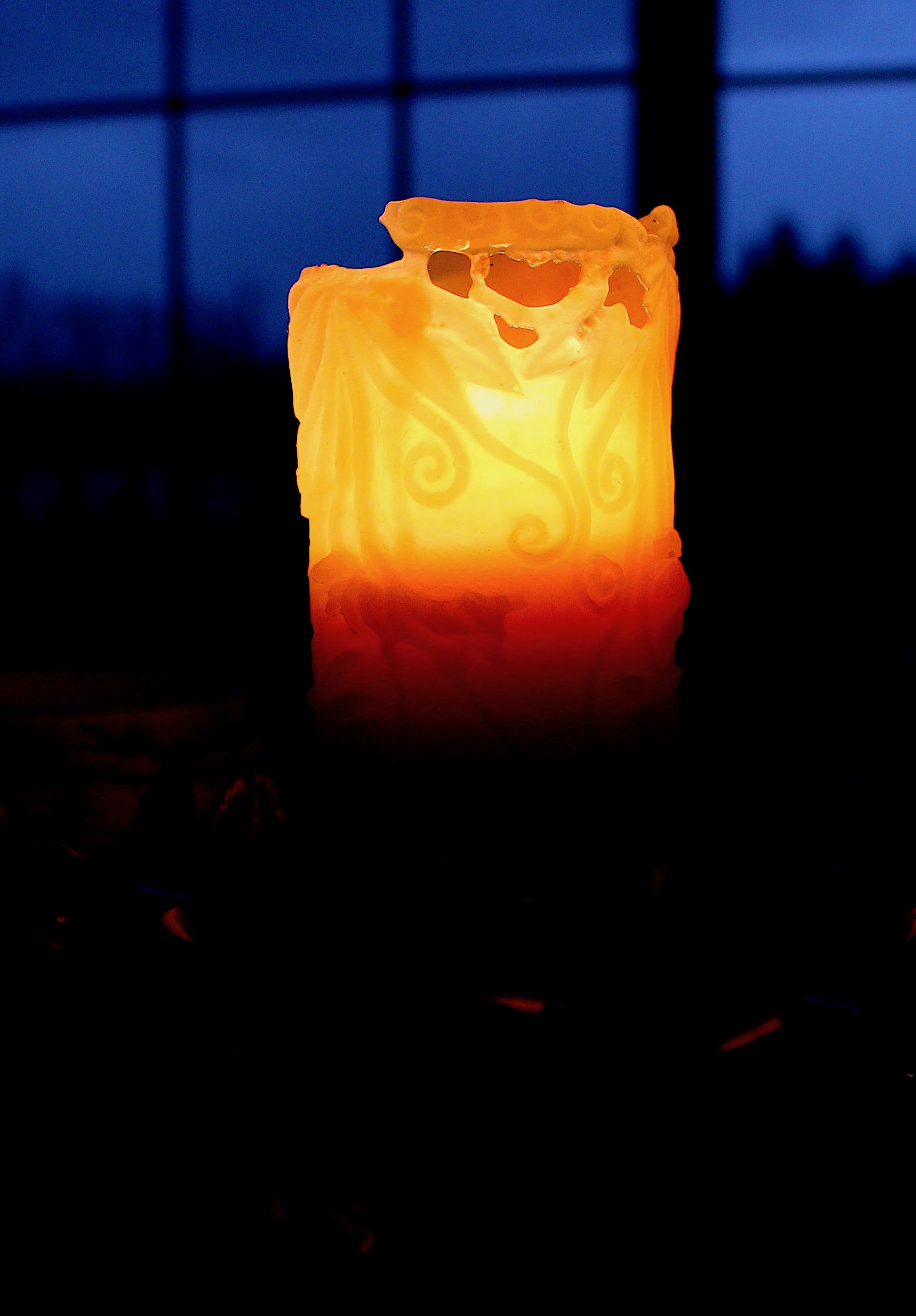
This is the secret of me: to love so much and so deeply that letting go is so hard that tears are no longer unexpected or a mystery to me or my children and grandchildren. They are the spill-over of fullness that can no longer be contained: God’s still small voice spills down my cheeks drop by drop like wax from a burning candle.















 Barnstorming