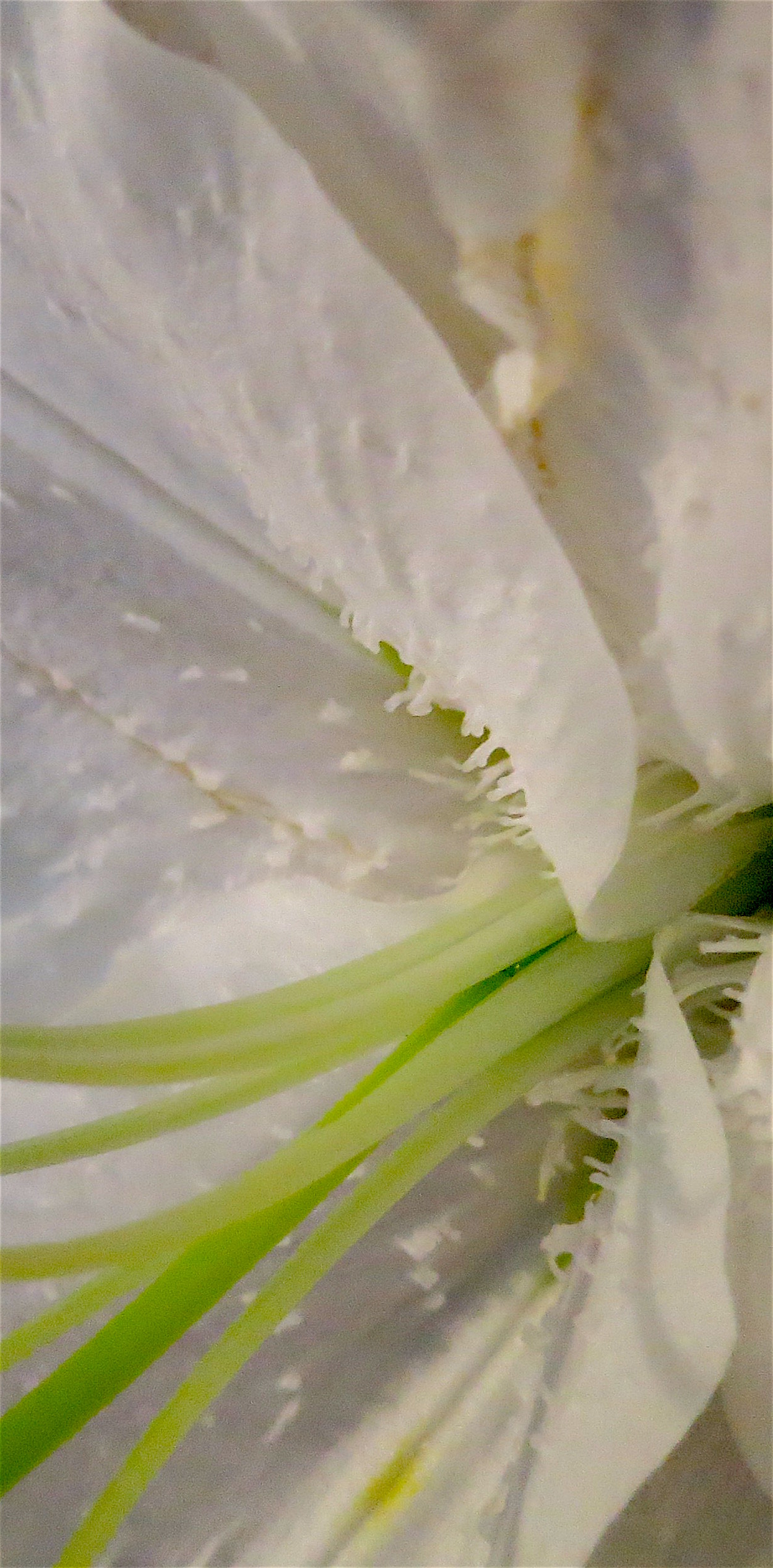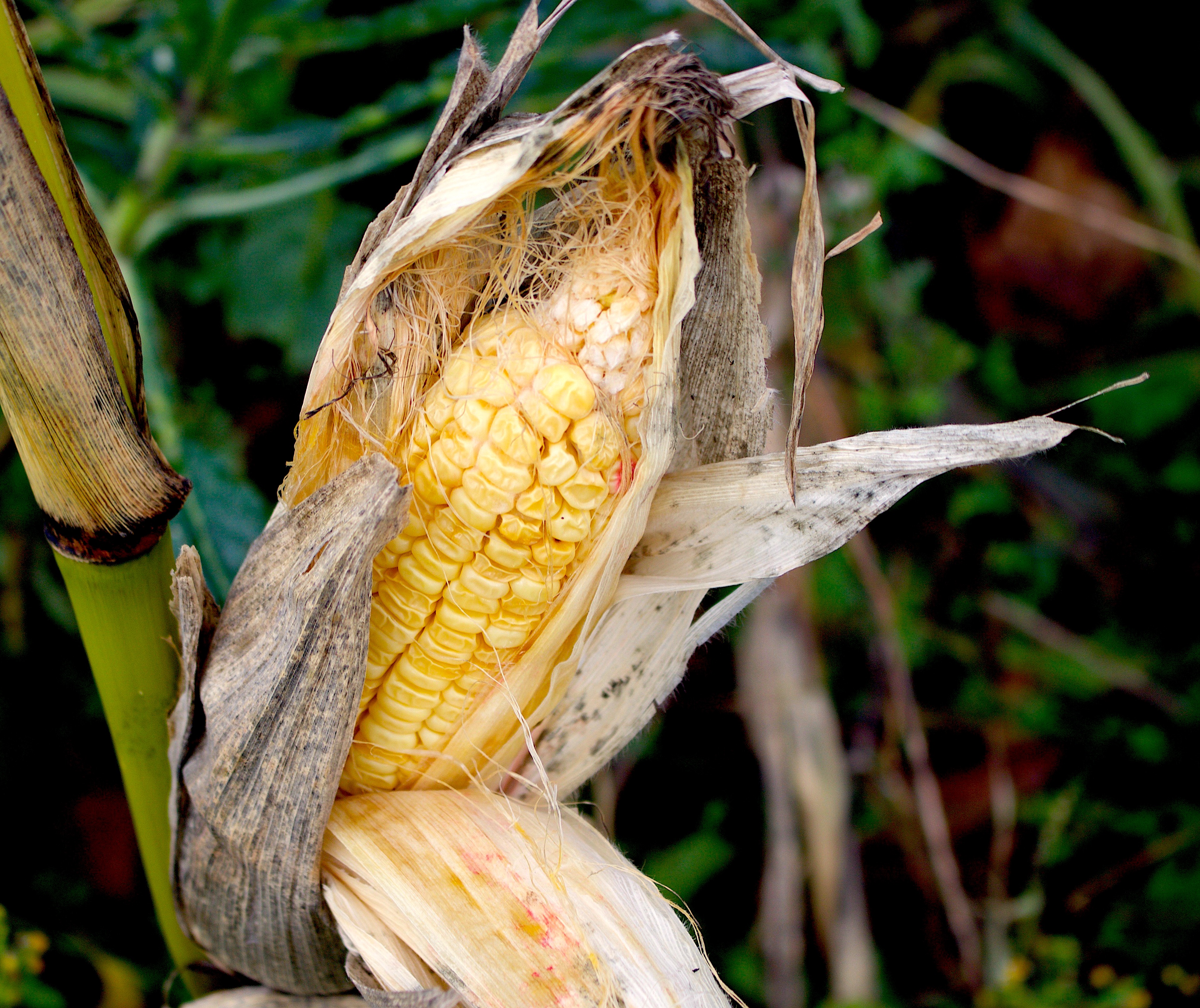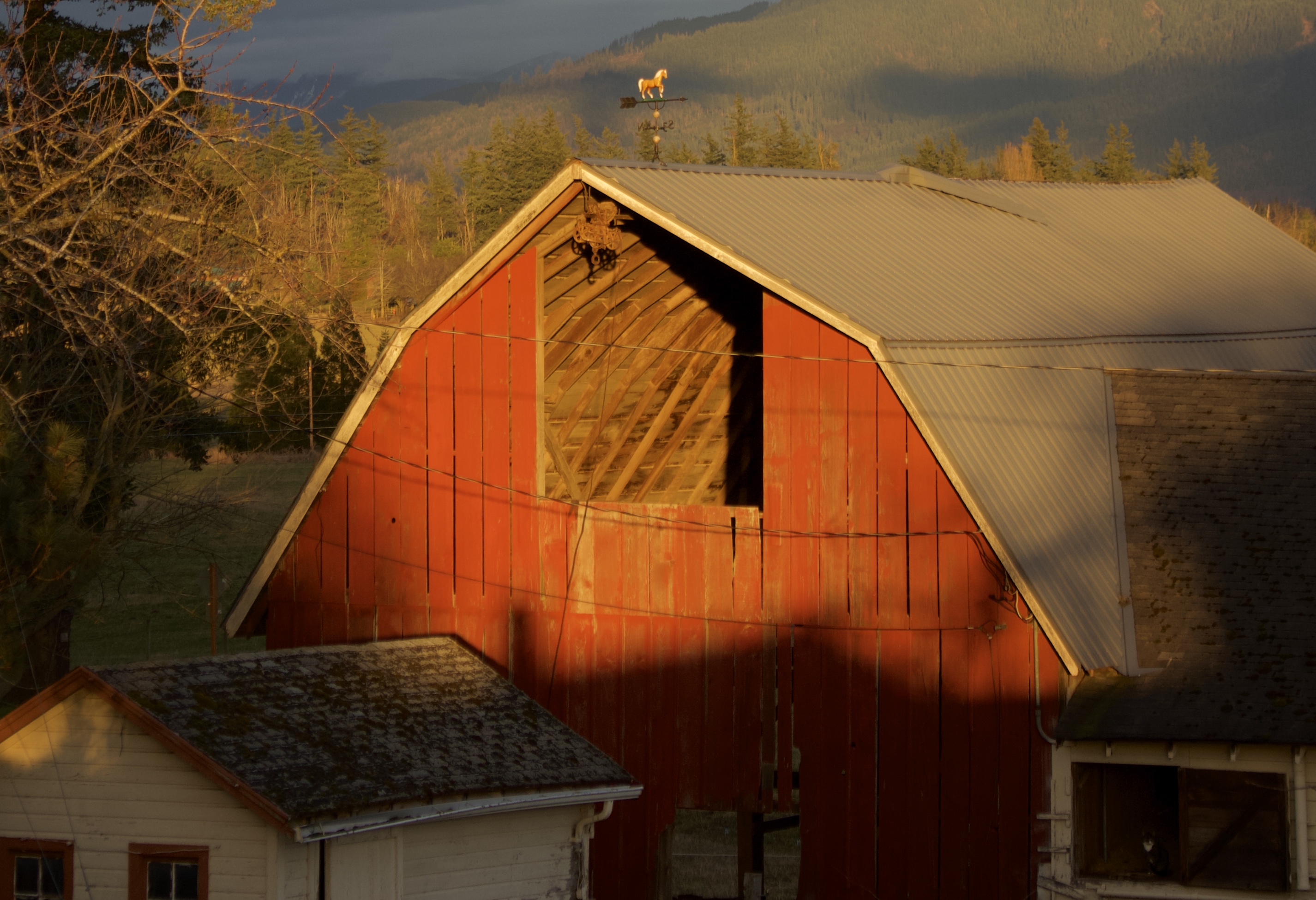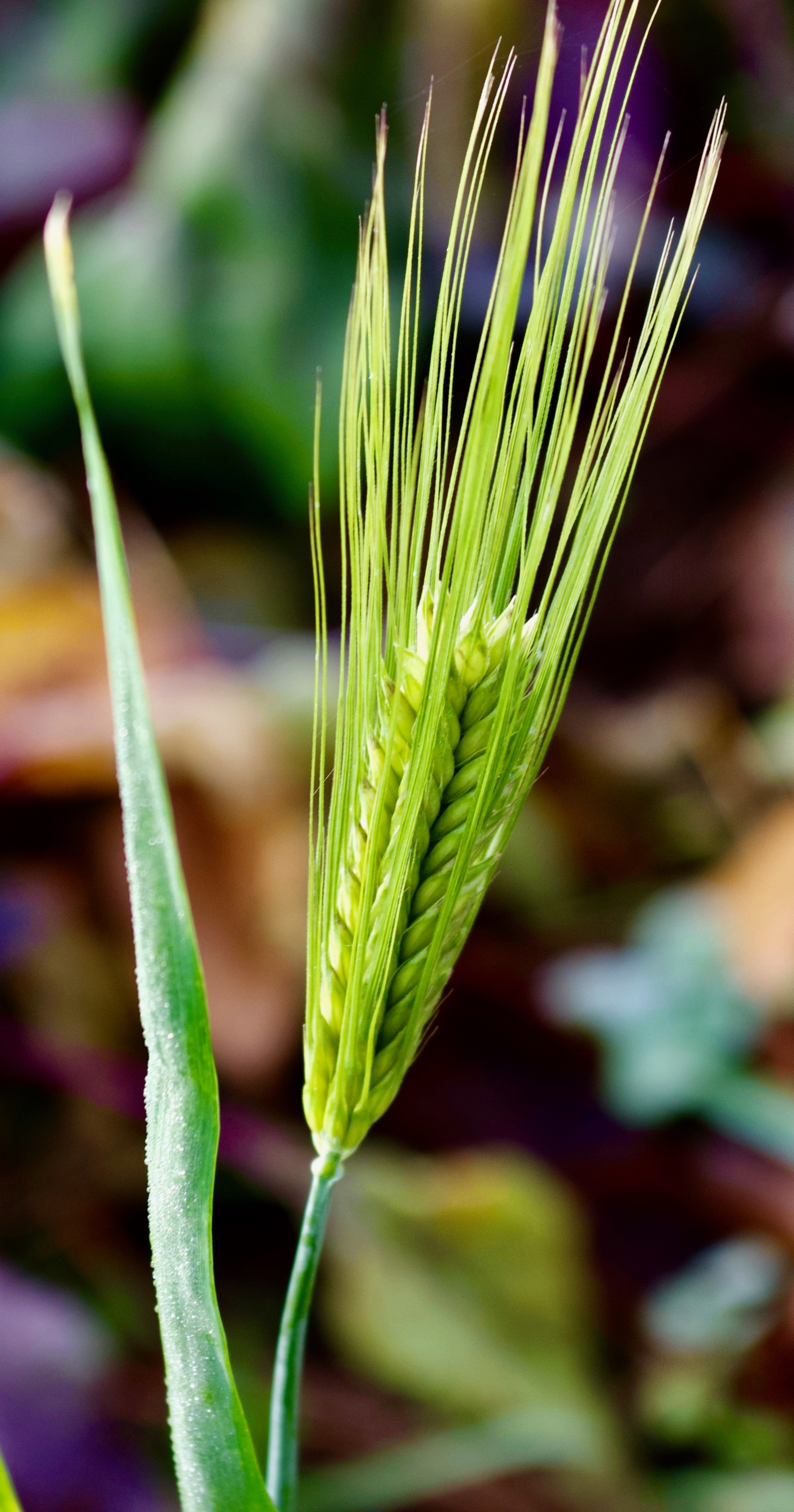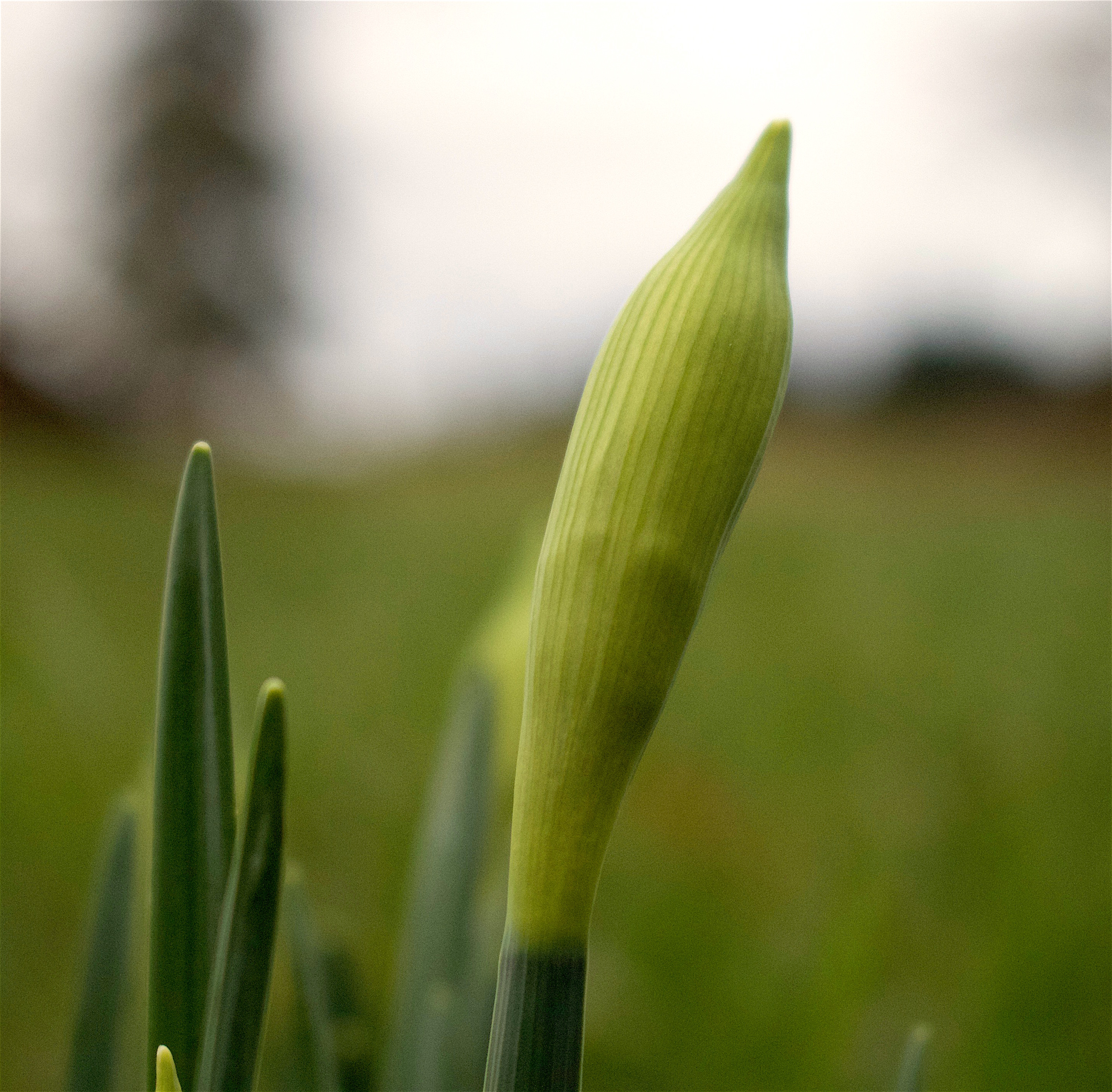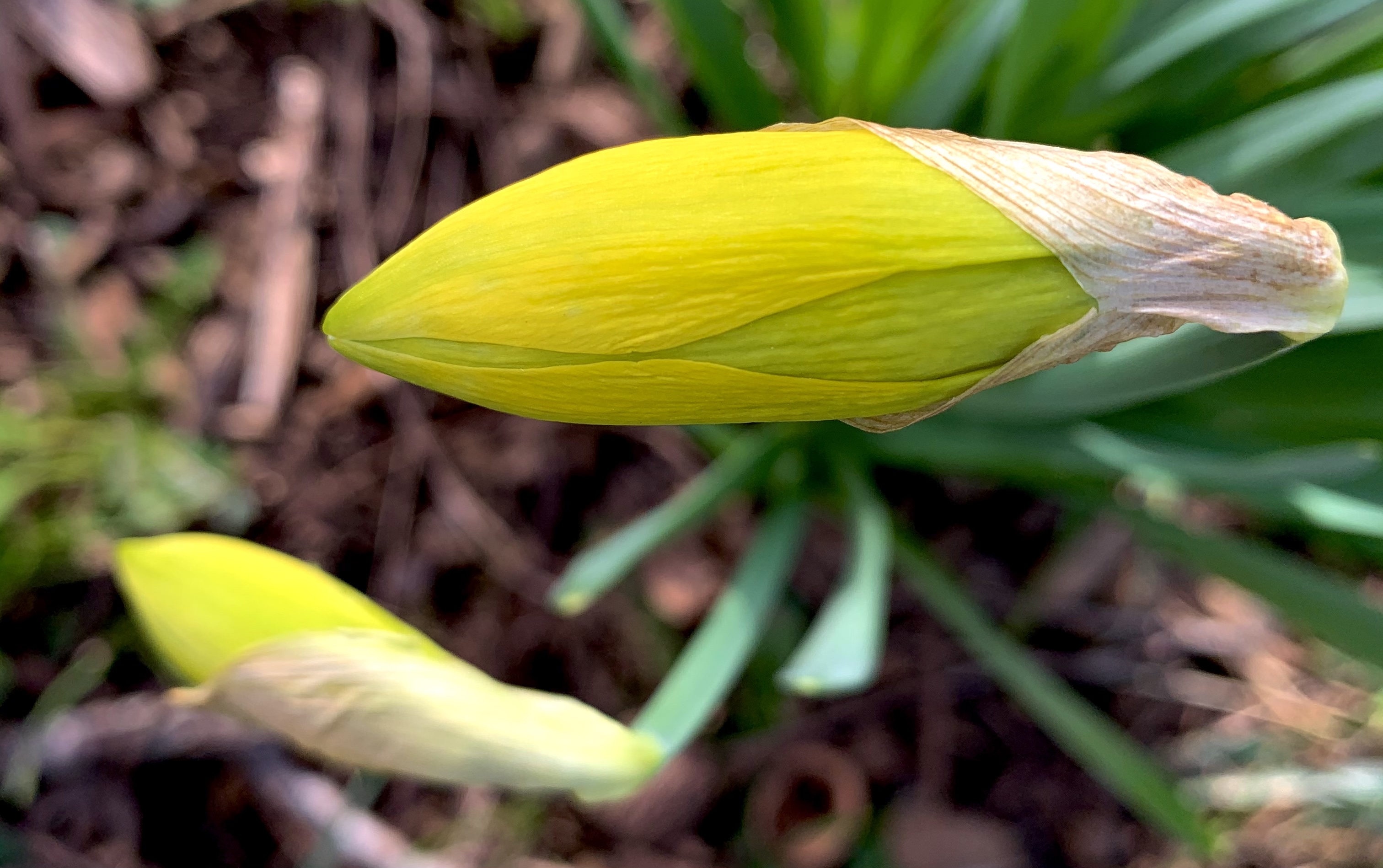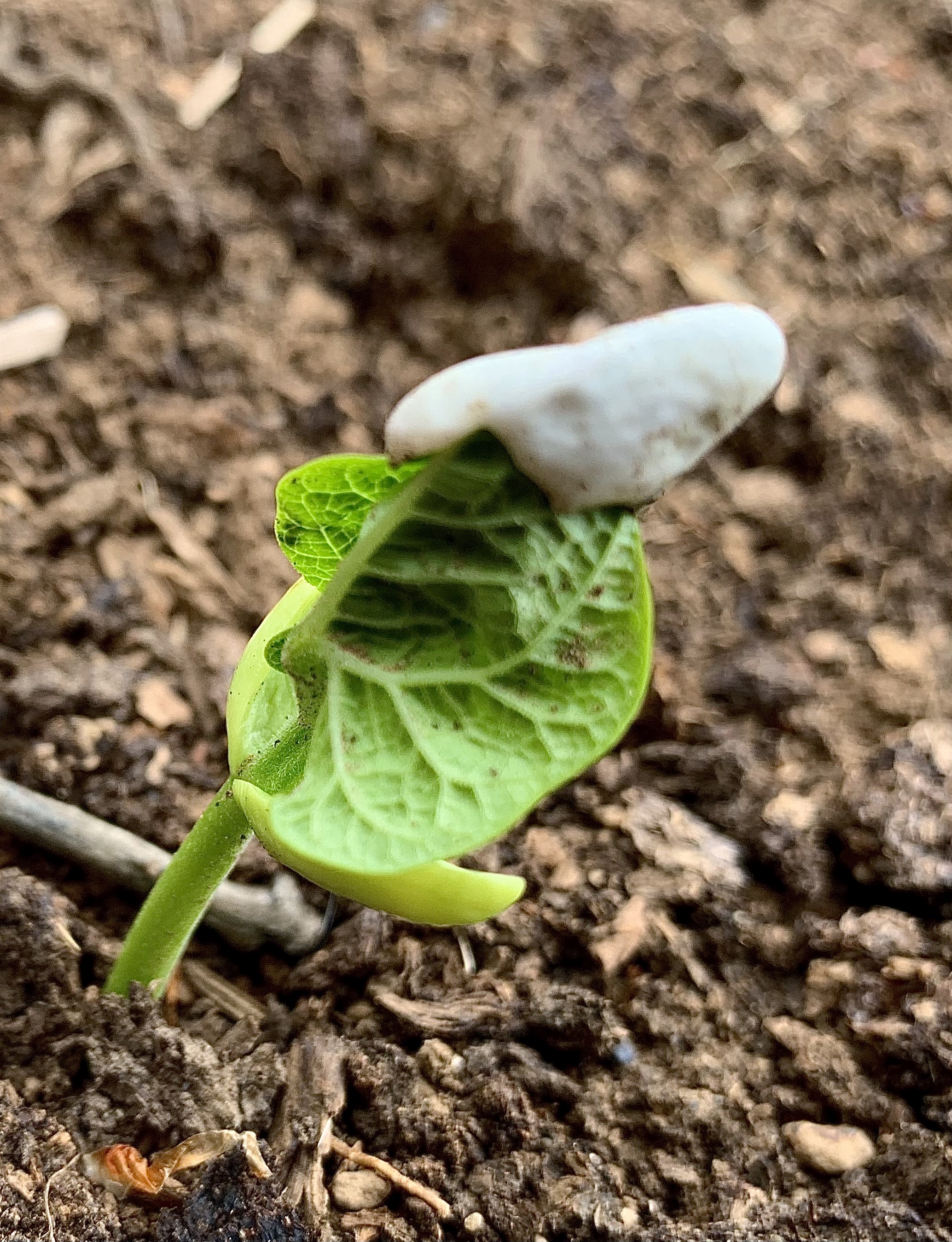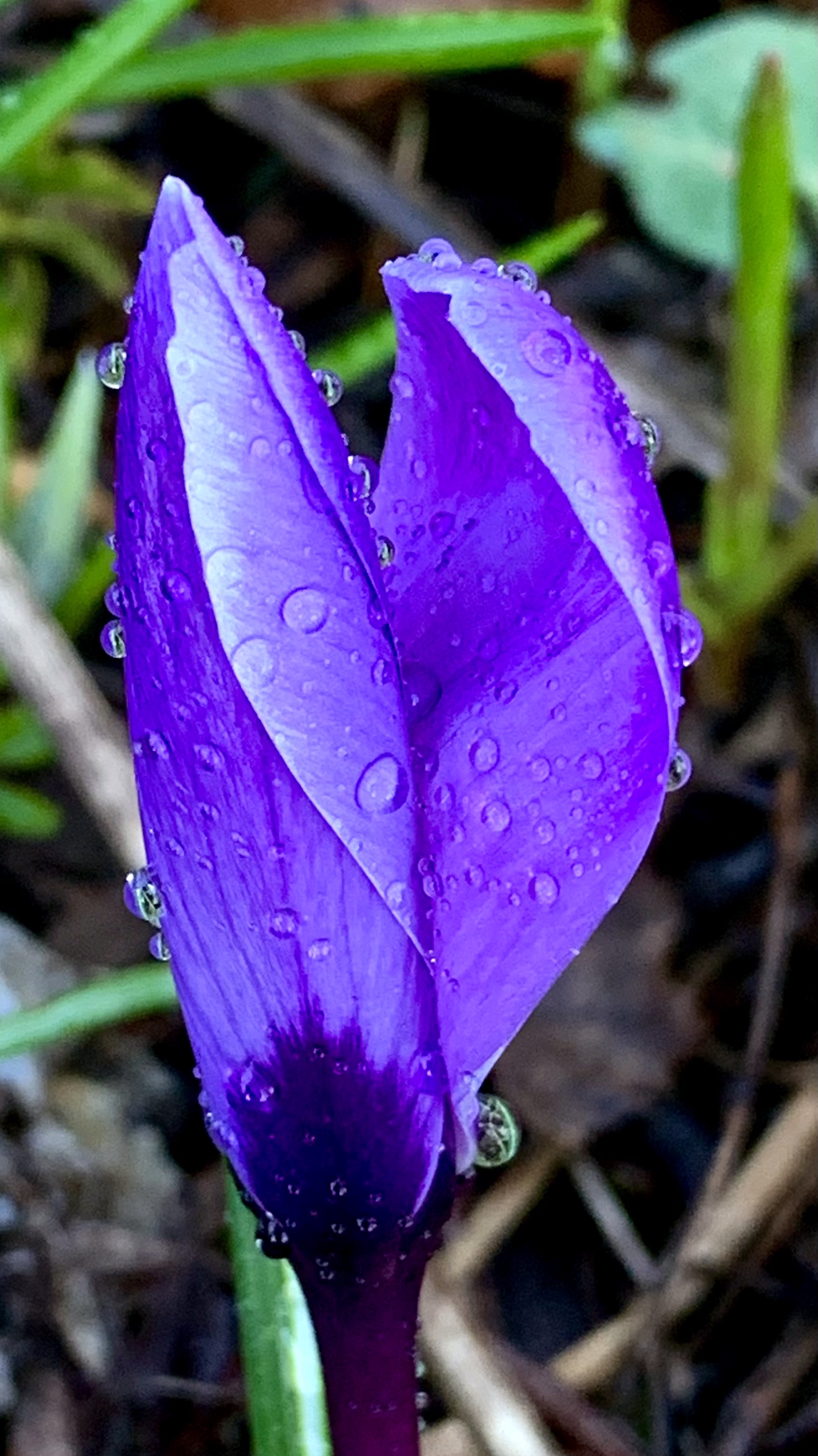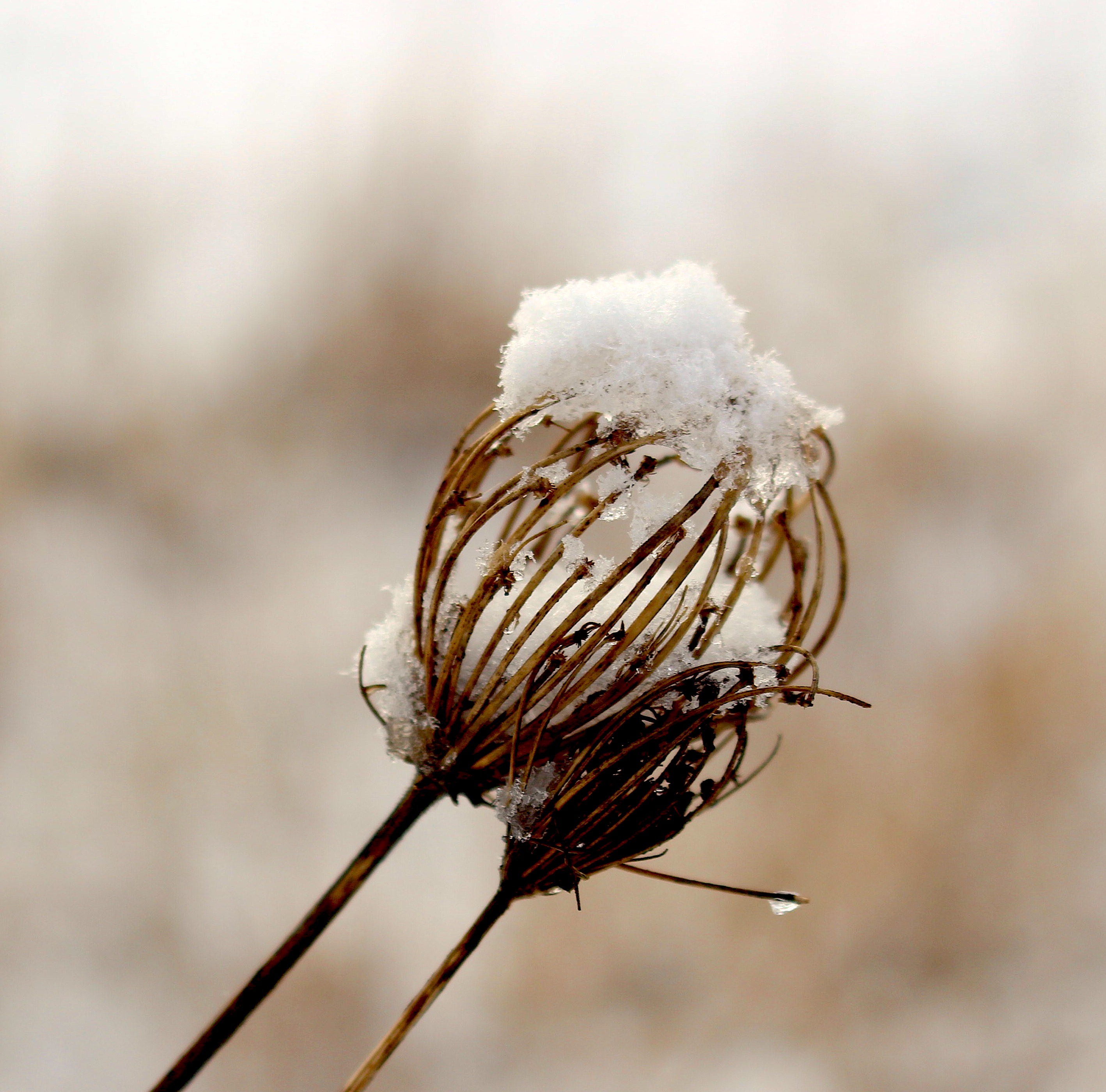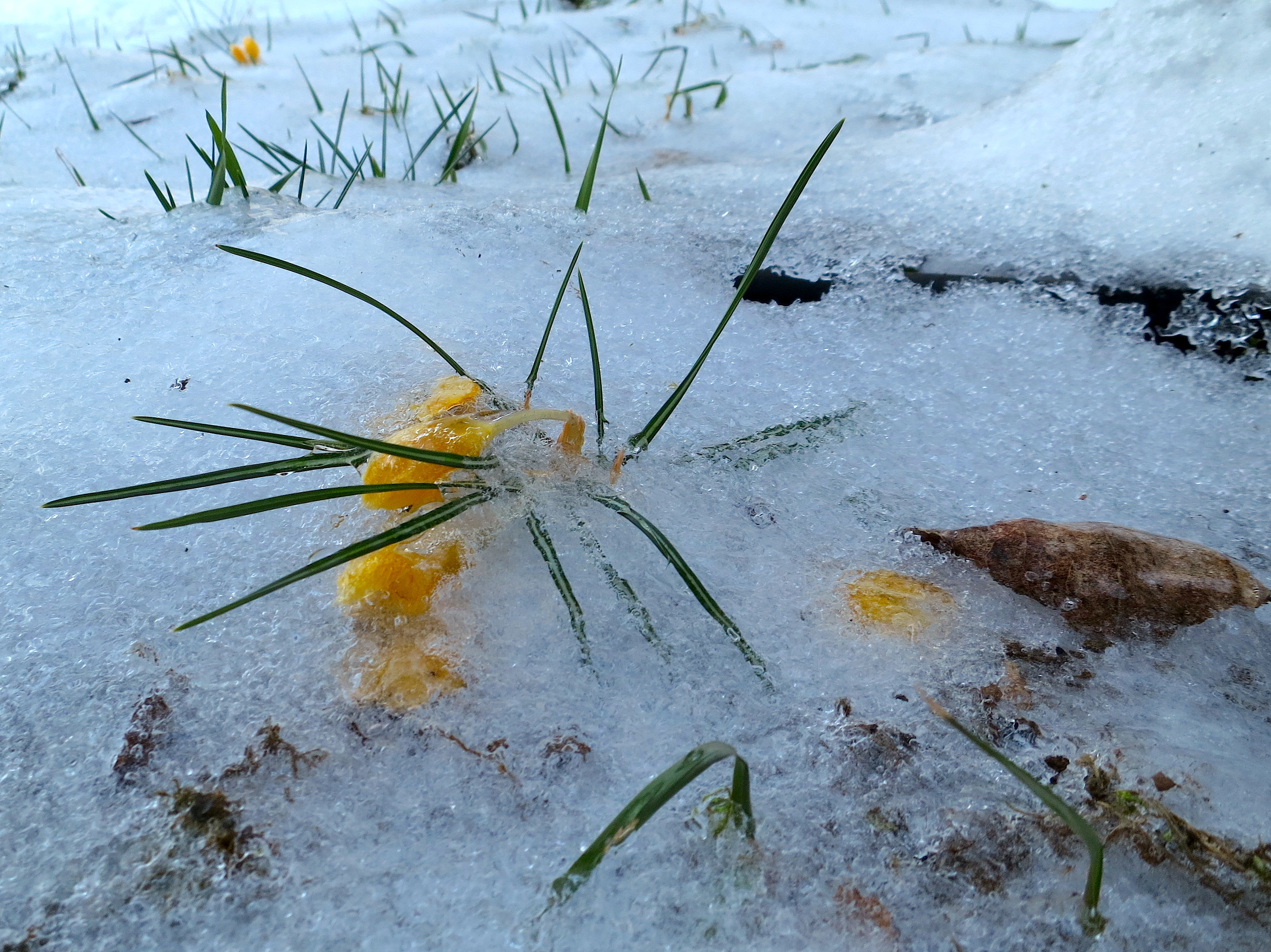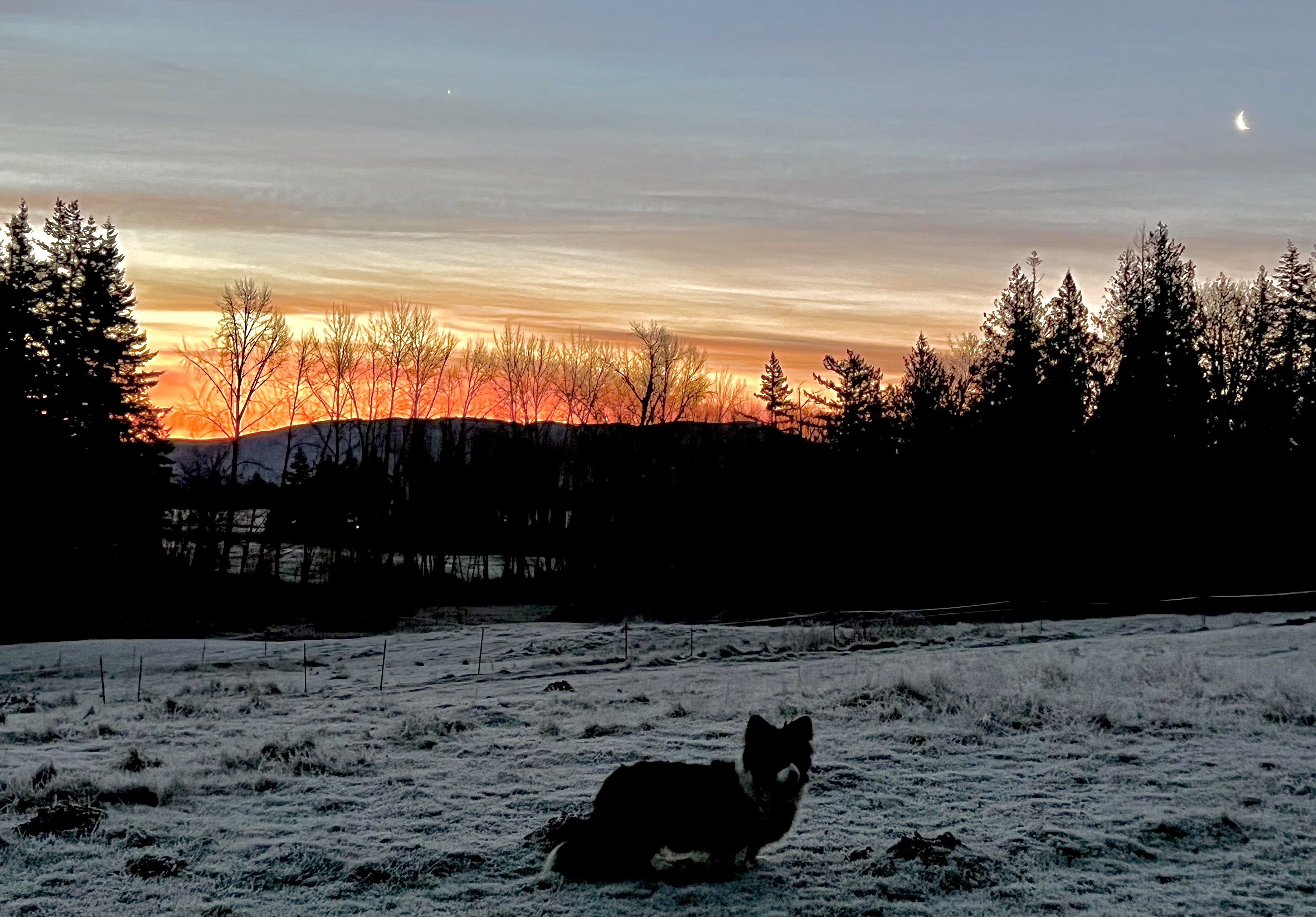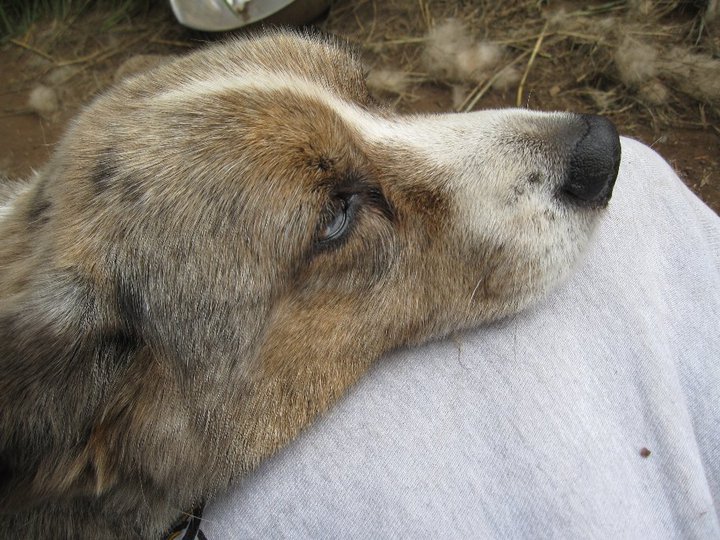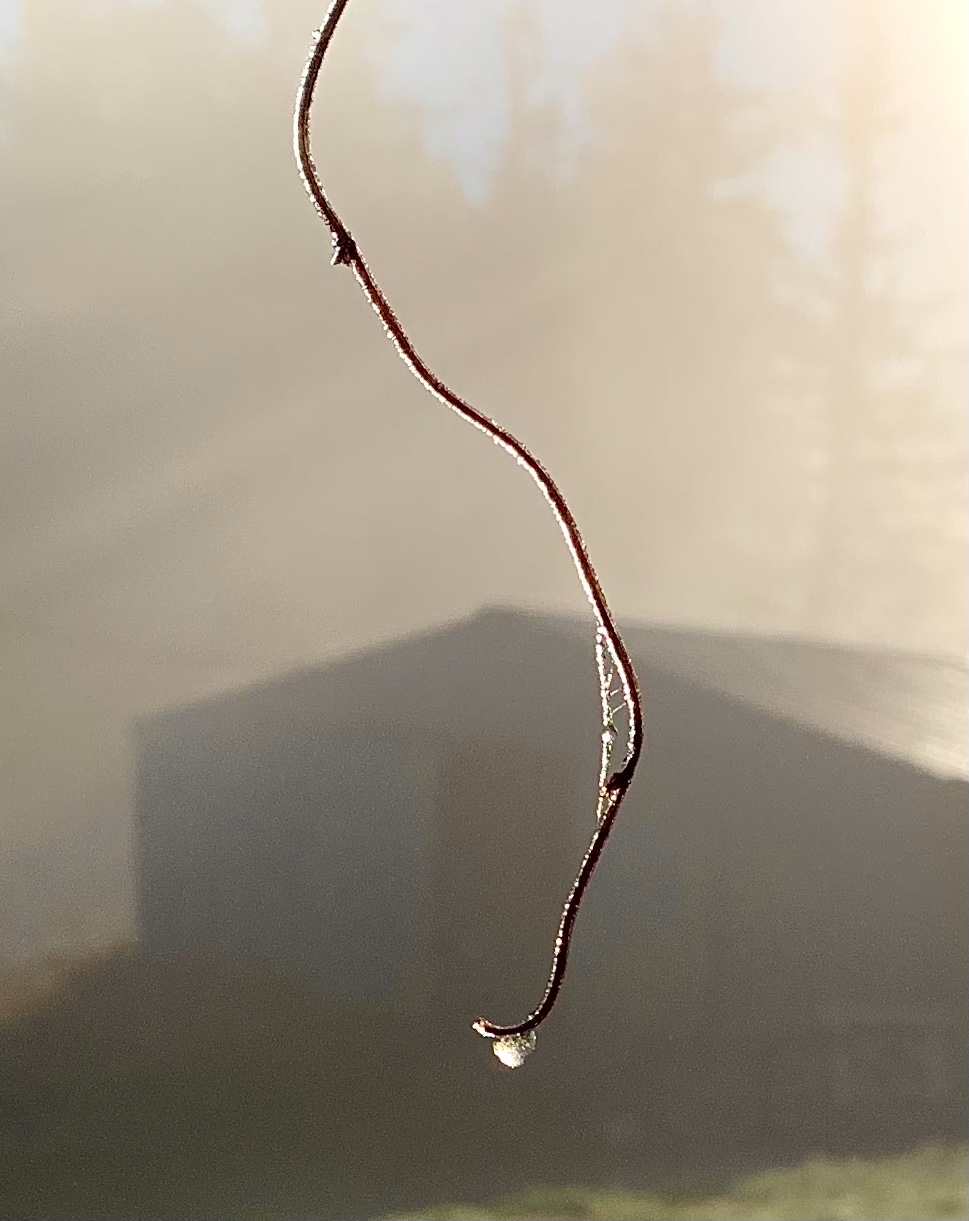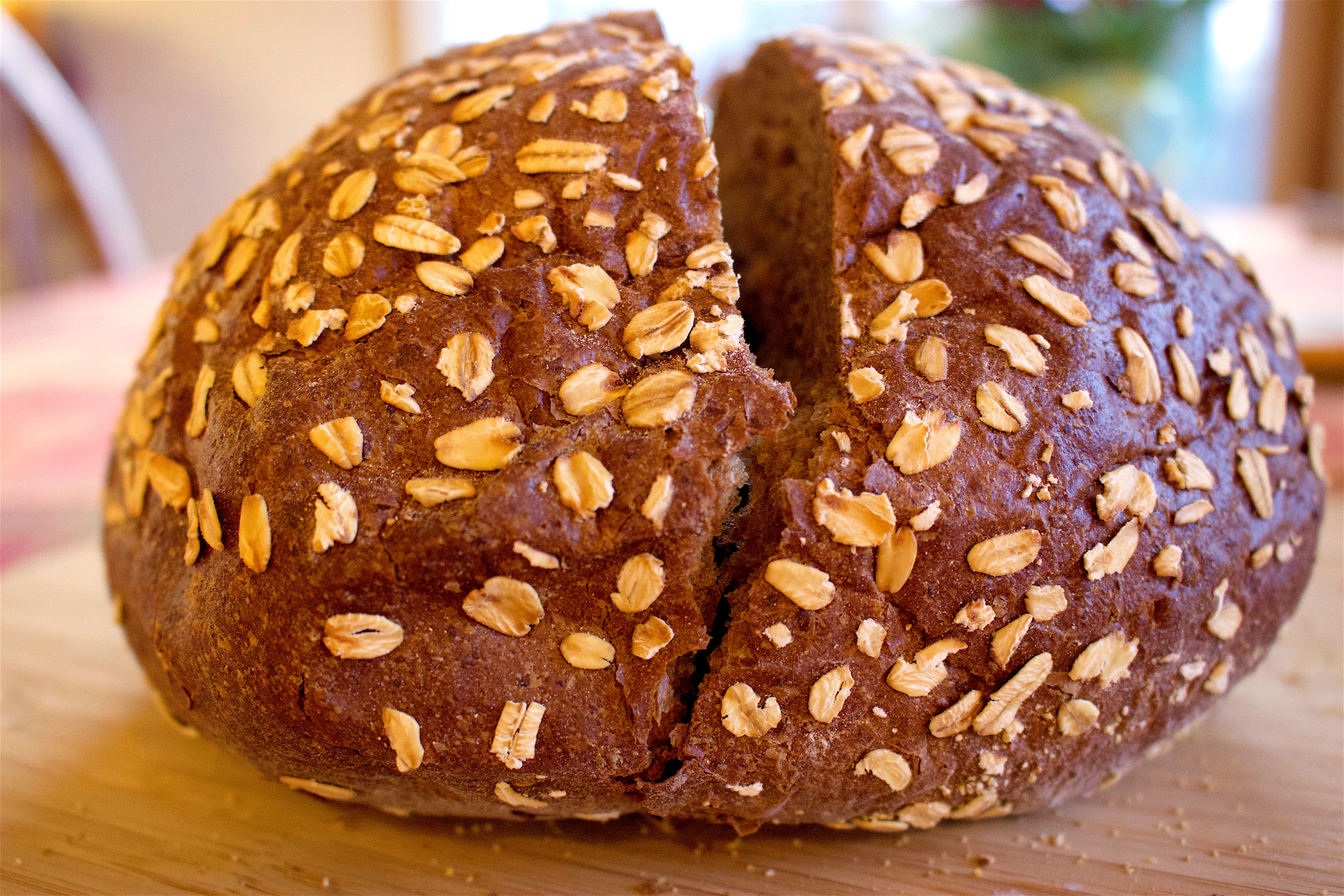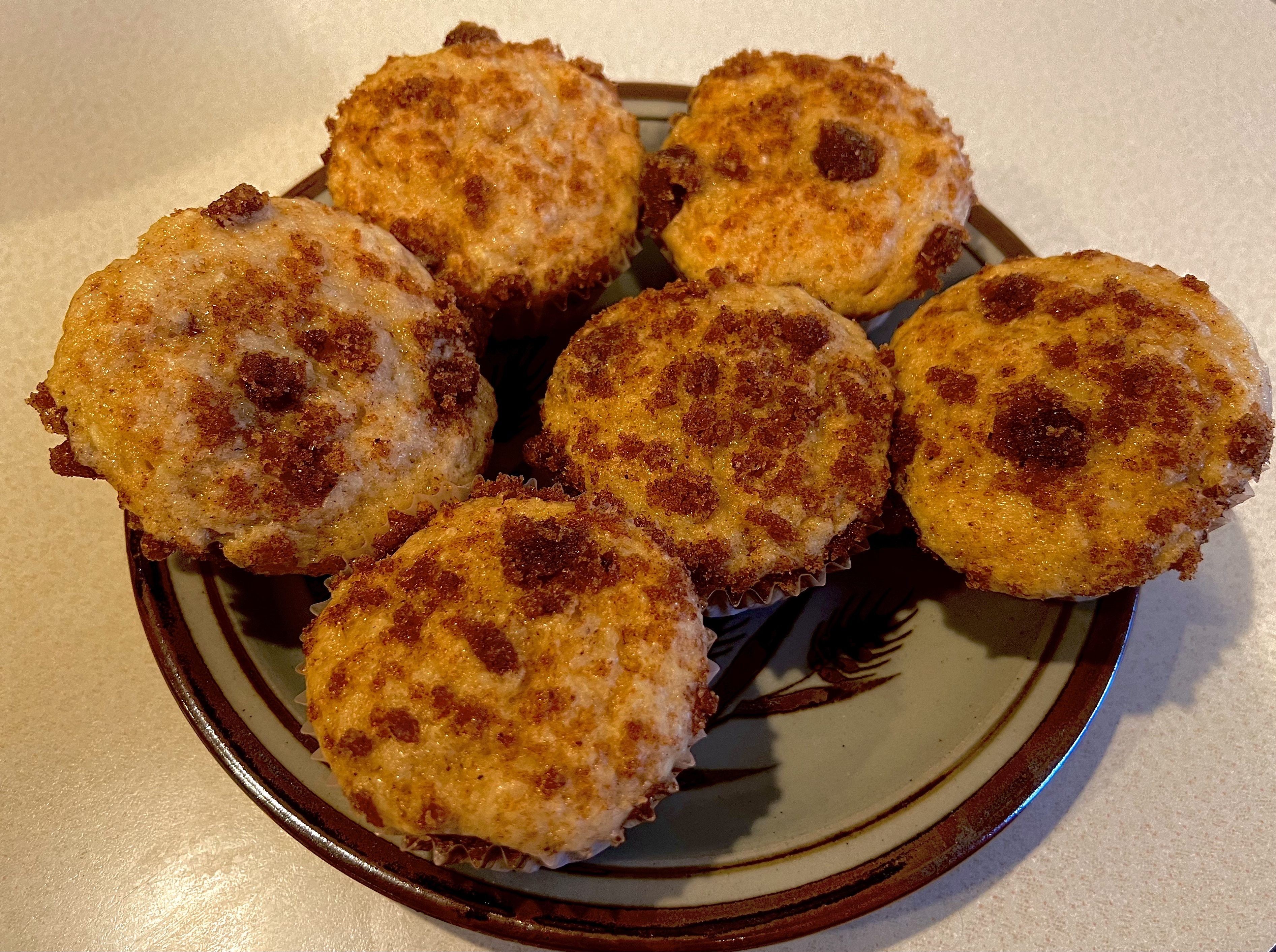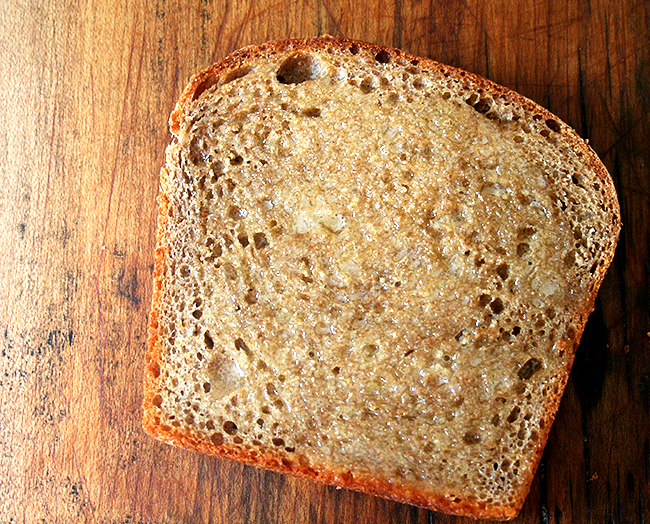
Filling the Empty Spaces

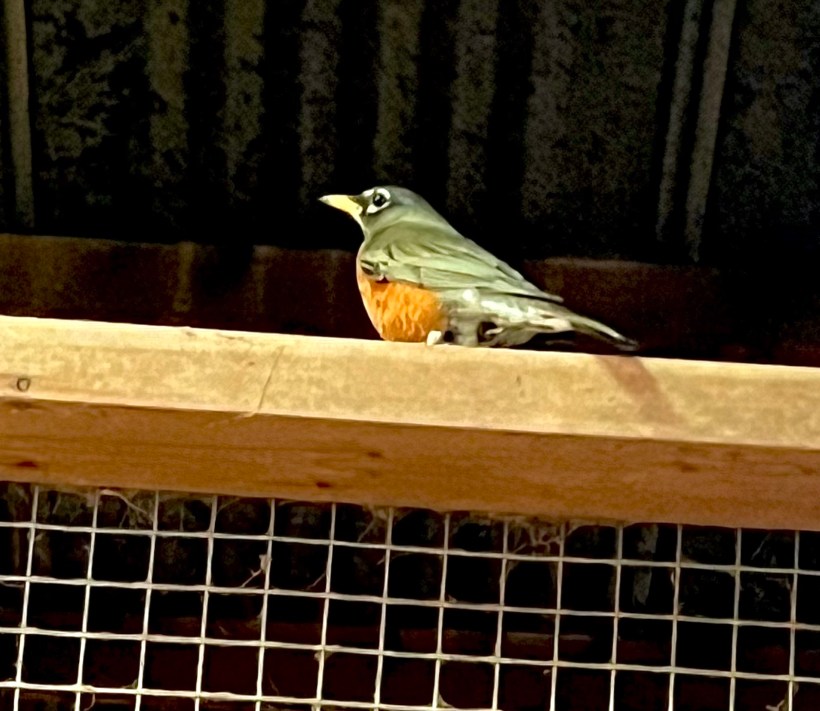
If I could peer far enough down
a robin’s pulsing throat, would I see
notes piled there waiting to be flung
into freshness of morning?

 
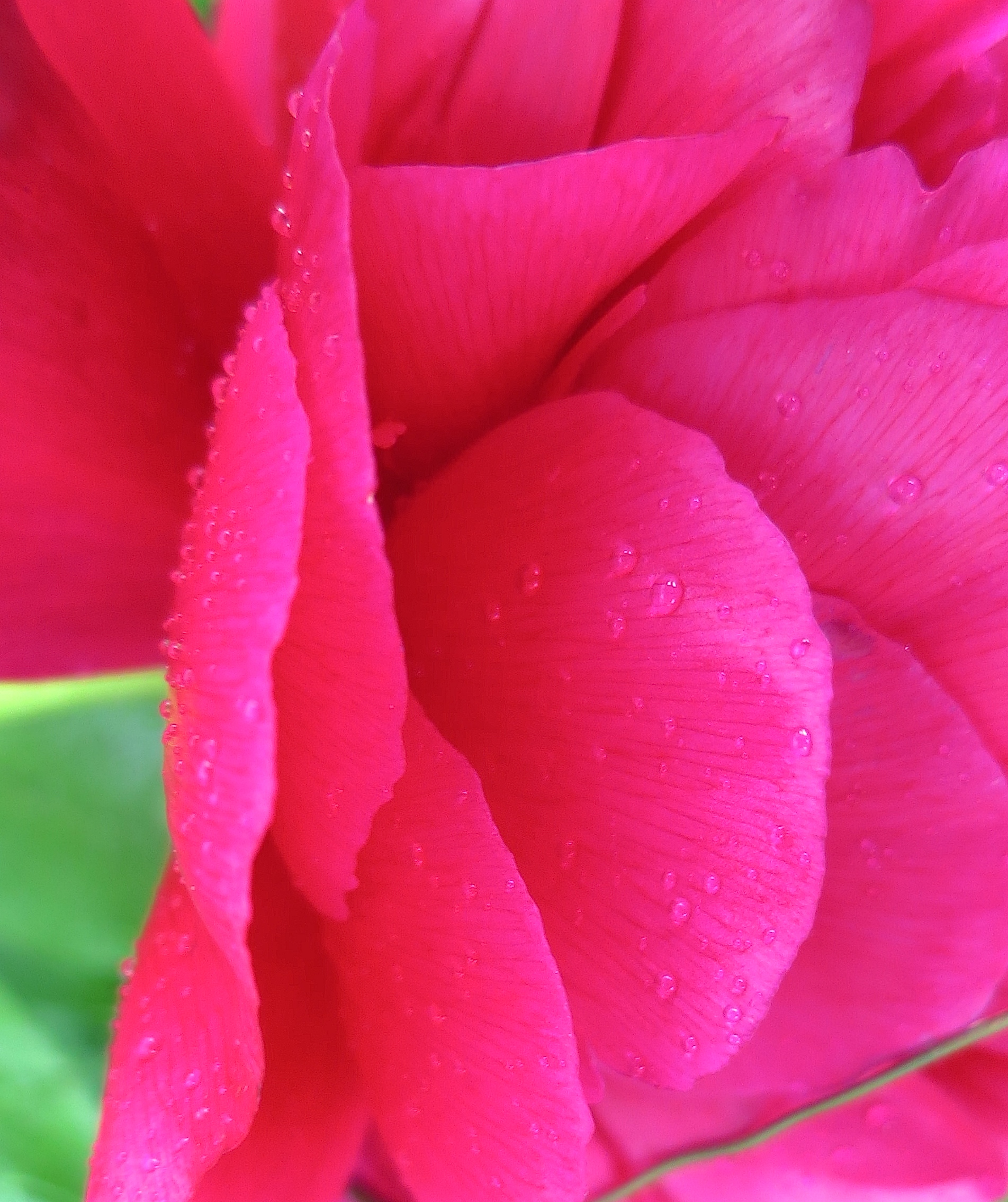
If I close my eyes and burrow
my face into peony’s petals,
would I discover the source 
of its scent, a sacred offering?

 
Can I plunge inside 
and find a lifetime of words
spooled tightly inside my heart
ready for a tug?

 
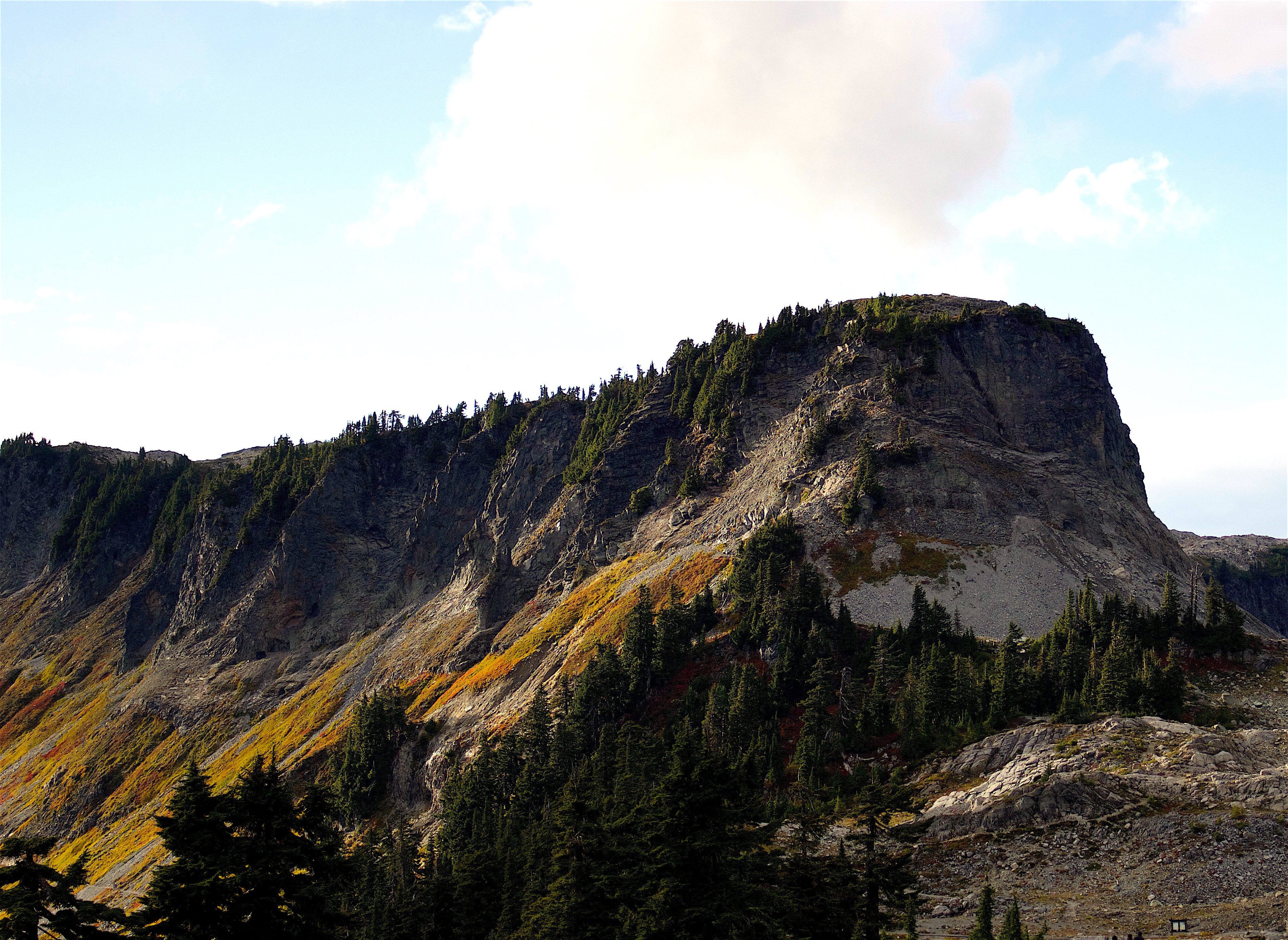
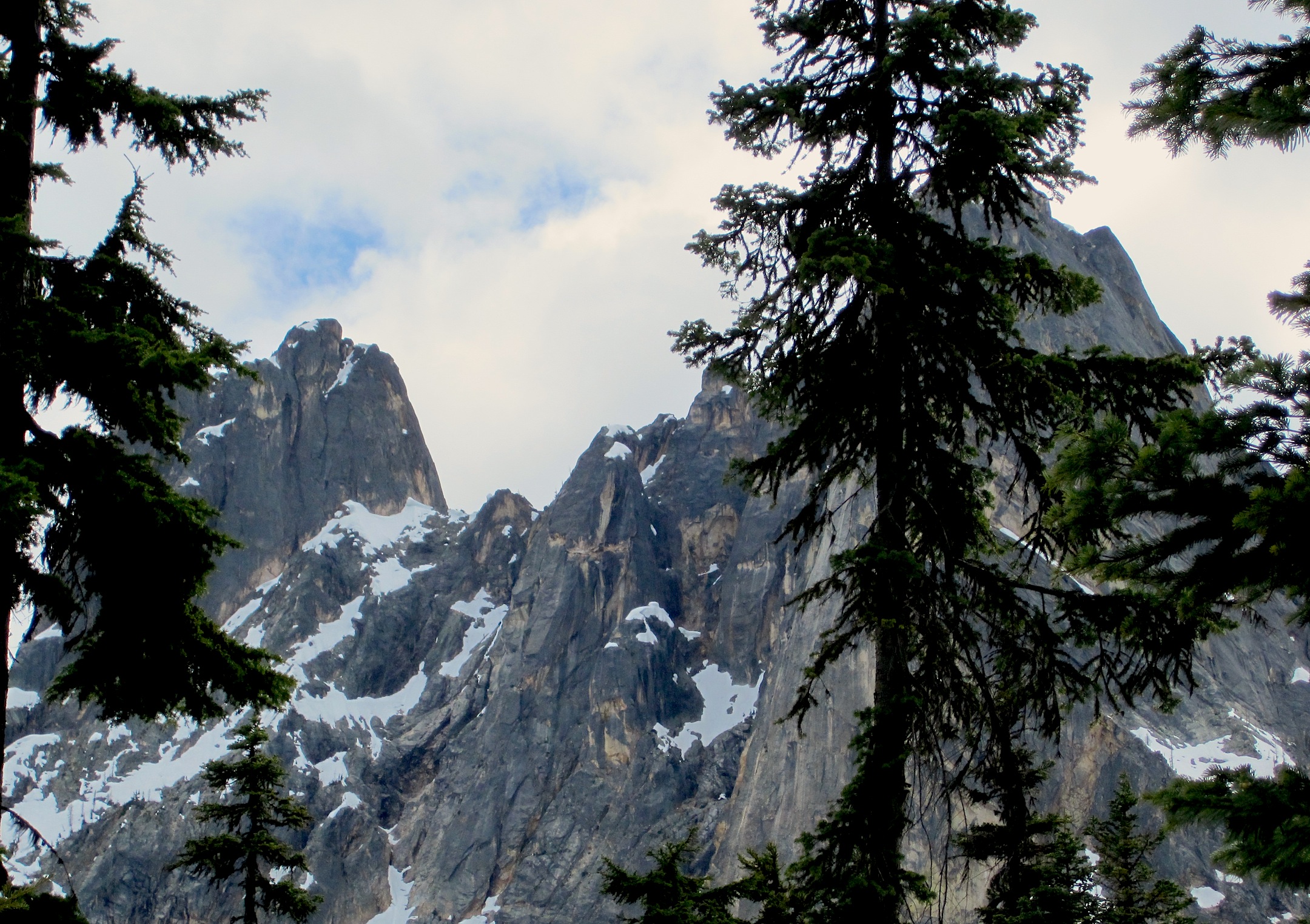
If I dig beneath the bedrock 
will I find love there, 
solid like iron or does it flow like magma
filling in all of the empty spaces?

~Christine Valters Paintner “Origins”

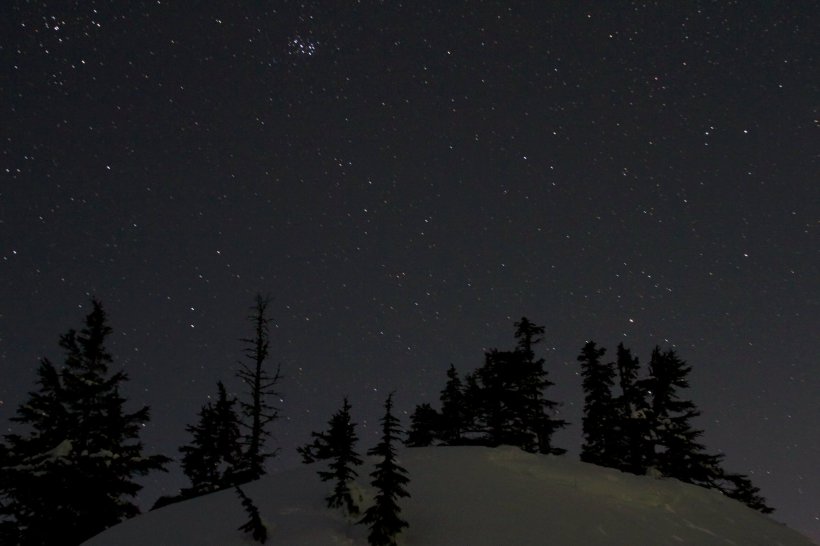
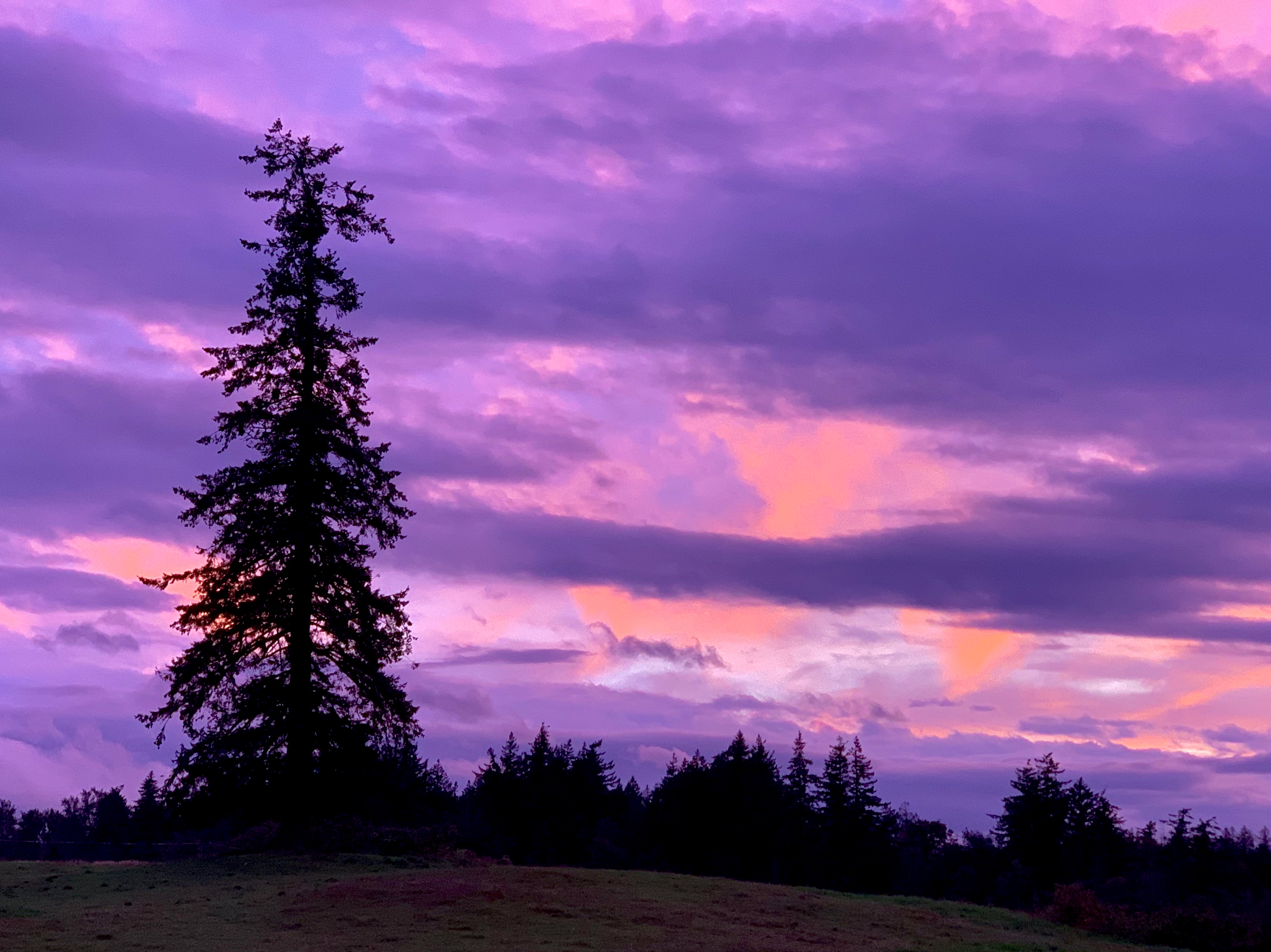
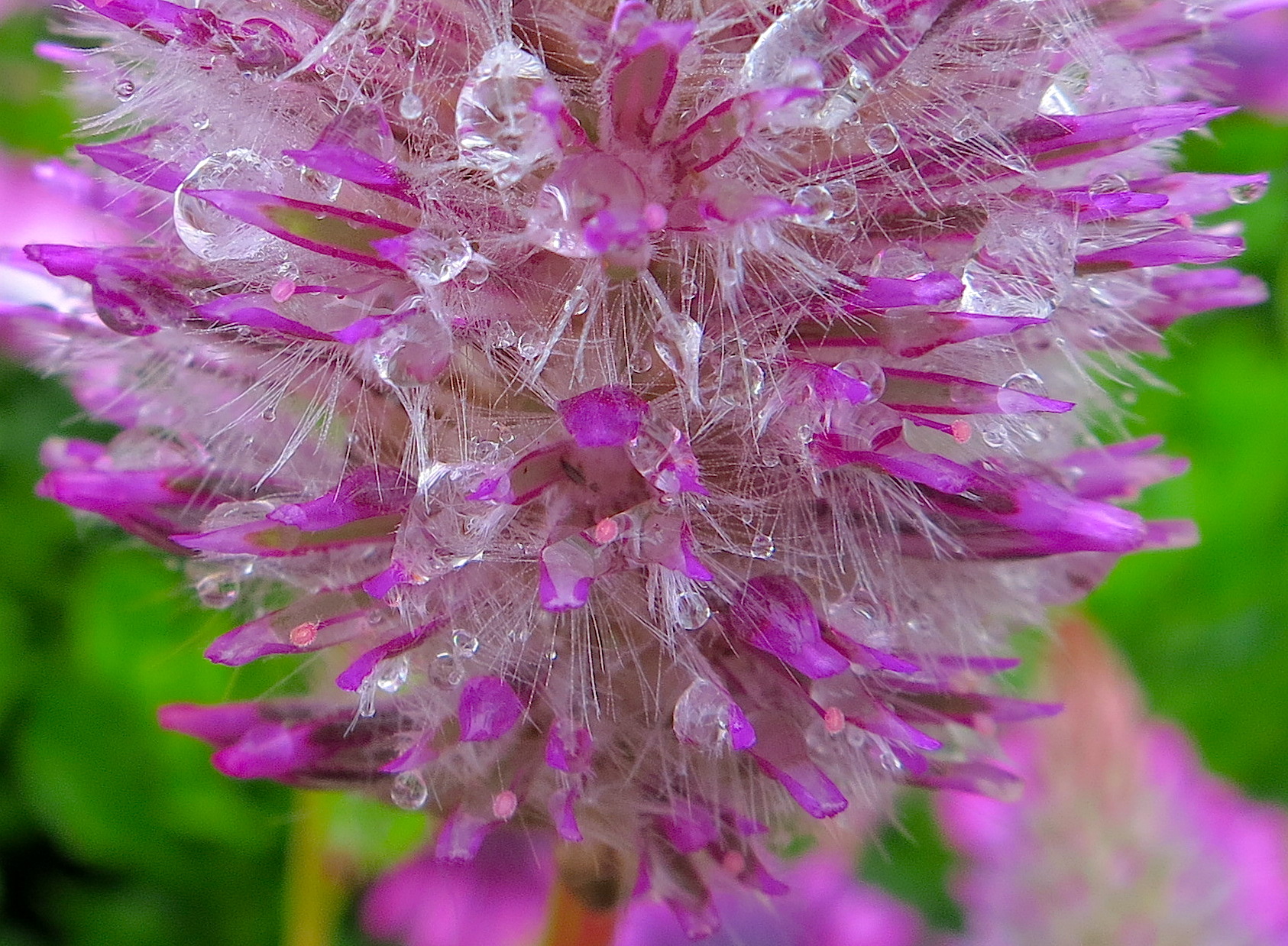
photo by Harry Rodenberger

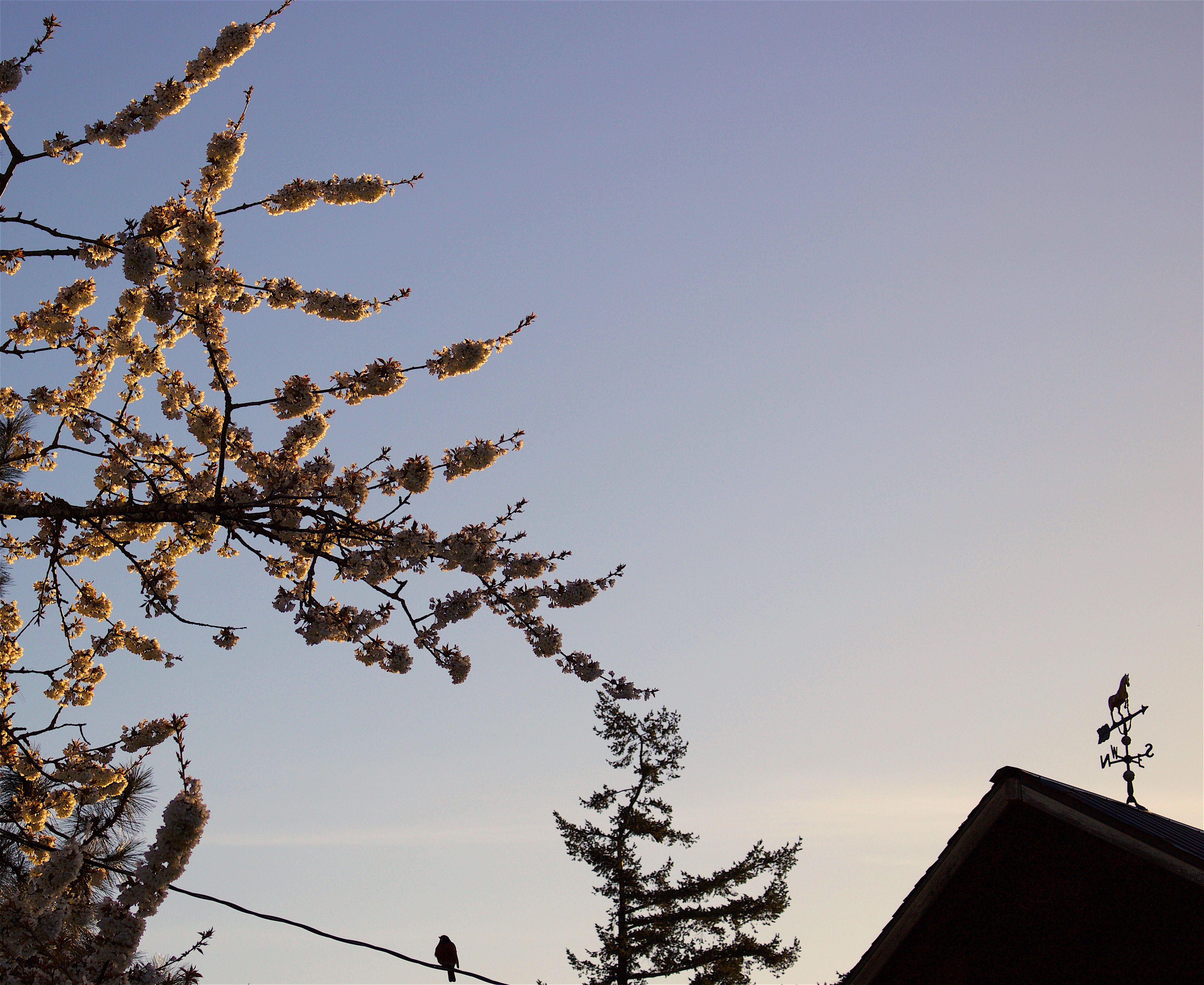
I do not know what gorgeous thing
the bluebird keeps saying,
his voice easing out of his throat,
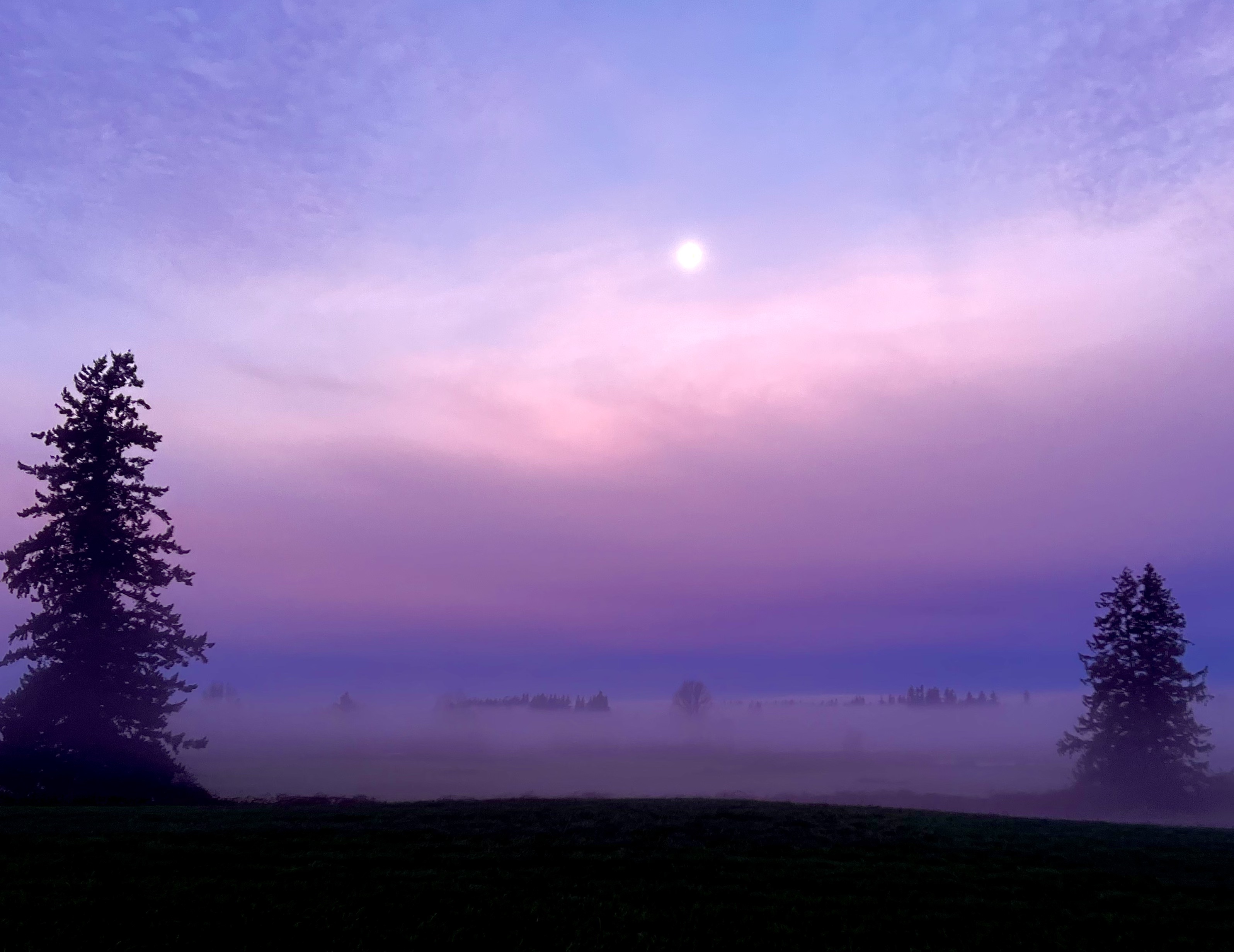
beak, body into the pink air
of the early morning. I like it
whatever it is. Sometimes
it seems the only thing in the world
that is without dark thoughts.
Sometimes it seems the only thing
in the world that is without
questions that can’t and probably
never will be answered, the
only thing that is entirely content
with the pink, then clear white
morning and, gratefully, says so.
~Mary Oliver “What Gorgeous Thing” from Blue Horses 
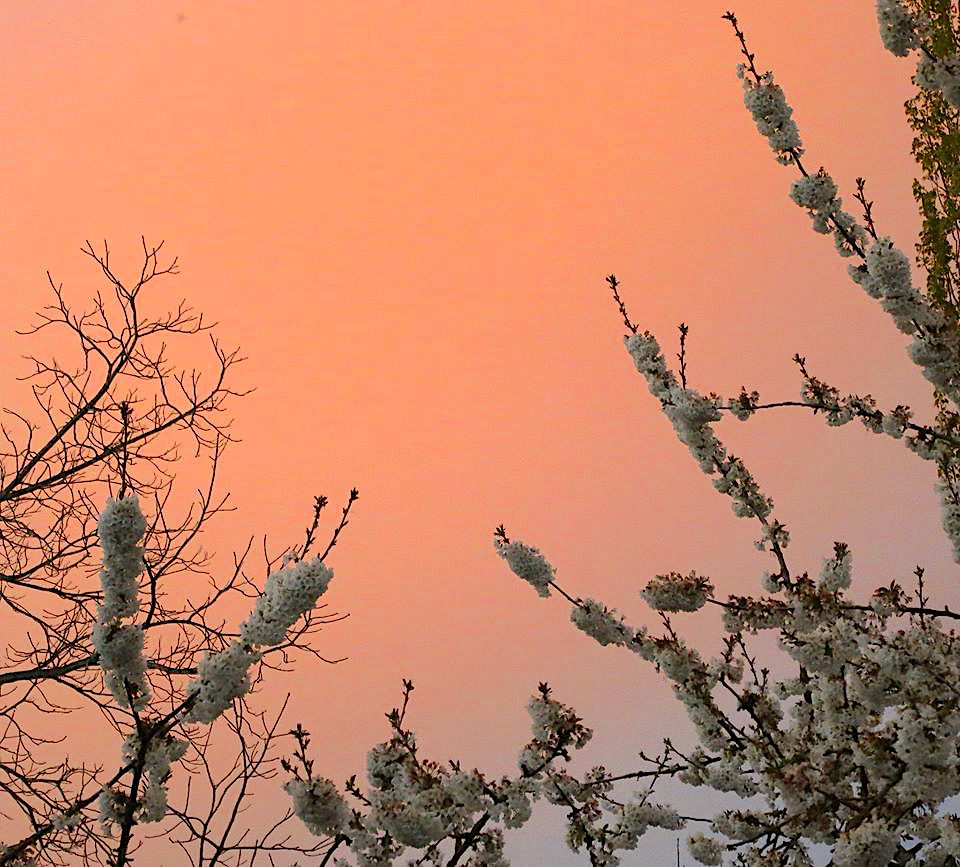
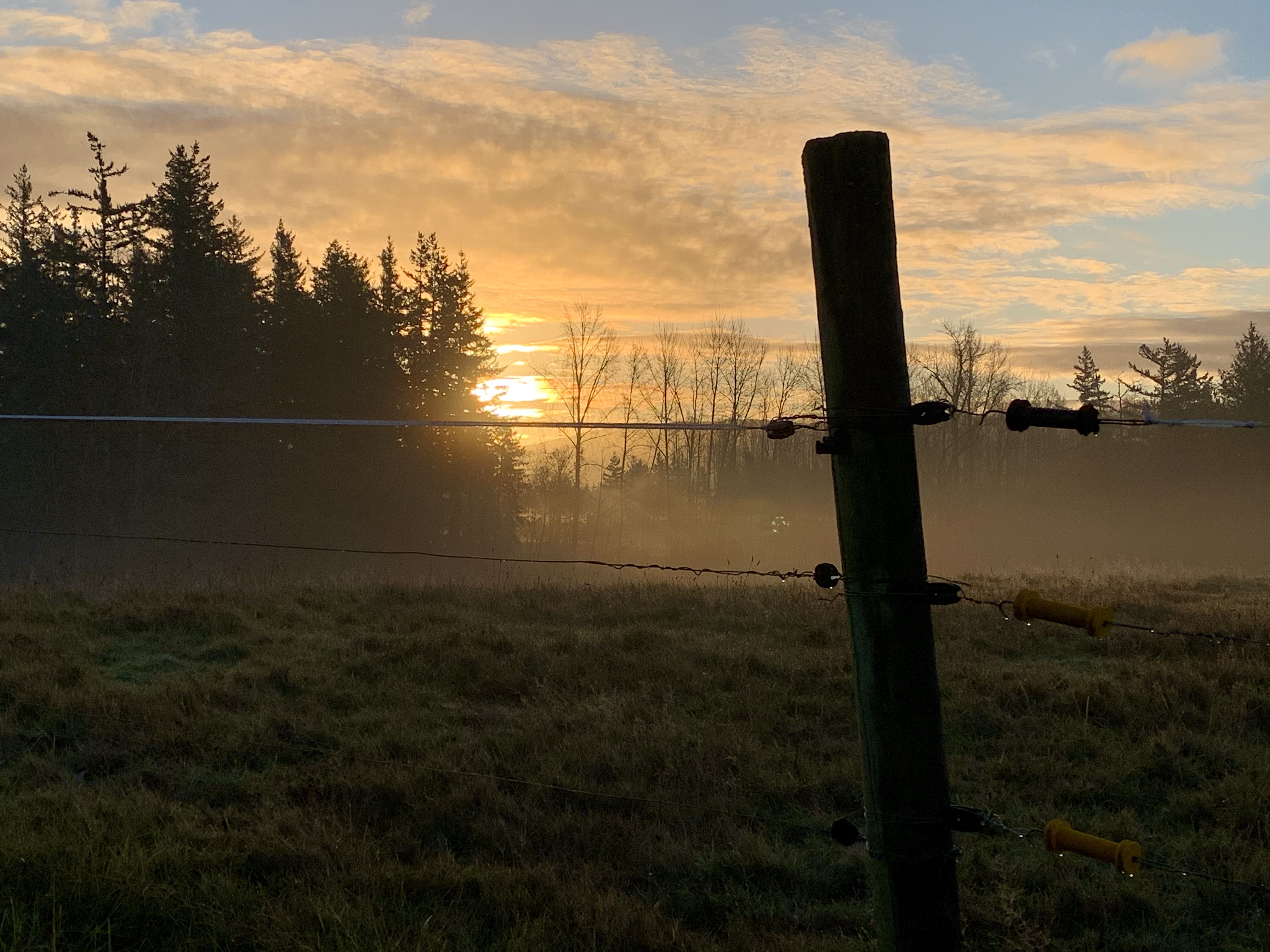
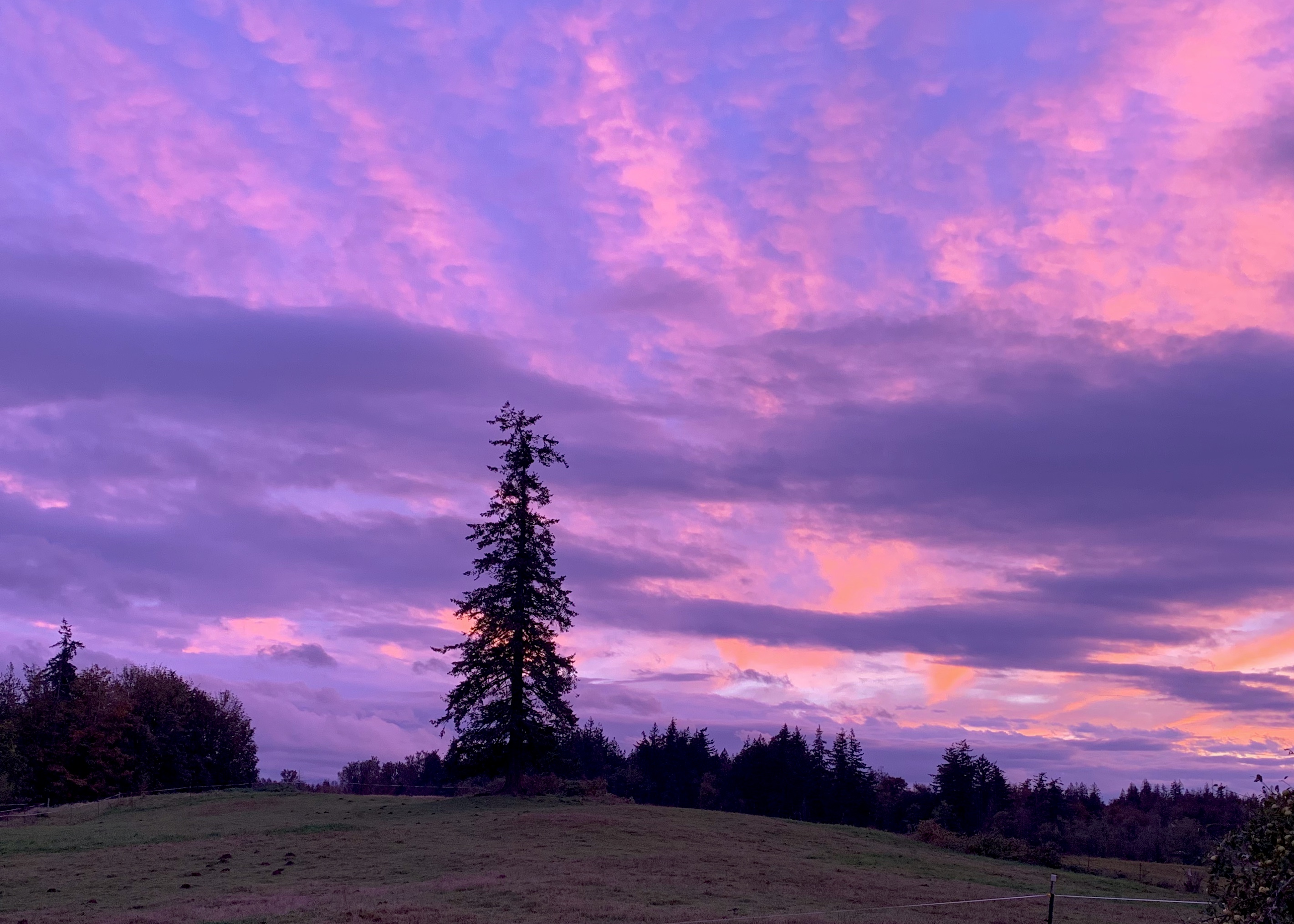
Slowly the west reaches for clothes of new colors
which it passes to a row of ancient trees.
You look, and soon these two worlds both leave you
one part climbs toward heaven, one sinks to earth.

leaving you, not really belonging to either,
not so hopelessly dark as that house that is silent,
not so unswervingly given to the eternal as that thing
that turns to a star each night and climbs–leaving you

(it is impossible to untangle the threads)
your own life, timid and standing high and growing,
so that, sometimes blocked in, sometimes reaching out,
one moment your life is a stone in you, and the next, a star.
~Rainer Maria Rilke  “Sunset” (Trans. by Robert Bly) from The Soul is Here for Its Own Joy
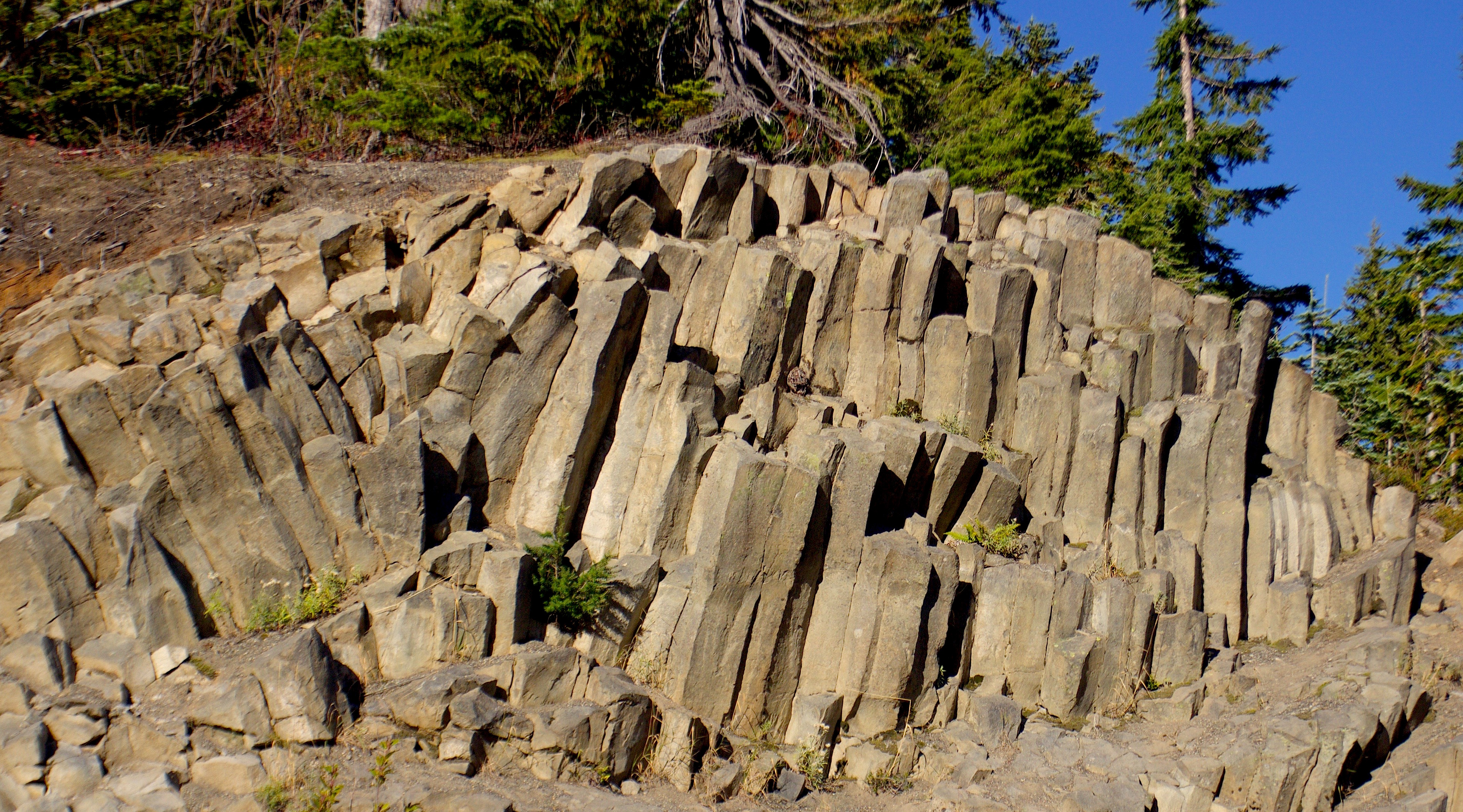
We are born with one hand still grasping tight to the star-studded heaven from which we came, still dusty from creation.  The other hand grabs hold of whatever it finds here on earth and won’t let go, whether the symphony of birds, the scents from the garden, the richness of relationship or the coldness of stone.

It can take decades, but our firm hold on heaven loosens so that we forget the dusty origins of our miraculous being.  We tend to forget Who made us and why.

We can’t decide, tangled up in the threads of this life:  dust of earth, stone heart?  Or dust of stars, child of Heaven?

We are daily reminded by the Light which clothes us in new colors – early in the morning as it crests the eastern hills and late as it descends in the west.  Heaven will still reach down once again to grasp our hand, making sure we know the way home.
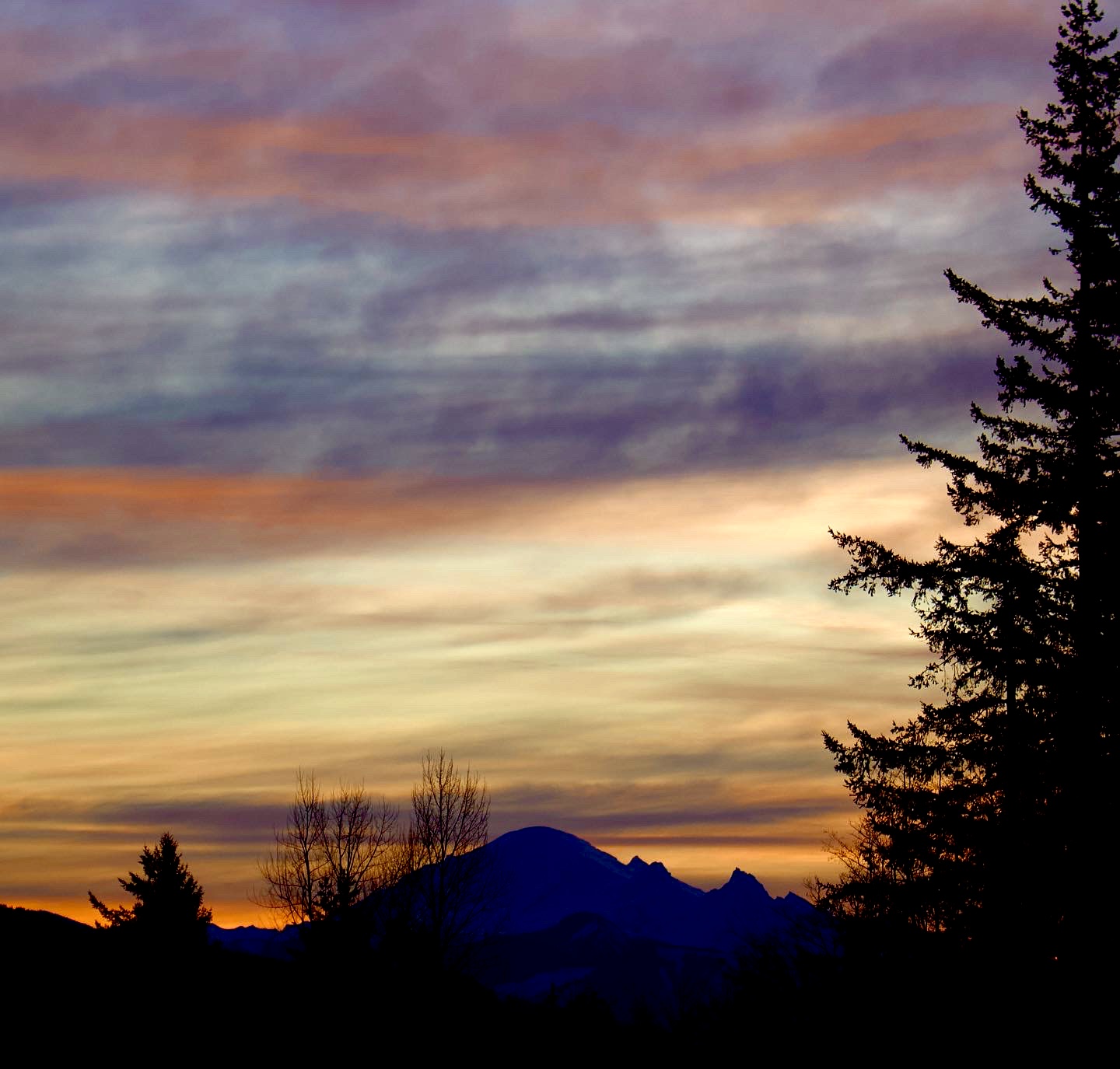
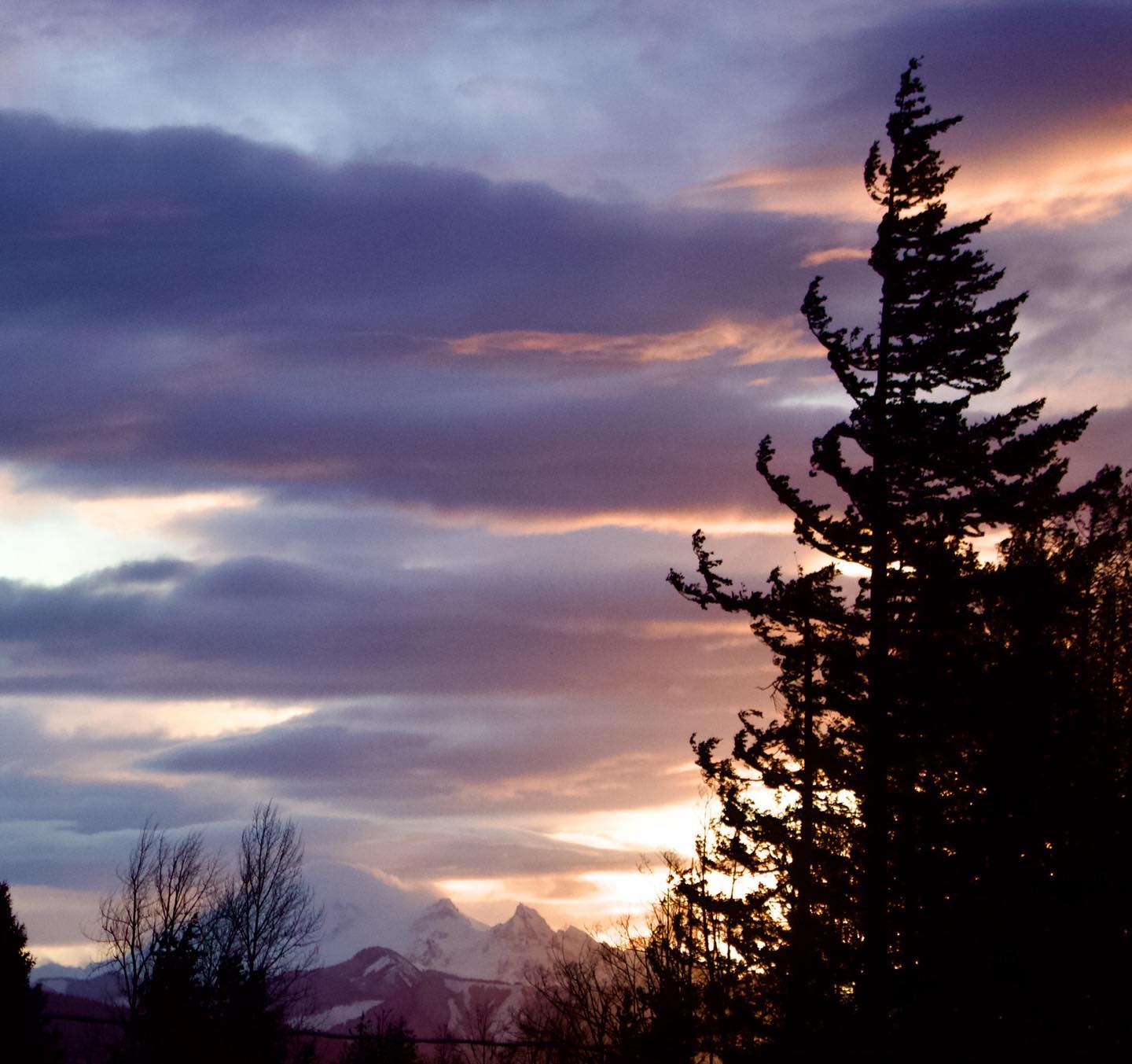
photo by Josh Scholten
One-Time
Monthly
Yearly

Make a one-time or recurring donation to support daily Barnstorming posts

Make a monthly donation

Make a yearly donation

Choose an amount

¤10.00
¤25.00
¤50.00
¤5.00
¤15.00
¤100.00
¤5.00
¤15.00
¤100.00

Or enter a custom amount

¤

Your contribution is deeply appreciated.

Your contribution is appreciated.

Your contribution is appreciated.

DonateDonate monthlyDonate yearly
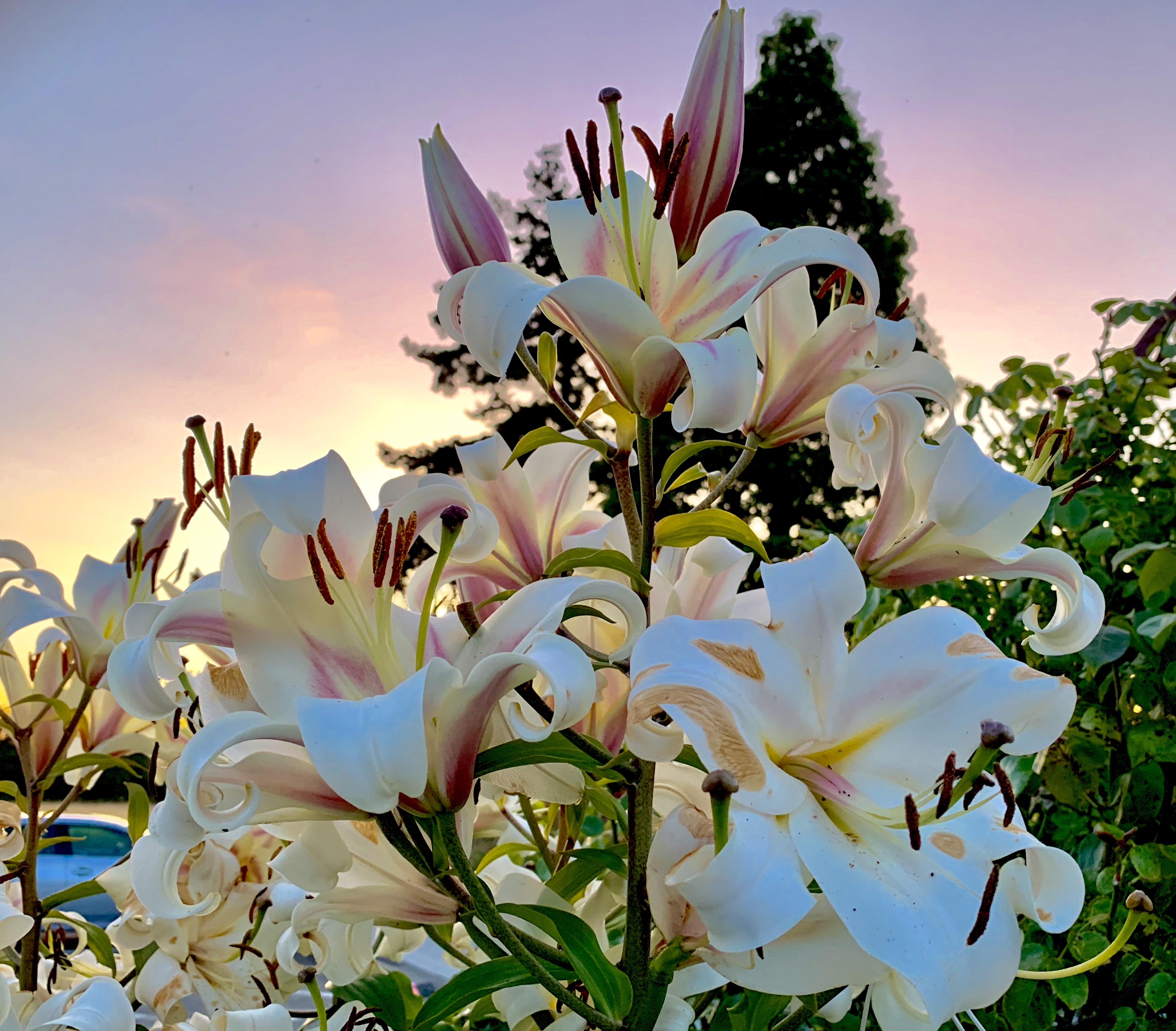
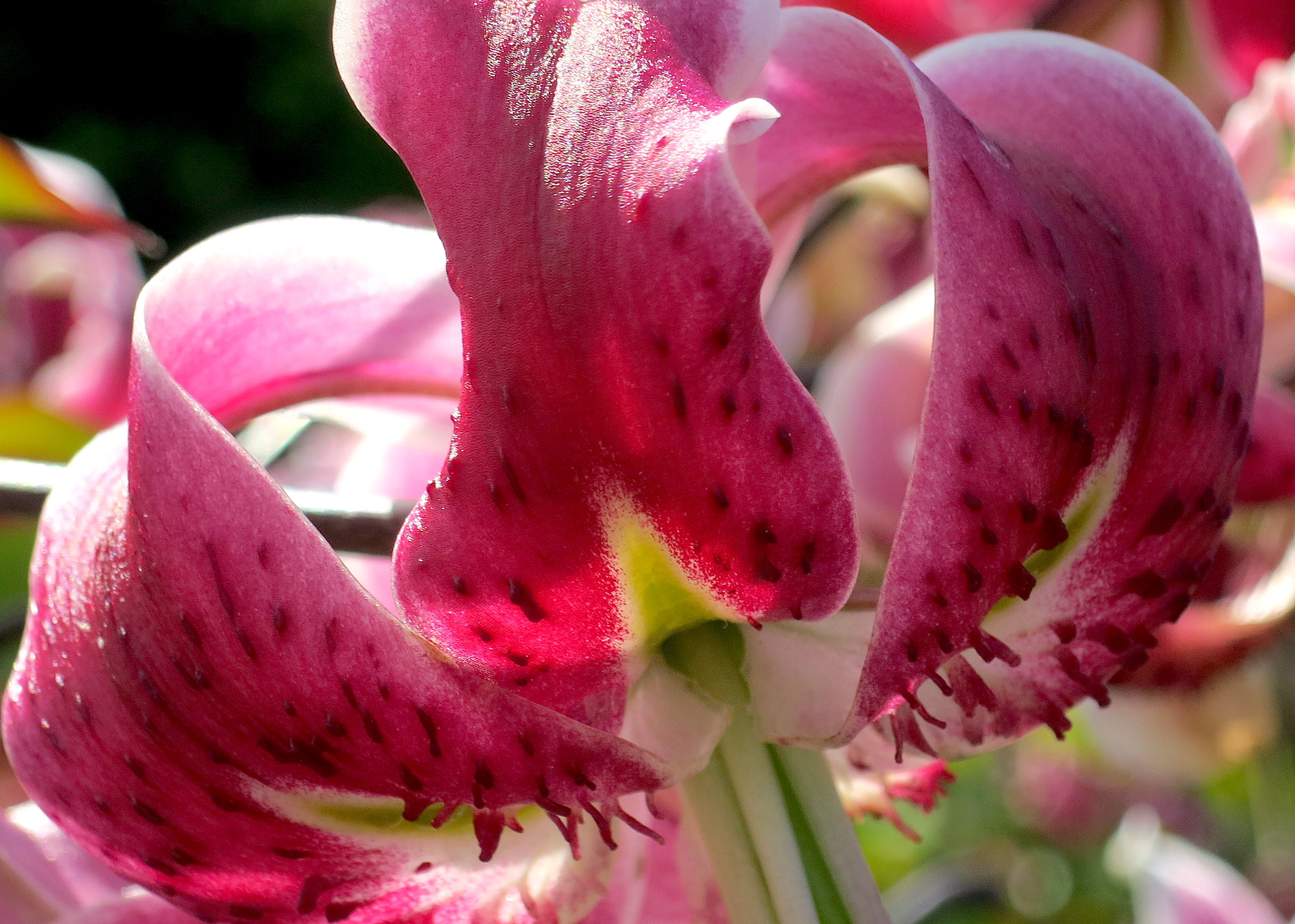
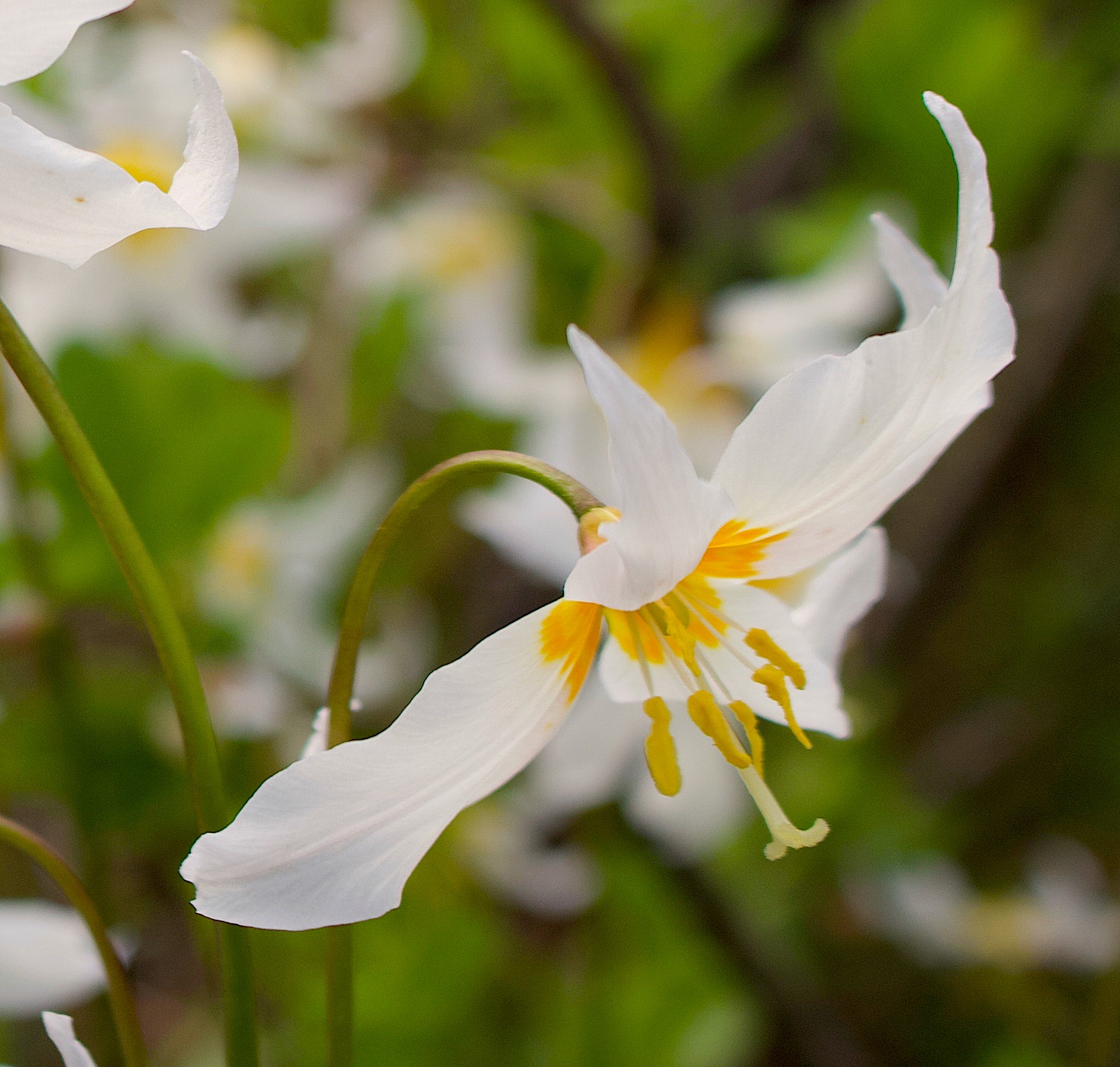
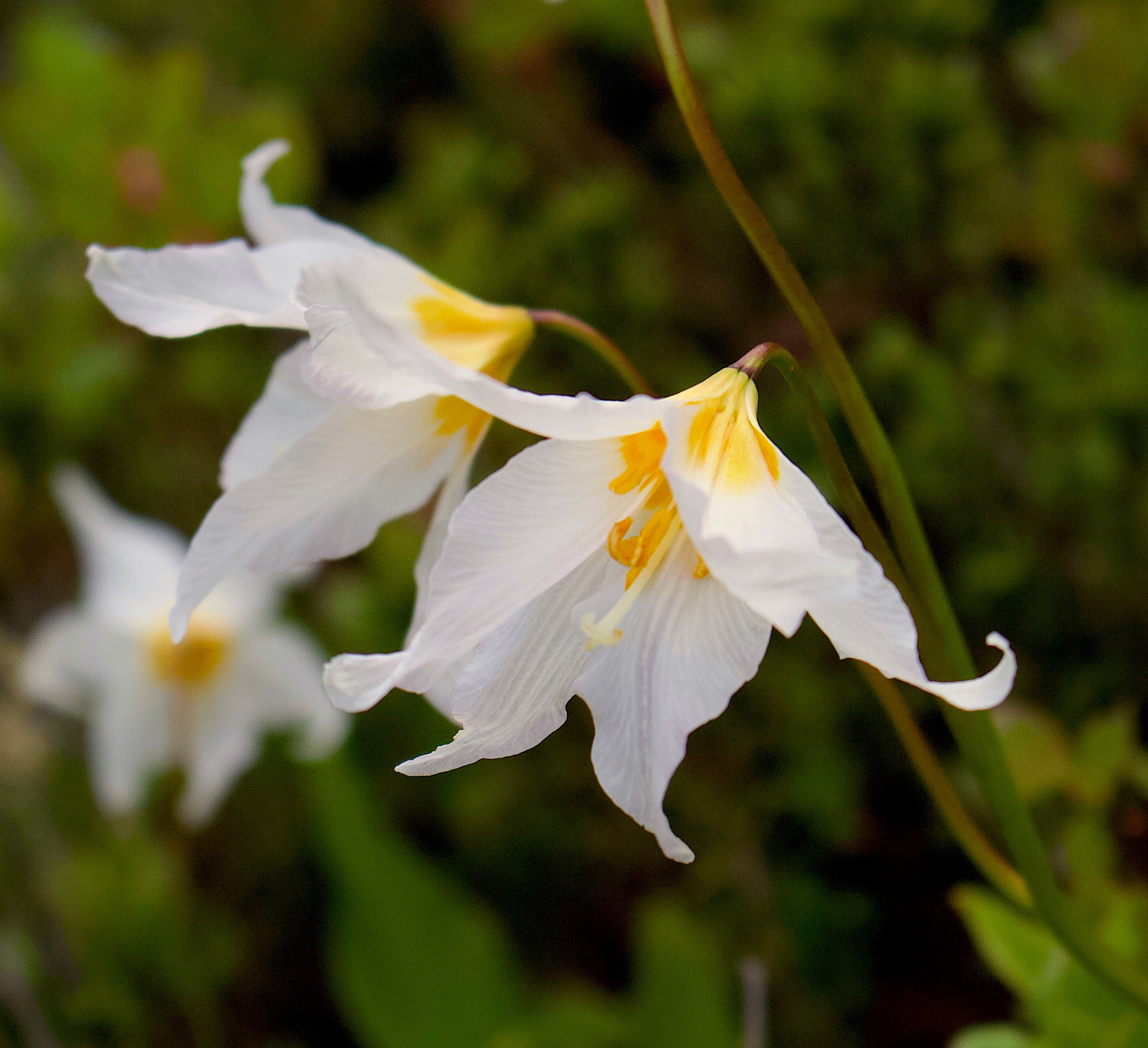
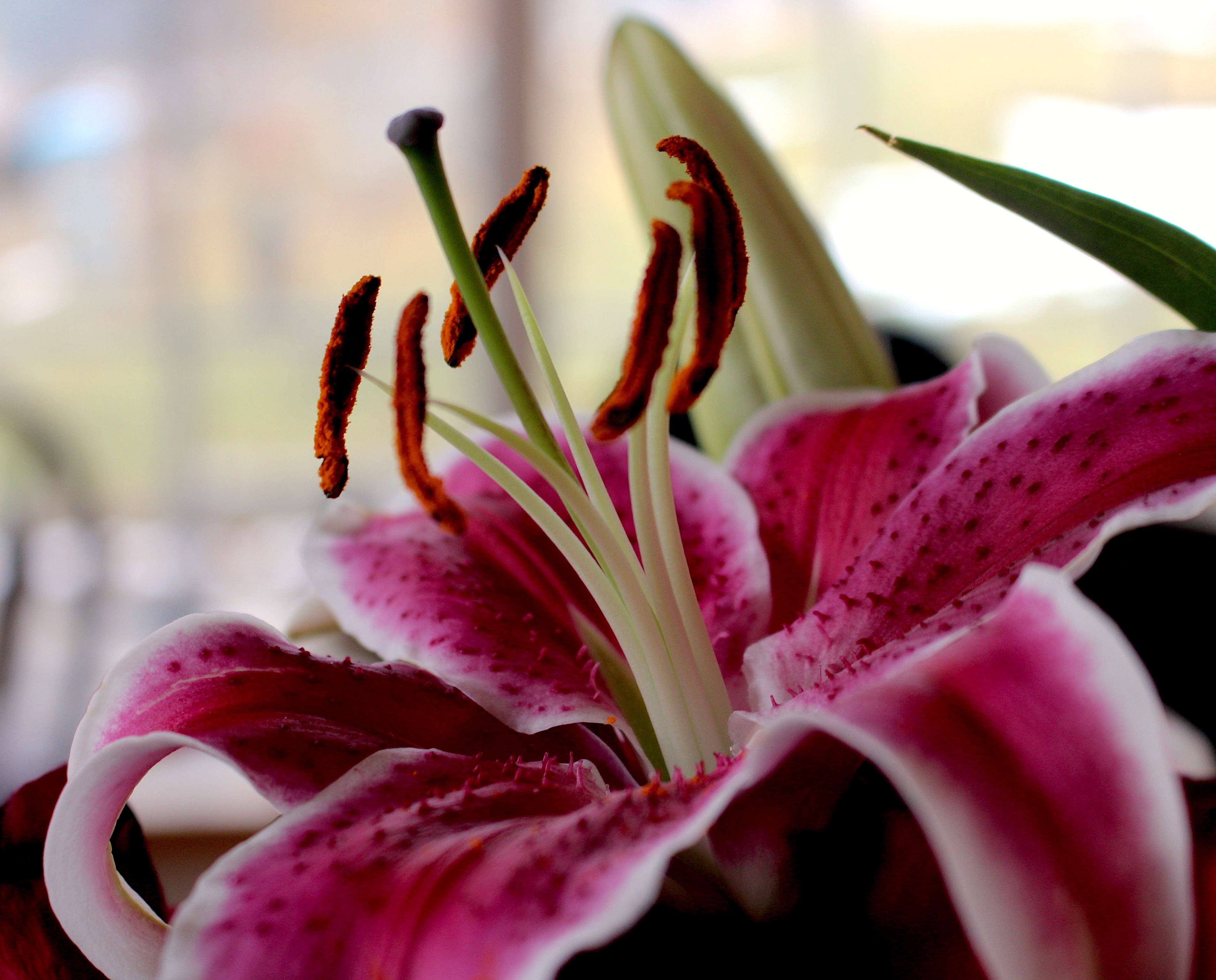
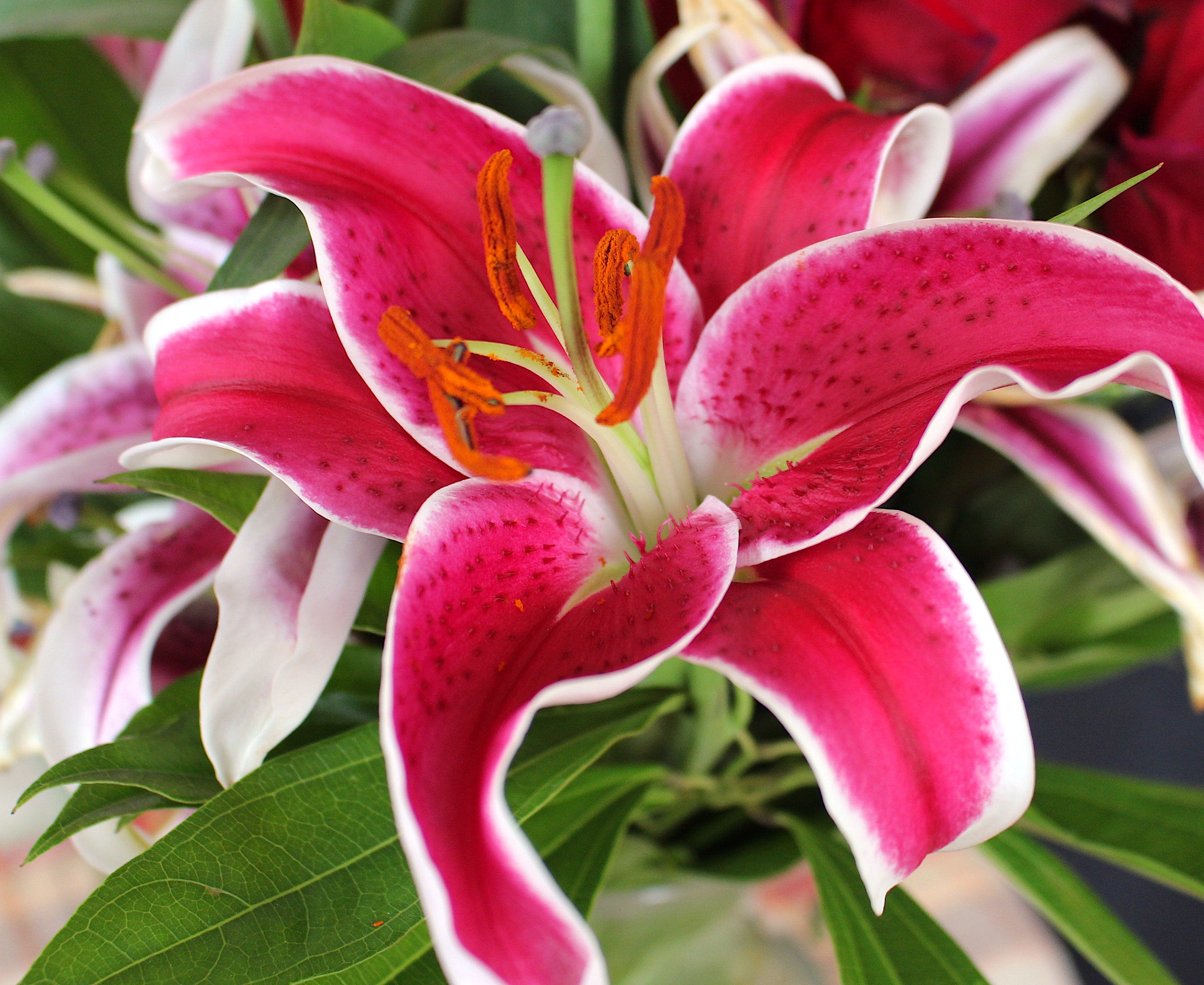
A Shivering Lily

A lily shivered
at His passing,
supposing Him to be
the Gardener.
~Margaret D. Smith “Easter morning, yesterday”
from A Widening Light -Poems of the Incarnation

Jesus said to them, “Come and have breakfast.”
None of the disciples dared ask him, “Who are you?”
They knew it was the Lord.
John 21:12

It’s so easy to look and see what we pass through in this world, but we don’t. If you’re like me, you see so little. You see what you expect to see rather than what’s there.
~Frederick Buechner from The Remarkable Ordinary

It is too easy, by the next day, to let go of Easter — to slide back into the Monday routine, managing our best to get through each day, teeth gritted, as we have before.

We had been blinded by our grief, shivering in misery, thinking Him only the Gardener as He passed by. We just don’t pay attention to Who is right before us, always tending us – the new Adam, caring for a world desperate for rescue.

God knows this about us.  So He meets us for breakfast on Monday and every day thereafter and feeds us, a tangible and meaningful act of nourishing us in our most basic human needs though we’ve done nothing to deserve the gift. He cooks up fish on a beach at dawn and invites us to join Him, as if nothing extraordinary has just happened.

Just yesterday evening he reviewed His Word and broke bread in Emmaus, opening the eyes and hearts of those like us who failed to see Who this is walking beside them. This is no mere Gardener.

When He offers a meal of His Word, the gift is nothing less than Himself.

One-Time
Monthly
Yearly

Support daily Barnstorming posts with a one-time or recurring donation

Make a monthly donation

Make a yearly donation

Choose an amount

¤10.00
¤25.00
¤50.00
¤5.00
¤15.00
¤100.00
¤5.00
¤15.00
¤100.00

Or enter a custom amount

¤

Your contribution is deeply appreciated.

Your contribution is appreciated.

Your contribution is appreciated.

DonateDonate monthlyDonate yearly

Fixing Eyes on the Unseen – Break Through to Bright Air

Oh let me fall as grain to the good earth
And die away from all dry separation,
Die to my sole self, and find new birth
Within that very death, a dark fruition,
Deep in this crowded underground, to learn
The earthy otherness of every other,
To know that nothing is achieved alone
But only where these other fallen gather.

If I bear fruit and break through to bright air,
Then fall upon me with your freeing flail
To shuck this husk and leave me sheer and clear
As heaven-handled Hopkins, that my fall
May be more fruitful and my autumn still
A golden evening where your barns are full.

~Malcolm Guite “Unless a Grain of Wheat Falls Into the Ground and Dies”

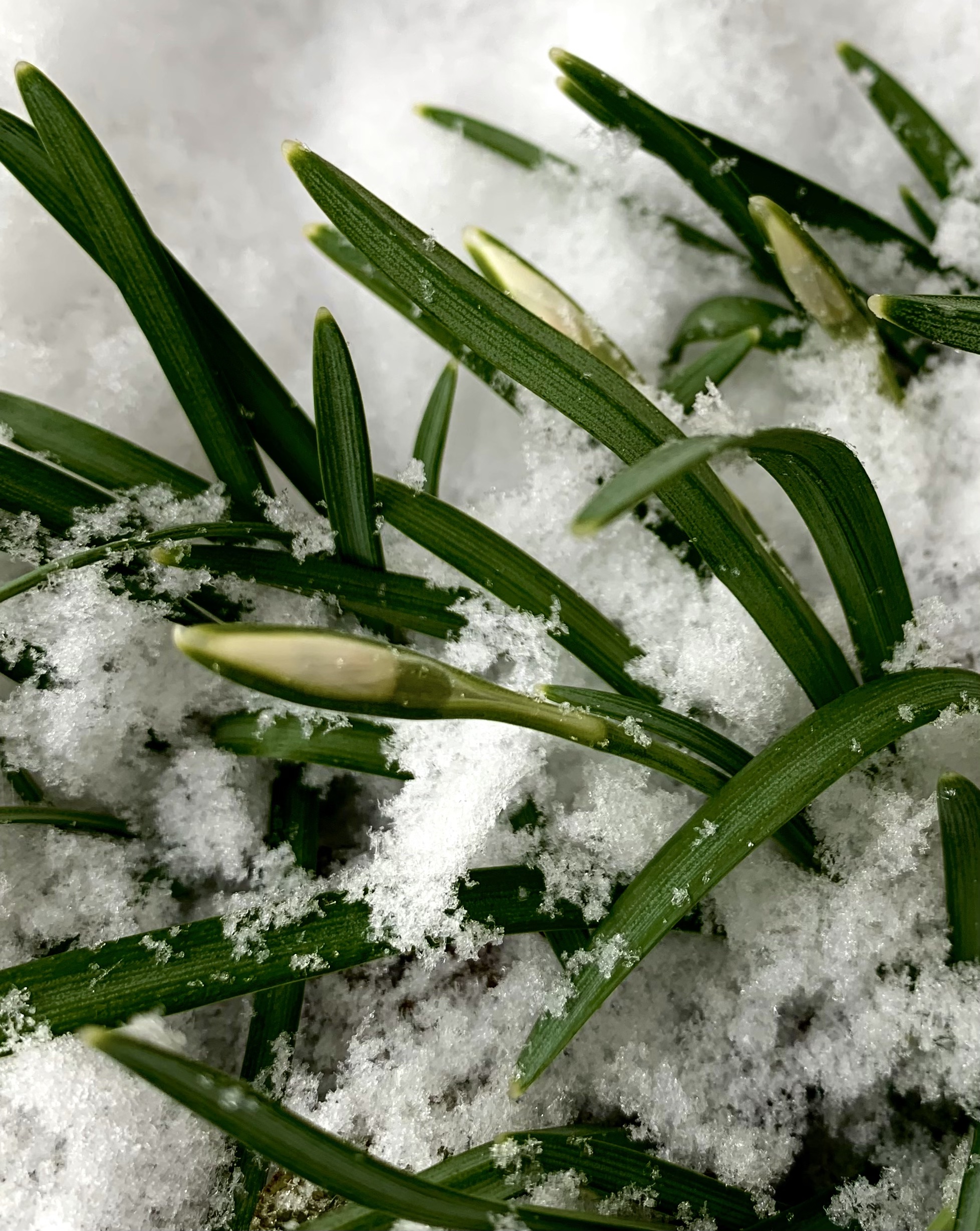
…new life starts in the dark.
Whether it is a seed in the ground,
a baby in the womb, or Jesus in the tomb,
it starts in the dark.
~Barbara Brown Taylor from Learning to Walk in the Dark

The ground is slowly coming to life again;
snowdrops, crocus, and daffodils are surfacing from months of dormancy,
buds are swelling, the spring chorus frogs have come from the mud to sing again
and birds now greet the lazy dawn.

The seed shakes off the darkness surrounding it as growth begins.

I too began a mere seed, plain and simple, lying dormant
in the darkness of my mother’s body.

Just as the spring murmurs life to the seed in the ground,
so the Word calls a human seed of life to stir and swell,
becoming at once both an animate and intimate reflection of Himself.

I was awakened in the dark to sprout, bloom and fruit, 
to reach as far as my tethered roots allow,
aiming beyond earthly bounds to touch the light.

Everything, everyone, so hidden;
His touch calls us back to life.
Love is come again
to the fallow fields of our hearts.

This year’s Lenten theme:
So we fix our eyes not on what is seen, but on what is unseen, since what is seen is temporary, but what is unseen is eternal.
2 Corinthians 4: 18

Fixing Eyes on the Unseen – An Exaltation of Purple

Here in purgatory bare ground
is visible, except in shady places
where snow prevails.

Still, each day sees
the restoration of another animal:
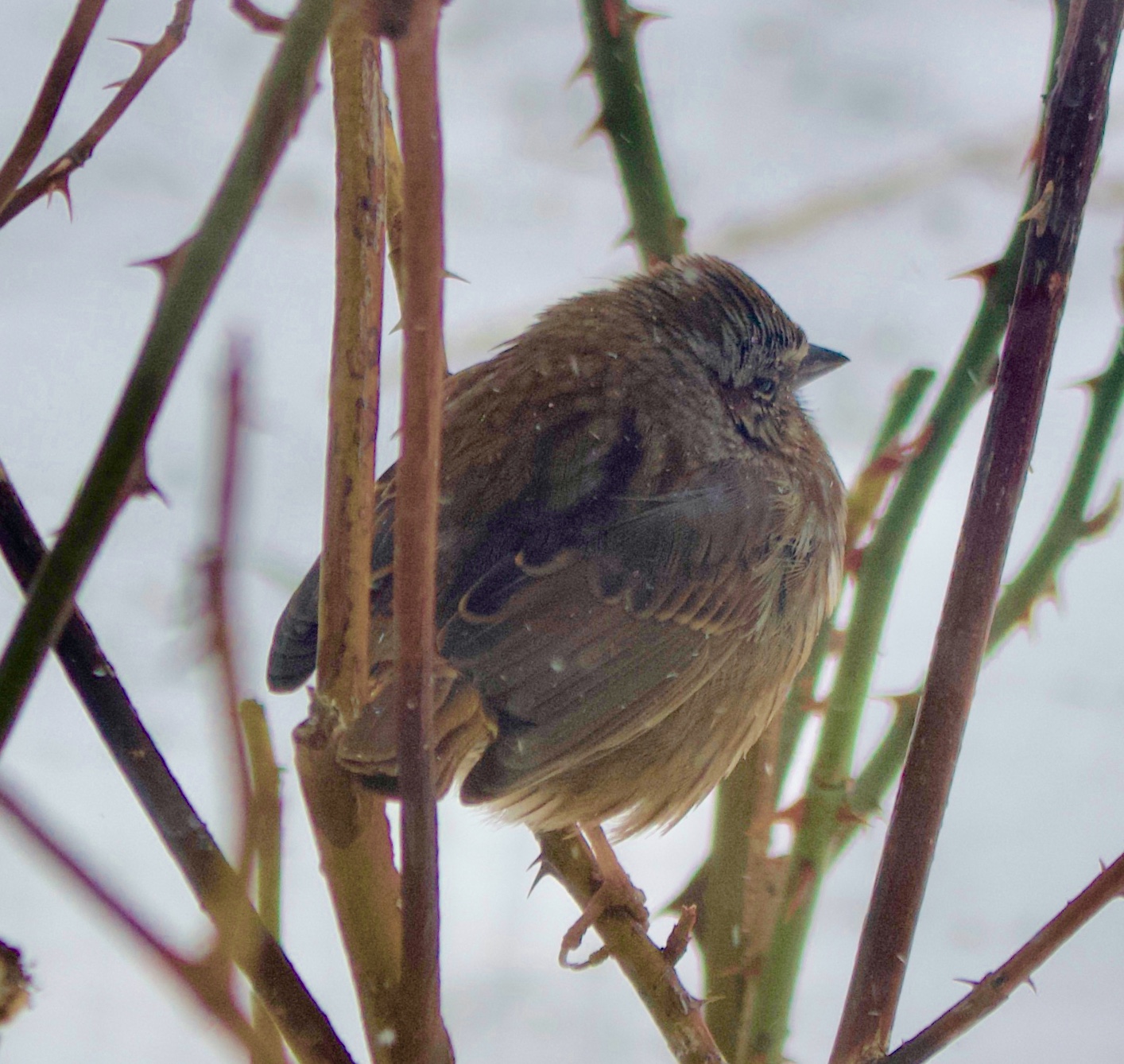
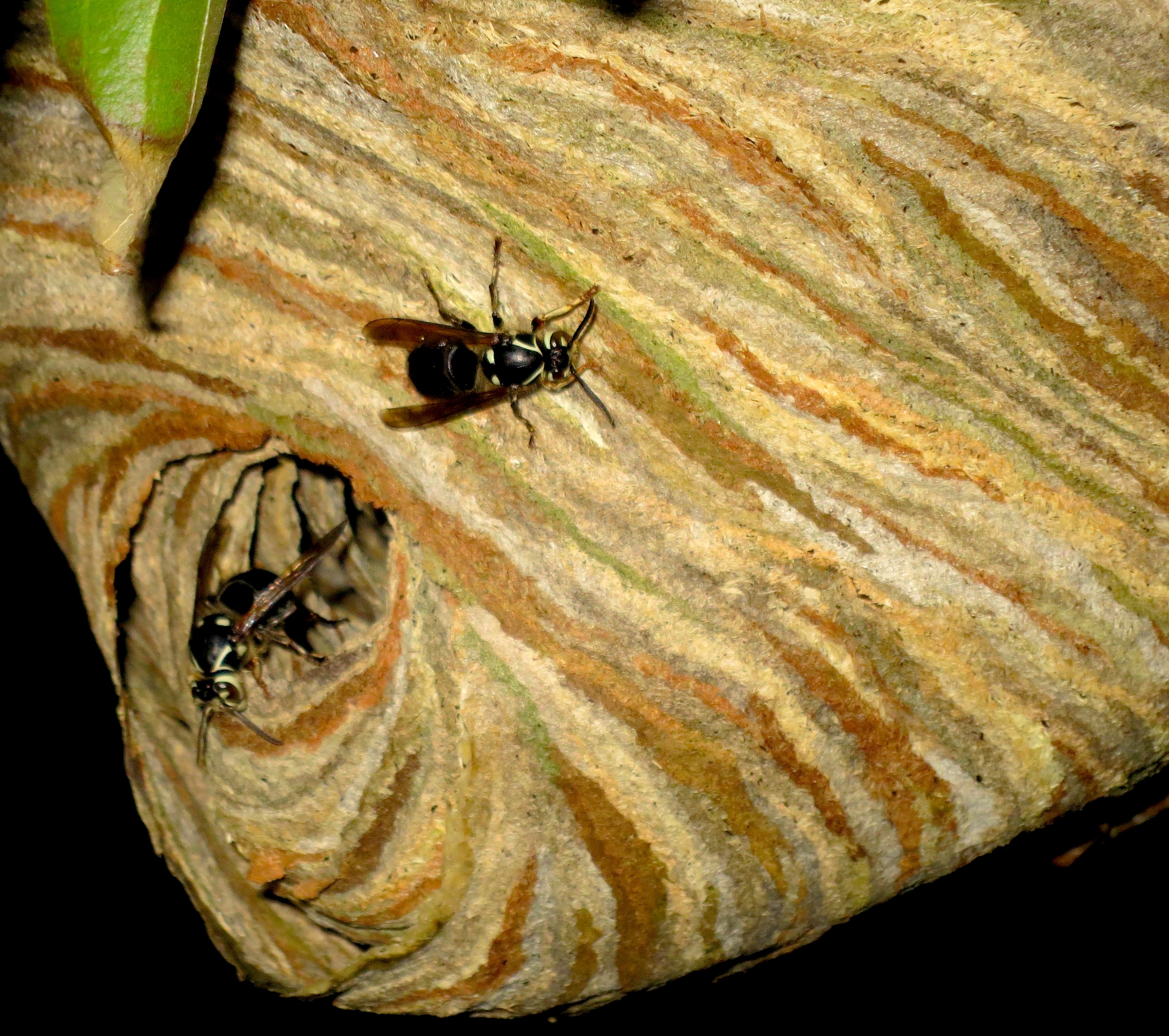
a sparrow, just now a sleepy wasp;
and, at twilight, the skunk
pokes out of the den,
anxious for mates and meals. . . .

On the floor of the woodshed
the coldest imaginable ooze,
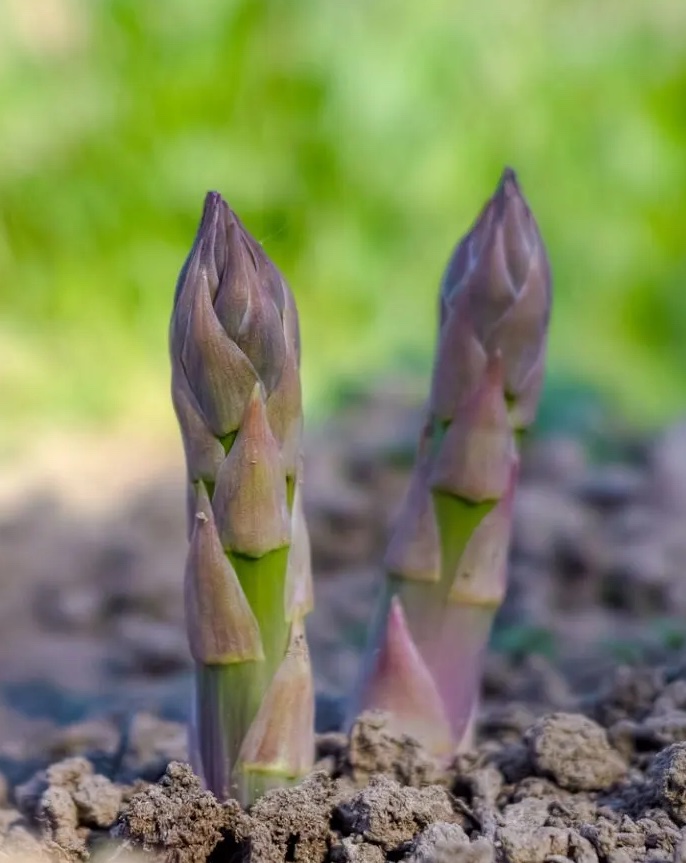
and soon the first shoots
of asparagus will rise,
the fingers of Lazarus. . . .

Earth’s open wounds — where the plow
gouged the ground last November —
must be smoothed; some sown
with seed, and all forgotten.

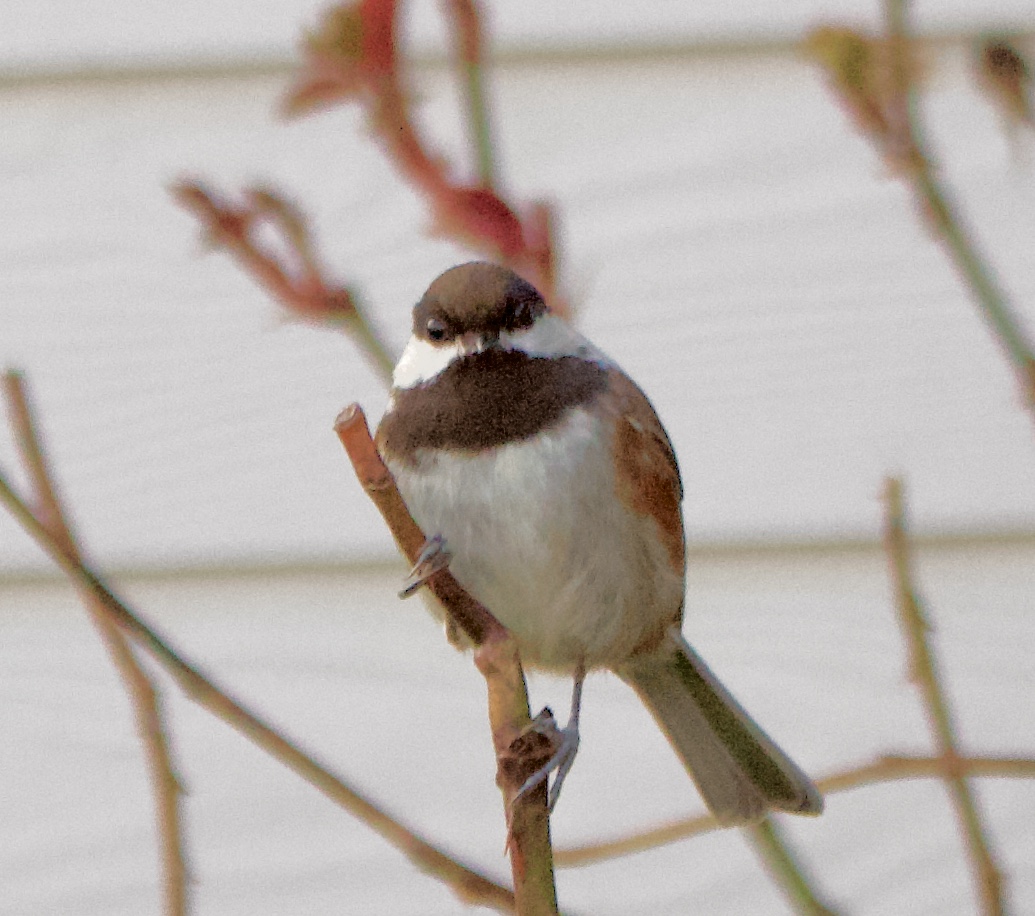
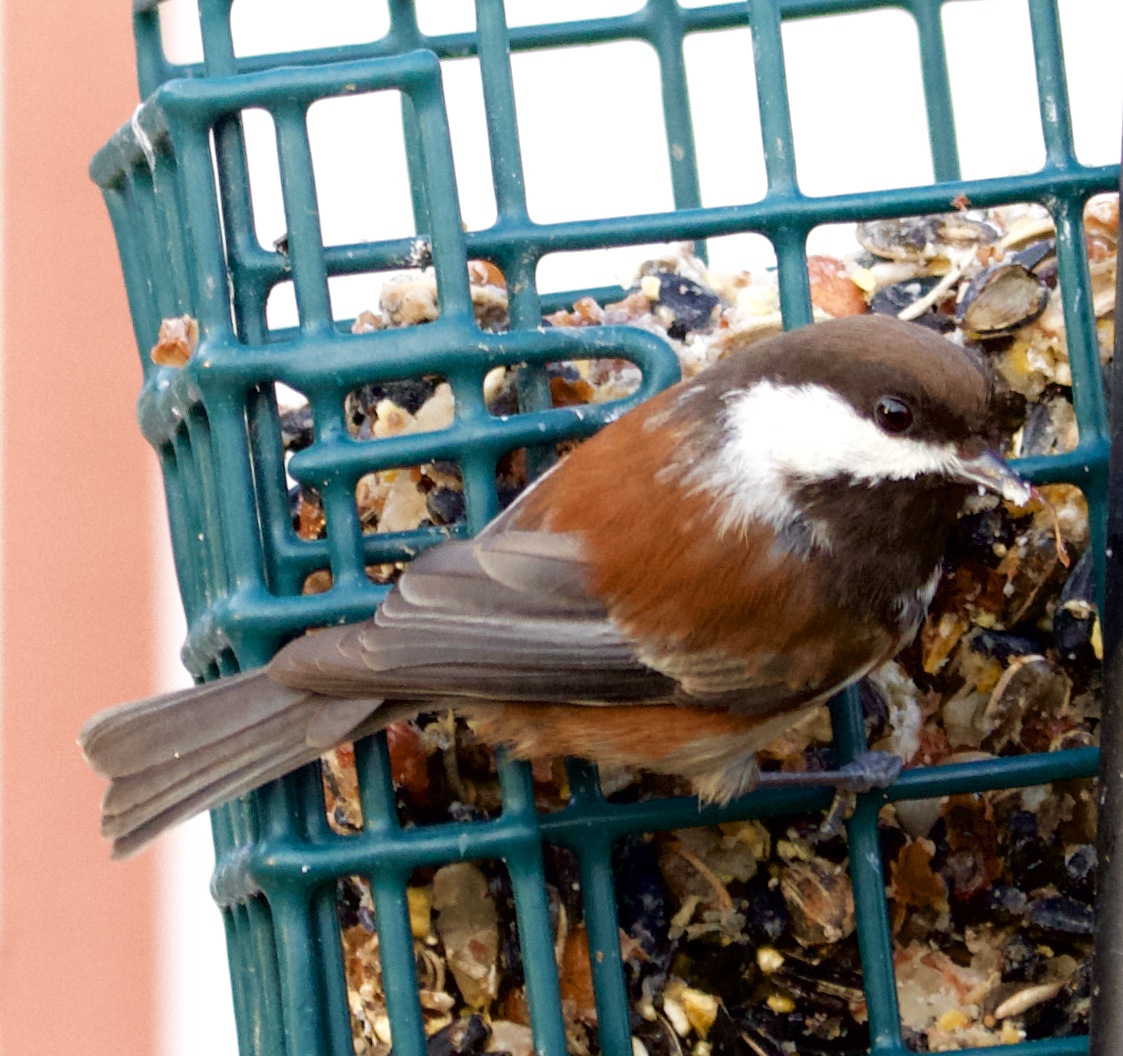
Now the nuthatch spurns the suet,
resuming its diet of flies, and the mesh
bag limp and greasy, might be taken
down.

Beside the porch step
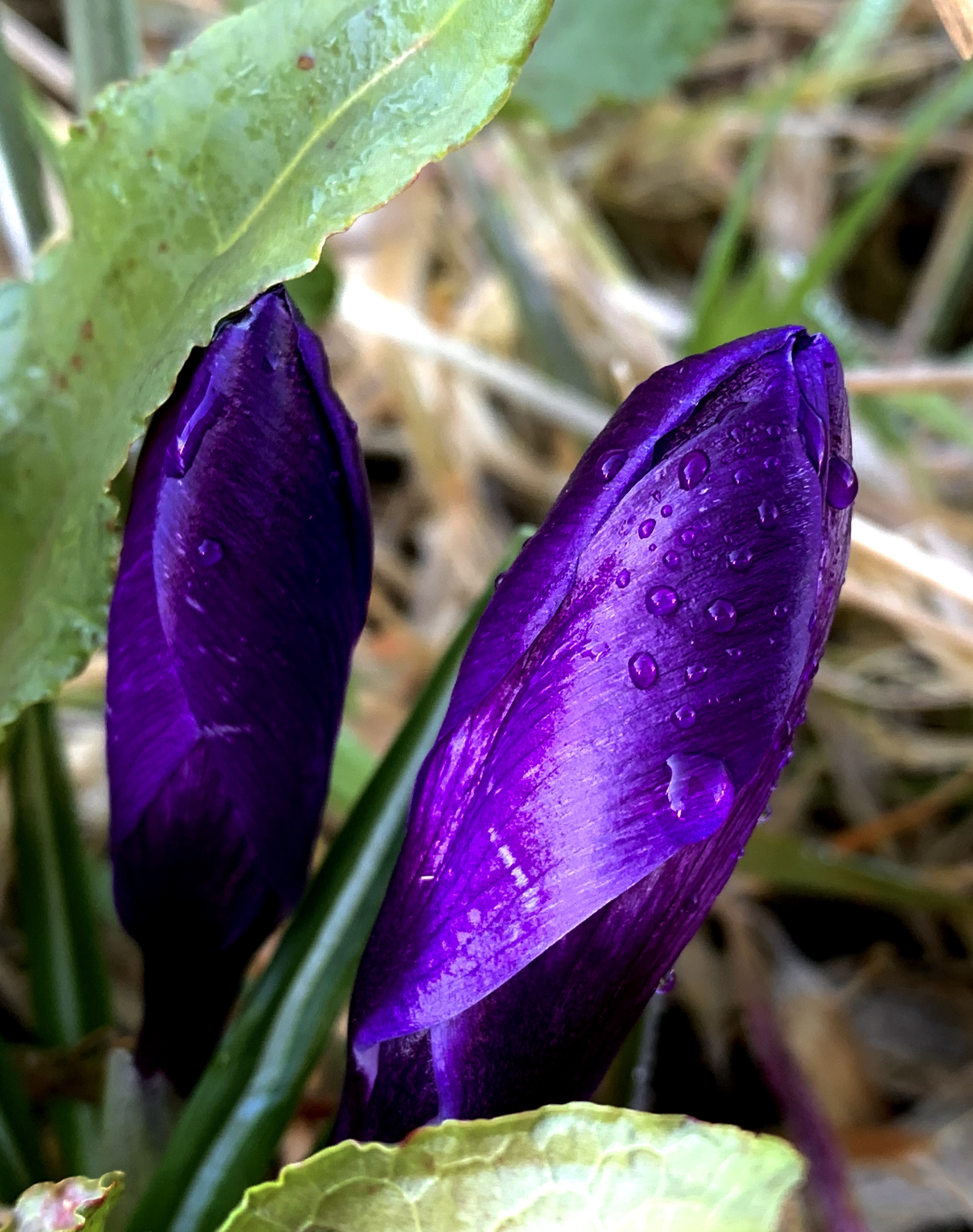
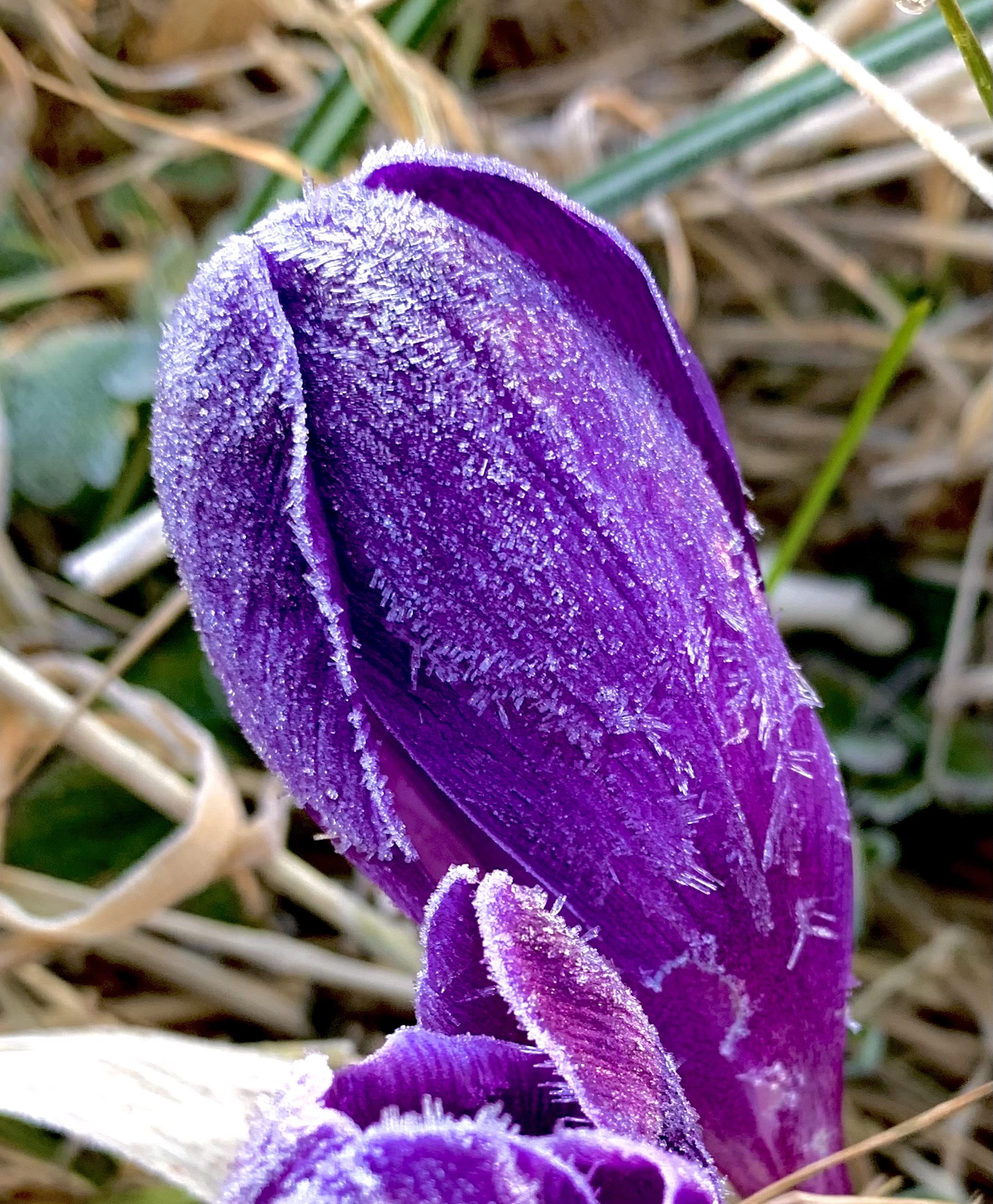
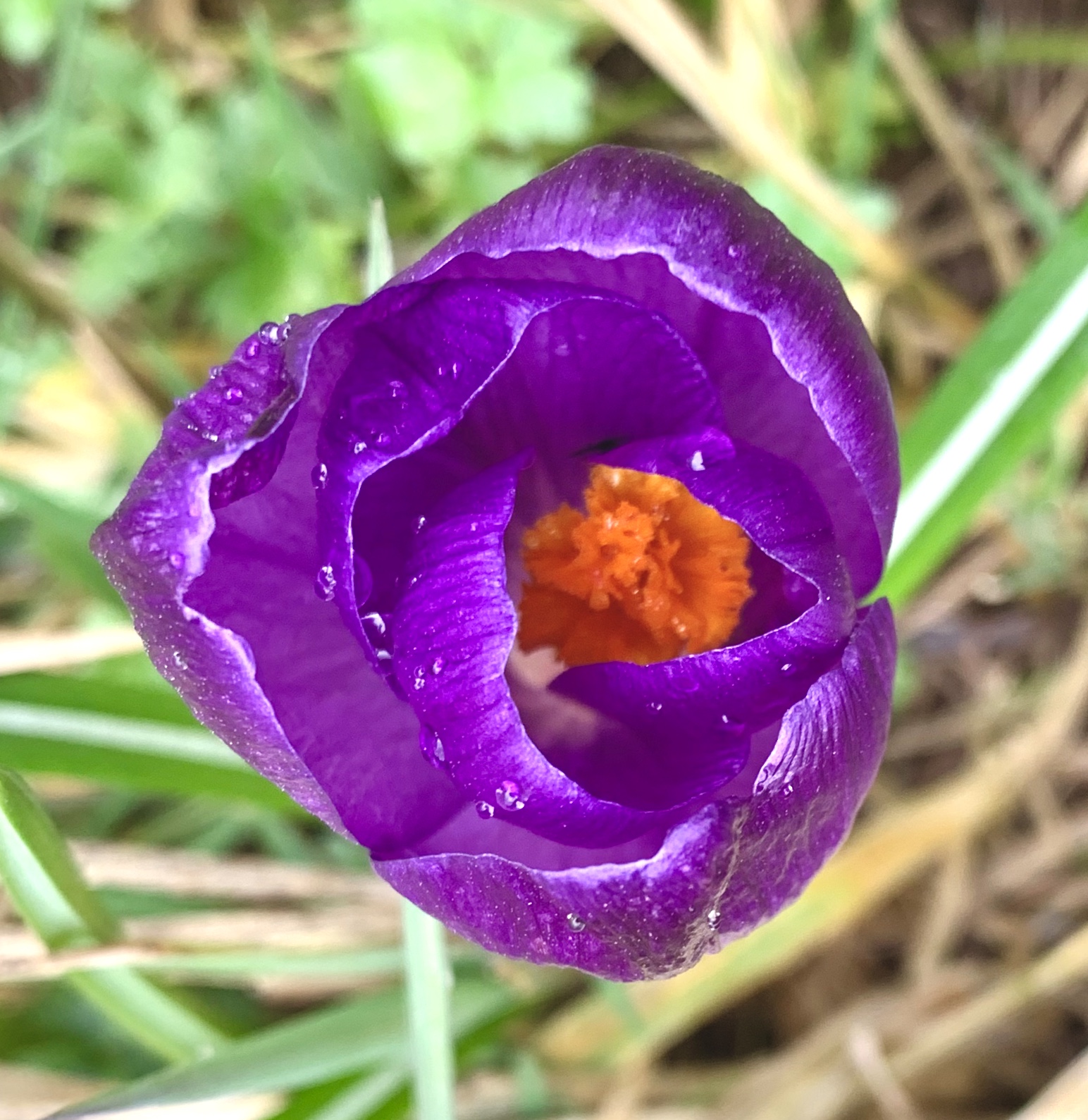
the crocus prepares an exaltation
of purple, but for the moment
holds its tongue. . . .
~Jane Kenyon, “Mud Season” from Collected Poems.

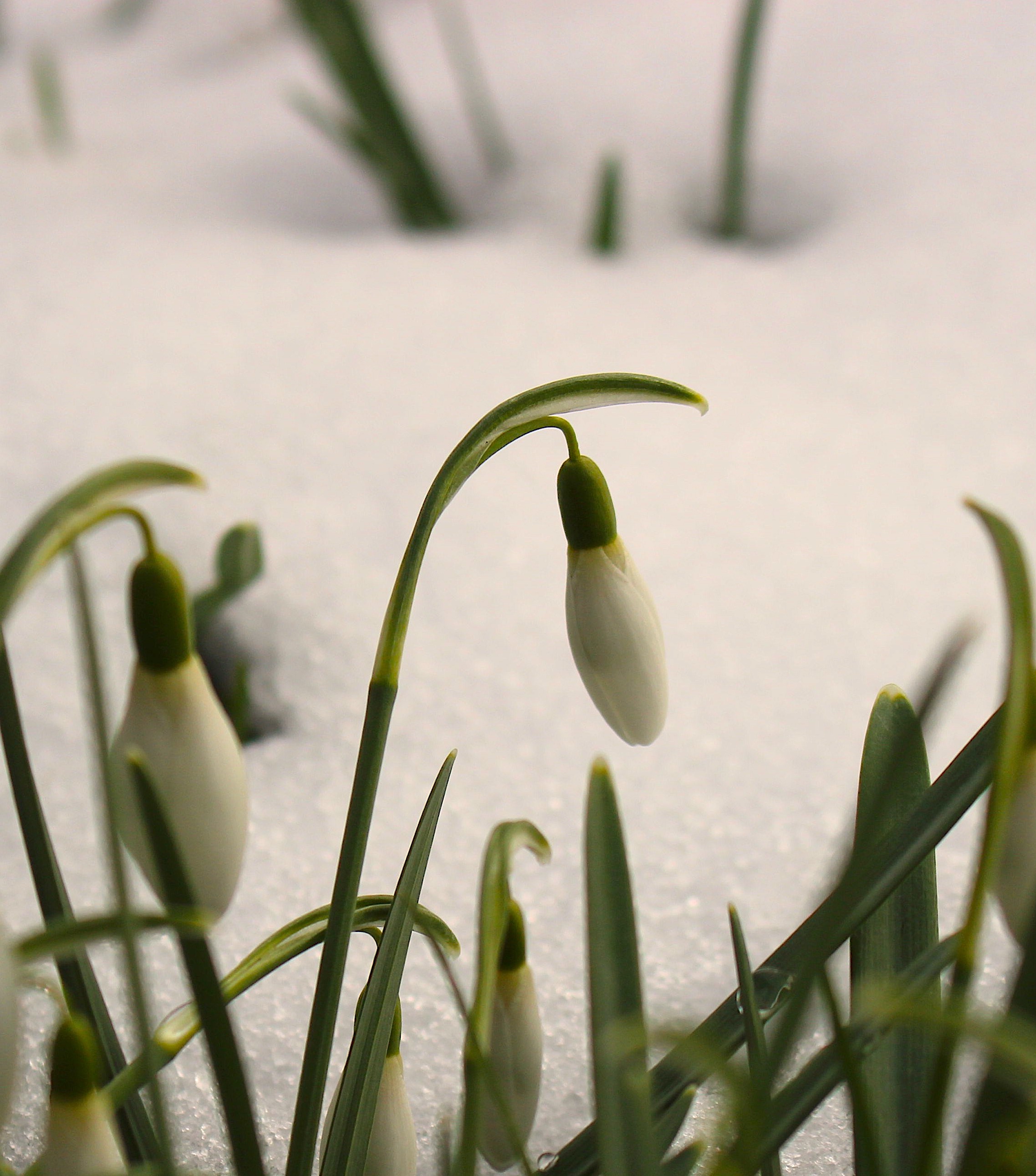
photo by http://www.positivebloom.com

Walking, I drew my hand over the lumpy
bloom of a spray of purple; I stripped away
my fingers, stained purple; put it to my nose,

the minty honey, a perfume so aggressively
pleasant—I gave it to you to smell,
my daughter, and you pulled away as if

I was giving you a palm full of wasps,
deceptions: “Smell the way the air
changes because of purple and green.”

This is the promise I make to you:
I will never give you a fist full of wasps,
just the surprise of purple and the scent of rain.
~Kwame Dawes “Purple”

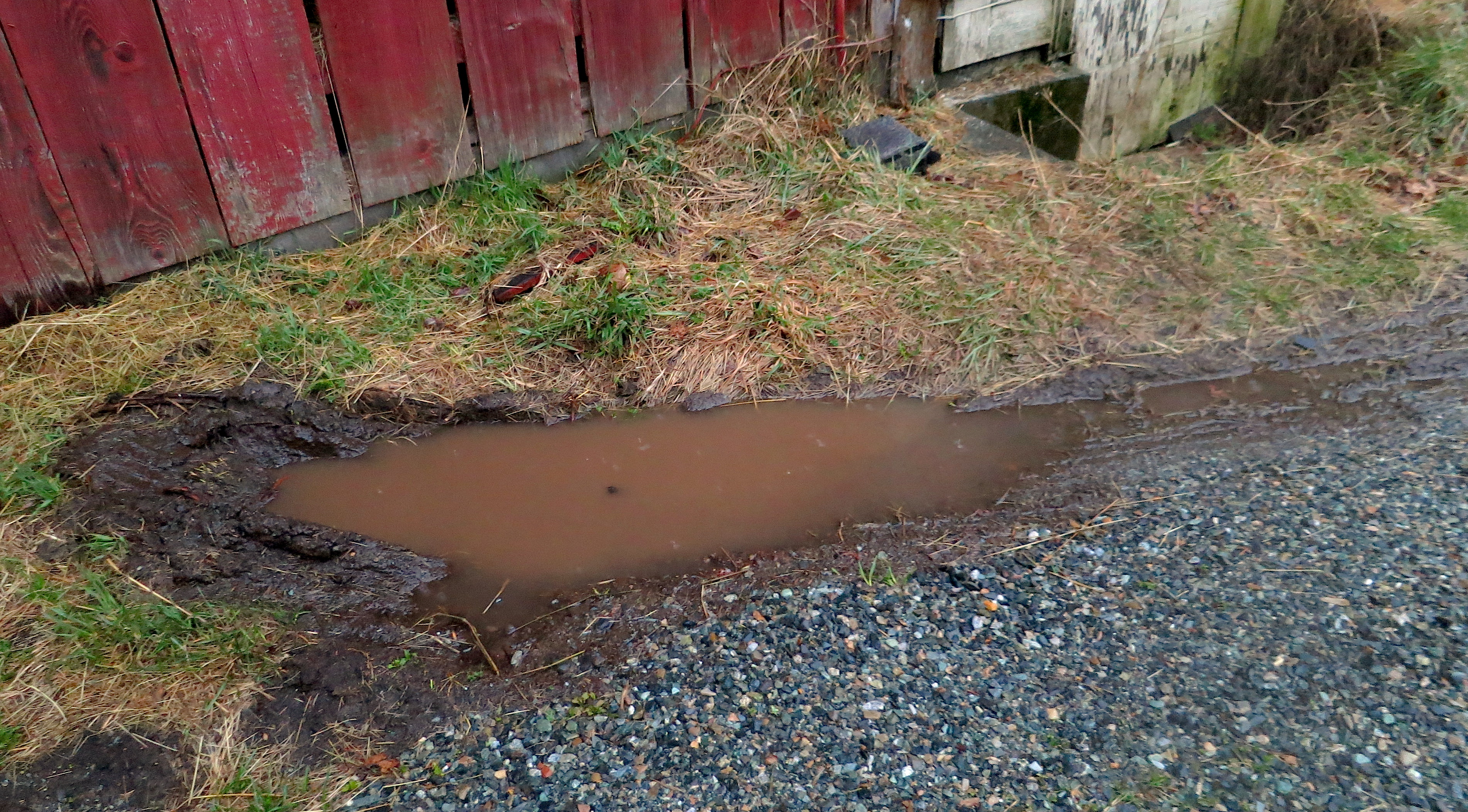
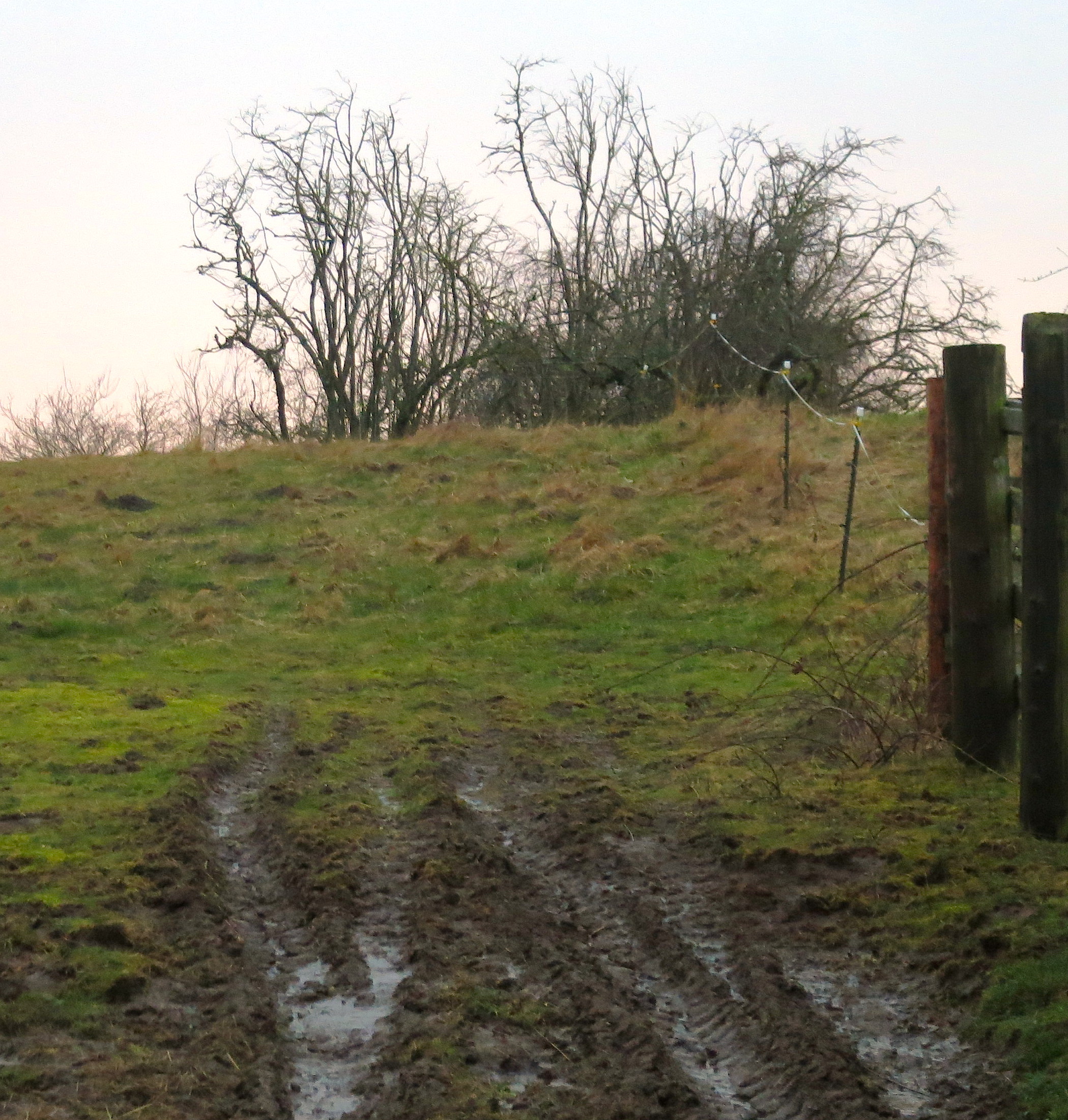
I have always identified more with the bland plainness of mud season as squishy brown ground is underfoot. I tend to dress myself in browns and never in elegant purples. It’s not that I don’t like purple – I do. I just have never felt worthy to be adorned in it like the sky and flowers and fruit.

Perhaps my reluctance to wear purple is that it represents the those who are regal and royal … yet also those who are bruised and battered … all at once.

I know One who was both, who took a beating for me in my place.

This year’s Lenten theme:
So we fix our eyes not on what is seen, but on what is unseen, since what is seen is temporary, but what is unseen is eternal.
2 Corinthians 4: 18

A Green Sprouting Thing

Now wind torments the field,
turning the white surface back
on itself, back and back on itself,
like an animal licking a wound.

Nothing but white–the air, the light;
only one brown milkweed pod
bobbing in the gully, smallest
brown boat on the immense tide.

A single green sprouting thing
would restore me . . .

Then think of the tall delphinium,
swaying, or the bee when it comes
to the tongue of the burgundy lily.
~Jane Kenyon “February: Thinking of Flowers”

Turning the page on the calendar last week or watching for groundhog predictions didn’t magically bring spring.  We’ve had more arctic wind and southerly blows as well. The sun has kept its face hidden behind its gray veil.

By this time of winter, I’m like a dog tormented by my own open and raw flesh, trying my best to lick it healed, unable to think of anything or anyone else, going over it again and again – how weary I feel, how bruised I am by the wind, how uprooted I feel, how impossibly long it will be until I feel warm again.

Then I see the photos from Turkey and Syria after the recent devastating series of building-shattering earthquakes leaving many dead, injured and homeless in mid-winter. I realize I truly have no idea how deep wounds can be…

Despite it all, green sprouts are trying to push up even while frozen by snow and ice. Soon fresh blooms will once again grace the barnyard and with that renewal of life and hope, I just might be distracted from my own wound-licking.

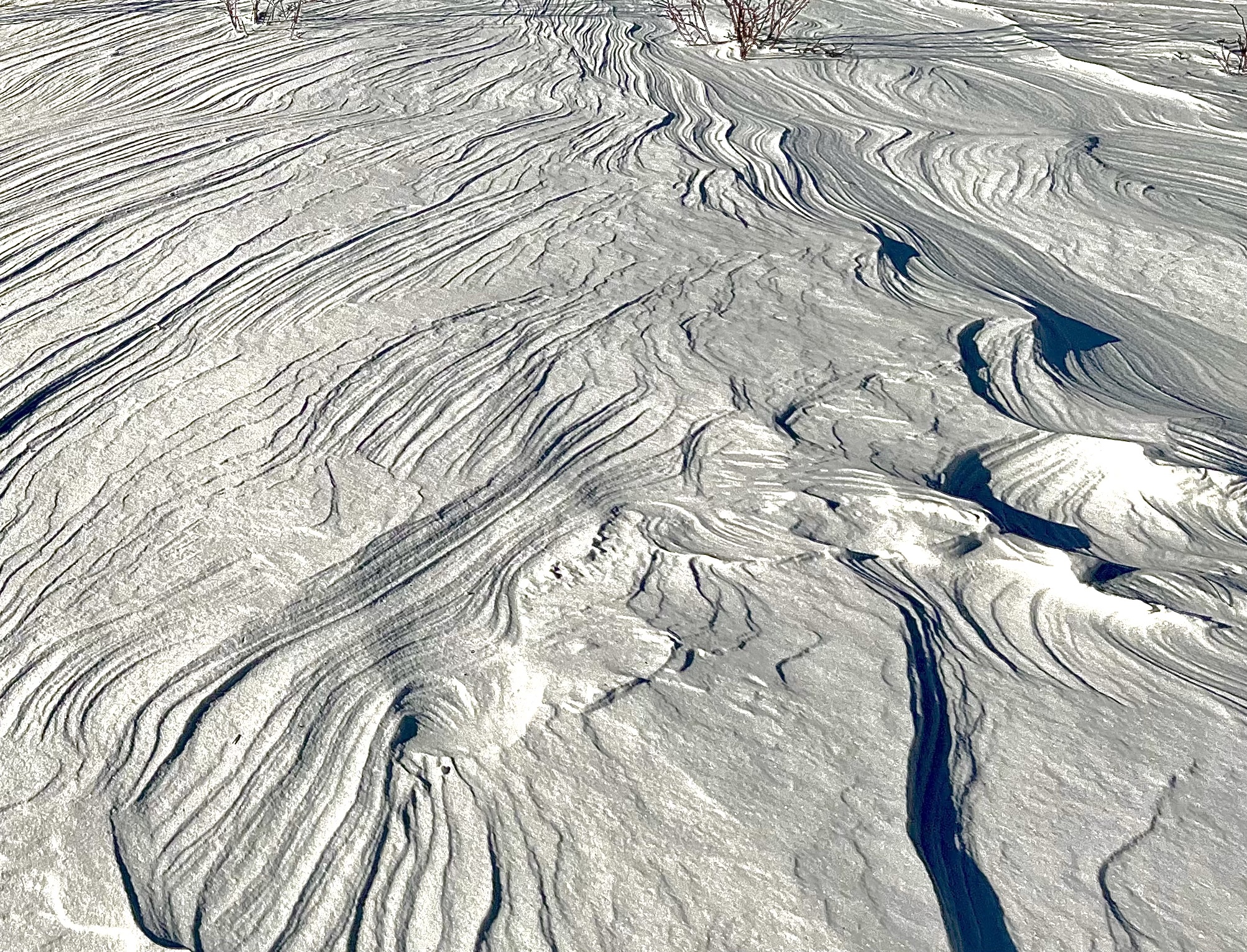
photo by Nate Gibson
One-Time
Monthly
Yearly

Make a one-time or recurring donation to support daily Barnstorming posts

Make a monthly donation

Make a yearly donation

Choose an amount

¤10.00
¤20.00
¤50.00
¤5.00
¤15.00
¤100.00
¤5.00
¤15.00
¤100.00

Or enter a custom amount

¤

Your contribution is deeply appreciated.

Your contribution is appreciated.

Your contribution is appreciated.

DonateDonate monthlyDonate yearly
Taking Time to Talk

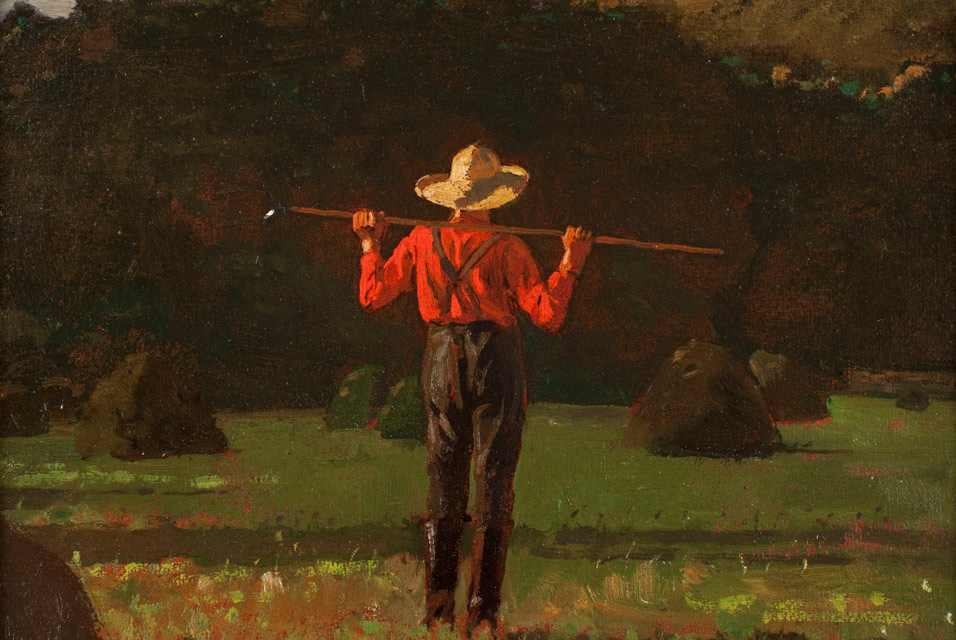
Farmer with a pitchfork by Winslow Homer

When a friend calls to me from the road
And slows his horse to a meaning walk,
I don’t stand still and look around
On all the hills I haven’t hoed,
And shout from where I am, ‘What is it?’
No, not as there is a time to talk.
I thrust my hoe in the mellow ground,
Blade-end up and five feet tall,
And plod: I go up to the stone wall
For a friendly visit.

~Robert Frost “A Time to Talk” from The Poetry of Robert Frost.

Conversations these days often take place asynchronously – text messages back and forth, voicemails, instant messages, emails – all composed and sent when most convenient so not necessarily as time-responsive as they could be.

Chatting over a fence, or on a front porch or even over the phone just doesn’t happen easily any more, especially during the pandemic years of avoiding face-to-face encounters.

Even more unusual is taking time during the work day to talk. Interruptions leading to setting aside the computer mouse or the stethoscope or the hoe can be challenging when there are only so many hours in the day.

I’m really terrible at conversation because I’ve always been shy and awkward at small talk. It’s all good when it is part of my work in an exam room, but to be honest, I don’t make time to go out to coffee with someone, or meet over a meal, or even enjoy a spontaneous visit while out for a walk or the grocery store. I’d rather be washing dishes at our weekly church potlucks.

And I’m missing out on an opportunity to love and be loved. Forgive me, friends, for my reticent nature.

The next time someone shouts at me “Howdy!” – I won’t just wave and keep on with whatever business I’m doing. I’ll stop, set aside my work tools and come over to chat. Putting two heads together in conversation is what our life and language is all about

Howdy back at you!

One-Time
Monthly
Yearly

Make a one-time or recurring donation to support daily Barnstorming posts

Make a monthly donation

Make a yearly donation

Choose an amount

¤10.00
¤20.00
¤50.00
¤5.00
¤15.00
¤100.00
¤5.00
¤15.00
¤100.00

Or enter a custom amount

¤

Your contribution is deeply appreciated.

Your contribution is appreciated.

Your contribution is appreciated.

DonateDonate monthlyDonate yearly
When One’s Ramble is Over

The smell of that buttered toast simply spoke to Toad,
and with no uncertain voice;
talked of warm kitchens,
of breakfasts on bright frosty mornings,
of cozy parlour firesides on winter evenings,
when one’s ramble was over
and slippered feet were propped on the fender;
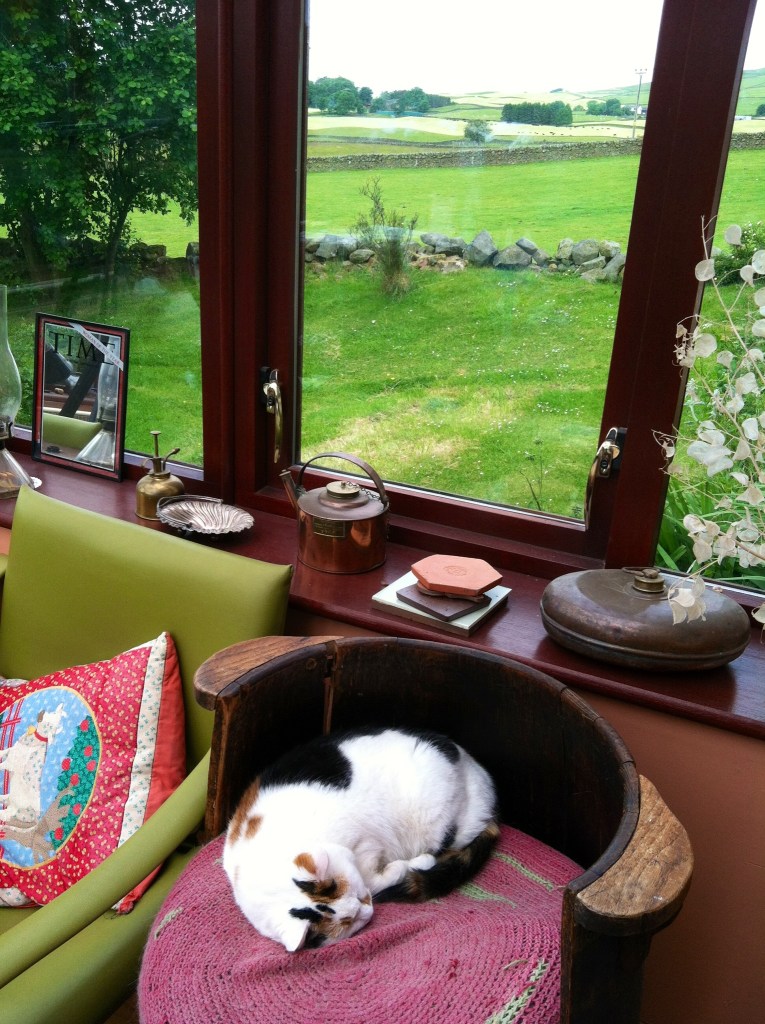
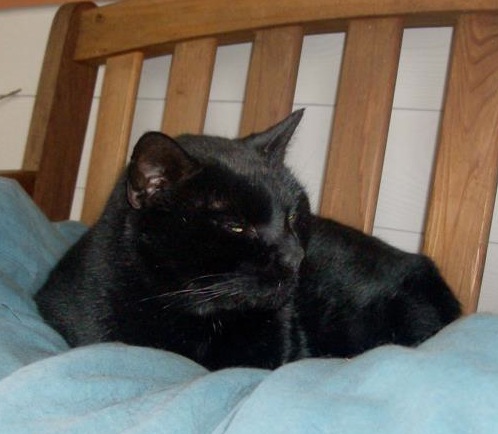
of the purring of contented cats,
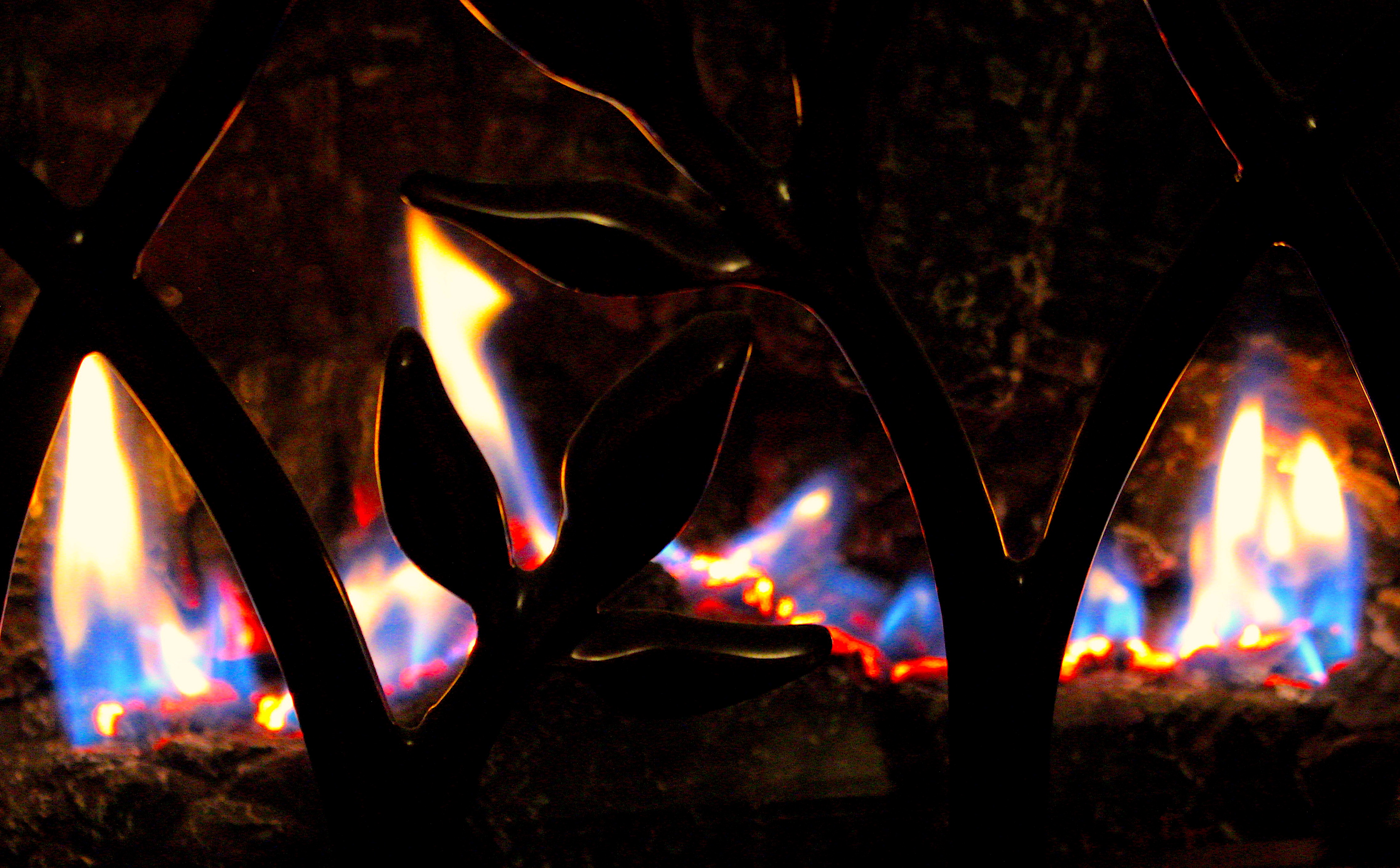
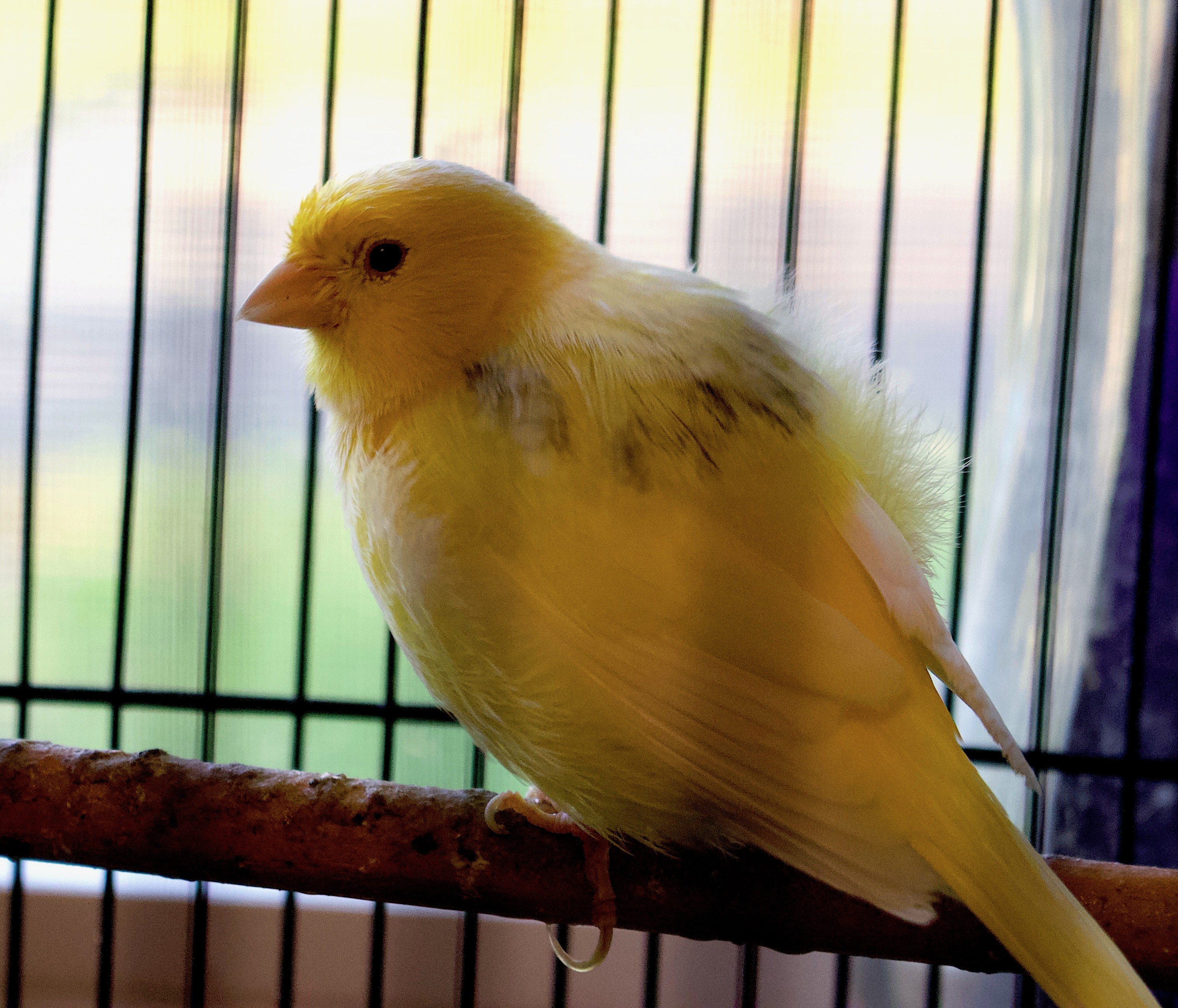
and the twitter of sleepy canaries.
~Kenneth Grahame, The Wind in the Willows

I’m not a practitioner of the ancient art of aromatherapy for medicinal purposes but I do know certain smells transport me more effectively than any other mode of travel. One whiff of a familiar scent can take me back years to another decade and place, in time traveling mode. I am so in the moment, both present and past, my brain sees, hears, tastes, feels everything just as it was before.

The most vivid are kitchen smells. Cinnamon becomes my Grandma’s farm kitchen full of rising breakfast rolls, roasting turkey is my mother’s chaotic kitchen on Thanksgiving Day, fresh baked bread is my own kitchen during those years I needed to knead as therapy during medical training.

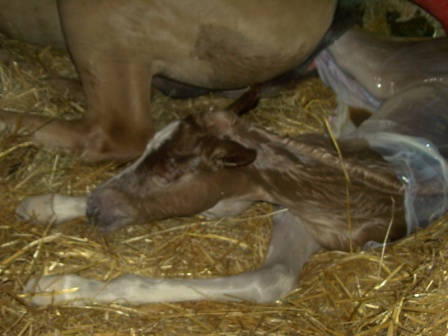
The newly born wet fur of my foals in the barn carries the sweet and sour amnion that was part of every birth I’ve been part of: delivering others and delivering my own. My heart races at the memory of the drama of those first breaths.

The garden yields its own treasure: tea roses, sweet peas, heliotrope, mint, lemon verbena take me back to lazy breezes wafting through open bedroom windows in my childhood home. And of course the richness of petrichor: the fragrance of the earth after a long awaited rain will remind me of how things smell after a dry spell.

I doubt any aromatherapy kit available would include my most favorite farm smells: newly mown hay, fresh fir shavings for stall bedding,  the mustiness of the manure pile, the green sweetness of a horses’ breath.

Someday I’ll figure out how to bottle all these up to keep forever.   Years from now my rambles will be over, when I’m too feeble to walk to the barn,  I can sit by my fireplace, close my eyes, open it up and take a whiff now and then to remind me of all I’m grateful for. 

I’ll breathe deeply of those memories that speak to me through scents — with no uncertain voice.

One-Time
Monthly
Yearly

Make a one-time or recurring donation to support daily Barnstorming posts

Make a monthly donation

Make a yearly donation

Choose an amount

¤10.00
¤20.00
¤50.00
¤5.00
¤15.00
¤100.00
¤5.00
¤15.00
¤100.00

Or enter a custom amount

¤

Your contribution is deeply appreciated.

Your contribution is appreciated.

Your contribution is appreciated.

DonateDonate monthlyDonate yearly

Rumors of Rutabagas

Rutabagas were new to me
when I first paired with Jean.
At Thanksgiving and Easter dinners
her grandpa Frank, her spinster cousin,
mom, dad, and a tribe of handsome
brothers dined in near silence
at a great green table
with fierce griffins underneath.
I would wonder if their quiet
was about secrets or something wrong
but now I think it was
just how they gathered.

Rutabagas were on the table.
I had to ask Jean what they were.
My first mouthful tasted
like something in a gunny sack;
nothing like a wine
from which an epicure, or would-be epicure,
might claim to read the soils
in which the grapes were grown.
She said she loved their dug-up texture,
the hint of dirt
that couldn’t be baked away,
how they left the tongue
with a rumor of something
underground and dark.

Autumn vegetables suit her,
I think, and none more than rutabagas,
so reluctant to have left the ground.

~James Silas Rogers, “Rutabagas: A Love Poem” from Sundogs

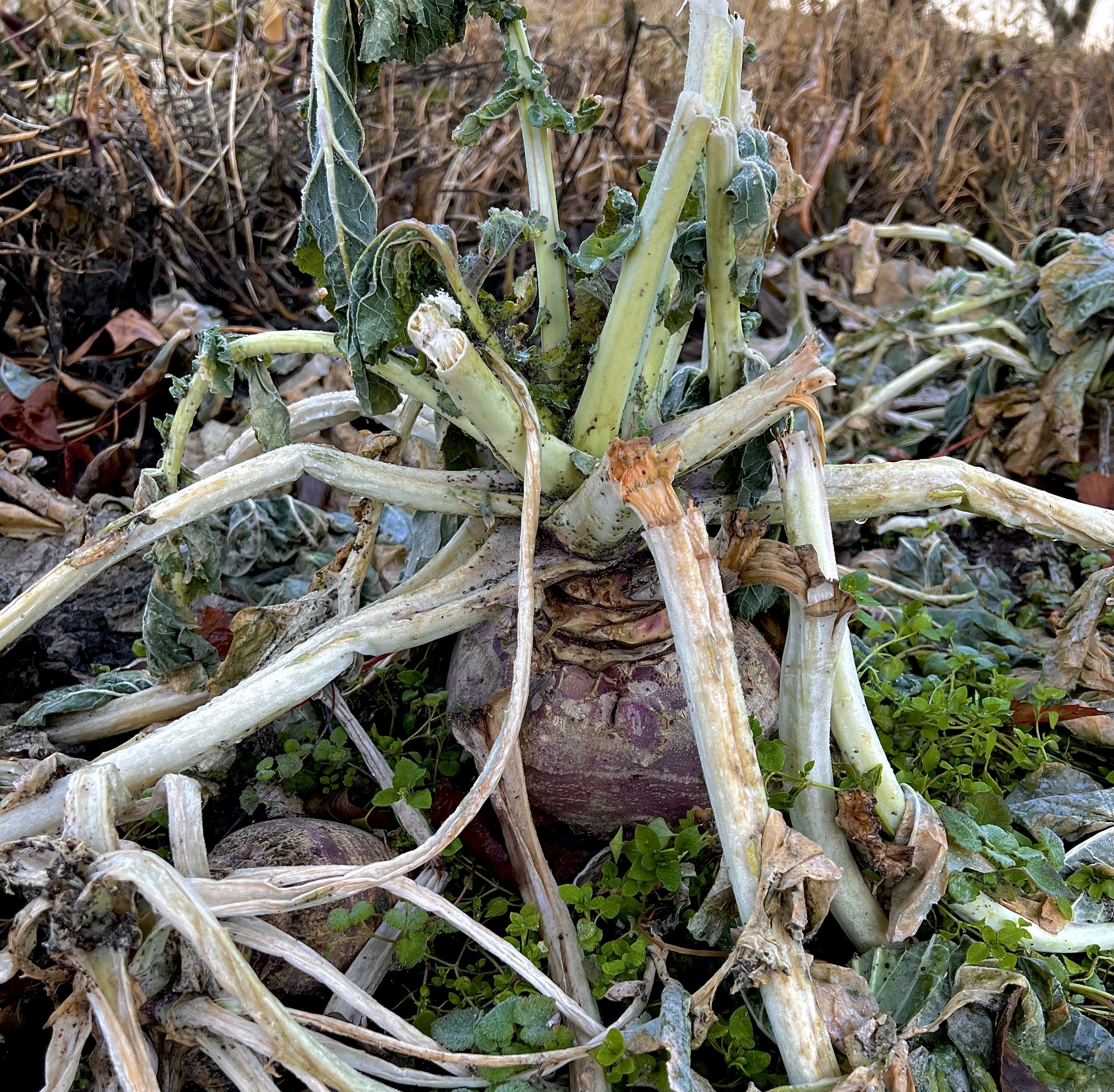
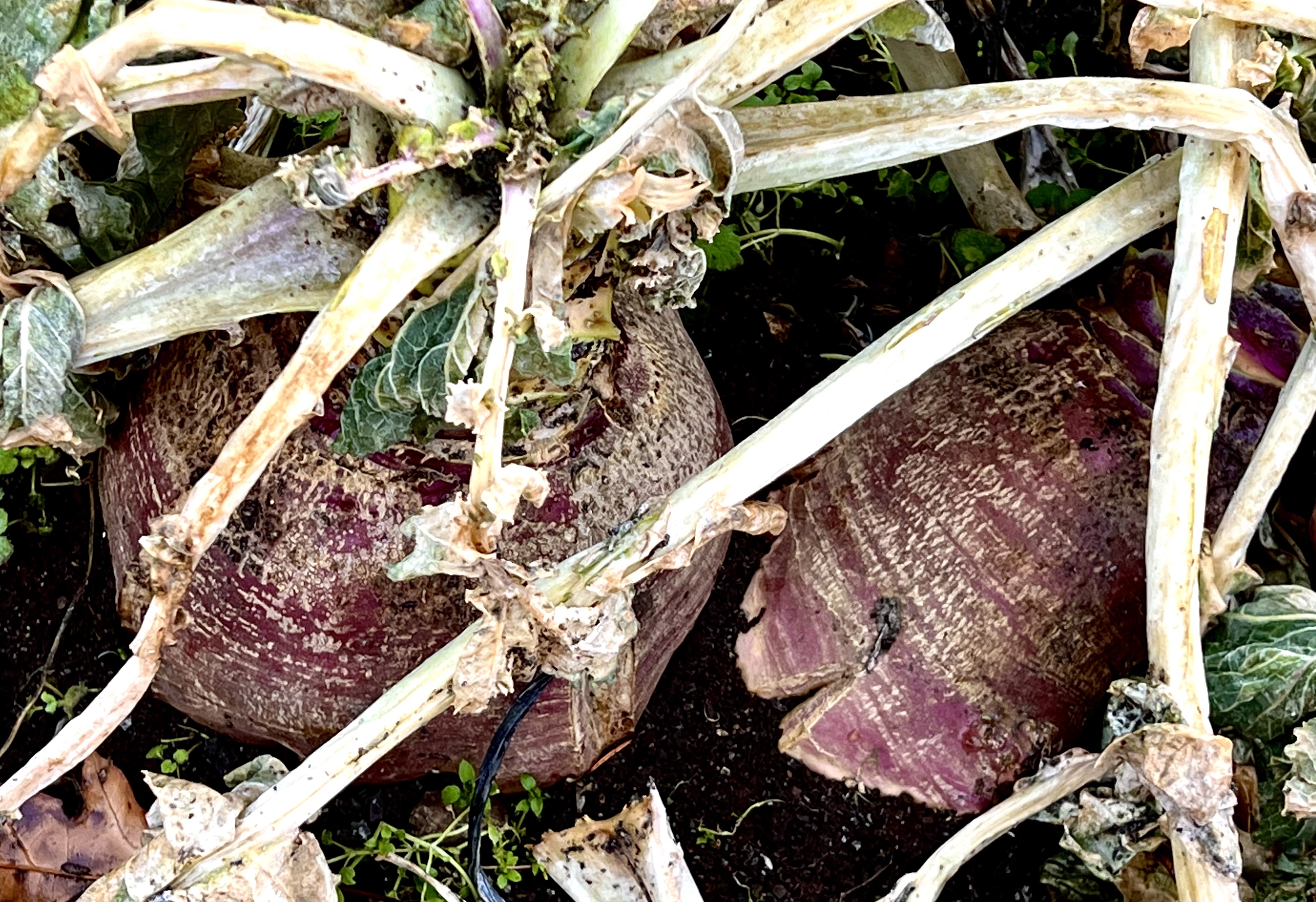
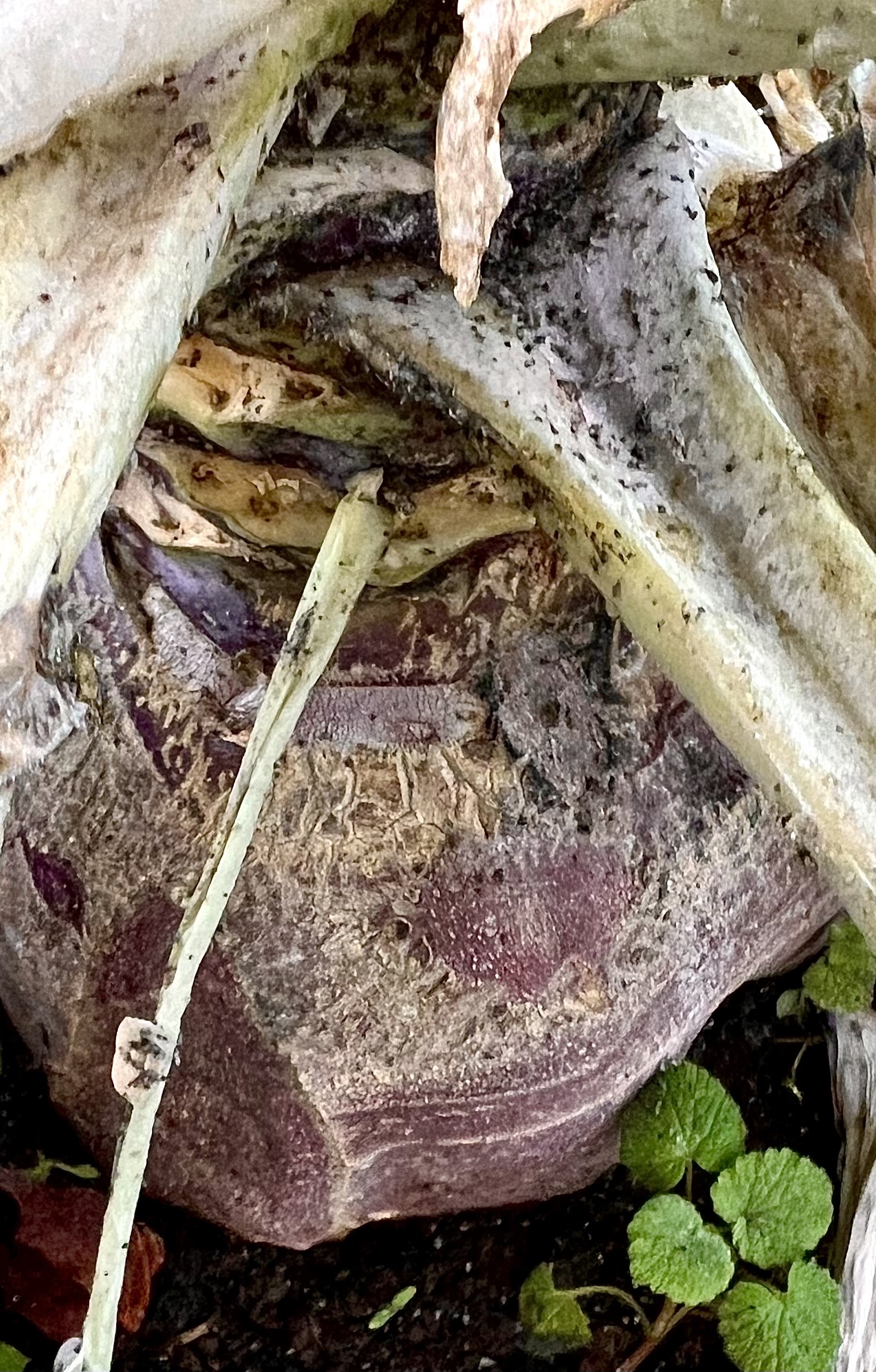
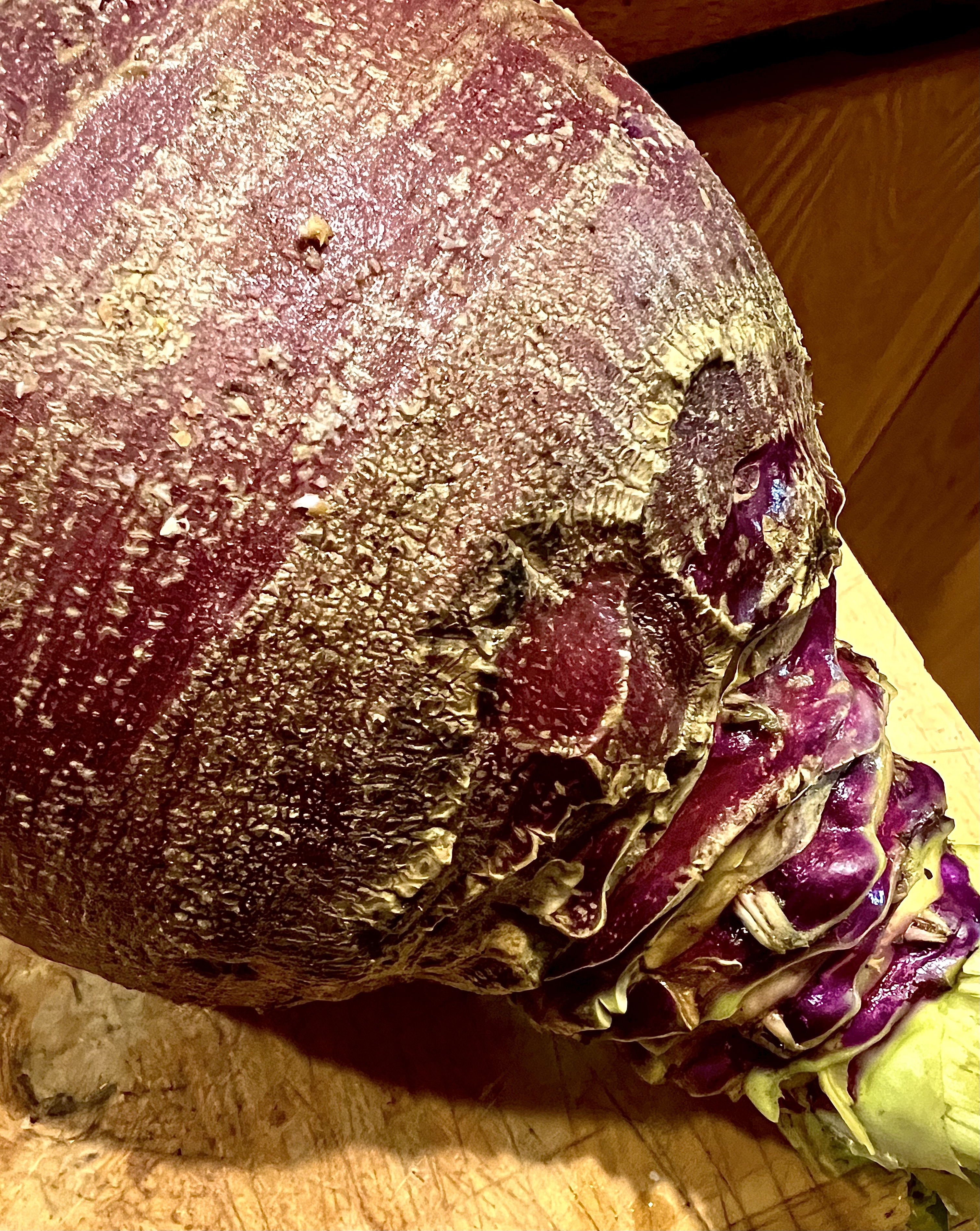
It’s true. We had never eaten rutabaga before this Thanksgiving. It is an otherworldly thing that looks like it would rather stay out of sight in the ground. Rutabagas get no respect because they appear rough and tumble, though in actuality they are exceedingly humble with a shy sense of humor.

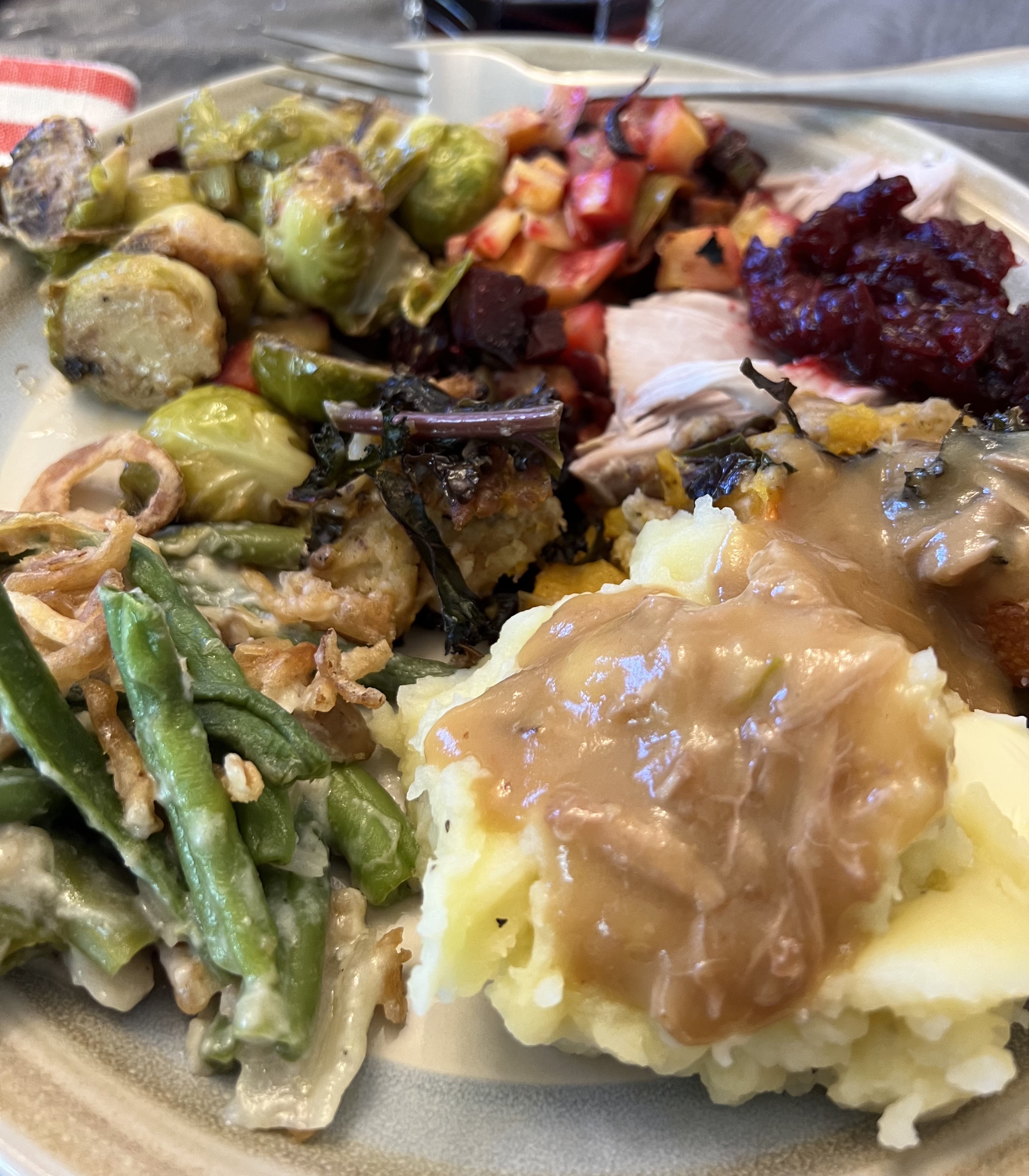
Our son Ben is an innovative cook and loves to try new things for family get-togethers. This week our dinner was graced with peeled, diced and roasted root vegetables including this new addition. These all came direct from our garden – hiding deep in the soil one minute and roasting in olive oil and seasonings the next: beets, carrots, leeks, garlic and this absolutely ginormous and homely-looking rutabaga.

This is Dan’s first year of planting rutabaga seed, having experimented with turnips previously; we were impressed with the growth of roots up to the size of a melon. It was a great addition to the roasted vegetables, tasting of an earthy but slightly sweet essence of the soil that nourished it.

Rumor is – rutabagas will be back in the garden plan for next year. There is just something exceptional about a scabby-skinned, pock-marked and bumpy vegetable that prefers to stay tucked away in the dark underground, but when chosen, picked and brought into the light, happily feeds a family for a week.

May we all have the heart of a rutabaga.

One-Time
Monthly
Yearly

Make a one-time or recurring donation to support daily Barnstorming posts

Make a monthly donation

Make a yearly donation

Choose an amount

¤10.00
¤20.00
¤50.00
¤5.00
¤15.00
¤100.00
¤5.00
¤15.00
¤100.00

Or enter a custom amount

¤

Your contribution is deeply appreciated.

Your contribution is appreciated.

Your contribution is appreciated.

DonateDonate monthlyDonate yearly
A Crumb of Thanks

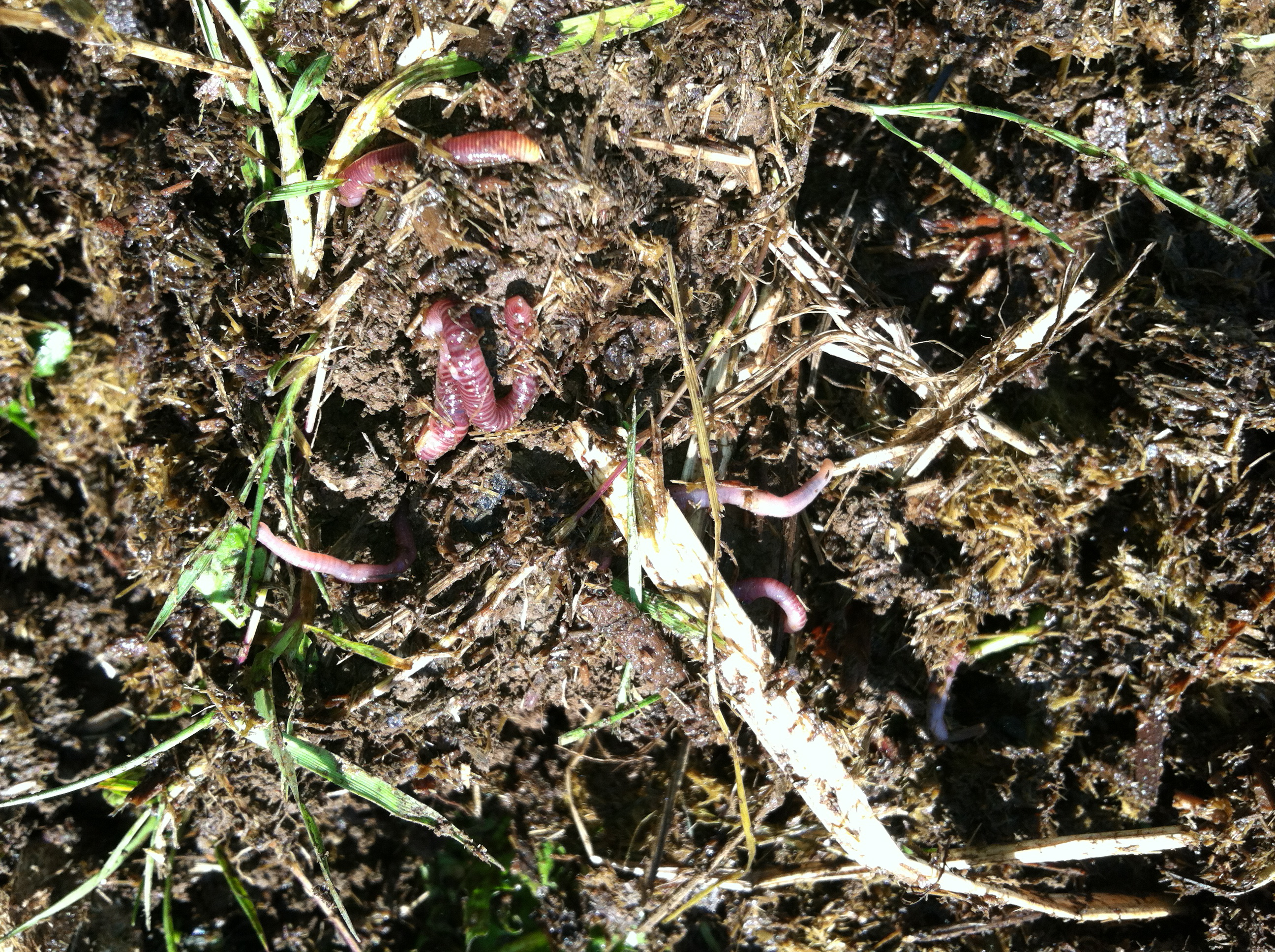
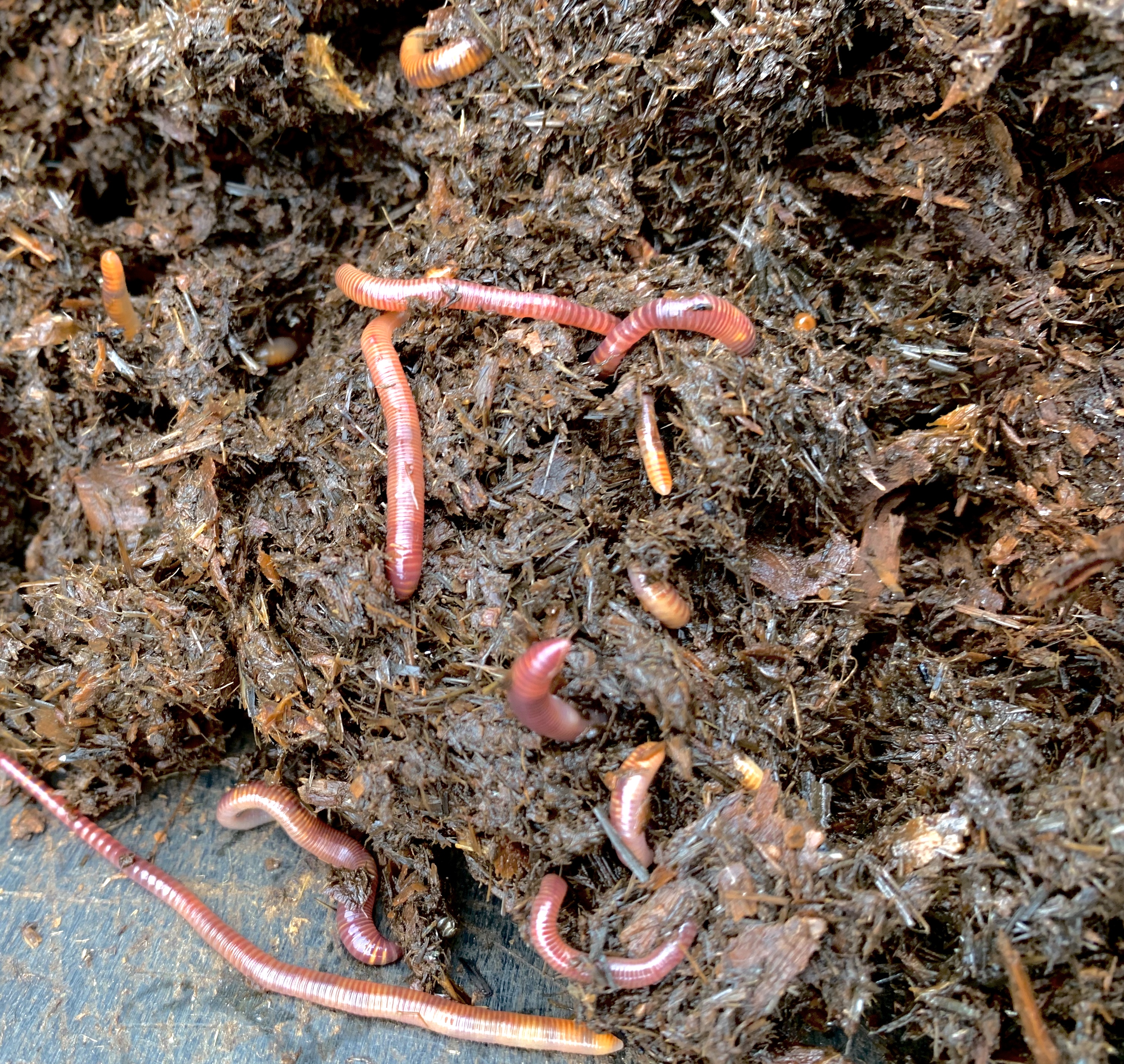
Aren’t you glad at least that the earthworms
Under the grass are ignorant, as they eat the earth,
Of the good they confer on us, that their silence
Isn’t a silent reproof for our bad manners,
Our never casting earthward a crumb of thanks
For their keeping the soil from packing so tight
That no root, however determined, could pierce it?

Imagine if they suspected how much we owe them,
How the weight of our debt would crush us
Even if they enjoyed keeping the grass alive,
The garden flowers and vegetables, the clover,
And wanted nothing that we could give them,
Not even the merest nod of acknowledgment.

A debt to angels would be easy in comparison,
Bright, weightless creatures of cloud, who serve
An even brighter and lighter master.


Lucky for us they don’t know what they’re doing,
These puny anonymous creatures of dark and damp
Who eat simply to live, with no more sense of mission
Than nature feels in providing for our survival.

…the tunneling earthworms, tireless, silent,
As they persist, oblivious, in their service.

~Carl Dennis from “Worms”

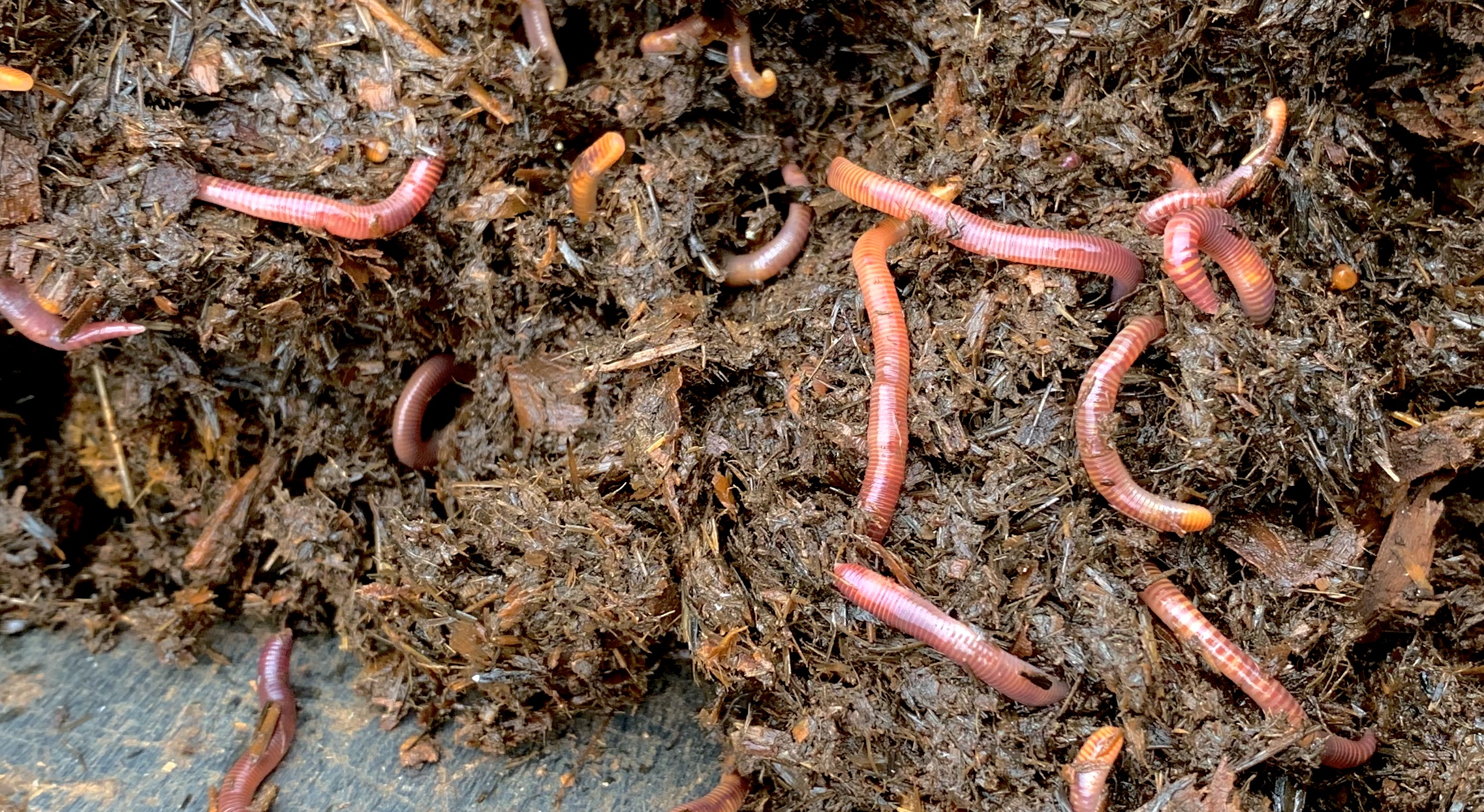
We’ve been carefully composting horse manure for years behind the barn, and we dig in to the 10 foot tall pile to spread on our garden plots. As Dan pushed the tractor’s front loader into the pile, steam rose from its compost innards. As the rich soil was scooped, thousands of newly exposed red wiggler worms immediately dove for cover. Within seconds, thousands of naked little creatures had, well, …wormed their way back into the security of warm dirt, rudely interrupted from their routine. I can’t say I blamed them.

Hundreds of thousands of wigglers ended up being forced to adapt to new quarters, leaving the security of the manure mountain behind. As I smoothed the topping of compost over the garden plot, the worms–gracious creatures that they are–tolerated being rolled and raked and lifted and turned over, waving their little bodies expectantly in the cool air before slipping back down into the dark. There they will begin their work of digesting and aerating the tired soil of the garden, reproducing in their unique hermaphroditic way, leaving voluminous castings behind to further feed future seedlings to be planted.

Worms are unjustly denigrated by humans primarily because we don’t like to be surprised by them. We don’t like to see one in our food, especially only part of one, and are particularly distressed to see them after we’ve digested our food. Once we get past that bit of squeamishness, we can greatly appreciate their role as the ultimate recyclers, leaving the earth a lot better off once they are finished with their work. We humans actually suffer by comparison; to be called “a worm” is really not as bad as it sounds at first. However, the worm may be offended by the association.

I hope to prove a worthy innkeeper for these new tenants.
May they live long and prosper.
May the worm forgive the disruption of my rake and shovel.
May I smile appreciatively the next time someone calls me a mere worm.

One-Time
Monthly
Yearly

Make a one-time or recurring donation to support daily Barnstorming posts

Make a monthly donation

Make a yearly donation

Choose an amount

¤10.00
¤20.00
¤50.00
¤5.00
¤15.00
¤100.00
¤5.00
¤15.00
¤100.00

Or enter a custom amount

¤

Your contribution is deeply appreciated.

Your contribution is appreciated.

Your contribution is appreciated.

DonateDonate monthlyDonate yearly
Vines Running Wild

Poetry is a rich, full-bodied whistle,
cracked ice crunching in pails,
the night that numbs the leaf,
the duel of two nightingales,
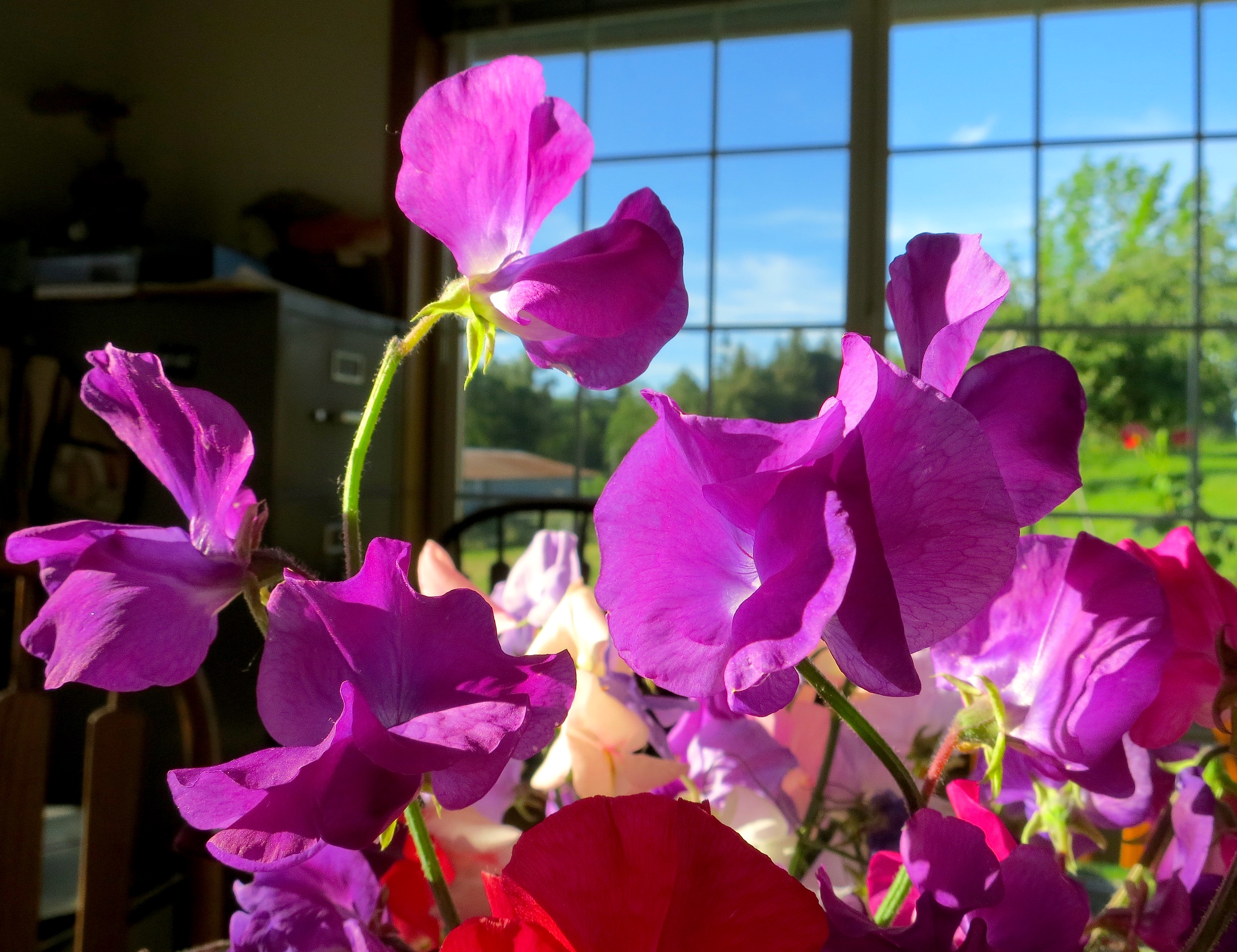
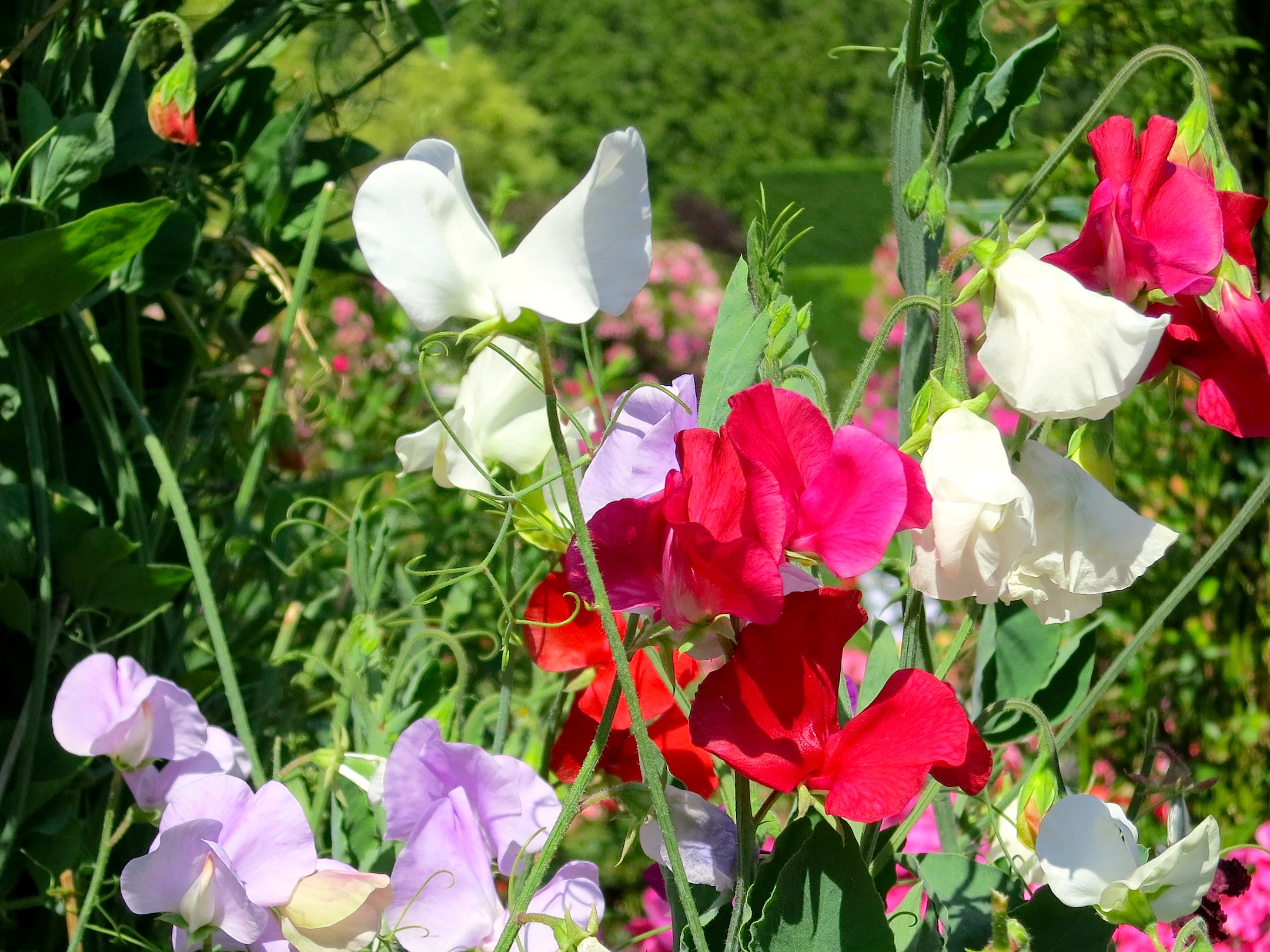
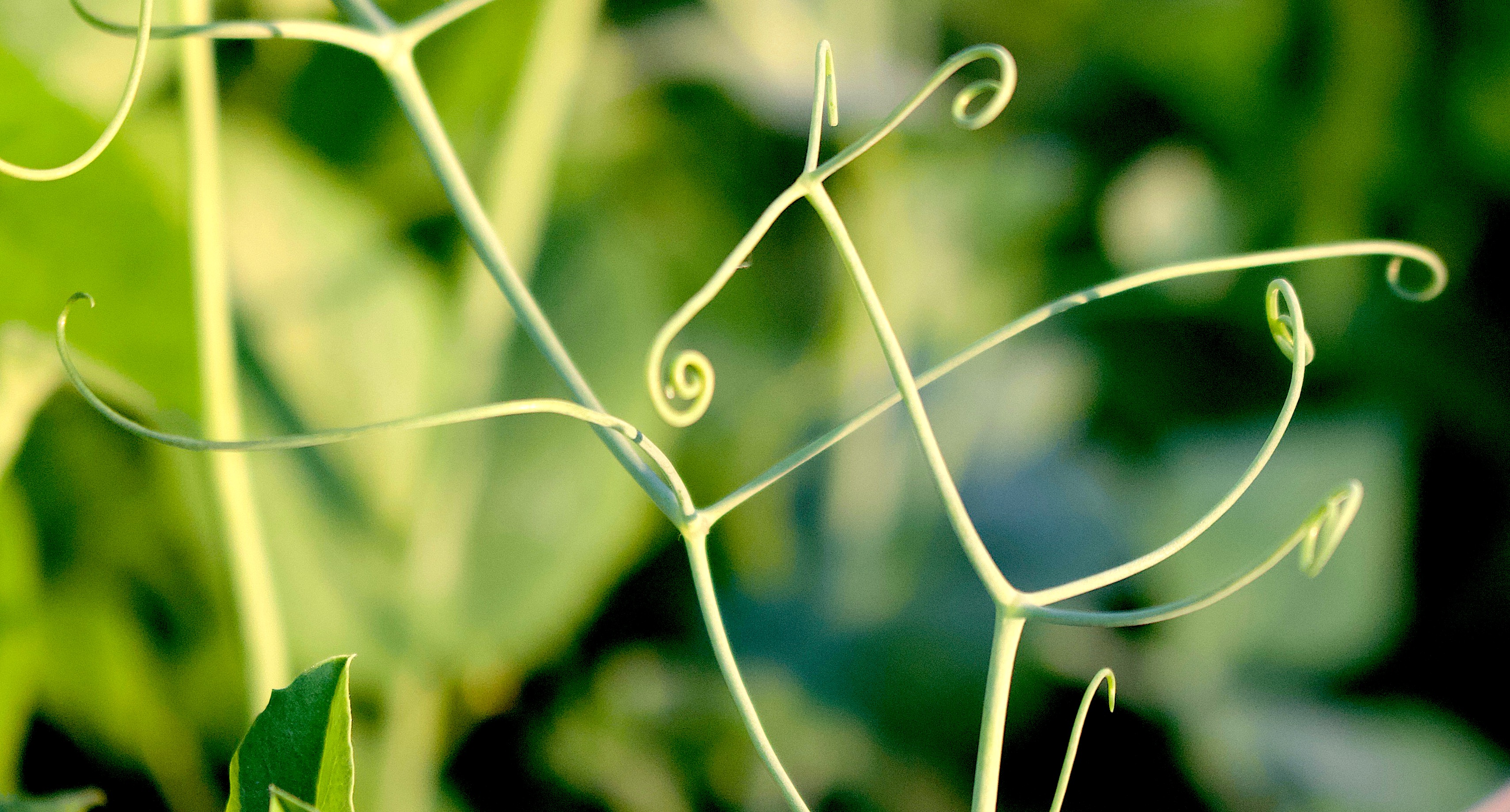
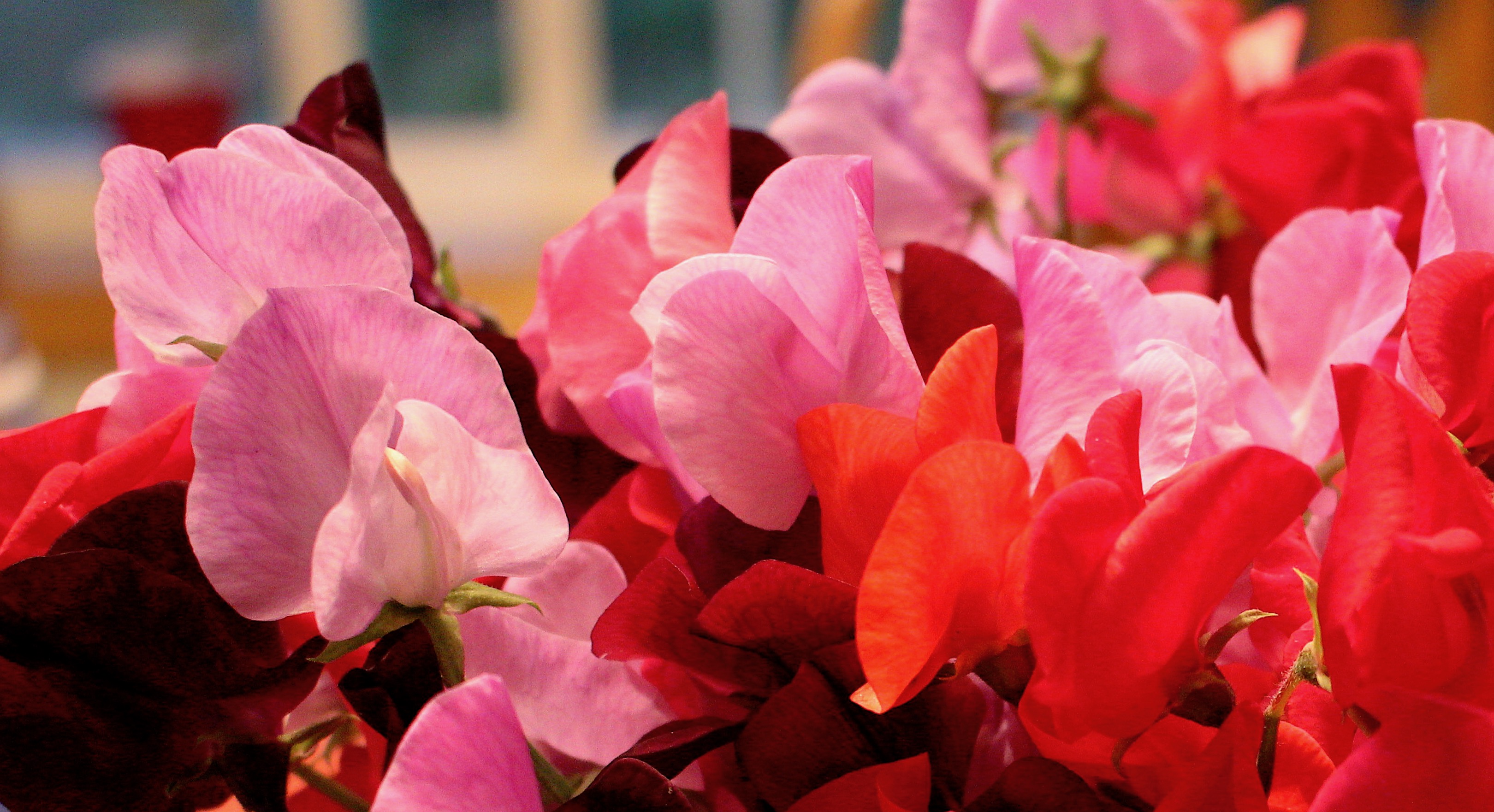
the sweet pea that has run wild,
Creation’s tears in shoulder blades.
~Boris Pasternak

Here are sweet-peas, on tip-toe for a flight:
With wings of gentle flush o’er delicate white,
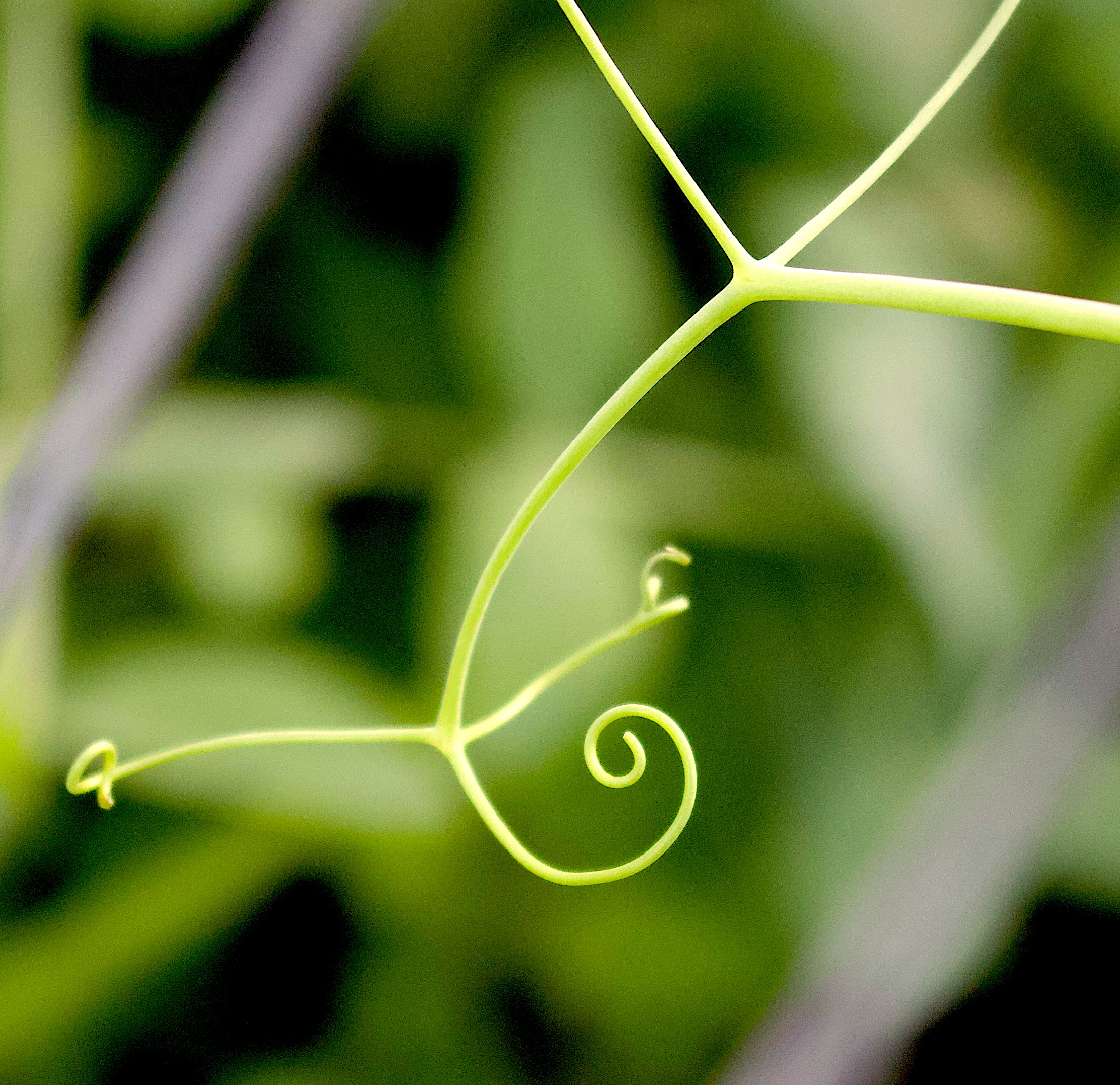
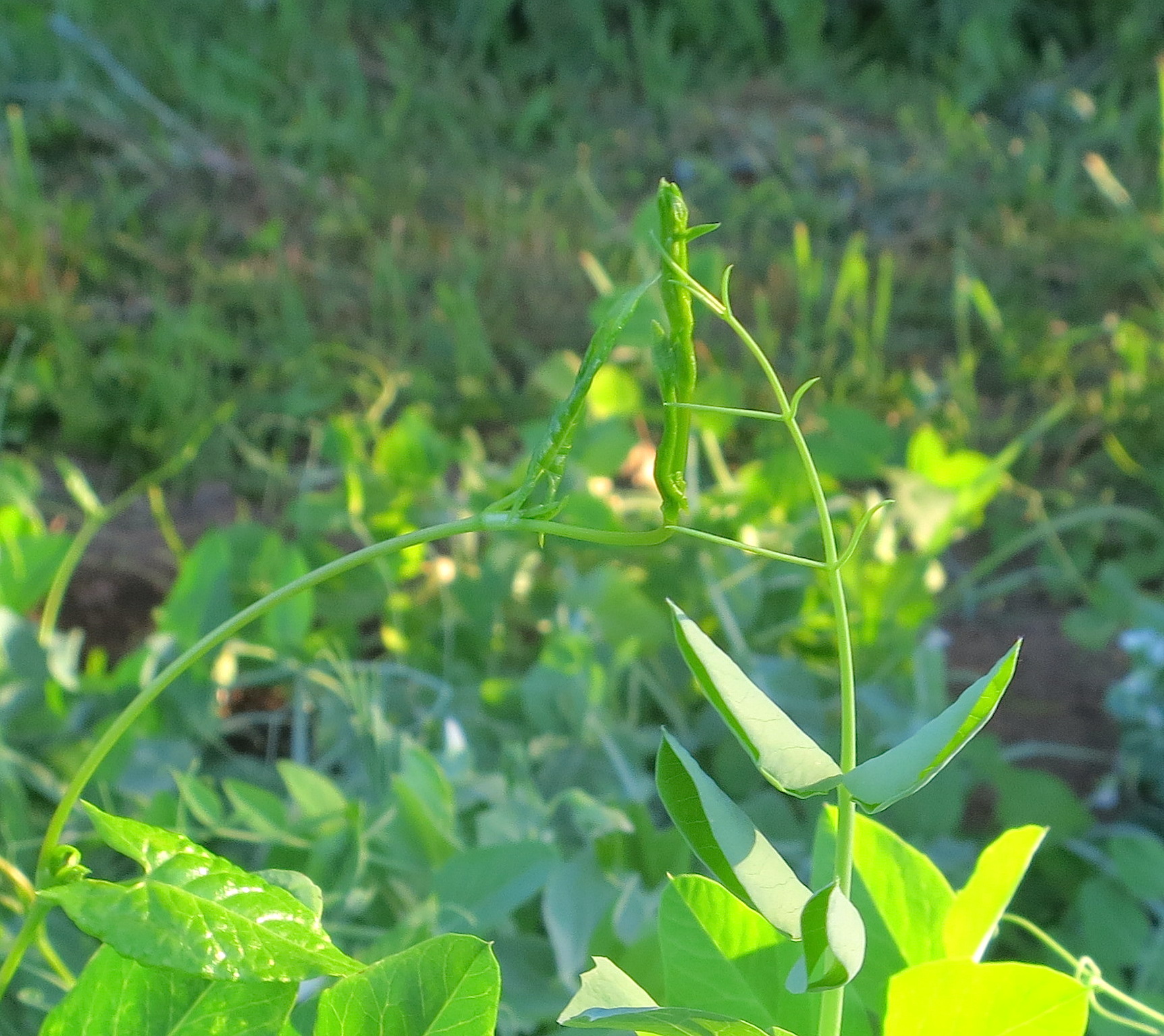
And taper fingers catching at all things,
To bind them all about with tiny rings.
~John Keats
from I Stood Tip-toe Upon a Little Hill

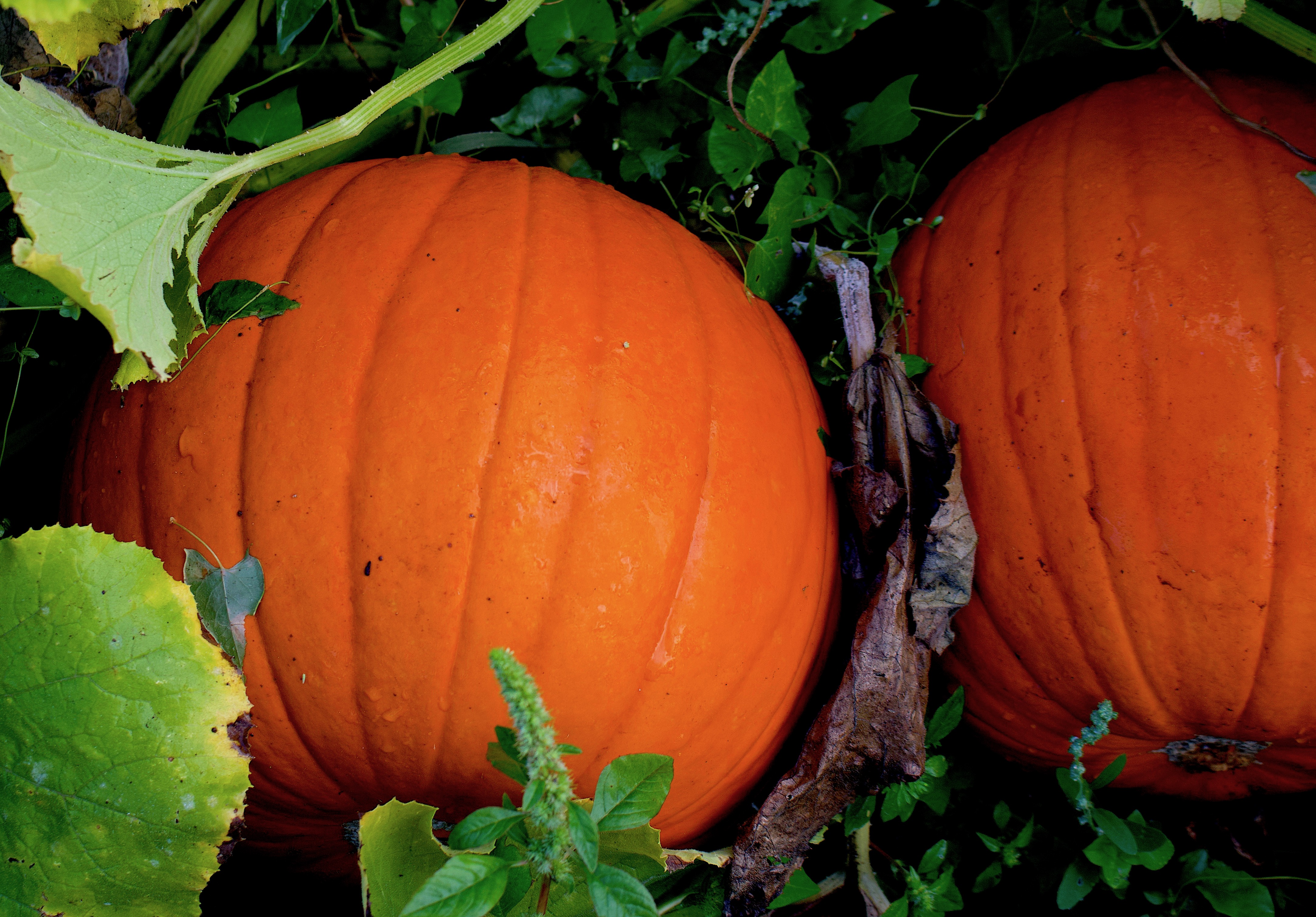
Sweet peas and pumpkins are strange neighbors on the table
Usually separated by weather and season,
one from late spring,
the other from mid-autumn,
truly never meant to meet.

Yet here they are, side by side,
grown in the same soil
through the same weeks,
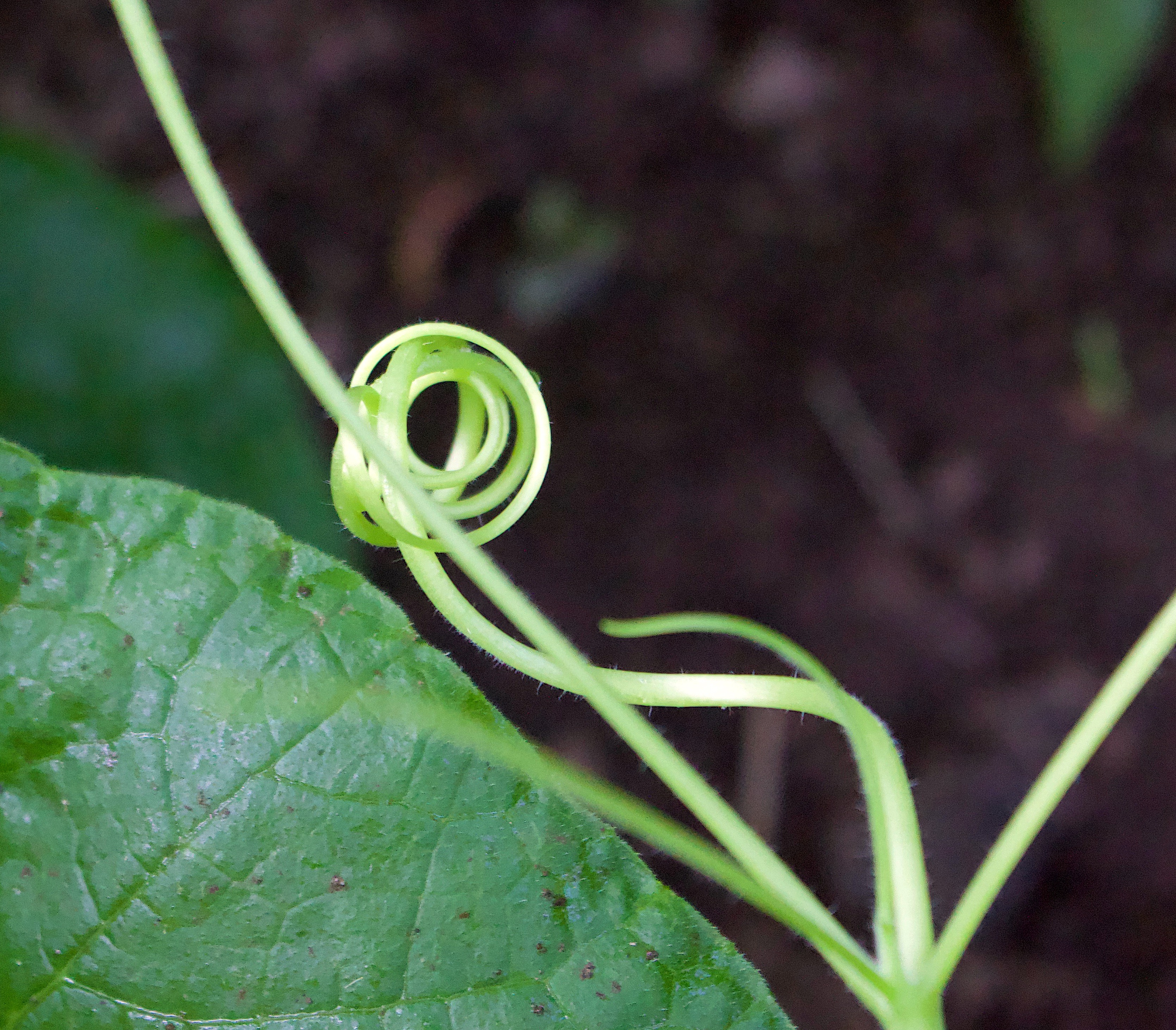
their curling vines entwined.

A few dropped sweet pea seeds
forgotten in the summer weeds;
eventually swelled and thrived,
now forming rich autumn blooms
gracing a harvest table
with bright pastels and spring time fragrance.

Perhaps I too may bloom where I land,
even if ill-timed and out of place,
I might run wild, interwoven, bound to others
who look nothing like me,
encouraged to climb higher,
to blossom bravely,
even in the face of knowing
the killing frost is soon to come.

One-Time
Monthly
Yearly

Make a one-time or recurring donation to support daily Barnstorming posts

Make a monthly donation

Make a yearly donation
Choose an amount

¤10.00
¤20.00
¤50.00
¤5.00
¤15.00
¤100.00
¤5.00
¤15.00
¤100.00

Or enter a custom amount

¤

Your contribution is deeply appreciated.
Your contribution is appreciated.

Your contribution is appreciated.

DonateDonate monthlyDonate yearly