May the power of your love, Lord Christ, fiery and sweet as honey, so absorb our hearts as to withdraw them from all that is under heaven. Grant that we may be ready to die for love of your love, as you died for love of our love. ~St. Francis of Assisi
Maundy Thursday is a day of letting go while still holding on.
If I am to see Jesus and know the power of His love, I must let go of this life and walk with Him with every step to the cross. I have only a tenuous grip on this world, utterly dependent on the Lord taking care of me.
This day, I am reminded of a few basics: No arguing over who is best. No hiding my dirty feet. No holding back on the most precious of gifts. No falling asleep. No selling out. No turning and running away. No covering my face in denial. No looking back. No clinging to the comforts of the world.
But of course I fail again and again. My heart resists leaving behind what I know.
Plucked from the crowd, I must grasp and carry His load (which is, of course, my load) alongside Him. Now is my turn to hold on and not let go, as if life depends on it. Which it does — requiring no nails.
The fire of His love leaves my sin in ashes. The food of His body nurtures my soul. From that soul and ashes rises new life. Love of His love of our love.
In a daring and beautiful creative reversal, God takes the worse we can do to Him and turns it into the very best He can do for us. ~Malcolm Guite from The Word in the Wilderness
See, my servant will act wisely; he will be raised and lifted up and highly exalted. 14 Just as there were many who were appalled at him— his appearance was so disfigured beyond that of any human being and his form marred beyond human likeness— 15 so he will sprinkle many nations, and kings will shut their mouths because of him. For what they were not told, they will see, and what they have not heard, they will understand. Isaiah 52: 13-15
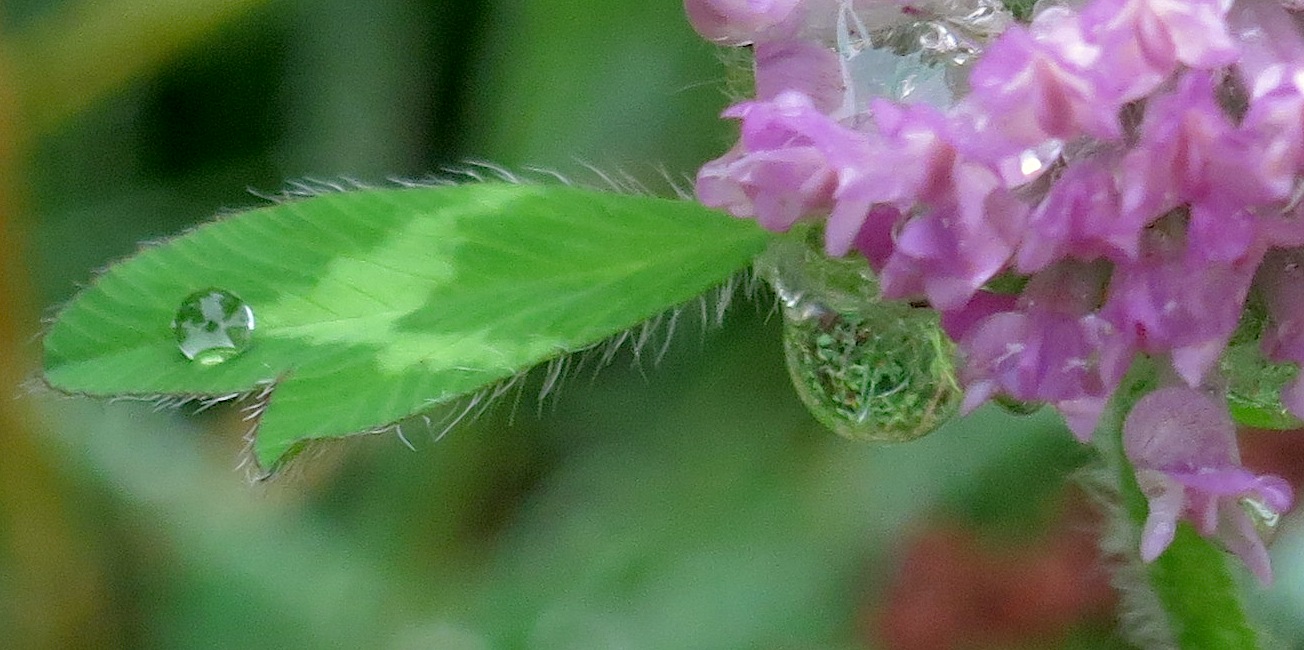
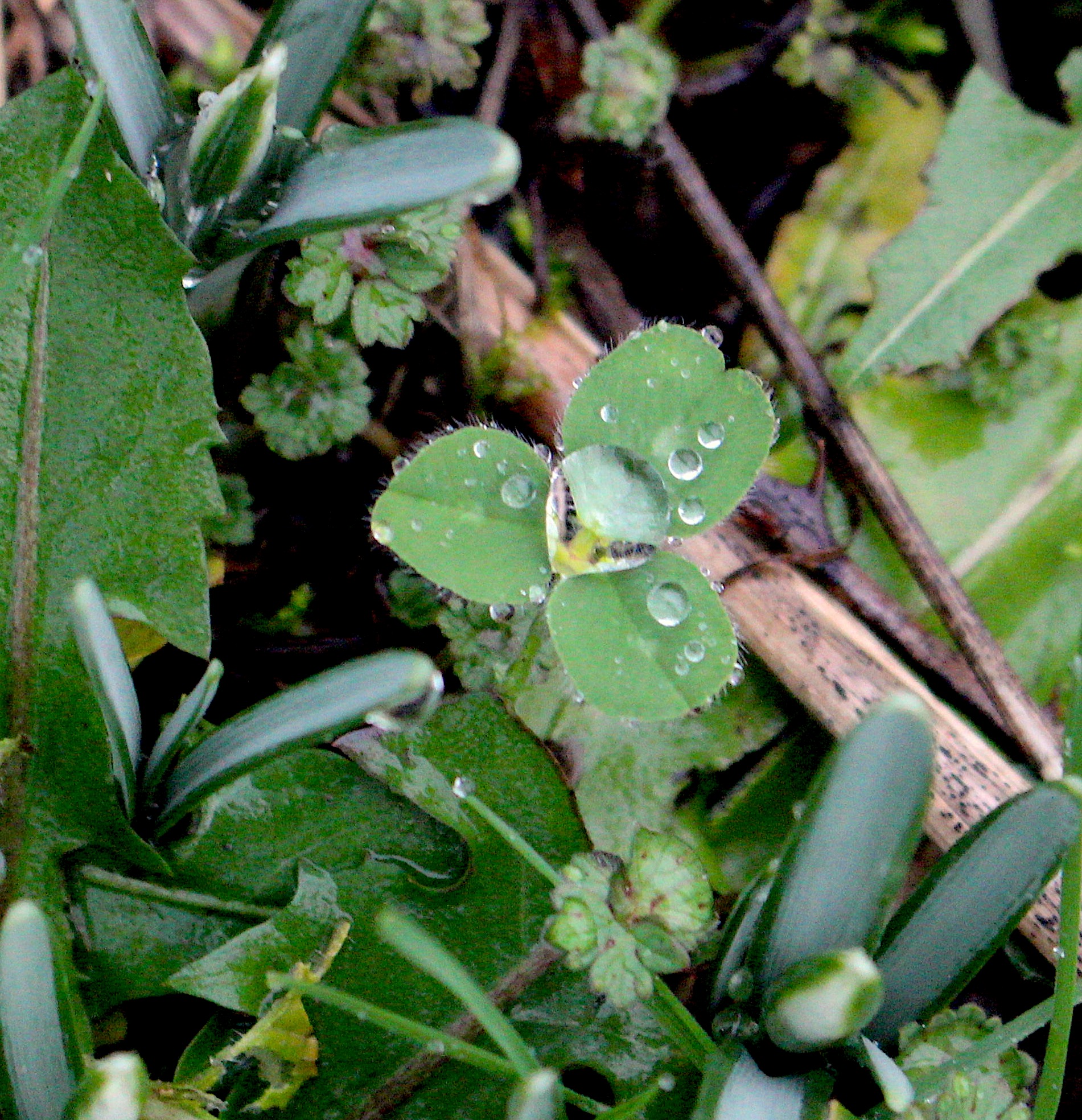
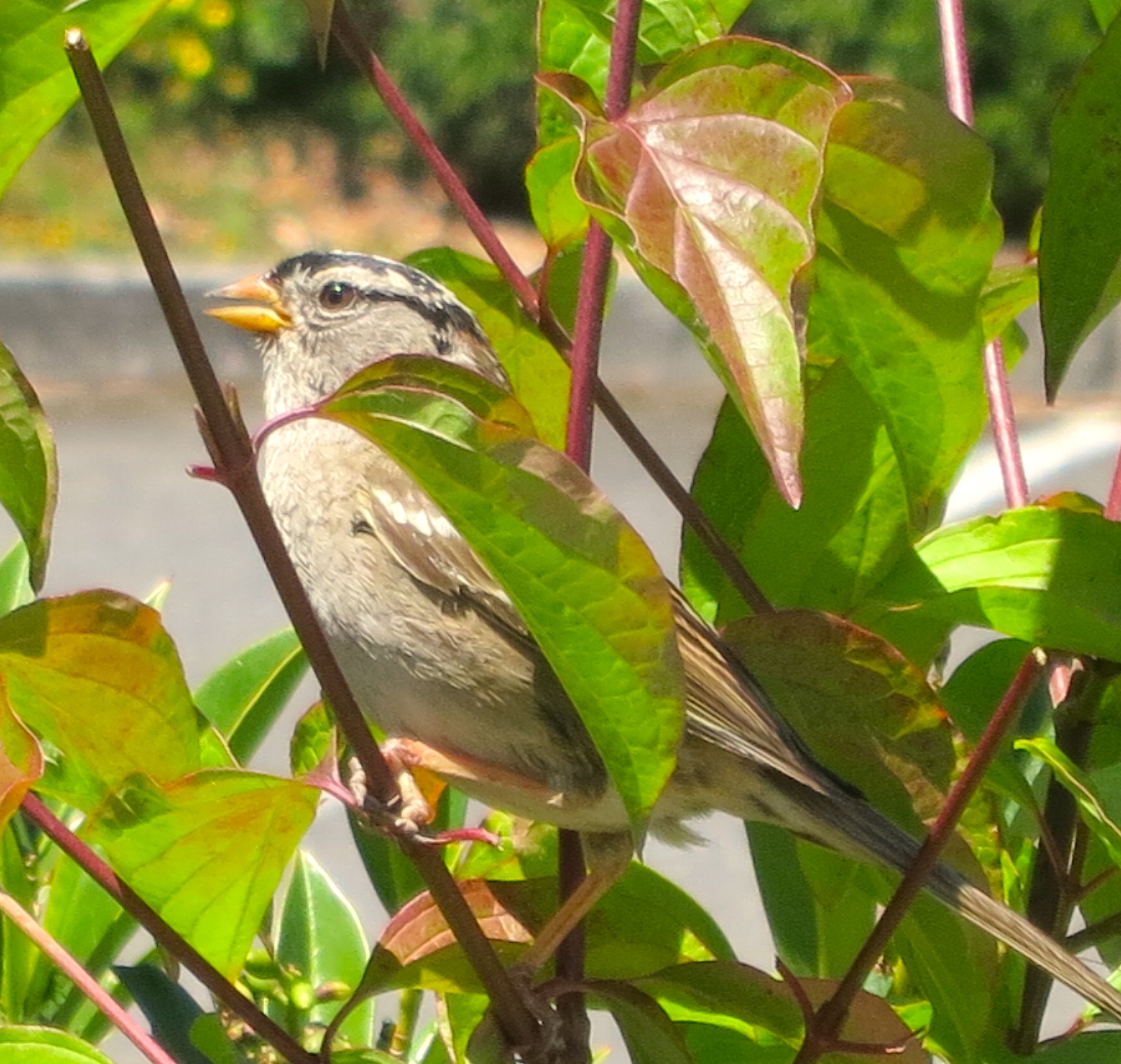
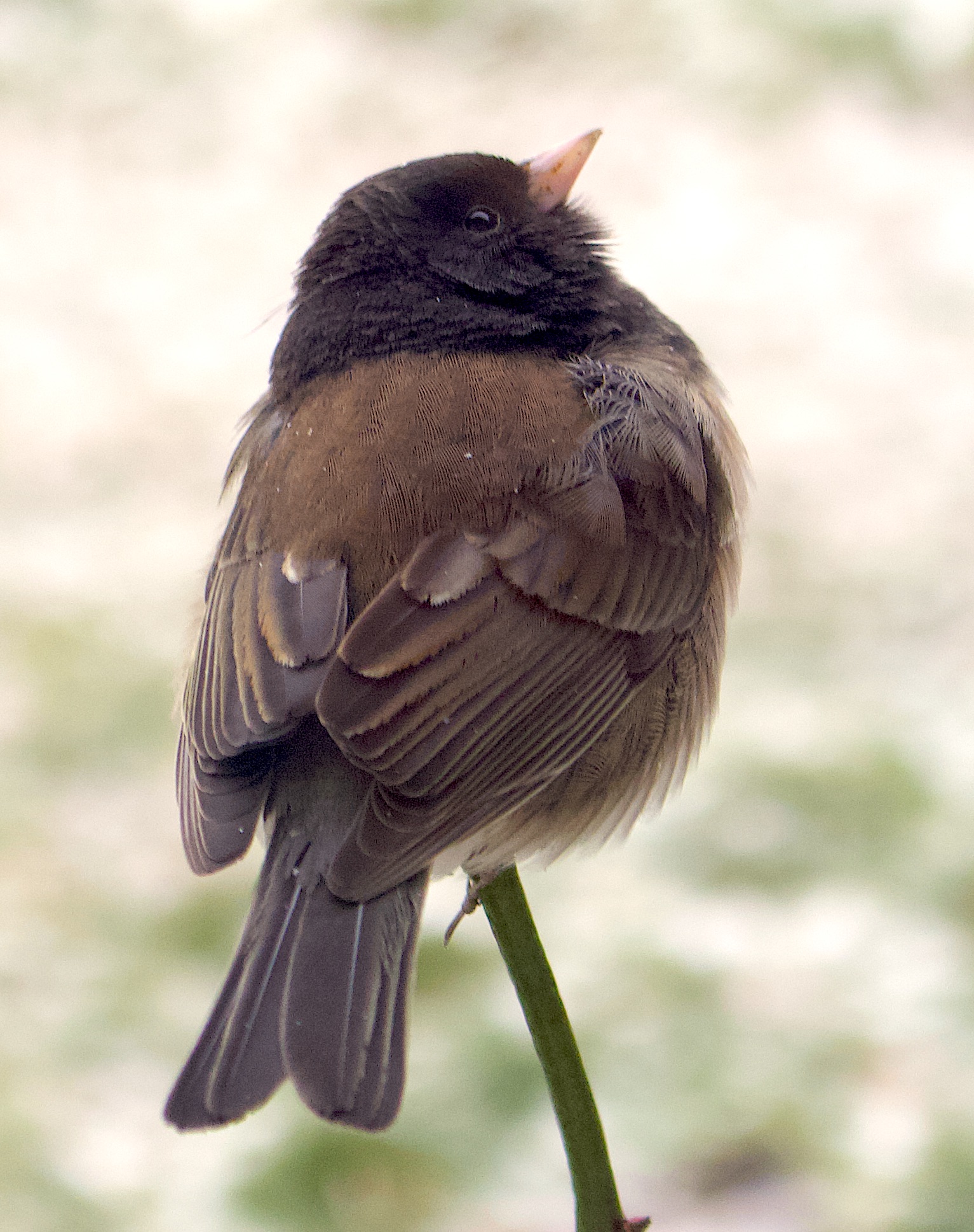
When I was wounded whether by God, the devil, or myself —I don’t know yet which— it was seeing the sparrows again and clumps of clover, after three days, that told me I hadn’t died. When I was young, all it took were those sparrows, those lush little leaves, for me to sing praises, dedicate operas to the Lord. But a dog who’s been beaten is slow to go back to barking and making a fuss over his owner —an animal, not a person like me who can ask: Why do you beat me? Which is why, despite the sparrows and the clover, a subtle shadow still hovers over my spirit. May whoever hurt me, forgive me. ~Adelia Prado “Divine Wrath” translated from BrazilianPortuguese by Ellen Doré Watson
Emmet Till’s mother speaking over the radio
She tells in a comforting voice what it was like to touch her dead boy’s face,
how she’d lingered and traced the broken jaw, the crushed eyes–
the face that badly beaten, disfigured— before confirming his identity.
And then she compares his face to the face of Jesus, dying on the cross.
This mother says no, she’d not recognize her Lord, for he was beaten far, far worse
than the son she loved with all her heart. For, she said, she could still discern her son’s curved earlobe,
but the face of Christ was beaten to death by the whole world. ~Richard Jones “The Face” fromBetween Midnight and Dawn
Too many people today continue to be crushed, disfigured, beaten and left for dead–
for taking a stand, or being the wrong color, the wrong faith, the wrong tribe, or simply being different enough to trigger distrust and hatred.
And so it was with our Lord. He walked into the hornet’s nest of Jerusalem fully knowing such an overwhelming attack was coming.
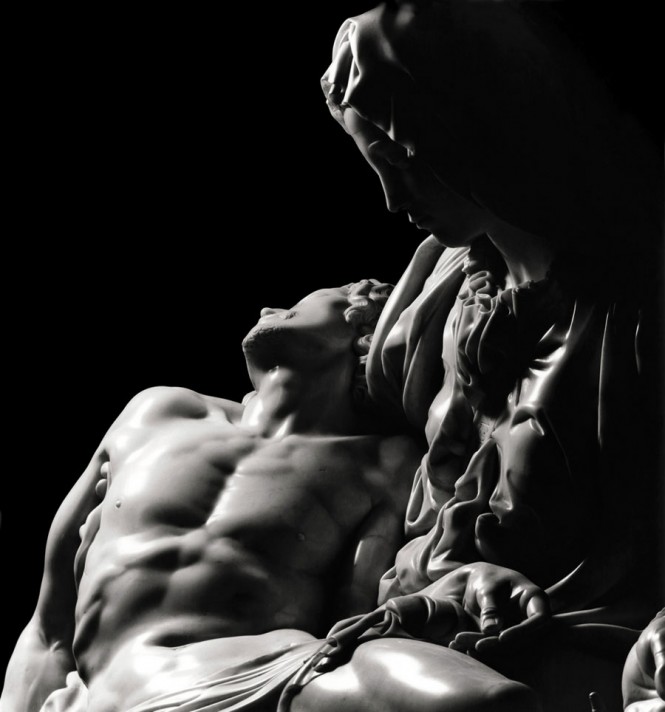
Crushed, broken and delivered into His Father’s arms as His mother wept over Him.
Yet He took the worst that could be done to Him and turned it into the best that He could do for us. We are stung forever by His Love.
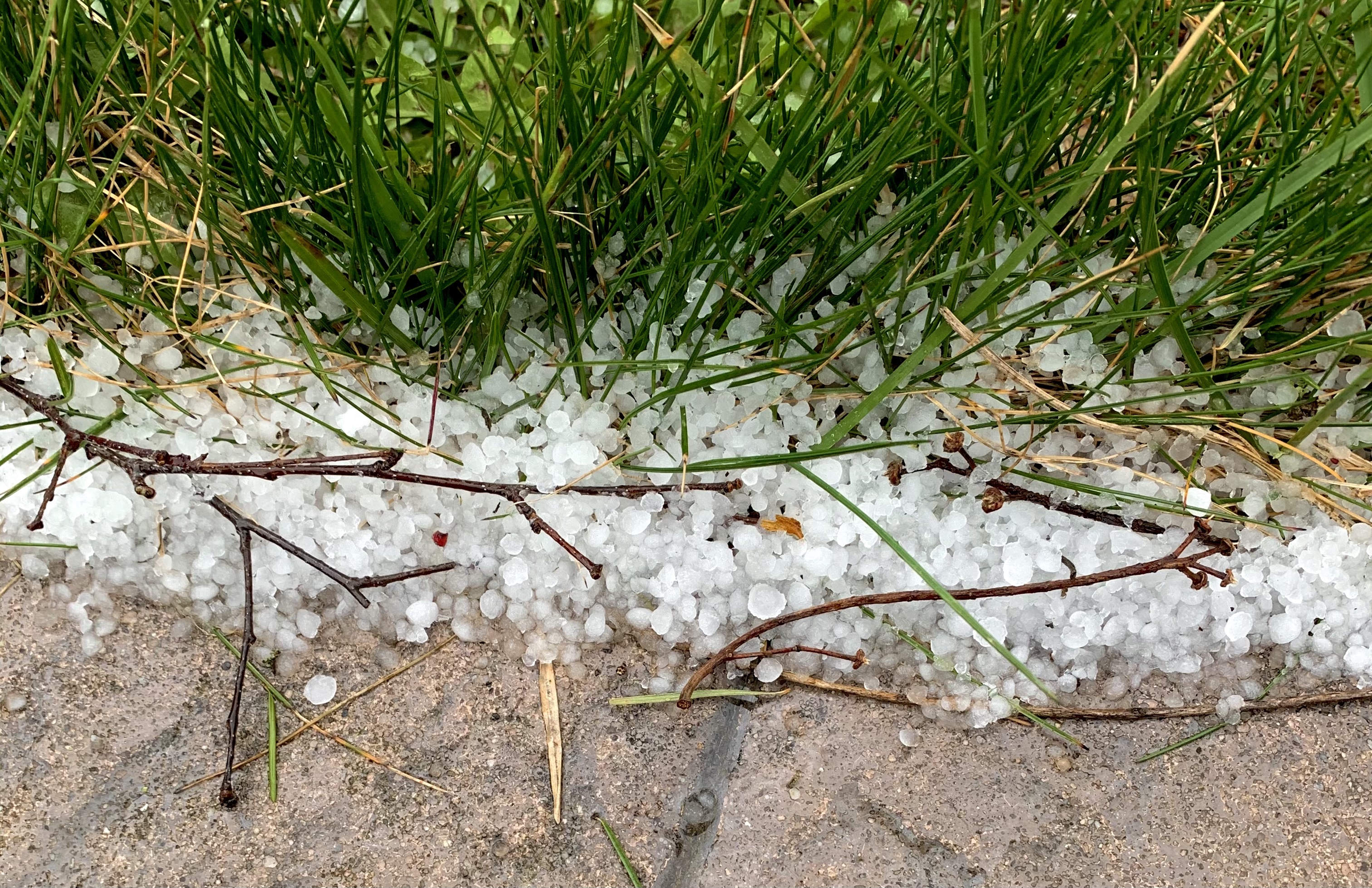
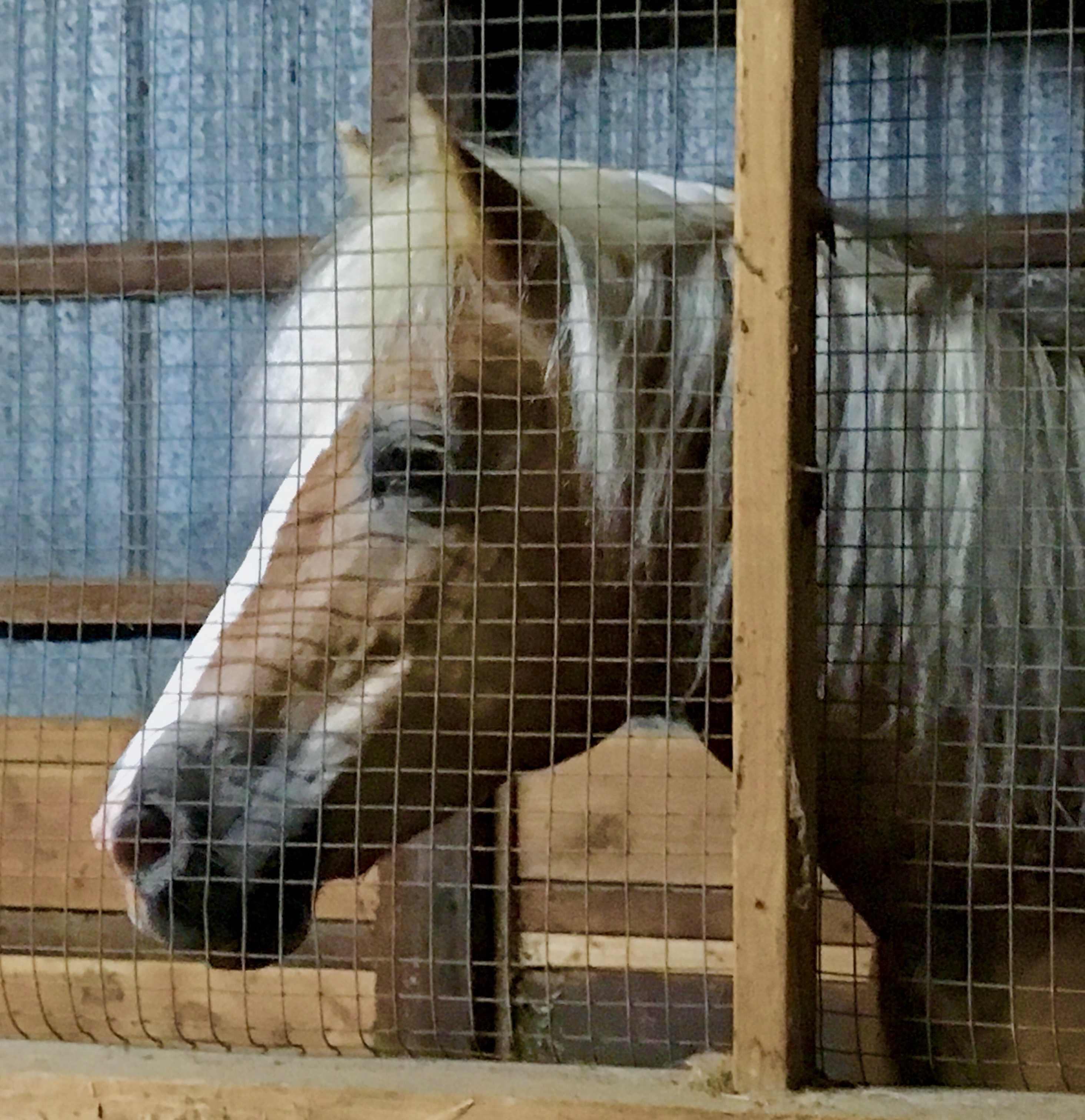
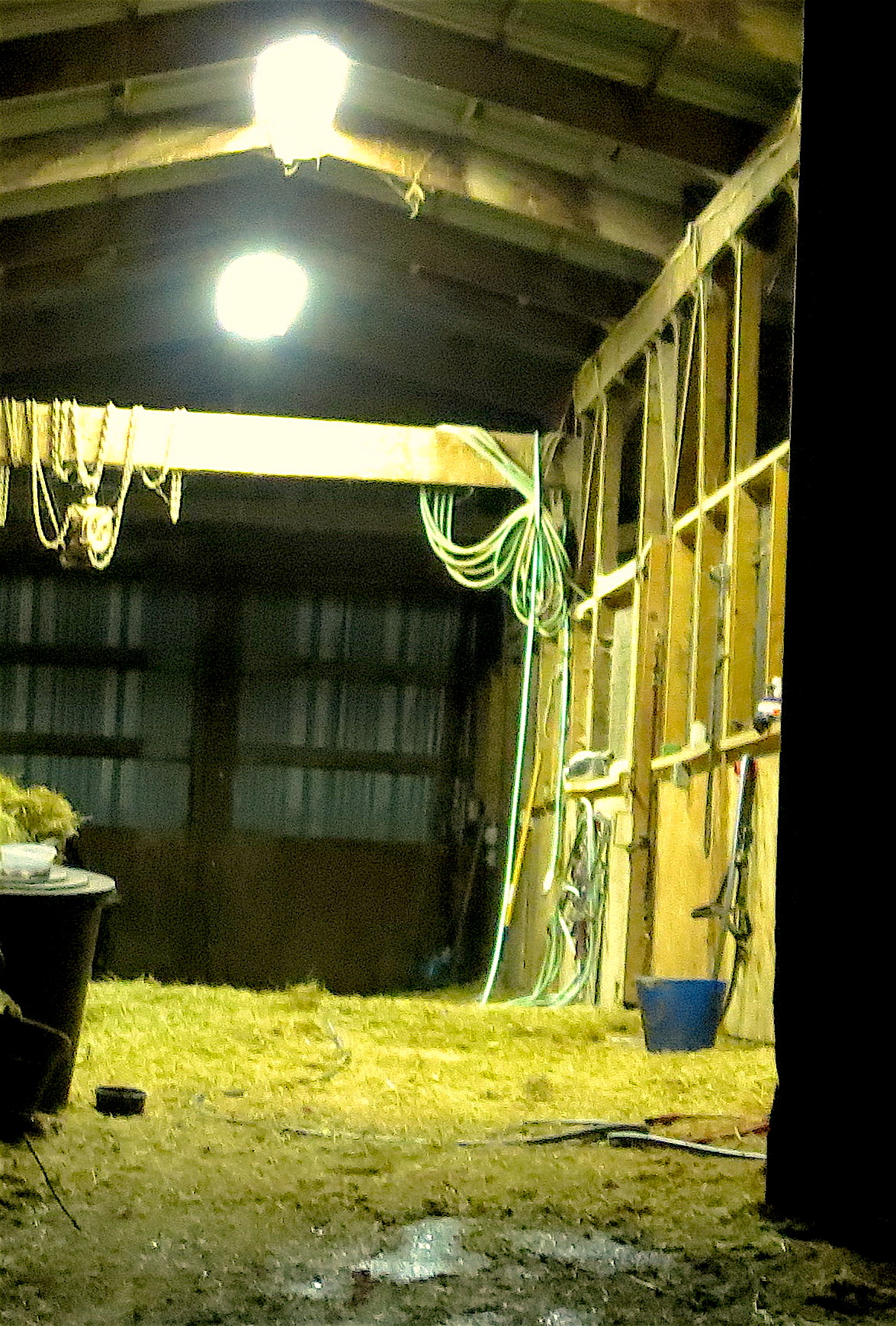
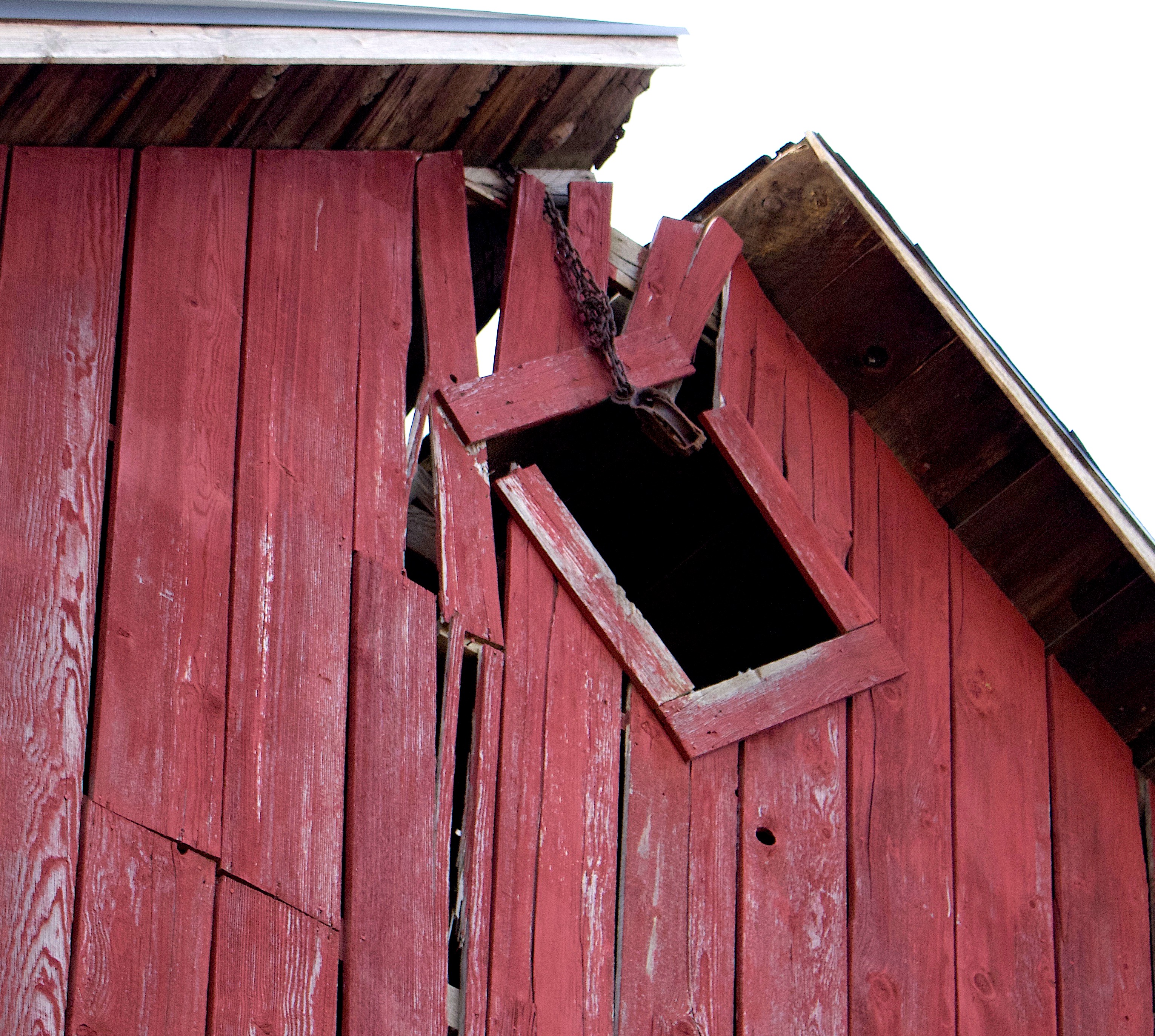
A brief and unexpected Palm Sunday storm blew through yesterday afternoon with gusts of southerly winds, horizontal rain and noisy hale. I had left the north/south center aisle doors wide open after morning chores, so the storm also blew through the barn. Hay, empty buckets, horse halters and cat food were strewn about. The Haflinger horses stood wide-eyed and fretful in their stalls as the hail on the metal roof hammered away.
Once I got the doors closed and secured, all was soon made right. The horses relaxed and got back to their meals and things felt normal again.
Today, Holy Monday morning, all seems calm. The barn is still there, the roof still on, the horses where they belong and all seems to be as it was before the barnstorming wind. Or so it might appear.
This wind heralds another storm beginning this week that hits with such force that I’m knocked off my feet, blown away, and left bruised and breathless. No latches, locks, or barricades are strong enough to protect me from what will come over the next few days.
Yesterday he rode in on a donkey softly, humbly, and wept at what he knew must come.
Today, he overturns the tables in his fury.
Tomorrow he describes the destruction that is to happen, yet no one understands.
Wednesday, a woman boldly anoints him with precious oil, as preparation.
On Thursday, he kneels before his friends, pours water over their dusty feet, presides over a simple meal, and later, abandoned, sweats blood in agonized prayer.
By Friday, all culminates in a most perfect storm, transforming everything in its path, leaving nothing untouched, the curtain torn, the veil removed.
The silence on Saturday is deafening.
Next Sunday, the Son rises, sheds his shroud and neatly folds was is no longer needed. He is nearly unrecognizable in his glory.
He calls my name, my heart burns within me at his words and I can never be the same again.
I am, once again, barnstormed to the depths of my soul. Doors flung open wide, my roof pulled off, everything of no consequence blown away and now replaced, renewed and reconciled.
May it be done this week as he has said, again and yet again, year after year, life after life.
1. Courage, my soul, and let us journey on, Tho’ the night is dark, it won’t be very long. Thanks be to God, the morning light appears, And the storm is passing over, Hallelujah!
Chorus: Hallelujah! Hallelujah! The storm is passing over, Hallelujah!
2. Billows rolling high, and thunder shakes the ground, Lightnings flash, and tempest all around, Jesus walks the sea and calms the angry waves, And the storm is passing over, Hallelujah! [Chorus]
3. The stars have disappeared, and distant lights are dim, My soul is filled with fears, the seas are breaking in. I hear the Master cry, “Be not afraid, ’tis I,” And the storm is passing over, Hallelujah! [Chorus]
4. Soon we shall reach the distant shining shore, Free from all the storms, we’ll rest forevermore. Safe within the veil, we’ll furl the riven sail, And the storm will all be over, Hallelujah! [Chorus]
On the outskirts of Jerusalem the donkey waited. Not especially brave, or filled with understanding, he stood and waited.
How horses, turned out into the meadow, leap with delight! How doves, released from their cages, clatter away, splashed with sunlight.
But the donkey, tied to a tree as usual, waited. Then he let himself be led away. Then he let the stranger mount.
Never had he seen such crowds! And I wonder if he at all imagined what was to happen. Still, he was what he had always been: small, dark, obedient.
I hope, finally, he felt brave. I hope, finally, he loved the man who rode so lightly upon him, as he lifted one dusty hoof and stepped, as he had to, forward. ~Mary Oliver “The Poet thinks about the donkey” from her book Thirst.
With monstrous head and sickening cry And ears like errant wings…
The tattered outlaw of the earth, Of ancient crooked will; Starve, scourge, deride me: I am dumb, I keep my secret still.
Fools! For I also had my hour; One far fierce hour and sweet: There was a shout about my ears, And palms before my feet. G. K. Chesterton from “The Donkey”
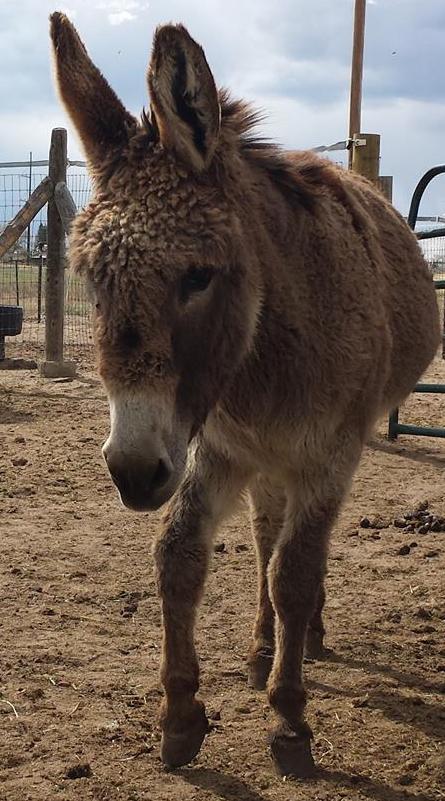
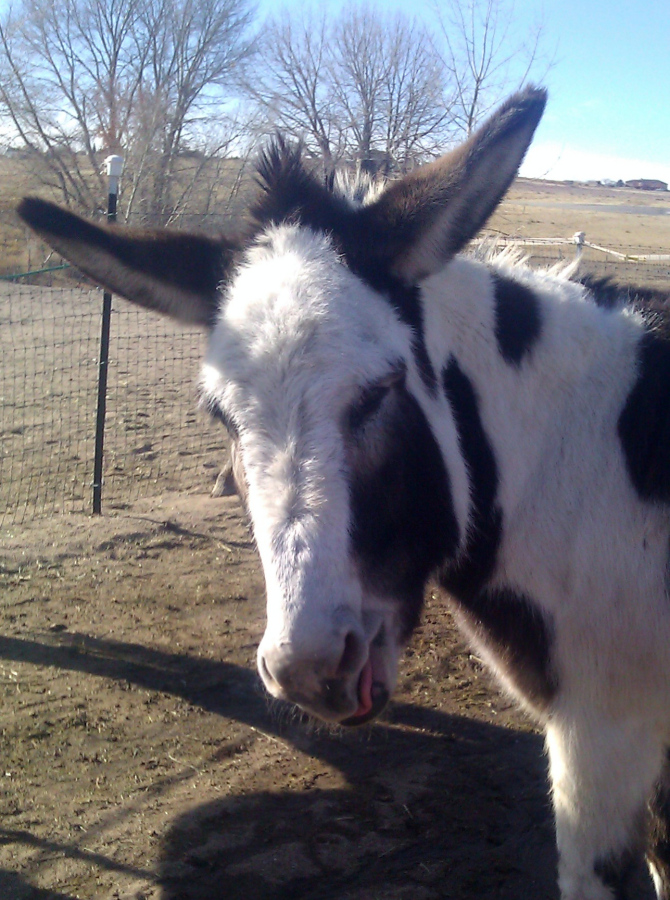
Palm Sunday is a day of dissonance and dichotomy in the church year, very much like the donkey who figured as a central character that day. Sadly, a donkey gets no respect, then or now – for his plain and awkward looks, for his loud and inharmonious voice, for his apparent lack of strength — yet he was the chosen mode of transportation for a King riding to His death.
There was a motley parade to Jerusalem: cloaks and palms laid at the feet of the donkey bearing the Son of God, disorderly shouts of adoration and blessings, the rebuke of the Pharisees to quiet the people, His response that “even the stones will cry out” knowing what is to come.
But the welcoming crowd waving palm branches, shouting sweet hosannas and laying down their cloaks did not understand the fierce transformation to come, did not know within days they would be a mob shouting words of derision and rejection and condemnation.
The donkey knew because he had been derided, rejected and condemned himself, yet still kept serving. Just as he was given voice and understanding centuries before to protect Balaam from going the wrong way, he could have opened his mouth to tell them, suffering beatings for his effort. Instead, just as he bore the unborn Jesus to Bethlehem and stood over Him sleeping in the manger, just as he bore a mother and child all the way to Egypt to hide from Herod, the donkey would keep his secret well.
Who, after all, would ever listen to a mere donkey?
We would do well to pay attention to this braying wisdom.
The donkey knows.
He bears the burden we have shirked. He treads with heavy heart over the palms and cloaks we lay down as meaningless symbols of honor. He is the ultimate servant to the Servant.
A day of dichotomy — of honor and glory laid underfoot only to be stepped on of blessings and praise turning to curses of the beginning of the end becoming a new beginning for us all.
And so He wept, knowing all this. I suspect the donkey bearing Him wept as well, in his own simple, plain and honest way, and I’m quite sure he kept it as his special secret.
Take heart, my Friend, we’ll go together This uncertain road that lies ahead Our faithful God has always gone before us And He will lead the Way once again. Take heart, my Friend, we can walk together And if our burdens become too great We can hold up and help one another In God’s LOVE, in God’s Grace. Take heart my Friend, the Lord is with us As He has been all the days of our lives Our assurance every morning Our Defender in the Night. If we should falter when trouble surrounds us When the wind and the waves are wild and high We will look away to HIM who rules the waters; Who speaks His Peace into the angry tide. He is our Comfort, our Sustainer He is our Help in time of need When we wander, He is our Shepherd He who watches over us NEVER sleeps. Take heart my friend, the Lord is with us As He has been all the days of our lives Our Assurance every morning Our Defender every night. Amen. 🙂
Humble King You chose the road that led to suffering Nothing was spared to prove Your love for me Oh, the mystery That Your final breath became eternity What we had lost forever You redeemed, mmm
Hosanna, Hosanna In the highest forever Hosanna, Hosanna Hallelujah forever
Triumphant King The Lamb who was slain who rose in majesty There’s never a heart beyond Your victory You are the one that we are welcoming You are the one that we are welcoming, oh
Hosanna, Hosanna In the highest forever Hosanna, Hosanna Hallelujah forever Hosanna, Hosanna In the highest forever Hosanna, Hosanna Hallelujah forever
Ooh, forever We worship You forever, forever It’s all about You Blessed is He, blessed is He Who comes in the name of the Lord Oh, join now and sing, Jesus is King He reigns
My Lord, my Lord, Long have I cried out to Thee In the heat of the sun, The cool of the moon, My screams searched the heavens for Thee. My God, When my blanket was nothing but dew, Rags and bones Were all I owned, I chanted Your name Just like Job.
Father, Father, My life give I gladly to Thee Deep rivers ahead High mountains above My soul wants only Your love But fears gather round like wolves in the dark. Have You forgotten my name? O Lord, come to Your child. O Lord, forget me not.
You said to lean on Your arm And I’m leaning You said to trust in Your love And I’m trusting You said to call on Your name And I’m calling I’m stepping out on Your word.
Into the alleys Into the byways Into the streets And the roads And the highways Past rumor mongers And midnight ramblers Past the liars and the cheaters and the gamblers. On Your word On Your word. On the wonderful word of the Son of God. I’m stepping out on Your word. ~Maya Angelou from “Just Like Job”
Once again — and again and again — bullets have been fired out of evil intent by disturbed and hate-filled men, striking down people who look (and are) just like us.
Weeping never needs translation or interpretation, no matter what color cheeks they moisten.
Distrust and fear continue to impact us daily, settling like a shroud over the most routine activities – going to school, going grocery shopping, going to church. It isn’t just a virus that threatens us; it is being targeted in someone’s gun sight.
In order to even walk out the door in the morning, we must fall back on what we are told, each and every day, in 365 different verses in God’s Word itself:
Fear not.
Do not be overwhelmed with evil but overcome evil with good.
We shall overcome despite evil and our fear of each other.
The goal of this life is to live for others, to live in such a way that death cannot erase the meaning and significance of a life. We are called to give up our selfish agendas in order to consider the dignity of others and their greater good. We are called to keep weapons out of the hands of those who would use them to harm themselves or others, which means better screening, longer waiting periods, improved tracking of ownership.
It is crystal clear from Christ’s example as we observe His journey to the cross over the next week: we are to cherish life, all lives, born and unborn, even unto death. Christ forgave those who hated and murdered Him.
Our only defense against the evil we witness is God’s offense. Only God can lead us to Tolkien’s “where everything sad will come untrue”, where we shall live in peace, walk hand in hand, no longer alone, no longer afraid, no longer shedding tears of grief and sorrow, but tears of relief and joy.
We shall all be free. We shall overcome because God does.
We shall overcome
We shall live in peace
We’ll walk hand in hand
We shall all be free
We are not afraid
We are not alone
God will see us through
We shall overcome
Oh, deep in my heart I do believe We shall overcome some day
The ultimate weakness of violence is that it is a descending spiral begetting the very thing it seeks to destroy. Instead of diminishing evil, it multiplies it. Through violence you may murder the liar, but you cannot murder the lie, nor establish the truth. Through violence you may murder the hater, but you do not murder hate. In fact, violence merely increases hate. So it goes. Returning violence for violence multiplies violence, adding deeper darkness to a night already devoid of stars. Darkness cannot drive out darkness: only light can do that. Hate cannot drive out hate: only love can do that. Hate multiplies hate, violence multiplies violence, and toughness multiplies toughness in a descending spiral of destruction…. The chain reaction of evil — hate begetting hate, wars producing more wars — must be broken, or we shall be plunged into the dark abyss of annihilation. ~Dr. Martin Luther King, Jr. from Strength to Love
Come, my Way, my Truth, my Life: Such a way as gives us breath; Such a truth as ends all strife, Such a life as killeth death.
Come, my Light, my Feast, my Strength: Such a light as shows a feast, Such a feast as mends in length, Such a strength as makes his guest.
Come, my Joy, my Love, my Heart: Such a joy as none can move, Such a love as none can part, Such a heart as joys in love. ~George Herbert (1633), “The Call”
Written by a young vicar in the 17th century, dying of tuberculosis, these lines of rhyme, single syllable words, all except one.
Only one life lived truly killeth death. That one word is meant to stand out alone.
The rest is up to us: to find and blend together in unexpected unity.
We are called the understanding: all will be well even when we ache to dying.
May we seek new light, new feast, new strength, new life, new truth, new love.
There’s a thread you follow. It goes among things that change. But it doesn’t change. People wonder about what you are pursuing. You have to explain about the thread. But it is hard for others to see. While you hold it you can’t get lost. Tragedies happen; people get hurt or die; and you suffer and get old. Nothing you do can stop time’s unfolding. You don’t ever let go of the thread. ~William Stafford, “The Way It Is” From Ask Me: 100 Essential Poems.
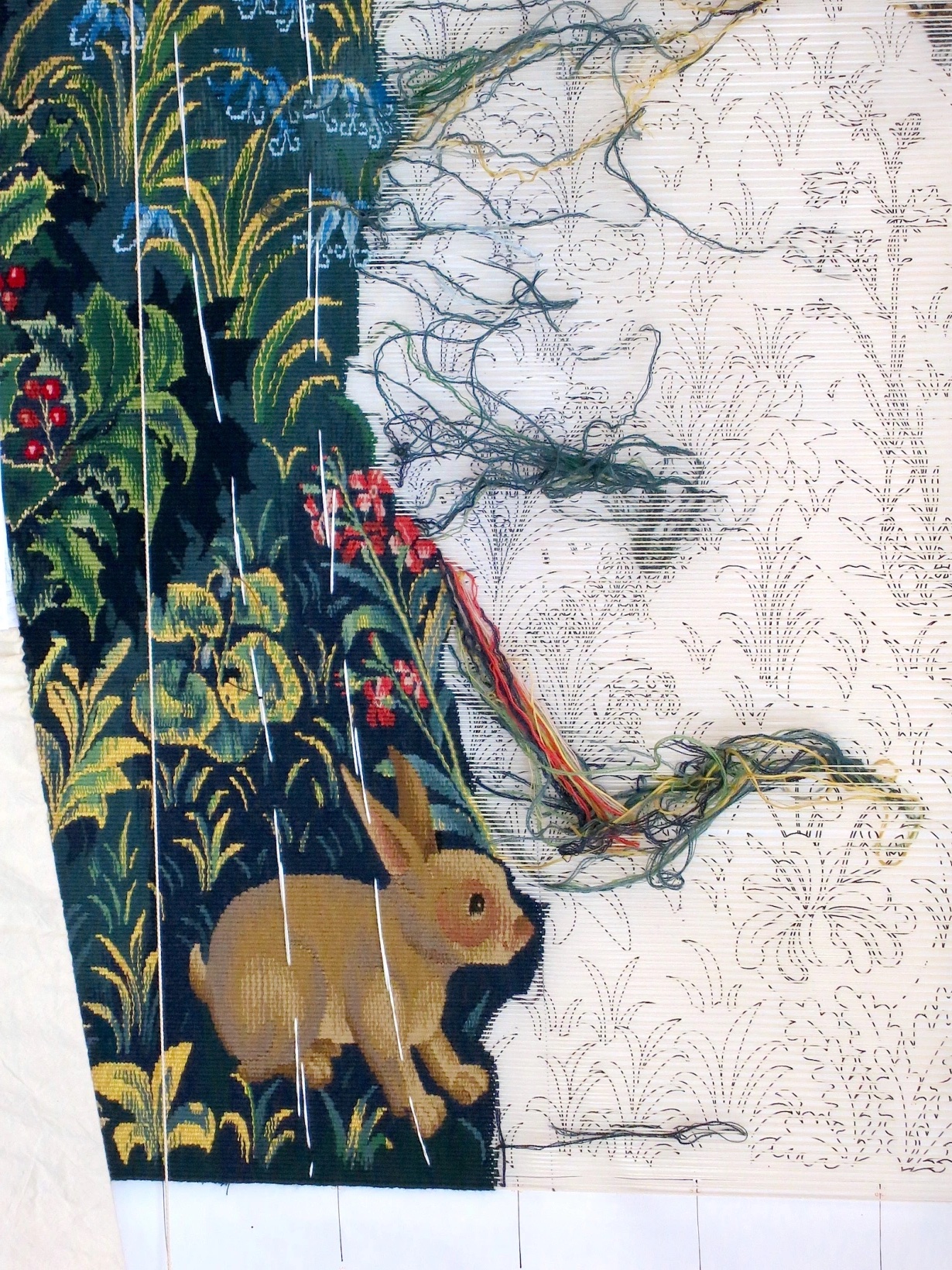
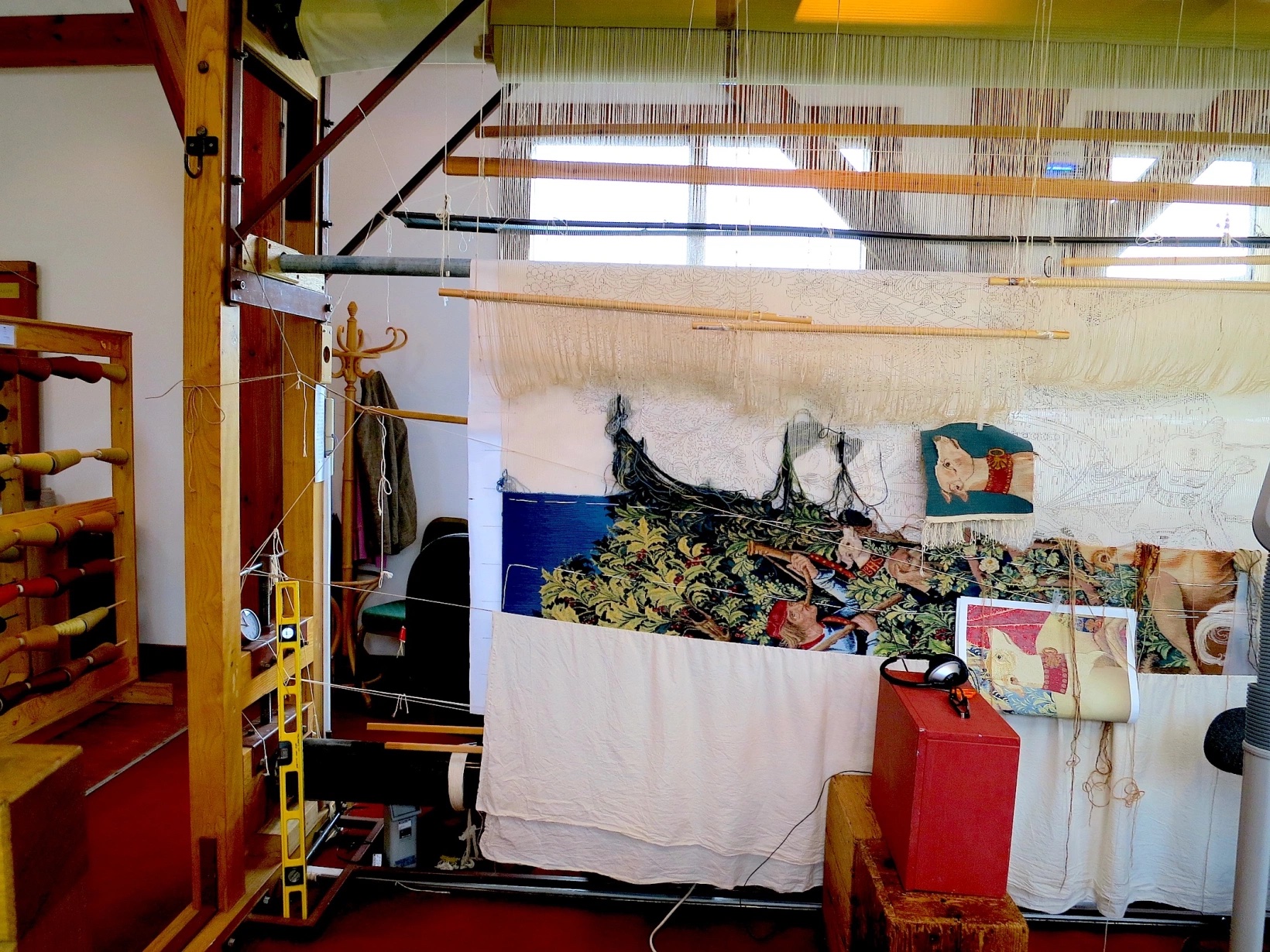
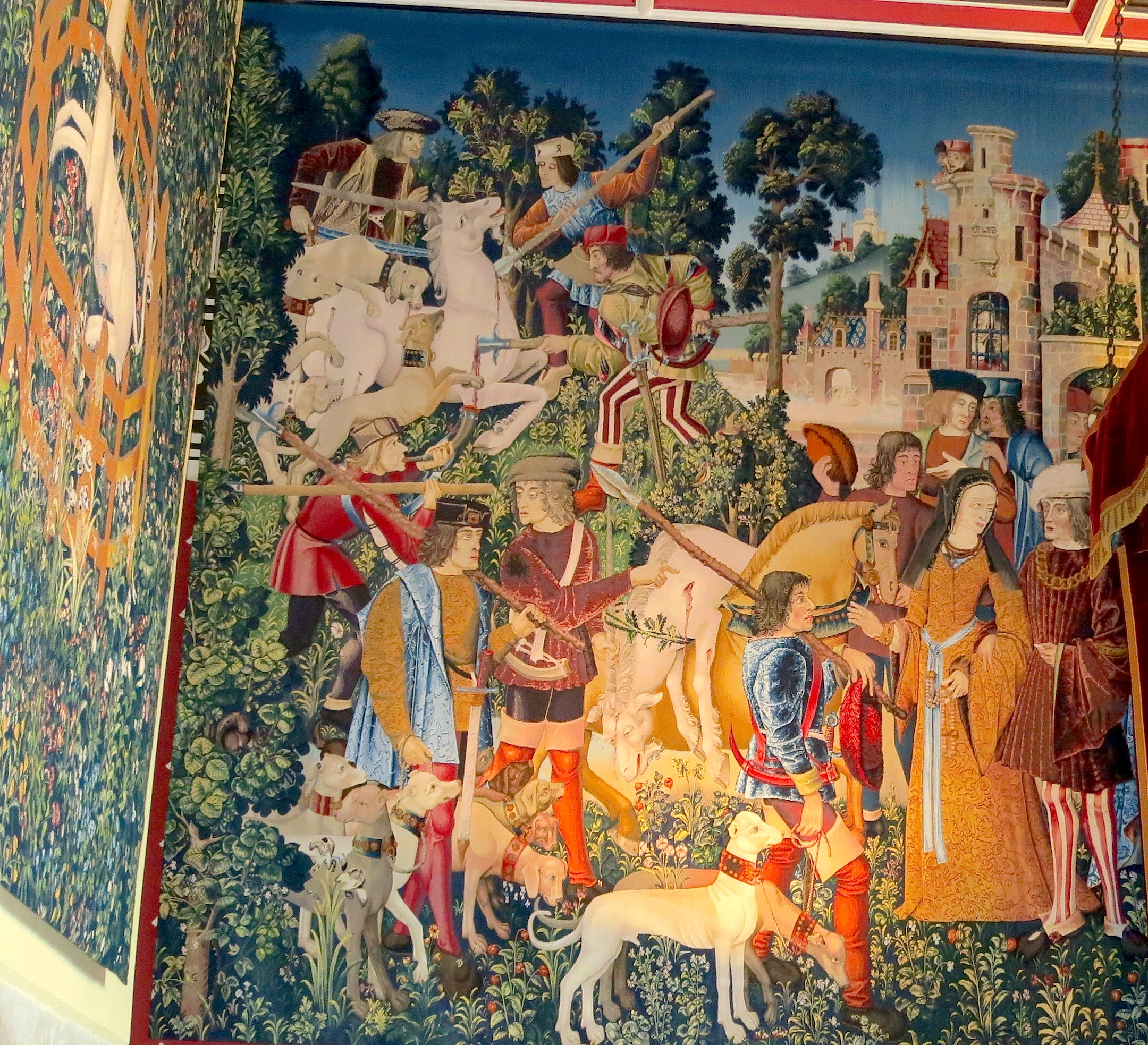
I had been told how the old-time weavers, all the while they were making their beautiful and intricate patterns, saw no more than the backs of their shawls. Nothing was visible to them but a tangle of colored threads. They never saw the design they were creating until they took the finished fabric from their looms.
The parallel to the mortal lot is plain. Human experience appears to us – as the shawls did to the weavers – to be no more than incomprehensible tangles of colored threads, whereas in fact life represents the ordered threads in a great design – the design being woven daily on the loom of eternity. ~Ernest Gordon from Miracle on the River Kwai
Although the threads of my life have often seemed knotted, I know, by faith, that on the other side of the embroidery there is a crown. ~Corrie Ten Boom in My Heart Sings
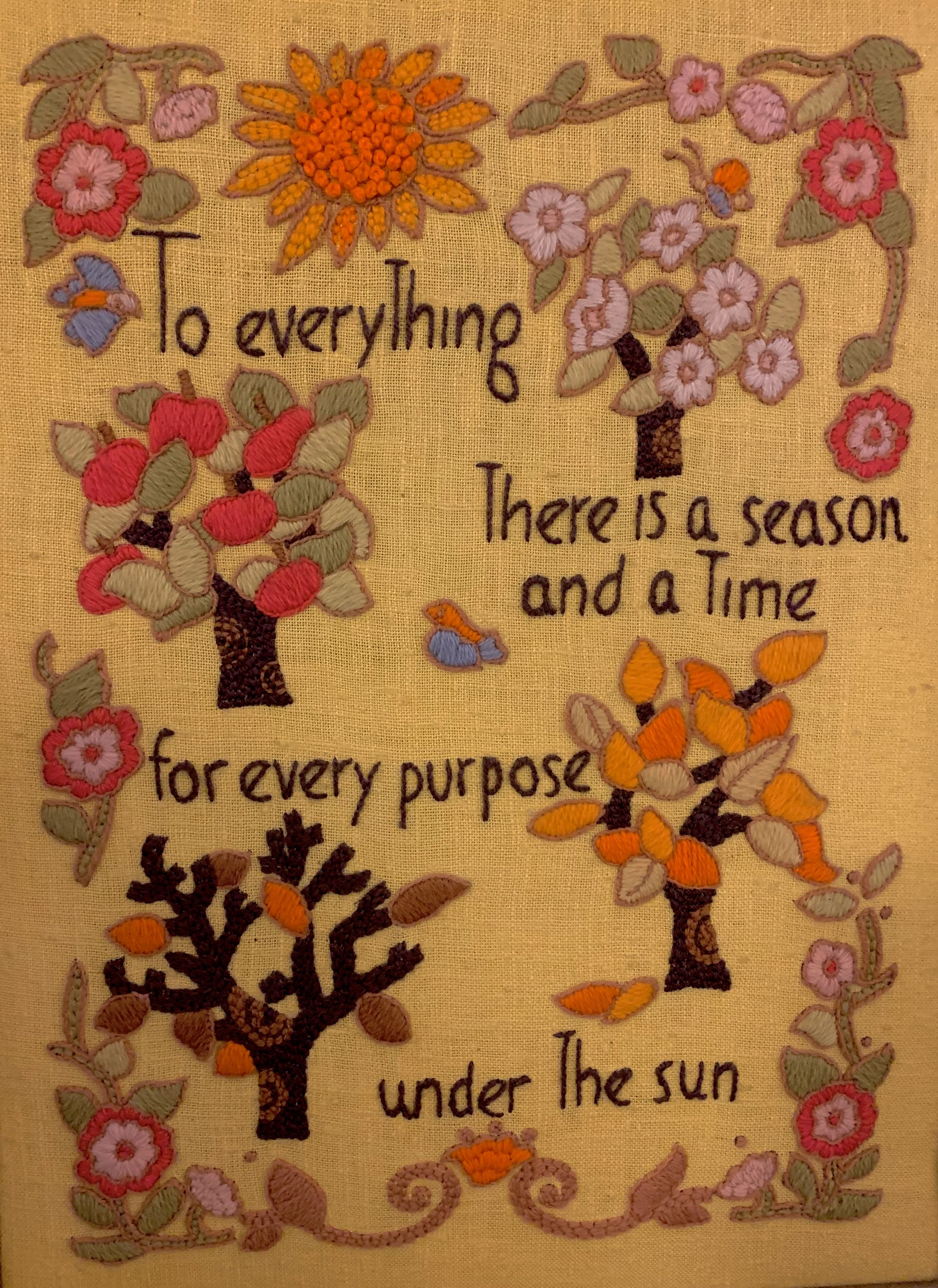
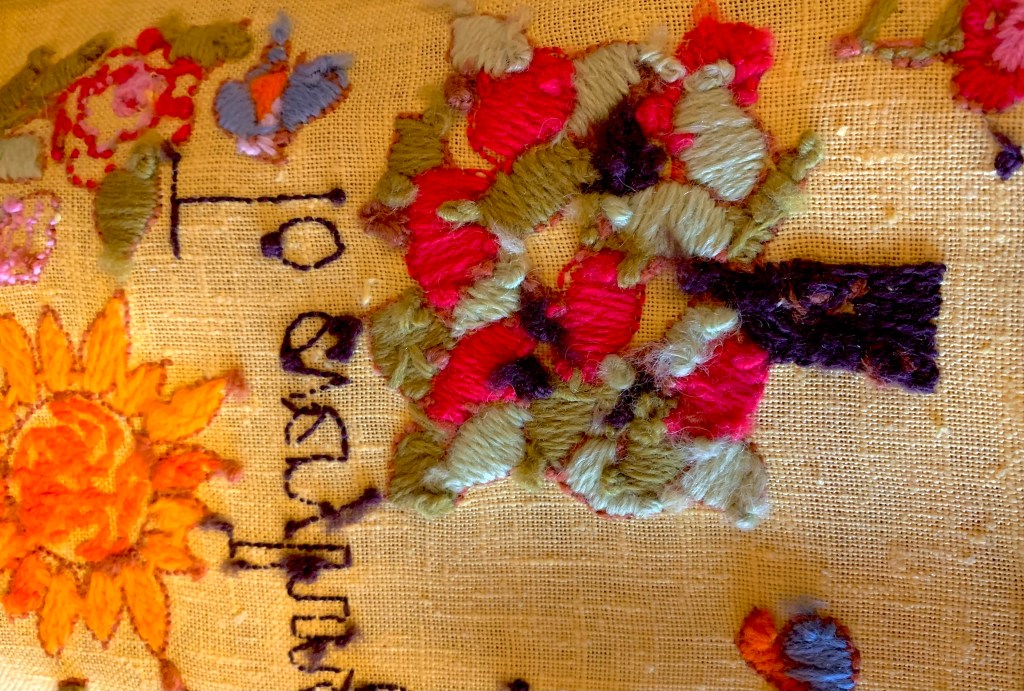
What does it say about me that I’ve covered the backs of countless embroidery projects so the tangles are no longer visible?
There is a sense of shame in the need to hide the messy and too often painful side of existence, not wanting to admit how really chaotic and tragic life is at times.
Yet out of the incomprehensible comes beauty. Out of the mess comes order and harmony. What appears knotted and tangled and makes no sense is turned right side up to become grace on our heads, like a crown.
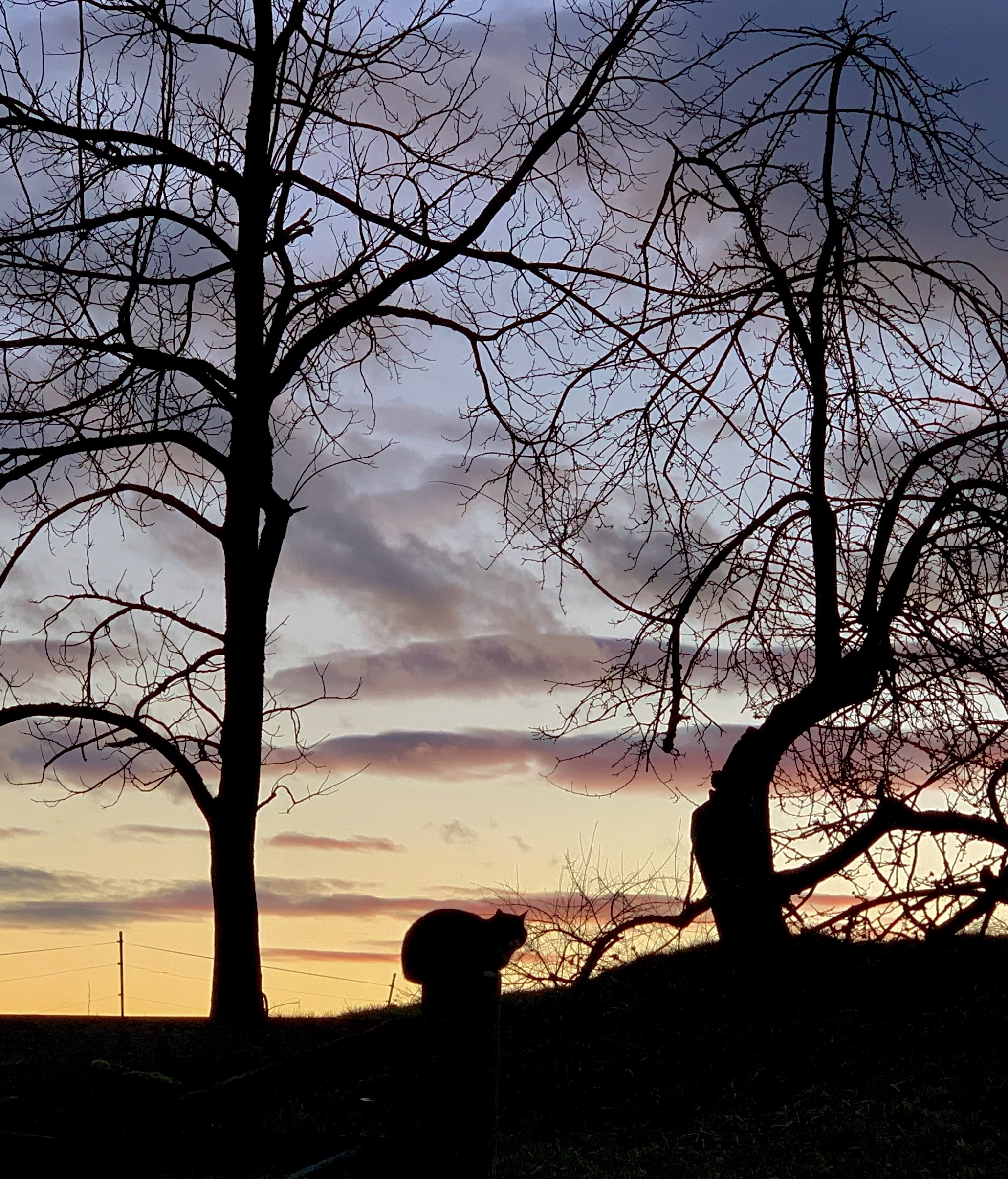
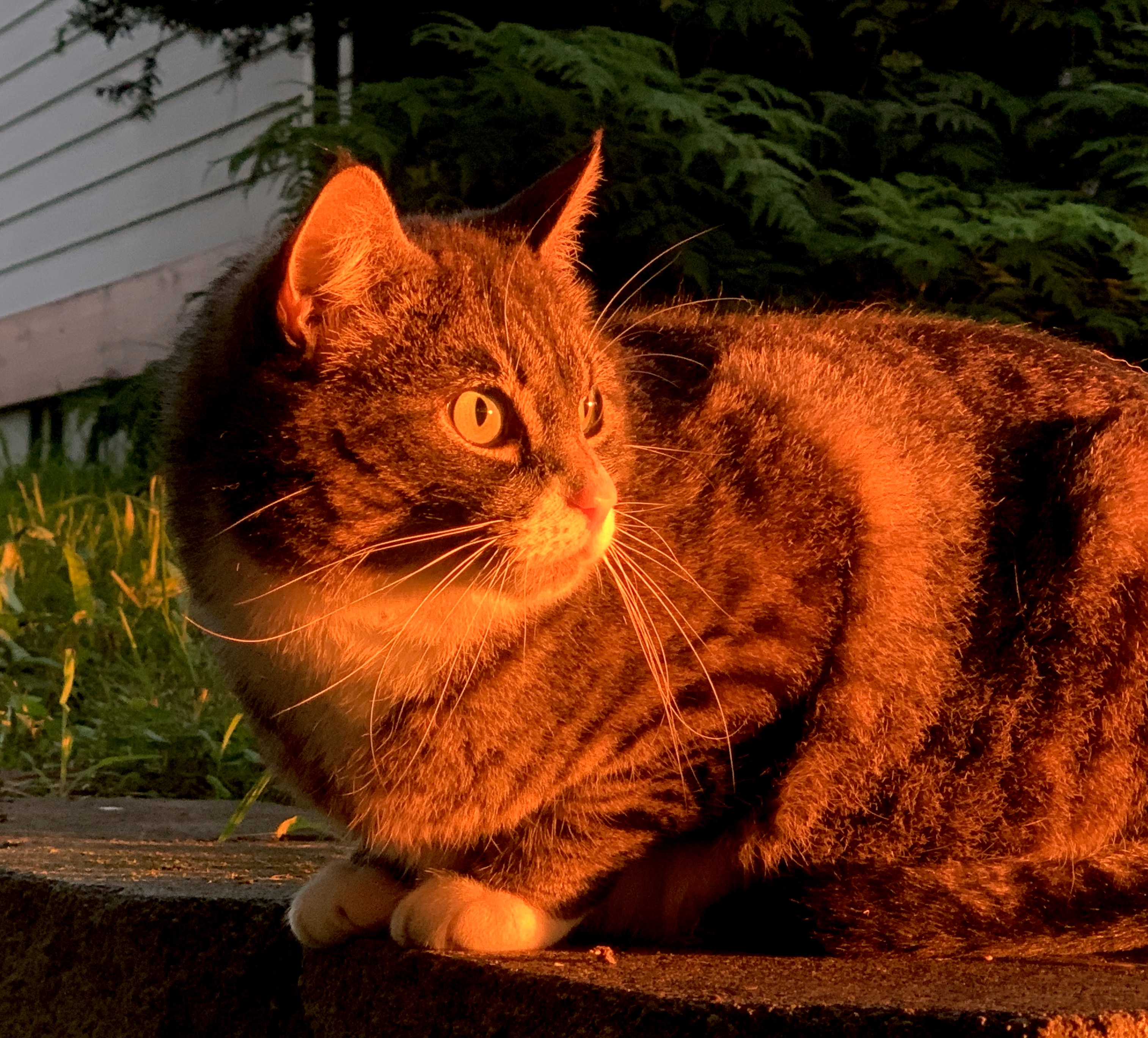
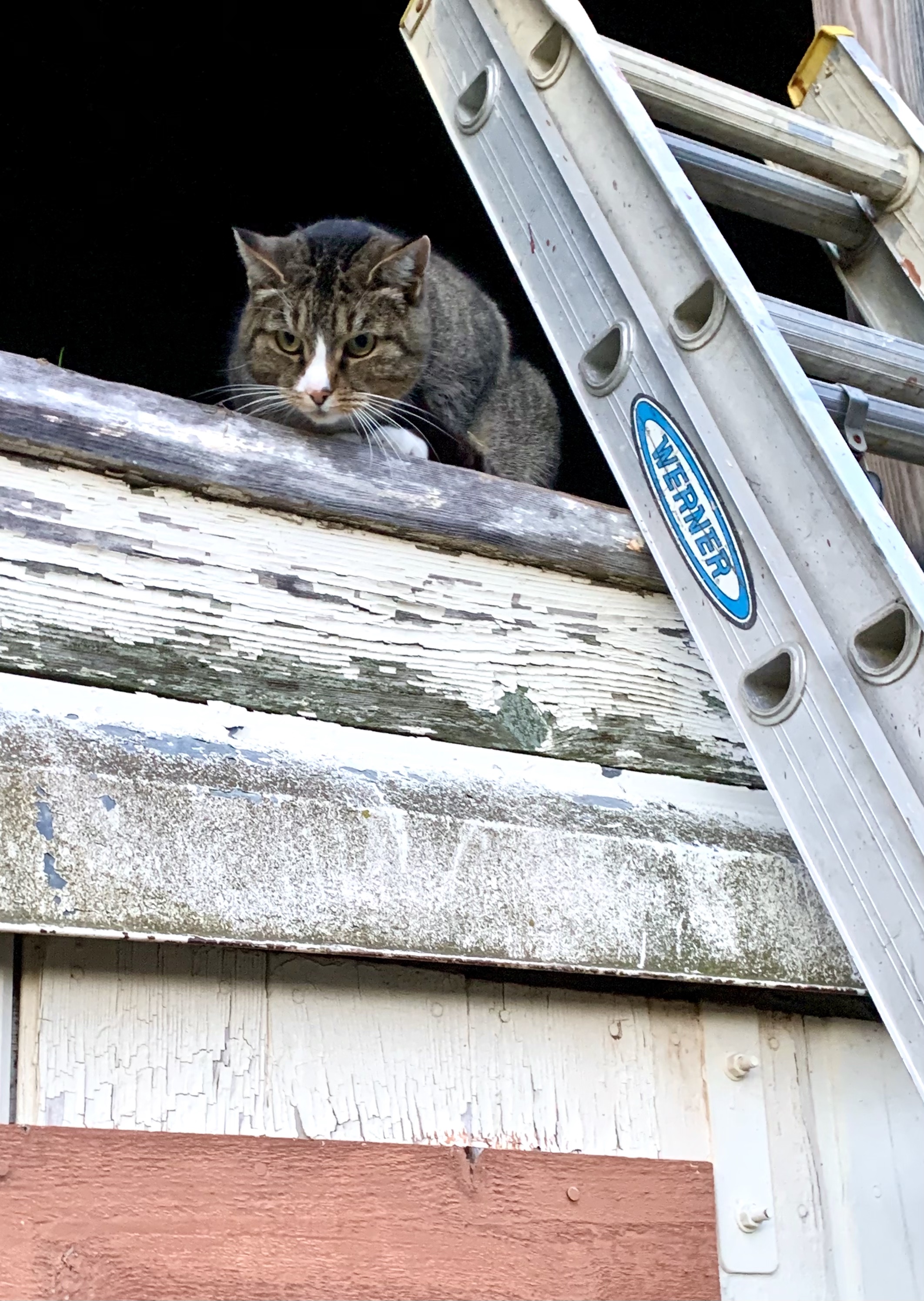
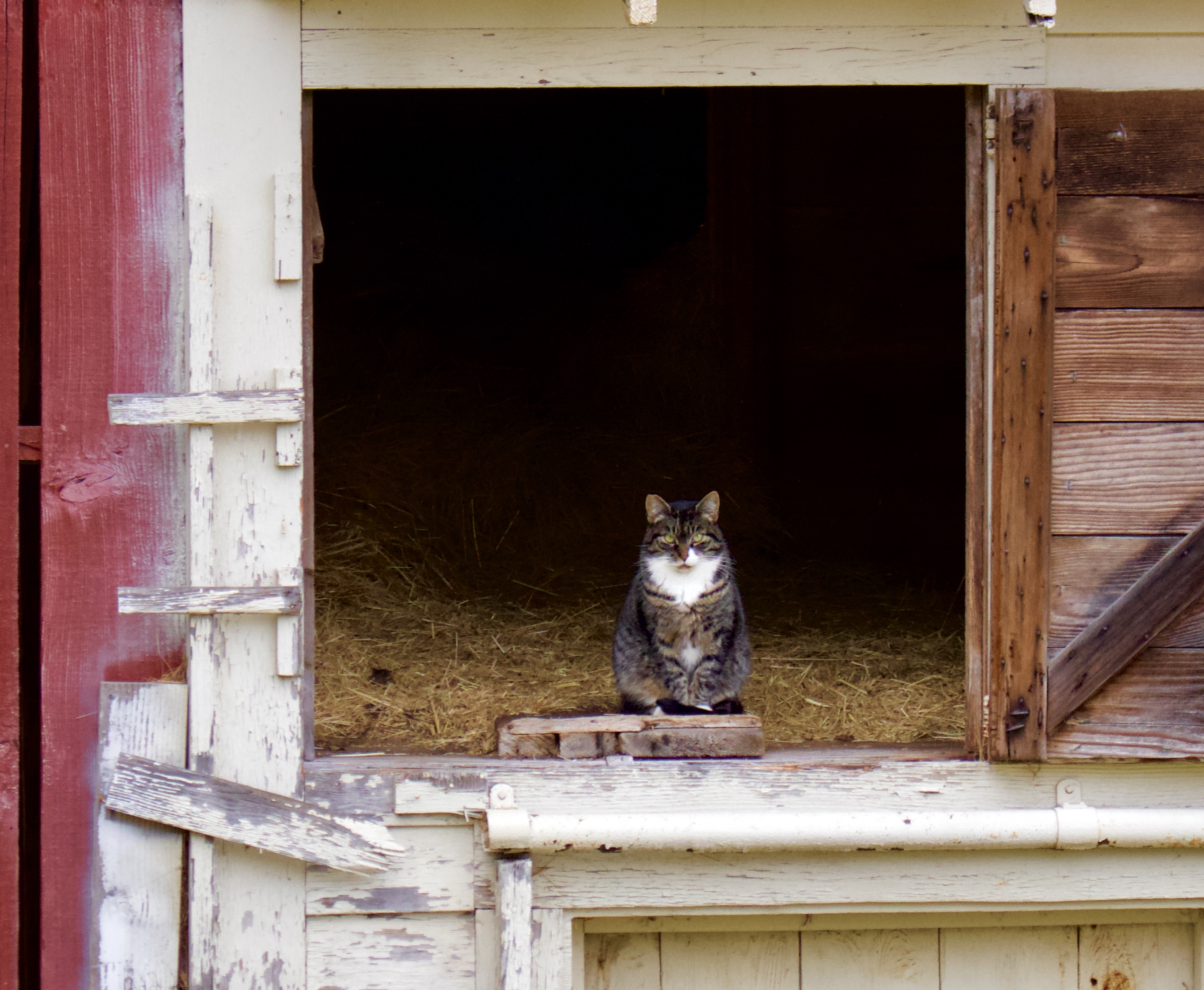
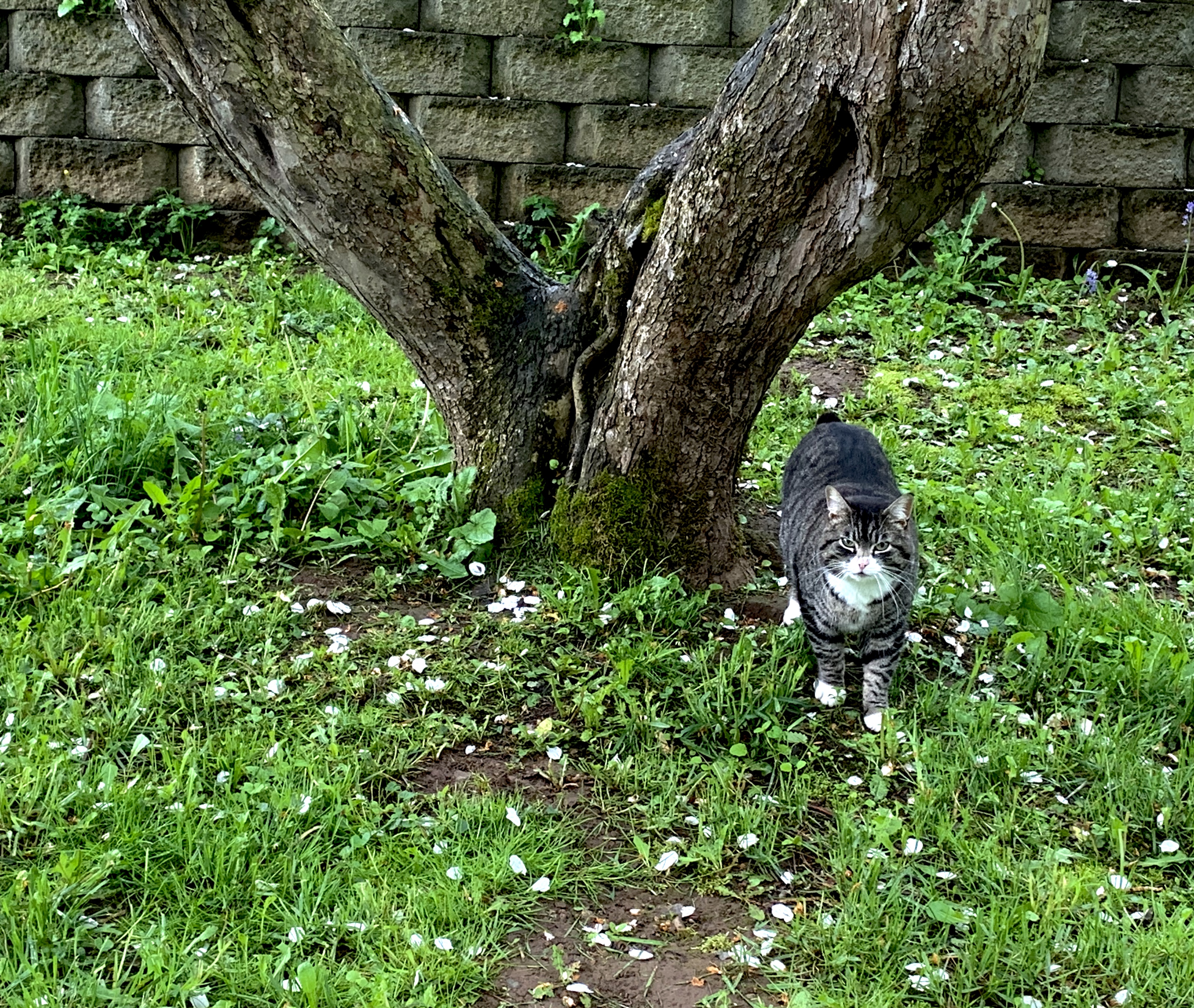
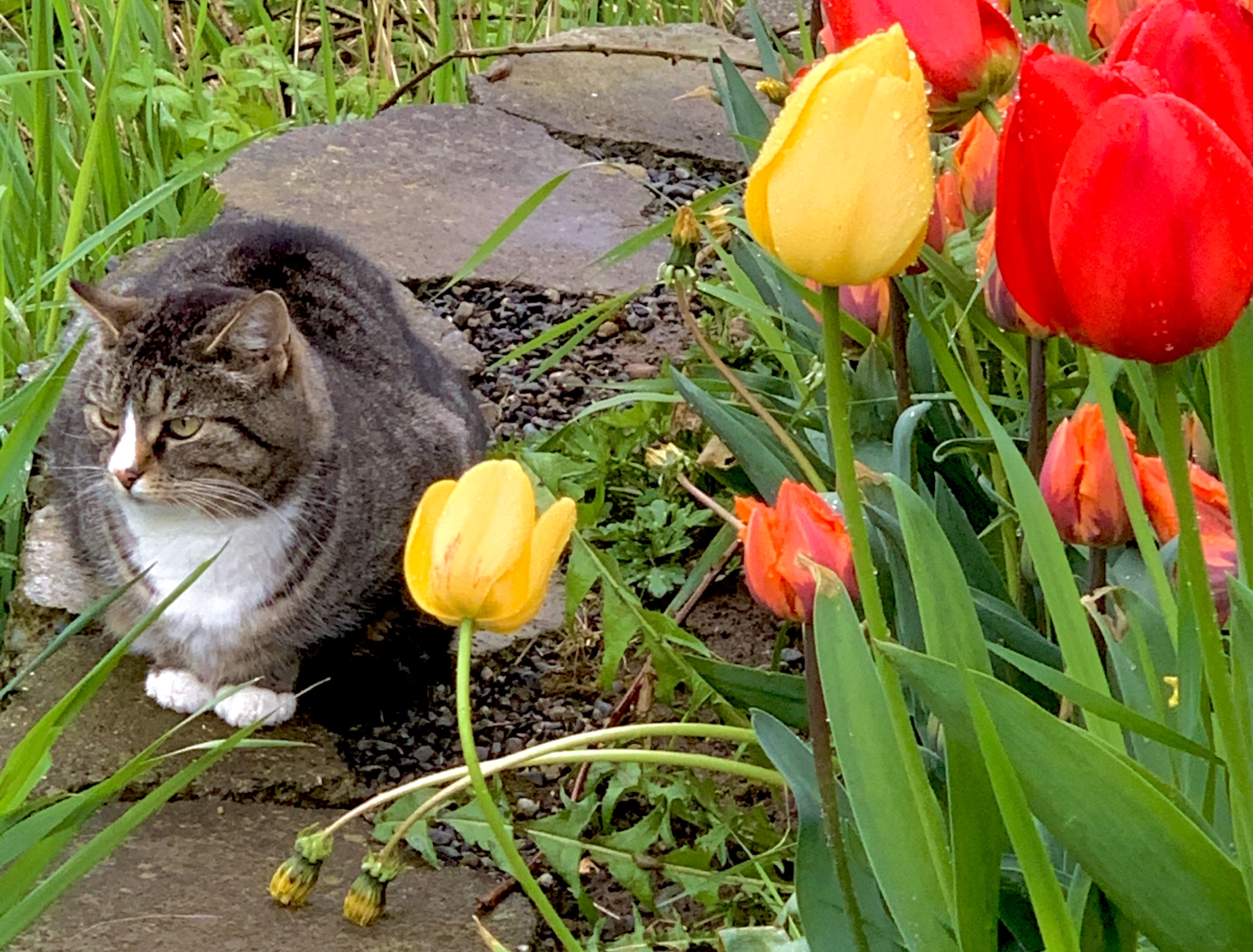
The first time I saw him it was just a flash of gray ringed tail disappearing into autumn night mist as I opened the back door to pour kibble into the empty cat dish on the porch: just another stray cat among many who visit the farm.
A few stay.
So he did, keeping a distance in the shadows under the trees, a gray tabby with white nose and bib, serious yet skittish, watching me as I moved about feeding dogs, cats, birds, horses, creeping to the cat dish only when the others drifted away.
There was something in the way he held his head, an oddly forward ear; a stilted swivel of the neck. I startled him one day as he ate his fill at the dish.
He ran, the back of his head flashing red, scalp completely gone.
Not oozing, nor something new, but recent. A nearly mortal scar from an encounter with coyote, or eagle or bobcat. This cat thrived despite trauma and pain, tissue still raw, trying to heal.
He had chosen to live; life had chosen him.
My first thought was to trap him, to put him humanely to sleep to end his suffering, in truth to end my distress at seeing him every day, envisioning florid flesh even as he hunkered invisible in the shadowlands of the barnyard.
Yet the scar did not keep him from eating well or licking clean his pristine fur.
As much as I want to look away, to avoid confronting his mutilation, I always greet him from a distance, a nod to his maimed courage, through wintry icy blasts and four foot snow, through spring rains and summer heat with flies.
His wounds remain unhealed, a reminder of his inevitable fate.
I never will stroke that silky fur, or feel his burly purr, assuming he still knows how, but still feed his daily fill, as he feeds my need to know: the value of a life so broken, each breath taken filled with sacred air.
The birds they sang At the break of day Start again I heard them say Don’t dwell on what Has passed away Or what is yet to be
Ah the wars they will Be fought again The holy dove She will be caught again Bought and sold And bought again The dove is never free
You can add up the parts but you won’t have the sum You can strike up the march, there is no drum Every heart, every heart to love will come but like a refugee.
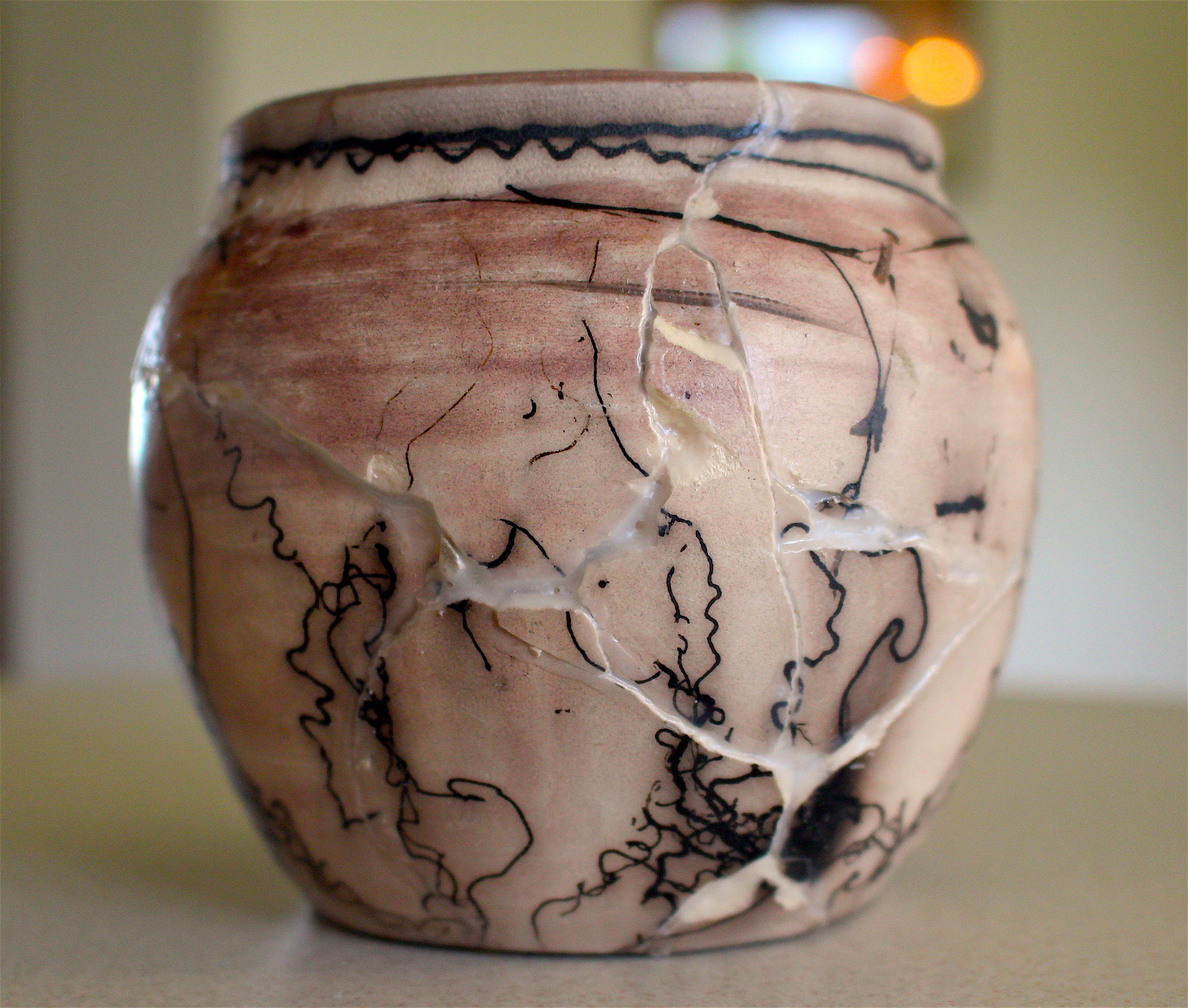
Ring the bells that still can ring Forget your perfect offering There is a crack, a crack in everything That’s how the light gets in. ~Leonard Cohen from “Anthem”
The flaw is no more noticeable, even to me, than a new moth-hole in my sweater, or a very bald spot on the fabric of my velvet vest.
Yet when I hold the cloth up to the window the sunlight bleeds through. ~Luci Shaw “Defect”
My many cracks seem to expand with age: do they not heal as quickly or am I more brittle than before?
I know how my eyes leak, my heart feels more porous. The events of the day break me open even wider.
Yet the Light pours in to illuminate my wounds old and new. Let the world know that after the hurt comes healing.
To pull the metal splinter from my palm my father recited a story in a low voice. I watched his lovely face and not the blade. Before the story ended, he’d removed the iron sliver I thought I’d die from.
I can’t remember the tale, but hear his voice still, a well of dark water, a prayer. And I recall his hands, two measures of tenderness he laid against my face, the flames of discipline he raised above my head.
Had you entered that afternoon you would have thought you saw a man planting something in a boy’s palm, a silver tear, a tiny flame. Had you followed that boy you would have arrived here, where I bend over my wife’s right hand.
Look how I shave her thumbnail down so carefully she feels no pain. Watch as I lift the splinter out. I was seven when my father took my hand like this, and I did not hold that shard between my fingers and think, Metal that will bury me, christen it Little Assassin, Ore Going Deep for My Heart. And I did not lift up my wound and cry, Death visited here! I did what a child does when he’s given something to keep. I kissed my father. ~Li-Young Lee, “The Gift” from Rose
I did, without ever wanting to, remove my own children’s splinter, lanced a boil, immobilized a broken arm, pulled together sliced skin, cleaned many dirty wounds. It felt like I crossed the line between mommy and doctor. But someone had to do it, and a four hour wait in the emergency room didn’t seem warranted.
My own children learned to cope with hurt made worse by someone they trusted to be comforter.
I dealt with inflicting pain, temporary though it may be, to flesh that arose from my flesh. It hurt as much as if it were my own wound needing cleansing, not theirs.
Our wounds are His – He is constantly feeling our pain as He performs healing surgeries in our lives, not because He wants to but because He must, to save us from our own destruction. Too often we yell and kick and protest in our distress, making it all that much more difficult for both of us.
If only we can come to acknowledge His intervention is our salvage: our tears to flow in relief, not anguish, we cling to His protection rather than pushing Him away, we kiss Him in gratitude as we are restored again and yet again.











 Barnstorming