Not, I’ll not, carrion comfort, Despair, not feast on thee; Not untwist — slack they may be — these last strands of man In me ór, most weary, cry I can no more. I can; Can something, hope, wish day come, not choose not to be. But ah, but O thou terrible, why wouldst thou rude on me Thy wring-world right foot rock? lay a lionlimb against me? scan With darksome devouring eyes my bruisèd bones? and fan, O in turns of tempest, me heaped there; me frantic to avoid thee and flee?
Why? That my chaff might fly; my grain lie, sheer and clear. Nay in all that toil, that coil, since (seems) I kissed the rod, Hand rather, my heart lo! lapped strength, stole joy, would laugh, chéer. Cheer whom though? the hero whose heaven-handling flung me, fóot tród Me? or me that fought him? O which one? is it each one? That night, that year Of now done darkness I wretch lay wrestling with (my God!) my God. ~Gerard Manley Hopkins “Carrion Comfort”
Once again, the mounting deaths by one’s own hand make grim headlines announcing solemn statistics.
I heard it over and over during decades in my clinic; patient after patient said the same thing: I can no more...
this agonizing struggle with despair makes one frantic to avoid the fight and flee, to feel no more bruising and bleed no more, to become nothing but chaff and ashes.
suicide seems a solution when one can not feel the love of a God who, in reality, cares enough to wrestle with us relentlessly– who heaven-handling flung us here by breathing life into our nostrils –
and continues to breathe with us…
perhaps we can’t possibly imagine a God caring enough to be killed for us (He Himself created us who doubt, us who are so sore afraid)
because He loves us, no one is ever now, nor ever will be,
~nothing~
My God! such darkness is now done forever.
One-Time
Monthly
Yearly
Make a one-time or recurring donation to support daily ad-free Barnstorming posts
Outside the house the wind is howling and the trees are creaking horribly. This is an old story with its old beginning, as I lay me down to sleep. But when I wake up, sunlight has taken over the room. You have already made the coffee and the radio brings us music from a confident age. In the paper bad news is set in distant places. Whatever was bound to happen in my story did not happen. But I know there are rules that cannot be broken. Perhaps a name was changed. A small mistake. Perhaps a woman I do not know is facing the day with the heavy heart that, by all rights, should have been mine. ~Lisel Mueller “In November” from Alive Together
It does not escape me~ (I awake every day knowing this) a disastrous earthquake happened somewhere else, a war ravages families on both sides of a border, a windstorm leveled a town, a drunk driver devastated two families, a fire left a house in ashes, a mother nearly died giving birth, a flood ravaged a village, a grim diagnosis darkened someone’s remaining days.
No mistake has been made, yet I awake knowing this part of my story has yet to visit me – I hear of so much suffering, knowing the heavy heart that could have been mine still beats, still breaks, still aches, still believes in grace, mercy, and miracles.
One-Time
Monthly
Yearly
Make a one-time or recurring donation to support daily Barnstorming posts
When you go home tell them of us and say – “For your tomorrow we gave our today” ~John Maxwell Edmonds from “The Kohima Epitaph”
They shall grow not old, as we that are left grow old: Age shall not weary them, nor the years condemn. At the going down of the sun and in the morning We will remember them. ~Lawrence Binyon from “For the Fallen” (1914)
We are the Dead. Short days ago We lived, felt dawn, saw sunset glow, Loved and were loved, and now we lie In Flanders fields. ~LtCol (Dr.) John McCrae from “In Flanders Fields”
November pierces with its bleak remembrance Of all the bitterness and waste of war. Our silence tries but fails to make a semblance Of that lost peace they thought worth fighting for. Our silence seethes instead with wraiths and whispers, And all the restless rumour of new wars, The shells are falling all around our vespers, No moment is unscarred, there is no pause, In every instant bloodied innocence Falls to the weary earth ,and whilst we stand Quiescence ends again in acquiescence, And Abel’s blood still cries in every land One silence only might redeem that blood Only the silence of a dying God. ~Malcolm Guite “Silence: a Sonnet for Remembrance Day”
To our military veterans here and abroad – in deep appreciation and gratitude– for the freedoms you have defended on behalf of us all:
No one is left untouched and unscarred in the bitterness of war.
My father was one of the fortunate ones who came home, returning to a quiet farm life after three years serving in the Pacific with the Marines Corp from 1942 to 1945. Hundreds of thousands of his colleagues didn’t come home, dying on beaches and battlefields. Tens of thousands more came home forever marked, through physical or psychological injury, by the experience of war and witness of death and mayhem all around them.
No matter how one views wars our nation has fought and may be obligated to fight in the future, we must support and care for the men and women who have made, on our behalf, the commitment and sacrifice to be on the front line for freedom’s sake.
Even our God died so we could stop fighting each other (and Him). What a waste we have not stopped to listen and understand His sacrifice enough to finally lay down our weapons against one another forever.
When great souls die, the air around us becomes light, rare, sterile. We breathe, briefly. Our eyes, briefly, see with a hurtful clarity. Our memory, suddenly sharpened, examines, gnaws on kind words unsaid, promised walks never taken.
Great souls die and our reality, bound to them, takes leave of us. Our souls, dependent upon their nurture,now shrink, wizened. Our minds, formed and informed by their radiance, fall away. We are not so much maddened as reduced to the unutterable ignorance of dark, cold caves.
And when great souls die, after a period peace blooms, slowly and always irregularly. Spaces fill with a kind of soothing electric vibration. Our senses, restored, never to be the same, whisper to us. They existed. They existed. We can be. Be and be better. For they existed. ~Maya Angelou from “When Great Trees Fall”
Sara, my dear friend of nearly forty years,
When I learned you died this morning, your body overwhelmed by a sudden illness no one anticipated – I sat in stillness, trying once again to remember your soft voice, as if you were still part of this world.
I knew you were gone.
It was God’s timing to collect you back and so you went. We all are poorer without you – you the richer as you settle into a body no longer a burden and a struggle.
As recently as last week, you wondered aloud if you had it in you, after decades of surviving chronic illness and two cancers, to keep going with all your physical challenges. God heard your prayer. Instead of feeling depleted and emptied of purpose, you are now restored. The love and energy you shared during your long life, through your doctoring and farming and mothering and grandmothering, is replenished in the presence of Jesus Christ.
You have left so much of yourself behind: Your mentoring made me a better doctor. Your example made me a better mother. Your gentle compassion made me a better friend. Your forgiving grace and quiet patience made me a better person.
I wasn’t yet ready to say goodbye to you: I regret not saying everything I needed to say. I regret not taking more walks with you. I regret not letting you know how much you blessed me and the world simply by existing.
Now there is no doubt you are blessing heaven. And so we who love you – your husband, children, grandchildren, your friends, colleagues, former patients – gratefully share the rare gift of grace that is Dr. Sara Cuene Watson.
All flesh is grass, and all its beauty is like the flower of the field. The grass withers, the flower fades when the breath of the LORD blows on it; surely the people are grass. The grass withers, the flower fades, but the word of our God will stand forever. Isaiah 40: 6-8
Because what’s the alternative? Because of courage. Because of loved ones lost. Because no more. Because it’s a small thing; shaking hands; it happens every day. Because I heard of one man whose hands haven’t stopped shaking since a market day in Omagh. Because it takes a second to say hate, but it takes longer, much longer, to be a great leader. Much, much longer.
Because shared space without human touching doesn’t amount to much. Because it’s easier to speak to your own than to hold the hand of someone whose side has been previously described, proscribed, denied. Because it is tough. Because it is tough. Because it is meant to be tough, and this is the stuff of memory, the stuff of hope, the stuff of gesture, and meaning and leading. Because it has taken so, so long. Because it has taken land and money and languages and barrels and barrels of blood.
Because lives have been lost. Because lives have been taken.
Because to be bereaved is to be troubled by grief. Because more than two troubled peoples live here. Because I know a woman whose hand hasn’t been shaken since she was a man. Because shaking a hand is only a part of the start. Because I know a woman whose touch calmed a man whose heart was breaking. Because privilege is not to be taken lightly.
Because this just might be good. Because who said that this would be easy? Because some people love what you stand for, and for some, if you can, they can. Because solidarity means a common hand. Because a hand is only a hand; so hang onto it.
Nothing is new about conflicts over borders and religion and politics. What is new is the ability of an individual to share the terror and hatred to the rest of the world in mere seconds. We all become unwitting witnesses to human pain and suffering, eager to take sides if we can bear to watch.
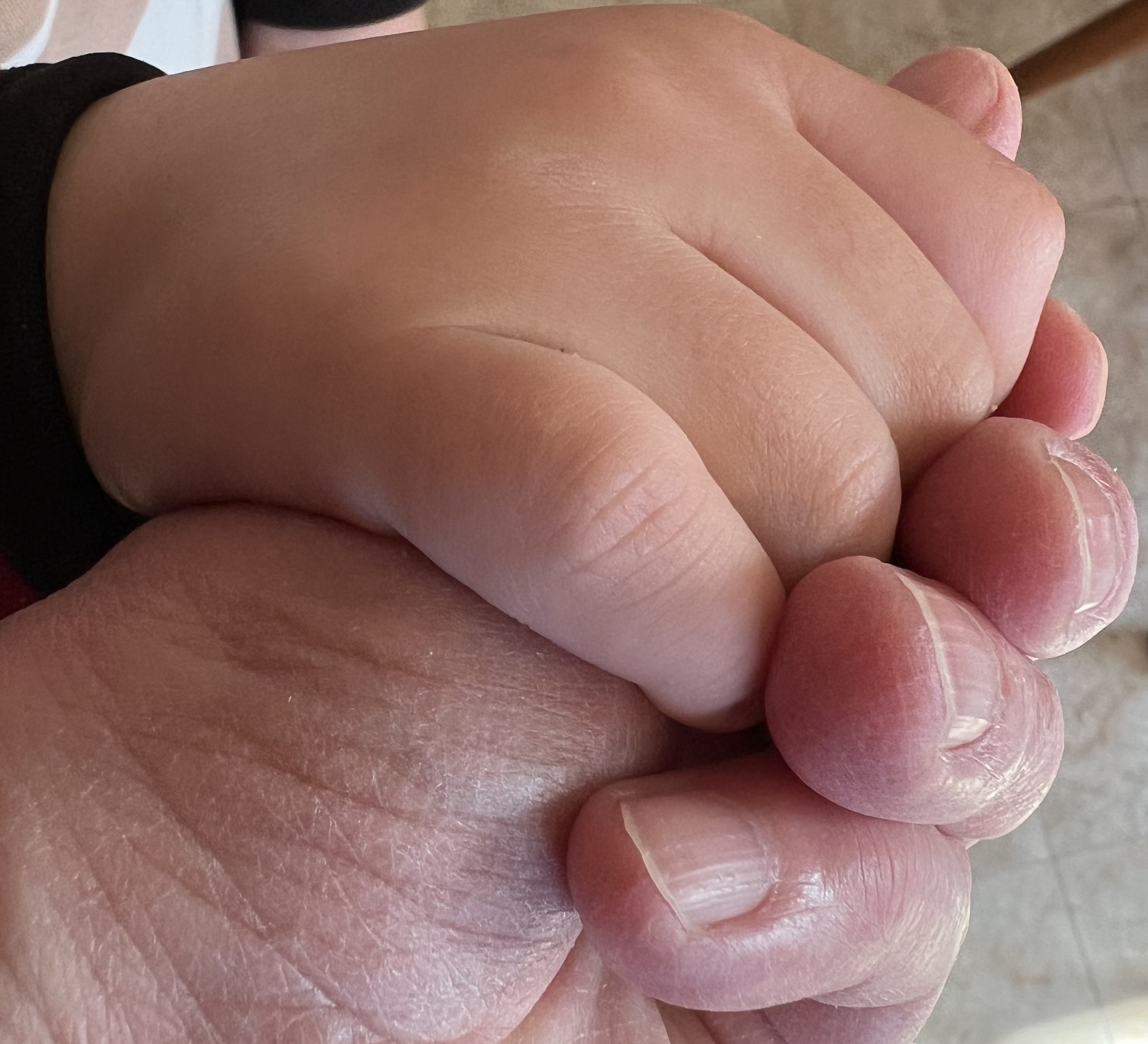
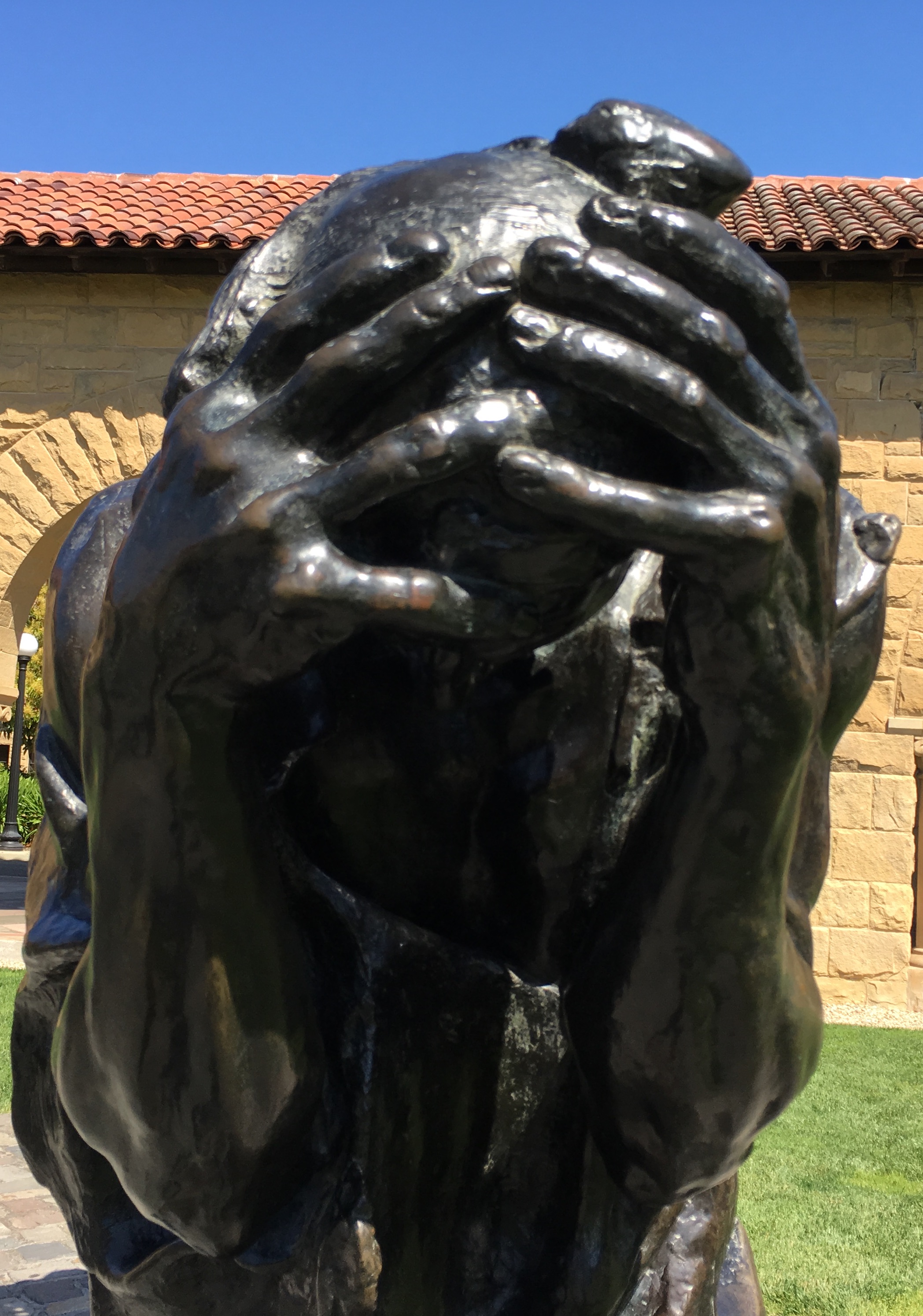
We each share a common hand. We need leaders who reach out to touch one another with more than words. They represent the human beings who lost limbs and lives in the battle for supremacy.
Historic handshakes are never meaningless, but even more vital is a connection between humans steeped in historical hatreds. We need to reach out and help lift each other’s burdens.
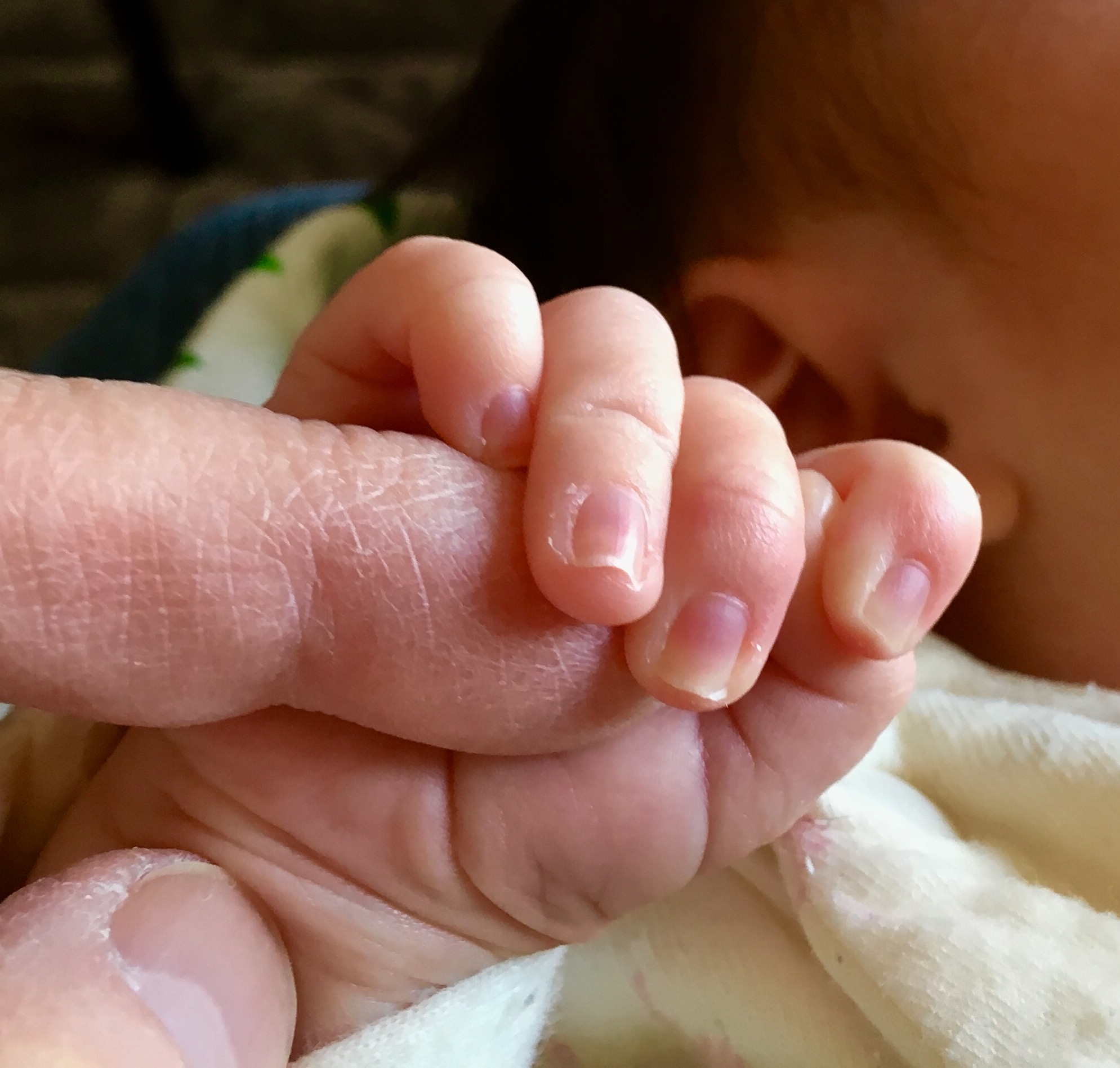
Take my hand. Look in my eyes. Even for one small second.
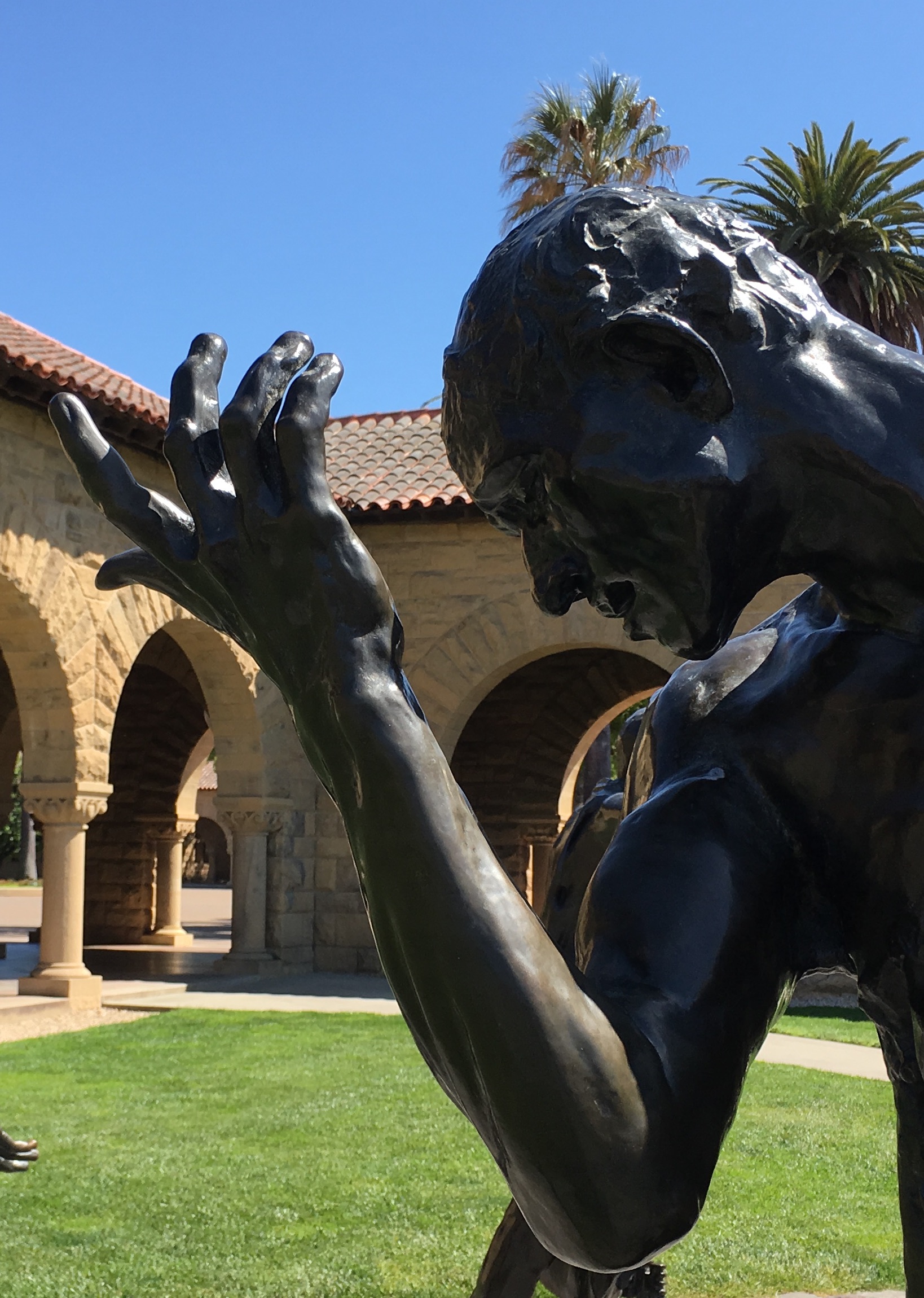
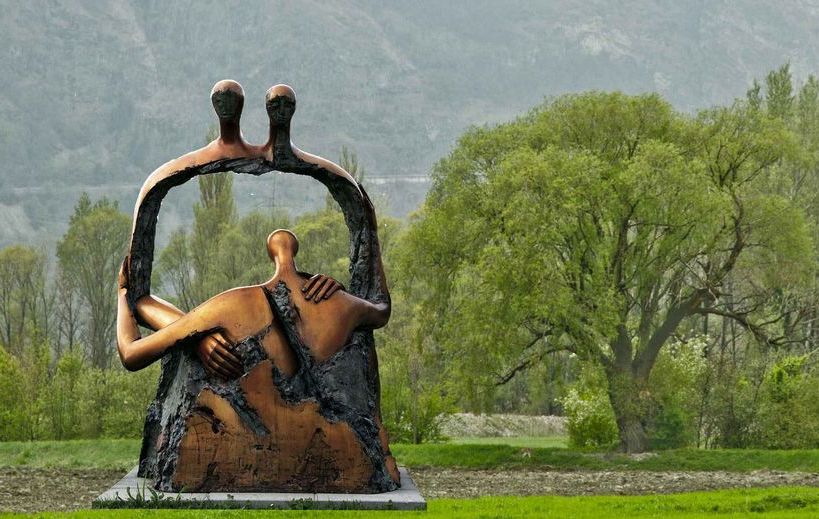
Sculpture by Artist Albert Gyorgy
One-Time
Monthly
Yearly
Make a one-time or recurring donation to support daily Barnstorming posts
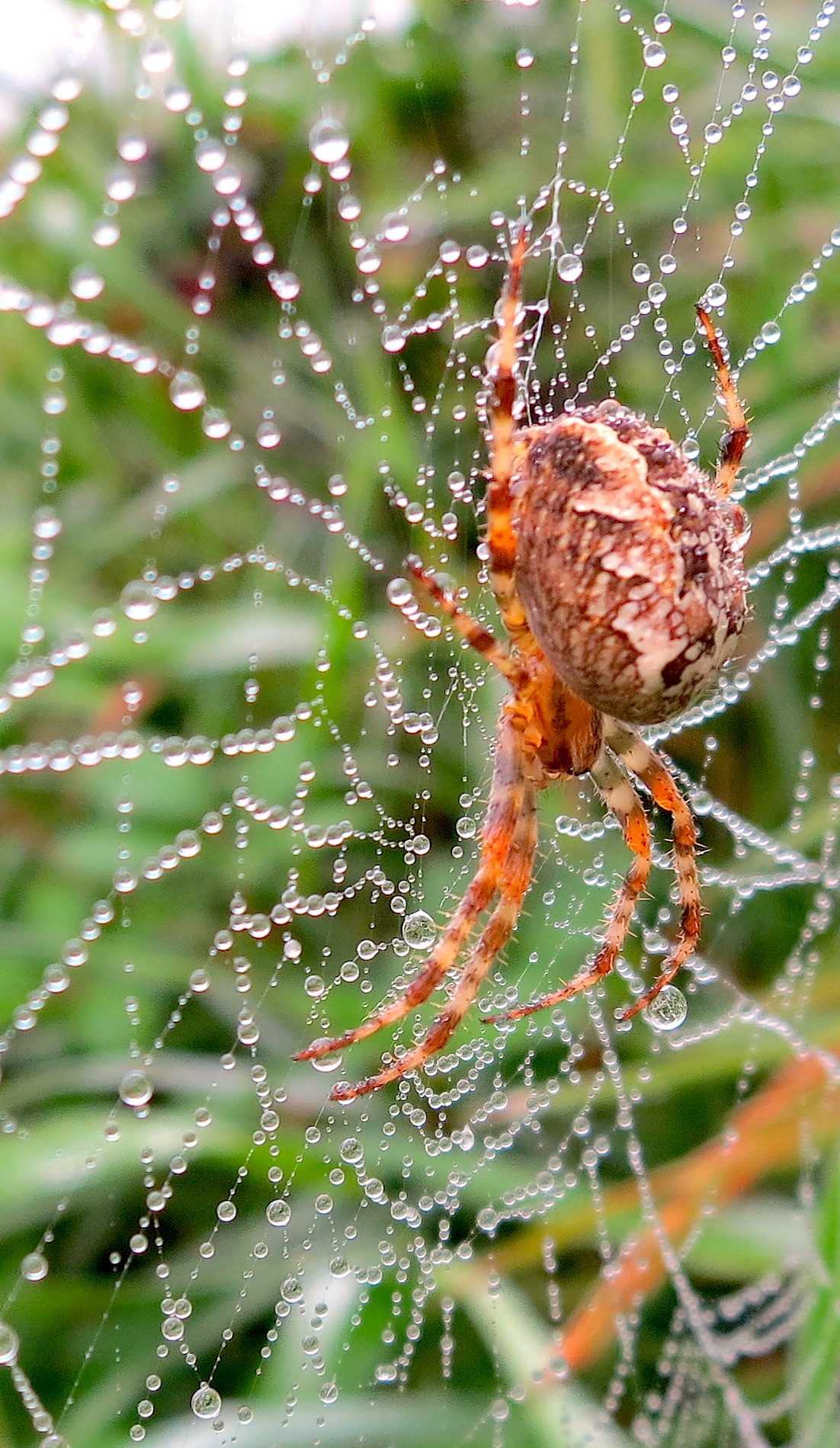
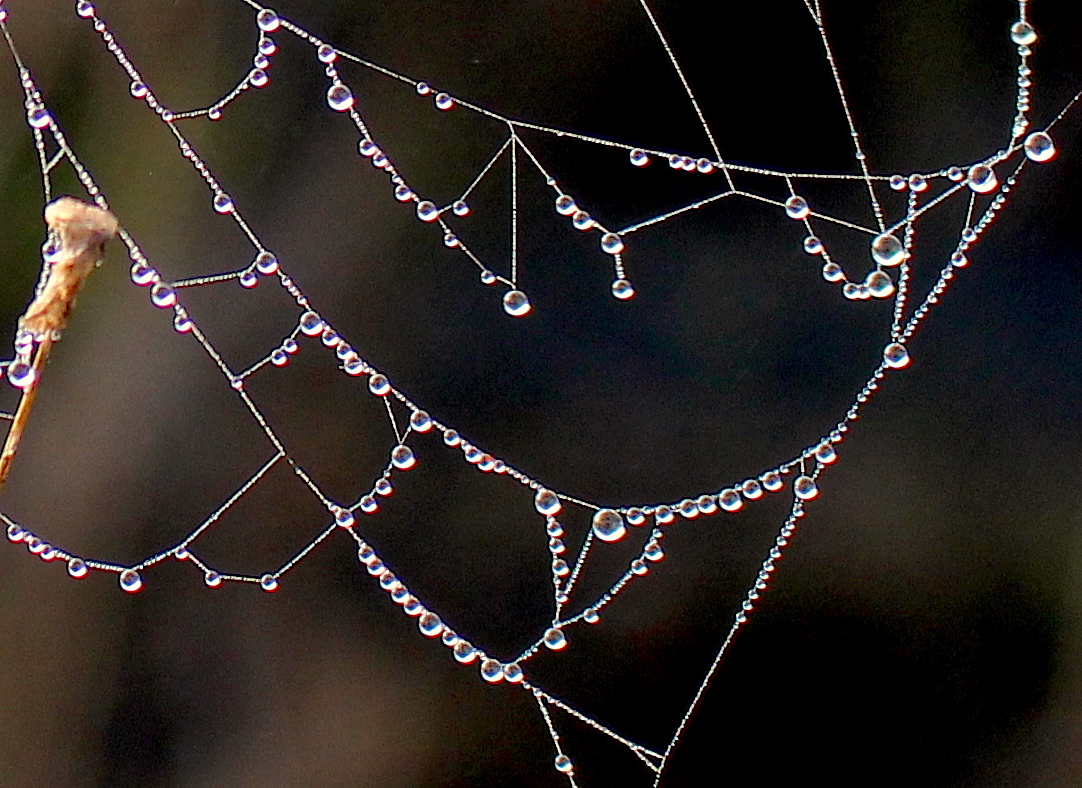
My daughter wouldn’t hurt a spider That had nested Between her bicycle handles For two weeks She waited Until it left of its own accord
If you tear down the web I said It will simply know This isn’t a place to call home And you’d get to go biking She said that’s how others Become refugees isn’t it? ~Fady Joudah “Mimesis” from Alight
Like these lands we travel through, I have grown weary, so rough, so dry. I wet a finger to give suck but it never lasts longs. When the baby cries, the sound comes sharper. It cuts me.
Some didn’t believe the stories of soldiers pouring south, what they did to the women, to children. Made the men watch then let them live. Some didn’t believe, but my husband did not hesitate: we cannot wait, he said. We travel between slaughter and exile. A foreign land, people who already hate us. How will they ever take us in? What will we do when they turn us back? Afraid ourselves, we instruct the little ones to be quiet, but an infant only understands hunger.
I lay him against me, try the finger trick; he snuggles in and falls asleep, his lips still moving. The moon was full but is now empty, like me. I was a child but now am woman, a mother. Is this all
I can give this child—a world of rage and shame, of bloodshed and vengeance? ~Edward Dougherty from “Between Slaughter and Exile”
Over the eons of human history, very few people groups have been able to remain exactly where they first settled.
The forces that drive tribes, cultures and communities to move on or be chased out are multiple and often overlapping: natural disasters, poverty, disease, prejudice, persecution, oppression, drought, starvation, war, politics.
Some simply seek refuge in hope of a better life.
We who sit safe and snug in our homes forget there was no such comfort for many of the generations preceding us. Those displaced faced terrible risks as they sought out safety. Millions have suffered and died in the hope of securing a future for themselves and their descendants. Countries – even ours, the richest on earth – struggle to house and feed their own residents, much less able to cope with those who arrive even more destitute and desperate. Doors and borders around the world slam shut and remain closed.
No child should be caught in this ongoing cycle of grief and weeping, rage and shame, bloodshed and vengeance, slaughter and exile. We watch history repeat itself, again and again; we become history in the making.
May God work out a solution when mere people cannot.
One-Time
Monthly
Yearly
Make a one-time or recurring donation to support daily Barnstorming posts
And that is just the point… how the world, moist and beautiful, calls to each of us to make a new and serious response.
That’s the big question, the one the world throws at you every morning. “Here you are, alive. Would you like to make a comment?” ~Mary Oliver
The last few days, it has been impossible to stay a silent observer of the world when one awakes, still alive on a morning moist and beautiful, while on the other side of the earth, innocents have been brutally butchered in their beds, whole families murdered, bodies desecrated and dragged into the street.
It demands a response.
I cannot remain speechless in the face of evil. Such violence, fed by generations of hatred, begets more hatred and violence, on and on. It festers, blusters, rips apart, tortures, buries. And so it goes, an ongoing human history of wars and more wars.
And here I am, alive on a brilliant autumn morning, while others immeasurably suffer.
Called to make a new and serious response. Called to comment, as I do every day. Knowing my voice is only one in a vast wilderness of voices, crying out in lament over the dead and dying.
The world is its usual rich self. Disturbed news Came before sleep, then hours before light, finally A return to coffee and the joy of unfinished poems. It is early October, bright leaves falling everywhere.
What could it mean that such sharp leaves fall? Does it imply that the best are called first?
I don’t want to imply that such abundance of meaning Exists in me. A lamppost shines over The ocean. The waves take what they want of the light. The rest they give back, to the hospitals and the poor. ~Robert Bly from Morning Poems
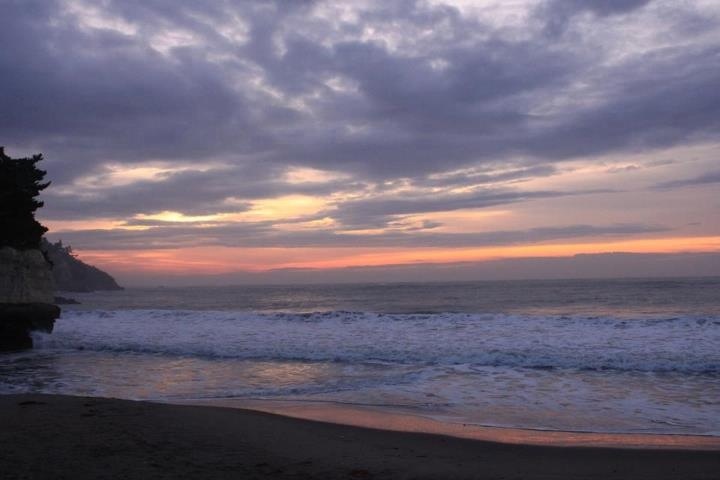
Bellingham Bay-photo by Nate Gibson
The shattered water made a misty din. Great waves looked over others coming in, And thought of doing something to the shore That water never did to land before. The clouds were low and hairy in the skies, Like locks blown forward in the gleam of eyes. You could not tell, and yet it looked as if The shore was lucky in being backed by cliff, The cliff in being backed by continent; It looked as if a night of dark intent Was coming, and not only a night, an age. Someone had better be prepared for rage. There would be more than ocean-water broken Before God’s last Put out the light was spoken. ~Robert Frost “Once By the Pacific”
photo by Nate Gibson at Sendai, Japan
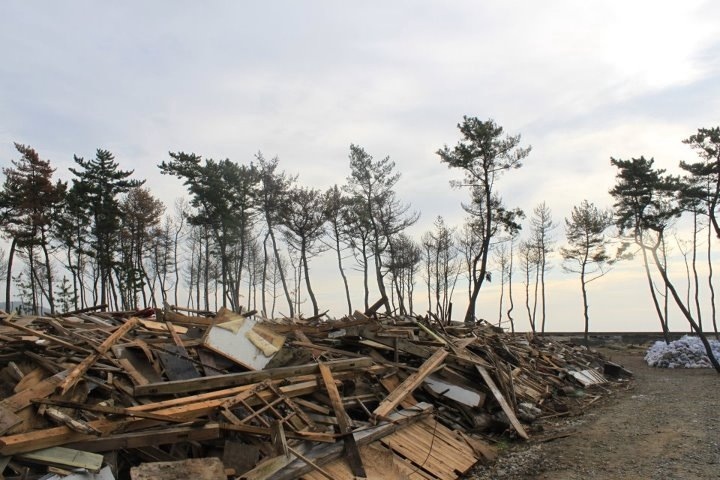
We were staying with our friends Brian and Bette at their cabin on a bluff just above the beach at Sendai, Japan, just a few dozen feet above the devastation that wiped out an entire fishing village below during the 3/11/11 earthquake and tsunami. We walked that stretch, learning of the stories of the people who had lived there, some of whom did not survive the waves that swept their houses and cars away before they could escape. We walked past the footprints of foundations of hundreds of demolished homes, humbled by the rubble mountains yet to be hauled away to be burned or buried and scanned acres of wrecked vehicles now piled one on another, waiting to become scrap metal. It was visual evidence of life suddenly and dramatically disrupted.
This was a place of recreation and respite for some who visited regularly, commerce and livelihood for others who stayed year round. Yet it looked like a foreign ghostly landscape. Even many trees perished, lost, broken off, fish nets still stuck high on their scarred trunks. There were small memorials to lost family members within some home foundations, with stuffed animals and flowers wilting from the recent anniversary observance.
It was a powerful place of memories for those who live there and know what it once was, how it once looked and felt, and painfully, what it became in a matter of minutes on 3/11/11. The waves swept in inexplicable suffering, then carried their former lives away. Happiness gave ground to such terrible pain that could never have hurt as much without the joy that preceded it.
We want to ask God why He doesn’t do something about the suffering that happens anywhere a disaster occurs – but if we do, He will ask us the same question right back. We need to be ready with our answer and our action. He knows suffering. Far more than we do. He took it all on Himself as His Light on earth was snuffed out, despite His love and joy in His creation.
As Sendai’s citizens slowly recover, the inner and outer landscape is forever altered. What remains the same is the tempo of the waves, the tides, and the rhythm of the light and the night, happening just as originally created.
The Light returned.
In that realization, pain gives way. It cannot stand up to His love and His joy in dispelling the dark.
the rubble still piled on the beach at Tohoku, Japan, a year after the 3/11/11 tsunamiphoto by Nate GibsonSendai
One-Time
Monthly
Yearly
Make a one-time or recurring donation to support daily Barnstorming posts
He loved to ask his mother questions. It was the pleasantest thing for him to ask a question and then to hear what answer his mother would give. Bambi was never surprised that question after question should come into his mind continually and without effort.
Sometimes he felt very sure that his mother was not giving him a complete answer, was intentionally not telling him all she knew. For then there would remain in him such a lively curiosity, such suspicion, mysteriously and joyously flashing through him, such anticipation, that he would become anxious and happy at the same time, and grow silent. ~Felix Salten from Bambi
A Wounded Deer—leaps highest— I’ve heard the Hunter tell— ‘Tis but the Ecstasy of death— And then the Brake is still! ~Emily Dickinson “165″
As the house of a person in age sometimes grows cluttered with what is too loved or too heavy to part with, the heart may grow cluttered. And still the house will be emptied, and still the heart.
Empty and filled, like the curling half-light of morning, in which everything is still possible and so why not.
Filled and empty, like the curling half-light of evening, in which everything now is finished and so why not.
Beloved, what can be, what was, will be taken from us. I have disappointed. I am sorry. I knew no better.
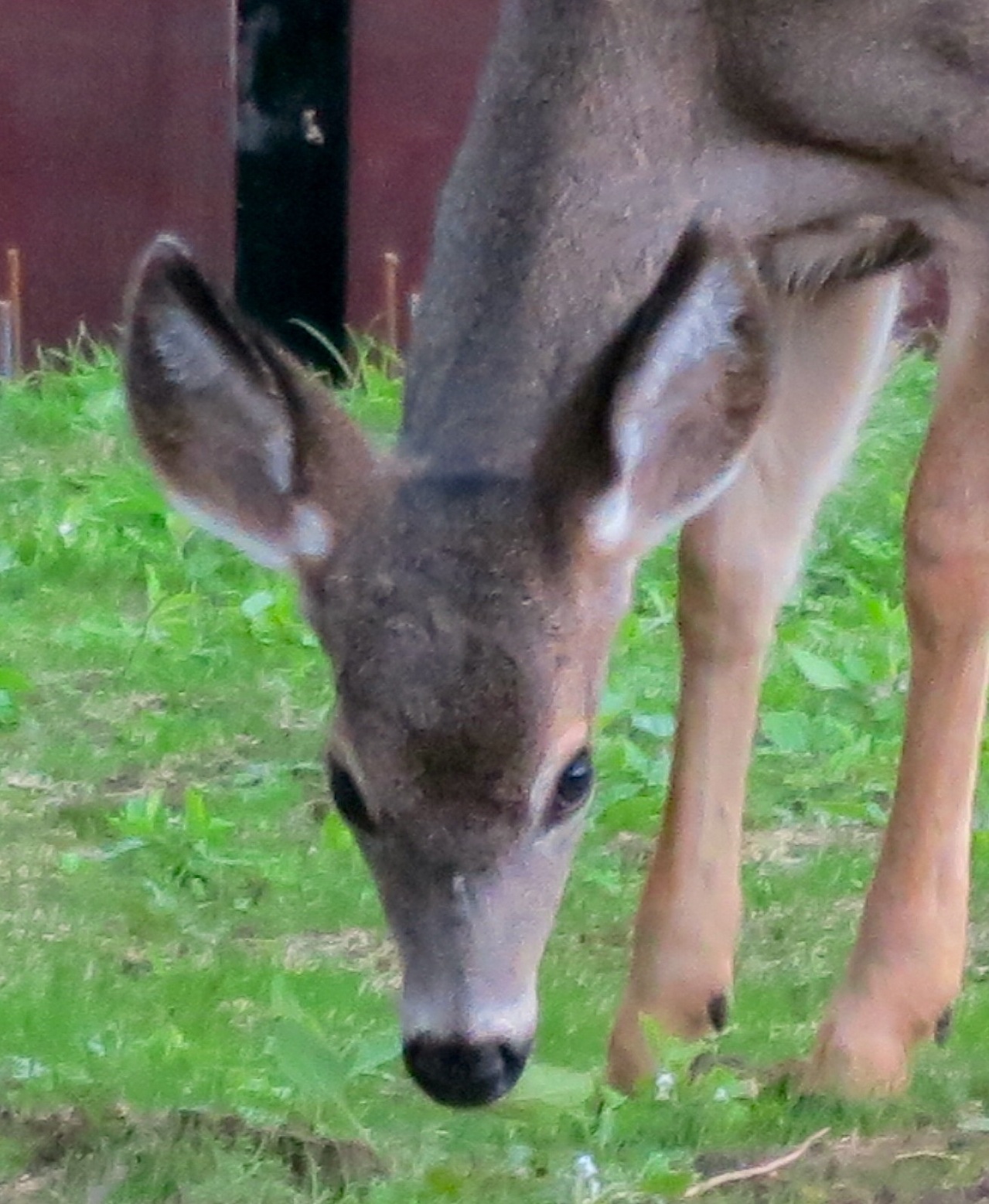
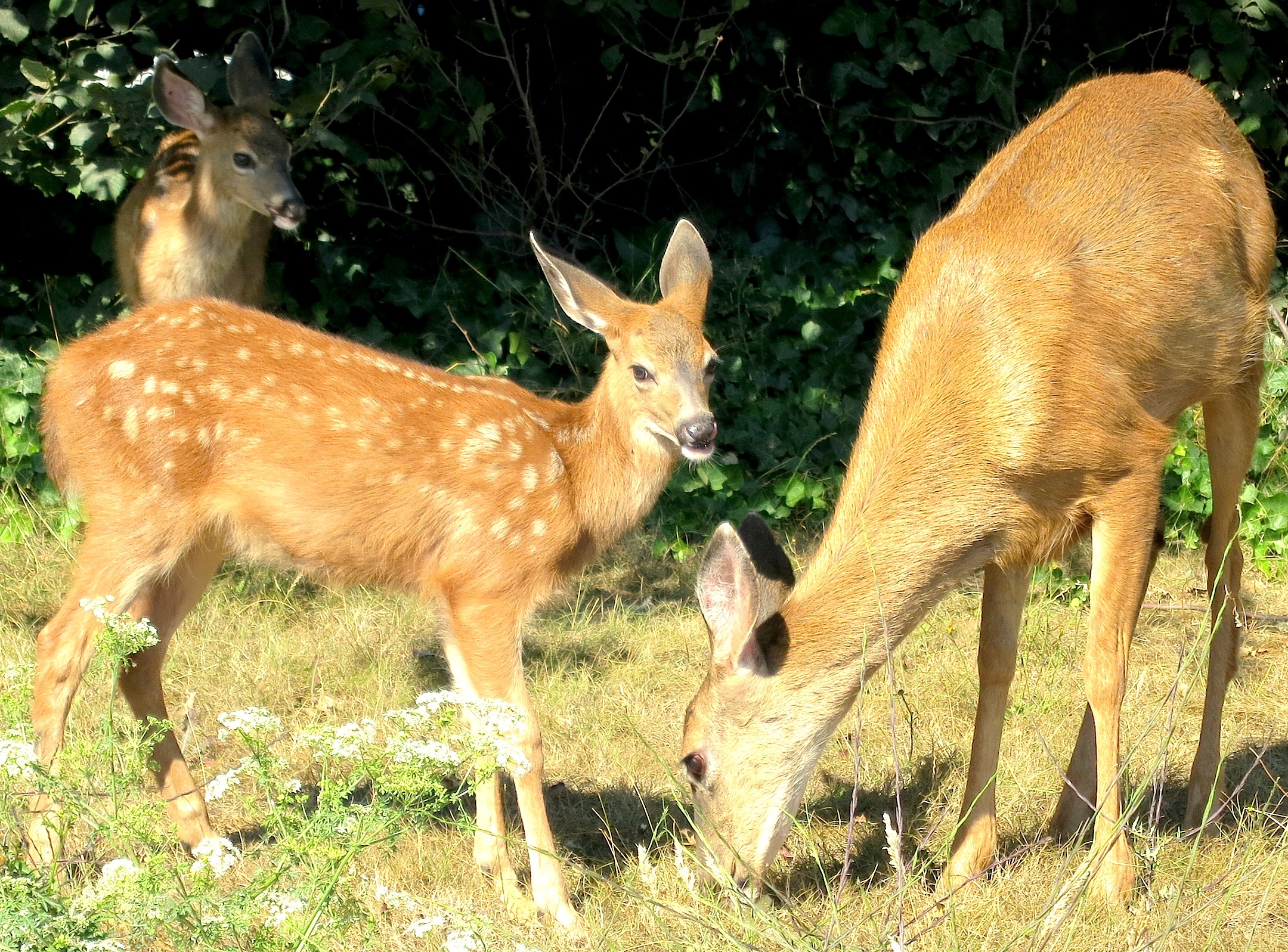
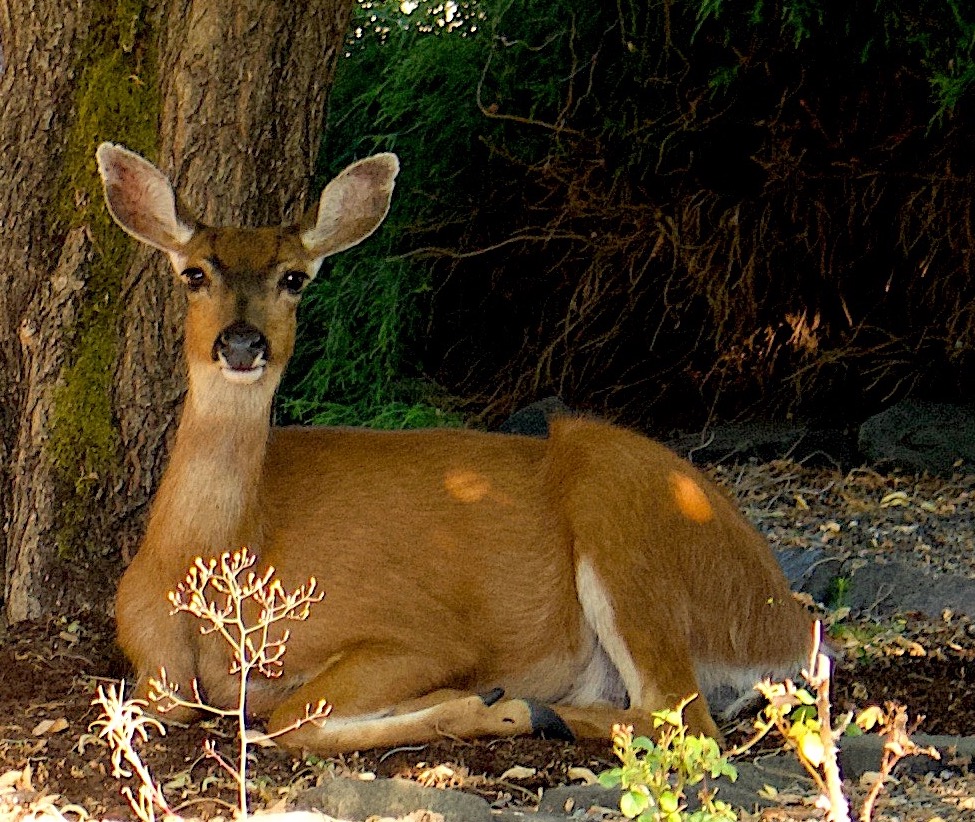
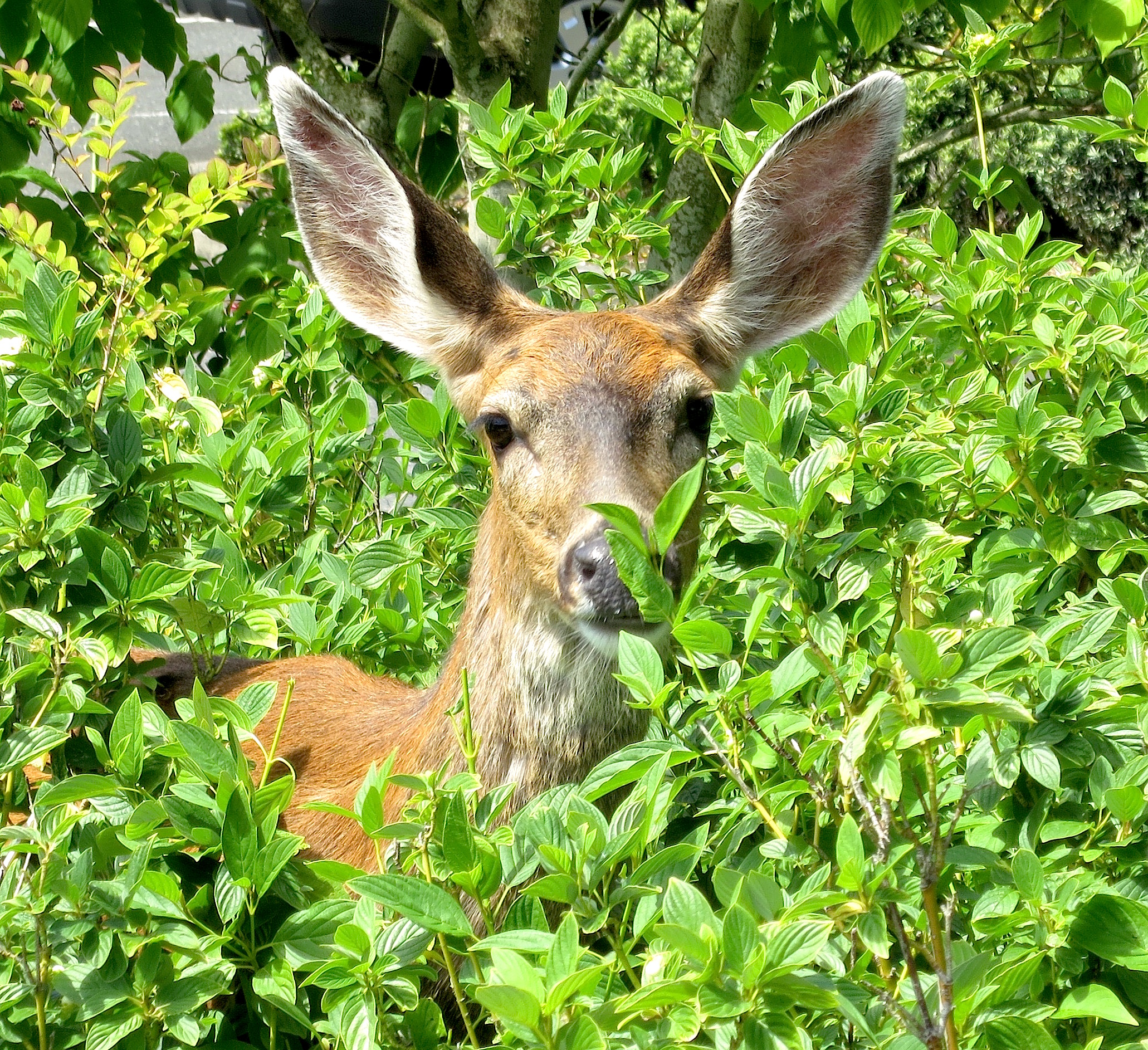
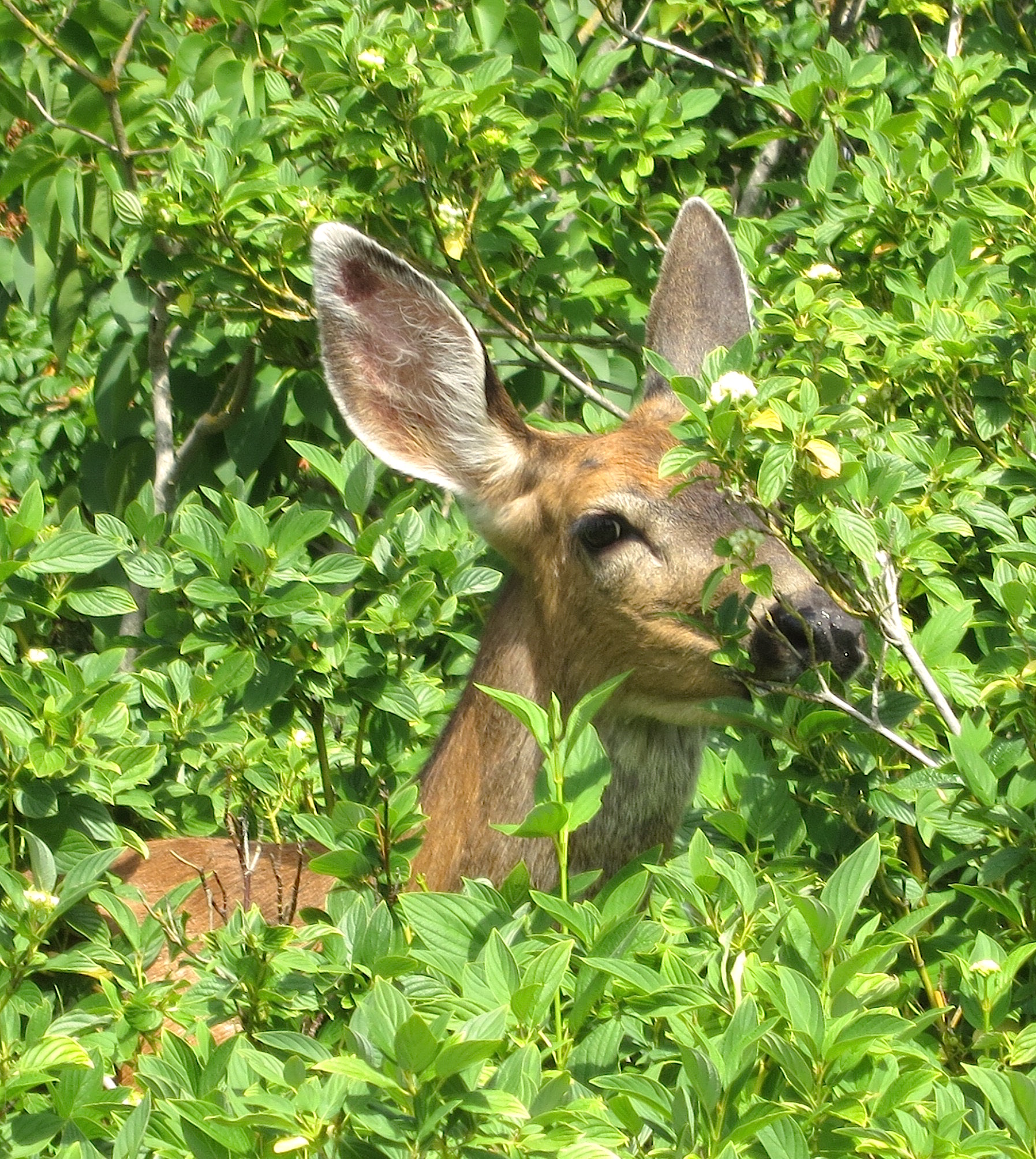
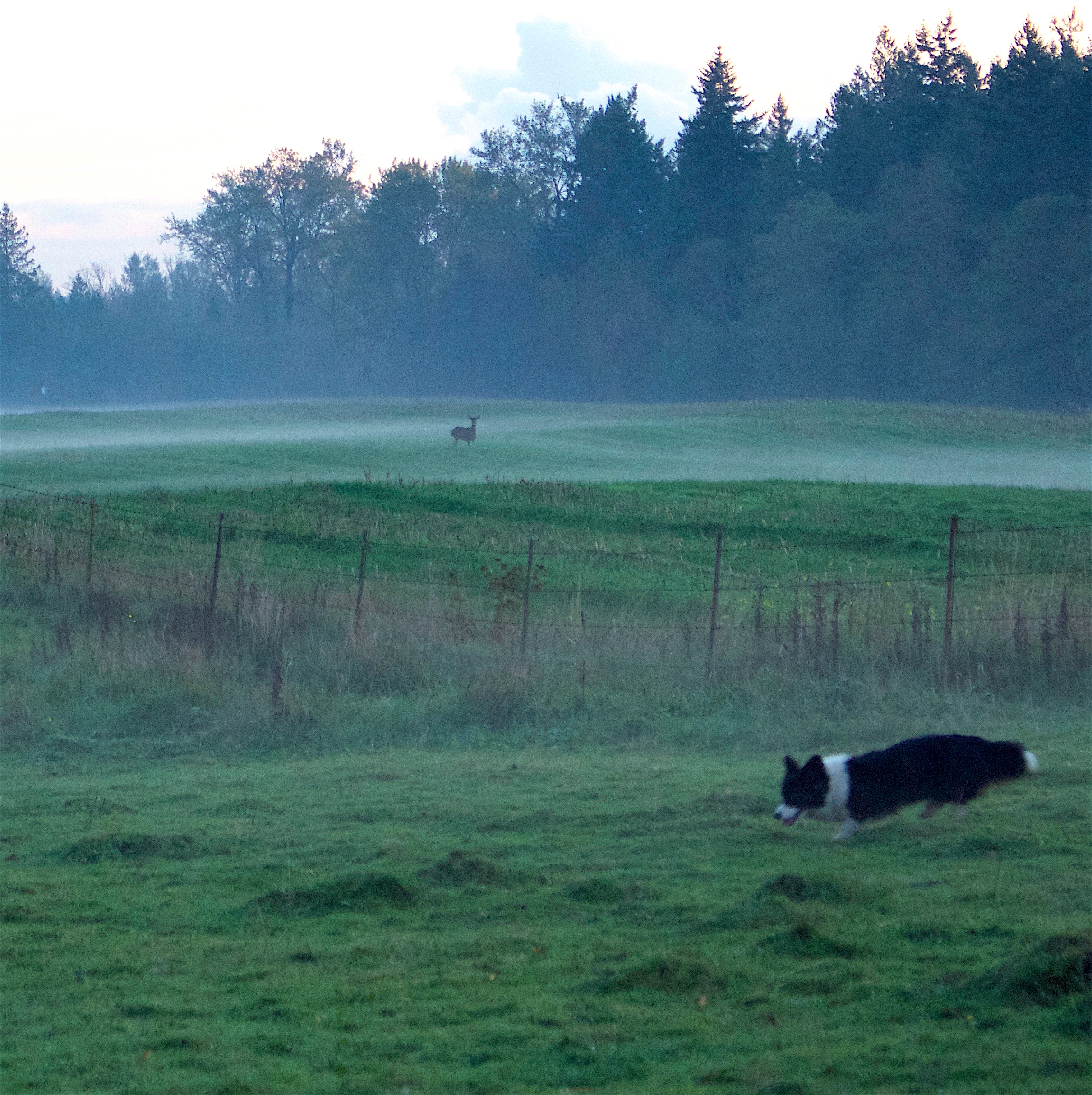
A root seeks water. Tenderness only breaks open the earth. This morning, out the window, the deer stood like a blessing, then vanished. ~Jane Hirschfield from “The Standing Deer”
My first time ever seated next to my mother in a movie theater, just a skinny four year old girl practically folded in half by a large padded chair whose seat won’t stay down, bursting with anticipation to see Disney’s Bambi.
Enthralled with so much color, motion, music, songs and fun characters, I am wholly lost in this new world of animated reality when suddenly Bambi’s mother looks up, alarmed, from eating a new clump of spring grass growing in the snow.
My heart leaps with worry. She tells him to run quickly for the thicket – find the safest place where she has always kept him warm next to her.
She follows behind, urges him to run faster, not to look back, don’t ever look back.
Then the gun shot hits my belly too.
My stomach twists as he cries out for his mother, pleading for her. I know in my heart she is lost forever, sacrificed to save him.
I sob as my mother reaches out to me, telling me not to look. I bury my face inside her hug, knowing Bambi is cold and alone with no mother any more.
My mama took me home before the end. I could not bear to watch the rest of the movie for years.
Those cries still echo in my ears any time someone hunts and shoots to kill the innocent.
Now, my own three children are grown, they have babies of their own, my mom is gone from this earth. I can even keep the seat from folding me in half in a movie theater.
I am nearing my eighth decade, and there are still places in this world where mothers and fathers sons and daughters grandmothers and grandfathers sisters and brothers and babies are hunted down despite the supposed safety of the thicket~ the sanctuary, the school, the grocery store, the home, places where we believe we are shielded from violence.
There can be no innocence when any of us may be hunted.
One-Time
Monthly
Yearly
Make a one-time or recurring donation to support daily Barnstorming posts
They lie on the ground after the deer have left after the bear has had her fill they
lie under the stars and under the sun in a cloud of brambles the ripest ones fall first become black jam in the thatch. as a boy I hated picking blackberries the pail never full like one half of a slow conversation.
Now their taste is sweeter in memory the insect buzz the branches too high the blue summer never quite over before the fall begins. ~Richard Terrell from “Blackberries” from What Falls Away is Always
You ate that first one and its flesh was sweet Like thickened wine: summer’s blood was in it Leaving stains upon the tongue and lust for Picking. Then red ones inked up and that hunger Sent us out with milk cans, pea tins, jam-pots Where briars scratched and wet grass bleached our boots. Round hayfields, cornfields and potato-drills We trekked and picked until the cans were full, Until the tinkling bottom had been covered With green ones, and on top big dark blobs burned Like a plate of eyes. Our hands were peppered With thorn pricks, our palms sticky as Bluebeard’s.
We hoarded the fresh berries in the byre. But when the bath was filled we found a fur, A rat-grey fungus, glutting on our cache. The juice was stinking too. Once off the bush The fruit fermented, the sweet flesh would turn sour. I always felt like crying. It wasn’t fair That all the lovely canfuls smelt of rot. Each year I hoped they’d keep, knew they would not. ~Seamus Heaney from “Blackberry Picking”
In the early morning an old woman is picking blackberries in the shade. It will be too hot later but right now there’s dew.
Some berries fall: those are for squirrels. Some are unripe, reserved for bears. Some go into the metal bowl. Those are for you, so you may taste them just for a moment. That’s good times: one little sweetness after another, then quickly gone.
Once, this old woman I’m conjuring up for you would have been my grandmother. Today it’s me. Years from now it might be you, if you’re quite lucky.
The hands reaching in among the leaves and spines were once my mother’s. I’ve passed them on. Decades ahead, you’ll study your own temporary hands, and you’ll remember. Don’t cry, this is what happens.
Look! The steel bowl is almost full. Enough for all of us. The blackberries gleam like glass, like the glass ornaments we hang on trees in December to remind ourselves to be grateful for snow.
Some berries occur in sun, but they are smaller. It’s as I always told you: the best ones grow in shadow. ~Margaret Atwood “Blackberries” from Dearly
I love to go out in late September among the fat, overripe, icy, black blackberries to eat blackberries for breakfast, the stalks very prickly, a penalty they earn for knowing the black art of blackberry-making; and as I stand among them lifting the stalks to my mouth, the ripest berries fall almost unbidden to my tongue, as words sometimes do, certain peculiar words like strengths or squinched, many-lettered, one-syllabled lumps, which I squeeze, squinch open, and splurge well in the silent, startled, icy, black language of blackberry-eating in late September. ~Galway Kinnell “Blackberry Eating”
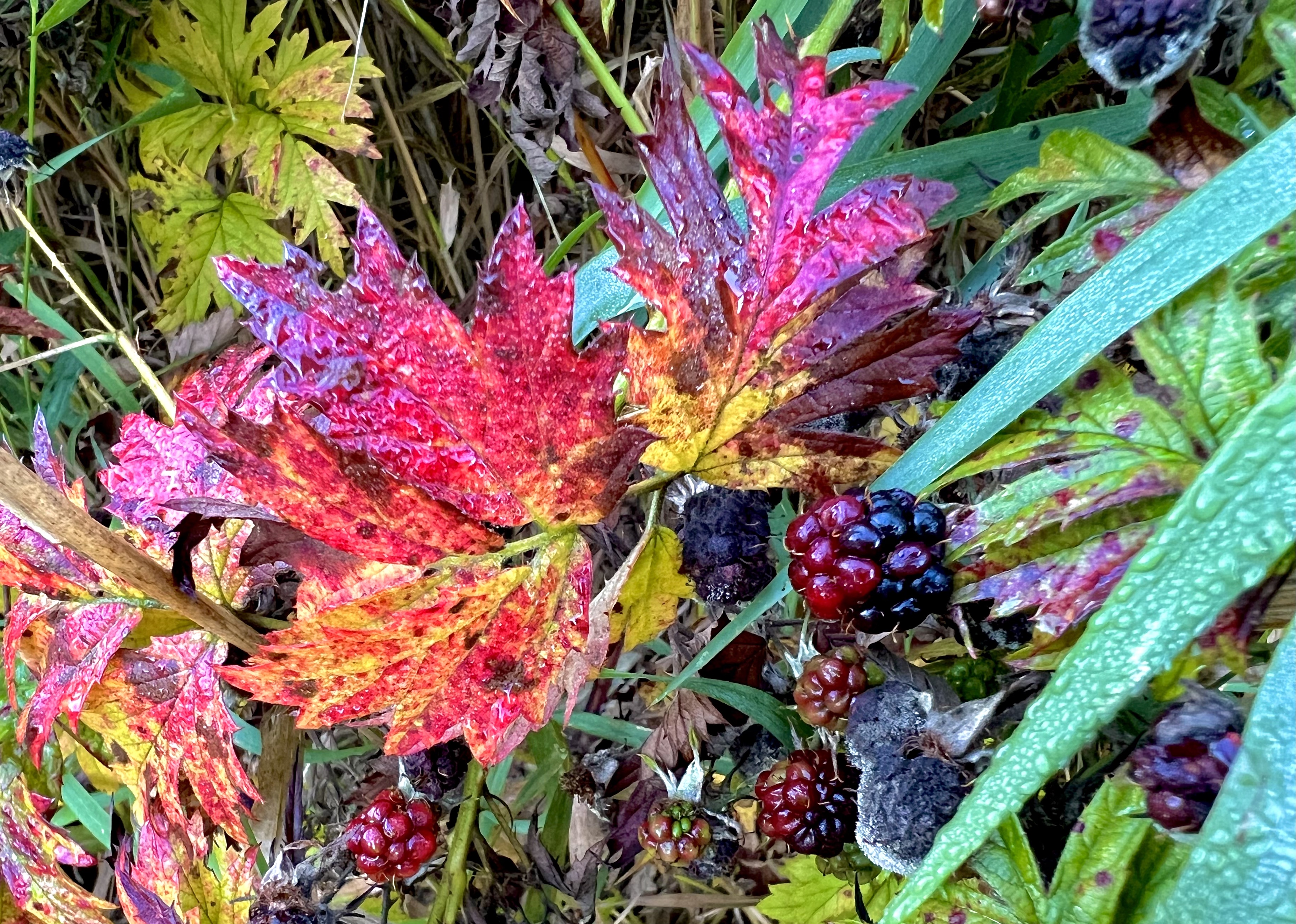
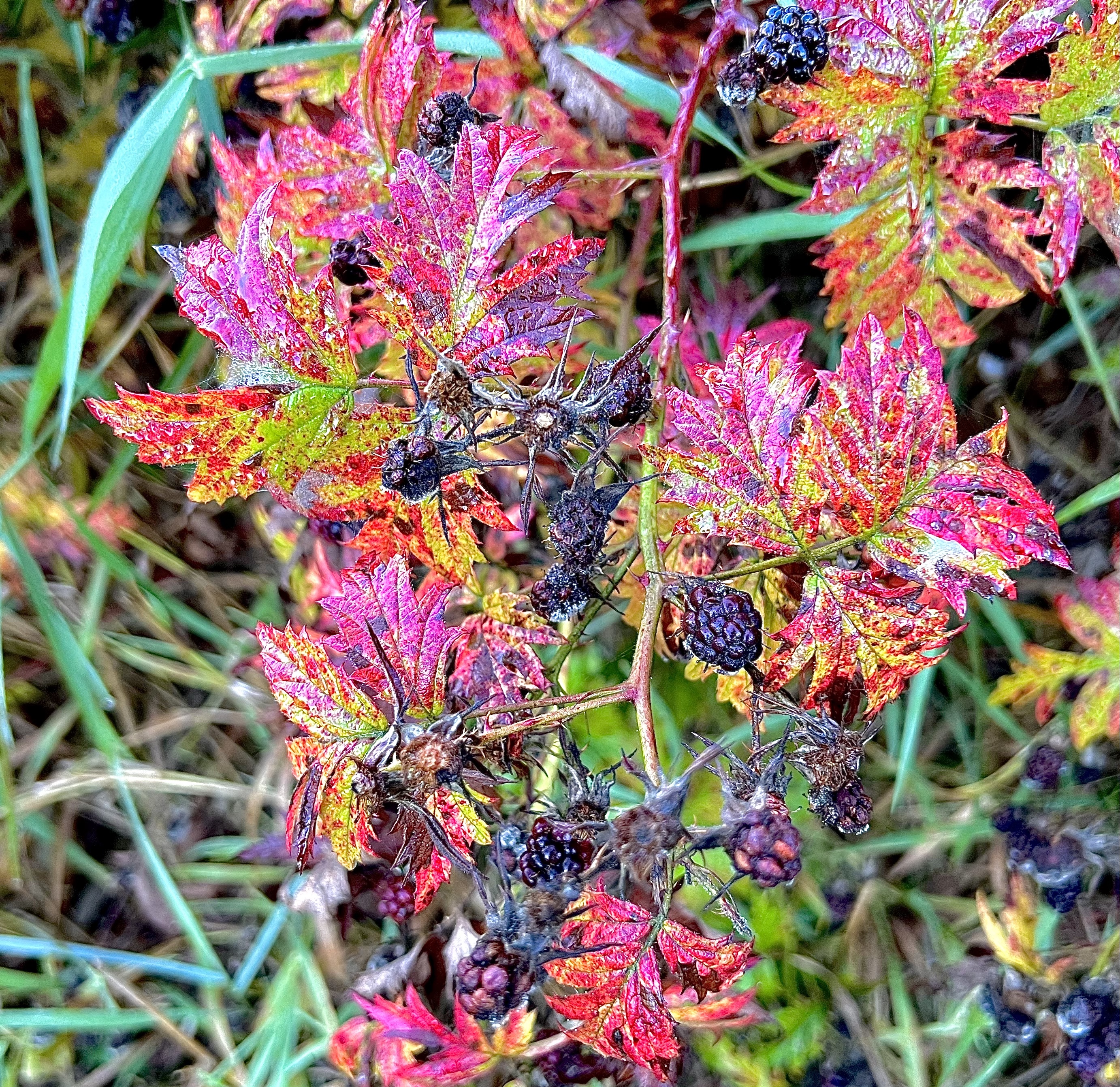
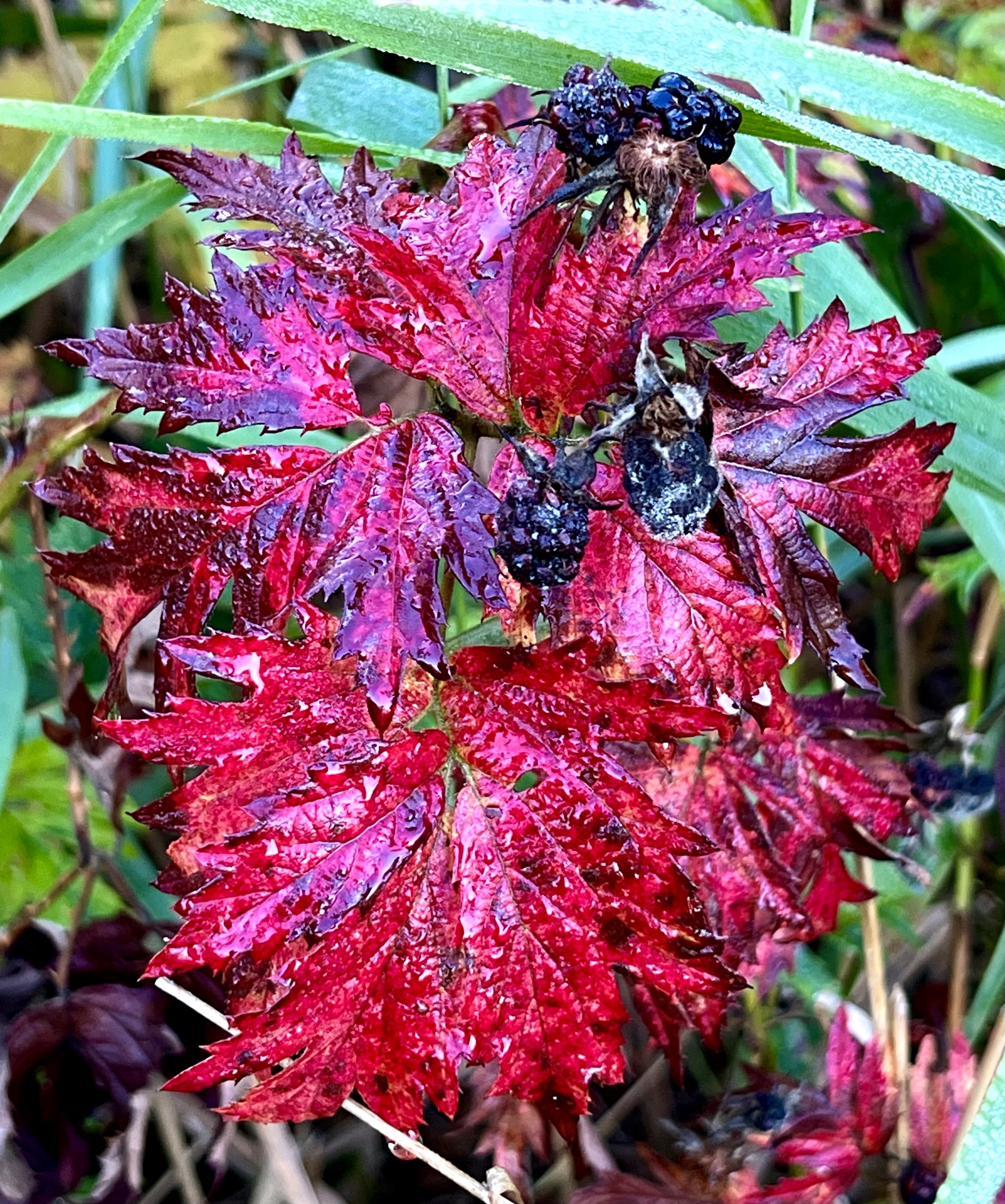
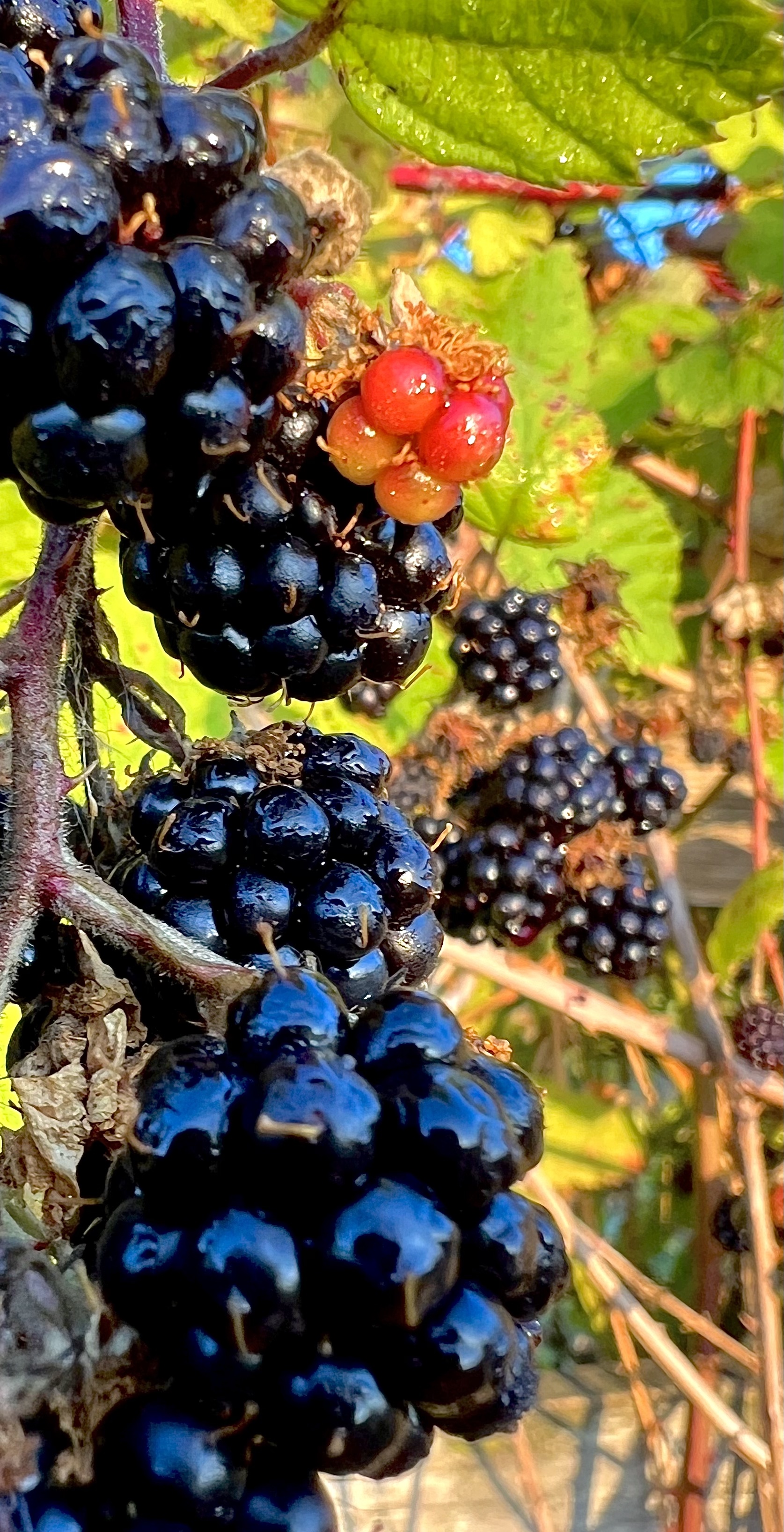
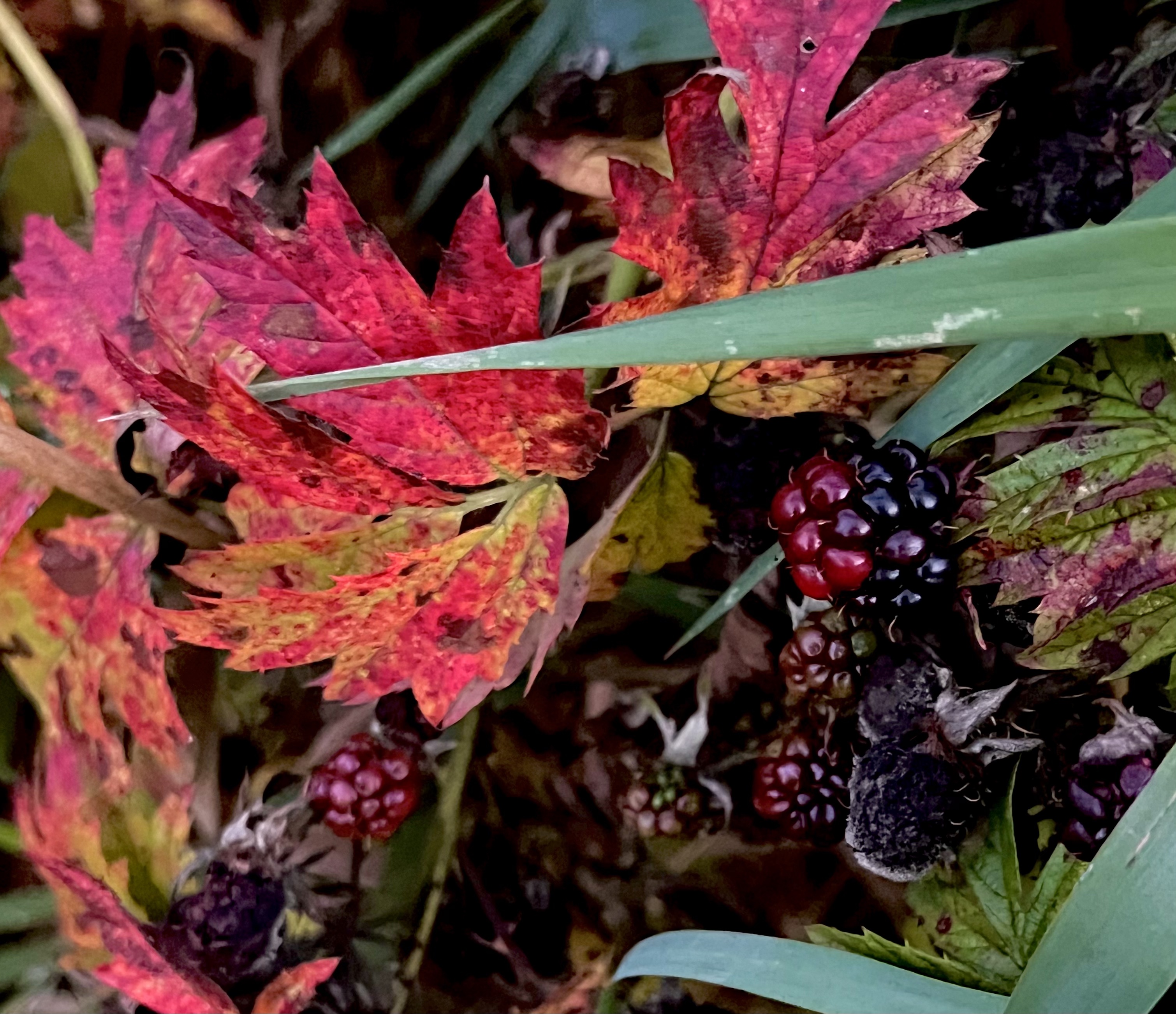
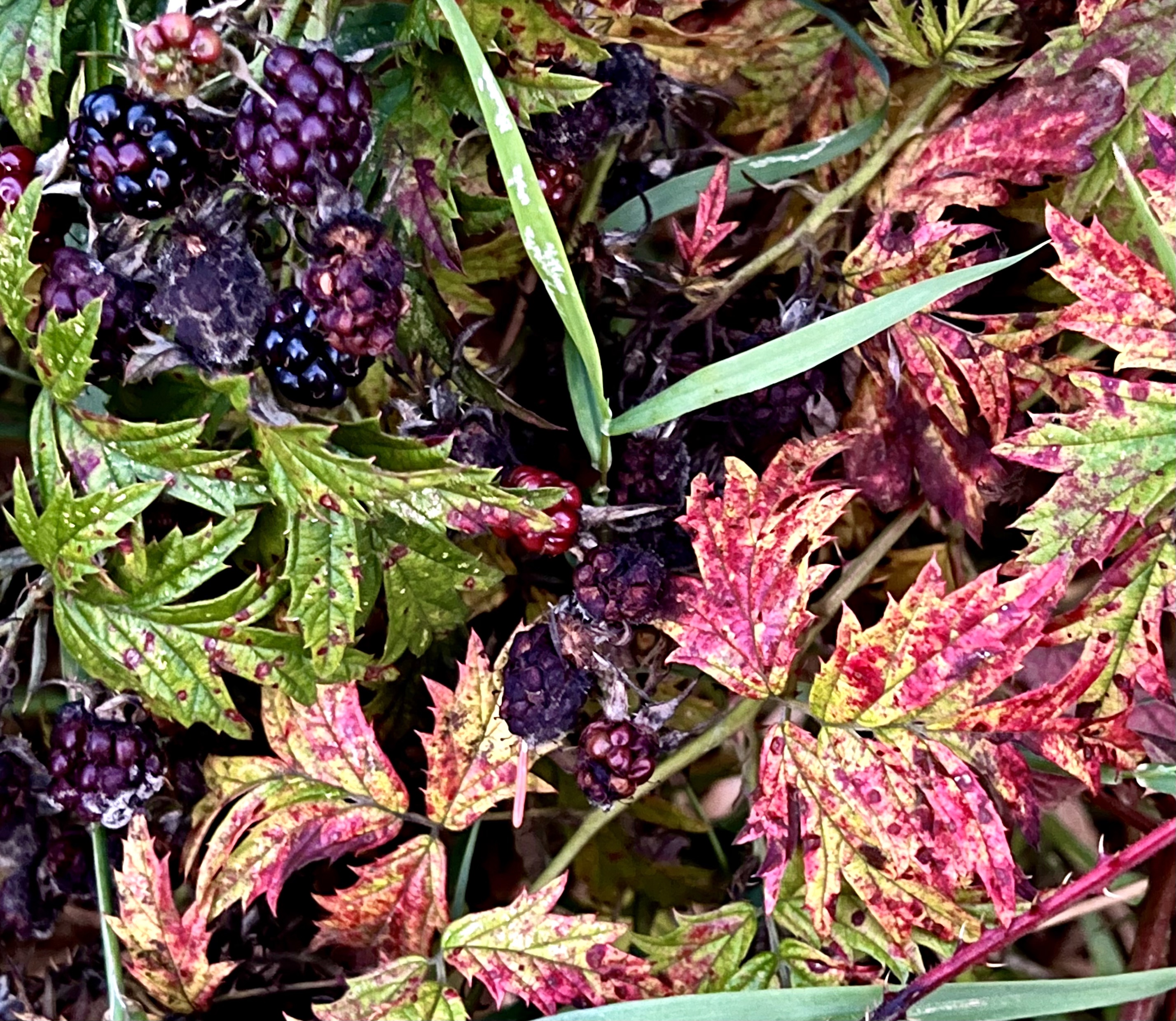
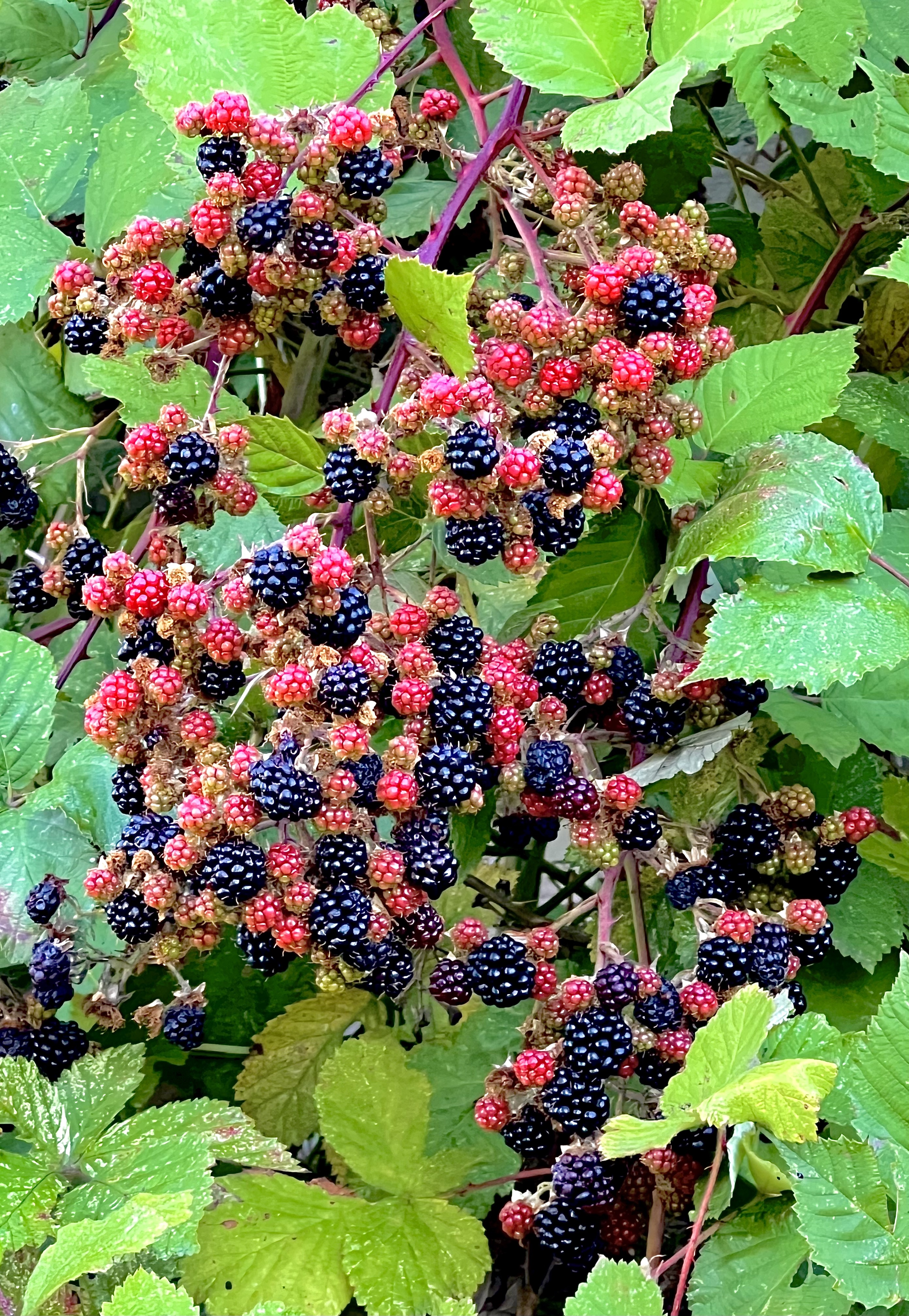
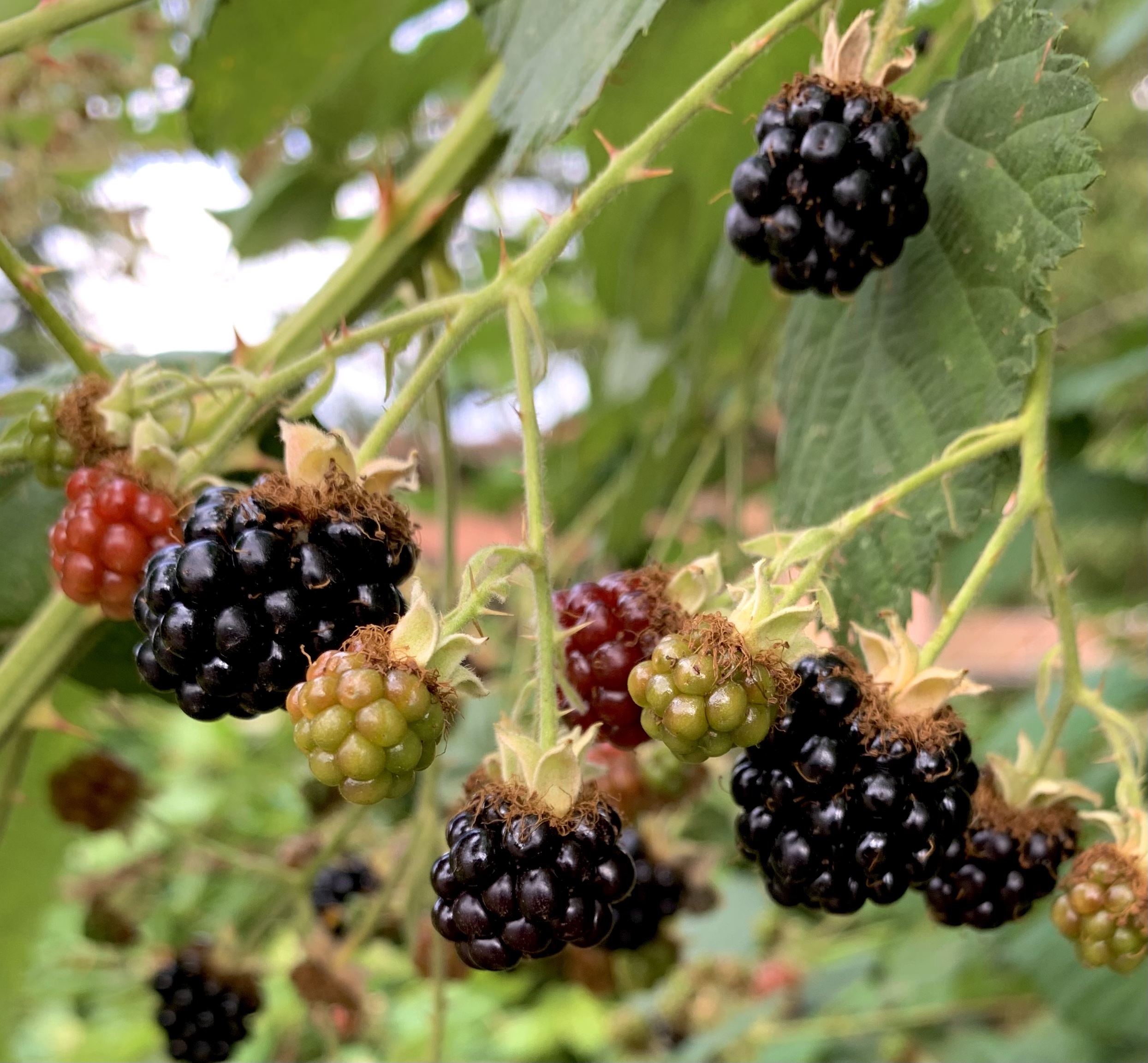
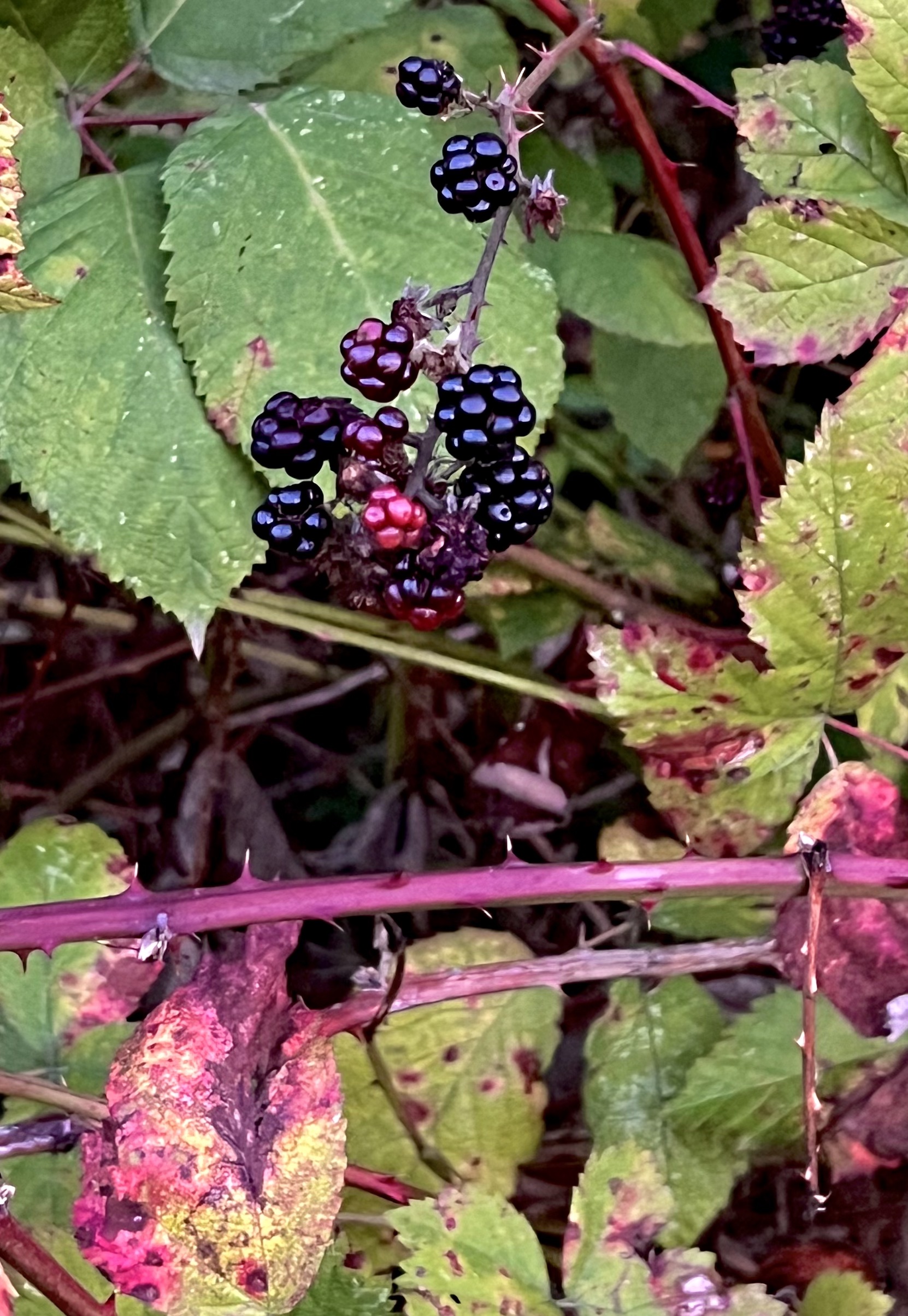
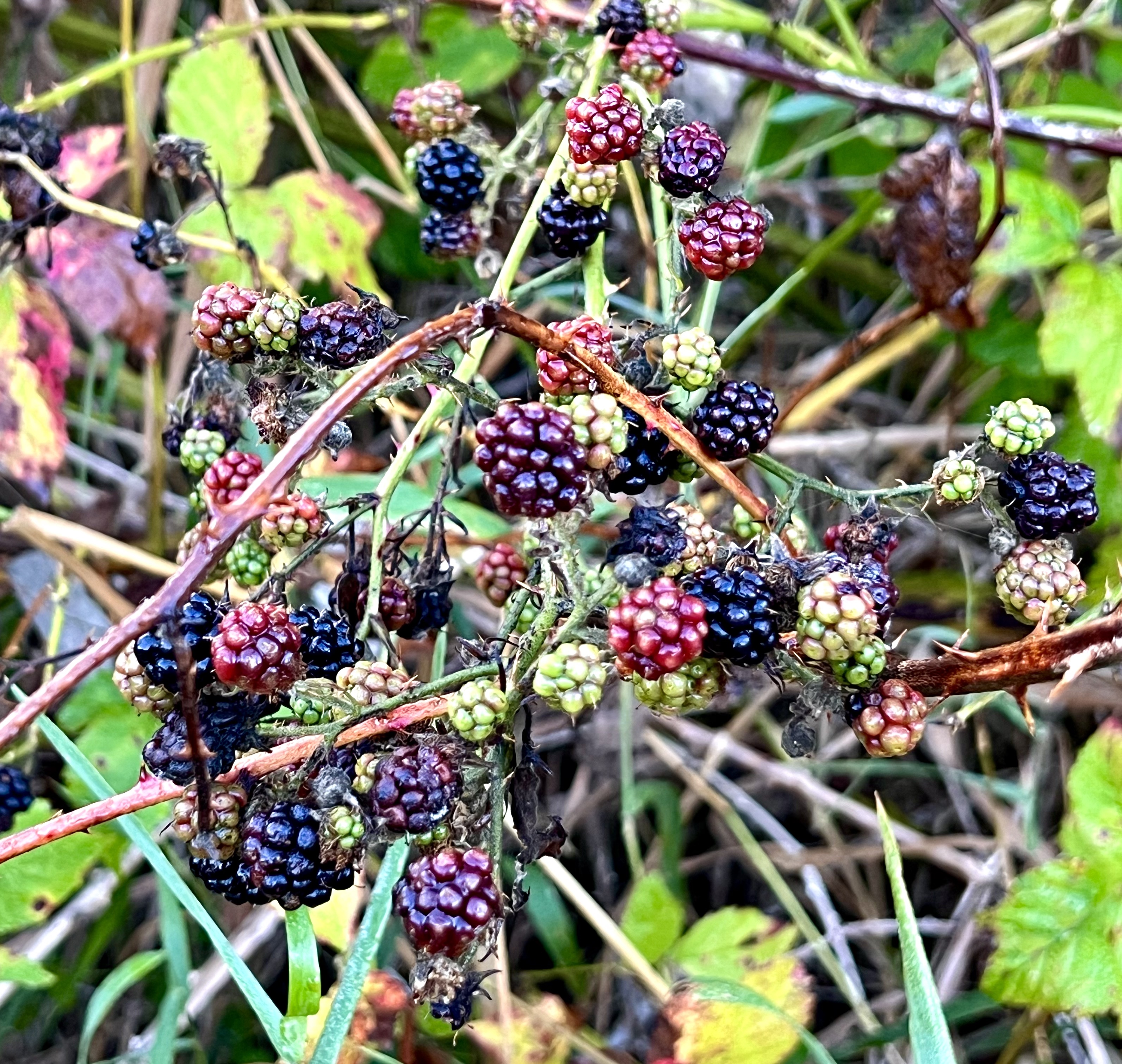
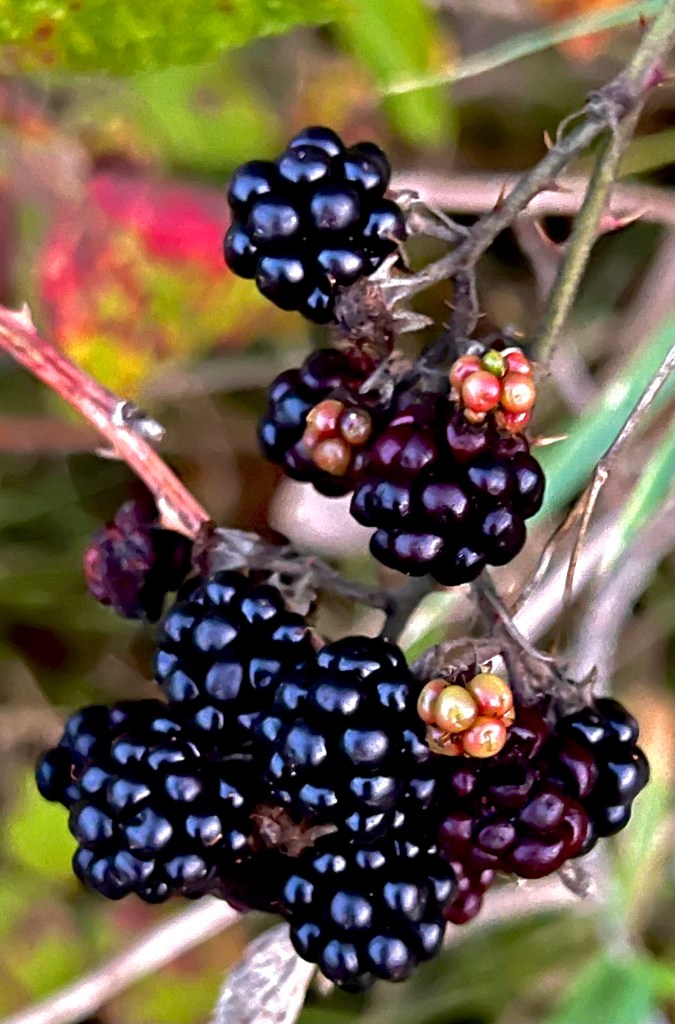
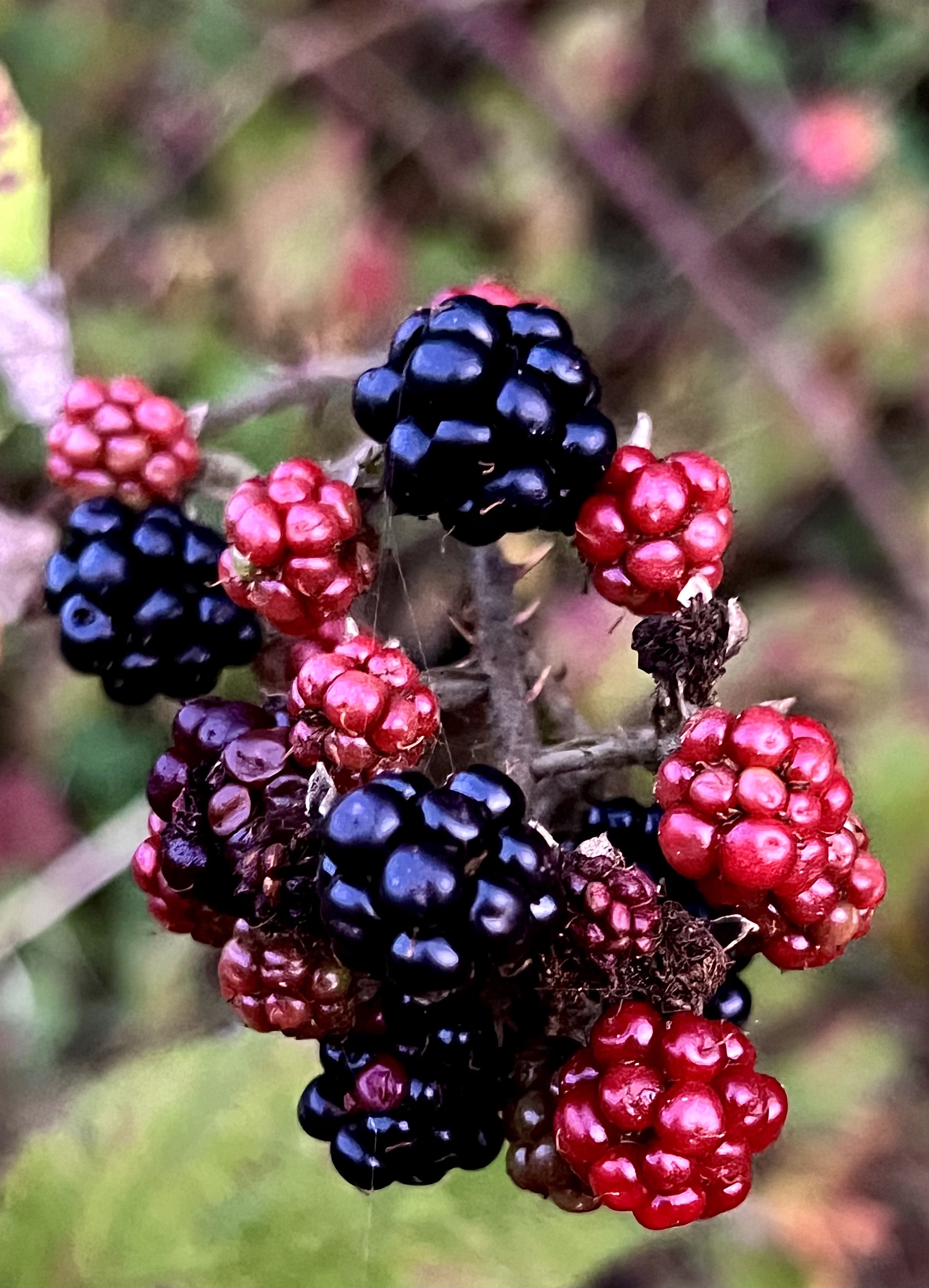
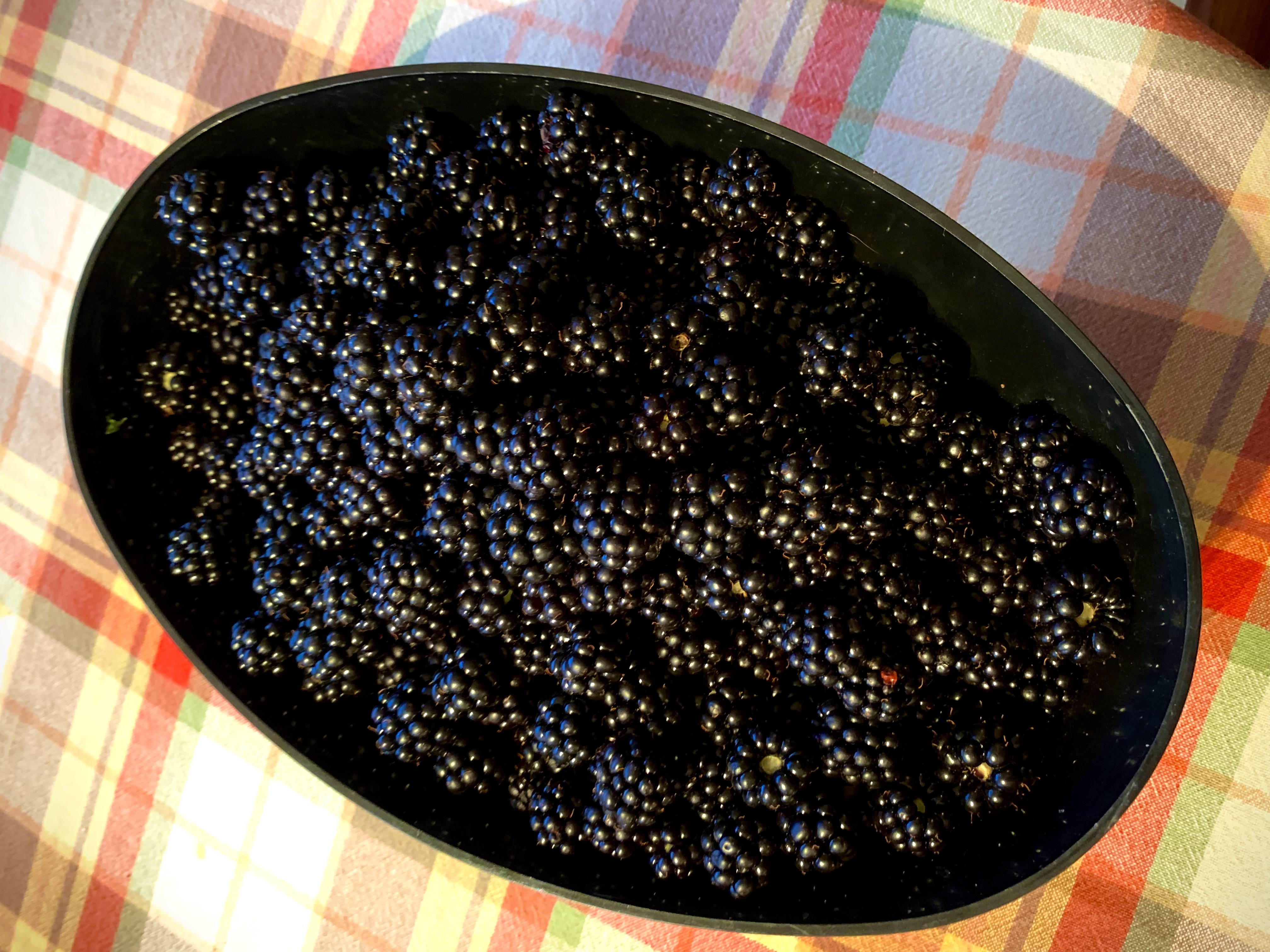
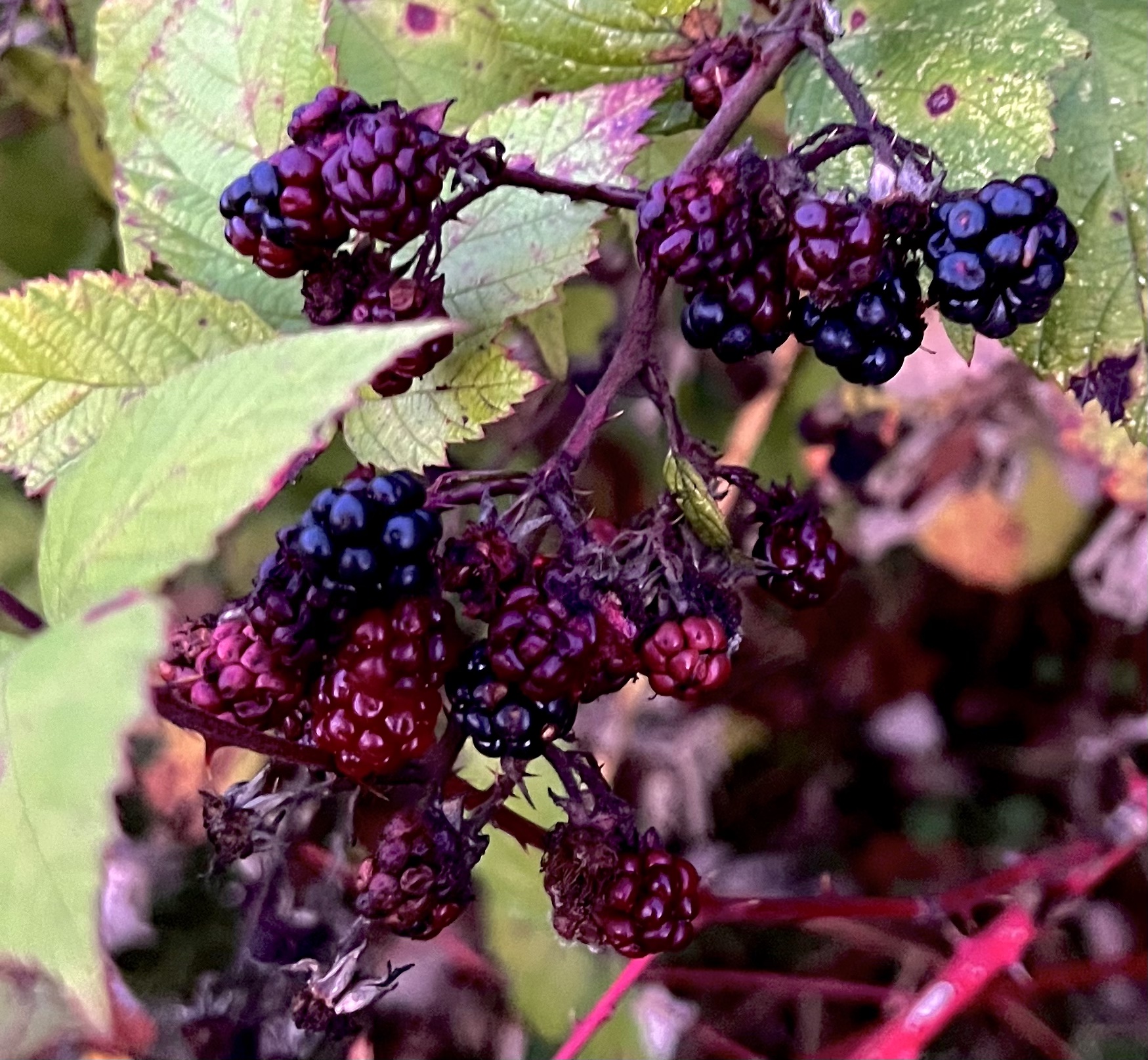
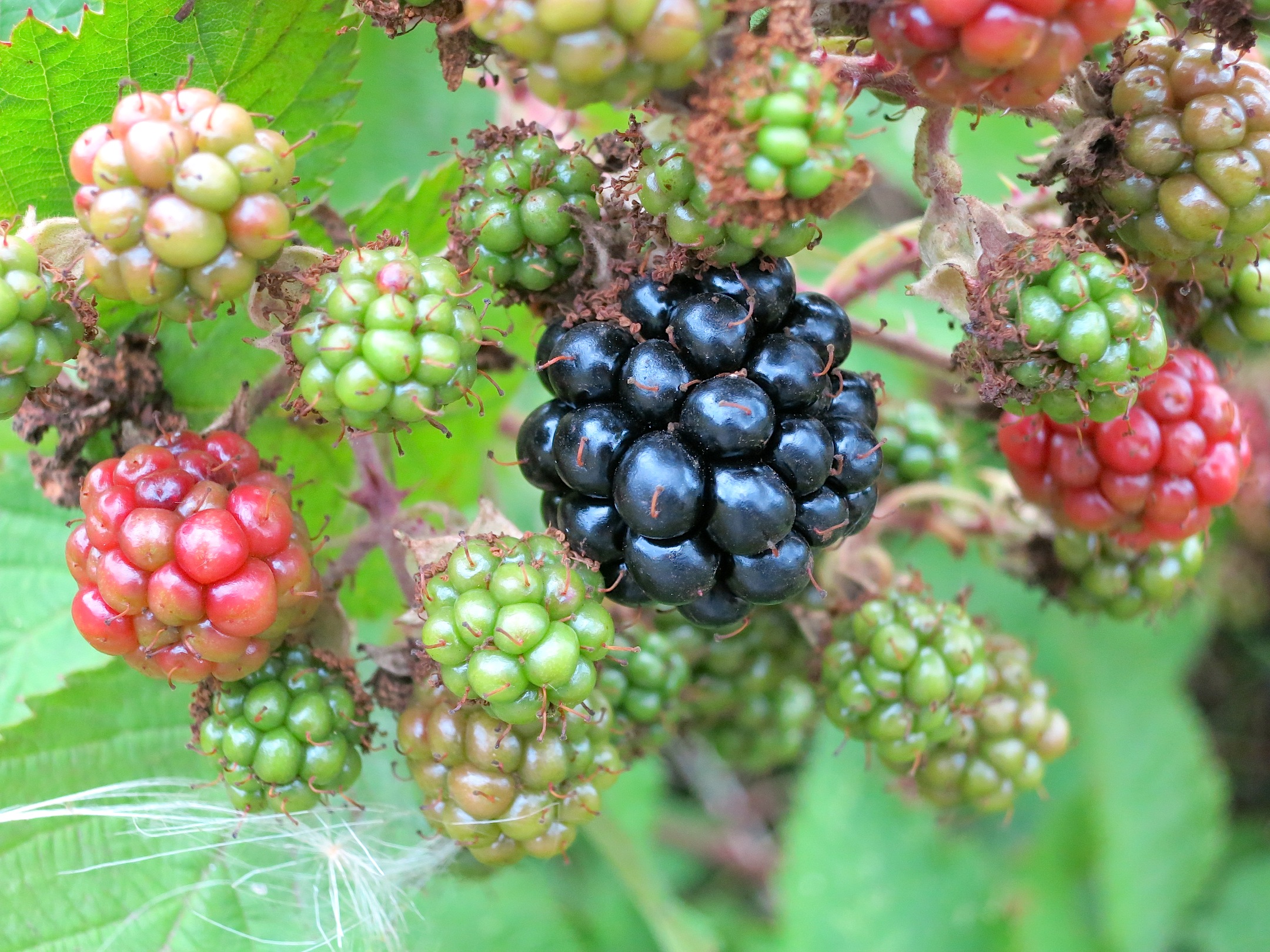
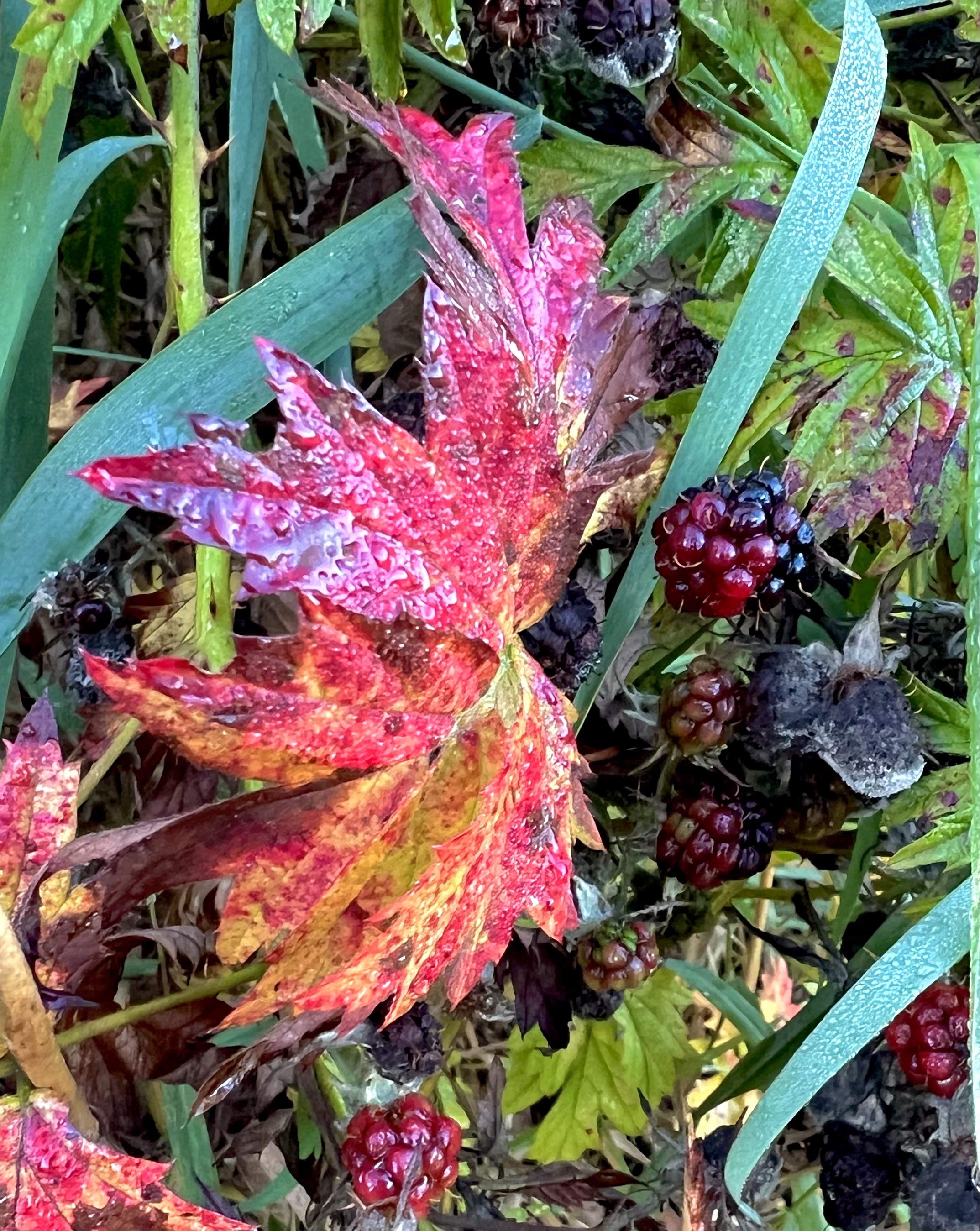
Blackberry vines are trouble 90% of the year – always growing where they are not welcome – reaching out to grab passersby without discriminating between human, dog or horse. But for a month in late summer and early fall, they yield black gold – bursting, swelling, unimaginably sweet fruit that is worth the hassle tolerated the rest of the weeks of the year.
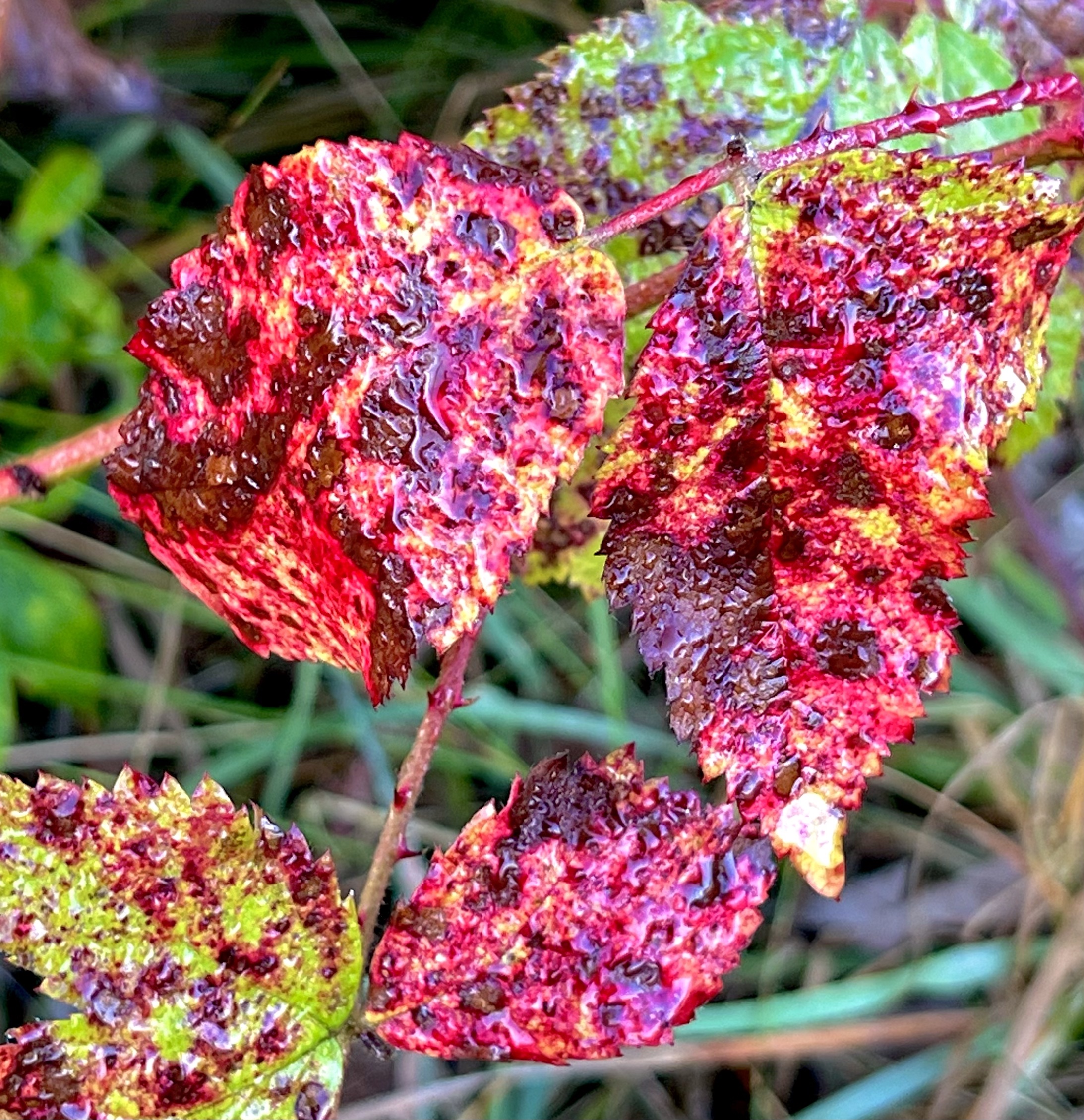
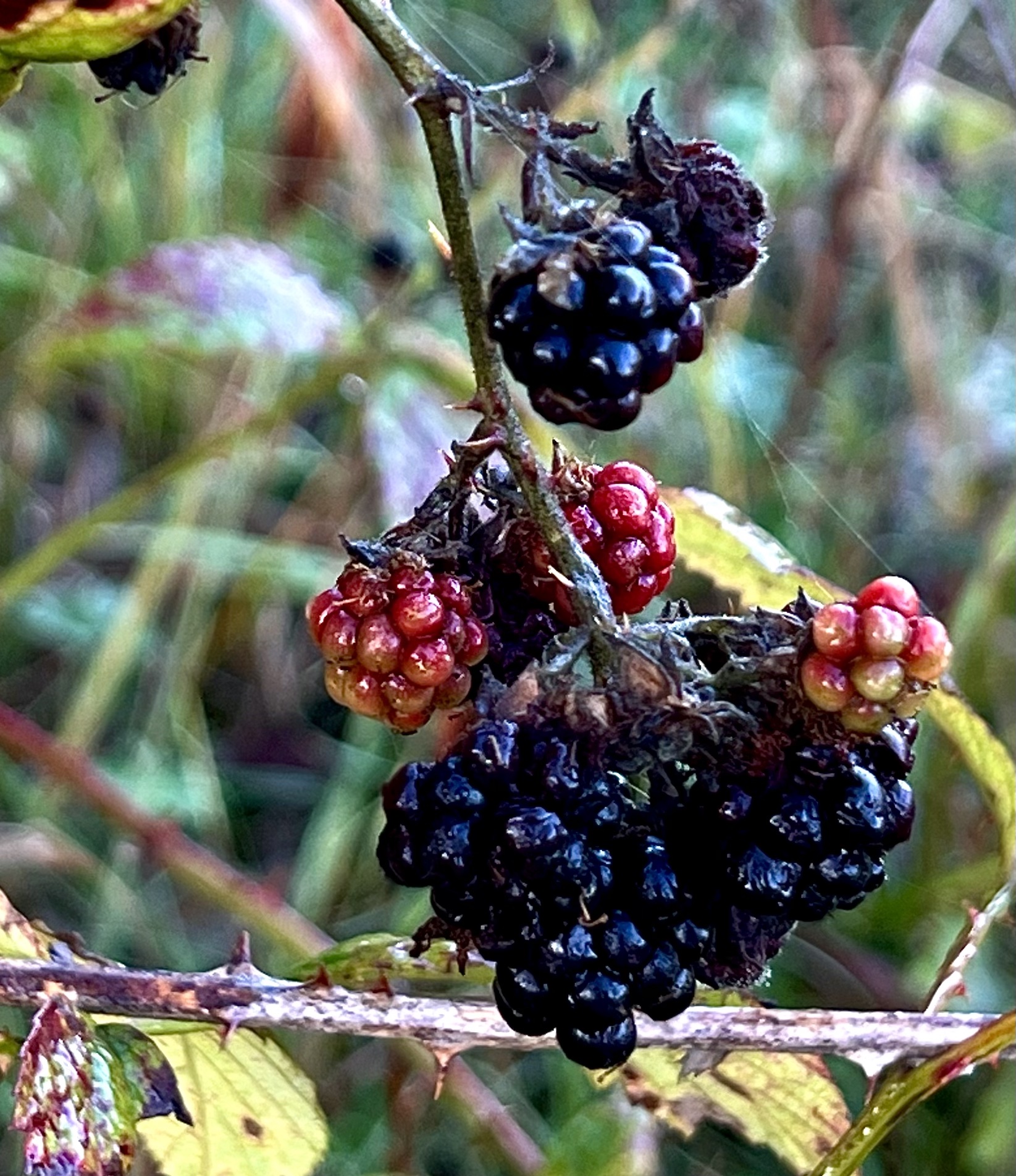
It has been an unusually dry summer here in the Pacific Northwest with little rain until recently, so the fields are brown and even the usually lush blackberry vines have started to dry and color up. The berries themselves are rich from the sun but starting now to shrivel and mold.
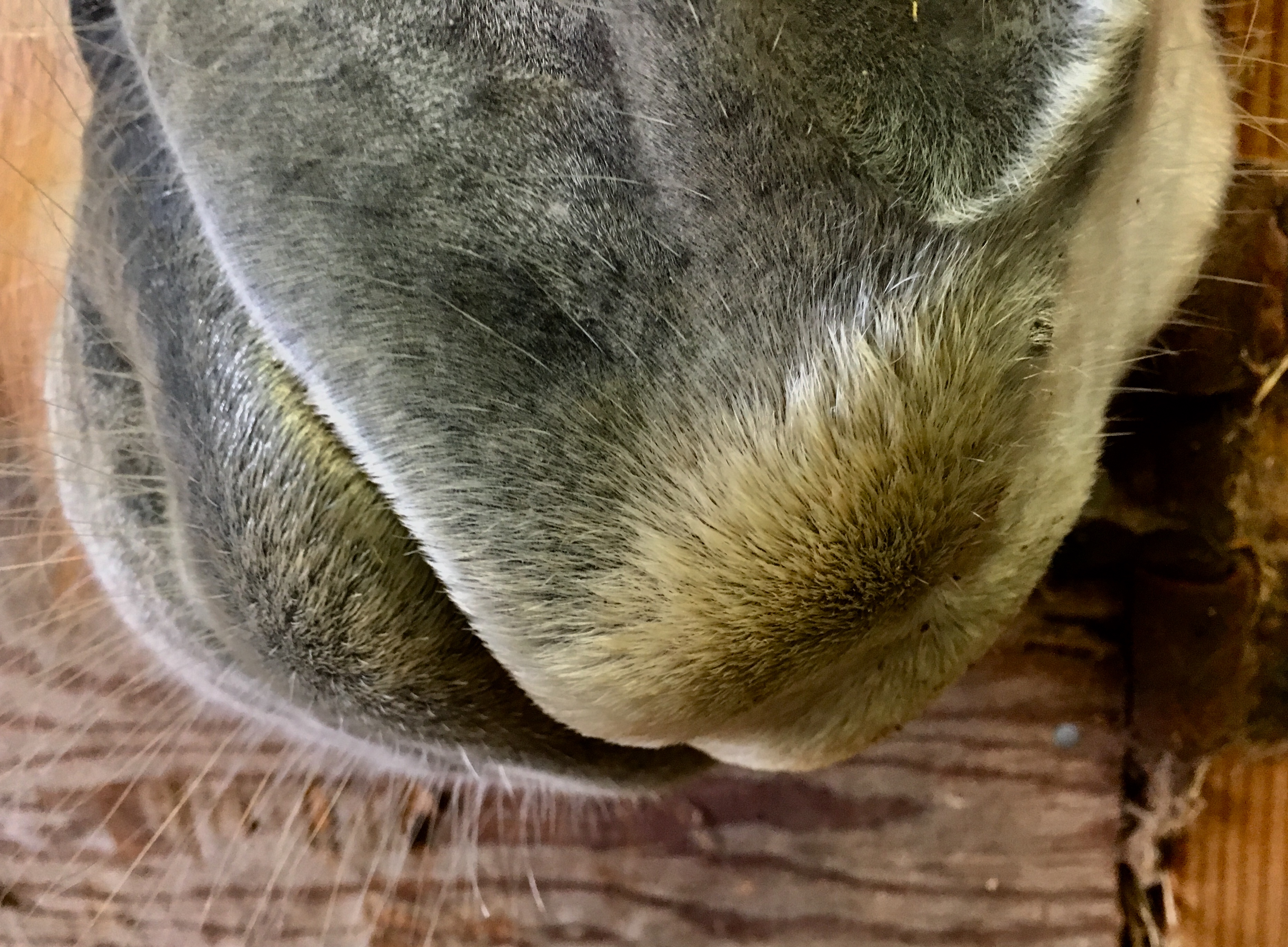
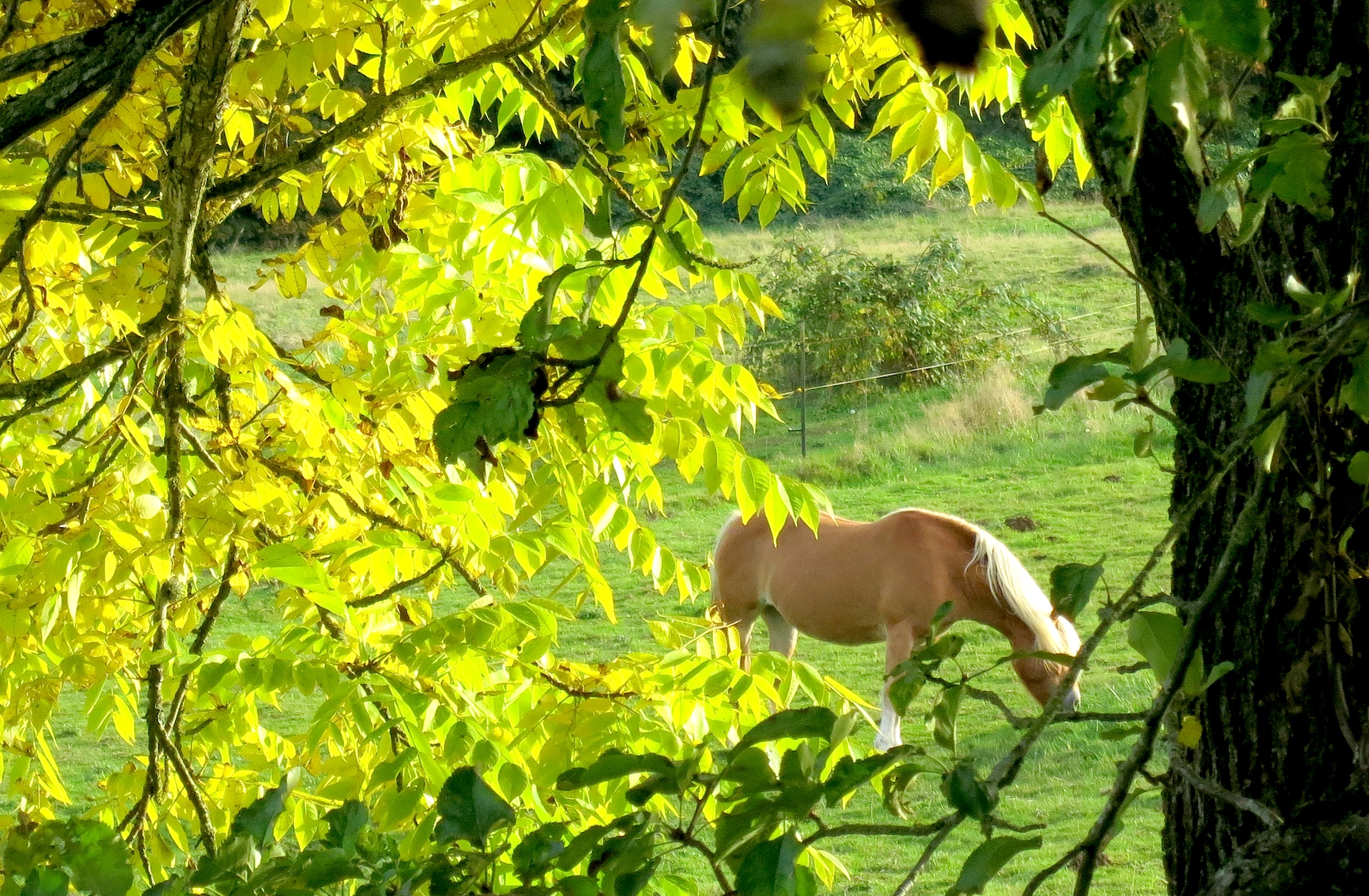
Our Haflinger horses have been fed hay for the past several weeks as there is not enough pasture for them without the supplement–we are about 6 weeks ahead of schedule in feeding hay. I had grown a little suspicious the last couple nights as I brought the Haflingers into the barn for the night. Two of the mares turned out in the back field had purplish stains on their chests and front legs. Hmmmm. Raiding the berries. Desperate drought forage behavior in an extremely efficient eating machine.
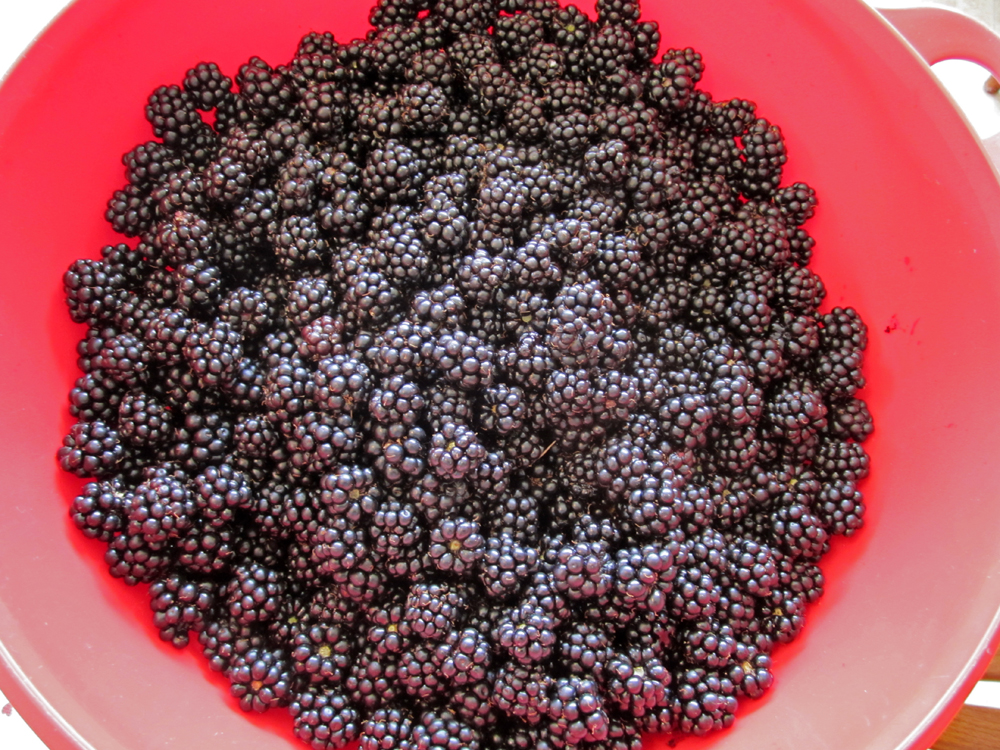
So this evening I headed toward the berries. When the mares saw the bowl in my hand, that was it. They mobbed me. I was irresistible.
So with mares in tow, I approached a berry bank. It was ravaged. Trampled. Haflinger poop piles everywhere. All that were left were some clusters of gleaming black berries up high overhead, barely reachable on my tip toes, and only reachable if I walked directly into the thicket. The mares stood in a little line behind me, pondering me as I pondered my dilemma.
I set to work picking what I could reach, snagging, ripping and bloodying my hands and arms, despite my sleeves. Pretty soon I had mares on either side of me, diving into the brambles and reaching up to pick what they could reach as well, unconcerned about the thorns that tore at their sides and muzzles. They were like sharks in bloody water–completely focused on their prey and amazingly skilled at grabbing just the black berries, and not the pale green or red ones.
Plump Haflingers and one *plumpish* woman were willingly accumulating scars in the name of sweetness.
When my bowl was full, I extracted myself from the brambles and contemplated how I was going to safely make it back to the barn without being mare-mugged. Instead, they obediently trailed behind me, happy to be put in their stalls for their evening hay, accepting a gift from me with no thorns or vines attached.
Clearly, thorns are part of our everyday life. Thorns stand in front of much that is sweet and good and precious to us. They tear us up, bloody us, make us cry, make us beg for mercy.
Yet thorns have been overcome. They did not stop our salvation, did not stop goodness raining down on us, did not stop the taste of sweetness given as a gracious gift.
If we hesitate, thorns only proliferate unchecked.
So, desperate and hungry, we dive right in, to taste and eat.
One-Time
Monthly
Yearly
Make a one-time or recurring donation to support daily Barnstorming posts


























 Barnstorming