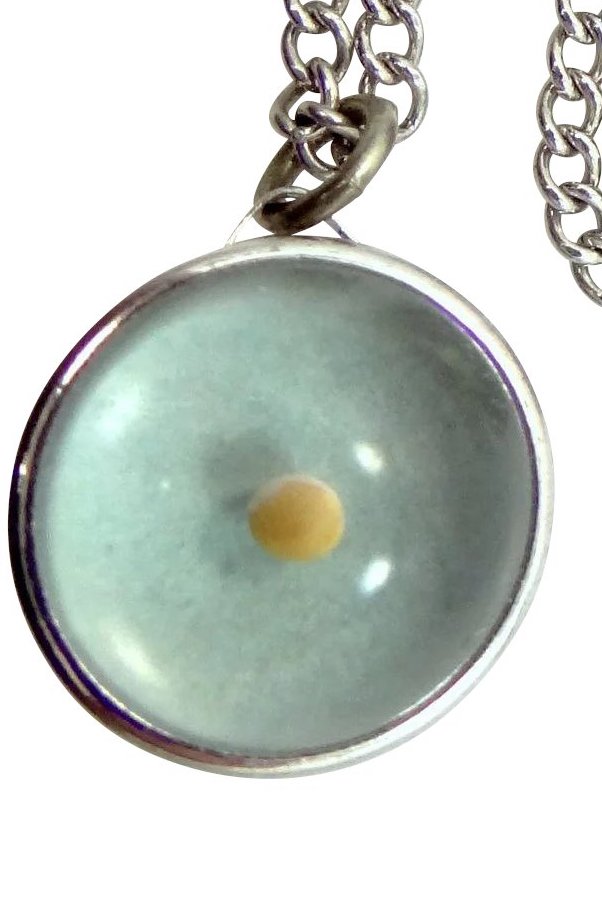
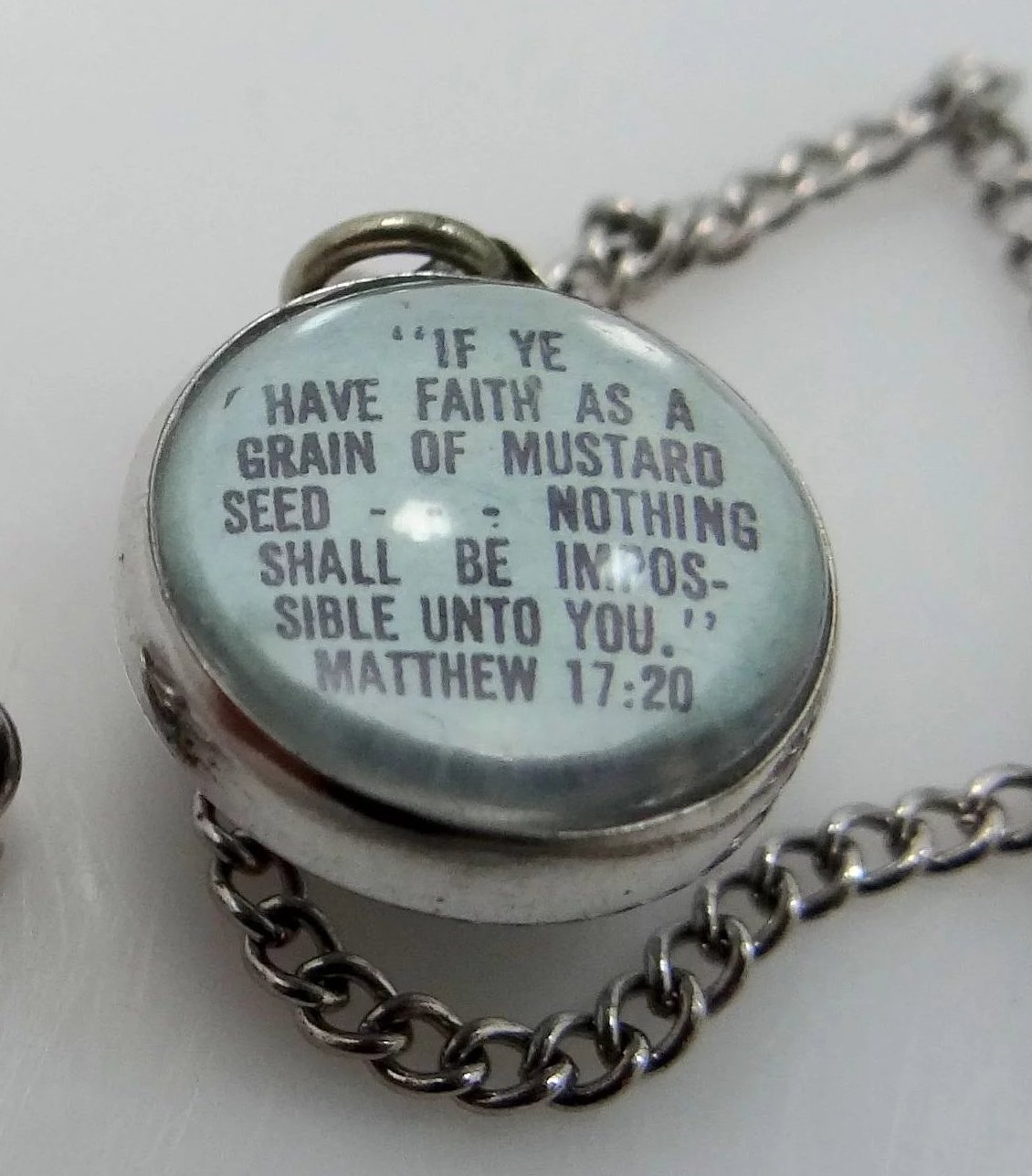
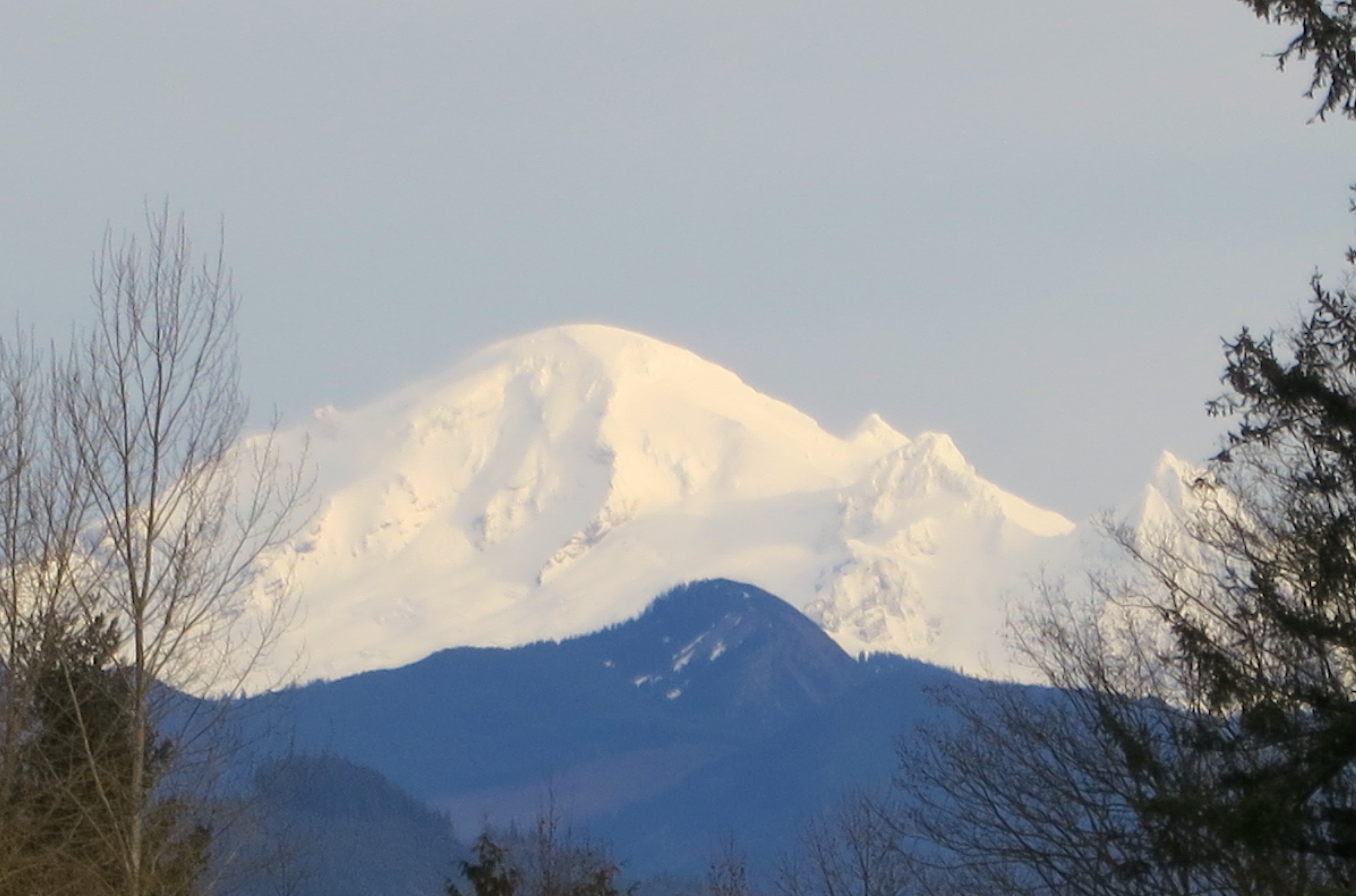
I tell you the truth, if you have faith as small as a mustard seed, you can say to this mountain, `Move from here to there’ and it will move. Nothing will be impossible for you. Matthew 17:20
How pale is the sky that brings forth the rain As the changing of seasons prepares me again For the long bitter nights and the wild winter’s day My heart has grown cold, my love stored away My heart has grown cold, my love stored away
I’ve been to the mountain, left my tracks in the snow Where souls have been lost and the walking wounded go I’ve taken the pain, no girl should endure But faith can move mountains of that I am sure Faith can move mountains of that I am sure
Just get me through December A promise I’ll remember Get me through December So I can start again
No divine purpose brings freedom from sin And peace is a gift that must come from within And I’ve looked for the love that will bring me to rest Feeding this hunger beating strong in my chest Feeding this hunger beating strong in my chest ~Gordie Sampson & Fred Lavery
It is winter in Narnia… and has been for ever so long …. always winter, but never Christmas. ~C. S. Lewis from The Lion, Witch and the Wardrobe
We’ve been traveling through a wilderness of the pandemic for nearly a year, even as the calendar has changed from spring to summer to autumn and in December back to winter. In this winter wilderness, we struggle with the chill of isolation from each other and from God, the endless discouragement and fatigue, and the hot cold of resentment and anger.
We are called in the gospel of Matthew to leave behind our helplessness when overwhelmed by pervasive wilderness. He tells us to believe, even if it is only the tiniest grain of faith. Our cold hearts love and hunger for God.
So if we can’t make it to the mountain in the distance, our faith can move the mountain closer. God hears our plea and brings His peace to us by bringing Himself as close as the beating heart in our chest. There will be a Christmas again and there will be Easter.
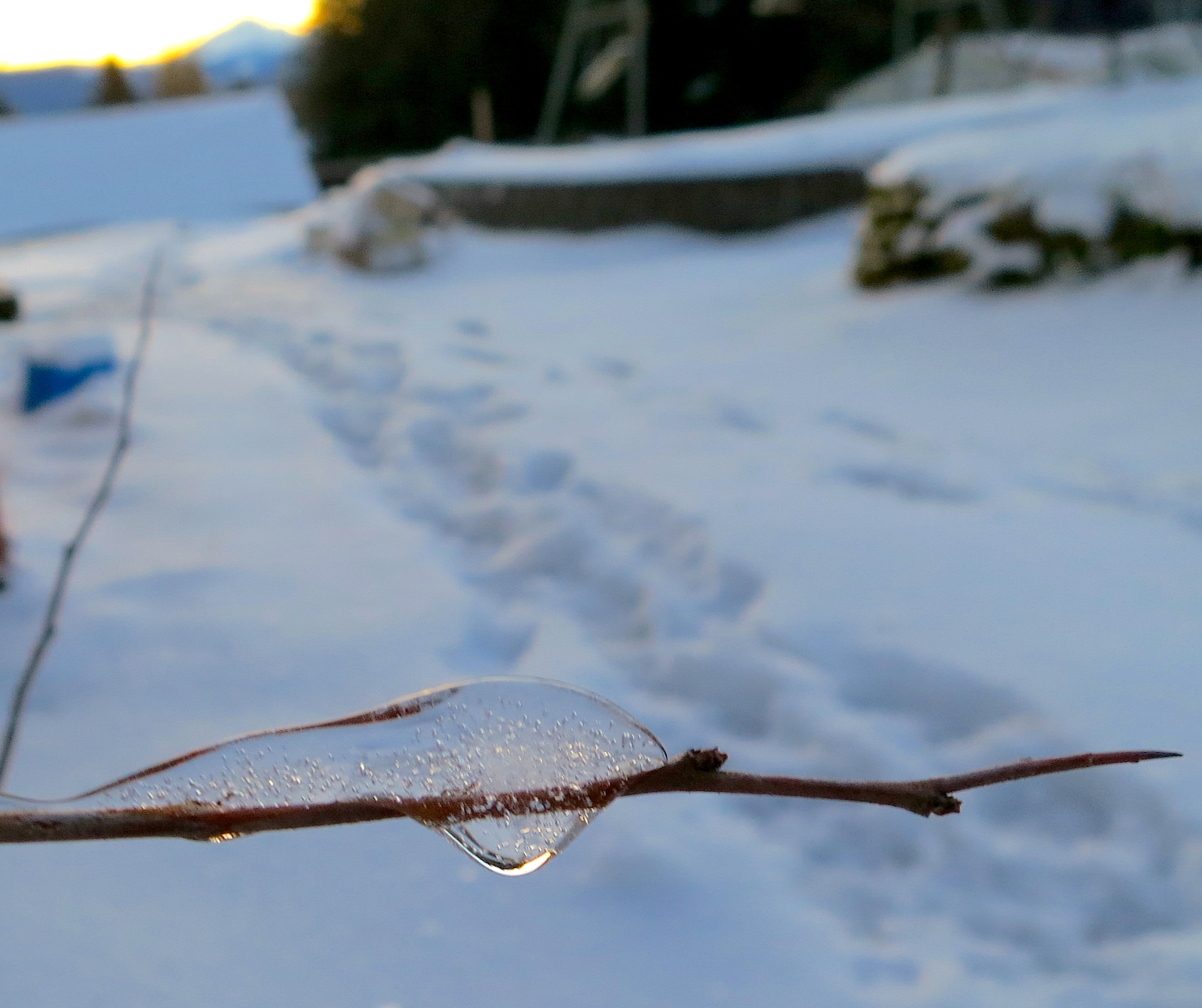
Walking in February A warm day after a long freeze On an old logging road Below Sumas Mountain Cut a walking stick of alder, Looked down through clouds On wet fields of the Nooksack— And stepped on the ice Of a frozen pool across the road. It creaked The white air under Sprang away, long cracks Shot out in the black, My cleated mountain boots Slipped on the hard slick —like thin ice—the sudden Feel of an old phrase made real— Instant of frozen leaf, Icewater, and staff in hand. “Like walking on thin ice—” I yelled back to a friend, It broke and I dropped Eight inches in ~Gary Snyder “Thin Ice”
We have witnessed an unprecedented year of spreading infection. Not only have we been outwitted by a wily virus that mutates as needed to further its domination of its hosts and the world, but we stand on a frozen lake pandemic of daily discouragement and ice-cracking political division, not sure where we may safely take our next step.
Viruses depend on us harboring them without us dying promptly so we might infect as many others as possible as quickly as possible. The better we feel while contagious, the better it is for the virus to wreak potential havoc on those around us.
A mask on you and a mask on me helps to block my virus from entering your (as yet) uninfected nose. Similarly, we can both don “masks” to impede the intentional spread of our insistence that one of us is right and the other is wrong. If we don’t attempt to muzzle our disagreements, we’re creating cracks in the tenuous ice beneath our feet.
The trouble with overheated debates in the middle of winter is that we all end up walking on too-thin ice, breaking through and doused by the chilly waters below.
Lord, have mercy on us, help us see and hear the cracks forming beneath our feet. Put us on our knees before you, you alone, humble and aware of the contagious cracks we perpetuate.
Romantic love is blind to everything except what is lovable and lovely, but Christ’s love sees us with terrible clarity and sees us whole. Christ’s love so wishes our joy that it is ruthless against everything in us that diminishes our joy. The worst sentence Love can passis that we behold the suffering which Love has endured for our sake, and that is also our acquittal. The justice and mercy of the judge are ultimately one. ~Frederick Buechner
As we prepare for the season of Lent to begin this week:
We see with terrible clarity the Love and forgiveness shown to the guilty, the Love given freely to the undeserving, the Love paying our ransom in full, the Love that endures suffering to release us from our bondage.
This Judge convicts by meting out justice upon His own head, then serves the whole sentence Himself: He sets us free to feel and know and see and share with one another the Love we are shown.
What a person desires in life is a properly boiled egg. This isn’t as easy as it seems. There must be gas and a stove, the gas requires pipelines, mastodon drills, banks that dispense the lozenge of capital. There must be a pot, the product of mines and furnaces and factories, of dim early mornings and night-owl shifts, of women in kerchiefs and men with sweat-soaked hair. Then water, the stuff of clouds and skies and God knows what causes it to happen. There seems always too much or too little of it and more pipelines, meters, pumping stations, towers, tanks. And salt-a miracle of the first order, the ace in any argument for God. Only God could have imagined from nothingness the pang of salt. Political peace too. It should be quiet when one eats an egg. No political hoodlums knocking down doors… It should be quiet, so quiet you can hear the chicken, a creature usually mocked as a type of fool, a cluck chained to the chore of her body. Listen, she is there, pecking at a bit of grain that came from nowhere. ~Baron Wormser, from “A Quiet Life” from Scattered Chapters.
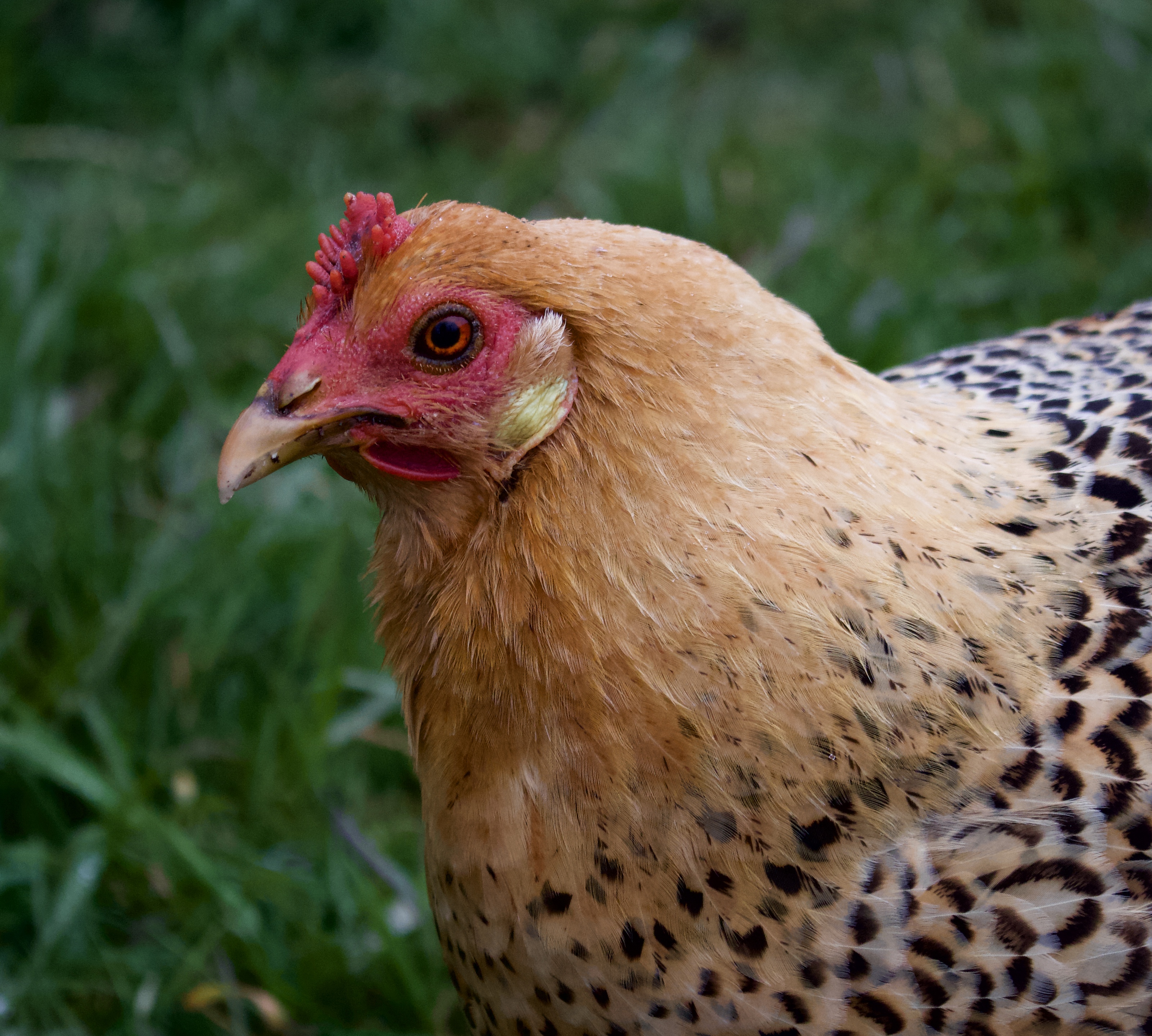
So much depends on the cluck of a chicken, on her self-satisfied cackle when she releases her perfect egg into the nest.
I wish I could be so flawless as her egg but am far from it. The simple things in life season me with meaning and flavor, all God-given mercy making it possible that I am here at all: walking this earth for the time I am granted, talking with those who listen intently, healing those who seek my help, writing for those who read kindly, loving those who, like me, thrive solely on being fed God’s gentle grace salted over my forgiven flaws: I’m a boiled egg peeled imperfectly with divets and bits of shell still attached, yet formed from a clucking chicken fed generously from His holy hand.
I don’t know half of you half as well as I should like; and I like less than half of you half as well as you deserve. ~ J.R.R. Tolkien, The Fellowship of the Ring
To love means loving the unlovable. To forgive means pardoning the unpardonable. Faith means believing the unbelievable. Hope means hoping when everything seems hopeless. ~G.K. Chesterton
I can grumble along with the best of the them, especially over the last year of nothing being as it was. There can be camaraderie in shared grumbling, as well as an exponential increase in dissatisfaction. Everyone shares their frustrations over how we have come to this — how people we thought we knew, and thought we loved, can be so obstinate and hard-headed.
You undoubtedly feel the same about me.
And I know better. I’ve seen where grousing and grumbling leads. It aches in my bones when I’m steeped in it. The sky is grayer, the clouds are thicker, the night is darker – on and on to an overwhelming suffocating conclusion that hey, life sucks.
Turning away from the vacuum of discouragement, I am reminded:
I have been loved even when unlovable. I have been forgiven even when I’ve done the unforgivable.
I have the privilege to choose hope and joy, turning away from being bleak and disgruntled and simply seek and bathe in the warmth and wonder of each new day.
This is not putting on a “happy face” — instead — in a true welcoming hospitality, joy finds me, adopts me, holds me close in the tough times and won’t abandon me.
Joy is always within my reach because hope has chosen me despite my hopelessness. How welcoming is that?
There’s a certain Slant of light On winter afternoons — That oppresses, like the Heft of cathedral tunes. When it comes, the Landscape listens — Shadows hold their breath — When it goes, ’tis like the Distance On the look of Death. ~Emily Dickinson
How valuable it is in these short days, threading through empty maple branches, the lacy-needled sugar pines.
Its glint off sheets of ice tells the story of Death’s brightness, her bitter cold.
We can make do with so little, just the hint of warmth, the slanted light... ~Molly Fisk, “Winter Sun” from The More Difficult Beauty
Tell all the truth but tell it slant — Success in Circuit lies Too bright for our infirm Delight The Truth’s superb surprise As Lightning to the Children eased With explanation kind The Truth must dazzle gradually Or every man be blind — ~Emily Dickinson
I like the slants of light; I’m a collector. That’s a good one, I say… ~Annie Dillard from Pilgrim at Tinker Creek
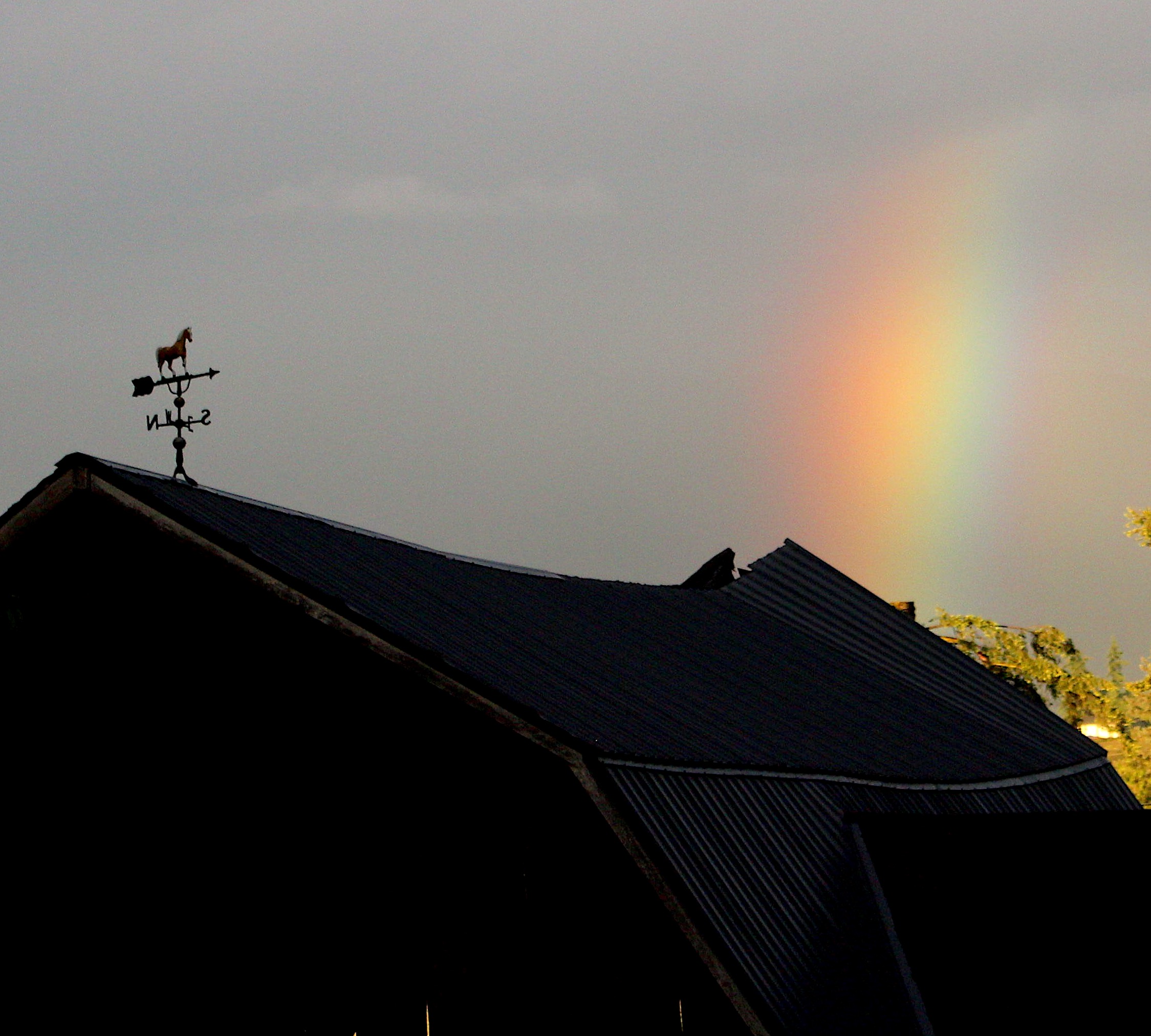
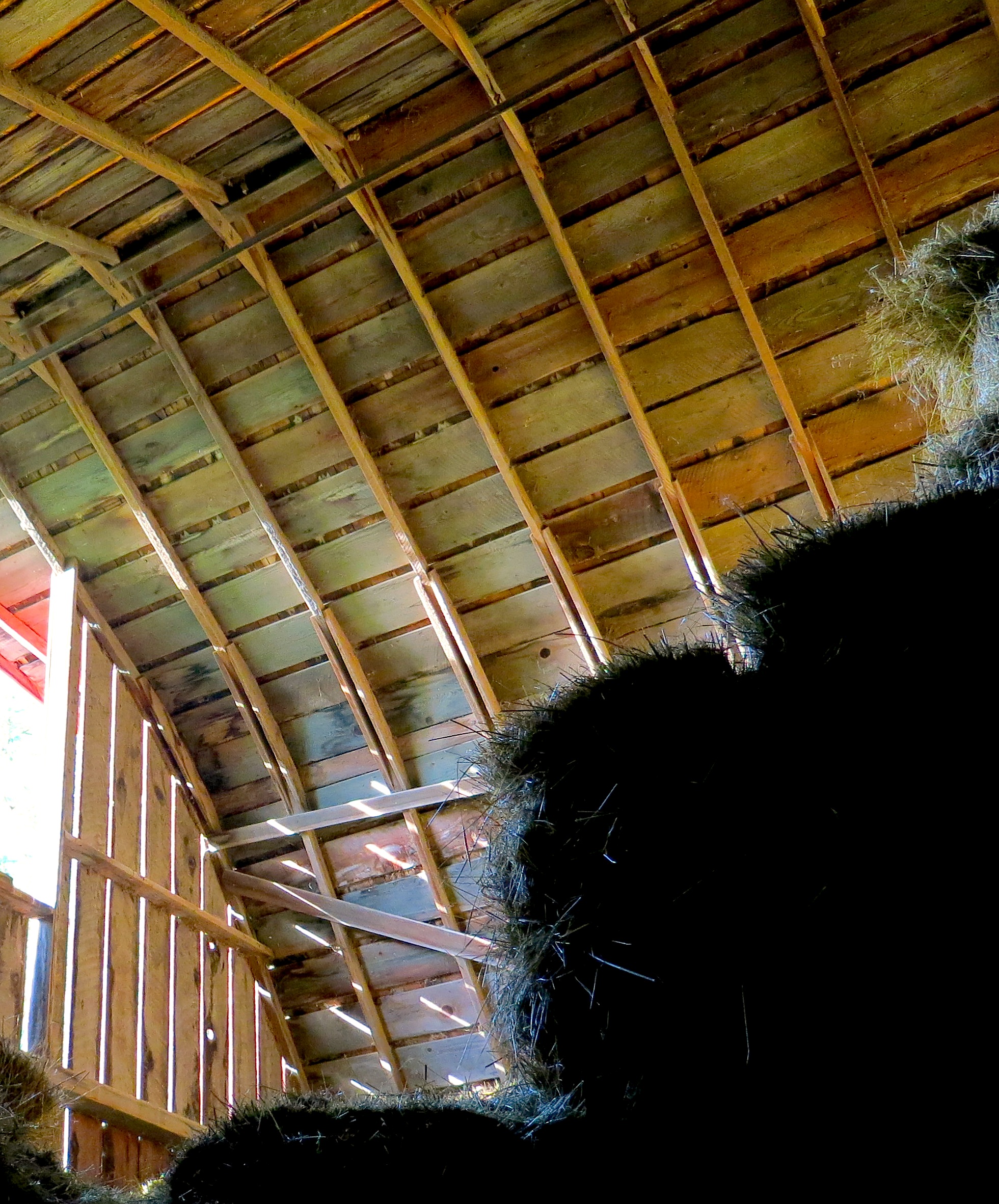
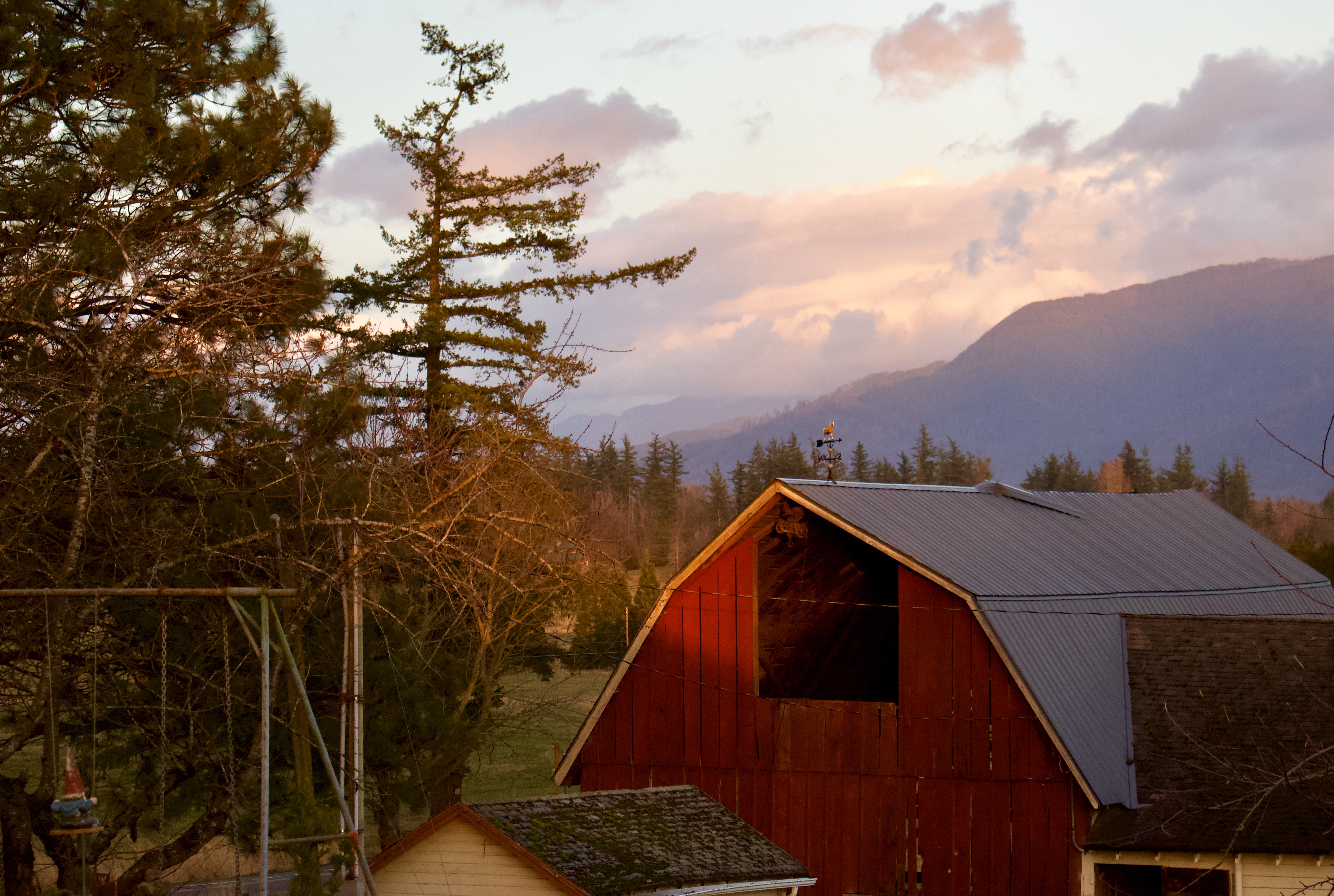
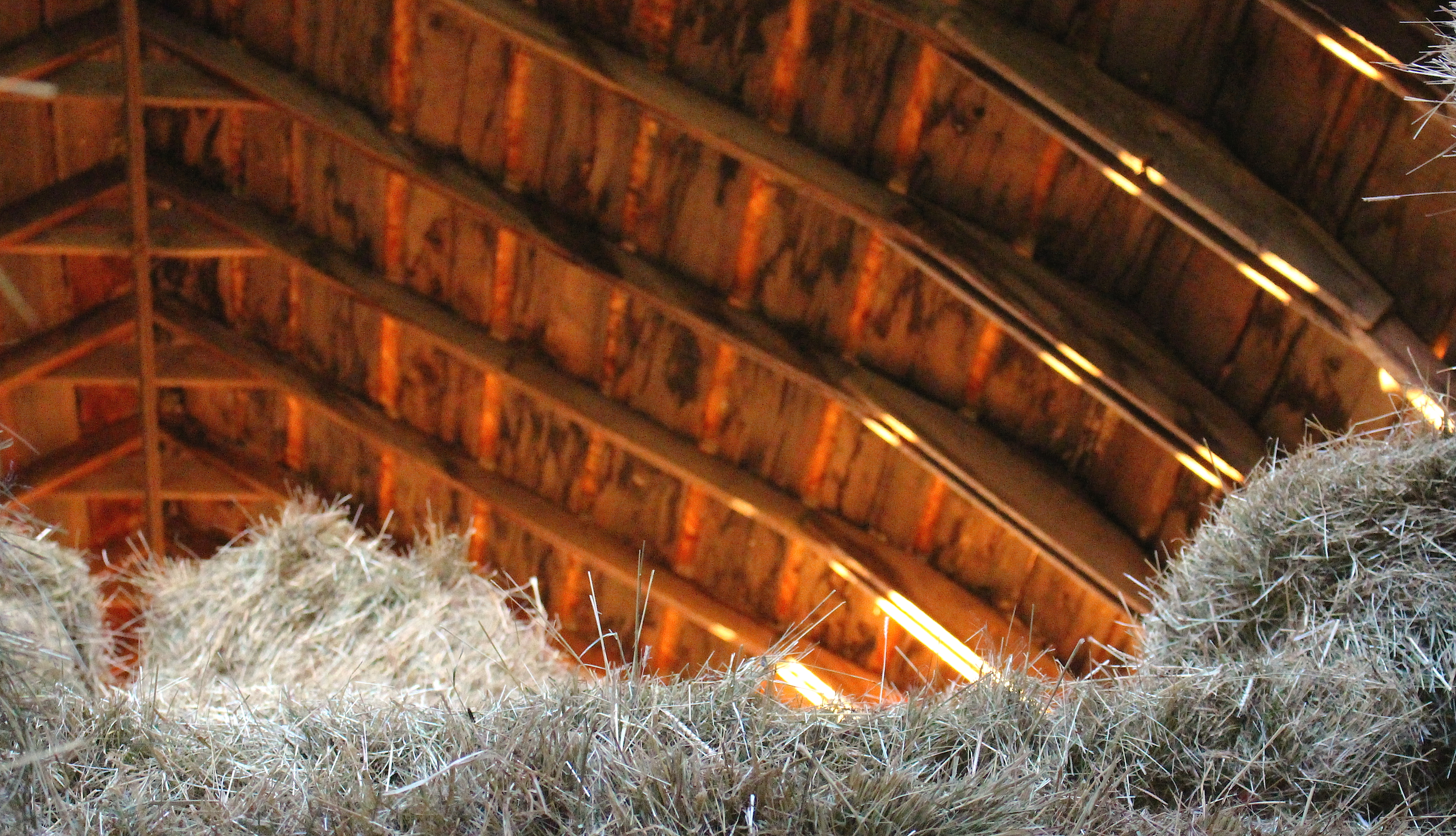
During our northwest winters, there is usually so little sunlight on gray cloudy days that I routinely turn on the two light bulbs in the big hay barn any time I need to fetch hay bales for the horses. This is so I avoid falling into the holes that inevitably develop in the hay stack between bales. Winter murky lighting tends to hide the dark shadows of the leg-swallowing pits among the bales, something that is particularly hazardous when carrying a 60 pound hay bale.
Yesterday when I went to grab hay bales for the horses at sunset, before I flipped the light switch, I could see light already blazing in the big barn. The last of the day’s sun rays were at a precise winter slant, streaming through the barn slat openings, ricocheting off the roof timbers onto the bales, casting an almost fiery glow onto the hay. The barn was ignited and ablaze without fire and smoke — the last things one would even want in a hay barn.
I scrambled among the bales without worry.
In my life outside the barn I’ve been falling into more than my share of dark holes lately. Even when I know where they lie and how deep they are, some days I will manage to step right in anyway. Each time it knocks the breath out of me, makes me cry out, makes me want to quit trying to lift the heavy loads. It leaves me fearful to venture where the footing is uncertain.
Then, on the darkest of days, light comes from the most unexpected of places, blazing a trail to help me see where to step, what to avoid, how to navigate the hazards to avoid collapsing on my face. I’m redirected, inspired anew, granted grace, gratefully calmed and comforted amid my fears. Even though the light fades, and the darkness descends again, it is only until tomorrow. Then it reignites again.
Although I favor the open mind, I certainly do not advocate that the mind should be so open that the brains fall out. ~Arthur Hays Sulzberger (among others) — New York Times publisher from 1935-1961 from “Freedom of Information”
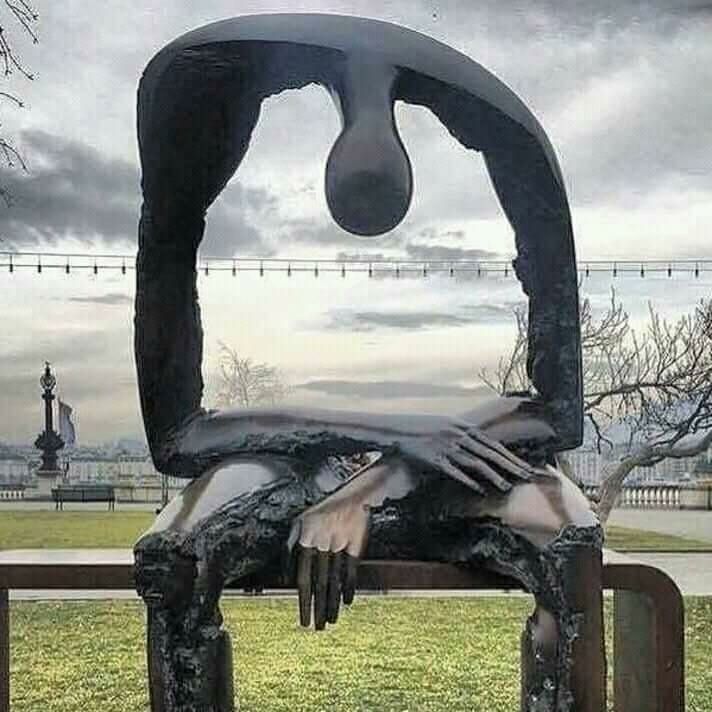
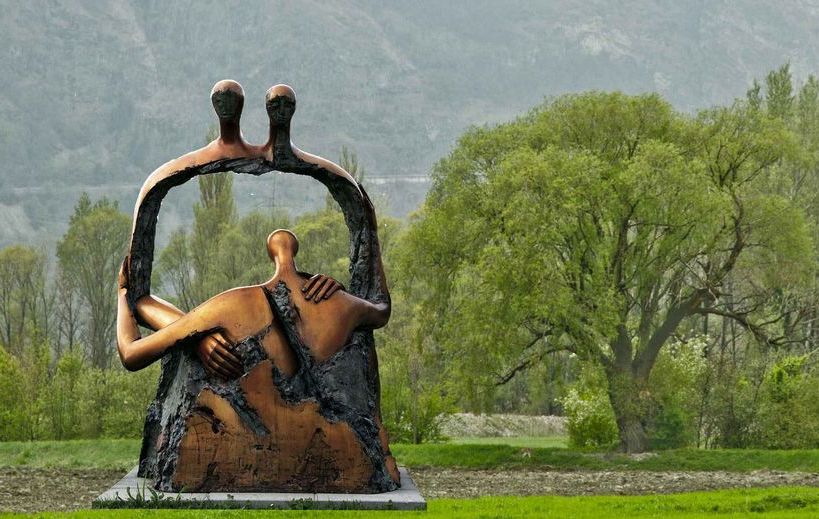
Sculpture “Melancholy” in Geneva, Switzerland by Albert György
I tell you this to break your heart, by which I mean only that it break open and never close again to the rest of the world. — Mary Oliver from New and Selected Poems, Volume Two
Few things are as condemning in this day and age than being accused of being closed-minded. In religion and politics, the most zealous liberals and hard-core conservatives are the least likely to see another point of view, much less tolerate it. They are more than willing to “cancel” anyone who might be bold enough to express another perspective.
On the one hand, when unwilling to consider a differing opinion or world view, it becomes impossible to admit one could be a little bit misinformed or just plain wrong. Some hard-heads are locked so tight because they have intentionally lost the key to ever risk being open.
On the other hand, I know those who are so open-minded, there is nothing left but blank space because common sense has spilled out — whatever feels right, anything goes, no judgment, no boundaries, no barriers, all doors and windows flung ajar with “liberating” breezes coming and going.
It is a terribly empty void to behold when one’s brains have fallen out.
As for me, moderate middle-of-the-road person that I am, I tend to keep a protective helmet on but listen for the knock on the door of my convictions and opinions to see who or what may be there, remaining receptive to some possibility other than what I think I know.
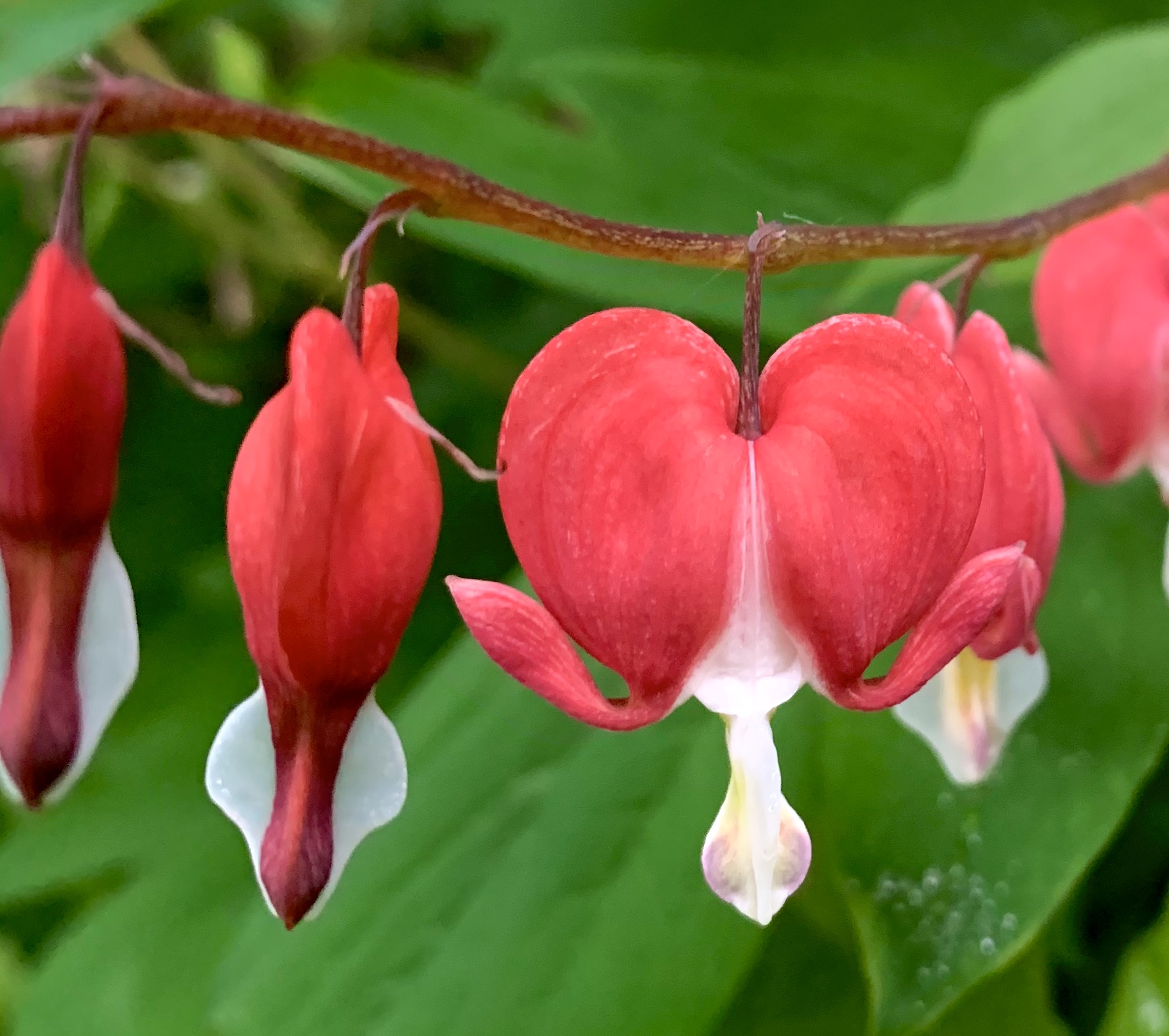
All in all, we should prefer open-hearted over open- or closed-minded. Although far costlier, Love spilled from a broken Incarnate Heart and flooded the world with undeserved Grace. It will never be closed again.
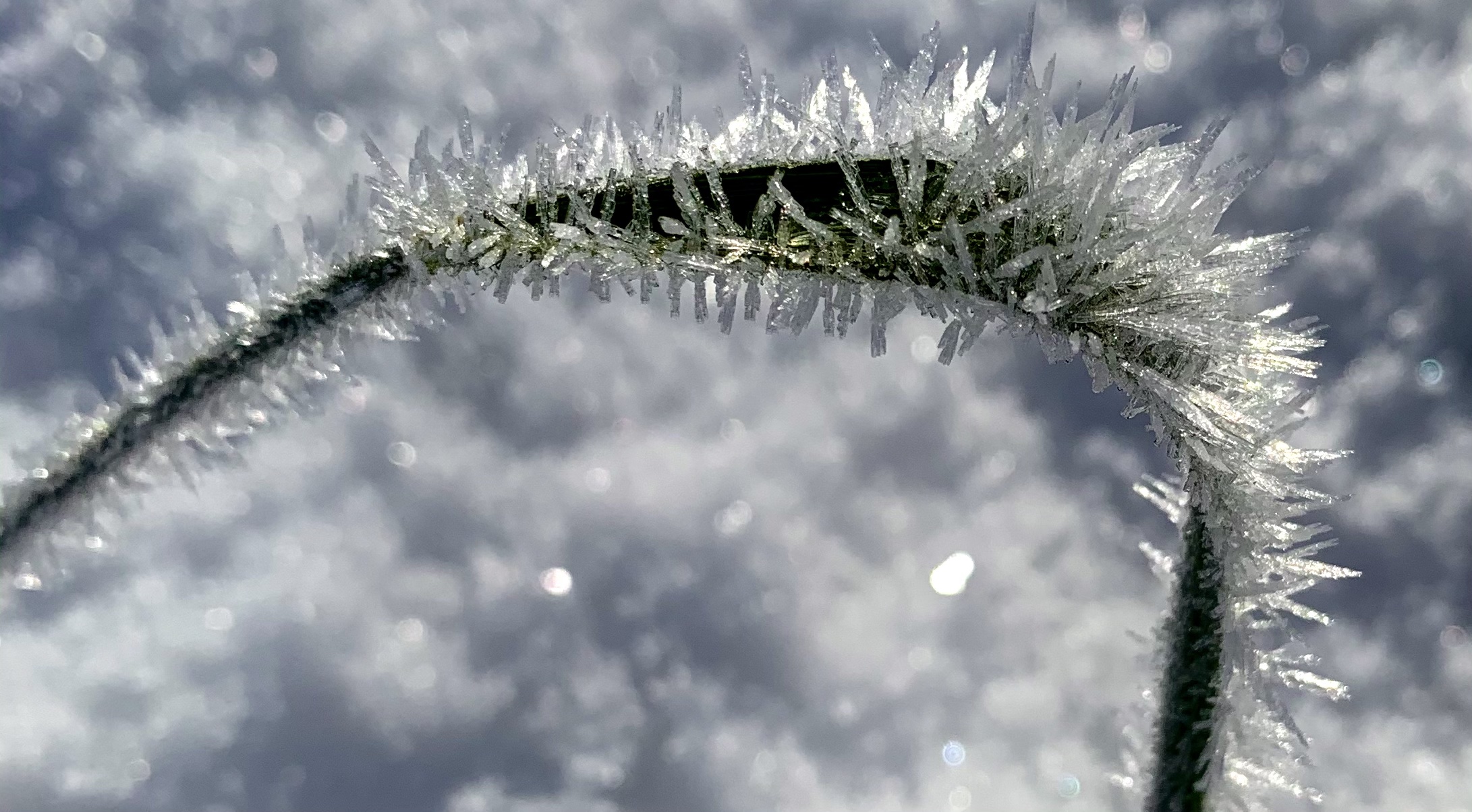
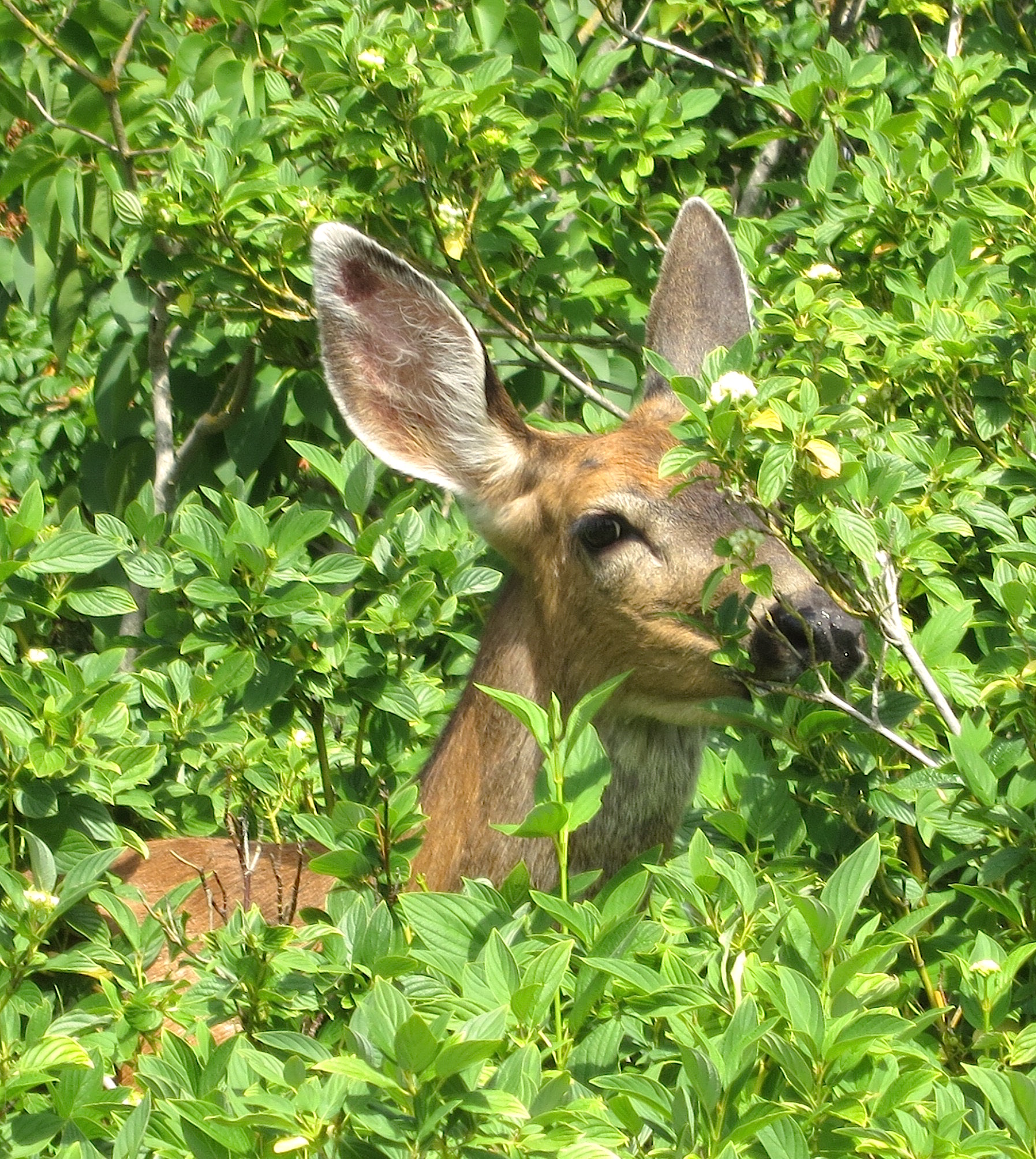
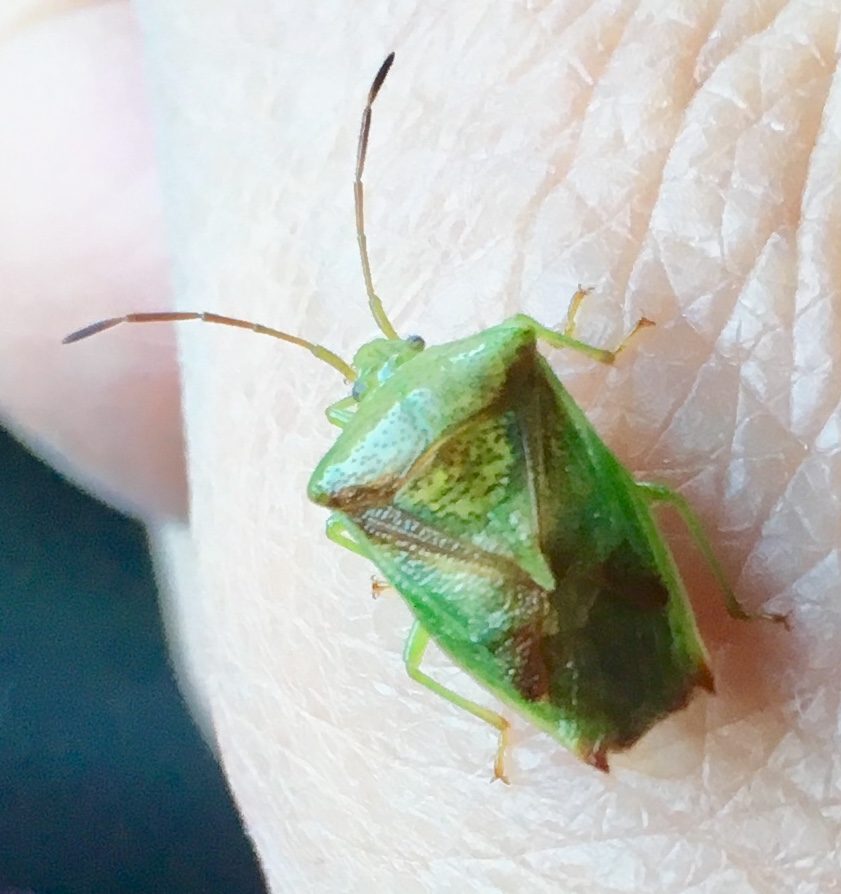
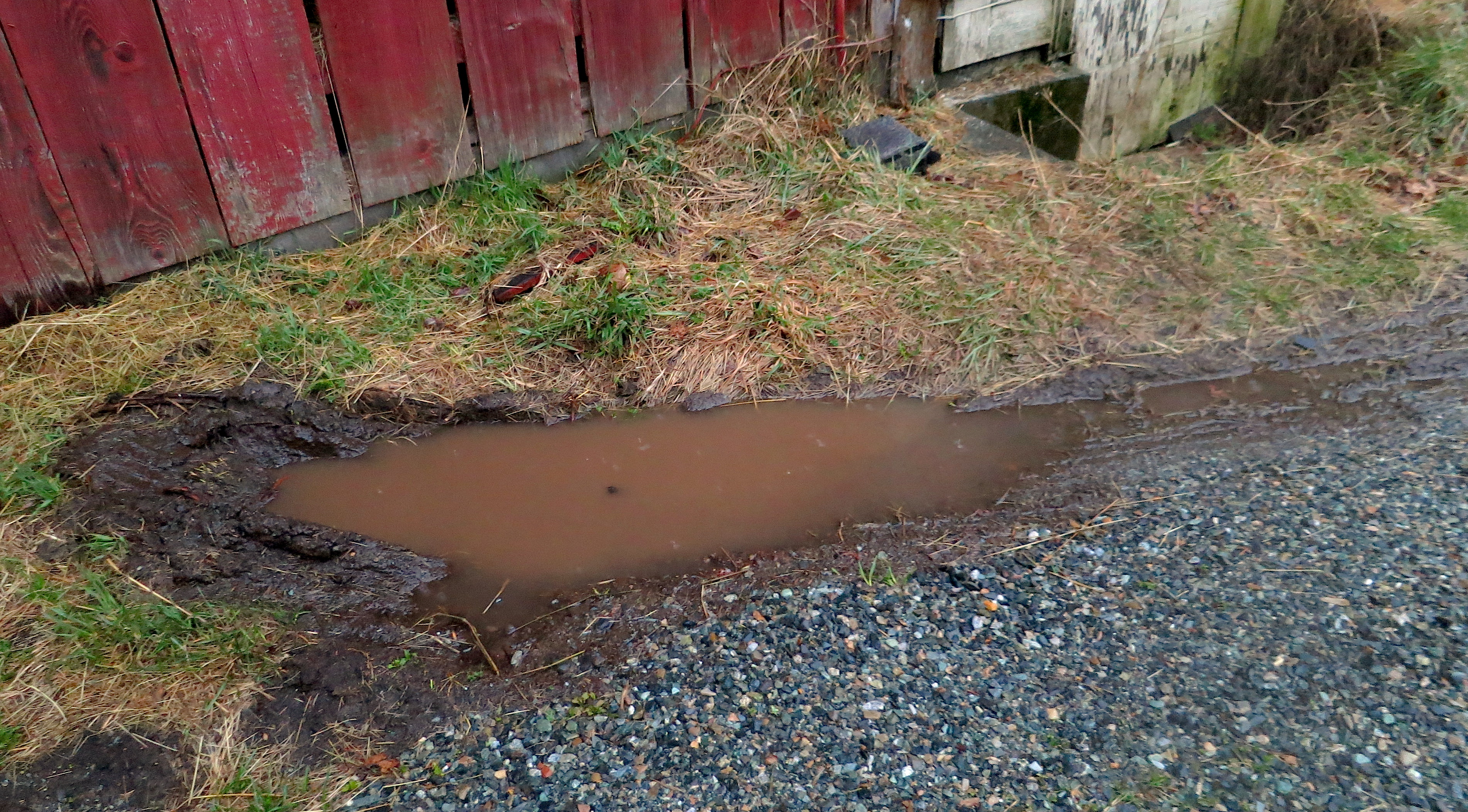
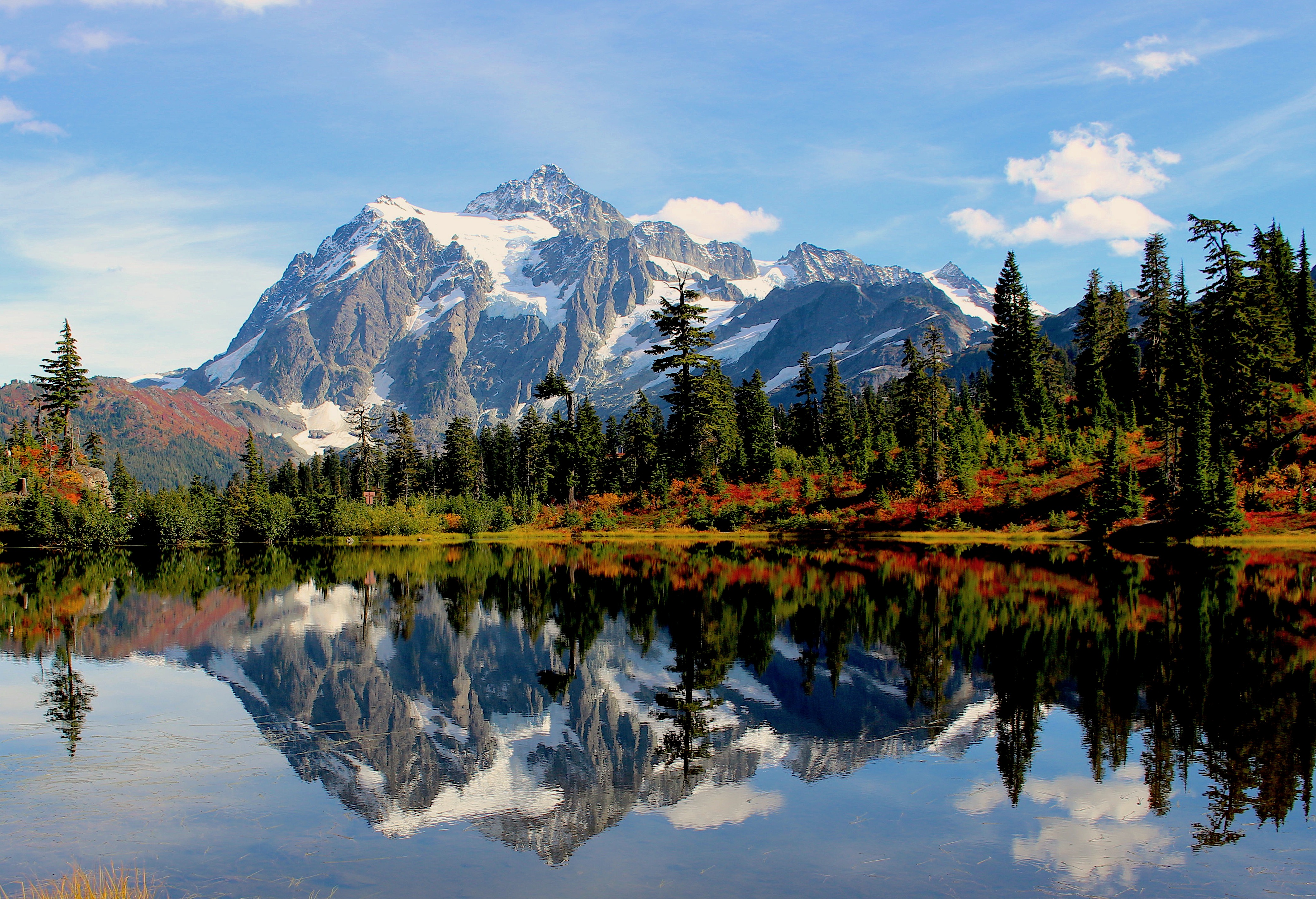
It’s easy to love a deer But try to care about bugs and scrawny trees Love the puddle of lukewarm water From last week’s rain. Leave the mountains alone for now. Also the clear lakes surrounded by pines. People are lined up to admire them. Get close to the things that slide away in the dark. Be grateful even for the boredom That sometimes seems to involve the whole world. Think of the frost That will crack our bones eventually. ~Tom Hennen “Love for Other Things” from Darkness Sticks To Everything: Collected and New Poems
Some people complain that this constricted life — due to pandemic COVID limitations and the restrictions placed upon us — is boring.
Nothing to do, no places to go, no people to see.
Yet I haven’t been bored – not even for a minute. There is so much to see and do right in my own backyard which I rarely had time to observe and appreciate previously. Rather than spending 6-8 hours a week in my car commuting, I’m gifted that time to work at my desk, do chores on the farm, walk with the dogs, and muse about how things have changed.
One person’s boredom is another person’s liberating freedom.
But we have it easy compared to those whose jobs can’t be done from home. We can grow our own food here, but that isn’t an option for those living in a high rise. We can isolate and still maintain our connections virtually with our friends and family. I know I am blessed with options.
This COVID-tide will end eventually and our stack of responsibilities will resume, but I’m wiser than I was before. I don’t need to live life at break-neck speed. I don’t need constant entertainment and novel experiences. No longer do I need to feel indispensable because it is so completely obvious that I’m not.
I didn’t need this virus to remind me of my mortality and my shortening days on earth, yet it has.
Our time here is too brief to waste even a minute. So I live each moment to the fullest, knowing it will never come again.
If we want to support each other’s inner lives, we must remember a simple truth: the human soul does not want to be fixed, it wants simply to be seen and heard.
If we want to see and hear a person’s soul, there is another truth we must remember: the soul is like a wild animal – tough, resilient, and yet shy.
When we go crashing through the woods shouting for it to come out so we can help it, the soul will stay in hiding. But if we are willing to sit quietly and wait for a while, the soul may show itself. ~Parker Palmer from The Courage to Teach
I tend to be a crash-through-the-woods kind of person, searching out those in hiding needing help whether they want it or not. Part of this is my medical training: I’m not subtle, I can be brash and bold as I go where no one else wants to go.
Friends have reminded me this actually isn’t helpful much of the time and certainly doesn’t translate well in non-clinical settings. They have a good point. Undoing what I’ve learned isn’t easy, but I’m trying.
Before I trained in clinical medicine, I knew how to blend into my surroundings, to simply wait and listen and take note of what I observe. I never would have been part of a research team observing wild chimpanzee behavior without being born with that skill. The wild and shy around me eventually did show themselves, but it took time and patience and a willingness to let things happen without my making it happen.
I’m trying to relearn what I knew intuitively fifty years ago and unlearn what I was trained to do forty years ago as a “fix-it” clinician. It helps when people remind me to tone it down, back off and simply “be.”
I just might see and hear and understand more than I ever have before.
Chunky and noisy, but with stars in their black feathers, they spring from the telephone wire and instantly
they are acrobats in the freezing wind. And now, in the theater of air, they swing over buildings,
dipping and rising; they float like one stippled star that opens, becomes for a moment fragmented,
then closes again; and you watch and you try but you simply can’t imagine
how they do it with no articulated instruction, no pause, only the silent confirmation that they are this notable thing,
this wheel of many parts, that can rise and spin over and over again, full of gorgeous life.
Ah, world, what lessons you prepare for us, even in the leafless winter, even in the ashy city. I am thinking now of grief, and of getting past it;
I feel my boots trying to leave the ground, I feel my heart pumping hard. I want
to think again of dangerous and noble things. I want to be light and frolicsome. I want to be improbable beautiful and afraid of nothing, as though I had wings. ~Mary Oliver “Starlings in Winter” from Owls and Other Fantasies: Poems and Essays
Out of the dimming sky a speck appeared, then another, and another. It was the starlings going to roost. They gathered deep in the distance, flock sifting into flock, and strayed towards me, transparent and whirling, like smoke. They seemed to unravel as they flew, lengthening in curves, like a loosened skein. I didn’t move;they flew directly over my head for half an hour.
Each individual bird bobbed and knitted up and down in the flight at apparent random, for no known reason except that that’s how starlings fly, yet all remained perfectly spaced. The flocks each tapered at either end from a rounded middle, like an eye. Overhead I heard a sound of beaten air, like a million shook rugs, a muffled whuff. Into the woods they sifted without shifting a twig, right through the crowns of trees, intricate and rushing, like wind.
Could tiny birds be sifting through me right now, birds winging through the gaps between my cells, touching nothing, but quickening in my tissues, fleet? ~Annie Dillard from Pilgrim at Tinker Creek
…yesterday I heard a new sound above my head a rustling, ruffling quietness in the spring air
and when I turned my face upward I saw a flock of blackbirds rounding a curve I didn’t know was there and the sound was simply all those wings, all those feathers against air, against gravity and such a beautiful winning: the whole flock taking a long, wide turn as if of one body and one mind.
How do they do that?
If we lived only in human society what a puny existence that would be
but instead we live and move and have our being here, in this curving and soaring world that is not our own so when mercy and tenderness triumph in our lives and when, even more rarely, we unite and move together toward a common good,
we can think to ourselves:
ah yes, this is how it’s meant to be. ~Julie Cadwallader Staub from “Blackbirds” from Wing Over Wing
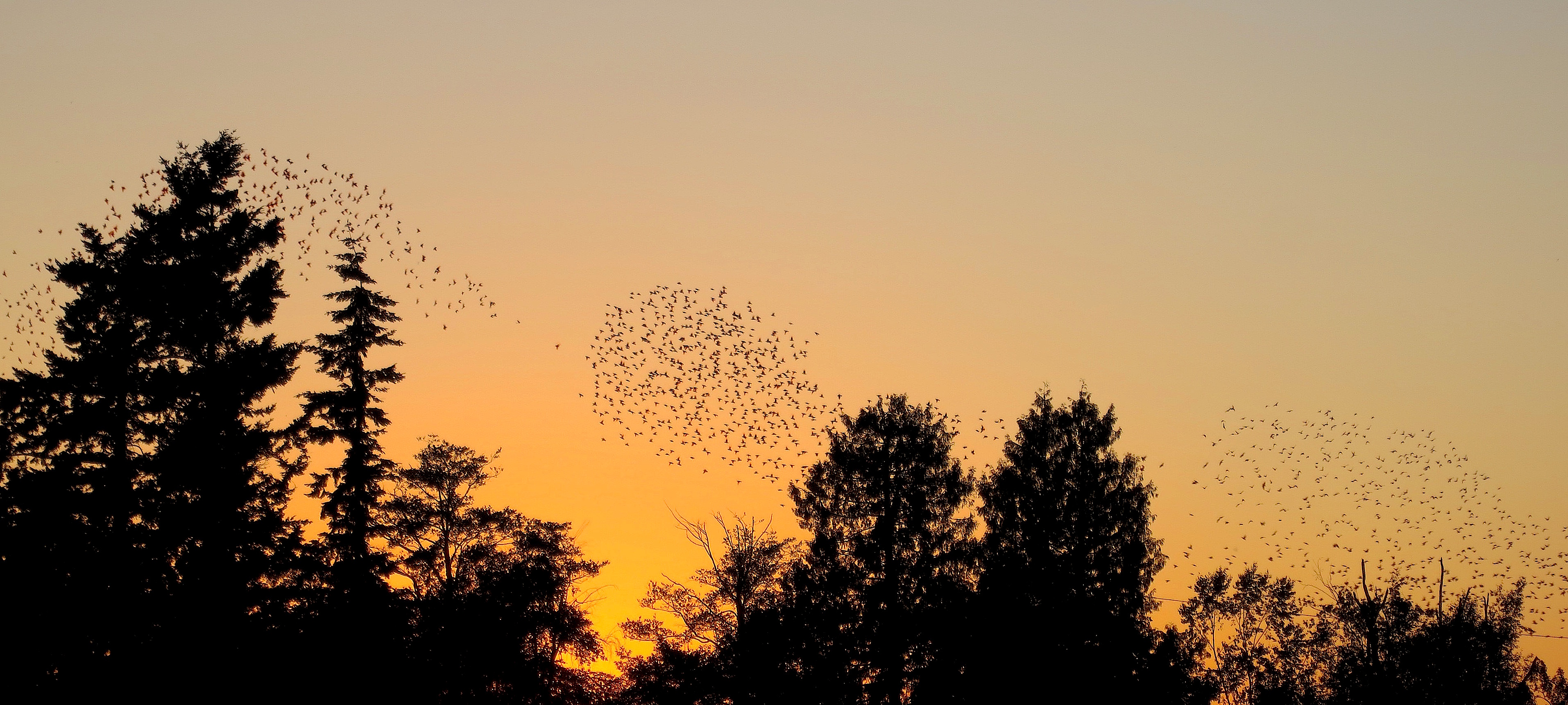
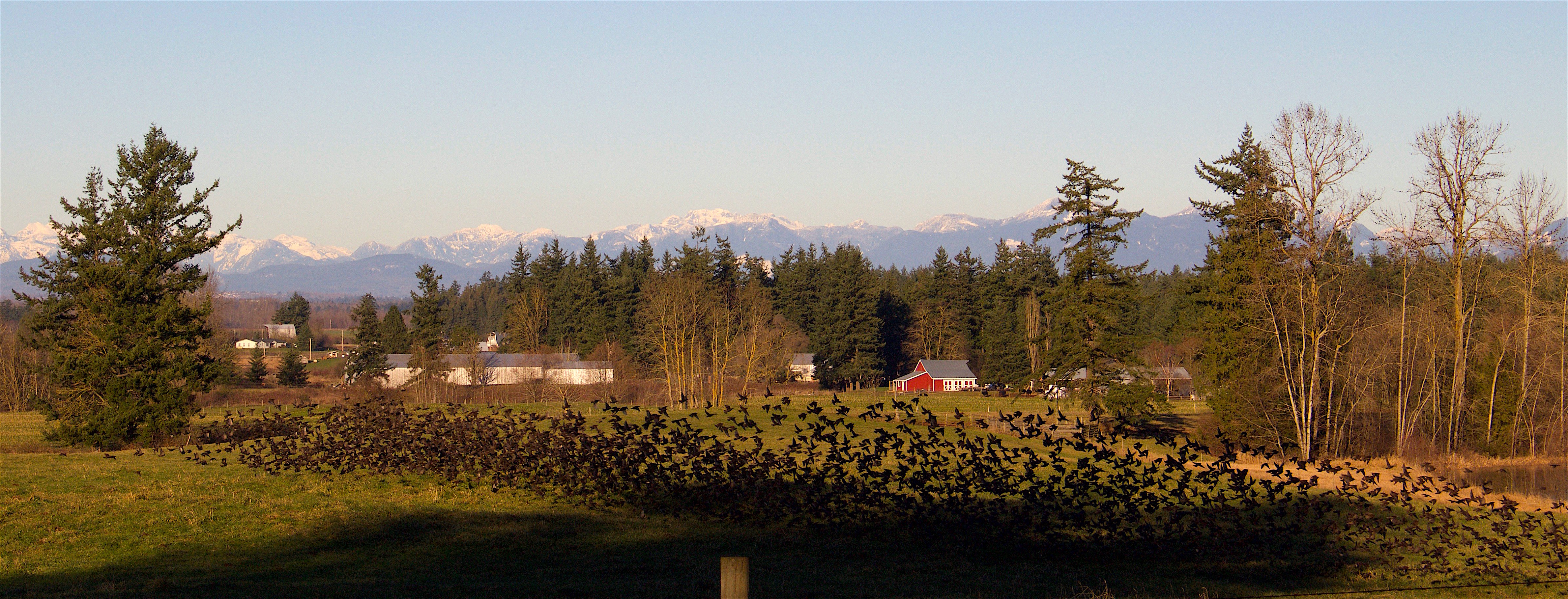
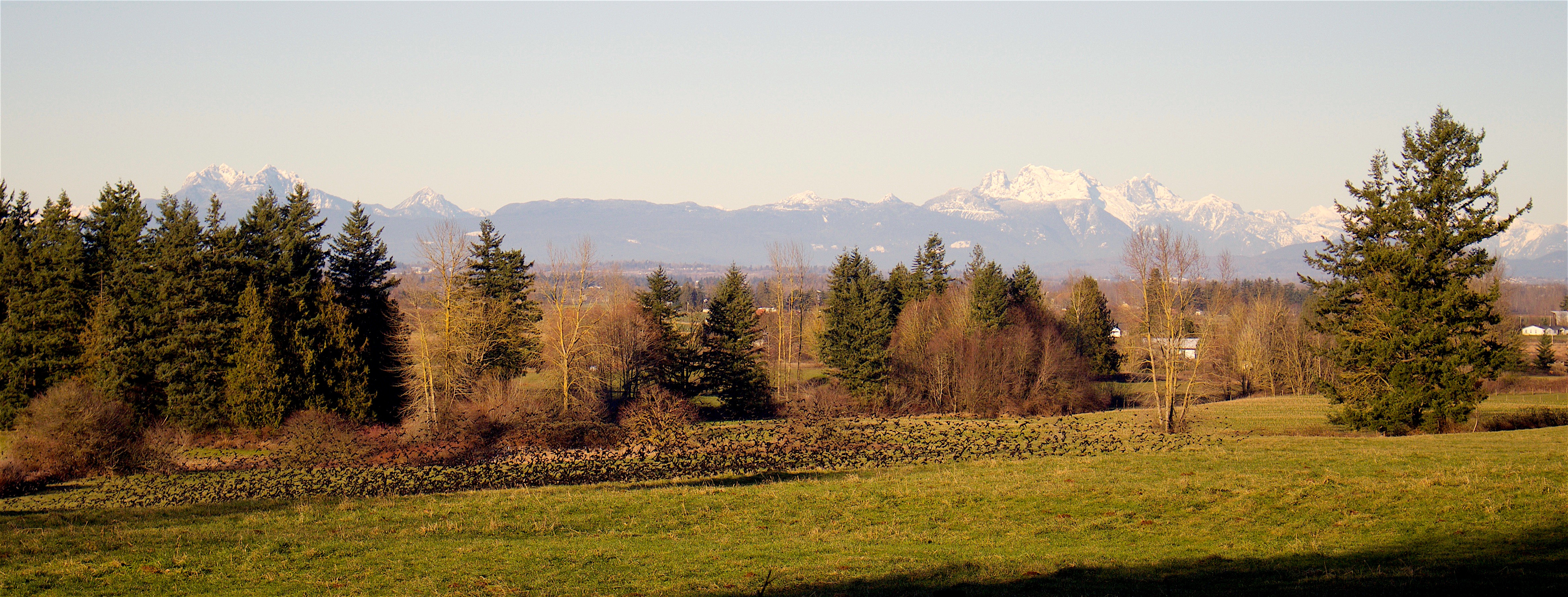
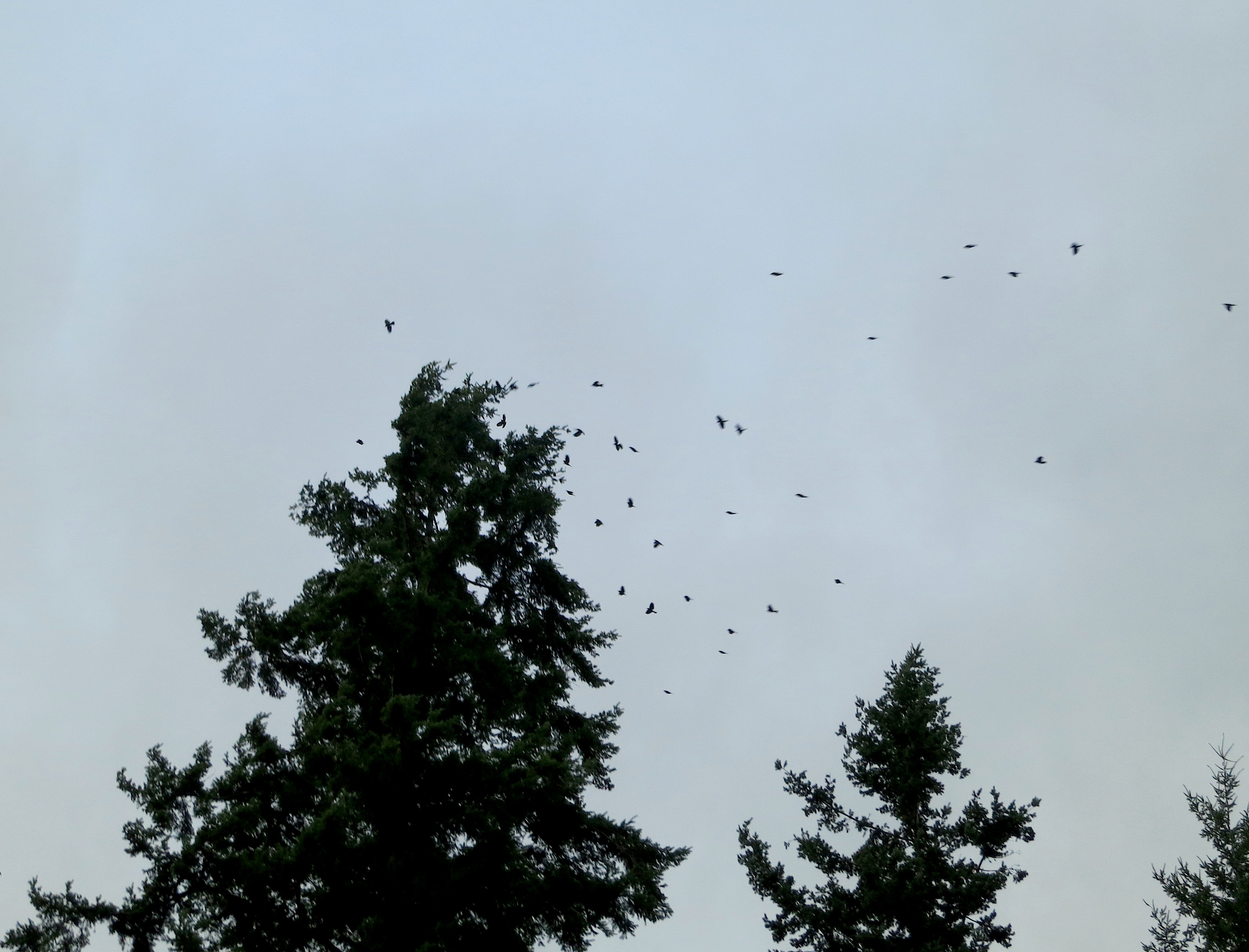
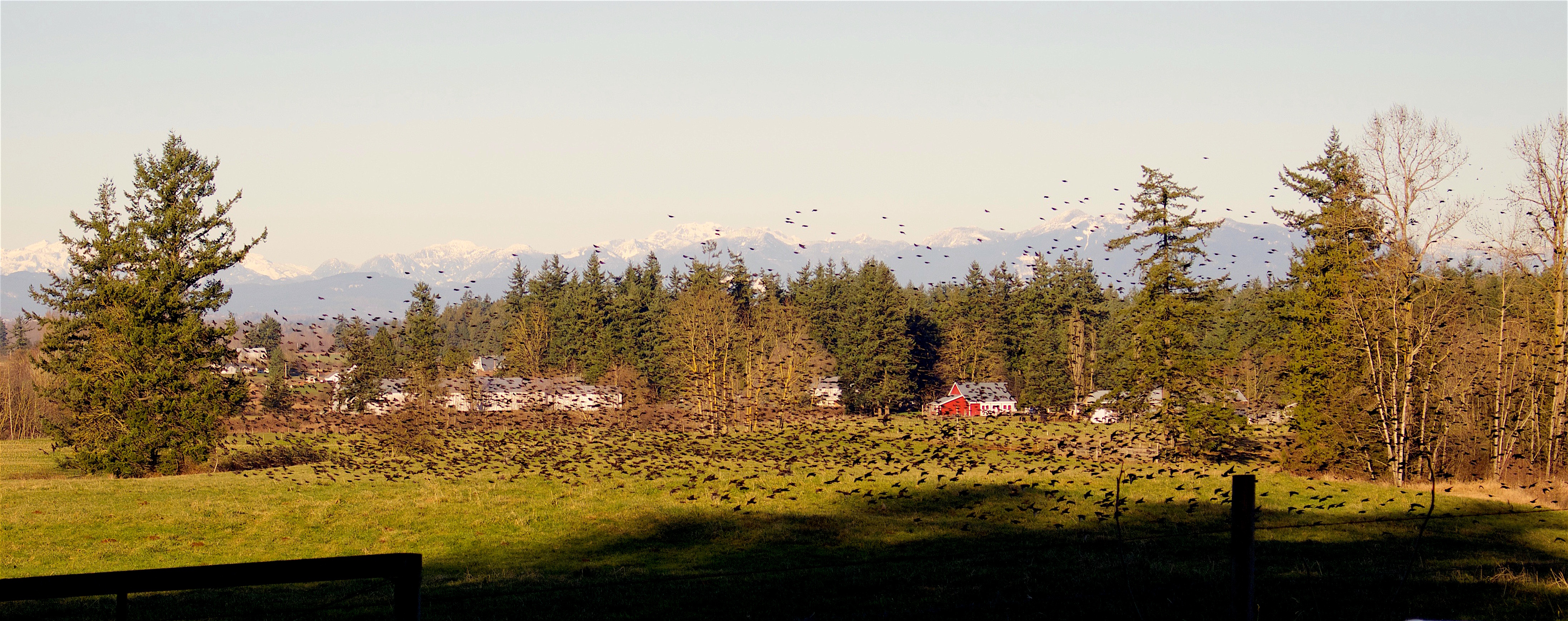
Watching a winter starlings’ murmuration is a visceral experience – my heart leaps to see it happen above me. I can get queasy following its looping amoebic folding and unfolding path.
Thousands of individual birds move in sync with one another to form one massive organism existing solely because each tiny component anticipates and cooperates to avoid mid-air collisions. It could explode into chaos but it doesn’t. It could result in massive casualties but it doesn’t. They could avoid each other altogether but they don’t – they come together with a purpose and reasoning beyond our imagining. Even the silence of their movement has a discernible sound.
We humans are made up of just such cooperating component parts, that which is deep in our tissues, programmed in our DNA. Yet we don’t exercise such unity from our designed and carefully constructed building blocks. We are frighteningly disparate and independent creatures, going our own way bumping and crashing without care, leaving so much body and spiritual wreckage behind.
To where has flown our mercy and tenderness? We have corporately lost our internal moral compass.
We figuratively and literally shoot each other in the back, trampling over and suffocating one another, in a reach for justice that seems right in our own eyes.
We even watch the daily death count rise in ever-increasing numbers, and still some resist doing what it takes to protect themselves and one another.
The sound of silence is muffled weeping.
There comes a time in every fall before the leaves begin to turn when blackbirds group and flock and gather choosing a tree, a branch, together to click and call and chorus and clamor announcing the season has come for travel.
Then comes a time when all those birds without a sound or backward glance pour from every branch and limb into the air, as if on a whim but it’s a dynamic, choreographed mass a swoop, a swerve, a mystery, a dance
and now the tree stands breathless, amazed at how it was chosen, how it was changed. ~Julie Cadwallader Staub “Turning” from Wing Over Wing









 Barnstorming