Sacred Intoxication

goodnightgeese

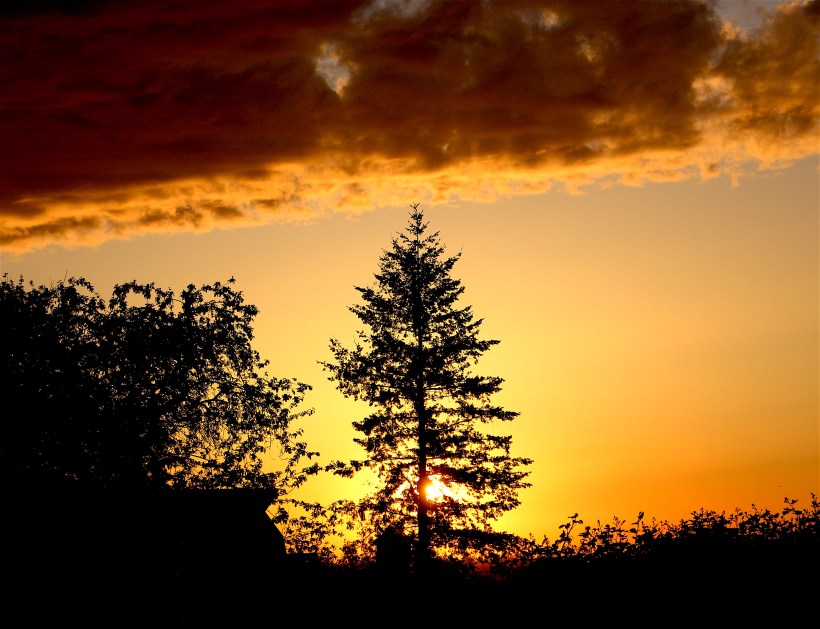
dogwoodsunset51716

For half-an-hour he writes words upon a scrap of paper….
words in which the soul’s blood pours out, like the body’s blood from a wound.

He writes secretly this mad diary,
all his passion and longing,

his dark and dreadful gratitude to God,
his idle allegories,
the tales that tell themselves in his head;
the joy that comes on him sometimes (he cannot help it)
at the sacred intoxication of existence

~G.K. Chesterton in a letter to his fiancé

pinkbush2


I can grumble with the best of the them, especially over the last few months of watching presidential election politics unfold at this particular time in our country’s history. There is camaraderie in shared grumbling, as well as an exponential increase in dissatisfaction as everyone shares their frustrations over how we have come to this.

But I know better. I’ve seen where grousing leads and I can feel it aching in my bones when I’m steeped in it. The sky is grayer, the clouds are thicker, the night is darker–on and on to its overwhelming suffocating conclusion.

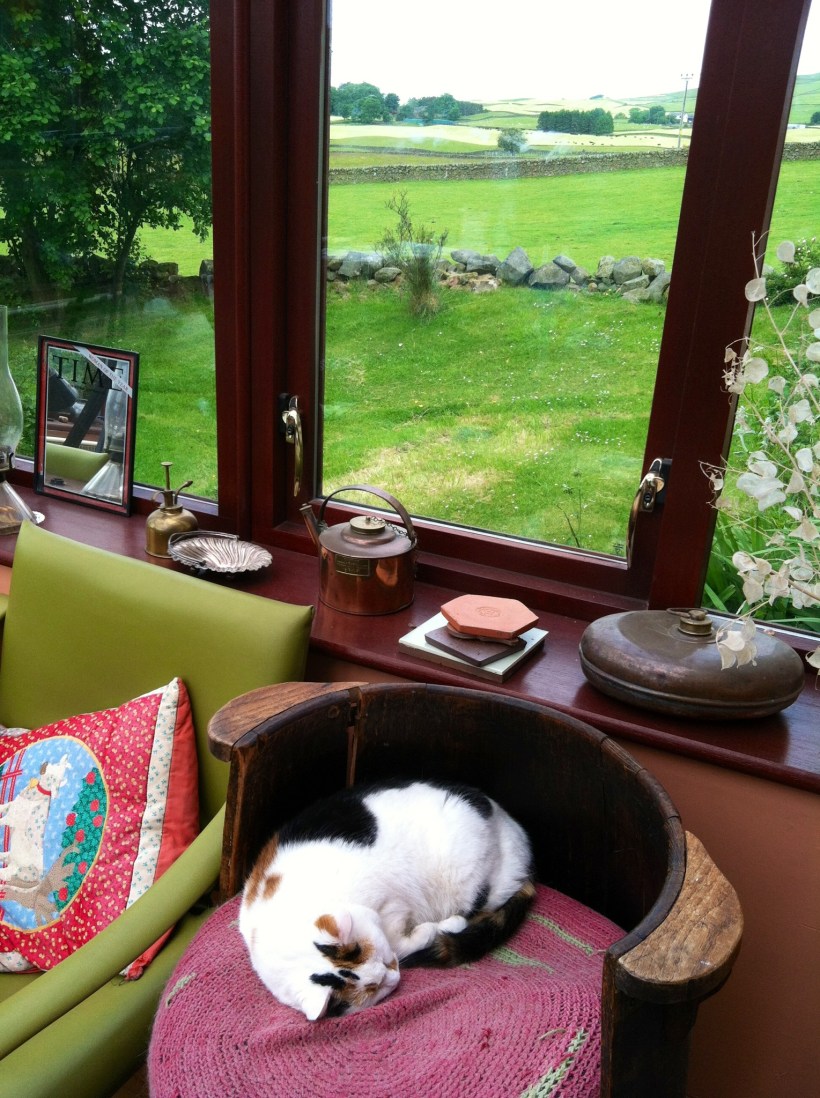
I have the privilege to choose joy, to turn away from the bleak and simply seek and bathe in the warmth and wonder of each new day. Like an opportunistic cat finding that one ray of sun and melting into it, I can absorb and equip myself to be radiant as well. It is not putting on a “happy face” — instead joy adopts me, holds me close in the tough times and won’t abandon me. Though at times joy may dip temporarily behind a cloud, I know it is there even when I can’t feel it.

Joy is mine to choose because joy has chosen me.

scottishkitty

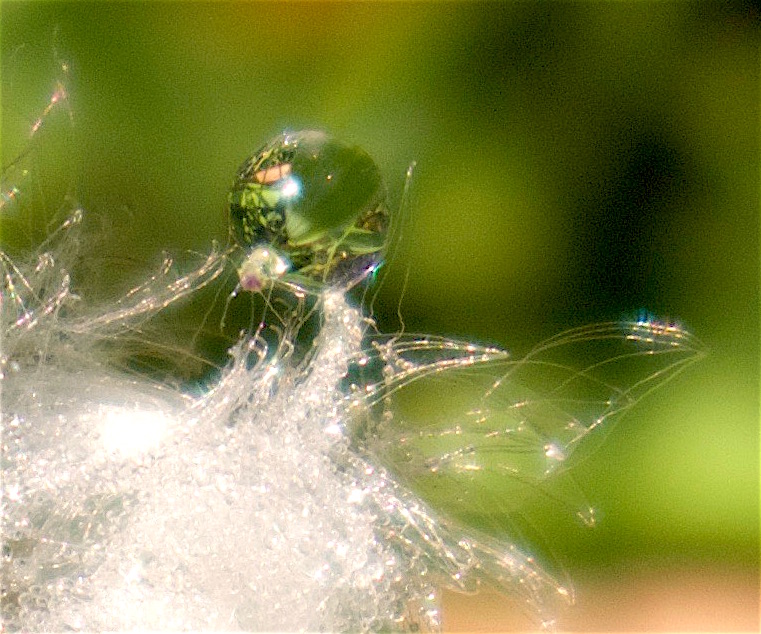
cottonwood5

morninglight

The Fierce Humility of Rain

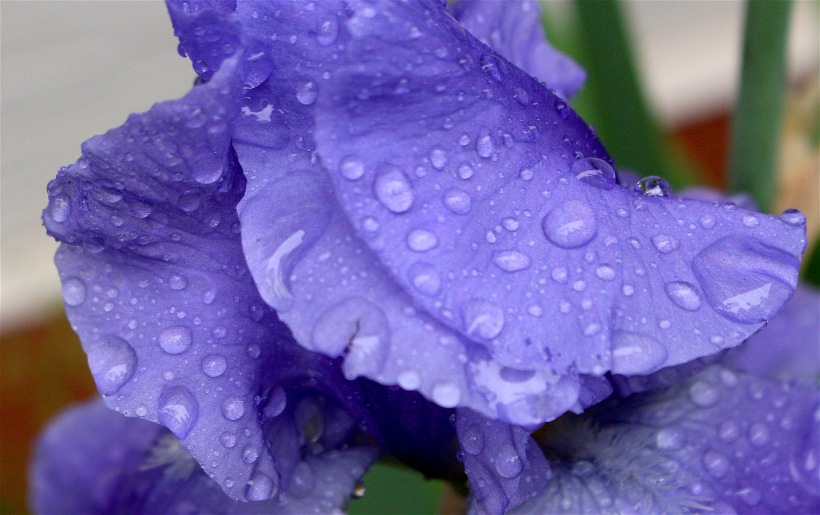
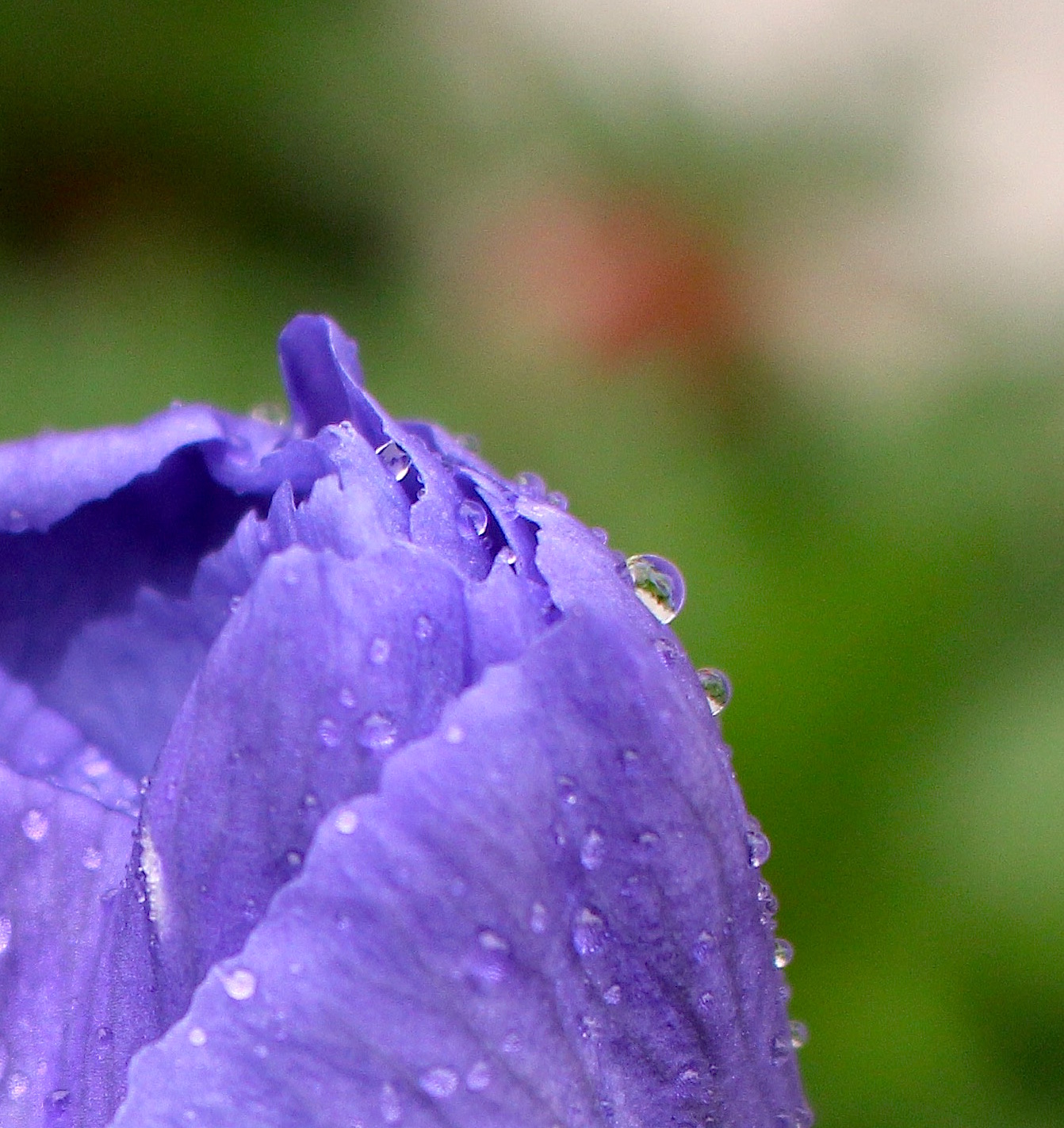
rainyiris52016

rainyrose2

Praise to the Maker of the torrent
and the hurricane,
praise for the fierce humility of rain:

whose motion will not end, neither come to rest
nor ascend again until, like grace,
it finds the lowest empty place.
~Matthew Baker “Rainfall”

rainyiris2

rainypeony

See, banks and brakes
Now, leavèd how thick! lacèd they are again
With fretty chervil, look, and fresh wind shakes
Them; birds build — but not I build; no, but strain,
Time’s eunuch, and not breed one work that wakes.

Mine, O thou Lord of life, send my roots rain
~Gerard Manley Hopkins from “Thou art indeed just, Lord”

rainytransparent2

rainyiris3

As I look out through a tear-streaked window at the beginning of this lightening day,
I fear inadequacy to the task before me:
Parched and struggling patients line my schedule.
Anxious and weary and barren too young,
seeking something, anything
to ease their distress in a hostile world,
preferably an easy pill to swallow.
Nothing that hurts going down.

While others thrive around them,
they wilt and wither,
wishing to cease breathing.

Lord of Life, equip me to find the words to say that might help.
May it be about more than genetics, neurotransmitters and physiology.

In this dry season for young lives,
send your penetrating rain
to fill with grace
the emptiest space.
Reach down and shake their roots
fiercely
and slake their thirst.

storm518163

haflingerrainbow

Remembering May 19

photo by Larry Goldman

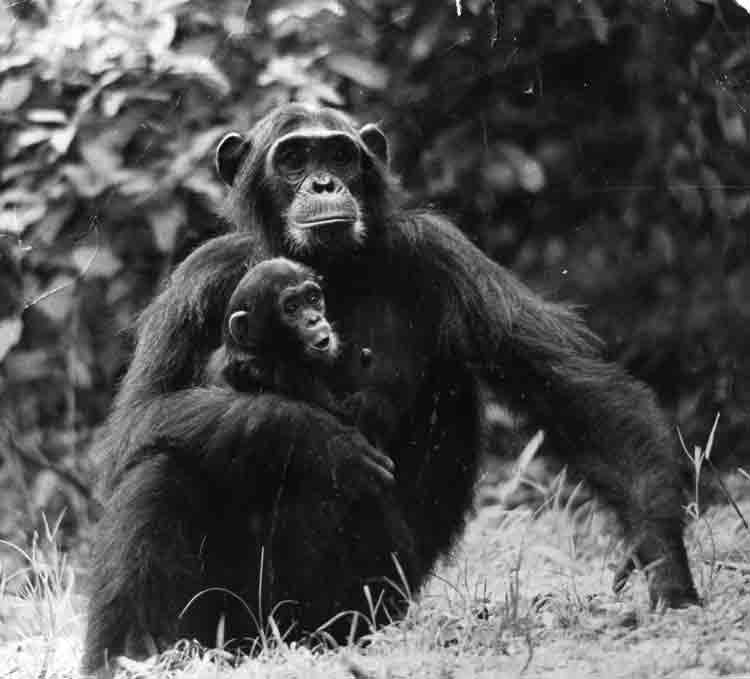
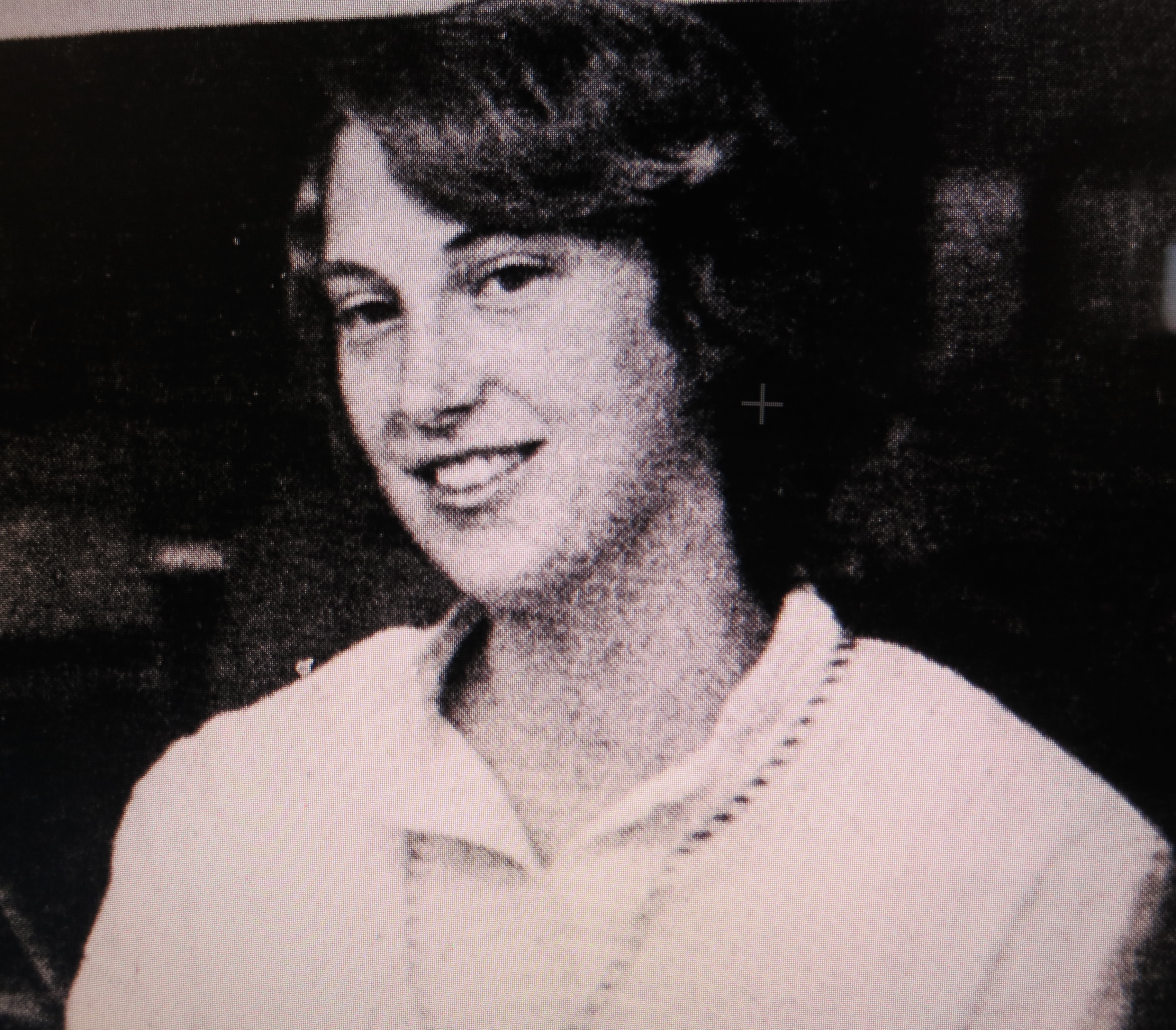
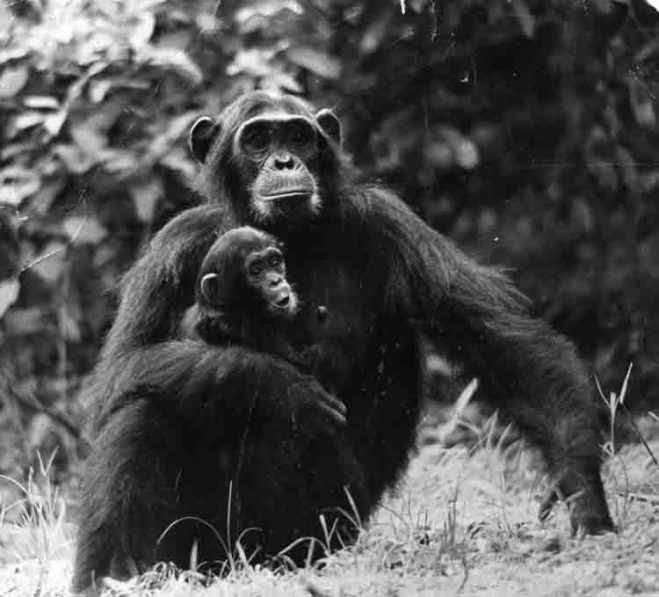
Reflecting on the courage shown by Tanzanian park rangers and my kidnapped research colleagues on this unforgettable day 41 years ago  —  I’m reposting this part of my Gombe saga from when I worked as a student research assistant for Jane Goodall in western Tanzania in 1975.

At first glance,  Gombe National Park in Tanzania felt like paradise—a serene piece of the earth filled with exotic and fascinating wildlife, an abundance of fish and fruit to eat, and the rich unfamiliar sounds and smells of the tropical jungle.  It was a façade.  It was surrounded by the turmoil and upheaval of political rebellion and insurgencies in its neighboring countries, inflamed even more by the fall of Saigon in Vietnam a month previously due to the earlier pull out of the Americans from that long and tragic war.

Only a few miles north of our research station in Gombe National Park in western Tanzania, there had been years of civil war in the small land locked country of Burundi.  When the wind was just right, we could hear gunfire and explosions echoing over the valleys that separated us.  Escaping refugees would sometimes stop for food on their way to villages in Tanzania to the south, seeking safe haven in one of the poorest countries in the world, only a decade into its own experiment with socialism, Ujamaa.

There was also word of ongoing military rebellion against the dictatorship of President Mobutu in the mountainous country of Zaire twelve miles west across Lake Tanganyika.

Morning comes early for field studies of wildlife, as the research day must start before the chimpanzee and baboon subjects wake up and begin to stir. Before midnight, while we slept soundly in our metal huts scattered up the mountainside, a group of armed soldiers arrived by boats to the shore of Gombe National Park.

Storming the beach huts housing two unarmed Gombe park rangers and their families, the soldiers seized one and demanded to be told where the researchers were. The ranger refused to provide information and was severely beaten about the head and face by the butts of the rifles carried by the invaders.  The armed soldiers then divided into smaller groups and headed up the trails leading to the huts, coming upon four sleeping student researchers, tying them up, taking them hostage, forcing them into boats and taking them across the lake back to Zaire.

Asleep farther up the mountain, we were wakened by some students who were fleeing, hearing the commotion.  No one really understood what was happening down lower on the mountain. There were shouts and screams, and gun shots had been heard.  Had someone been injured or killed?   There was no choice but to run and hide deep in the bush at a predetermined gathering spot until an “all clear” signal was given by the rangers.

We hurried along barely familiar  trails in the black of the jungle night, using no flashlights, our hearts beating hard, knowing we had no defense available to us other than the cover of darkness.

That was the longest wait for morning of my life, sitting alongside Jane holding her son Grub.  A hand full of other students had also made their way to the hiding spot, none of us knowing what to think, say or do.  We could only barely see each other’s faces in the darkness and were too frightened to make any sounds.  We carried no weapons, and there was no way to communicate with the outside world.   We had no idea how many of us may be missing, or possibly dead.

Jane held Grub in her arms, trying to keep him quiet, but his eight year old imagination was ignited by the events that had just unfolded.

“Will they kidnap me, Jane?  Will they come for me?  Where will they take us?  Will they shoot us dead?”

Jane, her face hidden by her blonde hair loose about her shoulders,  sat rocking him, cradling him. “Shhh, shhh, we don’t want them to find us.  We’re safe staying right here.  Everything will be fine in the morning.  No one will take you from me.”

Grub began to sob silently into her shoulder.

When the morning of May 20 dawned, the park rangers located us, and pieced together the events as best they could–the soldiers were Zairean rebels living in remote mountains, fighting  an insurgency against the Zaire government. Seeking funds for their cause, they saw a kidnapping of Americans and Europeans as a way to raise quick funds and world publicity and sympathy.  Four of our friends/coworkers were missing, the camp was ransacked and the rangers beaten but with no life threatening injuries.   There was no way to remain safe at the Park, and our colleagues needed whatever help we could offer for their rescue.

We were able to send a messenger to a nearby fishing village, and a radio call was sent out to the small town of Kigoma, then relayed to Dar Es Salaam and Nairobi.  Help arrived within a few hours, when a United Nations boat monitoring the civil war activities in Burundi pulled off shore near our camp.  We were told we needed to evacuate Gombe that day, and would be taken to Kigoma, and then flown by bush pilot to Nairobi, Kenya to cooperate in the investigation of the kidnapping.

In Nairobi, at the US Embassy, I met CIA agents who viewed our wild primate studies with suspicion.  Each of us were grilled individually as to our political beliefs, our activities at the camp and whether we may be somehow involved in subversive actions against the Zaire or Tanzanian governments.  We were dumbfounded that our own countrymen would be so skeptical about our motives for being in Africa.  It became clear our own government would be no help in resolving the kidnapping and bringing our friends home to safety.  The agents did not shed any light on whether they knew our friends were alive or dead.

We were then hustled into a press conference where we were interviewed for television and print media by the worldwide news agencies, and my parents saw me on the CBS evening news before they actually heard my voice over the phone.  I flew back to Stanford the next day, spending 24 hours on a plane that made six stops up the coast of West Africa on its way back west, to tell what I knew to President Lyman and other administration officials at Stanford as they prepared a plan to locate and free the students.   I then returned home to Washington state to await any news that came too slowly from a place so far away that I remain astonished to this day that I was ever there at all.

It took over three months, private negotiations and ransom money to free all four of our friends back to safety.
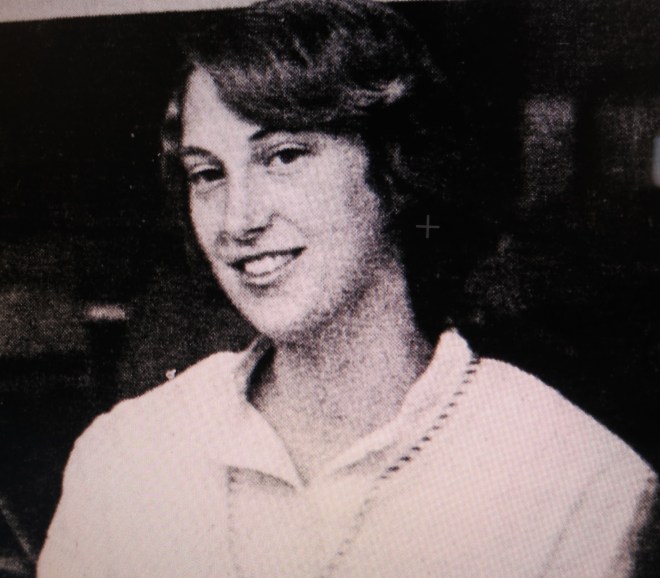
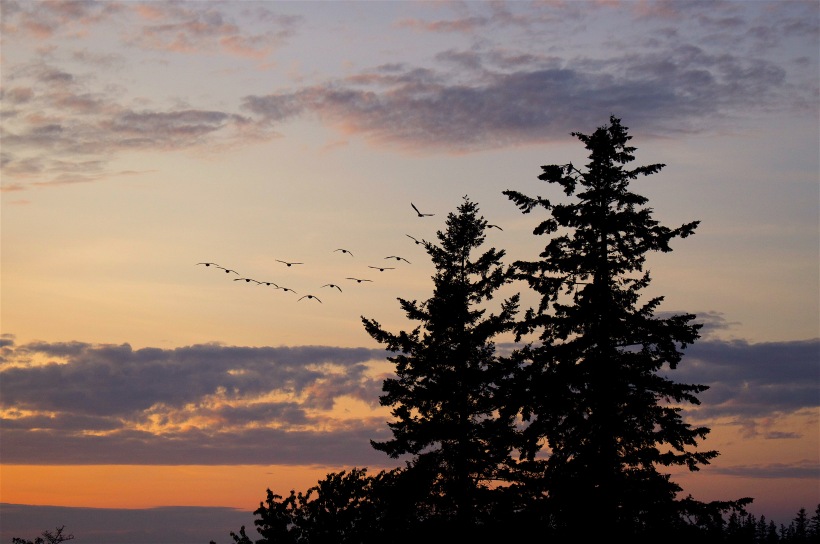
photo from a press conference at Stanford a few days later

Leaving the Old Self Behind

snakeskin9

snakeskin10

snakeskin3

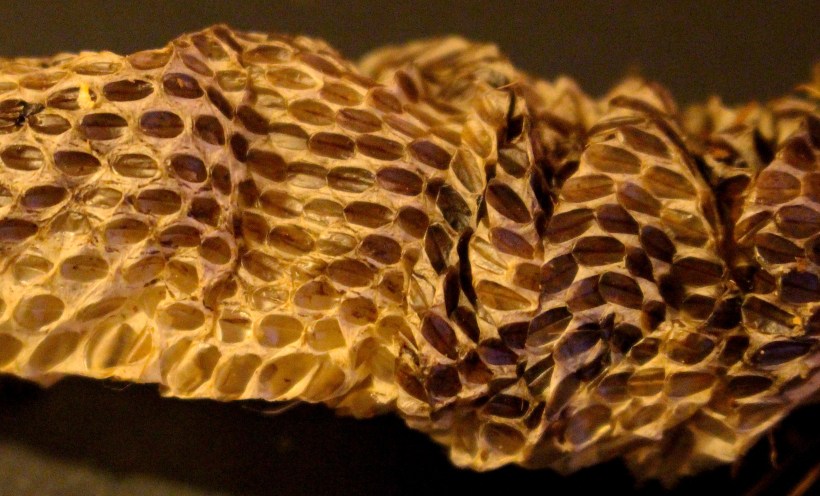
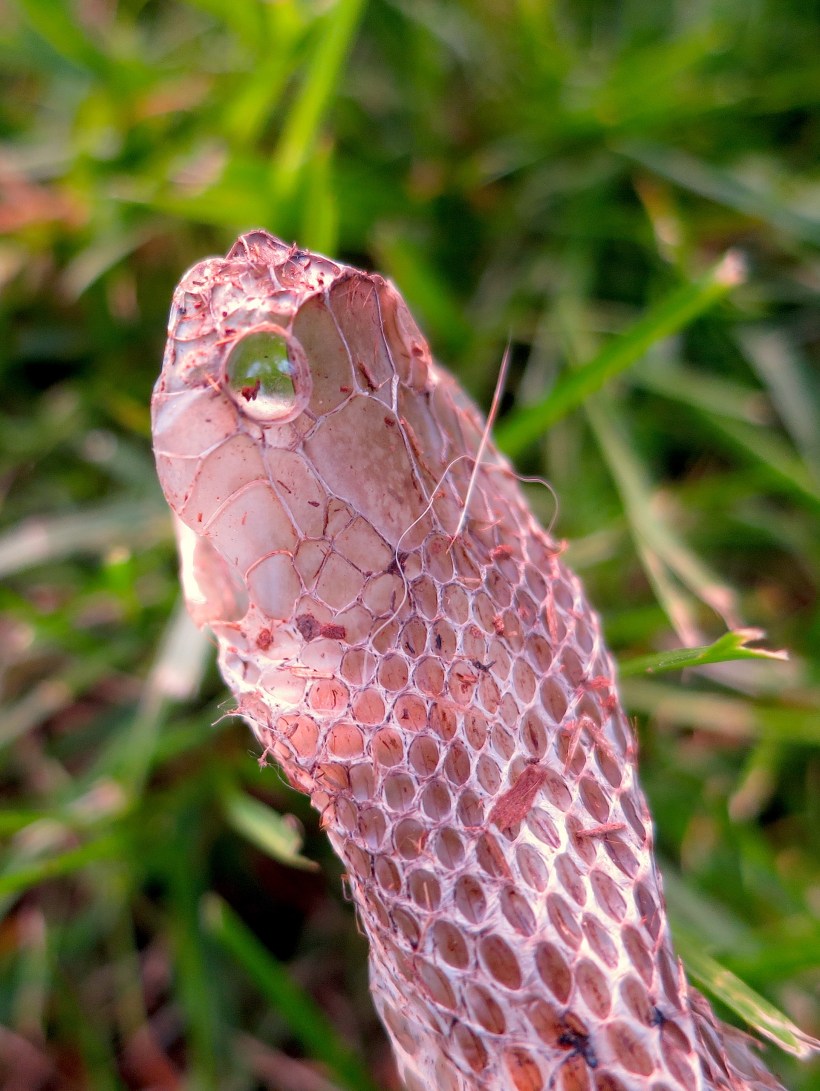
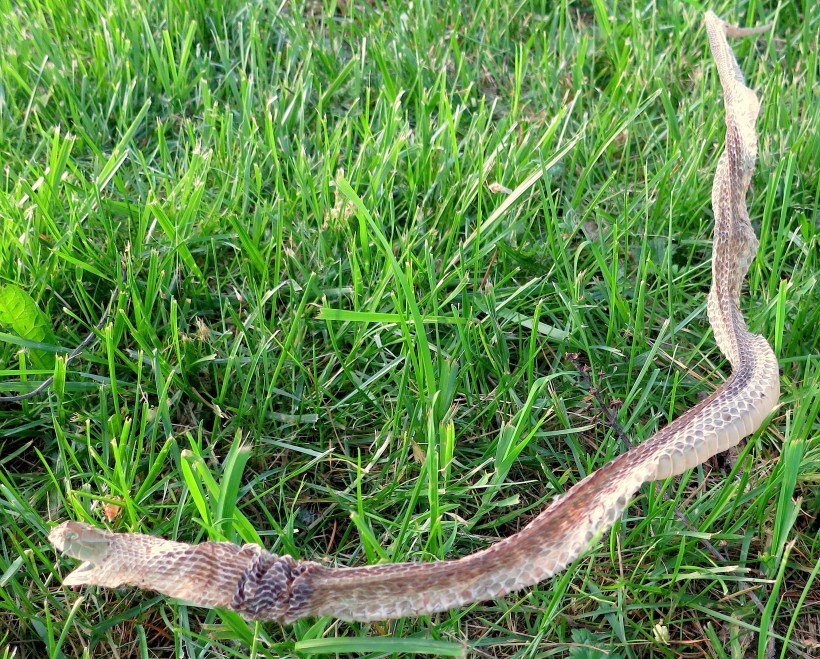
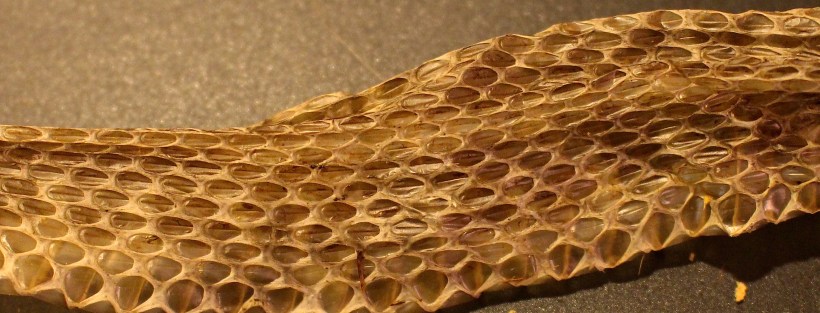
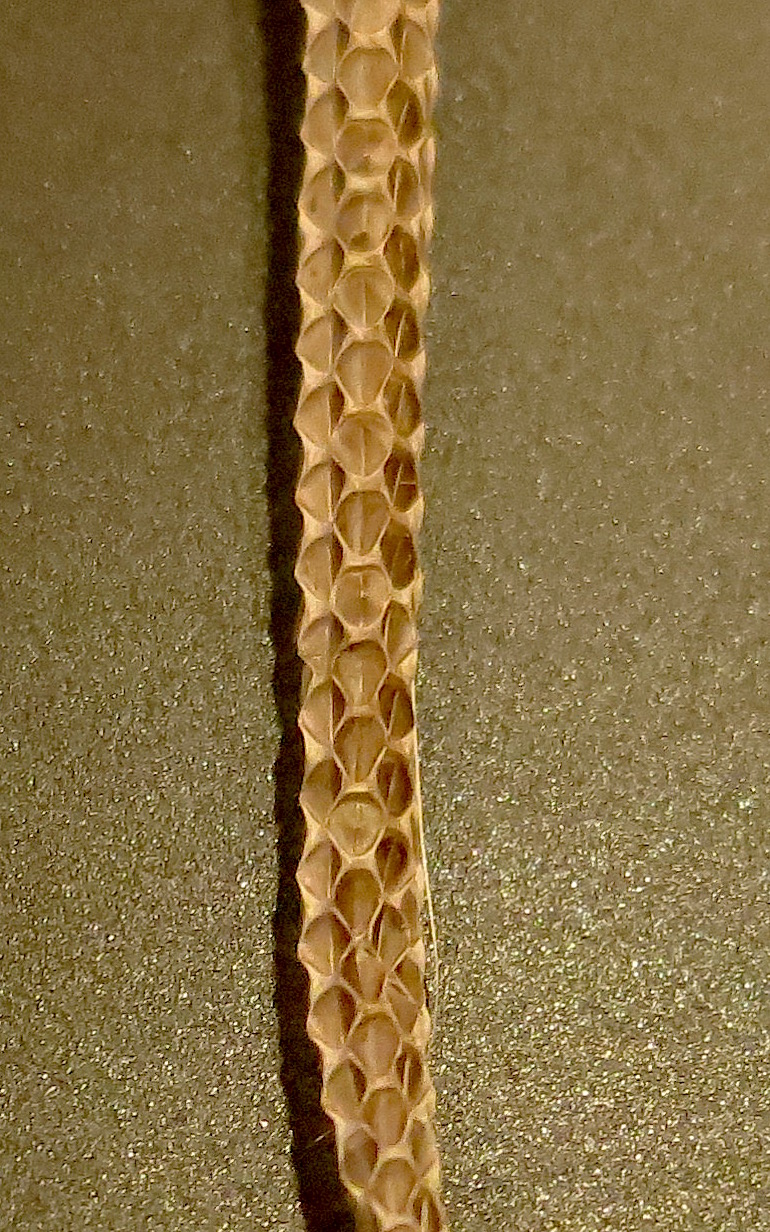
Cast off on a sunny day
onto a warm manure pile,
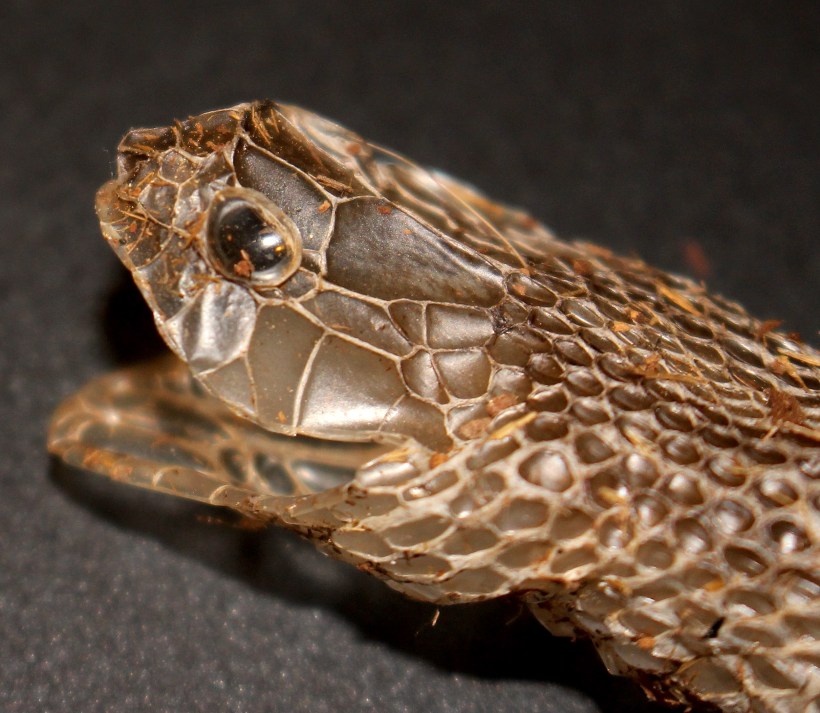
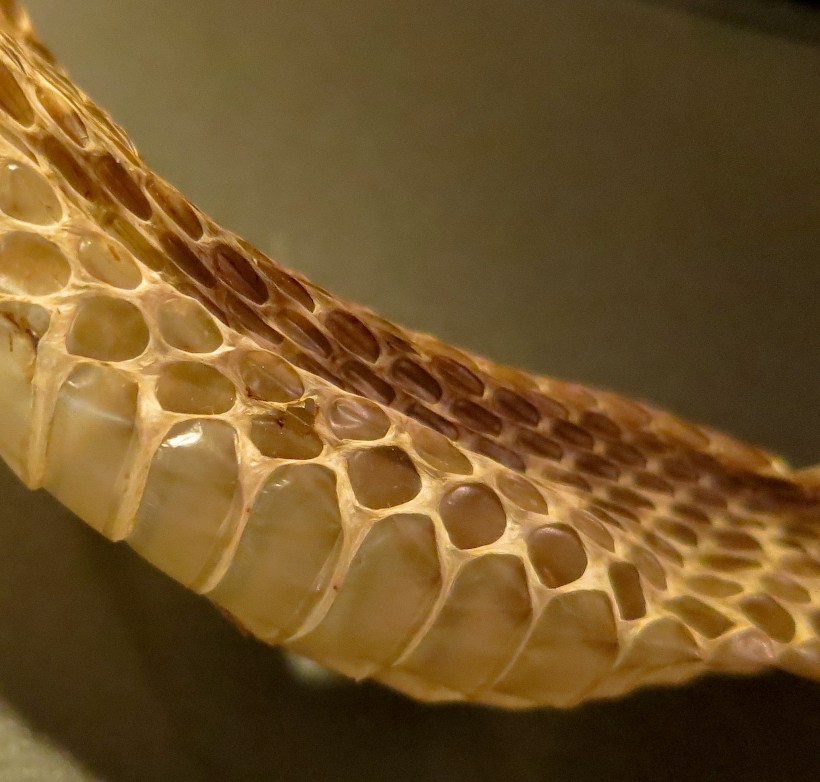
a wriggled-free fresh snakeskin,
almost covered by my fresh load~
lay blended with old hay, horse hair, shavings,
tucked among what is already digested,
dumped and discarded.
This, an intact hollowed shadow
of a still living creature
who has moved on:
I too need to leave my old self
shrugged off onto the manure pile,
shed when it no longer fits
the ways I’ve grown hallowed,
a fitting remembrance of
who I once was,
yet left behind.
snakeskin1
snakeskinintact
snakeskin5
snakeskin2
snakeskin4

The Scars of Living and Dying

springboardtrunk

woods29

Scars come in various sizes and shapes, some hidden, some quite obvious to all.  How they are inflicted also varies–some accidental, others therapeutic, and too many intentional.  The most insidious are the ones so deep inside,  no one can see or know they are there.

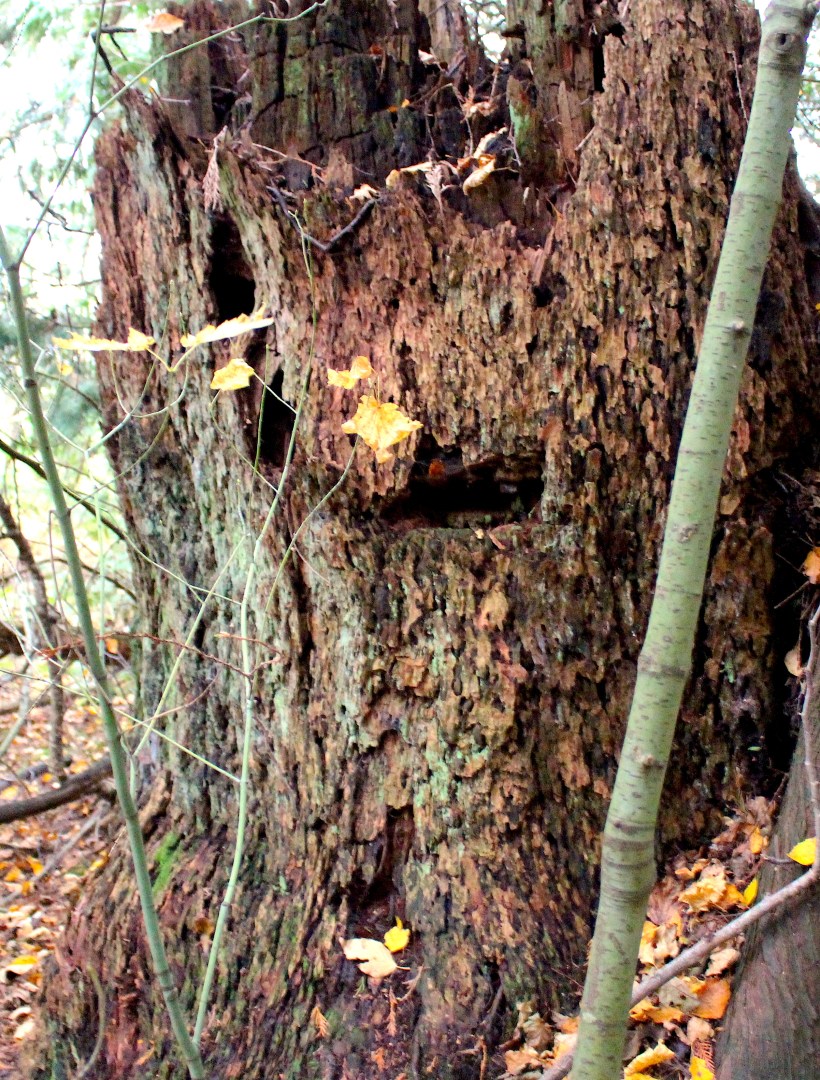
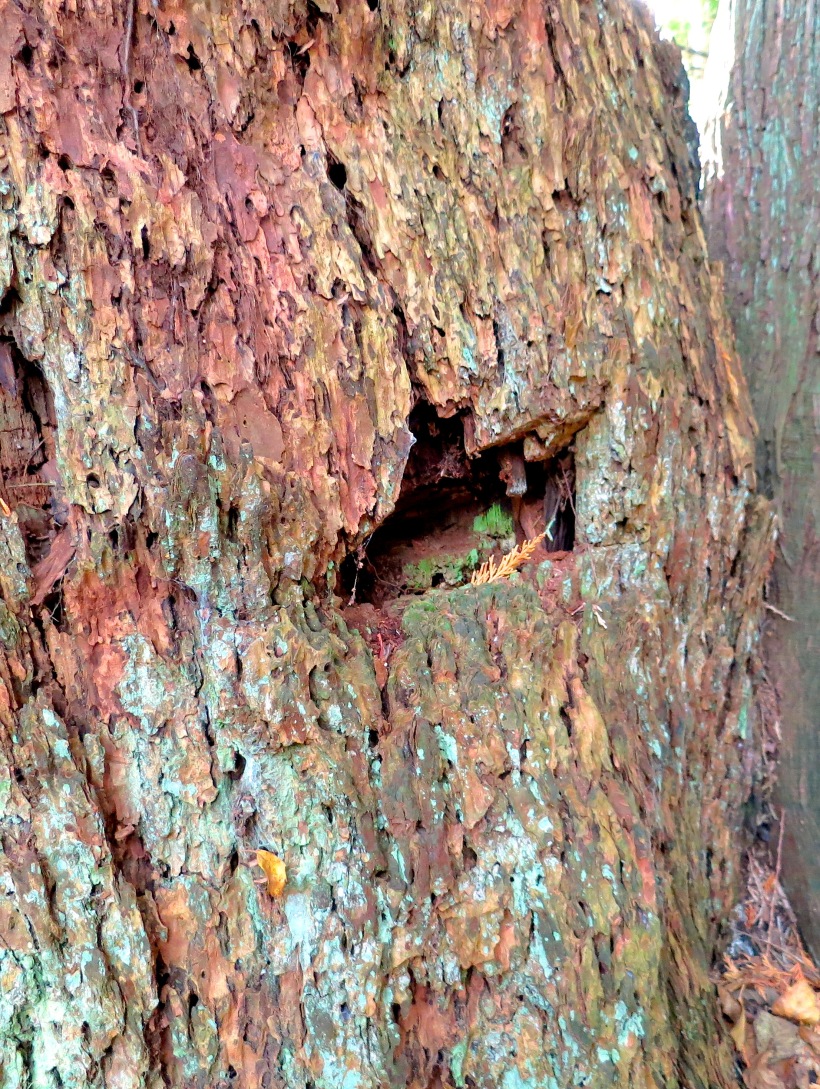
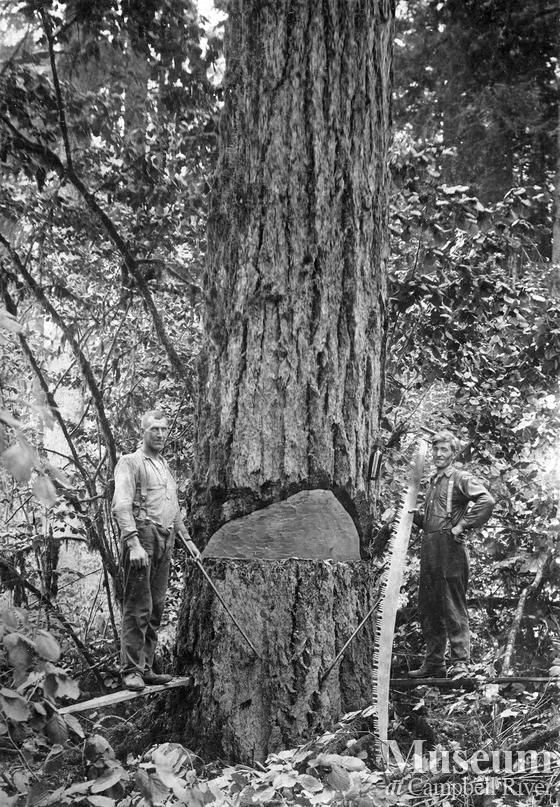
Back in our woodlot stands a sawed off stump of a cedar that was old growth in virgin forest over a hundred years ago.  One day the clearcut loggers came through our part of this rural county and took every tree they could to haul to the local sawmills to become beams and lumber for the growing homesteading population in the region.  This cedar once was grand and vast, covering an immense part of the forest floor, providing protection to trillium at its feet and finches’ nests and raptors hunting in its branches.   It nurtured its environment until other plans were made, and one day, axes fell on its sides to cut out the notches for the springboards where two loggers stood to man the saw which brought the tree down.  Where the wood went is anyone’s guess.  It could be one of the mighty beams supporting our old hay barn roof or it could have become the foundation flooring of a nearby one room school house.  It surely had a productive and meaningful life as part of a structure somewhere until rot or carpenter ants or fire brought it once again to its knees.

But the stump remains, a tombstone of remembrance of a once grand tree, the notch scars embedded deep in its sides, nursing new seedlings from its center and moss, lichen and ferns from its sides.

I come from logger stock so I don’t begrudge these frontier settlers their hard scrabble living, nor minimize their dangerous work in order to feed themselves and their families.  It’s just I’m struck by those scars even one hundred years later — such a visible reminder of what once was a vital living organism toppled for someone’s need and convenience.

Trees are not unique.  It happens to people too.  Everyday scars are inflicted for reasons hard to justify.  Too often I see them self-inflicted in an effort to feel something other than despair.  Sometimes they are inflicted by others out of fear or need for control.

Sometimes they are simply the scars of living, wounds accumulated along the pathway we tread, often to letting in Light where there was none before.

None of them are as deep and wide as the scars that were accepted on our behalf, nor as wondrous as the love that oozed from them, nor as amazing as the grace that abounds to this day because of the promise spelled out by them.  These are scars from the Word made Flesh.

As a result, that Tree lives.


woods14

59457784c7cff903c0d91dcc2c8670b8
loggers standing on springboards wedged into a large fir (courtesy of Campbell River Museum, British Columbia)

Handing the Medical Chart Back to the Patient

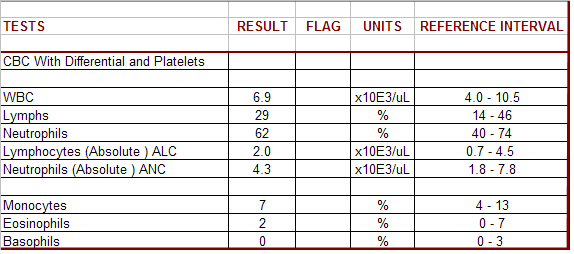
CBC-lymphocytes-report

Seventy years ago my maternal grandmother, having experienced months of fatigue, abdominal discomfort and weight loss, underwent exploratory abdominal surgery, the only truly diagnostic tool available at the time. One brief look by the surgeon told him everything he needed to know: her liver and omentum were riddled with tumor, clearly advanced, with the primary source unknown and ultimately unimportant.  He quickly closed her up and went to speak with her family–my grandfather, uncle and mother.  He told them there was no hope and no treatment, to take her back home to their rural wheat farm in the Palouse country of Eastern Washington and allow her to resume what activities she could with the time she had left.  He said she had only a few months to live, and he recommended that they simply tell her that no cause was found for her symptoms.

So that is exactly what they did.  It was standard practice at the time that an unfortunate diagnosis be kept secret from terminally ill patients, assuming the patient, if told, would simply despair and lose hope.  My grandmother was gone within a few weeks, growing weaker and weaker to the point of needing rehospitalization prior to her death.  She never was told what was wrong and,  more astonishing, she never asked.

But surely she knew deep in her heart.  She must have experienced some overwhelmingly dark moments of pain and anxiety, never hearing the truth so that she could talk about it with her physician and those she loved.  But the conceit of the medical profession at the time, and indeed, for the next 20-30 years, was that the patient did not need to know, and indeed could be harmed by information about their illness.  We modern more enlightened health care professionals know better.  We know that our physician predecessors were avoiding uncomfortable conversations by exercising the “the patient doesn’t need to know and the doctor knows better” mandate.  The physician had complete control of the health care information–the details of the physical exam, the labs, the xray results, the surgical biopsy results–and the patient and family’s duty was to follow the physician’s dictates and instructions, with no questions asked.

Even during my medical training in the seventies, there was still a whiff of conceit about “the patient doesn’t need to know the details.”   During rounds, the attending physician would discuss diseases right across the hospital bed over the head of the afflicted patient, who would often worriedly glance back and worth at the impassive faces of the intently listening medical student, intern and resident team.   There would be the attending’s brief pat on the patient’s shoulder at the end of the discussion when he would say, “someone will be back to explain all this to you.” But of course, none of us really wanted to and rarely did.

Eventually I did learn how important it was to the patient that we provide that information. I remember one patient who spoke little English, a Chinese mother of three in her thirties, who grabbed my hand as I turned to leave with my team, and looked me in the eye with a desperation I have never forgotten.   She knew enough English to understand that what the attending had just said was that there was no treatment to cure her and she only had weeks to live.  Her previously undiagnosed pancreatic cancer had caused a painless jaundice resulting in her hospitalization and the surgeon had determined she was not a candidate for a Whipple procedure.  When I returned to sit with her and her husband to talk about her prognosis, I laid it all out for them as clearly as I could.  She thanked me, gripping my hands with her tear soaked fingers.  She was so grateful to know what she was dealing with so she could make her plans, in her own way.

Thirty years into my practice of medicine,  I now spend a significant part of my patient care time in providing information that helps the patient make plans, in their own way.  I figure everything I know needs to be shared with the patient, in real time as much as possible, with all the options and possibilities spelled out.  That means extra work, to be sure,  and I spend extra time on patient care after hours more than ever before in my efforts to communicate with my patients.  Every electronic medical record chart note I write is sent online to the patient via a secure password protected web portal, usually from the exam room as I talk with the patient.  Patient education materials are attached to the progress note so the patient has very specific descriptions, instructions and further web links to learn more about the diagnosis and my recommended treatment plan.  If the diagnosis is uncertain, then the differential is shared with the patient electronically so they know what I am thinking.  The patient’s Major Problem List is on every progress note, as are their medications, dosages and allergies, what health maintenance measures are coming due or overdue,  in addition to their “risk list” of alcohol overuse, recreational drug use, poor eating habits and tobacco history.  Everything is there, warts and all, and nothing is held back from their scrutiny.

Within a few hours of their clinic visit, they receive their actual lab work and copies of imaging studies electronically, accompanied by an interpretation and my recommendations.  No more “you’ll hear from us only if it is abnormal” or  “it may be next week until you hear anything”.   We all know how quickly most lab and imaging results, as well as pathology results are available to us as providers, and our patients deserve the courtesy of knowing as soon as we do, and now regulations insist that we share the results.   Waiting for results is one of the most agonizing times a patient can experience.   If it is something serious that necessitates a direct conversation, I call the patient just as I’ve always done.  When I send electronic information to my patients,  I solicit their questions, worries and concerns by return message.  All of this electronic interchange between myself and my patient is recorded directly into the patient chart automatically, without the duplicative effort of having to summarize from phone calls.

In this new kind of health care team, the patient has become a true partner in their illness management and health maintenance because they now have the information to deal with the diagnosis and treatment plan.  I don’t ever hear “oh, don’t bother me with the details, just tell me what you’re going to do.”   I have never felt more empowered as a healer when I now can share everything I have available, as it becomes available.  My patients are empowered in their pursuit of well-being, whether living with chronic illness, or recovering from acute illness.  No more secrets.  No more power differential.  No more “I know best.”

After all, it is my patient’s life I am impacting by providing them unrestricted access to the self-knowledge that leads them to a better appreciation for their health and and understanding of their illnesses.

And so I am impacted as well, as it is a privilege to live and work in an age where such a doctor~patient relationship has now become possible.

Catching Fire

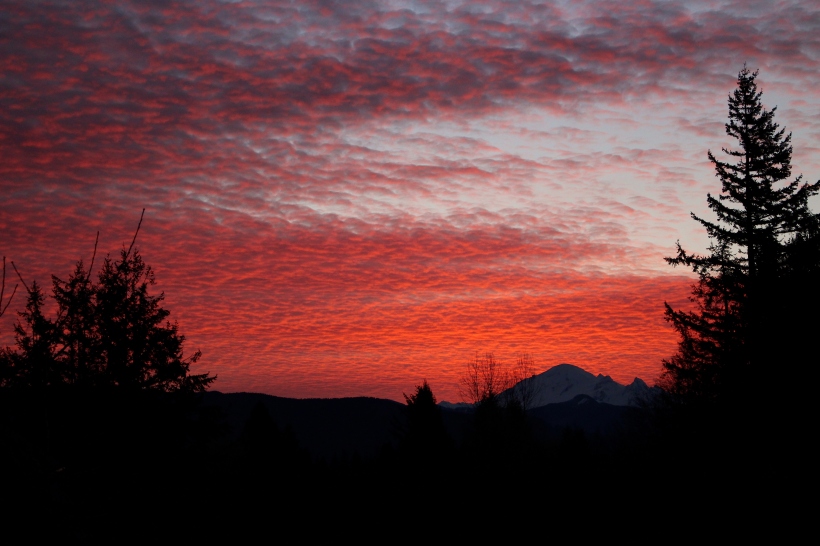
sunsetburningbush

Unless the eye catch fire,
Then God will not be seen.
Unless the ear catch fire
Then God will not be heard.
Unless the tongue catch fire
Then God will not be named.
Unless the heart catch fire,
Then God will not be loved.
Unless the mind catch fire,
Then God will not be known.
~William Blake from “Pentecost”

sunrise222152

I said to my soul, be still, and wait without hope
For hope would be hope for the wrong thing; wait without love,
For love would be love of the wrong thing; there is yet faith
But the faith and the love and the hope are all in the waiting.
Wait without thought, for you are not ready for thought:
So the darkness shall be the light, and the stillness the dancing.
Whisper of running streams, and winter lightning.
The wild thyme unseen and the wild strawberry,
The laughter in the garden, echoed ecstasy
Not lost, but requiring, pointing to the agony
Of death and birth.

Home is where one starts from. As we grow older
the world becomes stranger, the pattern more complicated
Of dead and living. Not the intense moment
Isolated, with no before and after,
But a lifetime burning in every moment

Love is most nearly itself
When here and now cease to matter.
~T.S. Eliot from “East Coker”

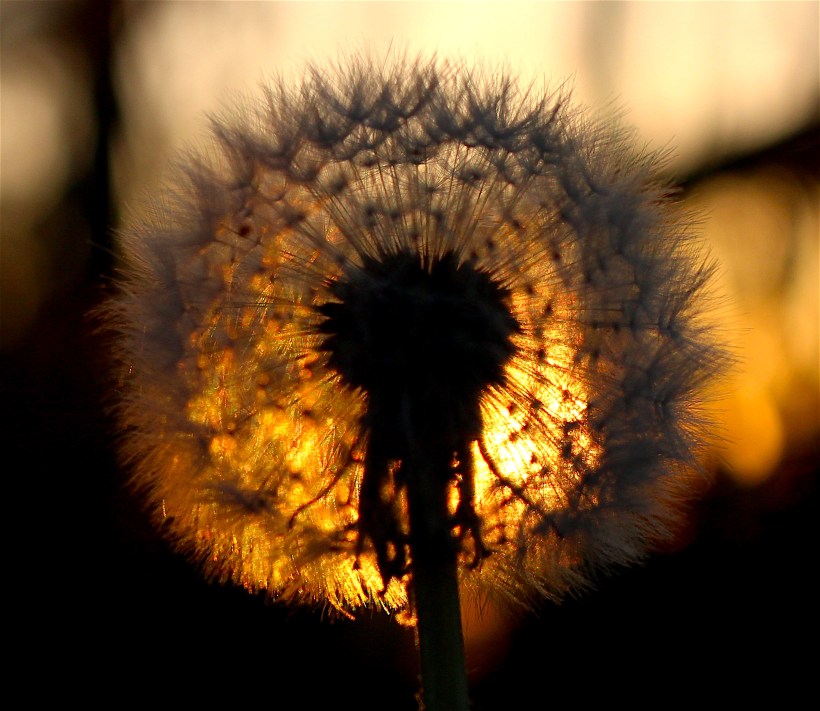
dandysunset51162


Today, when we feel we are without hope,
when faith feels frail,
when love seems distant,
we wait, stilled,
for the moment we are lit afire~
when the Living God is
seen, heard, named, loved, known,
forever burning in our hearts
in this moment
and a lifetime.
Here and now ceases to matter.~EPG

puffsunset3


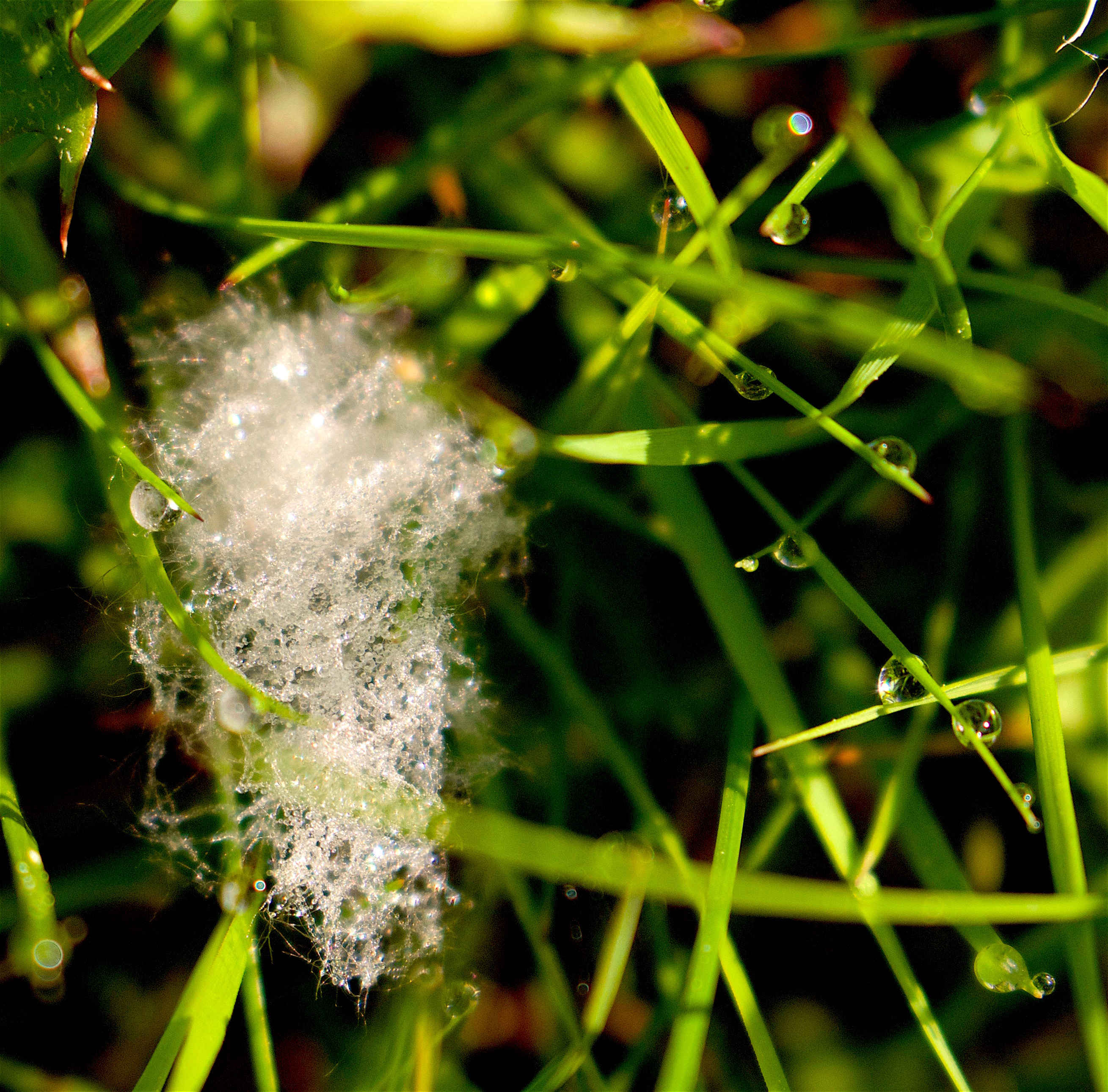
A Fling of Slim Thread

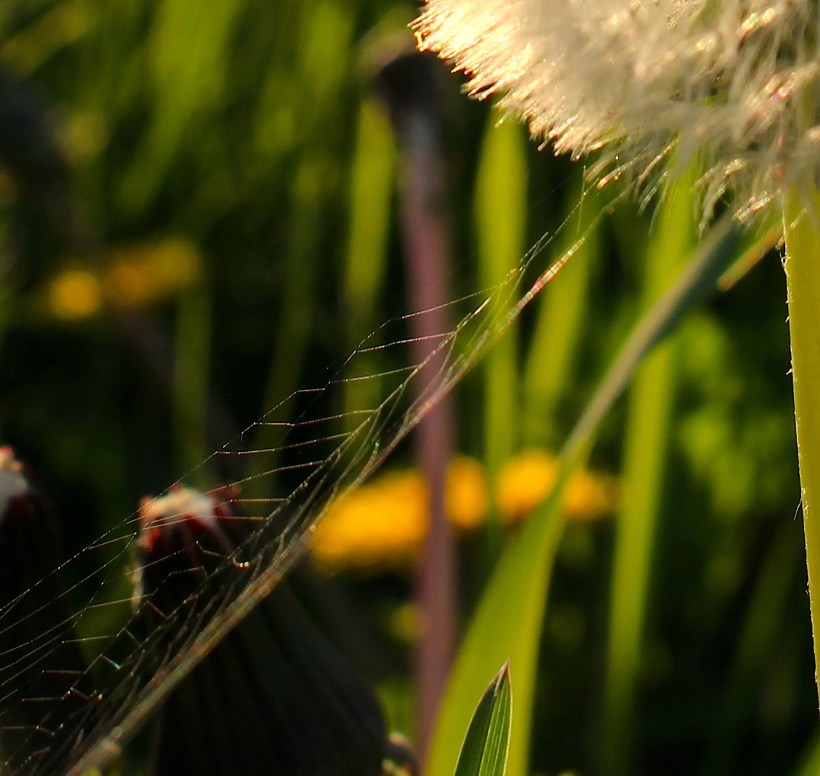
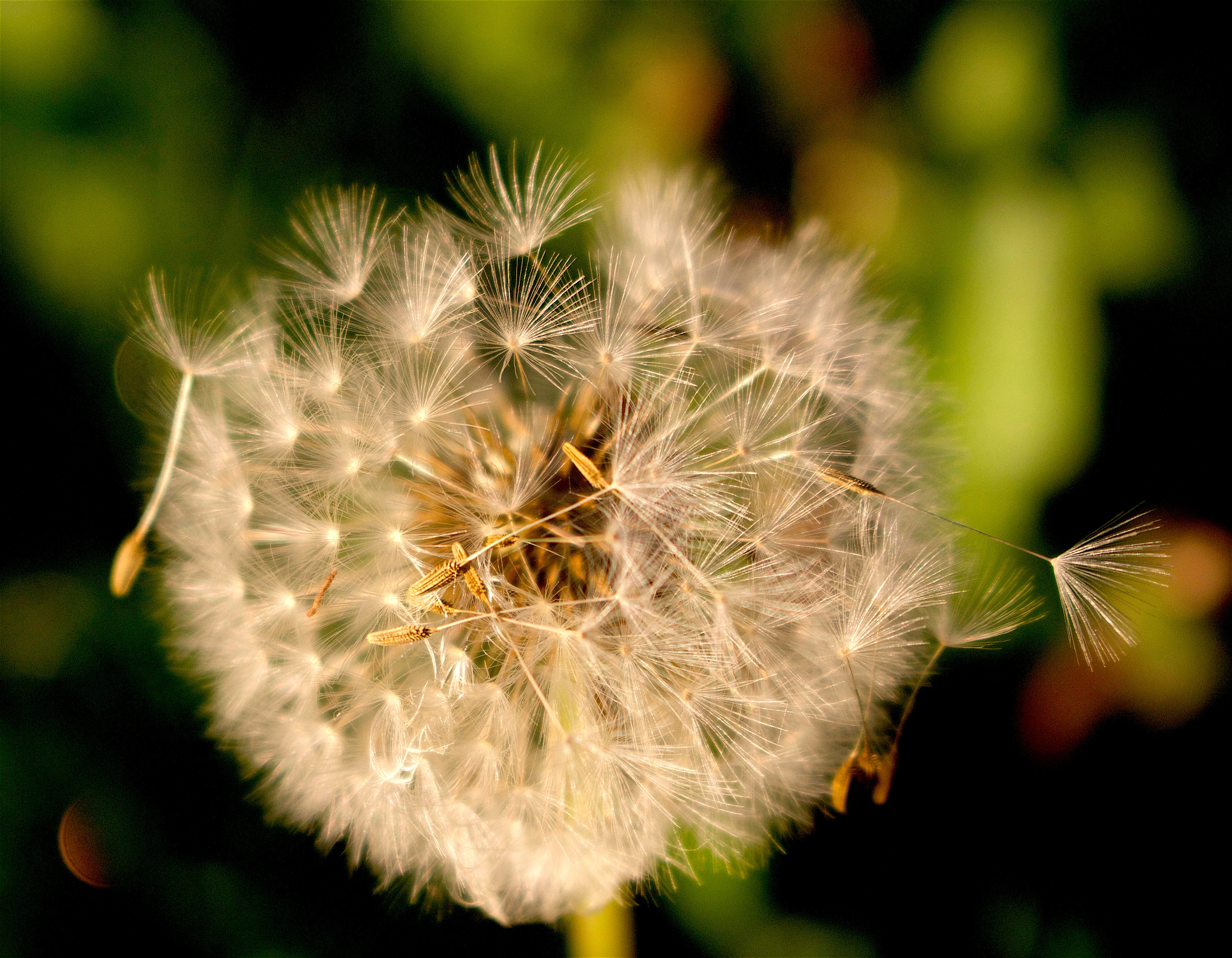
dandyweb

Perhaps imagination’s only a fling
of slim thread, so that Mind can walk
its own tightrope, also the heart—
in Chinese the word for mind
and the word for heart is the same.
~Margaret Gibson from “Middle Distance, Morning”

webleash

Till the bridge you will need be form’d, till the ductile anchor hold,
Till the gossamer thread you fling catch somewhere, O my soul.
~Walt Whitman from “A Noiseless Patient Spider”

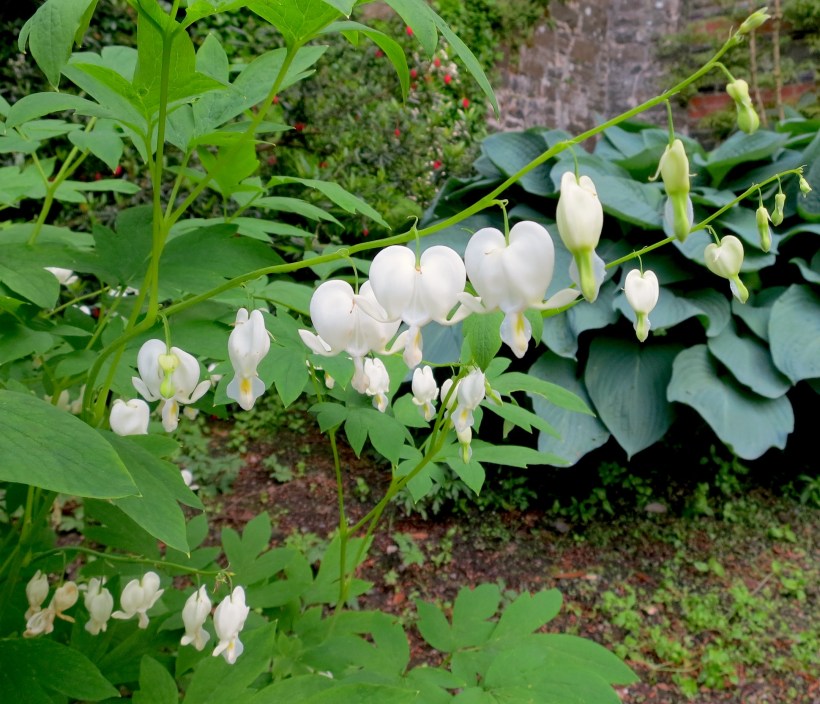
whitehearts

sunset51116

The spider, dropping down from twig,
Unfolds a plan of her devising,
A thin premeditated rig
To use in rising.

And all that journey down through space,
In cool descent and loyal hearted,
She spins a ladder to the place
From where she started.

Thus I, gone forth as spiders do
In spider’s web a truth discerning,
Attach one silken thread to you
For my returning.
~E.B. White “Natural History”

cottonwood

Attached in ways I can not always see
but surely feel,
I still tend to go astray,
wander afar,
lose my way,
yet the thread remains
to return me
to where I belong.
A silken umbilical cord
continues to pump
what I need to stay alive,
anchoring me,
releasing me without letting go.
My soul hangs
by this gossamer thread~
this silken connection
to eternity.
~EPG
webdesign11

dandy430165

Teardrops in Our Eyes

wwuazalea514153

wwuazalea51216

wwuazalea514156

Some things are very dear to me–
Such things as flowers bathed by rain
Or patterns traced upon the sea
Or crocuses where snow has lain . . .
The iridescence of a gem,
The moon’s cool opalescent light,
Azaleas and the scent of them,
And honeysuckles in the night.
And many sounds are also dear–
Like winds that sing among the trees
Or crickets calling from the weir
Or Negroes humming melodies.
But dearer far than all surmise

Are sudden tear-drops in your eyes
~Gwendolyn Bennett — Sonnet 2

We human beings do real harm.
History could make a stone weep.
~Marilynne Robinson–Gilead


Created with the freedom to choose our own way, we tend to opt for the path of least resistance with the highest pay back. Hey, after all, we’re human and that’s our excuse and we’re sticking to it.

No road less traveled for most of us–instead we blindly head down the superhighway of what’s best for number one, no matter what the means of transportation, what it costs to get there, how seedy the billboards or how many warning signs appear, or where the ultimate destination takes us.

History is full of the piled-high wrecking yards of demolition remnants from crashes along the way.
It’s enough to make a stone weep and so we weep aplenty.
Certainly God wept and probably still does as we are very dear to Him.

He knew what He was doing and thought it good at the time.  Perhaps it still might be.


wwuazalea514158
yellowazalea
variegatedazalea

Never Full Enough

sunset251116

God empties himself
into the earth like a cloud.
God takes the substance, contours
of a man, and keeps them,
dying, rising, walking,
and still walking
wherever there is motion.
~Annie Dillard from “Feast Days”

marshmallows51116

And the days are not full enough
And the nights are not full enough
And life slips by like a field mouse
      Not shaking the grass
~Ezra Pound

cottonwood1

What happens when people open their hearts? They get better.
~Haruki Murakami from Norwegian Wood

irisrain513158

I yearn
to be filled,
thirsting and hungry
day and night;
all that satisfies
is within reach,
offered up
by an emptying God
if only I open up,
no longer content
being hollow.
~EPG

dandy430163

scattered

irisinnard

rainbow51116