Spines at the Ready

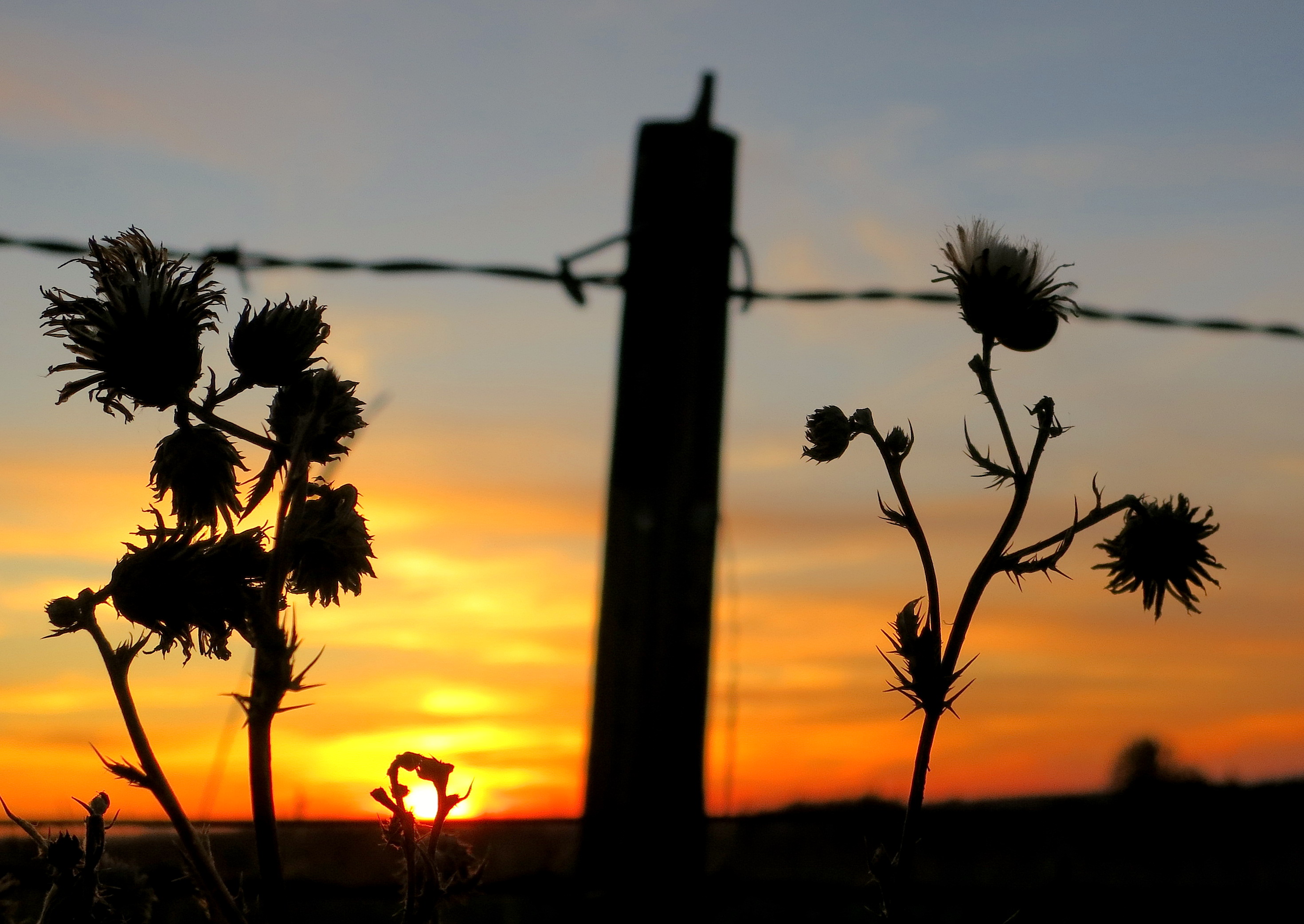
Sheep will not eat it
nor horses nor cattle
unless they are starving.
Unchecked, it will sprawl over
pasture and meadow
choking the sweet grass
defeating the clover
until you are driven
to take arms against it
but if unthinking
you grasp it barehanded
you will need tweezers
to pick out the stickers.

Outlawed in most Northern
states of the Union
still it jumps borders.
Its taproot runs deeper
than underground rivers
and once it’s been severed
by breadknife or shovel
—two popular methods
employed by the desperate—
the bits that remain will
spring up like dragons’ teeth
a field full of soldiers
their spines at the ready.

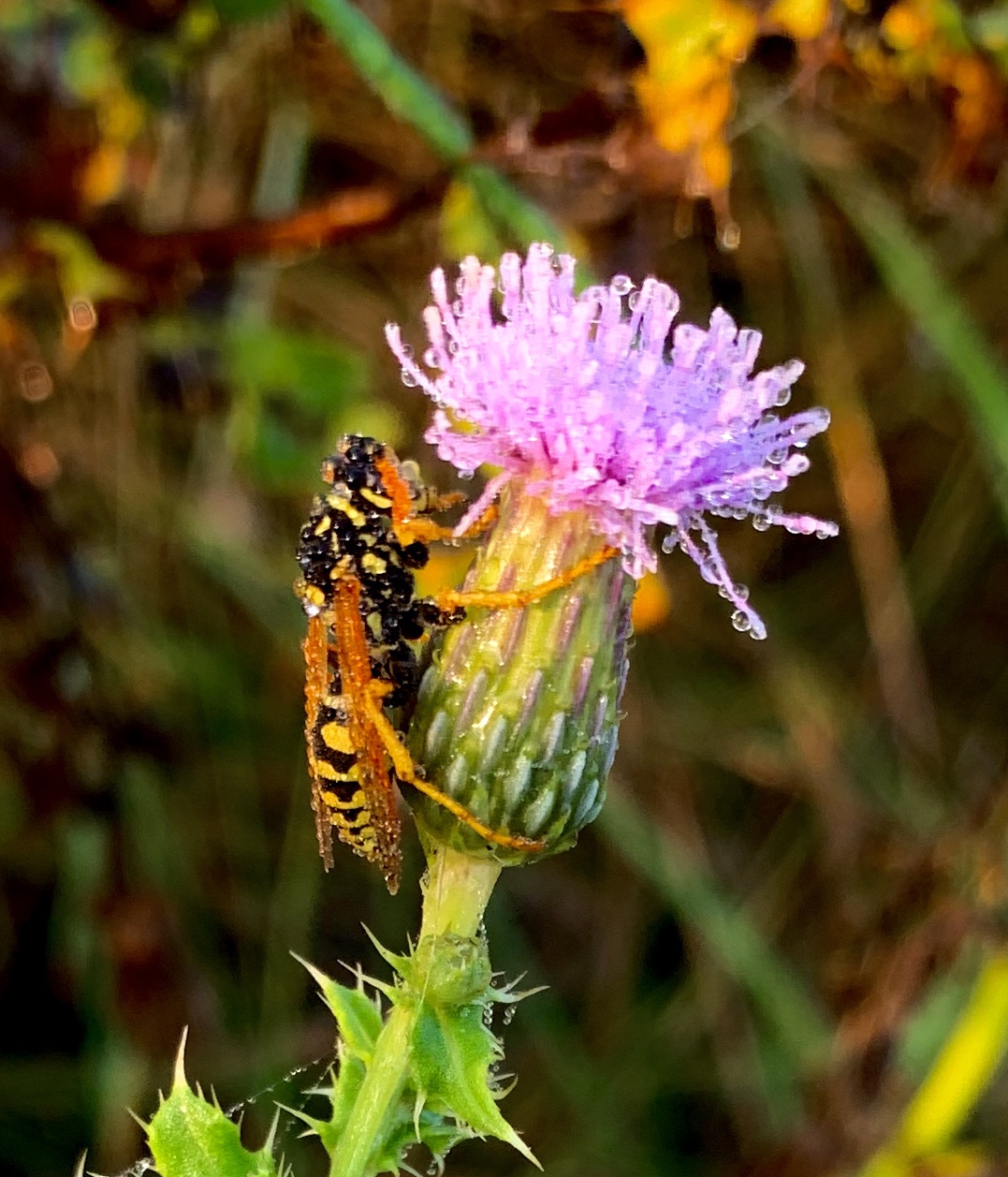
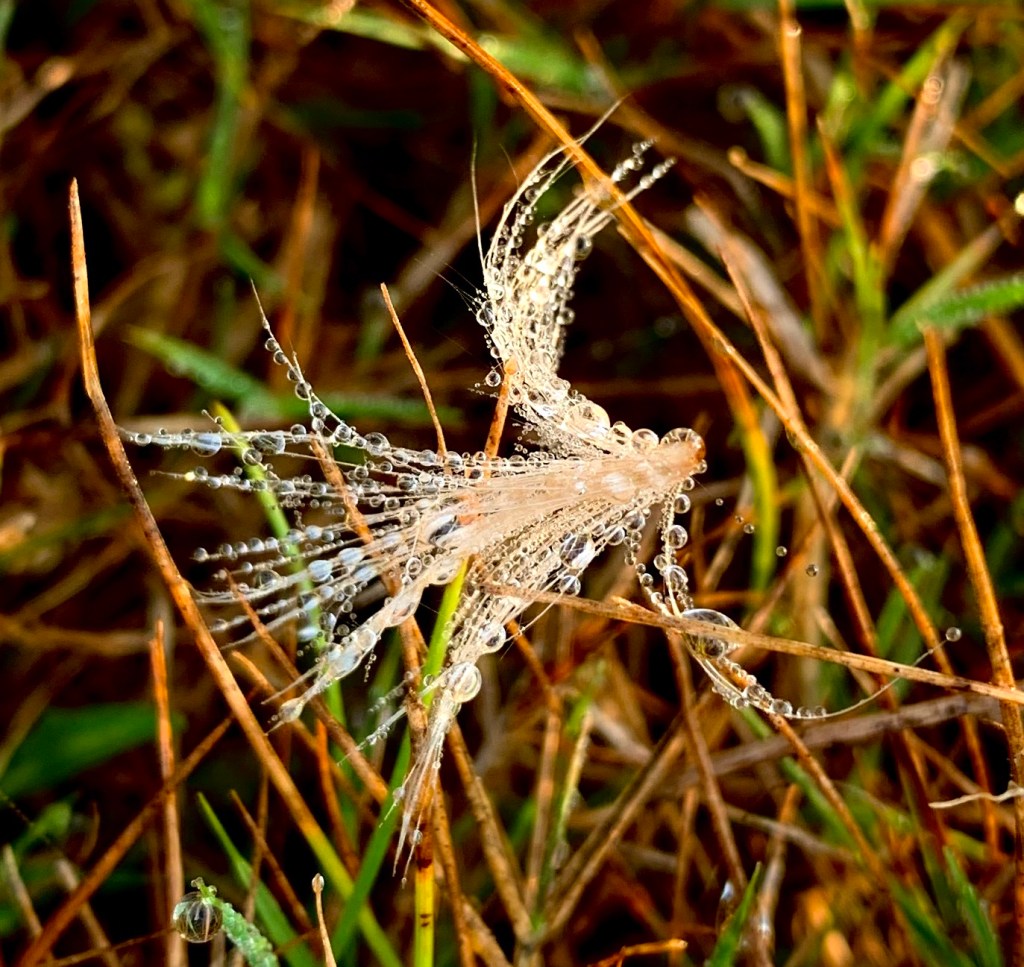
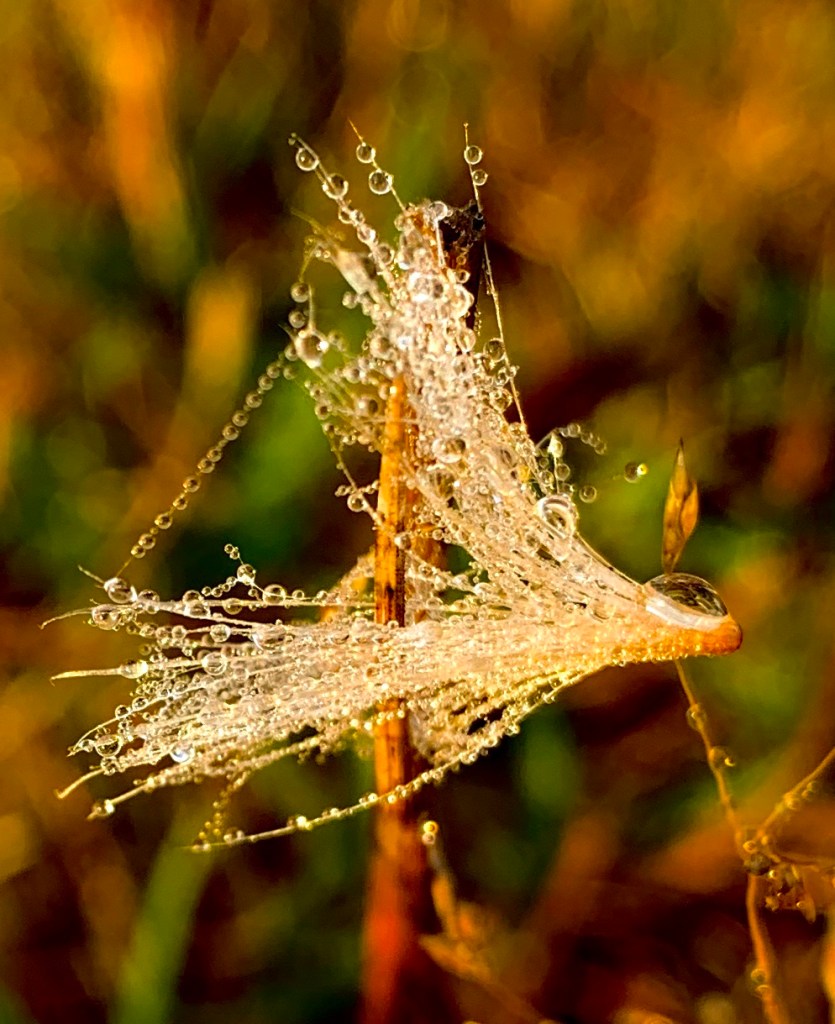
Bright little bursts of
chrome yellow explode from
the thistle in autumn
when goldfinches gorge on
the seeds of its flower.
The ones left uneaten
dry up and pop open
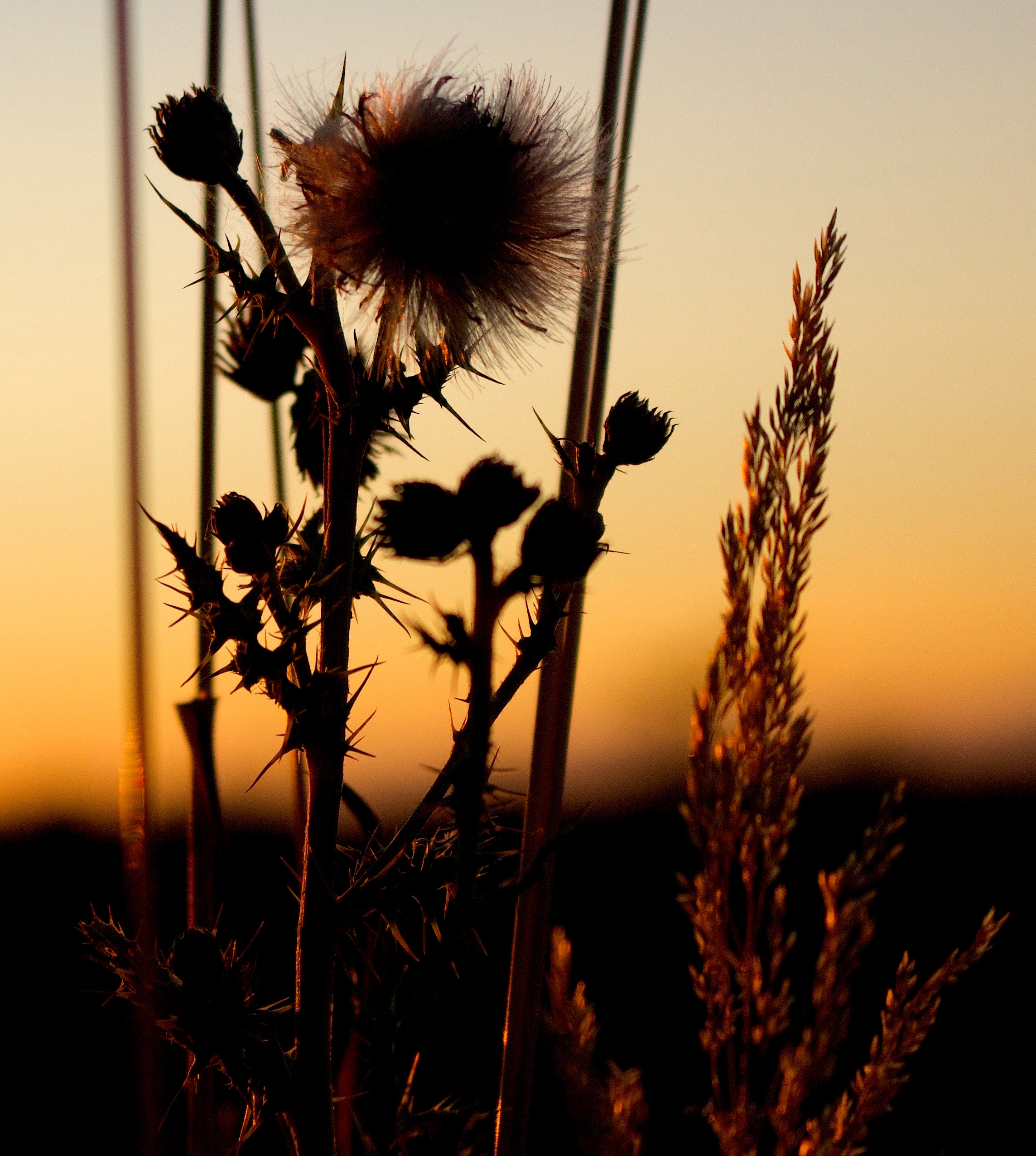
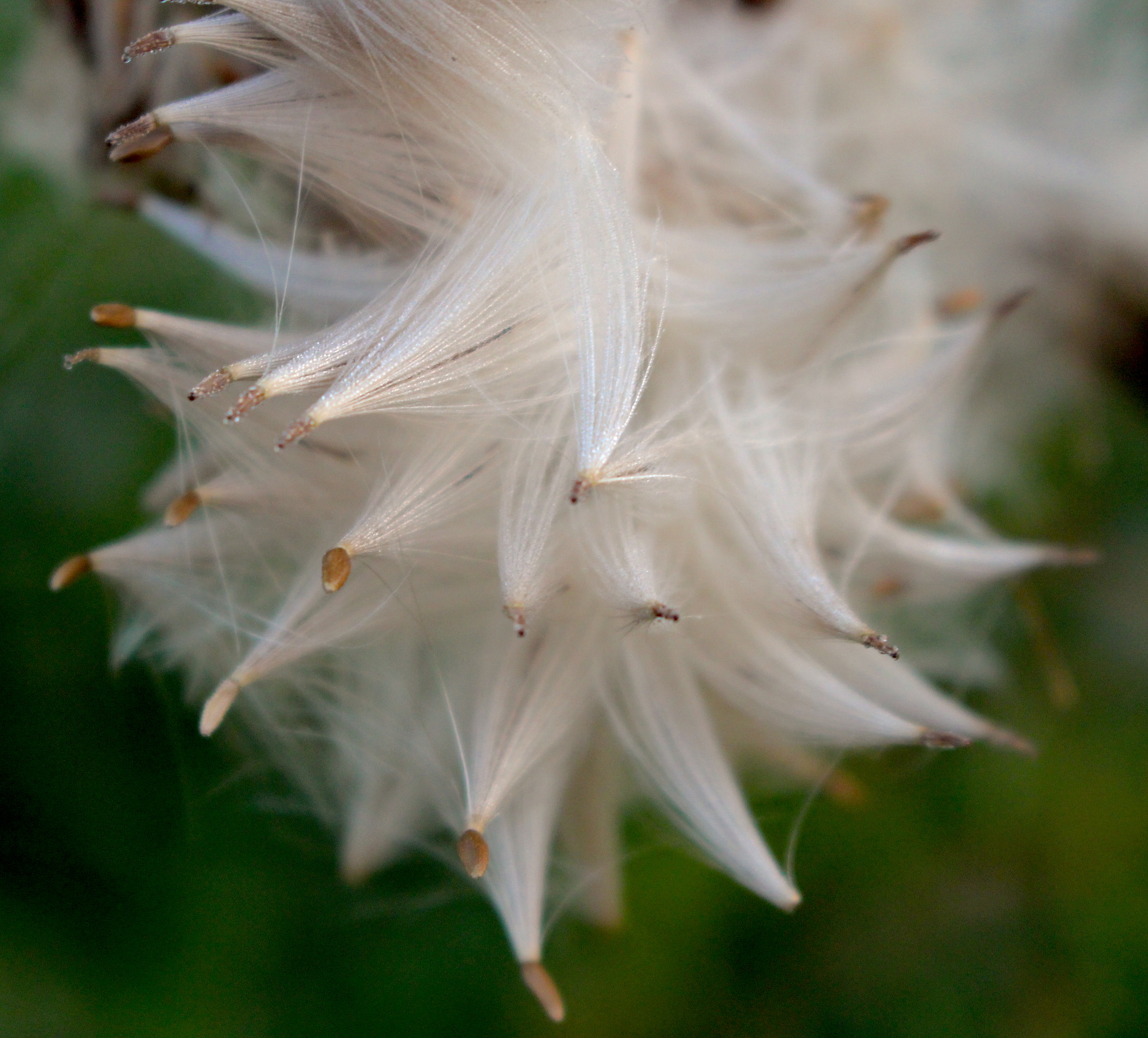
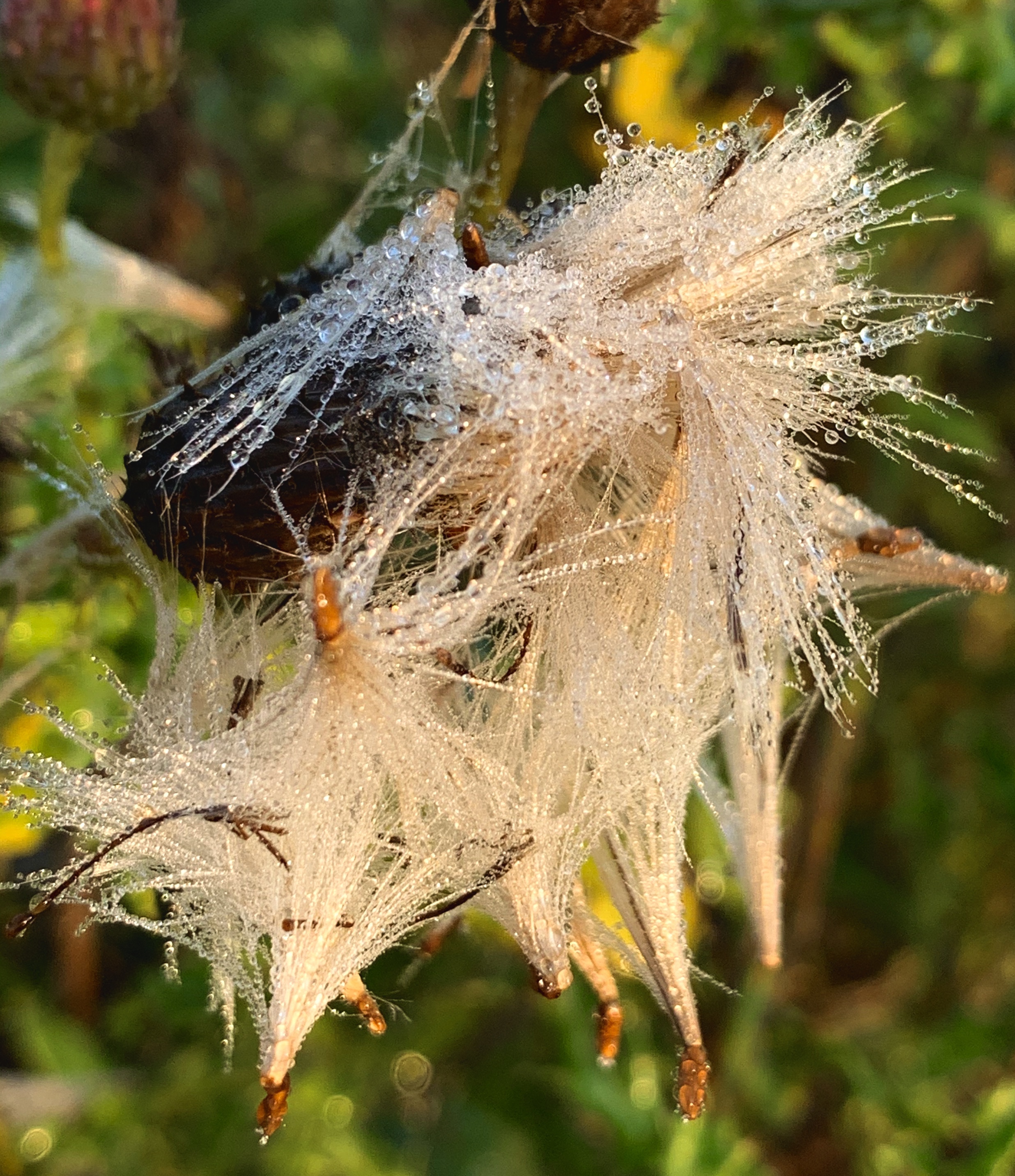
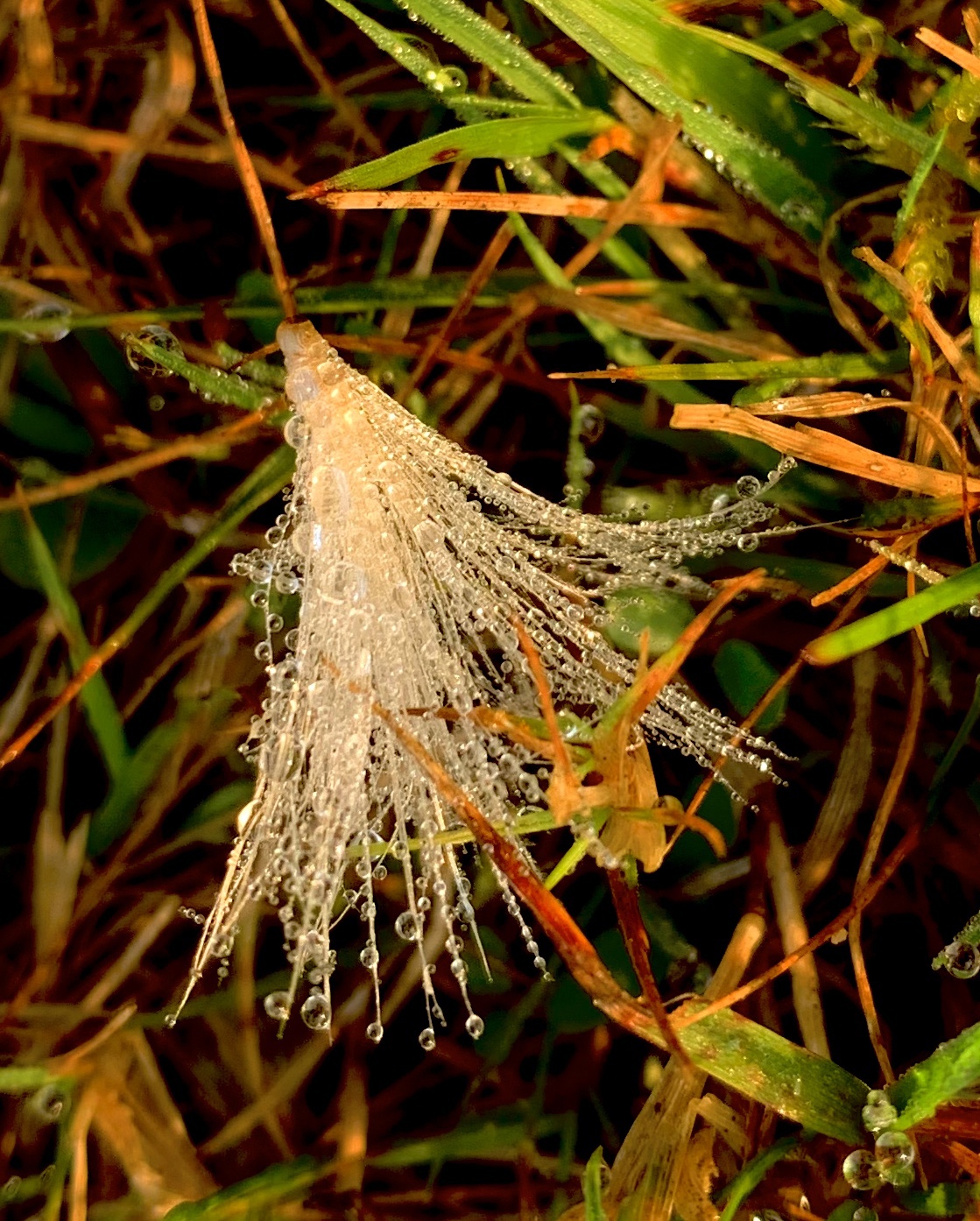
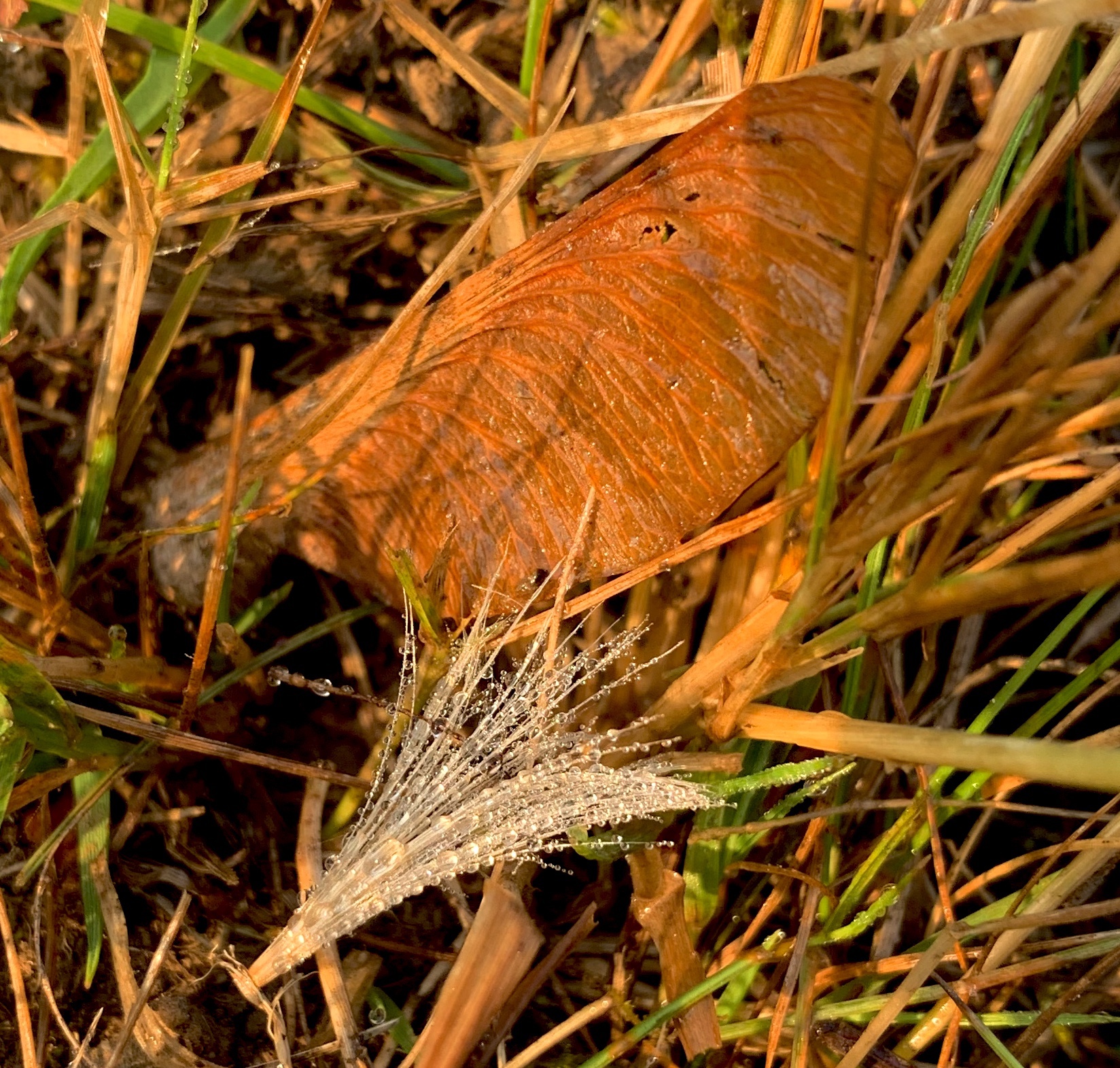
and parachutes carry
their procreant power
to disparate venues
in each hemisphere
which is why there will always
be thistle next year.
~Maxine Kumin “Why There Will Always Be Thistle” from The Long Marriage. 

Against the rubber tongues of cows and the hoeing hands of men
Thistles spike the summer air
And crackle open under a blue-black pressure.

Every one a revengeful burst
Of resurrection, a grasped fistful
Of splintered weapons and Icelandic frost thrust up

From the underground stain of a decayed Viking.
They are like pale hair and the gutturals of dialects.
Every one manages a plume of blood.

Then they grow grey, like men.
Mown down, it is a feud. Their sons appear,
Stiff with weapons, fighting back over the same ground.

~Ted Hughes “Thistles”

Reluctantly the summer goes
In a cloud of thistledown.
~Beverly Ashour from “September”

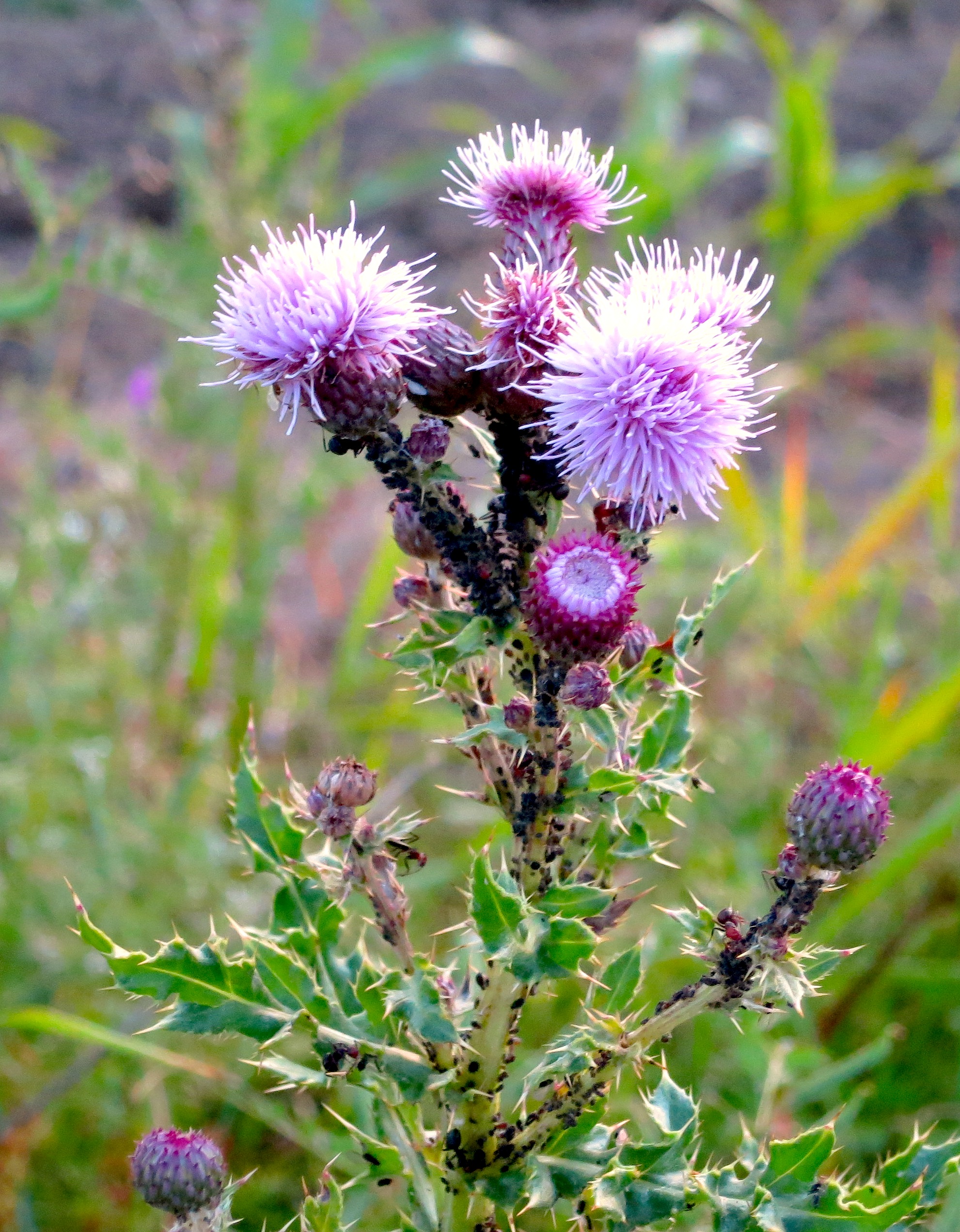
It is armored, it is deeply rooted, it is relentless.
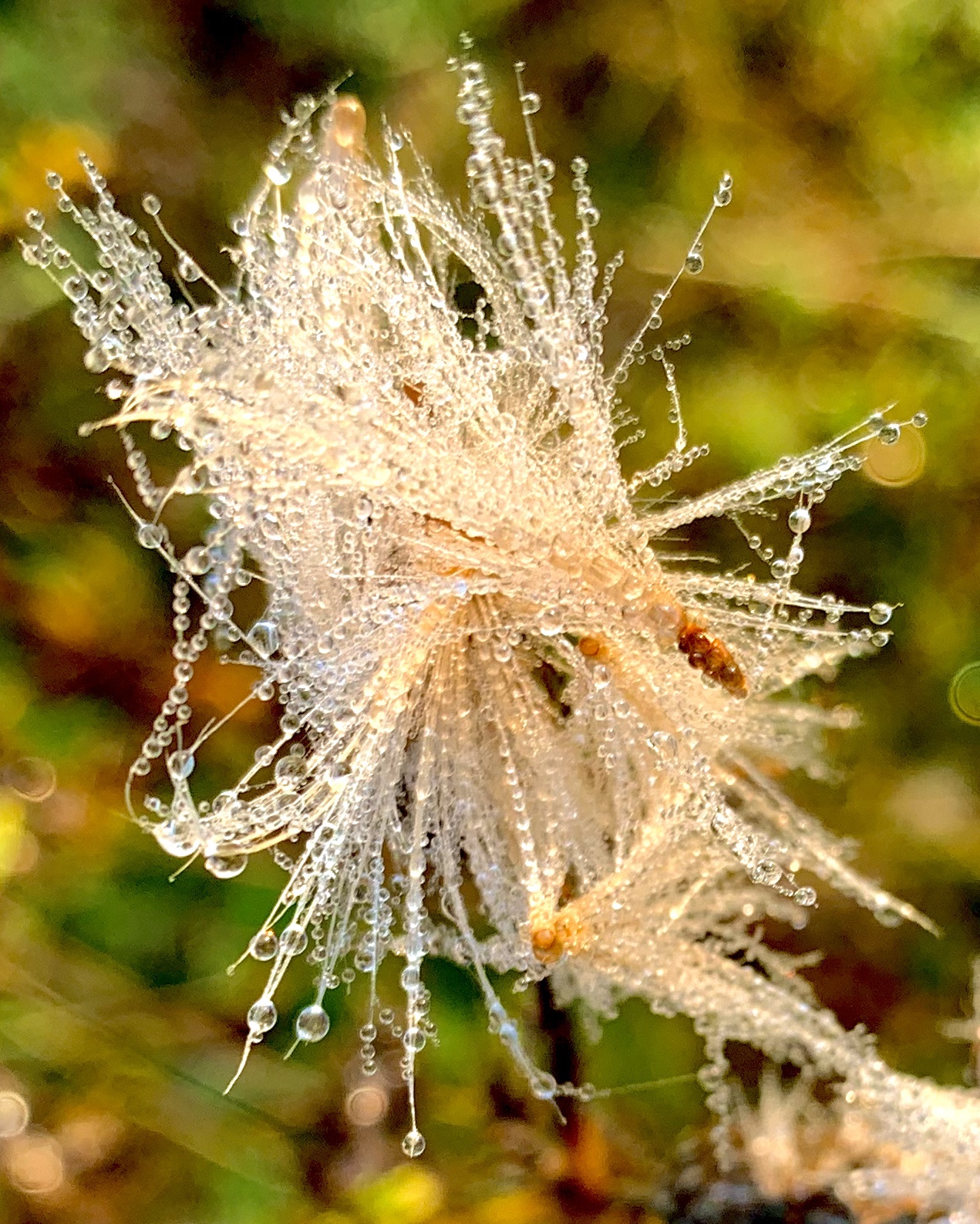
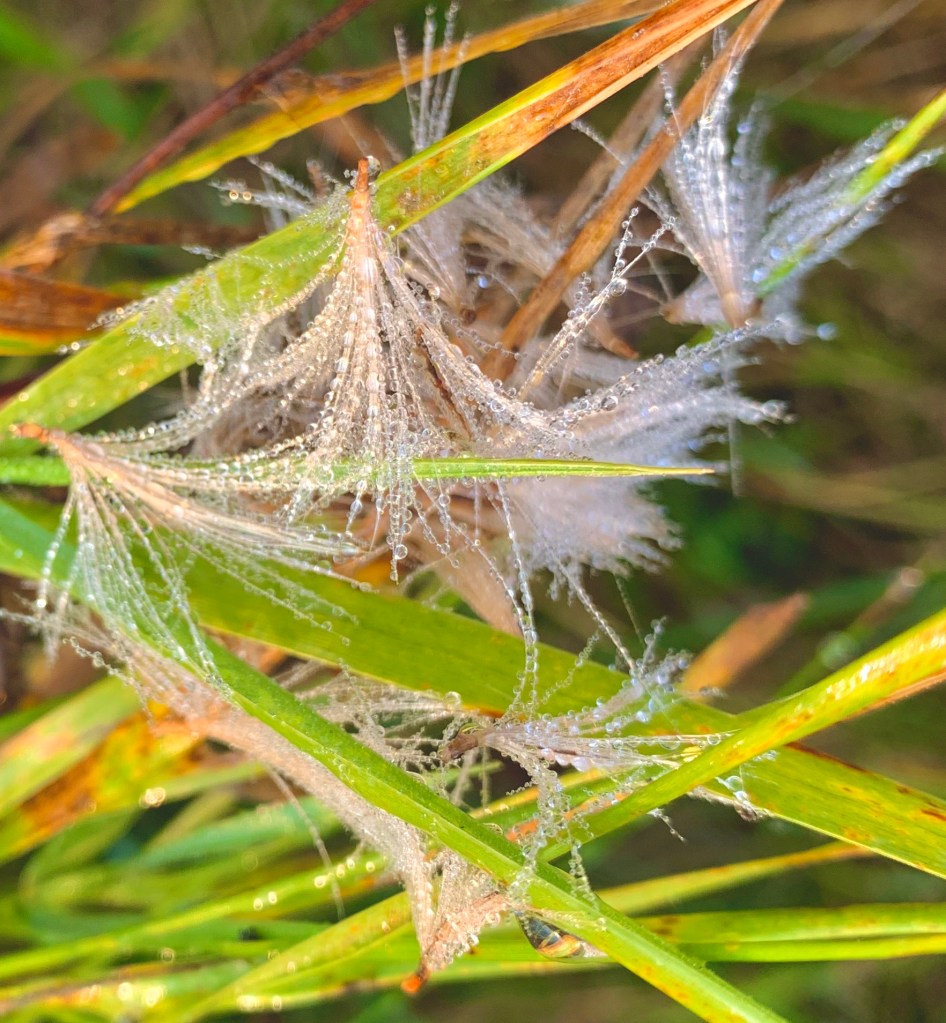
Highly ambitious, it produces downy tasty dancing seeds ready to soar far. Generation after generation of thistles persist due to this delicate ballerinas’ flight to the next horizon.

I should be strive to be as persistent, as rooted, as determined, yet as fluffy and tender under my defensive prickles and spines.

And then, may I softly dance in the journey to the next life.

We Shall All Be Changed

Cloud-puffball, torn tufts, tossed pillows | flaunt forth, then chevy on an air-
Built thoroughfare: heaven-roysterers, in gay-gangs | they throng; they glitter in marches.
Down roughcast, down dazzling whitewash, | wherever an elm arches,
Shivelights and shadowtackle ín long | lashes lace, lance, and pair.
Delightfully the bright wind boisterous | ropes, wrestles, beats earth bare
Of yestertempest’s creases; | in pool and rut peel parches
Squandering ooze to squeezed | dough, crust, dust; stanches, starches
Squadroned masks and manmarks | treadmire toil there
Footfretted in it. Million-fuelèd, | nature’s bonfire burns on.
But quench her bonniest, dearest | to her, her clearest-selvèd spark
Man, how fast his firedint, | his mark on mind, is gone!
Both are in an unfathomable, all is in an enormous dark
Drowned. O pity and indig | nation! Manshape, that shone
Sheer off, disseveral, a star, | death blots black out; nor mark
                            Is any of him at all so stark
But vastness blurs and time | beats level. Enough! the Resurrection,
A heart’s-clarion! Away grief’s gasping, | joyless days, dejection.
                            Across my foundering deck shone
A beacon, an eternal beam. | Flesh fade, and mortal trash
Fall to the residuary worm; | world’s wildfire, leave but ash:
                            In a flash, at a trumpet crash,
I am all at once what Christ is, | since he was what I am, and
This Jack, joke, poor potsherd, | patch, matchwood, immortal diamond,
                            Is immortal diamond.
~Gerard Manley Hopkins “That Nature is a Heraclitean Fire and of the Comfort of the Resurrection”

Behold, I show you a mystery;
We shall not all sleep, but we shall all be changed,
In a moment, in a twinkling of an eye;
at the last trump: for the trumpet shall sound,
and the dead shall be raised incorruptible,
and we shall be changed,
For this corruptible must put on immortality

1Corinthians 15:51-53

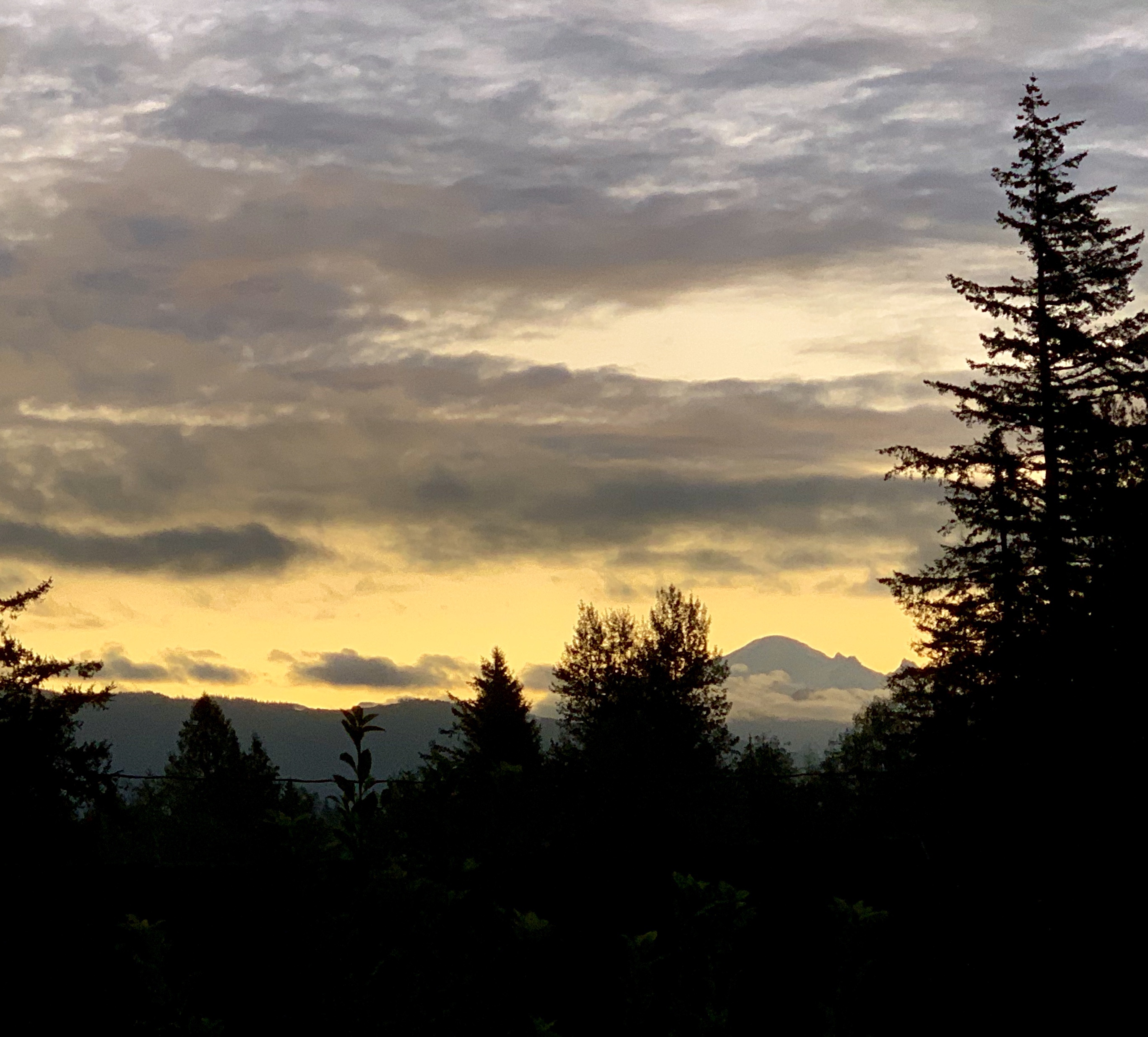
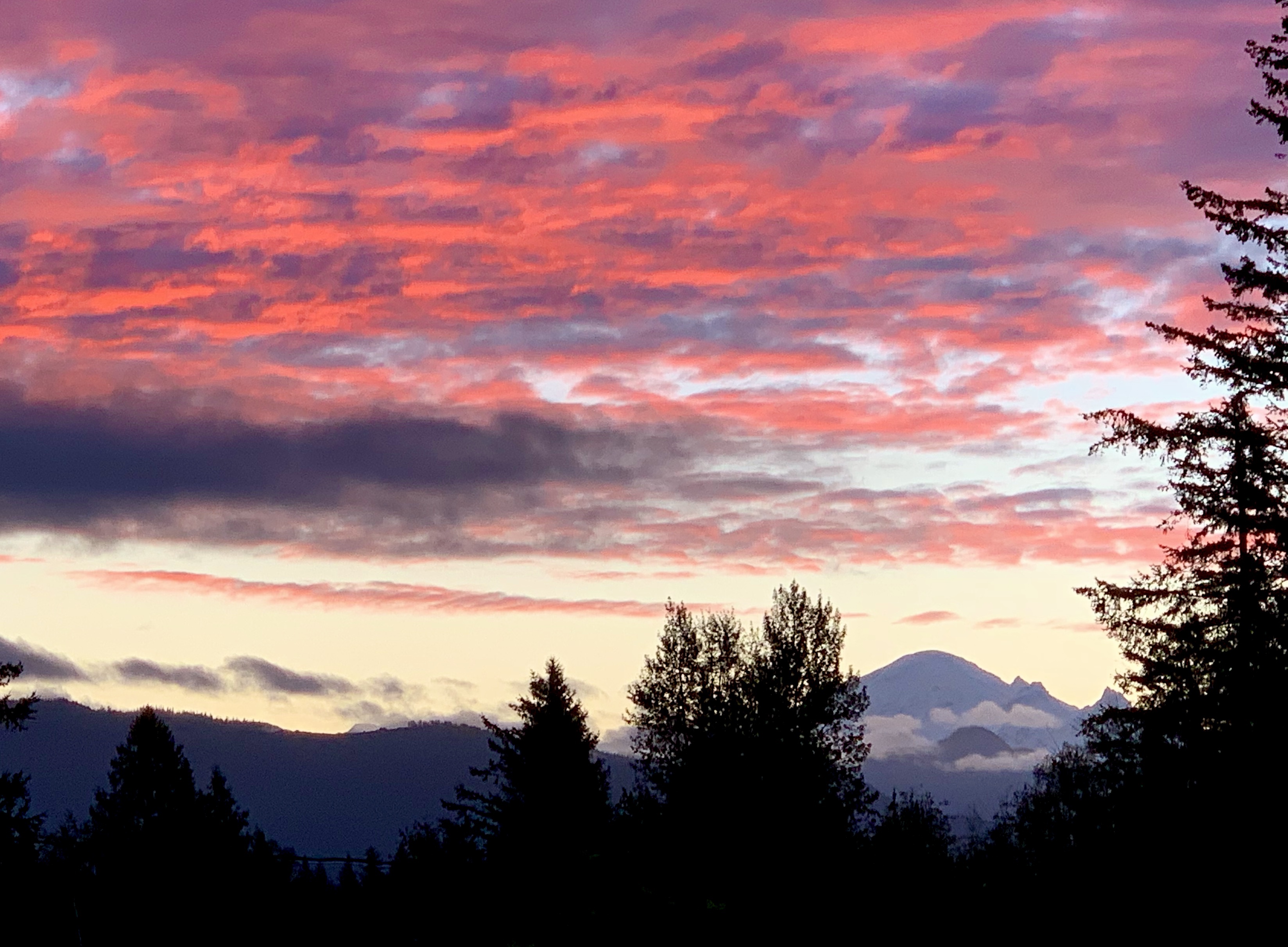
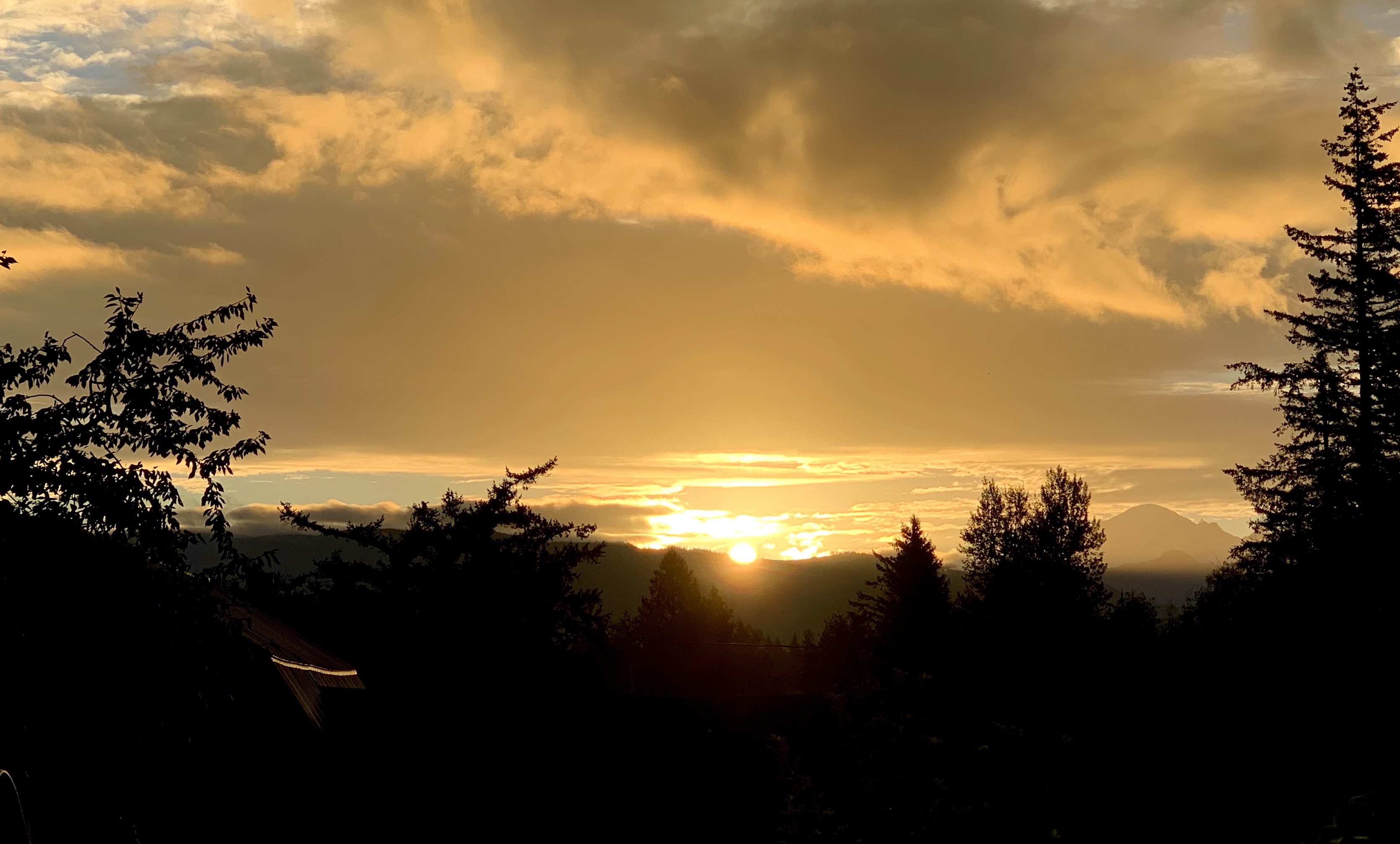
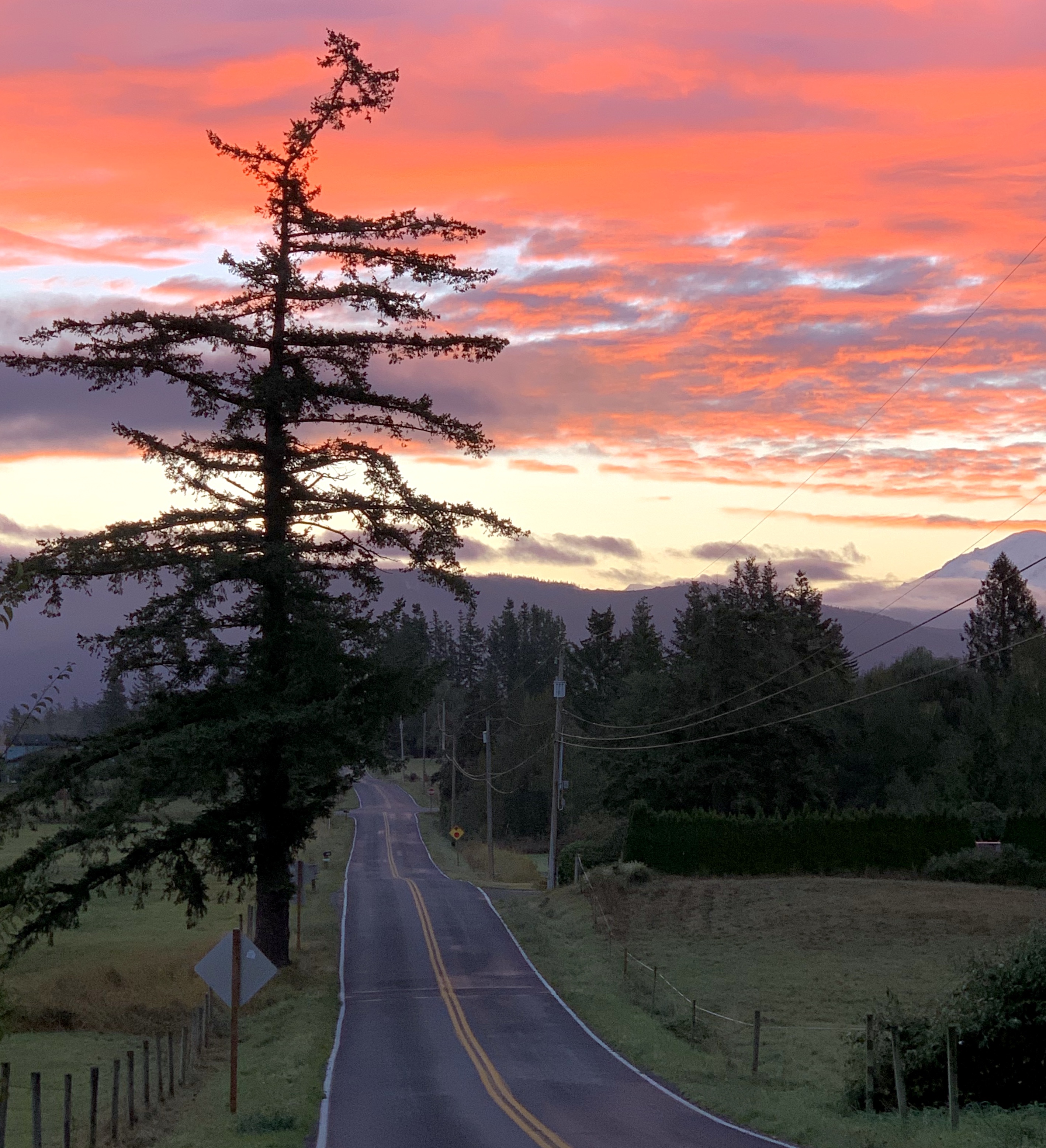
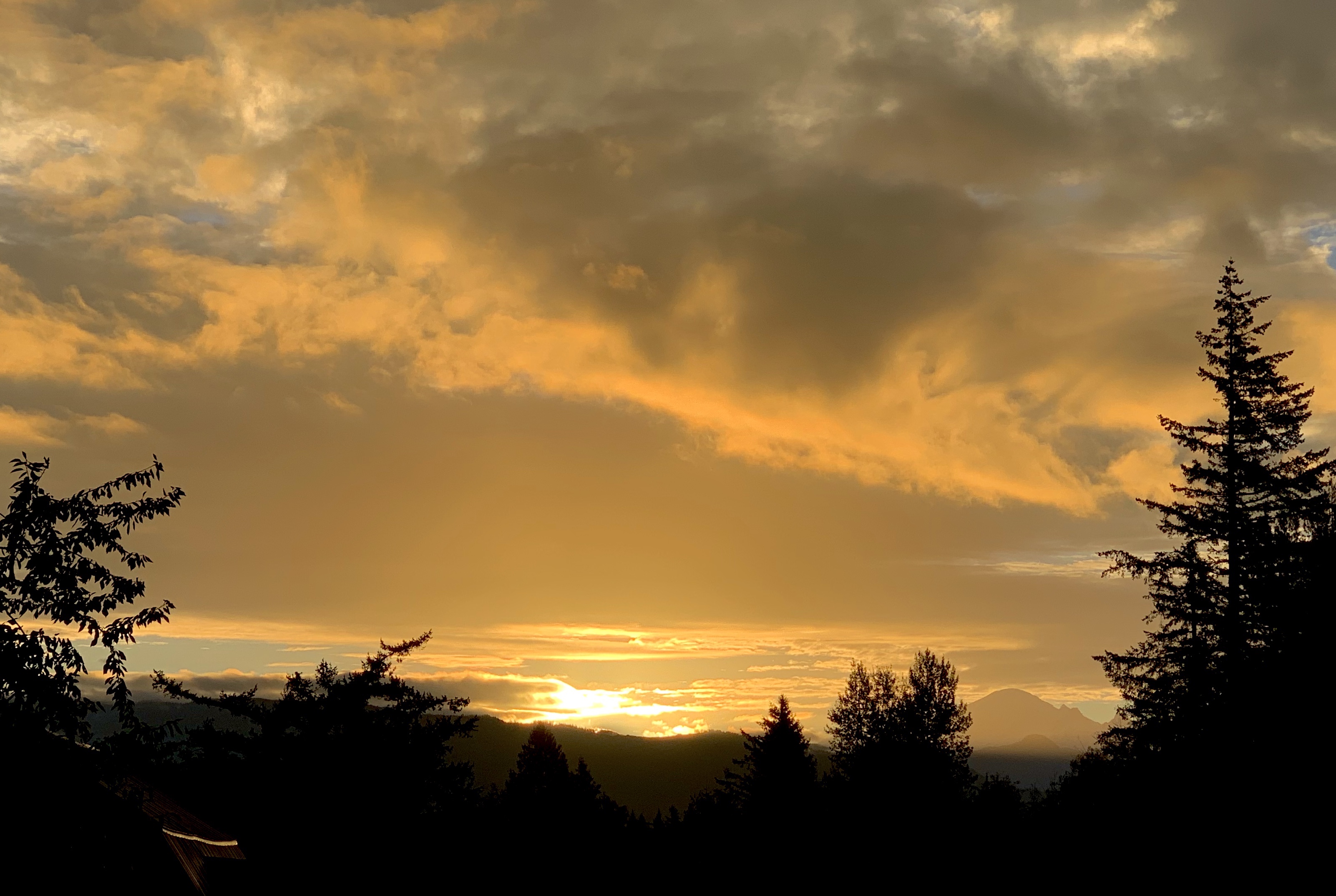
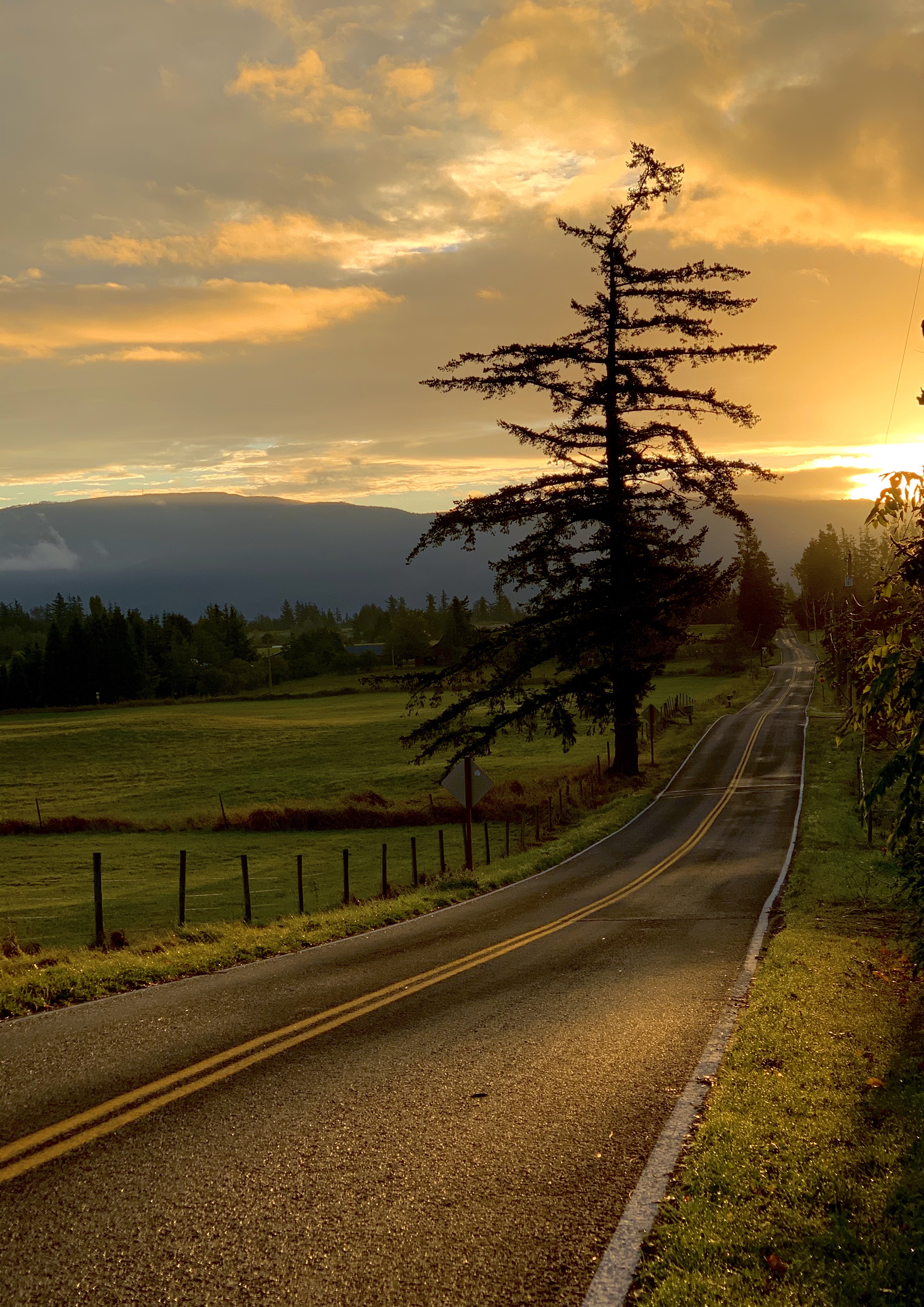
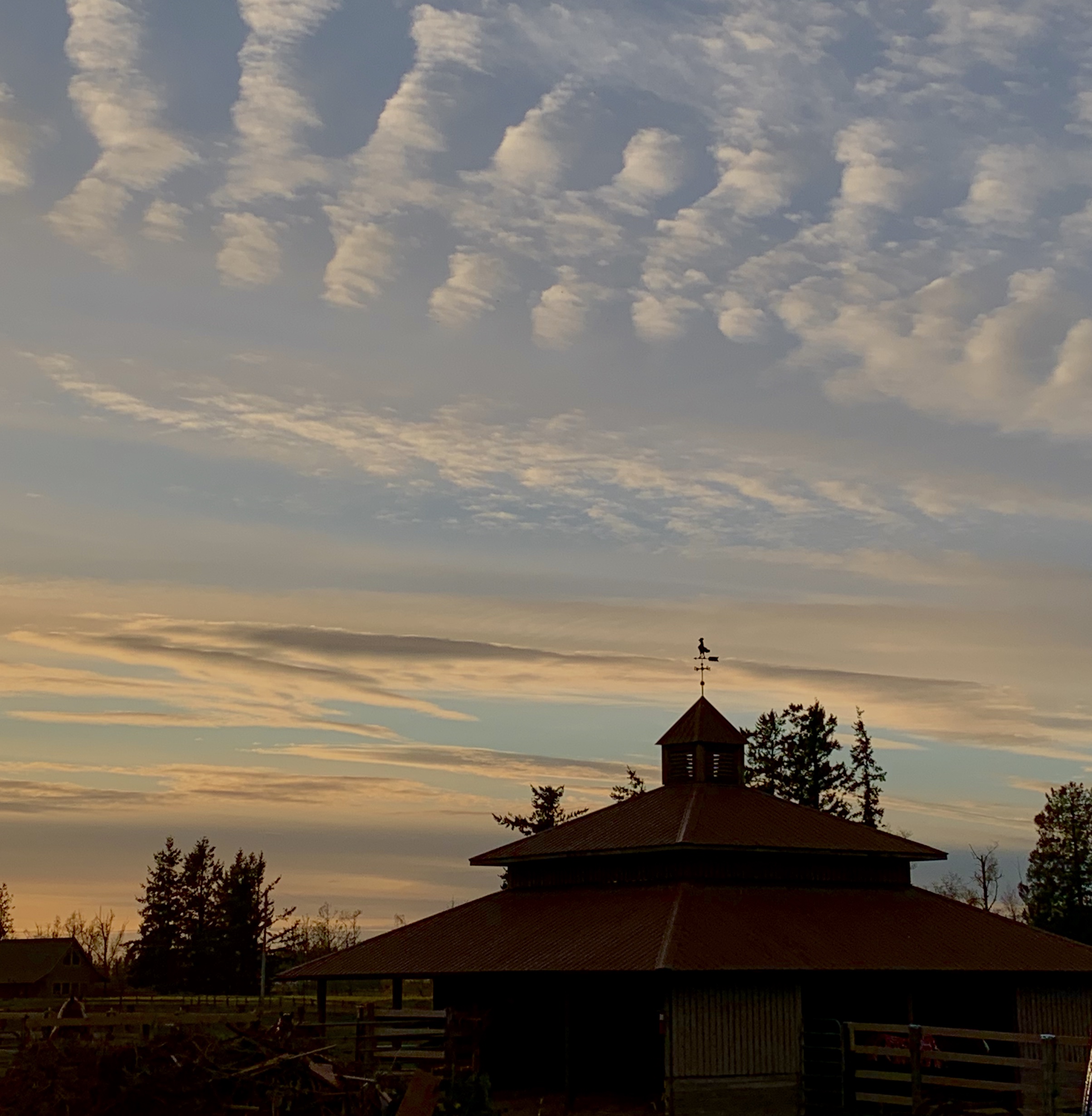
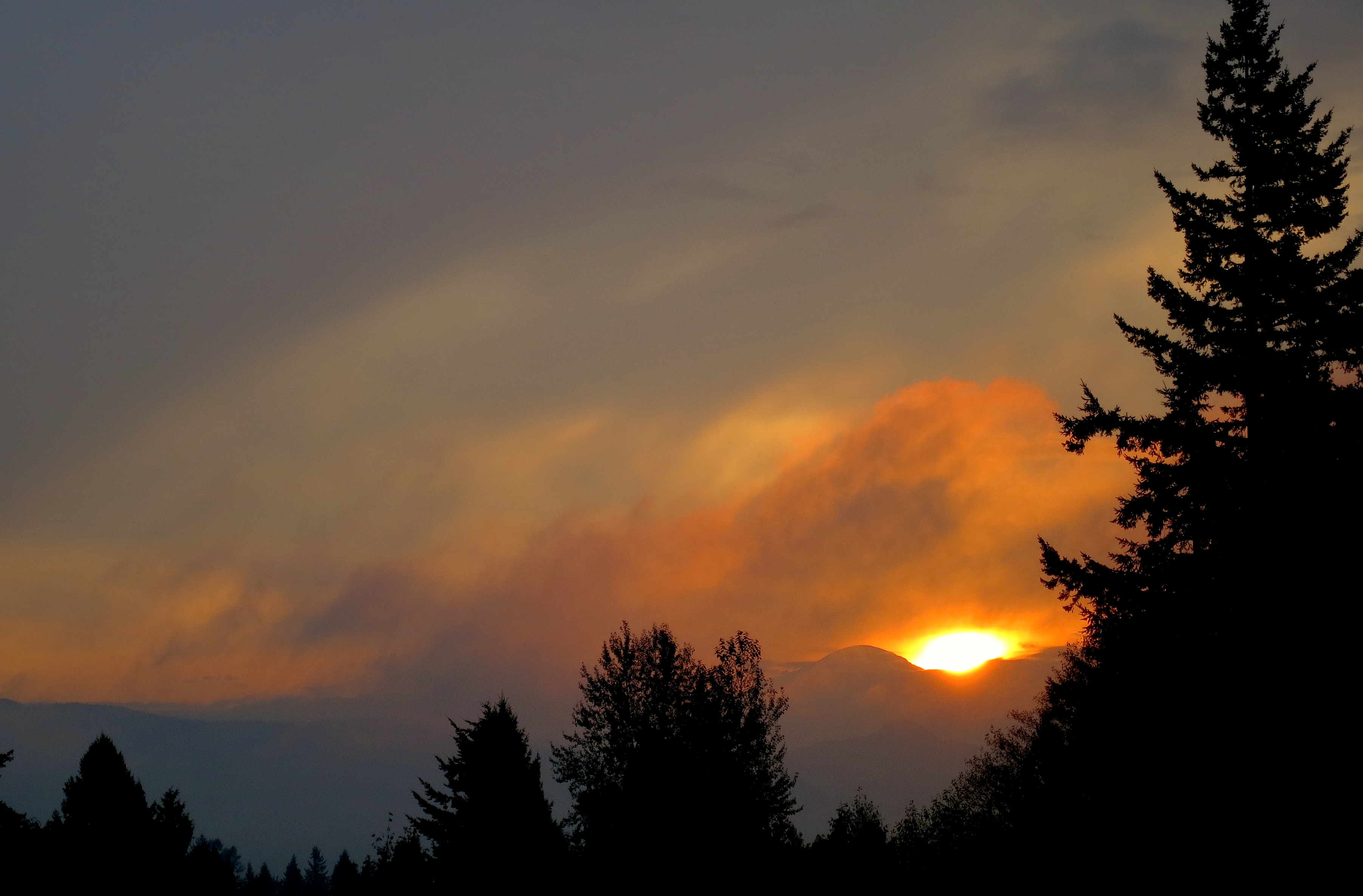
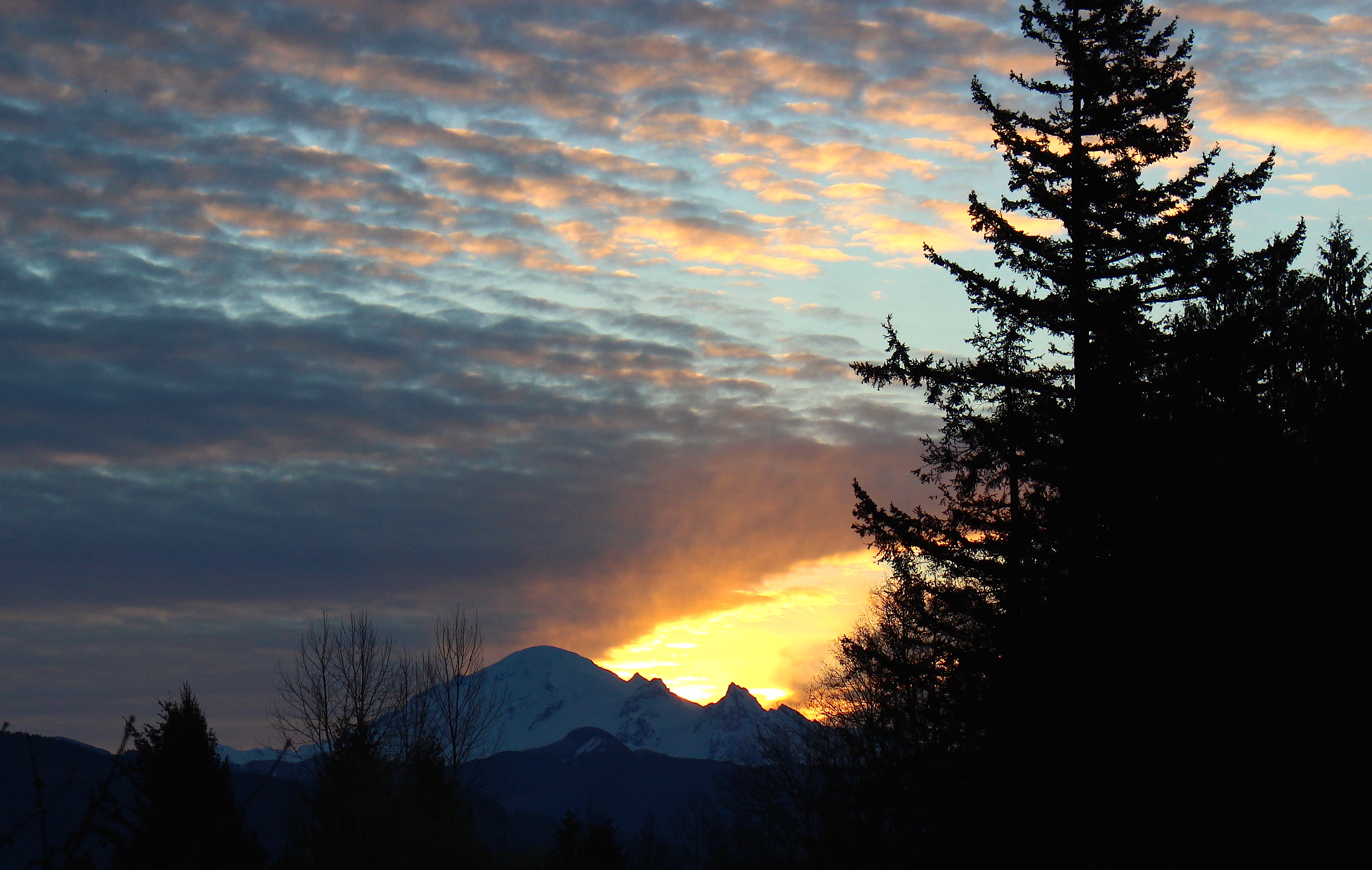
In a matter of minutes this morning,
mere clouds changed above the rising sun;
its fire started low, sparked into dazzling flames,
then became a beacon, lit from within and without
and all around thus transformed.

So we are spared from our destiny with ashes
by such Light.

So Christ, becoming man
and rising — as He did,
and risen as He is,
changes us forever,
in a moment, in a twinkling of an eye.


A Foot in the Door

Overnight, very
Whitely, discreetly,
Very quietly

Our toes, our noses
Take hold on the loam,
Acquire the air. 

Nobody sees us,
Stops us, betrays us;
The small grains make roo
m.

Soft fists insist on
Heaving the needles,
The leafy bedding,

Even the paving.
Our hammers, our rams,
Earless and eyeless,

Perfectly voiceless,
Widen the crannies,
Shoulder through holes. We

Diet on water,
On crumbs of shadow,
Bland-mannered, asking

Little or nothing.
So many of us!
So many of us!

We are shelves, we are
Tables, we are meek,
We are edible,

Nudgers and shovers
In spite of ourselves
Our kind multiplies

We shall by morning
Inherit the earth. 
Our foot’s in the door.
~Sylvia Plath from “Mushroom”

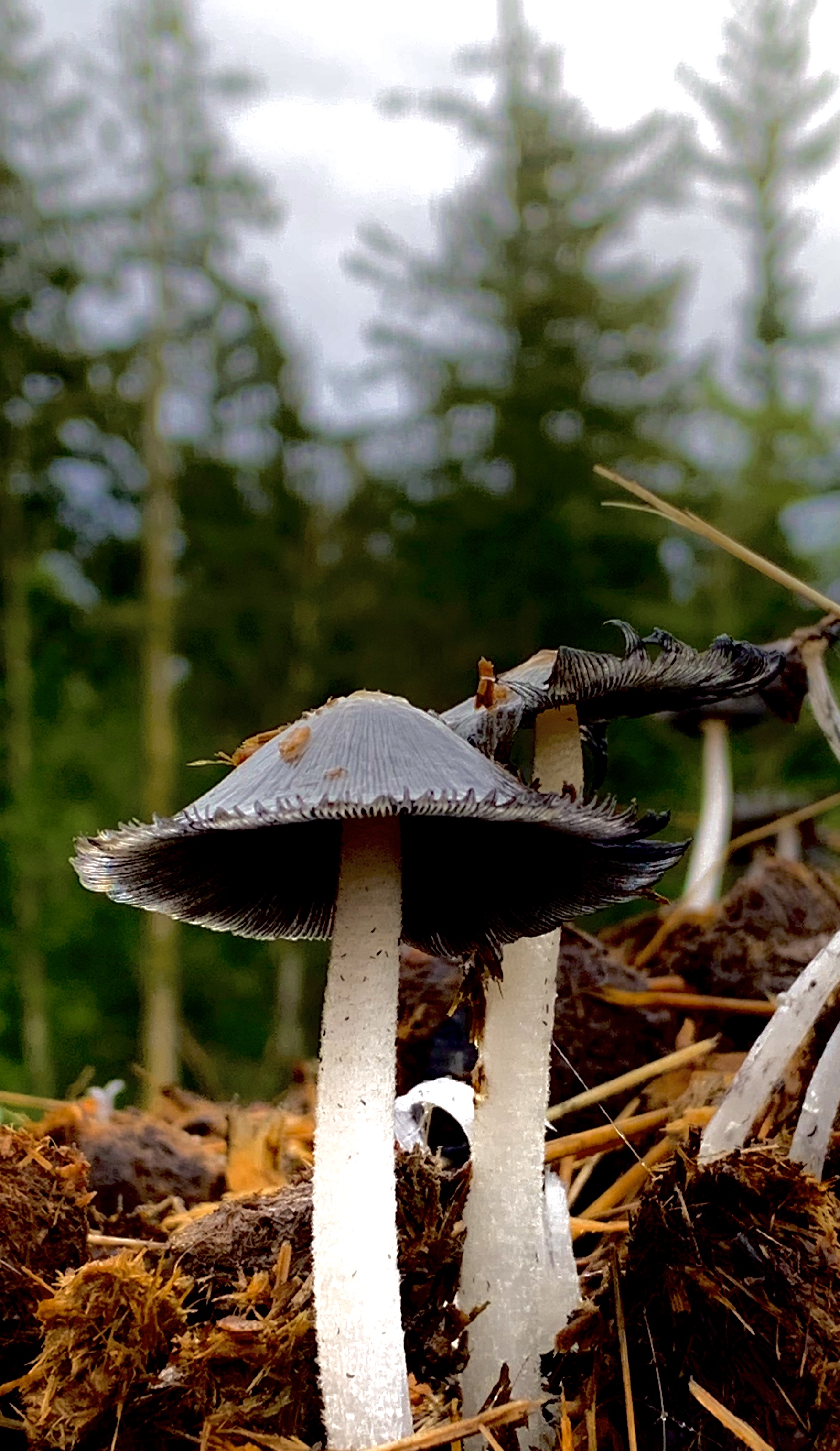
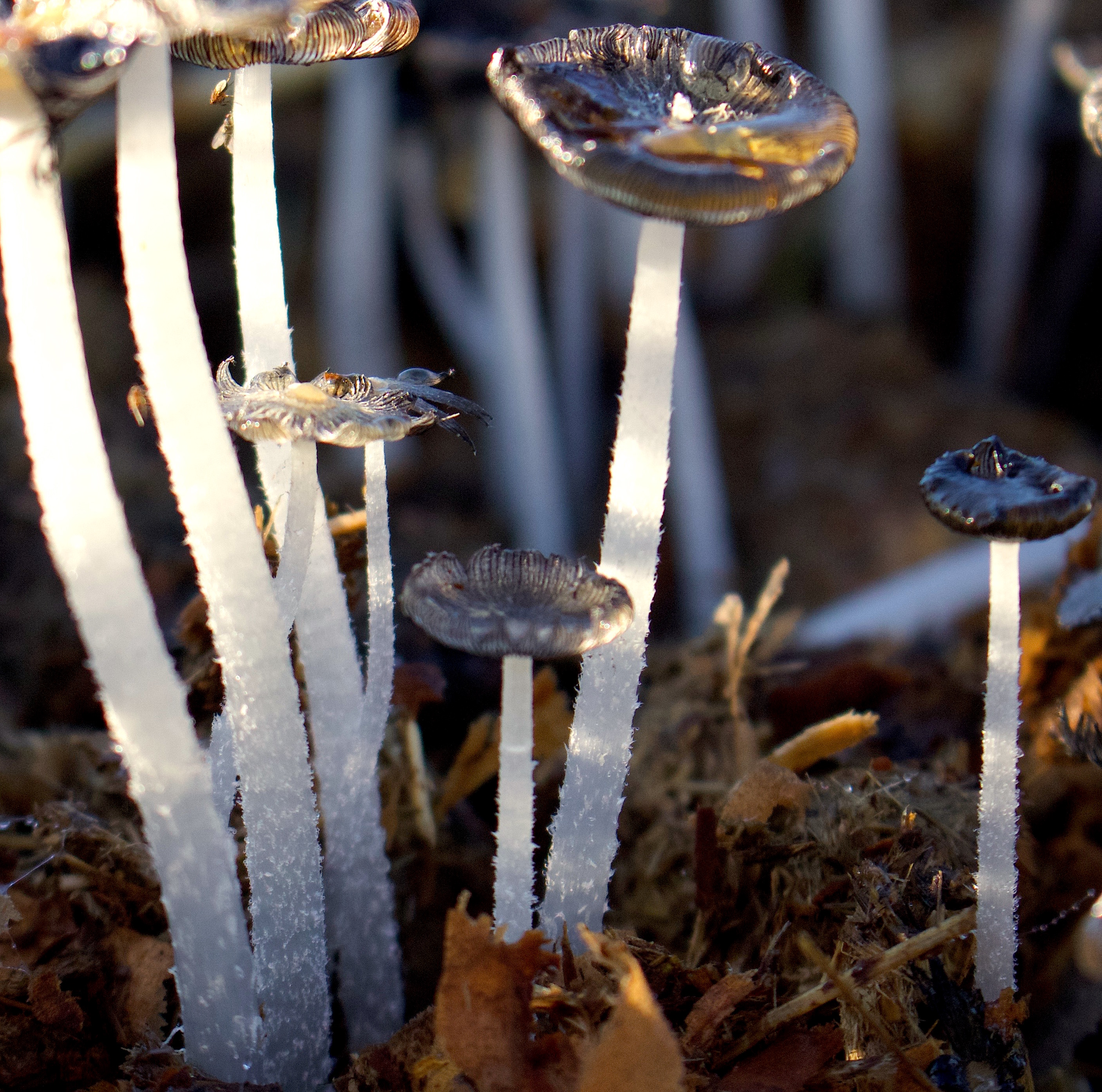
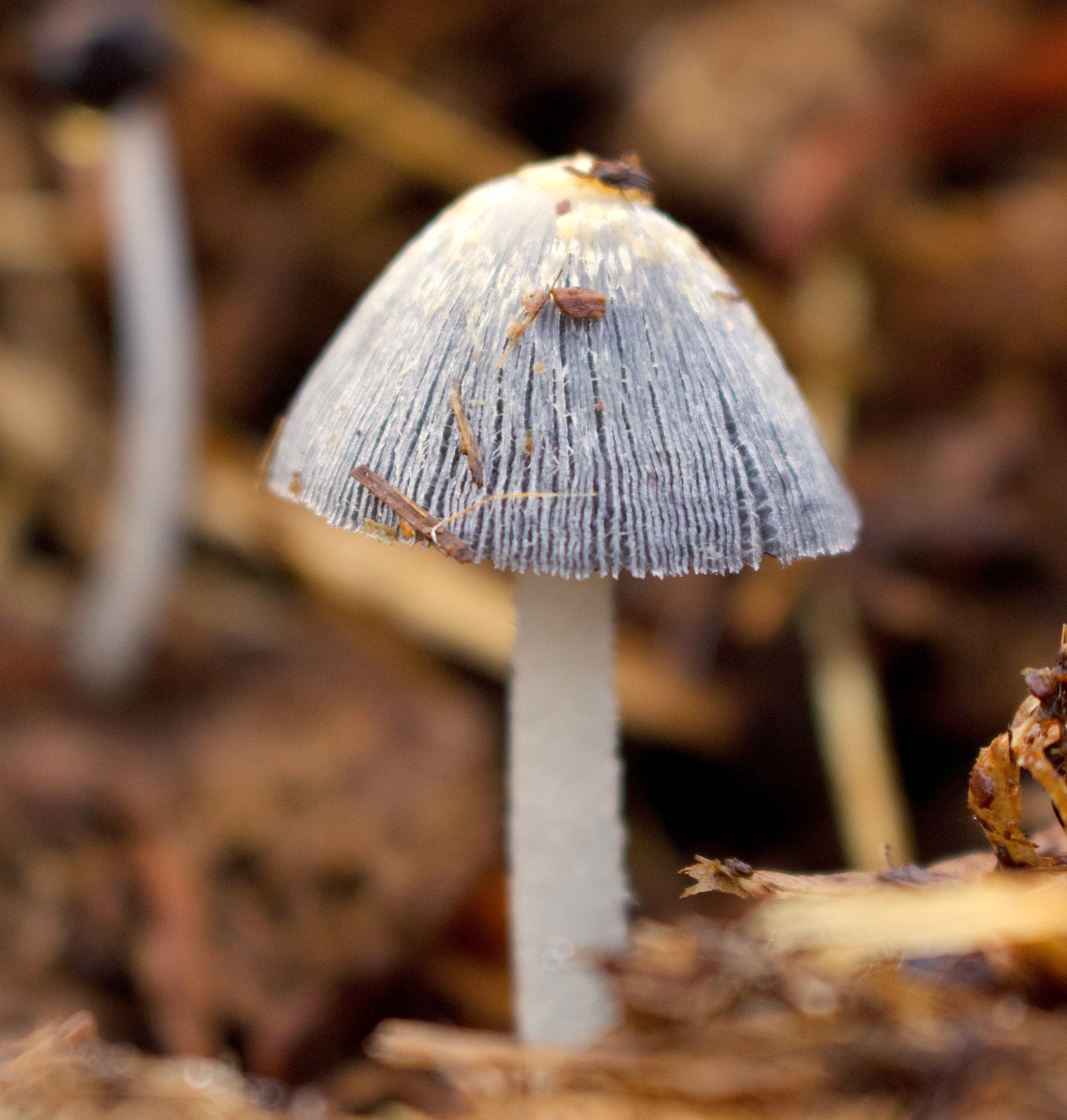
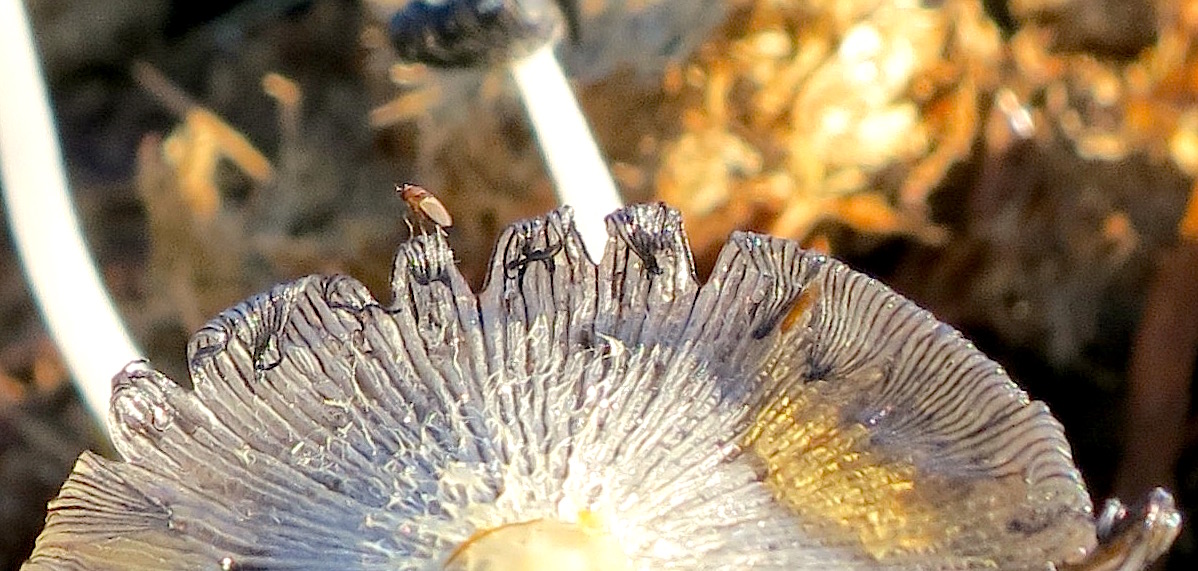
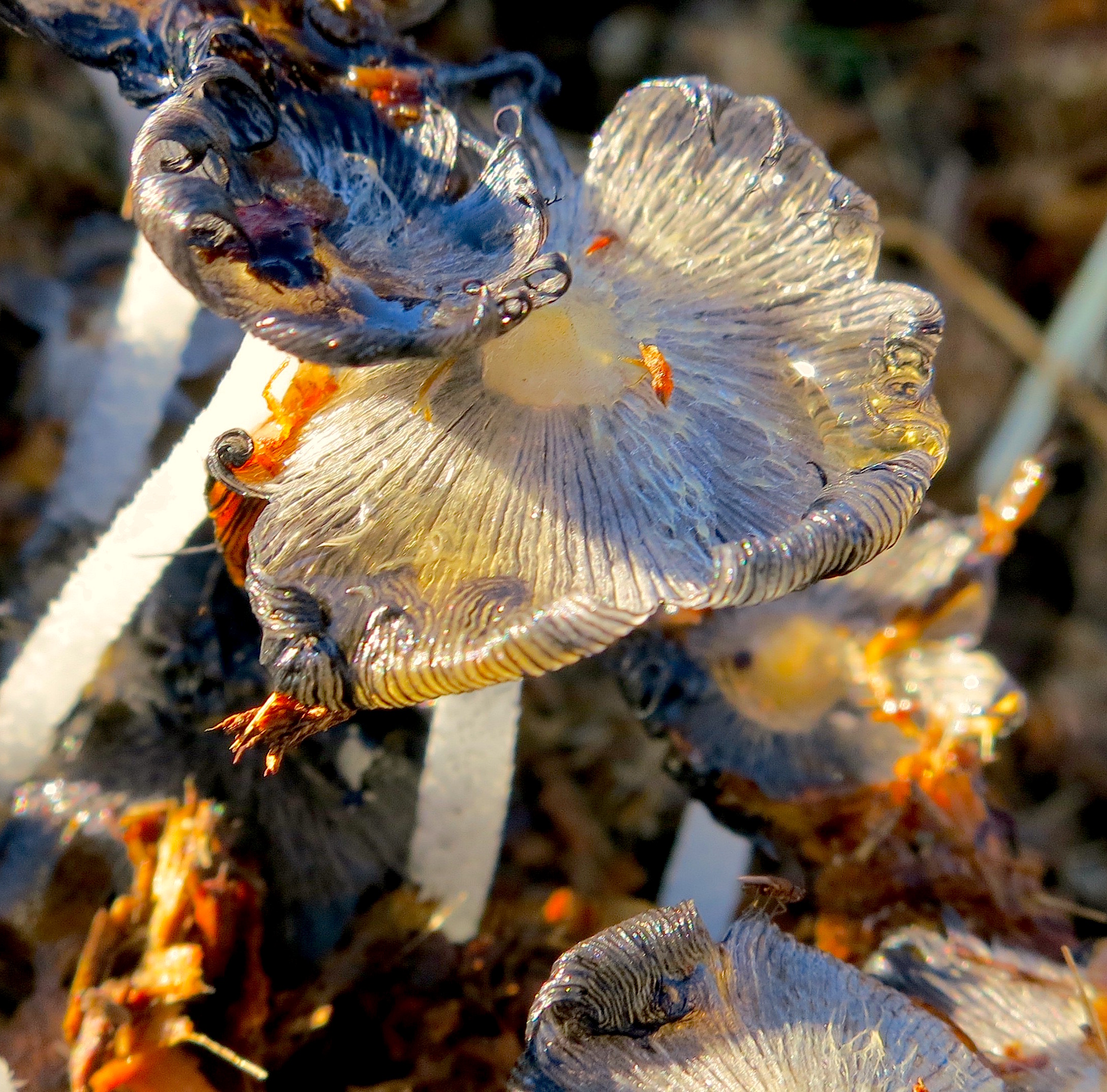
This overnight overture into the light,
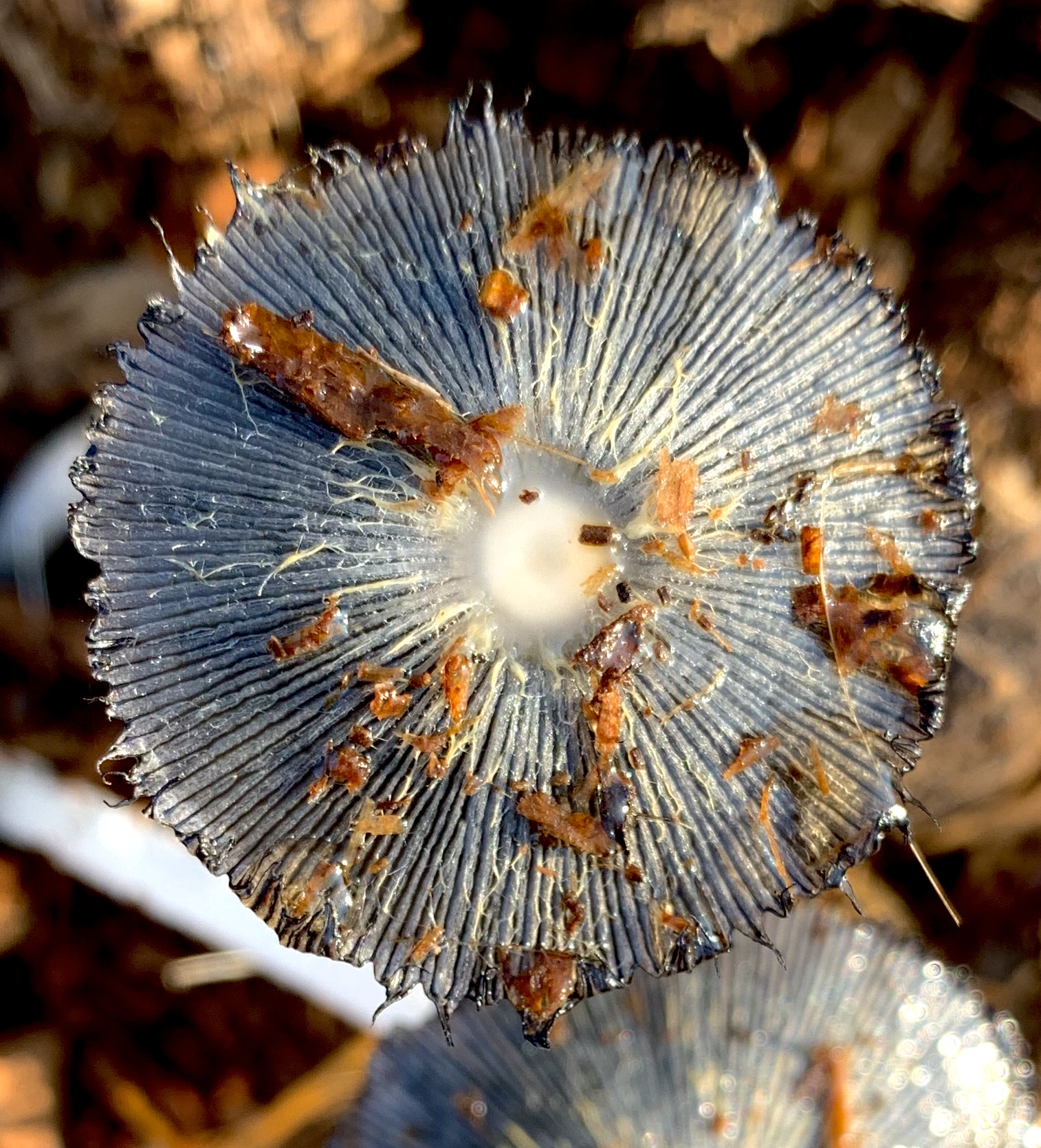
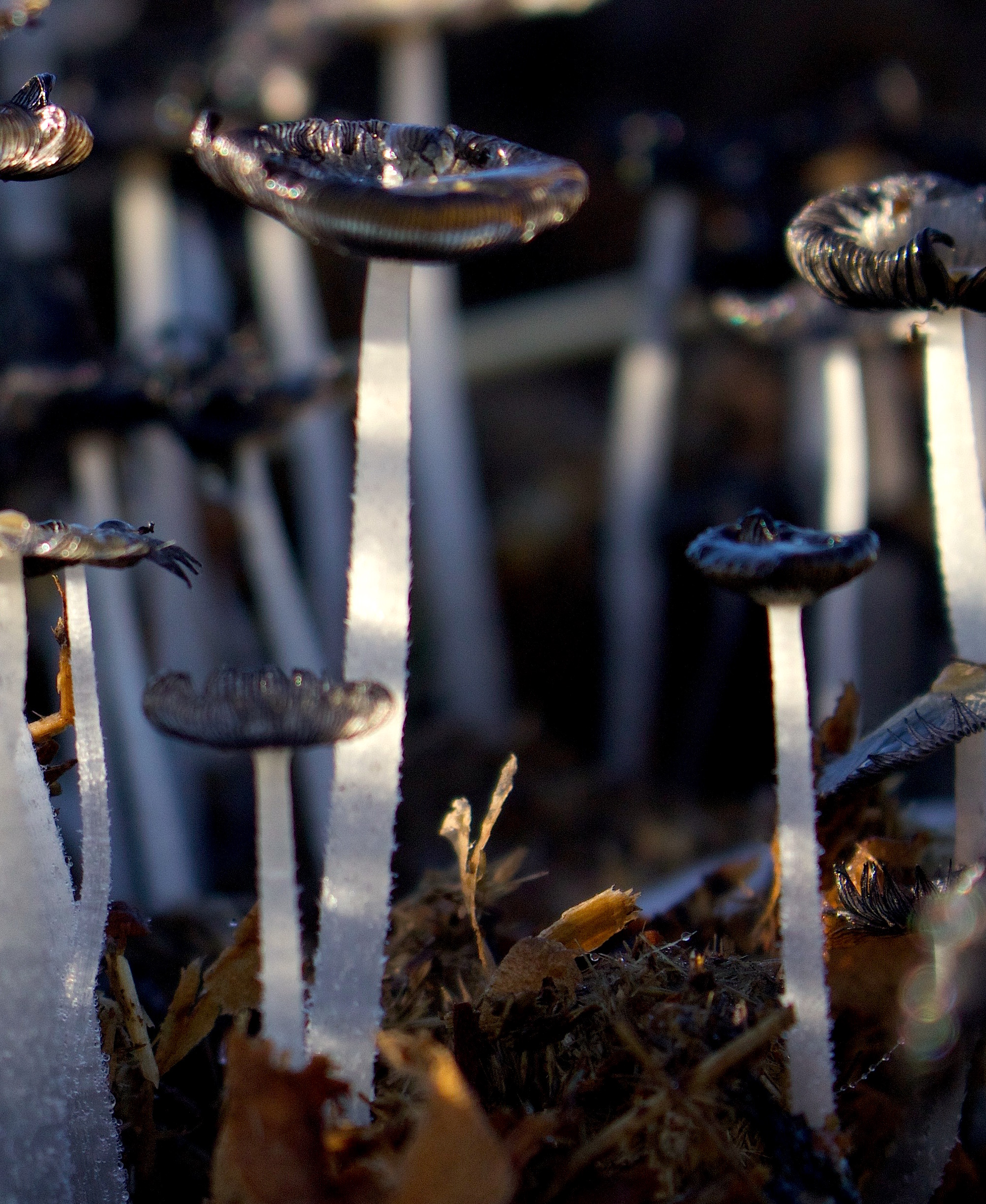
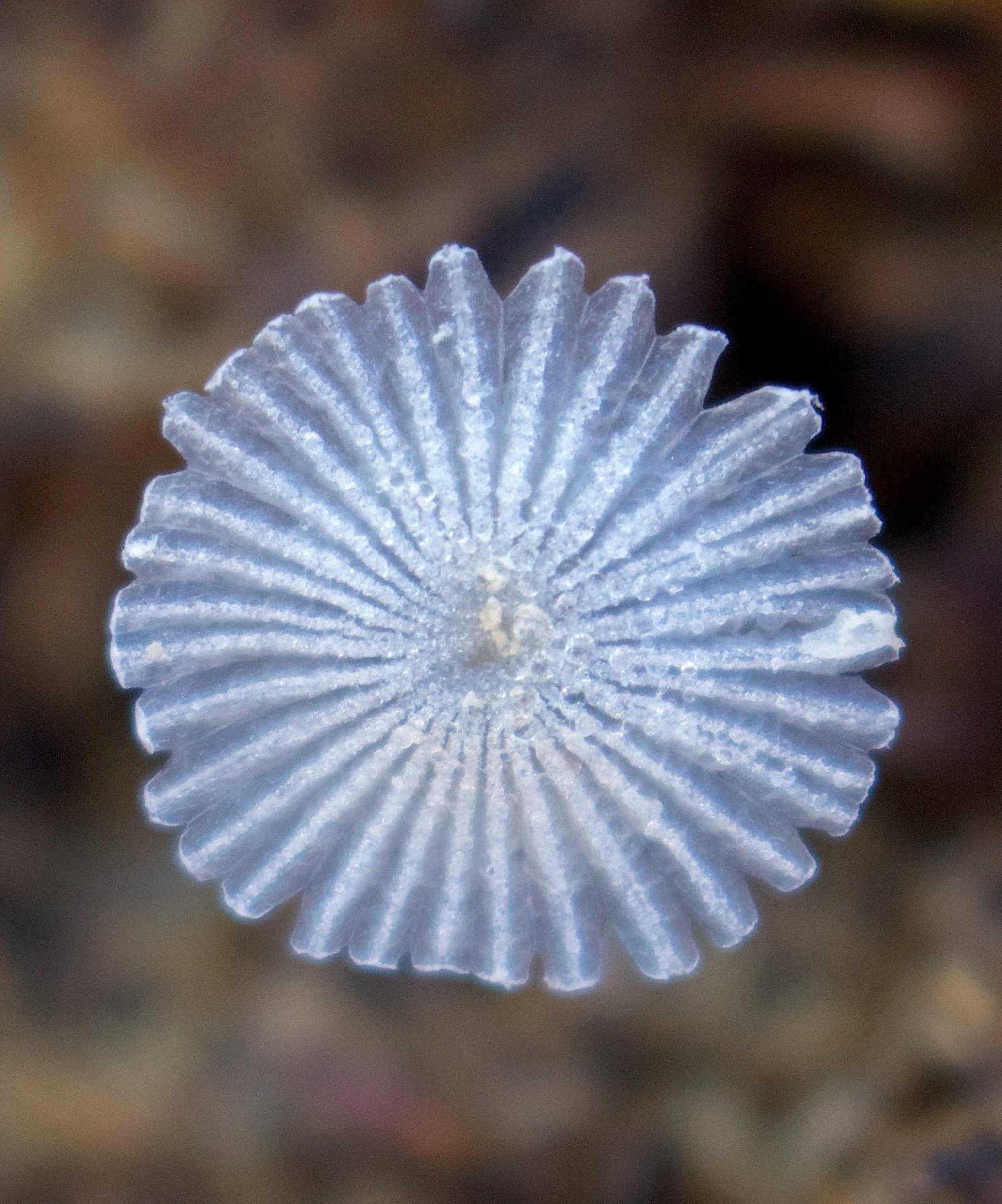
a parturition of “ink caps” after a shower.
As if seed had been sprinkled on the manure pile,
they sprout three inch stalks
still stretching at dawn,
topped by dew-catching caps and umbrellas.

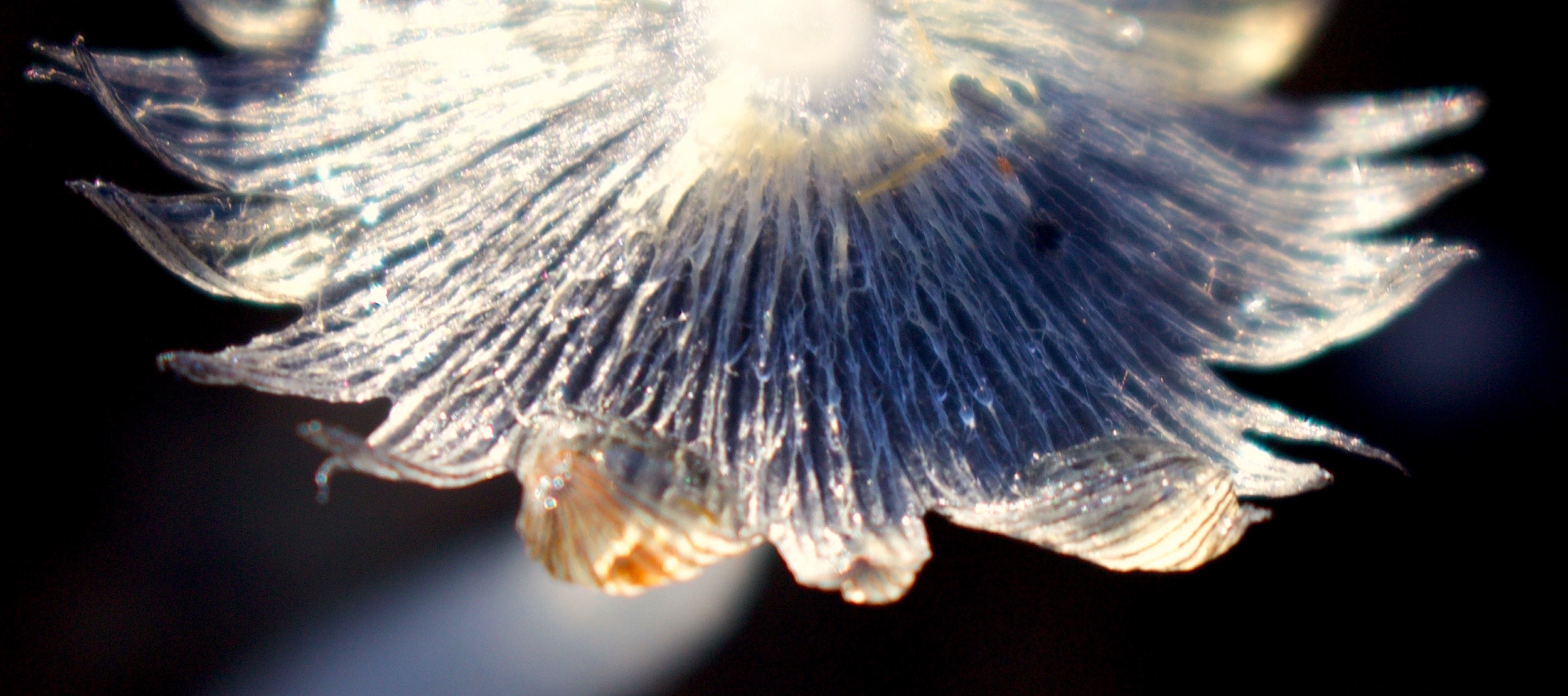
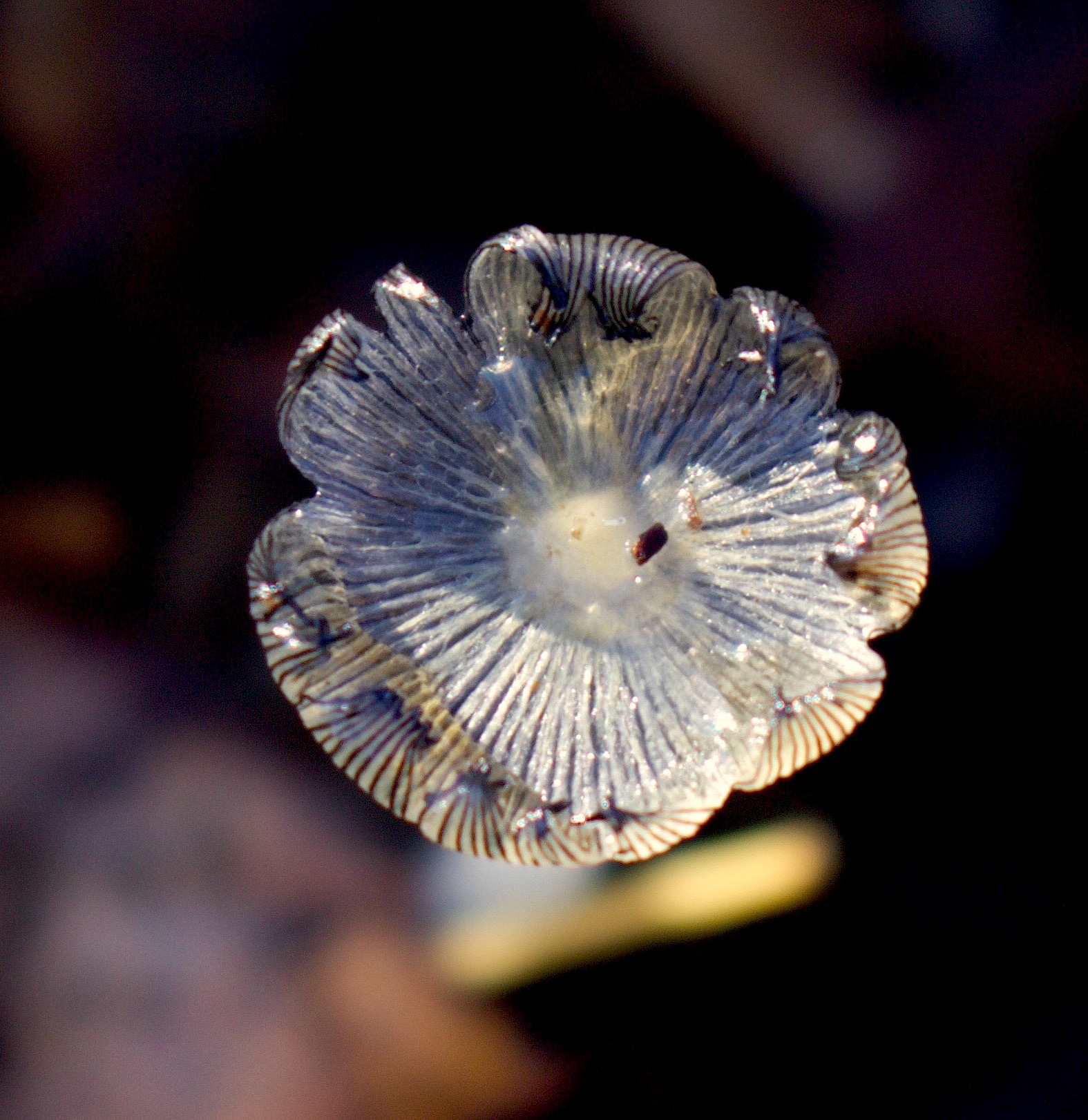
Nearly translucent as glass,
already curling at the edges in the morning light,
by noon melting into ooze
by evening complete deliquescence,
withered and curling back
into the humus
which birthed them hours before.

It shall be repeated
again and again,
this birth from unworthy soil,
this brief and shining life in the sun,
this folding, curling and collapse
to die back to dust and dung.

Inedible, yet so Chrisincredible,
they rise beautiful
and worthy
as is the way of things
that never give up
once a foot’s in the door.

The Cheeks of Blossom

Lined with light
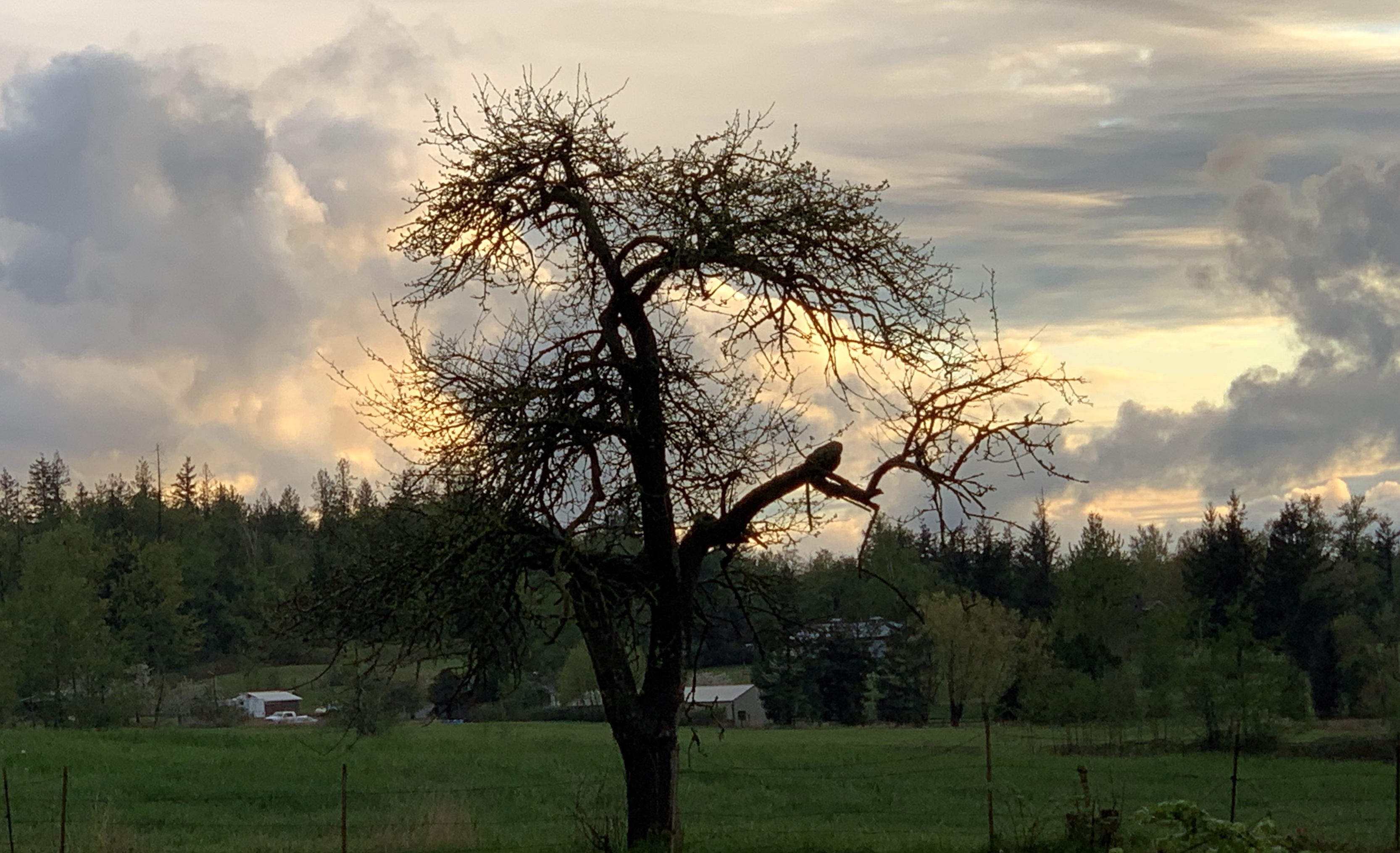
the twigs are stubby arrows.
A gilded trunk writhes
Upward from the roots,
from the pit of the black tentacles.

In the book of spring
a bare-limbed torso
is the first illustration.

Light teaches the tree
to beget leaves,
to embroider itself all over
with green reality,
until summer becomes
its steady portrait
and birds bring their lifetime
to the boughs.

Then even the corpse
light copies from below
may shimmer, dreaming it feels
the cheeks of blossom.
~May Swenson “April Light”

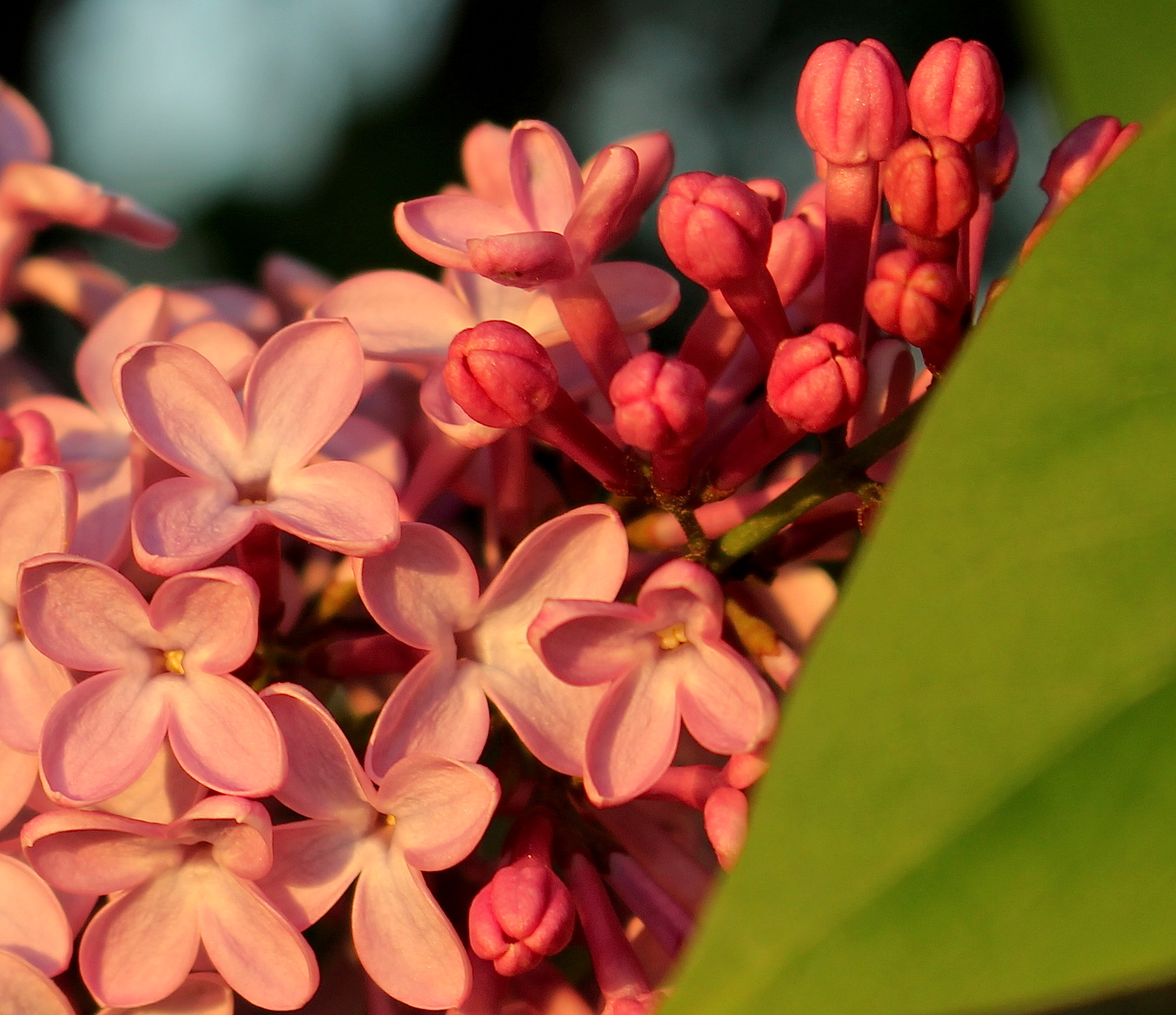
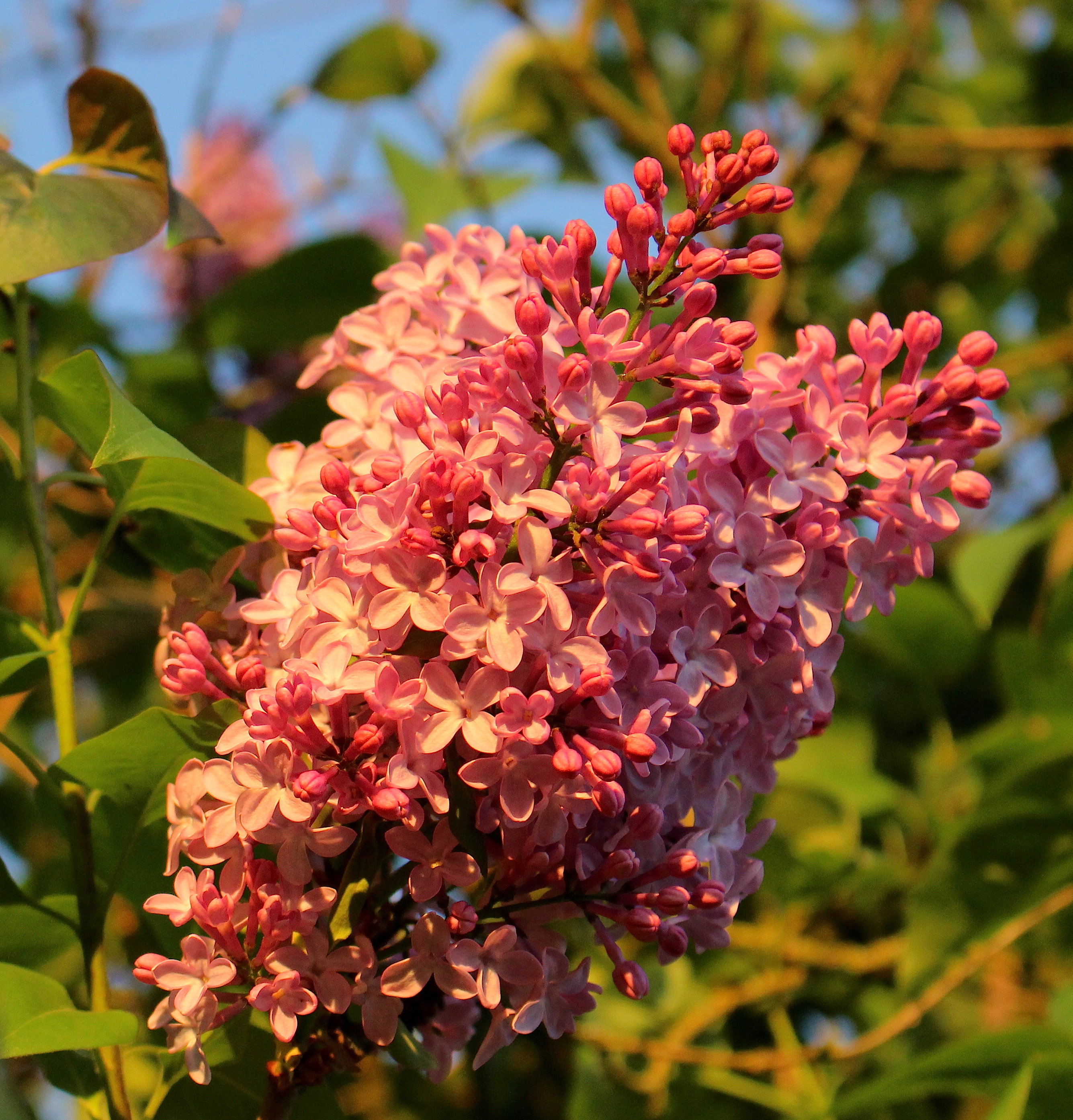
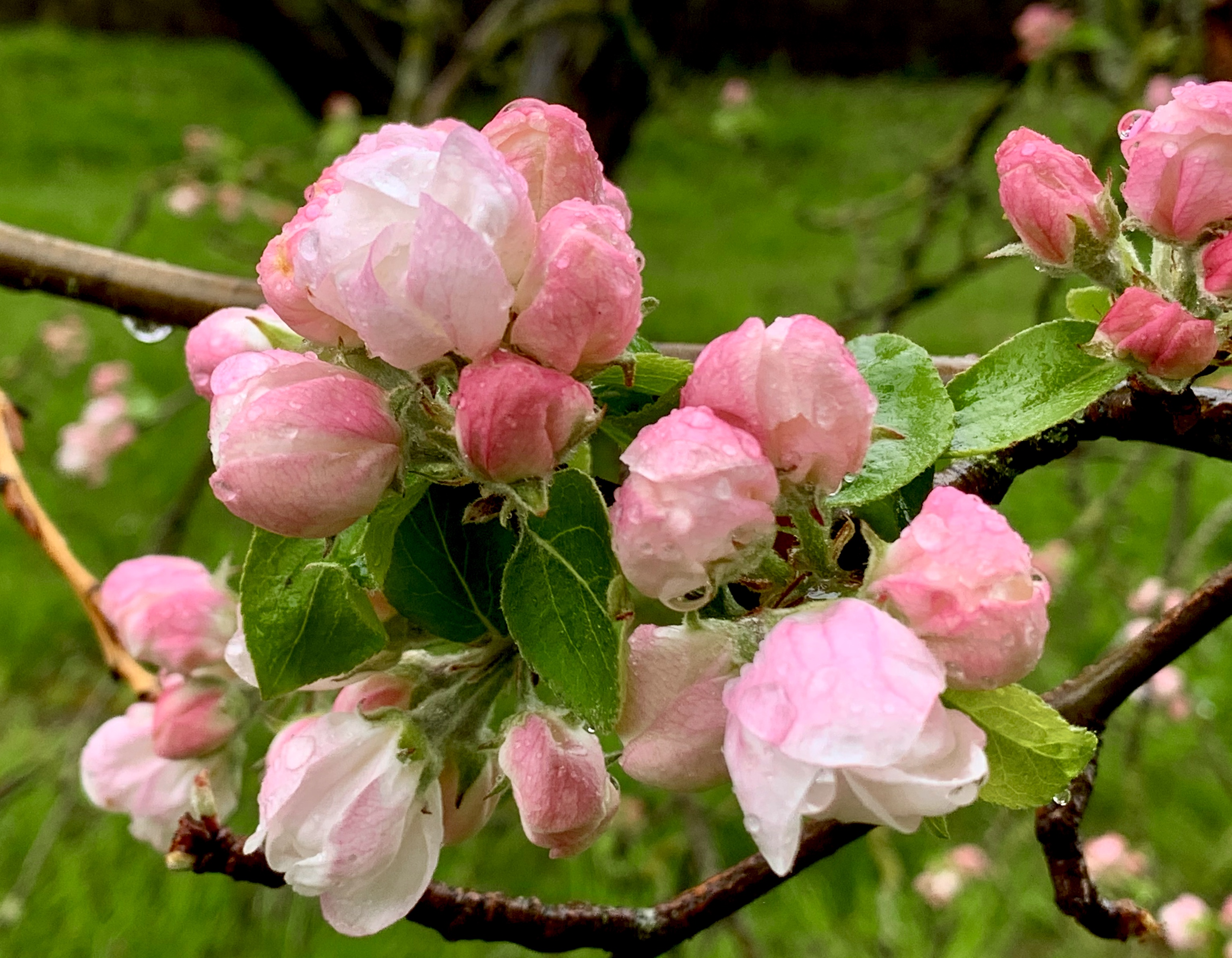
This April we are surrounded by corpse light:
the threat of untimely death, so we distance ourselves
one from the other, awaiting the “all clear”
which may be a long time coming ~

We have already forgotten the unprecedented illumination
that walked from the tomb on a bright Sabbath morning
to guarantee that
we people,
we who are no more than bare twigs and stubs,
we who feel hardly alive,
are now begotten green,
ready to burst into blossom,
our cheeks pink with life,
promising future fruitfulness.

Cruel April

April is the cruelest month, breeding
Lilacs out of the dead land, mixing
Memory and desire, stirring
Dull roots with spring rain.
Winter kept us warm, covering
Earth in forgetful snow, feeding
A little life with dried tubers.

 What are the roots that clutch, what branches grow
Out of this stony rubbish? Son of man,
You cannot say, or guess, for you know only
A heap of broken images, where the sun beats,
And the dead tree gives no shelter, the cricket no relief,
And the dry stone no sound of water.


I will show you fear in a handful of dust.
~T.S. Eliot from “The Wasteland

Dear friends, now we are children of God, and what we will be has not yet been made known. But we know that when Christ appears, we shall be like him, for we shall see him as he is.
1 John 3:2

We do not want to think of ourselves as the dust we were and the dust we will become but the last several months have changed that. We have become hosts to a virus that can transform us to dust. 

We thought we were living fully before; now, in our isolation, we have to examine what a full life really means, mixing our memories and desires.

Dust, like the relentless emerging life of April,
is so cruel~
it reminds us
of what could have been,
as life rises miraculous
from the dead.

We become nothing more than a handful of dust…
yet the Creator lifts us up in the palm of His hand, and blows on us:
we then breathe and pulse and weep and bleed.

We shall be like Him,
part of his Hand,
breath of His breath,
for we shall see Him as He is.

Bright Wings

Sometimes as an antidote
To fear of death,
I eat the stars

Those nights, lying on my back,
I suck them from the quenching dark
Til they are all, all inside me,
Pepper hot and sharp.

Sometimes, instead, I stir myself
Into a universe still young,
Still warm as blood:

No outer space, just space,
The light of all the not yet stars
Drifting like a bright mist,
And all of us, and everything
Already there
But unconstrained by form.

And sometime it’s enough
To lie down here on earth
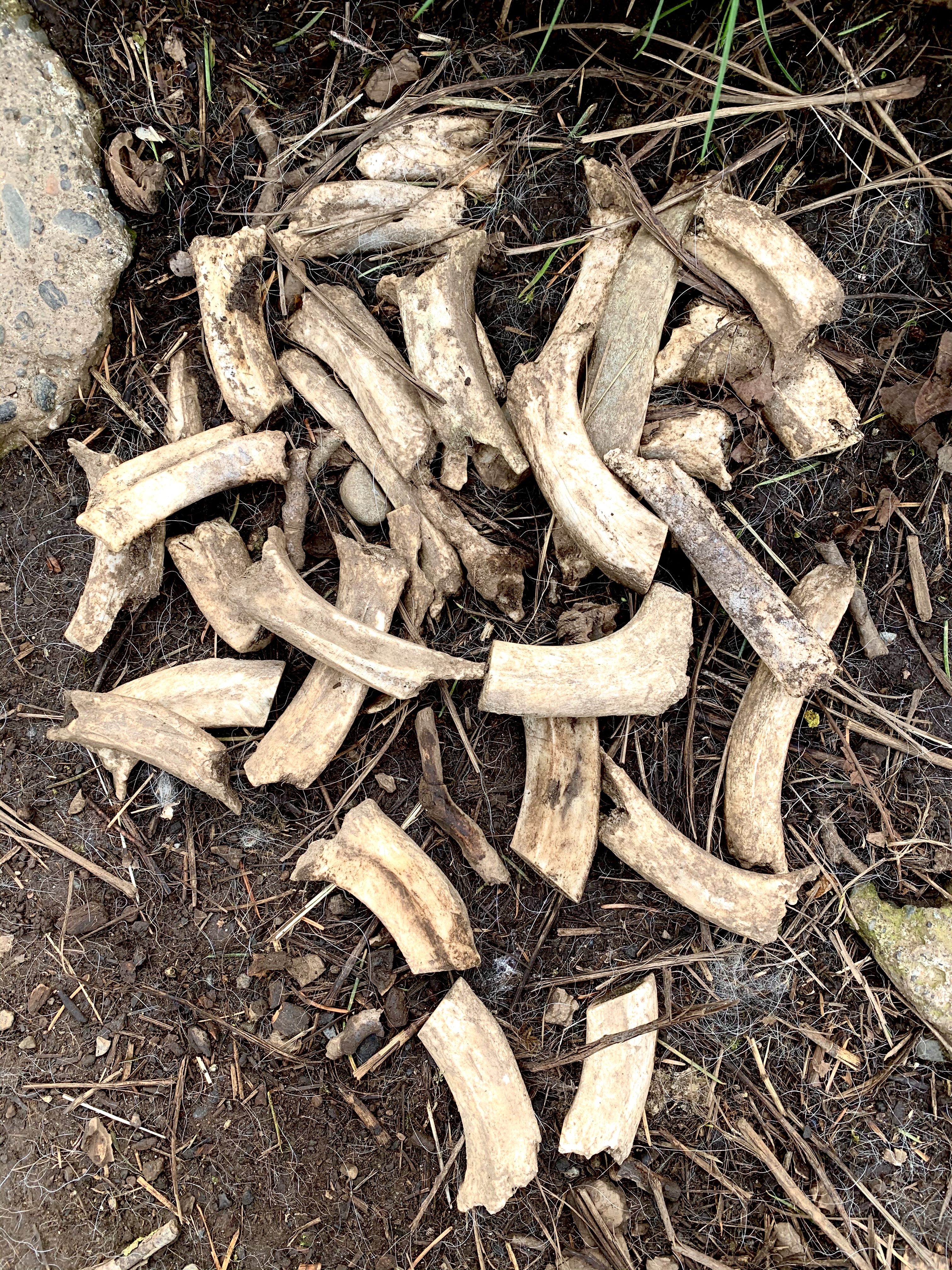
Beside our long ancestral bones:

To walk across the cobble fields
Of our discarded skulls,
Each like a treasure, like a chrysalis,
Thinking: whatever left these husks
Flew off on bright wings.
~Rebecca Elson “Antidotes to Fear of Death”

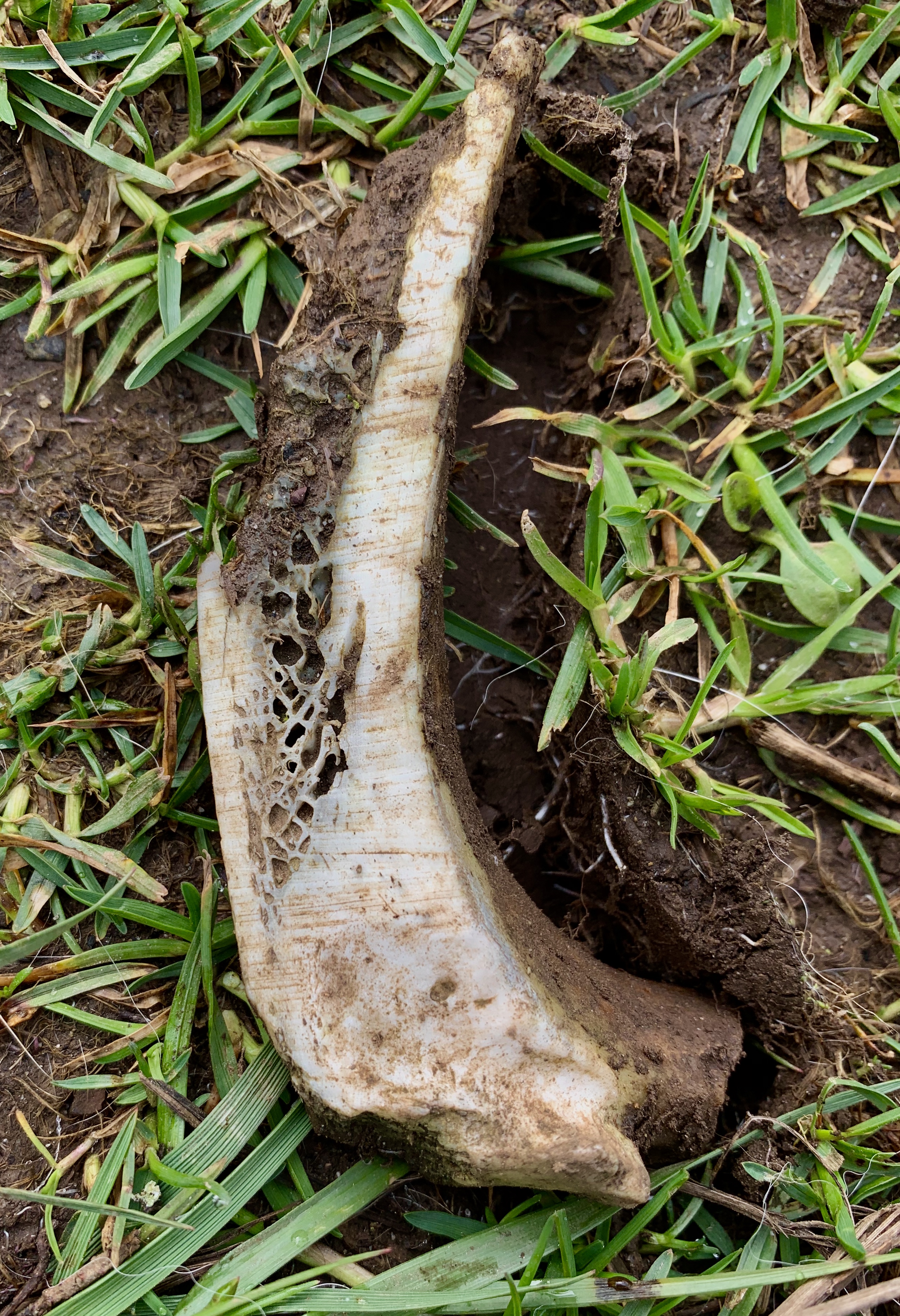
We live out our earthly lives within these shells we call bodies, aware we were made intentionally and uniquely by our Creator in His image. Every part of us has purpose and meaning, down to the smallest corpuscle and the longest bone. We are His treasure, so much so He came to walk with us to preserve us by looking like, feeling like and suffering like us.

Yet we weaken over time, as this is temporal housing only. Even a small packet of viral RNA can cause us to fade and become dry husks.

Easter means it isn’t over. Death is overcome, the tethers of earth are broken, these husks become bright wings that soar as treasures lit from within.

…nature is never spent;   
There lives the dearest freshness deep down things;
And though the last lights off the black West went   
Oh, morning, at the brown brink eastward, springs —
Because the Holy Ghost over the bent   
World broods with warm breast and with ah! bright wings.
~Gerard Manley Hopkins from “God’s Grandeur”

Beauty, Mystery and Benediction

“Why do you look for the living among the dead?  He is not here; he has risen!”
Luke 24: 5-6

Since this moment (the resurrection), the universe is no longer what it was;  nature has received another meaning; history is transformed and you and I are no more, and should not be anymore, what we were before.

Grace strikes us when we are in great pain and restlessness. It strikes us when we walk through the dark valley of a meaningless and empty life. Sometimes at that moment a wave of light breaks into our darkness, and it is as though a voice were saying: “You are accepted.”
~Paul Tillich, American theologian

So what do I believe actually happened that morning on the third day after he died?
…I speak very plainly here…

He got up.  He said, “Don’t be afraid.”

Love is the victor.  Death is not the end.  The end is life.  His life and our lives through him, in him.

Existence has greater depths of beauty, mystery, and benediction than the wildest visionary has ever dared to dream. 

Christ our Lord has risen.
~Frederick Buechner from The Magnificent Defeat

Make no mistake: if He rose at all
it was as His body;
if the cells’ dissolution did not reverse,
the molecules reknit, the amino acids rekindle,
the Church will fall…

It was not as the flowers,
each soft Spring recurrent;
it was not as His Spirit in the mouths and fuddled
eyes of the eleven apostles;
it was as His Flesh: ours.
~John Updike from “Seven Stanzas at Easter”

From the far star points of his pinned extremities, 
cold inched in—black ice and squid ink— 
till the hung flesh was empty. 
Lonely in that void even for pain, 
he missed his splintered feet, 
the human stare buried in his face. 
He ached for two hands made of meat 
he could reach to the end of. 
In the corpse’s core, the stone fist 
of his heart began to bang 
on the stiff chest’s door, and breath spilled 
back into that battered shape. Now 

it’s your limbs he comes to fill, as warm water shatters at birth, rivering every way.
~Mary Karr “Descending Theology: The Resurrection”

Our flesh is so weak, so temporary,
as ephemeral as a dew drop on a petal
yet with our earthly vision
it is all we know of ourselves
and it is what we trust knowing
of Him.

He was born as our flesh, from our flesh.
He walked and hungered and thirsted and slept
as our flesh.
He died, His/our flesh hanging in tatters,
blood spilling freely
breath fading to nought,
speaking those last Words
our ears can never forget.

Then He got up,
to walk and hunger and thirst alongside us
–flesh of His flesh–
here among us He is risen
–flesh of our flesh–
married forever
as the Church:
a fragile, flawed
and everlasting body
that will rise, once again, as He did.

He Does Not Leave Us Where We Are: Rattling Bones Come Alive

“Everything is made to perish; the wonder of anything at all is that it has not already done so. No, he thought. The wonder of anything is that it was made in the first place. What persists beyond this cataclysm of making and unmaking?”
~Paul Harding
from Tinkers

Then he said to me, “Prophesy to these bones and say to them, ‘Dry bones, hear the word of the Lord! This is what the Sovereign Lord says to these bones: I will make breath enter you, and you will come to life. I will attach tendons to you and make flesh come upon you and cover you with skin; I will put breath in you, and you will come to life. Then you will know that I am the Lord.’”

So I prophesied as I was commanded. And as I was prophesying, there was a noise, a rattling sound, and the bones came together, bone to bone. I looked, and tendons and flesh appeared on them and skin covered them, but there was no breath in them.

Then he said to me, “Prophesy to the breath; prophesy, son of man, and say to it, ‘This is what the Sovereign Lord says: Come, breath, from the four winds and breathe into these slain, that they may live.’” 10 So I prophesied as he commanded me, and breath entered them; they came to life and stood up on their feet—a vast army.

11 Then he said to me: “Son of man, these bones are the people of Israel. They say, ‘Our bones are dried up and our hope is gone; we are cut off.’ 14 I will put my Spirit in you and you will live, and I will settle you in your own land. Then you will know that I the Lord have spoken, and I have done it, declares the Lord.’”
Ezekiel 7: 1-11,14

And what persists? 

There are times when all appears to perish, especially in a time of pandemic and earthquakes, wind storms and tsunamis, wild fires and flooding. The obituary pages predominate in the paper, bringing home the local stories of loss and grief.

All appears to be perish with no relief or hope.

But we are told in His word hopelessness is temporary and inevitably helpless; darkness can never overcome the light of all things made.

Life persists in the midst of perishing because of the cataclysm of a loving and bleeding God dying as sacrifice, breathing His Spirit into us so that we may build back muscle and sinew, reconnect ourselves bone to bone, person to person, thrive in the church rattling and singing. We are alive, living with Him forever.

Nothing, nothing can ever be the same; God does not leave us where we are now – dryest of bones.

God goes where God has never gone before.”
~ Kathleen Mulhern in Dry Bones

This year’s Barnstorming theme for the season of Lent:

God sees us as we are,
loves us as we are,
and accepts us as we are.
But by His grace,
He does not leave us where we are.
~Tim Keller

Kitten Who Lost Her Way

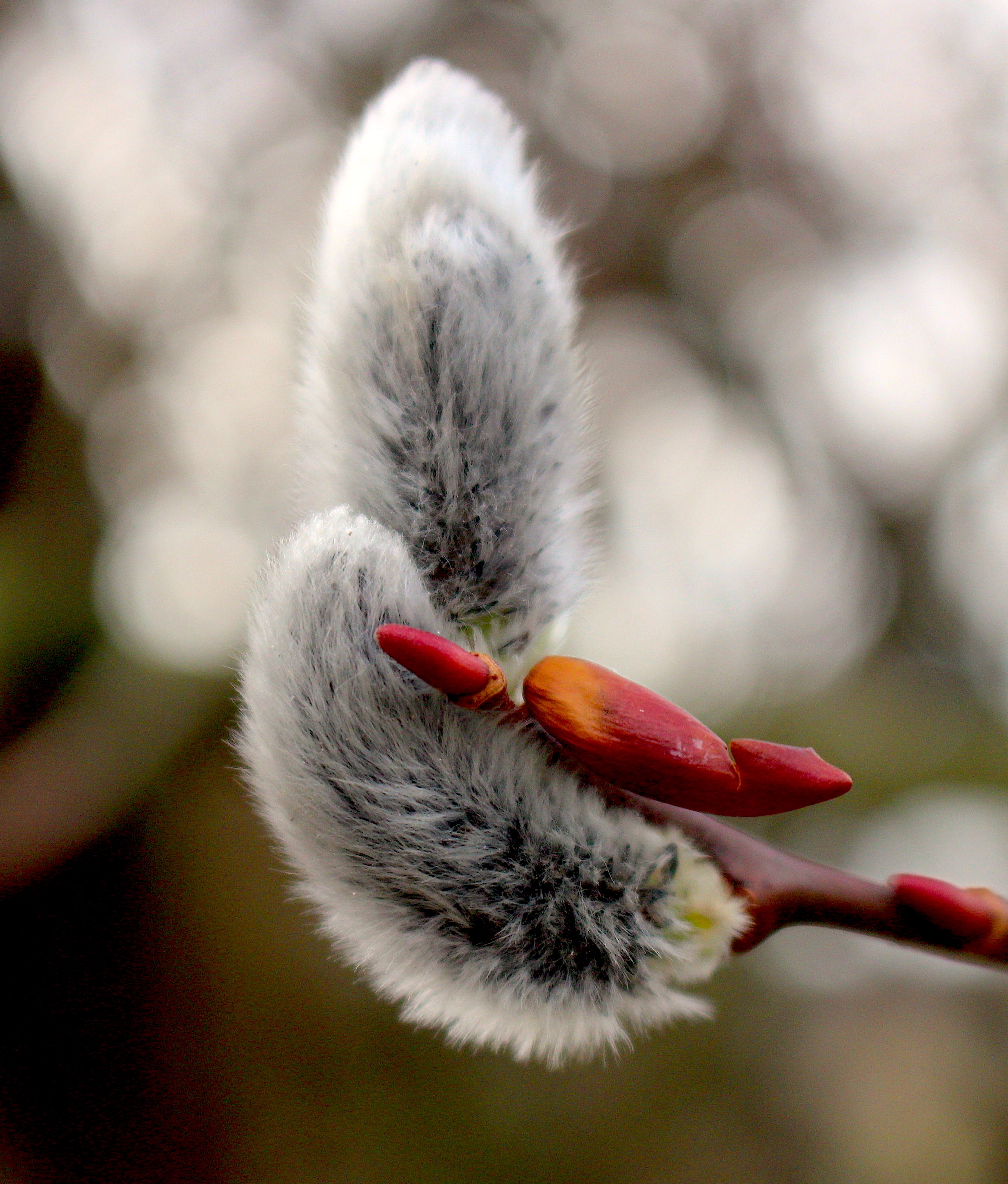
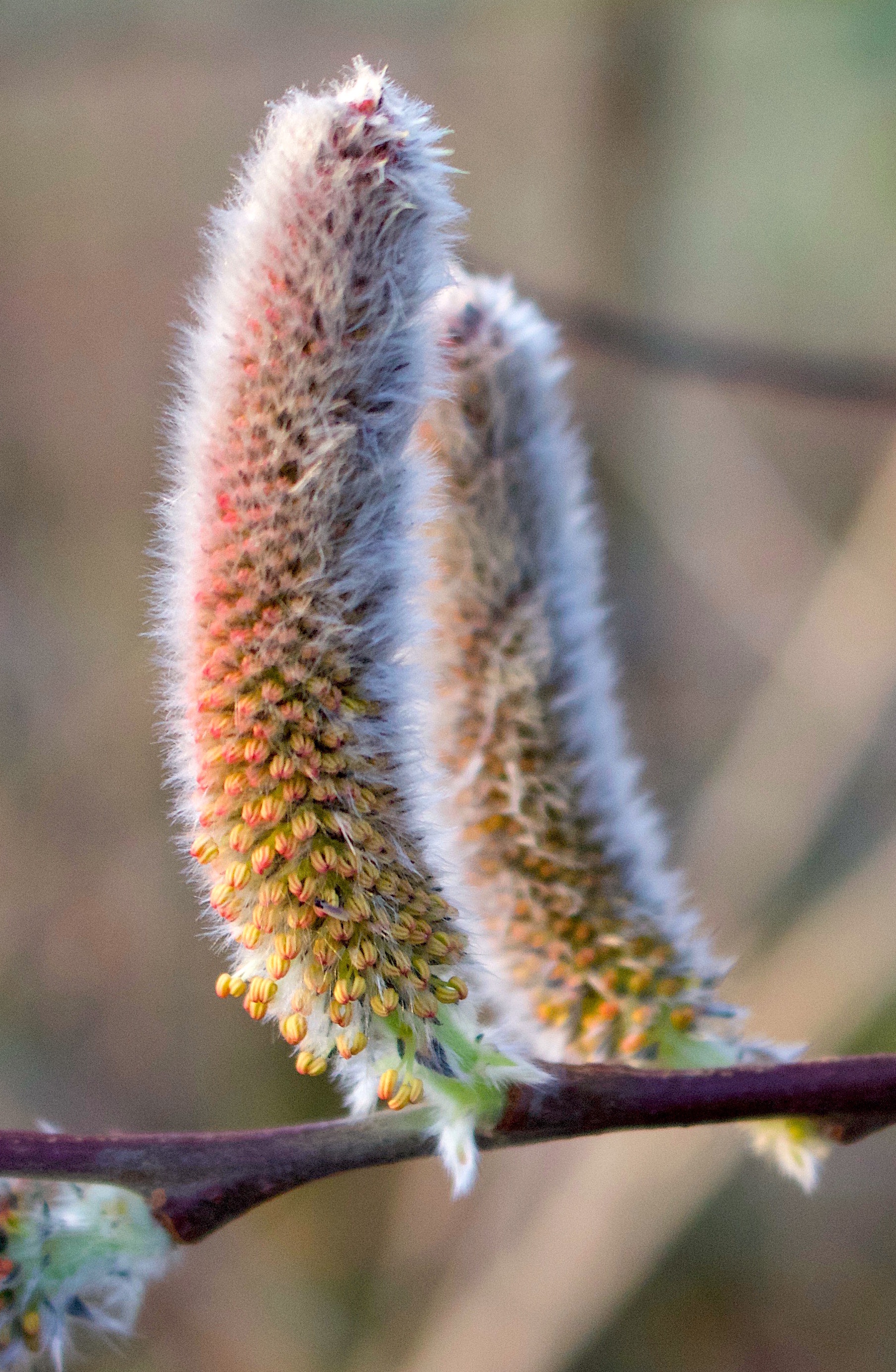
I sometimes think the PussyWillows grey
Are Angel Kittens who have lost their way,
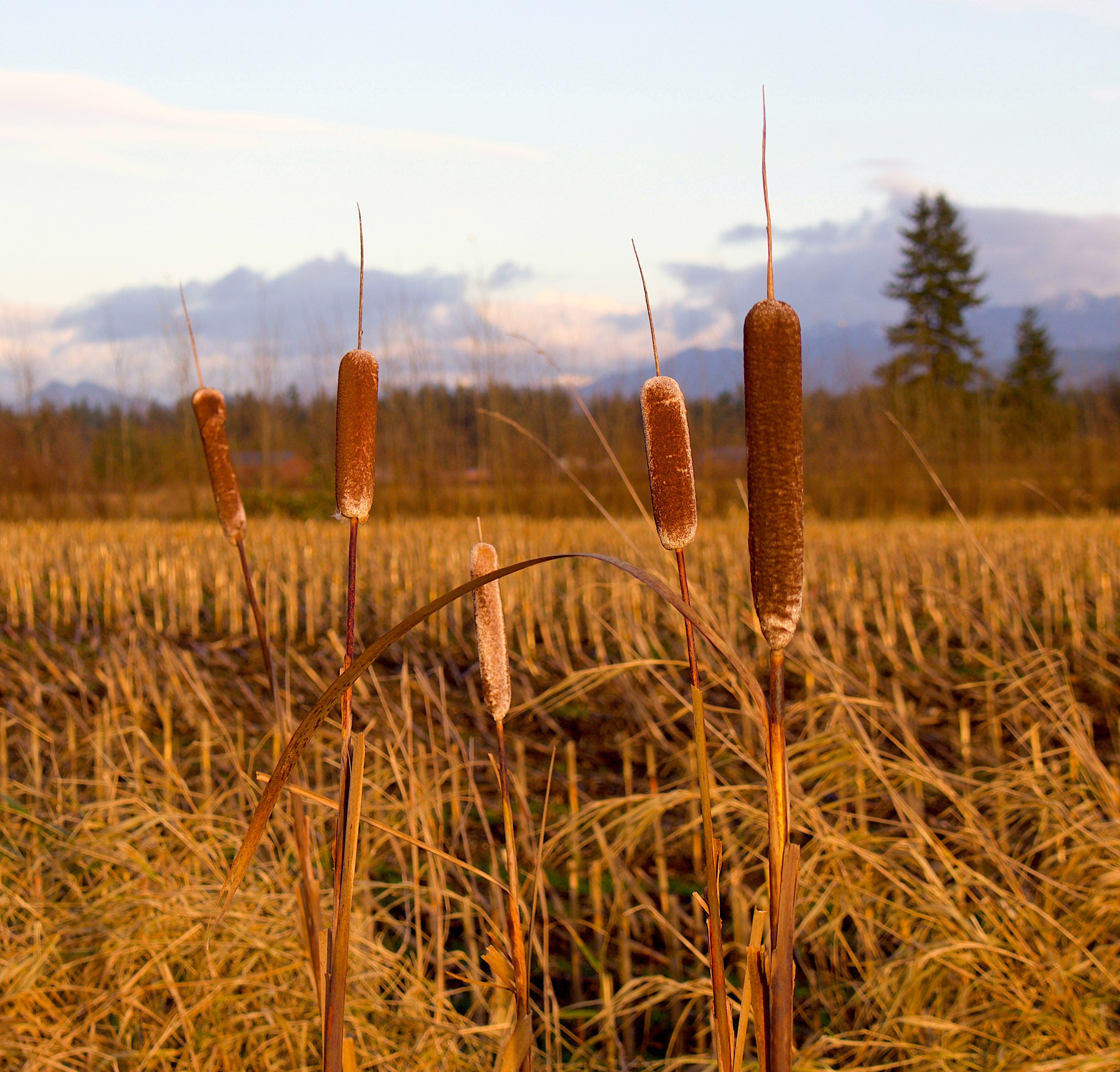
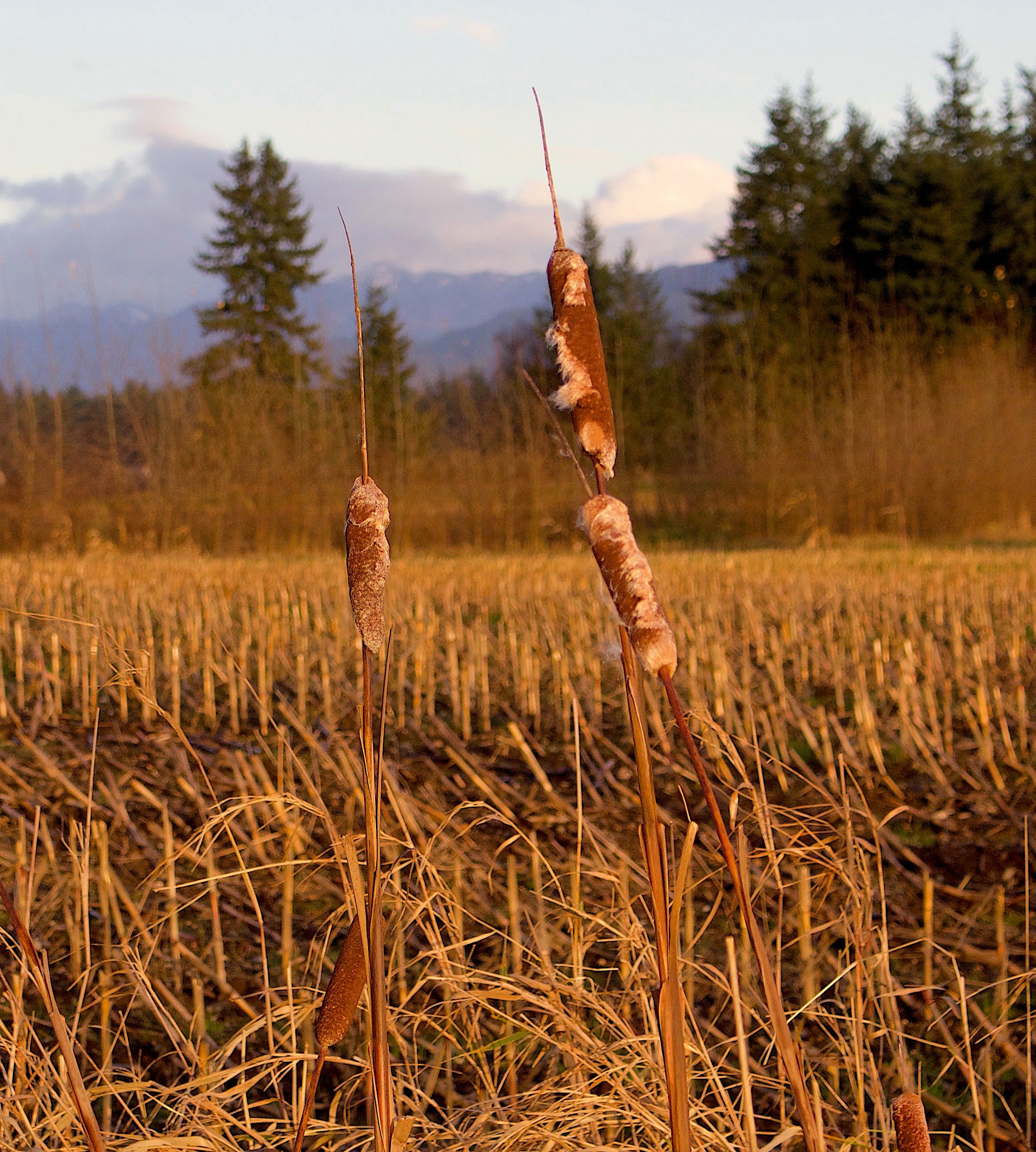
And every Bulrush on the river bank
A Cat-Tail from some lovely Cat astray.
~Oliver Herford, from The Rubaiyat of a Persian Kitten

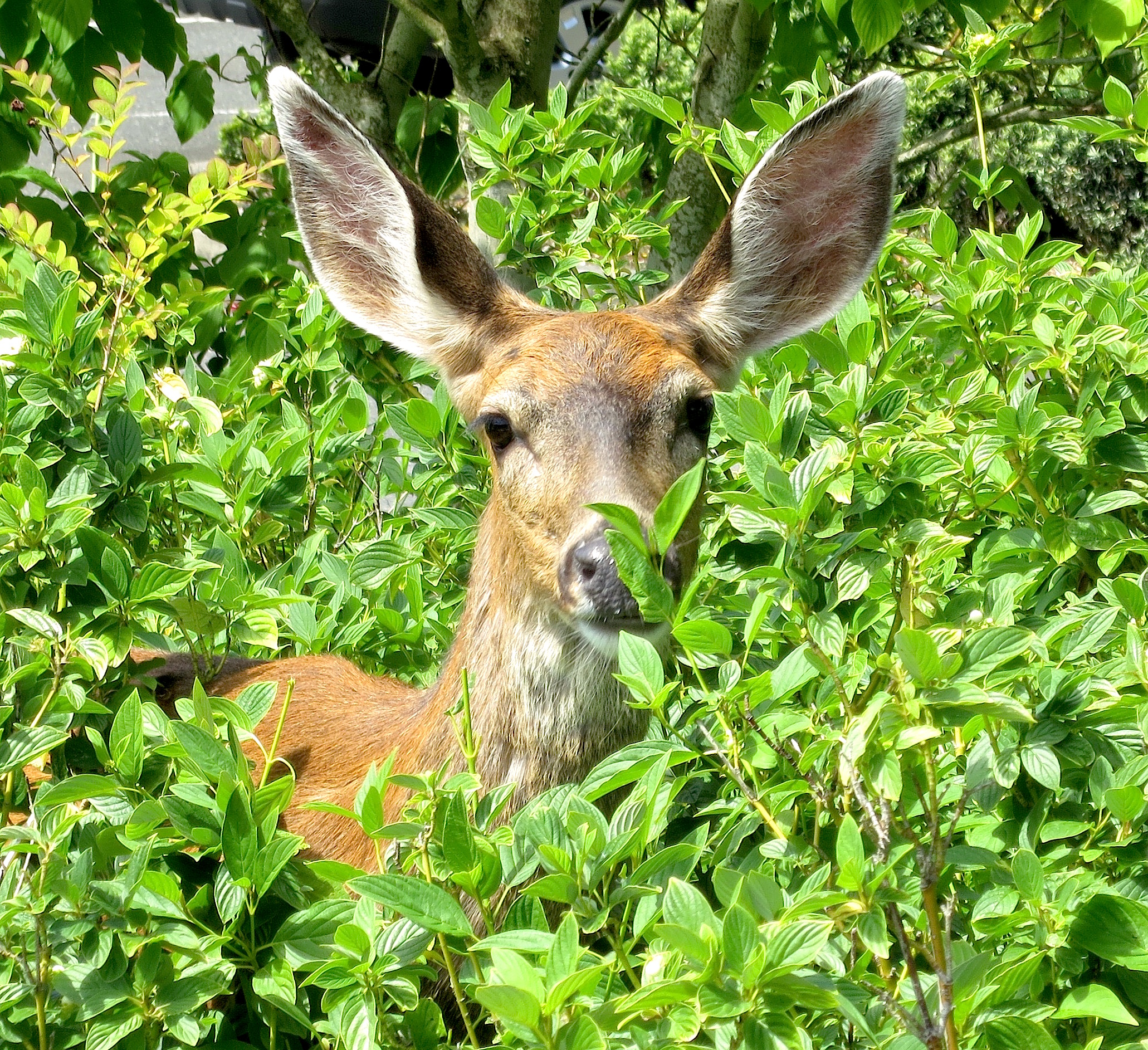
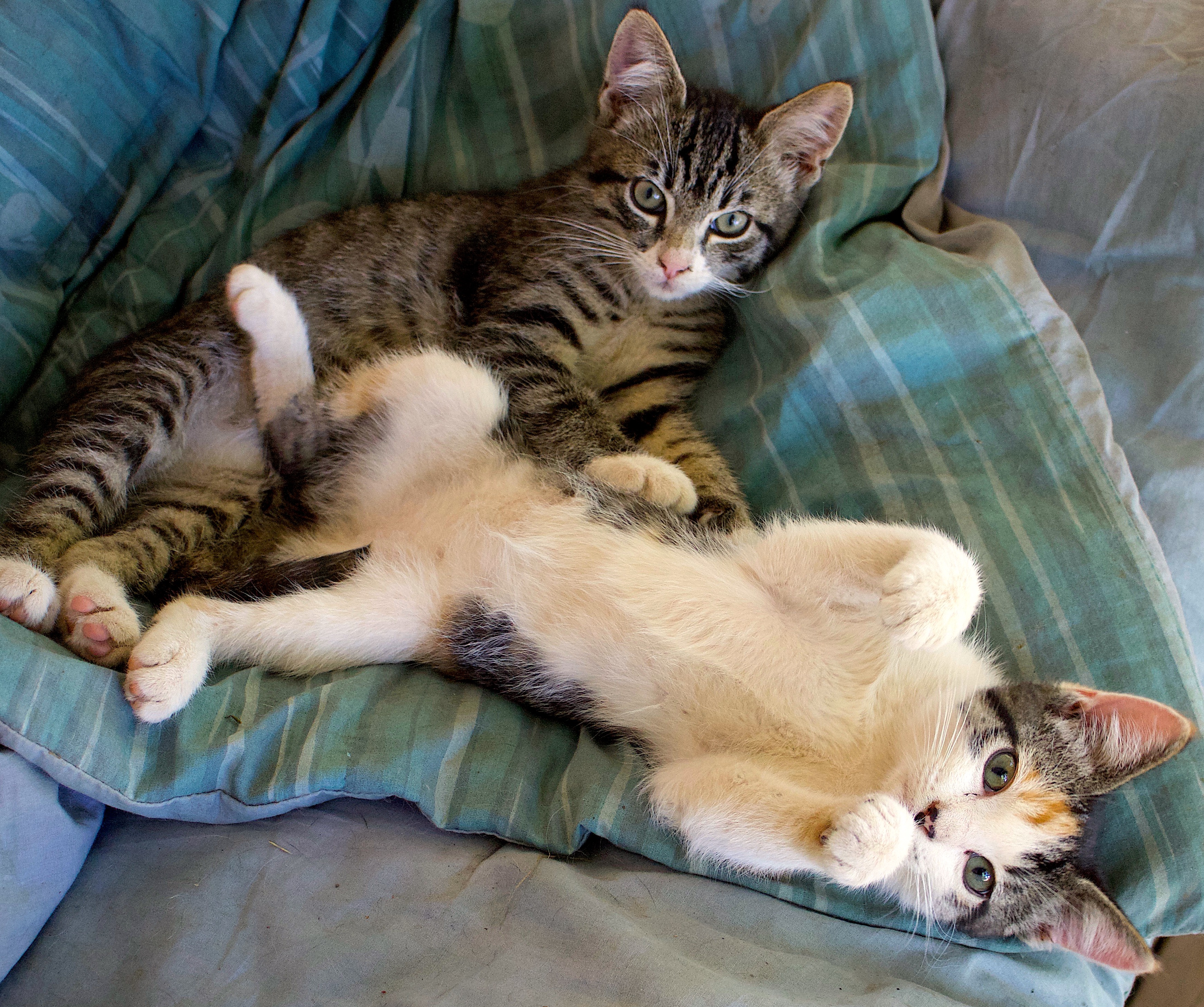
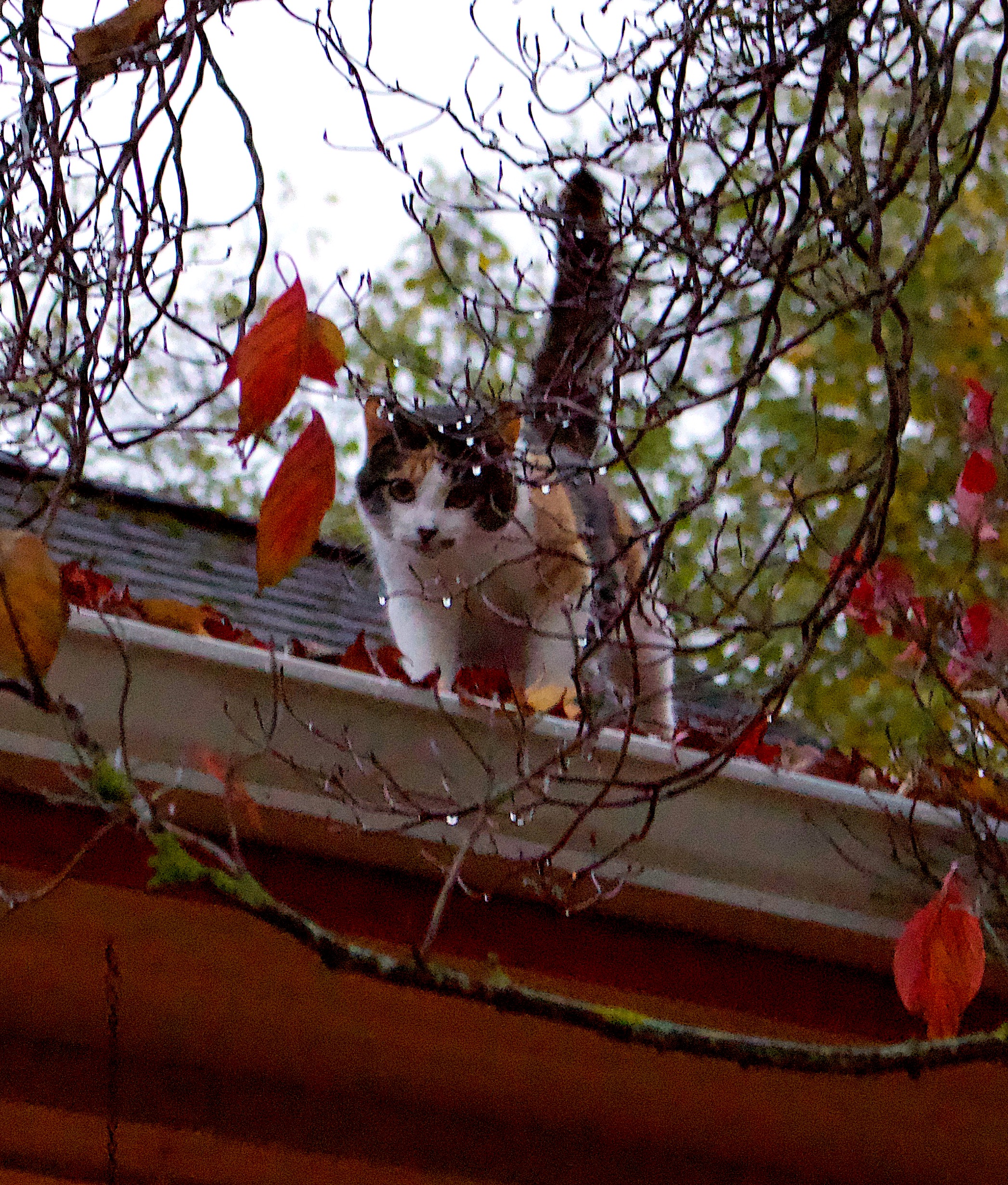
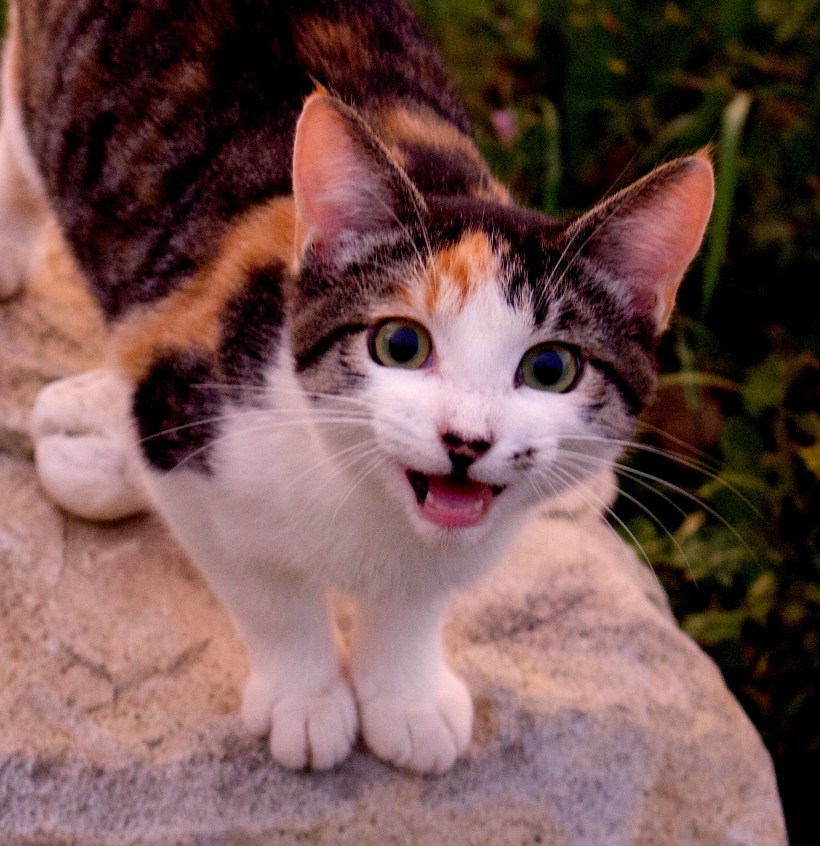
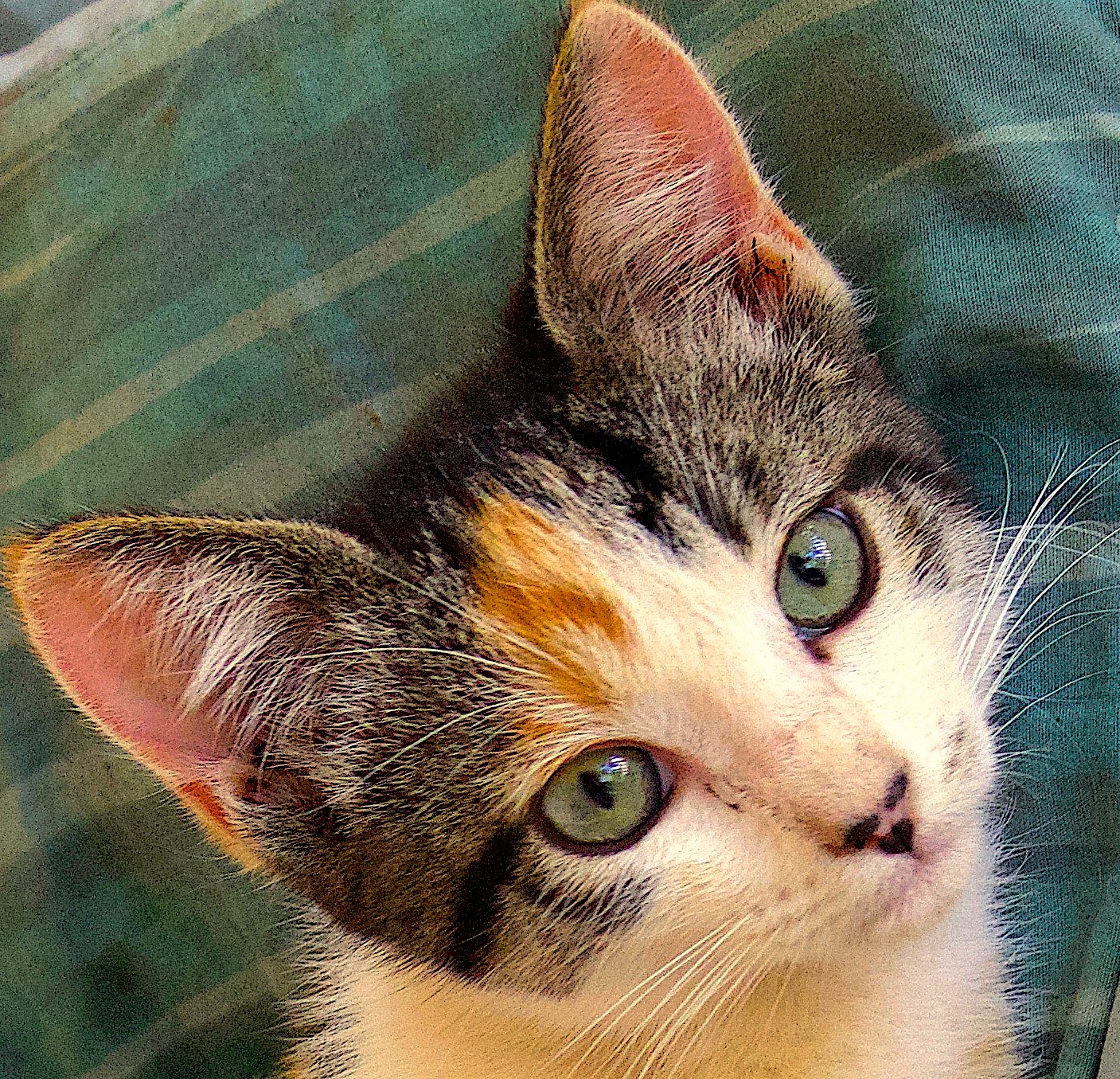
Our little calico Nala has the bravado of a cat many times her size and age. She climbs the tallest trees, dangles over the house roof eaves to stare eyeball-to-eyeball with the birds picking at seeds in the feeders. She takes no guff from the dogs or from her bigger brother Simba.

One day last summer, a visitor to our farm knocked early in the morning on our front door to say our kitty was struggling to walk, dragging her hind legs behind her. I hurriedly dressed to go find her, thinking I needed to somehow gather her up in a blanket to take to the vet, but she was no where to be found. I looked everywhere in the bushes and the hidden-away spots I knew she enjoyed, but she had vanished. I put out bowls of food to entice her but no luck – after three days, I figured she had crawled away to die alone, as cats are wont to do. Even her brother didn’t seem to know where she had gone as I followed him on his farm excursions.

I tried to theorize what might had happened – had she fallen from a roof or tree and become paralyzed? Surely she could not survive such a devastating injury.

Nine days later, long after I assumed she had died of her injuries or starvation, she appeared on the front porch when I opened the door. She was thin, weak, with her hind legs moving and holding up her weight. She was hungry and extremely vocal and not just a little perturbed that there was an empty cat food bowl on the porch.

On closer inspection, she had healing wounds along either side of her spine, matching closely with what I assume were eagle talon marks that had grasped her, if only briefly, as a raptor tried to carry her away. I suspect, feisty as she was, she fought her predator so fiercely that she was dropped from a bit of a height, bruising her spine. For an eagle, in this land of plenty of prey, dining on a calico is never worth such aggravation and hassle.
What a cat – now minus at least one, if not more lives. Only eight to go.

She is indeed resurrected; completely healed up, her spine is working fine and the only marks left on her back are white patches of new hair growth over her former wounds.

We thought she was lost forever, but she had not lost her way back to us, only way-laid for a bit. Our angel kitten is now resident on the front porch and back to her farm life climbing trees and torturing little birds.

Beware any big raptor who tries to take her on.

We Are No Longer Alone: To Wedge a Path of Light

 When trees have lost remembrance of the leaves
 that spring bequeaths to summer, autumn weaves
 and loosens mournfully — this dirge, to whom
 does it belong — who treads the hidden loom?
 
 When peaks are overwhelmed with snow and ice,
 and clouds with crepe bedeck and shroud the skies — 
 nor any sun or moon or star, it seems,
 can wedge a path of light through such black dreams — 
  
 All motion cold, and dead all traces thereof:
 What sudden shock below, or spark above,
 starts torrents raging down till rivers surge — 
 that aid the first small crocus to emerge?
 
 The earth will turn and spin and fairly soar,
 that couldn't move a tortoise-foot before — 
 and planets permeate the atmosphere
 till misery depart and mystery clear! — 
 
 Who gave it the endurance so to brave
 such elements? — shove winter down a grave? — 
 and then lead on again the universe?
 ~Alfred Kreymborg from "Crocus" 

To be sure, it feels wintry enough still: but often in the very early spring it feels like that. Two thousand years are only a day or two by this [God’s] scale. A man really ought to say, ‘The Resurrection happened two thousand years ago’ in the same spirit in which he says, ‘I saw a crocus yesterday.’ Because we know what is coming behind the crocus. The spring comes slowly down this way; but the great thing is that the corner has been turned. . . It remains with us to follow or not, to die in this winter, or to go on into that spring and that summer.
~C.S. Lewis from God in the Dock

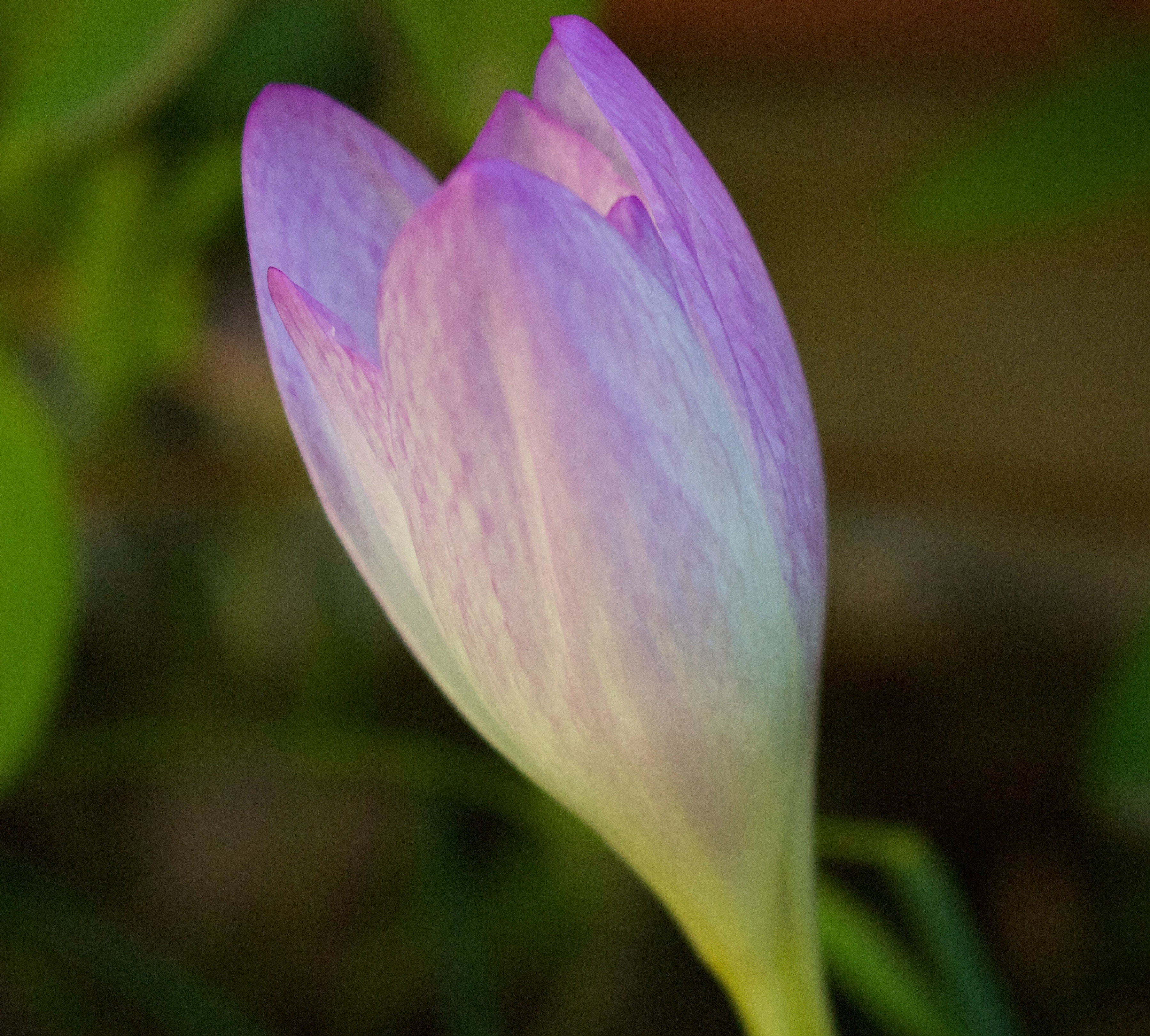
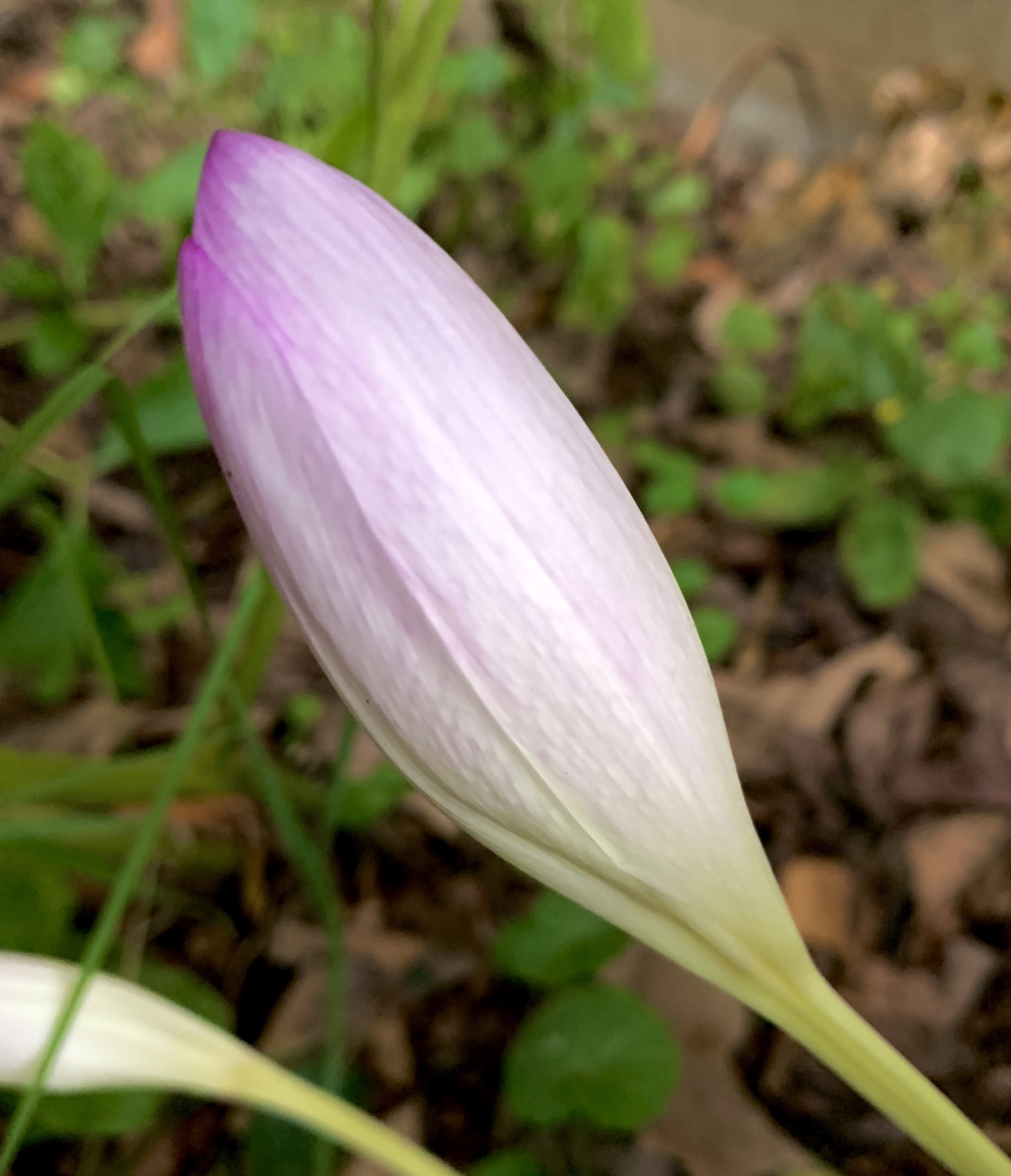
Whether late winter or autumn
the ground yields unexpected crocus,
surprising even to the observant.

Hidden beneath the surface,
their incubation readily triggered
by advancing or retreating light from above.

Waiting with temerity,
to be called forth from earthly grime
and granted reprieve from indefinite interment.

A luminous gift of hope and beauty
borne from a humble bulb
adorned with dirt.

Summoned, the harbinger rises
from sleeping dormant ground in February
or spent topsoil, exhausted by October.

These bold blossoms do not pause
for snow and ice nor hesitate to pierce through
a musty carpet of fallen leaves.

They break free to surge skyward
cloaked in tightly bound brilliance,
deployed against the darkness.

Slowly unfurling, the petals peel to reveal golden crowns,
royally renouncing the chill of winter’s beginning and end,
staying brazenly alive when little else is.

In the end,  they wilt, deeply bruised purple
a reflection of Light made manifest;
returning defeated, inglorious, fallen, to dust.

Yet like the Sun, we know
they will rise yet again.