
Where You Go, I Will Go: Reclaimed and Restored

To invite Jesus to cleanse the temple of our hearts
is not to ask for guilt and shame.
It is to ask for healing.
The same Lord who overturned tables did so
not to destroy and humiliate,
but to reclaim and restore.
He interrupts only that which obstructs.
He removes only that which hinders life and worship.
His cleansing is never punitive; it is always redemptive.
~Scott Sauls from “What Would Jesus Overturn in Your Life?”

To live coram Deo is to live one’s entire life
in the presence of God,
under the authority of God,
to the glory of God. 

To live in the presence of God is to understand

that whatever we are doing and wherever we are doing it,
we are acting under the gaze of God.

There is no place so remote that we can escape His penetrating gaze.

To live all of life coram Deo is to live a life of integrity.
It is a life of wholeness that finds

its unity and coherency
in the majesty of God.

Our lives are to be living sacrifices,
oblations offered in a spirit of adoration and gratitude.

A fragmented life is a life of disintegration.
It is marked by inconsistency, disharmony, confusion,
conflict, contradiction, and chaos.

Coram Deo … before the face of God.

…a life that is open before God.
…a life in which all that is done is done as to the Lord.
…a life lived by principle, not expediency; by humility before God,

not defiance.
~R.C. Sproul from “What Does “coram Deo” mean?”

We cannot escape His gaze…all of us, all colors, shapes and sizes…
Created in His image, imago dei, so He looks at us as His reflections in the mirror of the world.

What we do, how we speak, how we treat others
reflects the face of God.
Jesus is the embodied temple, bringing His sacrifice to the people,
rather than people coming to the temple with their sacrifices.

I cringe to think how we hide from His gaze.
All I see around me and within me is:
inconsistency, dishonesty, disharmony, confusion,
conflict, contradiction, and chaos.

Everywhere, everyone is saying:
only I know what is best.

We call hypocrisy on one another,
holding fast to moral high ground when the reality is:
we drown together in the mud of our mutual guilt and lack of humility.
All that we have done to others, we have done to God Himself.

It is time for us to be on our knees asking for cleansing,
for the temples of our hearts to be overturned,
our corruption scattered.

Jesus comes to cleanse, repair, reclaim and restore – us.

Kind of takes one’s breath away.
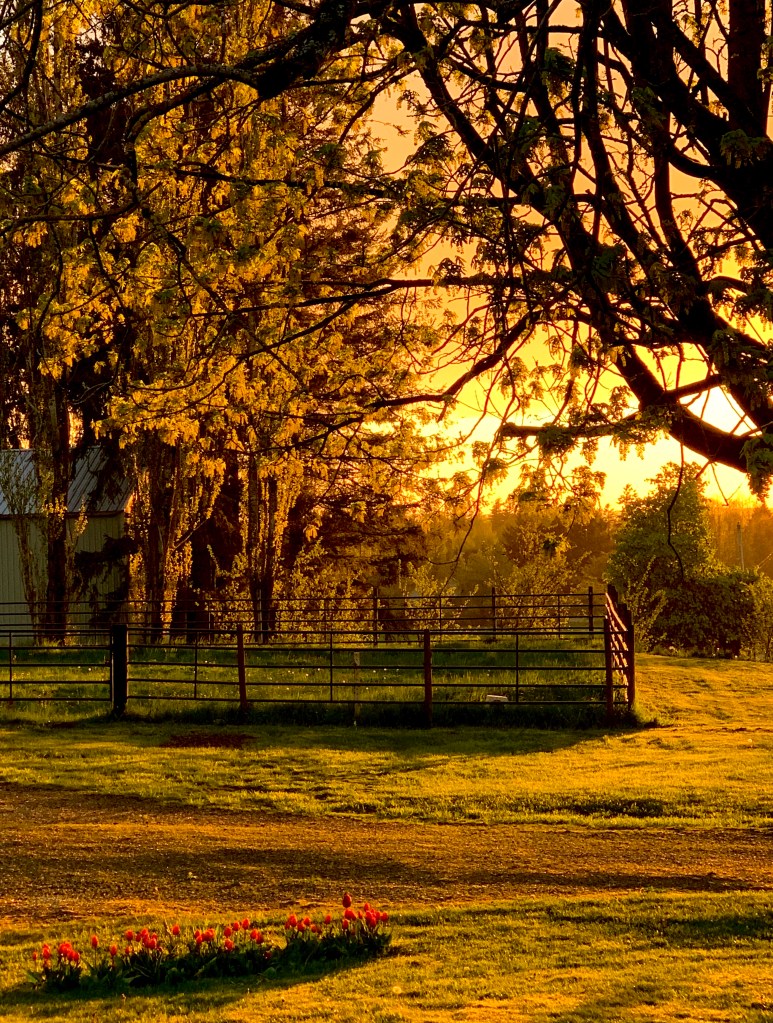
This year’s Lenten theme:

…where you go I will go…
Ruth 1:16
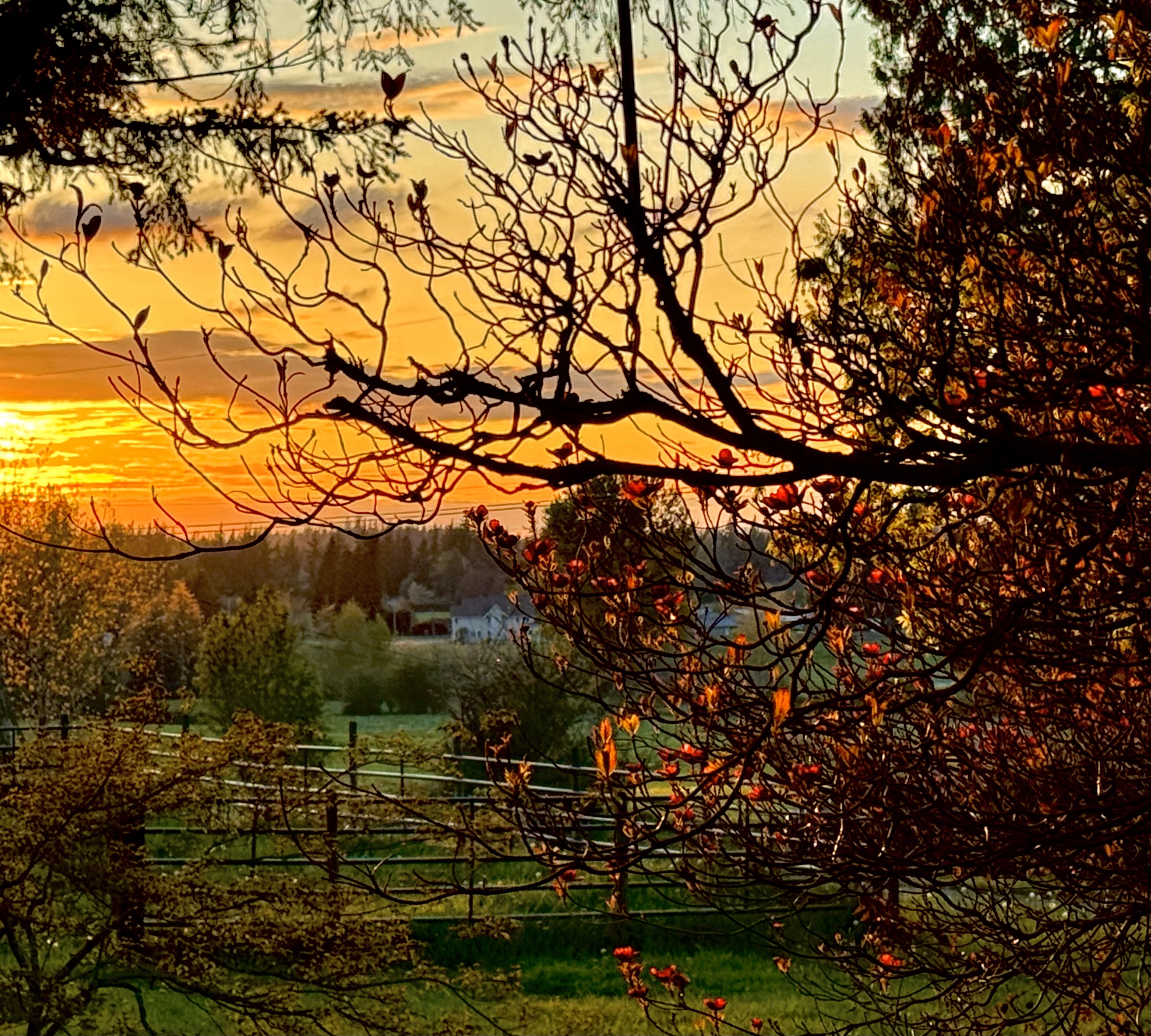
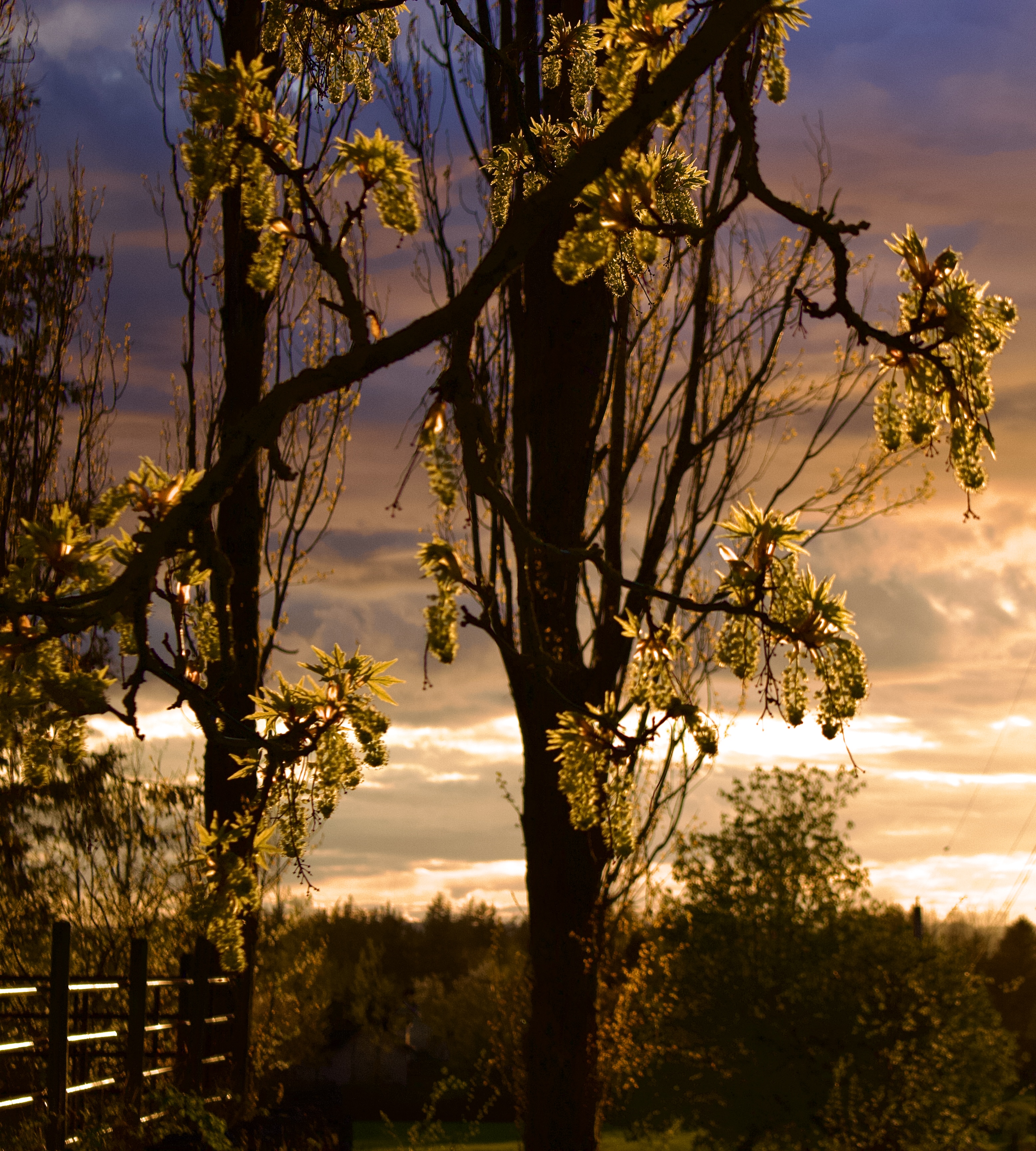
AI image created for this post

VERSE 1 It is not death to die
To leave this weary road
And join the saints who dwell on high
Who’ve found their home with God
It is not death to close
The eyes long dimmed by tears
And wake in joy before Your throne
Delivered from our fears
CHORUS O Jesus, conquering the grave
Your precious blood has power to save
Those who trust in You
Will in Your mercy find
That it is not death to die
VERSE 2 It is not death to fling
Aside this earthly dust
And rise with strong and noble wing
To live among the just
It is not death to hear
The key unlock the door
That sets us free from mortal years T
To praise You evermore
Original words by Henri Malan (1787-1864).
Translated by George Bethune (1847)

Angels, where you soar
Up to God’s own light
Take my own lost bird
On your hearts tonight;
And as grief once more
Mounts to heaven and sings
Let my love be heard
Whispering in your wings

One-Time
Monthly
Yearly

Make a one-time or recurring donation to support daily Barnstorming posts

Make a monthly donation

Make a yearly donation

Choose an amount

$10.00
$25.00
$50.00
$5.00
$15.00
$100.00
$5.00
$15.00
$100.00

Or enter a custom amount

$

Your contribution is deeply appreciated.

Your contribution is appreciated.

Your contribution is appreciated.

DonateDonate monthlyDonate yearly
Where You Go, I Will Go: Going Once, Going Twice

’Twas battered and scarred, and the auctioneer
Thought it scarcely worth his while,
To waste his time on the old violin.
But he held it up with a smile,
“What am I bid, good friends,” he cried.
“Who’ll start the bidding for me?”
“A dollar, a dollar. Then two! Only two?
Two dollars, and who’ll make it three?”

“Three dollars once. And three dollars twice.
And going, and going, . . . ” But no,
From the back of the room a gray-haired man
Came forward and picked up the bow.
And wiping the dust from the old violin
And tightening the loose strings
He played a melody pure and sweet
As caroling angels sing.

The music ceased and the auctioneer
With a voice that was quiet and low,
Said “What am I bid for the old violin?”
As he held it up with the bow.
“One thousand dollars, and who’ll make it two?
Two thousand dollars, and three!
Three thousand, once, and three thousand twice,
And going, and going, and gone!” said he.

The people cheered, but some of them cried,
“We don’t quite understand
What changed its worth.” Swift came the reply.
“’Twas the touch of the master’s hand.”
And many a man with life out of tune
And battered and scarred with sin,
Is auctioned cheap to the thoughtless crowd,
Much like the old violin.

A mess of pottage, a glass of wine,
A game, and he travels on.
He’s going once, and going twice,
And going, and almost gone.
But the Master comes and the thoughtless crowd
Never can quite understand
The worth of a soul, and the change that is wrought,
By the touch of the Master’s hand.

~Myra Brooks Welch “The Touch of the Master’s Hand”

Strange shape, who moulded first thy dainty shell?
Who carved these melting curves? Who first did bring
Across thy latticed bridge the slender string?
Who formed this magic wand, to weave the spell,
And lending thee his own soul, bade thee tell,
When o’er the quiv’ring strings, he drew the bow,
Life’s history of happiness and woe,
Or sing a paean, or a fun’ral knell?

Oh come, beloved, responsive instrument,
Across thy slender throat with gentle care
I’ll stretch my heart-strings; and be quite content
To lose them, if with man I can but share
The springs of song, that in my soul are pent,
To quench his thirst, and help his load to bear.

~Bertha Gordon “To a Violin”

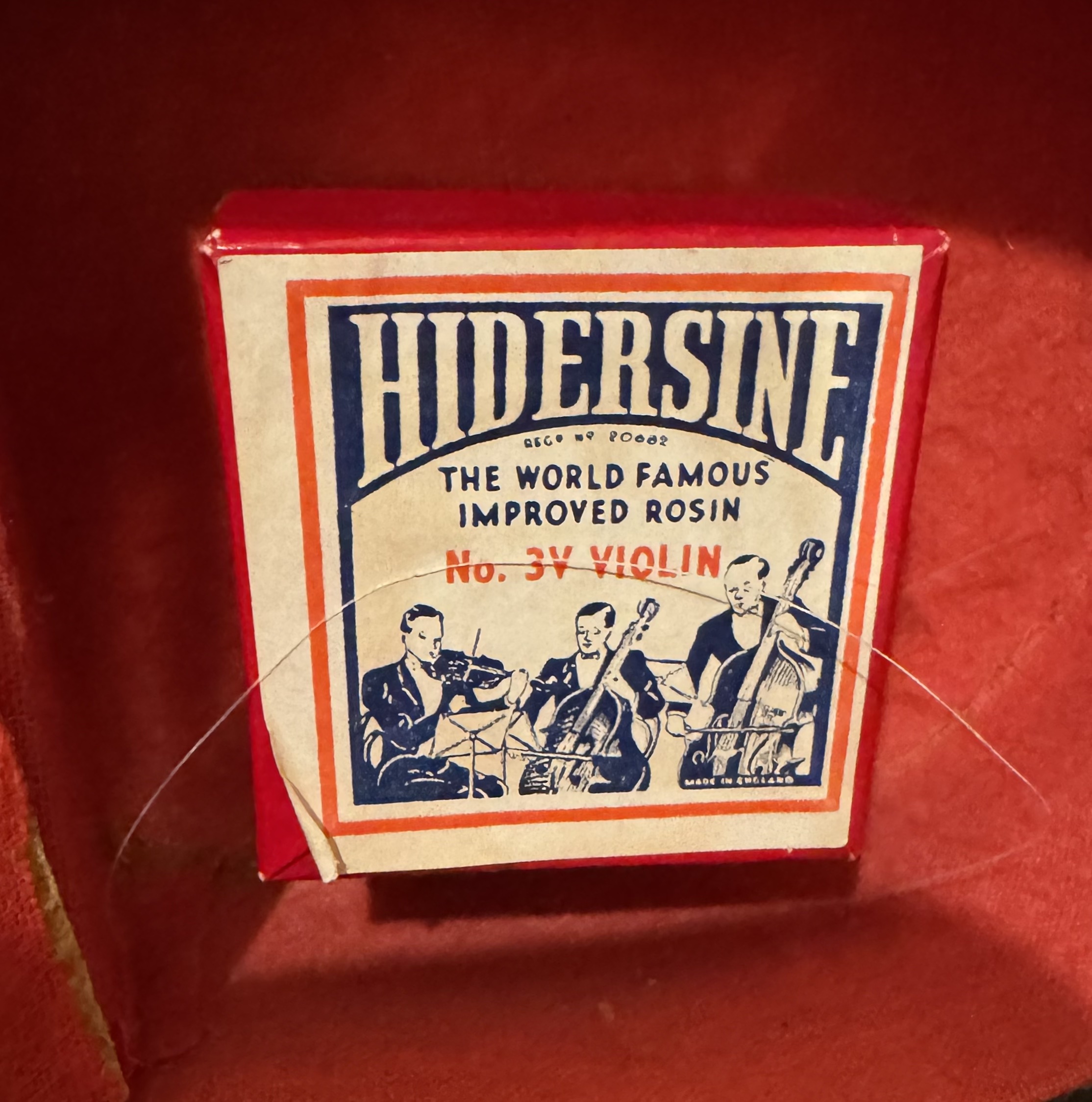
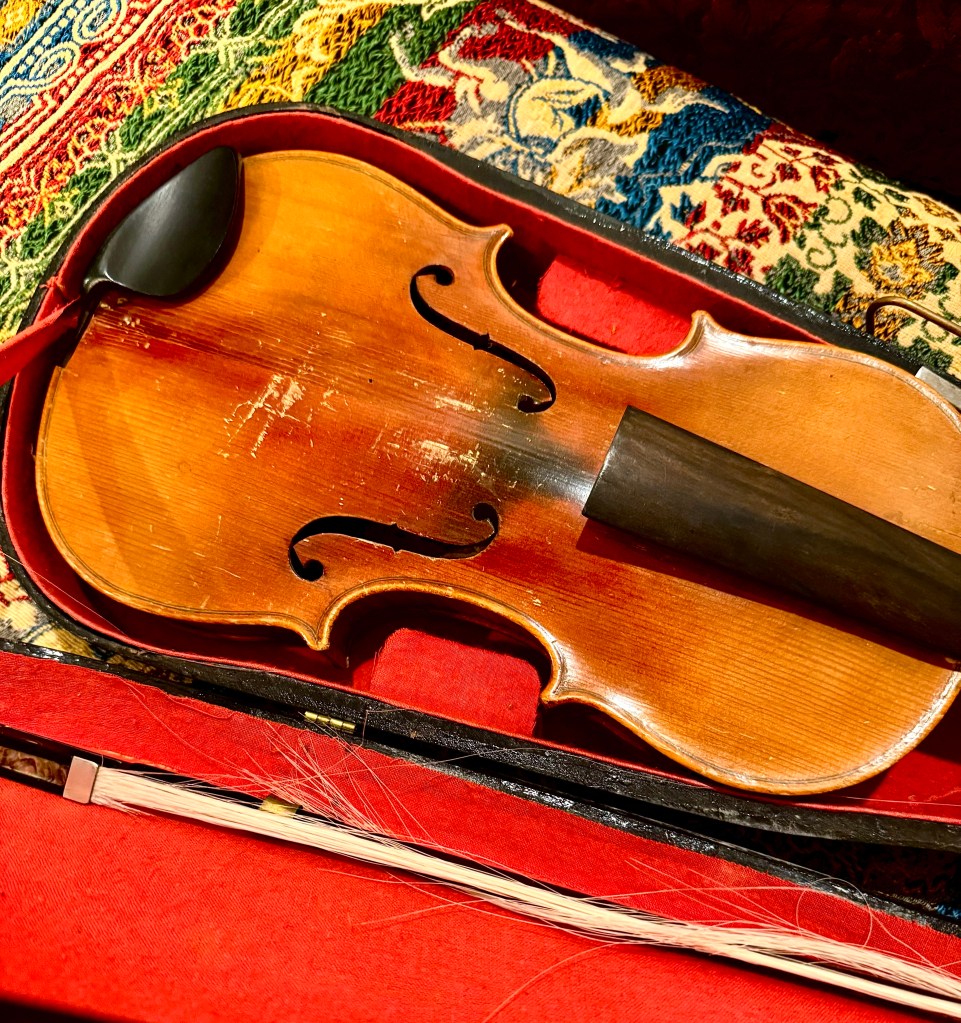
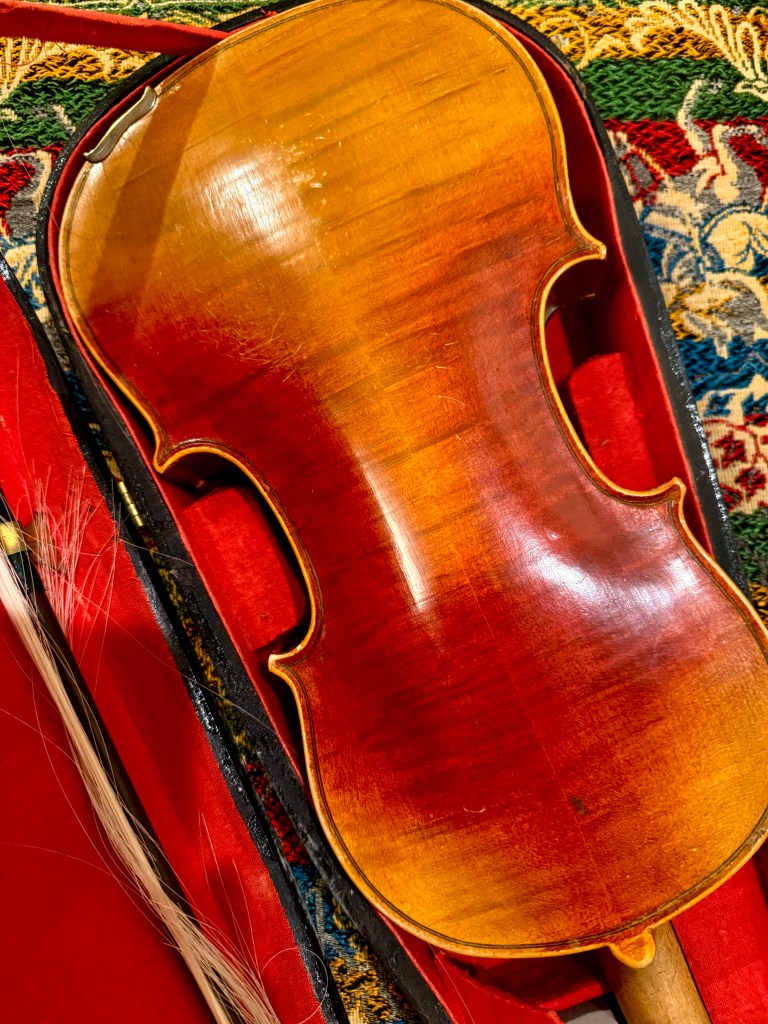
My maternal grandfather, a Palouse wheat farmer starting in the late 1800s, was a self-taught fiddle player. My mother, born in 1920, remembered him pulling the violin out of its case at the end of a long day working in the fields, enjoying playing jigs and ditties for his family.

The history of how he acquired this violin has been lost three generations later. The fiddle itself became a veteran of many sad and joyous tunes over the years.

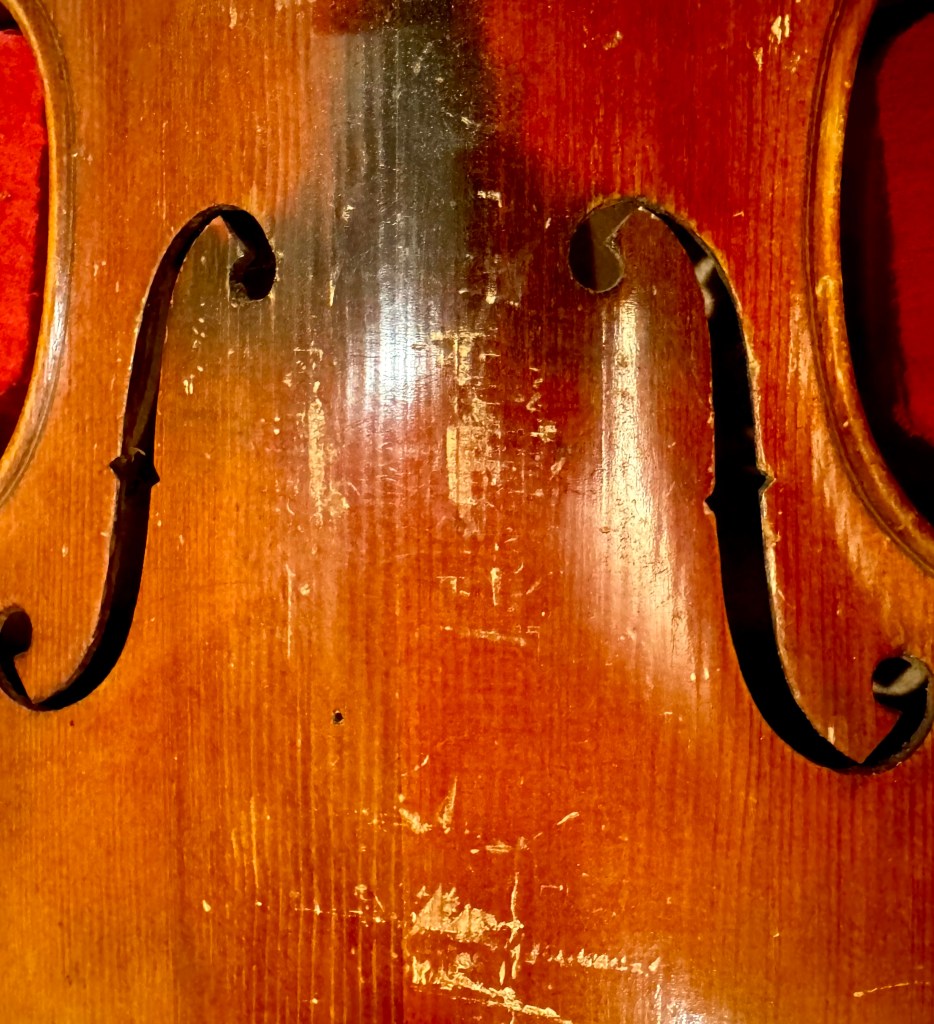
Now scratched and tarnished and stringless, it is hardly a thing of beauty. My research suggests it is one of many mass-produced factory-made violins sold through Sears Roebuck back in the early 1900’s. It was made to “appear” like a rare hand-crafted German Stradivarius, but affordable for the common man.

Still, its value isn’t in how it was made, or who actually glued it together and stamped a brand on it. Its value is found in the hands that cradled it, holding it carefully under the chin, drawing heart-felt sounds from its strings.

Just like this old violin, aged and out of tune, I’m looking a bit scratched up and battered from years of use.

God has picked me up, blowing away my dustiness. He has tightened and tuned my strings to coax a song from me.

Restored, I can resonate in joy and tears.

This year’s Lenten theme:

…where you go I will go…
Ruth 1:16

One-Time
Monthly
Yearly

Make a one-time or recurring donation to support daily Barnstorming posts

Make a monthly donation

Make a yearly donation

Choose an amount

$10.00
$25.00
$50.00
$5.00
$15.00
$100.00
$5.00
$15.00
$100.00

Or enter a custom amount

$

Your contribution is deeply appreciated.

Your contribution is appreciated.

Your contribution is appreciated.

DonateDonate monthlyDonate yearly
Pause for the Parable

Every happening, great and small,
is a parable whereby God speaks to us,
and the art of life is to get the message.
~Malcolm Muggeridge

Every day is filled with storied moments
though I feel too rushed to listen.

If I take time to be changed
by what I see or feel or hear,
when I pause
for the parable,
it makes all the difference:

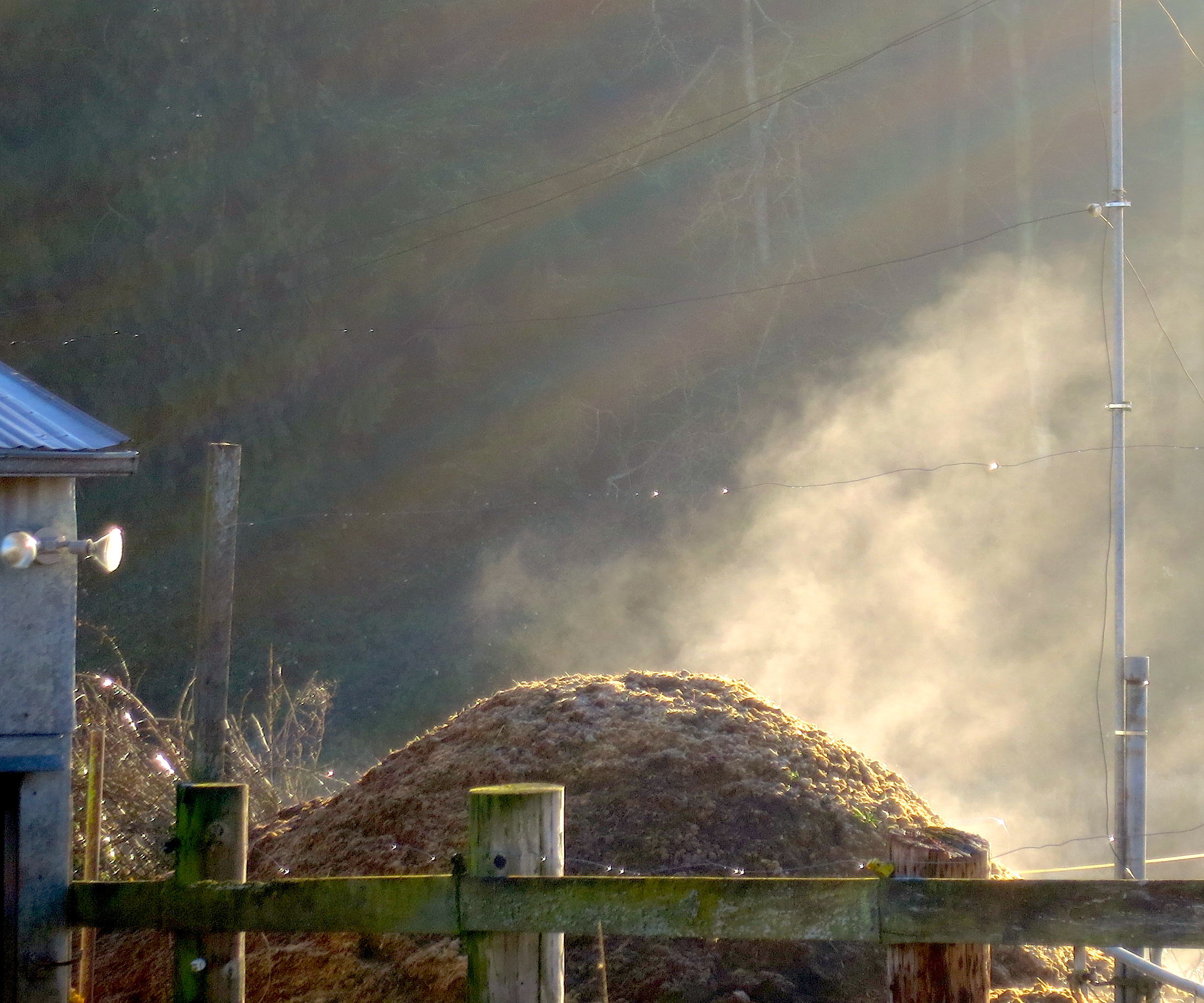
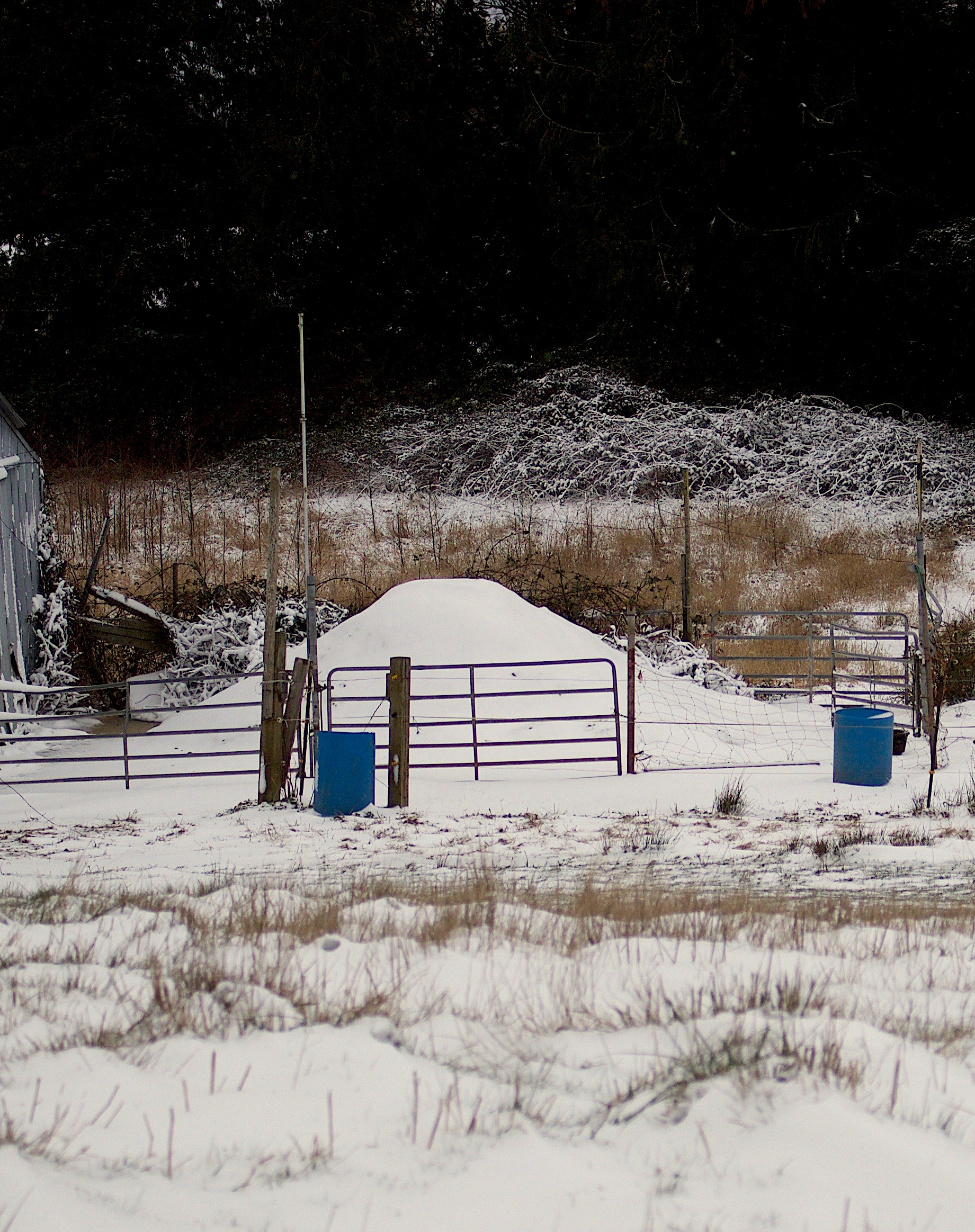
A steaming manure pile
becomes the crucible for my failings
transformed into something useful,
a fertilizer to be spread
to grow what it touches.

An iced-over water barrel
reflects distant clouds
above me as I peer inside,
its frozen blue eye focused
past my brokenness
to mirror a beauty
far beyond.

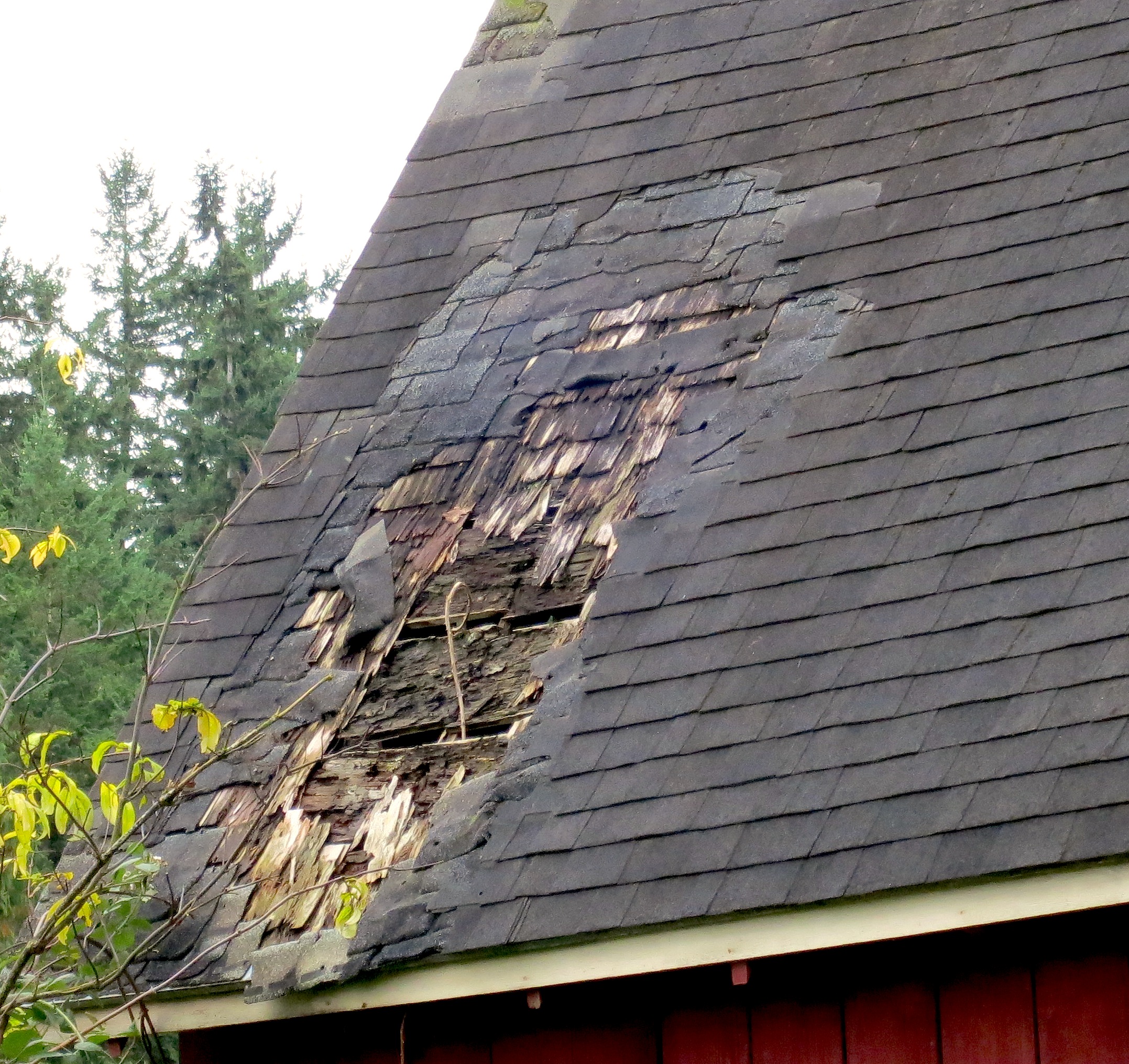
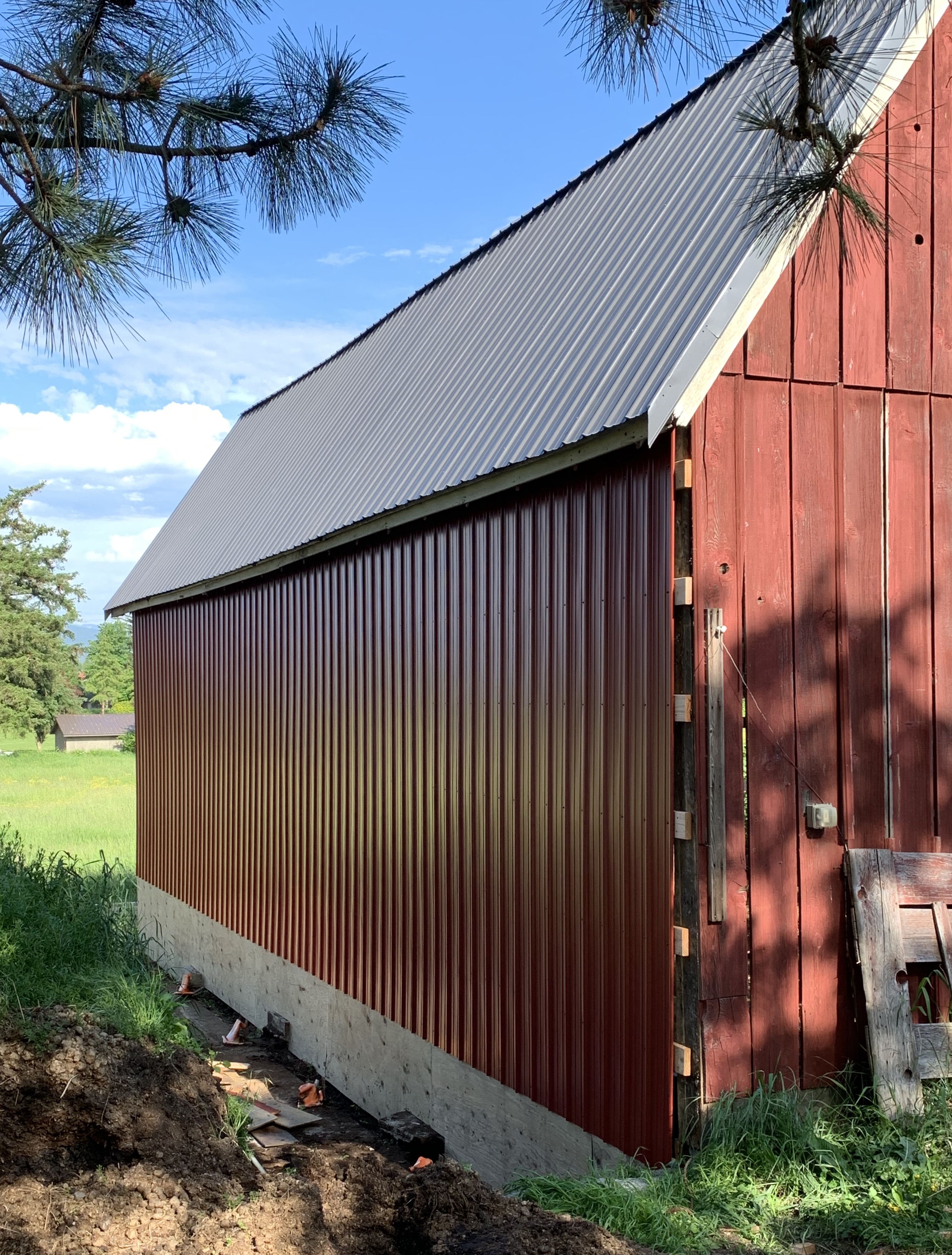
An old barn roof with gaps torn by fierce winds,
is repaired and renewed,
no longer allowing rain and snow
and invading vines inside;
once again safe and secure,
a sanctuary protected from storms.

I am looking.
I am listening.
Feeling in desperate need of repair
before I topple over:
to be transformed,
and forever changed.

Stitched Up Whole Again

 Sometimes, I am startled out of myself,
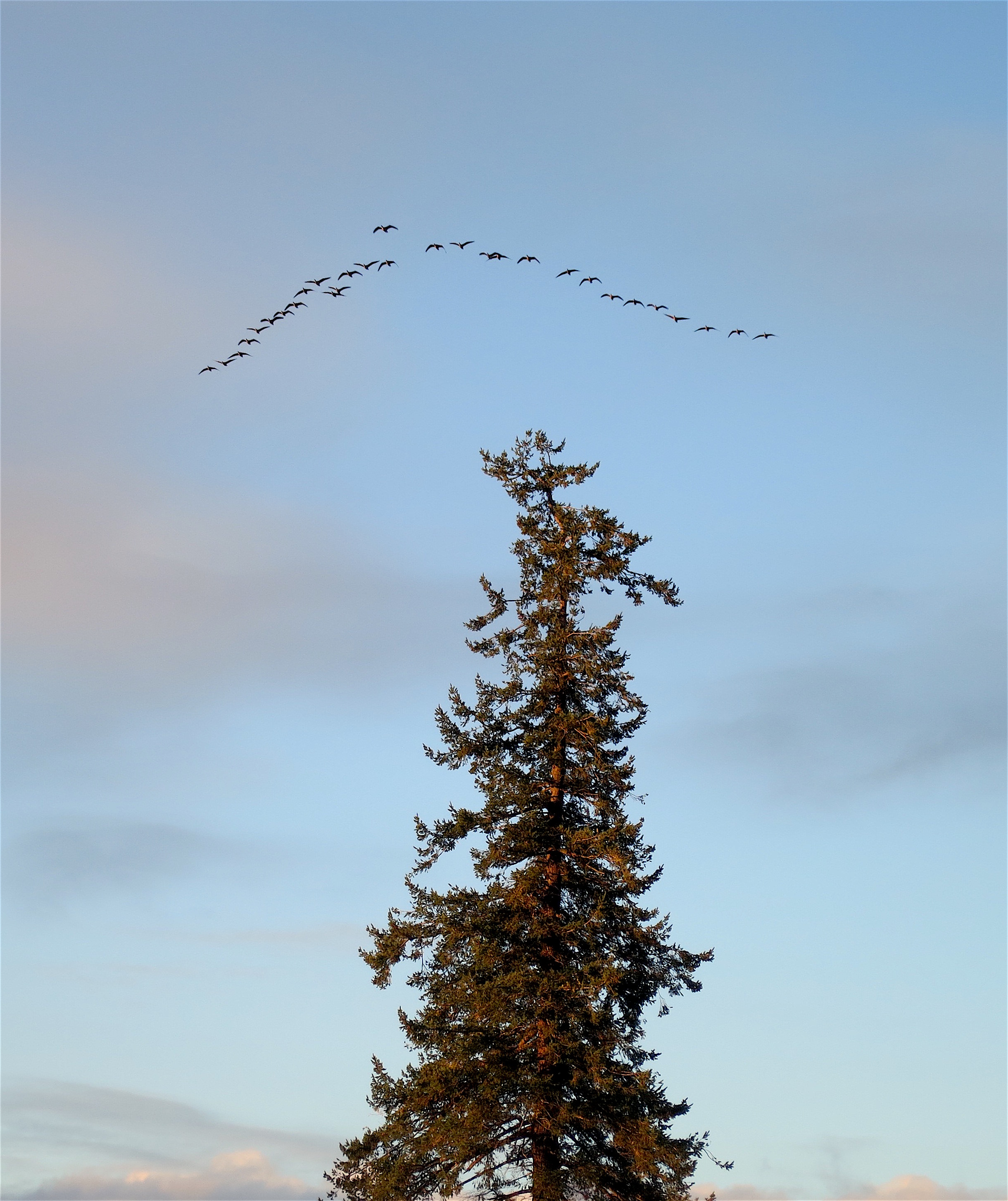
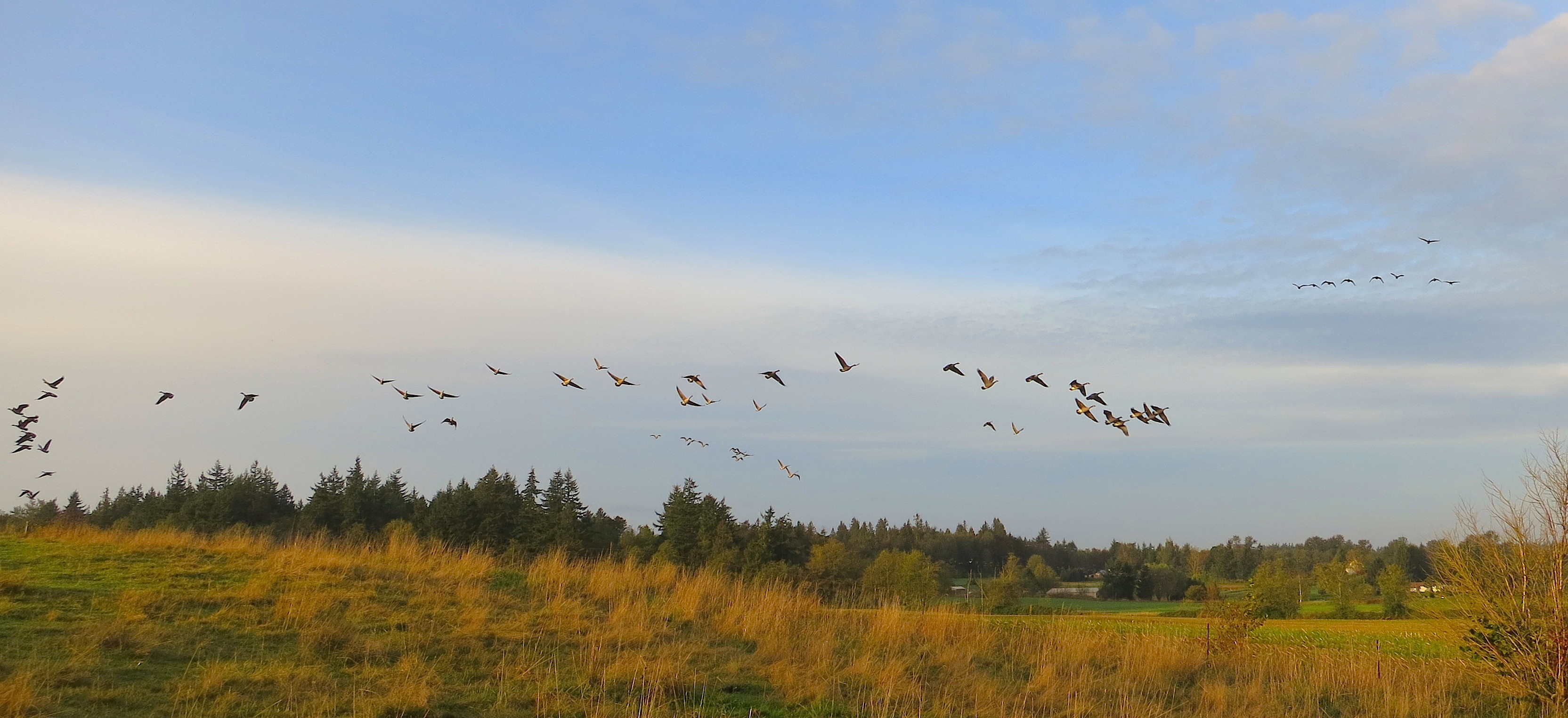
like this morning, when the wild geese came squawking,
flapping their rusty hinges, and something about their trek
across the sky made me think about my life, the places
of brokenness, the places of sorrow, the places where grief
has strung me out to dry. And then the geese come calling,
the leader falling back when tired, another taking her place.
Hope is borne on wings. Look at the trees. They turn to gold
for a brief while, then lose it all each November.
Through the cold months, they stand, take the worst
weather has to offer. And still, they put out shy green leaves
come April, come May. The geese glide over the cornfields,
land on the pond with its sedges and reeds.
You do not have to be wise. Even a goose knows how to find
shelter, where the corn still lies in the stubble and dried stalks.
All we do is pass through here, the best way we can.
They stitch up the sky, and it is whole again.

~Barbara Crooker, from Radiance

We’ve lived long enough – now over three decades – in one place so things here on the farm are starting to break and fall apart, or stop working and simply give up. Over the last several weeks we’ve been busy fixing everything from barns to lawnmowers and old pick up trucks to leaking comfy air mattresses, not to mention various appliances threatening to give up the ghost.

We wonder what will break next, or whether all this is just preparing us for our own turn to fall apart, so I’m looking around with a renewed perspective of running out of time.

Like most people who have been stuck at home over the last several months, quarantine has been a good opportunity to clean up around here, including untouched boxes of things moved from our parents’ homes when they had to move into extended care before their deaths. We’ve packed up outdated possessions and no-longer-fitting clothing, scads of magazines and books never read and not-likely-to-be, and anything else that simply isn’t needed any longer.

The older I get, the more I feel I am merely passing through. No one else should have to pick up my messes after me.

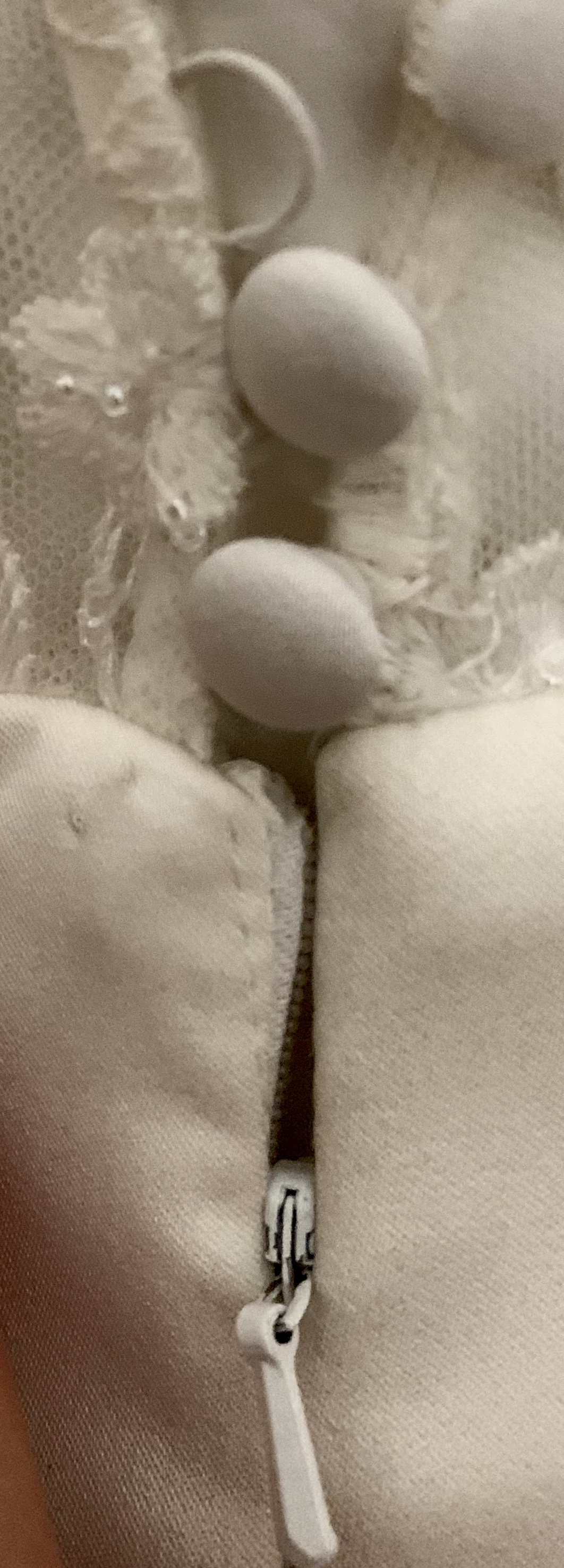
Though this will be the summer of the purge of the old and used up, some things are always fixable, and that includes me. Like a seam with missing thread or a broken zipper or a dangling button, it is possible to be carefully stitched back into place once again and thus remain, forever, hopeful and whole.

Preparing Through Parable: Getting the Message

sunsetgradient21218


Every happening, great and small, 
is a parable whereby God speaks to us, 
and the art of life is to get the message.
…Listening to great music, or reading great literature,

an inner rhythm is detected and the heart rejoices,
and a light breaks which is none other than
God’s love shining through all of creation.
~Malcolm Muggeridge from his lecture “Christ and the Media”


For Lent this year, each day will be devoted to a story Jesus told –his parables–
to help each of us “get the message” in a way we might not otherwise.

Whether about a lost coin, a wandering sheep, a light hidden from view,
or a hypercritical older brother:  the parable told is about me and choices I make.


compostjanuary


ice216


Every day is filled with stories told
and I feel too rushed to listen,
to take time for transformation
by what I see or feel or hear,
no matter how seemingly
small and insignificant.

When I pause
for the parable,
it makes all the difference:

A steaming manure pile
becomes the crucible for my failings
transformed into something useful,
a fertilizer to be spread
to grow what it touches.

An iced-over water barrel
reflects distant clouds
above me as I peer inside,
its frozen blue eye focused
past my brokenness
to mirror a beauty
far beyond.

An old barn roof awaiting repair
has gaps torn of fierce winds,
allowing rain and snow
and invading vines inside
what once was safe and secure,
a sanctuary exposed to storms.

I am looking.
I am listening.
Getting the message.
Badly in need of repair.
To be changed, transformed,
and to become part
of the story being told.


missingroof


The Farmer’s Duct Tape

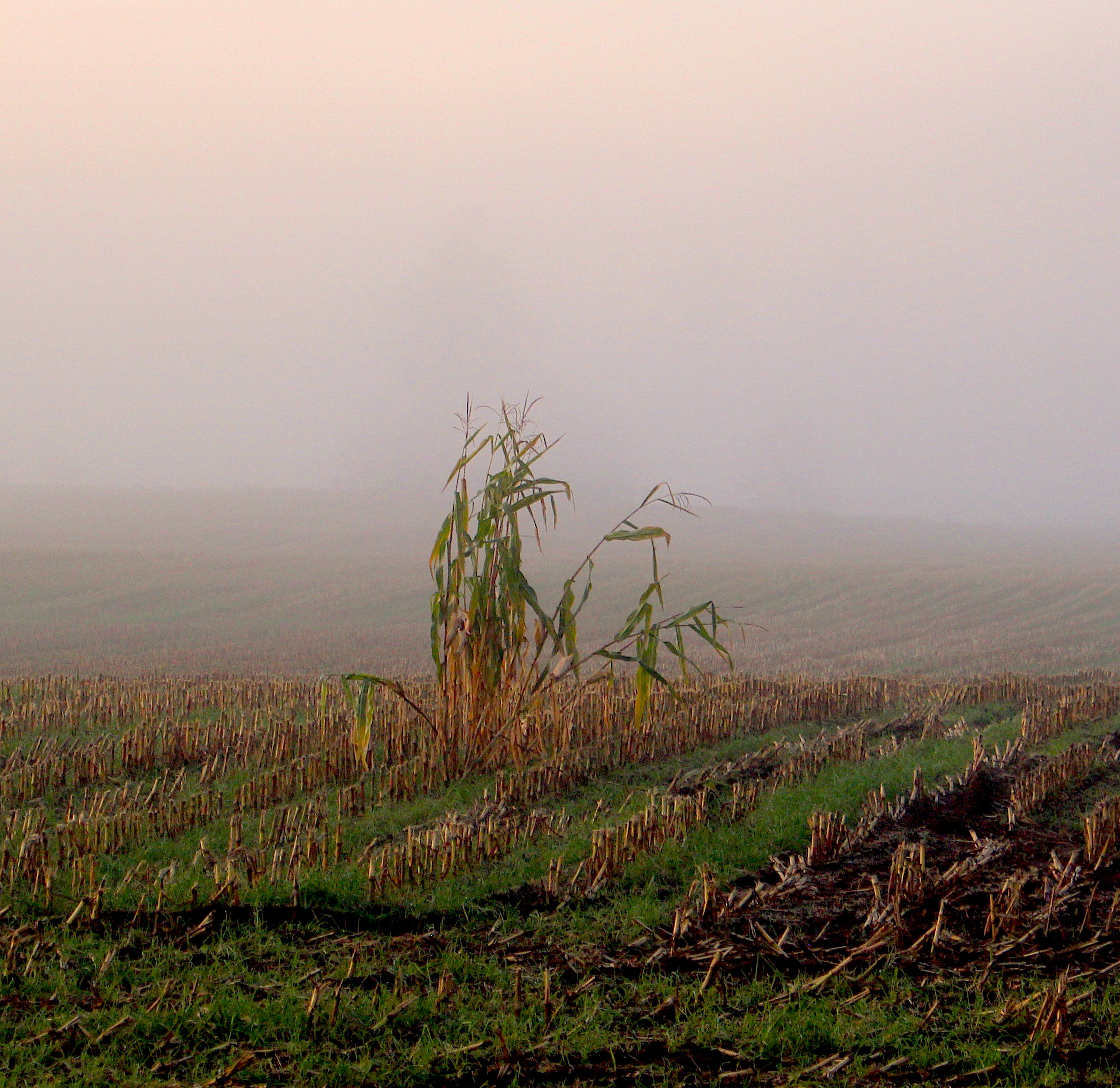
fog1184


twine6

My hands are torn
by baling twine, not nails, and my side is pierced
by my ulcer, not a lance.
~Hayden Carruth from “Emergency Haying”

twine3


twine2


twine4
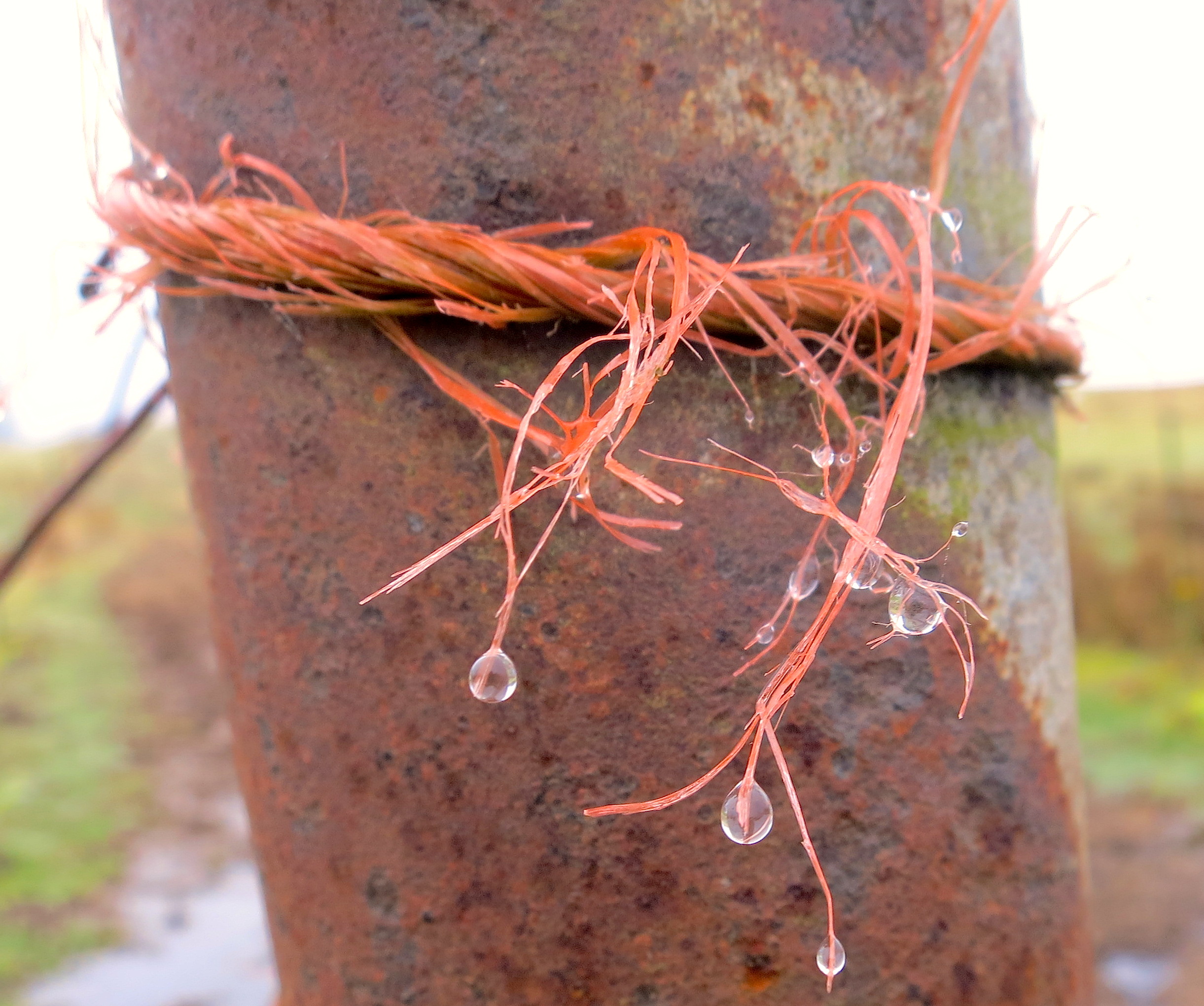
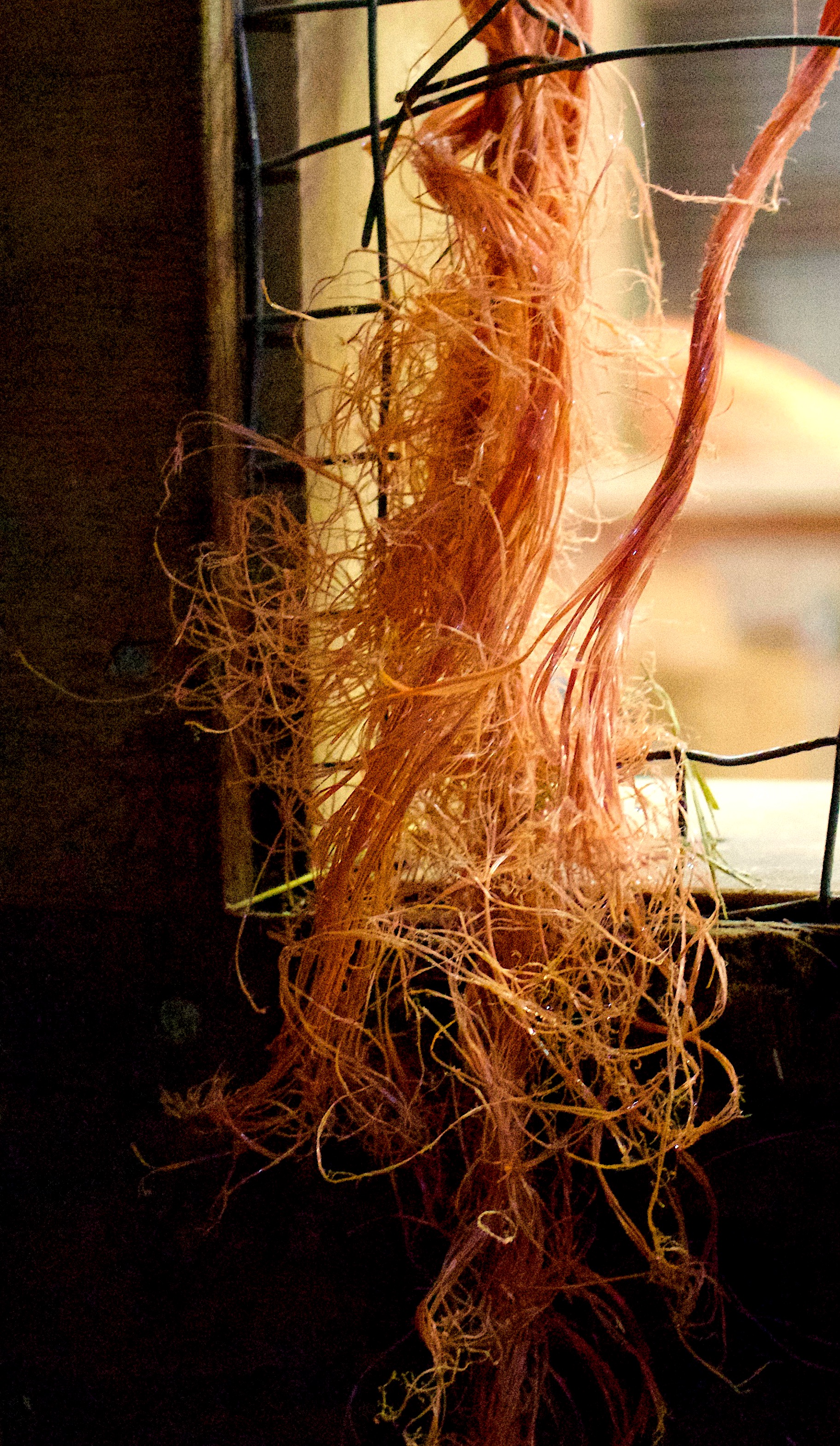
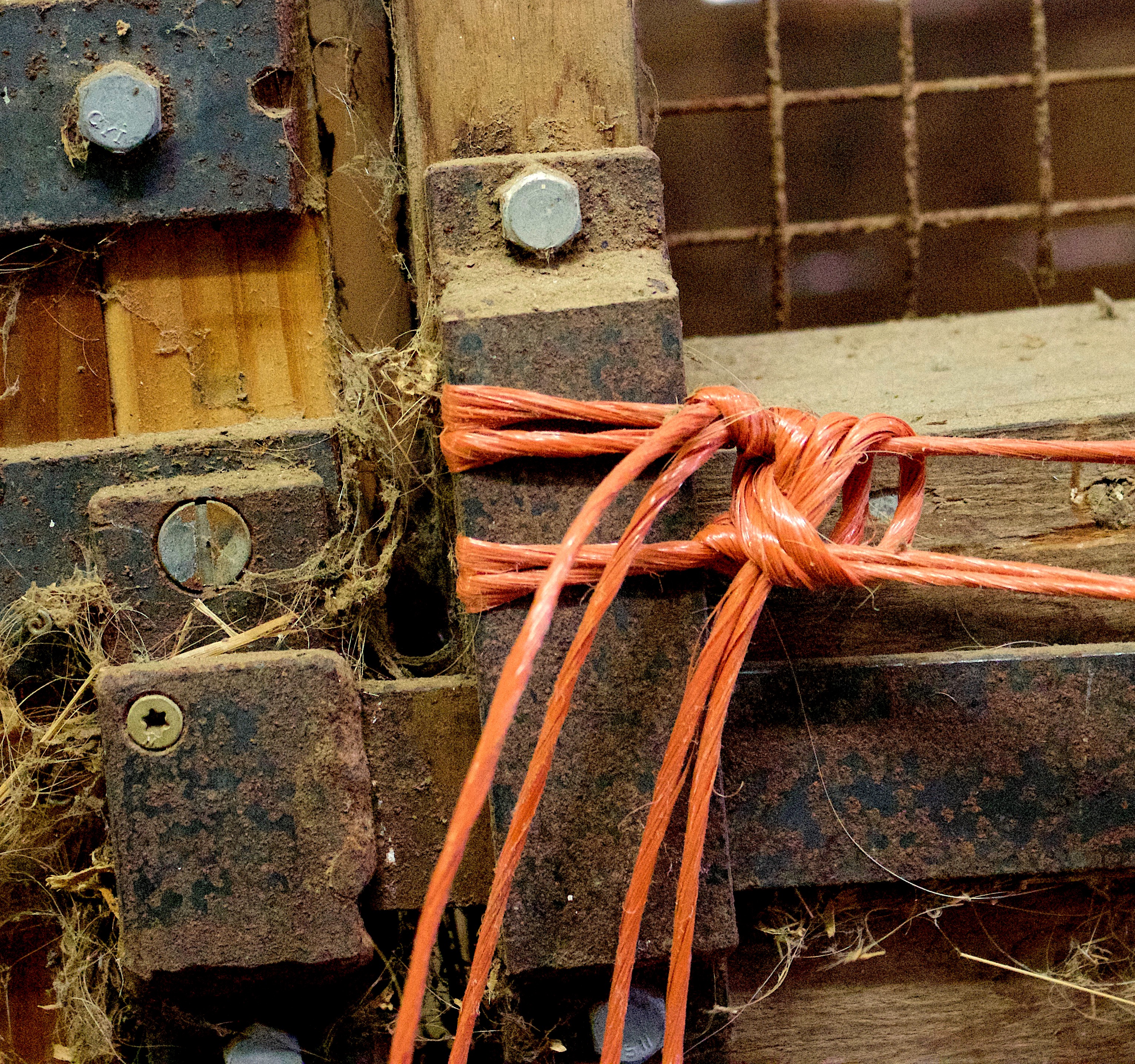
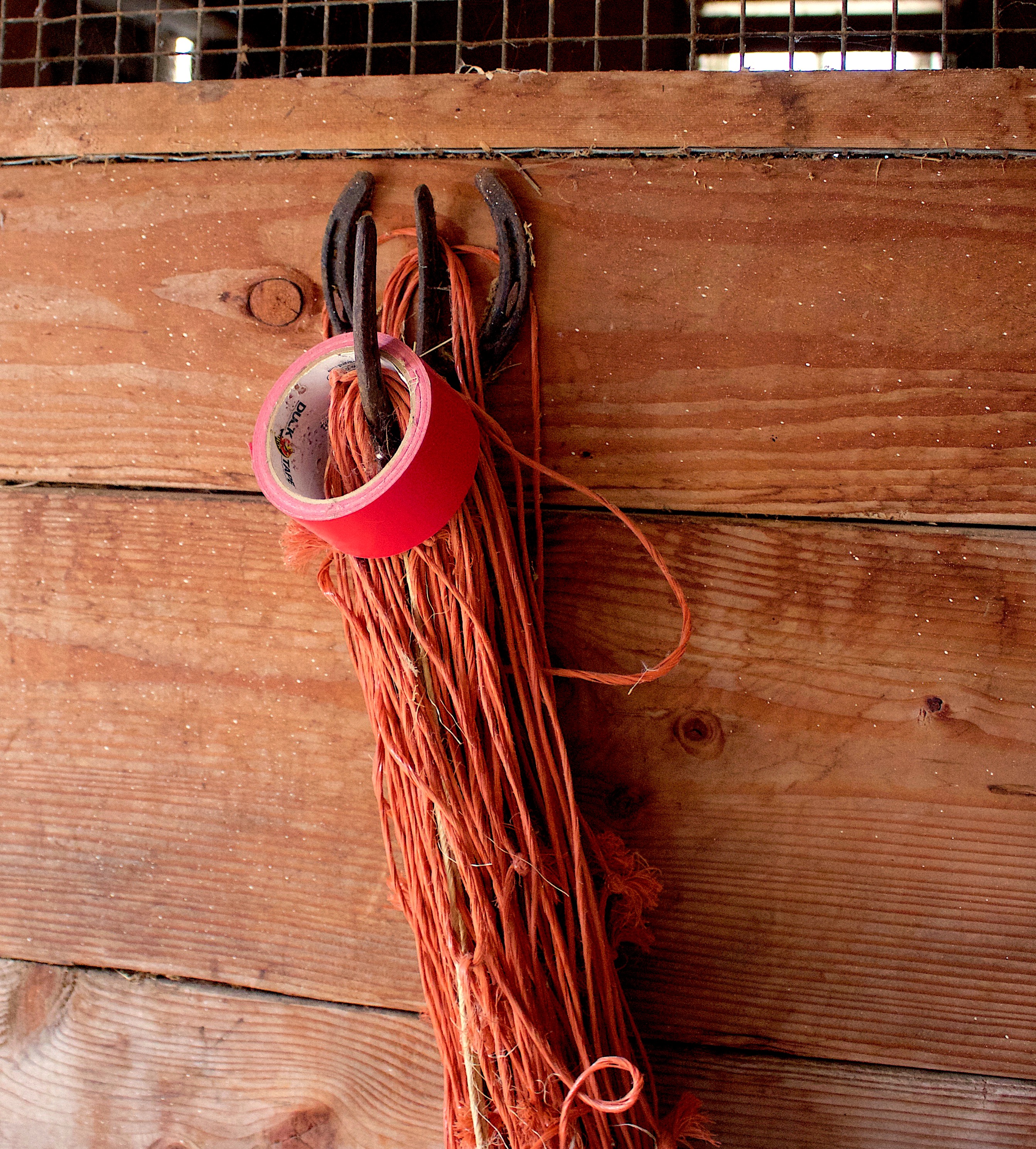
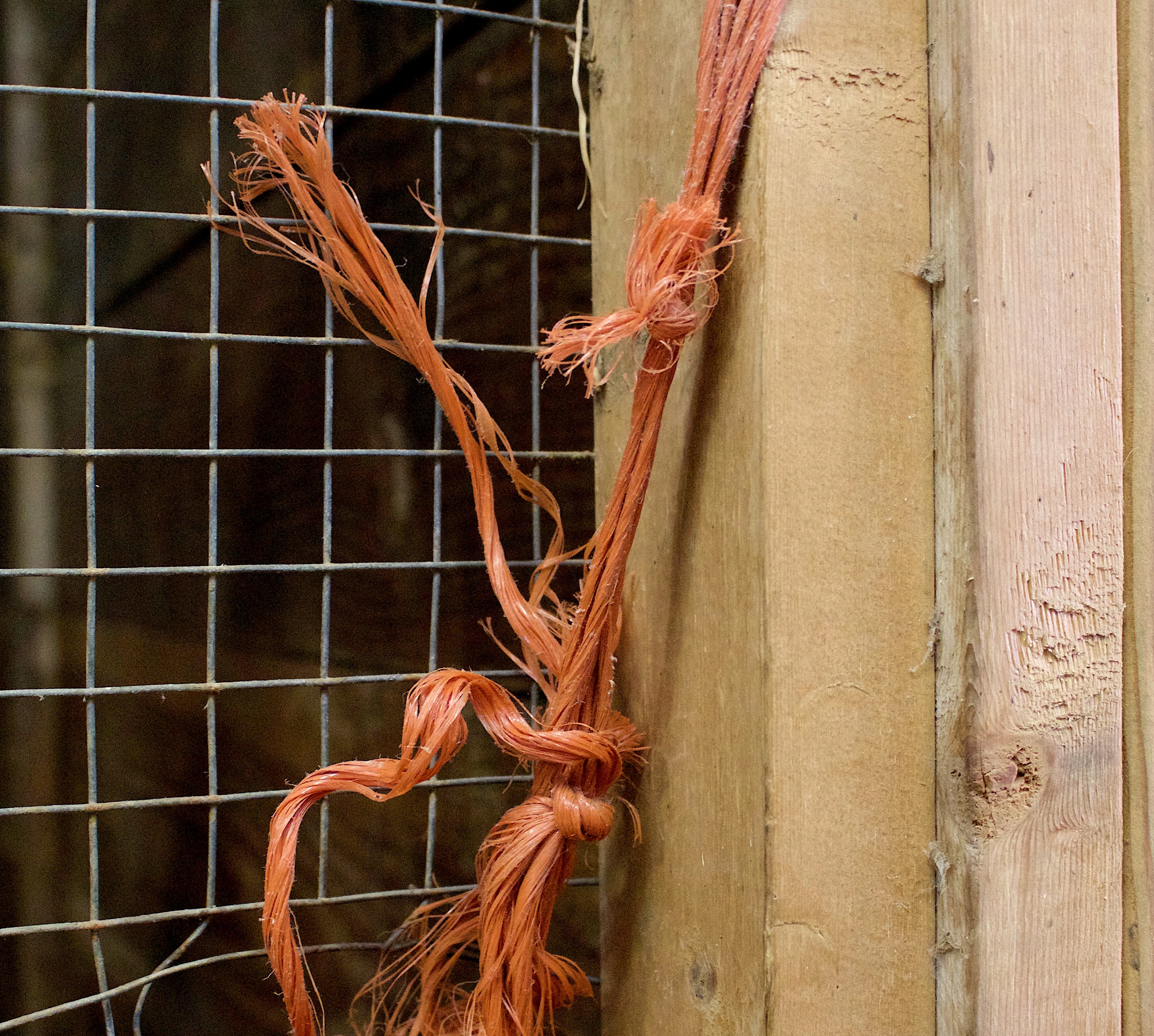
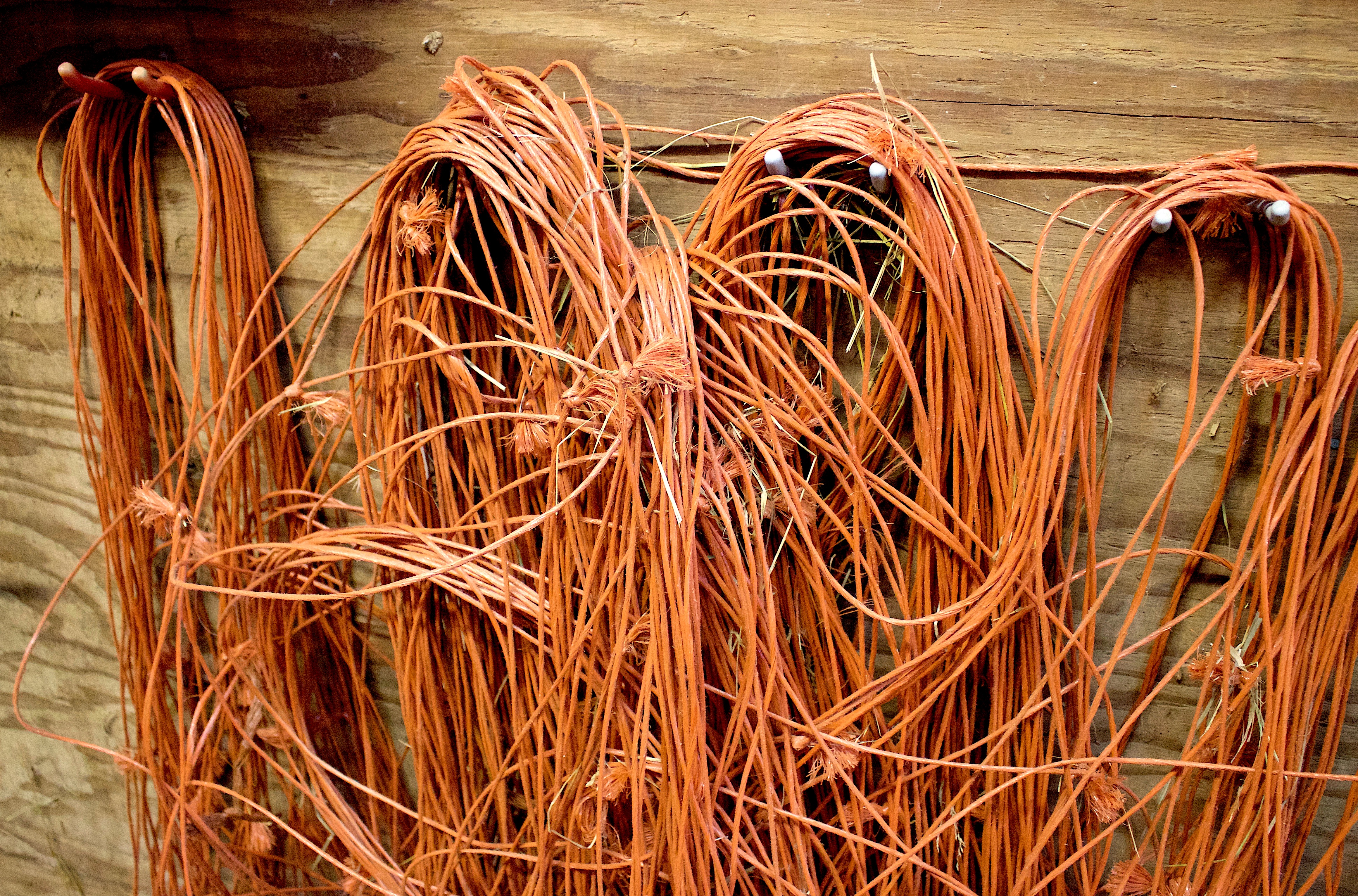
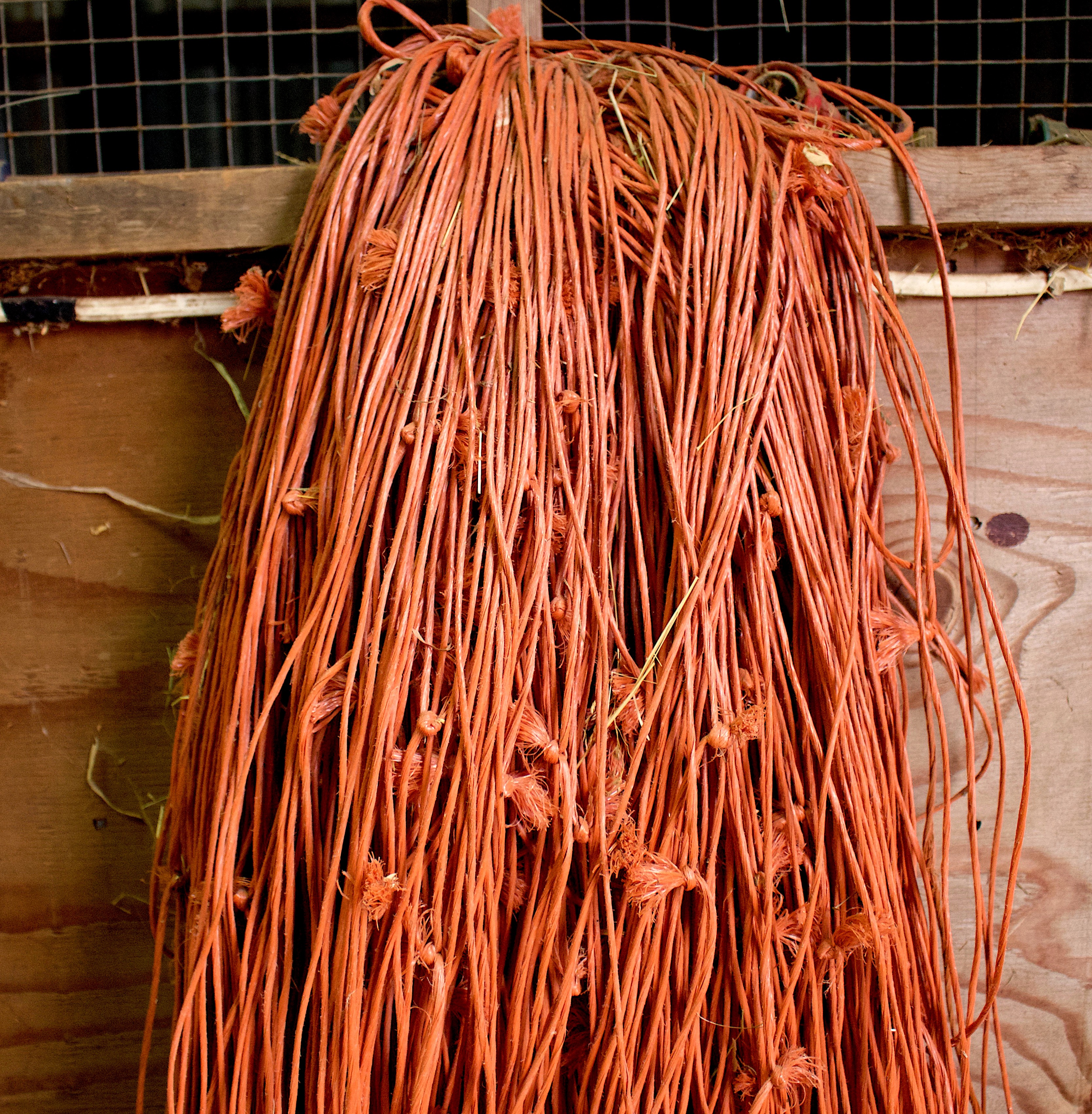
Miles of baling twine encircle
tons of hay in our barn,
twice daily cut loose,
freed of grasses
and hung up to reuse again
in myriad ways:

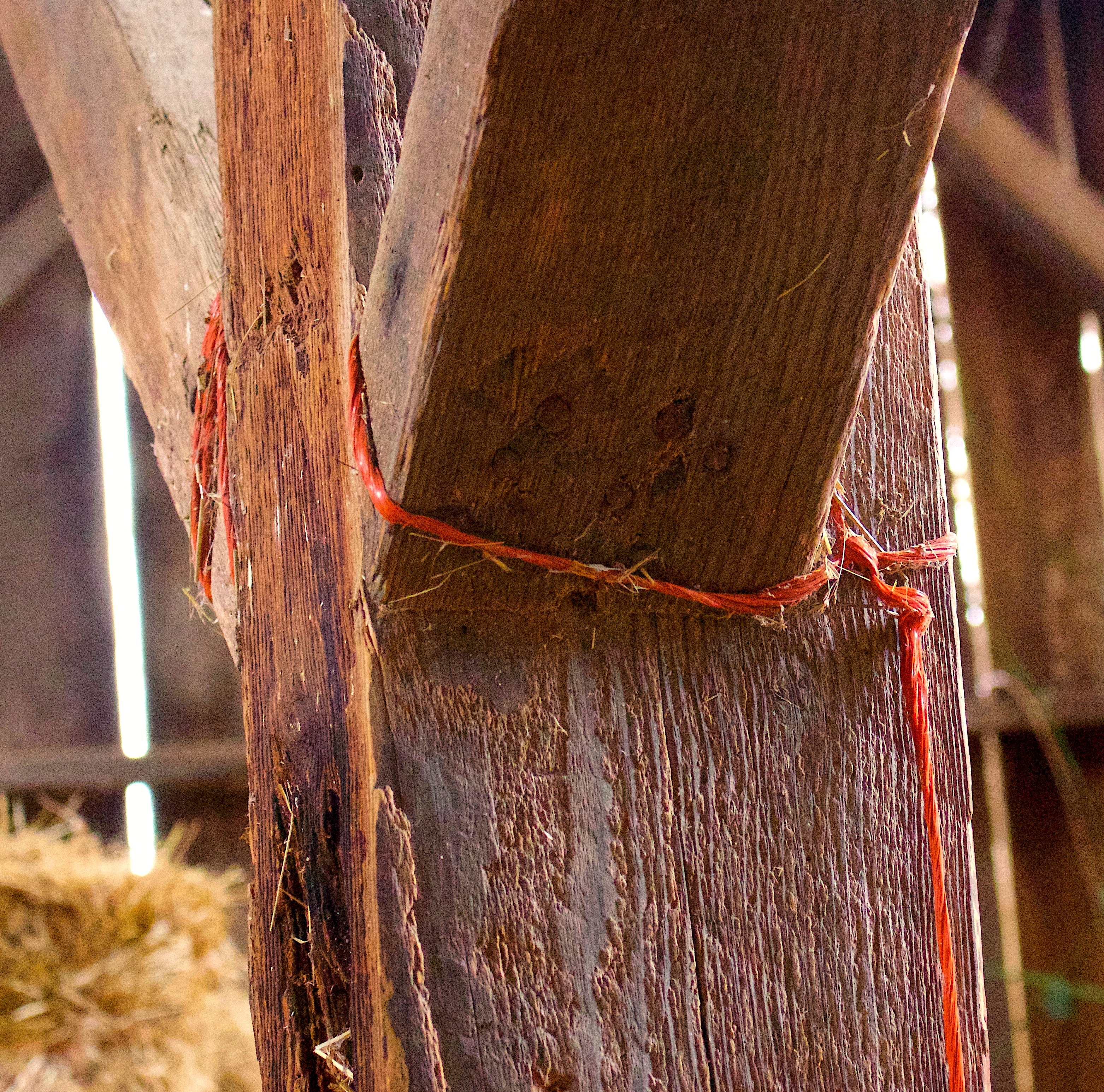
~~tighten a sagging fence
latch a swinging gate
tie shut a gaping door
replace a broken handle
hang a water bucket
suspend a sagging overalls
fix a broken halter
entertain a bored barn cat
snug a horse blanket belt~~

It is the duct tape of the barn
whenever duct tape won’t work;
a fix-all handy in every farmer’s pocket
made beautiful
by a morning fog’s weeping.


twine7


twine8


twine1

twine5

To Walk Alongside

josehomer

thebuds

None of us can “mend” another person’s life, no matter how much the other may need it, no matter how much we may want to do it.

Mending is inner work that everyone must do for him or herself. When we fail to embrace that truth the result is heartbreak for all concerned.

What we can do is walk alongside the people we care about, offering simple companionship and compassion. And if we want to do that, we must save the only life we can save, our own.
~Parker Palmer writing about Mary Oliver’s poem “The Journey”

outforawalk1

Man is born broken. He lives by mending. The grace of God is glue.
~Eugene O’Neill

mapleponygold

We are born hollering and suddenly alone,
already aware of our emptiness
from the first breath,
each tiny air sac bursting
with the air of our fallen world~
air that is never enough.

The rest of our days are spent
filling up our empty spaces
whether alveoli
or stomach
or synapses starving for understanding,
still hollering in our loneliness
and heart
broken.

So we mend ourselves
through our walk with others
also broken,
we patch up our gaps
by knitting the scraggly fragments
of lives lived together.
We become the crucial glue
boiled from gifted Grace,
all our holes
somehow made holy.

brothers

eaglecouple2

3musketeers2

homerhooter

Honoring His Hands

10345843_10203941890577940_1009063984376191467_n

Carpentry…. embodies the emotional: celebration, contemplation, mystery, and grief.
It is an art that is solitary and communal, one that transcends time and outlives us.
~Yusuf Komunyakaa from “Honor Thy Hands”

Wes Meyer learned how to build new things and repair old things from his carpenter dad, Pete, working side by side for many years.  Although Wes was a magician with hammer and nails, taking raw materials and creating something beautiful and functional, his true artistry was when he was able to take something broken or failing and make it new.   By never giving up on finding a solution to a problem, no matter how hard it was to fix, he transcended the limits and boundaries of others saying something was  “too old to bother.”

Our almost 100 year old church building  presented perpetual challenges to enhance Wes’ often solitary restoration skills, whether it was a leaking roof that required scaling the steep slopes, spraying a hornets’ nest in the belfry, replacing missing siding after a windstorm, sweeping up the glass from a window broken by vandals or a broken tree branch, or mopping up after the annual basement flooding when the rains fell too long and hard.   He became our unofficial ambassador to the often wary county Planning Department, diplomatically negotiating permits for various repair projects and a fellowship hall expansion.   At the annual congregational meeting, when it came his turn to report on the volunteer Buildings and Grounds Committee activities for the year, he would take off his ball cap, lean over the podium, look out at the rest of us non-carpenters, and say, “this building is really old!” and wearily shake his head.  But rather than suggest a tear-down and start-over, he would outline a list of projects he had tackled in the previous year and what he figured would need doing the coming year and how much the materials would likely cost.   He made it “our” communal duty to keep our church building glued together for the next generation and the next.  The building needs to outlive us.

Wes, like any excellent craftsman,  made sure it outlived him.

When he was diagnosed with acute leukemia 30 months ago, he had no problem turning his failing bone marrow over to the oncologists to fix and make new.  He understood the process of patching up something that was broken, and that sometimes in the middle of a repair, things can look and feel worse than they were before, but you have to keep your eyes on the goal.  With the support of his loving wife and daughter and an almost-man star athlete son who had grown far taller and stronger than his dad,  and a remarkable extended family, Wes took on the cancer like yet another major remodel.  He and his medical team gutted the leukemia cells with chemotherapy and rebuilt anew with his brother’s stem cells.  It was a difficult repair and his body, like a customer demanding too many change orders,  wasn’t all that keen on accepting the new cells.  Wes and his doctors worked hard trying to address the new demands.  It felt like a job that would never be done — all he wanted was to move on to other projects.

Sometimes even the best remodel has problems; sometimes the fissure in the foundation is just too wide, or the weight-supporting beams have hidden dry rot.  Wes’ bone marrow harbored cancer cells that eventually reemerged and the next chemotherapy step was like falling into an old well hole with no ladder.    He couldn’t climb out, his body too damaged, the burden too heavy, his time running out.   A few days ago he was brought out of that deep pit to be home near his family and friends. Unlike his thriving church building, Wes was not nearly old enough to die last night, but he did.   Sometimes the tear-down is necessary to build something even more beautiful and glorious.  We all await that moment with trembling.
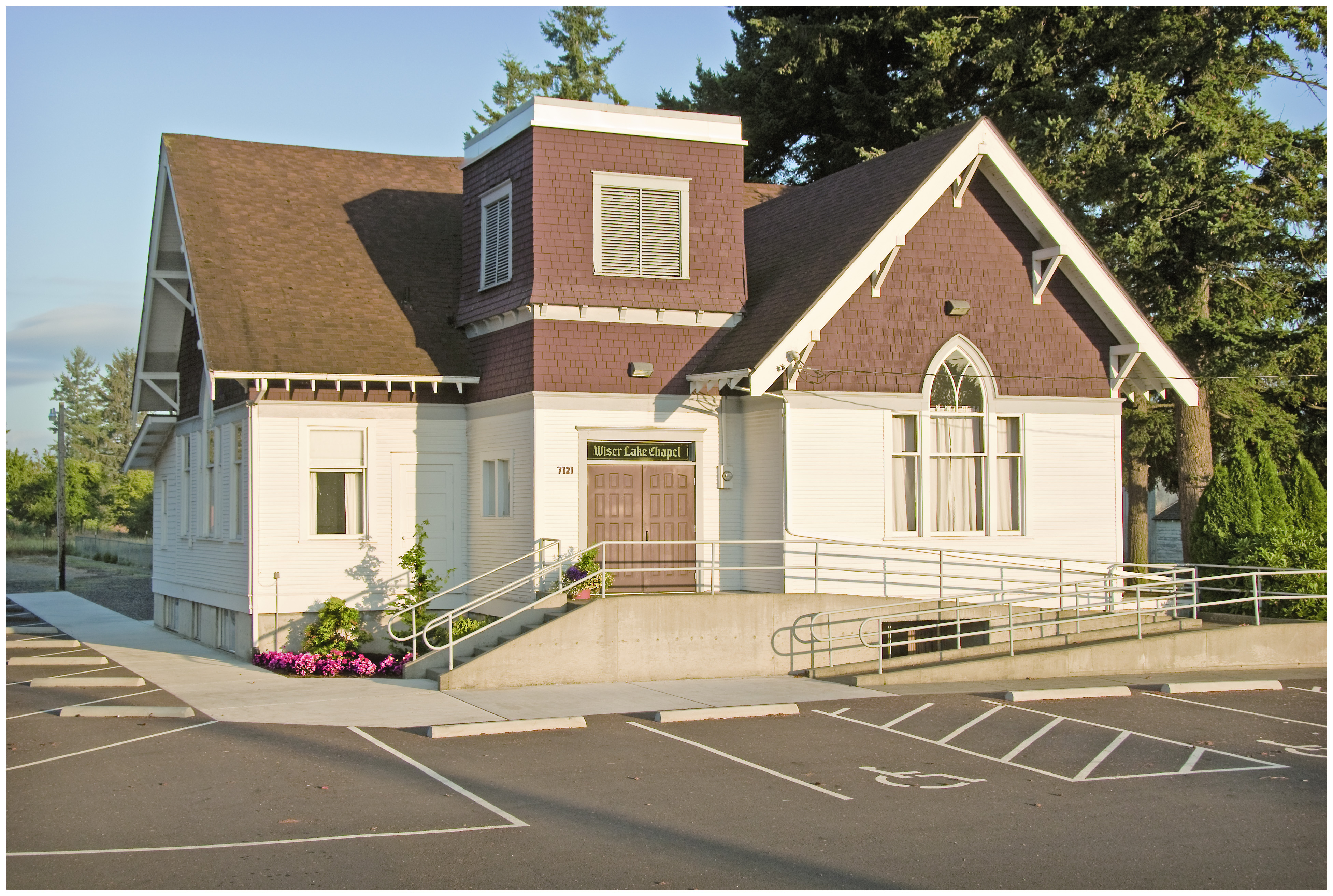
Those hands of his must be needed elsewhere, working on projects that last for eternity.  No more repairs needed.


WiserLakeChapel4Star