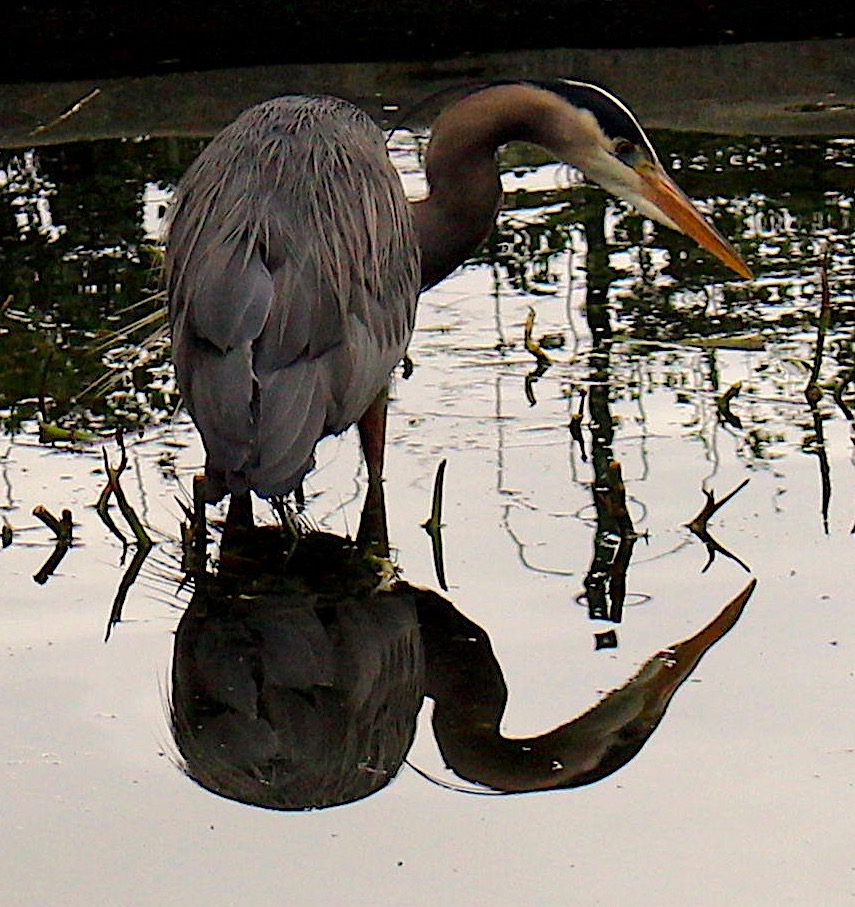
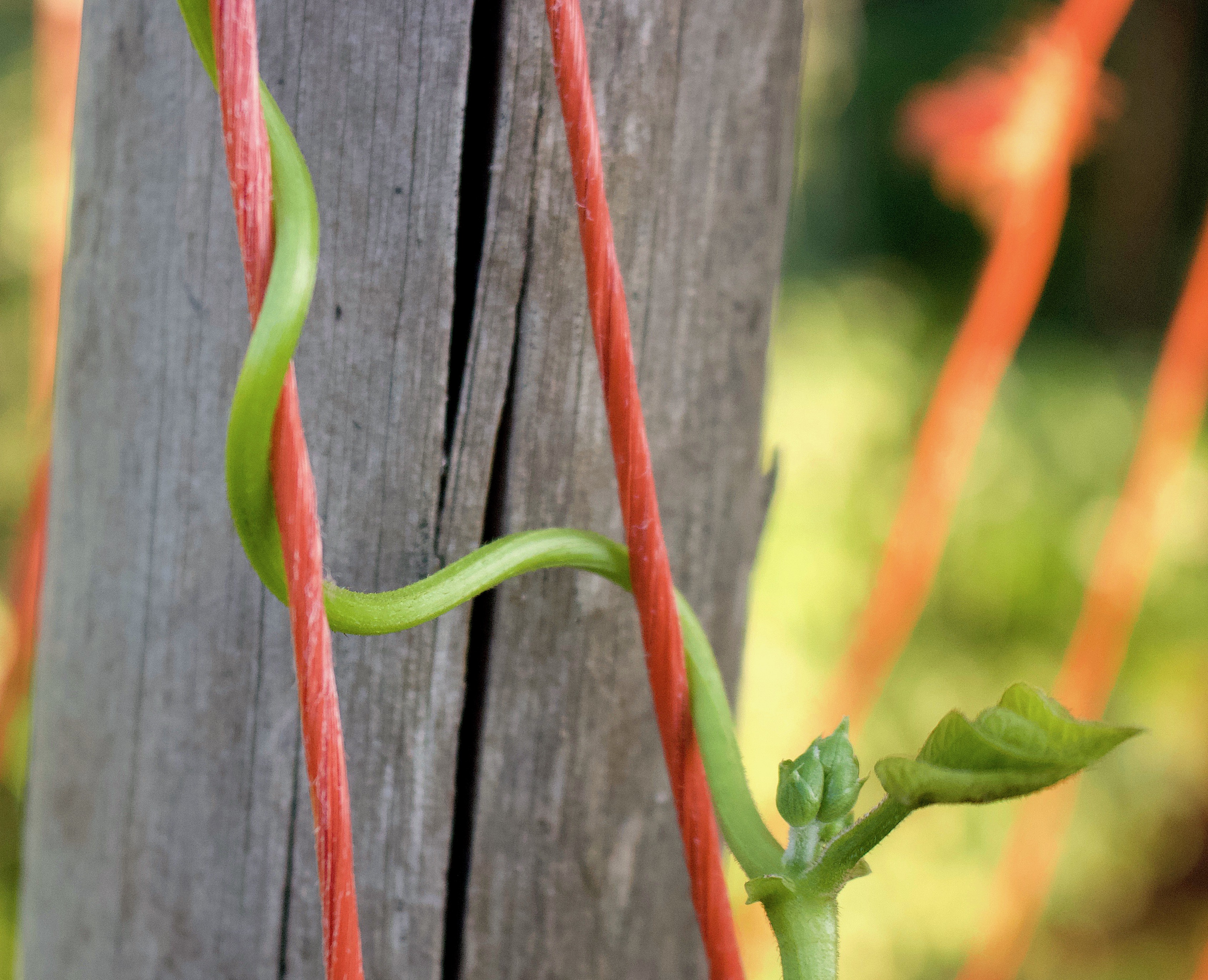
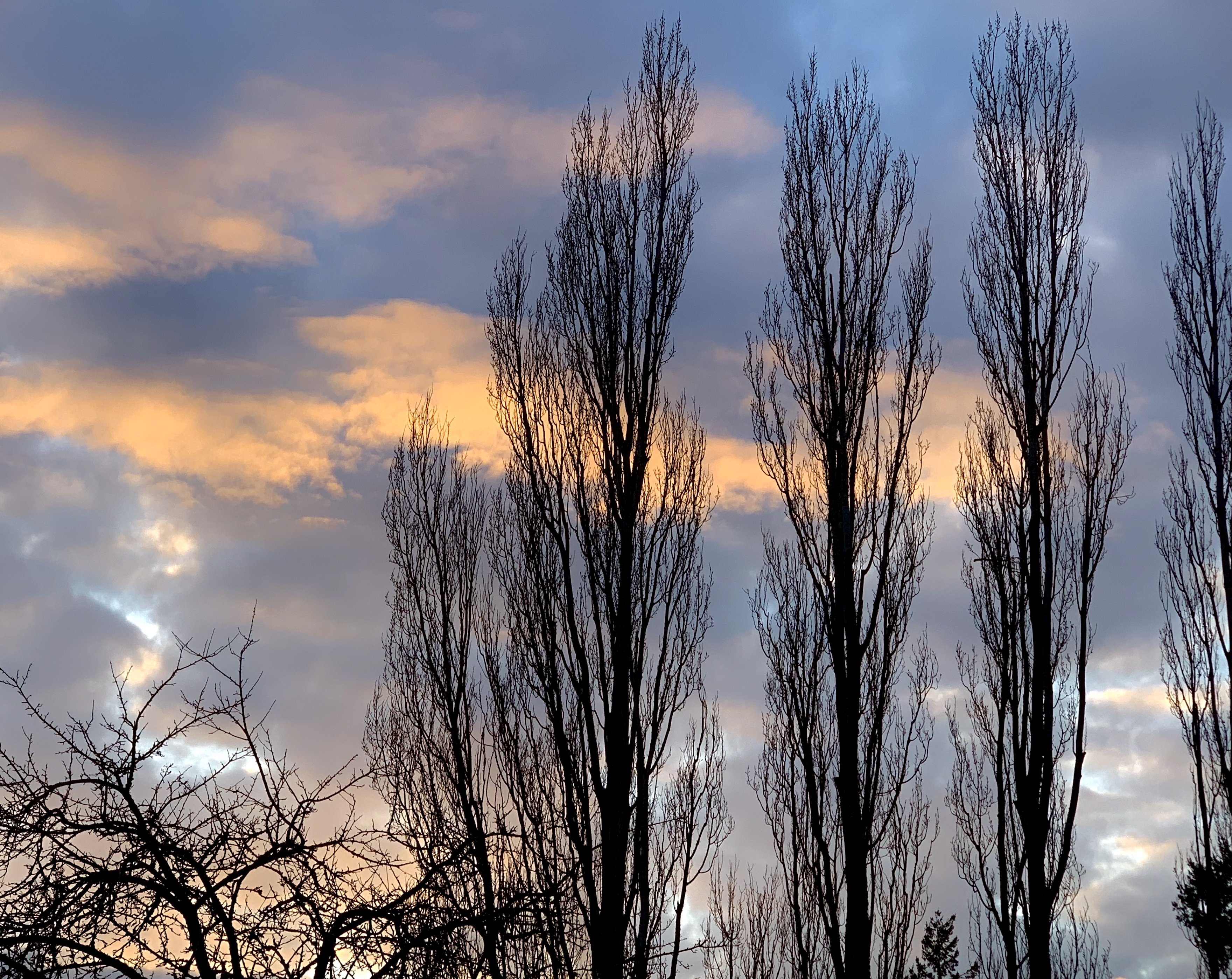
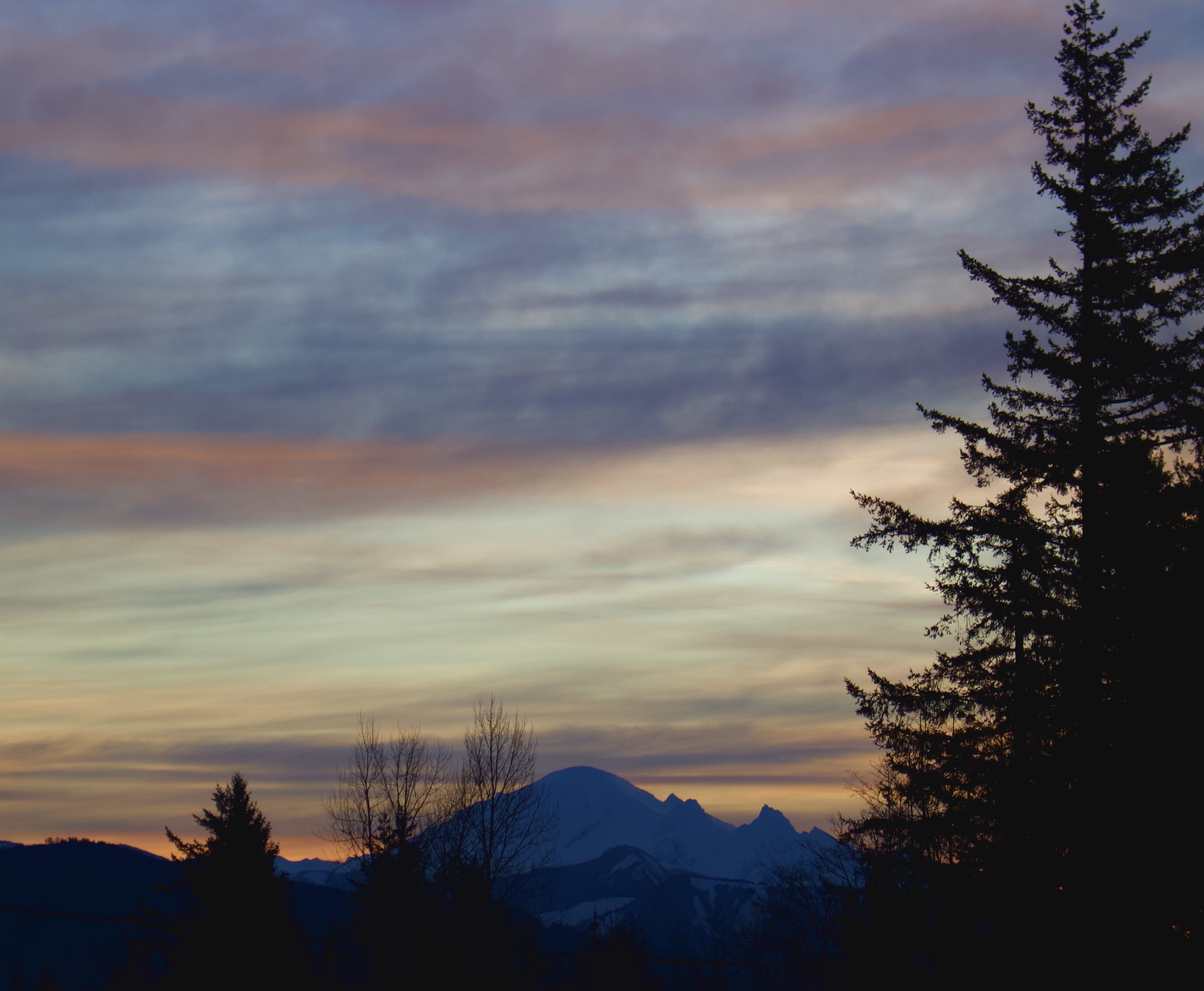
May your love be firm, and may your dream of life together be a river between two shores— by day bathed in sunlight, and by night illuminated from within. May the heron carry news of you to the heavens, and the salmon bring the sea’s blue grace. May your twin thoughts spiral upward like leafy vines, like fiddle strings in the wind, and be as noble as the Douglas fir. May you never find yourselves back to back without love pulling you around into each other’s arms. ~James Bertolino “Wedding Toast” from Ravenous Bliss
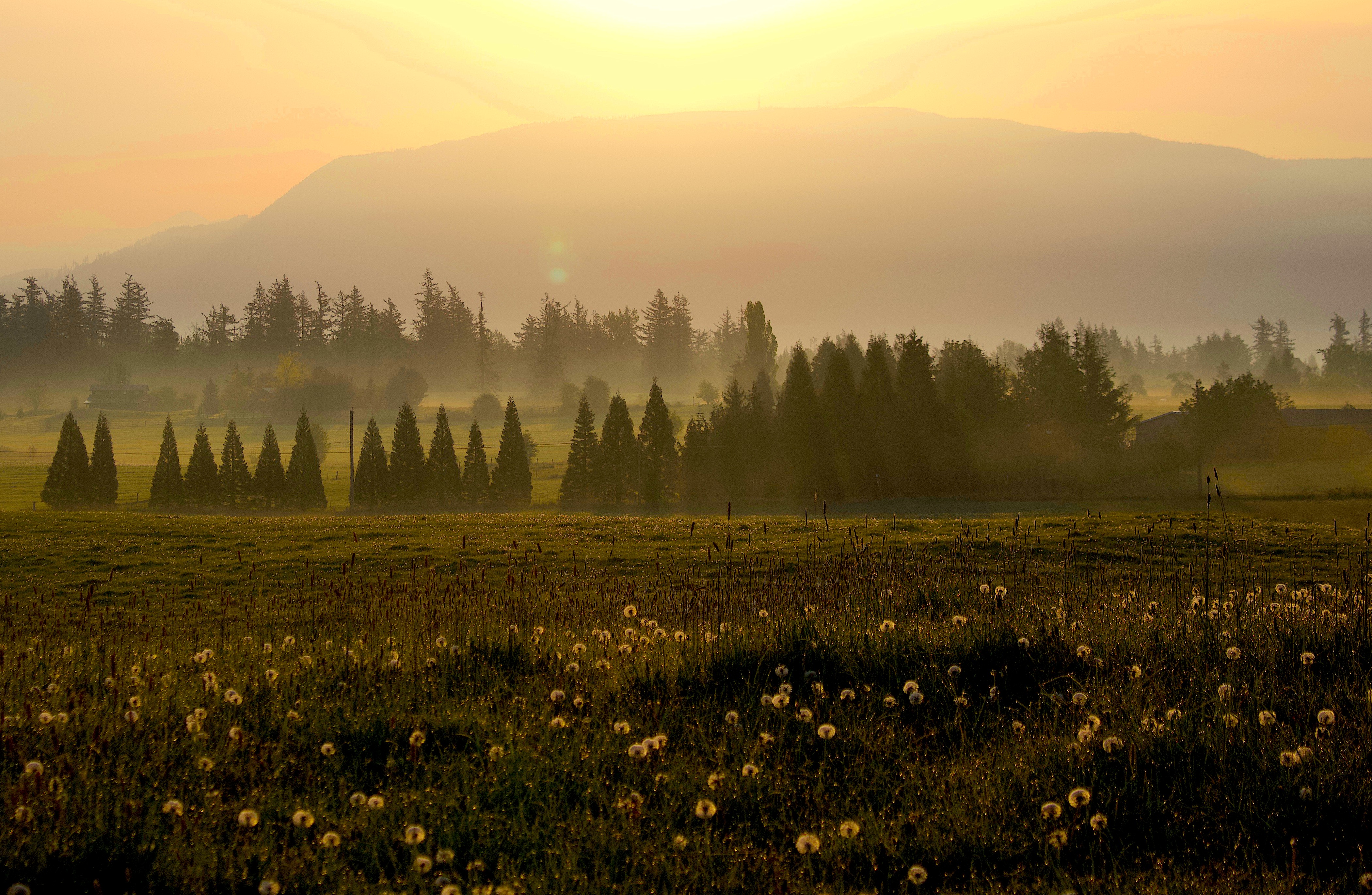
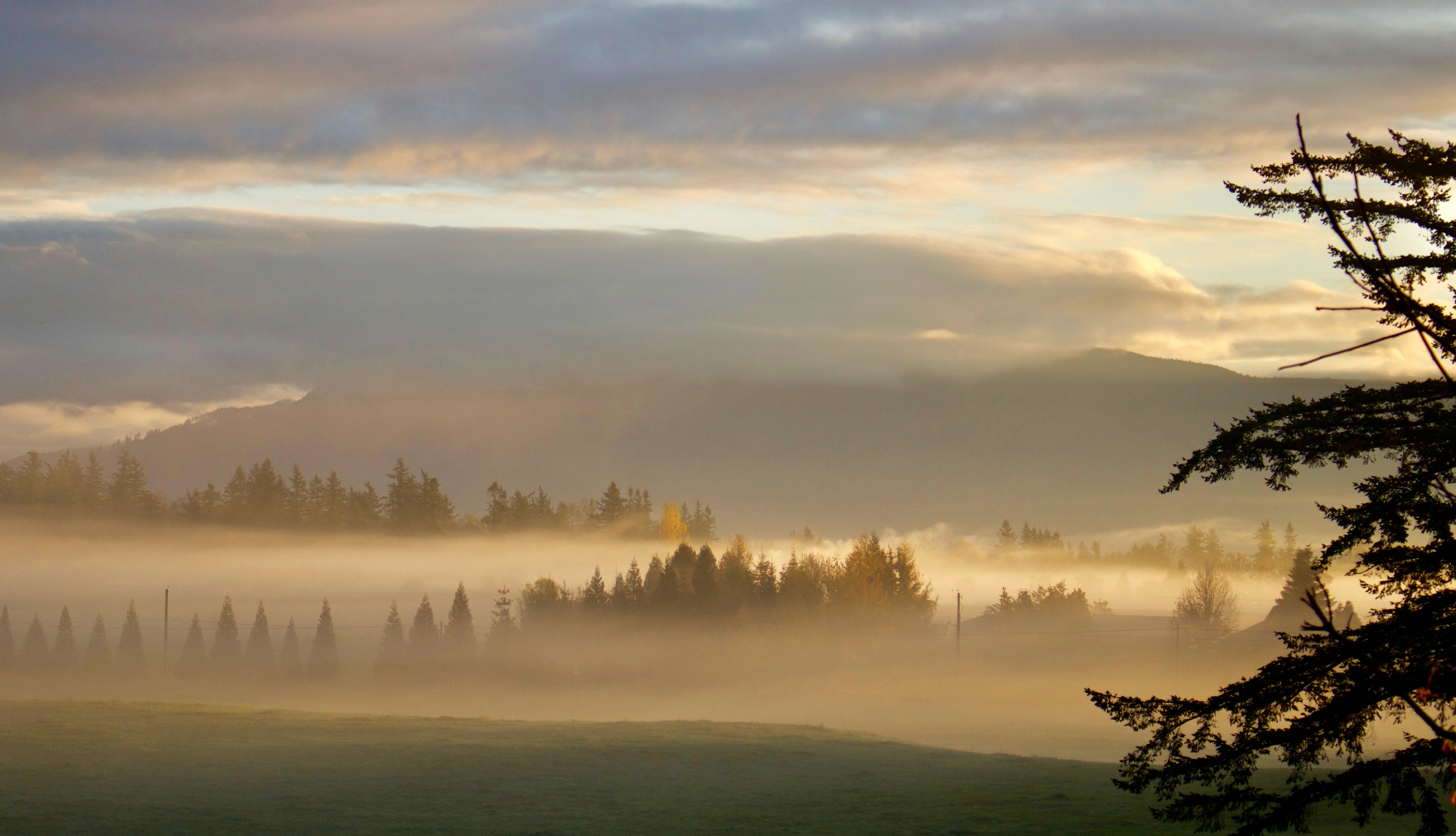
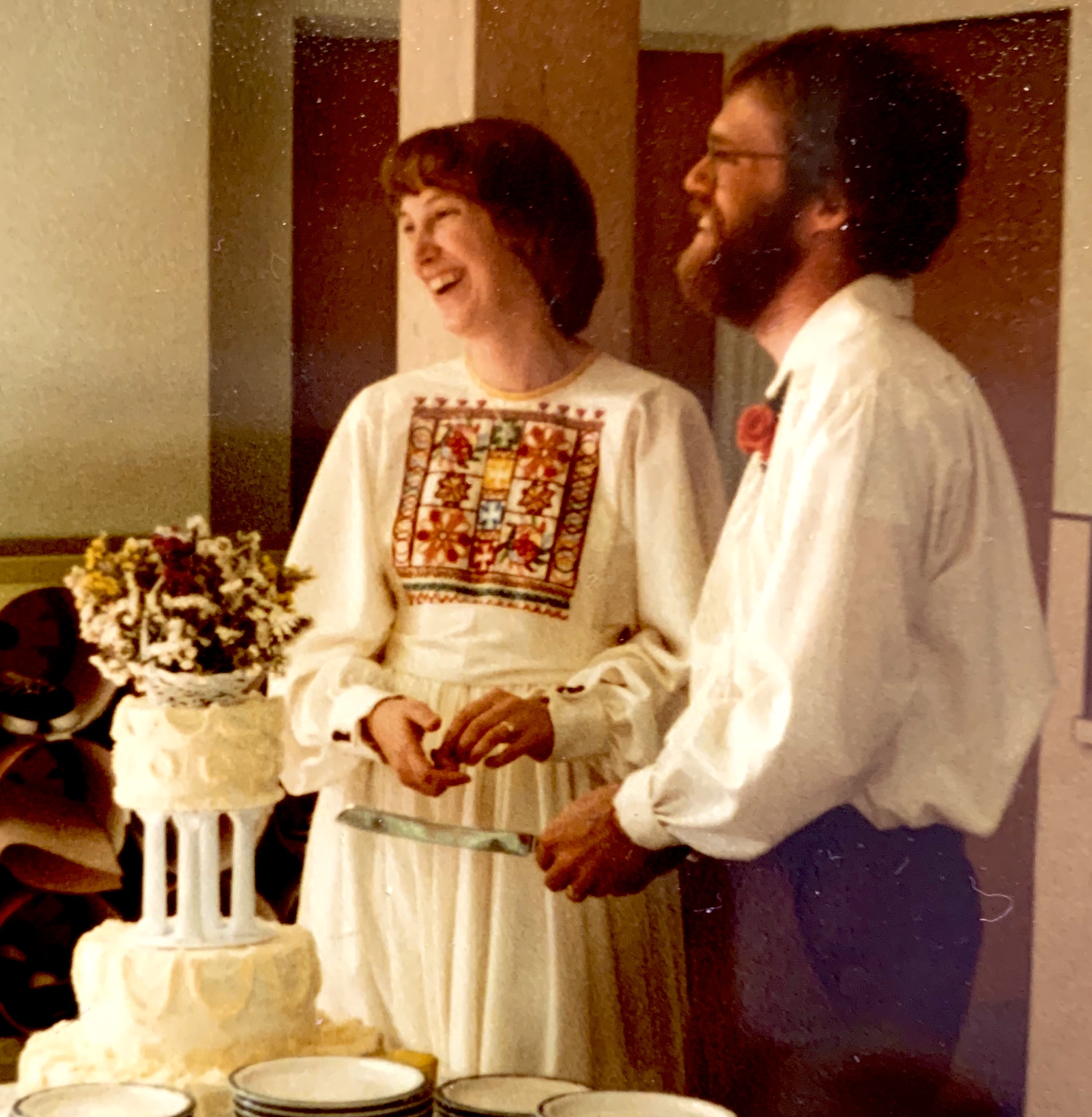
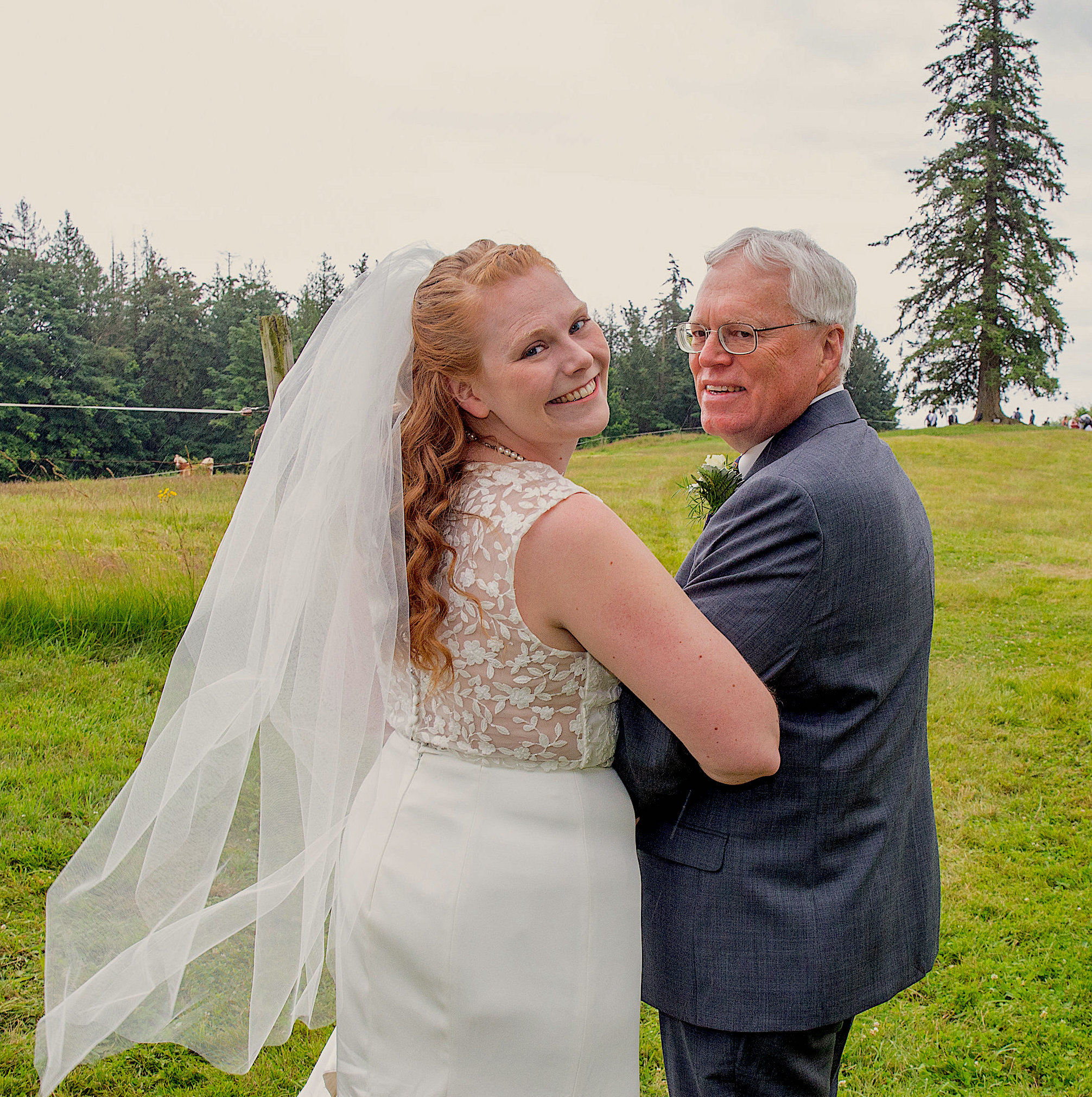
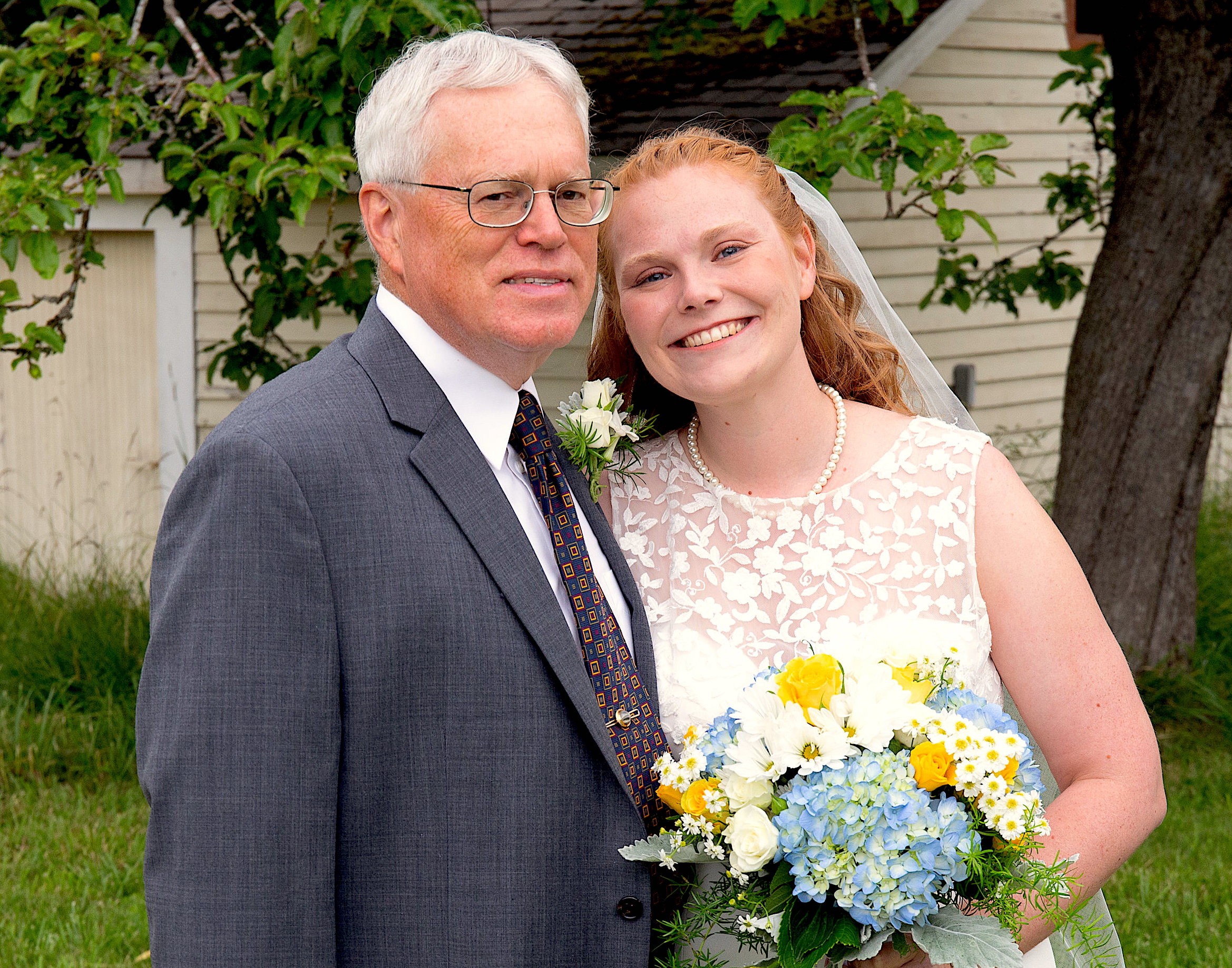
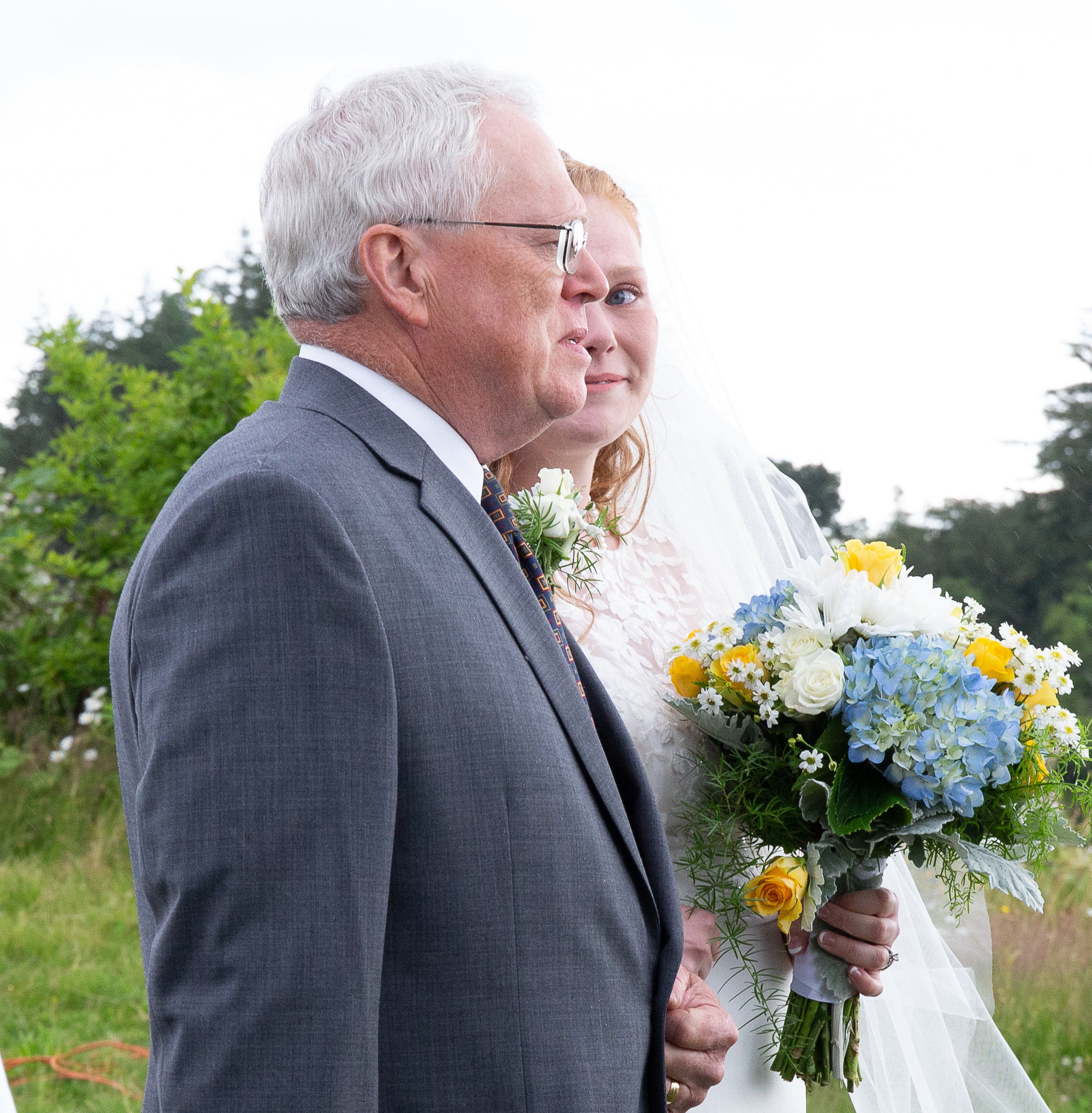
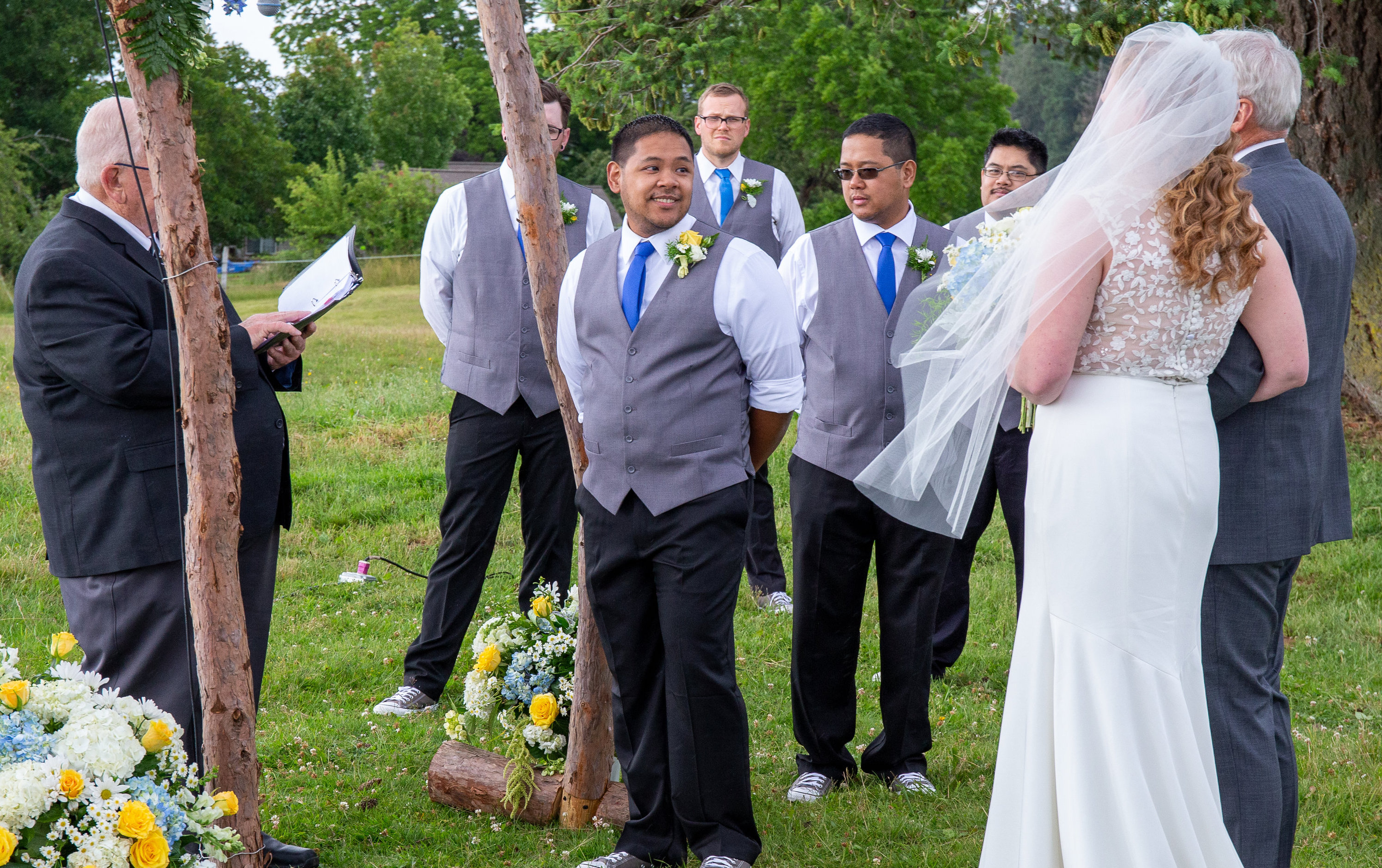
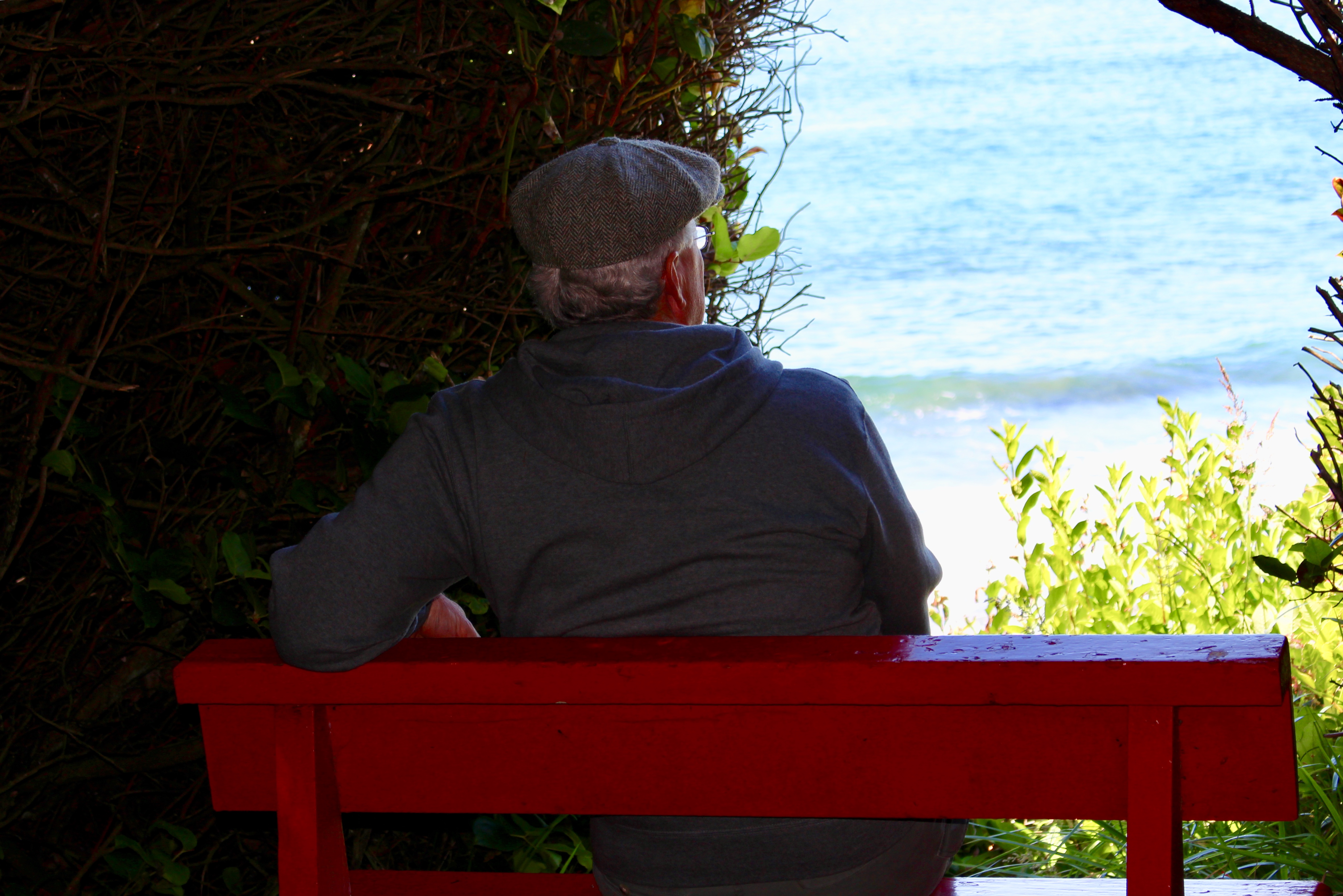
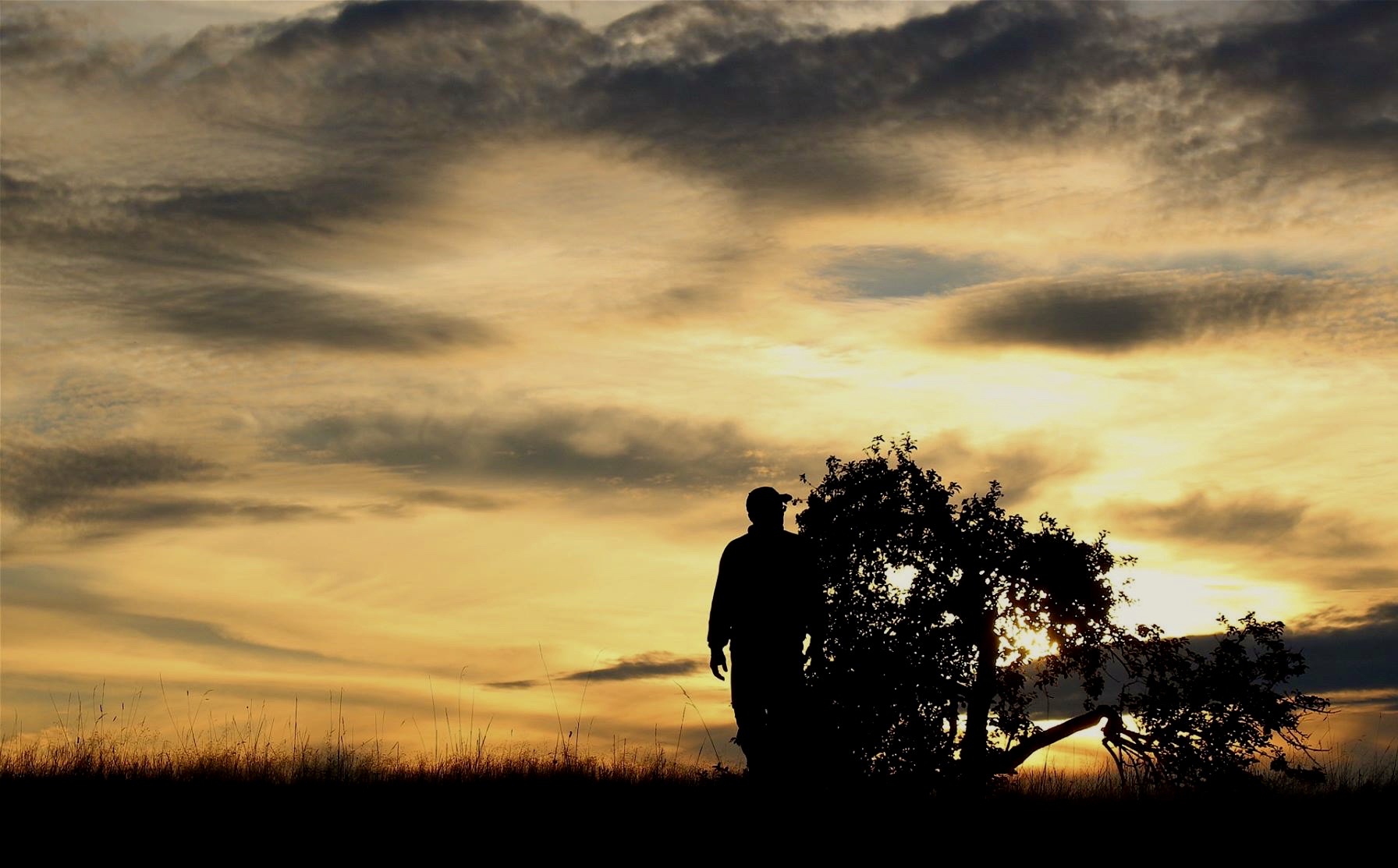
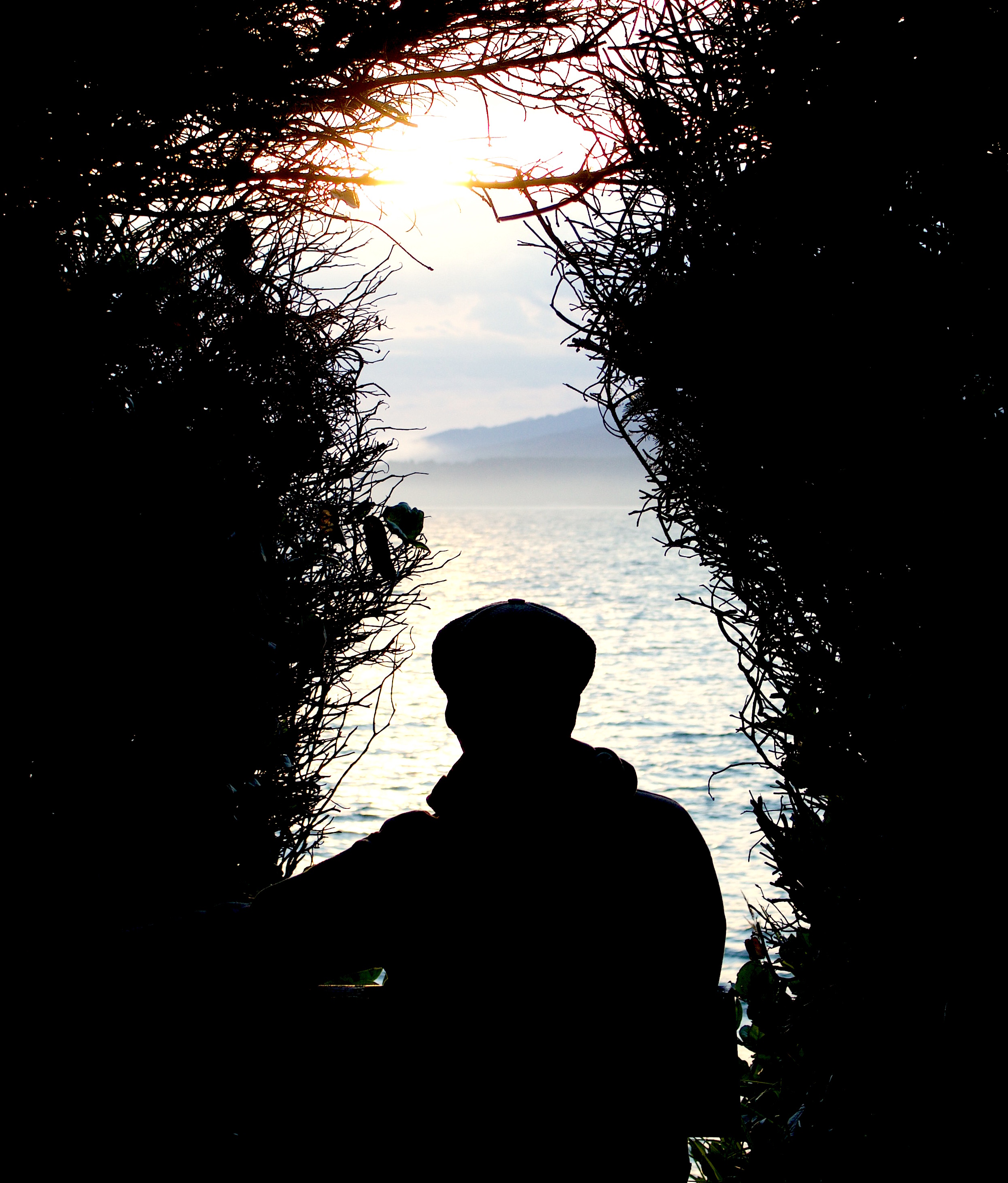
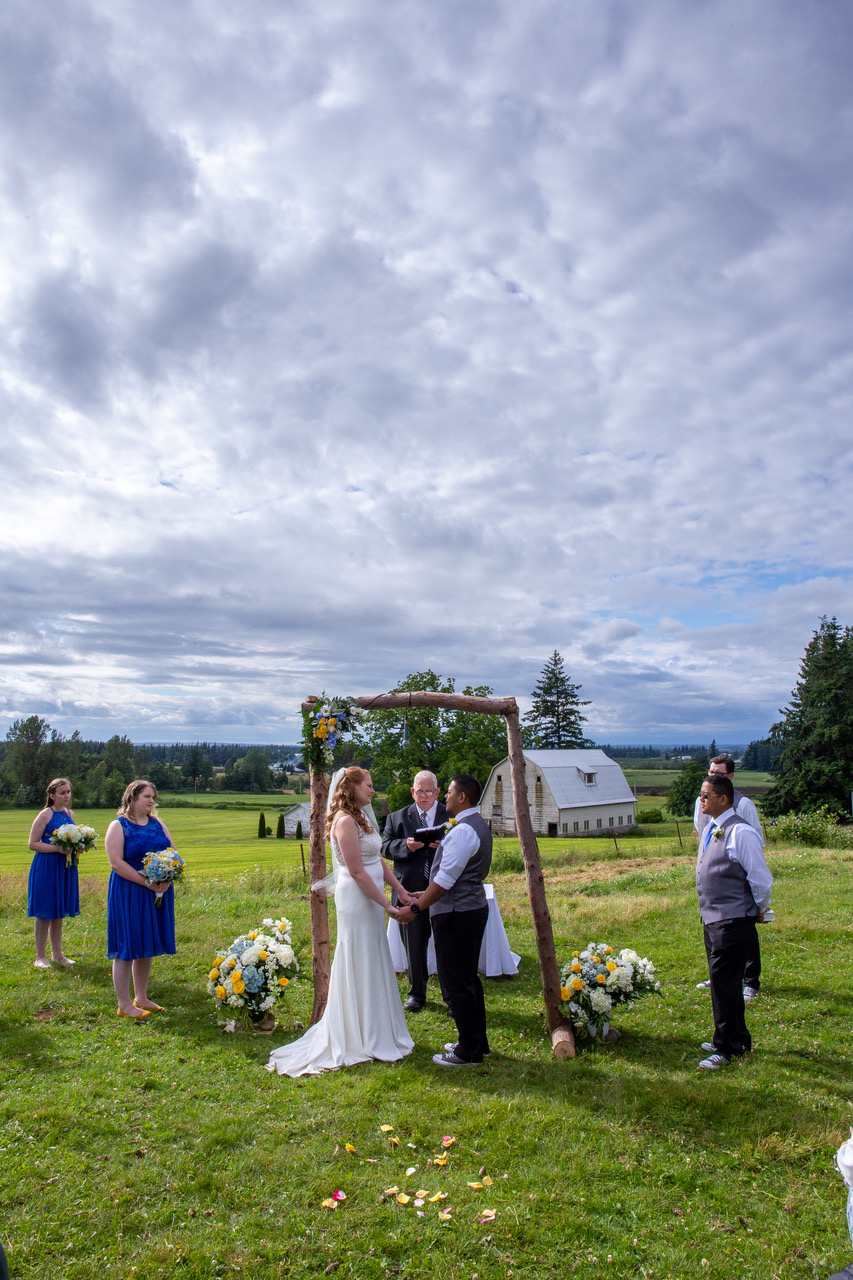
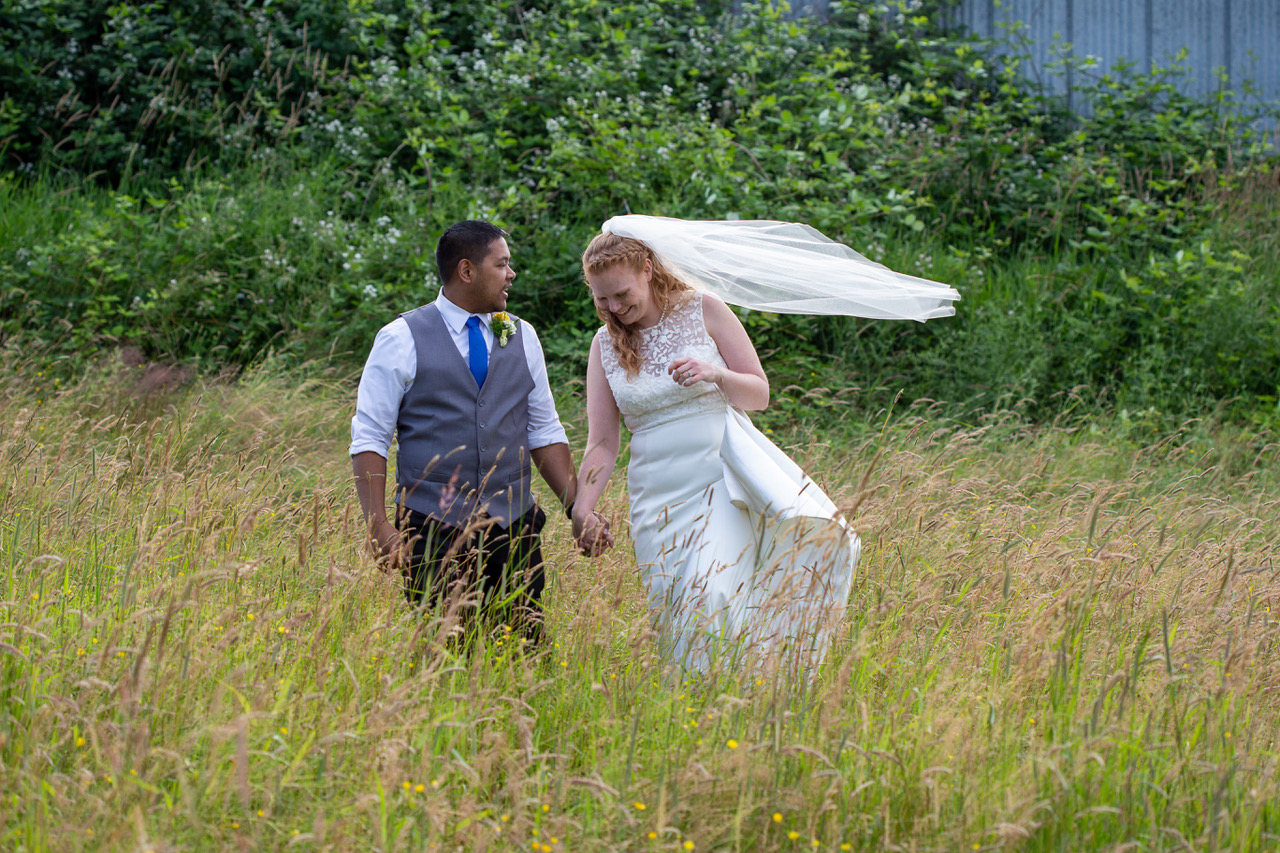
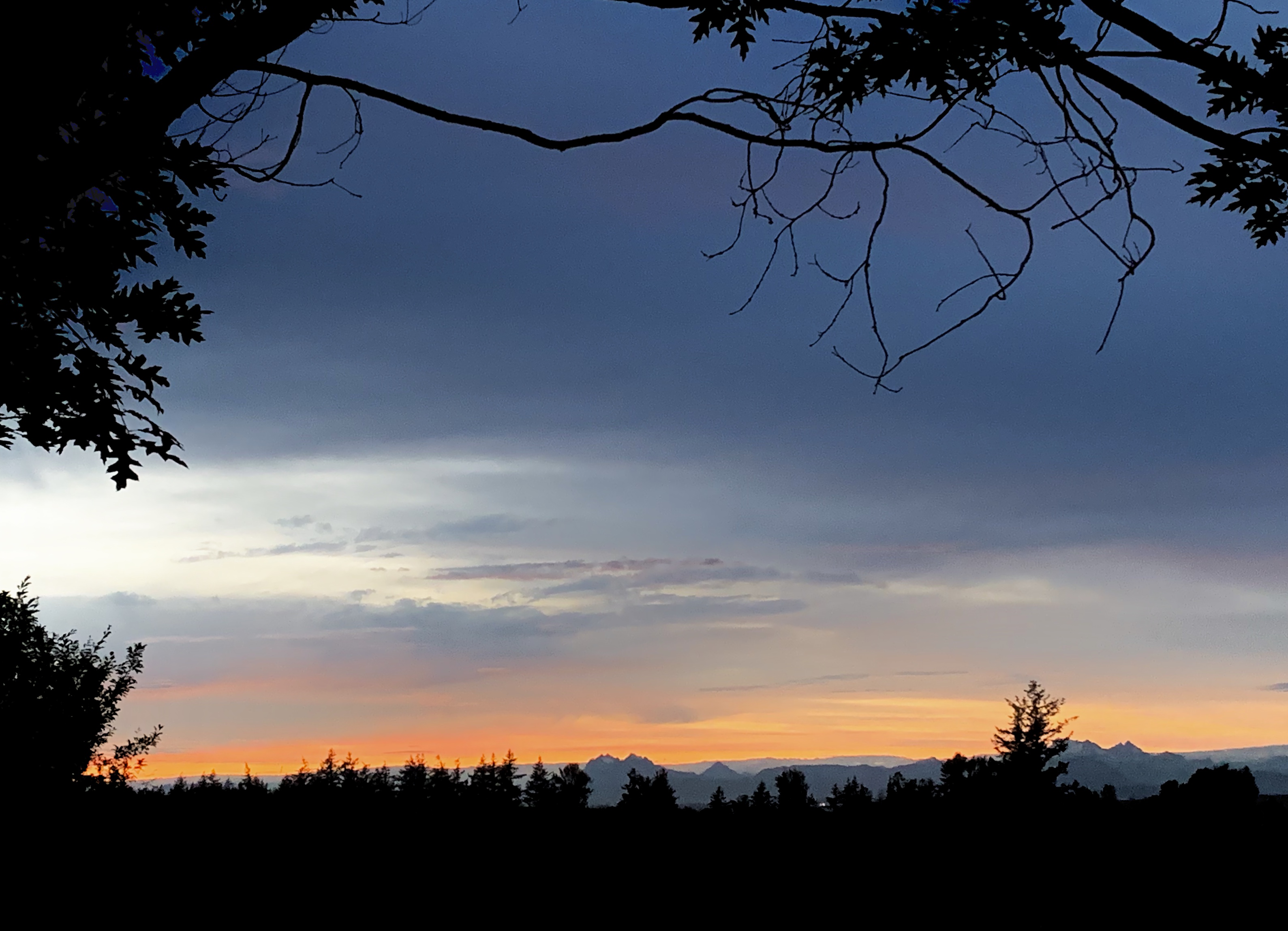
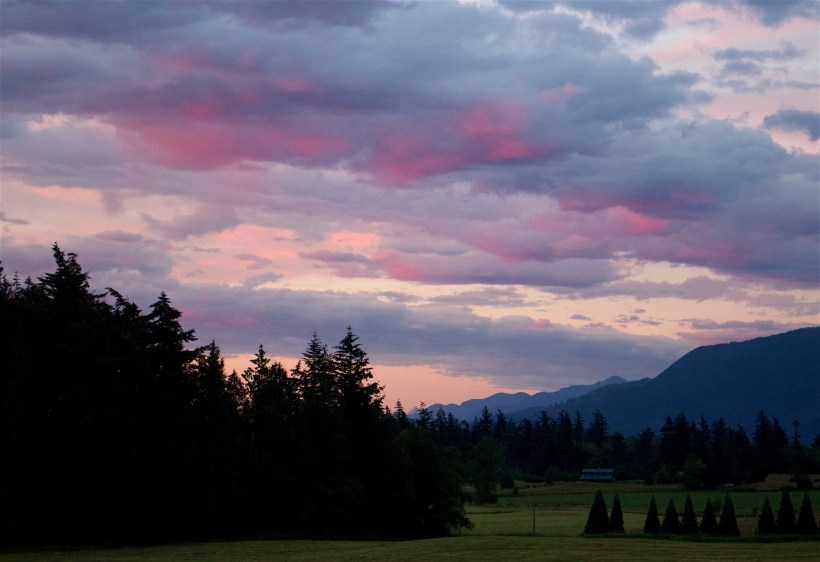
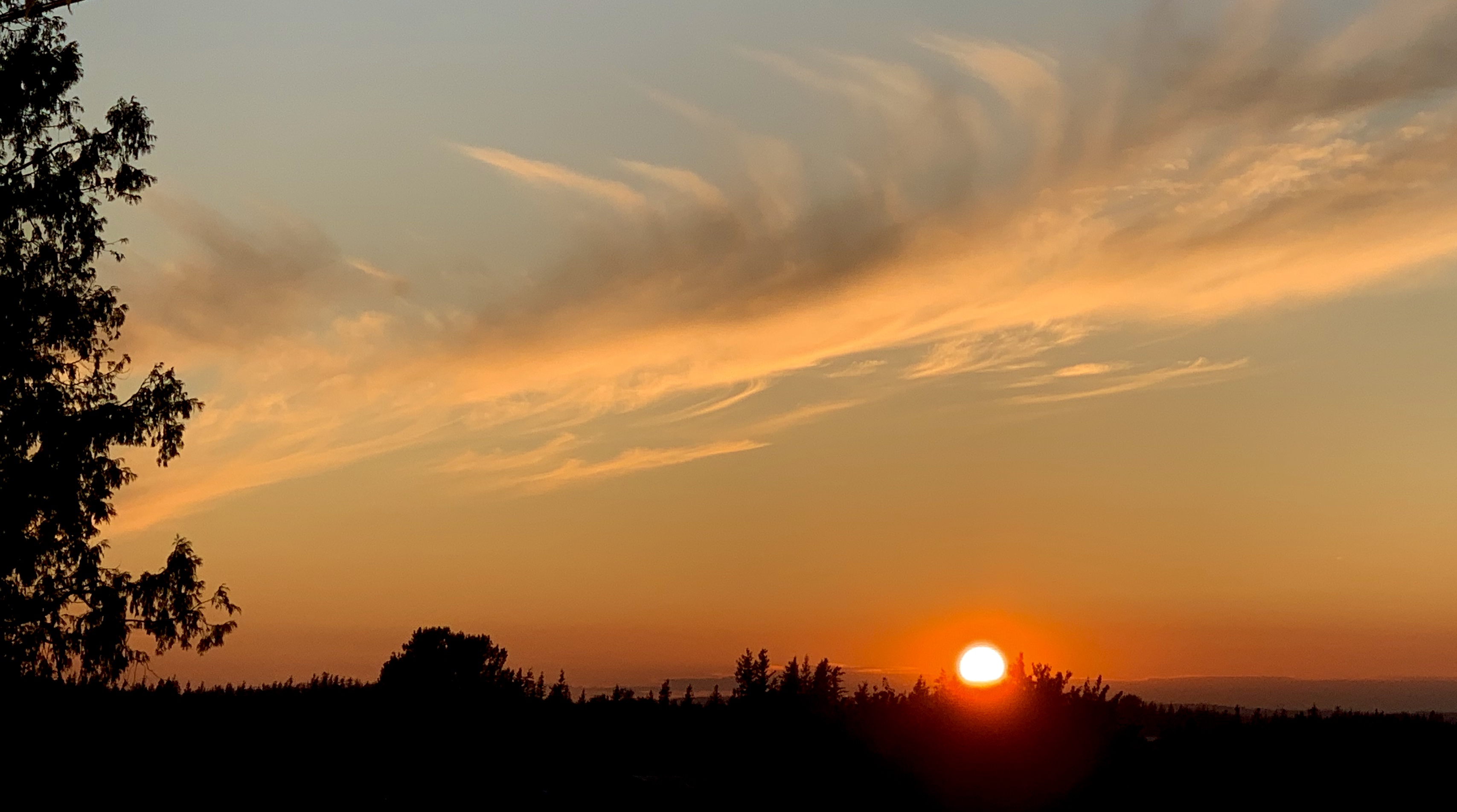
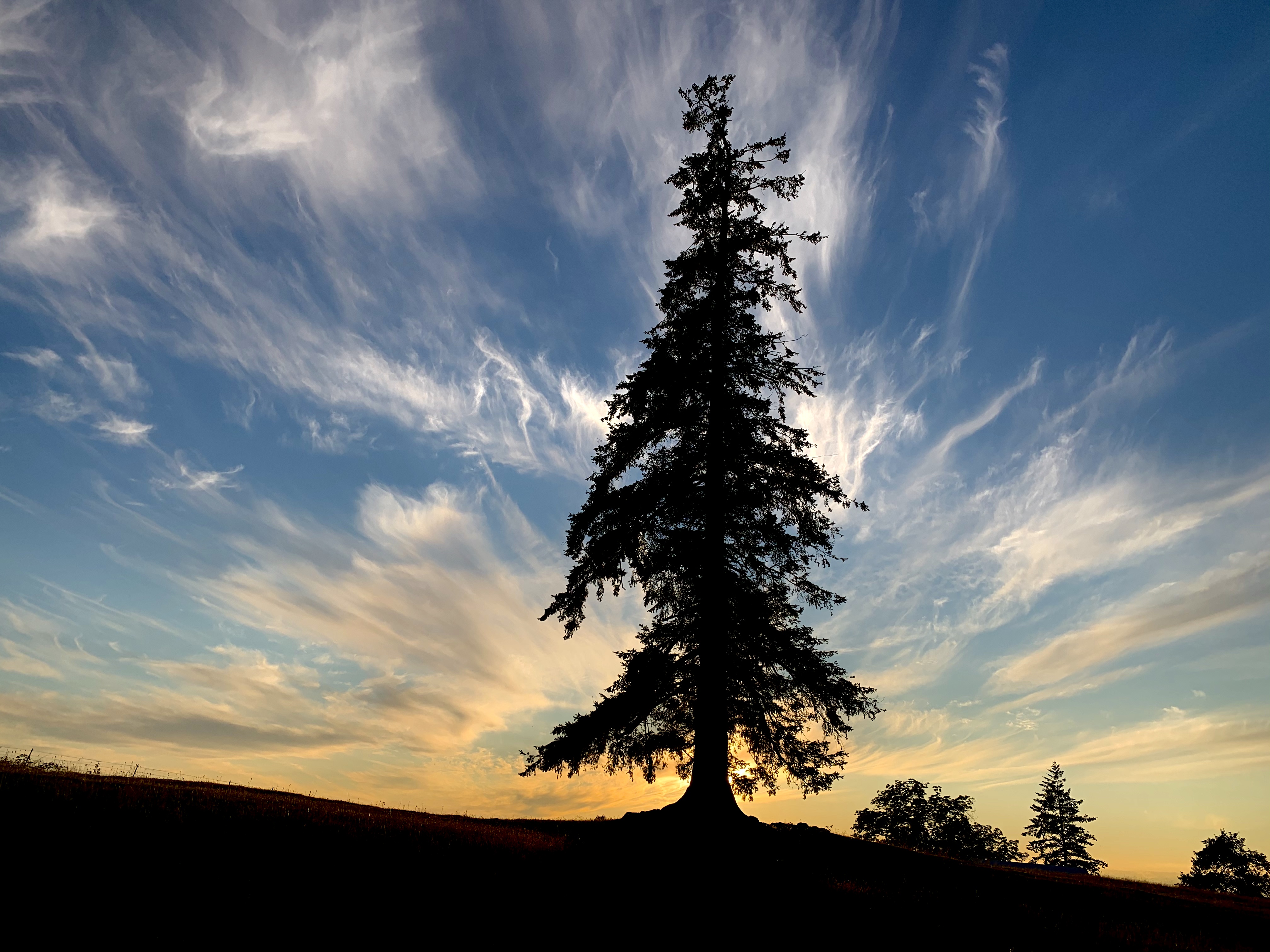
It was a late June day predicted to be bathed in sunlight with a few clouds, and it ended up a day bathed solely in God’s own light, with cloudy skies, scant sun and a few showers, some from the sky and some from the eyes who witnessed your promised covenant to one another.
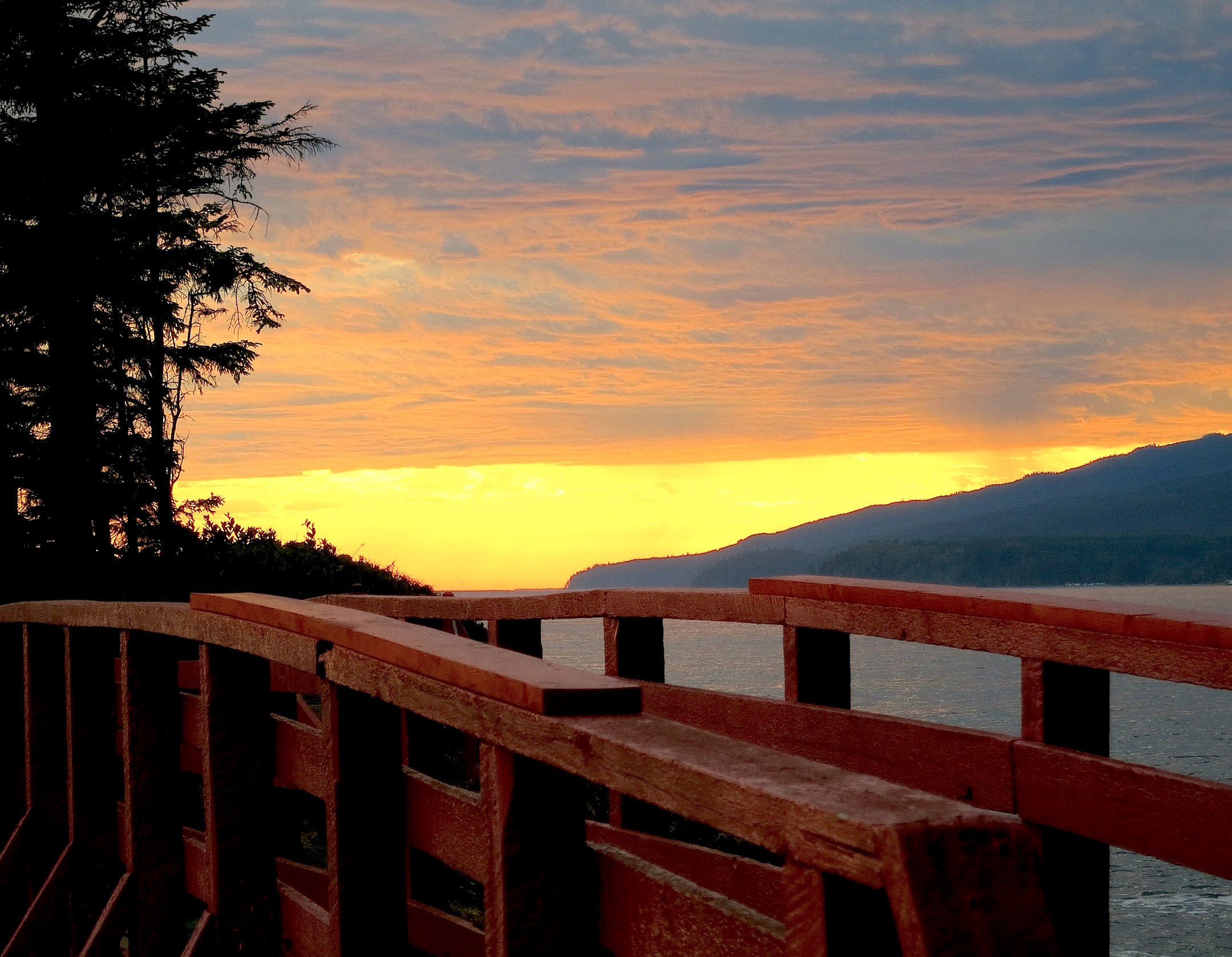
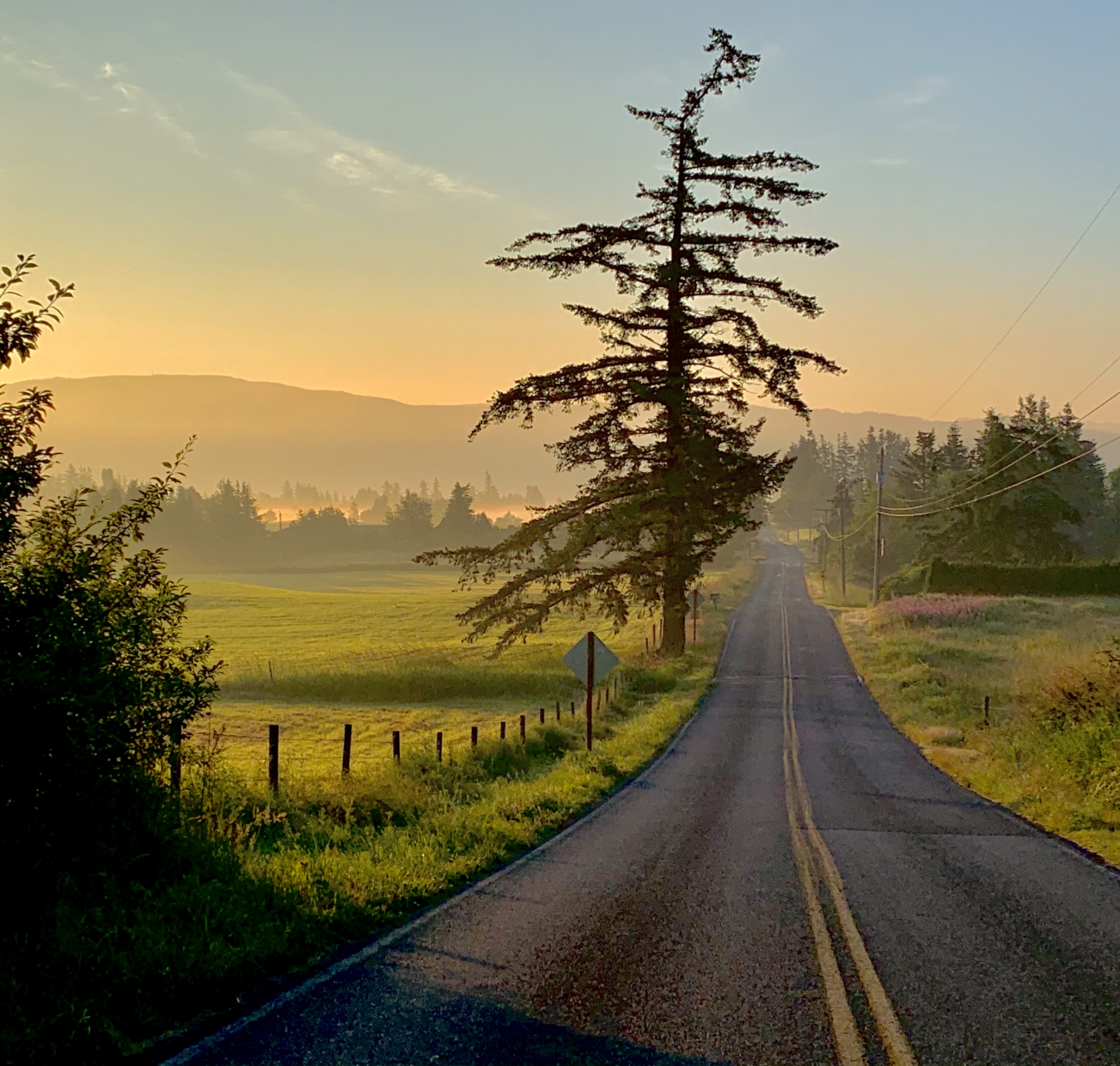
May you journey together on a road that reaches to infinity, with no bridges out, or deep ditches to fall into, or trees fallen, barring the path. There may be rough patches, and a fair amount of mud along the way, but always keep the horizon in focus.
May you find each other’s arms when you need them and give yourselves in service to the world when you are able.
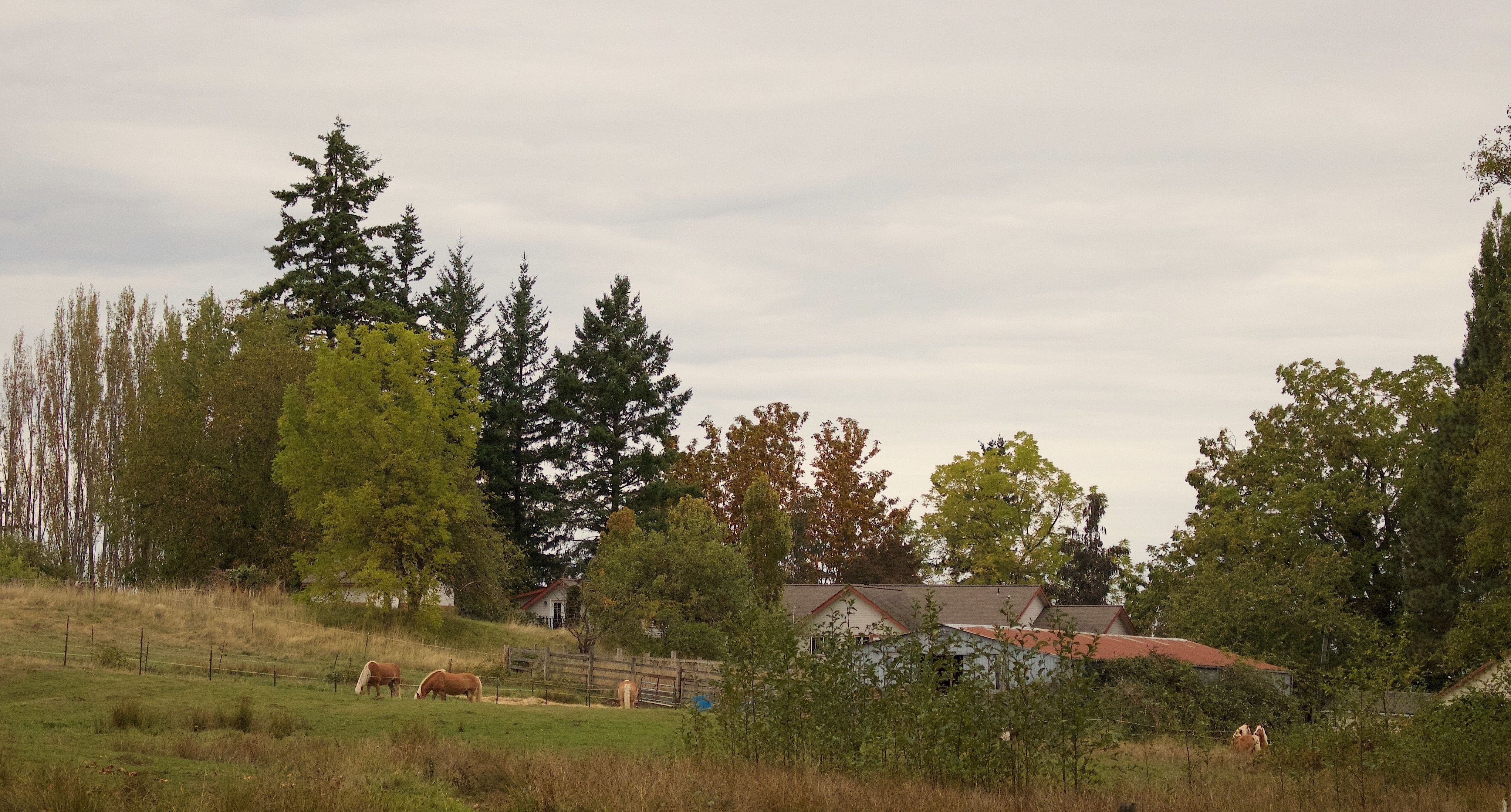
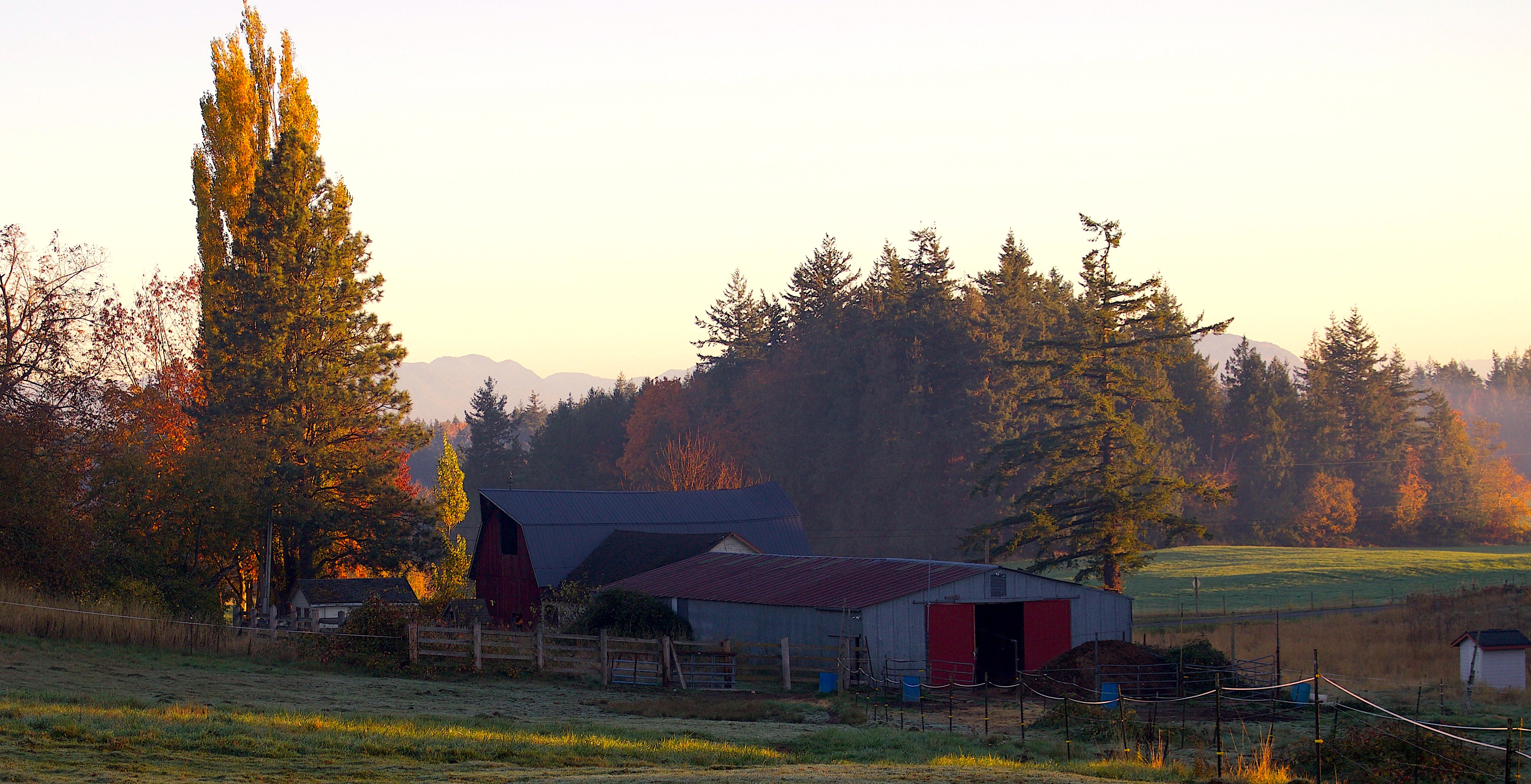
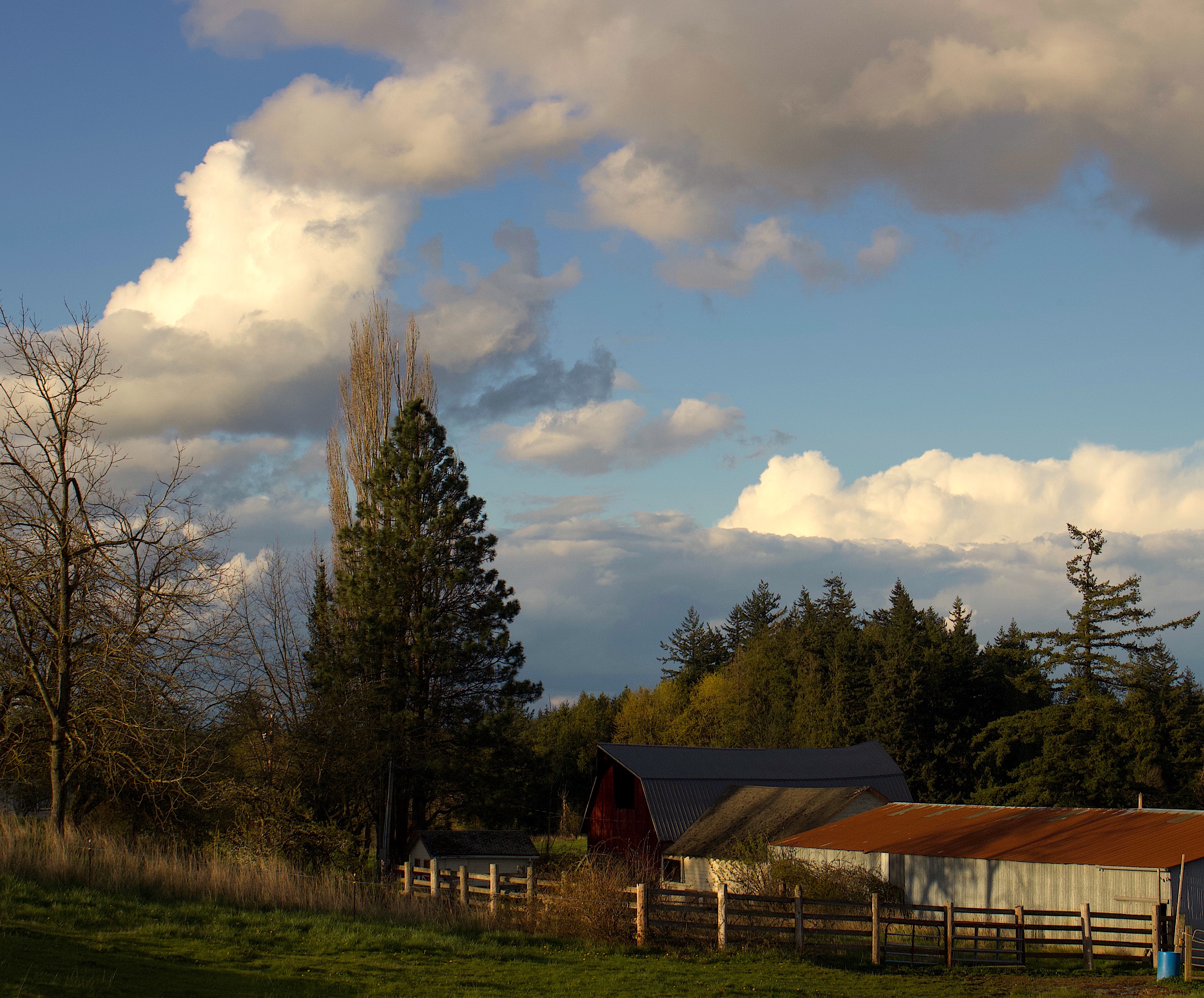
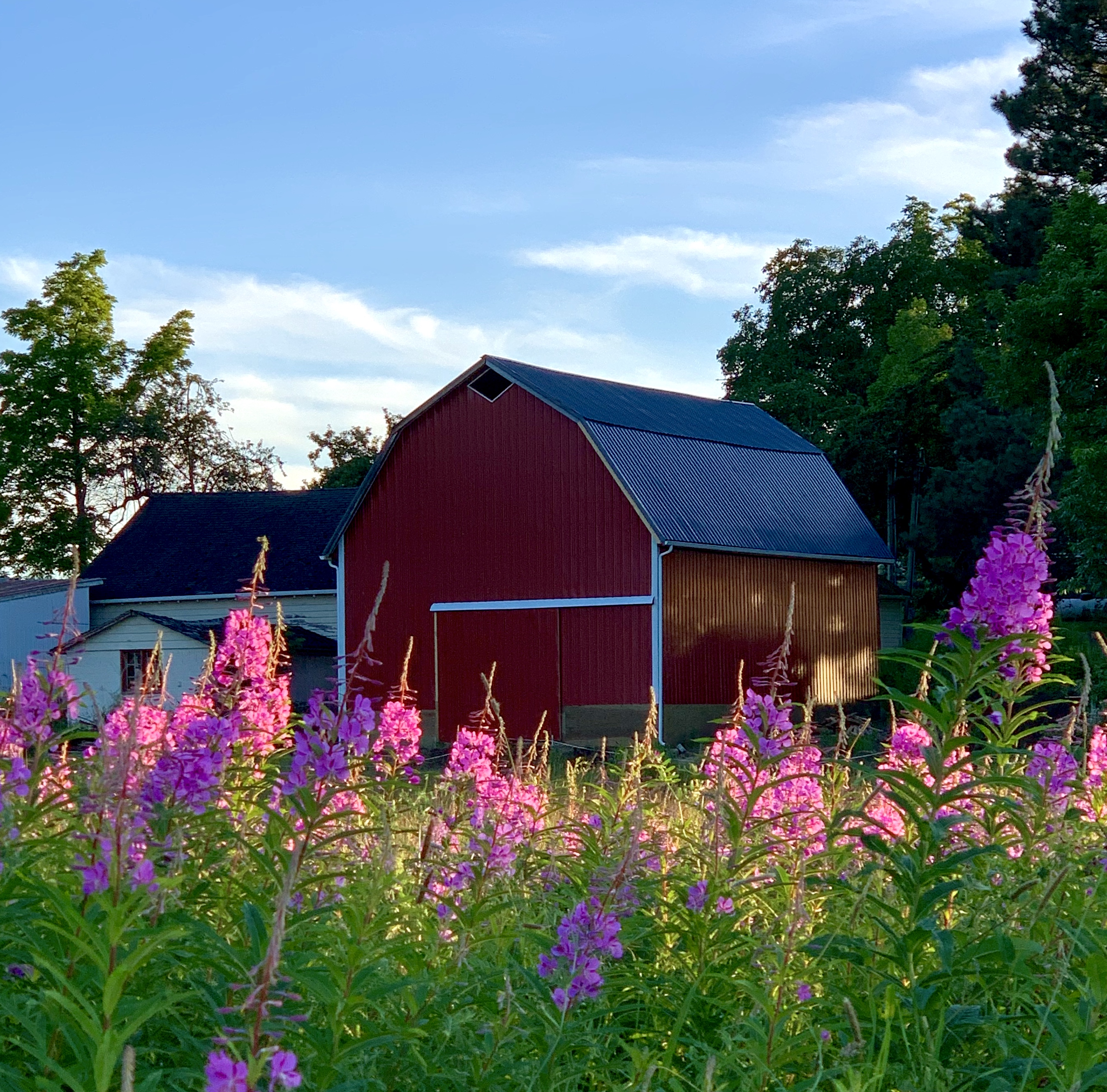
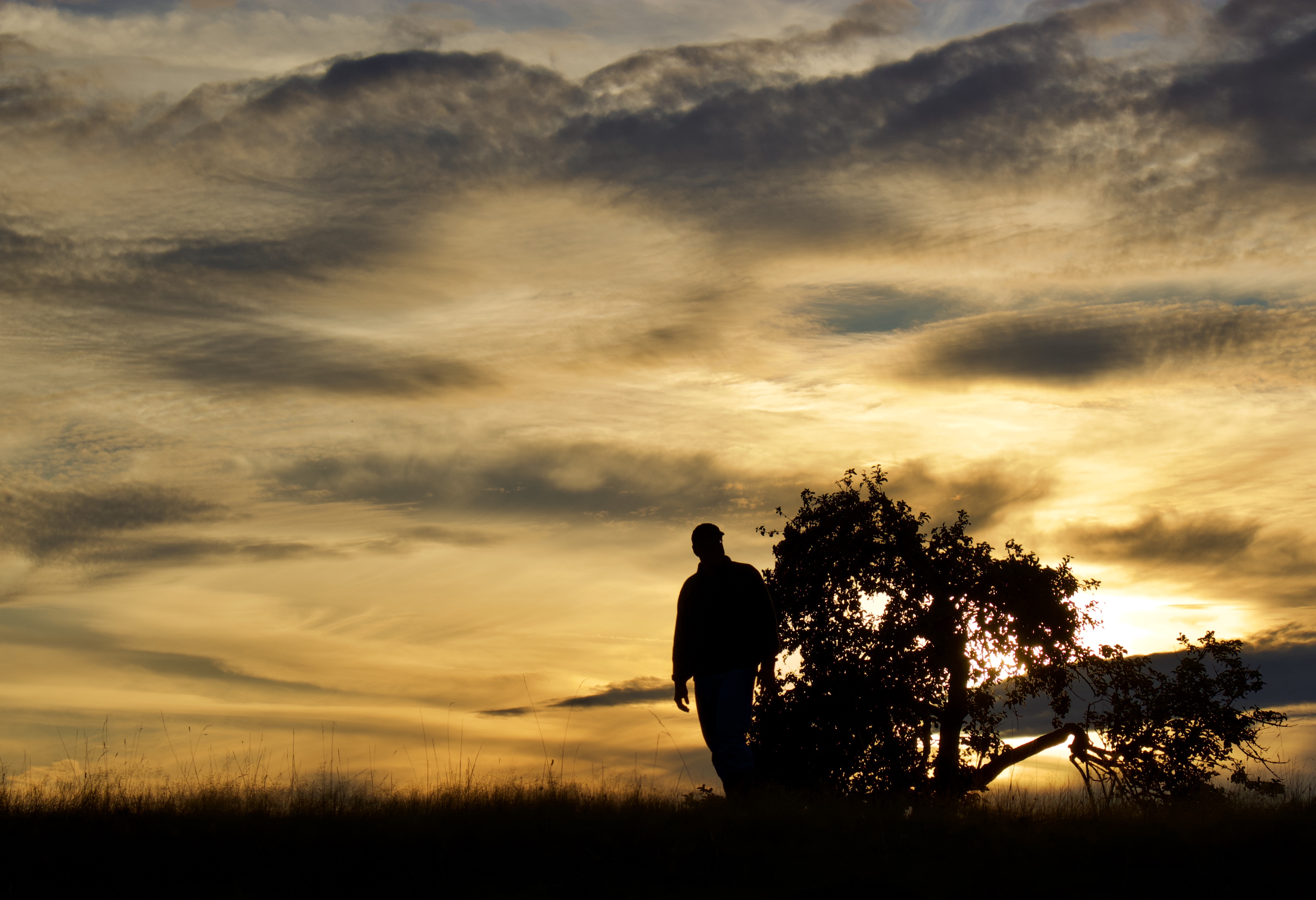
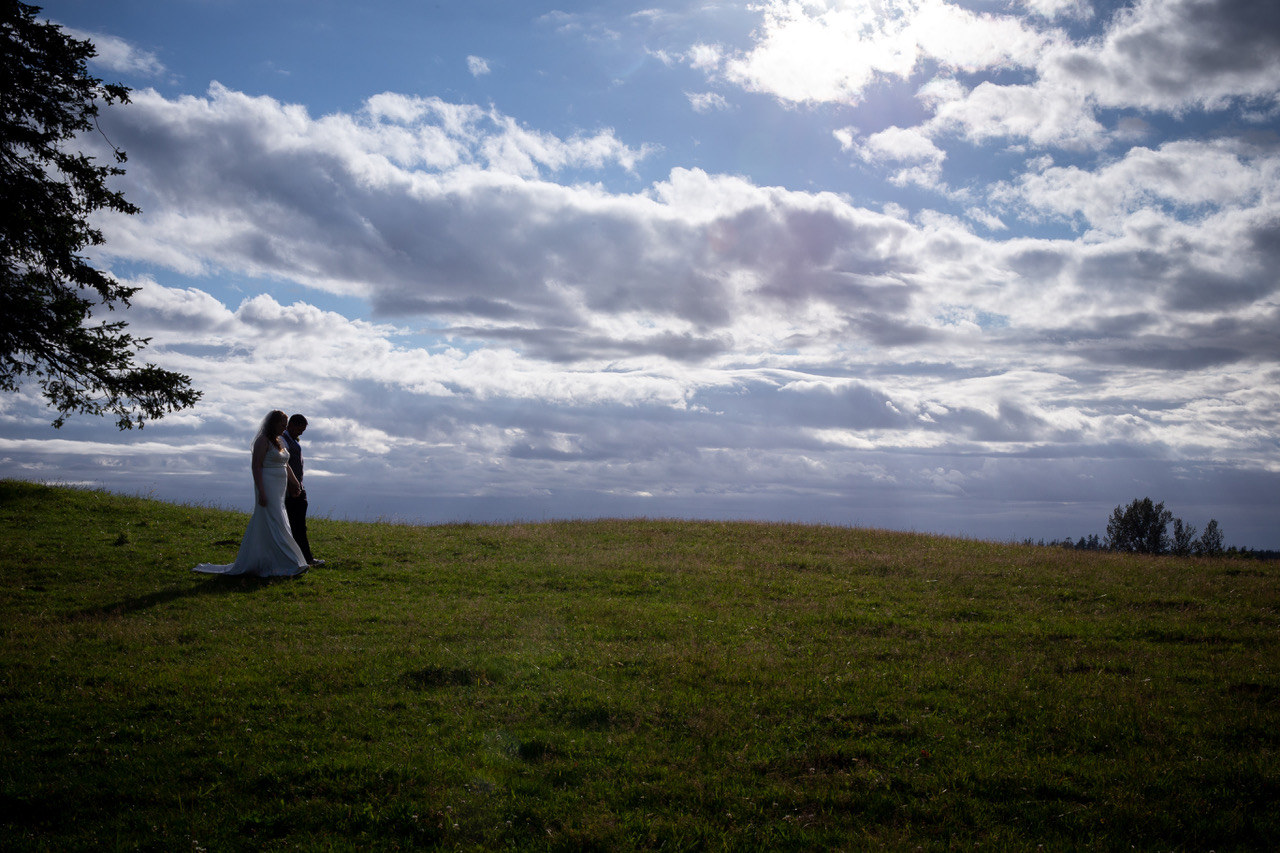
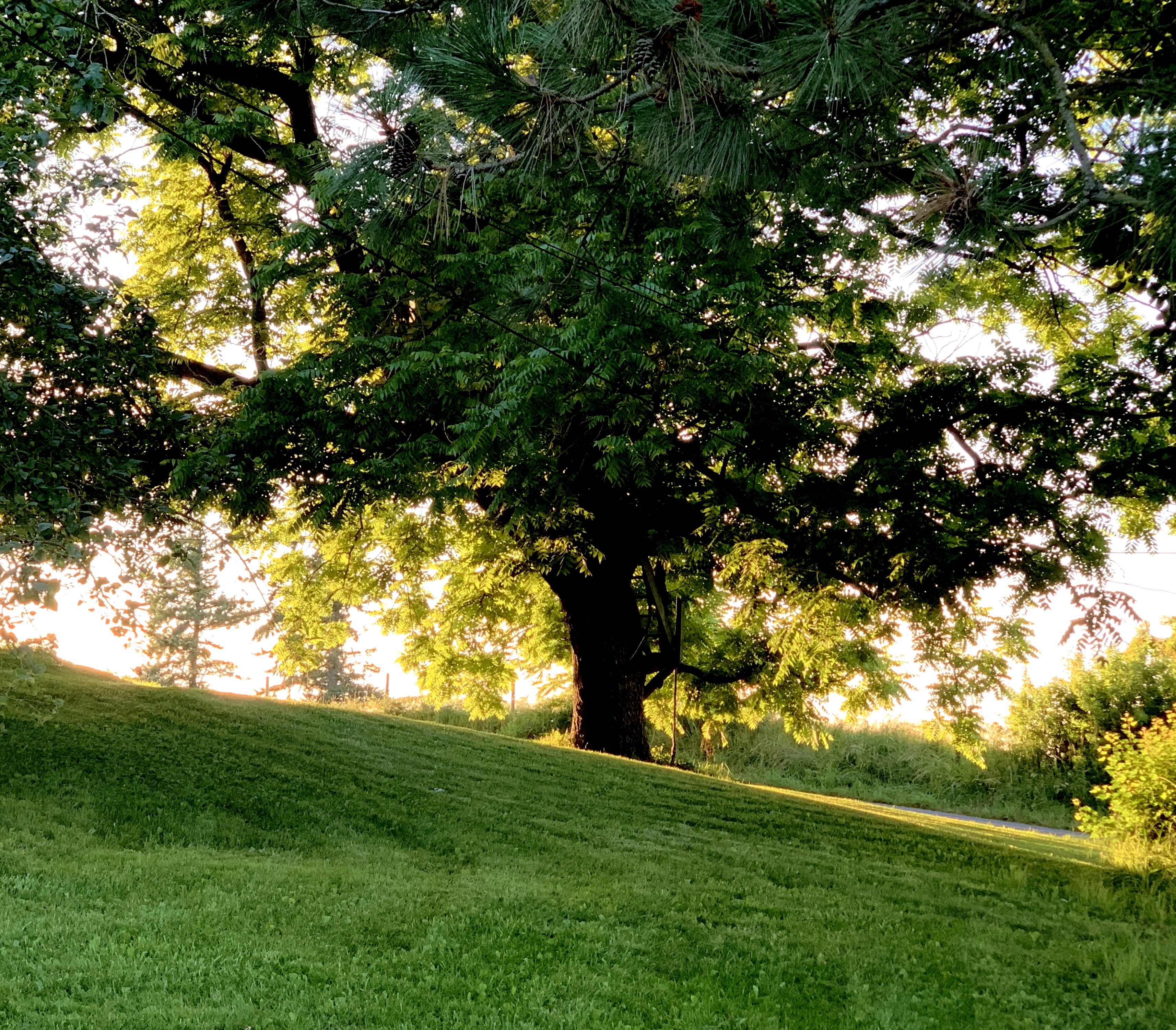
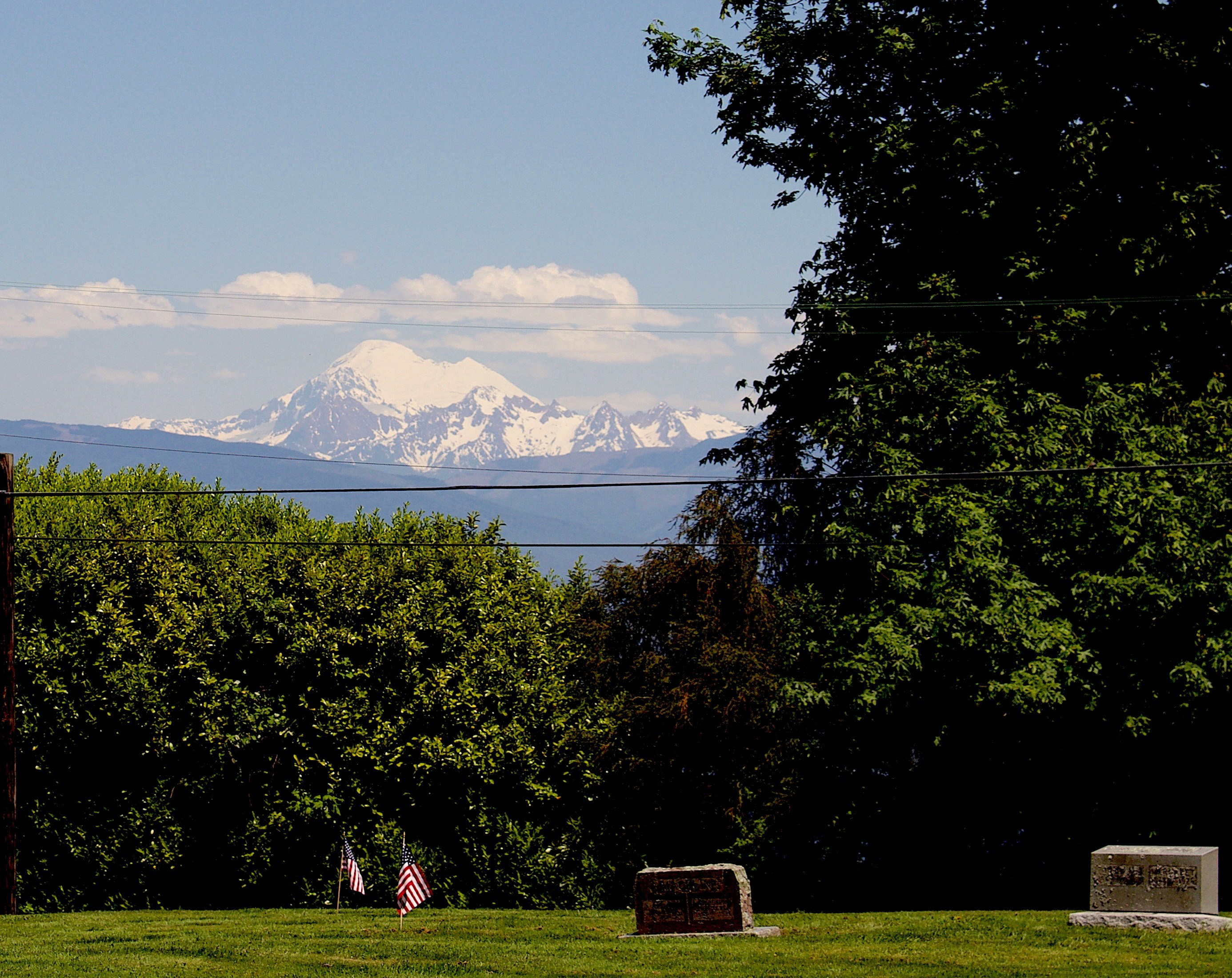
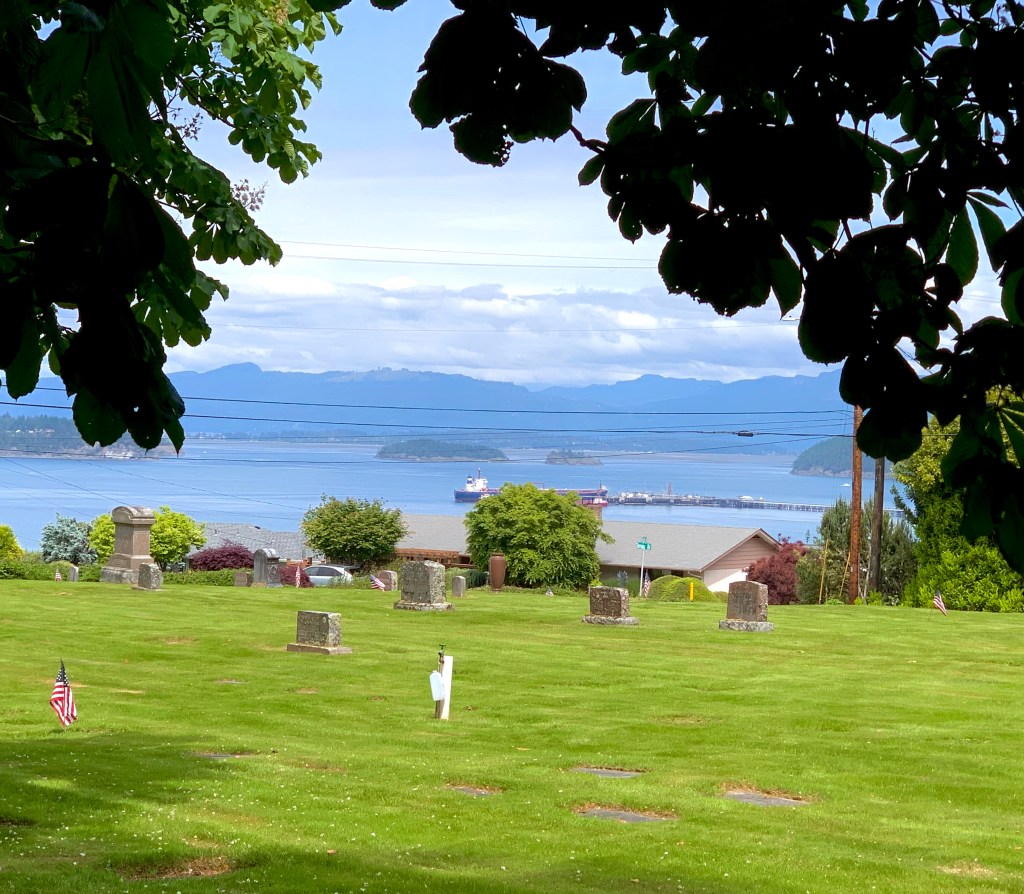
And may you always remember your beginnings, next to the noble Douglas fir on a hill, where God in heaven smiled His Light down upon you through teary clouds.
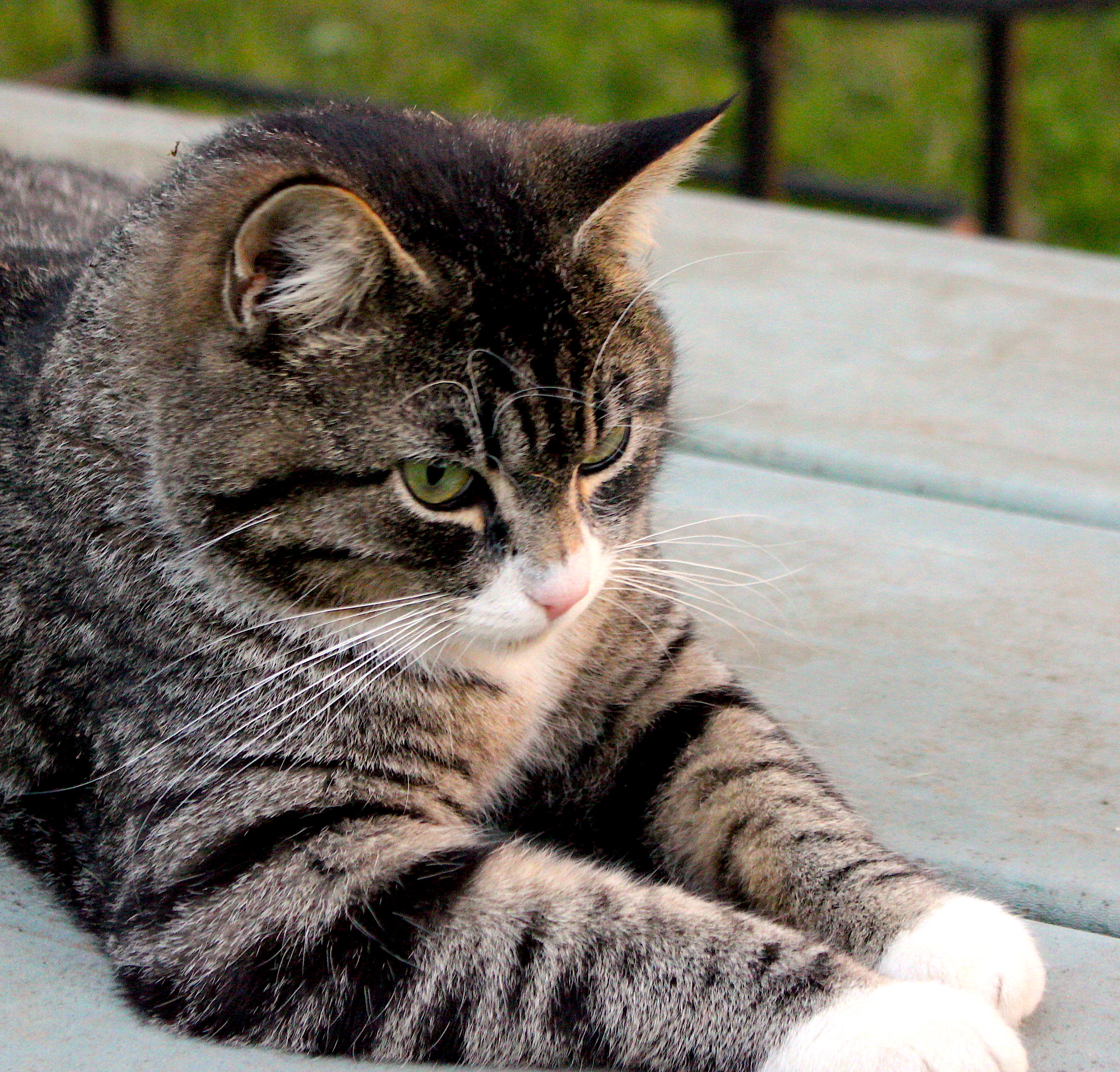
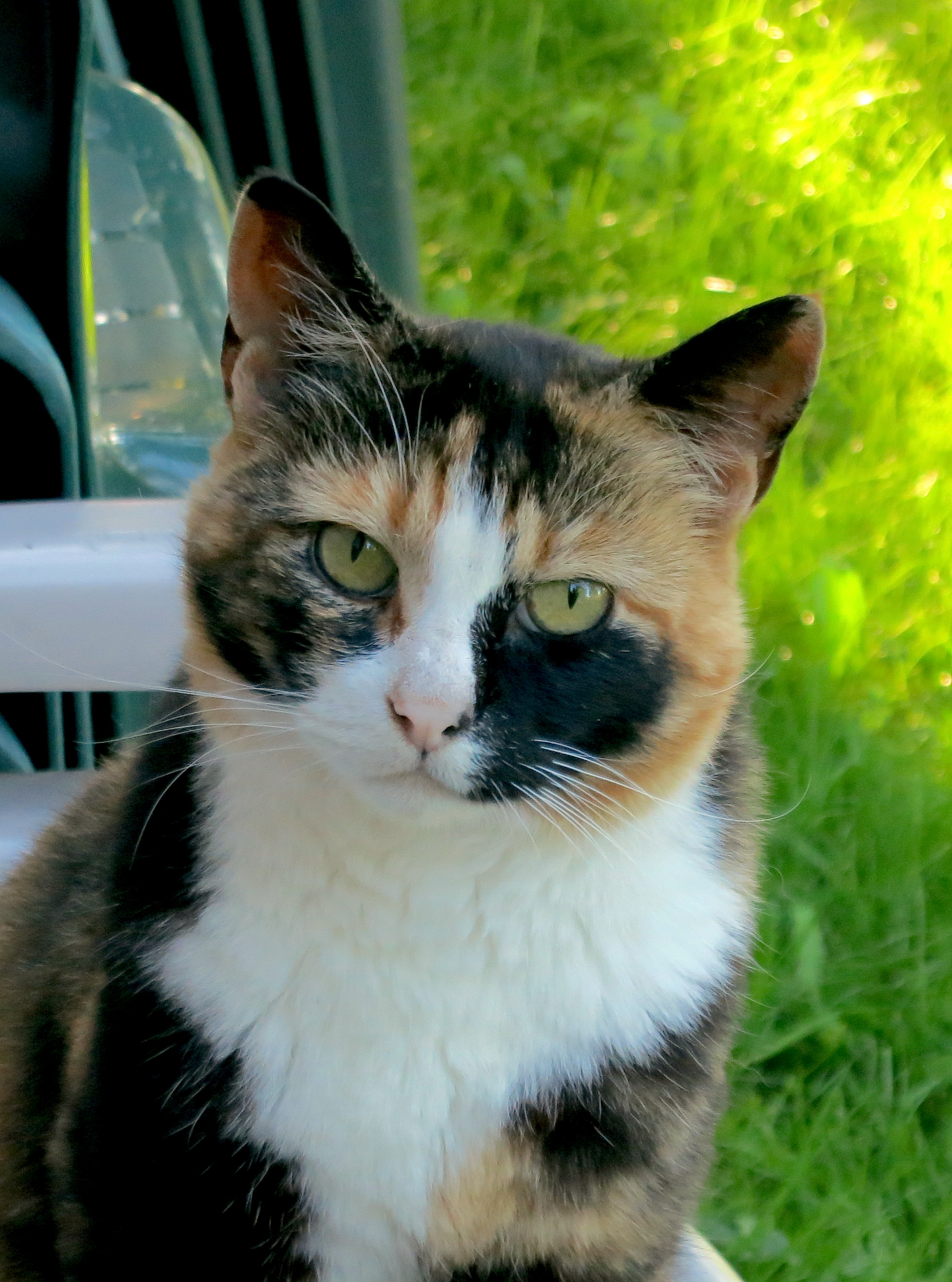
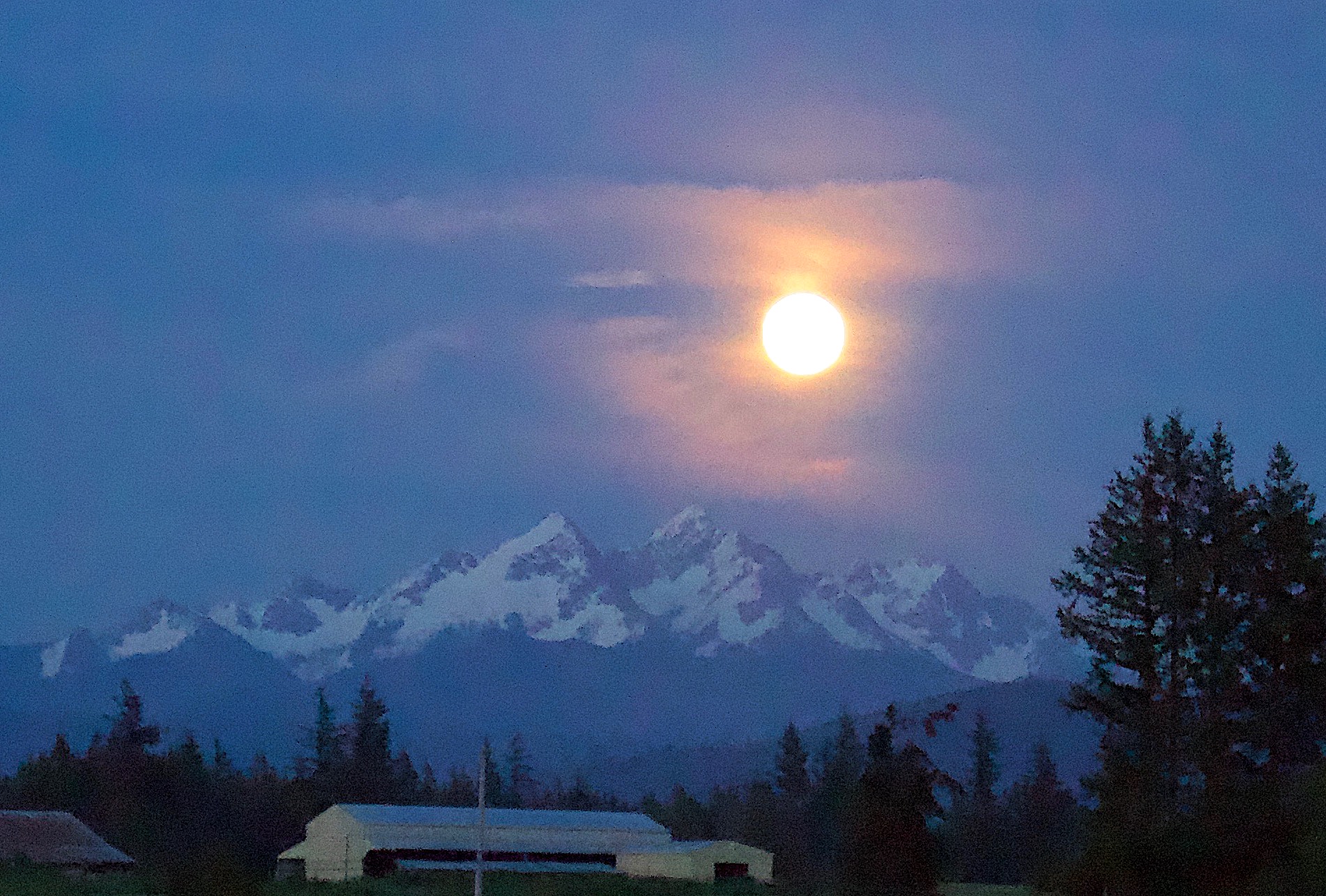
The cat calls for her dinner. On the porch I bend and pour brown soy stars into her bowl, stroke her dark fur. It’s not quite night. Pinpricks of light in the eastern sky. Above my neighbor’s roof, a transparent moon, a pink rag of cloud. Inside my house are those who love me. My daughter dusts biscuit dough. And there’s a man who will lift my hair in his hands, brush it until it throws sparks. Everything is just as I’ve left it. Dinner simmers on the stove. Glass bowls wait to be filled with gold broth. Sprigs of parsley on the cutting board. I want to smell this rich soup, the air around me going dark, as stars press their simple shapes into the sky. I want to stay on the back porch while the world tilts toward sleep, until what I love misses me, and calls me in. ~Dorianne Laux “On the Back Porch” from Awake
If just for a moment, when the world feels like it is tilting so far I just might fall off, there is a need to pause to look at where I’ve been and get my feet back under me.
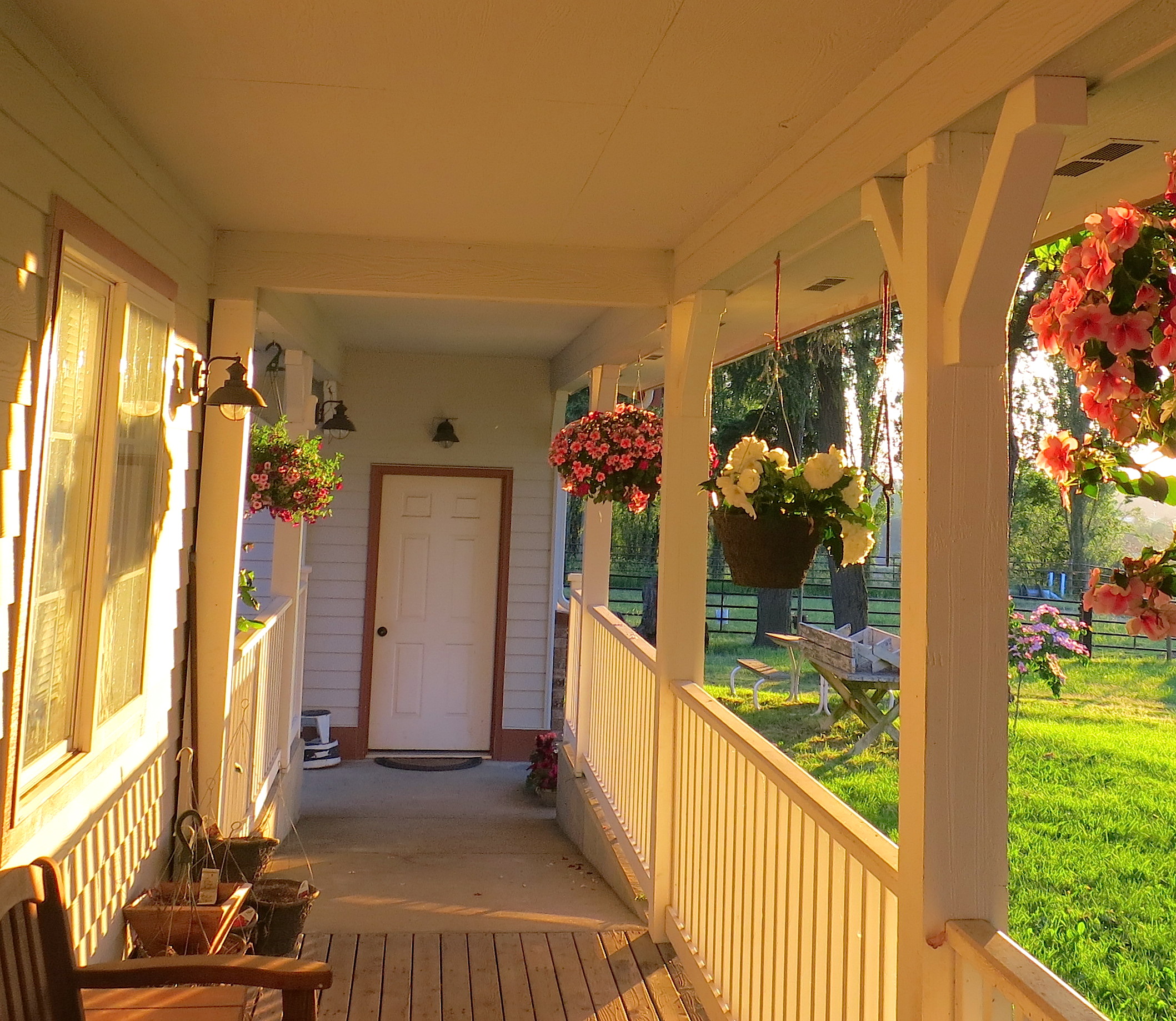
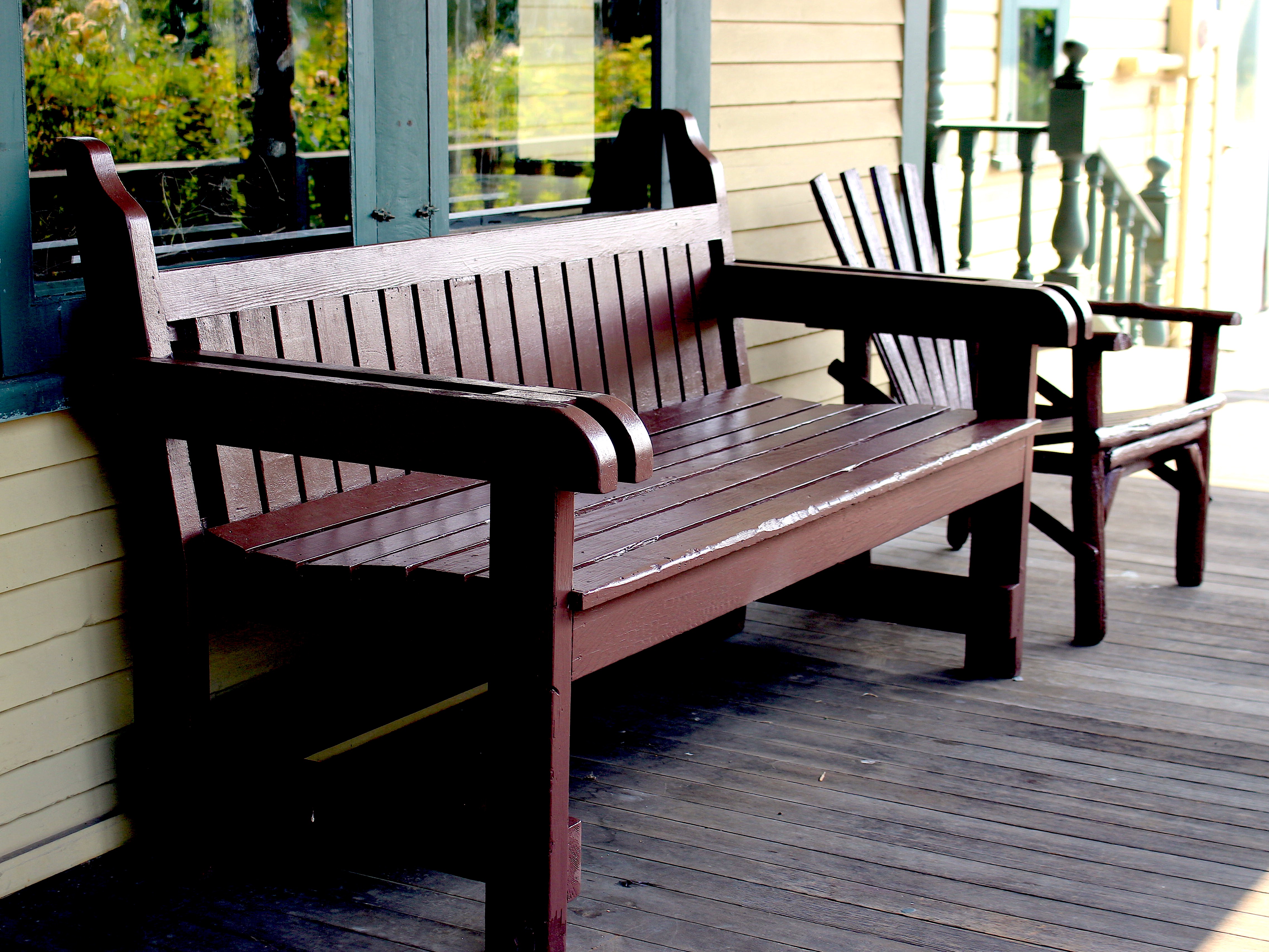
The porch is a good place to start: a bridge to what exists beyond without completely leaving the safety of inside.
I am outside looking square at uncertainty and still hear and smell and taste the love that dwells just inside these walls.
What do any of us want more than to be missed if we were to step away or be taken from this life?
Our voice, our words, our heart, our touch never to be replaced, its absence a hole impossible to fill?
When we are called back inside to the Love that made us who we are, may we leave behind the outside world more beautiful because we were part of it.
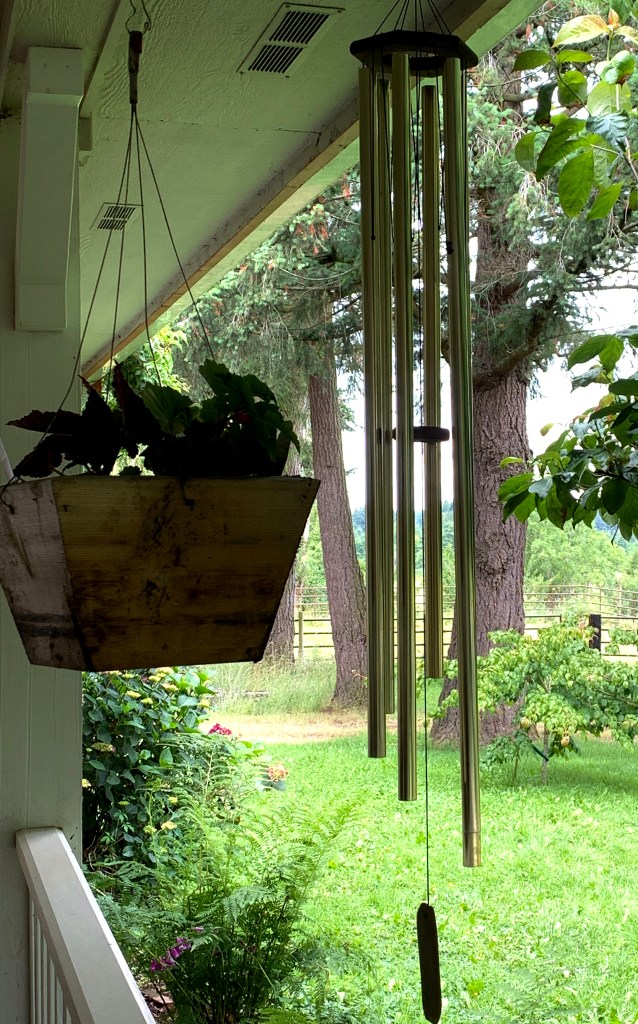
Now we are here at home, in the little nation of our marriage, swearing allegiance to the table we set for lunch or the windchime on the porch,
its easy dissonance. Even in our shared country, the afternoon allots its golden lines so that we’re seated, both in shadow, on opposite
ends of a couch and two gray dogs between us. There are acres of opinions in this house. I make two cups of tea, two bowls of soup,
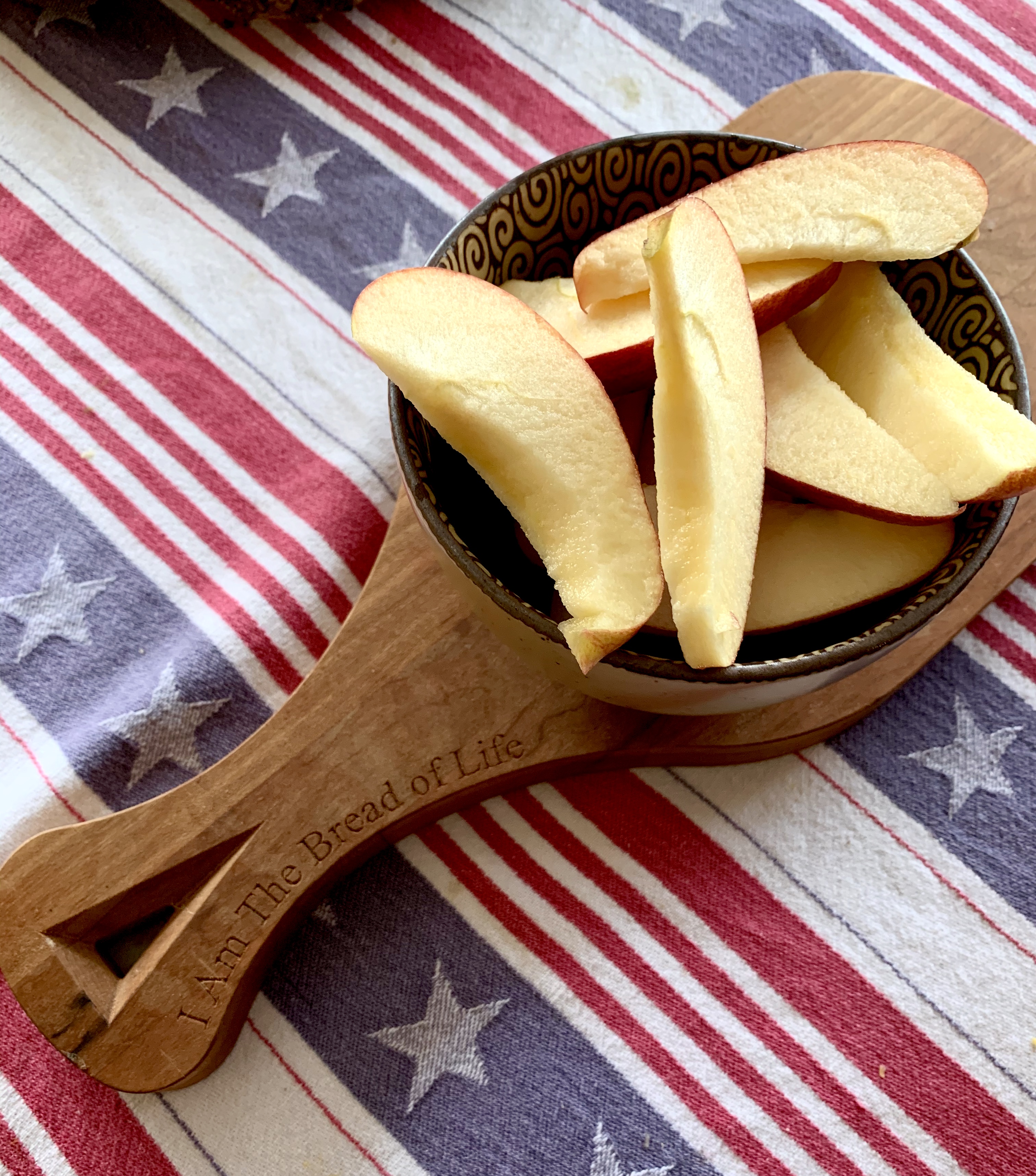
divide an apple equally. If I were a patriot, I would call the blanket we spread across our bed the only flag—some nights we’ve burned it with our anger at each other.Some nights we’ve welcomed the weight, a woolen scratch on both our skins. My love, I am pledging
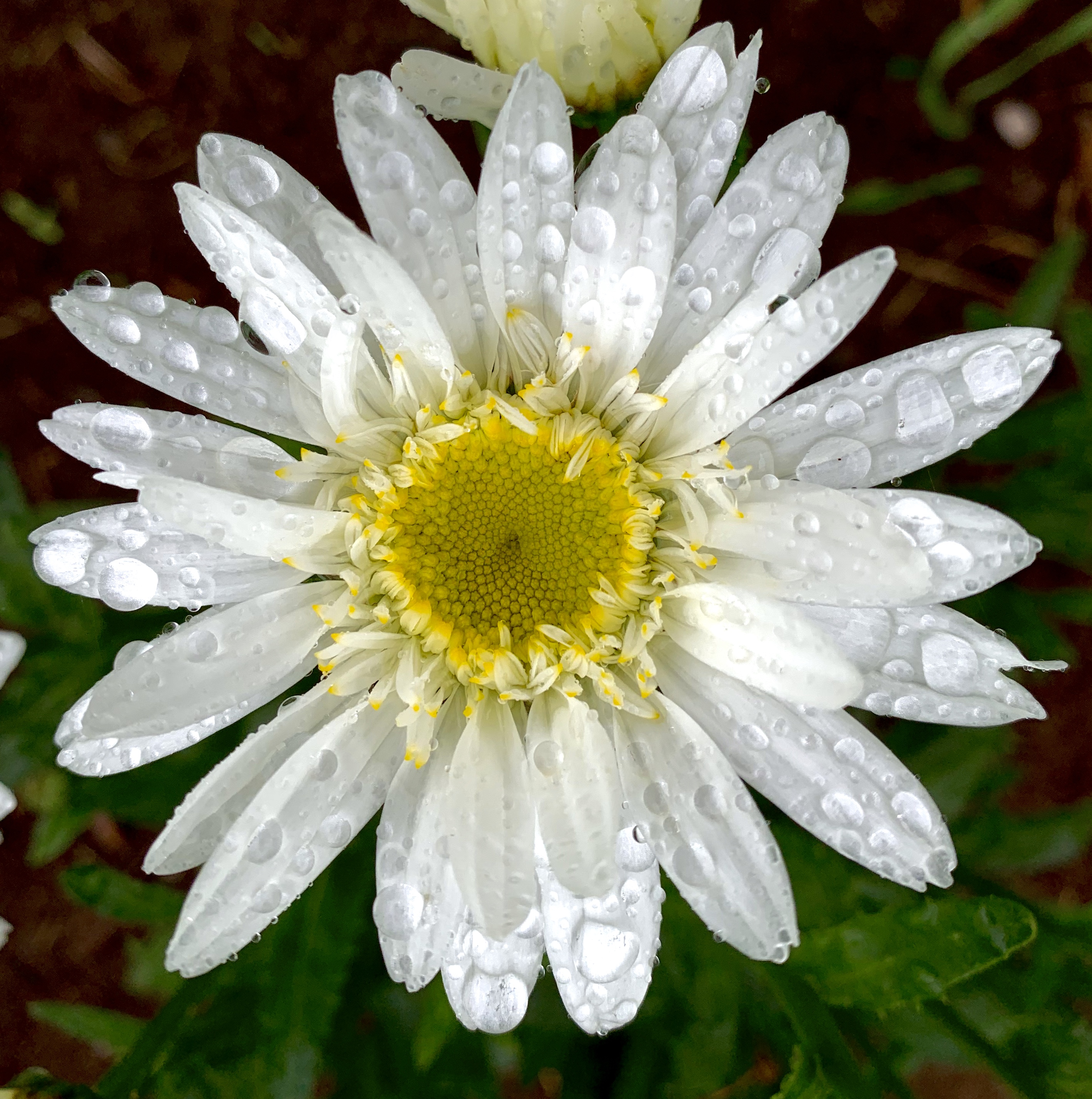
to this republic, for however long we stand, I’ll watch with you the rain’s arrival in our yard. We’ll lift our faces, together, toward the glistening. ~Jehanne Dubrow from “Pledge”
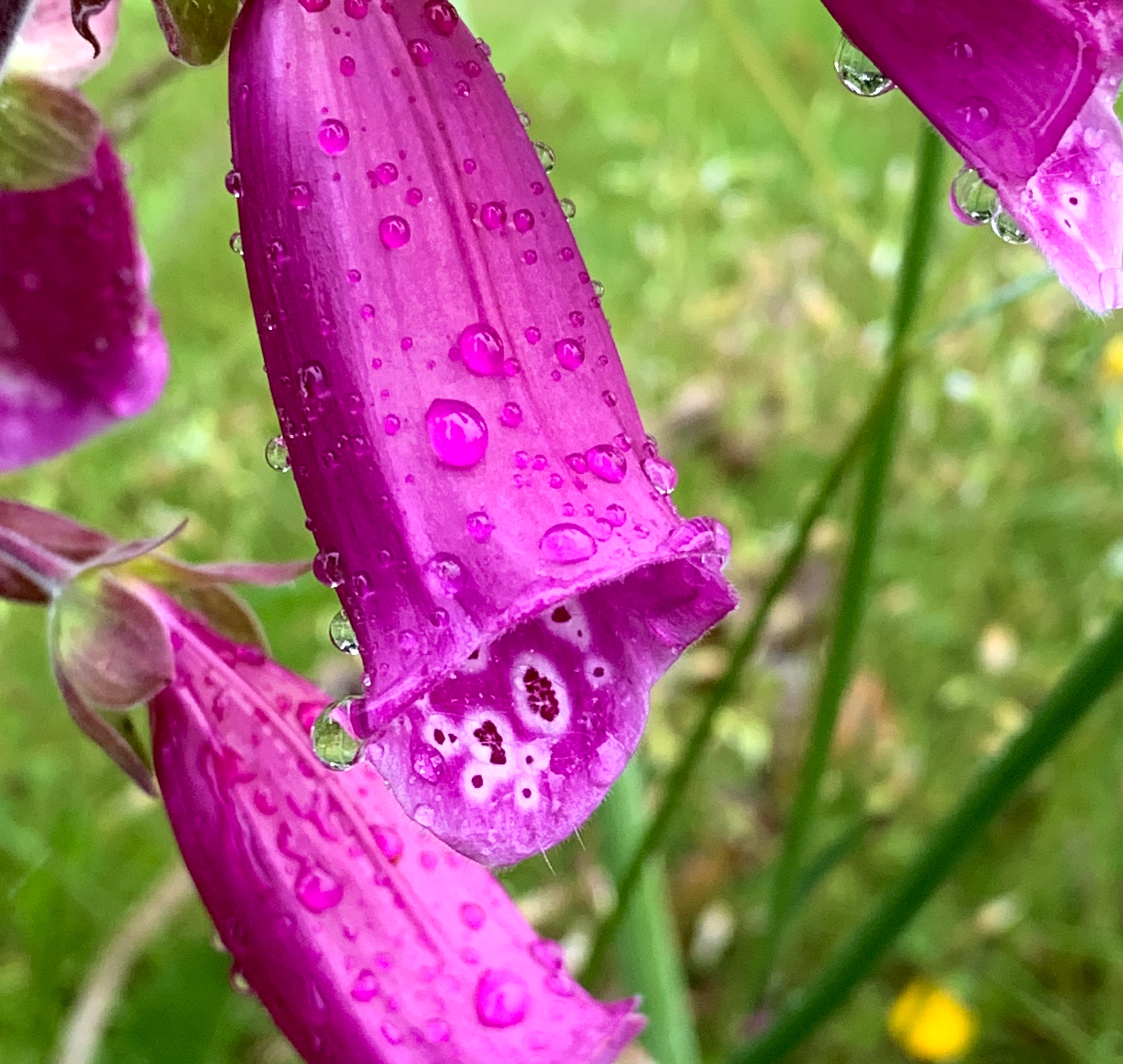
photo by Bette Vander Haak
Whether it is a beloved country, or a devoted marriage, there is need for loyalty to last through the difficult times and the imperfections.
We pledge allegiance to the republic of one another among acres of opinions: our differences in how we see the world contrast with our shared goals and dreams. Our stubborn persistence to stay intact is threatened by our fragile weaknesses that can easily break us asunder.
So we stand united, no matter the dissonance and the disagreements, drenched with the responsibility and accountability to make this union work, no matter what, for as long as we shall live, and much much beyond.
May we glisten with the pledge of allegiance: we can only accomplish this together.
Sometimes our life reminds me of a forest in which there is a graceful clearing and in that opening a house, an orchard and garden, comfortable shades, and flowers red and yellow in the sun, a pattern made in the light for the light to return to. The forest is mostly dark, its ways to be made anew day after day, the dark richer than the light and more blessed, provided we stay brave enough to keep on going in. ~Wendell Berry from “The Country of Marriage”
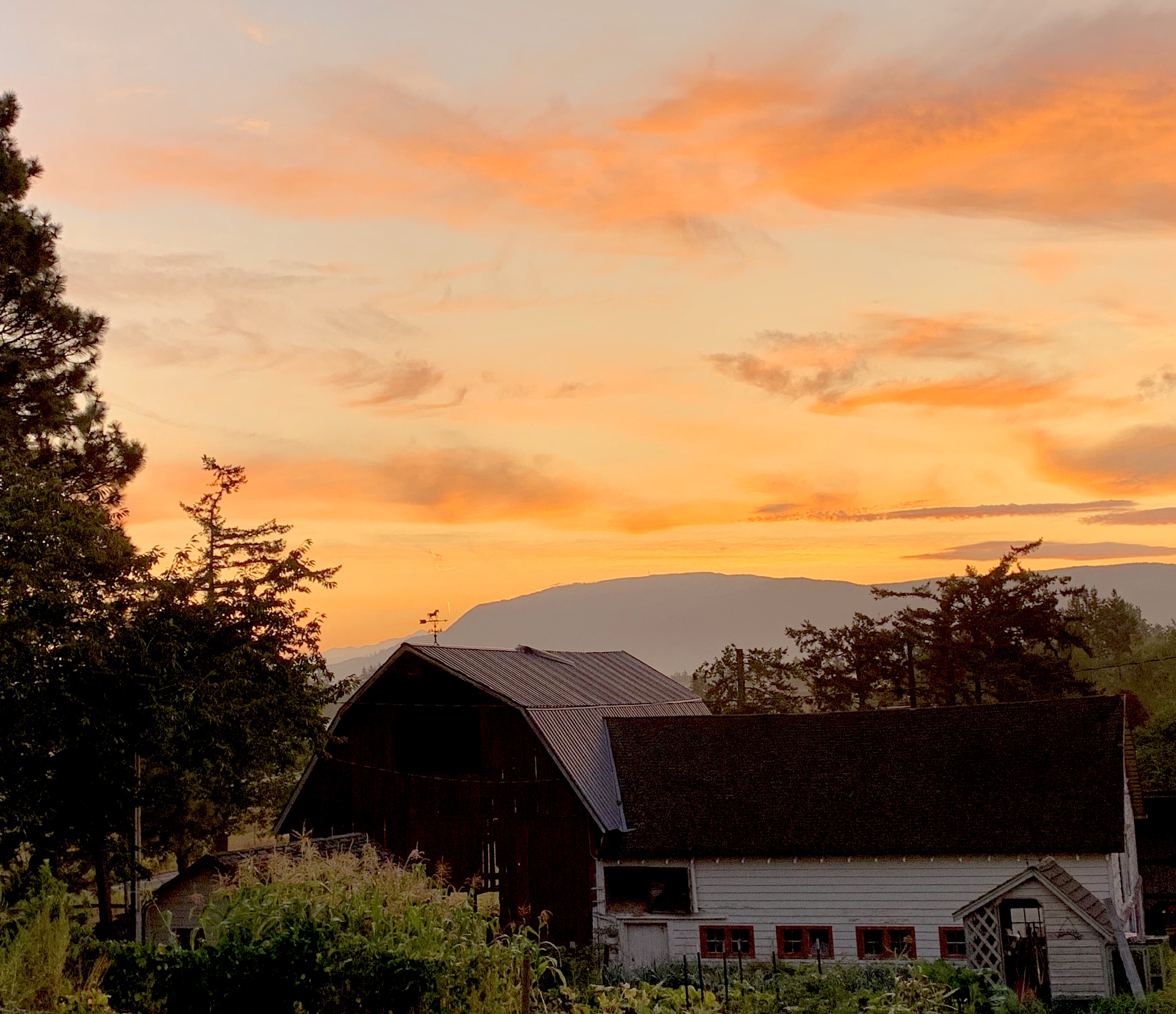
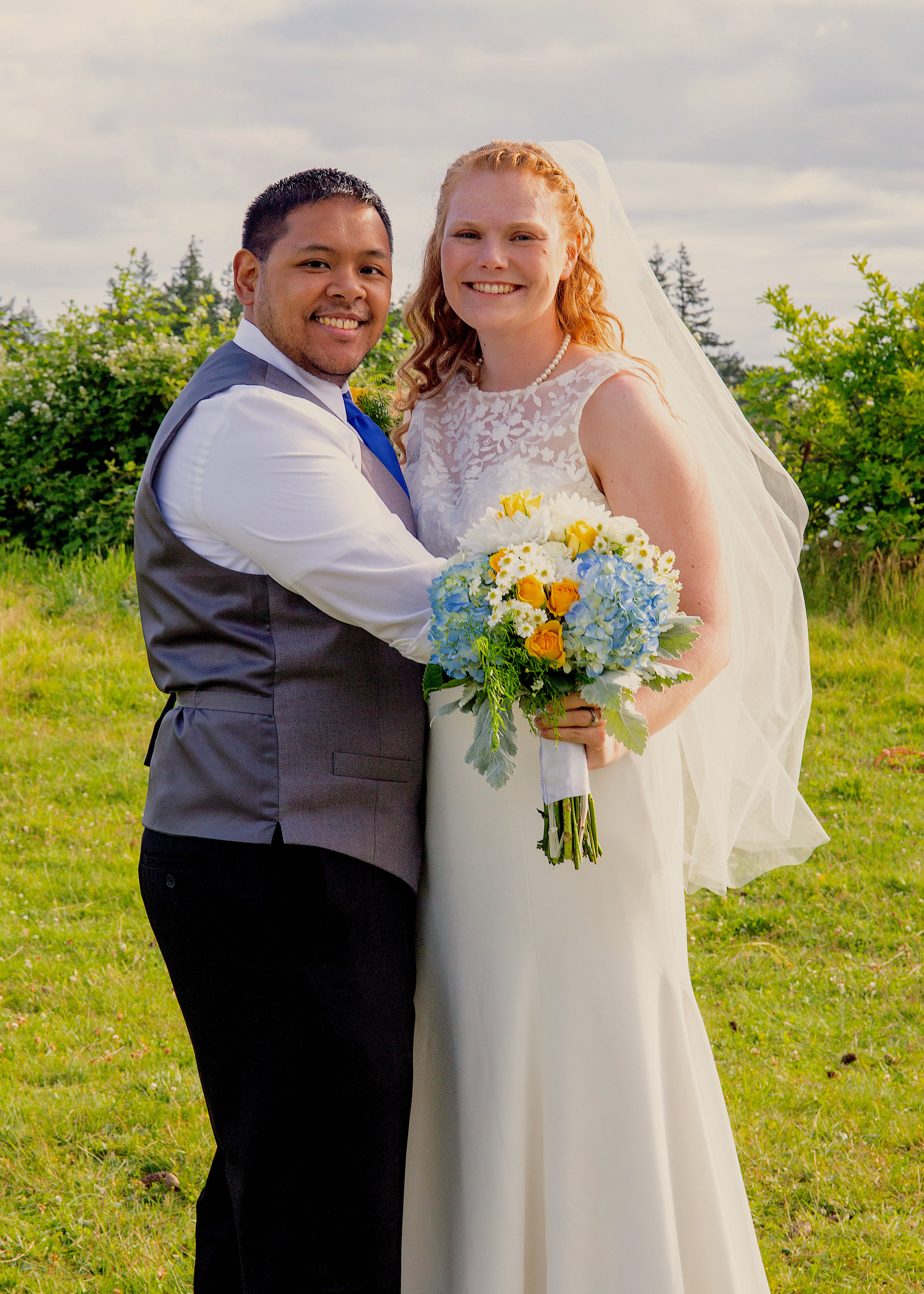
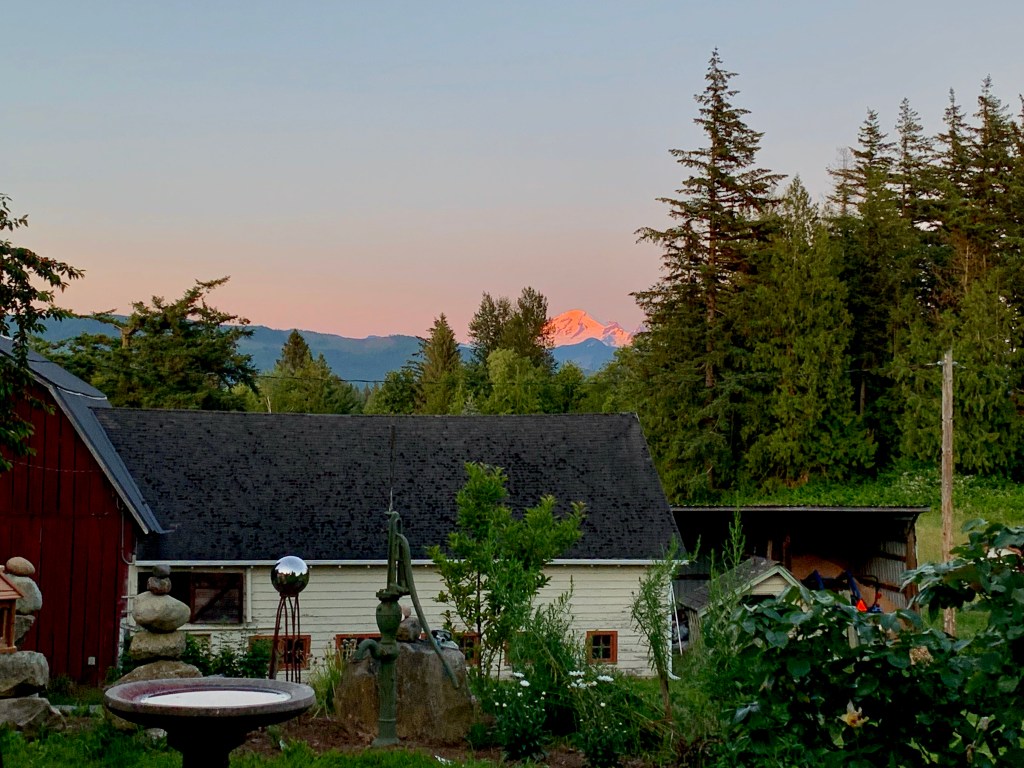
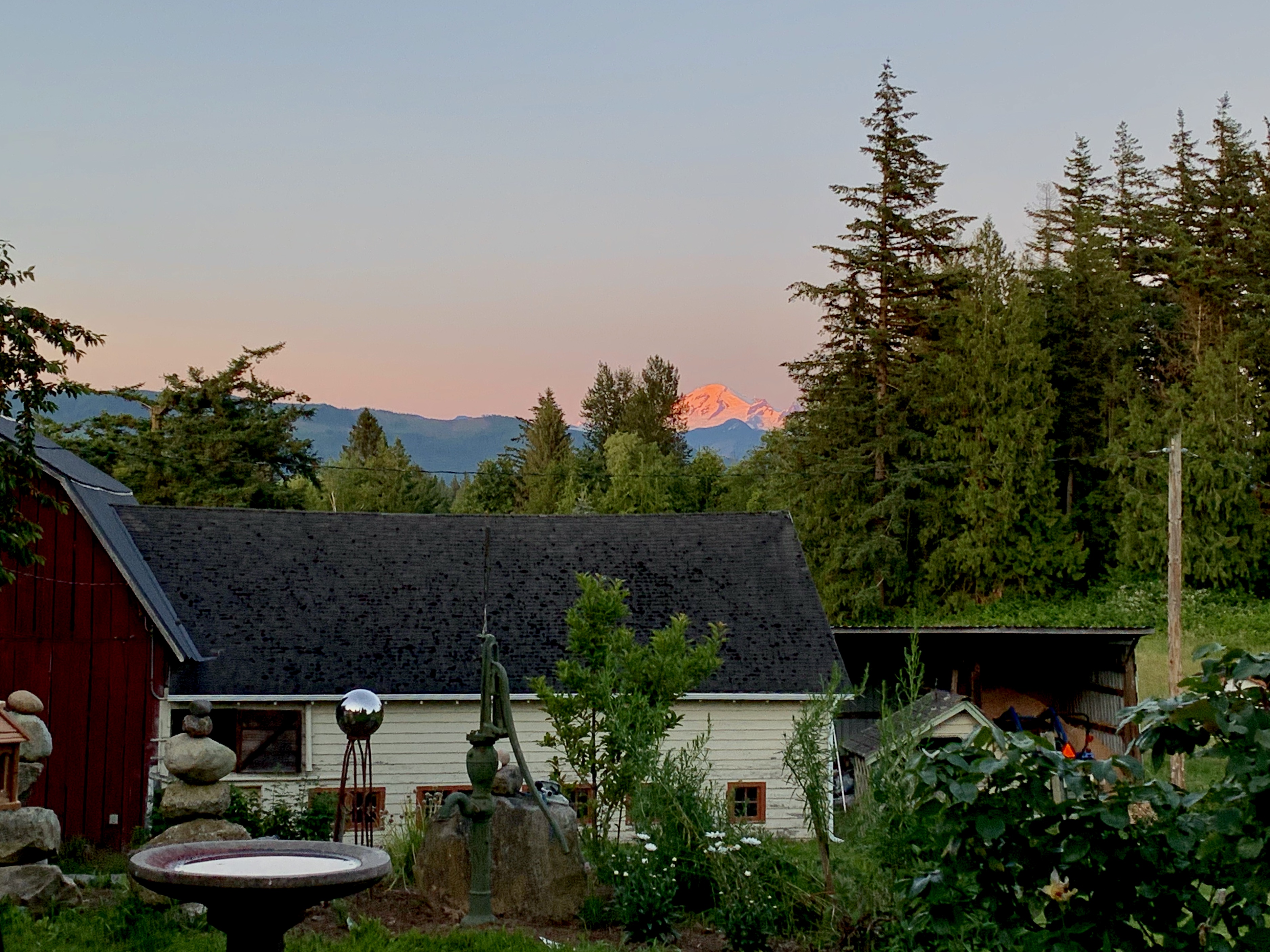
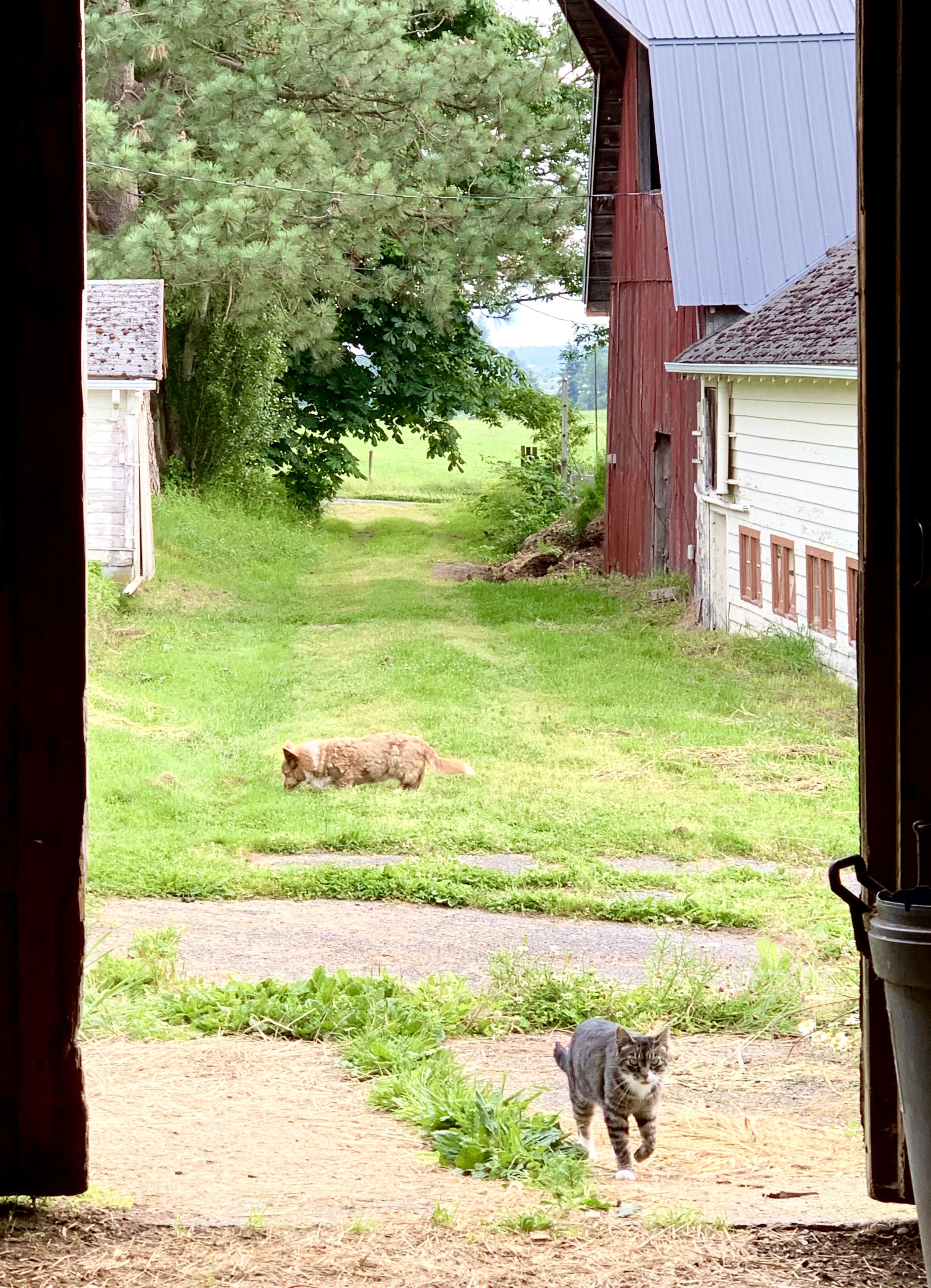
Our daughter and her new husband started their married life yesterday with a ceremony on the farm. God invites them into the orchard and yard where His garden is blooming. It is here where His light illuminates the darkness, and where, each day for the rest of their lives, their covenant with one another mirrors their covenant with God as His children.
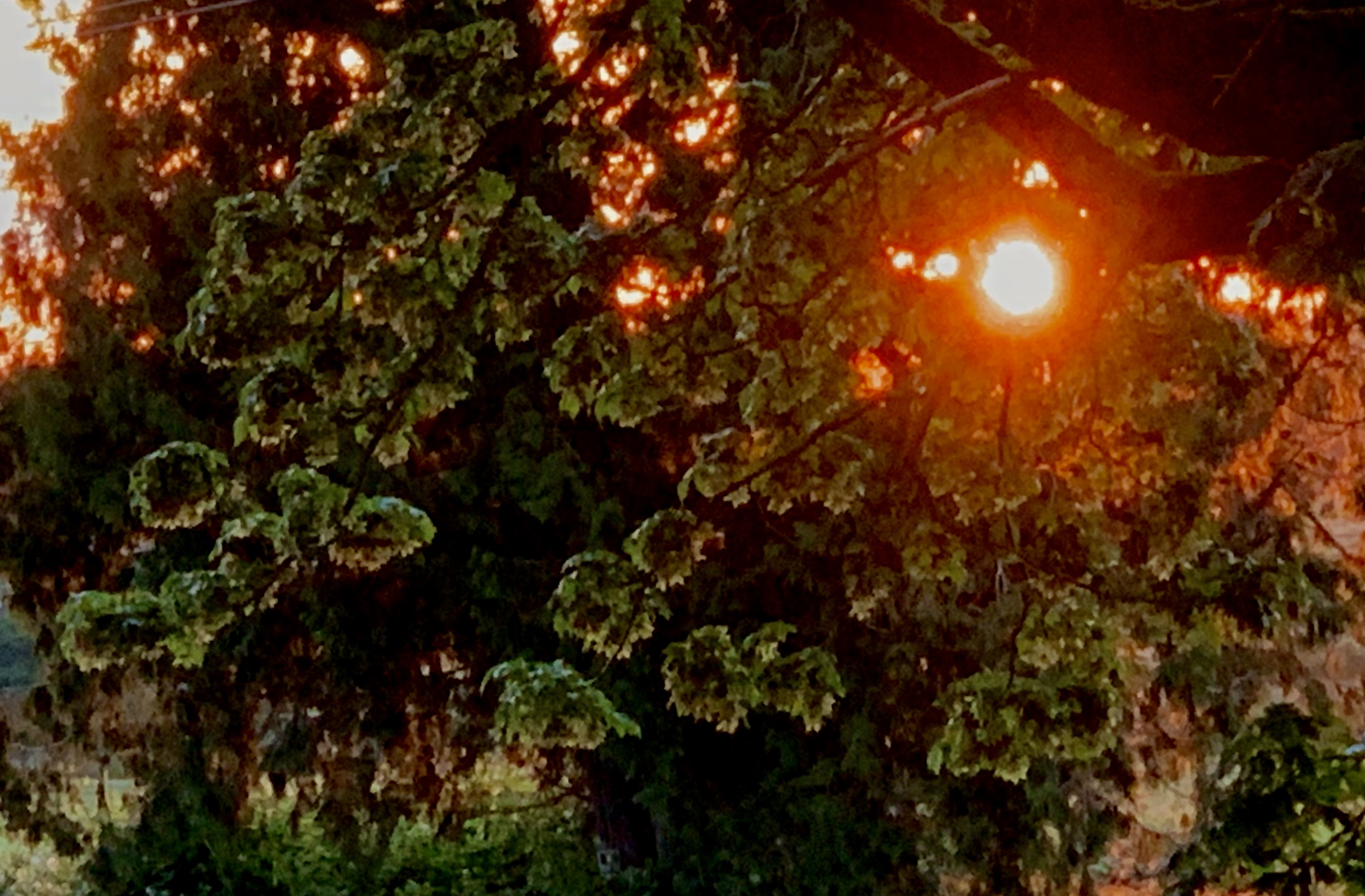
Even on the dark days, the light pursues them. Even on the dark days, their brave love will bloom.
In great deeds, something abides. On great fields, something stays. Forms change and pass; bodies disappear; but spirits linger, to consecrate ground for the vision-place of souls. And reverent men and women from afar, and generations that know us not and that we know not of, heart-drawn to see where and by whom great things were suffered and done for them, shall come to this deathless field, to ponder and dream; and lo! the shadow of a mighty presence shall wrap them in its bosom, and the power of the vision pass into their souls. This is the great reward of service. To live, far out and on, in the life of others; this is the mystery of the Christ, –to give life’s best for such high sake that it shall be found again unto life eternal. ~Major-General Joshua Chamberlain, Gettysburg, Pennsylvania 1889
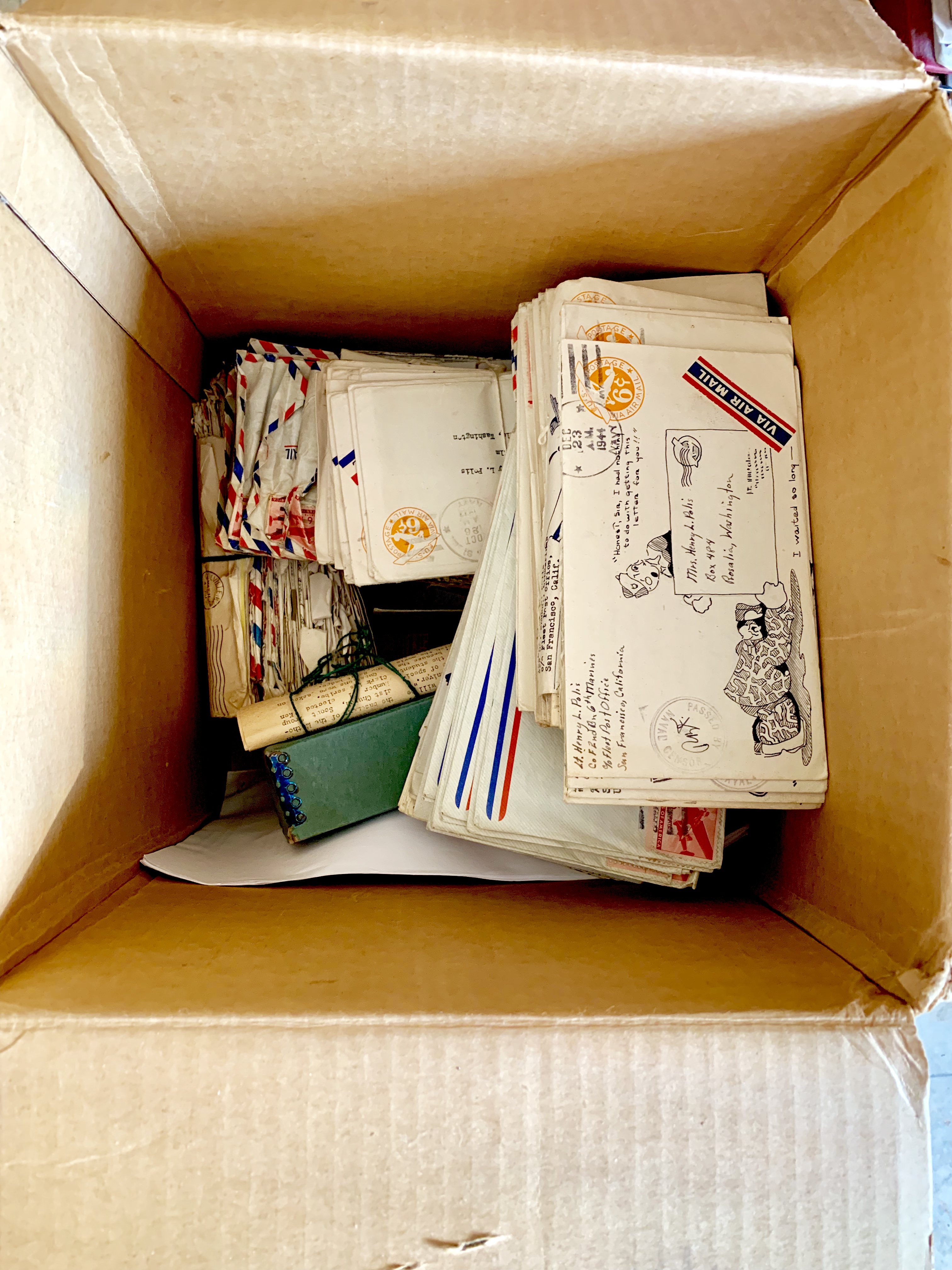
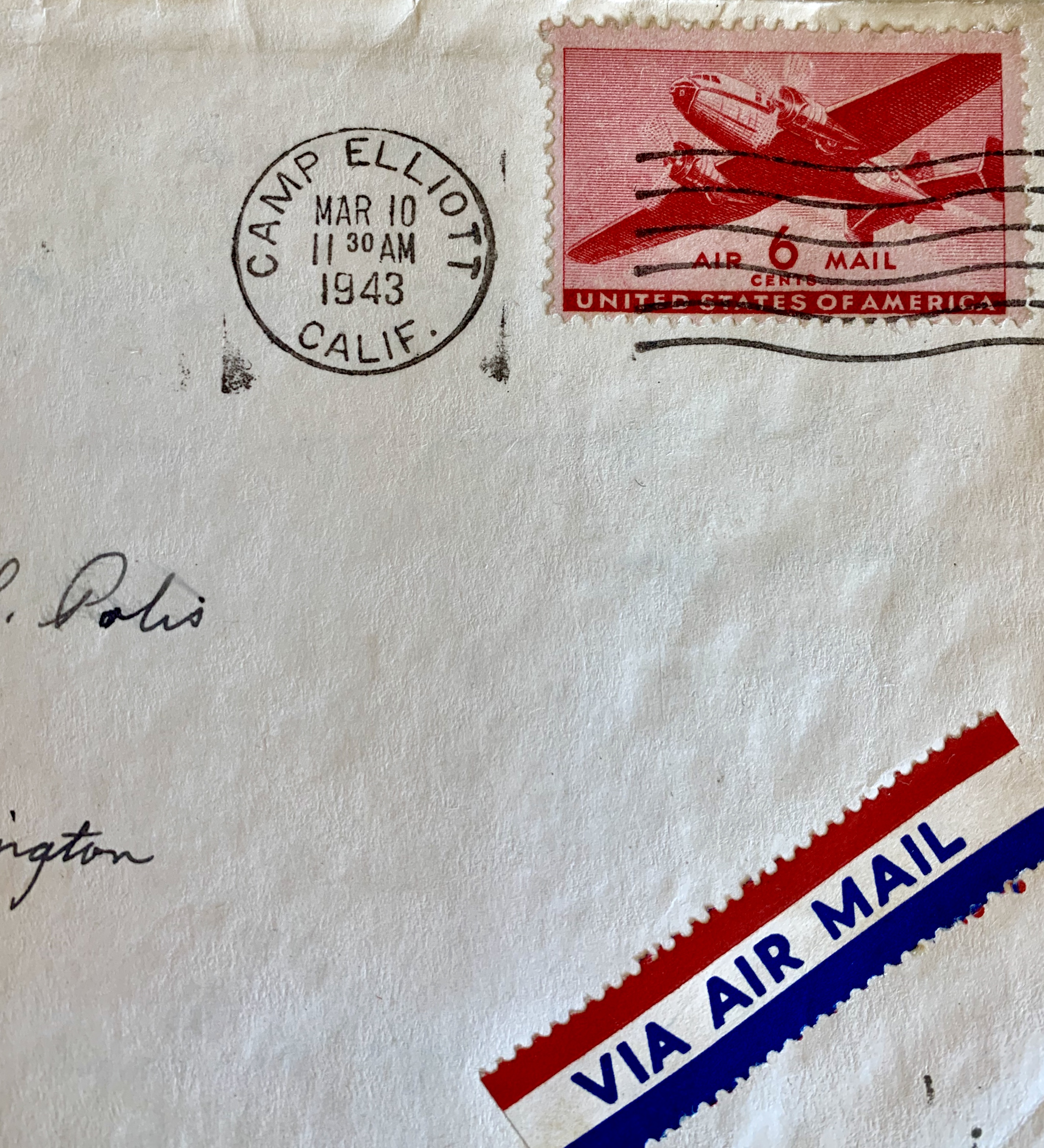
A box of over 700 letters, exchanged between my parents from late 1941 to mid-1945, sat unopened for decades until last year. I started reading.
My parents barely knew each other before marrying quickly on Christmas Eve 1942 – the haste due to the uncertain future for a newly trained Second Lieutenant in the Marine Corps. They only had a few weeks together before she returned home to her rural teaching position and he readied himself to be shipped out for the island battles to come.
They had no idea they would not see each other for another 30+ months or even see each other again at all. They had no idea their marriage would fall apart 35 years later and they would reunite a decade after the divorce for five more years together.
The letters do contain the long-gone but still-familiar voices of my parents, but they are the words and worries of youngsters of 20 and 21, barely prepared for the horrors to come from war and interminable waiting. When he was fighting battles on Tarawa, Saipan, and Tinian, no letters or news would be received for a month or more, otherwise they tried to write each other daily, though with minimal news to share due to military censorship. They speak mostly of their desire for a normal life together rather than a routine centered on mailbox, pen and paper and waiting, lots and lots of waiting.
I’m not sure what I hoped to find in these letters. Perhaps I hoped for flowery romantic whisperings and the poetry of longing and loneliness. Instead I am reading plain spoken words from two people who somehow made it through those awful years to make my sister and brother and myself possible.
Our inheritance is contained in this musty box of words bereft of poetry. But decades later my heart is moved by these letters – I carefully refold them back into their envelopes and replace them gently back in order. A six cent airmail stamp – in fact hundreds and hundreds of them – was a worthwhile investment in the future, not only for themselves and their family to come, but for generations of U.S. citizens who tend to take their freedom for granted.
Thank you, Dad and Mom, for what you gave up to make today possible.
I hear the mountain birds The sound of rivers singing A song I’ve often heard It flows through me now So clear and so loud I stand where I am And forever I’m dreaming of home I feel so alone, I’m dreaming of home
It’s carried in the air The breeze of early morning I see the land so fair My heart opens wide There’s sadness inside I stand where I am And forever I’m dreaming of home I feel so alone, I’m dreaming of home
This is no foreign sky I see no foreign light But far away am I From some peaceful land I’m longing to stand A hand in my hand …forever I’m dreaming of home I feel so alone, I’m dreaming of home ~Lori Barth and Philippe Rombi “I’m Dreaming of Home”
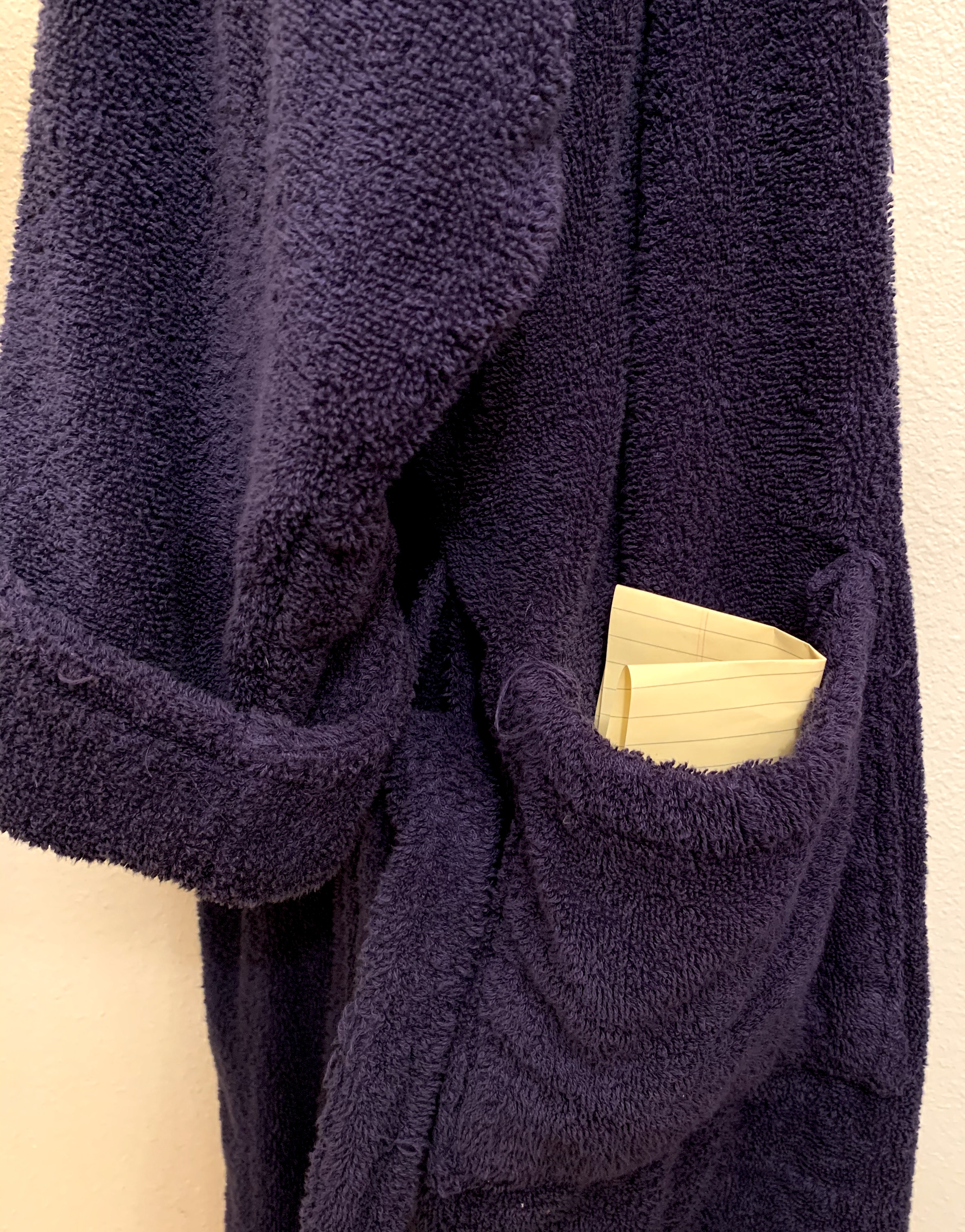
If this comes creased and creased again and soiled as if I’d opened it a thousand times to see if what I’d written here was right, it’s all because I looked too long for you to put in your pocket. Midnight says the little gifts of loneliness come wrapped by nervous fingers. What I wanted this to say was that I want to be so close that when you find it, it is warm from me. ~Ted Kooser “Pocket Poem”
A boy told me if he roller-skated fast enough his loneliness couldn’t catch up to him, the best reason I ever heard for trying to be a champion.
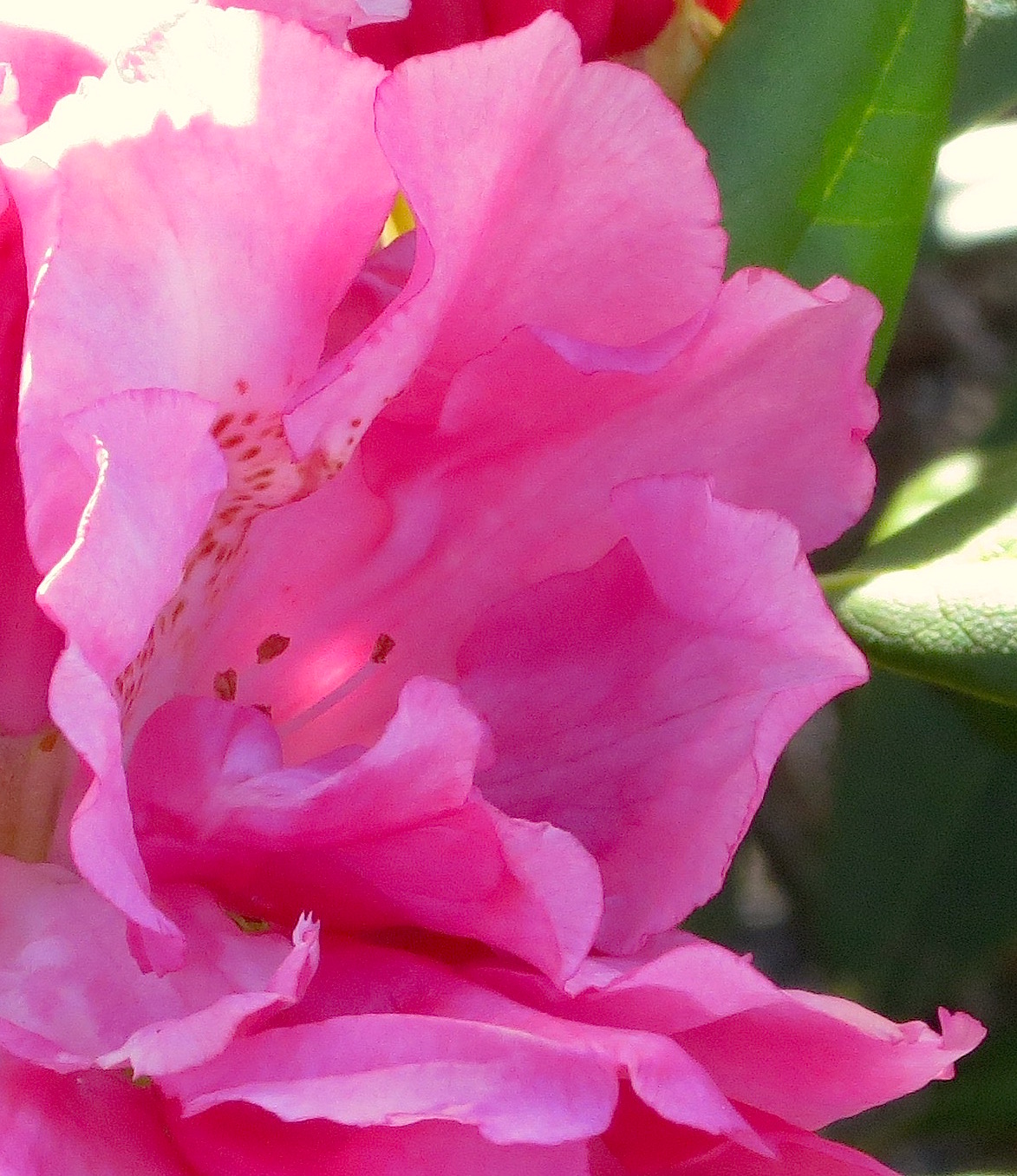
A victory! To leave your loneliness panting behind you on some street corner while you float free into a cloud of sudden azaleas, pink petals that have never felt loneliness, no matter how slowly they fell. ~Naomi Shihab Nye from “The Rider”
One who has loved is never quite alone, though all the hills declare our solitude. Having known you, I am no more afraid, the essential singleness of blood and bone when dispossessed, comes never in return; one who has loved is never quite alone. ~Jane Tyson Clement from The Heart’s Necessities
I’ve written about petals in your pocket but have never left a poem alone in your pocket to keep it warm.
Instead, to stave off loneliness I match poems and pictures together to share before leaving for my day’s work.
Still warm to the touch, these spill from my fingertips as dawn pours over the eastern hills.
Here’s to another good morning with you, my love ~ I tuck this poem into your empty pocket from mine, to keep it close and forever warm today, tomorrow and always.
The children are sleeping and the cows and chickens are sleeping, and the grass itself is sleeping. The machines are off and the neighbor’s lights, a half mile away, are out, and the moon is hanging like a powdered face in a darkened room, and the snow is shining under stars the way we are shining here in our cold skins under warm quilts.
There is no season, no grass gone brown, no cold, and no one to say we are anything but beautiful, swimming together across the wide channel of night. ~David Romtvedt from “Still” in Some Church
In the evening we come down to the shore to drink our fill, and sleep, while it flows through the regions of the dark. It does not hold us, except we keep returning to its rich waters thirsty. We enter, willing to die, into the commonwealth of its joy.
I give you what is unbounded, passing from dark to dark, containing darkness: a night of rain, an early morning. I give you the life I have let live for the love of you: a clump of orange-blooming weeds beside the road, the young orchard waiting in the snow, our own life that we have planted in the ground, as I have planted mine in you. ~Wendell Berry from “The Country of Marriage”
Again we find ourselves alone together ~ shining in a warmth we find in each other planted so deeply we cannot always know where one ends and another begins, a commonwealth of shared everything~ the soft beauty of touch and tears: no matter what comes next. Mine is yours.
Drying inward from the edge. ~Edna St. Vincent Millay “Ebb”
I wondered if that was how forgiveness budded; not with the fanfare of epiphany, but with pain gathering its things, packing up, and slipping away unannounced in the middle of the night. — Khaled Hosseini from The Kite Runner
My mother was seven years younger than I am now when my father left her for a younger woman. For months my mother withered, crying until there were no more tears left, drying inward from her edges.
It took ten years, but he came back like an overdue high tide. She was sure her love had died but the tepid pool refilled, the incoming water cool to the touch, finally overflowing beyond imagining.
The time is ripe for looking back over the day, the week, the year, and trying to figure out where we have come from and where we are going to, for sifting through the things we have done and the things we have left undone for a clue to who we are and who, for better or worse, we are becoming. We cling to the present out of wariness of the past. But there is a deeper need yet, I think, and that is the need—not all the time, surely, but from time to time—to enter that still room within us all where the past lives on as a part of the present, where the dead are alive again, where we are most alive ourselves to turnings and to where our journeys have brought us. The name of the room is Remember—the room where with patience, with charity, with quietness of heart, we remember consciously to remember the lives we have lived.” ~Frederick Buechner from A Room Called Remember
He was a big man, says the size of his shoes on a pile of broken dishes by the house; a tall man too, says the length of the bed in an upstairs room; and a good, God-fearing man, says the Bible with a broken back on the floor below the window, dusty with sun; but not a man for farming, say the fields cluttered with boulders and the leaky barn.
A woman lived with him, says the bedroom wall papered with lilacs and the kitchen shelves covered with oilcloth, and they had a child, says the sandbox made from a tractor tire. Money was scarce, say the jars of plum preserves and canned tomatoes sealed in the cellar hole. And the winters cold, say the rags in the window frames. It was lonely here, says the narrow country road.
Something went wrong, says the empty house in the weed-choked yard. Stones in the fields say he was not a farmer; the still-sealed jars in the cellar say she left in a nervous haste. And the child? Its toys are strewn in the yard like branches after a storm—a rubber cow, a rusty tractor with a broken plow, a doll in overalls. Something went wrong, they say. ~Ted Kooser, “Abandoned Farmhouse” from Sure Signs: New and Selected Poems.
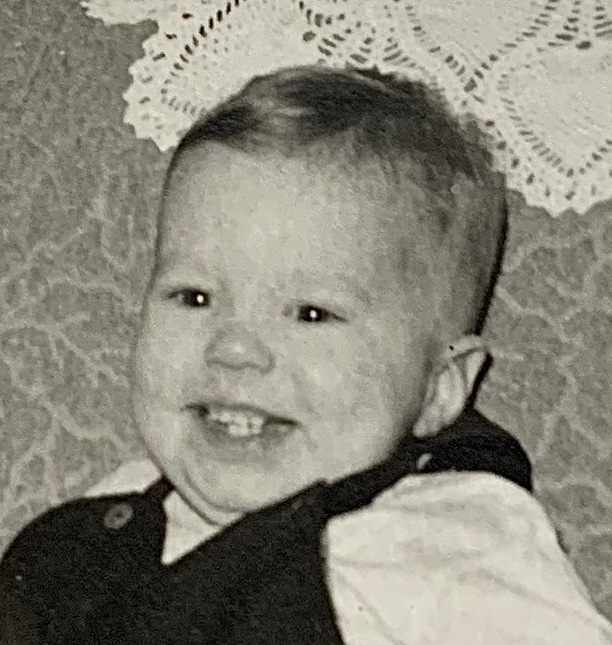
In 1959, when I was five years old, my father left his high school agriculture teaching position for a new supervisor position with the state. I didn’t understand at the time the reasons for his leaving his job after 13 years.
Our family moved from a large 3 story farm house in a rural community to a 1950’s newer rambler style home just outside the city limits of the state capitol. It was a big adjustment to move to a much smaller house without a basement or upper story, no garage, and no large haybarn nor chicken coop. It meant most things we owned didn’t make the move with us.
The rambler had two side by side mirror image rooms as the primary central living space between the kitchen on one side and the hallway to the bedrooms on the other. The living room could only be entered through the front door and the family room was accessed through the back door with a shared sandstone hearth in the center, containing a fireplace in each room. The only opening between the rooms had a folding door shut most of the year. In December, the door was opened to accommodate a Christmas tree, so it sat partially in the living room and depending on its generous width, spilled over into the family room. That way it was visible from both rooms, and didn’t take up too much floor space.
The living room, because it contained the only carpeting in the house, and our “best” furniture, was strictly off-limits. In order to keep our two matching sectional knobby gray fabric sofas, a green upholstered chair and gold crushed velvet covered love seat in pristine condition, the room was to be avoided unless we had company. The carpet was never to develop a traffic pattern, there would be no food, beverage, or pet ever allowed in that room, and the front door was not to be used unless a visitor arrived. The hearth never saw a fire lit on that side because of the potential of messy ashes or smoke smell. This was not a room for laughter, arguments or games and certainly not for toys. The chiming clock next to the hearth, wound with weighted cones on the end of chains, called out the hours without an audience.
One week before Christmas, a tree was chosen to fit in the space where it could overflow into the family room. I particularly enjoyed decorating the “family room” side of the tree, using all my favorite ornaments that were less likely to break if they fell on the linoleum floor on that side of the door.
It was as if the Christmas tree became divided, with a “formal” side in the living room and a “real life” face on the other side where the living (and hurting) was actually taking place.
The tree straddled more than just two rooms. Every year that tree’s branches reached out to shelter a family that was slowly, almost imperceptibly, falling apart, like the fir needles dropping to the floor to be swept away. Something was going wrong.
Each year since, the Christmas tree bearing those old ornaments from my childhood reminds me of a still room of mixed memories within me. I am no longer wary of the past, and when I sweep up the fir needles that inevitably drop, I no longer weep.
Eventually balance moves out of us into the world; it’s the pull of rabbits grazing on the lawn as we talk, the slow talk of where and when, determining what and who we will become as we age.
We admire the new plants and the rings of mulch you made, we praise the rabbits eating the weeds’ sweet yellow flowers.
Behind our words the days serve each other as mother, father, cook, builder, and fixer; these float like the clouds beyond the trees.
It is a simple life, now, children grown, our living made and saved, our years our own, husband and wife,
but in our daily stride, the one that rises with the sun, the chosen pride, we lean on our other selves, lest we fall into a consuming fire and lose it all. ~Richard Maxson, “Otherwise” from Searching for Arkansas
Our days are slower now, less rush, more reading and writing, walking and sitting, taking it all in and wondering what comes next.
I slowly adapt to not hurrying to work every other day, looking to you to see how I should parcel out each moment. Should I stay busy cleaning, sorting, giving away, simplifying our possessions so our children someday won’t have to? Or should I find some other kind of service off the farm to feel worthy of each new day, each new breath?
It is an unfamiliar phase, this facing a day with no agenda and no appointments. What comes next is uncertain, as it always has been but I didn’t pay attention before.
So I lean lest I fall. I breathe lest I forget how.