What is pertinent is the calmness of beauty, its sense of restraint. It is as though the land knows of its own beauty, its own greatness, and feels no need to shout it…
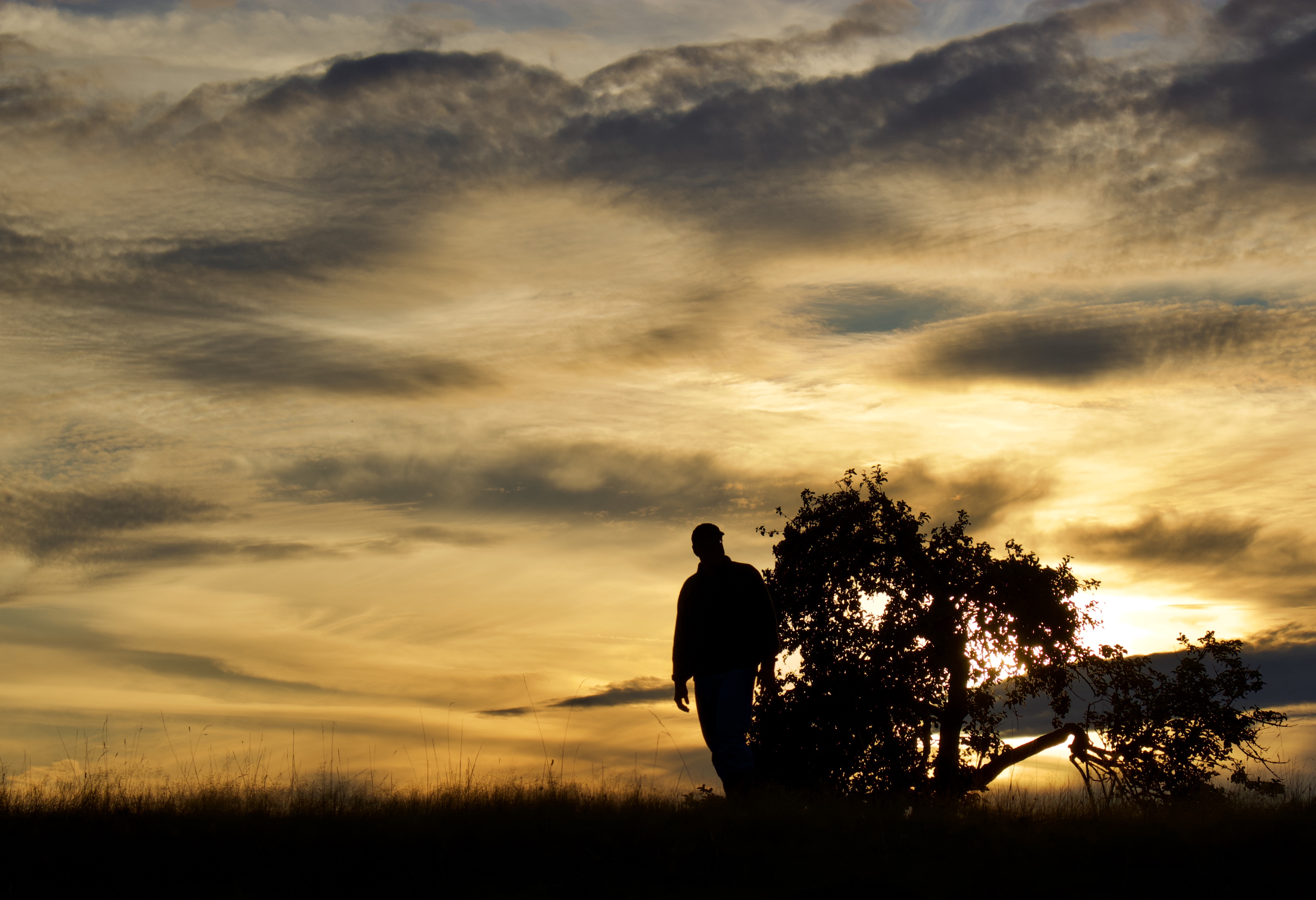
For a great many people, the evening is the most enjoyable part of the day. Perhaps, then, there is something to his advice that I should cease looking back so much, that I should adopt a more positive outlook and try to make the best of what remains of my day.
After all, what can we ever gain in forever looking back and blaming ourselves if our lives have not turned out quite as we might have wished? ~Kazuo Ishiguro from The Remains of the Day
I am ashamed to admit how much time I spend looking back, yearning for a day that has long since passed, tossing off these present precious hours as somehow not measuring up to what came before.
There have been nearly forty years of such days on this farm, one flowing gently after another, and most were exactly what I hoped for.
Even when I believe things will never change, they will, and I will. What is left of the remains of the day may be the best yet.
I toss my heart ahead and set out after it.
One-Time
Monthly
Yearly
Make a one-time or recurring donation to support daily Barnstorming posts
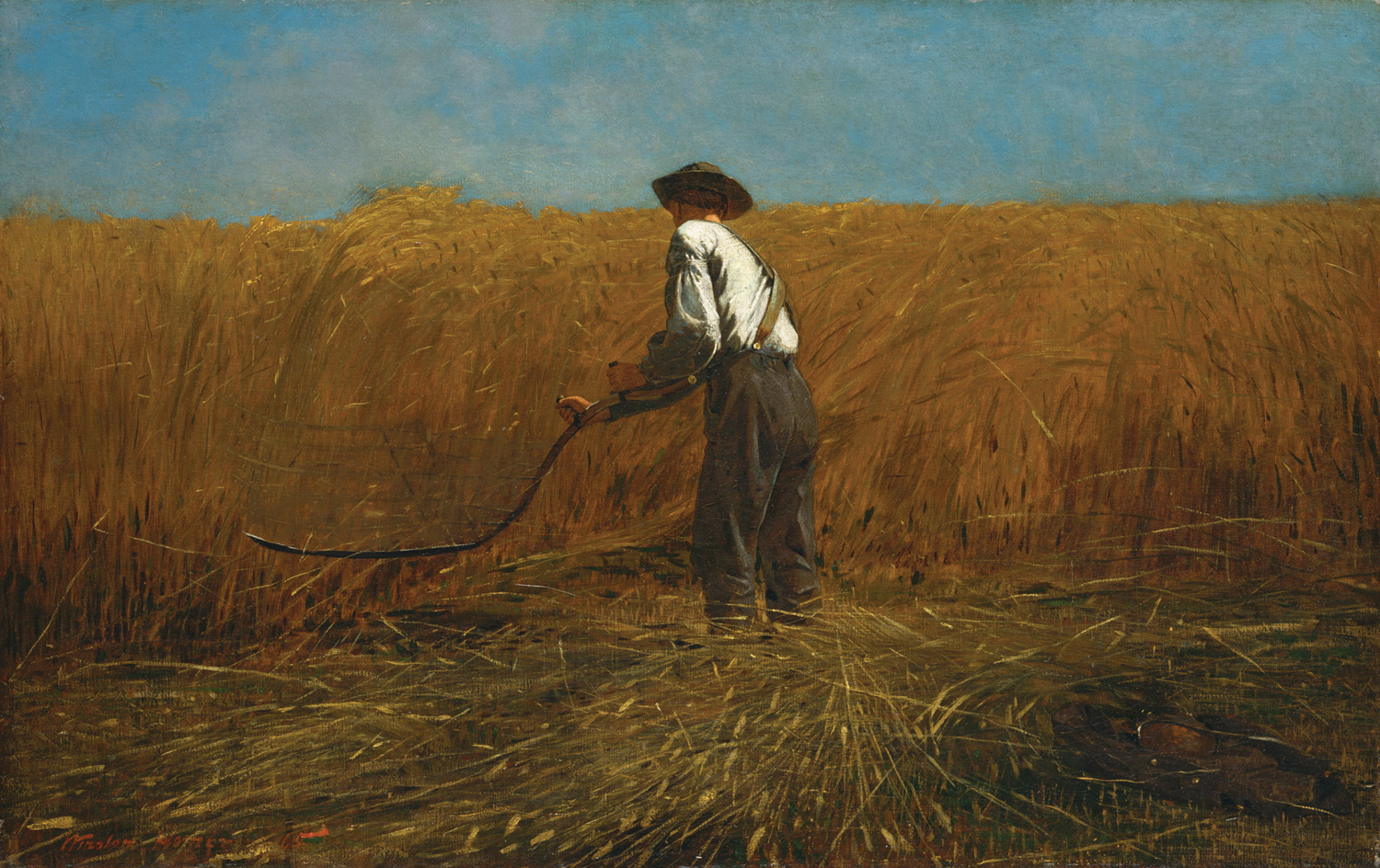
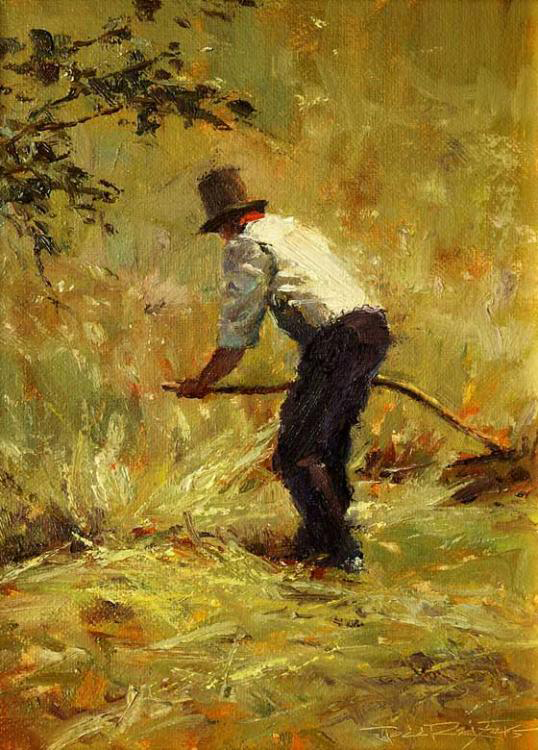
Winslow Homer’s The Veteran in a New FieldMan Scything Hay by Todd Reifers
There was never a sound beside the wood but one, And that was my long scythe whispering to the ground. What was it it whispered? I knew not well myself; Perhaps it was something about the heat of the sun, Something, perhaps, about the lack of sound— And that was why it whispered and did not speak. To the earnest love that laid the swale in rows, The fact is the sweetest dream that labor knows. My long scythe whispered and left the hay to make. ~Robert Frost in “Mowing”
Mowers, weary and brown, and blithe, What is the word methinks ye know, Endless over-word that the Scythe Sings to the blades of the grass below? Scythes that swing in the grass and clover, Something still, they say as they pass; What is the word that, over and over, Sings the Scythe to the flowers and grass?
Hush, ah hush, the Scythes are saying, Hush, and heed not, and fall asleep; Hush, they say to the grasses swaying, Hush, they sing to the clover deep! Hush – ’tis the lullaby Time is singing – Hush, and heed not, for all things pass, Hush, ah hush! and the Scythes are swinging Over the clover and over the grass! ~Andrew Lang (1844-1912) “The ScytheSong”
It is blue May. There is work to be done. The spring’s eye blind with algae, the stopped water silent. The garden fills with nettle and briar. Dylan drags branches away. I wade forward with my scythe.
There is stickiness on the blade. Yolk on my hands. Albumen and blood. Fragments of shell are baby-bones, the scythe a scalpel, bloodied and guilty with crushed feathers, mosses, the cut cords of the grass. We shout at each other each hurting with a separate pain.
From the crown of the hawthorn tree to the ground the willow warbler drops. All day in silence she repeats her question. I too return to the place holding the pieces, at first still hot from the knife, recall how warm birth fluids are. ~Gillian Clarke“Scything” from Letter from a Far Country (1982)
The grass around our orchard and yet-to-be-planted garden is now thigh-high. It practically squeaks while it grows. Anything that used to be in plain sight on the ground is rapidly being swallowed up in a sea of green: a ball, a pet dish, a garden gnome, a hose, a tractor implement, a bucket. In an effort to stem this tidal flood of grass, I grab the scythe out of the garden shed and plan my attack.
When the pastures are too wet yet for heavy hooves, I have hungry horses to provide for and there is more than plenty fodder to cut down for them.
I’m not a weed whacker kind of gal. First there is the necessary fuel, the noise necessitating ear plugs, the risk of flying particles requiring goggles–it all seems too much like an act of war to be remotely enjoyable. Instead, I have tried to take scything lessons from my husband.
Emphasis on “tried.”
I grew up watching my father scythe our hay in our field because he couldn’t afford a mower for his tractor. He enjoyed physical labor in the fields and woods–his other favorite hand tool was a brush cutter that he’d take to blackberry bushes. He would head out to the field with the scythe over this shoulder, grim reaper style. Once he was standing on the edge of the grass needing to be mowed, he would then lower the scythe, curved blade to the ground, turn slightly, positioning his hands on the two handles just so, raise the scythe up past his shoulders, and then in a full body twist almost like a golf swing, he’d bring the blade down. It would follow a smooth arc through the base of the standing grass, laying clumps flat in a tidy pile alongside the 2 inch stubble left behind. It was a swift, silky muscle movement — a thing of beauty.
Once, when I was three years old, I quietly approached my dad in the field while he was busily scything grass for our cows, but I didn’t announce my presence. The handle of his scythe connected with me as he swung it, laying me flat with a bleeding eyebrow. I still bear the scar, somewhat proudly, as he abruptly stopped his fieldwork to lift me up as I bawled and bled on his sweaty shirt. He must have felt so badly to have injured his little girl and drove my mom and I to the local doctor who patched my brow with sticky tape rather than stitches.
So I identify a bit with the grass laid low by the scythe. I forgave my father, of course, and learned never again to surprise him when he was working in the field.
Instead of copying my father’s graceful mowing technique, I tended to chop and mangle rather than effect an efficient slicing blow to the stems. I unintentionally trampled the grass I meant to cut. I got blisters from holding the handles too tightly. It felt hopeless that I’d ever perfect that whispery rise and fall of the scythe, with the rhythmic shush sound of the slice that is almost hypnotic.
Not only did I become an ineffective scything human, I also learned what it is like to be the grass laid flat, on the receiving end of a glancing blow. Over a long career, I bore plenty of footprints from the trampling. It can take awhile to stand back up after being cut down.
Sometimes it makes more sense to simply start over as the oozing stubble bleeds green, with deep roots that no one can reach. As I have grown back over the years, singing rather than squeaking or bawling, I realize, I forgave the scythe every time it came down on my head.
photo by Nate Gibson
One-Time
Monthly
Yearly
Make a one-time or recurring donation to support daily Barnstorming posts
We come across a ridge and hear a cowbell in the cove beyond, a tinkle sweetening the air with vague rubato as the breeze erases tones and then the notes resume like echoes from the past or from a cave inside the cliff, a still, calm voice in dialect and keeping its own company, both out of time and long as time, both here and from a higher sphere, as if the voice of history were intimate as memory. ~Robert Morgan “Cowbell”
Over my head, I see the bronze butterfly, Asleep on the black trunk, Blowing like a leaf in green shadow. Down the ravine behind the empty house, The cowbells follow one another Into the distances of the afternoon. To my right, In a field of sunlight between two pines, The droppings of last year’s horses Blaze up into golden stones. I lean back, as the evening darkens and comes on. A chicken hawk floats over, looking for home. I have wasted my life. ~James Wright “Lying in a Hammock at William Duffy’s Farm in Pine Island, Minnesota”
photo by Kate Steensma from Steensma Creamery
One of the lullabies I remember hearing as a youngster were cowbells in the pasture outside my bedroom window on our small family farm. Each of our three milking Guernsey cows wore a bell on her neck so my dad could tell where they were in our wooded field. He’d whistle and call “Come Bossy!” and they would walk single file into the barn, ringing and tinkling with each step, for their twice daily grain and hand-milking.
When I was old enough, I liked to perch on top of their bony backs while my dad leaned his head into their flank, whistling a tune while he milked them, the steaming stream of milk hitting the metal bucket with a high-pitched whine. The bells on their necks still chimed as the cows chewed, moving their heads up and down to finish their meal.
This was divine music that soothed and reassured me and I felt I could follow it anywhere. All was right with the world, thanks to the cows and their intrinsic tunes created by their movements, as if they were created to charm their keepers.
There are moments when I believe we are hearing what heaven must sound like.
Now, seven decades later, the soft harmony of cowbells is replaced by the random chords of wind chimes hanging outside our house.
The memory of cowbell music remains a reminder: I have not wasted my life if I can taste heaven through such simple things and magical moments.
But I still need more cowbell…
This year’s Lenten theme:
…where you go I will go… Ruth 1:16
and because there is always a need for more cowbell…
One-Time
Monthly
Yearly
Make a one-time or recurring donation to support daily Barnstorming posts
The main thing is this– when you get up in the morning you must take your heart in your two hands. You must do this every morning. Then talk softly to your heart, don’t yell. Say anything but be respectful. Say–maybe say, Heart, little heart, beat softly but never forget your job, the blood. You can whisper also, Remember, remember. ~Grace Paley from “The Art of Growing Older” in Just As I Thought
Approaching seventy, she learns to live, at last. She realizes she has not accomplished half of what she struggled for, that she surrendered too many battles and seldom celebrated those she won. Approaching seventy, she learns to live without ambition: a calm lake face, not a train bound for success and glory. For the first time, she relaxes her hands on the controls, leans back to watch the coming end. Asked, she’d tell you her life is made out of the things she didn’t do, as much as the things she did do. Did she sing a love song? Approaching seventy, she learns to live without wanting much more than the light in the catbird window seat where, watching the voracious fist-sized tweets, she hums along. ~Marilyn Nelson “Bird Feeder”
I’ve been learning in retirement to let go by relaxing my grip on the controls on the runaway train of ambition. This is a change for someone driven for decades to succeed in various professional and personal roles.
I’m aware who I am is defined both by what I haven’t gotten done and what I managed to do. And now, at seventy years old, I hope I still have some time to explore some of those things I left undone.
Except I haven’t been as robust and healthy as I wish to be. For the past month, during very chilly weather and after a prolonged bout of bronchitis, I found I couldn’t tolerate the cold air outside or in the barn while I did daily chores. My chest strangely hurt.
I finally took myself to a cardiologist who was concerned with a number of risk factors in my family and my own history and arranged testing, which I flunked yesterday.
I ended up with two stents to open blockages in my main coronary artery, plus a night in the hospital. I spent the night thinking about blessings and what needs to happen in my life now:
Reflecting with gratitude on being alive by the grace of our Lord. Holding my heart gently and treating it well. Humming as I go. Just sitting when I wish but walking when I must. Watching out the window for the real twitters and tweeters in this crazy noisy world. Loving up those around me.
It’s sweet to remember why I’m here. I’ve been given a new chance to enjoy every moment.
So after a lifetime of getting mostly A’s, flunking isn’t always bad.
Every day after work he’d sit in his armchair with its antimacassar and its plush burgundy velour and she’d kneel on the floor to unfasten the laces, loosen the tongues, and lift out his feet. When I was ten I stayed for a week and did it for her. He thought I did it for him. ~Andrea Hollander Budy “My Grandmother Taking Off My Grandfather’s Shoes” from When She Named Fire
I did not grow up in a household that took time off. Time was redeemed by work, and work was noble and honorable and proved we had a right to exist.
Vacation road trips were rare and almost always associated with my father’s work. When he came home from his desk job in town, he would immediately change into his farm clothes and put in several hours of work outside, summer or winter, rain or shine, light or dark.
My mother did not work in town while we were children, but worked throughout her day inside and outside the house doing what farm wives and mothers need to do: growing, hoeing, harvesting, preserving, washing, cleaning, sewing, and most of all, being there for us.
As kids, we had our share of chores that were simply part of our day as our work was never done on a farm. When we turned ten, we began working for others: babysitting, weeding, barn and house cleaning, berry picking. I figure I put in over 60 years of gainful employment – there were times I worked four part-time jobs at once because that was what I could put together to keep things together.
I know I’ve missed out on much of life being a “nose to the grindstone” person.
Now retired, I try a different way to redeem my time: to notice, to record, to observe, to appreciate beauty that still exists in the midst of chaos and cataclysm..
Life isn’t all about non-stop labor, yet we get on with our work because work is about showing up when and where we are needed.
And we are always needed, by someone, somewhere, somehow. That’s the reason why we’re here.
AI image created for this post
One-Time
Monthly
Yearly
Make a one-time or recurring donation to support daily Barnstorming posts
I was your rebellious son, do you remember? Sometimes I wonder if you do remember, so complete has your forgiveness been.
So complete has your forgiveness been I wonder sometimes if it did not precede my wrong, and I erred, safe found, within your love,
prepared ahead of me, the way home, or my bed at night, so that almost I should forgive you, who perhaps foresaw the worst that I might do,
and forgave before I could act, causing me to smile now, looking back, to see how paltry was my worst, compared to your forgiveness of it
already given. And this, then, is the vision of that Heaven of which we have heard, where those who love each other have forgiven each other,
where, for that, the leaves are green, the light a music in the air, and all is unentangled, and all is undismayed. -Wendell Berry “To My Mother”
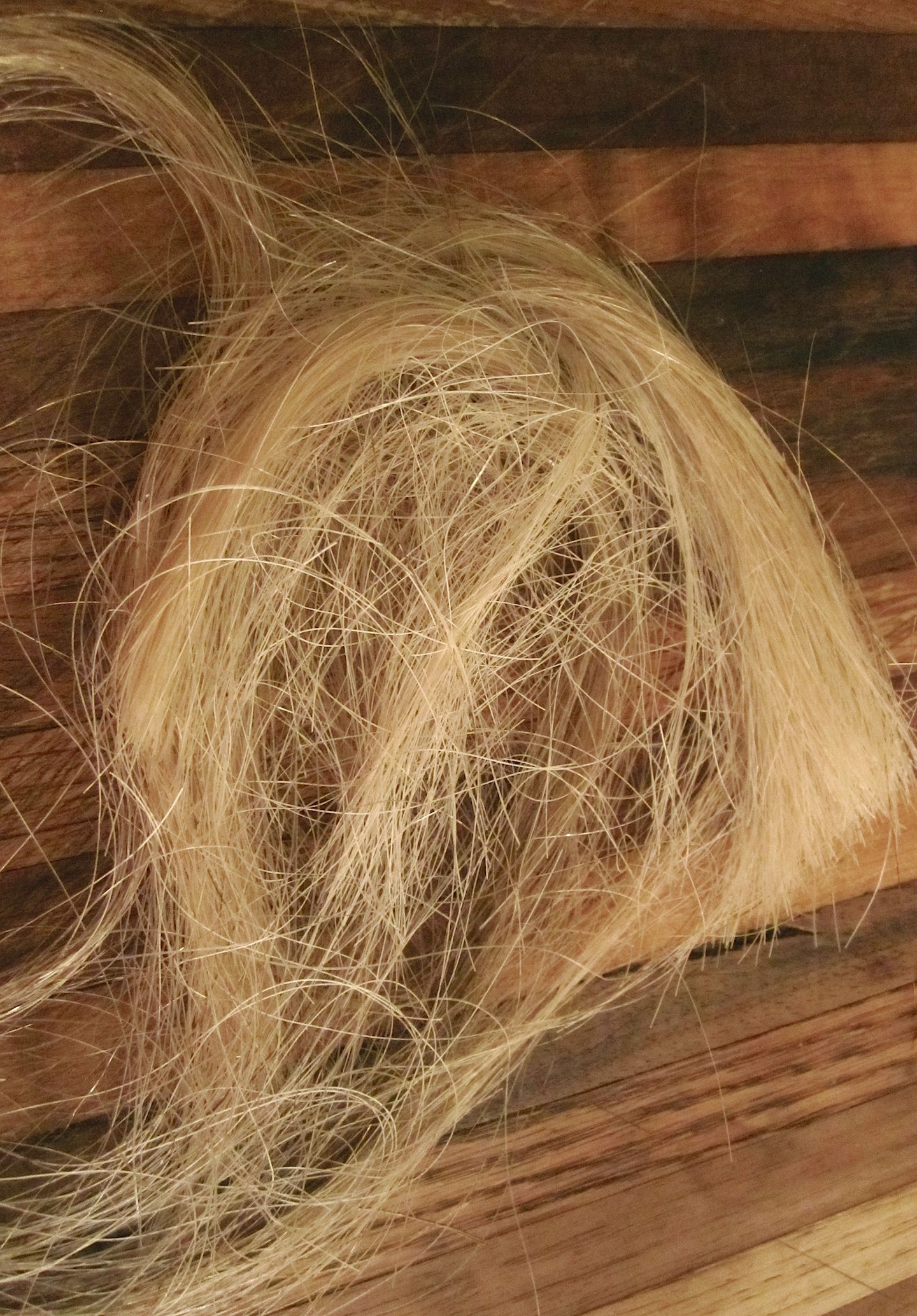
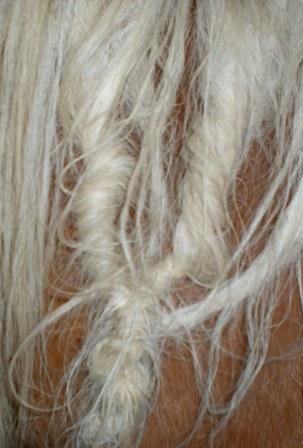
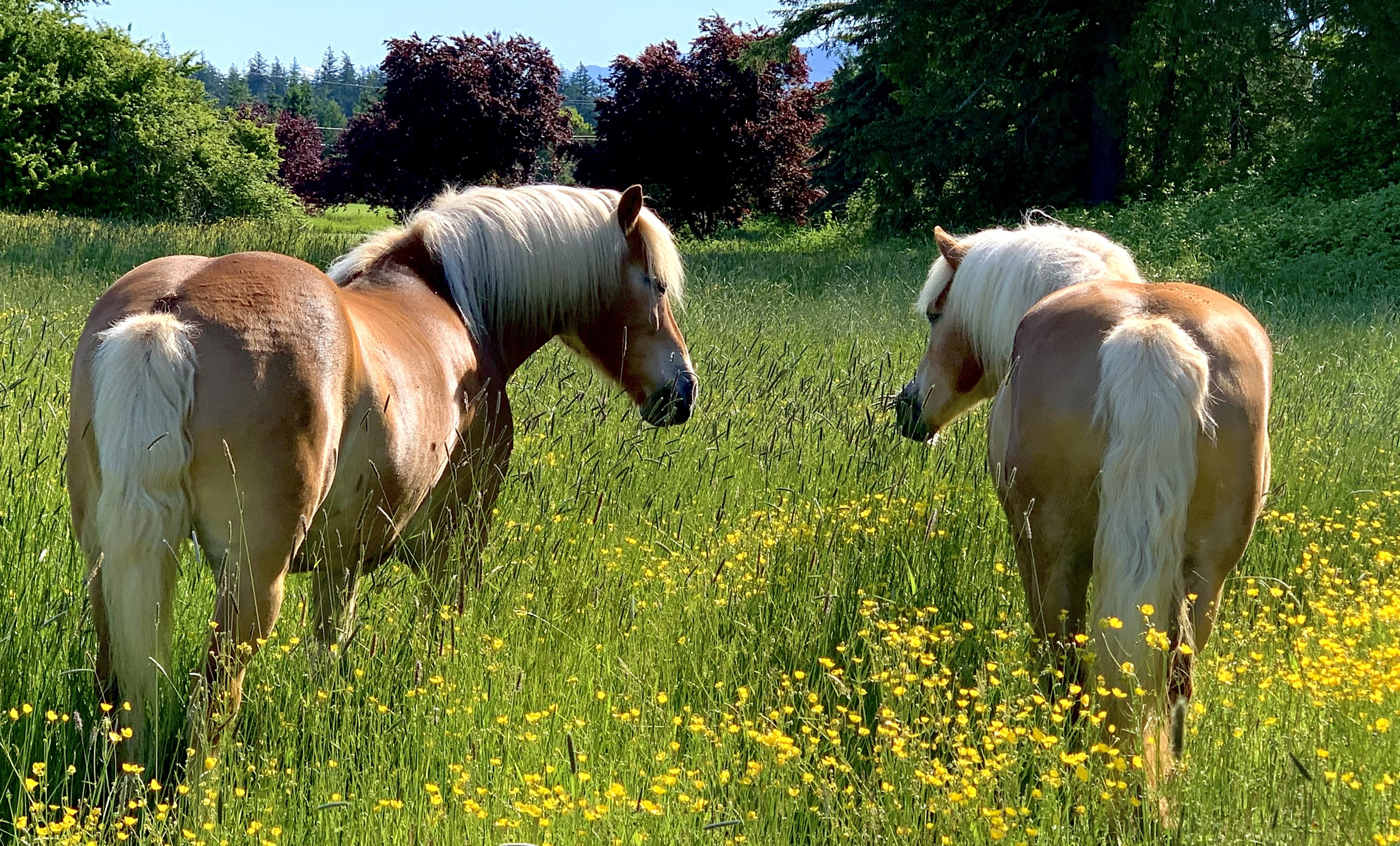
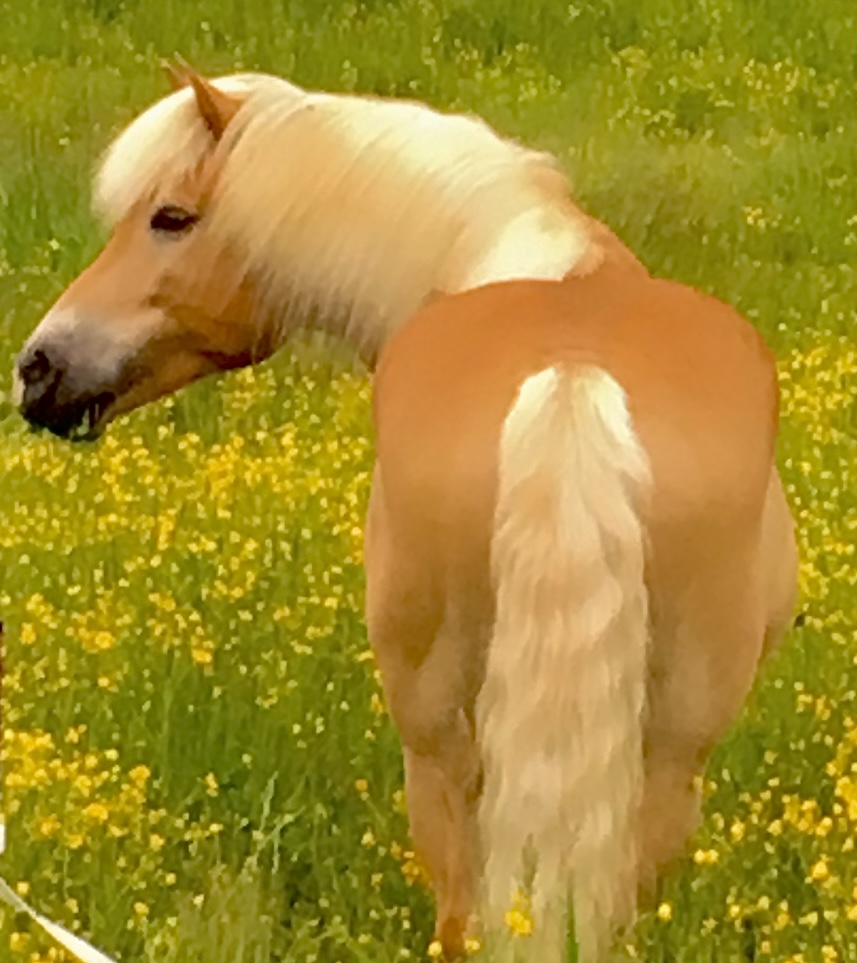
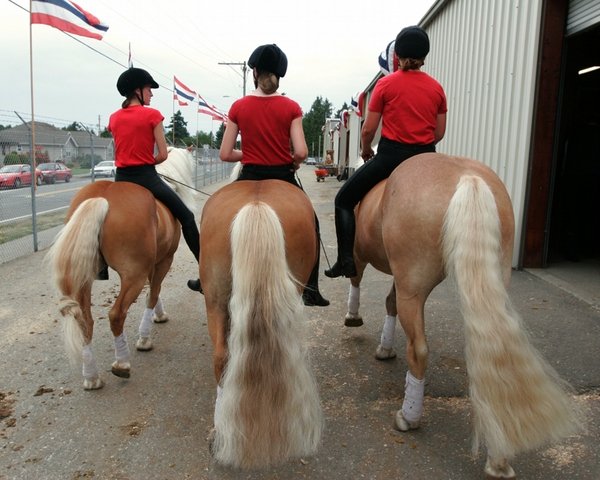
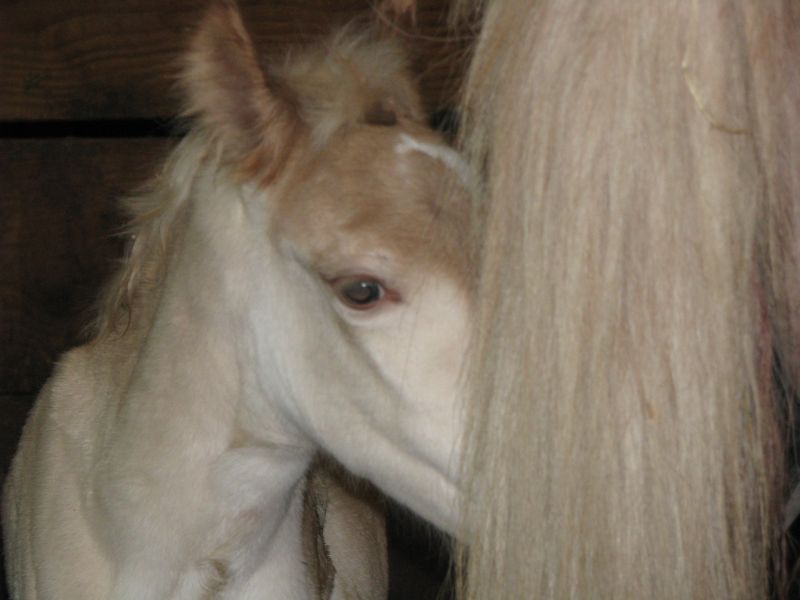
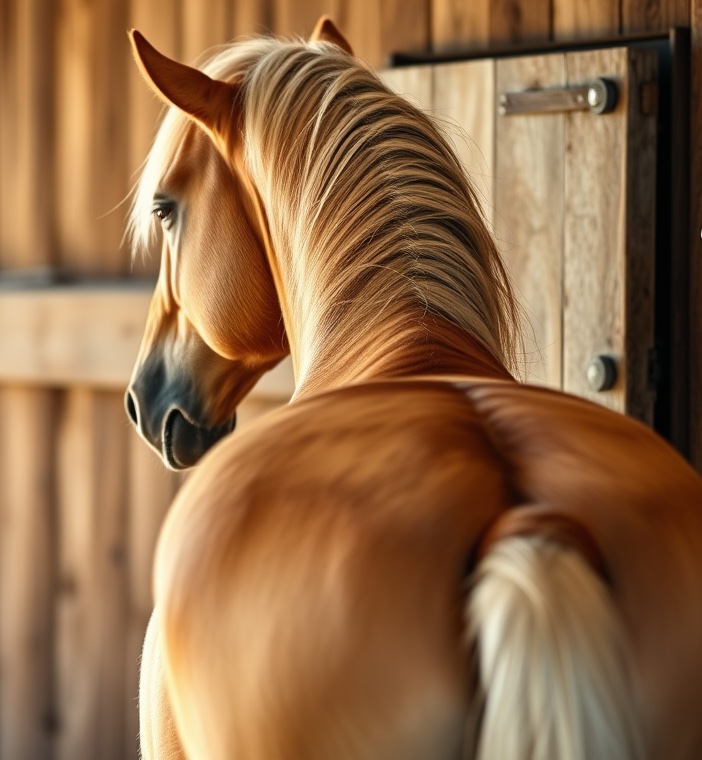
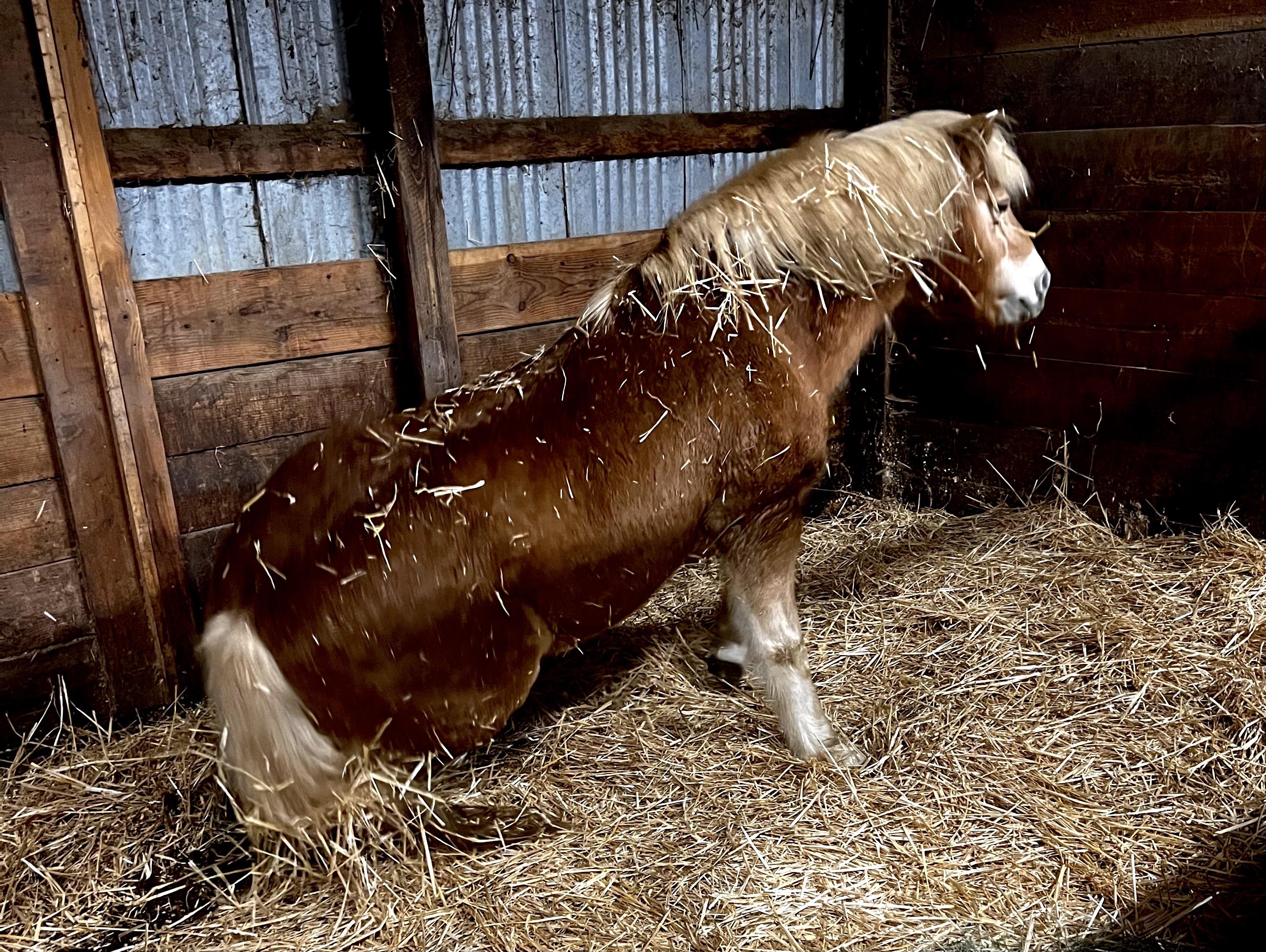
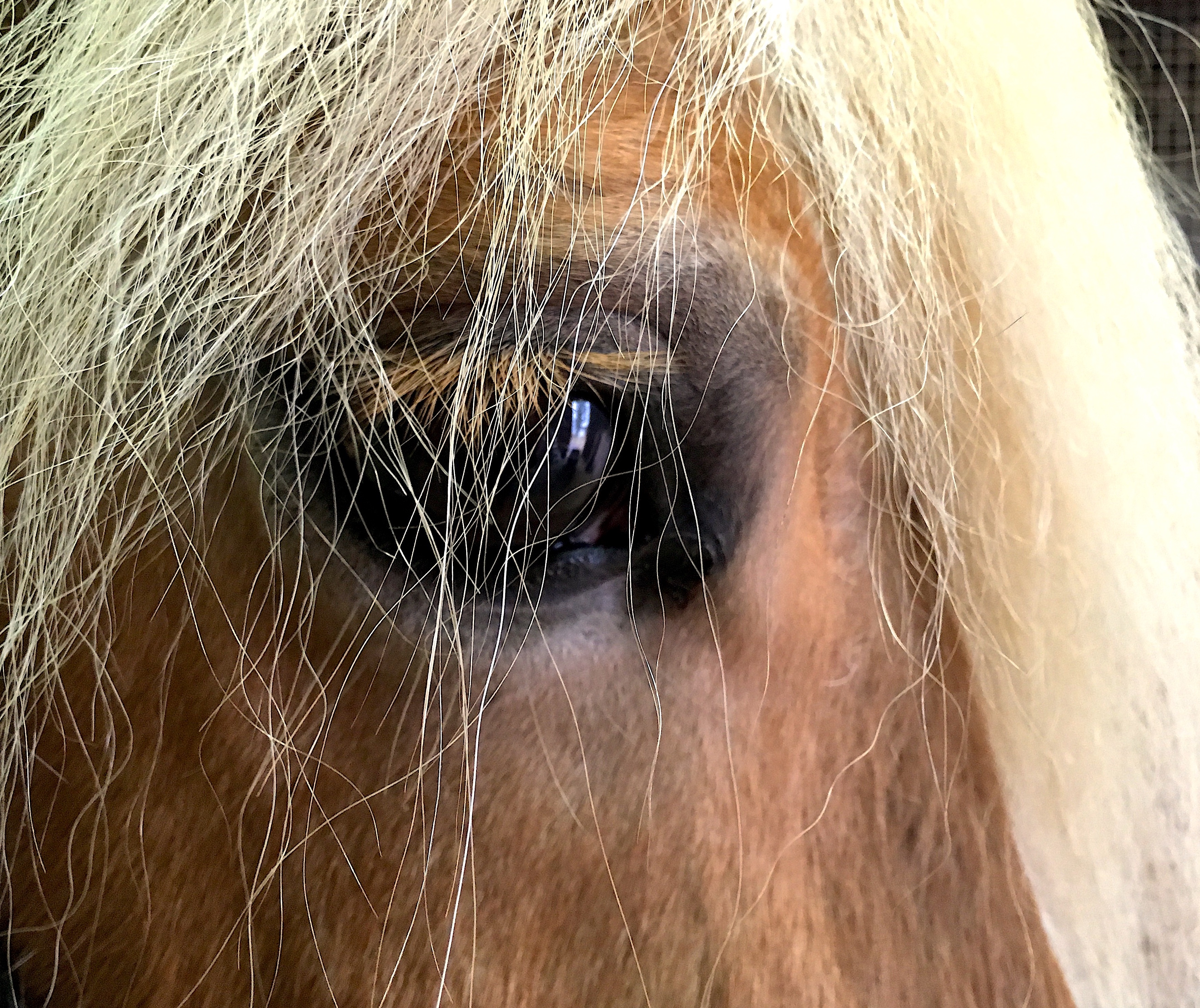
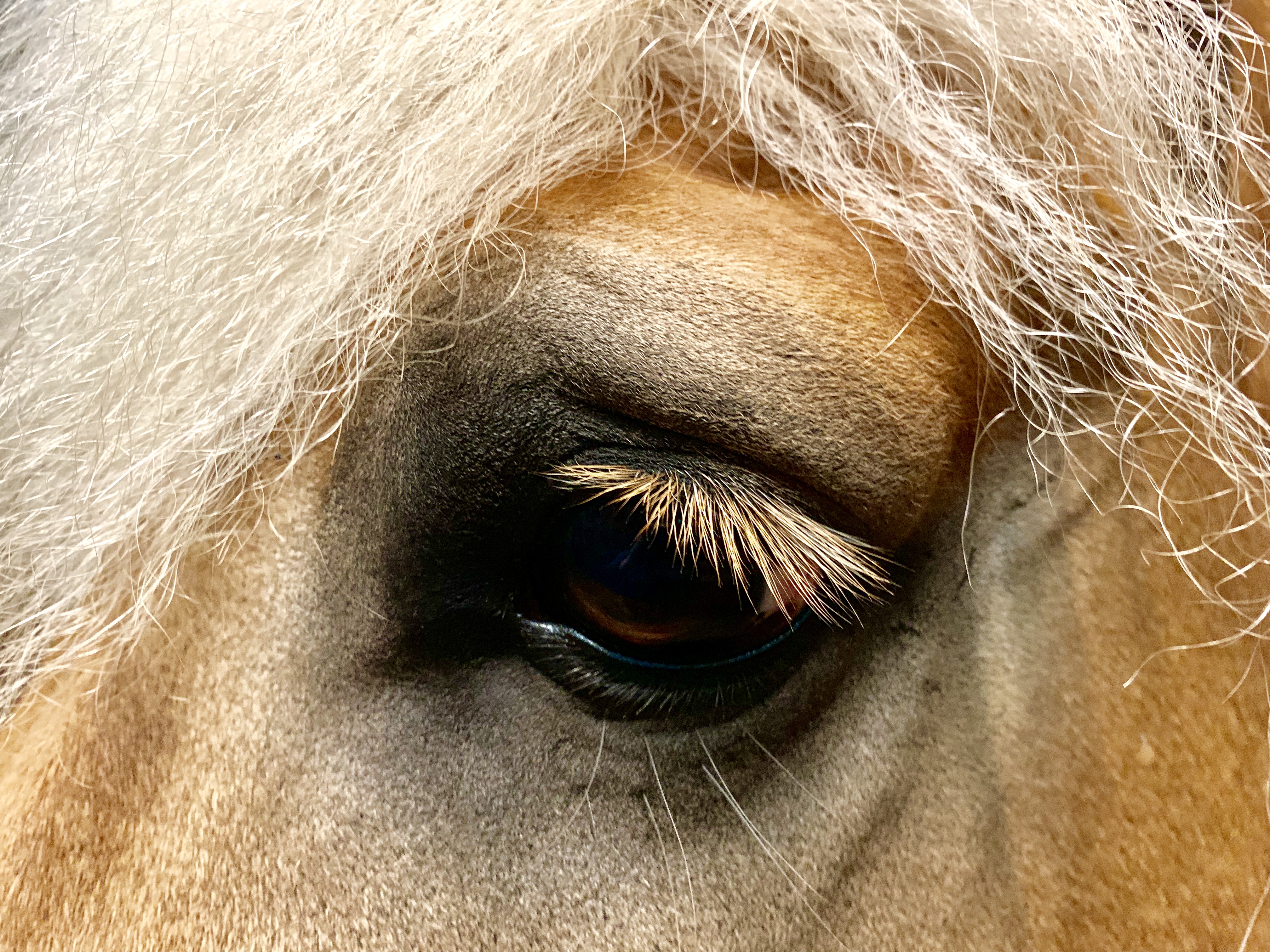
During barn chores, it did seem odd that one of our Haflinger geldings stood facing the back wall as I opened his stall door to give him his hay. For a moment I wondered if there was a problem with his appetite as he usually would dive right into his hay immediately. A closer look told me the problem was with his hind end, not his front end: his heavy white tail was wrapped snugly around a J hook hanging on the stall wall that is meant to hold his water bucket. Instead now he was hooked instead of the bucket — and he was stuck.
He had apparently been itching his butt back and forth, round and round on the handy hook and managed to wrap his tail into such tight knots on the hook that he was literally tethered to the wall. He was very calm about the whole thing – perhaps a little embarrassed.
He turned his head to glance at me, looking pitiful. How long he’d been standing there like that through the night was anyone’s guess.
I bet he no longer was itchy.
I started to work at untying the tail knots to free him and found them wound so tight that loosening them required significant cooperation from my 1200 pound buddy. Unfortunately, any time I managed to almost unloop a knot over the hook end, he would pull forward, snugging it even tighter.
Out of desperation I pulled out the scissors I keep in my barn jacket pocket. I cut one knot hoping that would be sufficient. Then I cut through another knot. Still not enough. I cut a third big knot and thank God Almighty, he was free at last.
He sauntered over to his hay now with a chunk of his tail in my hand and a big gap in what was still left hanging on him. It may take a year to grow that missing hair back out. But hey, it is only hair and at least someone kind and caring came along with a set of shears to release him painlessly from his captivity.
We aren’t all so lucky.
I know what it is like to get tangled up in things I should probably give wide berth. I have a tendency, like my horse, to butt in where I best not be and then become so bound I can’t get loose again. It can take forever to free myself, sometimes painfully leaving parts of my hide behind.
So when I inevitably get tied up in knots again, I hope someone will come along to save me. Better yet, I hope someone might warn me away from the things that hook me before I foolishly back right into them. I’ve got to loosen up and quit pulling the knots tighter.
It’s best to always have a forgiving detangler handy. You never know when you might need one.
AI image created for this post
One-Time
Monthly
Yearly
Make a one-time or recurring donation to support daily Barnstorming posts
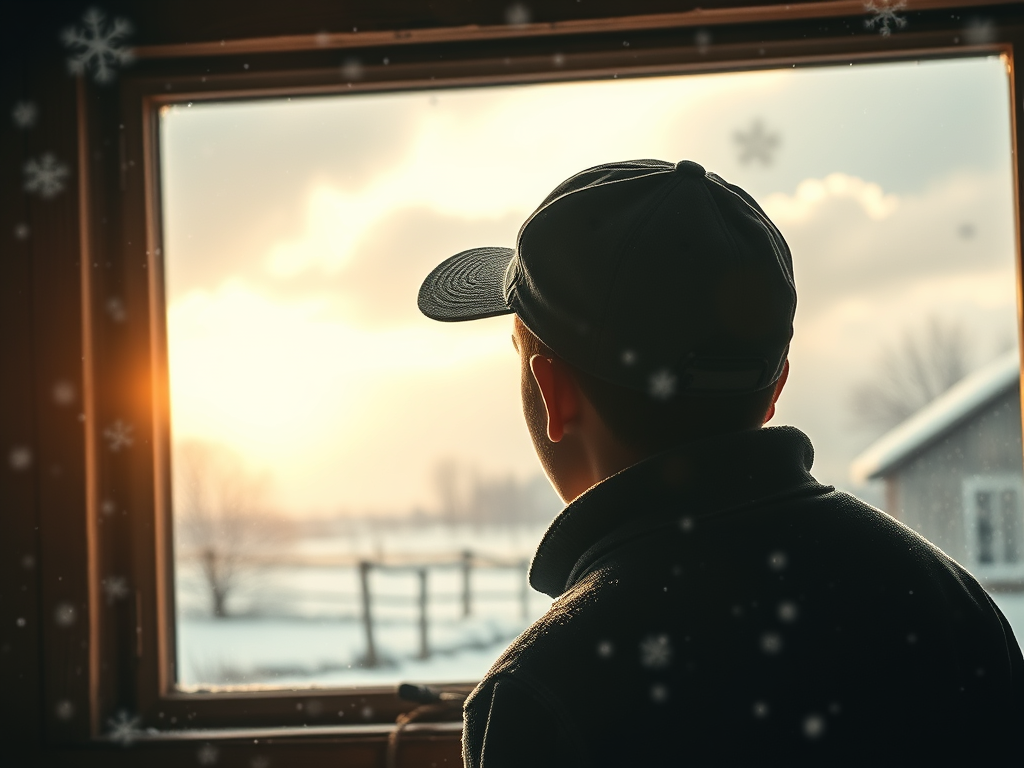
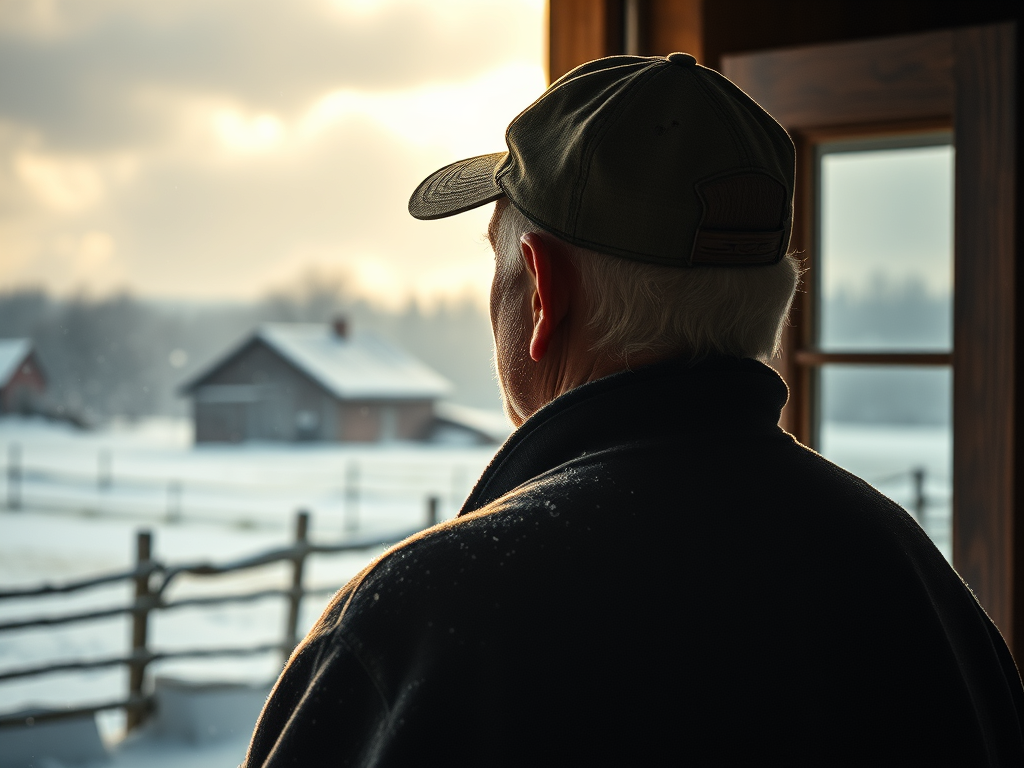
When it snows, he stands at the back door or wanders around the house to each window in turn and watches the weather like a lover. O farm boy, I waited years for you to look at me that way. Now we’re old enough to stop waiting for random looks or touches or words, so I find myself watching you watching the weather, and we wait together to discover whatever the sky might bring. ~Patricia Traxler “Weather Man”
My farm boy does still look at me that way, wondering if today will bring frost, damaging hail, a wind storm, a blizzard,
maybe fog or mist, or soft lazy snowflakes, a scorcher, or a deluge.
I reassure him as best I can, because he knows me so well in our many years together:
today, like most other days will be partly cloudy with a snow shower or two and occasional sun breaks.
AI image created for this postAI image created for this post
One-Time
Monthly
Yearly
Make a one-time or recurring donation to support daily Barnstorming posts
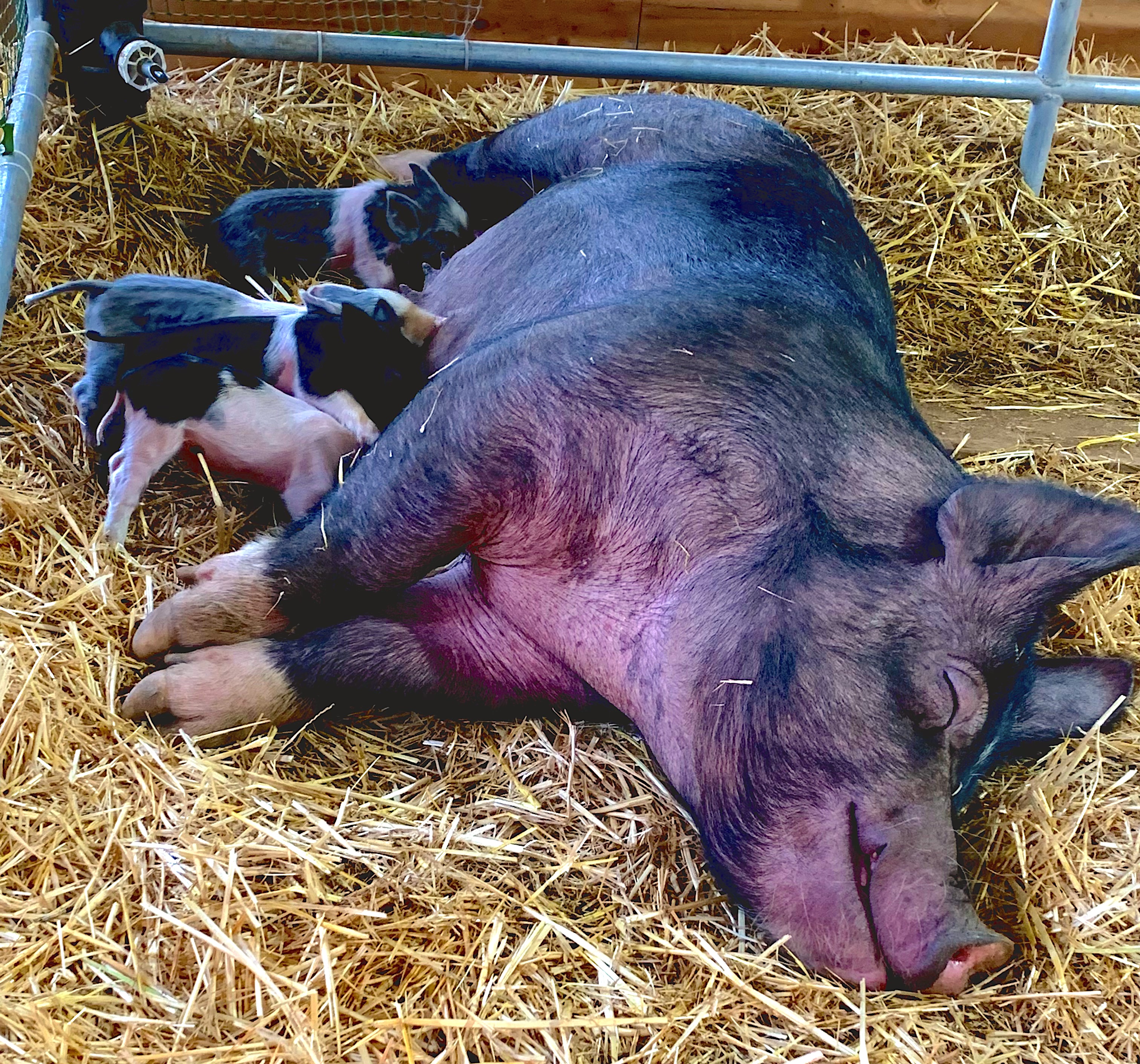
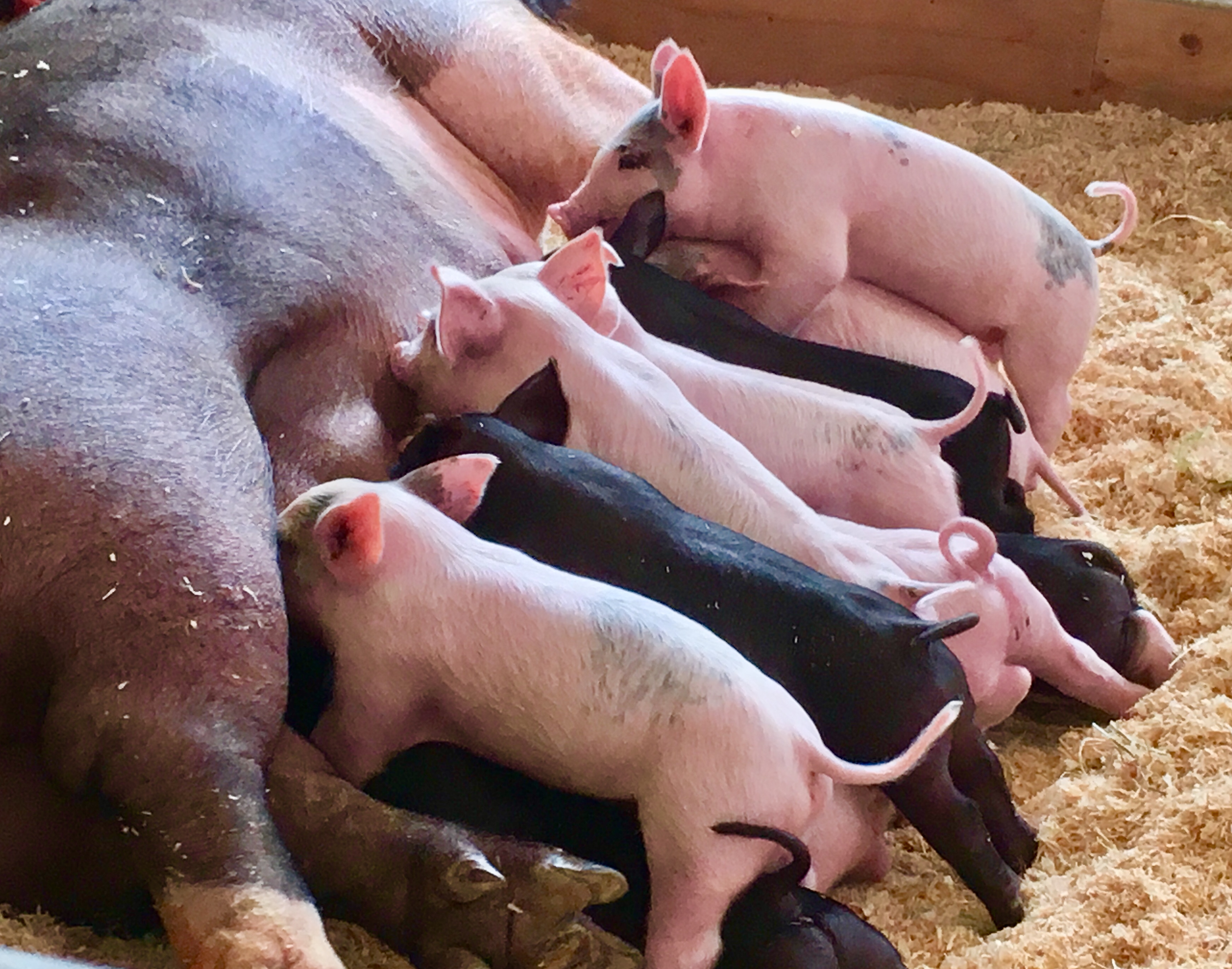
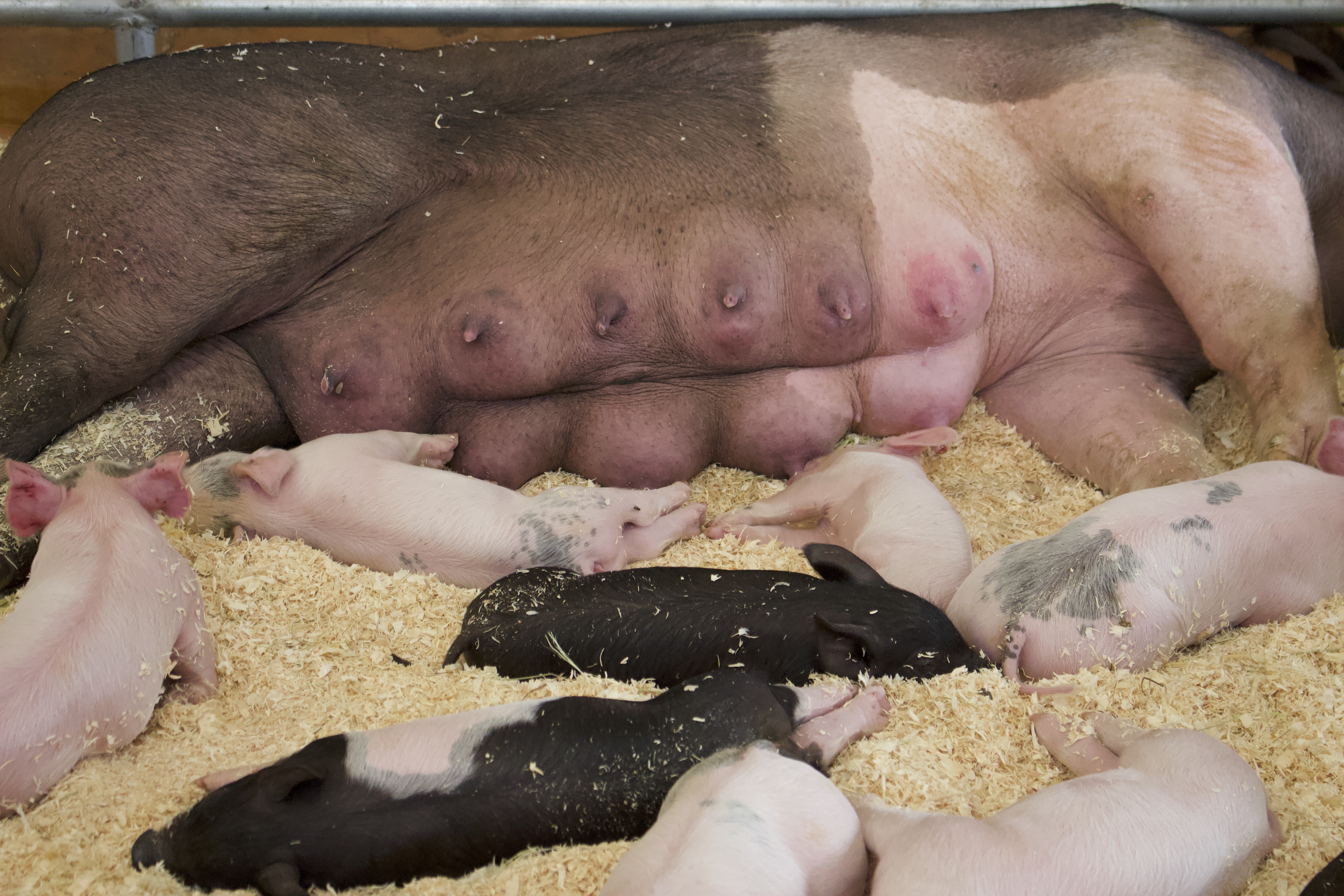
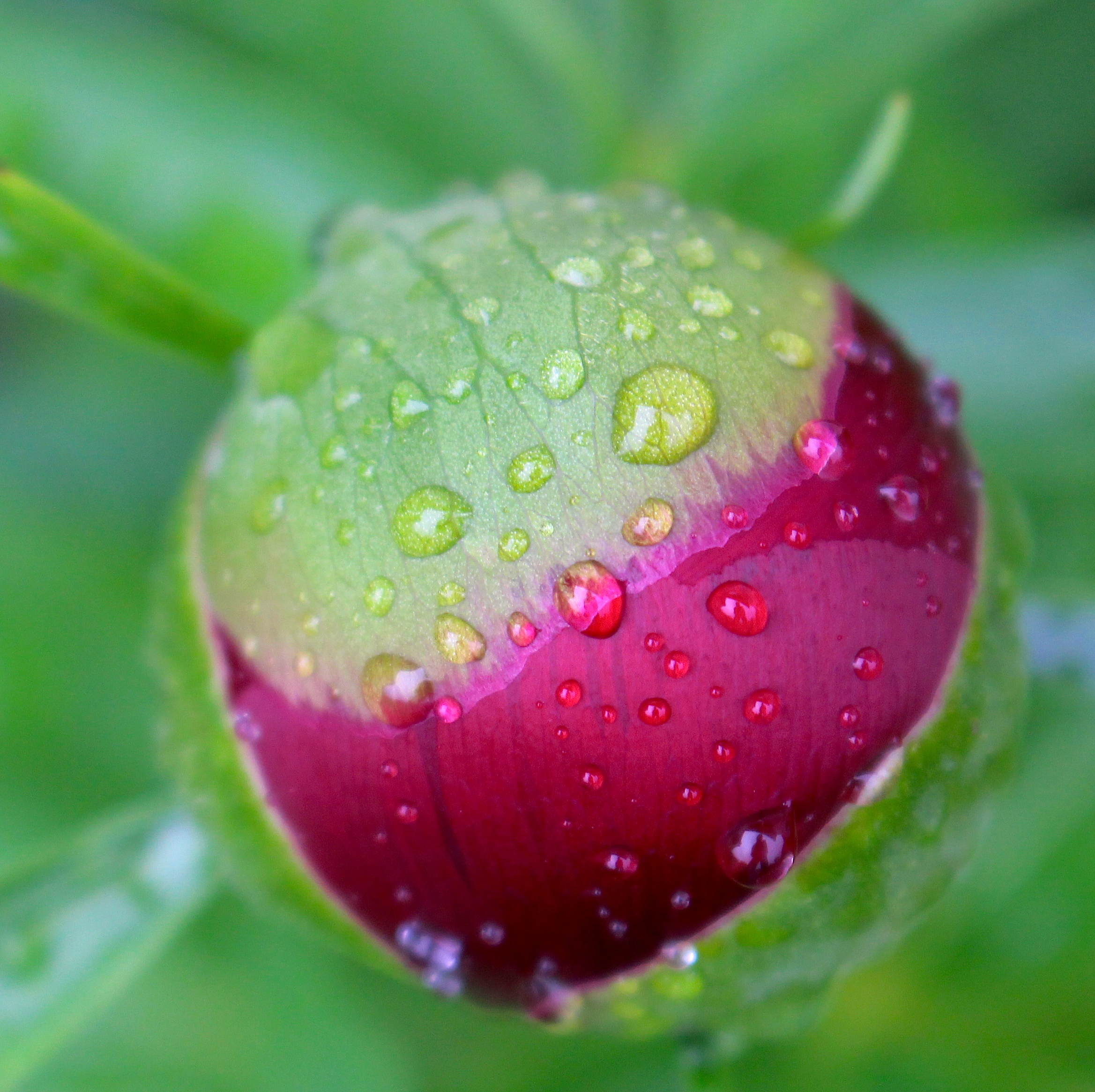
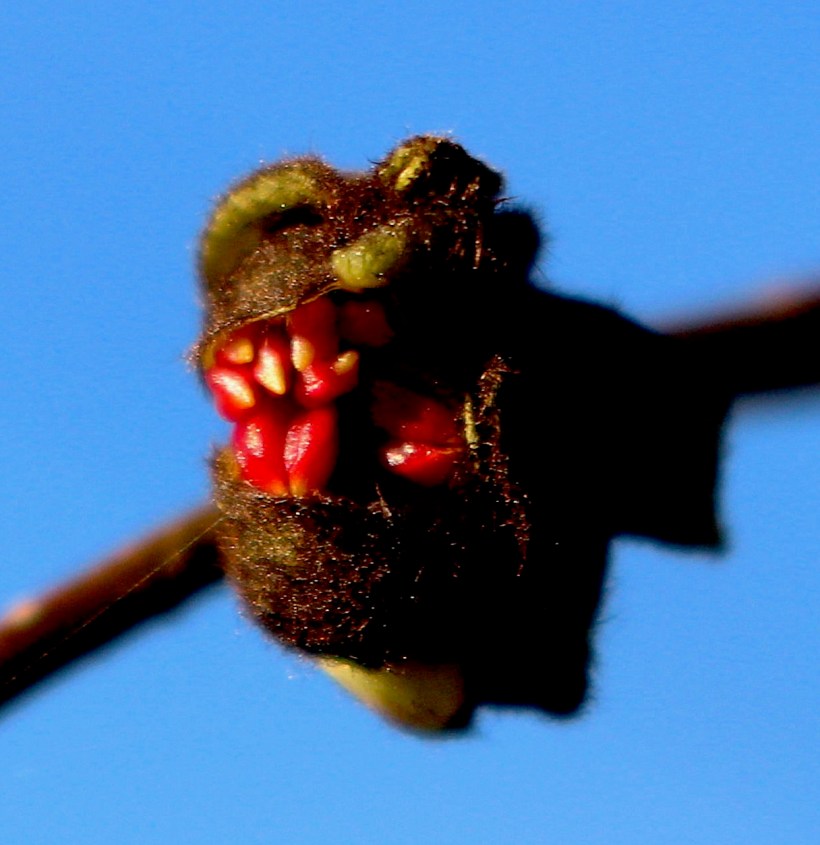
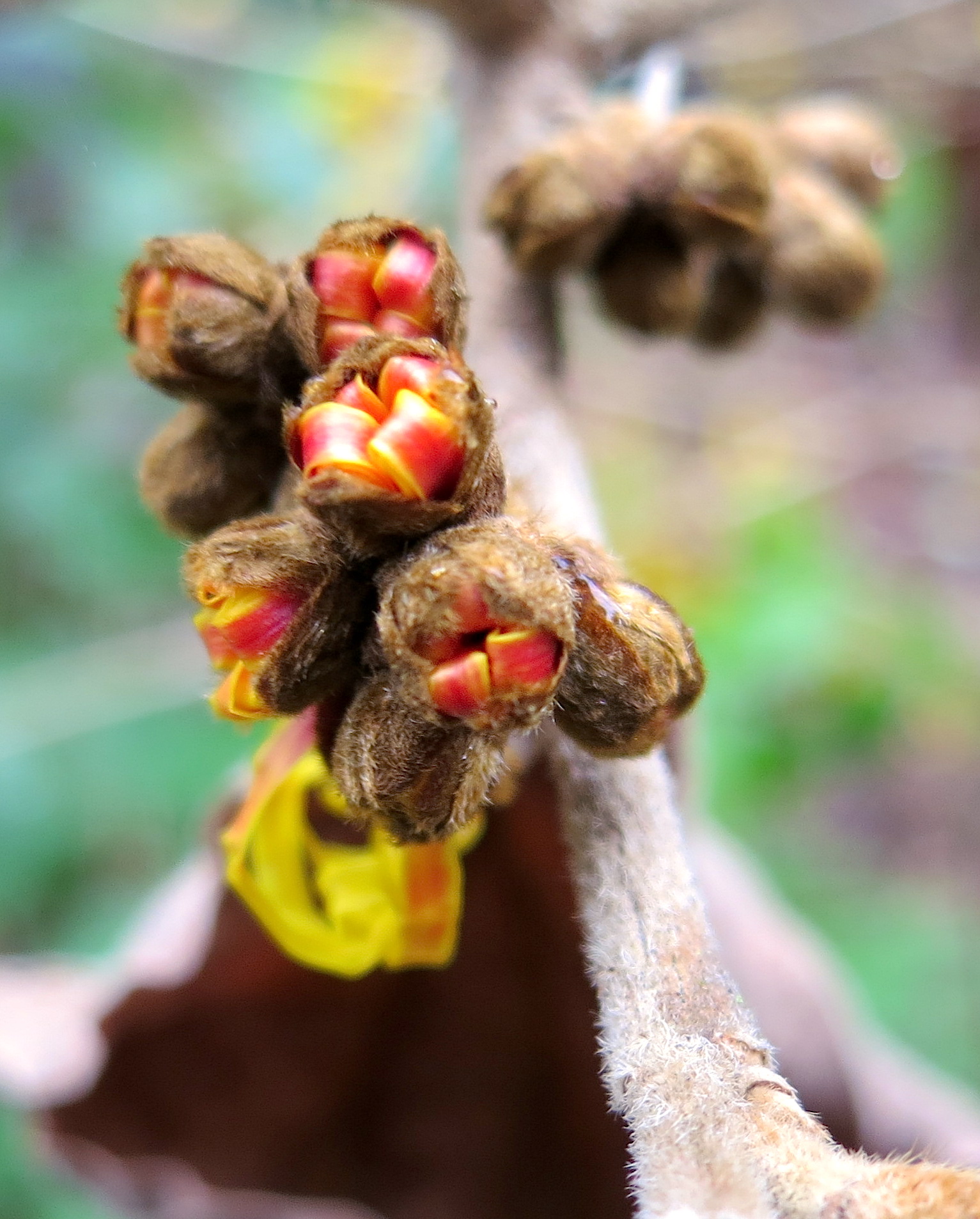
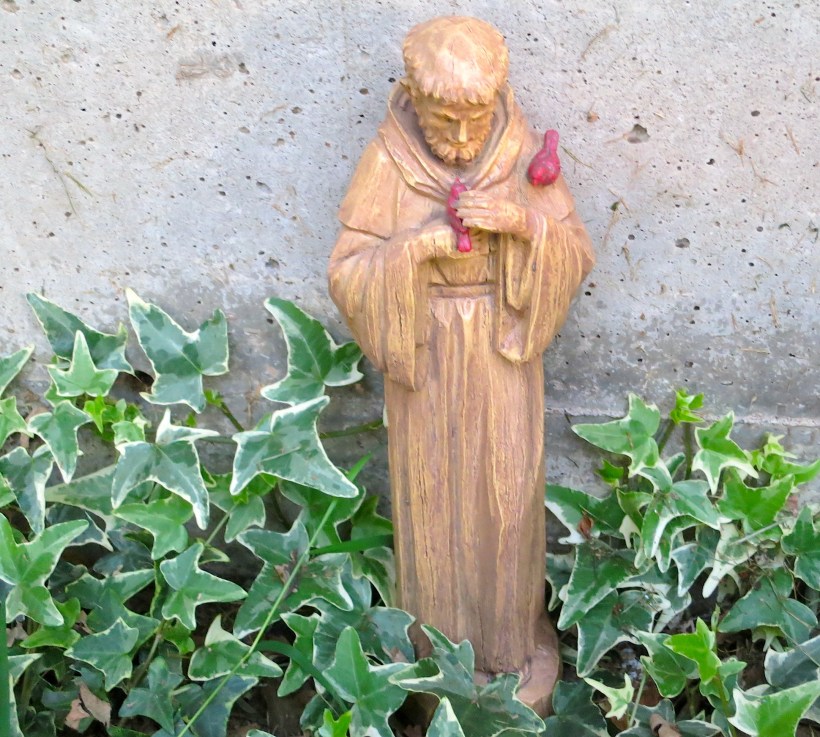
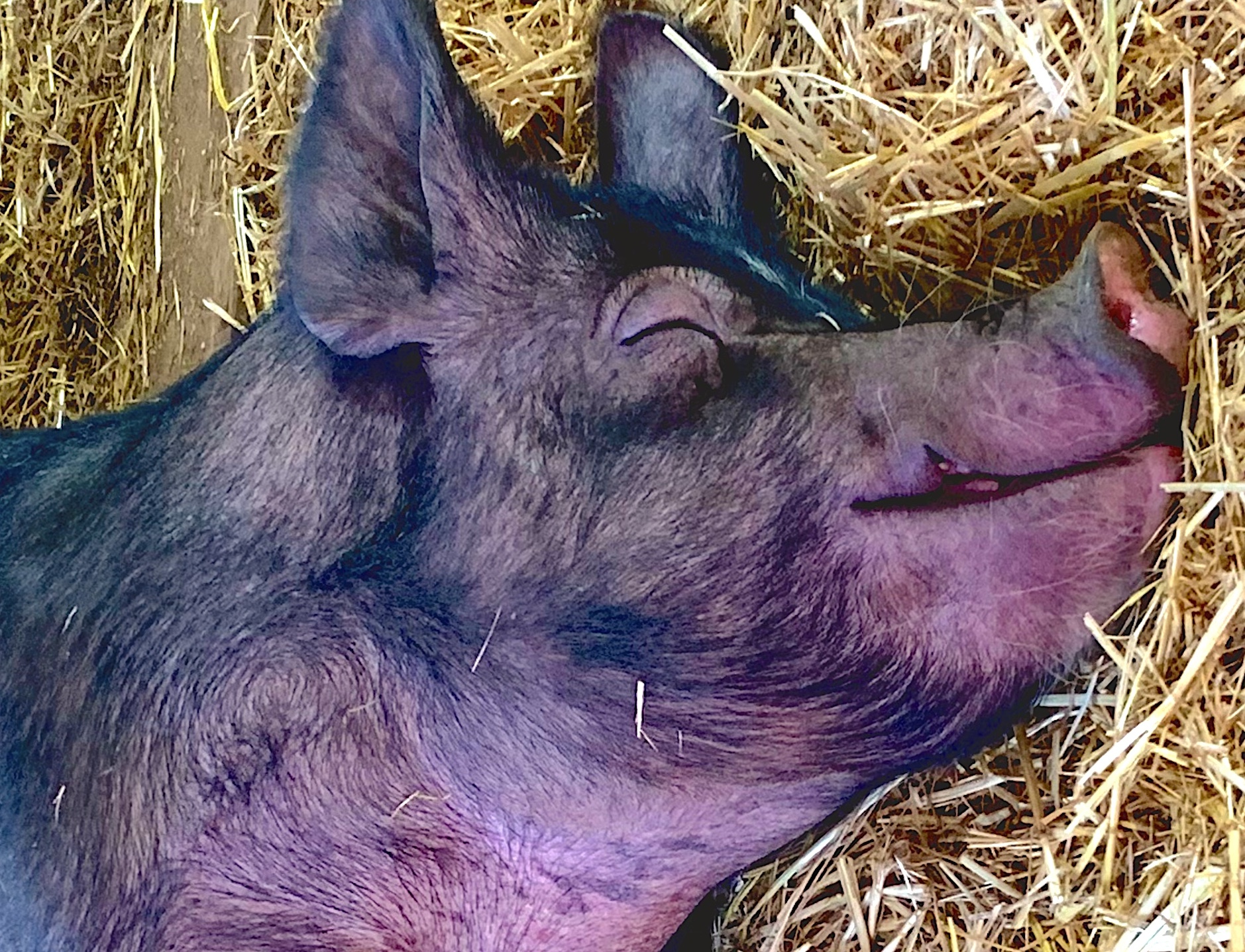
The bud stands for all things, even for those things that don’t flower, for everything flowers, from within, of self-blessing; though sometimes it is necessary to reteach a thing its loveliness, to put a hand on its brow of the flower and retell it in words and in touch it is lovely until it flowers again from within, of self-blessing; as Saint Francis put his hand on the creased forehead of the sow, and told her in words and in touch blessings of earth on the sow, and the sow began remembering all down her thick length, from the earthen snout all the way through the fodder and slops to the spiritual curl of the tail, from the hard spininess spiked out from the spine down through the great broken heart to the sheer blue milken dreaminess spurting and shuddering from the fourteen teats into the fourteen mouths sucking and blowing beneath them: the long, perfect loveliness of sow. ~Galway Kinnell “Saint Francis and the Sow”
None of us trust our own loveliness; we who are concerned with a blemish or an unusual shape of toe or nose.
Yet we are made as we are as an image of our Maker.
If we consider the purpose for which we’re created, then we are just as we should be – blessed with exact shape and size and spirit with which we serve and bring joy to others.
Our loveliness must be retold so we believe it thoroughly – as a bud is all about blossoming, a mother pours her love into the empty, a father leads and guides the lost.
One-Time
Monthly
Yearly
Make a one-time or recurring donation to support daily Barnstorming posts
Make a monthly donation
Make a yearly donation
Choose an amount
$10.00
$25.00
$50.00
$5.00
$15.00
$100.00
$5.00
$15.00
$100.00
Or enter a custom amount
$
Your contribution is deeply appreciated to help offset the cost of maintaining an ad-free website.
And a few favorite AI images created for my Barnstorming posts – I like to see whether computers are understanding, through an artistic interpretation, what I’m trying to say.
AI image created for BarnstormingAI image created for BarnstormingAI image created for BarnstormingAI image created for BarnstormingAI image created for this post
One-Time
Monthly
Yearly
Make a one-time or recurring donation to support daily Barnstorming posts
Make a monthly donation
Make a yearly donation
Choose an amount
$10.00
$25.00
$50.00
$5.00
$15.00
$100.00
$5.00
$15.00
$100.00
Or enter a custom amount
$
Your contribution is deeply appreciated to help cover the cost of maintaining an ad-free blog.
Christmas Eve, and twelve of the clock. “Now they are all on their knees,” An elder said as we sat in a flock By the embers in hearthside ease. We pictured the meek mild creatures where They dwelt in their strawy pen, Nor did it occur to one of us there To doubt they were kneeling then.
So fair a fancy few would weave In these years! Yet, I feel, If someone said on Christmas Eve, “Come; see the oxen kneel, “In the lonely barton by yonder coomb Our childhood used to know,” I should go with him in the gloom, Hoping it might be so. ~Thomas Hardy “The Oxen”
Says a country legend told every year: Go to the barn on Christmas Eve and see what the creatures do as that long night tips over. Down on their knees they will go, the fire of an old memory whistling through their minds!
So I went. Wrapped to my eyes against the cold I creaked back the barn door and peered in. From town the church bells spilled their midnight music, and the beasts listened – yet they lay in their stalls like stone.
Oh the heretics! Not to remember Bethlehem, or the star as bright as a sun, or the child born on a bed of straw! To know only of the dissolving Now!
Still they drowsed on – citizens of the pure, the physical world, they loomed in the dark: powerful of body, peaceful of mind, innocent of history.
Brothers! I whispered. It is Christmas! And you are no heretics, but a miracle, immaculate still as when you thundered forth on the morning of creation! As for Bethlehem, that blazing star still sailed the dark, but only looked for me. Caught in its light, listening again to its story, I curled against some sleepy beast, who nuzzled my hair as though I were a child, and warmed me the best it could all night. ~Mary Oliver“Christmas Poem” from Goodness and Light
Growing up on my childhood farm, remembering the magic of Christmas eve night, I bundled myself up to stay warm in our barn, to witness an unbelievable sight.
At midnight we knew the animals knelt down, speaking words we could all understand, to worship a Child born in Bethlehem town, in a barn, long ago in a far away land.
They were there that night, to see and to hear, the blessings that came from the sky. They patiently stood watch at the manger near, in a barn, while shepherds and kings stopped by.
My trips to the barn were always too late, our cows would be chewing, our chickens asleep, our horses breathing softly, cats climbing the gate, in our barn, there was never a neigh, moo or peep.
But I knew they had done it, I just missed it again! They were plainly so calm, well-fed and at peace in the sweet smelling straw, all snug in their pens, in a barn, a mystery, once more, took place.
Even now, I still bundle to go out Christmas eve, in the hope I’ll catch them just once more this time. Though I’m older and grayer, I still firmly believe in the barn, a Birth happened amid cobwebs and grime.
Our horses sigh low as they hear me come near, that tells me the time I hope for is now, they will drop to their knees without any fear in our barn, as worship, all living things bow.
I wonder anew at God’s immense trust for His creatures so sheltered that darkening night – the mystery of why of all places, His Son must begin life in a barn: a welcoming most holy and right. ~ “In the Barn” (written Christmas Eve 1999)
I walk to the barn tonight as I do each year, Counting my blessings, knowing my flaws, Praying for family and friends so dear, And for each precious creature with hooves or paws.
Each horse is content and a witness to peace, And I wish every person could know, Sadness and worry for a moment can cease, While patting noses down a stall row.
For once I see the sky is clear And stars are shining bright The northeast wind is coming near And briskly chills this special night.
For weeks stars hid behind a cloud Of doubt, of fear, of weeping rain, Explosions at once so horrid and loud The whole world instantly felt the pain.
Like stars that glow through blackest dark Good overwhelms bad with barely left trace All owed to a Child who left His mark By giving Himself in infinite grace.
(written Christmas Eve 2001)
O magnum mysterium Et admirabile sacramentum Ut animalia viderent Dominum natum Jacentem in praesepio! Beata Virgo, cujus viscera Meruerunt portare Dominum Christum Alleluia
O great mystery, and wonderful sacrament, that animals should see the newborn Lord, lying in a manger! Blessed is the virgin whose womb was worthy to bear the Lord, Jesus Christ. Alleluia!



























 Barnstorming