The Beginning That Reminds Us of the End: Open Wide Then

What next, she wonders,
with the angel disappearing, and her room
suddenly gone dark.

The loneliness of her news
possesses her. She ponders
how to tell her mother.

Still, the secret at her heart burns like
a sun rising. How to hold it in—
that which cannot be contained.

She nestles into herself, half-convinced
it was some kind of good dream,
she its visionary.

But then, part dazzled, part prescient—
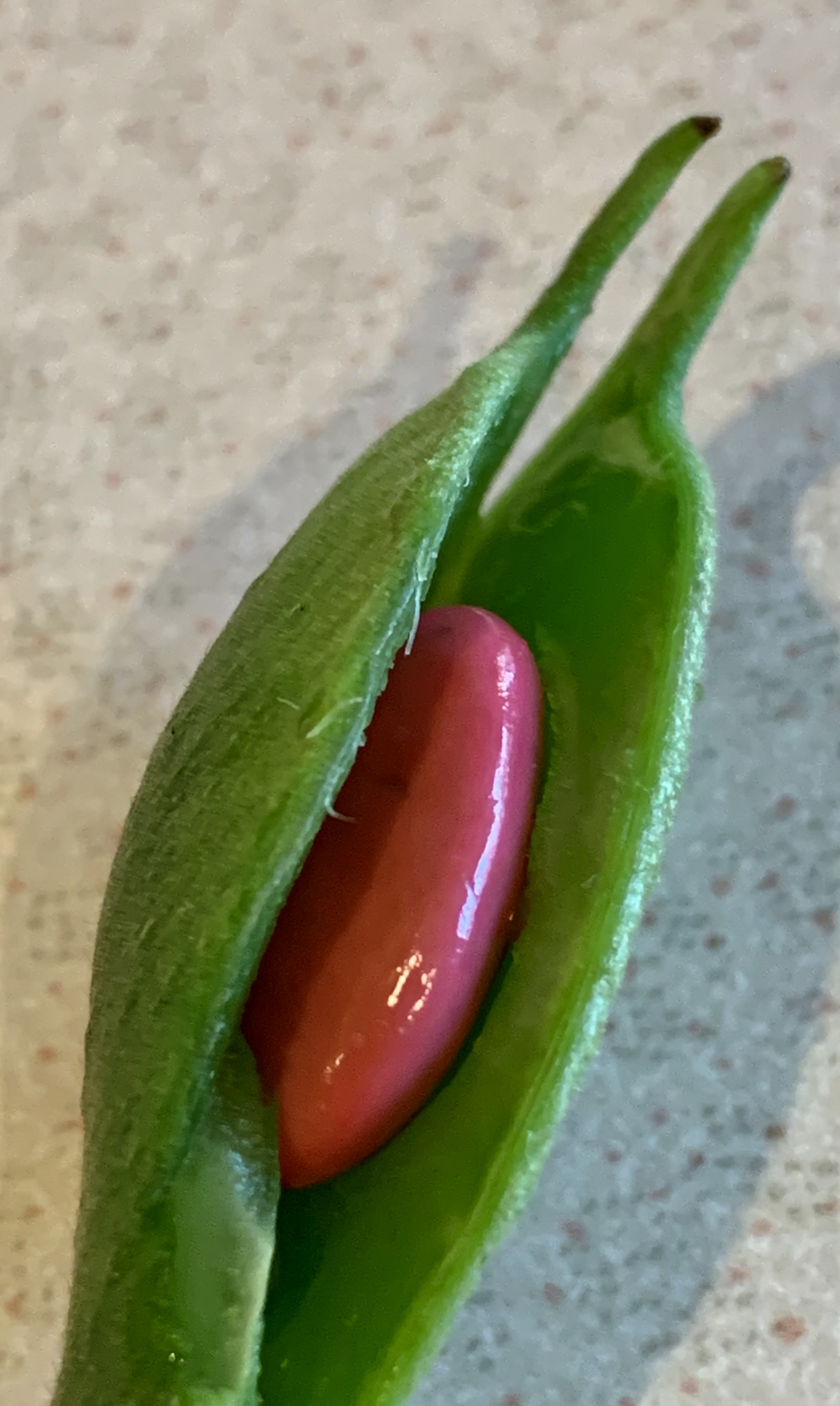
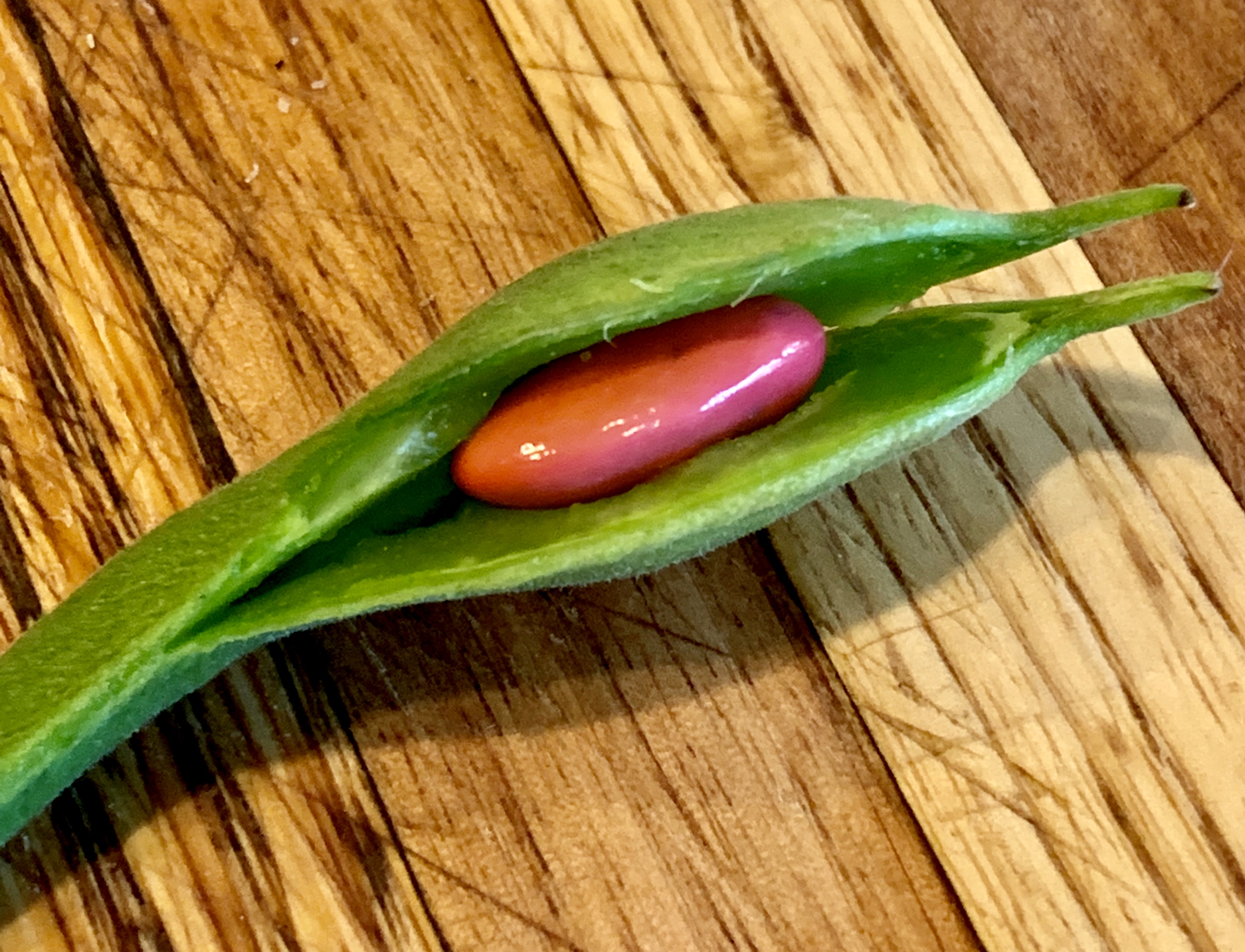
she hugs her body, a pod with a seed
that will split her.
~Luci Shaw “Mary Considers Her Situation”
What matters is what occurs occurs
Between them, not to them. It’s only that
The angel doesn’t matter, nor the virgin.
A blade of light scissors the air

Between them. To them it’s only that:
A glancing blow, or a kind of cleaving,
A blade of light. Scissor the air
Wide open, then it happens:

A glance, a blow, error a kind of cleaving—
Of? Or to? So something else can enter.
Open wide then. It happens
Those two forget themselves, not knowing—

What, or who?—so something else can enter
And, in entering, replace them.
We can’t forget ourselves. Knowing
Carelessness has brought us to the point

Where in entering we replace them.
The angel doesn’t matter, nor the virgin.
Carelessness has brought us to the point.
What is matters. What occurs occurs.
~Katherine Coles “Annunciation”
Sometimes
for the light to illuminate
where darkness thrives,
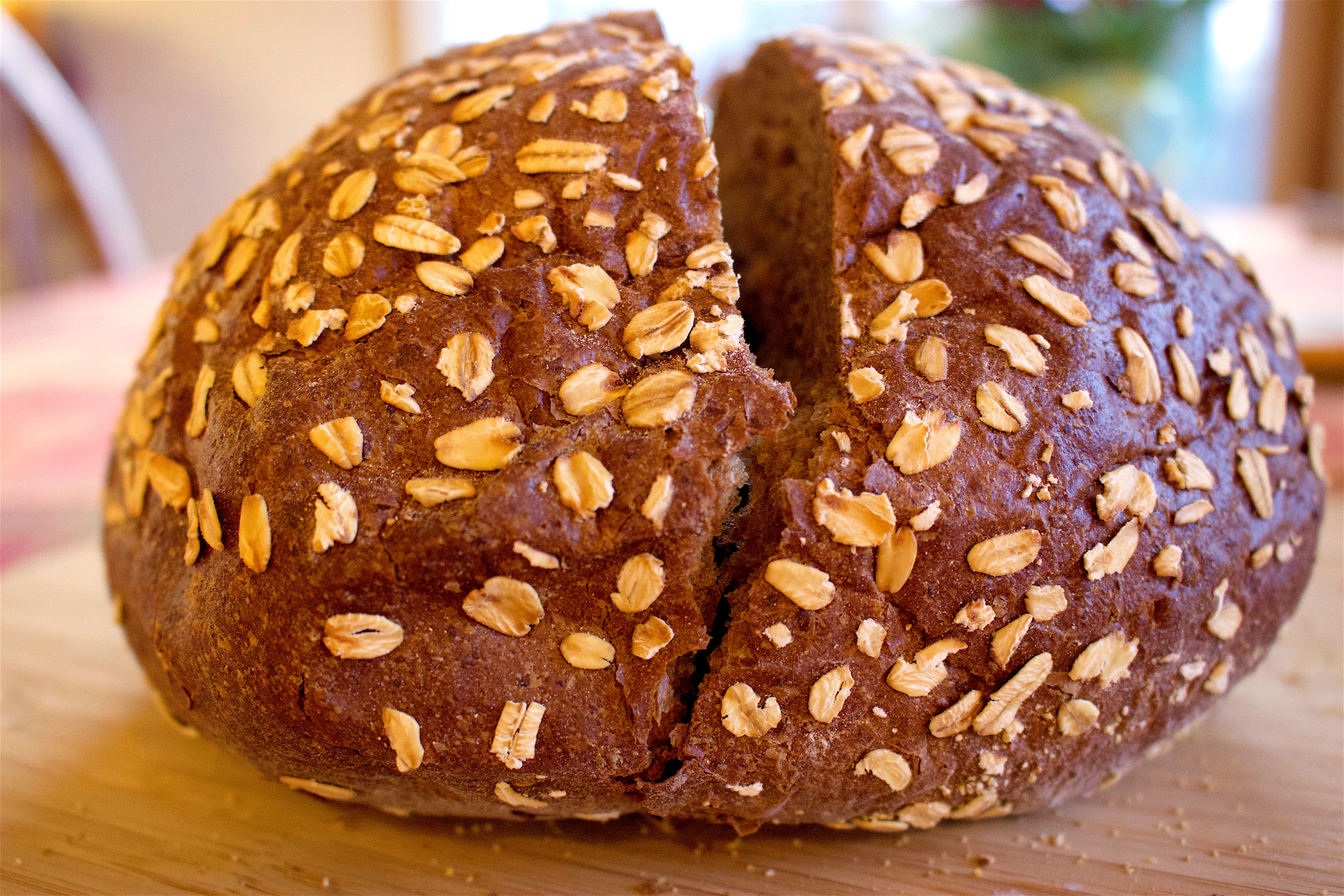
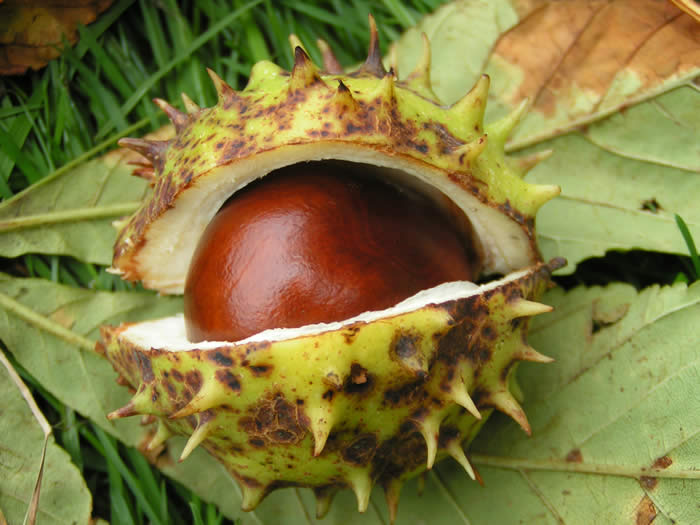
there must be wounding,
that tears us open;
there is a crack in everything,
cleaving us so joy can infiltrate and heal
where we hurt the most.
When time sweeps yesterday away,
It leaves behind an empty heart,
Weeping through the night so dark and long.
When words are lost among the tears,
When sadness steals another day,
God hears our cries and turns our sighs into a song.

Sing to the One who mends our broken hearts with music.
Sing to the One who fills our empty hearts with love.
Sing to the One who gives us light to step into the darkest night.
Sing to the God who turns our sighs into a song.

From heaven falls a mercy sweet,
The time for weeping now is gone;
God hears our sighs and gives us His eternal song.

Sing to the One who mends our broken hearts with music.
Sing to the One who fills our empty hearts with love.
Sing to the One who gives us light to step into the darkest night.
Sing to the God who turns our sighs into a song.

Sing to the One who mends our broken hearts with music.
Sing to the One who fills our empty hearts with love.
Sing to the One who gives us light to step into the darkest night.
Sing to the God who turns our sighs into a song.
~Susan Boersma

The birds they sang
At the break of day
Start again
I heard them say
Don’t dwell on what
Has passed away
Or what is yet to be

Ah the wars they will
Be fought again
The holy dove
She will be caught again
Bought and sold
And bought again
The dove is never free

You can add up the parts
but you won’t have the sum
You can strike up the march,
there is no drum
Every heart, every heart
to love will come
but like a refugee.

Ring the bells that still can ring
Forget your perfect offering
There is a crack, a crack in everything
That’s how the light gets in.
~Leonard Cohen from “Anthem”

This year’s Barnstorming Advent theme “… the Beginning shall remind us of the End” is taken from the final lines in T.S. Eliot’s poem “The Cultivation of Christmas Trees”

One-Time
Monthly
Yearly

Make a one-time donation to support Barnstorming

Make a monthly donation

Make a yearly donation

Choose an amount

¤5.00
¤10.00
¤20.00
¤5.00
¤15.00
¤100.00
¤5.00
¤15.00
¤100.00

Or enter a custom amount

¤

Your contribution is deeply appreciated and helps to make these daily posts possible.

Your contribution is appreciated.

Your contribution is appreciated.

DonateDonate monthlyDonate yearly
The Beginning Shall Remind Us of the End: This Visited Planet

…the little baby, born in such pitiful humility and cut down as a young man in his prime, commands the allegiance of millions of people all over the world. Although they have never seen him, he has become friend and companion to innumerable people. This undeniable fact is, by any measurement, the most astonishing phenomenon in human history.

That is why … we should not try to escape a sense of awe, almost a sense of fright, at what God has done. We must never allow anything to blind us to the true significance of what happened at Bethlehem so long ago. Nothing can alter the fact that we live on a visited planet.

We shall be celebrating no beautiful myth, no lovely piece of traditional folklore, but a solemn fact. God has been here once historically, but, as millions will testify, he will come again with the same silence and the same devastating humility into any human heart ready to receive him.
~J.B. Phillips from “The Dangers of Advent” in Watch for the Light: Readings for Advent and Christmas.

During this month of advent waiting, I am, once again, humbled by the fact of our God not only “visiting” His children within His created world, but becoming one with us. He committed Himself to far more than a brief visit; He came to rescue us from ourselves. That we are valued enough to warrant this – that our spiritual deterioration necessitates His humble sacrifice – is astonishing.

In Philippians 2: Though he was God,
      he did not think of equality with God
      as something to cling to.
  Instead, he gave up his divine privileges;
      he took the humble position of a slave
      and was born as a human being.
  When he appeared in human form,
       he humbled himself in obedience to God
      and died a criminal’s death on a cross. (2:6-8)

The story of Christ come to earth is the beginning of His earthly life of humility and obedience, to remind us how our story will conclude at the end of time. He calls us to model humility and obedience throughout the Advent season, and until He comes again.

As in the song below:

Dark and cheerless is the morn
Till Your love in me is born
Joyless is the evening sun
‘till Emmanuel has come

This is no brief visit. The Light has come to stay put and stay on.

Christ whose glory fills the skies
Christ the Everlasting Light
Son of Righteousness arise
Triumph o’er these shades of night

Come Thou long awaited one
In the fullness of Your Love
Loose this heart bound up by shame
And I will never be the same

So here I wait in hope of You,
My soul’s longing through and through
Dayspring from on high be near
Daystar in my heart appear

Dark and cheerless is the morn
‘Till Your love in me is born
Joyless is the evening sun
‘till Emmanuel has come

So here I wait in hope of You,
My soul’s longing through and through
Dayspring from on high be near
Daystar in my heart appear
So here I wait in hope of You,
My soul’s longing through and through
Dayspring from on high be near
Daystar in my heart appear
~Christy Nockels “Advent Hymn”

Now may the fragrance of His peace
Soar through your heart like the dove released
Hide in His wings oh weary, distant soul
He’ll guide your spirit home
And may His love poured from on high
Flow to the depths of your deepest sigh
Oh come and drink from the only living stream
And on His shoulder lean
And may the hope that will not deceive
Through every pain bring eternal ease
There is no night that can steal the promises
His coming brings to us
So may His joy rush over you
Delight in the path He has called you to
May all your steps walk in
Heaven’s endless light
Beyond this Christmas night (Make your sole purpose Christ)
~Keith and Kristyn Getty

This year’s Barnstorming Advent theme “… the Beginning shall remind us of the End” is taken from the final lines in T.S. Eliot’s poem “The Cultivation of Christmas Trees”

The Scar of Proud Flesh

There are names for what binds us:
strong forces, weak forces.
Look around, you can see them:
the skin that forms in a half-empty cup,
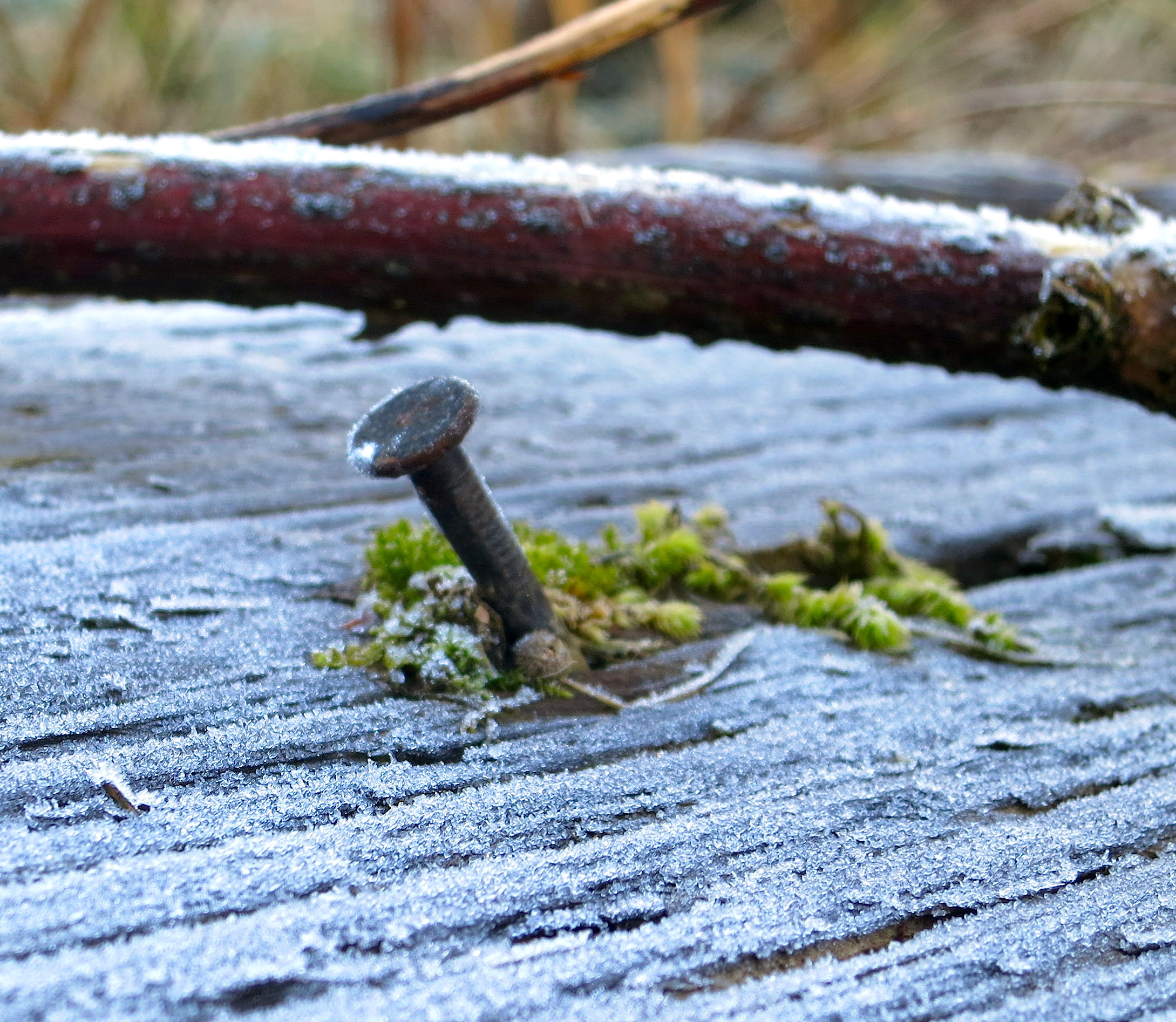
nails rusting into the places they join,
joints dovetailed on their own weight.

The way things stay so solidly whenever they’ve been set down –
and gravity, scientists say, is weak.

And see how the flesh grows back across a wound, with a great vehemence,
more strong than the simple, untested surface before.

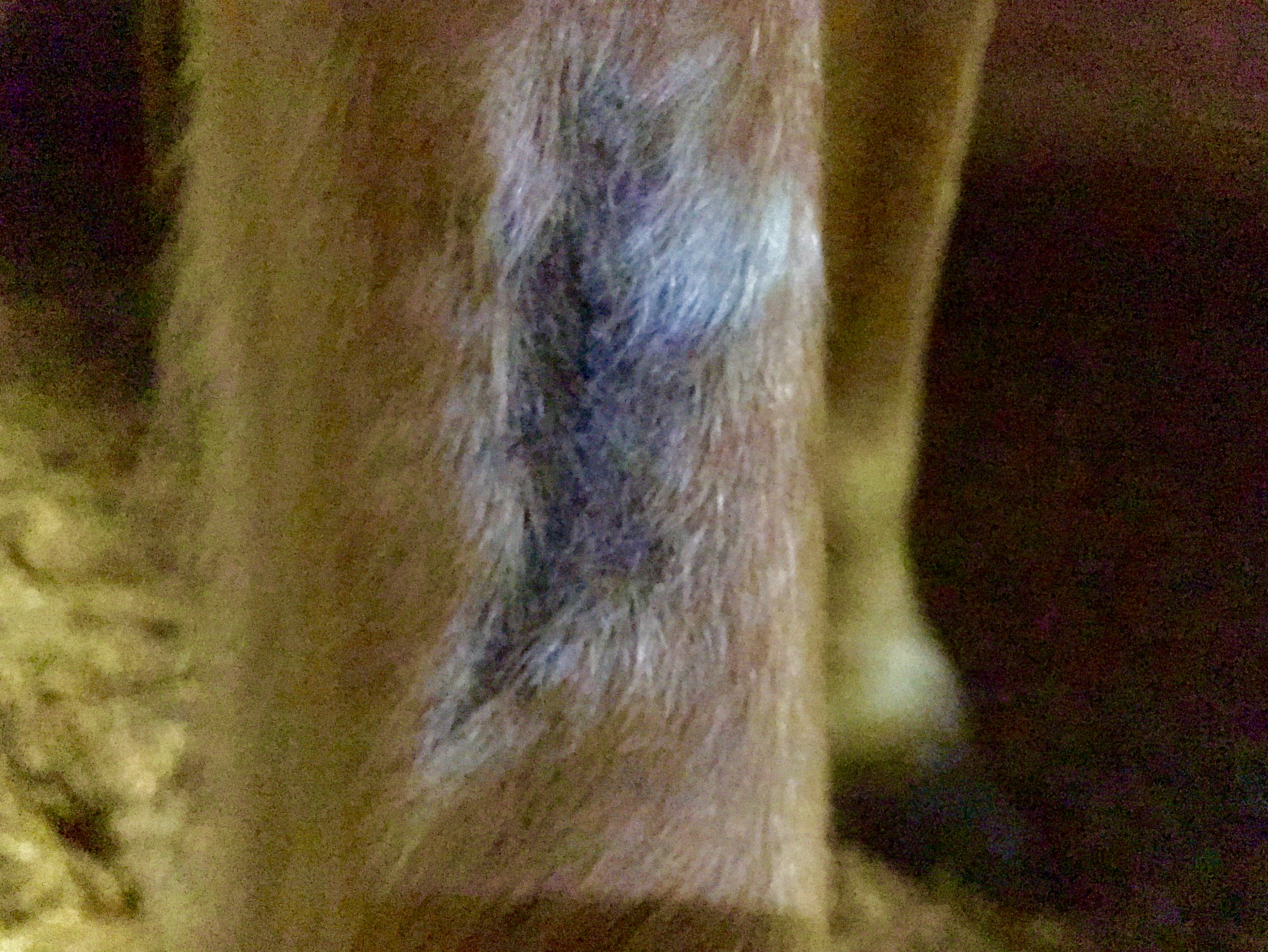
There’s a name for it on horses, when it comes back darker and raised:
proud flesh, as all flesh is proud of its wounds,
wears them as honors given out after battle,
small triumphs pinned to the chest –

And when two people have loved each other,
see how it is like a scar between their bodies,
stronger, darker, and proud;
how the black cord makes of them a single fabric
that nothing can tear or mend.
~Jane Hirshfield  “For What Binds Us”

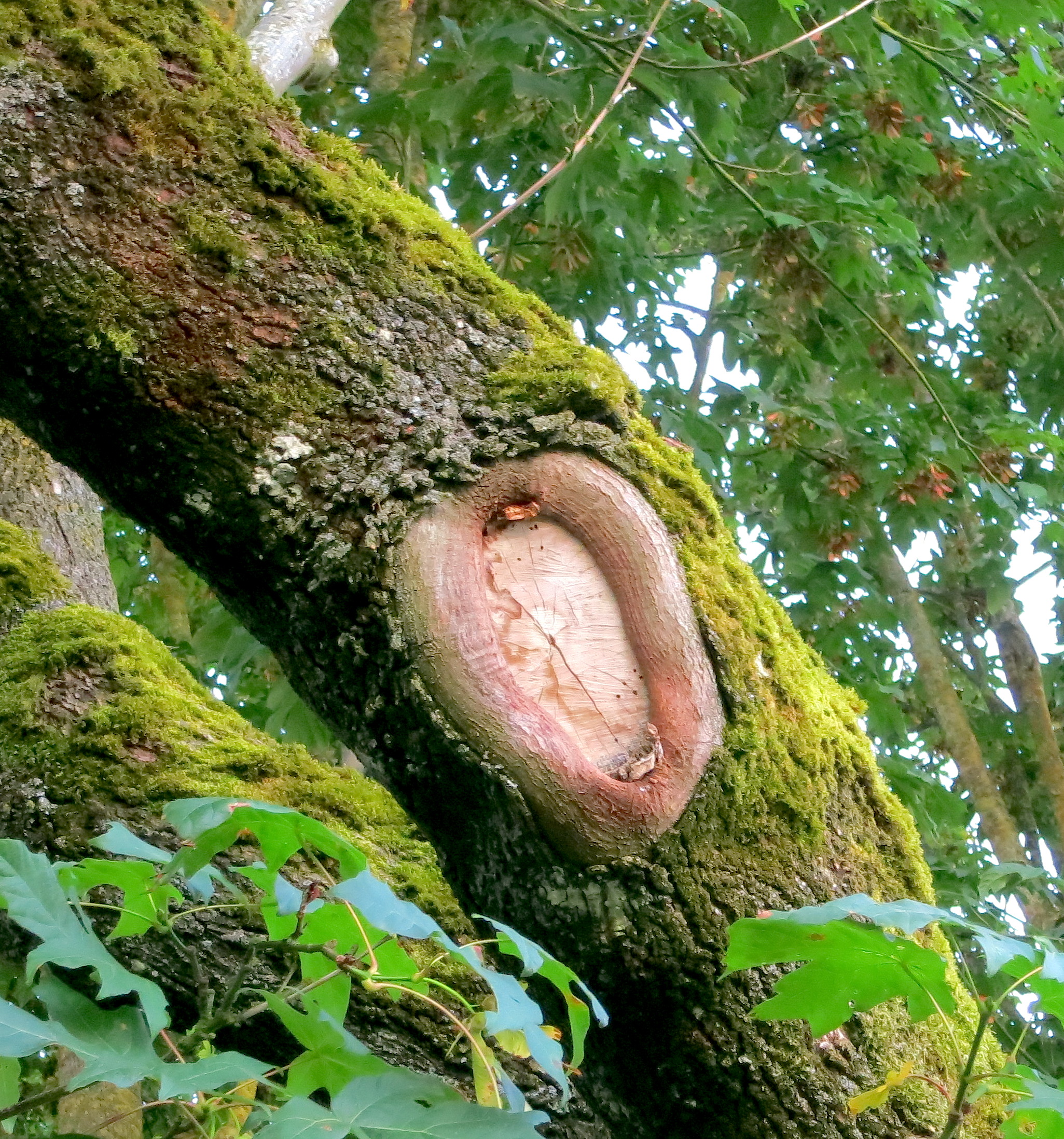
Scars come in various sizes and shapes, some hidden, some quite obvious to all.  How they are inflicted also varies–some accidental, others therapeutic, and too many intentional. 

The most insidious are the ones so deep inside,  no one can see or know they are there.

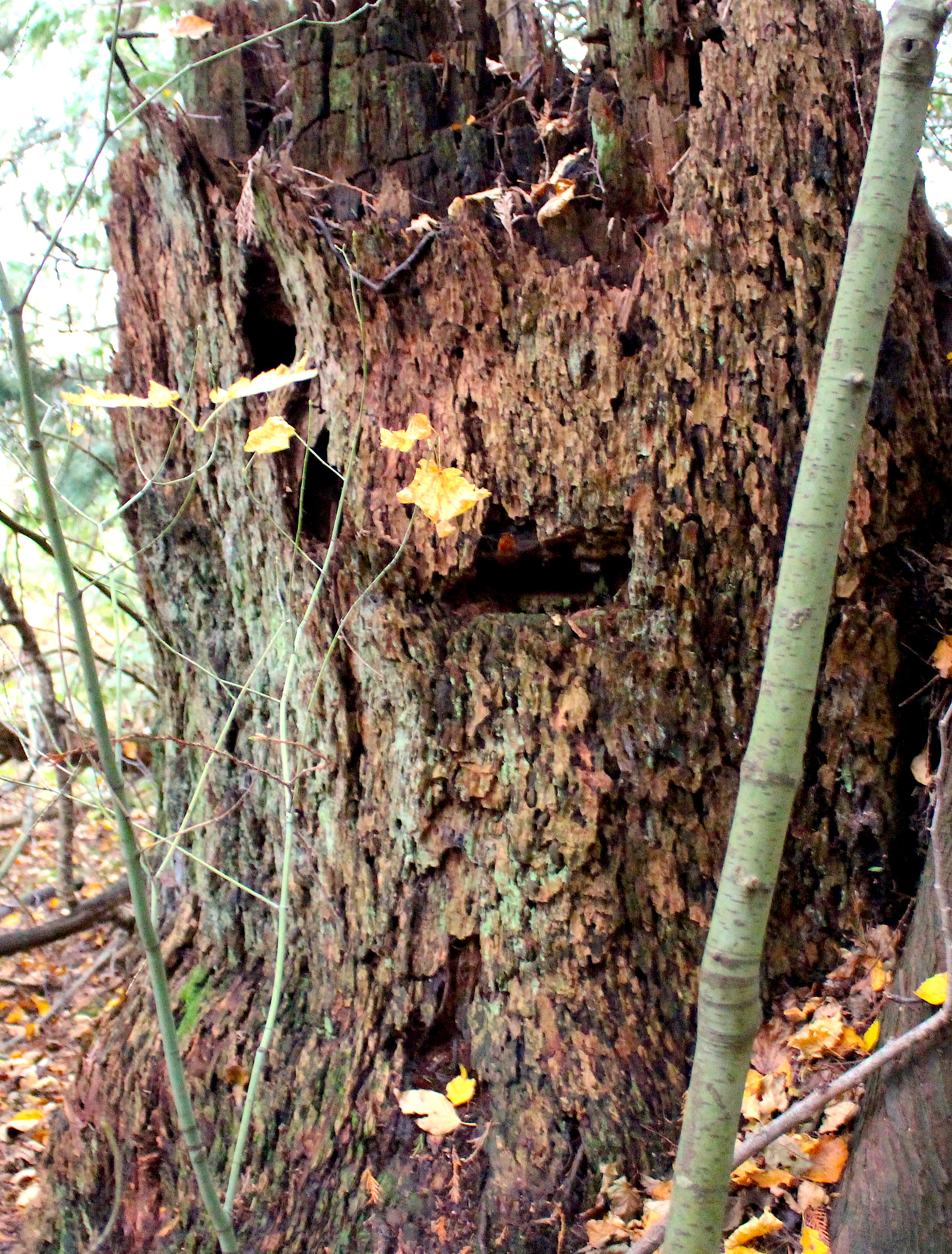
Back in our woodlot stands a sawed off stump of a cedar that was old growth in virgin forest over a hundred years ago.  One day clearcut loggers came through and took every tree they could to haul to the local sawmills to become beams and lumber for the growing homesteading population in the region.  This cedar once was grand and vast, covering an immense part of the forest floor, providing protection to trillium at its feet and finches’ nests and raptors hunting in its branches.   It nurtured its environment until other plans were made, and one day, axes fell on its sides to cut out the notches for the springboards where two loggers stood either side of the proud trunk to man the saw which brought the tree down. 

Where the wood went is anyone’s guess.  It could be one of the mighty beams supporting our old hay barn roof or it could have become the foundation flooring of a nearby one room school house.  It surely had a productive and meaningful life as part of a structure somewhere until rot or carpenter ants or fire brought it once again to its knees.

But this ghost of a stump remains, a tombstone of remembrance of a once grand tree, the notch scars embedded deep in its sides, nursing new seedlings from its center and moss, lichen and ferns from its sides.

I come from logger stock so I don’t begrudge these frontier settlers their hard scrabble living, nor minimize their dangerous work in order to feed themselves and their families.  It’s just I’m struck by those scars over one hundred years later — such a visible reminder of what once was a vital living organism toppled for someone’s need and convenience.

Trees are not unique.  It happens to people too.  Everyday scars are inflicted for reasons hard to justify.  Too often I see them self-inflicted in an effort to feel something other than despair.  Sometimes they are inflicted by others out of fear or need for control.

Sometimes they are simply the scars of living – on our horses they are a dark tough scar of leathery “proud flesh”. These are the wounds that accumulate on our journey through our numbered days.

None of them are as deep and wide as the scars that were accepted on our behalf, nor as wondrous as the Love that oozed from them, nor as amazing as the Grace that abounds to this day because of the promise they represent. 

These are scars from the Word made Flesh, a proud flesh that won’t give way, lasting forever.

As a result, that Tree lives, and so do we.

One-Time
Monthly
Yearly

Make a one-time donation to support Barnstorming

Make a monthly donation

Make a yearly donation

Choose an amount

¤5.00
¤10.00
¤20.00
¤5.00
¤15.00
¤100.00
¤5.00
¤15.00
¤100.00

Or enter a custom amount

¤

Your contribution is deeply appreciated.

Your contribution is appreciated.

Your contribution is appreciated.

DonateDonate monthlyDonate yearly
A book of beauty in words and photography, available to order here:

Companions in the Faith

east
west

In Christ there is no east or west,
in him no south or north,
but one great fellowship of love
throughout the whole wide earth.

In Christ shall true hearts everywhere
their high communion find;
his service is the golden cord
close binding humankind.

Join hands, companions in the faith,
whate’er your race may be!
All children of the living God

are surely kin to me.

In Christ now meet both east and west;
in him meet south and north,
all Christly souls are one in him
throughout the whole wide earth.
~William Dunkerley

north
south
east
west

We Christians are accused of being judgmental and unwilling to consider other points of view. We are usually the first to criticize another Christian of being unfaithful or heretical, not following doctrine and creeds, or being too liberal or too conservative or just too plain stubborn.

I’ve done it myself pretty recently and have received more than my share of mean-spirited, even hateful, messages from Christian brothers and sisters who disagree with my point of view on some issue.

Christians tend to revel in eating their own.

When I’m tempted to judge lest I be judged, I remember who Christ hung out with: the cast offs, the diseased and some of the most undesirable people in society. They were surely more receptive to His message than those who believed they knew better than Him, who questioned His every action and motive, and who plotted against Him behind His back.

It is crucial to be reminded that Christ doesn’t endorse one political party over another, one denomination or faith community over another, one zip code over another, or one racial or ethnic group over another. He seeks true hearts

Christians, east and west, north and south, constitute His body on earth, crucially dwelling in companionship as His image. It is only through His loving Spirit we are brought home where we belong, back to the center from the fraying ends of the earth and fragile edges of our faith.

West
North

A book of beauty in words and photography, available to order here:

Unanswerable Questions

Under the harvest moon,
When the soft silver
Drips shimmering over the garden nights,
Death, the gray mocker,
Comes and whispers to you
As a beautiful friend
Who remembers.

Under the summer roses
When the flagrant crimson
Lurks in the dusk
Of the wild red leaves,
Love, with little hands,
Comes and touches you
With a thousand memories,
And asks you
Beautiful, unanswerable questions.
~Carl Sandburg, “Under the Harvest Moon”

As we enter the season
of all that is lush and lovely
which starts to wither and decay before our eyes,
we know the flowers and trees aren’t alone.
Death, whispering within its gray night’s cloak,
has been stealing the young and old since time began,
but never as boldly as during a pandemic.
Millions of family members are left
with nothing but bittersweet memories
of their loved ones now buried deep.

The harvest moon – not nearly bright enough,
as a poor reflection of the sun –
mocks us who covet light
during a rampage of contagious illness and death.

As we endure the searing beauty of yet another dying season,
let us treasure those we protect through our care and concern.
Let us cherish the memories of those we’ve lost.
There can be only one answer to the unanswerable questions:
Love itself died to become Salvation,
an ever-sufficient Light that leads us home.

A book of beauty in words and photos is available to order here:


Don’t Worry. You’ll Make It

To the shepherd herding his flock
through the gorge below, it must appear as if I walk
on the sky. I feel that too: so little between me


and The Fall. But this is how faith works its craft.
One foot set in front of the other, while the wind
rattles the cage of the living and the rocks down there


cheer every wobble, your threads keep
this braided business almost intact saying: Don’t worry.
I’ve been here a long time. You’ll make it across.
~Matthew Olzmann “Letter to a Bridge Made of Rope”

I have never walked a rope bridge though I’ve seen one from a distance in Northern Ireland. It swayed far above a rocky gorge, hanging almost miraculously in the air as walkers trekked blithely across.

Not for me, I said.

I feel disoriented and dizzy when the surface beneath my feet sways and moves with the wind and due to my own movement. I make my own wobbling worse with my fear. The rocks below seem menacing; I don’t trust my own ability to navigate over and through them.

Oh, me of little faith. So little between me and The Fall.

Simply crossing a narrow wooden bridge built over a fallen large old-growth tree trunk takes all my courage. I try to focus on my feet taking each step, testing the solid wood beneath me rather than looking down at the rushing water and sharp rocks below.

In the course of life, I have to take steps that feel uncertain and unsupported. I freeze in place, afraid to move forward, reluctant to leave the security of where I am to do what it takes to get safely to the other side.

Yet I need to trust what holds firm for others will hold firm for me.

Christ is the bridge for those like me who fear, who don’t trust their own feet, who can’t stop looking at the taunting and daunting rocks below. He has braided Himself around me to keep me safe, no matter what and no matter where. He’s been here a long time and will always be.

I can step out in that confidence.

If you enjoy these daily Barnstorming posts, you might consider this book of Barnstorming photos and poetry from Lois Edstrom here:

The Shade of Unexpected Grace

Holy as a day is spent
Holy is the dish and drain
The soap and sink, and the cup and plate
And the warm wool socks, and the cold white tile
Shower heads and good dry towels
And frying eggs sound like psalms
With bits of salt measured in my palm
It’s all a part of a sacrament
As holy as a day is spent


Holy is the busy street
And cars that boom with passion’s beat
And the check out girl, counting change
And the hands that shook my hands today
And hymns of geese fly overhead
And spread their wings like their parents did
Blessed be the dog that runs in her sleep
To chase some wild and elusive thing


Holy is the familiar room
And quiet moments in the afternoon
And folding sheets like folding hands
To pray as only laundry can
I’m letting go of all my fear
Like autumn leaves made of earth and air
For the summer came and the summer went
As holy as a day is spent


Holy is the place I stand
To give whatever small good I can

And the empty page, and the open book
Redemption everywhere I look
Unknowingly we slow our pace
In the shade of unexpected grace
And with grateful smiles and sad lament
As holy as a day is spent
And morning light sings ‘providence’
As holy as a day is spent

~Carrie Newcomer “Holy as a Day is Spent”

We are in the middle of an unprecedented heat wave in the Pacific Northwest, predicted to hit 110 degrees F over the next two days. This part of the world is sorely unprepared for these temperatures – air conditioning is unusual in residences and some workplaces so we grit our teeth, mop our brows and search for the blessing of shade and relief.

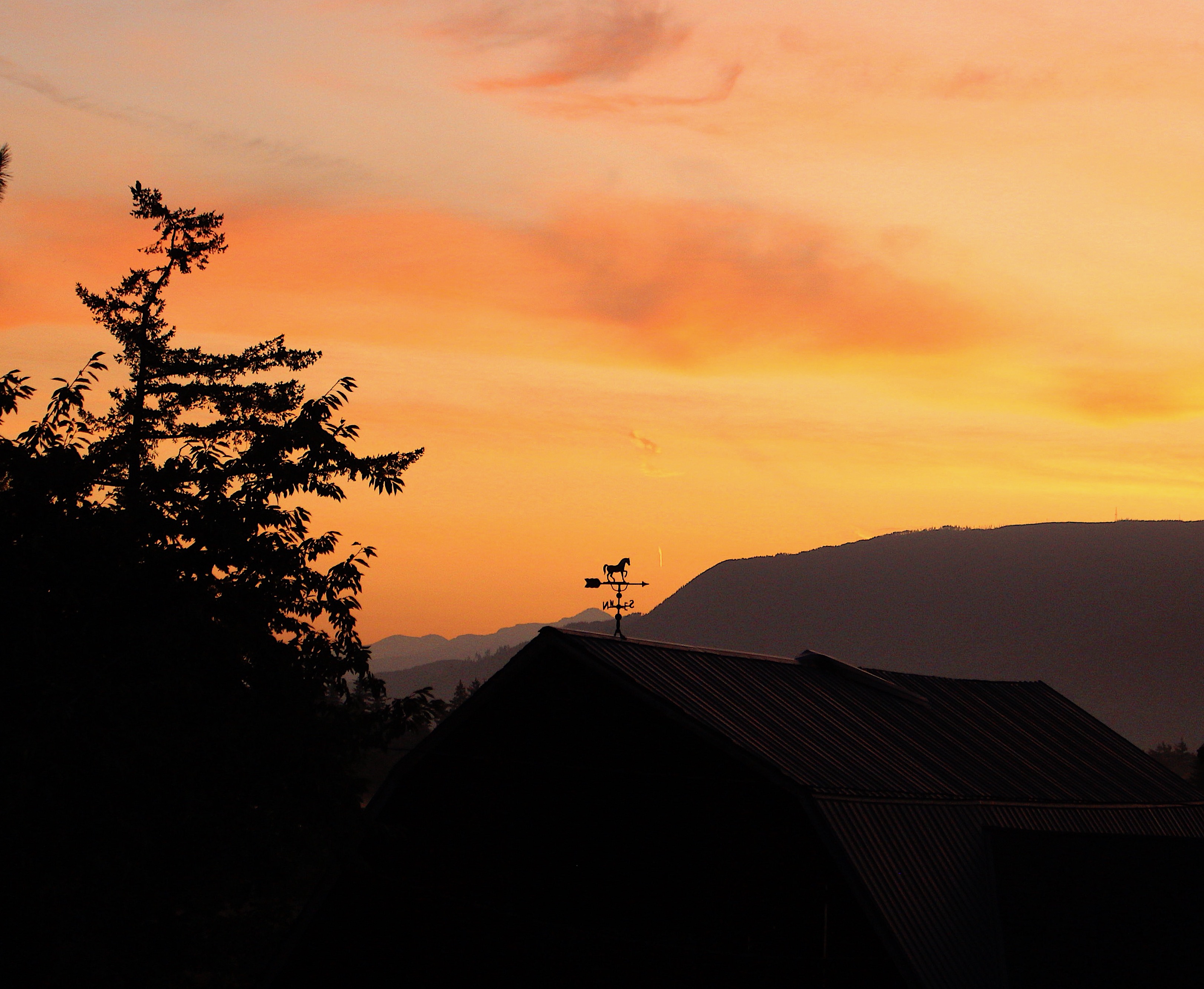
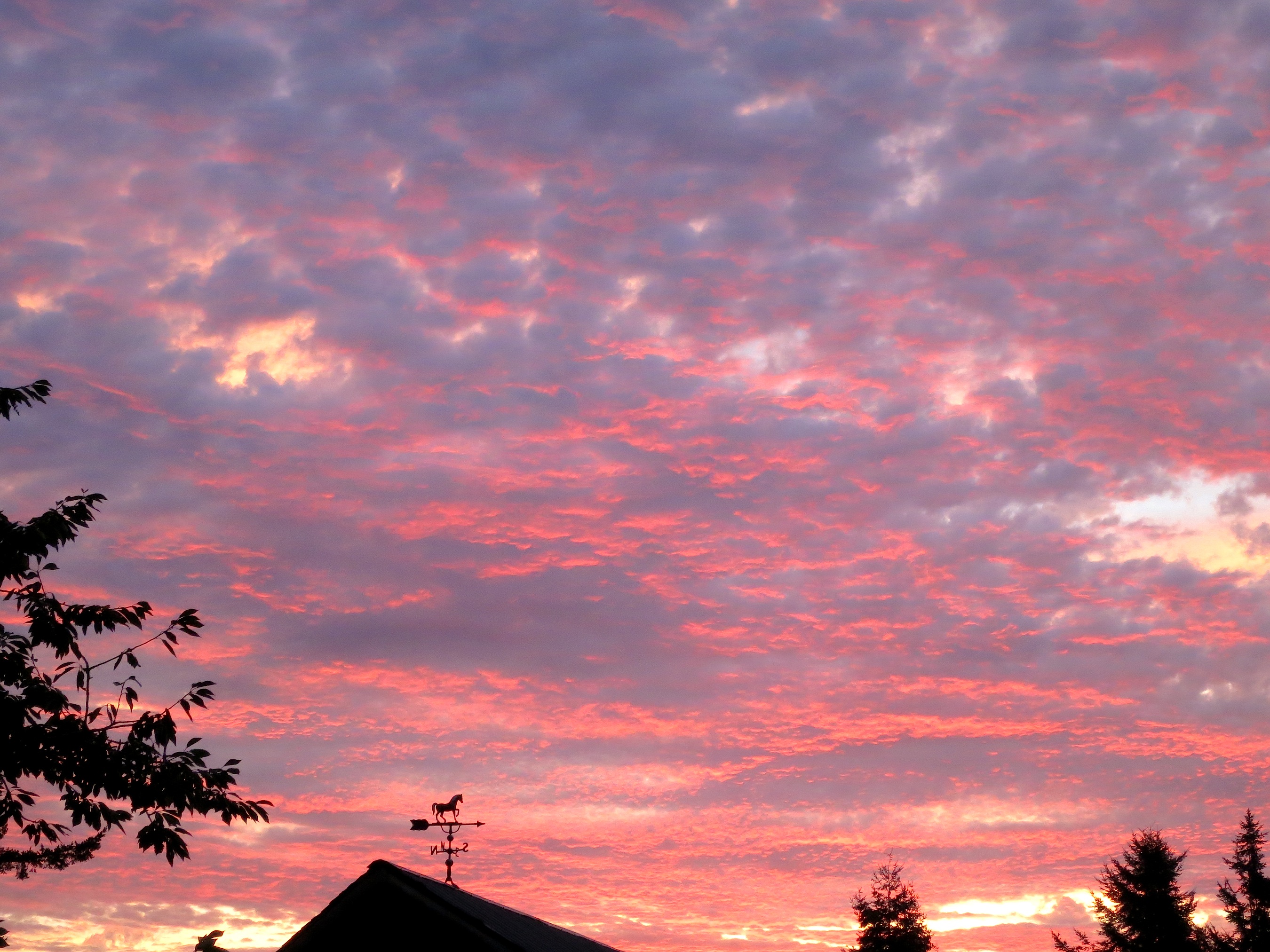
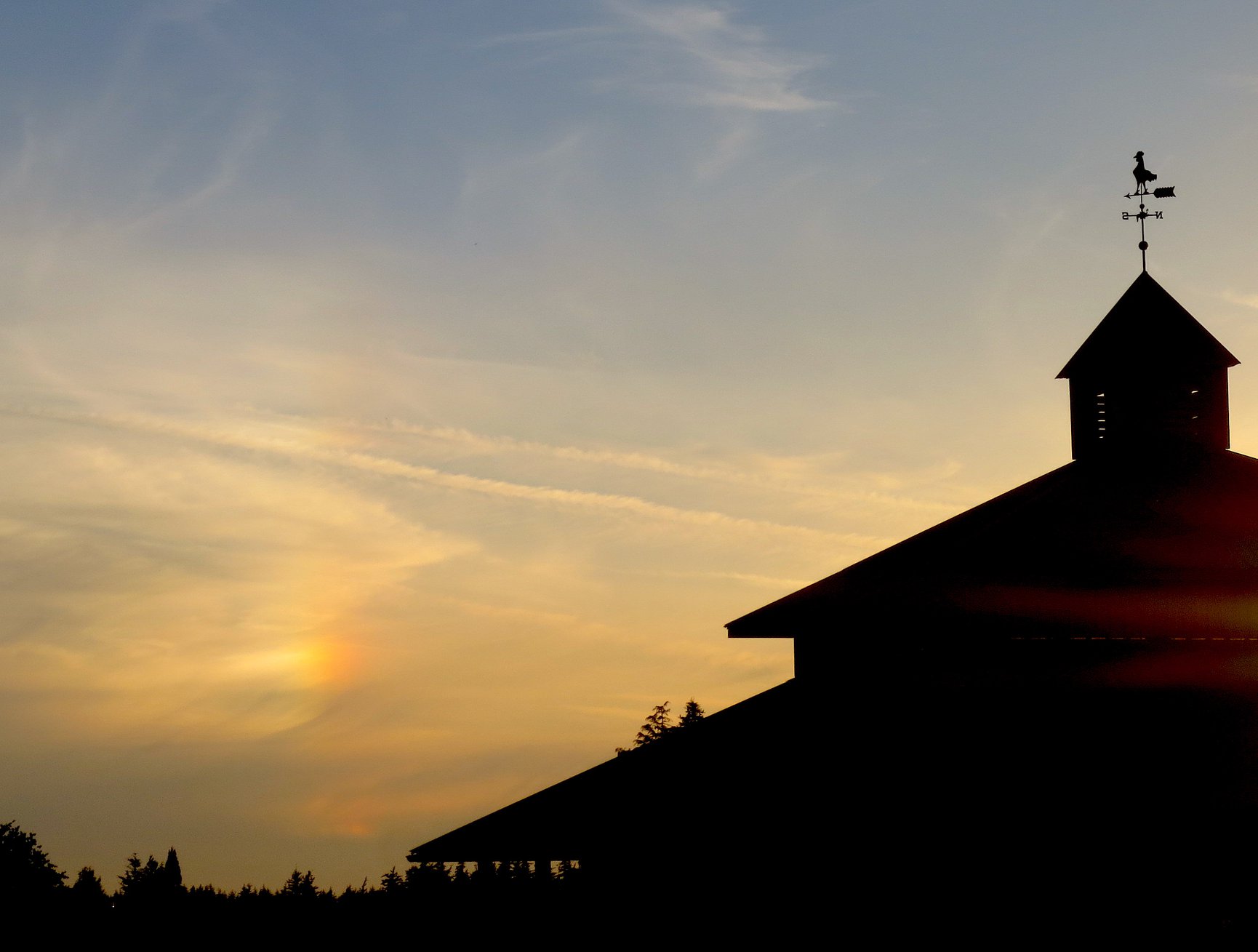
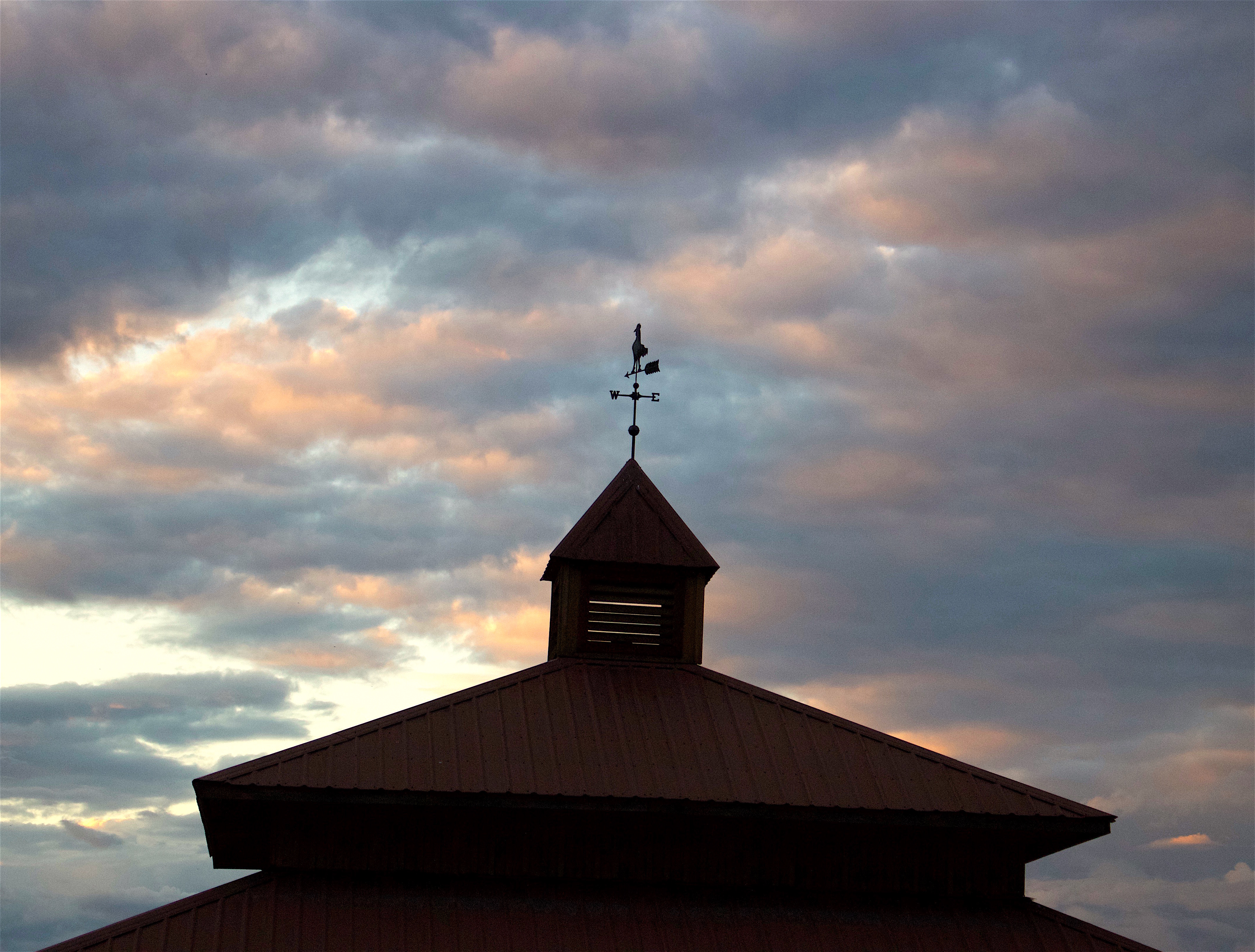
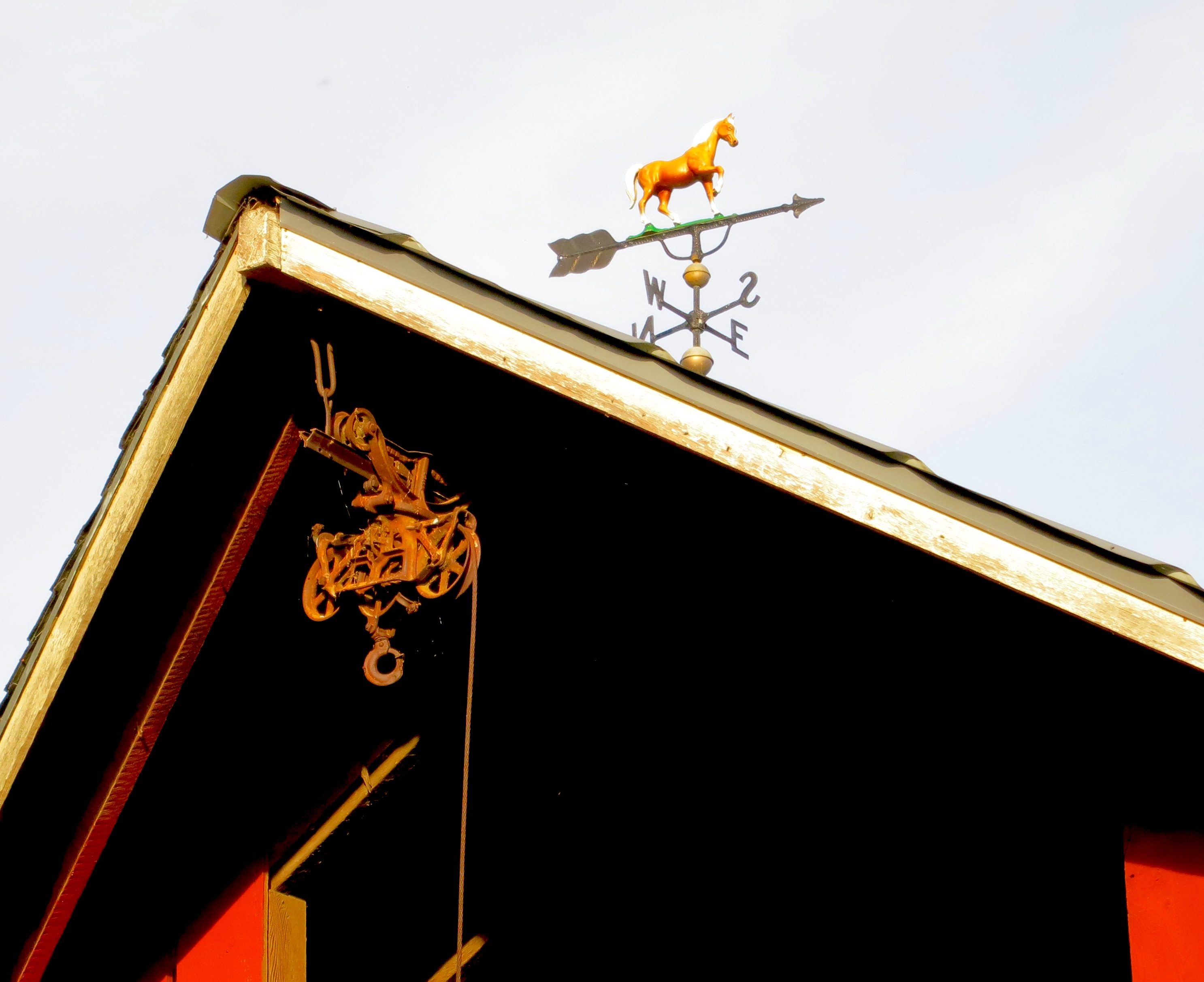
There is barely a breeze. The weathervanes are standing stock-still without a hint of swivel, cooking in the sun just as thoroughly as the rest of us. Our barn has a beautiful Haflinger horse weather vane – a precious gift from Amish country given to us by treasured friends over thirty years ago.

However, the standard weather vane is a rooster, found on a neighbor’s barn about a mile from our farm. The traditional rooster vane (“weathercock”) has a long history dating back to the ninth century when Pope Gregory declared all churches were to be crowned with a rooster as a suitable Christian emblem. This was to immortalize St. Peter’s three betrayals, predicted by Christ to take place before the rooster crows in the morning on the day of His crucifixion.

So roosters began to appear on the weathervanes of churches in Europe, blowing this way and that with the wind, just as Peter found himself carried by the wind of opinion on that fateful day. We are to be reminded of our own tendency to shift and swivel with the forces that push us around when we are uncertain or fearful, forgetting our foundational faith and beliefs.

Yet Christ forgave Peter, not once or twice, but three times for each betrayal. He delivers an unexpected grace and gift of redemption to a man who had turned away from Him. Christ’s instruction to Peter was to “feed my sheep.”
Our response to the grace shown to us is to nurture and show grace to all we meet.

As our weathervanes remain unmoving in this heat, we stand firm in the shade of our Lord’s forgiveness of our betrayal of Him – all that is just and holy.

Amen and Amen.

A new book from Barnstorming is available for order here:

Root and All

Flower in the crannied wall,
I pluck you out of the crannies,
I hold you here, root and all, in my hand,
Little flower—but if I could understand
What you are, root and all, all in all,
I should know what God and man is.
~Lord Alfred Tennyson “Flower in the Crannied Wall”

Am I root, or am I bud?
Am I stem or am I leaf?

All in all, I am
but the merest reflection
of God’s fruiting glory;

I am His tears shed
as He broke
into blossom.

A new book from Barnstorming available for order here

Trumpeting Spring

Thou yellow trumpeter of laggard Spring!
Thou herald of rich Summer’s myriad flowers!
The climbing sun with new recovered powers
Does warm thee into being, through the ring
Of rich, brown earth he woos thee, makes thee fling
Thy green shoots up, inheriting the dowers
Of bending sky and sudden, sweeping showers,
Till ripe and blossoming thou art a thing
To make all nature glad, thou art so gay;
To fill the lonely with a joy untold;
Nodding at every gust of wind to-day,
To-morrow jewelled with raindrops. Always bold
To stand erect, full in the dazzling play
Of April’s sun, for thou hast caught his gold.
~Amy Lowell “To An Early Daffodil”
Fair Daffodils, we weep to see
You haste away so soon;
As yet the early-rising sun
Has not attain’d his noon.

Stay, stay,
Until the hasting day
Has run
But to the even-song;
And, having pray’d together, we
Will go with you along.

 
We have short time to stay, as you,
We have as short a spring;
As quick a growth to meet decay,
As you, or anything
.

We die
As your hours do, and dry
Away,
Like to the summer’s rain;
Or as the pearls of morning’s dew,
Ne’er to be found again.
~Robert Herrick “To Daffodils”

We are springing late,
with chill winds and everlasting rain.

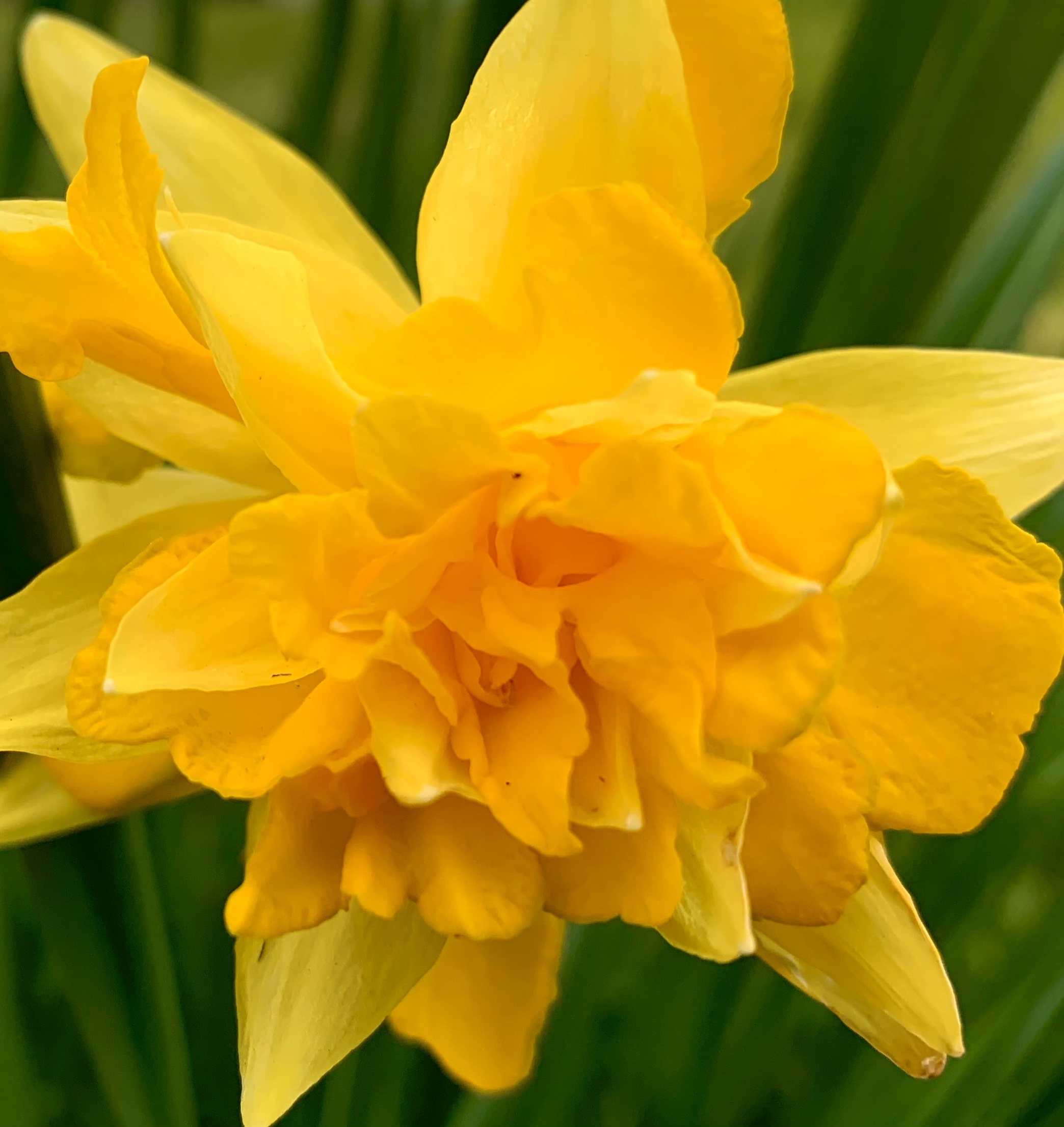
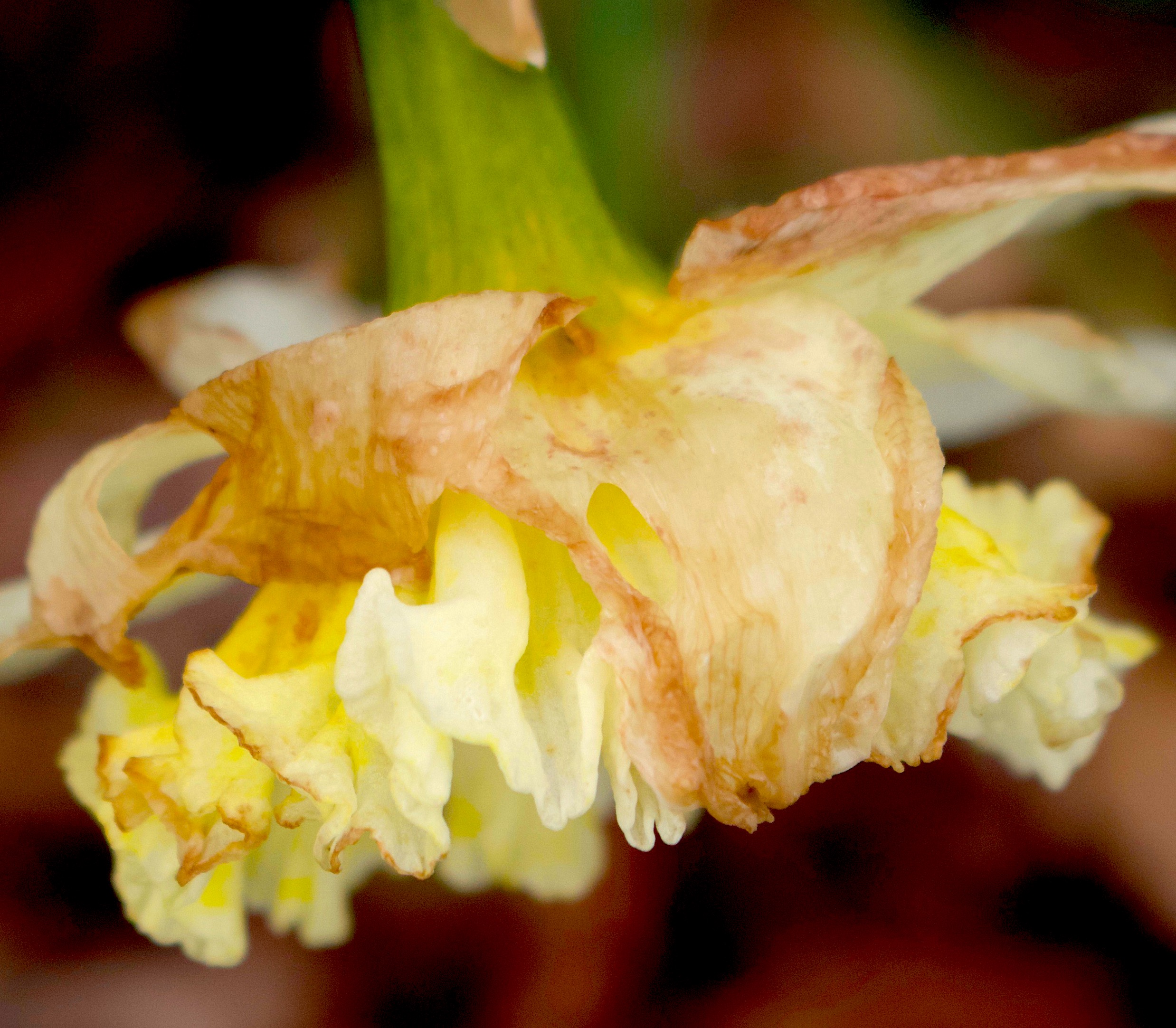
The daffodils melt on the stem
unable to sustain the battering
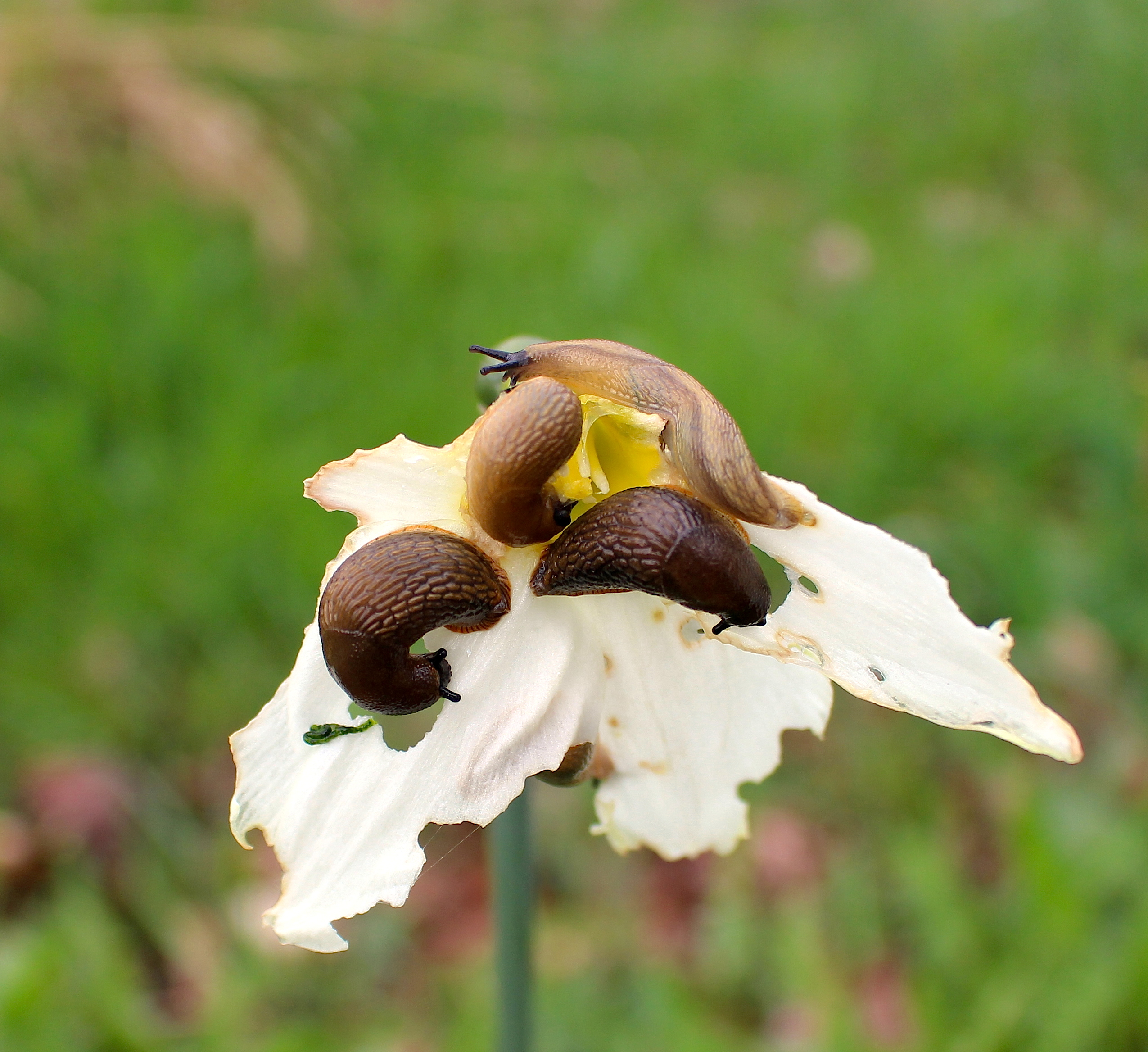
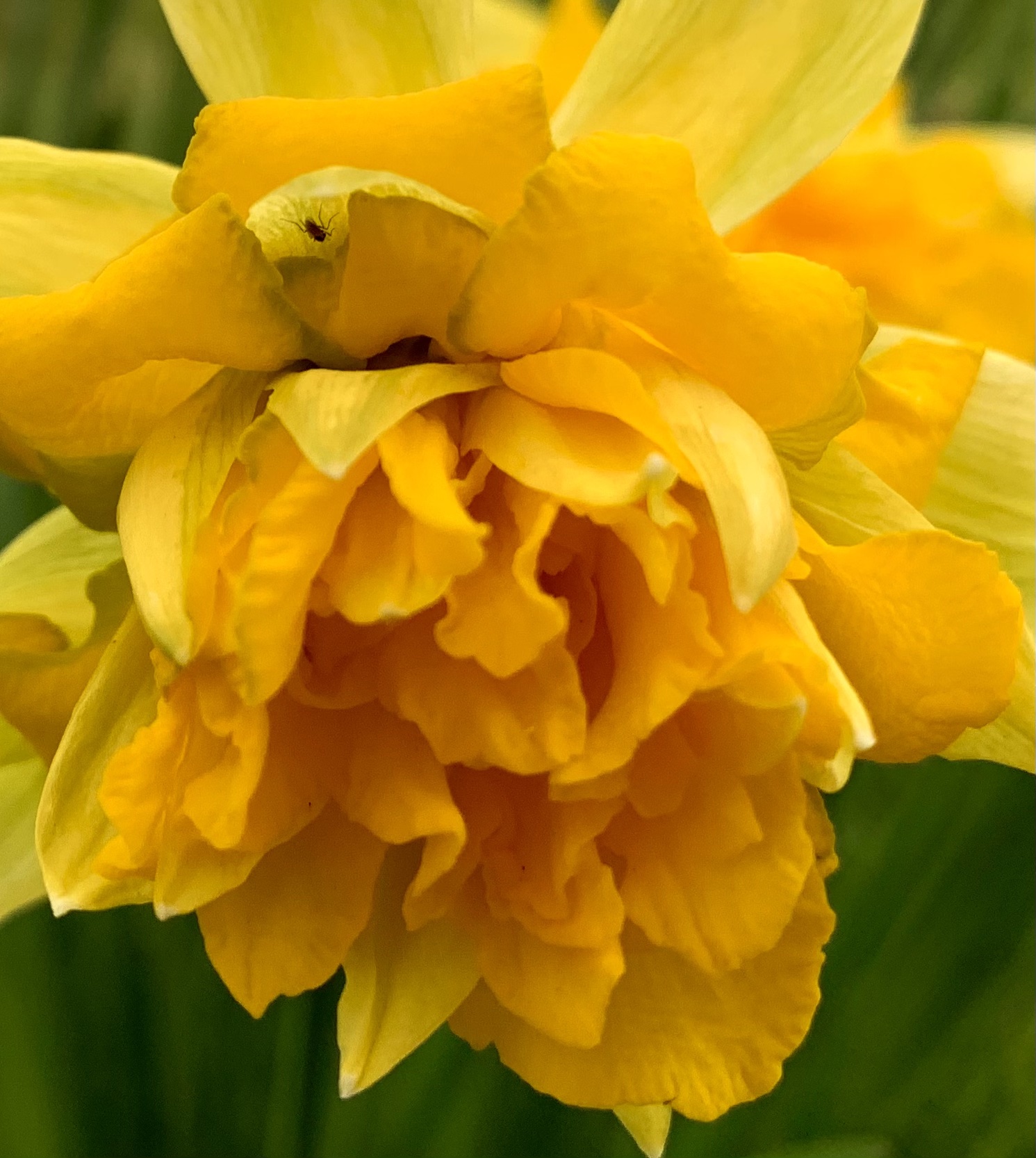
while hordes of bugs and slugs luxuriate
with unending voracious appetites for their petals.

We ourselves aren’t much different
than these tender blooms –
though we hope not to be chewed to death,
this past year reminds us that
we are, after all, here today, gone tomorrow. 

When our bud bursts to blossom,
we flame hearty with such exuberant joy,
then wither until we are no more,
a mere bulb resting, waiting to be called from the ground
next year.

We, for our brief days,
trumpet our blooming relief:
a reflection of the Sun itself,
just as we were created to be.

No Longer in Wilderness: The Day In-Between

I see his blood upon the rose
And in the stars the glory of his eyes,
His body gleams amid eternal snows,
His tears fall from the skies.

I see his face in every flower;
The thunder and the singing of the birds
Are but his voice-and carven by his power
Rocks are his written words.

All pathways by his feet are worn,
His strong heart stirs the ever-beating sea,
His crown of thorns is twined with every thorn,
His cross is every tree.

~Joseph Plunkett “I See His Blood Upon the Rose”

…to break through earth and stone of the faithless world
back to the cold sepulchre, tearstained
stifling shroud; to break from them
back into breath and heartbeat, and walk
the world again, closed into days and weeks again,
wounds of His anguish open, and Spirit
streaming through every cell of flesh
so that if mortal sight could bear
to perceive it, it would be seen
His mortal flesh was lit from within, now,
and aching for home. He must return,
first, In Divine patience, and know
hunger again, and give
to humble friends the joy
of giving Him food – fish and a honeycomb.
~Denise Levertov “Ikon: The Harrowing of Hell” from A Door in the Hive

The Holy Saturday of our life must be the preparation for Easter,
the persistent hope for the final glory of God.

The virtue of our daily life is the hope which does what is possible
and expects God to do the impossible.

To express it somewhat paradoxically, but nevertheless seriously:
the worst has actually already happened;
we exist, and even death cannot deprive us of this.
Now is the Holy Saturday of our ordinary life,
but there will also be Easter, our true and eternal life.
~Karl Rahner “Holy Saturday” in The Great Church Year

This in-between day
after all had gone so wrong:
the rejection, the denials,
the trumped-up charges,
the beatings, the burden,
the jeering, the thorns,
the nails, the thirst,
the despair of being forsaken.

This in-between day
before all will go so right:
the forgiveness and compassion,
the grace and sacrifice,
the debt paid in full,
the immovable stone rolled away,
our name on His lips,
our hearts burning
to hear His words.

What does it take to move the stone?
When it is an effort to till the untillable,
creating a place where simple seed
can drop, be covered and sprout and thrive,
it takes muscle and sweat and blisters and tears.

What does it take to move the stone?
When it is a day when no one will speak out of fear,
the silent will be moved to cry out
the truth, heard and known and never forgotten.

What does it take to move the stone?
When it is a day when all had given up,
gone behind locked doors in grief.
When two came to tend the dead,
there would be no dead to tend.

Only a gaping hole left
Only an empty tomb
Only a weeping weary silence
broken by Love calling our name
and we turn to greet Him
as if hearing it for the first time.

We cannot imagine what is to come
in the dawn tomorrow as
the stone lifted and rolled,
giving way so our separation is bridged,
darkness overwhelmed by light,
the crushed and broken rising to dance,
and inexplicably,
from the waiting stillness He stirs
and we, finding death emptied,
greet Him with trembling
and are forever moved,
just like the stone.