Where God tears great gaps we should not try to fill them with human words. They should remain open. Our only comfort is the God of the resurrection, the Father of our Lord Jesus Christ, who also was and is (our) God. ~Dietrich Bonhoeffer from “Circular Letters in the Church Struggle”
An old man going a lone highway, Came, at the evening cold and gray, To a chasm vast and deep and wide. Through which was flowing a sullen tide The old man crossed in the twilight dim, The sullen stream had no fear for him; But he turned when safe on the other side And built a bridge to span the tide.
“Old man,” said a fellow pilgrim near, “You are wasting your strength with building here; Your journey will end with the ending day, You never again will pass this way; You’ve crossed the chasm, deep and wide, Why build this bridge at evening tide?”
The builder lifted his old gray head; “Good friend, in the path I have come,” he said, “There followed after me to-day A youth whose feet must pass this way. This chasm that has been as naught to me To that fair-haired youth may a pitfall be; He, too, must cross in the twilight dim; Good friend, I am building this bridge for him!” ~Will Allen Dromgoole “The Bridge Builder”
A terrible accident collapsed a massive bridge yesterday, taking lives from grieving families, creating a great gap for those who depend on the span for connection and transport.
No human bridge builder could instantly repair the deep and wide gap left behind when the bridge came down.
Christ – the Divine Bridge to humanity from heaven – was broken too, separated from His Father, the Builder.
The chasm left behind was so wholly unbridgeable. Forsaken, Christ suffers for His brothers and sisters who are drowning in sin by paying, with His life, a ransom we on our own could never satisfy.
His grace is the only bridge able to bear our awful weight.
We need a Mediator, a divine engineer, whose grace is strong enough to fill our every hole, bridge our every gap, carry hope to our emptiness and grief and deliver us wholly to our Father, who was and is our God.
Lord, comfort us by spanning our troubled waters, bearing our weighty burdens, to ensure we will safely reach the Other Side where Your arms await us.
For there is one God, and one mediator between God and men, the man Christ Jesus. 1Timothy 2:5
Outside the house the wind is howling and the trees are creaking horribly. This is an old story with its old beginning, as I lay me down to sleep. But when I wake up, sunlight has taken over the room. You have already made the coffee and the radio brings us music from a confident age. In the paper bad news is set in distant places. Whatever was bound to happen in my story did not happen. But I know there are rules that cannot be broken. Perhaps a name was changed. A small mistake. Perhaps a woman I do not know is facing the day with the heavy heart that, by all rights, should have been mine. ~Lisel Mueller “In November” from Alive Together
It does not escape me~ (I awake every day knowing this) a disastrous earthquake happened somewhere else, a war ravages families on both sides of a border, a windstorm leveled a town, a drunk driver devastated two families, a fire left a house in ashes, a mother nearly died giving birth, a flood ravaged a village, a grim diagnosis darkened someone’s remaining days.
No mistake has been made, yet I awake knowing this part of my story has yet to visit me – I hear of so much suffering, knowing the heavy heart that could have been mine still beats, still breaks, still aches, still believes in grace, mercy, and miracles.
One-Time
Monthly
Yearly
Make a one-time or recurring donation to support daily Barnstorming posts
The world is its usual rich self. Disturbed news Came before sleep, then hours before light, finally A return to coffee and the joy of unfinished poems. It is early October, bright leaves falling everywhere.
What could it mean that such sharp leaves fall? Does it imply that the best are called first?
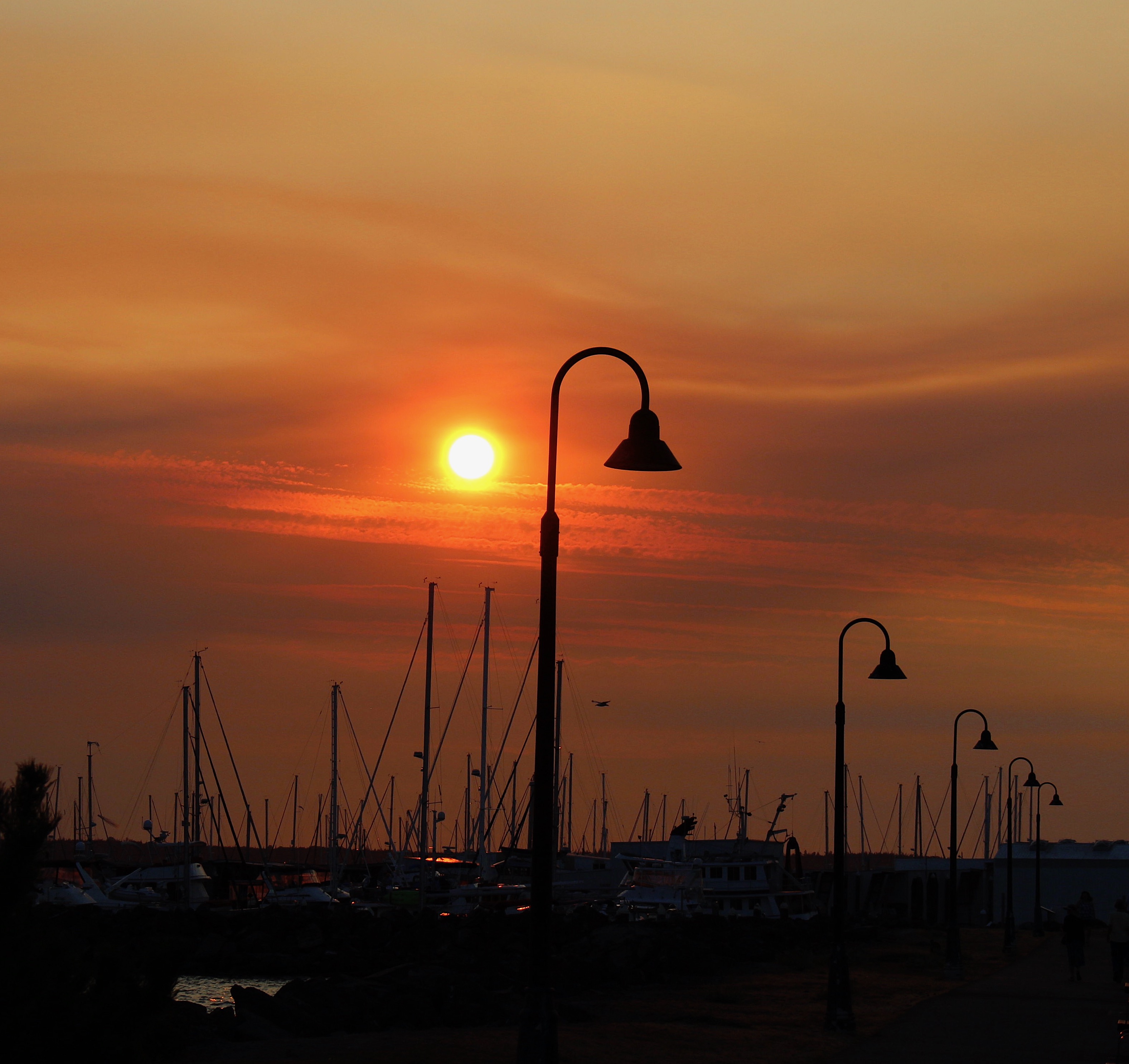
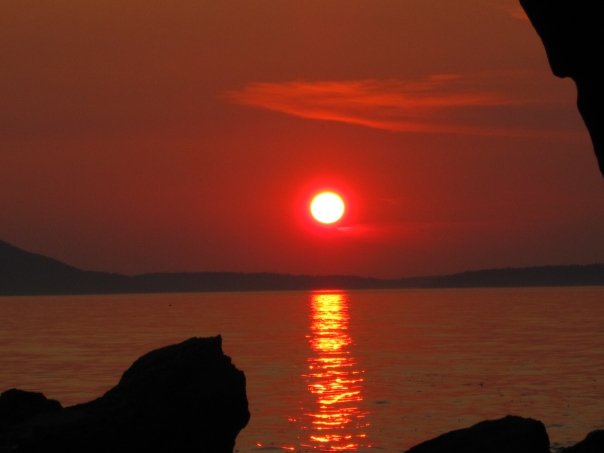
I don’t want to imply that such abundance of meaning Exists in me. A lamppost shines over The ocean. The waves take what they want of the light. The rest they give back, to the hospitals and the poor. ~Robert Bly from Morning Poems
Bellingham Bay-photo by Nate Gibson
The shattered water made a misty din. Great waves looked over others coming in, And thought of doing something to the shore That water never did to land before. The clouds were low and hairy in the skies, Like locks blown forward in the gleam of eyes. You could not tell, and yet it looked as if The shore was lucky in being backed by cliff, The cliff in being backed by continent; It looked as if a night of dark intent Was coming, and not only a night, an age. Someone had better be prepared for rage. There would be more than ocean-water broken Before God’s last Put out the light was spoken. ~Robert Frost “Once By the Pacific”
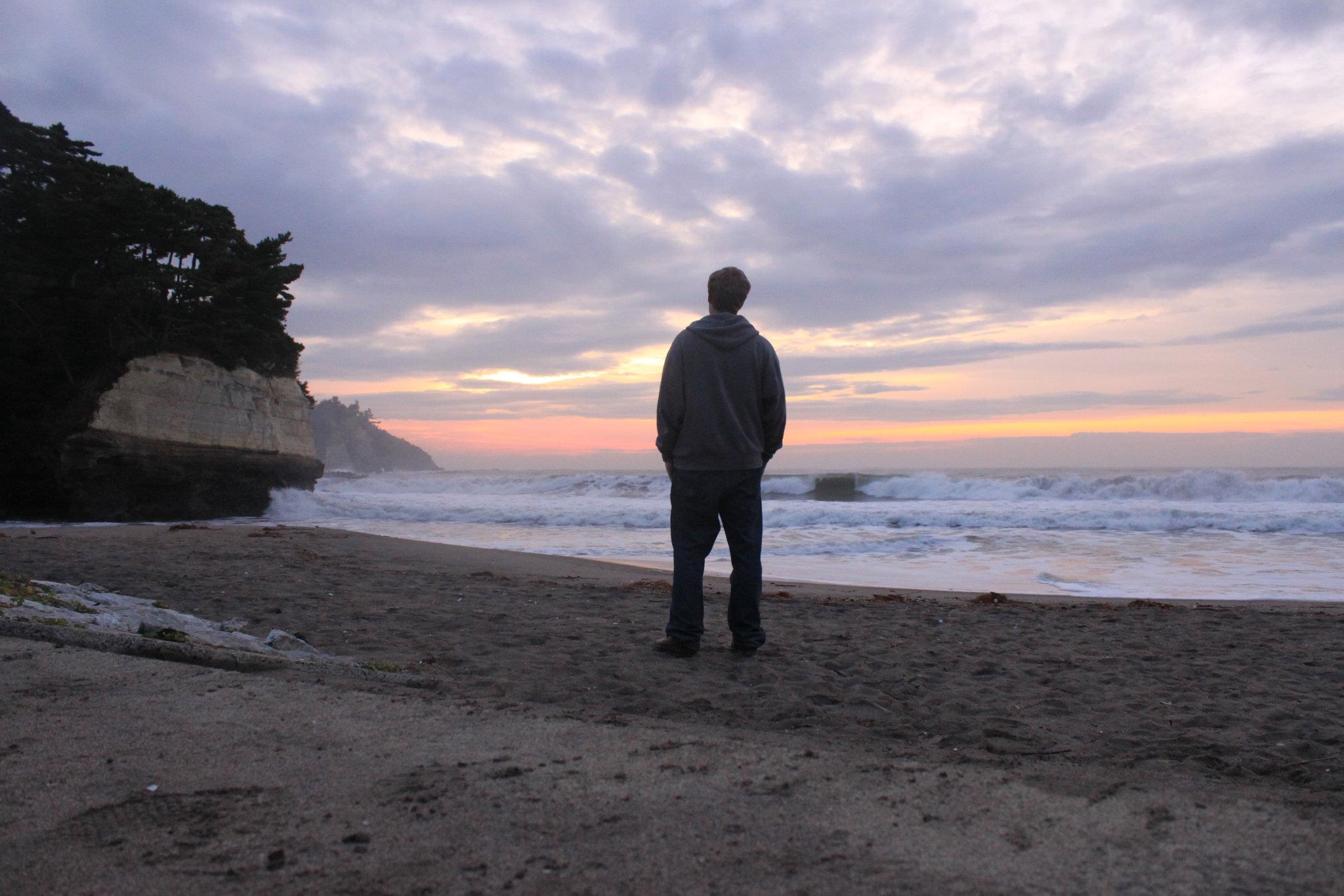
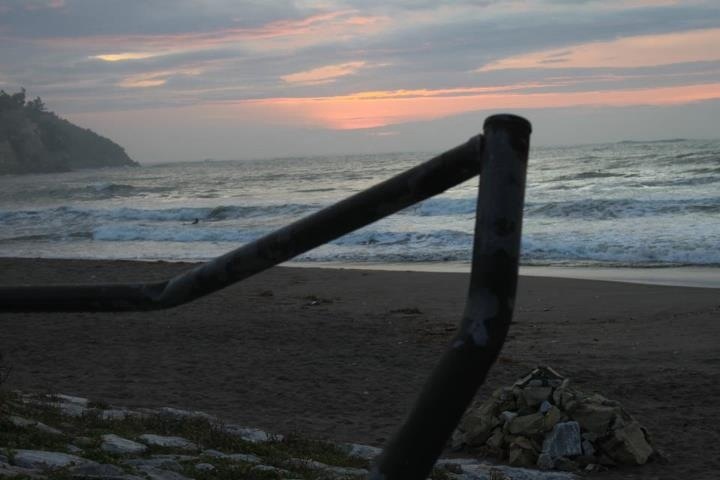
photo by Nate Gibson at Sendai, Japan
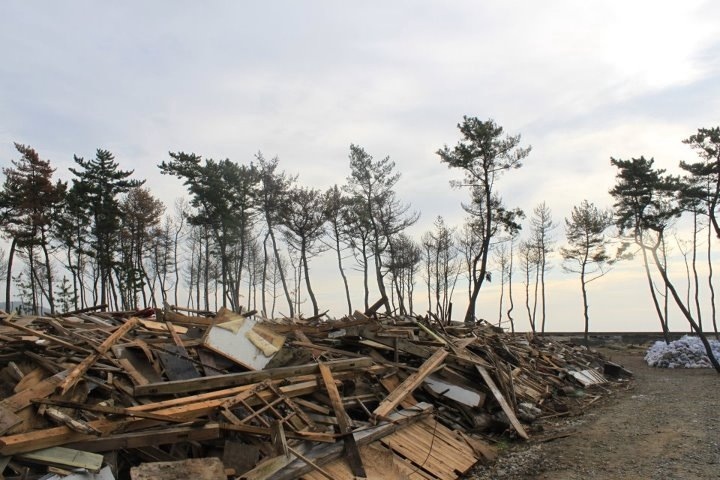
We were staying with our friends Brian and Bette at their cabin on a bluff just above the beach at Sendai, Japan, just a few dozen feet above the devastation that wiped out an entire fishing village below during the 3/11/11 earthquake and tsunami. We walked that stretch, learning of the stories of the people who had lived there, some of whom did not survive the waves that swept their houses and cars away before they could escape. We walked past the footprints of foundations of hundreds of demolished homes, humbled by the rubble mountains yet to be hauled away to be burned or buried and scanned acres of wrecked vehicles now piled one on another, waiting to become scrap metal. It was visual evidence of life suddenly and dramatically disrupted.
This was a place of recreation and respite for some who visited regularly, commerce and livelihood for others who stayed year round. Yet it looked like a foreign ghostly landscape. Even many trees perished, lost, broken off, fish nets still stuck high on their scarred trunks. There were small memorials to lost family members within some home foundations, with stuffed animals and flowers wilting from the recent anniversary observance.
It was a powerful place of memories for those who live there and know what it once was, how it once looked and felt, and painfully, what it became in a matter of minutes on 3/11/11. The waves swept in inexplicable suffering, then carried their former lives away. Happiness gave ground to such terrible pain that could never have hurt as much without the joy that preceded it.
We want to ask God why He doesn’t do something about the suffering that happens anywhere a disaster occurs – but if we do, He will ask us the same question right back. We need to be ready with our answer and our action. He knows suffering. Far more than we do. He took it all on Himself as His Light on earth was snuffed out, despite His love and joy in His creation.
As Sendai’s citizens slowly recover, the inner and outer landscape is forever altered. What remains the same is the tempo of the waves, the tides, and the rhythm of the light and the night, happening just as originally created.
The Light returned.
In that realization, pain gives way. It cannot stand up to His love and His joy in dispelling the dark.
the rubble still piled on the beach at Tohoku, Japan, a year after the 3/11/11 tsunamiphoto by Nate GibsonSendai
One-Time
Monthly
Yearly
Make a one-time or recurring donation to support daily Barnstorming posts
He loved to ask his mother questions. It was the pleasantest thing for him to ask a question and then to hear what answer his mother would give. Bambi was never surprised that question after question should come into his mind continually and without effort.
Sometimes he felt very sure that his mother was not giving him a complete answer, was intentionally not telling him all she knew. For then there would remain in him such a lively curiosity, such suspicion, mysteriously and joyously flashing through him, such anticipation, that he would become anxious and happy at the same time, and grow silent. ~Felix Salten from Bambi
A Wounded Deer—leaps highest— I’ve heard the Hunter tell— ‘Tis but the Ecstasy of death— And then the Brake is still! ~Emily Dickinson “165″
As the house of a person in age sometimes grows cluttered with what is too loved or too heavy to part with, the heart may grow cluttered. And still the house will be emptied, and still the heart.
Empty and filled, like the curling half-light of morning, in which everything is still possible and so why not.
Filled and empty, like the curling half-light of evening, in which everything now is finished and so why not.
Beloved, what can be, what was, will be taken from us. I have disappointed. I am sorry. I knew no better.
A root seeks water. Tenderness only breaks open the earth. This morning, out the window, the deer stood like a blessing, then vanished. ~Jane Hirschfield from “The Standing Deer”
My first time ever seated next to my mother in a movie theater, just a skinny four year old girl practically folded in half by a large padded chair whose seat won’t stay down, bursting with anticipation to see Disney’s Bambi.
Enthralled with so much color, motion, music, songs and fun characters, I am wholly lost in this new world of animated reality when suddenly Bambi’s mother looks up, alarmed, from eating a new clump of spring grass growing in the snow.
My heart leaps with worry. She tells him to run quickly for the thicket – find the safest place where she has always kept him warm next to her.
She follows behind, urges him to run faster, not to look back, don’t ever look back.
Then the gun shot hits my belly too.
My stomach twists as he cries out for his mother, pleading for her. I know in my heart she is lost forever, sacrificed to save him.
I sob as my mother reaches out to me, telling me not to look. I bury my face inside her hug, knowing Bambi is cold and alone with no mother any more.
My mama took me home before the end. I could not bear to watch the rest of the movie for years.
Those cries still echo in my ears any time someone hunts and shoots to kill the innocent.
Now, my own three children are grown, they have babies of their own, my mom is gone from this earth. I can even keep the seat from folding me in half in a movie theater.
I am nearing my eighth decade, and there are still places in this world where mothers and fathers sons and daughters grandmothers and grandfathers sisters and brothers and babies are hunted down despite the supposed safety of the thicket~ the sanctuary, the school, the grocery store, the home, places where we believe we are shielded from violence.
There can be no innocence when any of us may be hunted.
One-Time
Monthly
Yearly
Make a one-time or recurring donation to support daily Barnstorming posts
The soul’s sap quivers. There is no earth smell Or smell of living thing. This is the spring time But not in time’s covenant. Now the hedgerow Is blanched for an hour with transitory blossom Of snow, a bloom more sudden Than that of summer, neither budding nor fading, Not in the scheme of generation. Where is the summer, the unimaginable Zero summer?
We shall not cease from exploration And the end of all our exploring Will be to arrive where we started And know the place for the first time. Through the unknown, unremembered gate When the last of earth left to discover Is that which was the beginning;
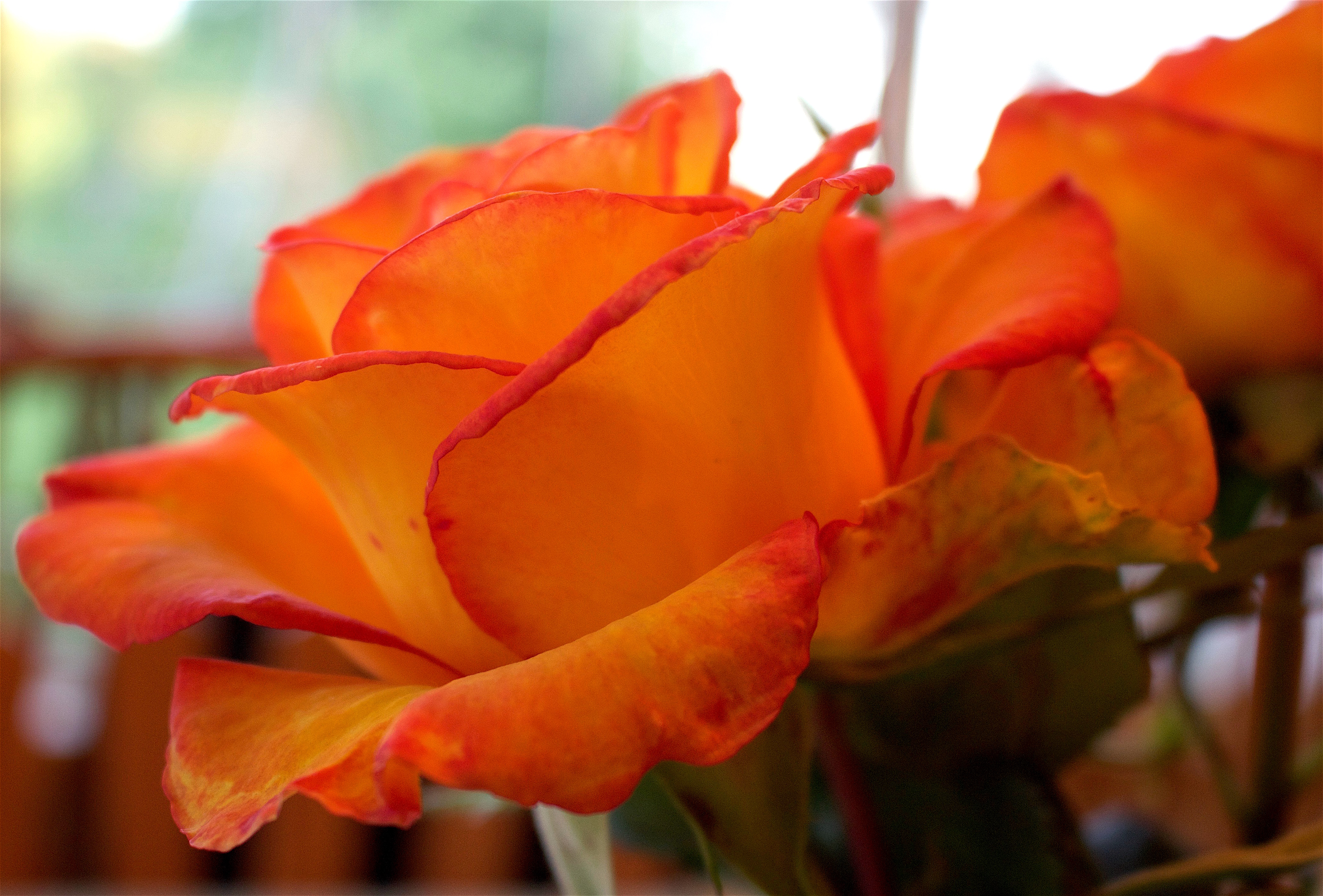
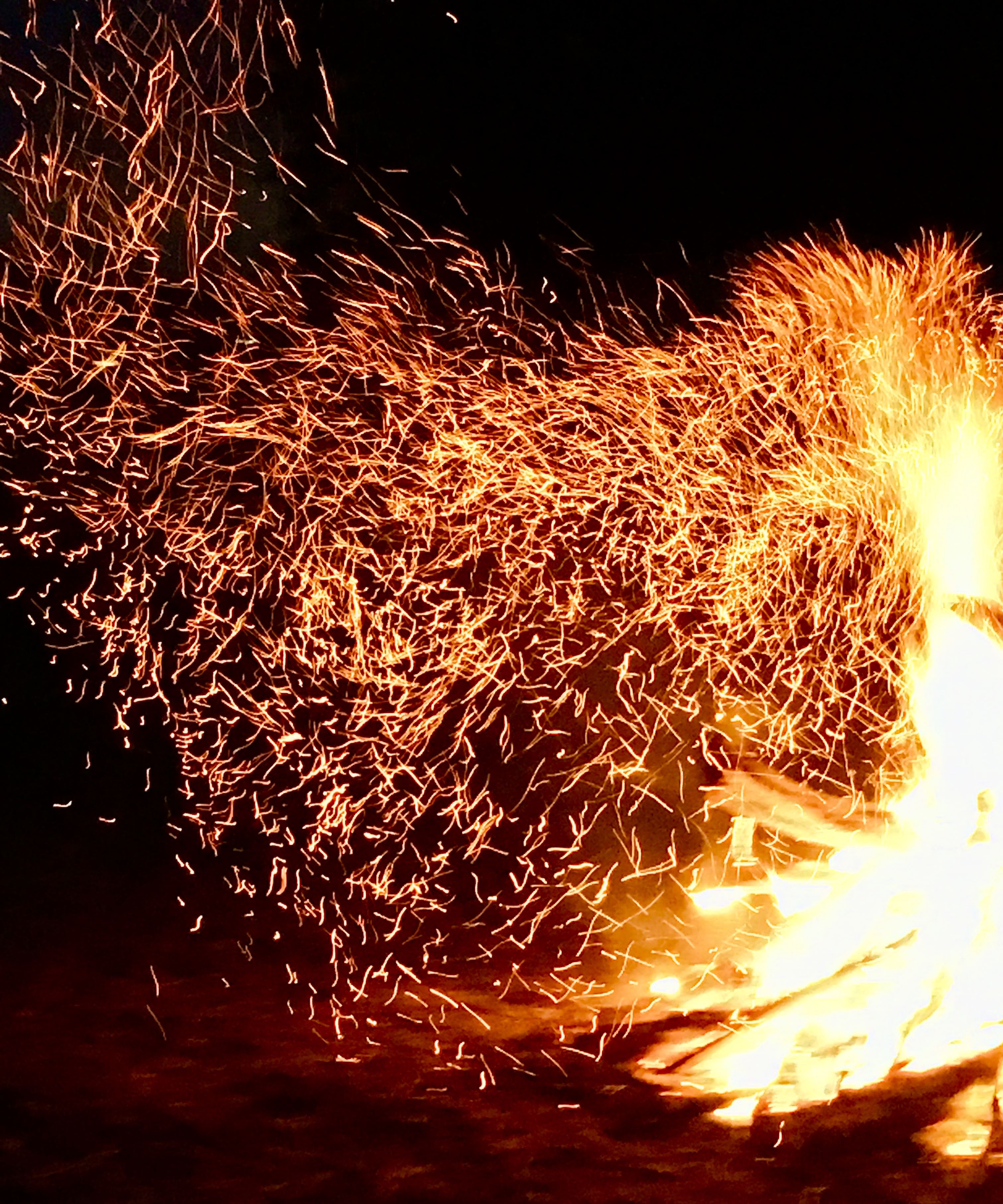
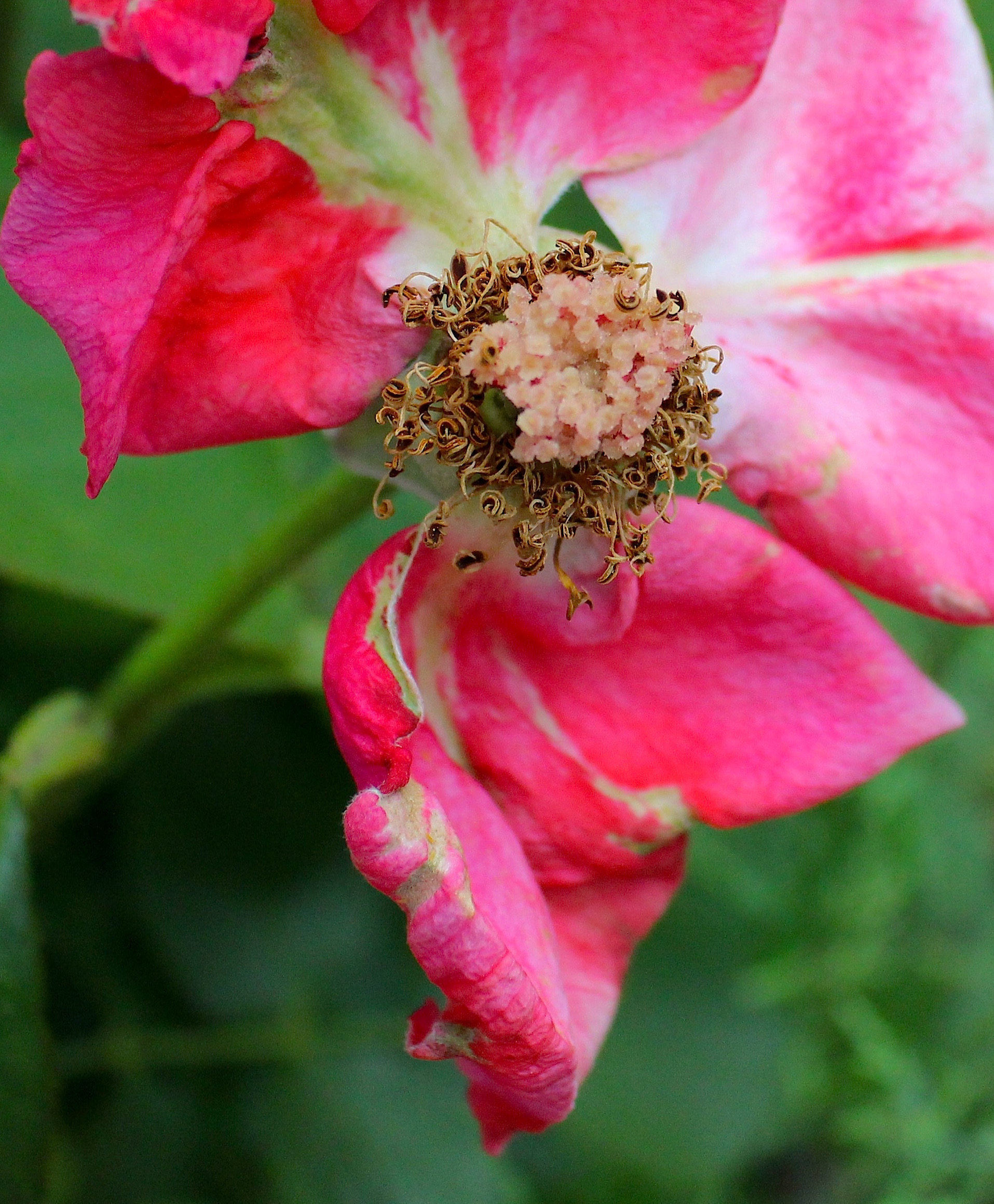
And all shall be well and All manner of thing shall be well When the tongues of flames are in-folded Into the crowned knot of fire And the fire and the rose are one. ~T.S. Eliot – from “Little Gidding”from the Four Quartets
To think that this meaningless thing was ever a rose, Scentless, colourless, this! Will it ever be thus (who knows?) Thus with our bliss, If we wait till the close?
Though we care not to wait for the end, there comes the end Sooner, later, at last, Which nothing can mar, nothing mend:
An end locked fast, Bent we cannot re-bend. ~Christina Rossetti “Summer is Ended”
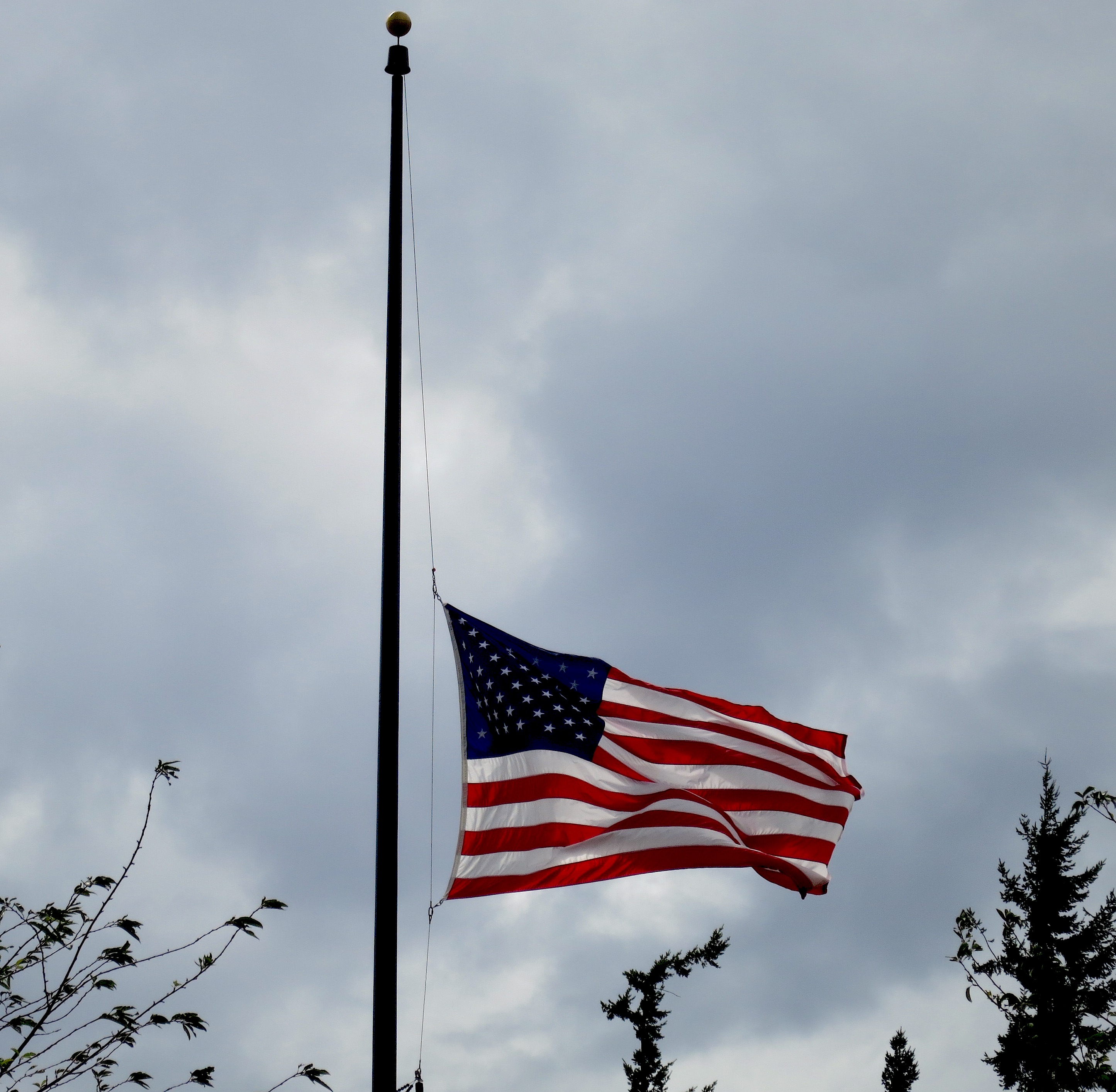
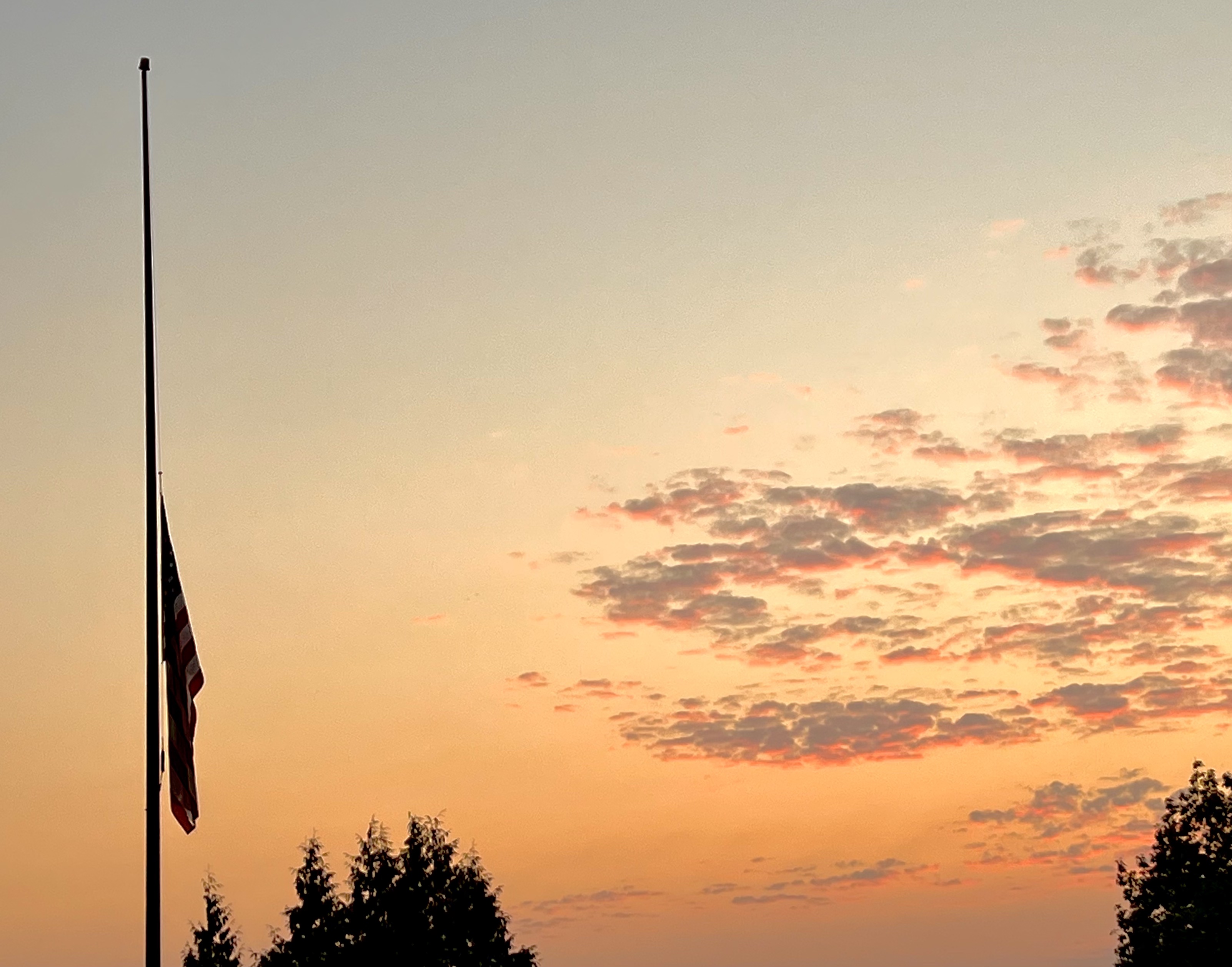
As a 3rd grader in November 1963, I learned the import of the U.S. flag being lowered to half mast in response to the shocking and violent death of our President. The lowering of the flag was so rare when I was growing up, it had dramatic effect on all who passed by —
our soul’s sap quivers
— something very sad had happened to our country, something or someone had tragically ended, warranting our silence, our stillness, and our grief.
For the twenty-two years since 9/11/01, our flag has spent significant time at half mast, most often due to our own home-grown mass shooting terrorism. When I see it flying low, I’m befuddled instead of contemplative, puzzling over what the latest loss might be as there are so many, sometimes all happening in the same time frame. We no longer are silenced by this gesture of honor and respect; we certainly are not stilled when personally and corporately instigating and suffering the same mistakes against humanity over and over again.
We are so bent. Will we ever be mended again?
Eliot wrote these prescient words of the Four Quartets in the midst of the WWII German bombing raids that destroyed so many people and neighborhoods. Perhaps he sensed the destruction he witnessed would not be the last time in history that evil visits the innocent, leaving them in ashes. There would be so many more losses to come, not least being the horror of 9/11/01.
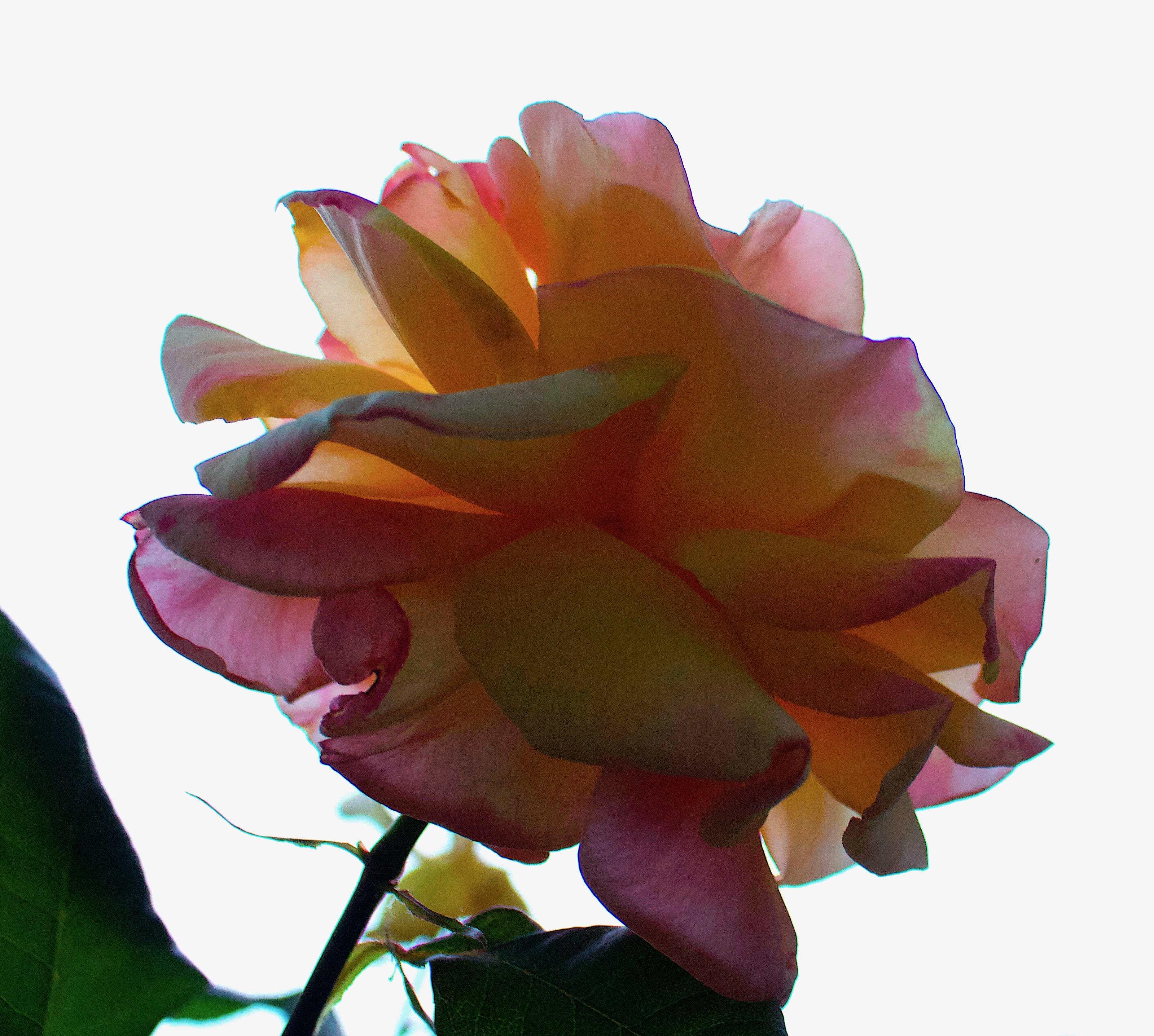
There remains so much more sadness to be borne, such abundance of grief. Our world has become overwhelmed and stricken. Yet Eliot was right: we have yet to live in a Zero summer of endless hope and fruitfulness, of spiritual awakening and understanding. Where is it indeed? When will the summer Rose of beauty and fragrance rise again?
We must return, as people of faith to Eliot’s still point to which we are called on a remembrance day such as today. We must be stilled; we must be silenced. We must grieve the losses of this turning world and pray for release from the suffering we cause and we endure. Only in the asking, only in the kneeling down and pleading, are we surrounded by God’s unbounded grace.
Only then will His Rose bloom, once again recognizable.
“Zero Summer” imagines the unimaginable horror of Hiroshima and Nagasaki, and yet points to epiphanic awakening that transcend human imagination at the same time. T.S. Eliot, who coined this term in his “Four Quartets,” longed for that eternal summer, birthed out of the “still point,” where imagination is met with grace and truth. ~Makoto Fujimura
“There Are No Words” written on 9/11/2001 by Kitty Donohoe
there are no words there is no song is there a balm that can heal these wounds that will last a lifetime long and when the stars have burned to dust hand in hand we still will stand because we must
in one single hour in one single day we were changed forever something taken away and there is no fire that can melt this heavy stone that can bring back the voices and the spirits of our own
all the brothers, sisters and lovers all the friends that are gone all the chairs that will be empty in the lives that will go on can we ever forgive though we never will forget can we believe in the milk of human goodness yet
we were forged in freedom we were born in liberty we came here to stop the twisted arrows cast by tyranny and we won’t bow down we are strong of heart we are a chain together that won’t be pulled apart
One-Time
Monthly
Yearly
Make a one-time or recurring donation to support daily Barnstorming posts
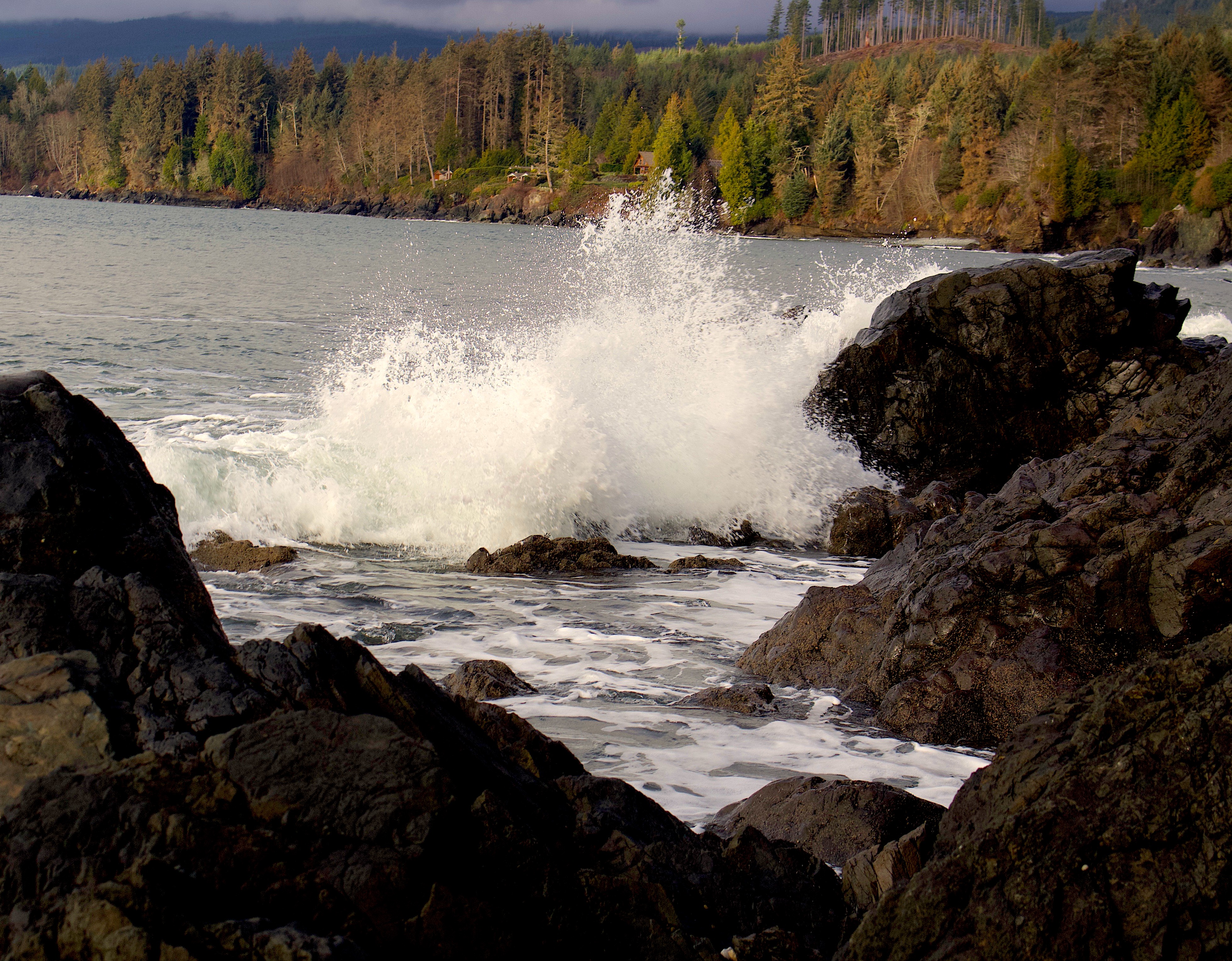
photo of Vancouver Island west coast by Nate Gibson
All night long do you know it? Do you care? Up and down the ocean beaches they are marching; All the lanesome peril of the winter nights they dare, Where the surf shoots, seething, landward in the bitter, biting air; And the fitful lights and shadows of the lanterns that they bear Make more wild the gloomy sky above them arching
Where the coast is bleak and cold; Where the rocks are high and bold, While the wind and snow and sleet are beating; Where the breakers rush and roar, There they watch for ships ashore, The cry for help with instant succor meeting.
All night long where the surges flood the dunes, Stern watch and ward they keep, strong eyes sweeping The offing, while the breakers are roaring savage runes, While the stormy winds are howling or wailing dismal tunes, While the rocks and sands are becoming broad lagoons, The life-saving watch these braves are keeping.
All night long while the timid landsmen sleep, Dreaming, snug and warm, on their downy pillows, The coast-guard, the surf-men down by the deep, Steadfastly, bravely, their watch heroic keep, Or into the sea—icy cold—they boldly leap, To rescue fellow-men from the billows.
Talk not of heroes whose trade it is to kill! Life savers! these are the god-like heroes still, Risking their lives for every life they save From the plunging wreck, or snatch from swirling wave.
O when your beds are warm, In nights of winter storm, When you are safe from wind and sea— Think of the surf-men brave: Their life watch by the wave, And cheer them by your grateful sympathy. ~Hannah Augusta Moore “The Life Savers”
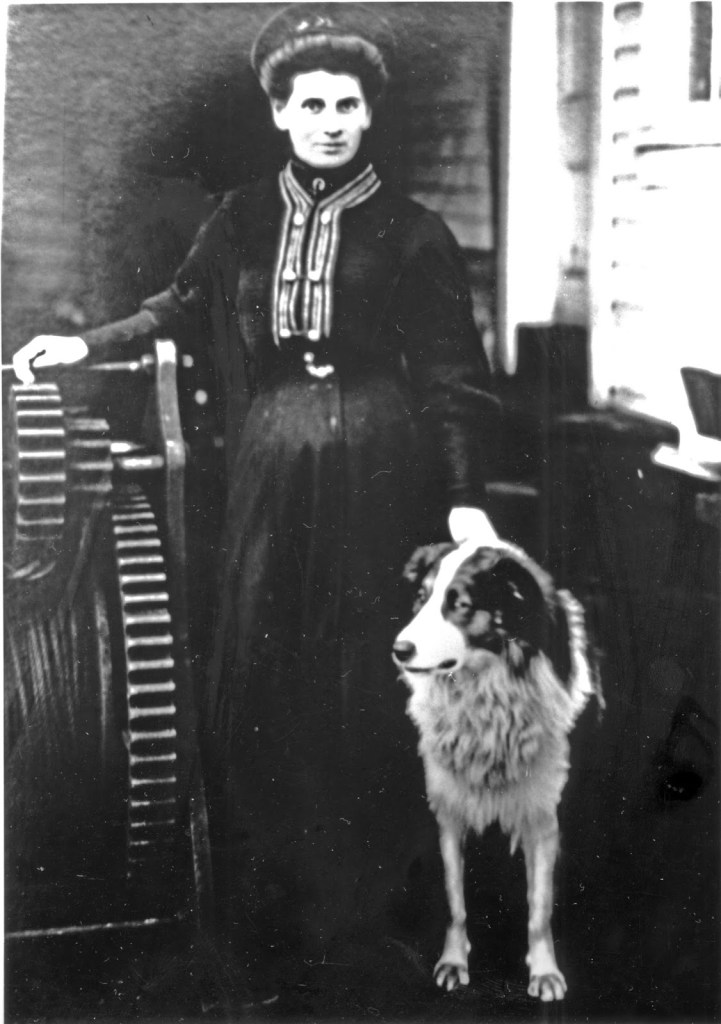
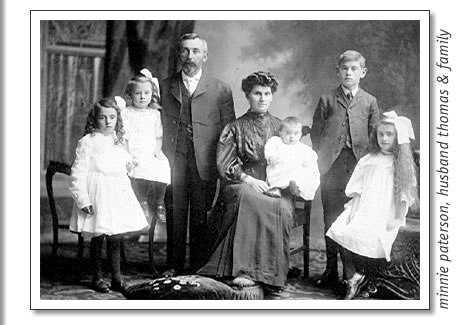
Minnie Paterson and dog Yarrow (archive photo from Alberni Valley Museum)
Minnie Paterson rocked slowly in her rocking chair, nursing her infant son. She sat near the south window of the lighthouse living quarters, and studied the rain streaming down in rivulets. Wind gusts rattled the window. A lighthouse keeper’s home was constantly buffeted by wind bearing salty spray, nearly rendering the windows opaque with salt residue. This early December storm had picked up urgency throughout the night. Now with first light, Minnie looked out at driving rain blowing sideways, barely able to make out the rugged rocks below. The Pacific Ocean was anything but; the mist hung gray, melding horizon into sea, with flashes of white foam in crashing waves against the rocky cliffs of Cape Beale.
Whenever storms came, it seemed the Paterson family lived at the edge of civilization. Yet these storms were the reason she and Tom and their five children lived on the rugged west coast of Vancouver Island, in isolation at the southern edge of Barkley Sound. Tom’s job was to keep the foghorn blaring and the light glowing above the treacherous rocks, to guide sea vessels away from certain peril. The storms sometimes were too powerful even with the lighthouse as a beacon of warning. Nearly a year earlier, in January 1906, the ship Valencia had wrecked off the coast and only a few survivors had managed to make their way to shore, staggering up the rocky trail to the lighthouse where Minnie warmed them by the stove and fed them until rescuers could come.
Eleven months later, her husband came in the door in a rush from the upper room where he tended the light. Another ship, battered by the waves, its sails in tatters, was in distress just off the coast, threatening to run aground on the rocks and break apart.
Minnie went to the window again but could see nothing in the dark mist. Surely this could not be another Valencia disaster! Tom went to the telegraph in the corner of the room and tapped out the urgent message to the fishing village of Bamfield, five miles away inside Barkley Sound. He sat impatiently waiting for a reply, drumming his fingers on the desk. After ten minutes, he sent the message again with no response.
Clearly the telegraph lines were torn down in the storm. Fallen trees frequently pulled them down, leaving no option to summon rescuers. This ship would be doomed, just like the Valencia. There was no way the crew could come ashore in lifeboats without perishing on the rocks.
Seeing the helplessness Tom felt, Minnie knew immediately what she must do. He could not leave his post—it was a condition of his job. She would have to run the six miles for help, through the forest. She kissed Tom and five children goodbye, donned a cap and sweater, and as her swollen feet from recent pregnancy did not fit in her boots, she put on her husband’s slippers. She ran down the long stairway down the hill, taking their dog Yarrow as a precaution to help warn her of bears on the trails.
Minnie first had to cross through a tideland inlet with water waist deep. She quickly stripped from the waist down, held her skirt and slippers over her head and crossed through the icy water, her dog swimming alongside. Shivering on the other side, she quickly dressed, and started down the narrow winding forest trail, scrambling over large fallen trees blocking the way. She waded through deep mud, and crossed rocky beaches where wild waves drenched her. At times the tide was so high she crawled on her hands and knees through underbrush so as not to be swept away by the storm.
After four hours, she reached a home along the trail and with a friend, launched a rowboat to go on to Bamfield. The two women notified the anchored ship Quadra, which set out immediately for Cape Beale to rescue the stranded sailors. Within an hour, the Quadra had reached the Coloma which was taking on water fast, and drifting close to the rocks on shore.
Minnie walked the long way back home that night, clothing tattered, muscles cramping, exhausted and chilled. Her breasts overflowing, she gratefully fed her baby, unaware for days whether her efforts rescued the crew of the Coloma. When the locals learned of her heroism, they notified media sources in Vancouver, Victoria and Seattle. Minnie was hailed as a life saver, given gifts and honors, including the following citation from Seattle’s Union of Sailors of the Pacific: “…RESOLVED that we, the seamen of America, fully recognize her sterling worth as the highest type of womanhood, deeply appreciating her unselfish sacrifices in behalf of those ‘who go down to the sea in ships’ and assure her and hers of our undying gratitude.”
Tragically, her health compromised by her extreme exertion that night, she died five years later in 1911 of tuberculosis, forever a life saving heroine to remember.
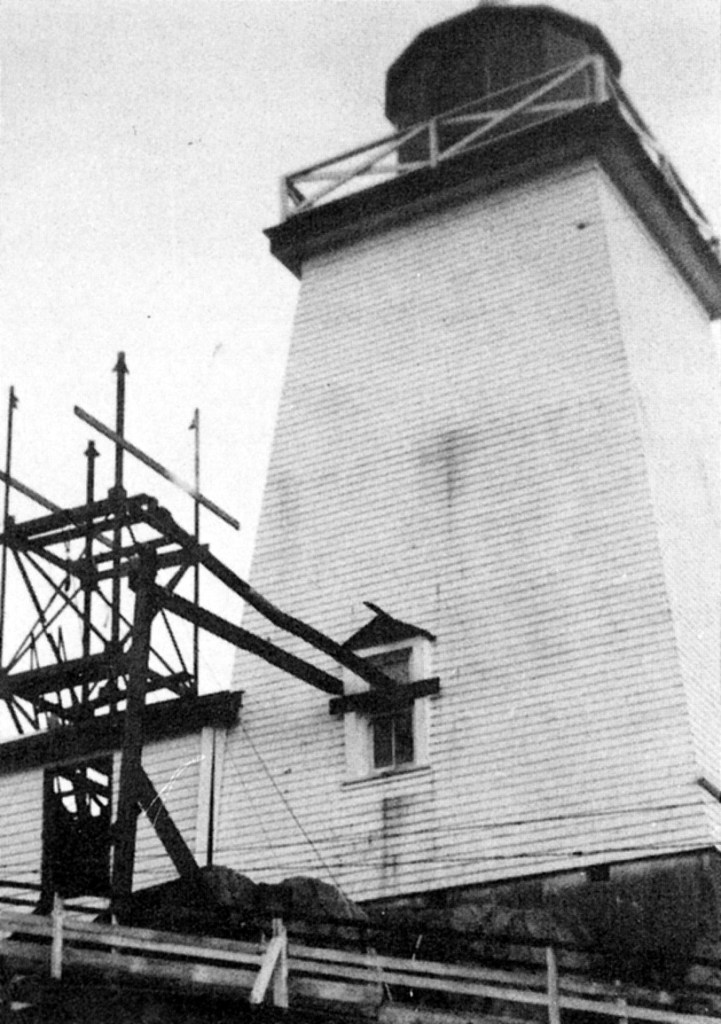
original Cape Beale Lighthouse (archive from Alberni Valley Museum photo collection)Early 20th century photo of Cape Beale lighthouse and residence buildings (archive of Alberni Valley Museum)
This is a story Dan and I were told by locals during our stay in Bamfield on our honeymoon over forty years ago. On a bright September day, we walked the trail to visit the Cape Beale lighthouse, a most challenging and beautiful part of the world. The trail was so difficult, I was sure I was not fit enough to make it to the lighthouse and back, so how Minnie managed in a December storm, much of it in the dark with only a lantern for light, is beyond imagining. Her bravery captured me and I honor her sacrifice with this rendering of her remarkable storyof personal sacrifice.
modern Cape Beale lighthouse
You are not hidden There’s never been a moment You were forgotten You are not hopeless Though you have been broken Your innocence stolen I hear you whisper underneath your breath I hear your SOS, your SOS I will send out an army To find you in the middle of darkest night It’s true I will rescue you There is no distance That cannot be covered Over and over You’re not defenseless I’ll be your shelter I’ll be your armor I hear you whisper underneath your breath I will never stop marching To reach you in the middle of the hardest fight It’s true I will rescue you I hear the whisper underneath your breath I hear you whisper you have nothing left ~Lauren Daigle
One-Time
Monthly
Yearly
Make a one-time or recurring donation to support daily Barnstorming posts
He will wipe away every tear from their eyes, and death shall be no more, neither shall there be mourning, nor crying, nor pain anymore, for the former things have passed away. And he who was seated on the throne said, “Behold, I am making all things new.” Also he said, “Write this down, for these words are trustworthy and true. Revelation 21: 4-5
“Gandalf! I thought you were dead! But then I thought I was dead! Is everything sad going to come untrue?” ~J.R.R. Tolkien as Samwise Gamgee wakes to find his friends all around him in The Lord of the Rings
“The answer is yes. And the answer of the Bible is yes. If the resurrection is true, then the answer is yes. Everything sad is going to come untrue.” ~Pastor Tim Keller’s response in a sermon given in an ecumenical prayer service memorial in Lower Manhattan on the fifth anniversary of Sept. 11.
photo by Joel De Waard
In our minds, we want to rewind and replay the sad events of this week in a way that would prevent them from happening in the first place.
We want those in a broken relationship to come back together, hug and forgive. The devastating diagnosis would be proven an error and, in reality, only a transient illness. When a terrible tragedy happens, we want the dead and injured to rise up again. The destructive earthquake becomes a mere tremor, the flooding tsunami is only one foot, not over thirty feet tall, the hijackers are prevented from ever boarding a plane, the shooter changes her mind at the last minute and lays down her arms, the terrorist disables his suicide bombs and walks away from his training and misguided mission.
We want so badly for it all to be untrue. The bitter reality of horrendous suffering and sadness daily all over the earth is too much for us to absorb. We plead for relief and beg for a better day.
Our minds may play mental tricks like this, but God does not play tricks. He knows and feels what we do. He too wants to see it rewound and replayed differently. He has known grief and sadness, He has wept, He has suffered, He too has died in terrible humiliating and painful circumstances.
And because of this, because of a God who came to dwell with us, was broken, died and then rose again whole and holy, we are assured, in His time, everything sad is going to come untrue.
Our tears will be dried, our grief turned to joy, our pain nonexistent, not even a memory. It will be a new day, a better day–as it is written, trustworthy and true.
May it come.
Quickly.
photo by Nate Gibson
This year’s Lenten theme: So we fix our eyes not on what is seen, but on what is unseen, since what is seen is temporary, but what is unseen is eternal. 2 Corinthians 4: 18
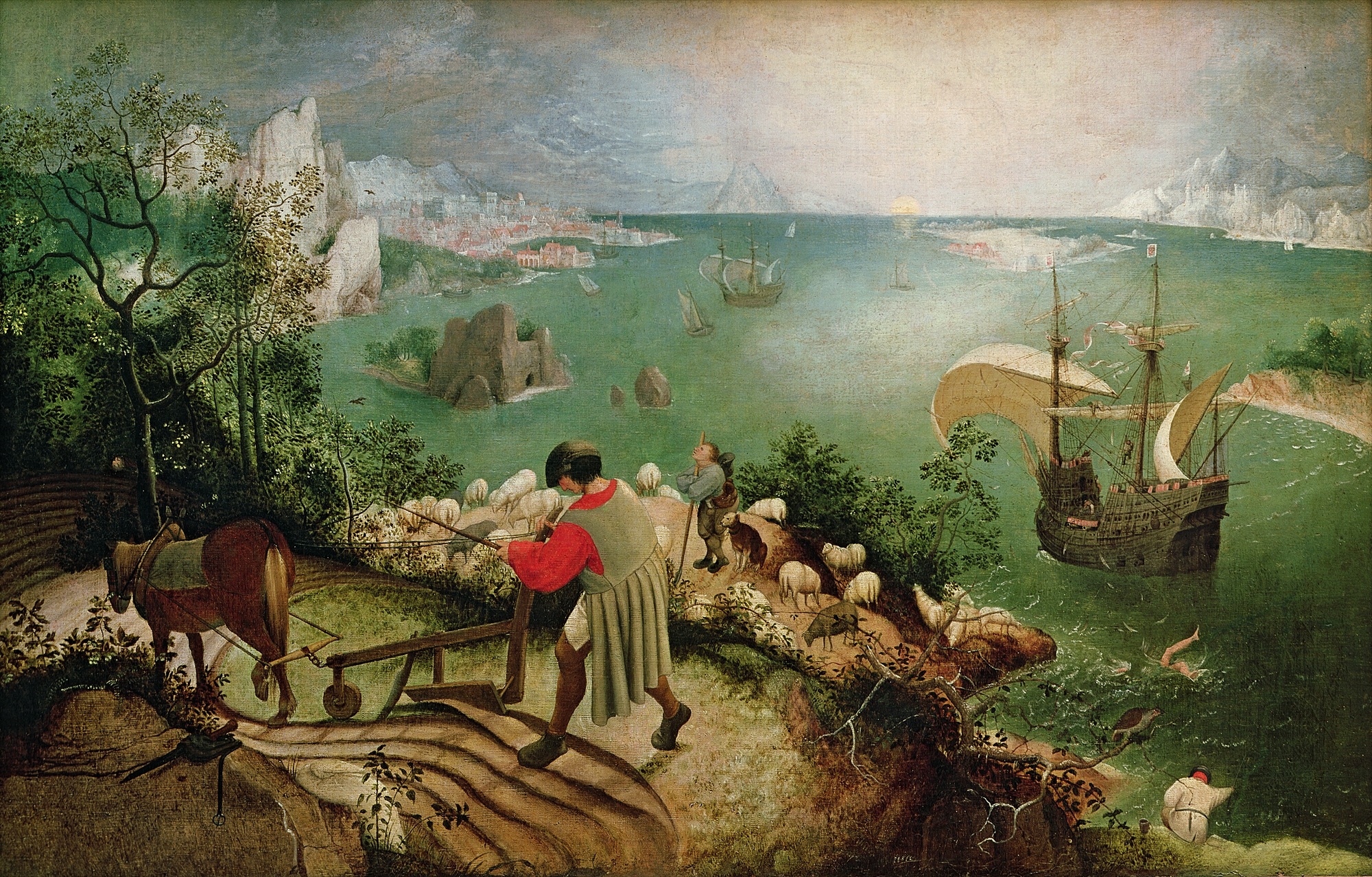
About suffering they were never wrong, The old Masters: how well they understood Its human position: how it takes place While someone else is eating or opening a window or just walking dully along; How, when the aged are reverently, passionately waiting For the miraculous birth, there always must be Children who did not specially want it to happen, skating On a pond at the edge of the wood: They never forgot That even the dreadful martyrdom must run its course Anyhow in a corner, some untidy spot Where the dogs go on with their doggy life and the torturer’s horse Scratches its innocent behind on a tree.
In Breughel’s Icarus, for instance: how everything turns away Quite leisurely from the disaster; the ploughman may Have heard the splash, the forsaken cry, But for him it was not an important failure; the sun shone As it had to on the white legs disappearing into the green Water, and the expensive delicate ship that must have seen Something amazing, a boy falling out of the sky, Had somewhere to get to and sailed calmly on. ~W.H. Auden “Musée des Beaux Arts”
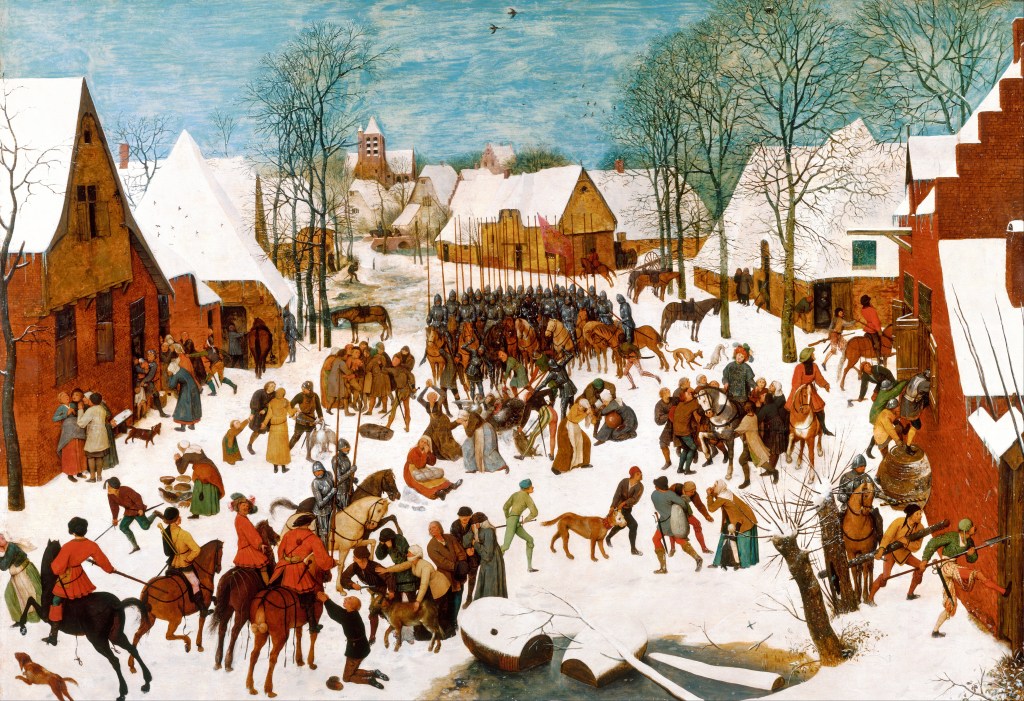
Landscape with the Fall of Icarus, c.1555 (oil on canvas) by Bruegel, Pieter the Elder (c.1525-69); Musees Royaux des Beaux-Arts de Belgique, Brussels, Belgium; “Census in Bethlehem” by Pieter Bruegel -Musees Royaux des Beaux-Arts de Belgique, Brussels, Belgium; “Massacre of the Innocents” by Pieter Bruegel
…as you sit beneath your beautifully decorated tree, eat the rich food of celebration, and laugh with your loved ones, you must not let yourself forget the horror and violence at the beginning and end of the Christmas story. The story begins with the horrible slaughter of children and ends with the violent murder of the Son of God. The slaughter depicts how much the earth needs grace. The murder is the moment when that grace is given.
Look into that manger representing a new life and see the One who came to die. Hear the angels’ celebratory song and remember that sad death would be the only way that peace would be given. Look at your tree and remember another tree – one not decorated with shining ornaments, but stained with the blood of God.
As you celebrate, remember that the pathway to your celebration was the death of the One you celebrate, and be thankful. ~Paul Tripp
God weeps when tragedy and suffering happens.
Such evil comes not from God yet humankind expects it, walking dully past, barely noticing. It is simply part of existence – easier to not stop and feel the pain or get involved.
But God does not walk past our hurt and trouble, does not ignore, nor pretend to not see or hear our cries.
Only God glues together what evil has shattered. Only God could become the Man who loves us enough to take our suffering upon His own shoulders — becoming forsaken so that we are not.
One-Time
Monthly
Yearly
Make a one-time or recurring donation to support daily Barnstorming posts
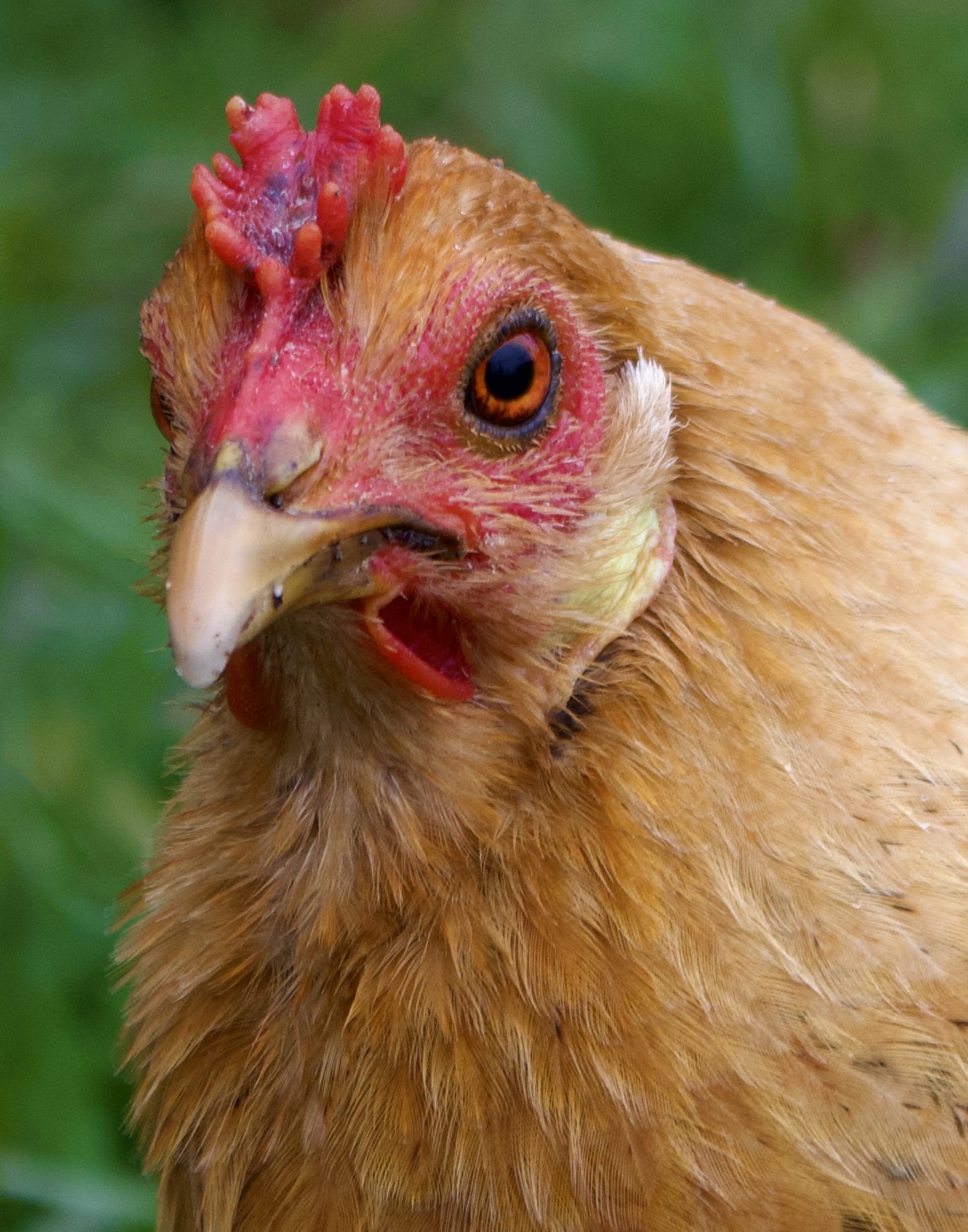
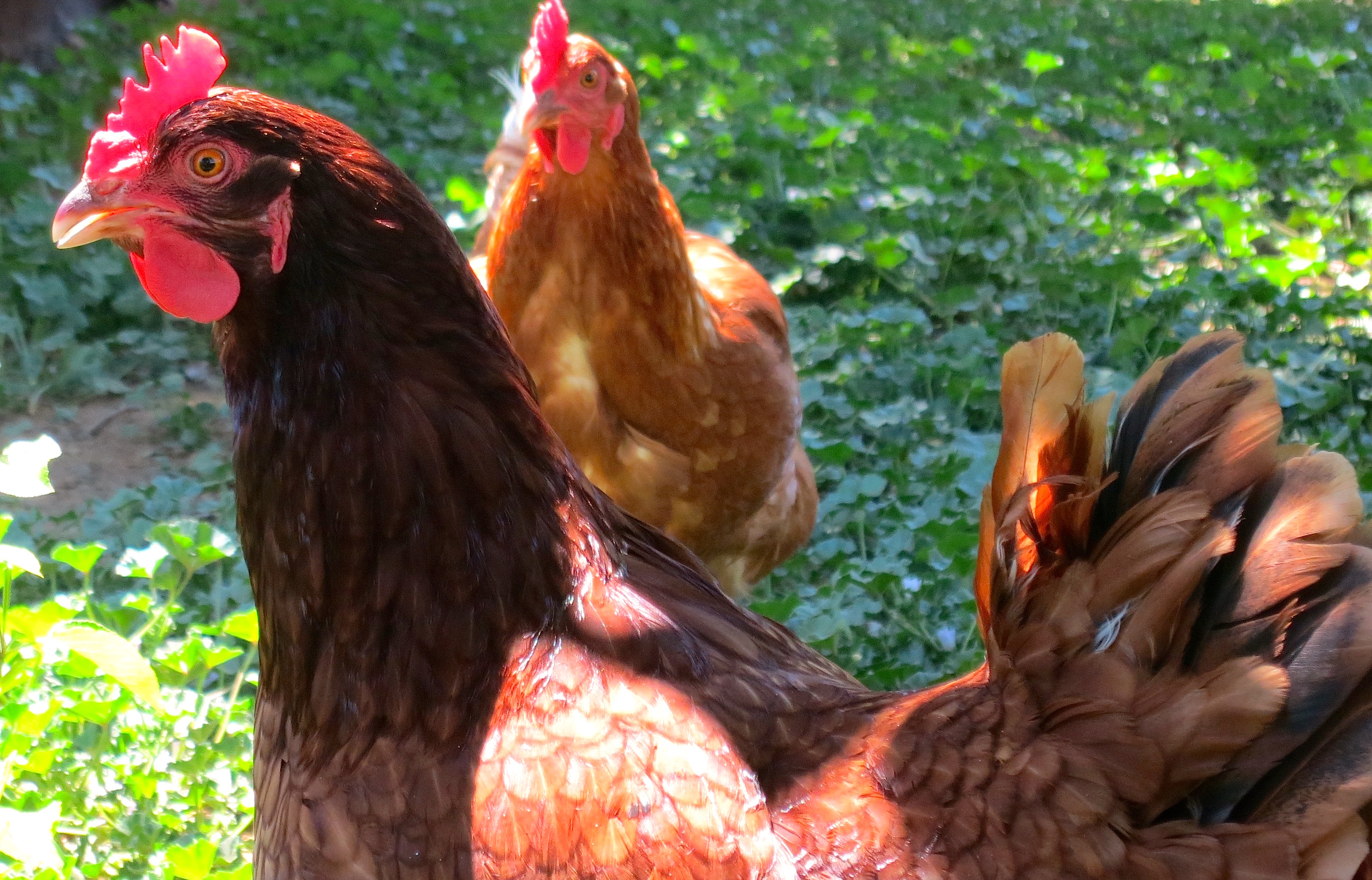
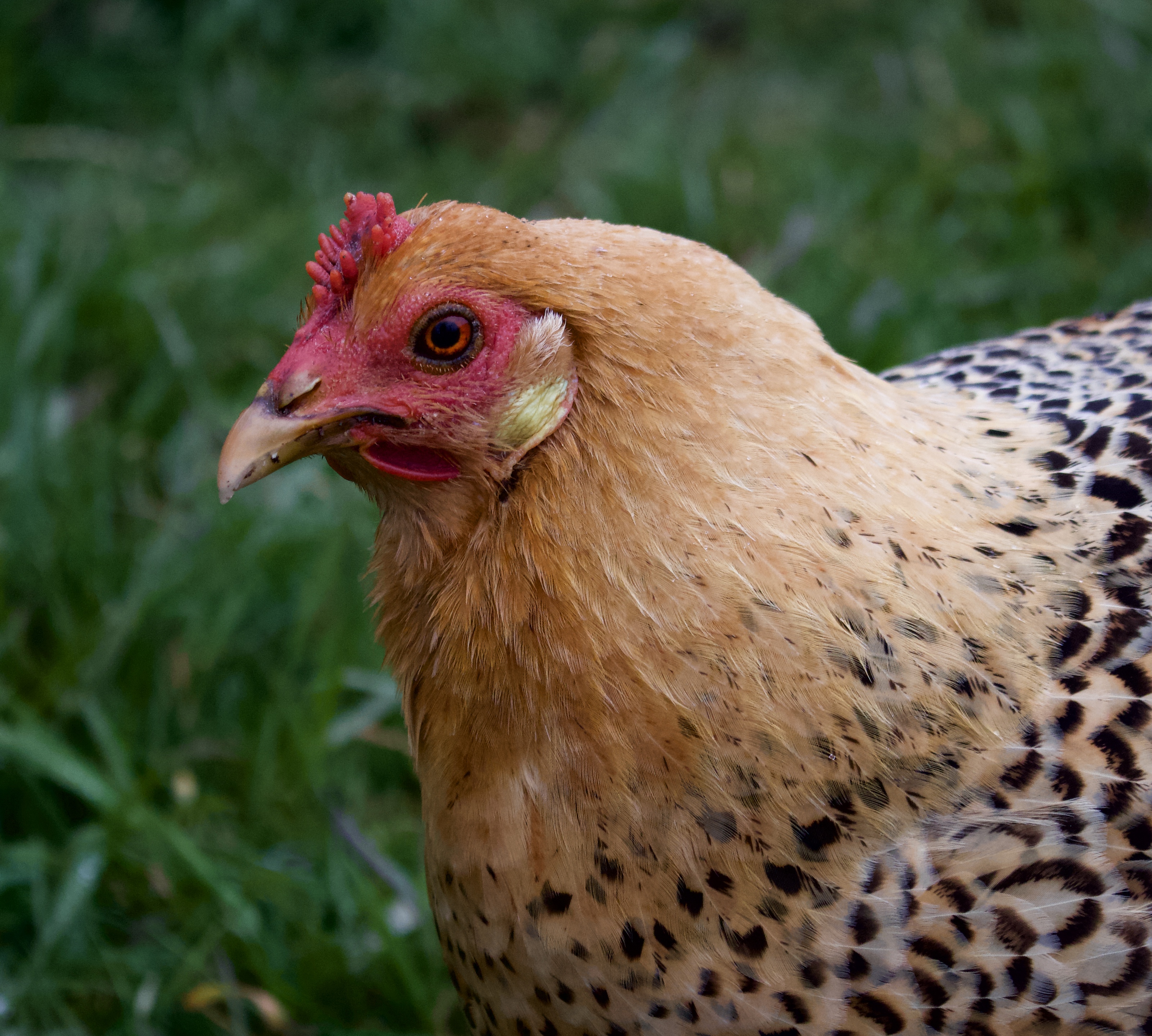
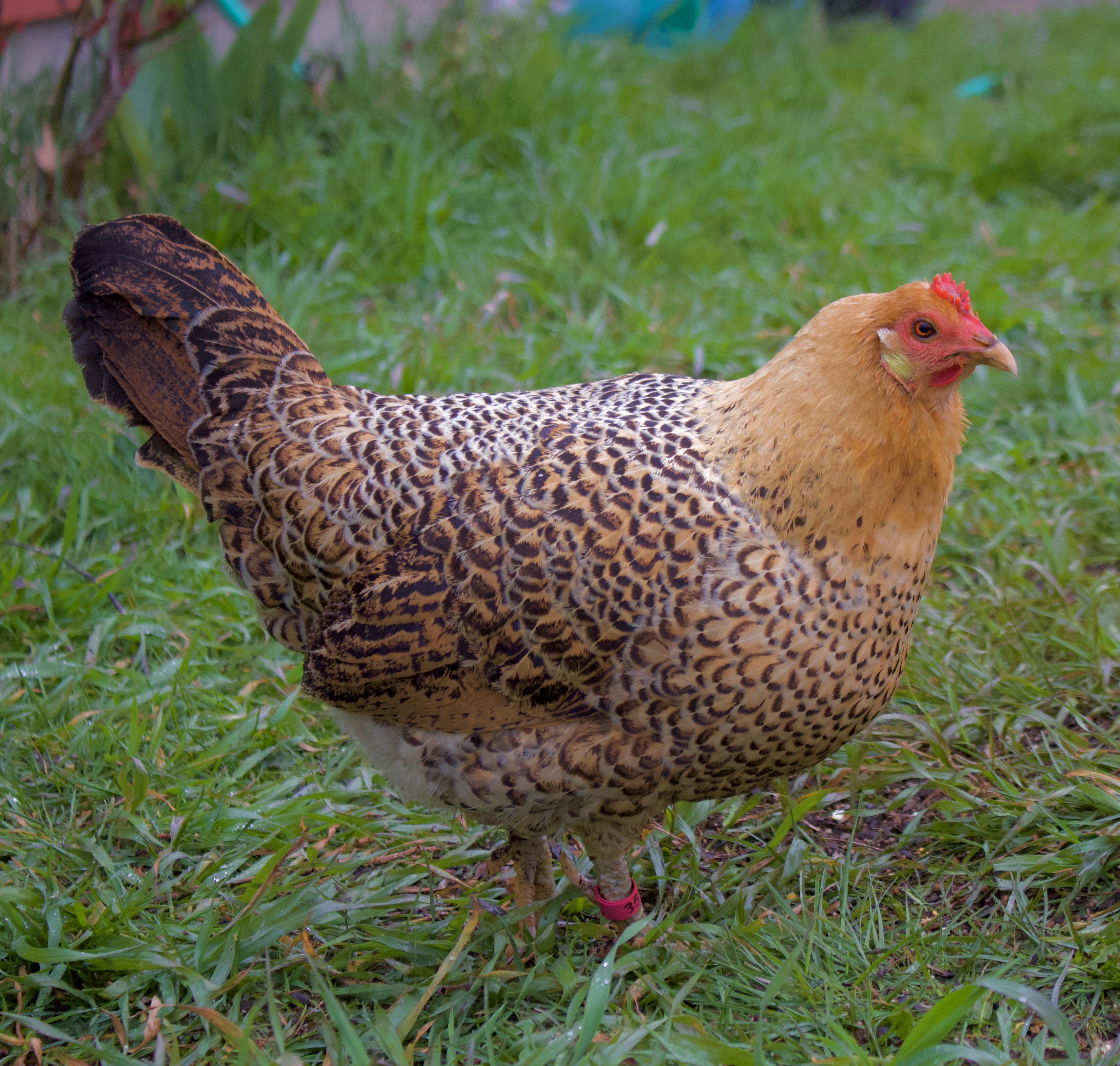
It’s good for the ego, when I call and they come running, squawking and clucking, because it’s feedtime, and once again I can’t resist picking up little Lazarus, an orange-and-white pullet I adore. “Yes, yes, everything will be okay,” I say to her glaring mongrel face. Come September, she’ll begin to lay the blue-green eggs I love poached. God dooms the snake to taste nothing but the dust and the hen to 4,000 or so ovulations. Poor Lazarus— last spring an intruder murdered her sisters and left her garroted in the coop. There’s a way the wounded light up a dark rectangular space. Suffering becomes the universal theme. Too soft, and you’ll be squeezed; too hard, and you’ll be broken. Even a hen knows this, posing on a manure pile, her body a stab of gold. ~Henri Cole “Hens”
Every few minutes, he wants to march the trail of flattened rye grass back to the house of muttering hens. He too could make a bed in hay. Yesterday the egg so fresh it felt hot in his hand and he pressed it to his ear while the other children laughed and ran with a ball, leaving him, so little yet, too forgetful in games, ready to cry if the ball brushed him, riveted to the secret of birds caught up inside his fist, not ready to give it over to the refrigerator or the rest of the day. ~Naomi Shihab Nye “Boy and Egg”
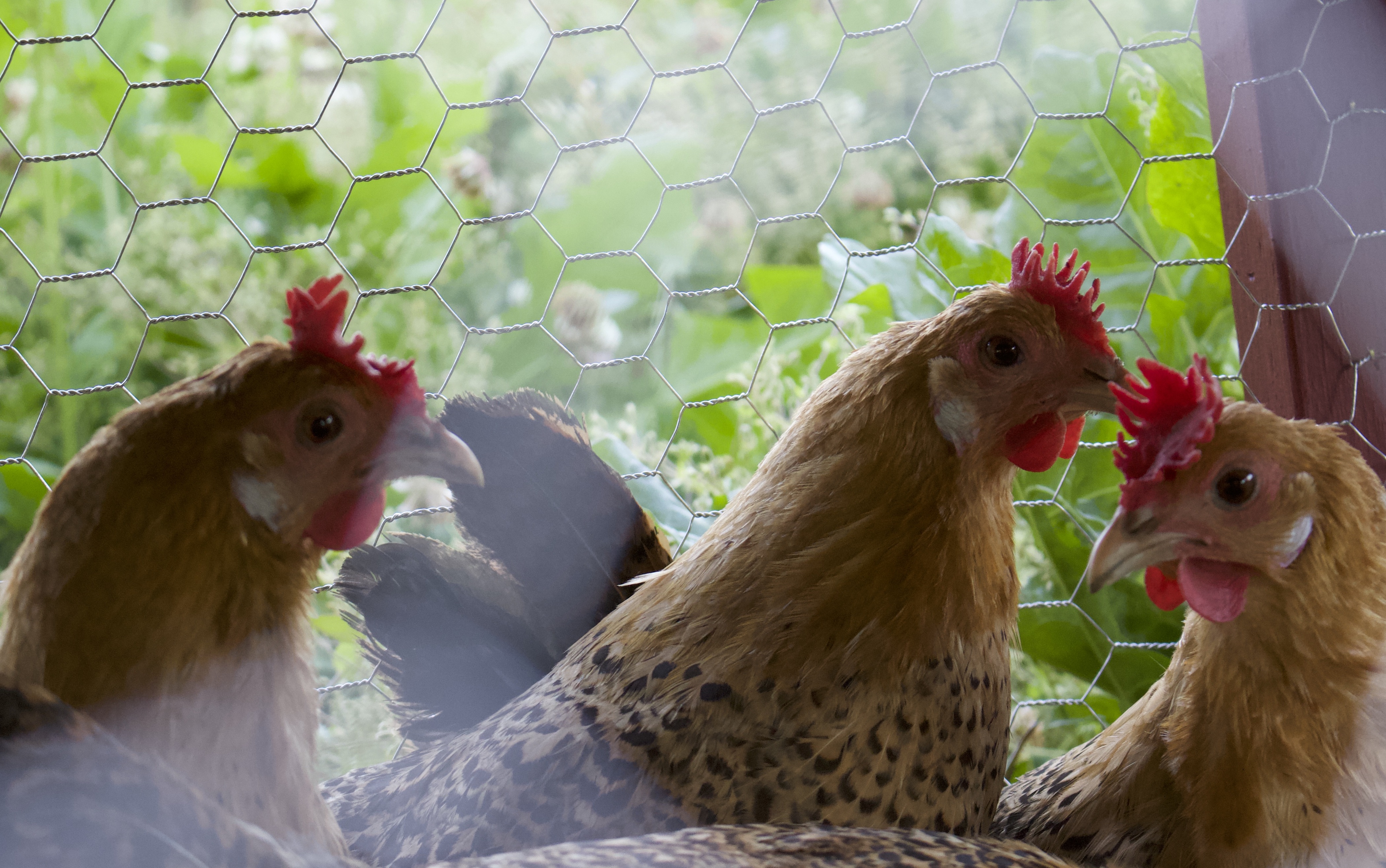
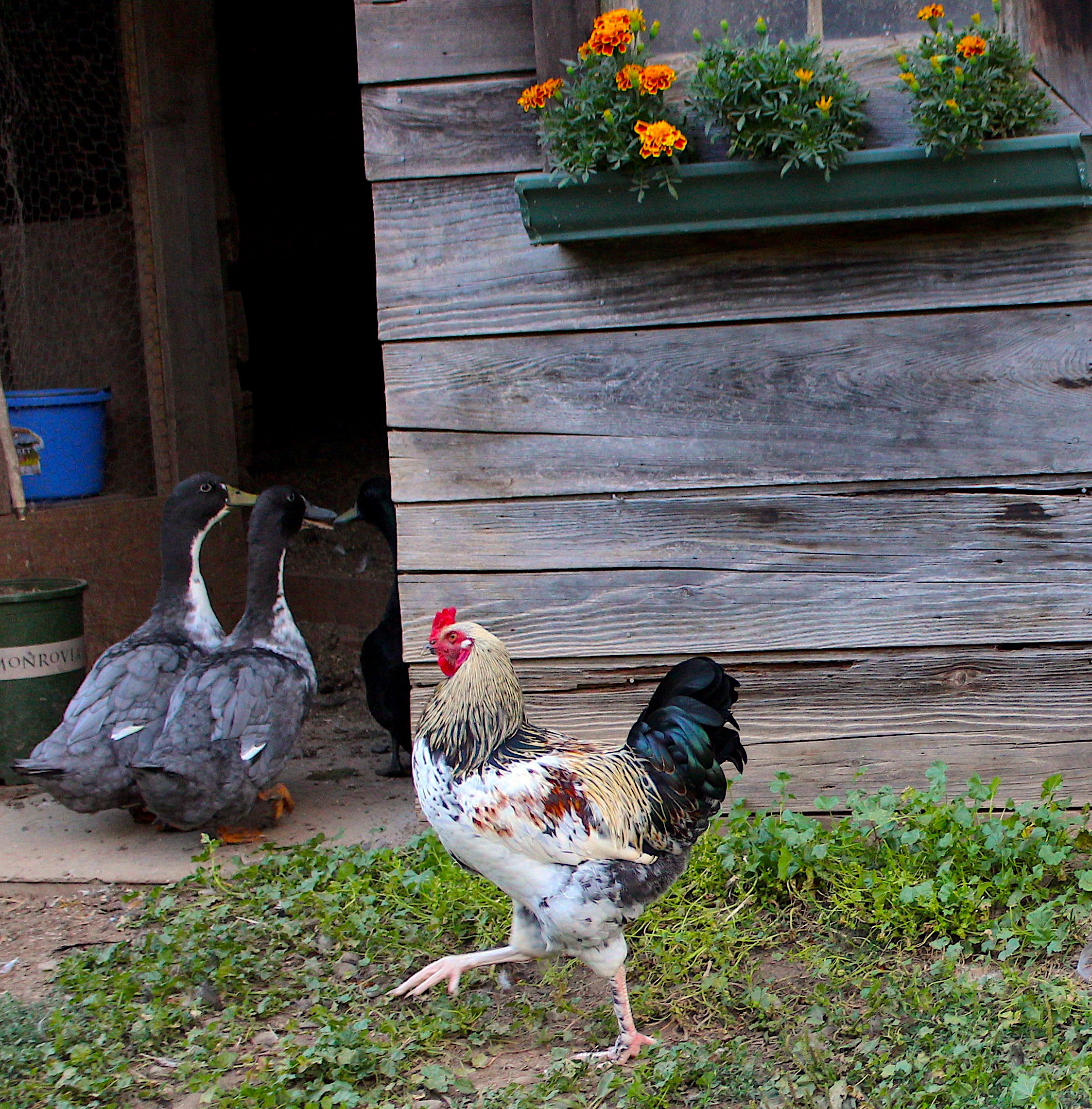
I’ve bonded with chickens since my birth, living in a farm house adjacent to a large chicken coop. I was taught to gather eggs at a very young age, learning to approach the hens respectfully and steathily, ignoring their scolding clucks as I reached under their feathered bellies to find a smooth warm treasure. Carrying eggs to the house was a great privilege, knowing what a delicious meal they would become. I became a grateful friend to those hens.
I also learned that chickens were tragic figures, either sacrificed young as meat birds so large they could barely walk or after a few decent years of declining egg production for the hens. Participating in their butchering made me respect them even more for their unwitting willingness to suffer the indignity of the process to give their all for the survival of our family.
They are an ideal farm animal; the coyotes, weasels and raccoons think so too, digging into the chicken yard at night to steal unsuspecting hens from their nighttime roosts. Our compost pile has absorbed too many chickens murdered by varmints and left partially eaten in a pile of feathers.
Suffering is universal in this sad weary world. Somehow it is offset by an amazing ability to produce a perfect egg day after day after day.
Thank God for the muttering hens.
Original Barnstorming artwork note cards available as a gift to you with a $50 donation to support Barnstorming – information here
One-Time
Monthly
Yearly
Make a one-time or recurring donation to support daily Barnstorming posts
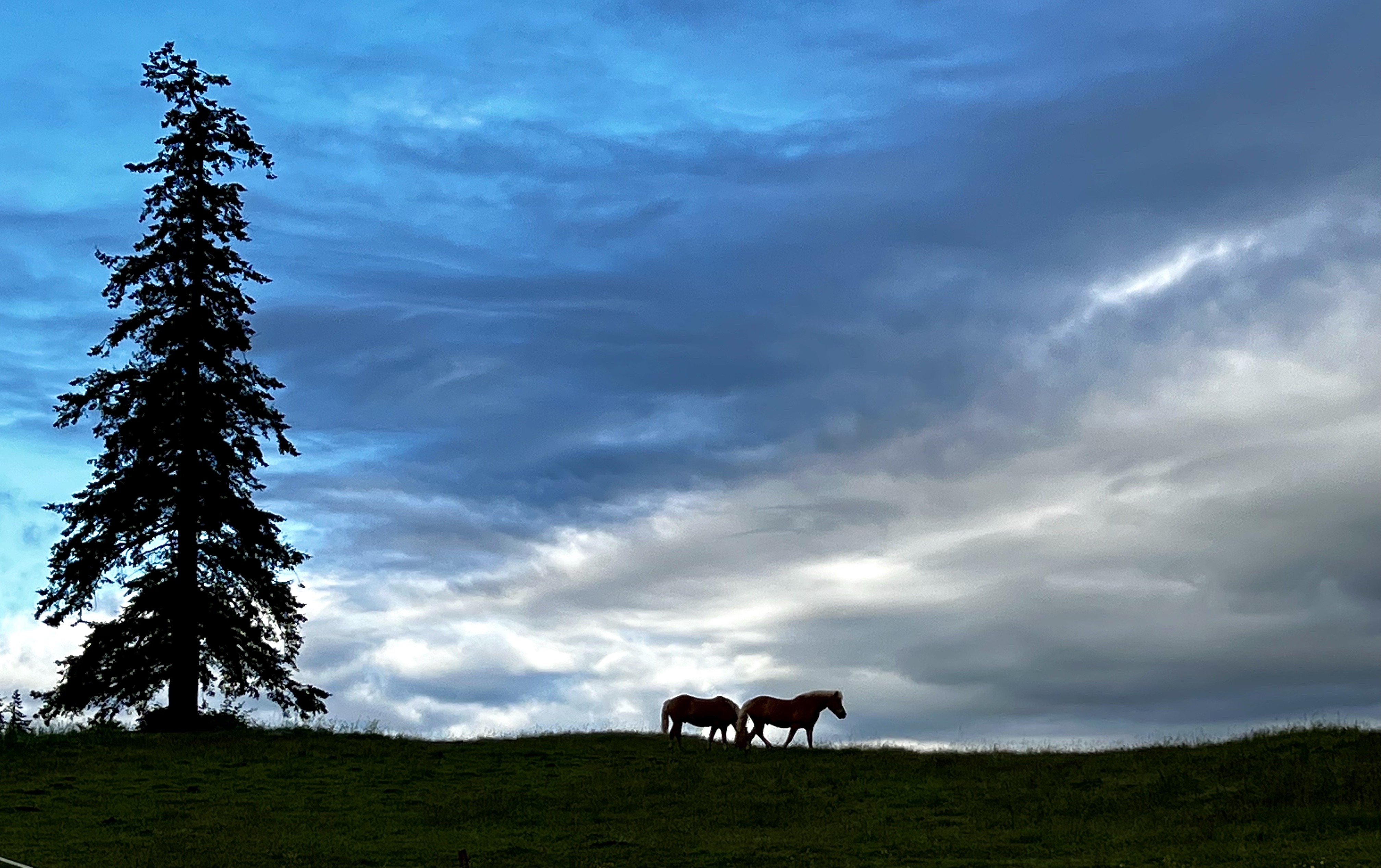
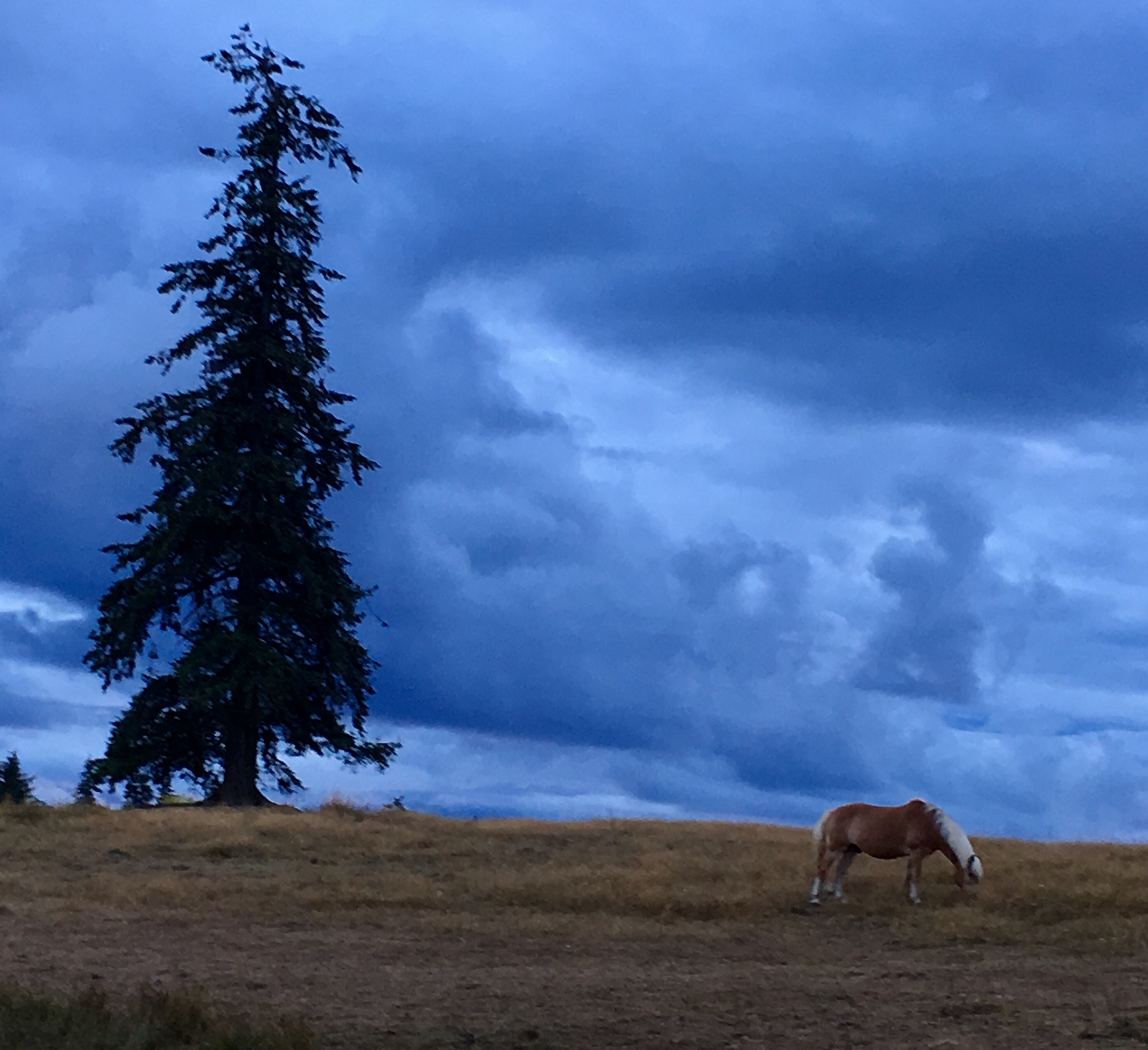
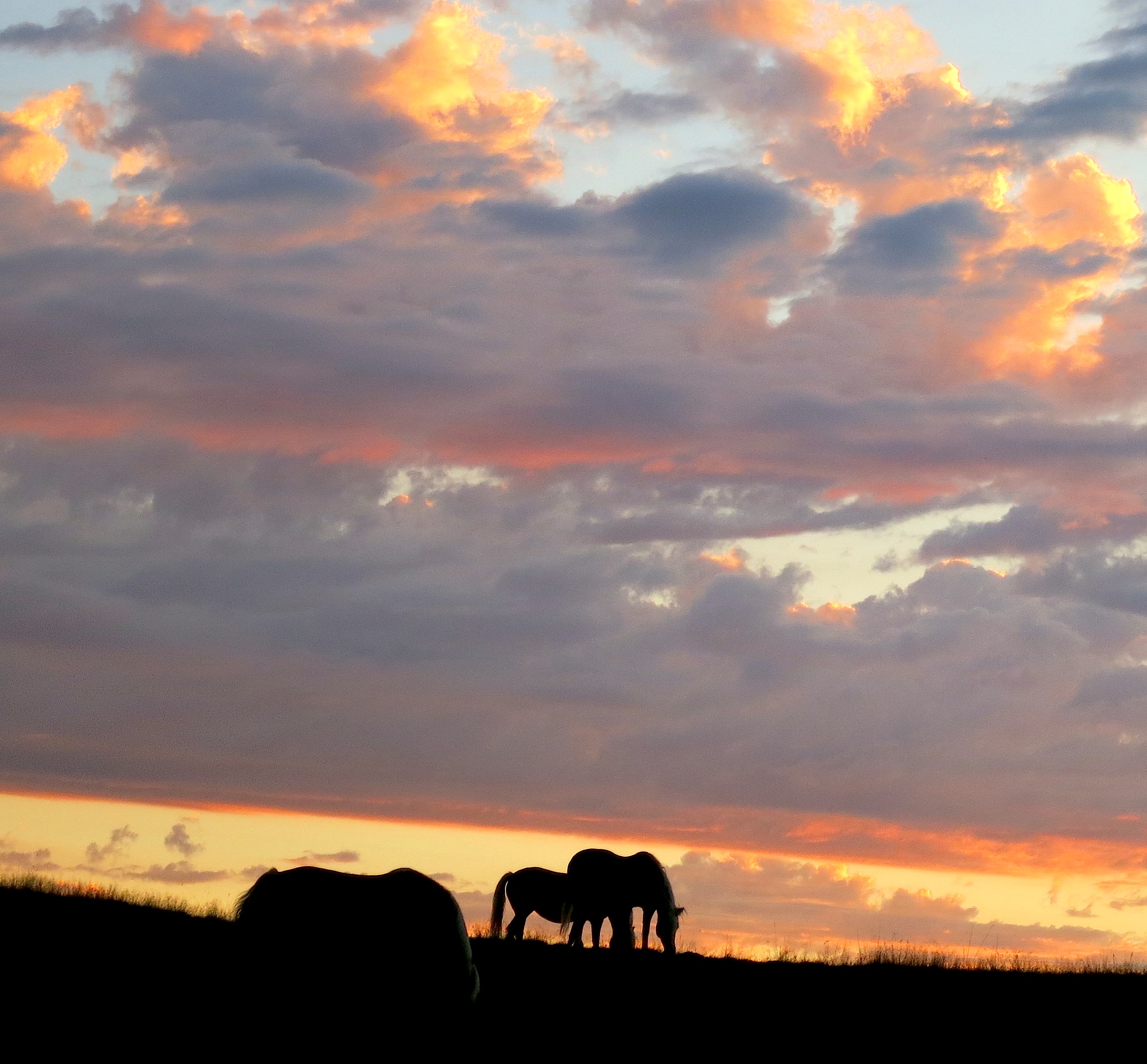
A blue horse turns into a streak of lightning, then the sun — relating the difference between sadness and the need to praise that which makes us joyful, I can’t calculate how the earth tips hungrily toward the sun – then soaks up rain — or the density of this unbearable need to be next to you. It’s a palpable thing — this earth philosophy and familiar in the dark like your skin under my hand. We are a small earth. It’s no simple thing. Eventually we will be dust together; can be used to make a house, to stop a flood or grow food for those who will never remember who we were, or know that we loved fiercely. Laughter and sadness eventually become the same song turning us toward the nearest star — a star constructed of eternity and elements of dust barely visible in the twilight as you travel east. I run with the blue horses of electricity who surround the heart and imagine a promise made when no promise was possible. ~Joy Harjo “Promise of Blue Horses” from How We Became Human
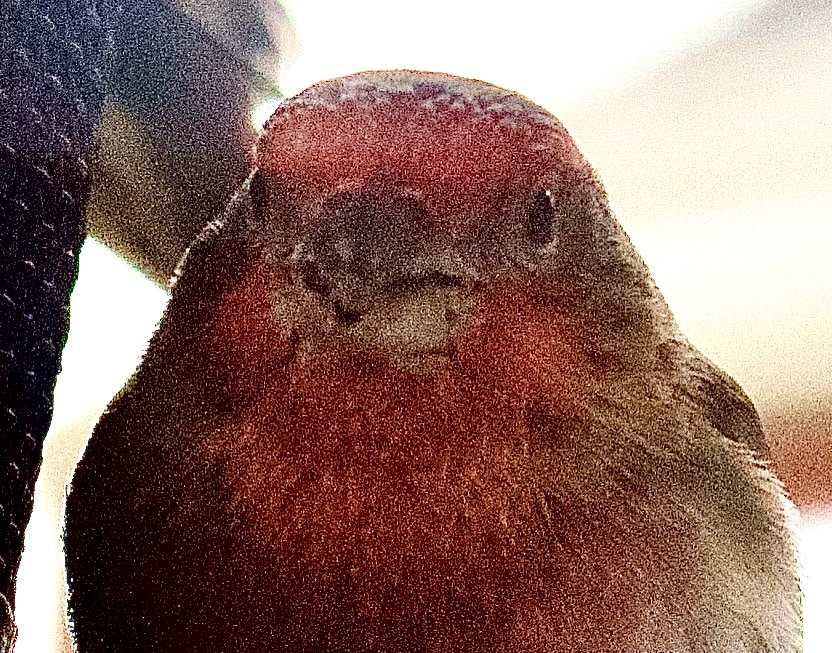
Birds embody the shapes of my heart these days
holding the warmth of a hug in their feathers
the gleam of a kiss in their eyes
building a home for my love in their beaks
and spreading, with their song, the promise of blue horses.
“A blue horse turns into a streak of lightning, then the sun— relating the difference between sadness and the need to praise that which makes us joyful.” ~Marjorie Moorhead, “That Which Makes Us Joyful” from Literary North
Even when my heart isn’t feeling it, especially when I’m blue (along with much of the rest of the world on this September 11 anniversary), I need to remember to whisper hymns of praise to the Creator of all that is blue as well as every other color.
I’m reminded of the goodness of a God who provides me with the words to sing and a voice to sing them out loud.
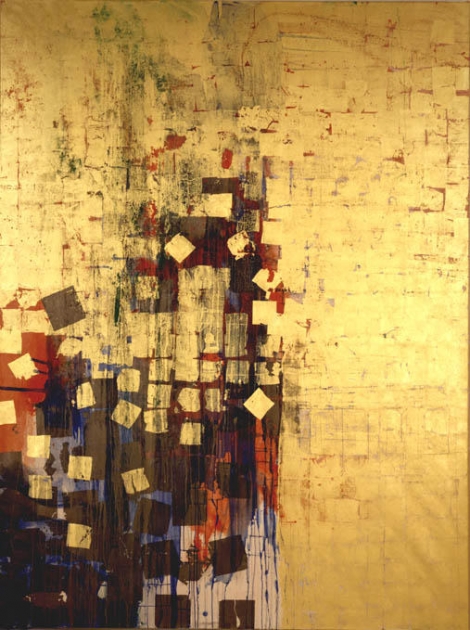
That reality alone makes me joyful. That alone is reason to worship Him. That alone is enough to turn blue days, blue horses and blue hearts gold again.
One-Time
Monthly
Yearly
Make a one-time or recurring donation to support daily Barnstorming posts


































 Barnstorming