Gathered Here Together

Dearly.
How was it used?
Dearly beloved.
Dearly beloved, we are gathered.
Dearly beloved, we are gathered here
in this forgotten photo album
I came upon recently.

Dearly beloved, gathered here together
in this closed drawer,
fading now, I miss you.
I miss the missing, those who left earlier.
I miss even those who are still here.
I miss you all dearly.
Dearly do I sorrow for you.


Sorrow: that’s another word
you don’t hear much anymore.
I sorrow dearly.
~Margaret Atwood from “Dearly”

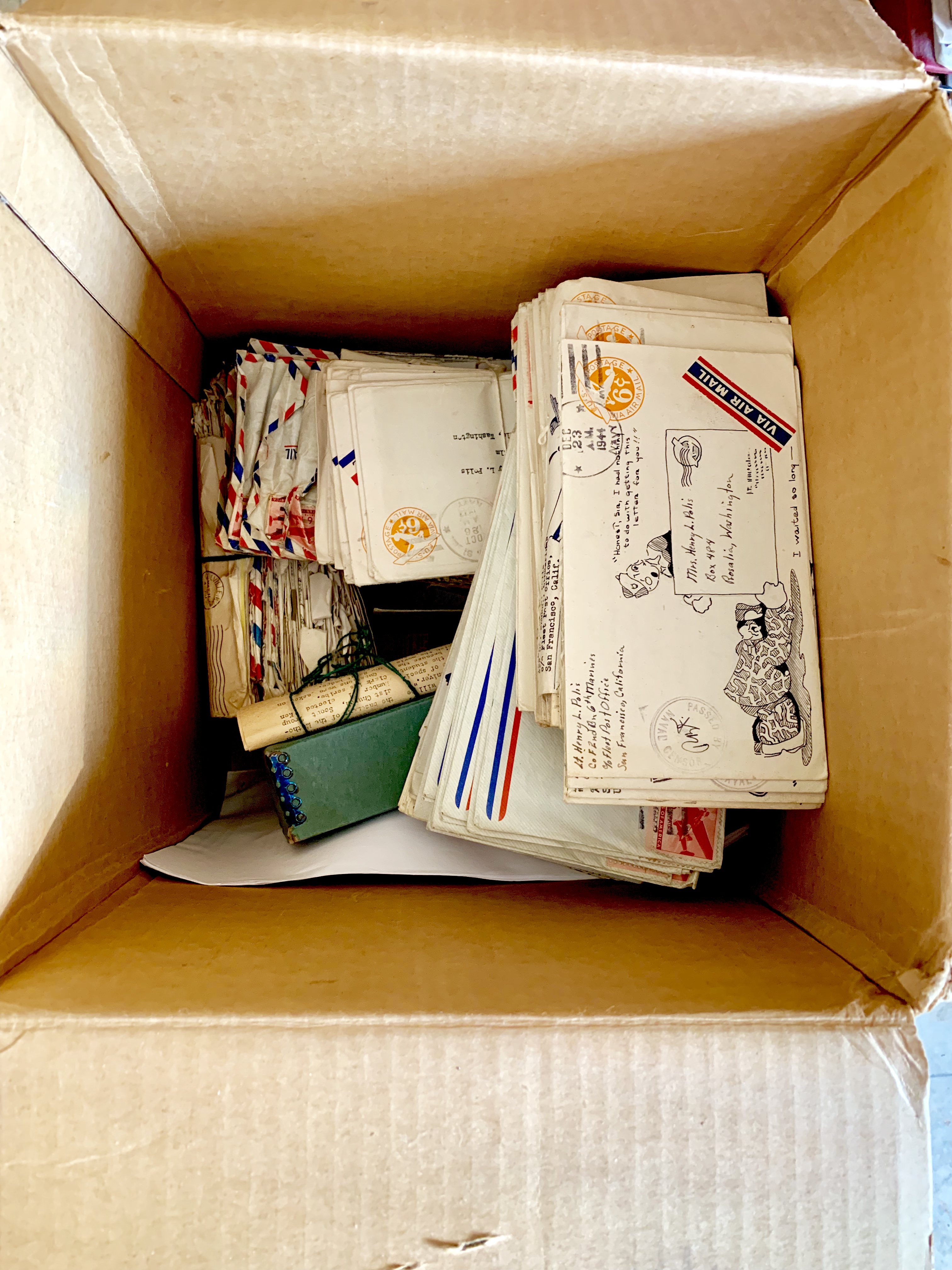
All day we packed boxes.
We read birth and death certificates.
The yellowed telegrams that announced
our births, the cards of congratulations
and condolences, the deeds and debts,
love letters, valentines with a heart
ripped out, the obituaries.
We opened the divorce decree,
a terrible document of division and subtraction.
We leafed through scrapbooks:
corsages, matchbooks, programs to the ballet,
racetrack, theater—joy and frivolity
parceled in one volume—
painstakingly arranged, preserved
and pasted with crusted glue.
We sat in the room in which the beloved
had departed. We remembered her yellow hair
and her mind free of paradox.
We sat together side by side
on the empty floor and did not speak.
There were no words
between us other than the essence
of the words from the correspondences,
our inheritance—plain speak,
bereft of poetry.
~Jill Bialosky “The Guardians” from The Players.

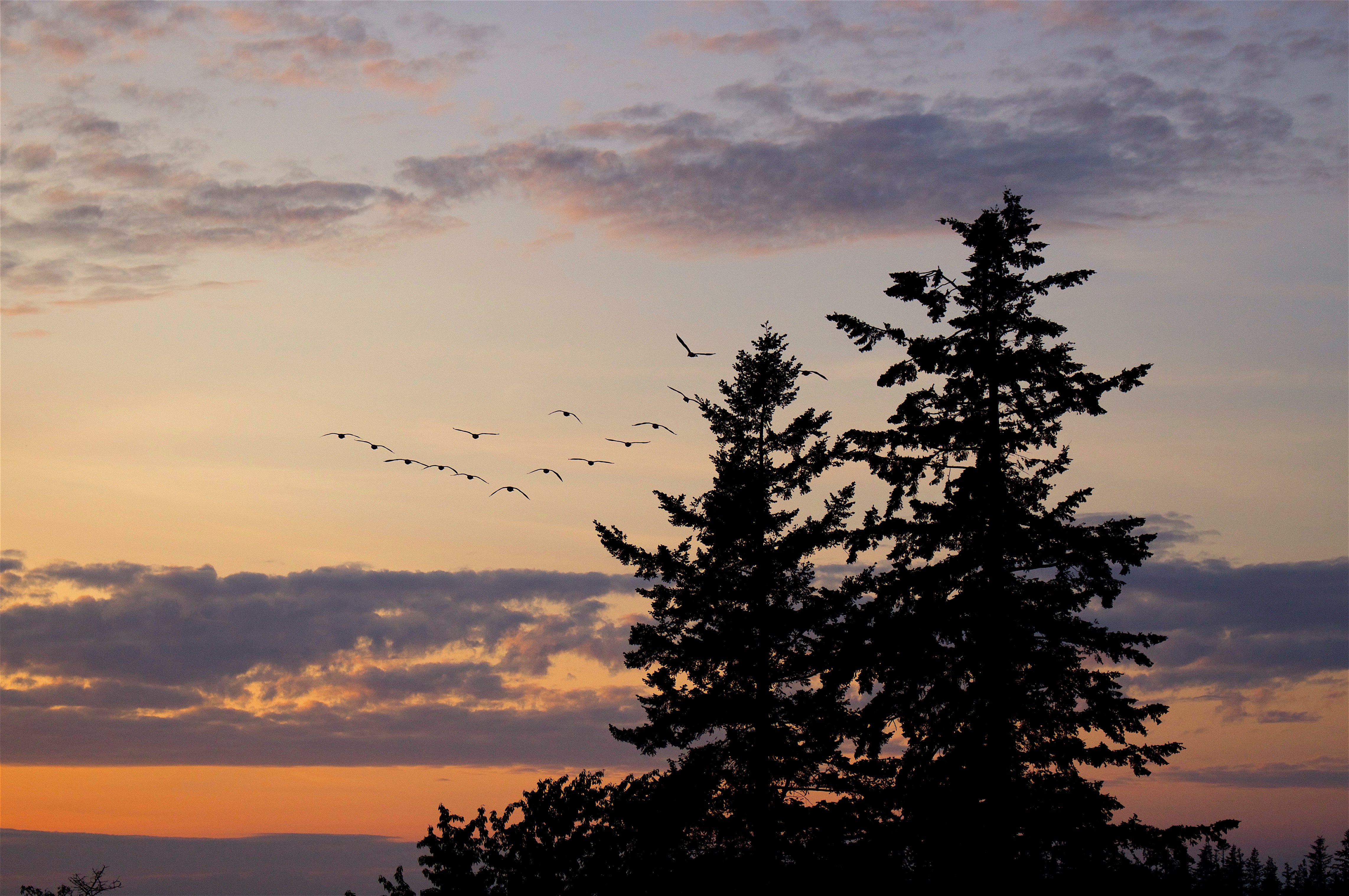
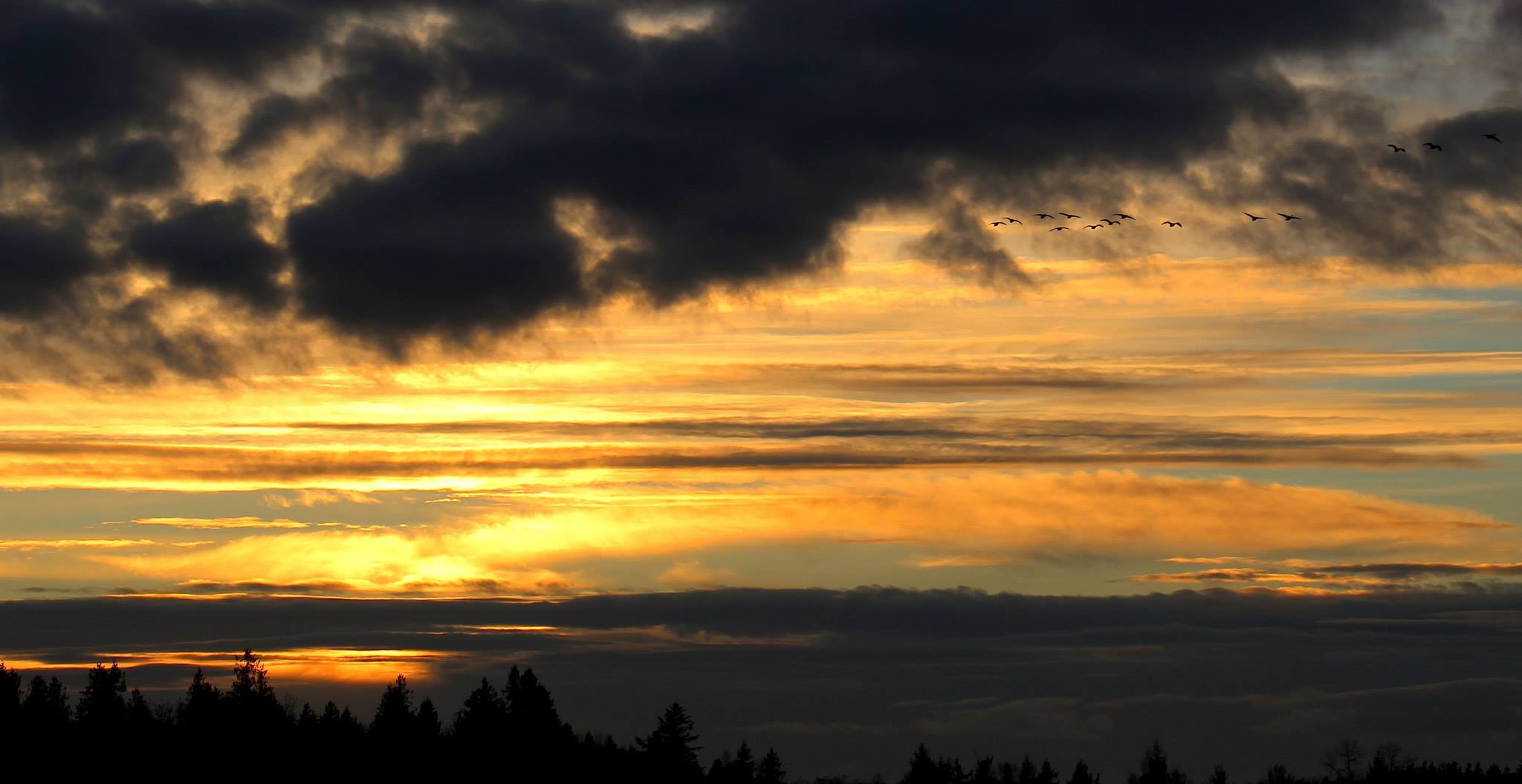
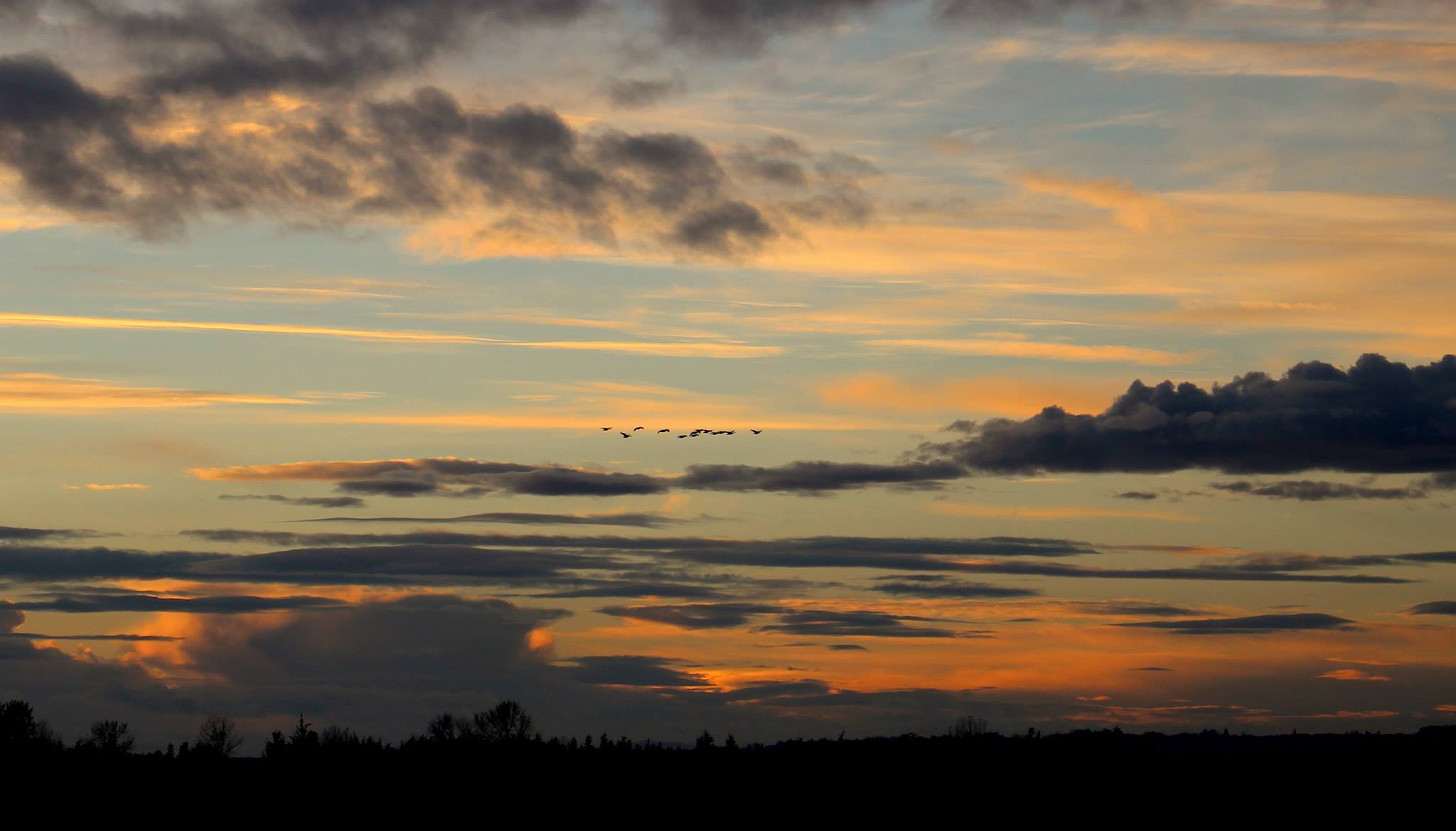
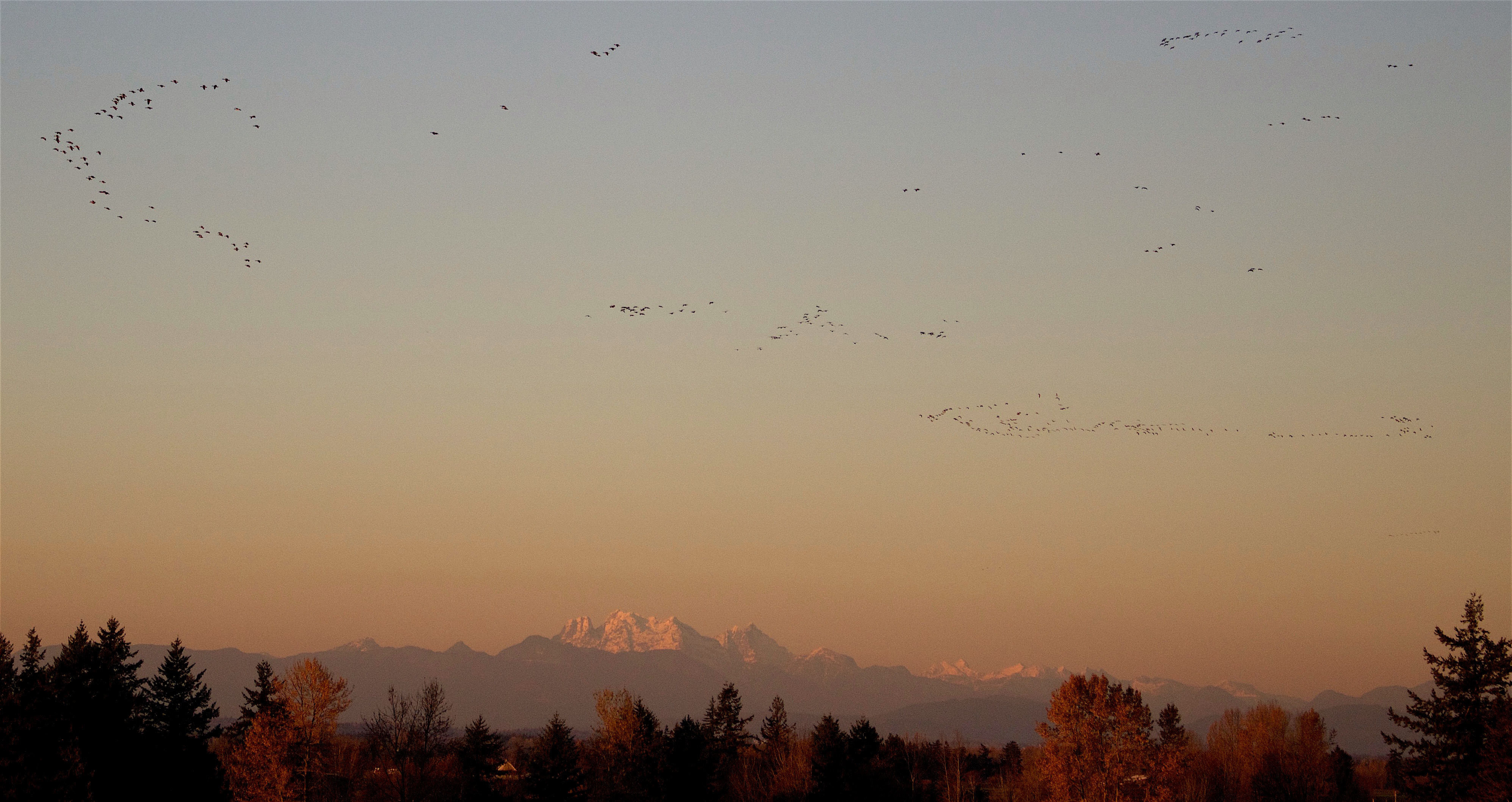
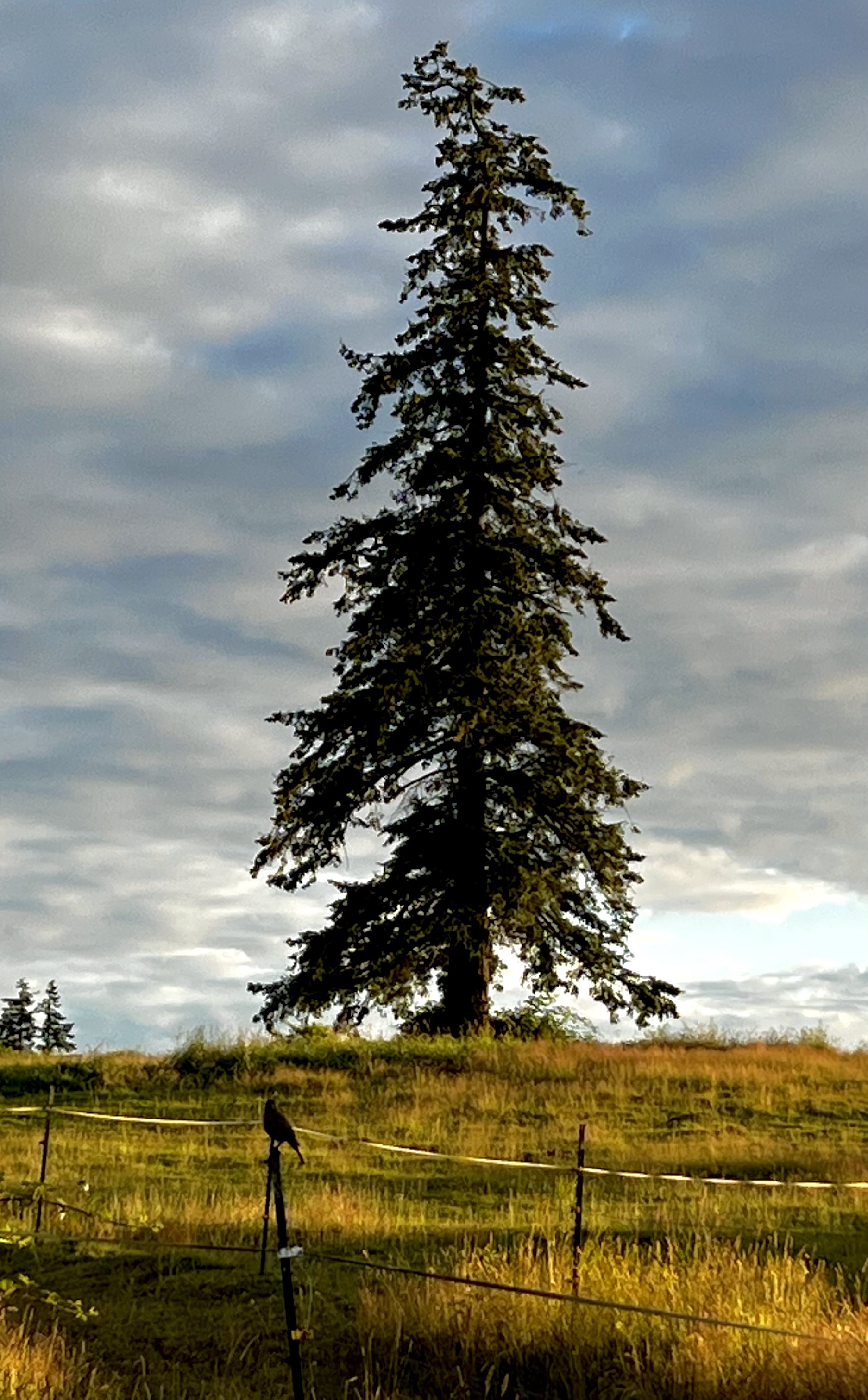
This time of year, huge flocks of migrating birds pass noisily overhead, striving together in their united effort to reach home. I envy their shared instinct to gather together with purpose.

Human families can be far more scattered and far less harmonious, yet still plenty noisy.

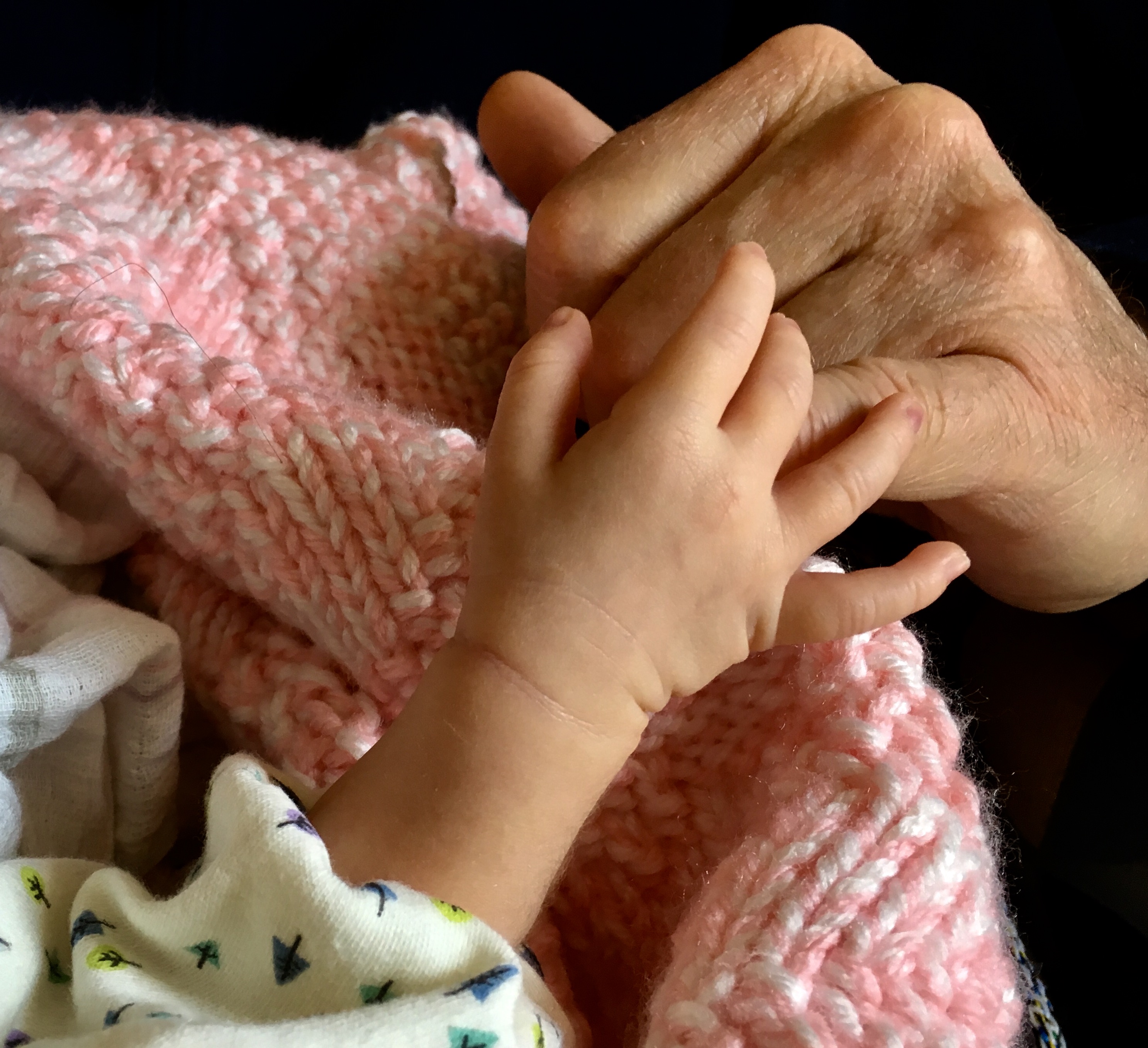
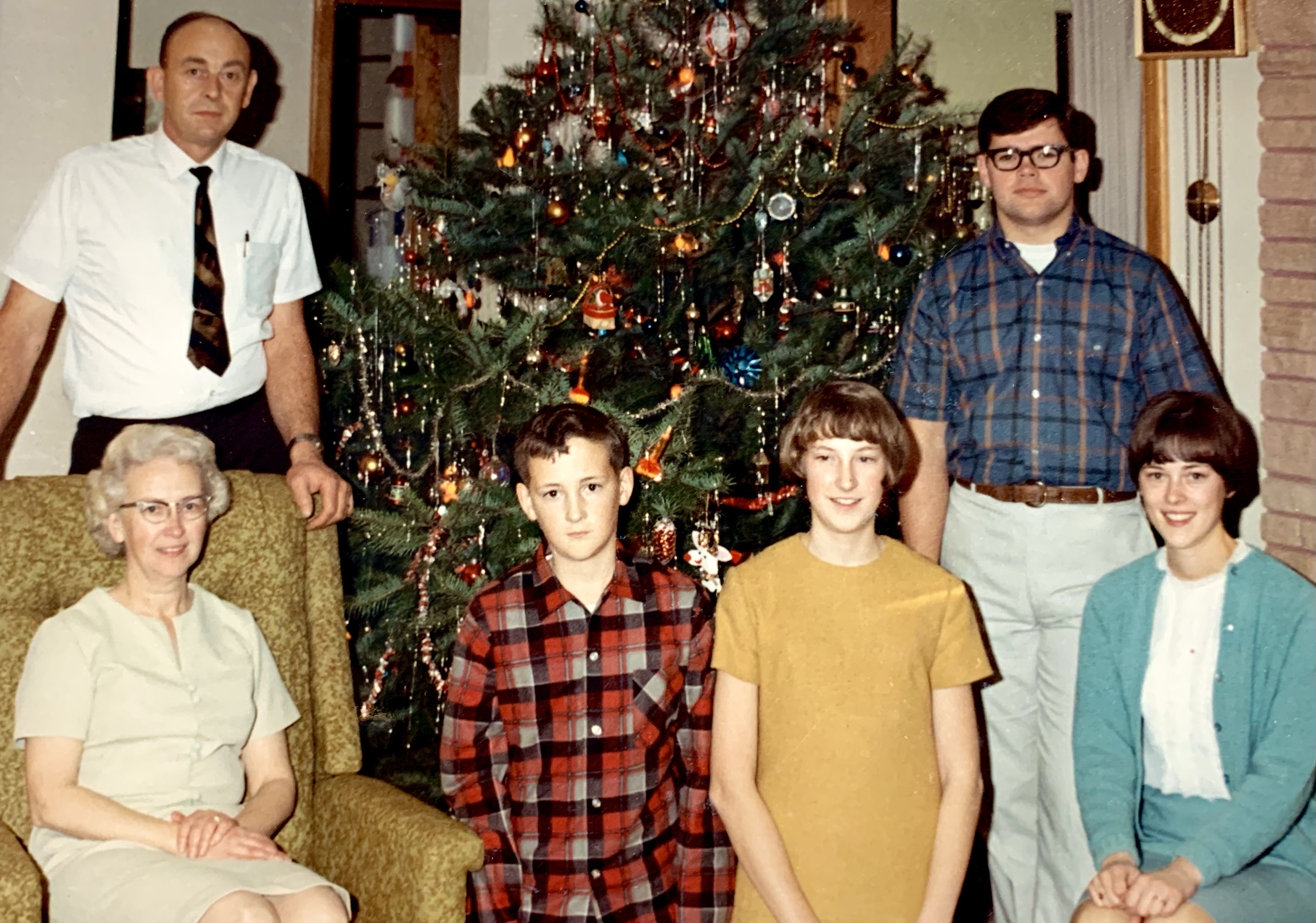
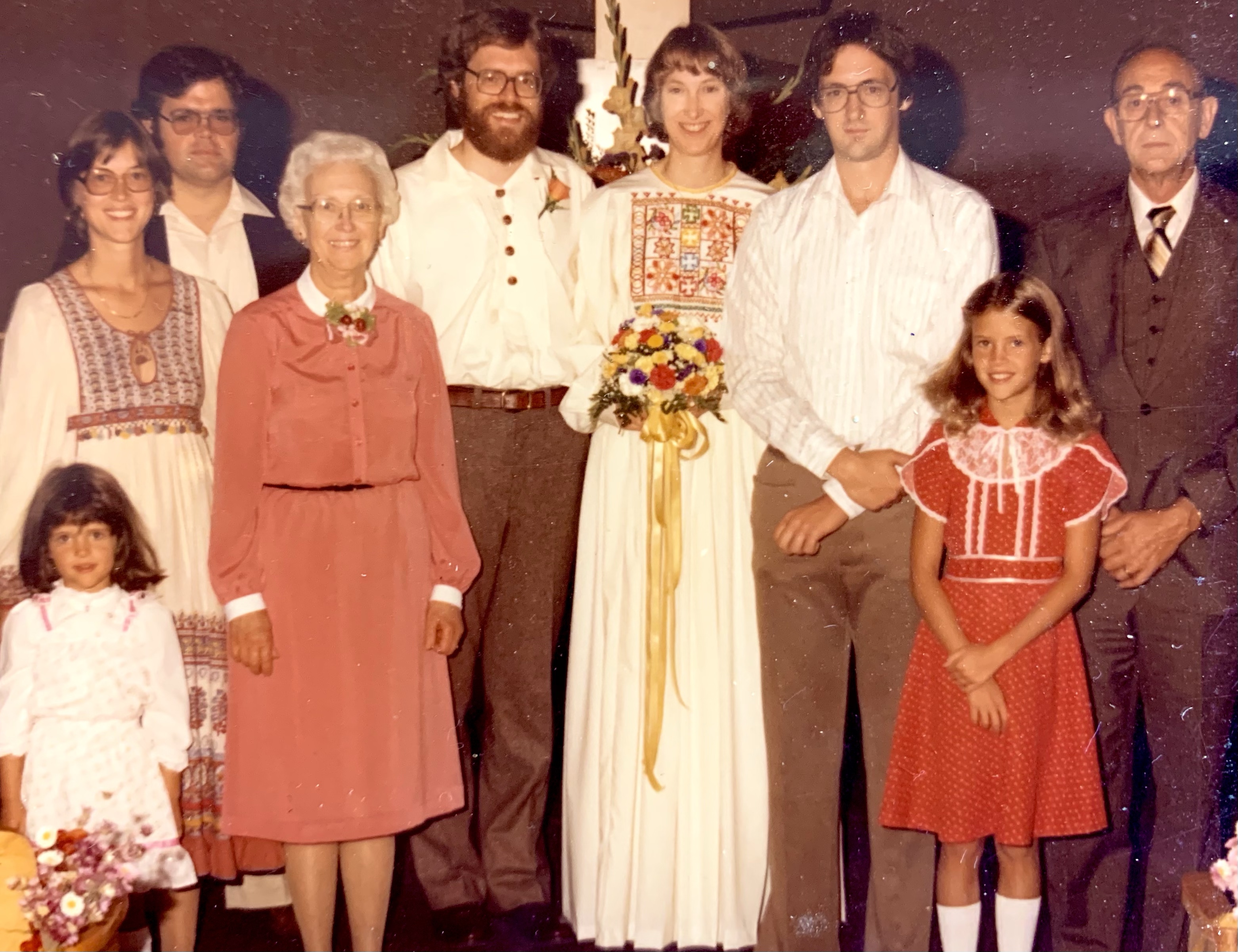
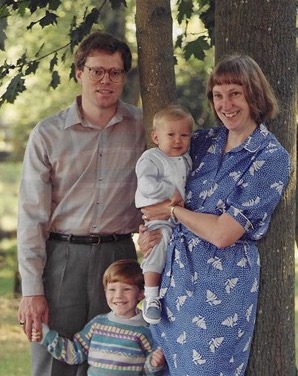
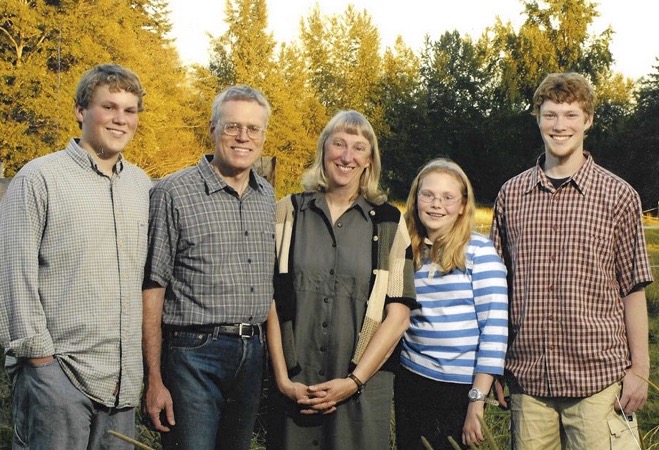
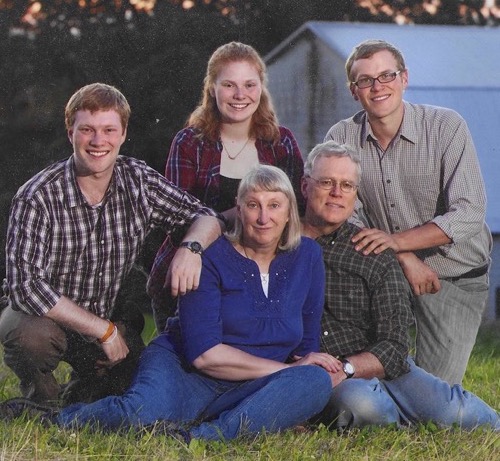
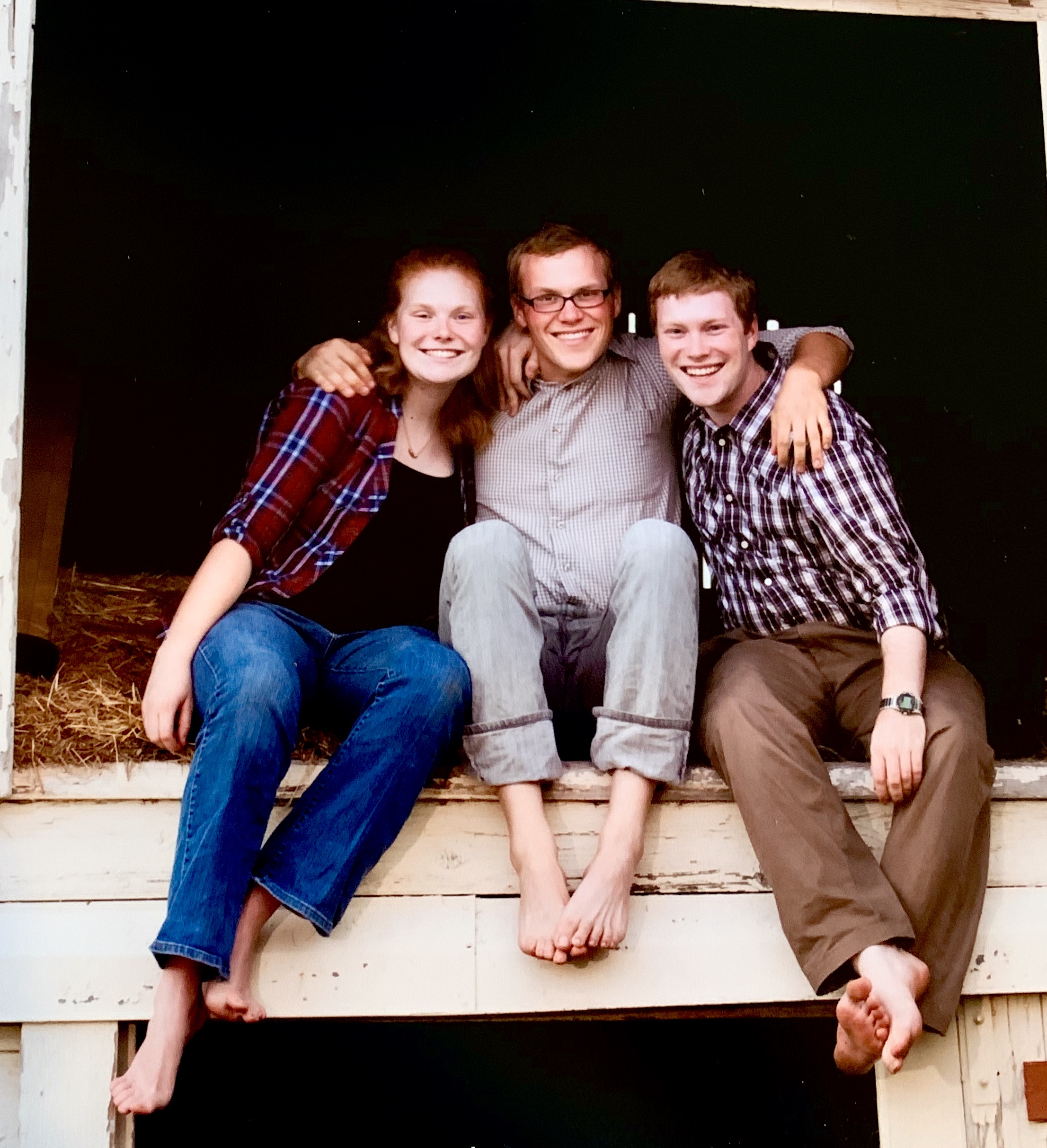
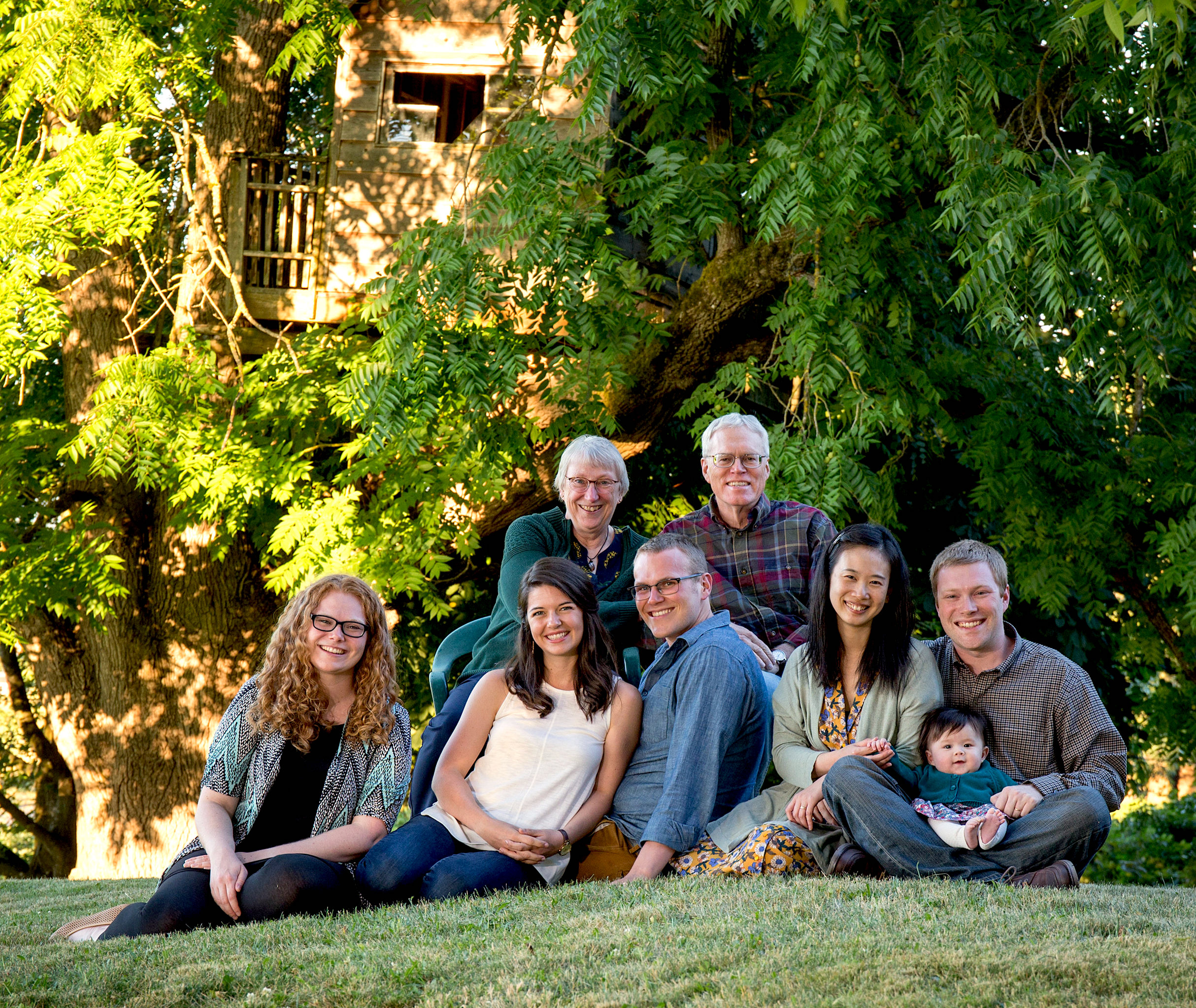
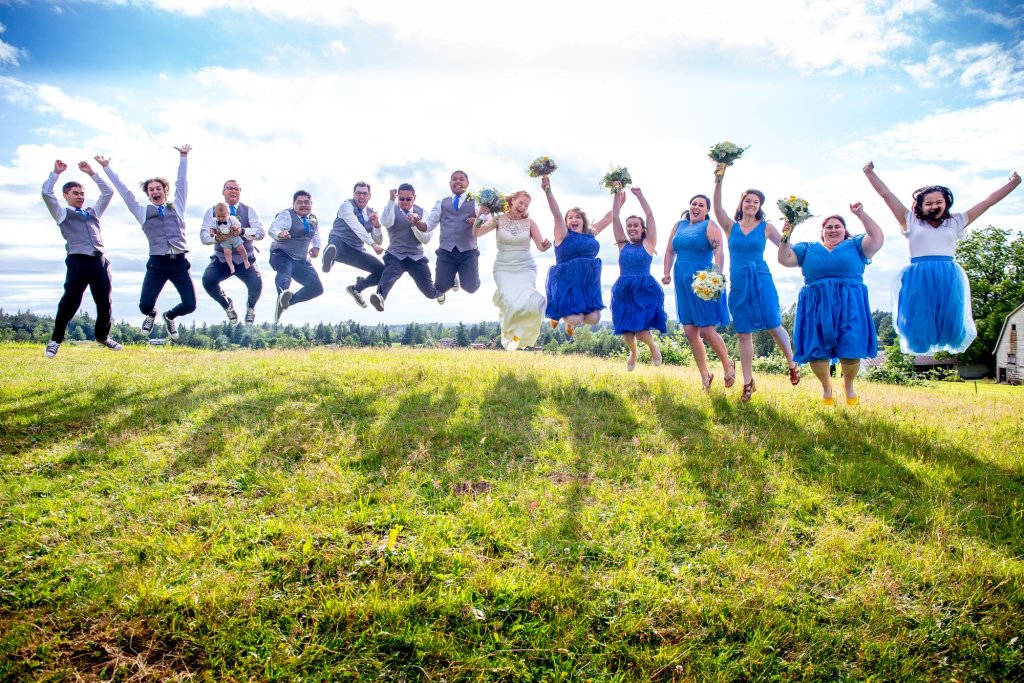
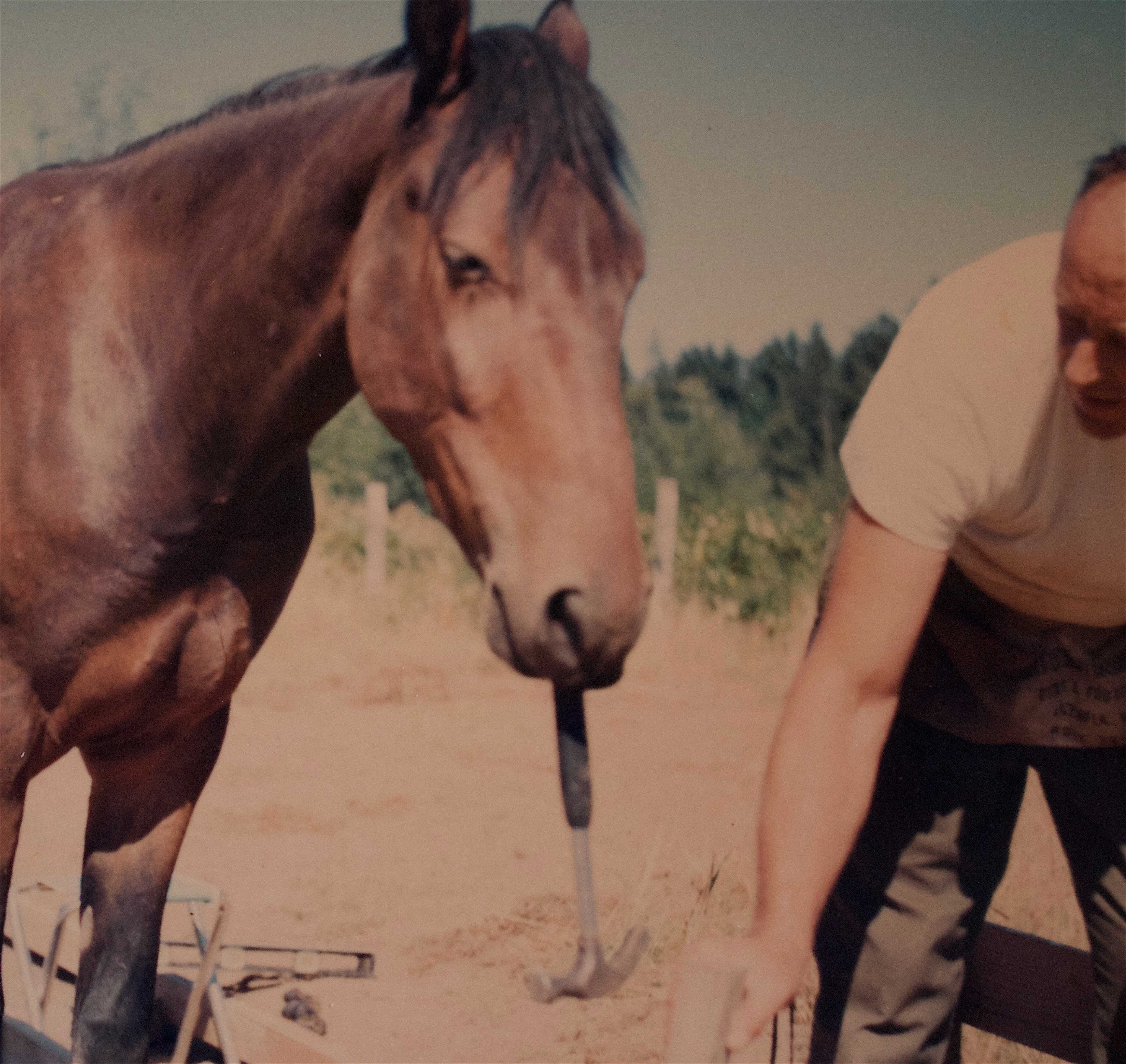
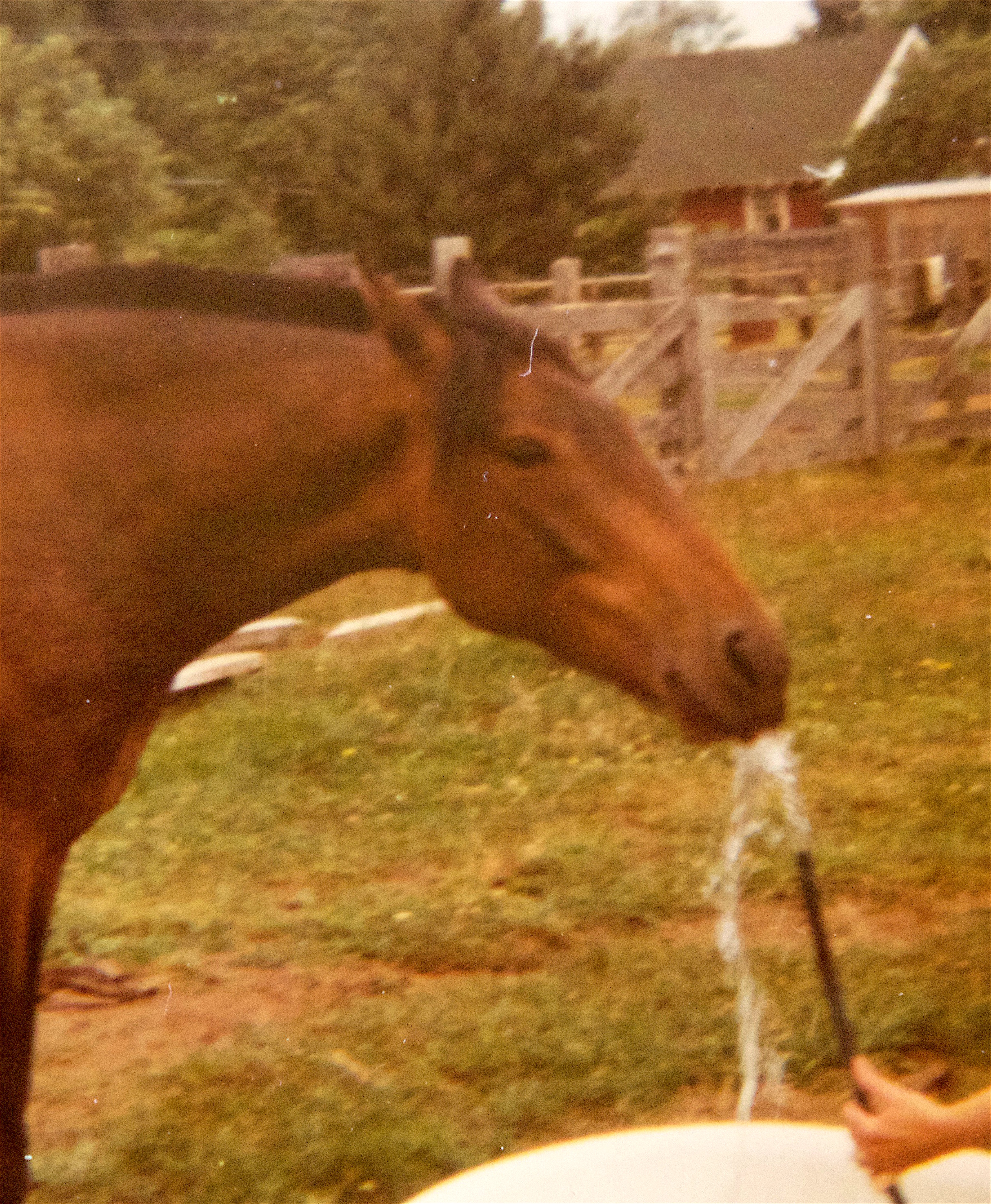
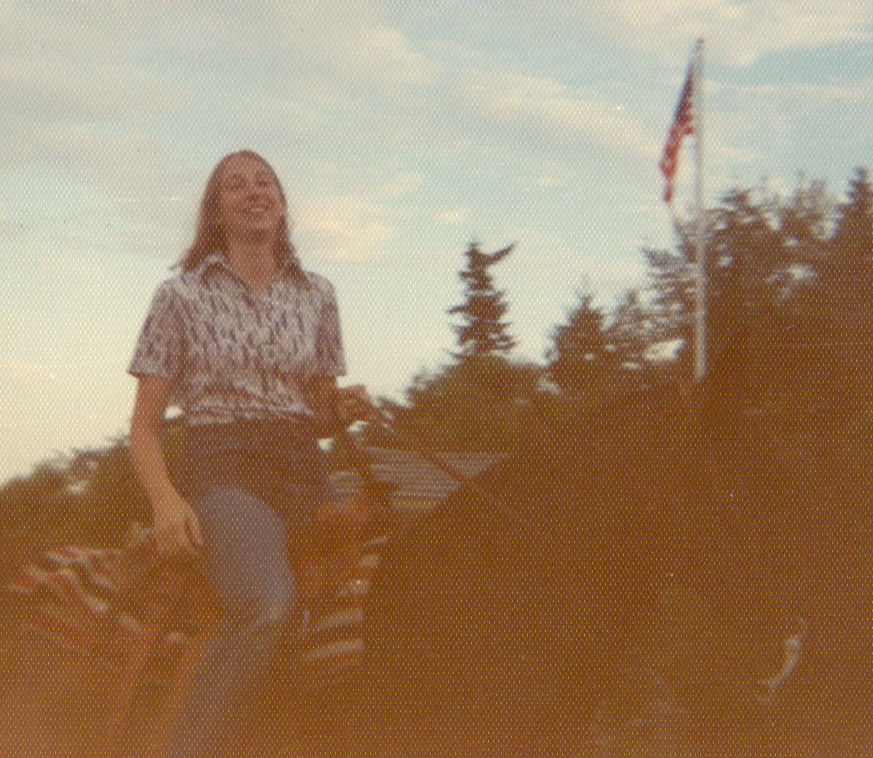
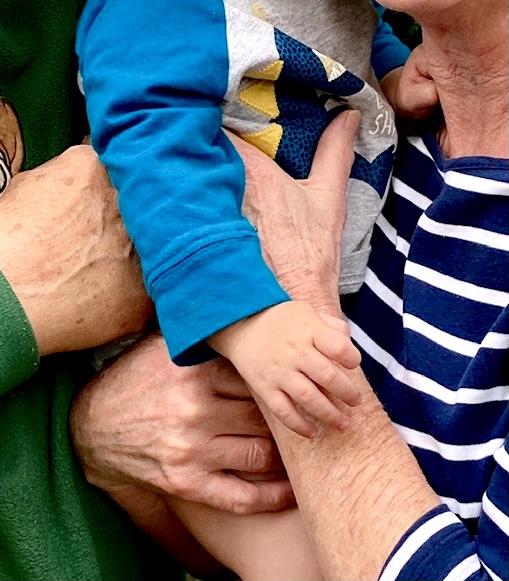
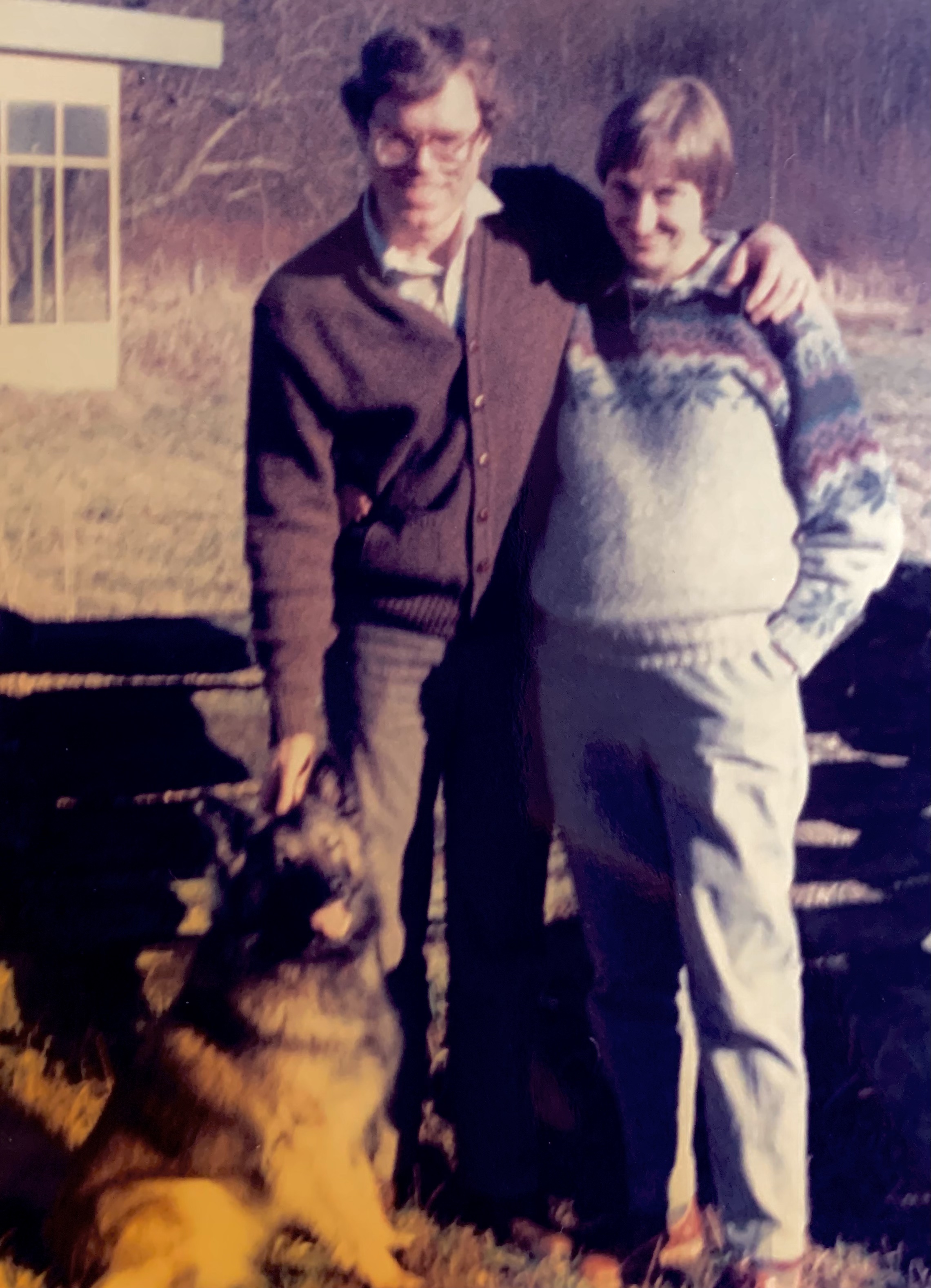
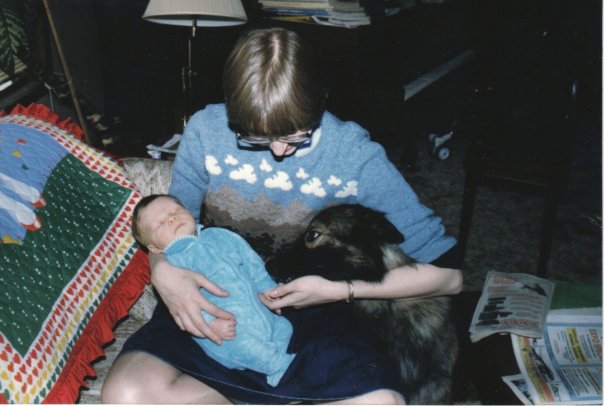
Through these holiday weeks, I take time to remember those who left this life long ago. It is bittersweet to be all together only in a photo album, with youth and smiles preserved indefinitely.

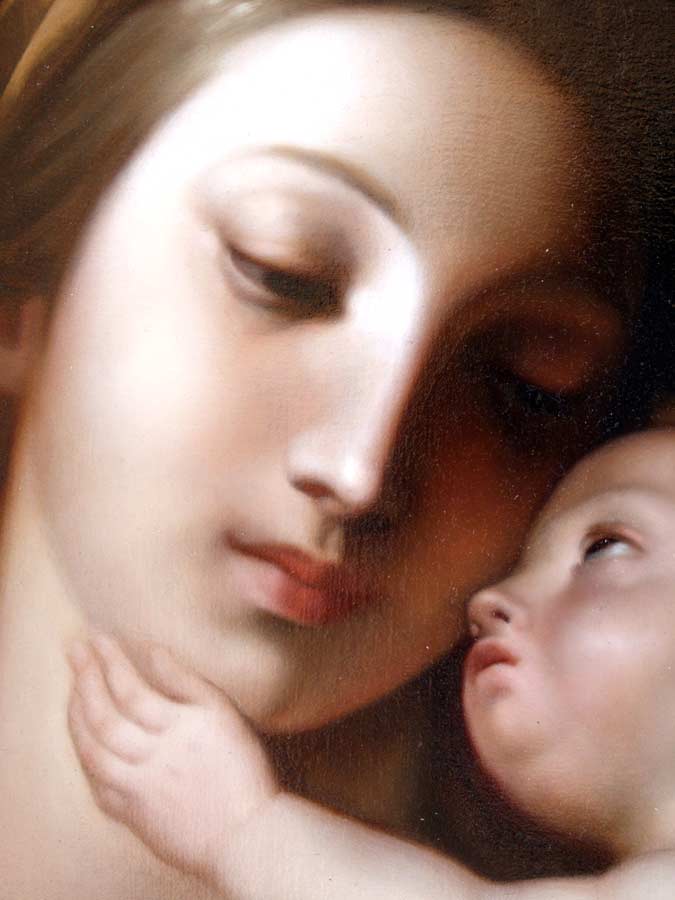
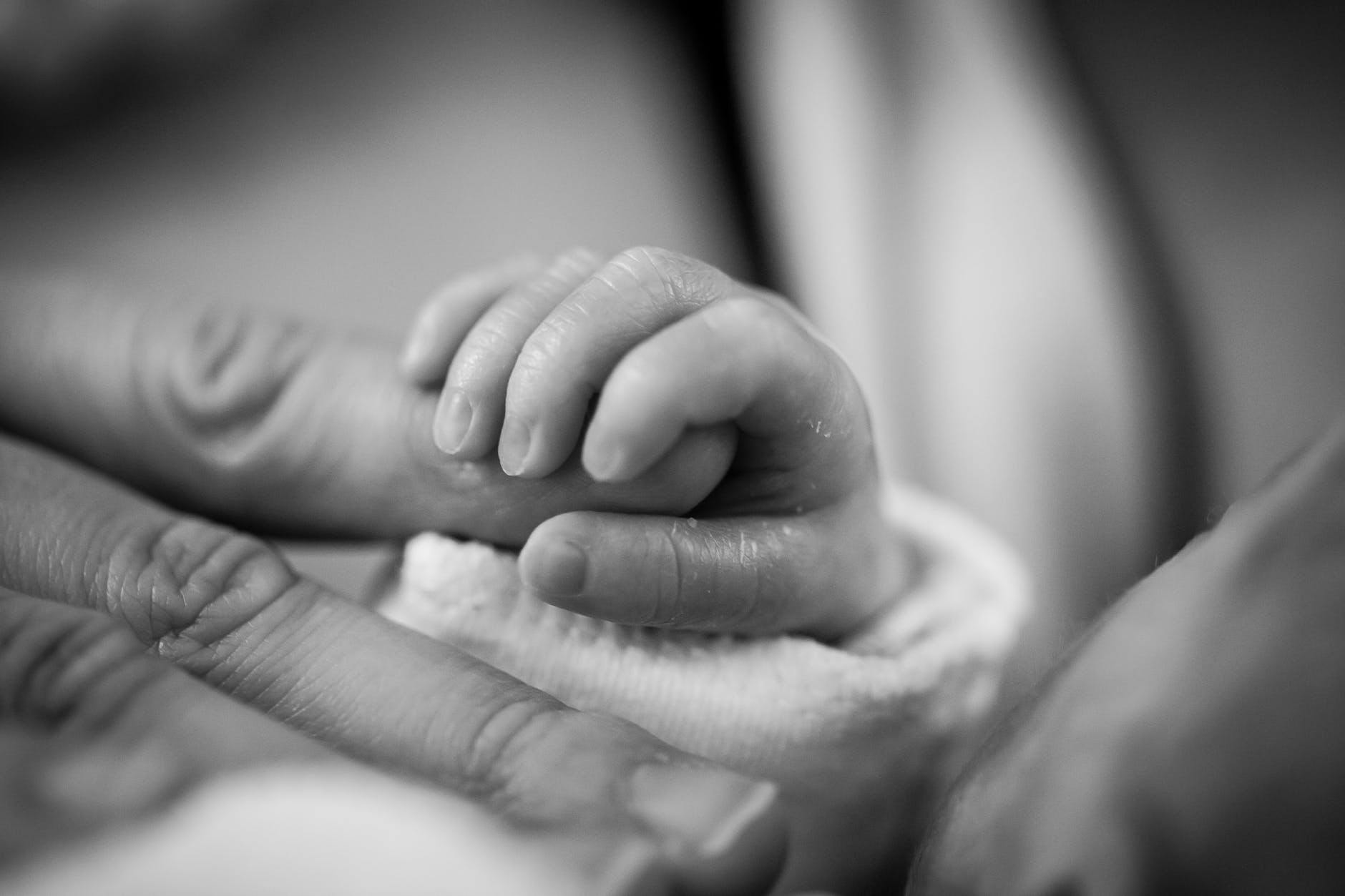
In a flash of time, three generations have passed: children have had children who now have children. Newlyweds have become grandparents, trying valiantly to fit the shoes of those who came before.

In our own eventual leave-taking, we will become the missing to be missed. There will come along new generations – those we will never meet – who will turn the pages of photograph albums and writings and wonder aloud about these unknown people from whom they descend.

Dearly beloved,
we who are missing are right here,
waiting in a drawer or a file or a book on the shelf,
ready to share, in plain words bereft of poetry,
all our love and hopes and sorrows for you,
the future generations to come.

One-Time
Monthly
Yearly

Make a one-time and recurring donation to support daily ad-free Barnstorming posts

Make a monthly donation

Make a yearly donation

Choose an amount

$10.00
$25.00
$50.00
$5.00
$15.00
$100.00
$5.00
$15.00
$100.00

Or enter a custom amount

$

Your contribution is deeply appreciated.

Your contribution is appreciated.

Your contribution is appreciated.

DonateDonate monthlyDonate yearly
To Ride Off into the Sunset

I wanted a horse. This was long after
we sold the work horses, and I was feeling

restless on the farm. I got up early
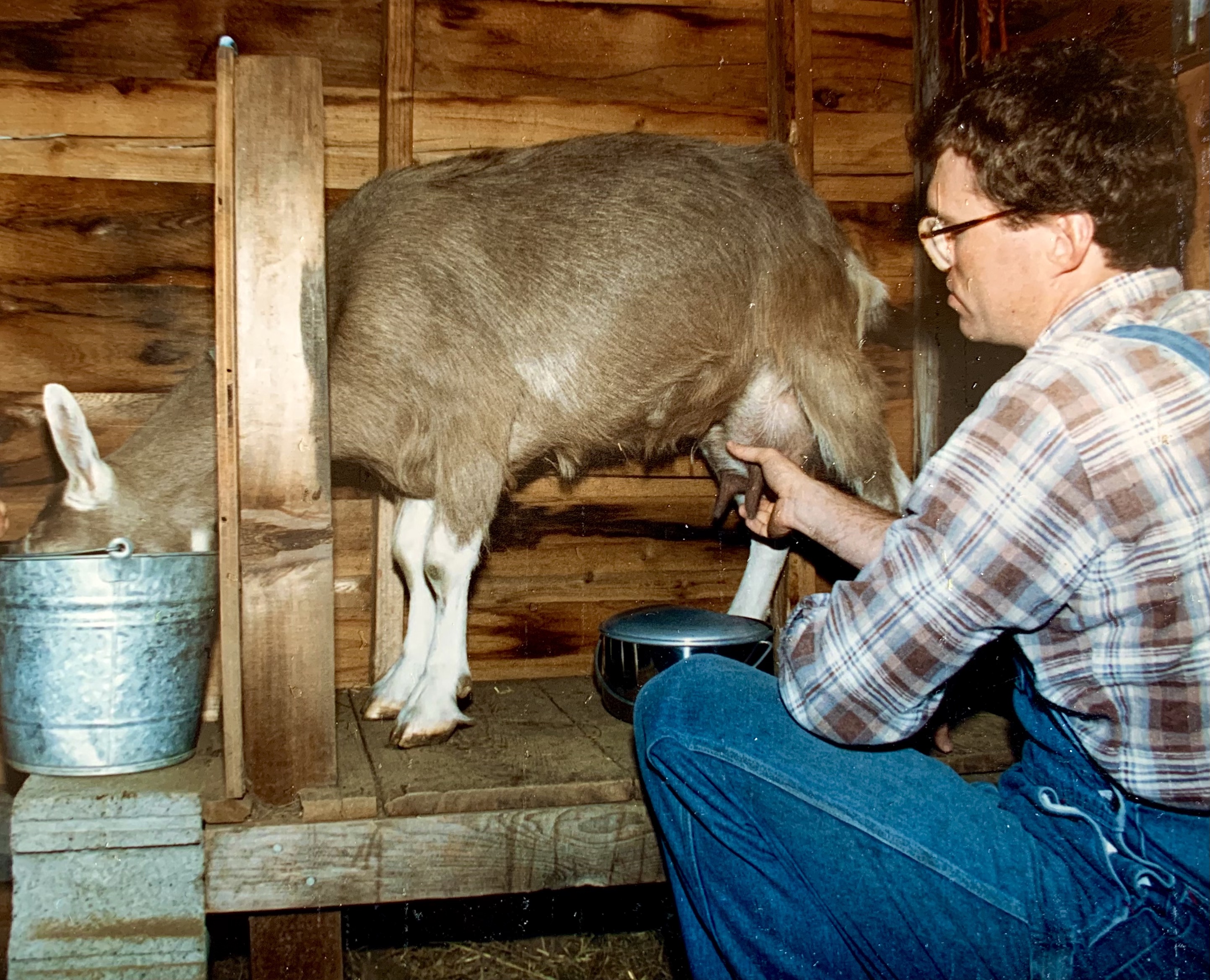
to help my father milk the cows, talking

a blue streak about TV cowboys
he never had time to see and trying to

convince him that a horse wouldn’t cost
so much and that I’d do all the work.

He listened while he leaned his head
against the flank of a Holstein, pulling

the last line of warm milk into
the stainless bucket. He kept listening

while the milk-machine pumped like an engine,
and the black and silver cups fell off and

dangled down, clanging like bells when he
stepped away, balancing the heavy milker

against the vacuum hose and the leather belt.
I knew he didn’t want the trouble

of a horse, but I also knew there was nothing
else I wanted the way I wanted a horse—

another way of saying I wanted
to ride into the sunset and (maybe)

never come back—I think he knew that too.
We’ll see, he said, we’ll see what we can do.
~Joyce Sutphen “What Every Girl Wants”

I once was a skinny freckled eleven year old girl who wanted nothing more than to have her own horse. Every inch of my bedroom wall had posters of horses, all my shelves were filled with horse books and horse figurines and my bed was piled with stuffed horses. I suffered an extremely serious case of horse fever.

I had learned to ride my big sister’s horse while my sister was off to college, but the little mare had pushed down a hot wire to get into a field of spring oats which resulted in a terrible case of colic and had to be put down. I was inconsolable until I set my mind to buy another horse.   We had only a small shed, not a real barn, and no actual fences other than the electric hot wire.  Though I was earning money as best I could picking berries and babysitting, I was a long way away from the $150 it would take to buy a trained horse back in 1965.

I pestered my father about my dreams of another horse, and since he was the one to dig the hole for my sister’s horse to be buried, he was not enthusiastic.  “We’ll see,”  he said.  “We’ll see what we can do.”

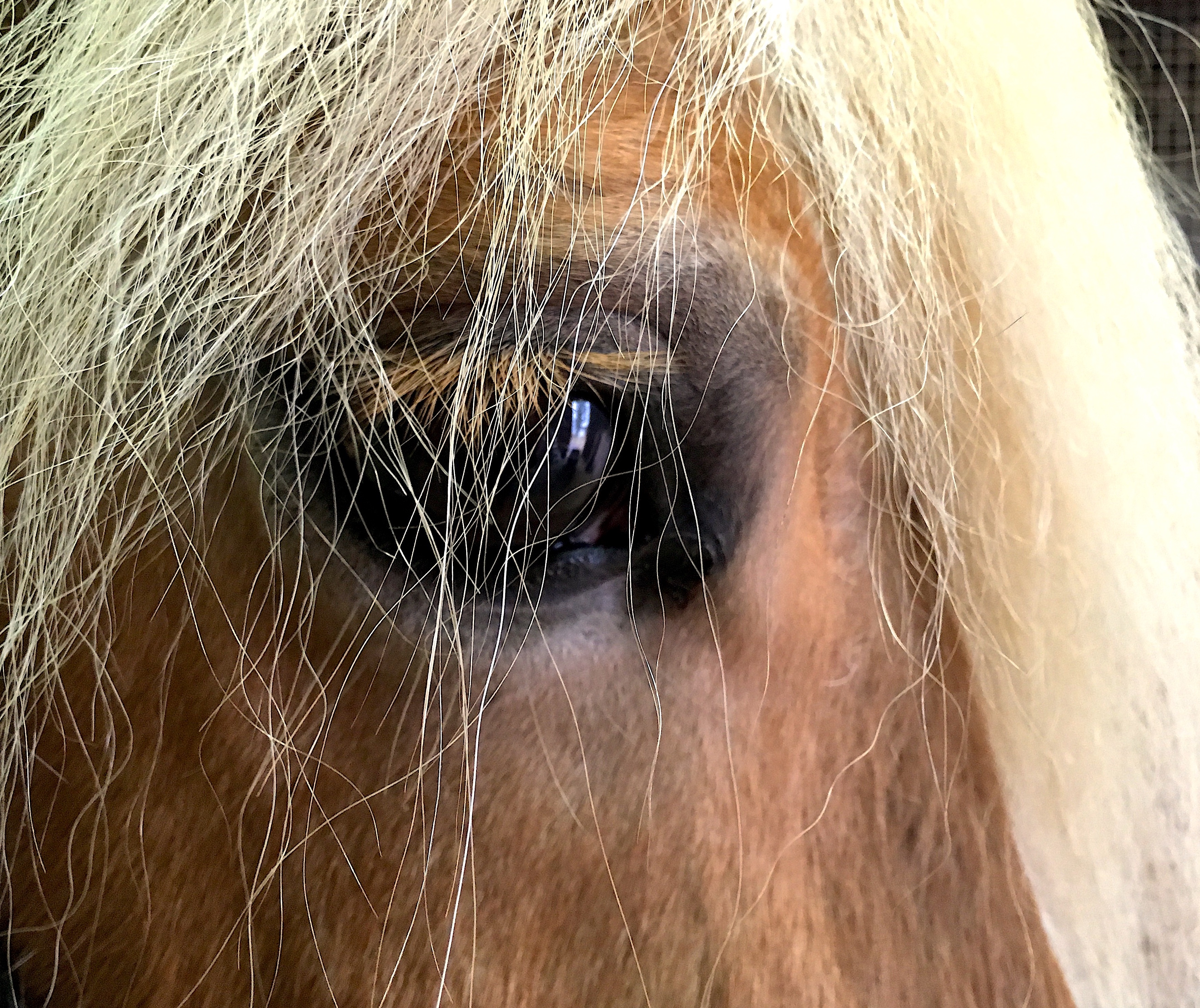
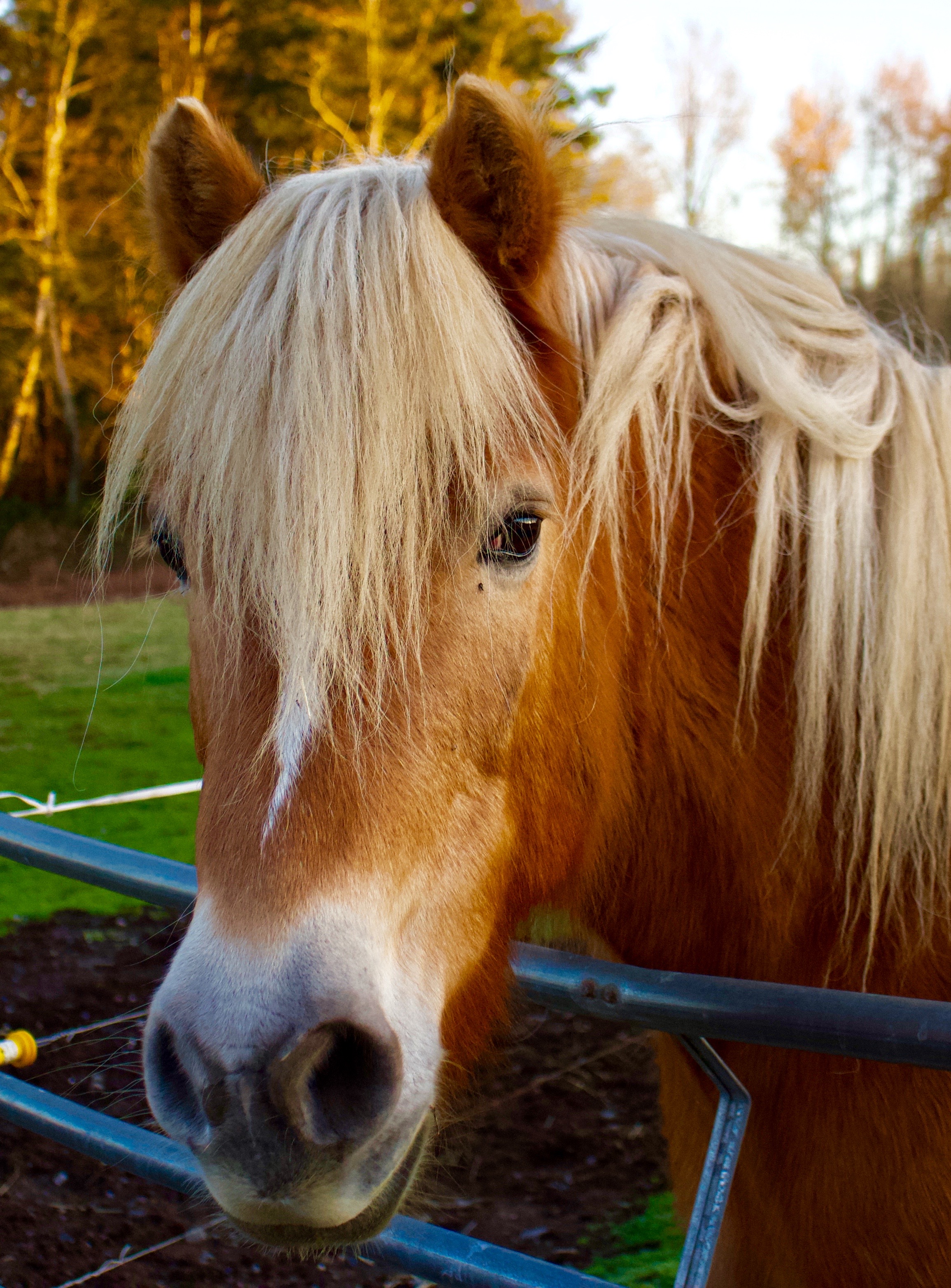
So I dreamed my horsey dreams, mostly about golden horses with long white manes, hoping one day those dreams might come true.

In fall 1965, the  local radio station KGY’s Saturday morning horse news program announced their “Win a Horse” contest.  I knew I had to try. The prize was a weanling bay colt, part Appaloosa, part Thoroughbred, and the contest was only open to youth ages 9 to 16 years old. All I had to do was write a 250 word or less essay on “Why I Should Have a Horse”. I worked and worked on my essay, crafting the right words and putting all my heart into it, hoping the judges would see me as a worthy potential owner. My parents took me to visit the five month old colt named “Prankster”, a fuzzy engaging little fellow who was getting plenty of attention from all the children coming to visit him, and that visit made me even more determined.

When I read these words now, I realize there is nothing quite like the passion of an eleven year old girl:

“Why I Should Have a Horse”

When God created the horse, He made one of the best creatures in the world.  Horses are a part of me.  I love them and want to win Prankster for the reasons which follow:

To begin with, I’m young enough to have the time to spend with the colt.  My older sister had a horse when she was in high school and her school activities kept her too busy to really enjoy the horse.  I’ll have time to give Prankster the love and training needed.

Another reason is that I’m shy.  When I was younger I found it hard to talk to anybody except my family.  When my sister got the horse I soon became a more friendly person.  When her horse recently died (about when Prankster was born), I became very sad.  If I could win that colt, I couldn’t begin to describe my happiness. 

Also I believe I should have a horse because it would be a good experience to learn how to be patient and responsible while teaching Prankster the same thing. 

When we went to see Prankster, I was invited into the stall to brush him.  I was never so thrilled in my life!  The way he stood there so majestically, it told me he would be a wonderful horse. 

If I should win him, I would be the happiest girl alive.  I would work hard to train him with love and understanding.  If I could only get the wonderful smell and joy of horses back in our barn!

I mailed in my essay and waited.

Fifty-eight years ago on this day, November 27, 1965, my mother and I listened to the local horse program always featured on the radio at 8 AM on Saturday mornings. They said they had over 300 essays to choose from, and it was very difficult for them to decide who the colt should go to. I knew then I didn’t have a chance. They had several consolation prizes for 2nd through 4th place, so they read several clever poems and heartfelt essays, all written by teenagers.  My heart was sinking by the minute.

The winning essay was next.  The first sentence sounded very familiar to me, but it wasn’t until several sentences later that we realized they were reading my essay, not someone else’s. My mom was speechless, trying to absorb the hazards of her little girl owning a young untrained horse. I woke up my dad, who was sick in bed with an early season flu.  He opened one eye, looked at me, and said, “I guess I better get a fence up today, right?”  Somehow, fueled by the excitement of a daughter whose one wish had just come true, he pulled himself together and put up a wood corral that afternoon, despite feeling so miserable.

That little bay colt came home to live with me the next day. Over the next few months he and I did learn together, as I checked out horse training books from the library, and joined a 4H group with helpful leaders to guide me. I made plenty of mistakes along the way, learning from each one, including those that left behind scars I still bear. Prankster was a typical adolescent gelding who lived up to his name — full of mischief with a sense of humor and a penchant for finding trouble, but he was mine and that was all that mattered.

That and a dad who saw what he needed to do for his passionate kid.  I’ll never forget.

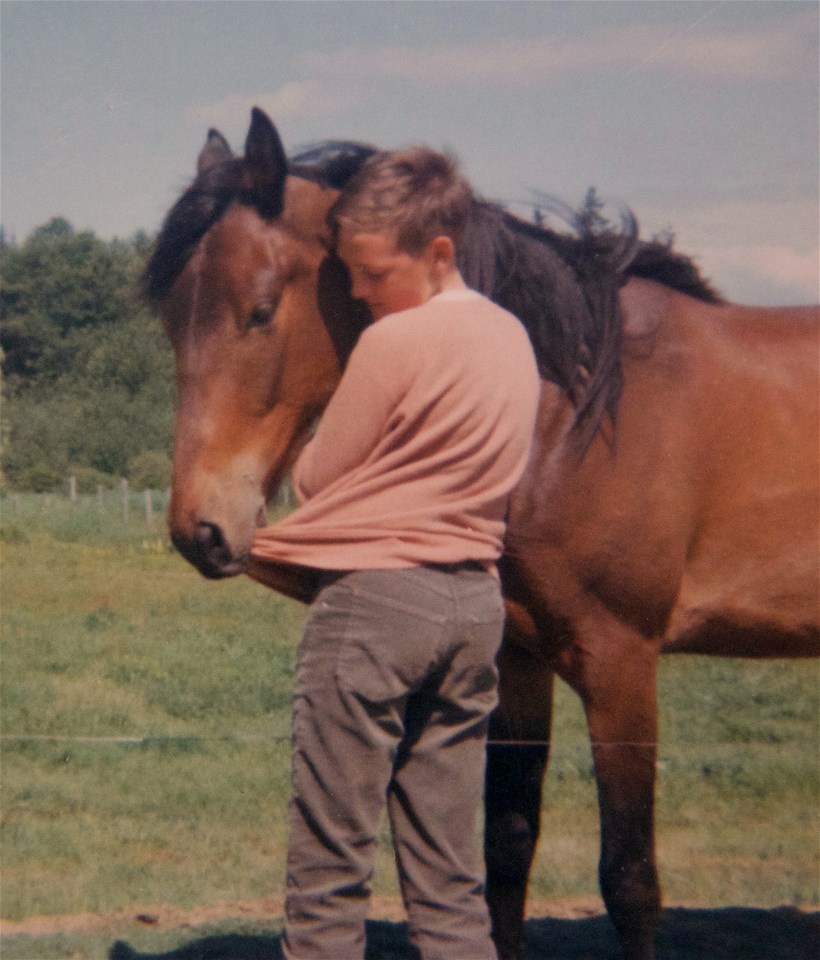
riding Prankster when I was 20
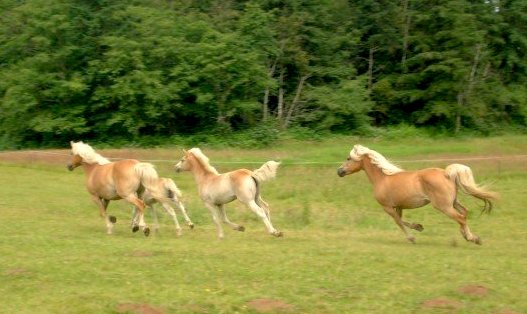
at age 32, my husband and I began our Haflinger horse herd
One-Time
Monthly
Yearly

Make a one-time or recurring donation to support daily ad-free Barnstorming posts

Make a monthly donation

Make a yearly donation

Choose an amount

$10.00
$25.00
$50.00
$5.00
$15.00
$100.00
$5.00
$15.00
$100.00

Or enter a custom amount

$

Your contribution is deeply appreciated.

Your contribution is appreciated.

Your contribution is appreciated.

DonateDonate monthlyDonate yearly
Until There’s Nothing Left

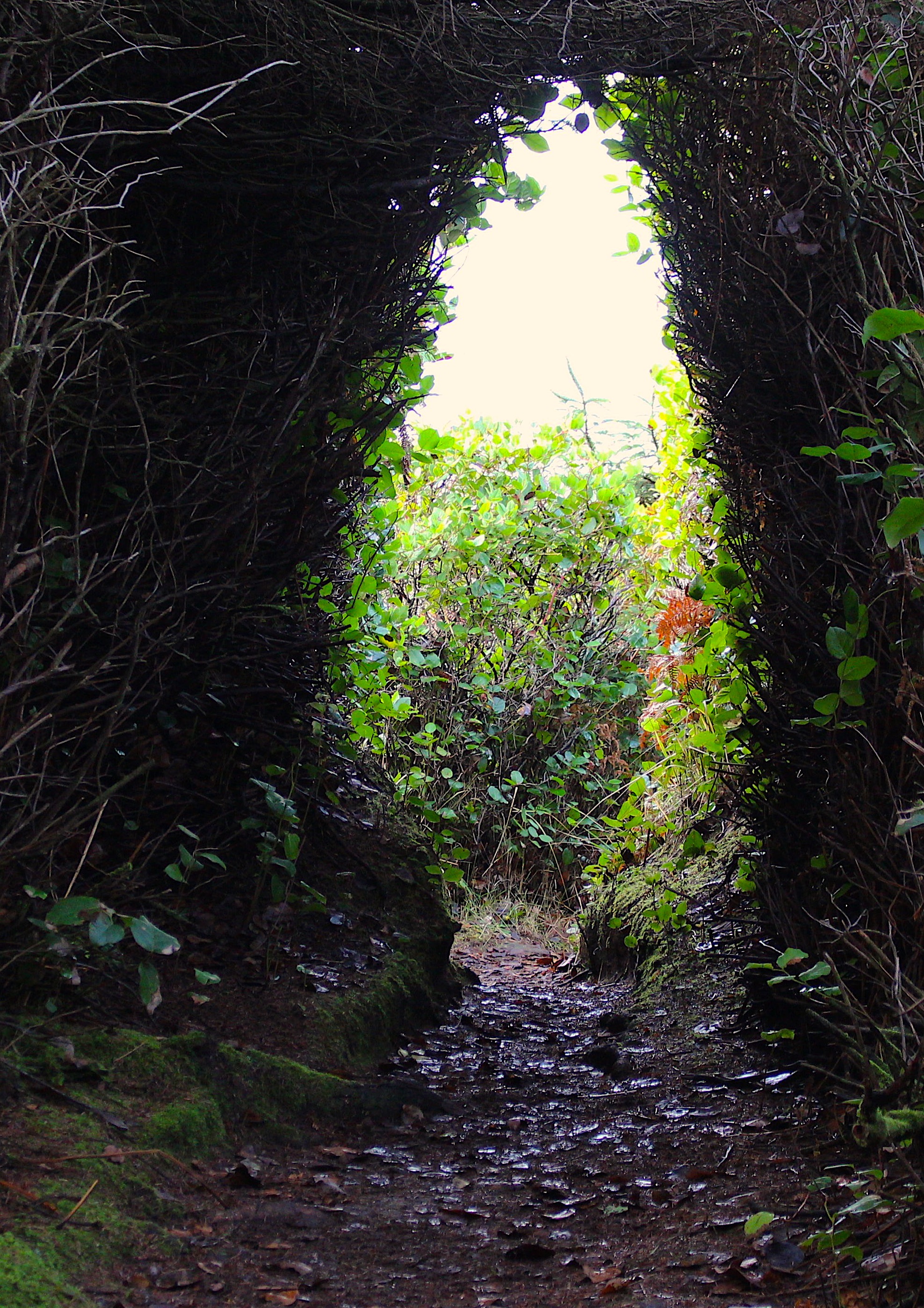
Walk noisily to declare your presence.
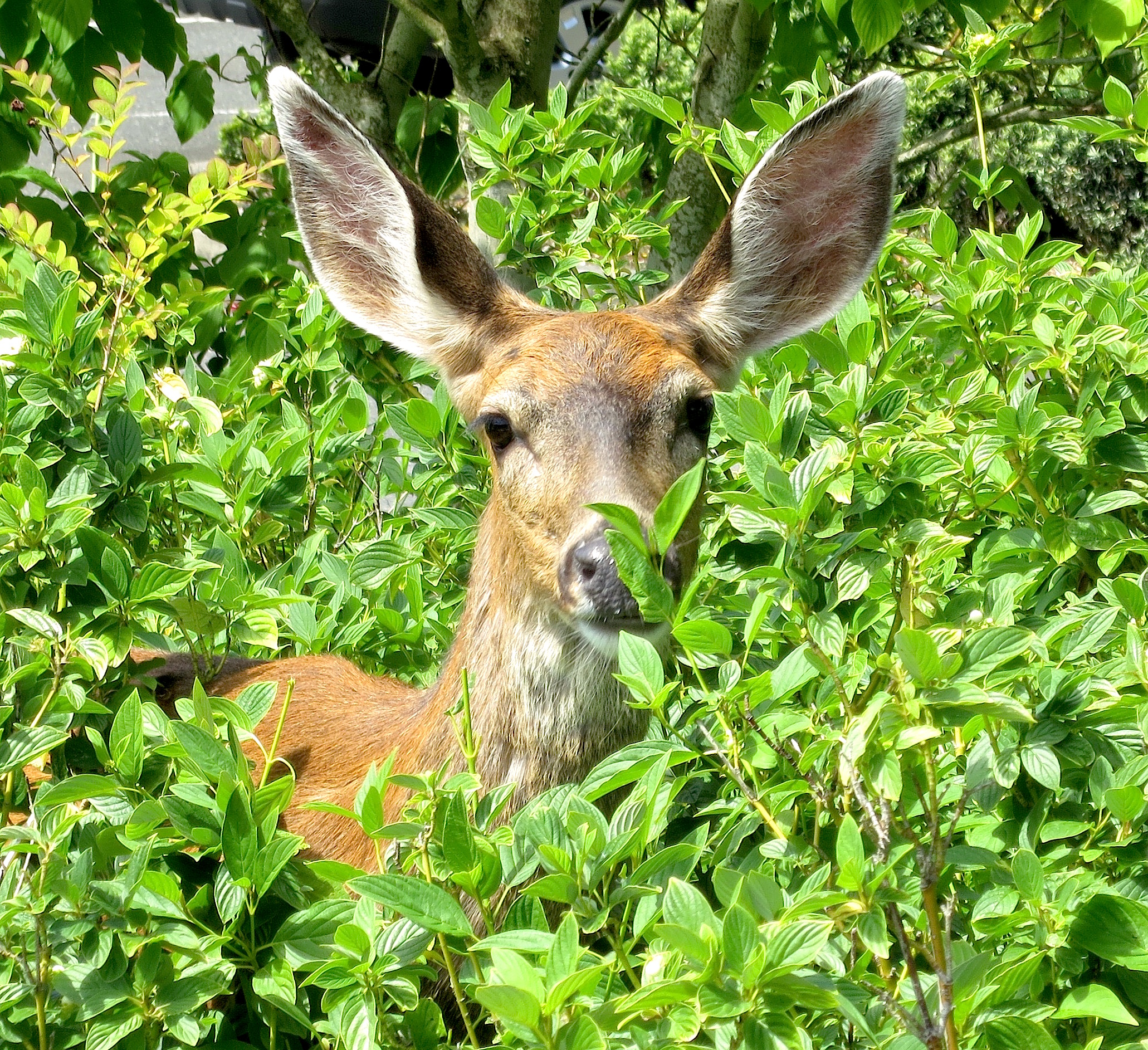
The rabbits and deer will leave
as soon as they hear you coming,
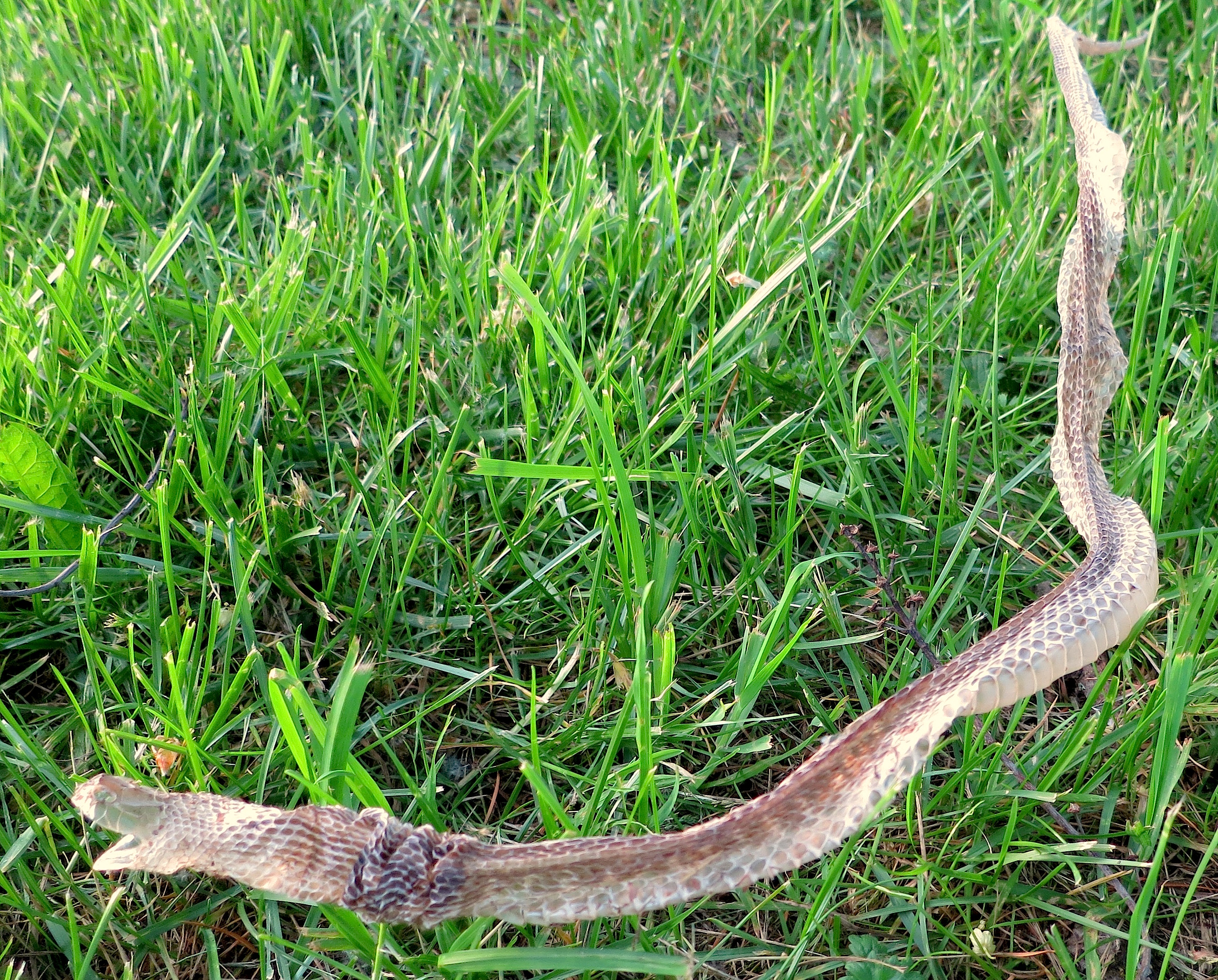
but the snakes need time
to process your intentions.

Take a moment to be certain
of what you’re cutting.
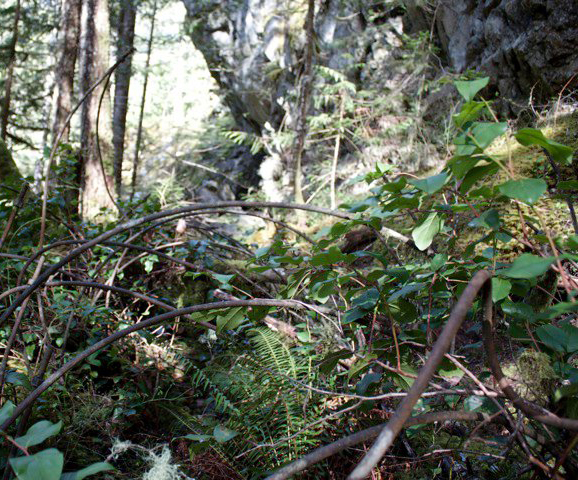
Many stems look alike
down close to the ground,
especially when they’re young.
Look up occasionally.

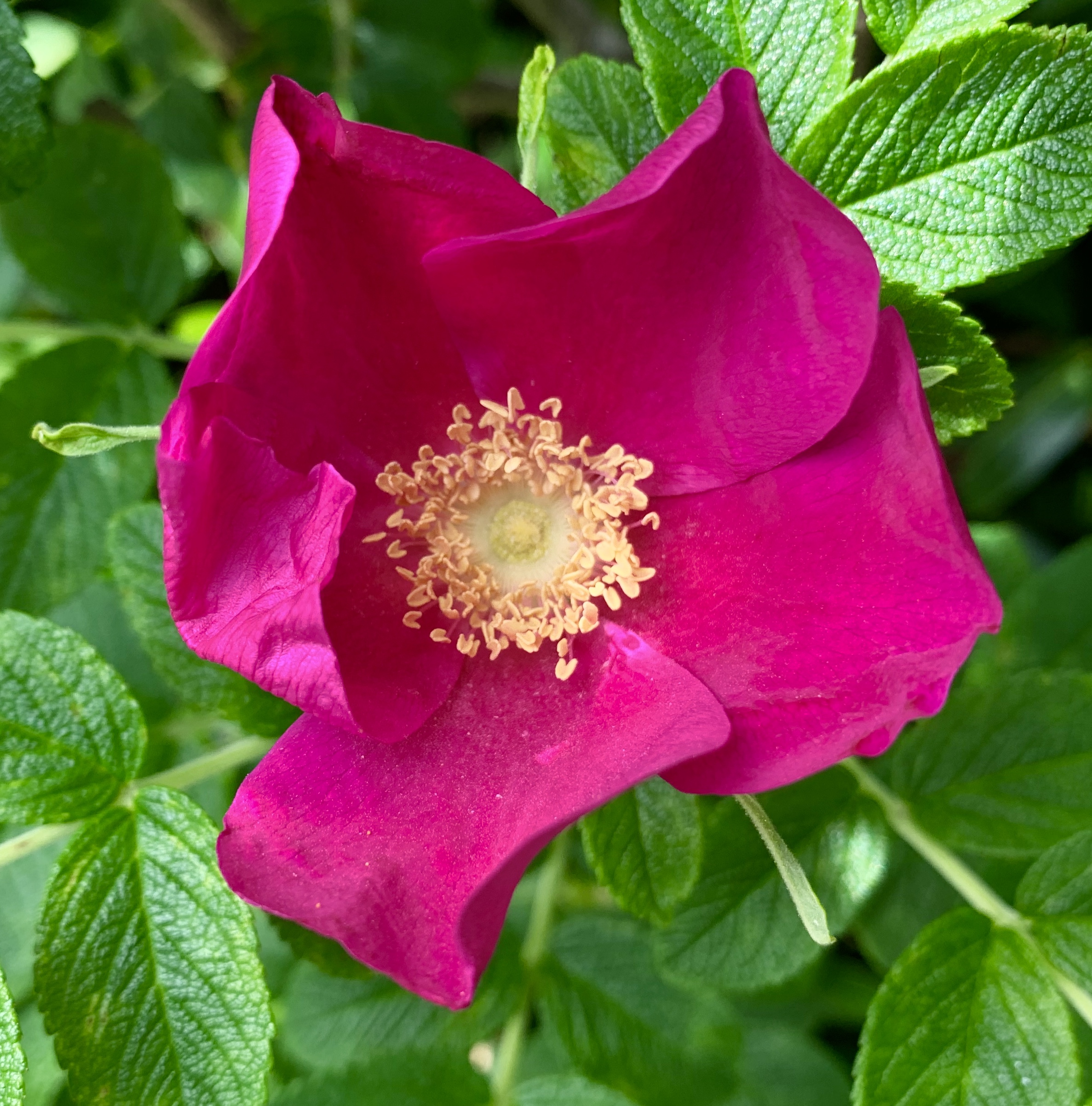
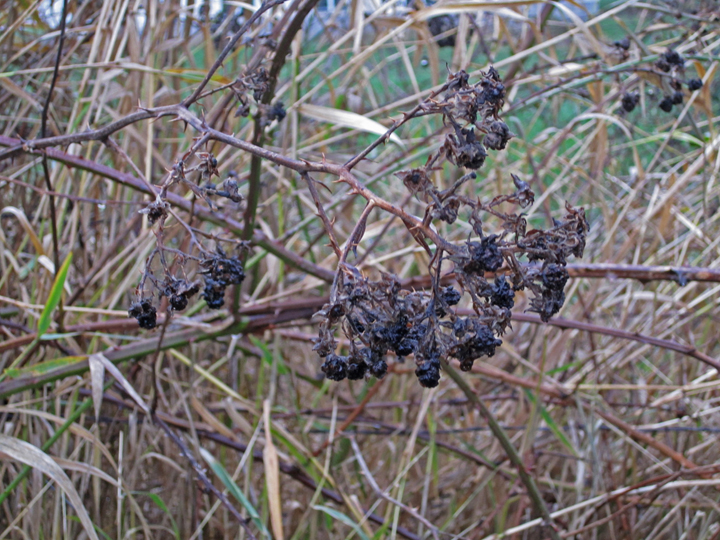
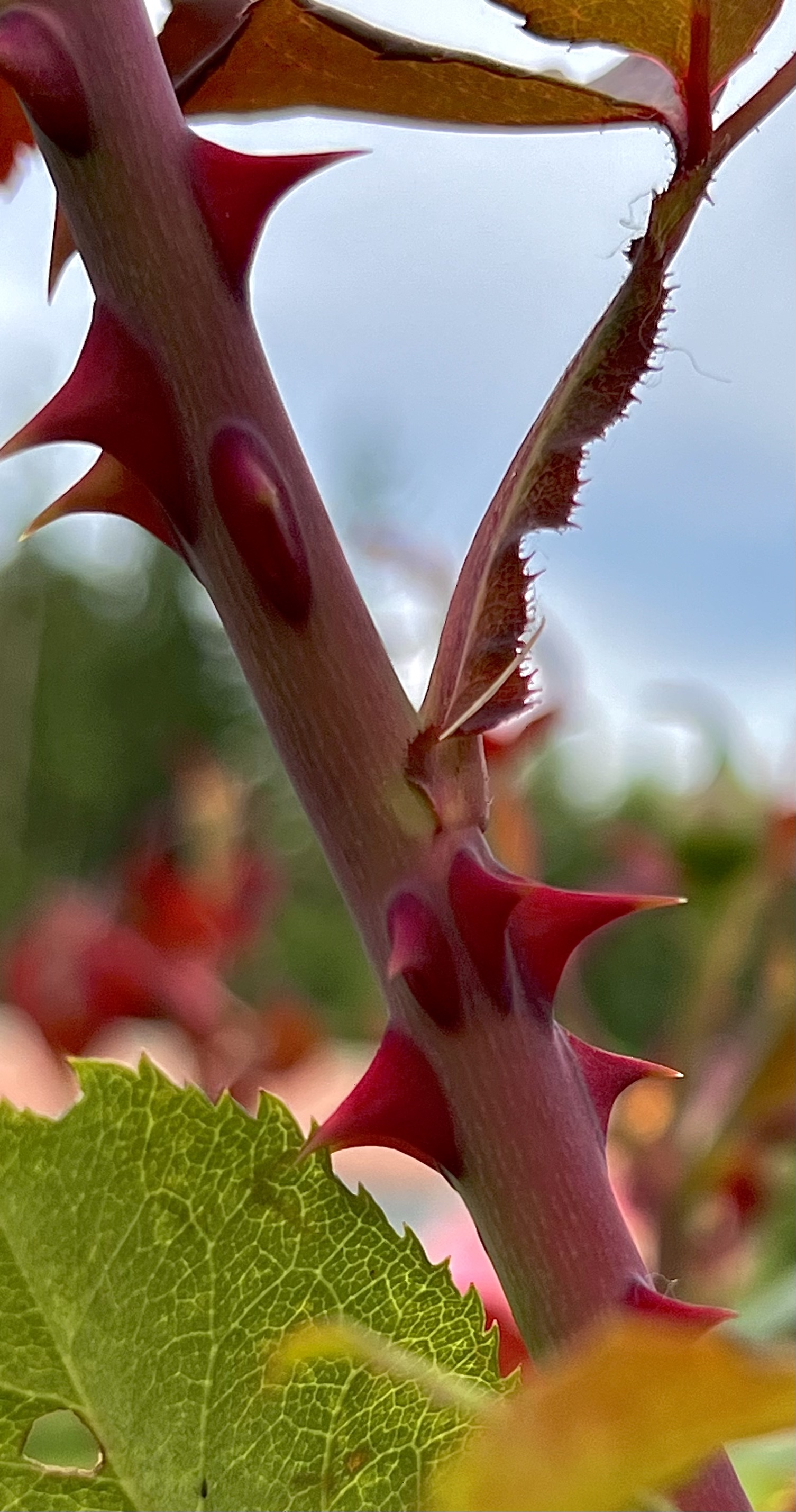
Don’t begrudge the wild roses
for whipping thorns across
your face and arms,
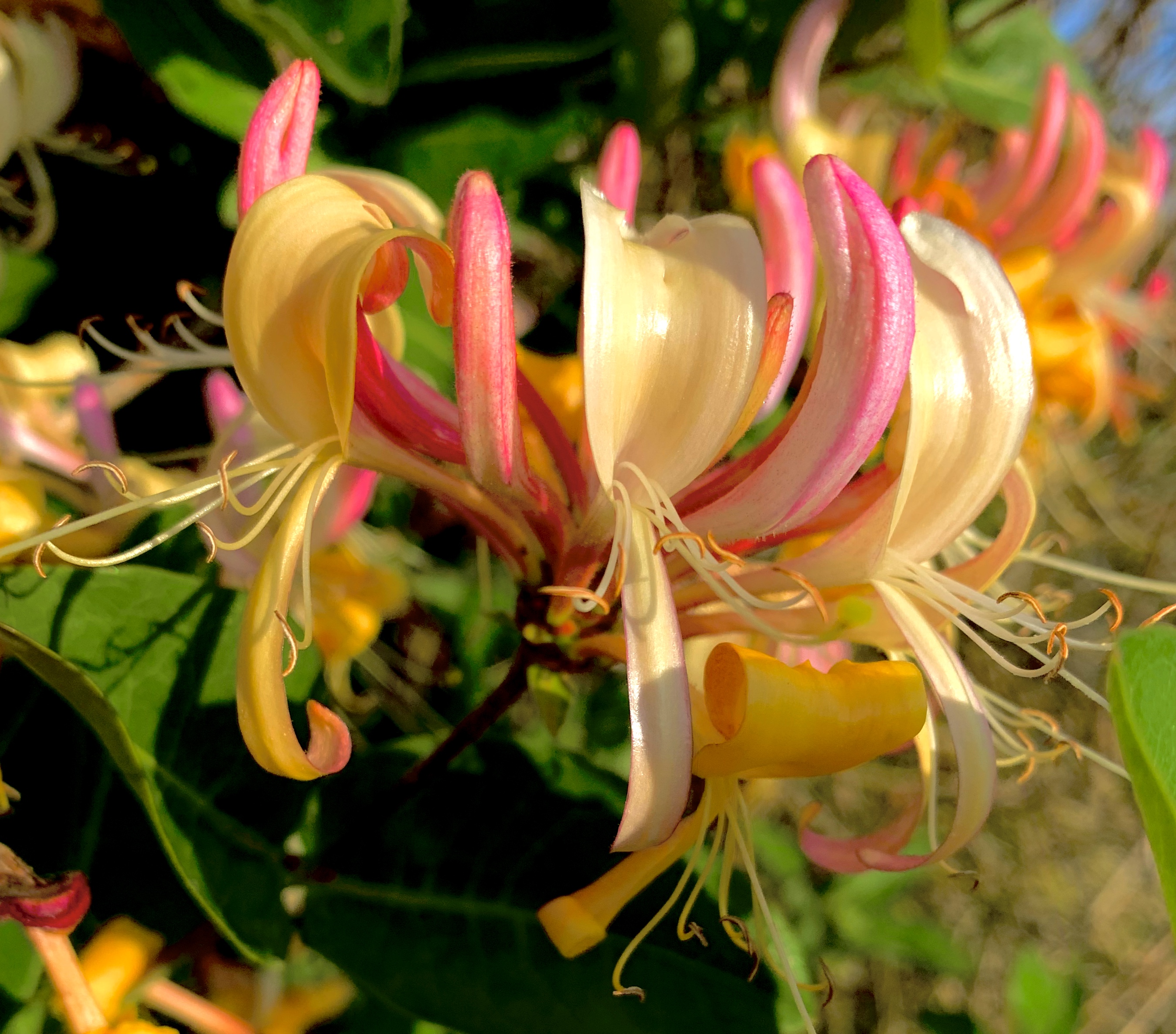
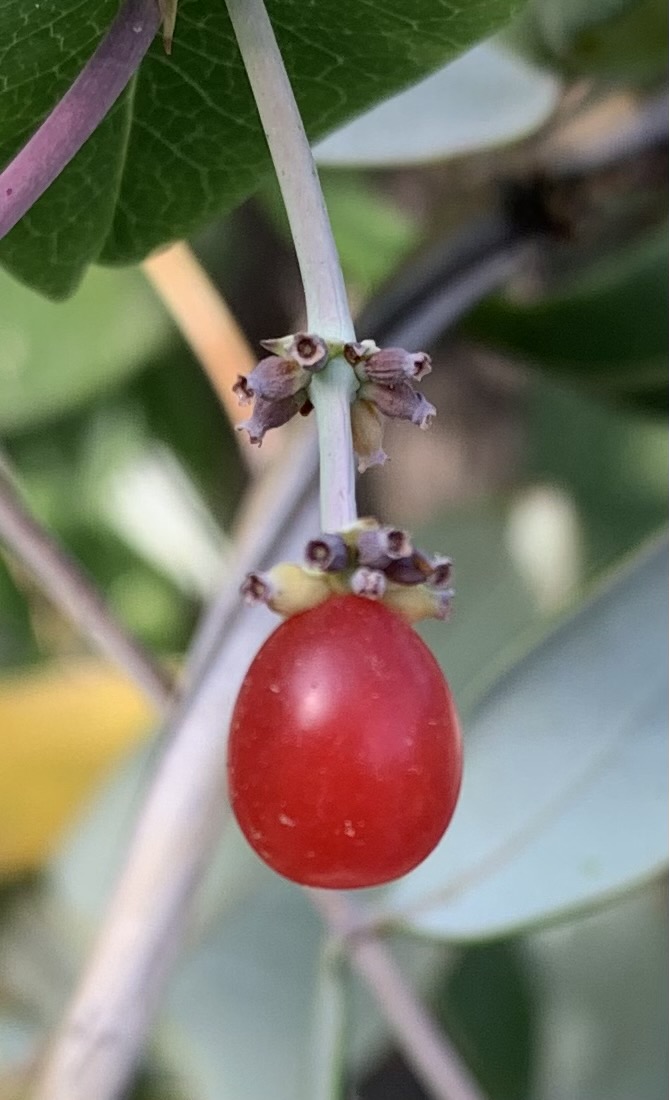
or the honeysuckle
for tangling your feet
and pulling the pruners
from your hands. You’d do
the same in their place.
Honor them with a clean cut.

Never begin when you’re angry
or you might not stop
until there’s nothing left
to hold the soil.

Always wear gloves
and keep your eye
on the blade.
~Jeff Coomer “Some Advice for Clearing Brush” from 
A Potentially Quite Remarkable Thursday.

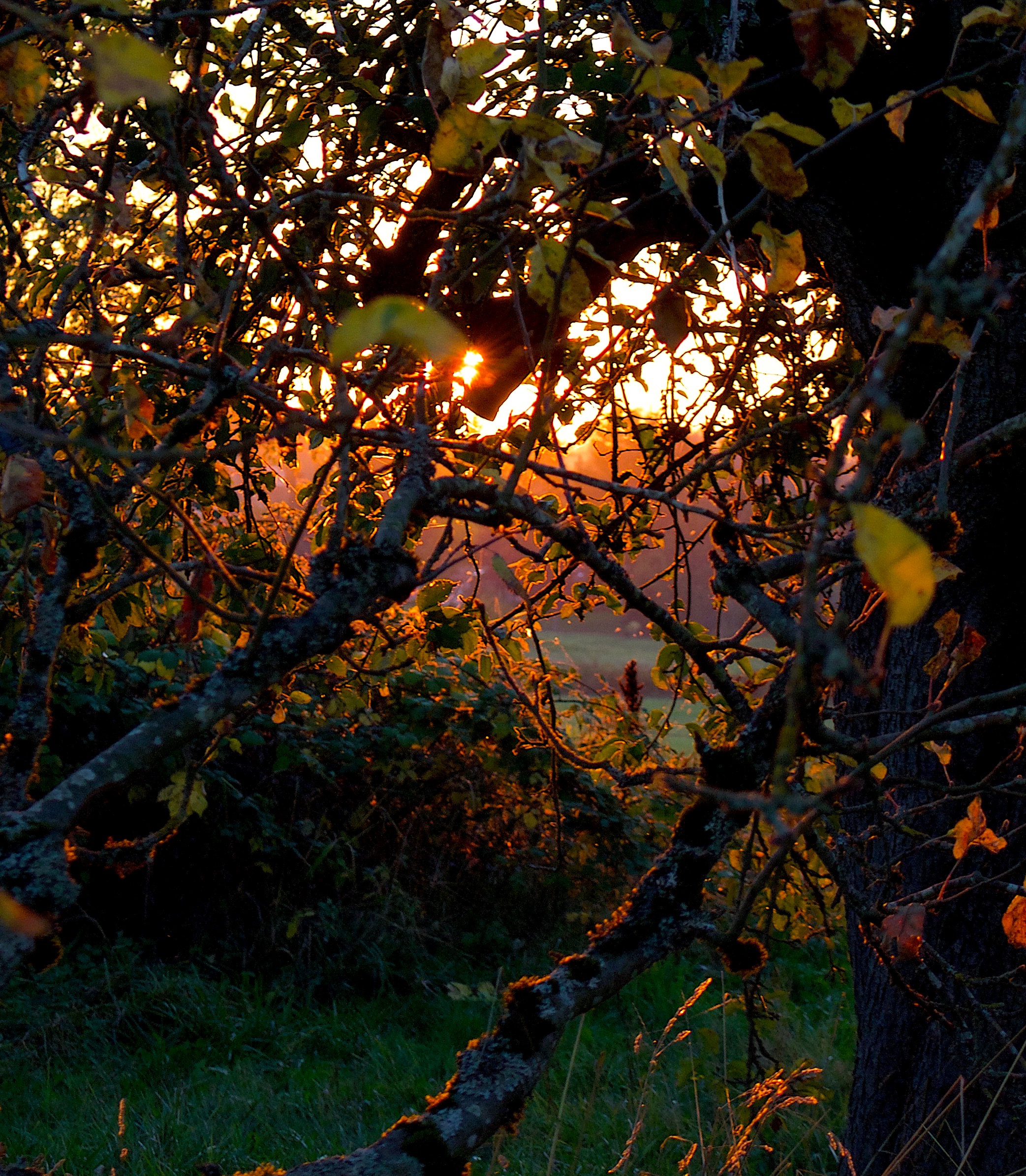
photo by Josh Scholten

My father never quite adapted to his administrative desk job mid-career, working in a state job as a supervisor. He was a man of action, a former Marine and before that, a teenager whose young muscles were needed to tame the brush that grew out of control on his parents’ failing farm land. He learned young to swing a brush hook and later in life found it helped manage his desk-bound frustration to slash away at the vines and thorns and branches that stood between him and a sense of order on the land.

He would have been bemused, but impressed, that not just one, but two modern U.S. Presidents, Reagan and George W., found brush clearing to be therapeutic physical activity. Perhaps it helped them manage their anger impulses as well.

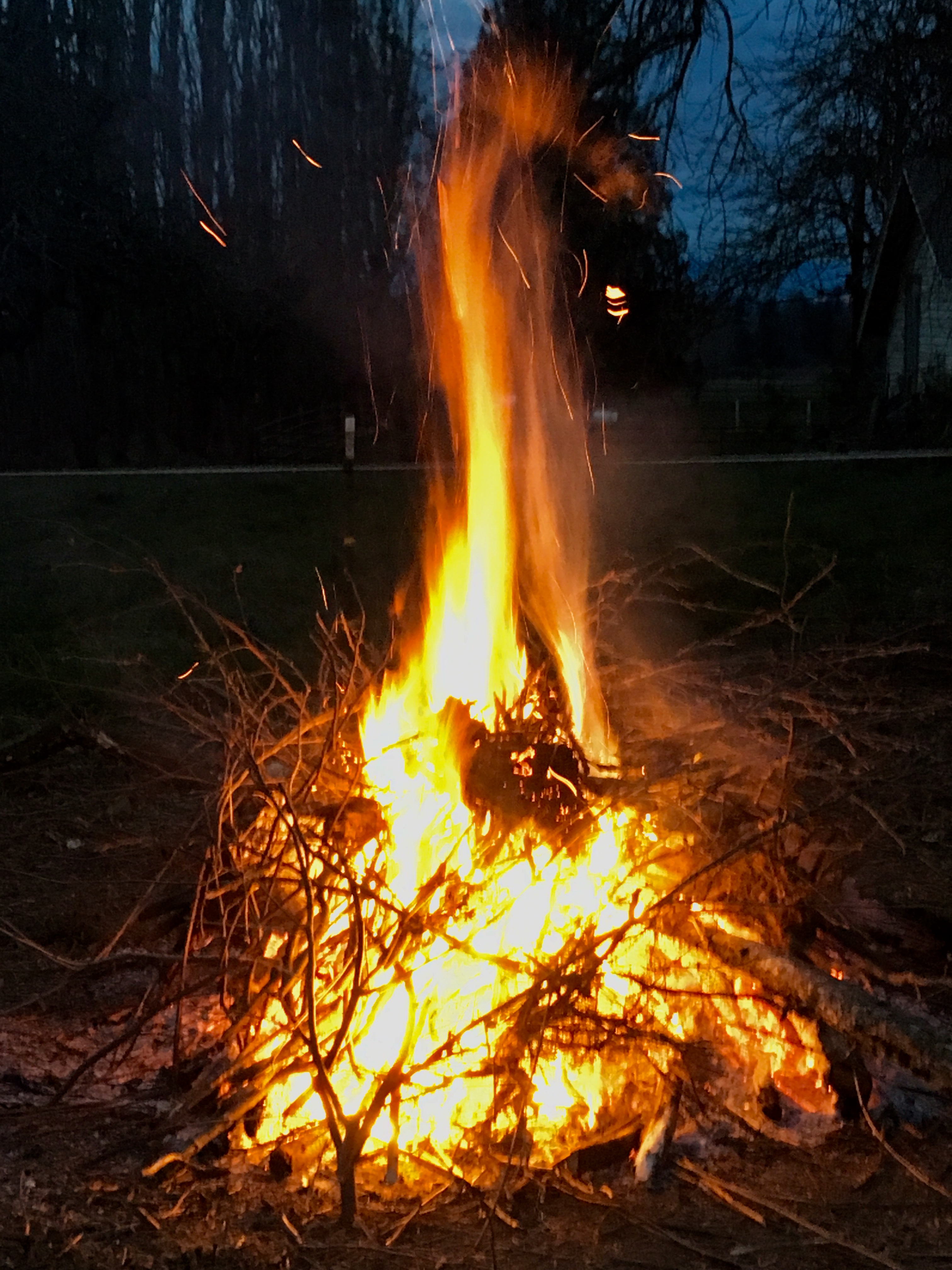
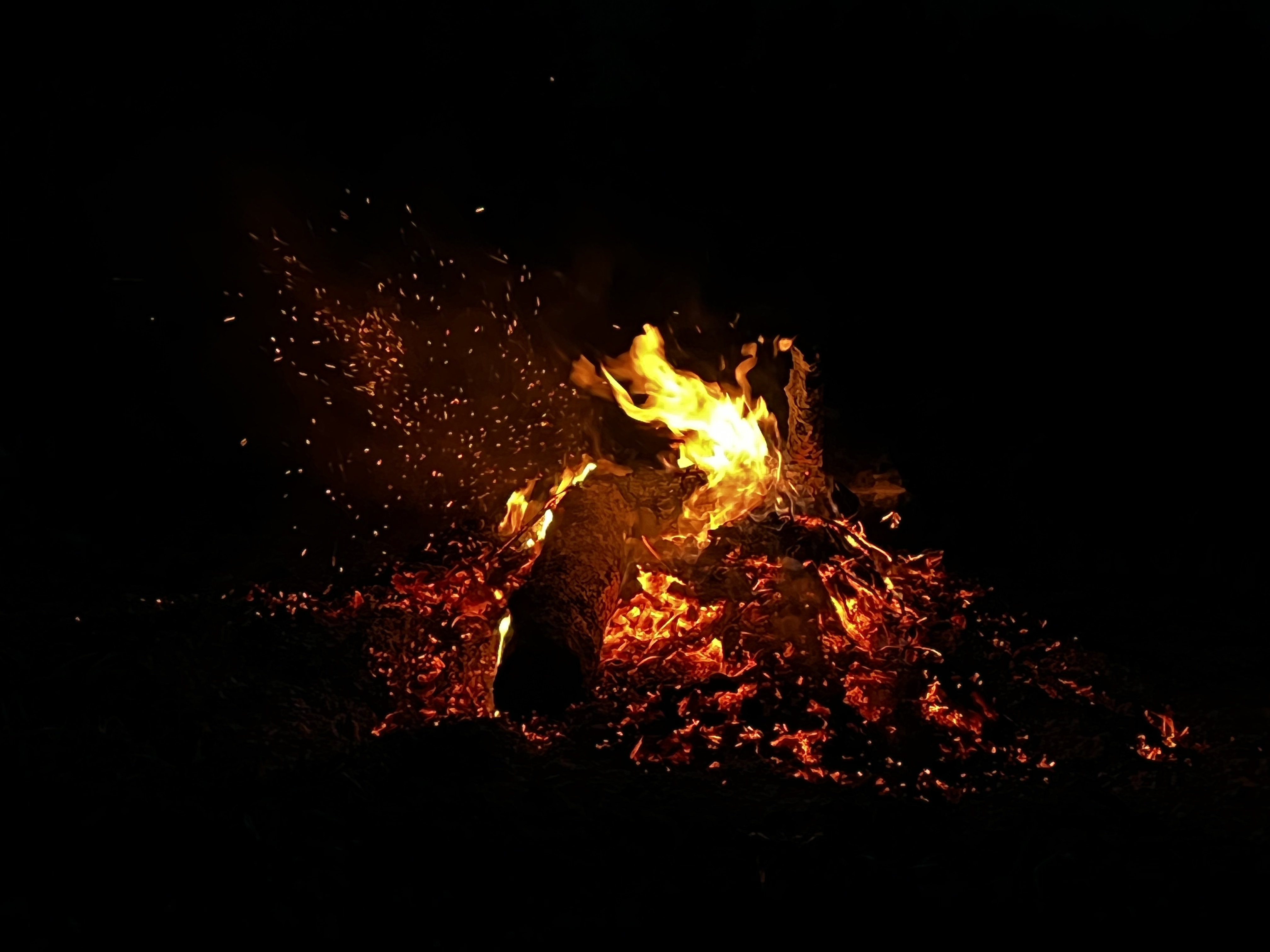
As soon as my dad got home from work, I remember him changing into denim overhauls and heavy duty gloves and boots. As long as there was daylight, he would head to our field and woods to battle back the brush thickets. He would swing his trusty brush hook, bringing down all manner of thick obstructing and unwanted plant life, then create numerous “brush piles” which he would let dry out and then burn in huge bonfires down to ashes in autumn until nothing was left but dust.

It was no small irony that he sometimes had to return in a few years to the same spot to clear it once again. It was a Sisyphean task, but yet somehow necessary for his general well-being.

I should have known there was something amiss when one year when I returned from college on a break, I found he had stopped clearing brush and chose instead to exercise on a stationary bicycle. Something in him had given up trying to make our fields and woods more habitable and useable. I figured he simply grew weary of perpetually ridding the land of thorn-bearing vines, thistles and weeds which had impeded his personal vision of the perfect park-like farmland.

Instead, he gave up and walked away from his marriage and his brush hook which he left hanging up in the barn. With nothing left to hold him there, he left, in search of something he felt was missing in his life.

We, my mom and his grown children, were left sifting through the ashes of what was left behind. It didn’t take long for the woods to become impenetrable in his absence.

We could not have known he would return a decade later, arising forgiven from the ashes he had left behind.

After all, there was more brush to clear and he was back to take care of it.

One-Time
Monthly
Yearly

Make a one-time or recurring donation to support daily ad-free Barnstorming posts

Make a monthly donation

Make a yearly donation

Choose an amount

$10.00
$25.00
$50.00
$5.00
$15.00
$100.00
$5.00
$15.00
$100.00

Or enter a custom amount

$

Your contribution is deeply appreciated.

Your contribution is appreciated.

Your contribution is appreciated.

DonateDonate monthlyDonate yearly
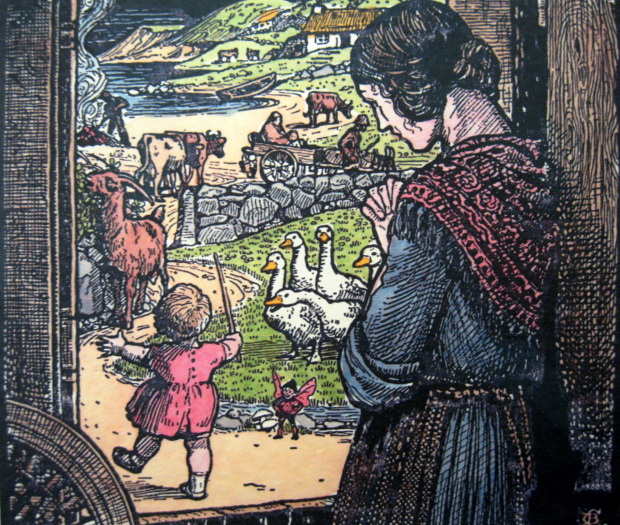
Prayer for a Child

God keep my jewel this day from danger;
From tinker and pooka and bad-hearted stranger.
From harm of the water, from hurt of the fire.
From the horns of the cows going home to the byre.
From the sight of the fairies that maybe might change her.
From teasing the ass when he’s tied to the manger.
From stones that would bruise her, from thorns of the briar.
From evil red berries that wake her desire.
From hunting the gander and vexing the goat.
From the depths o’ sea water by Danny’s old boat.
From cut and from tumble, from sickness and weeping;
May God have my jewel this day in his keeping.
~Winifred Lett (1882-1973) “Prayer for a Child

photo by Nate Gibson
photo by Anna Blake

I pray because I can’t help myself. I pray because I’m helpless. I pray because the need flows out of me all the time, waking and sleeping. It doesn’t change God. It changes me.
~C.S. Lewis

This “prayer for a child” has hung on the wall in our home for nearly four decades, purchased when I was pregnant with our first. When I first saw it with its drawing of the praying mother watching her toddler leave the safety of the home to explore the wide world, I knew it addressed most of my worries as a new mama, in language that helped me smile at my often irrational fears. I would glance at it dozens of time a day; it would remind me of God’s care for our children through every scary thing, real or imagined.

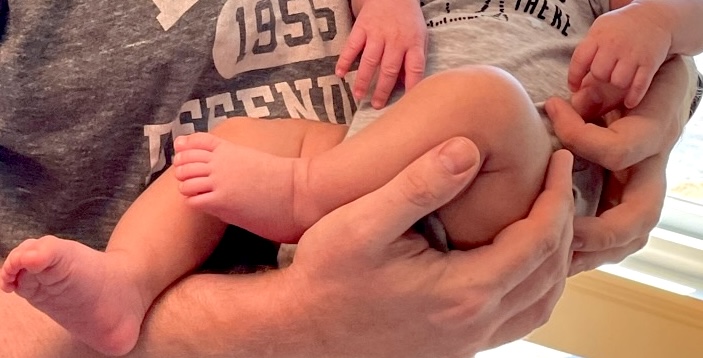
I continue to pray for our grown children and their God-given spouses, and now for six precious grandchildren, the latest of whom was born yesterday afternoon.

I pray because I can’t not pray, and because I’m helpless without the care and compassion of our sovereign God for each of us, especially when we are brand new, completely dependent and helpless.

May I be changed by my prayers and molded into a truly “grand” mother for our half dozen cherished grandchildren, each a jewel in His keeping.

One-Time
Monthly
Yearly

Make a one-time or recurring donation to support daily Barnstorming posts

Make a monthly donation

Make a yearly donation

Choose an amount

$10.00
$25.00
$50.00
$5.00
$15.00
$100.00
$5.00
$15.00
$100.00

Or enter a custom amount

$

Your contribution is deeply appreciated.

Your contribution is appreciated.

Your contribution is appreciated.

DonateDonate monthlyDonate yearly
They All Know…

The squirrel sticks its head from the tree’s knot,
shrieking directions, a village gossip with a huge
plumed tail. It moves down the scalloped bark, swaying
on tiny nails, and stops, eye-level with my swollen belly.
A black blur of bird swoops, the velvet of its wing
against my cheek. It nests among a ruckus of robins,
less interested in being fed than being heard. Around
the curve of the road, I near the farmer’s fence. His
mare lowers her fan of lashes. In the pond, a fish flips,
exposing its silver stomach.

~Tina Barry, “The Animals Know” from Beautiful Raft

photo by Harry Rodenberger
video by Harry Rodenberger

It has been over thirty years since I carried a child in my belly. Each time, I remember having the feeling our farm animals knew I was “expecting” even before it became obvious. Maybe it was because I was so overjoyed, I carried myself differently. After experiencing a miscarriage and two years of infertility workups, it felt almost magical being pregnant. It seemed as if our invisibly growing baby was already welcomed by all the creatures on our farm and were celebrating the anticipation along with us.

While I was pregnant with our first son, after such a long wait for parenthood, we bought a new dog, Tango and moved to a farm from the city. She was a year old and had never been around babies, so we weren’t sure how she would adapt to both new surroundings and new owners. As we drove six hours to her bring her to her new home, she happily settled in for the trip lying on my bulging tummy, pummeled by kicks from a baby she would soon meet face to face.

She loved him as soon as she saw him.
She had known him and understood him as he grew inside.

Now, decades later, our family’s next generation is fulfilling their own hopes for the future: we have four cherished grandchildren in addition to the two we are now waiting to meet — one will be any day now.

The expectation of new life is so sweet. All that lives and breathes anticipates this new soul budding and about to bloom.

Somehow, they just know…

One-Time
Monthly
Yearly

Make a one-time or recurring donation to support daily Barnstorming posts

Make a monthly donation

Make a yearly donation

Choose an amount

¤10.00
¤25.00
¤50.00
¤5.00
¤15.00
¤100.00
¤5.00
¤15.00
¤100.00

Or enter a custom amount

¤

Your contribution is deeply appreciated.

Your contribution is appreciated.

Your contribution is appreciated.

DonateDonate monthlyDonate yearly
Wind Hymning Through the Pines

Sunday mornings I would reach
high into his dark closet while standing
on a chair and tiptoeing reach
higher, touching, sometimes fumbling
the soft crowns and imagine
I was in a forest, wind hymning
through pines, where the musky scent
of rain clinging to damp earth was
his scent I loved, lingering on
bands, leather, and on the inner silk
crowns where I would smell his
hair and almost think I was being
held, or climbing a tree, touching
the yellow fruit, leaves whose scent
was that of a clove in the godsome
air, as now, thinking of his fabulous
sleep, I stand on this canyon floor
and watch light slowly close
on water I’m not sure is there.
~Mark Irwin “My Father’s Hats”

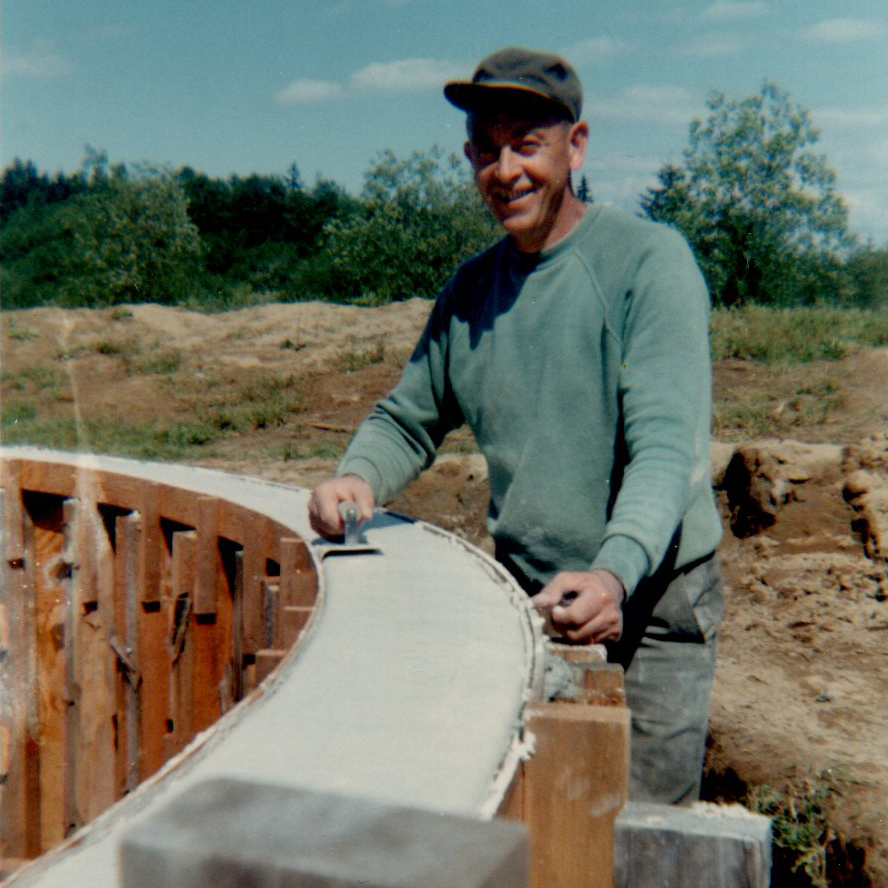
Henry Polis 1968

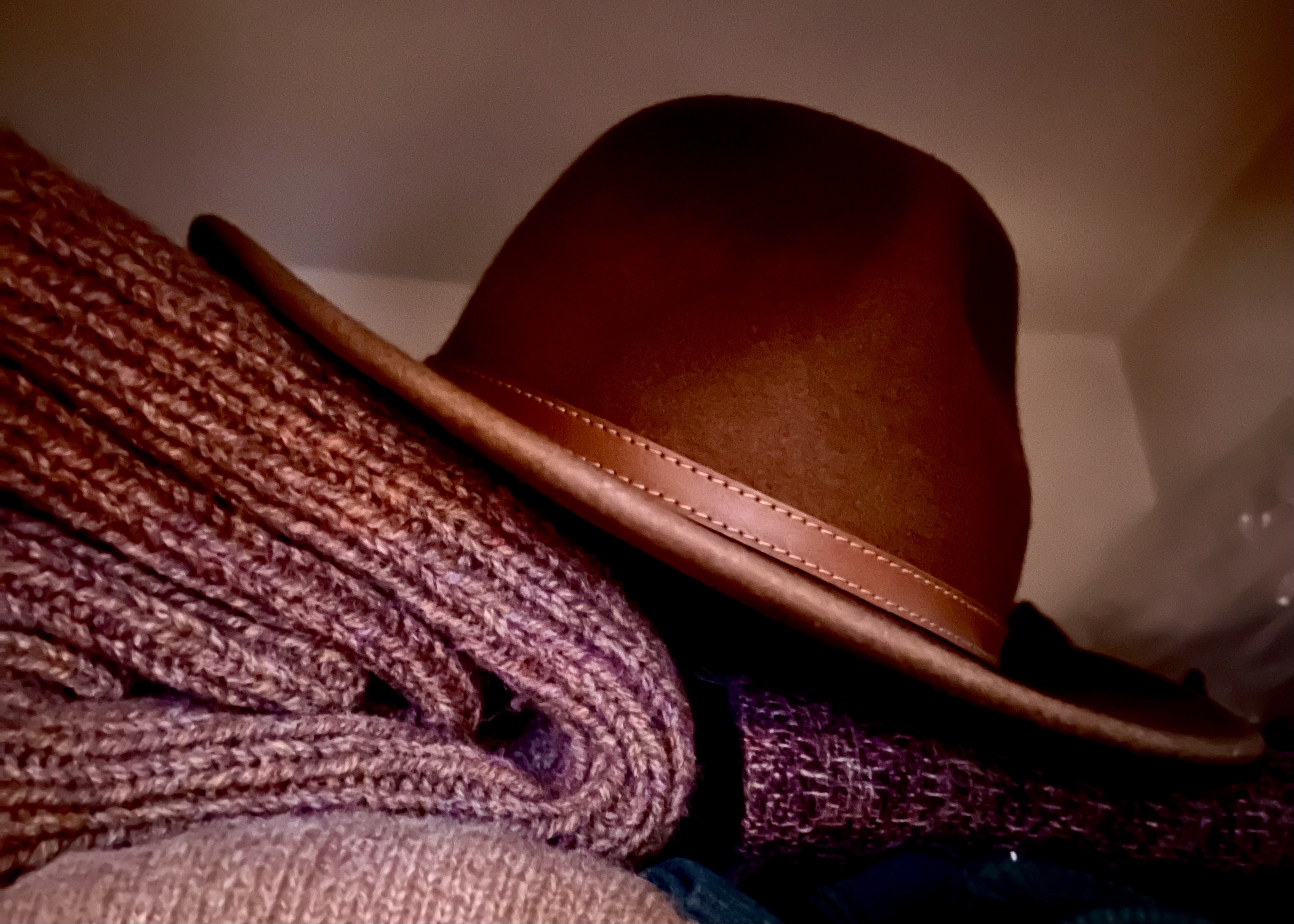
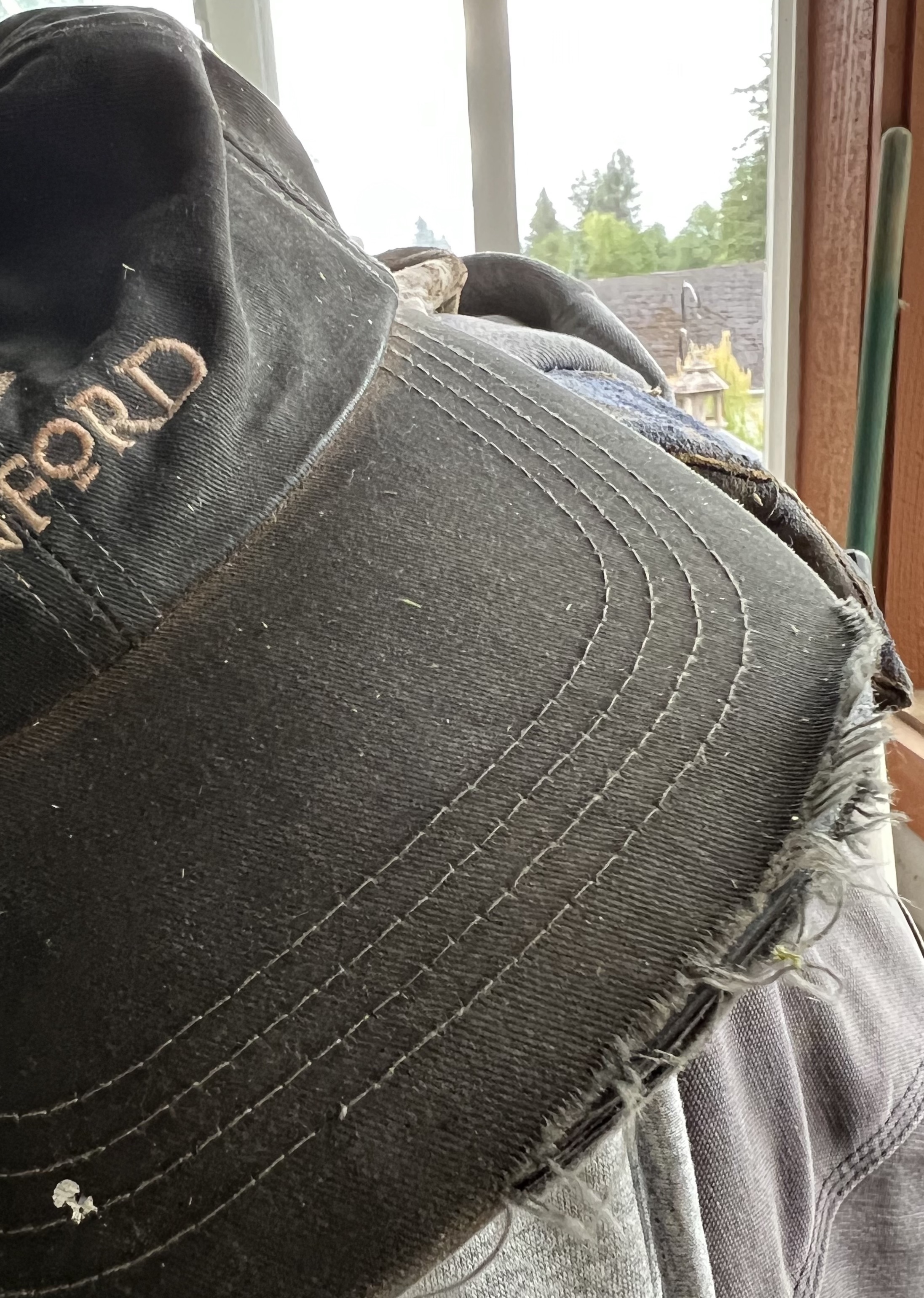
My father was always more comfortable working outdoors rather than at a desk. He had a nice felt hat for going to church along with the requisite suit and tie, but at home he wore a work cap with a tattered bill and a farm shop logo on the front. It hung on a hook in our breezeway, always sweat-stained from his laboring in full sun on projects on our small farm. I think he could wring it out at the end of the day.

My dad was not one for wearing aftershave or cologne, even to his office job. He had to scrub hard on Sunday mornings as his fingernails contained soil from the garden and grease from the car engines. He smelled like the woods where he slashed and piled brush, like the smoke from the burn piles he lit, like the cement he was always mixing to create his latest walkway, foundation, or support structure. And he always smelled of tobacco – his chosen vice – but never of alcohol which ruined not only his own father’s life and those around him.

I don’t think my father lost his faith even when he suffered at the end, dying of a second cancer after the first was defeated. He wasn’t one to speak of God or salvation so I simply assumed, just as I did during those decades of Sunday morning hat and suits, worshiping in church.

His light shone, even during the hard times when I wasn’t sure it was still there.

One-Time
Monthly
Yearly

Make a one-time or recurring donation to support daily Barnstorming posts

Make a monthly donation

Make a yearly donation

Choose an amount

¤10.00
¤25.00
¤50.00
¤5.00
¤15.00
¤100.00
¤5.00
¤15.00
¤100.00

Or enter a custom amount

¤

Your contribution is deeply appreciated.

Your contribution is appreciated.

Your contribution is appreciated.

DonateDonate monthlyDonate yearly

Trusting Angels in the Wilderness

…any father, particularly an old father, must finally give his child up to the wilderness and trust to the providence of God.

It seems almost a cruelty for one generation to beget another when parents can secure so little for their children, so little safety, even in the best circumstances. Great faith is required to give the child up, trusting God to honor the parents’ love for him by assuring that there will indeed be angels in that wilderness.
~Marilynne Robinson, Gilead

A reassuring truth for many families during this graduation season – 
in past years, we too watched our children leave home to begin a life of their own. We trusted in God’s providence that in our absence, there would be angels in the wilderness waiting to guide them.

Indeed there have been angels and continue to be –
you know who you are!

In turn, over thirty two years of clinical work in a university health center, I had opportunity to be that refuge in the wilderness for thousands of young adults who had left their parents’ home to seek out their own journey. Sometimes they found themselves stranded on a path that was twisting, rocky, full of pitfalls and peril. 

Despite plenty of my own limitations over those years, I found keeping this perspective helped me greet each new face, not only with a physician’s skill and knowledge, but always with a mother’s embrace.

Are there angels in the wilderness? I don’t know
I’ve got my doubts, but if you say so
But I’ve got a feeling we’re doing ok
We’re doing our part, to make the brambles seem less sharp

Beneath the wing of an angel
Far away from the night
Carry me till I am able
Beneath the wing of an angel

On the wing of an angel
Fly me on to the light
Hold me close till I’m able
Beneath the wing of an angel

One-Time
Monthly
Yearly

Make a one-time or recurring donation to support daily Barnstorming posts

Make a monthly donation

Make a yearly donation

Choose an amount

¤10.00
¤25.00
¤50.00
¤5.00
¤15.00
¤100.00
¤5.00
¤15.00
¤100.00

Or enter a custom amount

¤

Your contribution is deeply appreciated.

Your contribution is appreciated.

Your contribution is appreciated.

DonateDonate monthlyDonate yearly
A Palouse Farmgirl

My mother, Elna Schmitz Polis, was born 103 years ago today in the lonely isolation of a Palouse wheat and lentil farm in eastern Washington. She drew her first breath in a two story white house located down a long poplar-lined lane and nestled in a draw between the undulating hills.

She attended a one room school house until 8th grade, located a mile away in the rural countryside, then moved in with her grandmother “in town” in Rosalia to attend high school, seeing her parents only a couple times a month.

It was a childhood which accustomed her to solitude and creative play inside her mind and heart – her only sibling, an older brother, was busy helping their father on the farm. All her life and especially in her later years, she would prefer the quiet of her own thoughts over the bustle of a room full of activities and conversation.

Her childhood was filled with exploration of the rolling hills, the barns and buildings where her father built and repaired farm equipment, and the chilly cellar where the fresh eggs were stored after she reached under cranky hens to gather them. She sat in the cool breeze of the picketed yard, watching the huge windmill turn and creak next to the house. She helped her weary mother feed farm crews who came for harvest time and then settled in the screened porch listening to the adults talk about lentil prices and bushel production. She woke to the mourning dove call in the mornings and heard the coyote yips and howls at night.

She nearly died at the age of 13 from a ruptured appendix, before antibiotics were an option. That near-miss seemed to haunt her life-long, filling her with worry that it was a mistake that she survived that episode at all. Yet she thrived despite the anxiety, and ended up, much to her surprise, living a long life full of family and faith, letting go at age 88 after fracturing a femur, breaking her will to continue to live.

As a young woman, she was ready to leave the wheat farm behind for college, devoting herself to the skills of speech, and the creativity of acting and directing in drama, later teaching rural high school students, including a future Pulitzer Prize winning poet, Carolyn Kizer. She loved words and the power and beauty they wielded.

Marrying my father was a brave and impulsive act, traveling by train to the east coast only a week before he shipped out for almost 3 years to the South Pacific to fight as a Marine in WWII. She must have wondered about the man who returned from war changed and undoubtedly scarred in ways she could not see or touch. They worked it out mostly in silence, as rocky as it must have been at times. Her episode of Graves’ disease, before I was born, must have been agonizing, as her storm of thyroid overactivity resulted in months of sleepless full time panic. Only thyroid removal saved her, but even radical surgeries take their toll. Their marriage never fully recovered.

In their reconciliation after a painful divorce years later, I finally could see the devotion and mutual respect between life companions who had found shared purpose and love.

As a wife and mother, she rediscovered her calling as a steward of the land and a tireless steward of her family, gardening and harvesting fruits, vegetables and us children. When I think of my mother, I most often think of her tending us children in the middle of the night whenever we were ill; her over-vigilance was undoubtedly due to her worry we might die in childhood as she almost did.

She never did stop worrying until the last few months. As she became more dependent on others in her physical decline, she gave up the control she thought she had to maintain through her “worry energy” and became much more accepting about the control the Lord maintains over all we are and will become.

I know from where my shyness comes, my preference for birdsongs rather than radio music, my love of naps, and my tendency to be serious and straight-laced with a twinkle in my eye. This is my German Palouse side–immersing in the quietness of solitude, thrilling to the sight of the spring wheat flowing like a green ocean wave in the breeze and appreciating the warmth of rich soil held in my hands. From that heritage came my mother and it is the legacy she left with me. I am forever grateful for her unconditional love and her willingness to share the sunshine and warmth of her nest whenever we felt the need to fly back home and shelter, overprotected but safe nonetheless, under her wings.

One-Time
Monthly
Yearly

Make a one-time or recurring donation to support daily Barnstorming posts

Make a monthly donation

Make a yearly donation

Choose an amount

¤10.00
¤25.00
¤50.00
¤5.00
¤15.00
¤100.00
¤5.00
¤15.00
¤100.00

Or enter a custom amount

¤

Your contribution is deeply appreciated.

Your contribution is appreciated.

Your contribution is appreciated.

DonateDonate monthlyDonate yearly
Leaving Stars on the Pavement

Holes in the shape of stars
punched in gray tin, dented,
cheap, beaten by each
of her children with a wooden spoon.

Noodle catcher, spaghetti stopper,
pouring cloudy rain into the sink,
swirling counter clockwise
down the drain, starch slime
on the backside, caught
in the piercings.

Scrubbed for sixty years, packed
and unpacked, the baby’s
helmet during the cold war,
a sinking ship in the bathtub,
little boat of holes.

Dirt scooped in with a plastic
shovel, sifted to make cakes
and castles. Wrestled
from each other’s hands,
its tin feet bent and re-bent.

Bowl daylight fell through
onto freckled faces, noon stars
on the pavement, the universe
we circled aiming jagged stones,
rung bells it caught and held.

~Dorianne Laux “My Mother’s Colander”

Many of my mother’s kitchen things, some over eighty years old, are still packed away in boxes that I haven’t had the time or the emotional wherewithal to open. They sit waiting for me to sort and purge and save and weep. As if I still haven’t wanted to say goodbye after all this time.

But this kitchen item, her old dented metal colander, she gave to me when I moved into my first apartment some 45 years ago – she had purchased a bright green plastic colander at a Tupperware party so the old metal one seemed somehow outdated, overworked and plain. It had held hundreds of pounds of rinsed garden vegetables during my childhood, had drained umpteen pasta noodles, had served as a sifter in our sandbox, and a helmet for many a pretend rocket launch to infinity and beyond.

Dented and battered, it still works fine, thank you very much, for all intended and some unintended purposes. It does make me wonder what other treasures may surprise me when I finally decide to open up my mother’s boxes. She died 15 years ago, but her things remain, as if in suspended animation, to be rediscovered when I’m ready. They wait patiently to be useful to someone again, touched lovingly and with distinct purpose as they once were, and be remembered for the part they played in one woman’s long sacrificial and faith-filled life.

Maybe, just maybe, it will feel like I’ve unpacked Mom once again and maybe this time it will be both hello and goodbye.

To infinity and beyond…

One-Time
Monthly
Yearly

Make a one-time or recurring donation to support daily Barnstorming posts

Make a monthly donation

Make a yearly donation

Choose an amount

¤10.00
¤25.00
¤50.00
¤5.00
¤15.00
¤100.00
¤5.00
¤15.00
¤100.00

Or enter a custom amount

¤

Your contribution is deeply appreciated.

Your contribution is appreciated.

Your contribution is appreciated.

DonateDonate monthlyDonate yearly

Immortal Flowers

“Did you ever know that a flower, once withered and freshened again, becomes an immortal flower, – that is, that it rises again?”
~Emily Dickinson in a letter to a friend

Emily Dickinson Herbarium – preservation of trillium

Emily Dickinson herbarium- preservation of wild ginger (asarum)

While I was fearing it, it came—
But came with less of fear
Because that fearing it so long
Had almost made it fair—

There is a Fitting—a Dismay—
A Fitting—a Despair
’Tis harder knowing it is Due
Than knowing it is Here.

The Trying on the Utmost
The Morning it is new
Is Terribler than wearing it
A whole existence through.

~Emily Dickinson

Over a decade ago, as I was going through my mother’s boxed-up possessions after her death, I found the 1956 Webster’s New Dictionary of the Twentieth Century that I grew up with. This book was massive, easily weighing 10 pounds, and served as a booster seat for haircuts, a step stool for trying to reach the cookie jar on the kitchen cupboard, and of course, for looking up any obscure word that ever existed in all of history. Or so it seemed.

It was an amazing tome. And as I flipped through the pages, I found some old familiar friends that were neither black nor white nor read all over. They had survived over half a century.

Wildflowers had been carefully pressed between the pages–over two dozen specimens paper thin themselves, their existence squeezed into two dimensions–still showing faint pink or blue, or purple color, almost exuding a long ago fragrance from a summer over fifty years ago. As a child I regularly wandered out to our fields and woods to gather crimson clover blossoms, buttercup, dandelions, daisies, wild violets, wild ginger, calypso lady slippers for bouquets for my mother, and she would select the most perfect to slide between the pages of the dictionary. Occasionally she would pull one out to gently paste on a hand written card she sent to a friend.

Here were my perfect flowers, preserved and pressed for time, just waiting for the senior-citizen me to rediscover them lying between wonderful words that I love to roll in my mouth and type on a page. They are too fragile to paste to a greeting card, or even to handle due to their brittleness. They need to stay right where they are, for another generation or two or three to discover.

As a child, I was always very worried about losing my parents, fearing their death would be the end of me as well. But as Emily Dickinson writes “fearing it so long/Had almost made it fair” – as an adult, I was more prepared for the day each parted from this life. As the poet suggests, fearing it for years was much harder than the acceptance when that time had come.

Now I too am pressed for time, fading and more fragile, perhaps more brittle than I care to admit. My mother and father have blown away like the puff ball seeds of the dandelion, on to other horizons, but the sturdy old dictionary is going nowhere. It will be passed down, its delicate passengers preserved inside from a long-ago-far-away summer afternoon of flower gathering. They will be shared as a great grandchild opens the book to look up a favorite word sometime in the not-so-far-off future.

One-Time
Monthly
Yearly

Make a one-time or recurring donation to support daily Barnstorming posts

Make a monthly donation

Make a yearly donation
Choose an amount

¤10.00
¤20.00
¤50.00
¤5.00
¤15.00
¤100.00
¤5.00
¤15.00
¤100.00

Or enter a custom amount

¤

Your contribution is deeply appreciated.
Your contribution is appreciated.

Your contribution is appreciated.

DonateDonate monthlyDonate yearly