Sorting Laundry

Given over to love,
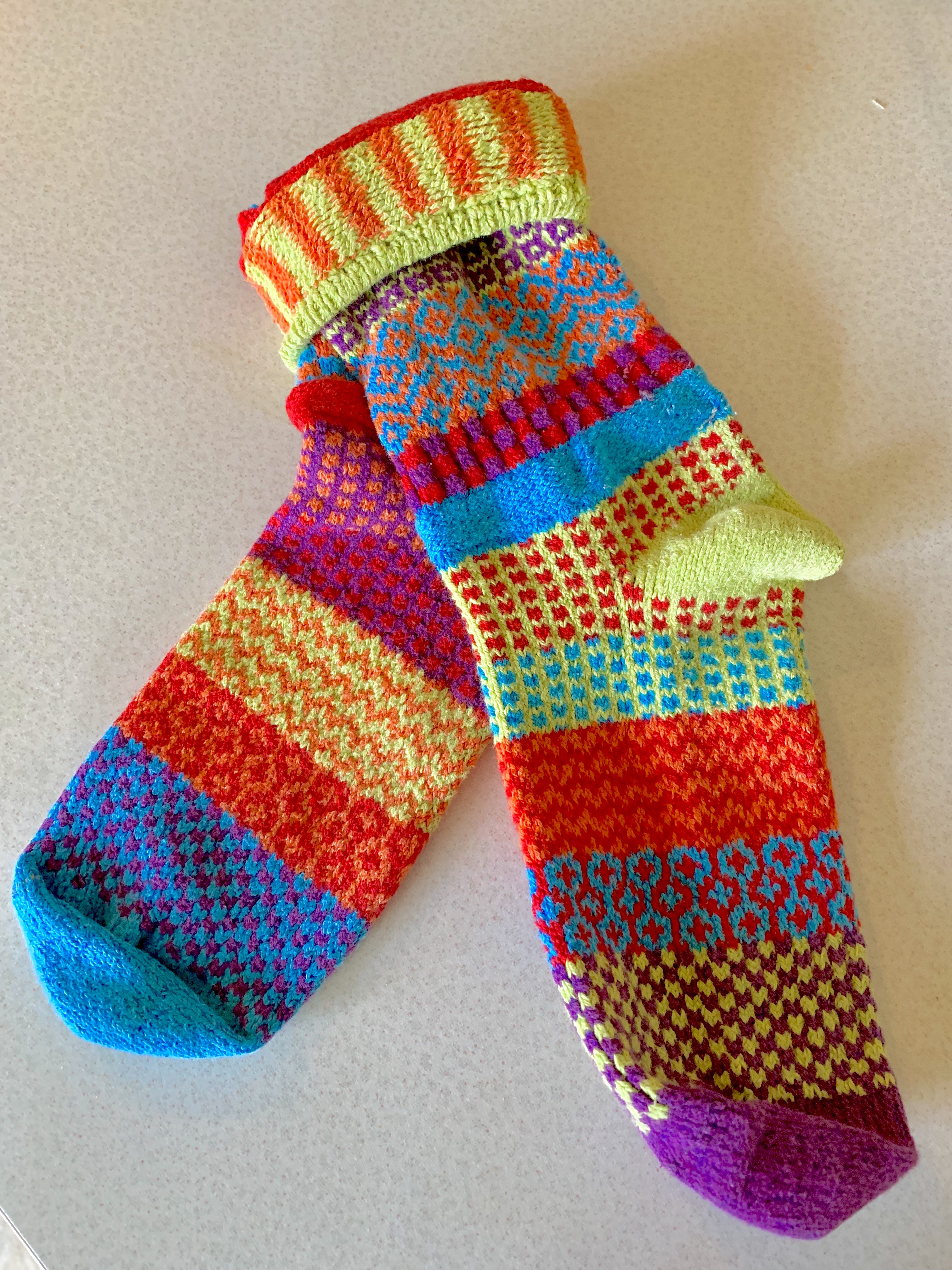
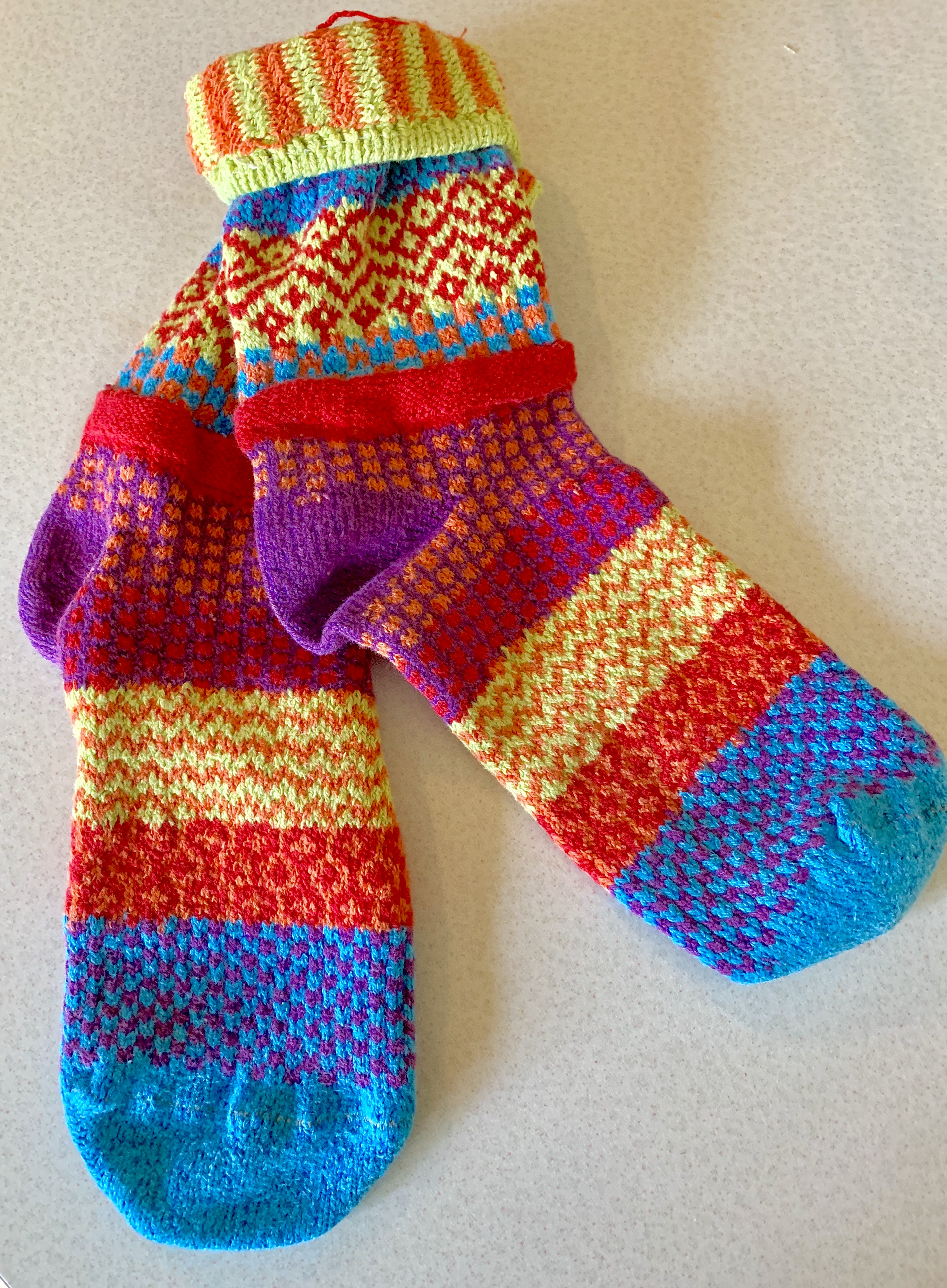
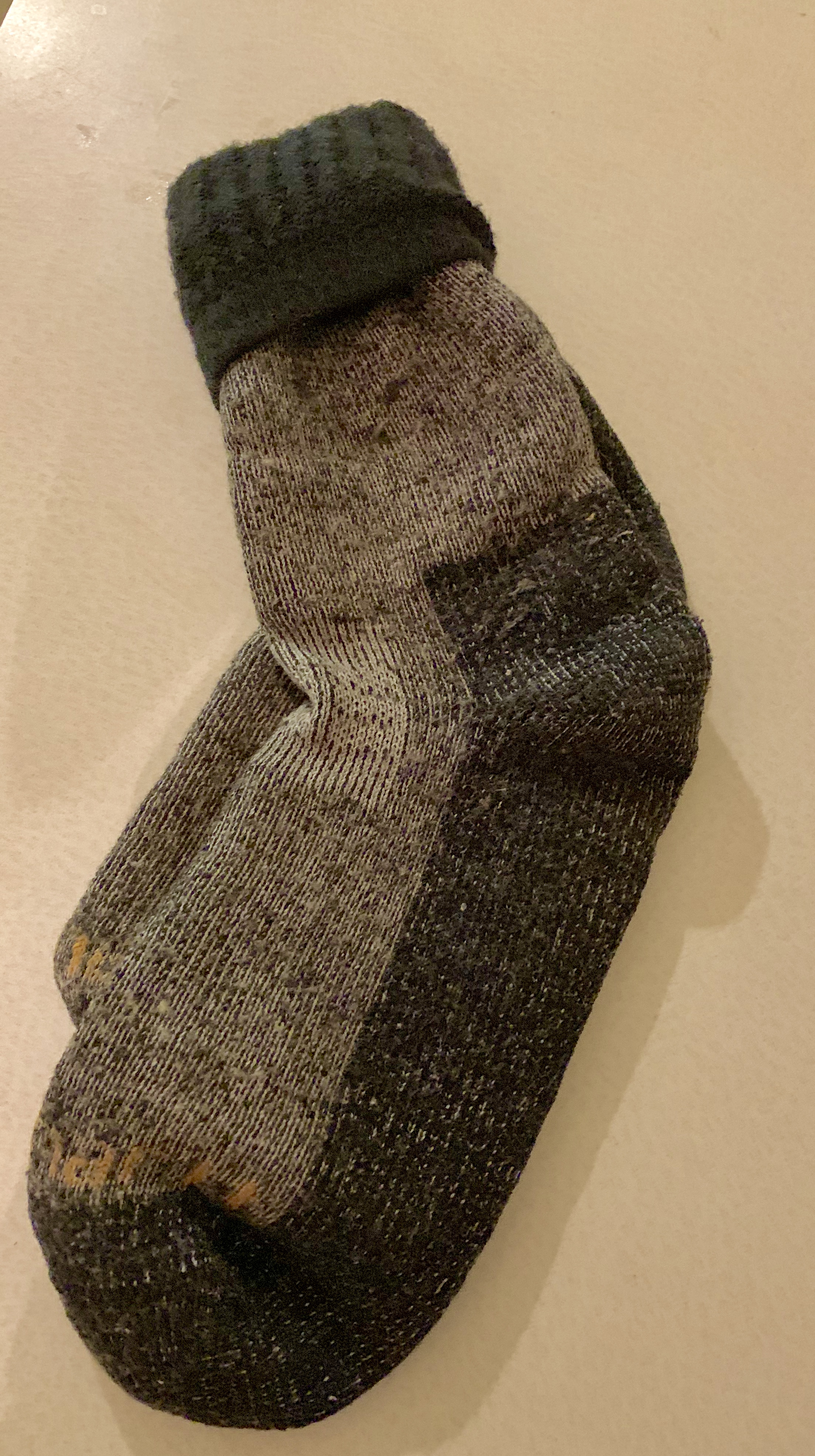
she un-balls the socks,

lets fall debris of days,
leaf litter, sand grain,

slub of some sticky substance,
picks it all for the sake

of the stainless tub
of the gleaming new front loader.

Given over to love long ago, when her own
exasperated moan bounced off

the quaint speckled enamel
of the top loader

vowing: she’d do this always and well.
She fell in love then, she fell in line—

in a march of millions, you pair them,
two by two, you marry the socks.

~Heid E. Erdrich “Laundress” from Curators of Ephemera at the New Museum for Archaic Media
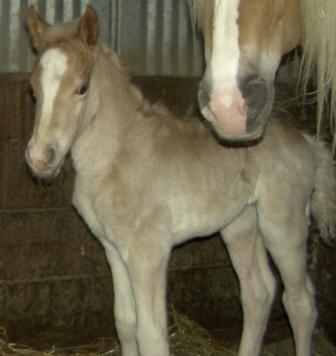
Settling into the straw, I am grateful for a quiet moment after a 12 hour workday followed by all the requisite personal conversations that help mop up the spills and splatters of every day life. My family verbally unloads their day like so much stored up laundry needing to be washed and rinsed with the spin cycle completed before tomorrow dawns. I move from child to child to child to husband to grandmother, hoping to help each one clean, dry, fold and sort everything in their pile, including finding and marrying each stray sock with its partner.

Not to be outdone, I pile up a little dirty laundry of my own as I complain about my day as well. My own socks are covered in burrs and stickers and resist matching.

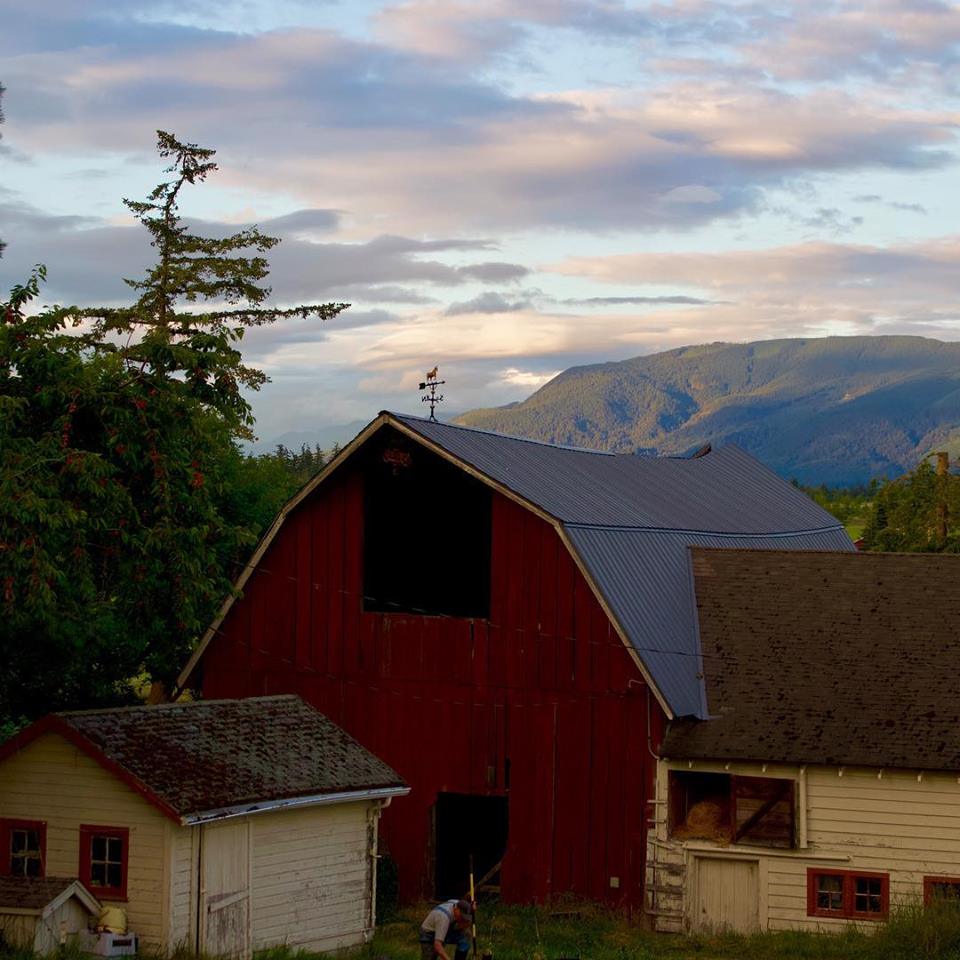
I’m on “spent” cycle so I retreat to the barn where communication is less demanding and requires more than just my ears and vocal cords.   Complaints are meaningless here and so are unmarried socks.

In this place a new foal and his vigilant mama watch my every move.

This colt is intrigued by my intrusion into his 12′ x 24′ world. His mother is annoyed. He comes over to sniff my foot and his mother swiftly moves him away with a quick swing of her hips, daunting me with the closeness of her heels. Her first instinct insists she separate me from him and bar my access. My mandate is to woo her over. I could bribe her with food, but, no,  that is too easy.

A curry comb is best. If nothing else will work, a good scratching always does. Standing up, I start peeling sheets of no longer needed winter hair off her neck,  her sides, her flank and hindquarter.  She relaxes in response to my efforts,  giving her baby a body rub with her muzzle, wiggling her lips all up and down from his back to his tummy. He is delighted with this spontaneous mommy massage and leans into her, moving around so his hind end is under her mouth and his front end is facing me. Then he starts giving his own version of a massage too, wiggling his muzzle over my coat sleeve and wondrously closing this little therapeutic triangle.

Here we are, a tight little knot of givers/receivers with horse hair flying in a cloud about us. One weary human, one protective mama mare and one day-old foal, who is learning so young how to contribute to the well being of others.

Given over to love, to do it always and well.

It is an incredible gift of trust bestowed on me like a blessing.  I realize this horse family is helping me sort my own laundry in the same way I help with my human family’s load.

Too often in life we find ourselves in painful triangles, passing our kicks and bites down the line to each other rather than providing needed relief and respite. We find ourselves unable to wrench free from continuing to deliver the hurts we’ve just received.  What strength it takes to respond with kindness when the kick has just landed on our backside. How chastened we feel when a kindness is directed at us, as undeserving as we are after having bitten someone hard.

Instead of biting, try massaging.  Instead of kicking, try tickling. Instead of fear, try acceptance.  Instead of annoyance, try patience. Instead of piling up so much dirty laundry of your own, try washing, folding and sorting what is given to you by others, handing it back all clean, smelling better and ready for the next day.

And even if the socks don’t match exactly, marry them anyway.
Just give them over to love.

Where Have I Been?

And the seasons they go round and round
And the painted ponies go up and down
We’re captive on the carousel of time
We can’t return, we can only look behind
From where we came
And go round and round and round
In the circle game…
~Joni Mitchell “The Circle Game”

those lovely horses,
that galloped me,

moving the world,
piston push and pull,

into the past—dream to
where? there, when

the clouds swayed by
then trees, as a tire

swing swung
me under—rope groan.

now, the brass beam,
holds my bent face,

calliope cadence—O
where have I been?
~Richard Maxson “Carousel at Seventy”

photo by Tomomi
photo by Tomomi

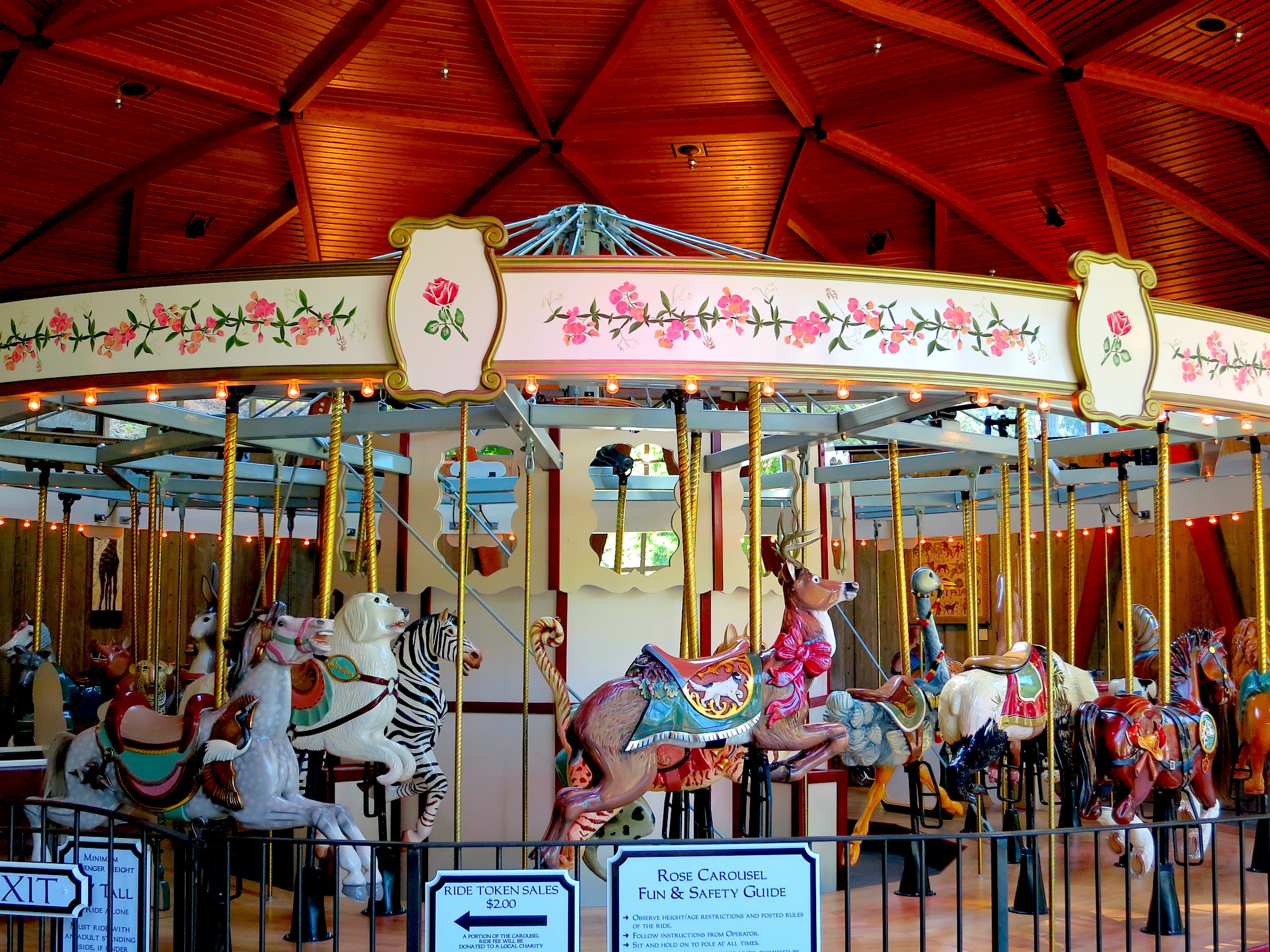
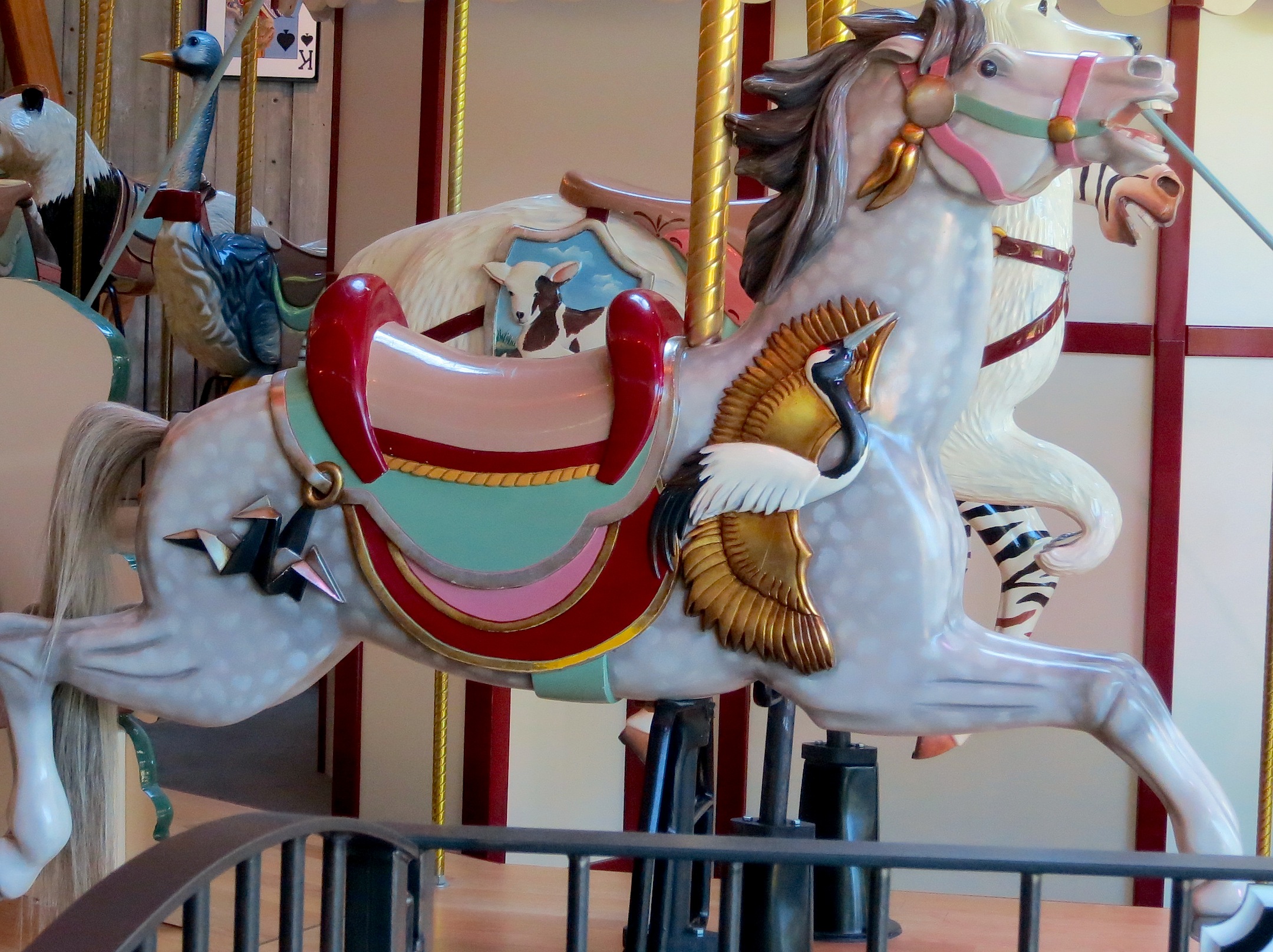
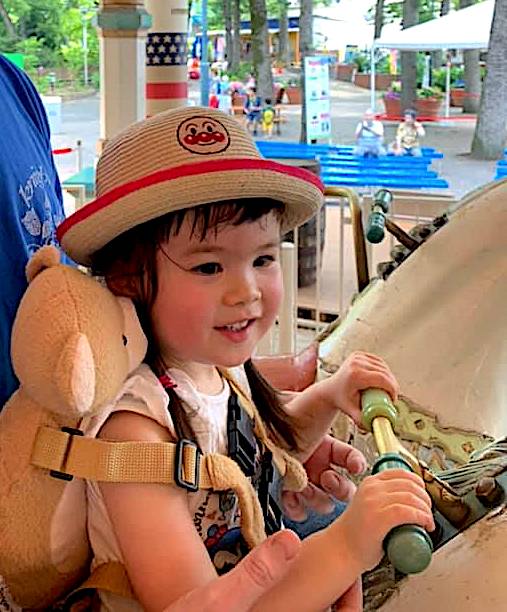
Sixty years ago in July, I was a five year old having her first ride on the historic carousel at Woodland Park Zoo before we moved from Stanwood to Olympia.
Fifty years ago — a teenager watching the first men walk on the moon the summer I started work as an assistant to a local dentist.
Forty years ago — deep in the guts of a hospital working a forty hour shift thinking about the man who was to become my husband.
Thirty years ago — my husband and I picking up bales of hay with two young children in tow after I had just accepted a new position doctoring at the local university & we are offered an opportunity to buy a larger farm.
Twenty years ago — with three children and our farm house remodel complete, we have three local parents with health issues needing support, helping with church activities and worship, raising Haflinger foals and organizing a summer local Haflinger gathering of nearly 100 horses and owners, planning a new clinic building.
Ten years ago — two sons launched with one about to move to Japan, a daughter at home with a new driver’s license, my mother slowly bidding goodbye to life at a local care center, farming is less about horse raising and more about gardening, starting to record life on my blog.
Five years ago — two sons married, a daughter off in the midwest as a camp counselor so our first summer without children at home. Time for a new puppy!

Now
O where have I been?
We can only look behind from where we came.

The decades pass, round and round – there is comfort knowing that through the ups and downs of daily life, I am still hanging on and if I slip and fall, there is Someone ready to catch me.


Packed and Unpacked

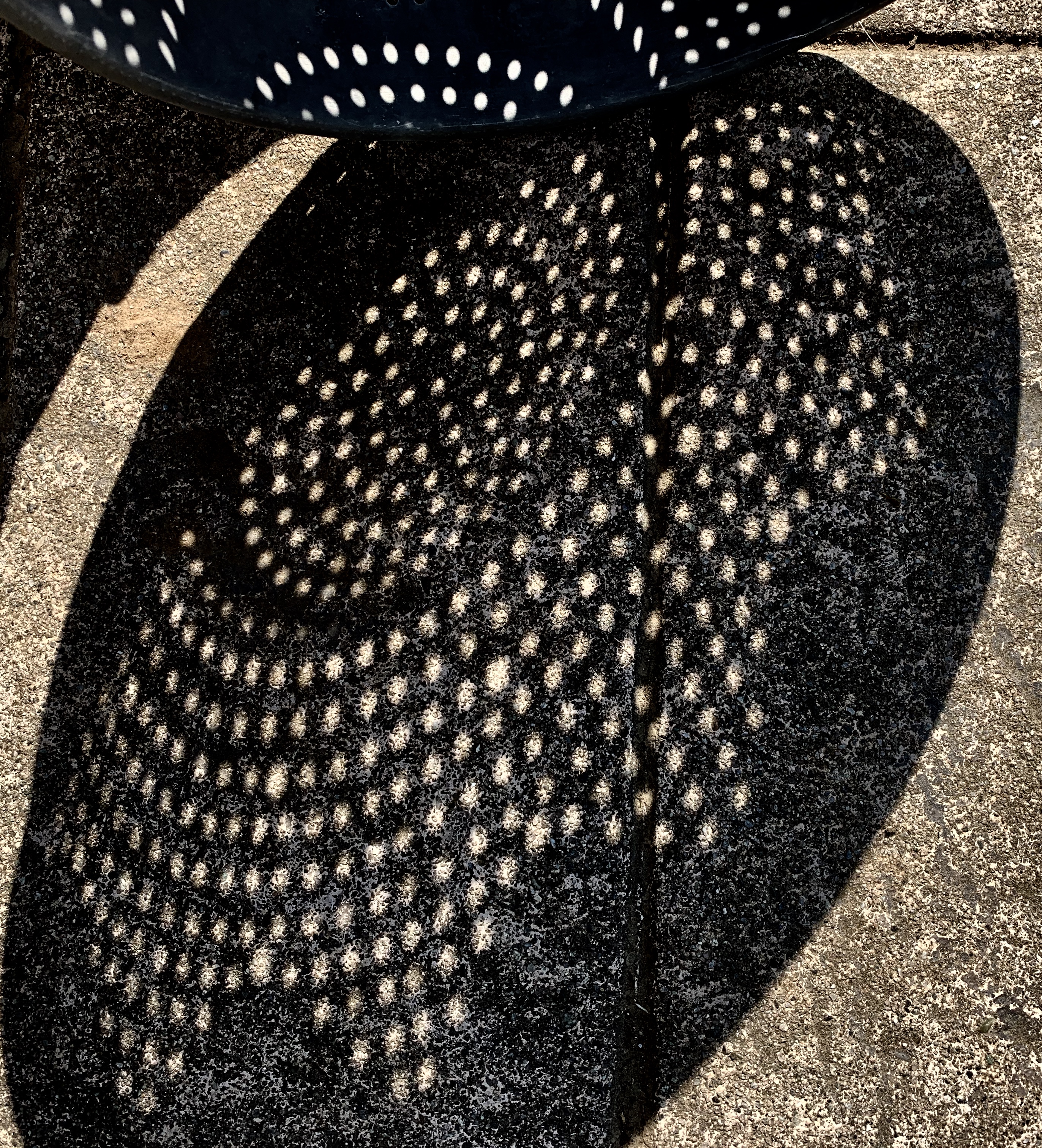
Holes in the shape of stars
punched in gray tin, dented,
cheap, beaten by each
of her children with a wooden spoon.

Noodle catcher, spaghetti stopper,
pouring cloudy rain into the sink,
swirling counter clockwise
down the drain, starch slime
on the backside, caught
in the piercings.

Scrubbed for sixty years, packed
and unpacked, the baby’s
helmet during the cold war,
a sinking ship in the bathtub,
little boat of holes.

Dirt scooped in with a plastic
shovel, sifted to make cakes
and castles. Wrestled
from each other’s hands,
its tin feet bent and re-bent.

Bowl daylight fell through
onto freckled faces, noon stars
on the pavement, the universe
we circled aiming jagged stones,
rung bells it caught and held.

~Dorianne Laux “My Mother’s Colander”from Only As the Day is Long: New and Selected Poems.

Many of my mother’s kitchen things, some over seventy years old, are still packed away in boxes that I haven’t had the time or the emotional wherewithal to open. They sit waiting for me to sort and purge and save and weep.

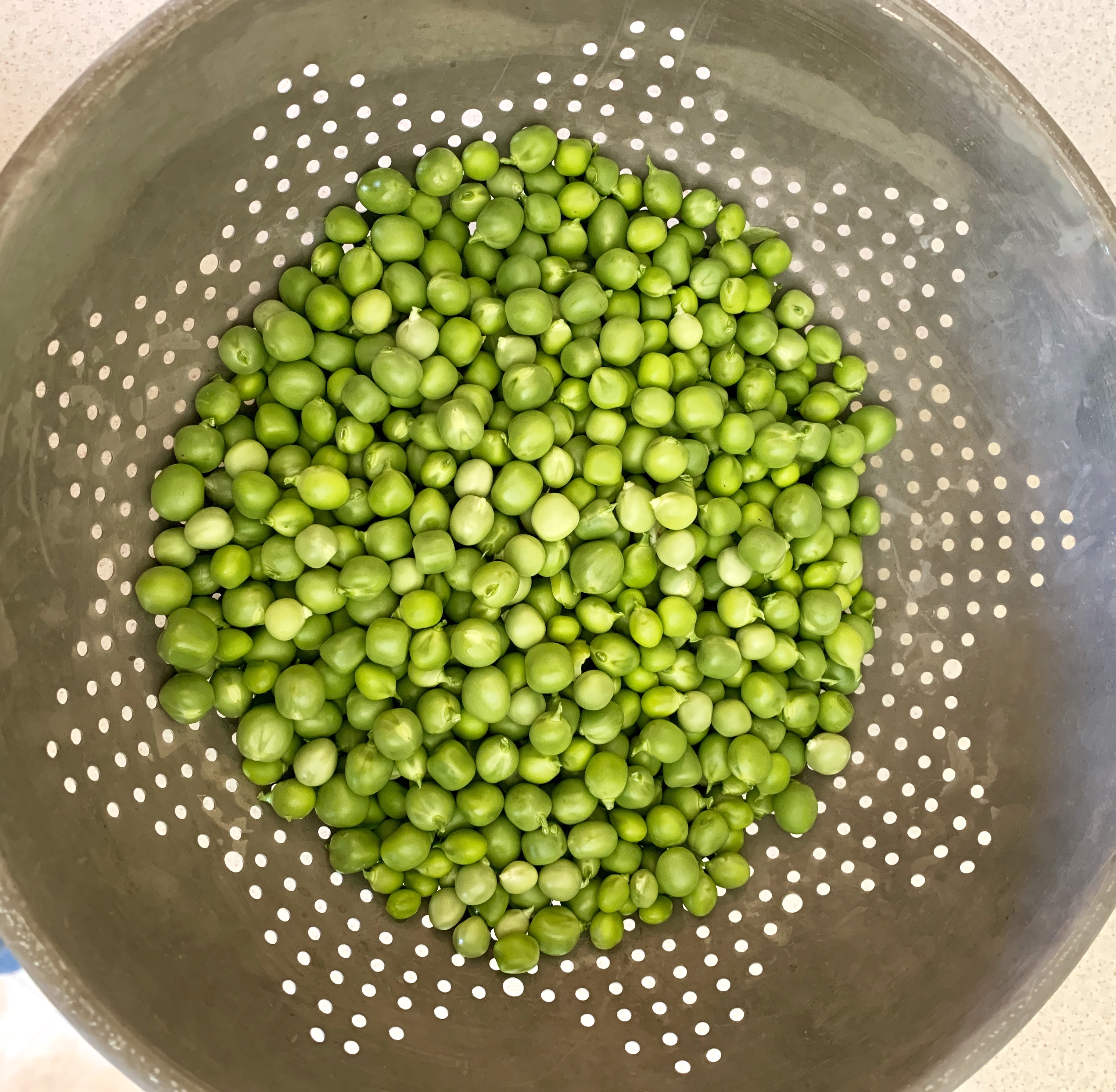
But this kitchen item, her old dented metal colander, she gave to me when I moved into my first apartment some 40 years ago – she had purchased a bright green plastic colander at a Tupperware party so the old metal one seemed somehow outdated, overworked and plain. It had held hundreds of pounds of rinsed garden vegetables during my childhood, had drained umpteen pasta noodles, had served as a sifter in our sandbox, and a helmet for many a pretend rocket launch to infinity and beyond.

It still works fine, thank you very much, for all intended and some unintended purposes. It does make me wonder what other treasures may surprise me when I finally decide to open up my mother’s boxes. She died ten years ago, but her things remain, as if in suspended animation, to be rediscovered when I’m ready. They wait patiently to be useful to someone again, touched lovingly and with distinct purpose as they once were, and be remembered for the part they played in one woman’s long and faith-filled life.

Maybe, just maybe, it will feel like I’ve unpacked Mom once again as well.

To infinity and beyond…

Where Gloom and Brightness Meet

In the grey summer garden I shall find you 
With day-break and the morning hills behind you. 
There will be rain-wet roses; stir of wings; 
And down the wood a thrush that wakes and sings. 
Not from the past you’ll come, but from that deep
Where beauty murmurs to the soul asleep: 
And I shall know the sense of life re-born 
From dreams into the mystery of morn 
Where gloom and brightness meet. And standing there 
Till that calm song is done, at last we’ll share
The league-spread, quiring symphonies that are 
Joy in the world, and peace, and dawn’s one star. 
~Siegfried Sassoon “Idyll”

Sixty five years ago today was a difficult day for my mother and me. She remembered it was a particularly hot July 4 with the garden coming on gangbusters and she having quite a time keeping up with summer farm chores. With three weeks to go in her pregnancy, her puffy legs were aching and she wasn’t sleeping well.

She just wanted to be done gestating, with the planned C section scheduled a few days before my due date of August 1.

She and my dad and my sister had waited eight long years for this pregnancy, having given up hope, having already chosen an infant boy to adopt, the papers signed and waiting on the court for the final approval. They were ready to bring him home when she discovered she was pregnant and the adoption agency gave him to another family.

I’ve always wondered where that little boy ended up, his life trajectory suddenly changed by my conception. I feel some accountability.

Every subsequent July 4, my mother would tell me about July 4, 1954 when I was curled upside down inside her impatiently kicking her ribs in my attempts to stretch, hiccuping when she tried to nap, and dozing as she cooked the picnic meal they took to eat while waiting for the local fireworks show to start.

As I grew up, she would remind me when I cringed and covered my ears as fireworks shells boomed overhead, that I leapt startled inside her with each explosion. She wondered if I might jump right out of her, so she held onto her belly tight, trying to calm and reassure me. Perhaps I was justifiably fearful about what chaos was booming on the outside, as I remained inside until the doctor opened Mom up three weeks later.

Now I know I am meant for quieter things, greeting the mystery of each morning with as much calm as I can muster. I still cringe and jump at fireworks and recognize I was blessed to be born to a family who wanted me and waited for me.

May there come a day when every baby knows such a blessing.

Suds in the Sink

She rarely made us do it—we’d clear the table instead—
so my sister and I teased that some day
we’d train our children right and not end up like her,
after every meal stuck with red knuckles,
a bleached rag to wipe and wring.
The one chore she spared us:
gummy plates in water greasy
and swirling with sloughed peas,
globs of egg and gravy.                               
Or did she guard her place at the window?
Not wanting to give up the gloss of the magnolia,
the school traffic humming.
Sunset, finches at the feeder.
First sightings
of the mail truck at the curb, just after noon,
delivering a note, a card, the least bit of news.
~Susan Meyers “Mother, Washing Dishes”

My thoughts went round and round and it occurred to me that if I ever wrote a novel it would be of the ‘stream of consciousness’ type and deal with an hour in the life of a woman at the sink.

….I had to admit that nobody had compelled me to wash these dishes or to tidy this kitchen. It was the fussy spinster in me, the Martha who could not comfortably sit and make conversation when she knew that yesterday’s unwashed dishes were still in the sink.
~Barbara Pym from Excellent Women

Even the mundane task of washing dishes by hand is an example of the small tasks and personal activities that once filled people’s daily lives with a sense of achievement.
~B.F. Skinner, behavioral psychologist

I trace the faltering American family to the invention of the automatic dishwasher.

What ever has happened to the human dishwasher with two hands full of wash cloth and scrubber, alongside a dish dryer armed with a towel?

Where is the list on the refrigerator of whose turn is next, and the accountability if a family member somehow shirks their washing/drying responsibility and leaves the dishes to the next day?

No longer do family members have to cooperate to scrub clean glasses, dishes and utensils, put them in the dish rack, dry them one by one and place them in the cupboard where they belong. If the washer isn’t doing a proper job, the dryer immediately takes note and recycles the dirty dish right back to the sink. Instant accountability. I always preferred to be the dryer. If I washed, and my sister dried, we’d never get done. She would keep recycling the dishes back for another going-over. My messy nature exposed.

The family conversations started over a meal often continue over the clean-up process while concentrating on whether a smudge is permanent or not. I learned some important facts of life while washing and drying dishes that I might not have learned otherwise. Sensitive topics tend to be easier to discuss when elbow deep in soap suds. Spelling and vocabulary and math fact drills are more effective when the penalty for a missed word is a snap on the butt with a dish towel.

Modern society is missing the best opportunity for three times a day family-together time. Forget family “game” night, or parental “date” night, or even vacations. Dish washing and drying at the sink takes care of all those times when families need to be communicating and cooperating.

It is time to treat the automatic dishwasher as simply another storage cupboard and instead pull out the brillo pads, the white cotton dishtowels and the plastic dishrack.

Let’s start tonight.

And I think it is your turn first…

Please Call Me When You Get There

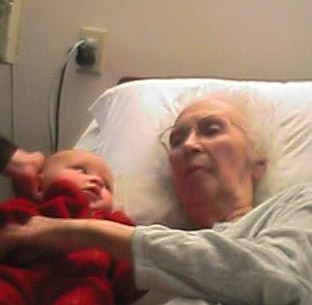
Vigil at my mother’s bedside

Lying still, your mouth gapes open as
I wonder if you breathe your last.
Your hair a white cloud
Your skin baby soft
No washing, digging, planting gardens
Or raising children
Anymore.

Where do your dreams take you?
At times you wake in your childhood home of
Rolling wheat fields, boundless days of freedom.
Other naps take you to your student and teaching days
Grammar and drama, speech and essays.
Yesterday you were a young mother again
Juggling babies, farm and your wistful dreams.

Today you looked about your empty nest
Disguised as hospital bed,
Wondering aloud about
Children grown, flown.
You still control through worry
and tell me:
Travel safely
Get a good night’s sleep
Take time to eat
Call me when you get there

I dress you as you dressed me
I clean you as you cleaned me
I love you as you loved me
You try my patience as I tried yours.
I wonder if I have the strength to
Mother my mother
For as long as she needs.

When I tell you the truth
Your brow furrows as it used to do
When I disappointed you~
This cannot be
A bed in a room in a sterile place
Waiting for death
Waiting for heaven
Waiting

And I tell you:
Travel safely
Eat, please eat
Sleep well
Call me when you get there.

Smoothing Out the Rough Edges

What does it feel like to be alive?
Living, you stand under a waterfall…
It is time pounding at you, time. 
Knowing you are alive is watching on every side 
your generation’s short time falling away 
as fast as rivers drop through air, 
and feeling it hit.
I had hopes for my rough edges. I wanted to use them as a can opener, to cut myself a hole in the world’s surface, and exit through it.
~Annie Dillard from An American Childhood

Mothering can feel like standing under a waterfall barely able to breathe, barraged by the firehose of birthing and raising and loving one’s children, so much so fast.  Few rough edges remain after child rearing — all becomes soft and cushiony, designed to gather in, hold tight, and then reluctantly and necessarily, let go.

I’m well aware, even after my children have grown and flown, my rough edges still manage to surface, like Godzilla from the primordial swamp, unbidden and unwarranted.  I want the sharpness gone, sanded down by the waterfalls of life, and smoothed to a fine finish.

My children continue to polish me, now from afar.  Time pounds away at me.  I can feel it hitting, each and every drop.

A Dwindled Dawn

Morning without you is a dwindled dawn.
~Emily Dickinson in a letter to a friend April 1885

Adjusting to our children being grown and moved away from home took time: for months, I instinctively grabbed too many plates and utensils when setting the table, though the laundry and dishwasher loads seemed skimpy I washed anyway, the tidiness of their bedrooms was frankly disturbing as I passed by.

I need a little mess and noise around to feel that living is actually happening under this roof and that all is well. That quarter century of raising children consisted of nonstop parenting, farming, working, playing – never finding enough hours in the day and hardly enough sleep at night. It was a full to overflowing phase of life.

Somehow, life now is too quiet, and I am dwindling.

Though now I know:
despite missing our children here, they have thrived where planted.
And so must I.

Each morning is new, each dawn softens the void, and each diminishing moment becomes a recognition of how truly blessed life can be.

Everyday Life

If your everyday life seems poor to you,
do not accuse it;
accuse yourself,
tell yourself you are not poet enough to summon up its riches;
since for the creator
there is no poverty and no poor or unimportant place.
― Rainer Maria Rilke

Instructions for living a life:
Pay attention.
Be astonished.
Tell about it.
~Mary Oliver

As a child, I would sometimes spend long rainy afternoons languishing on the couch, complaining to my mother how boring life was. 

Her typical response was to remind me my boredom said more about me than about life– I became the accused, rather than the accuser,  failing to summon up life’s riches. 

Thus convicted, my sentence followed:  she would promptly give me chores to do.   I learned not to voice my complaints about how boring life seemed, because it always meant work.

Some things haven’t changed, even fifty-some years later.  Whenever I am tempted to feel frustrated or pitiful or bored, accusing my life of being poor or unfair, I need to remember what that says about me.  If I’m not poet enough to recognize the Creator’s brilliance in every slant of light or every molecule, then it is my poverty I’m accusing, not His.

So – back to the work of paying attention and being astonished.  There is a life to be lived and almost always something to say about it.

So Pressed for Time

Now a decade after her death, I’m still slowly sorting through my mother’s packed up possessions stored in one of our farm outbuildings. Some boxes I am not ready to open, such as the 30 months of letters written by my newlywed father and mother while he fought in several bloody island battles as a Marine in the South Pacific during WWII. Other boxes contain items from too distant an era to be practical in my kitchen, such as the ones labeled “decorative teacups” or “assorted tupperware bowls without lids”.

But I do open the boxes of books. My mother was a high school speech teacher during those war years, and she had a good sense of a classic book, so there are always treasures in those boxes.

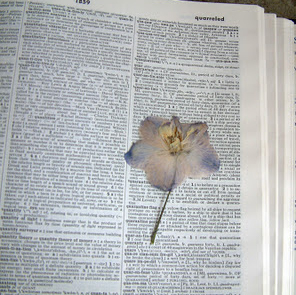
Recently I found the 1956 Webster’s New Dictionary of the Twentieth Century that I grew up with. This book was massive, easily weighing 10 pounds, and served as a booster seat for haircuts, a step stool for trying to reach the cookie jar on the kitchen cupboard, and of course, for looking up any obscure word that ever existed in all of history. Or so it seemed.

It was an amazing tome. And as I flipped through the pages, I found some old familiar friends that were neither black nor white nor read all over.

Wildflowers had been carefully pressed between the pages–over two dozen specimens paper thin themselves, their existence squeezed into two dimensions–still showing faint pink or blue, or purple color, almost exuding a long ago fragrance from a summer over fifty years ago. As a child I regularly wandered out to our fields and woods to gather crimson clover blossoms, buttercup, dandelions, daisies, wild violets, wild ginger, calypso lady slippers for bouquets for my mother, and she would select the most perfect to slide between the pages of the dictionary. Occasionally she would pull out one to gently paste on a hand written card she sent to a friend.

Here were my perfect flowers, preserved and pressed for time, just waiting for the fifty-five-years-older me to rediscover them lying between wonderful words that I love to roll in my mouth and type on a page. They are too fragile to paste to a greeting card, or even to handle due to their brittleness. They need to stay right where they are, for another generation or two or three to discover.

I am so pressed for time, becoming more fragile, perhaps more brittle than I care to admit. My mother and father have blown away like the puff ball seeds of the dandelion, on to other horizons, but the sturdy old dictionary is going nowhere. It will be passed down, its delicate passengers preserved inside, a long ago far away summer afternoon of flower gathering to be shared as a great grandchild opens the book to look up a favorite word sometime in the not so far off future.