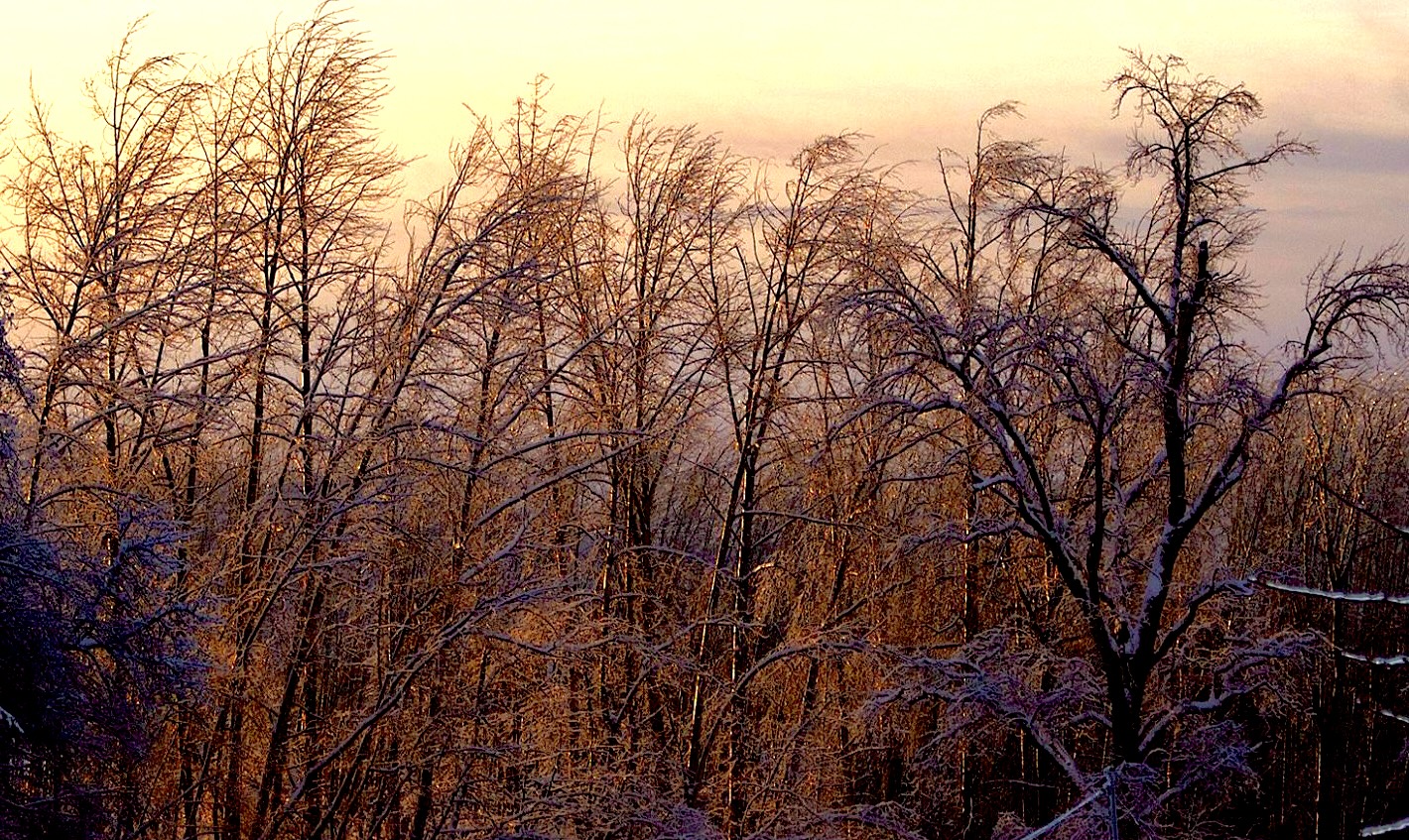
When They Are No More…

The snow is melting
and the village is flooded
     with children.
~Kobayashi Issa (translated by Robert Haas)

A voice is heard in Ramah,
mourning and great weeping,
Rachel weeping for her children
and refusing to be comforted,
because they are no more.
Matthew 2:18 and Jeremiah 31:15

…as you sit beneath your beautifully decorated tree, eat the rich food of celebration, and laugh with your loved ones, you must not let yourself forget the horror and violence at the beginning and end of the Christmas story. The story begins with the horrible slaughter of children and ends with the violent murder of the Son of God. The slaughter depicts how much the earth needs grace. The murder is the moment when that grace is given.

Look into that manger representing a new life and see the One who came to die. Hear the angels’ celebratory song and remember that sad death would be the only way that peace would be given. Look at your tree and remember another tree – one not decorated with shining ornaments, but stained with the blood of God.

As you celebrate, remember that the pathway to your celebration was the death of the One you celebrate, and be thankful.
~Paul Tripp

We think of him as safe beneath the steeple,
Or cosy in a crib beside the font,
But he is with a million displaced people
On the long road of weariness and want.

For even as we sing our final carol
His family is up and on that road,
Fleeing the wrath of someone else’s quarrel,
Glancing behind and shouldering their load.

Whilst Herod rages still from his dark tower
Christ clings to Mary, fingers tightly curled,
The lambs are slaughtered by the men of power,
And death squads spread their curse across the world.

But every Herod dies, and comes alone
To stand before the Lamb upon the throne.

~Malcolm Guite “Refugee”

When Christ was born in Bethlehem,
Fair peace on earth to bring,
In lowly state of love He came
To be the children’s King.

And round Him, then, a holy band
Of children blest was born,
Fair guardians of His throne to stand
Attendant night and morn.

And unto them this grace was giv’n
A Saviour’s name to own,
And die for Him Who out of Heav’n
Had found on earth a throne.

O blessèd babes of Bethlehem,
Who died to save our King,
Ye share the martyrs’ diadem,
And in their anthem sing!

Your lips, on earth that never spake,
Now sound th’eternal word;
And in the courts of love ye make
Your children’s voices heard.

Lord Jesus Christ, eternal Child,
Make Thou our childhood Thine;
That we with Thee the meek and mild
May share the love divine.

~Laurence Houseman “The Holy Innocents”

There is no consolation for families
of those children lost to death too soon:
a rogue king’s slaughter of innocents.

And still today – so much intentional death of the young,
to inflict the most pain,
lands flooded with blood,
across disputed borders and faith.

Arms ache through centuries with the emptiness of grief,
beds and pillows lie cold and unused,
hugs never to come again.

There is no consolation for loss then or now;
only mourning and great weeping,
sobbing that wrings dry every human cell,

leaving only dust behind:
our beginning
and, without salvation,
our end.

One-Time
Monthly
Yearly

Make a one-time or recurring donation to support daily Barnstorming posts

Make a monthly donation

Make a yearly donation

Choose an amount

$10.00
$25.00
$50.00
$5.00
$15.00
$100.00
$5.00
$15.00
$100.00

Or enter a custom amount

$

Your contribution is deeply appreciated.

Your contribution is appreciated.

Your contribution is appreciated.

DonateDonate monthlyDonate yearly


Clinging to the Present Out of Wariness of the Past

I wondered if that was how forgiveness budded;
not with the fanfare of epiphany,
but with pain gathering its things, packing up,
and slipping away unannounced in the middle of the night.

— Khaled Hosseini from 
The Kite Runner

The time is ripe for looking back over the day, the week, the year, and trying to figure out where we have come from and where we are going to, for sifting through the things we have done and the things we have left undone for a clue to who we are and who, for better or worse, we are becoming.

We cling to the present out of wariness of the past.

But there is a deeper need yet, I think, and that is the need—not all the time, surely, but from time to time—to enter that still room within us all where the past lives on as a part of the present, where the dead are alive again, where we are most alive ourselves to turnings and to where our journeys have brought us.

The name of the room is Remember—the room where with patience, with charity, with quietness of heart, we remember consciously to remember the lives we have lived.
~Frederick Buechner from A Room Called Remember

age nine
age 14
age 15

Something went wrong, says the empty house
in the weed-choked yard. Stones in the fields
say he was not a farmer; the still-sealed jars
in the cellar say she left in a nervous haste.
And the child? Its toys are strewn in the yard
like branches after a storm—a rubber cow,
a rusty tractor with a broken plow,
a doll in overalls. Something went wrong, they say.

~Ted Kooser, from “Abandoned Farmhouse” from Sure Signs: New and Selected Poems. 

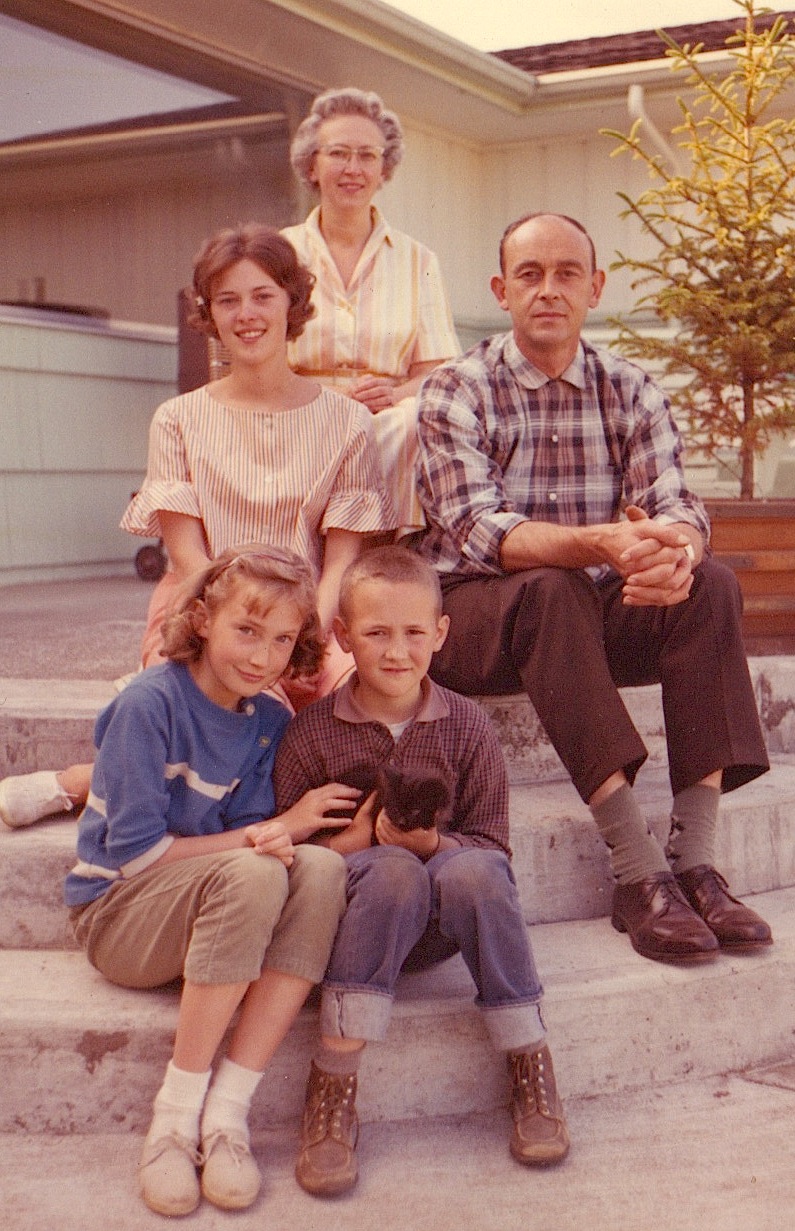
In 1959, when I was five years old, my father took a new job so our family moved from a large 3 story farm house in a rural community to a 1950’s newer rambler-style home just outside the city limits of the state capitol.

It was a big adjustment to move to a much smaller house without a basement or upper story, no garage, and no large haybarn nor chicken coop. It meant most things we owned didn’t make the move with us.

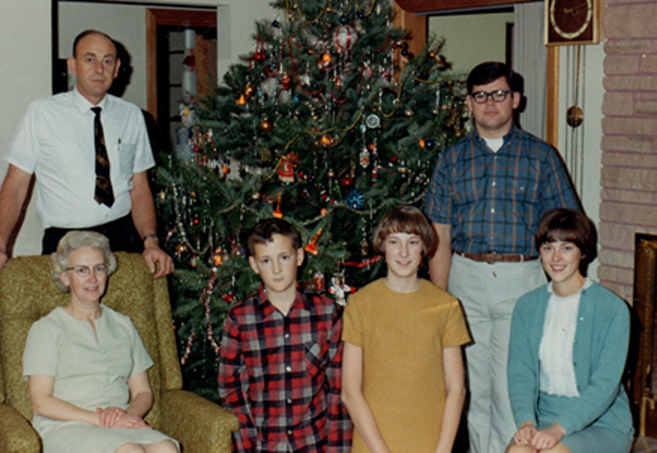
The rambler had two side-by-side mirror image rooms as the primary central living space between the kitchen/dining area on one side and the hallway to the bedrooms on the other. The living room could only be entered through the front door and the family room was accessed through the back door with a shared sandstone hearth in the center, containing a fireplace in each room. The only opening between the rooms had a folding door shut most of the year. In December, the door was opened to accommodate a Christmas tree, so it sat partially in the living room and depending on its generous width, spilled over into the family room.  That way it was visible from both rooms, and didn’t take up too much floor space.

The living room, because it contained the only carpeting in the house, and our “best” furniture, was strictly off-limits. In order to keep our two matching sectional knobby gray fabric sofas,  a green upholstered chair and gold crushed velvet covered love seat in pristine condition, the room was to be avoided unless we had company. The carpet was never to develop a traffic pattern, there would be no food, beverage, or pet ever allowed in that room, and the front door was not to be used unless a visitor arrived. The hearth never saw a fire lit on that side because of the potential of messy ashes or smoke smell.

This was not a room for toys or games. The chiming clock next to the hearth, wound with weighted cones on the end of chains, called out the hours without an audience.

One week before Christmas, a tree was chosen to fit in the space where it could overflow into the family room. I particularly enjoyed decorating the “family room” side of the tree, using all my favorite ornaments that were less likely to break if they fell on the linoleum floor on that side of the door.

It was almost as if the Christmas tree itself became divided, with a “formal” side in the living room and a “real life” face on the other side where the living (and hurting) was actually taking place.

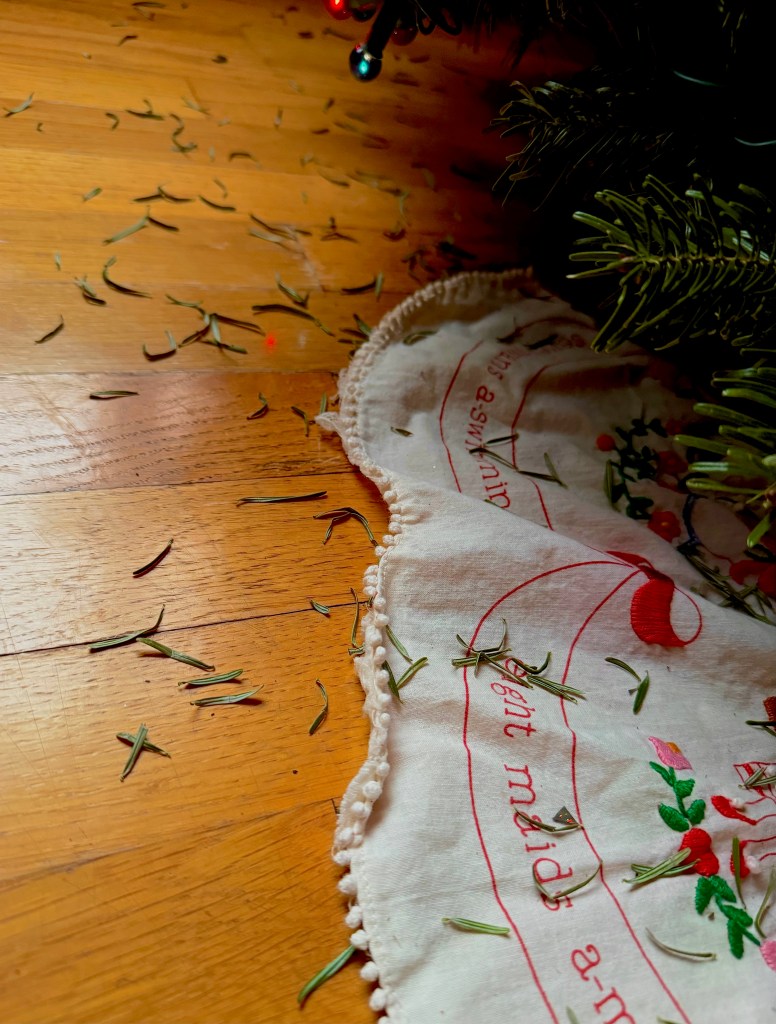
The tree straddled more than just two rooms. Every year that tree’s branches reached out to shelter a family that was slowly, almost imperceptibly, falling apart, like the fir needles dropping to the floor to be swept away.

Something was going wrong, only I didn’t see it at the time.

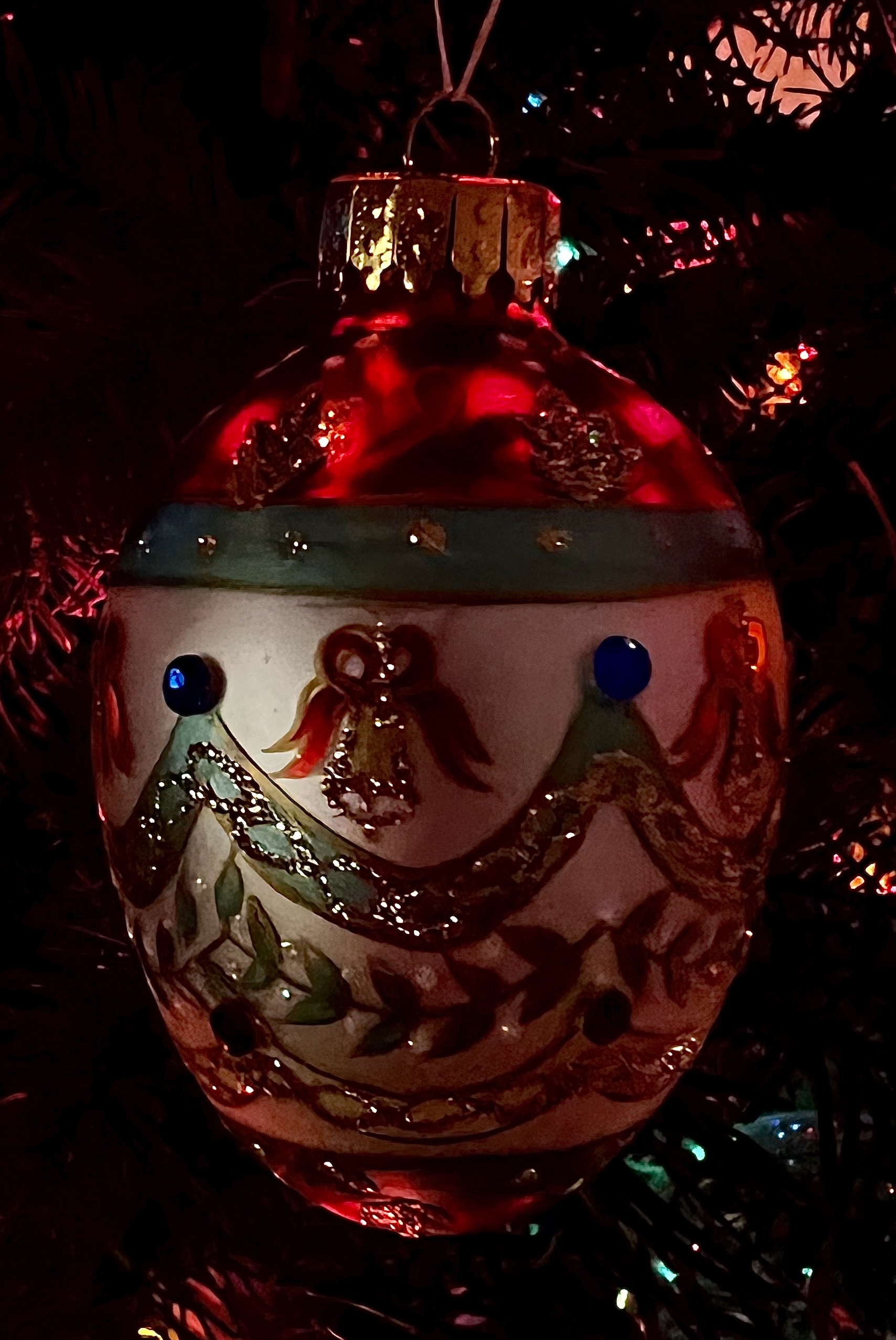
Each year since, our Christmas tree, bearing those old ornaments from my childhood, reminds me of that still room of memories. 

No longer am I wary of the past. As I sweep up the fir needles that inevitably drop, I no longer weep.

One-Time
Monthly
Yearly

Make a one-time or recurring donation to support daily Barnstorming posts

Make a monthly donation

Make a yearly donation

Choose an amount

$10.00
$25.00
$50.00
$5.00
$15.00
$100.00
$5.00
$15.00
$100.00

Or enter a custom amount

$

Your contribution is deeply appreciated.

Your contribution is appreciated.

Your contribution is appreciated.

DonateDonate monthlyDonate yearly
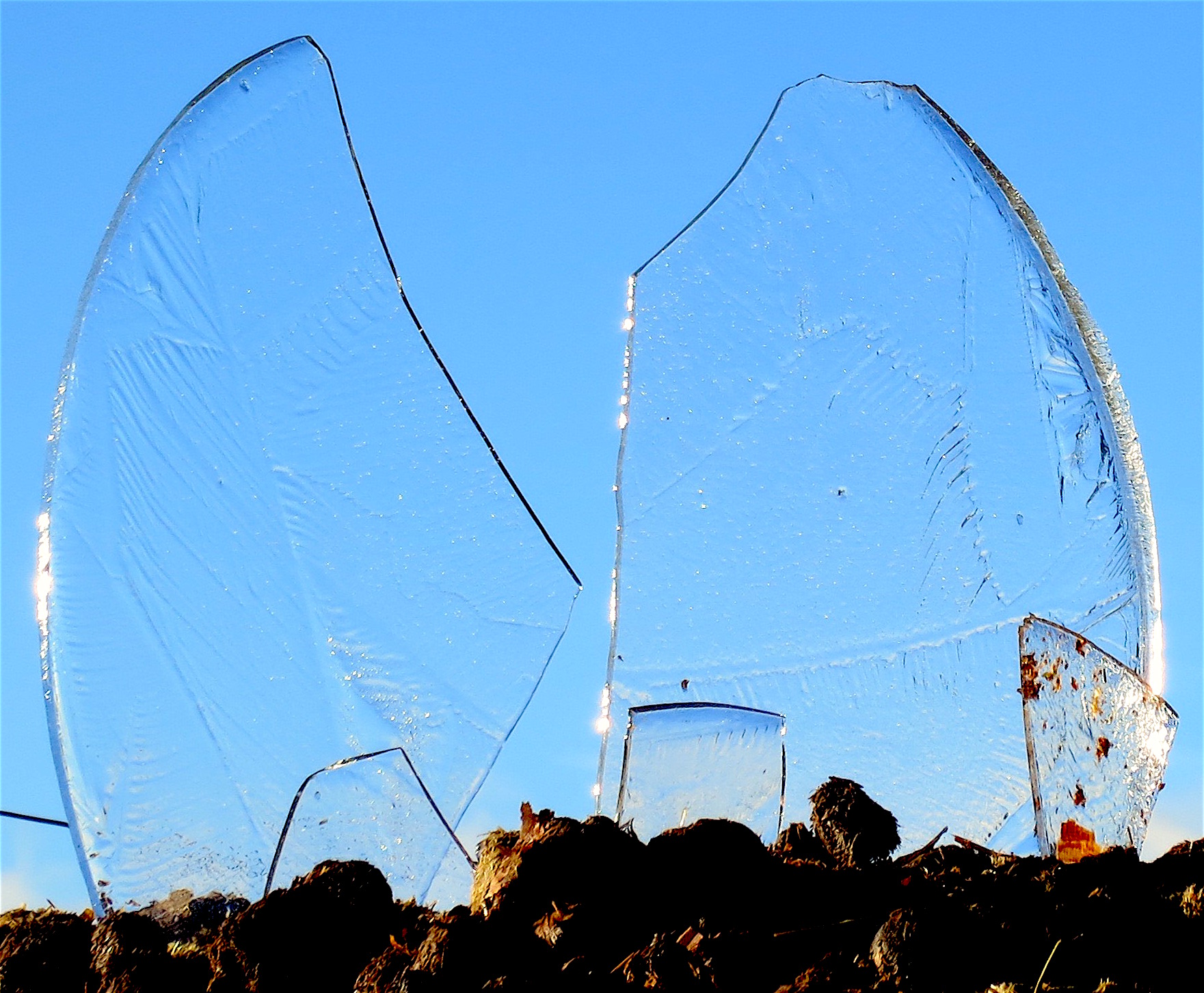
An Advent Threshold: The Blood Upon the Rose

redrose

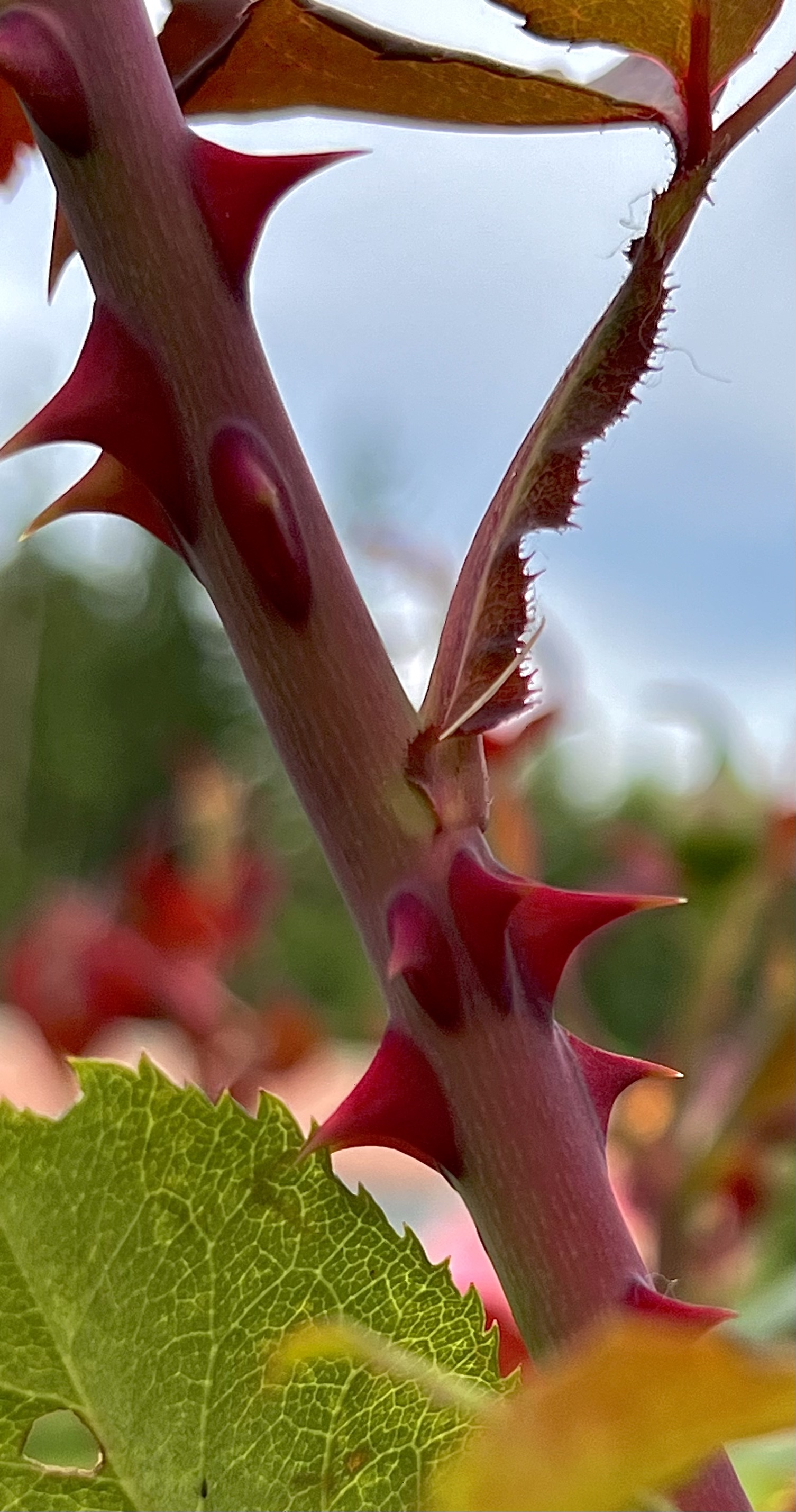
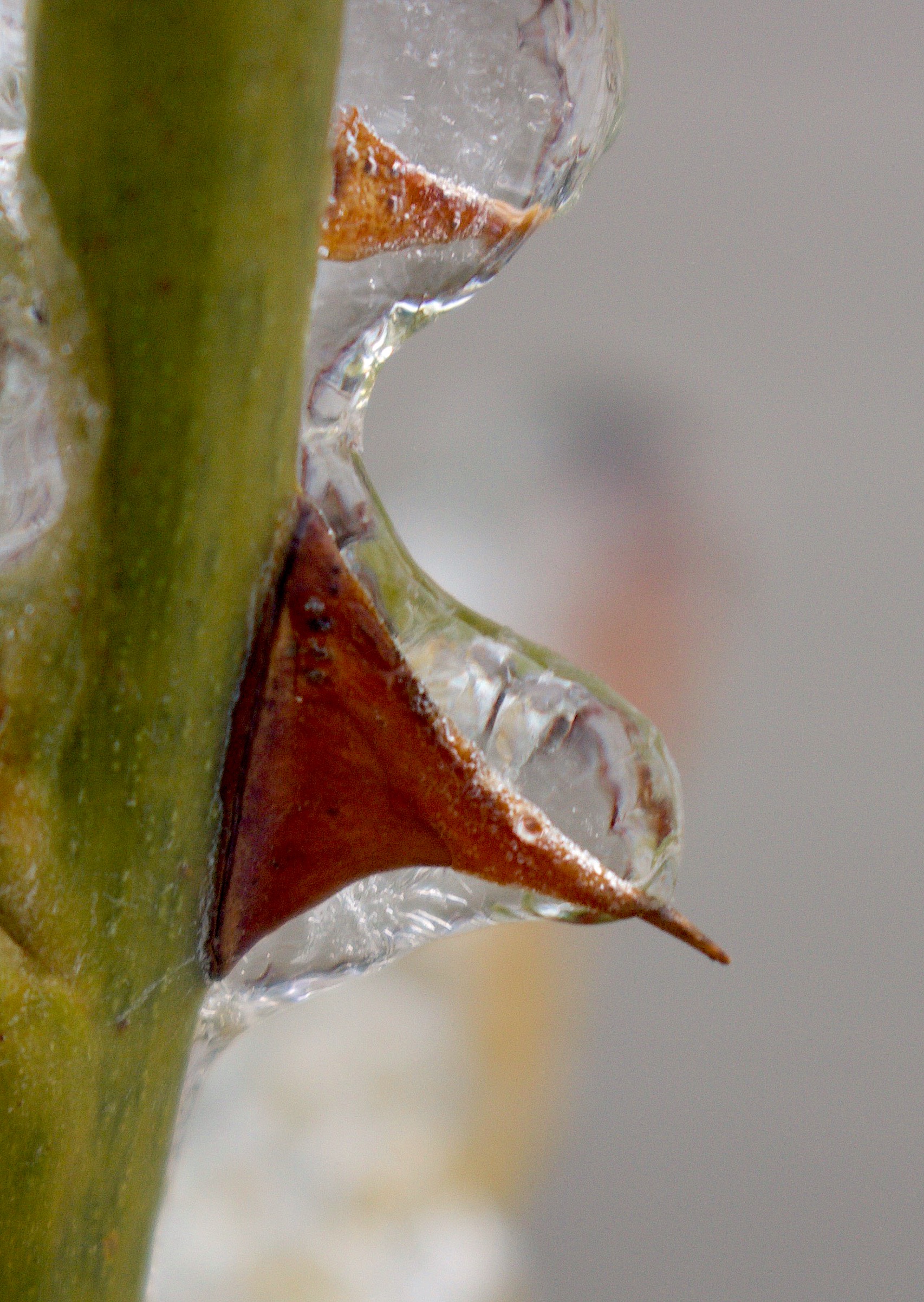
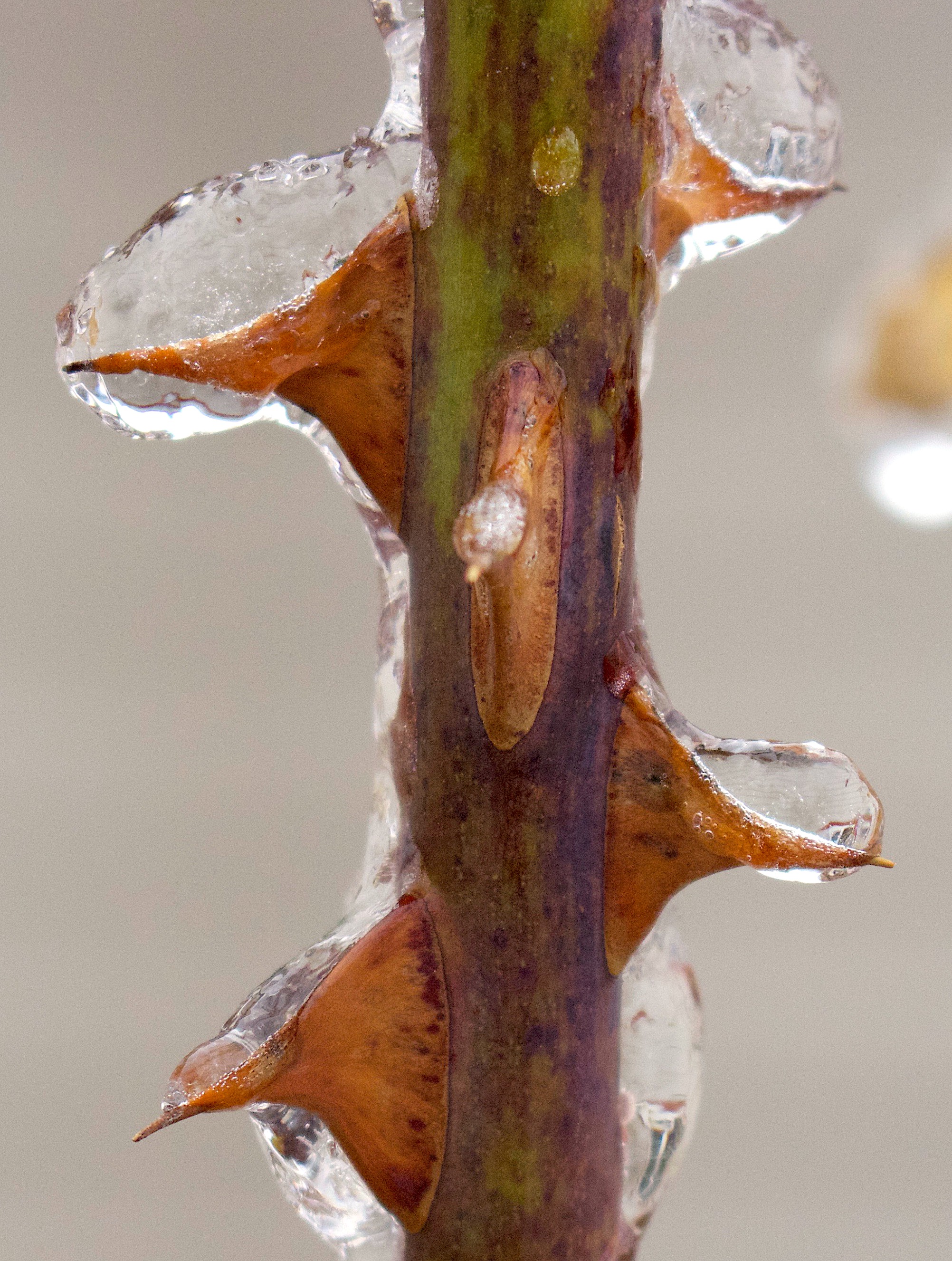
…Do not be afraid, though briers and thorns are all around you
Ezekiel 2:6

silverthawthorn

Christ … is a thorn in the brain. 
Christ is God crying I am here, 
and here not only in what exalts and completes and uplifts you, 
but here in what appalls, offends, and degrades you, 
here in what activates and exacerbates

all that you would call not-God. 

To walk through the fog of God 
toward the clarity of Christ is difficult 
because of how unlovely, how ungodly

that clarity often turns out to be.
~Christian Wiman from Image Journal essay “Varieties of Quiet”

I see his blood upon the rose
And in the stars the glory of his eyes,
His body gleams amid eternal snows,
His tears fall from the skies.
I see his face in every flower;
The thunder and the singing of the birds
Are but his voice—and carven by his power
Rocks are his written words. All pathways by his feet are worn,
His strong heart stirs the ever-beating sea,
His crown of thorns is twined with every thorn,
His cross is every tree.

~Joseph Mary Plunkett “I See His Blood Upon the Rose”

silverthawthorns
wwurose619151

Gardener/author Alphonse Karr in the mid-19th century wrote that even though most people grumble about roses having thorns, he was grateful that thorns have roses.

After all, there was a time when thorns were not part of our world, when we knew nothing of pain, suffering and death. In desiring more than we were already generously given, we have received more than we bargained for.

We reel under the thorns we have chosen to wander through – indeed we voluntarily elect the “thorns” of the far left and far right and suffer the consequences of our choices. Every day there is more bloodletting and battling and bullying, barricading us from all that is sweet and good and precious.

The unlovely, ungodly thorns tear us up, bloody us, make us cry out in pain and grief, deepen our fear that we may never overcome them.

Yet even the most brutal crown of thorns did not stop the loving sacrifice, can never thwart the sweetness of redemption, will not spoil the goodness, nor destroy the promise of salvation to come.

The Lord, our Rose, lightens every load.

“the only begotten Son of God,
begotten of the Father before all worlds;
God of God, Light of Light, very God of very God;
begotten, not made, being of one substance with the Father,
by whom all things were made”
~from the Nicene Creed

roseunfurl

1. Maria walks amid the thorn,
Kyrie eleison.
Maria walks amid the thorn,
Which seven years no leaf has born.
Jesus and Maria.

2. What ‘neath her heart doth Mary bear?
Kyrie eleison.
A little child doth Mary bear,
Beneath her heart He nestles there.
Jesus and Maria.

3. And as the two are passing near,
Kyrie eleison,
Lo! roses on the thorns appear,
Lo! roses on the thorns appear.
Jesus and Maria.

This Flower, whose fragrance tender with sweetness fills the air,
Dispels with glorious splendor the darkness everywhere;
True Man, yet very God, from sin and death He saves us,
And lightens every load.
~from “Lo! How a Rose”

One-Time
Monthly
Yearly

Make a one-time or recurring donation to support daily Barnstorming posts

Make a monthly donation

Make a yearly donation

Choose an amount

$10.00
$25.00
$50.00
$5.00
$15.00
$100.00
$5.00
$15.00
$100.00

Or enter a custom amount

$

Your contribution is deeply appreciated.

Your contribution is appreciated.

Your contribution is appreciated.

DonateDonate monthlyDonate yearly

A Bleak and Bitter Remembrance

When you go home tell them of us and say –
“For your tomorrow we gave our today”
~John Maxwell Edmonds from “The Kohima Epitaph” 

They shall grow not old, as we that are left grow old:
Age shall not weary them, nor the years condemn.
At the going down of the sun and in the morning
We will remember them.
~Lawrence Binyon from “For the Fallen” (1914)

We are the Dead. Short days ago
We lived, felt dawn, saw sunset glow,
Loved and were loved, and now we lie
In Flanders fields.
~LtCol (Dr.) John McCrae from “In Flanders Fields”

We who are left, how shall we look again
Happily on the sun, or feel the rain,
Without remembering how they who went
Ungrudgingly, and spent
Their all for us, loved, too, the sun and rain?

A bird upon the rain-wet lilac sings —
But we, how shall we turn to little things
And listen to the birds and winds and streams
Made holy by their dreams,
Nor feel the heartbreak in the heart of things?

~Wilfred Wilson Gibson “A Lament”

November pierces with its bleak remembrance
Of all the bitterness and waste of war.
Our silence tries but fails to make a semblance
Of that lost peace they thought worth fighting for.
Our silence seethes instead with wraiths and whispers,
And all the restless rumour of new wars,
The shells are falling all around our vespers,
No moment is unscarred, there is no pause,
In every instant bloodied innocence
Falls to the weary earth ,and whilst we stand
Quiescence ends again in acquiescence,
And Abel’s blood still cries in every land
One silence only might redeem that blood
Only the silence of a dying God.
~Malcolm Guite “Silence: a Sonnet for Remembrance Day”

To our military veterans here and abroad –
in deep appreciation and gratitude–
for the freedoms you have defended on behalf of us all:

No one is left untouched and unscarred in the bitterness of war.

My father was one of the fortunate ones who came home, returning to a quiet farm life after three years serving in the Pacific with the Marines Corp from 1942 to 1945.  Hundreds of thousands of his colleagues didn’t come home, dying on beaches and battlefields.  Tens of thousands more came home forever marked, through physical or psychological injury, by the experience of war and witness of death and mayhem all around them.

No matter how one views wars our nation has fought and may be obligated to fight in the future, we must support and care for the men and women who have made, on our behalf, the commitment and sacrifice to be on the front line for freedom’s sake.

Even our God died so we could stop fighting each other (and Him). What a waste we have not stopped to listen and understand His sacrifice enough to finally lay down our weapons against one another forever.

AI image created for this post

Support for wounded veterans:

Disabled American Veterans

Disabled Veterans National Foundation

Wounded Warrior Project

Calling from the Wind Phone

The pain I feel now is the happiness I had before. That’s the deal.
~C.S. Lewis
from A Grief Observed

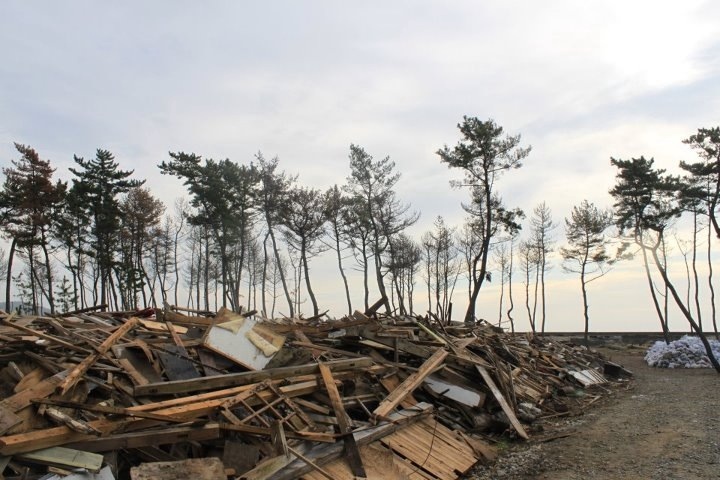
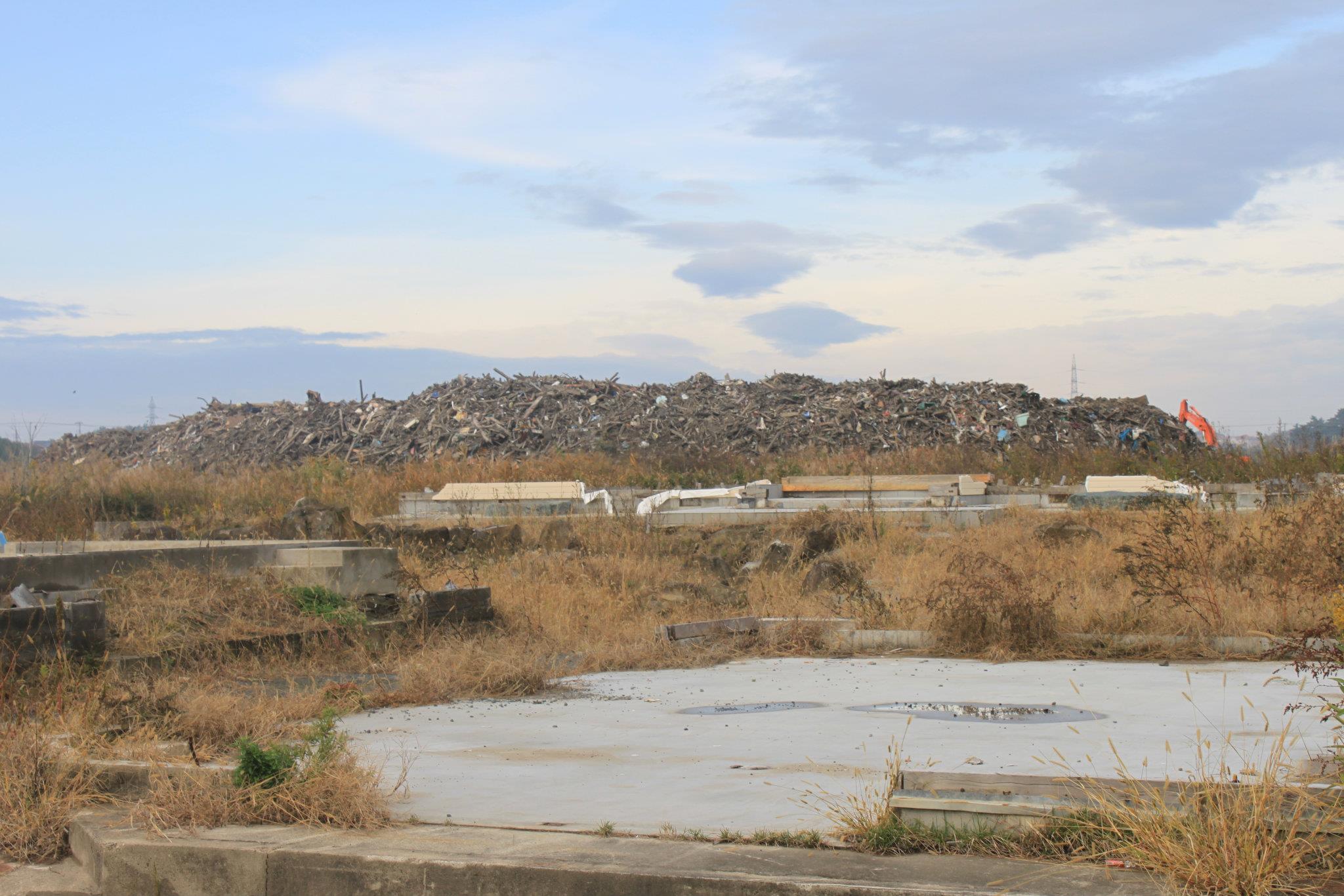
the rubble still piled on the beach at Tohoku, Japan, a year after the 3/11/11 tsunami

In the wrecked landscape
of Fukushima

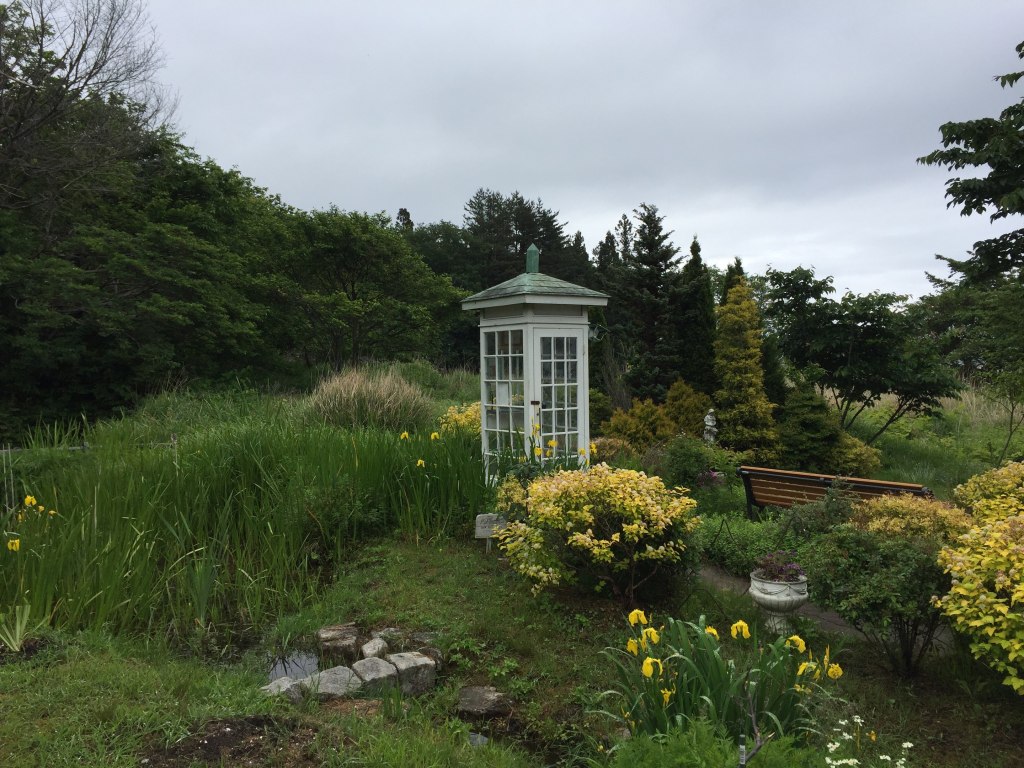
a white telephone booth
shines

with many panes of glass
in the hinged door

and a man steps in
dials the cell number

of his wife’s phone,
of course unanswering—

she was swept away
in the tsunami,

a photo in the paper
shows her sitting outside

on a blanket, knees
up, rocking back in laughter.

I pick up the black
receiver, still warm

from his hand, dialing
my sister’s number I used

to know by heart.
No answer from the sea

or her, just the whirling sound
of blood pounding in my ear.
~Patricia Clark “The Wind Phone”

photo by Nate Gibson at Sendai, Japan
photo by Nate Gibson 11/11
photo by Nate Gibson of Sendai rubble pile 11/11

My life closed twice before its close;
It yet remains to see
If immortality unveil
A third event to me

So huge, so hopeless to conceive
As these that twice befell.
Parting is all we know of heaven,
And all we need of hell.

~Emily Dickinson “Parting”

Original windphone is Otsuchi Garden, Japan

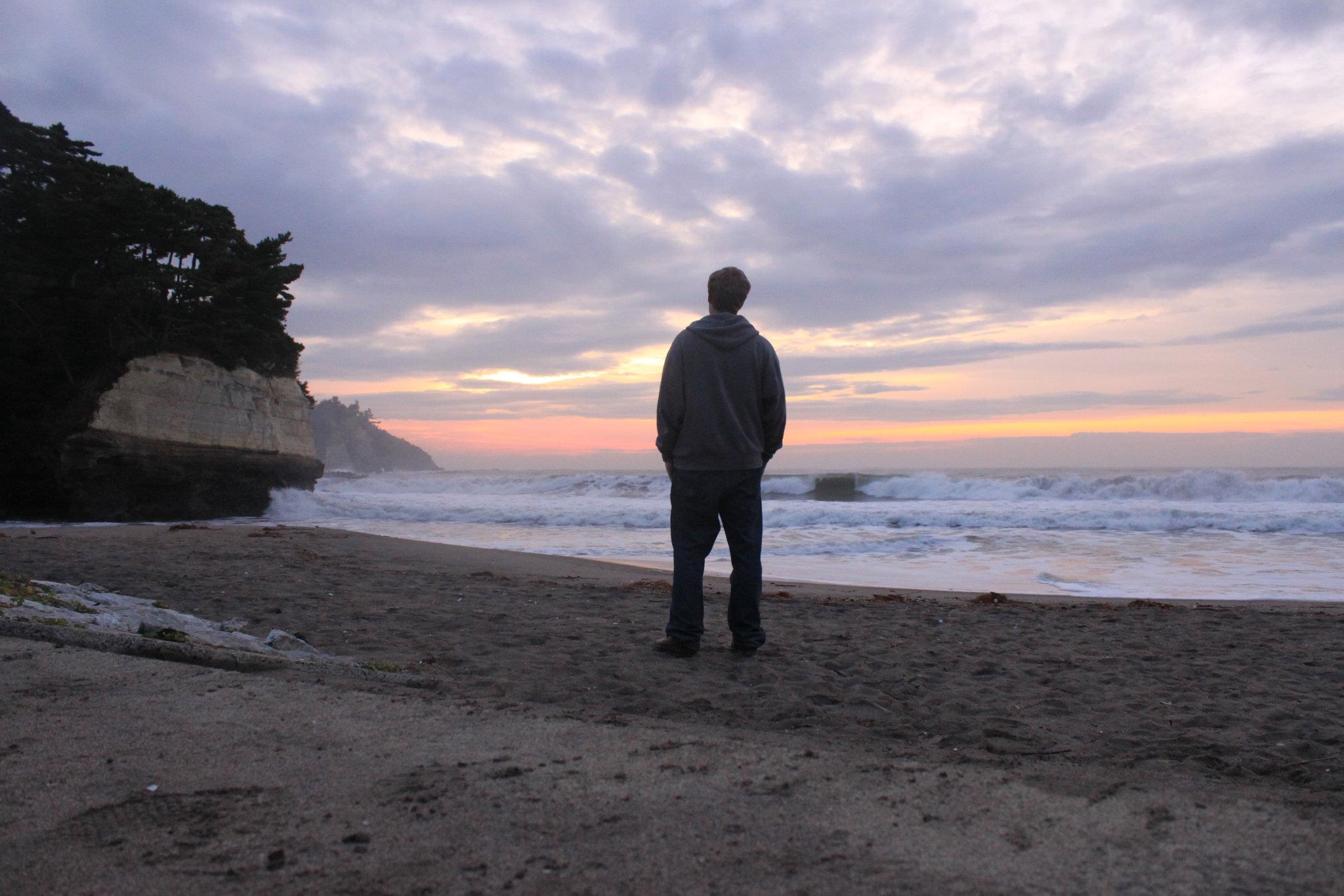
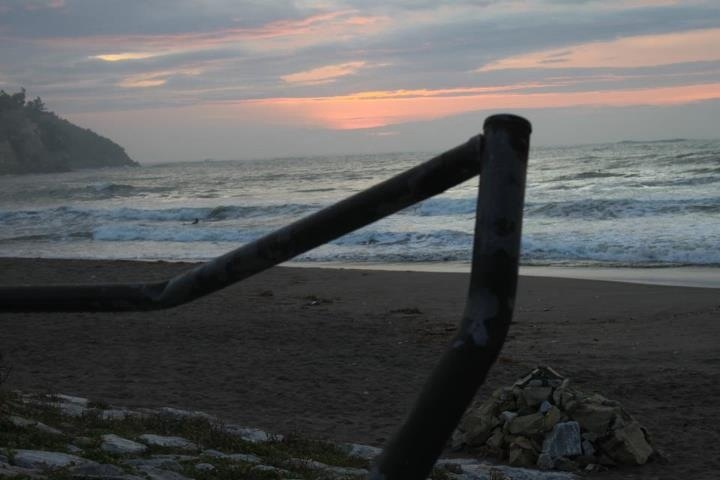
In 2012, we stayed with our friends Brian and Bette at their cabin on a bluff just above the Pacific Ocean at Sendai, Japan, just a few dozen feet above the devastation that wiped out an entire fishing village below during the 3/11/11 earthquake and tsunami.

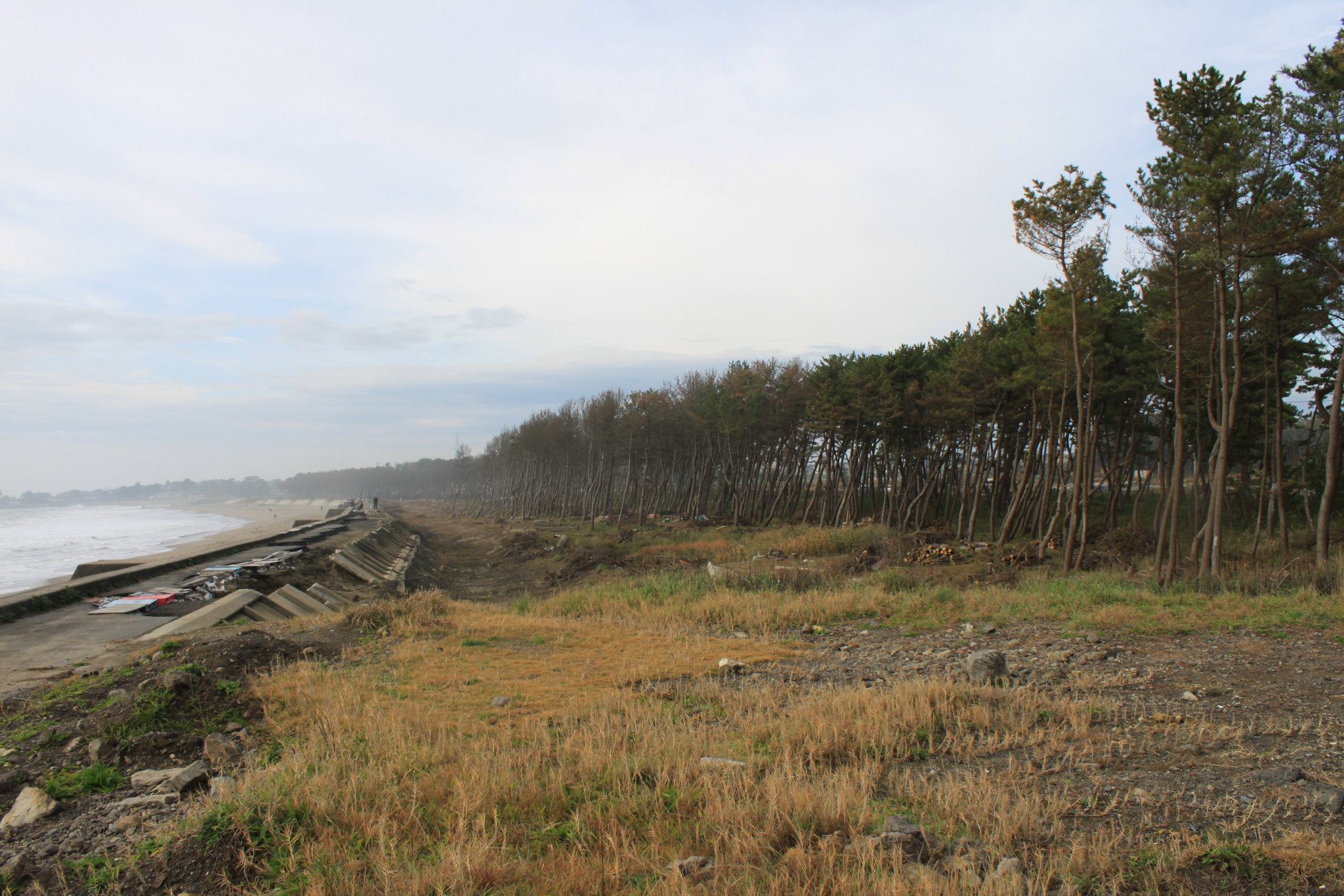
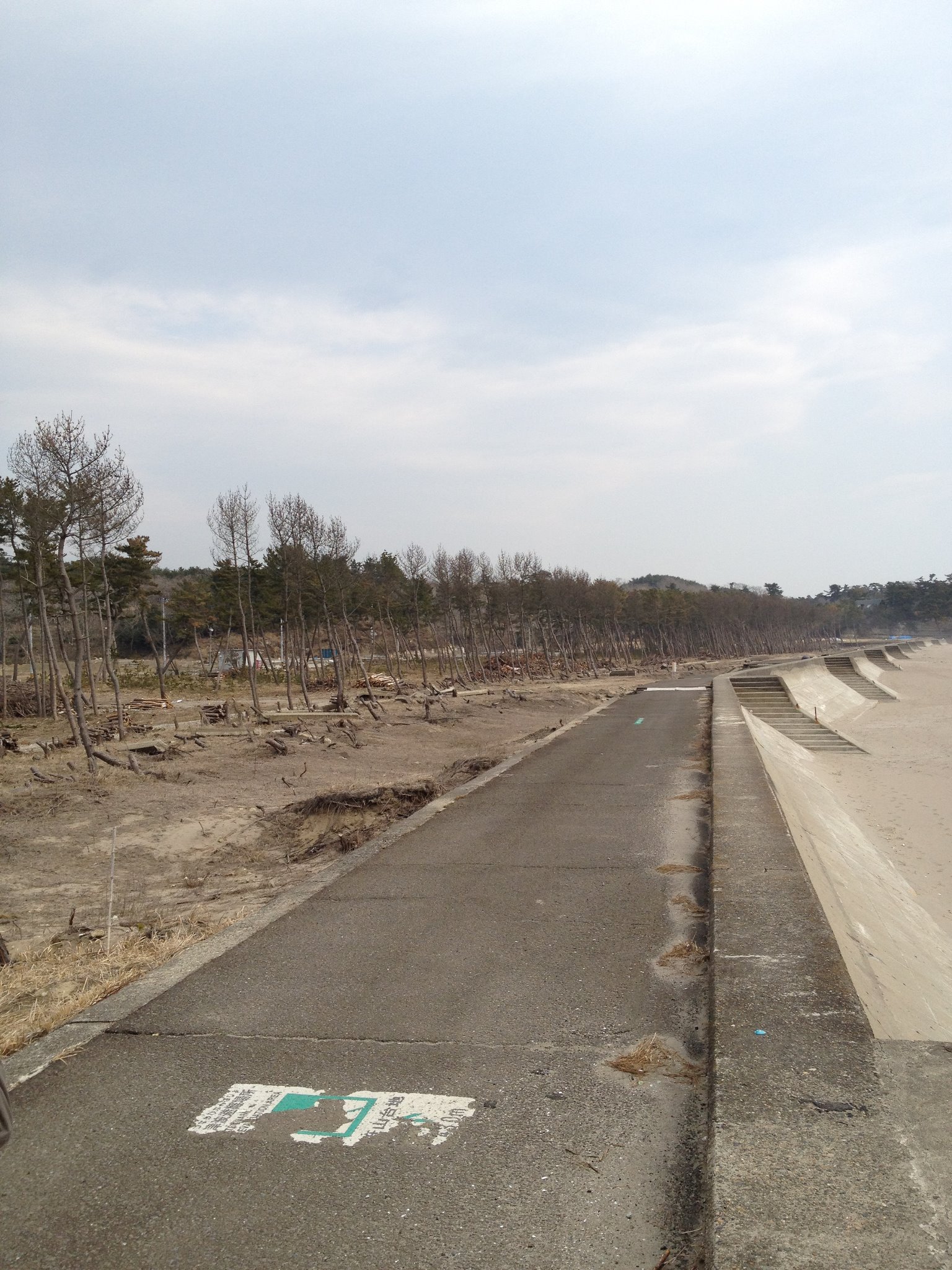
As we walked that stretch of beach, we heard the stories of the people who had lived there, some of whom did not survive the waves that swept their houses and cars away before they could escape. We walked past the footprints of foundations of hundreds of demolished homes, humbled by the rubble mountains yet to be hauled away a year later, to be burned or buried. There were acres of wrecked vehicles piled one on another, waiting to become scrap metal.

It was visual evidence of life so suddenly and dramatically disrupted and carried away.

This had been a place of recreation and respite for some who visited regularly, commerce and livelihood for others who stayed year round and, in ongoing recovery efforts, struggling to be restored to something familiar. Yet it looked like a foreign ghostly landscape. Many trees perished, lost, broken off, fish nets still stuck high on their scarred trunks. There were small memorials to lost family members within some home foundations, with stuffed animals and flowers wilting from the recent anniversary observance.

Tohoku is a powerful place of memories for those who still live there and know what it once was, how it once looked and felt, and painfully, what it became in a matter of minutes on 3/11/11. The waves swept in inexplicable suffering, then carried their former lives away. Happiness gave ground to such terrible pain that could never have hurt as much without the joy and contentment that preceded it.

We are tempted to ask God why He doesn’t do something about the suffering that happened in this place or anywhere a disaster occurs –but if we do, He will ask us the same question right back. We need to be ready with our answer and our action.

God knows suffering. Far more than we do. He took it all on Himself, feeling His pain amplified, as it was borne out of His love and joy in His creation.

This beautiful place, and its dedicated survivors have slowly recovered, but the inner and outer landscape is forever altered. What remains the same is the pulsing tempo of the waves, the tides, and the rhythm of the light and the night, happening just as originally created.

With that realization, pain will finally give way, unable to stand up to His love, His joy, and our response to His sacrifice.

We can call Him up anytime and anywhere.

bent gate at Sendai beach -2012
One-Time
Monthly
Yearly

Make a one-time or recurring donation to support daily Barnstorming posts

Make a monthly donation

Make a yearly donation

Choose an amount

$10.00
$25.00
$50.00
$5.00
$15.00
$100.00
$5.00
$15.00
$100.00

Or enter a custom amount

$

Your contribution is deeply appreciated.

Your contribution is appreciated.

Your contribution is appreciated.

DonateDonate monthlyDonate yearly

Where His Happiness Has Been

Now a red, sleepy sun above the rim
Of twilight stares along the quiet weald,
And the kind, simple country shines revealed
In solitudes of peace, no longer dim.
The old horse lifts his face and thanks the light,
Then stretches down his head to crop the green.
All things that he has loved are in his sight;
The places where his happiness has been
Are in his eyes, his heart, and they are good.
~Siegfried Sassoon from “Break of Day”

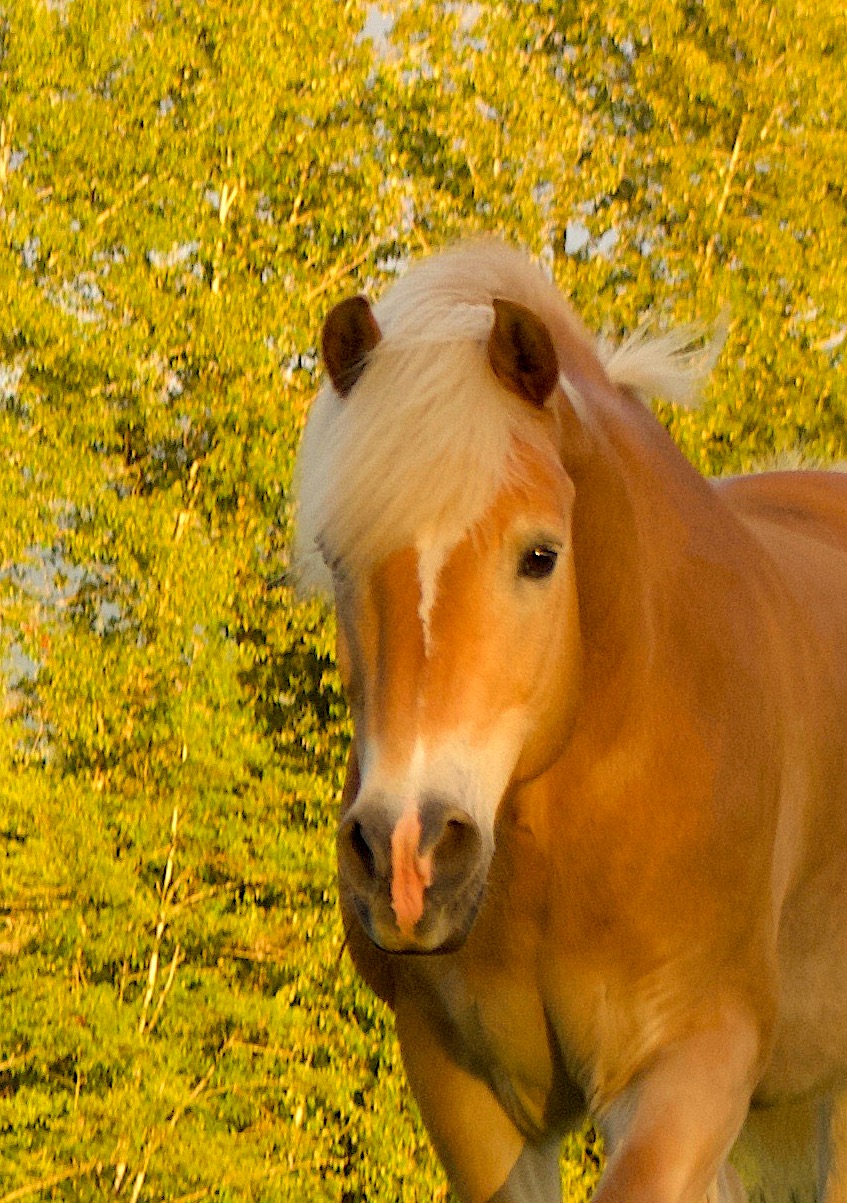
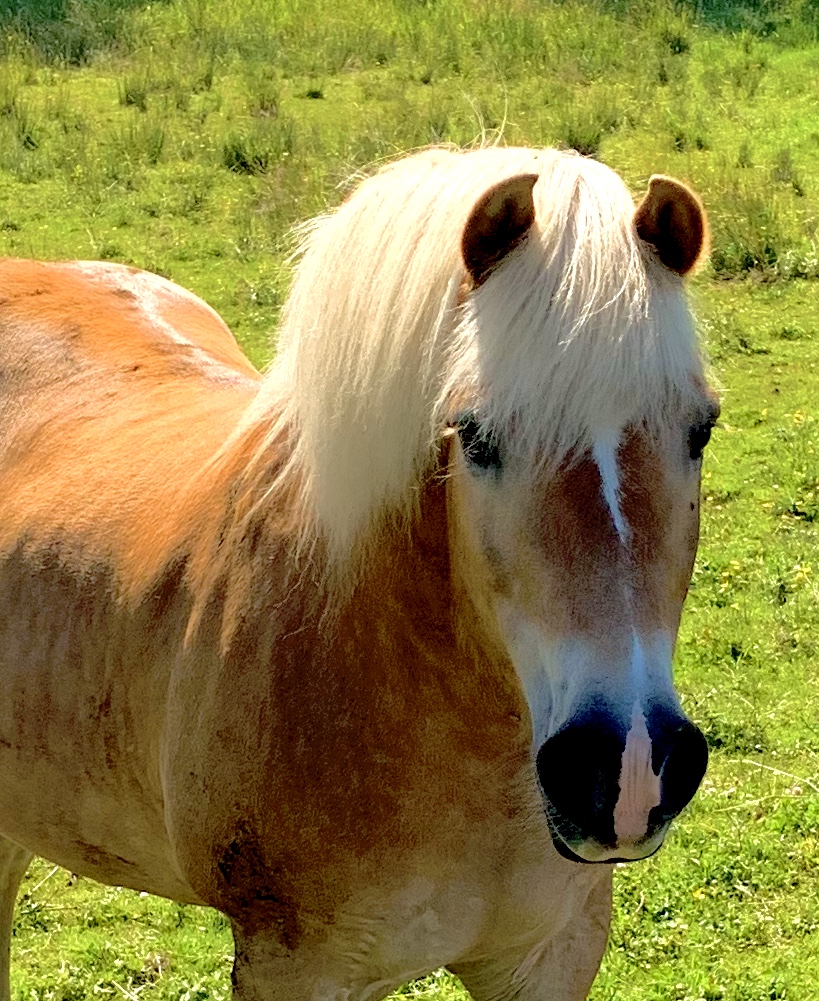
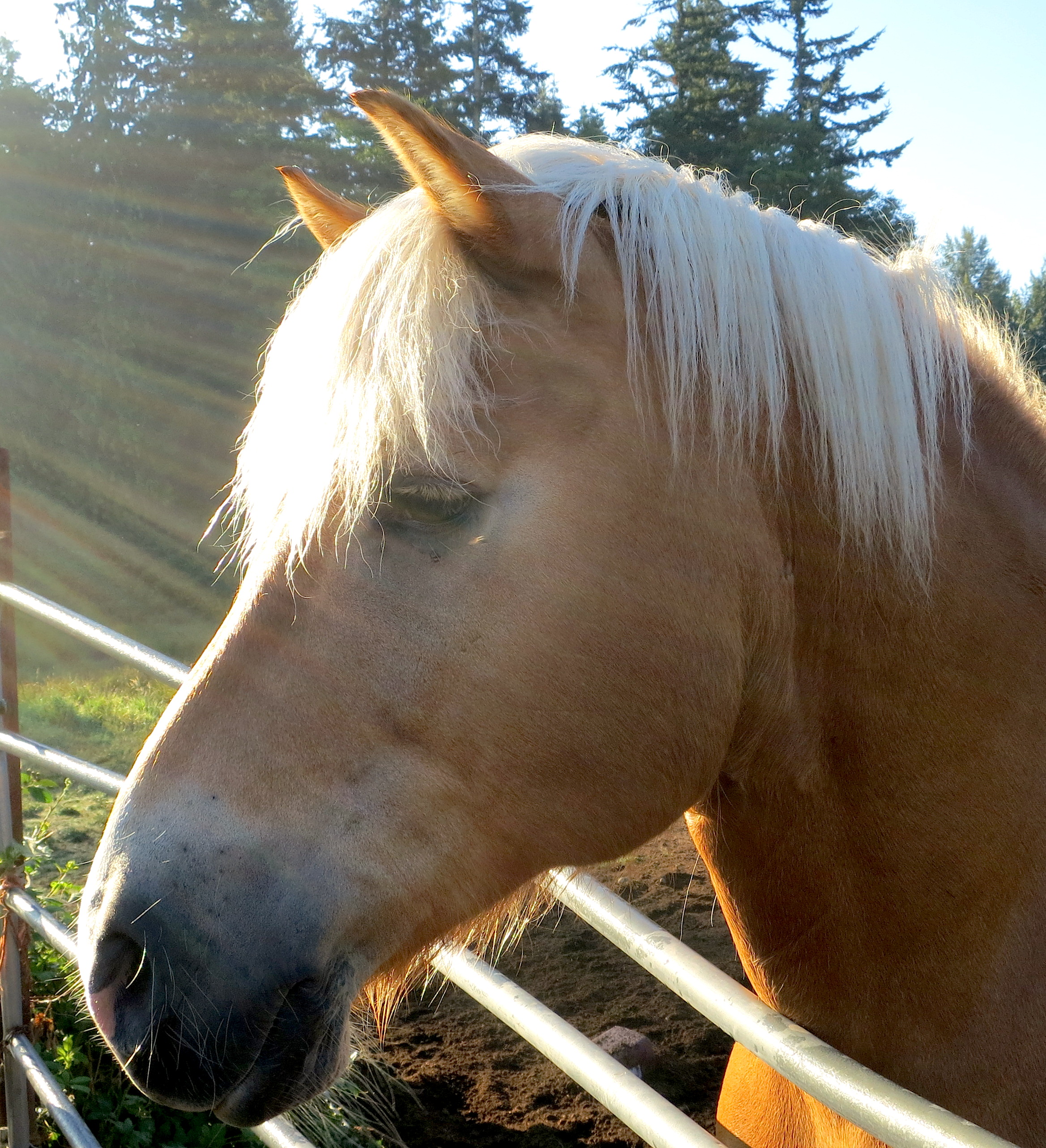
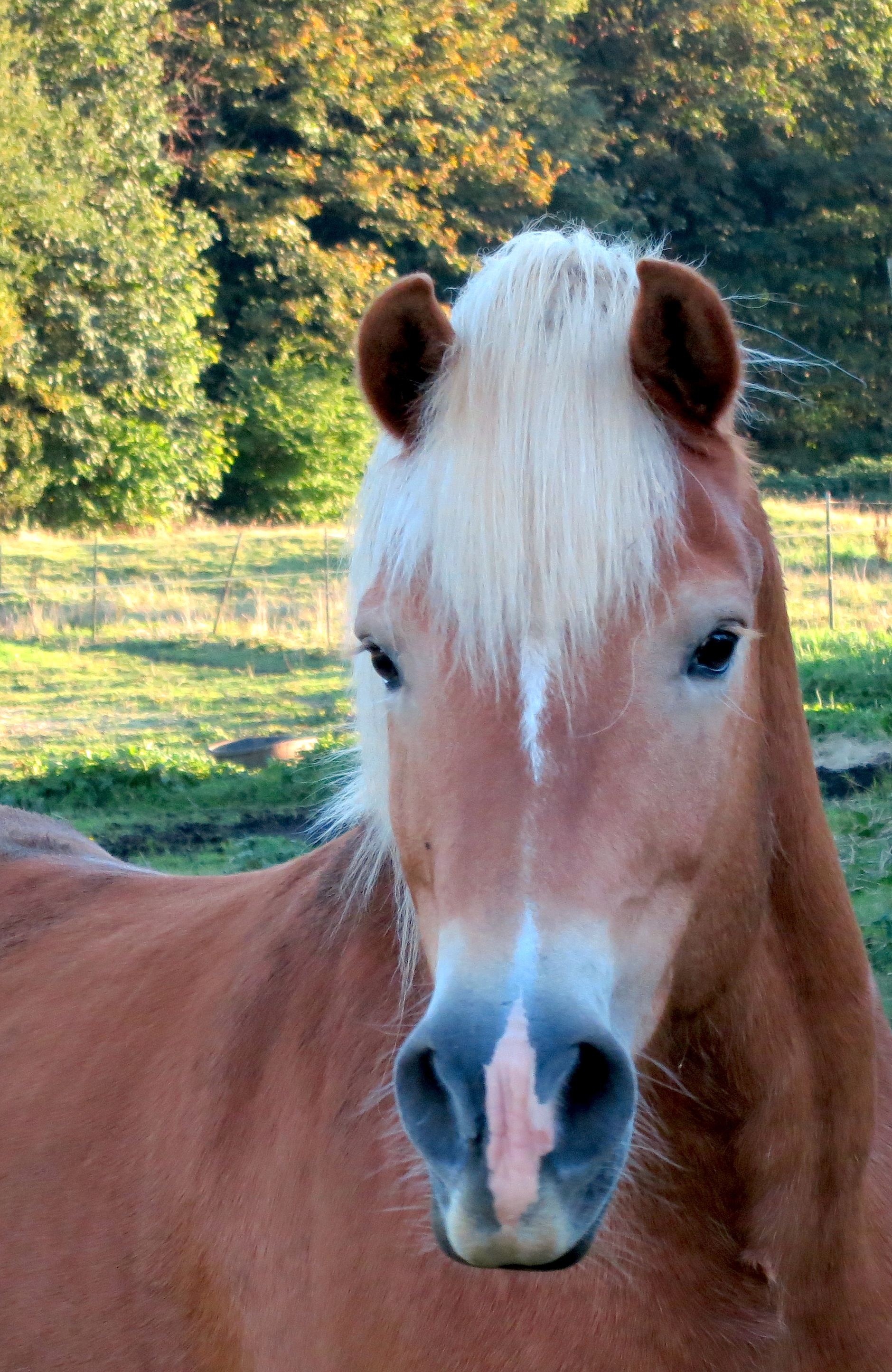
My husband and I grow old along with our horses – we are now past 70, just as a couple of our horses in “horse” years.

None of us, horses or humans, need to climb in the harness or put on the saddle to pull or carry the heavy loads of our former work lives.

It is a good life – each day treasured for its ordinariness.

Our retired horses feel the morning sun on their withers and the green blades under their feet, they scan the pasture for the sweetest tender patch to munch in the fields they know and love so well. They nap more now than in their younger years, taking breaks to let their heads hang relaxed and nodding, their tails slowly swishing at flies.

This morning was not so ordinary.

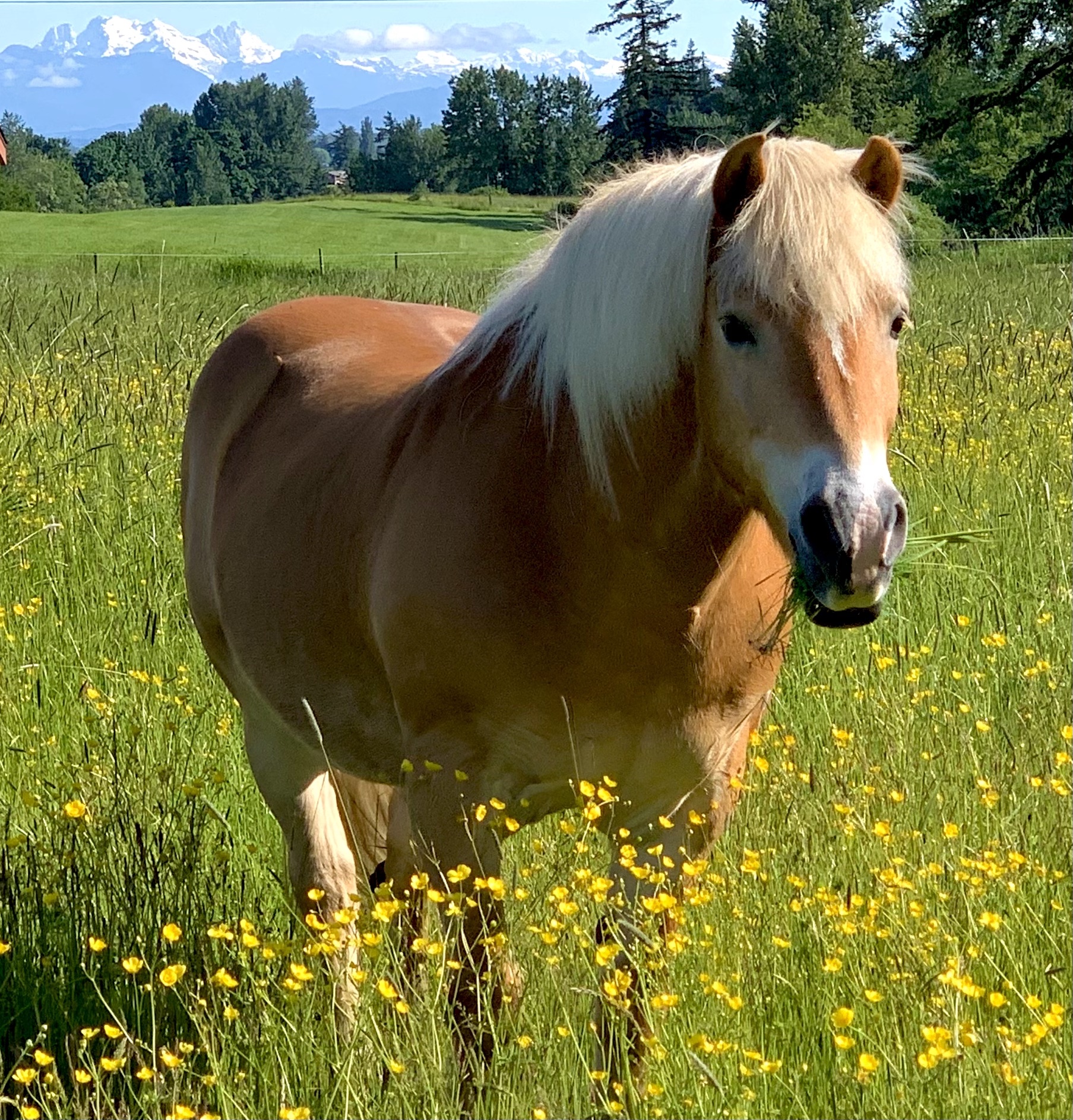
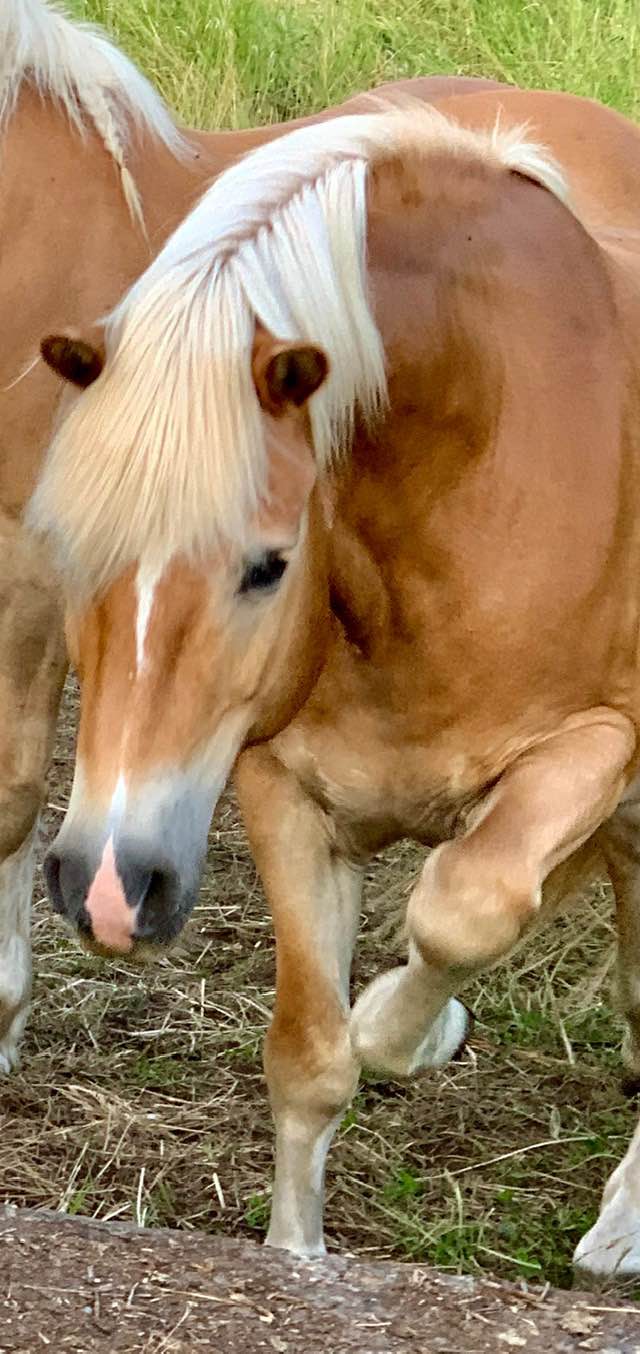
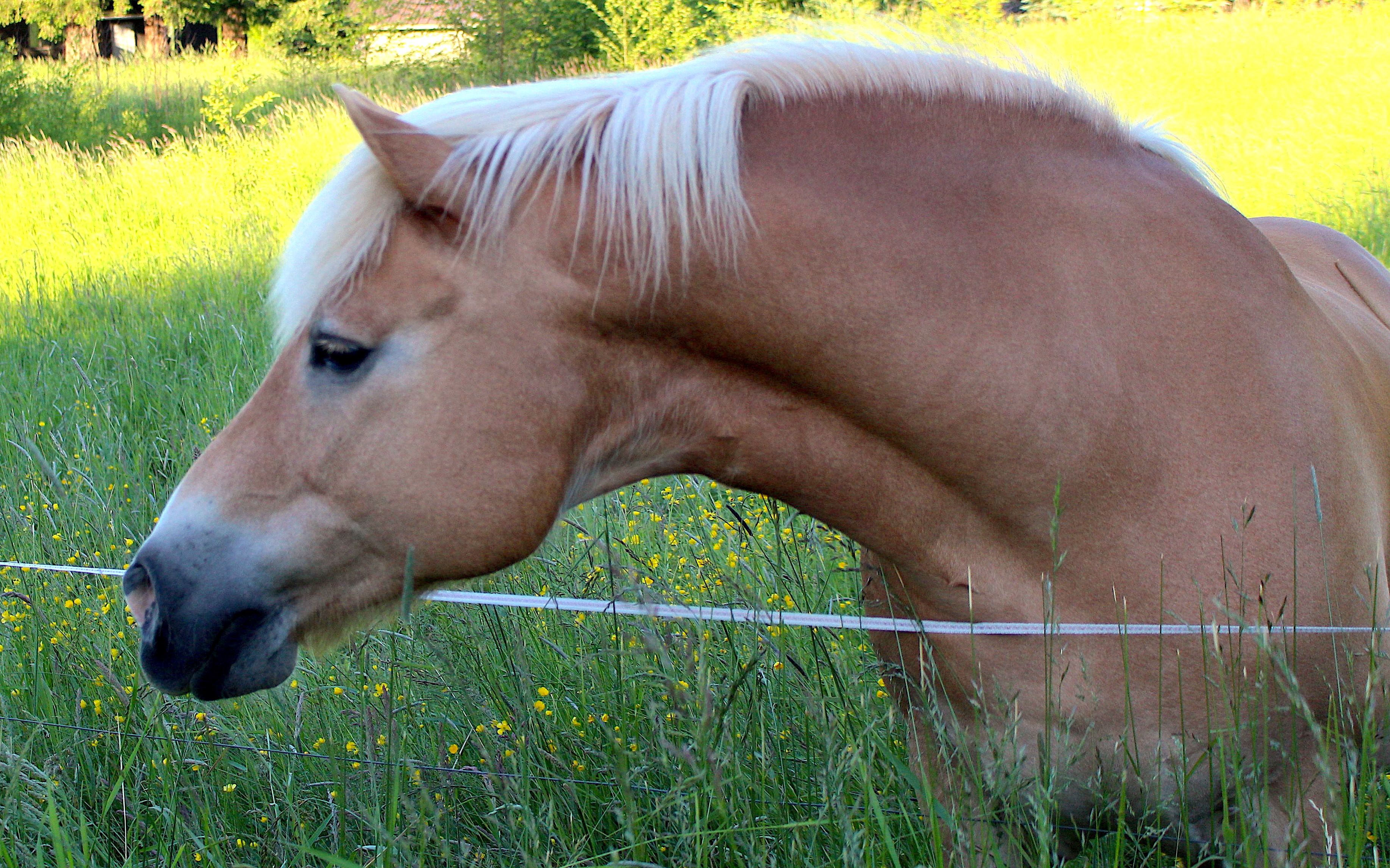
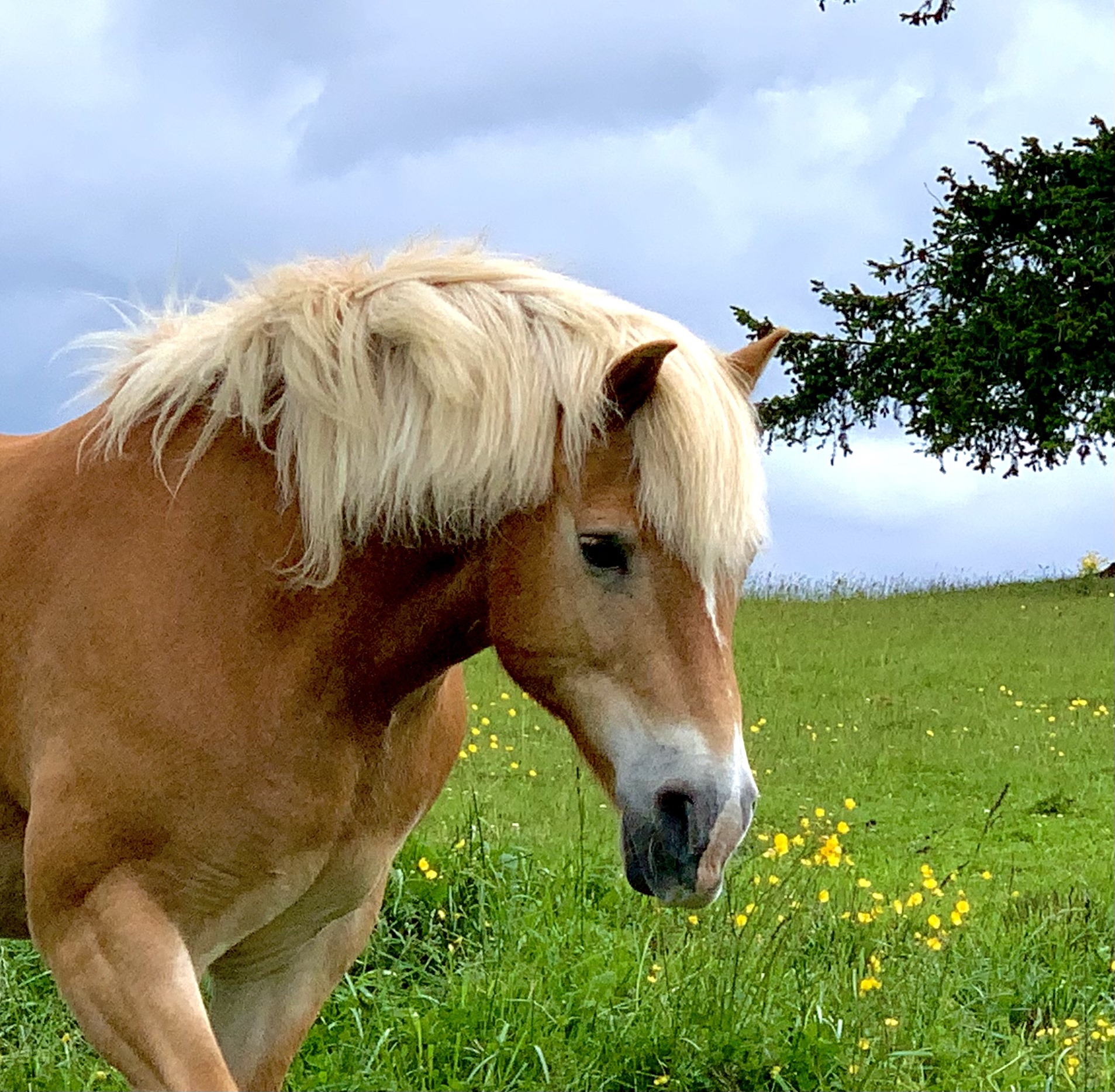
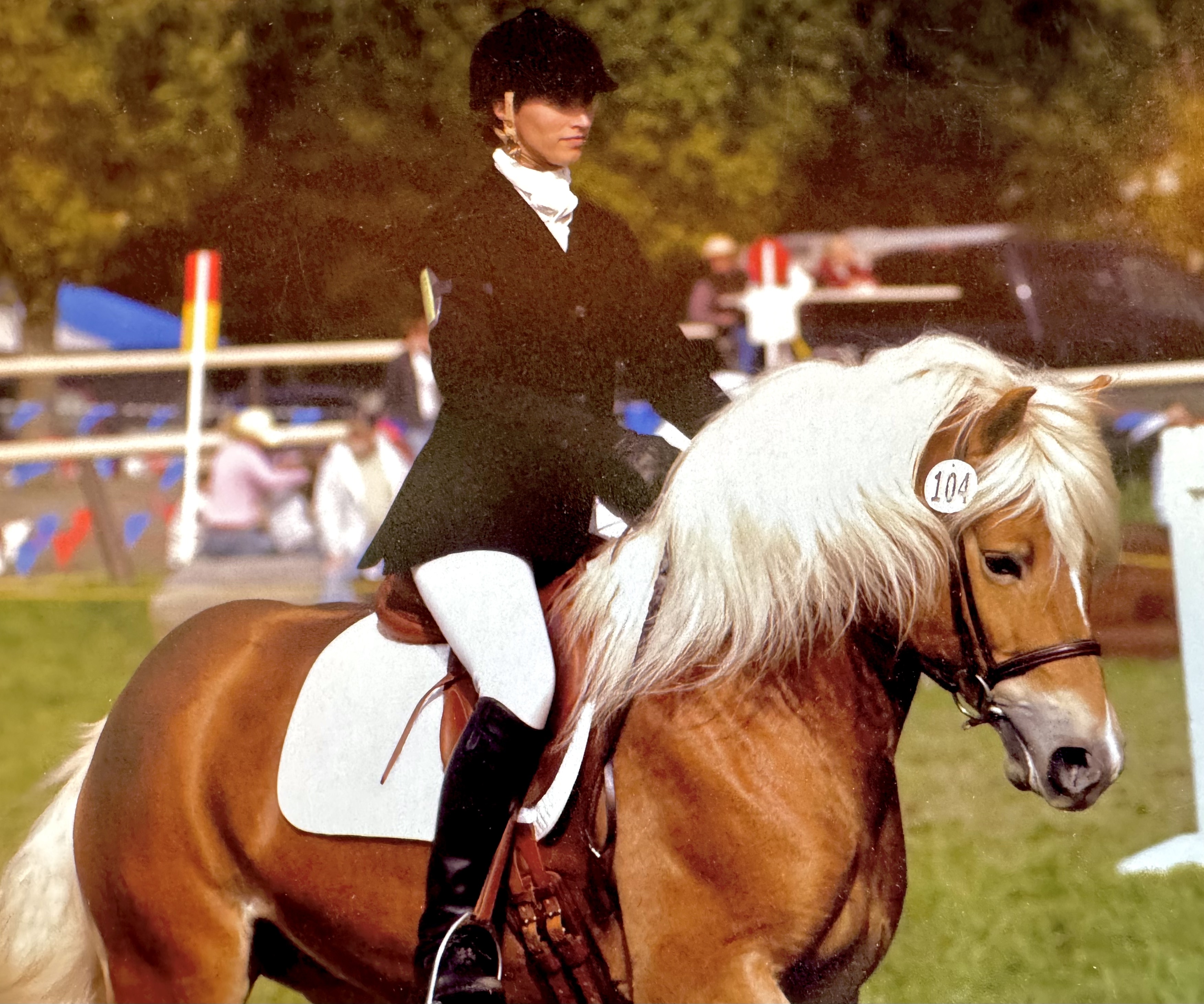
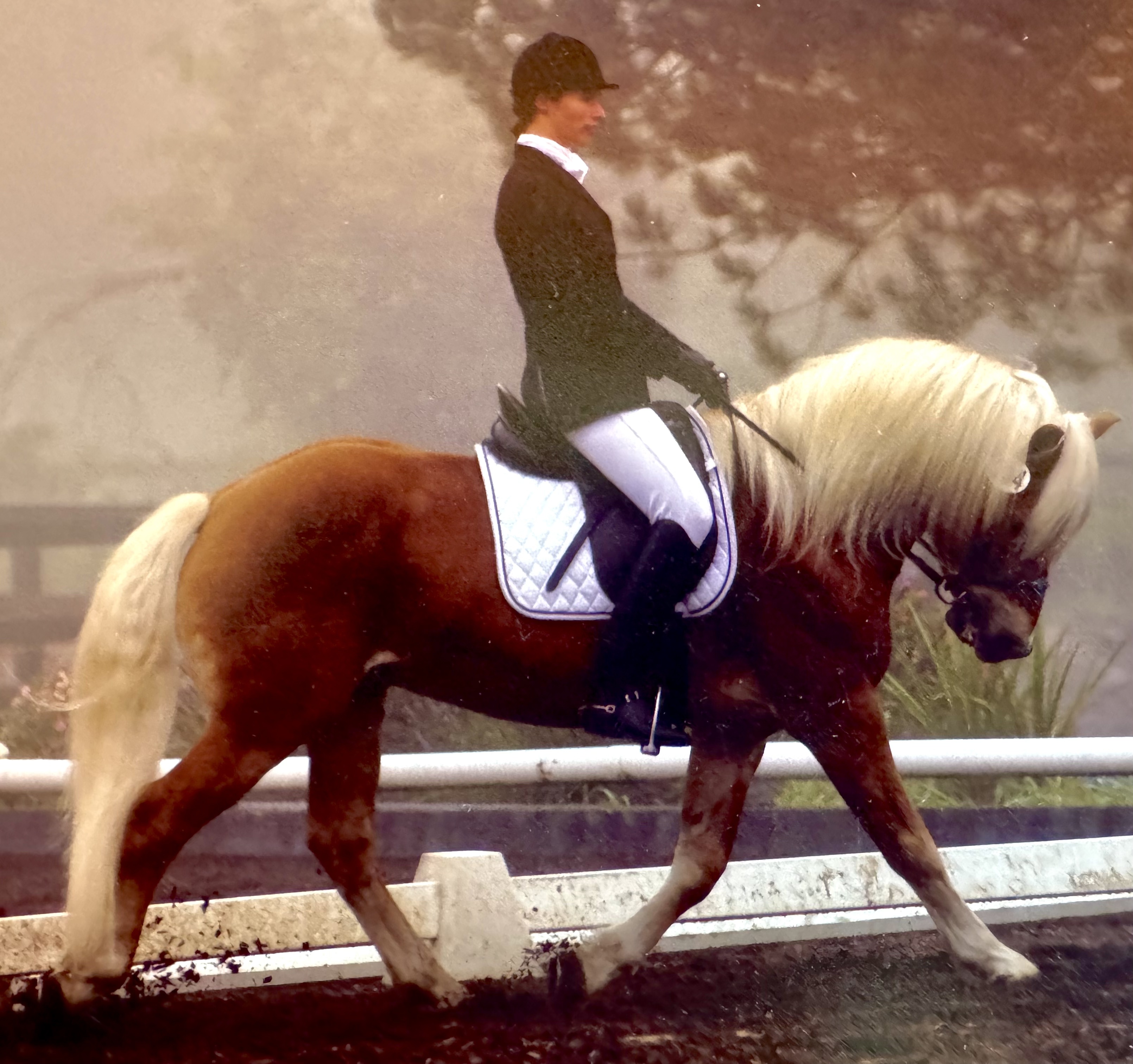
Waldheer van de Wortel (Wally), imported from Holland as a foal 27 years ago to be our herd stallion, let me know he wasn’t feeling well. He repeatedly pawed at the ground and the pasture gates, biting at his flank, trying to lie down and then get back up, not eating – clearly experiencing colicky belly pain that was getting worse.

I wondered if Wally’s time had come to bid him farewell. I had made a promise to my geriatric horses that I would not allow them to live in pain just because I didn’t want to let them go.

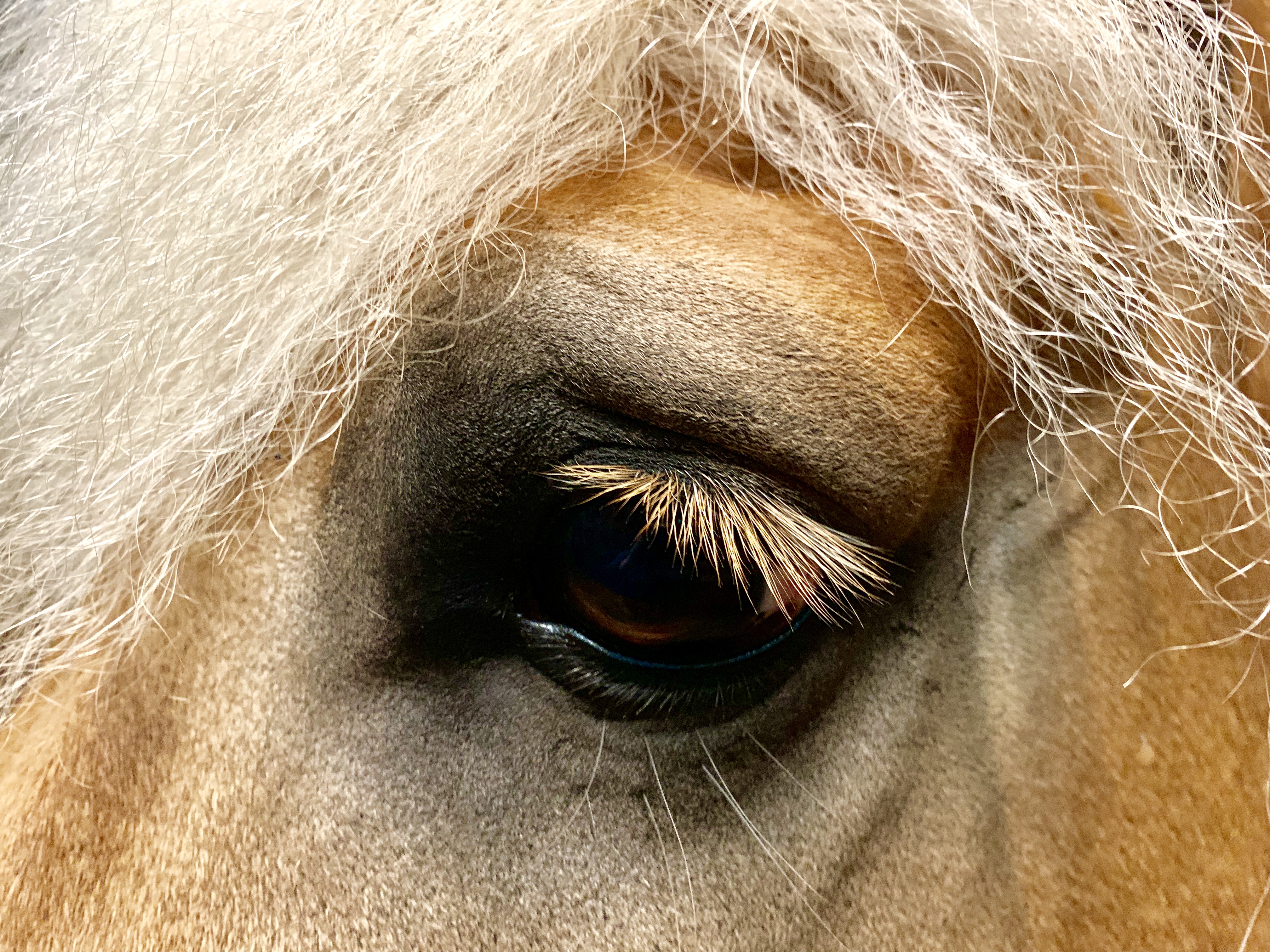
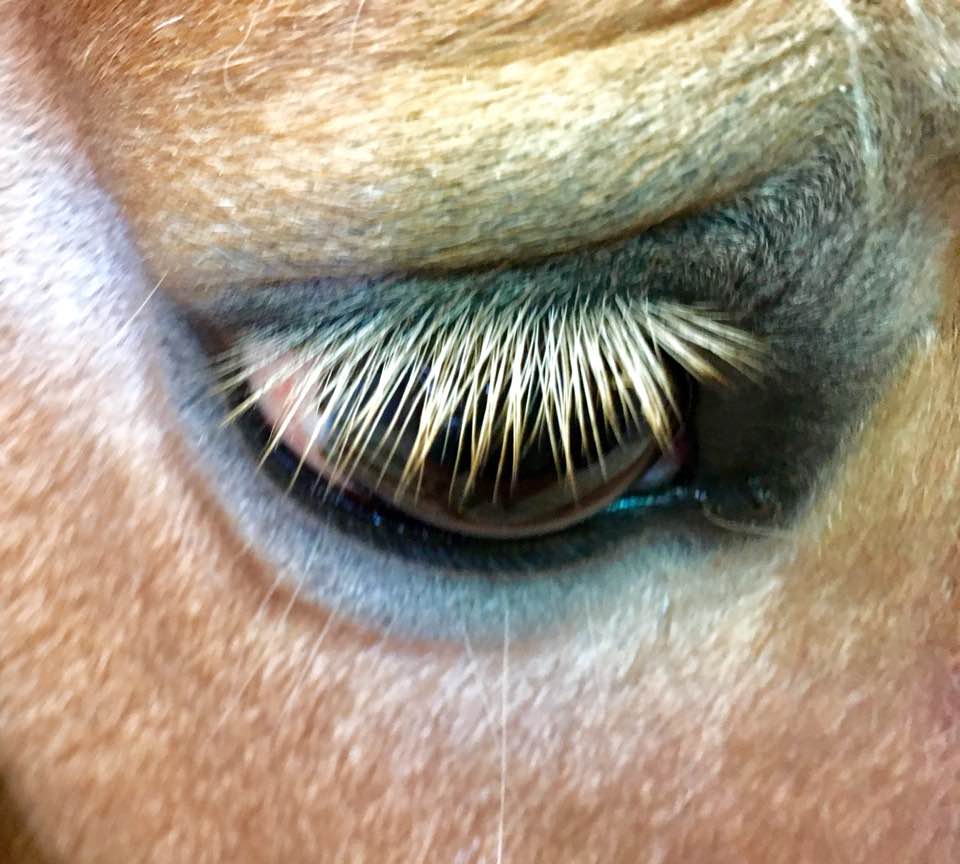
The vet came quickly and we talked about Wally’s options. She remarked about how he didn’t look his age, was holding weight well, his coat so sleek and shiny, his long-lashed eyes still bright and curious. But she said an older horse could often have repeated bouts of colic before the end, even if they temporarily improve with medical treatment.

I decided it was the right time to let him go to Haflinger heaven on a sunny summer morning, nibbling a mouthful of clover I offered him.

He was laid to sleep where he had lived nearly three decades.

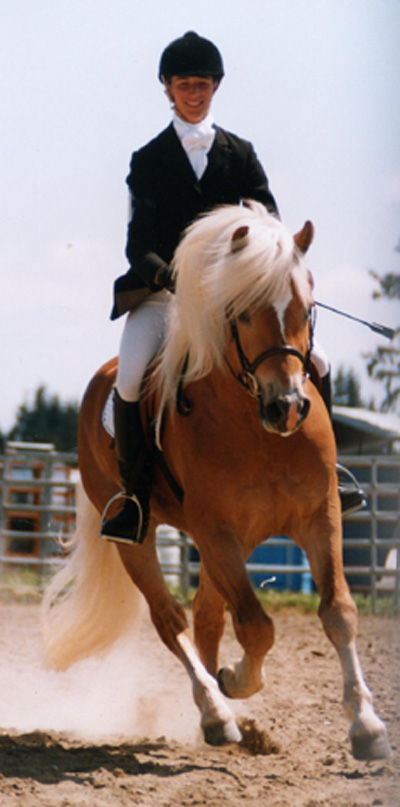
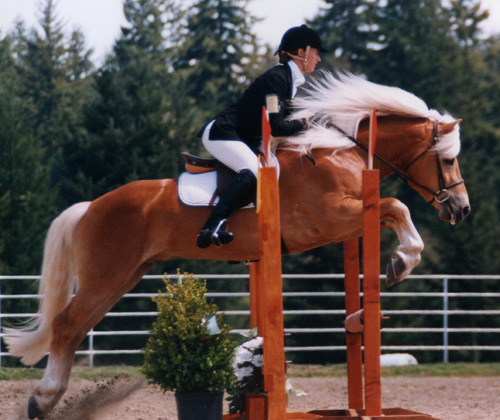
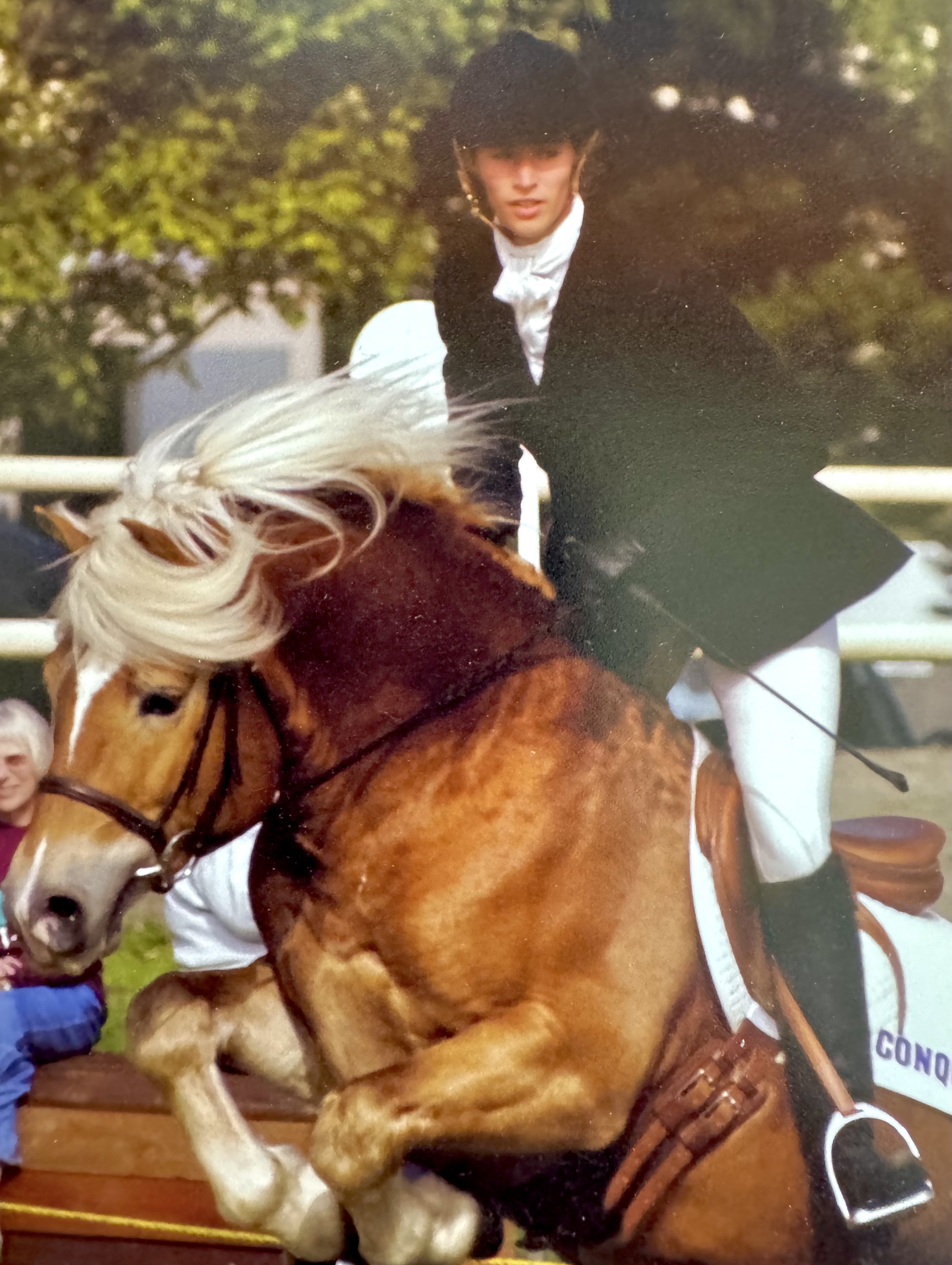
He leaves behind two sons who were his pasture buddies, a couple dozen offspring scattered around the country, and people who loved his ambassadorship for the Haflinger breed. In his younger days, he was an enthusiastic eventer in the northwest region, ridden by his trainer Jessica Heidemann. They both had an enthusiastic fan-following.

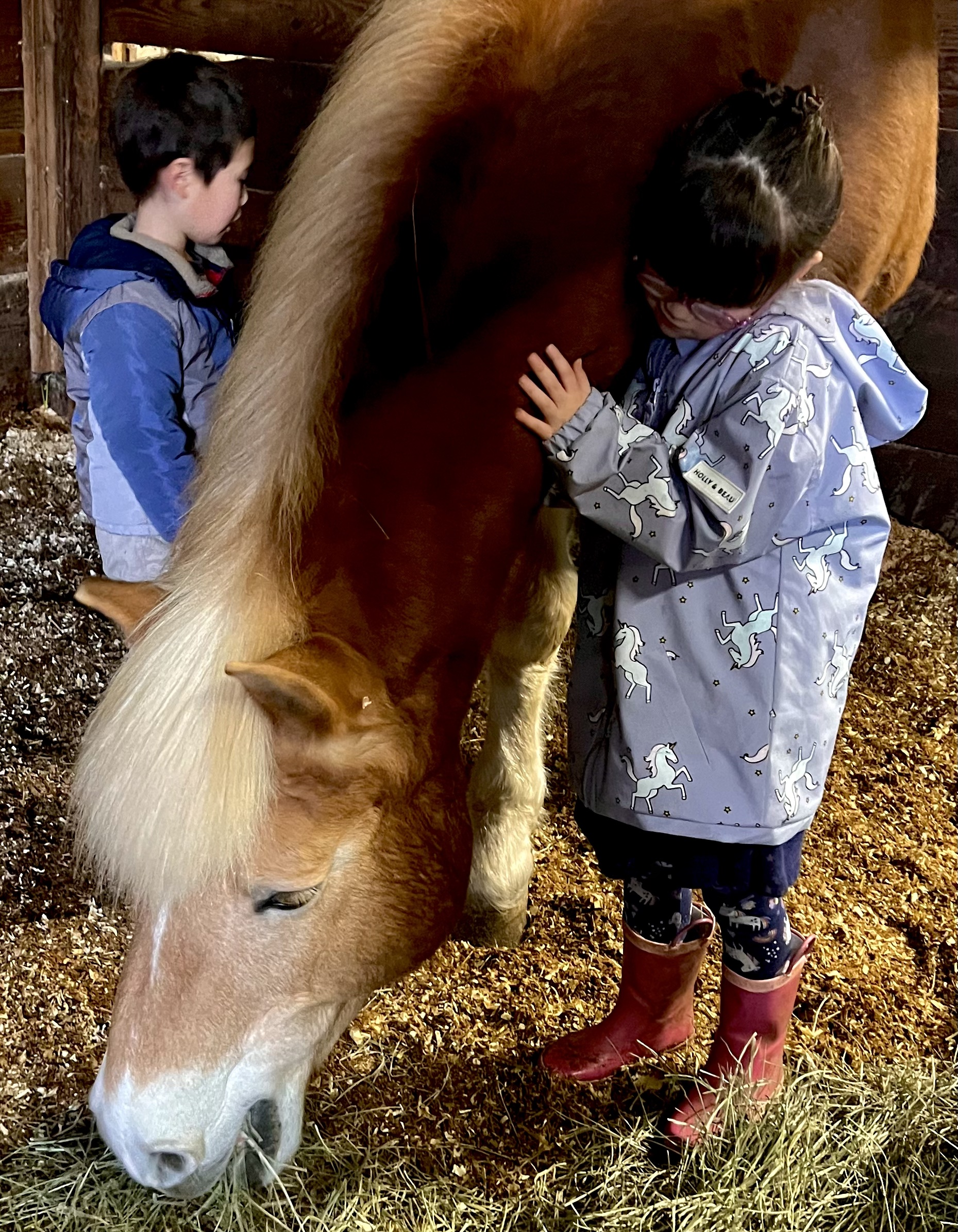
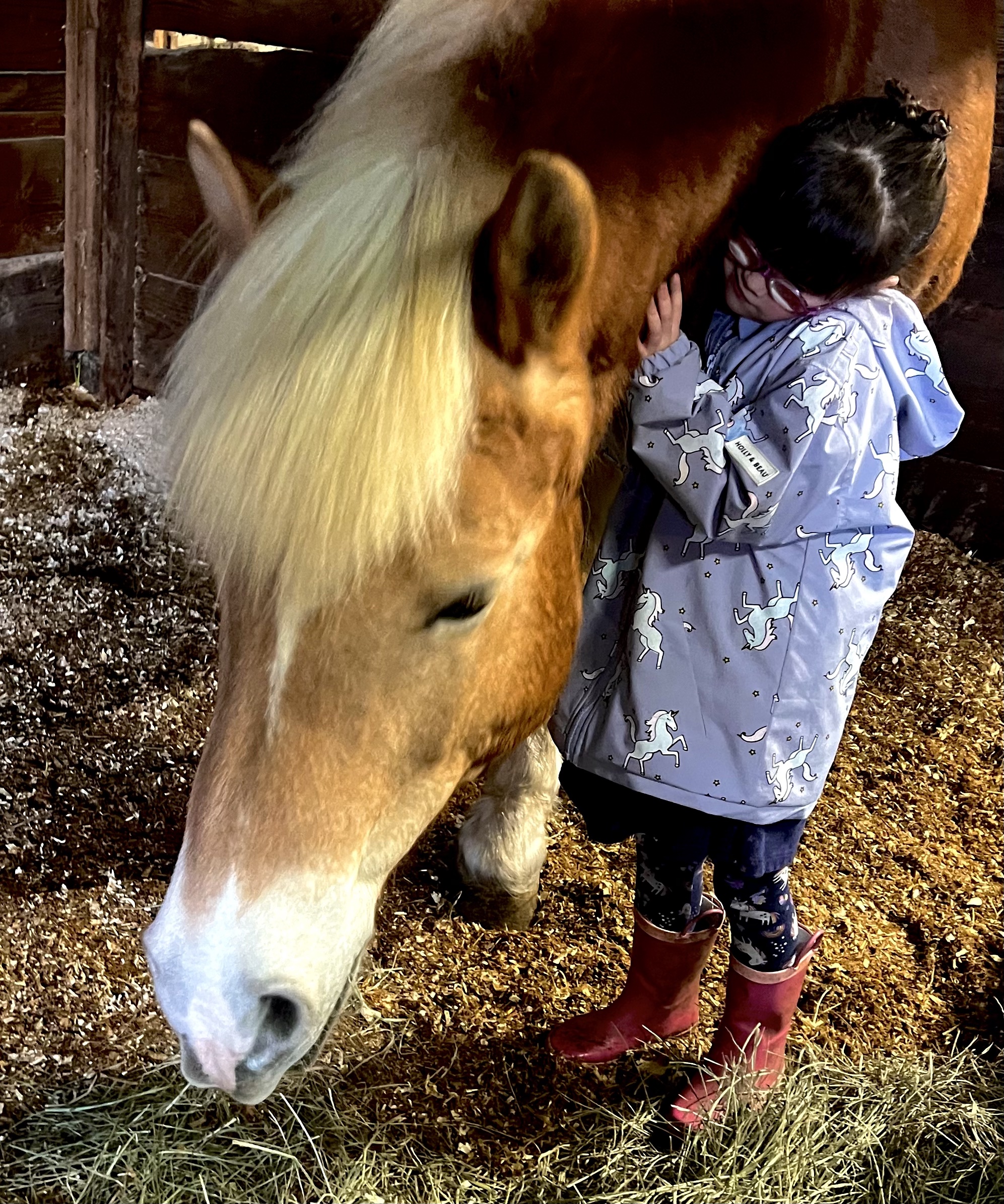
In his later years, Wally was patient and loving with our grandchildren and with us. He lived a good life in his place of happiness. I wanted him to die peacefully at home, without a worry.

It just doesn’t get much better than that.

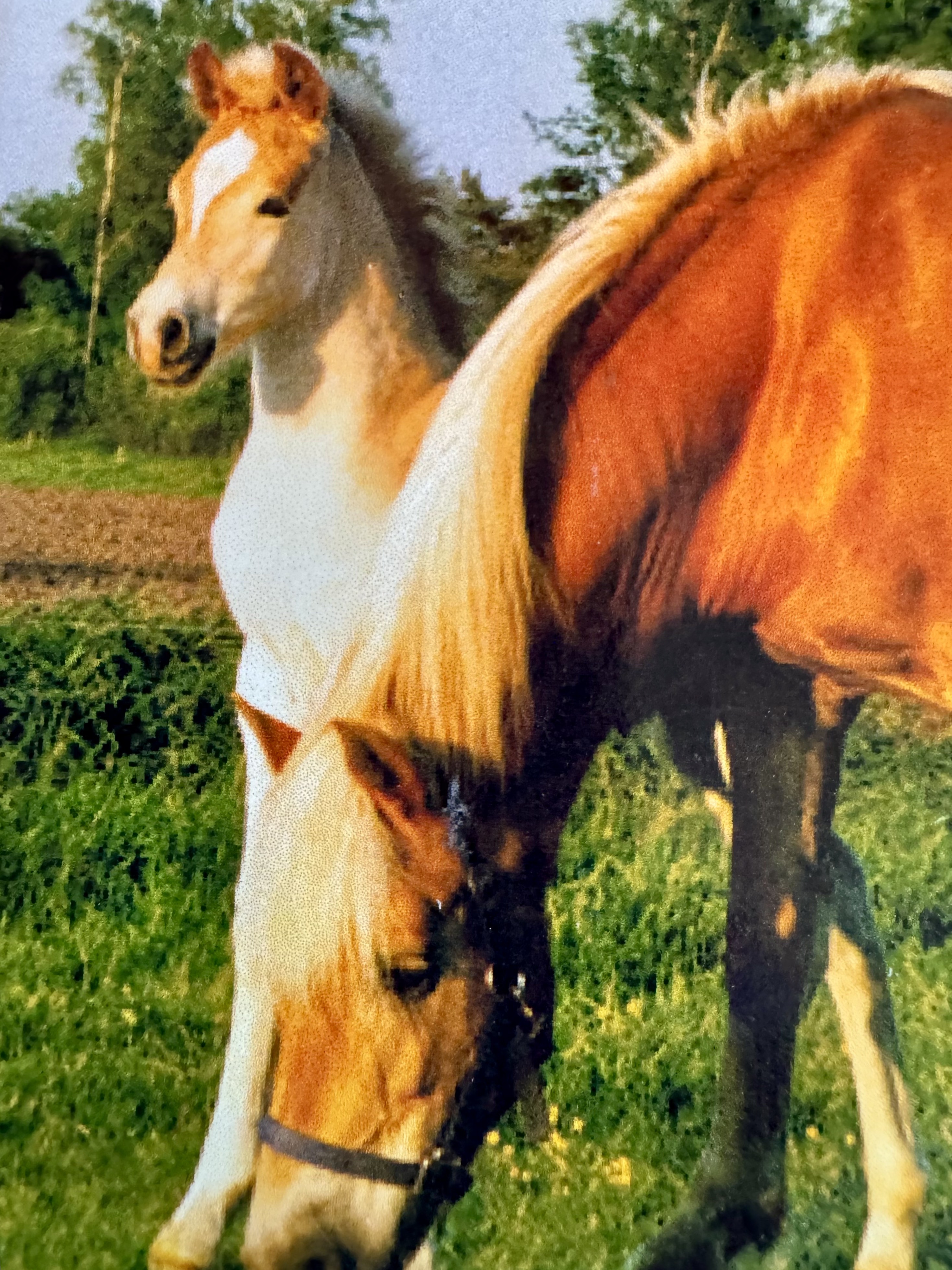
Waldheer van de Wortel, 1998 foal in Holland
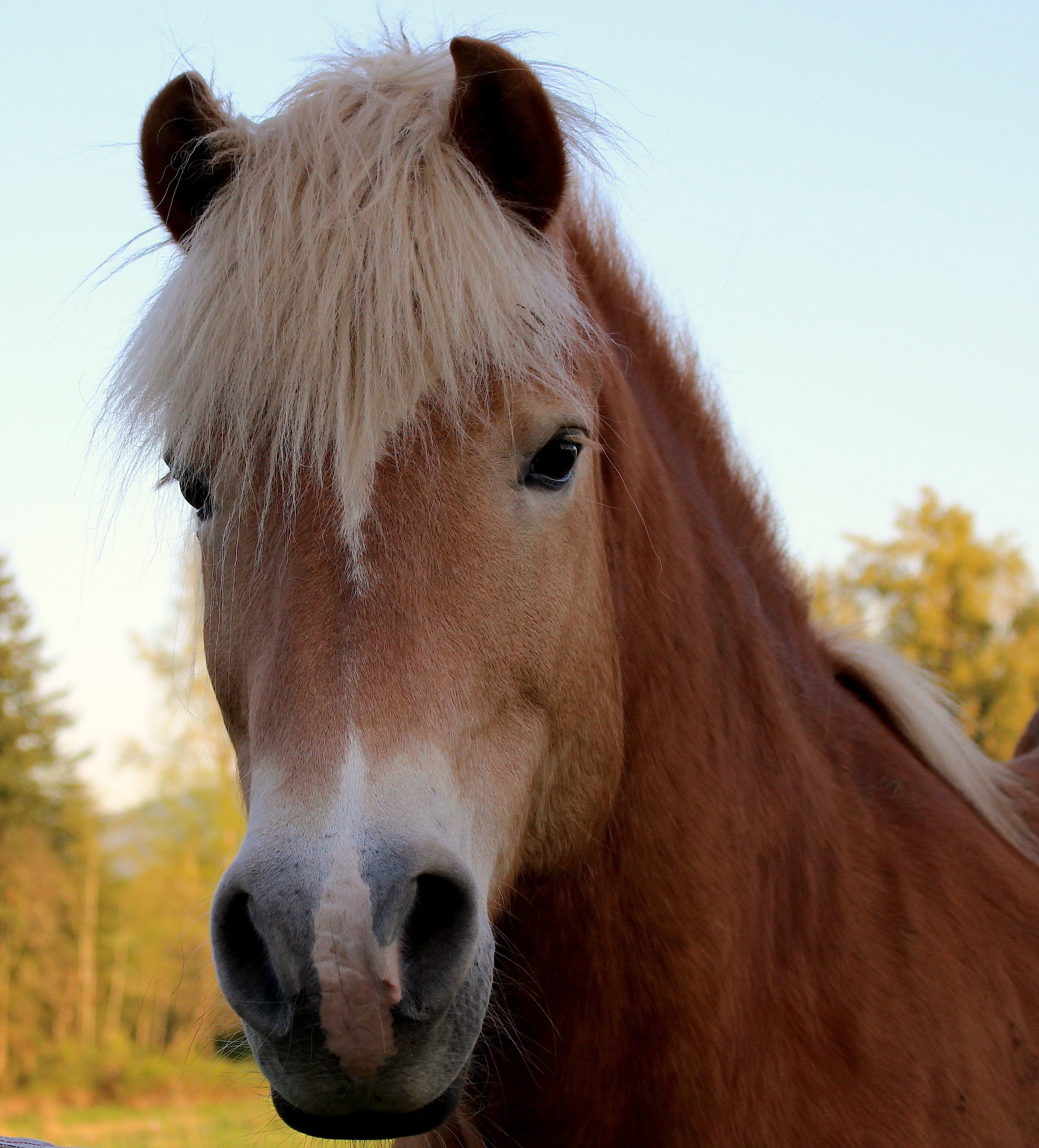
27 year old Wally
Art work made by a fan of Waldheer
One-Time
Monthly
Yearly

Make a one-time or recurring donation to support daily Barnstorming posts

Make a monthly donation

Make a yearly donation

Choose an amount

$10.00
$25.00
$50.00
$5.00
$15.00
$100.00
$5.00
$15.00
$100.00

Or enter a custom amount

$

Your contribution is deeply appreciated.

Your contribution is appreciated.

Your contribution is appreciated.

DonateDonate monthlyDonate yearly
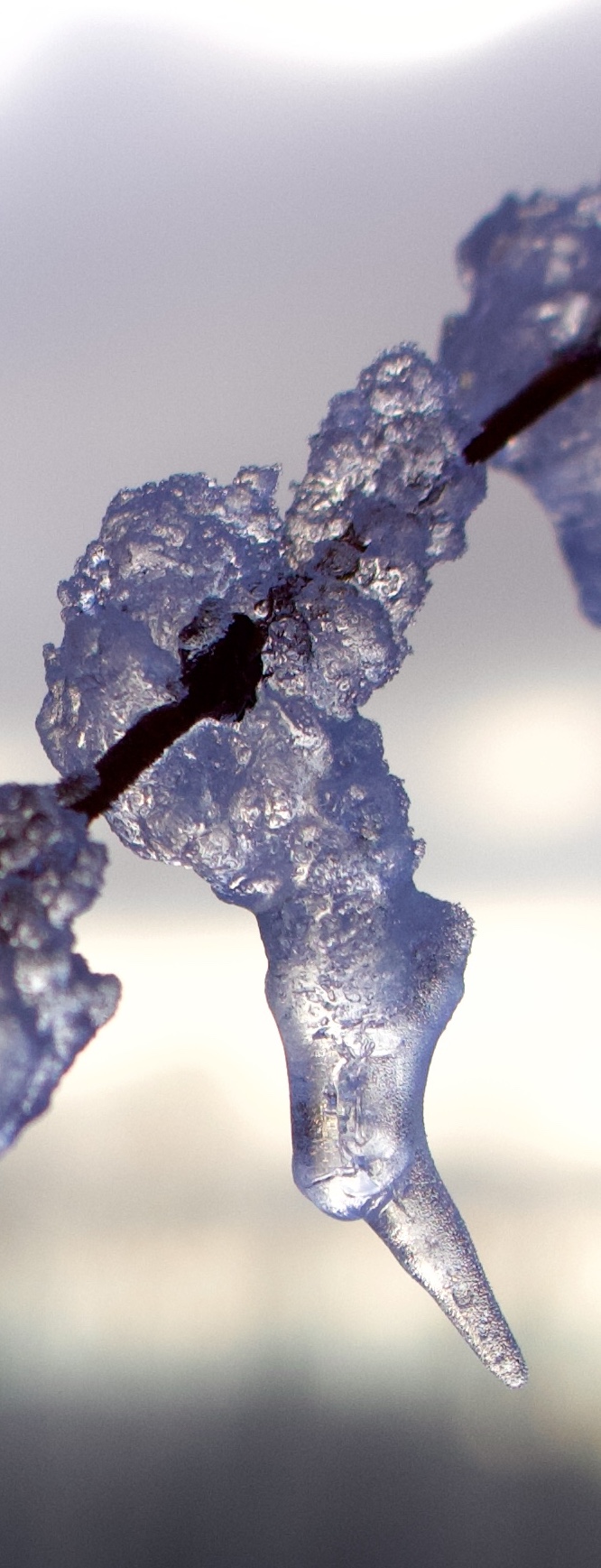
Open Wide

“Open thy mouth wide, and I will fill it,” reads the needlepoint
above the dentist’s door, beyond which “Little Learners”
are doing time in the chair. One at a time, up and down,
they practice how to be not afraid, to tip their chins,
spit. And then to brush in circles gently
for two minutes. No blood today, no needles, drills,
just a plastic sack of gifts: a magnet of a happy tooth,
a purple toothbrush, paste. …when they’re all lined up and holding
hands in pairs, they lift their faces as if toward God
to the camera. Having been happily trained for pain,
they flash their unharmed smiles, and in my mind, I exit
with them, all my ex-selves, mittens attached
to their jackets, bright and unbreakable.
~Dierdre O’Connor from “At the Dentist’s” from The Cupped Field

One thing I like less than most things is sitting in a dentist chair
with my mouth wide open.
And that I will never have to do it again

is a hope that I am against hope hopen.

Because some tortures are physical and some are mental,
But the one that is both is dental.
It is hard to be self-possessed
With your jaw digging into your chest.

So hard to retain your calm
When your fingernails are making serious alterations

in your life line or love line
or some other important line in your palm;

So hard to give your usual effect of cheery benignity
When you know your position is one of the two or three in life
most lacking in dignity.

And your mouth is like a section of road that is being worked on.
And it is all cluttered up with stone crushers

and concrete mixers and drills and steam rollers
and there isn’t a nerve in your head that
you aren’t being irked on.

Oh, some people are unfortunate enough
to be strung up by thumbs.
And others have things done to their gums,
And your teeth are supposed to be being polished,
But you have reason to believe they are being demolished.
And the circumstance that adds most to your terror
Is that it’s all done with a mirror,

Because the dentist may be a bear,
or as the Romans used to say,
only they were referring to a feminine bear
when they said it, an ursa,
But all the same how can you be sure

when he takes his crowbar in one
hand and mirror in the other he won’t get mixed up, the way you
do when you try to tie a bow tie with the aid of a mirror, and forget
that left is right and vice versa?

And then at last he says
That will be all; but it isn’t because he then
coats your mouth from cellar to roof
With something that I suspect is generally used to put a shine on a
horse’s hoof.

And you totter to your feet and think. Well it’s all over now and after
all it was only this once.
And he says come back in three monce.
And this, O Fate, is I think the most vicious circle that thou ever sentest, That Man has to go continually

to the dentist to keep his teeth in good
condition when the chief reason

he wants his teeth in good condition
is so that he won’t have to go to the dentist. 

~Ogden Nash “This is Going to Hurt a Little Bit”

Yesterday, as I rested comfortably in the dental chair for a repair of two decades-old fillings in my front teeth, I thought about my childhood dental experiences over 60 years ago.

There was the little round basin with swirling water next to the chair where I was told to spit the bloody stuff accumulating in my mouth as they drilled out the cavities.

Cavities were drilled and filled without novocaine for children. The injection was considered more traumatic than the sensation of the drill. I was a very compliant child, stoic when I was told to be, but tightly gripped the arm rests of that old dental chair as the high-pitched whir of the drill sent pain from my tooth into my brain.

It was, in a word, torture. But that’s how things were done back then.

I did get novocaine injections for several tooth extractions necessary for orthodontia to correct my crooked teeth. No numbing gel, no slow infiltration of the anesthetic into the gums, just one scary giant needle into the gums or hard palate.

I gripped the arm rests even tighter for that.

Dentists back didn’t want to torture children. They simply weren’t trained to do it differently. They didn’t wear gloves, only washing their hands between patients. And they had plenty of on-the-job hazards themselves with mercury exposure and being bitten.

In fact, my childhood dentist was so impressed with my stoicism, he later hired me as a high schooler to be his chair-side assistant several days a week after school. I learned many skills, helping people of all ages cope with a painful experience, but also learned I didn’t have what it takes to be a patient dentist.

I love my current dentist’s gentle technique, his pain-free injection of anesthesia, his reassuring banter and frequent check-ins (“you doing okay?”). Too many older adults still struggle all these years later with dentist-phobia, avoiding routine cleanings and check-ups. I still have all my teeth thanks to several incredibly skilled dental artisans over the decades who have saved my enamel with their sculpted crowns and fillings. I am beyond grateful for their care.

So I sit in the dental chair, put on the sunglasses, and gladly open wide for them.

But, I can’t help it, out of habit and reflex, I still grip the arm rests too tightly.

One-Time
Monthly
Yearly

Make a one-time or recurring donation to support daily Barnstorming posts

Make a monthly donation

Make a yearly donation

Choose an amount

$10.00
$25.00
$50.00
$5.00
$15.00
$100.00
$5.00
$15.00
$100.00

Or enter a custom amount

$

Your contribution is deeply appreciated.

Your contribution is appreciated.

Your contribution is appreciated.

DonateDonate monthlyDonate yearly

Trying Not to Cry

People have said, “Don’t cry” to other people for years and years, and all it has ever meant is, “I’m too uncomfortable when you show your feelings.  Don’t cry.”  I’d rather have them say, “Go ahead and cry.  I’m here to be with you.”

~Mister Fred Rogers

I cry easily, always have. Certain songs and hymns will trigger tears, and of course, any rituals surrounding baptisms, funerals, weddings, and graduations.

Tears don’t bother me, whether they are my own or someone else’s. My medical office and exam rooms were always well- stocked with boxes of tissues as a safe place to cry it out.

One of my routine mental health history questions was “what will bring tears to your eyes – dicing onions doesn’t count?”  

Some patients would look at me blankly, not sure they ever remember crying, and others will weep at the mere suggestion.

No matter what the reason for someone’s tears, it is a powerful outward expression of human feeling, like a laugh or a grimace of pain. I watch for those cues and sometimes feel their emotion as surely as if it were my own.

Even tears can bring peace – like a river.

I am with you.  And always intend to be.

One-Time
Monthly
Yearly

Make a one-time donation to support daily Barnstorming posts

Make a monthly donation

Make a yearly donation

Choose an amount

$10.00
$25.00
$50.00
$5.00
$15.00
$100.00
$5.00
$15.00
$100.00

Or enter a custom amount

$

Your contribution is deeply appreciated.

Your contribution is appreciated.

Your contribution is appreciated.

DonateDonate monthlyDonate yearly
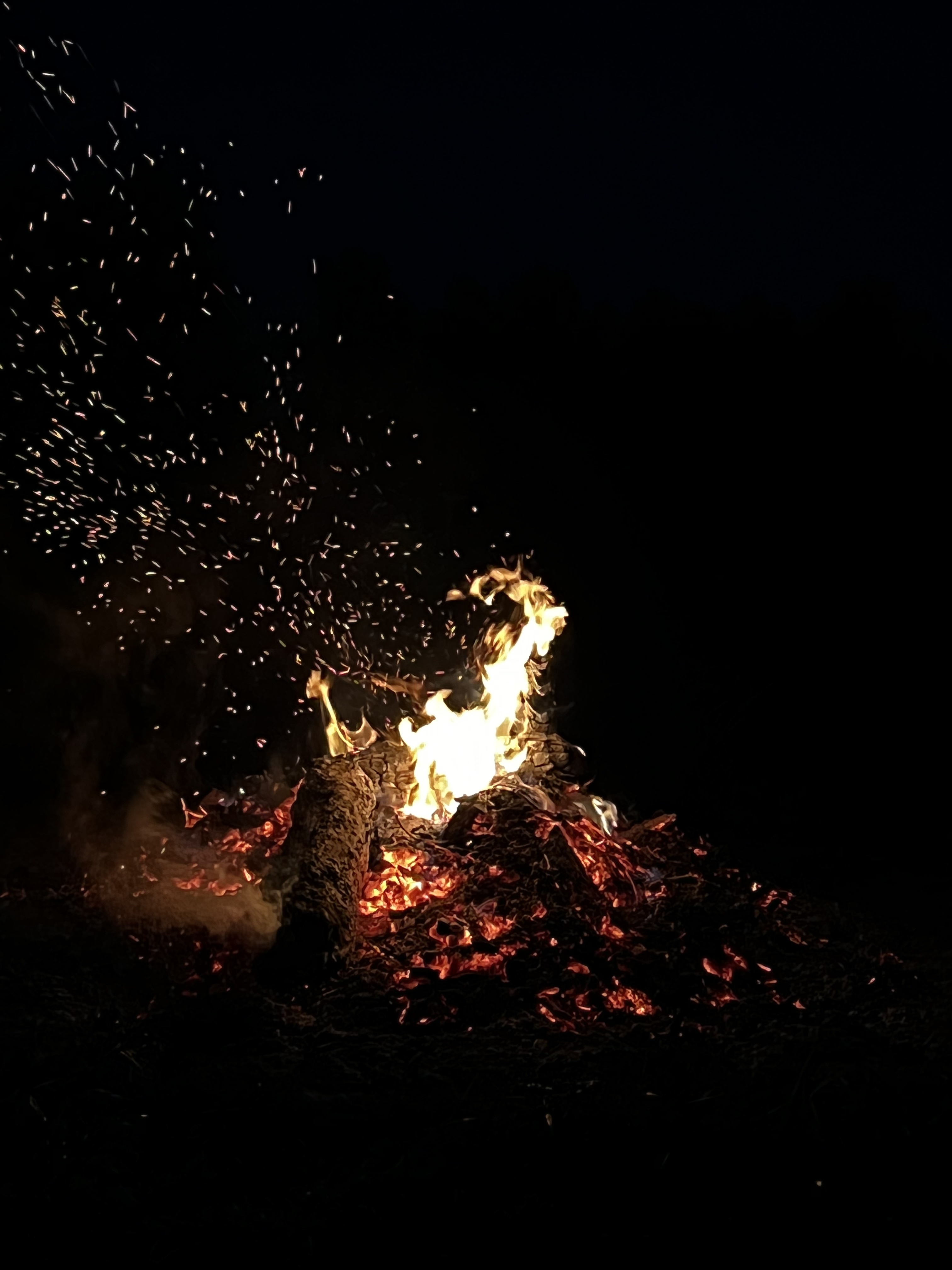
Simply Lost

Perhaps she came down for the apples,
or was flushed out by the saws powering
the far woods, or was simply lost,
or was crossing one open space for an
other.

She was a figure approaching, a presence
outside a kitchen window, framed
by the leafless apple trees, the stiff blueberry bushes,
the after-harvest corn, the just-before-rain sky,

a shape only narrow bones could hold,
turning its full face upward, head tilted to one side, as if to speak.

I want my life back.

Morning settles around her like a silver coat.
Rustling branches, hooves in flight.

~Philip Terman “Deer Descending”

Who among us does not feel this?

Everything changing faster than we can respond:
loss of jobs,
research halting mid-study,
inconsistency abounds,
families shattered,
uncertainty prevails.

What happened to
of the people,
by the people,
for the people
rather than dictated by just a few

We are so lost,
how to find our way back
to caring for the poor, the weak, the vulnerable
with a spirit of commitment, compassion and sacrifice.

For God alone – no one else – remains our strength and shield.
Lost and afraid, we want our lives back.

We need His Refuge where we may rest.
We seek Sanctuary from this darkness,
to once again awaken hopeful to a new morning.

AI image created for this post
One-Time
Monthly
Yearly

Make a one-time or recurring donation to support daily Barnstorming posts

Make a monthly donation

Make a yearly donation

Choose an amount

$10.00
$25.00
$50.00
$5.00
$15.00
$100.00
$5.00
$15.00
$100.00

Or enter a custom amount

$

Your contribution is deeply appreciated.

Your contribution is appreciated.

Your contribution is appreciated.

DonateDonate monthlyDonate yearly

Where You Go, I Will Go: The In-Between

Here at the centre everything is still
Before the stir and movement of our grief
Which bears it’s pain with rhythm, ritual,
Beautiful useless gestures of relief.
So they anoint the skin that cannot feel
Soothing his ruined flesh with tender care,
Kissing the wounds they know they cannot heal,
With incense scenting only empty air.
He blesses every love that weeps and grieves
And makes our grief the pangs of a new birth.
The love that’s poured in silence at old graves
Renewing flowers, tending the bare earth,
Is never lost. In him all love is found
And sown with him, a seed in the rich ground.

~Malcolm Guite “Station XIV of the Cross”

The Holy Saturday of our life must be the preparation for Easter,
the persistent hope for the final glory of God.

The virtue of our daily life is the hope which does what is possible
and expects God to do the impossible.

To express it somewhat paradoxically, but nevertheless seriously:
the worst has actually already happened;
we exist, and even death cannot deprive us of this.
Now is the Holy Saturday of our ordinary life,
but there will also be Easter, our true and eternal life.
~Karl Rahner “Holy Saturday” in The Great Church Year

I said to my mind, be still, and wait without hope
For hope would be hope for the wrong thing; wait without love
For love would be love of the wrong thing; yet there is faith
But the faith and the hope and the love are all in the waiting.
Wait without thought, for you are not ready for thought:
So the darkness shall be light, and the stillness the dancing.
~T. S. Eliot, from “East Coker”  The Four Quartets

The happy ending has never been easy to believe in.
After the Crucifixion the defeated little band of disciples
had no hope, no expectation of Resurrection.
Everything they believed in had died on the cross with Jesus.
The world was right, and they had been wrong.
Even when the women told the disciples
that Jesus had left the stone-sealed tomb,
the disciples found it nearly impossible to believe
that it was not all over.
The truth was, it was just beginning.
Madeleine L’Engle from “Waiting for Judas” in Plough Magazine

This in-between day
after all had gone so wrong:
the rejection, the denials,
the trumped-up charges,
the beatings, the burden,
the jeering, the thorns,
the nails, the thirst,
the despair of being forsaken.

This in-between day
before all will go so right:
the forgiveness and compassion,
the grace and sacrifice,
the debt paid in full,
the immovable stone rolled away,
our name on His lips,
our hearts burning
to hear His words.

What does it take to move the stone?
When it is an effort to till the untillable,
creating a place where simple seed
can drop, be covered and sprout and thrive,
it takes muscle and sweat and blisters and tears.

What does it take to move the stone?
When it is a day when no one will speak out of fear,
the silent will be moved to cry out
the truth, heard and known and never forgotten.

What does it take to move the stone?
When it is a day when all had given up,
gone behind locked doors in grief.

When two came to tend the dead,
there would be no dead to tend.

Only a gaping hole left
Only an empty tomb
Only a weeping weary silence
broken by Love calling our name
and we turn to greet Him
as if hearing it for the first time.

We cannot imagine what is to come
in the dawn tomorrow as
the stone lifted and rolled,
giving way so our separation is bridged,
darkness overwhelmed by light,
the crushed and broken rising to dance,
and inexplicably,
from the waiting stillness He stirs
and we, finding death emptied,
greet Him with trembling
and are forever moved,
just like the stone.

This year’s Lenten theme:

…where you go I will go…
Ruth 1:16

One-Time
Monthly
Yearly

Make a one-time or recurring donation to support daily Barnstorming posts

Make a monthly donation

Make a yearly donation
Choose an amount

$10.00
$25.00
$50.00
$5.00
$15.00
$100.00
$5.00
$15.00
$100.00

Or enter a custom amount

$

Your contribution is deeply appreciated.
Your contribution is appreciated.

Your contribution is appreciated.

DonateDonate monthlyDonate yearly