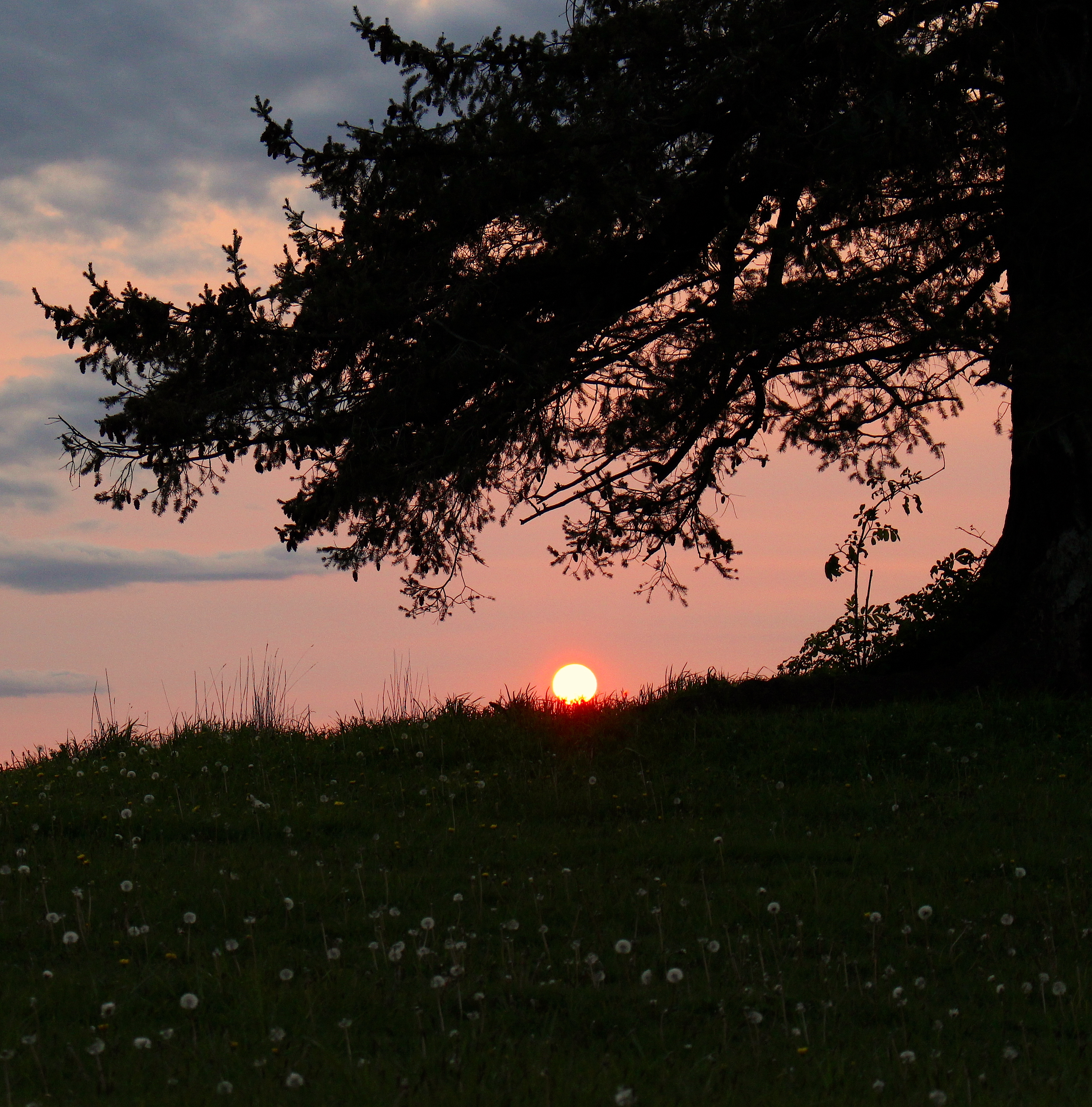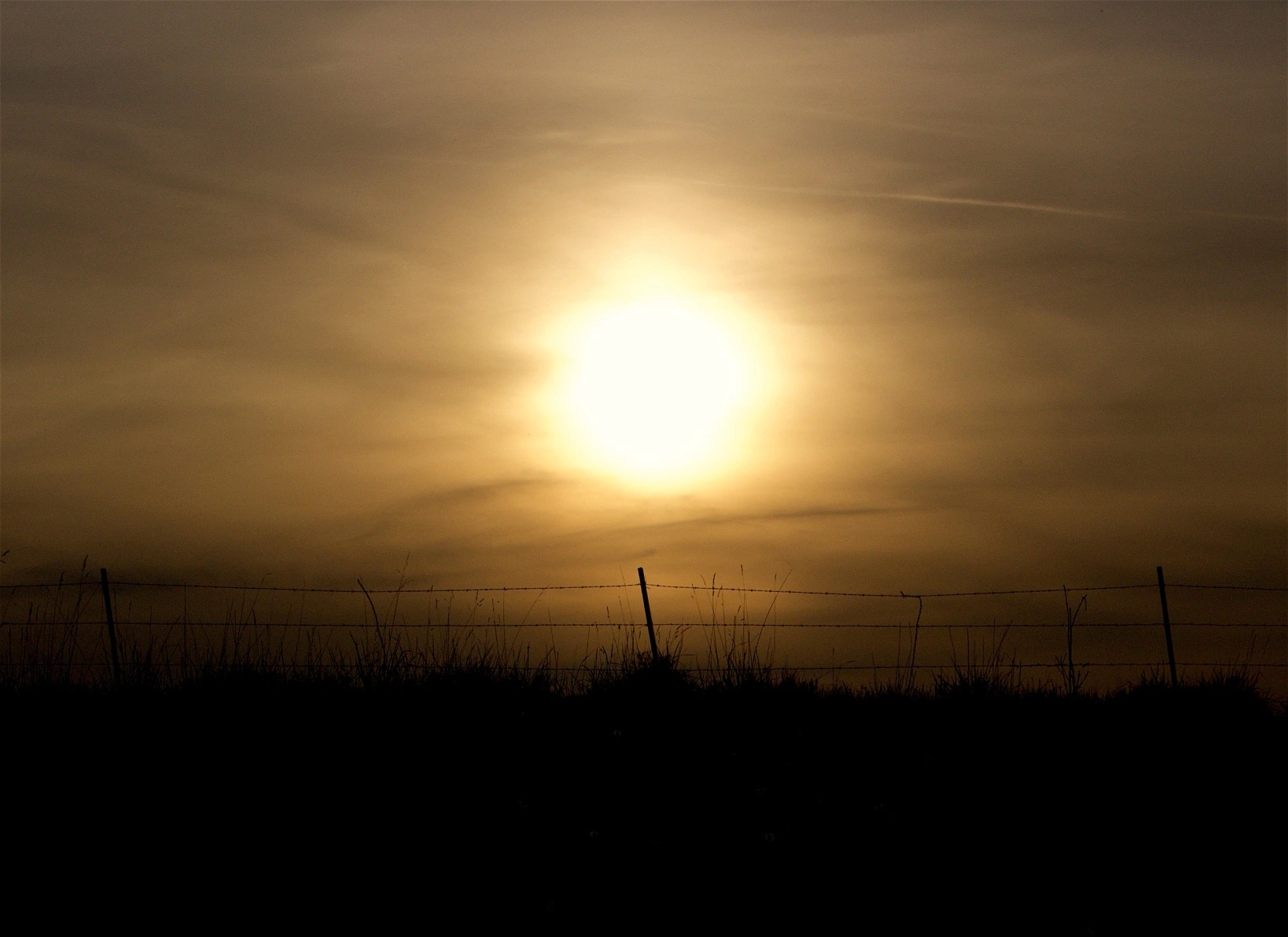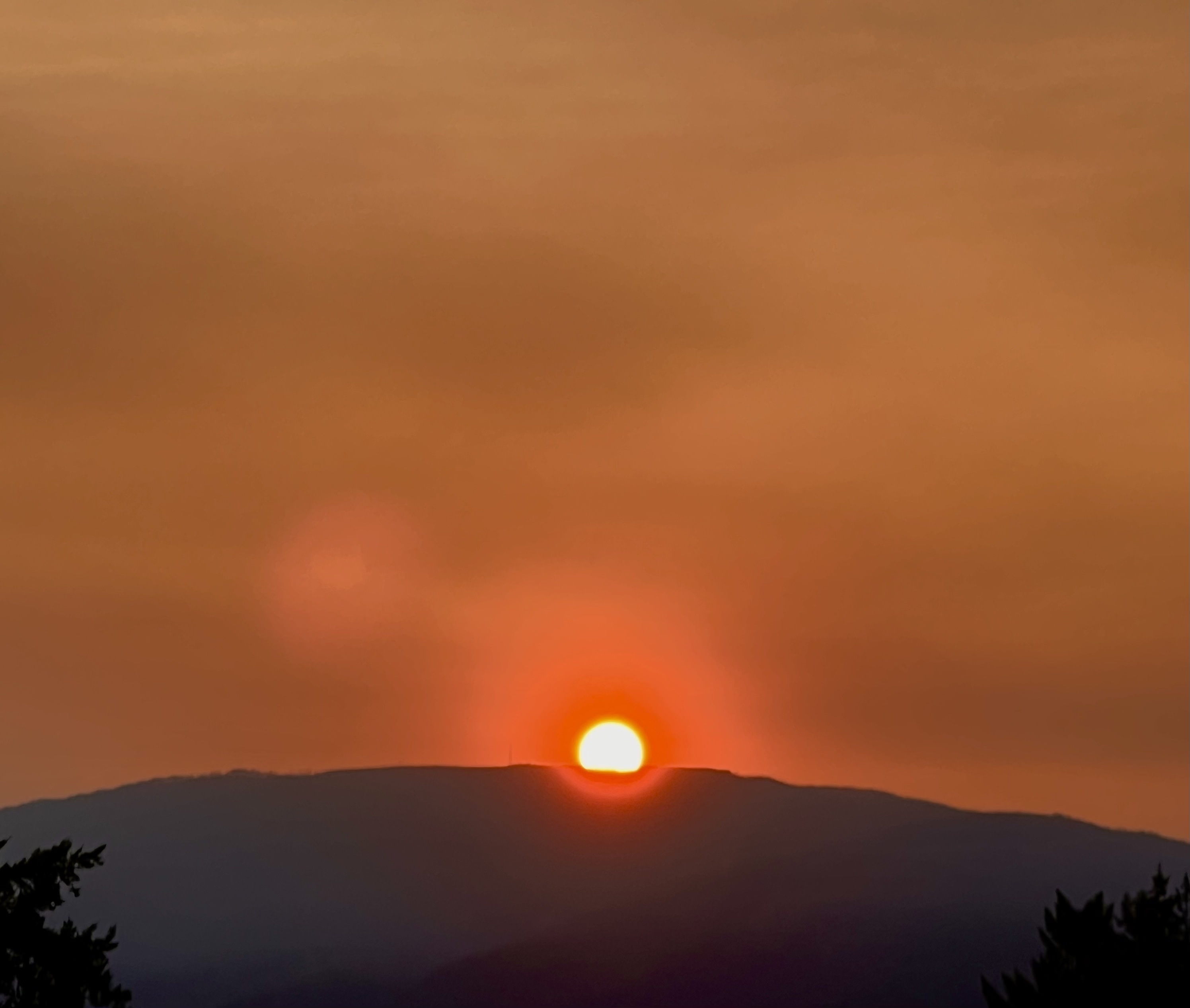
As the Light Left…

The second before the sun went out we saw a wall of dark shadow come speeding at us. We no sooner saw it than it was upon us, like thunder. It roared up the valley. It slammed our hill and knocked us out. It was the monstrous swift shadow cone of the moon. I have since read that this wave of shadow moves 1,800 miles an hour. Language can give no sense of this sort of speed—1,800 miles an hour. It was 195 miles wide. No end was in sight—you saw only the edge. It rolled at you across the land at 1,800 miles an hour, hauling darkness like plague behind it. Seeing it, and knowing it was coming straight for you, was like feeling a slug of anesthetic shoot up your arm. If you think very fast, you may have time to think, “Soon it will hit my brain.” You can feel the deadness race up your arm; you can feel the appalling, inhuman speed of your own blood. We saw the wall of shadow coming, and screamed before it hit.

This was the universe about which we have read so much and never before felt: the universe as a clockwork of loose spheres flung at stupefying, unauthorized speeds. How could anything moving so fast not crash, not veer from its orbit amok like a car out of control on a turn?

Less than two minutes later, when the sun emerged, the trailing edge of the shadow cone sped away. It coursed down our hill and raced eastward over the plain, faster than the eye could believe; it swept over the plain and dropped over the planet’s rim in a twinkling. It had clobbered us, and now it roared away. We blinked in the light. It was as though an enormous, loping god in the sky had reached down and slapped the Earth’s face.

When the sun appeared as a blinding bead on the ring’s side, the eclipse was over. The black lens cover appeared again, back-lighted, and slid away. At once the yellow light made the sky blue again; the black lid dissolved and vanished. The real world began there. I remember now: We all hurried away.

We never looked back. It was a general vamoose … but enough is enough. One turns at last even from glory itself with a sigh of relief. From the depths of mystery, and even from the heights of splendor, we bounce back and hurry for the latitudes of home.
~Annie Dillard from her essay  “Total Eclipse” in The Atlantic about the February 1979 eclipse in Washington State
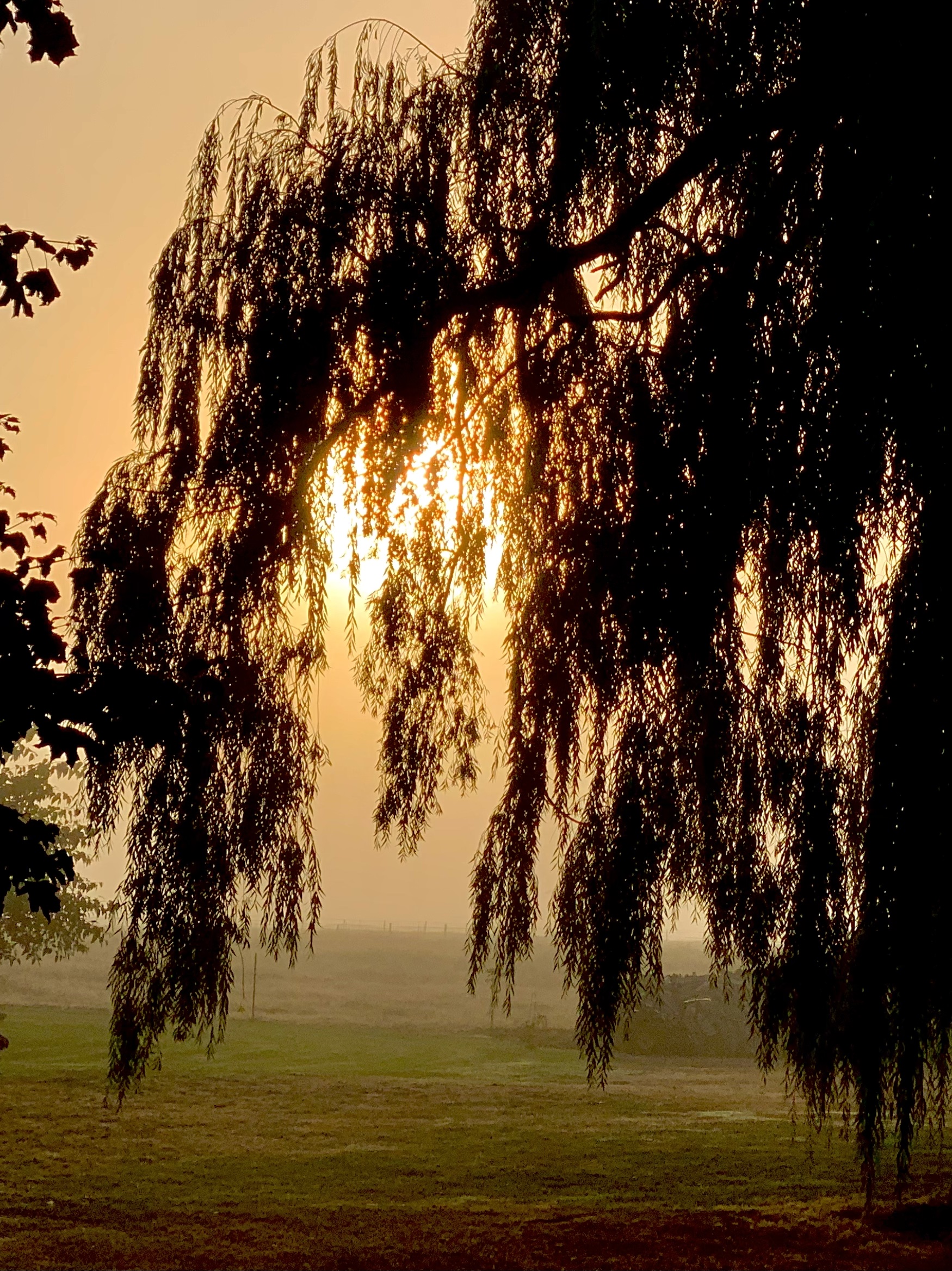
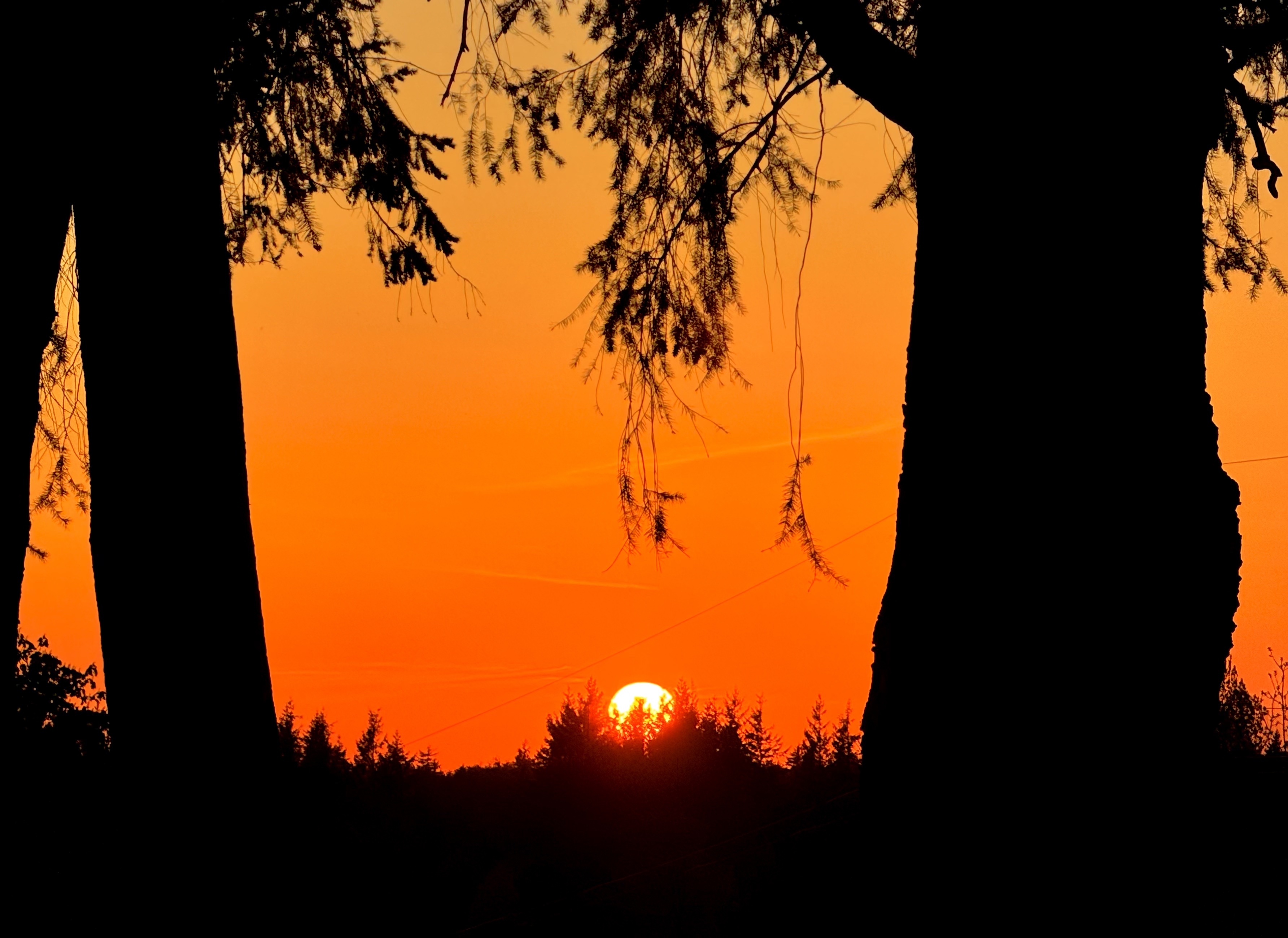
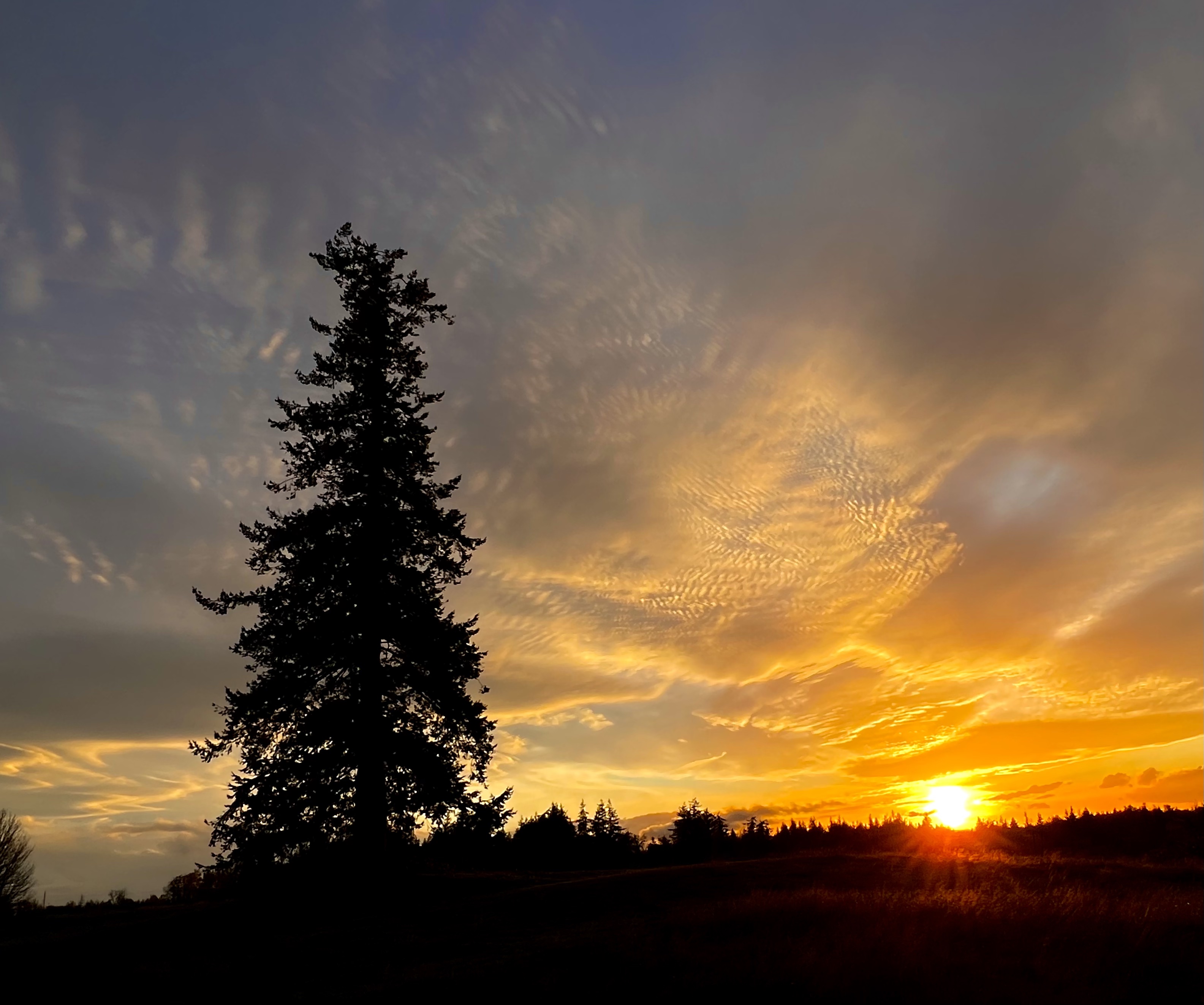
sundown

From my six week psychiatric inpatient rotation at a Veteran’s Hospital—late winter 1979

Sixty eight year old male catatonic with depression

He lies still, so very still under the sheet, eyes closed; the only clue that he is living is the slight rise and fall of his chest.  His face is skull- like framing his sunken eyes, his facial bones standing out like shelves above the hollows of his cheeks, his hands lie skeletal next to an emaciated body.  He looks as if he is dying of cancer but without the smell of decay.  He rouses a little when touched, not at all when spoken to.  His eyes open only when it is demanded of him, and he focuses with difficulty.  His tongue is thick and dry, his whispered words mostly indecipherable, heard best by bending down low to the bed, holding an ear almost to his cracked lips.

He has stopped feeding himself, not caring about hunger pangs, not salivating at enticing aromas or enjoying the taste of beloved coffee.  His meals are fed through a beige rubber tube running through a hole in his abdominal wall emptying into his stomach, dripping a yeasty smelling concoction of thick white fluid full of calories.  He ‘eats’ without tasting and without caring. His sedating antidepressant pills are crushed, pushed through the tube, oozing into him, deepening his sleep, but are designed to eventually wake him from his deep debilitating melancholy.

After two weeks of treatment and nutrition, his cheeks start to fill in, and his eyes are closed less often.  He watches people as they move around the room and he responds a little faster to questions and starts to look us in the eye.   He asks for coffee, then pudding and eventually he asks for steak.  By the third week he is sitting up in a chair, reading the paper.

After a month, he walks out of the hospital, 15 pounds heavier than when he was wheeled in.  His lips, no longer dried and cracking, have begun to smile again.
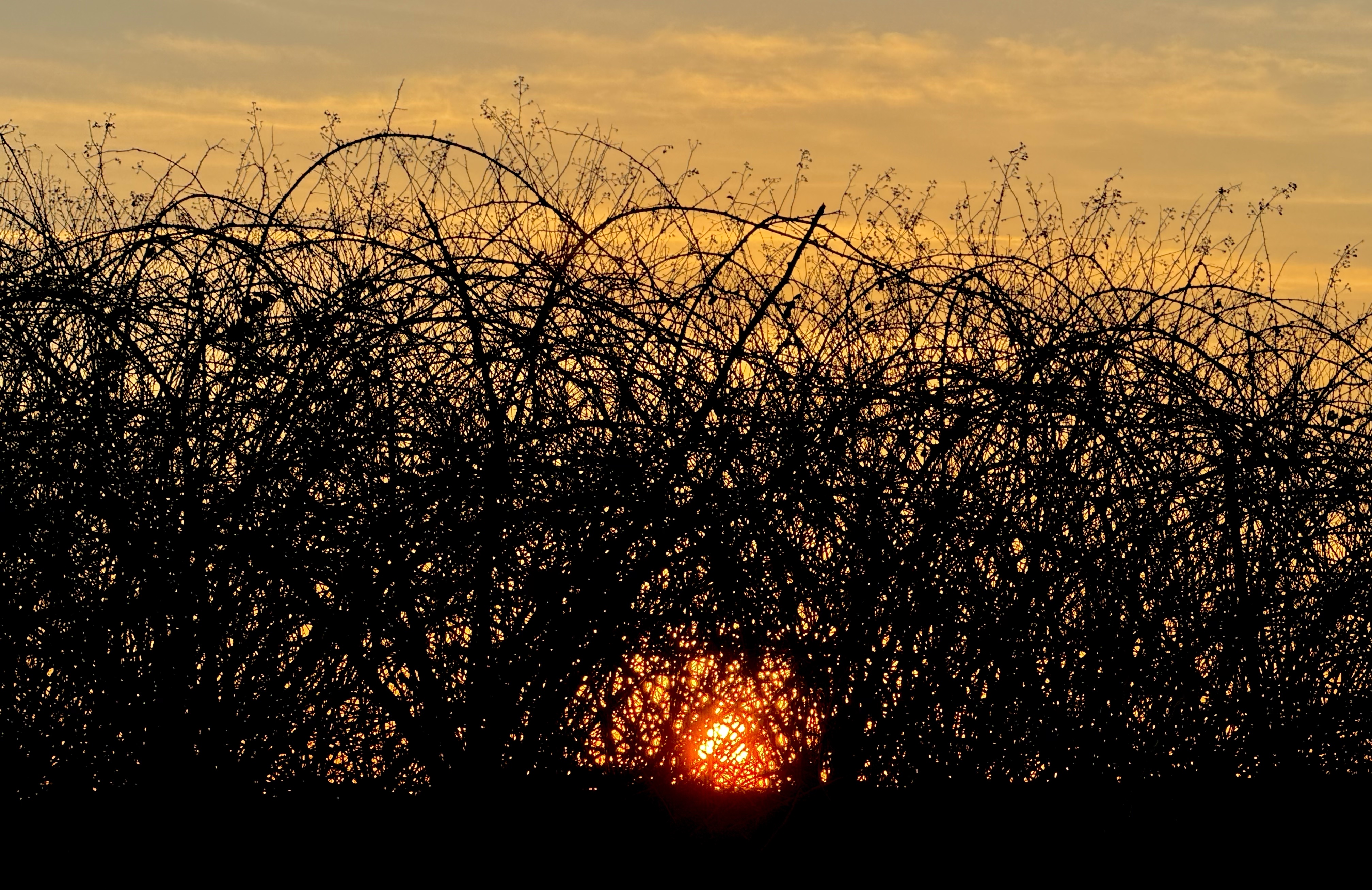
Thirty two year old male rescued by the Coast Guard at 3 AM in the middle of the bay

As he shouts, his eyes dart, his voice breaks, his head tosses back and forth, his back arches and then collapses as he lies tethered to the gurney with leather restraints.  He writhes constantly, his arm and leg muscles flexing against the wrist and ankle bracelets.

“The angels are waiting!!  They’re calling me to come!! Can’t you hear them?  What’s wrong with you?  I’m Jesus Christ, King of Kings!!  Lord of Lords!!  If you don’t let me return to them, I can’t stop the destruction!”

He finally falls asleep by mid-morning after being given enough antipsychotic medication to kill a horse. He sleeps uninterrupted for nine hours. Then suddenly his eyes fly open, and he looks startled.

He glares at me.  “Where am I? How did I get here?”

“You are hospitalized in the VA psych ward after being picked up by the Coast Guard after swimming out into the bay in the middle of the night. You said you were trying to reach the angels.”

He turns his head away, his fists relaxing in the restraints, and begins to weep uncontrollably, the tears streaming down his face.

“Forgive them, Father, for they know not what they do.”
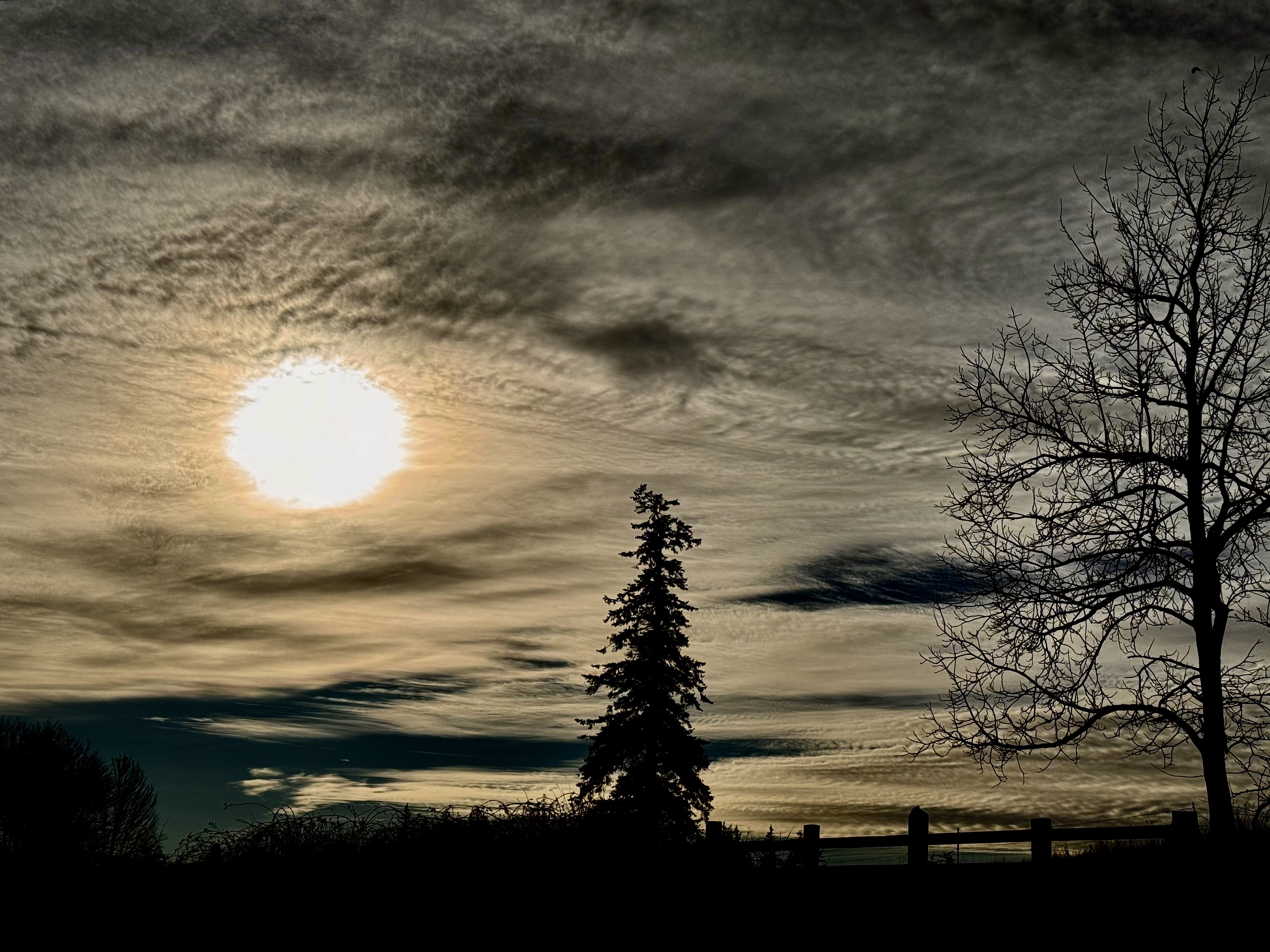
Twenty two year old male with auditory and visual hallucinations

He seems serene, much more comfortable in his own skin when compared to the others on the ward. Walking up and down the long hallways alone, he is always in deep conversation. He takes turns talking, but more often is listening, nodding,  almost conspiratorial.

During a one-on-one session, he looks at me briefly, but his attention continues to be diverted, first watching an invisible something or someone enter the room, move from the door to the middle of the room, until finally, his eyes lock on an empty chair to my left. I ask him what he sees next to me.

“Jesus wants you to know He loves you.”

It takes all my will power not to turn and look at the empty chair.

**********************************************************************

Fifty four year old male with chronic paranoid schizophrenia

He has been disabled with psychiatric illness for thirty years, having his first psychotic break while serving in World War II.   His only time living outside of institutions has been spent sharing a home with his mother who is now in her eighties.  This hospitalization was precipitated by his increasing delusion that his mother is the devil and the voices in his head commanded that he kill her. He had become increasingly agitated and angry, had threatened her with a knife, so she called the police, pleading with them not to arrest him, but to bring him to the hospital for medication adjustment.

His eyes have taken on the glassy staring look of the overmedicated psychotic, and he sits in the day room much of the day sleeping in a chair, drool dripping off his lower lip.  When awake he answers questions calmly and appropriately with no indication of the delusions or agitation that led to his hospitalization.  His mother visits him almost daily, bringing him his favorite foods from home which he gratefully accepts and eats with enthusiasm.  By the second week, he is able to take short passes to go home with her, spending a lunch time together and then returning to the ward for dinner and overnight. By the third week, he is ready for discharge, his mother gratefully thanking the doctors for the improvement she sees in her son.  I watch them walk down the long hallway together to be let through the locked doors to freedom.

Two days later, a headline in the local paper:

“Veteran Beheads Elderly Mother”
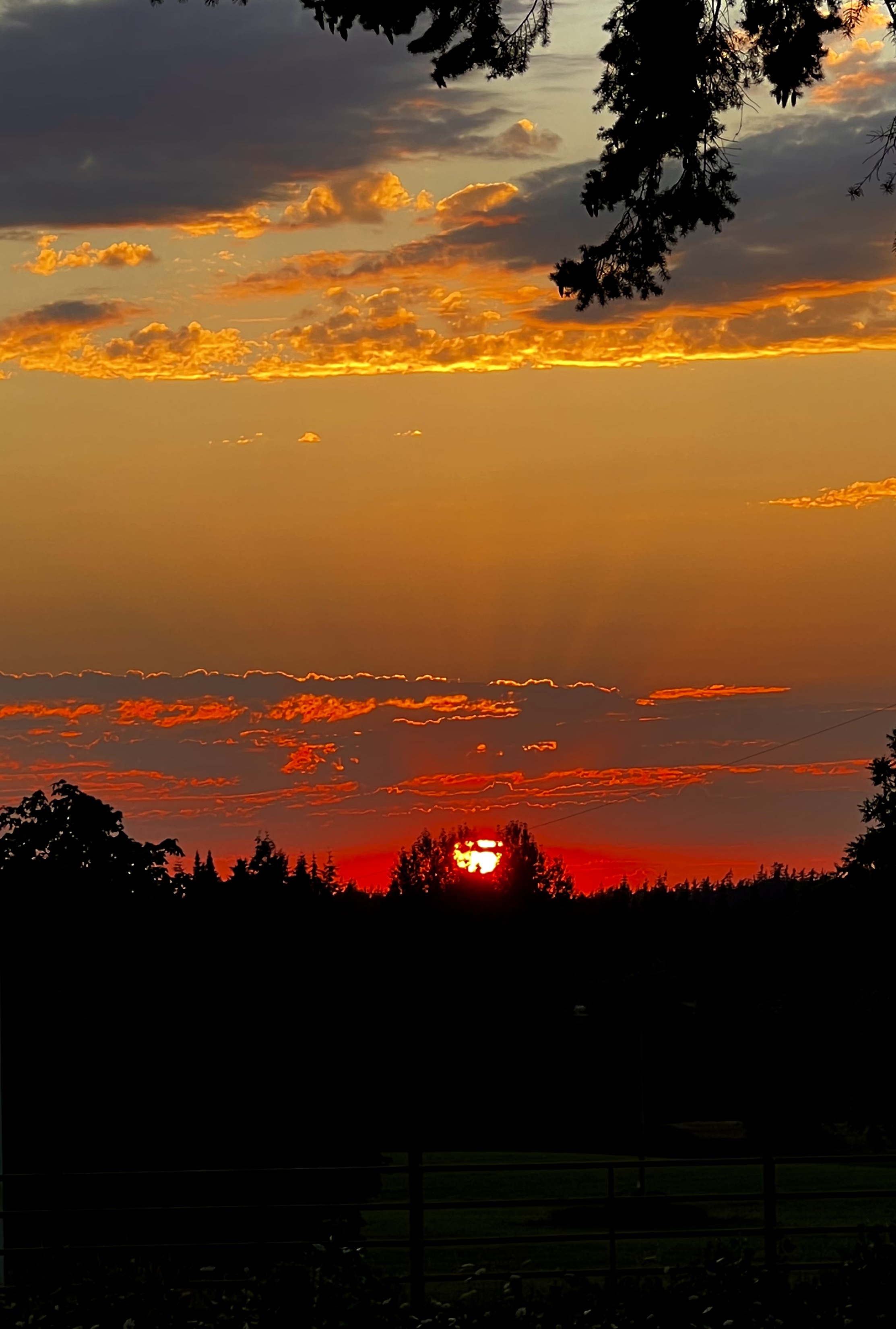
Forty five year old male — bipolar disorder with psychotic features

He has been on the ward for almost a year, his unique high pitched laughter heard easily from behind closed doors,  his eyes intense in his effort to conceal his struggles.  Trying to follow his line of thinking is challenging, as he talks quickly, with frequent brilliant off topic tangents, and at times he lapses into a “word salad” of almost nonsensical sentences.  Every day as I meet with him I become more confused about what is going on with him, and am unclear what is expected of me in my interactions with him.  He senses my discomfort and tries to ease my concern.

“Listen, this is not your problem to fix but I’m bipolar and regularly hear command voices and have intrusive thoughts.  My medication keeps me under good control.  But just tell me if you think I’m not making sense because I don’t always recognize it in myself.”

During my rotation, his tenuous tether to sanity is close to breaking.  He starts to listen more intently to the voices in his head, becoming frightened and anxious, often mumbling and murmuring under his breath as he goes about his day.

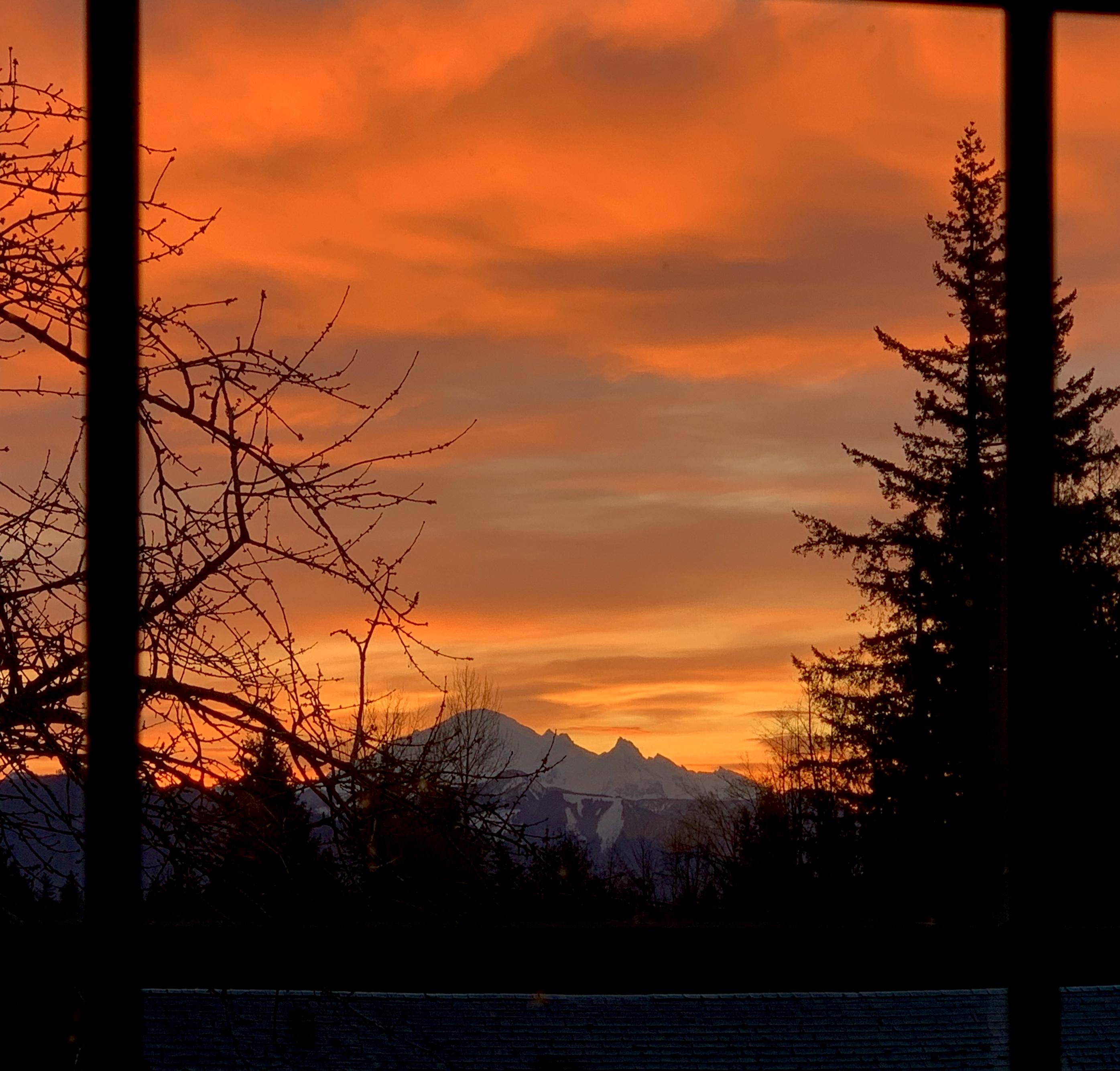
On a particular morning, all the patients are more anxious than usual, pacing and wringing their hands as the light outdoors slowly fades, with noon being transformed to an oddly shadowy dusk. The street lights turn on automatically and cars are driving with headlights shining.  We stand at the windows in the hospital, watching the city become dark as night in the middle of the day.  The unstable patients are sure the world is ending and extra doses of medication are dispensed as needed while the light slowly returns to the streets outside.  Within an hour the sunlight is back, and all the patients are napping soundly.

The psychiatrist locks himself in his office and doesn’t respond to knocks on the door or calls on his desk phone.

Stressed by the recent homicide by one of his discharged patients, and identifying with his patients due to his own mental illness, he is overwhelmed by the eclipse. The nurses call the hospital administrator who comes to the ward with two security guards. They unlock the door and lead the psychiatrist off the ward. We watch him leave, knowing he won’t be back.

It is as if the light had left and only his shadow remains.
AI image created for this post

Lyrics:
Measure me, sky!
    Tell me I reach by a song
Nearer the stars;
    I have been little so long.

Weigh me, high wind!
    What will your wild scales record?
Profit of pain,
    Joy by the weight of a word.

Horizon, reach out!
    Catch at my hands, stretch me taut,
Rim of the world:
    Widen my eyes by a thought.

Sky, be my depth,
    Wind, be my width and my height,
World, my heart’s span;
    Loveliness, wings for my flight.
~Leonora Speyer

One-Time
Monthly
Yearly

Make a one-time or recurring donation to support daily Barnstorming posts

Make a monthly donation

Make a yearly donation

Choose an amount

$10.00
$25.00
$50.00
$5.00
$15.00
$100.00
$5.00
$15.00
$100.00

Or enter a custom amount

$

Your contribution is deeply appreciated.

Your contribution is appreciated.

Your contribution is appreciated.

DonateDonate monthlyDonate yearly
Where You Go, I Will Go: My Heart Caught Off Guard

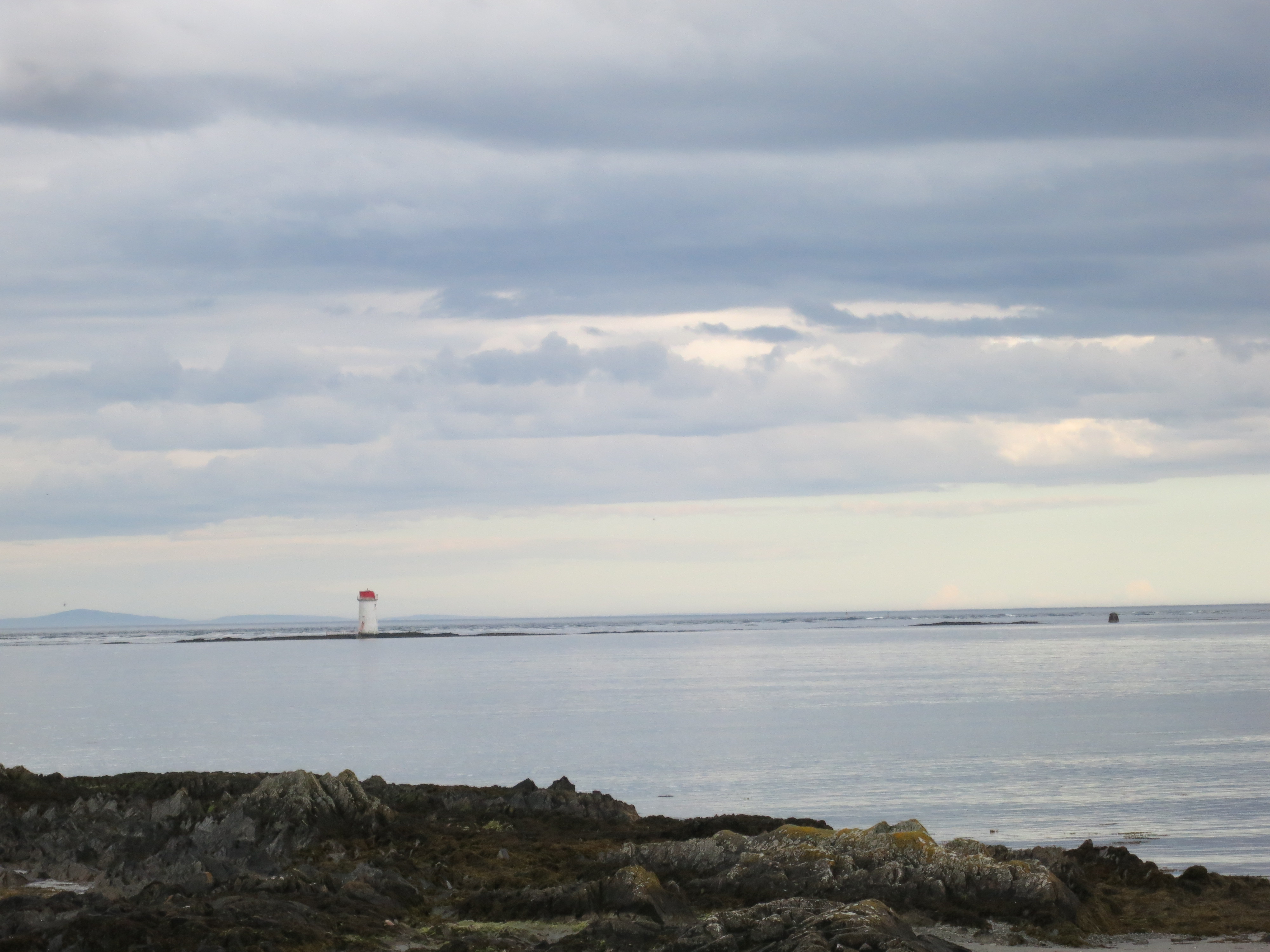
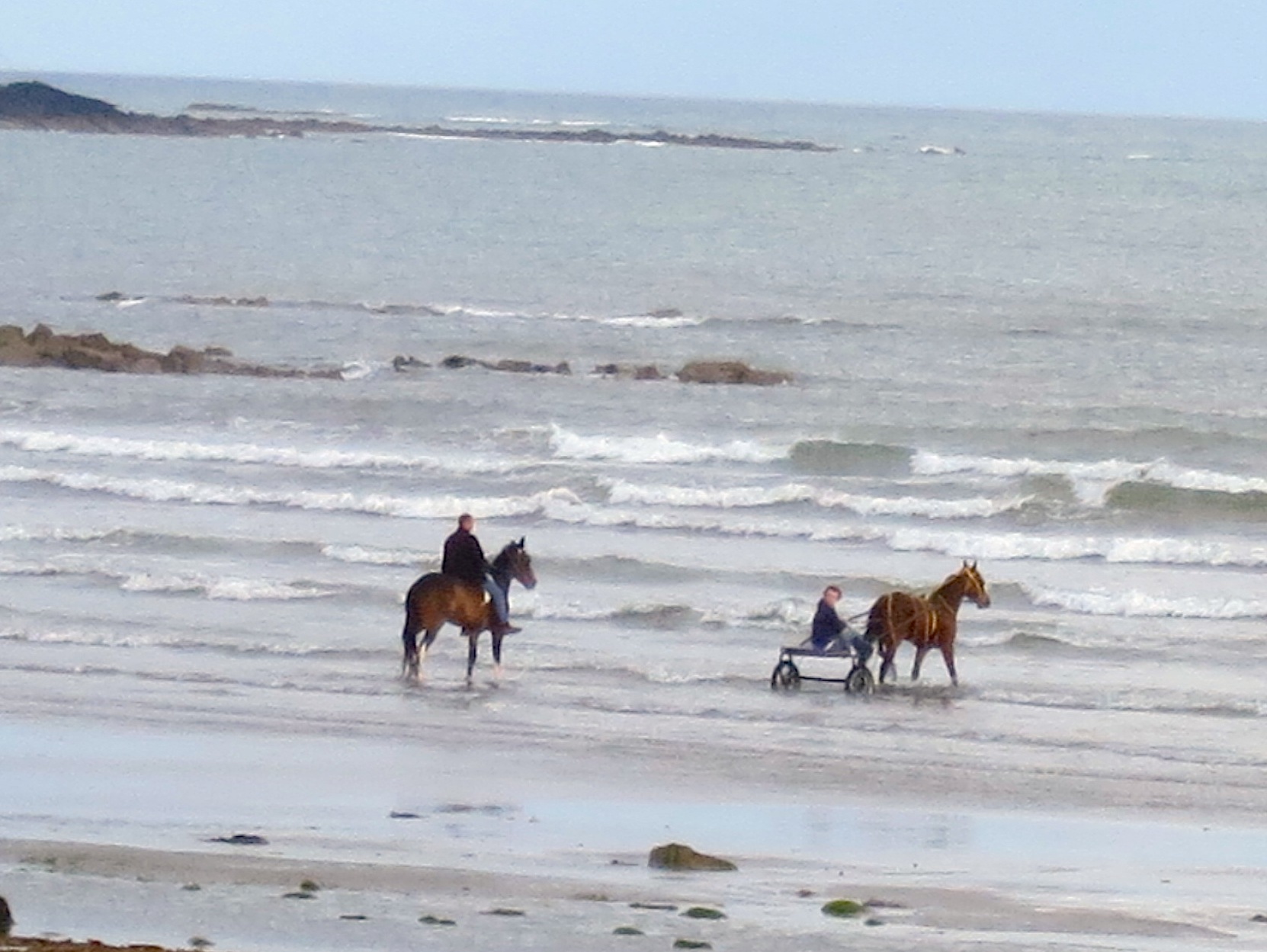
And some time make the time to drive out west
Into County Clare, along the Flaggy Shore,
In September or October, when the wind
And the light are working off each other
So that the ocean on one side is wild
With foam and glitter, and inland among stones
The surface of a slate-grey lake is lit
By the earthed lightning of a flock of swans,
Their feathers roughed and ruffling, white on white,
Their fully grown headstrong-looking heads
Tucked or cresting or busy underwater.
Useless to think you’ll park and capture it
More thoroughly. You are neither here nor there,
A hurry through which known and strange things pass
As big soft buffetings come at the car sideways
And catch the heart off guard and blow it open.
~Seamus Heaney “Postscript” from The Spirit Level

…they can hardly contain their happiness
That we have come.


They bow shyly as wet swans. They love each other.

There is no loneliness like theirs.

Suddenly I realize
That if I stepped out of my body I would break
Into blossom.
~James Wright from “The Blessing”

I have looked upon those brilliant creatures,   
And now my heart is sore.
All’s changed since I, hearing at twilight,   
The first time on this shore,
The bell-beat of their wings above my head,   
Trod with a lighter tread.
~William Butler Yeats from “The Wild Swans at Coole”

‘Tis strange that death
should sing.
I am the cygnet to this pale faint swan,
Who chants a doleful hymn to his own death,
And from the organ-pipe of frailty sings
His soul and body to their lasting rest.
~William Shakespeare from “King John”

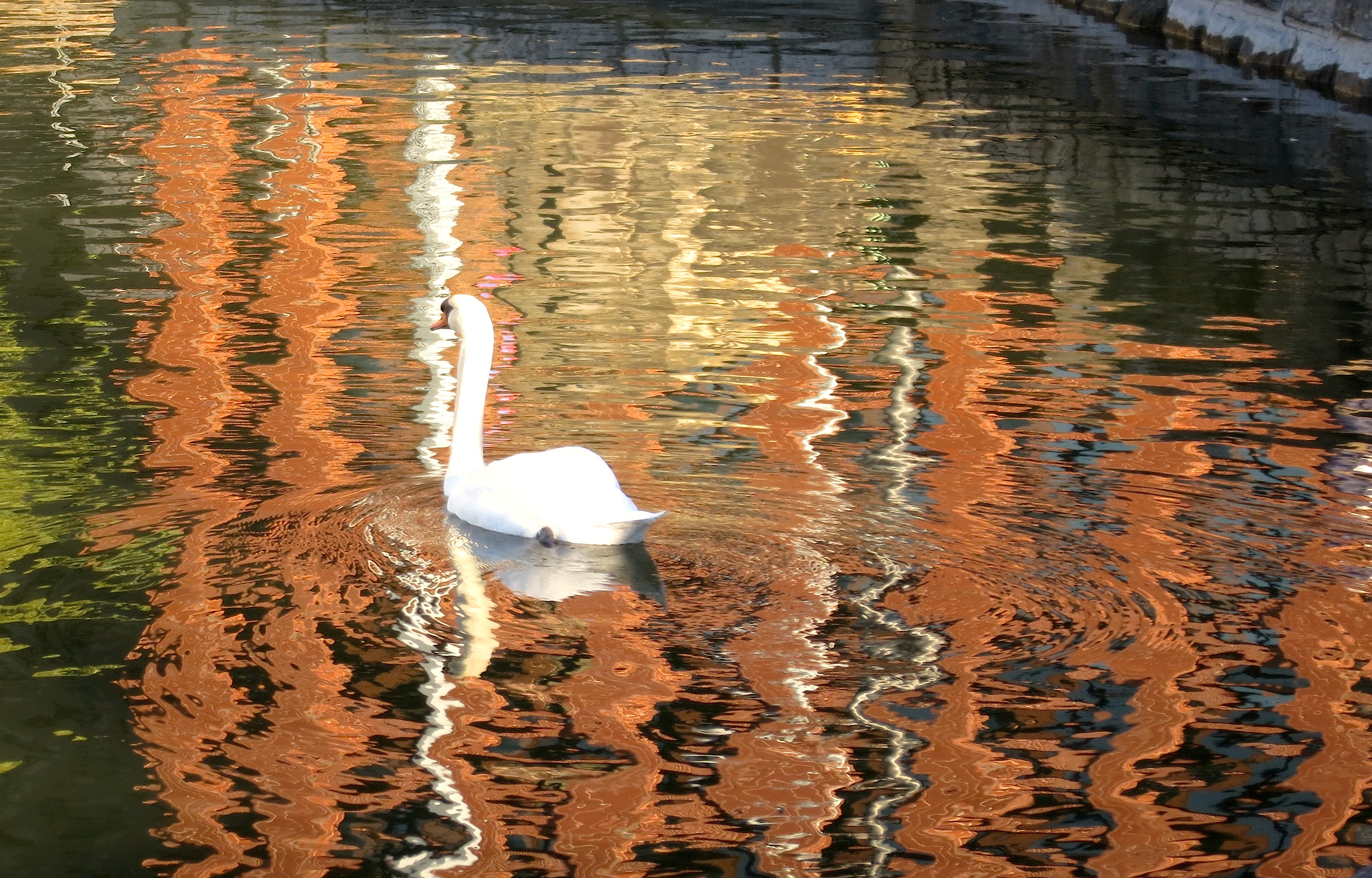
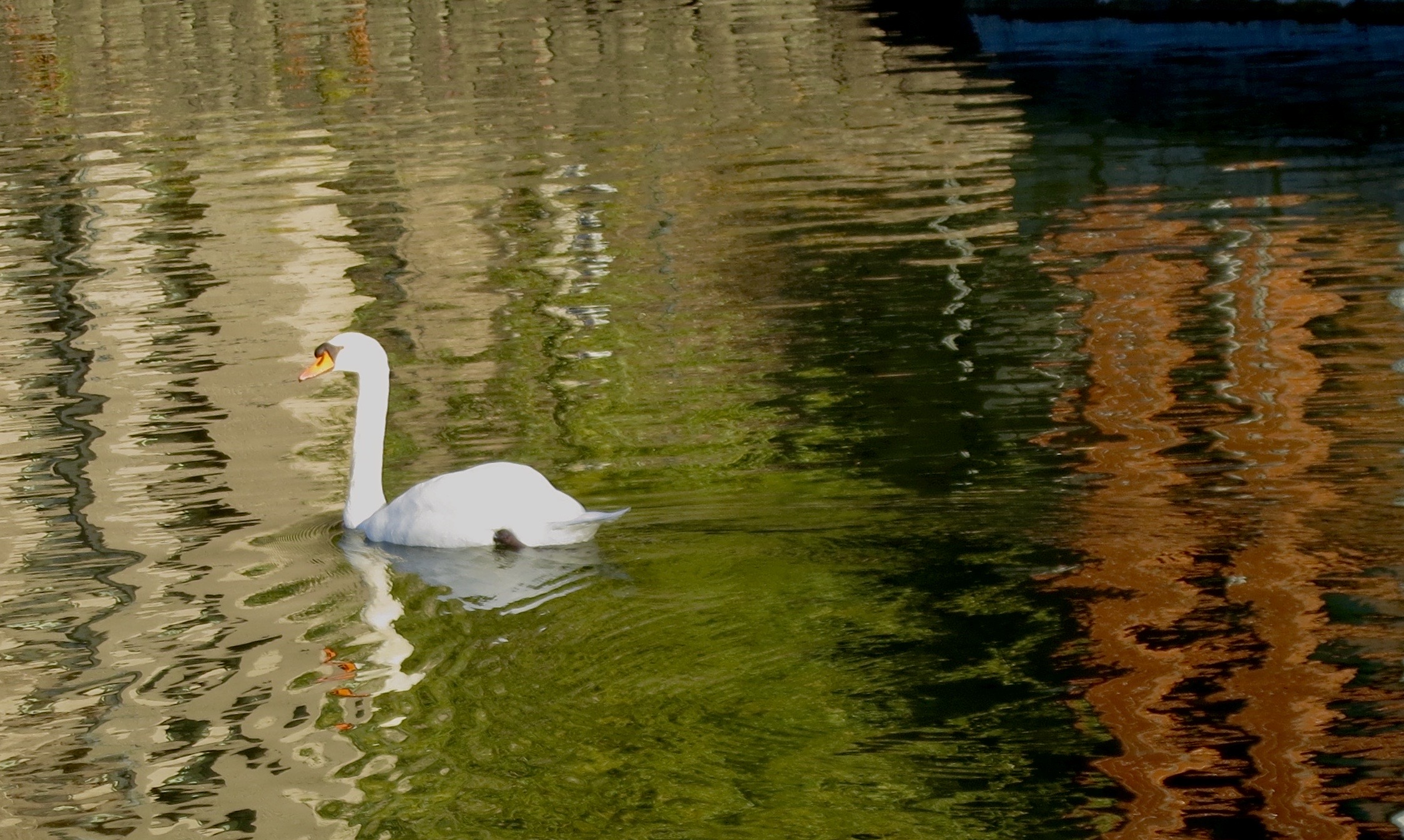
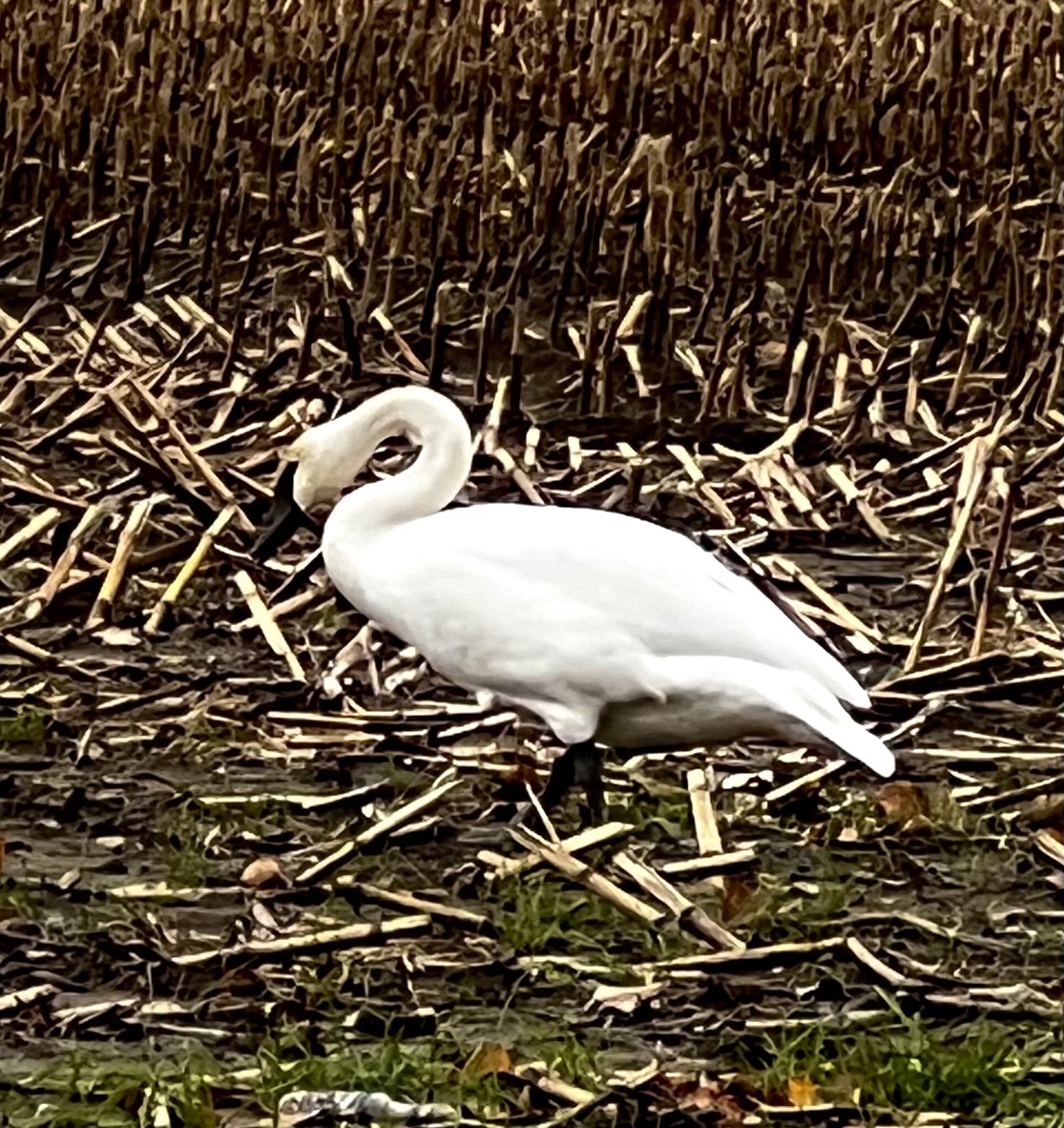
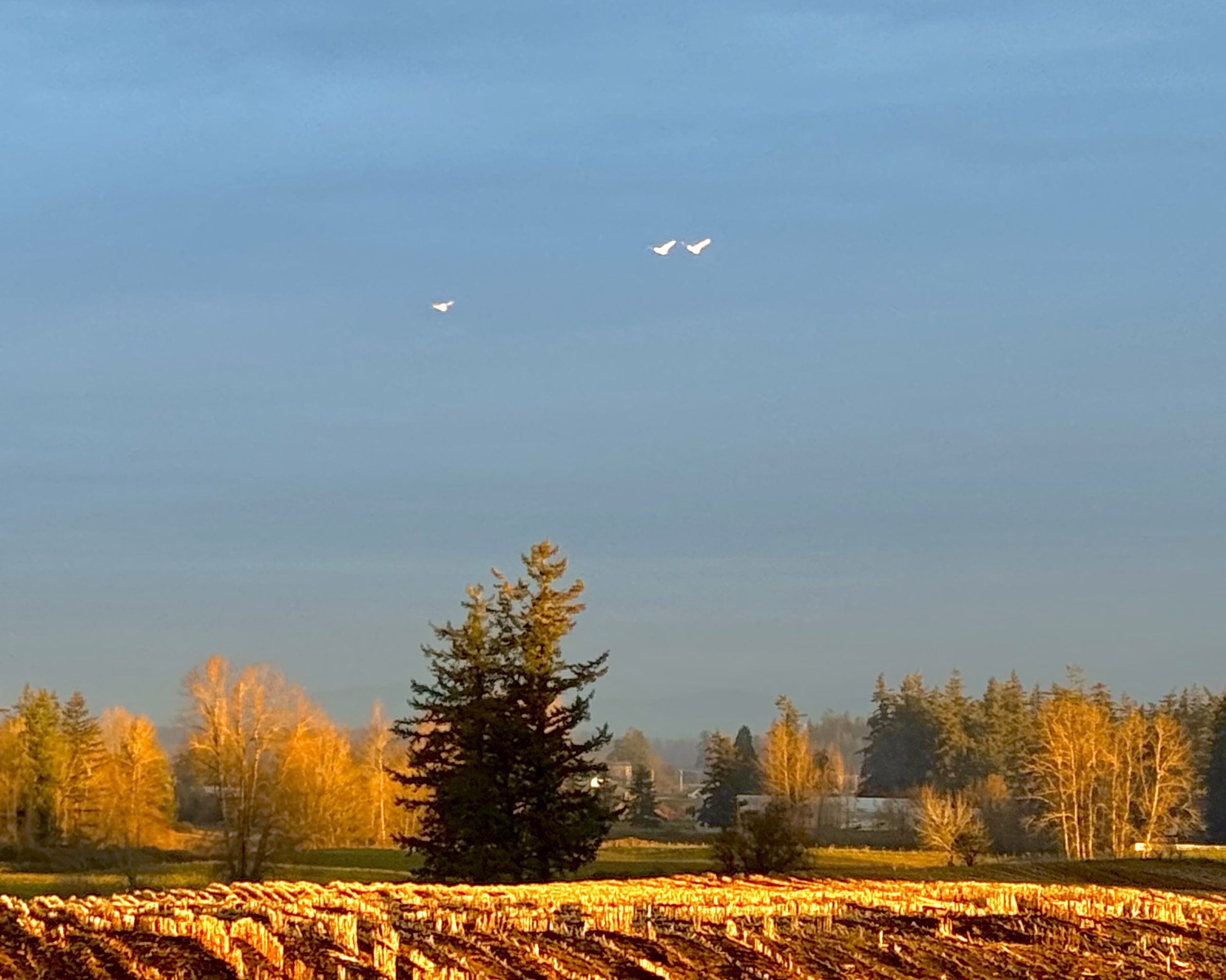
Walking outside before the sun was up on a recent rainy morning,  I heard overhead the swishing hush of wings in flight and the trumpeter swans’ doleful call as dozens passed above me in a long meandering line against the early dawn grayness.

The swan flocks predictably arrive here in late autumn to eat their fill, feasting in the harvested cornfields surrounding our farm, their bright white plumage a stark contrast to the dulling muddy soil. Usually, they stick around until spring, as they lift their long graceful necks and fan out their wings to be picked up the wind, leaving us behind and beneath, moving on to their next feeding and breeding grounds.

These incredible creatures bring such joy with their annual arrival, while their leave-taking reminds me, once again, nothing on earth can last.

My heart recently caught off guard still beats. God’s love heals our earthly hearts.

“‘Tis strange that death should sing…

I give myself over to their beauty, and walk with lighter tread, singing a new song: I am grateful my heart someday will soar beyond this soil.

 So we do not lose heart. Though our outer self is wasting away, our inner self is being renewed day by day. For this light momentary affliction is preparing for us an eternal weight of glory beyond all comparison, as we look not to the things that are seen but to the things that are unseen. For the things that are seen are transient, but the things that are unseen are eternal.
2 Corinthians 4: 16-18

This year’s Lenten theme:

…where you go I will go…
Ruth 1:16

AI image created for this post
One-Time
Monthly
Yearly

Make a one-time or recurring donation to support daily Barnstorming posts

Make a monthly donation

Make a yearly donation

Choose an amount

$10.00
$25.00
$50.00
$5.00
$15.00
$100.00
$5.00
$15.00
$100.00

Or enter a custom amount

$

Your contribution is deeply appreciated.

Your contribution is appreciated.

Your contribution is appreciated.

DonateDonate monthlyDonate yearly

Inviting Back the Killers of Yesteryear

Texas has been in the news as the origin of the most recent rubeola measles outbreak, continuing to spread with over 124 cases recorded and one child’s death.  This morning, travelers are informed they were exposed to measles earlier this month at LAX after an international flight brought an infected person to the U.S. Later today, there was a Seattle area case announced.

The potential exponential climb of more rubeola cases is anticipated over the next weeks due to the growing percentage of unvaccinated children due to the “anti-vaccine” movement.

Mr. Kennedy, our new HHS secretary, has a great deal to do with that change in vaccination rates, but I’m not writing about the politics of his views which are popular among a strident minority of citizens.

He does not speak or act in concert with the world’s public health scientists and experts. They have worked tirelessly for decades to develop safe life-saving preventive medical care that has significantly dropped infant and child mortality rates, as well as all-age hospitalizations and deaths from infectious diseases.

It started with the small pox vaccine, routine in the U.S. 175 years ago. It’s now been almost seventy years since effective vaccinations became standard for childhood killers like polio, measles, mumps and whooping cough. People my age and older had no choice but to suffer through childhood infectious diseases, given how quickly they spread through a non-immune community. 

Yes, most of us survived, harboring life-long natural immunity. A significant number did not survive or have suffered life-long complications from the effects of those diseases.

People living in privileged first world countries have forgotten the harsh reality of morbidity and mortality statistics, and too many turn their backs on vaccinations, considering them “too risky” for themselves and their children as these diseases become less common in a mostly vaccinated society. In contrast, millions of people without easy and affordable access to vaccines in third world countries have not forgotten the devastation of these infections. They gladly walk miles to get their children vaccinated to give them a better chance at a long life.

As most measles cases in the U.S. originate from overseas travel, it’s especially critical that Americans be vaccinated when traveling outside the U.S., even to Europe. Those who serve in third world countries and mission fields are particularly vulnerable, and I’ve found it interesting that previously unvaccinated Christians are usually more than willing to accept immunizations when they know the risk of exposure is high where medical care may be minimal.

As a society, we simply don’t think about immunizations in the same way as we did in the 1940s and 50s. When I received my first DPT vaccination at the age of 4 months, my mother wrote in my baby book: “Up most of the night with fever 104.5 degrees,  considered a good ‘take’ for the vaccine.”  She truly was relieved that it had made me so sick, as it meant that I would be safe if exposed to those common killer diseases. Now a febrile reaction like that might be considered grounds for a law suit. Our vaccines have vastly improved with ongoing research to improve their effectiveness and reduce their side effects.

When measles or mumps or pertussis outbreaks reemerge within our borders,  we act surprised when it becomes a major media event — but we shouldn’t be. Diseases that were nearly nonexistent a few years ago are occurring with greater frequency again in modern societies due to misguided and misinformed anti-vaccination campaigns.

As a college health physician, I helped enforce vaccination requirements for a public university. A week didn’t go by without my having a discussion with a prospective student (or more likely the student’s parent) about the necessity for our requirement for proof of mumps, measles, rubella vaccination immunity. 

I am accused of being a pawn (or, absurdly, a financial beneficiary??) of the pharmaceutical industry because I believe in undeniable evidence of the efficacy of modern vaccines to help keep a community free of infectious disease outbreaks that can kill healthy people. 

I helped coordinate a public health response at our university in 1995 when we had a rubeola outbreak of eleven confirmed cases over a three week period, necessitating the mass vaccinations of over 8000 students and staff over three days so our institution could safely remain open.  

Having experienced first hand what the effort and resources it takes to respond to a potentially lethal contagious disease outbreak, I am so discouraged it is now happening again and again, due to a “MAHA – Make America Healthy Again” misinformation campaign swallowed whole without questions by thousands of concerned parents.

These families are banking that everyone else will be vaccinated, which puts their own child at lower risk. The problem is: guess again.  There are too many deciding that they are the ones who can remain vaccine-free.

I don’t think any one of these parents would deny the life-saving miracle of injectable insulin for their child diagnosed with diabetes, nor would they fail to strap their child into a car seat for the rare but real possibility of a life-threatening collision on even the shortest car ride.

Vaccines are miracles and instruments of prevention too, but the rub is that we have to give them to healthy youngsters in order to keep them healthy.

I’m an old enough physician to have seen deaths from these diseases as well as the ravages of post-polio paralysis and post-polio syndrome, the sterility from mumps, and deafness from congenital rubella. My father nearly died from the mumps that I brought home from school when I was eight and he was in his early forties. My sister-in-law almost didn’t pull through when she was an infant and contracted pertussis. I’ve seen healthy people develop encephalitis and pneumonia from chicken pox. 

I’ve seen an otherwise healthy college student die of influenza within a week of getting ill despite everything modern medicine could offer him.

If only there were a shot for irrational fears and conspiratorial distrust.  When I’ve written about my stance on vaccinations over the years, I’m astonished at the vehemence of the angry responses coming from individuals who have no trust whatsoever in the advances of modern medicine to prevent the killers that have devastated mankind for centuries, but will spend resources on unproven prevention strategies.

Sure, I wish vaccines were perfect with no side effects and conferring 100% immunity — but as yet they aren’t.

I wish medications that are developed for treatment of a few of these illnesses were perfect but we can’t depend on a 100% guarantee of cure once sickened.

I wish our immune systems were perfectly able to respond to infectious diseases, but they too fail and people do die.

There will always be a new plague on the horizon – history has demonstrated that over and over with the appearance of COVID, HIV, SARS, Ebola or multidrug resistant tuberculosis, and now new strains of Avian flu are in our farmyards. There will be plenty to keep our immune systems at the ready because we don’t yet or may never have effective vaccines widely available for all diseases.

But there is simply no good reason to invite the old plagues back into our homes, our schools,  our blood streams, and onto our death certificates. They deserve to be merely a chapter in the history books as the killers of yesteryear, now wholly overcome by modern medicine.

It takes a united front against these killers to prevent them from leaping from the pages of history to once again wreak devastation upon us all.

One-Time
Monthly
Yearly

Make a one-time or recurring donation to support daily Barnstorming posts

Make a monthly donation

Make a yearly donation

Choose an amount

$10.00
$25.00
$50.00
$5.00
$15.00
$100.00
$5.00
$15.00
$100.00

Or enter a custom amount

$

Your contribution is deeply appreciated.

Your contribution is appreciated.

Your contribution is appreciated.

DonateDonate monthlyDonate yearly

A Kind and Familiar Path

I slip, grabbing twigs as I fall,
assaulting an innocent hemlock—
skinning my palms, arms, legs,
landing muddy-bruised and sore,
taken down by a path I thought kind—
a familiar wooded walk hiding its ice
beneath a sheath of old, dried leaves.

~Laura Foley, “Spring Treachery” from It’s This

“Tell us please, what treatment in an emergency is administered by ear?”
….I met his gaze and I did not blink.
“Words of comfort,” I said.
~Abraham Verghese from 
Cutting for Stone

I was walking a kind and familiar path, part of my usual daily walk, not paying much attention when I stepped on what appeared a solid and trustworthy surface.

The danger was hidden from my eyes; I had no idea it would take me down, put me on my knees, render me helpless.

I believed I couldn’t be rendered helpless by something I trusted like the back of my hand … or the interior of my heart vessels.

But treacherous surfaces are almost anywhere we are least expecting. And so are the helpers, ready and able and willing.

When I lost my grip, I felt hands and voices lifting and supporting me, pulling me to safety, encouraging me with hope and refuge.

And so I’m here to share this, richly blessed by those coming along side me – still walking this path I love, despite its hidden and sometimes deadly, dangers.

AI image created for this post
One-Time
Monthly
Yearly

Make a one-time or recurring donation to support daily Barnstorming posts

Make a monthly donation

Make a yearly donation

Choose an amount

$10.00
$25.00
$50.00
$5.00
$15.00
$100.00
$5.00
$15.00
$100.00

Or enter a custom amount

$

Your contribution is deeply appreciated.

Your contribution is appreciated.

Your contribution is appreciated.

DonateDonate monthlyDonate yearly

Talk Softly to Your Heart

The main thing is this– 
when you get up in the morning 
you must take your heart in your two hands. 
You must do this every morning. 
Then talk softly to your heart, don’t yell. 
Say anything but be respectful. 
Say–maybe say, Heart, little heart, 
beat softly but never forget your job, the blood. 
You can whisper also, Remember, remember. 
~Grace Paley from “The Art of Growing Older” in  Just As I Thought

Approaching seventy, she learns to live,
at last. She realizes she has not
accomplished half of what she struggled for,
that she surrendered too many battles
and seldom celebrated those she won.
Approaching seventy, she learns to live
without ambition: a calm lake face, not
a train bound for success and glory. For
the first time, she relaxes her hands on the
controls, leans back to watch the coming end.
Asked, she’d tell you her life is made out of
the things she didn’t do, as much as the
things she did do. Did she sing a love song?
Approaching seventy, she learns to live
without wanting much more than the light in
the catbird window seat where, watching the
voracious fist-sized tweets, she hums along.

~Marilyn Nelson “Bird Feeder” 

I’ve been learning in retirement to let go by relaxing my grip on the controls on the runaway train of ambition. This is a change for someone driven for decades to succeed in various professional and personal roles. 

I’m aware who I am is defined both by what I haven’t gotten done and what I managed to do. And now, at seventy years old, I hope I still have some time to explore some of those things I left undone.

Except I haven’t been as robust and healthy as I wish to be. For the past month, during very chilly weather and after a prolonged bout of bronchitis, I found I couldn’t tolerate the cold air outside or in the barn while I did daily chores. My chest strangely hurt.

I finally took myself to a cardiologist who was concerned with a number of risk factors in my family and my own history and arranged testing, which I flunked yesterday.

I ended up with two stents to open blockages in my main coronary artery, plus a night in the hospital. I spent the night thinking about blessings and what needs to happen in my life now:

Reflecting with gratitude on being alive by the grace of our Lord.
Holding my heart gently and treating it well.
Humming as I go. 
Just sitting when I wish but walking when I must.
Watching out the window for the real twitters and tweeters in this crazy noisy world.
Loving up those around me.

It’s sweet to remember why I’m here. I’ve been given a new chance to enjoy every moment.

So after a lifetime of getting mostly A’s, flunking isn’t always bad.

Make a one-time or recurring donation to support daily Barnstorming posts

Is There a Cure?

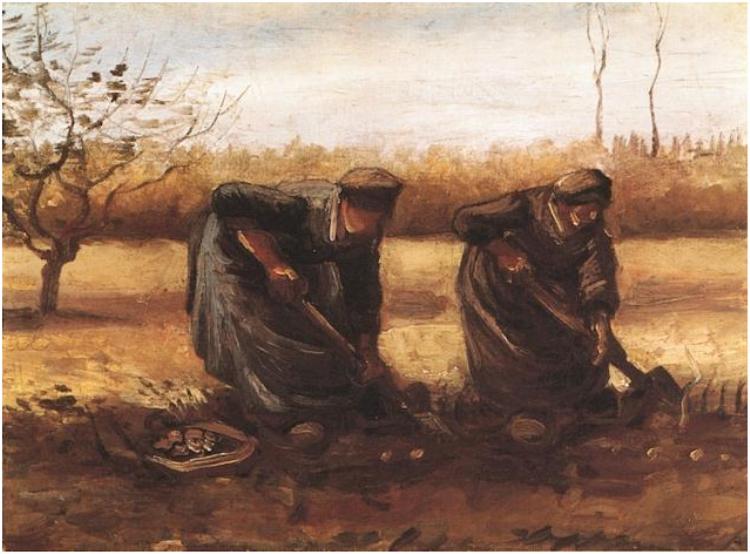
“Peasant women digging potatoes” Van Gogh 1885 Kröller-Müller Museum The Netherlands

“Do you know a cure for me?”
“Why yes,” he said, “I know a cure for everything. Salt water.”
“Salt water?” I asked him.
“Yes,” he said, “in one way or the other. Sweat, or tears, or the salt sea.”
~Isak Dinesen from Seven Gothic Tales

A good night sleep, or a ten minute bawl, or a pint of chocolate ice cream, or all three together, is good medicine.
~Ray Bradbury from Dandelion Wine

The woods are lovely, dark and deep,   
But I have promises to keep,   
And miles to go before I sleep,   
And miles to go before I sleep.
~Robert Frost from “Stopping by Woods on a Snowy Evening”

If there is anything I learned in 42 years of doctoring, it’s that physicians “practice” every day in the pursuit of getting it right. As much as MDs emphasize the science of what we do through “evidence-based” decision-making, there were still days when a fair amount of educated guessing and a gut feeling was based on past experience, along with my best hunch. 

Many patients don’t arrive with classic cookbook symptoms that fit the standardized diagnostic and treatment algorithms. The nuances of their stories require interpretation, discernment, and flexibility. A surprise once in awhile made me look at a patient in a new or unexpected way and taught me something I didn’t know before. It kept me coming back with more questions, to figure out the mystery and dig a little deeper.

I also learned that though much medical treatment comes through some intervention using surgical procedures, pills or injections, those aren’t the only options in our doctor bag.

A simple good night’s sleep can do wonders for what ails a mind and body, especially when we’ve kept our promises.

At times the most appropriate cure is simple salt water in all its forms – just feeling ocean waves lapping at our feet, or sweating it out with exertion, or feeling the flow of tears down our cheeks.

How many of us allow ourselves a good cry when we feel it welling up behind our eyes?  It could be a sentimental moment–a song that brings back bittersweet memories, a movie that touches just the right chord of feeling and connection. It may be a moment of frustration and anger when nothing seems to go right. It could be the pain of physical illness or injury or emotional turmoil. 

Or just maybe there is weeping when everything is absolutely perfect and there cannot be another moment just like it, so it is tough to let it go without our tears spilling over.

And lastly, aside from the obvious curative properties of salt water, the healing found in chocolate is unquestioned by this physician. It can fix most everything that ails a person – at least for an hour or so.

It doesn’t always take an M.D. degree to determine the best medicine. It just takes a degree in common sense.

Healing tools to consider when all else fails: 
sleep, weep, keep ( promises), and reap (chocolate!)

One-Time
Monthly
Yearly

Make a one-time or recurring donation to support daily Barnstorming posts

Make a monthly donation

Make a yearly donation

Choose an amount

$10.00
$25.00
$50.00
$5.00
$15.00
$100.00
$5.00
$15.00
$100.00

Or enter a custom amount

$

Your contribution is deeply appreciated.

Your contribution is appreciated.

Your contribution is appreciated.

DonateDonate monthlyDonate yearly

Learning the Hard Way

There are three kinds of men.
The ones that learn by reading.
The few who learn by observation. 
The rest of them have to pee on the electric fence for themselves.
~Will Rogers

We living creatures learn from the moment we take our first breath. We continue to learn until our last breath. With that lifetime of learning, one would think eventually we should find some semblance of wisdom.

But we don’t. We tend to learn the hard way especially when it comes to matters having to do with our (or others’) health and well-being.

Within a community, we want autonomy to do as we like, no matter what the science says. You’d think we’d know better, but as fallible human beings, we may impulsively make decisions about health issues. Is it evidence-based or simply an anecdotal story about what “worked” or “didn’t work” for someone else?

We’re facing at least four years of a new administration encouraging us all to “pee on the electric fence” and learn for ourselves rather than trust science. Careful research, years of observed experience, and plain common sense isn’t enough to trust public health and infectious disease experts to make wise recommendations about community and individual risk and prevention strategies.

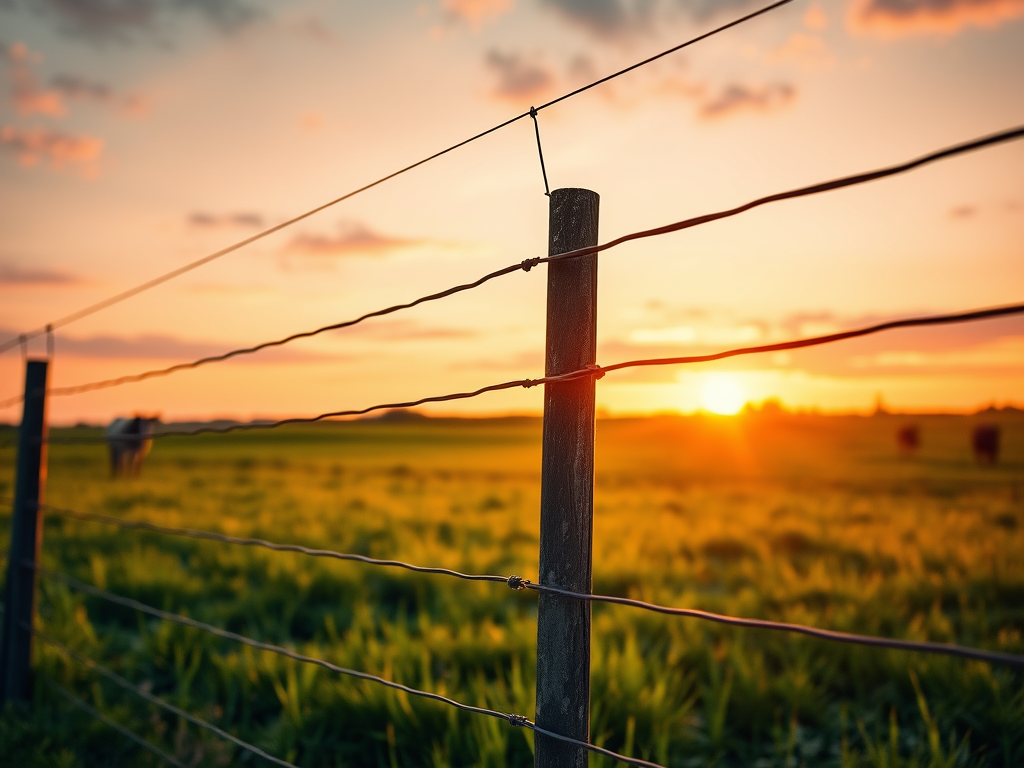
The cows and horses on our farm need to touch an electric fence only once when reaching for greener grass on the other side. That moment provides a potent learning curve for them to make important future decisions. They won’t try testing it again no matter how alluring thngs appear on the other side. Humans should learn as quickly as animals but unfortunately don’t.

I know all too well what a shock feels like and I want to avoid repeating that experience.  Even so, in unguarded careless moments of feeling invulnerable (it can’t happen to me!) or annoyed at being told what I can and can’t do, or simply indulging in magical thinking, I find myself reaching for the greener grass. 

I suspect I’m not alone in my surprise when I’m jolted back to reality.

Many great minds have worked out various theories of effective learning, but, great mind or not, Will Rogers confirms a common sense suspicion: an adverse experience, like a “bolt out of the blue,” can be a powerful teacher. 

So we call peeing on an electric fence it “a teachable moment.”

Sadly, when we learn the hard way, it often ends up hurting everyone.

AI image created for this post

One-Time
Monthly
Yearly

Make a one-time or recurring donation to support daily Barnstorming posts

Make a monthly donation

Make a yearly donation

Choose an amount

$10.00
$25.00
$50.00
$5.00
$15.00
$100.00
$5.00
$15.00
$100.00

Or enter a custom amount

$

Your contribution is deeply appreciated.

Your contribution is appreciated.

Your contribution is appreciated.

DonateDonate monthlyDonate yearly
The Hard Knuckle of the Year

I got out of bed
on two strong legs.
It might have been
otherwise. I ate
cereal, sweet
milk, ripe, flawless
peach. It might
have been otherwise.
I took the dog uphill
to the birch wood.
All morning I did
the work I love.
At noon I lay down
with my mate. It might
have been otherwise.
We ate dinner together
at a table with silver
candlesticks. It might
have been otherwise.
I slept in a bed
in a room with paintings
on the walls, and
planned another day
just like this day.
But one day, I know,
it will be otherwise.

~Jane Kenyon “Otherwise”

…this has been a day of grace
in the dead of winter,
the hard knuckle of the year,
a day that unwrapped itself
like an unexpected gift,
and the stars turn on,
order themselves
into the winter night.
~Barbara Crooker from “Ordinary Life” in
Barbara Crooker: Selected Poems

…it’s easy to forget that the ordinary is just the extraordinary that’s happened over and over again. Sometimes the beauty of your life is apparent. Sometimes you have to go looking for it. And just because you have to look for it doesn’t mean it’s not there.
God, grant me the grace of a normal day.

~Billy Coffey

…there is no such thing as a charmed life, not for any of us, no matter where we live or how mindfully we attend to the tasks at hand. But there are charmed moments, all the time, in every life and in every day, if we are only awake enough to experience them when they come and wise enough to appreciate them.
~Katrina Kenison from The Gift of an Ordinary Day

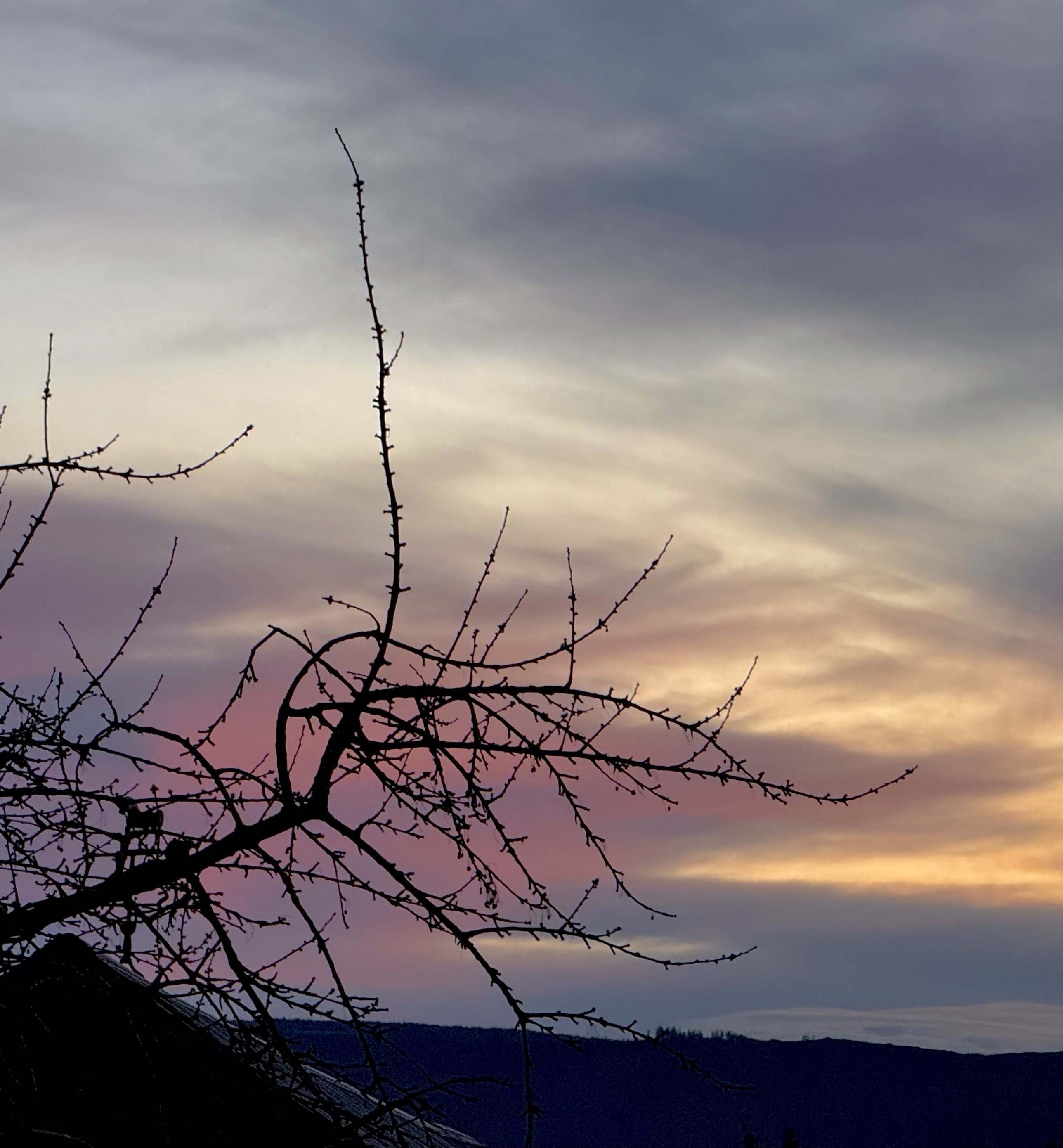
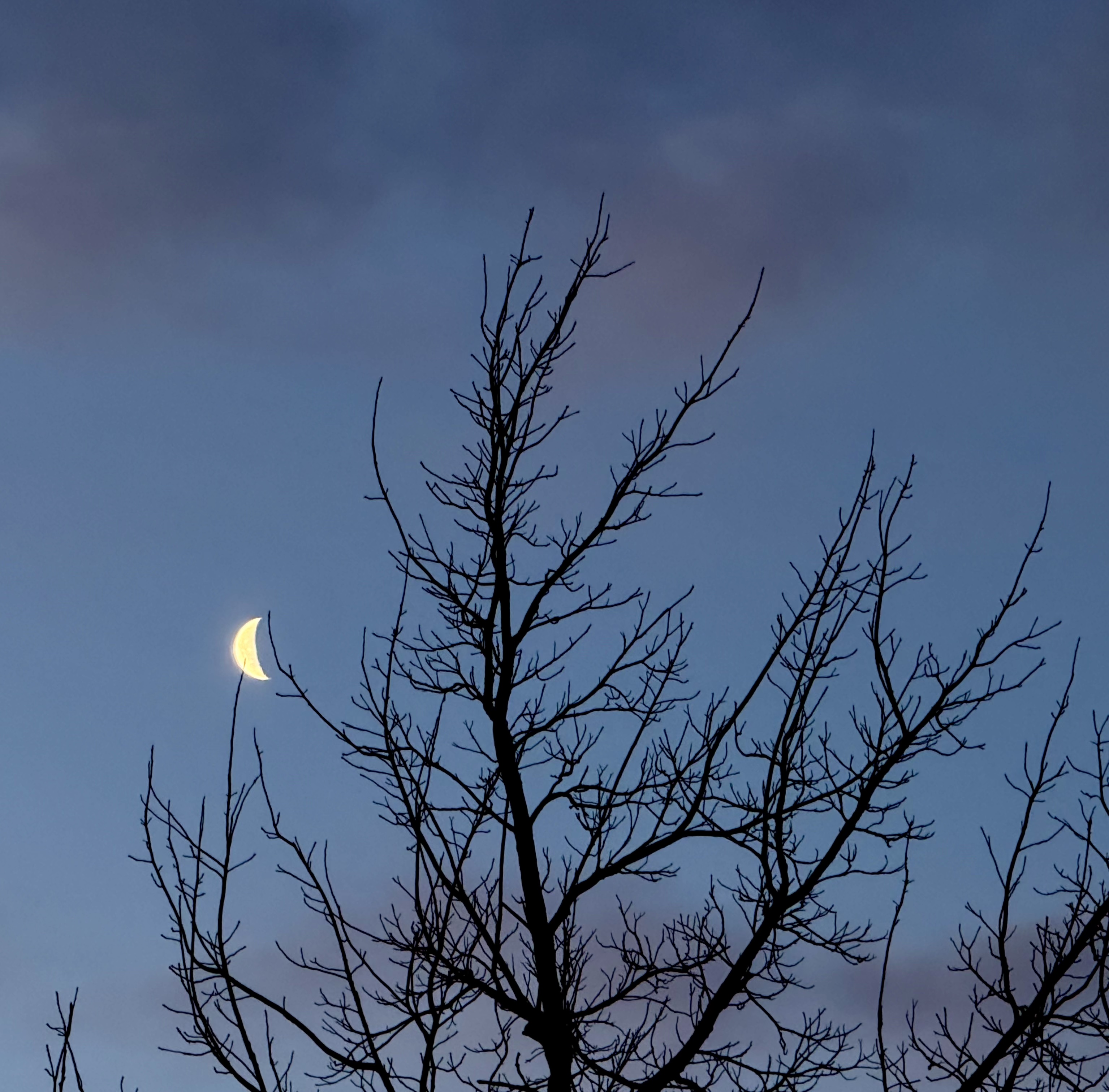
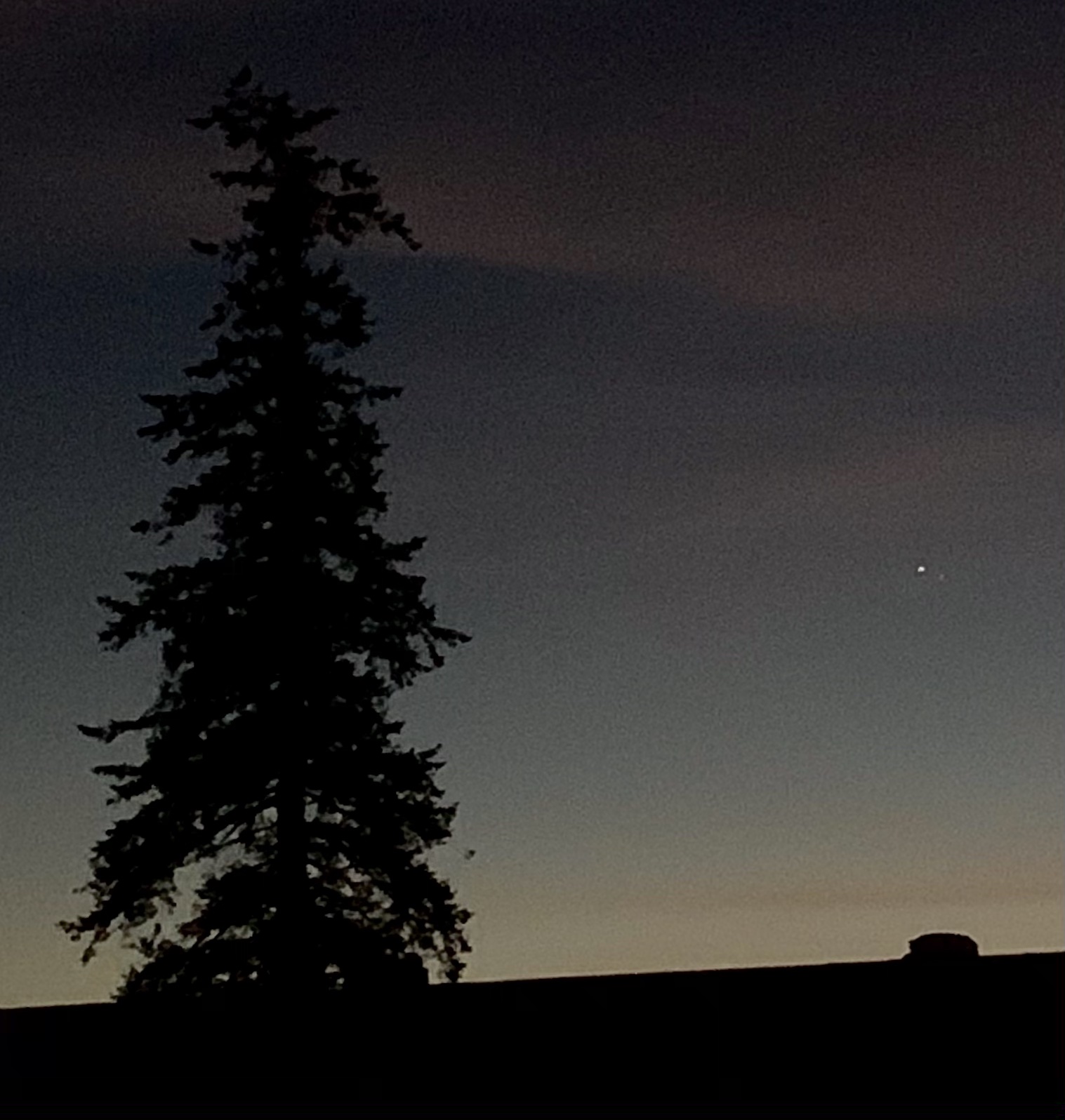
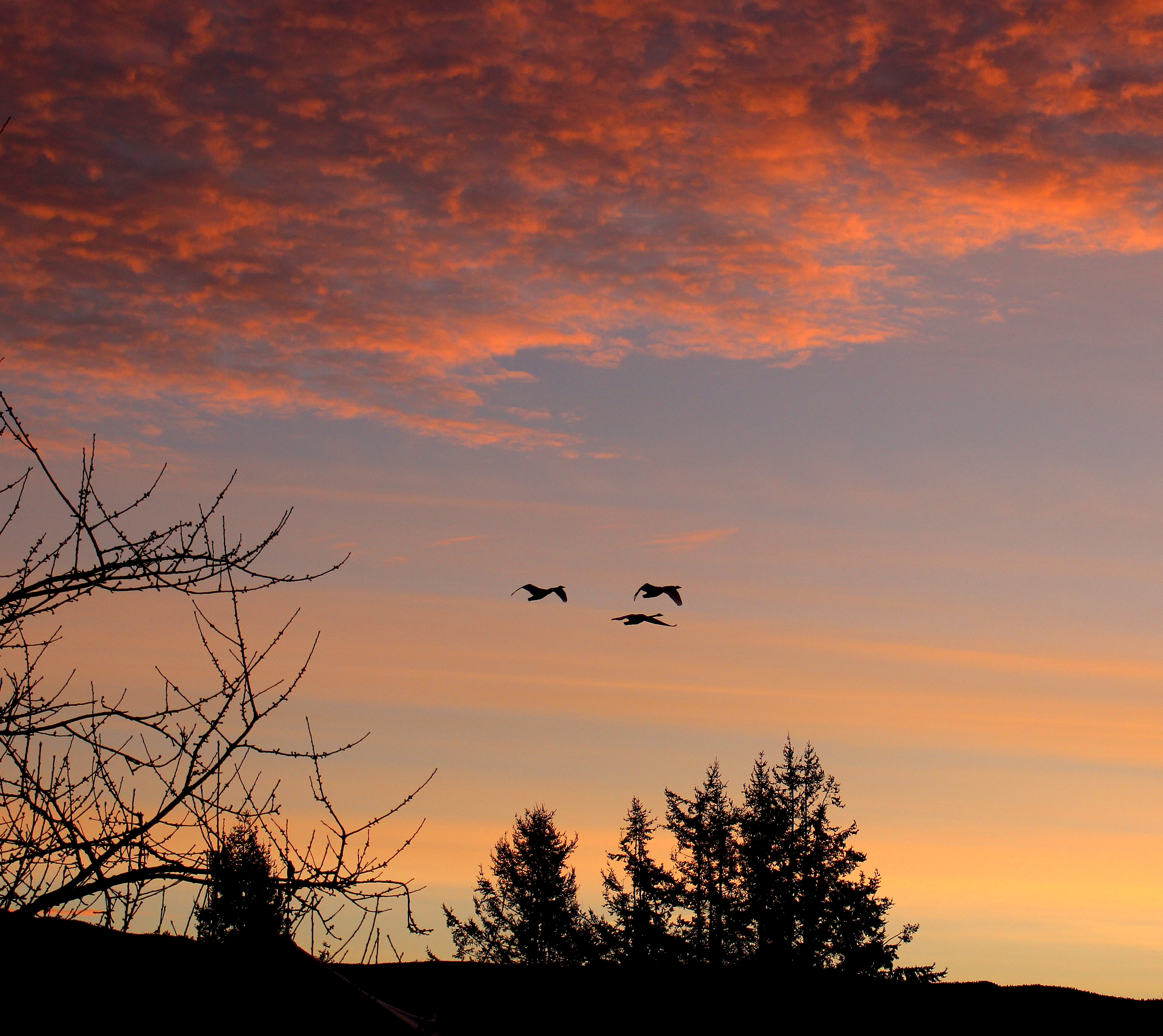
These dead of winter days are lengthening, slowly and surely. I’m thankful I’m retired now so I no longer I leave the farm in darkness to head to work in town, and return in darkness at the end of the workday.  I’m able to do my barn chores at either end of the day as the sun is rising to chase away the moon, and later as the sun is chased away by starlight.

I tend to get complacent in my daily routines, confident in the knowledge that tomorrow will be very much like yesterday. The distinct blessings of an ordinary day are lost in the rush of moving forward to whatever comes next. Poet Jane Kenyon wrote her poem with the knowledge she was dying of leukemia, which meant each ordinary day was precious indeed.

The reality is there is nothing ordinary about the events of each day.
It might have been otherwise and some day it will be otherwise. That is the hard knuckle of the days we are given, each a gift, each peaches and cream.

One-Time
Monthly
Yearly

Make a one-time or recurring donation to support daily Barnstorming posts

Make a monthly donation

Make a yearly donation

Choose an amount

$10.00
$25.00
$50.00
$5.00
$15.00
$100.00
$5.00
$15.00
$100.00

Or enter a custom amount

$

Your contribution is deeply appreciated.

Your contribution is appreciated.

Your contribution is appreciated.

DonateDonate monthlyDonate yearly
Led Into a New Land

It is precisely because we are weary, and poor in spirit, that God can touch us with hope. This is not an easy truth. It means that we do accept our common lot, and take up our share of the cross. It means that we do not gloss over the evils we confront every day, both within ourselves and without. Our sacrifices may be great.

But as the martyred archbishop of El Salvador, Oscar Romero, once said, it is only the poor and hungry, those who know they need someone to come on their behalf, who can celebrate Christmas.
We can ask for courage, however, and trust that God has not led us into this new land only to abandon us there.
~Kathleen Norris from God With Us

photo by Joel DeWaard

On Epiphany day,
     we are still the people walking.
     We are still people in the dark,
          and the darkness looms large around us,
          beset as we are by fear,
                                        anxiety,
                                        brutality,
                                        violence,
                                        loss —
          a dozen alienations that we cannot manage.

We are — we could be — people of your light.
     So we pray for the light of your glorious presence
          as we wait for your appearing;
     we pray for the light of your wondrous grace
          as we exhaust our coping capacity;
     we pray for your gift of newness that
          will override our weariness;
     we pray that we may see and know and hear and trust
          in your good rule.

That we may have energy, courage, and freedom to enact
         your rule through the demands of this day.
         We submit our day to you and to your rule, with deep joy and high hope.
~Walter Brueggemann from  Prayers for a Privileged People 

When the song of the angels is stilled,
when the star in the sky is gone,
when the kings and princes are home,
when the shepherds are back with their flocks,
the work of Christmas begins:
to find the lost,
to heal the broken,
to feed the hungry,
to release the prisoner,
to rebuild the nations,
to bring peace among the people,
to make music in the heart.
~Howard Thurman from The Mood of Christmas & Other Celebrations

O God,
who am I now?
Once, I was secure

in familiar territory
in my sense of belonging

unquestioning of 

the norms of my culture
the assumptions built into my language
the values shared by my society.

But now you have called me out and away from home
and I do not know where you are leading.
I am empty, unsure, uncomfortable.
I have only a beckoning star to follow.

Journeying God,
pitch your tent with mine
so that I may not become deterred
by hardship, strangeness, doubt.
Show me the movement I must make

toward a wealth not dependent on possessions
toward a wisdom not based on books
toward a strength not bolstered by might
toward a God not confined to heaven

but scandalously earthed, poor, unrecognized…

Help me find myself
as I walk in others’ shoes.

~Kate Compston “A Poem for Epiphany” from Bread of Tomorrow: Prayers for the Church Year

All the Advent anticipation is over, Christmas and New Years are now past. Today is Epiphany, when I regret my energy and courage is waning just as the work of Christmas must begin.

I’ve swept up the last of the fir needles that dropped to the floor from a lovely Christmas tree that I watered faithfully in the house for over two weeks. But no amount of water could sustain what is rootless.

So it is with us.

I too am drying up, parts of me left behind for others to sweep up. I too must have roots of faith to survive in a troubled world.

The real work of Christmas is year-long — often very hard intensive work, not always the fun stuff of the last month, yet needed in the brokenness of hunger, disease, conflict, war and random violence, poverty, addictions, depression and pain.

We don’t need full stockings on the hearth, Christmas villages on the side table, or a blinking star on the top of the tree to reflect on the comfort of God’s care and the astounding beauty of His creation, all available to us without batteries, electrical plug ins, or the need of a ladder.

The real work of Christmas is God manifest on earth – “scandalously earthed” – in our own lives. We recognize Him in the homeless and forgotten. We are made alive to the possibility that we can make a difference in His name, to walk in others’ shoes, just as He walks in ours.

Every day. Twelve months. Life long.

Are we ready?

Unclench your fists
Hold out your hands.
Take mine.
Let us hold each other.
Thus is his Glory Manifest.
~Madeleine L’Engle “Epiphany”

One-Time
Monthly
Yearly

Make a one-time or recurring donation to support daily Barnstorming posts

Make a monthly donation

Make a yearly donation

Choose an amount

$10.00
$25.00
$50.00
$5.00
$15.00
$100.00
$5.00
$15.00
$100.00

Or enter a custom amount

$

Your contribution is deeply appreciated to help offset the costs of maintaining an ad-free website.

Your contribution is appreciated.

Your contribution is appreciated.

DonateDonate monthlyDonate yearly
Hiding Nothing

You can hide nothing from God.
The mask you wear before men will do you no good before Him.
He wants to see you as you are,
He wants to be gracious to you.
You do not have to go on lying to yourself and your brothers,
as if you were without sin;
you can dare to be a sinner.

~Dietrich Bonhoeffer from Life Together

In your hands

The dog, the donkey, surely they know
They are alive.
Who would argue otherwise?

But now, after years of consideration,
I am getting beyond that.
What about the sunflowers? What about
The tulips, and the pines?

Listen, all you have to do is start and
There’ll be no stopping.
What about mountains? What about water
Slipping over rocks?

And speaking of stones, what about
The little ones you can
Hold in your hands, their heartbeats
So secret, so hidden it may take years

Before, finally, you hear them?
~Mary Oliver “in your hands” from 
SwanProse and Poems

When I take myself to the doctor, I trust I’m seeing someone who tries to know me thoroughly enough that he or she can help me move out of illness into better health.

This is how acceptance feels: trusting someone enough to come out of hiding, allowing them to see the parts of me I prefer to keep hidden.

As a physician myself, I am reminded by the amount of “noticing” I did in the course of my work. Each patient, and there were so many,  deserved my full attention for the few minutes we were together.  I started my clinical evaluation the minute I entered the room and I began taking in all the complex verbal and non-verbal clues offered up, sometimes unwittingly, by another human being.

During the COVID pandemic, my interactions with patients became all “virtual” so I didn’t have the ability to observe as thoroughly as I usually did. Instead, I needed them to tell me outright what was going on in their lives, their minds and their hearts in both spoken or written words. I couldn’t ‘see’ them, even on a screen, in the same way as face to face in the same room.

How can someone call out their worries to me when they are hidden behind a camera lens?

I can’t witness first hand the trembling hands, their sweatiness, their scars of self injury.  Still, I am their audience and a witness to their struggle; even more, I must understand their fears to best help them. My brain must rise to the occasion of taking in another person, accepting them for who they are, with every wart and blemish, offering them the gift of compassion and simply be there for them at that moment.

God isn’t blinded in His Holy work as I am in my clinical duties. He knows us thoroughly because He made us; He knows our thoughts before we put them into words. There is no point in trying to stay hidden from Him.

He holds us, little pebbles that we are, in His Hand, and He listens to our secret heartbeats.

Those of us who believe we can remain effectively hidden will never be invisible to God.

AI image created for this post
One-Time
Monthly
Yearly

Make a one-time or recurring donation to support daily Barnstorming posts

Make a monthly donation

Make a yearly donation

Choose an amount

$10.00
$25.00
$50.00
$5.00
$15.00
$100.00
$5.00
$15.00
$100.00

Or enter a custom amount

$

Your contribution is deeply appreciated.

Your contribution is appreciated.

Your contribution is appreciated.

DonateDonate monthlyDonate yearly