Take Time to Stand and Stare

What is this life if, full of care,
We have no time to stand and stare?—

No time to stand beneath the boughs,
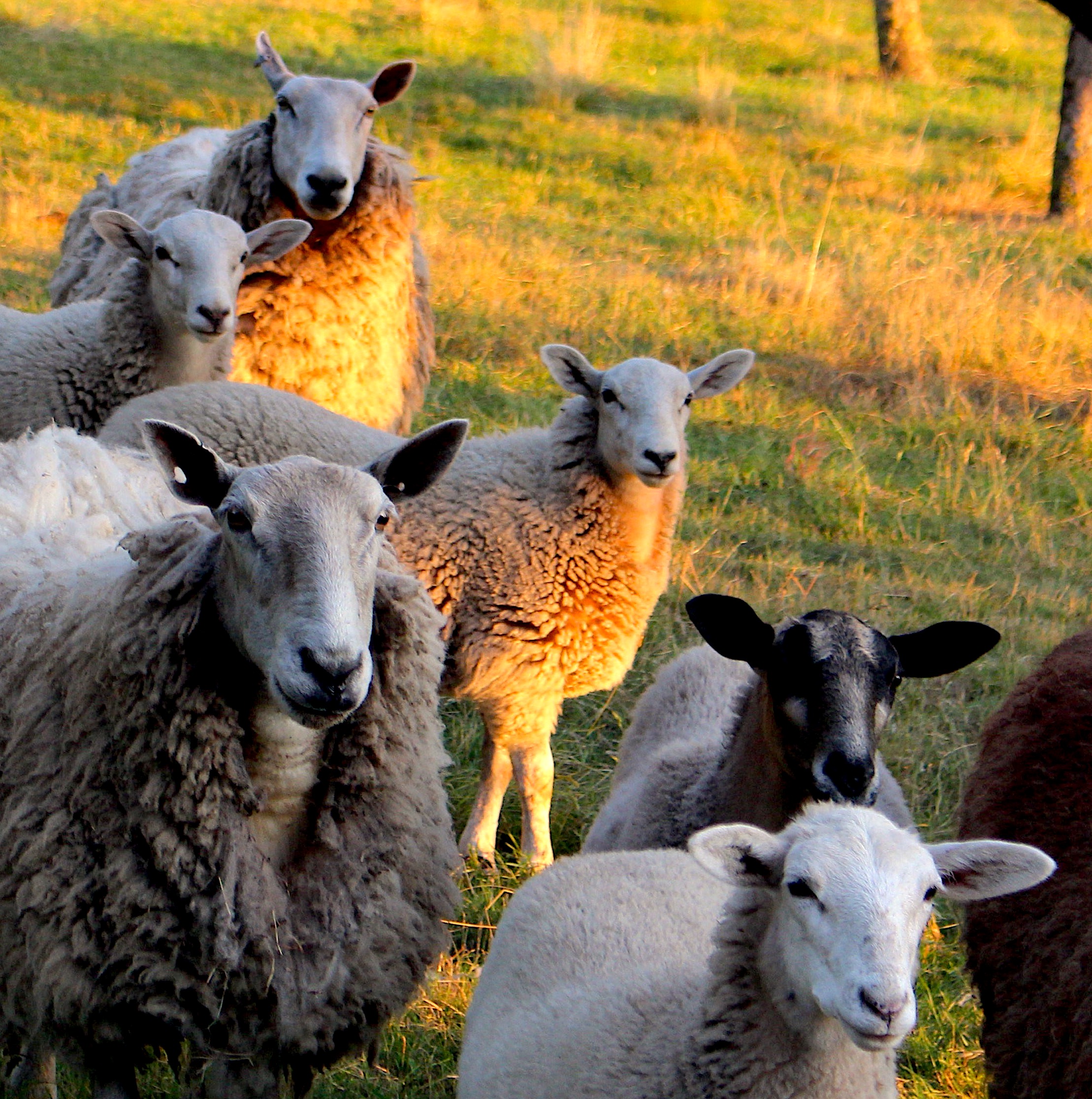
And stare as long as sheep and cows:

No time to see, when woods we pass,
Where squirrels hide their nuts in grass:

No time to see, in broad daylight,
Streams full of stars, like skies at night:

No time to turn at Beauty’s glance,
And watch her feet, how they can dance:

No time to wait till her mouth can
Enrich that smile her eyes began?

A poor life this if, full of care,
We have no time to stand and stare.

~W.H. Davies “Leisure”
…I believe there are certain habits that, if practiced, will stimulate the growth of humble roots in our lives. One of those is a habit of awe and wonder.

By awe and wonder, I mean the regular practice of paying careful attention to the world around us. Not merely seeing but observing. Perceiving. Considering. Asking thoughtful questions about what we see, smell, hear, touch, taste. In other words, attending with love and curiosity to what our senses sense. (How often do we eat without tasting? How often do we look without seeing? Hear without listening?) Admiring, imagining, receiving the beauty of the world around us in a regular, intentional way: this is the habit of a wonder-filled person. And it leads to humility.

A regular habit of awe and wonder de-centers us. It opens a window in our imaginations, beckoning us to climb out of our own opinions and experiences and to consider things greater and beyond our own lives. It strengthens our curiosity, which in turn lowers the volume on our anxieties and grows our ability to empathize. Over time, we become less self-focused and can admit without embarrassment what we don’t know. In short, we grow more humble.
~Kelly Givens from “Teaching Children to See” from Mere Orthodoxy
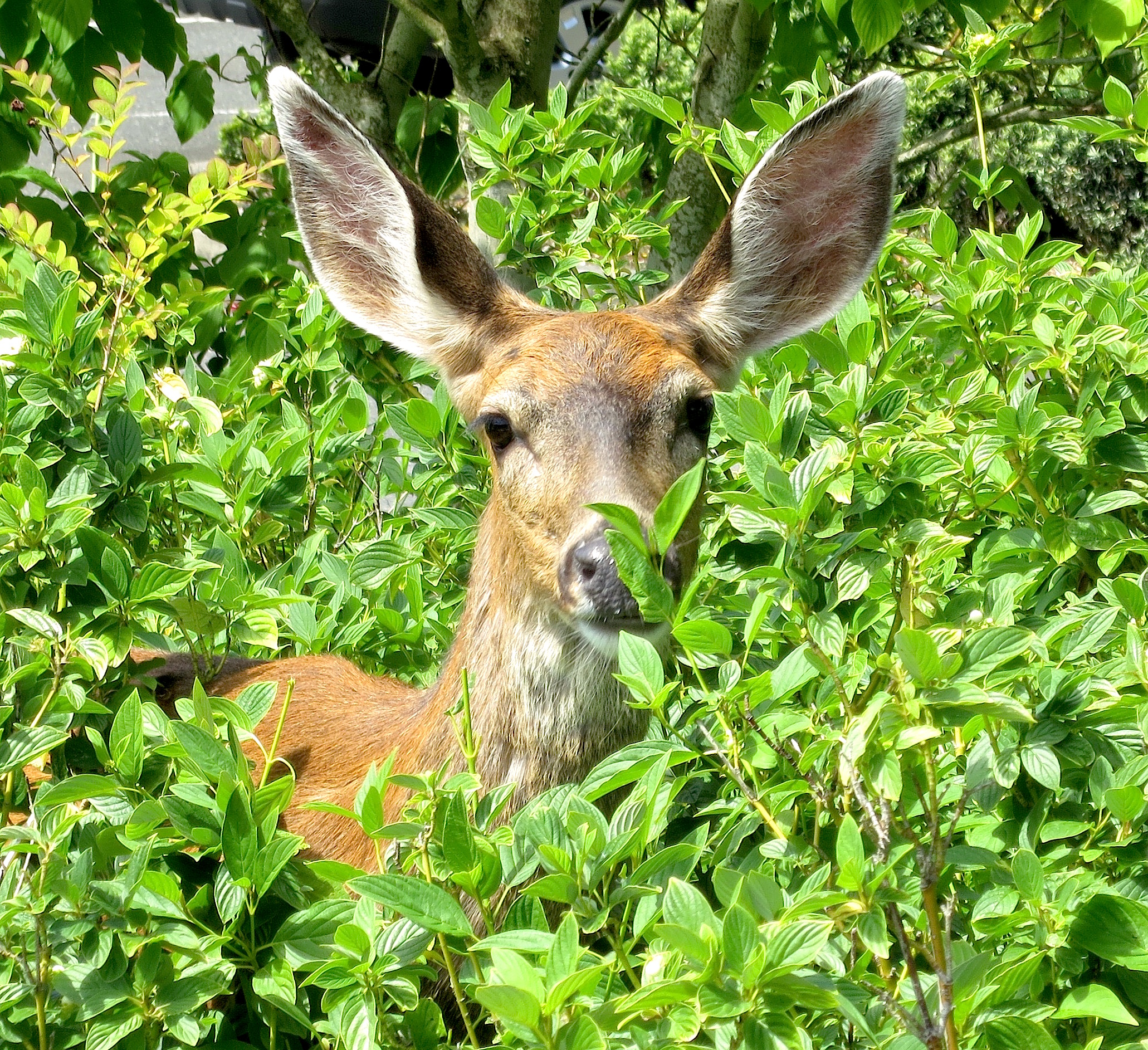
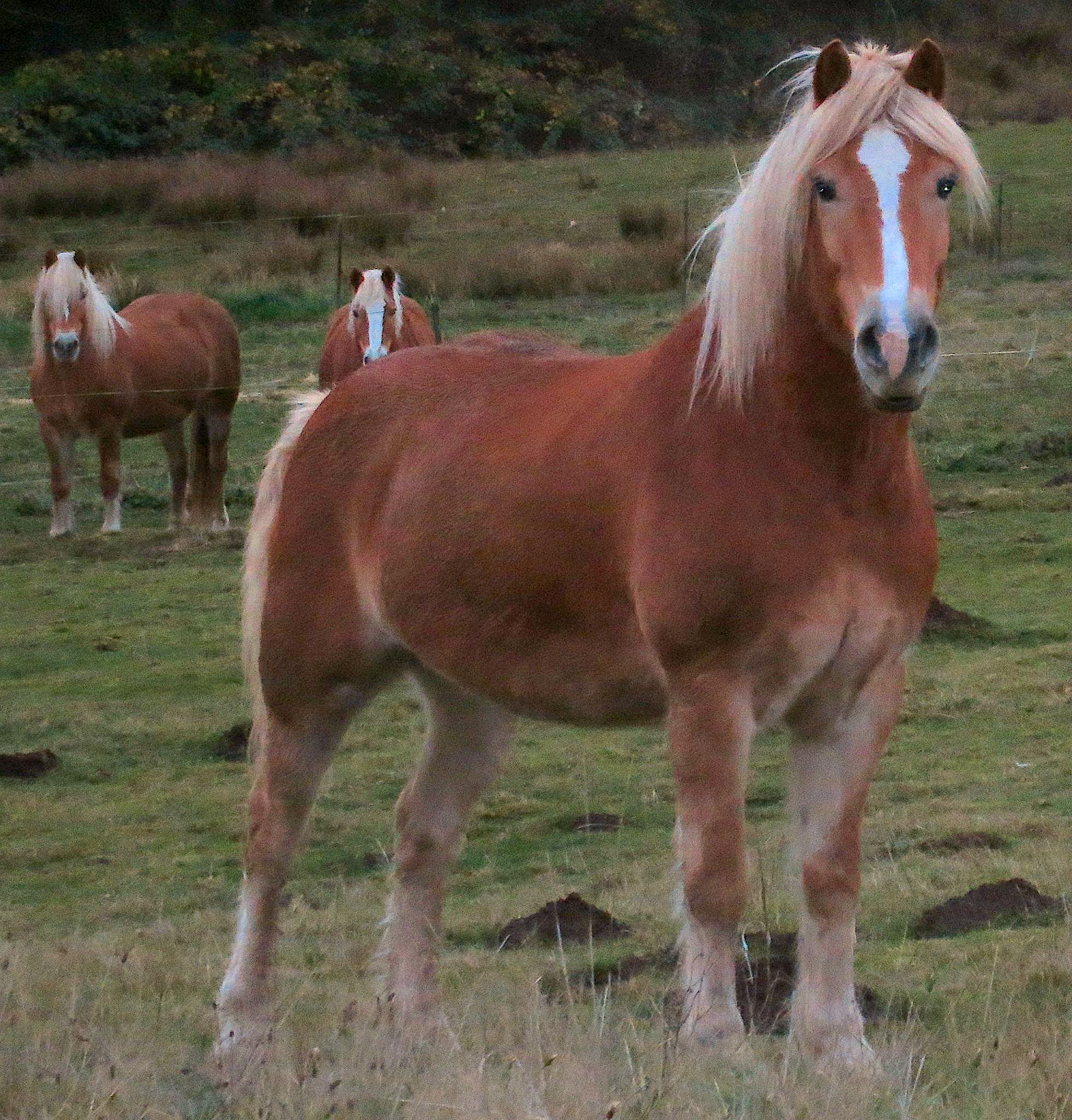
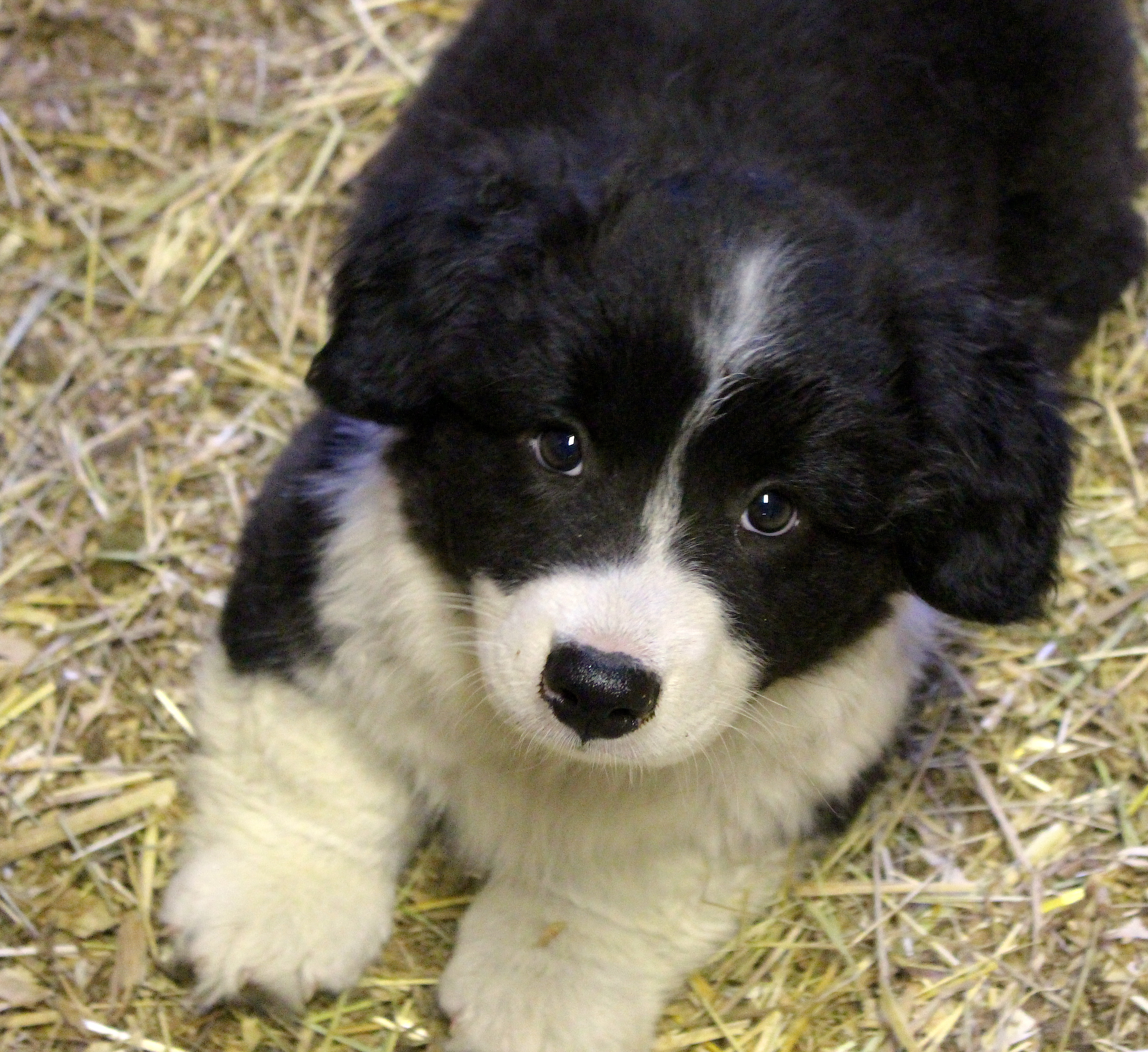
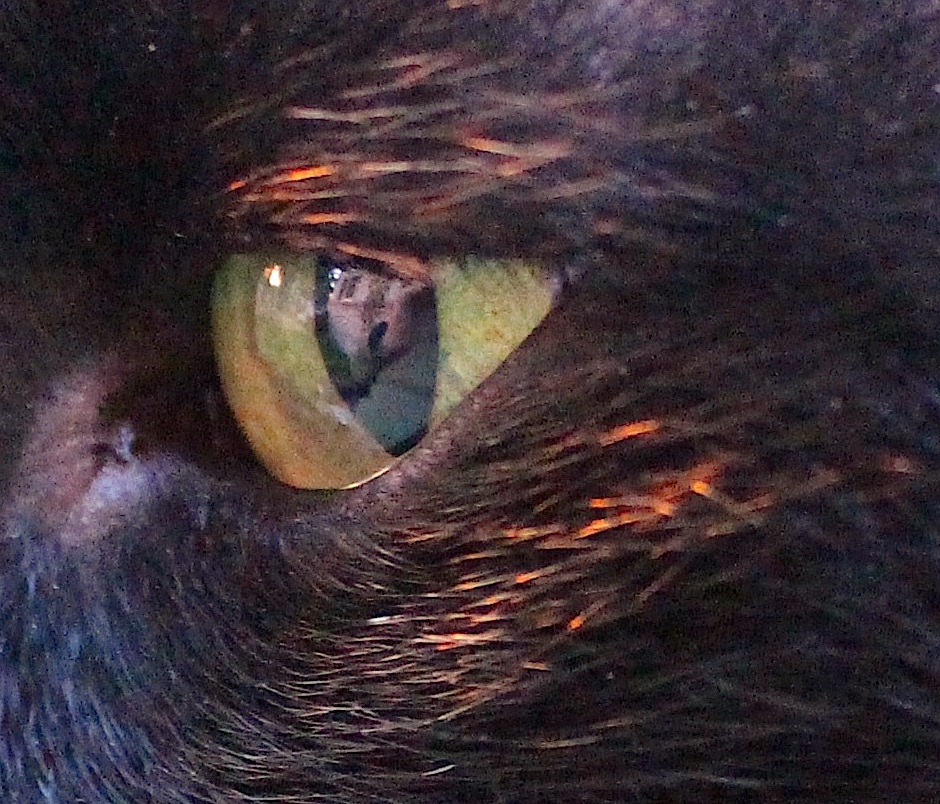
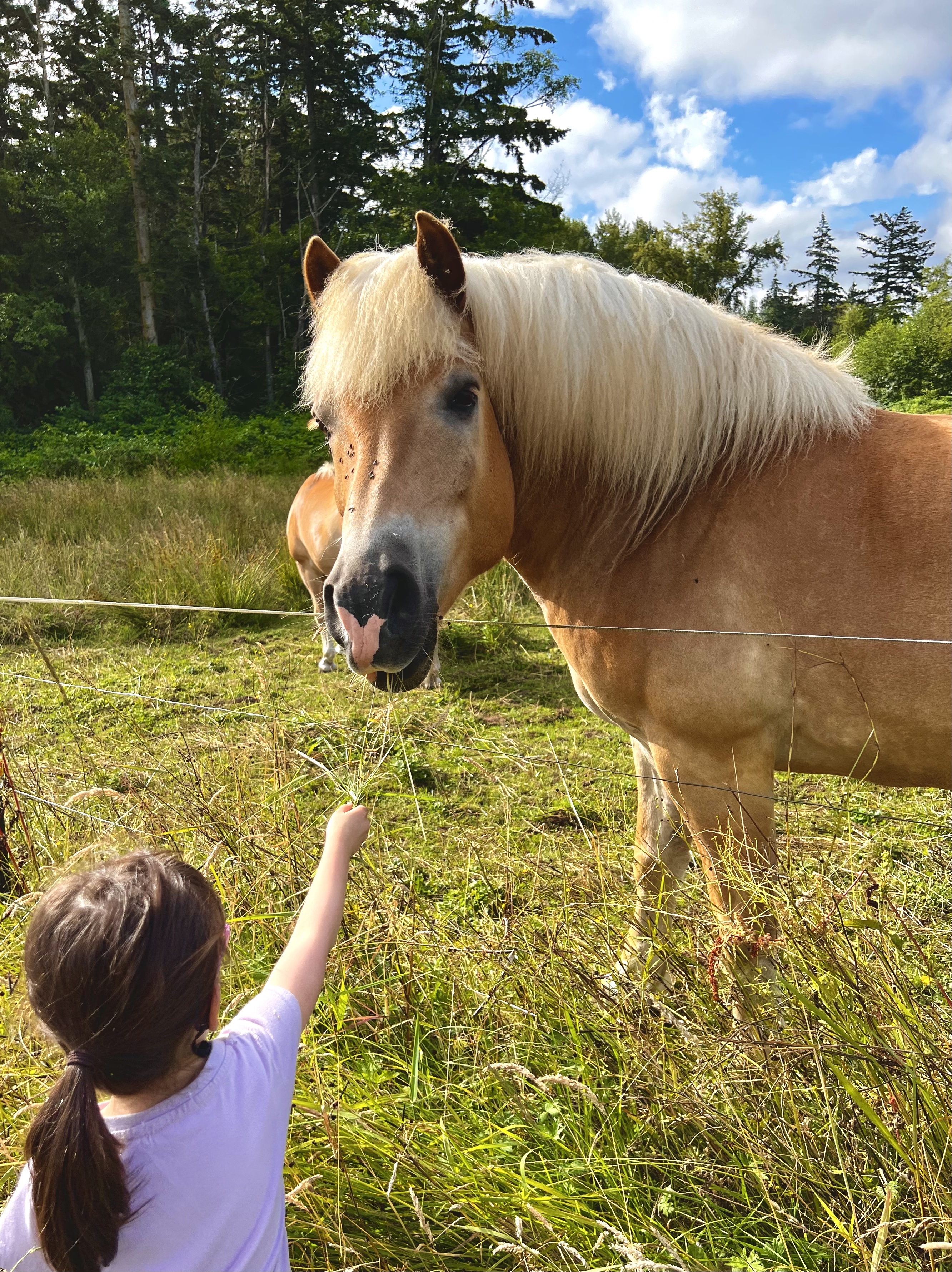
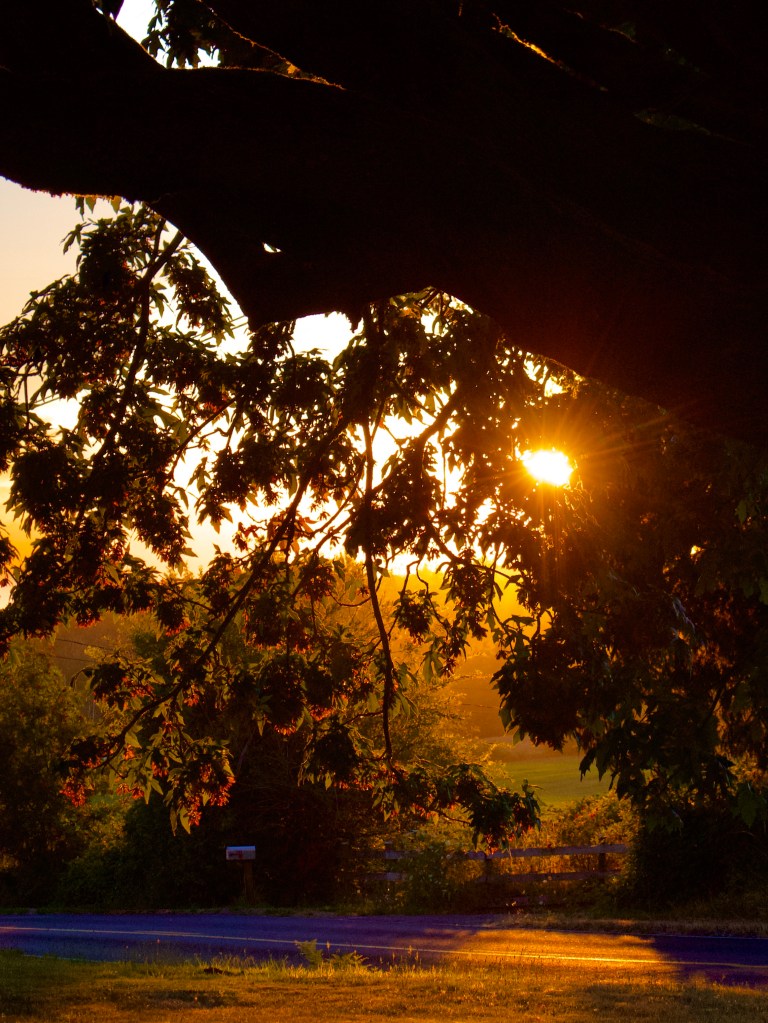
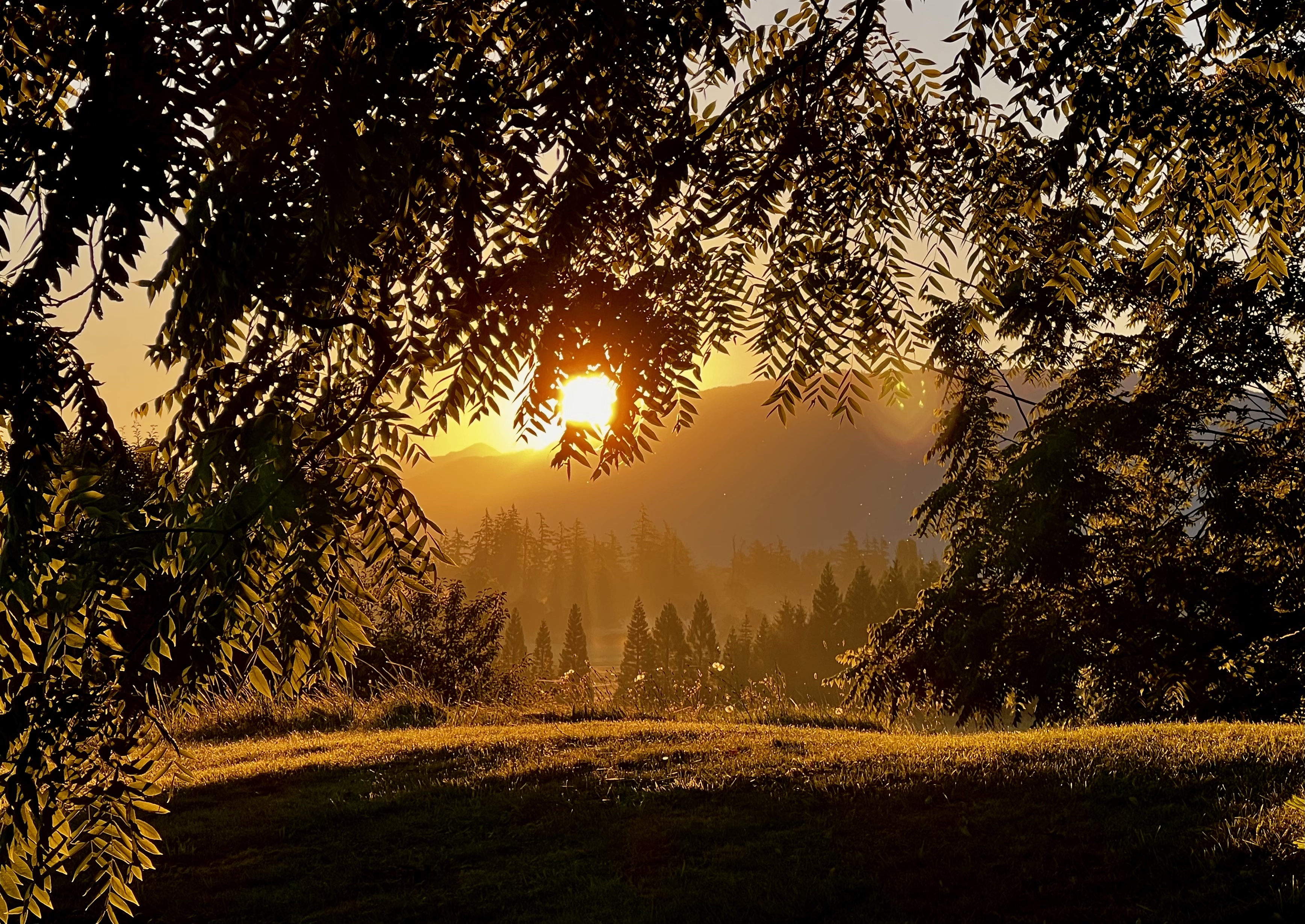
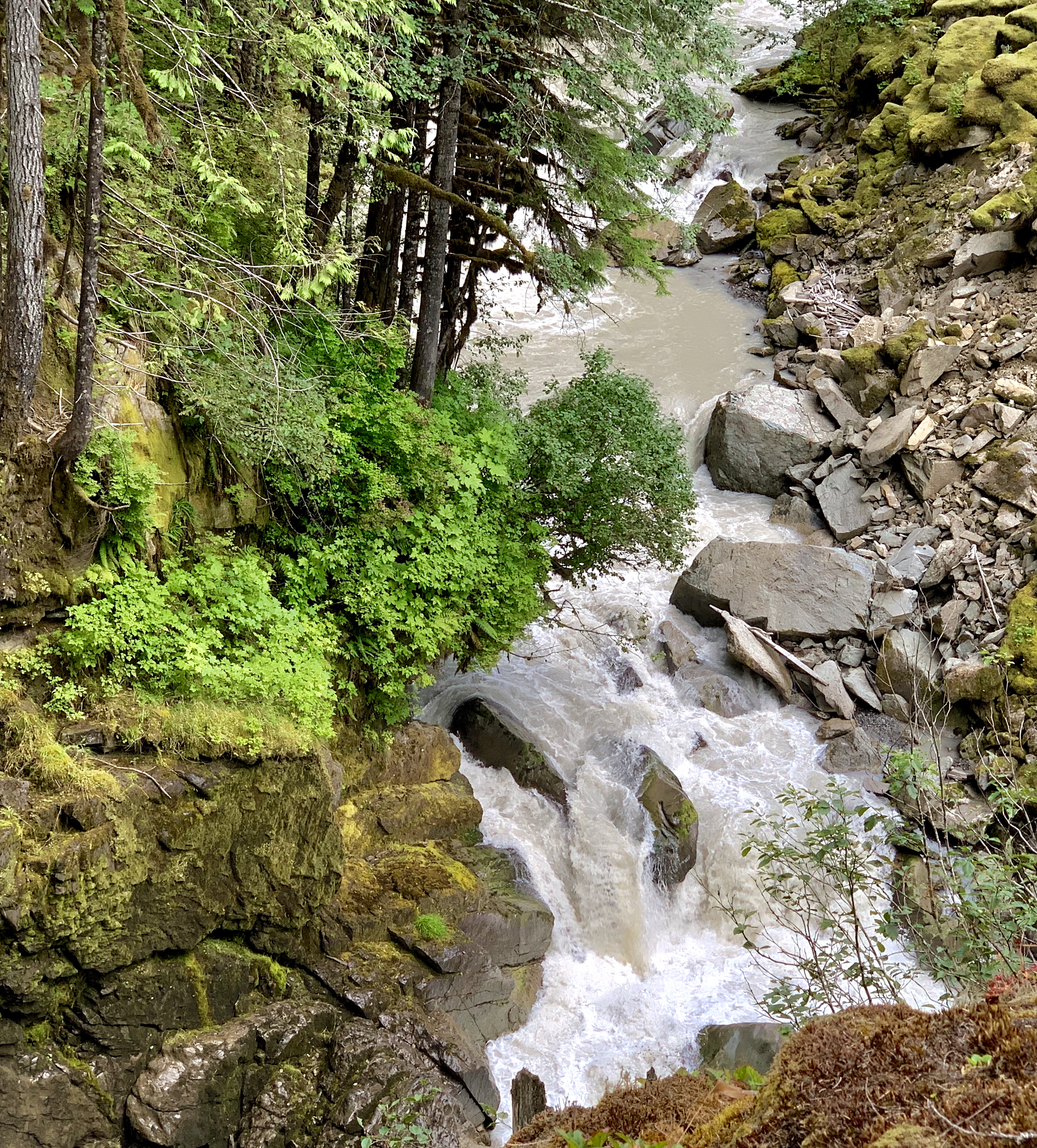
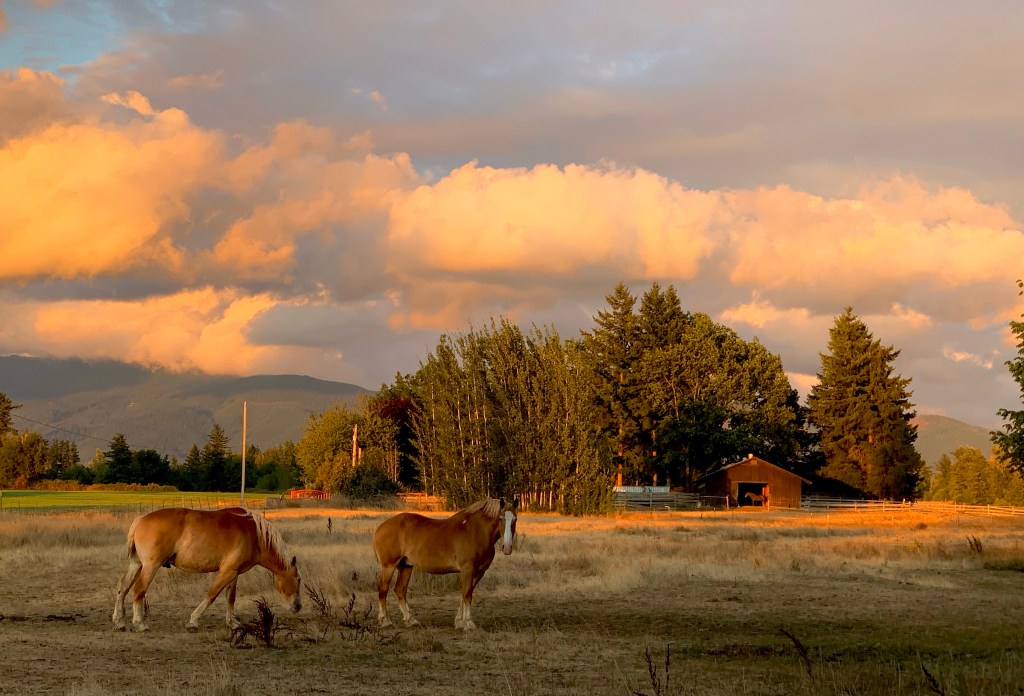
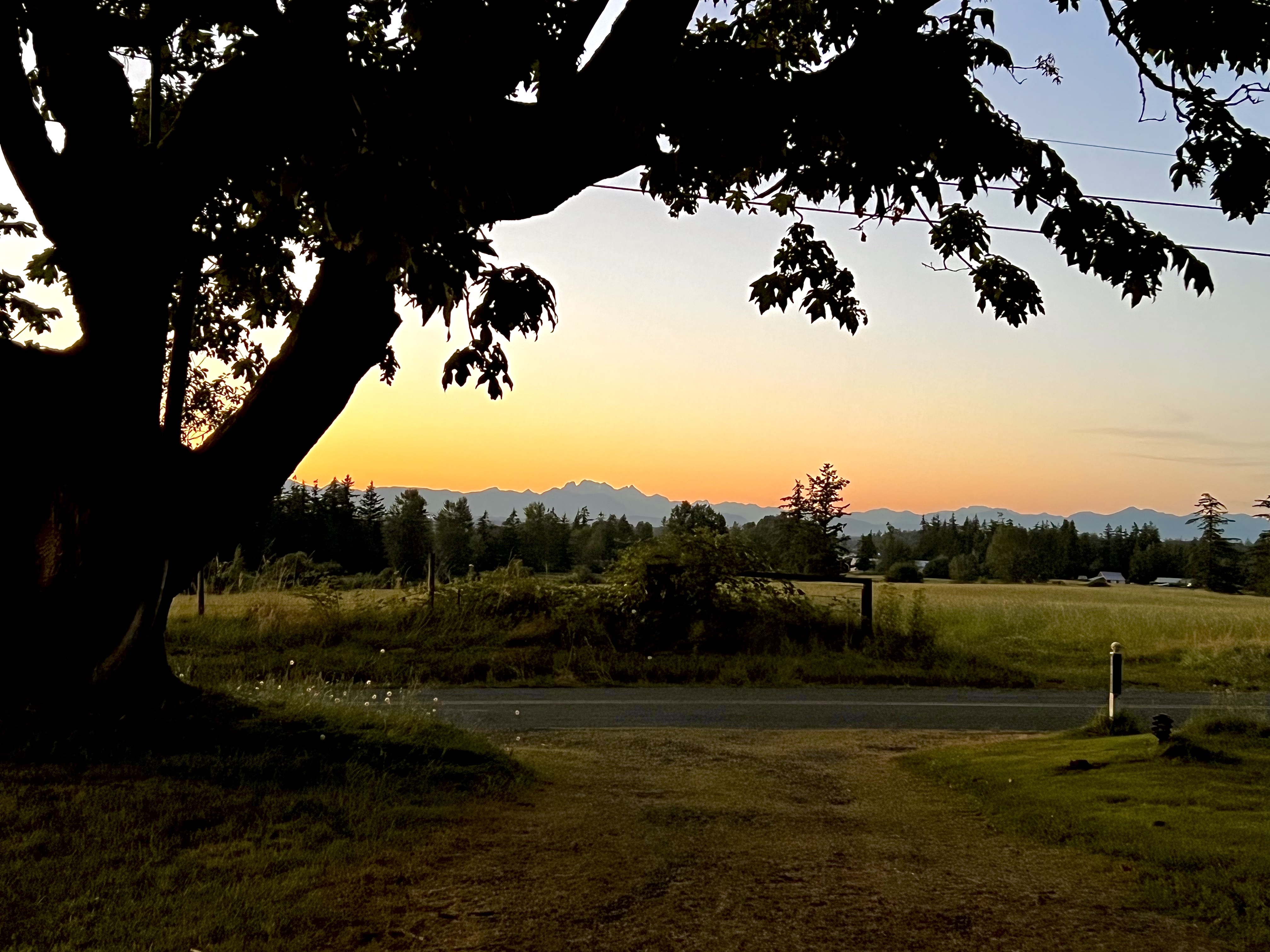
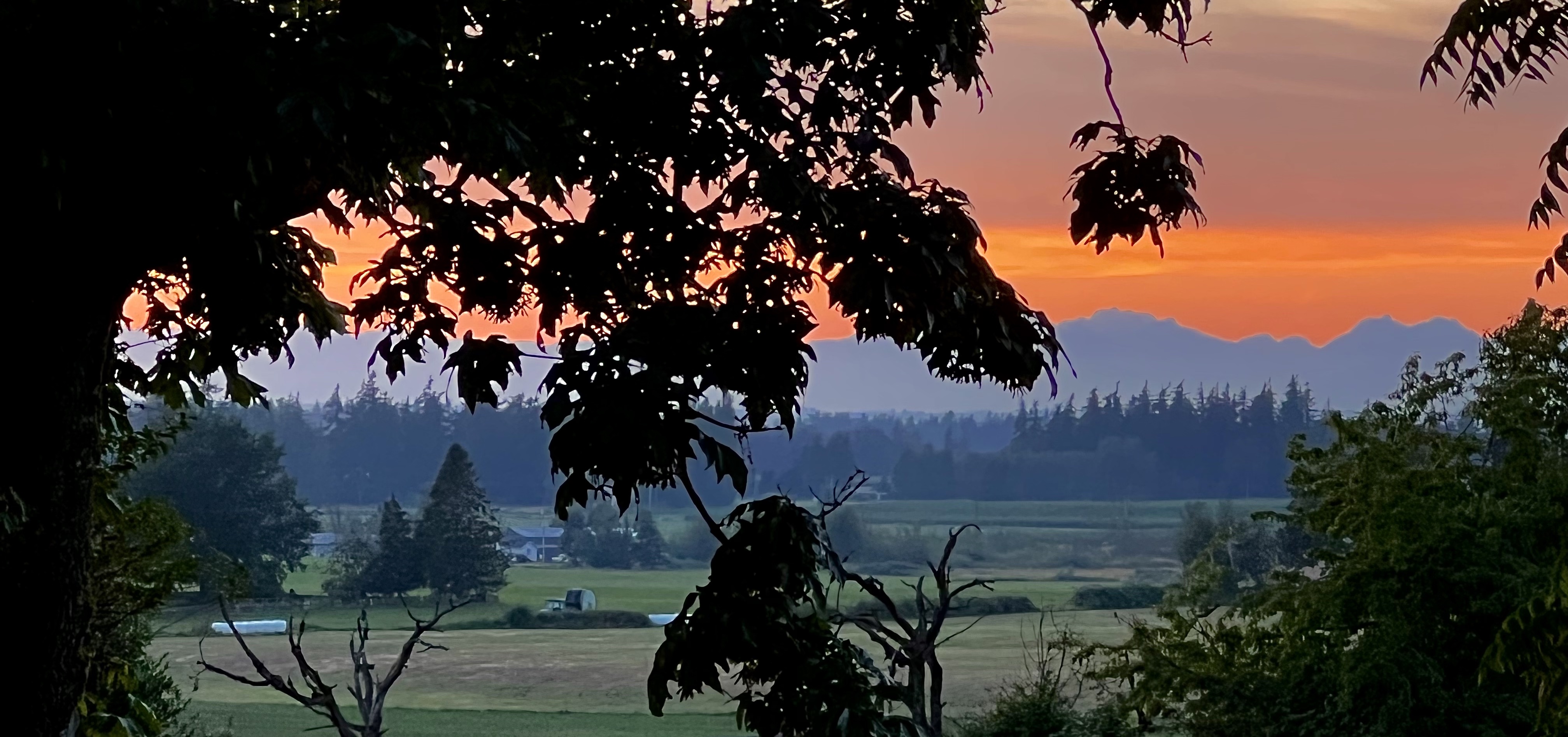
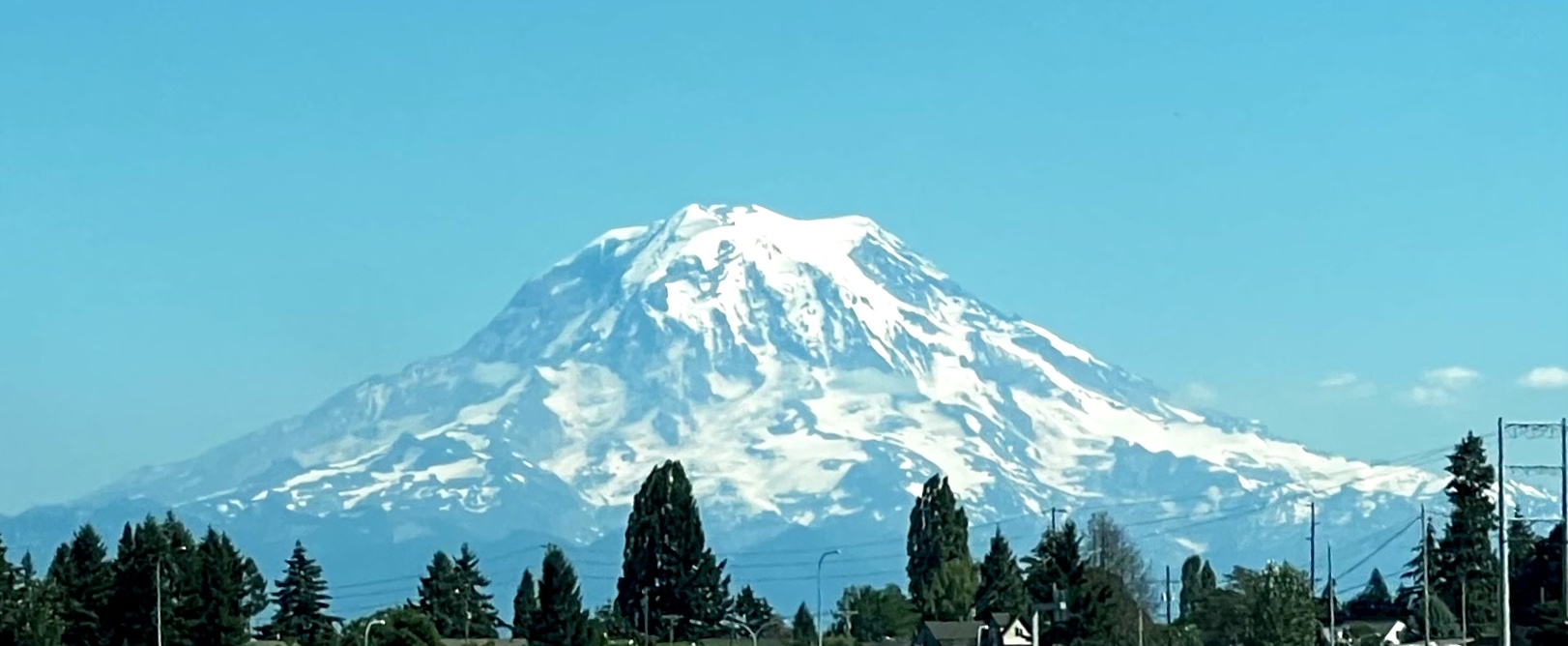
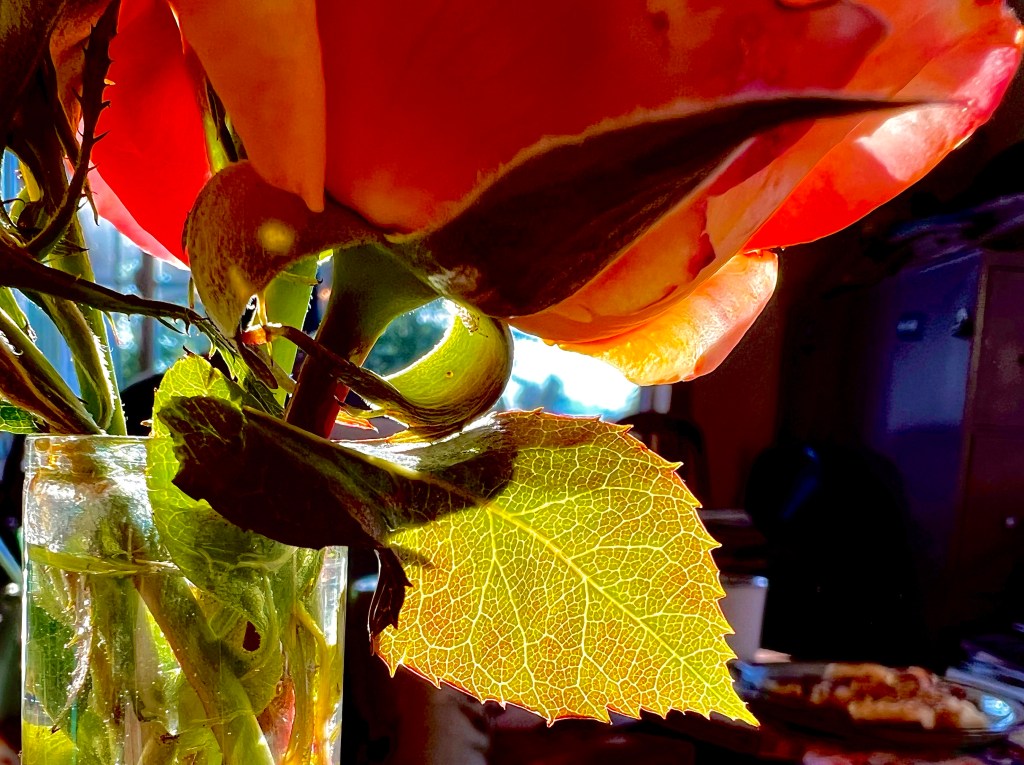
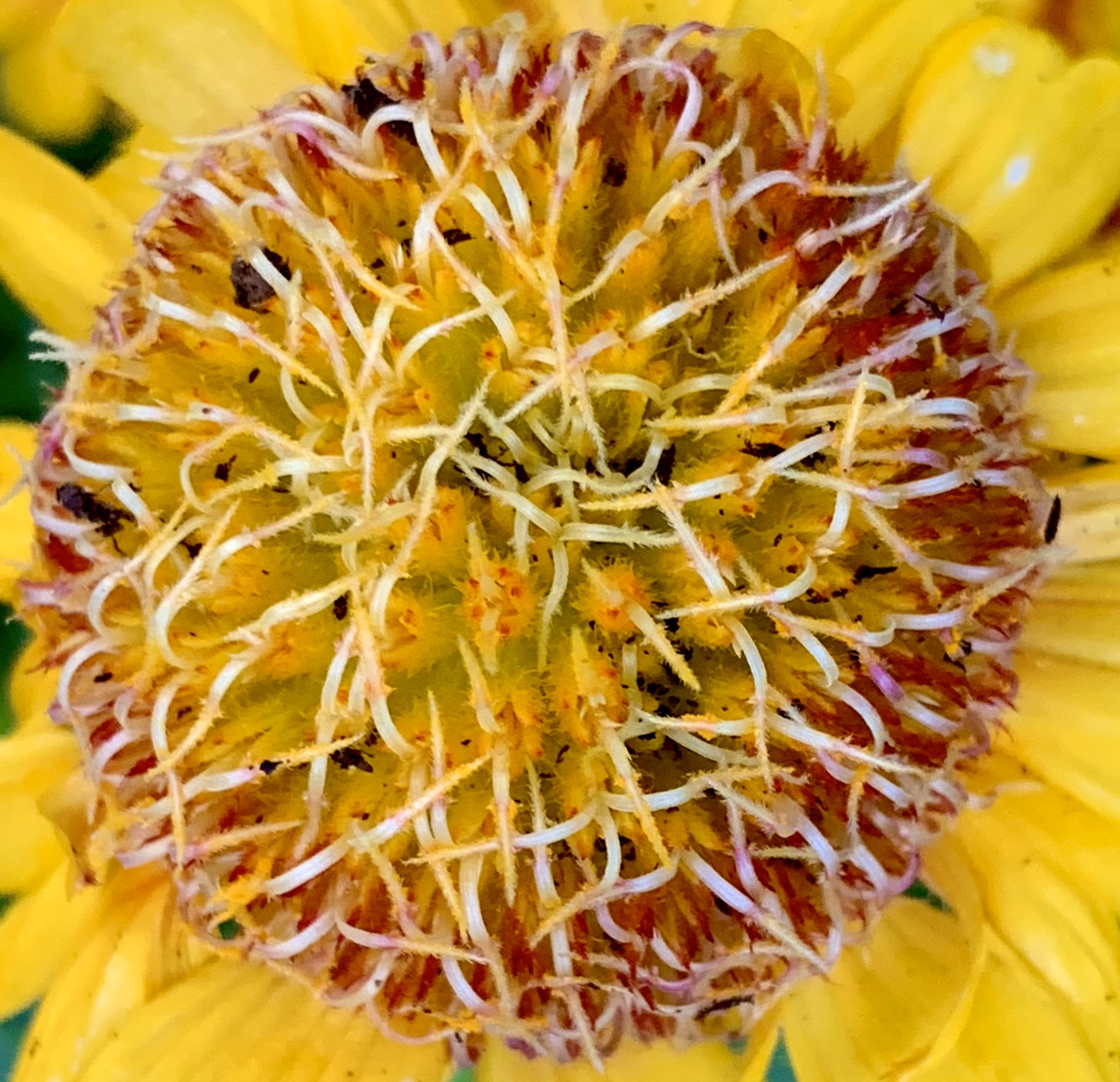
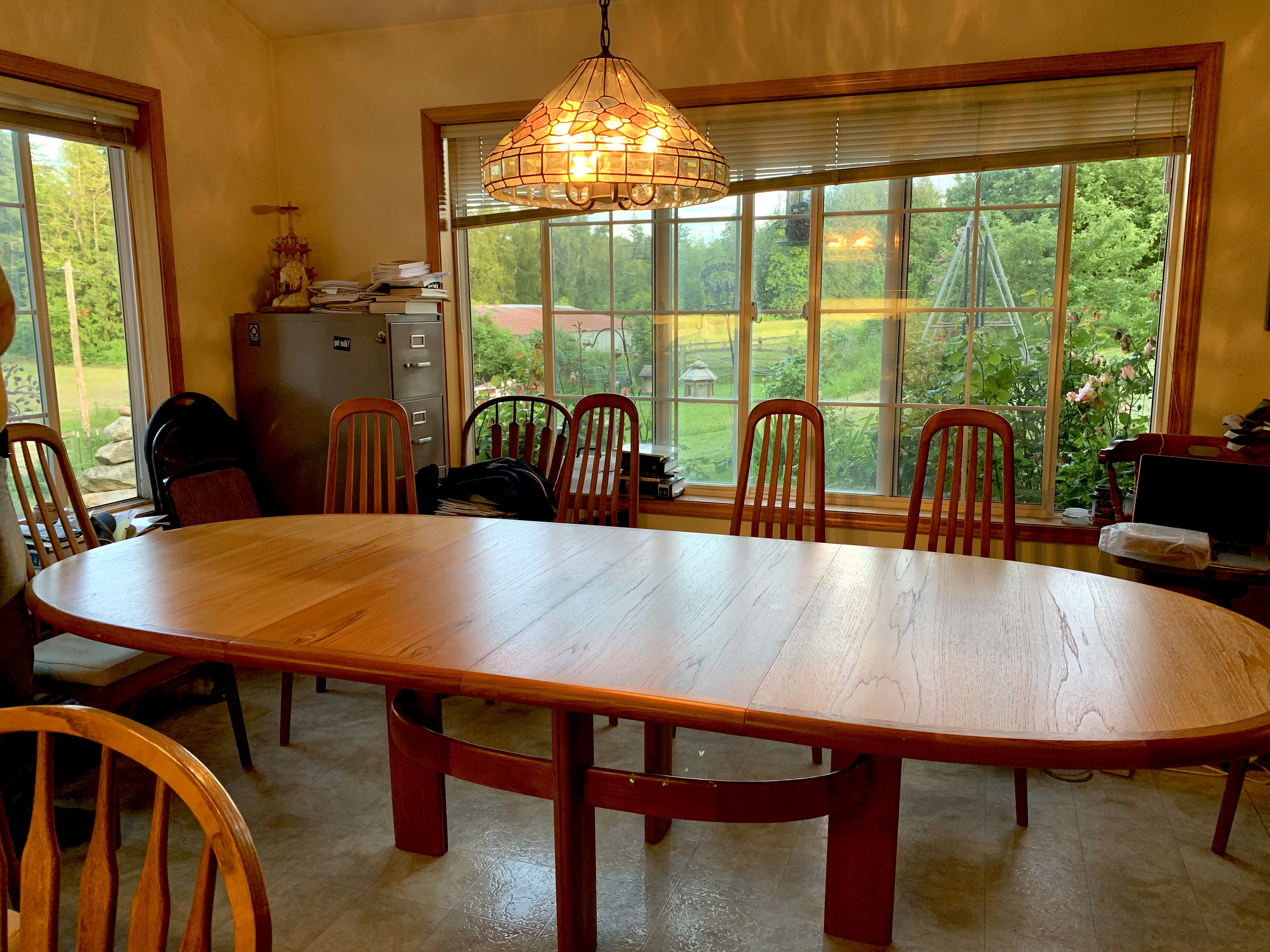
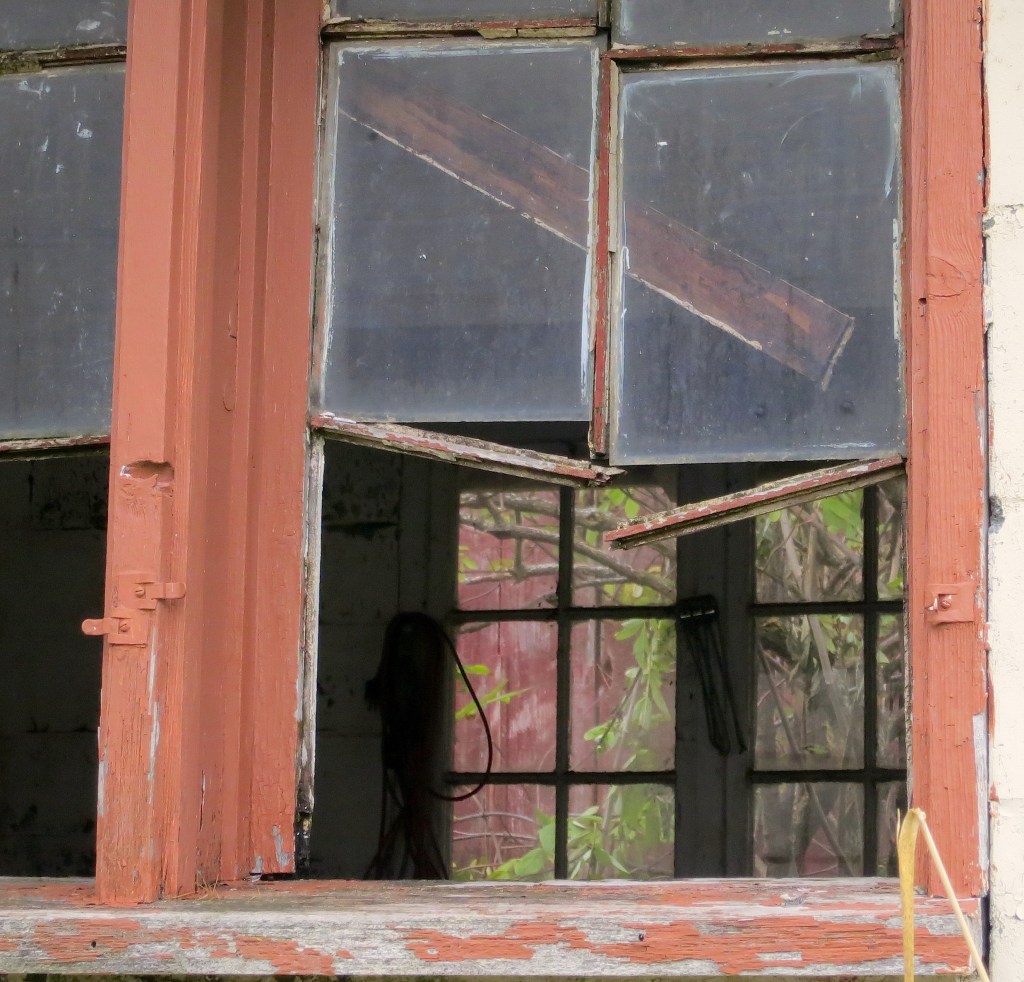
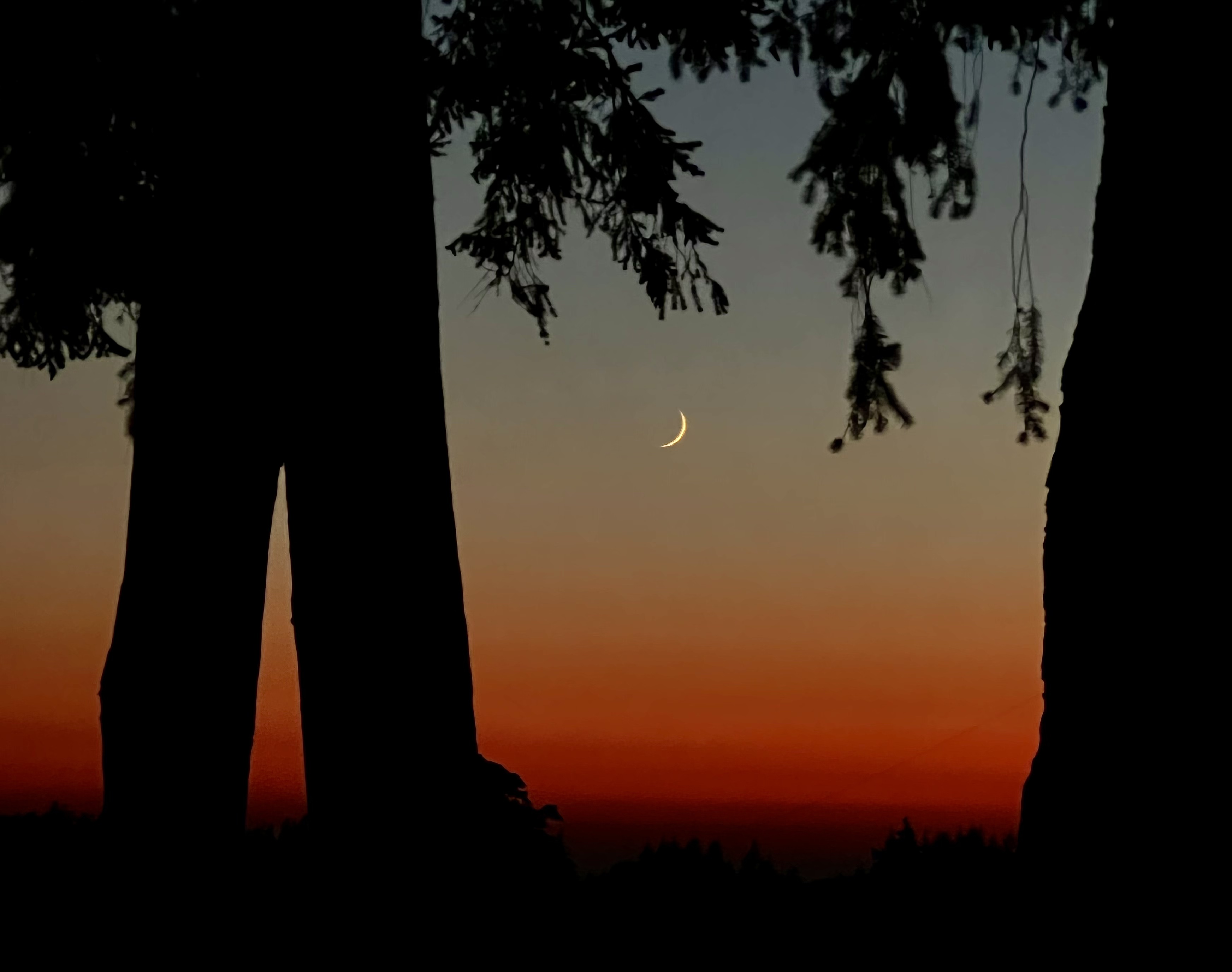
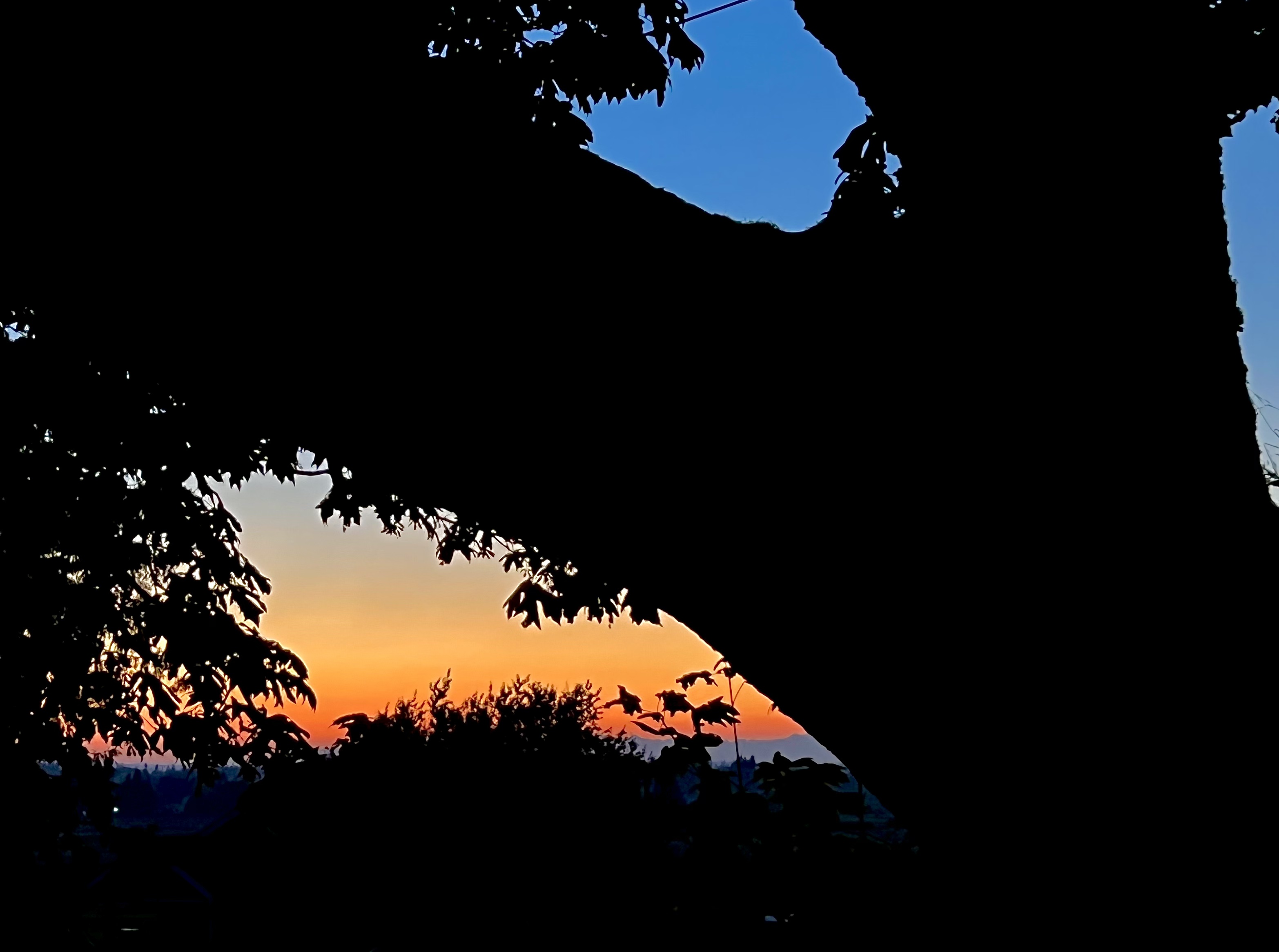
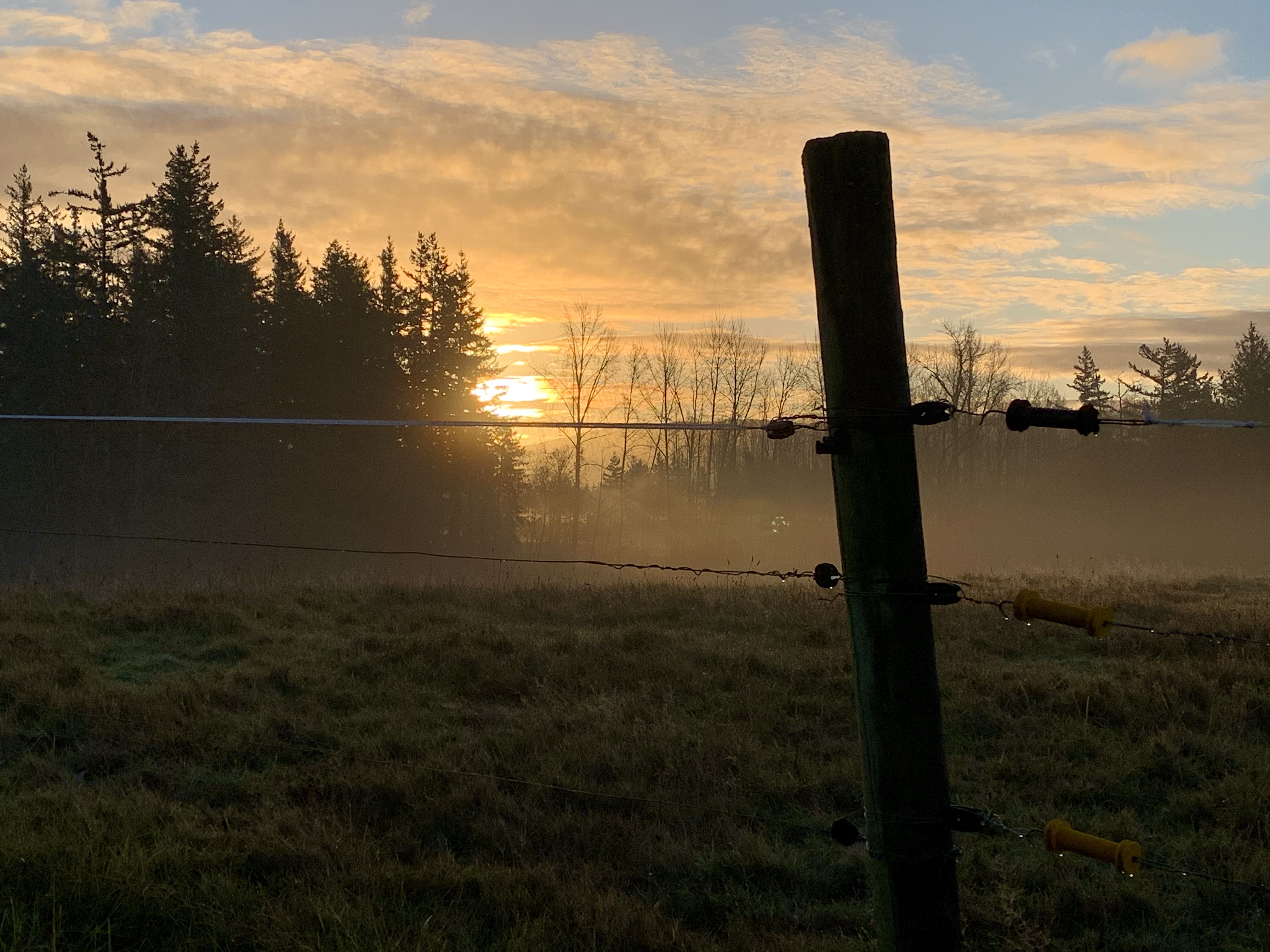
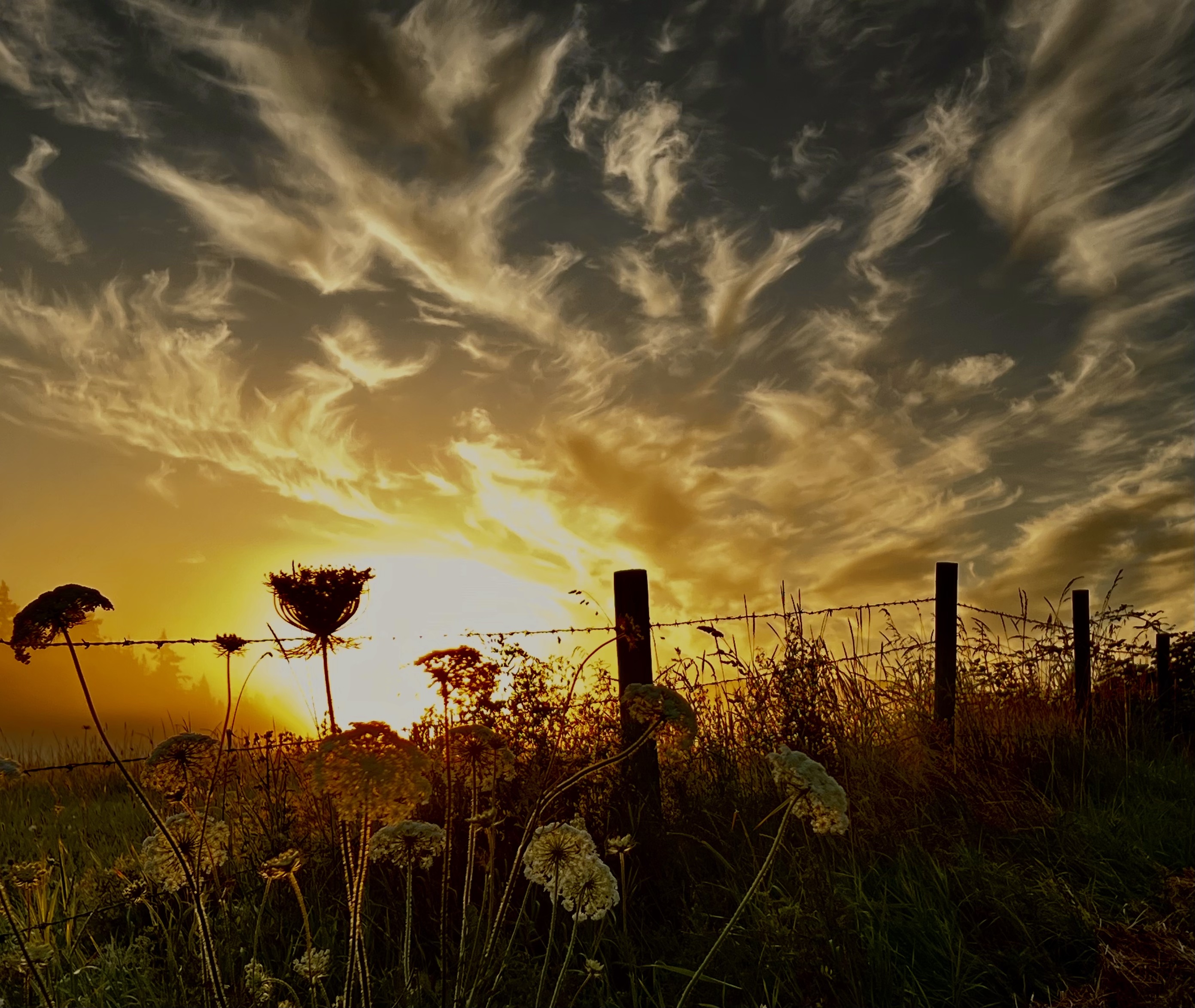
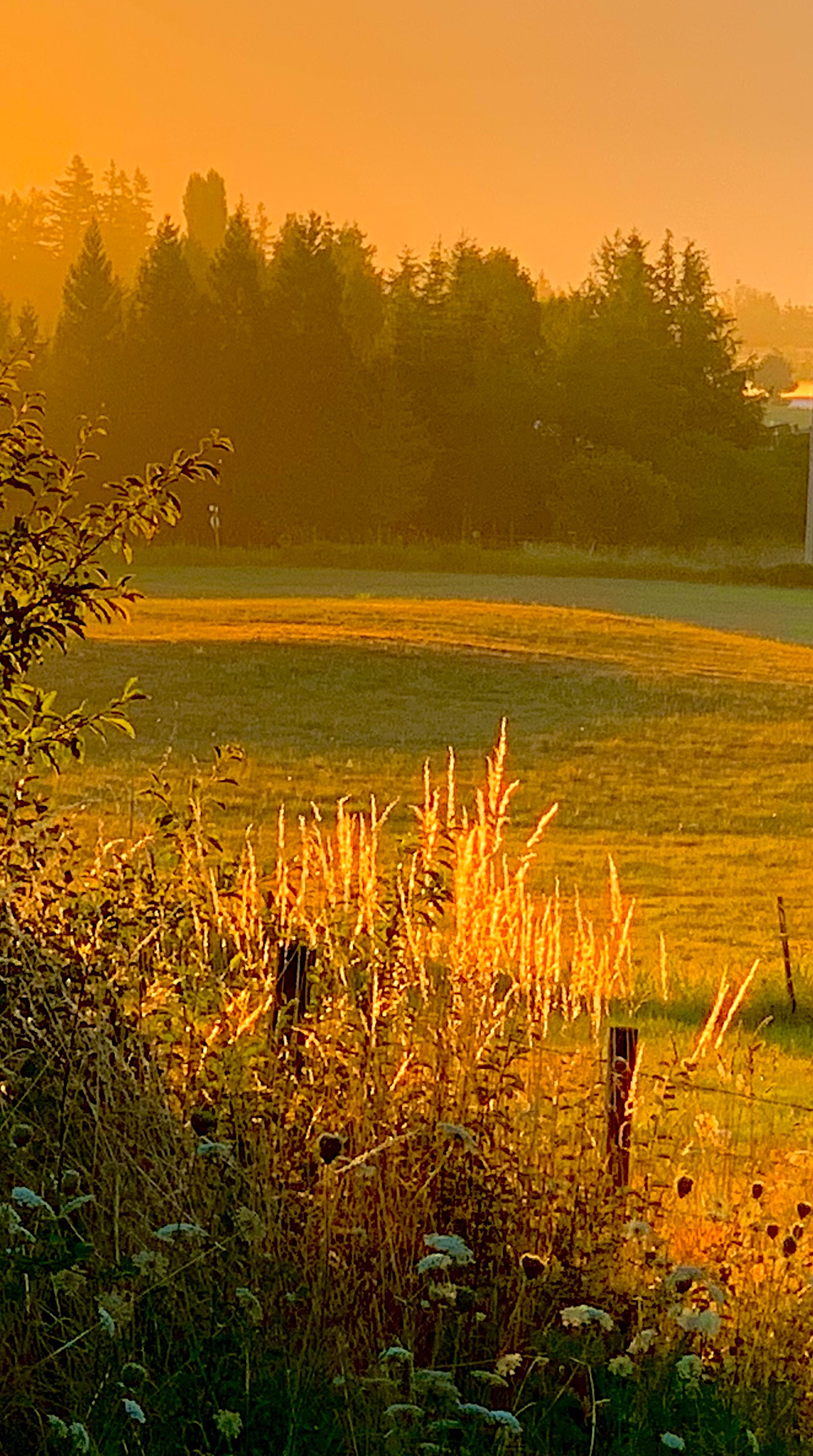
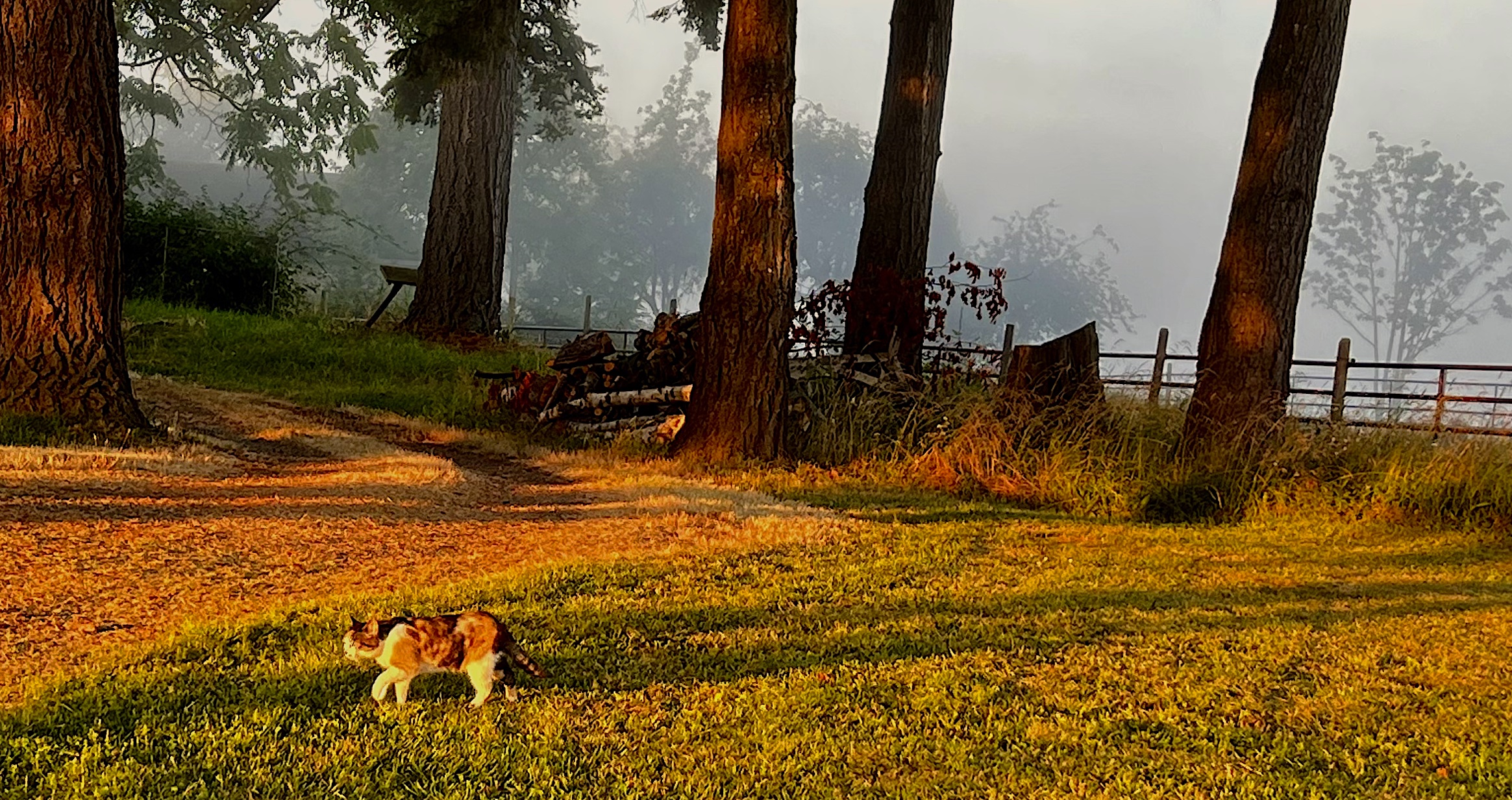
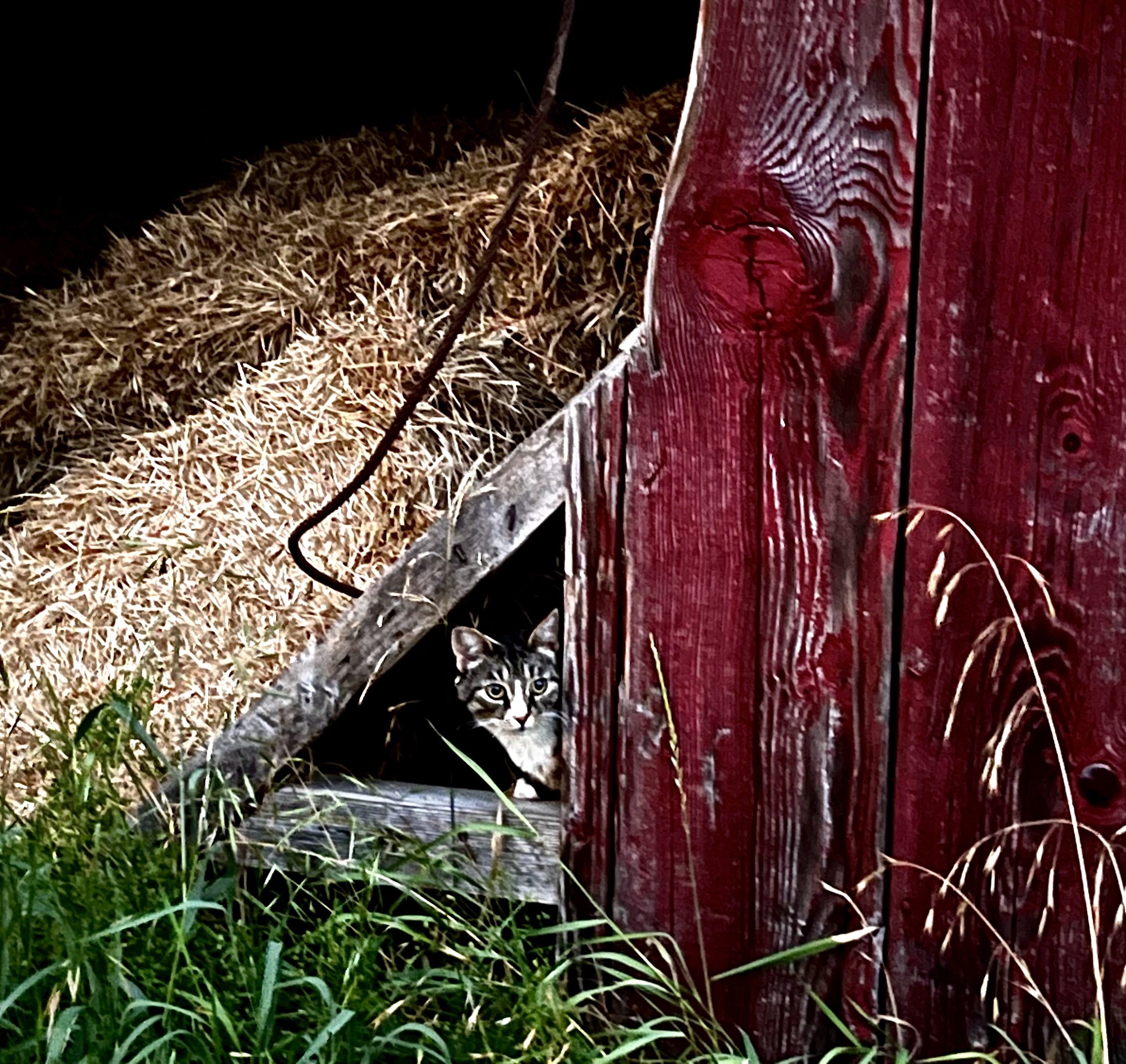
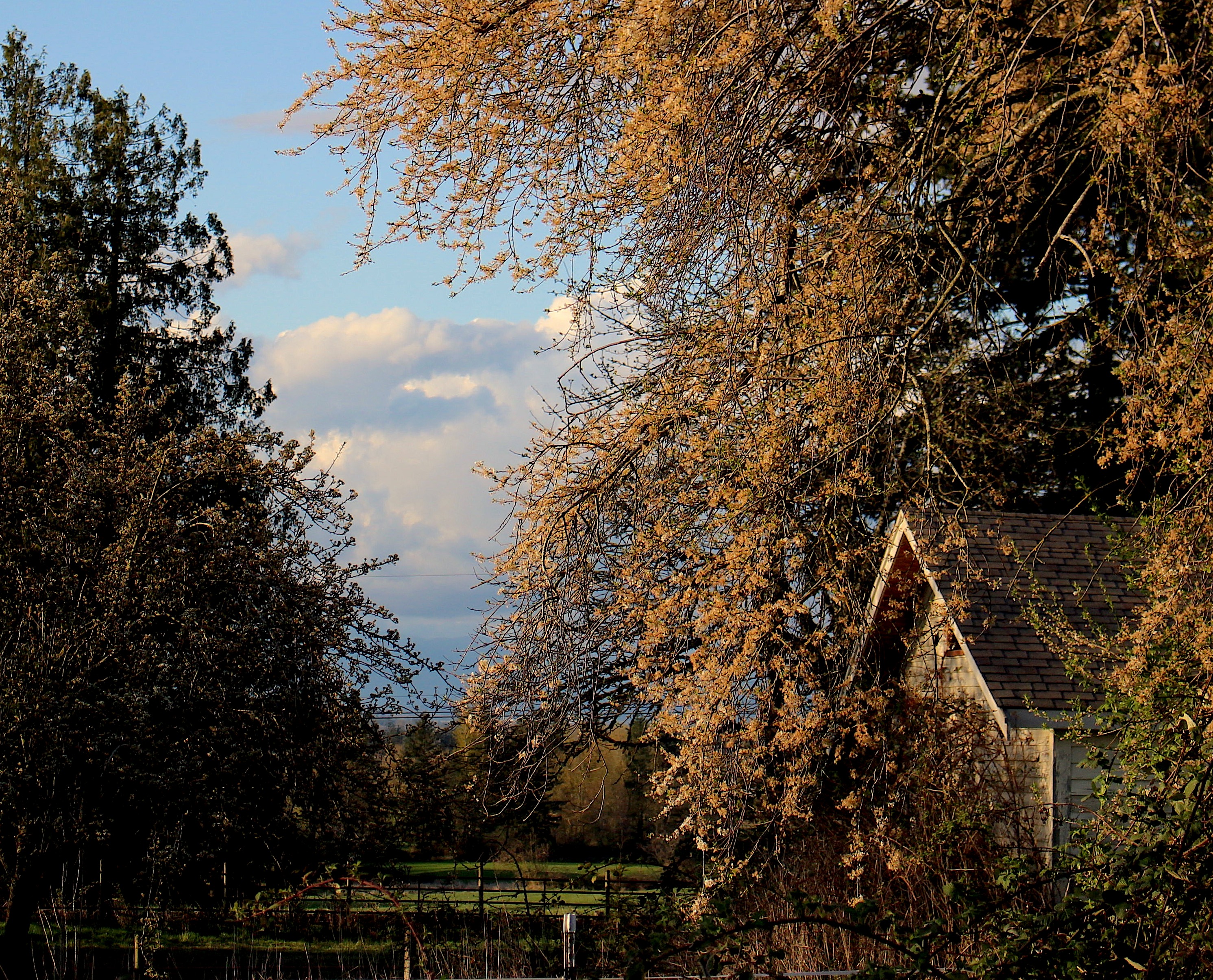
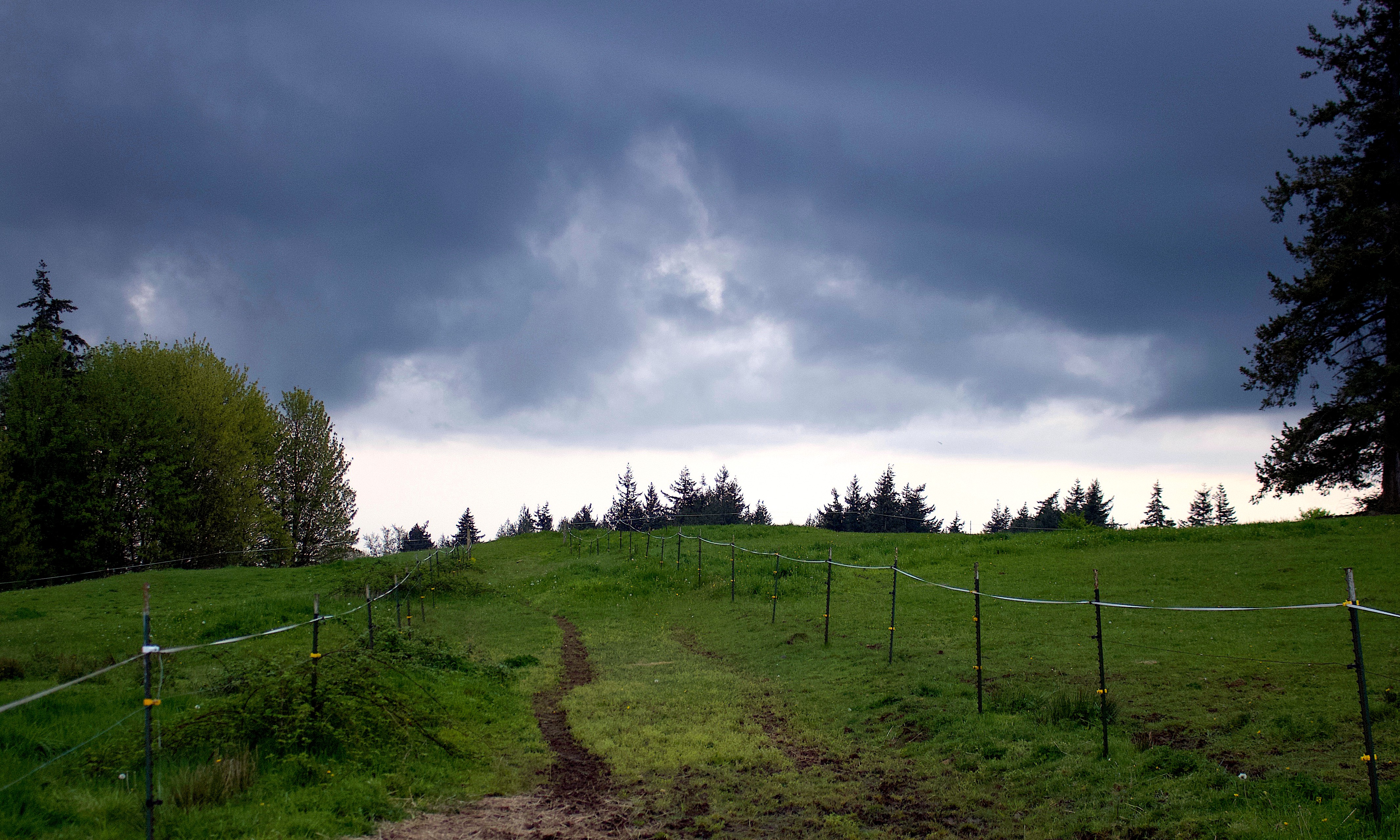
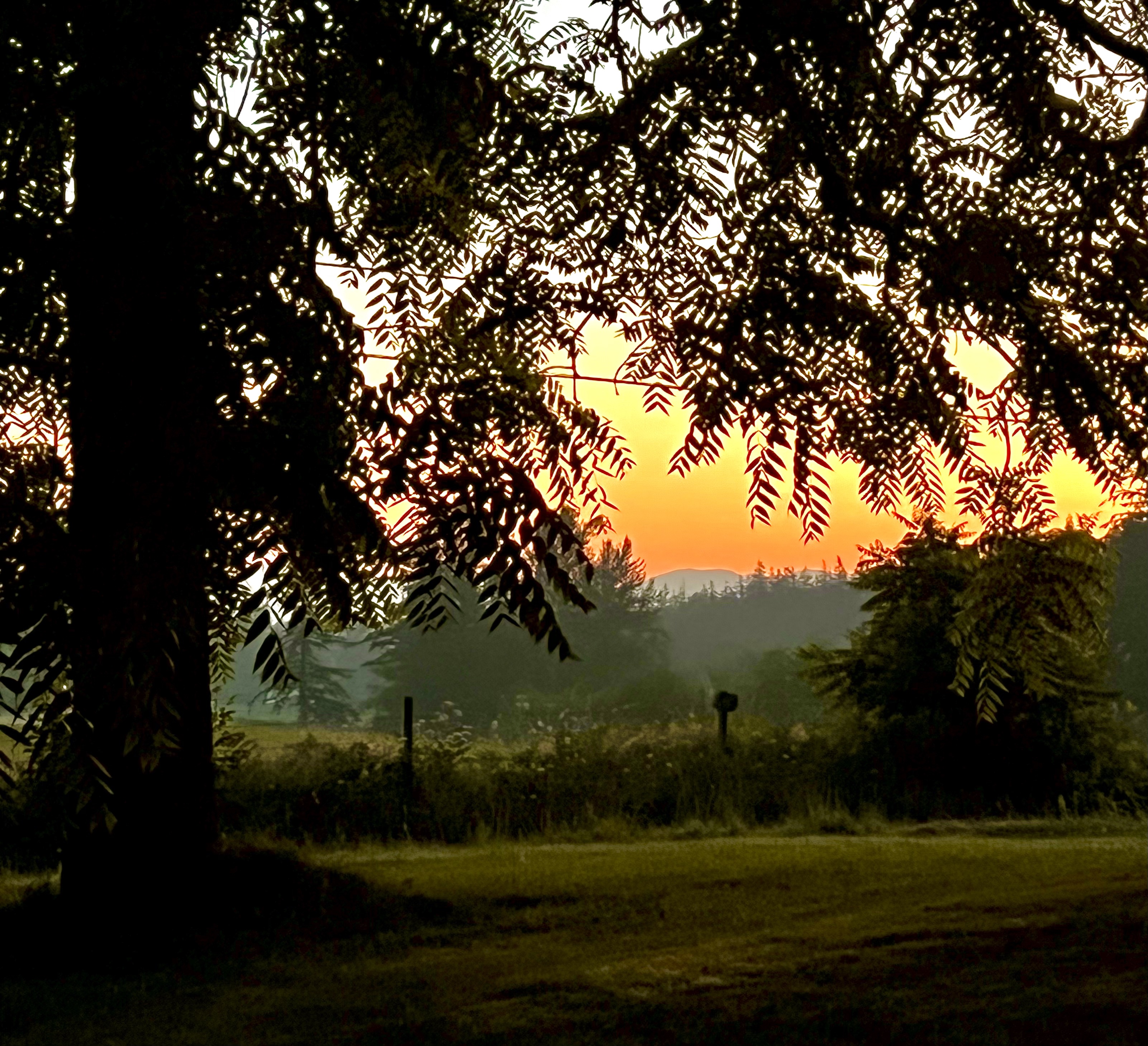
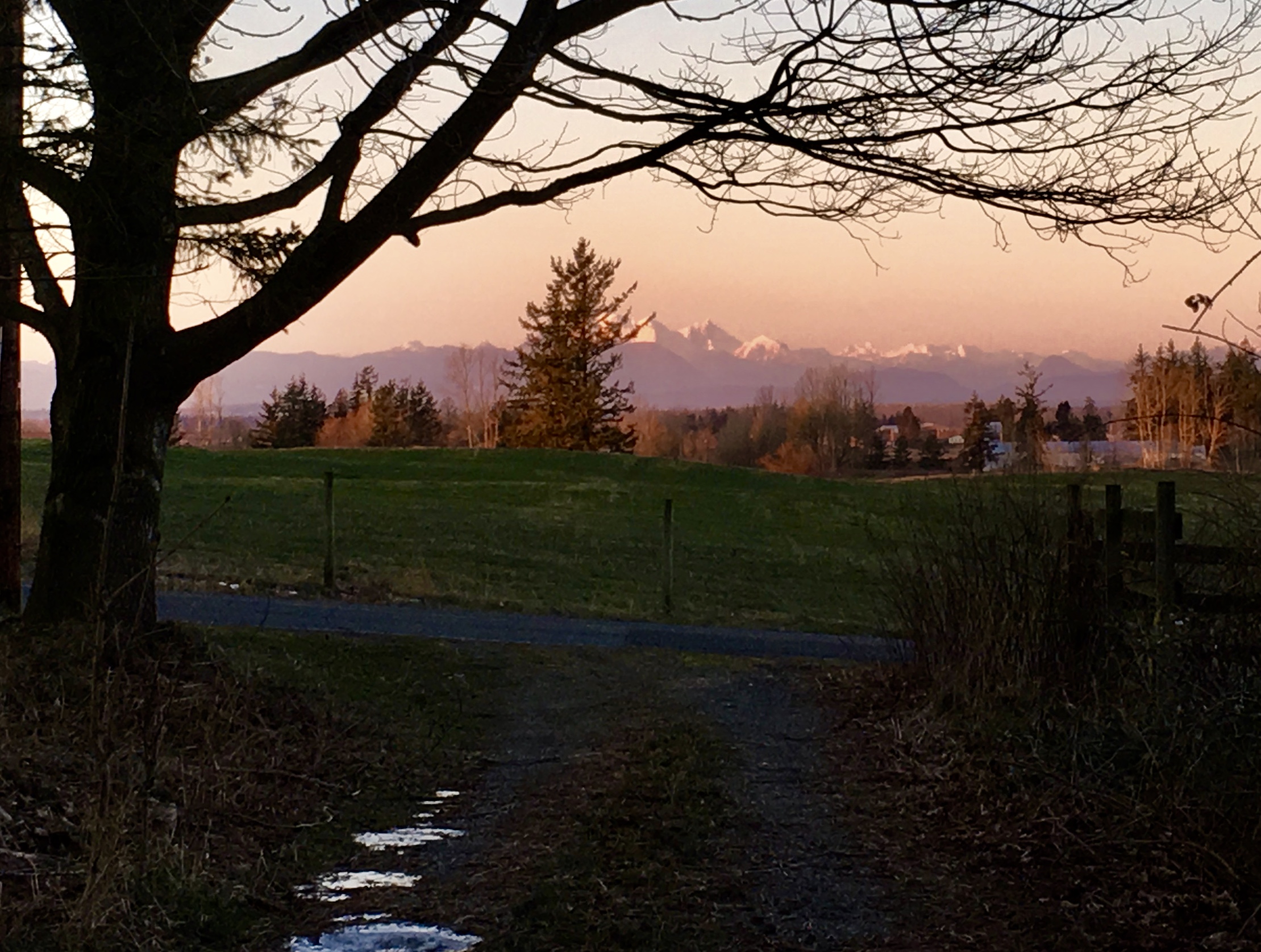
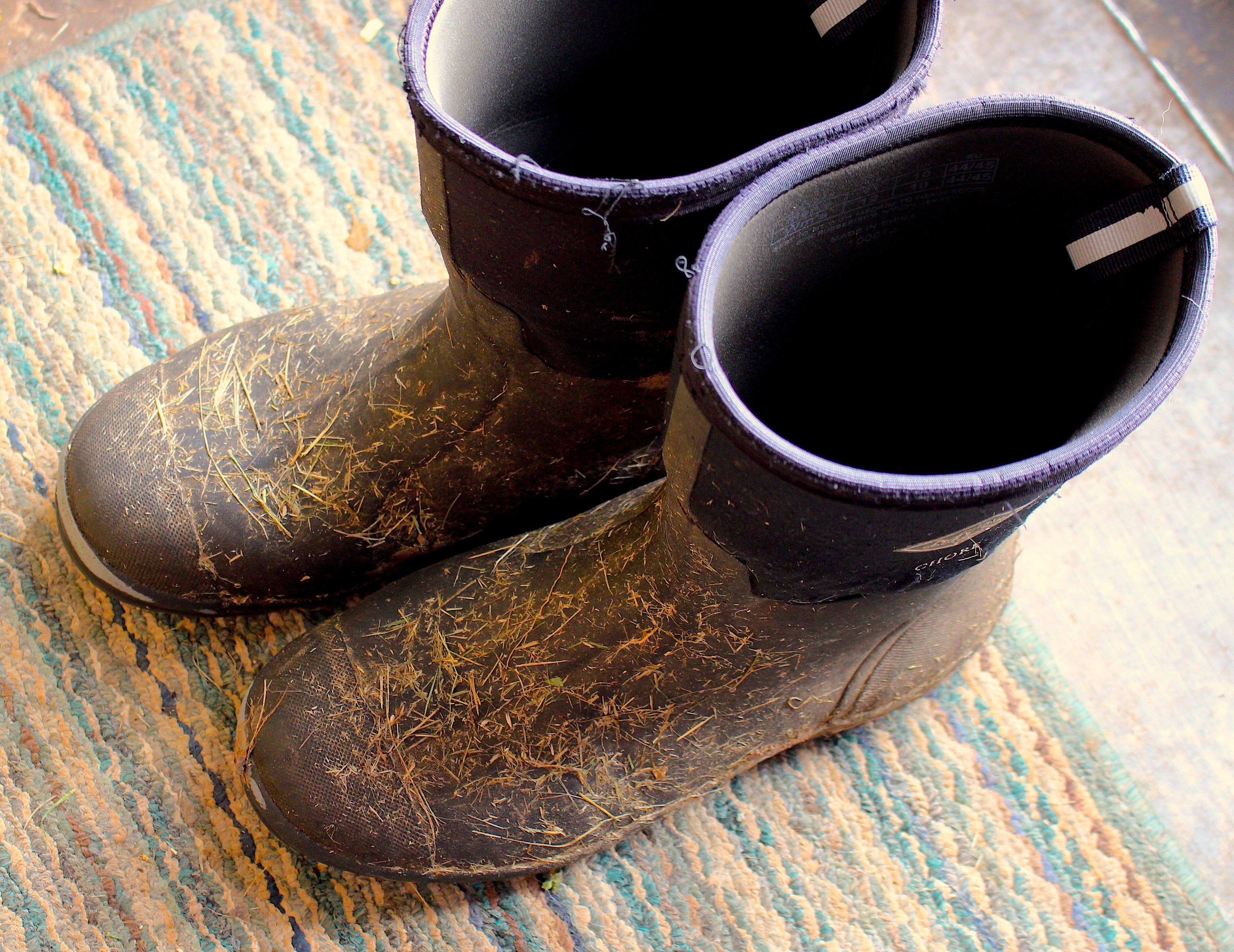
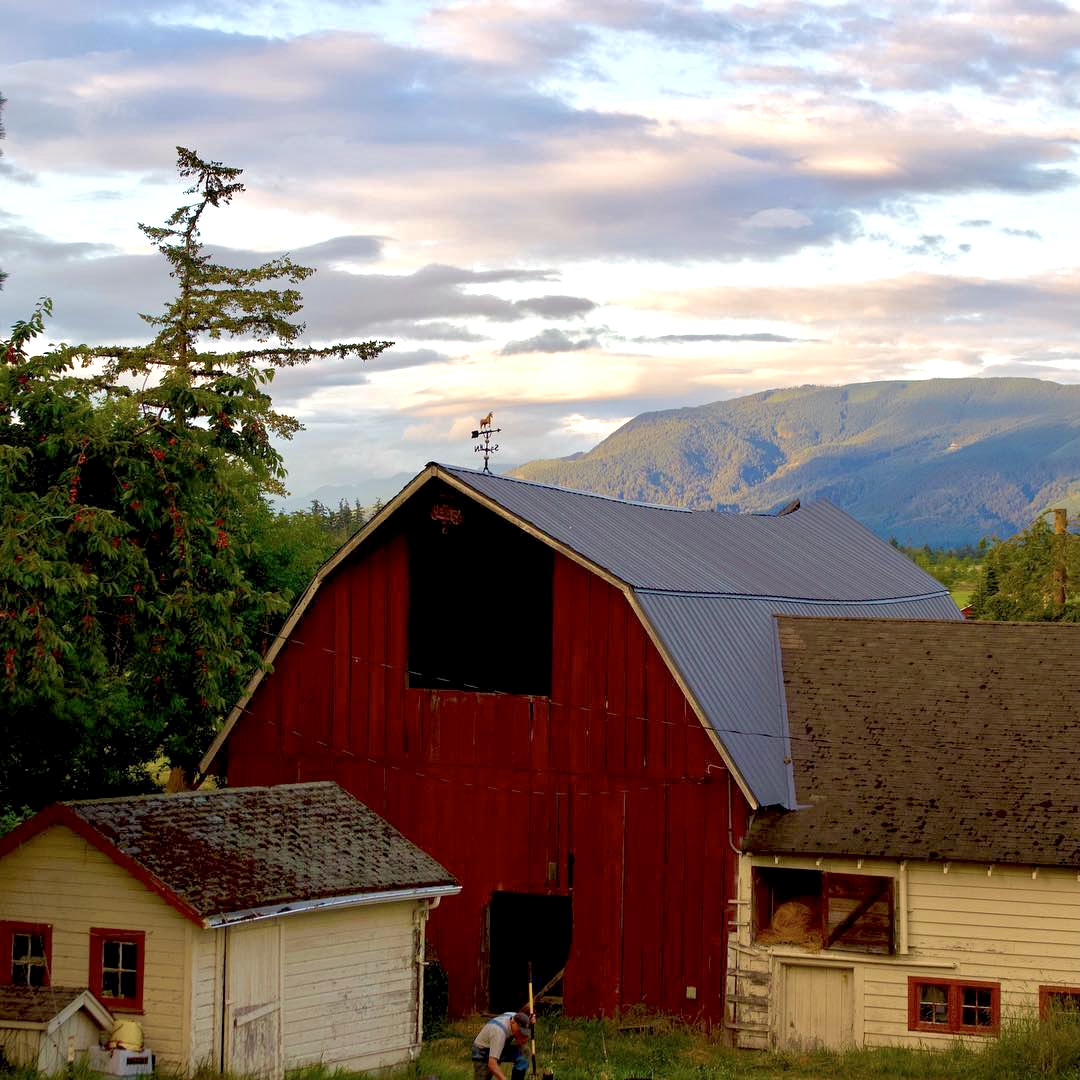
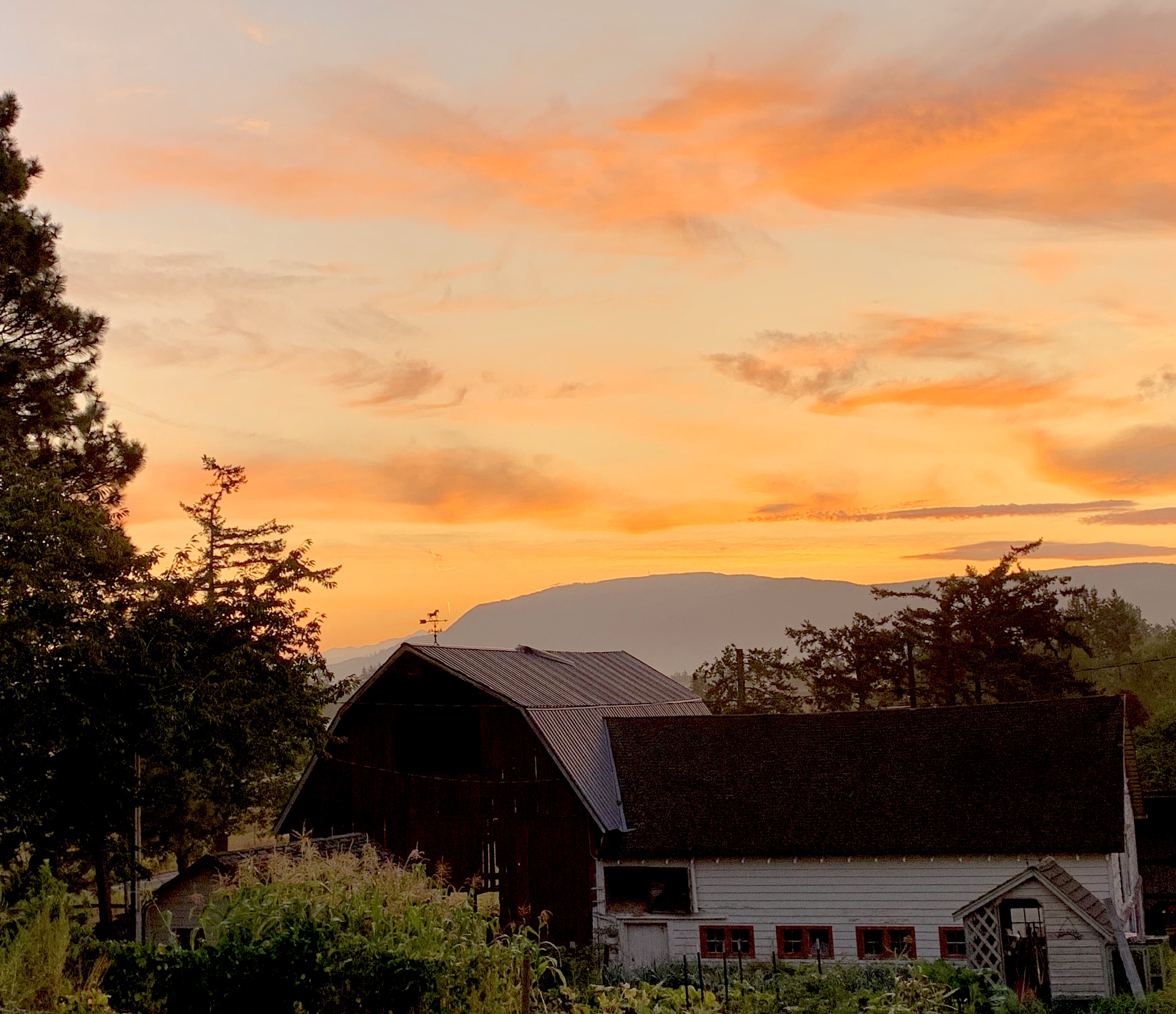
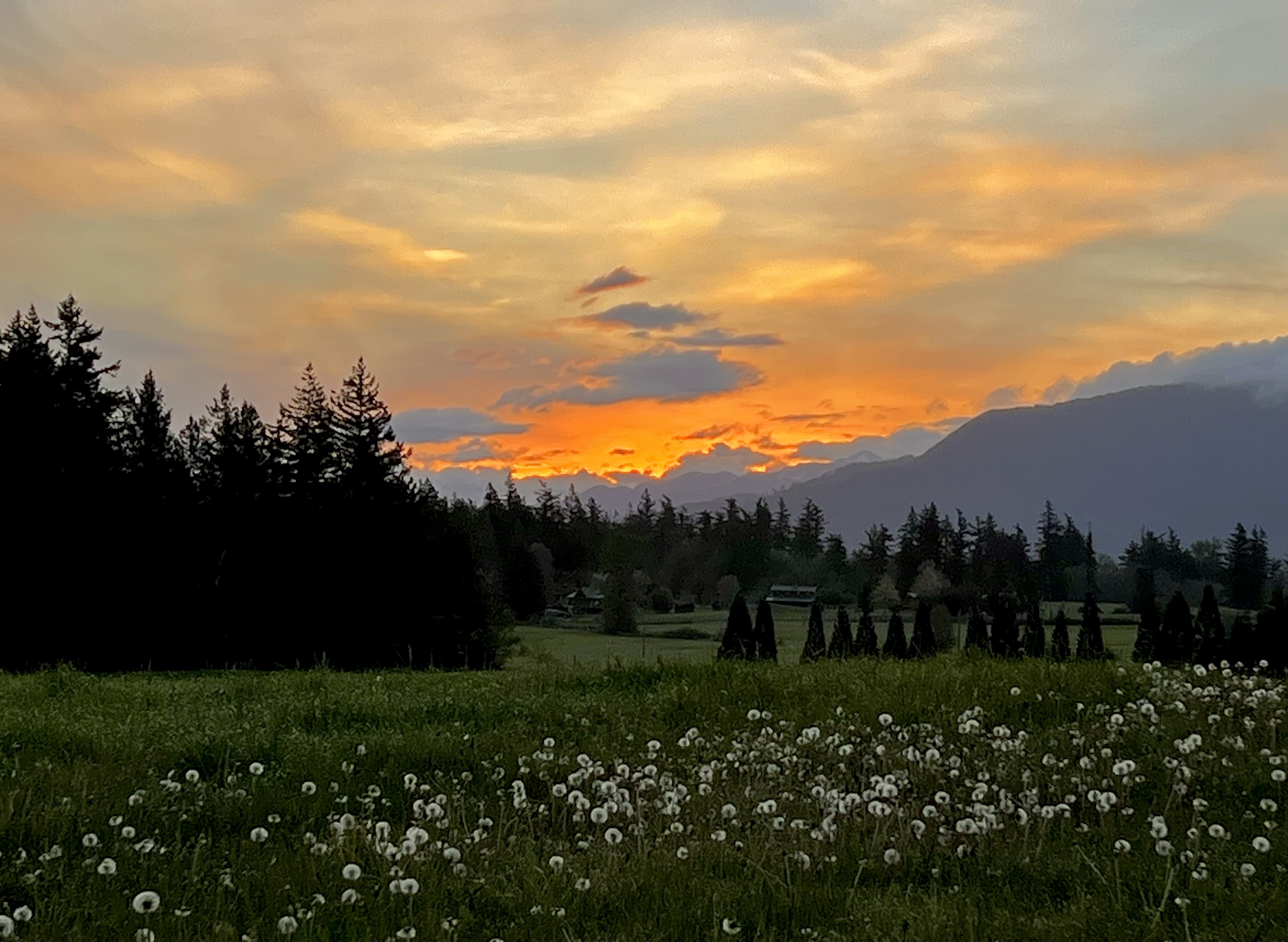
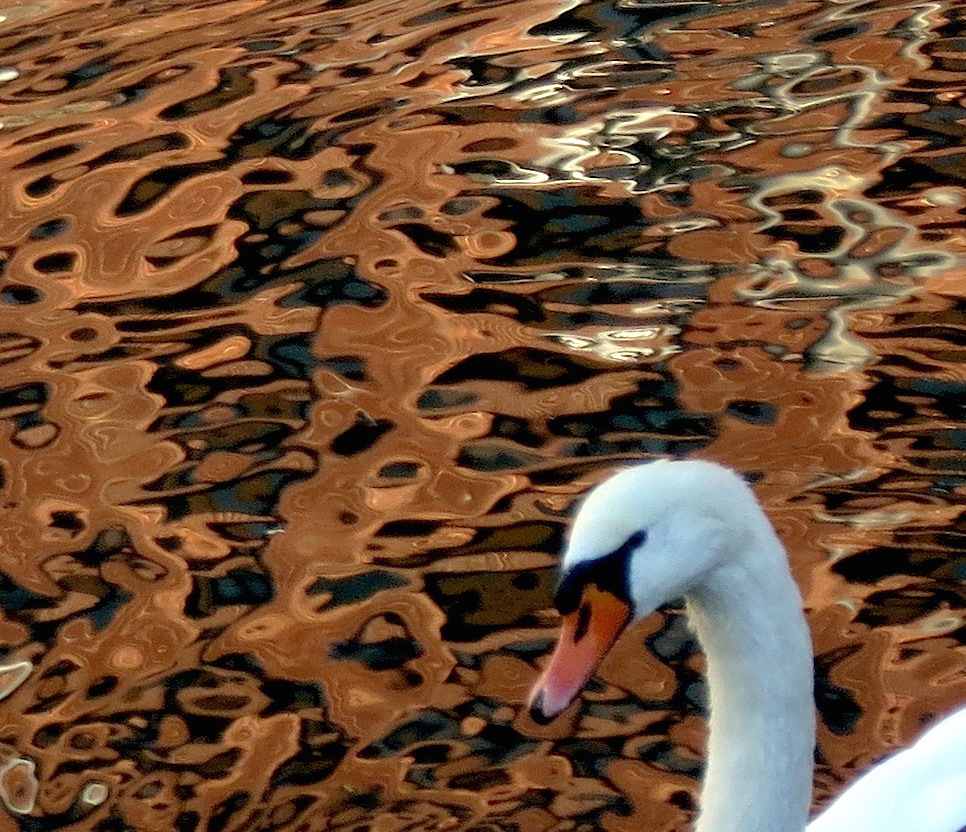
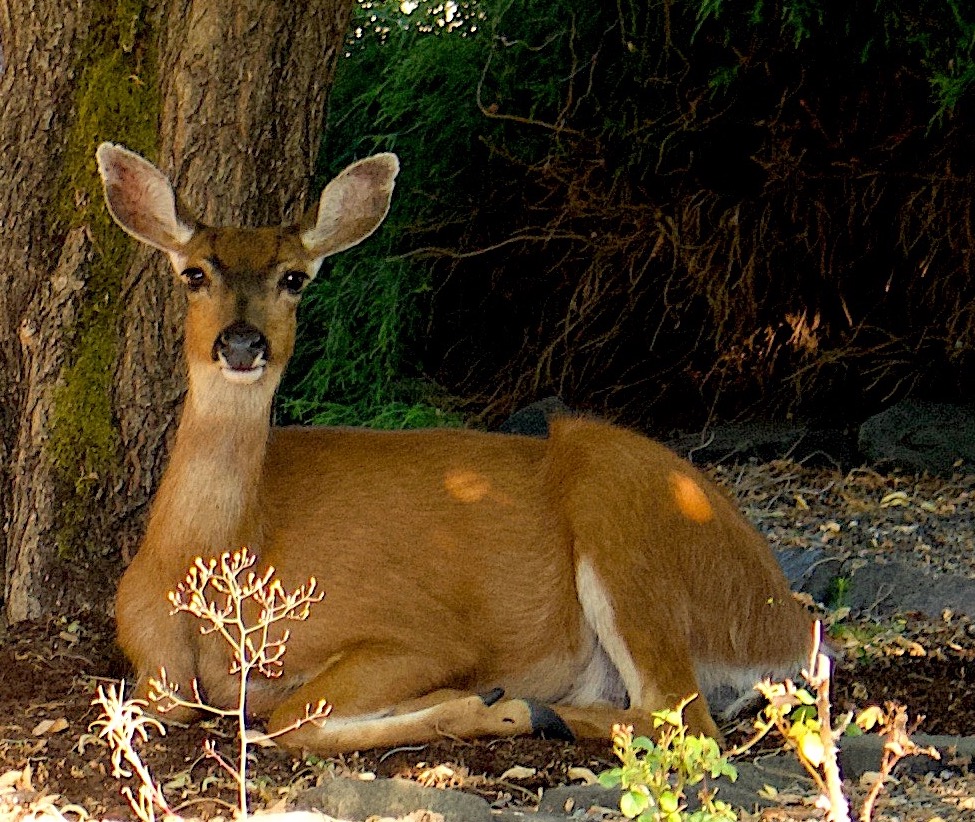
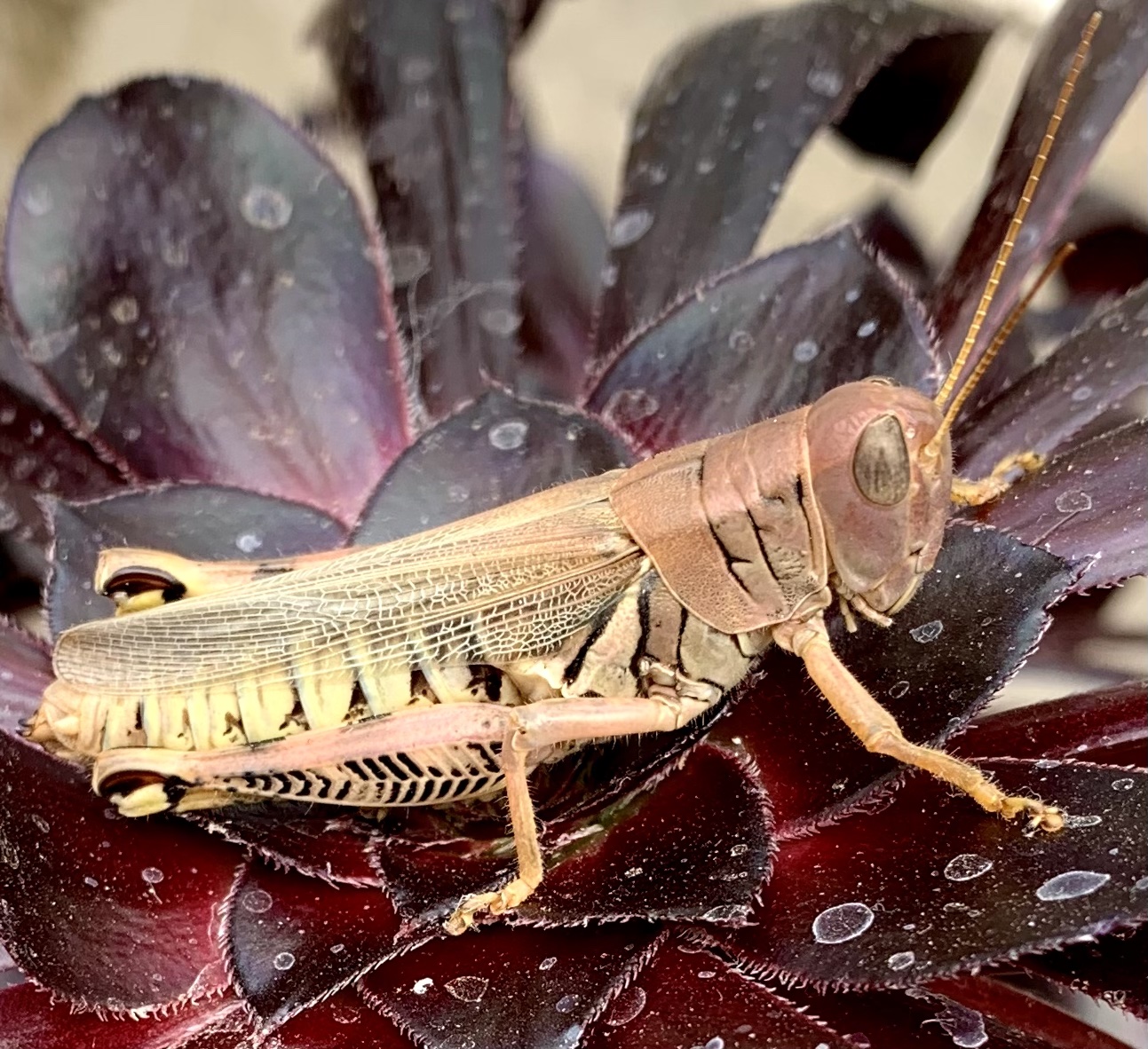
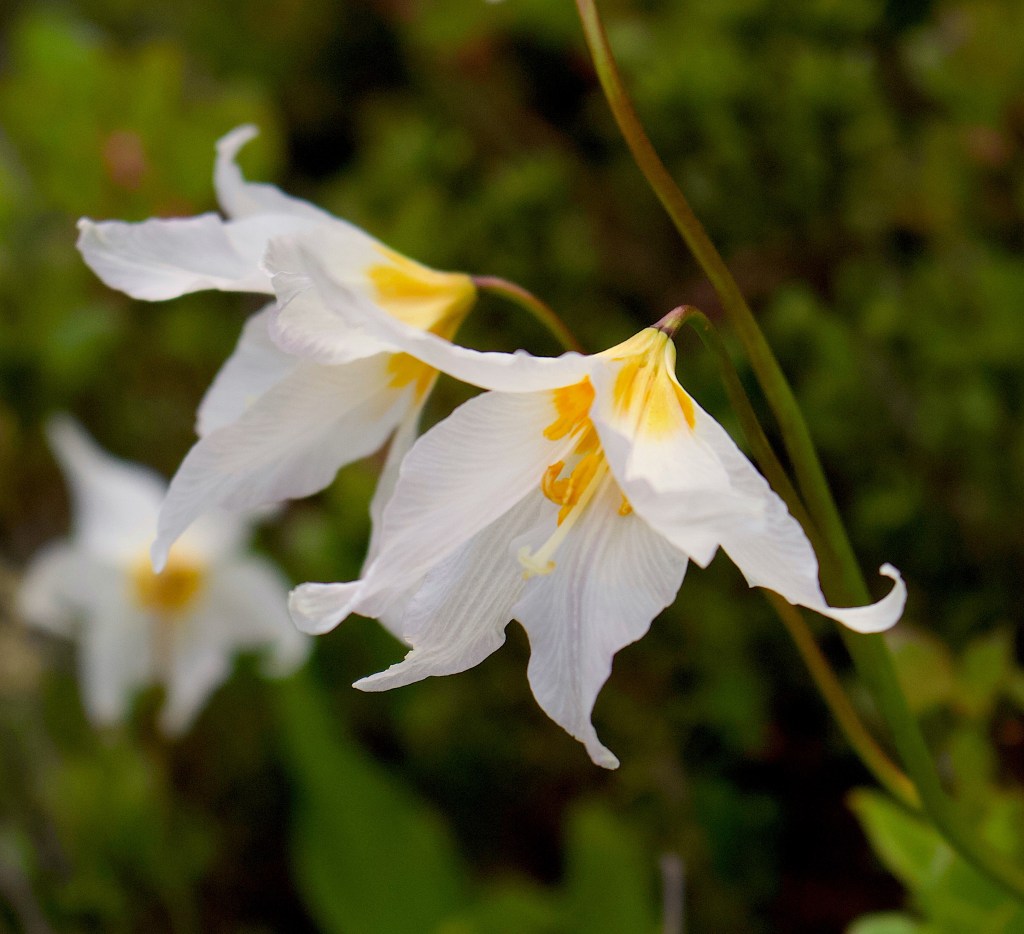
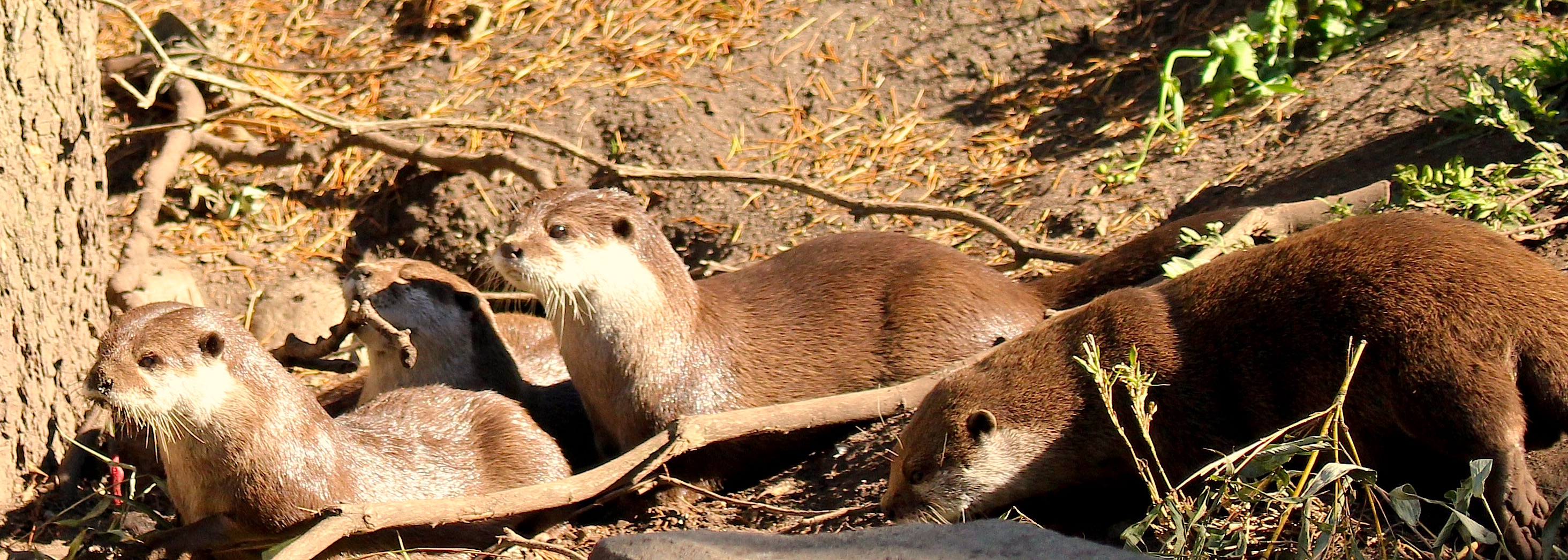
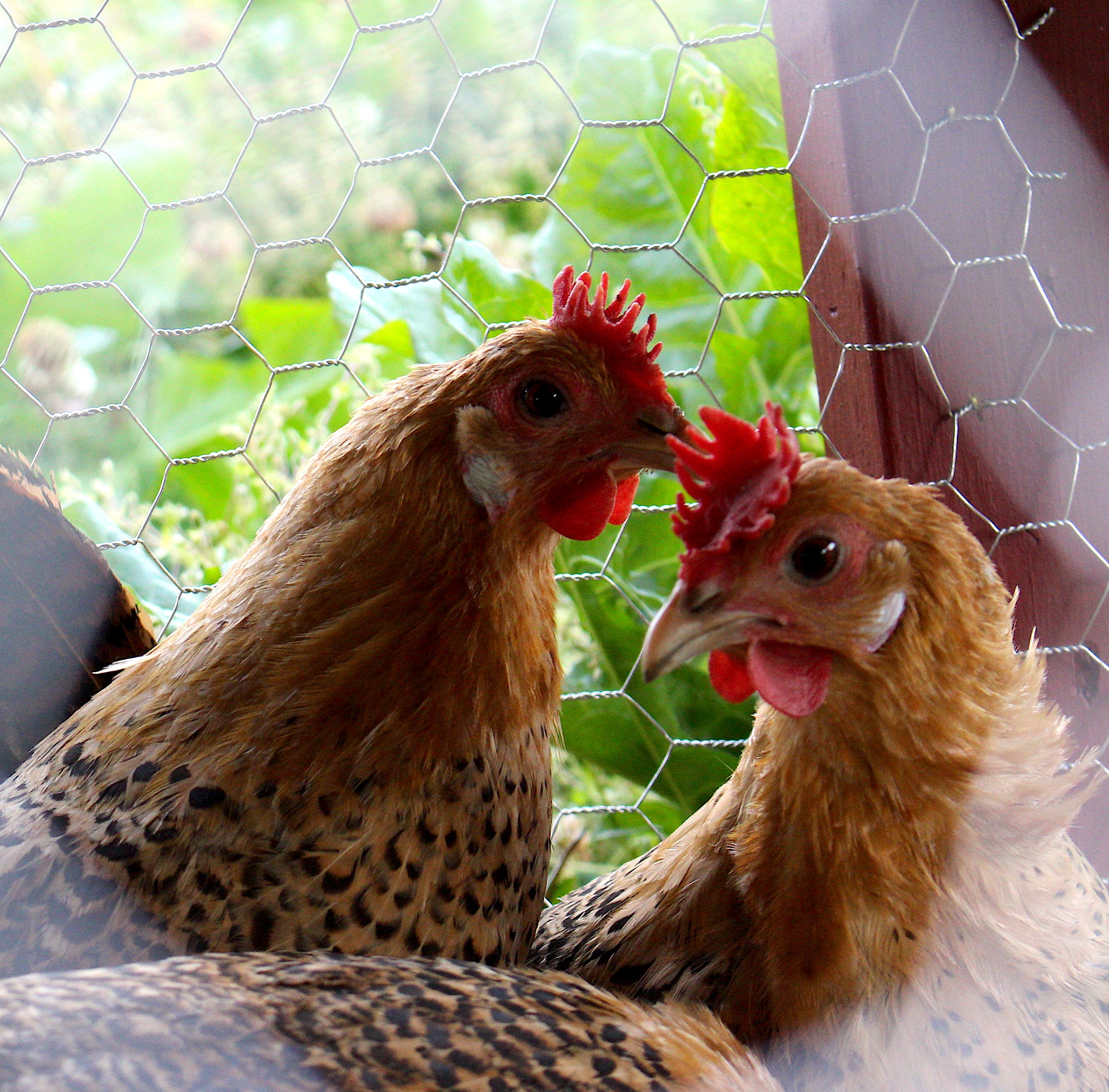
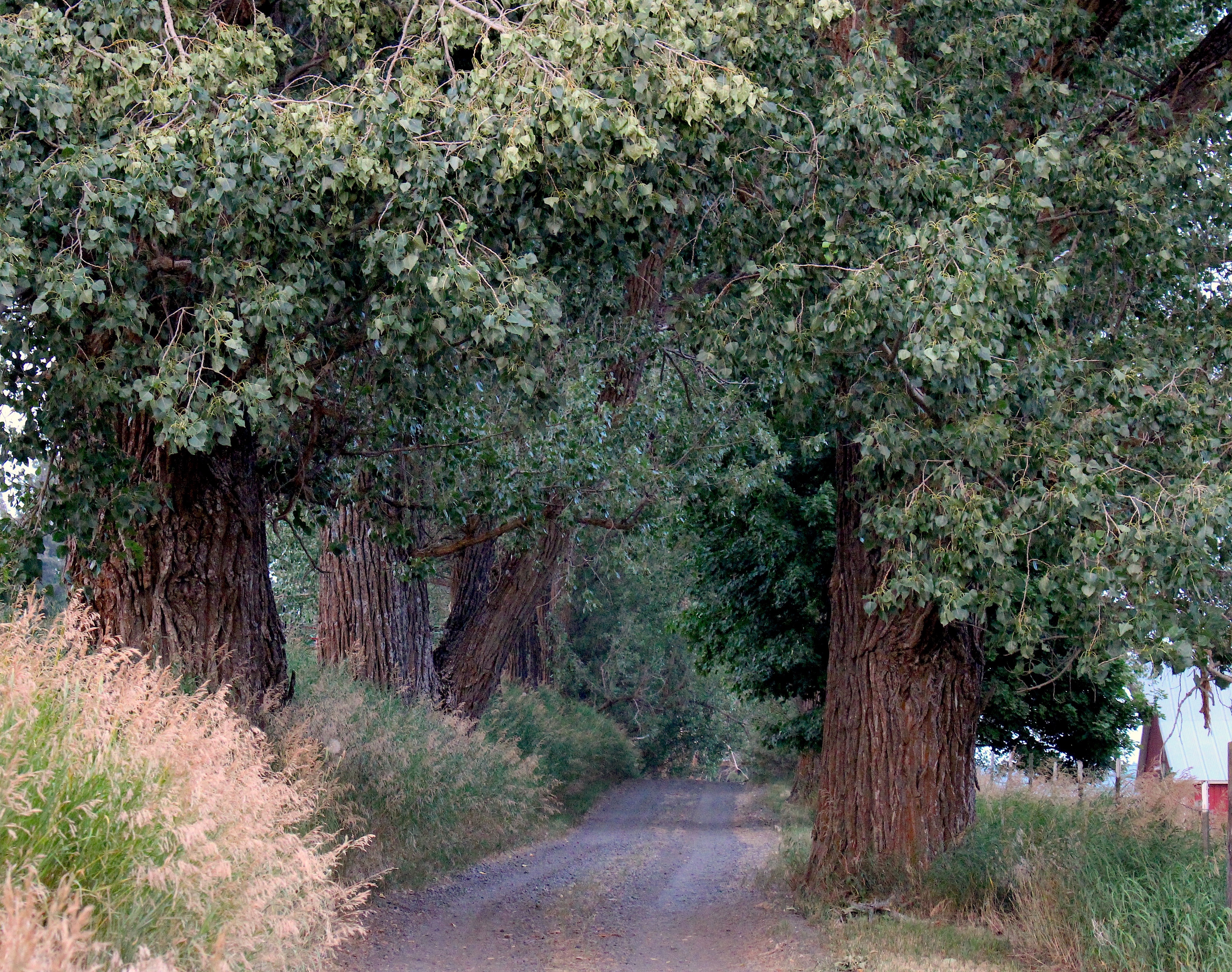
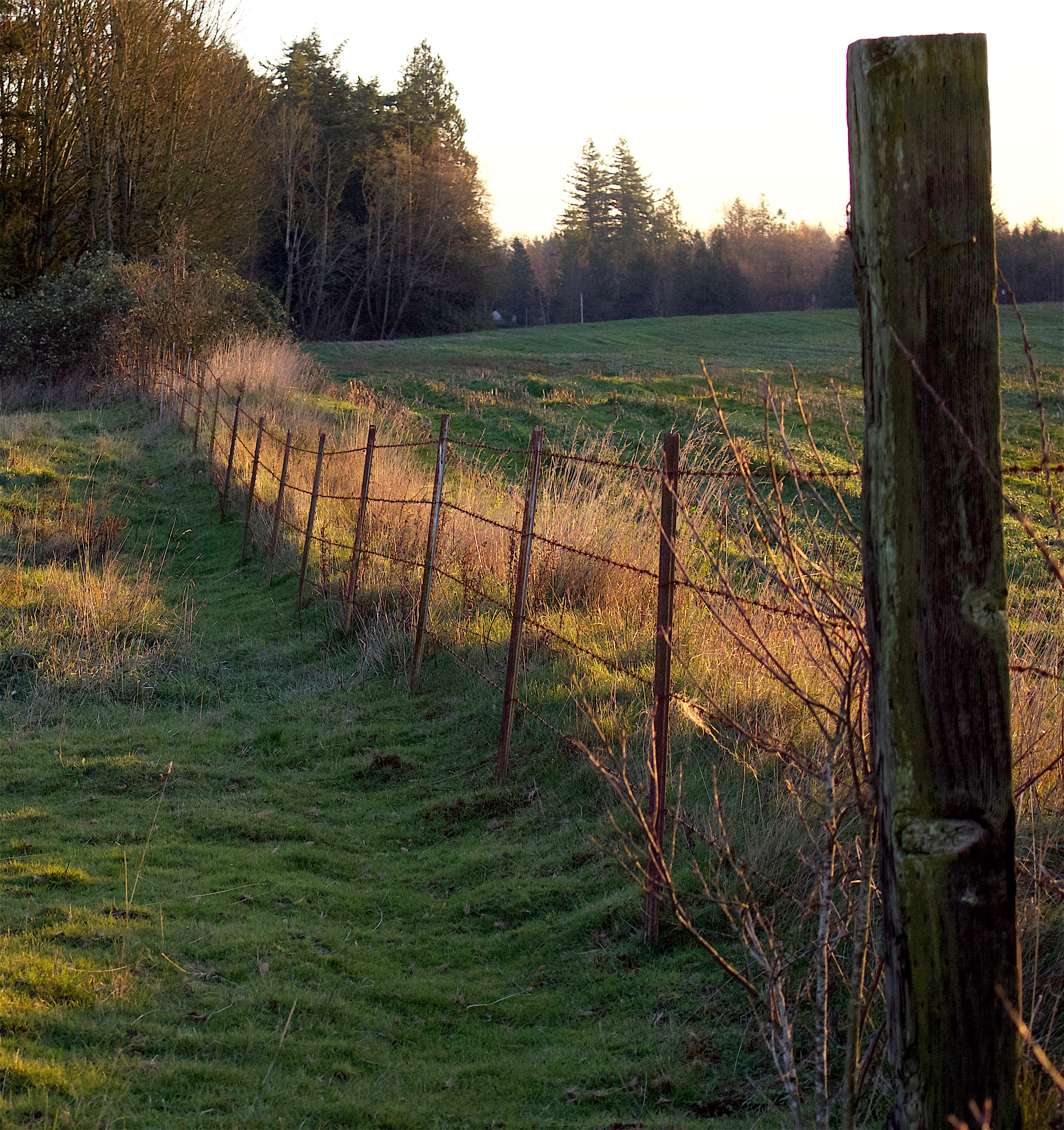
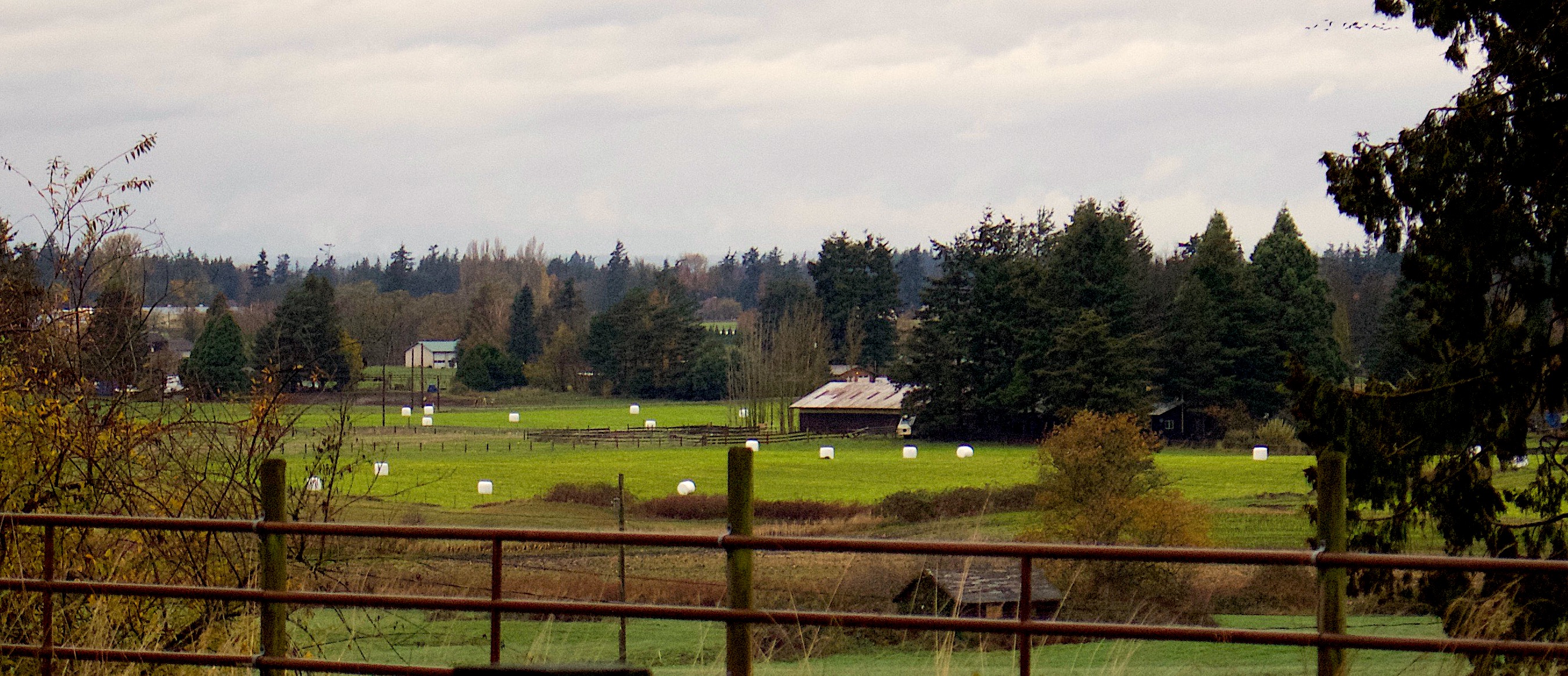
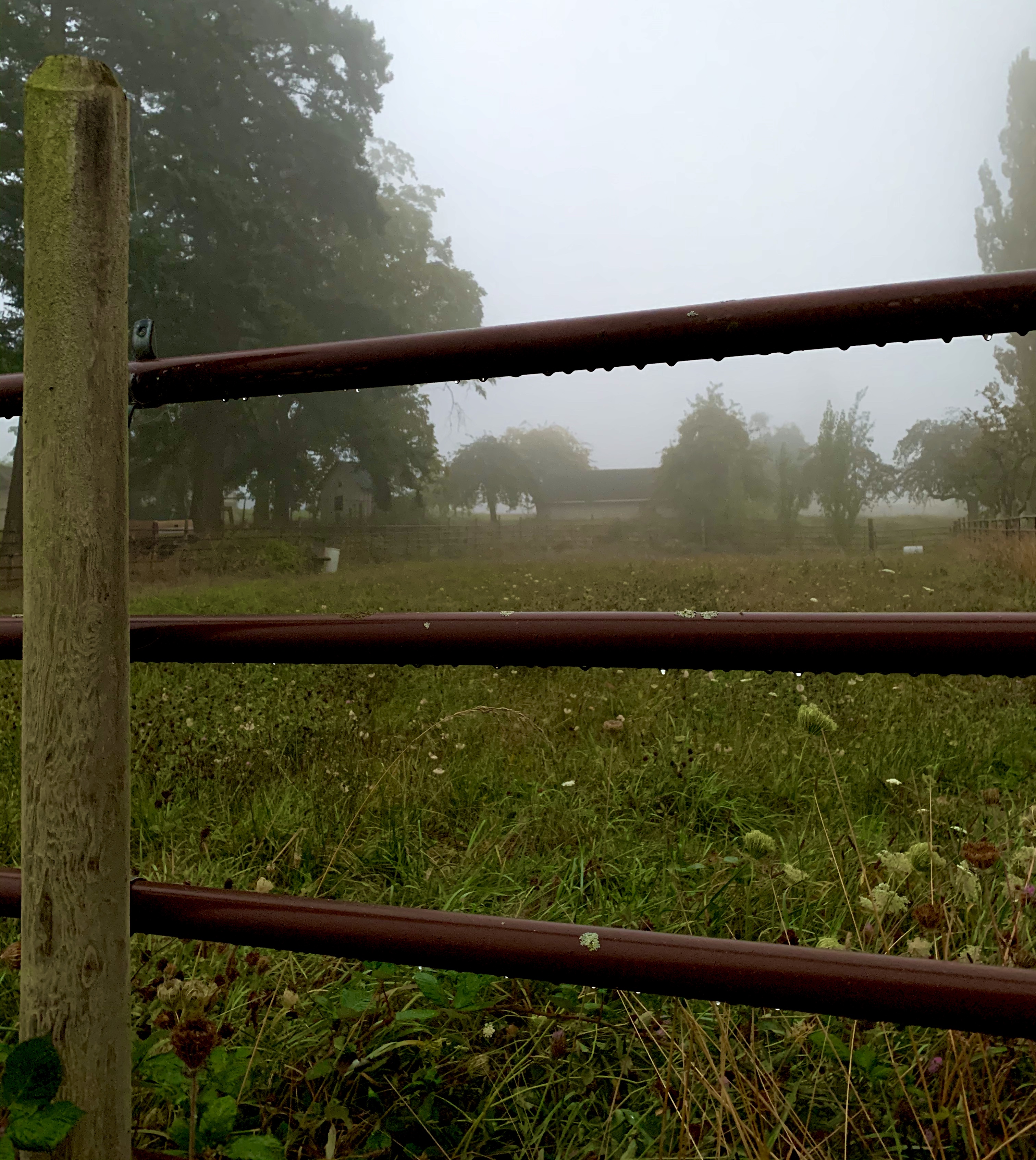
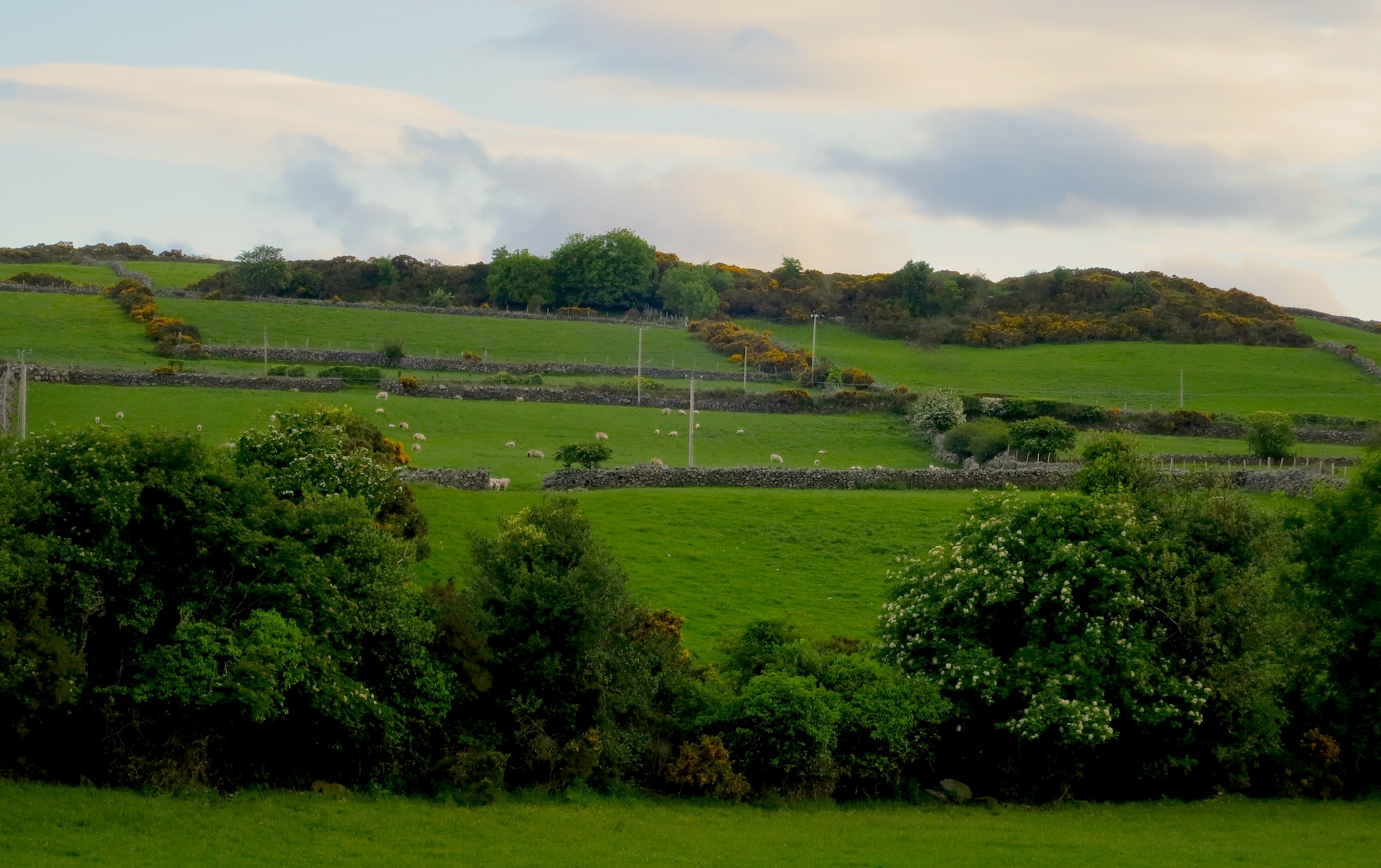
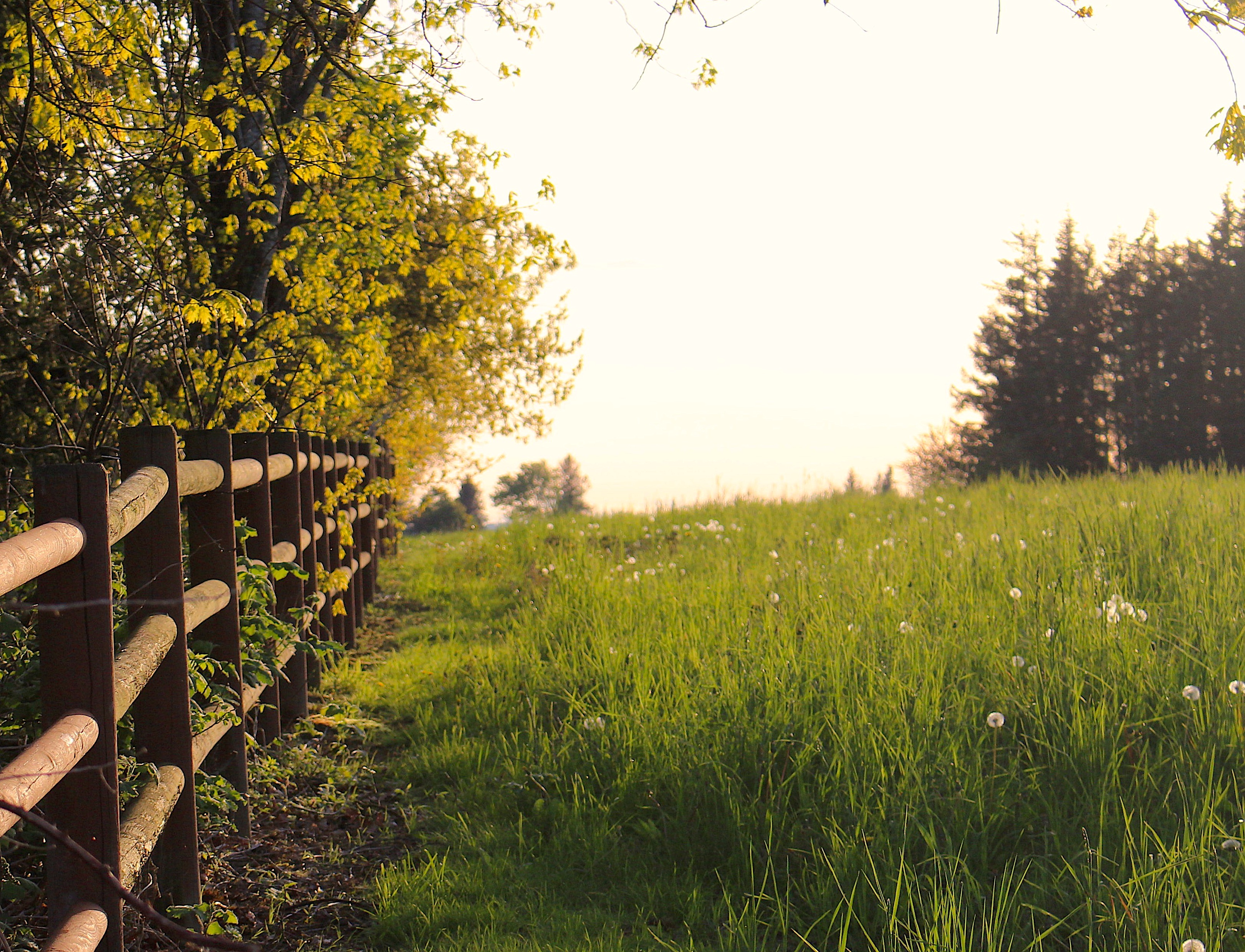
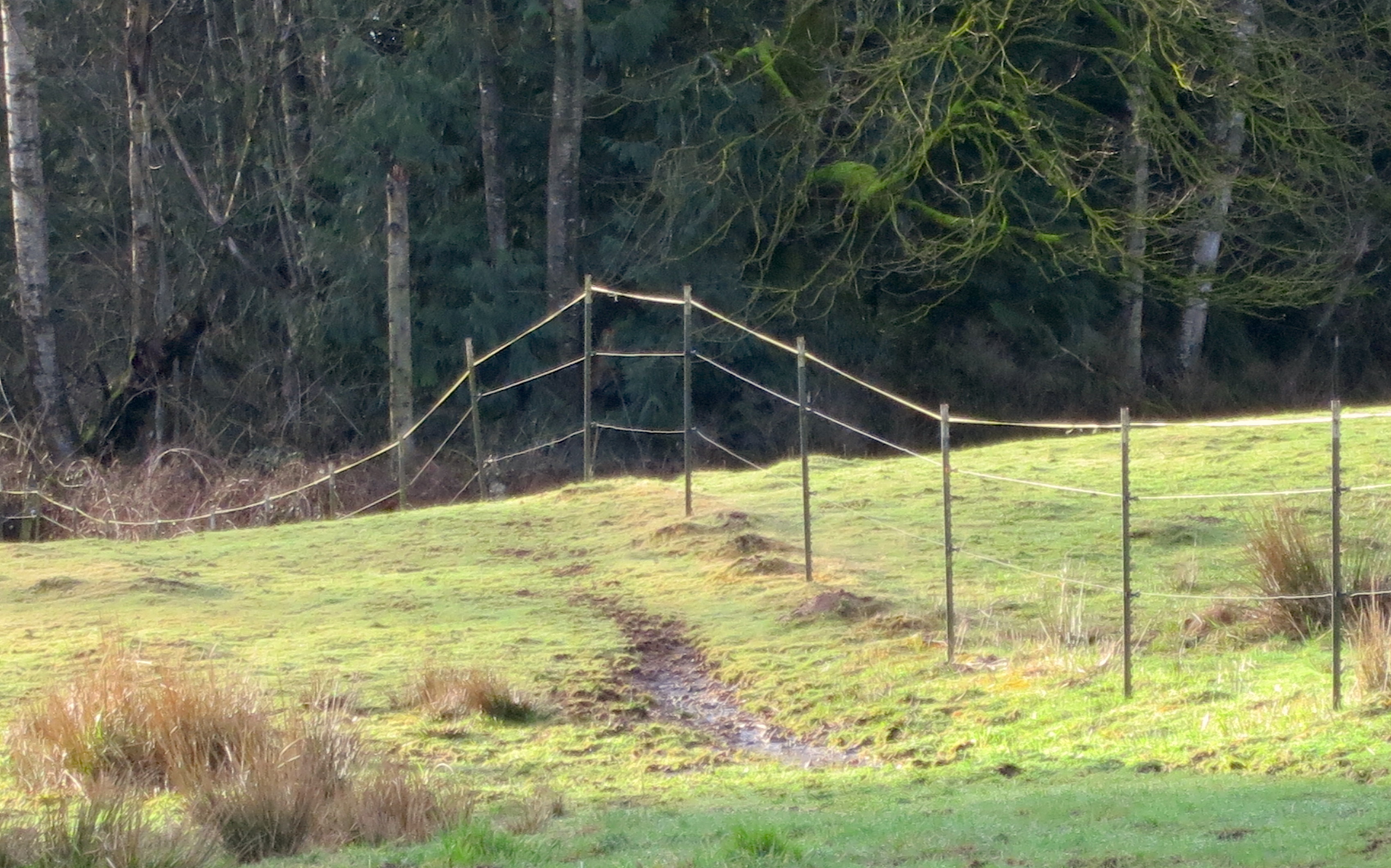
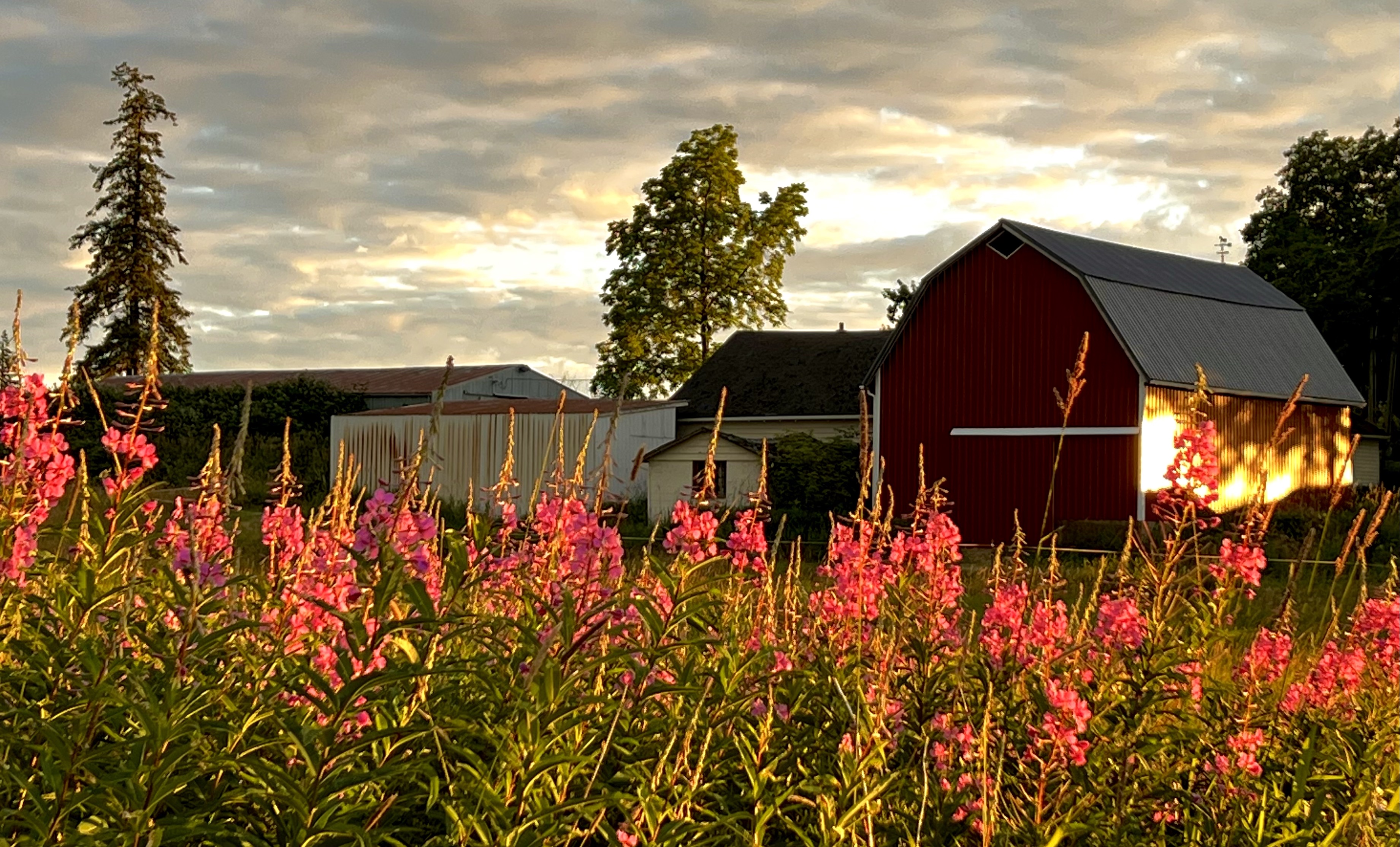
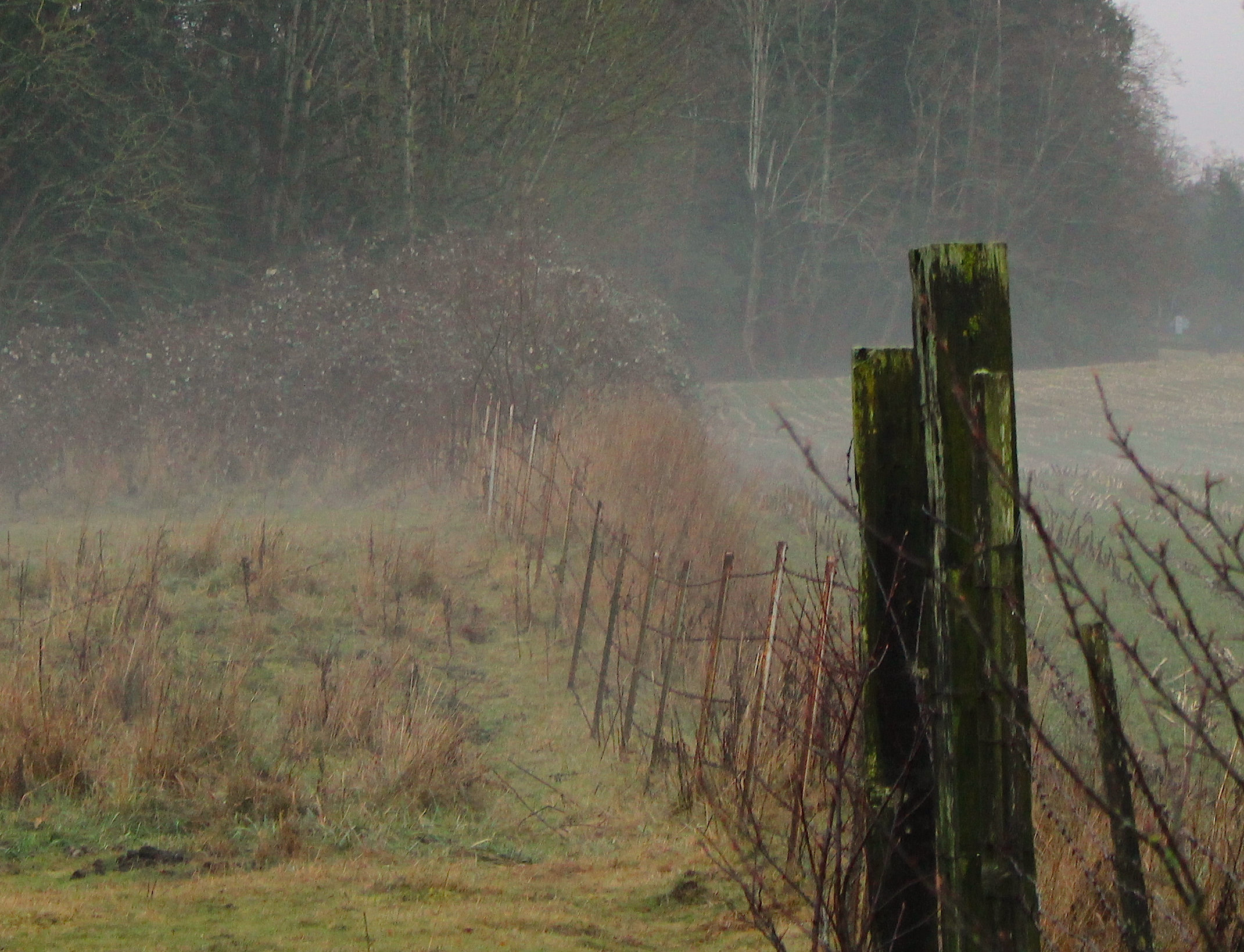
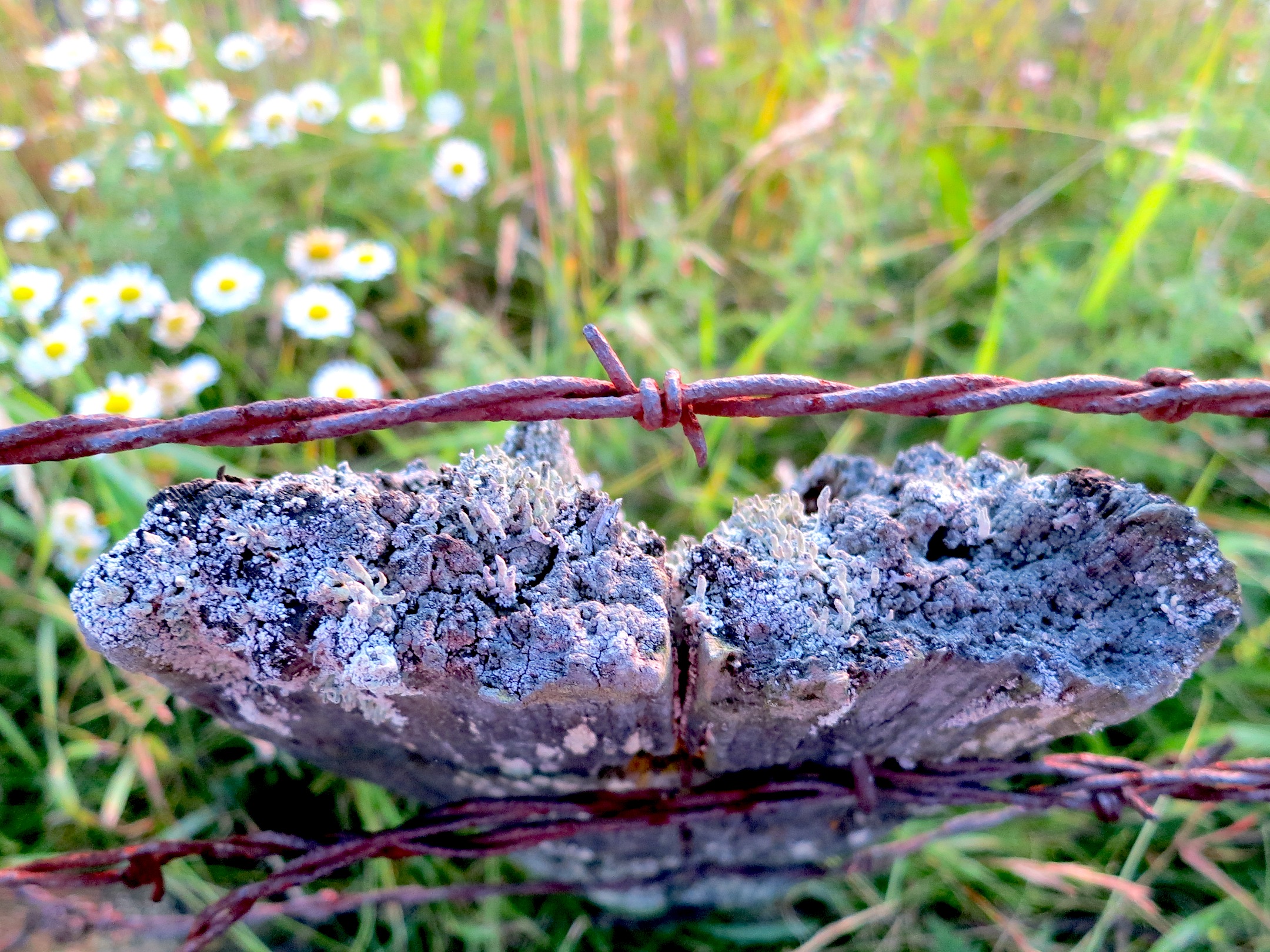
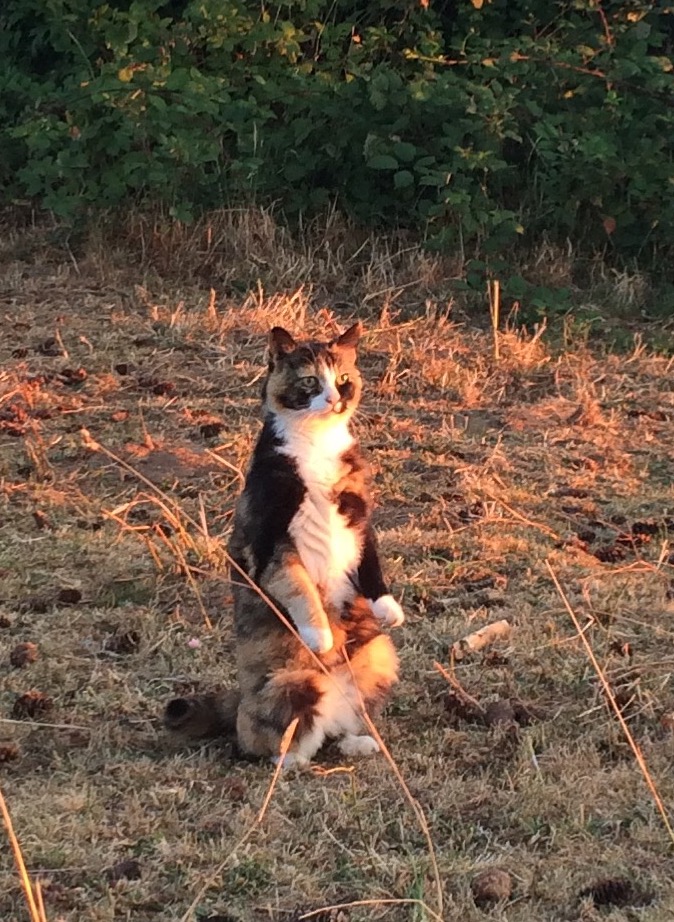
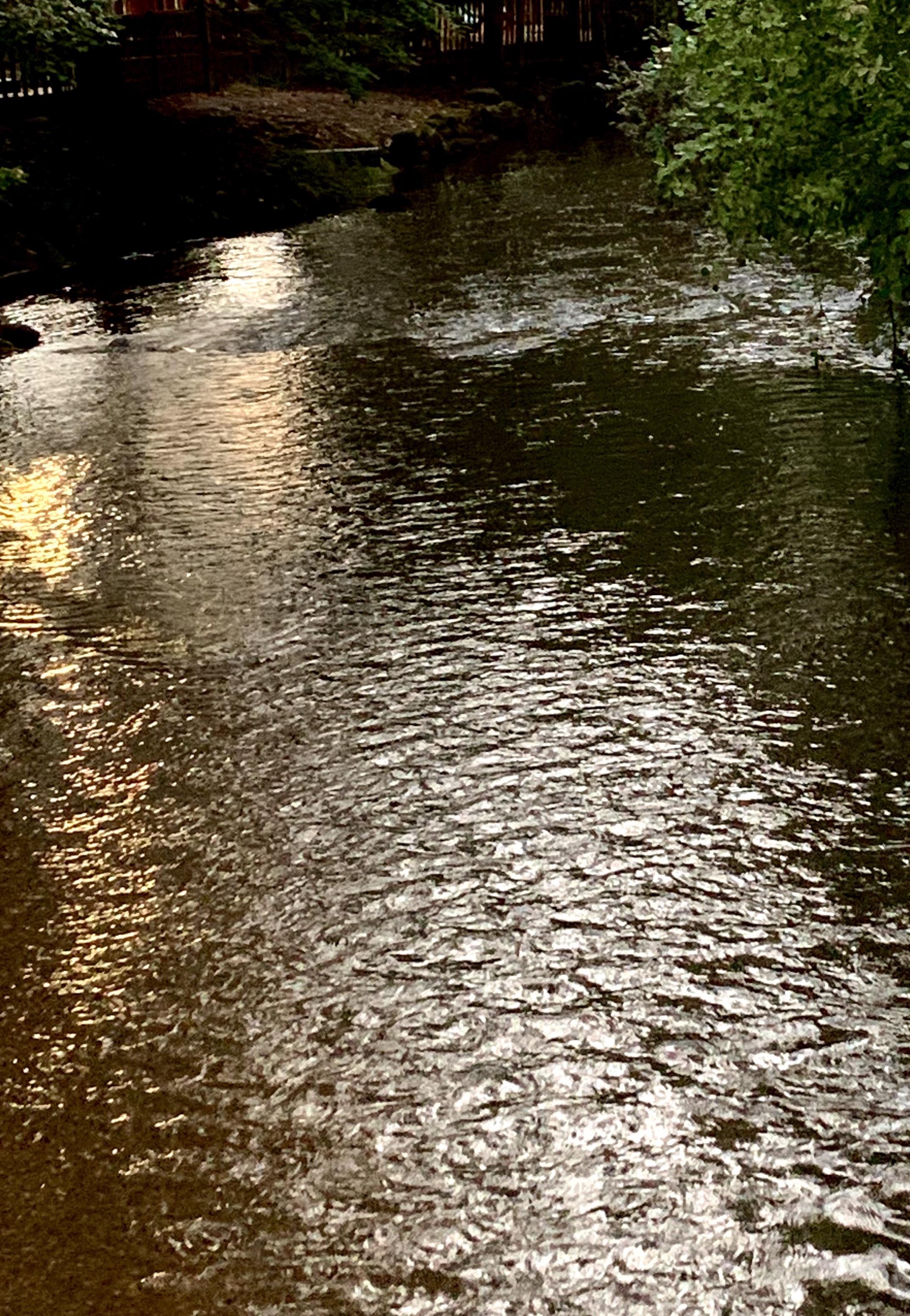
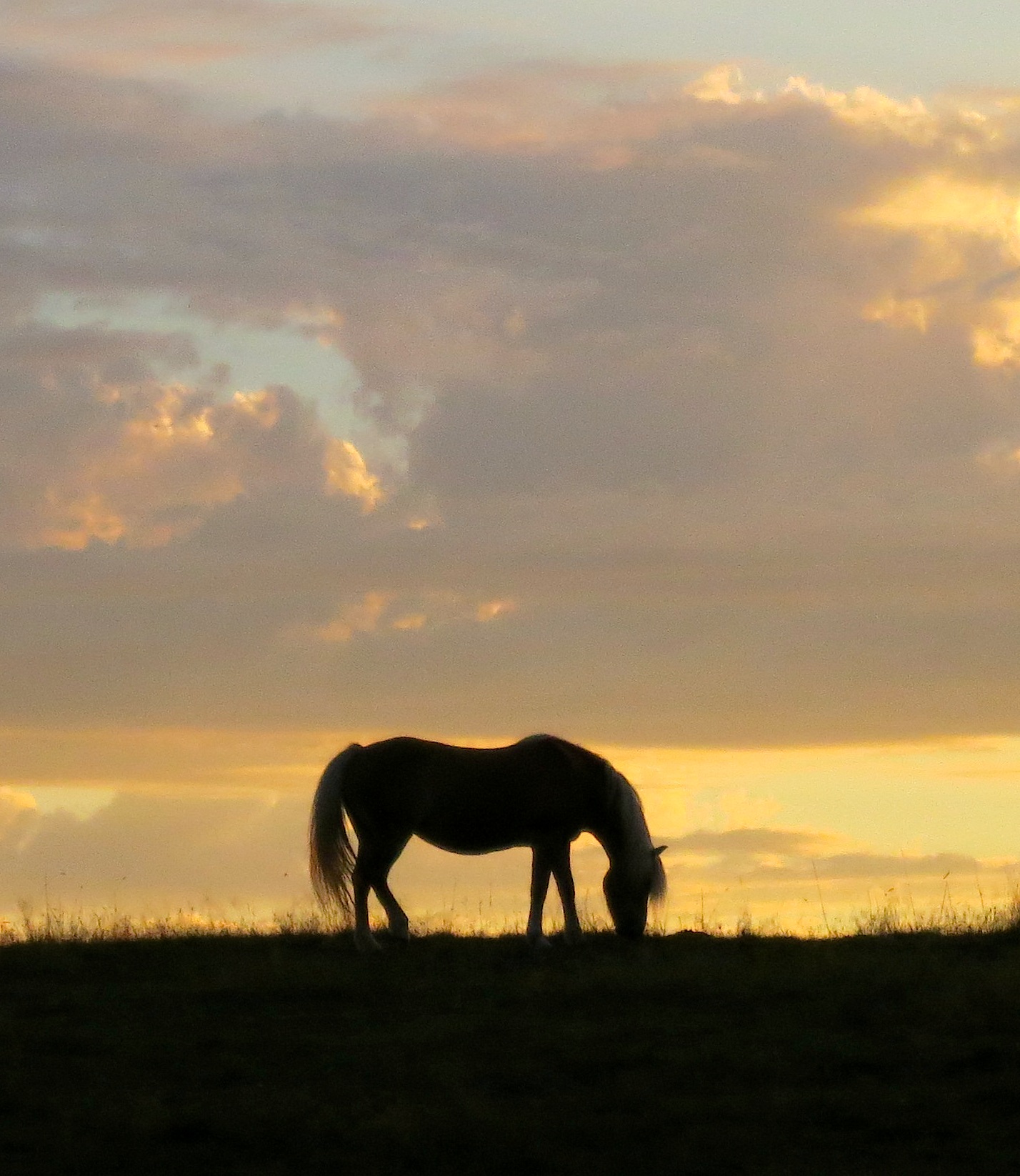
This would be a poor life indeed if we didn’t take time to stand and stare at all that is displayed before us – whether it is the golden cast at the beginning and endings of the days, the light dancing in streams or simply staring at God’s creatures staring back at us.

I need to be a child for a minute, an hour, a day, a week, or forever, just to experience the wonder of what is before me. There is nothing sweeter.
One-Time
Monthly
Yearly

Make a one-time or recurring donation
to support daily Barnstorming posts

Make a monthly donation

Make a yearly donation

Choose an amount

¤5.00
¤10.00
¤20.00
¤5.00
¤15.00
¤100.00
¤5.00
¤15.00
¤100.00

Or enter a custom amount

¤

Your contribution is deeply appreciated.

Your contribution is appreciated.

Your contribution is appreciated.

DonateDonate monthlyDonate yearly
Of Perfect Sloth

Broad August burns in milky skies,
The world is blanched with hazy heat;
The vast green pasture, even, lies
Too hot and bright for eyes and feet.

Amid the grassy levels rears
The sycamore against the sun
The dark boughs of a hundred years,
The emerald foliage of one.

Lulled in a dream of shade and sheen,
Within the clement twilight thrown
By that great cloud of floating green,
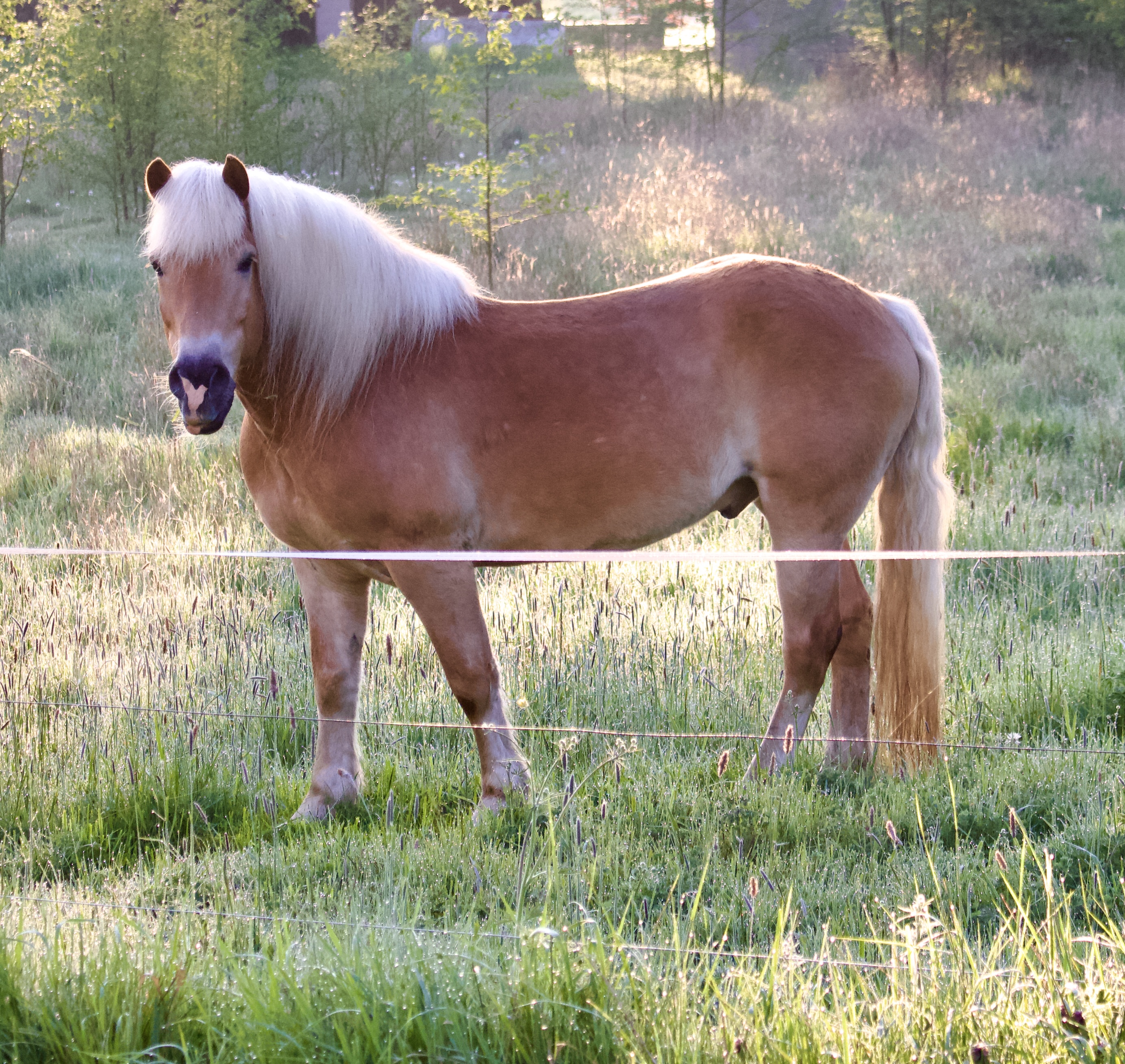
A horse is standing, still as stone.

He stirs nor head nor hoof, although
The grass is fresh beneath the branch;
His tail alone swings to and fro
In graceful curves from haunch to haunch.

He stands quite lost, indifferent
To rack or pasture, trace or rein;
He feels the vaguely sweet content
Of perfect sloth in limb and brain.
~William Canton “Standing Still”

I flunked sloth long ago.  Perhaps I was born driven.  My older sister, never a morning person, was thoroughly annoyed to share a bedroom with a toddler who awoke chirpy and cheerful, singing “Twinkle Twinkle” for all to hear and ready to conquer the day.

Since retiring, I admit I am becoming accustomed now to sloth-dom. I am still too cheerful in the early morning. It is a distinct character flaw.

Even so, I’m not immune to the attractions of a hot hazy day of doing absolutely nothing but standing still switching at flies. I envy our retired ponies in the pasture who spend the day grazing, moseying, and lazing because … I have worked hard to make that life possible for them.

I want to use my days well yet I know August was invented for lulling about. Maybe there is a reason to be here beyond just warning the flies away but I’m not working hard to find out what it might be. So perhaps I’ll get a passing grade in sloth after all.

One-Time
Monthly
Yearly

Make a one-time or recurring donation to support daily Barnstorming posts

Make a monthly donation

Make a yearly donation

Choose an amount

¤5.00
¤10.00
¤20.00
¤5.00
¤15.00
¤100.00
¤5.00
¤15.00
¤100.00

Or enter a custom amount

¤

Your contribution is deeply appreciated.

Your contribution is appreciated.

Your contribution is appreciated.

DonateDonate monthlyDonate yearly
Radical Gratitude

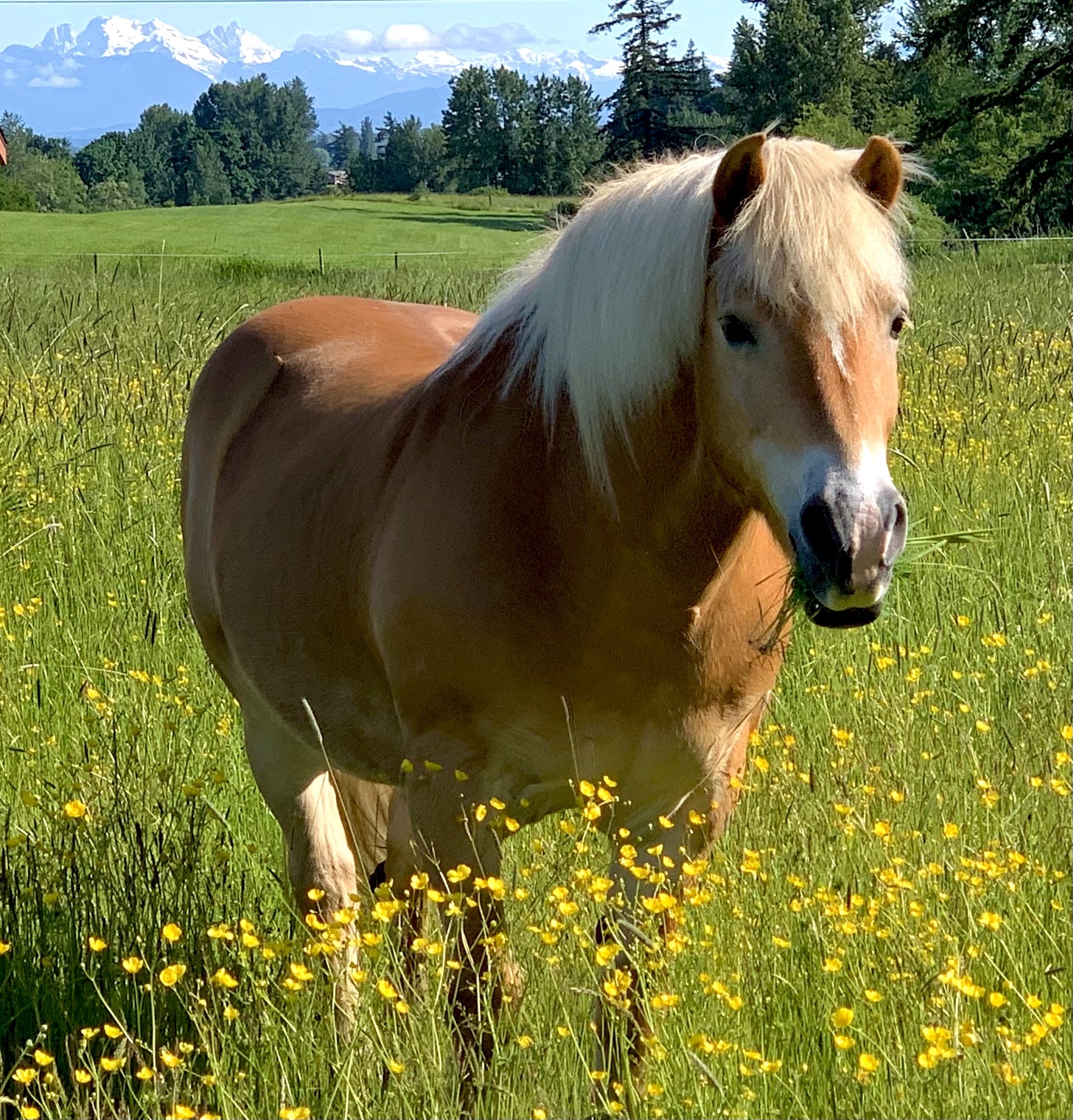
There is always an enormous temptation in all of life to diddle around making itsy-bitsy friends and meals and journeys for itsy-bitsy years on end. It is so self-conscious, so apparently moral, simply to step aside from the gaps where the creeks and winds pour down, saying, I never merited this grace, quite rightly, and then to sulk along the rest of your days on the edge of rage.

I won’t have it. The world is wilder than that in all directions, more dangerous and bitter, more extravagant and bright.

We are making hay when we should be making whoopee;
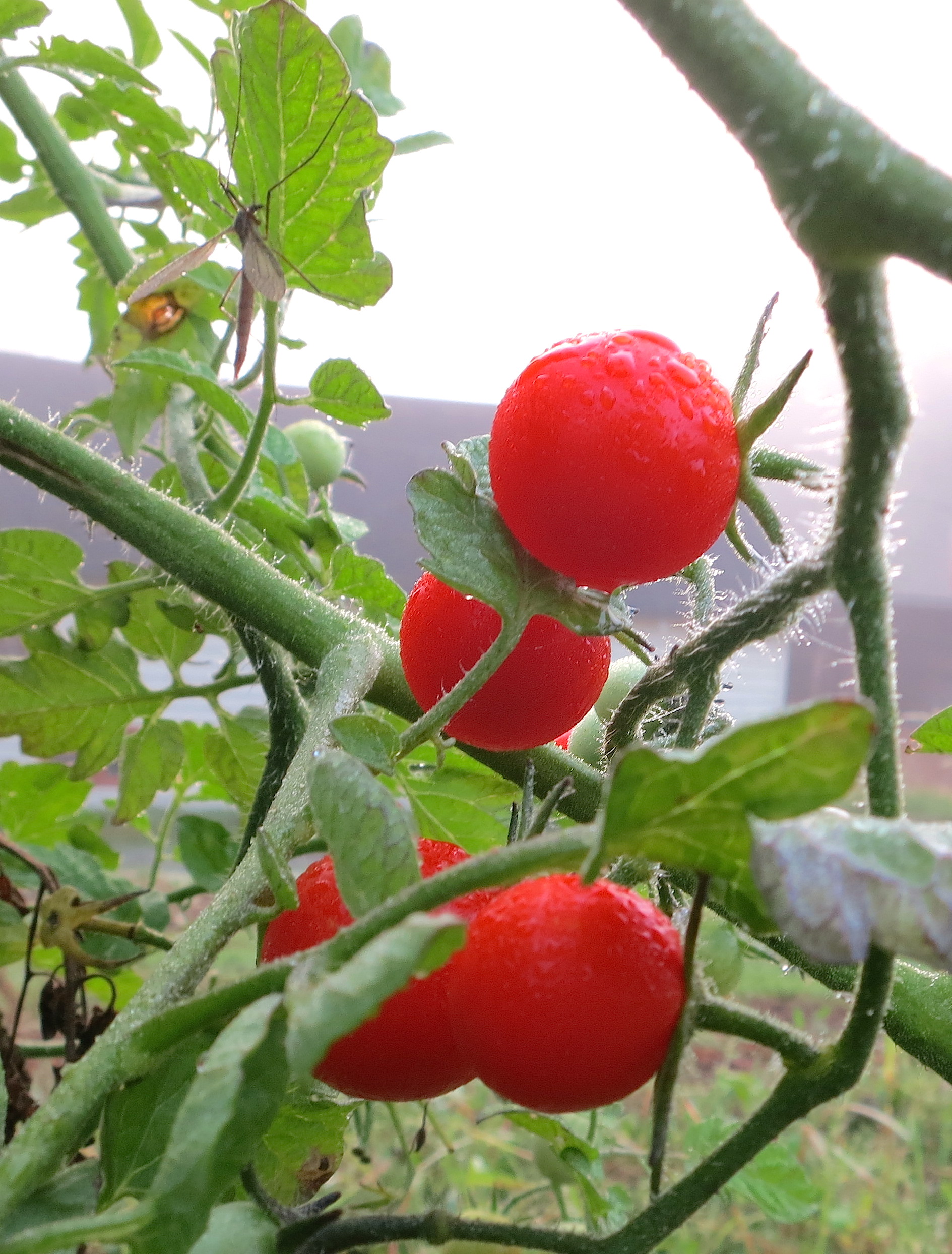
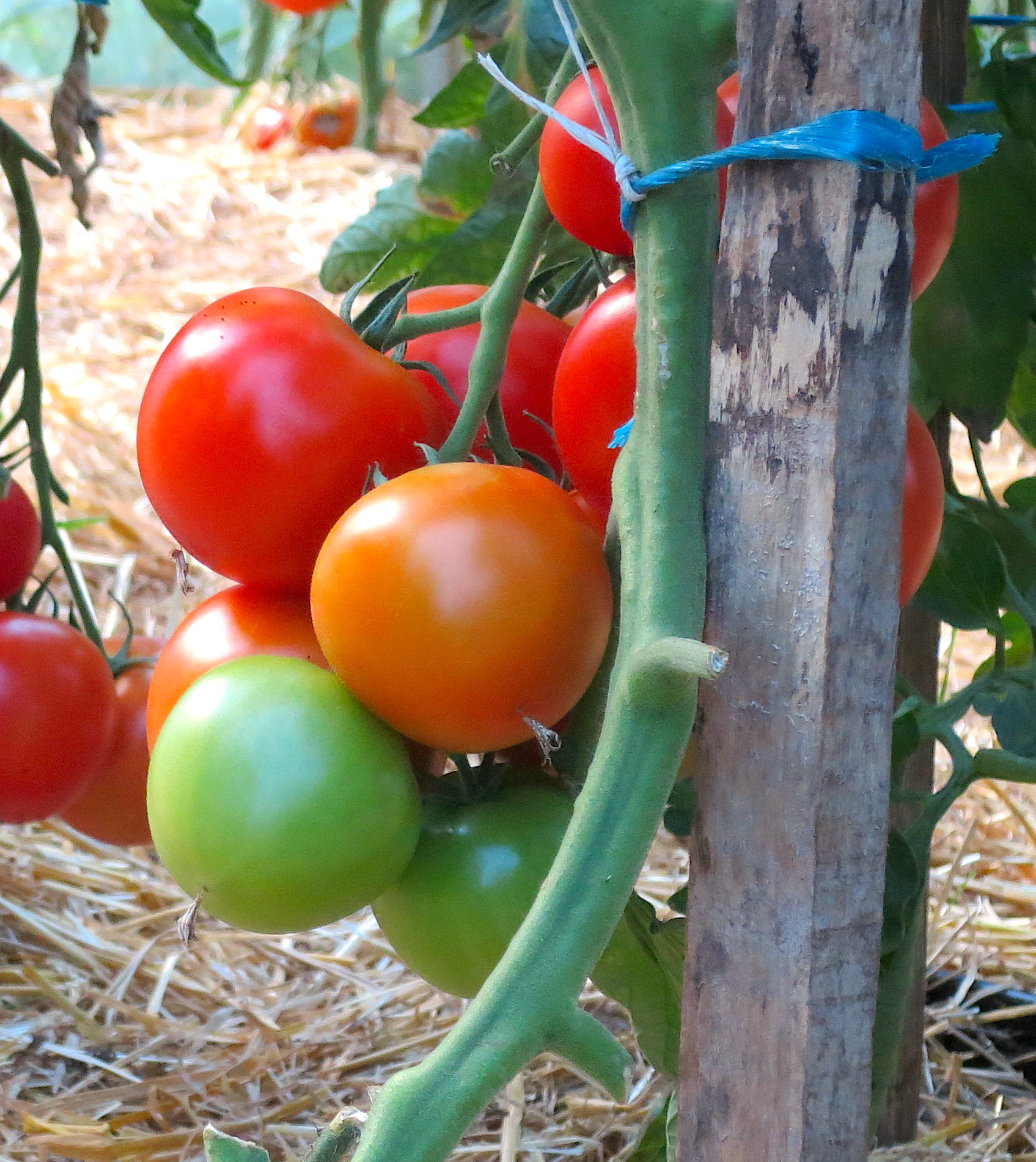
we are raising tomatoes when we should be raising Cain,
or Lazarus.
~Annie Dillard from Pilgrim at Tinker Creek

Other than a few exceptional circumstances in my life, I have always played it safe: a down-home, don’t rock the boat, work hard and live-a-quiet-life kind of person. My grandparents lived that way, my parents lived that way so I feel like it is bound in the twists and turns of my DNA.

Even so, I do know a thing or two about sulking on the edge of rage, lost in a morass of seething bitterness about the state of the world.  Yet if I were honest about it, my discontent is all about me, always about me. I want to have accomplished more to deserve taking up space in my days on earth.

But that’s a problem we all have, isn’t it? We’re never worthy of such unmerited grace as has been shown to us.  It is such a pure Gift I wait for, borne out of God’s radical sacrifice that warrants from me a life of radical gratitude, even when I choose to live it out a little quietly, making hay and raising tomatoes.

One-Time
Monthly
Yearly

Make a one-time or recurring donation to support daily Barnstorming posts

Make a monthly donation

Make a yearly donation

Choose an amount

¤5.00
¤10.00
¤20.00
¤5.00
¤15.00
¤100.00
¤5.00
¤15.00
¤100.00

Or enter a custom amount

¤

Your contribution is deeply appreciated.

Your contribution is appreciated.

Your contribution is appreciated.

DonateDonate monthlyDonate yearly
With All My Heart

Leave the dishes.
Let the celery rot in the bottom drawer of the refrigerator
and an earthen scum harden on the kitchen floor.
Leave the black crumbs in the bottom of the toaster.
Throw the cracked bowl out and don’t patch the cup.
Don’t patch anything. Don’t mend. Buy safety pins.
Don’t even sew on a button.
Let the wind have its way, then the earth
that invades as dust and then the dead
foaming up in gray rolls underneath the couch.
Talk to them. Tell them they are welcome.
Don’t keep all the pieces of the puzzles
or the doll’s tiny shoes in pairs, don’t worry
who uses whose toothbrush or if anything
matches, at all.
Except one word to another. Or a thought.
Pursue the authentic—decide first
what is authentic,
then go after it with all your heart.
Your heart, that place
you don’t even think of cleaning out.
That closet stuffed with savage mementos.
Don’t sort the paper clips from screws from saved baby teeth
or worry if we’re all eating cereal for dinner
again. Don’t answer the telephone, ever,
or weep over anything at all that breaks.
Pink molds will grow within those sealed cartons
in the refrigerator. Accept new forms of life
and talk to the dead
who drift in through the screened windows, who collect
patiently on the tops of food jars and books.
Recycle the mail, don’t read it, don’t read anything
except what destroys
the insulation between yourself and your experience
or what pulls down or what strikes at or what shatters
this ruse you call necessity

~Louise Erdrich “Advice to Myself”

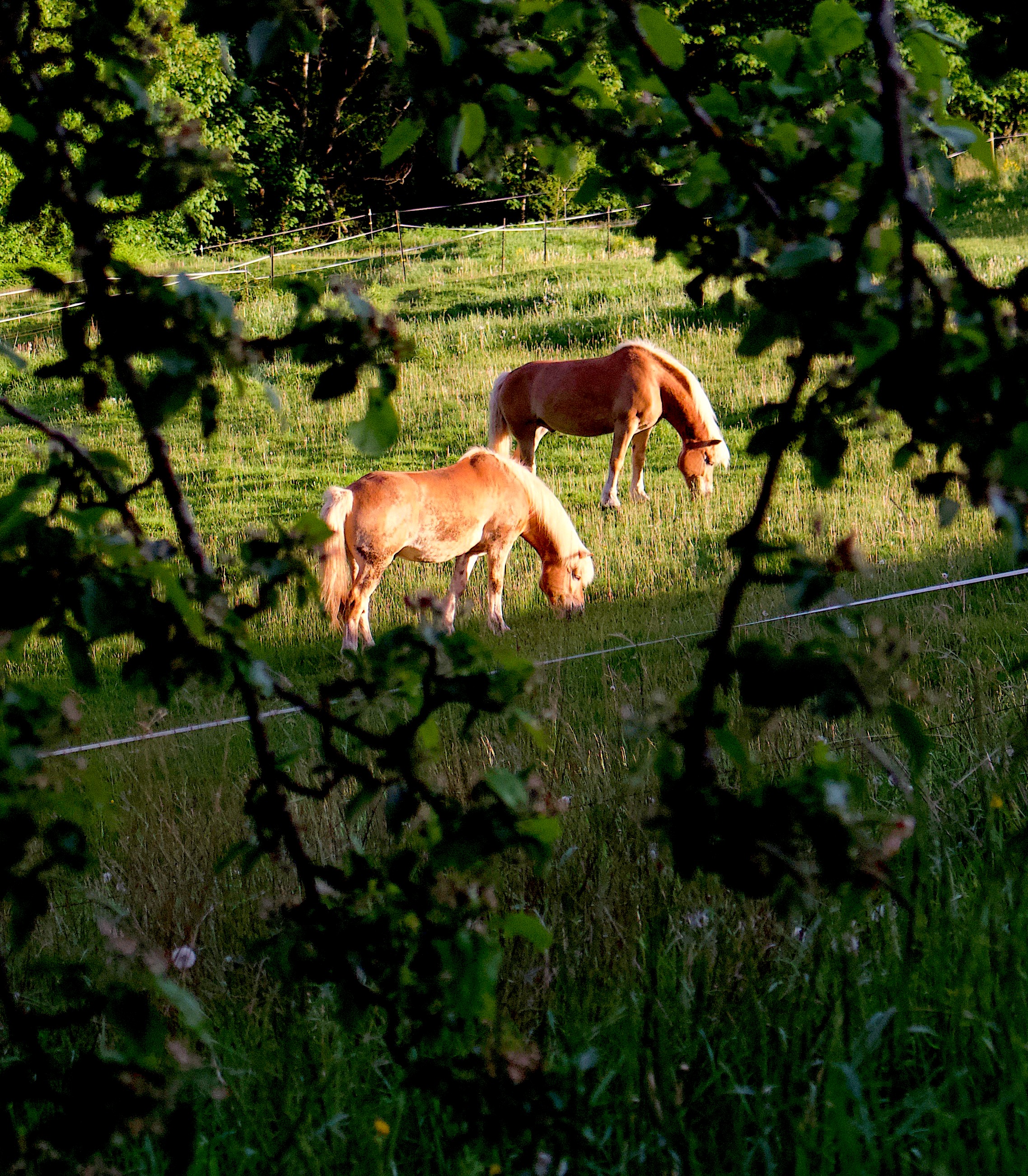
I am a messy person, coming from a long line of messy people. My paternal grandmother never had a clear kitchen counter, or a dining room table without piles of books and papers, spilling over with knickknacks and half-completed craft projects everywhere. I loved the chaos of her house since the messes left behind by her grandchildren weren’t as noticeable. I always felt at home, as if I was not being constantly monitored as a potential mess about to happen.

During this past (very hot) week, in our own home some sixty years later, we have grown from two residents to twelve with a lovely reunion of our children and grandchildren after four years of living far-flung and unable to gather. With four children under six years of age together, our house became even more of a whirlwind than it ordinarily is. I took no photos to demonstrate this, but trust me, the floor was covered with all manner of organic and inorganic matter most of the time. This was bliss, as long as I didn’t step on something sharp or suspiciously slimy in my bare feet.

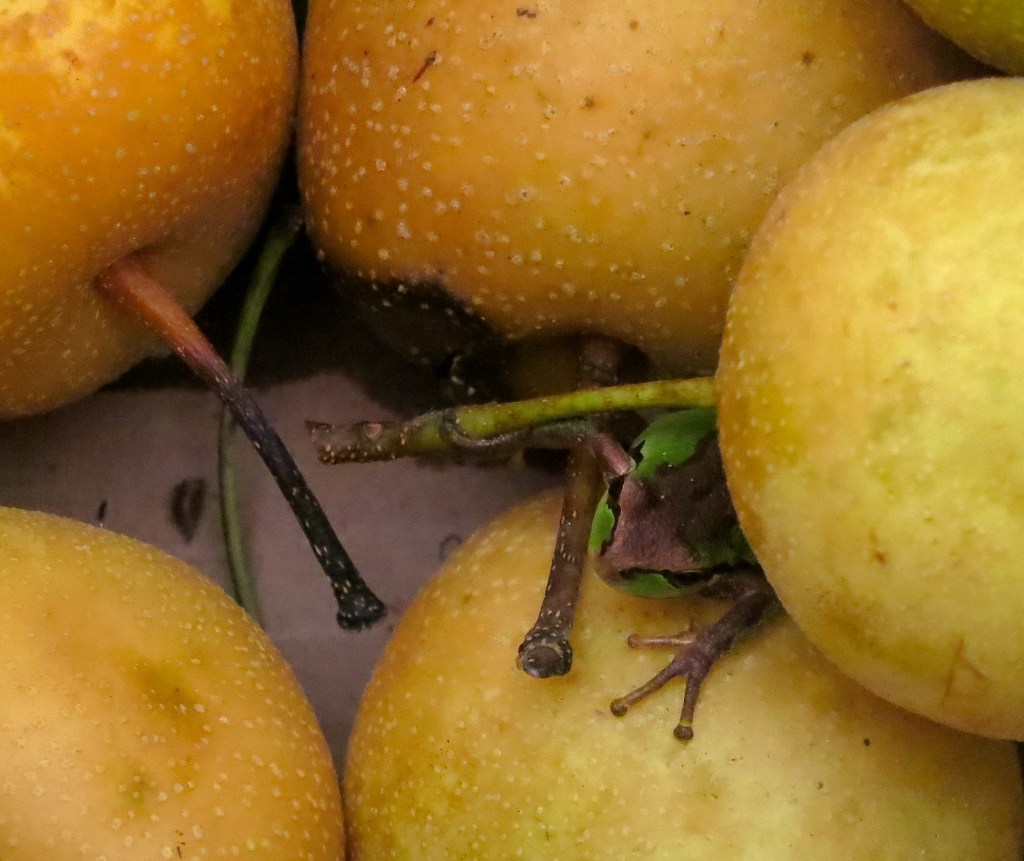
The biggest surprise was a very early morning, about 4:30 AM, when the house was still dark and quiet except for our ten month old grandson who had not adapted yet to our time zone, so was up early for his breakfast. As I tiptoed quietly into my <very messy chaotic> kitchen to retrieve something, I noticed a good sized dust bunny on the linoleum floor and bent down to pick it up to toss in the trash can. To my surprise, it leaped away from my fingers!

It kept jumping away and when my eyes finally focused in the early morning light, I realized it wasn’t an escaping dust bunny, but a tree frog covered in dust fuzz from my less than tidy floor. It must have come in the house from the perpetually open front door and hidden under a piece of furniture, being transformed into a furry froggy Frankenstein.

I caught it and carried it outside into the morning dawn, setting it free into the chaos of the world outside, rather than coping inside with my insufficient housekeeping. No, I didn’t think to get a photo. Oh, well. Some things you just have to take on faith.

After all, my heart has been leaping and rejoicing all week to have our family under one roof for a brief few days and whether the house was clean was simply a secondary concern. It actually is not a concern at all.

You can’t clean out a mama’s heart; it carries so much over the years that may need sweeping and scrubbing, but this was not the week to worry about it. My worth is not in what I own or how pristine I keep things, but in the depth of my commitment to those who I am given the privilege to know and love.

One-Time
Monthly
Yearly

Make a one-time or recurring donation to sponsor daily Barnstorming posts

Make a monthly donation

Make a yearly donation

Choose an amount

¤5.00
¤10.00
¤20.00
¤5.00
¤15.00
¤100.00
¤5.00
¤15.00
¤100.00

Or enter a custom amount

¤

Your contribution is deeply appreciated.

Your contribution is appreciated.

Your contribution is appreciated.

DonateDonate monthlyDonate yearly
The Shadow of the Mercy of Light

How long does it take to make the woods?
As long as it takes to make the world.
The woods is present as the world is, the presence
of all its past, and of all its time to come.
It is always finished, it is always being made, the act
of its making forever greater than the act of its destruction.
It is a part of eternity, for its end and beginning
belong to the end and beginning of all things,
the beginning lost in the end, the end in the beginning.

What is the way to the woods, how do you go there?
By climbing up through the six days’ field,
kept in all the body’s years, the body’s
sorrow, weariness, and joy. By passing through
the narrow gate on the far side of that field
where the pasture grass of the body’s life gives way
to the high, original standing of the trees.
By coming into the shadow, the shadow
of the grace of the strait way’s ending,
the shadow of the mercy of light.

Why must the gate be narrow?
Because you cannot pass beyond it burdened.
To come in among these trees you must leave behind
the six days’ world, all of it, all of its plans and hopes.
You must come without weapon or tool, alone,
expecting nothing, remembering nothing,
into the ease of sight, the brotherhood of eye and leaf.
~Wendell Berry, “Sabbath 1985 V”

We who live in the six day world, walking the six day path to the narrow gate forget too quickly about the seventh day Sabbath. The meaning of our existence is not defined by how much we accomplish in the week, or how capable we are at carrying our burdens.

We are invited to walk through the narrow way, where worries and heavy loads cannot fit the opening.

Passing through shadow is part of reaching the light. The mercy of the shadow is — then we know light exists.

Light beyond shadow, Joy beyond tears,
Love that is greater when darkest our fears;
deeper the Peace when the storm is around,
nearer the Hope to the lost who is found.
Light of the world, ever shining, shining!

Hope in our pain and our dying. in our darkness,
there is Light, in our crying, there is Love,
in the noise of life imparting Peace that passes understanding.

Light beyond shadow, Joy beyond tears,
Love that is greater when darkest our fears;
deeper the Peace when the storm is around,
nearer the Hope to the lost who is found.
-Paul Wigmore

One-Time
Monthly
Yearly

Make a one-time or recurring donation to support daily Barnstorming posts

Make a monthly donation

Make a yearly donation

Choose an amount

¤5.00
¤10.00
¤20.00
¤5.00
¤15.00
¤100.00
¤5.00
¤15.00
¤100.00

Or enter a custom amount

¤

Your contribution is deeply appreciated.

Your contribution is appreciated.

Your contribution is appreciated.

DonateDonate monthlyDonate yearly
The Heart’s Need

About living in the country?
…peace can deafen one, beauty surprise
No longer.  There is only the thud
Of the slow foot up the long lane
At morning and back at night.
~R.S. Thomas from “The Country”

…once when he was walking
Along a lane in spring he was deceived
By a shrill whistle coming through the leaves;
Wait a minute, wait a minute-four swift notes;
He turned, and it was nothing, only a Thrush
In the thorn bushes easing its throat.
He swore at himself for paying heed,
The poor hill farmer, so often again
Stopping, staring, listening, in vain,
His ear betrayed by the heart’s need.
~R.S.Thomas from “The Lonely Farmer”

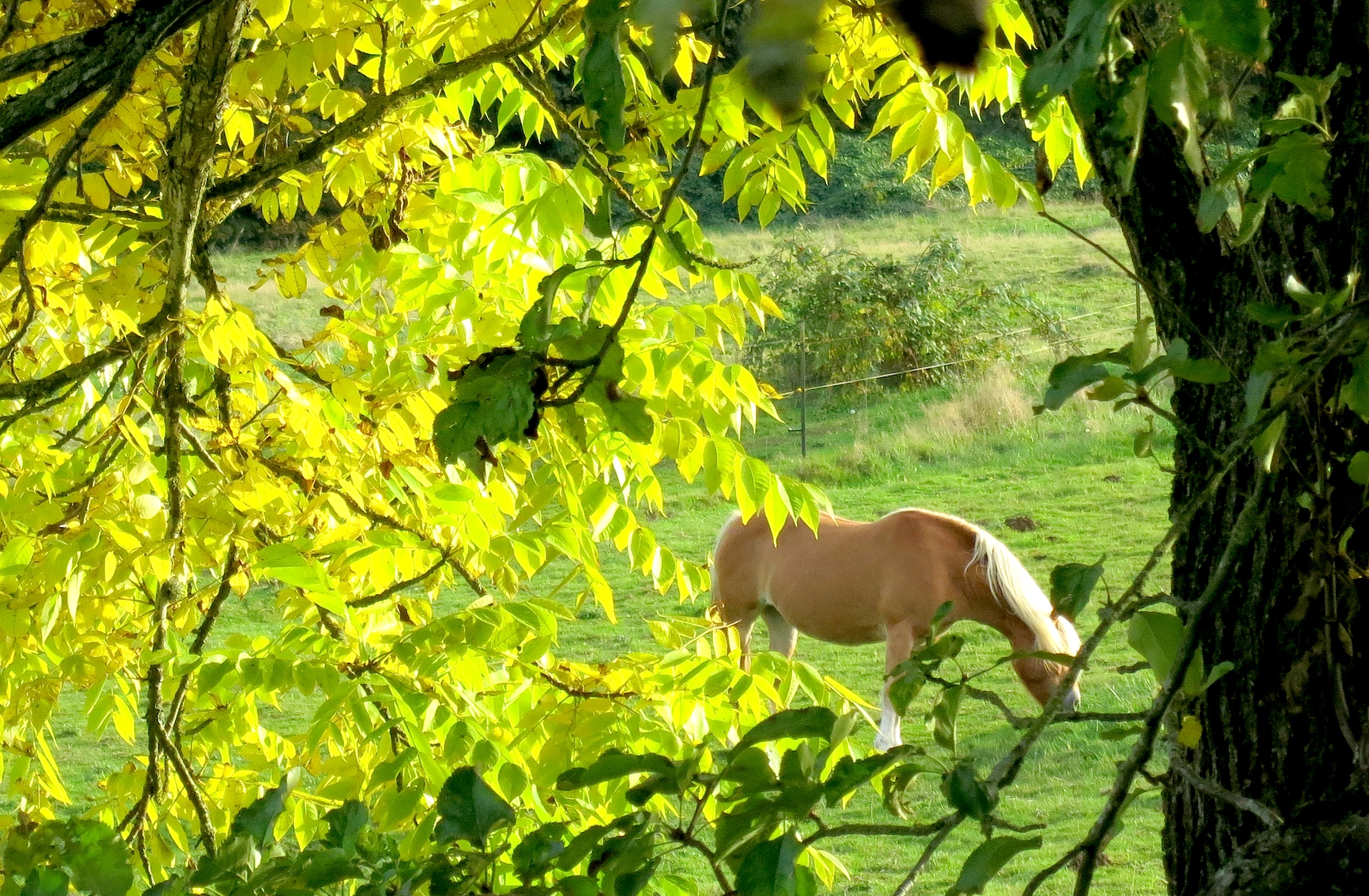
I must not forget my heart’s need:
my utter astonishment
at the beauty around me
even on the hottest and sweatiest of days,
even on the grayest and wettest of days,
while trudging the darkened barnyard path
to attend, although weary, to chores.

If ever I fail to see
what is right in front of me,
this grace-given gift
to my eyes and ears and heart,
I do not deserve to put on boots
or hold a pitchfork.

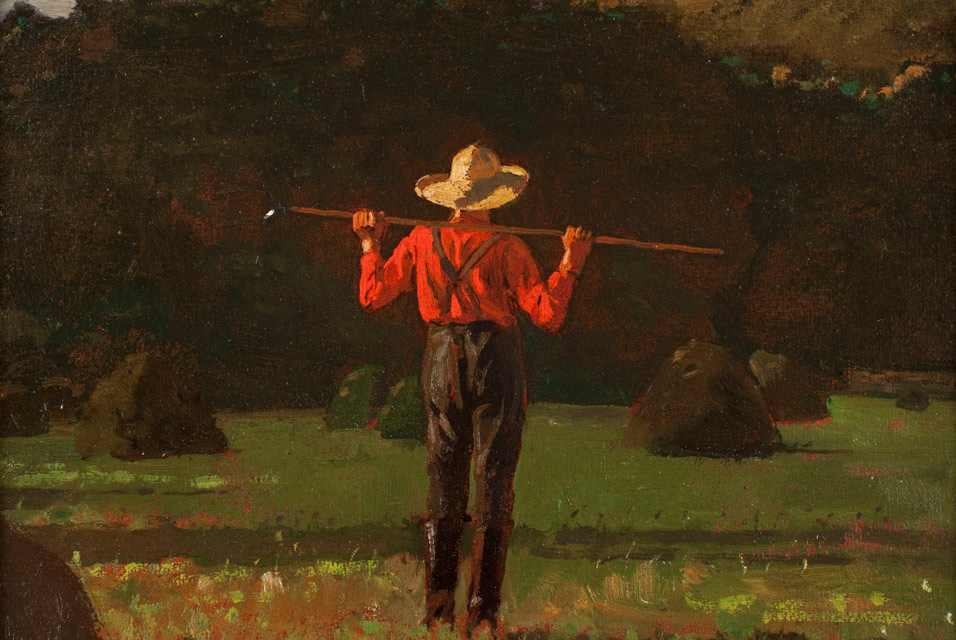
Farmer with a pitchfork by Winslow Homer

He knows every stone that’s been struck by the plow
There’s a pile by the barn by the sweat of his brow
The land has his heart and he rarely complains
And it holds his knees when he prays for rain

He’s a dusty old carhartt and the light in the barn
He’ll work the late hours and he’s up before dawn
Every man has a story and the story goes on
From grandad’s eyes to a new born son

Why I farm is in my blood, like the sunlight is on my skin
Is who I meant to be, is who I’ve always been
Is more than just a living, it’s my way of life
And it grows like seed inside my heart
That’s why I farm

We always pull through when we thought we would break
In the flood ’93, in the draught ’88
The Lord has his timing ’cause only he knows
That when next year comes the crops will grow
Find more lyrics at 

Tough the world may shake around me, still I am stable
For as long as I am able, I’ll work this way
‘Cause when heaven comes this close to what you’re holding
This life is but a moment in a bigger plan
~The Henningsens

One-Time
Monthly
Yearly

Make a one-time or recurring donation to support daily Barnstorming posts

Make a monthly donation

Make a yearly donation

Choose an amount

¤5.00
¤10.00
¤20.00
¤5.00
¤15.00
¤100.00
¤5.00
¤15.00
¤100.00

Or enter a custom amount

¤

Your contribution is deeply appreciated.

Your contribution is appreciated.

Your contribution is appreciated.

DonateDonate monthlyDonate yearly
Not Remotely Mystical

When it’s over, I want to say all my life
I was a bride married to amazement.
I was the bridegroom, taking the world into my arms.

When it’s over, I don’t want to wonder
if I have made of my life something particular, and real.

I don’t want to find myself sighing and frightened,
or full of argument.

I don’t want to end up simply having visited this world.

~Mary Oliver from “When Death Comes”

Probably Mary Oliver doesn’t stress out
about her hair or quote Led Zeppelin or start
to go upstairs to write something mystical
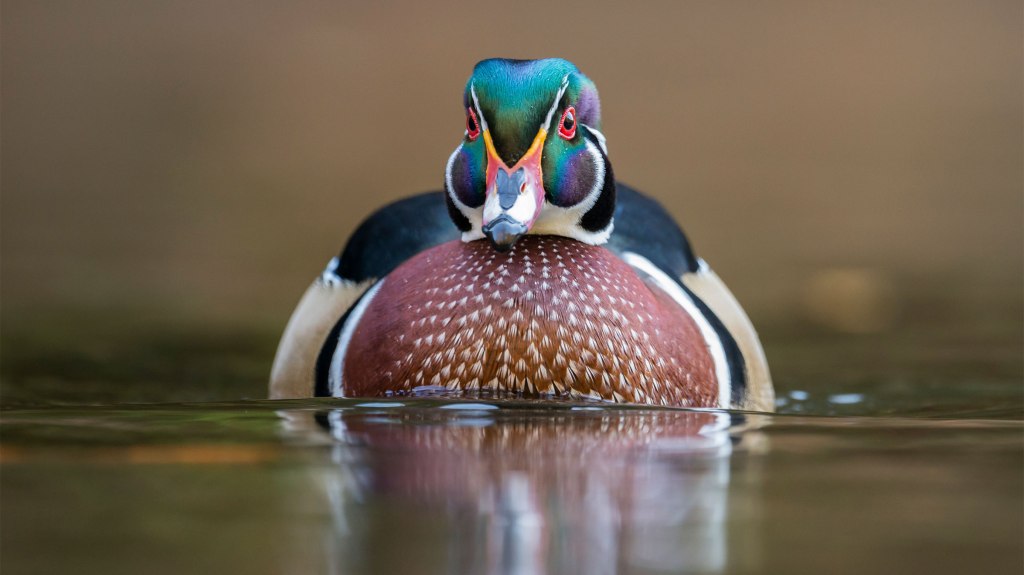
about a wood duck, but get sidetracked
by The Millionaire Matchmaker, watching four episodes
until, panicked by self-loathing, she hits the remote.

She lives somewhere kind of remote.
Is there even a Walmart out
in Provincetown? Mary never, in an episode
of frugality, shops there instead of the food co-op and starts
lying about where the Moose Tracks
ice cream came from, feigning loyalty to the mystical


oils and bulk grains of the co-op where Mystical
Mac ‘N Cheese costs an absurd $3.95 a box. There’s a remote
chance Mary, while pondering lilies, would get sidetracked
by a voicemail from her agent. Even Mary Oliver spaces out
on occasion and forgets to turn off her phone. Her days start
before dawn; wouldn’t she sometimes have episodes

of thinking, “To hell with the swan, I’m going to watch episodes
of Lost in bed all day?” It must be exhausting to be mystical
all the time, having to think up poems that start
with a smelly turtle and end with the glory of the soul. The remote,
sleek as an otter, lolls on her nightstand, calling out 
for her to take just this one morning off, to follow the tracks


of Matt Lauer and Dr. Phil instead of mucky tracks
left in the marsh by tick-ridden deer. Euphoric episodes
bound like grasshoppers through St. Mary’s poems, but out
in nature there must be days when nothing is special, when mystical epiphanies can’t break through the clouds. Is Mary ever so remote from it all that touching a leaf leaves her blank?

Does she start to get frantic, to fear she’s lost the connection?
She starts picturing herself in a smock with a nametag,
cleaning finger tracks off the automatic doors while wearing Mona Lisa’s remote smile, a smile barely wide enough to keep her employed. Fighting episodes of despair, she can’t figure out how to turn a shopping cart into a mystical symbol for death—piece of cake for most poets, but not for our Mary, out


there with the flora and fauna, not remotely accustomed to the episodes comprising life for those of us not “married to amazement,” the unmystical singles’ club, sidetracked by diversions. We start toward the door, but we rarely make it out.
~Christine Heppermann, “Pure” from  Poisoned Apples: Poems for You, My Pretty

wood duck photo from Audobon Society

Moose Tracks ice cream has nothing on Tillamook Mudslide ice cream. And I can quote Simon and Garfunkel but not Led Zeppelin. Cracker Barrel Mac n Cheese is better than any other. If I’m going to take a day to get lost in a binge of streaming episodes, it is most likely going to be Outlander. And I don’t fuss about my hair.

<sigh>

I am well aware I fall far short from the example set by Mary Oliver, Jane Kenyon, Annie Dillard and others for whom writing became a mystical passion of self-discovery in their observation of creation and search for understanding of the Creator.

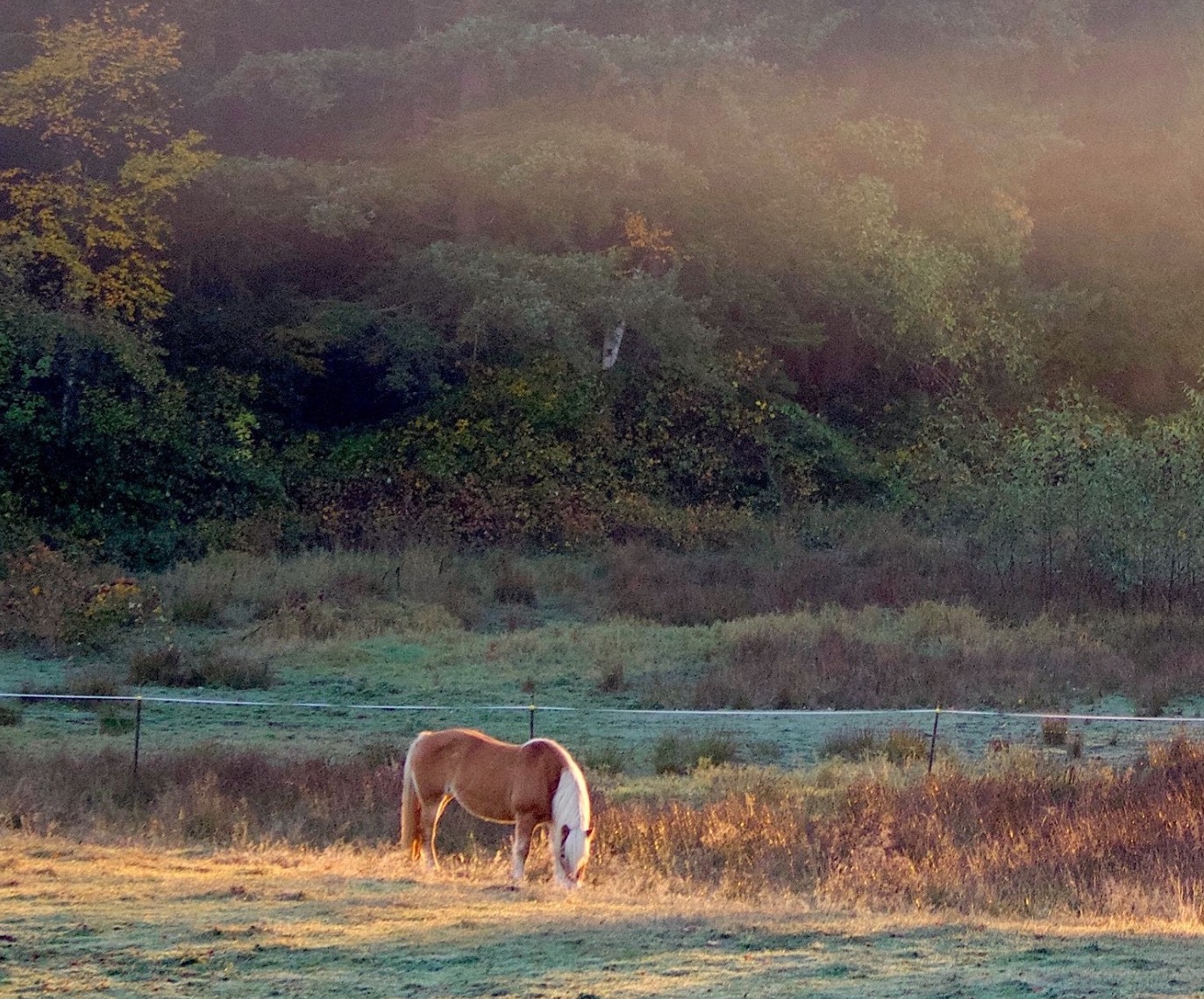
As someone who as a child could spend hours fascinated by the tiniest bug or follow ant tracks through the woods or catch pollywogs in the creek or lie motionless in a hideaway of tall grass watching clouds roll by on a summer afternoon, I can easily be accused of way too much “blissing out” on sunrises and sunsets as I walk through my days on earth.

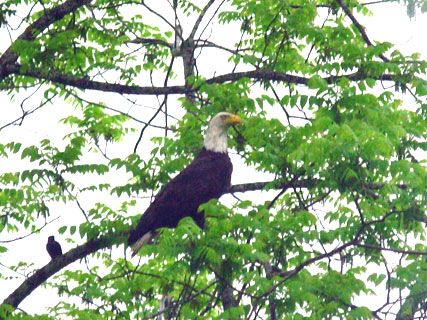
The reality is something completely different. I compose my writing and photos as I go about my day, whether it is scooping manure in the barn, taking quick breaks to see how the light is changing outside, or gardening, or hanging up the laundry on the clothesline. I pull over on my way to work for a quick picture if something catches my eye. A trip to the grocery store offers opportunities for a back-roads drive to see how the surrounding cornfields are growing and raspberries are ripening. When I’m fortunate, I’ll spot an eagle in a roadside tree or a new calf nursing.

So every day is a new exploration of what is in my own backyard, not remotely mystical but simply there to be seen and mused over. Rather than married to amazement, I’m attracted to the remarkably mundane. But it does mean I need to walk out the door to meet it head-on.

Even
After
All this time
The sun never says to the earth,

“You owe
Me.”

Look
What happens
With a love like that,
It lights the
Whole
Sky.
~Daniel Ladinsky, from “The Gift”

One-Time
Monthly
Yearly

Make a one-time or recurring donation to support daily Barnstorming posts

Make a monthly donation

Make a yearly donation

Choose an amount

¤5.00
¤10.00
¤20.00
¤5.00
¤15.00
¤100.00
¤5.00
¤15.00
¤100.00

Or enter a custom amount

¤

Your contribution is deeply appreciated.

Your contribution is appreciated.

Your contribution is appreciated.

DonateDonate monthlyDonate yearly

In Long Straight Rows

It’s not spring yet, but I can’t
wait anymore. I get the hoe,
pull back the snow from the old
furrows, expose the rich dark earth.
I bare my hand and dole out shriveled peas,
one by one.
I see my grandmother’s hand,
doing just this, dropping peas
into gray gumbo that clings like clay.
This moist earth is rich and dark
as chocolate cake.
Her hands cradle
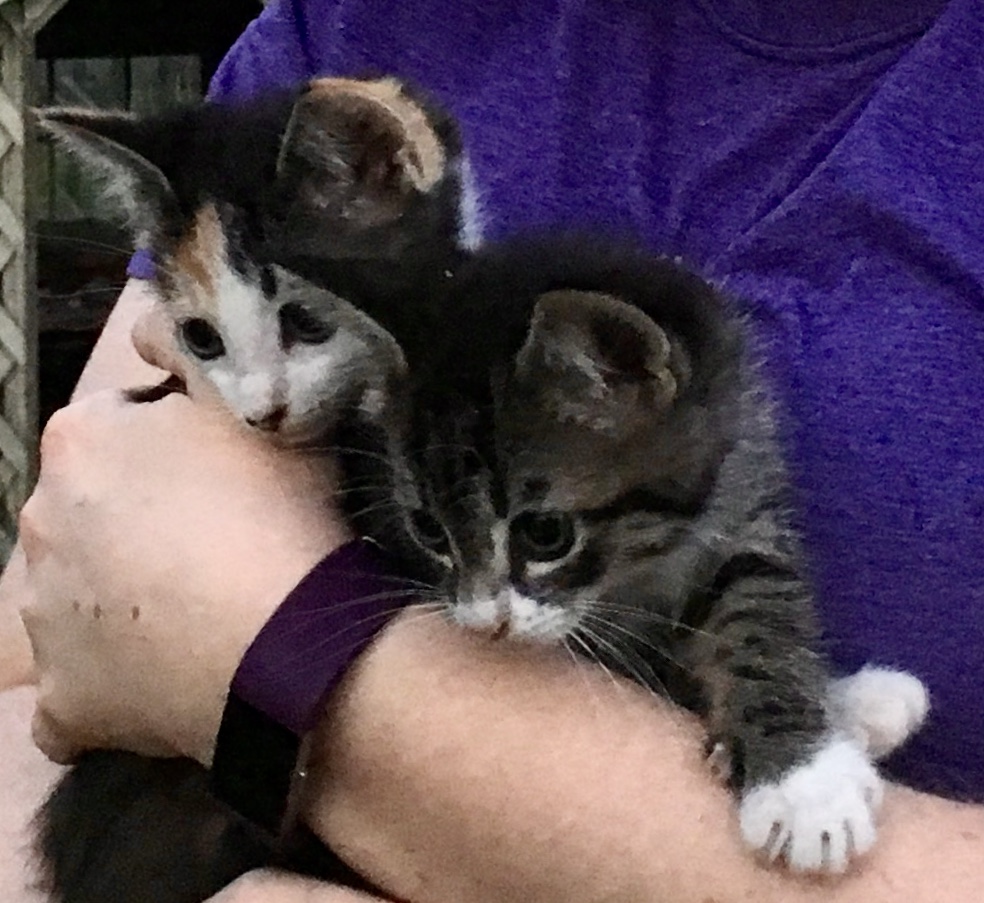
baby chicks; she finds kittens in the loft
and hands them down to me, safe beside
the ladder leading up to darkness.
I miss
her smile, her blue eyes, her biscuits and gravy,
but mostly her hands.
I push a pea into the earth,
feel her hands pushing me back. She’ll come in May,
she says, in long straight rows,
dancing in light green dresses.
~Linda Hasselstrom “Planting Peas”

My earliest childhood memories include the taste and smell of fresh peas.  We lived in farming country north of Seattle where 50 years ago hundreds of acres of peas were grown for canning and freezing.  During the harvest, large pea harvesting machines would arrive for several days and travel down the road in caravans of 10 or 12, going from farm to farm to farm. They worked 24 hours a day to harvest as quickly as possible and traveled the roads late at night because they were so huge, they would take up both lanes of the country roads.  Inevitably a string of cars would form behind the pea harvesters, unable to pass, so it became a grand annual parade celebrating the humble pea.

The smell in the air when the fields were harvested was indescribable except to say it was most definitely a “green” and deliciously fresh smell.  The vines and pods would end up as silage for cattle and the peas would be separated to go to the cannery.  I figured those peas were destined for the city dwellers because in our back yard garden, we grew plenty of our own.

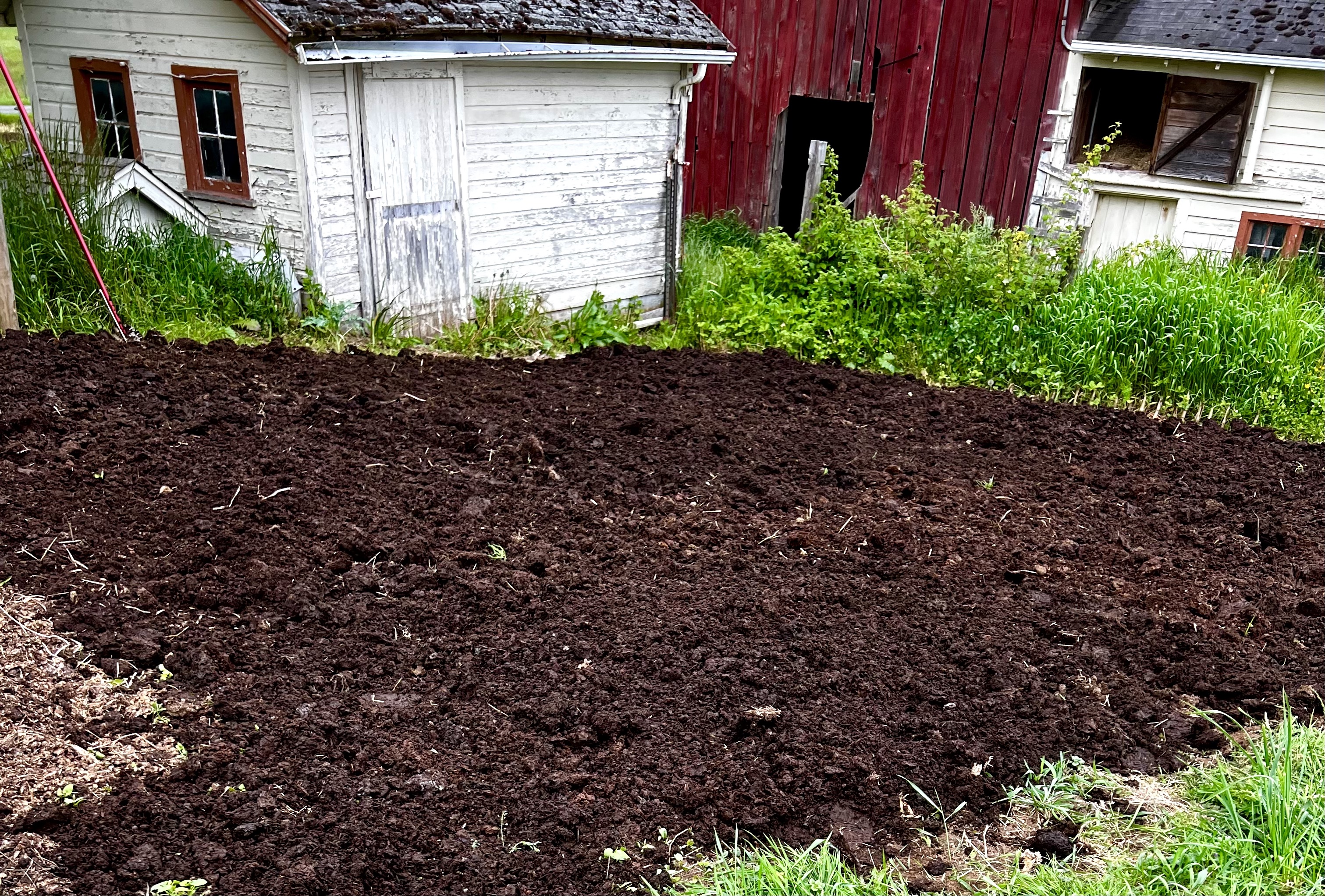
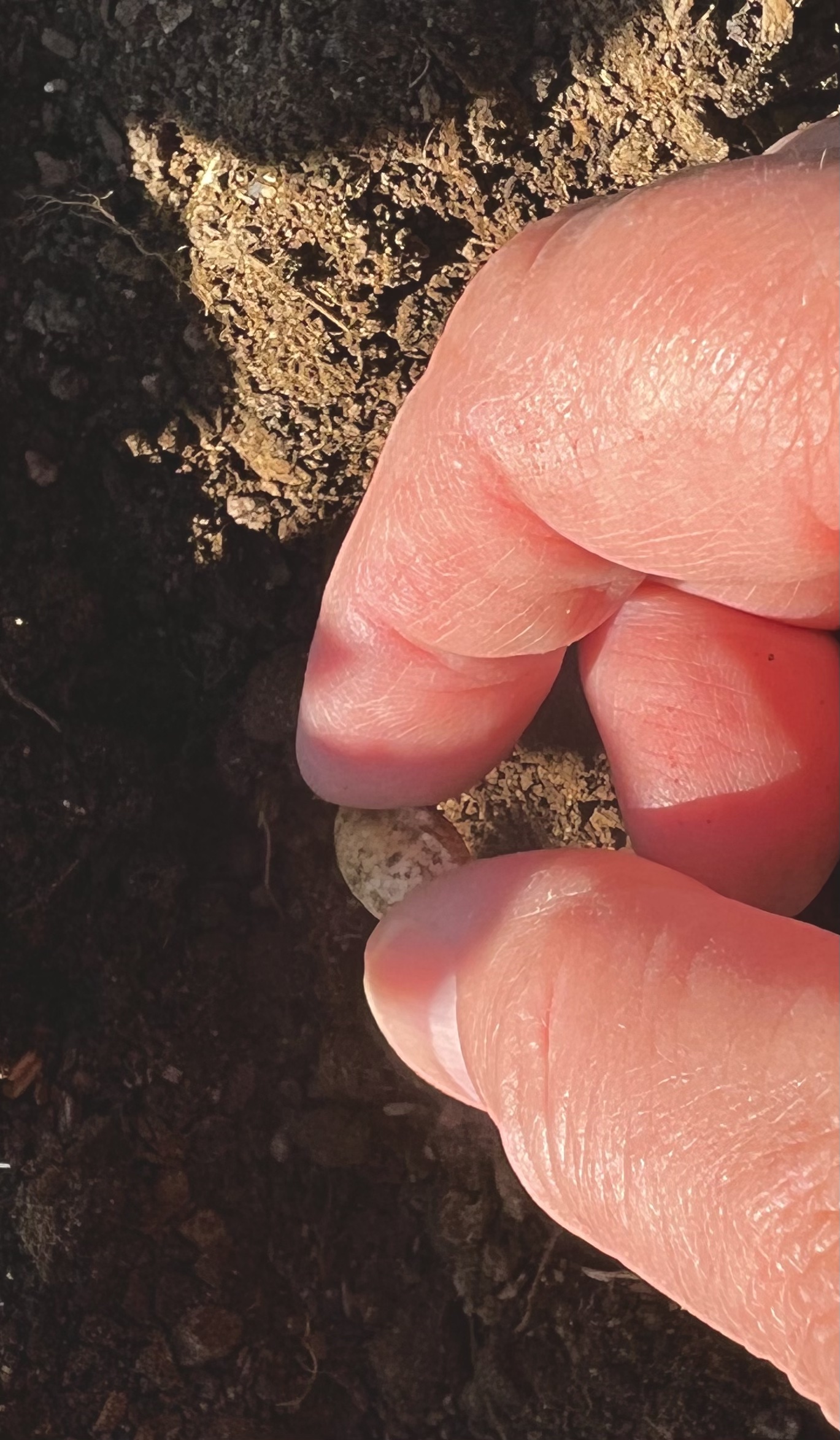
Pea seeds, wrinkled and frankly a little boring, could be planted even before the last frost was done with us in March, or even sometimes on Washington’s birthday in February.  The soil needed to not be frozen and not be sopping.  True, the seeds might sit still for a few weeks, unwilling to risk germination until the coast was clear and soil warmed a bit, but once they were up out of the ground, there was no stopping them.  We would generally have several rotations growing, in the hope of a 6 week pea eating season if we were fortunate, before the heat and worms claimed the vines and the pods.

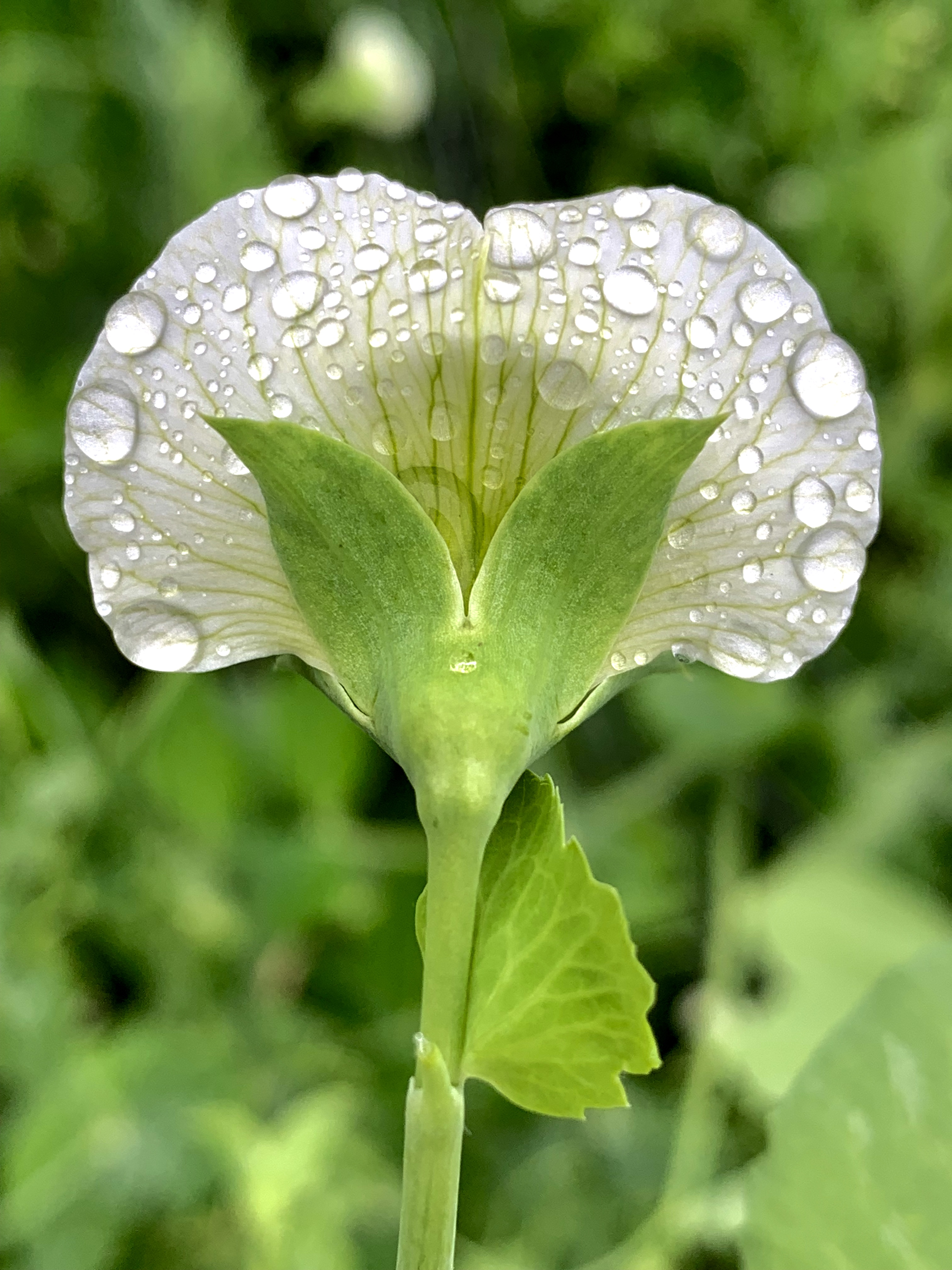
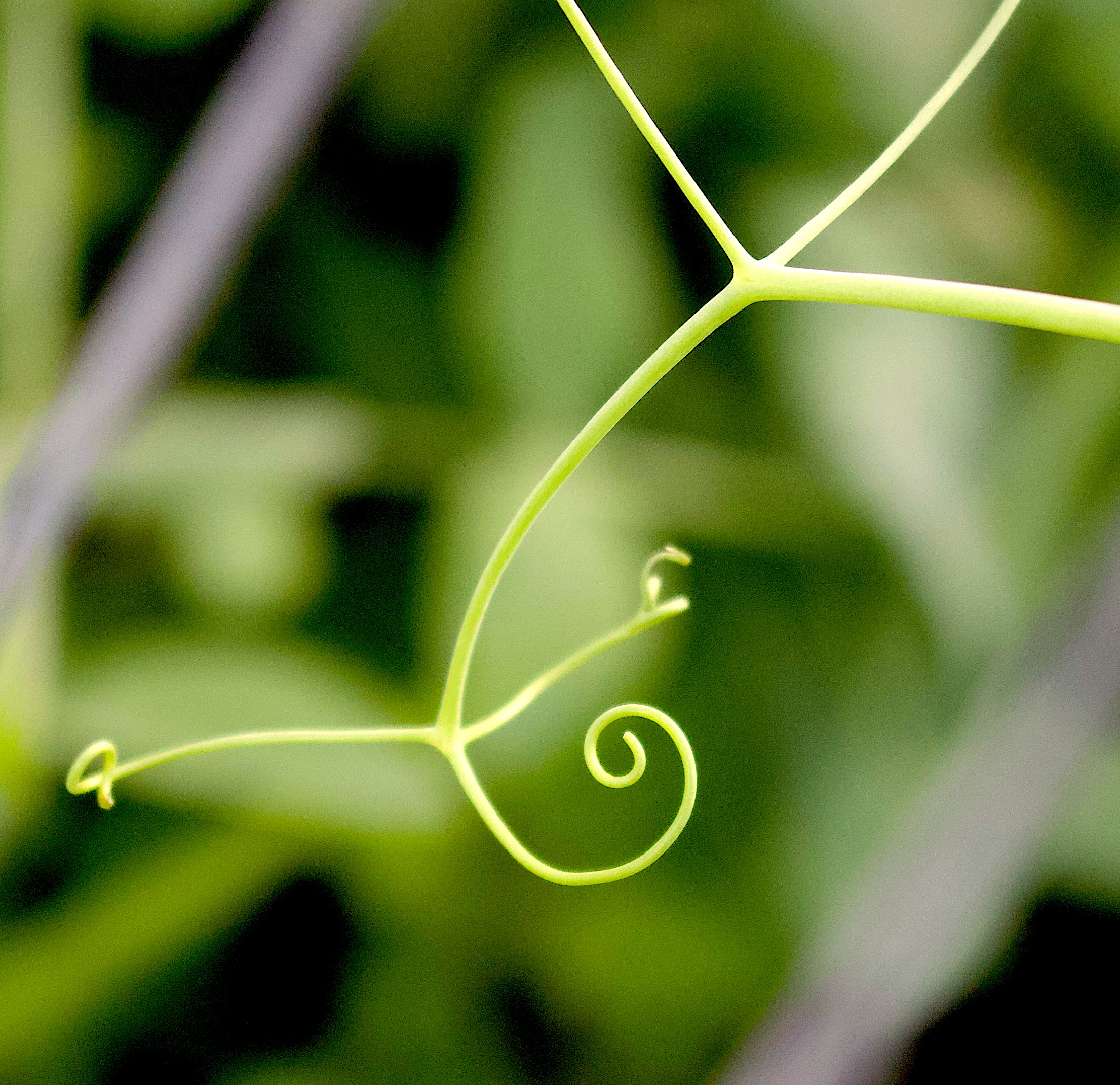
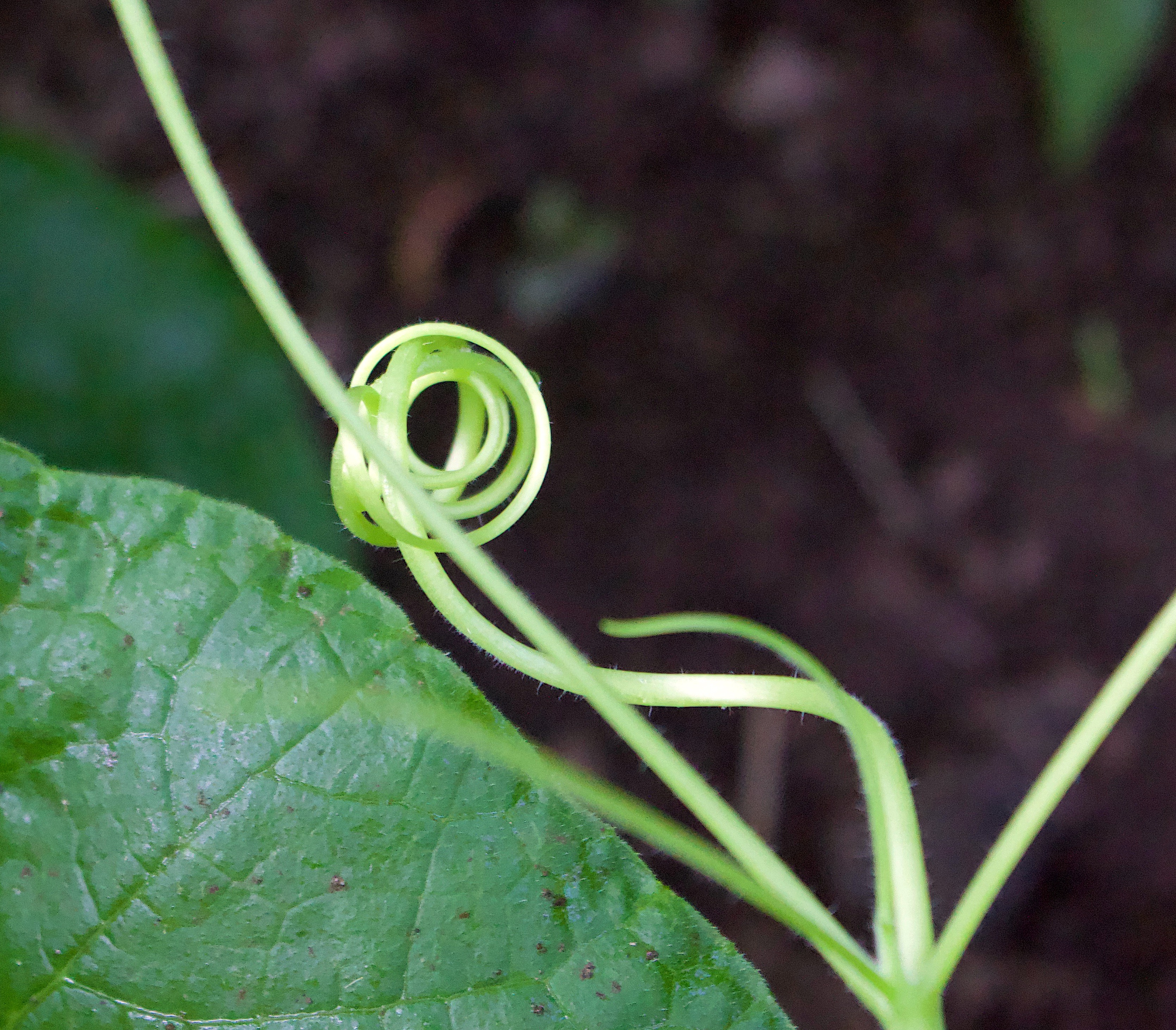
We always planted telephone peas, so the support of the vines was crucial–we used hay twine run up and down between two taut smooth wires attached high and low between two wooden posts.  The vines could climb 6 feet tall or better and it was fascinating to almost literally watch the pea tendrils wind their way around the strings (and each other), erotically clinging and wrapping themselves in their enthusiasm.

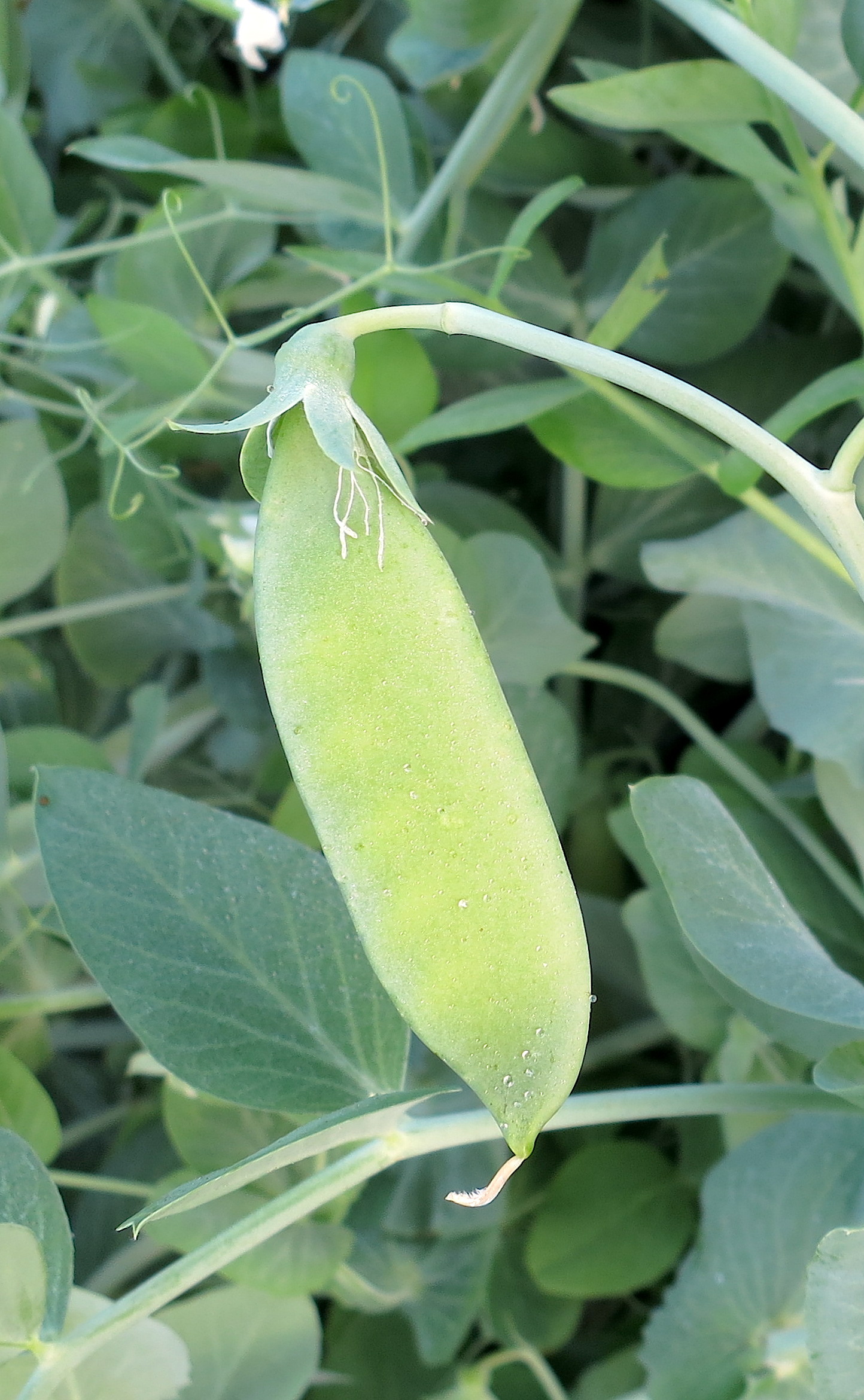
Once the pods start to form,  impatience begins.  I’d be out in the garden every day copping feels, looking for that first plump pod to pick and pop open.  It never failed that I would pick too soon, and open a pod to find only weenie little peas, barely with enough substance to taste.  Within a day or two, however, the harvest would be overwhelming, so we’d have to pick early in the morning while the peas were still cool from the night dew.

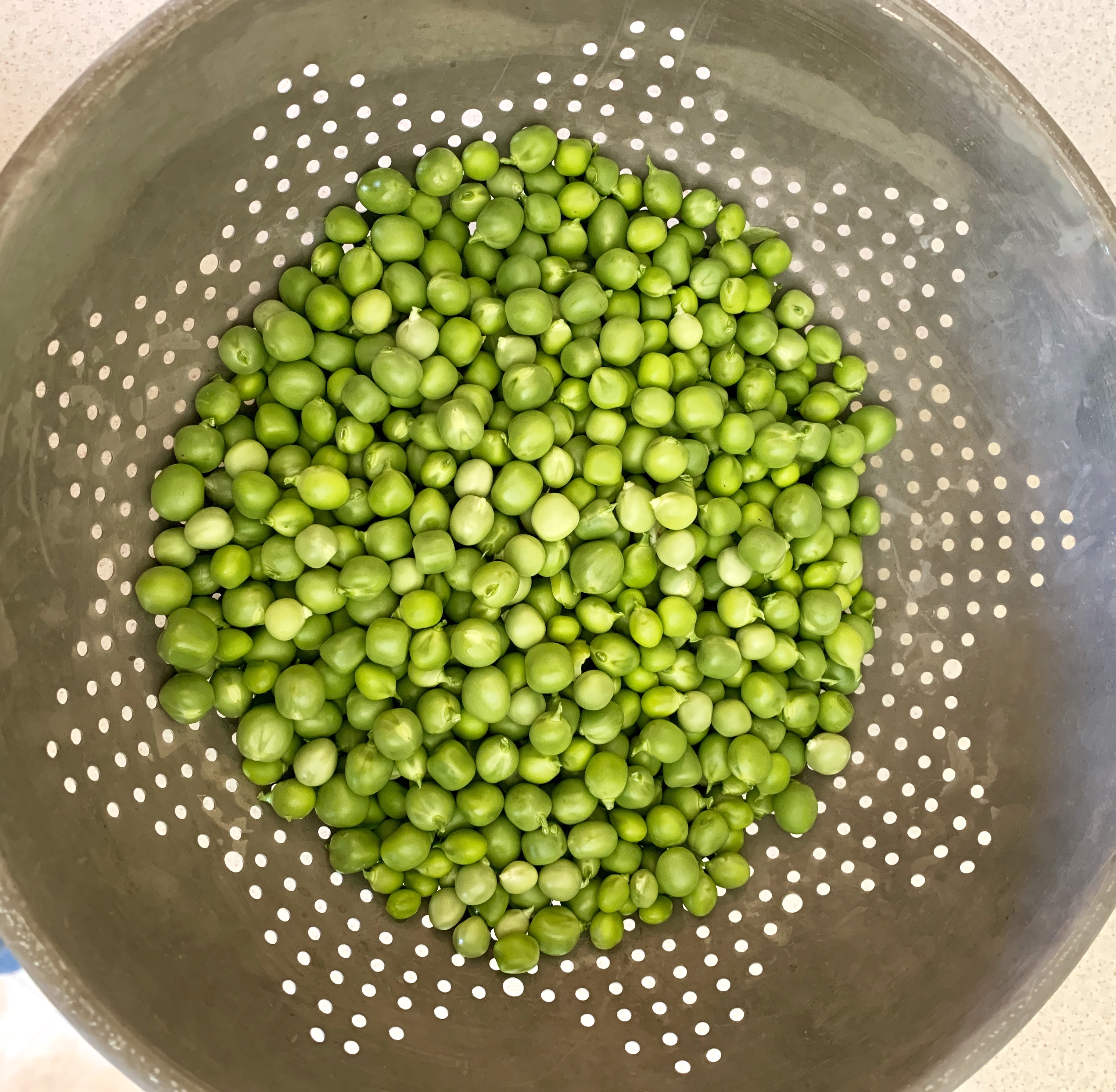
Then it was shelling time, which involved several siblings on a back porch, one mother supervising from a distance to make sure there weren’t too many peas being pelted in pique at an annoying little brother, and lots of bowls to catch the peas and the pods.  A big paper sack of intact pods would yield only a few cups of peas, so this was great labor for small yield.   Opening a pod of peas is extremely satisfying though;  there is a tiny audible “pop” when the pod is pressed at the bottom, and then as your thumb runs down the inner seam of the pod loosening all the peas, they make a dozen little “pings” in the bowl when they fall.  A symphony of pea shelling often accompanied by the Beach Boys and the Beatles.

Once the weather got hot, the pea worms would be at work in the pods, so then one encountered wiggly white larvae with little black heads and their webs inside the pods.  We actually had a “Wormie” song we sung when we found one, even in the 60’s recognizing that our organic garden meant sharing the harvest with crawling protein critters. The peas would be bored through, like a hollowed out jack o’lantern, so those got dumped in the discard bowl.

The dull green coat of the raw pea turns bright green during the several minutes of blanching in boiling water, then they are plunged into ice water until cool and packed in ziplock bags.  Those peas are welcomed to the table during the other 11 months out of the year, sometimes mixed with carrots, sometimes with mushrooms, sometimes chased with a little fresh garlic.  They are simply the most lovely food there is other than chocolate.

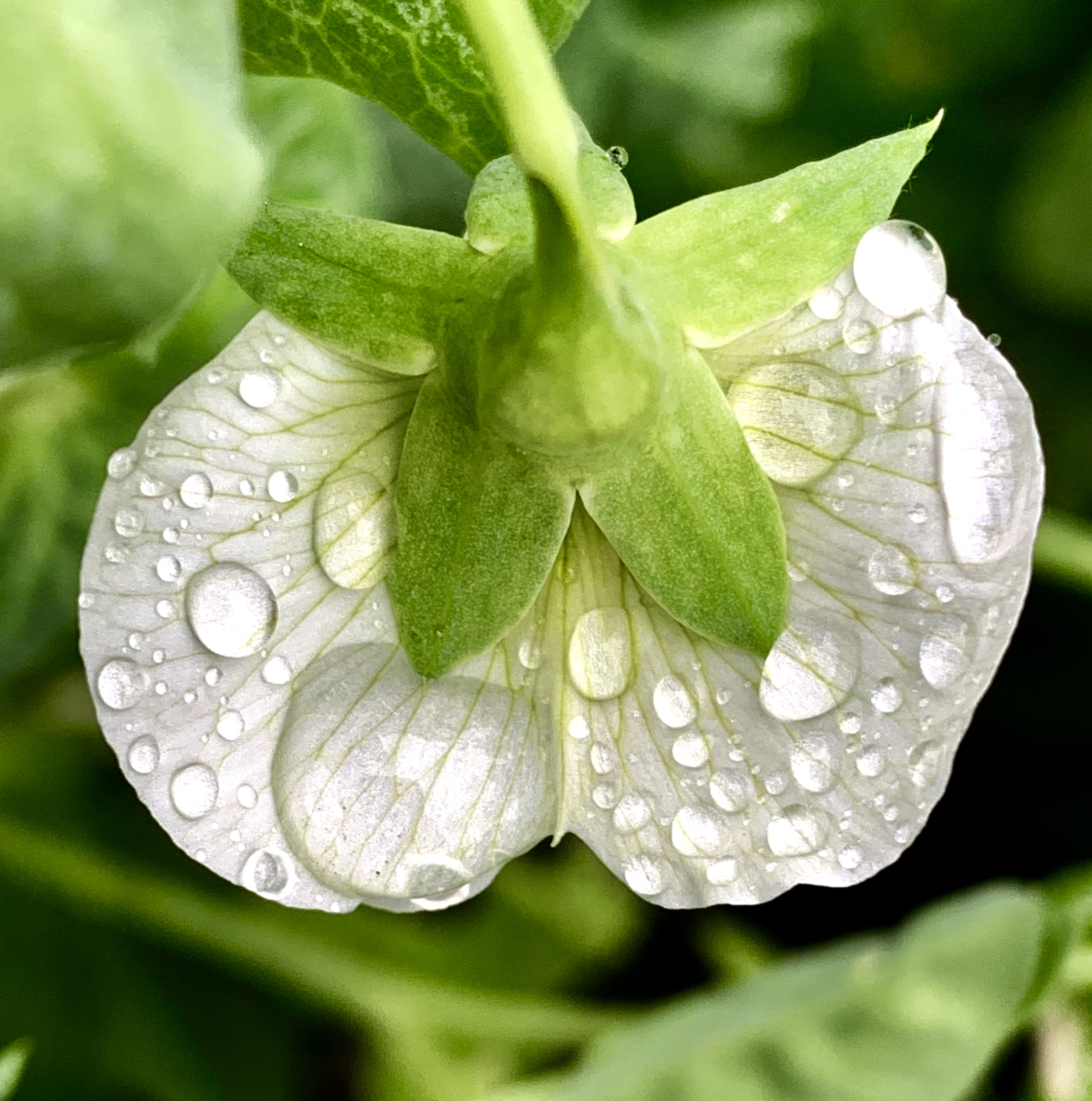
From an undistinguished pea seed to intricate vines and coiling tendrils–from pregnant pods bursting at the seams to a bounty at meals: the humble pea does indeed deserve a grand parade in the middle of the night and the close attention of only the best grandmas.

One-Time
Monthly
Yearly

Make a one-time or recurring donation to support daily Barnstorming posts

Make a monthly donation

Make a yearly donation

Choose an amount

¤5.00
¤10.00
¤20.00
¤5.00
¤15.00
¤100.00
¤5.00
¤15.00
¤100.00

Or enter a custom amount

¤

Your contribution is appreciated.

Your contribution is appreciated.

Your contribution is appreciated.

DonateDonate monthlyDonate yearly
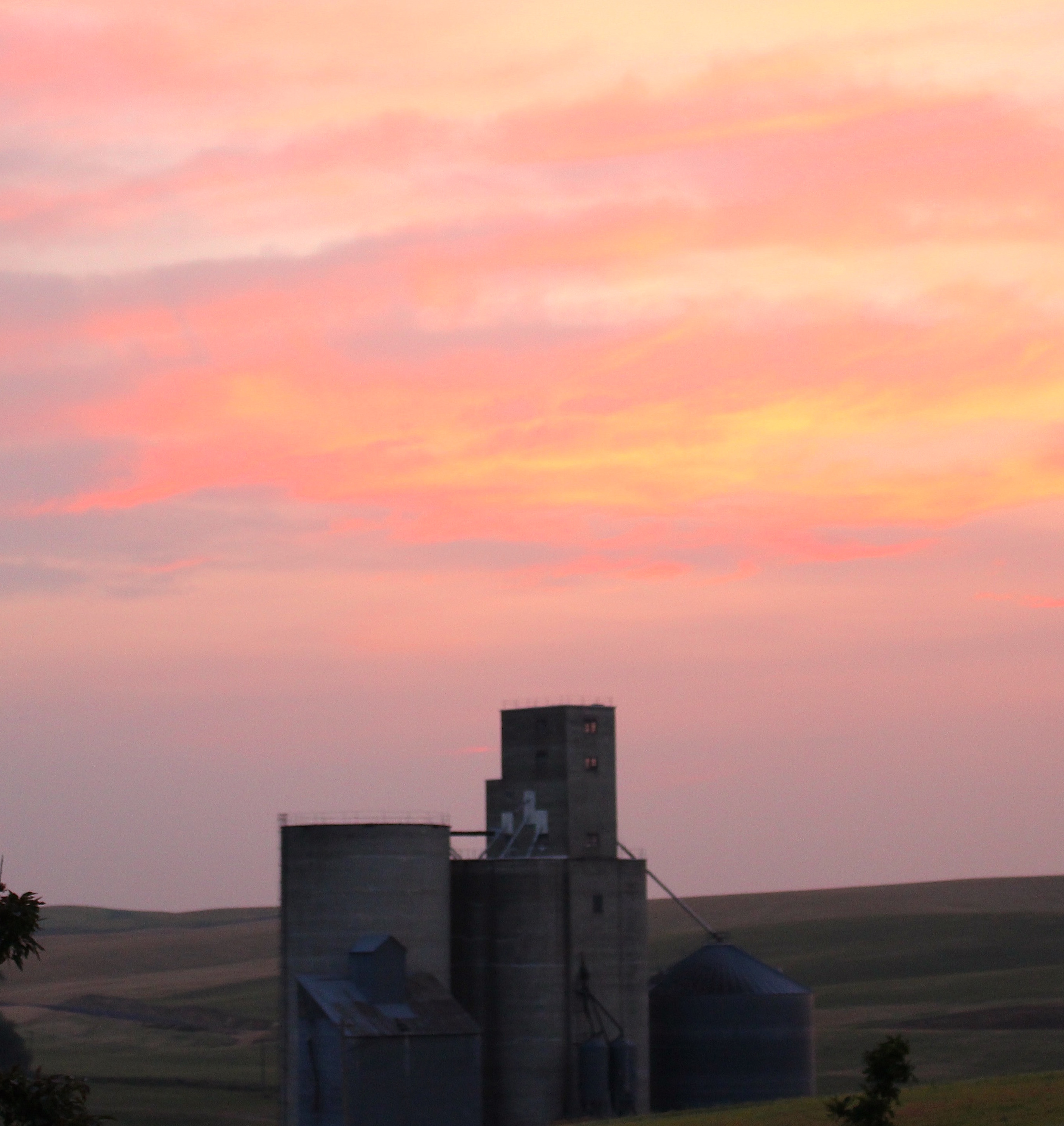
Softening to an Evening Gray

Now that summer’s ripen’d bloom
Frolics where the winter frow n’d,
Stretch’d upon these banks of broom,
We command the landscape round.

Nature in the prospect yields
Humble dales and mountains bold,
Meadows, woodlands, heaths-and fields
Yellow’d o’er with waving gold.

On the uplands ev’ry glade
Brightens in the blaze of day;
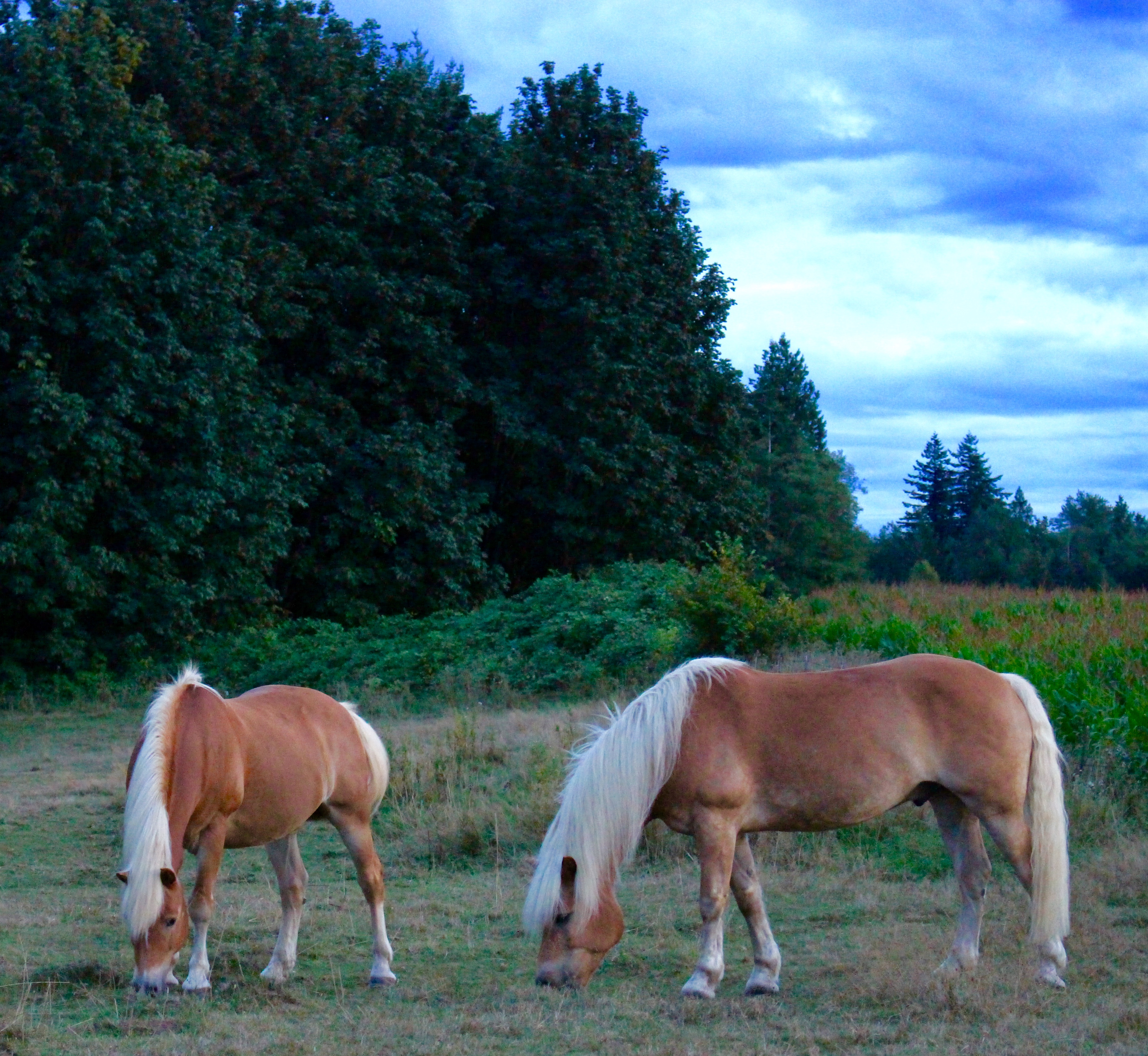
O’er the vales the sober shade
Softens to an ev’ning gray.
~John Cunningham from “The Landscape”

Betty with children Carol, Barbara and Joe
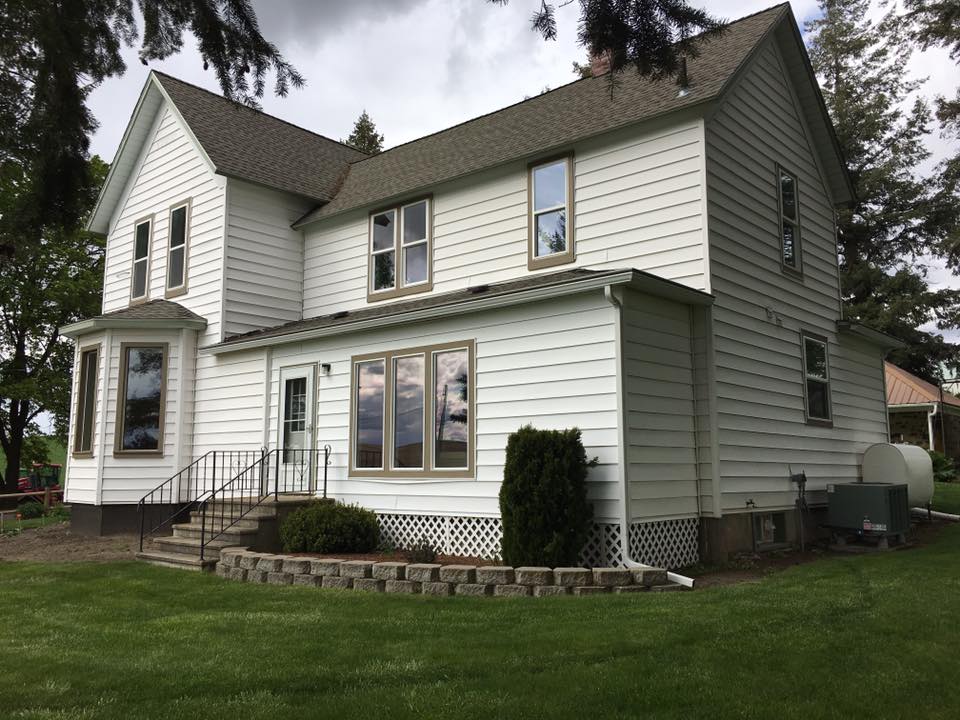
the renovated farm house
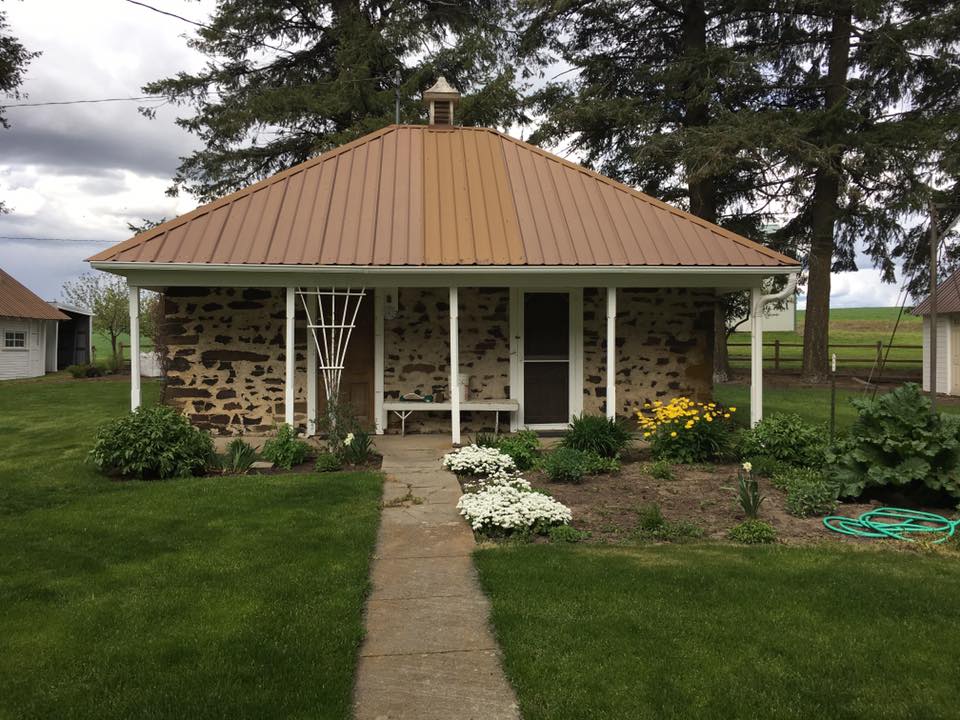
the “egg” house where produce was kept cool
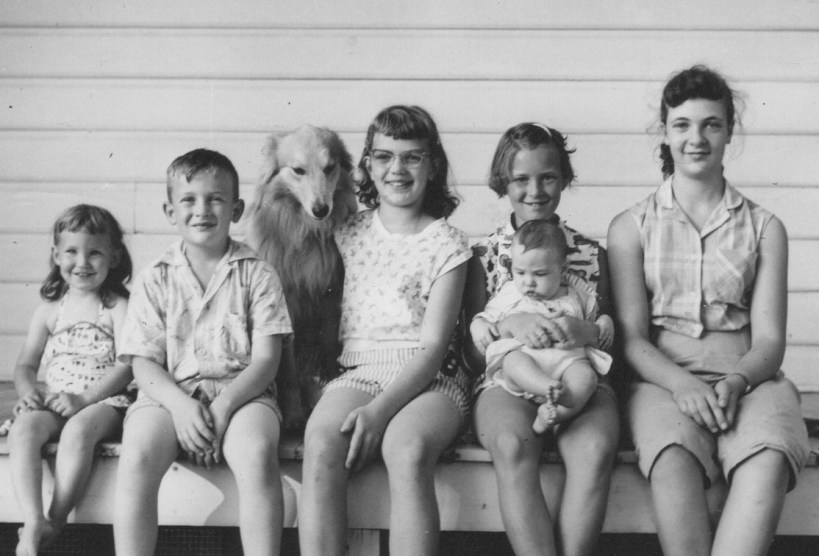
On the porch in Spring Valley in the Palouse – me at age two with Nancy holding my baby brother Steve along with the Schmitz cousins – Joe, Barbara and Carol

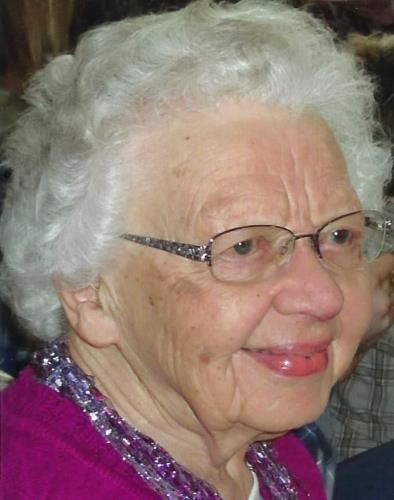
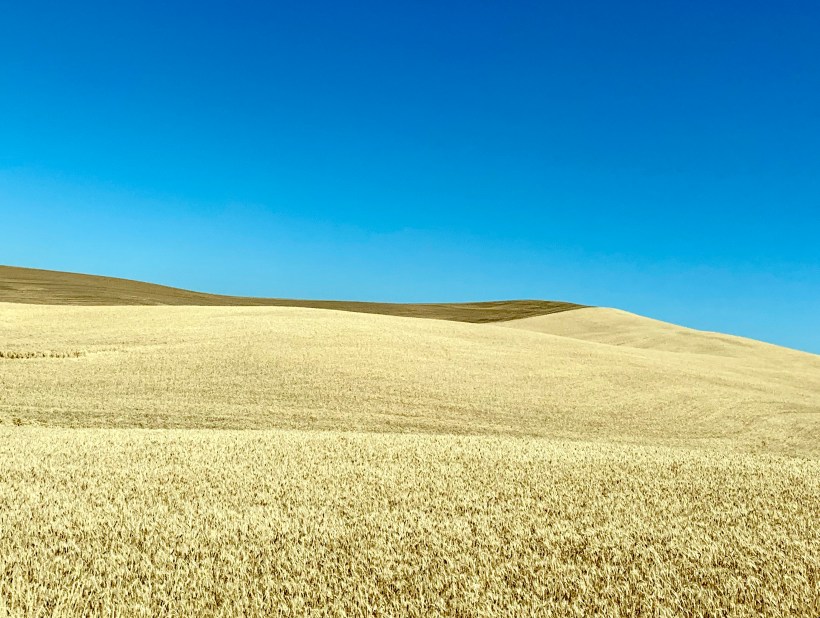
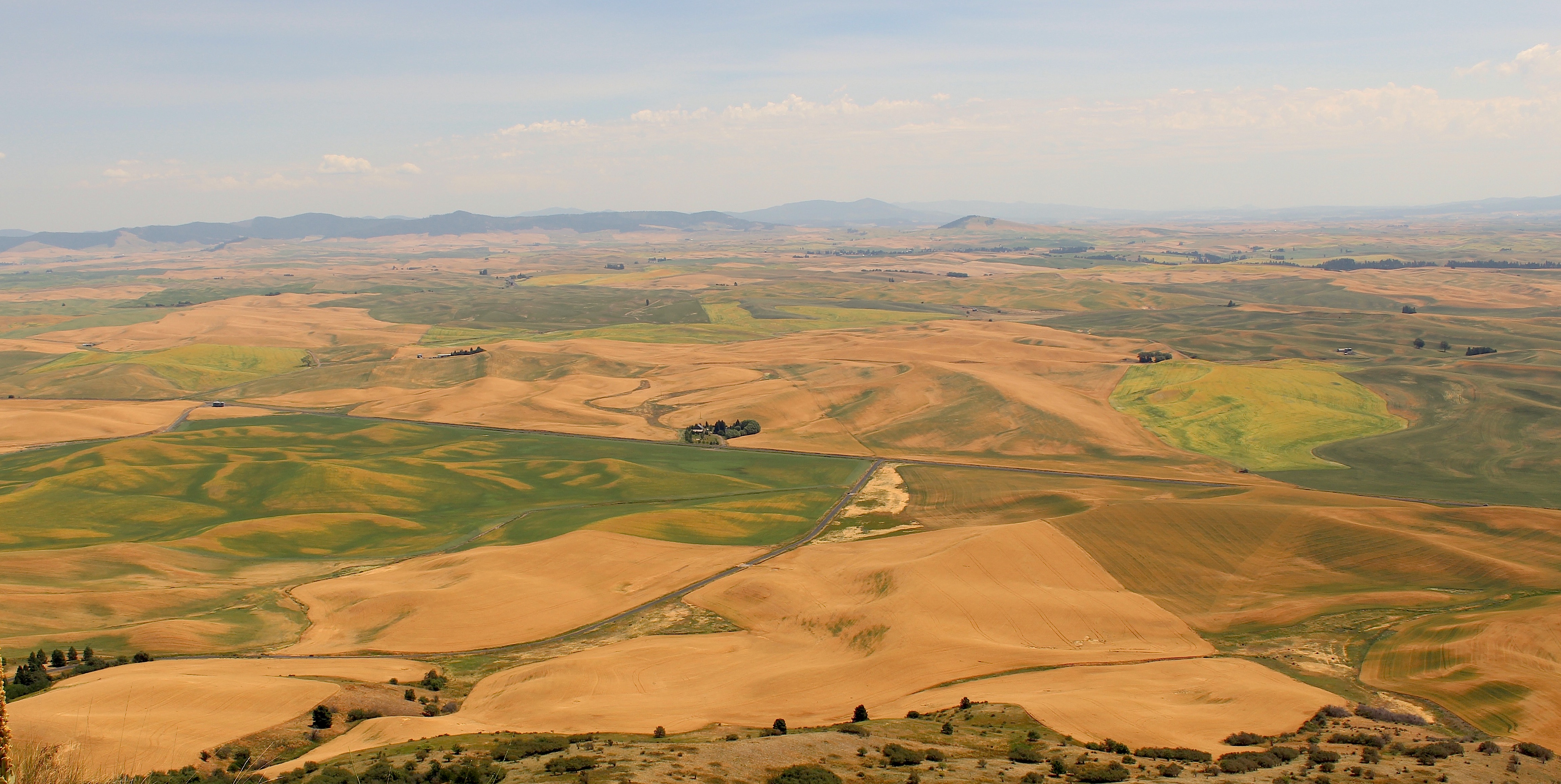
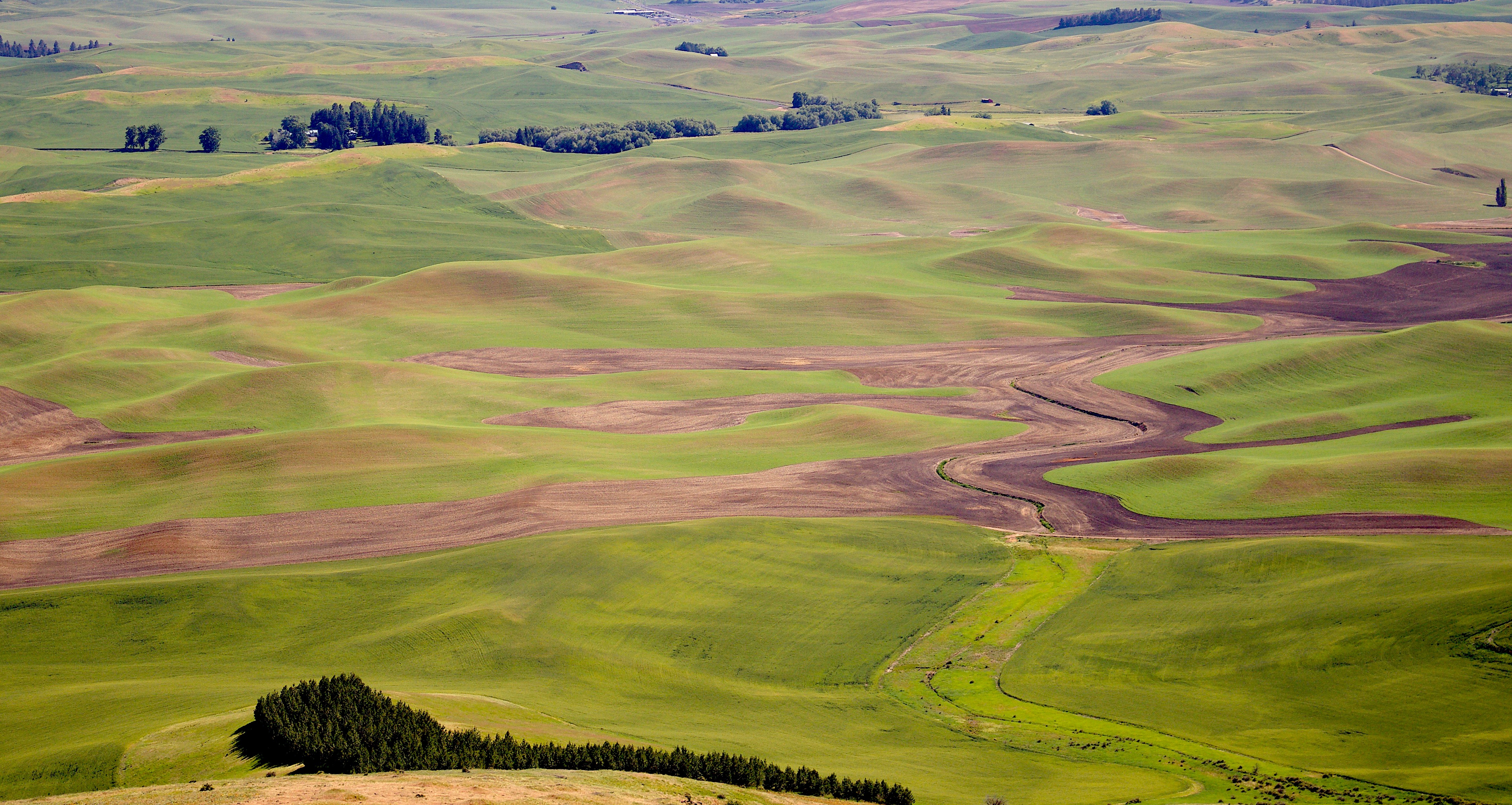
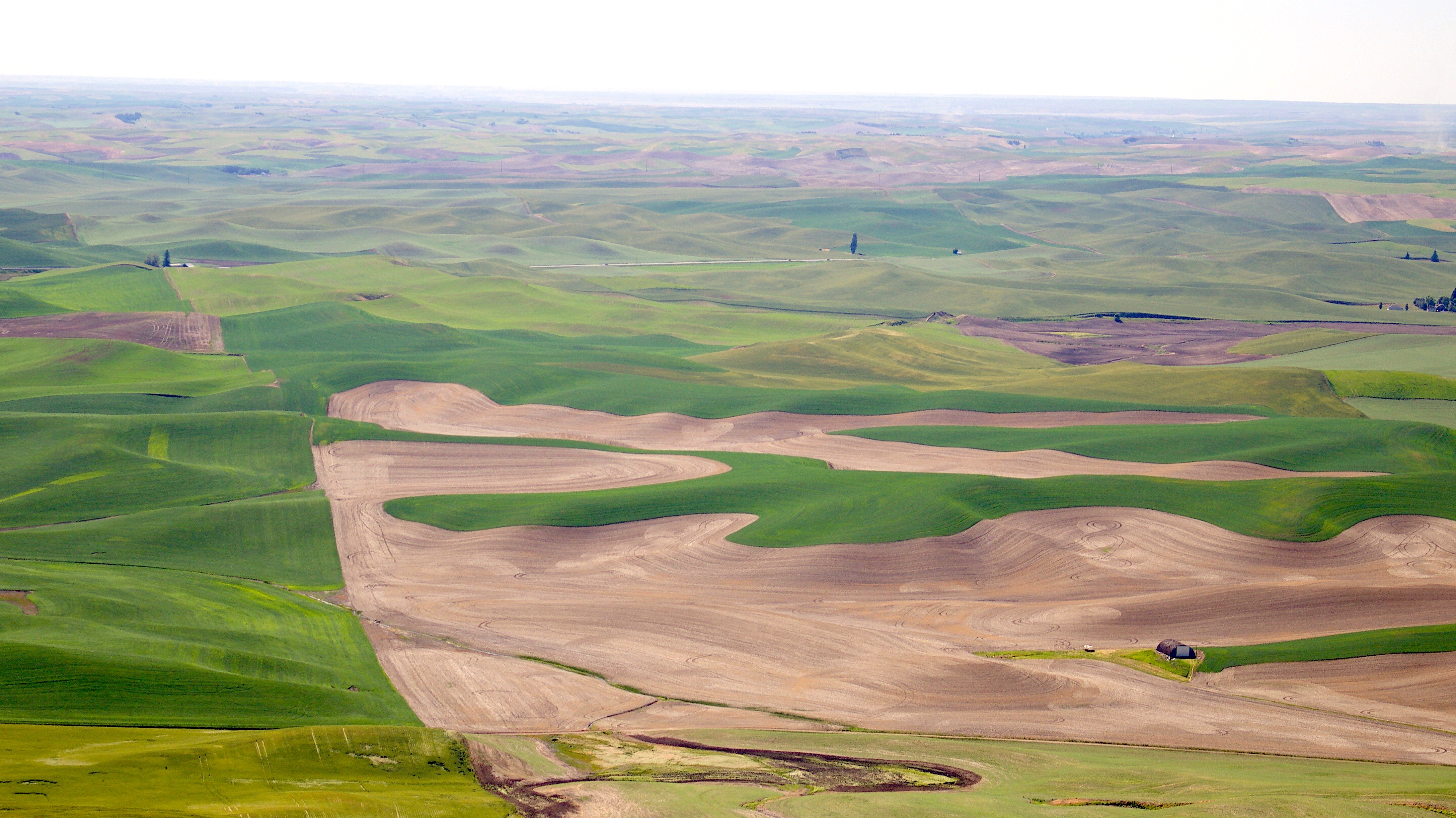
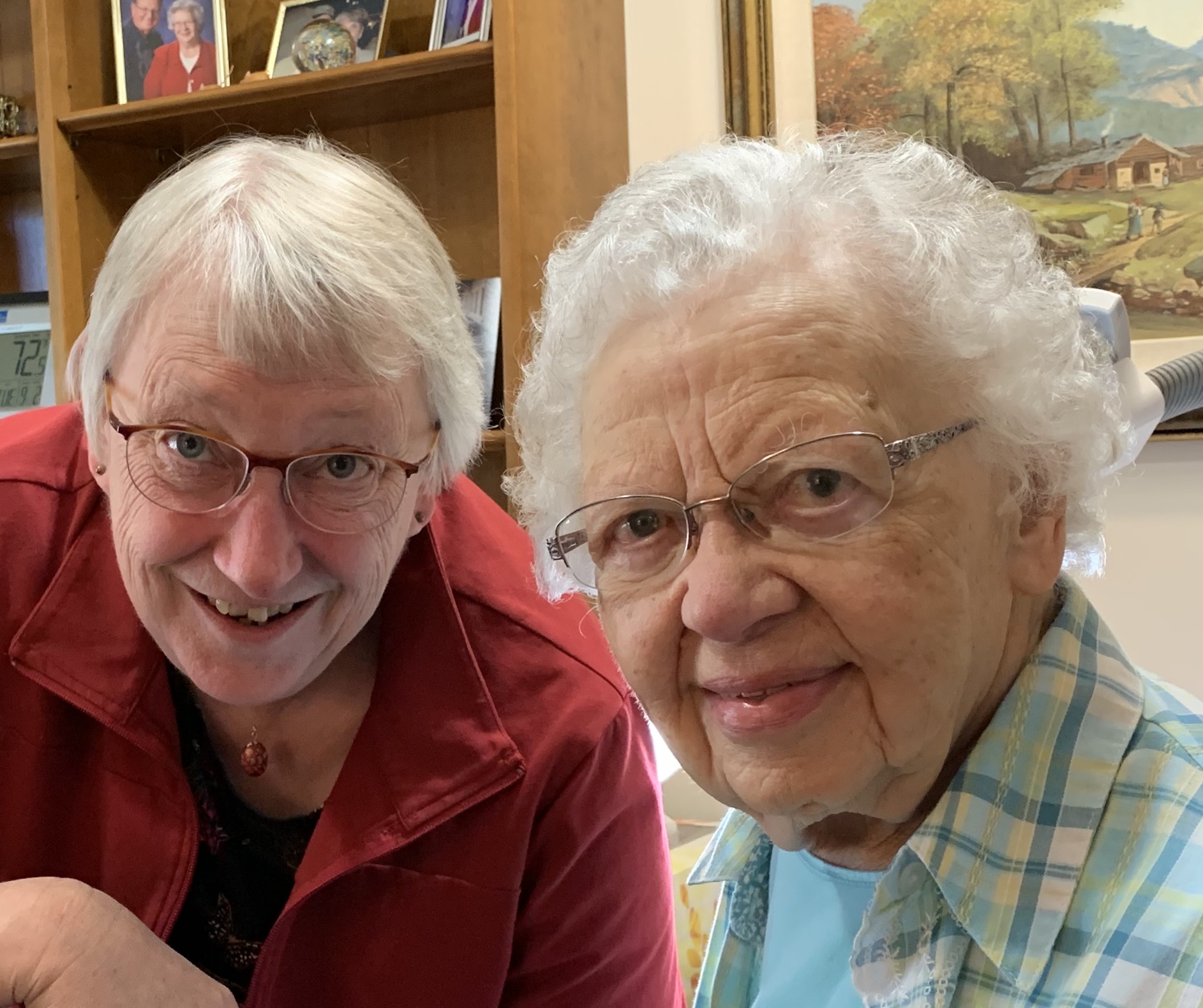
My Aunt Betty Buchholz Schmitz lived for most of her 102 years in landscapes that could be summer-rich with golden crops yet in winter, harsh, bleak and empty. She weathered it all with hard work, grace and an innate sweetness born of her faith.

She was carried away last week to her true home to join my mother’s brother, Albert, and so many family and friends who had gone before her, including my mother who always felt blessed to call Betty her sister through marriage.

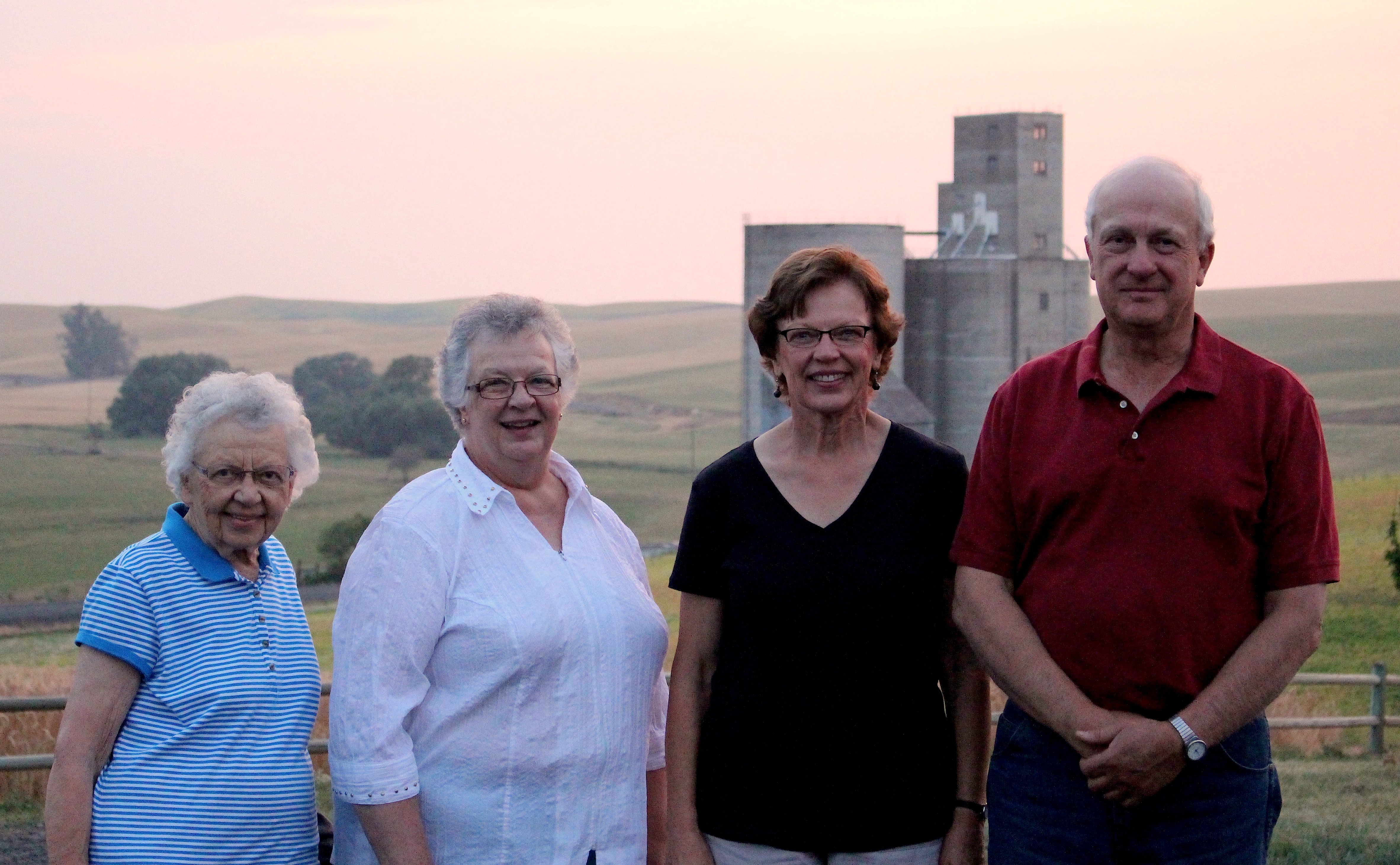
I remember Aunt Betty from my earliest days as we would make an annual summer visit to our cousins in Spring Valley, a tiny place with train tracks and a grain elevator in the middle of the rolling hills of the Palouse country of eastern Washington. I felt such a surge of excitement as we entered the long poplar-lined driveway that we could see from the road from far away.

My Palouse family lived in the farm house where my mother and uncle were born – a magical place of two stories with an enclosed staircase and many rooms, a huge basement, a sleeping porch for summer, a working windmill, as well as numerous outbuildings that contained everything Palouse wheat and lentil farmers needed to survive. The house was nestled in a small vale between the surrounding hills, to protect it from chill winter winds and stay cool in the shadows on blazing hot summer days.

Betty was a woman who was soft-spoken, always humble and eager to lend herself wherever needed. She cooked and baked huge meals, and used a wringer-washer and clothesline for never-ending loads of farm laundry. Her home was warm and welcoming with true heart-felt hospitality, even decades later after she moved to a house “in town” – a metropolis with just a few hundred neighbors.

Although a pioneer in the sense of living remotely with minimal conveniences, Betty and her brother Kenneth became pioneers in the 1960’s living donor kidney transplant program, as one of the first successful transplants. This must have required immense courage and stamina from a farm mother of three children, yet she was able to give her brother years of life that he otherwise would not have had.

Over the years, Betty sent cards and letters of encouragement to me in between our occasional visits to see her. She was the kind of aunt that modeled how I wanted to be and I have too often fallen short of her example.

I hoped to see Betty this summer, having missed visits over the last two years of COVID restrictions in her assisted living facility. Instead I will look for her smiling face and listen for her warm voice amid a lengthening list of beloved family and friends when I am called home some day myself.

I’ll see you again, Betty, in the glades of those rolling hills and the shadowed softened vales of the valleys. You will hold out your hand and make sure I feel at home there, just as you did for me during your century here.

Palouse fields
Poplar-lined driveway to the Schmitz farm

A Corner Post

If you stand here you can see the barn.
You can see it from every point on these two hundred acres,
but this spot is the closest.

Here’s a fence post–use your imagination–
that used to be a corner post
for all the fences on this farm.
~Curtis Bauer from “Imaginary Homecoming”
from Fence Line

Brushy fencerows are in a sense a gift from man to nature —
at least if, after the posts are dug in and the fence stapled to the posts, nature is given some free reign. Birds sitting on the fence and posts will pass undigested seeds in their droppings. Some of these seeds of blackberry, wild cherry, elderberry, bittersweet, sassafras, mulberry, and unfortunately, in some areas, multiflora rose, will take root in the loose soil around the posts and later in soil dug up by woodchucks. Chipmunks scurrying along the fence will bring and bury acorns and hickory nuts, while the wind will deliver dandelion, milkweed, and thistle seeds — all ingredients for a healthy fencerow.
~David Kline from Great Possessions

Standing in certain spots on our farm,
at certain times of day
and certain times of year

I think I can see and be seen
into forever,
the expanse of sky unending,
touching shadowy hilltop silhouettes.

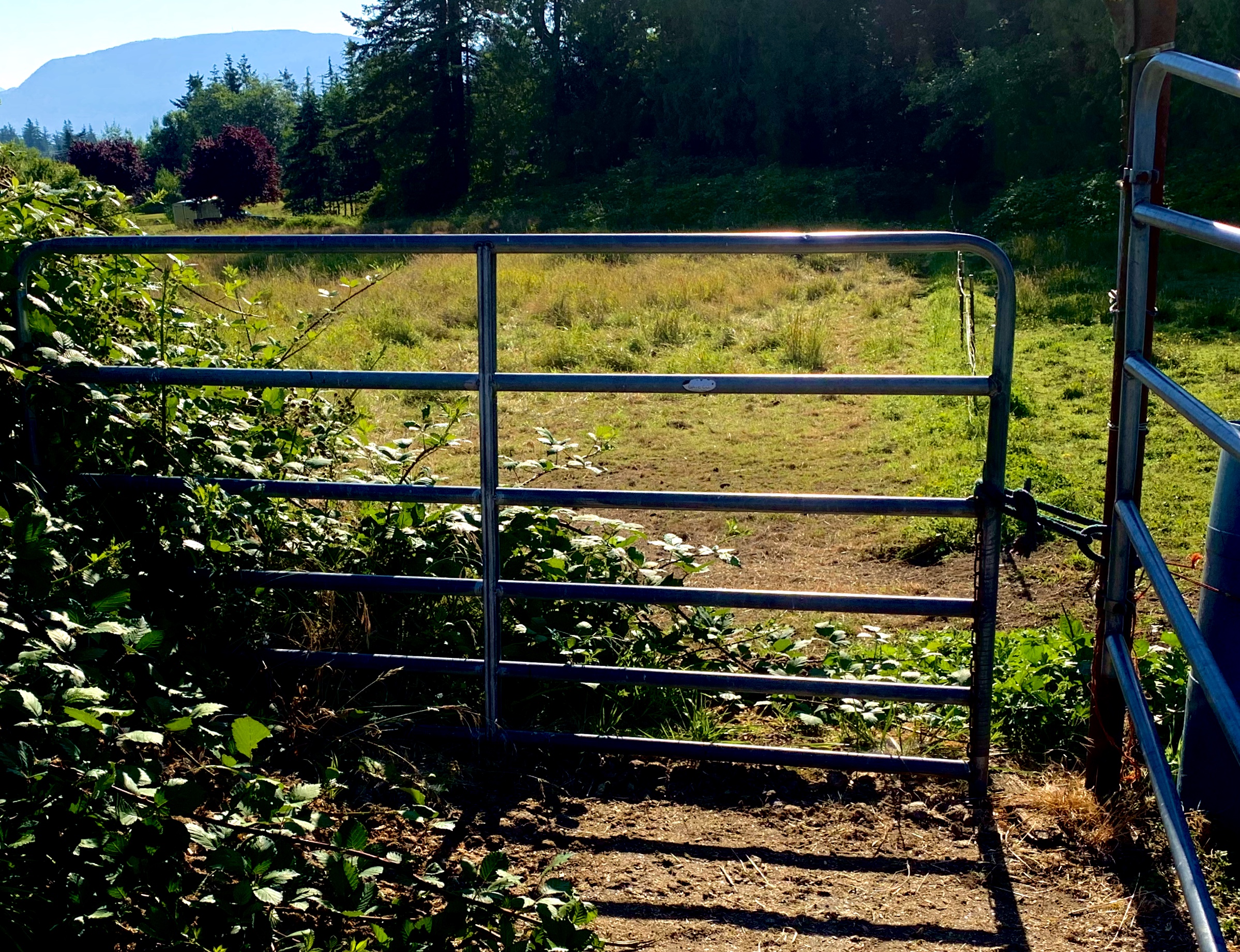
I look for the Corner Post from which
all boundaries extend,
fencing in the known and unknown from this spot.
I see the sanctuary which is safe haven to all that need to find rest,
a hub for our homecoming.

One-Time
Monthly
Yearly

Make a one-time or recurring donation to support daily Barnstorming posts

Make a monthly donation

Make a yearly donation
Choose an amount

¤5.00
¤10.00
¤20.00
¤5.00
¤15.00
¤100.00
¤5.00
¤15.00
¤100.00

Or enter a custom amount

¤

Your contribution is deeply appreciated.

Your contribution is appreciated.

Your contribution is appreciated.

DonateDonate monthlyDonate yearly