You are alive. It needn’t have been so. It wasn’t so once, and will not be forever. But it is so now.
And what is it like: to be alive in this one place of all places anywhere where life is? Live a day of it and see. Take any day and LIVE IT. Nobody claims that it will be entirely painless, but no matter.
It is your birthday and there are many presents to open. The world is to be opened. It is the first day because it has never been before and the last day because it will never be again.
When I was very young, I would trace my finger over the long scar that curved along the front of my mother’s neck and ask her what happened. She would tell me her thyroid gland had been overworking so she had to have it removed before I was born. That’s all she had to say about that and I never thought to ask more. Somehow I knew, just as my knowing my father would not talk about his experience as a Marine in WWII, my mother was hiding more than her big scar under high collars or a pearl necklace.
Hers was a deeper scar I couldn’t see or touch.
However, my older sister – about five at the time – remembers my mother’s illness. Mom was a little over thirty when her hands began to tremble, her pulse raced and she was irritable with trouble sleeping. My parents were hoping for a second child, but unable to get pregnant. Once her doctor diagnosed thyrotoxicosis , Mom had the option to try a new medication that had been recently developed – propylthiouracil – meant to suppress the function of overactive thyroid glands.
It didn’t work for her and she felt worse. It caused more side effects and my mother’s symptoms grew so severe, she was unable to leave her bedroom due to severe anxiety and paranoia made worse by insomnia. My paternal grandmother came to help since my father needed to continue to work to support the family but there was little that could be done other than sedation to ease my mother’s symptoms. My sister recalls not seeing Mom for days, unnerved by the wailing she heard from the bedroom. From her description, I now wonder if Mom was experiencing the beginning of thyroid “storm” (extremely high thyroid levels) which is potentially life-threatening with severe physical and emotional side effects.
After Mom was hospitalized and her entire thyroid was removed, she was placed on thyroid hormone supplements to take daily for the rest of her life. It took months for her to recover and feel somewhat normal again. Her eventual hormonal stability resolved her infertility as well as most of her other symptoms. She remained chronically anxious and had heart palpitations and insomnia the rest of her life, like a residual stain on her sense of well-being, although she lived another 55 years. The trauma of how her illness affected my dad and sister was never fully resolved. They all suffered. I can understand why those months remained as hidden as my mom’s surgical scar.
I was born about two years later – the second baby they never expected could happen. My brother was born 20 months after me.
From my family’s suffering came the solace of new life.
So I nearly wasn’t.
I’m reminded on each birthday: I needn’t have been here yet by the grace of God I am. I need to BE ALIVE and LIVE THIS DAY because it will never be again.
This is a truth for us all to cling to.
Each day is a gift to be opened and savored. Each day a first day, a last day, a great day – a birthday of amazing grace.
A new book from Barnstorming is available to order here:
We will grieve not, rather find Strength in what remains behind; In the primal sympathy Which having been must ever be;
Thanks to the human heart by which we live, Thanks to its tenderness, its joys, and fears, To me the meanest flower that blows can give Thoughts that do often lie too deep for tears. ~William Wordsworth from “Ode: Intimations of Immortality from Recollections of Early Childhood”
Twenty-six years ago today we watched at your bedside as you labored, readying yourself to die and we could not help except to be there while we watched you move farther away from us.
This dying, the hardest work you had ever done:
harder than handling the plow behind a team of draft horses, harder than confronting a broken, alcoholic and abusive father, harder than slashing brambles and branches to clear the woods, harder than digging out stumps, cementing foundations, building roofs, harder than shipping out, leaving behind a new wife after a week of marriage, harder than leading a battalion of men to battle on Saipan, Tinian and Tarawa, harder than returning home so changed there were no words, harder than returning to school, working long hours to support family, harder than running a farm with only muscle and will power, harder than coping with an ill wife, infertility, job conflict, discontent, harder than building your own pool, your own garage, your own house, harder than your marriage ending, a second wife dying, and returning home forgiven.
Dying was the hardest of all as no amount of muscle or smarts could stop it crushing you, taking away the strength you relied on for 73 years.
So as you lay helpless, moaning, struggling to breathe, we knew your hard work was complete and what was yet undone was up to us to finish for you.
A new book from Barnstorming is available for order here:
“Hold on,” she said, “I’ll just run out and get him. The weather here’s so good, he took the chance To do a bit of weeding.”
So I saw him Down on his hands and knees beside the leek rig, Touching, inspecting, separating one Stalk from the other, gently pulling up Everything not tapered, frail and leafless, Pleased to feel each little weed-root break, But rueful also . . .
Then found myself listening to The amplified grave ticking of hall clocks Where the phone lay unattended in a calm Of mirror glass and sunstruck pendulums . . .
And found myself then thinking: if it were nowadays, This is how Death would summon Everyman.
Next thing he spoke and I nearly said I loved him.
My father was a complex man. I understand better now where my own complicated nature comes from.
As inscrutable as he could be, there were things I absolutely understood about him:
he was a man of action – he never just sat, never took a nap, never wasted a day of his life without accomplishing something tangible.
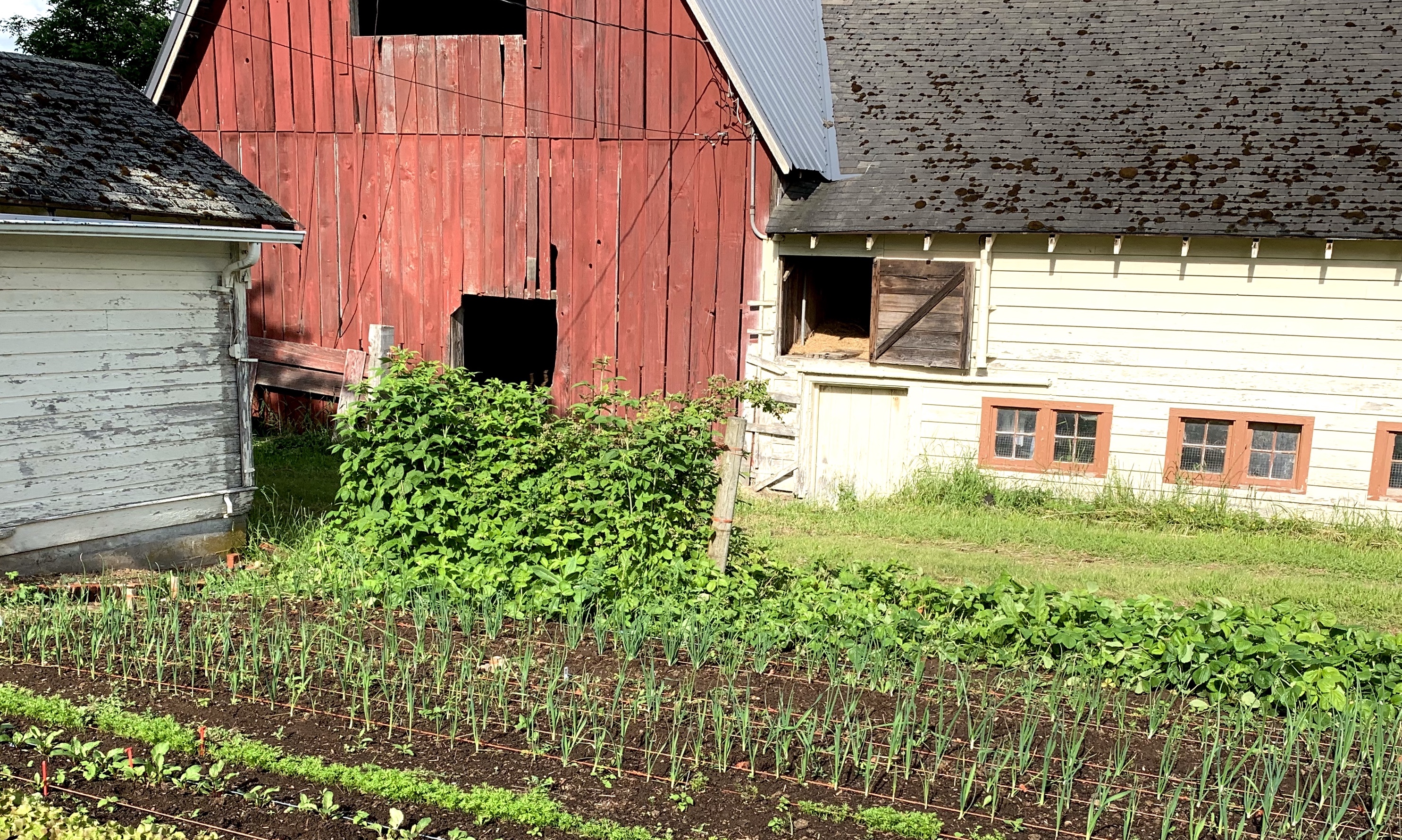
he was a man of the soil – he plowed and harrowed and sowed and fertilized and weeded and harvested
he was a man of inventiveness – he figured out a better way, he transformed tools and buildings, he started from scratch and built the impossible
he didn’t explain himself – and never felt the need to.
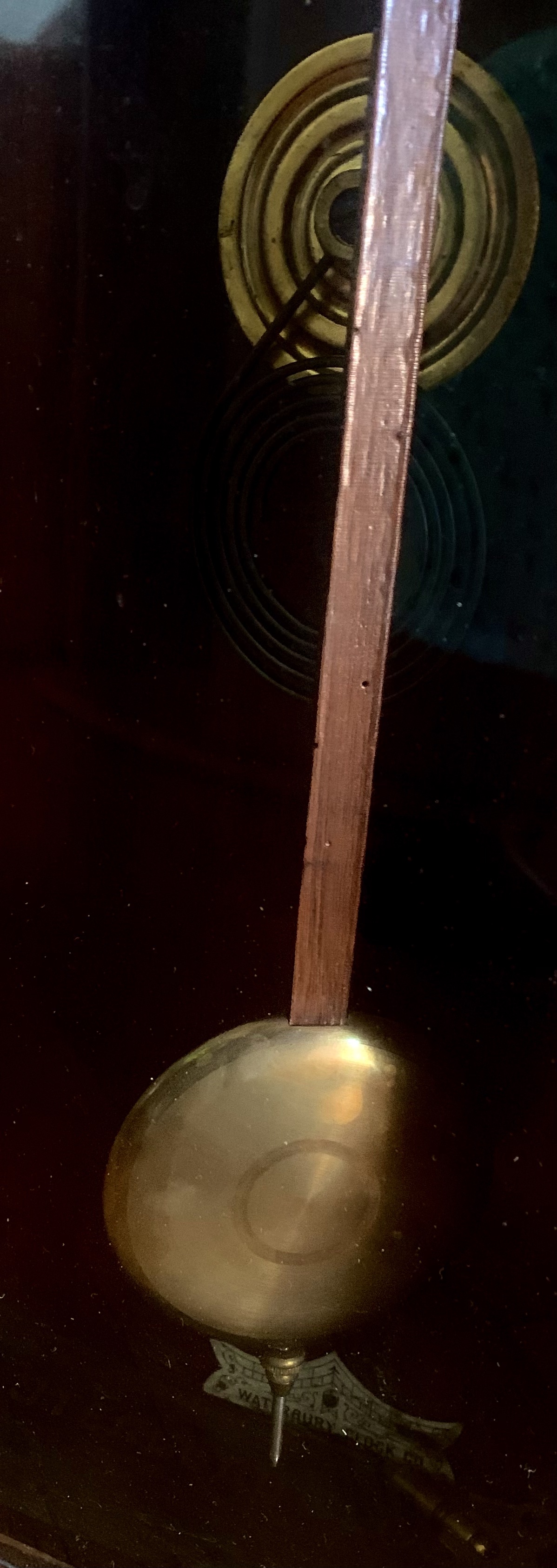
Time keeps ticking on without him here, now 26 years since he took his last breath as the clock pendulum swung in his bedroom. He was taken too young for all the projects he still had in mind.
He handed off a few to me. Some I have done. Some still wait, I’m not sure why.
My regret is not understanding how much he needed to hear how loved he was. He seemed fine without it being said. But he wasn’t.
I wish I had said it when I had the chance.
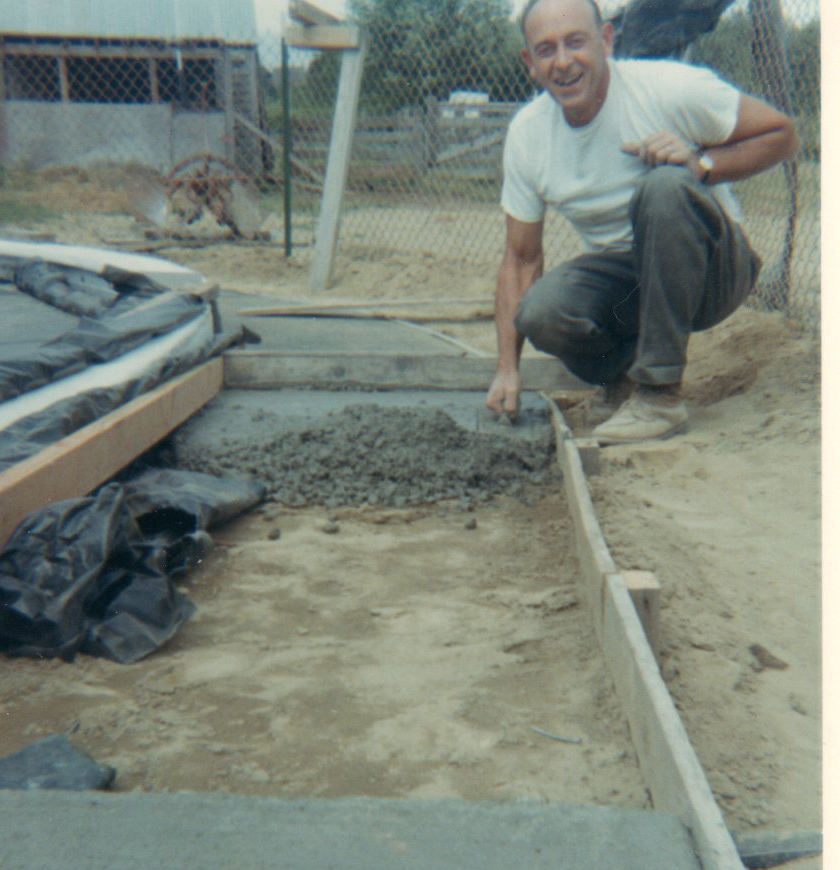
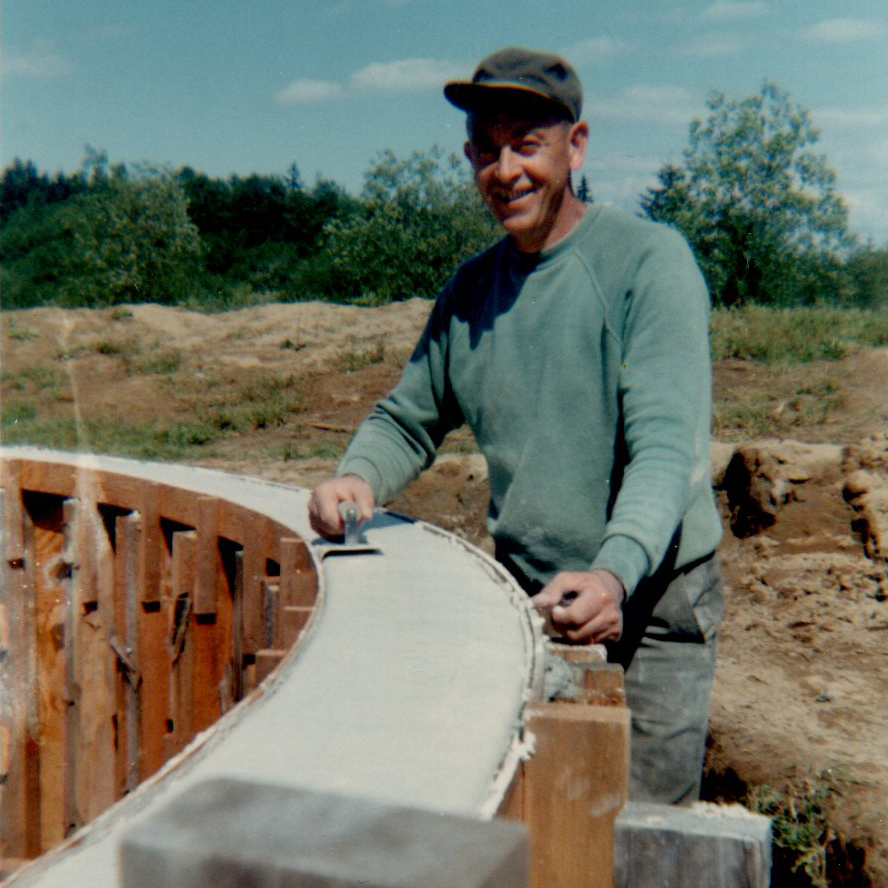
Ben packaged in a paper bag by Grandpa HankPouring the sidewalk by hand
May light eternal shine upon them, O Lord, with Thy saints forever, for Thou art kind. Eternal rest give to them, O Lord, and let perpetual light shine upon them.
Lux aeterna luceat eis, Domine, cum sanctis tuis in aeternum, quia pius es. Requiem aeternam dona eis, Domine, et lux perpetua luceat eis.
In my father’s near daily letters home to my mother during WWII, month after month after month, he would say, over and over while apologizing for the repetition:
“I will come home to you, I will return, I will not let this change me, we will be joined again…”
This was his way of convincing himself even as he carried the dead and dying after island battles: men he knew well and the enemy he did not know. He knew they were never returning to the home they died protecting and to those who loved them.
He shared little of battle in his letters as each letter was reviewed and signed off by a censor before being sealed and sent. This story made it through:
“You mentioned a story of Navy landing craft taking the Marines into Tarawa. It reminded me of something which impressed me a great deal and something I’m sure I’ll never forget.
So you’ll understand what I mean I’ll try to start with an explanation. In training – close order drill- etc. there is a command that is given always when the men form in the morning – various times during the day– after firing– and always before a formation is dismissed. The command is INSPECTION – ARMS. On the command of EXECUTION- ARMS each man opens the bolt of his rifle. It is supposed to be done in unison so you hear just one sound as the bolts are opened. Usually it is pretty good and sounds O.K.
Just to show you how the morale of the men going to the <Tarawa> beach was – and how much it impressed me — we were on our way in – I was forward, watching the beach thru a little slit in the ramp – the men were crouched in the bottom of the boat, just waiting. You see- we enter the landing boats with unloaded rifles and wait till it’s advisable before loading. When we got about to the right distance in my estimation I turned around and said – LOAD and LOCK – I didn’t realize it, but every man had been crouching with his hand on the operating handle and when I said that — SLAM! — every bolt was open at once – I’ve never heard it done better – and those men meant business when they loaded those rifles.
A man couldn’t be afraid with men like that behind him.”
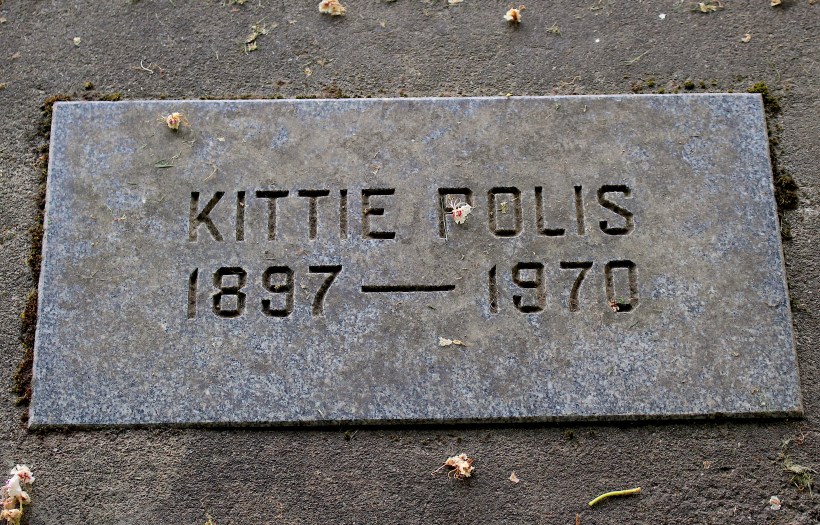
(for my father Henry Polis on Memorial Day)
It was only a part of what we knew about you- serving three long years in the South Pacific, spoken of obliquely only if asked about, but never really answered.
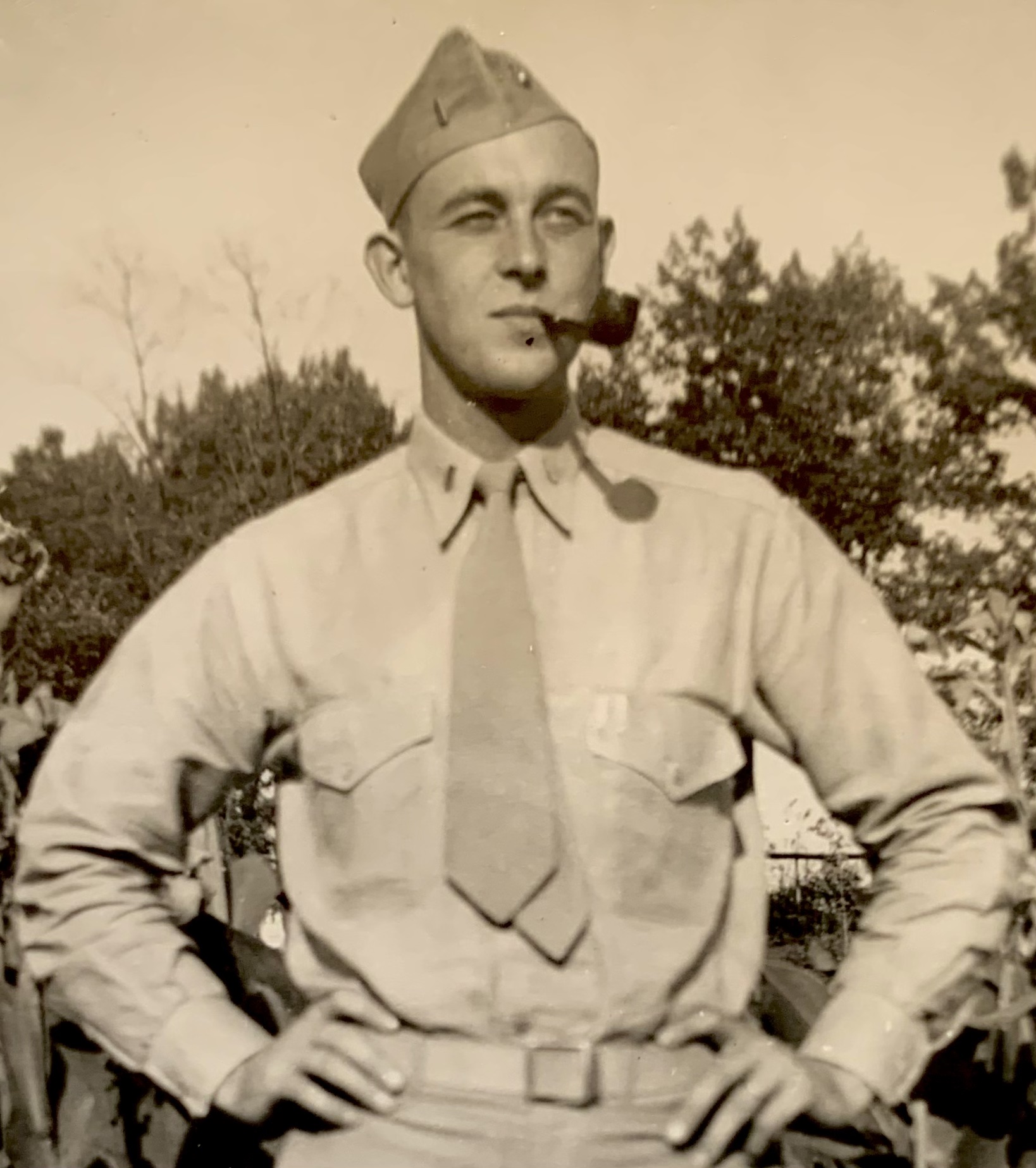
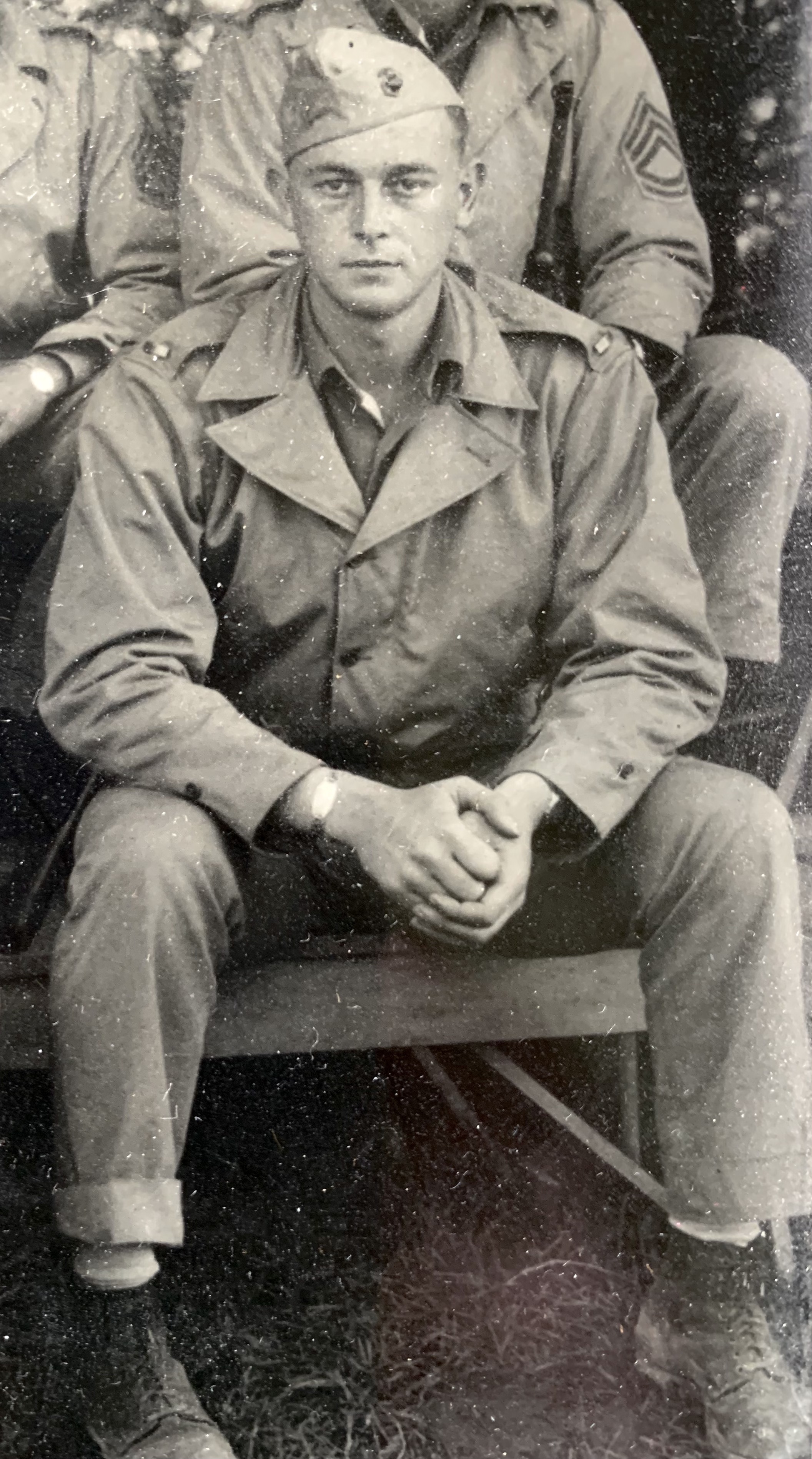
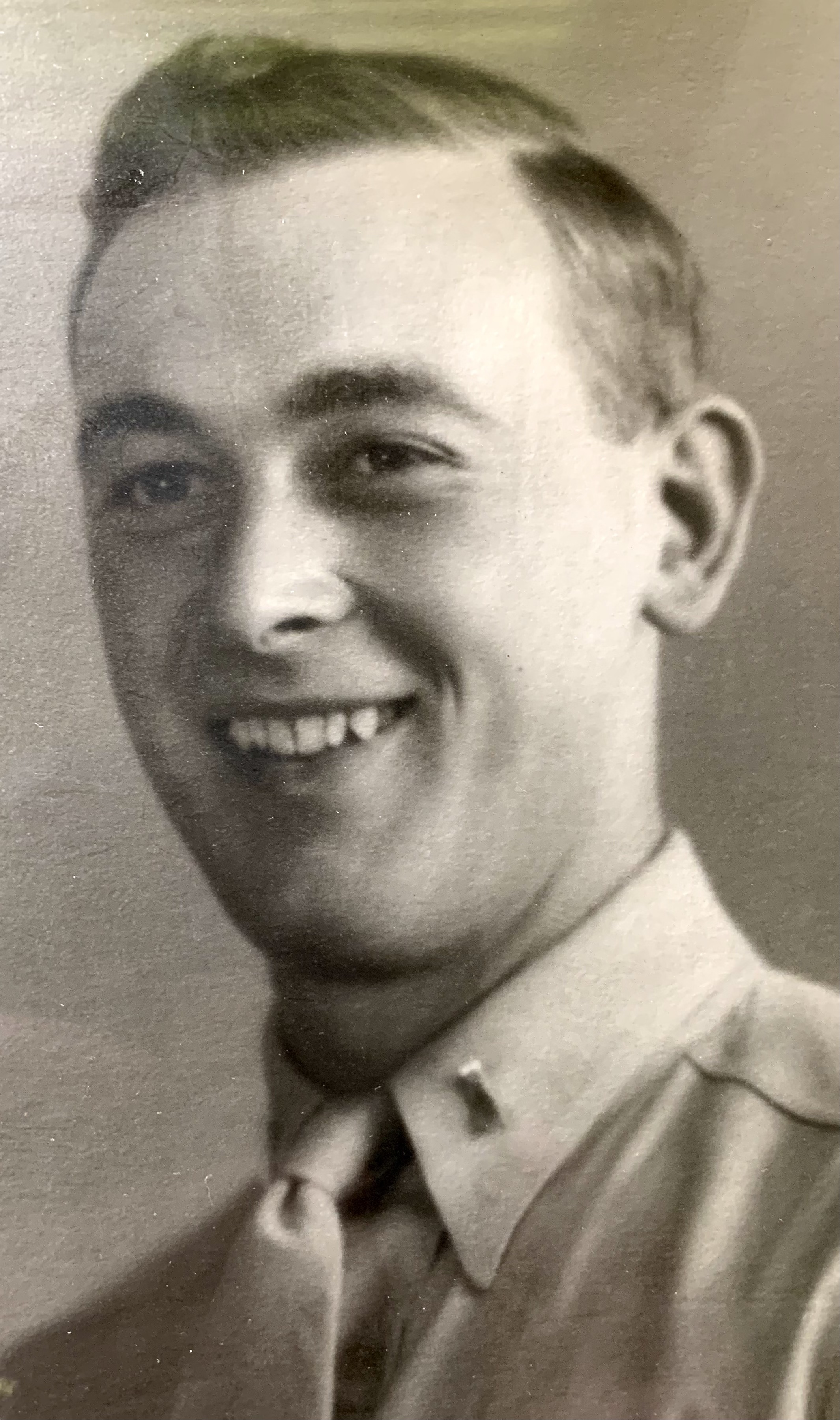
We knew you were a Marine battalion leader at age 21, knew you spent too many nights without sleep, unsure if you or your men would see the dawn only to dread what the next day would bring.
We knew you lost buddies and your innocence; found unaccustomed strength in a mama’s boy who once cried too easily and later almost never.
Somehow life had prepared you for this: pulling your daddy out of taverns when you were ten watching him beat your mama until finally getting big enough to stand in the way so he stopped.
Then Tarawa, Saipan, Tinian beaches bitterly bloodsoaked battles won, to be restored and renewed as vacation resorts.
We let you go without knowing your full story– even Mom didn’t ask. You could not share the depth of horror and fear you felt.
It was not shame that kept you silent; simply no need to revisit the pain of remembrance. It was done, finished, you had done your duty.
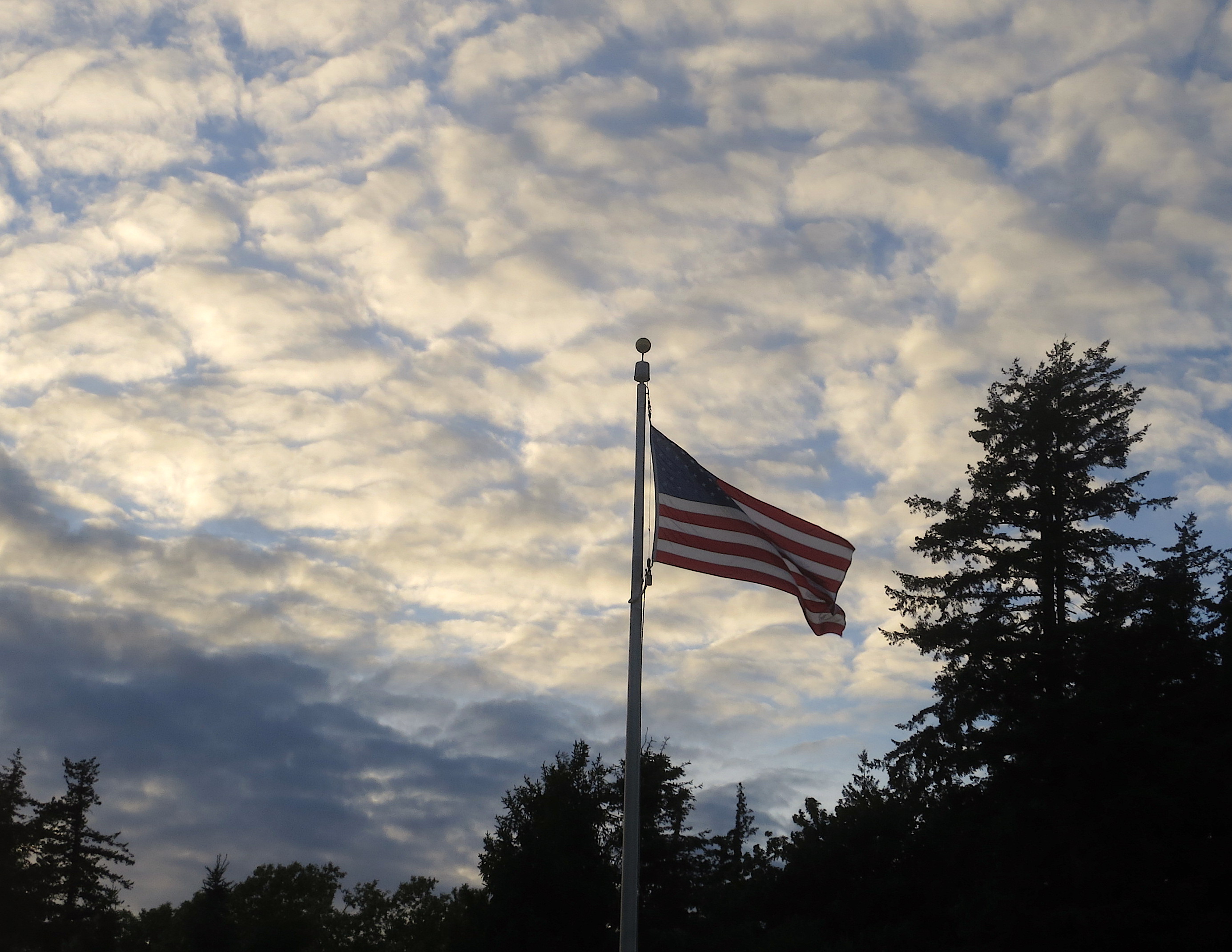
So as we again set flowers and flag on your grave, reunited with Mom after years apart, I regret so many questions unasked of your sacrifice beyond imagining.
Sleep well, Dad, with Mom now by your side. I rejoice you have wakened to a renewed dawn, an eternal light Lux Aeterna.
The sunlight now lay over the valley perfectly still. I went over to the graveyard beside the church and found them under the old cedars… I am finding it a little hard to say that I felt them resting there, but I did…
I saw that, for me, this country would always be populated with presences and absences, presences of absences, the living and the dead. The world as it is would always be a reminder of the world that was, and of the world that is to come. ~Wendell Berry in Jayber Crow
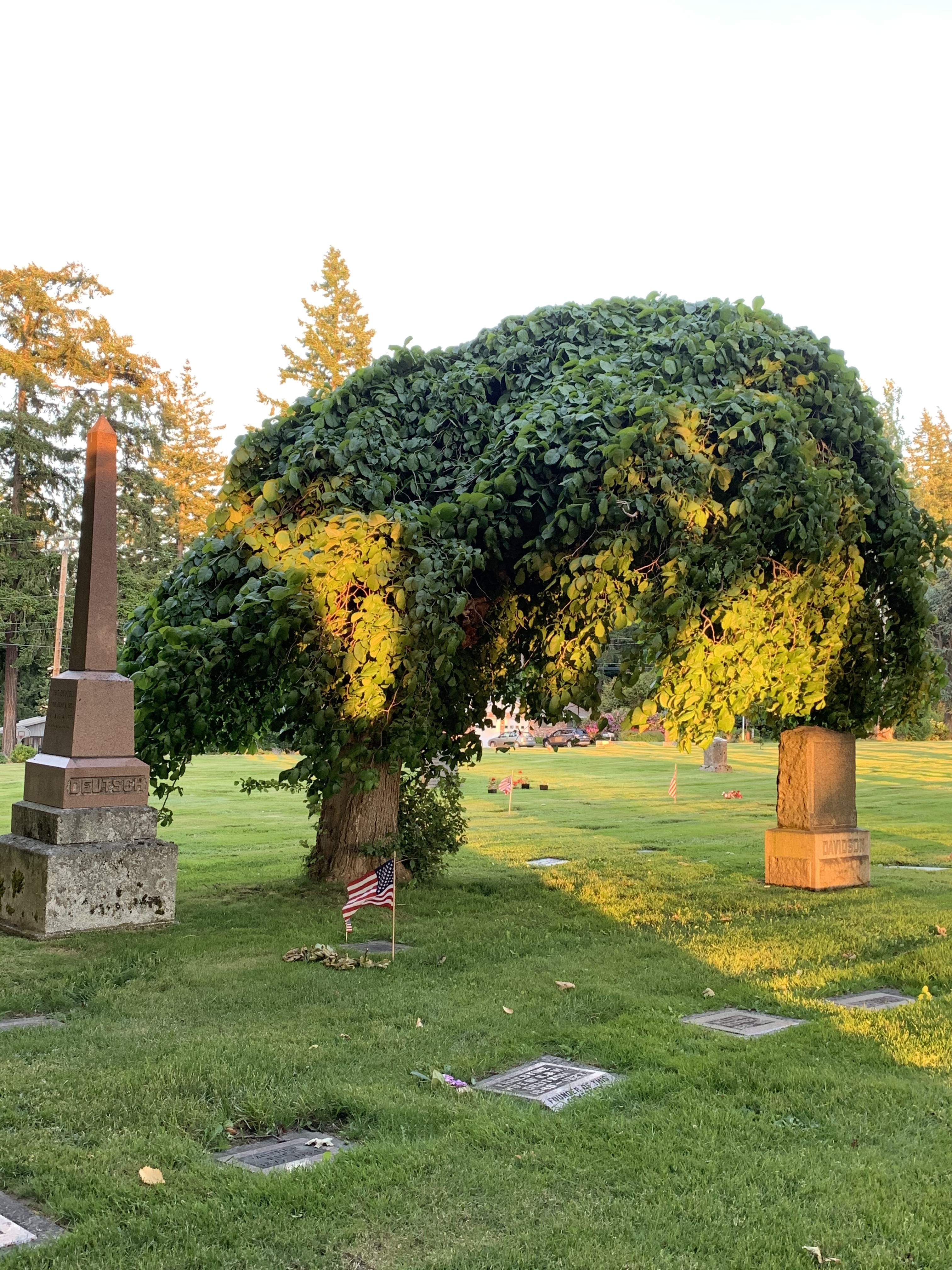
Today, as always during the last weekend of May, we have a family reunion where most turn up missing. A handful of the living come together with a slew of the no-longer-living. Some, who have been caught napping for a century or more, are no-shows.
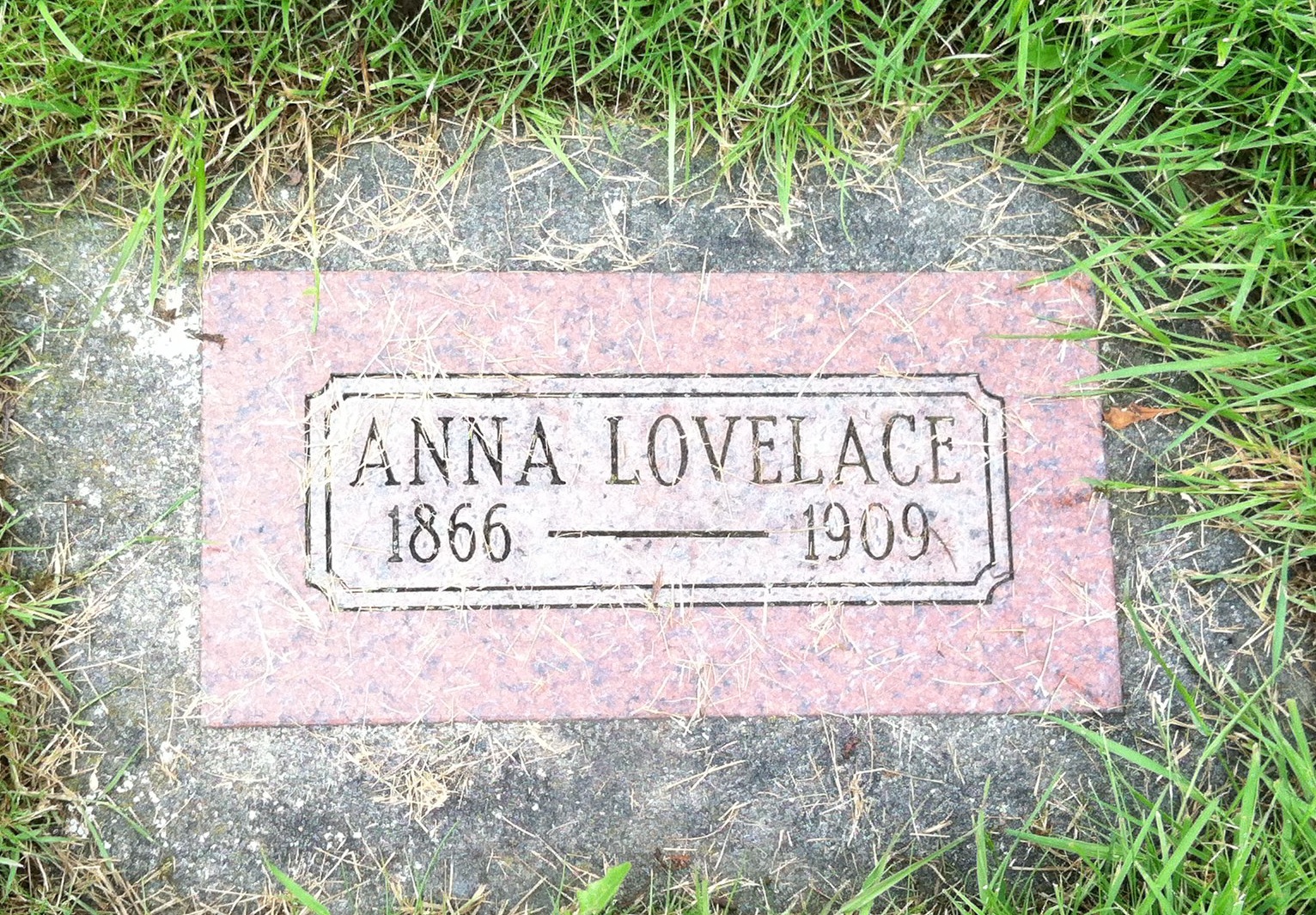
It is always on this day of cemetery visiting that I feel keenly the presence of their absence: the great greats I never knew, a great aunt who kept so many secrets, my alcoholic grandfather (who I remember as a very old man) who died of sudden cardiac arrest at the age I am now, my grandmother from whom I inherited inherent messiness and the love of things that bloom, my parents who divorced for ten years late in life, yet reunited long enough for their ashes to rest together for eternity.
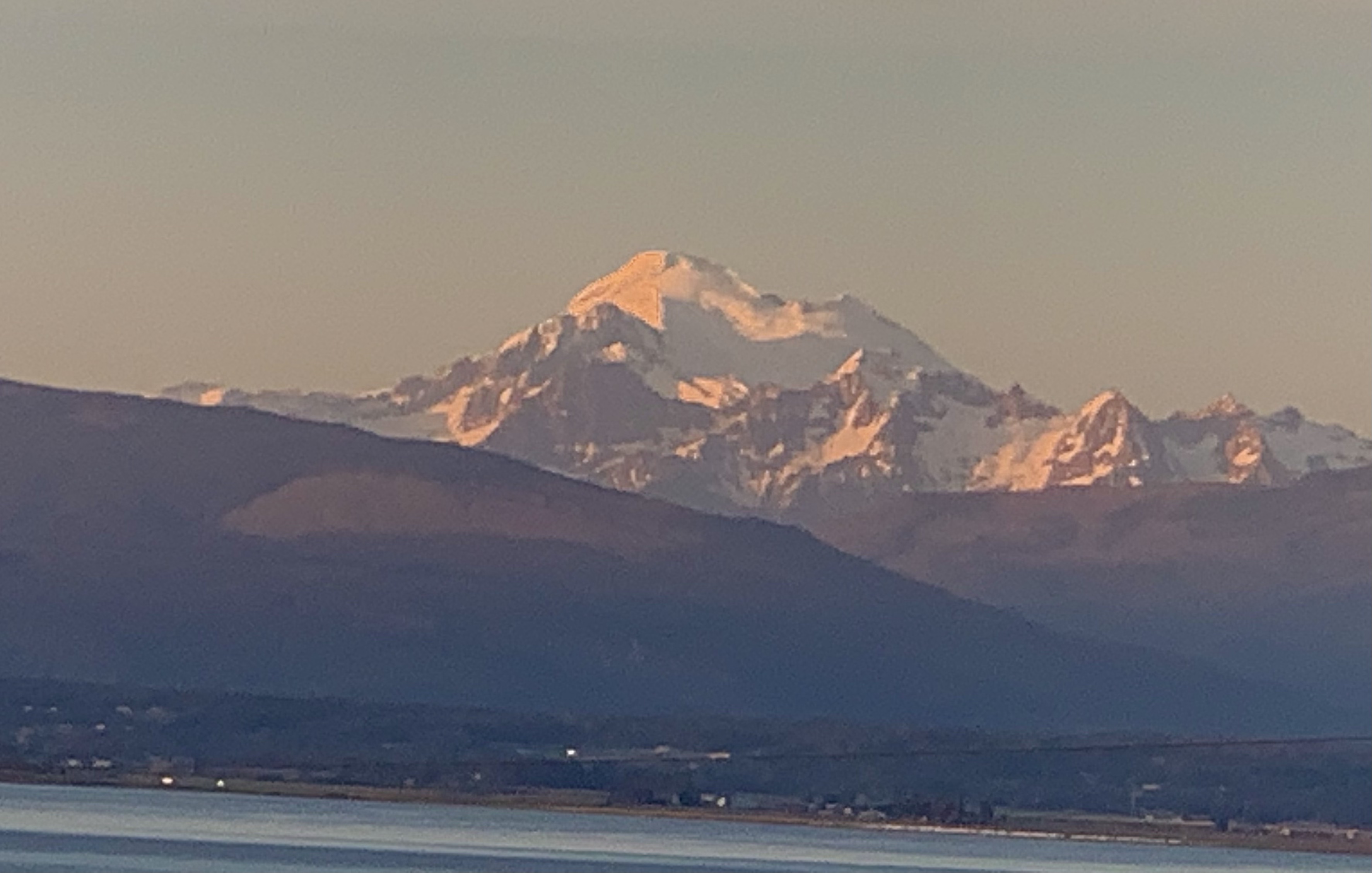
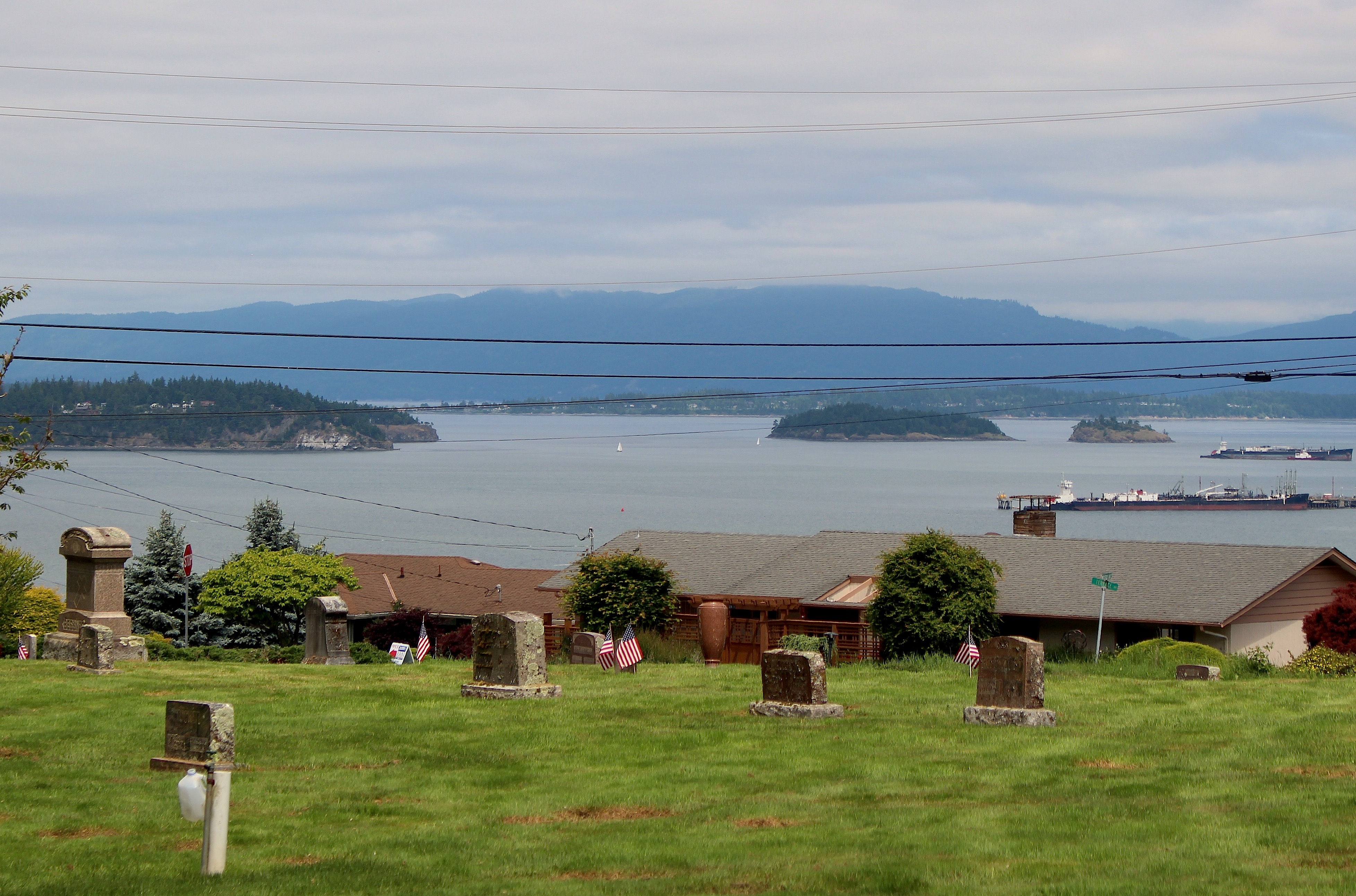
These givers of my genes rest here in this beautiful place above Puget Sound, the Cascade Mountains with shining snow beside them. It is a peaceful spot to lay one’s dust for eternity.
It is good, as one of the still-for-now living, to approach these plots of grass with a wary weariness of the aging. But for the grace of God, there will I be sooner than I wish to be. There, thanks to the grace of God, will I one day be an absent presence for my children and grandchildren to ponder if they keep up this annual tradition of the cemetery-visit.
The world as it is…remembers the world that was.
The world to come calls us home in its time, where we all will be present and accounted for — our reunion celebration where we pray no one is missing.
All in good time. All in good time.
A new book from Barnstorming – available for order here
When I lay my head in my mother’s lap I think how day hides the stars, the way I lay hidden once, waiting inside my mother’s singing to herself. And I remember how she carried me on her back between home and the kindergarten, once each morning and once each afternoon.
I don’t know what my mother’s thinking.
When my son lays his head in my lap, I wonder: Do his father’s kisses keep his father’s worries from becoming his? I think Dear God, and remember there are stars we haven’t heard from yet: They have so far to arrive. Amen, I think, and I feel almost comforted.
I’ve no idea what my child is thinking.
Between two unknowns, I live my life. Between my mother’s hopes, older than I am by coming before me. And my child’s wishes, older than I am by outliving me. And what’s it like? Is it a door, and a good-bye on either side? A window, and eternity on either side? Yes, and a little singing between two great rests. ~Li-Young Lee The Hammock
I’ve become the window bridging four generations, waiting for the door to reopen:
I remember my grandmother’s soft hands smoothing my hair when I was upset. I still see her tears when she said goodbye.
I remember my father carrying me on his shoulders when my legs grew weary and my patience short. I still feel his final breath as he finally gave up his struggle.
I remember my children needing me for nearly everything. Now, living so far away, I give so little as they soothe and comfort my grandchildren when I cannot.
I wonder what my grandmother, my father, my children, my grandchildren were thinking. I can only imagine, stuck as I am between the closed pandemic door and the someday-open window.
Once again I am the one in need: praying life and hugs might happen again.
Soon. Soon and very soon. I can almost hear the singing between us.
To pull the metal splinter from my palm my father recited a story in a low voice. I watched his lovely face and not the blade. Before the story ended, he’d removed the iron sliver I thought I’d die from.
I can’t remember the tale, but hear his voice still, a well of dark water, a prayer. And I recall his hands, two measures of tenderness he laid against my face, the flames of discipline he raised above my head.
Had you entered that afternoon you would have thought you saw a man planting something in a boy’s palm, a silver tear, a tiny flame. Had you followed that boy you would have arrived here, where I bend over my wife’s right hand.
Look how I shave her thumbnail down so carefully she feels no pain. Watch as I lift the splinter out. I was seven when my father took my hand like this, and I did not hold that shard between my fingers and think, Metal that will bury me, christen it Little Assassin, Ore Going Deep for My Heart. And I did not lift up my wound and cry, Death visited here! I did what a child does when he’s given something to keep. I kissed my father. ~Li-Young Lee, “The Gift” from Rose
I did, without ever wanting to, remove my own children’s splinter, lanced a boil, immobilized a broken arm, pulled together sliced skin, cleaned many dirty wounds. It felt like I crossed the line between mommy and doctor. But someone had to do it, and a four hour wait in the emergency room didn’t seem warranted.
My own children learned to cope with hurt made worse by someone they trusted to be comforter.
I dealt with inflicting pain, temporary though it may be, to flesh that arose from my flesh. It hurt as much as if it were my own wound needing cleansing, not theirs.
Our wounds are His – He is constantly feeling our pain as He performs healing surgeries in our lives, not because He wants to but because He must, to save us from our own destruction. Too often we yell and kick and protest in our distress, making it all that much more difficult for both of us.
If only we can come to acknowledge His intervention is our salvage: our tears to flow in relief, not anguish, we cling to His protection rather than pushing Him away, we kiss Him in gratitude as we are restored again and yet again.
In the cemetery a mile away from where we used to live, my aunts and mother my father and uncles lie in two long rows, almost the way they used to sit around the long planked table at family dinners. And walking beside the graves today, down one straight path and up the next, I don’t feel sad, exactly, just left out a bit, as if they kept from me the kind of grown-up secret they used to share back then, something I’m not quite ready yet to learn. ~Linda Pastan “Unveiling” from Carnival Evening
Some family gatherings can wait. I don’t feel ready yet to learn what they all now know posthumously, in their tidy rows in peaceful settings. I feel some curiosity as I wander among them, realizing my invitation is coming, most likely before I wish to receive it.
I nod to one and then another, greeting them as I used to when we gathered around the same dinner table. To those I never met but share DNA, I introduce myself, hoping to make a good impression.
They still have their secrets, as they always had. And I try not to ask too many questions. No, not yet.
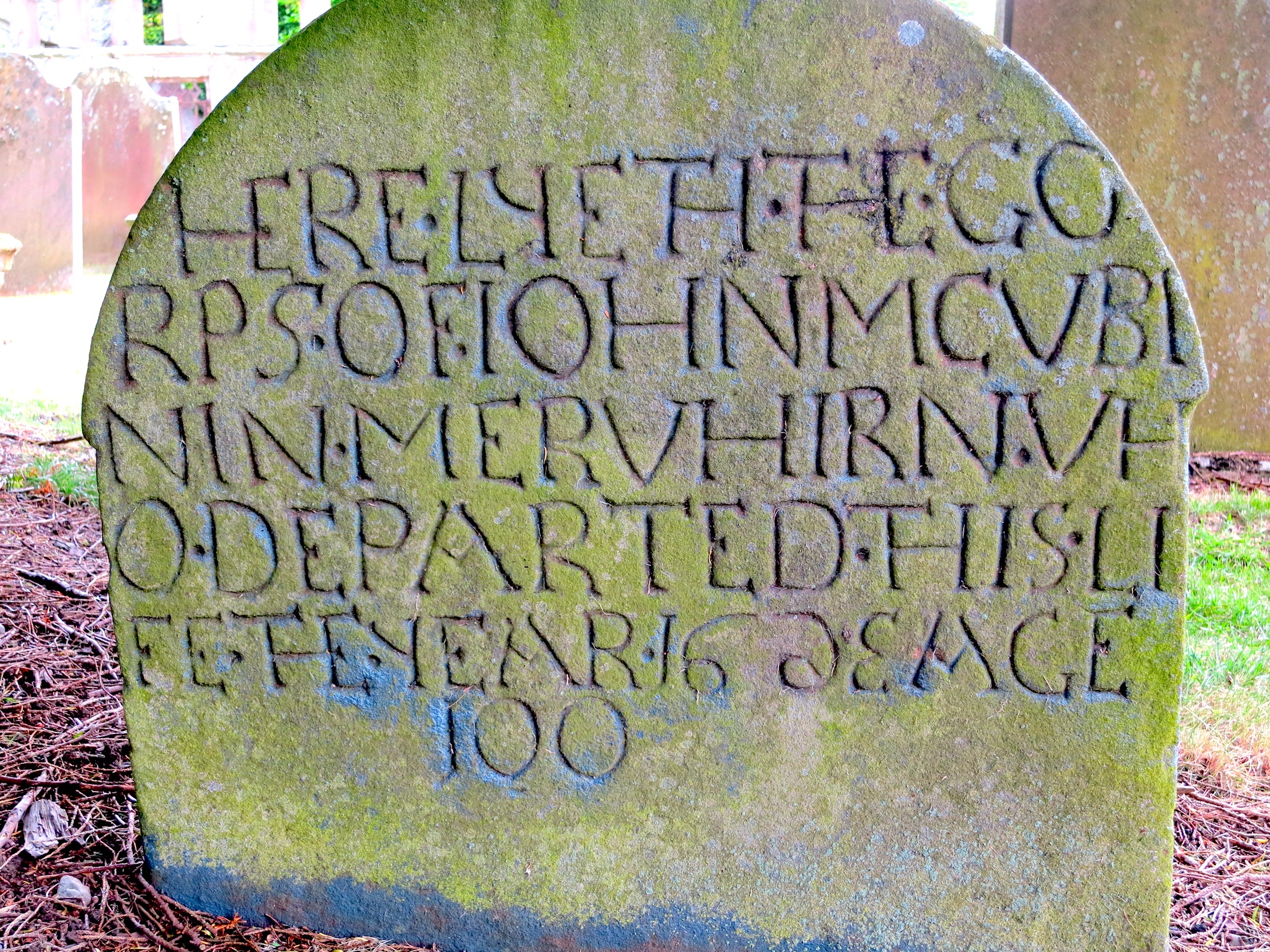
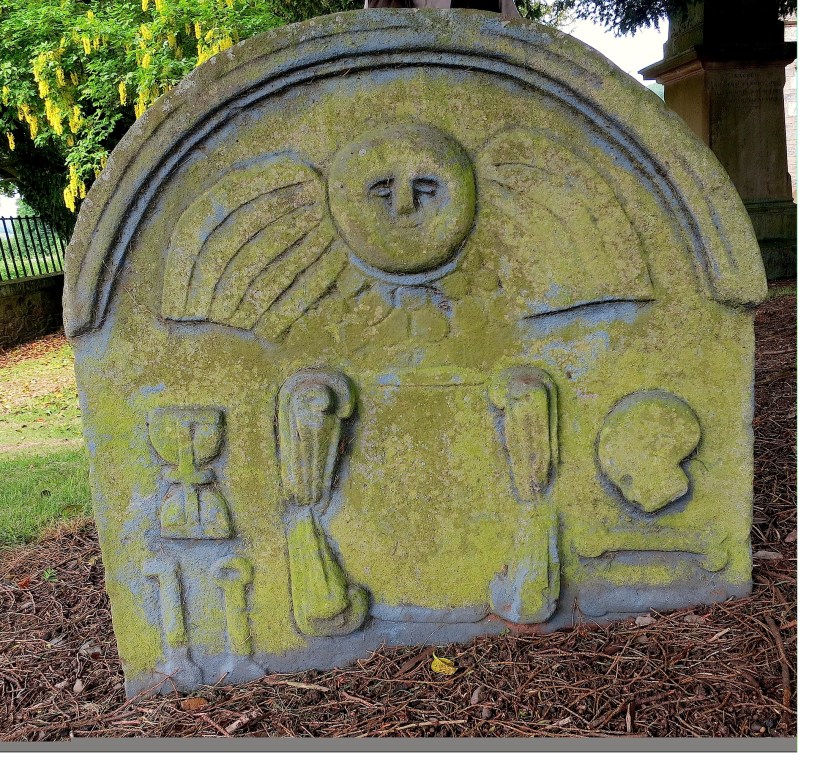
“Oh, that I had the wings of a dove! I would fly away and be at rest. Psalm 55:6
other side of the same stone
Some glad morning when this life is over I’ll fly away To a home on God’s celestial shore I’ll fly awayI’ll fly away, oh, Glory I’ll fly away When I die, Hallelujah, by and by I’ll fly awayJust a few more weary days and then I’ll fly away To a land where joy shall never end I’ll fly awayI’ll fly away, oh, Glory I’ll fly away When I die, Hallelujah, by and by I’ll fly awayYeah, when I die, Hallelujah, by and by I’ll fly away
May the wind always be in her hair May the sky always be wide with hope above her And may all the hills be an exhilaration the trials but a trail, all the stones but stairs to God.
May she be bread and feed many with her life and her laughter May she be thread and mend brokenness and knit hearts… ~Ann Voskamp from “A Prayer for a Daughter”
“I have noticed,” she said slowly, “that time does not really exist for mothers, with regard to their children. It does not matter greatly how old the child is – in the blink of an eye, the mother can see the child again as she was when she was born, when she learned to walk, as she was at any age — at any time, even when the child is fully grown….” ~Diana Gabaldon from Voyager
Just checking to see if she is real…
Your rolling and stretching had grown quieter that stormy winter night twenty eight years ago, but no labor came as it should. A week overdue post-Christmas, you clung to amnion and womb, not yet ready. Then the wind blew more wicked and snow flew sideways, landing in piling drifts, the roads becoming impassable, nearly impossible to traverse.
So your dad and I tried, worried about being stranded on the farm far from town. Our little car got stuck in a snowpile in the deep darkness, our tires spinning, whining against the snow. A nearby neighbor’s earth mover dug us out to freedom. You floated silent and still, knowing your time was not yet.
Creeping slowly through the dark night blizzard, we arrived to the warm glow of the hospital. You slept, your heartbeat checked out steady. I slept not at all.
Morning sun glistened off sculptured snow outside our window, and your heart ominously slowed when they checked. We both were jostled, turned, oxygenated, but nothing changed. You beat even more slowly, letting loose your tenuous grip on life.
The nurses’ eyes told me we had trouble. The doctor, grim faced, announced delivery must happen quickly, taking you now, hoping we were not too late. I was rolled, numbed, stunned, clasping your father’s hand, closing my eyes, not wanting to see the bustle around me, trying not to hear the shouted orders, the tension in the voices, the quiet at the moment of opening when it was unknown what would be found.
And then you cried. A hearty healthy husky cry, a welcomed song. Perturbed and disturbed from the warmth of womb, to the cold shock of a bright lit operating room, your first vocal solo brought applause from the surrounding audience who admired your purplish pink skin, your shock of damp red hair, your blue eyes squeezed tight, then blinking open, wondering and wondrous, emerging saved from the storm within and without.
You were brought wrapped for me to see and touch before you were whisked away to be checked over thoroughly, your father trailing behind the parade to the nursery. I closed my eyes, swirling in a brain blizzard of what-ifs.
If no snow storm had come, you would have fallen asleep forever within my womb, no longer nurtured by my aging placenta, cut off from what you needed to stay alive. There would have been only our soft weeping, knowing what could have been if we had only known, if God provided a sign to go for help.
Saved by a storm and dug out from a drift: I celebrate each time I hear your voice singing, knowing you are a thread born to knit and meant to mend hearts.
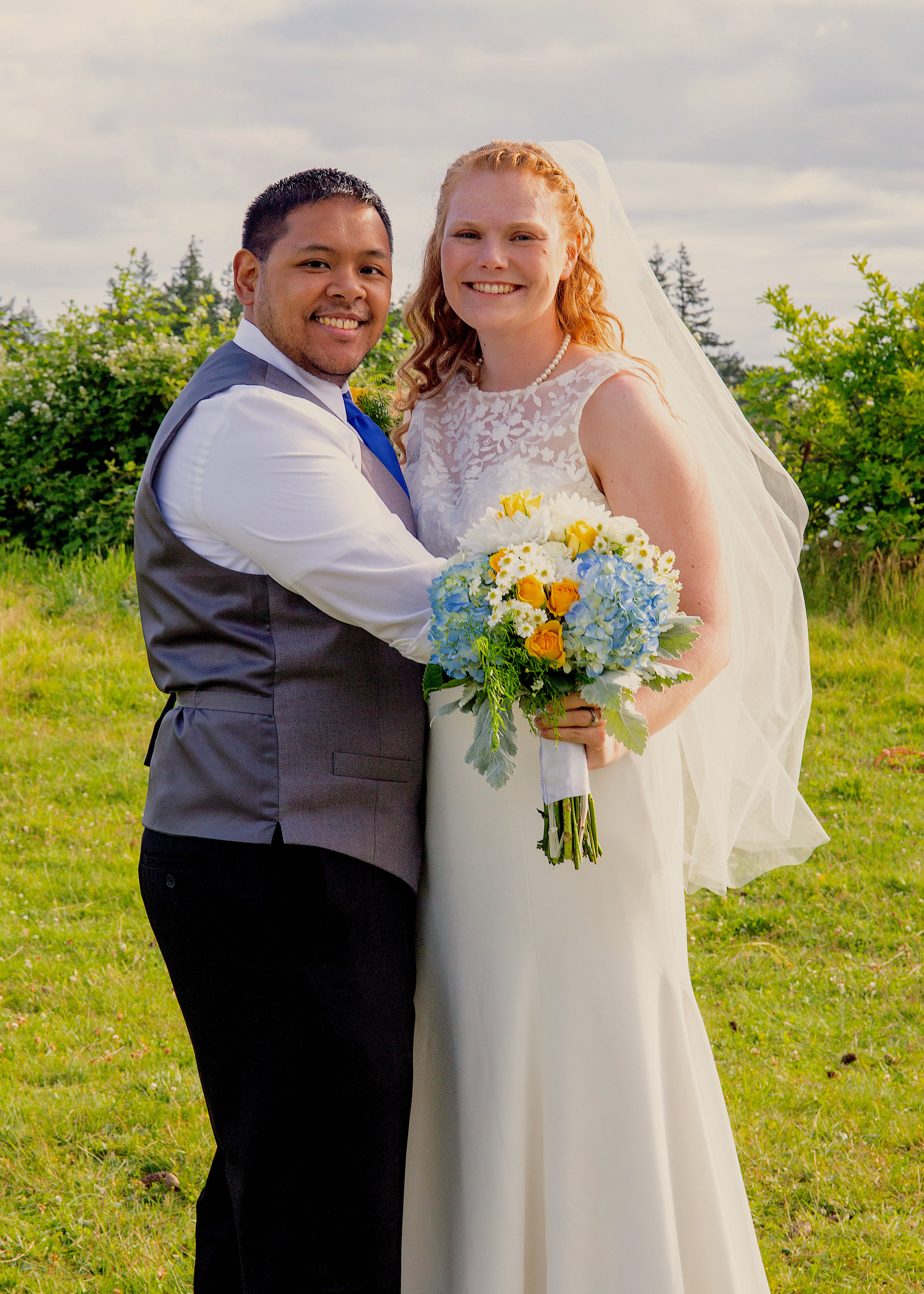
My annual reminder of a remarkable day when our daughter Eleanor (“Lea”) Sarah Gibson was born, hale and hearty because the good Lord sent a snow and wind storm to blow us into the hospital in time to save her. This year she became Lea Lozano, married to her true love Brian who is another gift from the Lord.
In the quiet misty morning When the moon has gone to bed, When the sparrows stop their singing And the sky is clear and red, When the summer’s ceased its gleaming When the corn is past its prime, When adventure’s lost its meaning – I’ll be homeward bound in time
Bind me not to the pasture Chain me not to the plow Set me free to find my calling And I’ll return to you somehow
If you find it’s me you’re missing If you’re hoping I’ll return, To your thoughts I’ll soon be listening, And in the road I’ll stop and turn Then the wind will set me racing As my journey nears its end And the path I’ll be retracing When I’m homeward bound again
Bind me not to the pasture Chain me not to the plow Set me free to find my calling And I’ll return to you somehow
In the quiet misty morning When the moon has gone to bed, When the sparrows stop their singing I’ll be homeward bound again. ~Marta Keen “Homeward Bound”
Seventy eight years ago, my parents married on Christmas Eve. It was not a conventional wedding day but a date of necessity, only because a justice of the peace was available to marry a score of war-time couples in Quantico, Virginia, shortly before the newly trained Marine officers were shipped out to the South Pacific to fight in WWII.
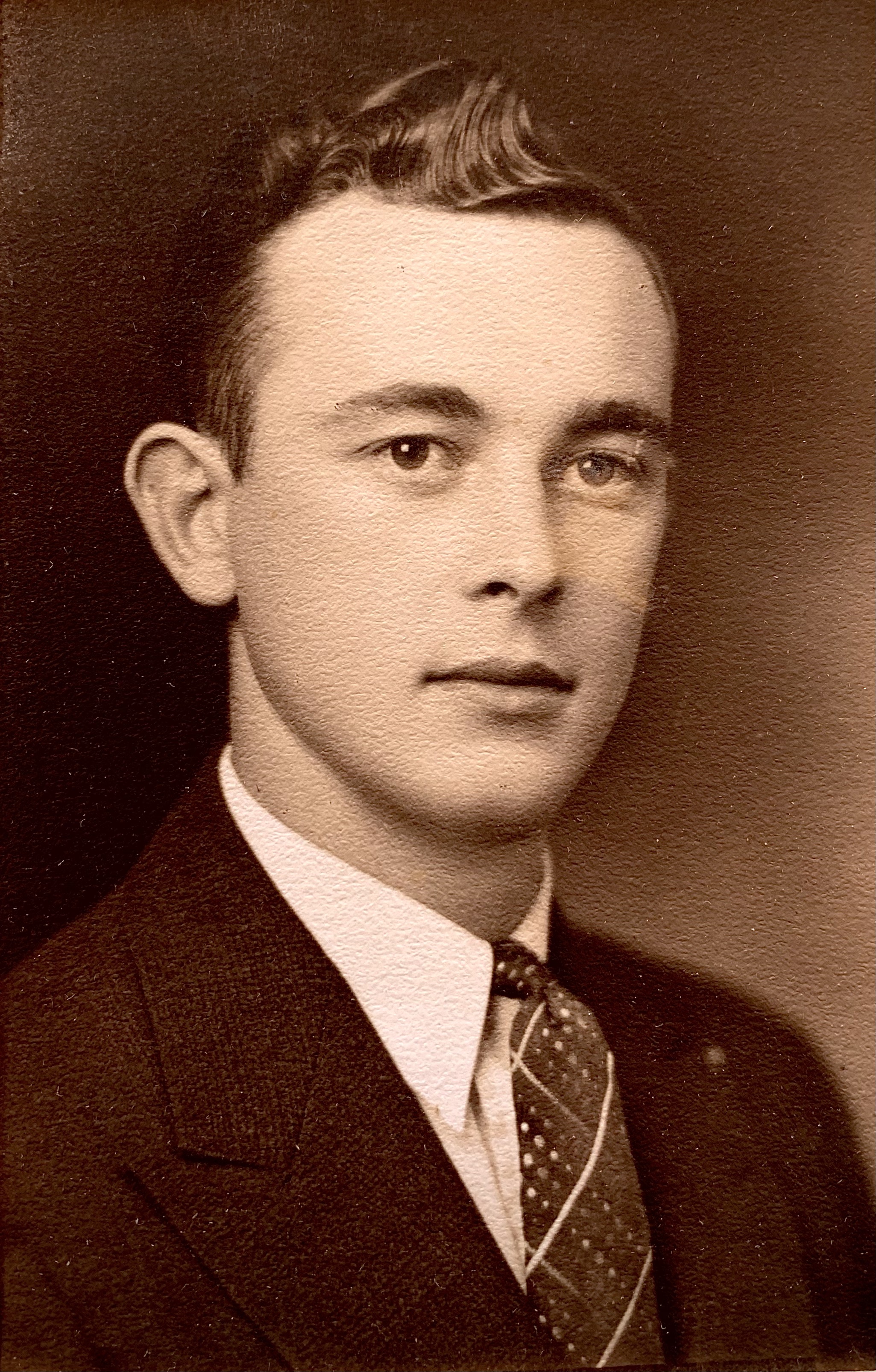
When I look at my parents’ young faces – ages 22 and just turned 21 — in their only wedding portrait, I see a hint of the impulsive decision that led to that wedding just a week before my father left for 30 months. They had known each other at college for over a year, had talked about a future together, but with my mother starting a teaching job in a rural Eastern Washington town, and the war potentially impacting all young men’s lives very directly, they had not set a date.
My father put his college education on hold to enlist, knowing that would give him some options he wouldn’t have if drafted, so they went their separate ways as he headed east to Virginia for his Marine officer training, and Mom started her high school teaching career as a speech and drama teacher. One day in early December of 1942, he called her and said, “If we’re going to get married, it’ll need to be before the end of the year. I’m shipping out the first week in January.” Mom went to her high school principal, asked for a two week leave of absence which was granted, told her astonished parents, bought a dress, and headed east on the train with a friend who had received a similar call from her boyfriend.
This was a completely uncharacteristic thing for my overly cautious mother to do, so… it must have been love.
They were married in a brief civil ceremony with another couple as the witnesses. They stayed in Virginia only a couple days and took the train back to San Diego, and my father was shipped out. Just like that. Mom returned to her teaching position and the first three years of their married life was composed of letter correspondence only, with gaps of up to a month during certain island battles when no mail could be delivered or posted.
As I sorted through my mother’s things following her death over a decade ago, I found their war-time letters to each other, stacked neatly and tied together in a box.
In my father’s nearly daily letters home to my mother during WWII, month after month after month, he would say, over and over, while apologizing for the repetition:
“I will come home to you, I will return, I will not let this change me, we will be joined again…”
This was his way of convincing himself even as he carried the dead and dying after island battles: men he knew well and the enemy he did not know. He knew they were never returning to the home they died protecting and to those who loved them.
He shared little of battle in his letters as each letter was reviewed and signed off by a censor before being sealed and sent. This story, however, made it through:
“You mentioned a story of Navy landing craft taking the Marines into Tarawa. It reminded me of something which impressed me a great deal and something I’m sure I’ll never forget.
So you’ll understand what I mean I’ll try to start with an explanation. In training – close order drill- etc. there is a command that is given always when the men form in the morning – various times during the day– after firing– and always before a formation is dismissed. The command is INSPECTION – ARMS. On the command of EXECUTION- ARMS each man opens the bolt of his rifle. It is supposed to be done in unison so you hear just one sound as the bolts are opened. Usually it is pretty good and sounds O.K.
Just to show you how the morale of the men going to the beach was – and how much it impressed me — we were on our way in – I was forward, watching the beach thru a little slit in the ramp – the men were crouched in the bottom of the boat, just waiting. You see- we enter the landing boats with unloaded rifles and wait till it’s advisable before loading. When we got about to the right distance in my estimation I turned around and said – LOAD and LOCK – I didn’t realize it, but every man had been crouching with his hand on the operating handle and when I said that — SLAM! — every bolt was open at once – I’ve never heard it done better – and those men meant business when they loaded those rifles.
A man couldn’t be afraid with men like that behind him.”
My father did return home to my mother after nearly three years of separation. He finished his college education to become an agriculture teacher to teach others how to farm the land while he himself became bound to the pasture and chained to the plow.
He never forgot those who died, making it possible for him to return home. I won’t forget either.
My mother and father could not have foretold the struggles that lay ahead for them. The War itself seemed struggle enough for the millions of couples who endured the separation, the losses and grieving, as well as the eventual injuries–both physical and psychological. It did not seem possible that beyond those harsh and horrible realities, things could go sour after reuniting.
The hope and expectation of happiness and bliss must have been overwhelming, and real life doesn’t often deliver. After raising three children, their 35 year marriage fell apart with traumatic finality. When my father returned home (again) over a decade later, asking for forgiveness, they remarried and had five more years together before my father died in 1995.
Christmas is a time of joy, a celebration of new beginnings and new life when God became man, humble, vulnerable and tender. But it also gives us a foretaste for the profound sacrifice made in giving up this earthly life, not always so gently.
As I peer at my father’s and mother’s faces in their wedding photo, I remember those eyes, then so trusting and unaware of what was to come. I find peace in knowing they returned home to behold the Light, the Salvation and the Glory~~the ultimate Christmas~~in His presence.
In the quiet misty morning When the moon has gone to bed, When the sparrows stop their singing And the sky is clear and red, When the summer’s ceased its gleaming When the corn is past its prime, When adventure’s lost its meaning – I’ll be homeward bound in time
Bind me not to the pasture Chain me not to the plow Set me free to find my calling And I’ll return to you somehow
If you find it’s me you’re missing If you’re hoping I’ll return, To your thoughts I’ll soon be listening, And in the road I’ll stop and turn Then the wind will set me racing As my journey nears its end And the path I’ll be retracing When I’m homeward bound again
Bind me not to the pasture Chain me not to the plow Set me free to find my calling And I’ll return to you somehow
In the quiet misty morning When the moon has gone to bed, When the sparrows stop their singing I’ll be homeward bound again. ~Marta Keen “Homeward Bound”


























 Barnstorming