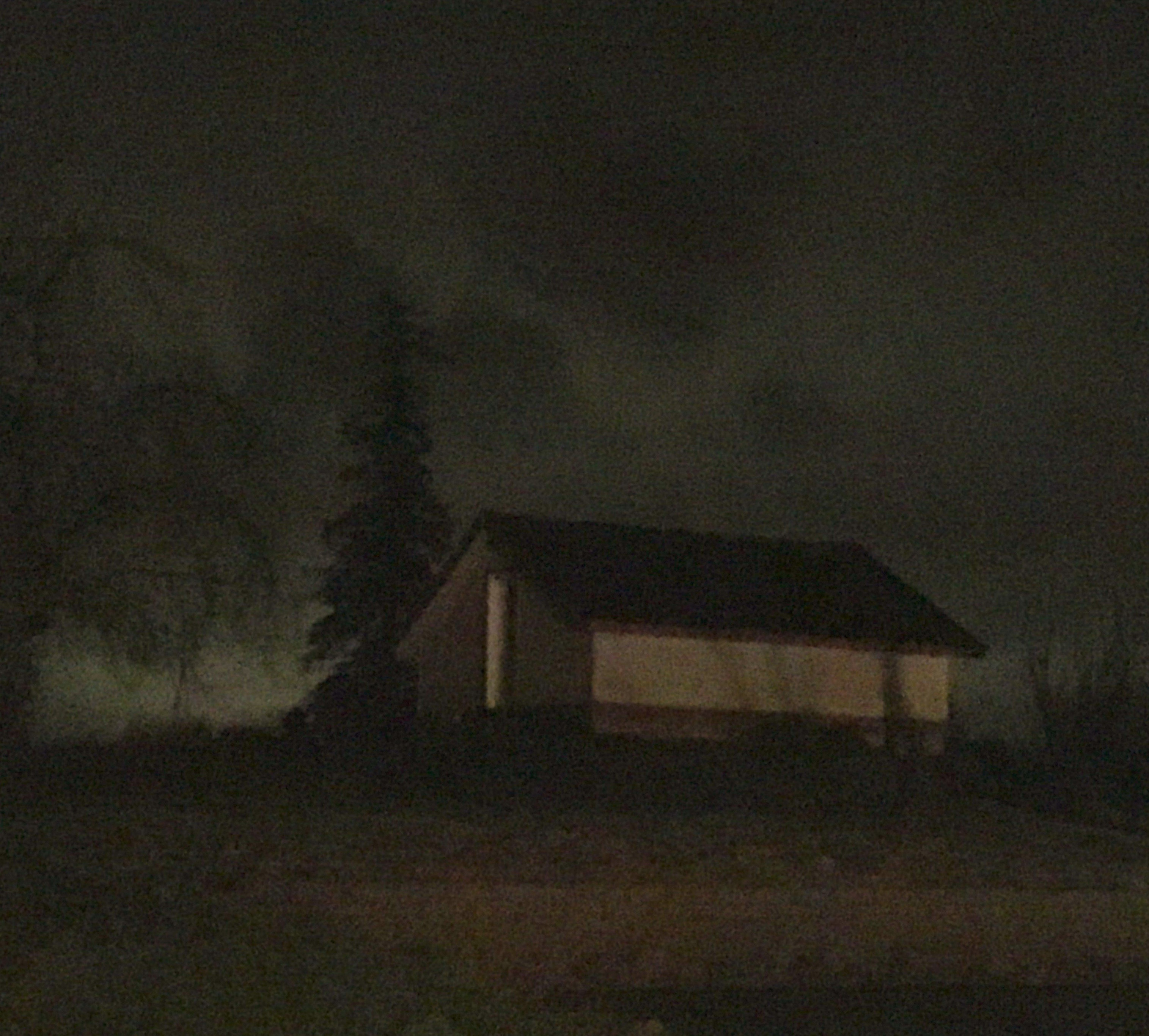
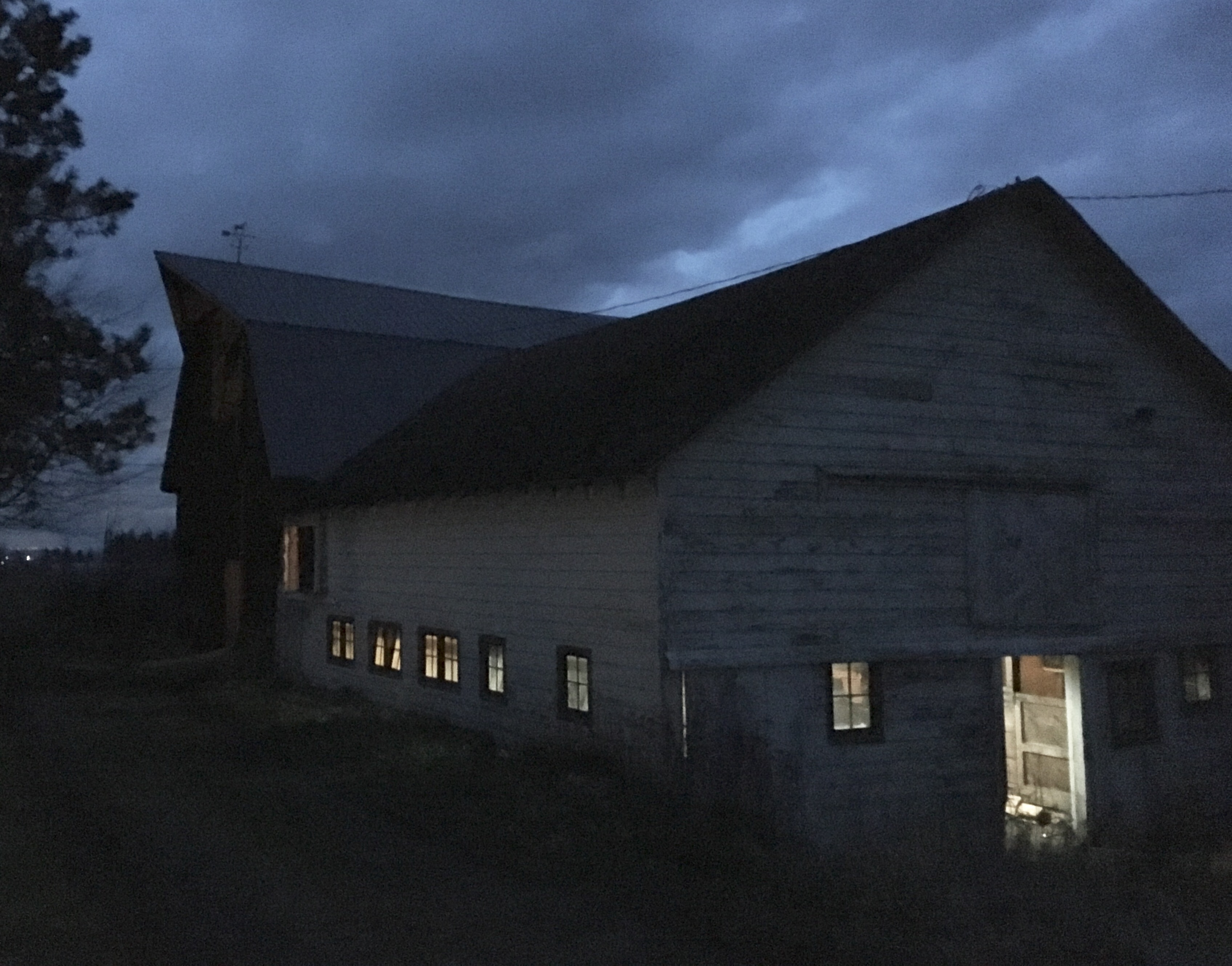
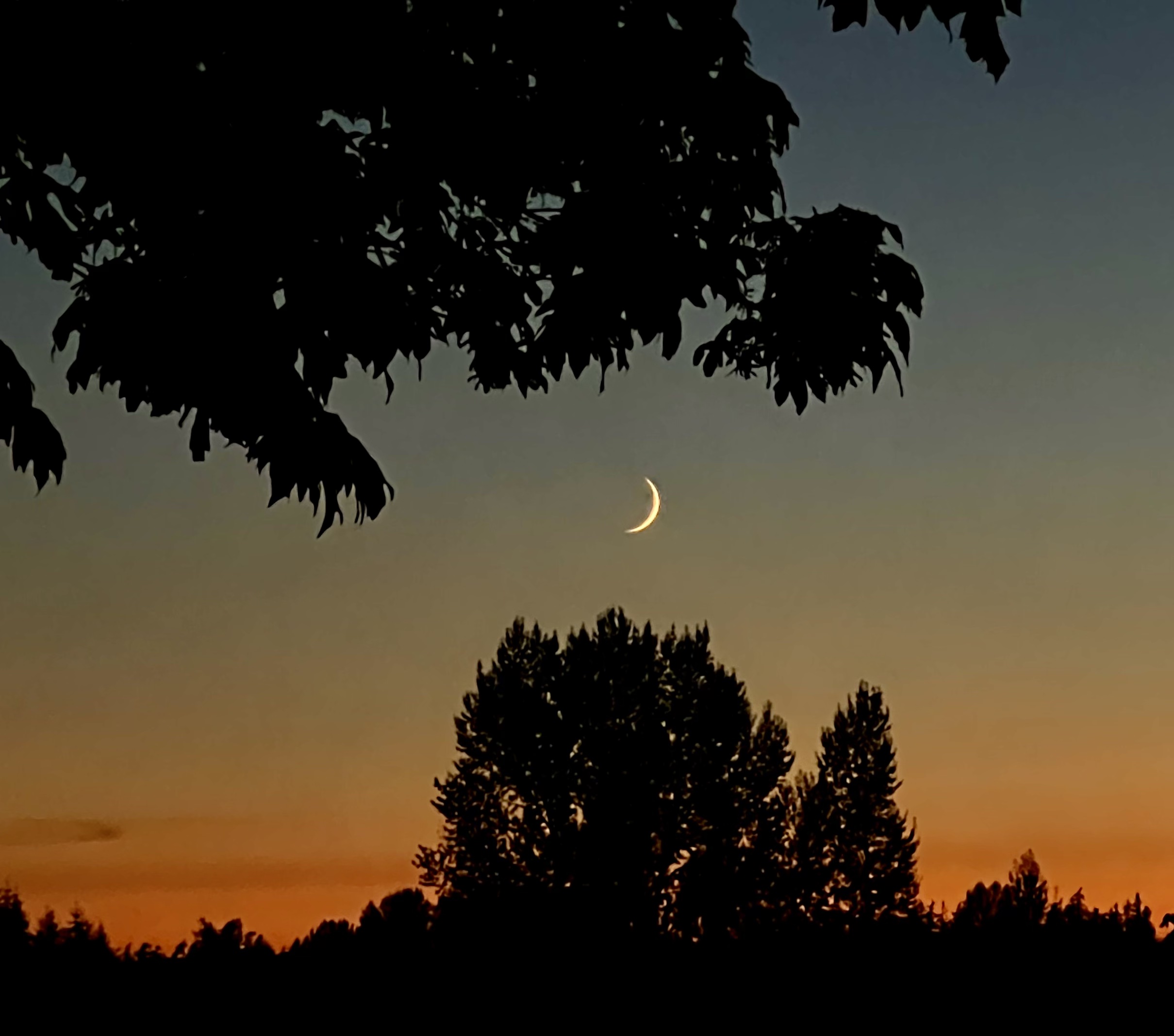
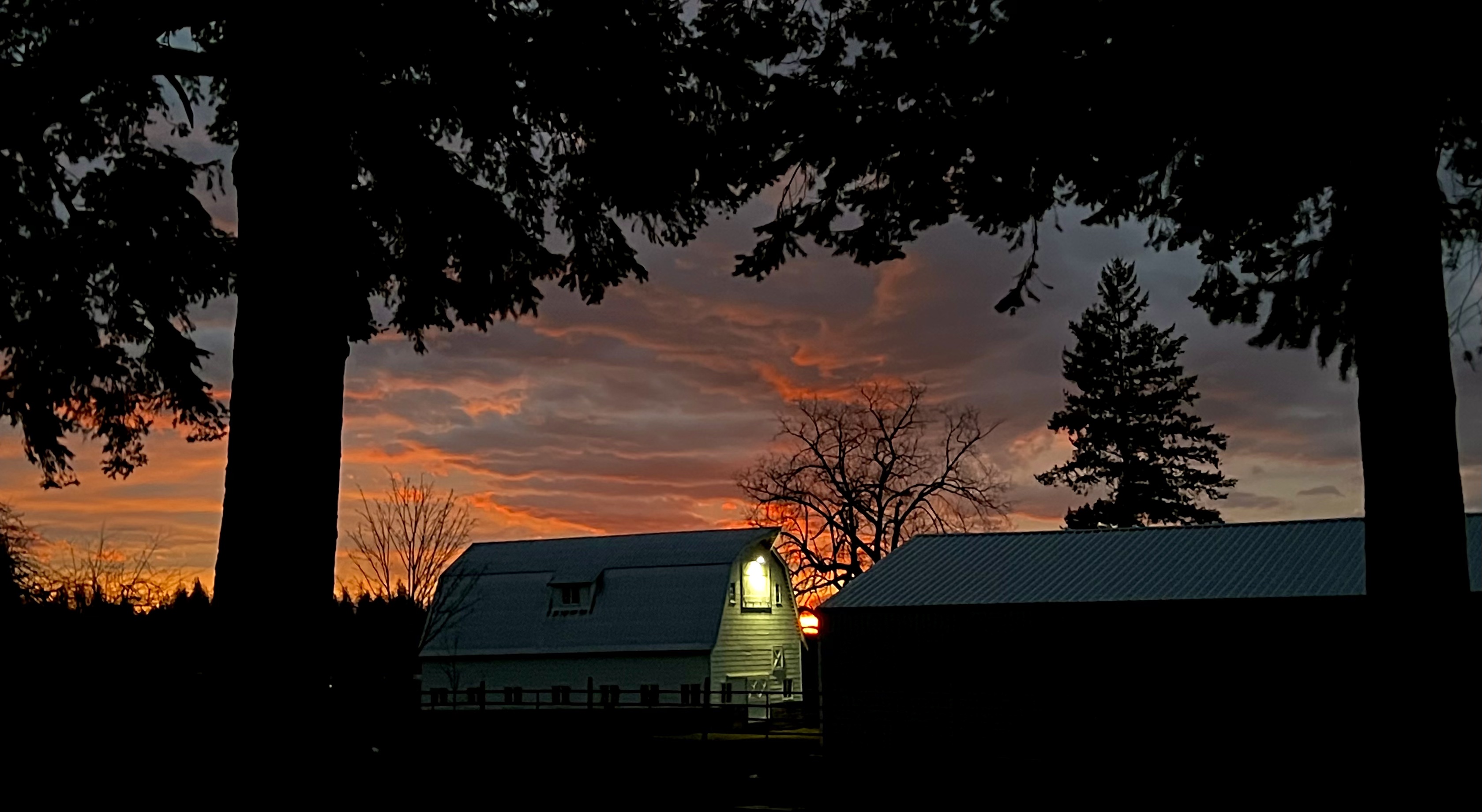
The Silence of a Dying God

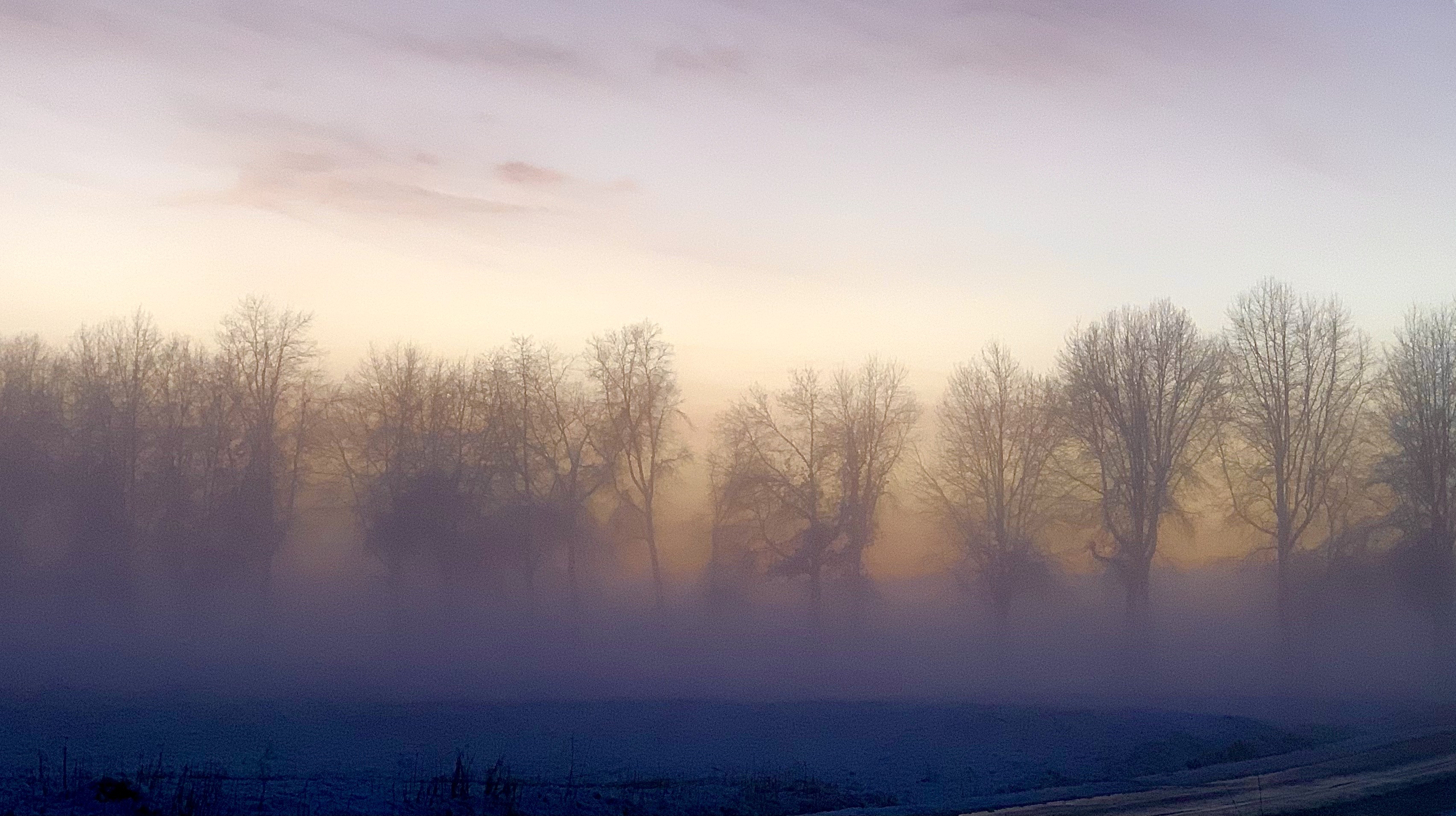
November pierces with its bleak remembrance
Of all the bitterness and waste of war.
Our silence tries but fails to make a semblance
Of that lost peace they thought worth fighting for.
Our silence seethes instead with wraiths and whispers,
And all the restless rumour of new wars,
The shells are falling all around our vespers,
No moment is unscarred, there is no pause,
In every instant bloodied innocence
Falls to the weary earth ,and whilst we stand
Quiescence ends again in acquiescence,
And Abel’s blood still cries in every land
One silence only might redeem that blood
Only the silence of a dying God.
~Malcolm Guite “Silence: a Sonnet for Remembrance Day”

So, when old hopes that earth was bettering slowly
Were dead and damned, there sounded ‘War is done!’
One morrow. Said the bereft, and meek, and lowly,
‘Will men some day be given to grace? yea, wholly,
And in good sooth, as our dreams used to run?

Aye; all was hushed. The about-to-fire fired not,
The aimed-at moved away in trance-lipped song.

Calm fell. From Heaven distilled a clemency;
There was peace on earth, and silence in the sky;

Some could, some could not, shake off misery

~Thomas Hardy from “And There Was a Great Calm” 

(On the Signing of the Armistice, 11 Nov. 1918)
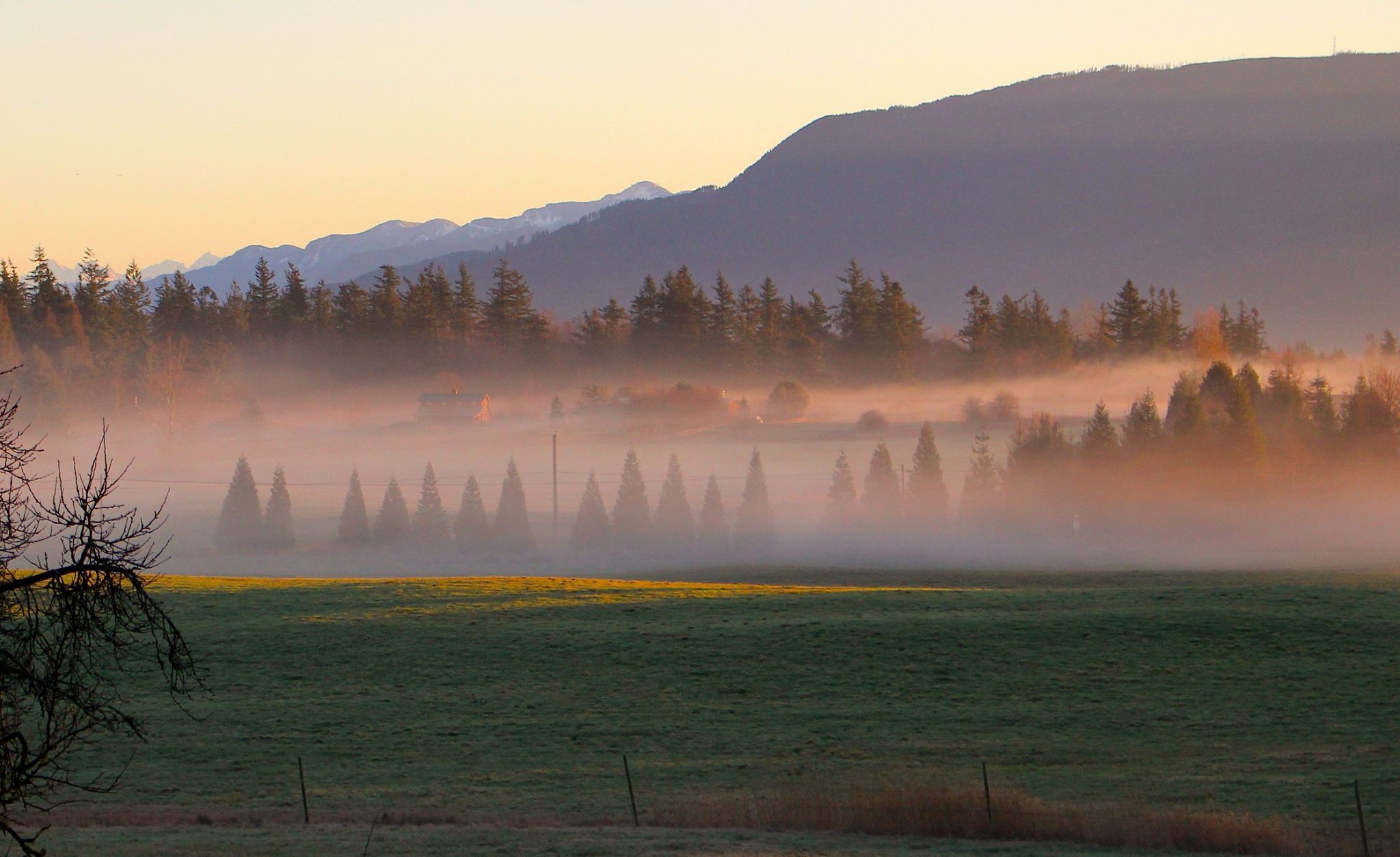
When you go home tell them of us and say –
“For your tomorrow we gave our today”
~John Maxwell Edmonds from “The Kohima Epitaph” 

I’m unsure why the United States does not call November 11 Remembrance Day as the Commonwealth nations did 99 years ago at the Armistice. This is a day that demands so much more than the more passive name Veterans’ Day represents.

This day calls all citizens who appreciate their freedoms to stop what they are doing and disrupt the routine rhythm of their lives. We are to remember in humble thankfulness the generations of military veterans who sacrificed time, resources, sometimes health and well being, and too often their lives in answering the call to defend their countries.

Remembrance means
~never forgetting what it costs to defend freedom.
~acknowledging the millions who have given of themselves and continue to do so on our behalf.
~never ceasing to care.
~a commitment to provide resources needed for the military to remain strong and supported.
~unending prayers for safe return home to family.
~we hold these men and women close in our hearts, always teaching the next generation about the sacrifices they made.

Most of all,
it means being willing ourselves to become the sacrifice when called.
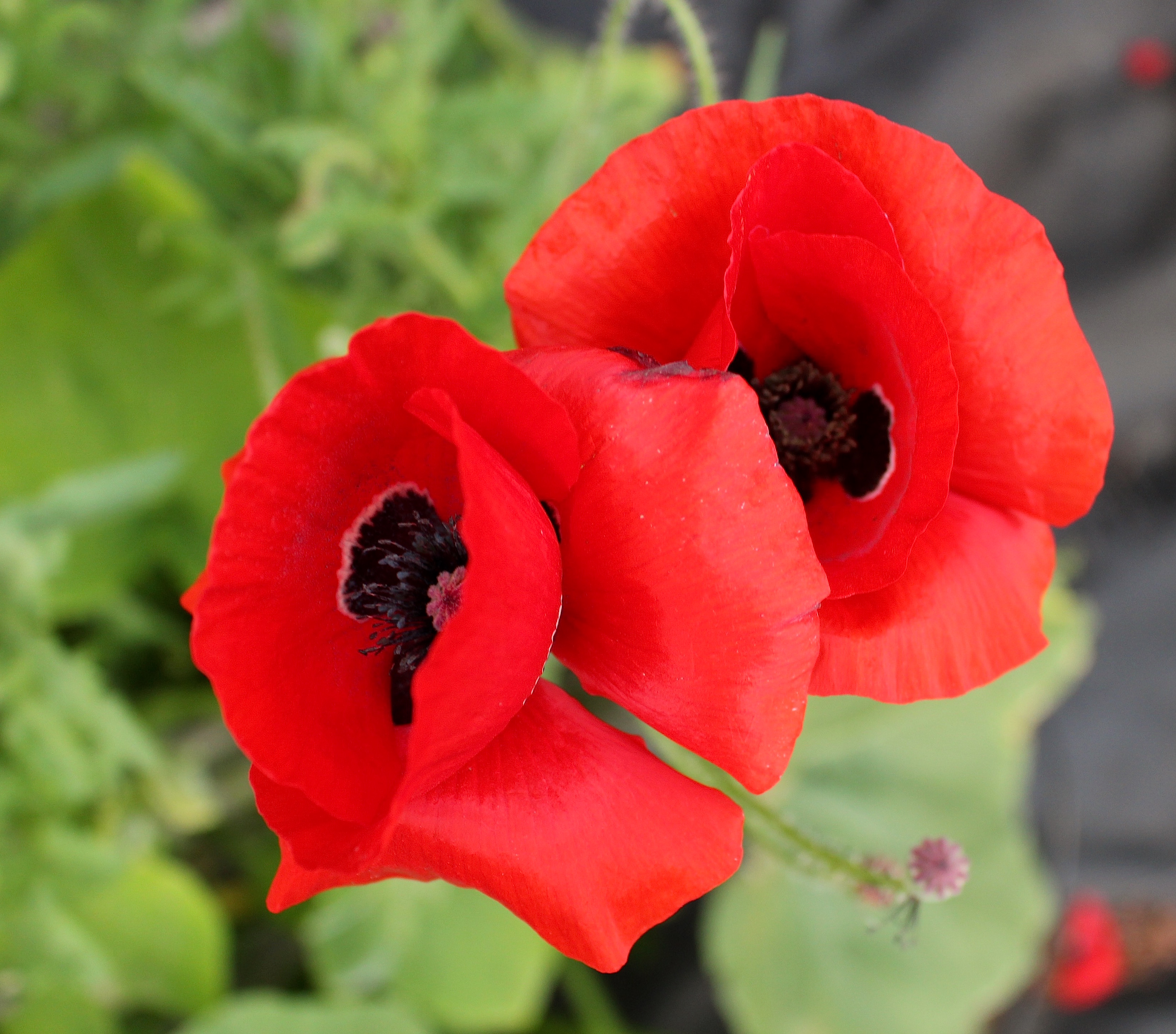
The Universal Theme

It’s good for the ego, when I call and they come
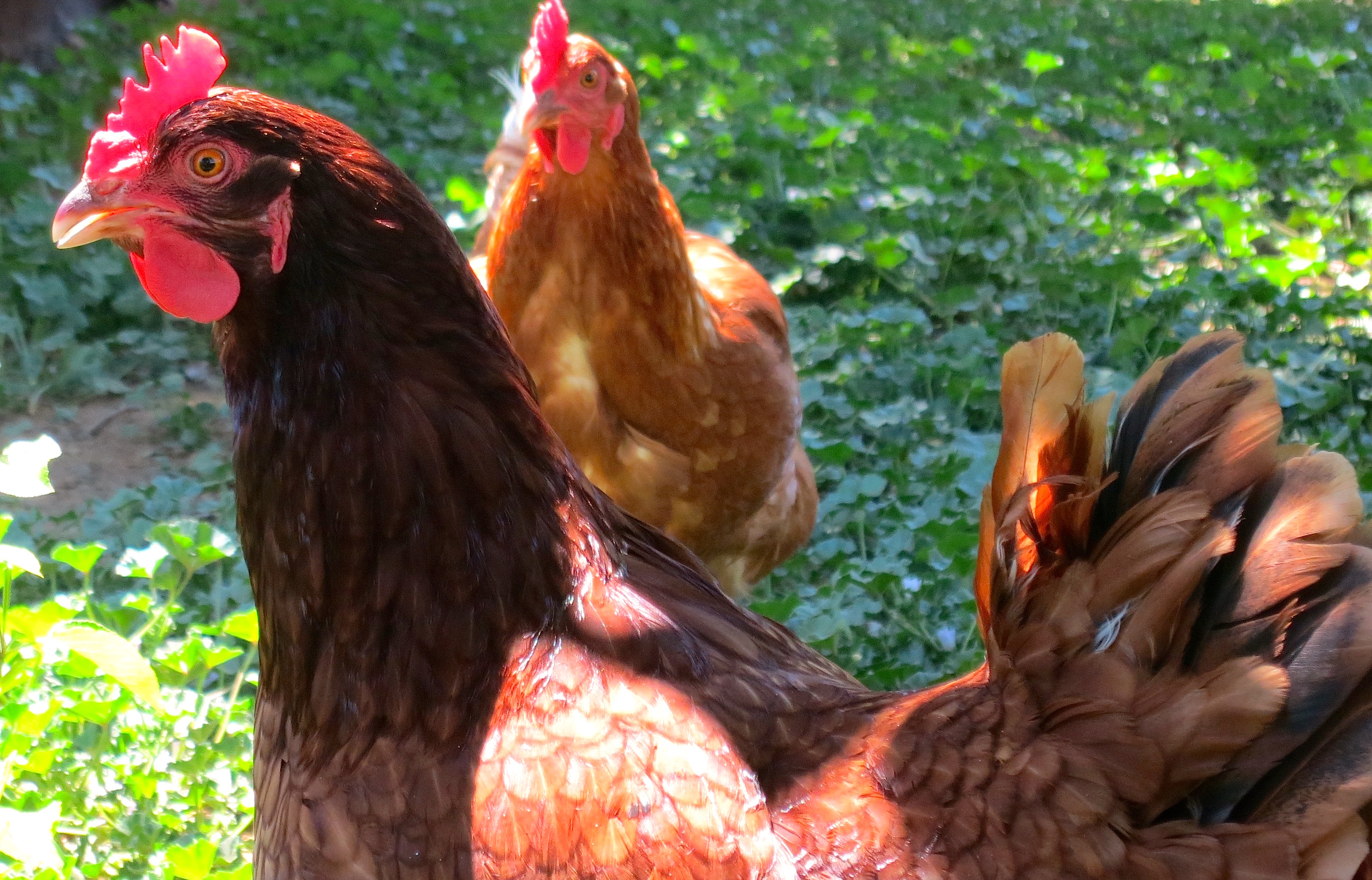
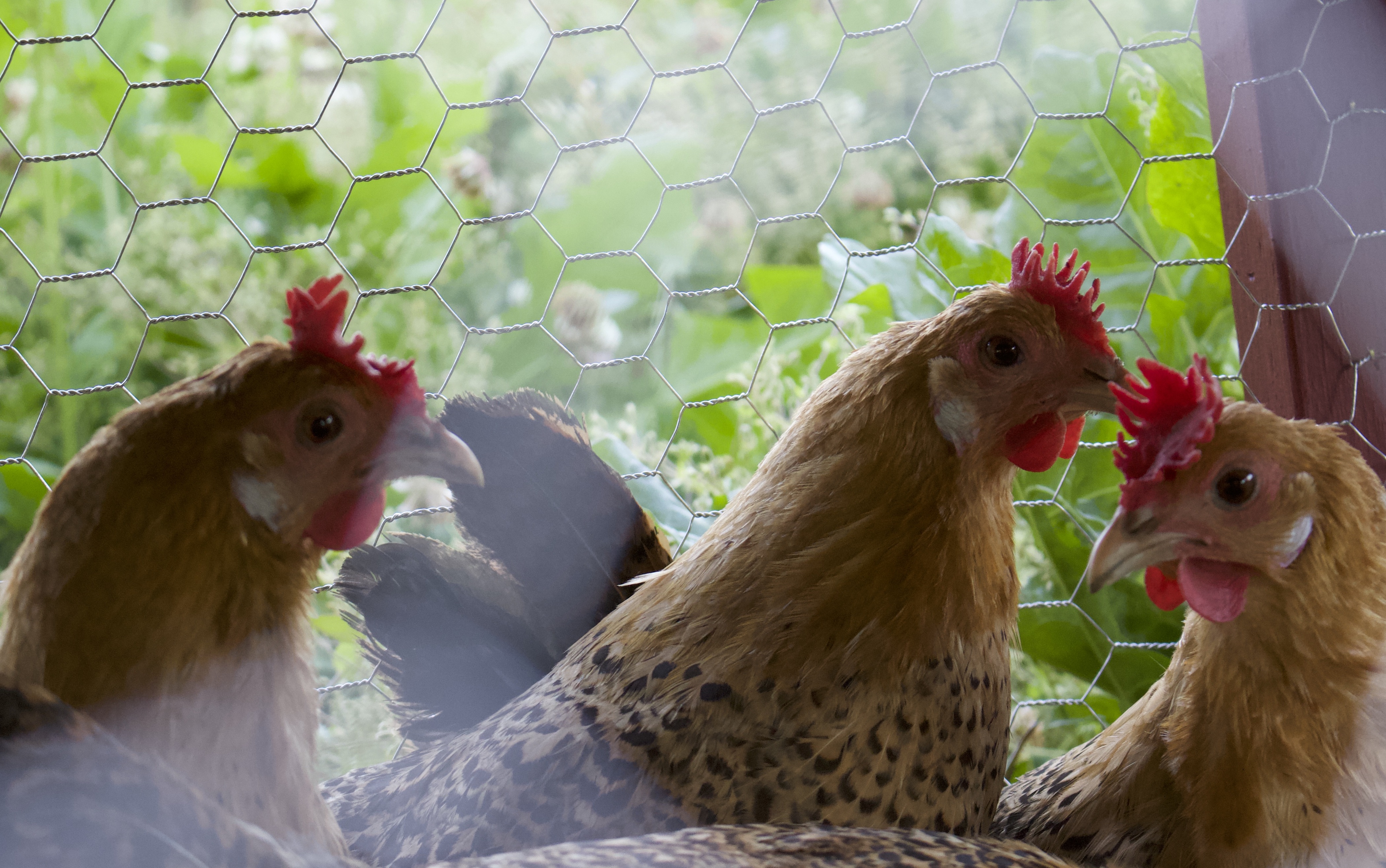
running, squawking and clucking, because it’s feedtime,
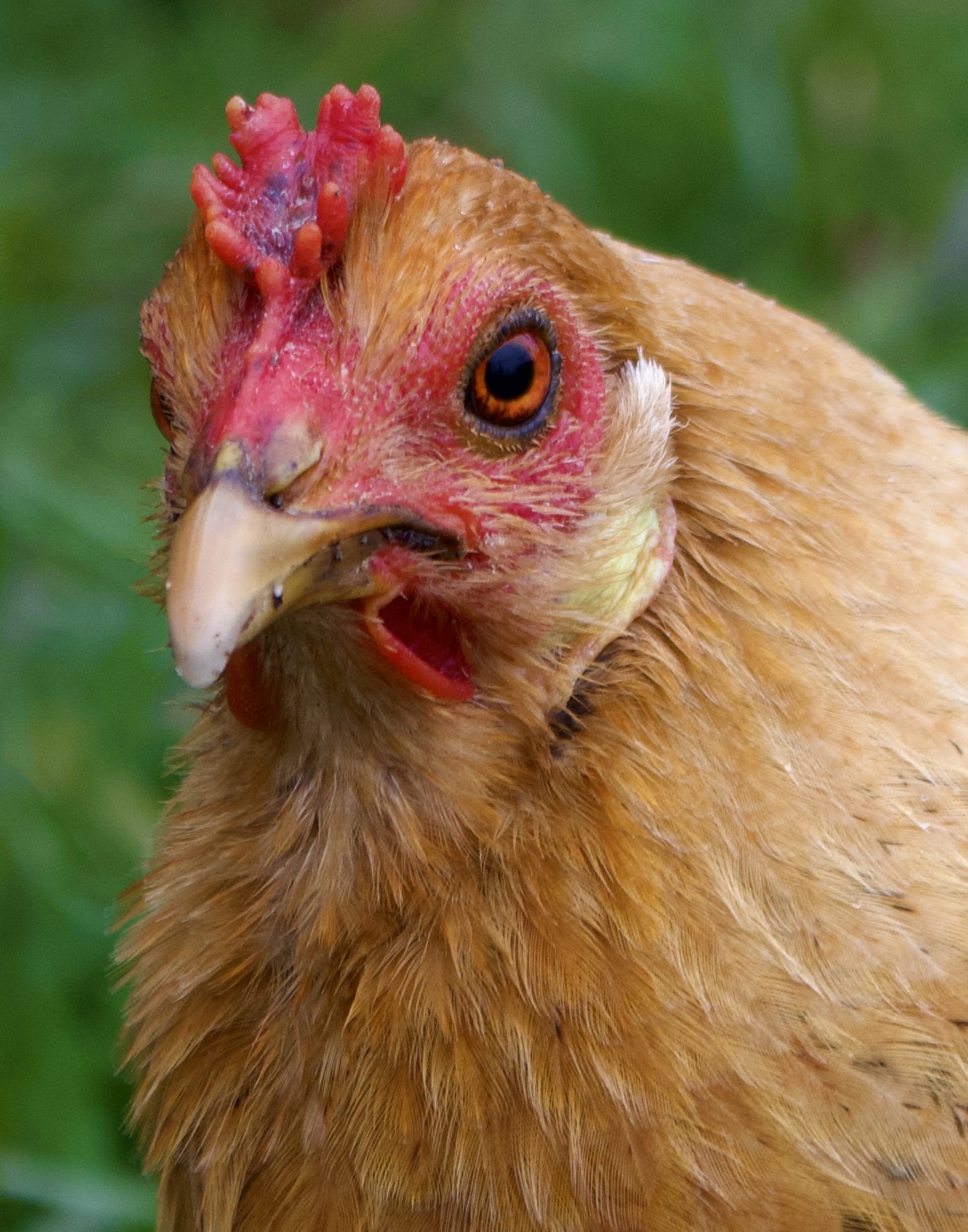
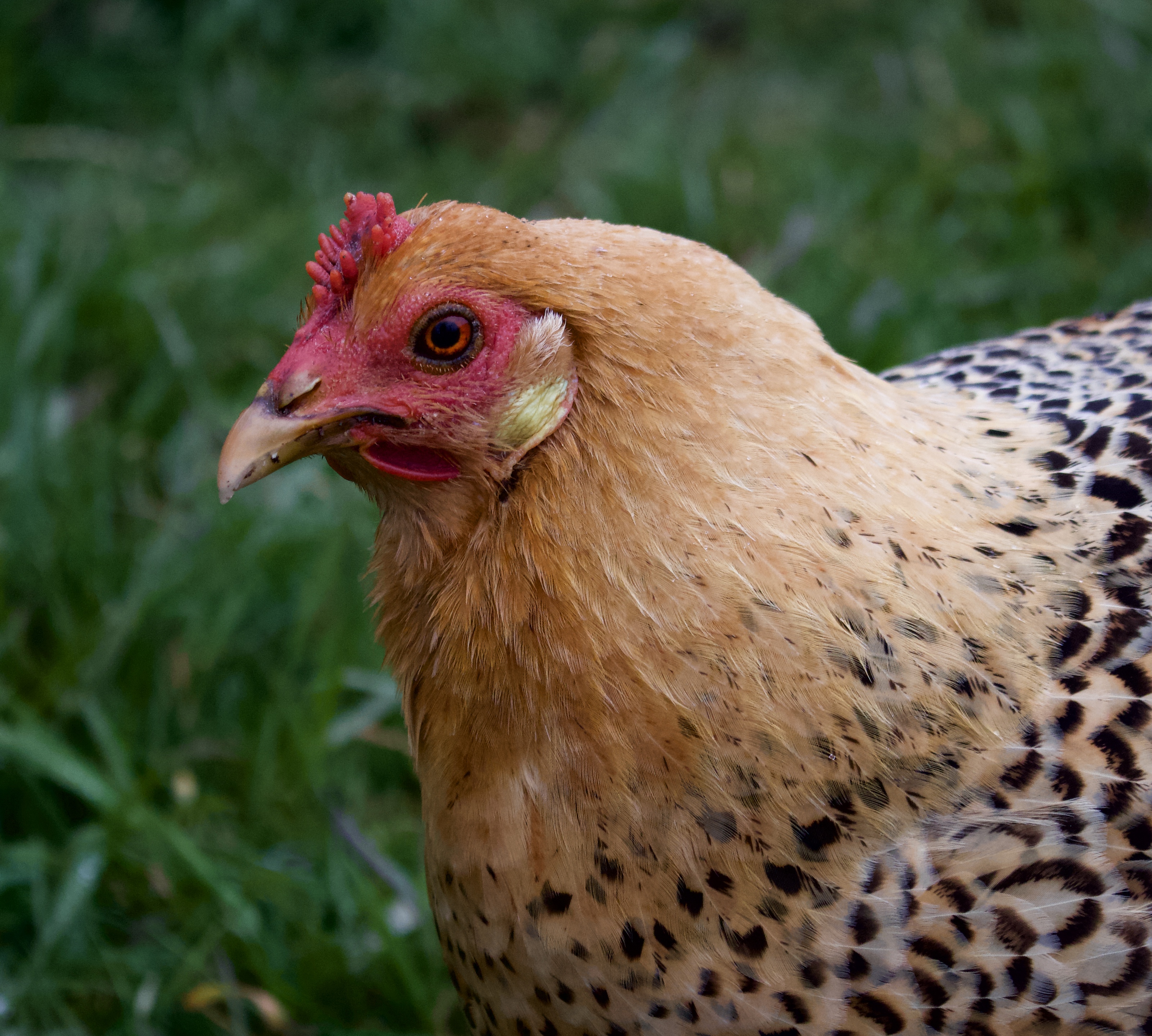
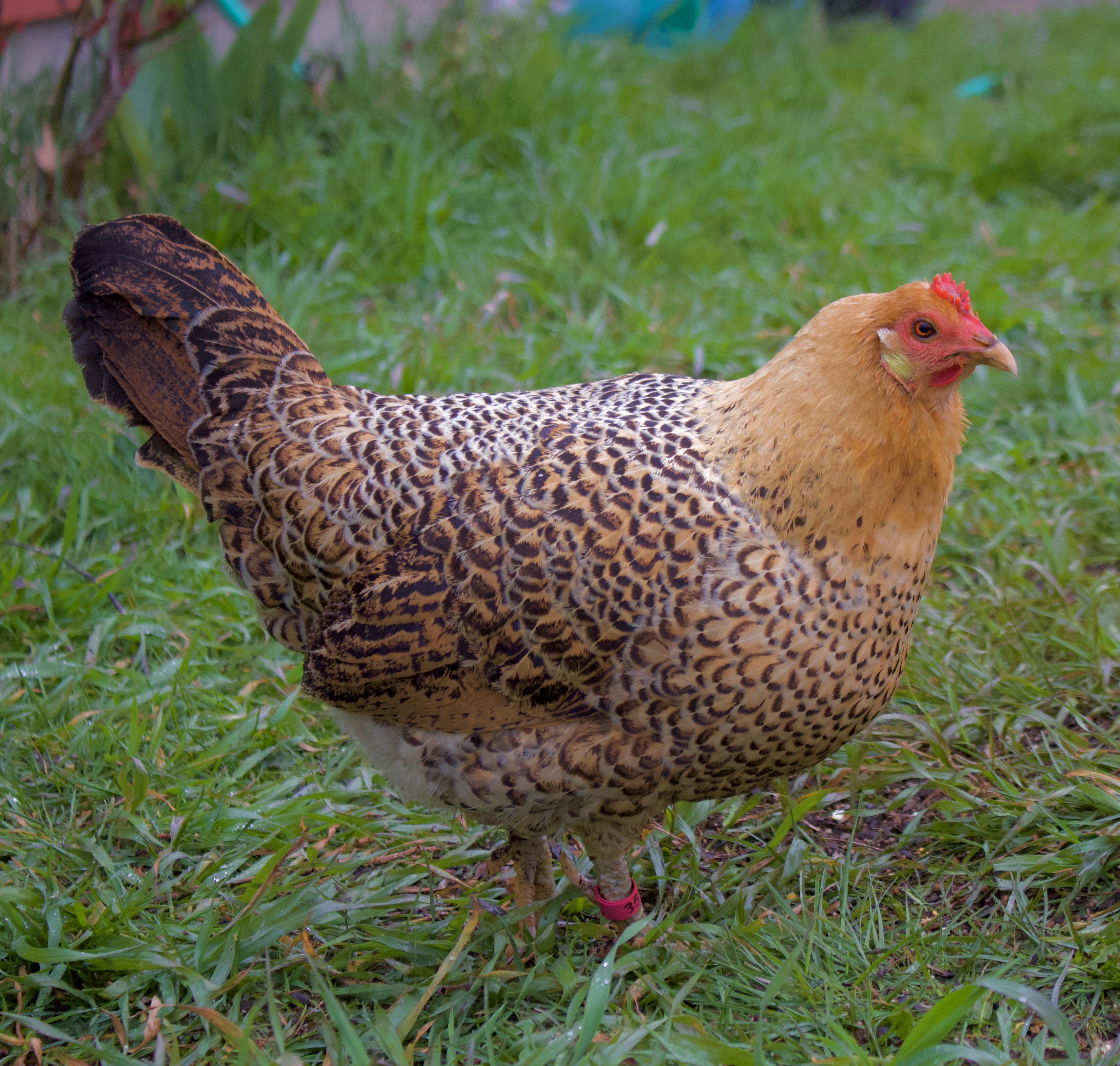
and once again I can’t resist picking up little Lazarus,
an orange-and-white pullet I adore. “Yes, yes, everything will be
okay,” I say to her glaring mongrel face. Come September,
she’ll begin to lay the blue-green eggs I love poached.
God dooms the snake to taste nothing but the dust
and the hen to 4,000 or so ovulations. Poor Lazarus—
last spring an intruder murdered her sisters and left her
garroted in the coop. There’s a way the wounded
light up a dark rectangular space. Suffering becomes
the universal theme. Too soft, and you’ll be squeezed;
too hard, and you’ll be broken. Even a hen knows this,
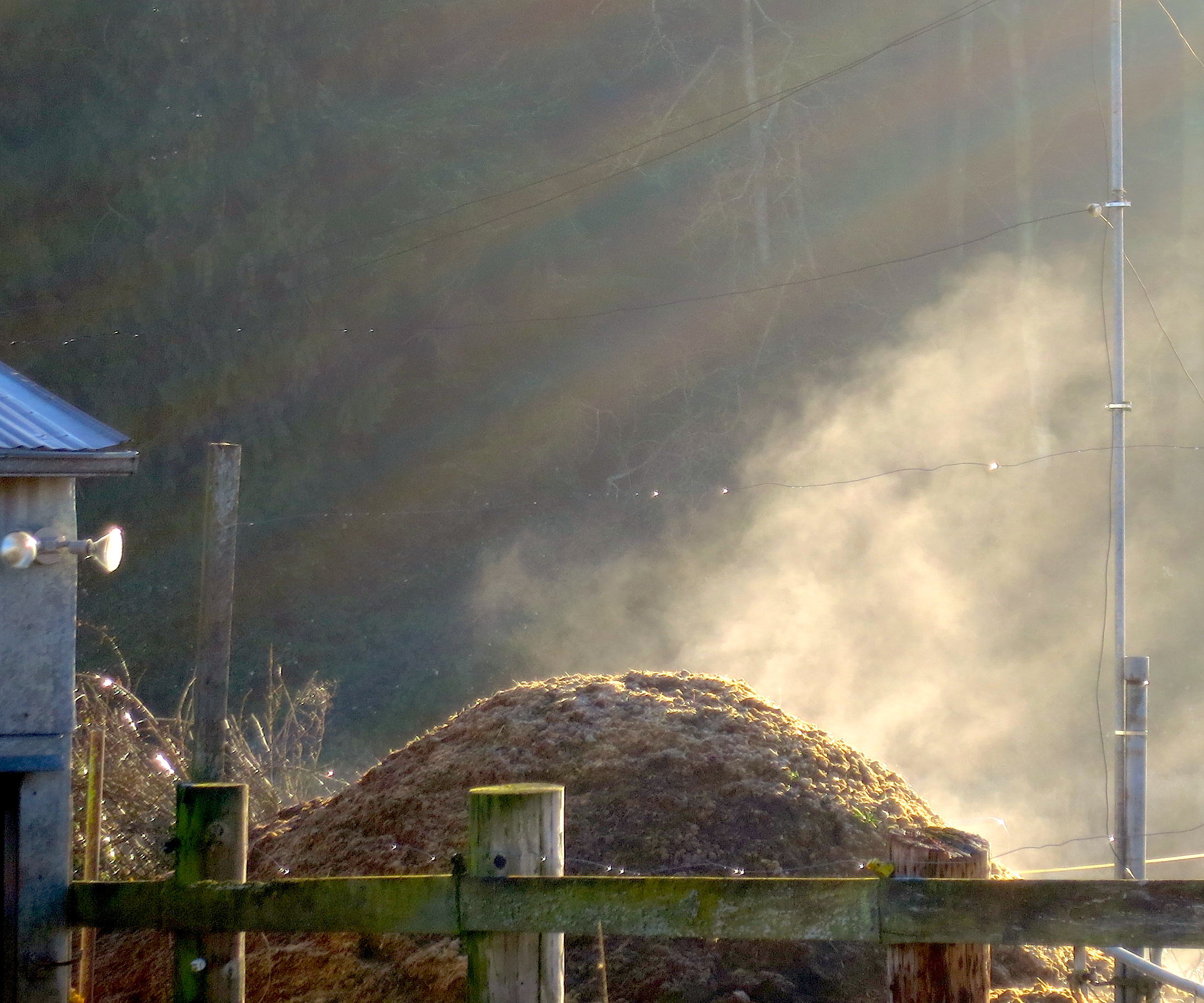
posing on a manure pile, her body a stab of gold.
~Henri Cole “Hens”

Every few minutes, he wants
to march the trail of flattened rye grass
back to the house of muttering
hens. He too could make
a bed in hay. Yesterday the egg so fresh
it felt hot in his hand and he pressed it
to his ear while the other children
laughed and ran with a ball, leaving him,
so little yet, too forgetful in games,
ready to cry if the ball brushed him,
riveted to the secret of birds
caught up inside his fist,
not ready to give it over
to the refrigerator
or the rest of the day.
~Naomi Shihab Nye “Boy and Egg”

I’ve bonded with chickens since my birth, living in a farm house adjacent to a large chicken coop. I was taught to gather eggs at a very young age, learning to approach the hens respectfully and steathily, ignoring their scolding clucks as I reached under their feathered bellies to find a smooth warm treasure. Carrying eggs to the house was a great privilege, knowing what a delicious meal they would become. I became a grateful friend to those hens.

I also learned that chickens were tragic figures, either sacrificed young as meat birds so large they could barely walk or after a few decent years of declining egg production for the hens. Participating in their butchering made me respect them even more for their unwitting willingness to suffer the indignity of the process to give their all for the survival of our family.

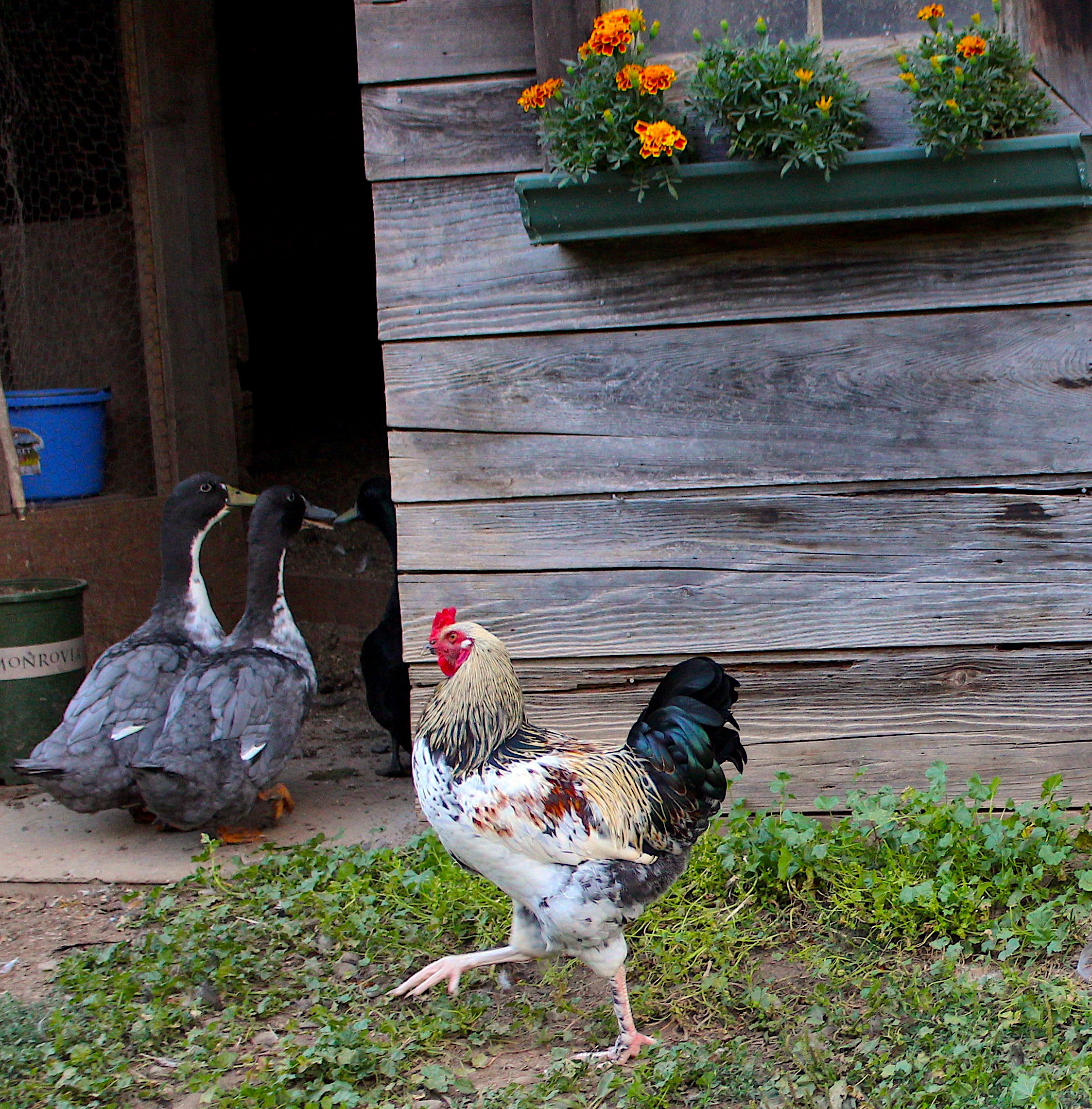
They are an ideal farm animal; the coyotes, weasels and raccoons think so too, digging into the chicken yard at night to steal unsuspecting hens from their nighttime roosts. Our compost pile has absorbed too many chickens murdered by varmints and left partially eaten in a pile of feathers.

Suffering is universal in this sad weary world. Somehow it is offset by an amazing ability to produce a perfect egg day after day after day.

Thank God for the muttering hens.

Original Barnstorming artwork note cards available as a gift to you with a $50 donation to support Barnstorming – information here
One-Time
Monthly
Yearly

Make a one-time or recurring donation to support daily Barnstorming posts

Make a monthly donation

Make a yearly donation

Choose an amount

¤10.00
¤20.00
¤50.00
¤5.00
¤15.00
¤100.00
¤5.00
¤15.00
¤100.00

Or enter a custom amount

¤

Your contribution is deeply appreciated.

Your contribution is appreciated.

Your contribution is appreciated.

DonateDonate monthlyDonate yearly

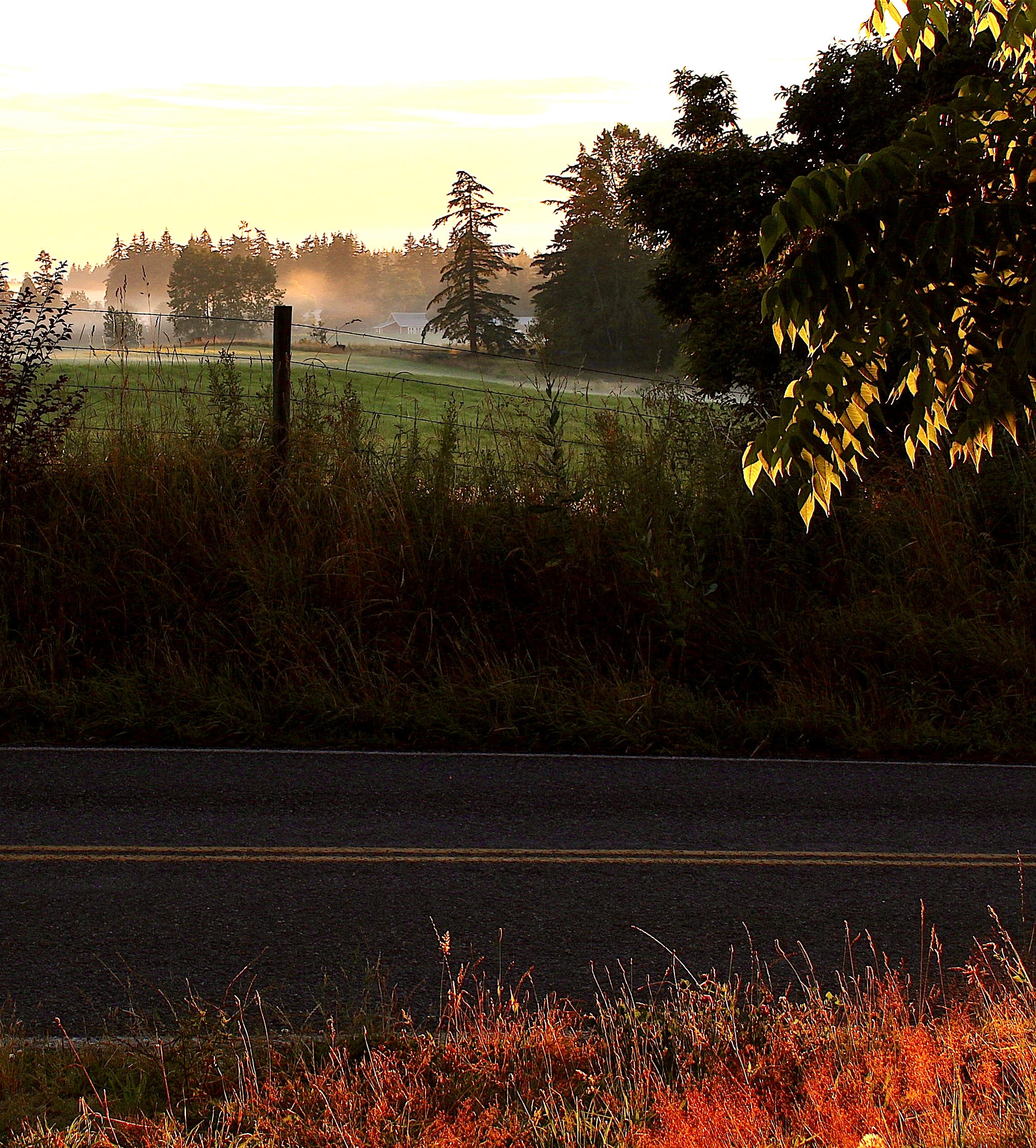
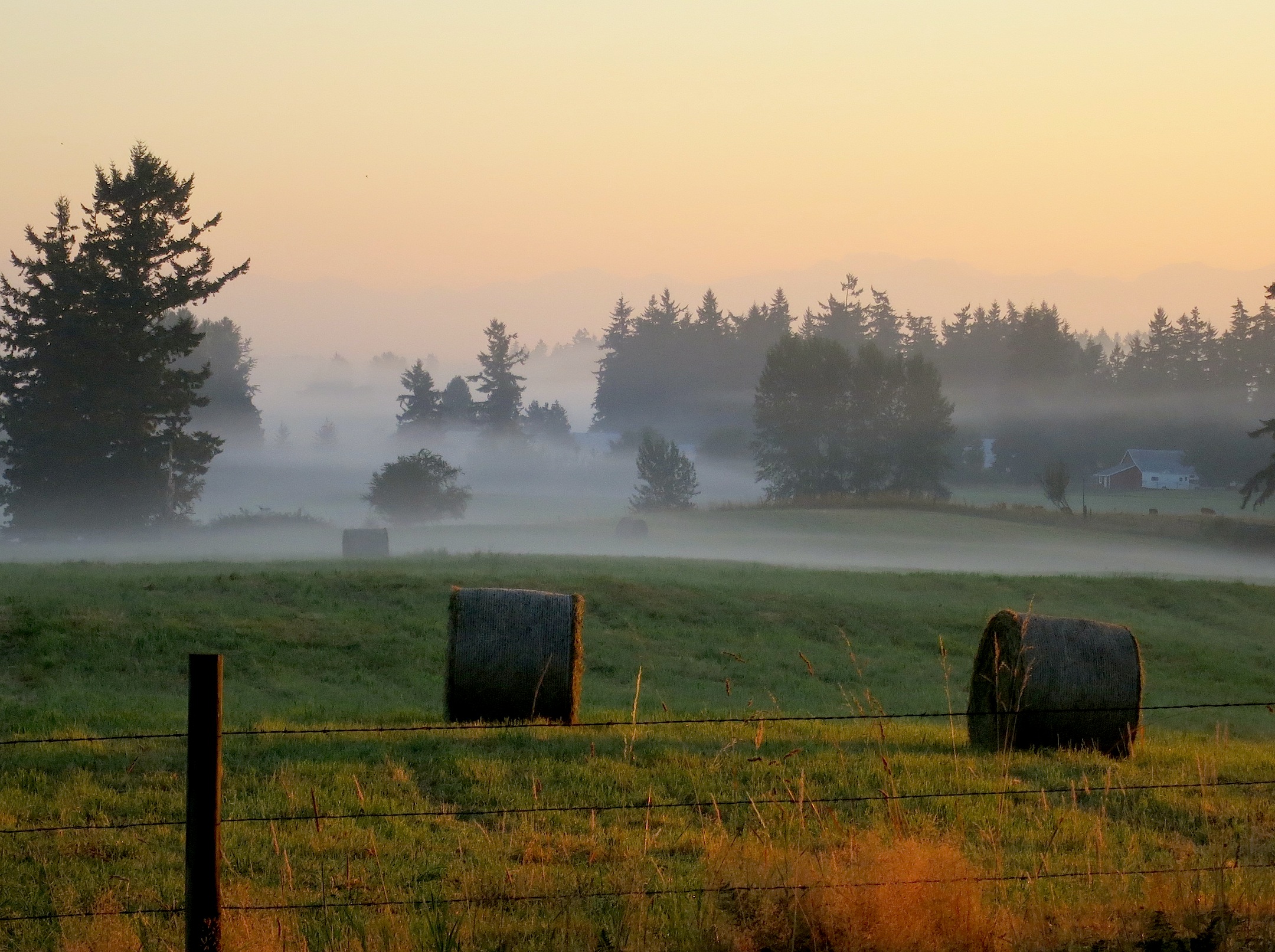
Let Evening Come

Let the light of late afternoon
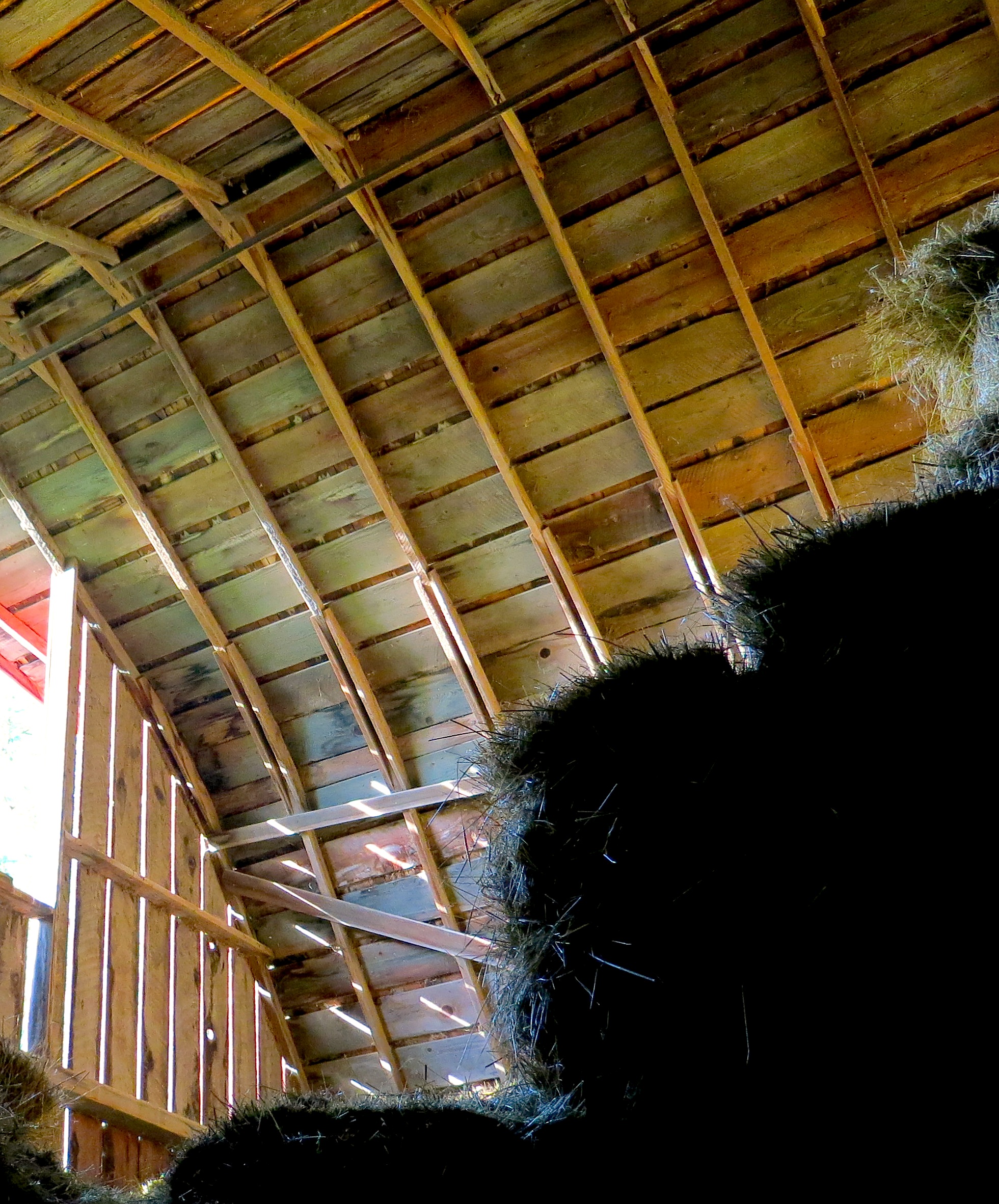
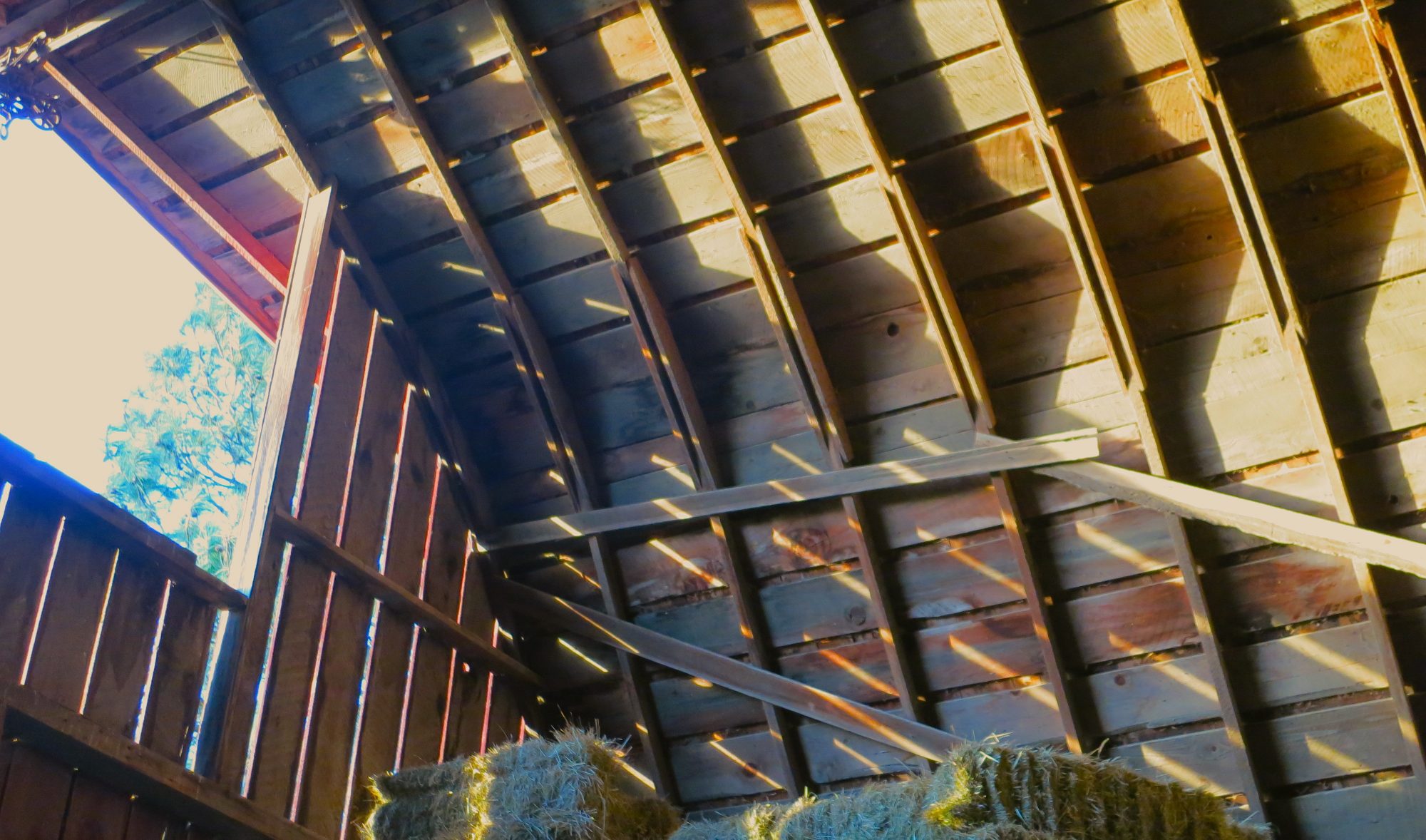
shine through chinks in the barn, moving   
up the bales as the sun moves down.

Let the cricket take up chafing   
as a woman takes up her needles   
and her yarn. Let evening come.

Let dew collect on the hoe abandoned   
in long grass. Let the stars appear
and the moon disclose her silver horn.

Let the fox go back to its sandy den.   
Let the wind die down. Let the shed   
go black inside. Let evening come.

To the bottle in the ditch, to the scoop   
in the oats, to air in the lung   
let evening come.

Let it come, as it will, and don’t   
be afraid. God does not leave us 
comfortless, so let evening come.

~Jane Kenyon “Let Evening Come”

We resist the arrival of the evening of our lives. I wish I could remain forever sunshiny, vital and irreplaceable, living each moment of the day with the energy I feel with the morning light. But I know that the forward momentum of time inevitably will wind me down to sunset.

The poet Jane Kenyon learned this at far too young an age, diagnosed and beginning treatment for leukemia before turning fifty. I thought of Jane’s poem above when I learned today of the death of a courageous local nurse in her thirties who survived six years of treatment for metastatic cancer after being diagnosed only a few months after the birth of her first and only child. She and her family and medical team tried to postpone her evening coming for as long as possible, knowing God ultimately counts our days.

This week, her evening has come. God comforts those who weep with the loss of this remarkable loving wife, mother, daughter – a woman who trusted her heavenly Father for all the things she needed.

We all are created in the image of a God who remembered to rest. We are not alone in our need to catch our breath.

So let evening come, as it will – there is no stopping it – allowing our lungs to be filled with the loving breath of God, our Creator. To Him, we are most definitely irreplaceable.

One-Time
Monthly
Yearly

Make a one-time or recurring donation to support daily Barnstorming posts

Make a monthly donation

Make a yearly donation

Choose an amount

¤10.00
¤20.00
¤50.00
¤5.00
¤15.00
¤100.00
¤5.00
¤15.00
¤100.00

Or enter a custom amount

¤

Your contribution is deeply appreciated.

Your contribution is appreciated.

Your contribution is appreciated.

DonateDonate monthlyDonate yearly

Postpone Until Monday

I was relief, once, for a doctor on vacation
and got a call from a man on a window sill.
This was New York, a dozen stories up.
He was going to kill himself, he said.
I said everything I could think of.
And when nothing worked, when the guy
was still determined to slide out that window
and smash his delicate skull
on the indifferent sidewalk, “Do you think,”
I asked, “you could just postpone it
until Monday, when Dr. Lewis gets back?”


The cord that connected us—strung
under the dirty streets, the pizza parlors, taxis,
women in sneakers carrying their high heels,
drunks lying in piss—that thick coiled wire
waited for the waves of sound.


In the silence I could feel the air slip
in and out of his lungs and the moment
when the motion reversed, like a goldfish
making the turn at the glass end of its tank.
I matched my breath to his, slid
into the water and swam with him.
“Okay,” he agreed.

~Ellen Bass “Phone Therapy” from Mules of Love

Love your neighbor as yourself is part of the great commandment.

The other way to say it is, ‘Love yourself as your neighbor.’ Love yourself not in some egocentric, self-serving sense but love yourself the way you would love your friend in the sense of taking care of yourself, nourishing yourself, trying to understand, comfort, strengthen yourself.

Ministers in particular, people in the caring professions in general, are famous for neglecting their selves with the result that they are apt to become in their own way as helpless and crippled as the people they are trying to care for and thus no longer selves who can be of much use to anybody. 

It means pay mind to your own life, your own health and wholeness, both for your own sake and ultimately for the sake of those you love too. Take care of yourself so you can take care of them.

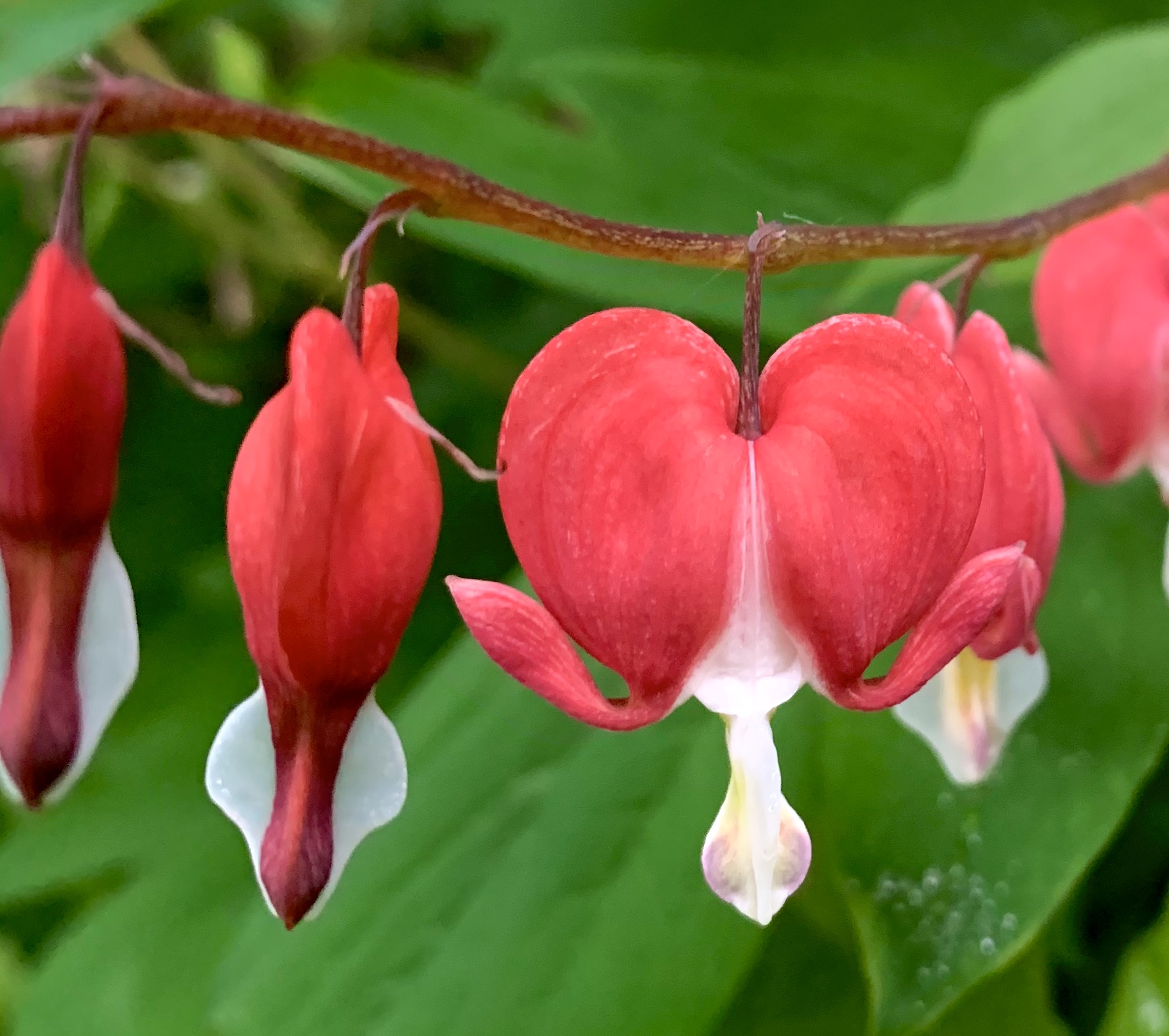
A bleeding heart is of no help to anybody if it bleeds to death.
~Frederick Buechner from Telling Secrets

We are reminded every time we hear safety instructions on an airplane before a flight takes off: “in the event of a sudden pressure change in the cabin, oxygen masks will appear – remember to put your own on before helping others with their masks.”   

If we aren’t able to breathe ourselves, we won’t last long enough to be of assistance to anyone around us.  We must breathe, we must stay afloat to save the drowning. Too often,  sacrificing our self-care threatens others’ well-being.

A headline appeared in my email from the American Psychiatric Association this morning: “Physicians Experience the Highest Suicide Rate of Any Profession” – there is rampant depression and burn-out among those who should know best how to recognize and respond to the danger signs — for women physicians, nearly 1 out of 5 are afflicted.   Yet the work load only seems to increase, not diminish, the legal and moral responsibility weighs more heavily, and the hours available for sleep and respite shrink.  In forty plus years of practicing medicine (my father liked to remind me “when are you going to stop ‘practicing’ and actually ‘do’ it?”),  the work never got easier, only harder and heavier to carry.

I saw suicidal patients every day and am immensely grateful I myself have never been suicidal, thank God, but anxiety is embedded deep in my DNA from my non-physician fretful farmer ancestors.  Anxiety becomes the fuel and driver of the relentless physician journey on long lonely roads, spurring us to stay awake too many hours when we should be resting our eyes and taking a break to breathe, just breathe.

However, we are trained to respond to our own anxiety from the first day in anatomy class:
“and while you, Miss Polis, are trying to think of the name of that blood vessel, your patient is exsanguinating in front of you– drip, drip, drip….”

Terror-stricken at the thought I was inadequate to the task of saving a life, it took years for me to realize the name of the vessel didn’t bloody matter as long as I knew instinctively to clamp it, compress it, or by the love of the Living God, transfuse my own blood from my bleeding heart into my patient’s.

I learned those many years ago:
to save another life, I must first preserve my own.

Your bleeding heart, in your hands –
It’s been there a while you’re just now noticing –
I wish I could help you –
The way that you want me to –
We all have our own bleeding heart to attend to –

Your bleeding heart, let it go –
You feel like it’s hopeless, but you never know –
I wish I could help you –
The way that you want me to –
We all have our own bleeding heart to mend
~Kim Taylor
One-Time
Monthly
Yearly

Make a one-time or recurring donation to support daily Barnstorming posts

Make a monthly donation

Make a yearly donation

Choose an amount

¤5.00
¤10.00
¤20.00
¤5.00
¤15.00
¤100.00
¤5.00
¤15.00
¤100.00

Or enter a custom amount

¤

Your contribution is deeply appreciated.

Your contribution is appreciated.

Your contribution is appreciated.

DonateDonate monthlyDonate yearly

A Morning Luminous with Mystery and Pain

Heart,
I implore you,
it’s time to come back
from the dark,
it’s morning,
the hills are pink
and the roses
whatever they felt

in the valley of night
are opening now
their soft dresses,
their leaves

are shining.
Why are you laggard?
Sure you have seen this
a thousand times,

which isn’t half enough.
Let the world
have its way with you,
luminous as it is

with mystery
and pain–
graced as it is
with the ordinary.

~Mary Oliver “Summer Morning”

I love to stay in bed
All morning,
Covers thrown off, naked,
Eyes closed, listening.

There’s a smell of damp hay,
Of horses, laziness,
Summer sky and eternal life.

I know all the dark places
Where the sun hasn’t reached yet,
Where the last cricket
Has just hushed; anthills

Where it sounds like it’s raining,
Slumbering spiders spinning wedding dresses.

The good tree with its voice
Of a mountain stream
Knows my steps.
It, too, hushes.

I stop and listen:
Somewhere close by
A stone cracks a knuckle,
Another turns over in its sleep.

I hear a butterfly stirring
Inside a caterpillar.
I hear the dust talking
Of last night’s storm.

Farther ahead, someone
Even more silent
Passes over the grass
Without bending it.

And all of a sudden
In the midst of that quiet,
It seems possible
To live simply on this earth.

~Charles Simic from “Summer Morning”

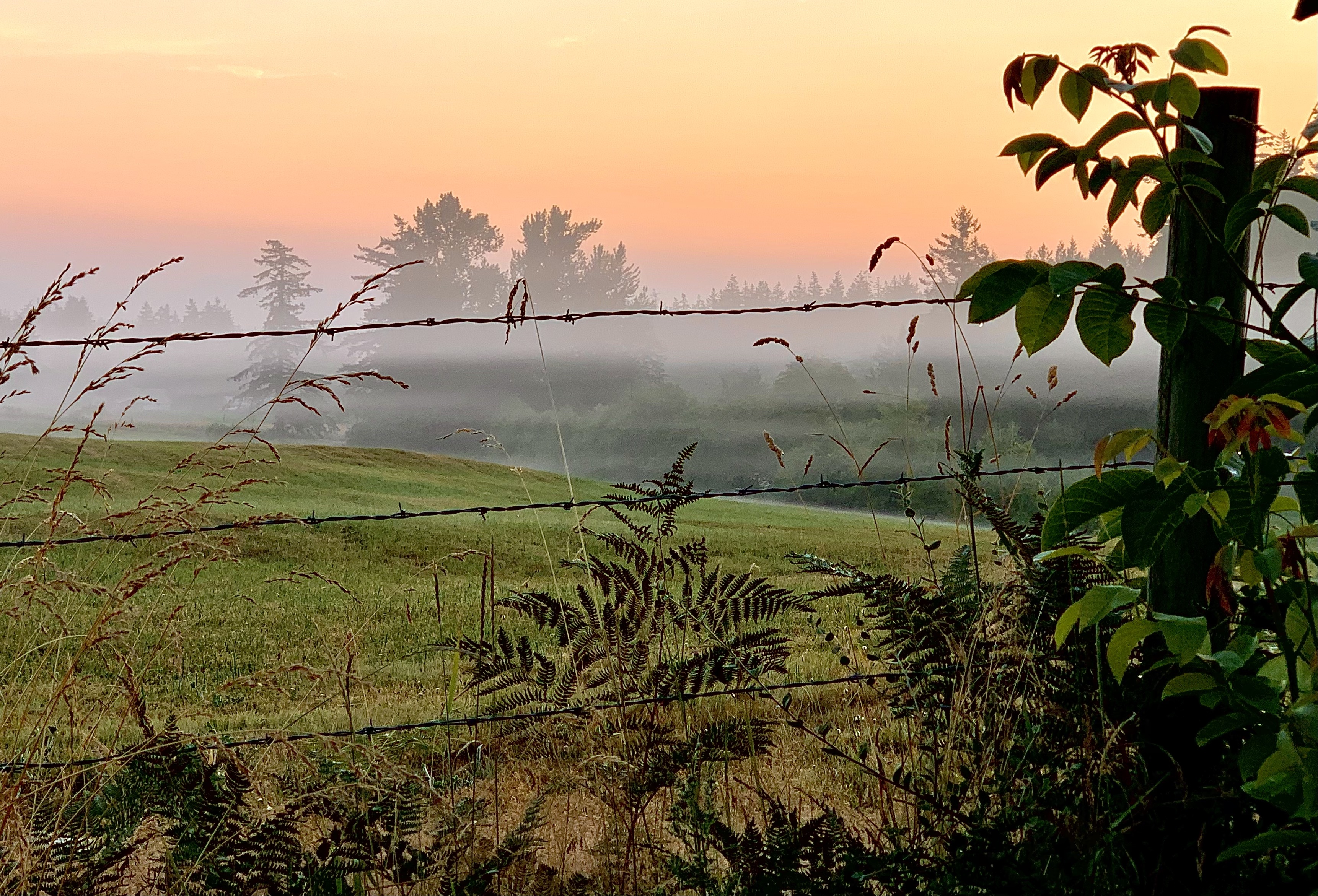
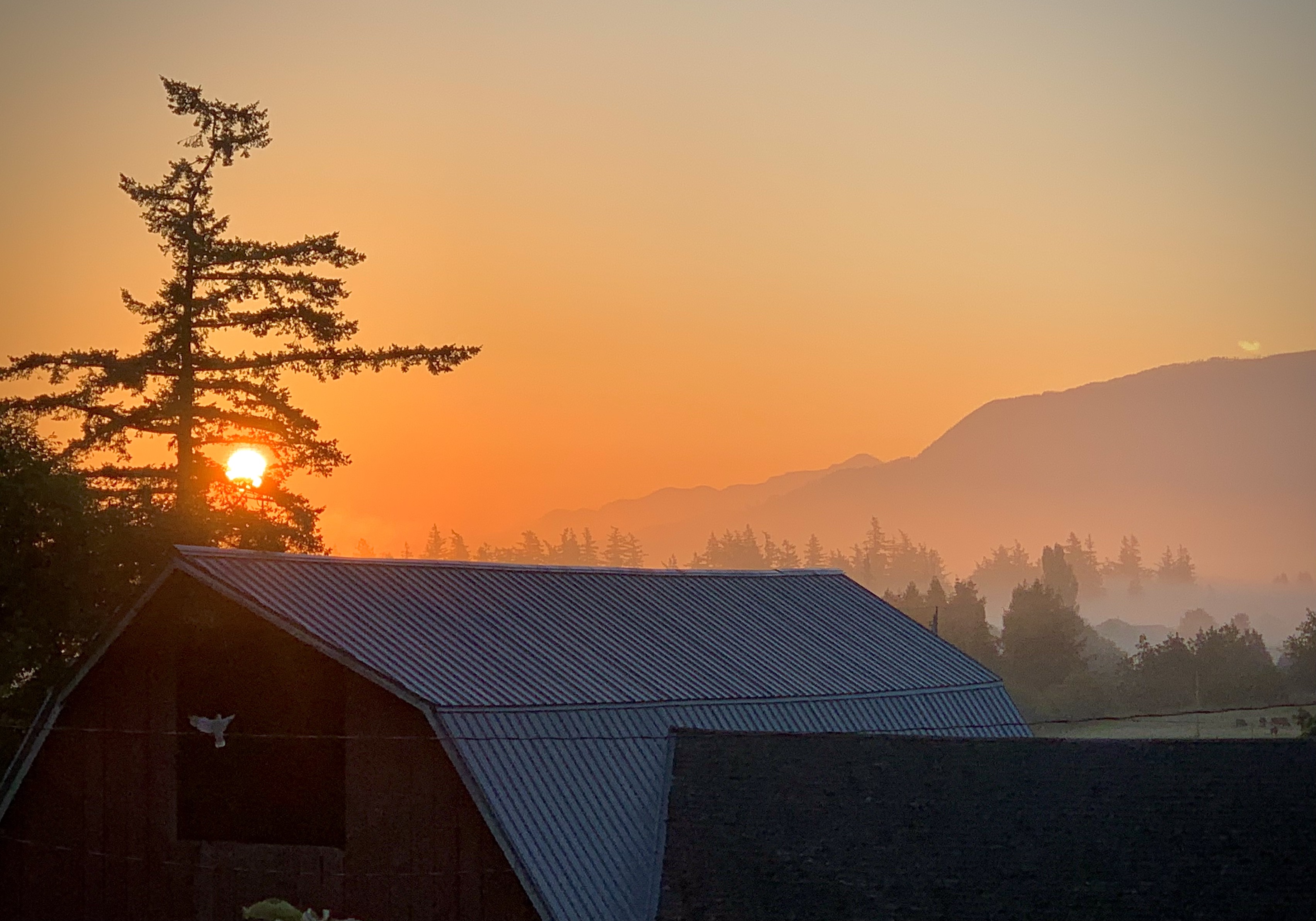
Reading headlines about yet more unimaginable losses and grieving people is extraordinarily painful on a summer morning when all should be luminous and lighthearted. My heart isn’t feeling the light at all; I struggle to leave behind those dark places where the sun hasn’t reached yet.

Yet if I’m still and quiet, I can hear life going on all around me. My sadness doesn’t change the mystery of a world God created in beauty and peace, now overshadowed by our fall into darkness, yet redeemed by a sacrificial Love we cannot possibly comprehend.

What a summer morning revelation. It’s as extraordinarily ordinary and simple as that.

One-Time
Monthly
Yearly

Make a one-time or recurring donation to support daily Barnstorming posts

Make a monthly donation

Make a yearly donation

Choose an amount

¤5.00
¤10.00
¤20.00
¤5.00
¤15.00
¤100.00
¤5.00
¤15.00
¤100.00

Or enter a custom amount

¤

Your contribution is deeply appreciated.

Your contribution is appreciated.

Your contribution is appreciated.

DonateDonate monthlyDonate yearly

Melting Love into Glass

All the love you will ever feel
you have always carried within you

The pellet you think love is

blooms into stone,
into flame, into glass

The tree knows
how to feed every part of itself

When you tap the tree
to drink it
it speaks to you

There is sweetness in you
All the self can do
is melt

~Hannah Stephenson from “Sap Season”

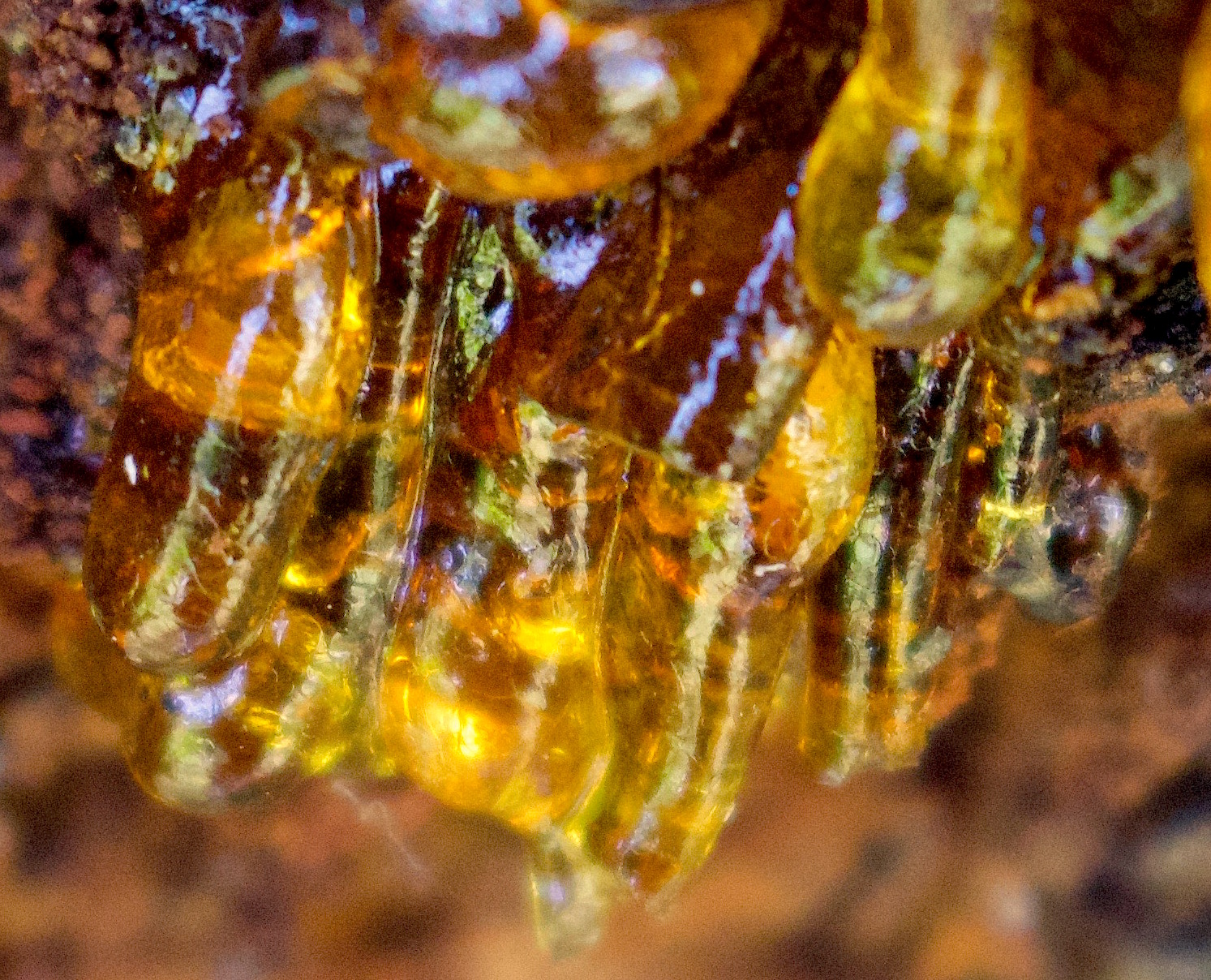
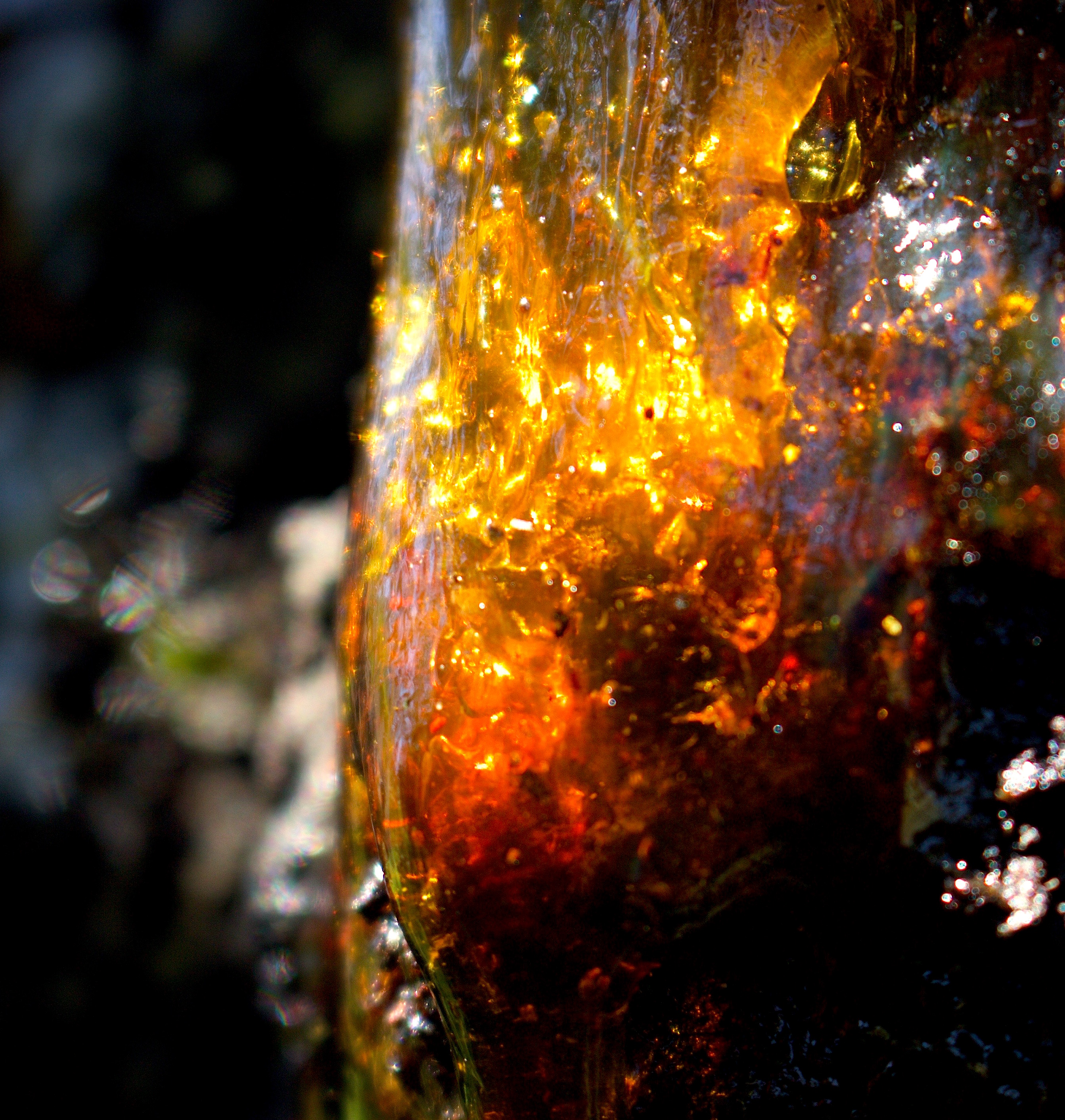
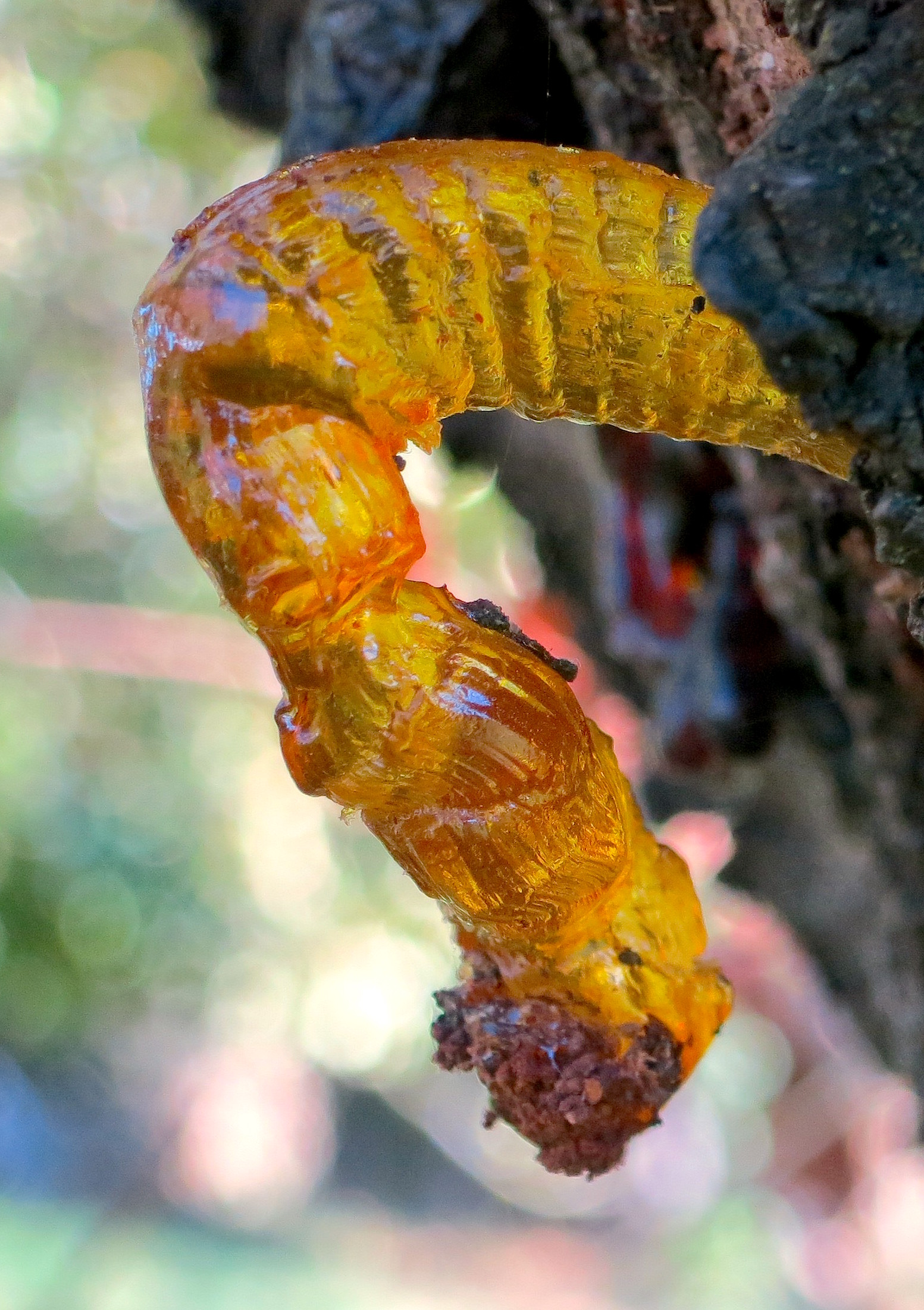
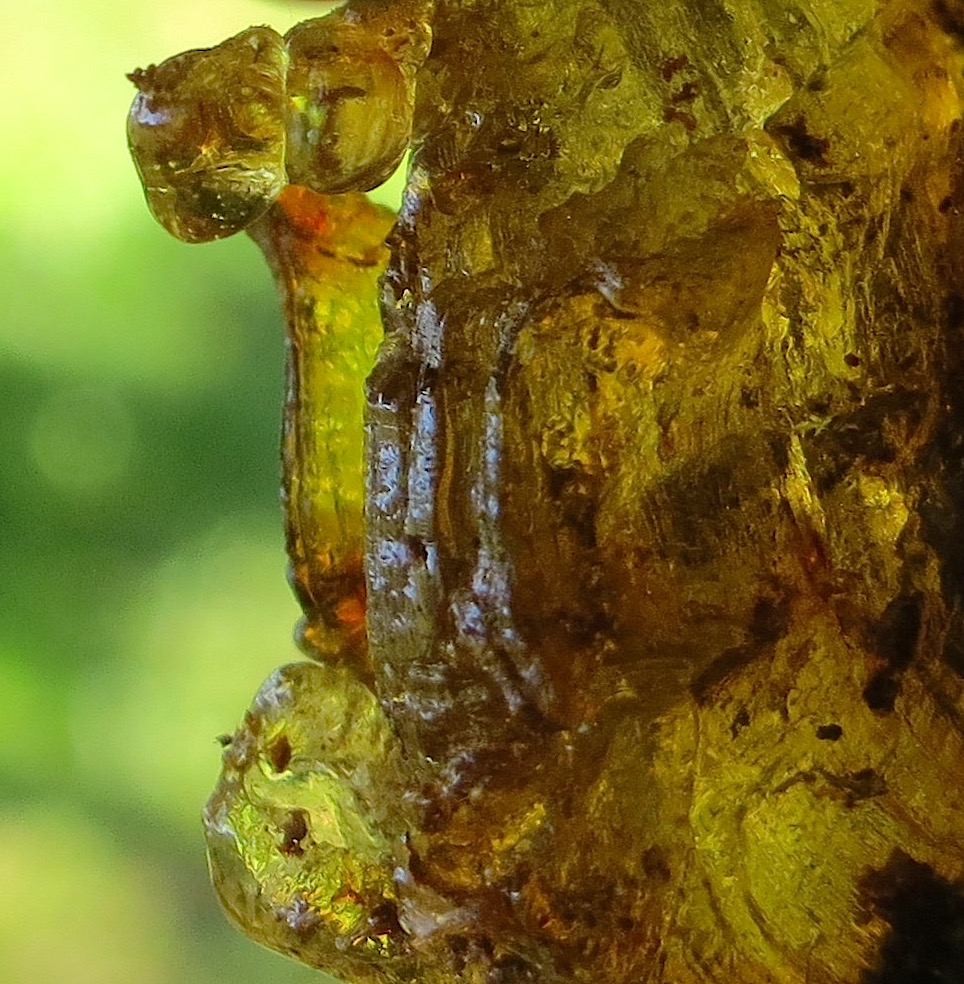
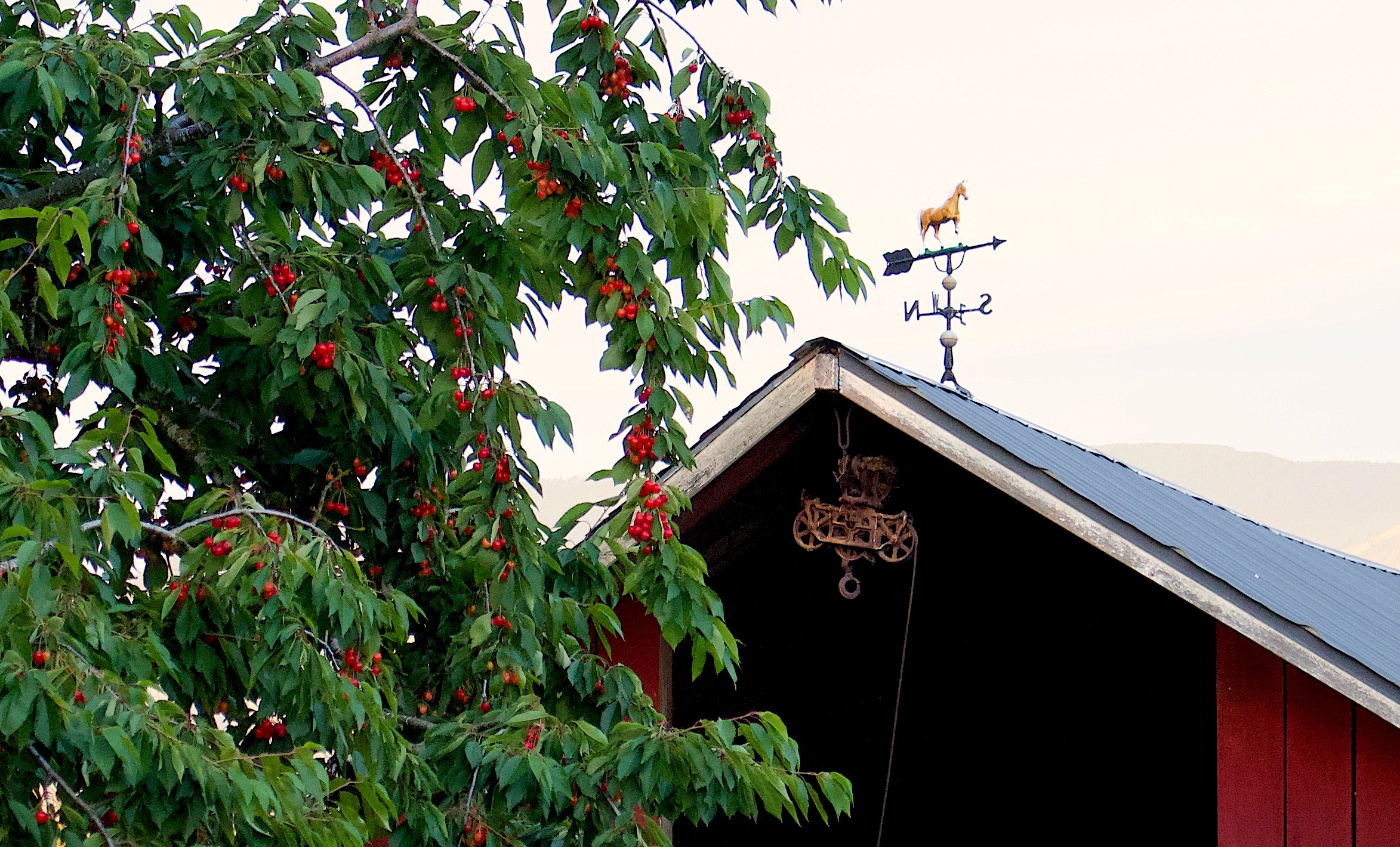
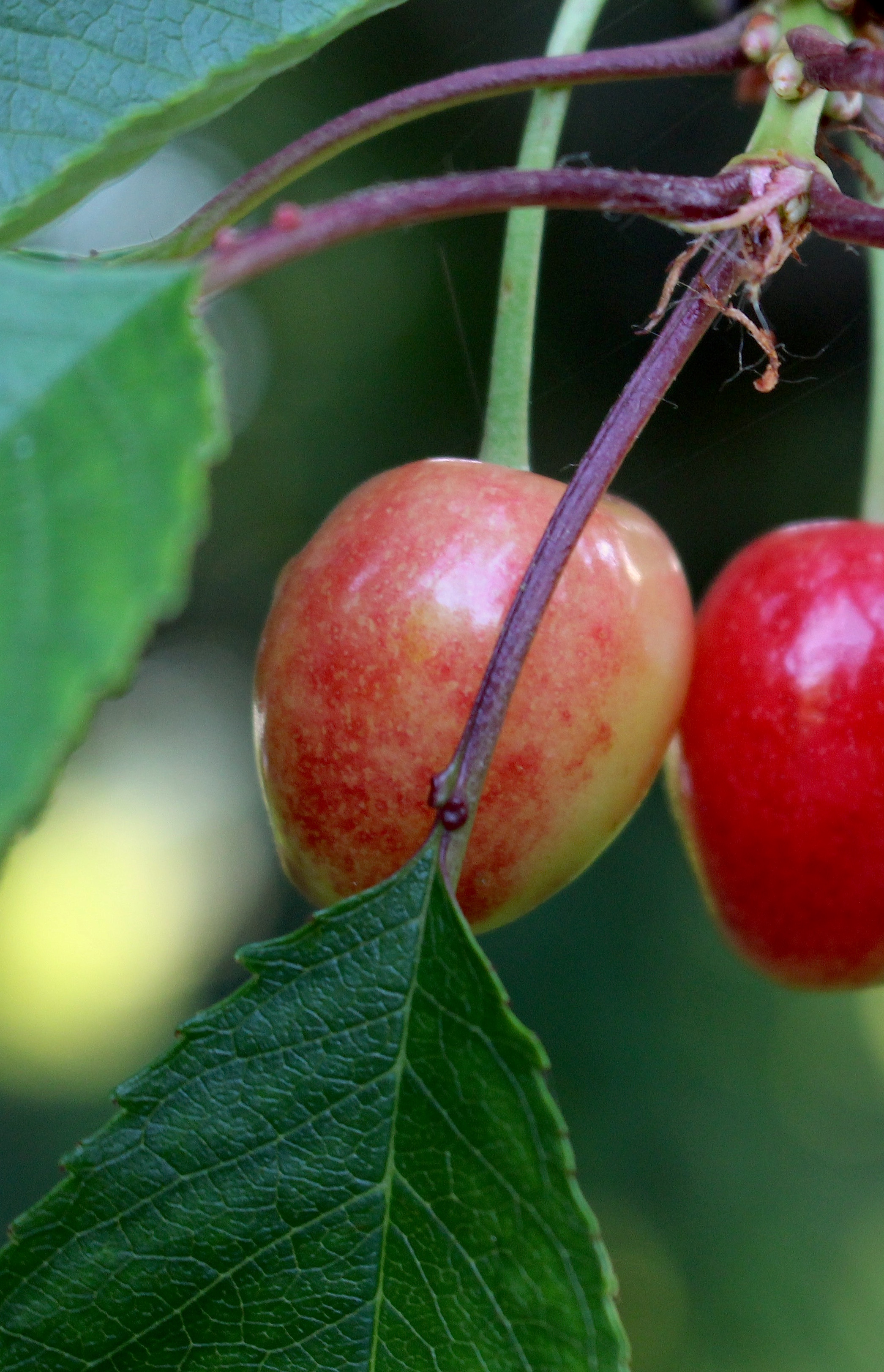
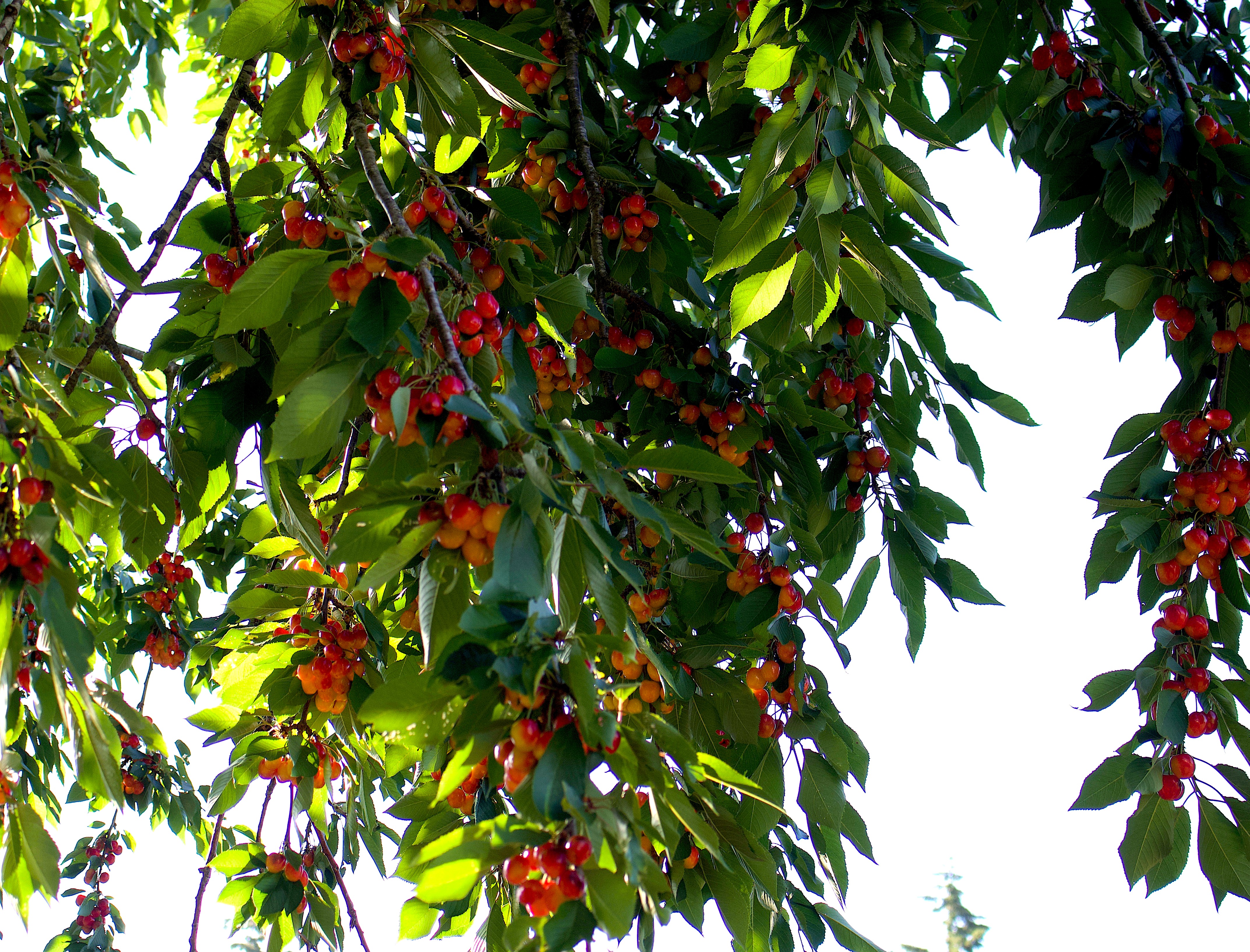
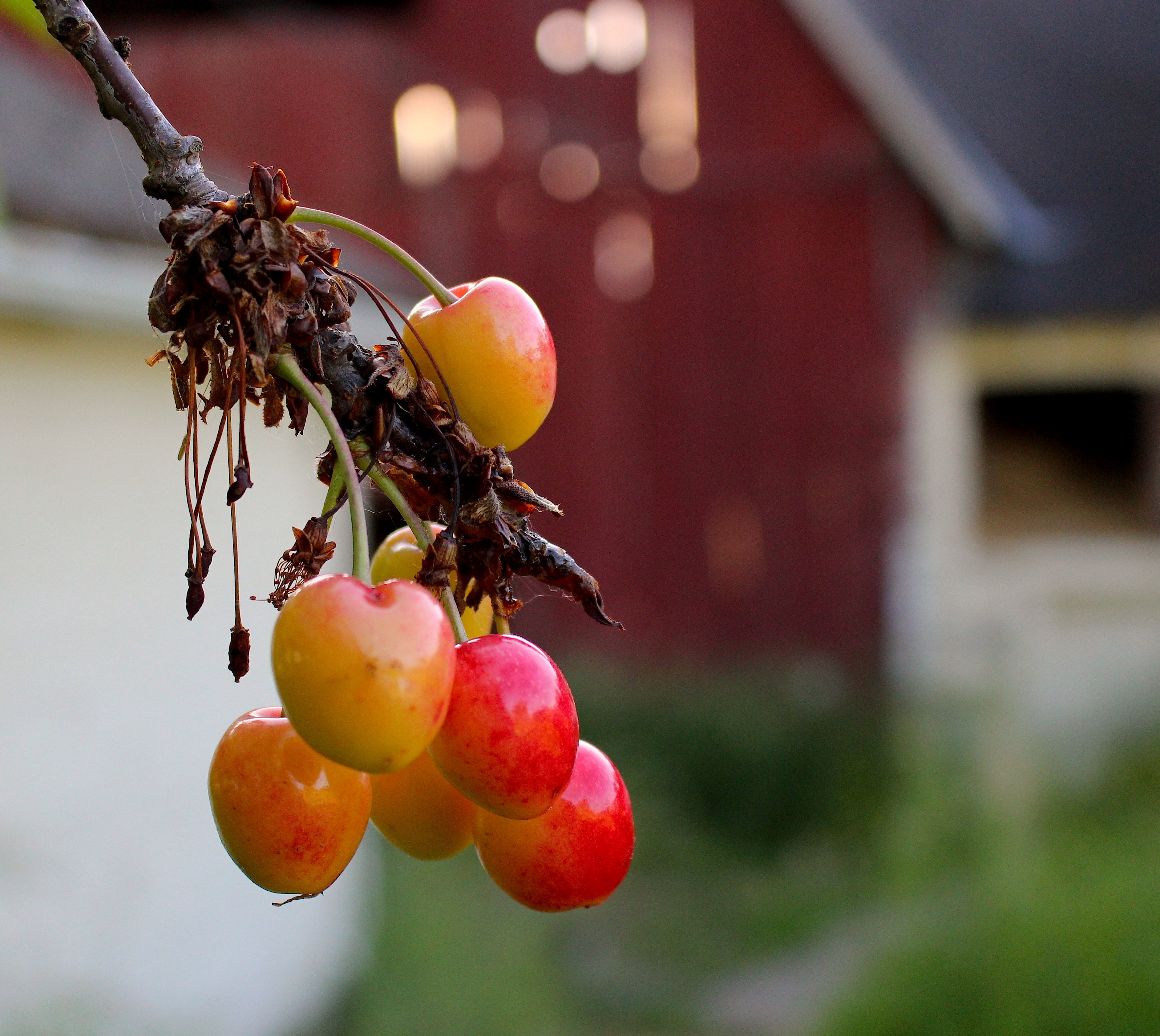
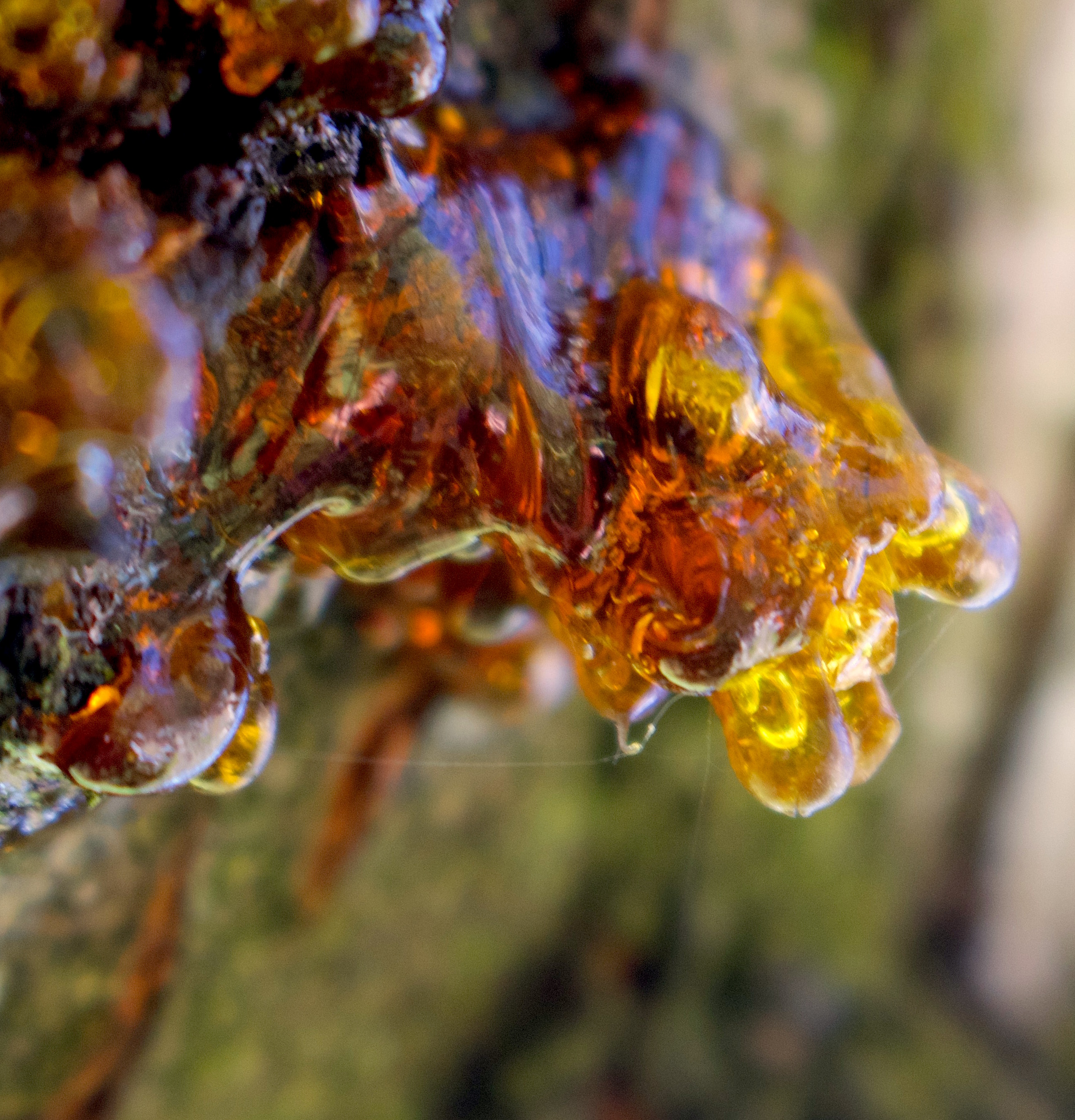
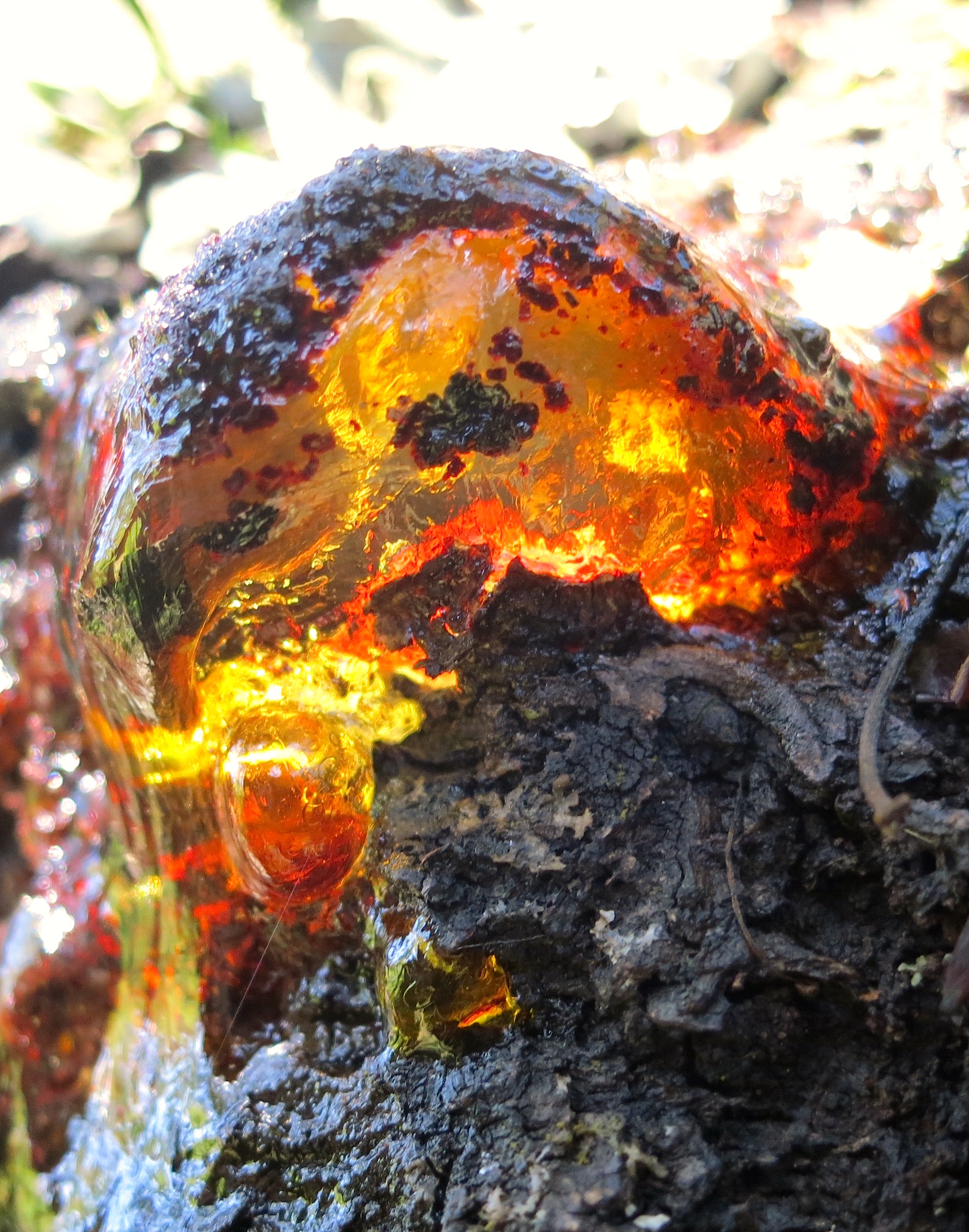
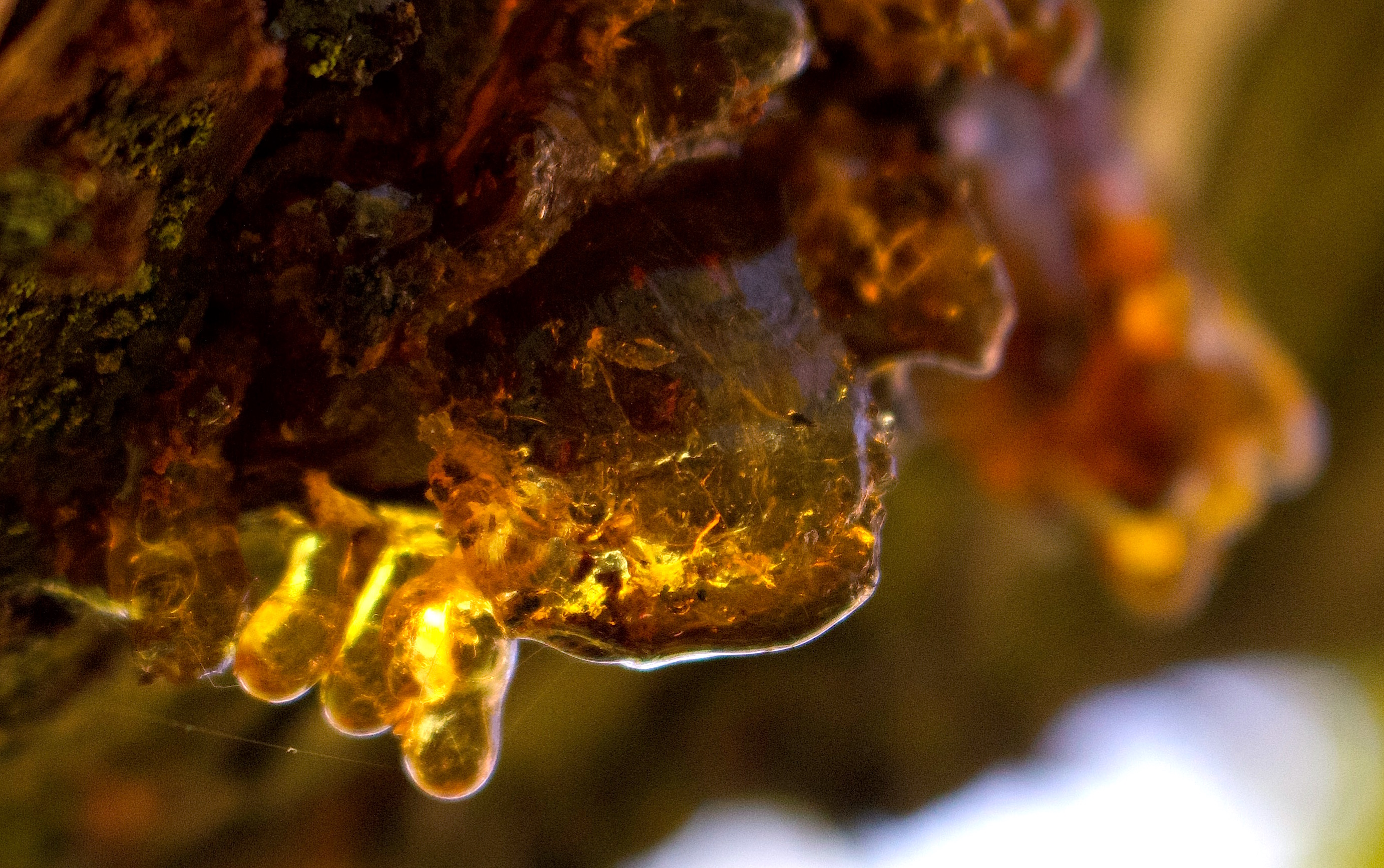
The last remaining cherry tree on this farm, a Royal Anne, has stood between house and barn for over ninety years, bearing heavily some years, and other years, like this one, yielding only a handful of fruit. Last year was a bumper crop followed by a hot dry summer and a bitter cold winter. The old tree was overly stressed, its branch joints and bark defects oozing miniature sculptures of resin in response.

These secretions feel hard and seem glass-like, yet reflecting this tree’s slow internal circulation, they change subtly day by day. This amber becomes this tree’s aging and suffering made manifest. Though its cherries burst with juicy flavor, it bleeds crystalline flame from its wounds.

What a gift is this leaking love, moving deep inside an old trunk. In its thirsty anguish, our dear cherry tree is weeping to reflect the sun.

One-Time
Monthly
Yearly

Make a one-time and recurring donation to support daily Barnstorming posts

Make a monthly donation

Make a yearly donation

Choose an amount

¤5.00
¤10.00
¤20.00
¤5.00
¤15.00
¤100.00
¤5.00
¤15.00
¤100.00

Or enter a custom amount

¤

Your contribution is deeply appreciated.

Your contribution is appreciated.

Your contribution is appreciated.

DonateDonate monthlyDonate yearly

Roaming Soft About the Slope

The mare roamed soft about the slope,
Her rump was like a dancing girl’s.
Gentle beneath the apple trees
She pulled the grass and shook the flies,
Her forelocks hung in tawny curls,
She had a woman’s limpid eyes,
A woman’s patient stare that grieves.
And when she moved among the trees,
The dappled trees, her look was shy,
She hid her nakedness in leaves.
A delicate though weighted dance
She stepped while flocks of finches flew
From tree to tree and shot the leaves
With songs of golden twittering;
How admirable her tender stance.
And then the apple trees were new,
And she was new, and we were new,
And in the barns the stallions stamped
And shook the hills with trumpeting.
~Ruth Stone, “The Orchard” from What Love Comes To

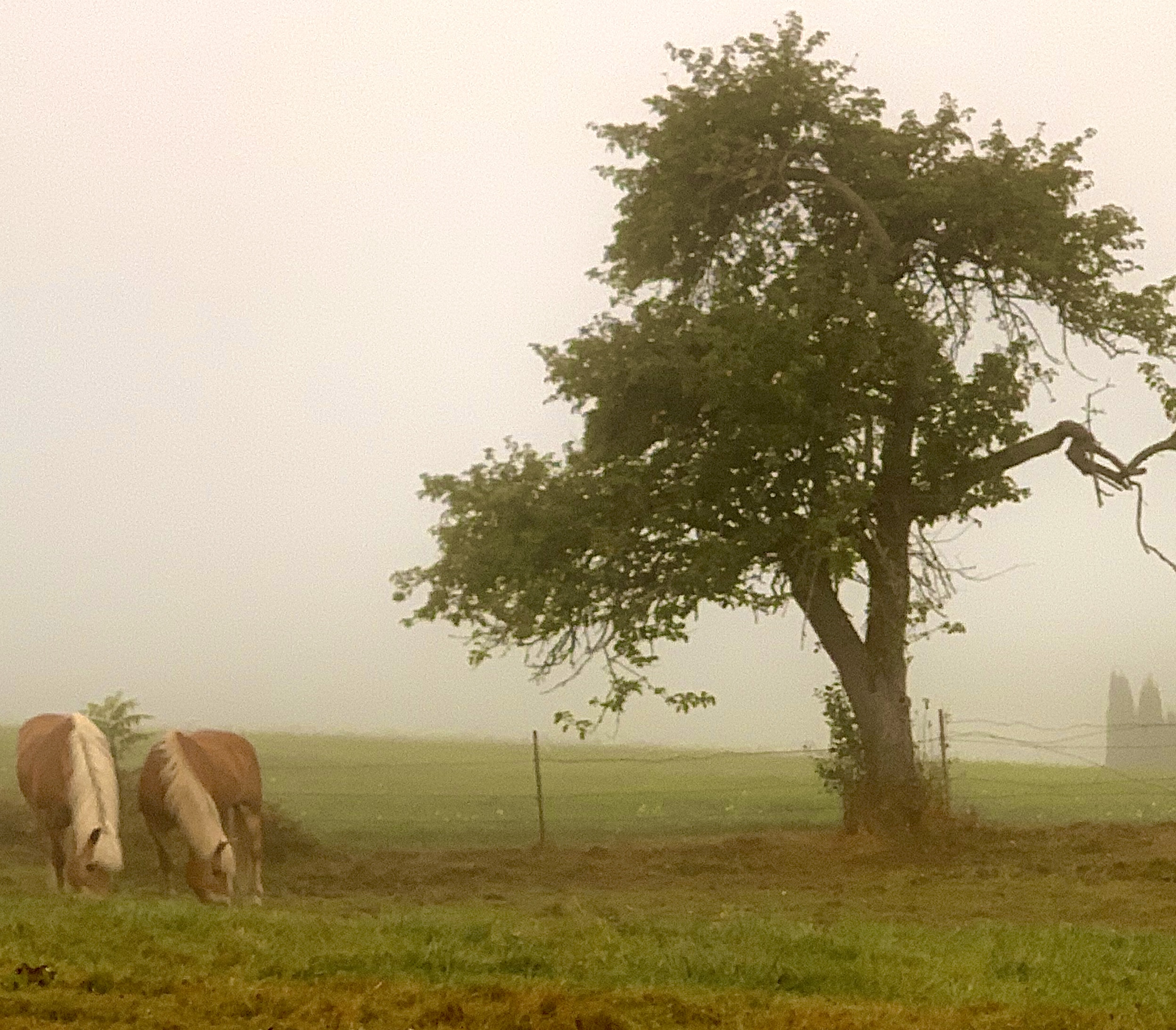
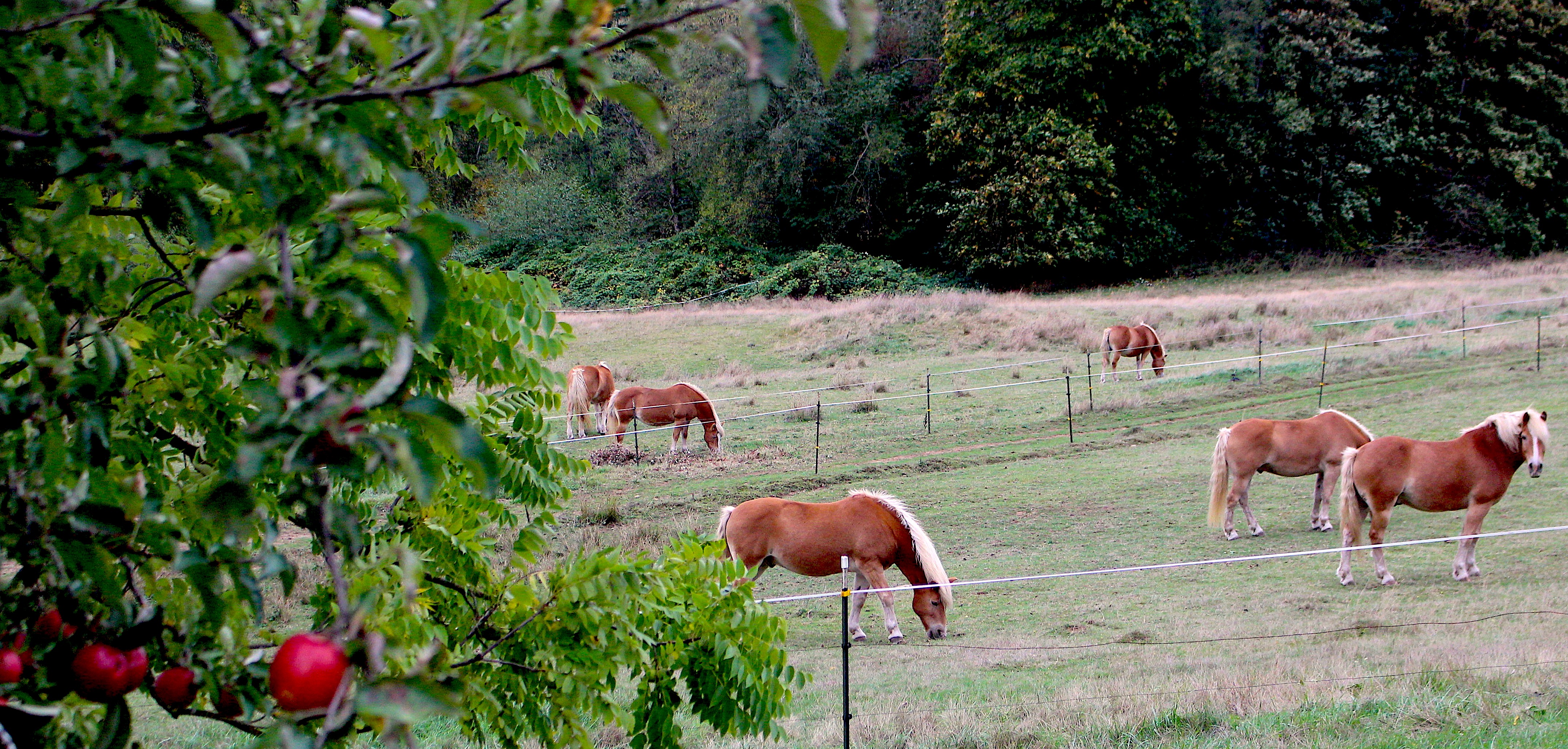
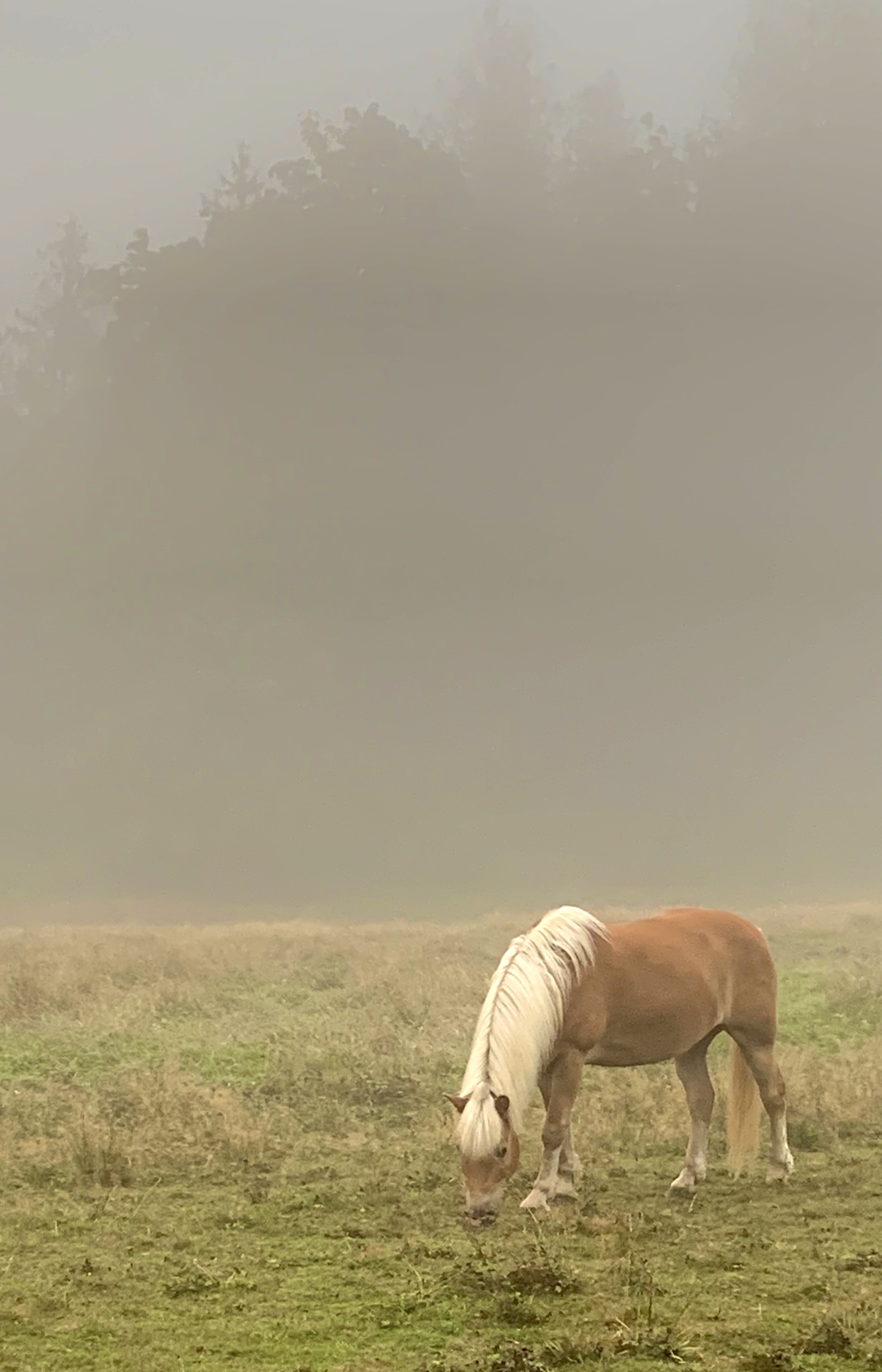
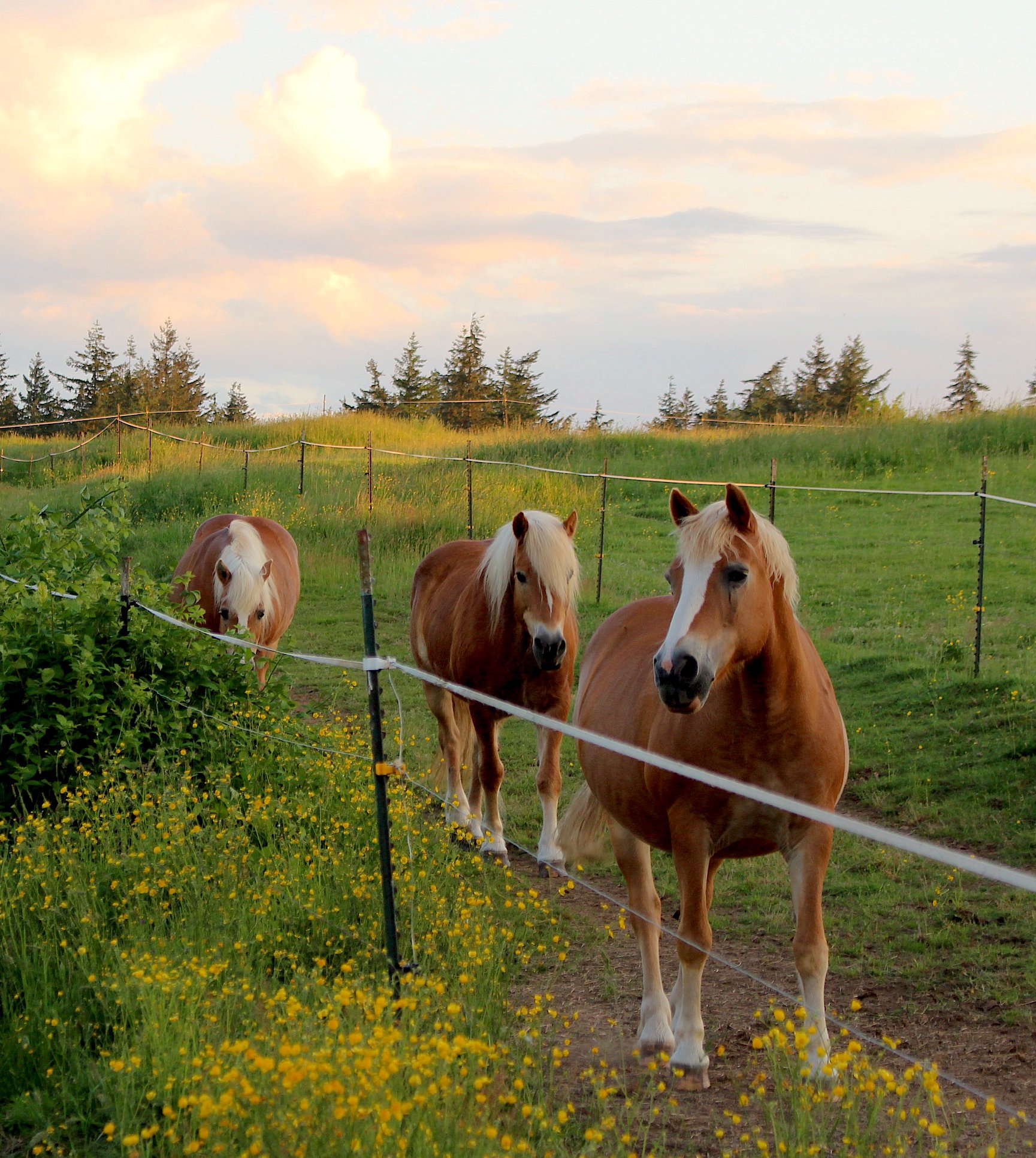
Our retired mares are aging, the oldest now thirty and the others only a few years younger. Born on this land, they have served us well over the decades, birthing us their foals and working when asked. They deserve this easy life on pasture for as long as their legs and feet will carry them up and down the slopes of our hilly farm – they are more and more resembling our ancient crooked crippled orchard trees, some of which have already toppled in the winter winds..

I’m thinking we are close to the end of these loyal mares’ long lives; hard decisions must be made at some point and I don’t feel quite prepared to determine when they are no longer enjoying their time under the sun but I don’t want them to topple over like an old hollow tree in the wind. I listen for their nickers as I come into the barn each morning and still see their eagerness to be set free to the fields. I look in their eyes when they come in at night to discern what they have to say about how their day went out on the grass.

Perhaps I too identify a bit much with the stiffness as they move and their need for frequent napping times in the field, swishing at flies while they dream of younger days of flirting with stallions, nursing babies, having suppler joints and a wild gallop at twilight.

I’ve been singing a sad lullaby to myself and them as I work about the barn with slow deliberation, knowing there is somber sorrow when life eventually must come to its inevitable end.

Ah, all the pretty little horses…

One-Time
Monthly
Yearly

Make a one-time or recurring donation to support daily Barnstorming posts

Make a monthly donation

Make a yearly donation

Choose an amount

¤5.00
¤10.00
¤20.00
¤5.00
¤15.00
¤100.00
¤5.00
¤15.00
¤100.00

Or enter a custom amount

¤

Your contribution is deeply appreciated.

Your contribution is appreciated.

Your contribution is appreciated.

DonateDonate monthlyDonate yearly

A Frayed and Nibbled Survivor

I am a frayed and nibbled survivor in a fallen world,
and I am getting along.
I am aging and eaten and have done my share of eating too.
I am not washed and beautiful,
in control of a shining world in which everything fits,
but instead am wandering awed about on a splintered wreck
I’ve come to care for, whose gnawed trees breathe delicate air,
whose bloodied and scarred creatures are my dearest companions, and whose beauty beats and shines not in its imperfections,
but overwhelmingly in spite of them…”
~Annie Dillard from Pilgrim at Tinker Creek

Heaven have mercy on us all—Presbyterians and Pagans alike—for we are all somehow dreadfully cracked about the head, and sadly need mending.
~Herman Melville from Moby Dick

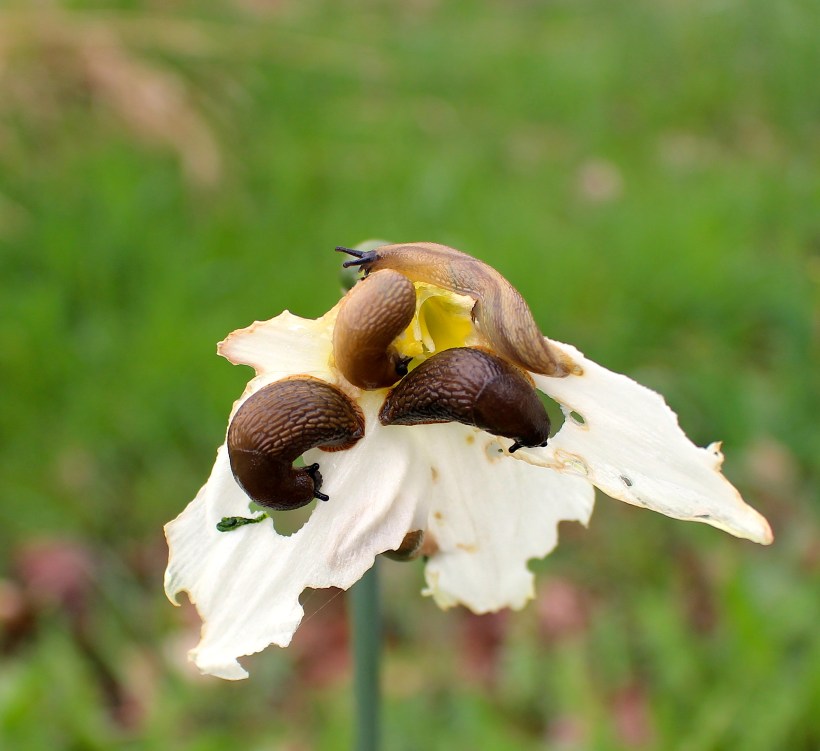
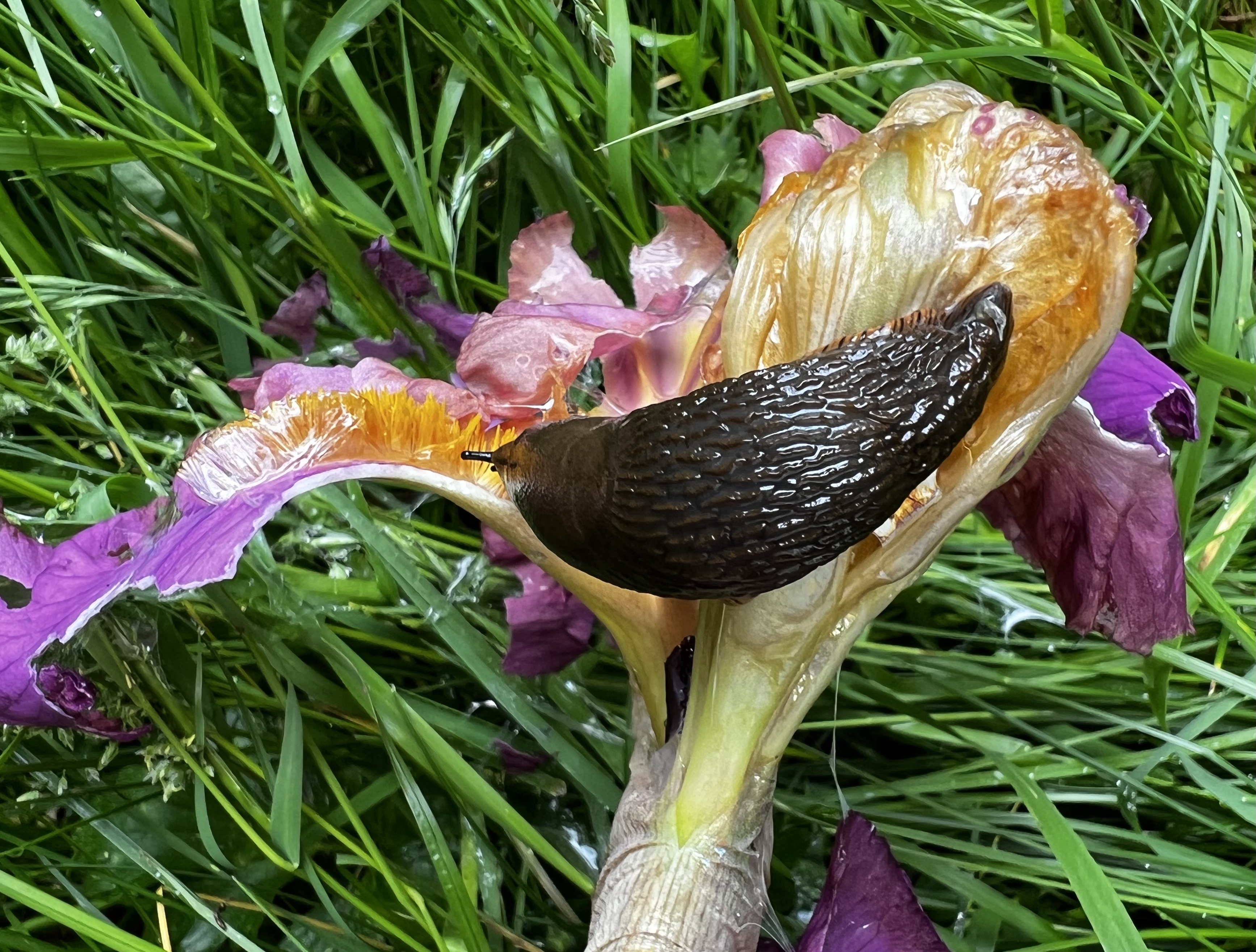
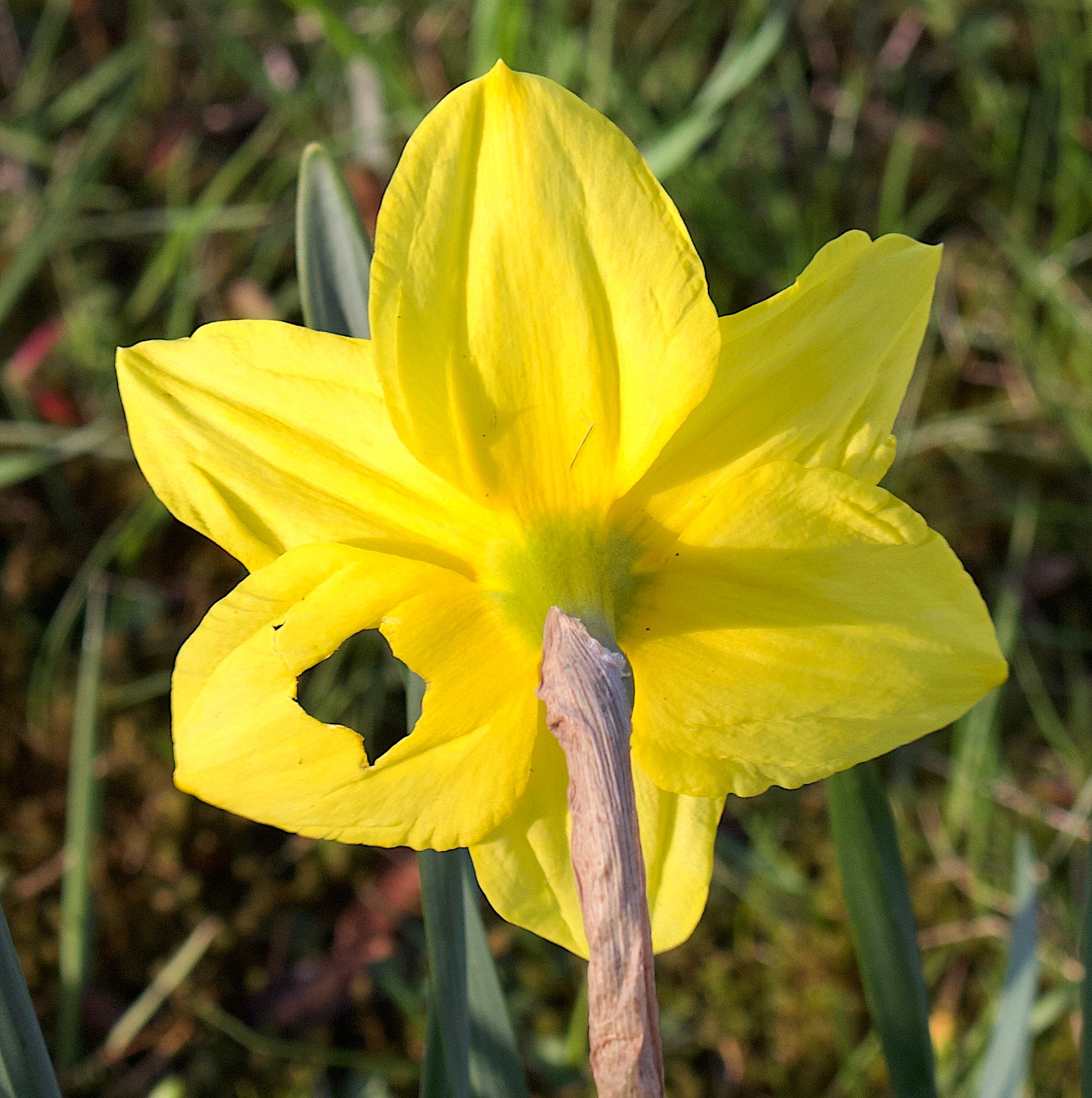
We all bear chew marks, some fresher or deeper than others. Maybe they came during childhood from the constant nibbles of a competitive sibling, or from the intentionally painful wounds left by a bully at school or work. Some folks grew up in home environments that continually gnawed away at their self-confidence rather than feeding their sense of value.

Somehow – despite our eating whatever we find tasty and being eaten because we ourselves are tasty – most of us continue to get along, frayed and fragmented as we are, searching for an eventual mending of our wounds and filling of our empty spots.

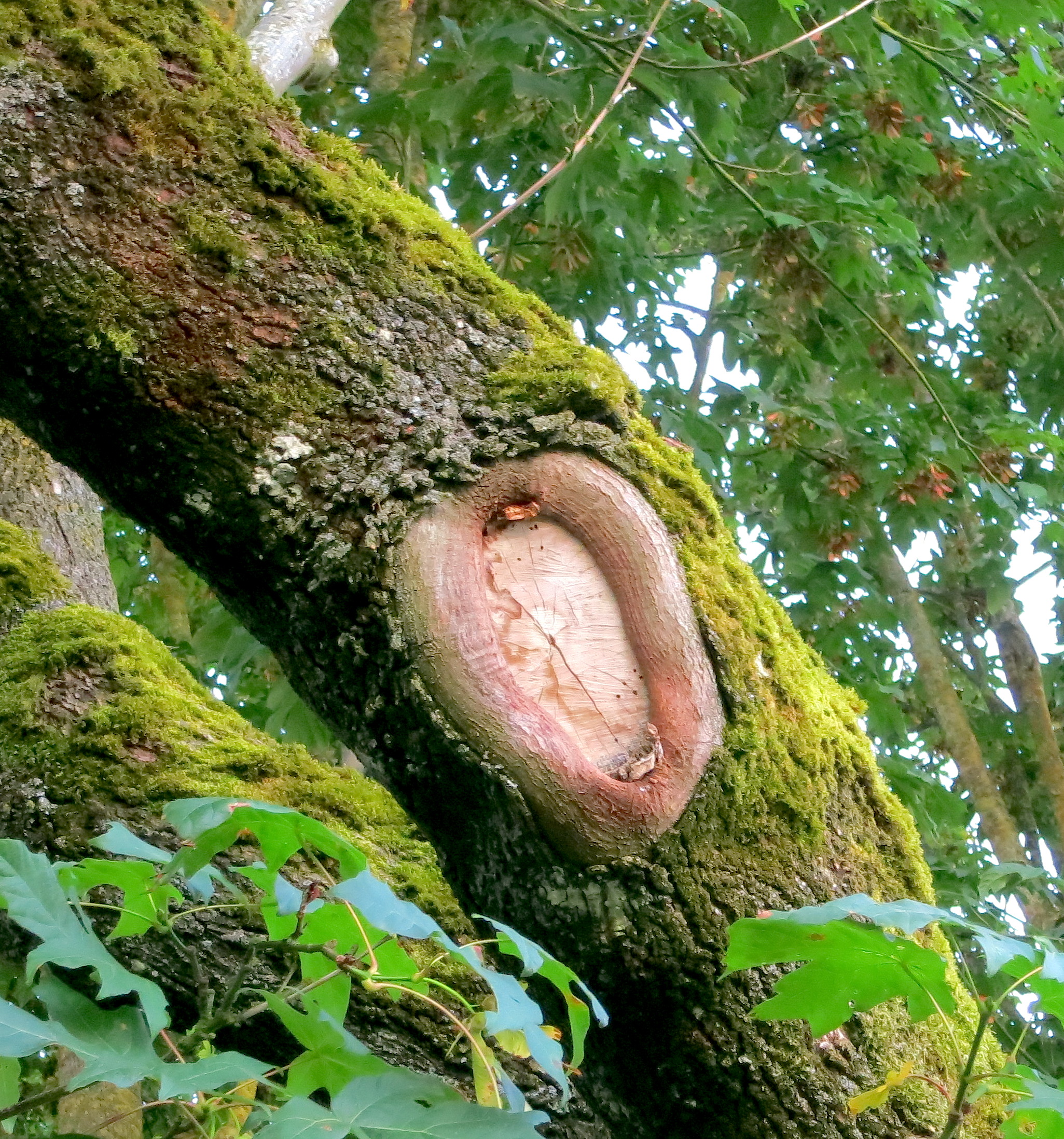
Like the marks in a trunk where a missing limb used to be, or the notch holes left by the springboards loggers stood on to saw down an immense tree for lumber, our scars represent the price of being a living sacrifice. We persist because nothing we endure are as deep and wide as the scars that were accepted by the Word made Flesh on our behalf, nor as wondrous as the Love that oozed from them, nor as amazing as the grace that abounds to this day because of the promise spelled out by them. 

Our scars have become beautiful as a result.

One-Time
Monthly
Yearly

Make a one-time or recurring donation to support daily Barnstorming posts

Make a monthly donation

Make a yearly donation

Choose an amount

¤5.00
¤10.00
¤20.00
¤5.00
¤15.00
¤100.00
¤5.00
¤15.00
¤100.00

Or enter a custom amount

¤

Your contribution is deeply appreciated.

Your contribution is appreciated.

Your contribution is appreciated.

DonateDonate monthlyDonate yearly

Seeing It Through

I wanted you to see what real courage is,
instead of getting the idea
that courage is a man
with a gun in his hand.
It’s when you know you’re licked before you begin,
but you begin anyway and see it through no matter what.

~Harper Lee from To Kill A Mockingbird

I know. It’s all wrong.
By rights we shouldn’t even be here.
But we are.

It’s like in the great stories, Mr. Frodo. The ones that really mattered. Full of darkness and danger they were. And sometimes you didn’t want to know the end.

Because how could the end be happy?
How could the world go back to the way it was when so much bad had happened? But in the end, it’s only a passing thing, this shadow.

Even darkness must pass. A new day will come. And when the sun shines it will shine out the clearer. Those were the stories that stayed with you. That meant something, even if you were too small to understand why.

But I think, Mr. Frodo, I do understand. I know now. Folk in those stories had lots of chances of turning back, only they didn’t. They kept going, because they were holding on to something. That there is some good in this world, and it’s worth fighting for.
~J.R.R. Tolkien – Samwise Gamgee to Frodo in The Two Towers

Courage is almost a contradiction in terms. 
It means a strong desire to live
taking the form of a readiness to die.
~ G.K. Chesterton from “The Paradoxes of Christianity” in Orthodoxy

This is another day, O Lord…
If I am to stand up, help me to stand bravely.
If I am to sit still, help me to sit quietly.
If I am to lie low, help me to do it patiently.
And if I am to do nothing, let me do it gallantly.
— Kathleen Norris citing the Book of Common Prayer

What courage it takes to step out one’s front door these days.

I never know where I might be swept off to
or what I might be swept into.

When I feel overwhelmed and discouraged,
when it seems the world is cast in nothing but shadow,
I am reminded I too am part of a great story
and the plot progression is, by necessity, a mystery.

While the darkness seems to never end,
I will pass through shadows and feel great fear,
I will be asked to do things that threaten my well-being
because it is the right thing to do for another.

Yet we are promised Light and Joy at the end of this epic story.
There is still good in the world and it is worth fighting for.

It’s a dangerous business, Frodo, going out of your door. You step into the Road, and if you don’t keep your feet, there is no knowing where you might be swept off too.
~J.R.R. Tolkien – Bilbo to Frodo in Fellowship of the Rings

One-Time
Monthly
Yearly

Make a one-time or recurring donation to support daily Barnstorming posts

Make a monthly donation

Make a yearly donation

Choose an amount

¤5.00
¤10.00
¤20.00
¤5.00
¤15.00
¤100.00
¤5.00
¤15.00
¤100.00

Or enter a custom amount

¤

Your contribution is deeply appreciated.

Your contribution is appreciated.

Your contribution is appreciated.

DonateDonate monthlyDonate yearly

They Call It Easing the Spring

“Vixi duellis nuper idoneus
Et militavi non sine glori”

(translation)
Recently I lived suitable for warfare,
and I soldiered not without glory.

Today we have naming of parts. Yesterday,
We had daily cleaning. And tomorrow morning,
We shall have what to do after firing. But today,
Today we have naming of parts. Japonica
Glistens like coral in all of the neighboring gardens,
   And today we have naming of parts.

This is the lower sling swivel. And this
Is the upper sling swivel, whose use you will see
When you are given your slings. And this is the piling swivel,
Which in your case you have not got. The branches
Hold in the gardens their silent, eloquent gestures,
   Which in our case we have not got.

This is the safety-catch, which is always released
With an easy flick of the thumb. And please do not let me
See anyone using his finger. You can do it quite easily
If you have any strength in your thumb. The blossoms
Are fragile and motionless, never letting anyone see
   Any of them using their finger.

And this you can see is the bolt. The purpose of this
Is to open the breech, as you see. We can slide it
Rapidly backwards and forwards: we call this
Easing the spring. And rapidly backwards and forwards
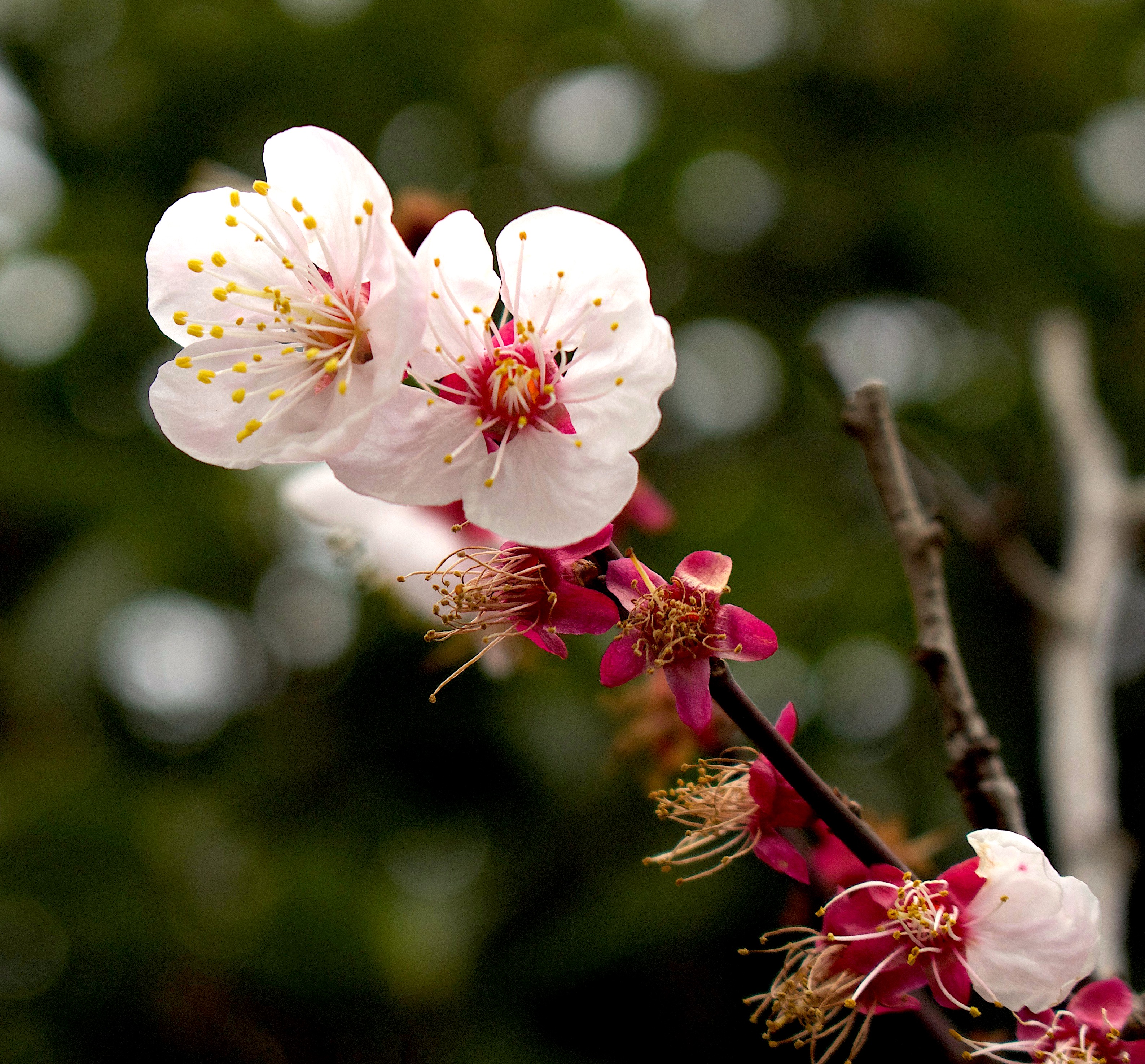
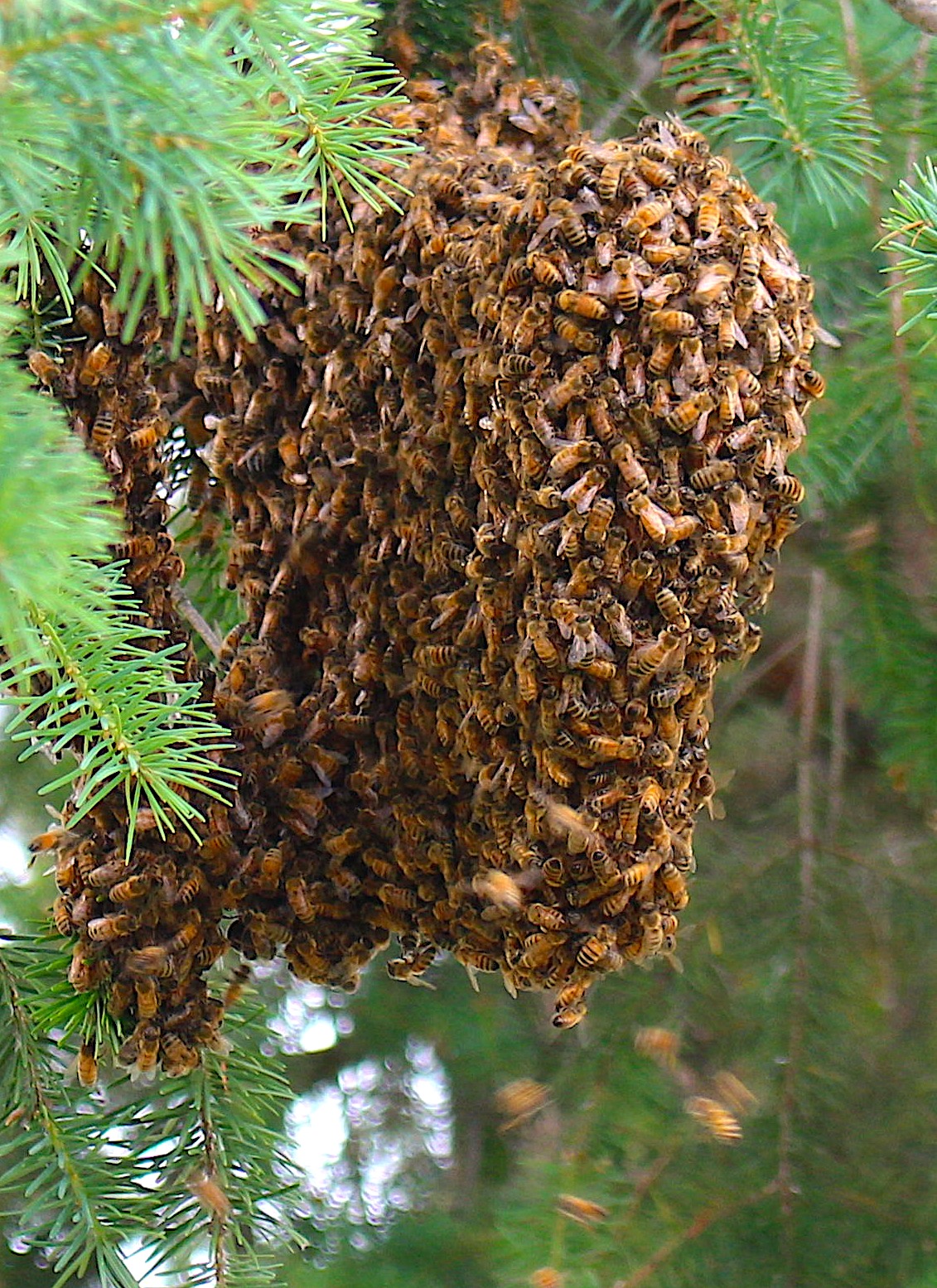
The early bees are assaulting and fumbling the flowers:
   They call it easing the Spring.

They call it easing the Spring: it is perfectly easy
If you have any strength in your thumb: like the bolt,
And the breech, and the cocking-piece, and the point of balance,
Which in our case we have not got; and the almond-blossom
Silent in all of the gardens and the bees going backwards and forwards,
   For today we have naming of parts.
~Henry Reed “Naming of Parts”
(1942)

“Naming of Parts” was a well-known British anti-war poem I memorized for debate class in high school in 1970, reciting it for interpretive reading competitions.

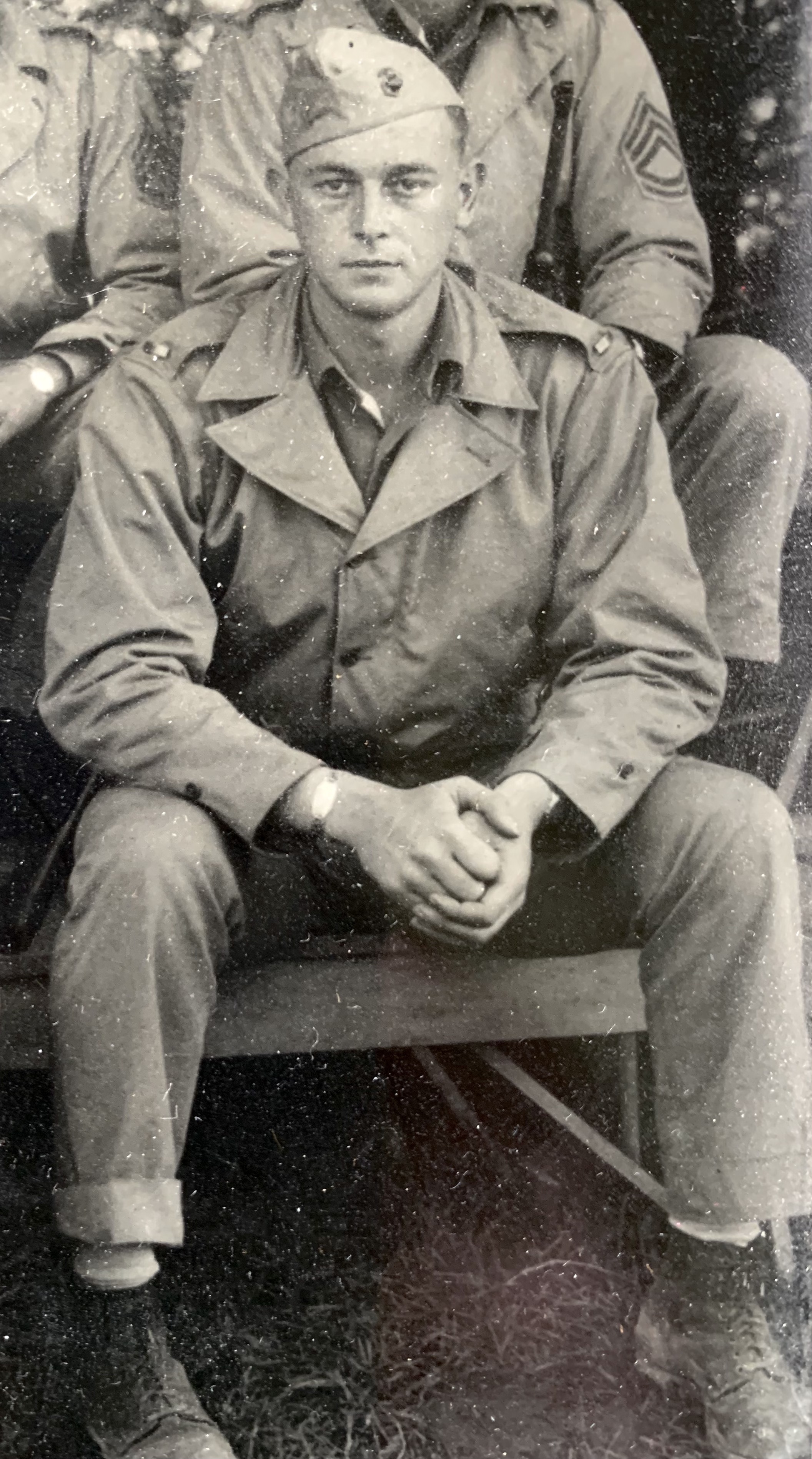
Below is a portion of a 1944 letter sent home to my mother from my father as he served as a Marine company officer in the South Pacific from January 1943 – fall 1945. After he returned home, physically uninjured, I had never seen him with a gun in his hands, and wasn’t aware he even had kept a gun after leaving the Marines. One day, in the early 1970’s, one of our farm’s beef animals was injured so my father, for the first time in thirty years, pulled out a gun from its hiding place to put down the suffering animal. I never saw the gun again and believe my father disposed of it soon after – firing that gun after so many years was too much for him.

“You mentioned a story of Navy landing craft taking the Marines into Tarawa.  It reminded me of something which impressed me a great deal and something I’m sure I’ll never forget. 

So you’ll understand what I mean I’ll try to start with an explanation.  In training – close order drill- etc.  there is a command that is given always when the men form in the morning – various times during the day– after firing– and always before a formation is dismissed.  The command is INSPECTION – ARMS.  On the command of EXECUTION- ARMS each man opens the bolt of his rifle.  It is supposed to be done in unison so you hear just one sound as the bolts are opened.  Usually it is pretty good and sounds O.K.

Just to show you how the morale of the men going to the <Tarawa> beach was – and how much it impressed me — we were on our way in – I was forward, watching the beach thru a little slit in the ramp – the men were crouched in the bottom of the boat, just waiting.  You see- we enter the landing boats with unloaded rifles and wait till it’s advisable before loading.  When we got about to the right distance in my estimation I turned around and said – LOAD and LOCK – I didn’t realize it, but every man had been crouching with his hand on the operating handle and when I said that — SLAM! — every bolt was open at once – I’ve never heard it done better – and those men meant business when they loaded those rifles. 

A man couldn’t be afraid with men like that behind him.
~ Marine Captain Henry Polis (age 22) in a 1944 letter home about the Battle of Tarawa (November 1943)

Henry Polis 1943

One-Time
Monthly
Yearly

Make a one-time or recurring donation to support daily Barnstorming posts

Make a monthly donation

Make a yearly donation

Choose an amount

¤5.00
¤10.00
¤20.00
¤5.00
¤15.00
¤100.00
¤5.00
¤15.00
¤100.00

Or enter a custom amount

¤

Your contribution is deeply appreciated.

Your contribution is appreciated.

Your contribution is appreciated.

DonateDonate monthlyDonate yearly