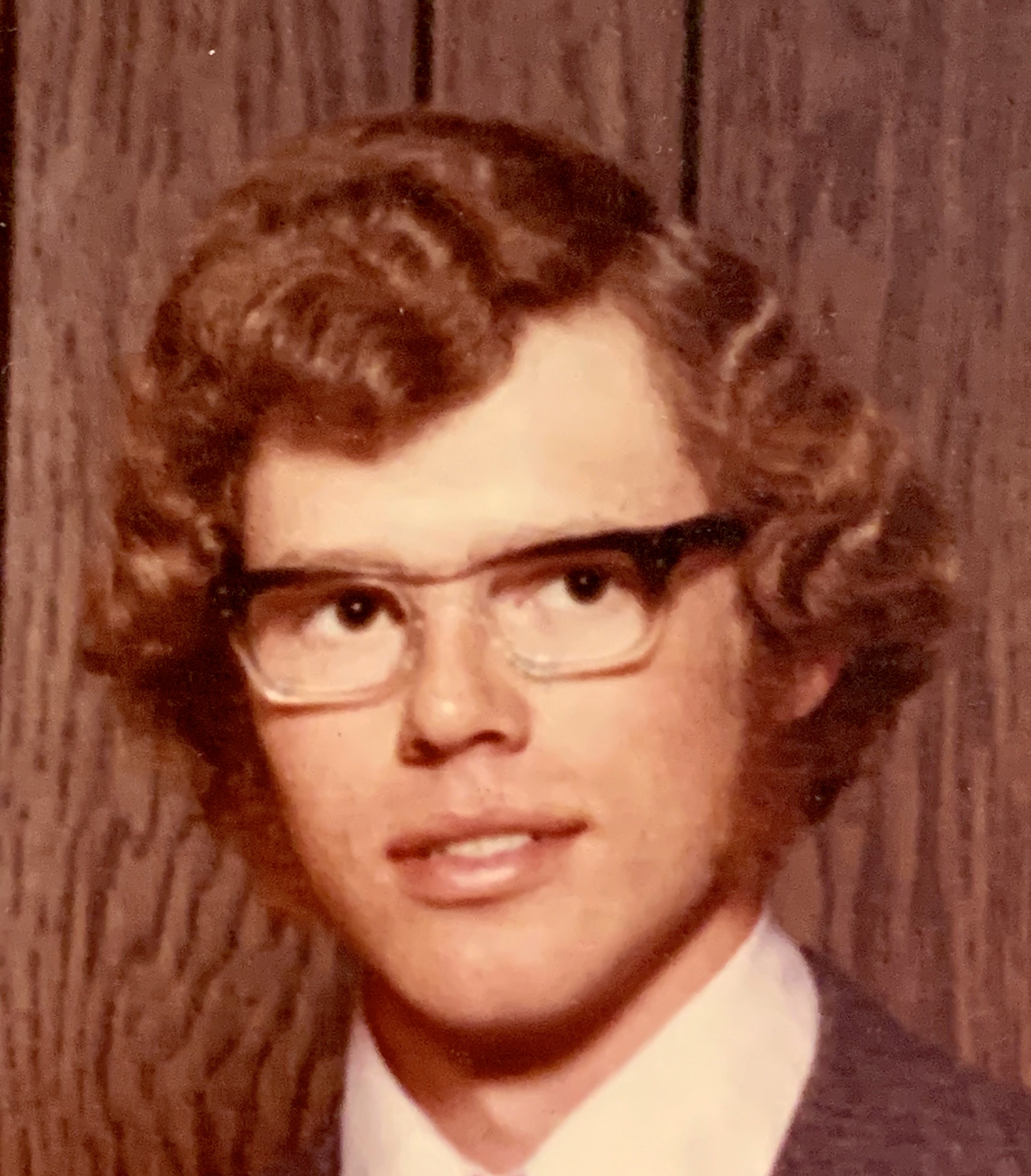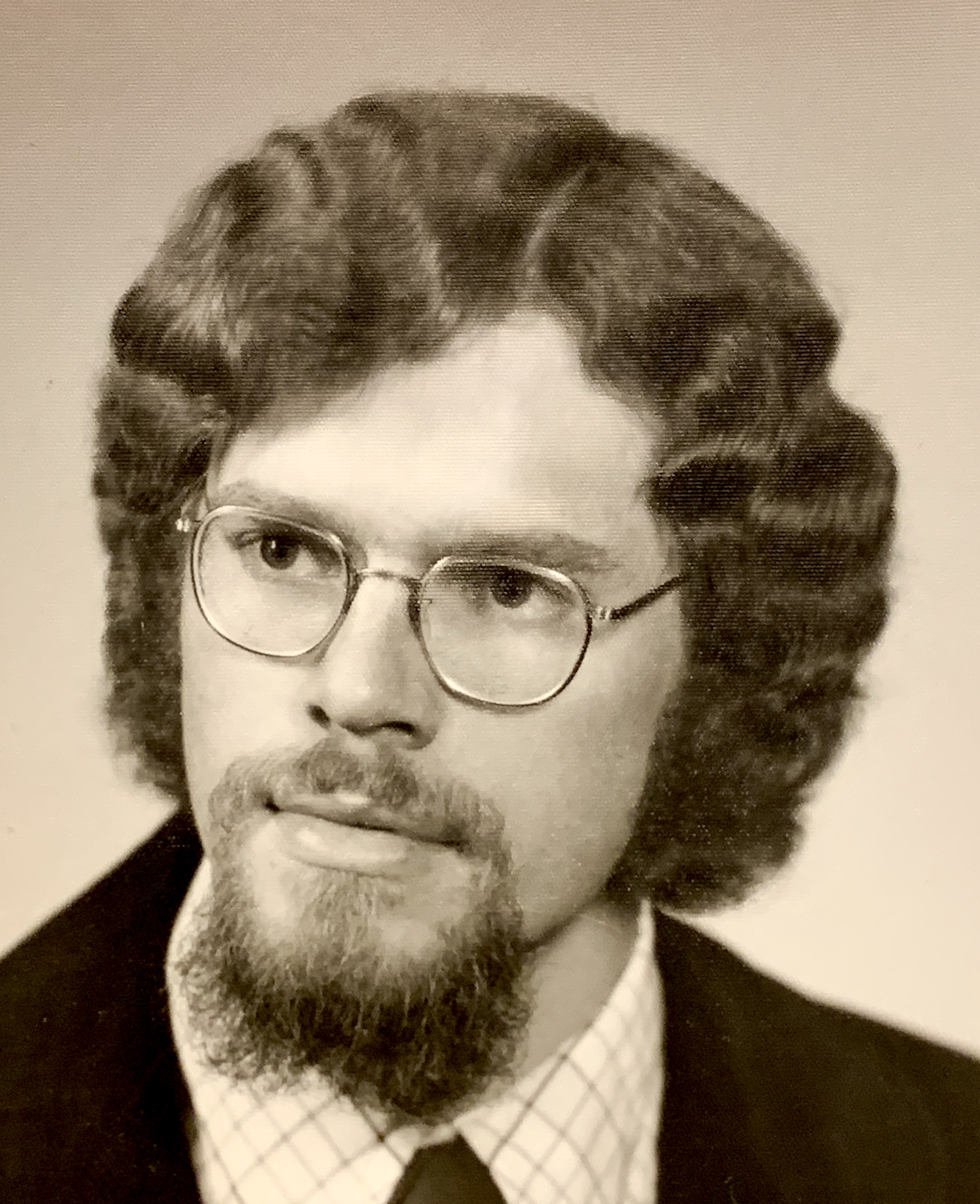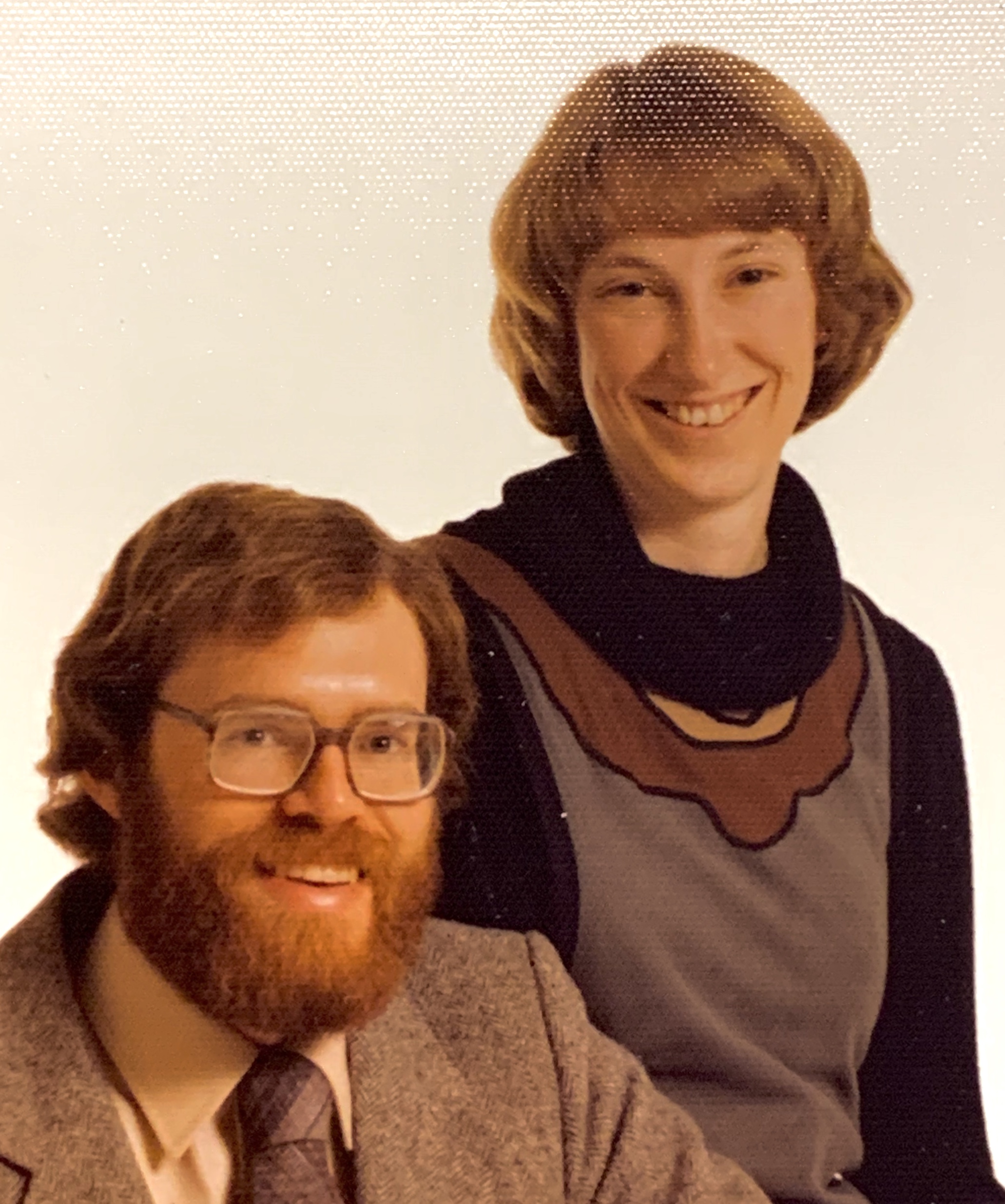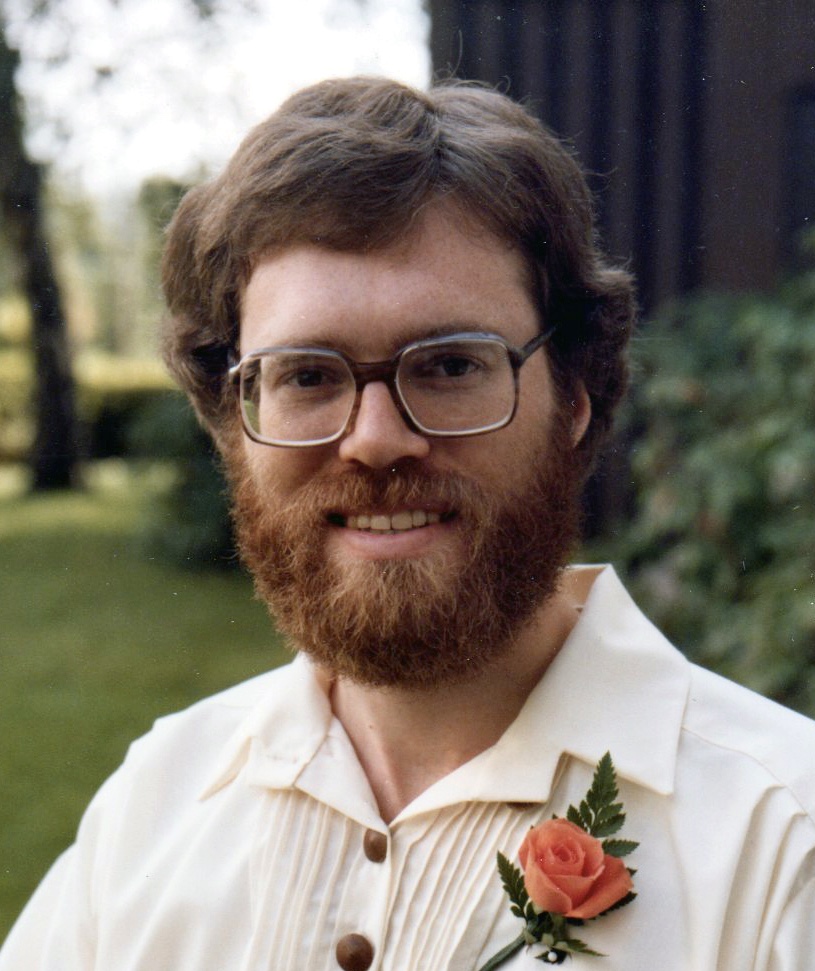
Living in Layers

I have walked through many lives,
some of them my own,
and I am not who I was,
though some principle of being
abides, from which I struggle
not to stray.
When I look behind,
as I am compelled to look
before I can gather strength
to proceed on my journey,
I see the milestones dwindling
toward the horizon


Yet I turn, I turn,
exulting somewhat,
with my will intact to go
wherever I need to go,
and every stone on the road
precious to me.


“Live in the layers,
not on the litter.”


I am not done with my changes.
~Stanley Kunitz from “The Layers”
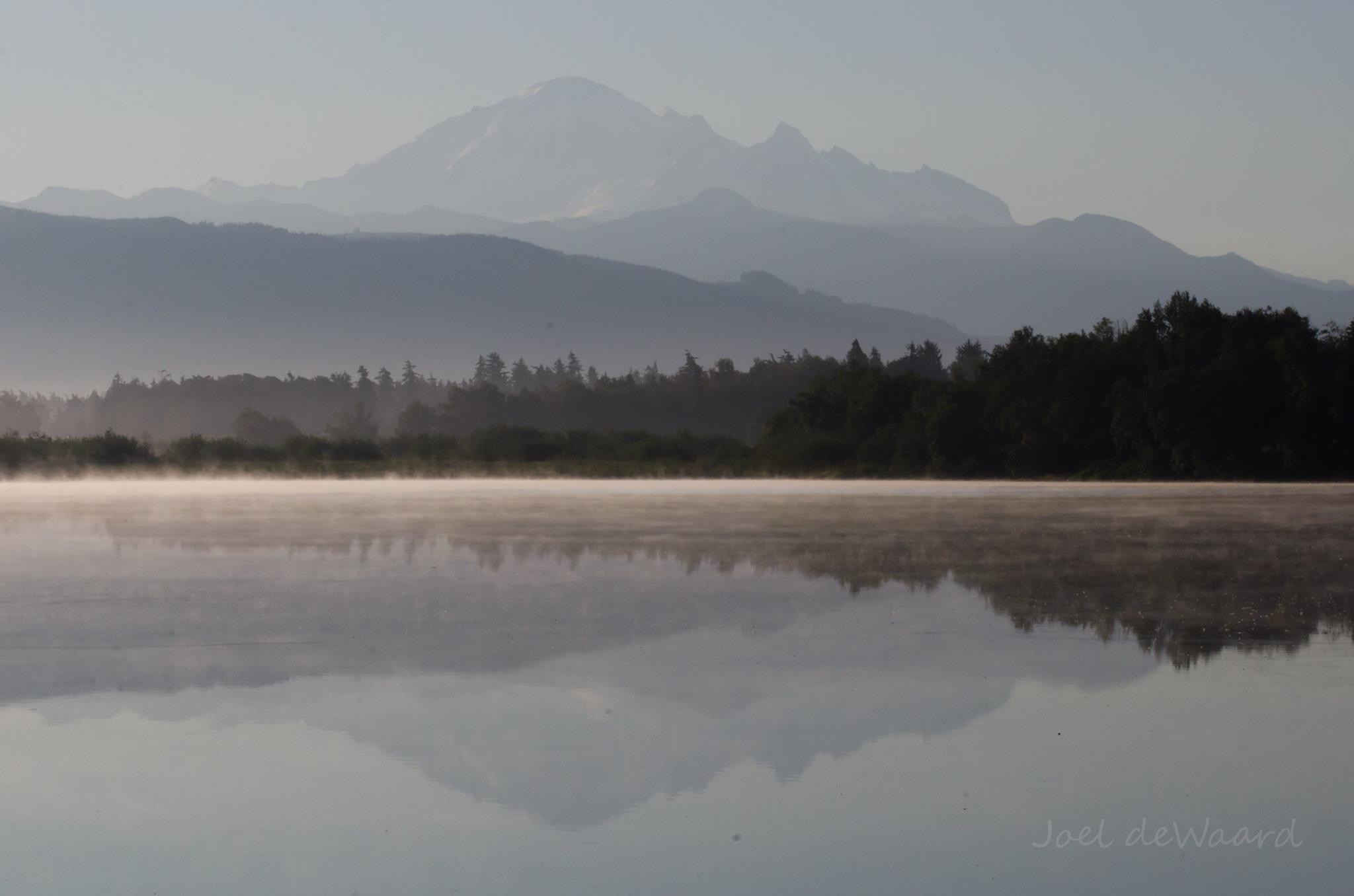
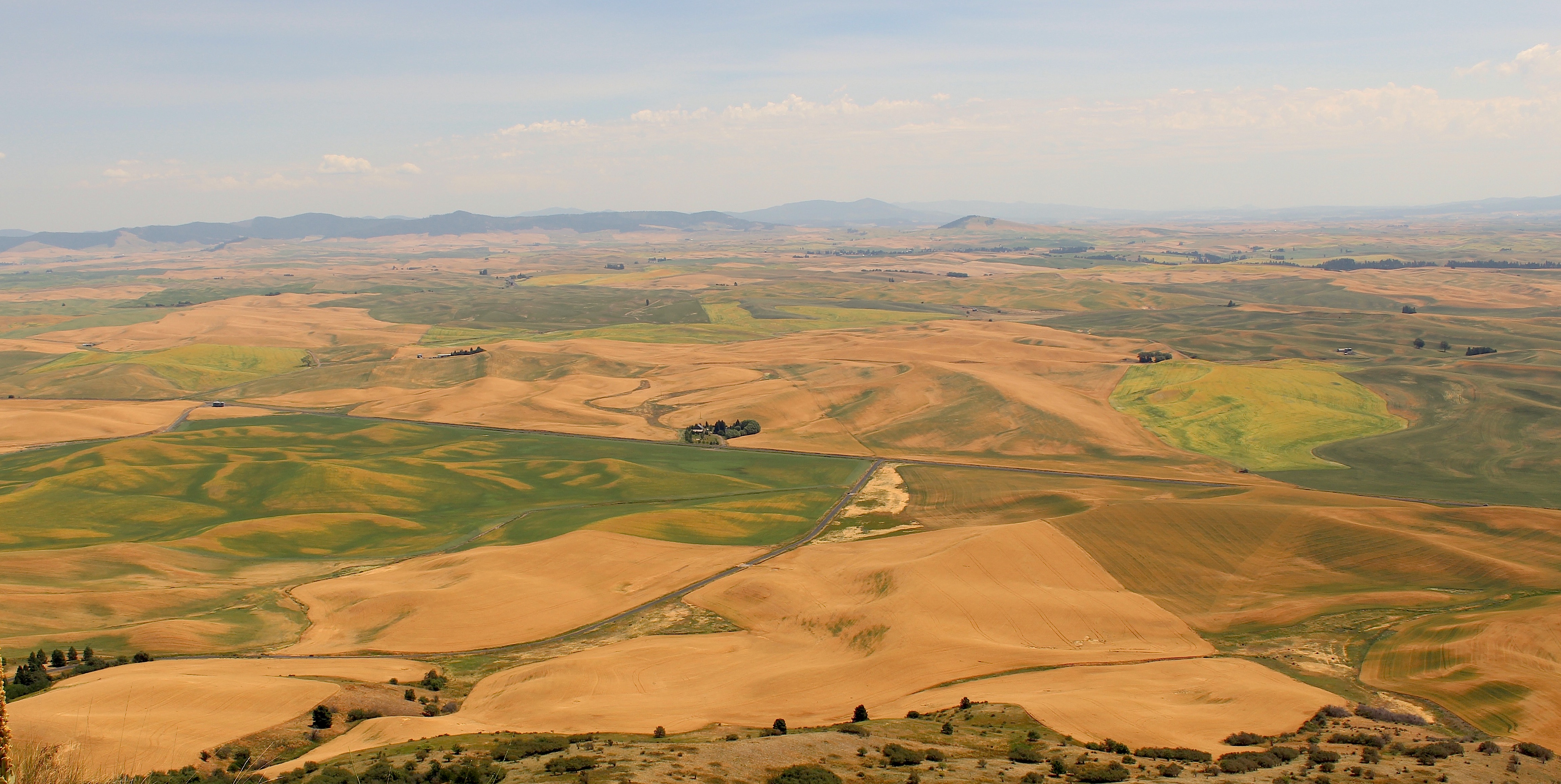
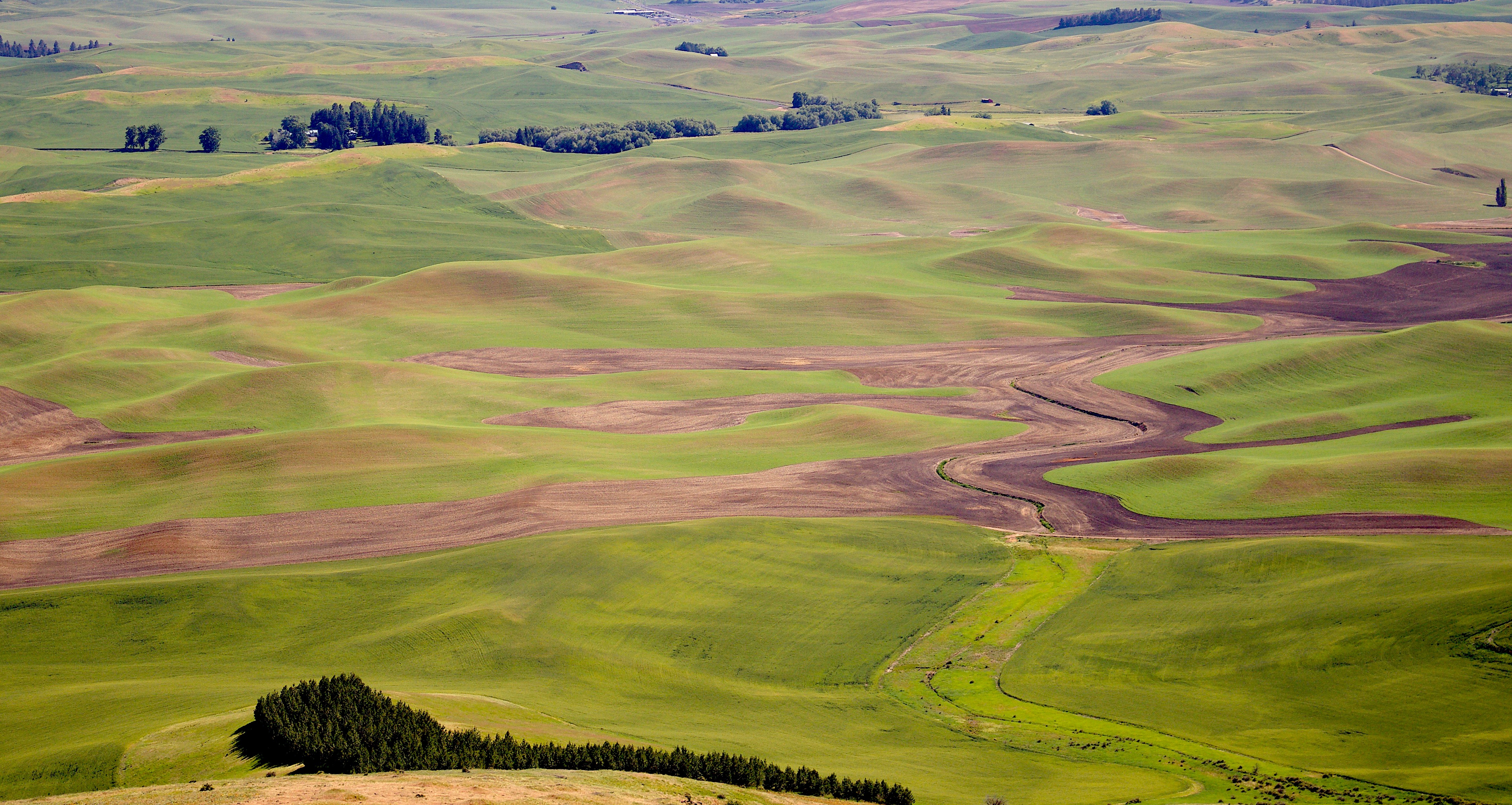
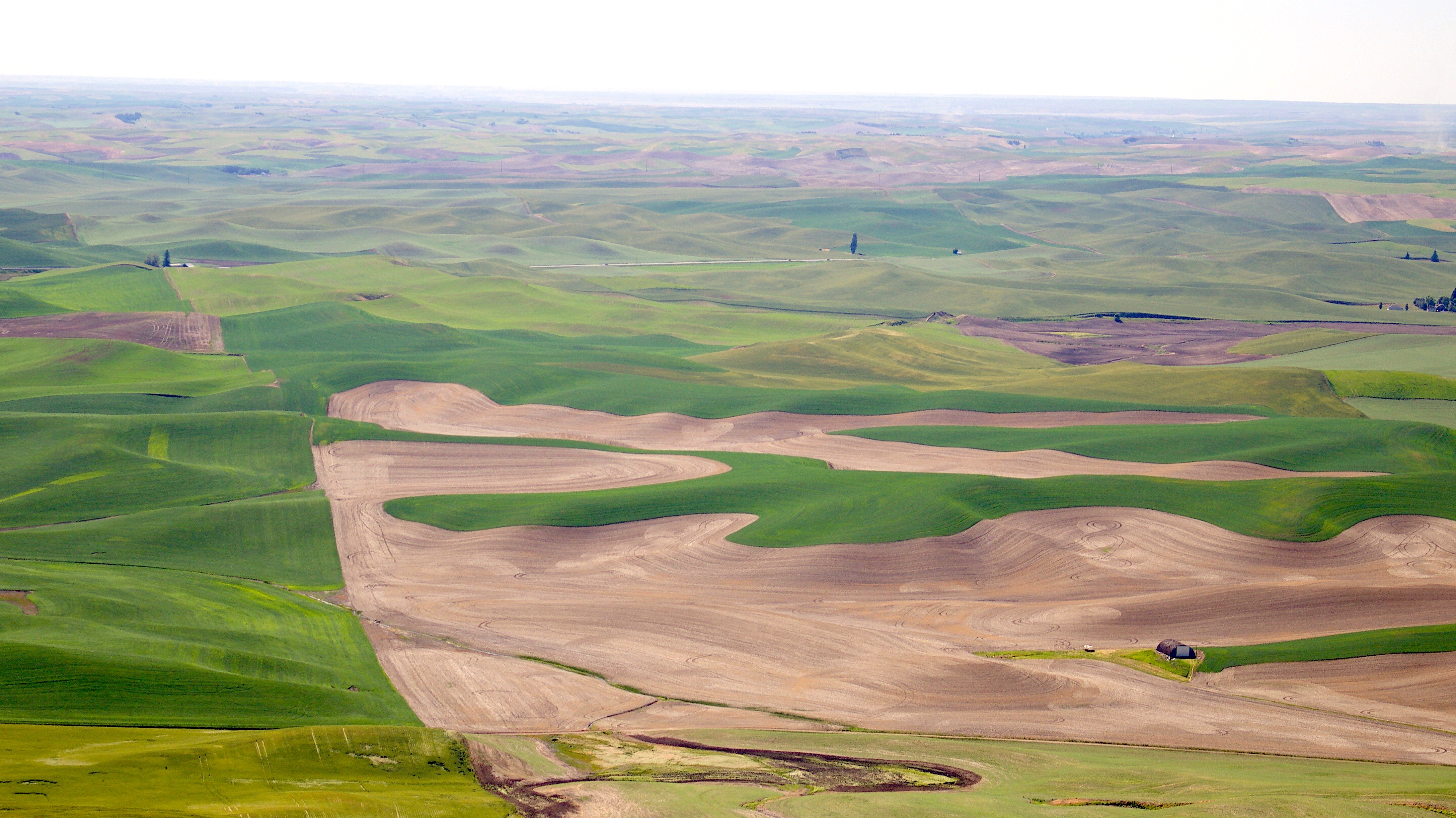
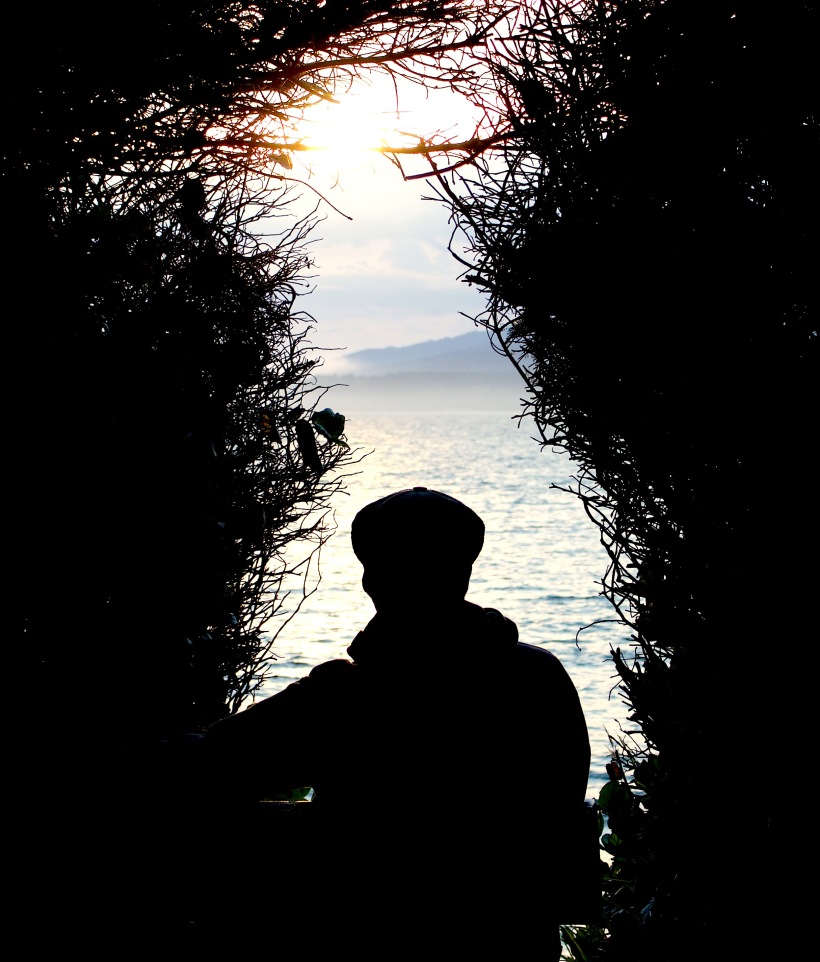
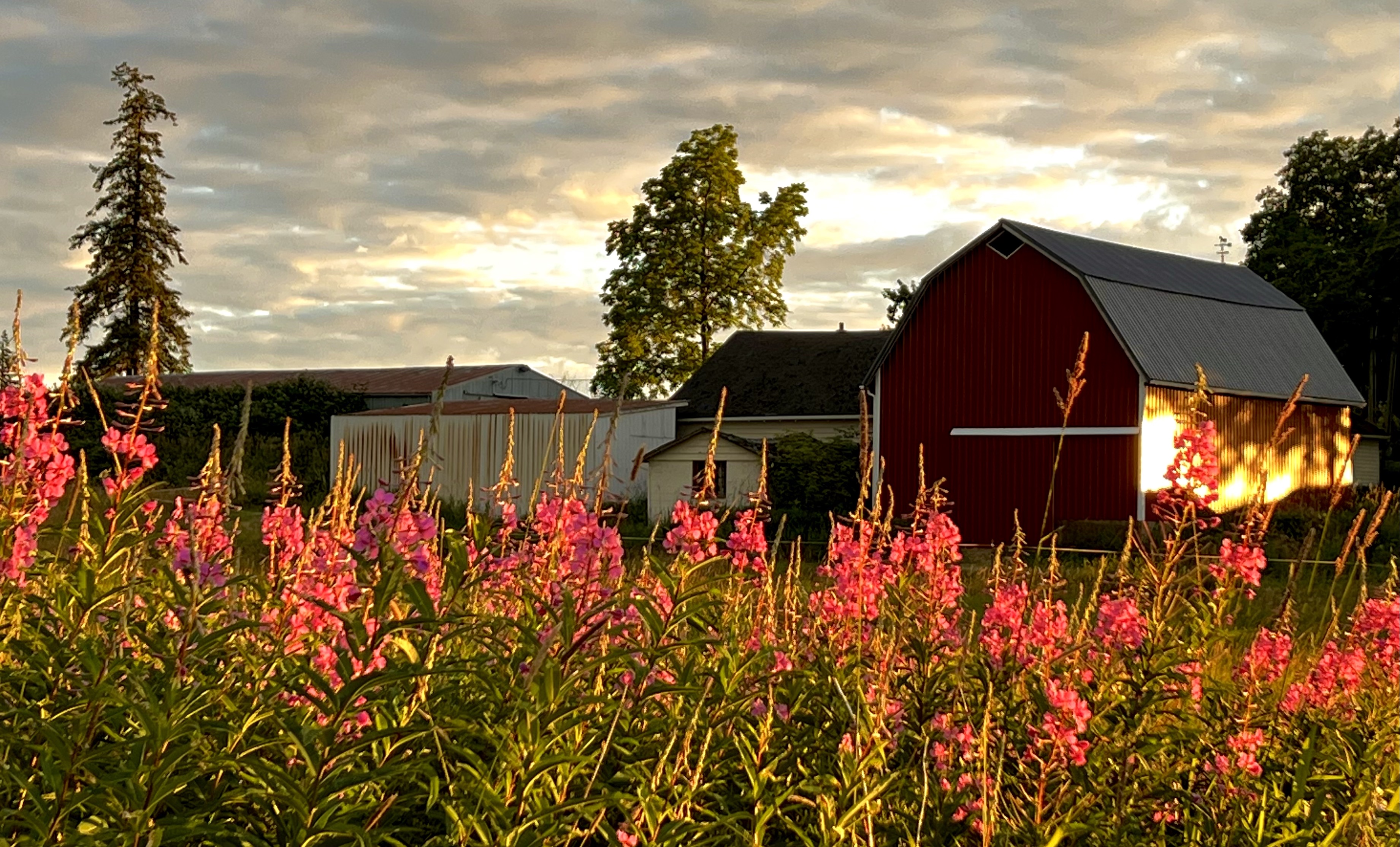
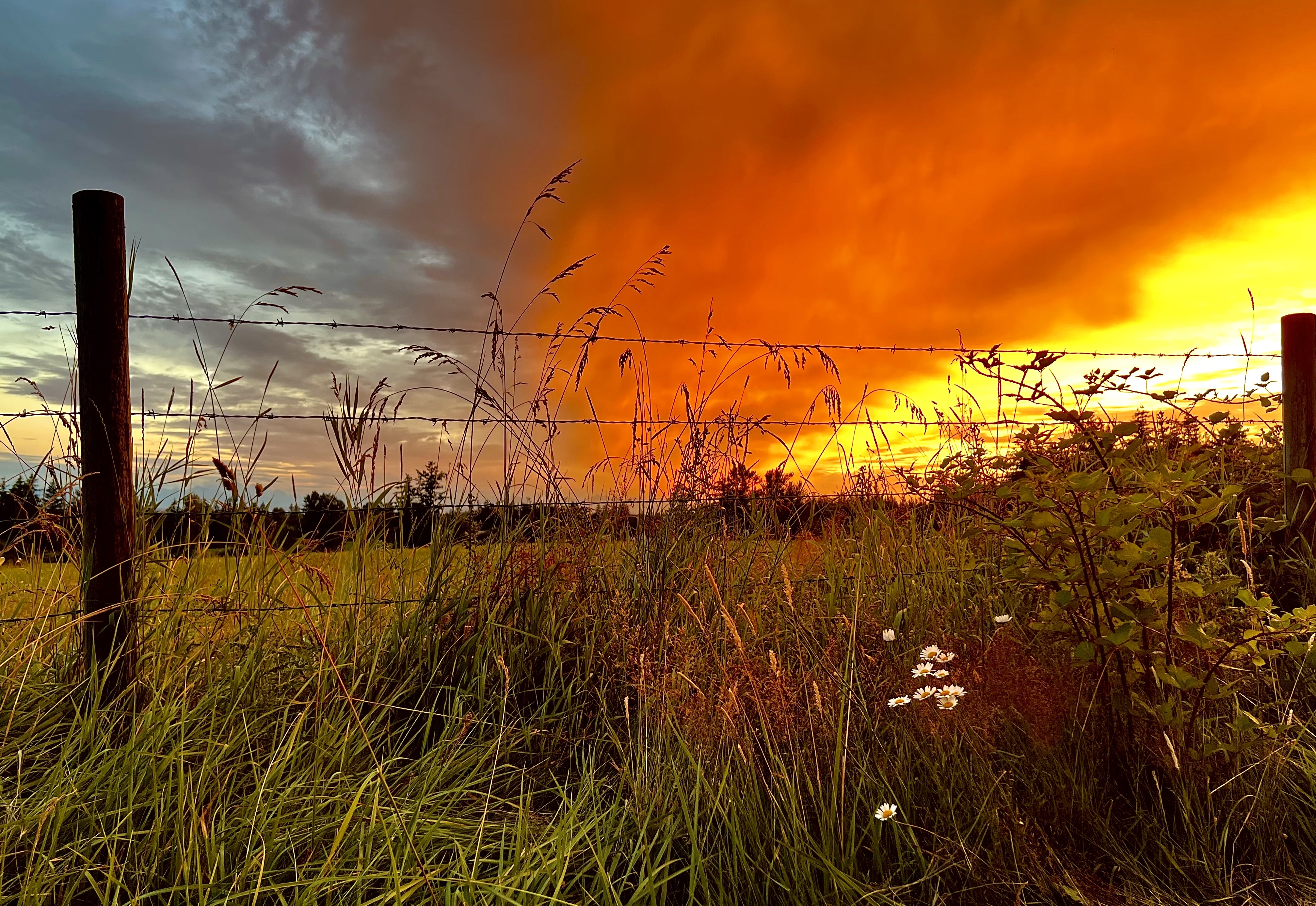
photo by Joel DeWaard

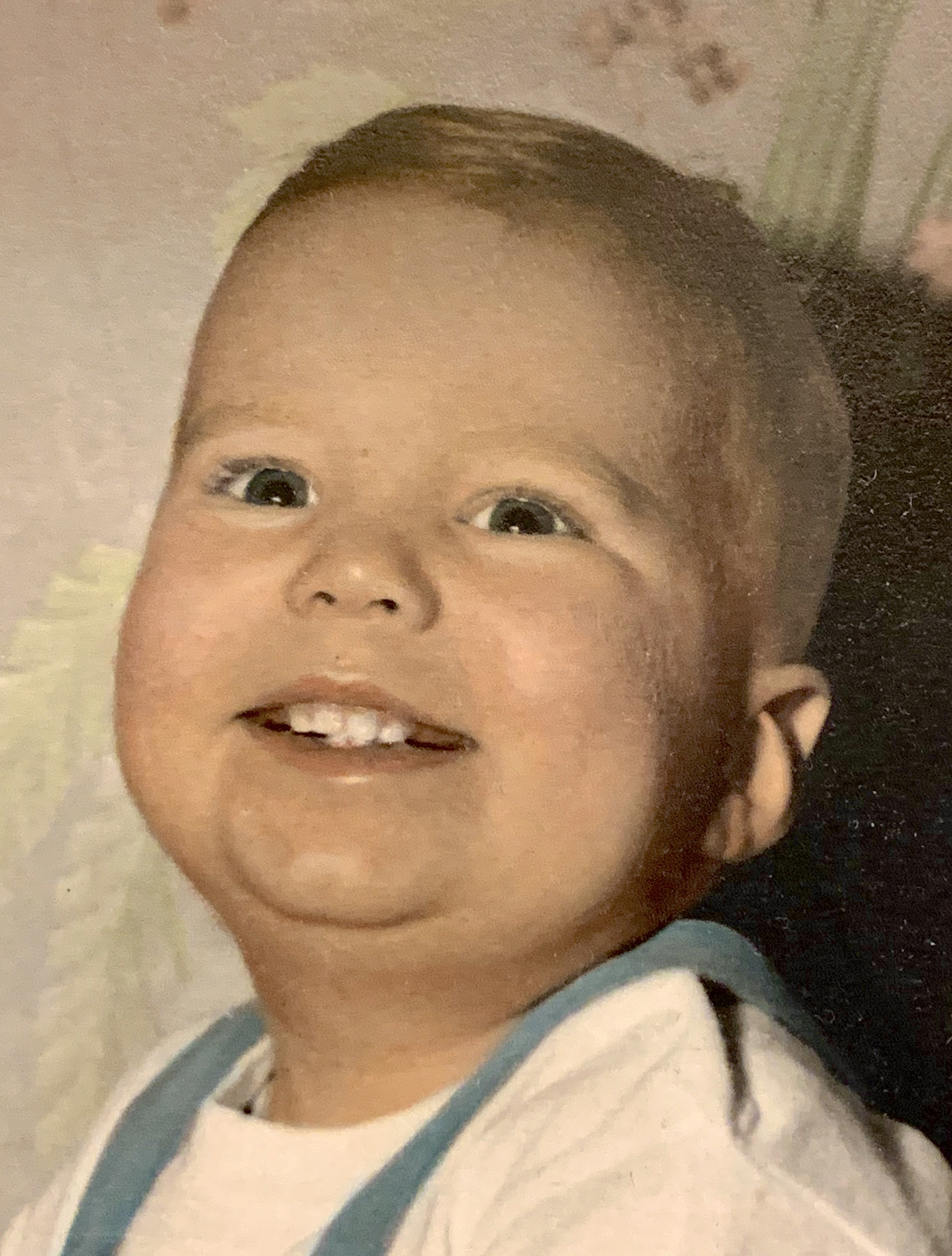
…we become whole by having the courage to revisit and embrace all the layers of our lives, denying none of them, so that we’re finally able to say, “Yes, all of this is me, and all of this has helped make me who I am.”

When we get to that point, amazingly, we can look at all the layers together and see the beauty of the whole.
~Parker Palmer from “Embracing All the Layers of Your Life” in On Being
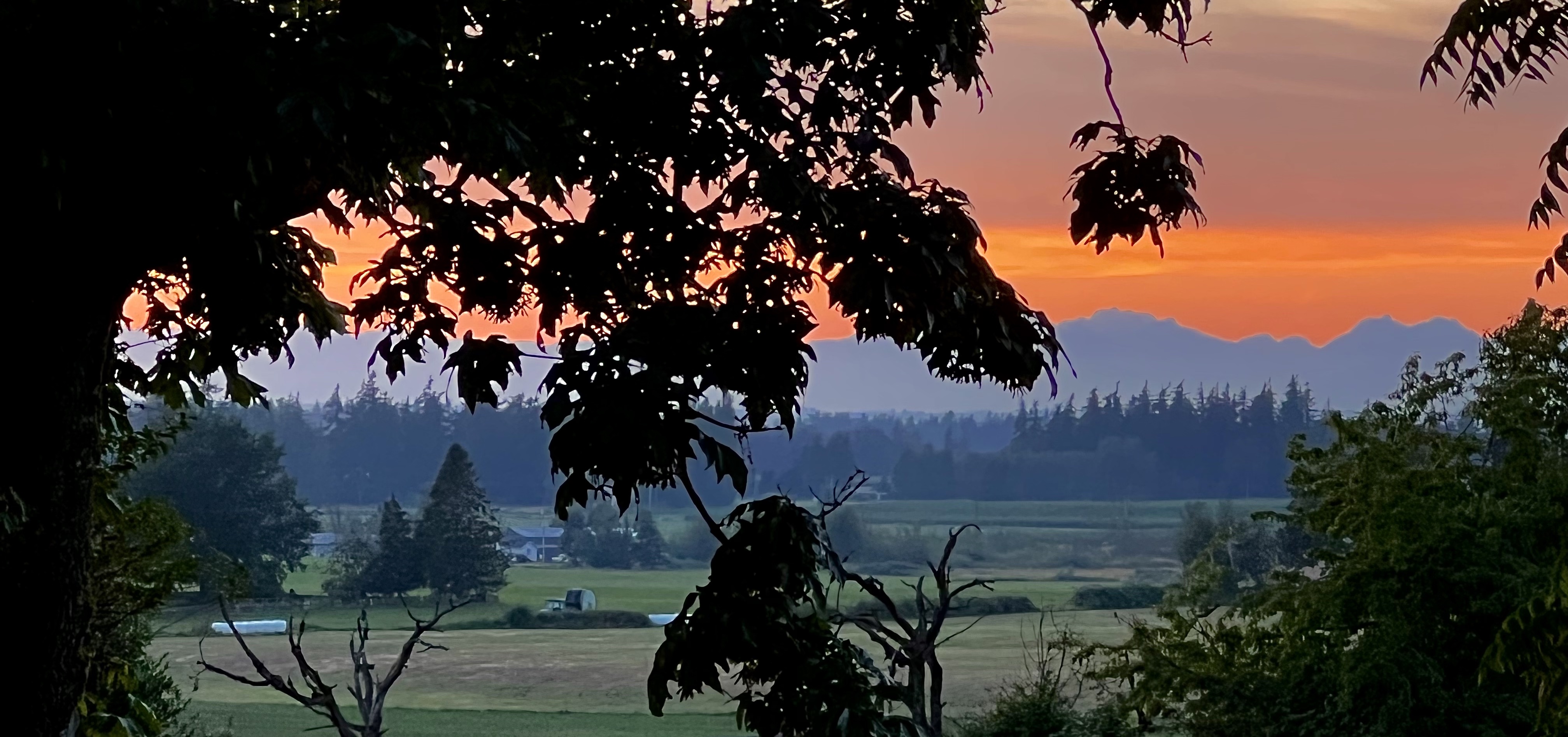
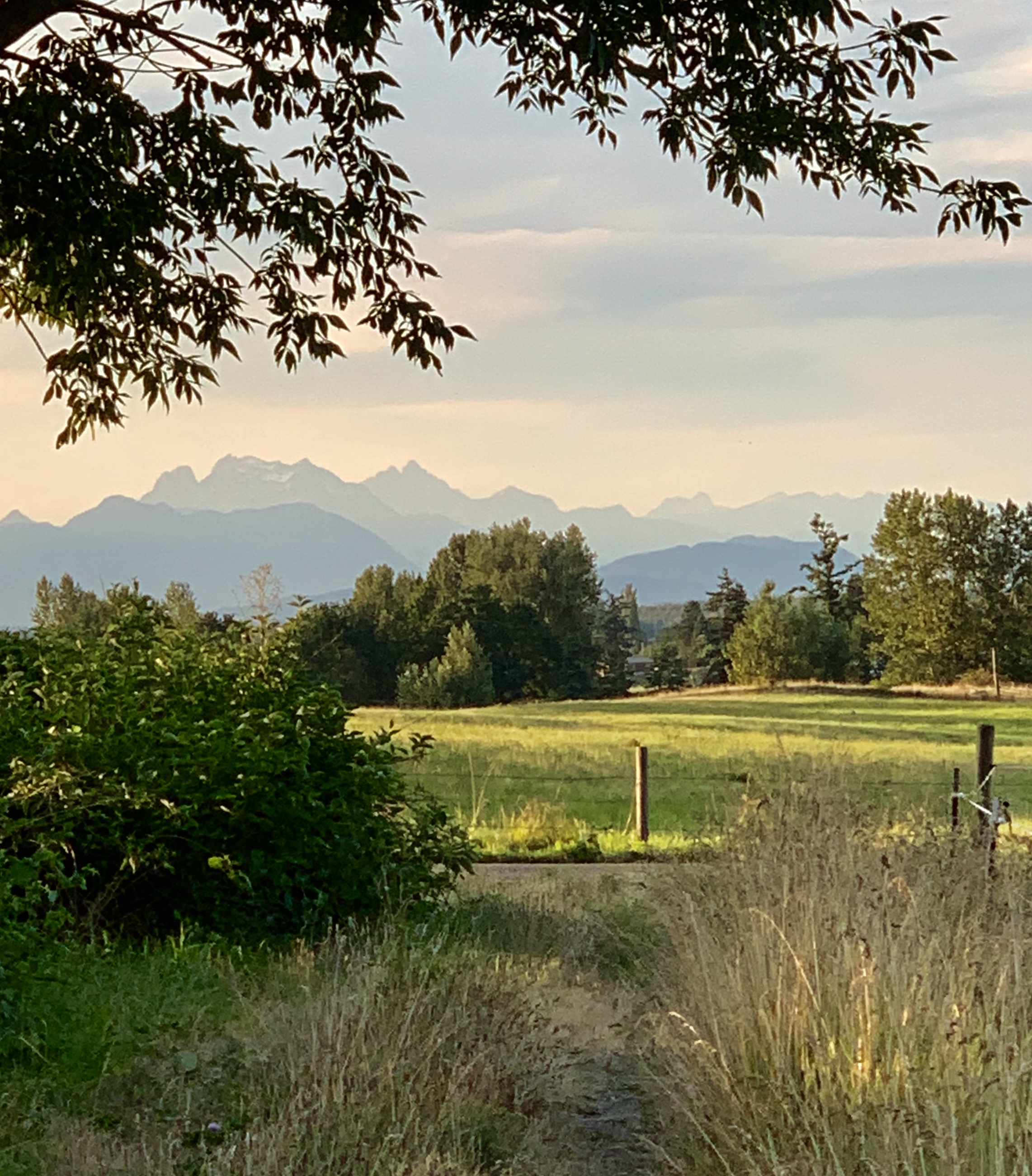
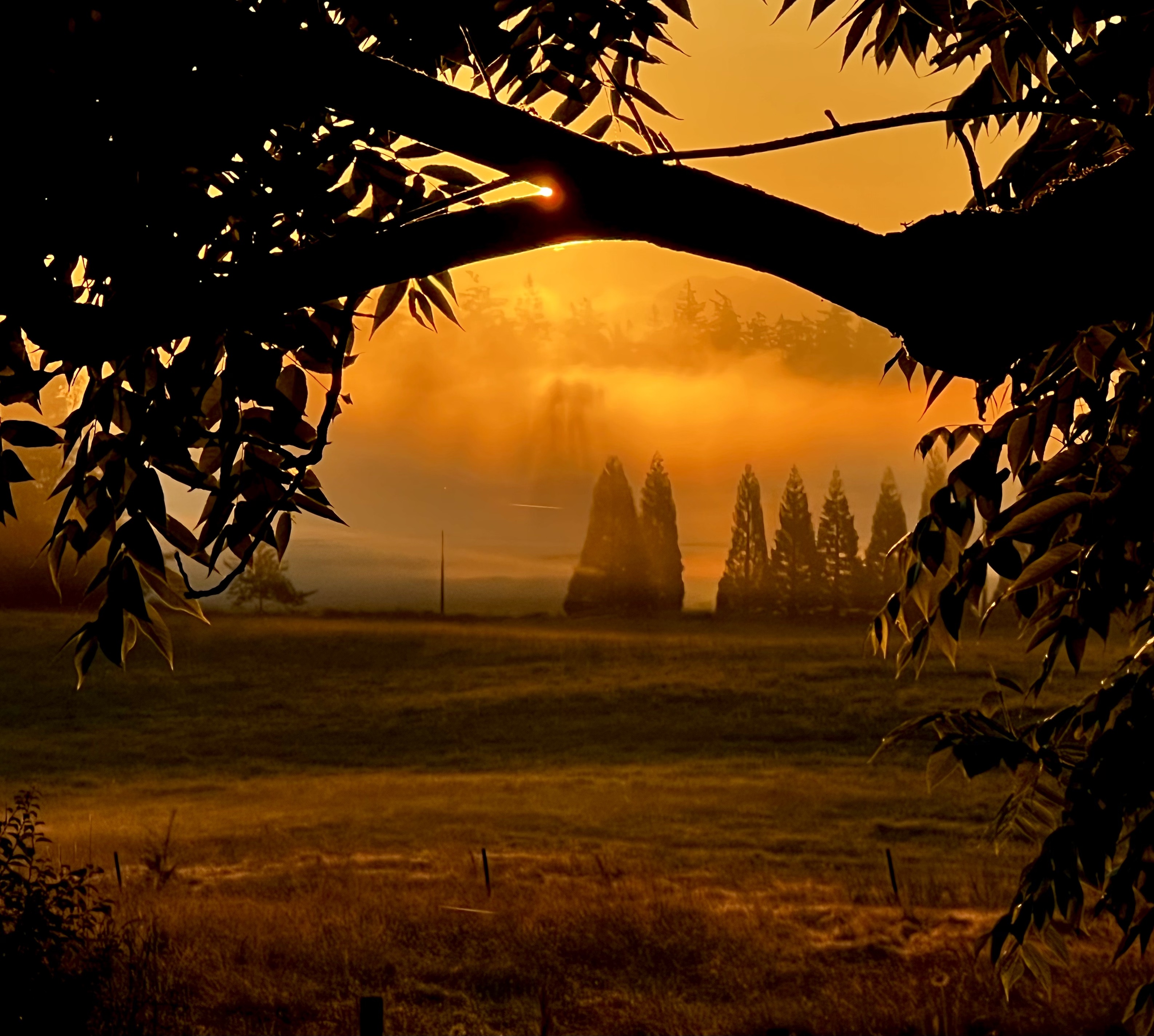
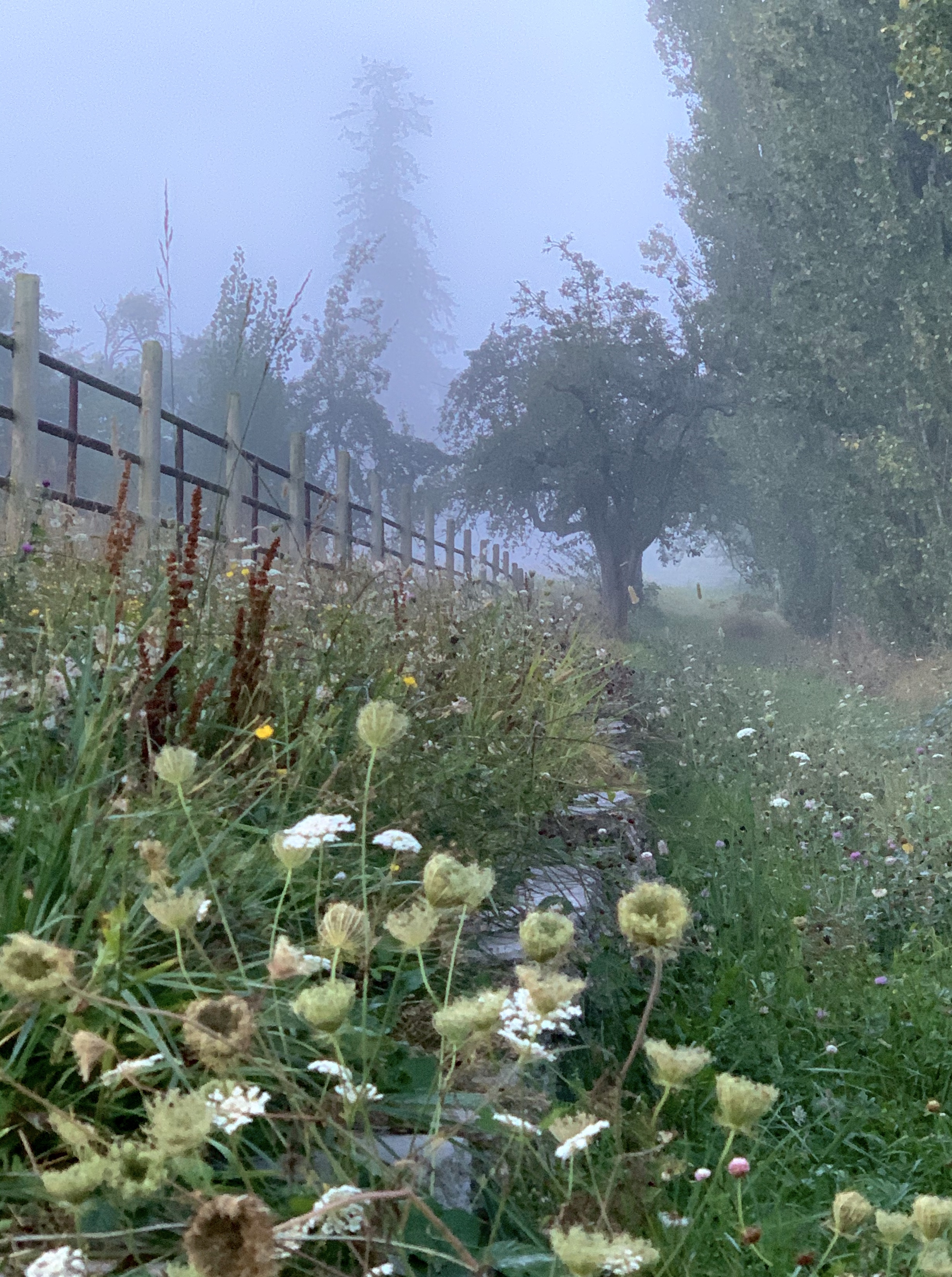
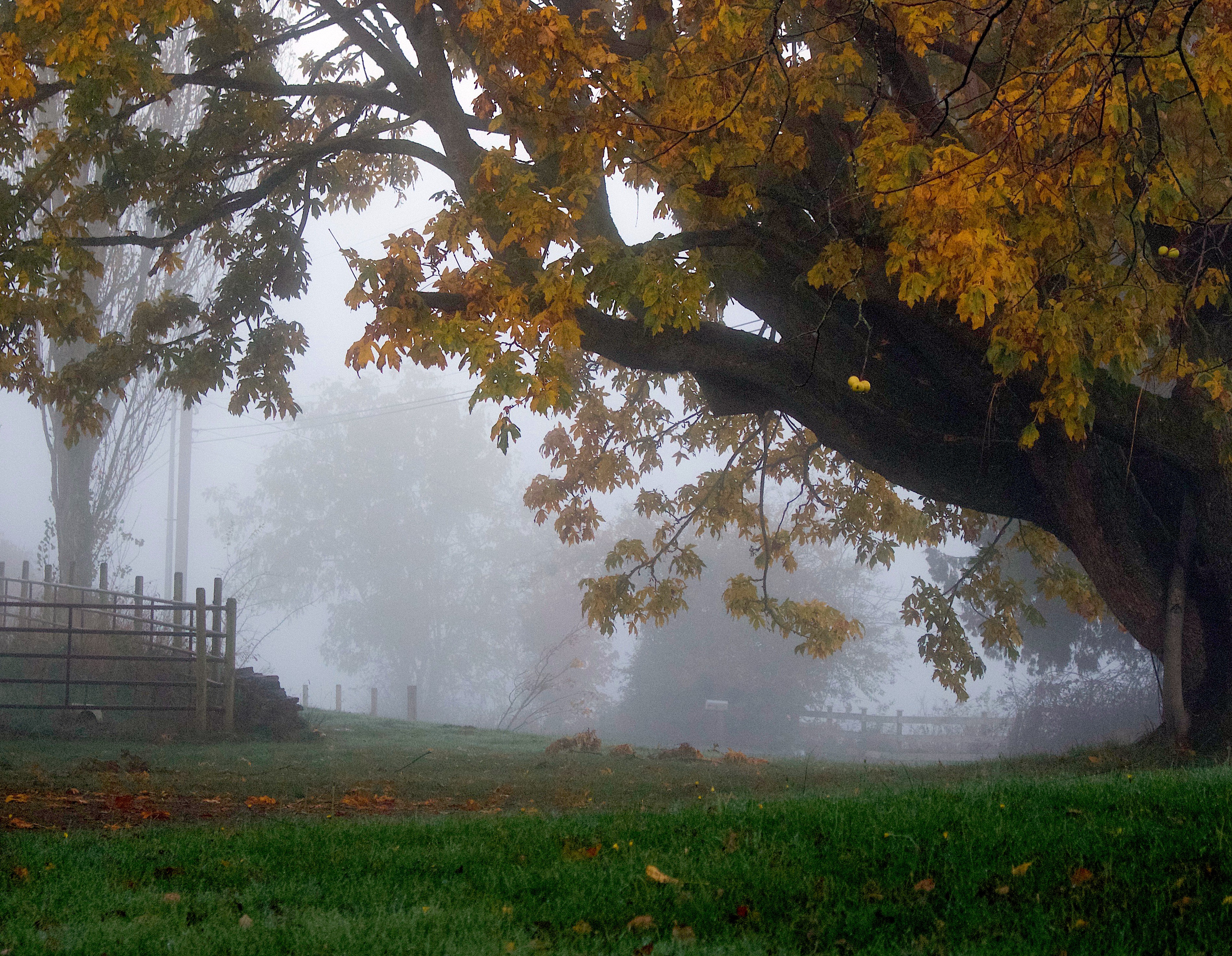
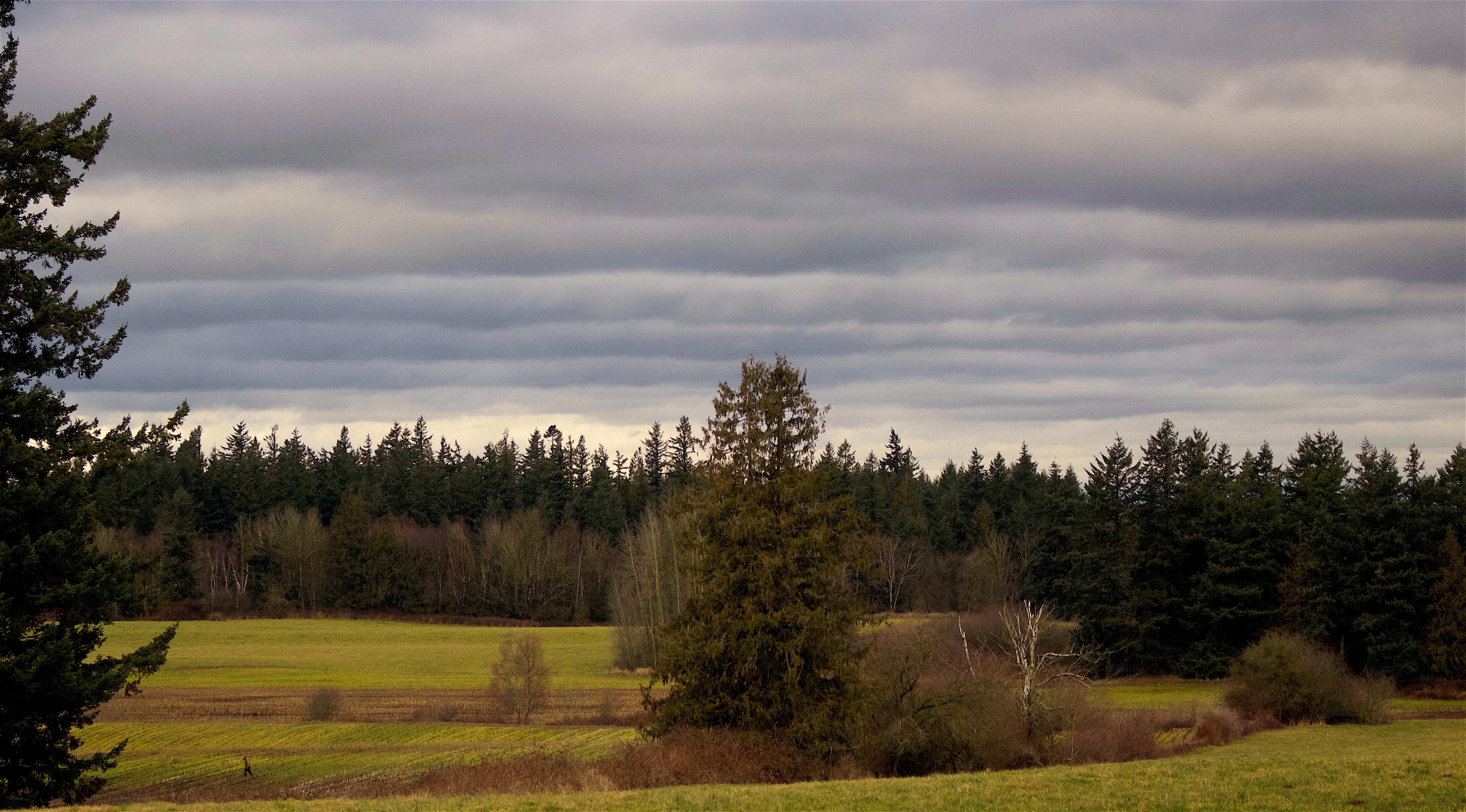
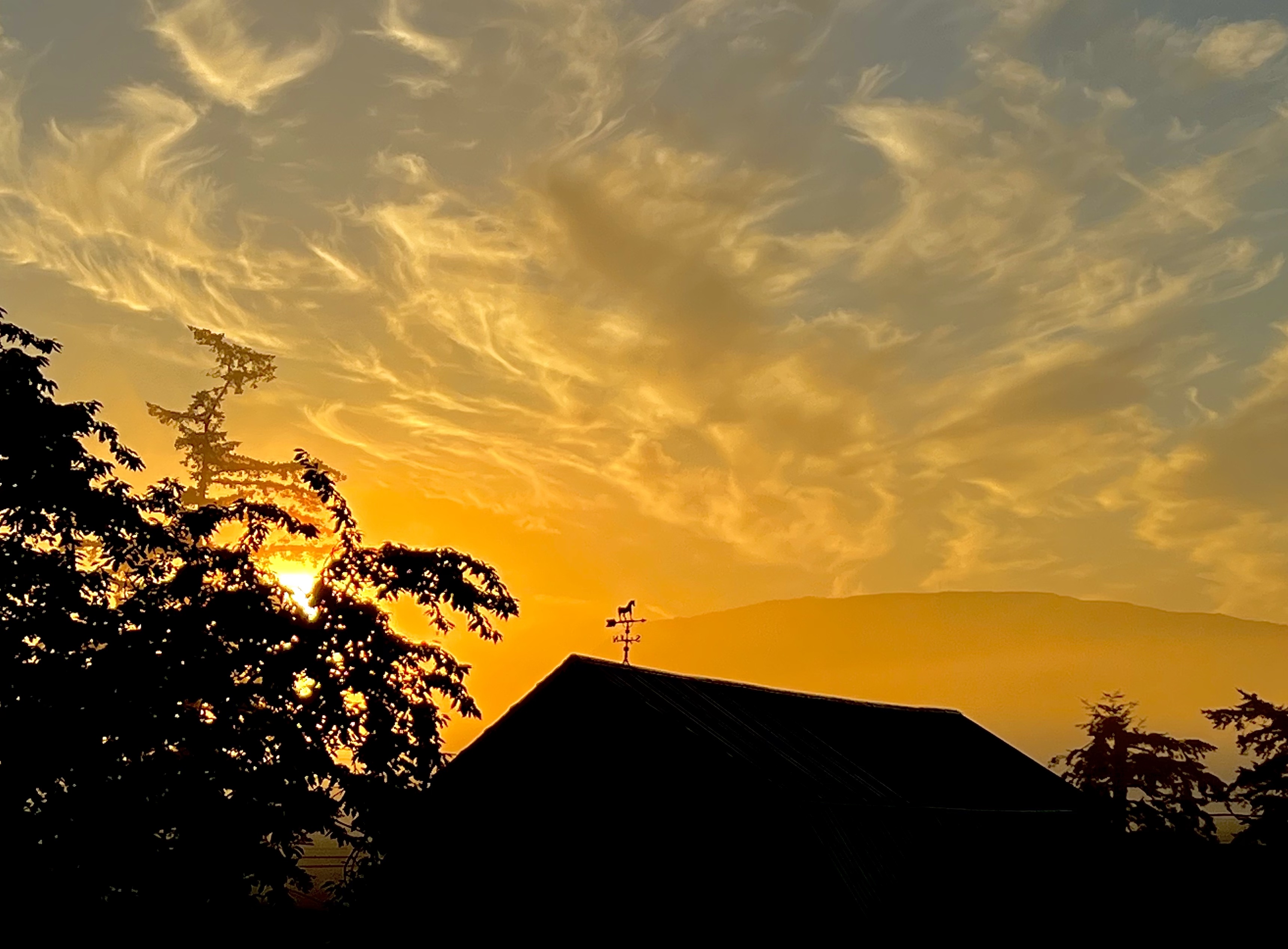
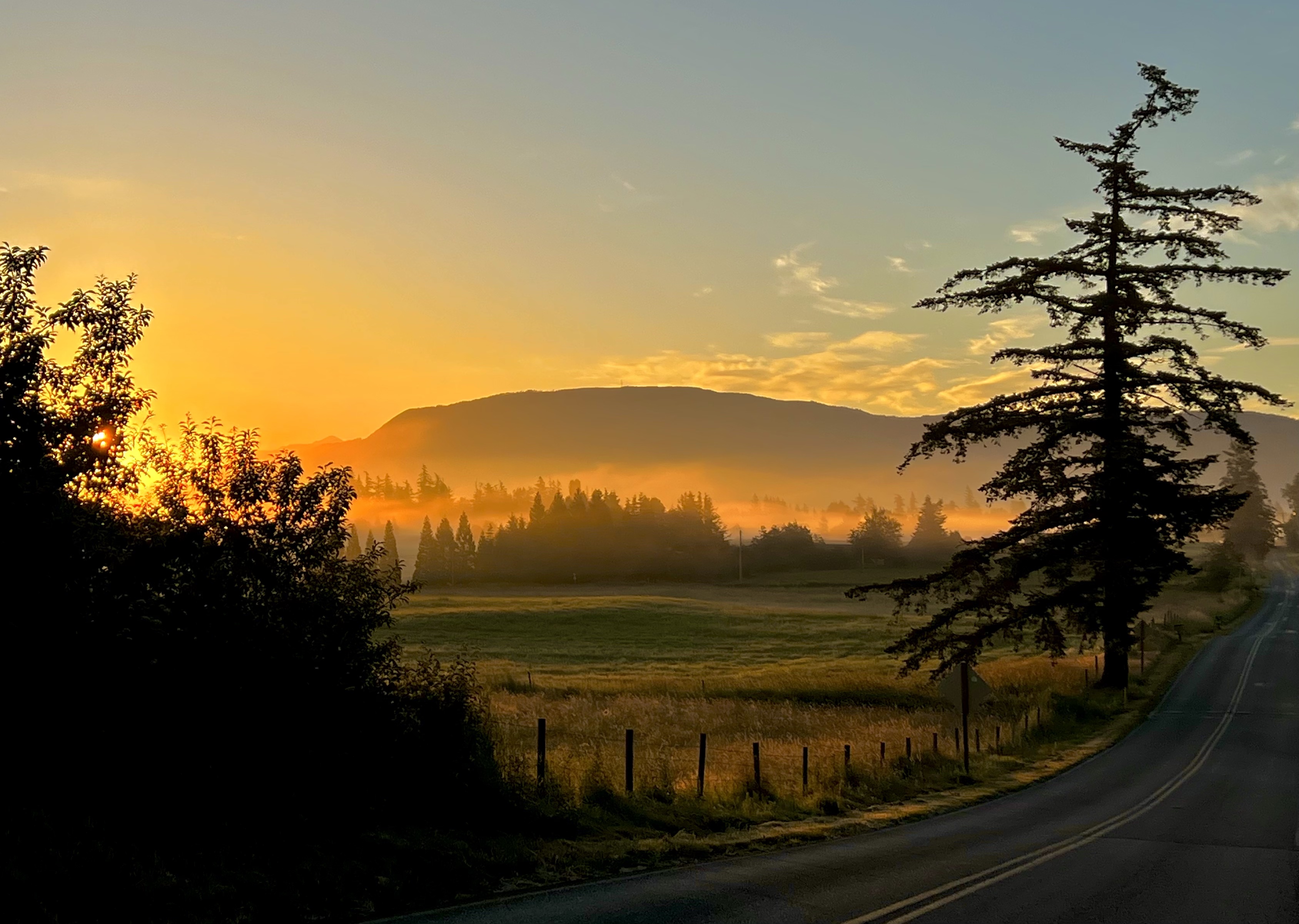
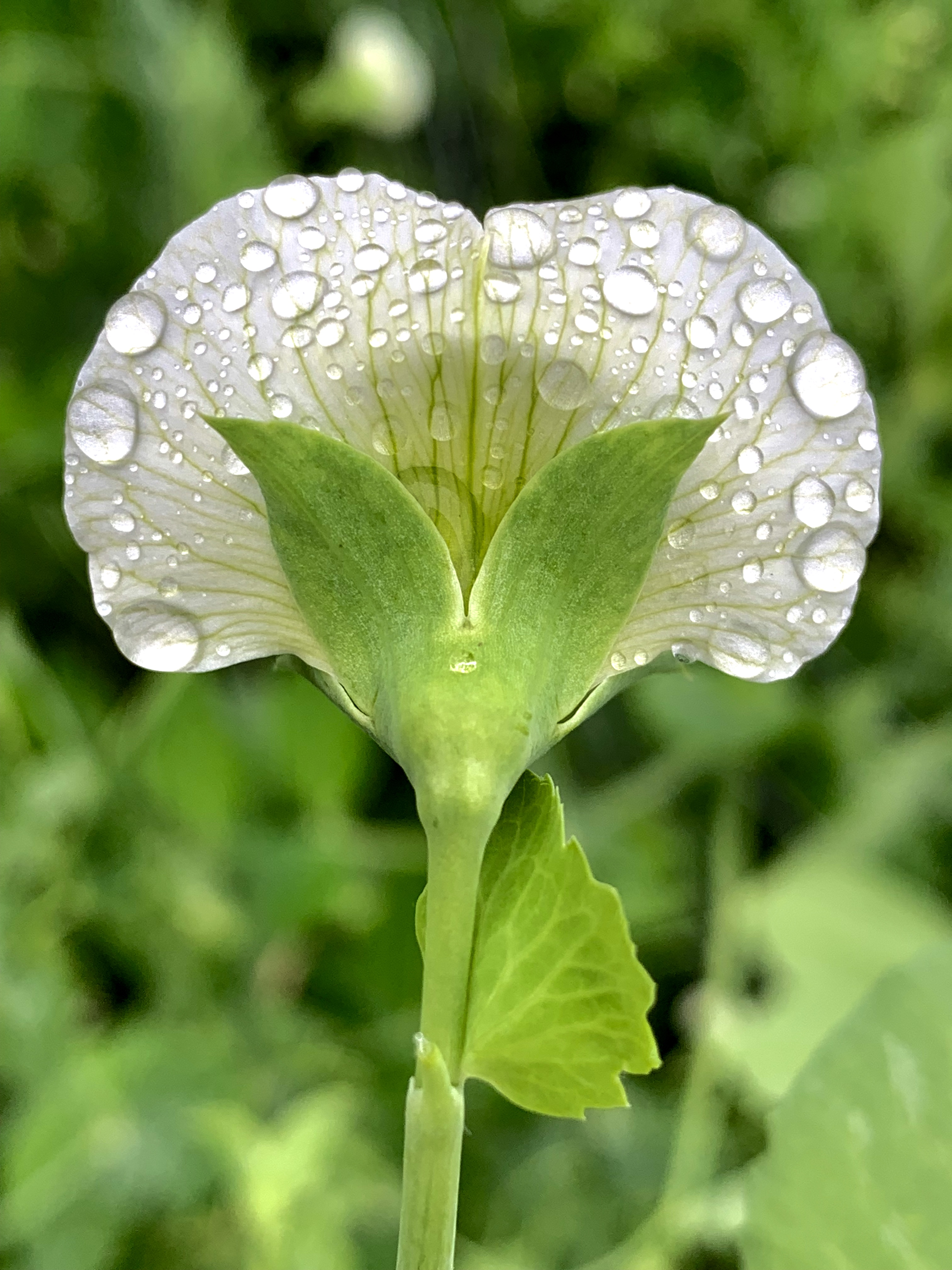
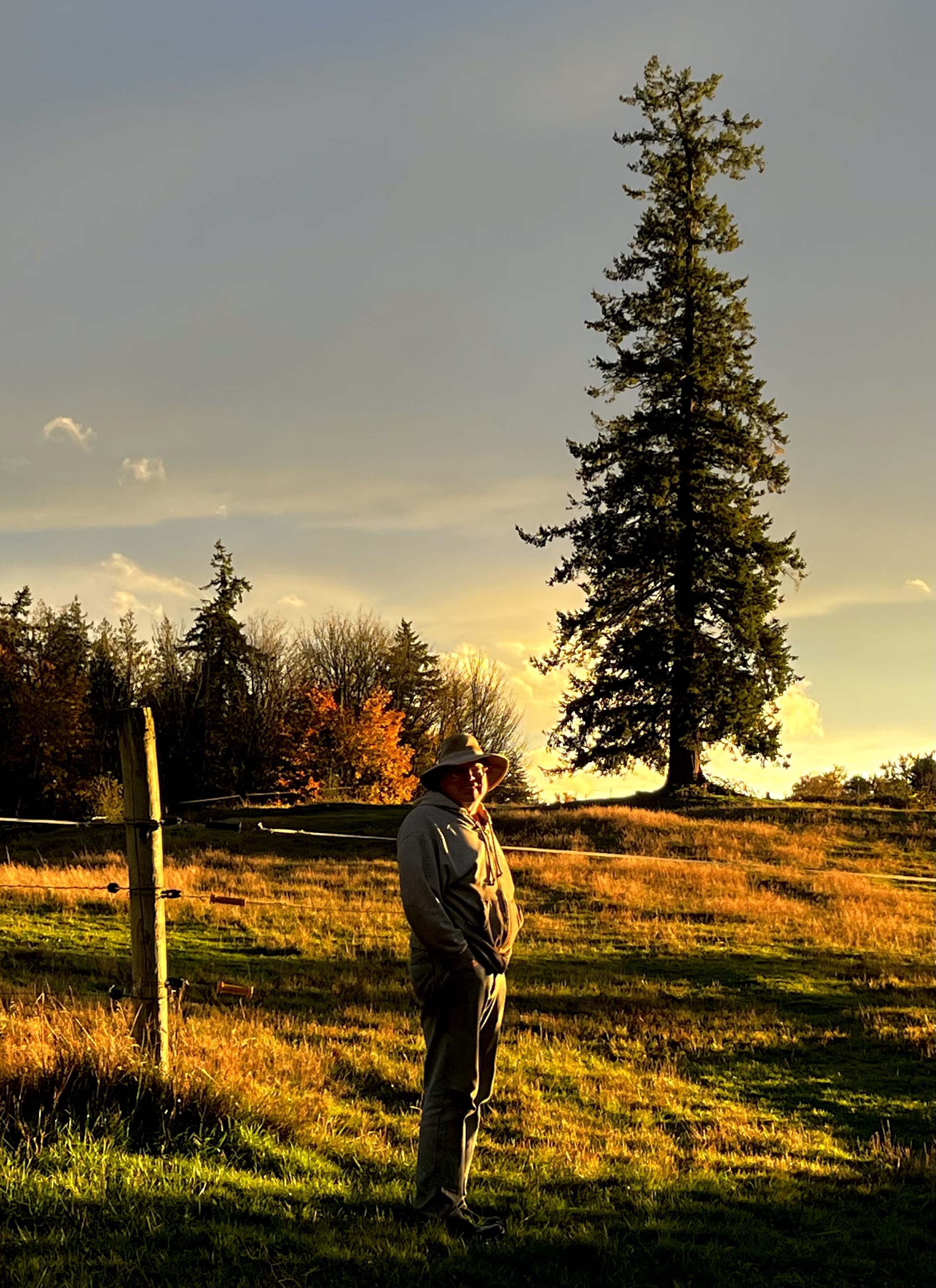
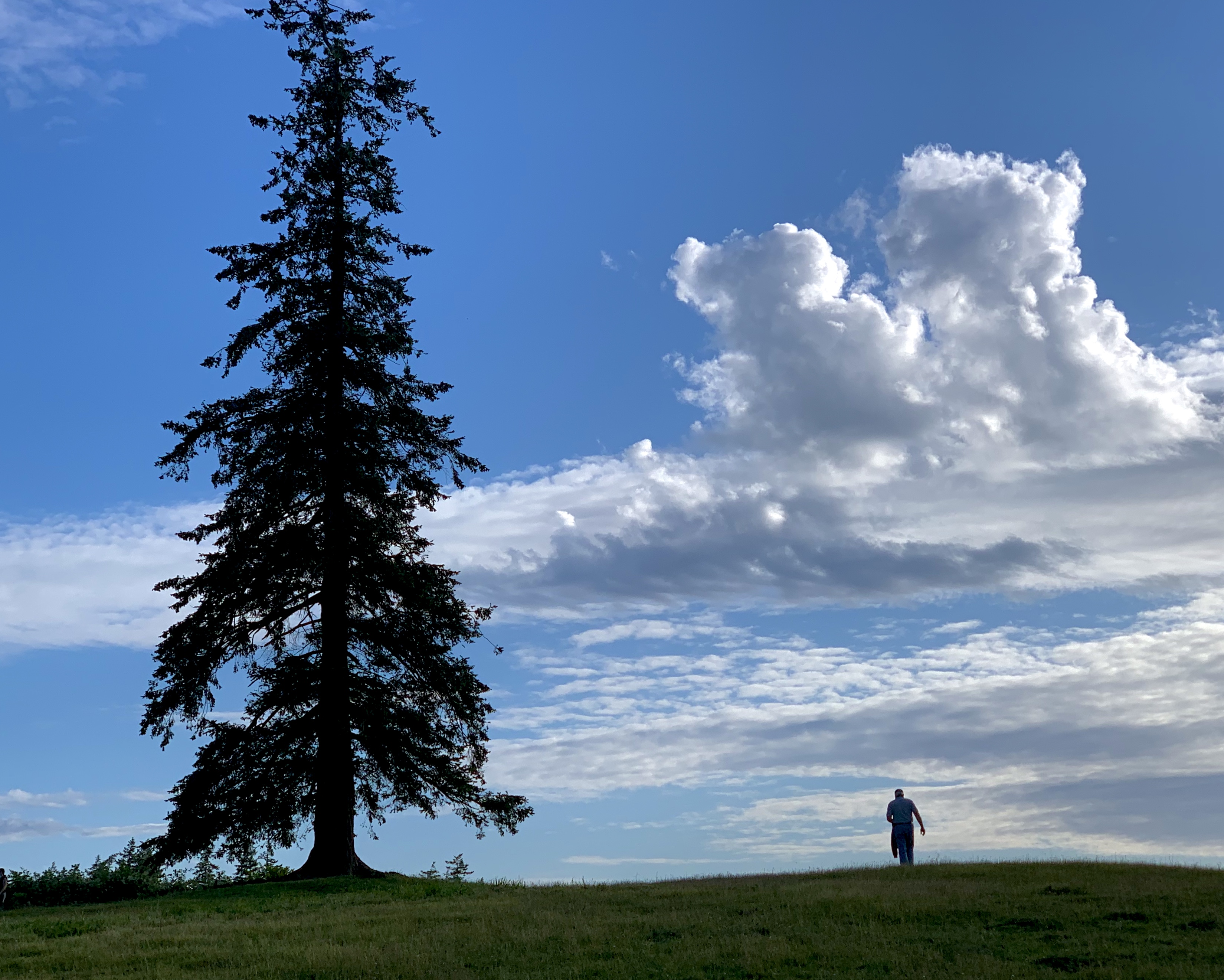
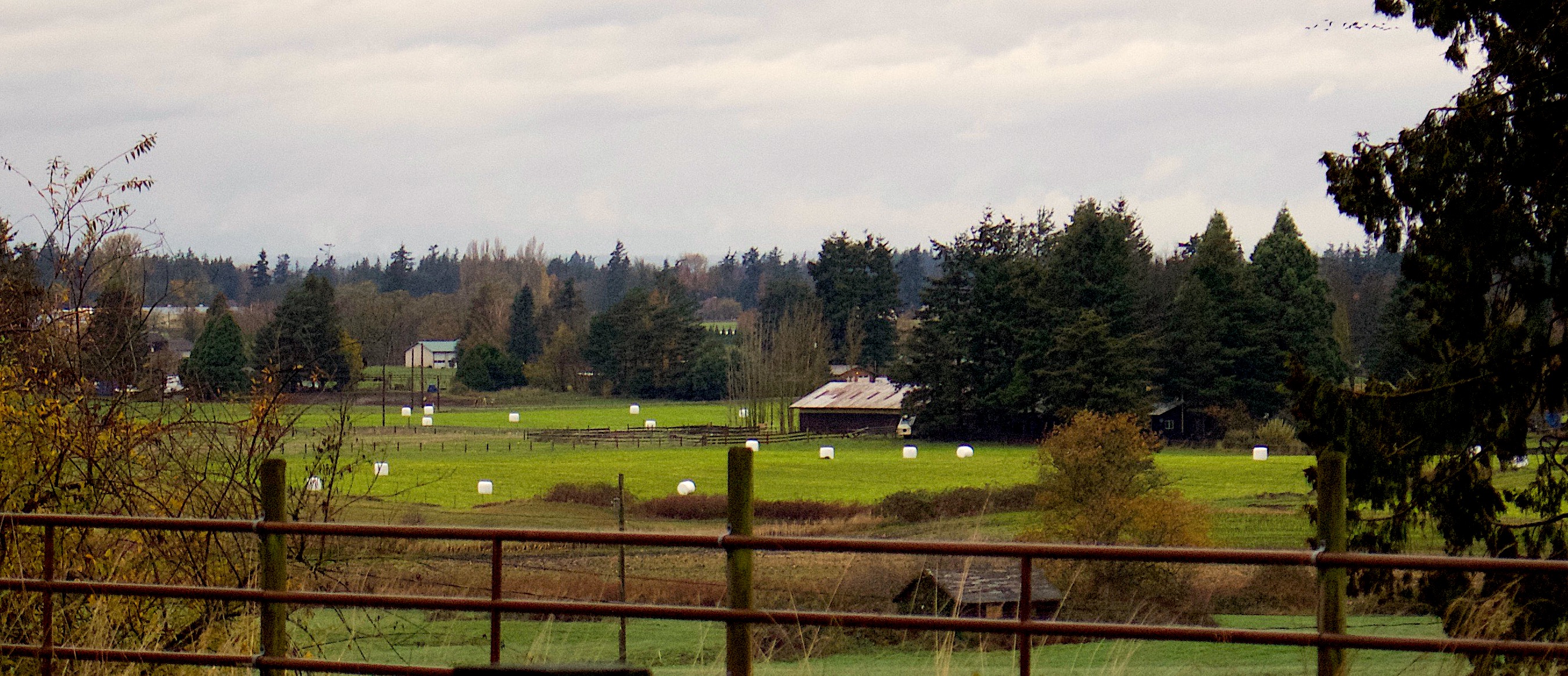
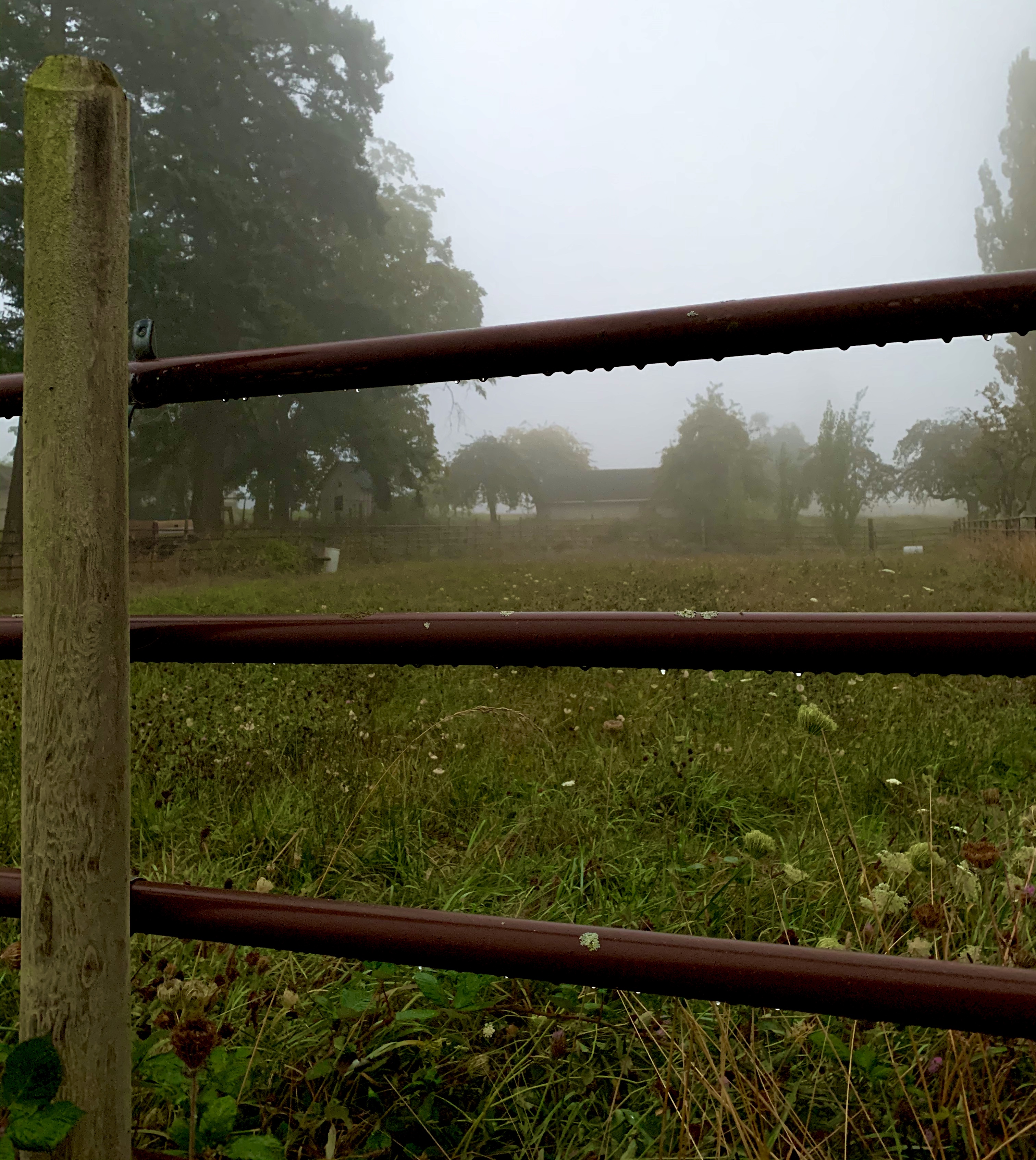
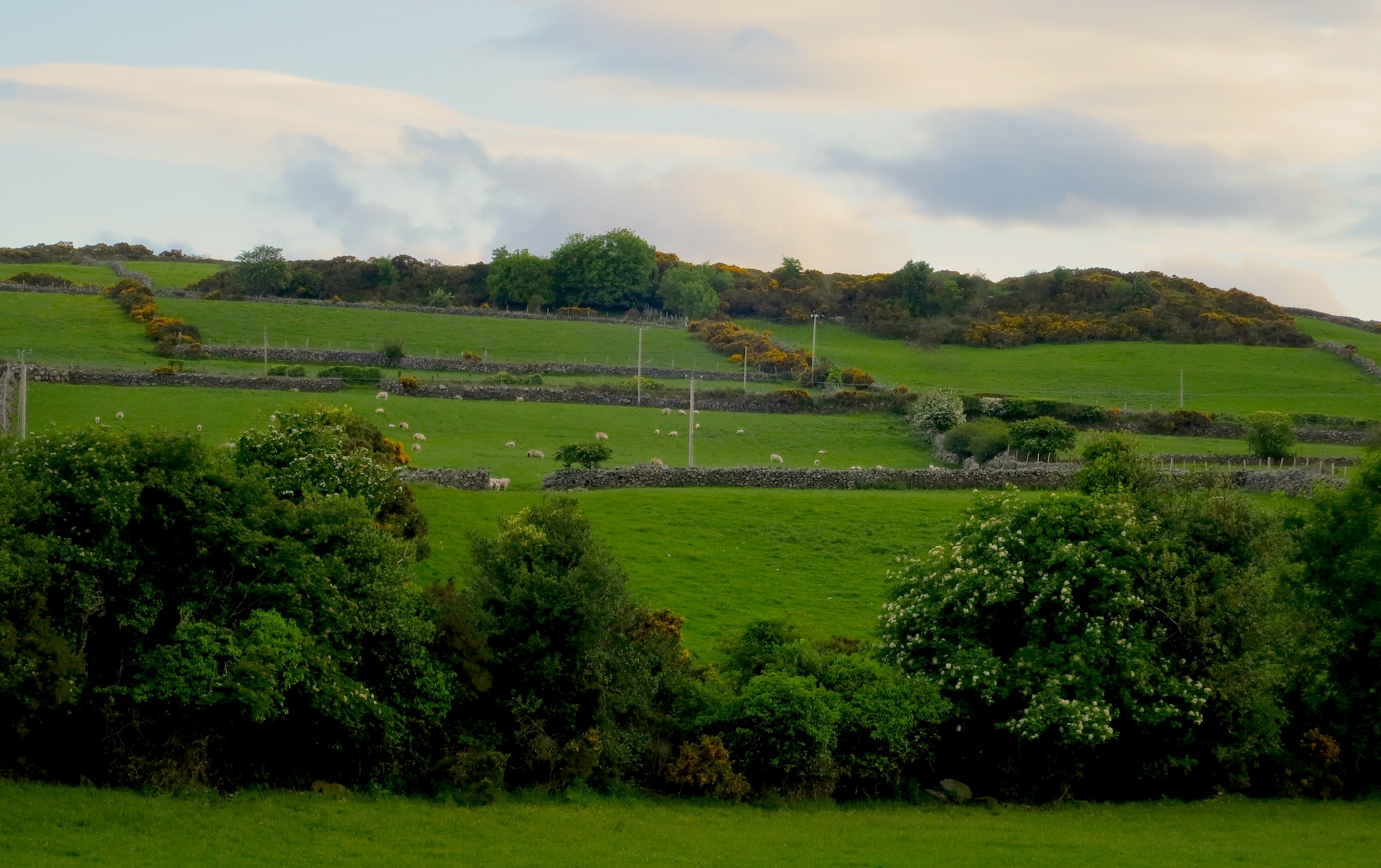
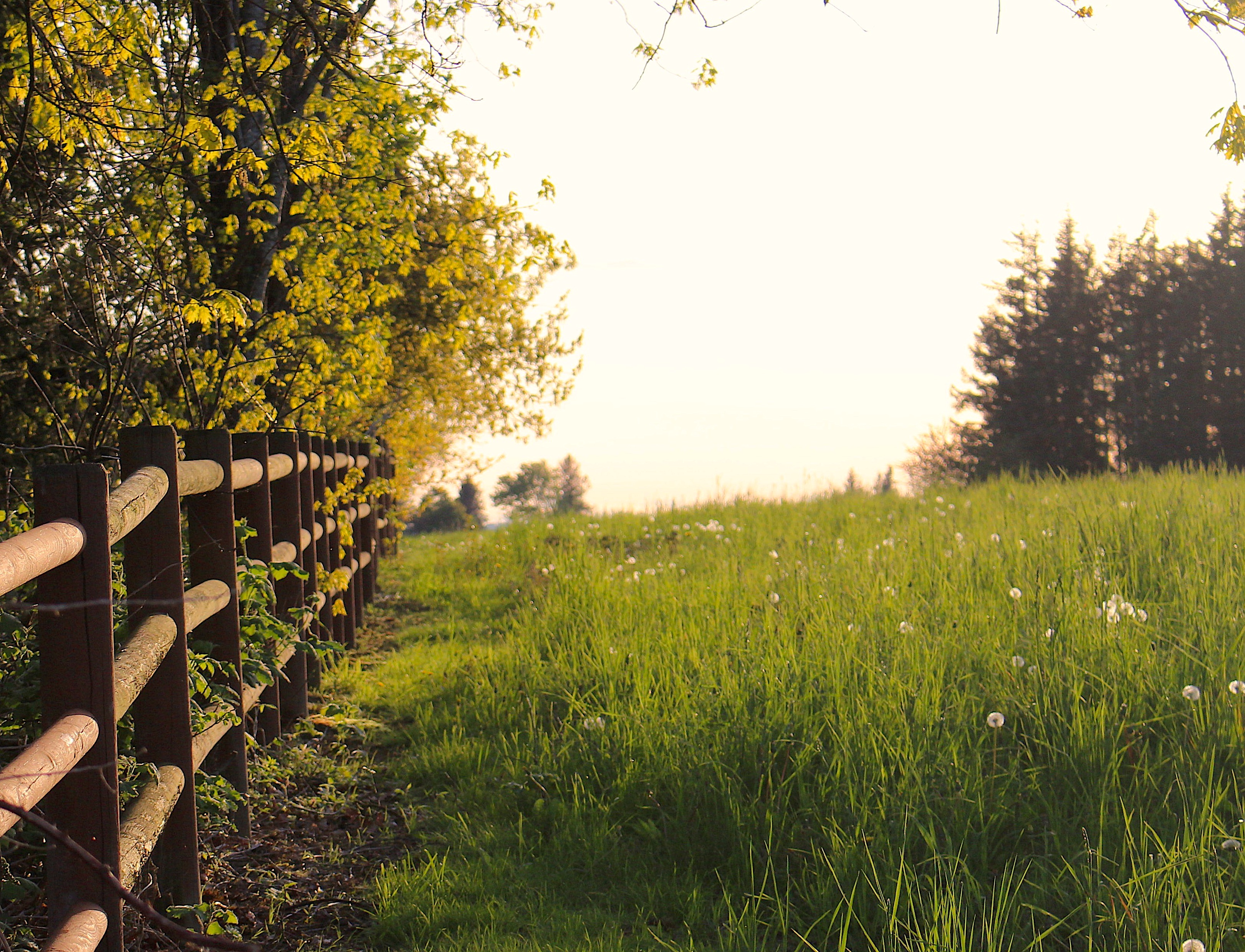
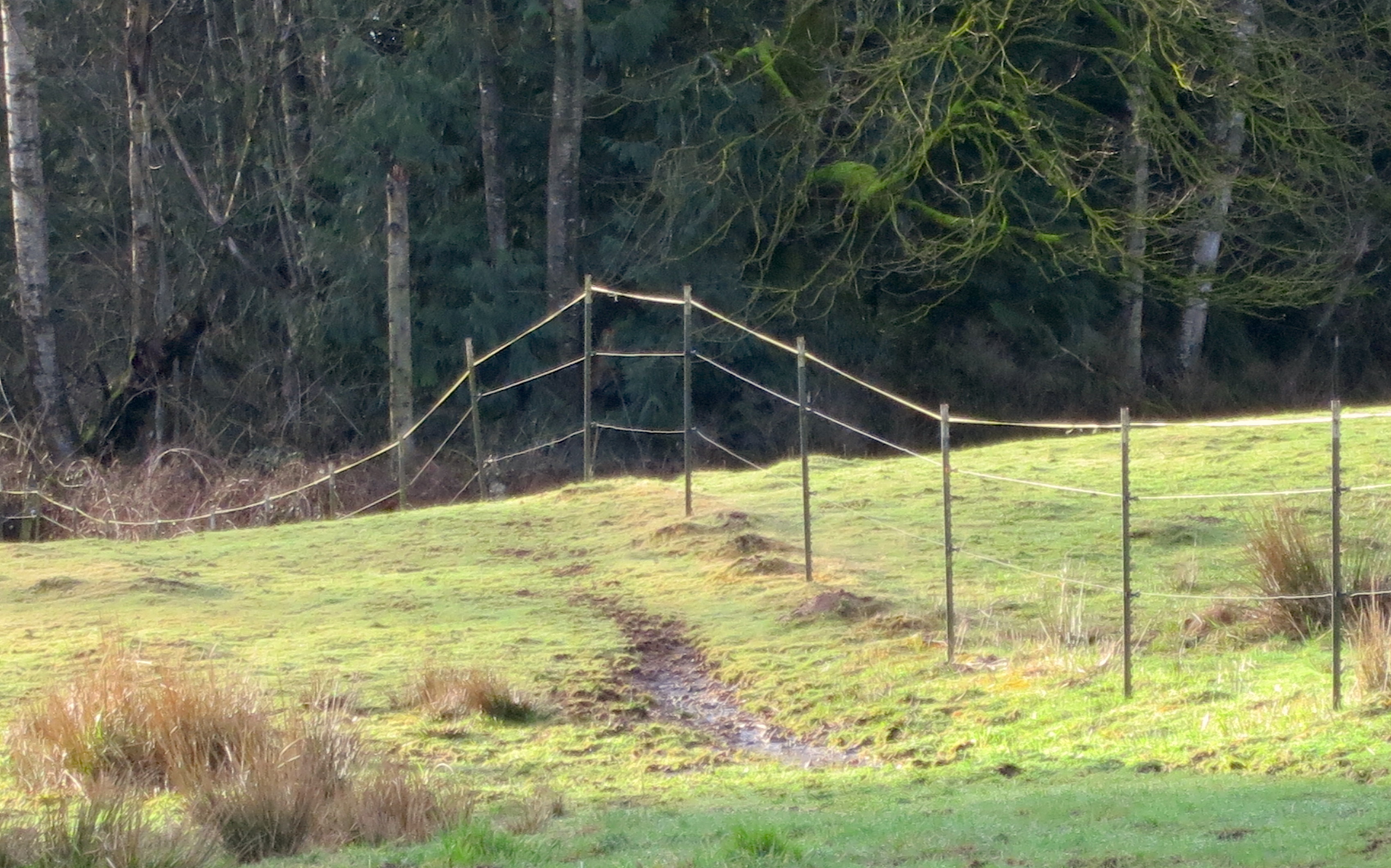
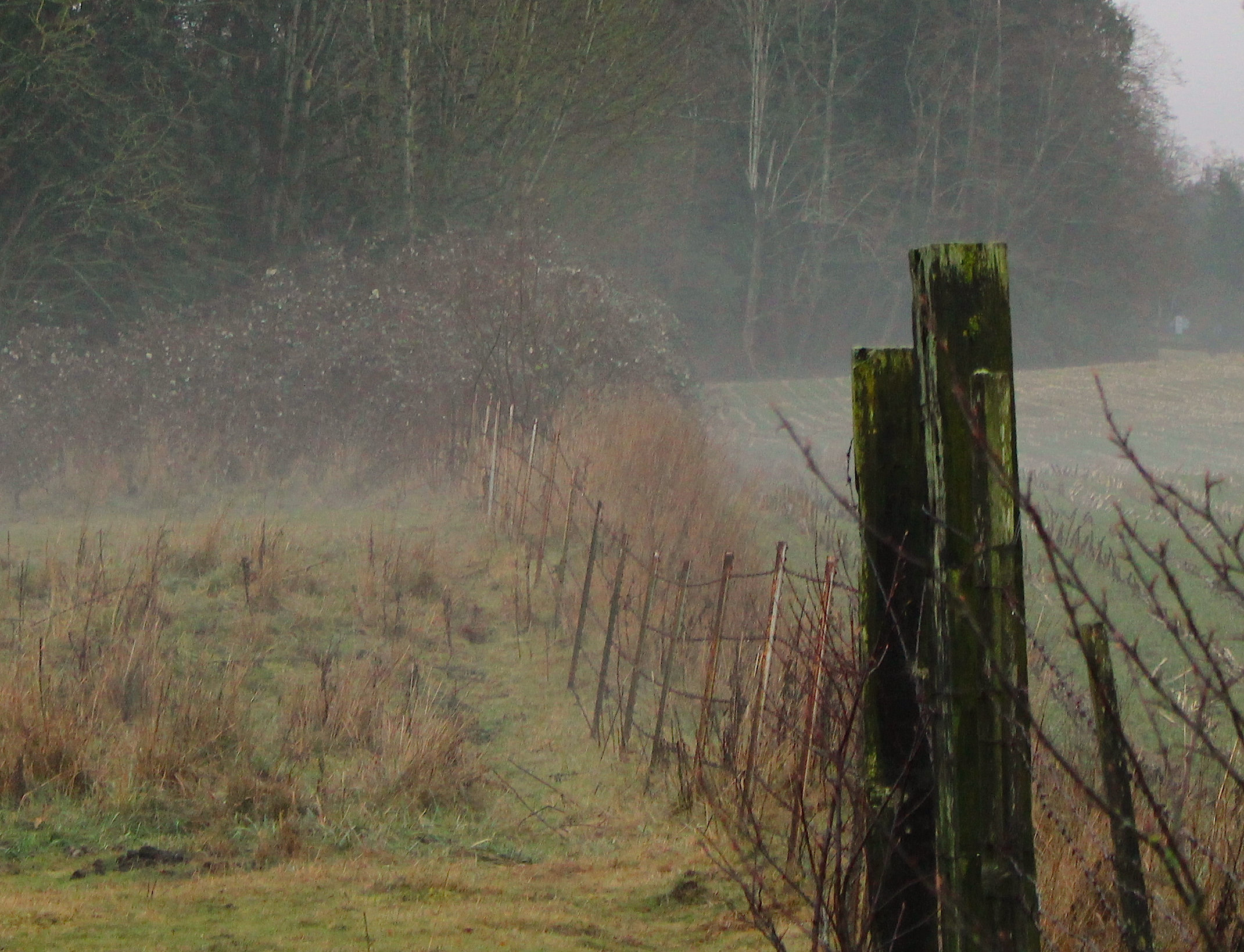
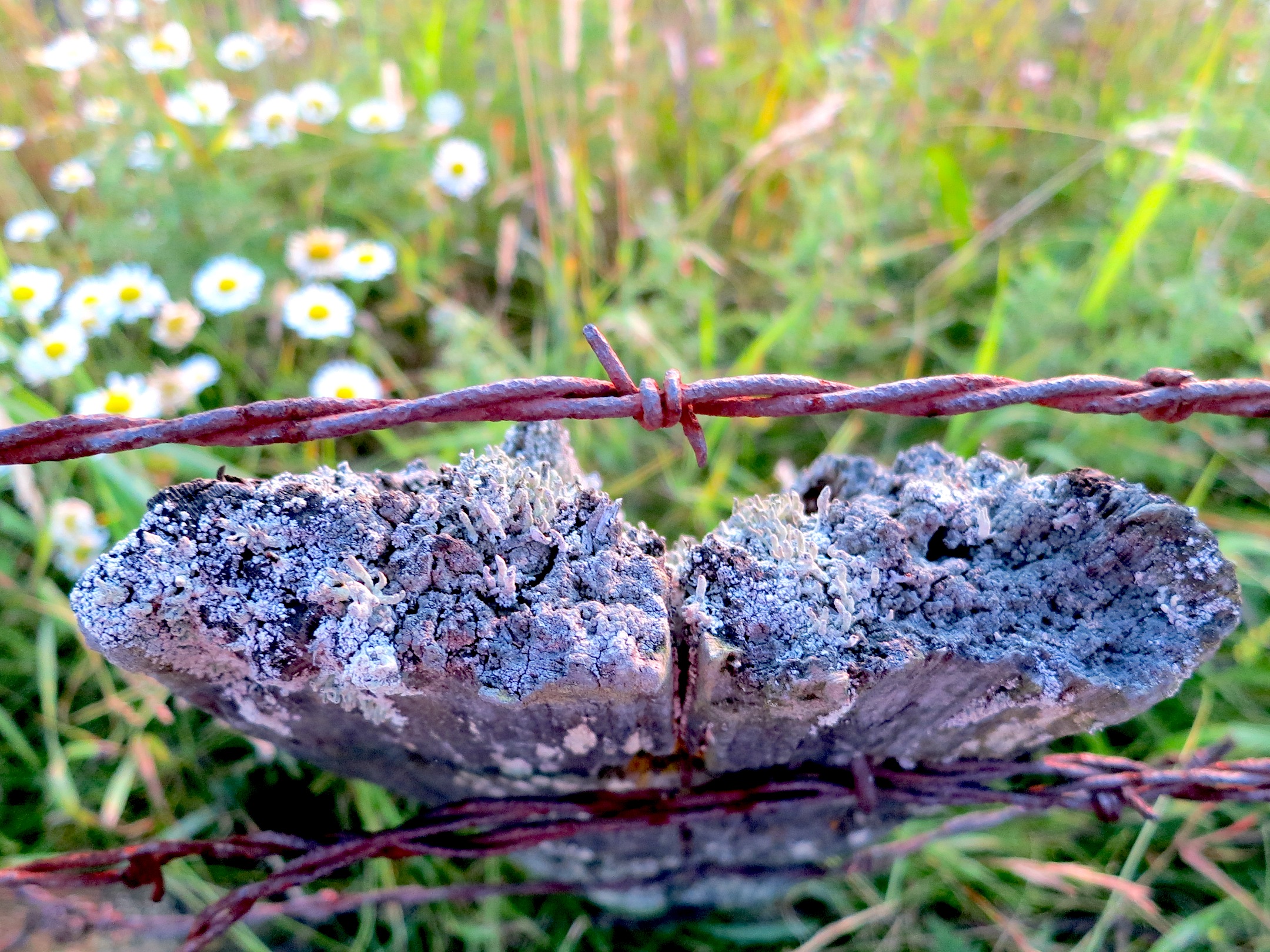
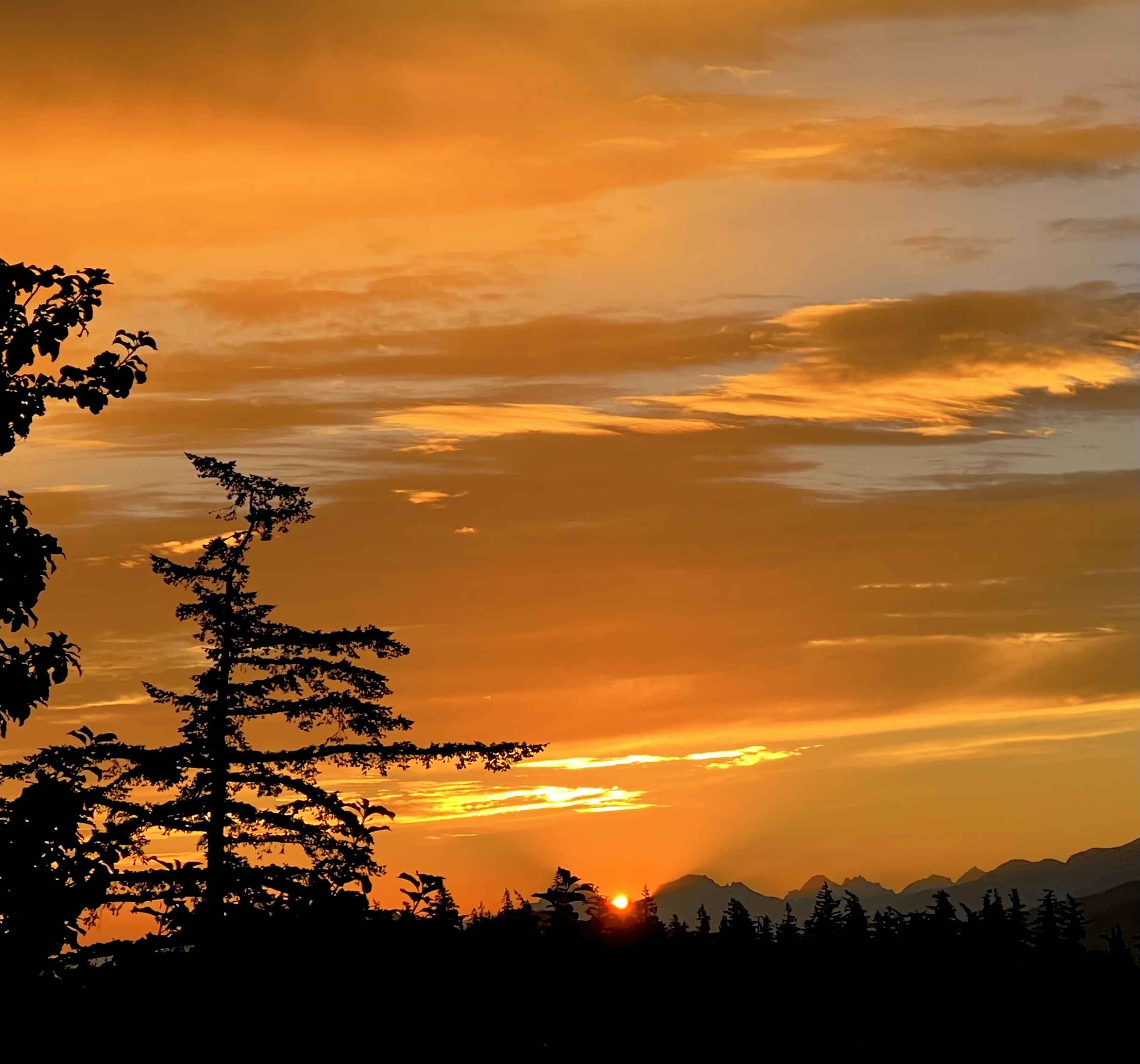
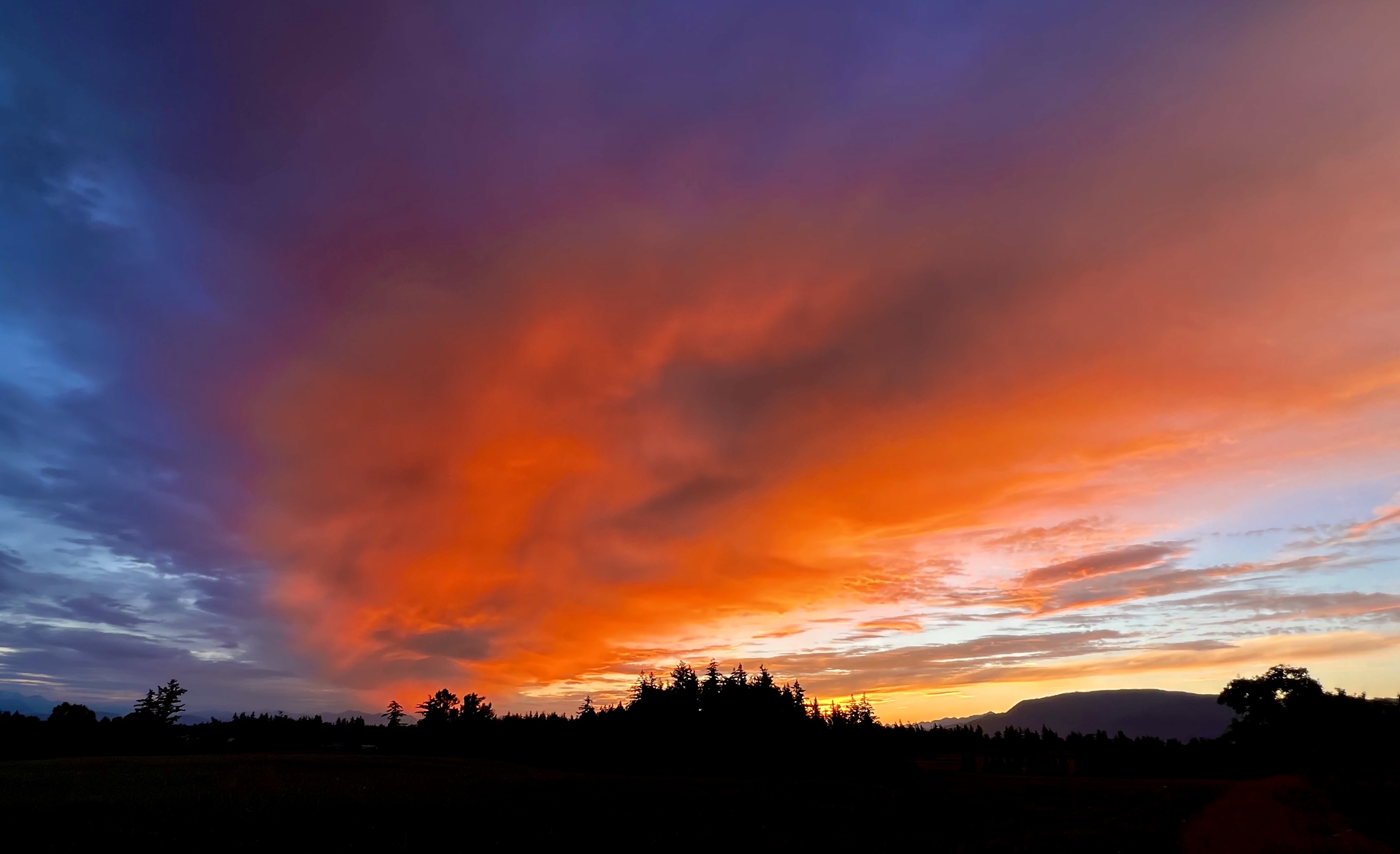
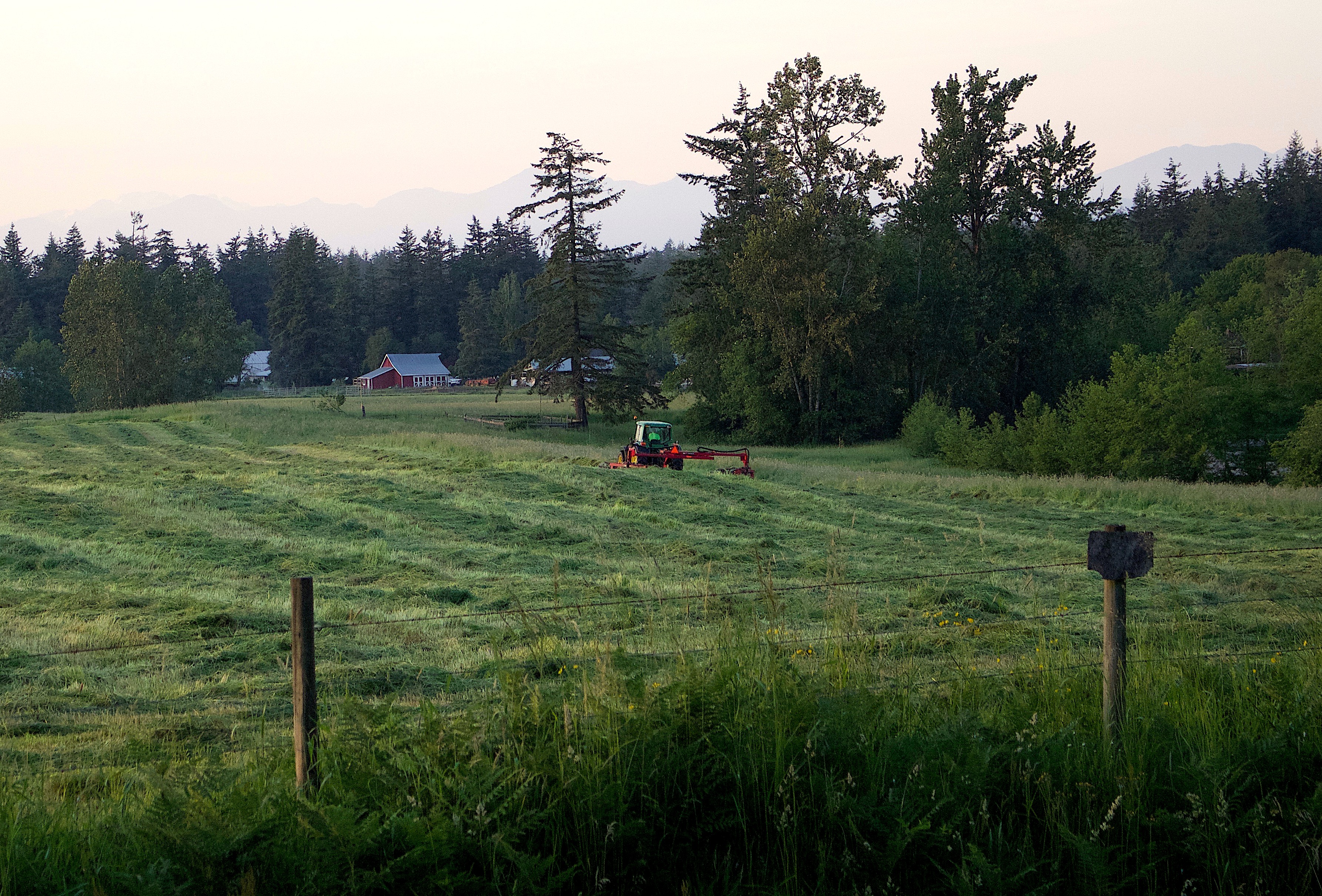
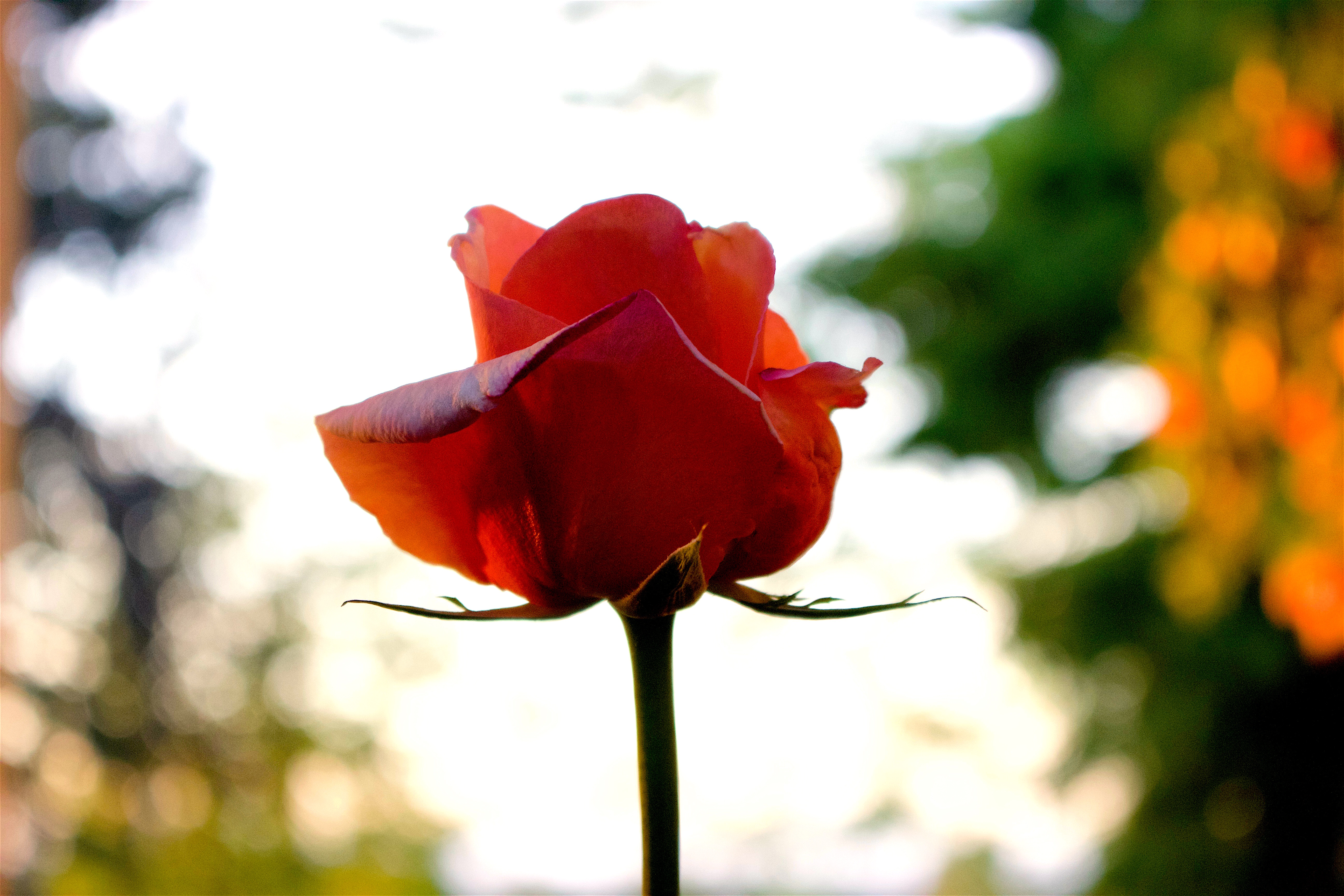
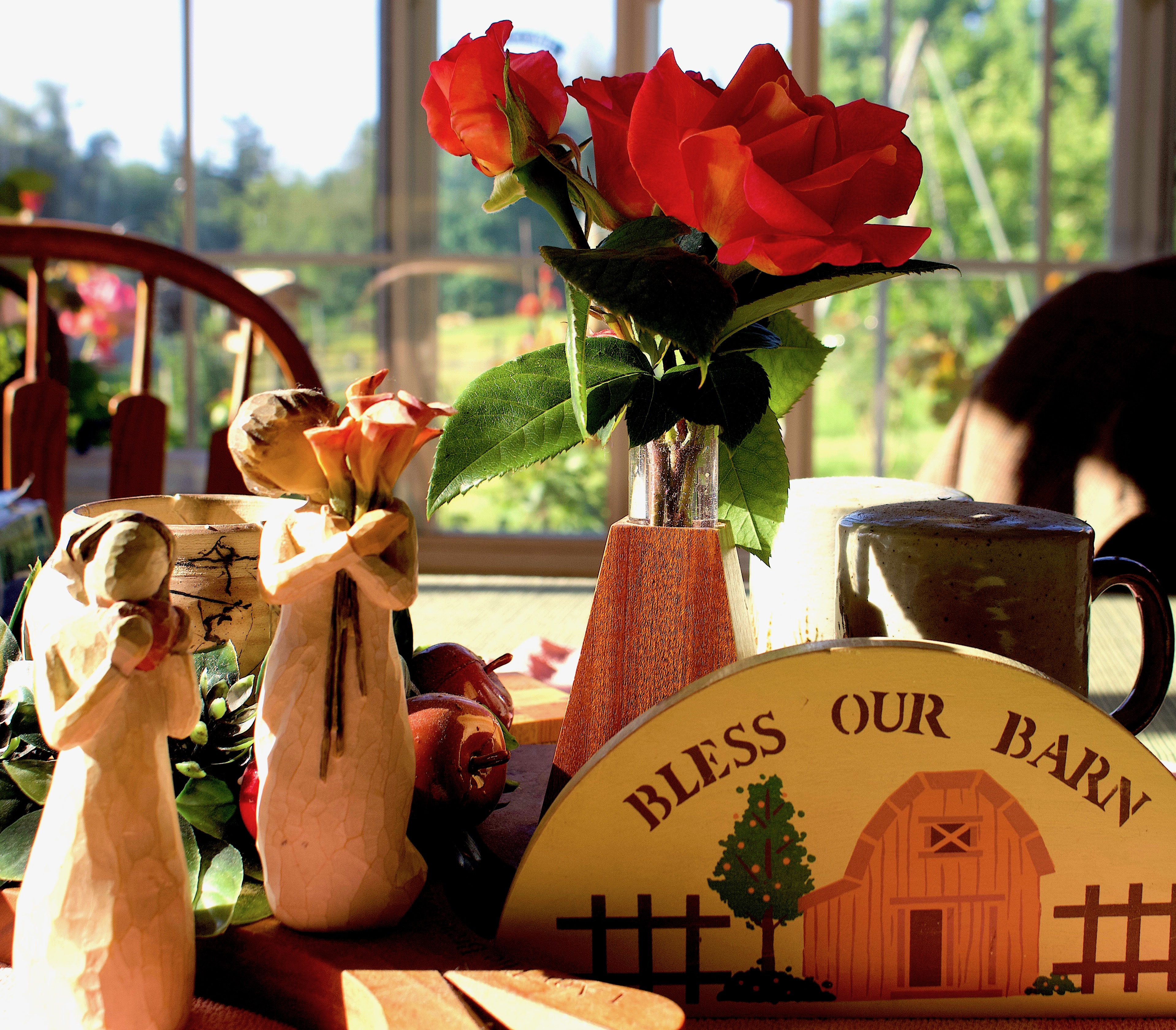
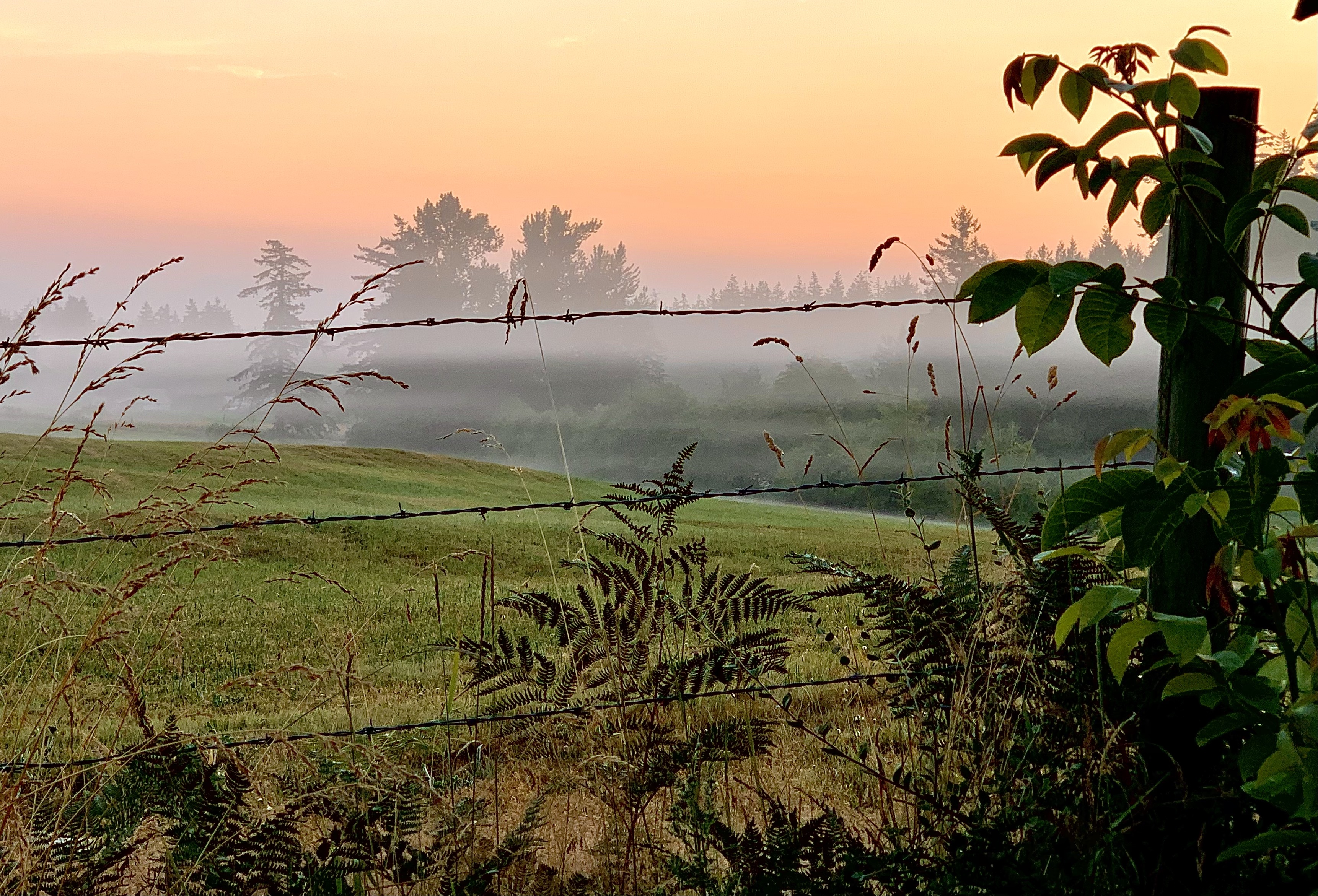
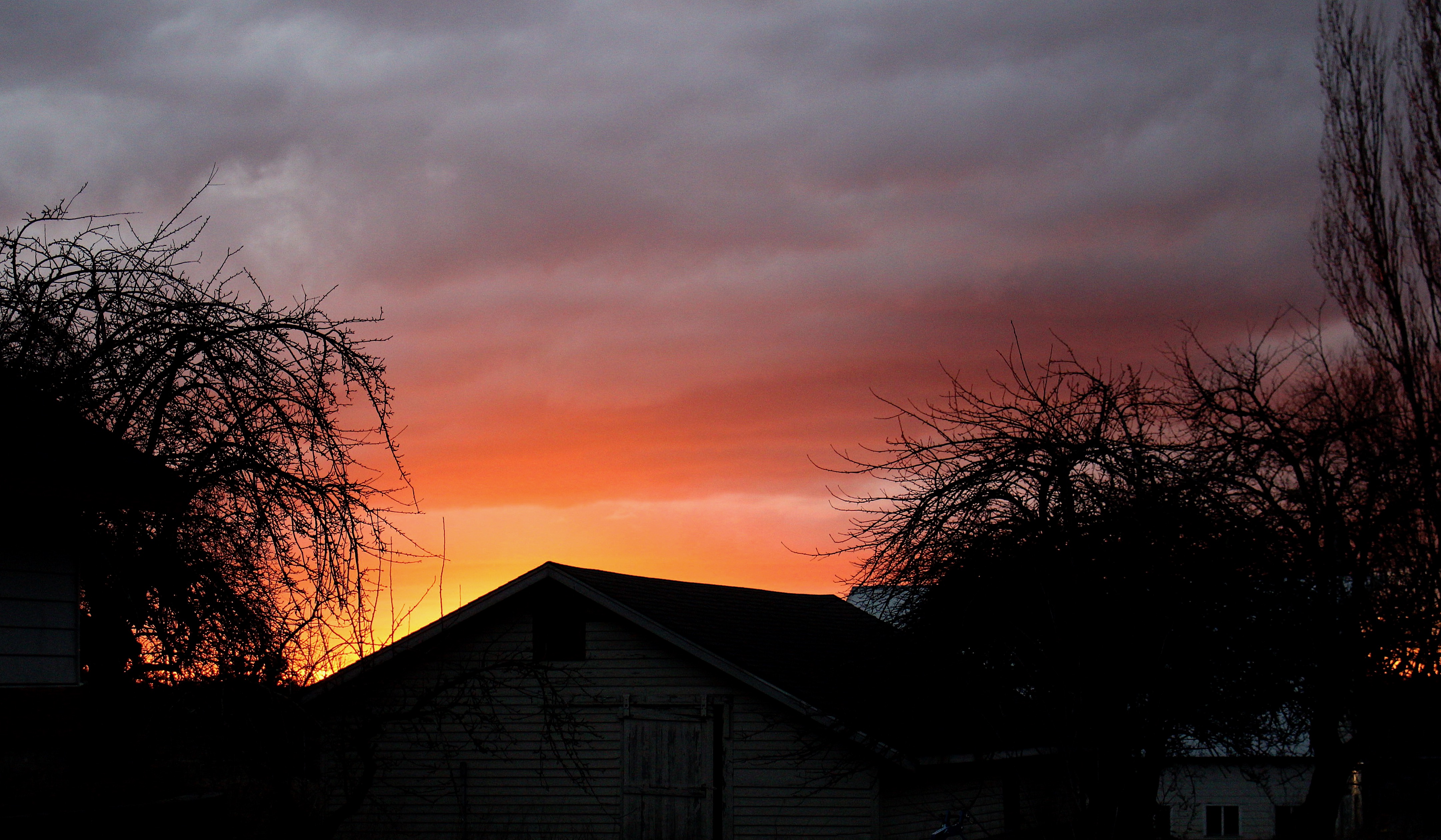
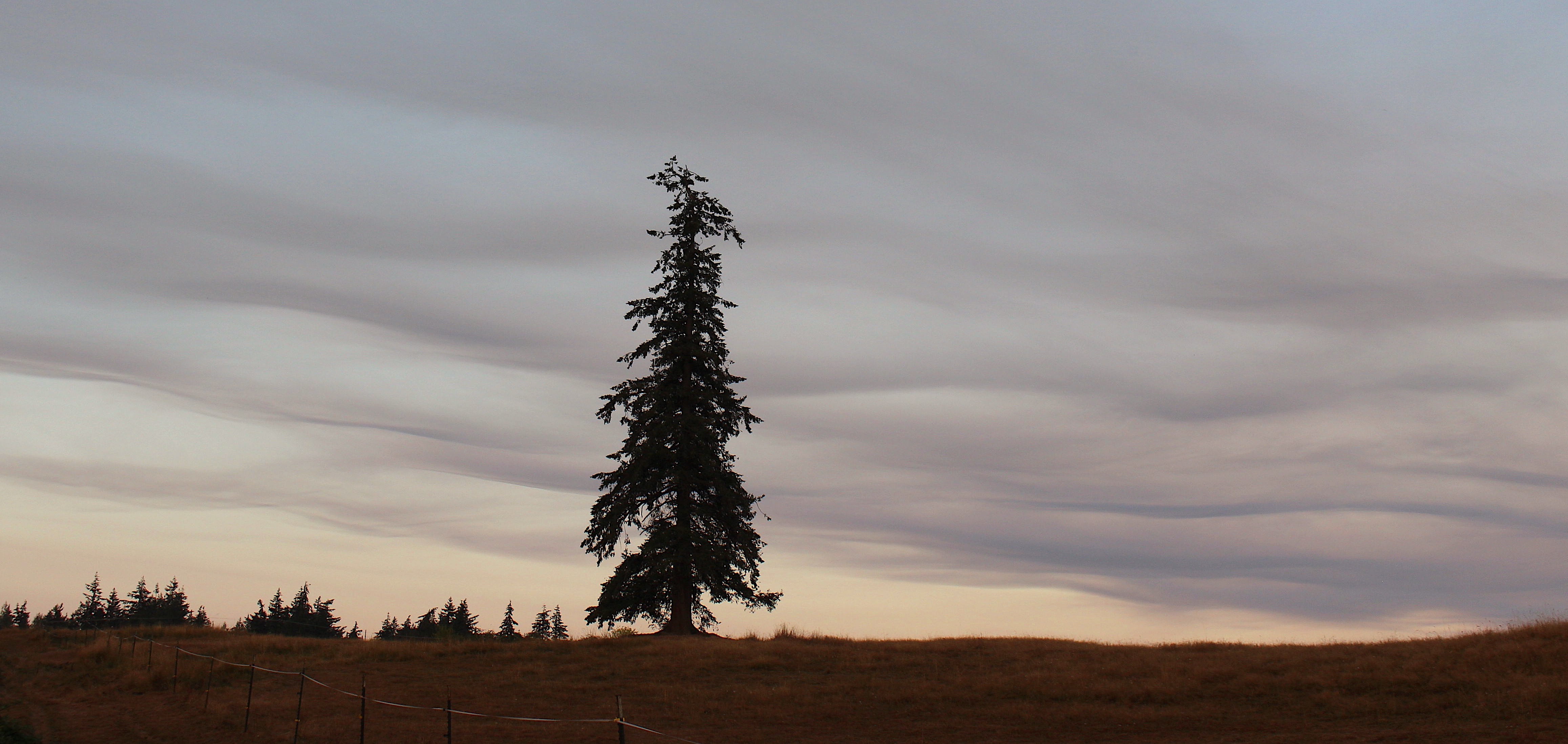
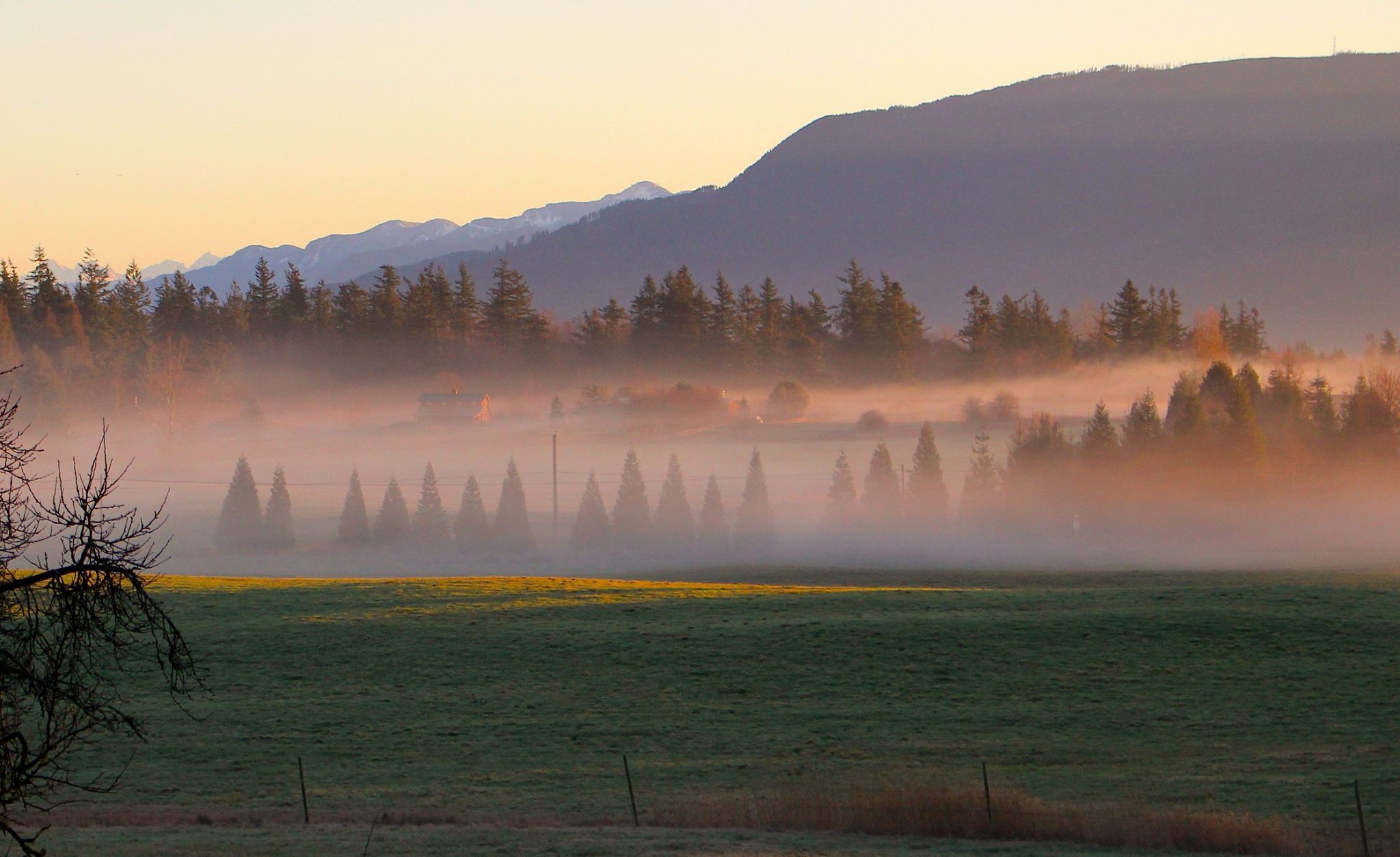
My favorite scenes to photograph are ones where there are several “layers” to study, whether it is a still life of petals or a deep landscape with a foreground, middle and backdrop, preferably with a misty fog. The challenge is to decide where to look first, what to draw into sharp focus, or whether to absorb it all as a whole. In fact, if I only see one aspect, I miss the entire point of the composition. It is wonderfully multi-faceted and multi-layered because that is how life is – complex with subtle nuance and shadings.

If I try to suppress some foggy or shadowy part of my own life I wish to forget and blur out, I ignore the beauty of the contrast with the light that illuminates the rest.

The layers reflect who I was created to be as an image-bearer – complex, nuanced, illuminated in the presence of dark.

Beautifully composed.
Text by Saint Ambrose (340-397)
Splendor paternae gloriae,
de luce lucem proferens,
lux lucis et fons luminis,
diem dies illuminans.

Splendor of God’s glory,
brings forth light from light,
light of light,
light’s living spring,
Day, all days illuminates.

One-Time
Monthly
Yearly

Make a one-time or recurring donation to support daily Barnstorming posts

Make a monthly donation

Make a yearly donation

Choose an amount

¤5.00
¤10.00
¤20.00
¤5.00
¤15.00
¤100.00
¤5.00
¤15.00
¤100.00

Or enter a custom amount

¤

Your contribution is deeply appreciated.

Your contribution is appreciated.

Your contribution is appreciated.

DonateDonate monthlyDonate yearly
Gray Things Made Golden

Whence comes Solace?—Not from seeing
What is doing, suffering, being,
Not from noting Life’s conditions,
Nor from heeding Time’s monitions;
But in cleaving to the Dream,
And in gazing at the gleam
Whereby gray things golden seem.

II

Thus do I this heyday, holding
Shadows but as lights unfolding,
As no specious show this moment
With its irised embowment;
But as nothing other than
Part of a benignant plan;
Proof that earth was made for man.

~Thomas Hardy “On a Fine Morning”

Earth was made for man

We tend to forget our original task of caring for the Garden we were placed within. Soiling our own nest, we can’t abandon this place for another greener, brighter, happier planet. Of all the planetary options in this infinite universe, we were placed right here and here we remain.

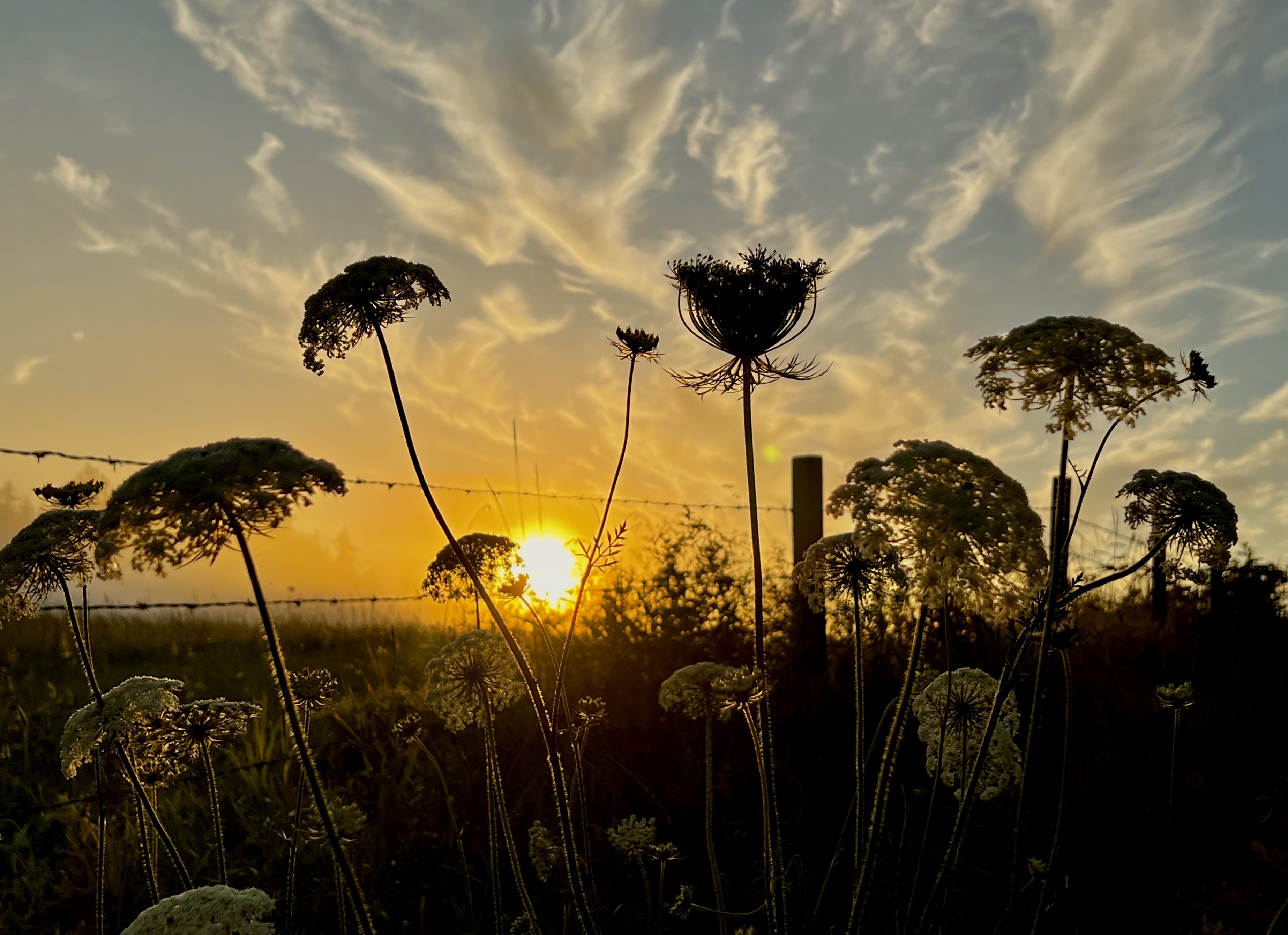
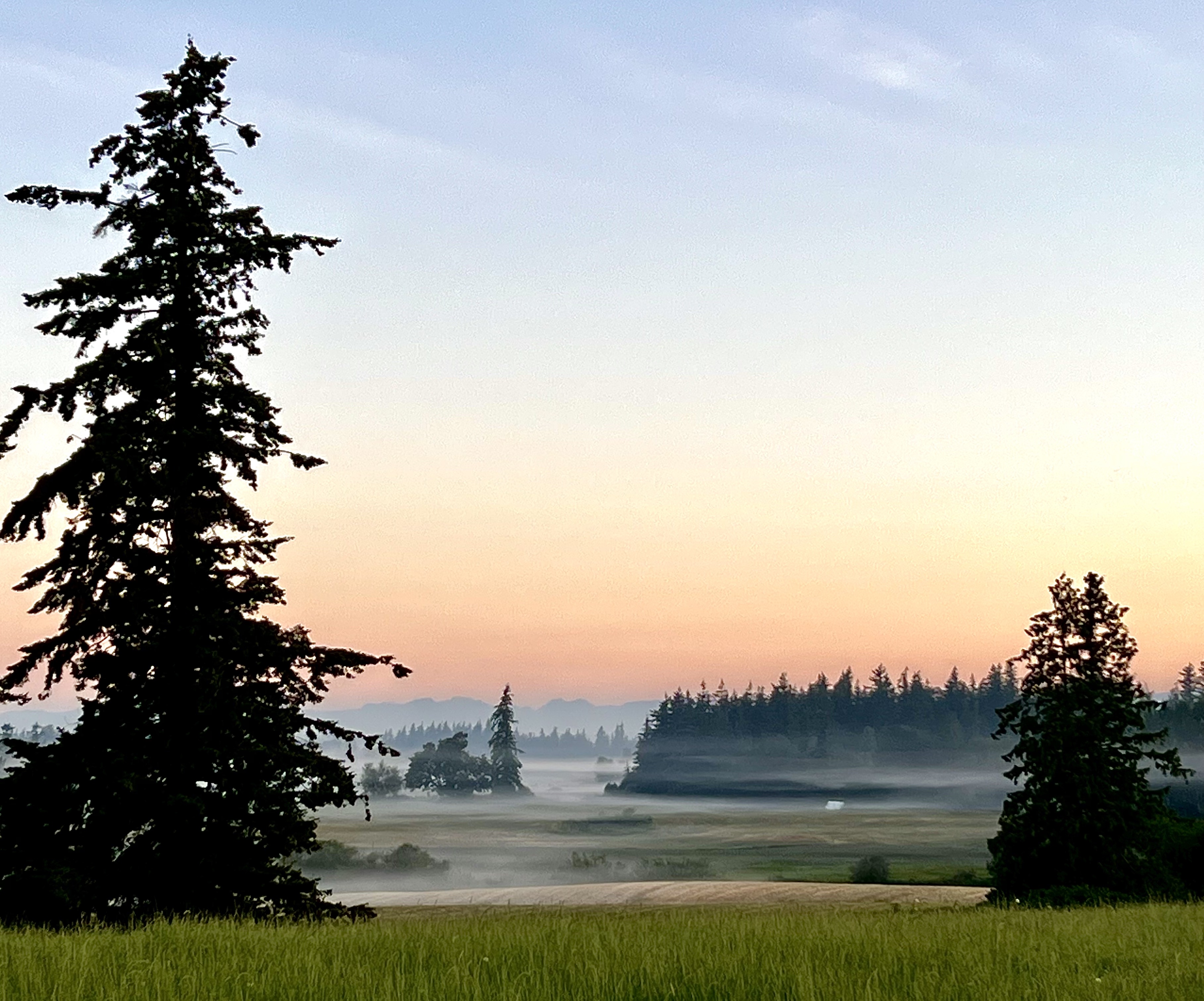
Our solace is that all that ordinarily seems gray gleams golden in the Light that shines down on our shadows. Even when the news is dismal, and the pain is great, and history seems to keep repeating itself despite our best efforts, our Creation is purposeful and preserved through divine sacrifice.

The solace of gray shadows turns to gold.

One-Time
Monthly
Yearly

Make a one-time or recurring donation to support daily Barnstorming posts

Make a monthly donation

Make a yearly donation

Choose an amount

¤5.00
¤10.00
¤20.00
¤5.00
¤15.00
¤100.00
¤5.00
¤15.00
¤100.00

Or enter a custom amount

¤

Your contribution is deeply appreciated.

Your contribution is appreciated.

Your contribution is appreciated.

DonateDonate monthlyDonate yearly
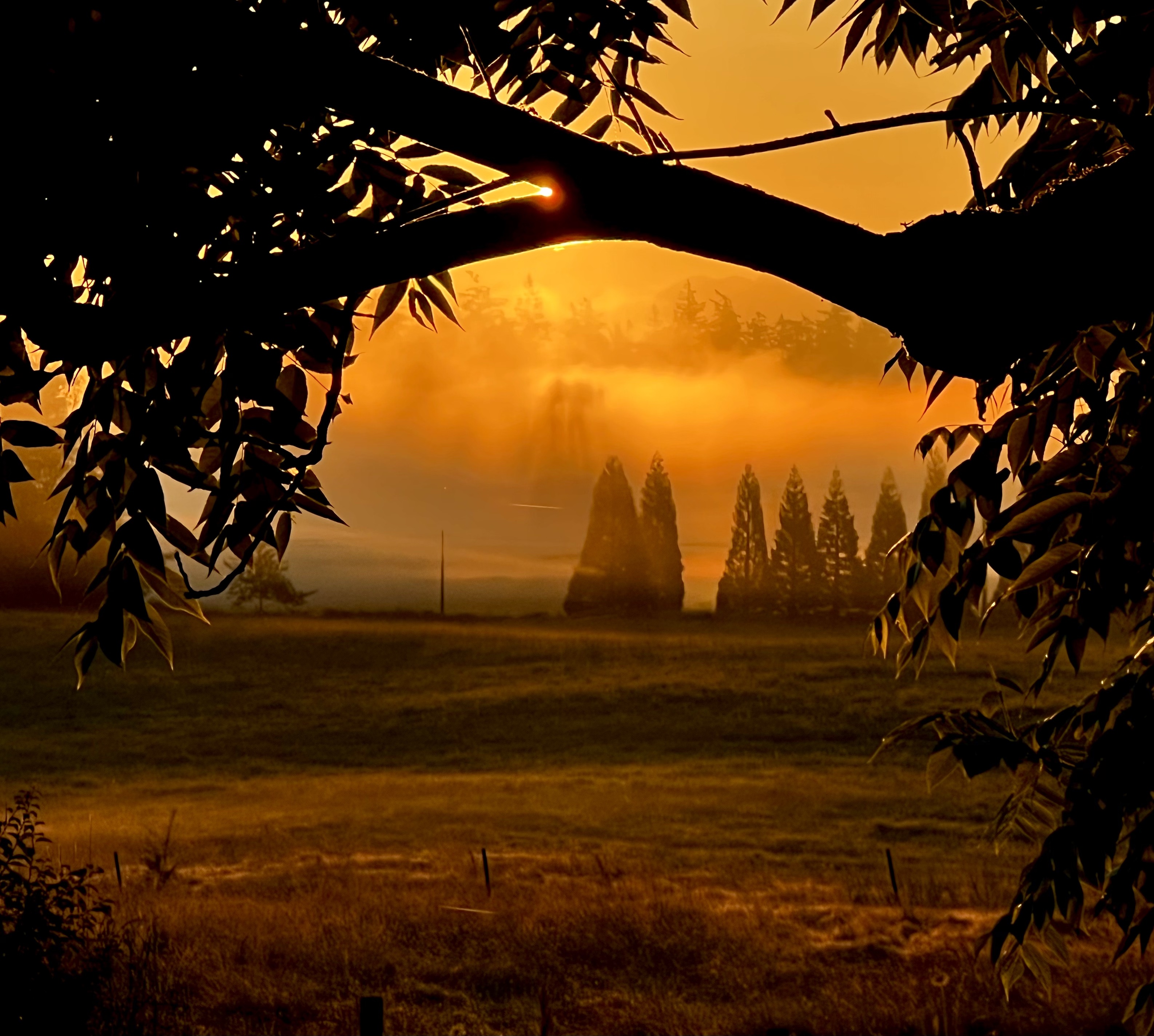
In Long Straight Rows

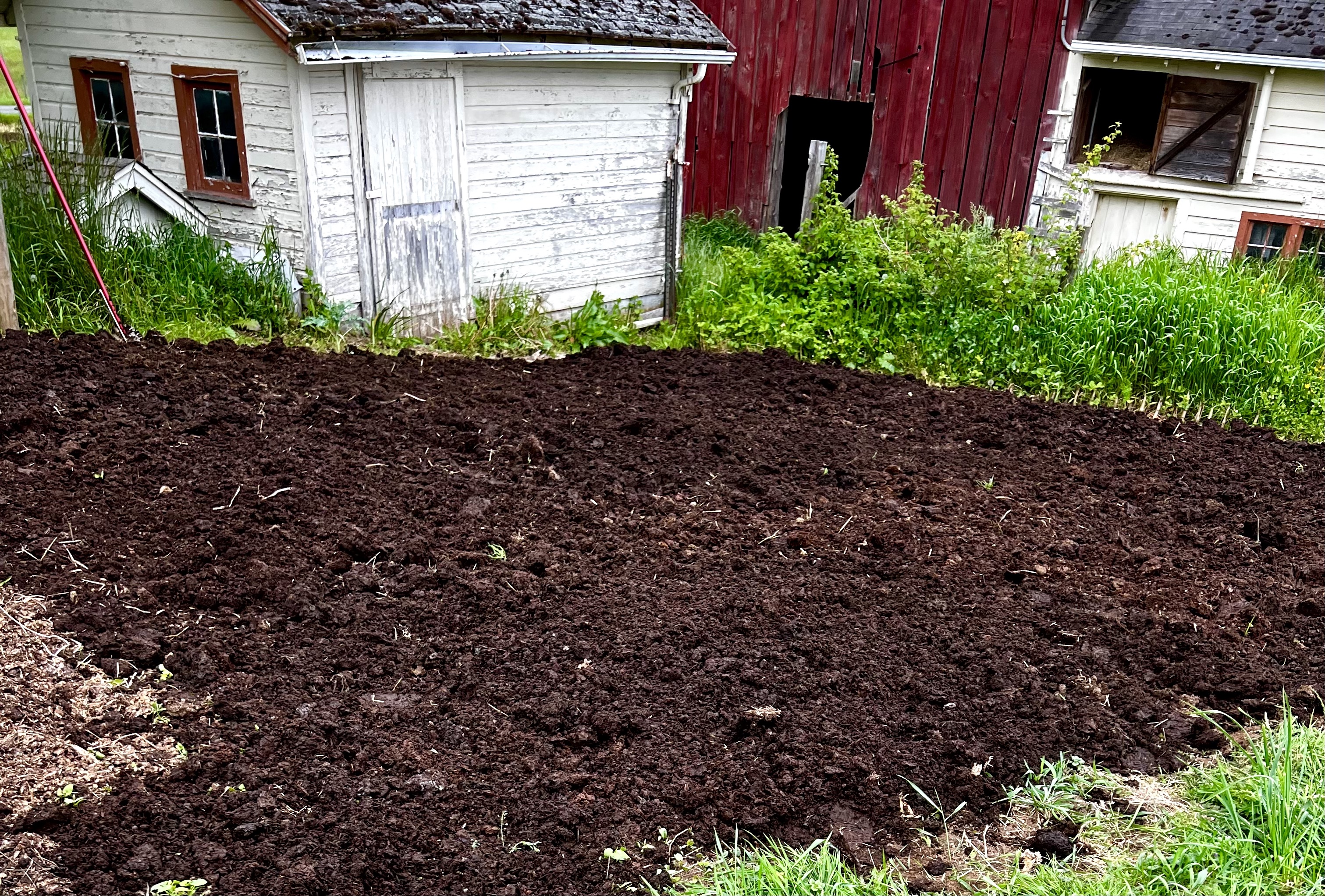
It’s not spring yet, but I can’t
wait anymore. I get the hoe,
pull back the snow from the old
furrows, expose the rich dark earth.
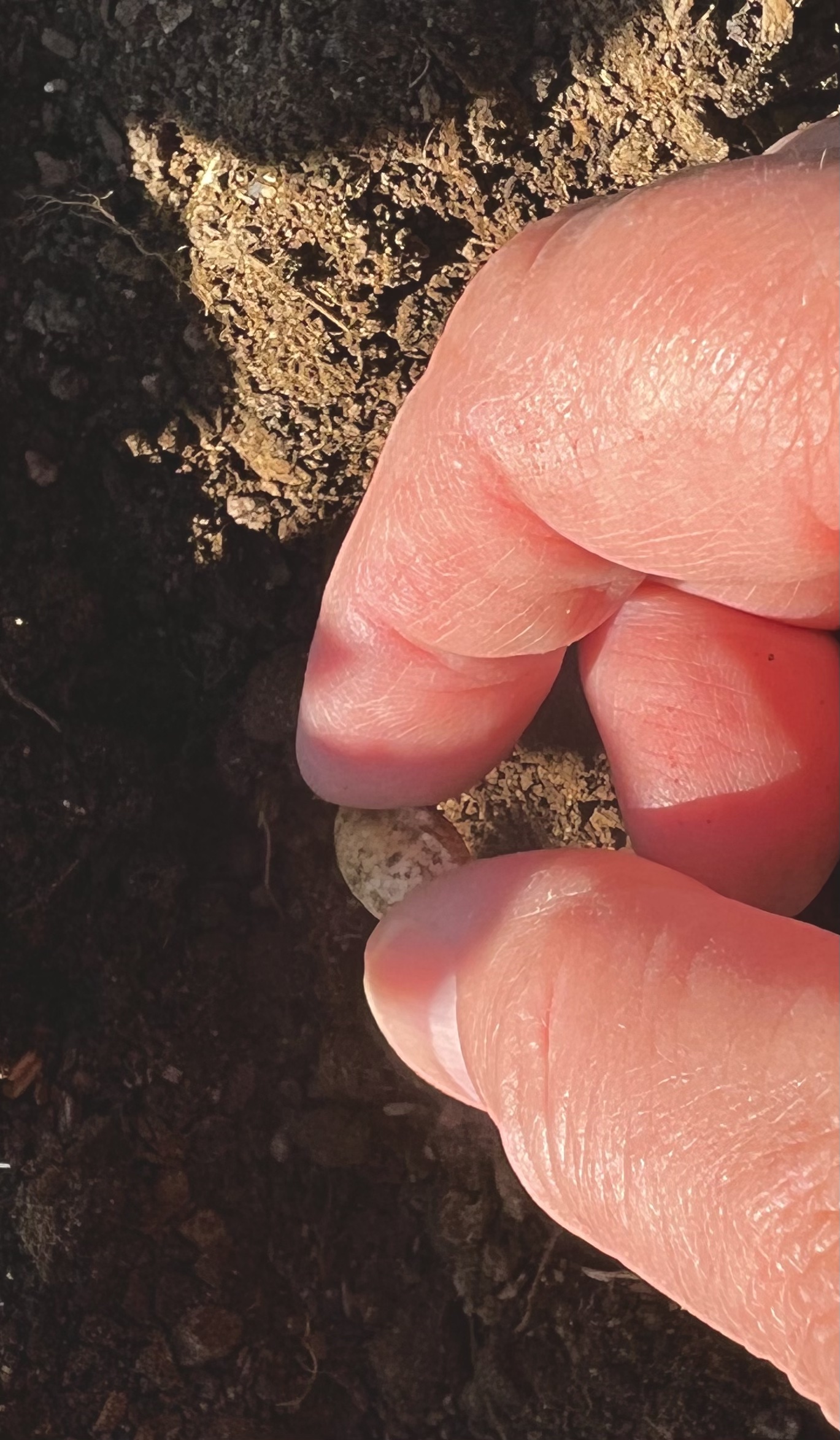
I bare my hand and dole out shriveled peas,
one by one.
I see my grandmother’s hand,
doing just this, dropping peas
into gray gumbo that clings like clay.
This moist earth is rich and dark
as chocolate cake.
Her hands cradle
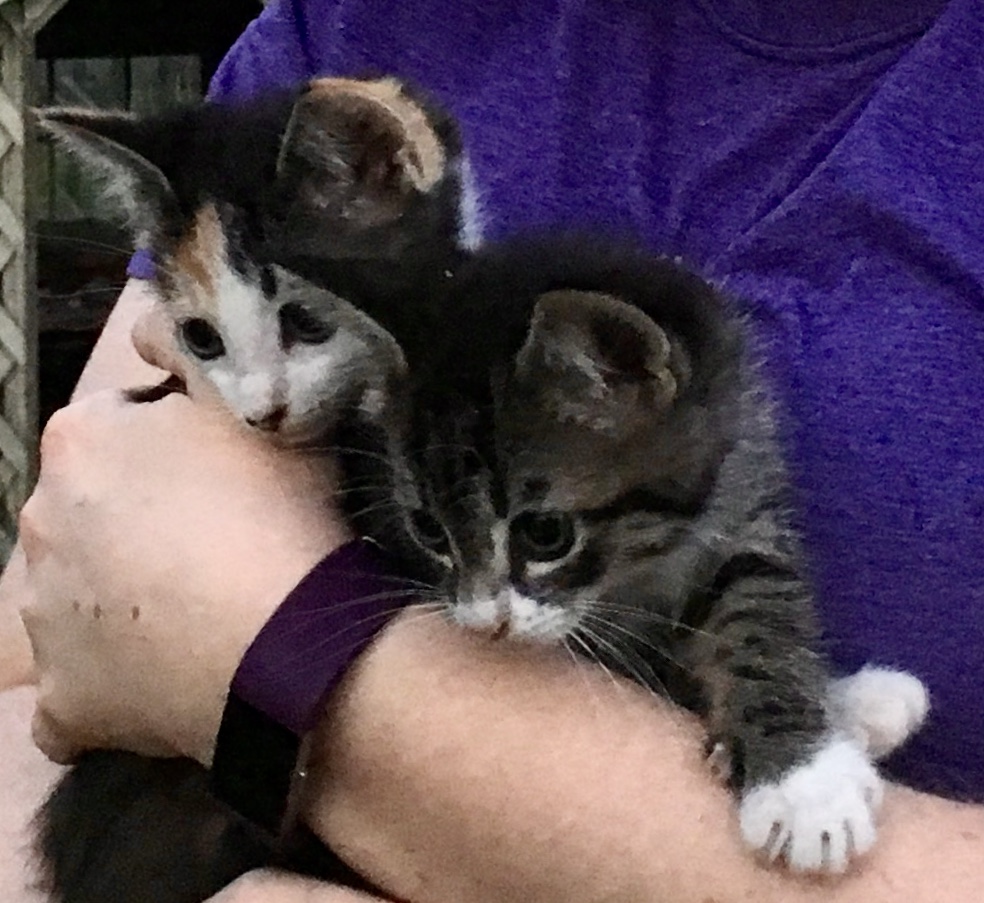
baby chicks; she finds kittens in the loft
and hands them down to me, safe beside
the ladder leading up to darkness.
I miss
her smile, her blue eyes, her biscuits and gravy,
but mostly her hands.
I push a pea into the earth,
feel her hands pushing me back. She’ll come in May,
she says, in long straight rows,
dancing in light green dresses.
~Linda Hasselstrom “Planting Peas”

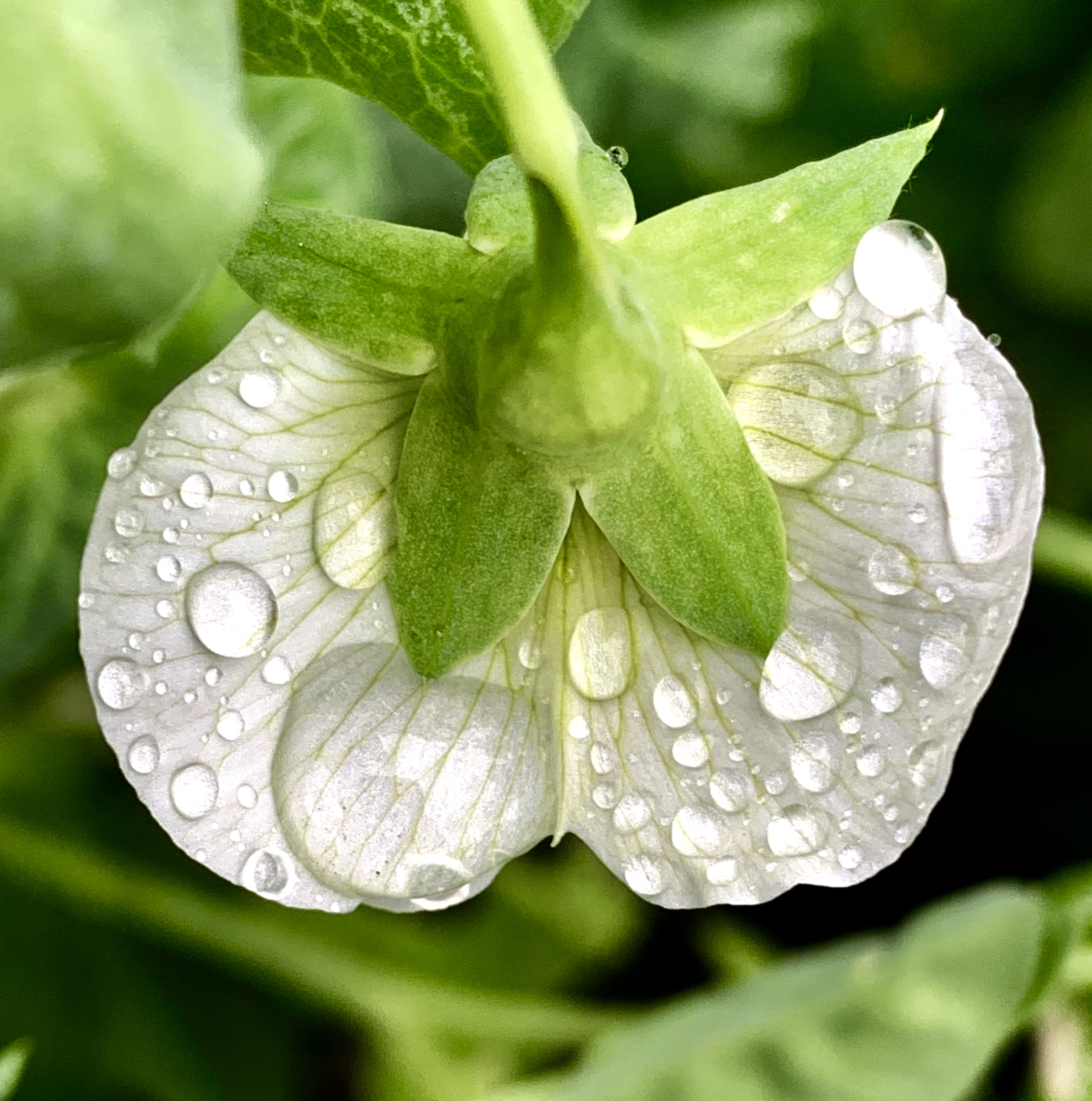
My earliest childhood memories include the taste and smell of fresh peas.  We lived in farming country north of Seattle where 50 years ago hundreds of acres of peas were grown for canning and freezing.  During the harvest, large pea harvesting machines would arrive for several days and travel down the road in caravans of 10 or 12, going from farm to farm to farm. They worked 24 hours a day to harvest as quickly as possible and traveled the roads late at night because they were so huge, they would take up both lanes of the country roads.  Inevitably a string of cars would form behind the pea harvesters, unable to pass, so it became a grand annual parade celebrating the humble pea.

The smell in the air when the fields were harvested was indescribable except to say it was most definitely a “green” and deliciously fresh smell.  The vines and pods would end up as silage for cattle and the peas would be separated to go to the cannery.  I figured those peas were destined for the city dwellers because in our back yard garden, we grew plenty of our own.

Pea seeds, wrinkled and frankly a little boring, could be planted even before the last frost was done with us in March, or even sometimes on Washington’s birthday in February.  The soil needed to not be frozen and not be sopping.  True, the seeds might sit still for a few weeks, unwilling to risk germination until the coast was clear and soil warmed a bit, but once they were up out of the ground, there was no stopping them.  We would generally have several rotations growing, in the hope of a 6 week pea eating season if we were fortunate, before the heat and worms claimed the vines and the pods.

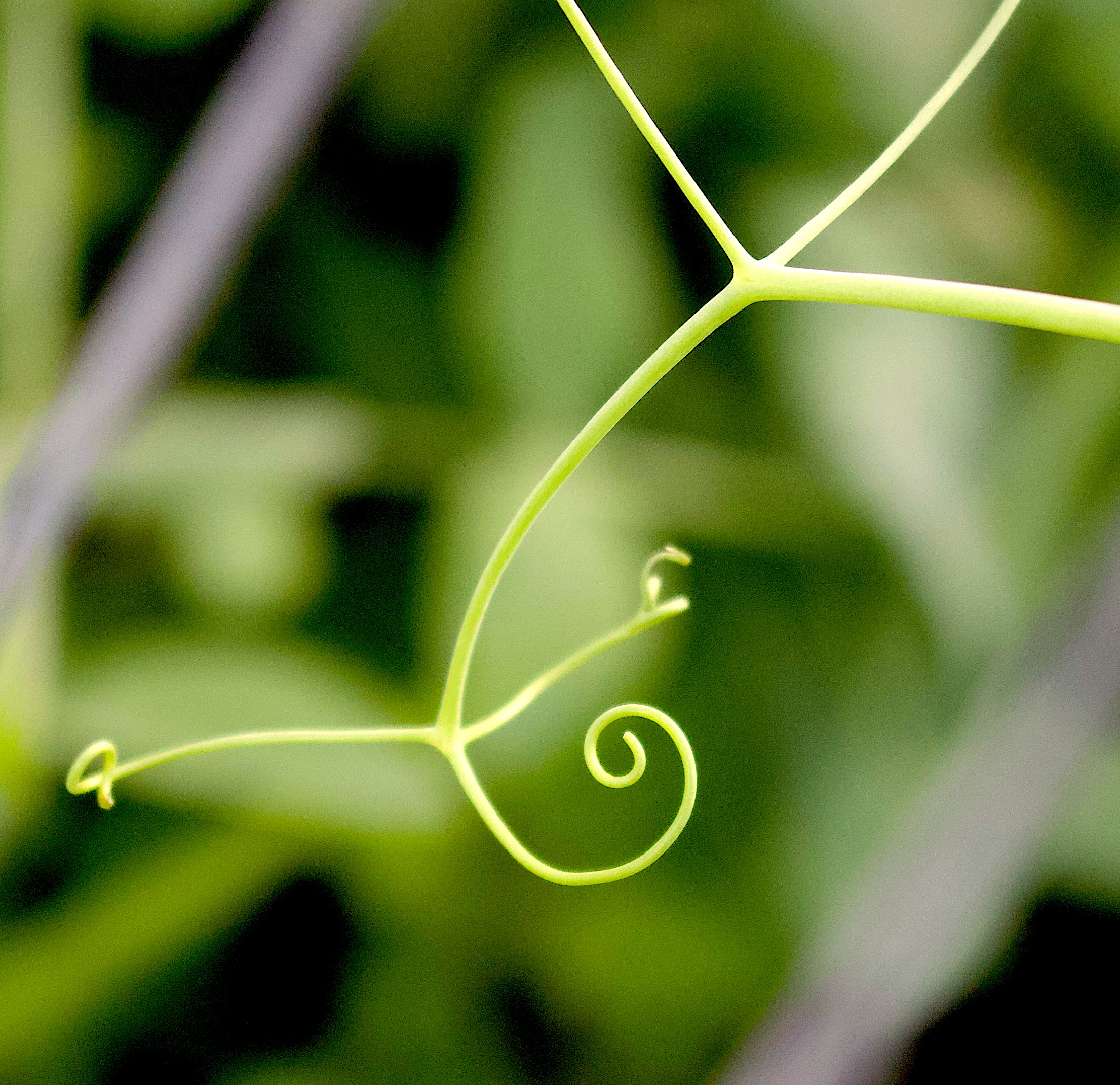
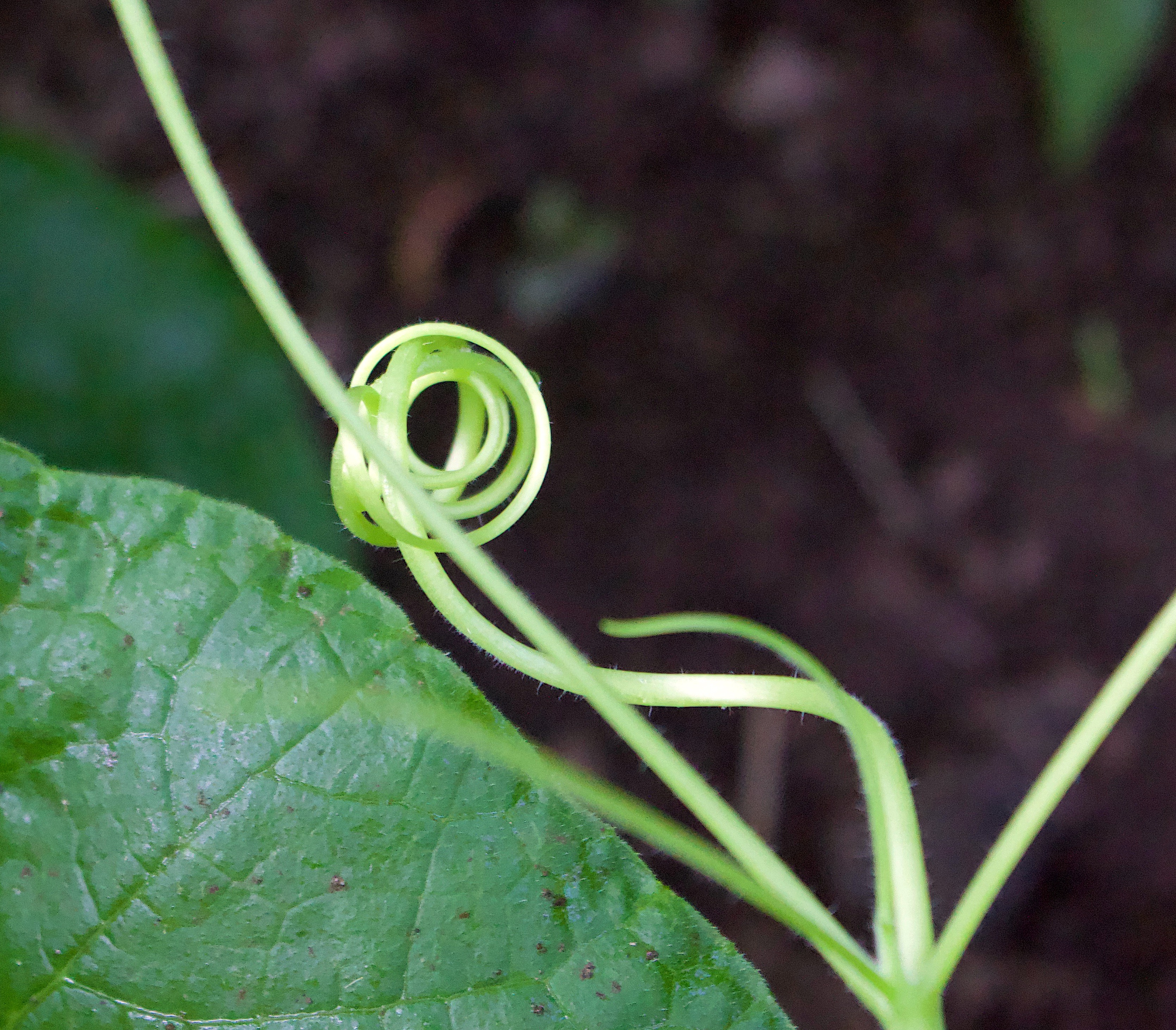
We always planted telephone peas, so the support of the vines was crucial–we used hay twine run up and down between two taut smooth wires attached high and low between two wooden posts.  The vines could climb 6 feet tall or better and it was fascinating to almost literally watch the pea tendrils wind their way around the strings (and each other), erotically clinging and wrapping themselves in their enthusiasm.

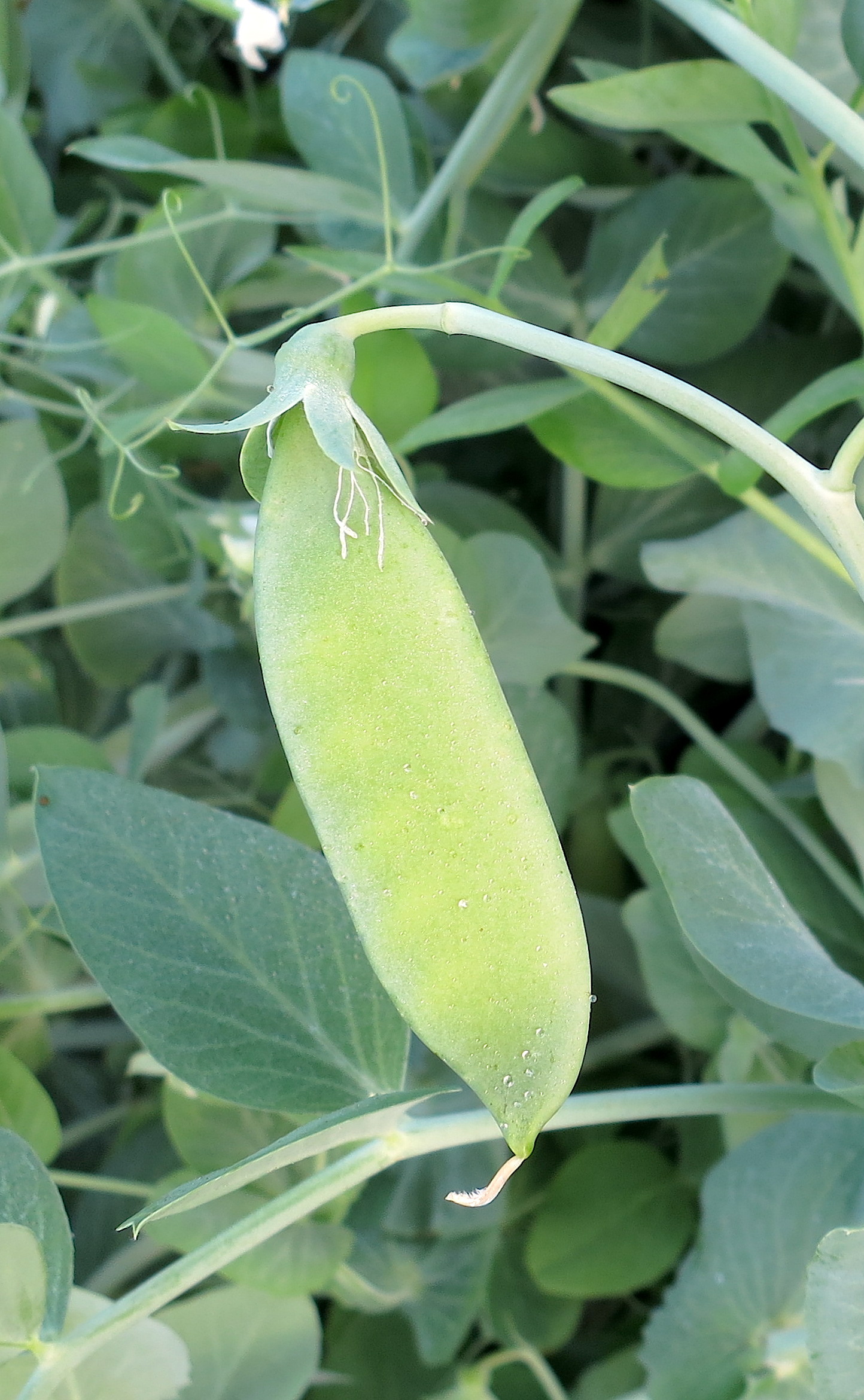
Once the pods start to form,  impatience begins.  I’d be out in the garden every day copping feels, looking for that first plump pod to pick and pop open.  It never failed that I would pick too soon, and open a pod to find only weenie little peas, barely with enough substance to taste.  Within a day or two, however, the harvest would be overwhelming, so we’d have to pick early in the morning while the peas were still cool from the night dew.

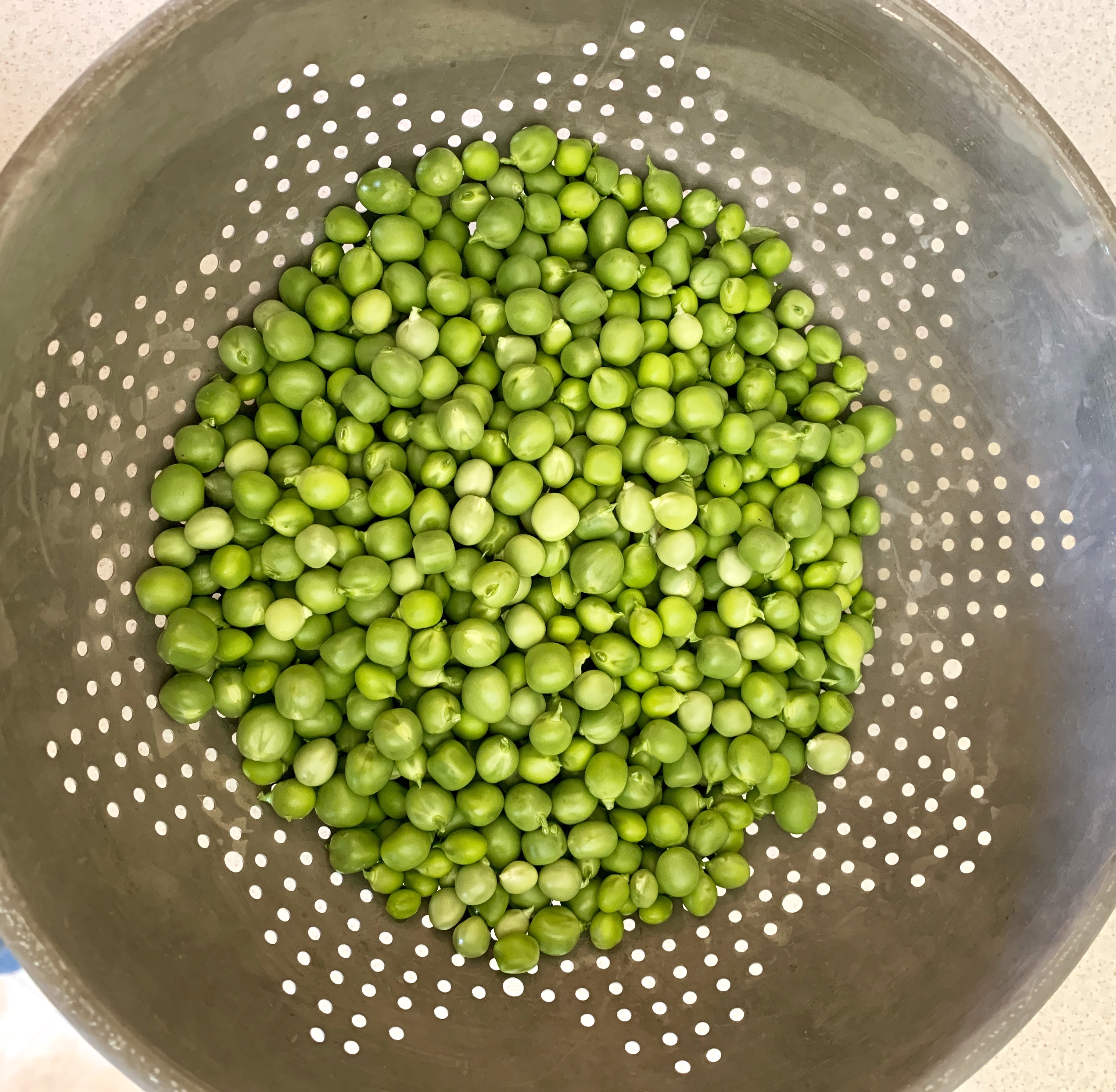
Then it was shelling time, which involved several siblings on a back porch, one mother supervising from a distance to make sure there weren’t too many peas being pelted in pique at an annoying little brother, and lots of bowls to catch the peas and the pods.  A big paper sack of intact pods would yield only a few cups of peas, so this was great labor for small yield.   Opening a pod of peas is extremely satisfying though;  there is a tiny audible “pop” when the pod is pressed at the bottom, and then as your thumb runs down the inner seam of the pod loosening all the peas, they make a dozen little “pings” in the bowl when they fall.  A symphony of pea shelling often accompanied by the Beach Boys and the Beatles.

Once the weather got hot, the pea worms would be at work in the pods, so then one encountered wiggly white larvae with little black heads and their webs inside the pods.  We actually had a “Wormie” song we sung when we found one, even in the 60’s recognizing that our organic garden meant sharing the harvest with crawling protein critters. The peas would be bored through, like a hollowed out jack o’lantern, so those got dumped in the discard bowl.

The dull green coat of the raw pea turns bright green during the several minutes of blanching in boiling water, then they are plunged into ice water until cool and packed in ziplock bags.  Those peas are welcomed to the table during the other 11 months out of the year, sometimes mixed with carrots, sometimes with mushrooms, sometimes chased with a little fresh garlic.  They are simply the most lovely food there is other than chocolate.

From an undistinguished pea seed to intricate vines and coiling tendrils–from pregnant pods bursting at the seams to a bounty at meals: the humble pea does indeed deserve a grand parade in the middle of the night and the close attention of only the best grandmas.

One-Time
Monthly
Yearly

Make a one-time or recurring donation to support daily Barnstorming posts

Make a monthly donation

Make a yearly donation

Choose an amount

¤5.00
¤10.00
¤20.00
¤5.00
¤15.00
¤100.00
¤5.00
¤15.00
¤100.00

Or enter a custom amount

¤

Your contribution is appreciated.

Your contribution is appreciated.

Your contribution is appreciated.

DonateDonate monthlyDonate yearly
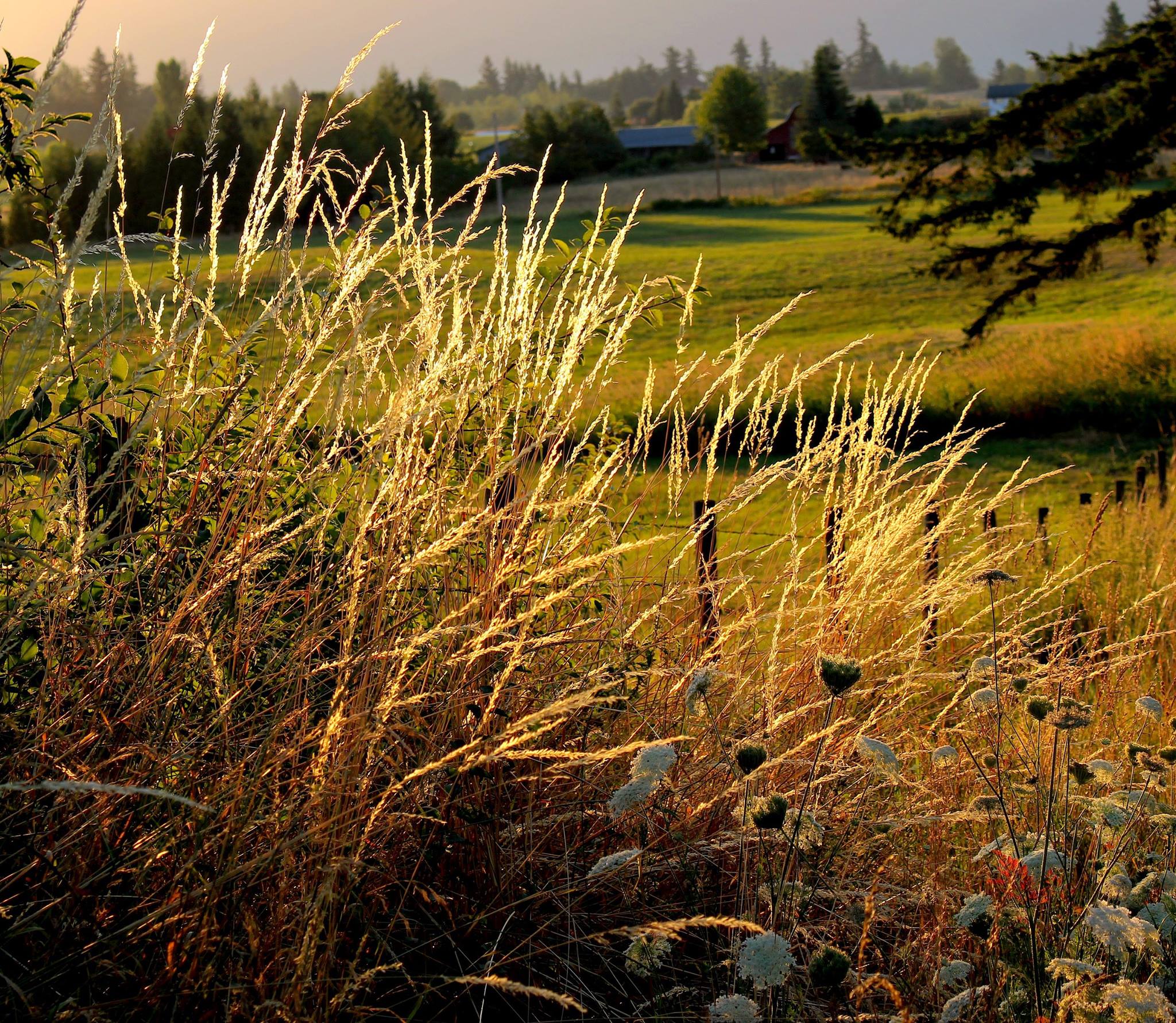
Softening to an Evening Gray

Now that summer’s ripen’d bloom
Frolics where the winter frow n’d,
Stretch’d upon these banks of broom,
We command the landscape round.

Nature in the prospect yields
Humble dales and mountains bold,
Meadows, woodlands, heaths-and fields
Yellow’d o’er with waving gold.

On the uplands ev’ry glade
Brightens in the blaze of day;
O’er the vales the sober shade
Softens to an ev’ning gray.
~John Cunningham from “The Landscape”

Betty with children Carol, Barbara and Joe
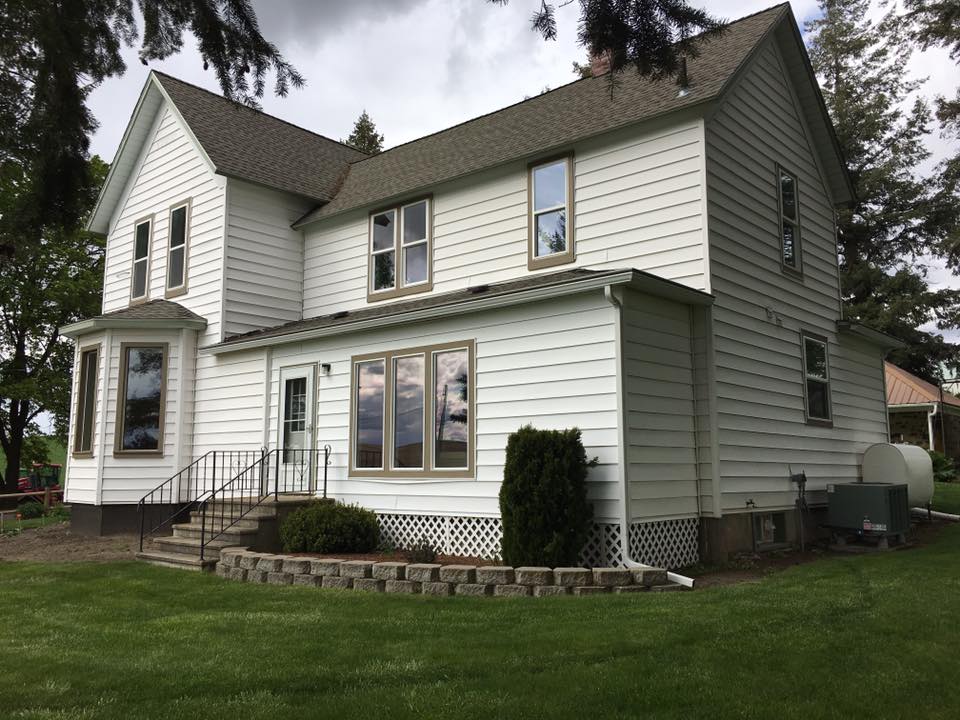
the renovated farm house
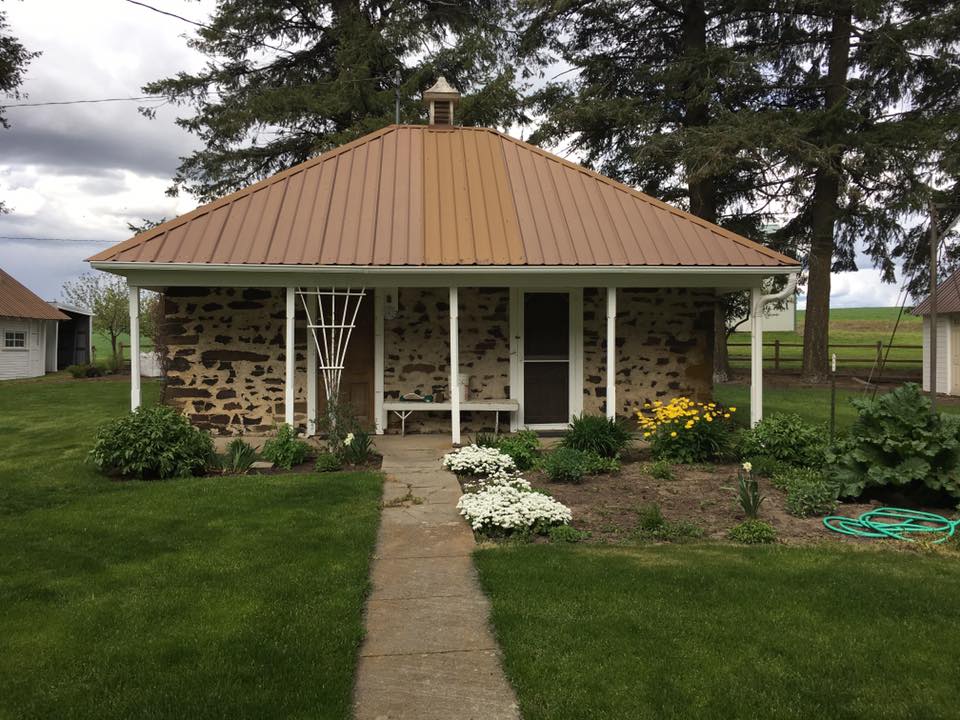
the “egg” house where produce was kept cool
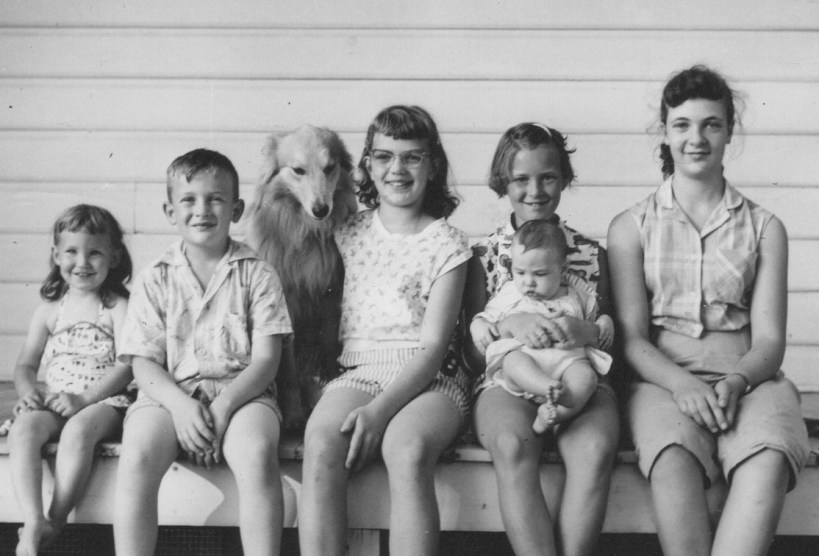
On the porch in Spring Valley in the Palouse – me at age two with Nancy holding my baby brother Steve along with the Schmitz cousins – Joe, Barbara and Carol

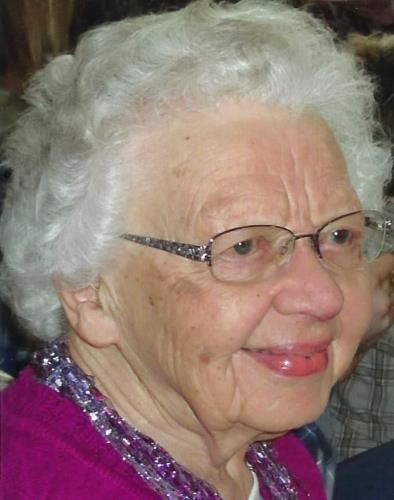
My Aunt Betty Buchholz Schmitz lived for most of her 102 years in landscapes that could be summer-rich with golden crops yet in winter, harsh, bleak and empty. She weathered it all with hard work, grace and an innate sweetness born of her faith.

She was carried away last week to her true home to join my mother’s brother, Albert, and so many family and friends who had gone before her, including my mother who always felt blessed to call Betty her sister through marriage.

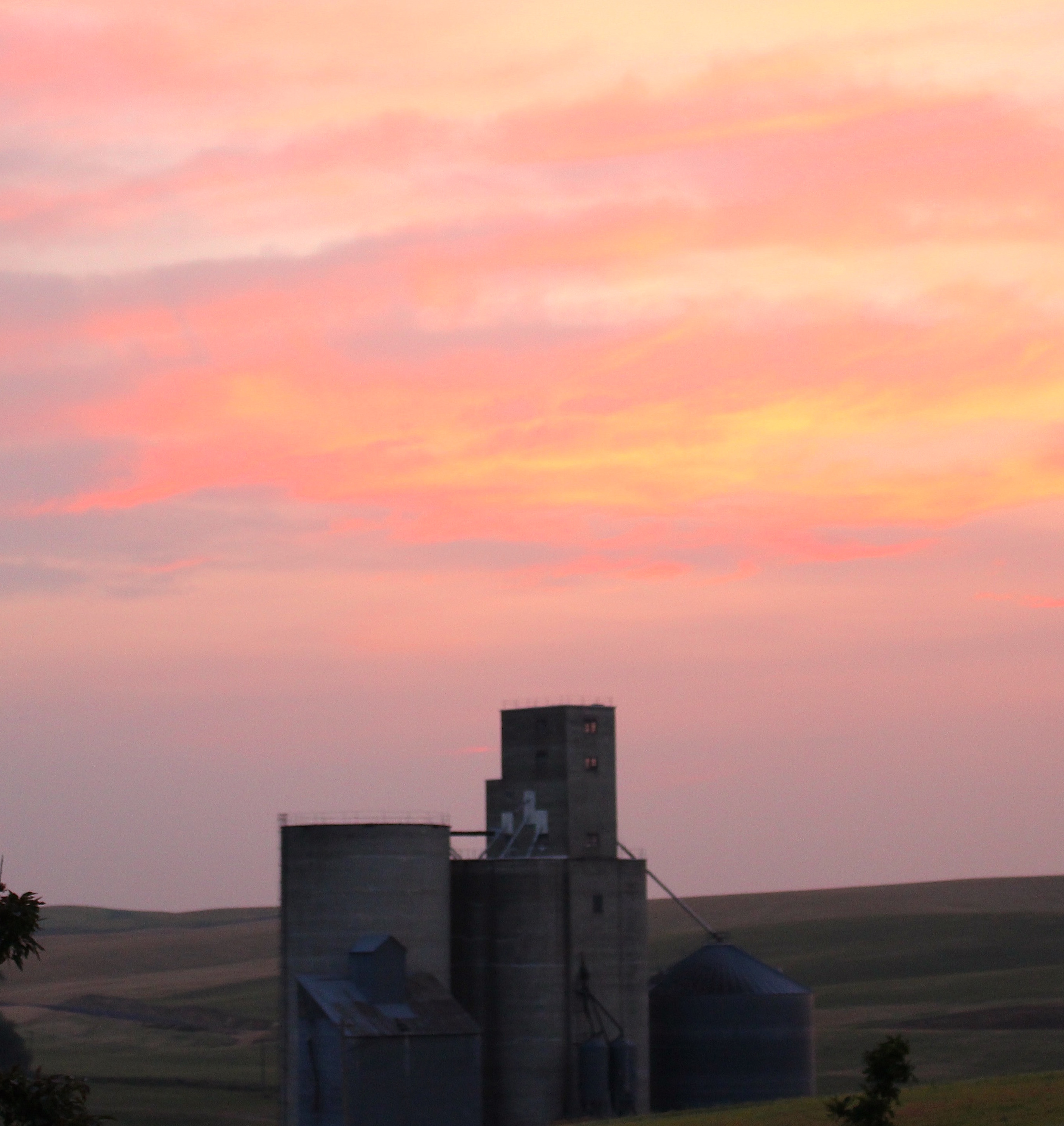
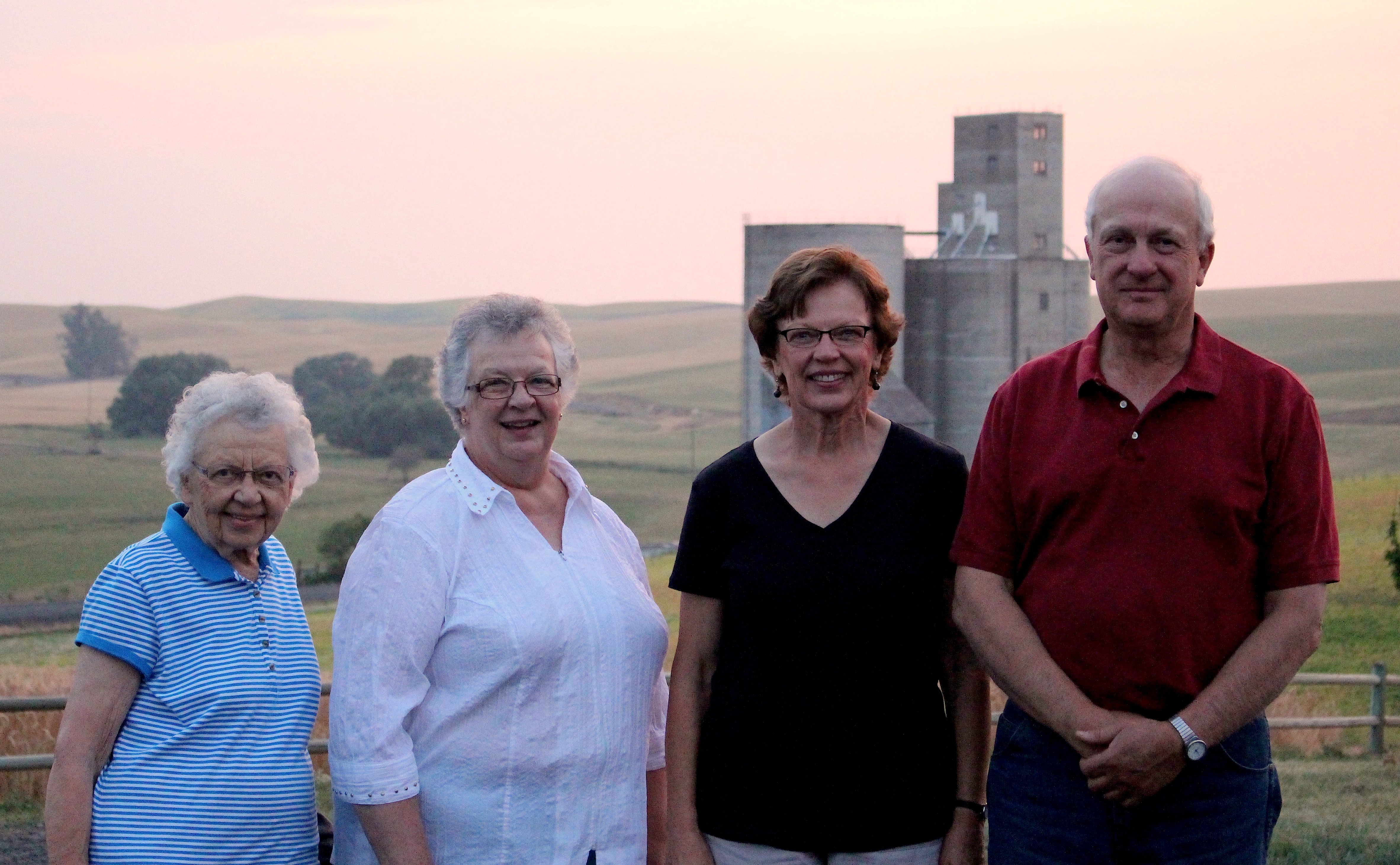
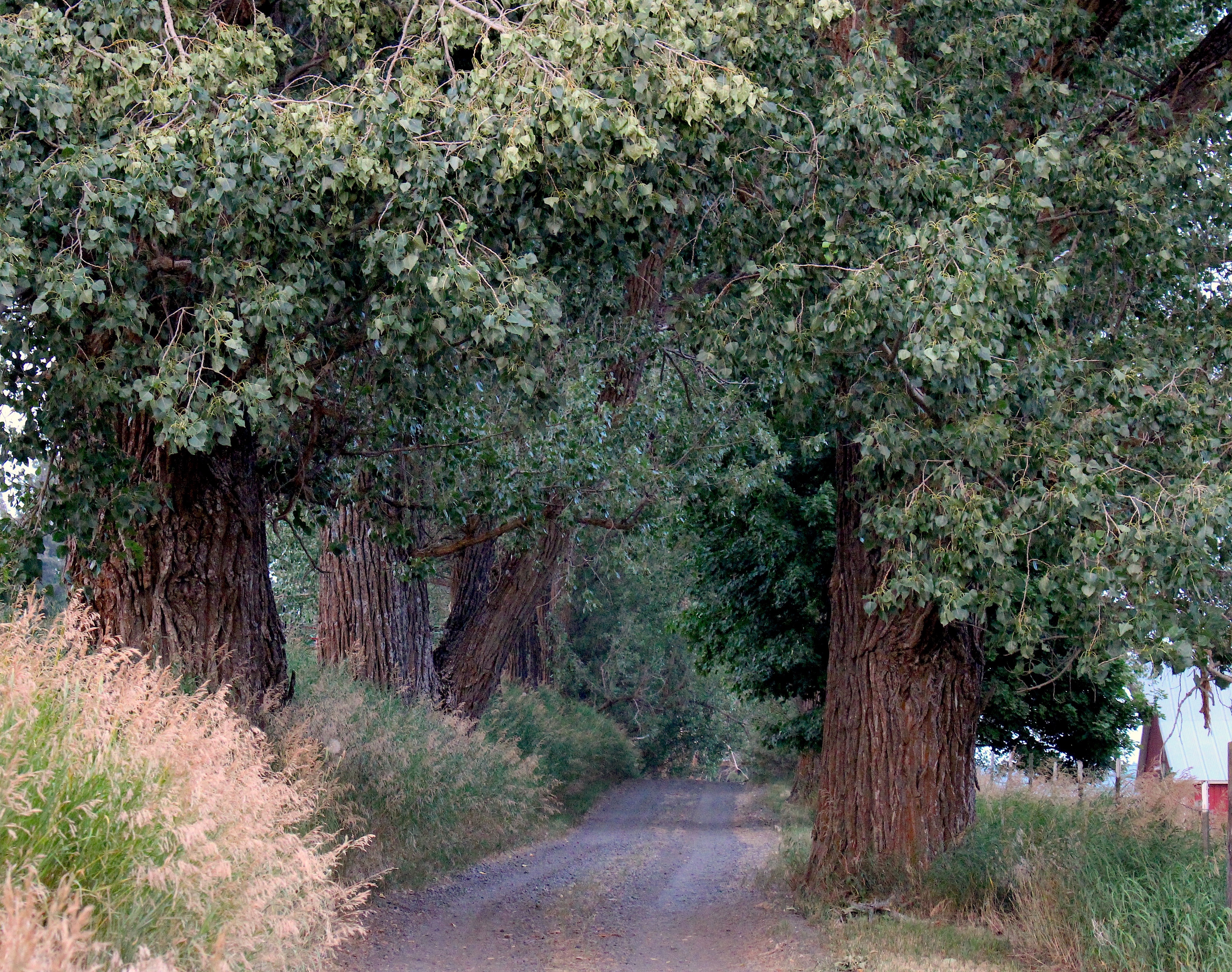
I remember Aunt Betty from my earliest days as we would make an annual summer visit to our cousins in Spring Valley, a tiny place with train tracks and a grain elevator in the middle of the rolling hills of the Palouse country of eastern Washington. I felt such a surge of excitement as we entered the long poplar-lined driveway that we could see from the road from far away.

My Palouse family lived in the farm house where my mother and uncle were born – a magical place of two stories with an enclosed staircase and many rooms, a huge basement, a sleeping porch for summer, a working windmill, as well as numerous outbuildings that contained everything Palouse wheat and lentil farmers needed to survive. The house was nestled in a small vale between the surrounding hills, to protect it from chill winter winds and stay cool in the shadows on blazing hot summer days.

Betty was a woman who was soft-spoken, always humble and eager to lend herself wherever needed. She cooked and baked huge meals, and used a wringer-washer and clothesline for never-ending loads of farm laundry. Her home was warm and welcoming with true heart-felt hospitality, even decades later after she moved to a house “in town” – a metropolis with just a few hundred neighbors.

Although a pioneer in the sense of living remotely with minimal conveniences, Betty and her brother Kenneth became pioneers in the 1960’s living donor kidney transplant program, as one of the first successful transplants. This must have required immense courage and stamina from a farm mother of three children, yet she was able to give her brother years of life that he otherwise would not have had.

Over the years, Betty sent cards and letters of encouragement to me in between our occasional visits to see her. She was the kind of aunt that modeled how I wanted to be and I have too often fallen short of her example.

I hoped to see Betty this summer, having missed visits over the last two years of COVID restrictions in her assisted living facility. Instead I will look for her smiling face and listen for her warm voice amid a lengthening list of beloved family and friends when I am called home some day myself.

I’ll see you again, Betty, in the glades of those rolling hills and the shadowed softened vales of the valleys. You will hold out your hand and make sure I feel at home there, just as you did for me during your century here.

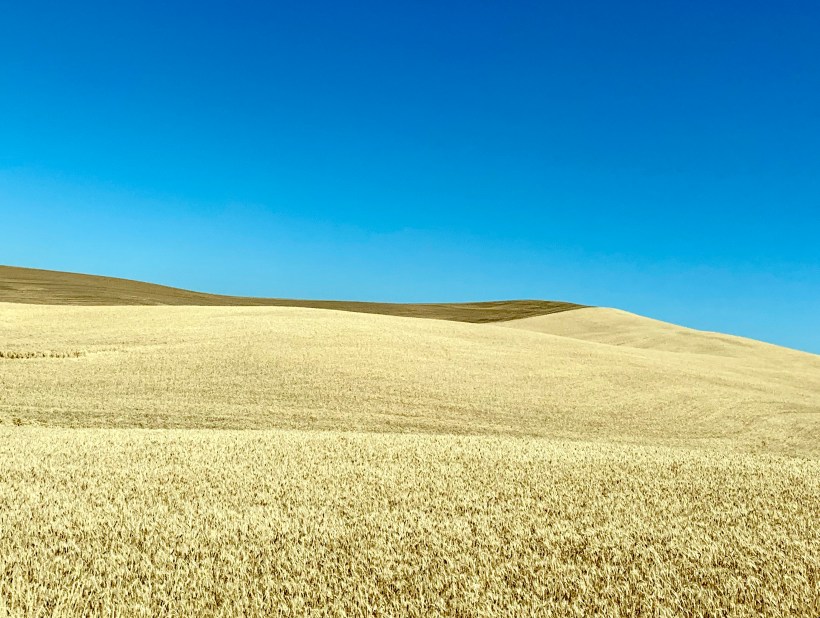
Palouse fields
Poplar-lined driveway to the Schmitz farm

Giving Himself Away

Who loves the rain    
    And loves his home, 
And looks on life with quiet eyes,  
     Him will I follow through the storm;    
     And at his hearth-fire keep me warm;
Nor hell nor heaven shall that soul surprise,    
     Who loves the rain, 
     And loves his home, 
And looks on life with quiet eyes.

~Frances Shaw, “Who loves the rain” from Look To the Rainbow of Grace

Now more than ever you can be
generous toward each day
that comes, young, to disappear
forever, and yet remain
unaging in the mind.
Every day you have less reason
not to give yourself away.
~Wendell Berry from “There is no going back”


On this day you were born,
I thank God yet again
for bringing you to earth
so we could meet,
raise three amazing children,
and walk this journey together
with pulse and breath and dreams.

The boy you were
became the man you are:
so blessed by God,
needed by your family, church and community.

You give yourself away every day with such grace,
loved by your children and grandchildren.

It was your quiet brown eyes I trusted first
and just knew
I’d follow you anywhere
and I have.

In this journey together,
we inhabit each other,
however long may be the road we travel;
you have become the air I breathe,
refreshing, renewing, restoring~~
you are that necessary to me,
and that beloved.

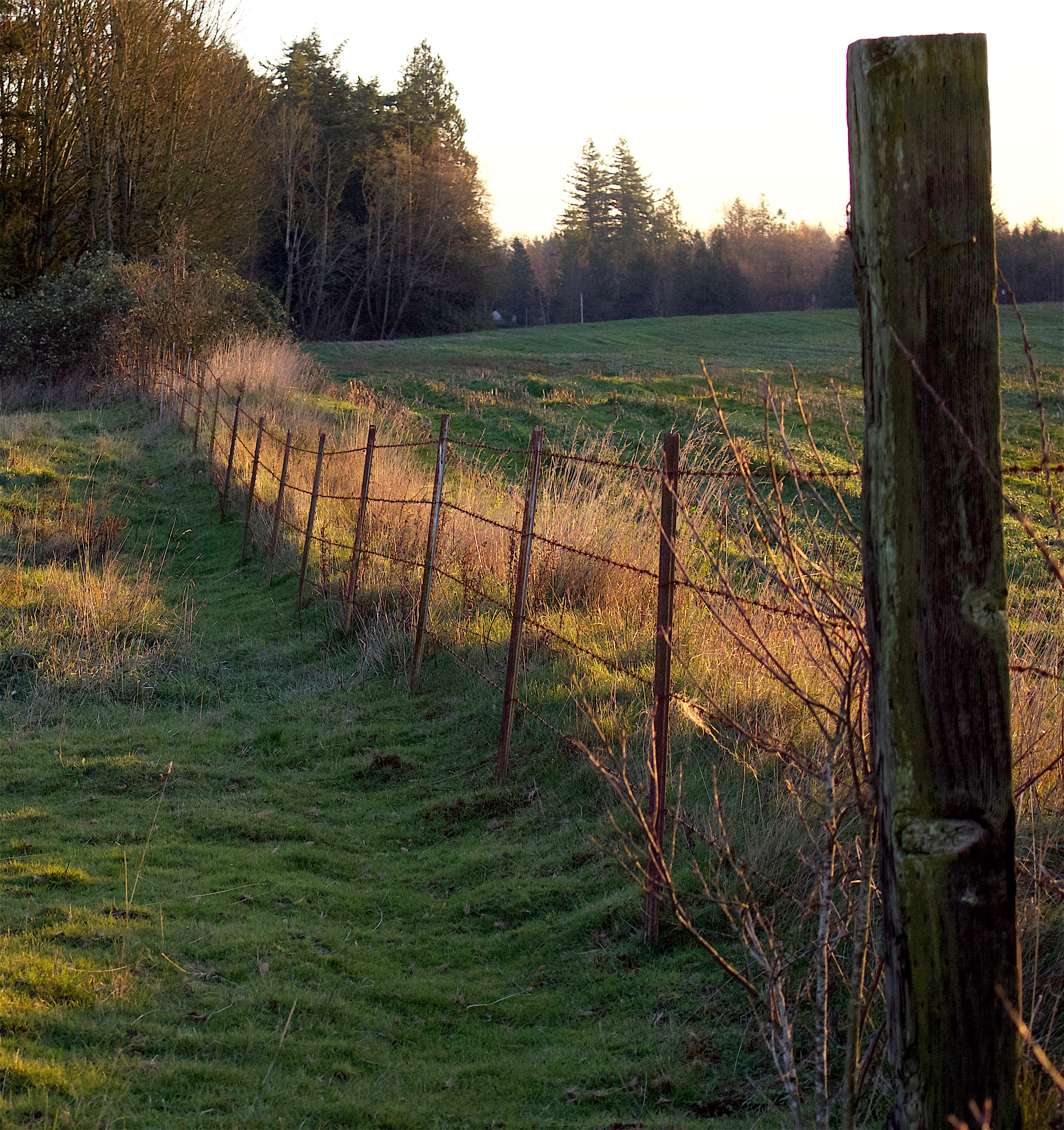
A Corner Post

If you stand here you can see the barn.
You can see it from every point on these two hundred acres,
but this spot is the closest.

Here’s a fence post–use your imagination–
that used to be a corner post
for all the fences on this farm.
~Curtis Bauer from “Imaginary Homecoming”
from Fence Line

Brushy fencerows are in a sense a gift from man to nature —
at least if, after the posts are dug in and the fence stapled to the posts, nature is given some free reign. Birds sitting on the fence and posts will pass undigested seeds in their droppings. Some of these seeds of blackberry, wild cherry, elderberry, bittersweet, sassafras, mulberry, and unfortunately, in some areas, multiflora rose, will take root in the loose soil around the posts and later in soil dug up by woodchucks. Chipmunks scurrying along the fence will bring and bury acorns and hickory nuts, while the wind will deliver dandelion, milkweed, and thistle seeds — all ingredients for a healthy fencerow.
~David Kline from Great Possessions

Standing in certain spots on our farm,
at certain times of day
and certain times of year

I think I can see and be seen
into forever,
the expanse of sky unending,
touching shadowy hilltop silhouettes.

I look for the Corner Post from which
all boundaries extend,
fencing in the known and unknown from this spot.
I see the sanctuary which is safe haven to all that need to find rest,
a hub for our homecoming.

One-Time
Monthly
Yearly

Make a one-time or recurring donation to support daily Barnstorming posts

Make a monthly donation

Make a yearly donation

Choose an amount

¤5.00
¤10.00
¤20.00
¤5.00
¤15.00
¤100.00
¤5.00
¤15.00
¤100.00

Or enter a custom amount

¤

Your contribution is deeply appreciated.

Your contribution is appreciated.

Your contribution is appreciated.

DonateDonate monthlyDonate yearly
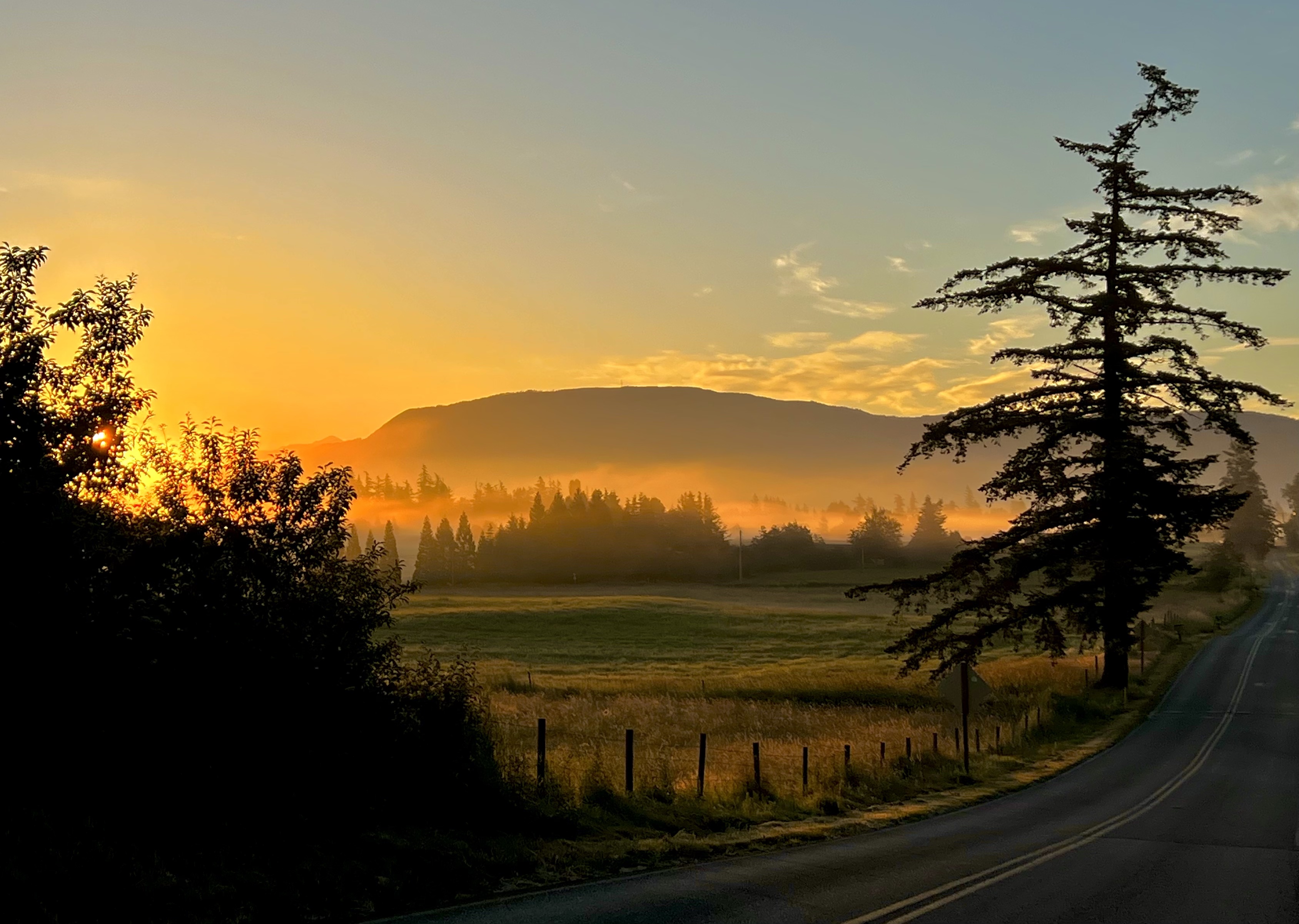
A Deep Breath Over and Over

You can
die for it-
an idea,
or the world. People
have done so,
brilliantly,
letting
their small bodies be bound
to the stake,
creating
an unforgettable
fury of light. But
this morning,
climbing the familiar hills
in the familiar
fabric of dawn, I thought
of China,
and India
and Europe, and I thought
how the sun
blazes
for everyone just
so joyfully
as it rises
under the lashes
of my own eyes, and I thought
I am so many!
What is my name?
What is the name
of the deep breath I would take
over and over
for all of us? Call it
whatever you want, it is
happiness, it is another one
of the ways to enter
fire.

~Mary Oliver “Sunrise”

I woke at 5:10 AM bathed in rose-light. When I looked out the window, I could tell something extraordinary was happening in the sky.

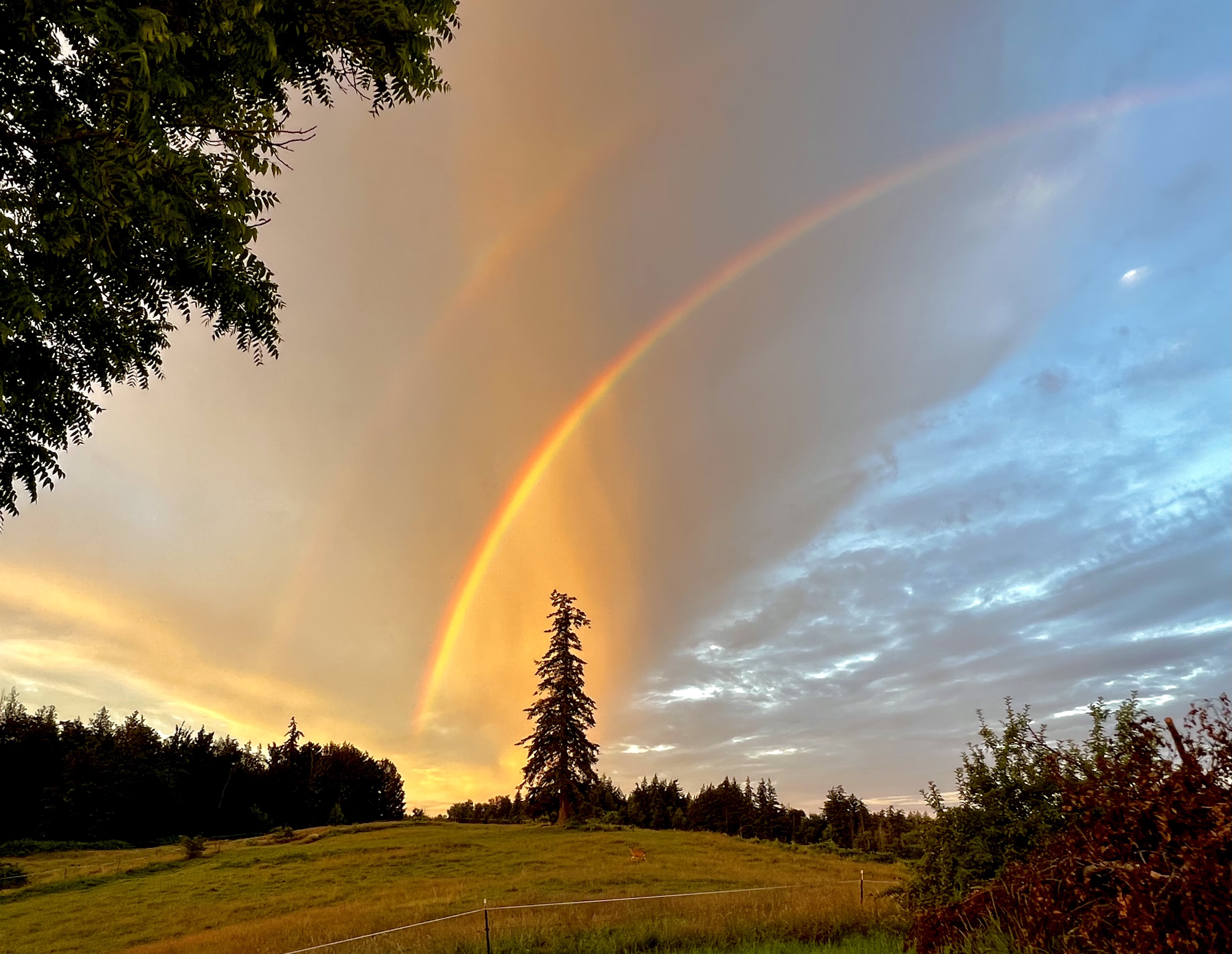
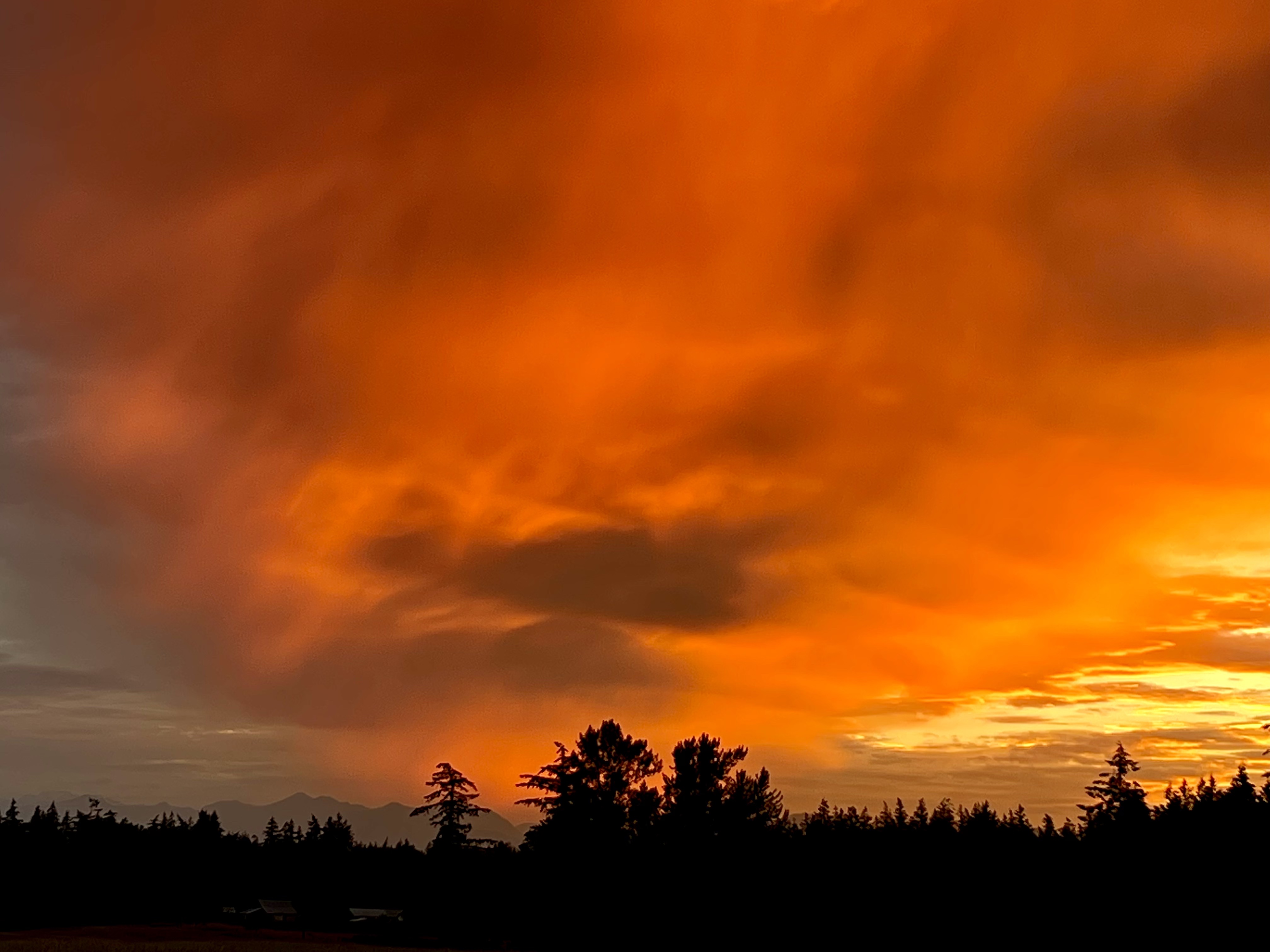
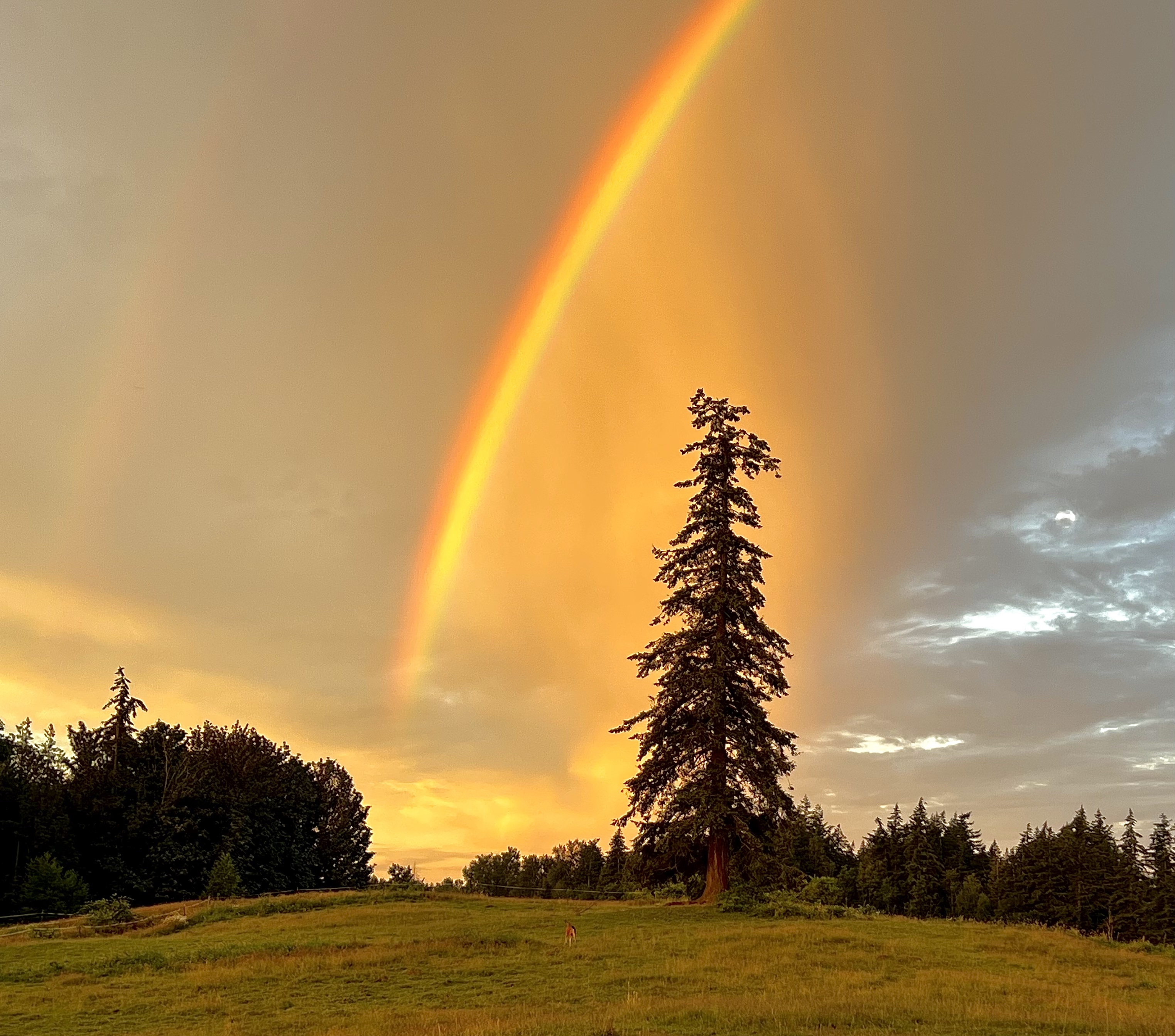
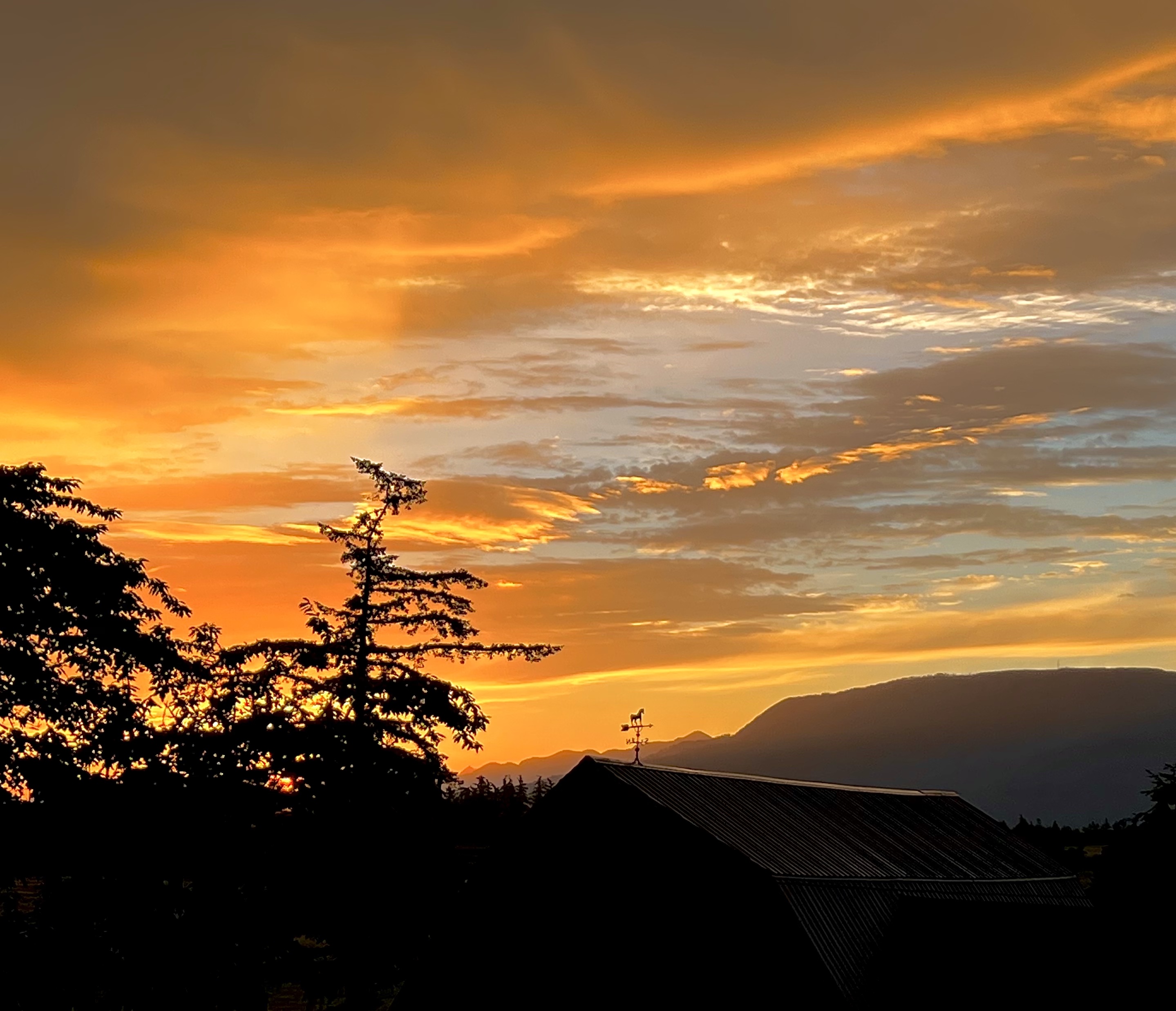
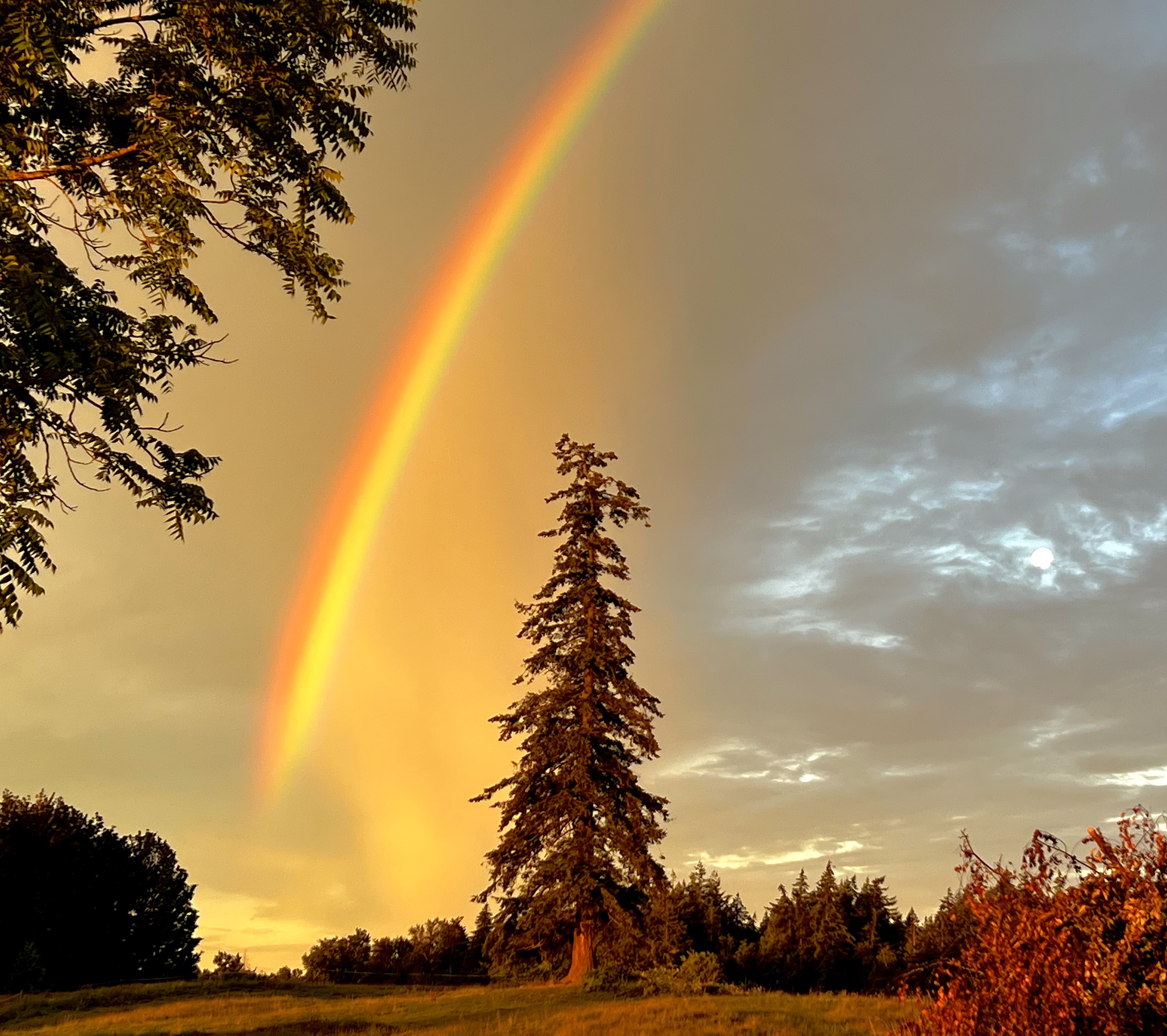
Here is what I saw: a turmoil of clouds to the northeast reflecting the fire of the sun, sunrise rays over our barn, and remarkably to the south west, a bright rainbow at dawn pouring glory onto our hill pasture.

But most remarkable of all is the deer standing in our pasture witnessing it all with me. She looked at me, then looked at the rainbow and wandered off to be drenched in its color, her thirst quenched.

So my thirsty soul longs to enter the fire of God’s promise to us. I breathe deeply of this.

One-Time
Monthly
Yearly

Make a one-time or recurring donation to support daily Barnstorming posts

Make a monthly donation

Make a yearly donation

Choose an amount

¤5.00
¤10.00
¤20.00
¤5.00
¤15.00
¤100.00
¤5.00
¤15.00
¤100.00

Or enter a custom amount

¤

Your contribution is deeply appreciated.

Your contribution is appreciated.

Your contribution is appreciated.

DonateDonate monthlyDonate yearly
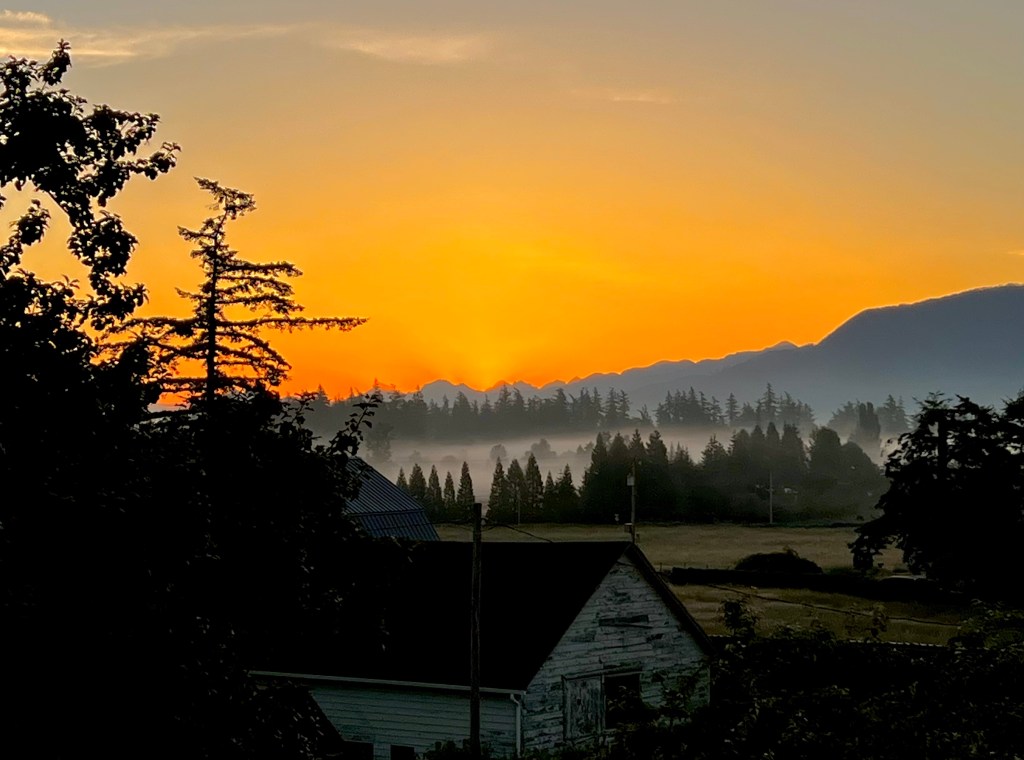
Summer Nap

In the afternoon of summer, sounds
come through the window: a tractor
muttering to itself as it

Pivots at the corner of the
hay field, stalled for a moment
as the green row feeds into the baler.

The wind slips a whisper behind
an ear; the noise of the highway
is like the dark green stem of a rose.

From the kitchen the blunt banging
of cupboard doors and wooden chairs
makes a lonely echo in the floor.

Somewhere, between the breeze
and the faraway sound of a train,
comes a line of birdsong, lightly
threading the heavy cloth of dream.

~Joyce Sutphen, “Soundings” from Naming the Stars

As a young child, I remember waking from my summer afternoon naps to the sights and sounds of our rural community. I could hear tractors working fields in the distance, farm trucks rumbling by on the road, the cows and horses in the fields, a train whistle in the distance and the ever-present birdsong from dawn to dusk.

These were the sounds of contentment and productivity, both together. Surely this is how heaven must be: always a sense of something wonderful happening, always a reason to celebrate, always a profound sense of respite and sanctuary.

Even now, there is that moment of awakening of my heart and soul from a summer nap when I try to listen for the chorus of angels outside my open window.

photo by Harry Rodenberger

One-Time
Monthly
Yearly

Make a one-time or recurring donation to support daily Barnstorming posts

Make a monthly donation

Make a yearly donation

Choose an amount

¤5.00
¤10.00
¤20.00
¤5.00
¤15.00
¤100.00
¤5.00
¤15.00
¤100.00

Or enter a custom amount

¤

Your contribution is deeply appreciated.

Your contribution is appreciated.

Your contribution is appreciated.

DonateDonate monthlyDonate yearly
I Know Why I’m Here

my mother wants me to
go to college

the closest she has ever been
is this
the dorm

her father had needed her
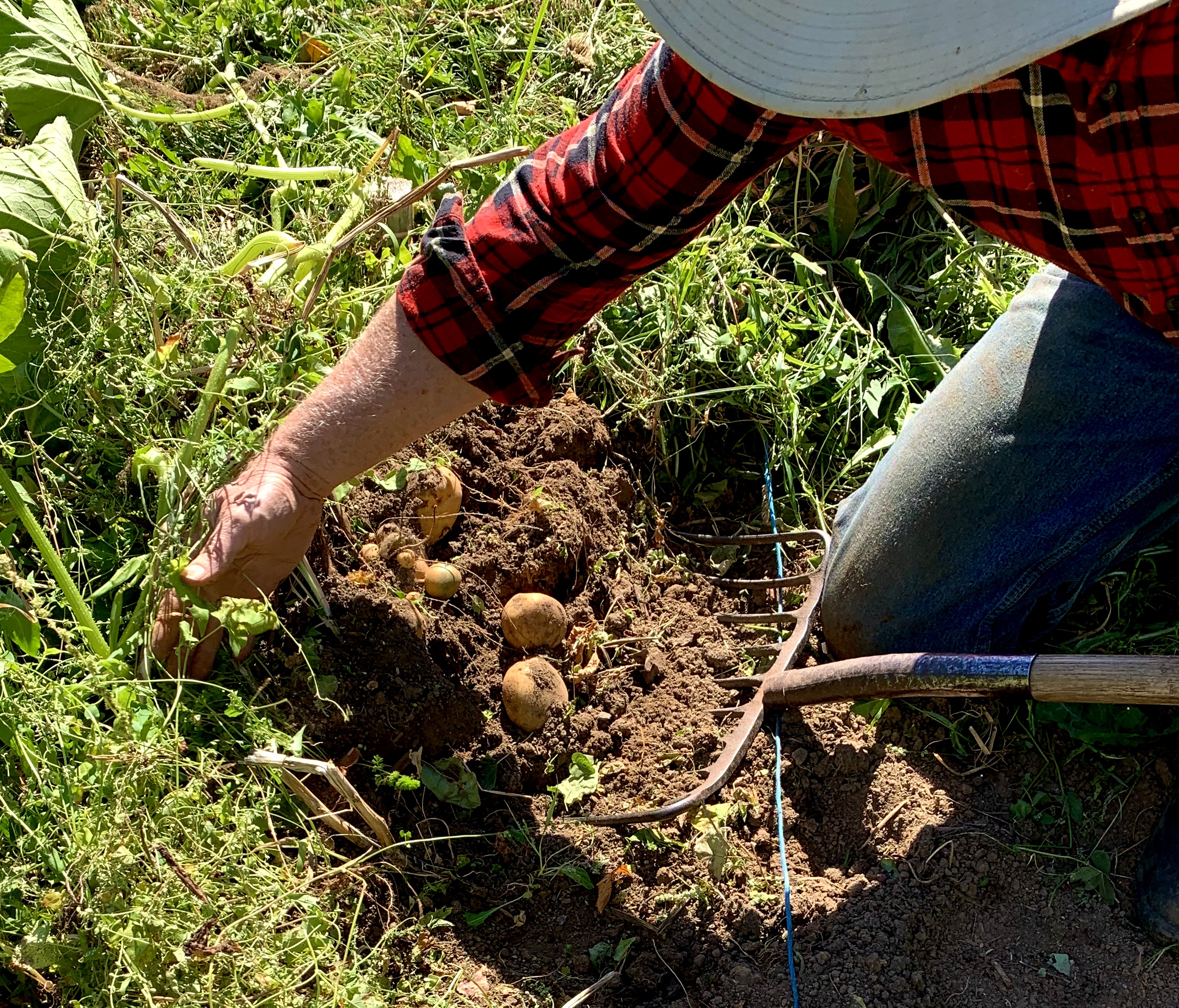
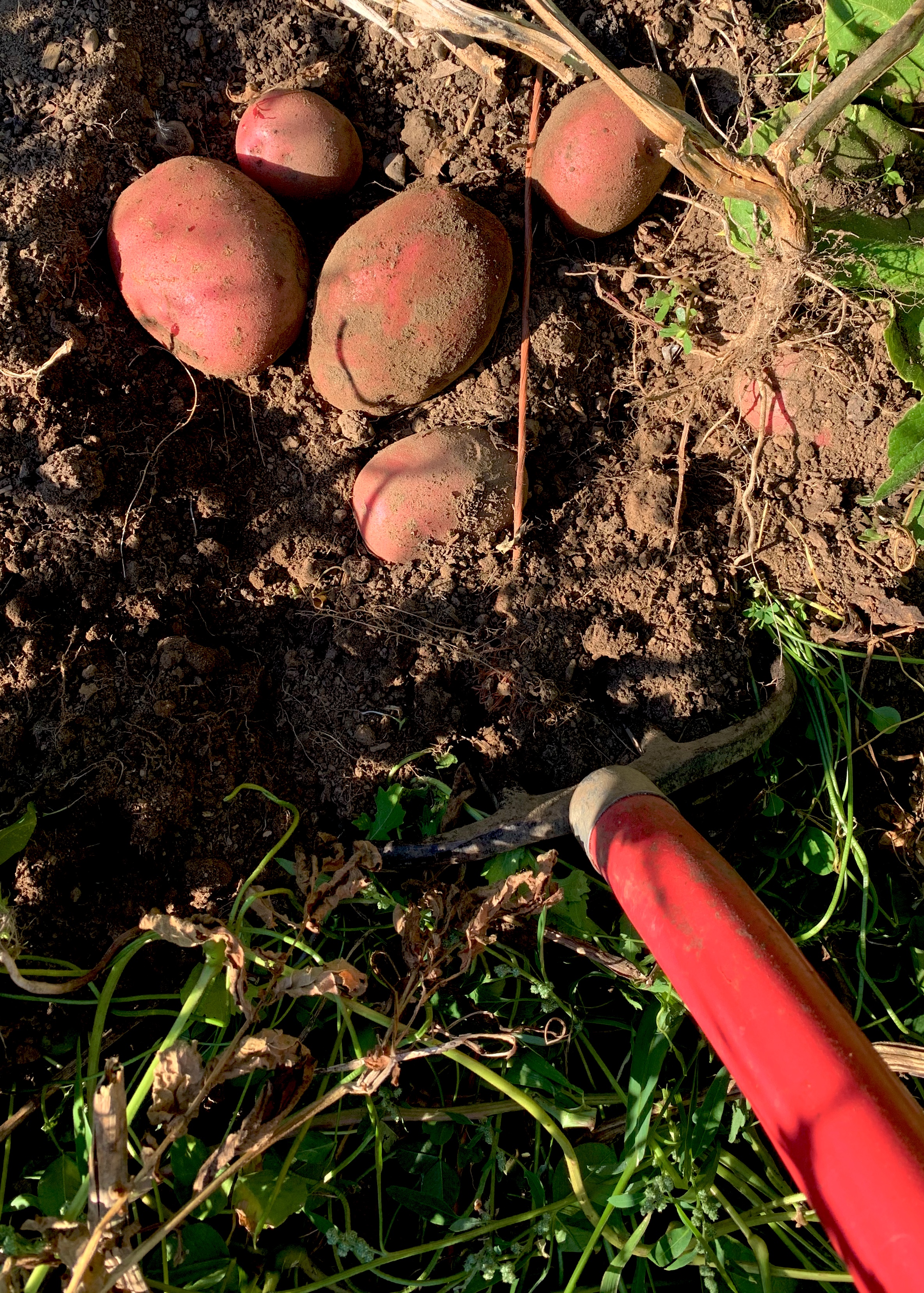
to dig the potatoes
and load them into burlap bags

but here she is
leaving her daughter

on the campus in the city time to go

we go to the parking lot

old glasses thick graying hair
she is wearing a man’s shirt
has to get back to the job

we stand beside her Ford and it is
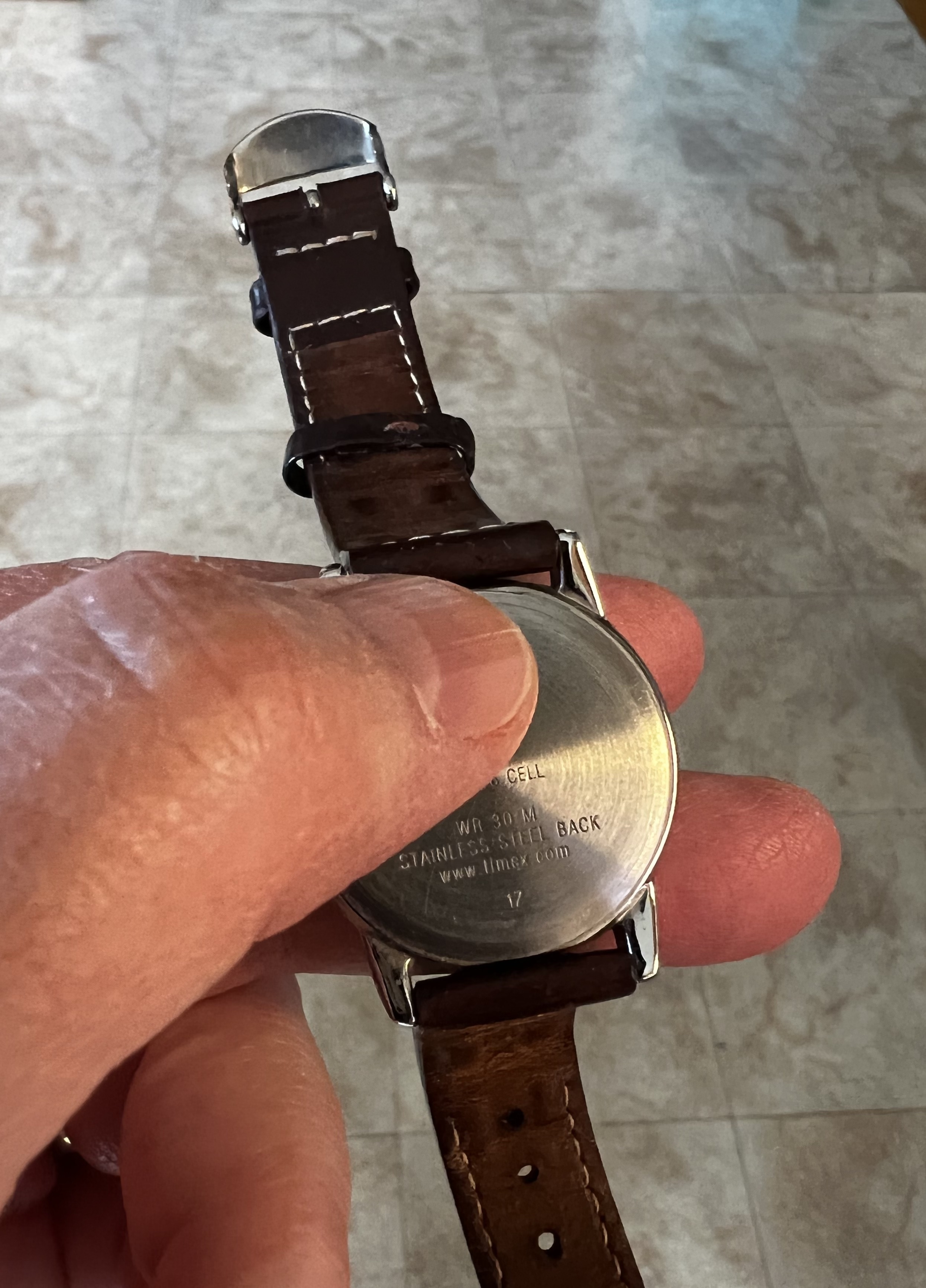
here she undoes the buckle of the watch
and holds it out to me

my father’s watch
keeping good time for him
and then for her

she says she knows I will
need a watch to get to class
we hug and she gets in

starts the car
eases into traffic
no wave

the metal of the back of the watch

is smooth to my thumb
and it keeps for a moment
a warmth from her skin.
~Marjorie Saiser from “She Gives Me the Watch off Her Arm” from 

I Have Nothing To Say About Fire

When I decided to attend college out of state, to a campus I had never seen before, my mother decided she couldn’t handle the goodbye in a strange place, so sent me on a two day drive with my dad. She was a very emotional person and he wasn’t, so he got the job of dropping me off.

It was a quiet car ride with only my dad and myself together. I think we both dreaded the upcoming parting moments.

When the moment came – my things scattered chaotically about my dorm room, marijuana smoke haze filling the dorm hallway and noise everywhere with loud music and the partings of students and parents – I looked at him with foreboding and desperation at this foreign environment to which I must learn to adapt. His eyes filled with tears — the first time in 18 years I had seen him cry — and he said “you know what you are here for,” hugged me tight and turned around and left.

My father didn’t give me anything but those parting words, but they still ring in my ears every day whenever I am feeling somewhat desperate, even now fifty years later.

It was a rough start at college for me, homesick as I was, in an unsupportive unstructured dorm environment. I came home at Thanksgiving that quarter and didn’t return until the following fall. But I finished strong and never looked back. You can’t go home again, not really.

Now I know what I am here for.

One-Time
Monthly
Yearly

Make a one-time and recurring donation to support daily Barnstorming posts

Make a monthly donation

Make a yearly donation

Choose an amount

¤5.00
¤10.00
¤20.00
¤5.00
¤15.00
¤100.00
¤5.00
¤15.00
¤100.00

Or enter a custom amount

¤

Your contribution is deeply appreciated.

Your contribution is appreciated.

Your contribution is appreciated.

DonateDonate monthlyDonate yearly
Where All the Berries Grow

Berry picking is a lesson in perspective:
I would miss most of the fruit
if I refused to lower my eyes,
then stoop and bend.

I push aside leaves and canes
to find the round and juicy globes,
gently pulling the berries
until they fall into my palm.
~Janet Ruth Heller, from “Picking Raspberries: Learning Perspective from  Nature’s Olympics

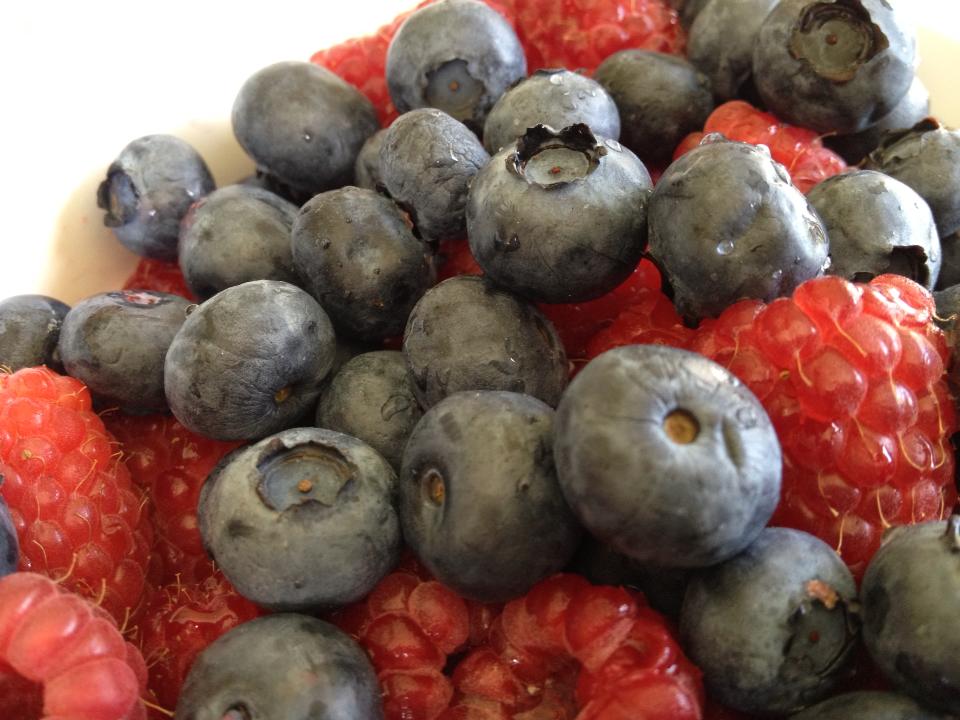
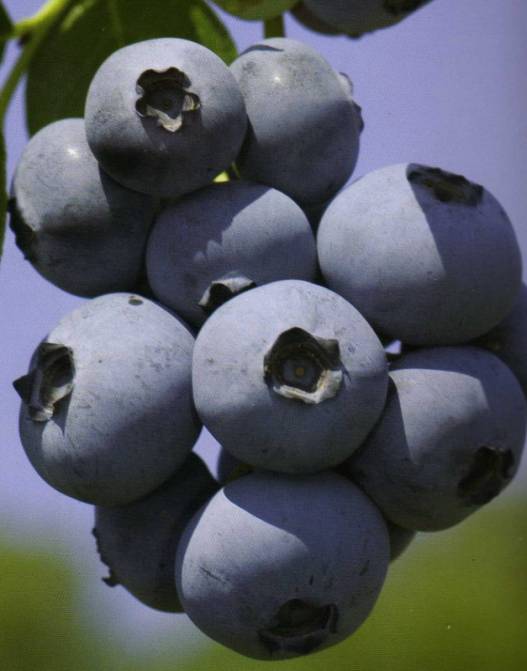
Blueberries as big as the end of your thumb,
Real sky-blue, and heavy, and ready to drum
In the cavernous pail of the first one to come!
And all ripe together, not some of them green
And some of them ripe!  You ought to have seen!

I wish I knew half what the flock of them know
Of where all the berries and other things grow,
Cranberries in bogs and raspberries on top
Of the boulder-strewn mountain, and when they will crop.
~Robert Frost from “Blueberries”

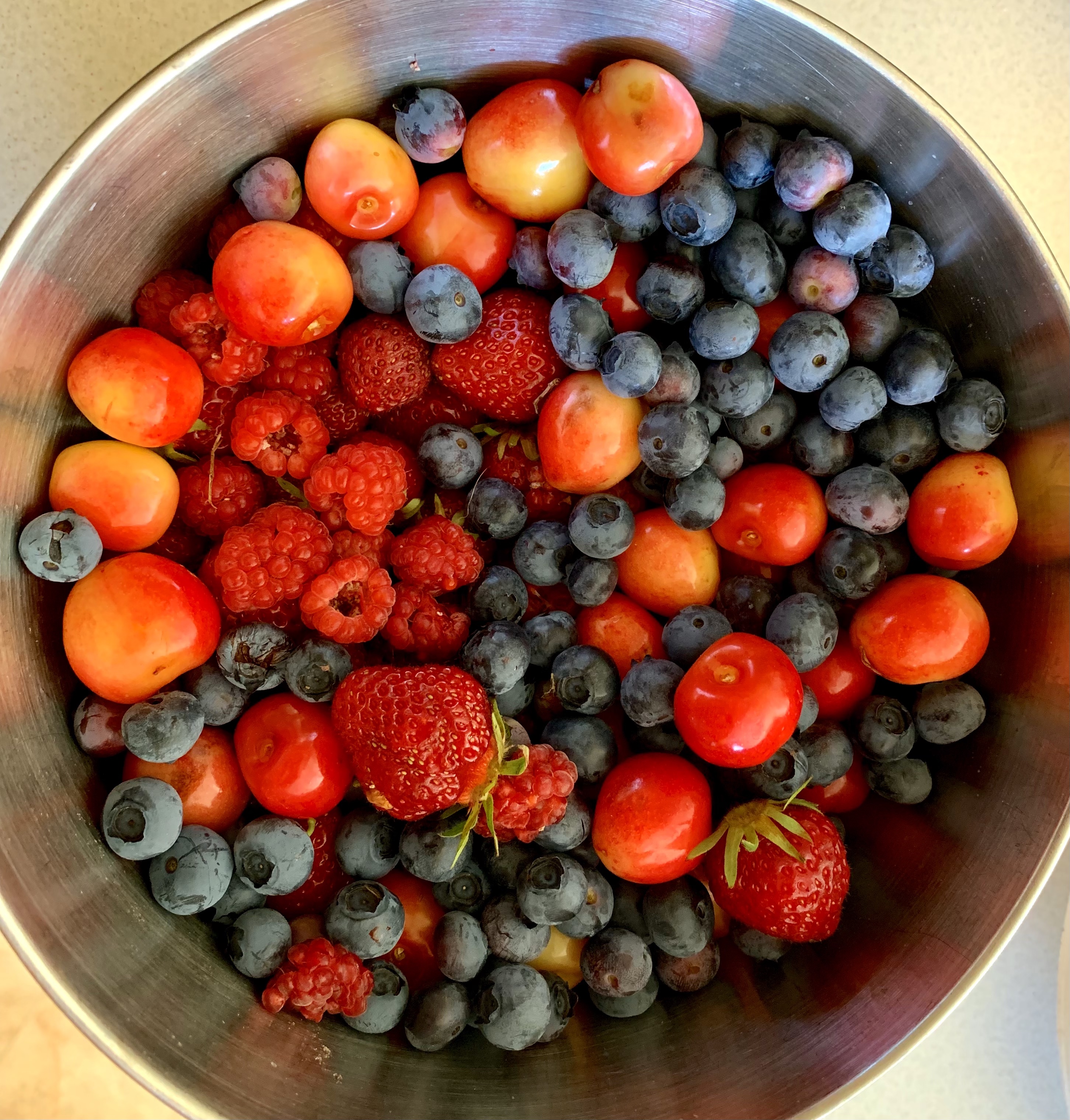
We live in the middle of a county with bountiful berries this time of year, both wild and farmed.

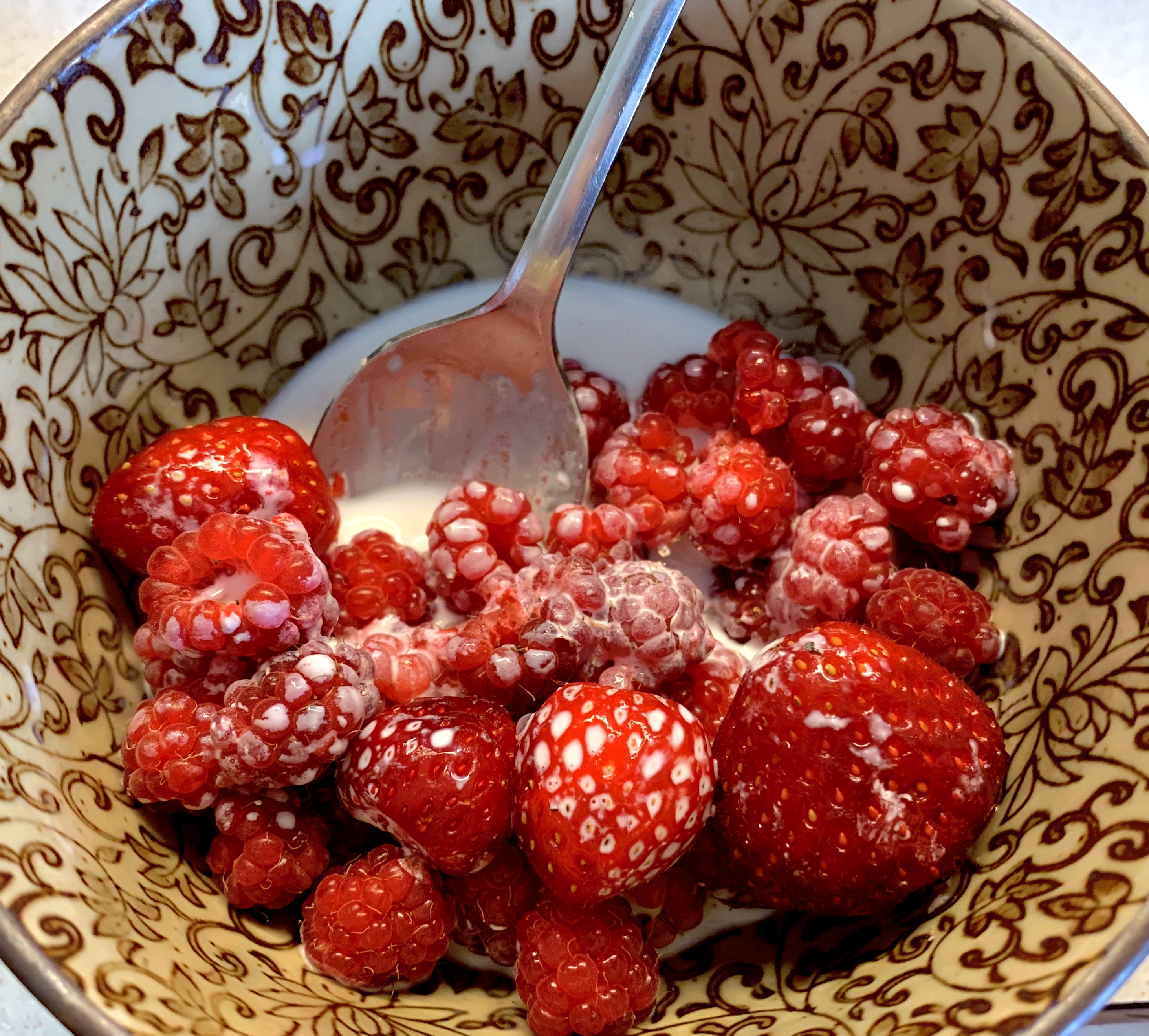
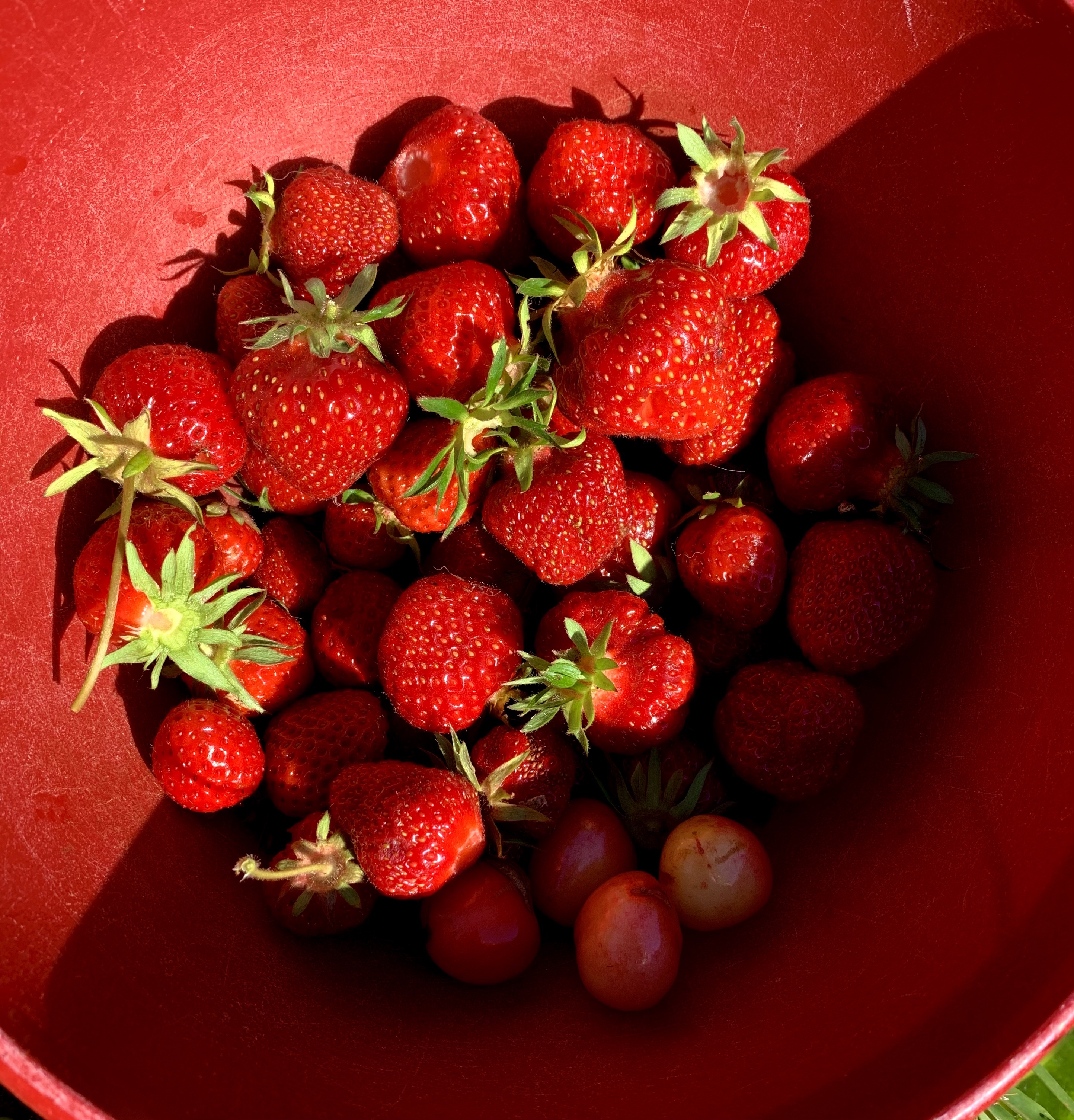
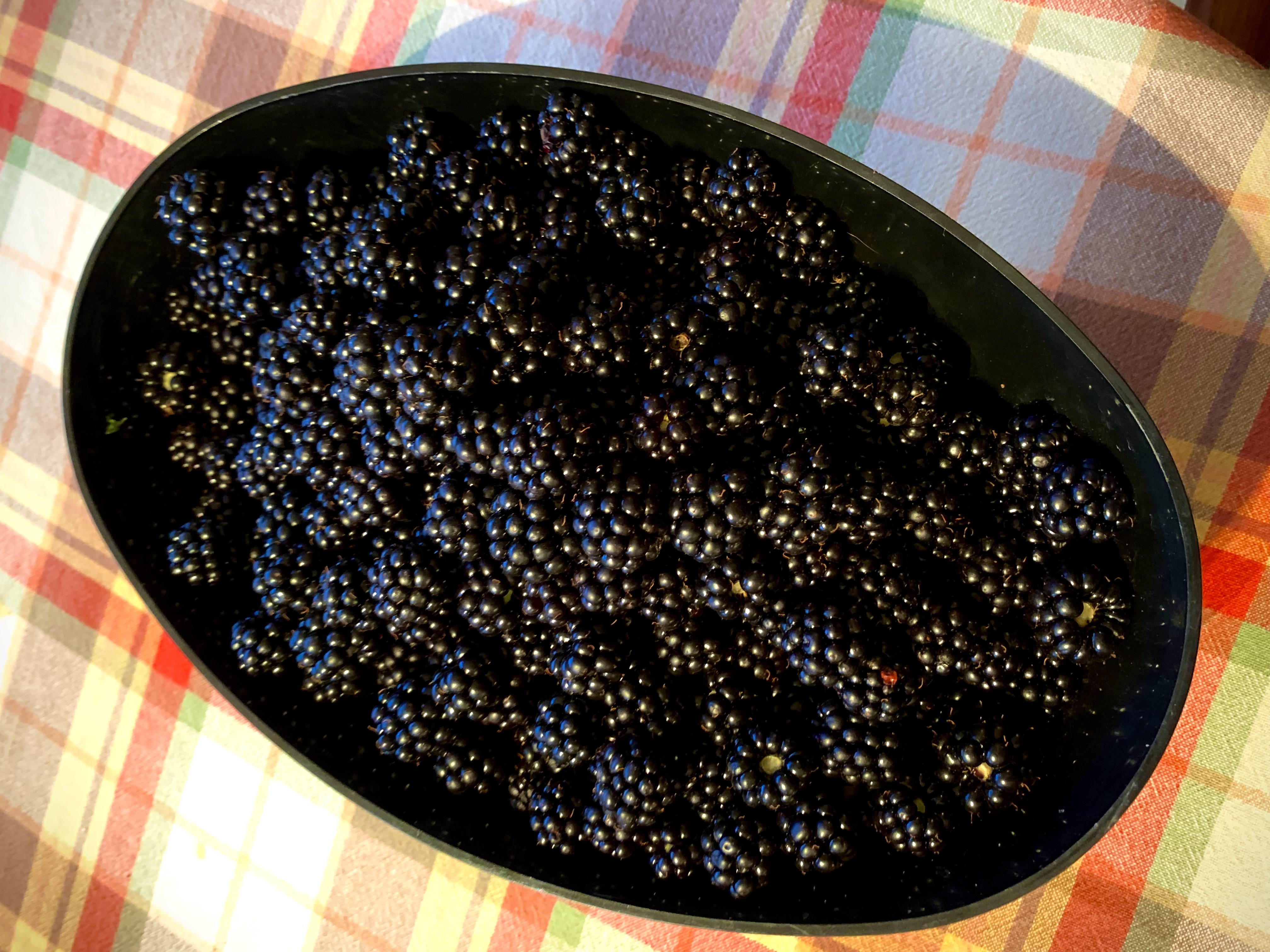
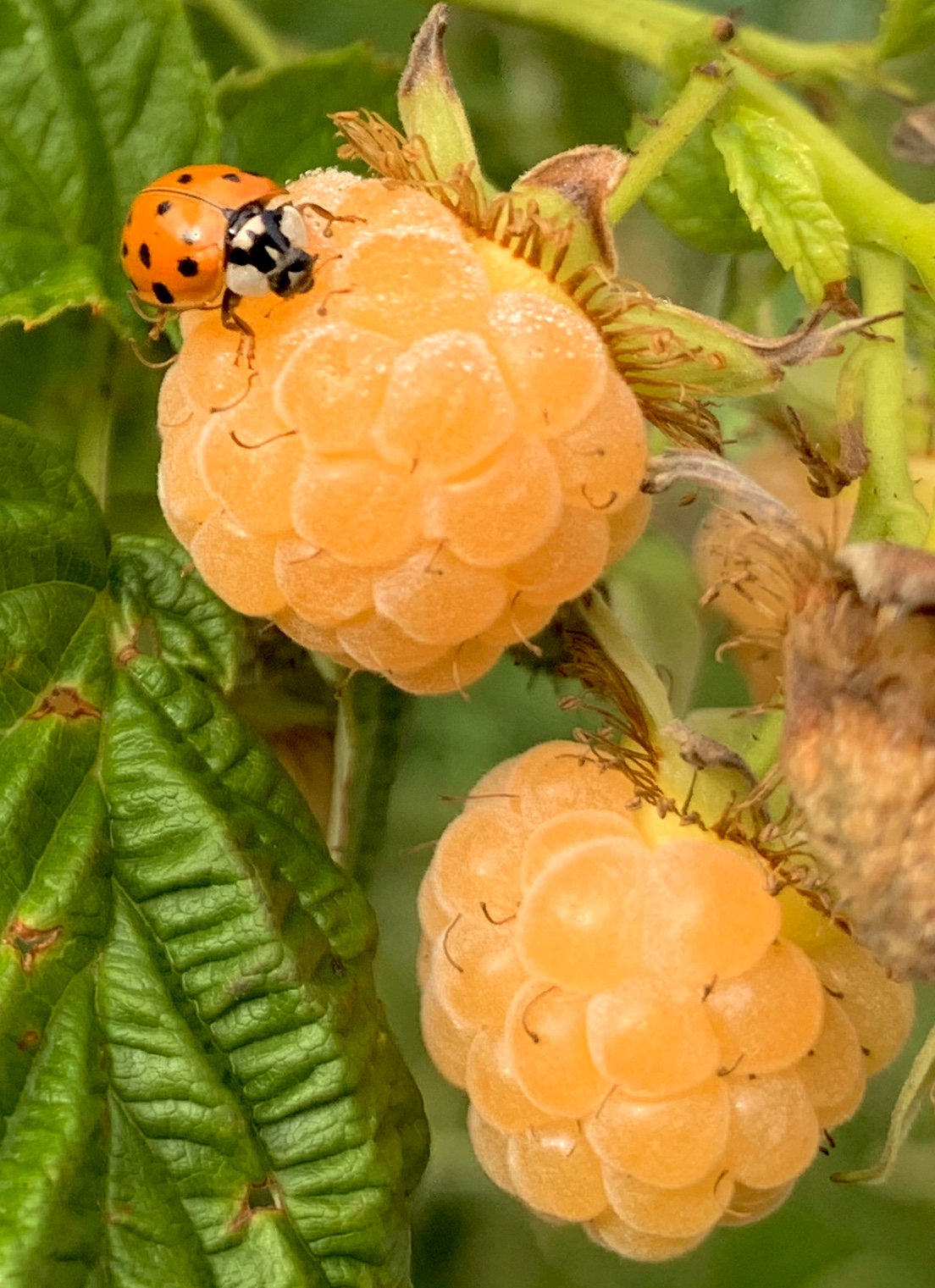
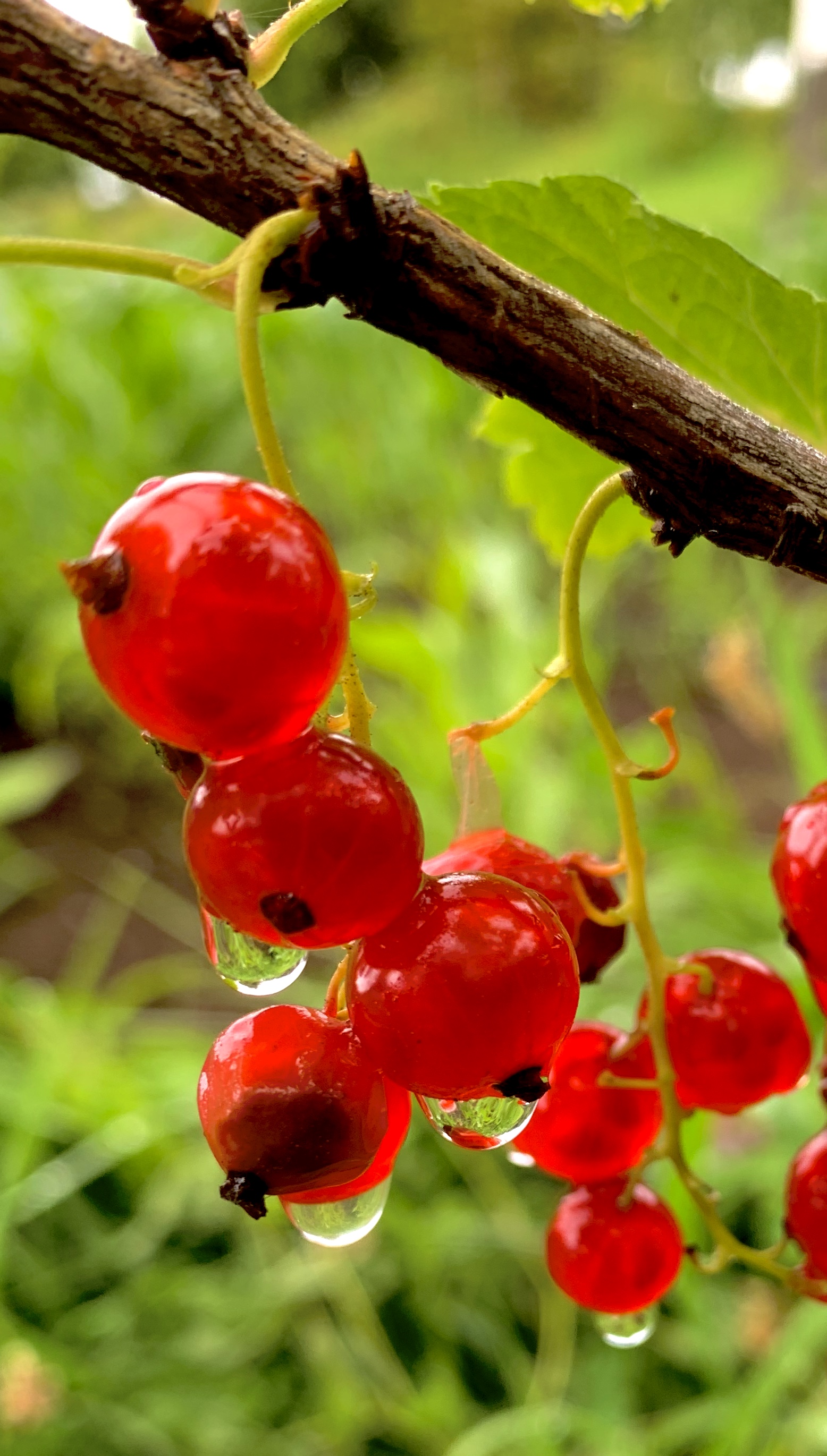
Just as sweet cherries are disappearing from the orchards and strawberry harvest finished a few weeks ago, now raspberries are going strong for almost three weeks and blueberries are hanging in heavy branch-busting clusters begging for relief.  Domesticated marion blackberries are already in the berry stands, but the wild evergreen and Himalaya wild blackberries are about two weeks from harvesting.  Local currants are shiny and glistening. 

It is truly a miracle to live within a few miles of all this lovely fruit, with many of them growing wild in our own back yards and woodlands.

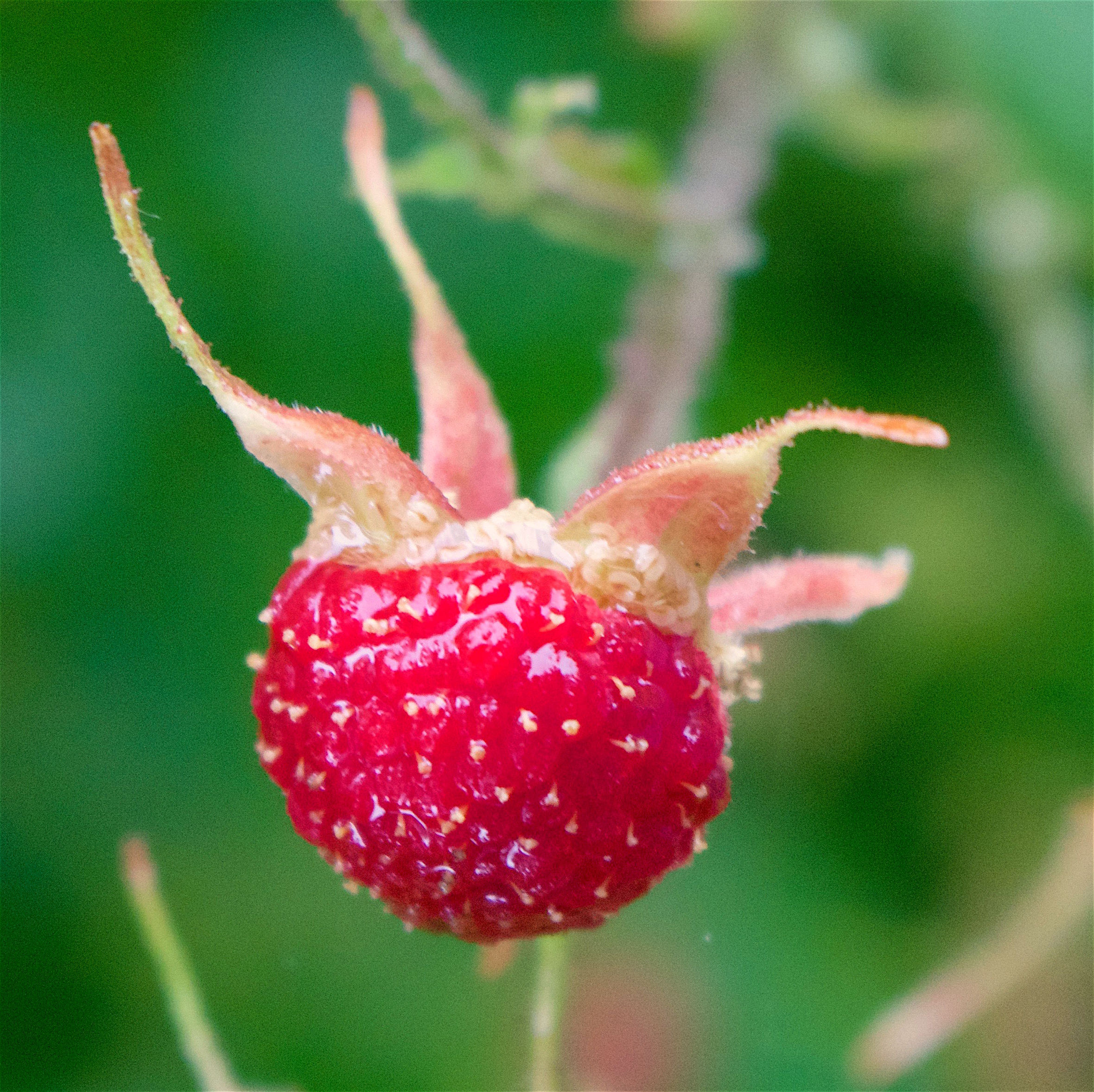
There are still wild strawberries in close-to-the-ground crawling vines with little roundish-shaped berries with a slightly tart taste, far more savory than the standard sweet juice laden market strawberry.  Thimble berries hang from wild bushes – salmon colored, red and black varieties.  Orange huckleberries grow wild in the low lands, and purple huckleberries are happiest up in the foothills, a great treasure find for hikers.  Most highly prized, however, are the sweet tiny wild blackberries that are ripening on gentle winding vines right now at the edges of the woods and fences, as well as in roadside ditches or around tree stumps.  They command huge prices per pound because it takes such effort to find and pick them.

As a child of the Pacific Northwest, growing up on a farm with both wild and domesticated berry vines and bushes, this was simply part of summer as I knew it.  I watched the blossoms, then the forming fruit, then watched as the color would get just right, waiting to pick until the precise moment of ripeness before the birds would beat me to it.  I also picked in the local fields as a summer job, including wild blackberries from our own woods, for 3 cents a pound.  For the sweet wild blackberries, a yield of 75 cents was an exceptionally great day.

I preferred blueberry picking most of all.  When I now put a blueberry in my mouth, I transport back to those summer days that started at 6 AM, walking down the road to the neighbor’s berry field with pungent smelling peat ground converted from swamp to productive berry farm before the legislation that now prevents messing with wetlands.  The bushes were tall, towering over my head, providing shade in the hot sweaty July  sun.  The berry clusters were easy to find, there were no thorns to shred sleeves and skin, and the berries made a very satisfying *plink* when they hit the empty pail.  They didn’t smush, or bruise, and didn’t harbor many bees, spider webs or ugly bugs.  They were refreshingly sweet and rejuvenating when a quick snack was in order.   I wasn’t even aware, as I am now, that blueberries contain anthocyanins and other antioxidant chemicals believed to be helpful in preventing the growth of cancer cells.   In short, blueberries were perfect then, and they are perfect now.

There are now so many raspberry and blueberry fields in our county,  the price per pound has dropped and the market is sometimes shaky and it is a bigger challenge to find berry pickers.  A few years ago one farmer put a full page ad in the local newspaper today, begging the public to come pick his ripe blueberries at 99 cents a pound, just to get them off his bushes.  I stopped by another farm’s roadside stand and chatted with the Sikh owner and his three young sons as they measured out my 5 pounds of luscious blueberries.  He was philosophical about the low prices, explaining he was a patient man, and he hoped the bushes would yield blue gold for his family for a very long time, even if some years are low price years.

As a fellow farmer, I am aware of how one’s carefully tended crops can go to waste, whether it is due to weather or pests or the vagaries of the market.  I hope our berry farmers can persist through the hard times so the exquisite perfection of a local berry bounty can continue in such variety of colors, shapes and sizes, even some as big as the end of your thumb.

One-Time
Monthly
Yearly

Make a one-time or recurring donation to support daily Barnstorming posts

Make a monthly donation

Make a yearly donation

Choose an amount

¤5.00
¤10.00
¤20.00
¤5.00
¤15.00
¤100.00
¤5.00
¤15.00
¤100.00

Or enter a custom amount

¤

Your contribution is deeply appreciated.
Your contribution is appreciated.

Your contribution is appreciated.

DonateDonate monthlyDonate yearly