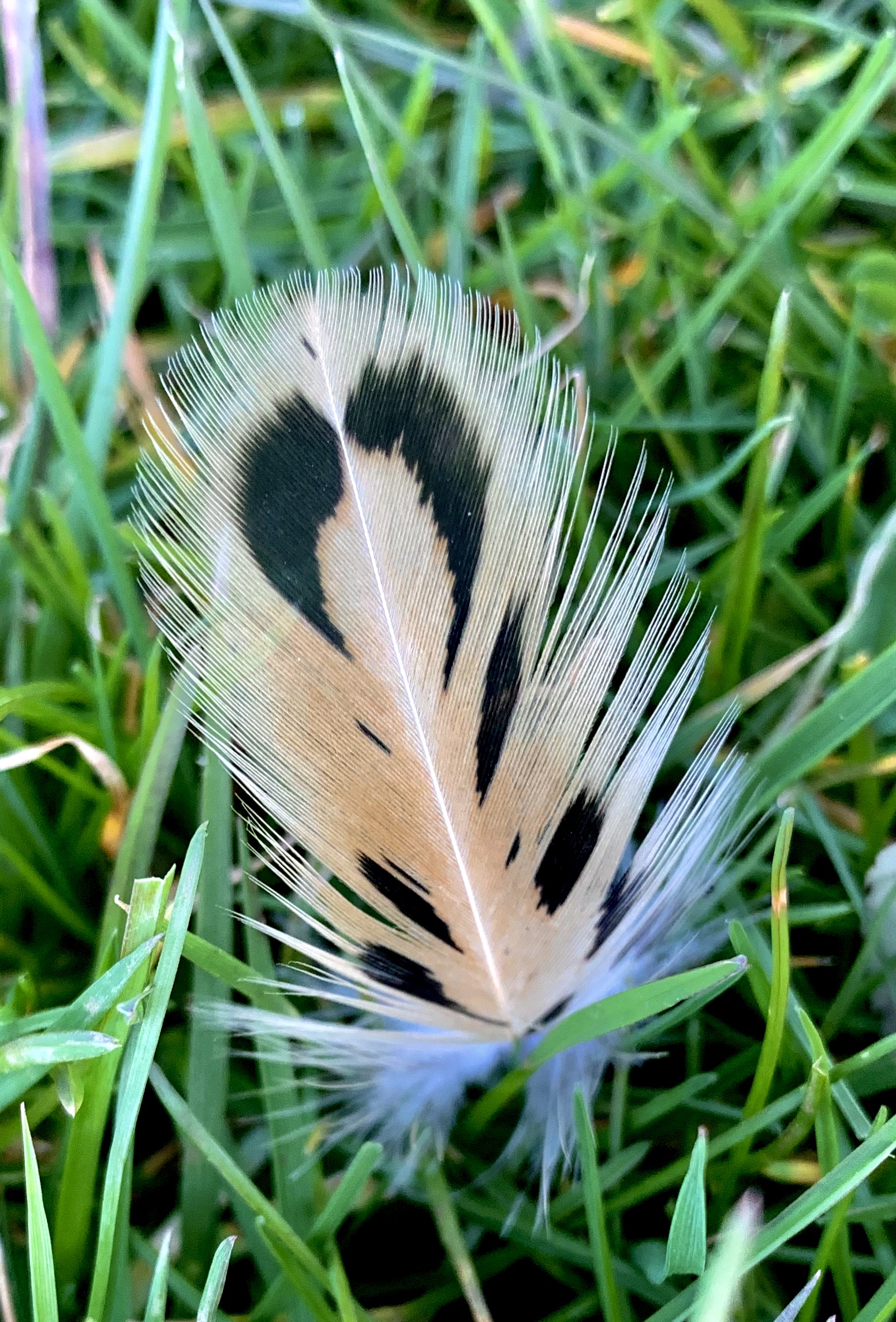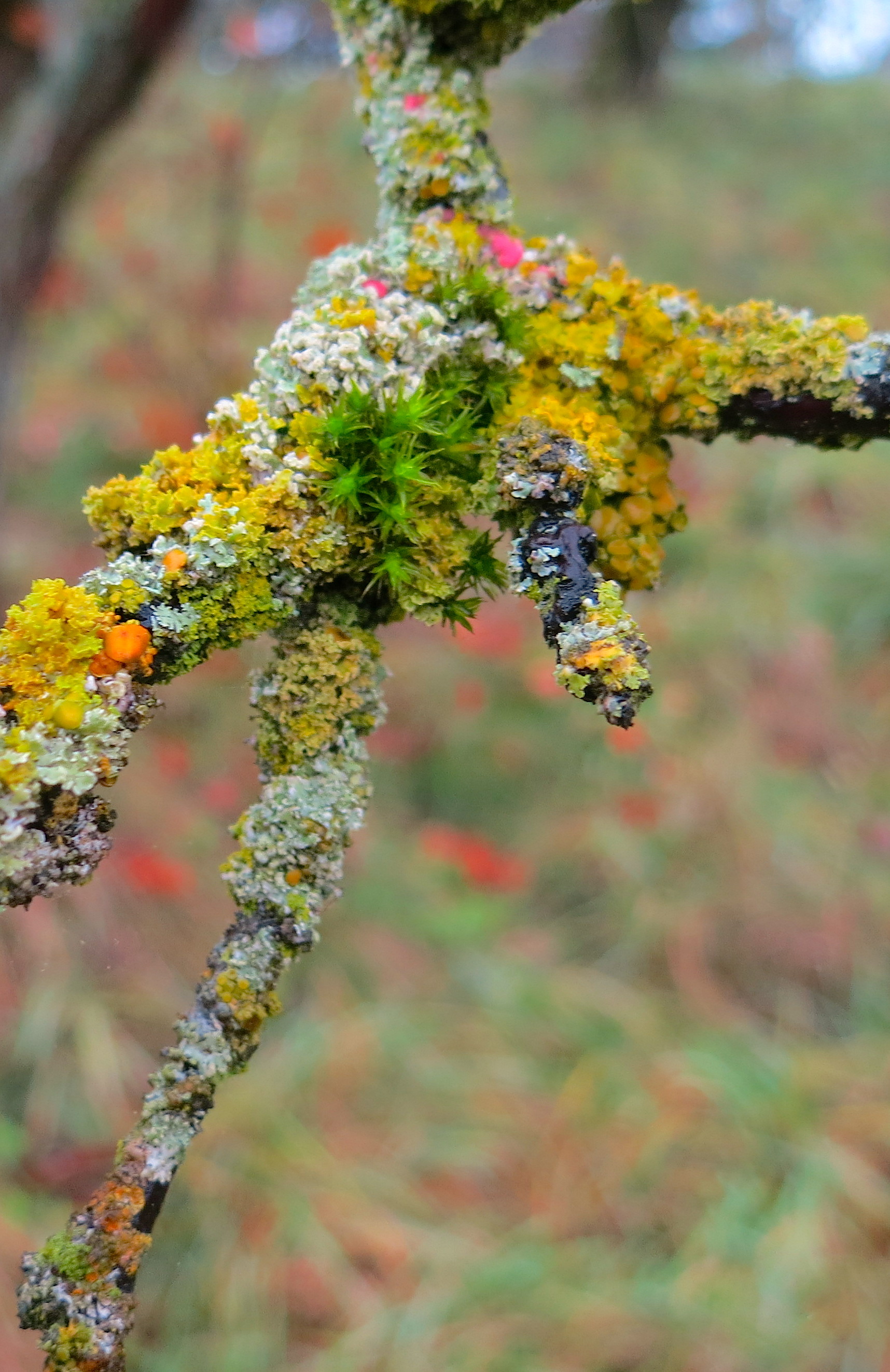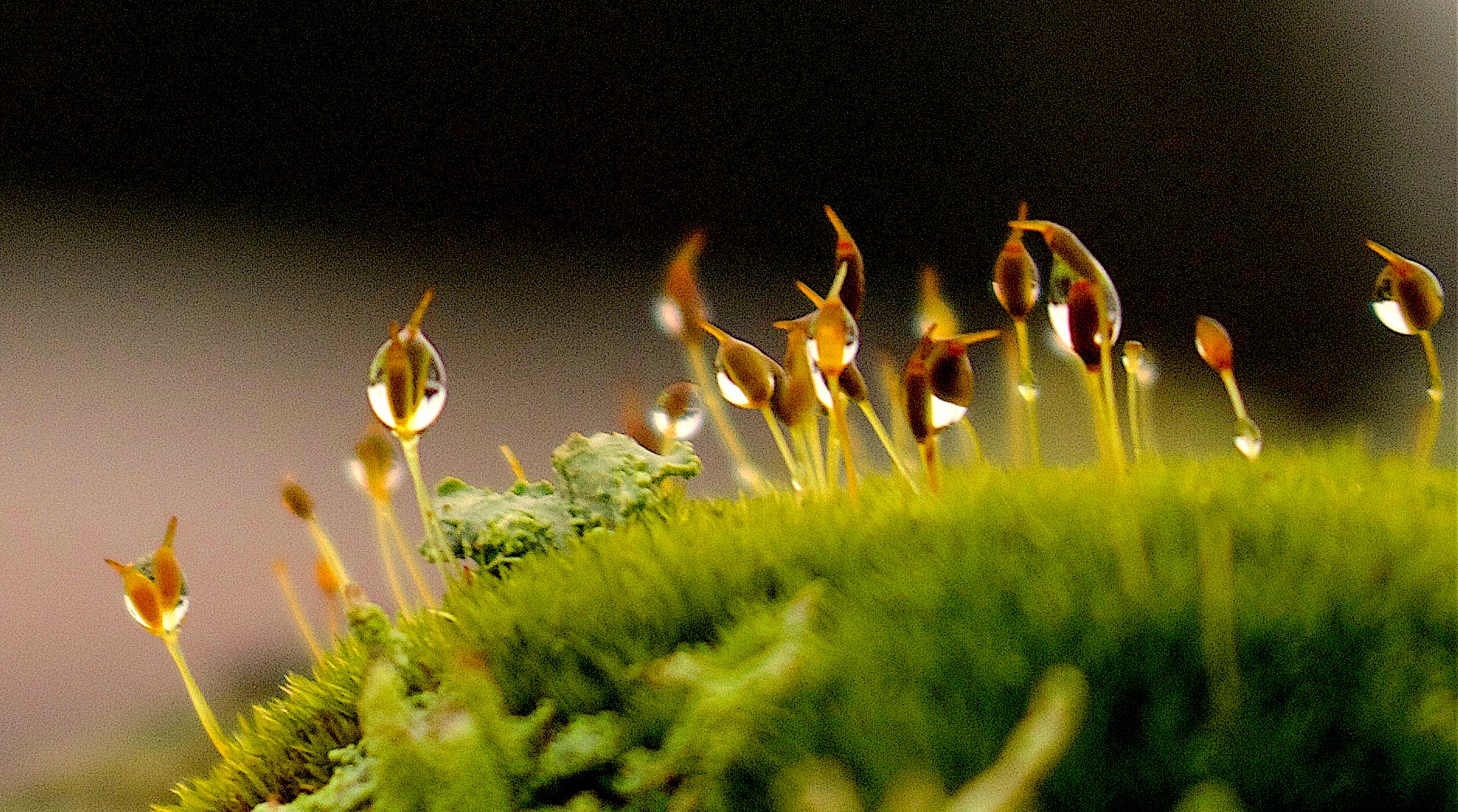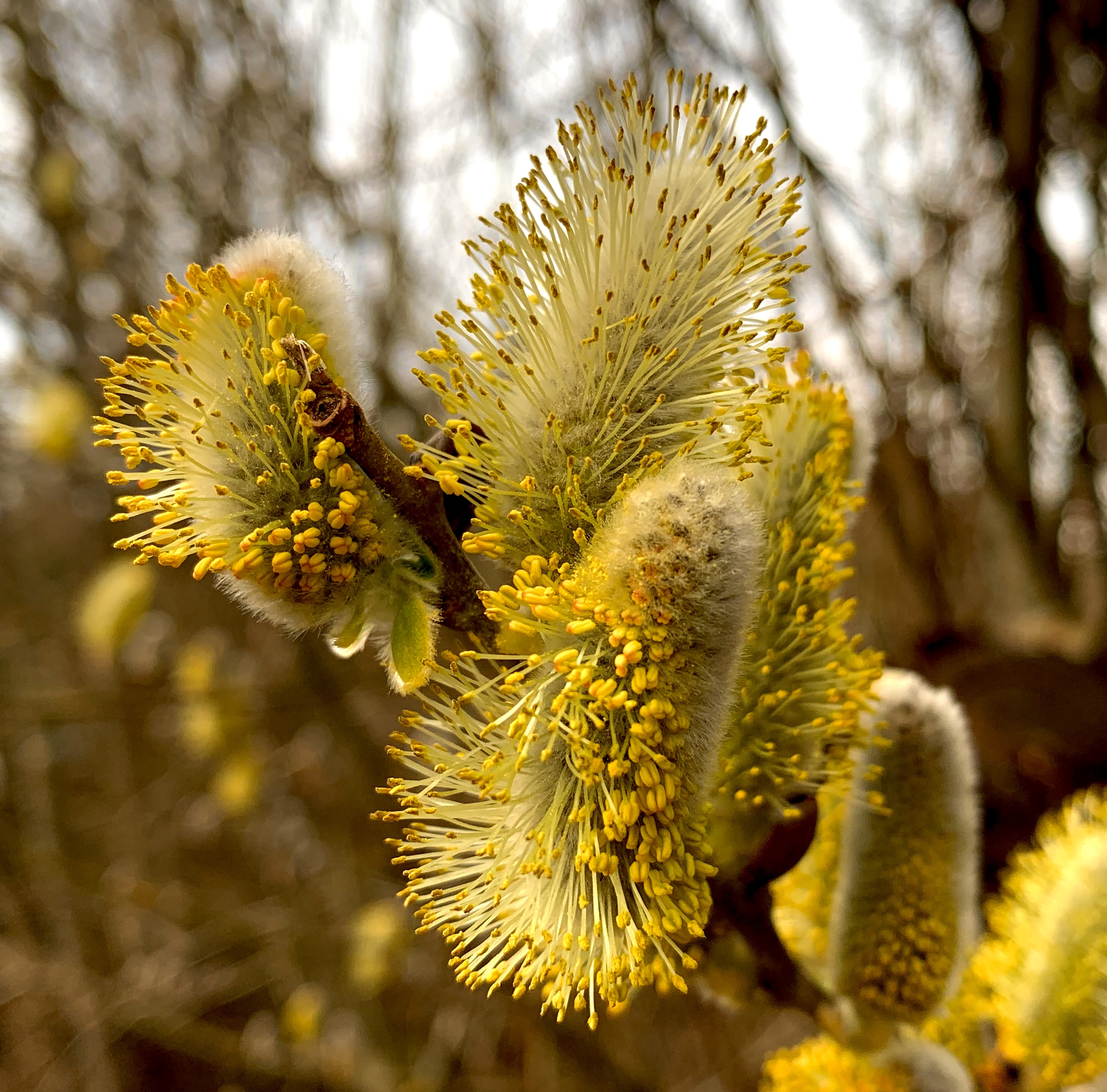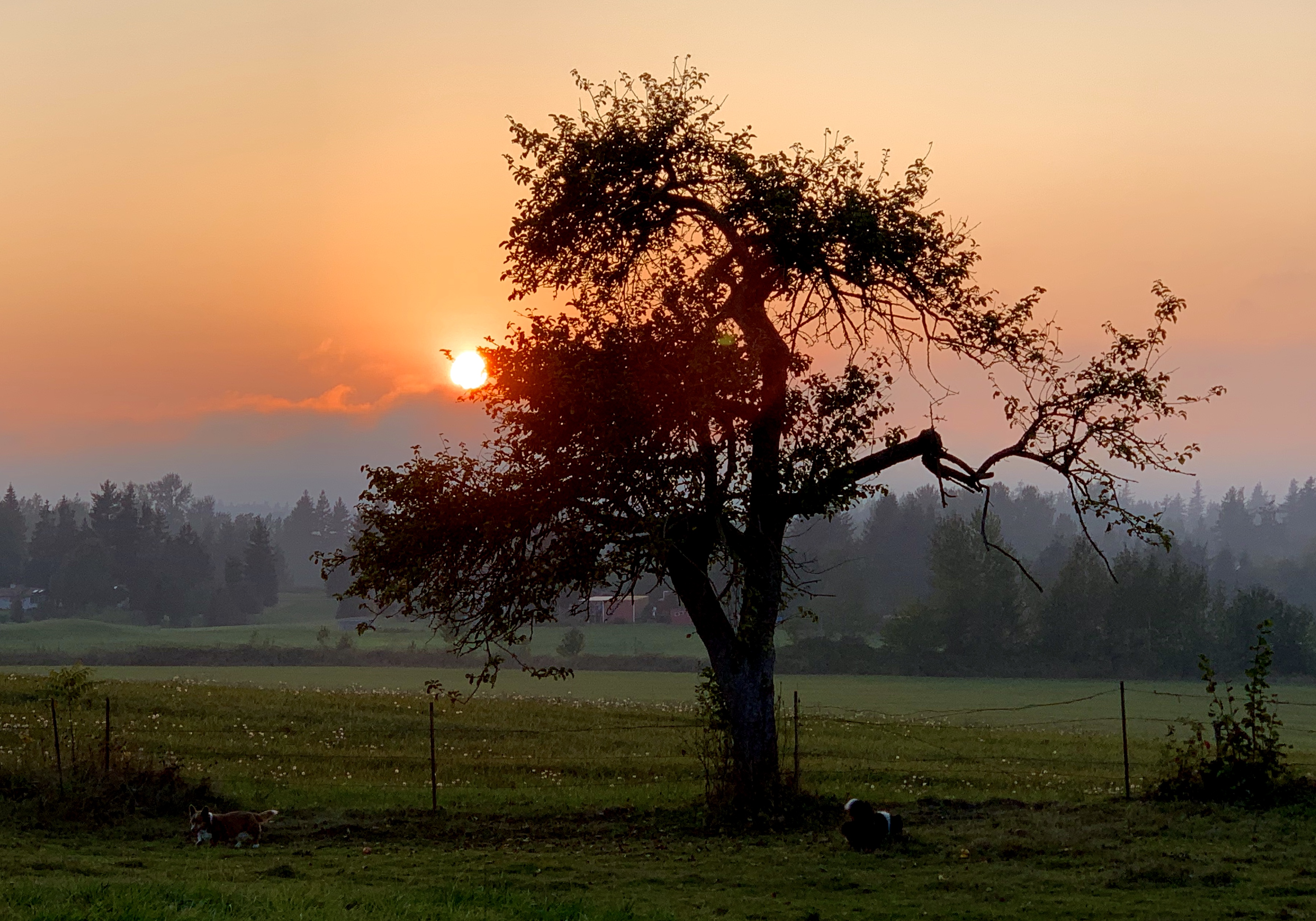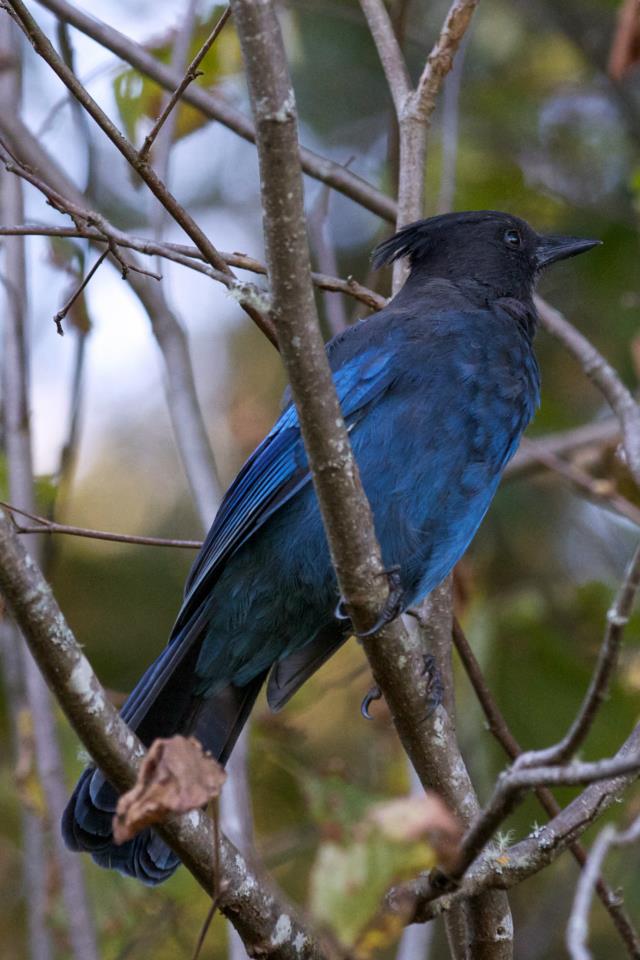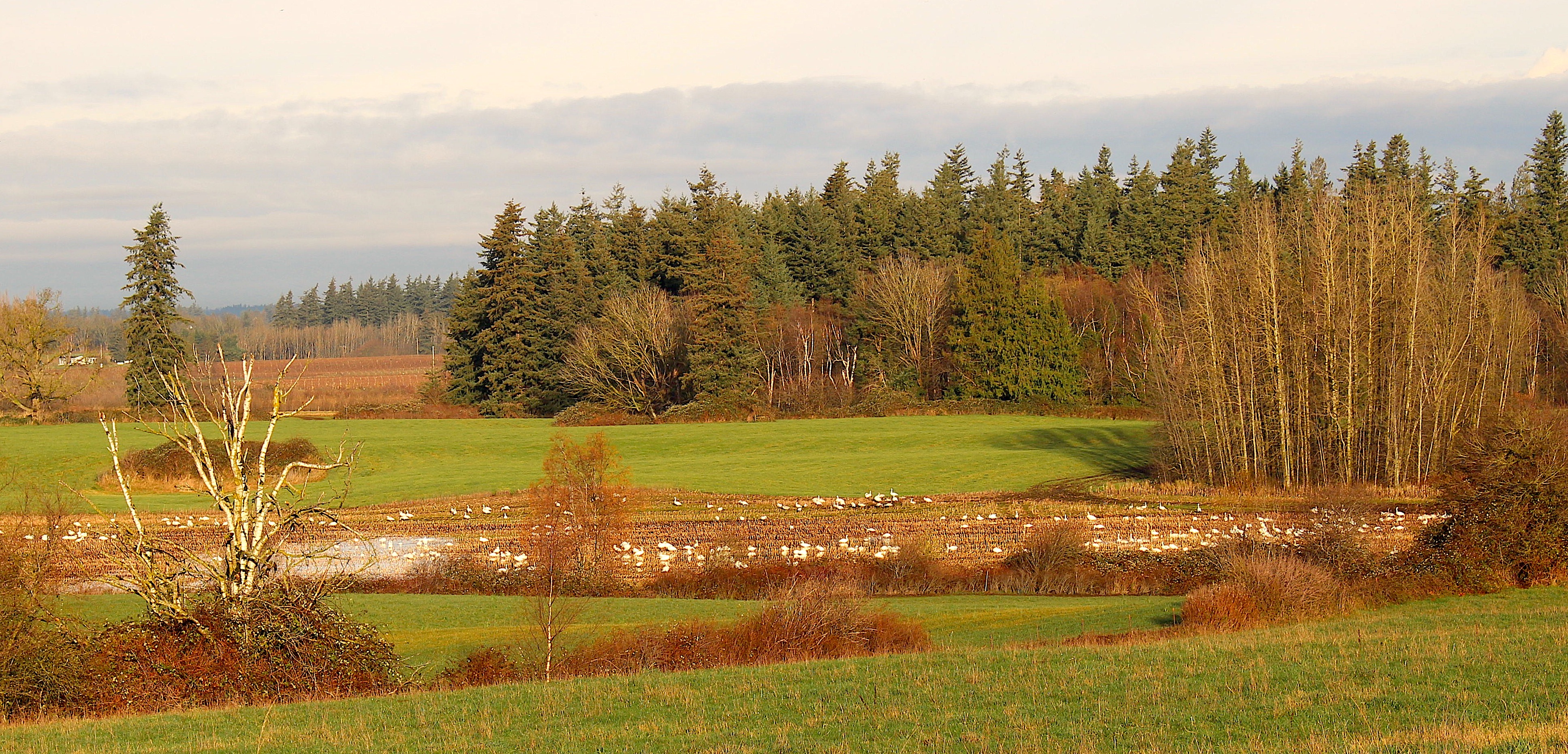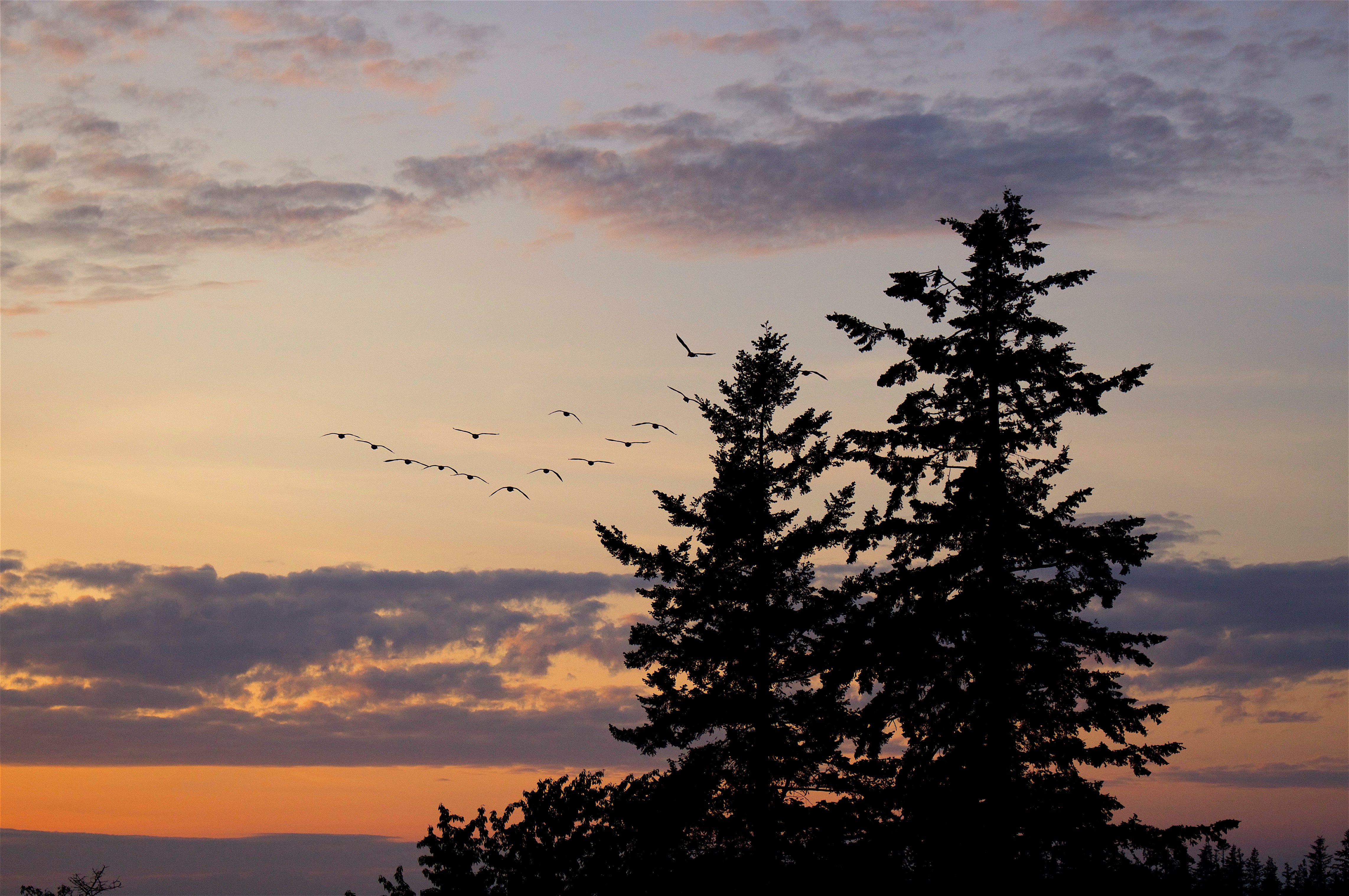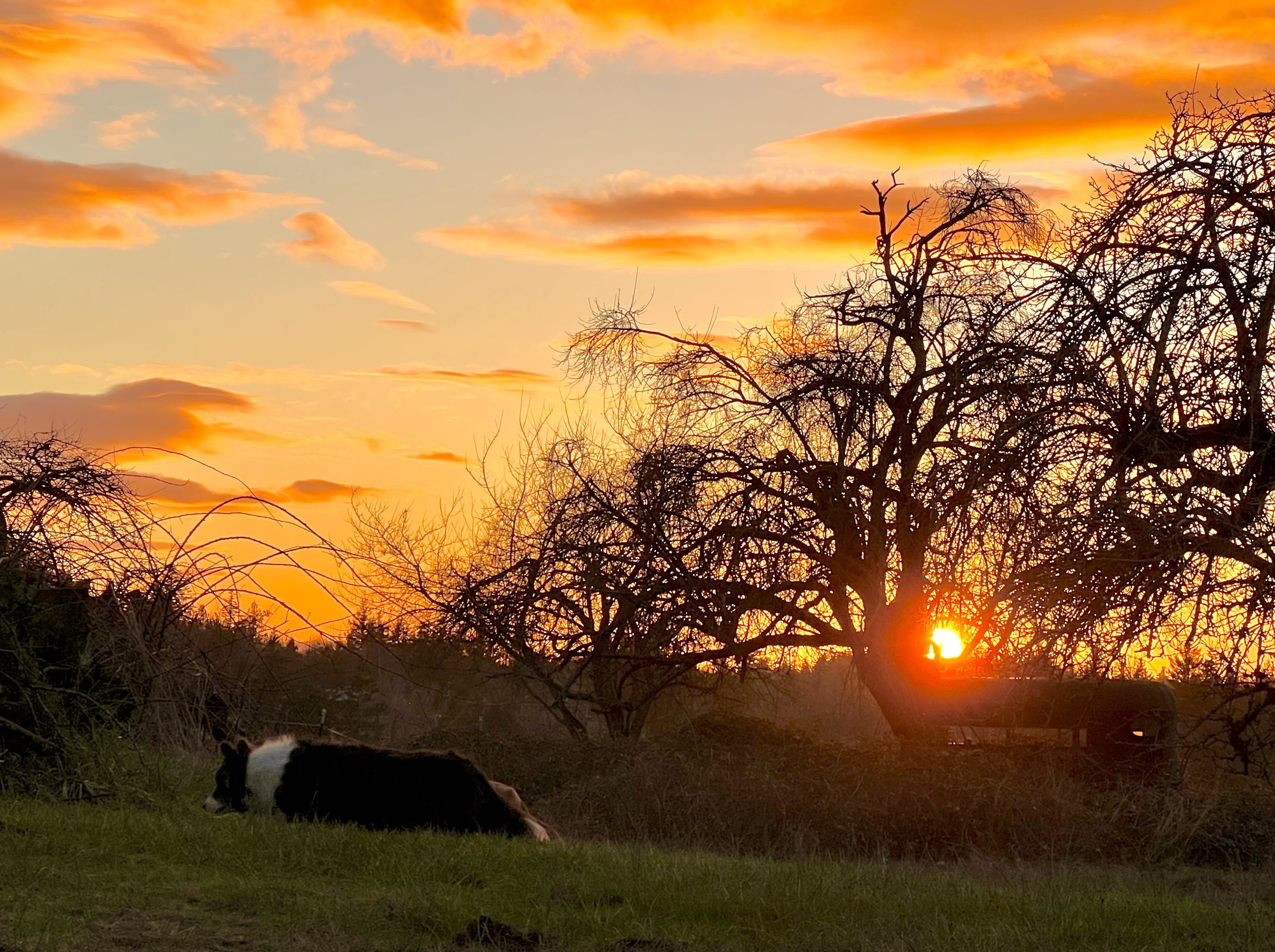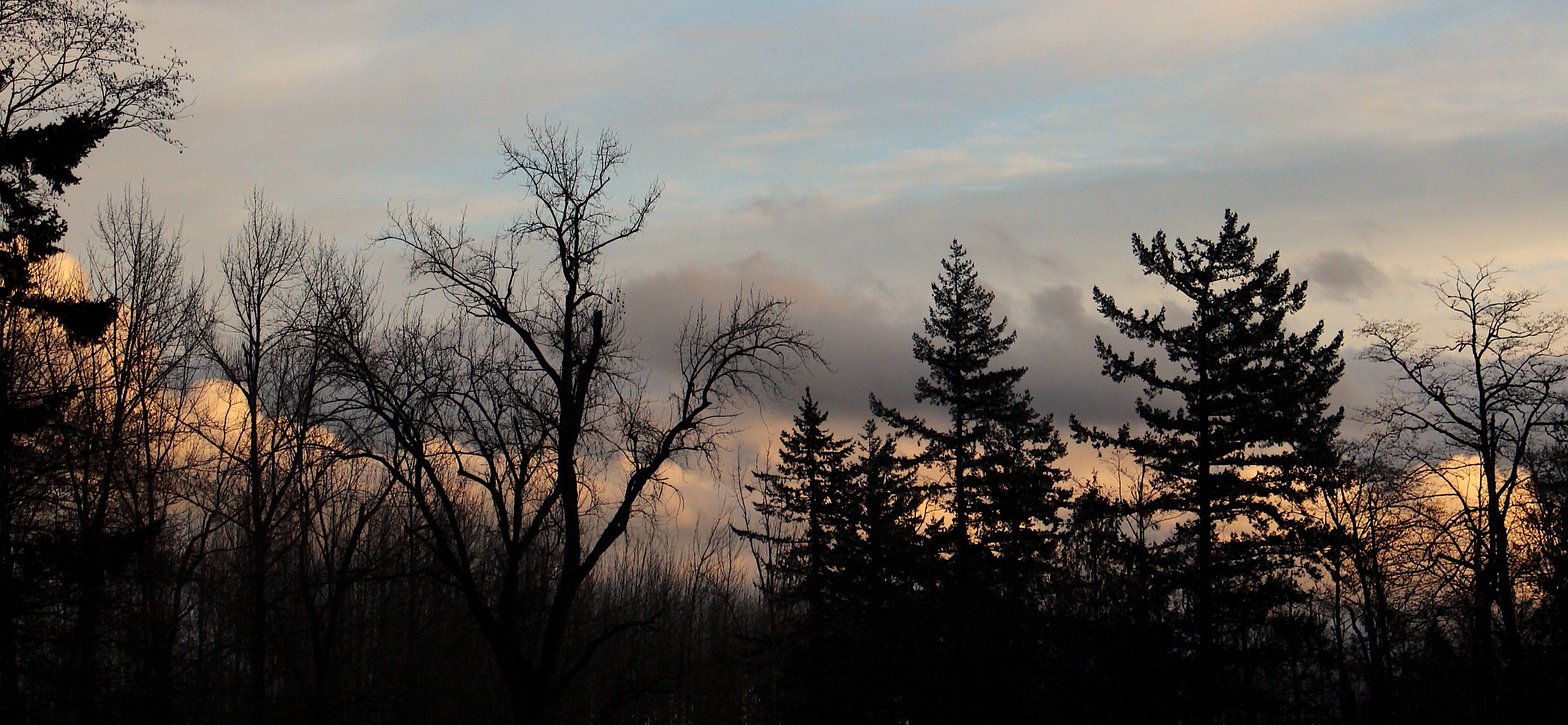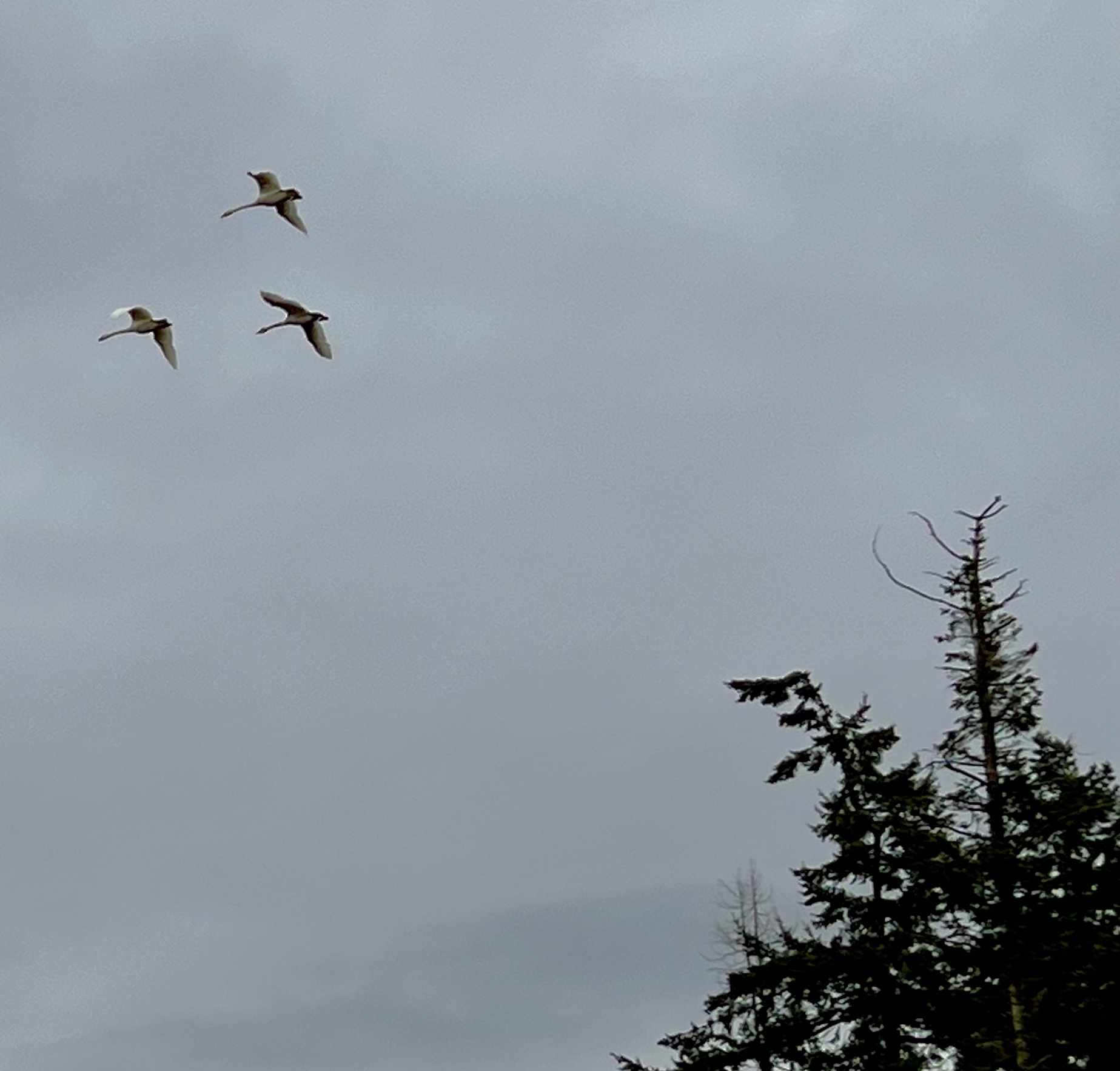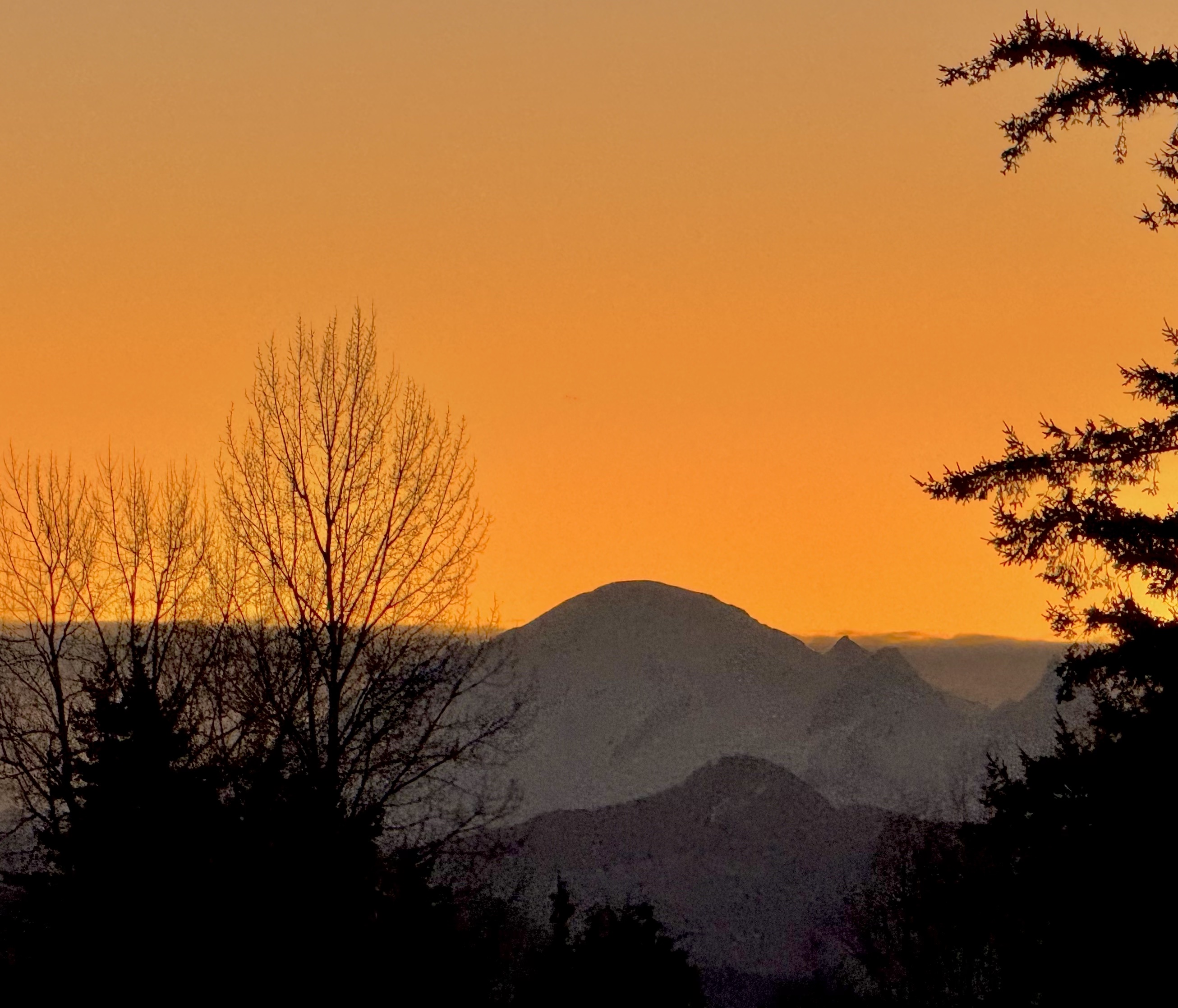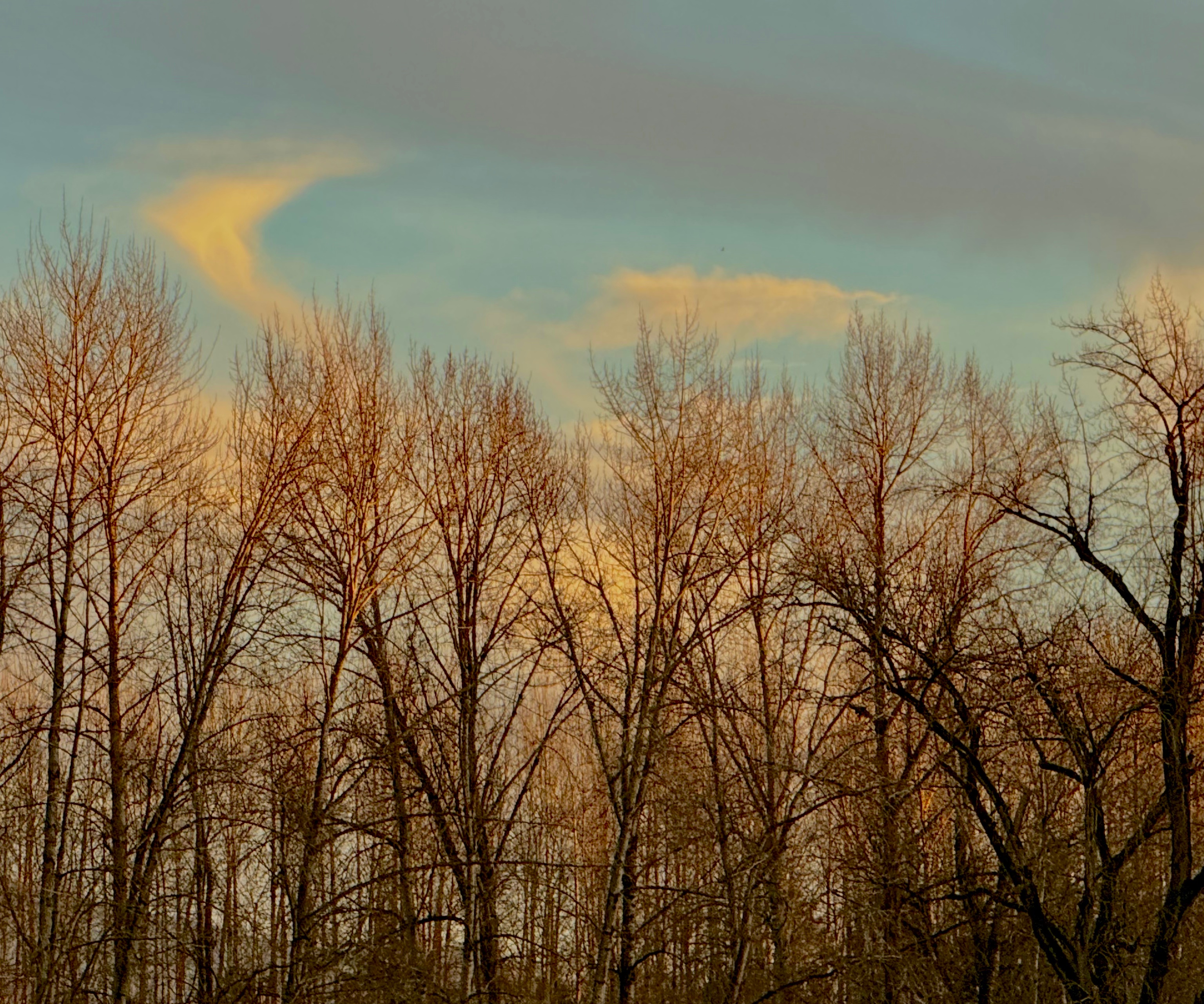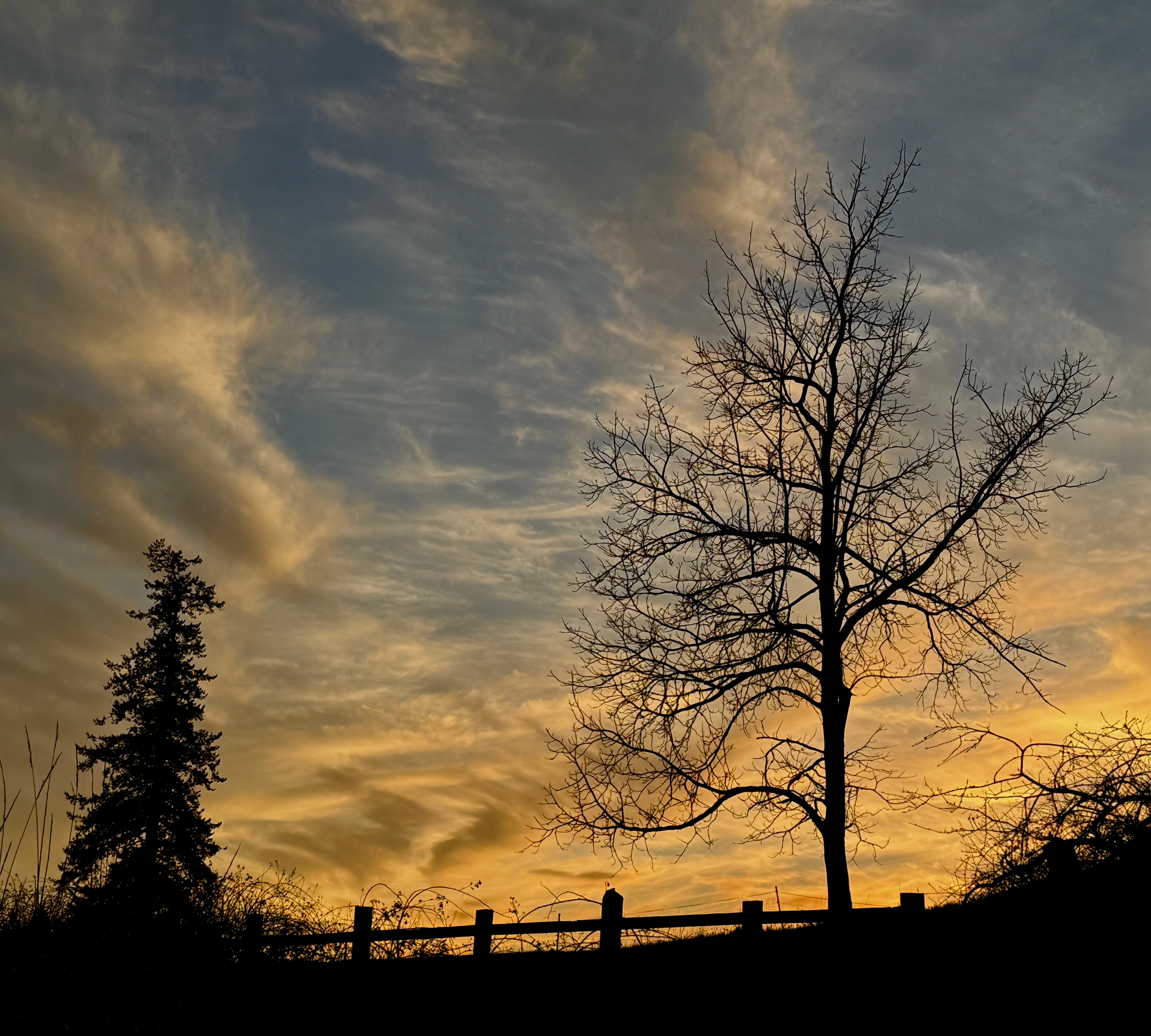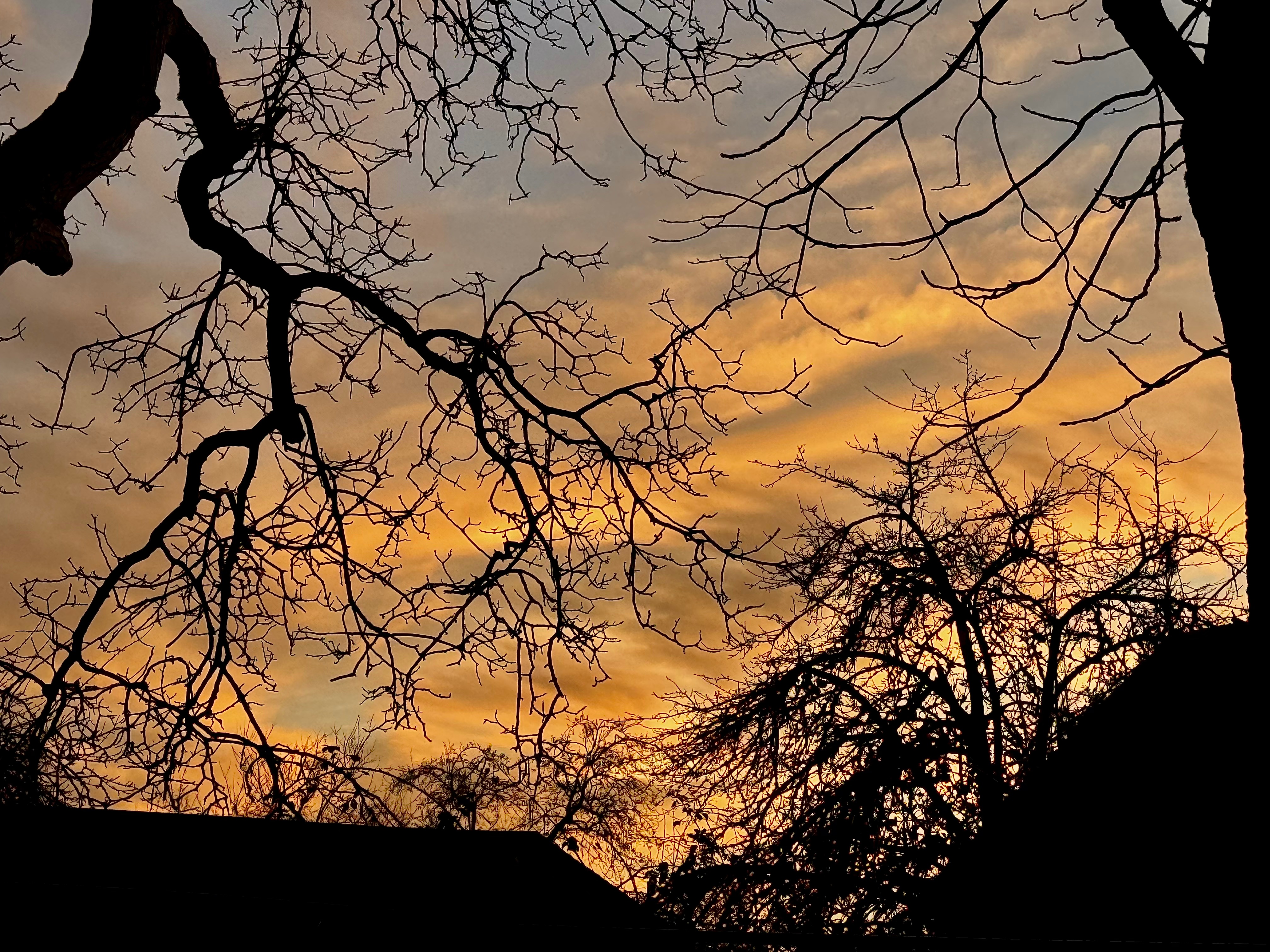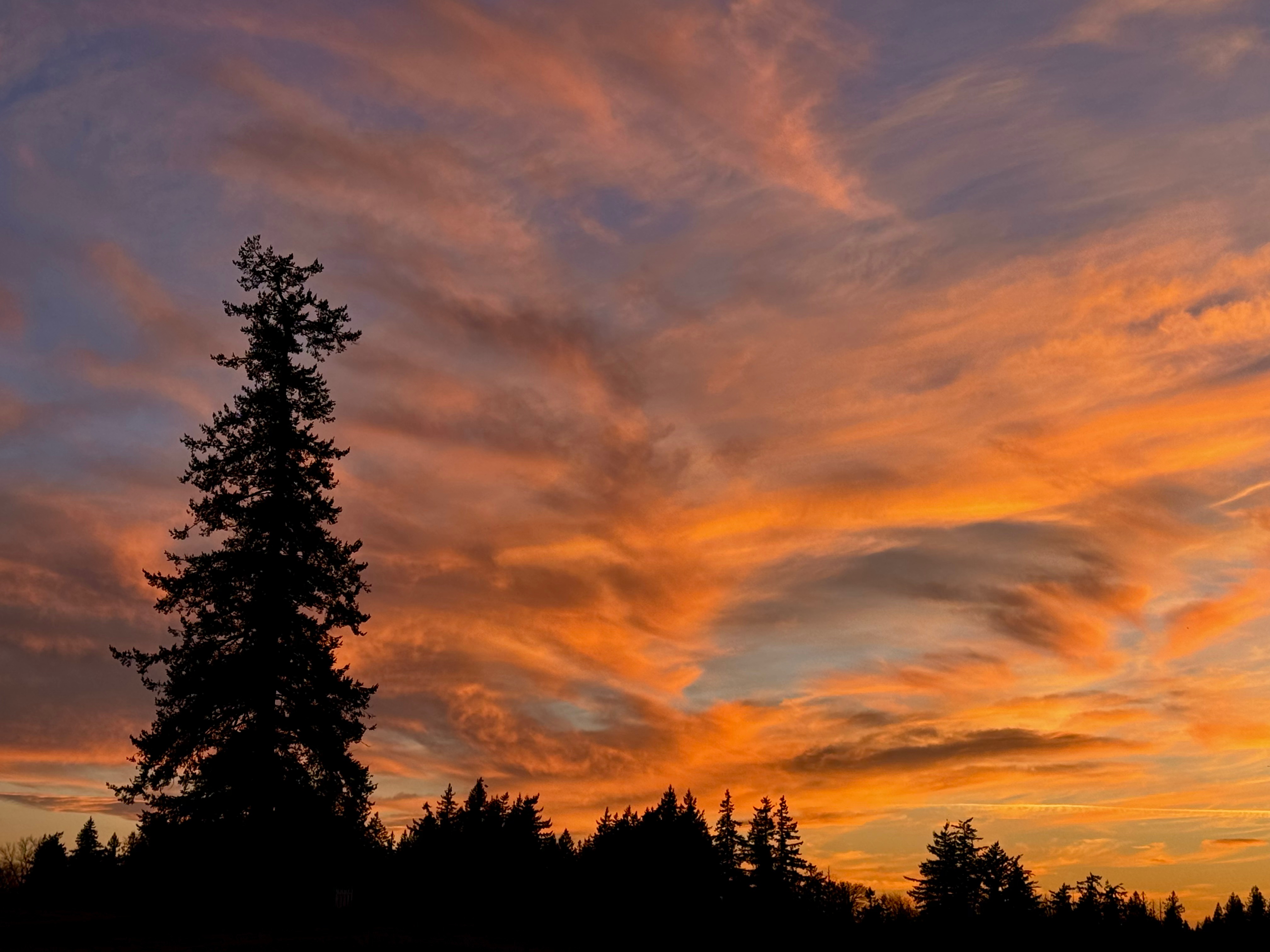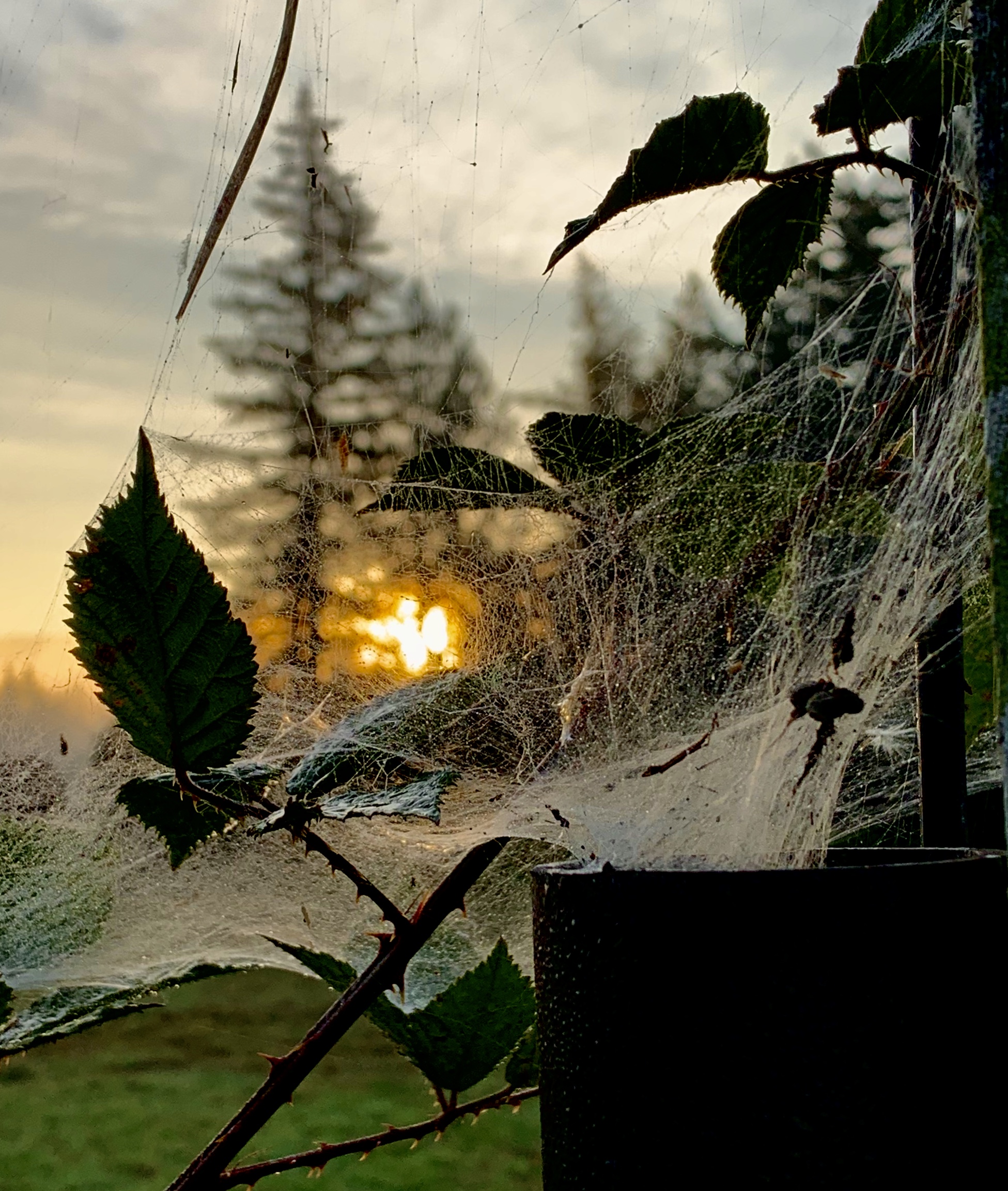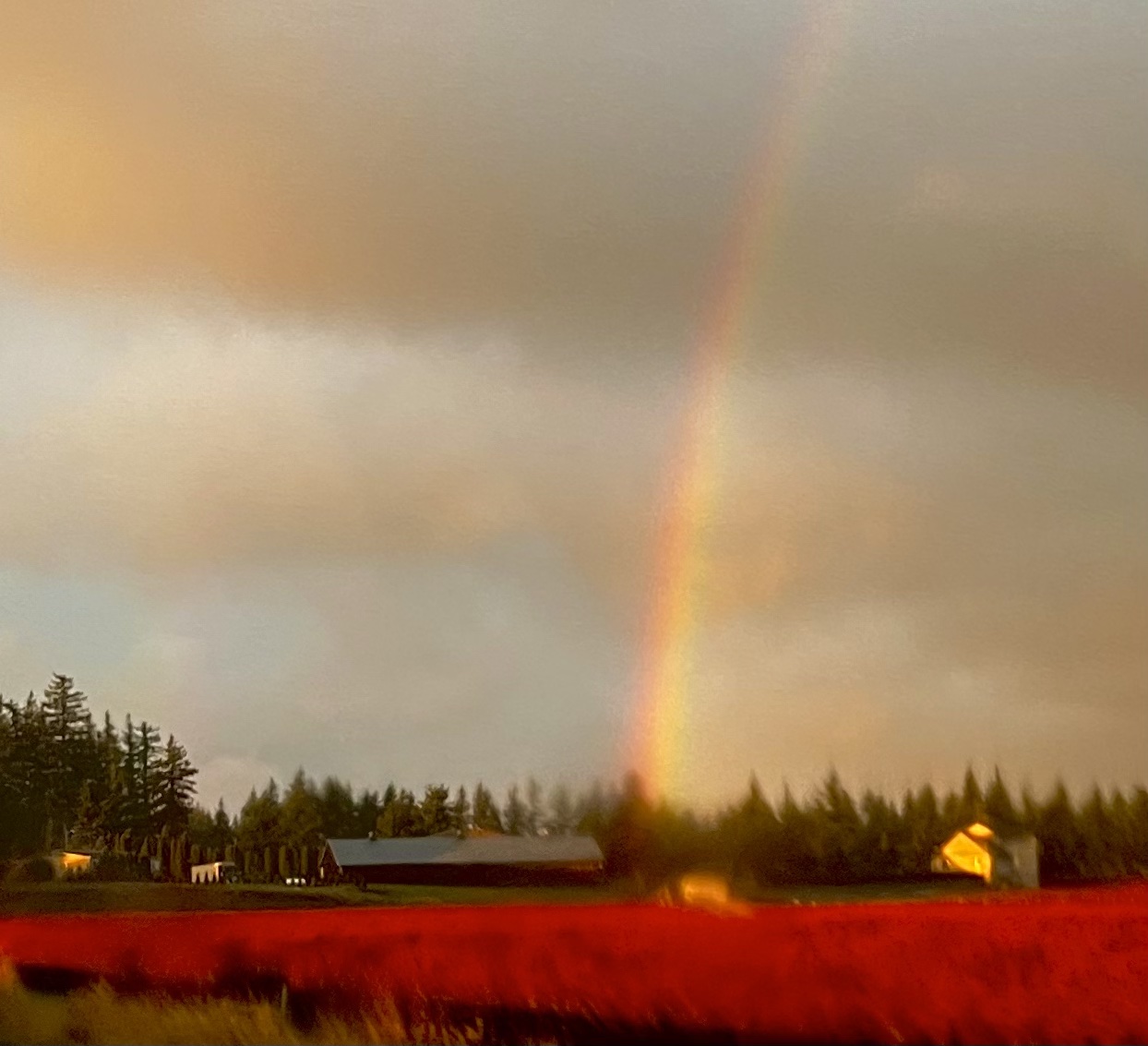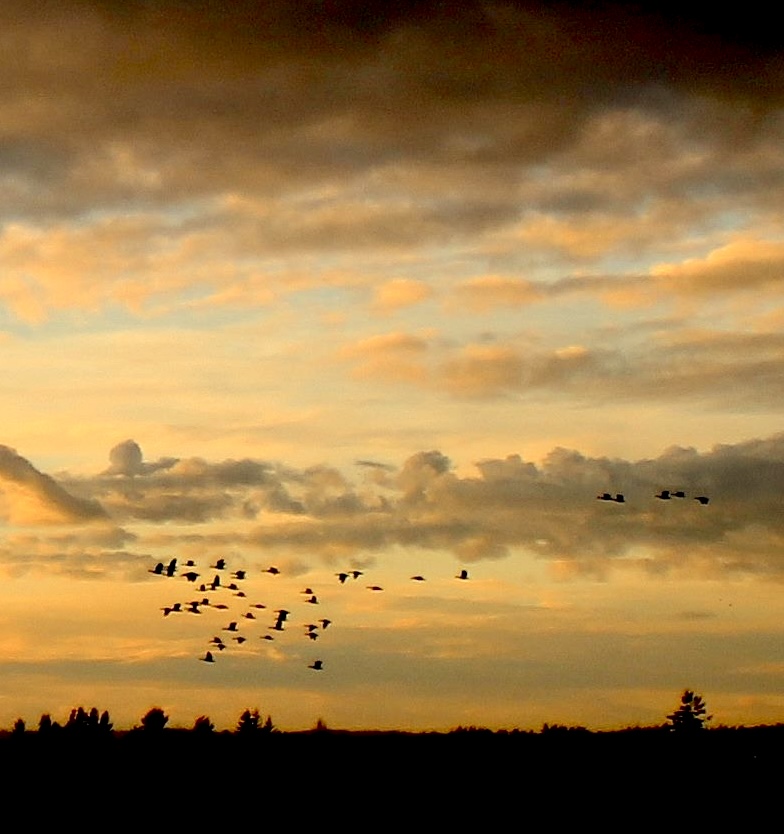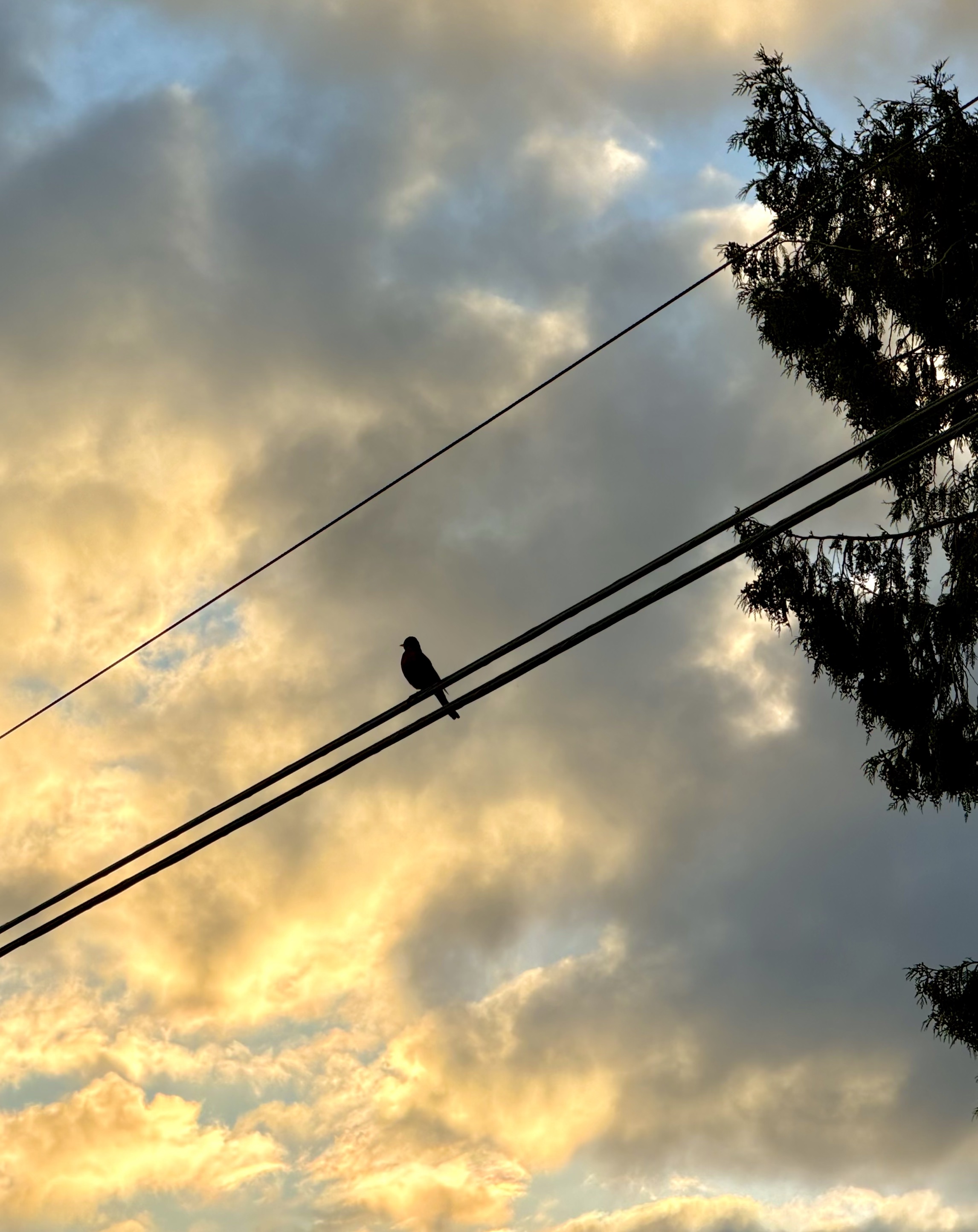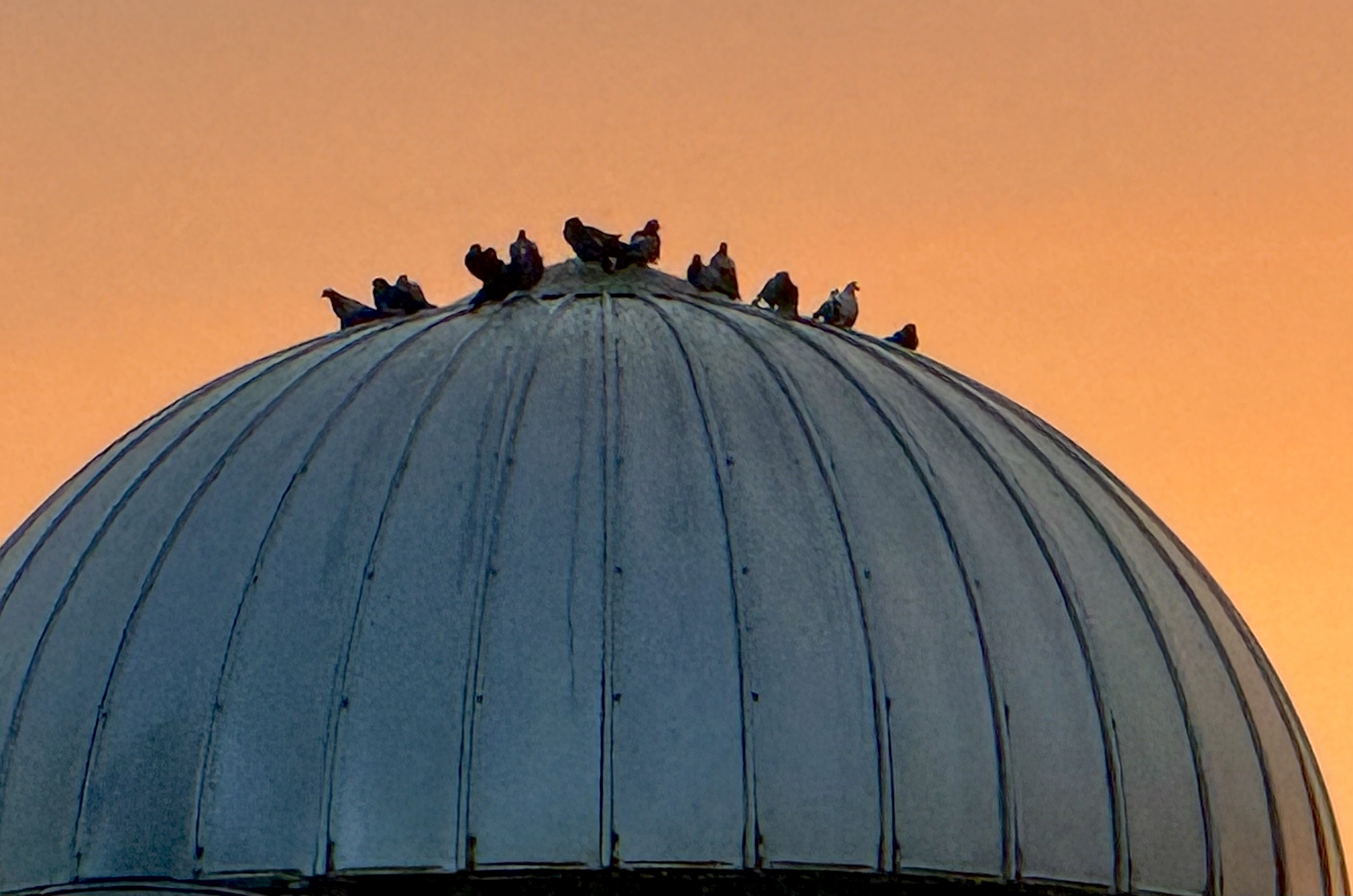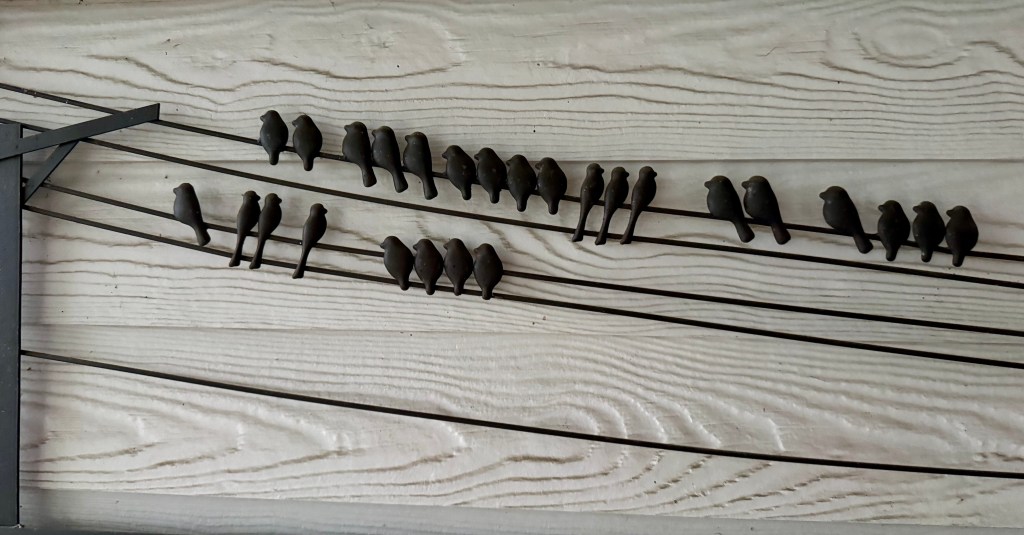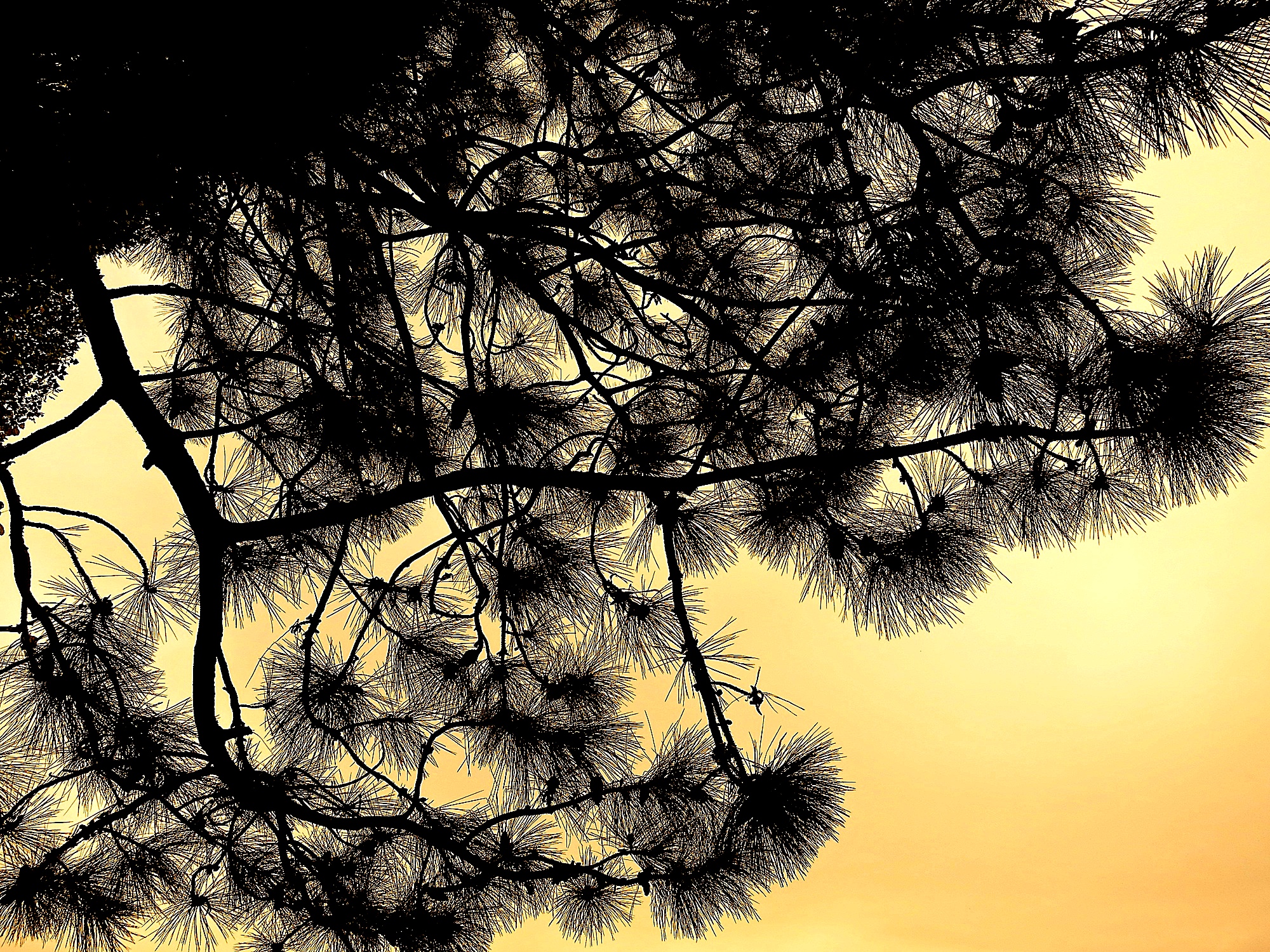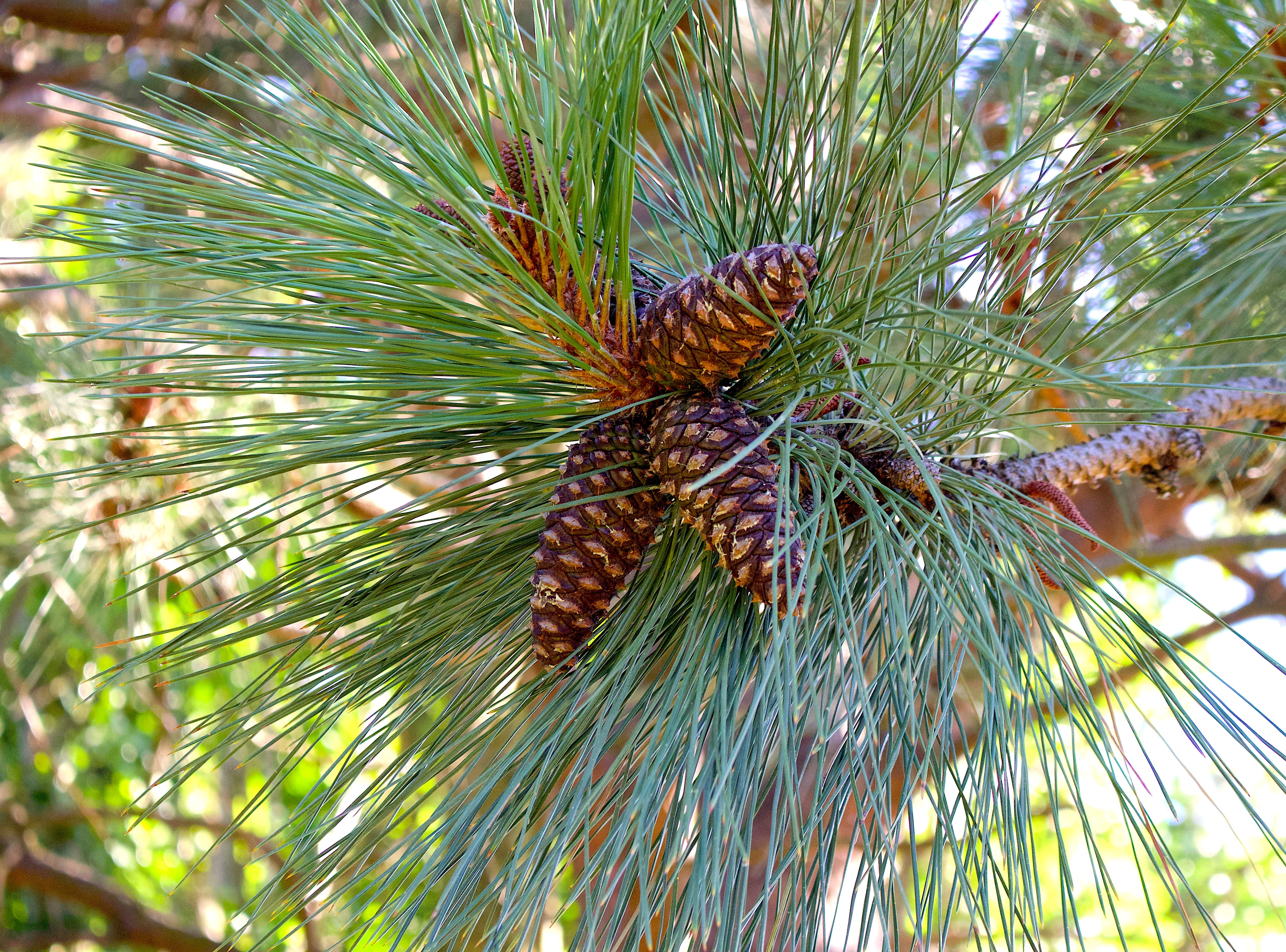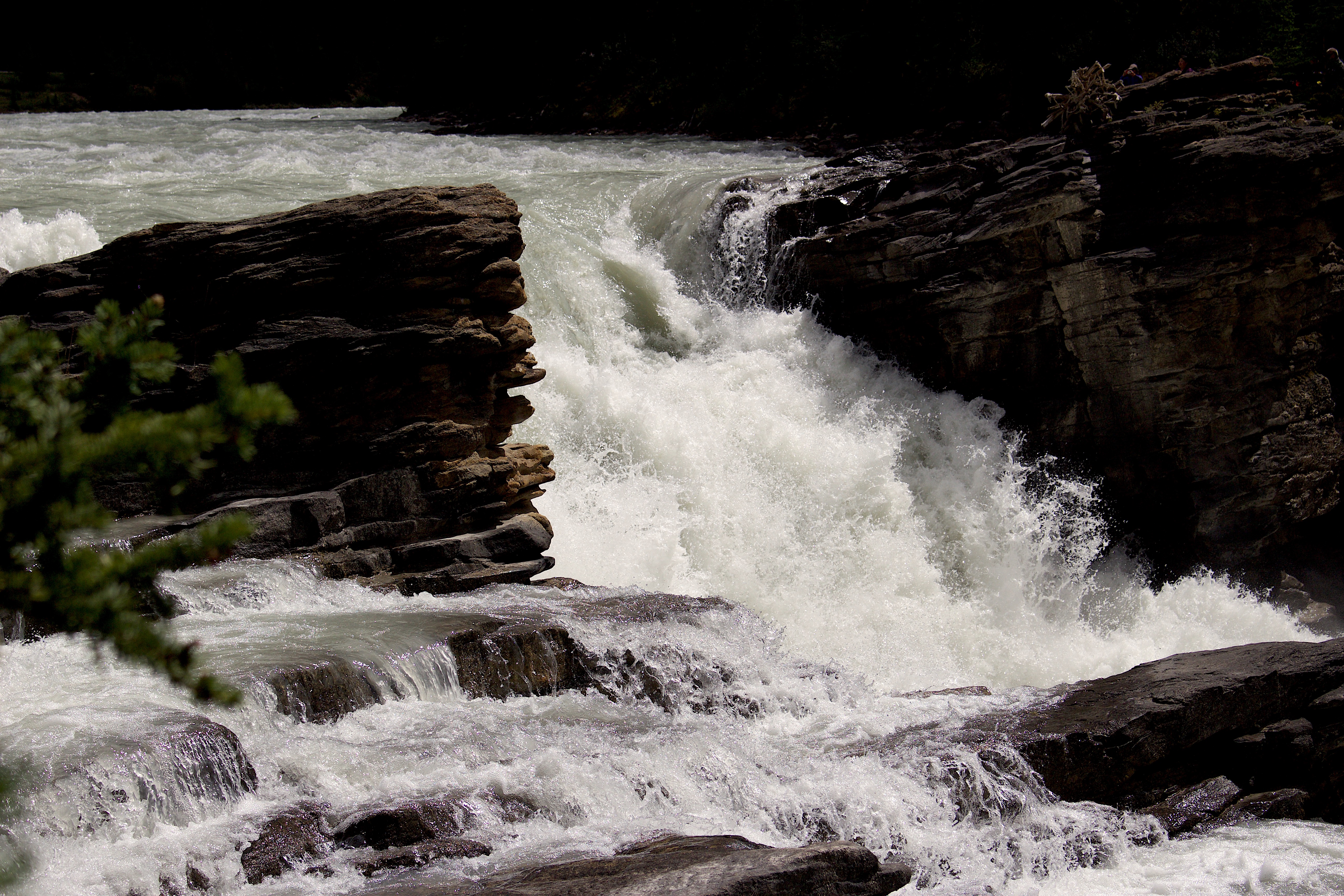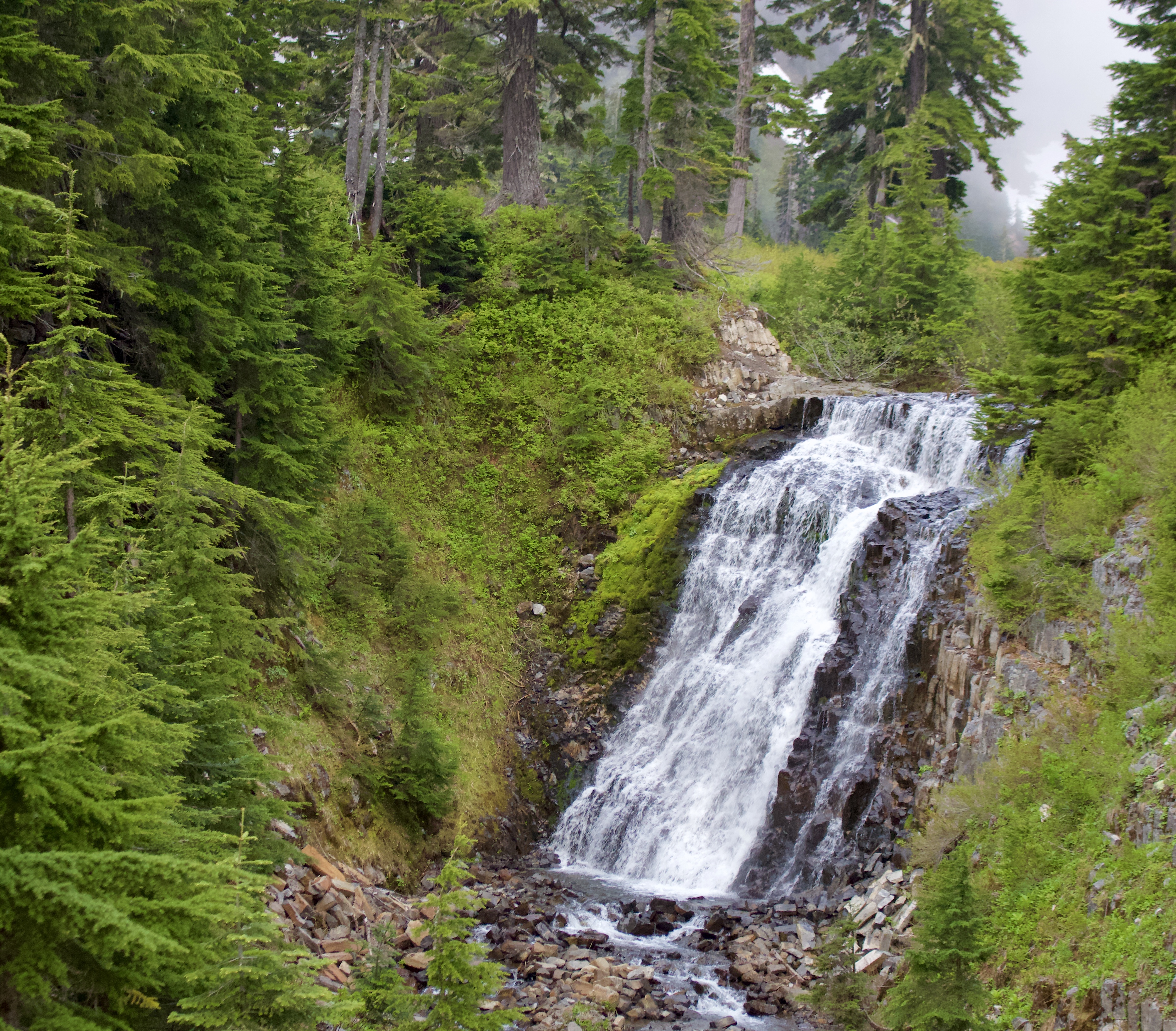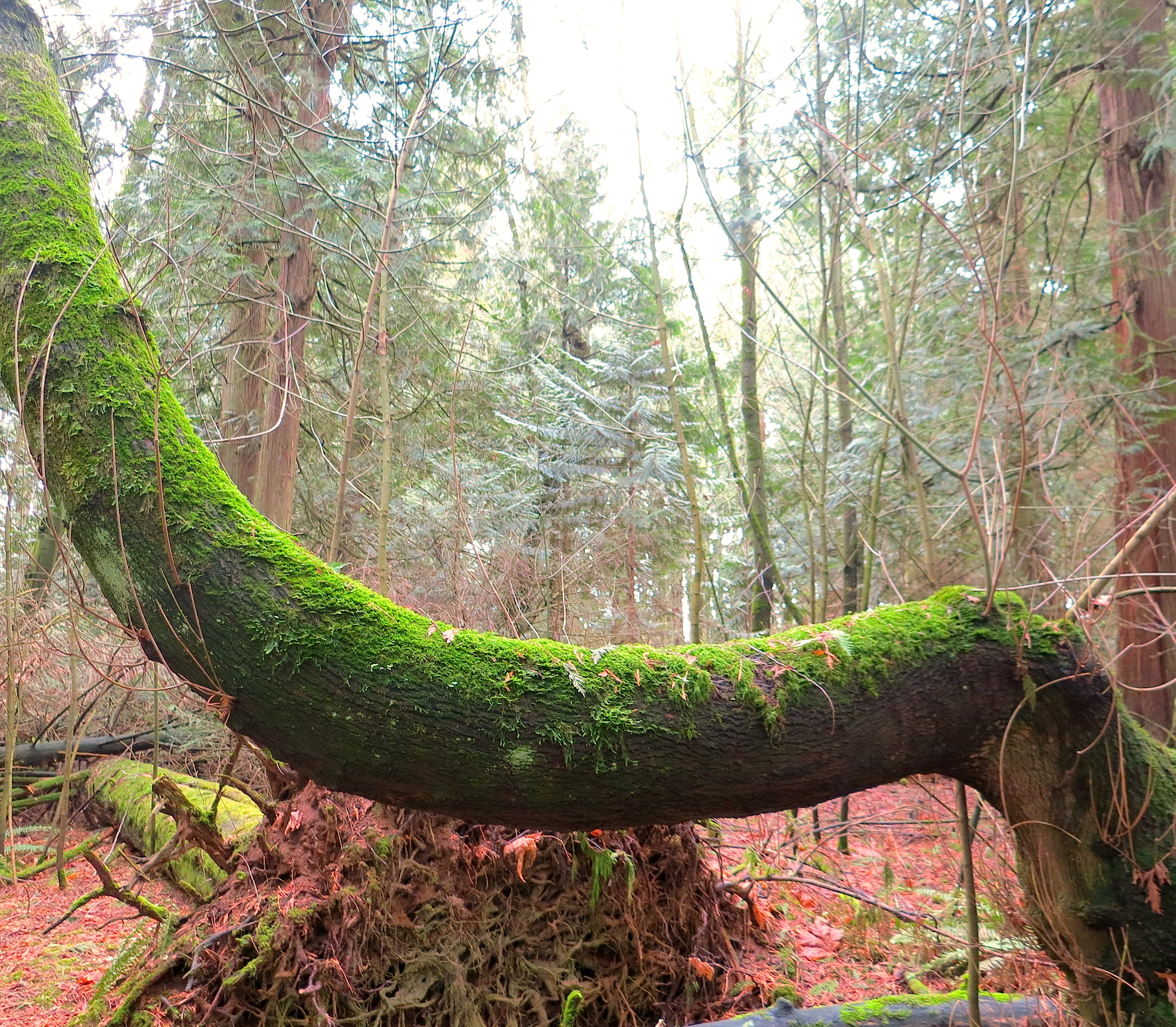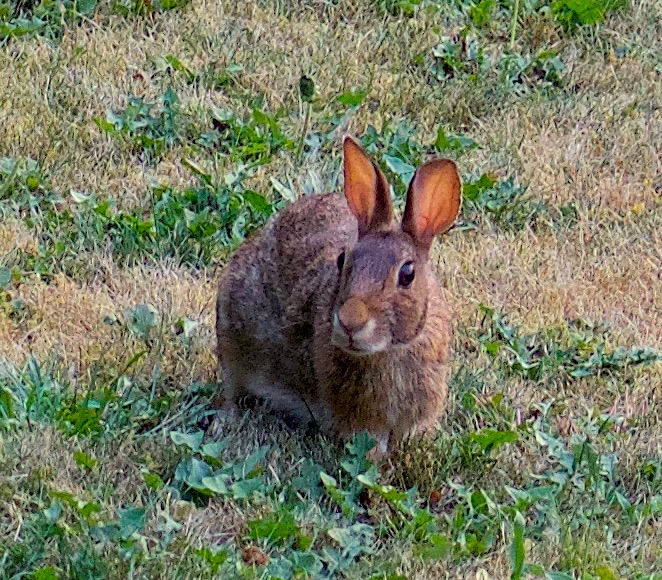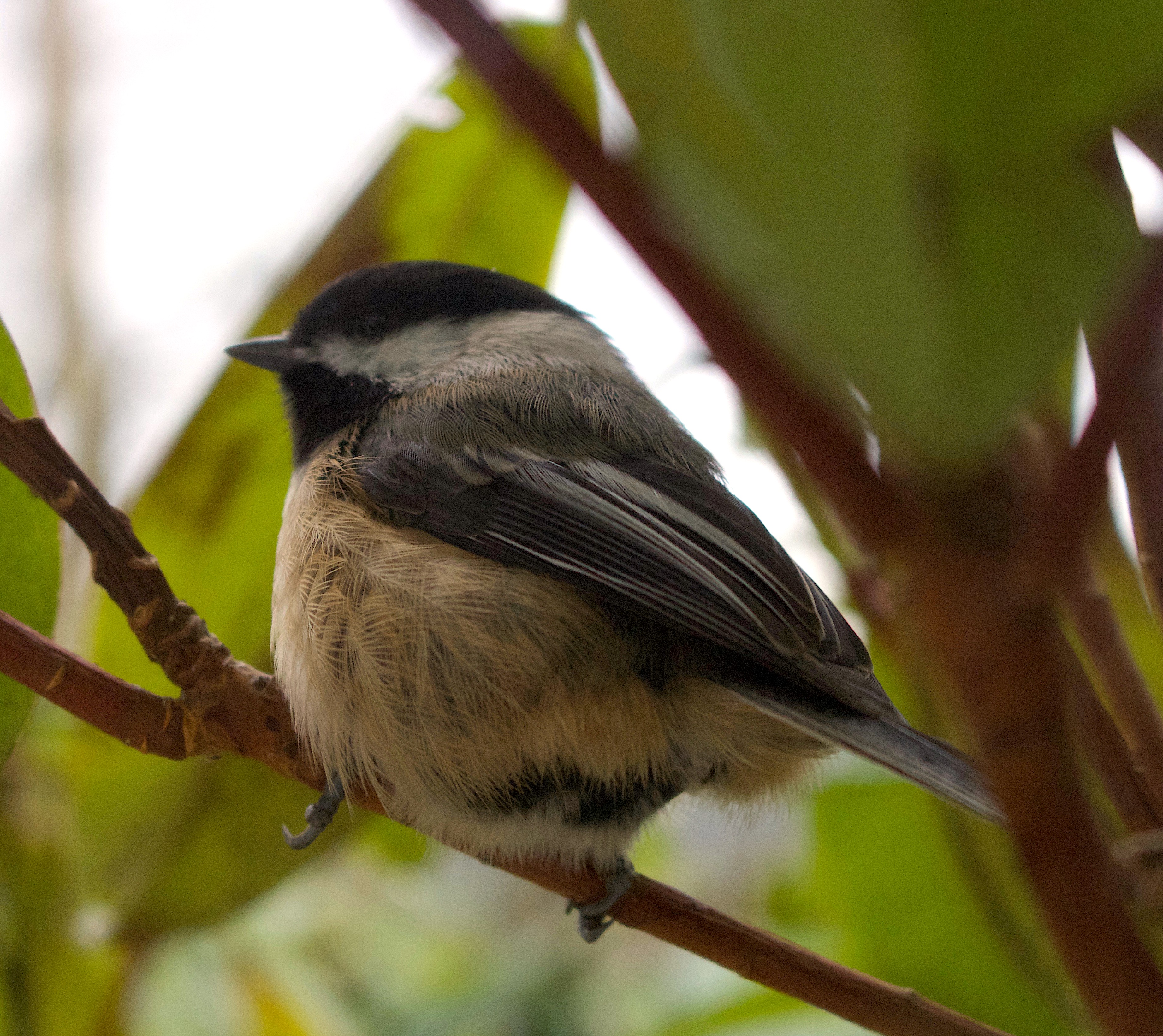
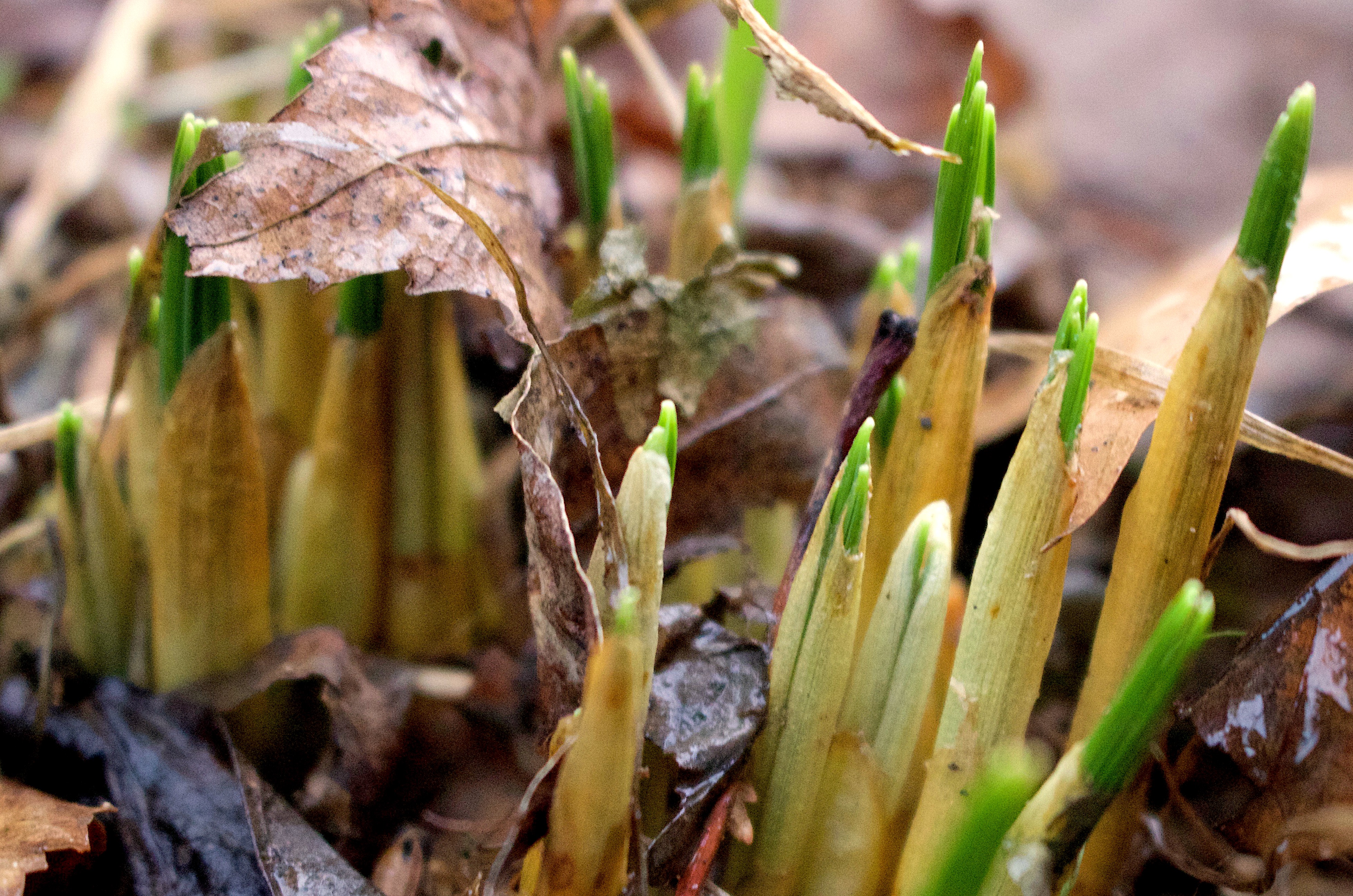
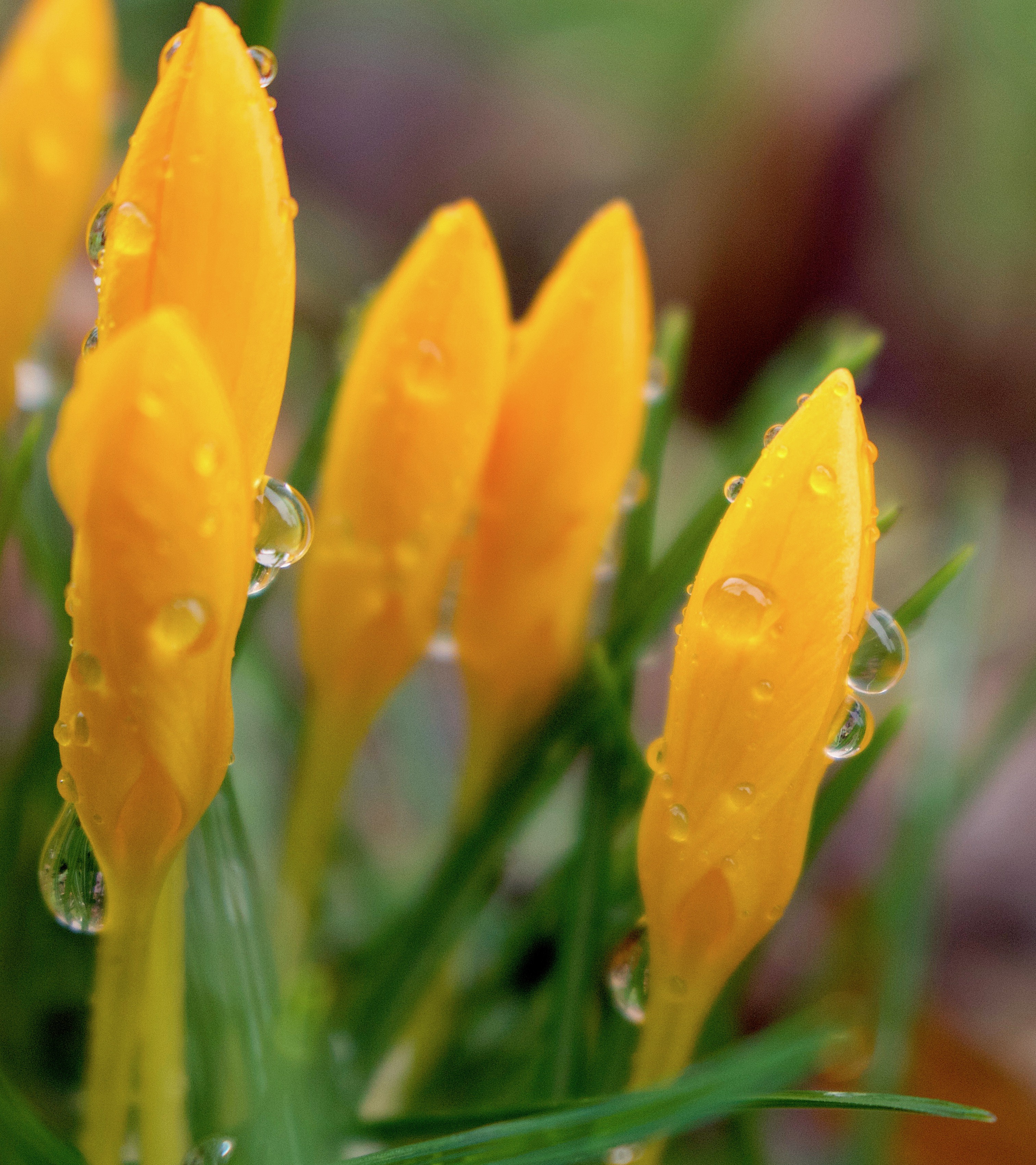
I miss the friendship with the pine tree and the birds that I had when I was ten. And it has been forever since I pushed my head under the wild silk skirt of the waterfall.
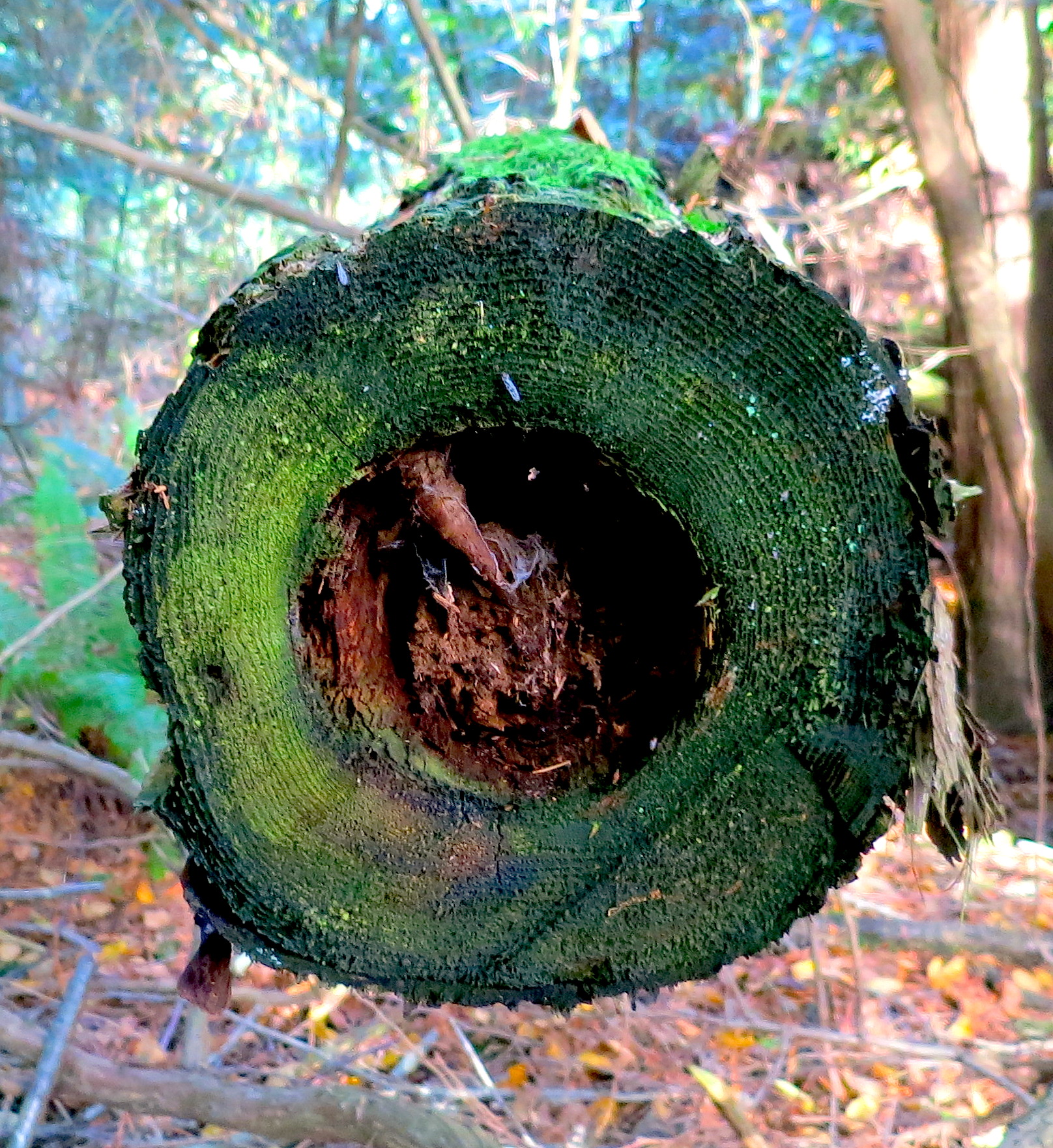
The big rock on the shore was the skull of a dead king whose name we could almost remember. Under the rooty bank you could dimly see the bunk beds of the turtles.
Nobody I know mentions these things anymore. It’s as if their memories have been seized, erased, and relocated among flowcharts and complex dinner-party calendars.
Now I want to turn and run back the other way, barefoot into the underbrush, getting raked by thorns, being slapped in the face by branches.
Down to the muddy bed of the little stream where my cupped hands make a house, and
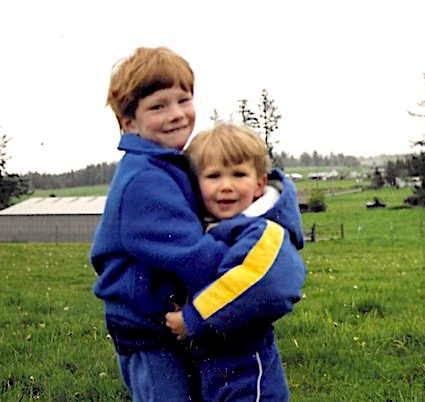
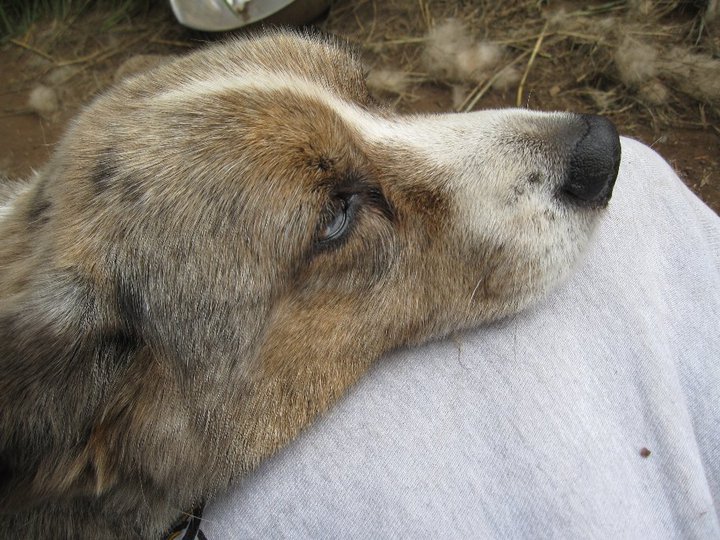
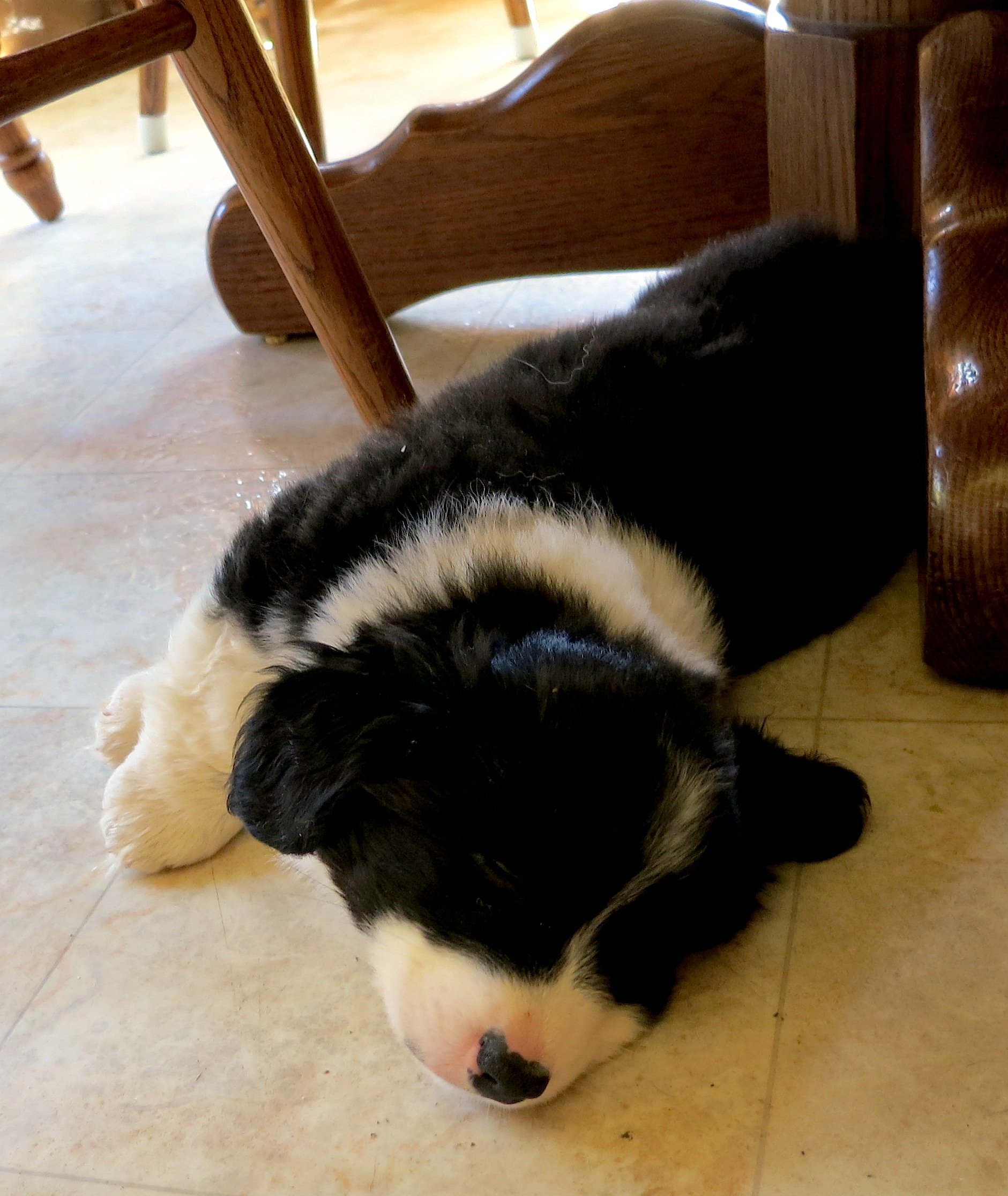
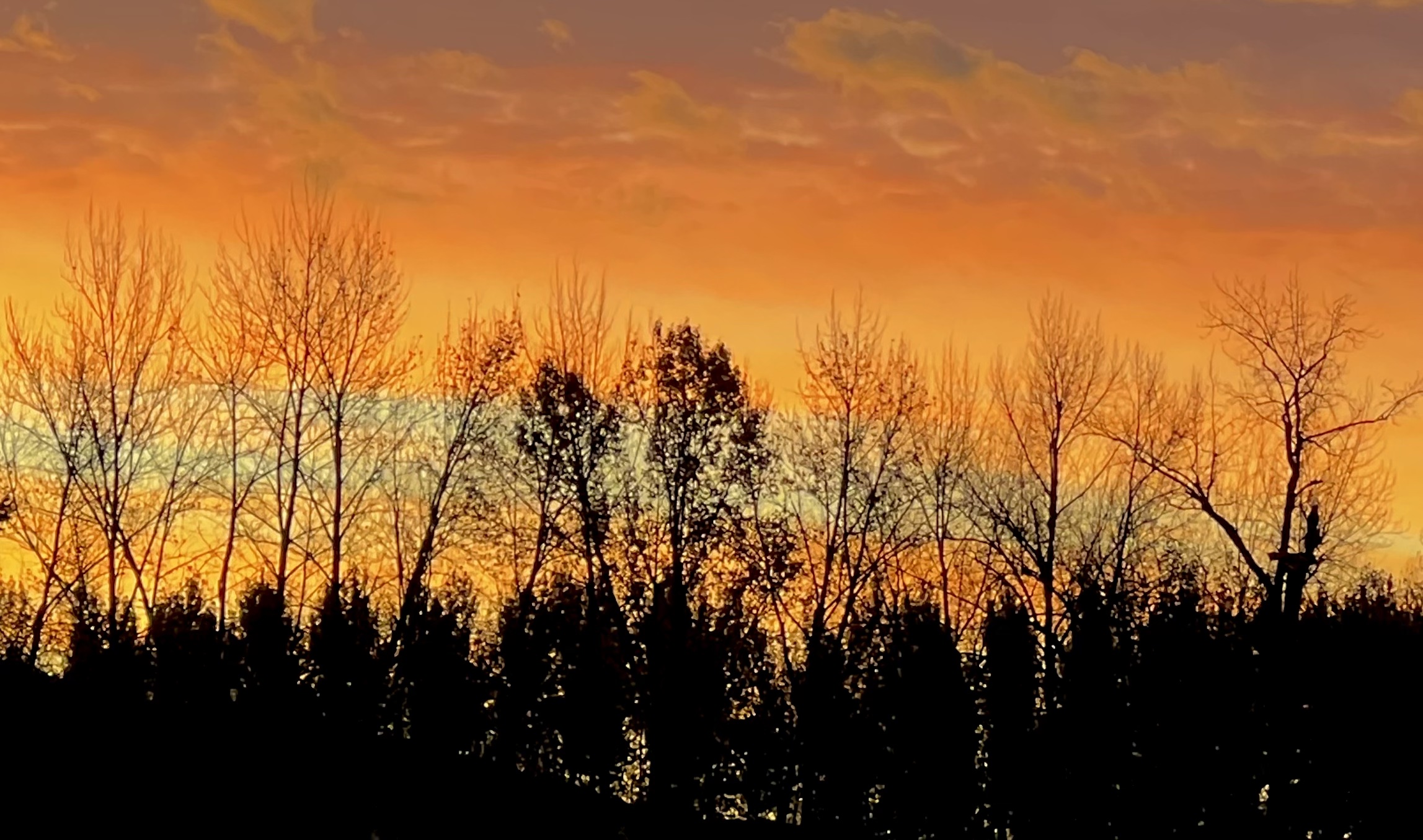
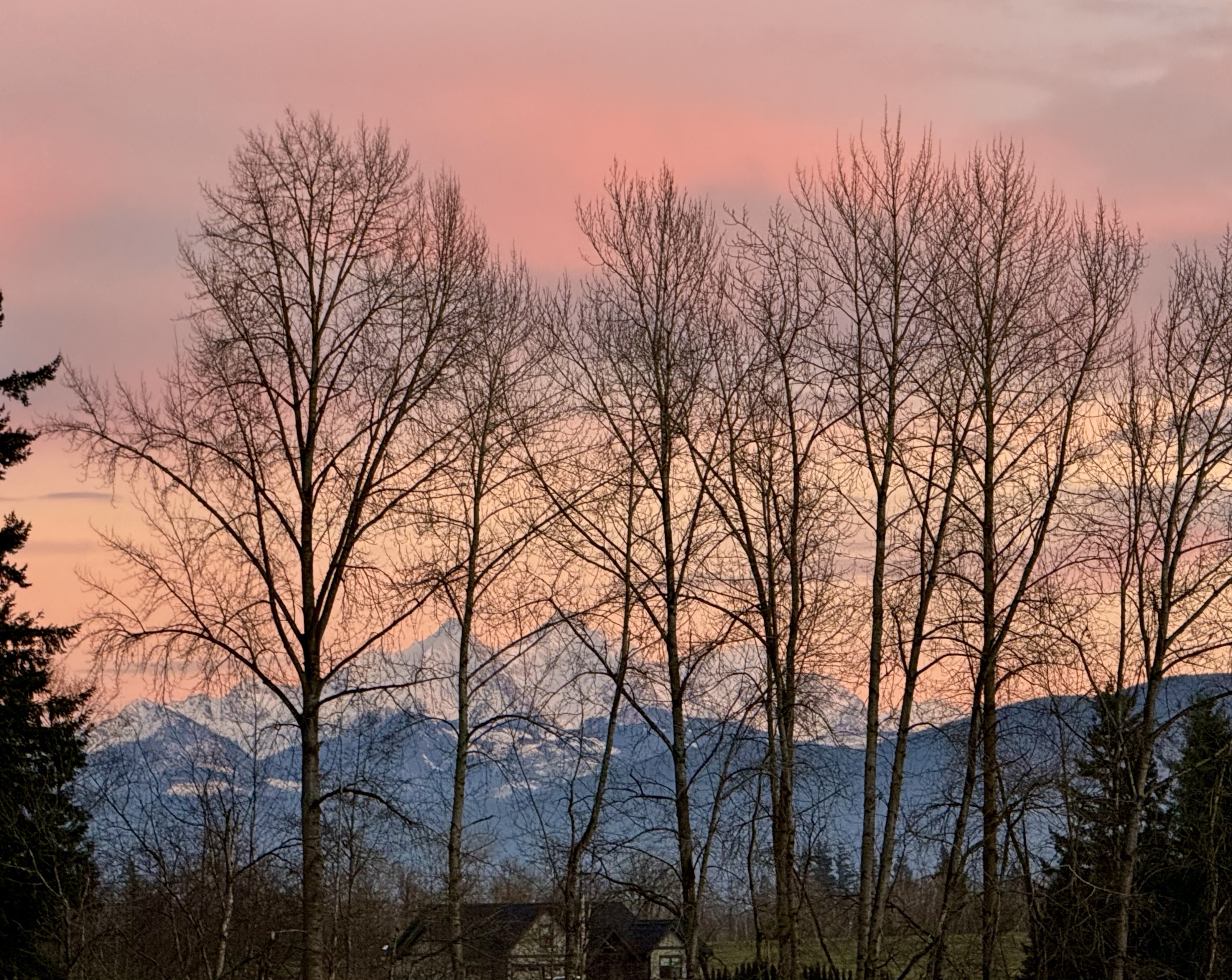
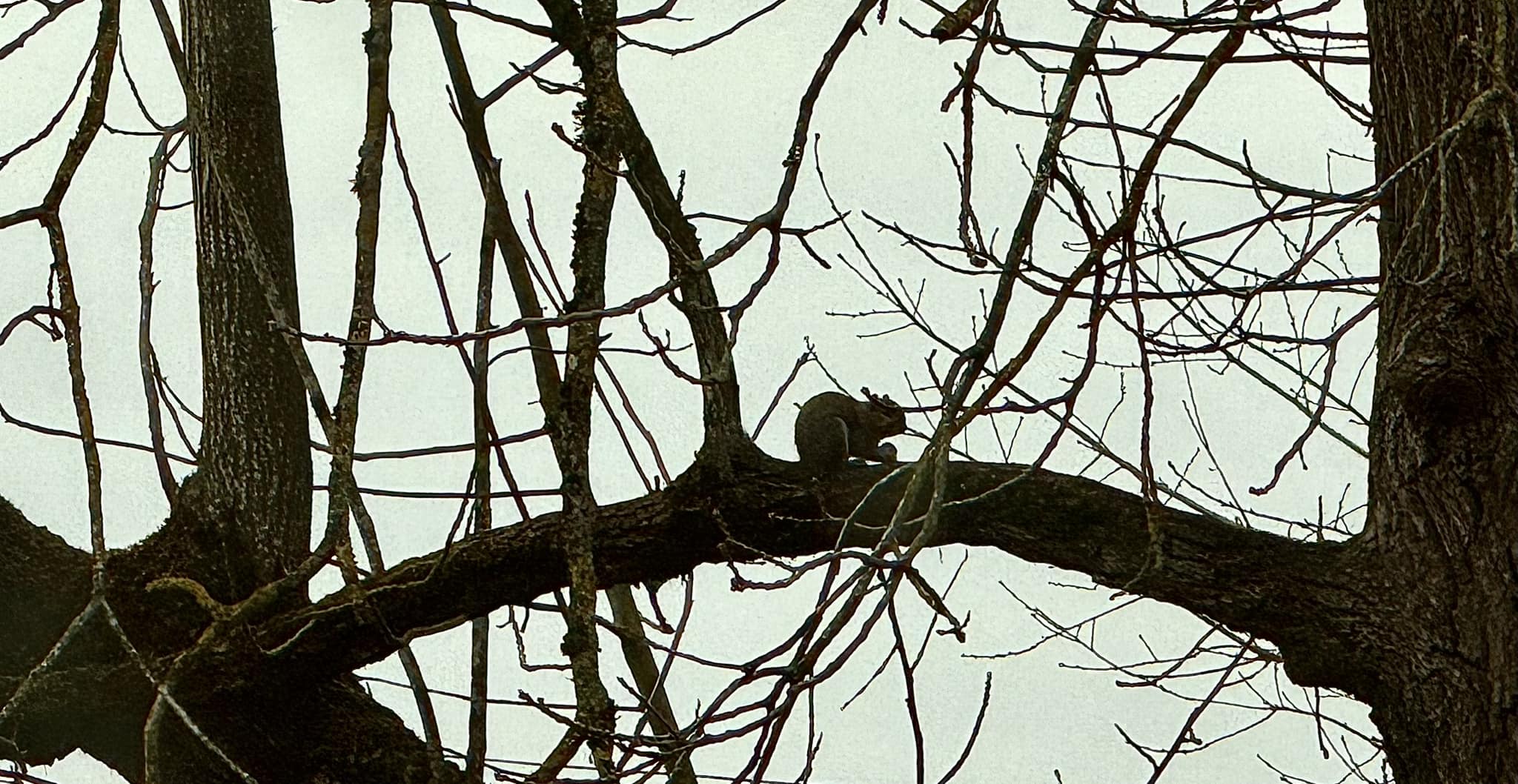
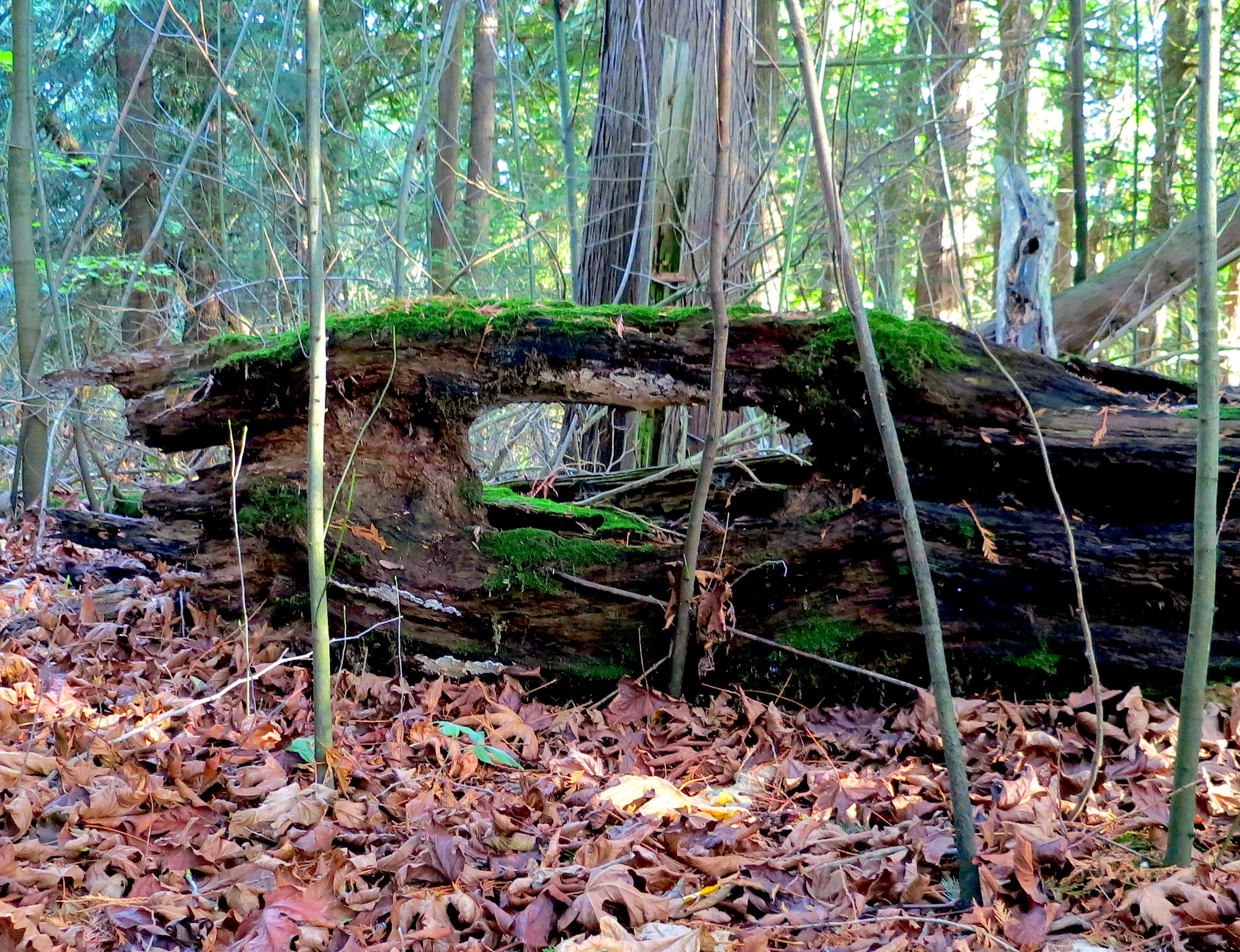
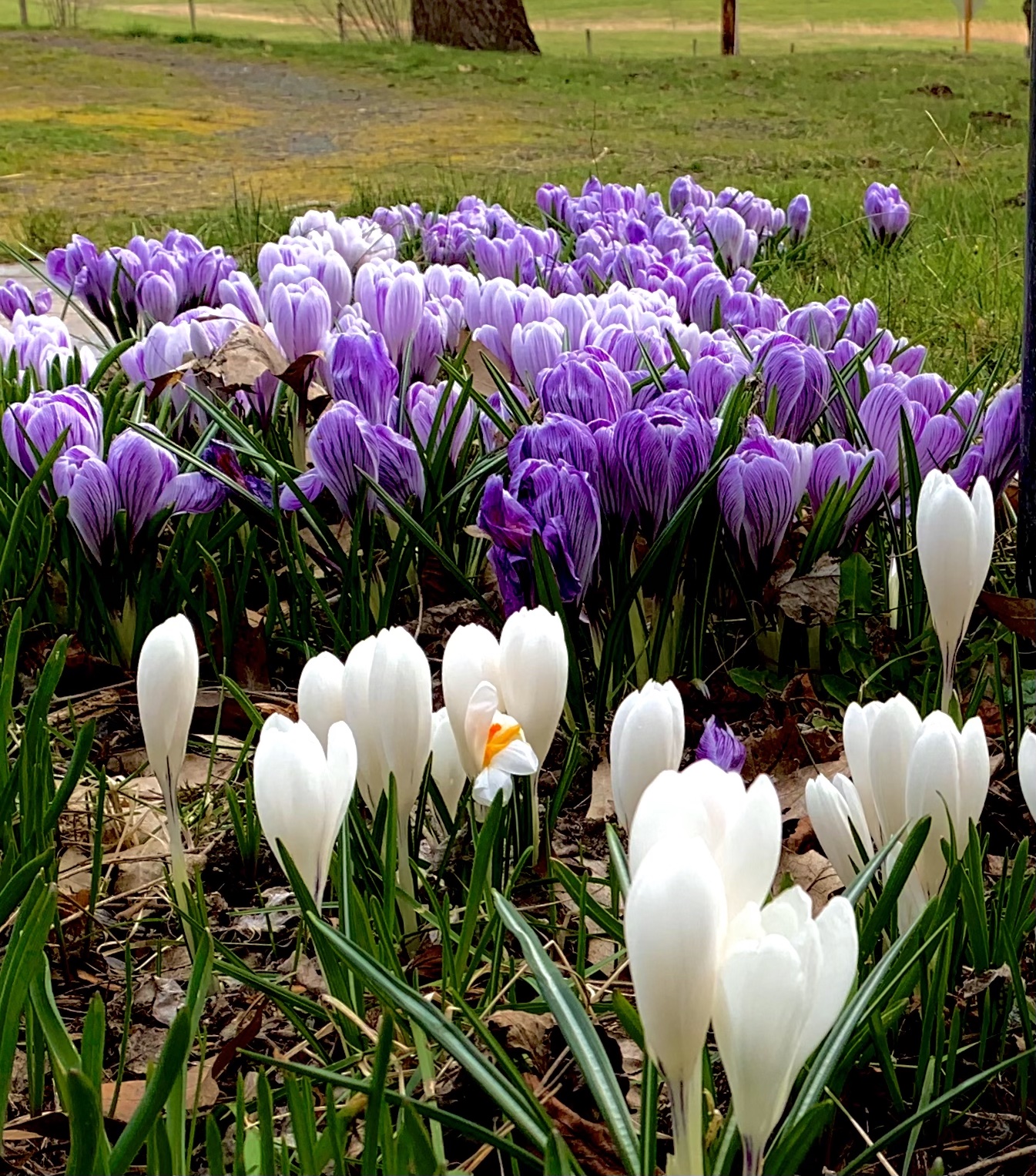
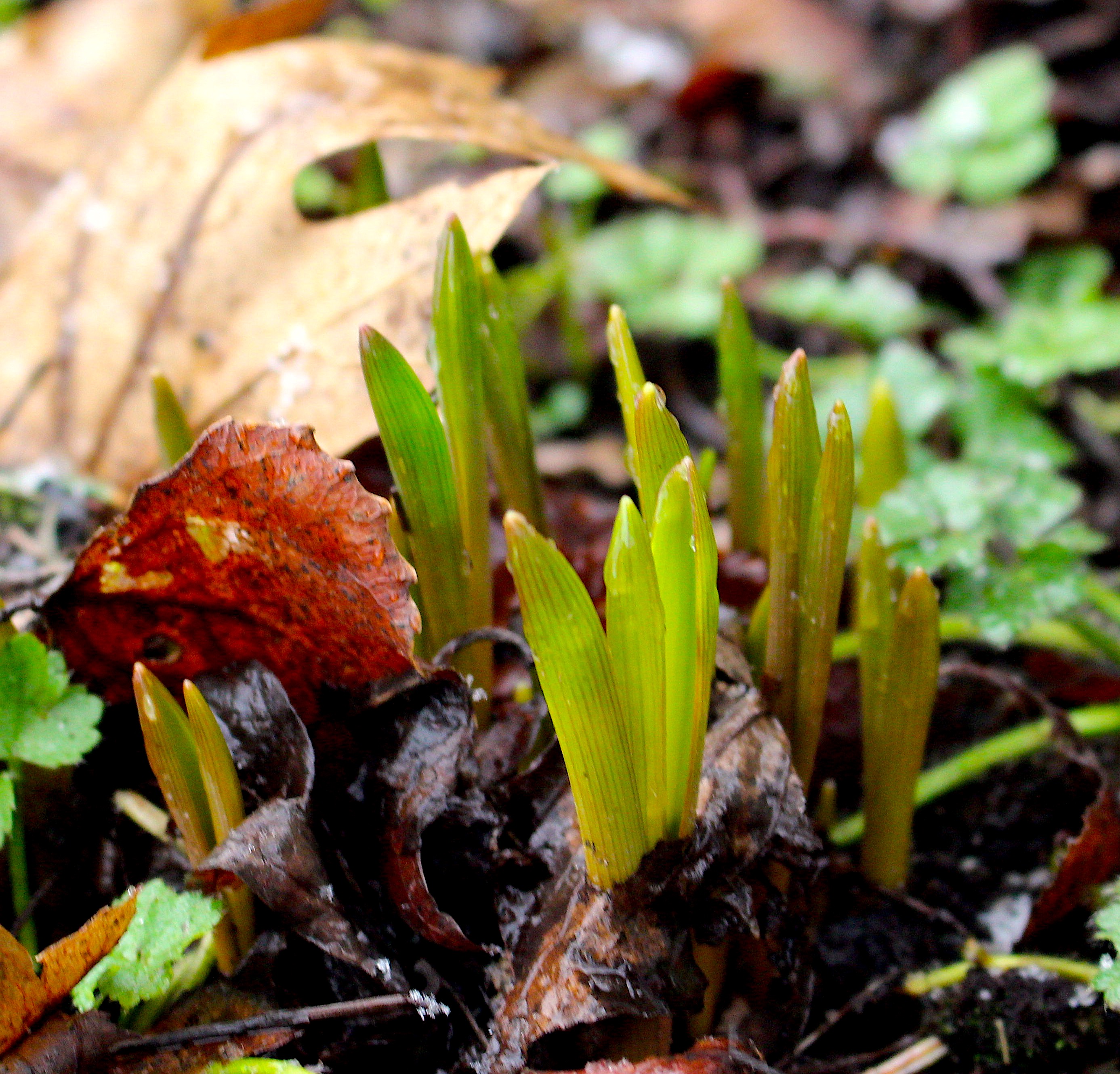
I grew up on a small farm with several acres of woodland. It was my retreat until I left for college; I walked among twittering birds, skittering wild bunnies, squirrels and chipmunks, busy ant hills and trails, blowing leaves, swimming tadpoles, falling nuts, waving wildflowers, large firs, pines, cottonwoods, maples and alder trees.
I had a favorite “secret” spot sitting perched on a stump where a large rock provided a favorite sunning spot for salamanders. They and I would make eye contact, pondering our common Creator.
At college I longed for a place as private, as serene, but nothing could match the woods and creatures of my childhood home. After living a decade in the city, I nearly forgot what a familiar woods felt like.
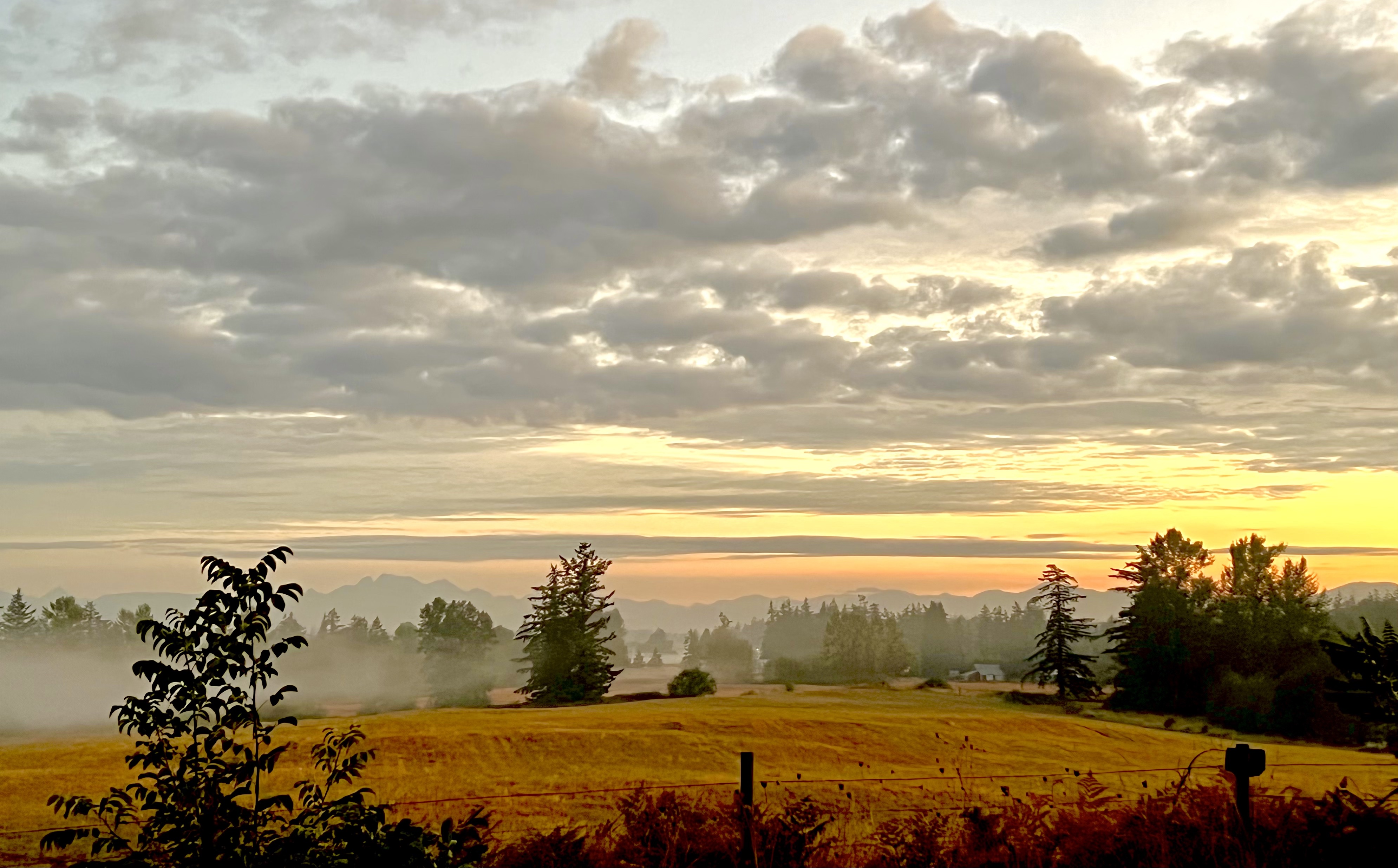
On this farm we’ve stewarded for nearly forty years, I’ve longed for a similar sanctuary, yet my distractions are so much greater than when I was a child. Filled with greater worries, I can’t empty my head and heart as completely to receive the varied gifts to be found around me.
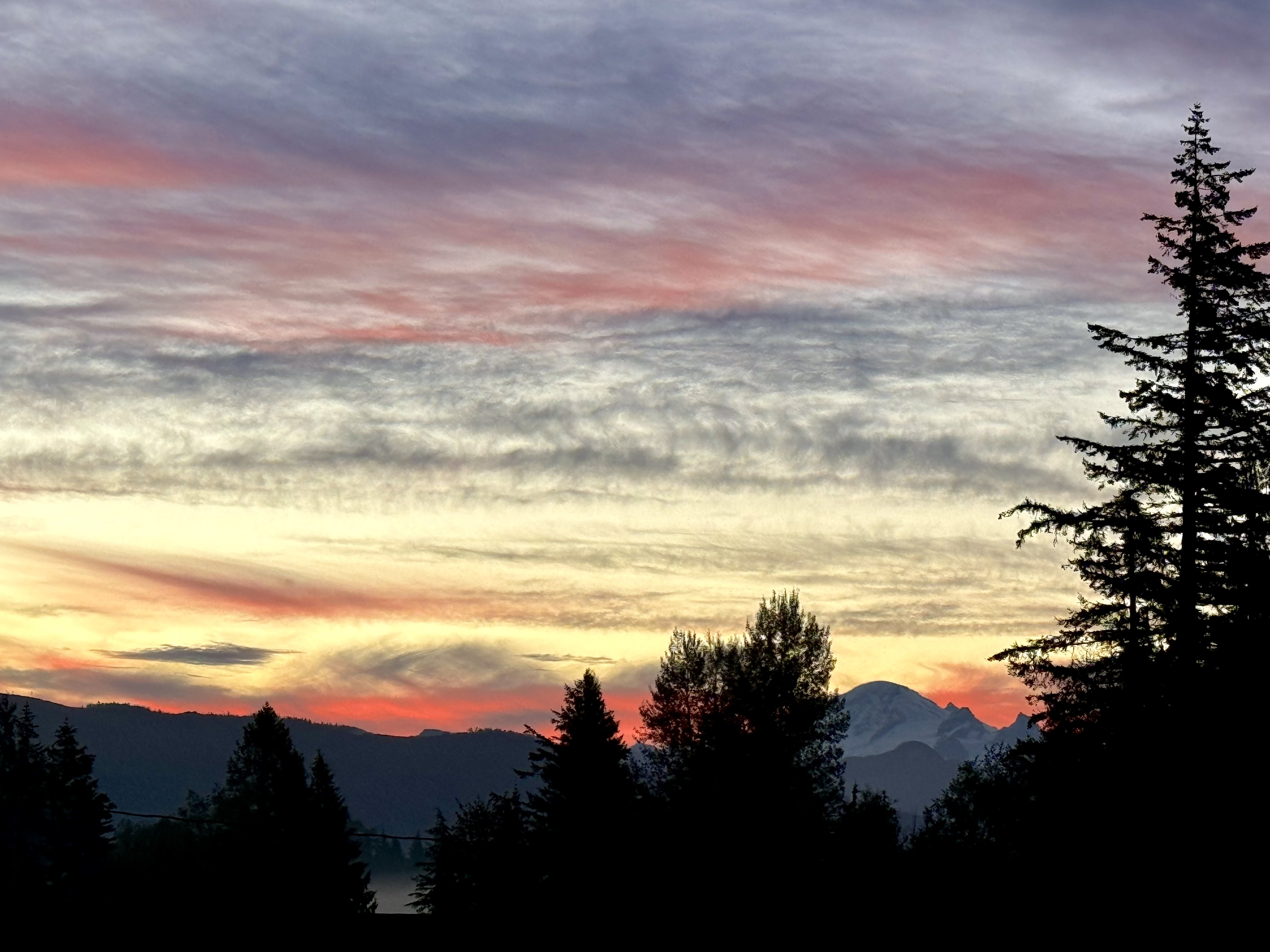
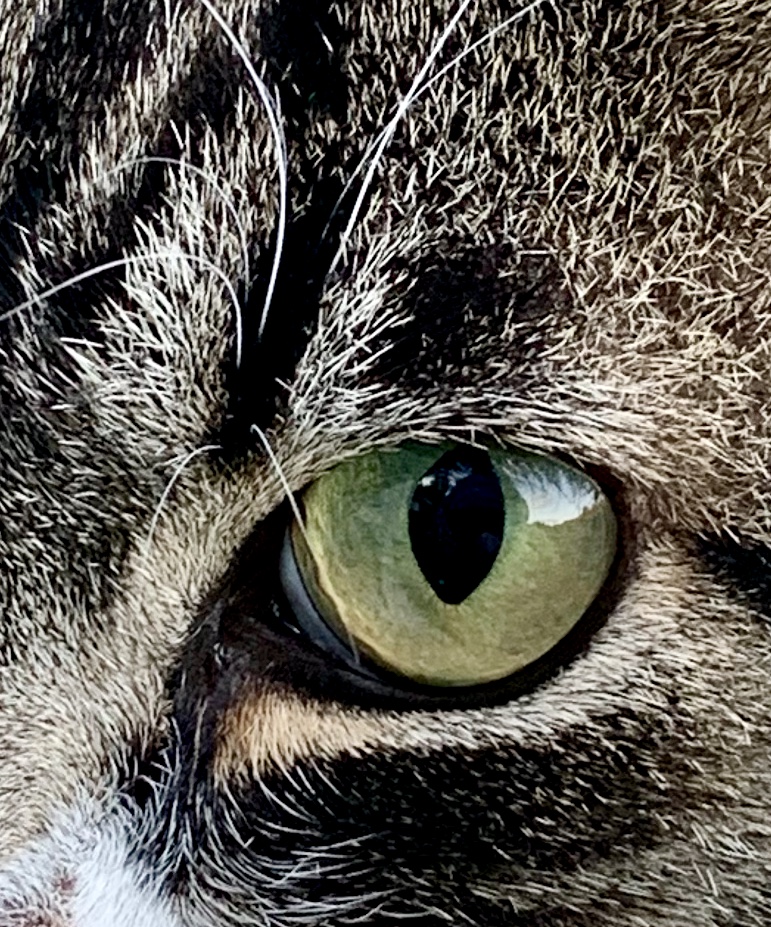
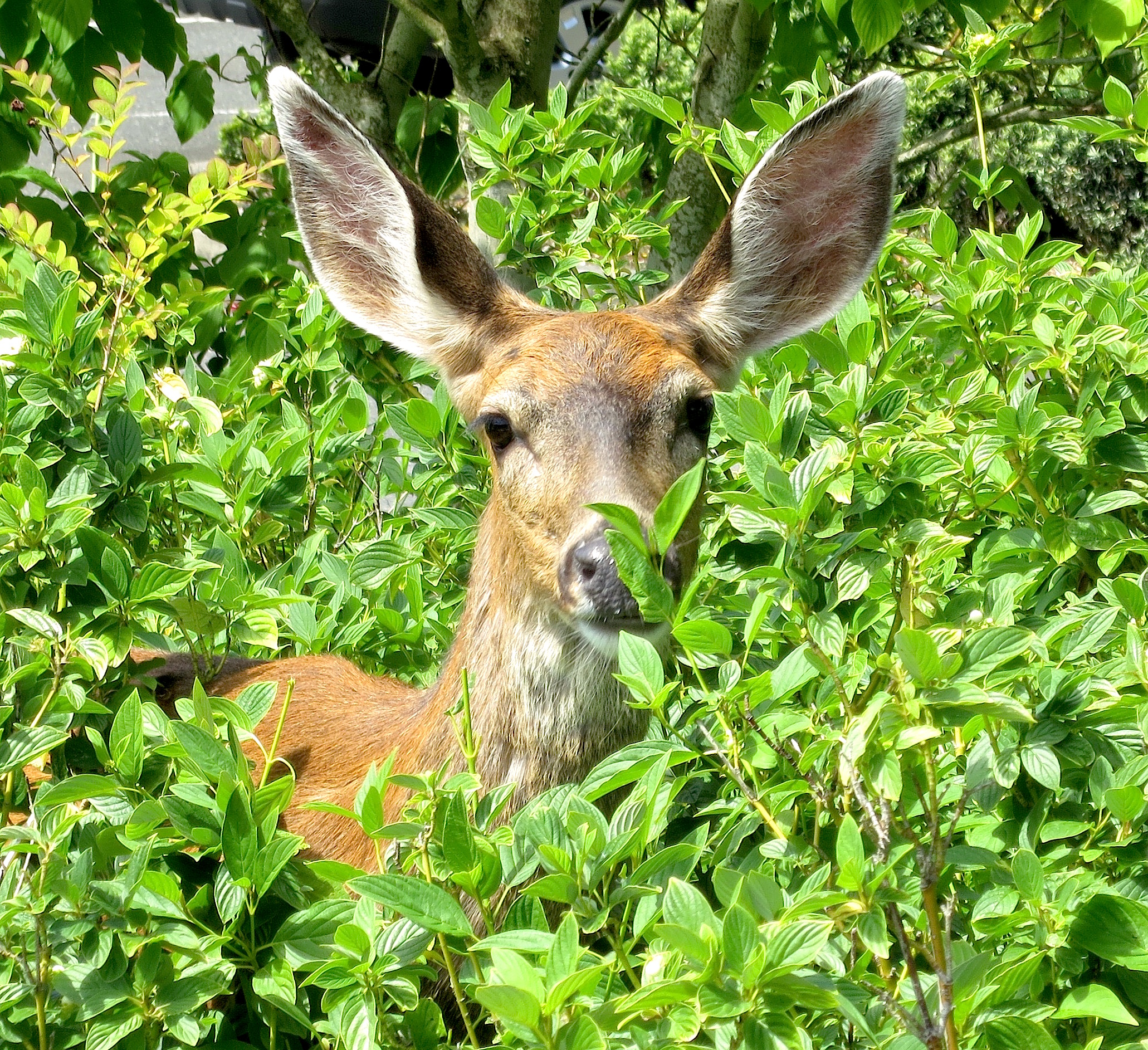
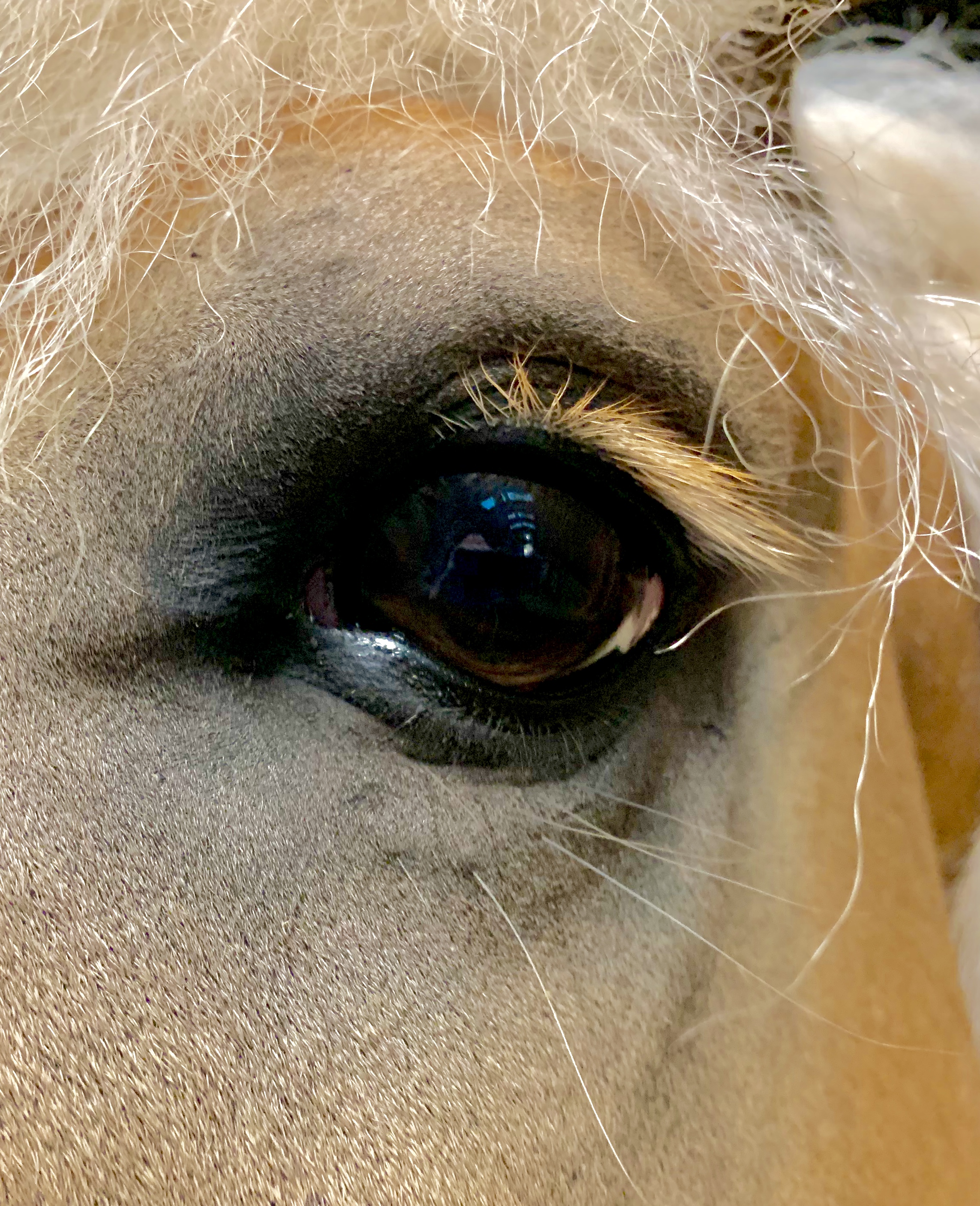
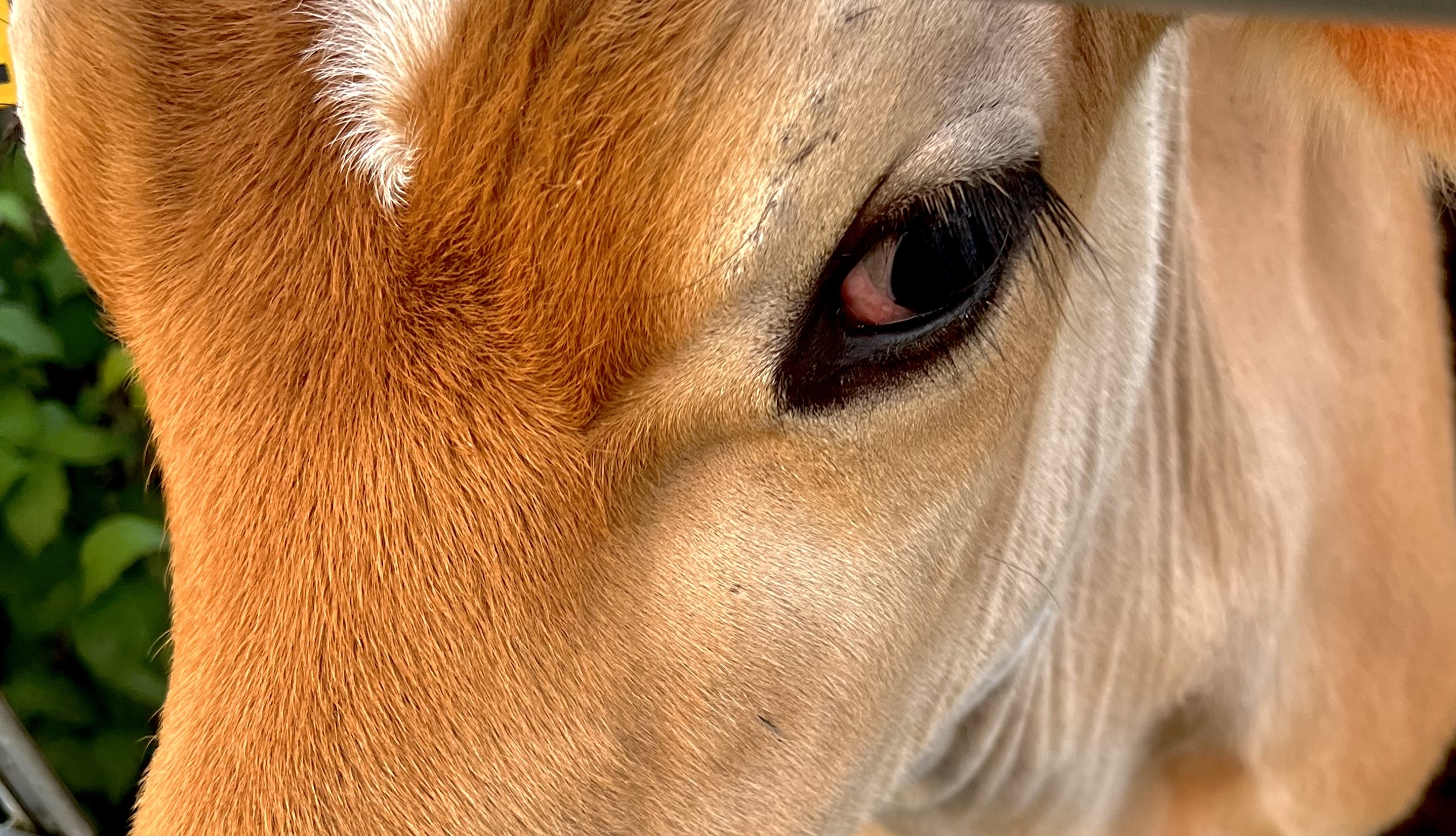
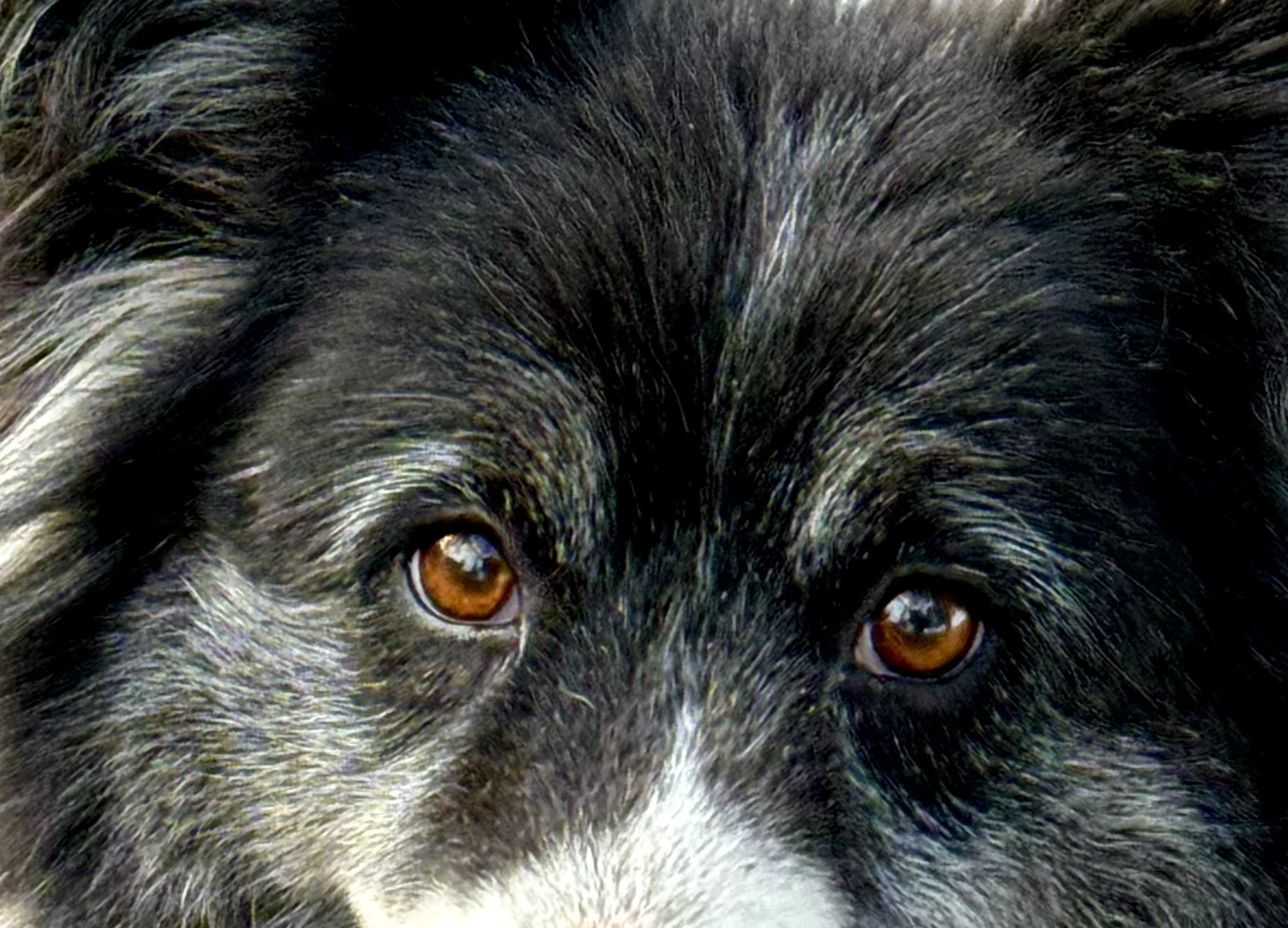
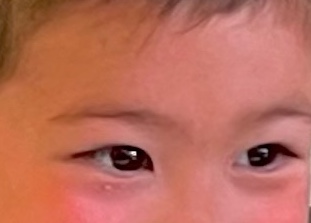
In my ever-shortening timeline to accomplish what I’ve been placed here to do, I need to study the faces of creation, knowing those eyes reflect the face of God.
One-Time
Monthly
Yearly
Make a one-time or recurring donation to support daily Barnstorming posts
And so you have a life that you are living only now, now and now and now, gone before you can speak of it, and you must be thankful for living day by day, moment by moment … a life in the breath and pulse and living light of the present… ~Wendell Berry from Hannah Coulter
Astonishing material and revelation appear in our lives all the time. Let it be. Unto us, so much is given. We just have to be open for business. ~Anne Lamott from Help Thanks Wow: Three Essential Prayers
…writing was one way to let something of lasting value emerge from the pains and fears of my little, quickly passing life. Each time life required me to take a new step into unknown spiritual territory, I felt a deep, inner urge to tell my story to others– Perhaps as a need for companionship but maybe, too, out of an awareness that my deepest vocation is to be a witness to the glimpses of God I have been allowed to catch. ~Henri Nouwen from Reaching Out
…there is something illicit, it seems, about wasted time, the empty hours of contemplation when a thought unfurls, figures of speech budding and blossoming, articulation drifting like spent petals onto the dark table we all once gathered around to talk and talk, letting time get the better of us. _Just taking our time_, as we say. That is, letting time take us. ~Patricia Hampl from Blue Arabesque: A Search for the Sublime
I would recognize myself in my patients, one after another after another. They sat at the edge of their seat, struggling to hold back a flood from brimming eyes, fingers gripping the arms of the chair, legs jiggling. Each moment, each breath, each rapid heart beat overwhelmed by panic-filled questions: will there be another breath? must there be another breath? Must this life go on like this in fear of what the next moment will bring?
The only thing more frightening than the unknown is the fear that the next moment could be worse than the last. Sadly, this is a tragic waste of precious time, a lack of recognition of a moment just passed that will never be retrieved and relived.
There is only fear of the next and the next so that the now and now and now is lost forever.
Worry and angst is more contagious than the flu. I washed my hands of it throughout the clinic day. I wished a simple vaccination could protect us all from unnamed fears.
I wanted to say to them as well as myself: Stop to rest within this moment in time. Stop and stop and stop. Stop fearing the gift of each breath.
Simply be.
I wanted to say: this moment in time is yours alone. Don’t let time take it from you; instead, take time for weeping and sharing and breath and pulse and light. Shout for joy in it. Celebrate it. Be thankful for tears that flow and stop holding them back.
Just be, as uncomfortable as it is – and be blessed– in the now and now and now.
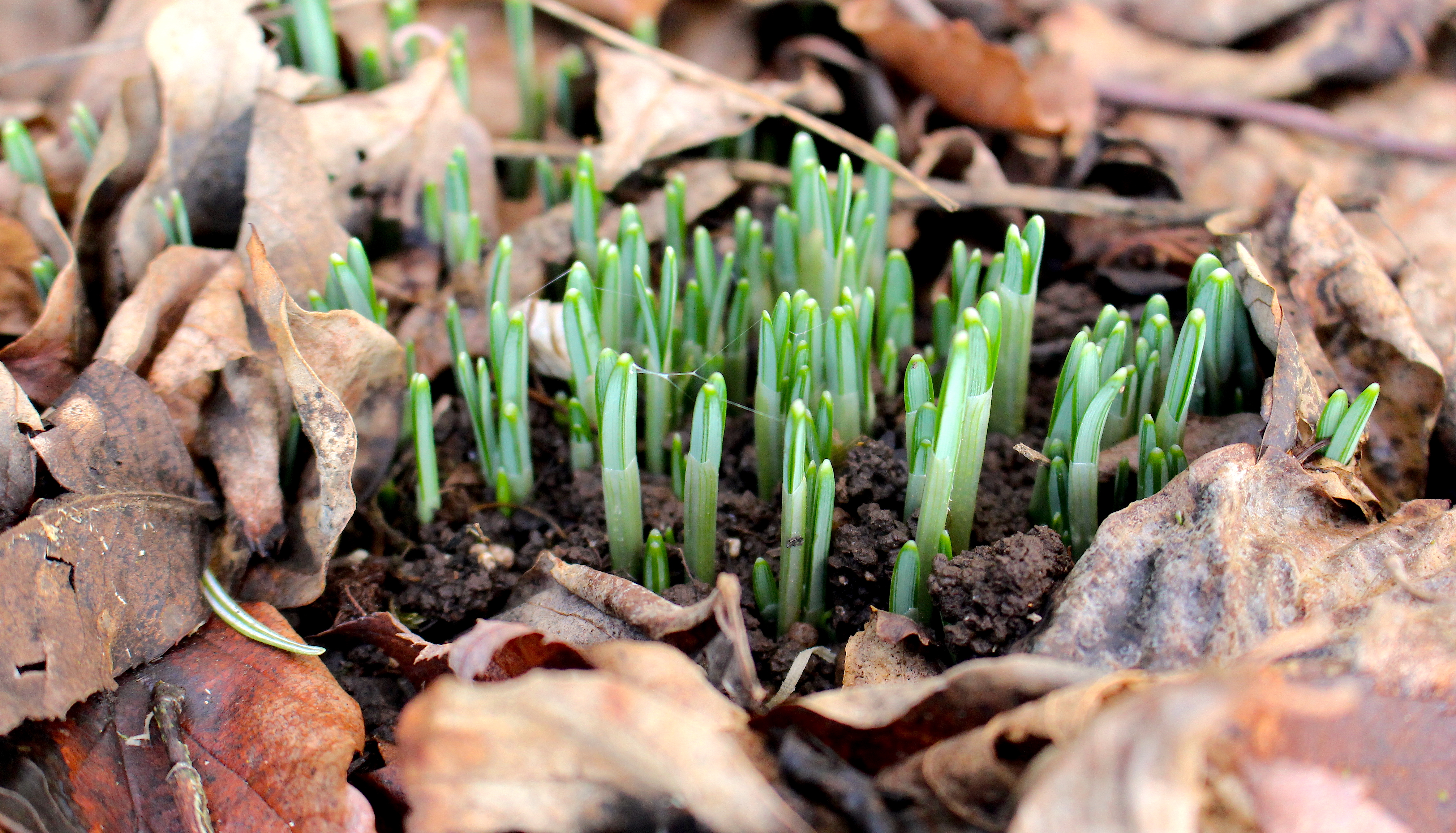
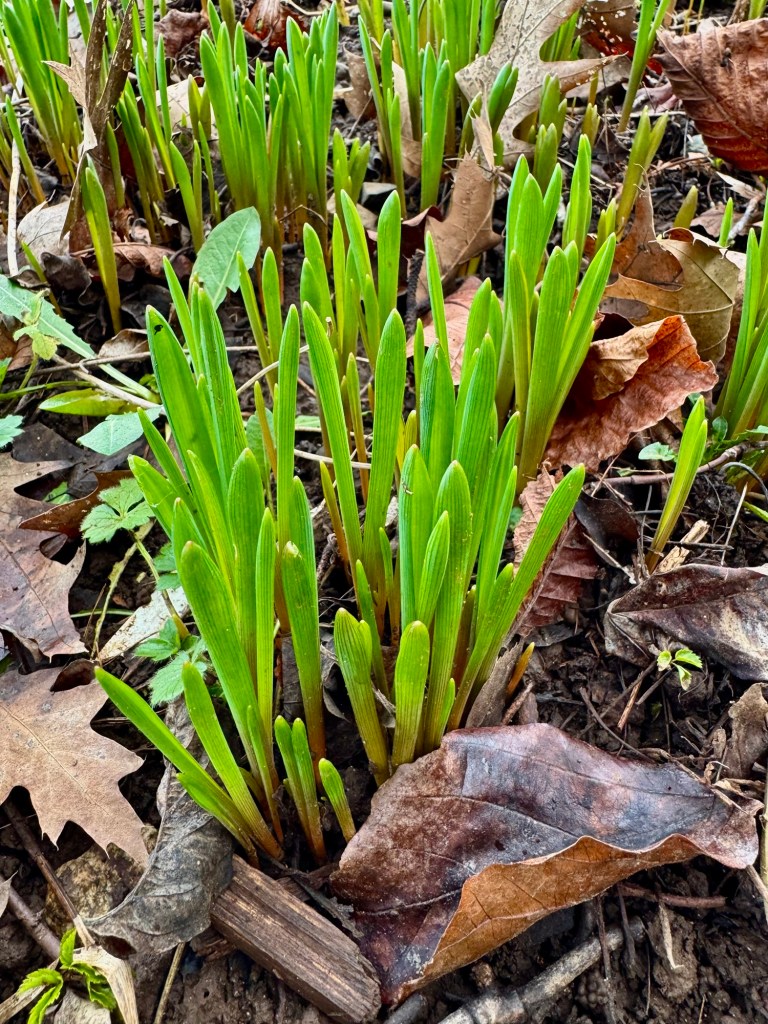
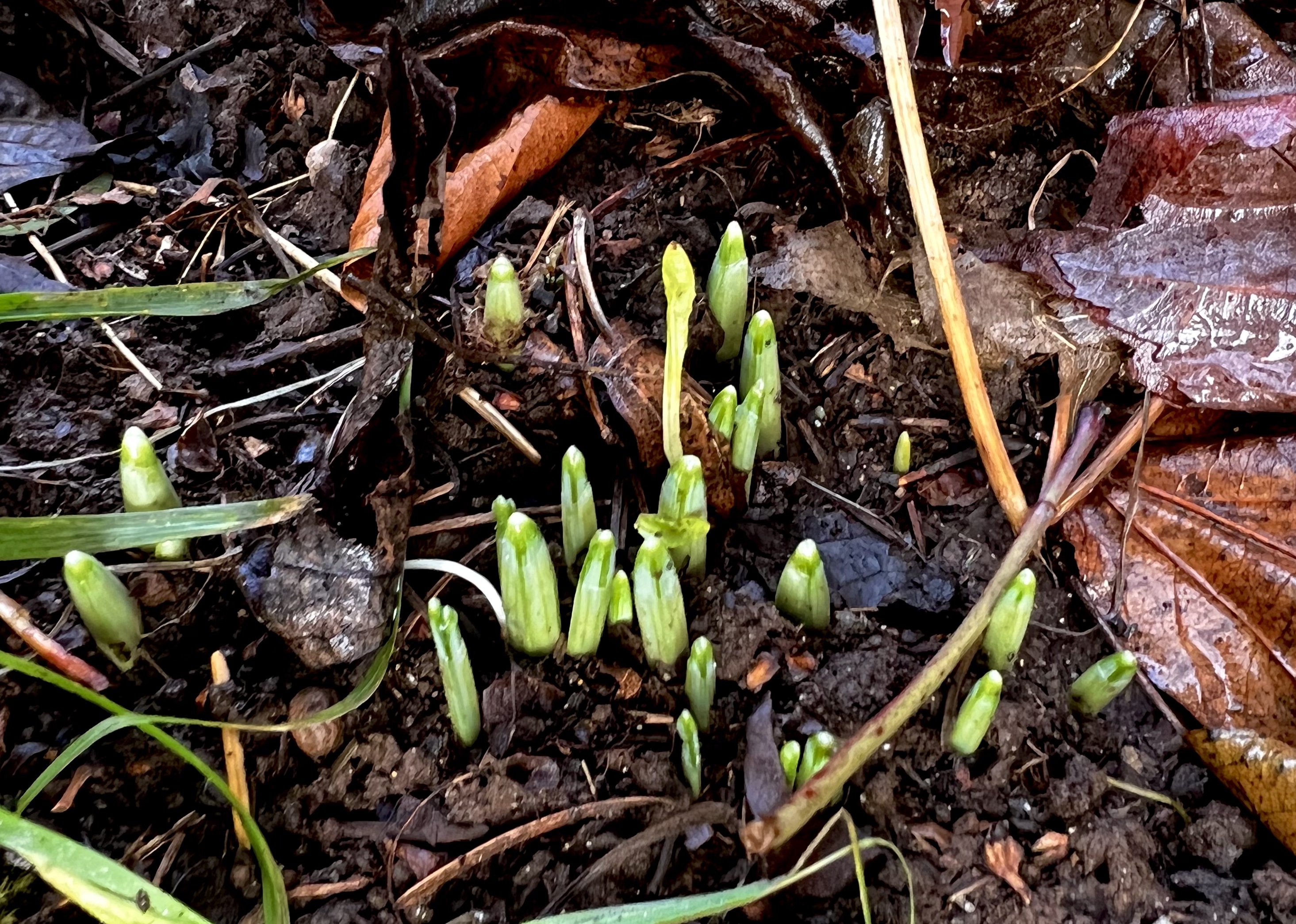
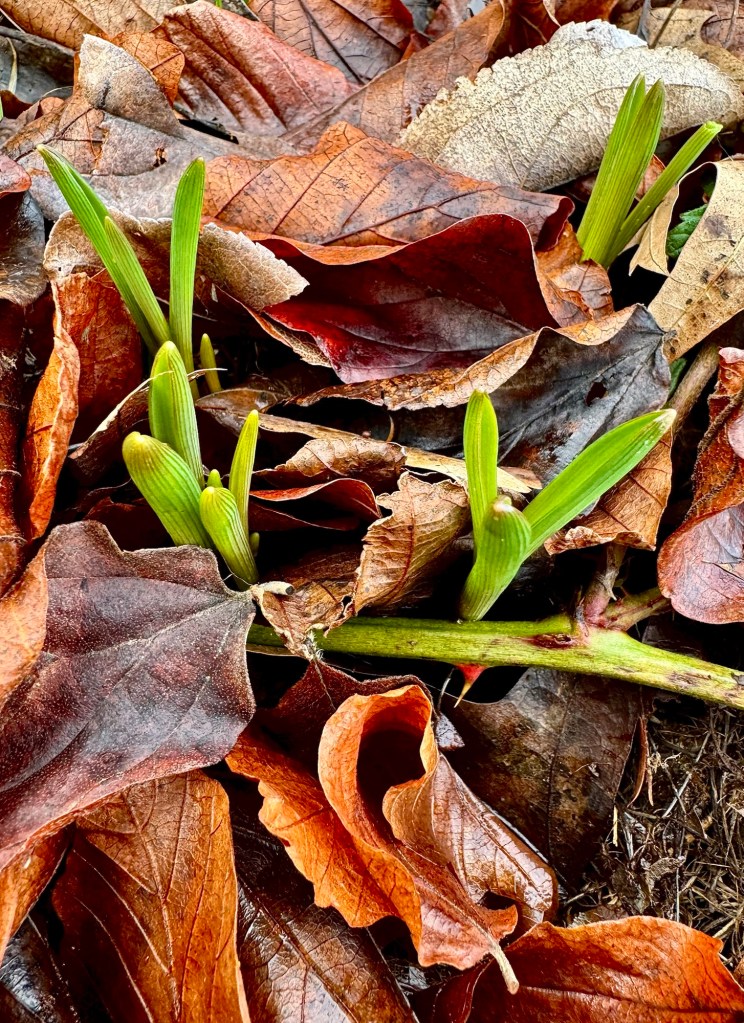
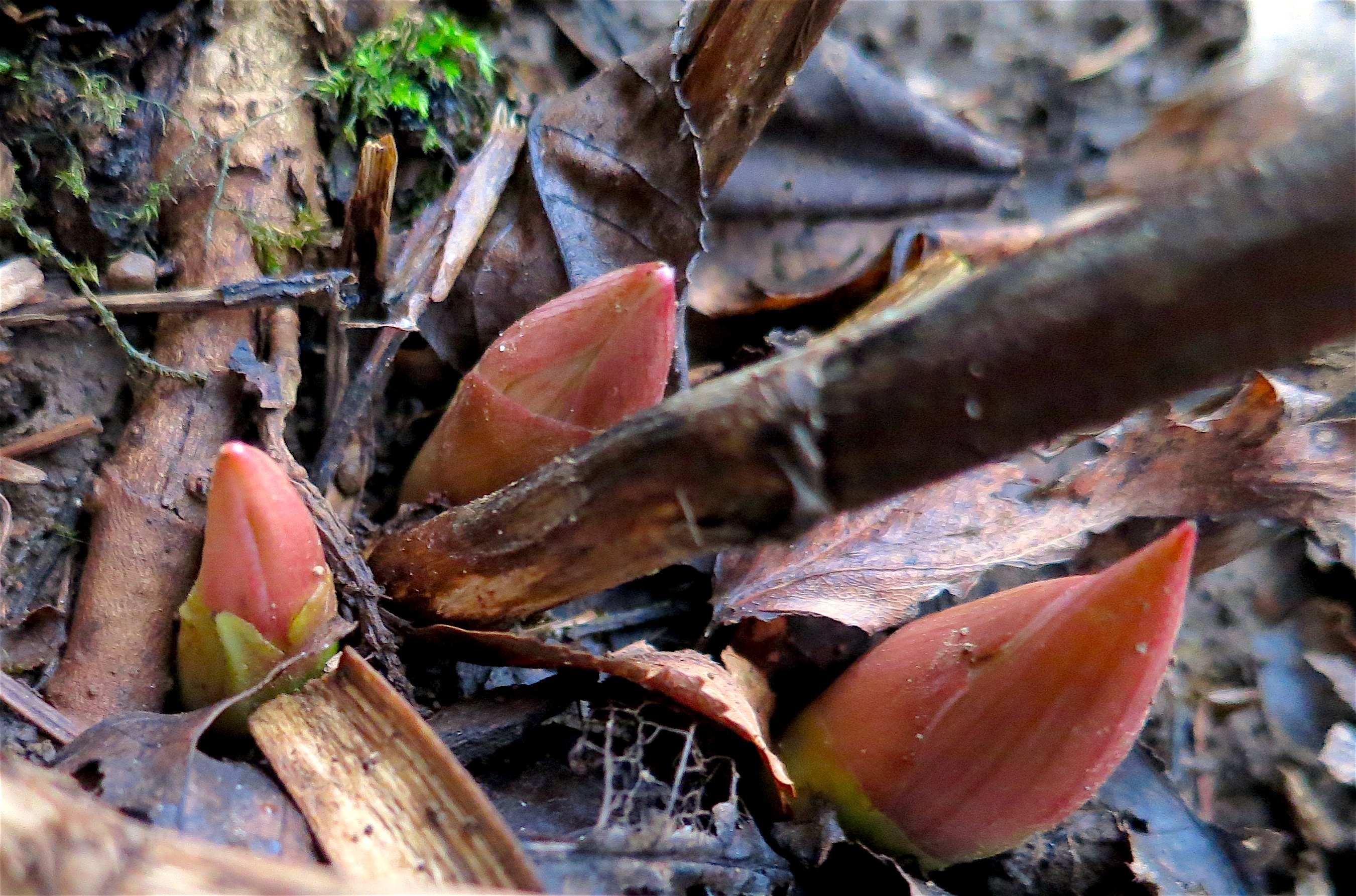
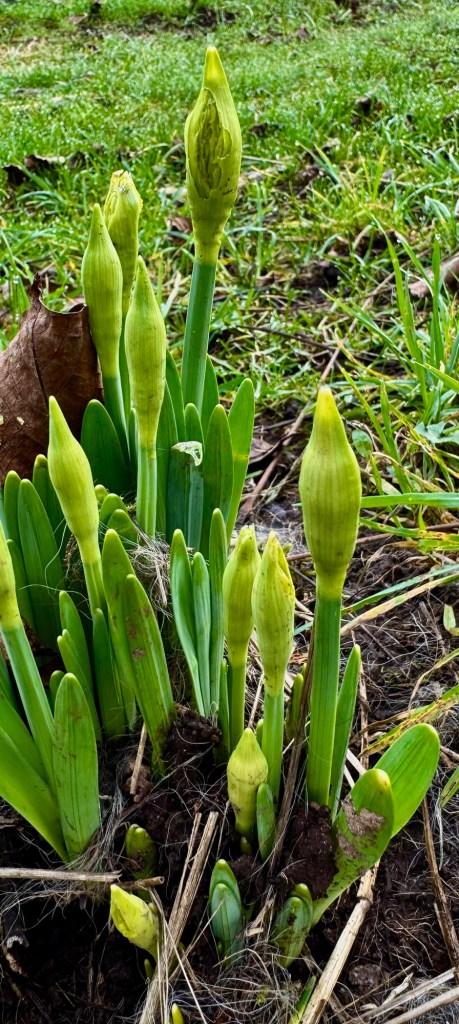
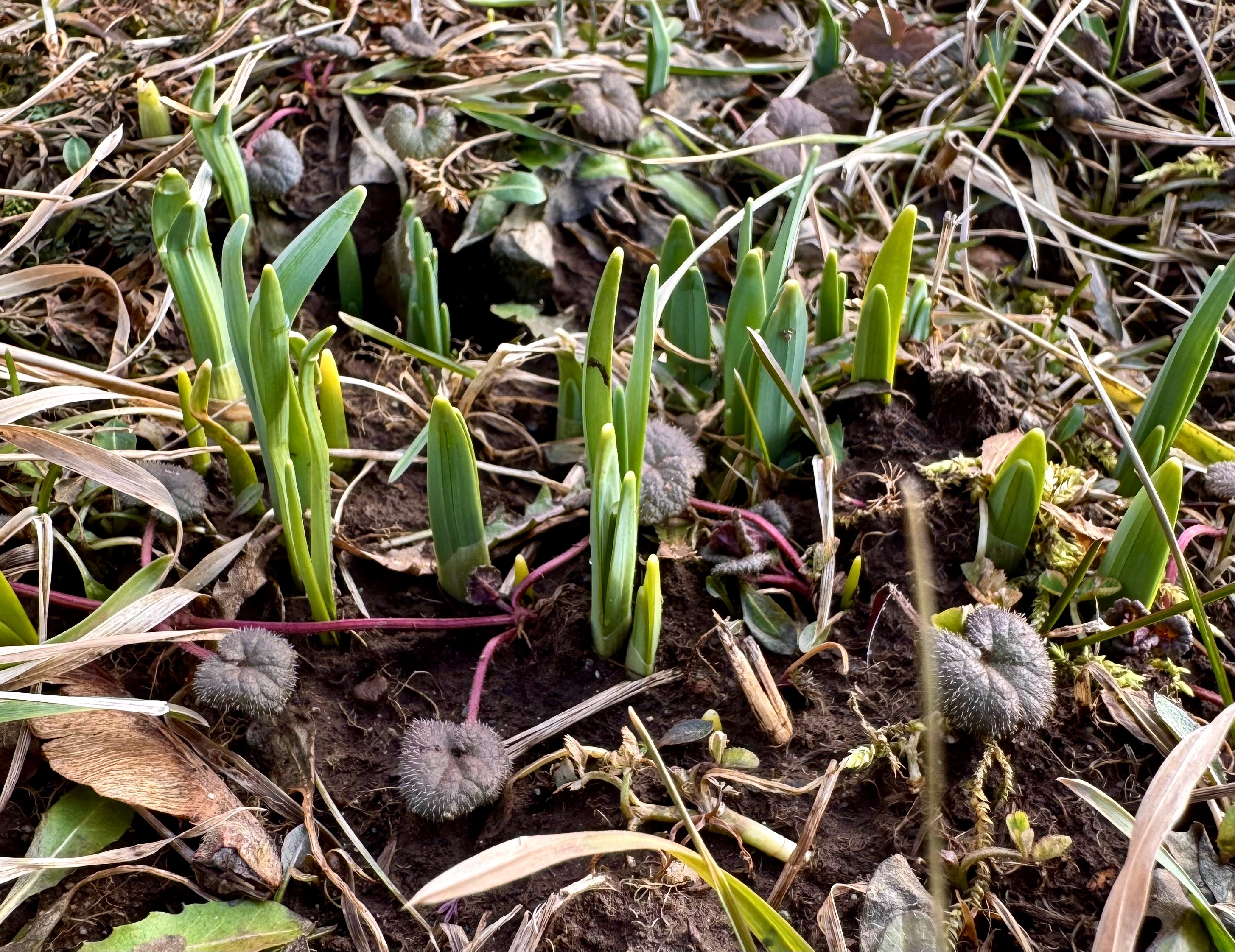
Be swept along on the current of time; now winter bare-branched, to be soon unfurling, budding, eventually blossoming.
Time takes us there. So let’s take time.
One-Time
Monthly
Yearly
Make a one-time or recurring donation to support daily Barnstorming posts
Morning without you is a dwindled dawn. ~Emily Dickinsonin a letter to a friend April 1885
Over the years, the most common search term bringing new readers to my Barnstorming blog is “dwindled dawn.”
I had written about Emily Dickinson’s “dwindles” on a number of occasions – missing a house full of our three children, who have their own homes with families. Yet I had not felt afflicted with a serious case of dwindles myself until the ongoing isolation during COVID-time.
I was clearly not the only one. “Dwindles” spread across the globe during the pandemic more quickly than the virus.
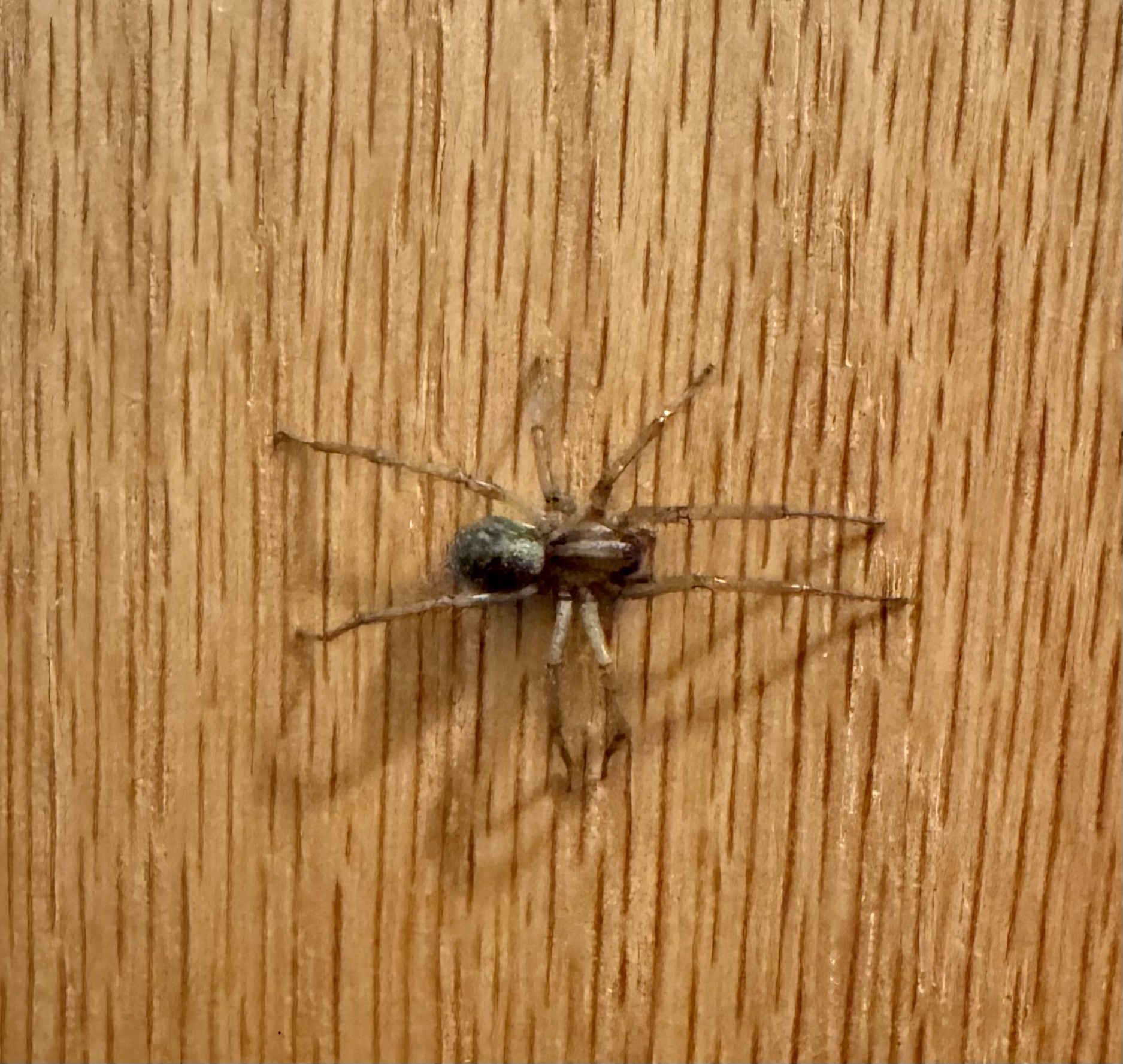
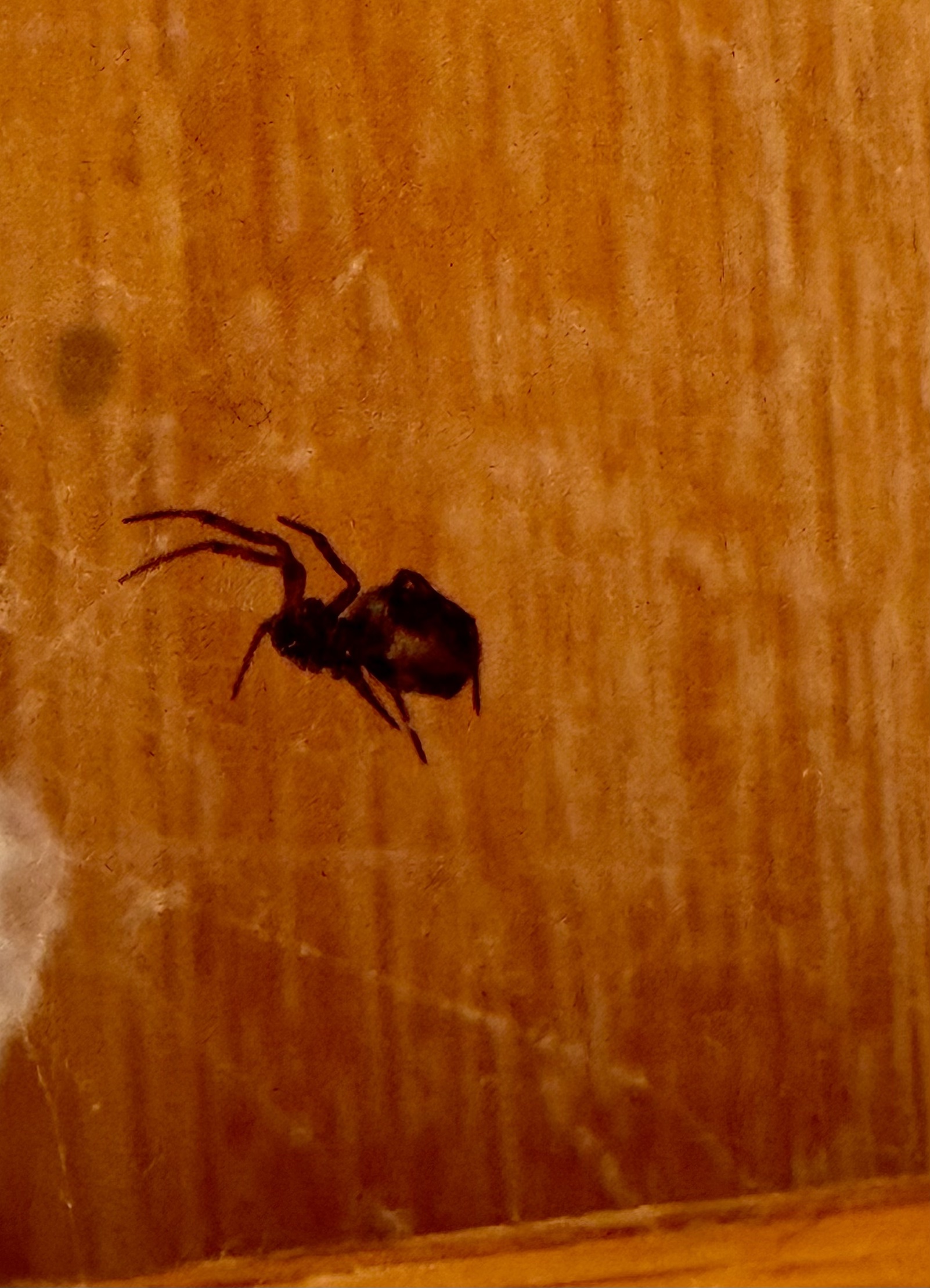
There really isn’t a pill that works well for dwindling. One of the most effective treatments is breaking bread with friends and family all in the same room, at the same table, playing games, lingering over conversation or singing together in harmony.
Just being together becomes the ultimate cure for dwindles.
Maybe experiencing friend and family deficiency during the pandemic helped us all understand how crucial we are to one another. It’s high time to replenish the reservoir so we don’t dwindle away to nothing.
If you are visiting these words for the first time because you too searched for “dwindled dawn” — welcome to Barnstorming. We can stave off the dwindles by joining together each day for encouragement and a bit of beauty.
Because mornings without you all diminishes me. I just want you to know.
One-Time
Monthly
Yearly
Make a one-time or recurring donation to support daily Barnstorming posts
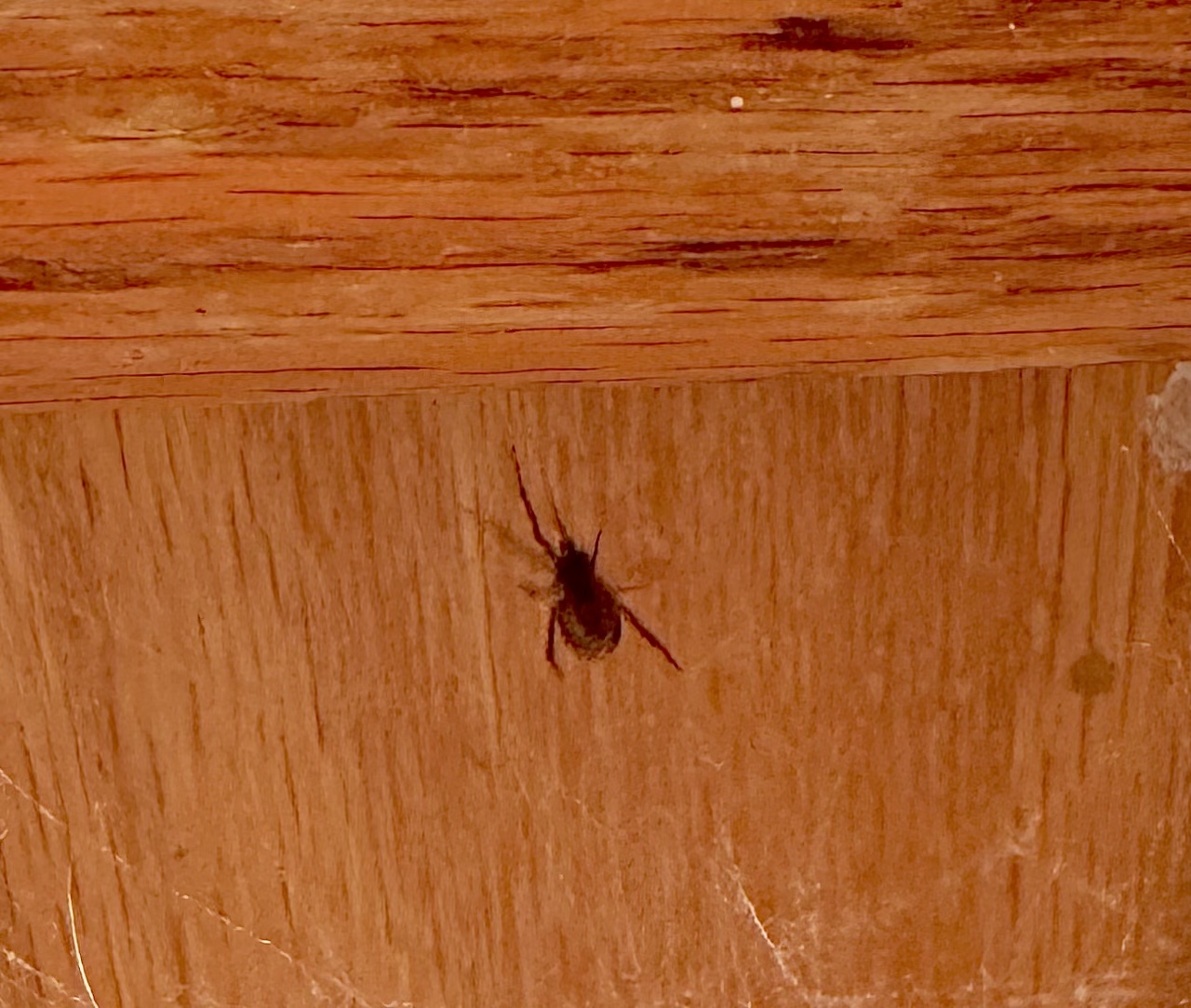
I wondered if that was how forgiveness budded; not with the fanfare of epiphany, but with pain gathering its things, packing up, and slipping away unannounced in the middle of the night. — Khaled Hosseini from The Kite Runner
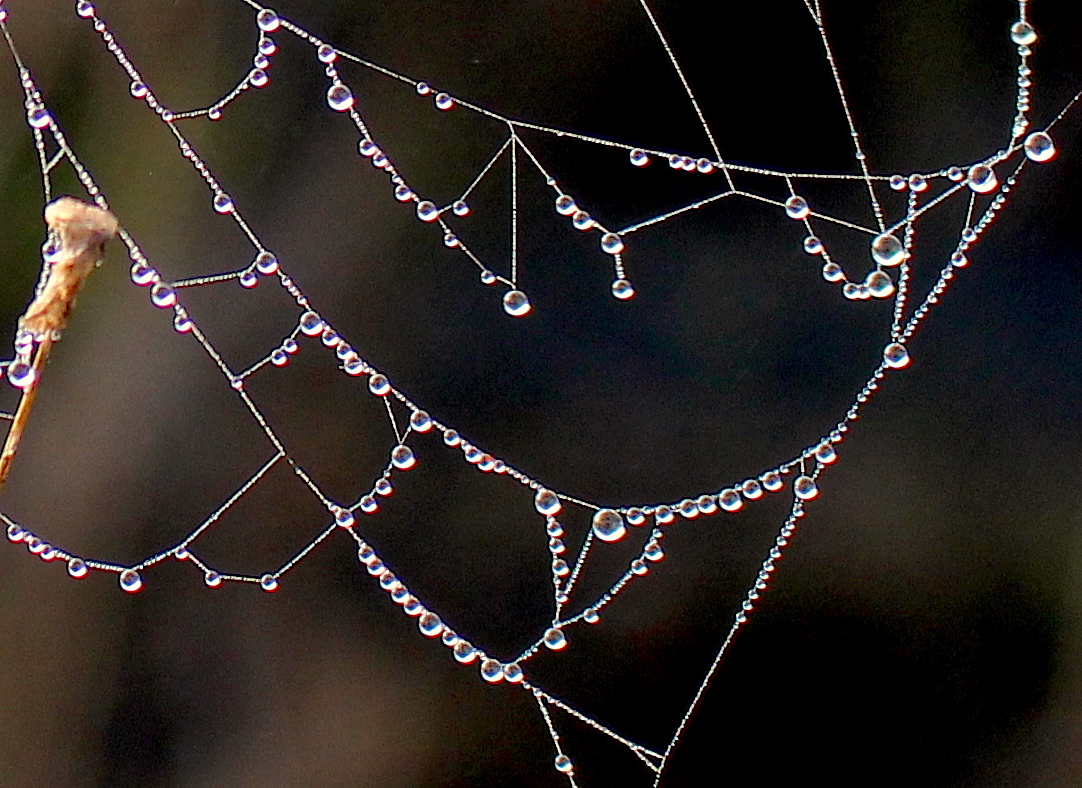
The time is ripe for looking back over the day, the week, the year, and trying to figure out where we have come from and where we are going to, for sifting through the things we have done and the things we have left undone for a clue to who we are and who, for better or worse, we are becoming.
We cling to the present out of wariness of the past.
But there is a deeper need yet, I think, and that is the need—not all the time, surely, but from time to time—to enter that still room within us all where the past lives on as a part of the present, where the dead are alive again, where we are most alive ourselves to turnings and to where our journeys have brought us.
The name of the room is Remember—the room where with patience, with charity, with quietness of heart, we remember consciously to remember the lives we have lived. ~Frederick Buechner from A Room Called Remember
age nineage 14age 15
Something went wrong, says the empty house in the weed-choked yard. Stones in the fields say he was not a farmer; the still-sealed jars in the cellar say she left in a nervous haste. And the child? Its toys are strewn in the yard like branches after a storm—a rubber cow, a rusty tractor with a broken plow, a doll in overalls. Something went wrong, they say. ~Ted Kooser, from “Abandoned Farmhouse” from Sure Signs: New and Selected Poems.
In 1959, when I was five years old, my father took a new job so our family moved from a large 3 story farm house in a rural community to a 1950’s newer rambler-style home just outside the city limits of the state capitol.
It was a big adjustment to move to a much smaller house without a basement or upper story, no garage, and no large haybarn nor chicken coop. It meant most things we owned didn’t make the move with us.
The rambler had two side-by-side mirror image rooms as the primary central living space between the kitchen/dining area on one side and the hallway to the bedrooms on the other. The living room could only be entered through the front door and the family room was accessed through the back door with a shared sandstone hearth in the center, containing a fireplace in each room. The only opening between the rooms had a folding door shut most of the year. In December, the door was opened to accommodate a Christmas tree, so it sat partially in the living room and depending on its generous width, spilled over into the family room. That way it was visible from both rooms, and didn’t take up too much floor space.
The living room, because it contained the only carpeting in the house, and our “best” furniture, was strictly off-limits. In order to keep our two matching sectional knobby gray fabric sofas, a green upholstered chair and gold crushed velvet covered love seat in pristine condition, the room was to be avoided unless we had company. The carpet was never to develop a traffic pattern, there would be no food, beverage, or pet ever allowed in that room, and the front door was not to be used unless a visitor arrived. The hearth never saw a fire lit on that side because of the potential of messy ashes or smoke smell.
This was not a room for toys or games. The chiming clock next to the hearth, wound with weighted cones on the end of chains, called out the hours without an audience.
One week before Christmas, a tree was chosen to fit in the space where it could overflow into the family room. I particularly enjoyed decorating the “family room” side of the tree, using all my favorite ornaments that were less likely to break if they fell on the linoleum floor on that side of the door.
It was almost as if the Christmas tree itself became divided, with a “formal” side in the living room and a “real life” face on the other side where the living (and hurting) was actually taking place.
The tree straddled more than just two rooms. Every year that tree’s branches reached out to shelter a family that was slowly, almost imperceptibly, falling apart, like the fir needles dropping to the floor to be swept away.
Something was going wrong, only I didn’t see it at the time.
Each year since, our Christmas tree, bearing those old ornaments from my childhood, reminds me of that still room of memories.
No longer am I wary of the past. As I sweep up the fir needles that inevitably drop, I no longer weep.
One-Time
Monthly
Yearly
Make a one-time or recurring donation to support daily Barnstorming posts
Now, newborn, in wide-eyed wonder he gazes up at his creation. His hand that hurled the world holds tight his mother’s finger. Holy light spills across her face and she weeps silent wondering tears to know she holds the One who has so long held her. ~Joan Rae Mills from “Mary”in Light Upon Light
Now burn, new born to the world, Doubled-naturèd name, The heaven-flung, heart-fleshed, maiden-furled Miracle-in-Mary-of-flame, Mid-numbered he in three of the thunder-throne!
Not a dooms-day dazzle in his coming nor dark as he came; Kind, but royally reclaiming his own; A released shower, let flash to the shire, not a lightning of fíre hard-hurled.
Let him easter in us, be a dayspring to the dimness of us, be a crimson-cresseted east… ~Gerard Manley Hopkins from “The Wreck of the Deutschland”
Through the tender mercy of our God, With which the Dayspring from on high has visited us; To give light to those who sit in darkness and the shadow of death, To guide our feet into the way of peace. Luke 1:78-79 (Zechariah’s Song)
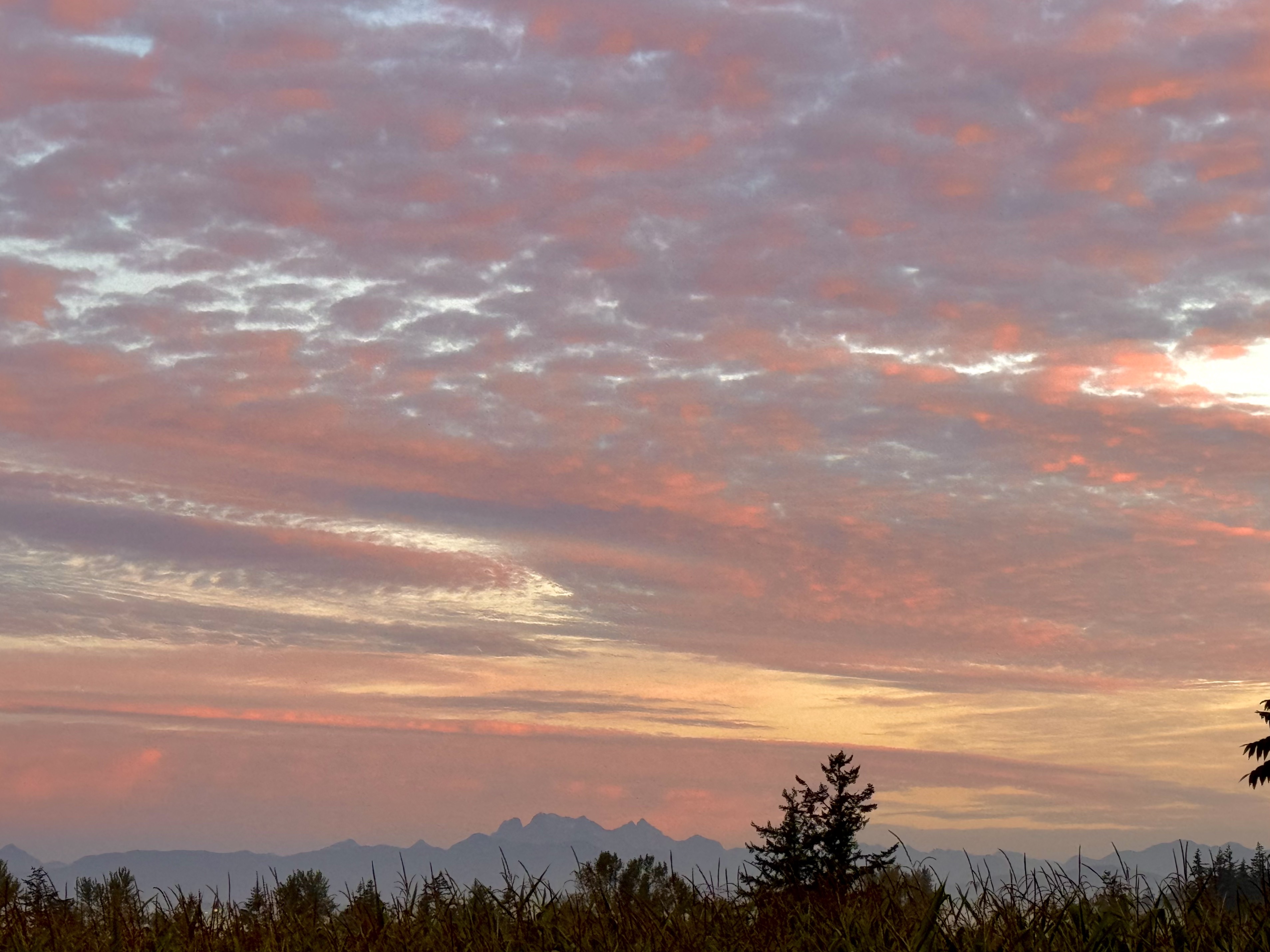
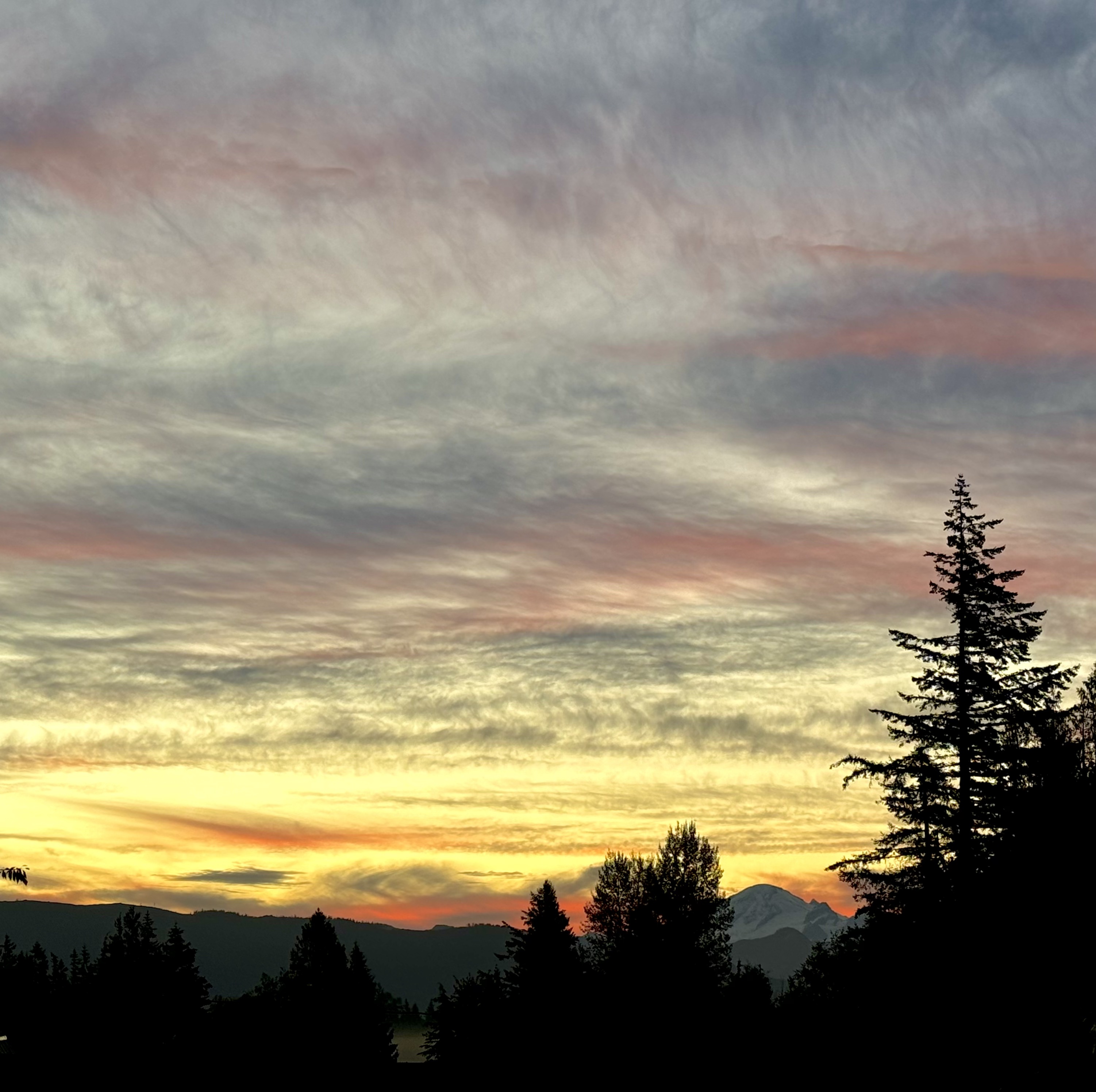
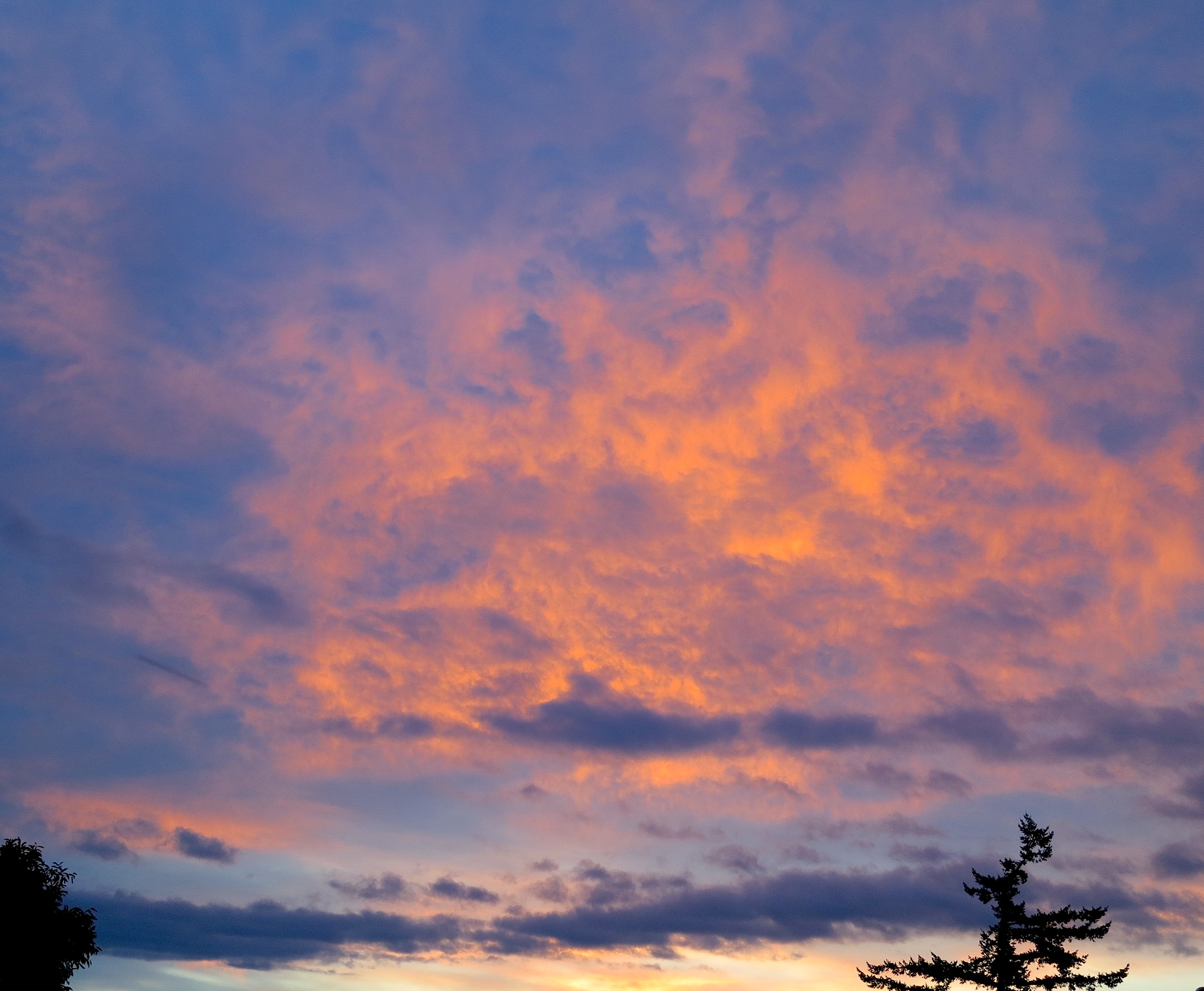
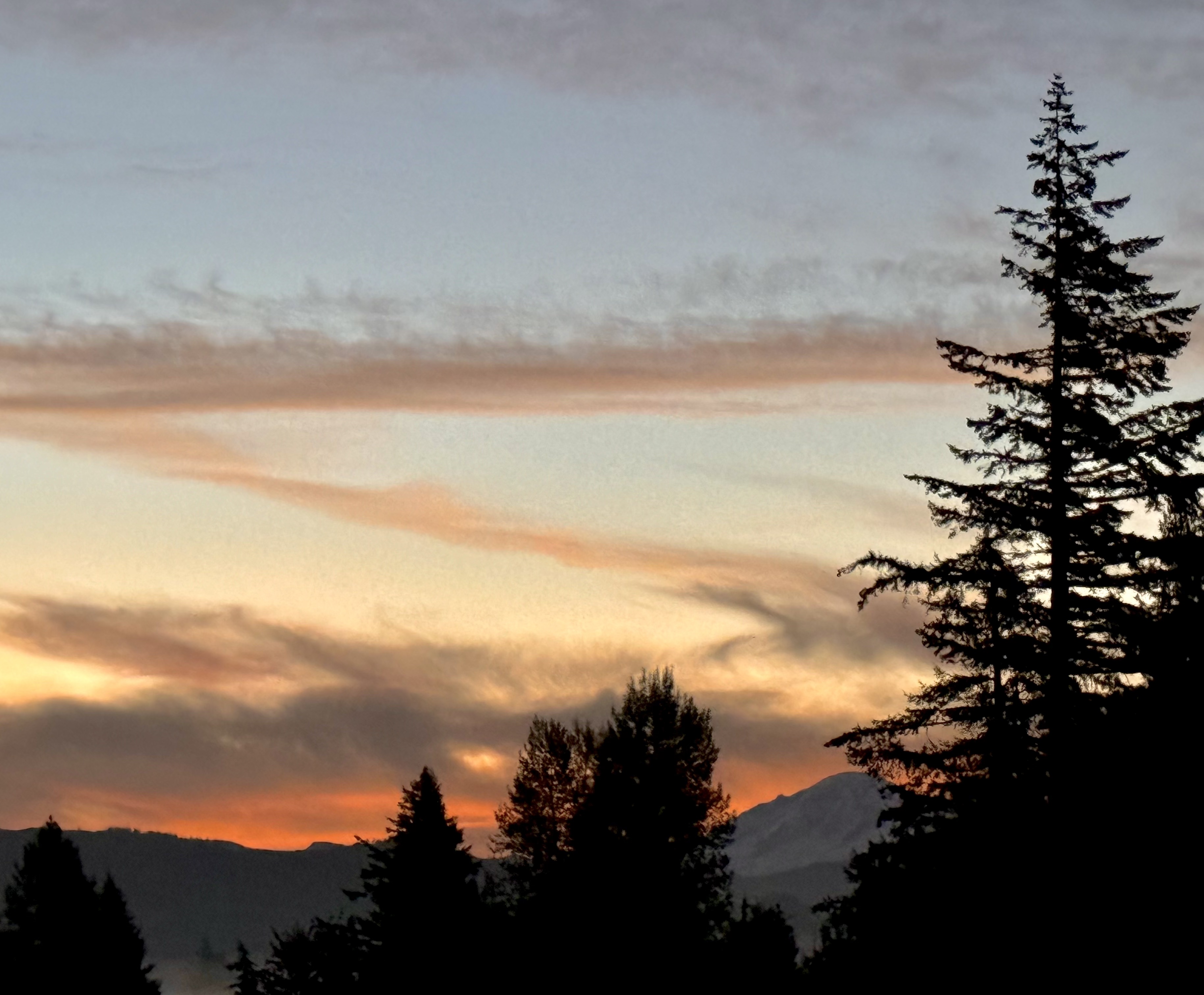
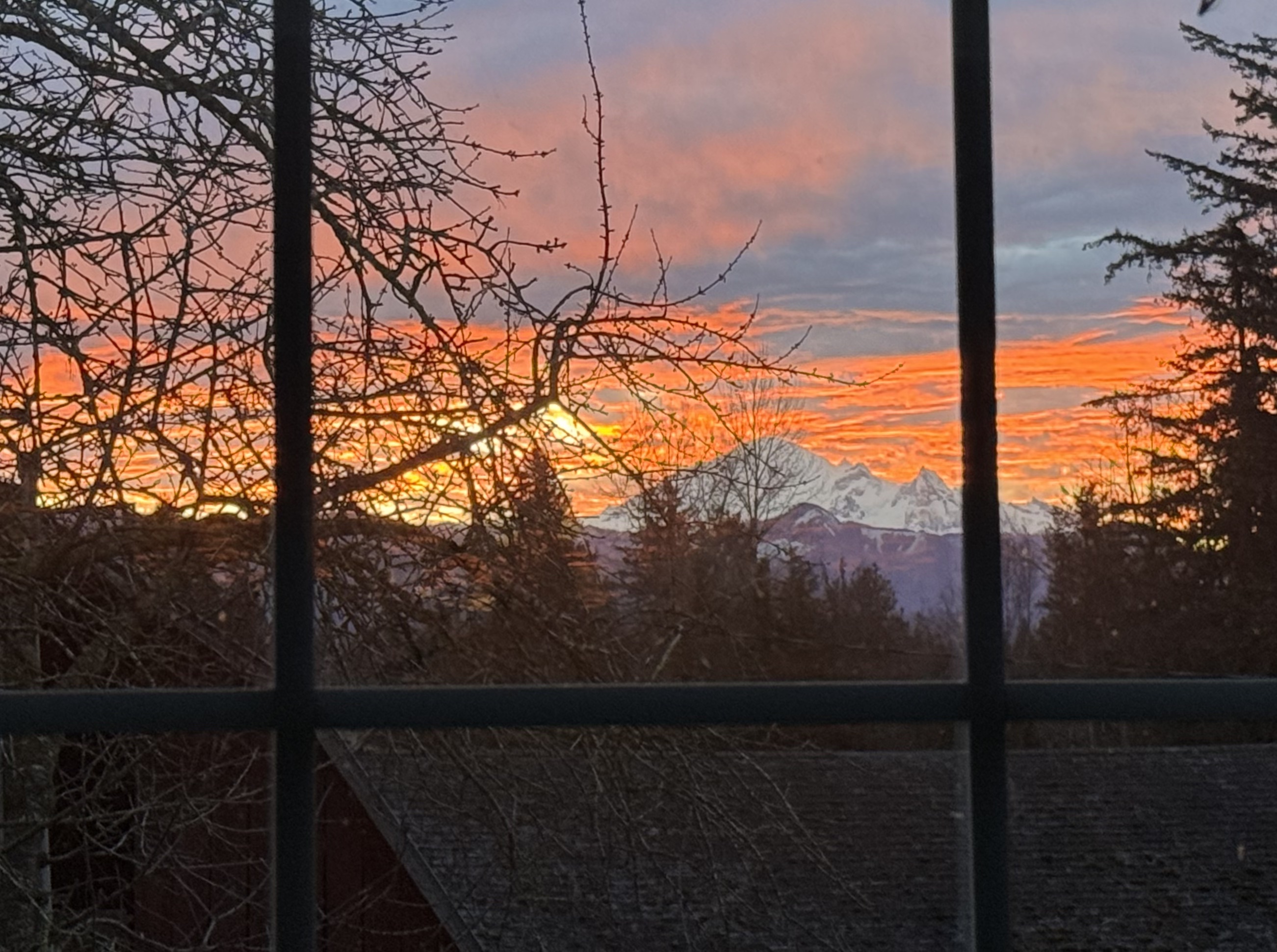
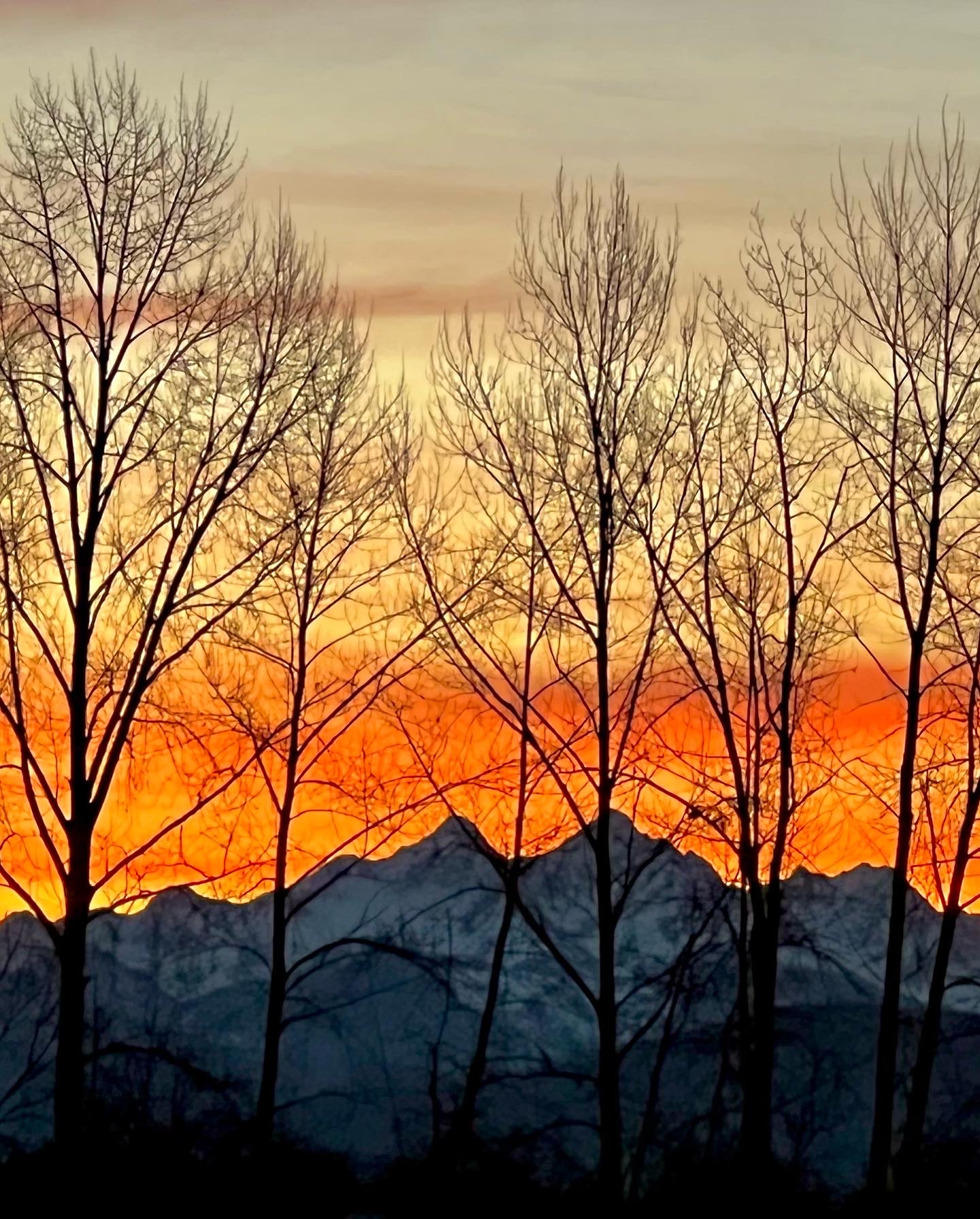
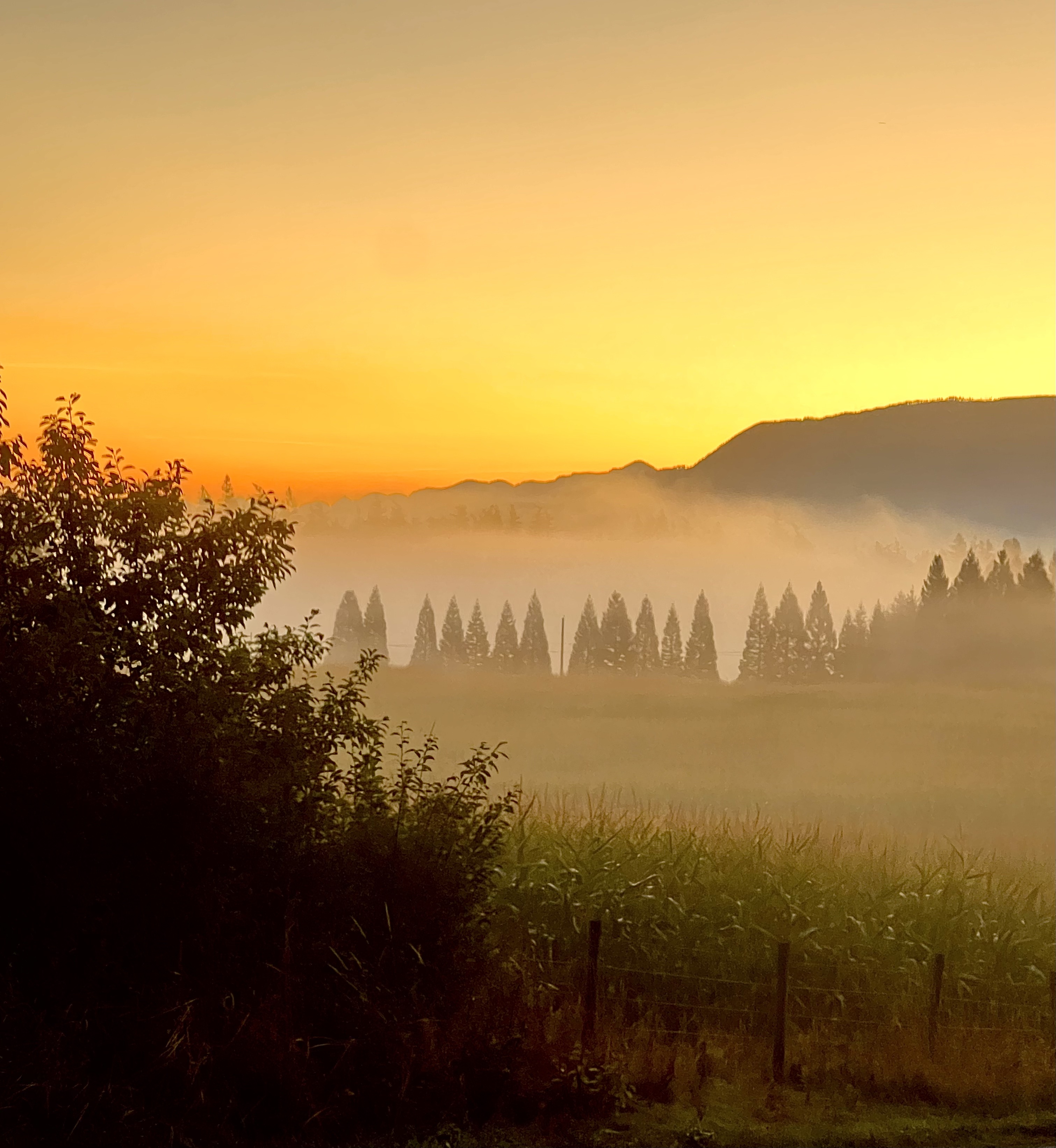
It never fails to surprise and amaze: a colorful dawn seems to come from nowhere.
There is always bleak dark, then a hint of light over the foothills in a long thin line, followed by the appearance of subtle dawn shadows as if the night needs to cling to the ground a little while longer, not wanting to relent and let us go.
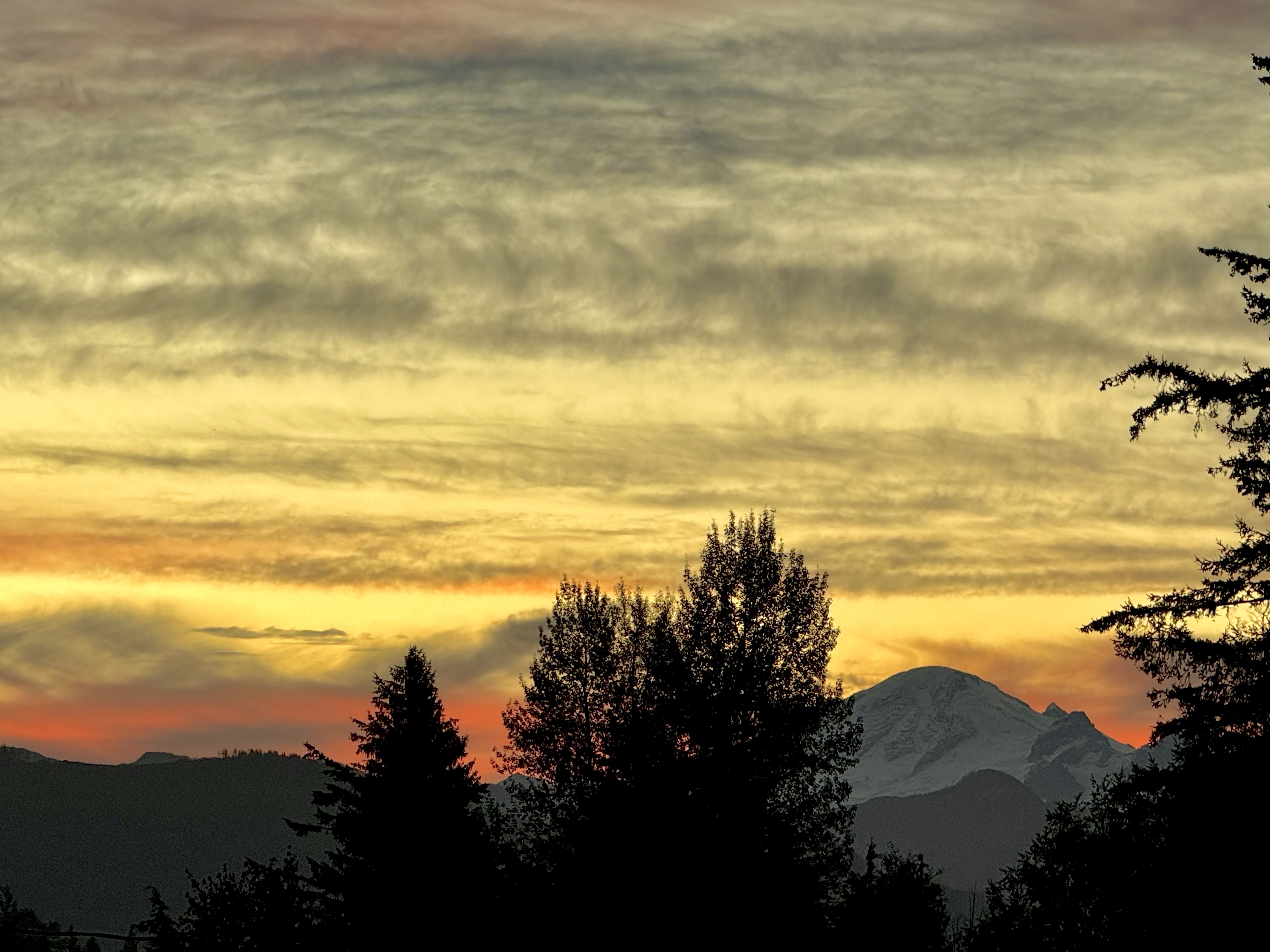
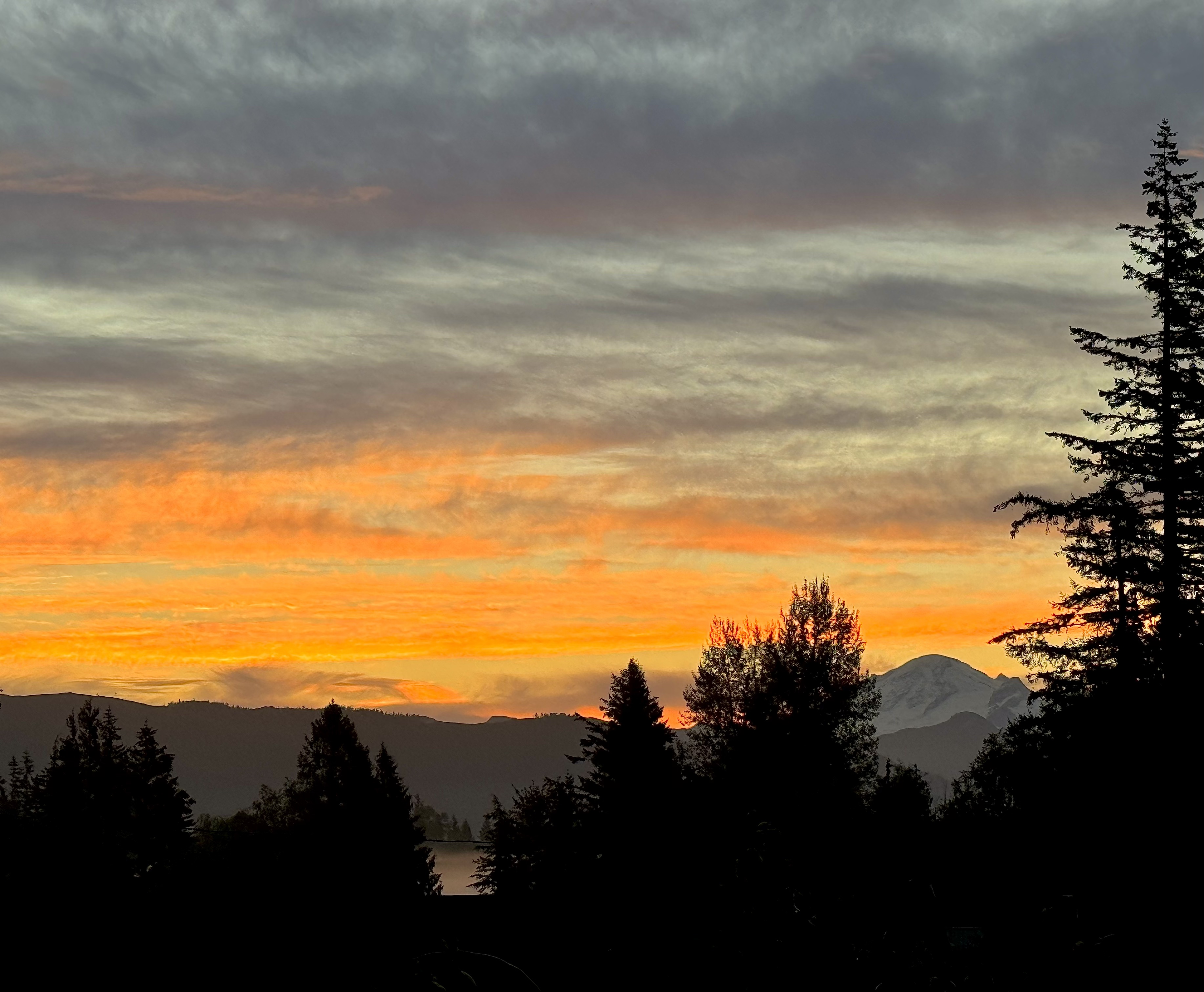
Then color appears, erasing all doubt: the hills begin to glow orange along their crest, as if a flame is ignited and is spreading down a wick. Ultimately the explosion of Light occurs, spreading the orange pink palette unto the clouds above, climbing high to bathe the glaciers of Mount Baker and onto the peaks of the Twin Sisters.
~a Dayspring to our dimness~
From dark to light, ordinary to extraordinary. This gift is from the tender mercy of our God, who has become the Light of a new Day, guiding our feet on the pathway of peace.
We no longer need to stumble about in the shadows. He has come to light our darkness.
The light shines in the darkness, and the darkness has not overcome it. ~John 1:5
Sleeping child, I wonder, have you a dream to share? May I see the things you see as you slumber there? I dream a wind that speaks, like music as it blows As if it were the breath of everything that grows.
I dream a flock of birds flying through the night Like silent stars on wings of everlasting light. I dream a flowing river, deep as a thousand years, Its fish are frozen sorrow, its water bitter tears.
I dream a tree so green, branches wide and long, And ev’ry leaf and ev’ry voice a song. I dream of a babe who sleeps, a life that’s just begun. A word that waits to be spoken. The promise of a world to come. ~Charles Bennett “Sleeping Child”
One-Time
Monthly
Yearly
Make a one-time or recurring donation to support daily Barnstorming posts
The people walking in darkness have seen a great light; on those living in the land of deep darkness a light has dawned. ~Isaiah 9:2
Advent is the season that, when properly understood, does not flinch from the darkness that stalks us all in this world. Advent begins in the dark and moves toward the light—but the season should not move too quickly or too glibly, lest we fail to acknowledge the depth of the darkness.
As our Lord Jesus tells us, unless we see the light of God clearly, what we call light is actually darkness: “how great is that darkness!” (Matt. 6:23).
Advent bids us take a fearless inventory of the darkness: the darkness without and the darkness within.
Advent is designed to show thatthe meaning of Christmas is diminished to the vanishing point if we are not willing to take a fearless inventory of the darkness. ~Fleming Rutledge from Advent- The Once & Future Coming of Jesus Christ
It is this great absence that is like a presence, that compels me to address it without hope of a reply. It is a room I enter
from which someone has just gone, the vestibule for the arrival of one who has not yet come. I modernise the anachronism
of my language, but he is no more here than before. Genes and molecules have no more power to call him up than the incense of the Hebrews
at their altars. My equations fail as my words do. What resources have I other than the emptiness without him of my whole being, a vacuum he may not abhor? ~R.S. Thomas “The Absence”
There is no light in the incarnation without witnessing the empty darkness that precedes His arrival; His reason for crossing the threshold into our world is to fill our increasing spiritual void, our hollow hearts, our growing deficit of hope and faith.
God abhors a vacuum.
We find our God most when we keenly feel His absence, hearing no reply to our prayers, our faith shaken, not knowing if such unanswered prayers are heard.
In response, He answers. He comes to walk beside us. He comes to be present among us, to ransom us from our self-captivity by offering up Himself instead.
He fills the vacuum completely and forever.
In der Christnacht Lyrics and translation below
Dies ist die Nacht, da mir erschienen des großen Gottes Freundlichkeit! Das Kind, dem alle Engel dienen bringt Licht in meine Dunkelheit, und dieses Welt- und Himmelslicht weicht hundert-tausend Sonnen nicht!
Lass dich erleuchten, meine Seele, versäume nicht den Gnadenschein! Der Glanz in dieser kleinen Höhle dringt bald in alle Welt hinein, er treibet weg der Hölle Macht, der Sünden und des Todes Nacht!
On Christmas Nighttranslation
This is the night on which I saw the kindness of the Almighty power: the Child whom all the angels serve brought light into my darkest hour – the light of heaven that yields to none: not even a hundred thousand suns.
Let it illumine thee, my soul, and shy not from its grace; so bright the radiance from this cave, it soon will fill the very earth with light, will chase the powers of hell away, and sin, and turn death’s night to day.
One-Time
Monthly
Yearly
Make a one-time or recurring donation to support daily Barnstorming posts
These still December mornings… Outside everything’s tinted rose, grape, turquoise, silver–the stones by the path, the skin of the sun
on the pond ice, at the night the aureola of a pregnant moon, like me, iridescent, almost full term with light. ~Luci Shaw from “Advent Visitation“in Accompanied by Angels
Writer Luci Shaw passed into eternity on December 1, just four weeks from her 97th birthday.
A life-long poet and essayist, in addition to being a wife, mother, publisher, gardener and outdoor enthusiast, Luci was a child of God who continually lived out and articulated the questions of faith, grace, and belief.
It is my privilege to have known her as a neighbor in nearby Bellingham. Her books grace my shelves and I cherish her many personal words of encouragement and mentoring.
Luci has gifted the world for decades with beauty and honesty, composing enriching poetic observations with heavenly anticipation. She was nearly full term, iridescent with light which glowed on those around her.
Below is only a small sample of her work. She was still writing and publishing poetry this year. More of her writing and many books can be found at www.lucishaw.com.
Luci Shaw -virtual presentation for Calvin Festival of Faith and Writing 2022
Last night I lay awake and practiced getting old. Not difficult,
but I needed to teach myself to love my destination before I arrive.
I feel the earth shifting under me. My writing hand shakes—its rubbery nudges clumsy,
my mind going slack, the way a day will lose its light and give itself to darkness,
and that long, nocturnal pause of inquiry— What next? And how long before light
reopens her blue eye? And will I need to learn a new language to converse with my Creator?
So, I am a questioner, one who waits, still, to arrive somewhere, some bright nest where
a new language breeds that I can learn to speak, unhindered, into heaven’s air,
somewhere I can live a long time, and never have to look back. ~Luci Shaw “December the 95th Year”
Luci Shaw at a Bellingham reading at St. Paul’s Episcopal Church -2017
In time of drought, let us be thankful for this very gentle rain, a gift not to be disdained though it is little and brief, reaching no great depth, barely kissing the leaves’ lips. Think of it as mercy. Other minor blessings may show up—tweezers for splinters, change for the parking meter, a green light at the intersection, a cool wind that lifts away summer’s suffocating heat. An apology after a harsh comment. A word that opens an unfinished poem like a key in a lock. ~Luci Shaw “Signs” from Eye of the Beholder.
Luci at a Bellingham reading of her poetry at Village Books in 2016
Today, in Bellingham, even the sidewalks gleam. Small change glints from the creases in the lady’s mantle and the hostas after the rain that falls, like grace, unmerited. My pockets are full, spilling over. ~Luci Shaw from “Small Change”
Out of the shame of spittle, the scratch of dirt, he made an anointing.
Oh, it was an agony-the gravel in the eye, the rude slime, the brittle clay caked on the lid.
But with the hurt light came leaping; in the shock and shine, abstracts took flesh and flew;
winged words like view and space, shape and shade and green and sky, bird and horizon and sun,
What next, she wonders, with the angel disappearing, and her room suddenly gone dark.
The loneliness of her news possesses her. She ponders how to tell her mother.
Still, the secret at her heart burns like a sun rising. How to hold it in— that which cannot be contained.
She nestles into herself, half-convinced it was some kind of good dream, she its visionary.
But then, part dazzled, part prescient— she hugs her body, a pod with a seed that will split her. ~Luci Shaw “Mary Considers Her Situation”
When, in the cavern darkness, the child first opened his mouth (even before his eyes widened to see the supple world his lungs had breathed into being), could he have known that breathing trumps seeing? Did he love the way air sighs as it brushes in and out through flesh to sustain the tiny heart’s iambic beating, tramping the crossroads of the brain like donkey tracks, the blood dazzling and invisible, the corpuscles skittering to the earlobes and toenails? Did he have any idea it would take all his breath to speak in stories that would change the world? ~Luci Shaw “Breath” from Accompanied By Angels: Poems of the Incarnation
because we are all betrayers, taking silver and eating body and blood and asking (guilty) is it I and hearing him say yes it would be simple for us all to rush out and hang ourselves but if we find grace to weep and wait after the voice of morning has crowed in our ears clearly enough to break our hearts he will be there to ask us each again do you love me ~Luci Shaw “Judas, Peter” from Polishing the Petoskey Stone
Down he came from up, and in from out, and here from there. A long leap, an incandescent fall from magnificent to naked, frail, small, through space, between stars, into our chill night air, shrunk, in infant grace, to our damp, cramped earthy place among all the shivering sheep.
And now, after all, there he lies, fast asleep. ~Luci Shaw “Descent” from Accompanied By Angels
Blue homespun and the bend of my breast keep warm this small hot naked star fallen to my arms. (Rest … you who have had so far to come.) Now nearness satisfies the body of God sweetly. Quiet he lies whose vigor hurled a universe. He sleeps whose eyelids have not closed before. His breath (so slight it seems no breath at all) once ruffled the dark deeps to sprout a world. Charmed by doves’ voices, the whisper of straw, he dreams, hearing no music from his other spheres. Breath, mouth, ears, eyes he is curtailed who overflowed all skies, all years. Older than eternity, now he is new. Now native to earth as I am, nailed to my poor planet, caught that I might be free, blind in my womb to know my darkness ended, brought to this birth for me to be new-born, and for him to see me mended I must see him torn. ~Luci Shaw “Mary’s Song”
My 2025 Advent theme: On the threshold between day and night
On that day there will be neither sunlight nor cold, frosty darkness. It will be a unique day—a day known only to the Lord— with no distinction between day and night. When evening comes, there will be light. Zechariah 14:6-7
So once in Israel love came to us incarnate, stood in the doorway between two worlds, and we were all afraid. ~Annie Dillard in Teaching a Stone to Talk
One-Time
Monthly
Yearly
Make a one-time or recurring donation to support daily Barnstorming posts
Even in the darkness where I sit And huddle in the midst of misery I can remember freedom, but forget That every lock must answer to a key, That each dark clasp, sharp and intimate, Must find a counter-clasp to meet its guard. Particular, exact and intricate, The clutch and catch that meshes with its ward. I cry out for the key I threw away That turned and over turned with certain touch And with the lovely lifting of a latch Opened my darkness to the light of day. O come again, come quickly, set me free, Cut to the quick to fit, the master key. ~Malcolm Guite “O Clavis” from Sounding the Seasons
And I will place on his shoulder the key of the house of David. He shall open, and none shall shut; and he shall shut, and none shall open… to open the eyes that are blind, to bring out the prisoners from the dungeon, from the prison those who sit in darkness. Isaiah 22:22 and 42:7
Some doors in our lives appear forever closed and locked. No key, no admittance, no way in, no way out. A locked door leaves few choices until the key is offered to us.
We now must make a choice, even if the choice is to do nothing.
Do we drop the key and stay put where things are at least familiar? Do we knock and politely wait for the door to be answered? Do we simply wait for the moment it happens to open, take a peek and decide whether or not to enter? Or do we boldly put the key in and walk through?
Our choice is as plain as the key resting in our trembling hand. Once we approach, drawn to the mystery, we find the door is already standing open with an invitation.
Fear not. For unto us a child is born, a son is given.
He is the threshold between two worlds, between the darkness and the light, a liminal love allowing us to hold the key.
From the fourth stanza of O Come, O Come Emmanuel:
O come, thou Key of David, come and open wide our heav’nly home; make safe the way that leads on high, and close the path to misery.
AI image created for this post
My 2025 Advent theme: On the threshold between day and night
On that day there will be neither sunlight nor cold, frosty darkness. It will be a unique day—a day known only to the Lord— with no distinction between day and night. When evening comes, there will be light. Zechariah 14:6-7
So once in Israel love came to us incarnate, stood in the doorway between two worlds, and we were all afraid. ~Annie Dillard in Teaching a Stone to Talk
One-Time
Monthly
Yearly
Make a one-time or recurring donation to support daily Barnstorming posts
I wanted a horse. This was long after we sold the work horses, and I was feeling
restless on the farm. I got up early to help my father milk the cows, talking
a blue streak about TV cowboys he never had time to see and trying to
convince him that a horse wouldn’t cost so much and that I’d do all the work.
He listened while he leaned his head against the flank of a Holstein, pulling
the last line of warm milk into the stainless bucket. He kept listening
while the milk-machine pumped like an engine, and the black and silver cups fell off and
dangled down, clanging like bells when he stepped away, balancing the heavy milker
against the vacuum hose and the leather belt. I knew he didn’t want the trouble
of a horse, but I also knew there was nothing else I wanted the way I wanted a horse—
another way of saying I wanted to ride into the sunset and (maybe)
never come back—I think he knew that too. We’ll see, he said, we’ll see what we can do. Joyce Sutphen – “What Every Girl Wants”
I once was a skinny freckled eleven year old girl who wanted nothing more than to have her own horse. Every inch of my bedroom wall had posters of horses, all my shelves were filled with horse books and horse figurines and my bed was piled with stuffed horses.
I suffered an extremely serious case of horse fever. I wished for a horse more than anything.
I had learned to ride my big sister’s horse while my sister was off to college, but the little mare had pushed down a hot wire to get into a field of spring oats which resulted in a terrible case of colic and had to be put down. I was inconsolable until I set my mind to buy another horse. We had only a small shed, not a real barn, and no actual fences other than the electric hot wire. Though I was earning money as best I could picking berries at 3 cents a pound and babysitting at 30 cents an hour, I was a long way away from the $150 it would take to buy a trained horse back in 1965.
I pestered my father about my dreams of another horse, and since he was the one to dig the hole for my sister’s horse to be buried, he was not enthusiastic. “We’ll see,” he said. “We will see what we can do.”
So I dreamed my horsey dreams, mostly about golden horses with long white manes, hoping one day those dreams might come true.
In fall 1965, the local radio station KGY’s Saturday morning horse news program announced their “Win a Horse” contest. I knew I had to try. The prize was a weanling bay colt, part Appaloosa, part Thoroughbred, and the contest was only open to youth ages 9 to 16 years old. All I had to do was write a 250 word or less essay on “Why I Should Have a Horse”.
I worked and worked on my essay, crafting the right words and putting all my heart into it, hoping the judges would see me as a worthy potential owner. My parents took me to visit the five month old colt named “Prankster”, a fuzzy engaging little fellow who was getting plenty of attention from all the children coming to visit him, and that visit made me even more determined.
When I read these words now, I realize there is nothing quite like the passion of an eleven year old girl:
“Why I Should Have a Horse”
When God created the horse, He made one of the best creatures in the world. Horses are a part of me. I love them and want to win Prankster for the reasons which follow:
To begin with, I’m young enough to have the time to spend with the colt. My older sister had a horse when she was in high school and her school activities kept her too busy to really enjoy the horse. I’ll have time to give Prankster the love and training needed.
Another reason is that I’m shy. When I was younger I found it hard to talk to anybody except my family. When my sister got the horse I soon became a more friendly person. When her horse recently died (about when Prankster was born), I became very sad. If I could win that colt, I couldn’t begin to describe my happiness.
Also I believe I should have a horse because it would be a good experience to learn how to be patient and responsible while teaching Prankster the same thing.
When we went to see Prankster, I was invited into the stall to brush him. I was never so thrilled in my life! The way he stood there so majestically, it told me he would be a wonderful horse.
If I should win him, I would be the happiest girl alive. I would work hard to train him with love and understanding. If I could only get the wonderful smell and joy of horses back in our barn!
I mailed in my essay and waited.
Sixty years ago on November 27, 1965, my mother and I listened to the local horse program that was always featured on the radio at 8 AM on Saturday mornings. They said they had over 300 essays to choose from, and it was very difficult for them to decide who the colt should go to. I knew then I didn’t have a chance. They had several consolation prizes for 2nd through 4th place, so they read several clever poems and heartfelt essays, all written by teenagers. My heart was sinking by the minute.
The winning essay was next. The first sentence sounded very familiar to me, but it wasn’t until several sentences later that we realized they were reading my essay, not someone else’s. My mom was speechless, trying to absorb the hazards of her little girl owning a young untrained horse.
I woke up my dad, who was sick in bed with an early season flu bug. He opened one eye, looked at me, and said, “I guess I better get a fence up today, right?” Somehow, fueled by the excitement of a daughter whose one wish had just come true, he pulled himself together and put up a wood corral that afternoon, despite feeling so miserable.
That little bay colt came home to live with me the next day. Over the next few months he and I did learn together, as I checked out horse training books from the library, and joined a 4H group with helpful leaders to guide me. I made plenty of mistakes along the way, learning from each one, including those that left behind scars I still bear.
Prankster was a typical adolescent gelding who lived up to his name — full of mischief with a sense of humor and a penchant for finding trouble, but he was mine and that was all that mattered.
Dreams do come true.
…that and a dad who saw what he needed to do for his passionate kid. I’ll never forget how he showed his love for me by doing what was needed in that moment.
AI image created for this post
One-Time
Monthly
Yearly
Make a one-time or recurring donation to support daily Barnstorming posts
I wonder if, in the dark night of the sea, the octopus dreams of me. ~N. Scott Momaday
photo by Nate Gibson
If I am brutally honest with myself after my recent cardiac brush with my mortality, one of my worst fears is to have lived on this earth for a handful of decades and then pass away forgotten, inconsequential, having left behind no legacy of significance whatsoever.
I’m well aware it is self-absorbed to feel the need to leave a mark, but a search for purpose and meaning lasting beyond my time here provides new momentum for each day. The forgetting can happen so fast.
Most people know little about their great-great-grandparents, if they even know their names. A mere four generations, a century, renders us dust, not just in flesh, but in memory as well. There may be a yellowed photograph in a box somewhere, perhaps a tattered postcard or letter written in elegant script, but the essence of this person is long lost and forgotten.
We owe it to our descendants to write down the stories about who we were while we lived on this earth. We need to share why we lived, for whom we lived, for what we lived.
I suspect, although I try every day to record some part of who I am, it will be no different with me and those who come after me. Whether or not we are remembered by great-great grandchildren or become part of the dreams of creatures in the depths of the seas:
we are just dust here and there is no changing that.
Good thing this is not our only home. Good thing we are more than mere memory and dreams. Good thing the river of life flows into an eternity that transcends good works or long memories or legacies left behind. Good thing we are loved that much and always will be. You see, we are alive, we are alive, forever and ever, Amen.
I remember your lectures, Professor Scott Momaday, now nearly two years after you passed from this earth at age 89 – your voice, your stories and your poetry live on.
You are alive. You are alive…
One-Time
Monthly
Yearly
Make a one-time or recurring donation to support daily Barnstorming posts