Touch me like you do the foliage! ~Rae Armantrout “Conversations”
There is no season when such pleasant and sunny spots may be lighted on, and produce so pleasant an effect on the feelings, as now in October. The sunshine is peculiarly genial; and in sheltered places, as on the side of a bank, or of a barn or house, one becomes acquainted and friendly with the sunshine. It seems to be of a kindly and homely nature. ~Nathaniel Hawthorne from The American Notebooks: The Centenary Edition
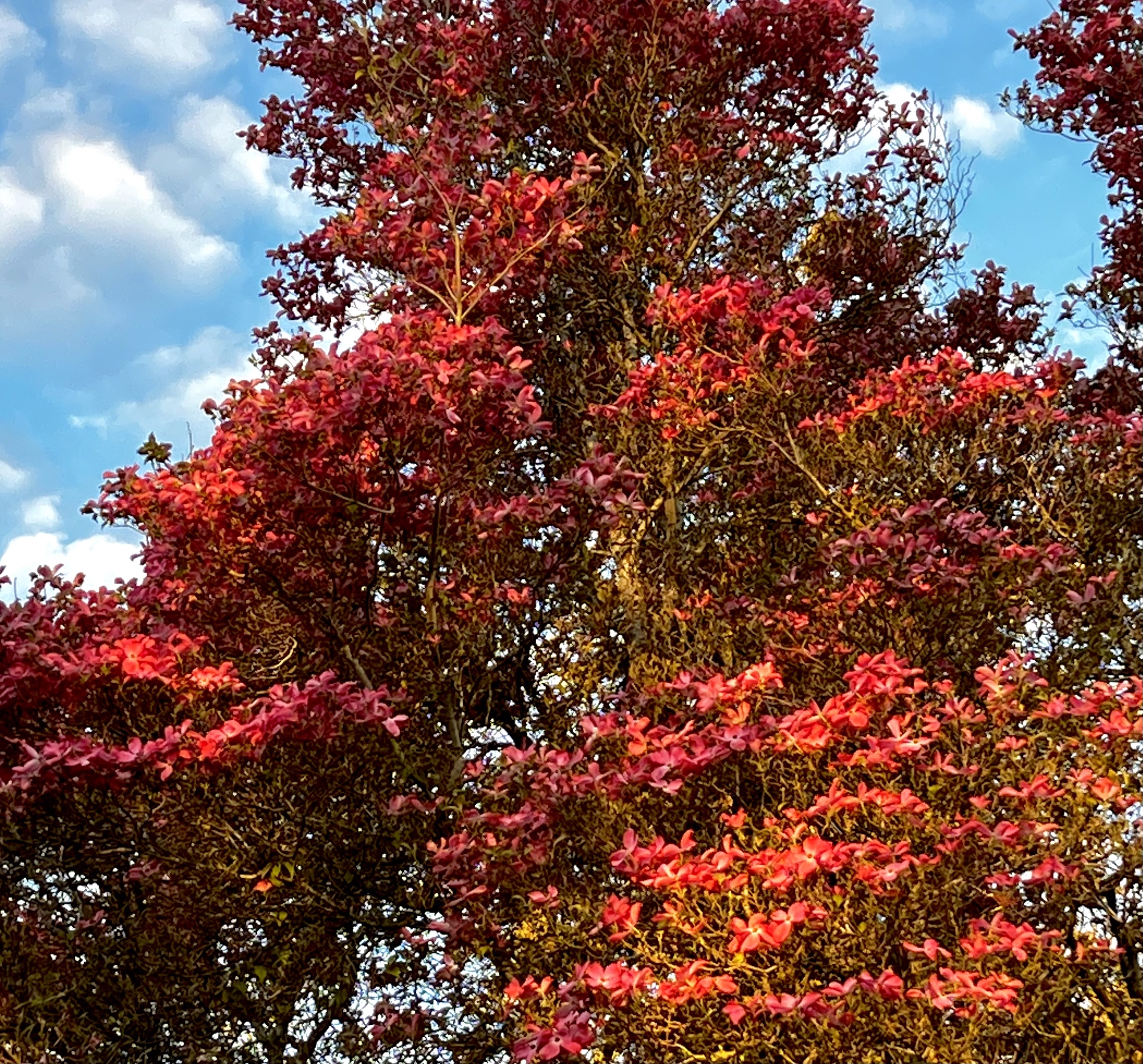
Of course I reach out and touch a leaf lit like fire though cool on the surface, the flame for show only
I can only guess at what the world might be like for my grandchildren but I do know this: the leaves will turn fiery red in the fall before they die.
So much has changed since my grandmother stood on her porch and wiped away a tear at the sight of the reddening maples on the hillside.
And so much has not changed.
One-Time
Monthly
Yearly
Make a one-time or recurring donation to support daily Barnstorming posts
See how the trees Reach up and outward As if their entire existence Were an elegant gesture of prayer. See how they welcome the breath of spirit, In all its visible and invisible forms. See how the roots reach downward and out, Embracing the physical, The body and bones Of its soul of earth and stone, Allowing half its life to be sheltered in the most quiet and secret places.
Oh, if I could be more like a tree on this Sunday morning, To feel the breath of invisible spirit Touch me as tenderly as a kiss on the forehead. If I could courageously and confidently Dig down into the dark Where the ground water runs deep, Where shelter and sanctuary Can be had and held.
Ah, to be like a tree With all its bent and unbent places, A whole and holy thing From its topmost twigs To the deepest taproot To all the good and graceful Spaces between. ~Carrie Newcomer “To Be Like a Tree” from The Beautiful Not Yet: Poems, Essays & Lyrics
I love the accomplishments of trees, How they try to restrain great storms And pacify the very worms that eat them. Even their deaths seem to be considered. I fear for trees, loving them so much. I am nervous about each scar on bark, Each leaf that browns. I want to Lie in their crotches and sigh, Whisper of sun and rains to come.
Sometimes on summer evenings I step Out of my house to look at trees Propping darkness up to the silence.
When I die I want to slant up Through those trunks so slowly I will see each rib of bark, each whorl; Up through the canopy, the subtle veins And lobes touching me with final affection; Then to hover above and look down One last time on the rich upliftings, The circle that loves the sun and moon, To see at last what held the darkness up. ~Paul Zimmer “A Final Affection” from Crossing to Sunlight.
The old farmer who sold us this farm 35 years ago made sure we were equipped for a most important role: becoming the caretakers of trees he had planted and watered and loved for decades.
He exacted a promise we would not remove any tree before its time. For the most part, we have been able to do what he asked.
Most trees we’ve lost have succumbed to wind or disease or crippling old age. The old row of poplars became quite hazardous with their breaking branches and invading roots, and a couple old orchard trees gave way for our addition of a garage. For the record, we did feel appropriately guilty about taking their lives.
We have added numerous trees to replace those we have lost. Now we know exactly how that old farmer felt: they become like our children – growing, thriving and fruiting long past our presence here.
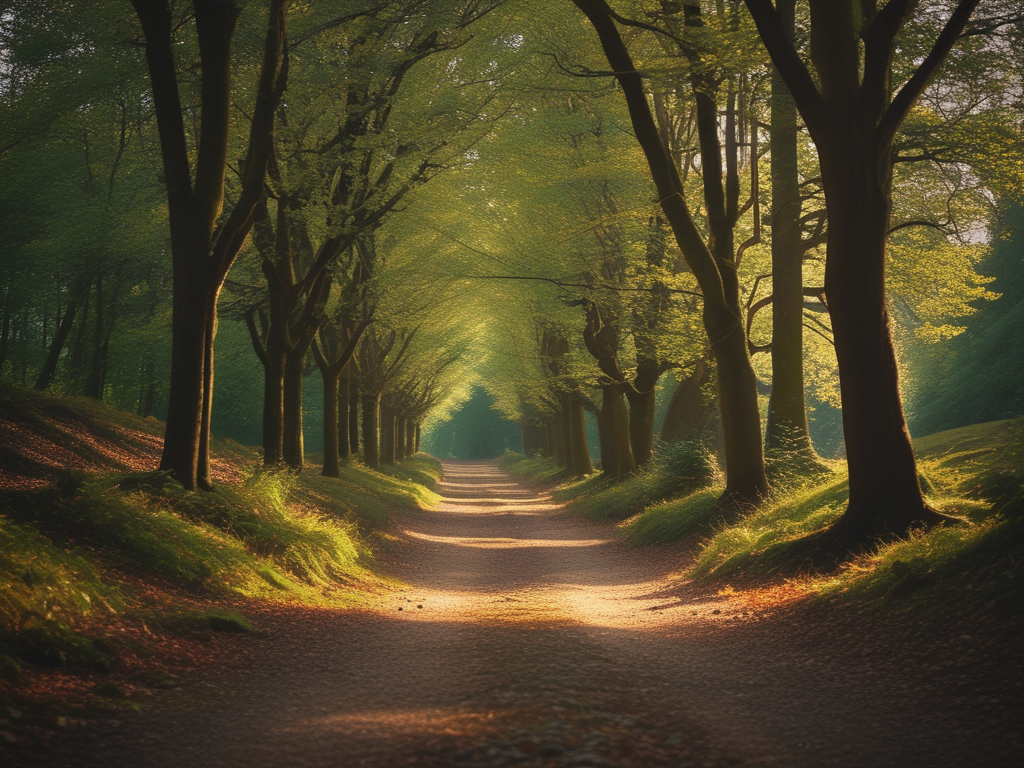
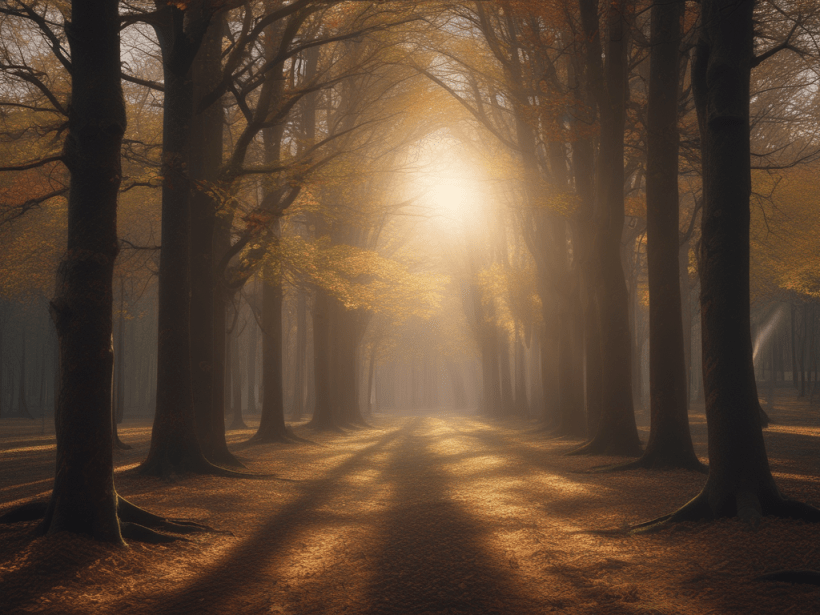
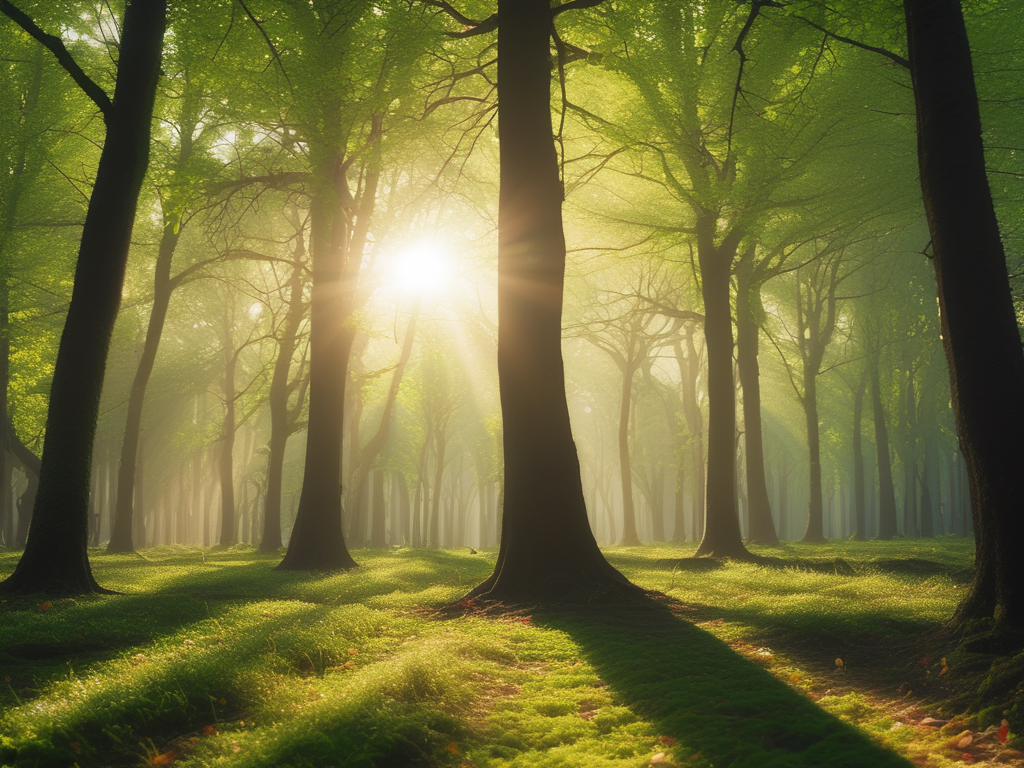
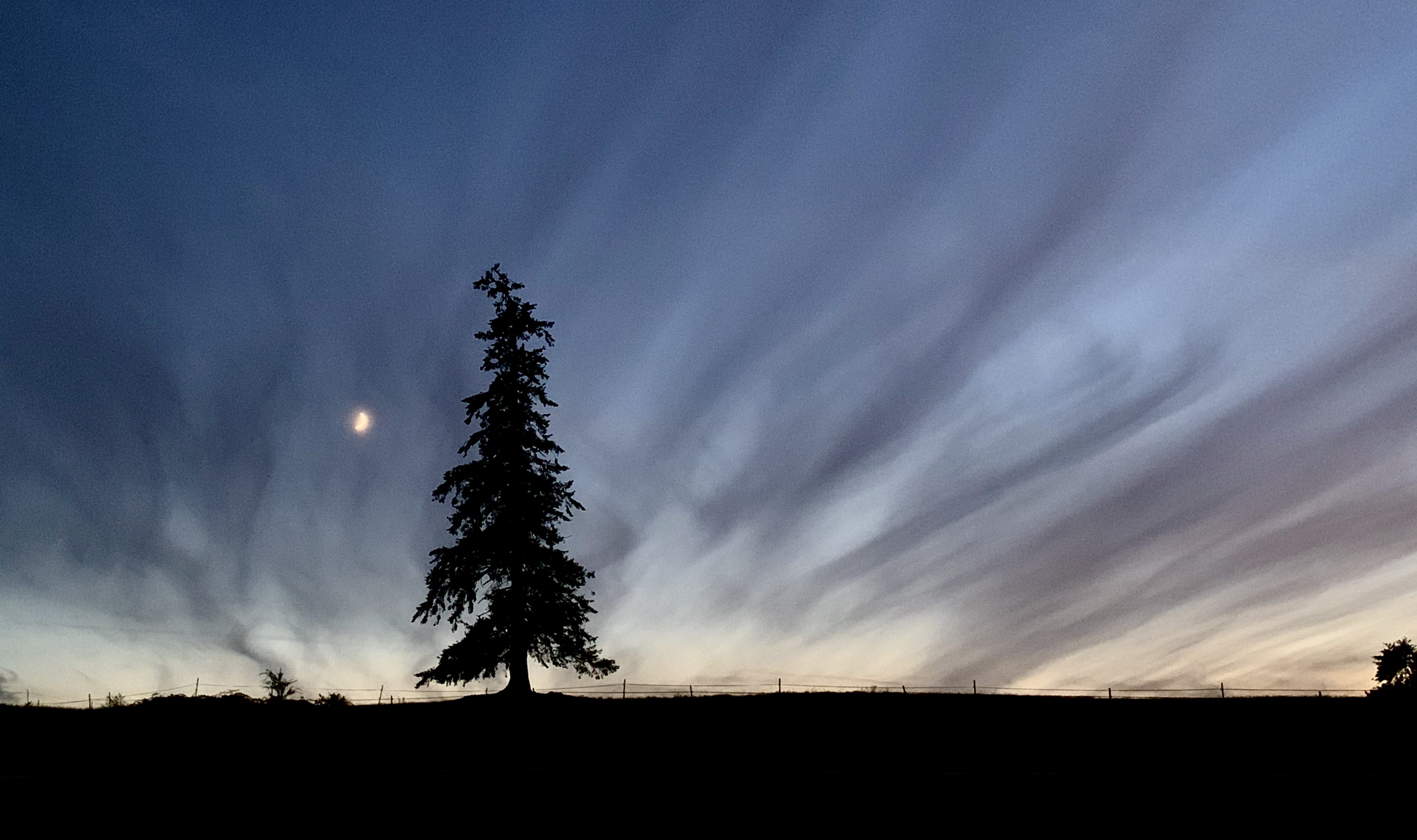
These sturdy trunks stand solid, holding the darkness up with their branches, as if in constant prayer to care for us creatures living below.
AI image created for this postAI image created for this post
One-Time
Monthly
Yearly
Make a one-time or recurring donation to support daily Barnstorming posts
More than the fuchsia funnels breaking out of the crabapple tree, more than the neighbor’s almost obscene display of cherry limbs shoving their cotton candy-colored blossoms to the slate sky of Spring rains, it’s the greening of the trees that really gets to me. When all the shock of white and taffy, the world’s baubles and trinkets, leave the pavement strewn with the confetti of aftermath, the leaves come. Patient, plodding, a green skin growing over whatever winter did to us, a return to the strange idea of continuous living despite the mess of us, the hurt, the empty. Fine then, I’ll take it, the tree seems to say, a new slick leaf unfurling like a fist to an open palm, I’ll take it all. ~Ada Limón “Instructions on Not Giving Up”
It wasn’t until I paused under the huge silver maple tree in front of our house that I began to notice not the blossoms, but the way the leaves were unfurling. How suddenly a tree transformed back into a tree, with all its good green leaves. It felt like a lesson in resilience. The tree wasn’t giving up. The tree was just going to keep doing its tree thing. Noticing those leaves felt like the first moment of breath I’d had all winter. Under that tree, the line “it’s the greening of the trees that really gets to me” came to me. ~Ada Limónwriting about how “Instructions on Not Giving Up” came to her
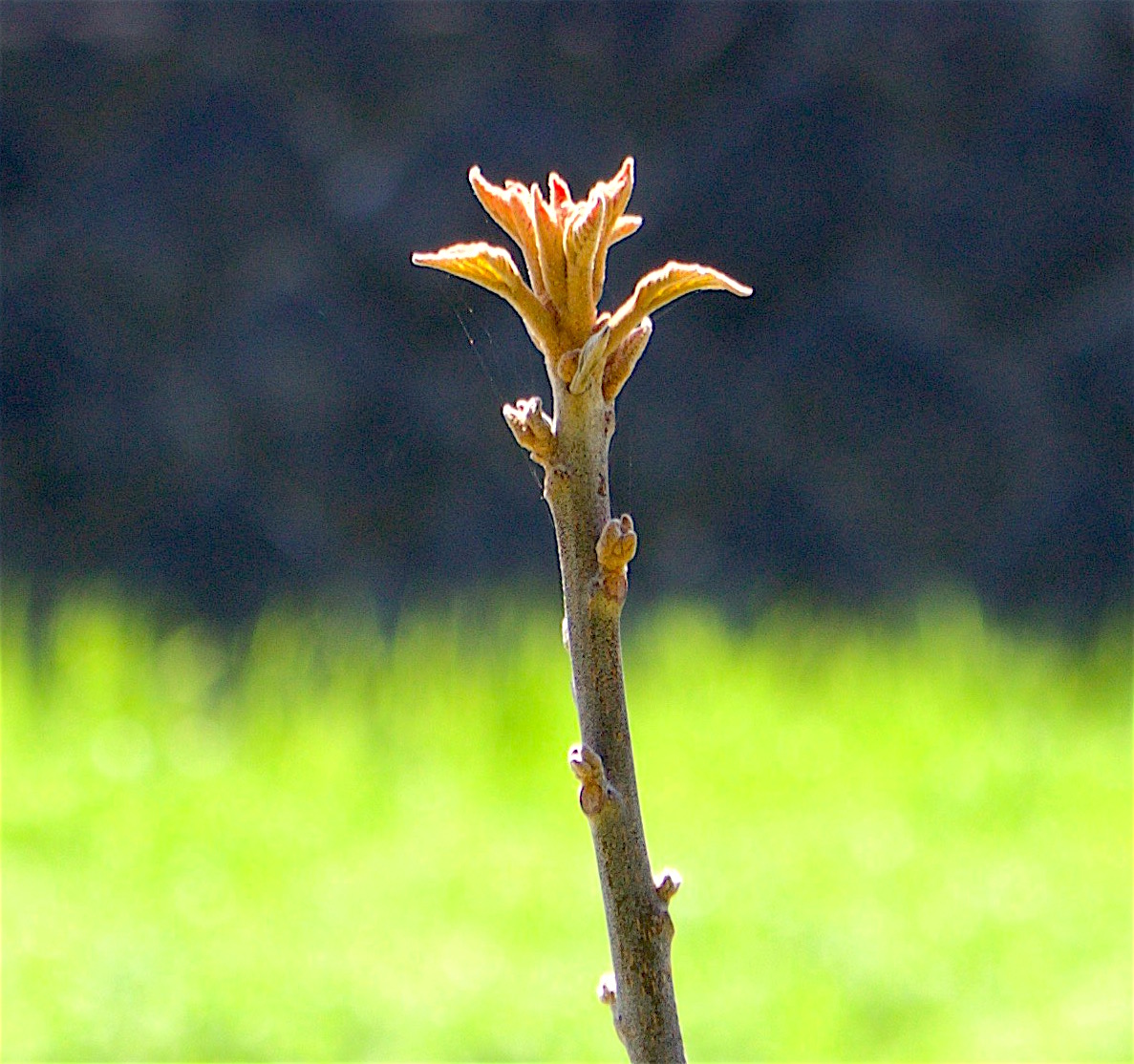
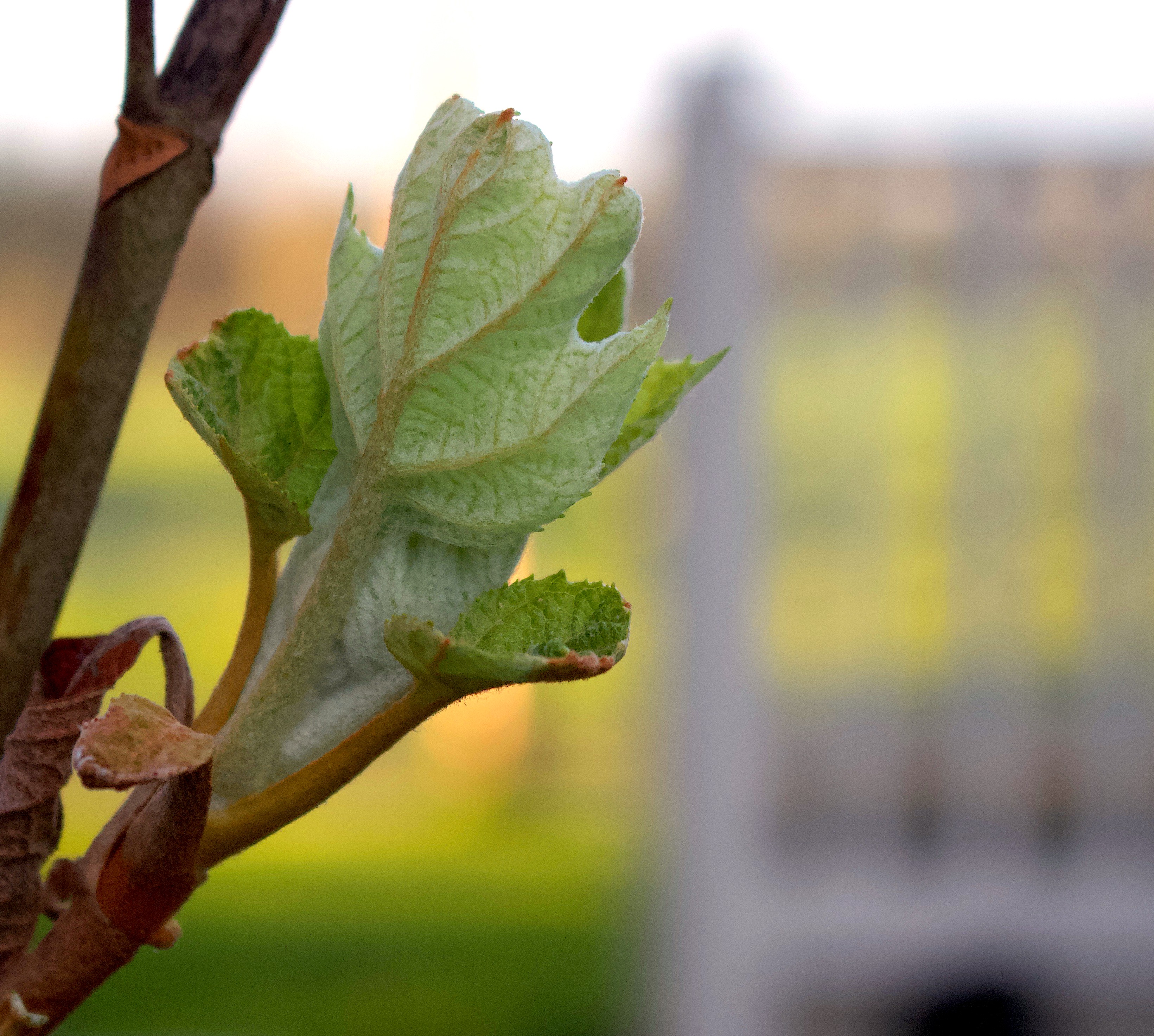
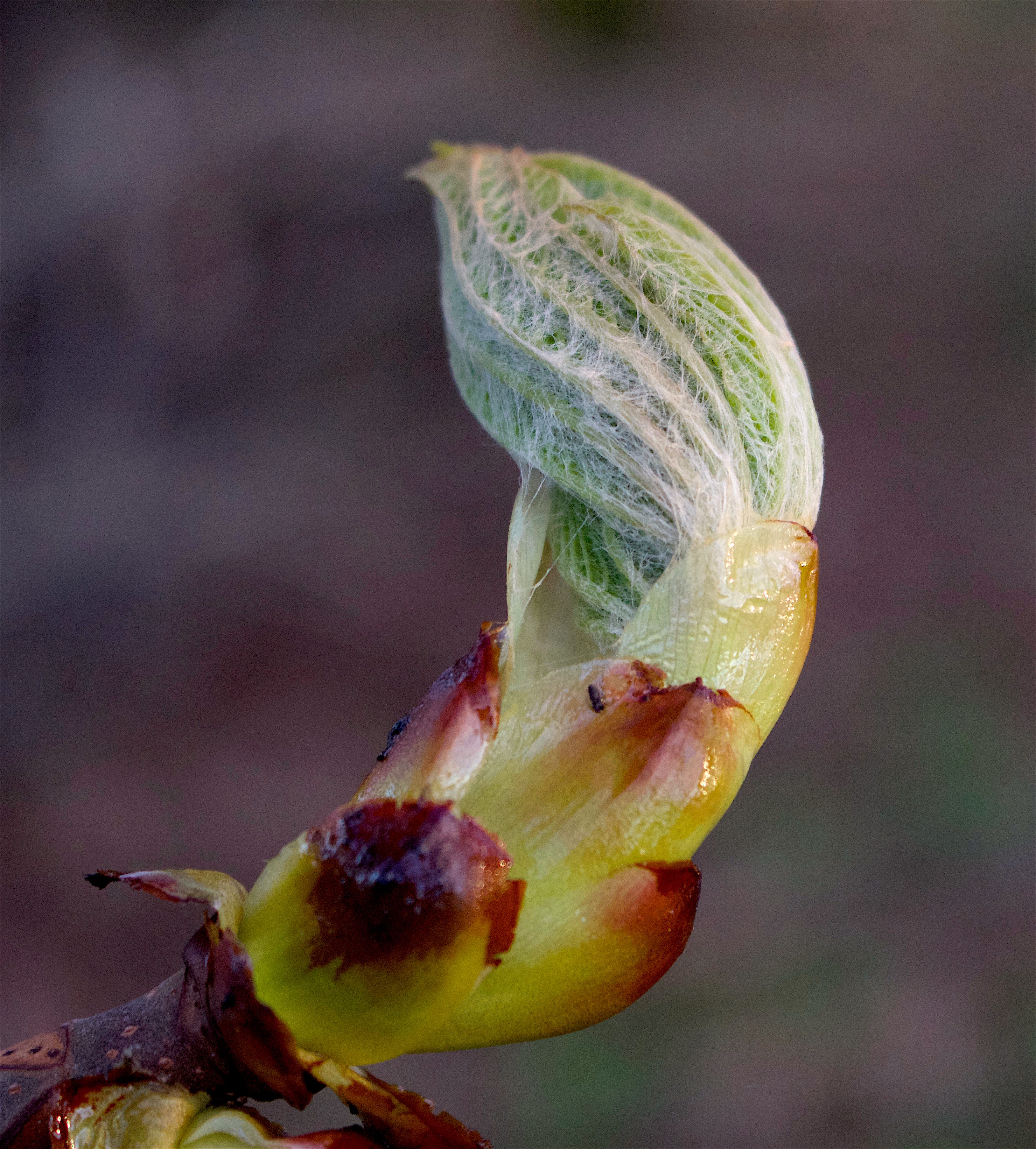
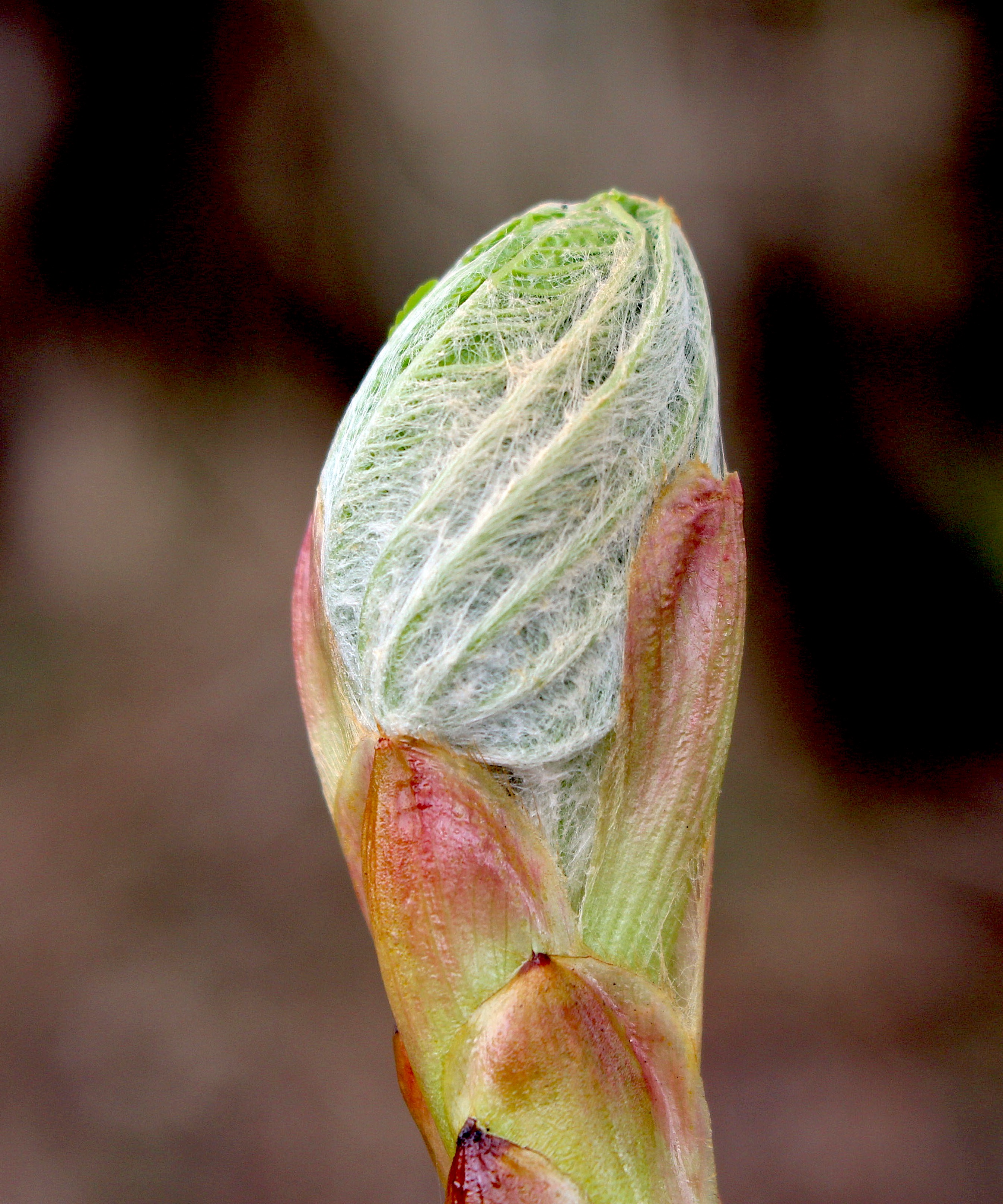
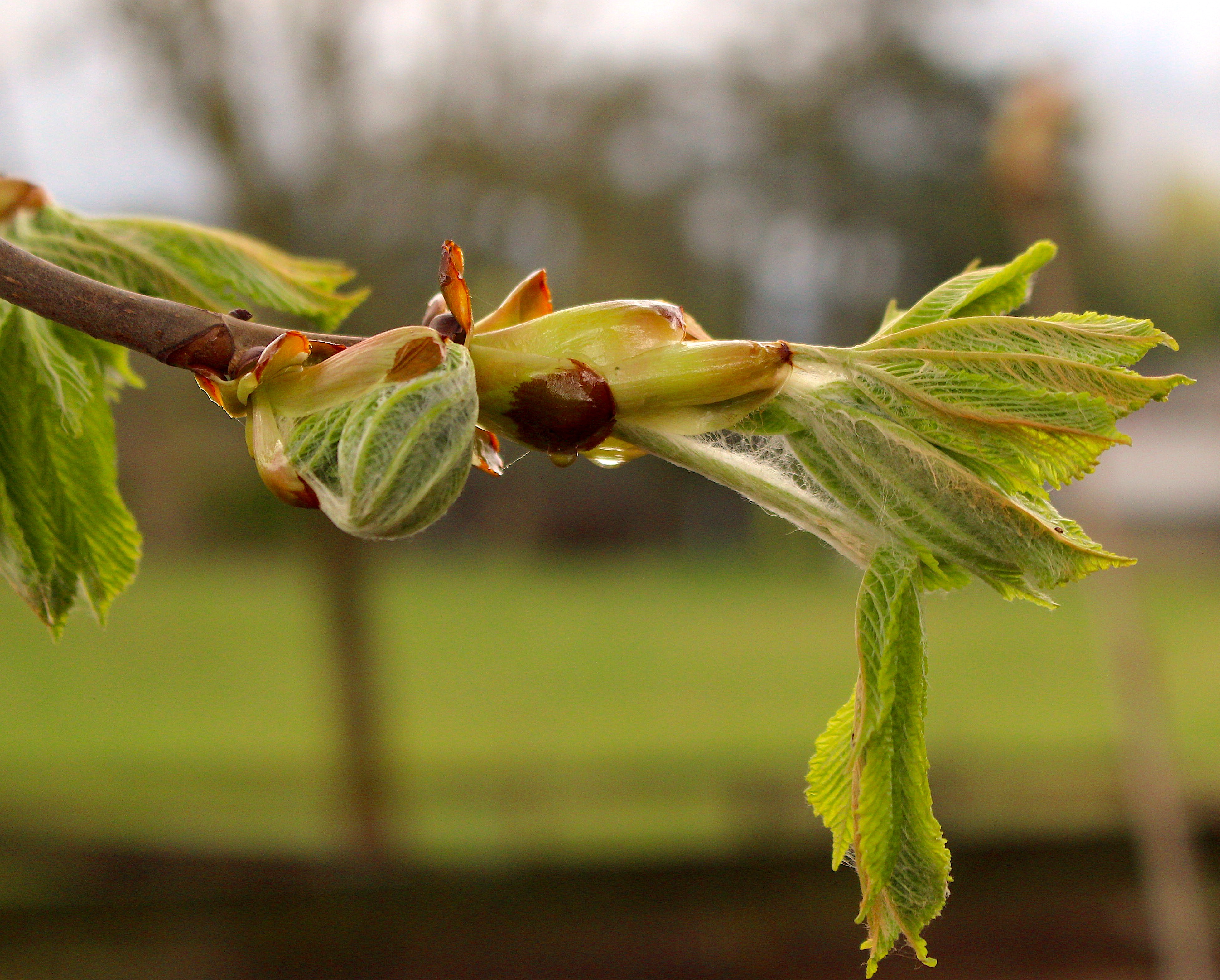
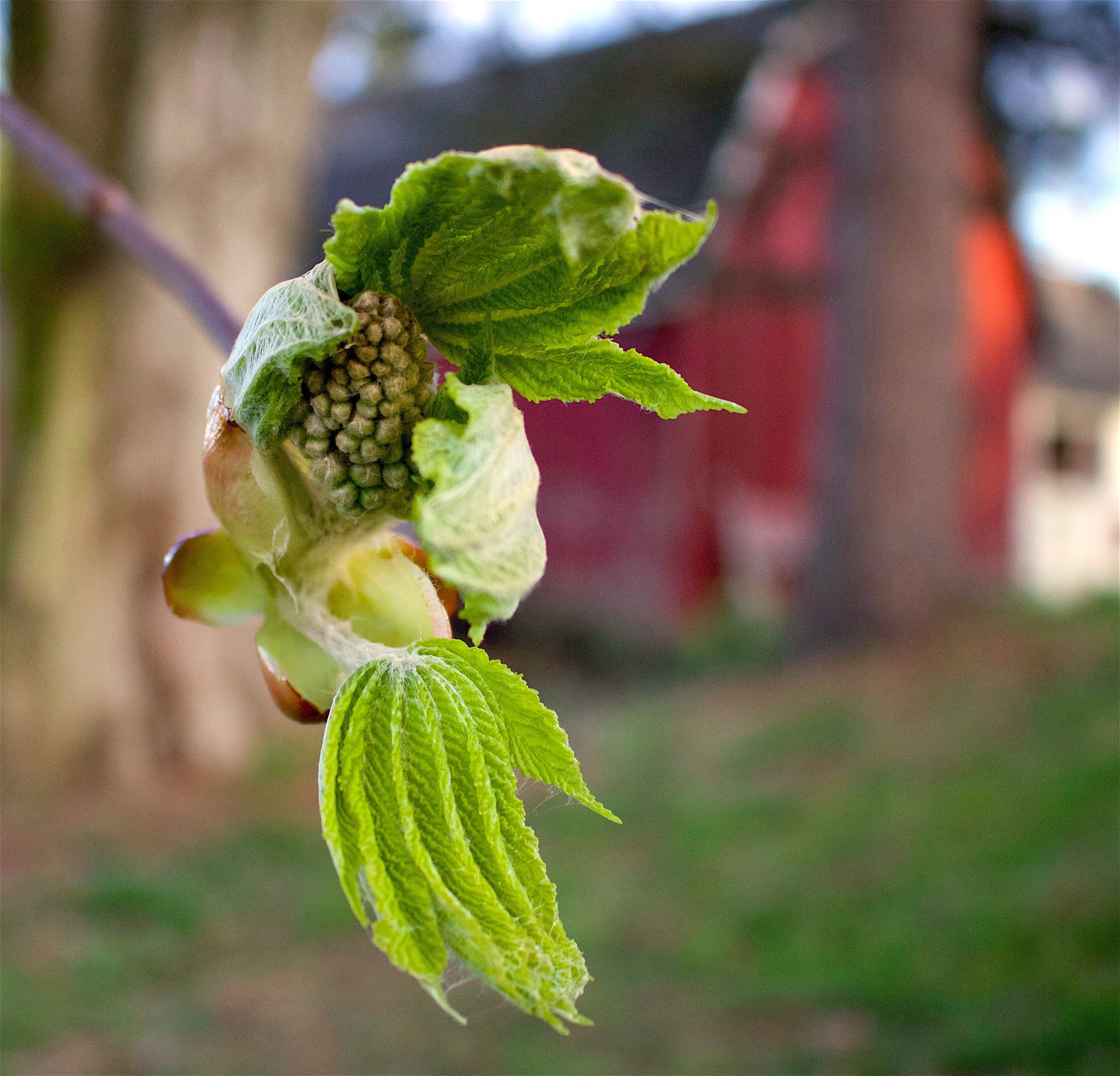
I watch daily as our farm’s trees reawaken in the spring. Some, like the maples and chestnuts turn green in April. The walnuts stay naked well into May, quite bohemian compared to their glossy green neighbors.
New growth is always an encouragement to me, especially after a brutally cold winter when branches have broken off in the snows or a tree has toppled over in exhaustion from resisting the winter wind.
As leaves swell and begin to unwrap in the spring sun, trees are feeling what I feel: the need for fresh air and renewal, absorbing the warmth of the sun while new nutrients surge in my sap.
Most trees find it is easy being green, as that is who they are and that is who I am. Some are colorful show-offs, putting me to shame for my plainness. They bloom their hearts out with the joy of living yet another spring, exuberant and wild, and oh so messy.
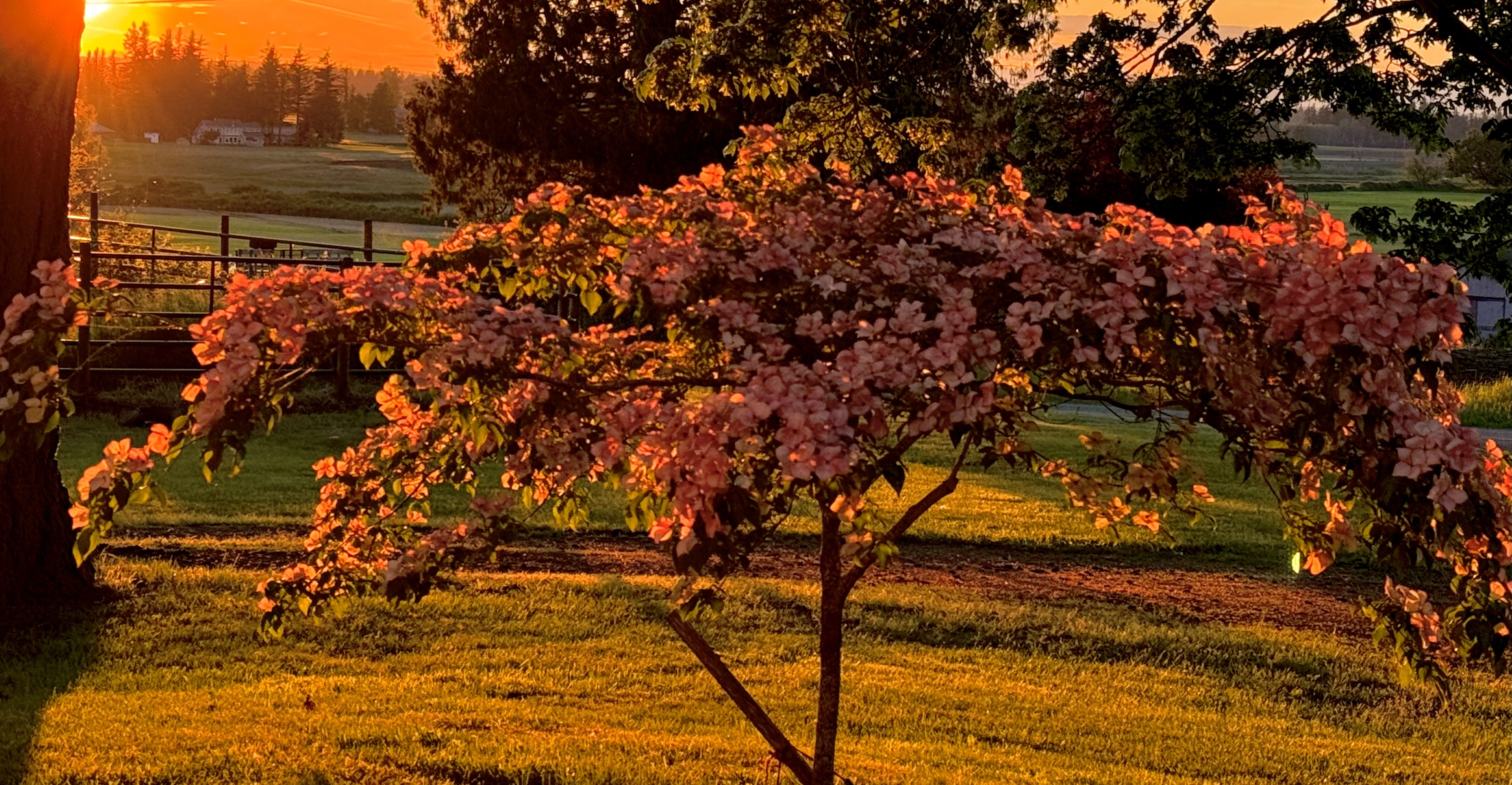
The trees’ resilience captures my heart. Dogwood and crabapple petals follow us inside the house stuck to our shoes, left scattered here and there on the floor. Perhaps they think they can remain bright and beautiful inside a different wooden home. I sweep them up to put them back outside on the ground where they, like I will someday, become part of the soil once again.
Exuberant in my messy plainness.
AI image created for this post
There is a tree beyond this world In it’s ancient roots this song is curled I am the fool whose life’s been spent Between what’s said and what is meant ~Carrie Newcomer
One-Time
Monthly
Yearly
Make a one-time or recurring donation to support daily Barnstorming posts
After Van Gogh Things are growing strange these days, like Van Gogh’s yellow trees. Oh, do not be surprised by these yellow immensities, how out of proportion things in the picture seem. What you see in a way makes sense: the enormous, barren trees eclipsing the unimportant buildings at Arles station, the people all small, shadow-like, cast to the side. Perhaps Van Gogh should have left us out entirely, but then who would be left to blame for the strange blurring of the seasons in the forefront, the way summer bleeds into autumn, the forests burning deep into the winter, those winters where the snow piled so high, we were all nearly buried alive. Soon we’ll vanish, and no picture will even exist—unless, unless someone will answer (who will dare to answer), where in the world is spring? ~Jodi Hollander “Avenue of Plane Trees”
Who might dare to answer: where in the world is spring? Who can know with any certainty? Sometimes it feels like time skips forward and a whole season is left behind.
The signs of the seasons can blur so profoundly, there is no telling whether it is fall or spring without a calendar. Are those trees just leafing out or trying to shed? Is the sunset’s golden glow from October light or April?
I can’t feel the movement of the earth under my feet. It needs to slow its spin on its axis and lengthen its orbital oval trip around the sun so I have more minutes in the day and more weeks in a year.
But, of course, that would make a huge mess of things.
It is as it is. It is meant to be this way. Though it may be blurry to me, it is clear and good and intentional to God. He dares to answer as only He knows…
AI image created for this postAI image created for this post
One-Time
Monthly
Yearly
Make a one-time or recurring donation to support daily Barnstorming posts
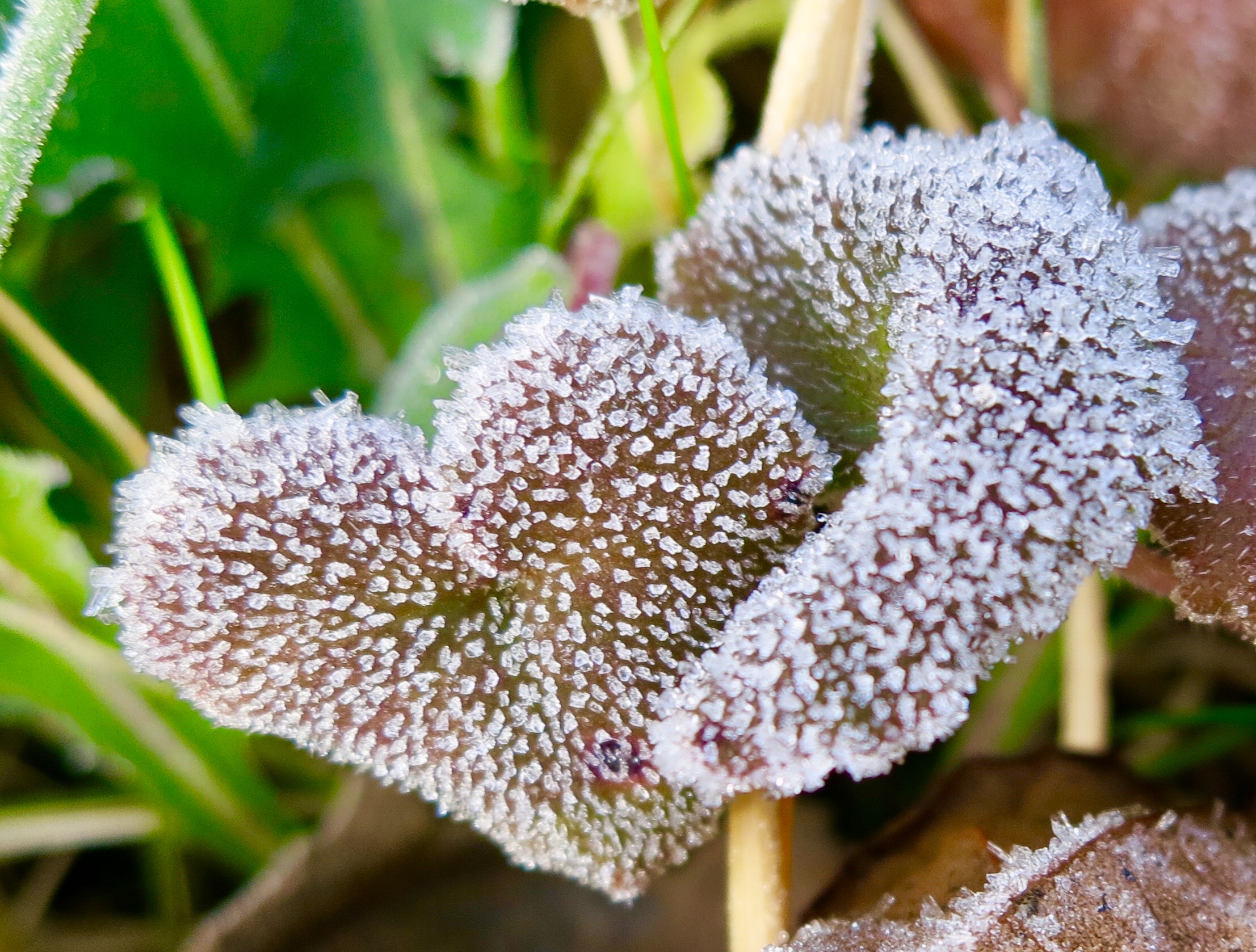
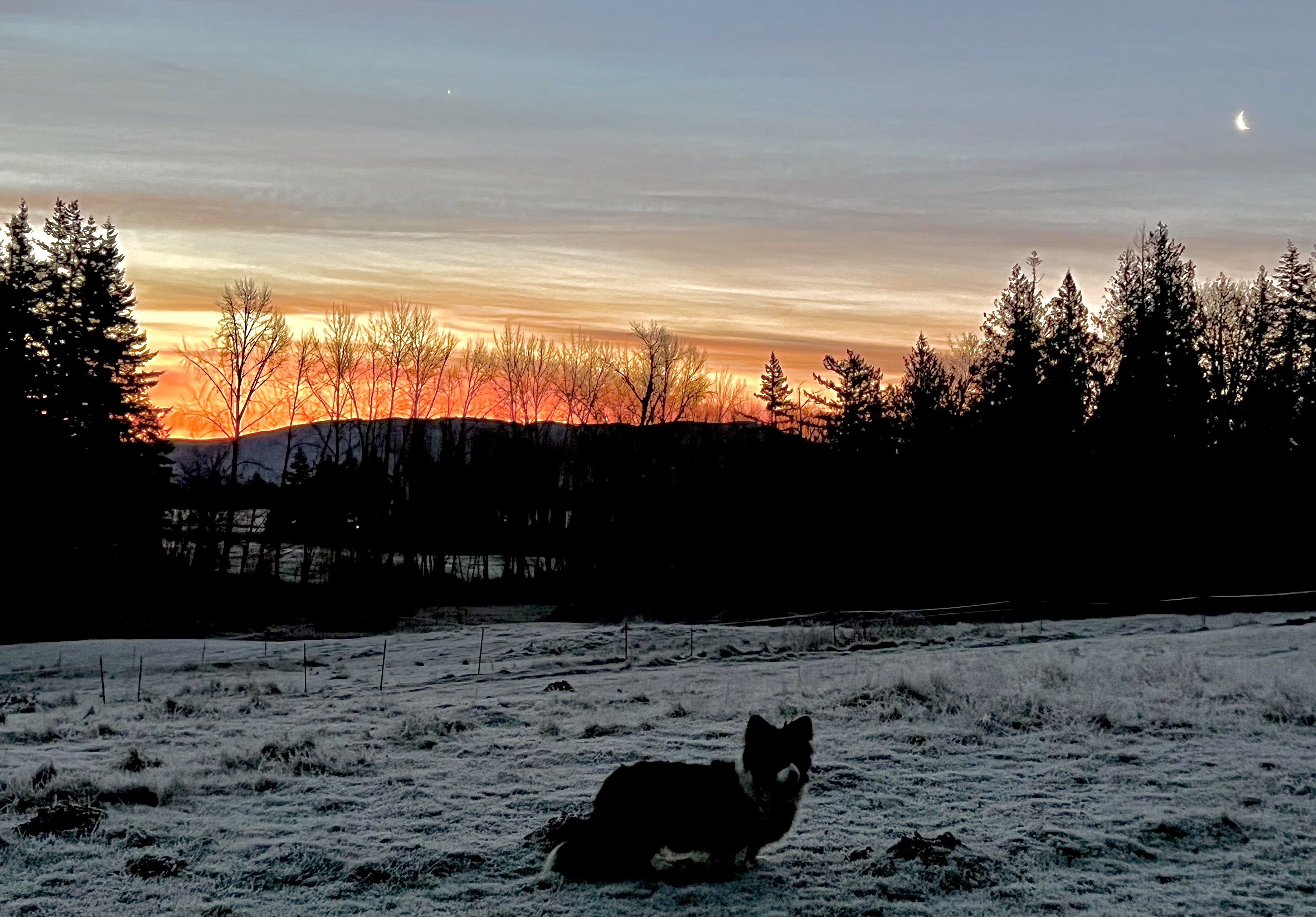
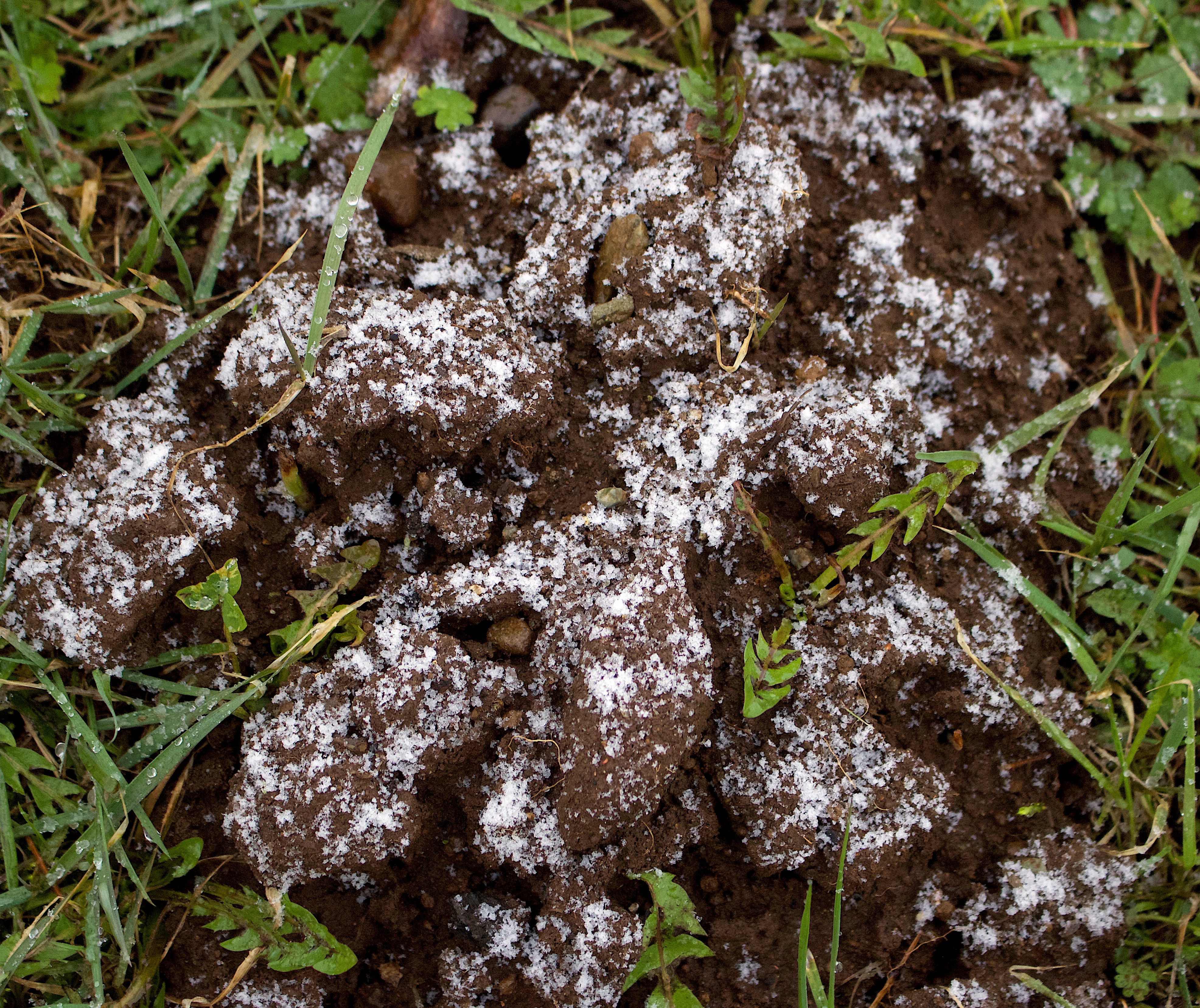
March. I am beginning to anticipate a thaw. Early mornings the earth, old unbeliever, is still crusted with frost where the moles have nosed up their cold castings, and the ground cover in shadow under the cedars hasn’t softened for months, fogs layering their slow, complicated ice around foliage and stem night by night,
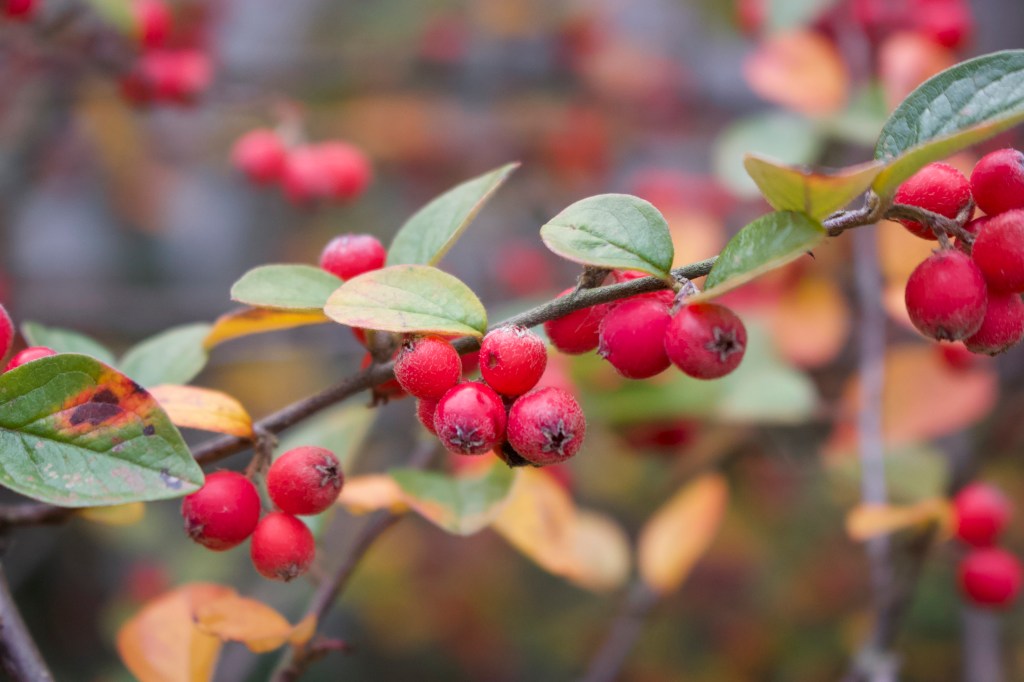
but as the light lengthens, preacher of good news, evangelizing leaves and branches, his large gestures beckon green out of gray. Pinpricks of coral bursting from the cotoneasters. A single bee finding the white heather. Eager lemon-yellow aconites glowing, low to the ground like little uplifted faces. A crocus shooting up a purple hand here, there, as I stand on my doorstep, my own face drinking in heat and light like a bud welcoming resurrection, and my hand up, too, ready to sign on for conversion. ~Luci Shaw “Revival” from What the Light was Like
The earth invalid, dropsied, bruised, wheeled Out in the sun, After frightful operation. She lies back, wounds undressed to the sun, To be healed, Sheltered from the sneapy chill creeping North wind, Leans back, eyes closed, exhausted, smiling Into the sun. Perhaps dozing a little. While we sit, and smile, and wait, and know She is not going to die. ~Ted Hughes from ” A March Morning Unlike Others” from Ted Hughes. Collected Poems
Spring is emerging slowly from this haggard and droopy winter. All growing things are still stuck in morning frost for another week at least. Then, like the old “Wizard of Oz” movie, the landscape will suddenly turn from monochrome to technicolor, the soundtrack from forlorn to glorious birdsong.
Yearning for spring to commence, I tap my foot impatiently as if owed a timely seasonal transformation from dormant to verdant. We all have been waiting for the Physician’s announcement that this patient survived some intricate life-changing procedure: “I’m happy to say the Earth is alive after all, now revived and restored, wounded but healing, breathing on her own but too sedated for a visit just yet.”
I wait impatiently to celebrate her return to health, knowing this temporary home of ours is still very much alive. She breathes, she thrives, blooming and singing with everything she’s got. And so will I.
He sends his command to the earth; his word runs swiftly. 16 He spreads the snow like wool and scatters the frost like ashes. 17 He hurls down his hail like pebbles. Who can withstand his icy blast? 18 He sends his word and melts them; he stirs up his breezes, and the waters flow. Psalm 147: 15-18
This Lenten season I reflect on the words of the 19th century southern spiritual hymn “What Wondrous Love is This”
One-Time
Monthly
Yearly
Make a one-time or recurrent donation to support daily Barnstorming posts
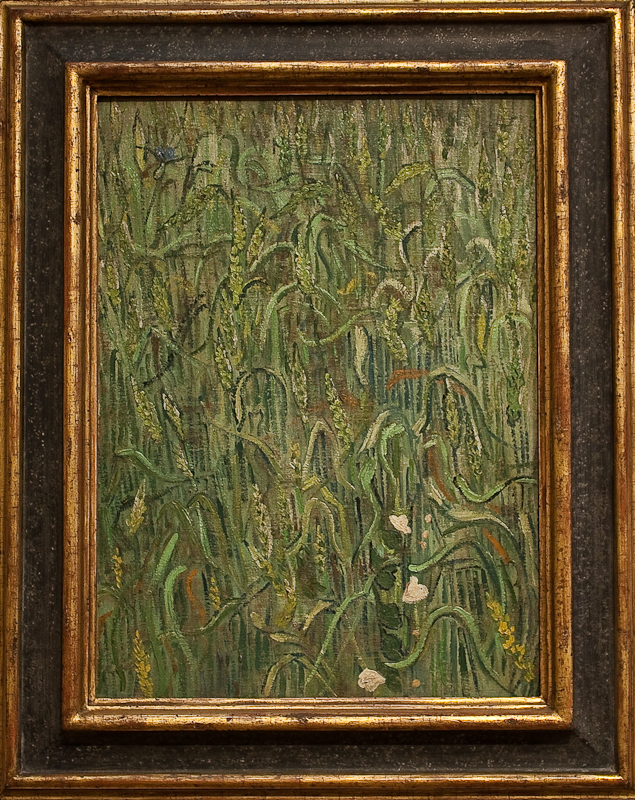
J.R.Tolkien’s writing desk at the Wade Center at Wheaton CollegeEars of Wheat – Van Gogh museum
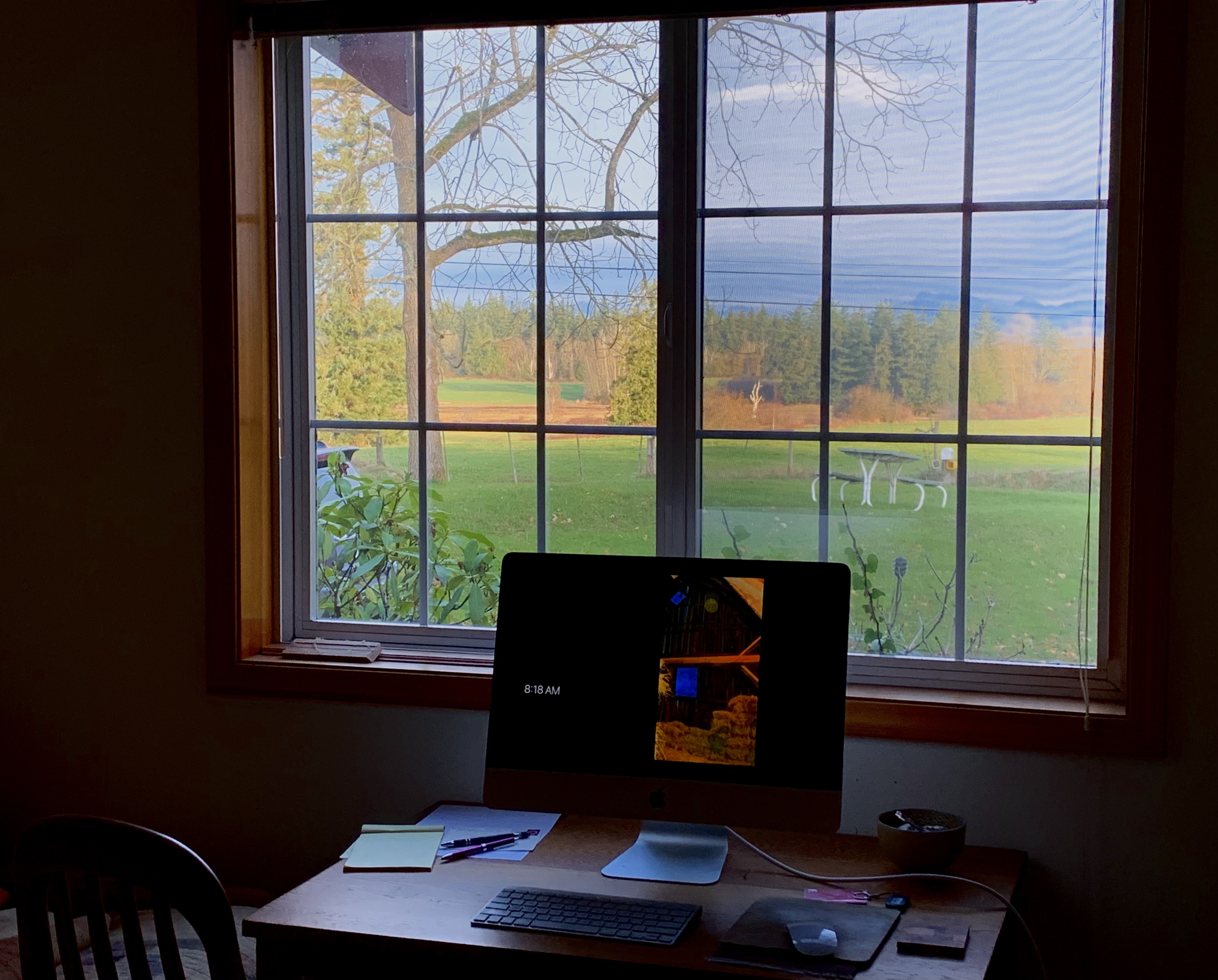
A writing desk is simply a repurposed tree; the smoothly sanded surface of swirling grain and knotholes nourish and produce words and stories rather than leaves and fruit.
I can easily lose myself in the wood and wondering about its origins, whether it is as I sit at a window composing, or whether I’m outside walking among the trees which are merely potential writing desks in the raw.
Museums often feature the writing desks of the famous and I’ve seen a few over the years – it is thrilling to be able touch the wood they touched as they wrote – to gaze at the same grain patterns and knotholes they saw as the words gelled, and feel the worn spots where their elbows rested.
Though my little desk won’t ever become a museum piece, nor will my words be long-remembered, I am grateful for the tree that gave me this place to sit each morning, breathing deeply, praying that when I sit here, I might bear and share worthy fruit.
One-Time
Monthly
Yearly
Make a one-time or recurring donation to support daily Barnstorming posts
Let other mornings honor the miraculous. Eternity has festivals enough. This is the feast of our mortality, The most mundane and human holiday.
The new year always brings us what we want Simply by bringing us along—to see A calendar with every day uncrossed, A field of snow without a single footprint. ~Dana Gioia, “New Year’s” from Interrogations at Noon
… we can make a house called tomorrow. What we bring, finally, into the new day, every day,
Is ourselves. And that’s all we need To start. That’s everything we require to keep going.
Look back only for as long as you must, Then go forward into the history you will make.
Be good, then better. Write books. Cure disease. Make us proud. Make yourself proud.
And those who came before you? When you hear thunder, Hear it as their applause. ~Albert Rios from “A House Called Tomorrow”
Let us step outside for a moment As the sun breaks through clouds And shines on wet new fallen snow, And breathe the new air. So much has died that had to die this year.
Let us step outside for a moment. It is all there Only we have been slow to arrive At a way of seeing it. Unless the gentle inherit the earth There will be no earth. ~May Sarton from “New Year Poem”
photo by Nate Gibson
Always a night from old to new! Night and the healing balm of sleep! Each morn is New Year’s morn come true, Morn of a festival to keep. All nights are sacred nights to make Confession and resolve and prayer; All days are sacred days to wake New gladness in the sunny air. Only a night from old to new; Only a sleep from night to morn. The new is but the old come true; Each sunrise sees a new year born. ~Helen Hunt Jackson from “New Year’s Morning”
I awake glad this New Year’s morning, breathing deeply of each day’s fresh start, aglow and glistening in the light of a soft sunrise.
Dawn is our Creator’s gift to us, a time to renew and refresh, to be reminded of the history behind us and humbled by the unknown ahead.
You will go out in joy and be led forth in peace; the mountains and hills will burst into song before you, and all the trees of the field will clap their hands. Isaiah 55:12
Let us join their applause…
One-Time
Monthly
Yearly
Make a one-time or recurring donation to support daily Barnstorming posts
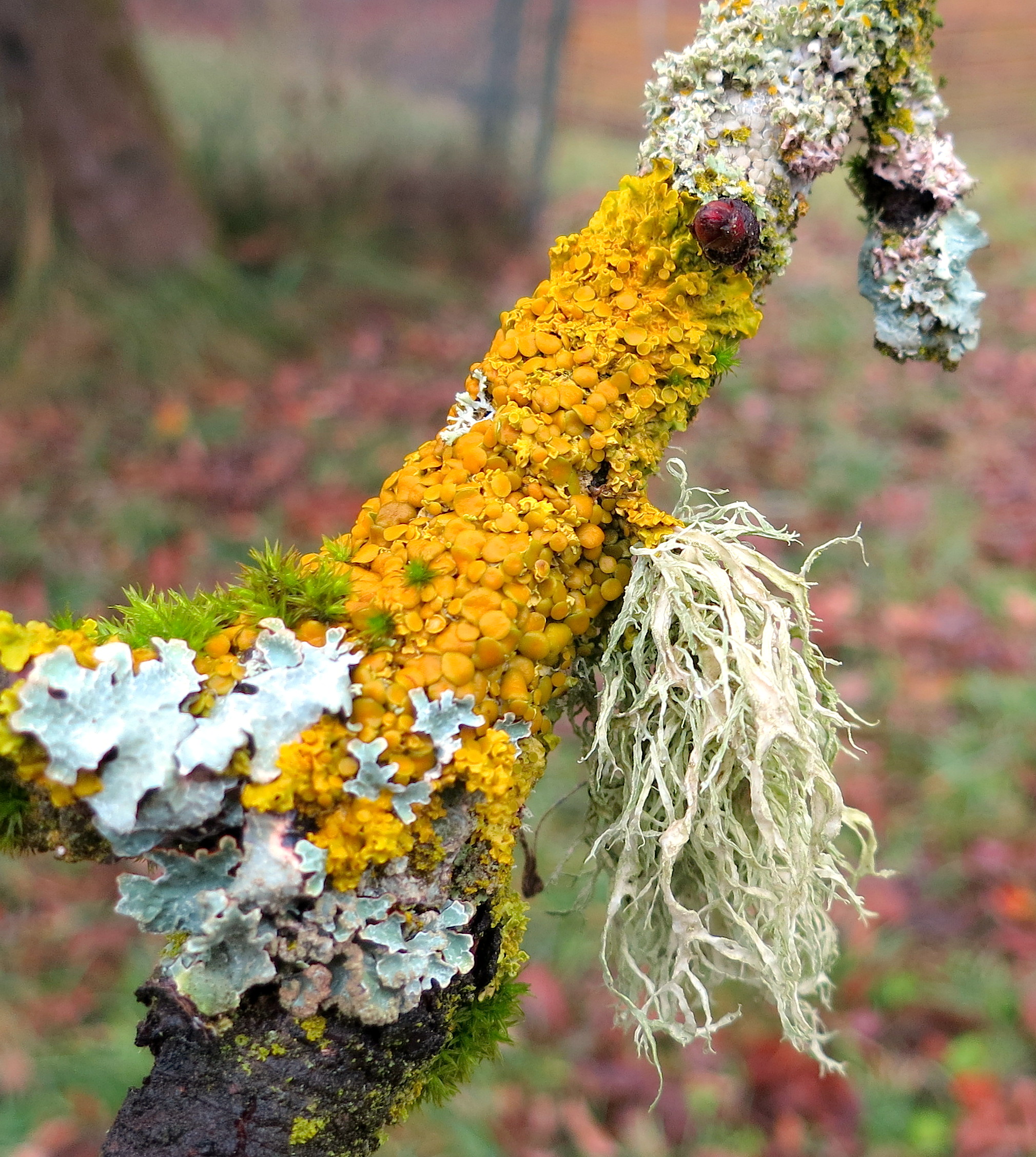
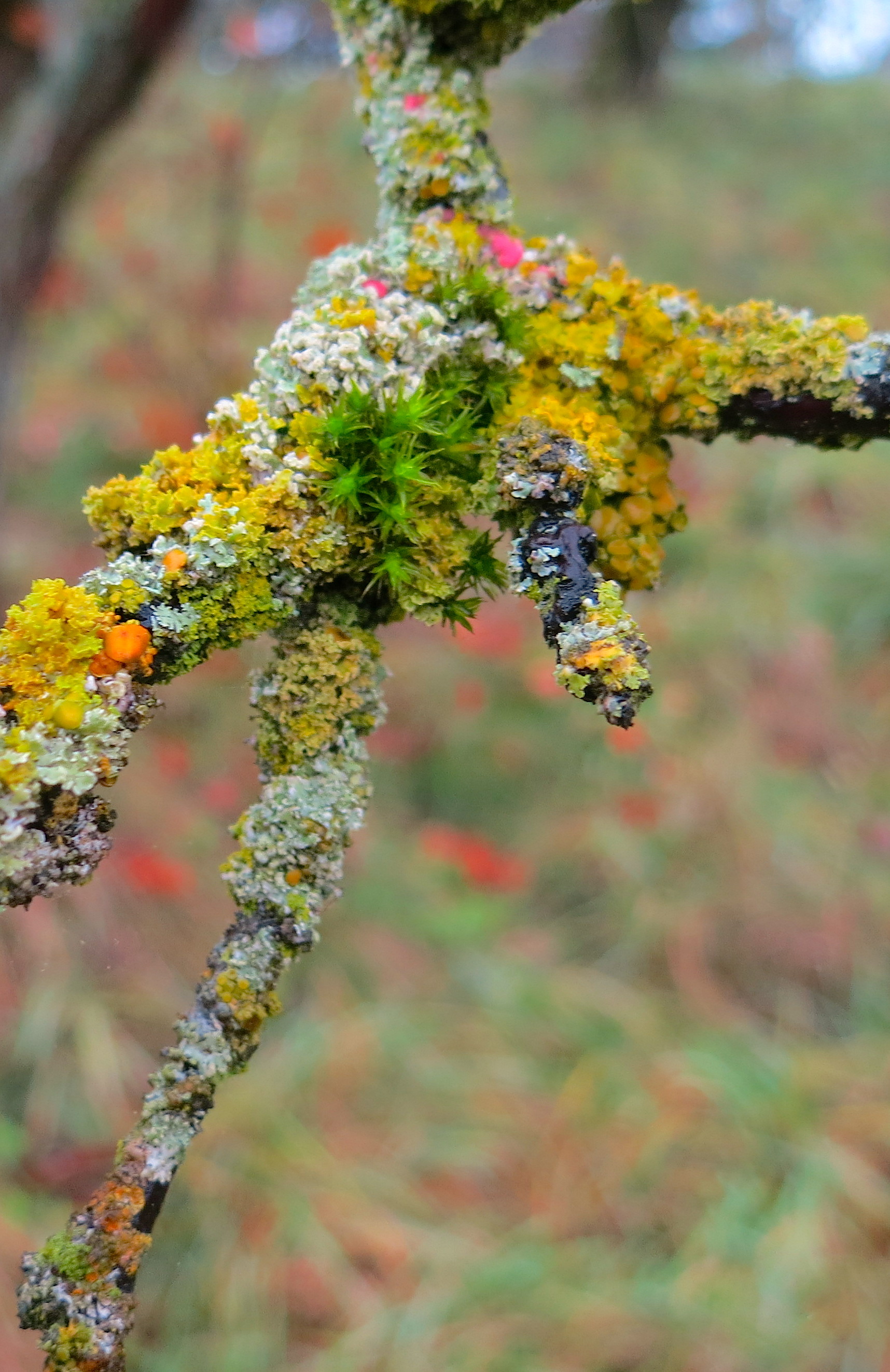
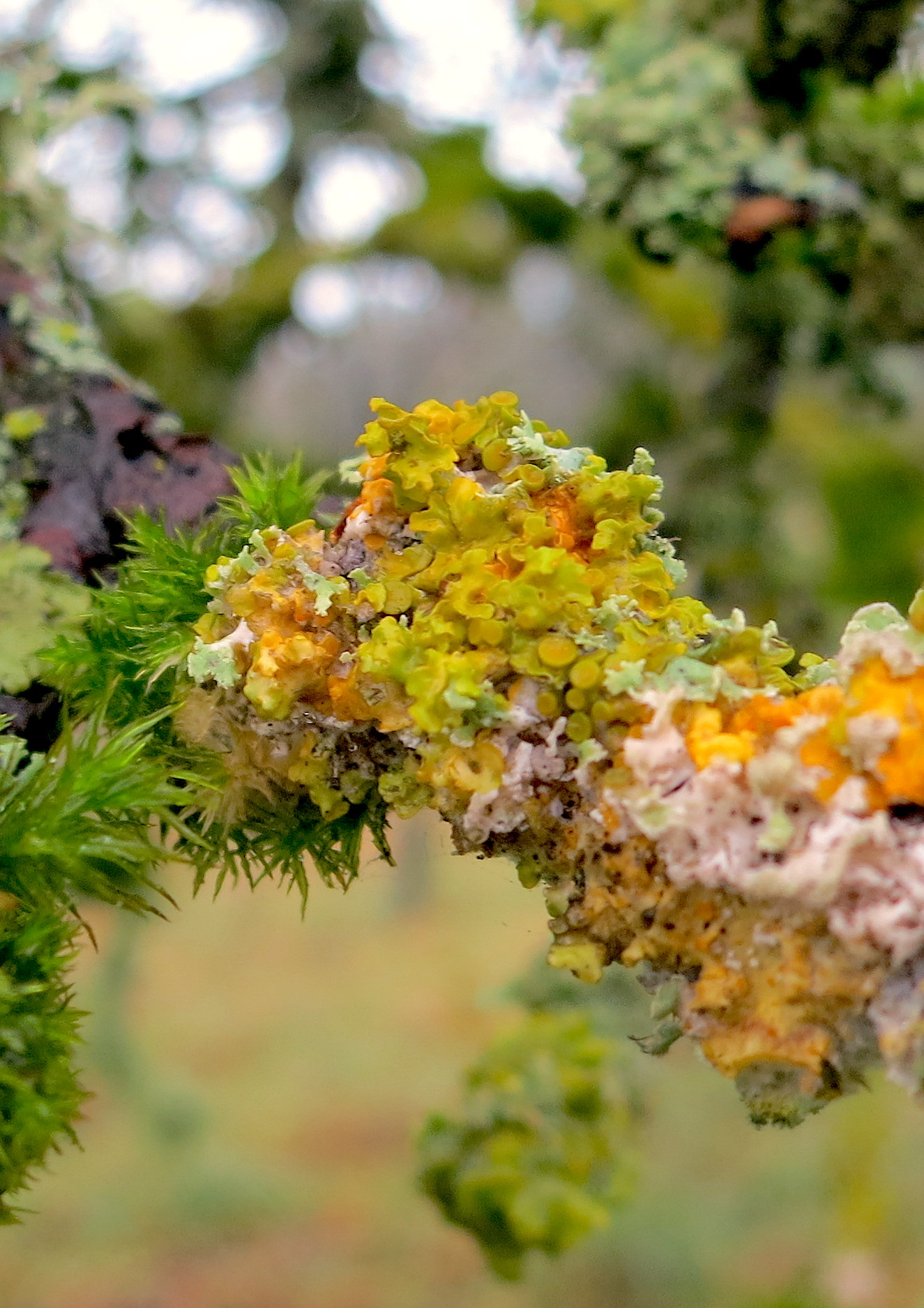
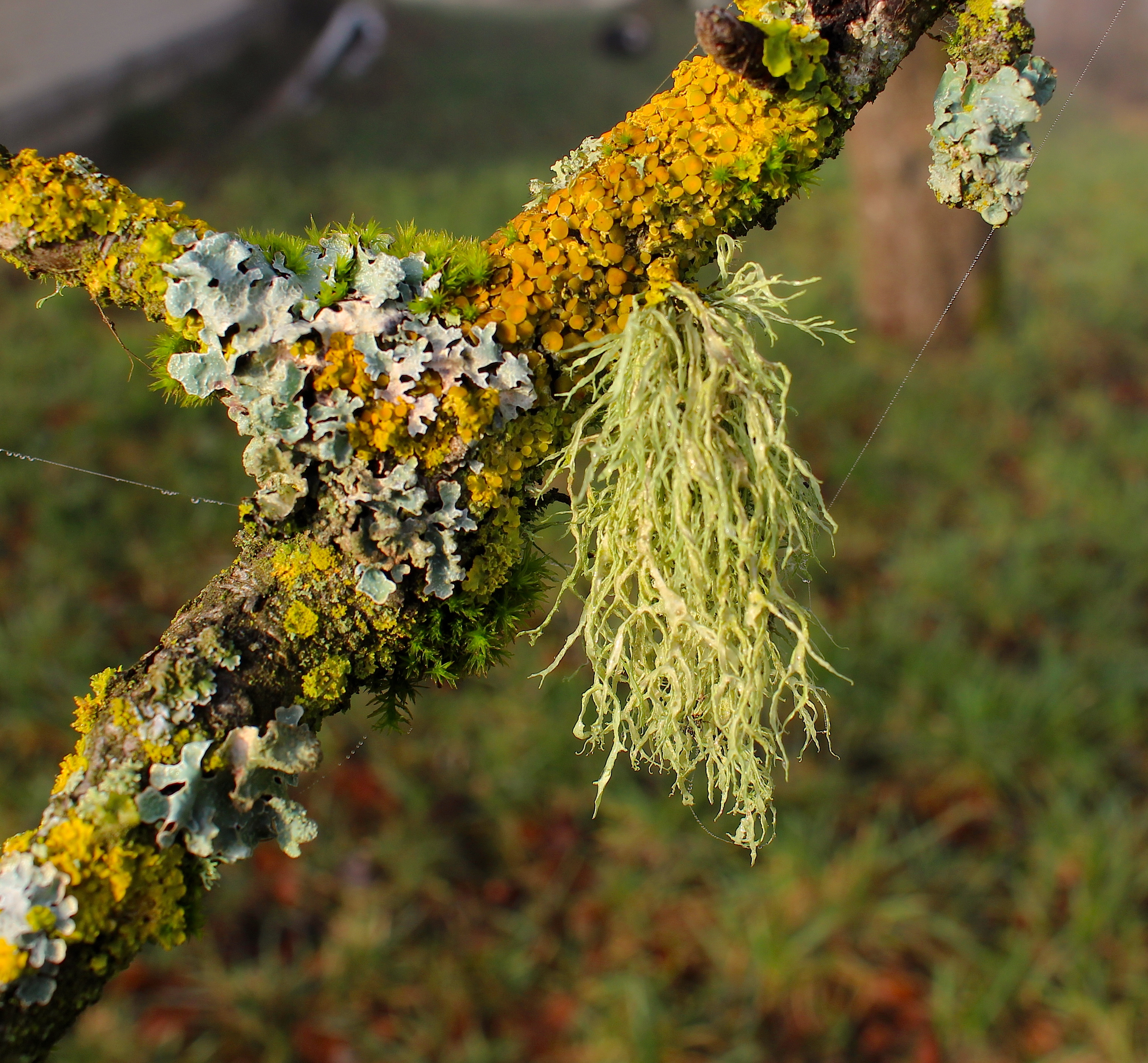
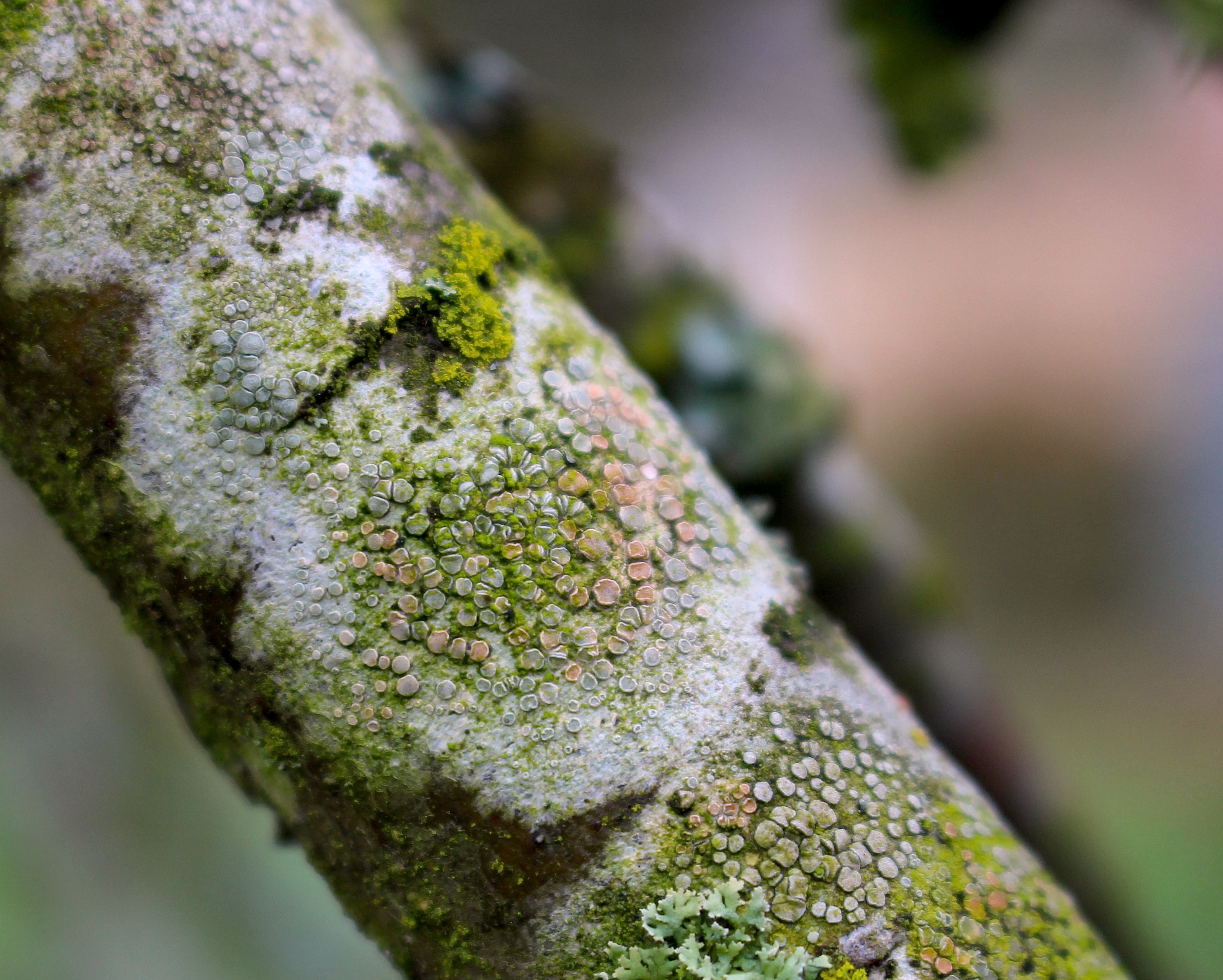
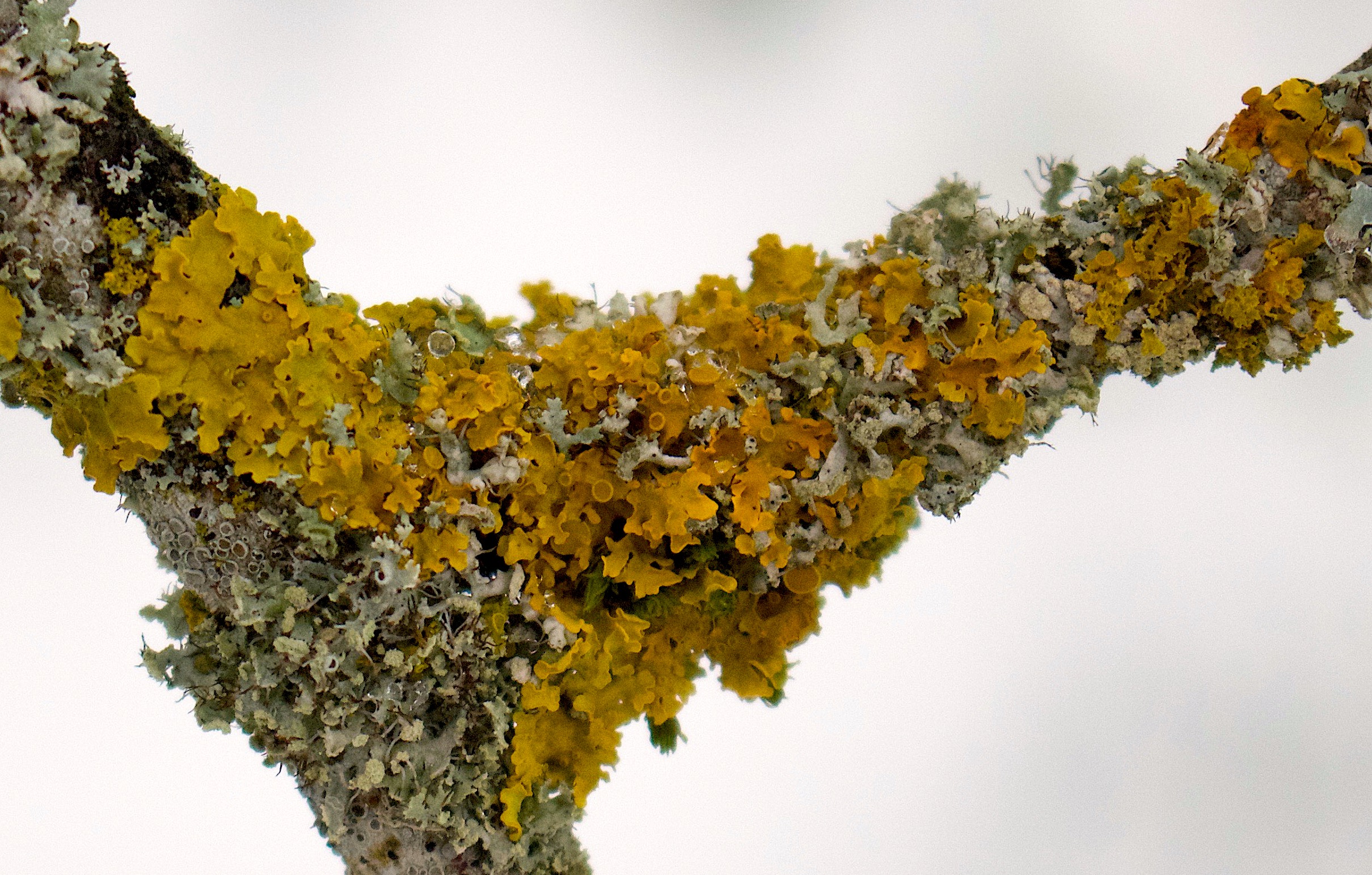
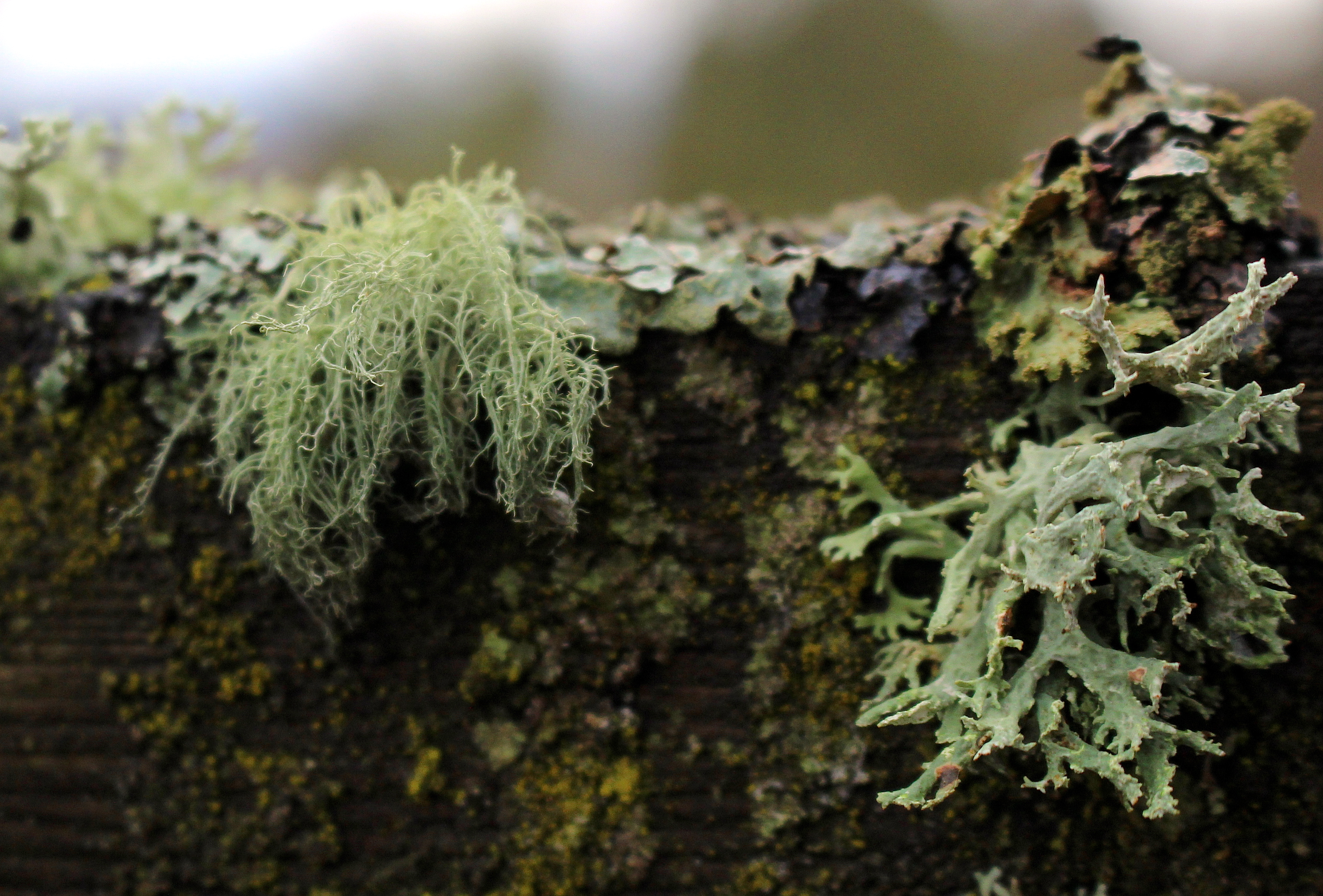
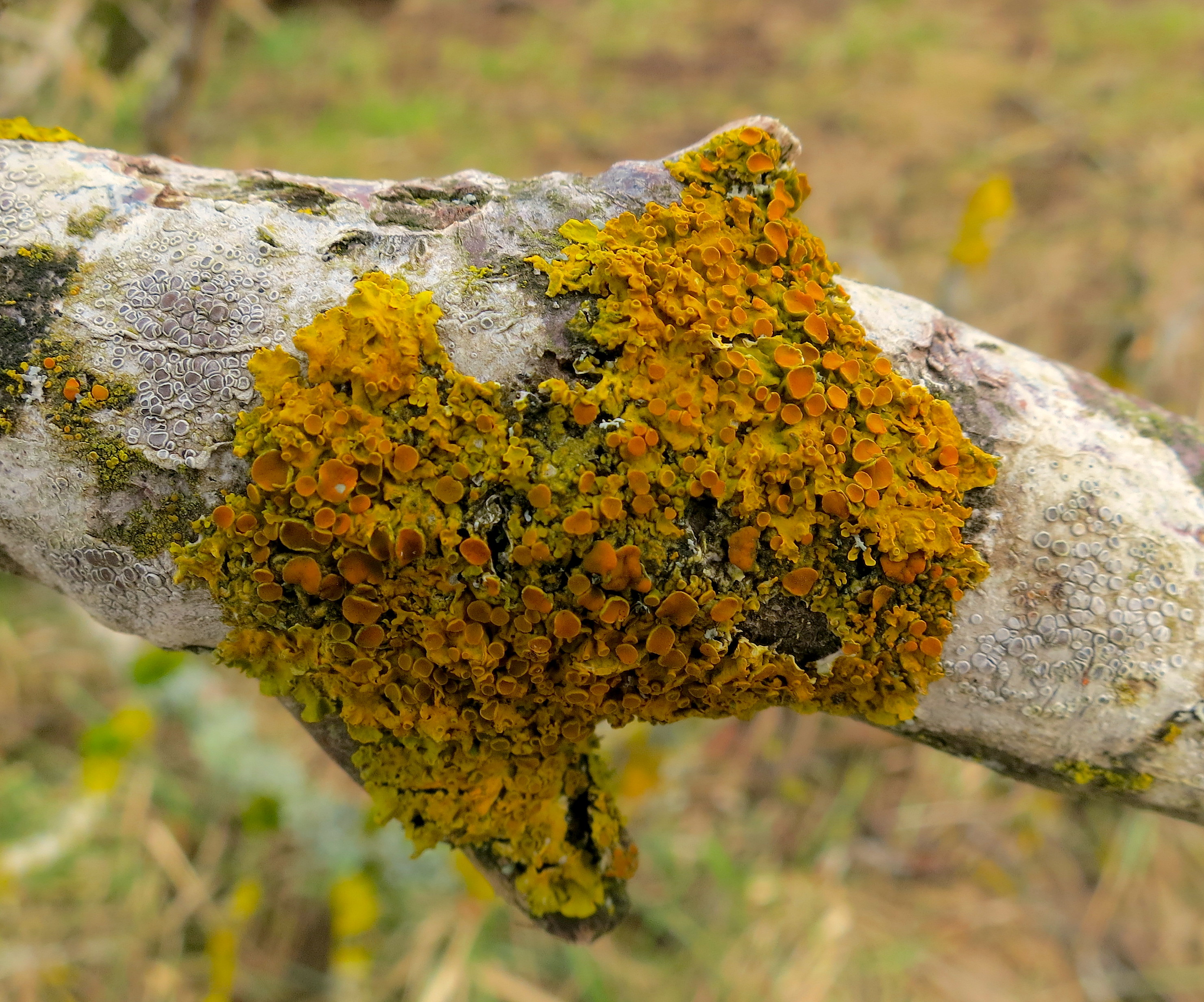
The juncture of twig and branch, scarred with lichen, is a gate we might enter, singing. ~Jane Kenyon from “Things” from Collected Poems
Who’s this –alone with stone and sea? It’s just the lowly Lichen We: the alga I, the fungus me; together, blooming quietly. What do we share–we two together? A brave indifference to the weather. A slow but steady growing pace. Resemblance to both mud and lace. As we now, so we shall be (if air clear and water free): the proud but lowly Lichen We, cemented for eternity. ~Joyce Sidman “The Lichen We” from Ubiquitous
All these years I overlooked them in the racket of the rest, this symbiotic splash of plant and fungus feeding on rock, on sun, a little moisture, air — tiny acid-factories dissolving salt from living rocks and eating them.
Here they are, blooming! Trail rock, talus and scree, all dusted with it: rust, ivory, brilliant yellow-green, and cliffs like murals!
Huge panels streaked and patched, quietly with shooting-stars and lupine at the base. Closer, with the glass, a city of cups!
Clumps of mushrooms and where do the plants begin? Why are they doing this? In this big sky and all around me peaks & the melting glaciers, why am I made to kneel and peer at Tiny? ~Lew Welch, “Springtime in the Rockies,Lichen” from Ring of Bone: Collected Poems
Back then, what did I know?
Uptown and downtown. Not north, not south, not you.
When I saw you, later, seaweed reefed in the air, you were grey-green, incomprehensible, old. What you clung to, hung from: old. Trees looking half-dead, stones.
Marriage of fungi and algae, chemists of air, changers of nitrogen-unusable into nitrogen-usable.
Like those nameless ones who kept painting, shaping, engraving, unseen, unread, unremembered. Not caring if they were no good, if they were past it.
Rock wools, water fans, earth scale, mouse ears, dust, ash-of-the-woods. Transformers unvalued, uncounted. Cell by cell, word by word, making a world they could live in. ~Jane Hirshfield from “For the Lichens” from Come, Thief
But what is life to a lichen? Yet its impulse to exist, to be, is every bit as strong as ours — arguably even stronger. If I were told that I had to spend decades being a furry growth on a rock in the woods, I believe I would lose the will to go on. Lichens don’t. Like virtually all living things, they will suffer any hardship, endure any insult, for a moment’s additional existence. Life, in short, just wants to be. ~Bill Bryson from A Short History of Nearly Everything
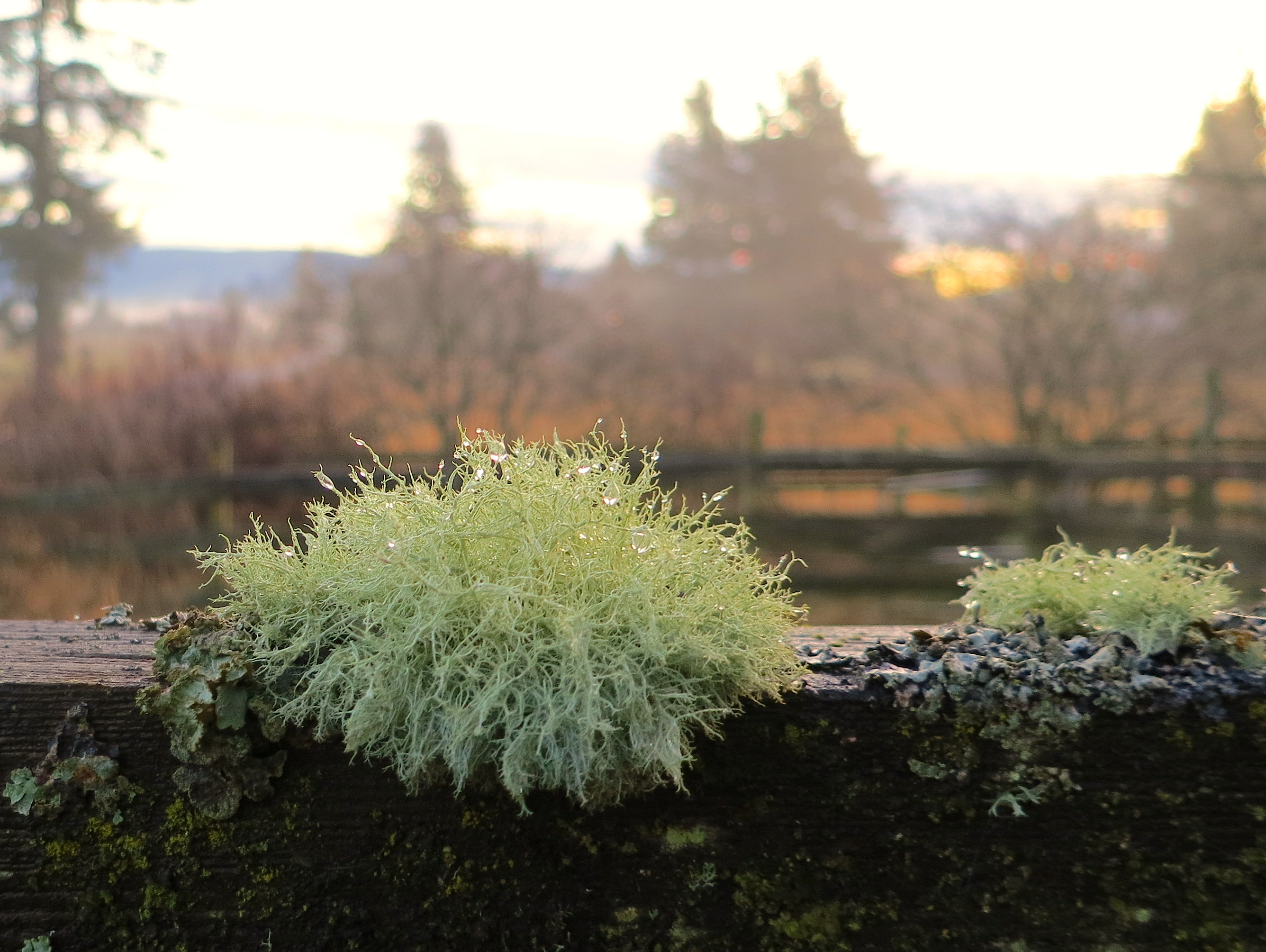
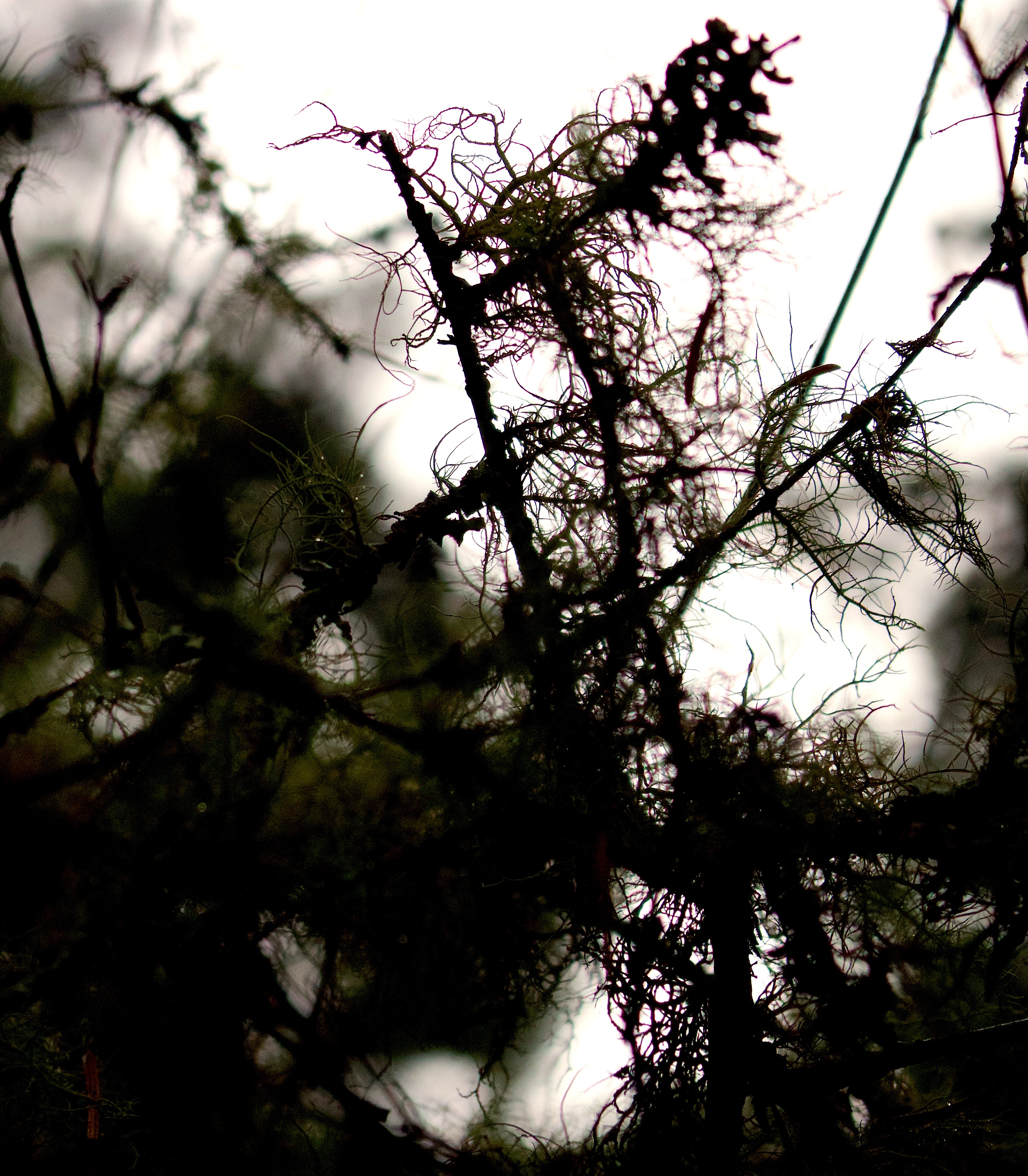
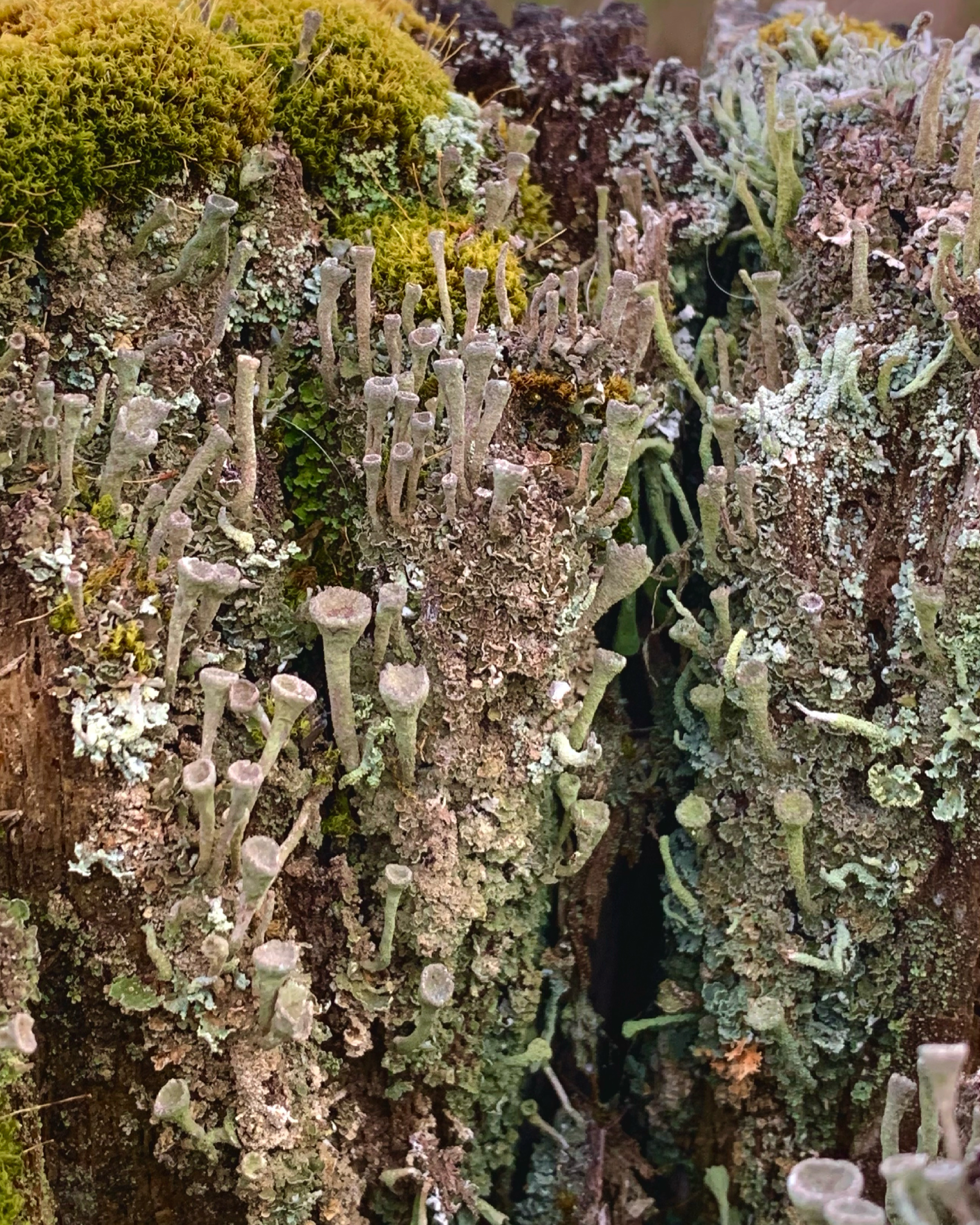
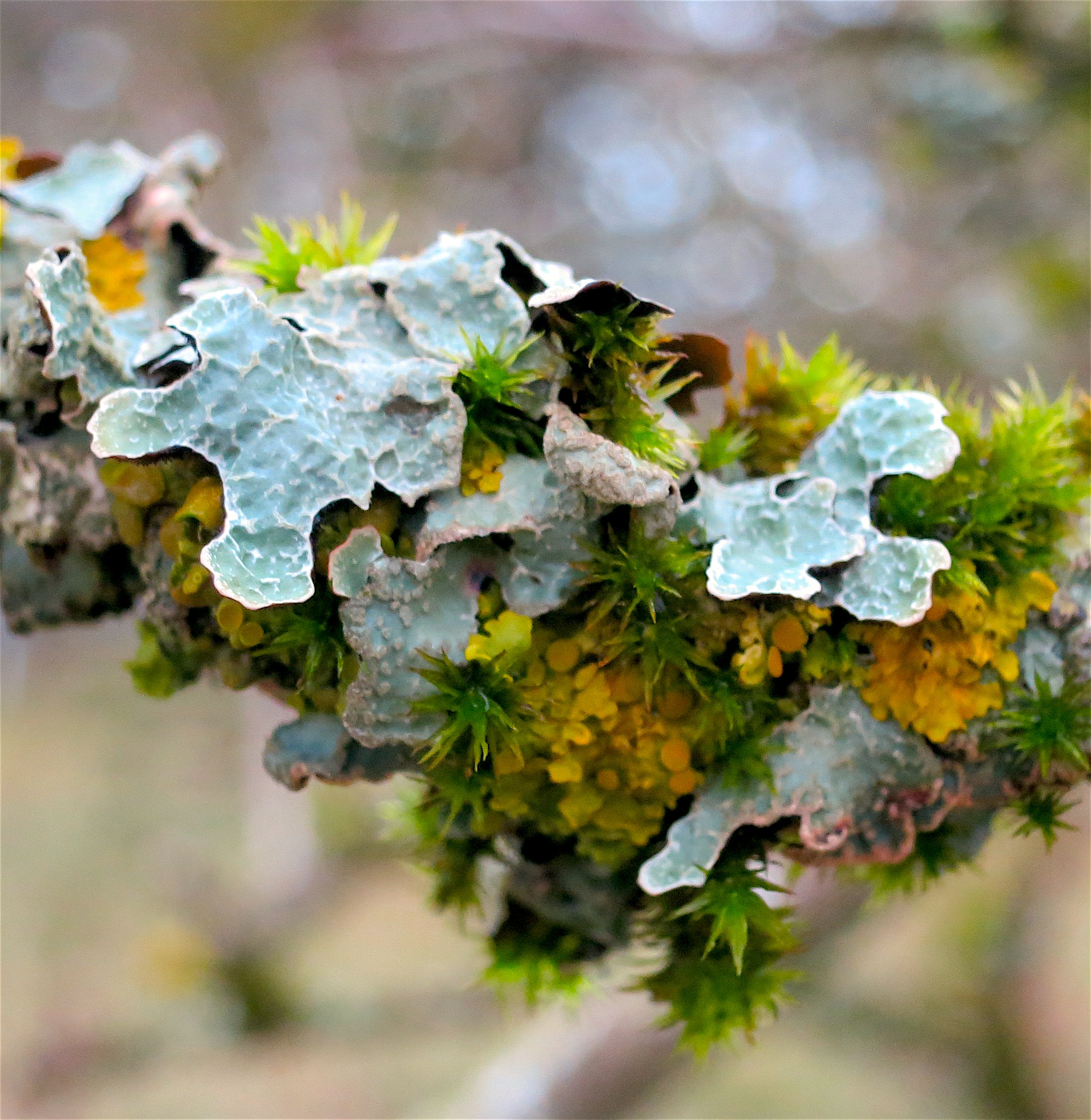
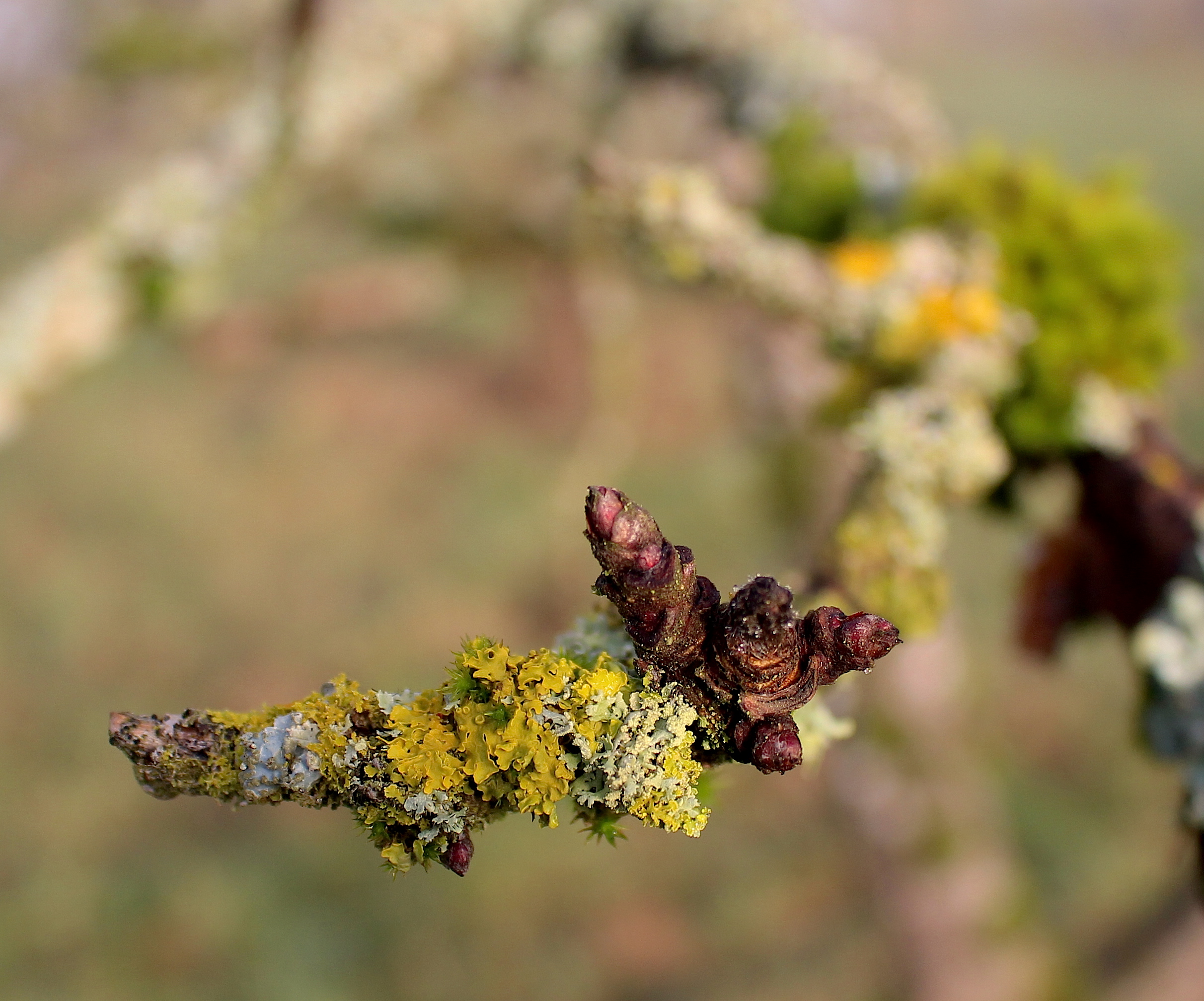
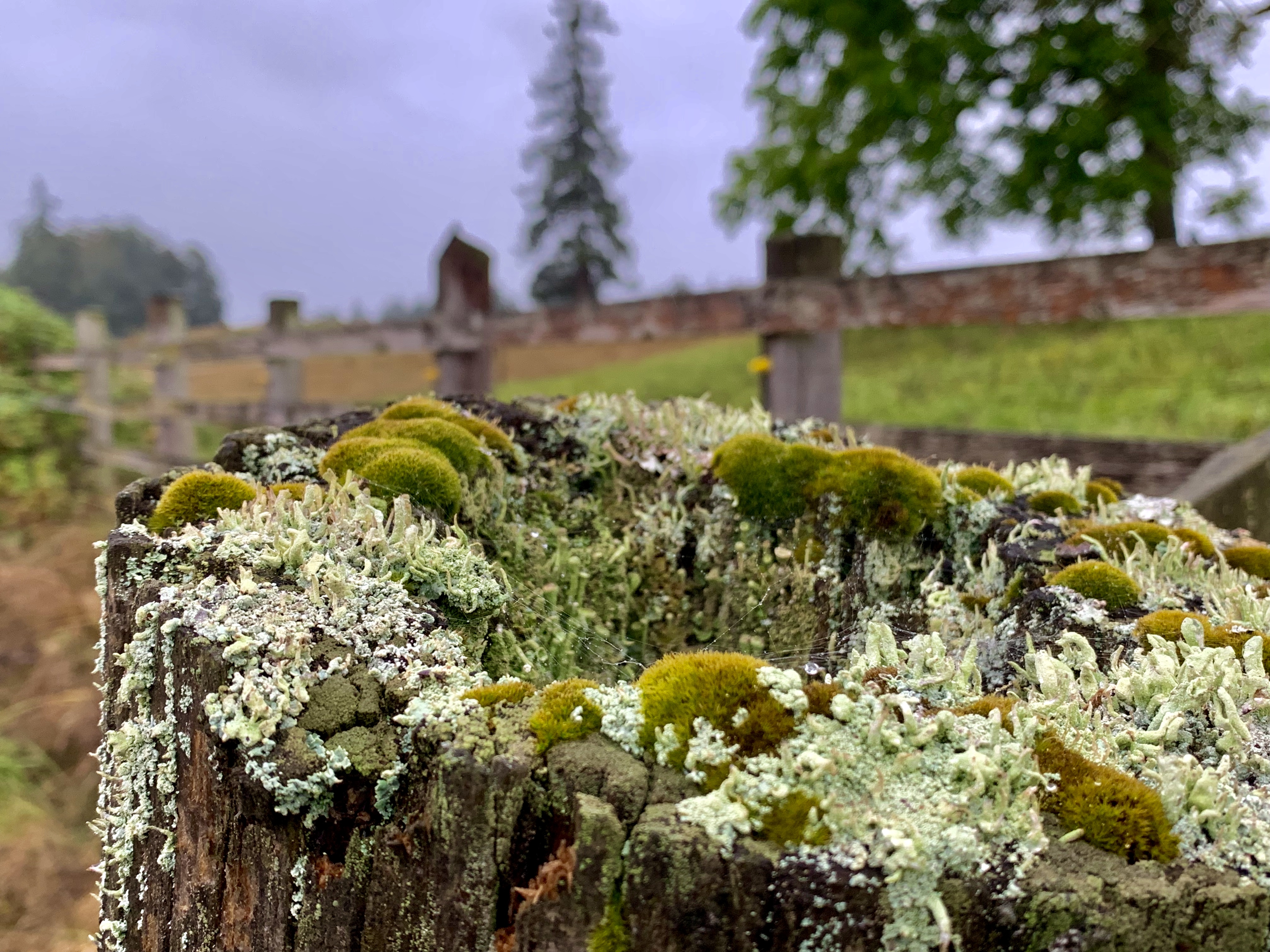
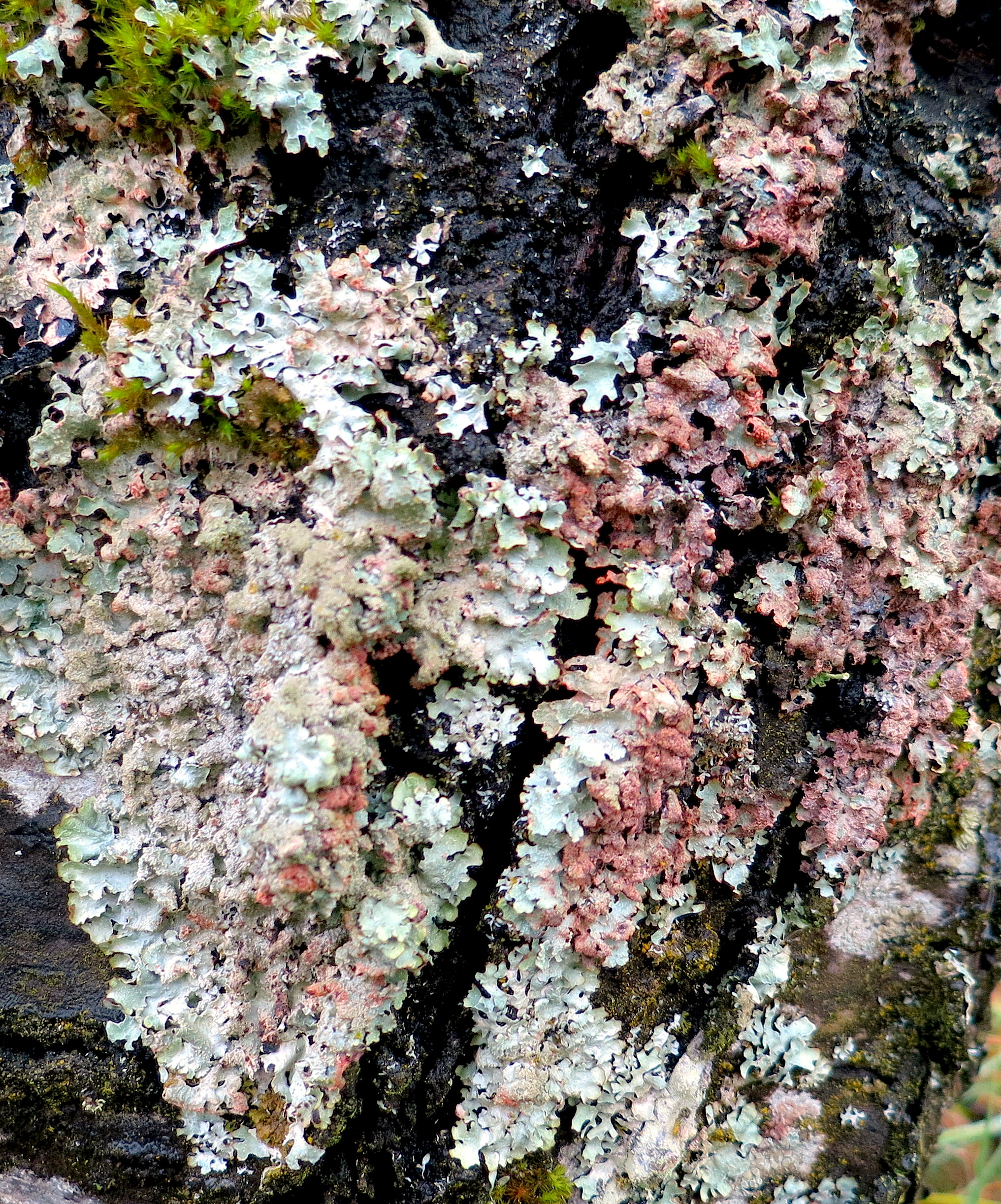
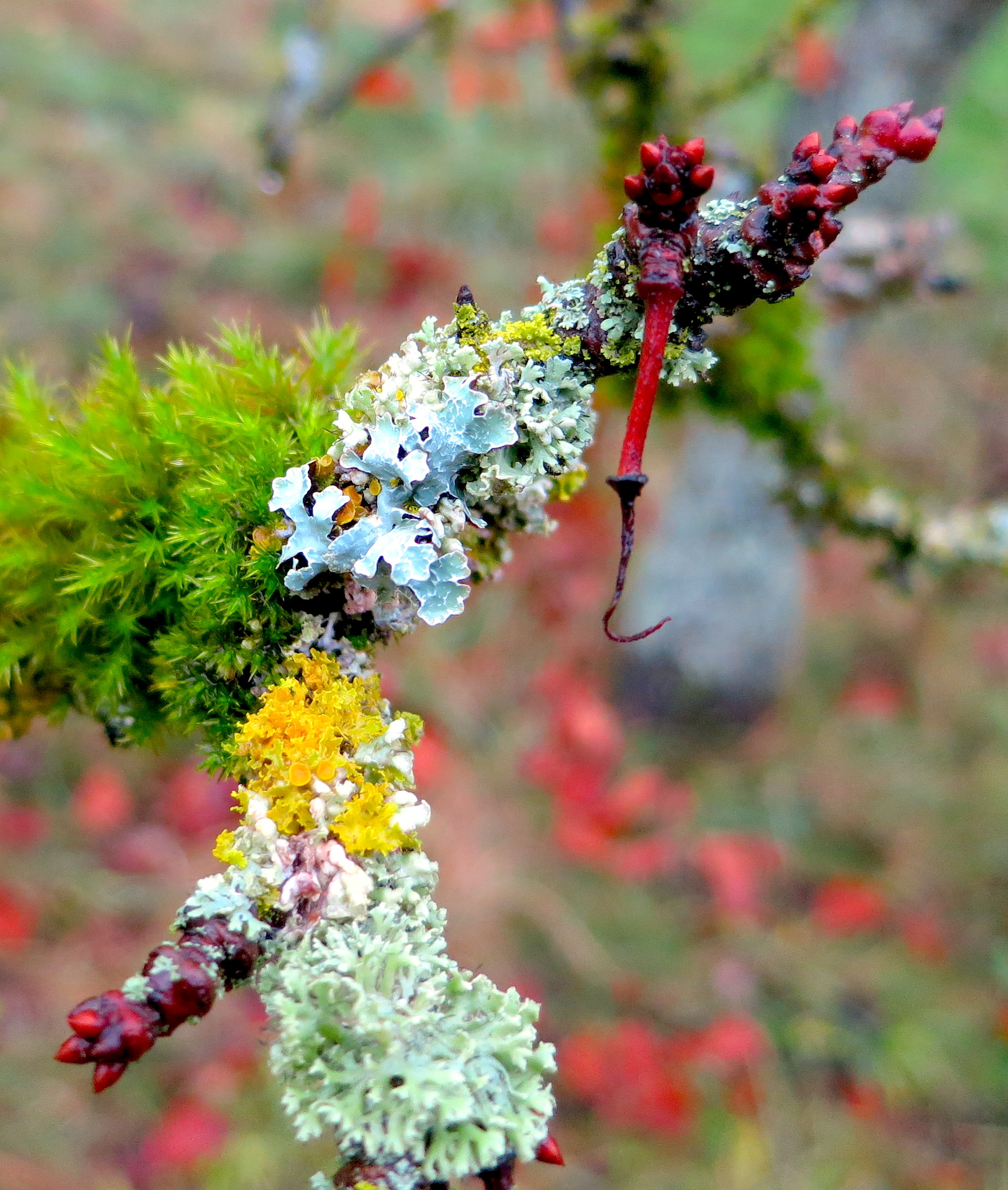
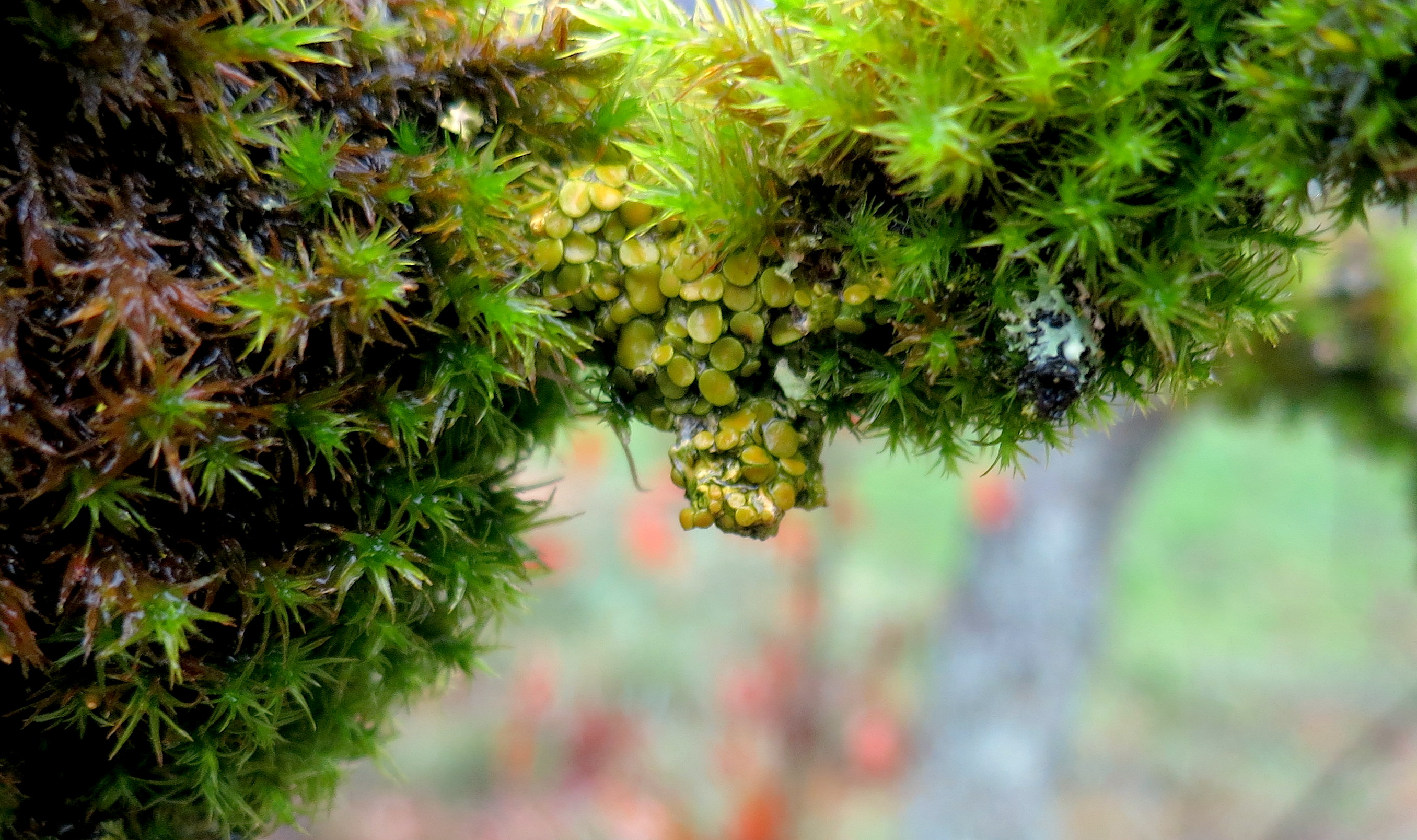
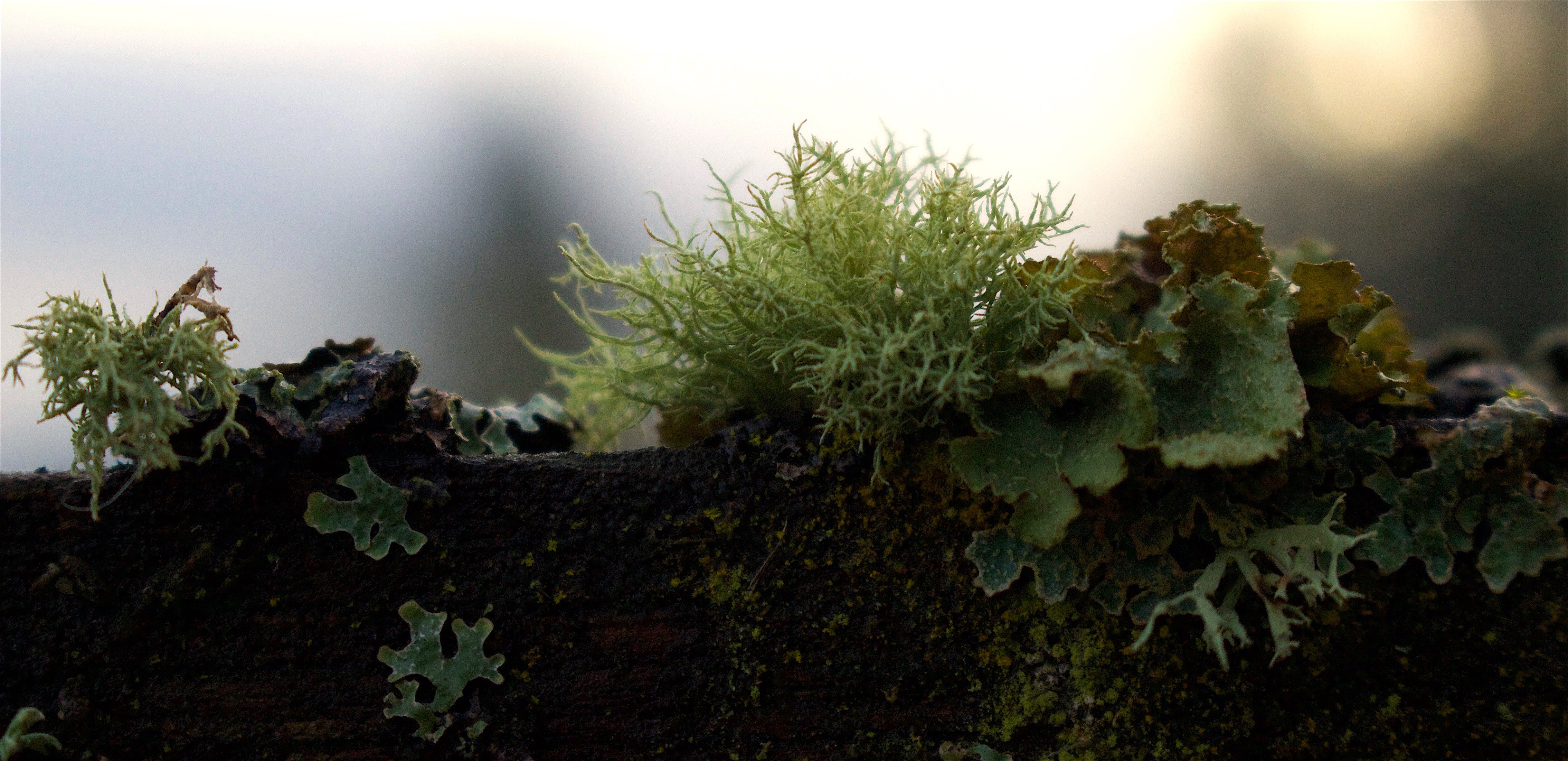
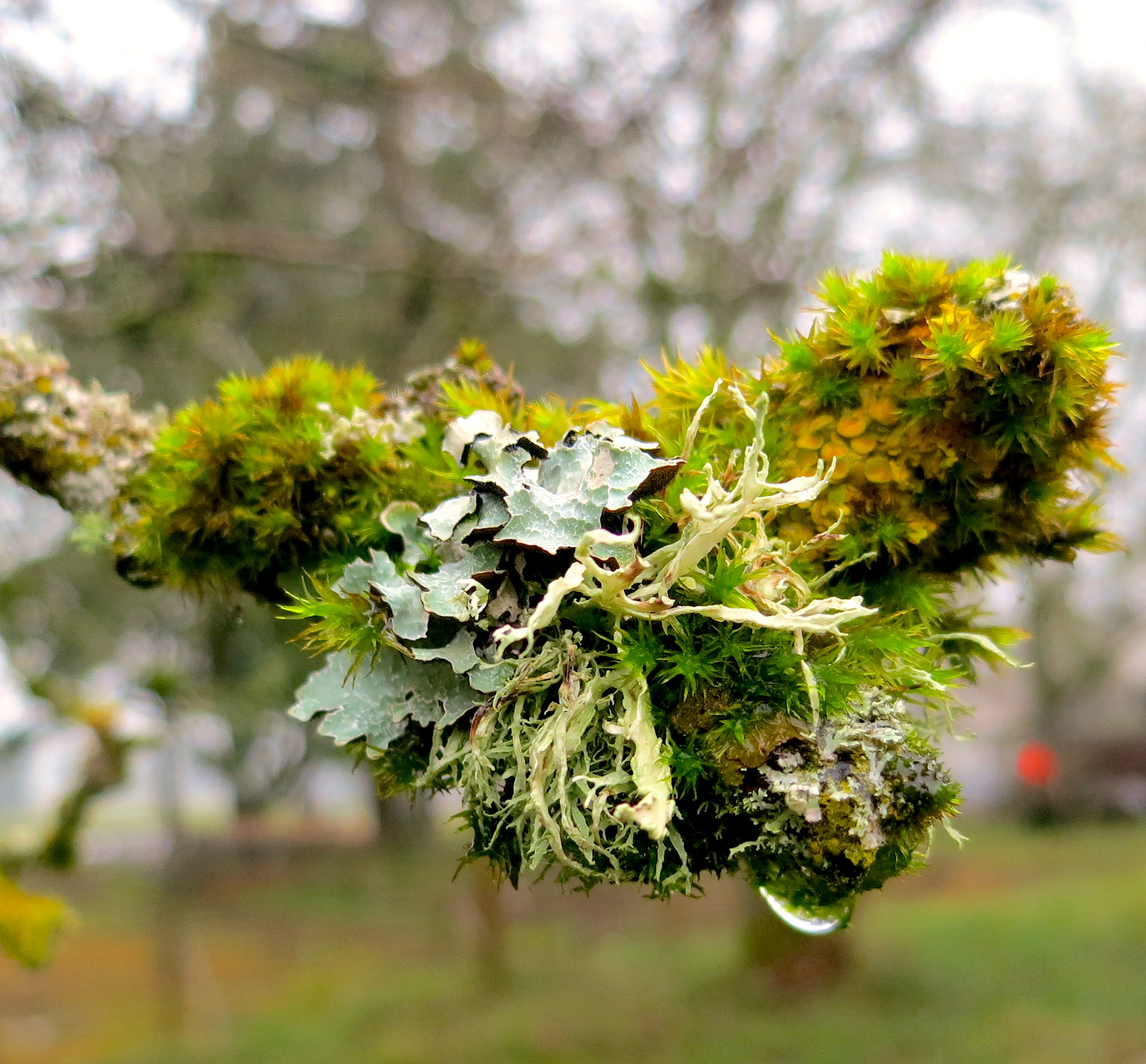
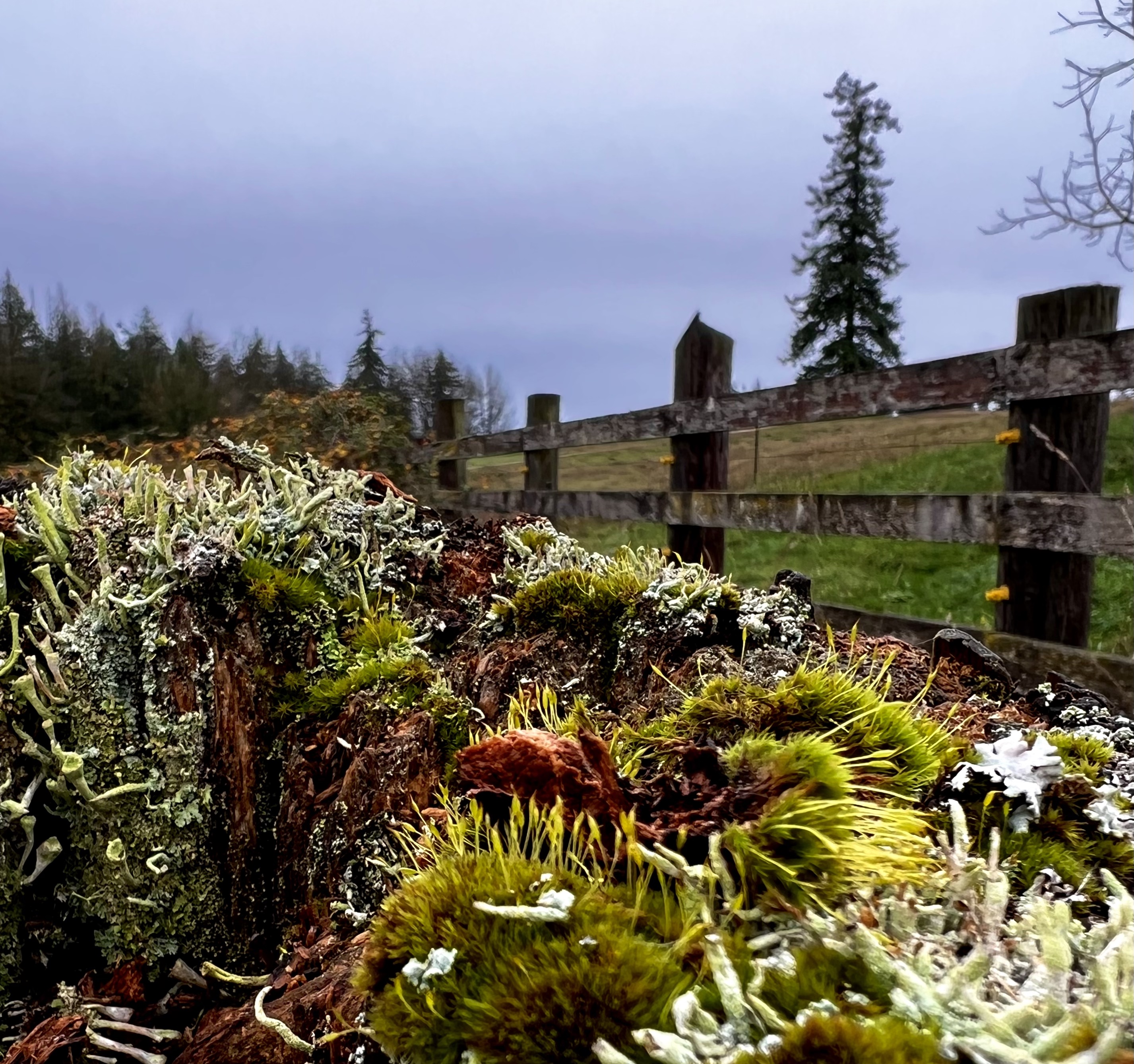
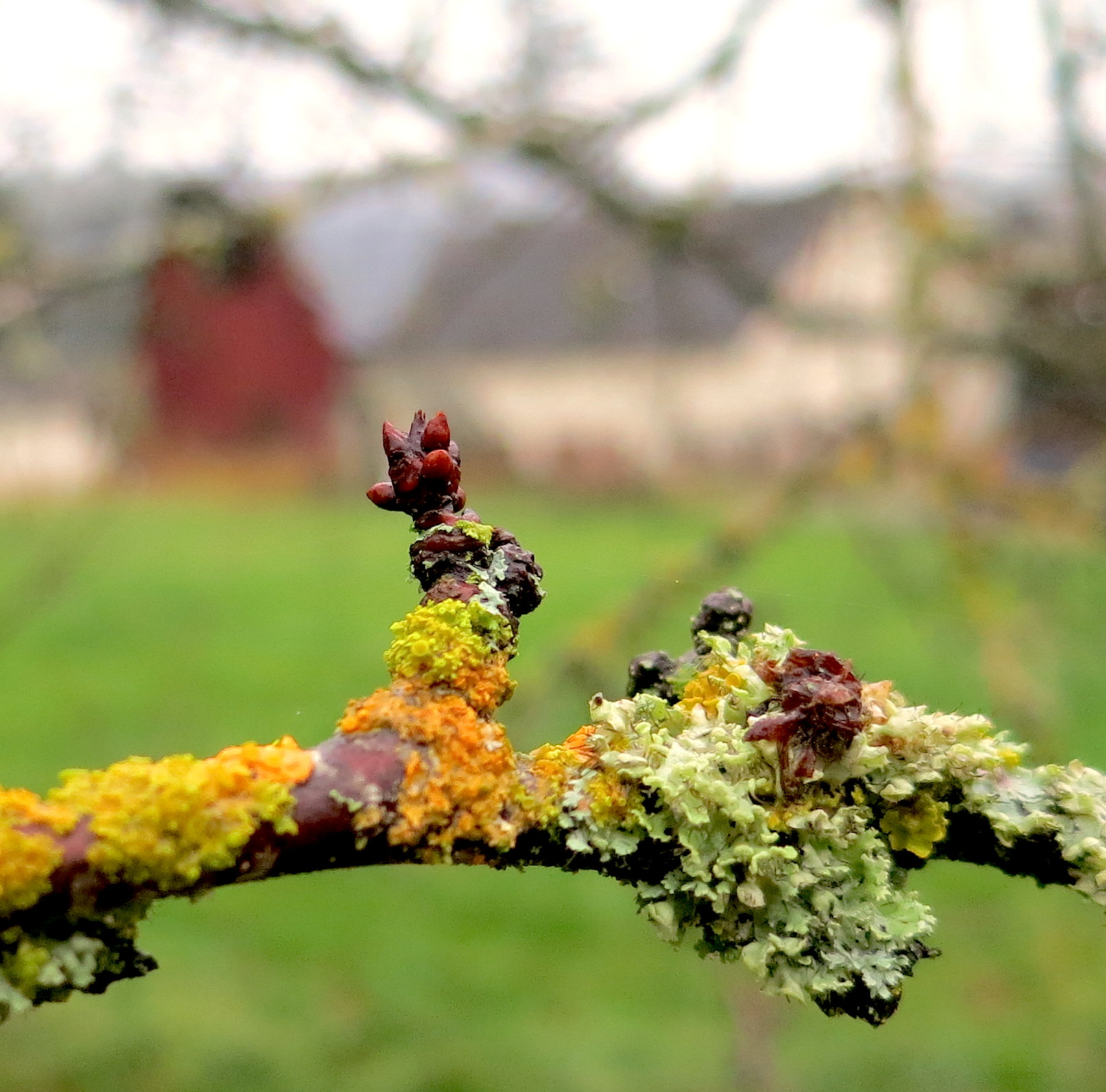
I’ve lived in the Pacific Northwest for nearly 70 years – this farm for 30 years. The grandeur of the snow-capped mountains to the north and east and the peaceful shore to the west overwhelms everything in between. Autumn after autumn, I’ve walked past these antique apple trees, but had never stopped to really look at the landscape growing on their bare shoulders and arms. There is a whole other ecosystem on each tree, a fairy land of earth bound dryland seaweed, luxuriant in the fall rains, colorful in the winter, hidden behind leaves and fruit in the hot summer. I had never really noticed the varied color and texture all around me.
This is the world of lichen, a mixed up symbiotic cross between algae and fungus, opportunistic enough to thrive on rock faces, but simply ecstatic on absorbent bark.
It hasn’t bothered them not to be noticed as they are busy minding their own business. As poet John McCullough writes in his poem “Lichen”:
It is merely a question of continuous adjustment, of improvising a life.
When I’m far from friends or the easing of a wind against my back, I think of lichen— never and always true to its essence, never and always at home.
Instead of lifting my eyes to the hills and the bay for a visual feast, I need only open the back gate to gaze on this landscape found on the ancient branches in my own back yard.
It’s a rich life of improvisation indeed.
One-Time
Monthly
Yearly
Make a one-time or recurring donation to support daily ad-free Barnstorming posts
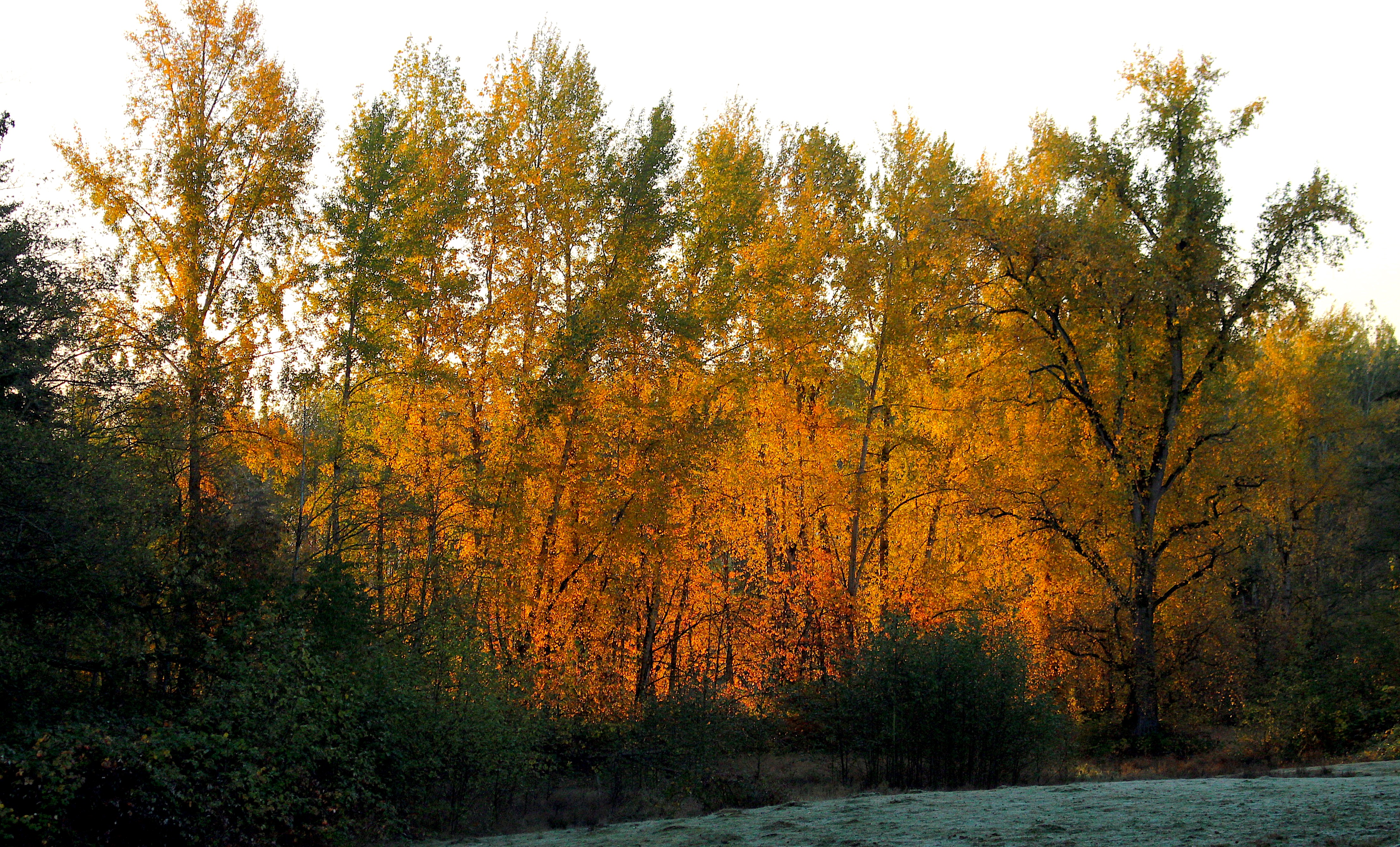
Maybe night is about to come calling, but right now the sun is still high in the sky. It’s half-past October, the woods are on fire, blue skies stretch all the way to heaven. Of course, we know that winter is coming, its thin winding sheets and its hard narrow bed. But right now, the season’s fermented to fullness, so slip into something light, like your skeleton; while these old bones are still working, my darling, let’s dance. ~Barbara Crooker, “Reel” from The Book of Kells
I’ve never been much of a dancer other than the square dancing we were taught in grade school. I could do-si-do with the best of them.
Our church used to hold an annual square dance in November along with a harvest dinner. We gathered in a school gymnasium, where my husband and I learned to Virginia Reel up and back and be sore the next day. Those were the days…
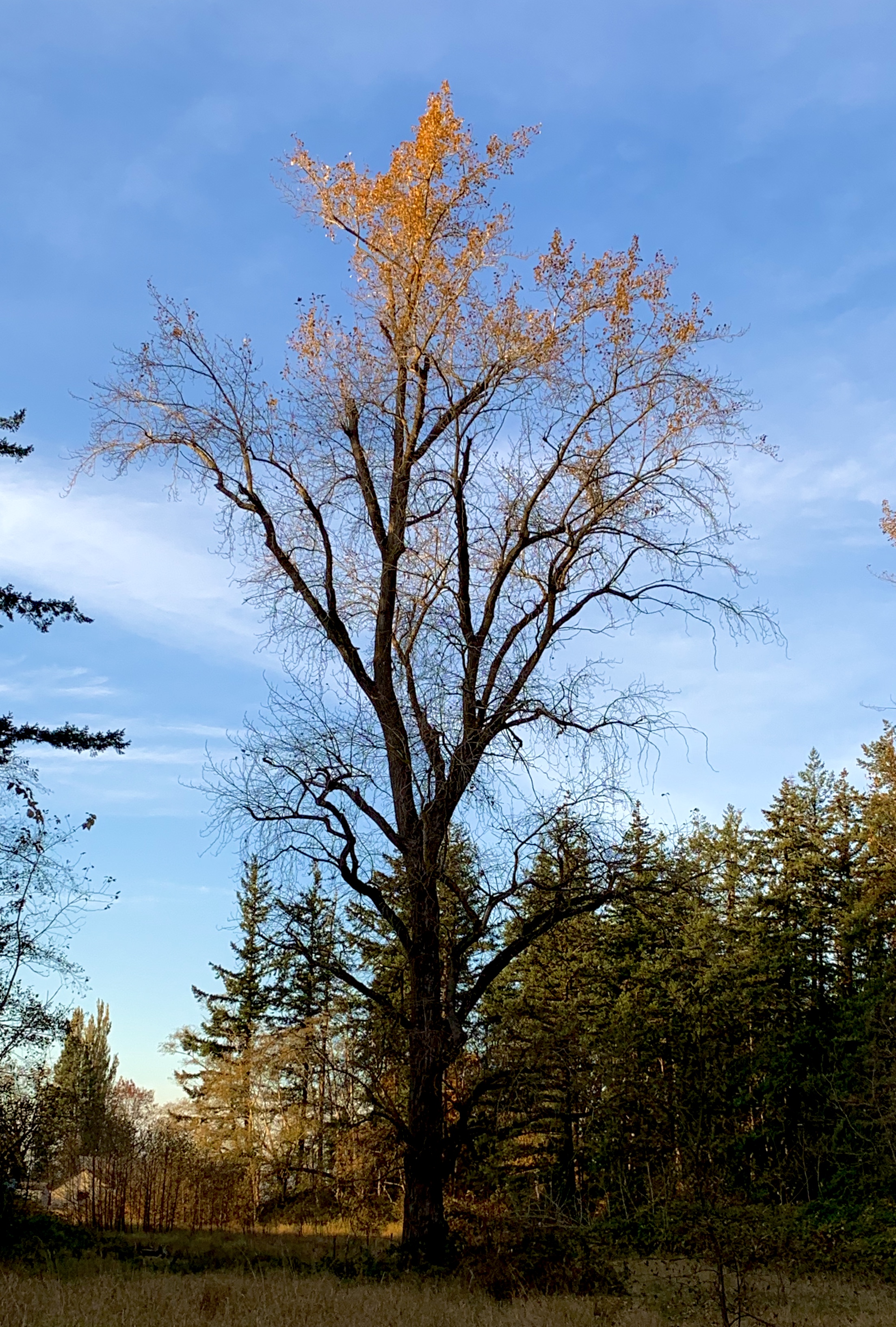
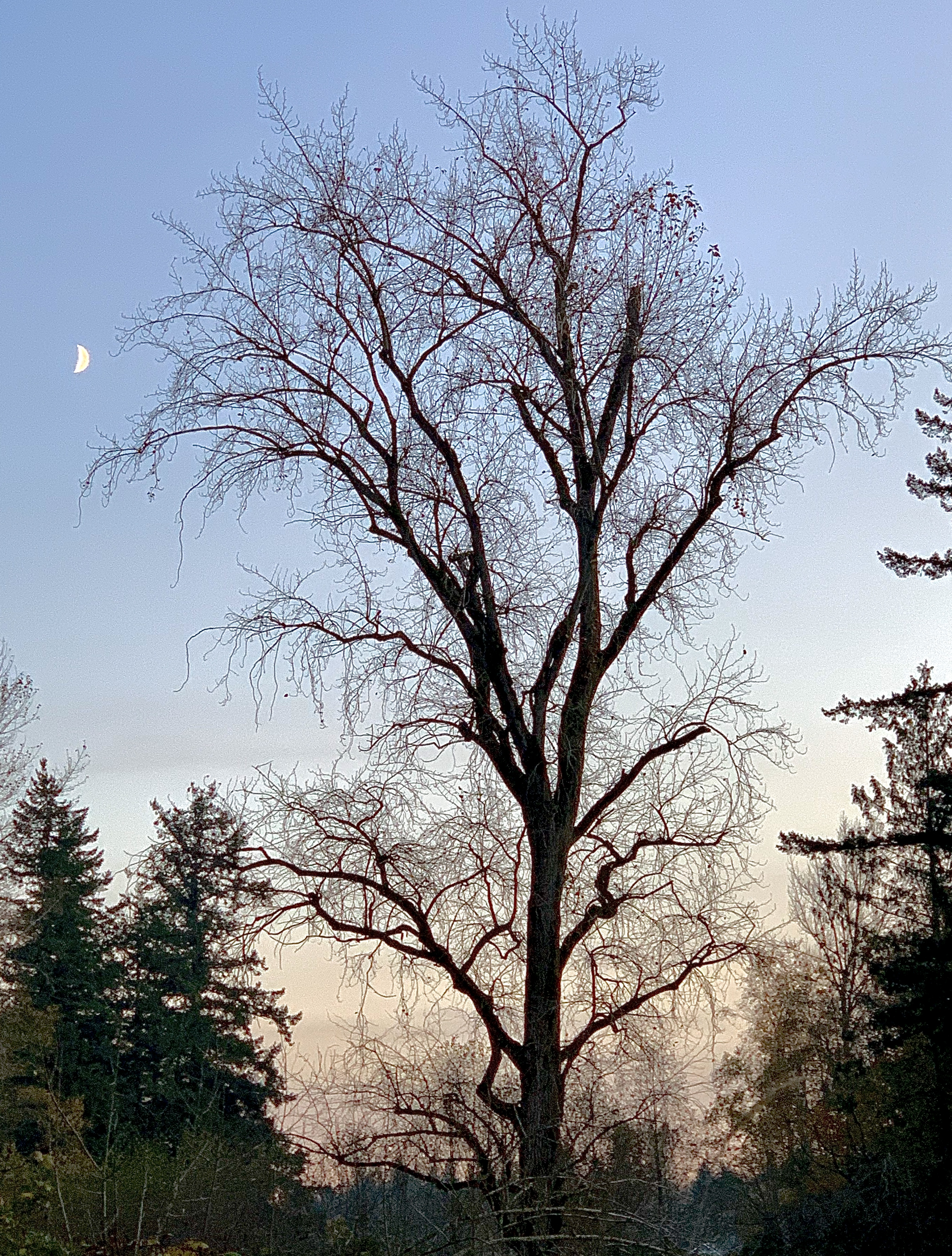
Instead, our trees dance and reel this time of year, creating a scandal by getting more naked with each passing day and breeze. They sway and bow and join limbs. Their bare bones grasp one another in preparation for their cold and narrow winter bed, wrapped in the shroud that will give way, yet again to the green leaves of spring, only a few months away.
Pick a partner and away you go!
One-Time
Monthly
Yearly
Make a one-time or recurring donation to support daily Barnstorming posts
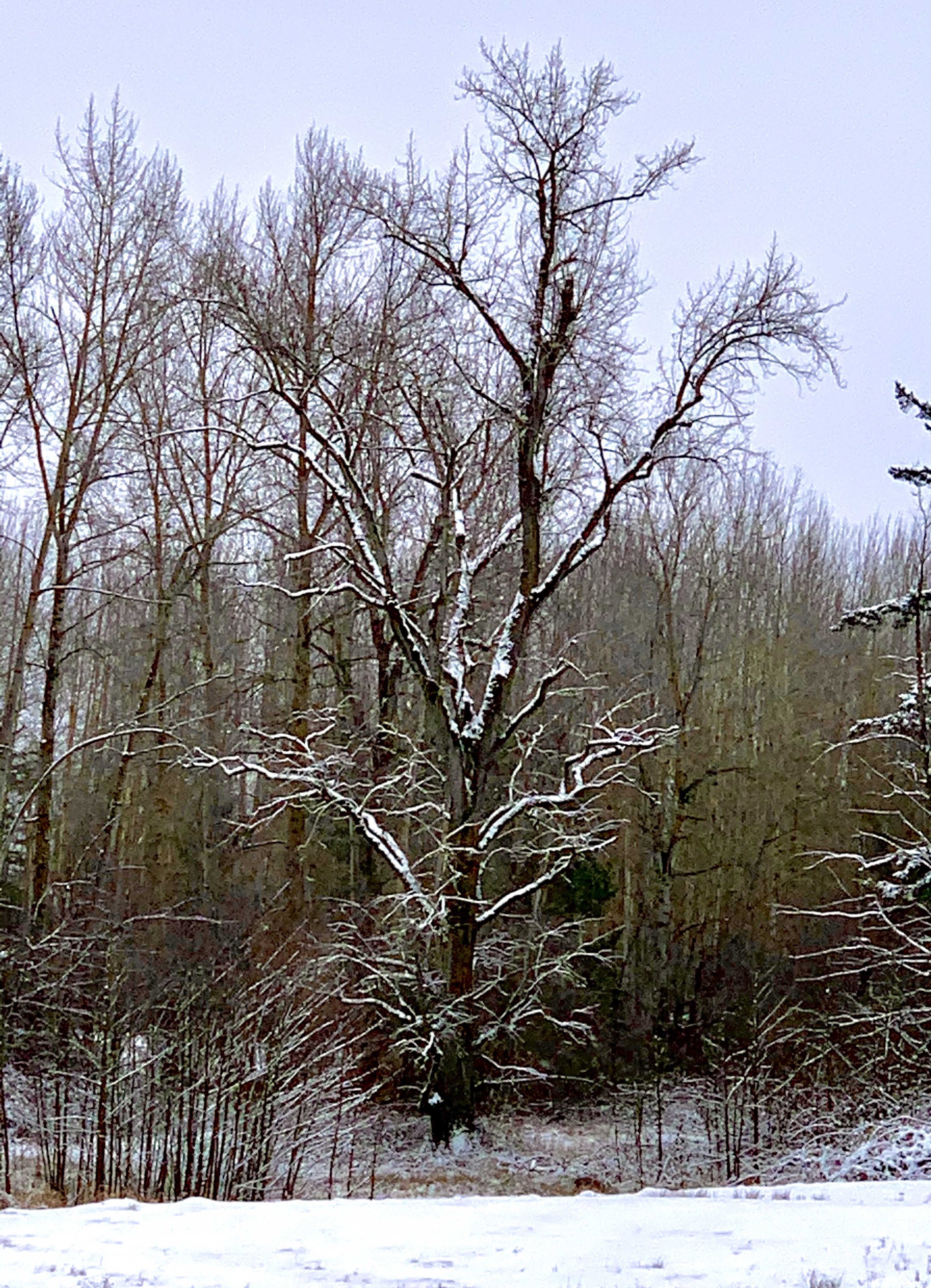
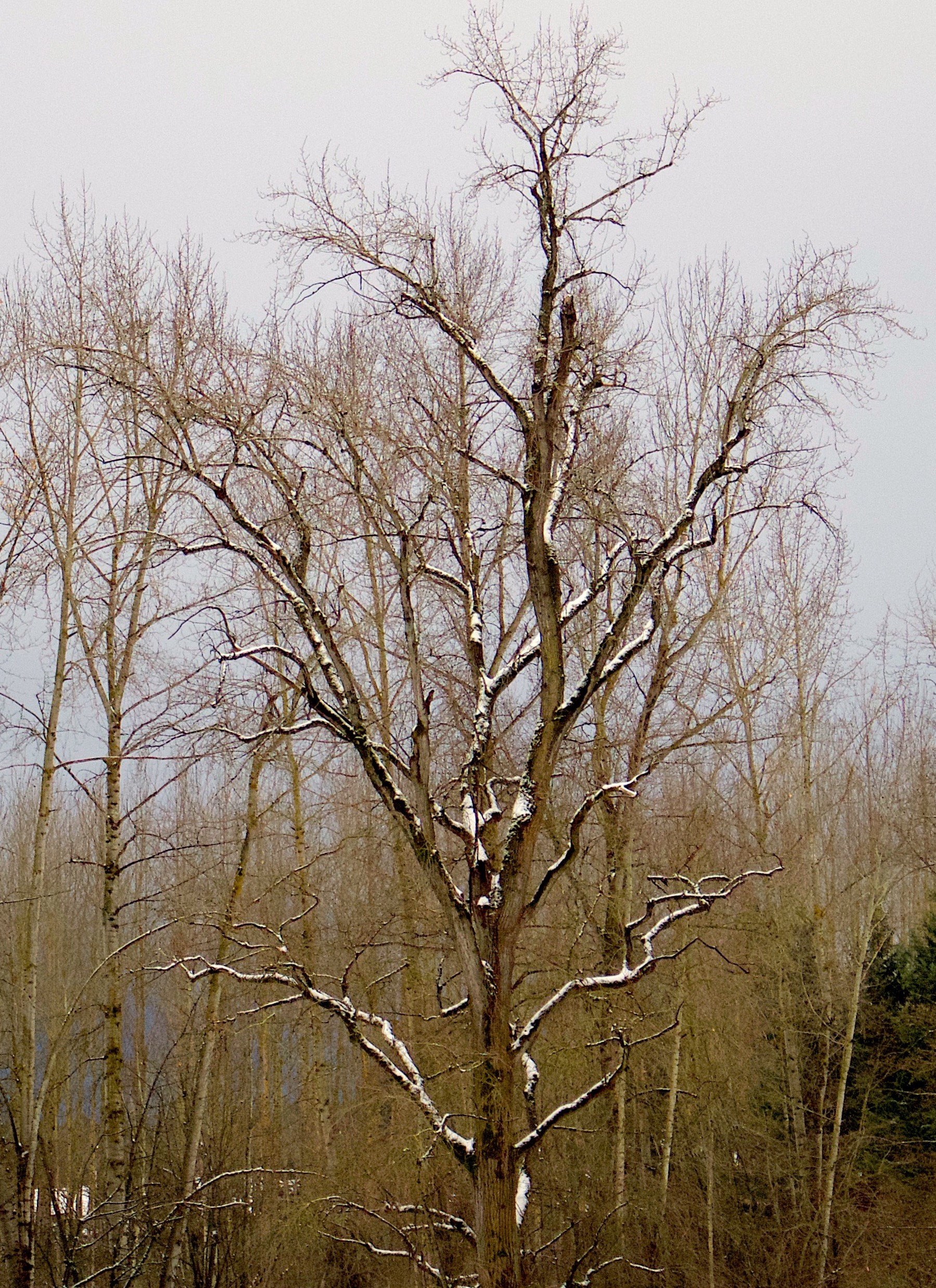
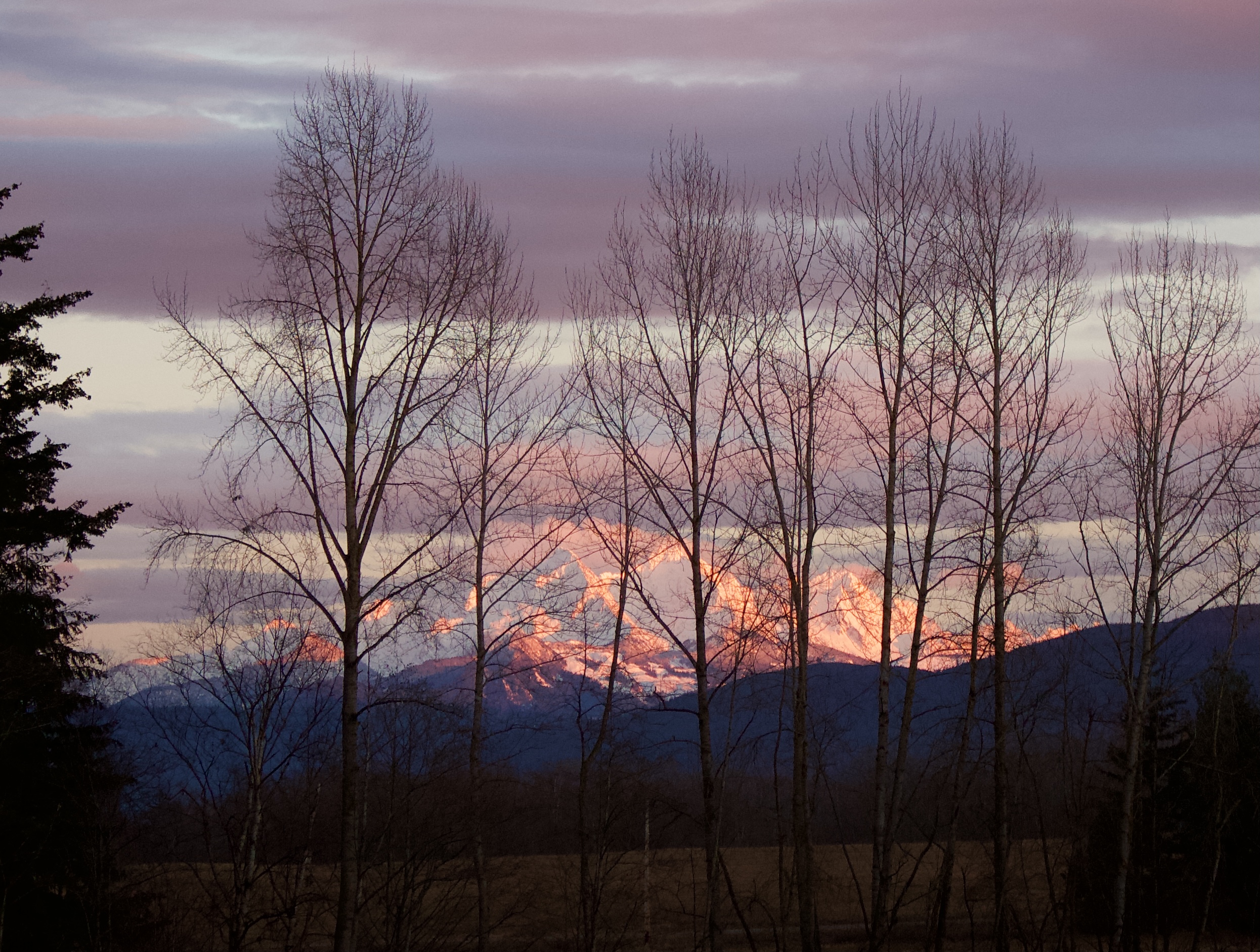
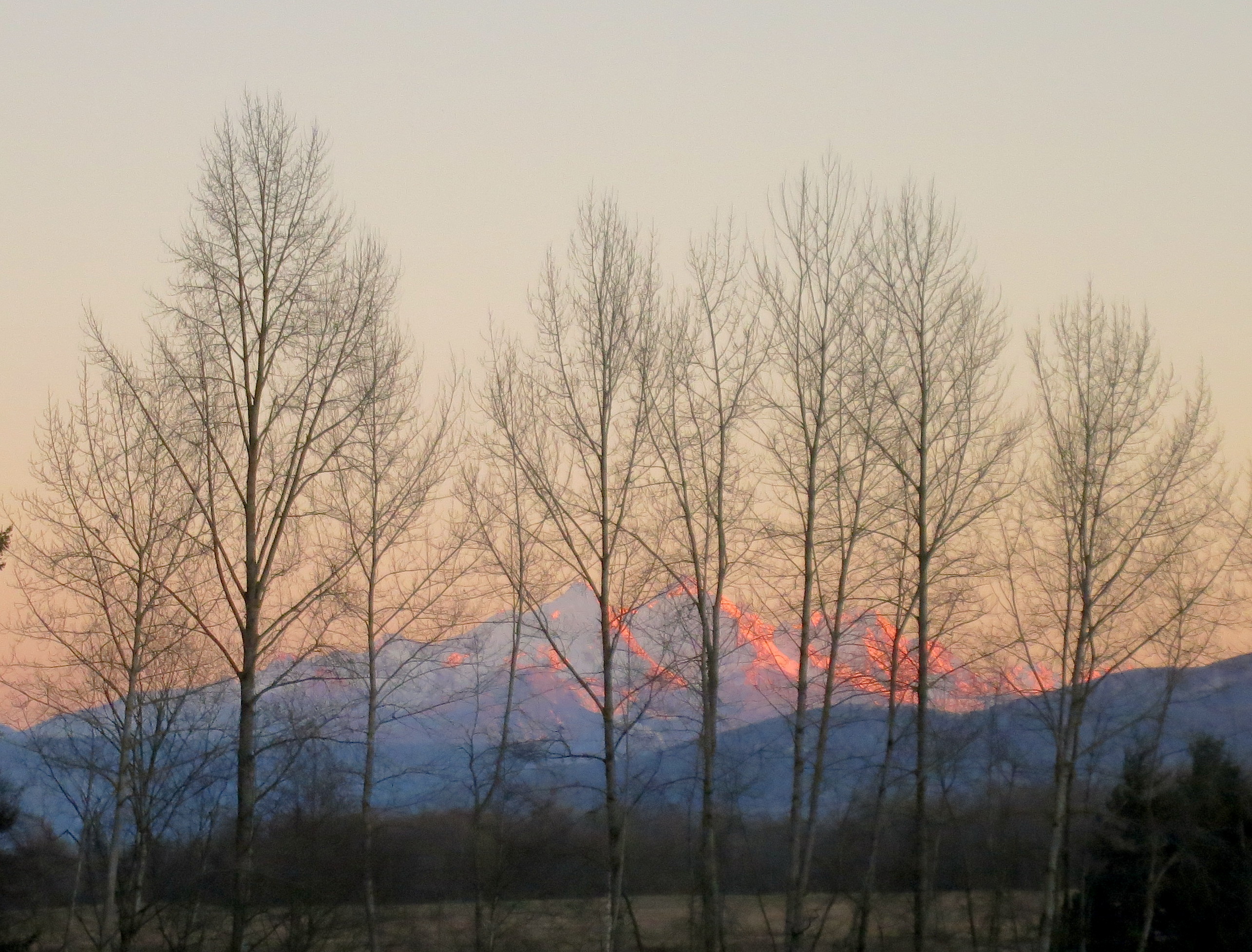
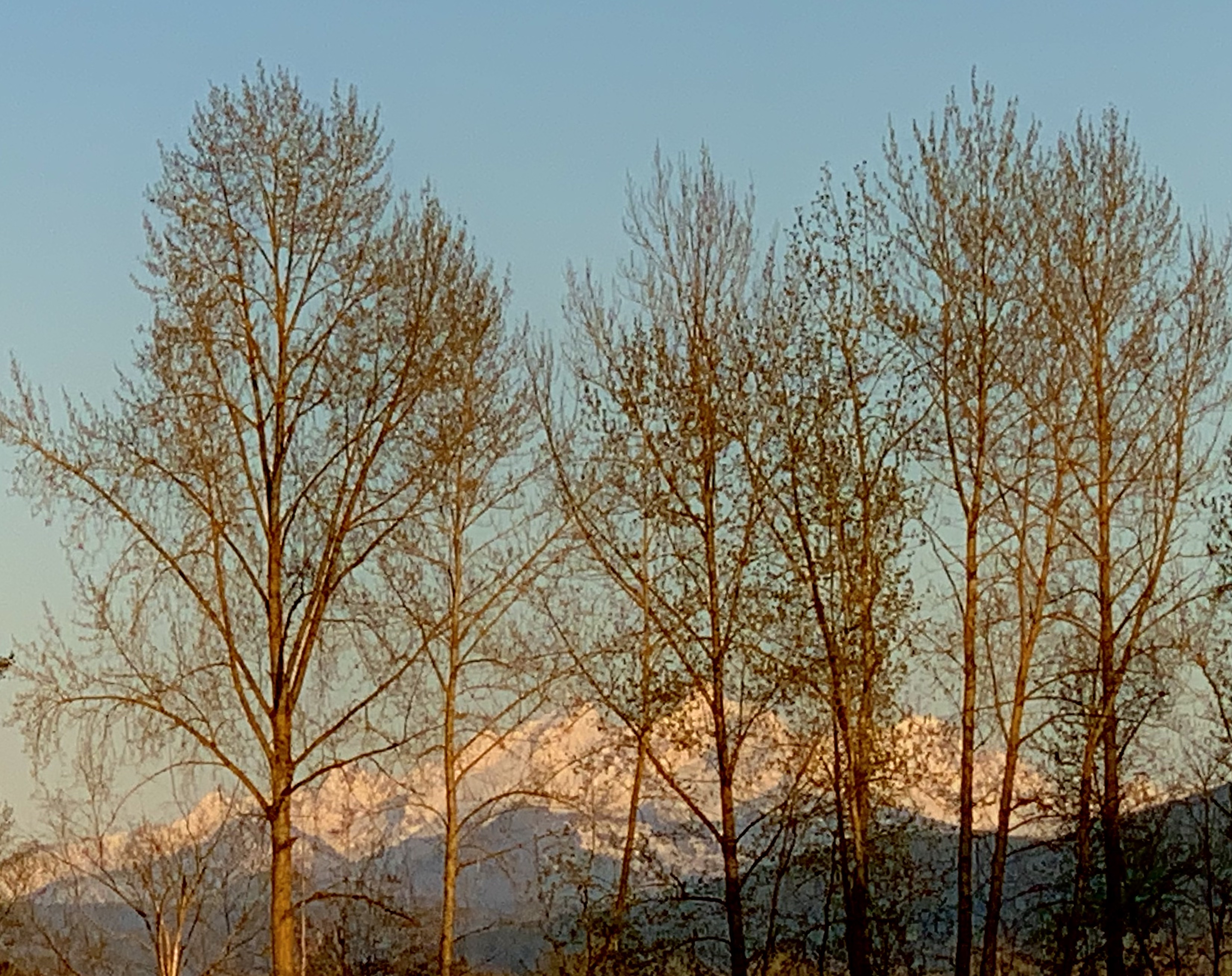
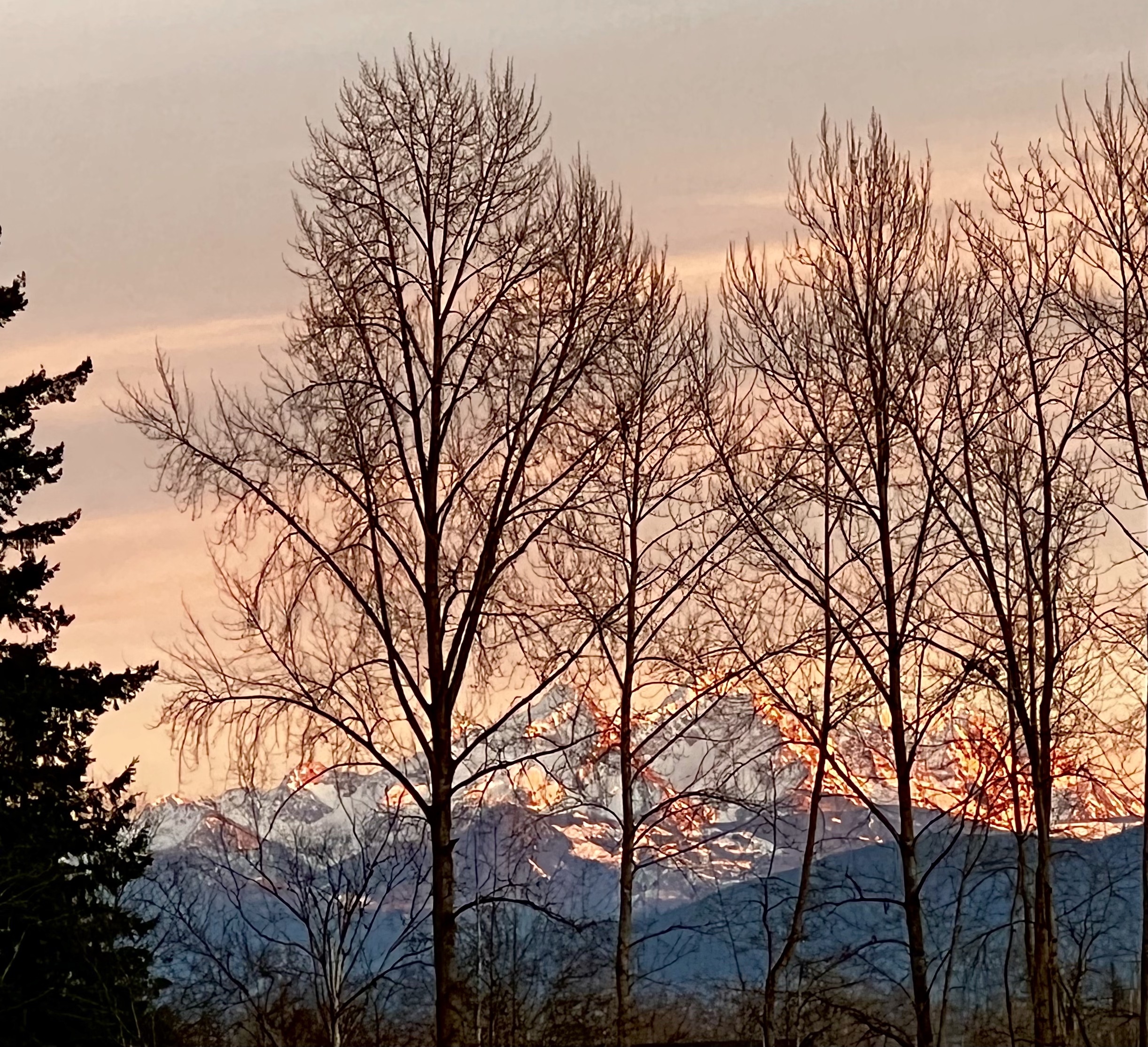
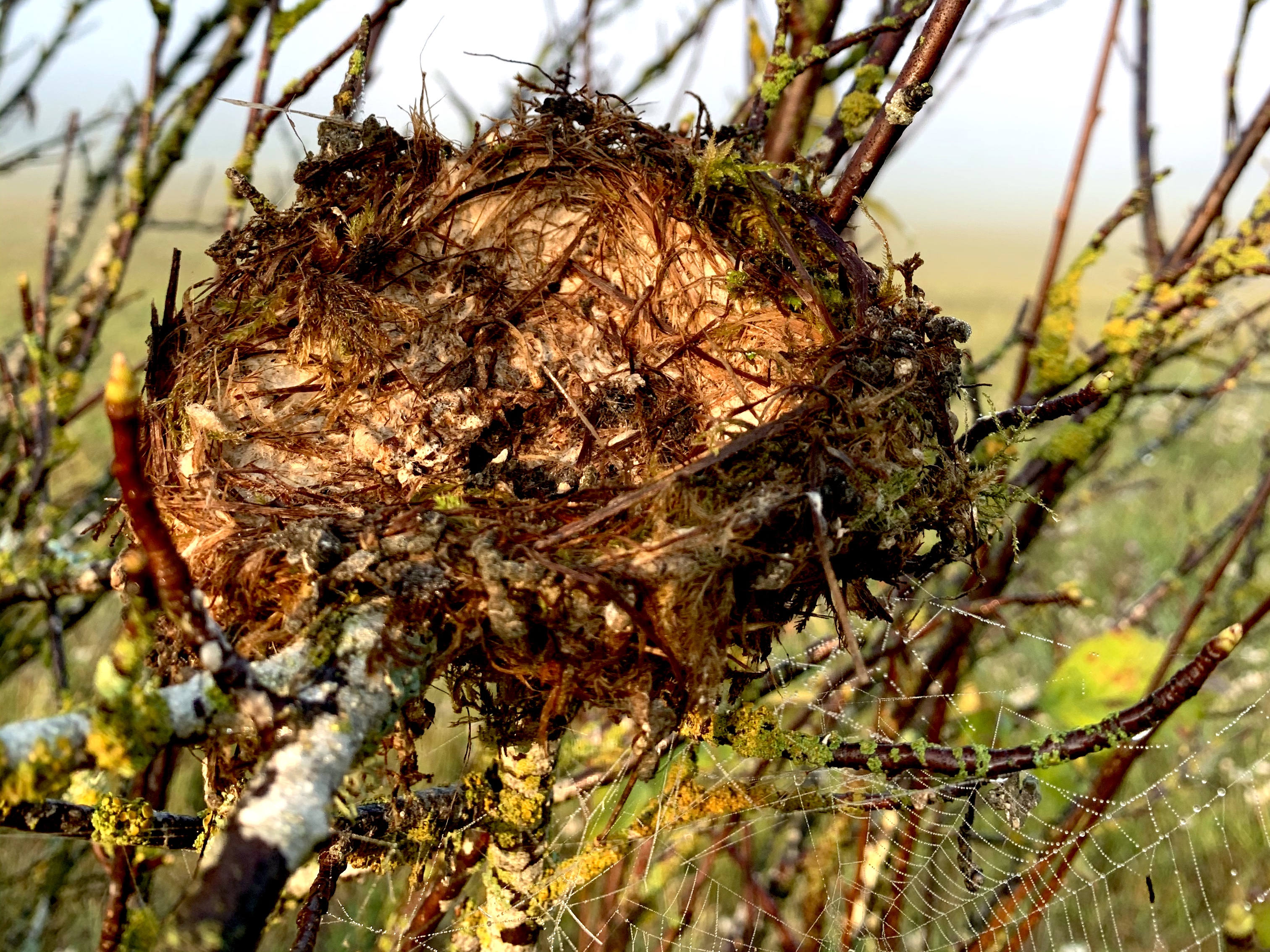
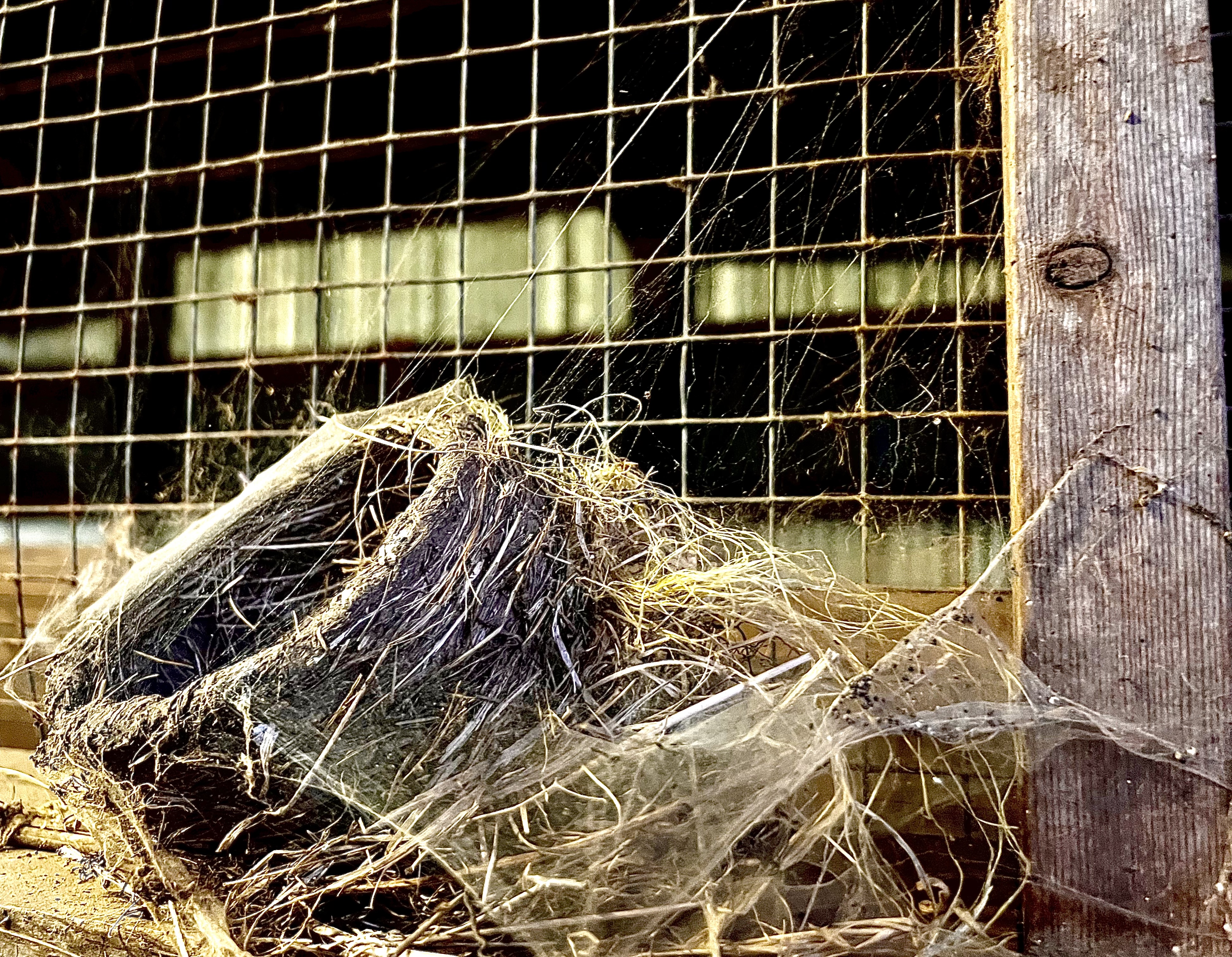
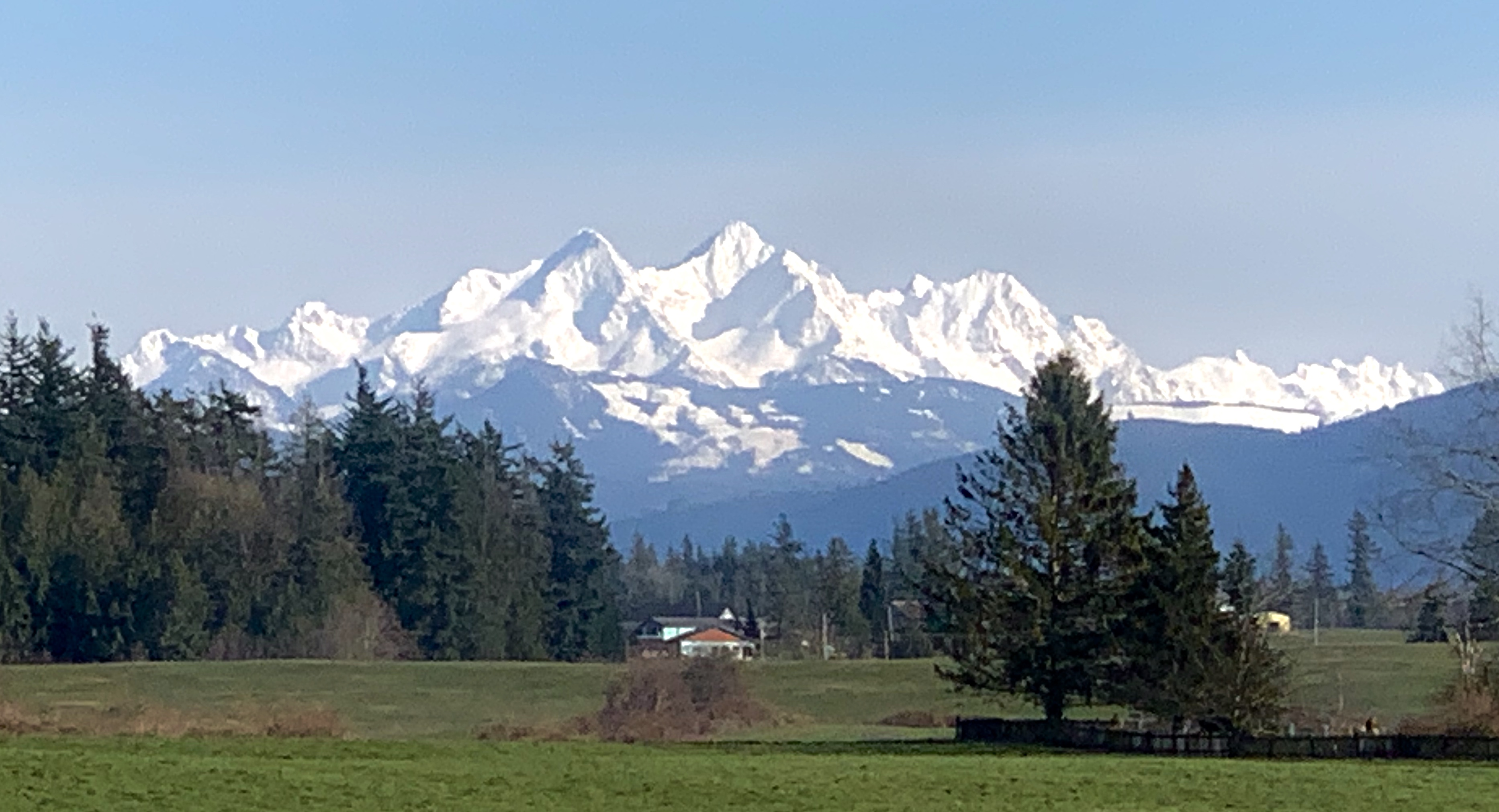
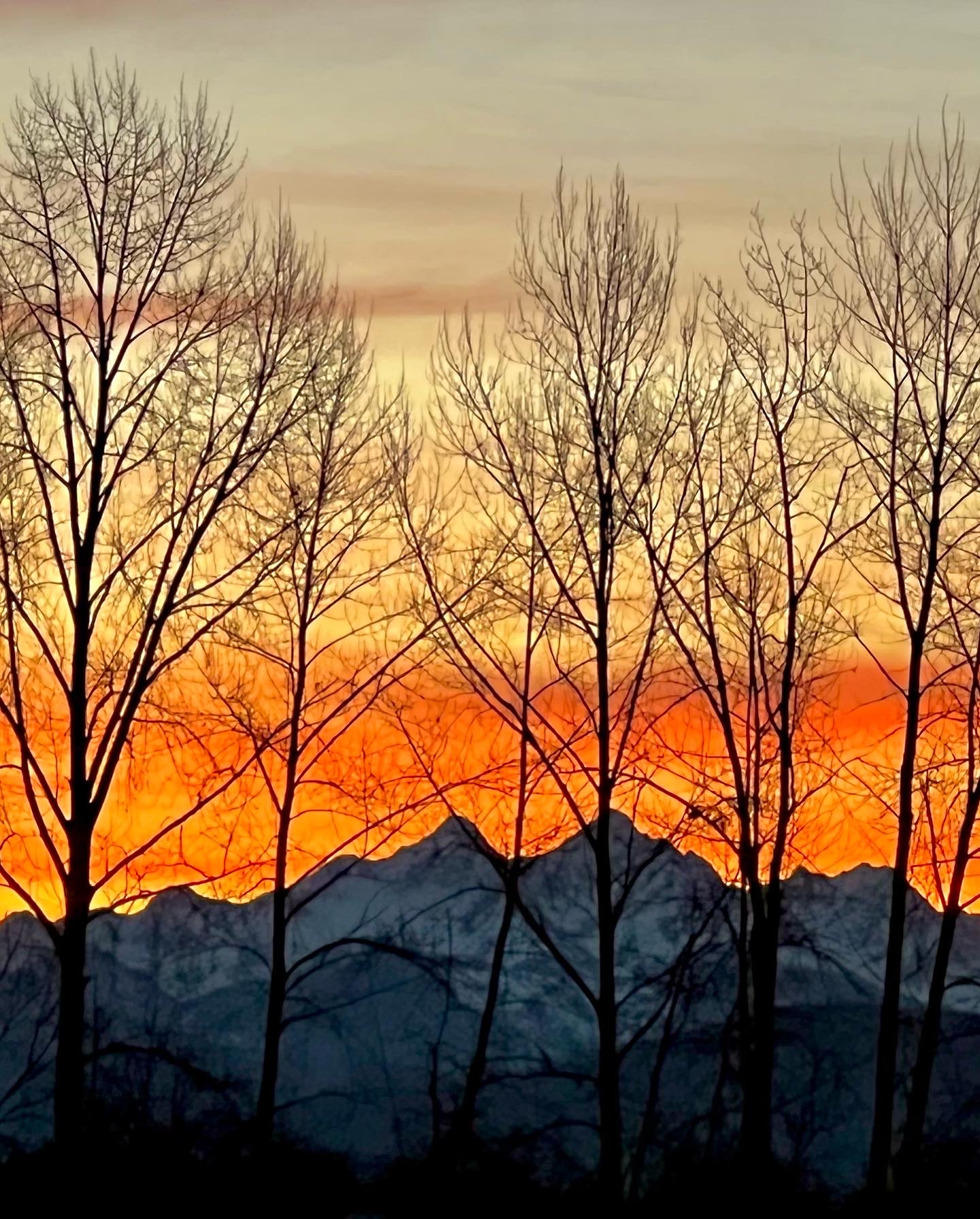
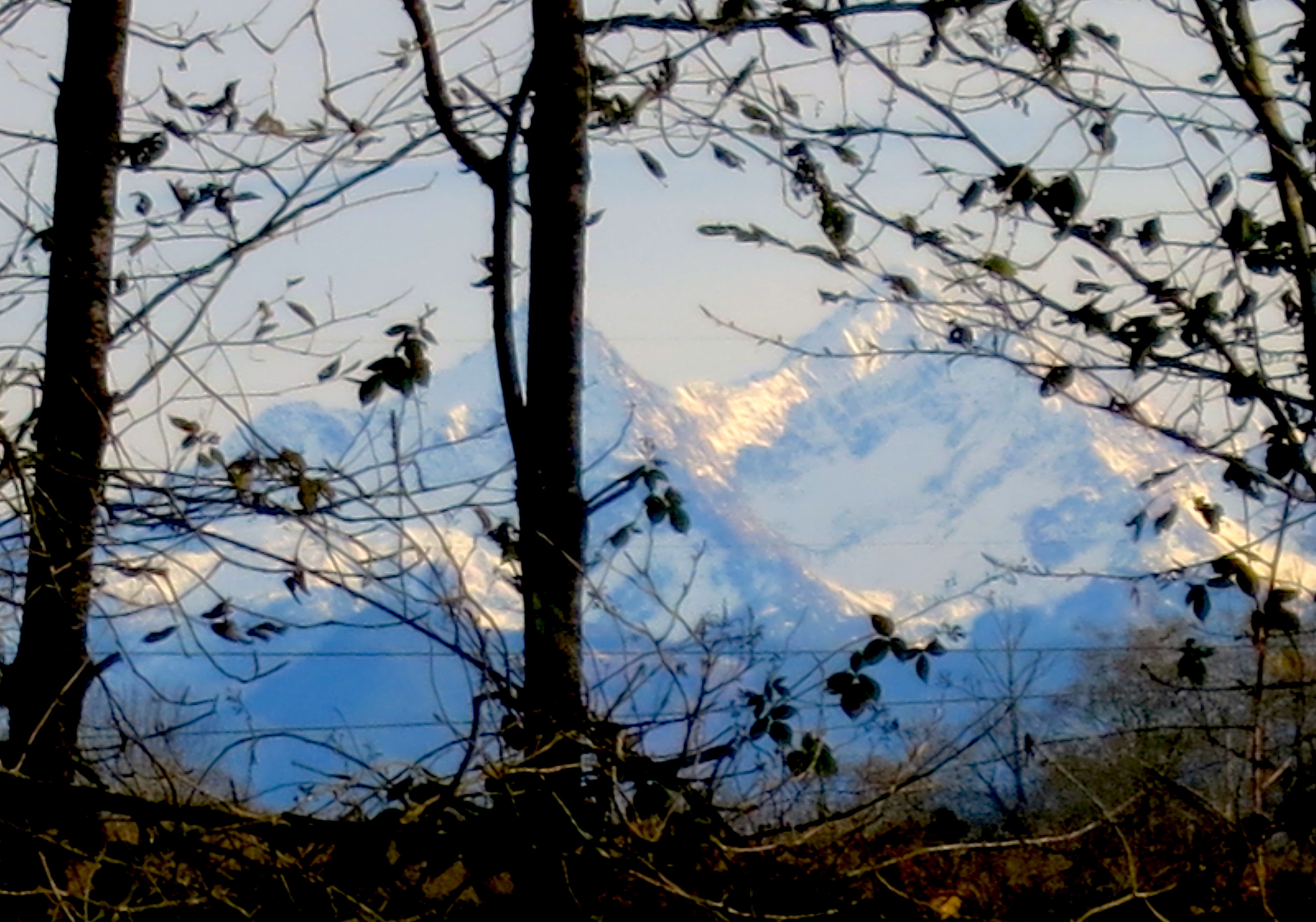
I go to the mountain side of the house to cut saplings, and clear a view to snow on the mountain. But when I look up, saw in hand, I see a nest clutched in the uppermost branches. I don’t cut that one. I don’t cut the others either. Suddenly, in every tree, an unseen nest where a mountain would be. ~Tess Gallagher “Choices” from Midnight Lantern: New and Selected Poems
Might I be capable of such tenderness? Might I consider the needs of others, by saving not just one nest, but all future nests, rather than exercise my right to an unimpeded view, wanting the world to be exactly how I want it?
I must not forget: my right to choose demands that I choose to do right by those who have no choice.





























 Barnstorming