Moving at Summer’s Pace

mowingfield


Cut grass lies frail:
Brief is the breath
Mown stalks exhale.
Long, long the death

It dies in the white hours
Of young-leafed June
With chestnut flowers,
With hedges snowlike strewn,

White lilac bowed,
Lost lanes of Queen Anne’s lace,
And that high-builded cloud
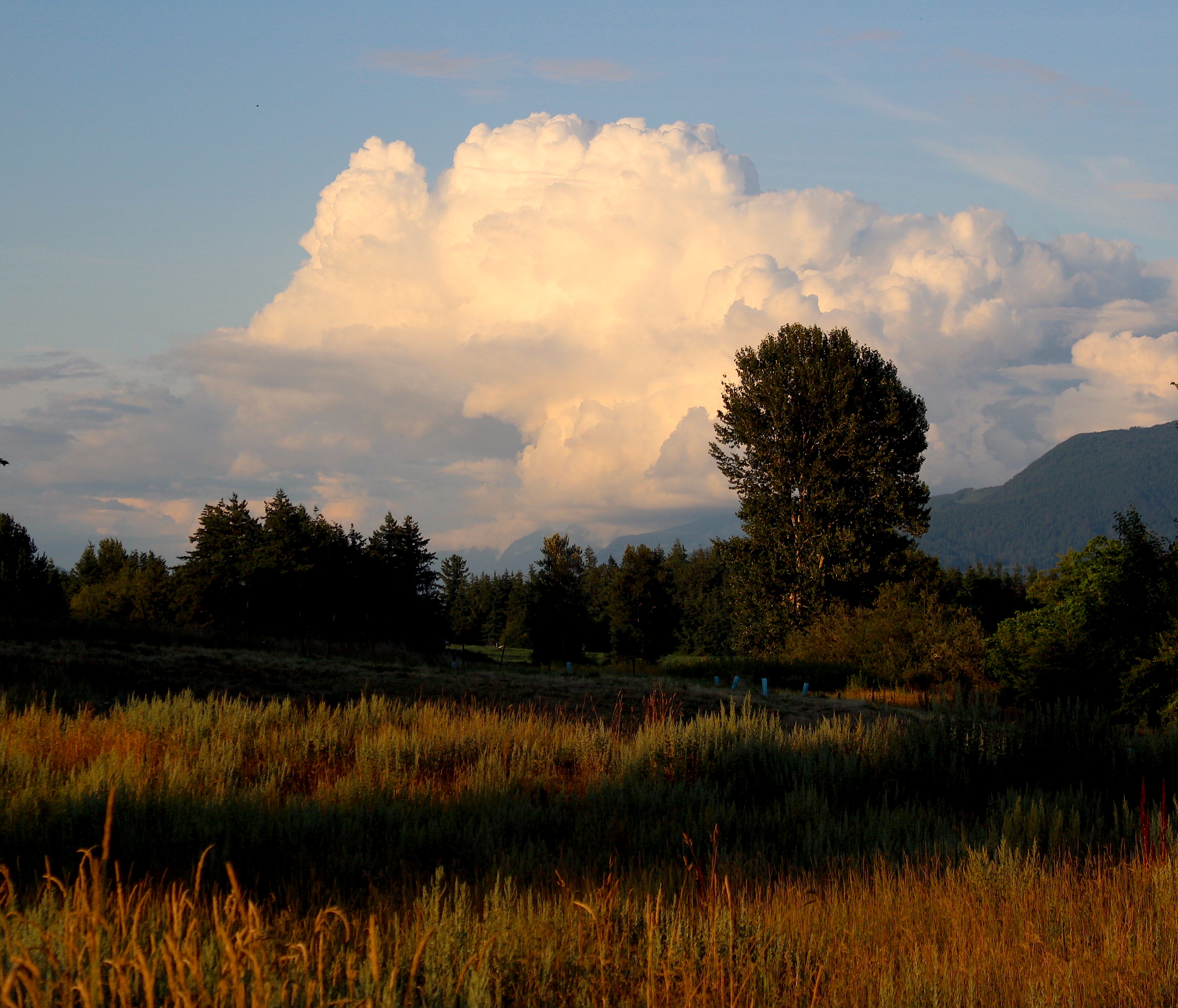
Moving at summer’s pace.~
~Philip Larkin “Cut Grass” from The Complete Poems

Light and wind are running
over the headed grass
as though the hill had 
melted and now flowed.
~Wendell Berry “June Wind”

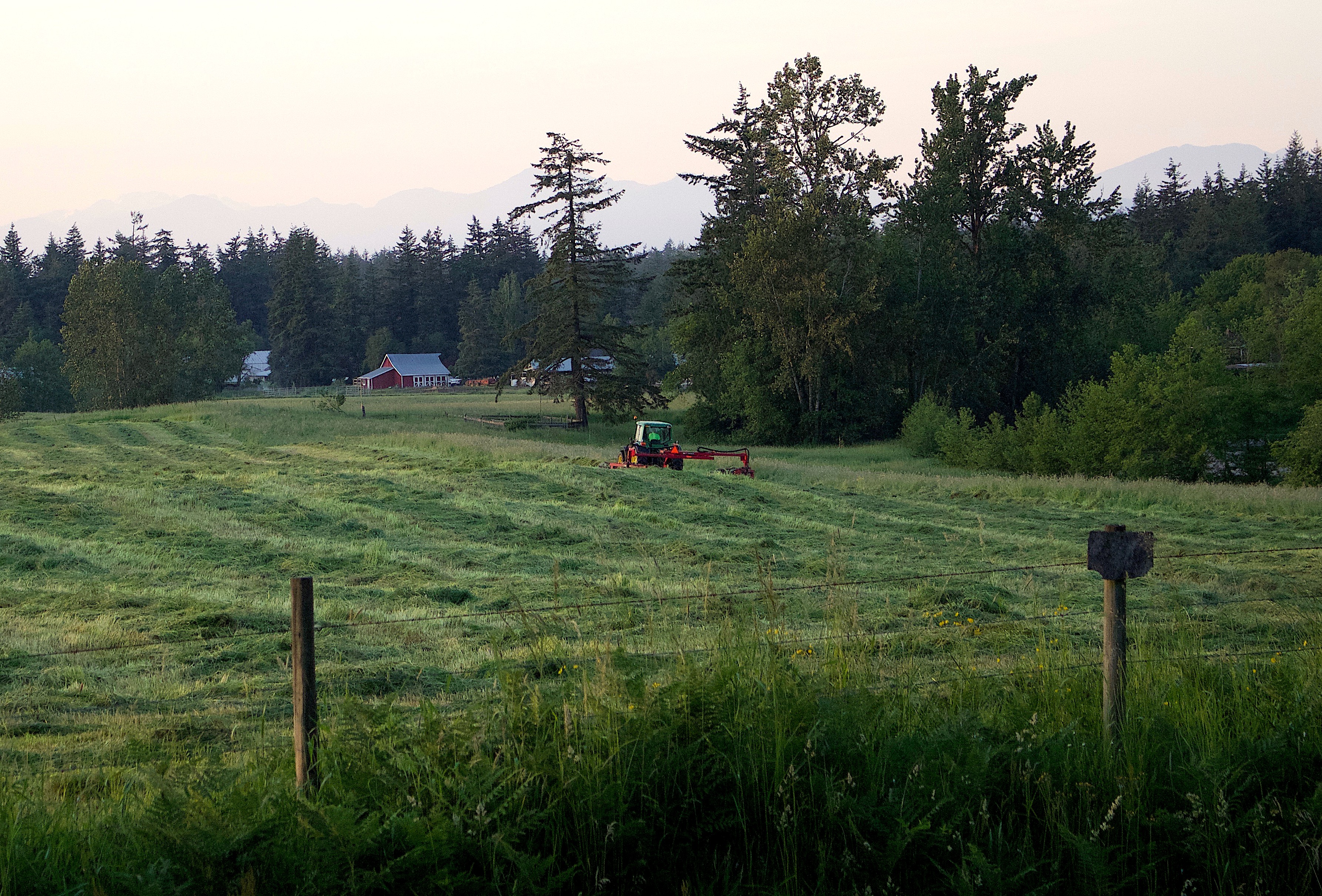
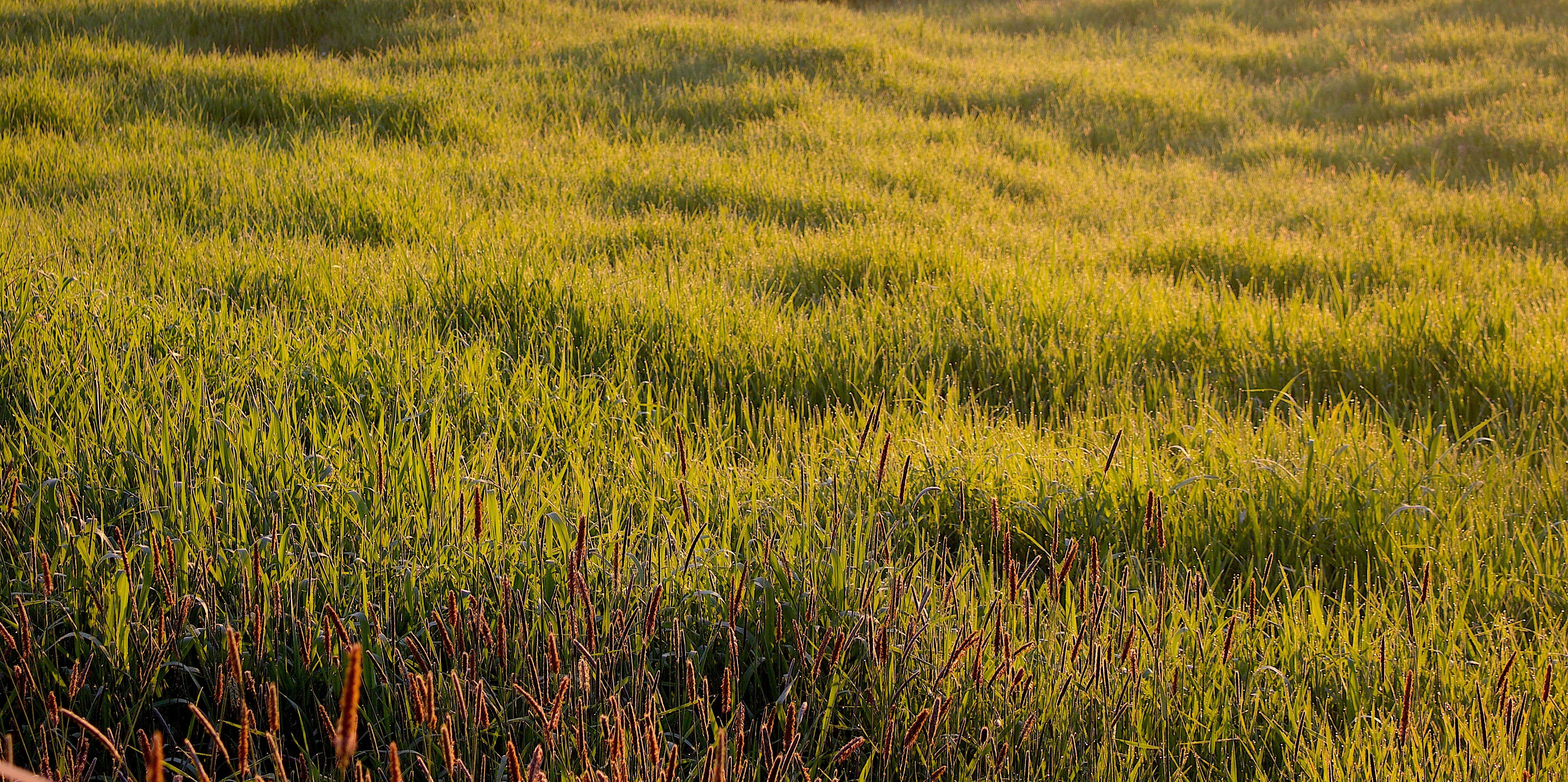
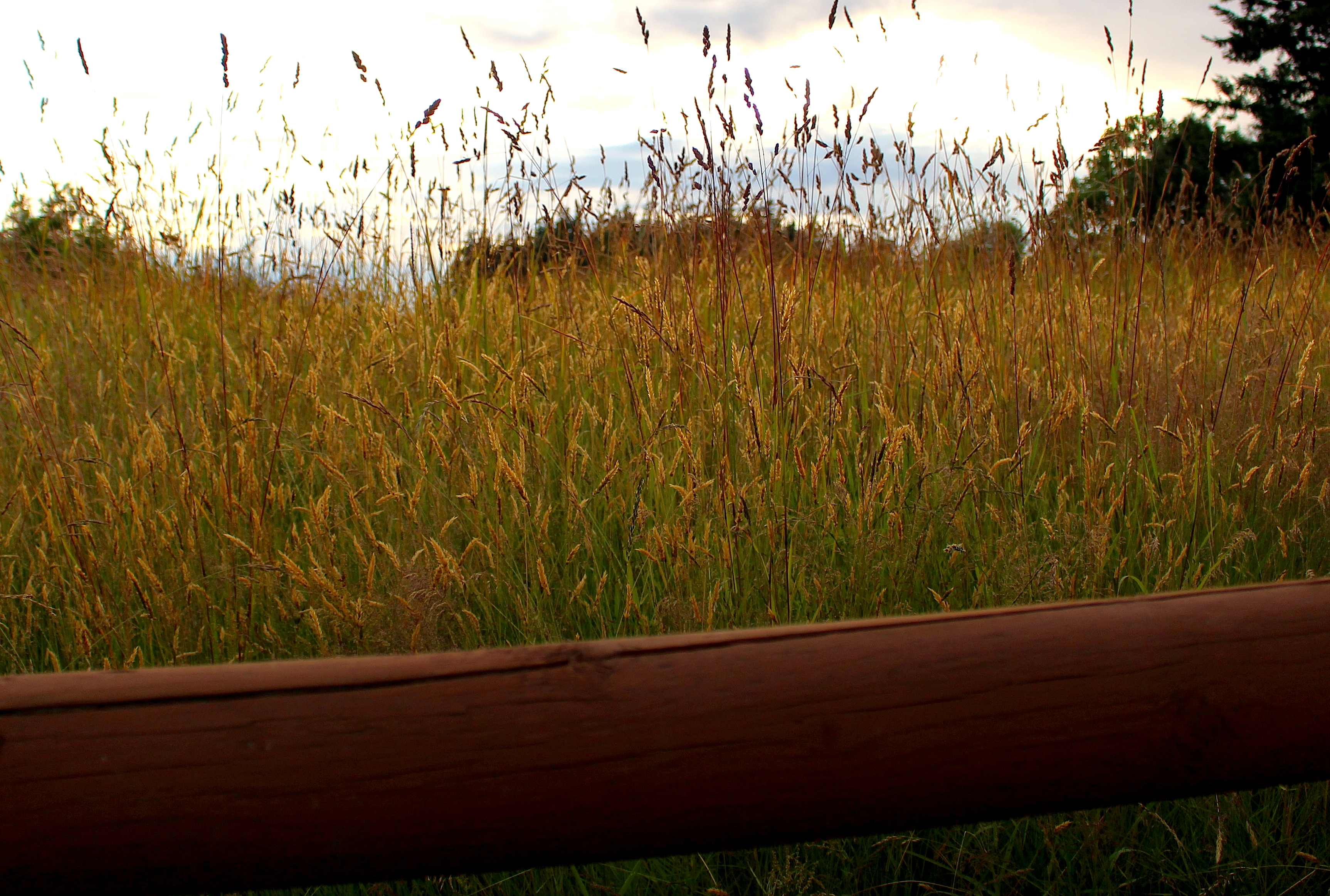
The uncut field grass is growing heavier, falling over, lodged before it can be cut; the undulations of summer breezes urge it back upright.  It has matured too fast, rising up too lush, too overcome with itself so that it can no longer stand unsupported.  We must work fast to save it and more rain is on the way.
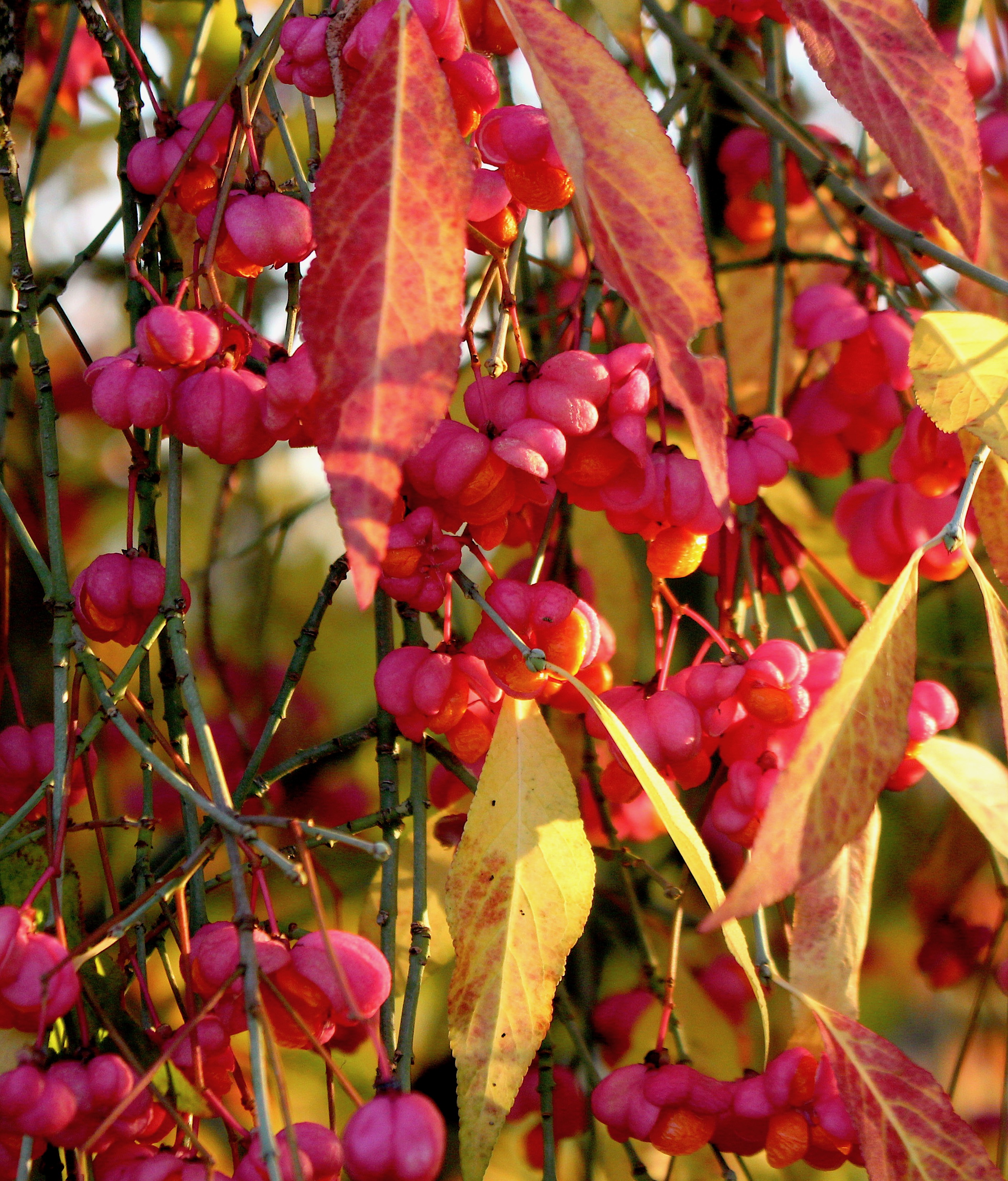
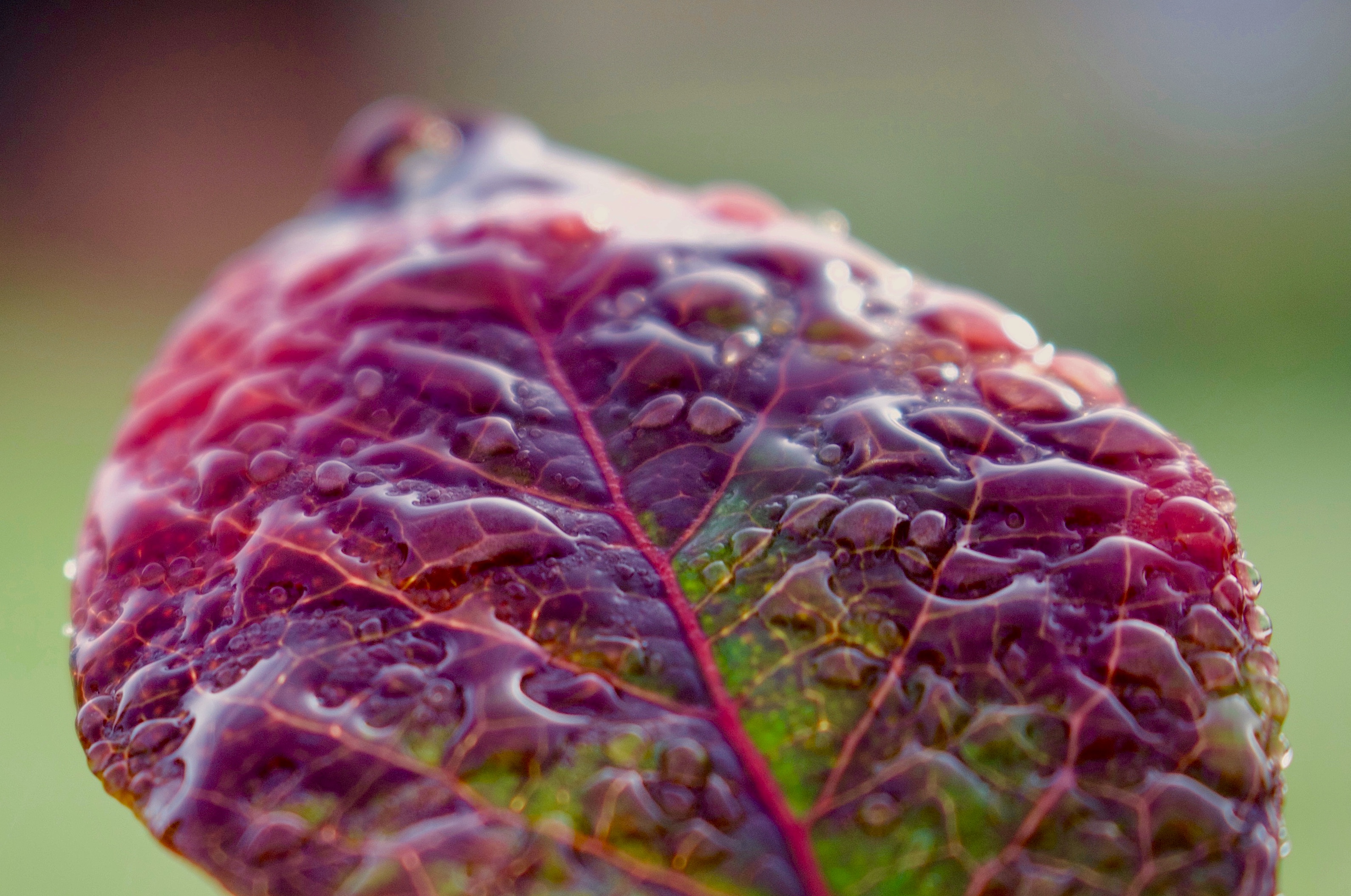
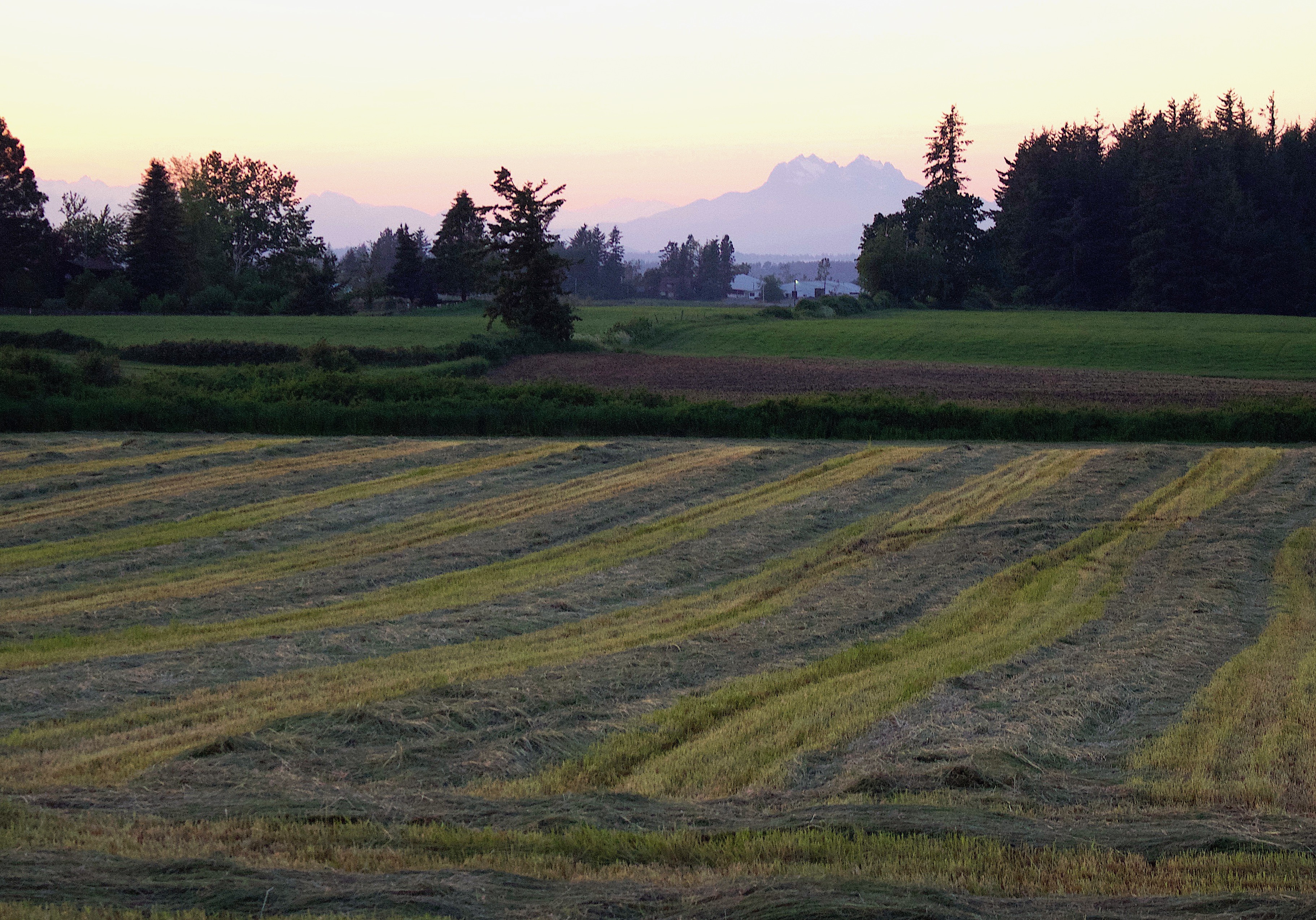
Light and wind work magic on a field of melting tall grass.  The blades of the mower will come to lay it to the ground in green streams that flow up and down the slopes.  It will lie comfortless in its stoneless cemetery rows, until tossed about by the tedder into random piles to dry, then raked back into a semblance of order in mounded lines flowing over the landscape.

It will be crushed and bound together for transport to the barn,
no longer bending but bent,
no longer flowing but flown,
no longer growing but grown

We move at summer’s pace to ensure the grasses become fodder for the beasts of the farm during the cold nights when the wind beats at the doors. It will melt in their mouths, as it was meant to be.  

Flowers Preach

Flowers preach to us if we will hear:
The rose saith in the dewy morn:
I am most fair;
Yet all my loveliness is born
Upon a thorn.
The poppy saith amid the corn:
Let but my scarlet head appear
And I am held in scorn;
Yet juice of subtle virtue lies
Within my cup of curious dyes.
The lilies say: Behold how we
Preach without words of purity.
The violets whisper from the shade
Which their own leaves have made:
Men scent our fragrance on the air,
Yet take no heed
Of humble lessons we would read.
But not alone the fairest flowers:
The merest grass
Along the roadside where we pass,
Lichen and moss and sturdy weed,
Tell of His love who sends the dew,
The rain and sunshine too,
To nourish one small seed.
~Christina Rossetti from Goblin Market, The Prince’s Progress, and Other Poems

Some sermons are written bold with color, illustrated with powerful gospel stories of righteousness and redemption in the face of our sin.

Some sermon passages are fragrant with the scent of grace and forgiveness, lingering long after the words are spoken.

Some sermon stories remain subtle and hidden, cryptic messages like the blooms that grow close to the ground, barely visible.

We need to hear them all preached, but most of all we need those every day plain-to-the-bone sermons which are trampled and tread upon, springing back up to guide our feet to the best pathway home. No color, no fragrance, no hiding: just celebrating the ubiquitous lichens, mosses and grasses and weeds which exist solely to help cushion our inevitable fall and help us rise up again.

Tenderness Brushing Tenderness

Abandon entouré d’abandon, tendresse touchant aux tendresses…
C’est ton intérieur qui sans cesse se caresse, dirait-on;
se caresse en soi-même, par son propre reflet éclairé.
Ainsi tu inventes le thème du Narcisse exaucé.
~Rainer Maria Rilke “Dirait-on” from his French Poetry collection ‘Les chansons de la rose’

Translation:

Abandon enveloping abandon, Tenderness brushing
tendernesses,
Who you are sustains you eternally, so they say;
Your very being is nourished by its own enlightened
reflection;
So you reveal to us the theme of Narcissus redeemed.

So like the Valentine sunrise brushing the sky this morning:

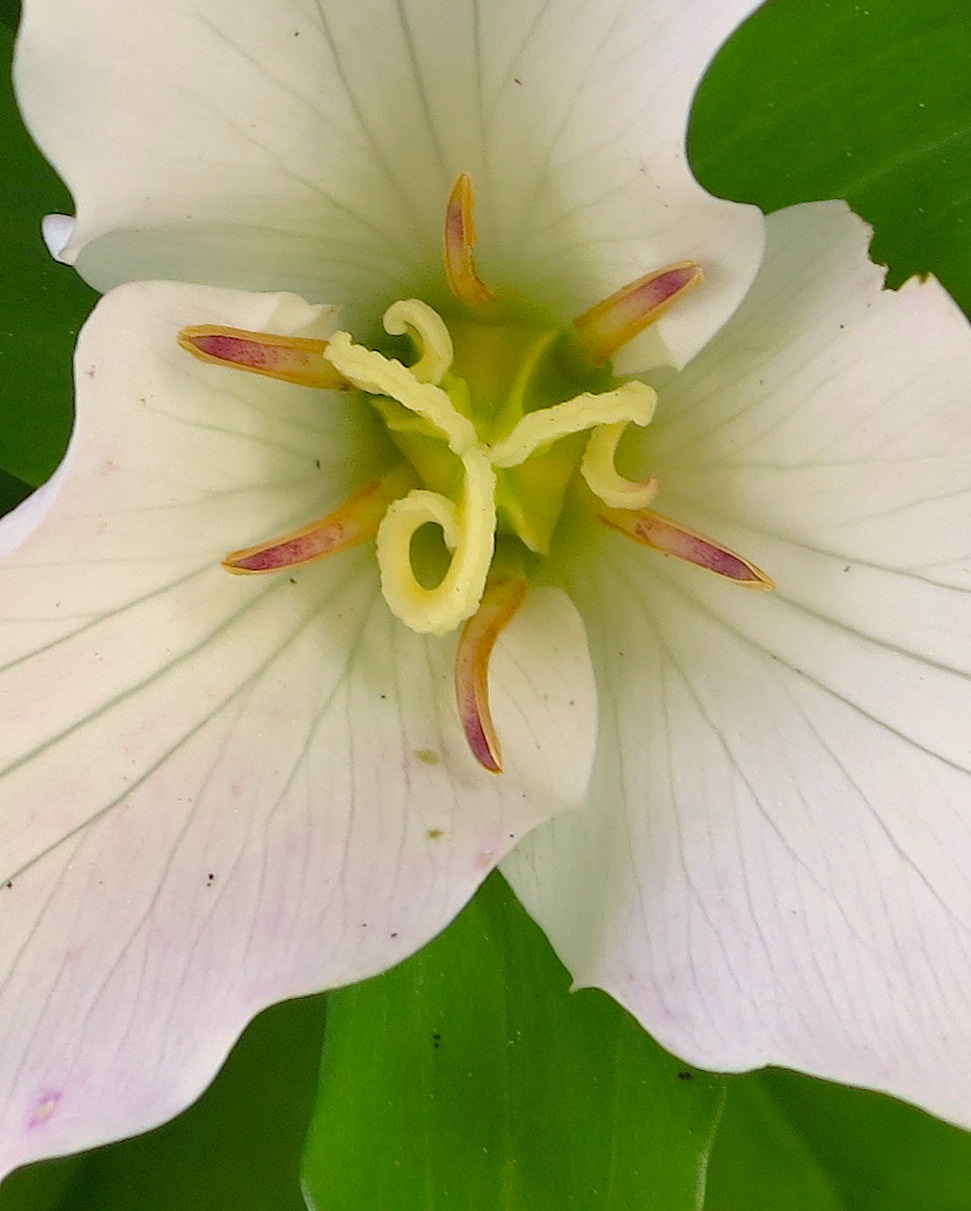
There is nothing so tender as love in full bloom–
no longer an enclosed bud with potential
but opened fully
petal unfolding upon petal
in caressing abandon.

An Advent Paradox: Not Only Glad Tidings

lane112918


baker121518


Was certainly not winter, scholars say,
When holy habitation broke the chill
Of hearth-felt separation, icy still,
The love of life in man that Christmas day.
Was autumn, rather, if seasons speak true;
When green retreats from sight’s still ling’ring gaze,
And creeping cold numbs sense in sundry ways,
While settling silence speaks of solitude.
Hope happens when conditions are as these; 
Comes finally lock-armed with death and sin,
When deep’ning dark demands its full display.
Then fallen nature driven to her knees
Flames russet, auburn, orange fierce from within,
And brush burns brighter for the growing grey.
~David Baird “Autumn”


Decembenorth


We have become so accustomed to the idea of divine love and of God’s coming at Christmas that we no longer feel the shiver of fear that God’s coming should arouse in us. We are indifferent to the message, taking only the pleasant and agreeable out of it and forgetting the serious aspect, that the God of the world draws near to the people of our little earth and lays claim to us. The coming of God is truly not only glad tidings, but first of all frightening news for everyone who has a conscience.
~Dietrich Bonhoeffer from Watch for the Light


frrezechard2


The shepherds were sore afraid.   Why aren’t we?
The reds and oranges of autumn are fading fast as we descend into winter this week.  Murderous frosts have wilted down all that was flush with life.

The babe has come like a refiner’s fire and we who have gotten too comfortable will feel the heat in the middle of the chill.

Hope happens when conditions are as these…


sparks2


Deep in the cold of winter,
Darkness and silence were eve’rywhere;
Softly and clearly, there came through the stillness a wonderful sound,
A wonderful sound to hear.

All bells in paradise I heard them ring,
Sounding in majesty the news that they bring;
All bells in paradise I heard them ring,
Welcoming our Saviour, born on earth, a heavenly King.
All bells in paradise, I heard them ring,
‘Glory to God on high’ the angel voices sing.

Lost in awe and wonder,
Doubting I asked what this sign may be;
Christ, our Messiah, revealed in a stable,
A marvelous sight, a marvelous sight to see.

Chorus

He comes down in peace,
A child in humility,
The keys to his kingdom belong to the poor;
Before him shall kneel the kings with their treasures,
Gold, incense, and myrrh.

Chorus
~John Rutter “All Bells in Paradise”

An Advent Paradox: From Filth to Flowers


The poor, old stable of Christ’s old, poor country is only four rough walls, a dirty pavement, a roof of beams and slate. It is dark, reeking. The only clean thing in it is the manger where the owner piles the hay and fodder.

Fresh in the clear morning, waving in the wind, sunny, lush, sweet-scented, the spring meadow was mown. The green grass, the long, slim blades, were cut down by the scythe; and with the grass the beautiful flowers in full bloom – white, red, yellow, blue. They withered and dried and took on the one dull color of hay. Oxen dragged back to the barn the dead plunder of May and June. And now that grass has become dry hay and those flowers, still smelling sweet, are there in the manger to feed the slaves of man.

The animals take it slowly with their great black lips, and later the flowering fields, changed into moist dung, return to light on the litter which serves as bedding.

This is the real stable where Jesus was born. The filthiest place in the world was the first room of the only pure man ever born of woman. The Son of Man, who was to be devoured by wild beasts calling themselves men, had as his first cradle the manger where the animals chewed the cud of the miraculous flowers of spring.
~Giovanni Papini from “The Real Stable”


As is my routine on Saturdays, I spent the day in the barn, breaking ice and refilling water buckets, then going from stall to stall to clean out the manure and wet spots, and finally adding fresh bedding. Then I climbed high in the hay stack in the barn and rolled hay bales down to load into the wheel barrow to push into the stable for Sunday Sabbath, a day of rest. There are always chores to do every day, but they can be abbreviated on Sunday thanks to the work accomplished the previous day. This is the nature of farming– preparing and readying for what is to come.

Farmers, by nature, are a hopeful lot. We plan ahead, plot out our next year’s crop, choose our seed in advance and plant it with anticipation. We prune and we plow and we store up mountains of feed far in advance. We evaluate pedigrees and scrutinize genetics carefully. And we wait patiently. As I clean their stalls, I watch my mares’ bellies roll with the movement of their unborn foals and I picture the new life in my mind’s eye. There is a harvest of hope in those bellies.

Unlike many modern horse barns, our decades old stable is a particularly plain and humble place with dirt floors, and as the support beams have settled over the years the door hinges don’t hang balanced and true any longer, so the stall doors are sticky and sometimes hard to open in the winter weather. Despite the lack of fancy design though, I haven’t heard the horses complain–their meals taste as good, they are warm and dry in the cold windy weather and cool in the hot weather. Their needs are met there and amazingly, so are mine.

Christmas began in a stable–probably a dark cave that served the purpose of housing animals. It most assuredly was plain and humble, smelling of manure and urine, and animal fur. Yet it also would have smelled of the sweetness of stored forage, and there would have been the reassuring sounds of animals chewing and breathing deeply. It was truly the only place a group of scruffy shepherds could have felt welcomed without being tossed out as unsuitable visitors– they undoubtedly arrived at the threshold in bad need of a bath, smelly, dirty and terrified and yet left transformed, returning to their fields full of praise and wonder, telling all they met what they had seen. No bath could scrub so clean as the sight of what that stable contained.

There could not have been a more suitable place for this birth that was to change the world: the promise of cleansing hope and peace in the midst of our knee deep filth. Despite our sorry state, we are welcomed into the sanctuary of the stable, sown, grown, pruned and harvested to become seed and food for others.

If even the shepherds became a harvest of hope, the flowers of the future,  then surely so can we.


 Jesus our brother, kind and good
Was humbly born in a stable rude
And the friendly beasts around Him stood,
Jesus our brother, kind and good.

Thus every beast by some good spell,
In the stable dark was glad to tell
Of the gift he gave Immanuel,
The gift he gave Immanuel.


How Late I Came

valley3


morning1019181


3farm10


How late I came to love you,
O Beauty so ancient and so fresh,
how late I came to love you.

You were within me,
yet I had gone outside to seek you.

Unlovely myself,
I rushed toward all those lovely things you had made.
And always you were with me.
I was not with you.

All those beauties kept me far from you –
although they would not have existed at all
unless they had their being in you.

You called,
you cried,
you shattered my deafness.

You sparkled,
you blazed,
you drove away my blindness.

You shed your Fragrance,
and I drew in my breath and I pant for you,
I tasted and now I hunger and thirst.
You touched me, and now I burn with longing.

~St. Augustine 


sunrise1021152


3rfarm1


3rfarm5


God spoke
but I didn’t listen.
God fed me
but I chose junk food.
God showed me beauty
but I couldn’t see Him.
God smelled like the finest rose
but I turned away.
God touched me
but I was numb.

So He sent His Son
as Word and food,
beauty and fragrance,
reaching out broken hands
so I would know
my hunger and thirst
is only and always
for Him alone.


blueberrydrops


3rfarm4


foggyrose

Seen All and Been Redeemed

raspberry


raspberryripen


wild-strawberry


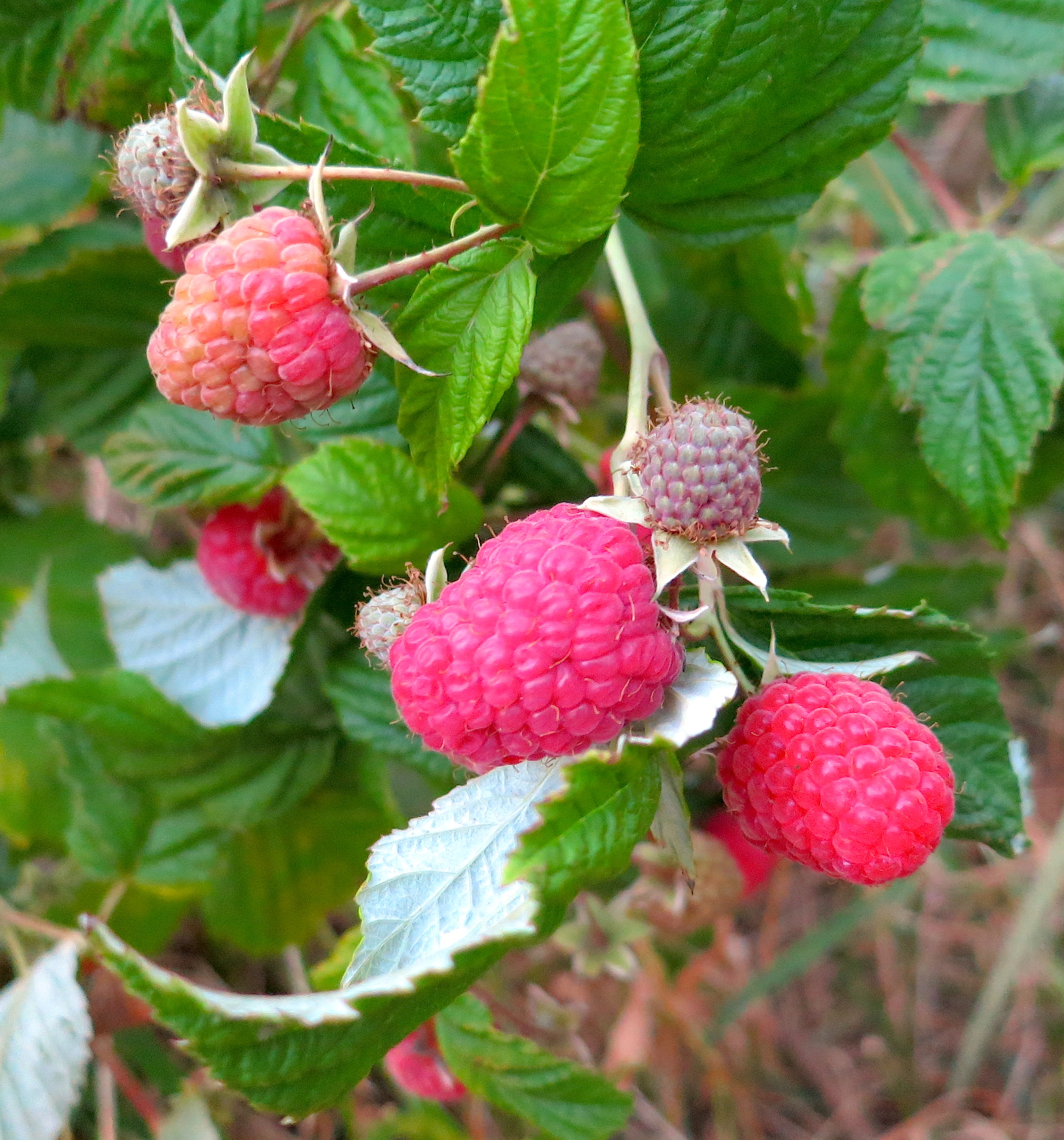
I eat these
wild red raspberries
still warm from the sun
and smelling faintly of jewelweed
in memory of my father

tucking the napkin
under his chin and bending
over an ironstone bowl
of the bright drupelets
awash in cream

my father
with the sigh of a man
who has seen all and been redeemed
said time after time
as he lifted his spoon

men kill for this.
~Maxine Kumin, “Appetite” from Selected Poems: 1960-1990.


25993_580422063854_1907838202_n


huckleberry


dewyblue


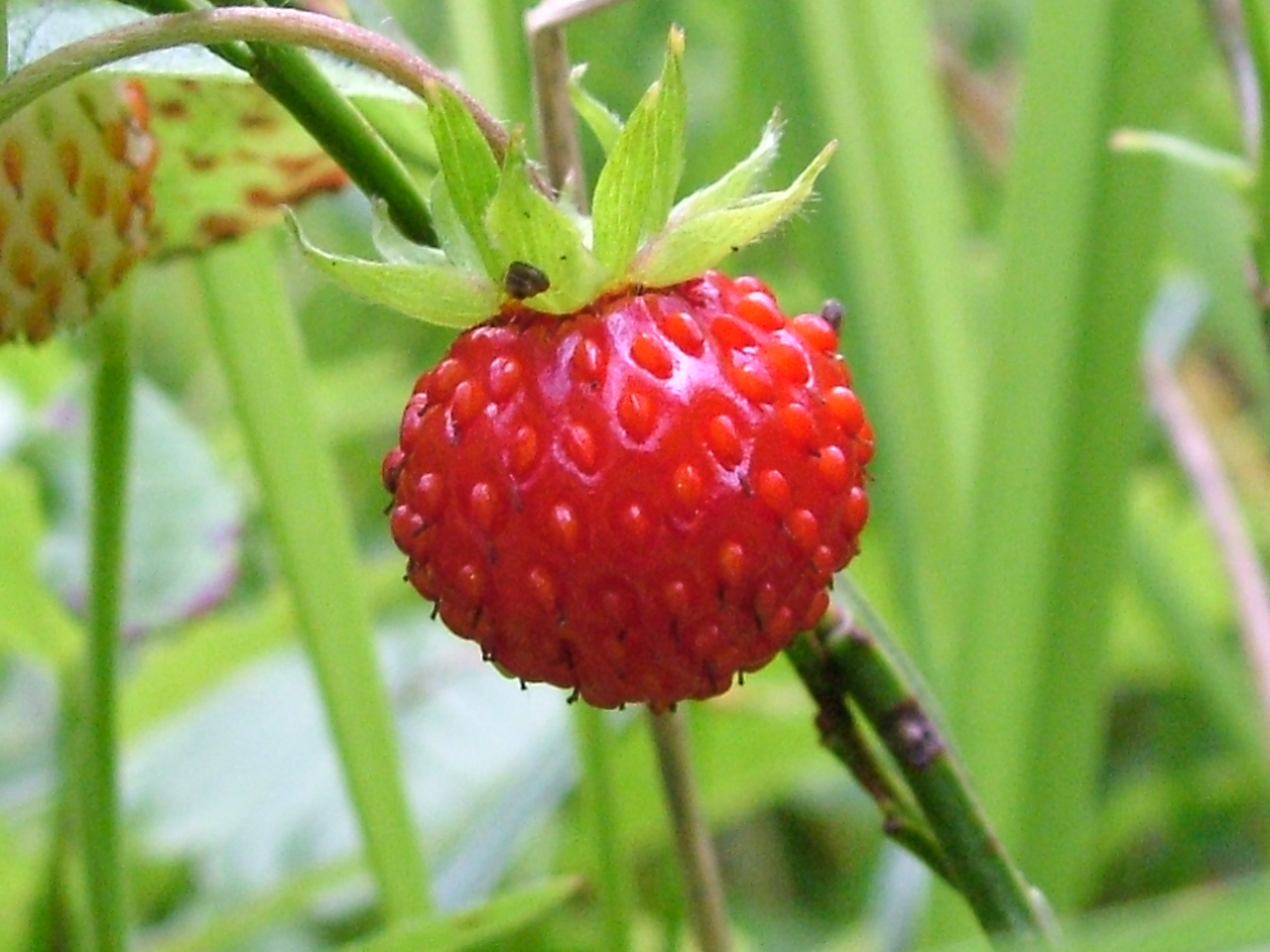
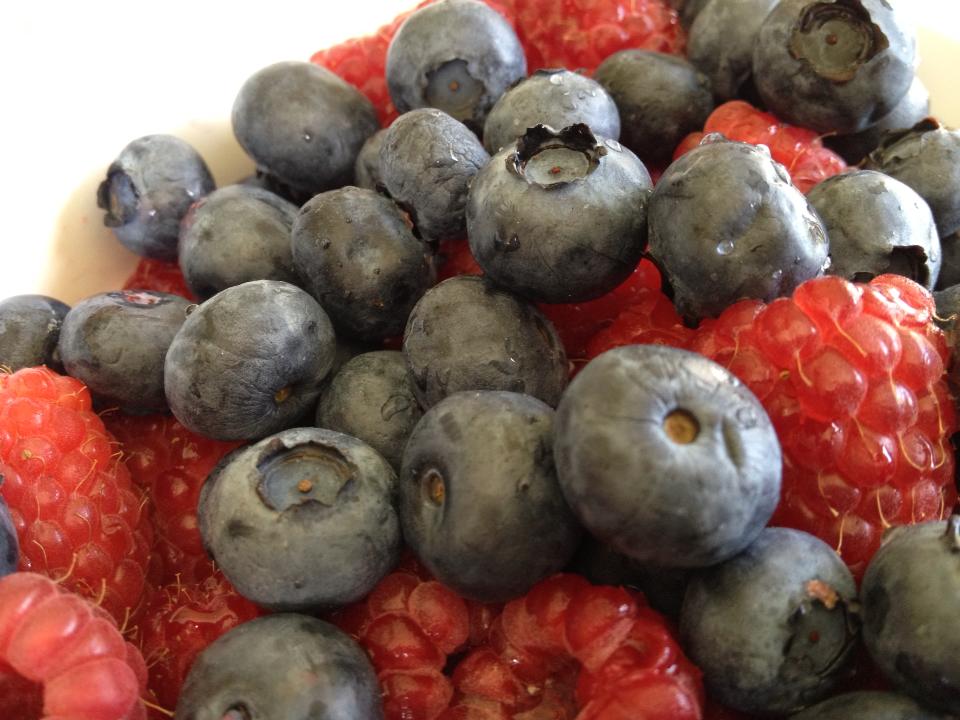
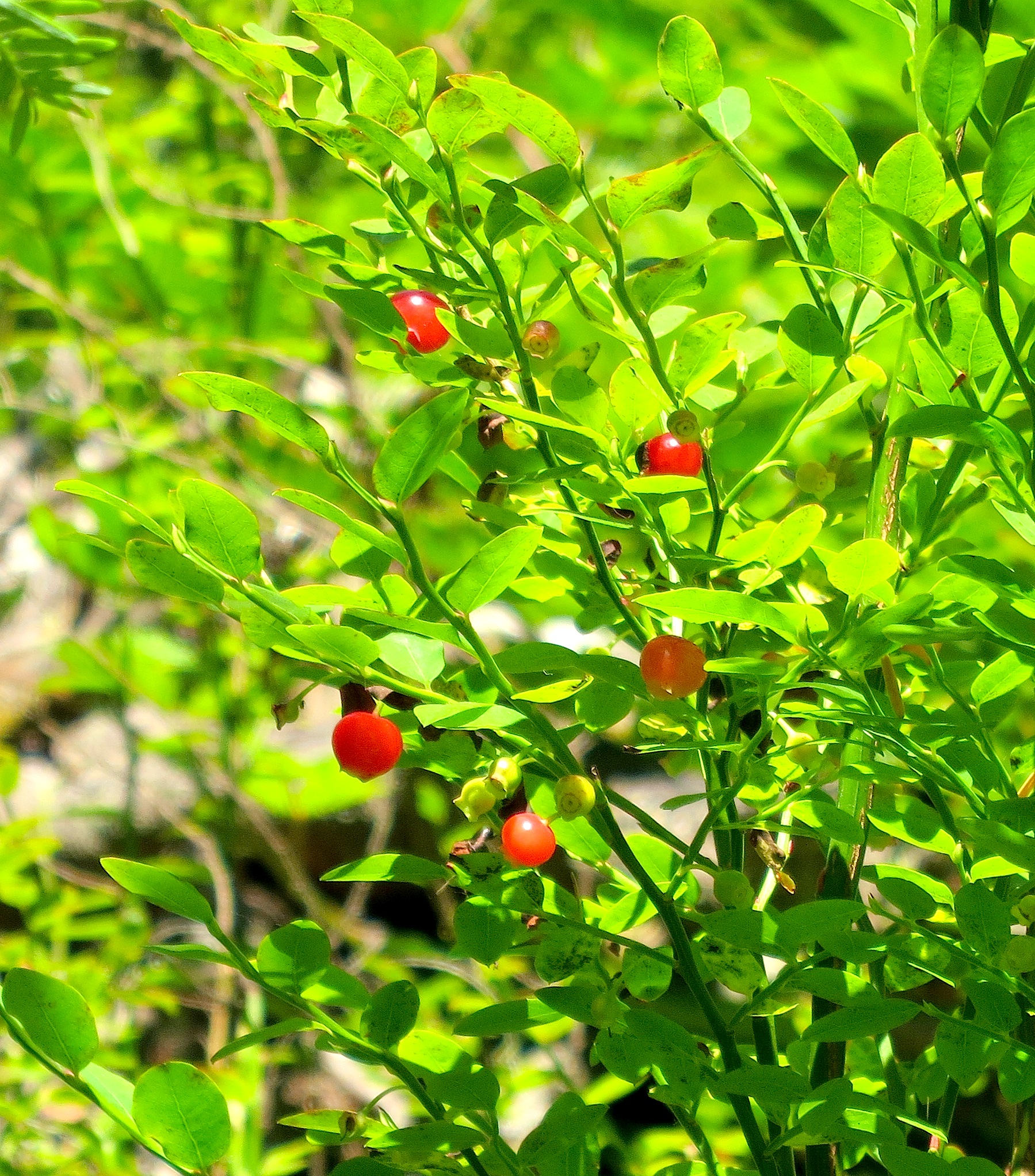
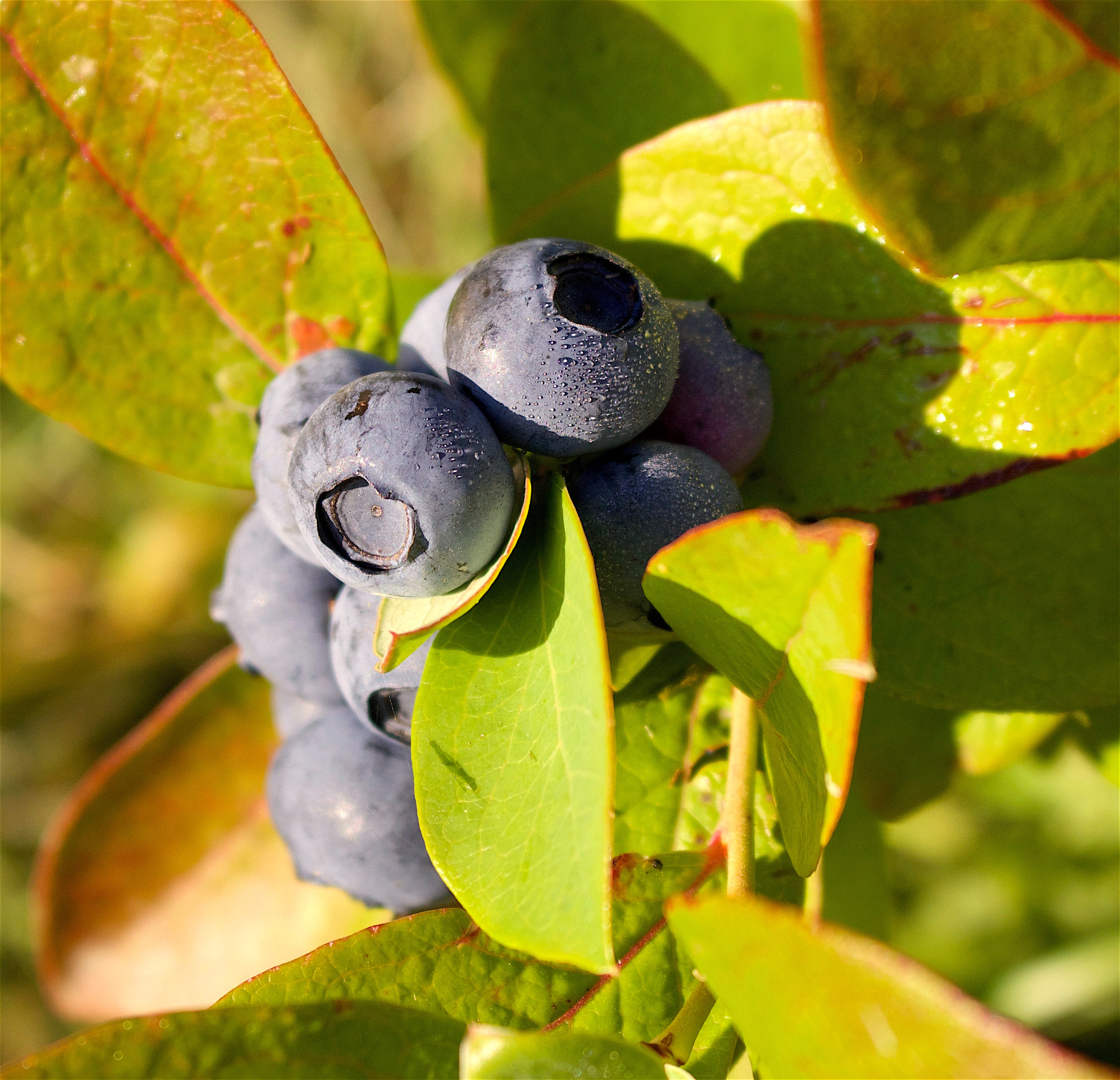
We’ve exhausted the strawberries with only a few “everbearing” continuing to produce through the remaining hot days of summer.  The raspberries too are drying up with leaves curling.  The mountain huckleberries have had their hey-day.  The blueberries continue strong and juicy.

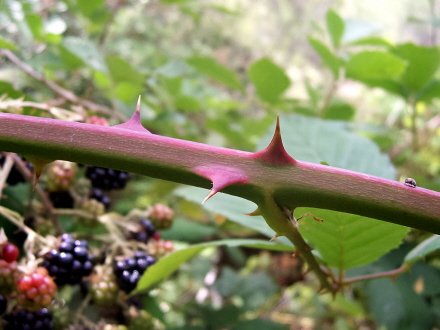
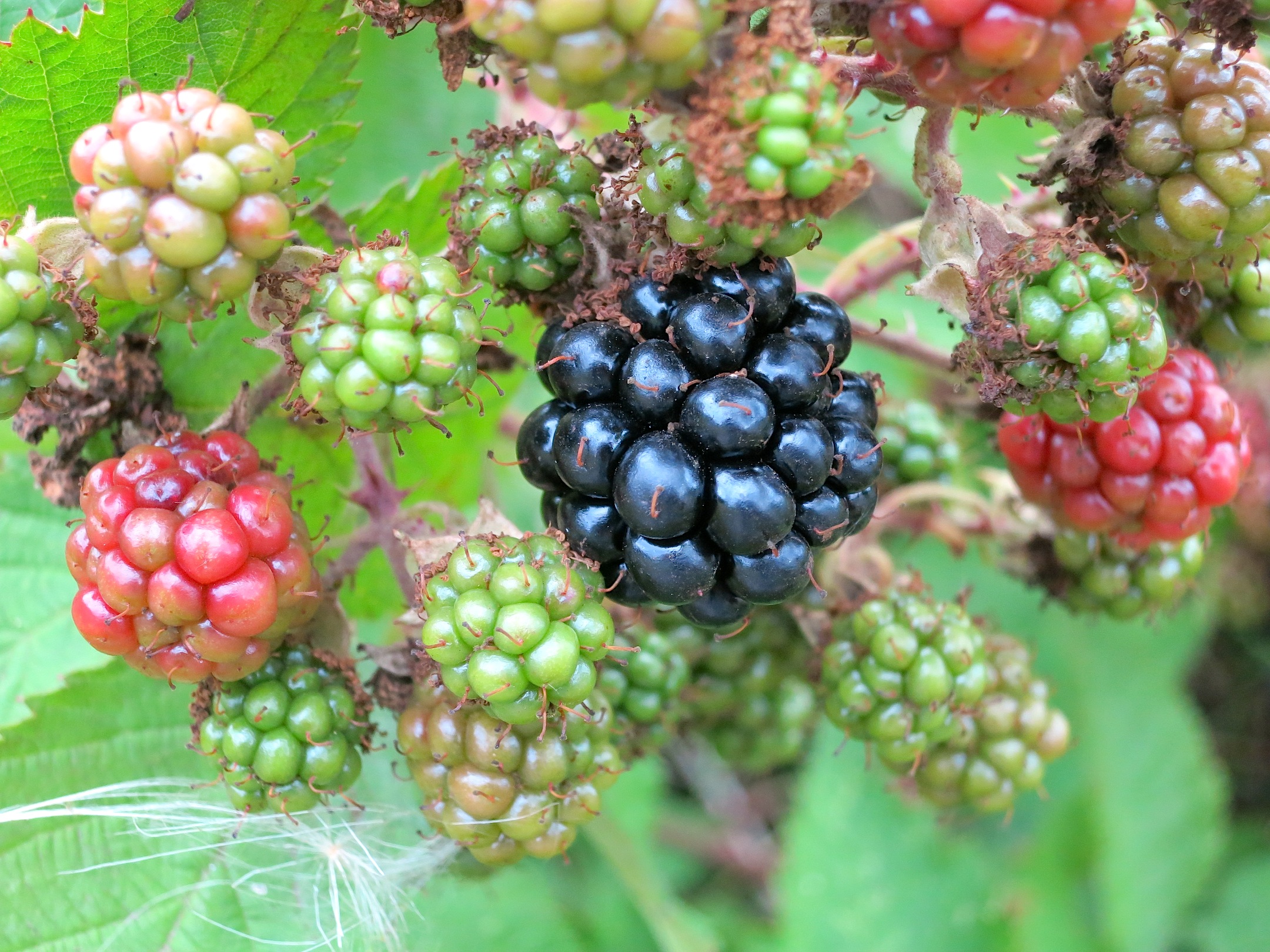
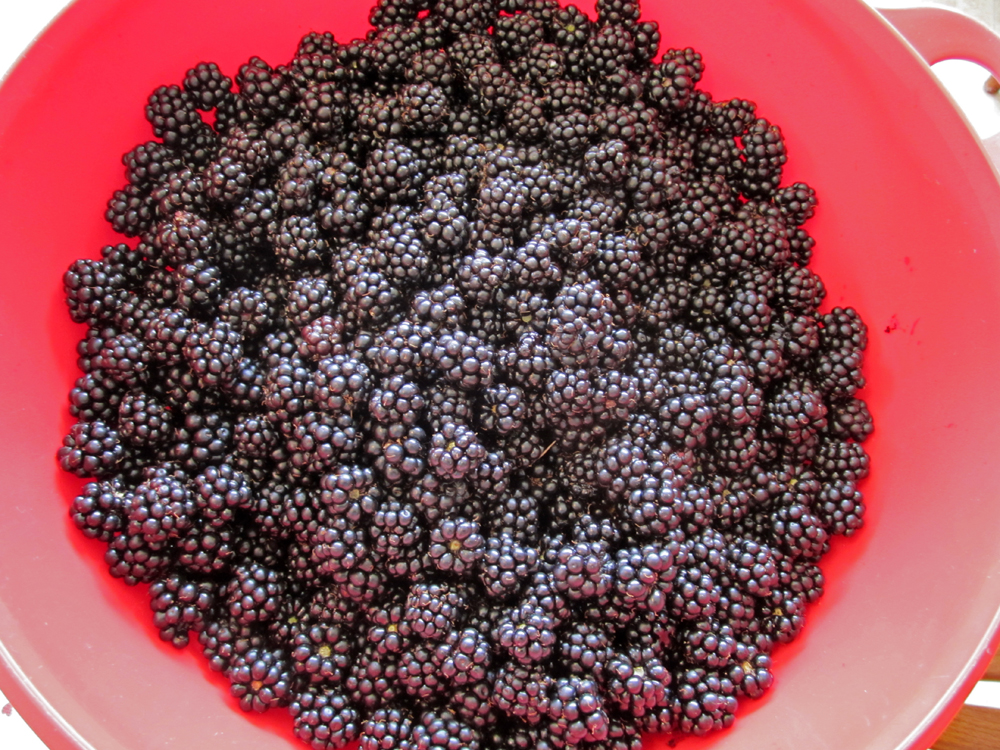
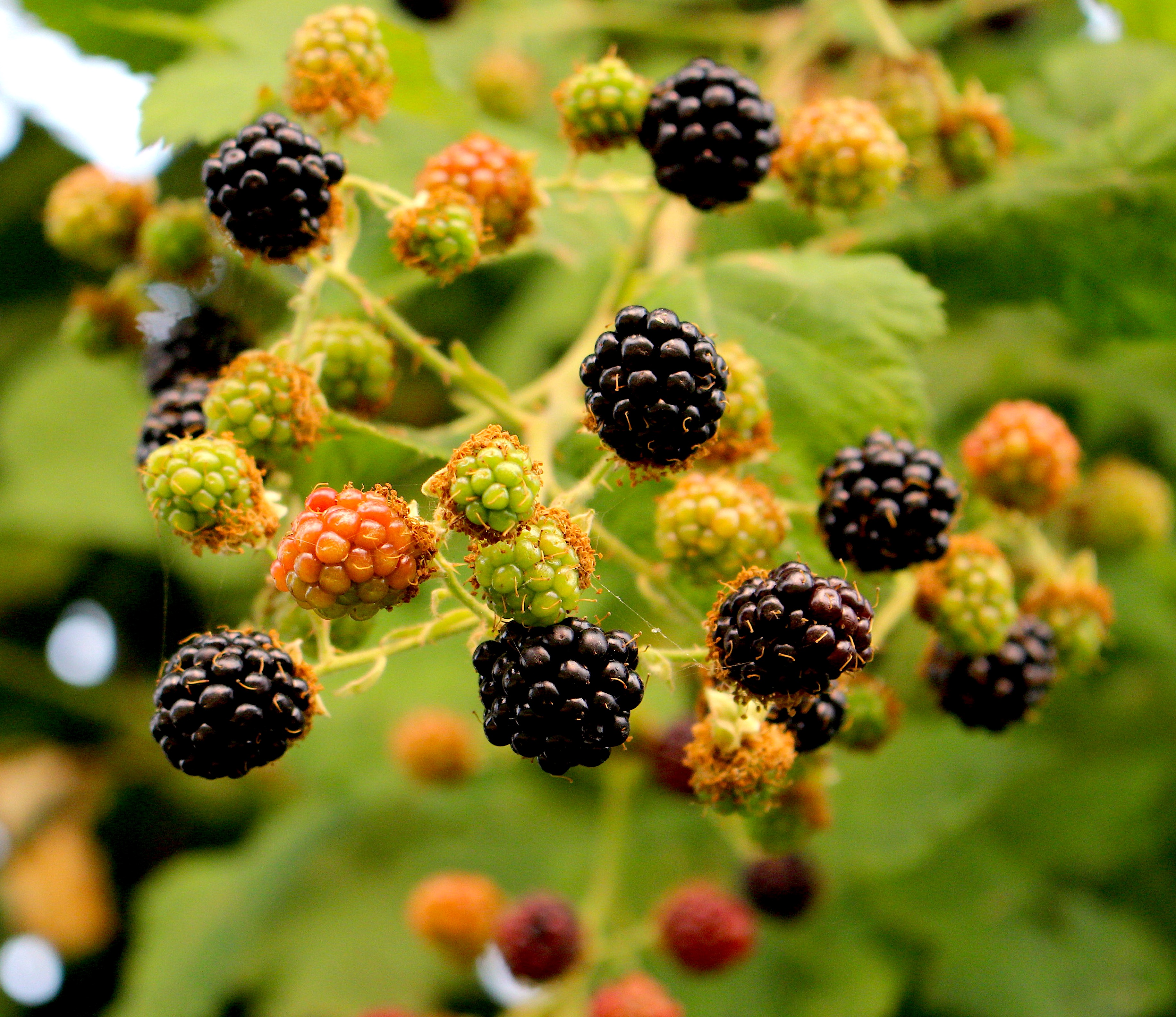
And now blackberries, free for the picking, hang in mouth-watering clusters from every fence line, long roads and ditches, just begging to be eaten.  Blackberry vines seem like trouble 90% of the year–growing where they are not welcome;  their thorns reach out to grab passersby without discriminating between human, dog or horse. But for about 3 weeks in August, they yield black gold–bursting unimaginably sweet fruit that is worth the hassle borne the rest of the weeks of the year.

Thorns are indeed part of our everyday life. They stand in front of much that is sweet and good and precious to us. They tear us up, bloody us, make us cry, make us beg for mercy.  In fact, man has died by thorns and been killed for the sweetness.

Yet thorns did not stop salvation, did not stop goodness, did not stop the promise of redemption to come. We don’t even need to wait to be fed and no one need die: such a gift as this was dropped from heaven itself.


BlackberryThorns


berryblack


blackberrybowl


blackberrymorning


blackberries1


Choosing Up Sides

darkhedges2


The issue is now clear. It is between light and darkness and everyone must choose his side.
~G. K. Chesterton


darkhedgesantique


…our hands have always been able to heal as much as harm. 
…since the dawn of humanity, each of us contains three people—
the angel, the demon, and the one who decides which we will obey.
~Billy Coffey


aprileveninglight5


It shouldn’t take plunging into a profound darkness,
swallowed in a pit of sadness and sorrow
to experience God’s immense capacity for love and compassion,
but that is when our need for light and forgiveness is greatest.

It should not take sin and suffering to remind us
life is precious and worthy of our protection,
no matter how tempted we are to choose otherwise.

We are created,
from the beginning,
in the beginning,
with the capacity to choose sides between darkness and light
and we choose too often to be cloaked in darkness.

Our God chooses to shine the light of His Creation,
to conquer our darkness through illuminating grace,
dispersing our shadows,
suffering the deepest darkness on our behalf
to guarantee we are eternally worthy of His loving protection.

How then shall we choose when He so clearly chooses us?


plumlane

His Flesh and Ours


Now if we died with Christ, we believe that we will also live with him.
For we know that since Christ was raised from the dead, he cannot die again; death no longer has mastery over him.

The death he died, he died to sin once for all; but the life he lives, he lives to God.

In the same way, count yourselves dead to sin but alive to God in Christ Jesus.
Romans 6: 8-10


So what do I believe actually happened that morning on the third day after he died?
…I speak very plainly here…

He got up.  He said, “Don’t be afraid.”

Love is the victor.  Death is not the end.  The end is life.  His life and our lives through him, in him.

Existence has greater depths of beauty, mystery, and benediction than the wildest visionary has ever dared to dream. 

Christ our Lord has risen.
~Frederick Buechner from The Magnificent Defeat


Make no mistake: if He rose at all
it was as His body;if the cells’ dissolution did not reverse, the molecules
reknit, the amino acids rekindle,
the Church will fall…

It was not as the flowers,
each soft Spring recurrent;
it was not as His Spirit in the mouths and fuddled
eyes of the eleven apostles;
it was as His Flesh: ours.
~John Updike from “Seven Stanzas at Easter”


Since this moment (the resurrection), the universe is no longer what it was;  nature has received another meaning; history is transformed and you and I are no more, and should not be anymore, what we were before.
~Paul Tillich


Our flesh is so weak, so temporary,
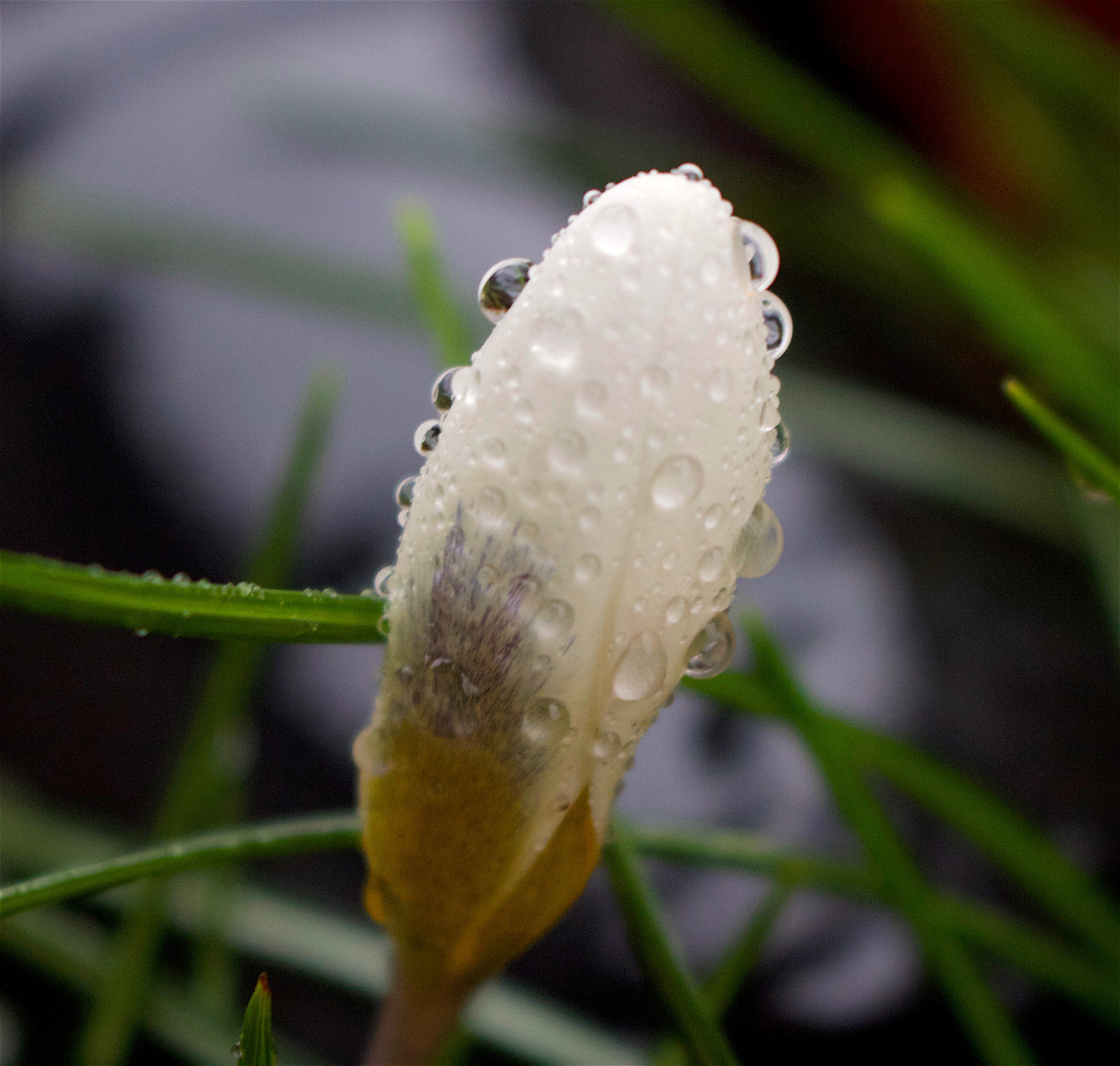
as ephemeral as a dew drop on a petal
yet with our earthly vision
it is all we know of ourselves
and it is what we trust knowing
of Him.

He was born as our flesh, from our flesh.
He walked and hungered and thirsted and slept
as our flesh.
He died, His flesh hanging in tatters,
blood spilling freely
breath fading
to nought
speaking Words
our ears can never forget.

And He got up,
to walk and hunger and thirst alongside us
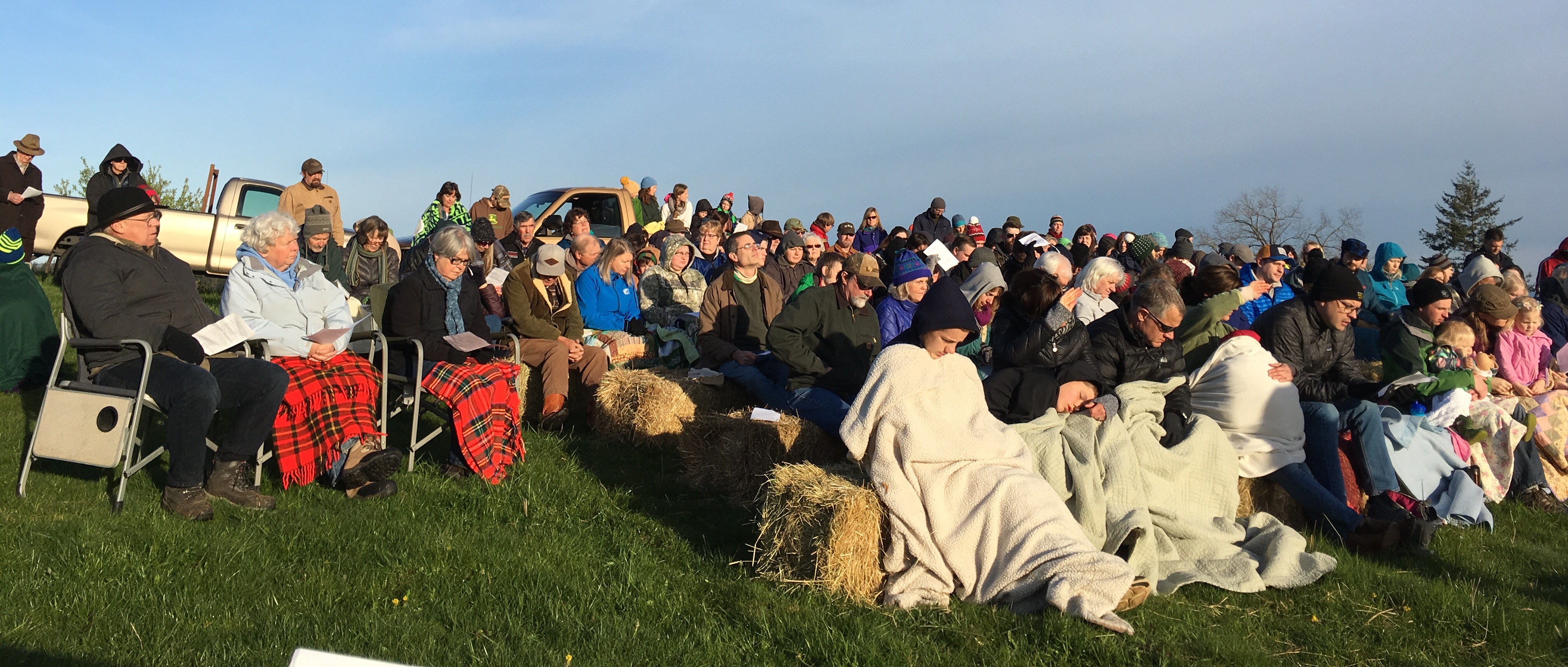
and here on this hill we meet together,
–flesh of His flesh–
here among us He is risen
–flesh of our flesh–
married forever
as the Church:
a fragile, flawed
and everlasting body.


You Shall Be a Peculiar Treasure

3B5BC7A2-5E58-4D79-8D37-9322235F23C1


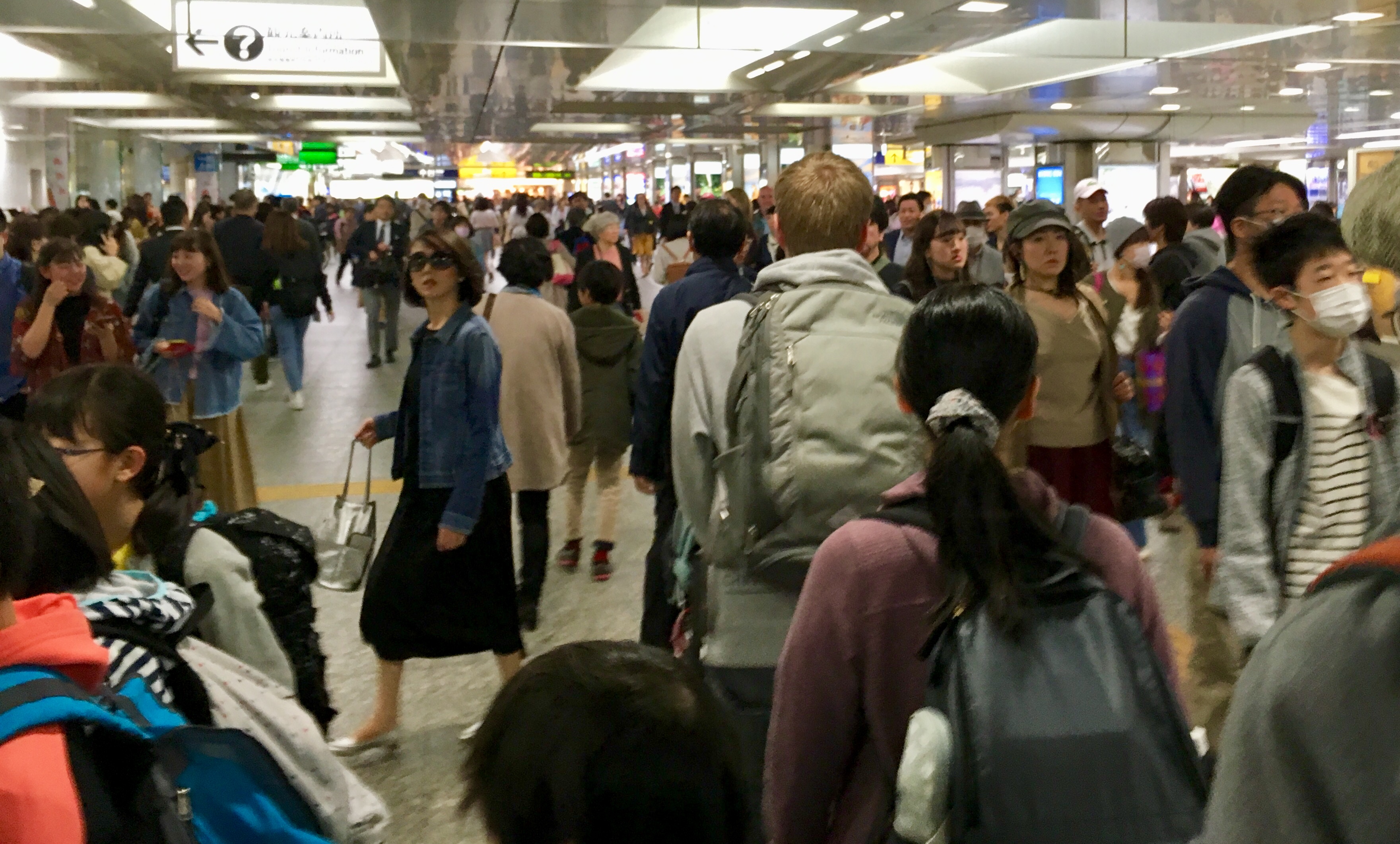
Imagine yourself in a big city in a crowd of people.  What it would be like to see all the people in the crowd like Jesus does — an anonymous crowd with old ones and young one, fat ones and thin ones, attractive ones and ugly ones—think what it would be like to love them.  If our faith is true, if there is a God, and if God loves, he loves each one of those.  Try to see them as loved.  And then try to see them, these faces, as loved by you.  What would it be like to love these people, to love these faces — the lovable faces, the kind faces, gentle compassionate faces?  That’s not so hard.  But there are lots of other faces — disagreeable faces, frightening faces, frightened faces, cruel faces, closed faces. …they are all peculiar treasures.  In Exodus, God said to Israel, “You shall be a peculiar treasure unto me above all people.”  God meant it for all of us.
~Frederick Buechner from The Remarkable Ordinary


12D508F1-7975-4753-9C06-0C545E012C84


E852F198-4188-4A20-8CDC-9CE3C15DEEC4


It doesn’t take long for us to be overwhelmed by humanity when we visit our family in Tokyo.  The airport is a shock of weaving lines of weary people and crying children, the trains are packed with people standing like sardines for an hour or more on their commute, the stations are a sea of bobbing heads flowing out onto the streets where the cross walks become a mass hive of activity whenever the light changes.

Yet we’ve been struck by the effort some locals make to help us foreigners who look lost, or who simply look different.  There is outreach at times that is spontaneous, genuine and completely unexpected.  Those are easy faces to love and we do.  What is much much harder to is love those hundreds of thousands who pass by us on their way to work, to shop, to return home.  How can I even begin to have the capacity?

What greeted Jesus as he entered the city in that final week was not friendly faces.  He loved them all any way, every single one of them peculiar treasures to him, forgiven and redeemed.

I realize I’m not very friendly too much of the time.  Yet he still loves me too, flaws and all, as his redeeming grace is meant for one such as me.  Because of his love, I can become the real thing, not just a reflection of what I think I should be.


96FA8FEE-F5A7-4DFF-8064-73211591068A


F18EC6DB-F629-4B0D-80A2-DDA6451DD95B