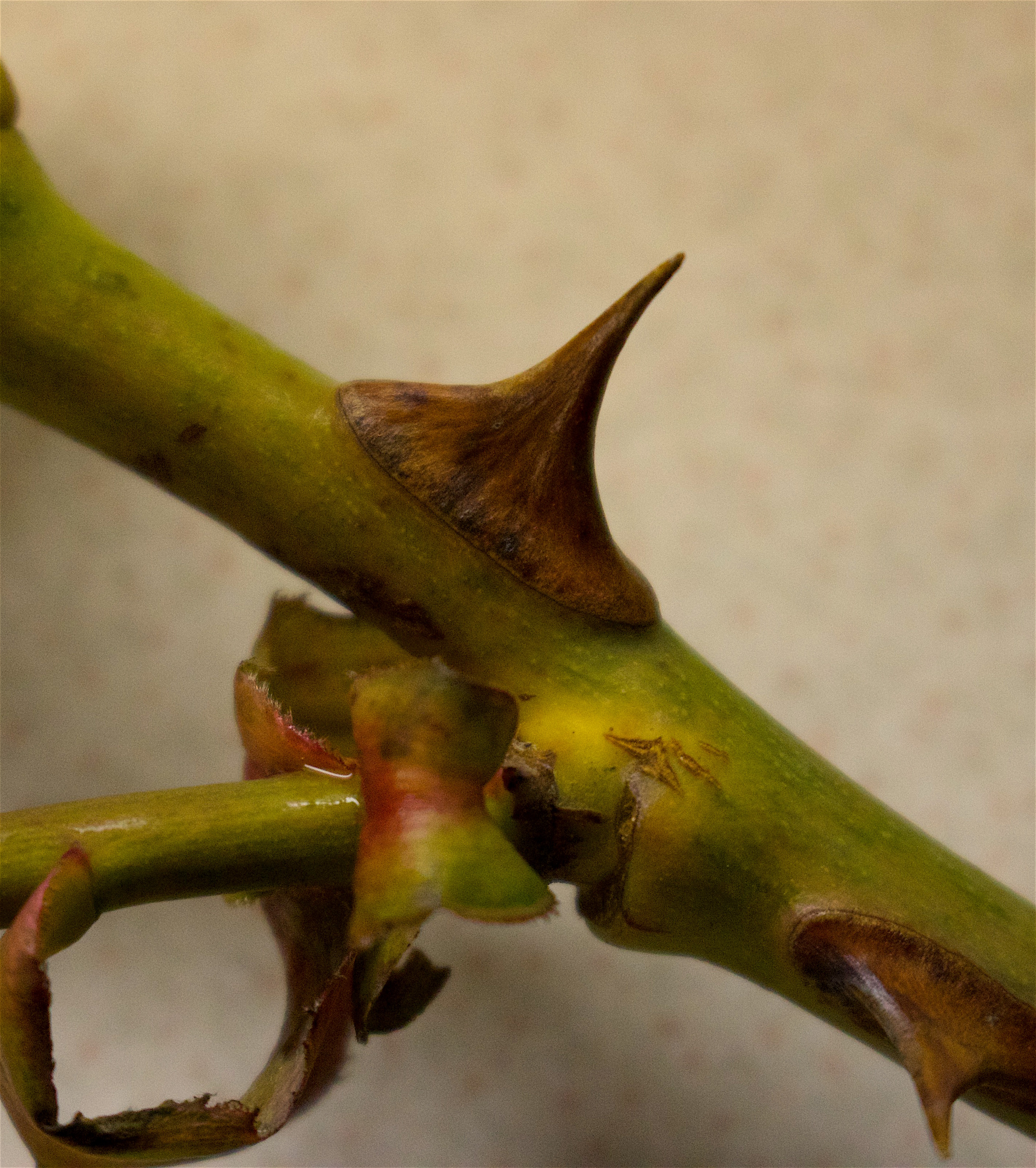
Waiting in Wilderness: Removing a Splinter

To pull the metal splinter from my palm
my father recited a story in a low voice.
I watched his lovely face and not the blade.
Before the story ended, he’d removed
the iron sliver I thought I’d die from.

I can’t remember the tale,
but hear his voice still, a well
of dark water, a prayer.
And I recall his hands,
two measures of tenderness
he laid against my face,
the flames of discipline
he raised above my head.

Had you entered that afternoon
you would have thought you saw a man
planting something in a boy’s palm,
a silver tear, a tiny flame.
Had you followed that boy
you would have arrived here,
where I bend over my wife’s right hand.

Look how I shave her thumbnail down
so carefully she feels no pain.
Watch as I lift the splinter out.
I was seven when my father
took my hand like this,
and I did not hold that shard
between my fingers and think,
Metal that will bury me,
christen it Little Assassin,
Ore Going Deep for My Heart.
And I did not lift up my wound and cry,
Death visited here!
I did what a child does
when he’s given something to keep.
I kissed my father.
~Li-Young Lee, “The Gift” from Rose
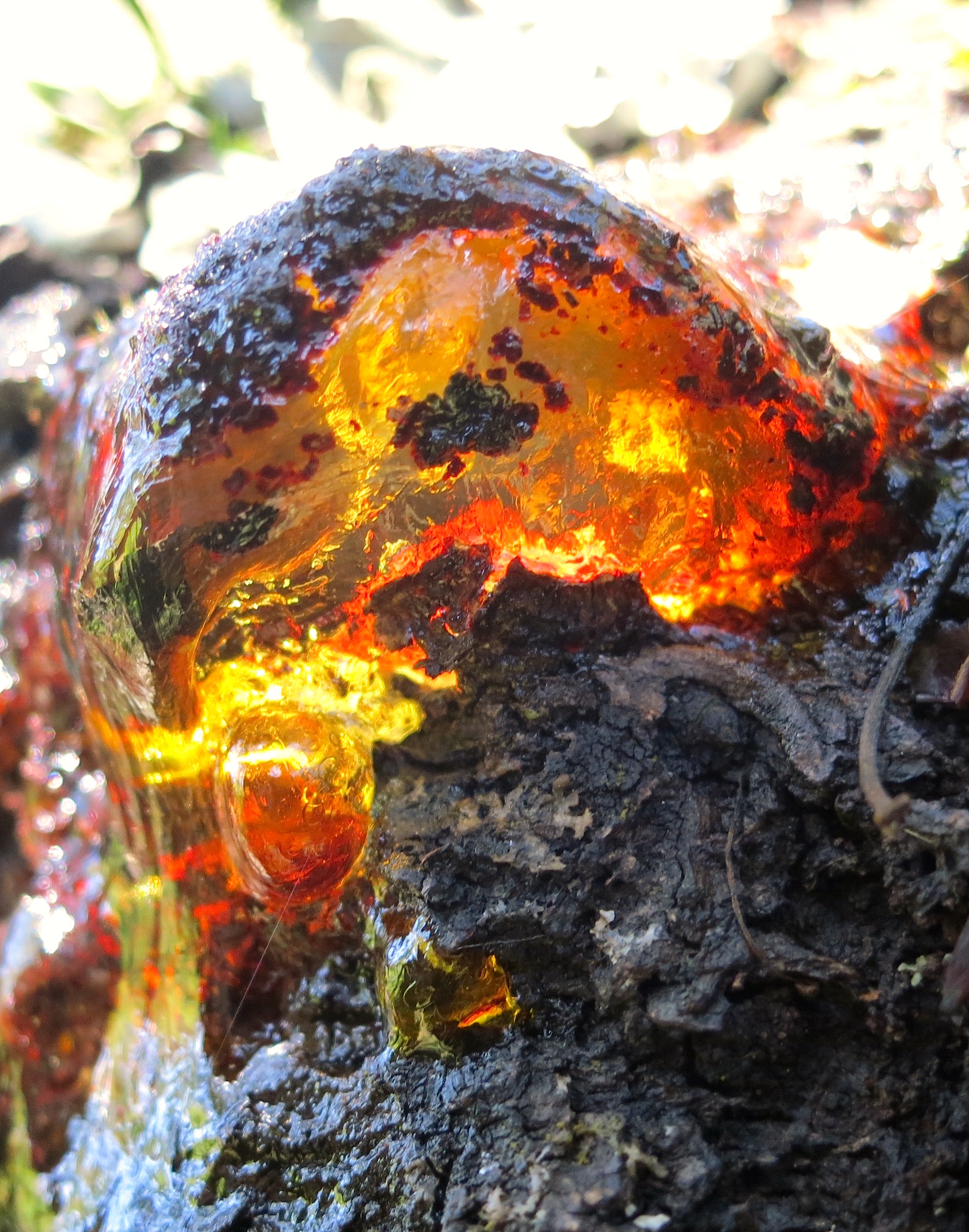
I did, without ever wanting to, remove my own children’s splinter, lanced a boil, immobilized a broken arm, pulled together sliced skin, cleaned many dirty wounds. It felt like I crossed the line between mommy and doctor.  But someone had to do it, and a four hour wait in the emergency room didn’t seem warranted.

My own children learned to cope with hurt made worse by someone they trusted to be comforter.

I dealt with inflicting pain, temporary though it may be, to flesh that arose from my flesh.  It hurt as much as if it were my own wound needing cleansing, not theirs.

Our wounds are His – He is constantly feeling our pain as He performs healing surgeries in our lives, not because He wants to but because He must, to save us from our own destruction. Too often we yell and kick and protest in our distress, making it all that much more difficult for both of us.

If only we can come to acknowledge His intervention is our salvage:
our tears to flow in relief, not anguish,
we cling to His protection rather than pushing Him away,
we kiss Him in gratitude as we are restored again and yet again.
Waiting in Wilderness: A Shining Garment

There is no event so commonplace
but that God is present within it,
always hiddenly,
always leaving you room to recognize Him
or not…

Listen to your life.
See it for the
fathomless mystery that it is.

In the boredom and pain of it no less
than in the excitement and gladness:
touch, taste, smell your way to the
holy and hidden art of it
because in the last analysis
all moments are key moments…..

and Life itself is Grace.
~Frederick Buechner from Now and Then- Listening to Your Life

The locus of the human mystery is perception of this world.
From it proceeds every thought, every art.
I like Calvin’s metaphor—nature is a shining garment in which God is revealed and concealed.
~Marilynne Robinson from her “Reclaiming a Sense of the Sacred” essay

Perhaps it is the mystery of His life that brings us back,
again and again, to read His story, familiar as it is,
at first wrapped in the shining garment of swaddling clothes,
then a plain robe to be gambled away beneath His nailed feet
and finally a shroud left carefully folded and empty.

How can this mystery be?
God appearing on earth,
hidden in the commonplace,
rendering it sacred and holy
by His spilled blood.

How can it be?
Through the will of the Father
and the breath of the Spirit,
this Son was born, died, then rose again
and still is,
and yet to be,
forever and ever.

O greatest mystery beyond all understanding.

Waiting in Wilderness: Something Understood

Prayer the church’s banquet, angel’s age,
God’s breath in man returning to his birth,
The soul in paraphrase, heart in pilgrimage,
The Christian plummet sounding heav’n and earth
Engine against th’ Almighty, sinner’s tow’r,
Reversed thunder, Christ-side-piercing spear,
The six-days world transposing in an hour,
A kind of tune, which all things hear and fear;
Softness, and peace, and joy, and love, and bliss,
Exalted manna, gladness of the best,
Heaven in ordinary, man well drest,
The milky way, the bird of Paradise,
Church-bells beyond the stars heard, the soul’s blood,
The land of spices; something understood.
~George Herbert “Prayer”

portrait of Dan’s mom, Emma Gibson, praying, by granddaughter Sara Larsen

Prayer is my refuge – a renewal, refreshment, reconciliation, reassurance.
My time to weep.
My time for awe.
My time to praise.
My time for gratitude:

A kind of tune, which all things hear and fear;
Softness, and peace, and joy, and love, and bliss,
Exalted manna, gladness of the best,
Heaven in ordinary

How else can I know I have the ear of God
who puts heaven within my reach of
my voice and my words–
I am understood
by the Creator of the Universe,
no less than He.

May you see God’s light on the path ahead
when the road you walk is dark.
May you always hear even in your hour of sorrow
the gentle singing of the lark.
When times are hard may hardness
never turn your heart to stone.
May you always remember when the shadows fall–
You do not walk alone.
~Traditional Irish Blessing

Waiting in Wilderness: Weary Worn and Sad

Here dies another day
During which I have had eyes, ears, hands
And the great world round me;
And with tomorrow begins another.
Why am I allowed two?
~G.K. Chesterton

Any number of times a day
I ask a patient who is weary worn and sad:
can tell me about your thoughts about ending your life?

Most days I’m amazed
I’m allowed
another day to continue
to be present and listening.
I pray as this day dies
there will come yet another
so I might help the weary worn and sad
find gladness:
they too are given the gift
to live another day.

I heard the voice of Jesus say,
“Come unto Me and rest;
Lay down, thou weary one, lay down
Thy head upon My breast.”

I came to Jesus as I was,
Weary and worn and sad;
I found in Him a resting place,
And He has made me glad.

  1. I heard the voice of Jesus say,
    “Behold, I freely give
    The living water; thirsty one,
    Stoop down, and drink, and live.”
    I came to Jesus, and I drank
    Of that life-giving stream;
    My thirst was quenched, my soul revived,
    And now I live in Him.
  2. I heard the voice of Jesus say,
    “I am this dark world’s Light;
    Look unto Me, thy morn shall rise,
    And all thy day be bright.”
    I looked to Jesus, and I found
    In Him my Star, my Sun;
    And in that light of life I’ll walk,
    Till trav’ling days are done.
  3. I heard the voice of Jesus say,
    “My Father’s house above
    Has many mansions; I’ve a place
    Prepared for you in love.”
    I trust in Jesus—in that house,
    According to His word,
    Redeemed by grace, my soul shall live
    Forever with the Lord.
    ~Horatius Bonar

Waiting in Wilderness: Night Shall Be No More

Sure on this shining night
Of star made shadows round,
Kindness must watch for me
This side the ground. 
The late year lies down the north.
All is healed, all is health.
High summer holds the earth. 
Hearts all whole.
Sure on this shining night I weep for wonder

wand’ring far alone
Of shadows on the stars.
~James Agee “Sure on this Shining Night”

Imagine the illumination
which can transform sorrows,
which banishes the night
so darkness flees.
It is that
of which I sing,
that about which I rejoice,
that which bought me
and set me free.
His love is all.
That which was, is and will be
will rise again.

Peace be to you and grace from Him
Who freed us from our sin
Who loved us all, and shed his blood
That we might saved be.

Sing holy, holy to our Lord
The Lord almighty God
Who was and is, and is to come
Sing holy, holy Lord.

Rejoice in heaven, all ye that dwell therein
Rejoice on earth, ye saints below
For Christ is coming, Is coming soon
For Christ is coming soon.

E’en so Lord Jesus quickly come
And night shall be no more
They need no light, no lamp, nor sun
For Christ will be their All!
~Paul Manz and Ruth Manz, written when their three year old son was critically ill

Waiting in Wilderness: A Time of Treading Life

This is the wilderness time,
when every path is obscure
and thorns have grown around the words of hope.

This is the time of stone, not bread,
when even the sunrise feels uncertain
and everything tastes of bitterness.

This is the time of ashes and dust,
when darkness clothes our dreams
and no star shines a guiding light.

This is the time of treading life,
waiting for the swells to subside and for the chaos to clear.

Be the wings of our strength, O God,
in this time of wilderness waiting.
– Keri Wehlander from “600 Blessings and Prayers from around the world” compiled by Geoffrey Duncan

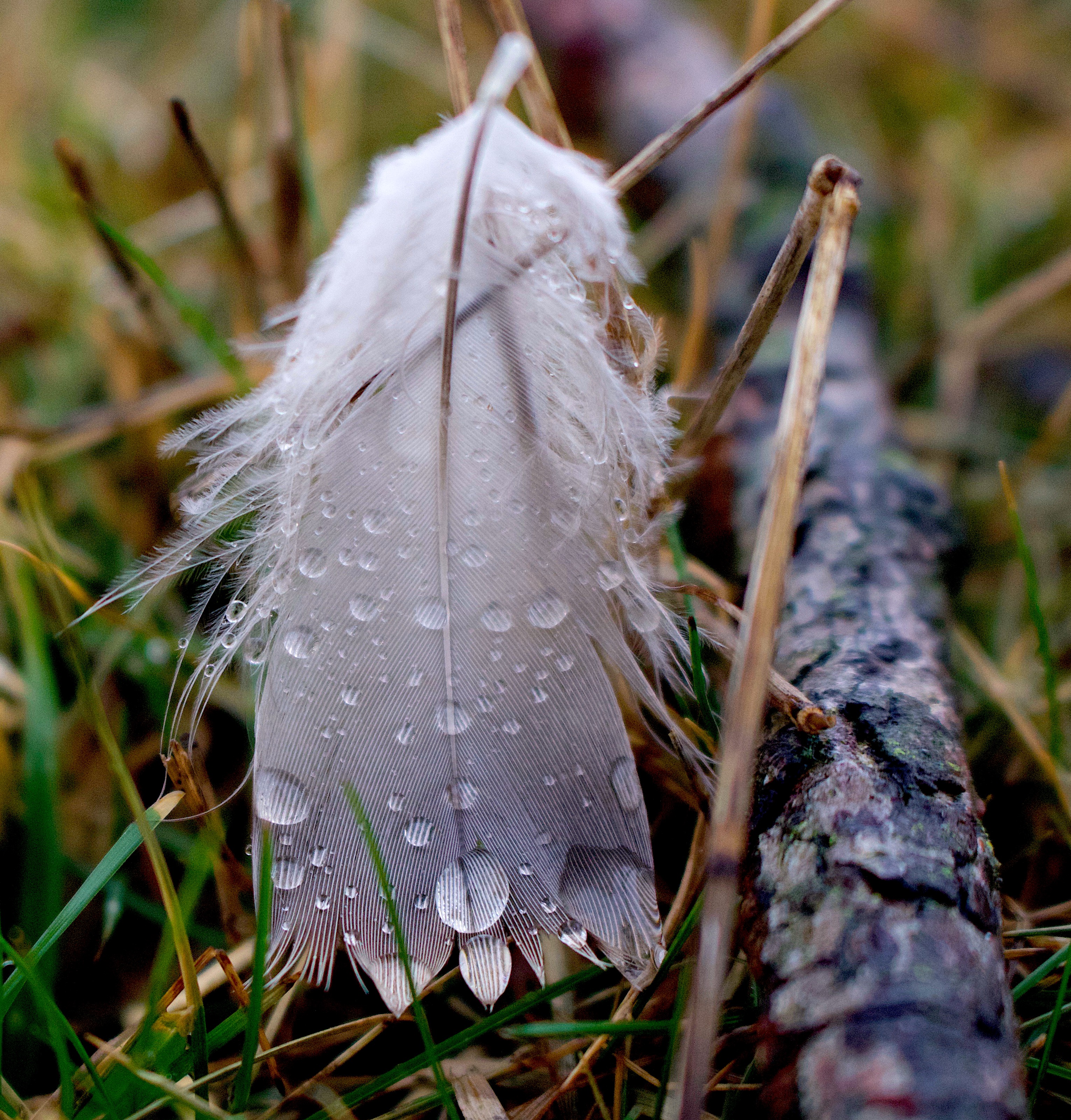
He will cover you with his feathers,
    and under his wings you will find refuge;
    his faithfulness will be your shield and rampart.
Psalm 91:4

To be commanded to love God at all, let alone in the wilderness,
is like being commanded to be well when we are sick,
to sing for joy when we are dying of thirst,
to run when our legs are broken.
But this is the first and great commandment nonetheless.
Even in the wilderness- especially in the wilderness – you shall love him.   
~Frederick Buechner from A Room Called Remember:Uncollected Pieces

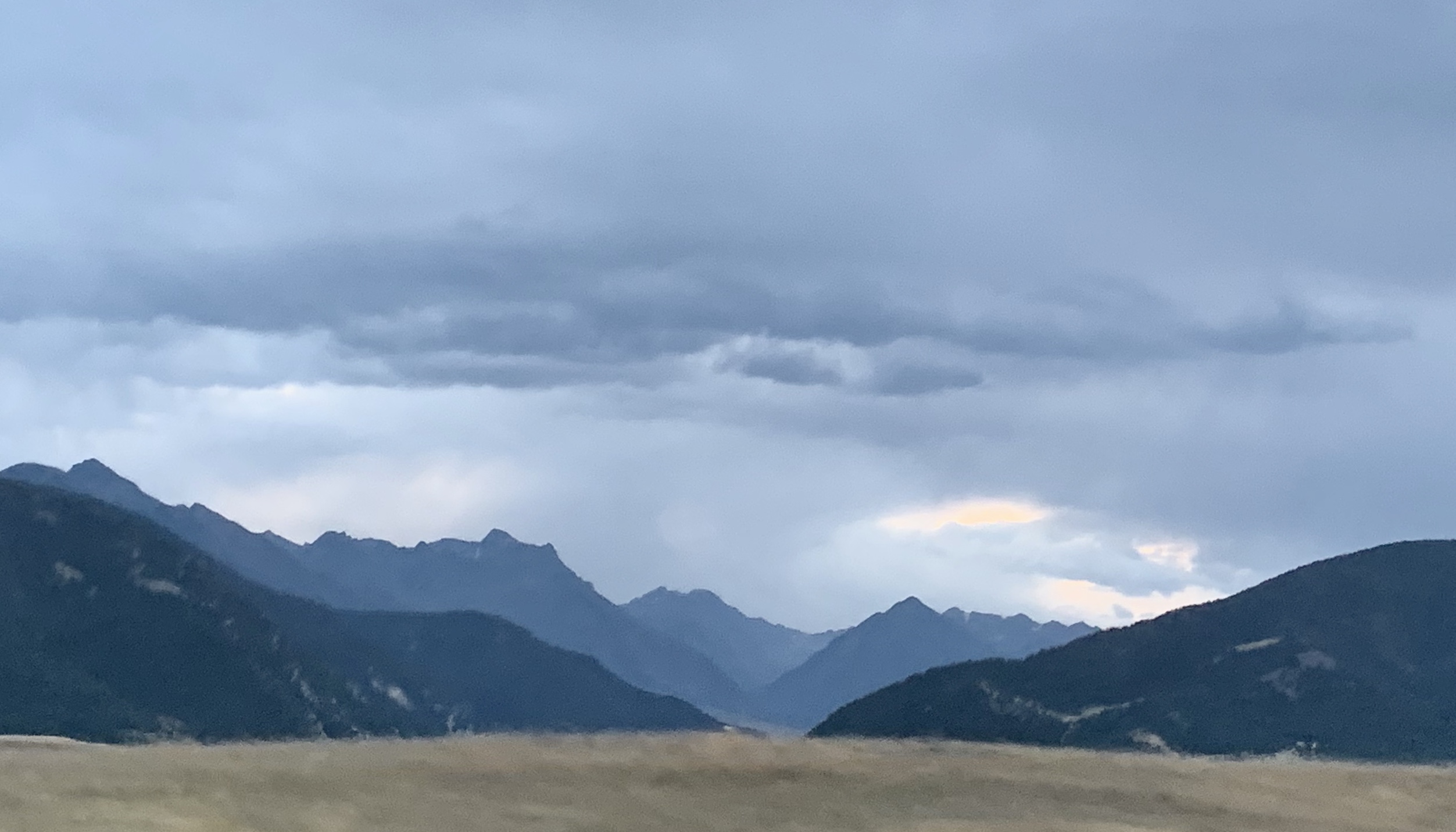
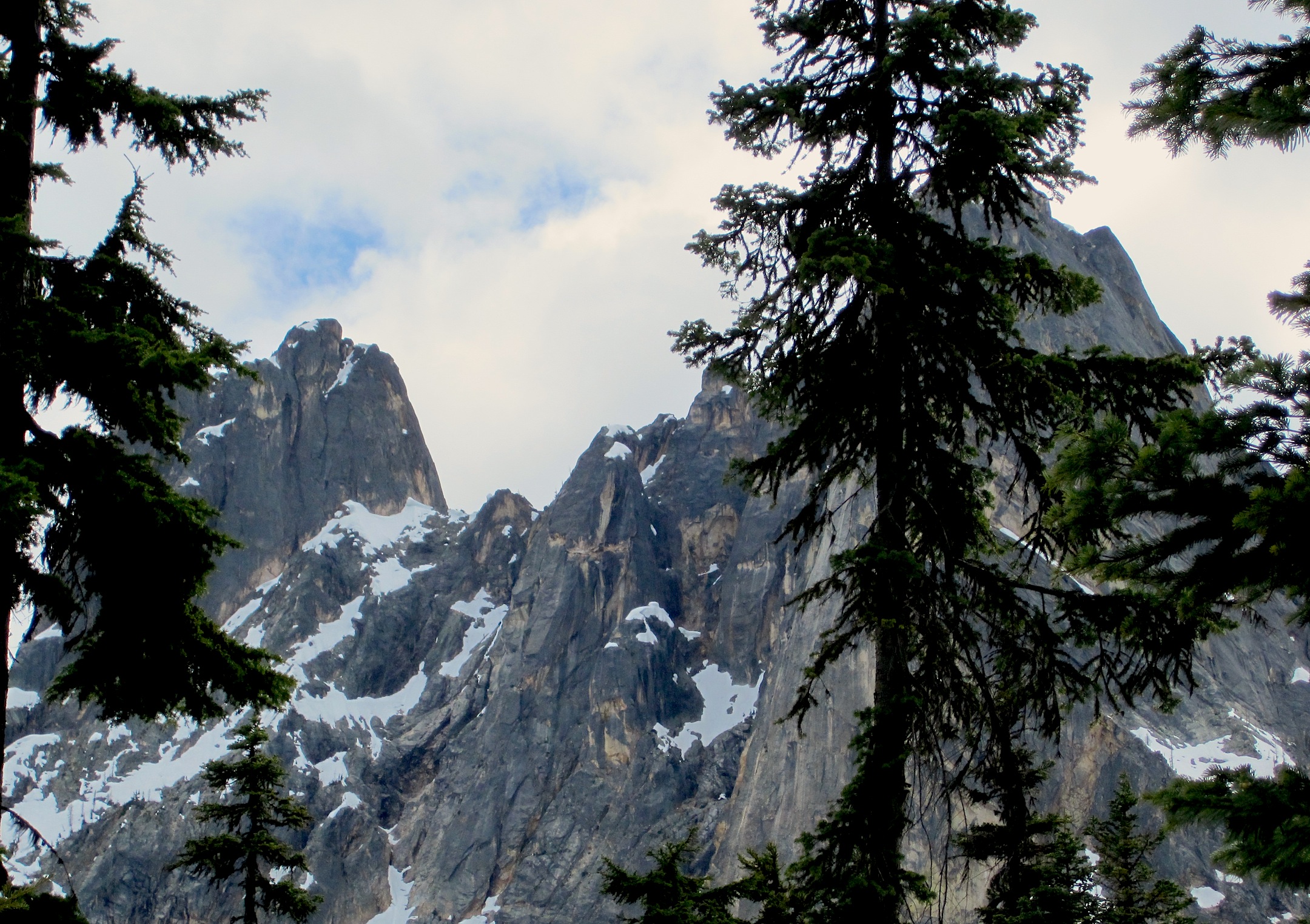
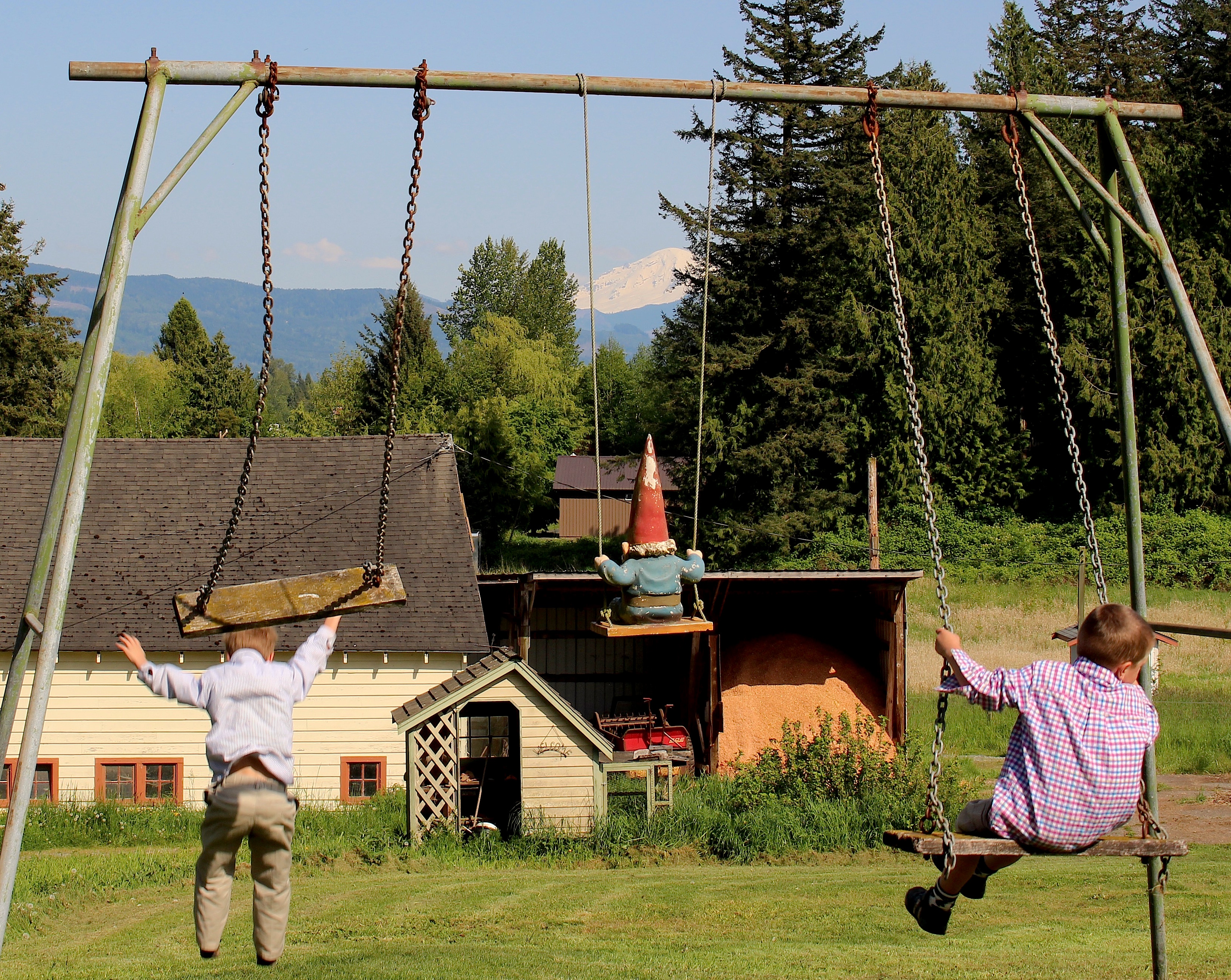
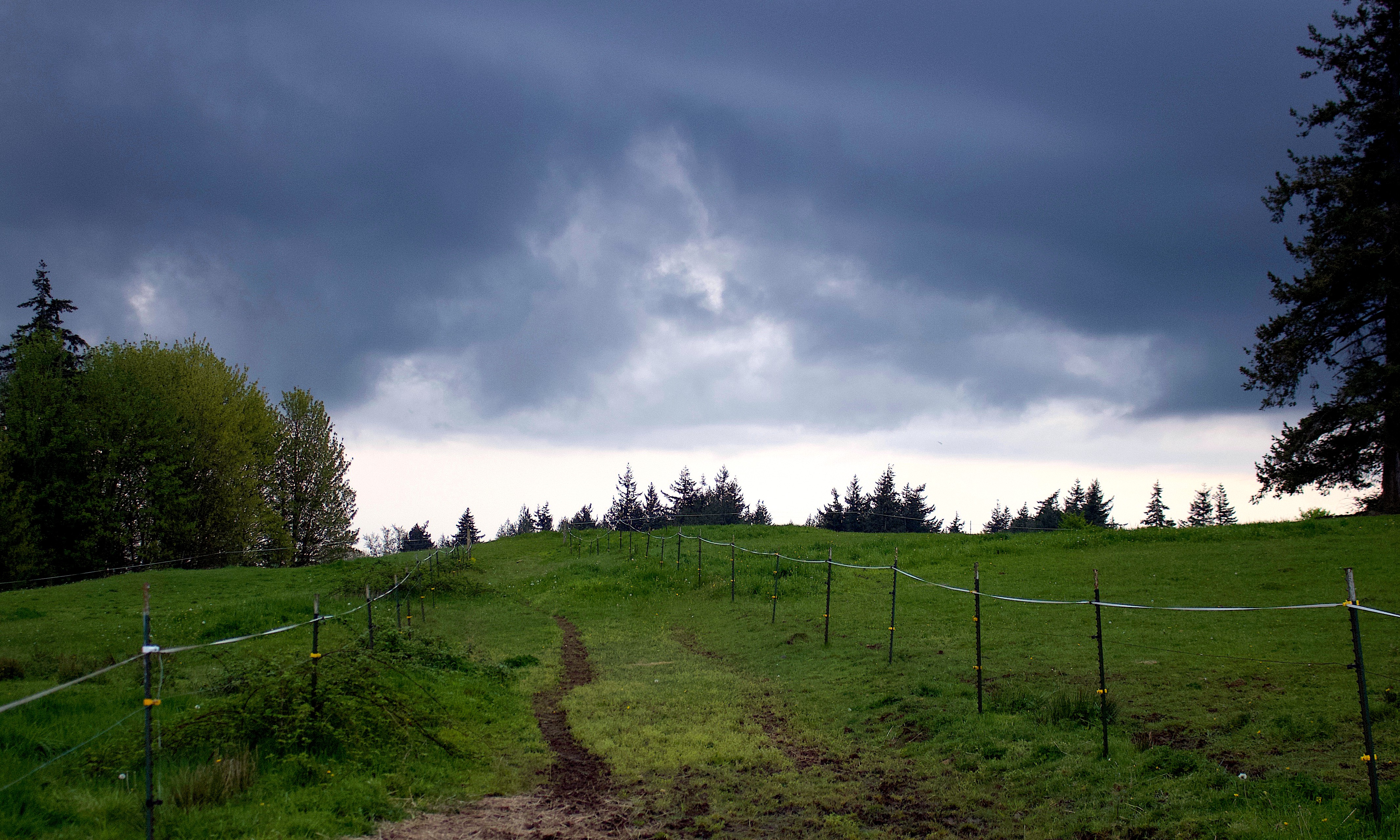
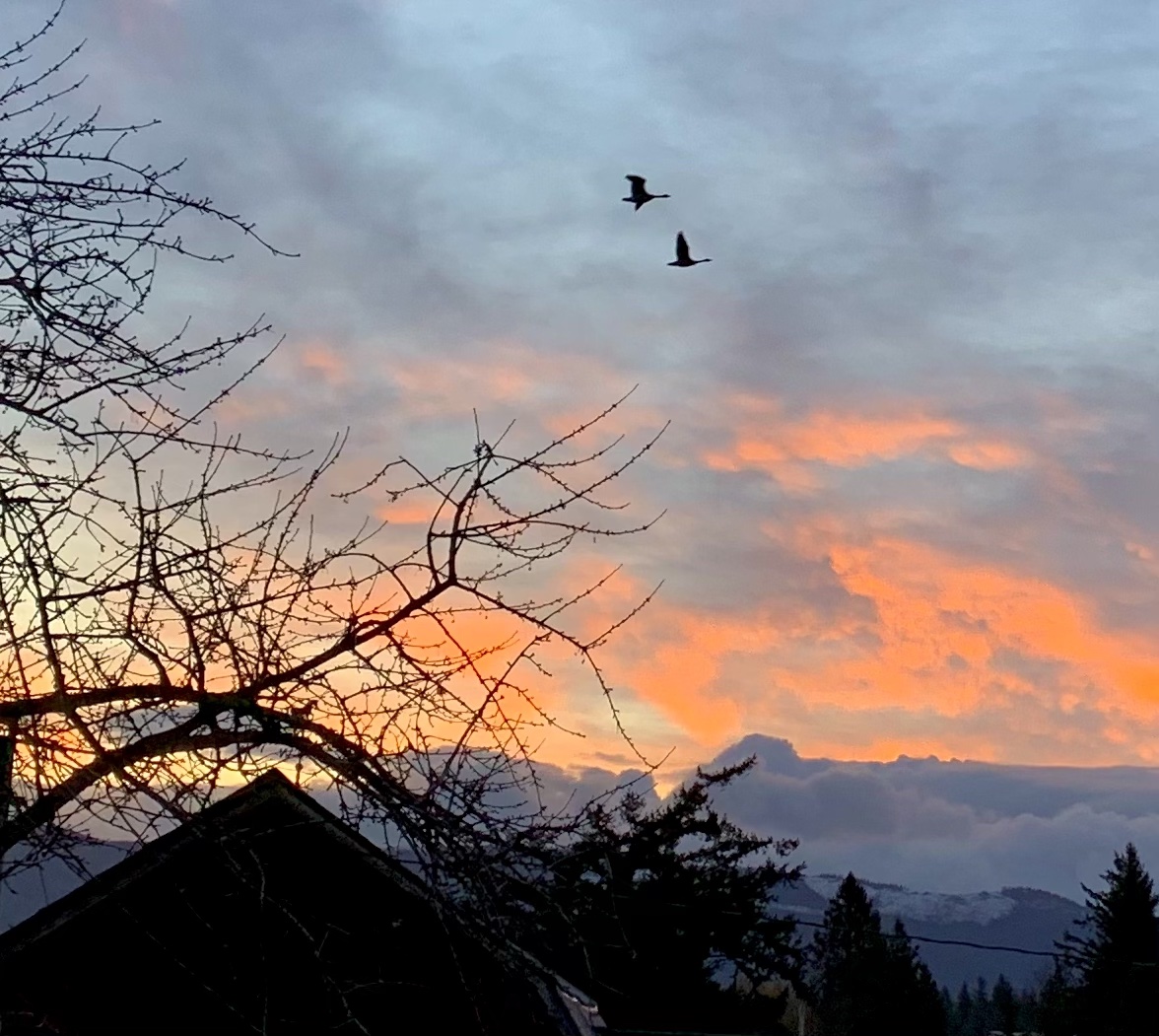
I usually think of wilderness as a distant peak far removed from anything or anyone.  From my farmhouse window on a clear day, I can see a number of distant peaks if the cloud cover moves away to reveal them.

Or perhaps the wilderness is a desolate plain that extends for miles without relief in sight.

Wilderness is also found in an isolated corner of my human heart. I keep it far removed from anything and anyone. During my televisit computer work,  I witness this wilderness in others, many times every day.

A diagnosis of “wilderness of the heart” doesn’t require a psychiatric manual: 
there is despair, discouragement, disappointment, lack of gratitude, lack of hope. 
One possible treatment to tame that wilderness is a covenantal obedience to God and others. It reaches so deep no corner is left untouched.

There come times in one’s life, and this past year especially, when loving God as commanded seems impossible. We are too broken, too frightened, too ill and too wary to trust God with faith and devotion.  We are treading life simply to stay afloat.

During this second Lenten pandemic, God’s love becomes respite and rescue from the wilderness of my own making. He is the sweet cure for a bitter and broken heart.

Waiting in Wilderness: An Impossible Womb

God called Abram to leave the familiar and go,
go on a road he would make by going,
to a place he would know by finding.

Jesus led Nicodemus to the threshold of a birth,
a newness he could only know by going through it.

Only what’s behind us, not ahead, keeps us from going on,
from entering the impossible womb of starting new.

The stones of disappointment in your pockets,
the grave marker of the old life, they can’t come with you.

The path is not a test. It’s our freedom.
Many a prisoner has looked into the tunnel,
the Beloved waiting in the light, and said no.

Where is the Spirit calling you, the wind blowing?
Where is the thin place between your habits and a new birth?

These pangs, this heavy breathing:
the Beloved is trying to birth you.

Let it happen.
~Steve Garnaass-Holmes “A new birth”

Like most people, I cling fast to the safe and familiar, sometimes wishing to retreat back to what feels most secure and safest. Yet, it is an impossible womb that would allow me back – it is clear I am meant to be fully launched, for better or worse. So carrying my checkered history stuffed deeply in my pockets, I embark on this life’s journey led by the Spirit and blown by His breath, uncertain where it will take me or how long it takes to get there.

There is an unsurpassed freedom in the path from womb to tomb; if I let His breath carry me, I’ll go so far beyond the place where my bones someday are laid.

Waiting in Wilderness: Do It Again

Because children have abounding vitality,
because they are in spirit fierce and free,
therefore they want things repeated and unchanged.
They always say, “Do it again”;
and the grown-up person does it again until he is nearly dead.

For grown-up people are not strong enough to exult in monotony.
But perhaps God is strong enough to exult in monotony.
It is possible that God says every morning, “Do it again” to the sun;
and every evening, “Do it again” to the moon.

It may be that he has the eternal appetite of infancy;
for we have sinned and grown old,
and our Father is younger than we.
~G.K. Chesterton from Orthodoxy

To an infant, nothing is monotonous — it is all so new.  The routine of the day is very simple and reassuring: sleep, wake, cry, nurse, clean up, gaze out at the world, turn on the smiles –repeat.

The routine becomes more complex as we age until it no longer resembles a routine, if we can help it. We don’t bother getting up to watch the sun rise yet again and don’t notice the sun set once more. We truly flounder in the wilderness of our own making.

Weary as we may be with routine, our continual search for the next new thing costs us in time and energy.   We age every time we sigh with boredom or turn away from the mundane and everyday, becoming less and less like our younger purer selves.

Who among us exults in monotony and celebrates predictability and enjoys repetition, whether it is sunrise or sunset or an infinite number of daisies?

God does. He sees our short attention spans.  He alone remains consistent, persistent and insistent because we need someone to lead us out of our wilderness.

Do it again, God.  Please — please do it again.
My life flows on in endless song above earth’s lamentation.
I hear the real, though far-off hymn that hails a new creation.
No storm can shake my inmost calm, while to that rock, I’m clinging

Since love prevails in heaven and earth, How can I keep from singing?
While though the tempest round me roars, I know the truth, it liveth.
And though the darkness round me close, songs in the night it giveth.


No storm can shake my inmost calm, while to that rock, I’m clinging
Since love prevails in heaven and earth, How can I keep from singing?
I Lift my eyes. The cloud grows thin; I see the blue above it.
And day by day, this pathway smooths, since first I learned to love it.

No storm can shake my inmost calm, I hear the music ringing.
It sounds an echo in my soul. How can I keep from singing?
How Can I Keep from singing? Keep Singing.

Will you come and follow me 
If I but call your name?
Will you go where you don’t know
And never be the same?
Will you let my love be shown,
Will you let me name be known,
Will you let my life be grown
In you and you in me?

Will you leave yourself behind
If I but call your name?
Will you care for cruel and kind
And never be the same?
Will you risk the hostile stare
Should your life attract or scare.
Will you let me answer prayer
In you and you in me?

Will you let the blinded see
If I but call your name?
Will you set the prisoners free
And never be the same?
Will you kiss the leper clean,
And do this as such unseen,
And admit to what I mean
In you and you in me?

Will you love the “you” you hide
If I but call your name?
Will you quell the fear inside
And never be the same?
Will you use the faith you’ve found
To reshape the world around,
Through my sight and touch and sound
In you and you in me?

Lord, your summons echoes true
When you but call my name.
Let me turn and follow you
And never be the same.
In your company I’ll go
Where your love and footsteps show.
Thus I’ll move and live and grow
In you and you in me.

The Terrible Clarity

Romantic love is blind to everything
except what is lovable and lovely,

but Christ’s love sees us
with terrible clarity and sees us whole.


Christ’s love so wishes our joy
that it is ruthless against everything in us
that diminishes our joy.


The worst sentence Love can pass is that

we behold the suffering which Love has endured for our sake,
and that is also our acquittal.


The justice and mercy of the judge
are ultimately one.

~Frederick Buechner

As we prepare for the season of Lent to begin this week:

We see with terrible clarity
the Love and forgiveness shown to the guilty,
the Love given freely to the undeserving,
the Love paying our ransom in full,
the Love that endures suffering
to release us from our bondage.

This Judge convicts by meting out justice upon His own head,
then serves the whole sentence Himself:
He sets us free
to feel and know and see and share with one another
the Love we are shown.

This Crown of Love


I love you
or I do not live
at all.

No doubts
are permitted—
though they will come
and may
before our time
overwhelm us.

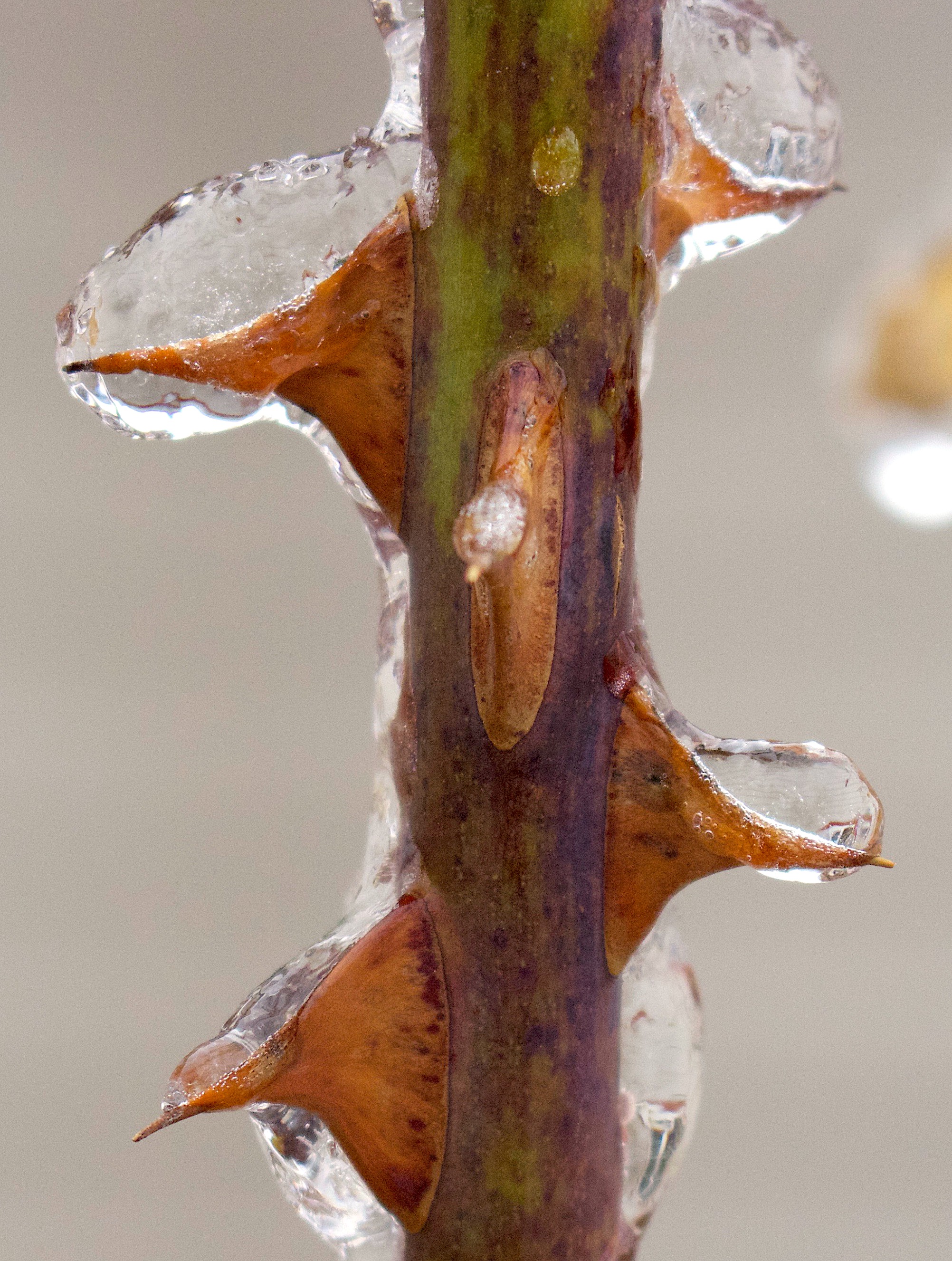
Just as the nature of briars
is to tear flesh,
I have proceeded
through them.
Keep
the briars out,
they say.
You cannot live
and keep free of
briars.

At our age the imagination
across the sorry facts
lifts us
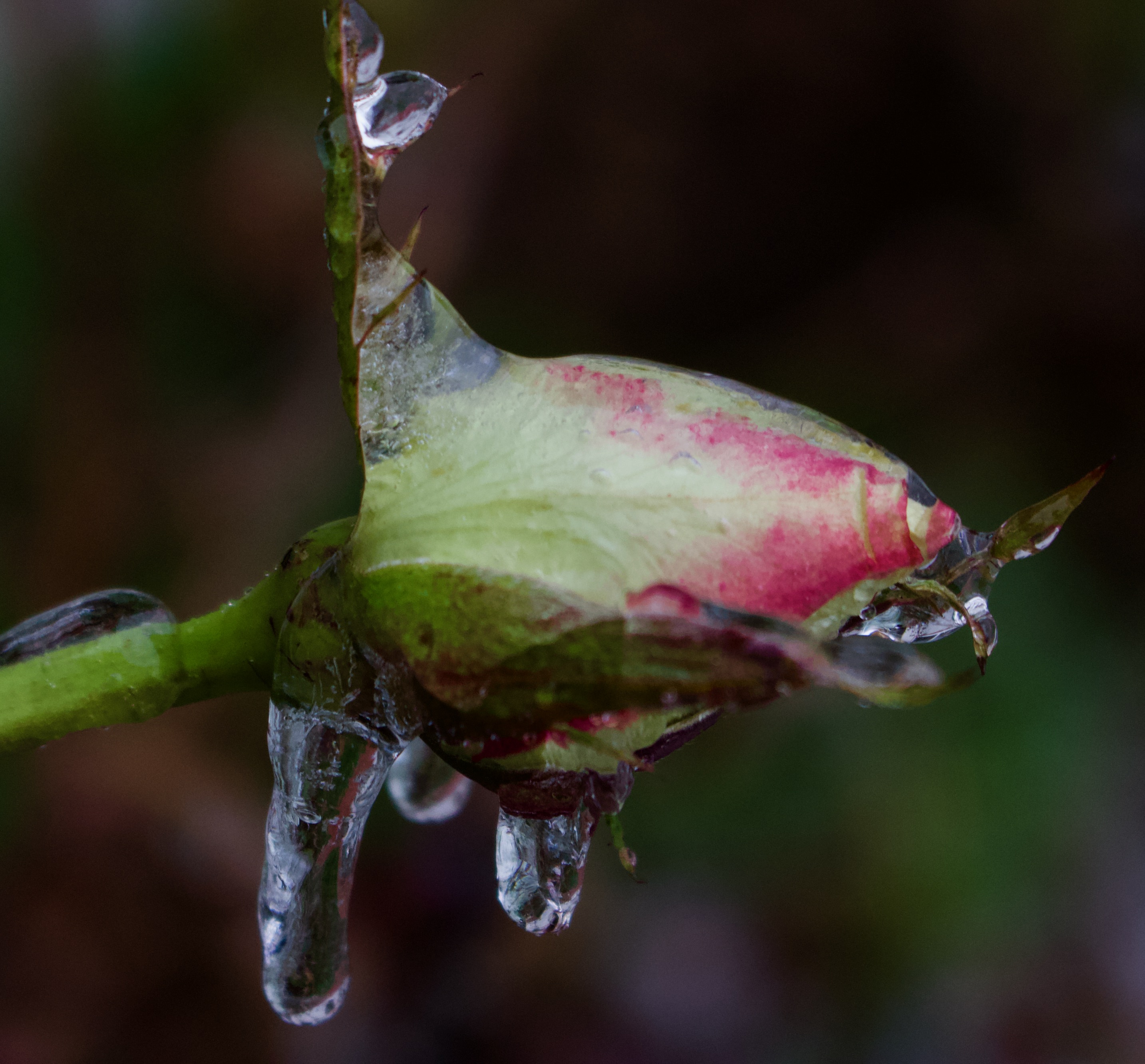
to make roses
stand before thorns.

But we are older,
I to love
and you to be loved,
we have,
no matter how,
by our wills survived
to keep
the jeweled prize
always
at our finger tips.
We will it so
and so it is
past all accident.
~William Carlos Williams (written at age 72) from “The Ivy Crown”

How can we, at our age,
who have treated love as no accident,
looking into a well
of such depth and richness –
how can we tell the young
to will their love to survive –
to strive through thorns and briars,
though tears wept and flesh torn,
to come to cherish the prize
of rose and ivy crown.

It is everything that matters,
this crown of love
we have willed and worn together:

I love you or I do not live at all.
I to love and you to be loved.