

Inviting Back the Killers of Yesteryear

Texas has been in the news as the origin of the most recent rubeola measles outbreak, continuing to spread with over 124 cases recorded and one child’s death.  This morning, travelers are informed they were exposed to measles earlier this month at LAX after an international flight brought an infected person to the U.S. Later today, there was a Seattle area case announced.

The potential exponential climb of more rubeola cases is anticipated over the next weeks due to the growing percentage of unvaccinated children due to the “anti-vaccine” movement.

Mr. Kennedy, our new HHS secretary, has a great deal to do with that change in vaccination rates, but I’m not writing about the politics of his views which are popular among a strident minority of citizens.

He does not speak or act in concert with the world’s public health scientists and experts. They have worked tirelessly for decades to develop safe life-saving preventive medical care that has significantly dropped infant and child mortality rates, as well as all-age hospitalizations and deaths from infectious diseases.

It started with the small pox vaccine, routine in the U.S. 175 years ago. It’s now been almost seventy years since effective vaccinations became standard for childhood killers like polio, measles, mumps and whooping cough. People my age and older had no choice but to suffer through childhood infectious diseases, given how quickly they spread through a non-immune community. 

Yes, most of us survived, harboring life-long natural immunity. A significant number did not survive or have suffered life-long complications from the effects of those diseases.

People living in privileged first world countries have forgotten the harsh reality of morbidity and mortality statistics, and too many turn their backs on vaccinations, considering them “too risky” for themselves and their children as these diseases become less common in a mostly vaccinated society. In contrast, millions of people without easy and affordable access to vaccines in third world countries have not forgotten the devastation of these infections. They gladly walk miles to get their children vaccinated to give them a better chance at a long life.

As most measles cases in the U.S. originate from overseas travel, it’s especially critical that Americans be vaccinated when traveling outside the U.S., even to Europe. Those who serve in third world countries and mission fields are particularly vulnerable, and I’ve found it interesting that previously unvaccinated Christians are usually more than willing to accept immunizations when they know the risk of exposure is high where medical care may be minimal.

As a society, we simply don’t think about immunizations in the same way as we did in the 1940s and 50s. When I received my first DPT vaccination at the age of 4 months, my mother wrote in my baby book: “Up most of the night with fever 104.5 degrees,  considered a good ‘take’ for the vaccine.”  She truly was relieved that it had made me so sick, as it meant that I would be safe if exposed to those common killer diseases. Now a febrile reaction like that might be considered grounds for a law suit. Our vaccines have vastly improved with ongoing research to improve their effectiveness and reduce their side effects.

When measles or mumps or pertussis outbreaks reemerge within our borders,  we act surprised when it becomes a major media event — but we shouldn’t be. Diseases that were nearly nonexistent a few years ago are occurring with greater frequency again in modern societies due to misguided and misinformed anti-vaccination campaigns.

As a college health physician, I helped enforce vaccination requirements for a public university. A week didn’t go by without my having a discussion with a prospective student (or more likely the student’s parent) about the necessity for our requirement for proof of mumps, measles, rubella vaccination immunity. 

I am accused of being a pawn (or, absurdly, a financial beneficiary??) of the pharmaceutical industry because I believe in undeniable evidence of the efficacy of modern vaccines to help keep a community free of infectious disease outbreaks that can kill healthy people. 

I helped coordinate a public health response at our university in 1995 when we had a rubeola outbreak of eleven confirmed cases over a three week period, necessitating the mass vaccinations of over 8000 students and staff over three days so our institution could safely remain open.  

Having experienced first hand what the effort and resources it takes to respond to a potentially lethal contagious disease outbreak, I am so discouraged it is now happening again and again, due to a “MAHA – Make America Healthy Again” misinformation campaign swallowed whole without questions by thousands of concerned parents.

These families are banking that everyone else will be vaccinated, which puts their own child at lower risk. The problem is: guess again.  There are too many deciding that they are the ones who can remain vaccine-free.

I don’t think any one of these parents would deny the life-saving miracle of injectable insulin for their child diagnosed with diabetes, nor would they fail to strap their child into a car seat for the rare but real possibility of a life-threatening collision on even the shortest car ride.

Vaccines are miracles and instruments of prevention too, but the rub is that we have to give them to healthy youngsters in order to keep them healthy.

I’m an old enough physician to have seen deaths from these diseases as well as the ravages of post-polio paralysis and post-polio syndrome, the sterility from mumps, and deafness from congenital rubella. My father nearly died from the mumps that I brought home from school when I was eight and he was in his early forties. My sister-in-law almost didn’t pull through when she was an infant and contracted pertussis. I’ve seen healthy people develop encephalitis and pneumonia from chicken pox. 

I’ve seen an otherwise healthy college student die of influenza within a week of getting ill despite everything modern medicine could offer him.

If only there were a shot for irrational fears and conspiratorial distrust.  When I’ve written about my stance on vaccinations over the years, I’m astonished at the vehemence of the angry responses coming from individuals who have no trust whatsoever in the advances of modern medicine to prevent the killers that have devastated mankind for centuries, but will spend resources on unproven prevention strategies.

Sure, I wish vaccines were perfect with no side effects and conferring 100% immunity — but as yet they aren’t.

I wish medications that are developed for treatment of a few of these illnesses were perfect but we can’t depend on a 100% guarantee of cure once sickened.

I wish our immune systems were perfectly able to respond to infectious diseases, but they too fail and people do die.

There will always be a new plague on the horizon – history has demonstrated that over and over with the appearance of COVID, HIV, SARS, Ebola or multidrug resistant tuberculosis, and now new strains of Avian flu are in our farmyards. There will be plenty to keep our immune systems at the ready because we don’t yet or may never have effective vaccines widely available for all diseases.

But there is simply no good reason to invite the old plagues back into our homes, our schools,  our blood streams, and onto our death certificates. They deserve to be merely a chapter in the history books as the killers of yesteryear, now wholly overcome by modern medicine.

It takes a united front against these killers to prevent them from leaping from the pages of history to once again wreak devastation upon us all.


One-Time
Monthly
Yearly

Make a one-time or recurring donation to support daily Barnstorming posts

Make a monthly donation

Make a yearly donation

Choose an amount

$10.00
$25.00
$50.00
$5.00
$15.00
$100.00
$5.00
$15.00
$100.00

Or enter a custom amount

$

Your contribution is deeply appreciated.

Your contribution is appreciated.

Your contribution is appreciated.

DonateDonate monthlyDonate yearly
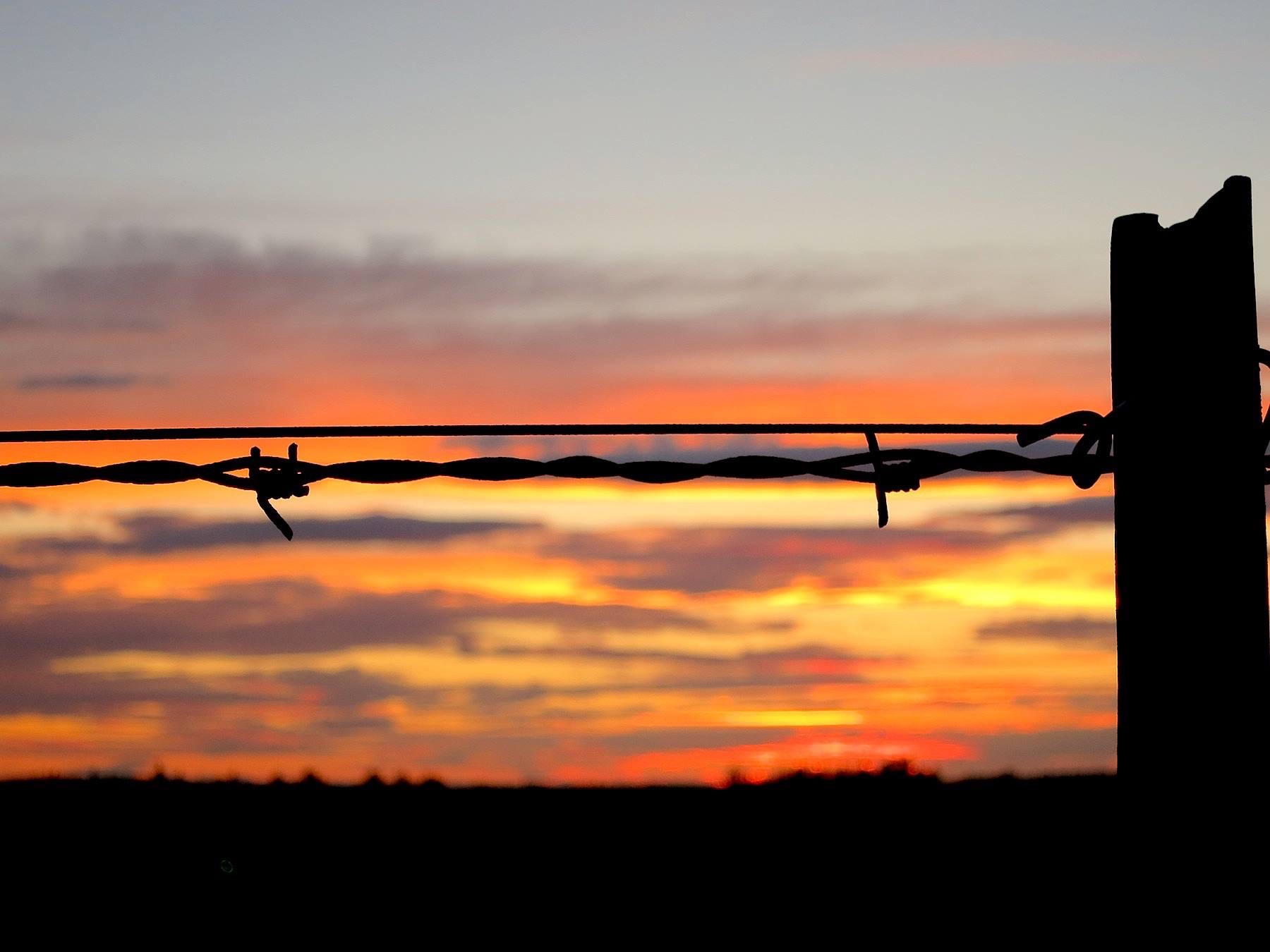
Learning the Hard Way

There are three kinds of men.
The ones that learn by reading.
The few who learn by observation. 
The rest of them have to pee on the electric fence for themselves.
~Will Rogers

We living creatures learn from the moment we take our first breath. We continue to learn until our last breath. With that lifetime of learning, one would think eventually we should find some semblance of wisdom.

But we don’t. We tend to learn the hard way especially when it comes to matters having to do with our (or others’) health and well-being.

Within a community, we want autonomy to do as we like, no matter what the science says. You’d think we’d know better, but as fallible human beings, we may impulsively make decisions about health issues. Is it evidence-based or simply an anecdotal story about what “worked” or “didn’t work” for someone else?

We’re facing at least four years of a new administration encouraging us all to “pee on the electric fence” and learn for ourselves rather than trust science. Careful research, years of observed experience, and plain common sense isn’t enough to trust public health and infectious disease experts to make wise recommendations about community and individual risk and prevention strategies.

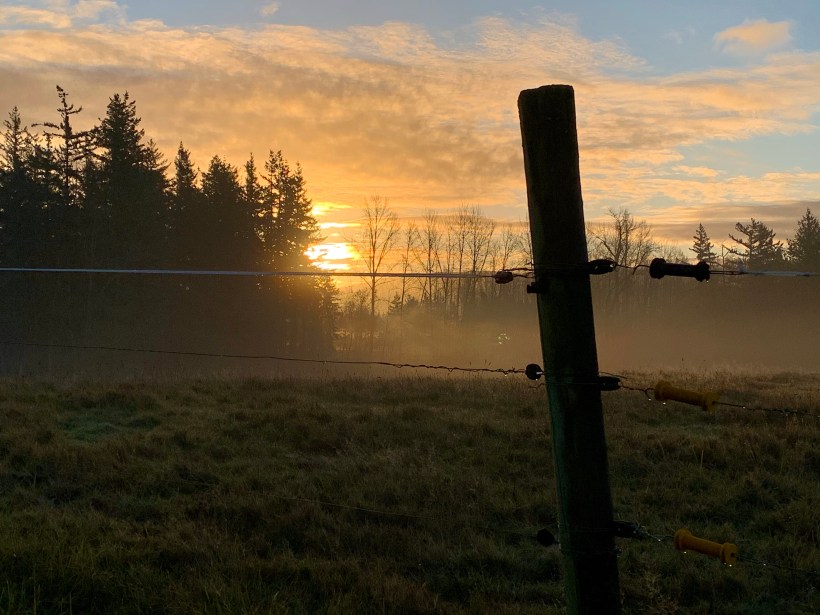
The cows and horses on our farm need to touch an electric fence only once when reaching for greener grass on the other side. That moment provides a potent learning curve for them to make important future decisions. They won’t try testing it again no matter how alluring thngs appear on the other side. Humans should learn as quickly as animals but unfortunately don’t.

I know all too well what a shock feels like and I want to avoid repeating that experience.  Even so, in unguarded careless moments of feeling invulnerable (it can’t happen to me!) or annoyed at being told what I can and can’t do, or simply indulging in magical thinking, I find myself reaching for the greener grass. 

I suspect I’m not alone in my surprise when I’m jolted back to reality.

Many great minds have worked out various theories of effective learning, but, great mind or not, Will Rogers confirms a common sense suspicion: an adverse experience, like a “bolt out of the blue,” can be a powerful teacher. 

So we call peeing on an electric fence it “a teachable moment.”

Sadly, when we learn the hard way, it often ends up hurting everyone.

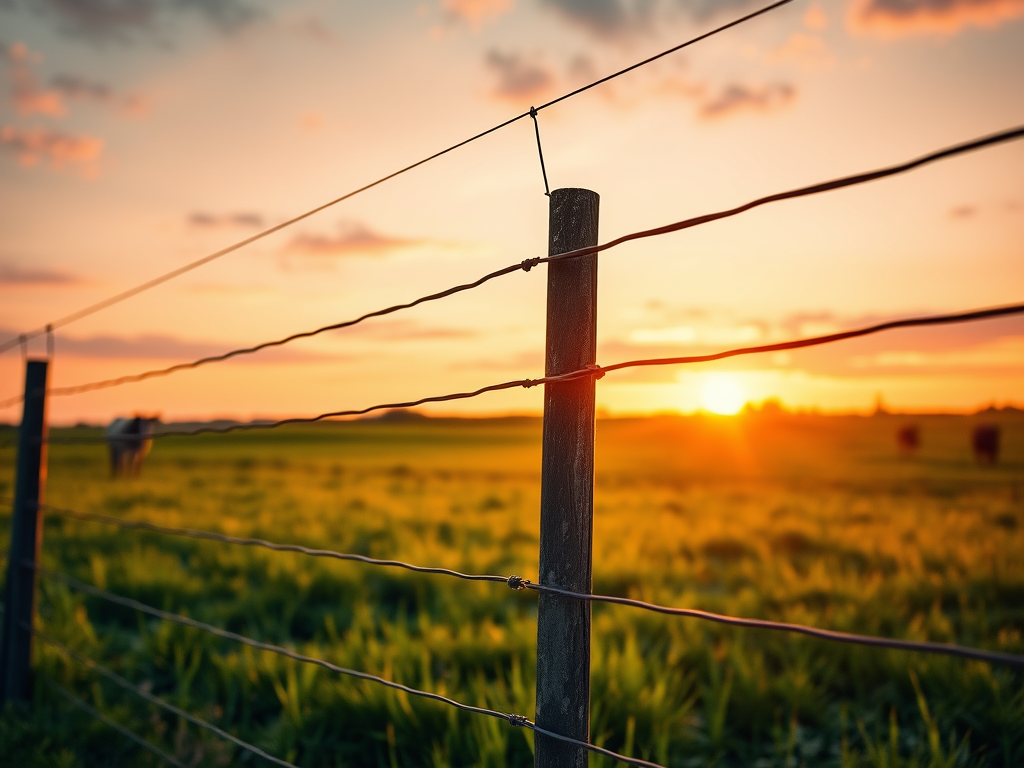
AI image created for this post

One-Time
Monthly
Yearly

Make a one-time or recurring donation to support daily Barnstorming posts

Make a monthly donation

Make a yearly donation

Choose an amount

$10.00
$25.00
$50.00
$5.00
$15.00
$100.00
$5.00
$15.00
$100.00

Or enter a custom amount

$

Your contribution is deeply appreciated.

Your contribution is appreciated.

Your contribution is appreciated.

DonateDonate monthlyDonate yearly

To Break Your Heart

Here is a story
to break your heart.
Are you willing?
This winter
the loons came to our harbor
and died, one by one,
of nothing we could see.
A friend told me
of one on the shore
that lifted its head and opened
the elegant beak and cried out
in the long, sweet savoring of its life
which, if you have heard it,
you know is a sacred thing.,
and for which, if you have not heard it,
you had better hurry to where
they still sing.
And, believe me, tell no one
just where that is.
The next morning
this loon, speckled
and iridescent and with a plan
to fly home
to some hidden lake,
was dead on the shore.
I tell you this
to break your heart,
by which I mean only
that it break open and never close again
to the rest of the world.
~Mary Oliver “Lead” from New and Selected Poems

Why shouldn’t we go through heartbreaks?

…if through a broken heart
God can bring His purposes to pass in the world,
then thank Him for breaking your heart.
~Oswald Chambers from “Ye are not your own” from My Utmost for the Highest

These last two years have seen an epidemic of heart-break.

Due to hospital visitor restrictions, thousands of loved ones have died of COVID without family by their side, deprived of the solace of hearing familiar voices and being touched by familiar hands. A weary and over-worked health care team can only do so much in their efforts to comfort and console when so many patients are losing their battle with the virus at the same time. Although nurses and doctors have always been witnesses to the cries of the dying and the weeping of the grief-stricken, that is usually together at the bedside.

An iPad screen isn’t the same for those saying good-bye forever.

For all the advances of our modern society – through technology and communication and the development of medical miracles – people still die and others still grieve and weep over their loss. We’re not used to dying happening with such frequency to those who have no business dying in the first place. We assume death rates exceeding birth rates happens only in third world countries beset with drought or plague.

Not any more.

So my heart is tender – for those lost, for those left behind, for those trying their best to save lives when they are weary and ill themselves, for the irony of hundreds of thousands of unnecessary deaths when the preventive measures available to us all are so clear-cut.

If anything, a breaking heart is an open invitation for the solace of a God who himself had no business dying in the first place, but did. He cried out in a long, sweet savoring of his life and ours, saving us in the process.

One-Time
Monthly
Yearly

Make a one-time or recurring donation to Barnstorming

Make a monthly donation

Make a yearly donation

Choose an amount

¤5.00
¤10.00
¤20.00
¤5.00
¤15.00
¤100.00
¤5.00
¤15.00
¤100.00

Or enter a custom amount

¤

Your contribution is deeply appreciated.

Your contribution is appreciated.

Your contribution is appreciated.

DonateDonate monthlyDonate yearly
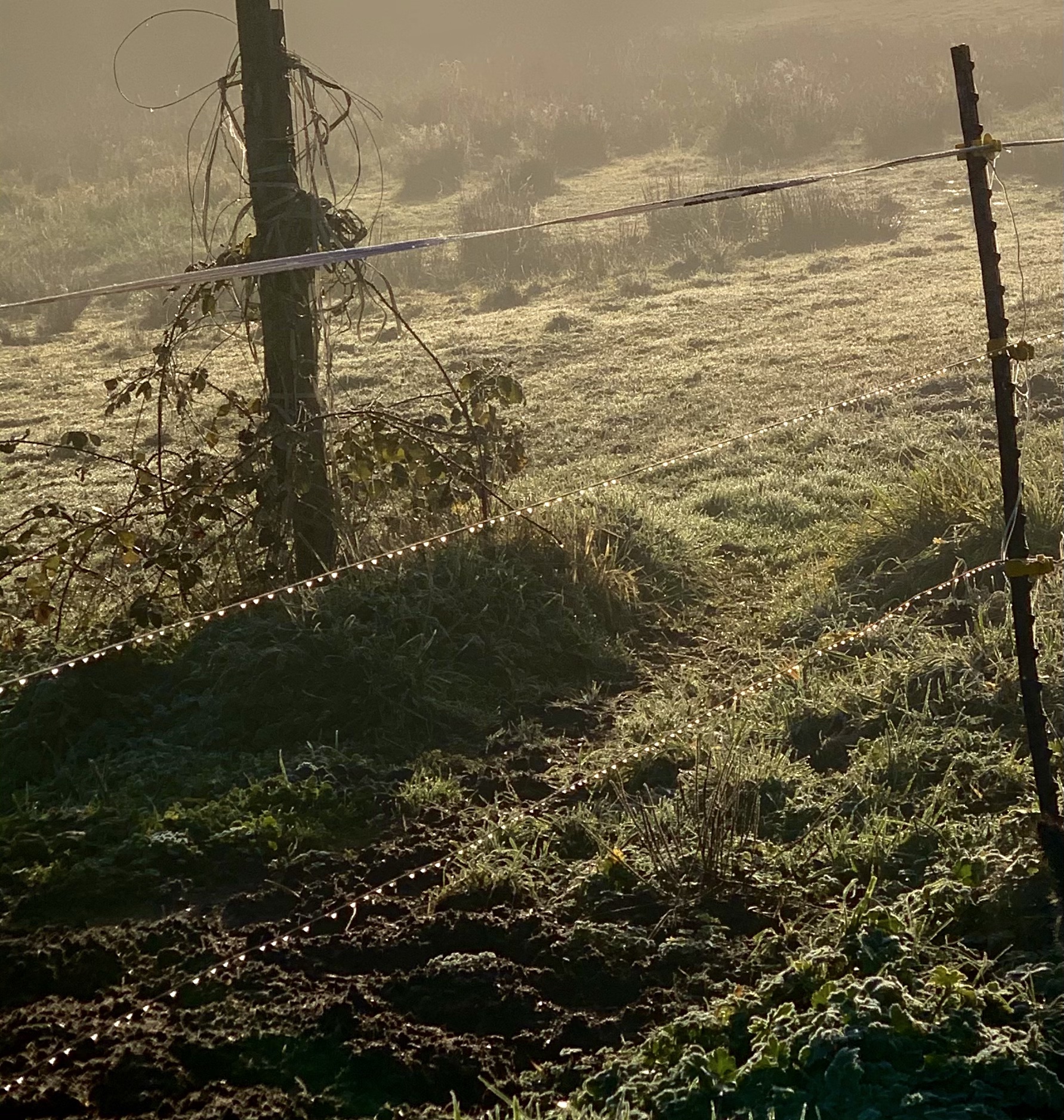
This Garden Entrusted to Me

The wind, one brilliant day, called
to my soul with an odor of jasmine.

“In return for the odor of my jasmine,
I’d like all the odor of your roses.”

“I have no roses; all the flowers
in my garden are dead.”

“Well then, I’ll take the withered petals
and the yellowed leaves and the waters of the fountain.”

The wind left.  And I wept. And I said to myself:
“What have you done with the garden that was entrusted to you?”
~Antonio Machado “The Wind, One Brilliant Day” translated by Robert Bly

This garden bloomed with potential,
entrusted to me for 32 years:
the health and well-being of 16,000 students,
most thriving and flourishing,
some withering, their petals falling,
a few have been lost altogether.

As the winds of time sweep away
another group of graduates from my care,
to be blown to places unknown,
their beauty and fragrance gone from here.

I marvel at their growth,
but also weary weep for those who left too soon,
wondering if I failed to water them enough –
or is it I who am parched in this garden
with a thirst unceasing, my roots reaching deep
into drought-stricken soil,
ever so slowly drying out?

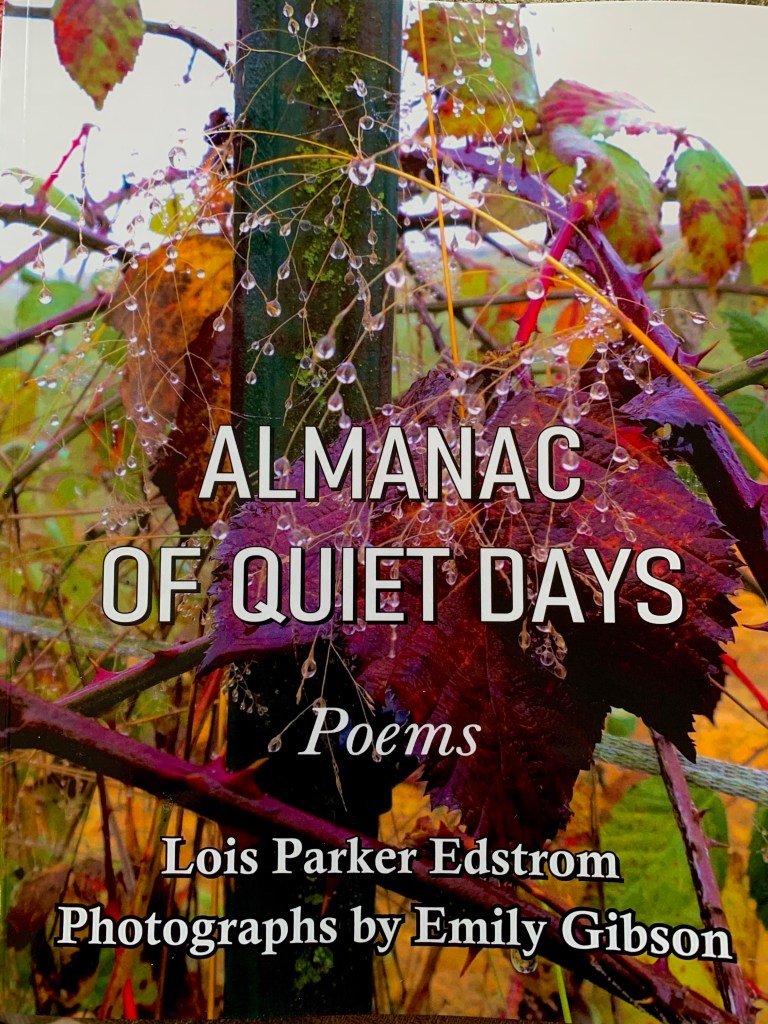
A new book from Barnstorming available for order here:


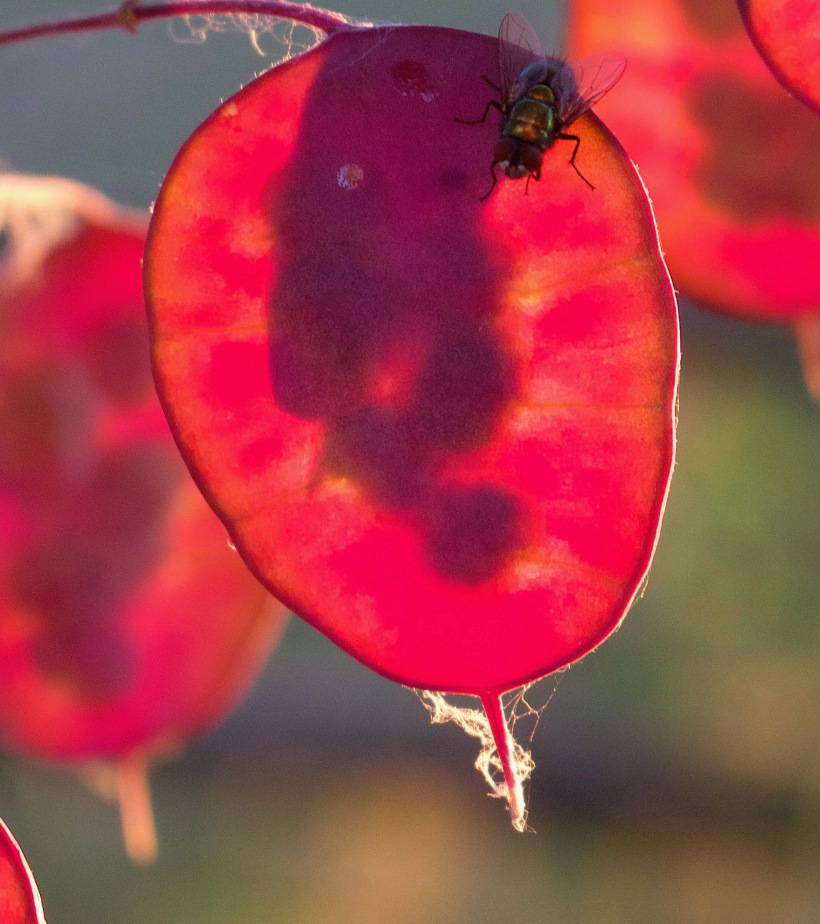
The Fly in the Currant Cake

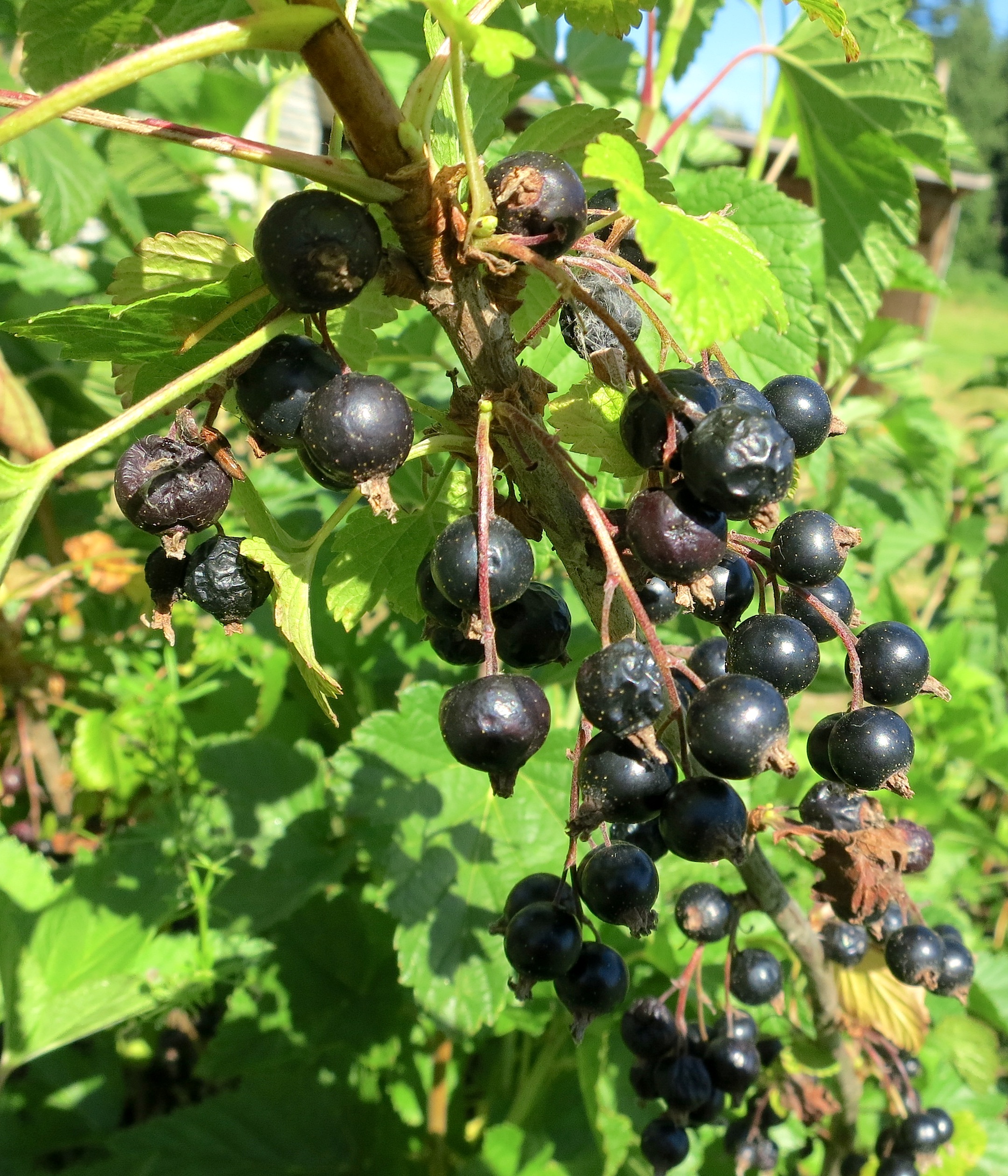
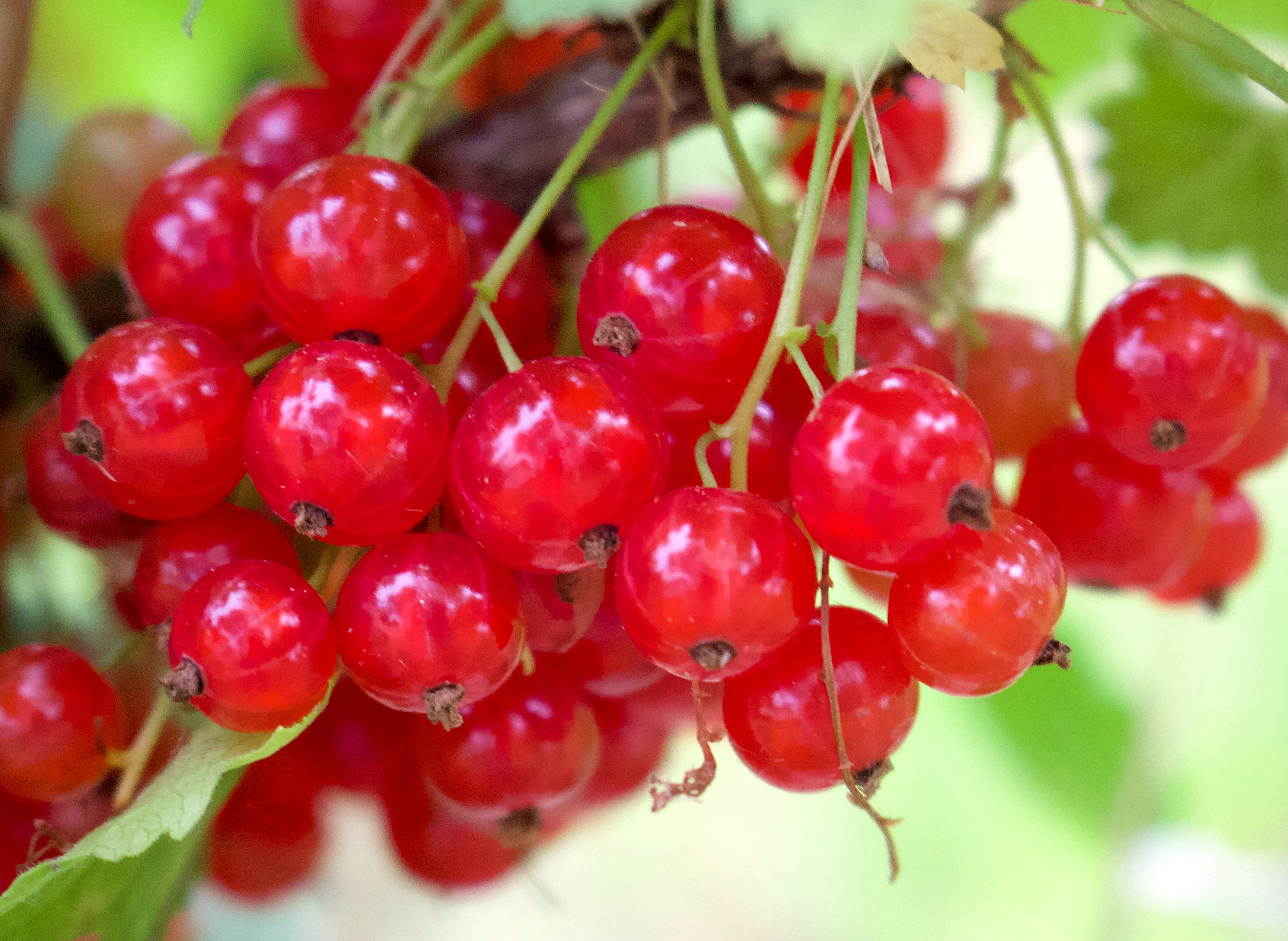
Nothing seems to please a fly so much as to be taken for a currant;
and if it can be baked in a cake and palmed off on the unwary, it dies happy.
~Mark Twain

Today I will wrap up 45 years of uninterrupted training and doctoring. Most of that time, I have worried I’m like a fly hiding among the black currants hoping to eventually become part of the currant cake. 

Maybe no one has noticed. These days we call it the “impostor” syndrome. Mark Twain knew all about currant cake and how easy it was for a fly to blend into its batter.

Even while bearing three children and going through a few surgeries myself, I’ve not been away from patients for more than twenty consecutive days at any one time.  This is primarily out of my concern that, even after a few weeks, I would forget all that I’ve ever known. In fact, half of what I learned in medical school and residency over forty years ago has evolved, thanks to new discoveries and clarifying research. I worried if I were to actually to step away from doctoring for an extended time, then return to see patients again, I would be masquerading as a physician rather than be the real thing. A mere fly among the currants palmed off on the unwary.

If being truly honest, those who spend their professional lives providing medical care to others always share this concern: if a patient only knew how much we don’t know and will never know, despite everything we DO know, there would really be no trust left for us at all.

Of course, some say, didn’t the COVID pandemic prove our ignorance? Physicians started at Ground Zero with a novel virus with unclear transmissibility and immense potential to wreak havoc on the human body … or cause no symptoms whatsoever. We had no collected data to base prevention or treatment decisions: would masks just protect others or would they only protect ourselves, or maybe they protect both? Could a common inexpensive anti-inflammatory/antimalarial drug be beneficial or would a parasitic wormer medication be somehow effective to fight the devastation of the virus?

Effective treatments are still being sought all these months later; others have been debated, studied and discarded as worthless.

Or would this pandemic finally resolve thanks to effective yet controversial public health mandates while rapidly distributing highly effective vaccines developed from many prior years of carefully performed research?

During the past 16 months, your next door neighbor, or the loudest tweet on Twitter proclaimed more expertise than the average medical professional and definitely had a stronger opinion. At least we doctors knew how much we didn’t know and how much was simply guess work based on experience, good intentions and hopeful prayer. Gradually, while lives were lost, including too many of our own, real data began to trickle in so decisions could be made with some evidence backing them. But even that data continues to evolve, day by day, as authentic medical evidence always does.

That doesn’t stop all the “quack” flies out there from climbing into the batter pretending to be currants. With so much rapidly changing medical information at everyone’s fingertips, who needs a trained physician when there are so many other resources – sketchy and opportunistic though they may be – for seeking health care advice?

Even so, I am convinced most patients really do care that doctors share the best information they have available at any point in time. None of us who are doctoring wants to be the “fly” in the batter of health care.

As I meet with my last patient today, I know over forty years of clinical experience has given me an eye and an ear for the subtle signs and symptoms that no googled website or internet doc-in-the-box can discern.  The avoidance of eye contact, the tremble of the lip as they speak, the barely palpable rash, the hardly discernible extra heart sound, the fullness over an ovary, the slight squeak in a lung base.  These are things I am privileged to see and hear and about which I make decisions together with my patients.  What I’ve done over four decades has been no masquerade; out of my natural caution, I am not appearing to be someone I am not.  This is what I was trained to do and have done for thousands of days and many more thousands of patients during my professional life, while passing a comprehensive certification examination every few years to prove my continued study and changing fund of knowledge.

The hidden fly in the currant bush of health care may be disguised enough that an unwary patient might gobble it down to their ultimate detriment. I know I’ve not been that doctor. I’ve been the real thing all these years for my patients, even if I’ve seemed a bit on the tart side at times, yet offering up just enough tang to be exactly what was needed in the moment and in the long term.

And someday, hopefully not too soon, I will die happy having done this with my life.

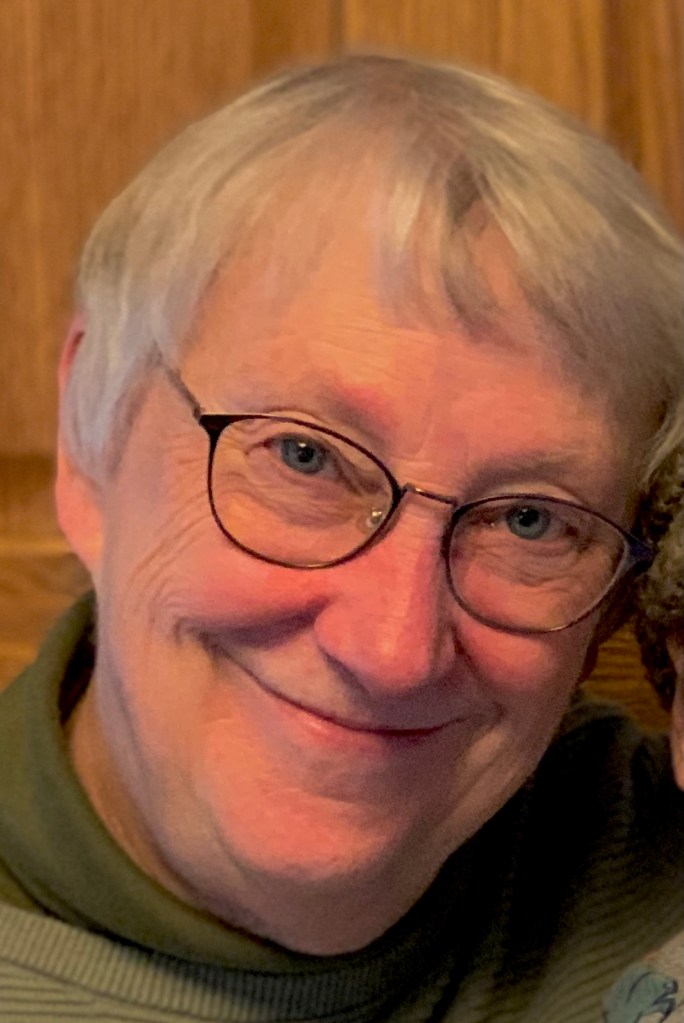
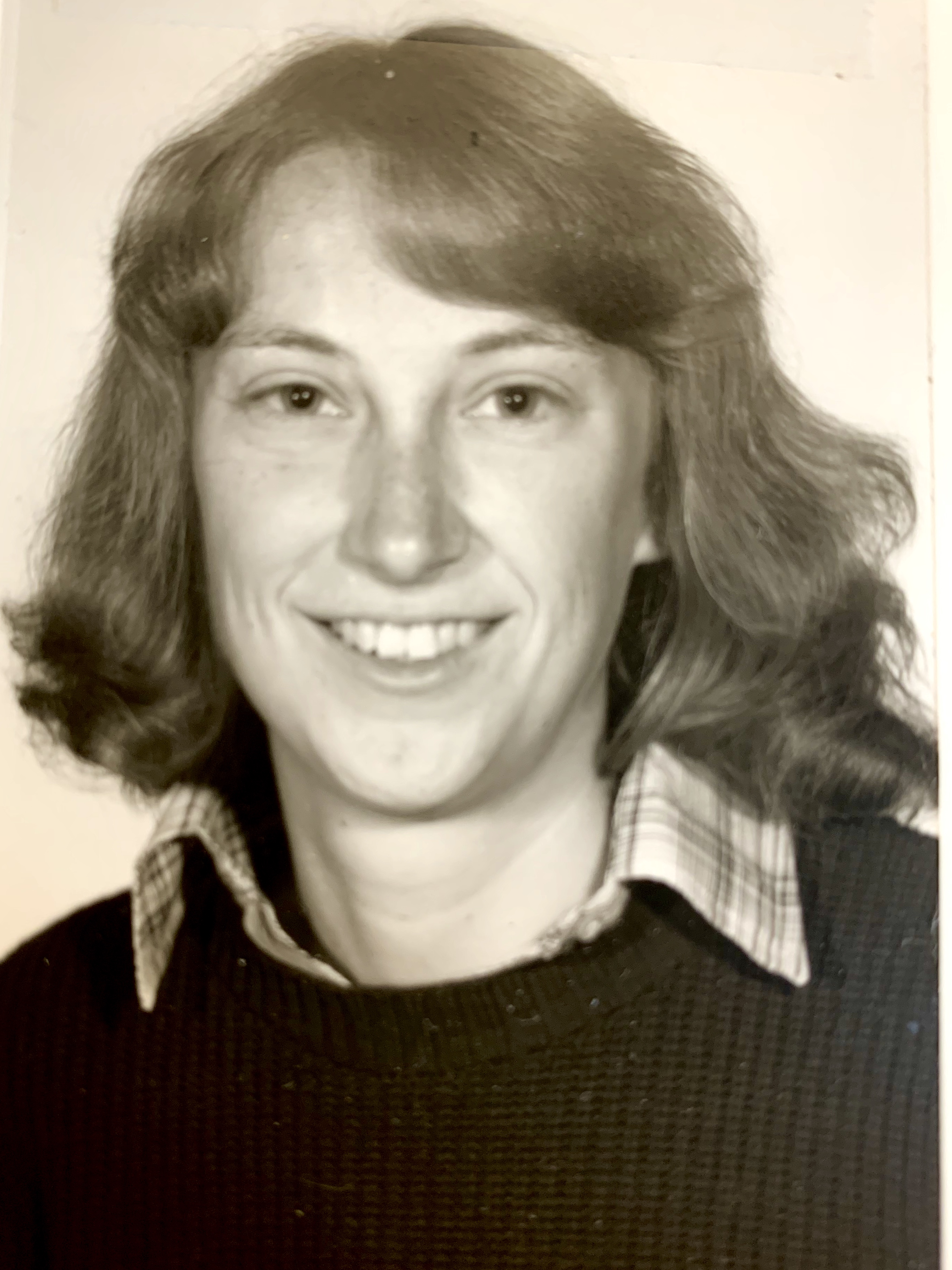
My ID photo from my first year of medical school 1976
45 years later…

A new book from Barnstorming is available to order here:

Waiting in Wilderness: Heaven and I Wept Together

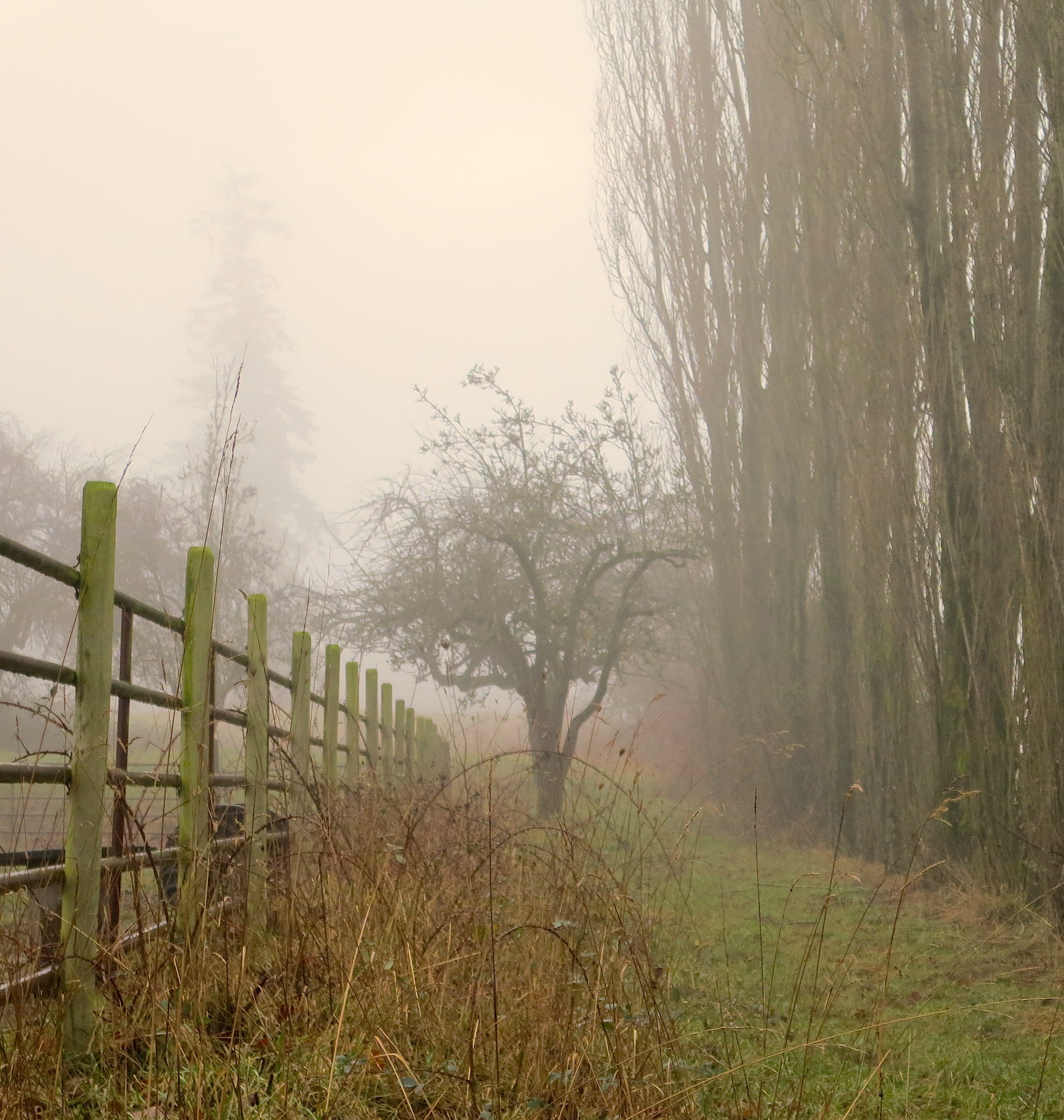
fog101926

And so you have a life that you are living only now,
now and now and now,
gone before you can speak of it,
and you must be thankful for living day by day,
moment by moment …
a life in the breath and pulse and living light of the present…

~Wendell Berry from Hannah Coulter

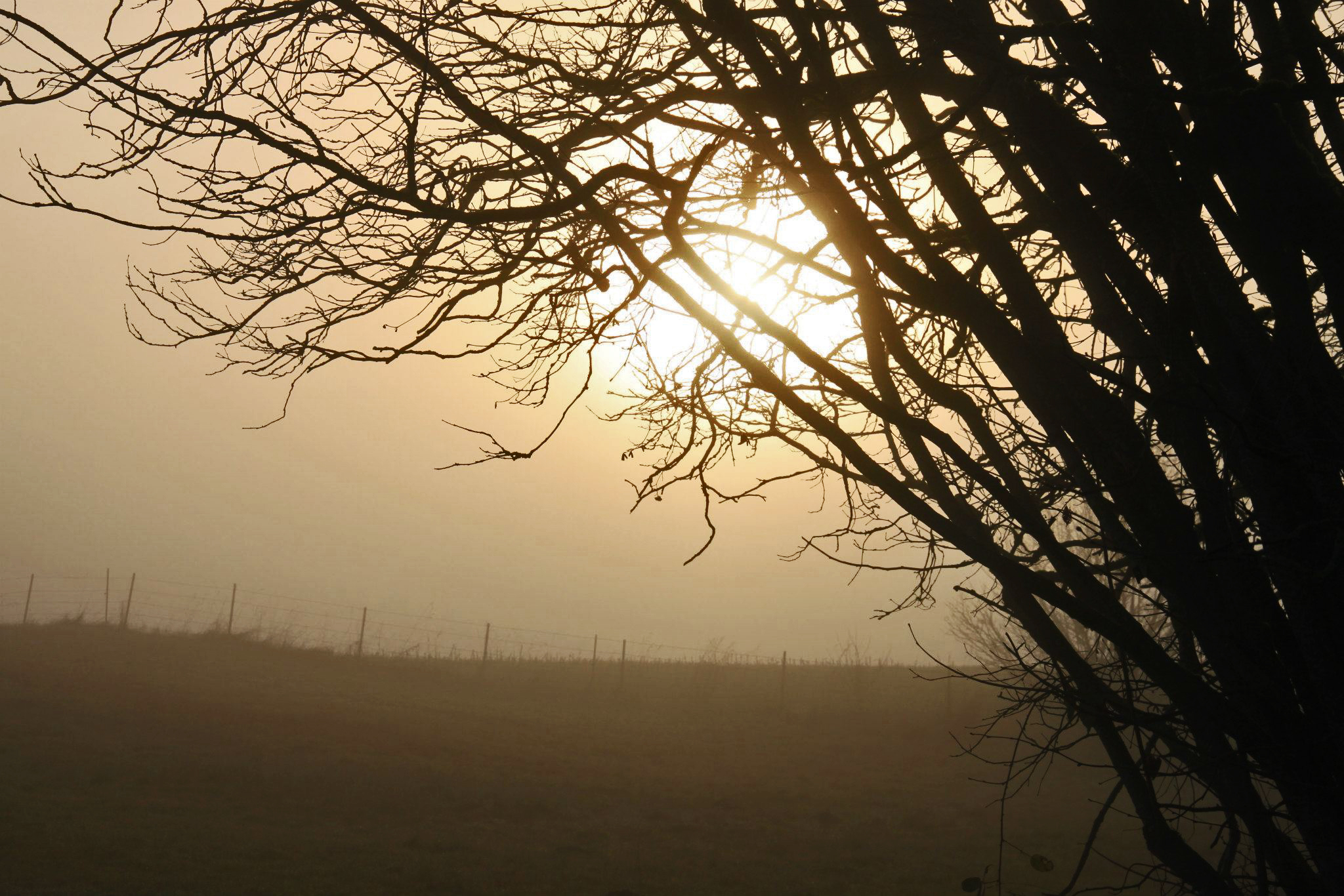
fog1228141

~Lustravit lampade terras~
(He has illumined the world with a lamp)
The weather and my mood have little connection.
I have my foggy and my fine days within me;
my prosperity or misfortune has little to do with the matter.
– Blaise Pascal from “Miscellaneous Writings”

foggyfield
photo by Nate Gibson

I laughed in the morning’s eyes.
I triumphed and I saddened with all weather,
Heaven and I wept together,
and its sweet tears were salt with mortal mine.
Against the red throb of its sunset heart,
I laid my own to beat
And share commingling heat.

Rise, clasp my hand, and come.
Halts by me that Footfall.
Is my gloom, after all,
Shade of His hand, outstretched caressingly?
Ah, Fondest, Blindest, Weakest,
I am He whom thou seekest.
Thou dravest Love from thee who dravest Me.

~Francis Thompson from “The Hound of Heaven”

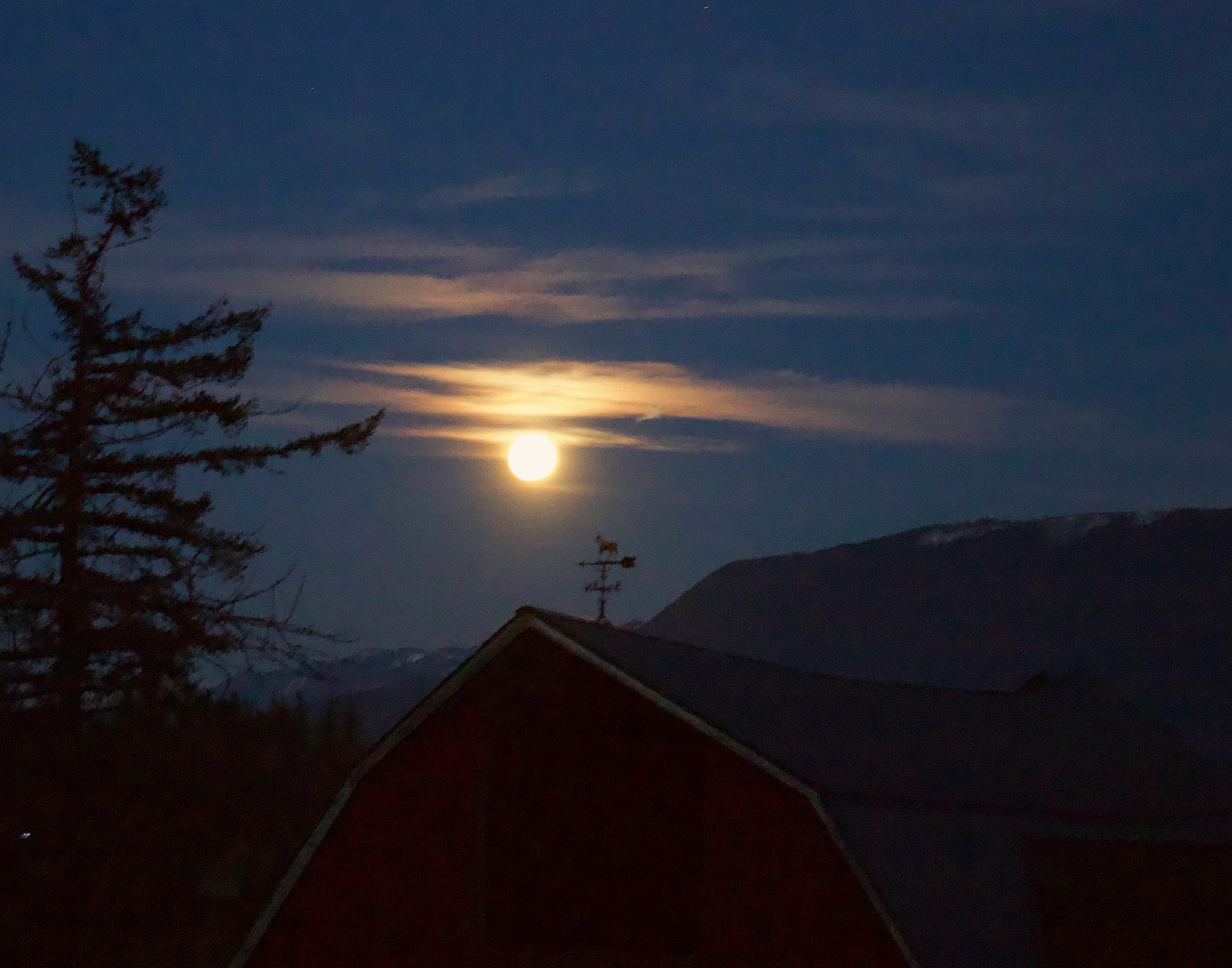
supermoonbarn

My days are filled with anxious and sad patients,
one after another after another. 
They sit in front of their screen
and I in front of mine,
so close yet so far from each another –
a wilderness of unexpressed emotions.

They struggle to hold back the flood from brimming eyes.  
Each moment, each breath, each heart beat overwhelmed by questions: 
How to take yet another painful breath of this sad life?  must there be another breath?  
Must things go on like this in fear of what the next moment will bring?

The only thing more frightening than the unknown is the knowledge
that the next moment will be just like the last or perhaps worse. 
There is no recognition of a moment just passed
that can never be retrieved and relived.  
There is only fear of the next and the next
so that now and now and now is lost forever.

Worry and sorrow and angst are more contagious than any viral pandemic.
I mask up and wash my hands of it throughout the day.
I wish there was a vaccine to protect us all from our unnamed fears in the wilderness.

I want to say to them and myself:
Stop this moment in time.
Stop and stop and stop.
Stop expecting this feeling must be “fixed.”
Stop wanting to be numb to all discomfort.
Stop resenting the gift of each breath.
Just stop.
Instead, simply be
in the now and now and now.

I want to say:
this moment, foggy or fine, is yours alone,
this moment of weeping and sharing
and breath and pulse and light.
Shout for joy in it.
Celebrate it.
Be thankful for tears that can flow over grateful lips
and stop holding them back.

Stop me before I write,
out of my own anxiety over you,
yet another prescription
you don’t really need.

Just be–
and be blessed–
in the now and now and now.

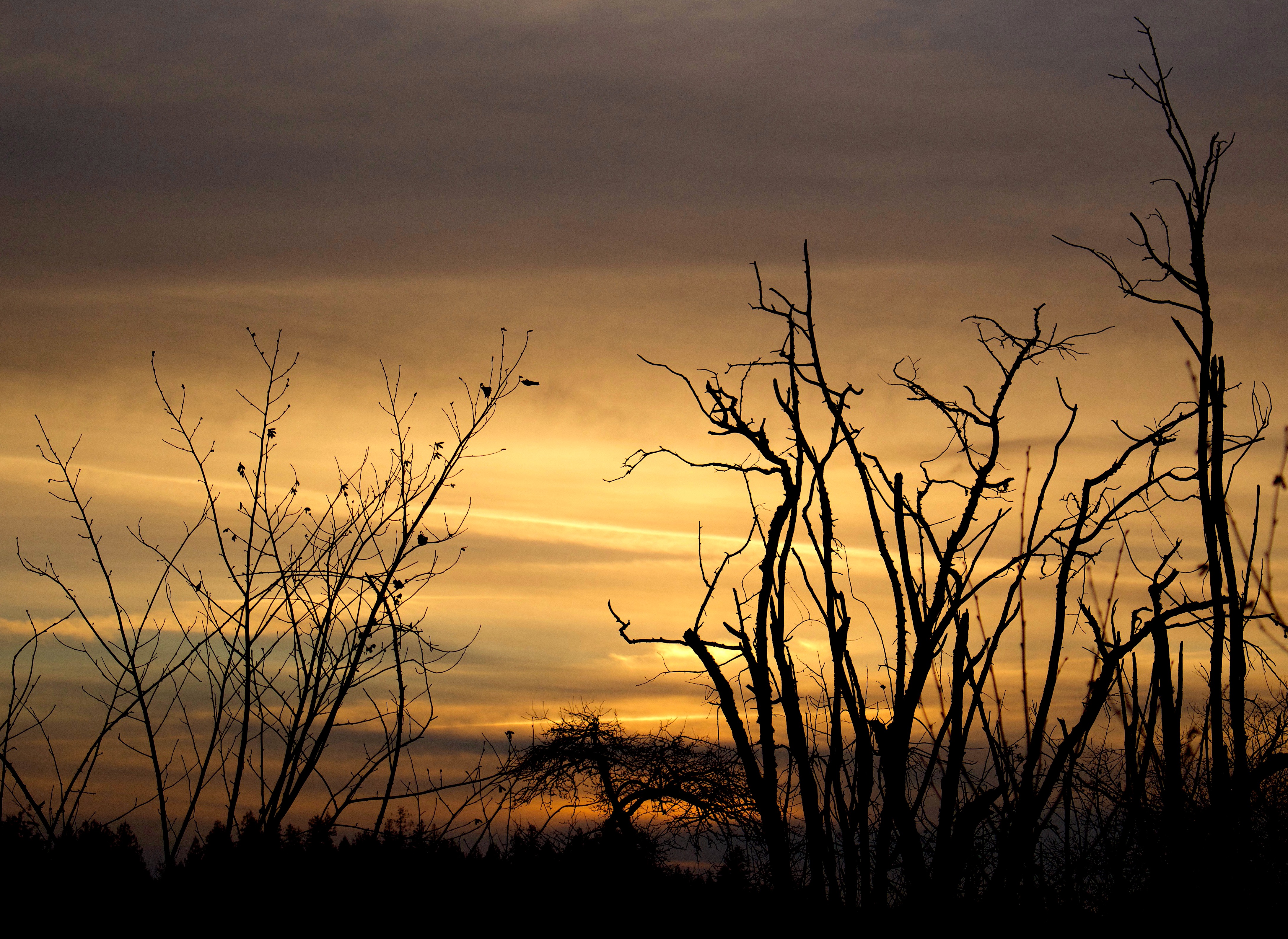
sunset15183

Absorbing the Shock

There are three kinds of men.
The ones that learn by reading.
The few who learn by observation. 
The rest of them have to pee on the electric fence for themselves.
~Will Rogers

Learning is a universal human experience from the moment we take our first breath.  It is never finished until the last breath is given up.  With a lifetime of learning, one would think eventually we should get it right.

But we don’t.  We tend to learn the hard way especially when it comes to matters having to do with our (or others’) health.

As physicians in training, we “see one, do one, teach one.”   That kind of approach doesn’t always go so well for the patient.   As patients, we like to eat, drink, and live how we wish, demanding what interventions we want only when we want them – this also doesn’t go so well for the patient.  You’d think we’d know better, but as fallible human beings, we may impulsively make decisions about our health without actually using our heads (is it evidence-based or simply an anecdotal story about what “worked” for someone else?).

The cows and horses on our farm need to touch an electric fence only once when reaching for greener grass on the other side.  That moment provides a sufficient learning curve for them to make an important decision.  They won’t try testing it again no matter how alluring the world appears on the other side.   Humans are smarter sentient beings who should learn as quickly as animals but unfortunately don’t.  I know all too well what a shock feels like and I want to avoid repeating that experience.  Even so, in unguarded careless moments of feeling invulnerable (it can’t happen to me!), and yearning to have what I don’t necessarily need,  I may find myself reaching for the greener grass (or another cookie) even though I know better.   I suspect I’m not alone in my surprise when I’m jolted back to reality when I continually indulge myself and climb on the scale to see the results.

Many great minds have worked out various theories of effective learning, but, great mind or not, Will Rogers confirms a common sense suspicion: an adverse experience, like a “bolt out of the blue,” can be a powerful teacher.  As clinicians, we call it “a teachable moment.”  None of us want to experience a teachable moment — none of us, and we resent it when someone points it out to us.

When physicians and patients learn the hard way, we need to come along aside one another rather than work at cross-purposes.

It just might help absorb the shock.

You Never Know

What shall I say, because talk I must?
That I have found a cure
for the sick?
I have found no cure
for the sick

but this crooked flower
which only to look upon
all men
are cured. This
is that flower
for which all men
sing secretly their hymns
of praise! This
is that sacred
flower!
~William Carlos Williams from “The Yellow Flower”

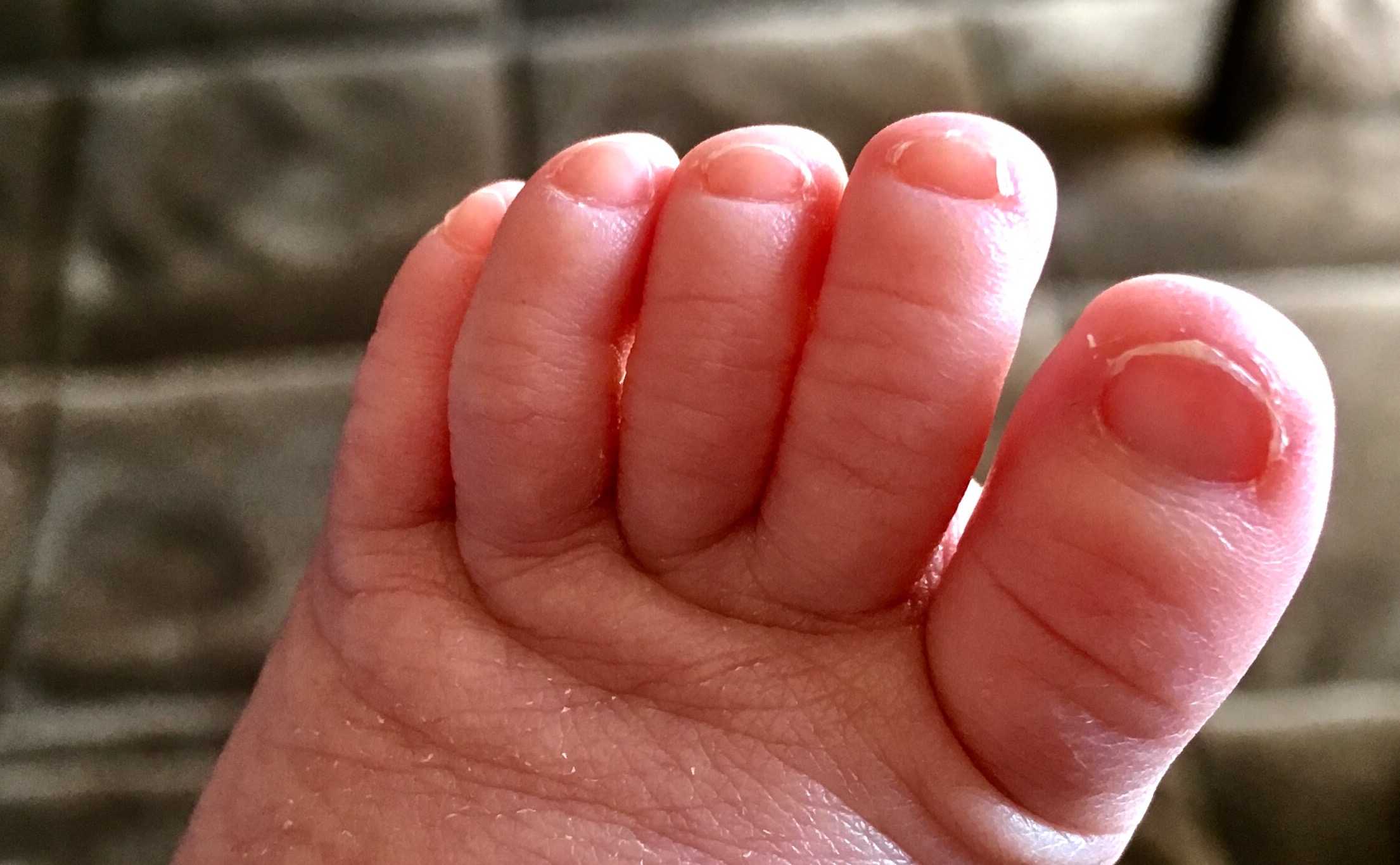
The nail of each big toe was the horn of a goat.  Thick as a thumb and curved, it projected down over the tip of the toe to the underside.  With each step, the nail would scrape painfully against the ground and be pressed into his flesh.  There was dried blood on each big toe. 

It took an hour to do each big toe.  The nails were too thick even for my nail cutters.  They had to be chewed away little by little, then flattened out with the rasp, washed each toe, dried him off, and put his shoes and socks back on.  He stood up and took a few steps, like someone who is testing the fit of a new pair of shoes. 

“How is it?”

“It don’t hurt,” he said, and gave me a smile that I shall keep in my safety deposit box at the bank until the day I die.

I never go to the library on Wednesday afternoon without my nail clippers in my briefcase.
You just never know.

~Richard Selzer from “Toenails” from Letters to a Young Doctor

I know for a while again
the health of self-forgetfulness,
looking out at the sky through
a notch in the valleyside,
the black woods wintry on
the hills, small clouds at sunset
passing across. And I know
that this is one of the thresholds
between Earth and Heaven,
from which even I may step
forth and be free.
– Wendell Berry from “Sabbath Poems”

Whenever I lose perspective about what I’m trained to do
and who I am meant to serve,
when I wallow in the mud of self-importance
rather than in the health of self-forgetfulness~

I wash out a plug of wax from a deaf ear
and restore hearing
or remove a painful thorn in a thumb
or clip someone’s crippling toenails
so they can step forth in freedom
or I simply sit still as someone
cries out their heart’s pain.

I cling to the crooked flower
of healing and forgiveness I was handed
over forty years ago in order to share
its sacred sweetness.

I’ve been given these tools for a reason
so need to continue to use them.

You just never know.

He Accepts Us As We Are: Love Renders Us Worthy

Our job is to love others
without stopping to inquire
whether or not they are worthy.
That is not our business and, in fact,
it is nobody’s business.

What we are asked to do is to love,
and this love itself will render
both ourselves and our neighbors
worthy if anything can.
~Thomas Merton from  Catholic Voices in a World on Fire

This is a time of too many seriously ill people and too few resources to care for them intensively, therefore doctors and nurses are placed in an ethical dilemma: they must decide who receives the critical care needed to save them and who doesn’t. It is an awful and awe-filled dilemma – no one wants to be in the position of deciding who is “worthy” of the only ventilator available, or the scarce medication, or the only empty ICU bed. Yet medical professionals are trained in triage to assess who is most likely to survive thanks to an extreme and immediate intervention and who would be unlikely to survive – essentially, who is “worthy.”

Thankfully, God doesn’t have to triage His children, deciding who gets His intervention and who must wait or go without care. God is not faced with limited resources. God has no dilemma about our worthiness: we are worthy because He loves us and we are His.

So should we love one another as best we can, even in times like these. We share, we give, we serve, and yes, we will sacrifice.

No less than what God has done for us.

This year’s Lenten theme for Barnstorming:

God sees us as we are,
loves us as we are,
and accepts us as we are.
But by His grace,
He does not leave us where we are.
~Tim Keller

1 O Love that wilt not let me go,
I rest my weary soul in thee;
I give thee back the life I owe,
that in thine ocean depths its flow
may richer, fuller be.

2 O Light that follow’st all my way,
I yield my flick’ring torch to thee;
my heart restores its borrowed ray,
that in thy sunshine’s blaze its day
may brighter, fairer be.

3 O Joy that seekest me through pain,
I cannot close my heart to thee;
I trace the rainbow thro’ the rain,
and feel the promise is not vain
that morn shall tearless be.

4 O Cross that liftest up my head,
I dare not ask to fly from thee;
I lay in dust life’s glory dead,
and from the ground there blossoms red,
life that shall endless be.

Take the Hand You Know Belongs in Yours

I think of the story
of the storm and everyone
waking and seeing
the distant
yet familiar figure
far across the water
calling to them…

…so that when 
we finally step out of the boat 
toward them, we find
everything holds
us, and everything confirms
our courage, and if you wanted 
to drown you could, 
but you don’t 
because finally 
after all this struggle
and all these years
you don’t want to any more
you’ve simply had enough
of drowning
and you want to live and you 
want to love and you will
walk across any territory
and any darkness
however fluid and however
dangerous to take the
one hand you know
belongs in yours.
~David Whyte from “The Truelove” in The House of Belonging

Yesterday was the wrap-up to my thirtieth academic year working as a college health physician.  Despite budget challenges, inadequate staffing, a higher severity of illness in a patient population with burgeoning mental health needs,  our staff did an incredible job this year serving students and their families with the resources we do have.  

Reaching the end of the school year is always poignant: we will miss the graduating students we have gotten to know so well over four or five (or six!) years,  while we watch others leave temporarily for the summer, some to far away places around the globe.

We weep for those who have failed out, given up or fallen away from those who care deeply about them, some never to return to school again, and a few giving up on life itself. They did not take the hand offered to guide them through, even though they tired of drowning.

In my work I have tried to do what is needed when it is needed no matter what time of the day or night.  There are obviously times when I fall short– too vehement when I need to be quiet, too urgent and pressured when I need to be patient,  too anxious to do something/anything when it is best to simply do no harm.

I can only hold out my hand and wait. 

Each year I learn enough from each patient to fill volumes, as they speak of their struggles, their pain, their stories and sometimes hearing, most tragically, their forever silence.

I honor you, our students, on this day, to confirm your courage stepping out from the safety of the boat — not to drown, never to drown — but wanting to live, wanting to love, wanting to move healthier, better equipped and joyful into the rest of your lives.

Just take the outreached Hand that belongs in yours.