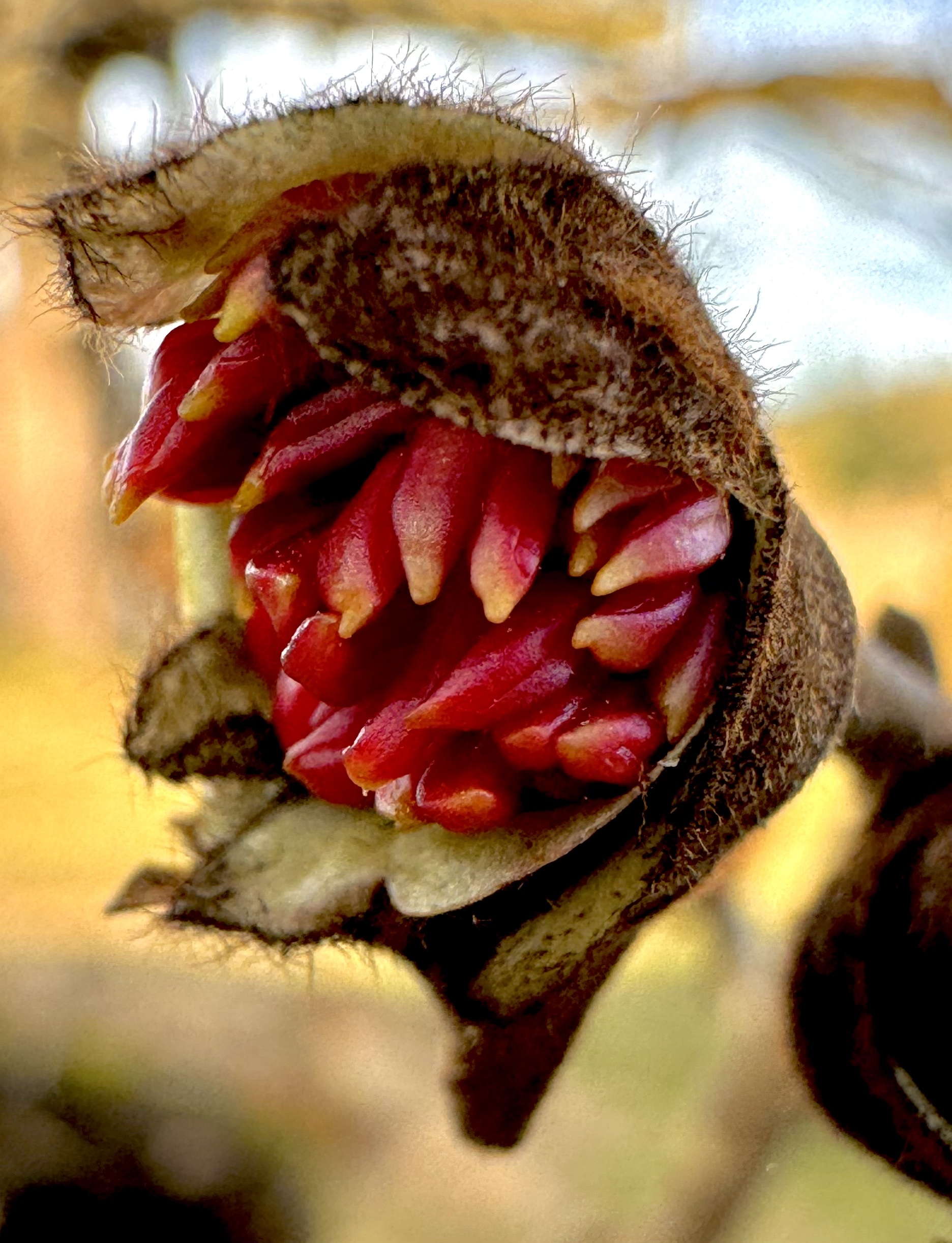
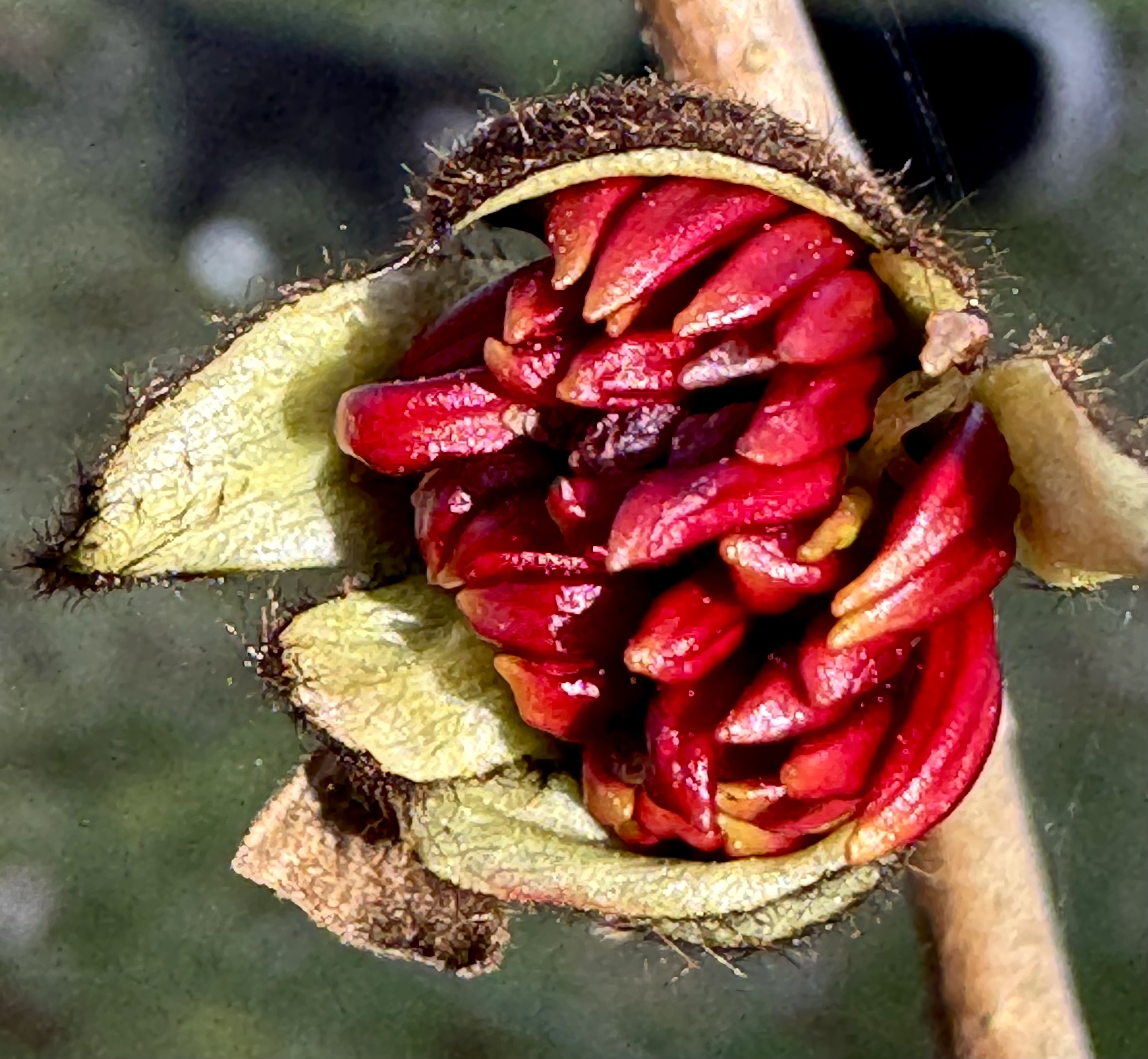
Open Wide

“Open thy mouth wide, and I will fill it,” reads the needlepoint
above the dentist’s door, beyond which “Little Learners”
are doing time in the chair. One at a time, up and down,
they practice how to be not afraid, to tip their chins,
spit. And then to brush in circles gently
for two minutes. No blood today, no needles, drills,
just a plastic sack of gifts: a magnet of a happy tooth,
a purple toothbrush, paste. …when they’re all lined up and holding
hands in pairs, they lift their faces as if toward God
to the camera. Having been happily trained for pain,
they flash their unharmed smiles, and in my mind, I exit
with them, all my ex-selves, mittens attached
to their jackets, bright and unbreakable.
~Dierdre O’Connor from “At the Dentist’s” from The Cupped Field
One thing I like less than most things is sitting in a dentist chair
with my mouth wide open.
And that I will never have to do it again

is a hope that I am against hope hopen.

Because some tortures are physical and some are mental,
But the one that is both is dental.
It is hard to be self-possessed
With your jaw digging into your chest.

So hard to retain your calm
When your fingernails are making serious alterations

in your life line or love line
or some other important line in your palm;

So hard to give your usual effect of cheery benignity
When you know your position is one of the two or three in life
most lacking in dignity.

And your mouth is like a section of road that is being worked on.
And it is all cluttered up with stone crushers

and concrete mixers and drills and steam rollers
and there isn’t a nerve in your head that
you aren’t being irked on.

Oh, some people are unfortunate enough
to be strung up by thumbs.
And others have things done to their gums,
And your teeth are supposed to be being polished,
But you have reason to believe they are being demolished.
And the circumstance that adds most to your terror
Is that it’s all done with a mirror,

Because the dentist may be a bear,
or as the Romans used to say,
only they were referring to a feminine bear
when they said it, an ursa,
But all the same how can you be sure

when he takes his crowbar in one
hand and mirror in the other he won’t get mixed up, the way you
do when you try to tie a bow tie with the aid of a mirror, and forget
that left is right and vice versa?

And then at last he says
That will be all; but it isn’t because he then
coats your mouth from cellar to roof
With something that I suspect is generally used to put a shine on a
horse’s hoof.

And you totter to your feet and think. Well it’s all over now and after
all it was only this once.
And he says come back in three monce.
And this, O Fate, is I think the most vicious circle that thou ever sentest, That Man has to go continually

to the dentist to keep his teeth in good
condition when the chief reason

he wants his teeth in good condition
is so that he won’t have to go to the dentist. 

~Ogden Nash “This is Going to Hurt a Little Bit”
Yesterday, as I rested comfortably in the dental chair for a repair of two decades-old fillings in my front teeth, I thought about my childhood dental experiences over 60 years ago.

There was the little round basin with swirling water next to the chair where I was told to spit the bloody stuff accumulating in my mouth as they drilled out the cavities.

Cavities were drilled and filled without novocaine for children. The injection was considered more traumatic than the sensation of the drill. I was a very compliant child, stoic when I was told to be, but tightly gripped the arm rests of that old dental chair as the high-pitched whir of the drill sent pain from my tooth into my brain.

It was, in a word, torture. But that’s how things were done back then.

I did get novocaine injections for several tooth extractions necessary for orthodontia to correct my crooked teeth. No numbing gel, no slow infiltration of the anesthetic into the gums, just one scary giant needle into the gums or hard palate.

I gripped the arm rests even tighter for that.

Dentists back didn’t want to torture children. They simply weren’t trained to do it differently. They didn’t wear gloves, only washing their hands between patients. And they had plenty of on-the-job hazards themselves with mercury exposure and being bitten.

In fact, my childhood dentist was so impressed with my stoicism, he later hired me as a high schooler to be his chair-side assistant several days a week after school. I learned many skills, helping people of all ages cope with a painful experience, but also learned I didn’t have what it takes to be a patient dentist.

I love my current dentist’s gentle technique, his pain-free injection of anesthesia, his reassuring banter and frequent check-ins (“you doing okay?”). Too many older adults still struggle all these years later with dentist-phobia, avoiding routine cleanings and check-ups. I still have all my teeth thanks to several incredibly skilled dental artisans over the decades who have saved my enamel with their sculpted crowns and fillings. I am beyond grateful for their care.

So I sit in the dental chair, put on the sunglasses, and gladly open wide for them.

But, I can’t help it, out of habit and reflex, I still grip the arm rests too tightly.
One-Time
Monthly
Yearly

Make a one-time or recurring donation to support daily Barnstorming posts

Make a monthly donation

Make a yearly donation

Choose an amount

$10.00
$25.00
$50.00
$5.00
$15.00
$100.00
$5.00
$15.00
$100.00

Or enter a custom amount

$

Your contribution is deeply appreciated.

Your contribution is appreciated.

Your contribution is appreciated.

DonateDonate monthlyDonate yearly


Inviting Back the Killers of Yesteryear

Texas has been in the news as the origin of the most recent rubeola measles outbreak, continuing to spread with over 124 cases recorded and one child’s death.  This morning, travelers are informed they were exposed to measles earlier this month at LAX after an international flight brought an infected person to the U.S. Later today, there was a Seattle area case announced.

The potential exponential climb of more rubeola cases is anticipated over the next weeks due to the growing percentage of unvaccinated children due to the “anti-vaccine” movement.

Mr. Kennedy, our new HHS secretary, has a great deal to do with that change in vaccination rates, but I’m not writing about the politics of his views which are popular among a strident minority of citizens.

He does not speak or act in concert with the world’s public health scientists and experts. They have worked tirelessly for decades to develop safe life-saving preventive medical care that has significantly dropped infant and child mortality rates, as well as all-age hospitalizations and deaths from infectious diseases.

It started with the small pox vaccine, routine in the U.S. 175 years ago. It’s now been almost seventy years since effective vaccinations became standard for childhood killers like polio, measles, mumps and whooping cough. People my age and older had no choice but to suffer through childhood infectious diseases, given how quickly they spread through a non-immune community. 

Yes, most of us survived, harboring life-long natural immunity. A significant number did not survive or have suffered life-long complications from the effects of those diseases.

People living in privileged first world countries have forgotten the harsh reality of morbidity and mortality statistics, and too many turn their backs on vaccinations, considering them “too risky” for themselves and their children as these diseases become less common in a mostly vaccinated society. In contrast, millions of people without easy and affordable access to vaccines in third world countries have not forgotten the devastation of these infections. They gladly walk miles to get their children vaccinated to give them a better chance at a long life.

As most measles cases in the U.S. originate from overseas travel, it’s especially critical that Americans be vaccinated when traveling outside the U.S., even to Europe. Those who serve in third world countries and mission fields are particularly vulnerable, and I’ve found it interesting that previously unvaccinated Christians are usually more than willing to accept immunizations when they know the risk of exposure is high where medical care may be minimal.

As a society, we simply don’t think about immunizations in the same way as we did in the 1940s and 50s. When I received my first DPT vaccination at the age of 4 months, my mother wrote in my baby book: “Up most of the night with fever 104.5 degrees,  considered a good ‘take’ for the vaccine.”  She truly was relieved that it had made me so sick, as it meant that I would be safe if exposed to those common killer diseases. Now a febrile reaction like that might be considered grounds for a law suit. Our vaccines have vastly improved with ongoing research to improve their effectiveness and reduce their side effects.

When measles or mumps or pertussis outbreaks reemerge within our borders,  we act surprised when it becomes a major media event — but we shouldn’t be. Diseases that were nearly nonexistent a few years ago are occurring with greater frequency again in modern societies due to misguided and misinformed anti-vaccination campaigns.

As a college health physician, I helped enforce vaccination requirements for a public university. A week didn’t go by without my having a discussion with a prospective student (or more likely the student’s parent) about the necessity for our requirement for proof of mumps, measles, rubella vaccination immunity. 

I am accused of being a pawn (or, absurdly, a financial beneficiary??) of the pharmaceutical industry because I believe in undeniable evidence of the efficacy of modern vaccines to help keep a community free of infectious disease outbreaks that can kill healthy people. 

I helped coordinate a public health response at our university in 1995 when we had a rubeola outbreak of eleven confirmed cases over a three week period, necessitating the mass vaccinations of over 8000 students and staff over three days so our institution could safely remain open.  

Having experienced first hand what the effort and resources it takes to respond to a potentially lethal contagious disease outbreak, I am so discouraged it is now happening again and again, due to a “MAHA – Make America Healthy Again” misinformation campaign swallowed whole without questions by thousands of concerned parents.

These families are banking that everyone else will be vaccinated, which puts their own child at lower risk. The problem is: guess again.  There are too many deciding that they are the ones who can remain vaccine-free.

I don’t think any one of these parents would deny the life-saving miracle of injectable insulin for their child diagnosed with diabetes, nor would they fail to strap their child into a car seat for the rare but real possibility of a life-threatening collision on even the shortest car ride.

Vaccines are miracles and instruments of prevention too, but the rub is that we have to give them to healthy youngsters in order to keep them healthy.

I’m an old enough physician to have seen deaths from these diseases as well as the ravages of post-polio paralysis and post-polio syndrome, the sterility from mumps, and deafness from congenital rubella. My father nearly died from the mumps that I brought home from school when I was eight and he was in his early forties. My sister-in-law almost didn’t pull through when she was an infant and contracted pertussis. I’ve seen healthy people develop encephalitis and pneumonia from chicken pox. 

I’ve seen an otherwise healthy college student die of influenza within a week of getting ill despite everything modern medicine could offer him.

If only there were a shot for irrational fears and conspiratorial distrust.  When I’ve written about my stance on vaccinations over the years, I’m astonished at the vehemence of the angry responses coming from individuals who have no trust whatsoever in the advances of modern medicine to prevent the killers that have devastated mankind for centuries, but will spend resources on unproven prevention strategies.

Sure, I wish vaccines were perfect with no side effects and conferring 100% immunity — but as yet they aren’t.

I wish medications that are developed for treatment of a few of these illnesses were perfect but we can’t depend on a 100% guarantee of cure once sickened.

I wish our immune systems were perfectly able to respond to infectious diseases, but they too fail and people do die.

There will always be a new plague on the horizon – history has demonstrated that over and over with the appearance of COVID, HIV, SARS, Ebola or multidrug resistant tuberculosis, and now new strains of Avian flu are in our farmyards. There will be plenty to keep our immune systems at the ready because we don’t yet or may never have effective vaccines widely available for all diseases.

But there is simply no good reason to invite the old plagues back into our homes, our schools,  our blood streams, and onto our death certificates. They deserve to be merely a chapter in the history books as the killers of yesteryear, now wholly overcome by modern medicine.

It takes a united front against these killers to prevent them from leaping from the pages of history to once again wreak devastation upon us all.

One-Time
Monthly
Yearly

Make a one-time or recurring donation to support daily Barnstorming posts

Make a monthly donation

Make a yearly donation

Choose an amount

$10.00
$25.00
$50.00
$5.00
$15.00
$100.00
$5.00
$15.00
$100.00

Or enter a custom amount

$

Your contribution is deeply appreciated.

Your contribution is appreciated.

Your contribution is appreciated.

DonateDonate monthlyDonate yearly

Is There a Cure?

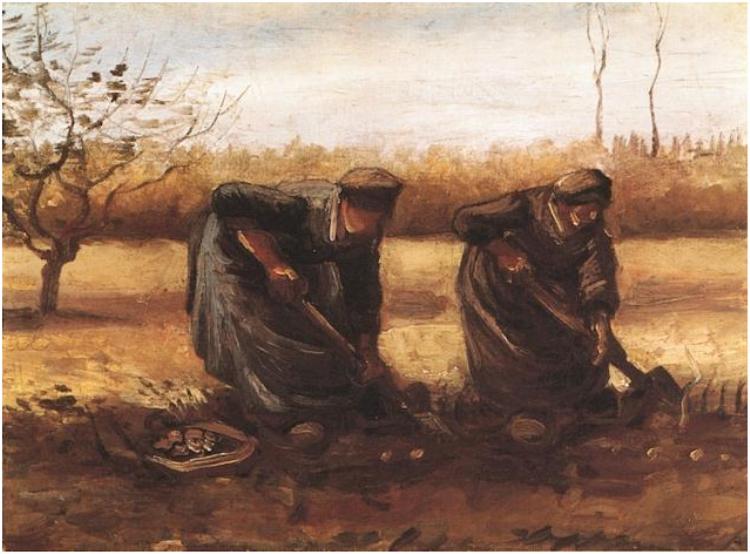
“Peasant women digging potatoes” Van Gogh 1885 Kröller-Müller Museum The Netherlands

“Do you know a cure for me?”
“Why yes,” he said, “I know a cure for everything. Salt water.”
“Salt water?” I asked him.
“Yes,” he said, “in one way or the other. Sweat, or tears, or the salt sea.”
~Isak Dinesen from Seven Gothic Tales

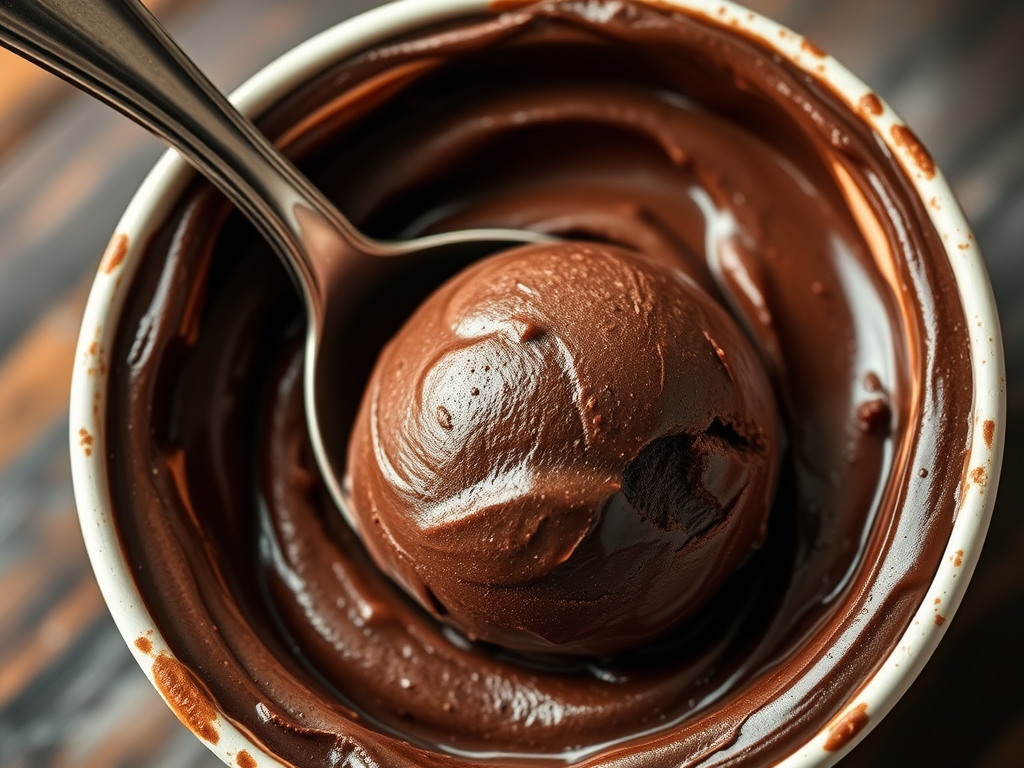
A good night sleep, or a ten minute bawl, or a pint of chocolate ice cream, or all three together, is good medicine.
~Ray Bradbury from Dandelion Wine

The woods are lovely, dark and deep,   
But I have promises to keep,   
And miles to go before I sleep,   
And miles to go before I sleep.
~Robert Frost from “Stopping by Woods on a Snowy Evening”

If there is anything I learned in 42 years of doctoring, it’s that physicians “practice” every day in the pursuit of getting it right. As much as MDs emphasize the science of what we do through “evidence-based” decision-making, there were still days when a fair amount of educated guessing and a gut feeling was based on past experience, along with my best hunch. 

Many patients don’t arrive with classic cookbook symptoms that fit the standardized diagnostic and treatment algorithms. The nuances of their stories require interpretation, discernment, and flexibility. A surprise once in awhile made me look at a patient in a new or unexpected way and taught me something I didn’t know before. It kept me coming back with more questions, to figure out the mystery and dig a little deeper.

I also learned that though much medical treatment comes through some intervention using surgical procedures, pills or injections, those aren’t the only options in our doctor bag.

A simple good night’s sleep can do wonders for what ails a mind and body, especially when we’ve kept our promises.

At times the most appropriate cure is simple salt water in all its forms – just feeling ocean waves lapping at our feet, or sweating it out with exertion, or feeling the flow of tears down our cheeks.

How many of us allow ourselves a good cry when we feel it welling up behind our eyes?  It could be a sentimental moment–a song that brings back bittersweet memories, a movie that touches just the right chord of feeling and connection. It may be a moment of frustration and anger when nothing seems to go right. It could be the pain of physical illness or injury or emotional turmoil. 

Or just maybe there is weeping when everything is absolutely perfect and there cannot be another moment just like it, so it is tough to let it go without our tears spilling over.

And lastly, aside from the obvious curative properties of salt water, the healing found in chocolate is unquestioned by this physician. It can fix most everything that ails a person – at least for an hour or so.

It doesn’t always take an M.D. degree to determine the best medicine. It just takes a degree in common sense.

Healing tools to consider when all else fails: 
sleep, weep, keep ( promises), and reap (chocolate!)

One-Time
Monthly
Yearly

Make a one-time or recurring donation to support daily Barnstorming posts

Make a monthly donation

Make a yearly donation

Choose an amount

$10.00
$25.00
$50.00
$5.00
$15.00
$100.00
$5.00
$15.00
$100.00

Or enter a custom amount

$

Your contribution is deeply appreciated.

Your contribution is appreciated.

Your contribution is appreciated.

DonateDonate monthlyDonate yearly
Helpless Prayer

I pray because I can’t help myself.
I pray because I’m helpless.
I pray because the need flows out of me all the time —

waking and sleeping.
It doesn’t change God — it changes me.

~attributed to C.S. Lewis in “Shadowlands”

A recovering Faye with her sister Merry

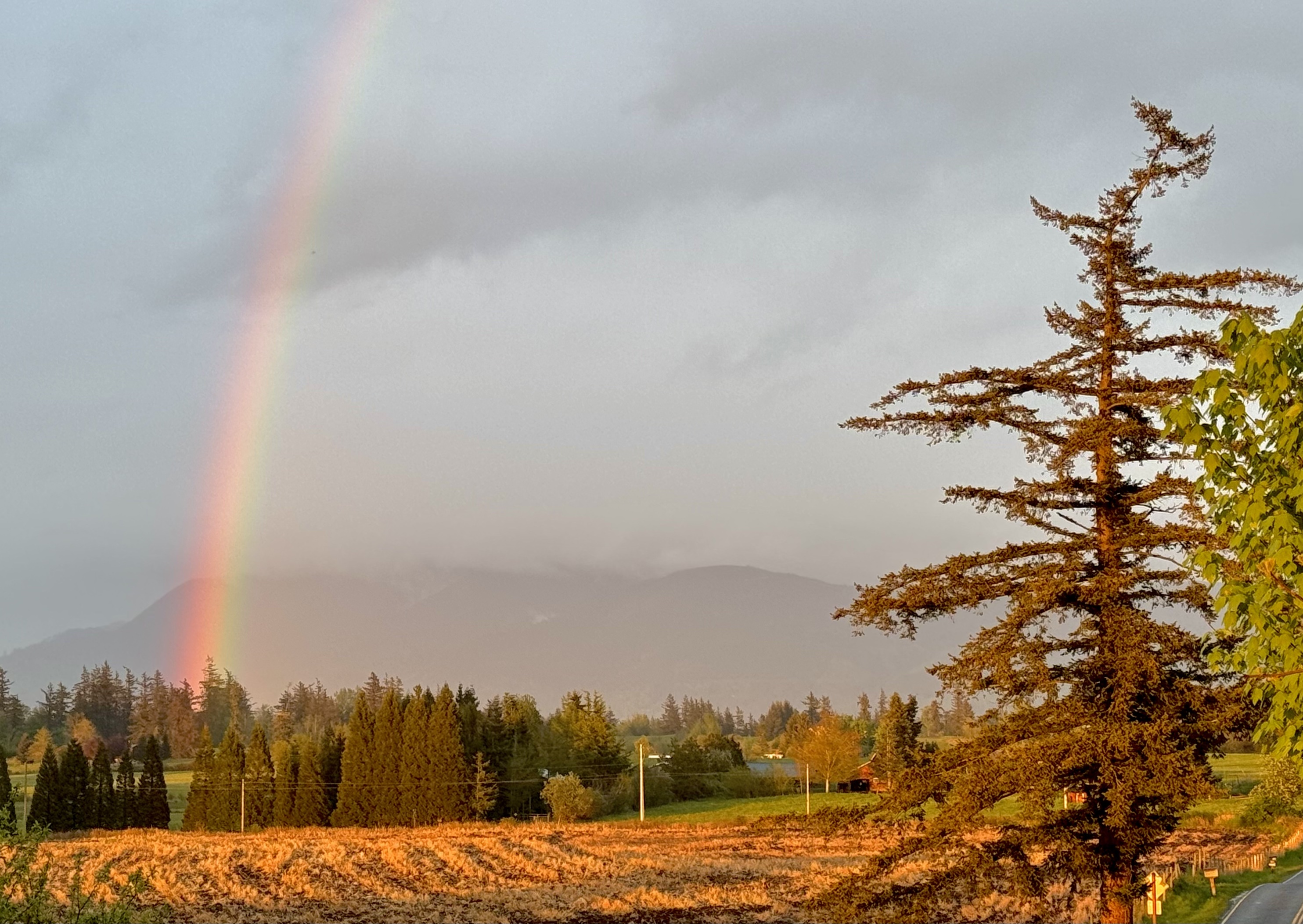
Last week, on May 1, I found a surprise hanging on our front door – a little May Day basket full of little perennial blooms, along with a cheery message and a rainbow sticker. It hung from the door handle as a symbol of spring renewal, as well as a bit of a mystery – the flowers came with no hint of who had left them.

So I did a little sleuthing (actually A LOT of sleuthing) and found out they were delivered by our nearby neighbor Faye, who turned 11 just last week. She has a very special history some of you may remember:

Nine years ago, on this Barnstorming blog, I wrote about our little neighbor, two year old Faye, sickened by E.Coli 0157 infection/toxin to the point of becoming critically ill with Hemolytic Uremic Syndrome (plummeting cell counts and renal failure requiring dialysis to keep her alive).  My original post about her illness is found here. I asked for your prayers on her (and others’) behalf.

At the worst point of her hospitalization at Seattle Children’s, when the doctors were sounding very worried on her behalf, Faye’s mother Danyale, in the midst of her helplessness, wrote to our Wiser Lake Chapel Pastor Bert Hitchcock with a plea for prayers from our church.

Here is how Pastor Bert responded to Danyale and her husband Jesse who remained at home, caring for their four other children:

“I understand that Faye (and everyone dealing with her) is fighting for her life. And that’s the way I am praying: that God in his merciful power, would deliver her, even if her condition looks hopeless.

If you were able to be in church this morning, you might hear my sense of urgency, for I have chosen this benediction, with which to close the service — and I give it to you right now, from the mouth of our Lord:

Jesus said: “Do not be afraid, Danyale!
I am the First and the Last.
I am the Living One.
I died, but look – I am alive forever and ever!
And I hold the keys of death and the grave.

Neither you nor I know how this will turn out — the possibilities are terrifying. But we do know who holds the keys of life and health and death; He is the Life-giver, who heals all our diseases — nothing can rip our lives (or little Faye’s life) out of His hands. And, when He does allow these bodies to give out, He promises to give us glorious new life, safe forever in His presence. These are not pious platitudes; these are the rock-hard promises of the one who loves us more than life, and who is absolutely in control of what is happening today.

Safe in the arms of Jesus,
Safe on His gentle breast;
There by His love o’ershaded,
Sweetly my soul shall rest.

I’m praying for you all; and your Chapel Family will be praying this morning, as we gather in the Lord’s presence.

Love you, and yours, Danyale,
Pastor Bert Hitchcock

That week, Faye’s renal failure reversed itself. She was able to return home with normal kidney function and improved cell counts, having also survived a bout with pneumonia.

Here is what her mother wrote to share with you all once she came home:

“Dear Friends and readers of Barnstorming,

Some of you we know, but so many of you we do not. Whichever the case, Emily tells me you have prayed for our little girl, Faye, throughout her sickness and into her recovery. What can parents say when people–many of whom we may never be privileged to meet in this life–have come alongside us to beseech the Lord for our daughter’s life and pray for her healing? Thank you. Thank you!

Faye is doing so well; stronger every day, more and more herself! It is wonderful to see.

This week we head back down to Seattle Children’s for a check up–we’ll get to say hello to the good folks who saw her through her sickness. A special stop will be made on the dialysis unit to see Nurse Kathy, a favorite of Faye’s. We anticipate a good report!

Thanks again for your love and support, far and wide. Truly astounding.
Danyale and Jesse, for Faye, too

—————————————

Now Faye is a delightful, healthy eleven year old girl who secretly blessed me with a basket of May Day flowers. She doesn’t remember the crisis that nearly took her from us nine years ago, but she does know about God’s rainbow promises. And she certainly knows about the power of prayer in the face of helplessness.

As Pastor Bert said: our faith in an unchanging and steadfast God who loves and holds us, can change us – forever.

Amen and Amen

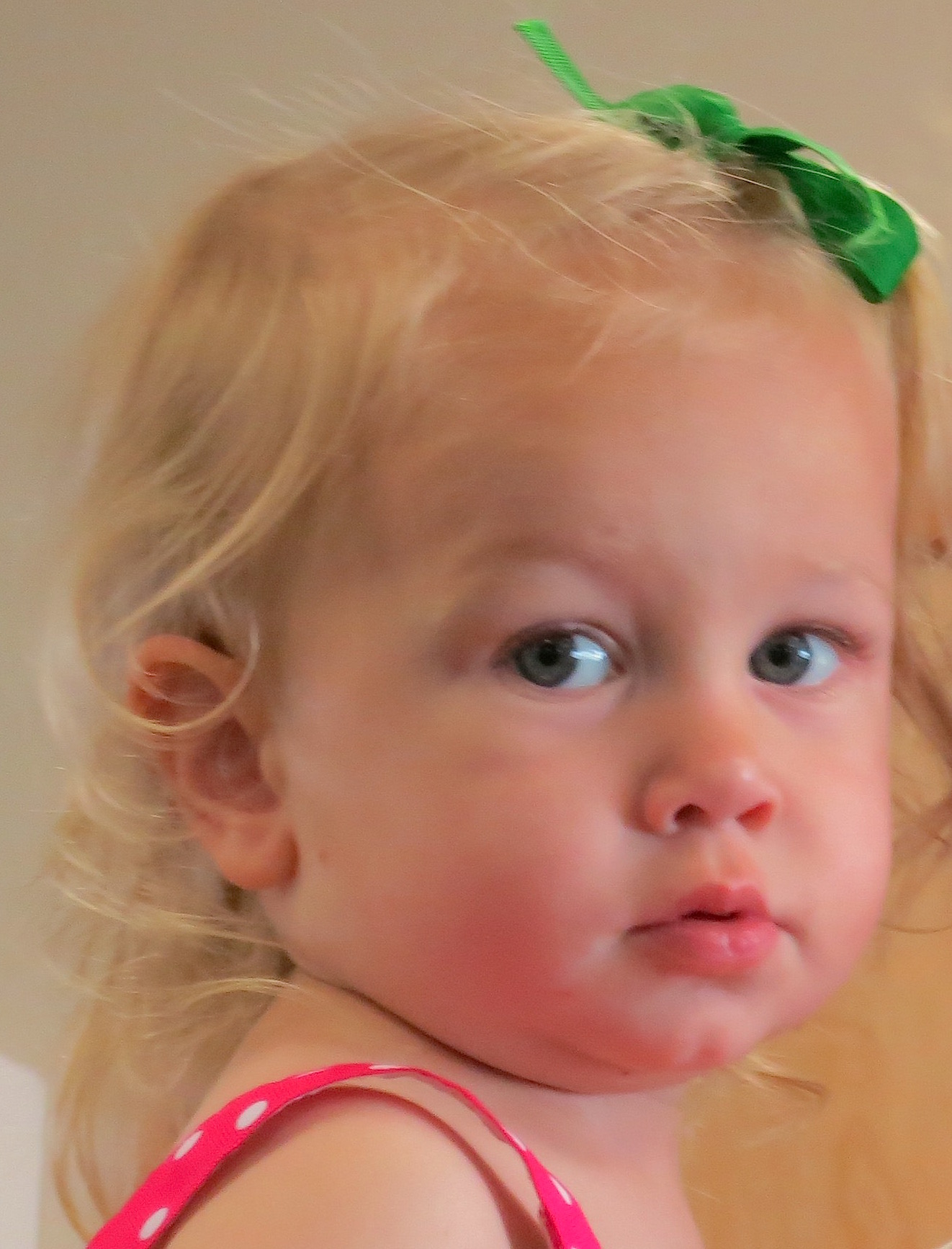
Faye, age 2, after her recovery

Forgotten Debris of Forgotten Years

Deep in our sub-conscious, we are told
Lie all our memories, lie all the notes
Of all the music we have ever heard
And all the phrases those we loved have spoken,
Sorrows and losses time has since consoled,
Family jokes, out-moded anecdotes
Each sentimental souvenir and token
Everything seen, experienced, each word
Addressed to us in infancy,
Before we could even know or understand
The implications of our wonderland.
There they all are, the legendary lies
The birthday treats, the sights, the sounds, the tears
Forgotten debris of forgotten years
Waiting to be recalled, waiting to rise
Before our world dissolves before our eyes
Waiting for some small, intimate reminder,
A word, a tune, a known familiar scent
An echo from the past when, innocent
We looked upon the present with delight
And doubted not the future would be kinder
And never knew the loneliness of night.

~Noel Coward “Nothing Is Lost” from Collected Verse

I wonder sometimes how memories are stored in our neurons. Do they sit on brain sulci and gyri shelves in chronological order? Or are they alphabetized, ready to be pulled and leap to the front of our awareness whenever we’re reminded by an (A)pple pie smell or a passage of a (B)ach toccata or the taste of a (C)adbury Creme Egg?

Perhaps, as we get older, they tend to mix and muddle a bit because our brain libraries are getting crowded with too much to recall and subsequently reshelf back into the proper spot. Whenever I decide to do a brain search for some long forgotten memory, it can take longer than it used to, certainly longer than a Google search does on my computer.

Then I start thinking about what can be recycled or (heavens!) trashed to make more room. Except – things get thrown away that I didn’t intend to lose…

But mostly it is all still there, nearly 70 years of recollections, some so insignificant that it is a mere dust bunny in the corner of my brain, and others still as fresh as when they happened over 65 years ago. Some memories I want to spend time mulling over and over and others can stay buried in the stacks forever as far as I’m concerned.

My mission, should I choose to accept it, is to store away the present moment with such care that I will find its memory with very little trouble. These are days to recall with warmth and delight. I want to remember them during the long and lonely nights that come unbidden at times when the power goes out. That is when I need to turn on an inner light in order to see where I’m heading.

Sure on this shining night
Of star made shadows round,
Kindness must watch for me
This side the ground.
The late year lies down the north.
All is healed, all is health.
High summer holds the earth.
Hearts all whole.
Sure on this shining night I weep for wonder wand’ring far
alone
Of shadows on the stars.
~James Agee

One-Time
Monthly
Yearly

Make a one-time or recurring donation to support daily Barnstorming posts

Make a monthly donation

Make a yearly donation

Choose an amount

$10.00
$25.00
$50.00
$5.00
$15.00
$100.00
$5.00
$15.00
$100.00

Or enter a custom amount

$

Your contribution is deeply appreciated.

Your contribution is appreciated.

Your contribution is appreciated.

DonateDonate monthlyDonate yearly

When I Was Sinking Down: Guttering the Pain

For the bark, dulled argent, roundly wrapped
And pigeon-collared.

 
For the splitter-splatter, guttering
Rain-flirt leaves.

 
For the snub and clot of the first green cones,
Smelted emerald, chlorophyll.

 
For the scut and scat of cones in winter,
So rattle-skinned, so fossil-brittle.

 
For the alder-wood, flame-red when torn
Branch from branch.

 
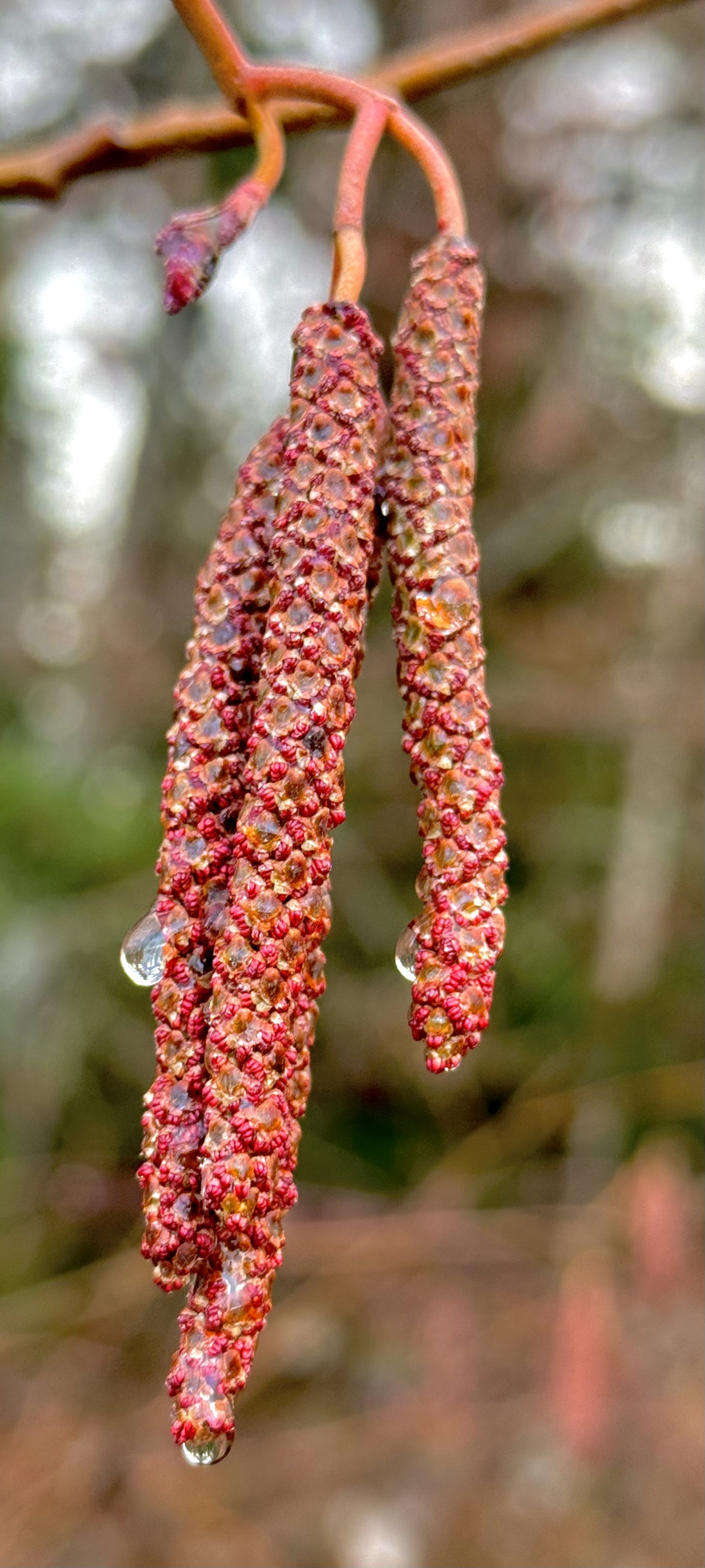
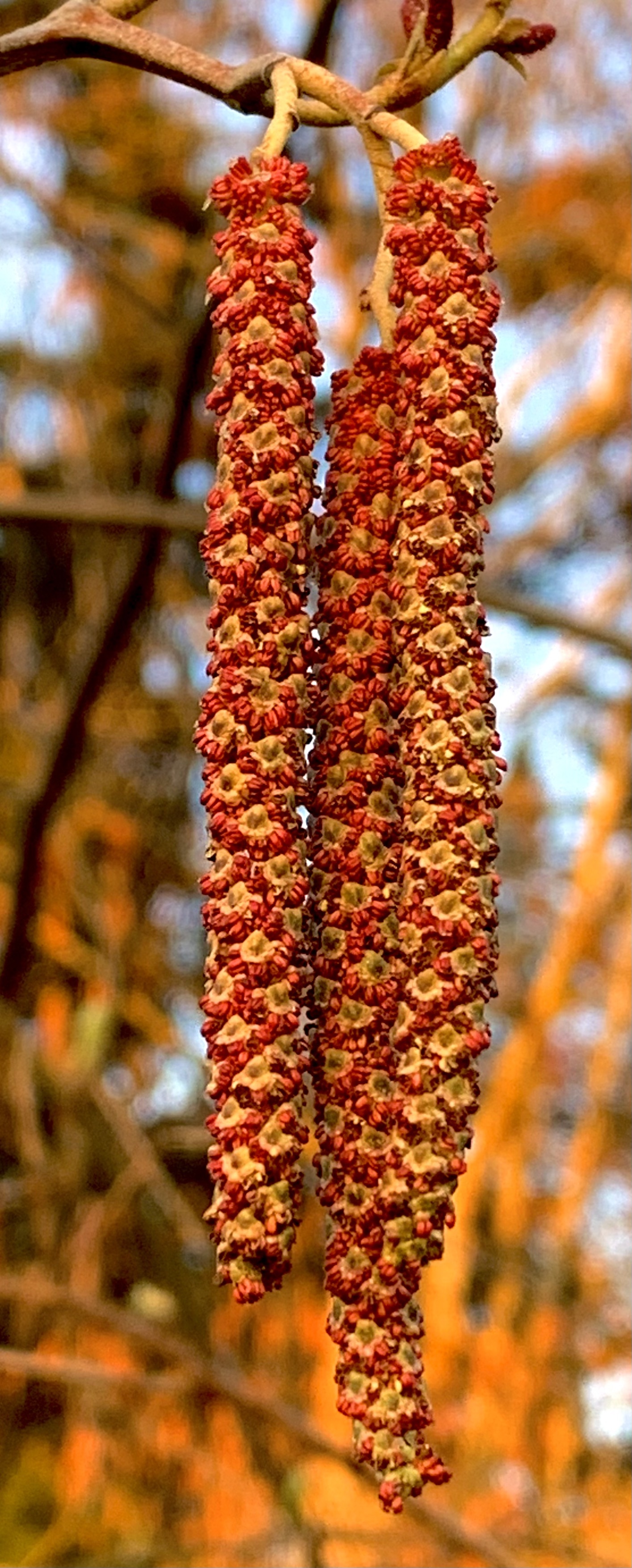
But mostly for the swinging locks
Of yellow catkins.

 
Plant it, plant it,
Streel-head in the rain.

~Seamus Heaney “Planting the Alder” with an explanation of some of the poet’s poetic words here

I’ve worked in many medical settings, and have seen lots of illnesses and injuries over 40+ years of doctoring. Despite all that experience, I really don’t do well with badly broken bones. Basic wrists and fingers and ankles are no problem but open compound and comminuted fractures (i.e. “crushed bones”) are downright terrifying. It appears to me they can never be pieced back together. Even looking at the xrays makes me cringe. I avoided doing a surgical orthopedic rotation during my training because I knew I’d have issues with the saws and the smells involved in fixing bad fractures. And witnessing the pain is unforgettable – there are few things that hurt more.

In early spring 2008, my 87 year old mother shattered her lower femur trying to stand up after getting down on her hands and knees to retrieve a pill that had dropped to the floor and rolled under her desk. The pain was overwhelming until the paramedics managed to immobilize her leg in an air cast for transport to the ER. As long as her leg wasn’t moved, she was quite comfortable– in fact overjoyed to see me in the middle of a workday when I arrived at the hospital. She was so chatty that when she was asked by the ER doctor “how did this happen?” she launched into a long description of just how she had dropped the pill, where it had rolled, and what pill it was, what color it was, why she was taking it, etc etc. I started to get antsy, knowing how busy the Doc was and said, with just a *wee bit* of irritation, “Mom, he doesn’t need to know all that. Just tell him what happened when you tried to stand up.”

That did it.

Now it wasn’t just her leg that hurt, it was her feelings too, including her own sense of responsibility for what had happened, and her tears started to flow. The ER doc shot me a sideways glance that clearly said “now look what you’ve done” and then took my Mom’s hand tenderly, looking her straight in the eye and said, “That’s all right, these things happen despite our best intentions—you go right ahead and tell me the whole story, right from the beginning…”

So she did, completely reaffirmed and feeling absolved of her guilt that she had somehow done this to herself. Having been shown a caring and healing grace from a total stranger after her cherished physician daughter had totally blown Bedside Manners 101, she never really complained about the pain in her leg again.

Then it was my turn to feel guilty. Instead of planting the compassion she so badly needed in that moment, I guttered all her fear and pain together. It crushed her.

Her leg was quickly fixed with a rod and with physical therapy, she took a few steps with assistance. Sadly, she never again lived independently, and as happens so often with immobilized older people despite healed fractures, she died only eight months later. Bones heal but the spirit doesn’t. That spring day really was the beginning of the end for her, and in my heart, I knew that was likely to be the case. My irritation was about what I suspected was coming, and for what I knew it meant for her, but mostly for me.

What I had forgotten out of selfish self-concern and what I will not forget again: even the most horrendous pain can be relieved by compassionate grace. The crushed will stand, and walk, and thrive again with a gentle touch and a lot of love.

Let me hear joy and gladness;
let the bones you have crushed rejoice.

Psalm 51:8

This Lenten season I reflect on the words of the 19th century southern spiritual hymn “What Wondrous Love is This”

One-Time
Monthly
Yearly

Make a one-time or recurring donation to support daily Barnstorming posts

Make a monthly donation

Make a yearly donation

Choose an amount

$10.00
$25.00
$50.00
$5.00
$15.00
$100.00
$5.00
$15.00
$100.00

Or enter a custom amount

$

Your contribution is deeply appreciated.

Your contribution is appreciated.

Your contribution is appreciated.

DonateDonate monthlyDonate yearly

Between the Lashes of Your Eyes

This is what you shall do:
Love the earth and sun and the animals,
despise riches,
give alms to everyone that asks,
devote your income and labor to others,
hate tyrants,
argue not concerning God,
have patience and indulgence toward the people,
and your very flesh shall be a great poem,
and have the richest fluency, not only in its words,
but in the silent lines of its lips and face,
and between the lashes of your eyes,
and in every motion and joint of your body.
~Walt Whitman from his preface to “Leaves of Grass”

Time, in so many ways, has been standing still for us over the last few months, fueled by an unprecedented quarantine and social isolation. We anticipate “when things return to normal” but the reality is there will be no “normal” for those who have lost jobs and businesses and family members or their own robust health since February.

And now society finds itself in the midst of anger and argument, marching and shouting to defend those who have lived for generations with injustice and oppression, and continue to face that reality every day, and the majority of us were oblivious.

“Normal” holds no appeal when “normal” is living under a tyrant’s thumb or dying under a knee.

So how do we approach a change in seasons as we ourselves are irrevocably changed?

What shall we do?

We are our flesh: all colors, flawed and fragile. We must look beyond the lashes of our eyes to see and understand the fluency of the poetry found in our bodies. We, each one of us, deserve the patience of being heard.

This summer will stand on its own in all its extravagant abundance of light and warmth and growth and color stretching deep within the rising and setting horizons. Each long day will feel like it must last forever, never ending, yet, like the unpredictable length of our fleshy days on earth, it will eventually wind down, spin itself out, darkening gradually into shadow.

That is the “normal” of our existence because summer always, always ends.

Yet another will reappear, somehow, somewhere, someday. The very poetry of our flesh, the very survival of our souls, depends on it. We will then see beyond our own eyelashes.

Surely a never-ending summer is what heaven itself will be. We shall all be changed, in the twinkling of an eye…

Palmed Off on the Unwary

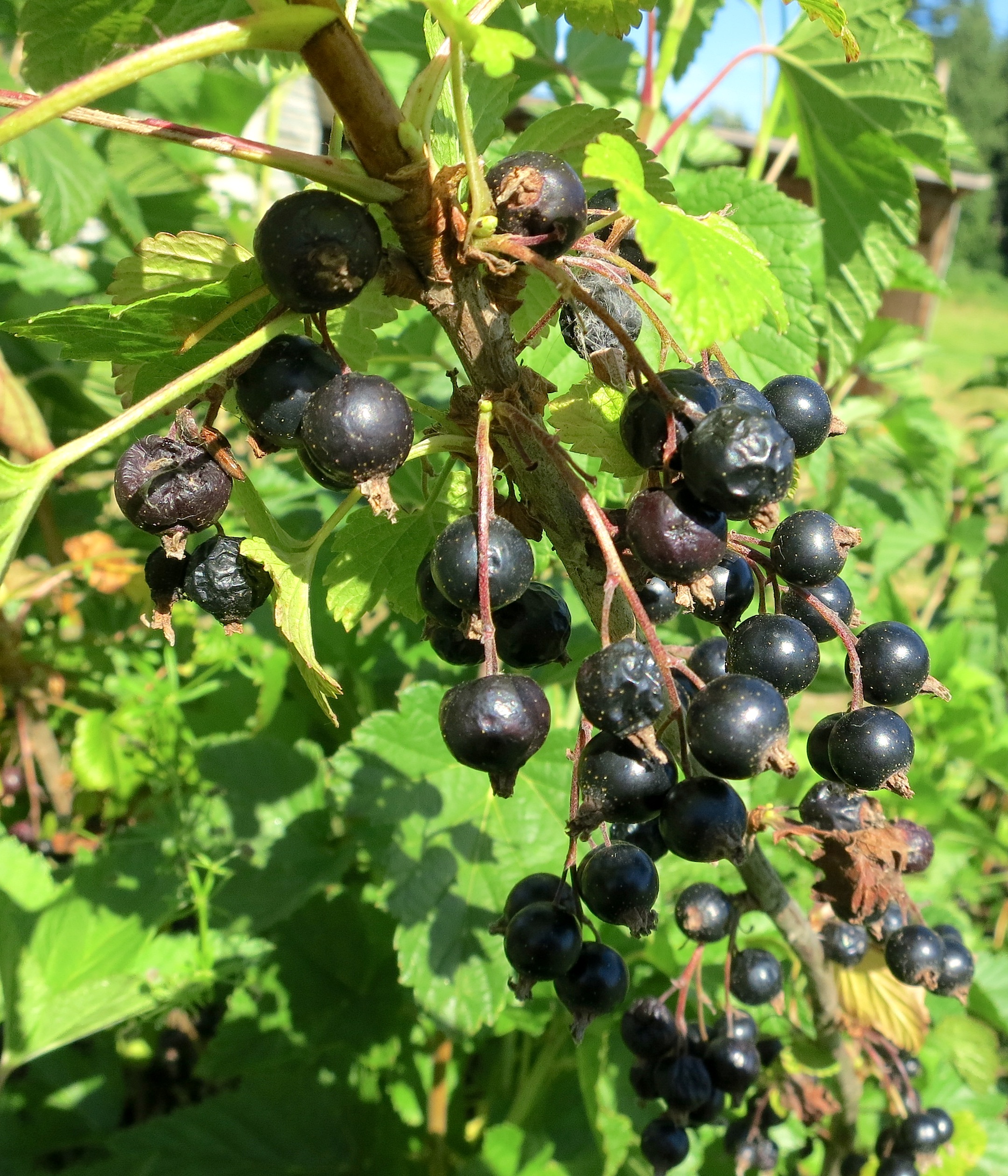
blackcurrant

Nothing seems to please a fly so much as to be taken for a currant;
and if it can be baked in a cake and palmed off on the unwary, it dies happy.
~Mark Twain

Returning to clinic after time off for a summer break, I worry I’m like a fly hiding among the black currants hoping to eventually become part of the currant cake.  Just maybe no one will notice I don’t quite fit back in.

In thirty three years of practice, even after bearing three children and going through several surgeries, I’ve not been away from patients for more than twenty consecutive days at any one time.  This is primarily out of my fear that, even after a few weeks, I will have forgotten all that I’ve ever known and if I were to actually return to see patients again, I would be masquerading as a physician rather than be the real thing.   A mere fly among the currants palmed off on the unwary.

Those who spend their professional lives taking care of others also share this concern if they are truly honest: if a patient only knew how much we don’t know and will never know, despite everything we DO know, there would really be no need for us at all, especially in this day and age of accurate (and some terribly inaccurate) medical information at everyone’s fingertips.  Who needs a physician when there are so many other options to seek health care advice, even when there are a few flies mixed in?

As I walk back into an exam room to sit with my first patient after my time away, I recall over thirty years of clinical experience has given me an eye and an ear for subtlety of signs and symptoms that no googled website or internet doc-in-the-box can discern.  The avoidance of eye contact, the tremble of the lip as they speak, the barely palpable rash, the fullness over an ovary, the slight squeak in a lung base.  These are things I am privileged to see and hear and make decisions about together with my patients.  This is no masquerade; I am not appearing to be someone I am not.  This is what I’m trained to do and have done for thousands of days of my life.   No need for the unwary to fear.

The hidden fly in the currant bush of health care may be disguised enough to be part of the cake that an unwary patient might gobble down to their ultimate detriment — but not this doctor.  I know I’m the real thing, perhaps a bit on the tart side, but offering up just enough tang to be what is needed.

And I will die happy doing this.


Stretched Thin

“I feel thin, sort of stretched, like butter scraped over too much bread.”
J.R.R. Tolkien

It is not supposed to happen while taking vacation days from work.  I’m supposed to be well-rested, eager to return to work and ready for the next challenge.  Instead, some viral crud has collided with my immune system and won;  I’ve spent the last 24 hours with chills, fever, muscle aches and no appetite.   I was thinking my strange dreams and overwhelming laziness over the previous two days was just the real “me” coming out while on vacation, but now I know it was the real virus instead.

I try to go at 100 miles per hour in my professional and personal life to get everything done, rarely taking breaks as I feel I’ll never regain the momentum needed.  I’m finding that approach to life can’t be sustained, either because my body can’t do it any longer, or more likely, my brain doesn’t easily stretch that thin any longer.    I’m realizing there may a steady pace that is sustainable and I need to find it.  Right now that pace is from bed to bathroom to computer and back to bed.  I hope to aim for a little more adventure tomorrow.

When I am stretched too thin–when tears flow easy–it is time to slow down and taste the bread and not worry about buttering it.

It is time for the body to be restored by the Body.

Lenten Reflection–Into the Lives of Others

photo by Josh Scholten

The truth that many people never understand, until it is too late, is that the more you try to avoid suffering the more you suffer because smaller and more insignificant things begin to torture you in proportion to your fear of being hurt.
Thomas Merton

We want to avoid suffering, death, sin, ashes. But we live in a world crushed and broken and torn, a world God Himself visited to redeem. We receive his poured-out life, and being allowed the high privilege of suffering with Him, may then pour ourselves out for others.
Elisabeth Elliot

Much of my professional work as a physician involves helping people avoid suffering. Either I strive to prevent illness, or address symptoms early, or once someone is very sick or injured, try to mitigate the discomfort and misery. Sometimes I am able to help. Too often they are futile efforts. At that point all I can give is myself, caring for my patient as best I can. There is no medication, no physical manipulation or surgery, no magic touch that makes the difference that love can.

In a flawed and broken world, there will be suffering that cannot be prevented. We can run, but we can’t hide. It is avoidance that hurts us most. For some, it is the temporary anesthesia of alcohol or other recreational substances, a burrowing into numbness that prevents feeling anything at all. For others, it is the neverending quest for fulfillment in pleasure, which is transient and hollow, or accumulating material goods, which eventually bore, become obsolete and pile up in landfills.

He poured Himself into us as He suffered. In turn, thus filled, we have ourselves to give.

Nothing else lasts. Nothing else matters.

I’m not sure God wants us to be happy. I think he wants us to love, and be loved. But we are like children, thinking our toys will make us happy and the whole world is our nursery. Something must drive us out of that nursery and into the lives of others, and that something is suffering.
C. S. Lewis