Where You Go, I Will Go: All Shall Be Made Alive

Jesus,
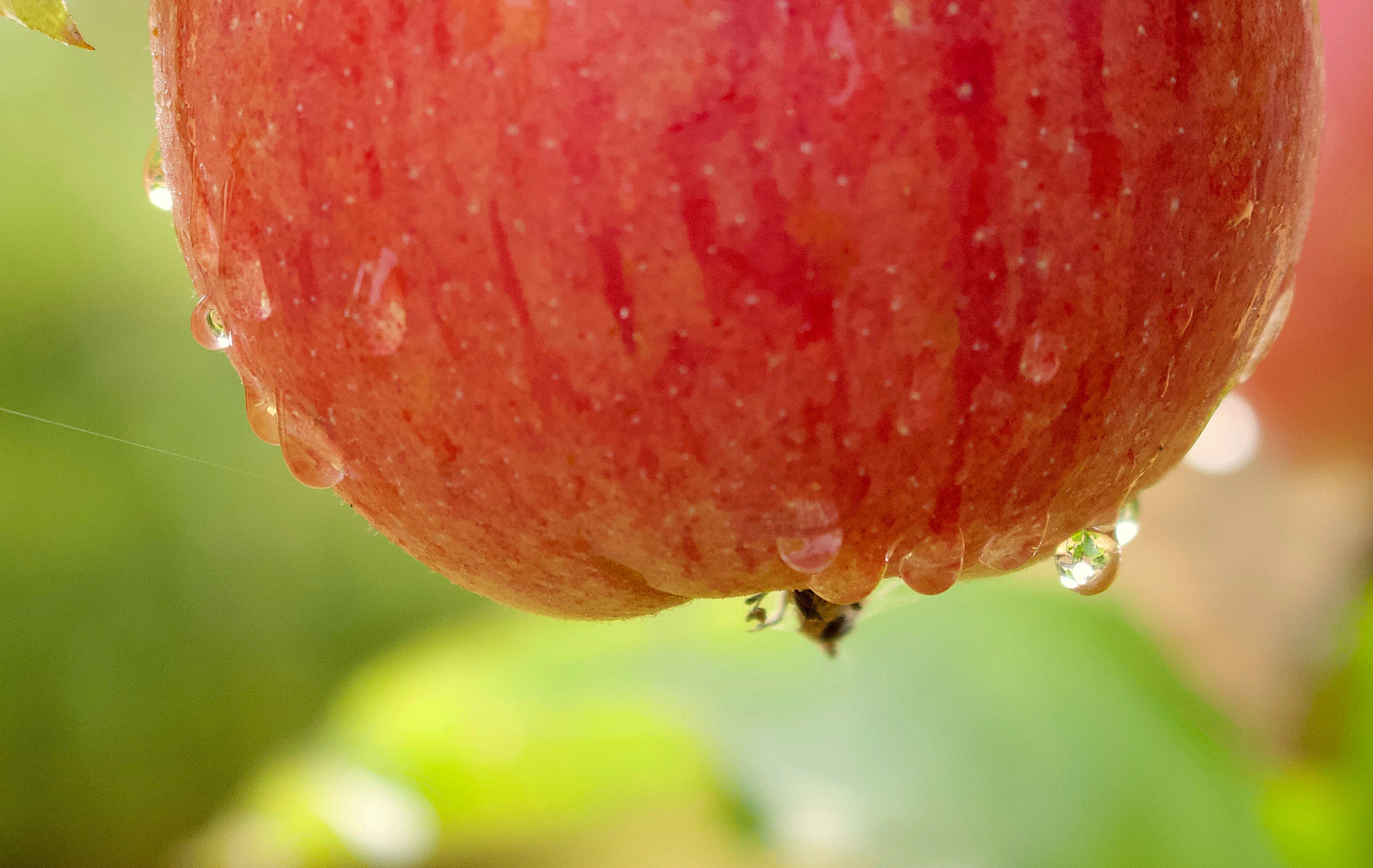
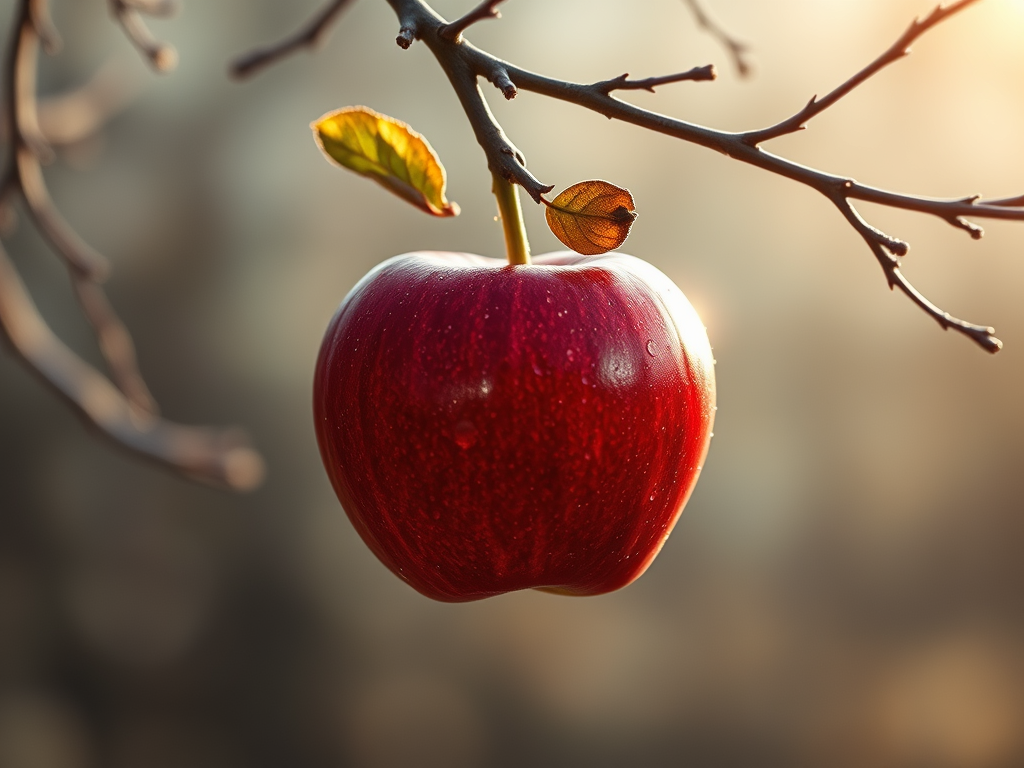
Apple of God’s eye,
dangling solitaire
on leafless tree,
bursting red.

As he drops
New Eden dawns
and once again
we Adams choose:
God’s first fruit
or death.
~Christine F. Nordquist “Eden Inversed”

But in fact Christ has been raised from the dead, the firstfruits of those who have fallen asleep. For as by a man came death, by a man has come also the resurrection of the dead. For as in Adam all die, so also in Christ shall all be made alive. But each in his own order: Christ the firstfruits, then at his coming those who belong to Christ. 
1 Corinthians 15:20-23

It has always been our choice,
yet this one is no longer forbidden.

We are offered this first fruit.

He hangs from the tree
broken open

so our hearts
might burst red
with Him

This year’s Lenten theme:

…where you go I will go…
Ruth 1:16

AI image created for this post

One-Time
Monthly
Yearly

Make a one-time or recurring donation to support daily Barnstorming posts

Make a monthly donation

Make a yearly donation

Choose an amount

$10.00
$25.00
$50.00
$5.00
$15.00
$100.00
$5.00
$15.00
$100.00

Or enter a custom amount

$

Your contribution is deeply appreciated.

Your contribution is appreciated.

Your contribution is appreciated.

DonateDonate monthlyDonate yearly
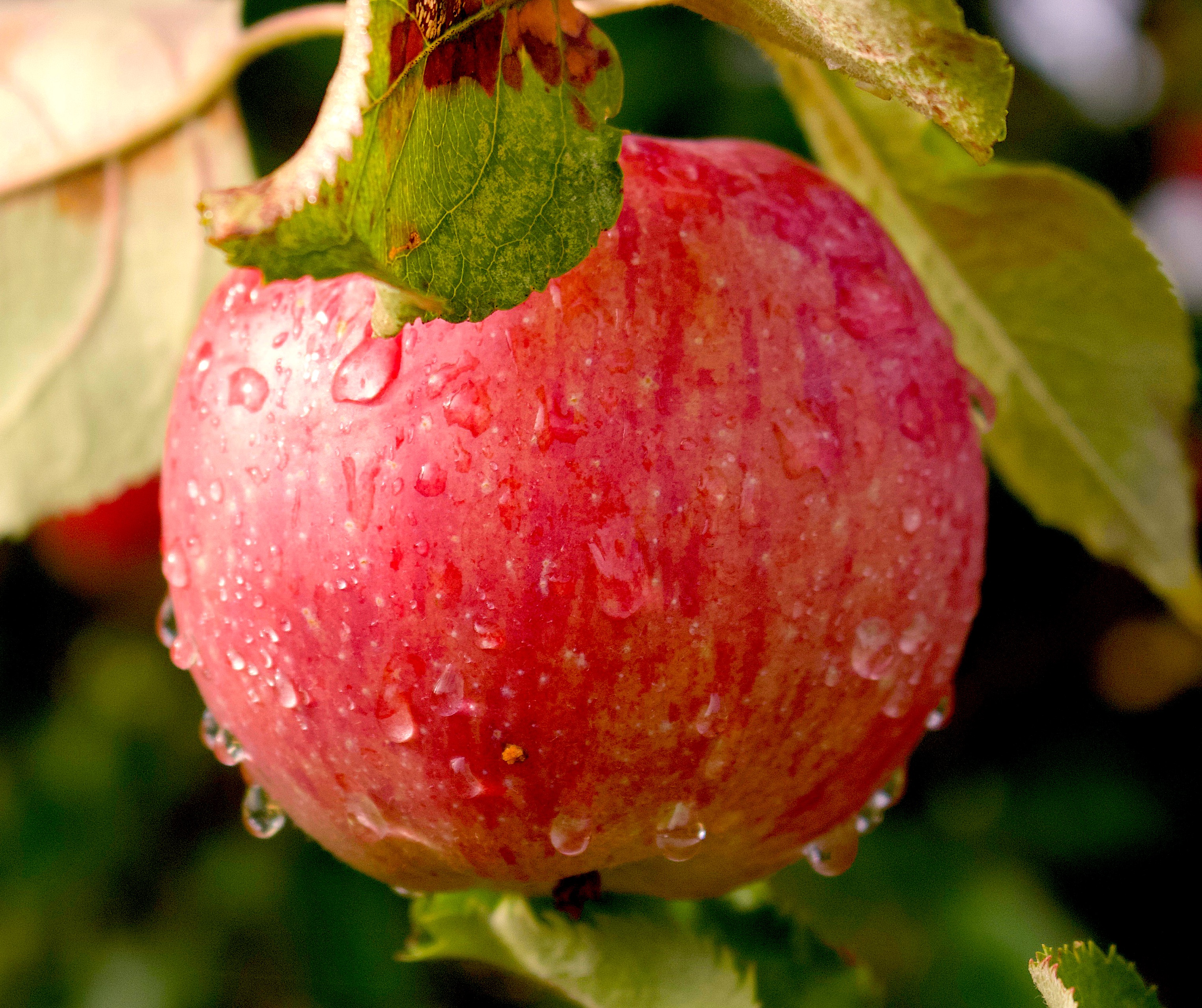
Farewell, February Face

“Why, what’s the matter, 
That you have such a February face, 
So full of frost, of storm and cloudiness?” 
–  William Shakespeare,  Much Ado About Nothing

The wrap-up to February feels like spring is flirting with us.
But will winter really ever be finished?

Our doldrums are deep; a brief respite of sun and warmth too rare.

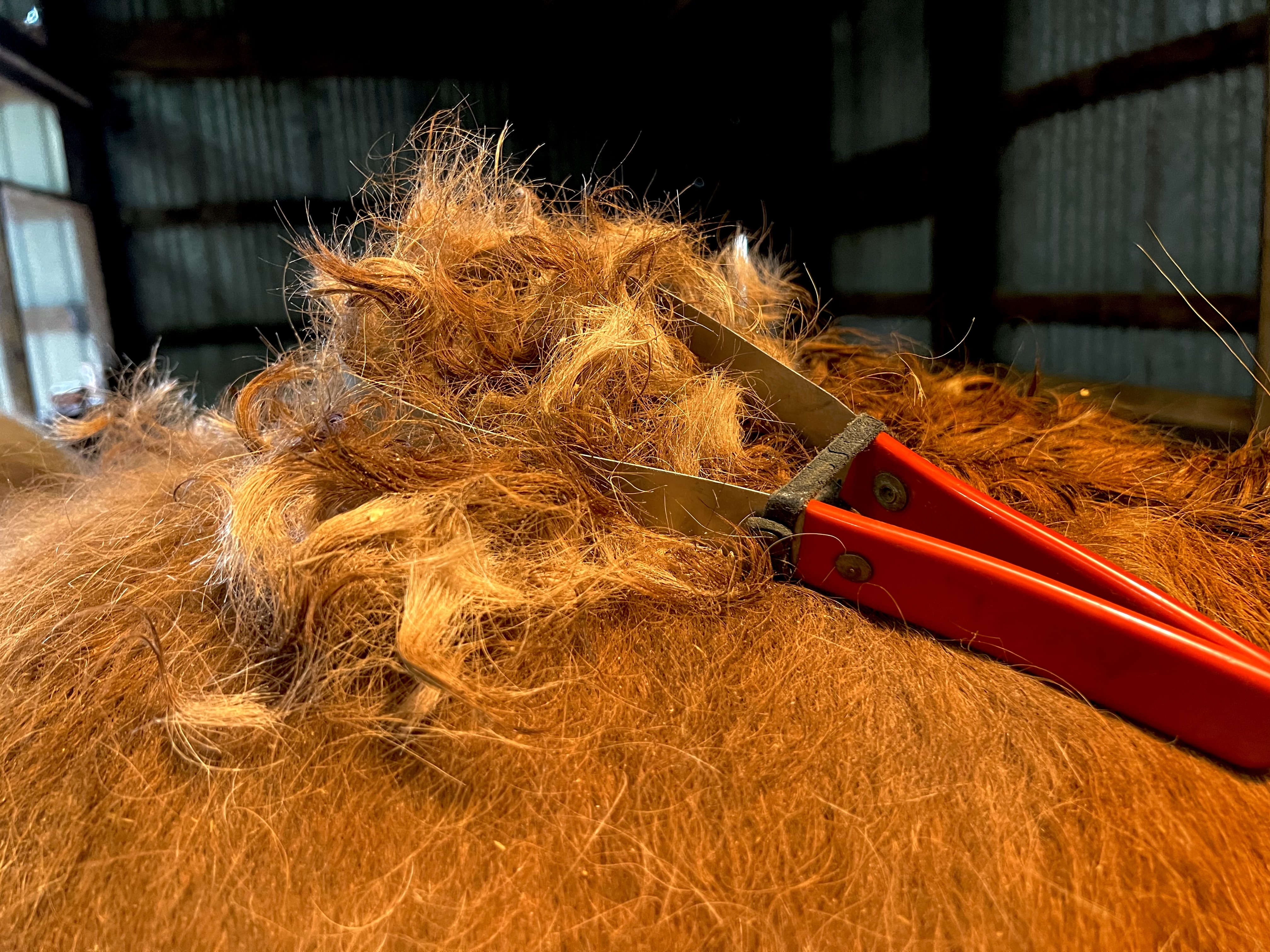
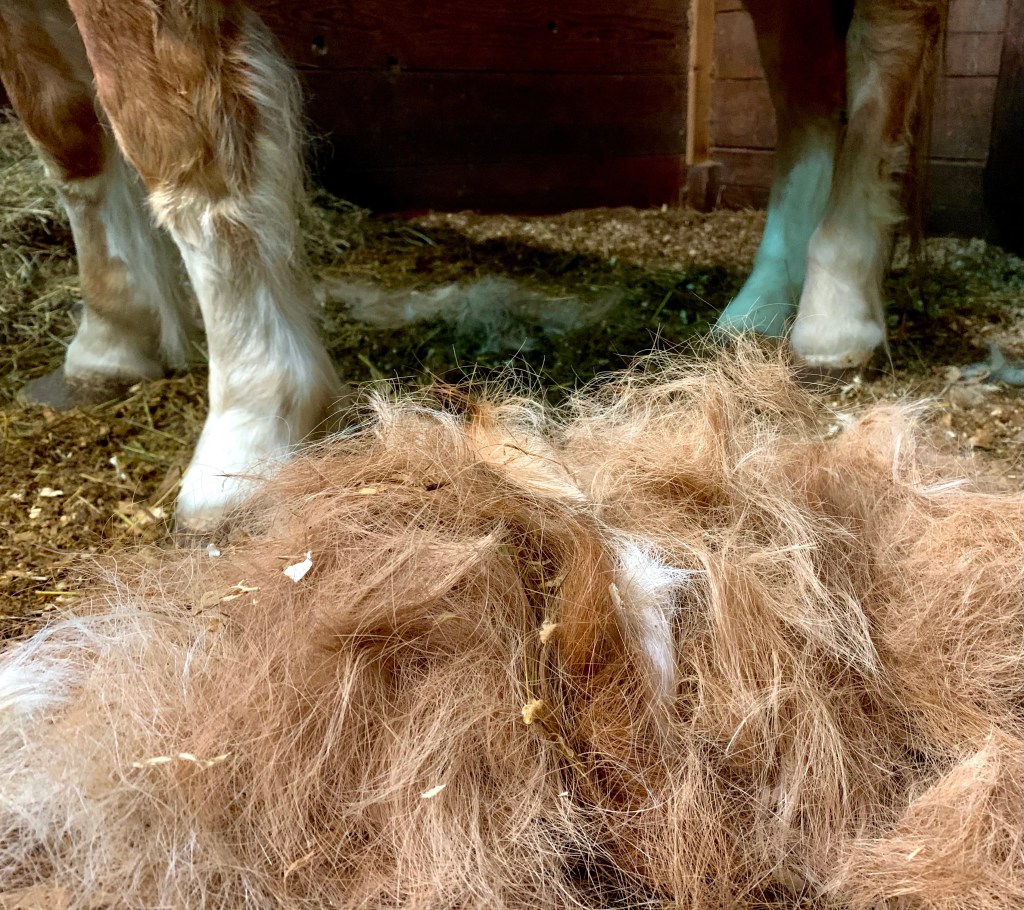
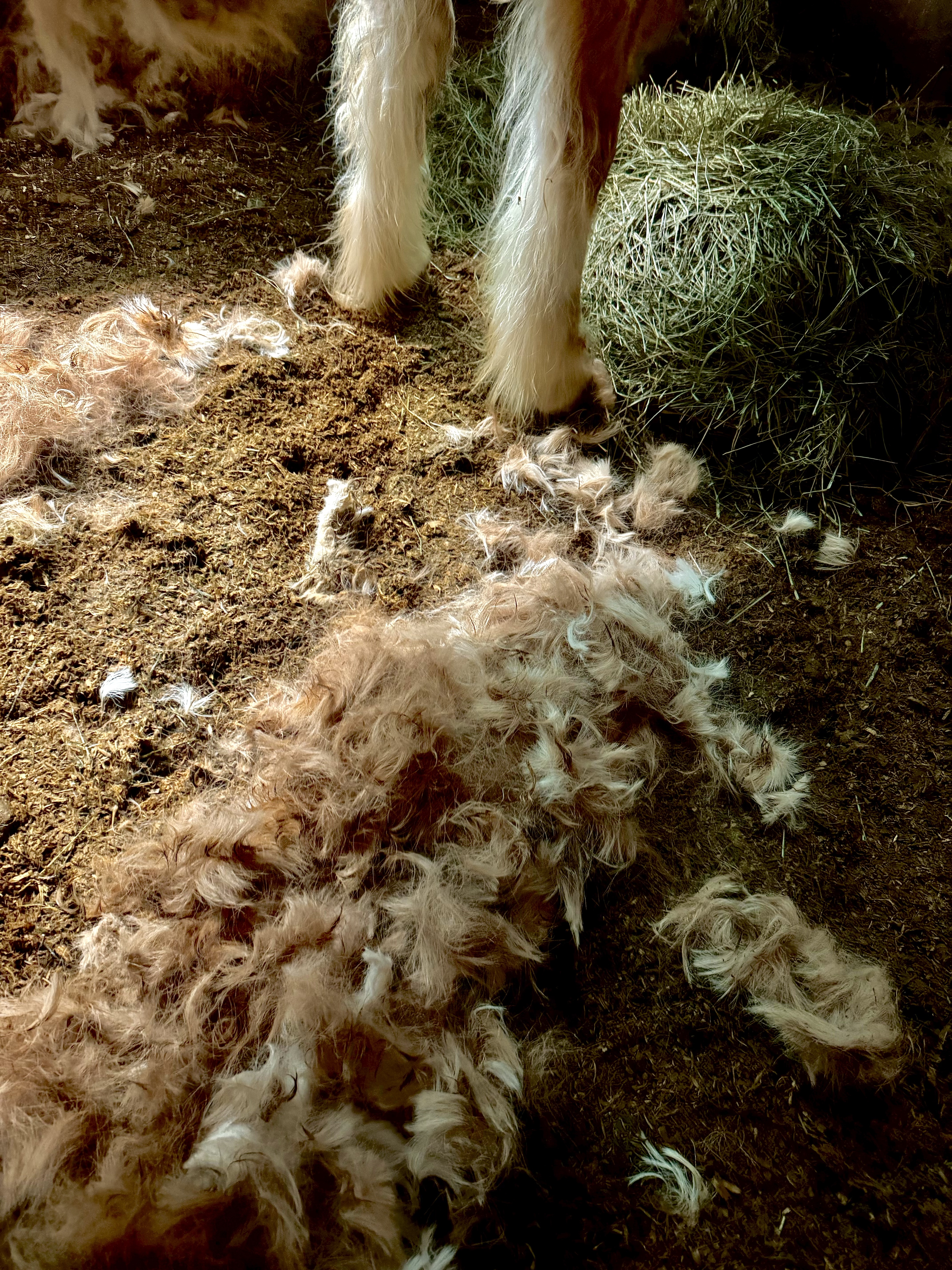
We feel it in the barn as we go about our daily winter routine. The Haflingers are impatient and yearn for freedom, over-eager when handled, sometimes banging on the stall doors in their frustration at being shut in,  not understanding that the alternative is to stand outside all day in cold rain and wind. To compensate for their confinement, we start grooming off their thick winter coats, urging their hair to loosen and curry off in sheets over parts of their bodies, yet otherwise still clinging tight. 

The horses are a motley crew right now, much like a worn ’60s shag carpet, uneven and in dire need of updating. I prefer that no one see them (or me) like this. Eventually I know the shag on my horses will come off, revealing the sheen of new short hair beneath, but when I look at myself, I’m unconvinced there is such transformation in store for me.

Cranky, I  put one foot ahead of the other, oblivious to the subtle seasonal renewal around me, refusing to believe even in the possibility.

It happened today. 
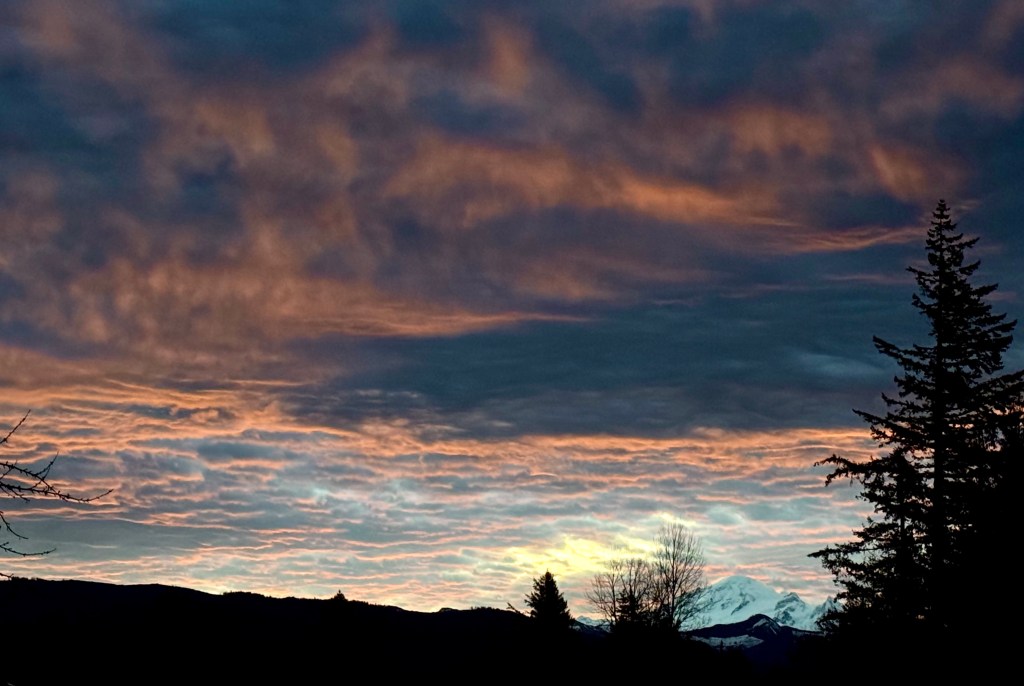
Dawn broke bright and blinding so I headed outside and stumbled across something extraordinary.

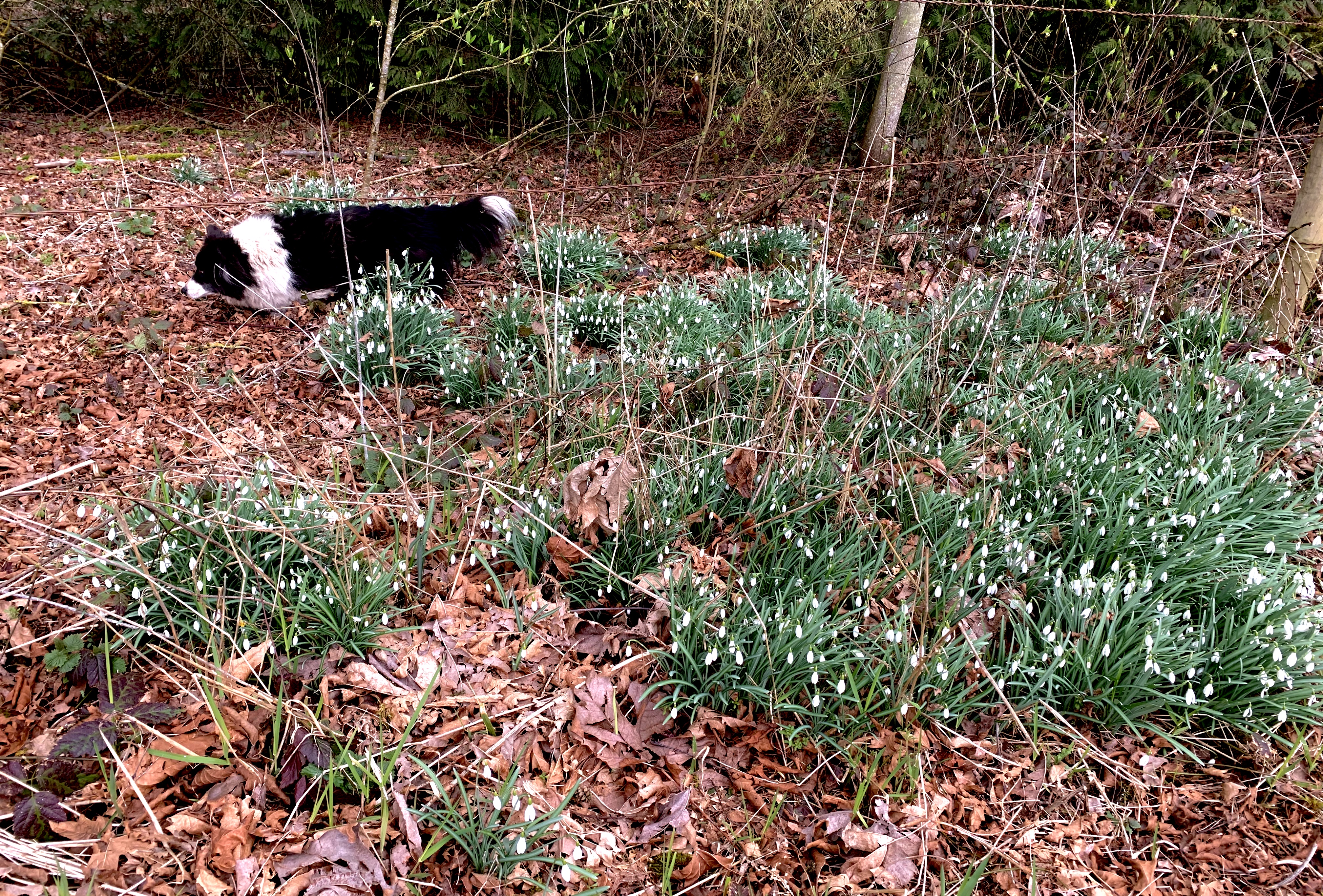
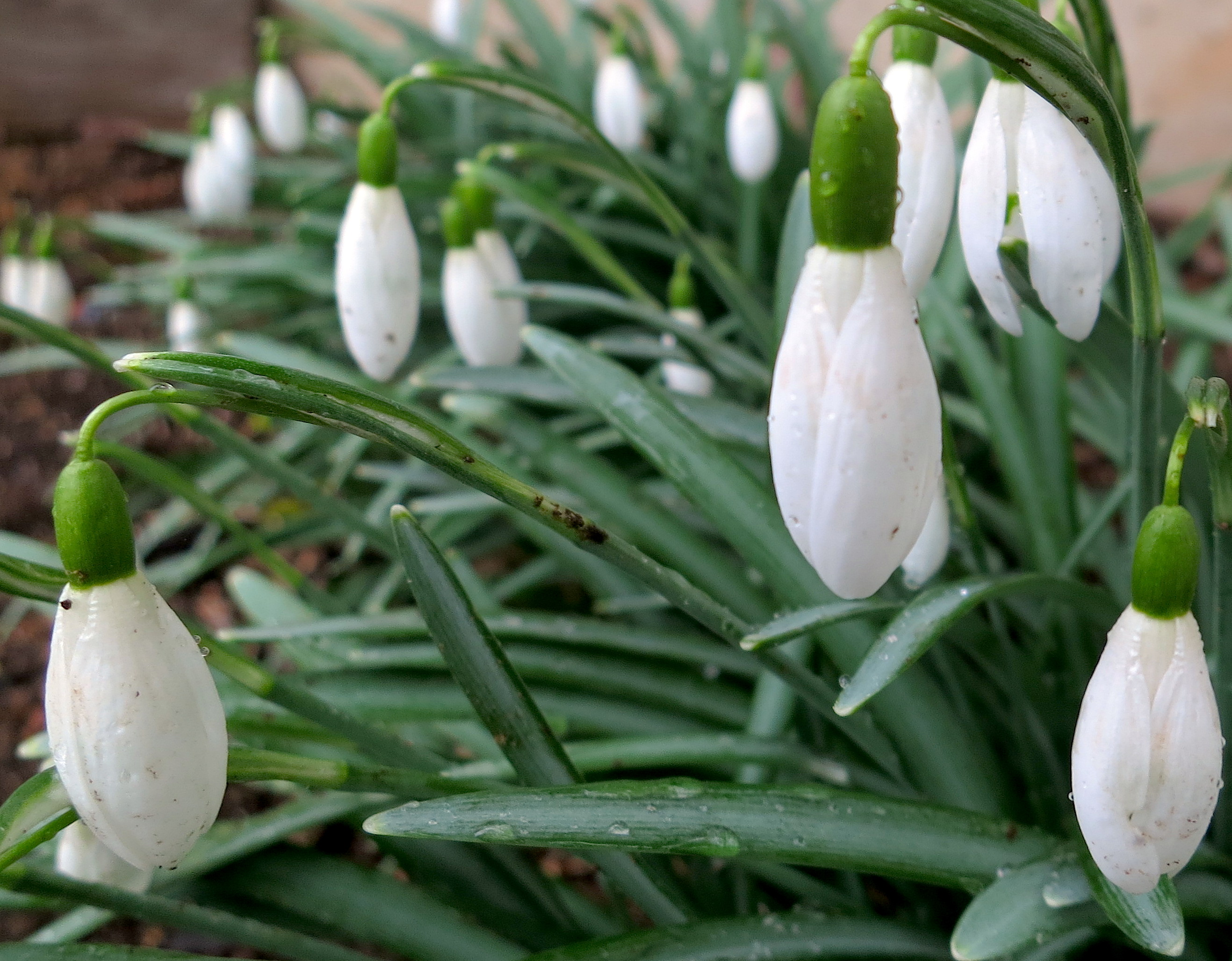
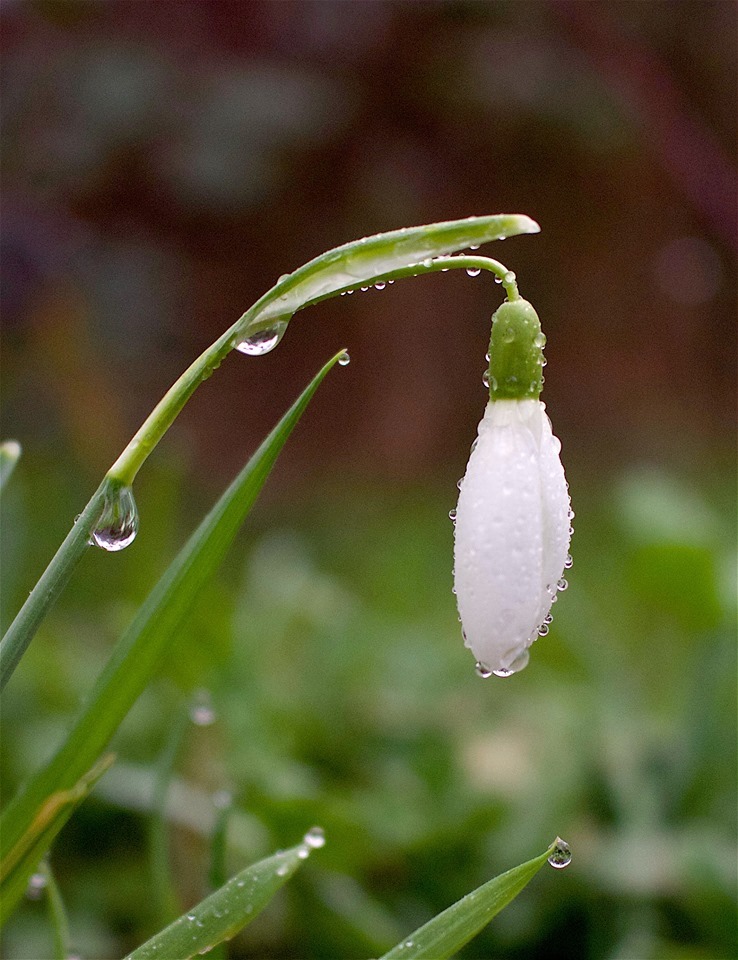
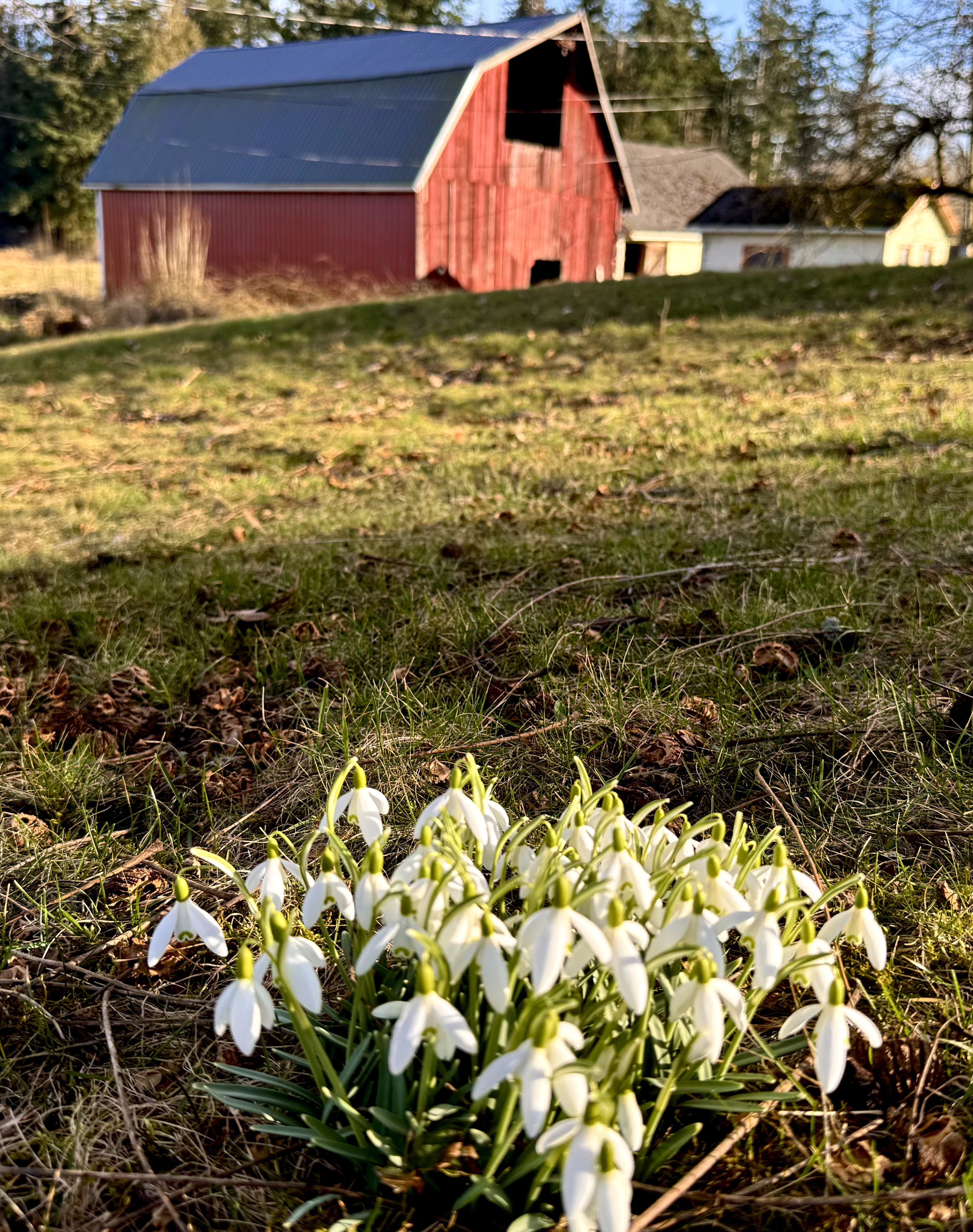
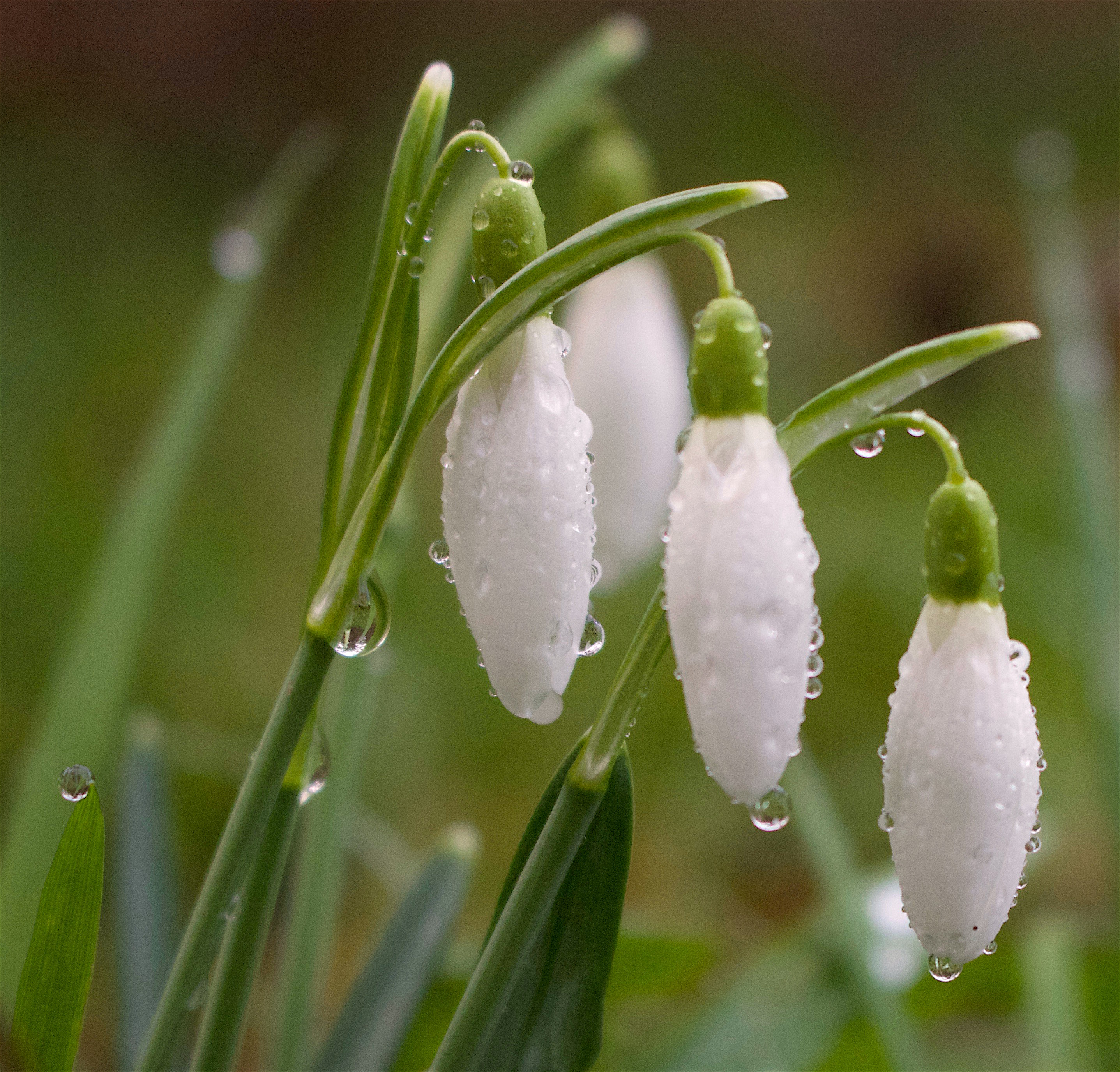
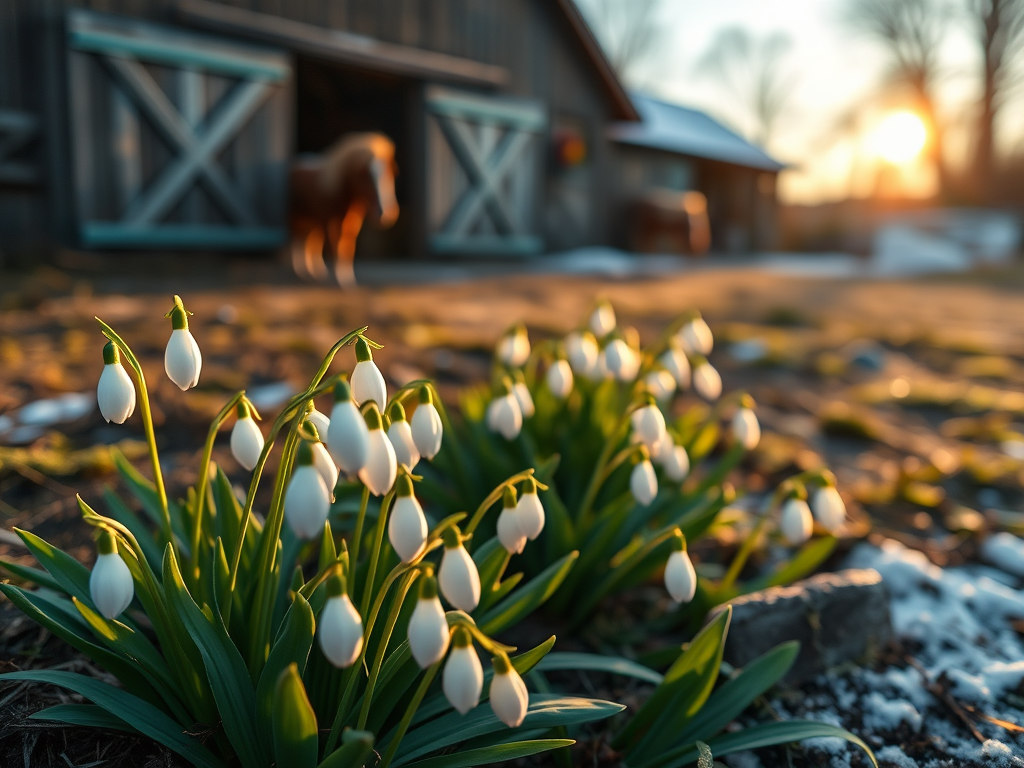
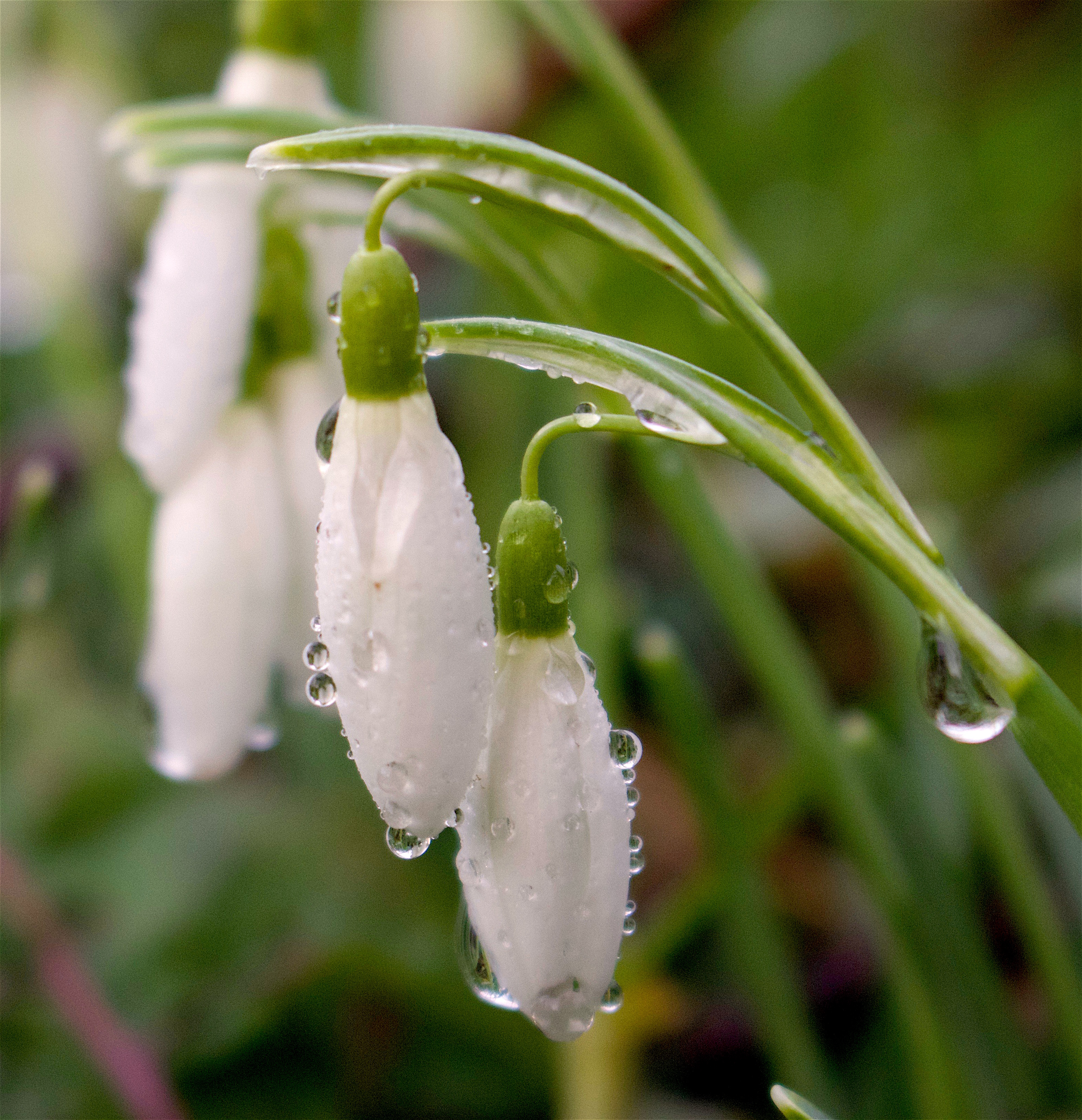
A patch of snowdrops sat blooming in a newly cleared space in our farmyard, visible now only because of bramble removal done last fall. These little white upside down flowers were planted decades ago around our house and yard. There they’ve been, year after year, harbingers of the long-awaited spring to come in a few short weeks, sometimes covered by the overgrowth and invisible to me in my self-absorbed blindness. 

I was astonished that someone, many many years ago, had carried these bulbs around the farm, planting them, hoping they might bless another soul sometime somehow. The blossoms had sprung from their sleep beneath the covering of years of fallen leaves and blackberry vines.

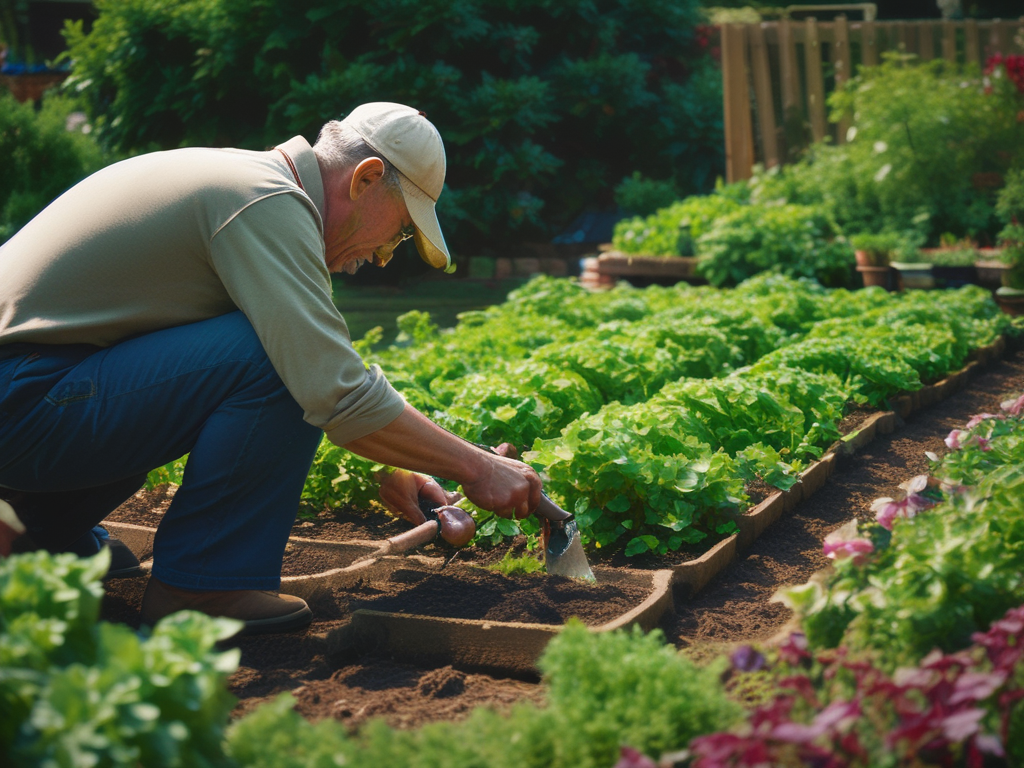
It was as if I’d been physically hugged by this someone long dead, now flesh and blood beside me, with work-rough hands, and dirty fingernails, and broad brimmed hat, and a satisfied smile. This secret gardener is no long living, so I mentally reach back across those years in gratitude, showing my deep appreciation for the time and effort it took to place a foretaste of spring in an unexpected and hidden place.

I am thus compelled to look for ways to leave such a gift for someone to find 70 years from now as they likewise stumble blindly through too many gray days full of human drama, frailty and flaw. Though I will be long gone,  I can reach across the years to grab them, hug them in their doldrums, lift them up and give them hope for what is to come.

It is the peeling away of winter’s shaggy coat, revealing the fresh smoothness of spring glistening underneath.

What an astonishing thought that it was done for me, and in reaffirming that promise of renewal,  I might do it for another.

AI image created for this post
One-Time
Monthly
Yearly

Make a one-time or recurring donation to support daily Barnstorming posts

Make a monthly donation

Make a yearly donation

Choose an amount

$10.00
$25.00
$50.00
$5.00
$15.00
$100.00
$5.00
$15.00
$100.00

Or enter a custom amount

$

Your contribution is deeply appreciated.

Your contribution is appreciated.

Your contribution is appreciated.

DonateDonate monthlyDonate yearly

The Rustling Maize

A dim veil hangs over the landscape and flood,
And the hills are all mellowed in haze,
While Fall, creeping on like a monk ‘neath his hood,
Plucks the thick-rustling wealth of the maize.

And long for this manna that springs from the sod
Shall we gratefully give Him the praise,
The source of all bounty, our Father and God,
Who sent us from heaven the maize!
~William Fosdick “The Maize”

Come, boys, sing!—
                               Sing of the yellow corn,
                           Sing, boys, sing,
                               Sing of the yellow corn!
He springeth up from the fallow soil,
With the blade so green and tall,
And he payeth well the reaper’s toil,
When the husks in the autumn fall.
              The pointed leaves,
                  And the golden ear,
              The rustling sheaves,
                  In the ripened year—
                            Sing, boys, sing!
                               Sing of the yellow corn,
                            Sing, boys, sing,
                               Sing of the yellow corn.

He drinks the rain in the summer long,
And he loves the streams that run,
And he sends the stalk so stout and strong,
To bask in the summer sun.
              The pointed leaves,
                   And the golden ear,
              The rustling sheaves,
                   In the ripened year—
                              Sing, boys, sing!
                                  Sing of the yellow corn,
                              Sing, boys, sing,
                                  Sing of the yellow corn.

He loves the dews of the starry night,
And the breathing wind that plays
With his tassels green, when the mellow light
Of the moon on the meadow stays.
              The pointed leaves,
                   And the golden ear,
              The rustling sheaves,
                   In the ripened year—
                              Sing, boys, sing!
                                  Sing of the yellow corn,
                              Sing, boys, sing,
                                  Sing of the yellow corn.

A glorious thing is the yellow corn,
With the blade so green and tall,
A blessed thing is the yellow corn,
When the husks in the autumn fall.
              Then, sing, boys, sing!
                  Sing of the yellow corn,
              Sing, boys, sing,
                  Sing of the yellow corn!
                     The pointed leaves,
                          And the golden ear,
                     The rustling sheaves,
                          In the ripened year—
                              Come, sing, boys, sing!
                                   Sing of the yellow corn,
                               Sing, boys, sing,
                                   Sing of the yellow corn.

~Charles Eastman “The Yellow Corn”

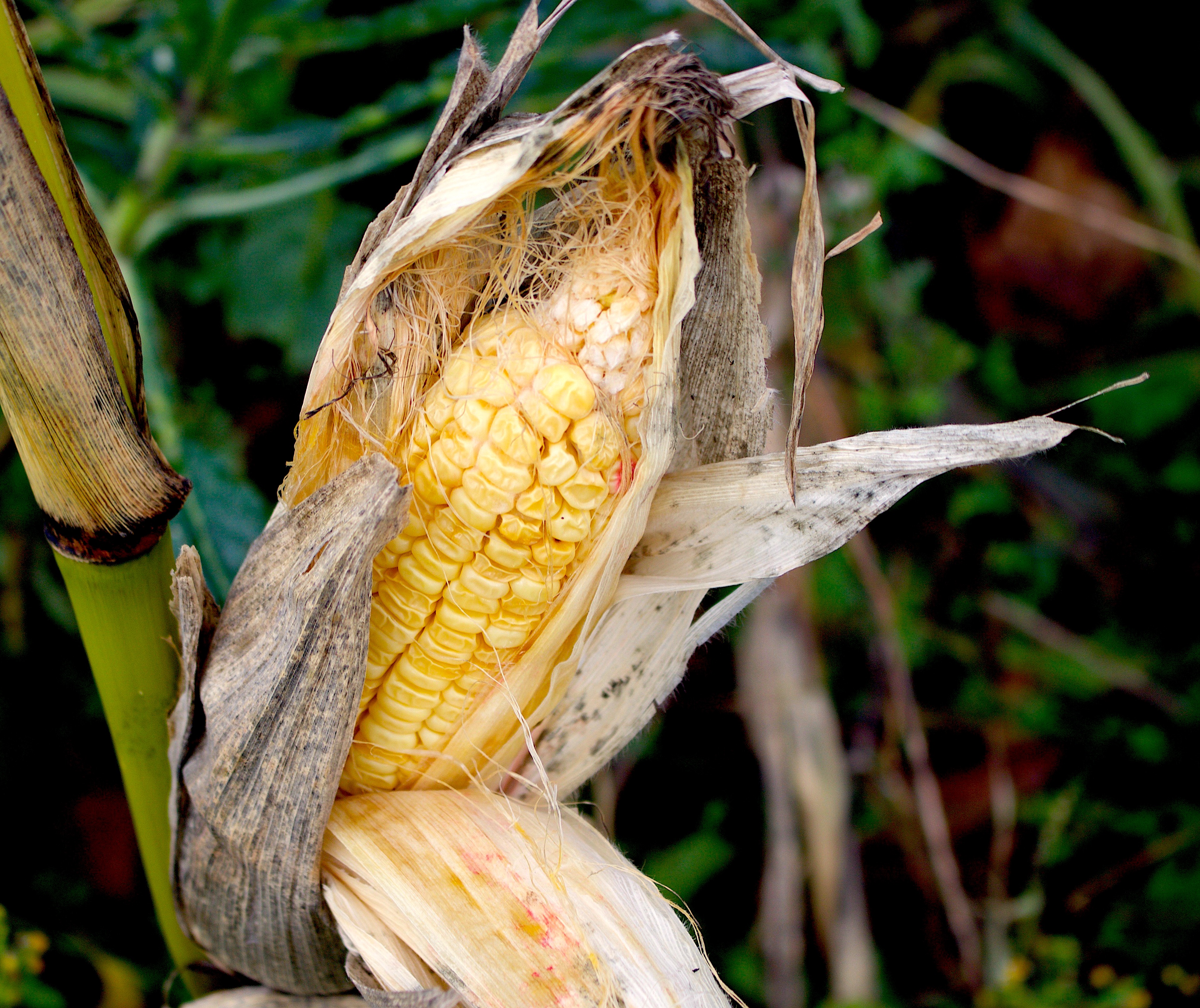
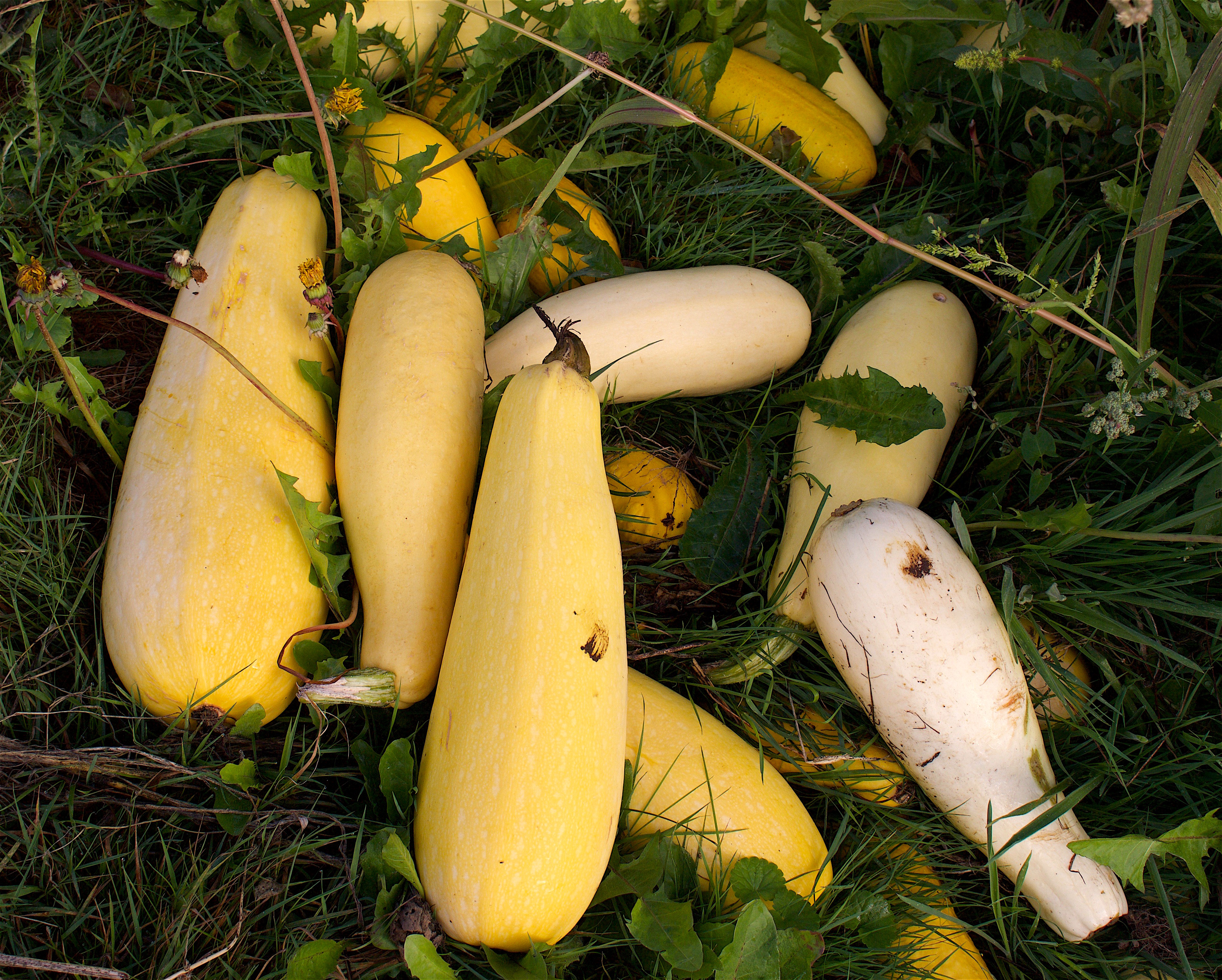
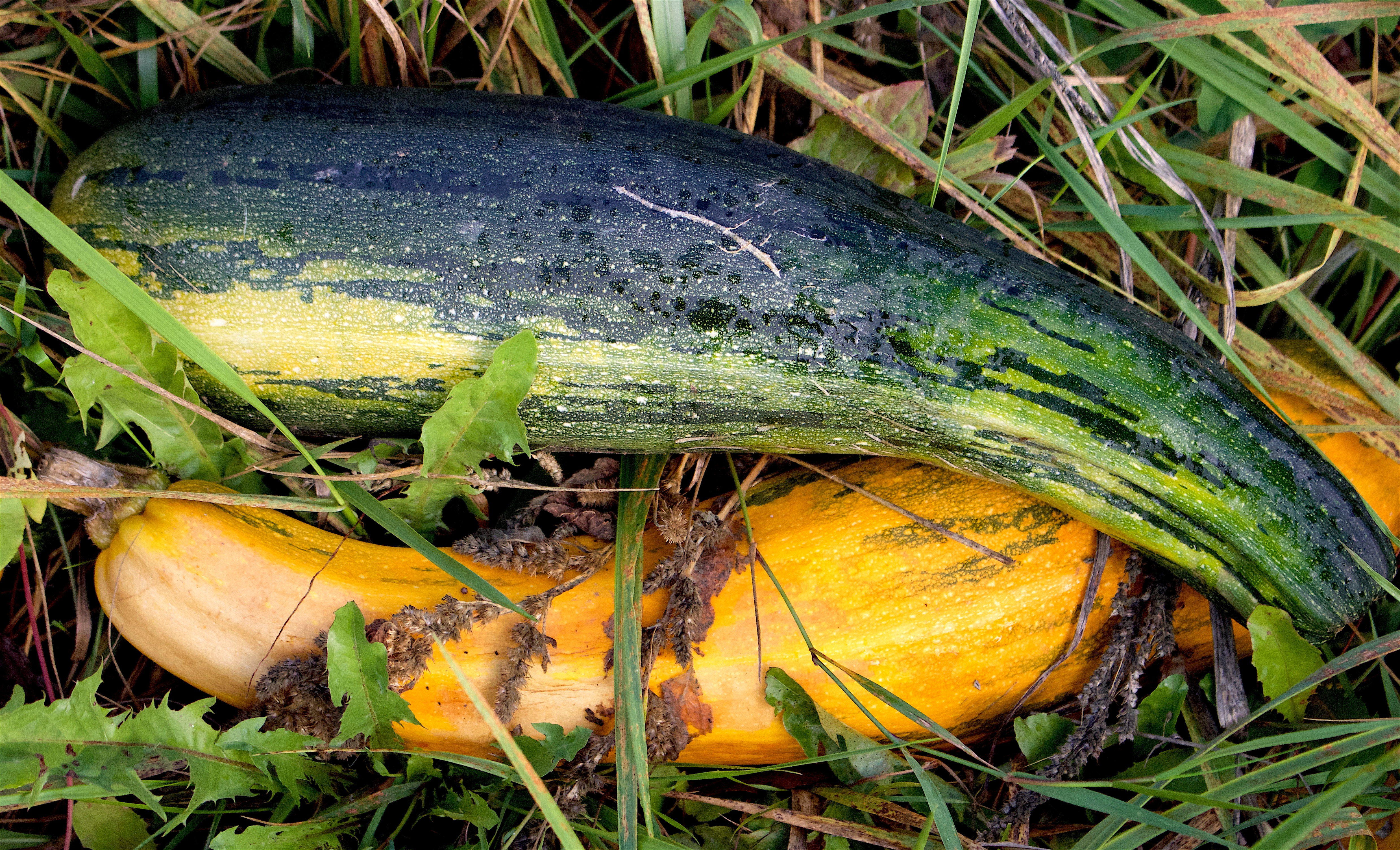
The dying autumn garden can feel like a treasure hunt as we pull out and sort through the dead and dying vines and stalks: a giant zucchini growing undetected under leaves, a rotting pumpkin collapsing into itself, fat hollowed beans ready to burst with seed.

Everything is dry and rustling in the north winds.

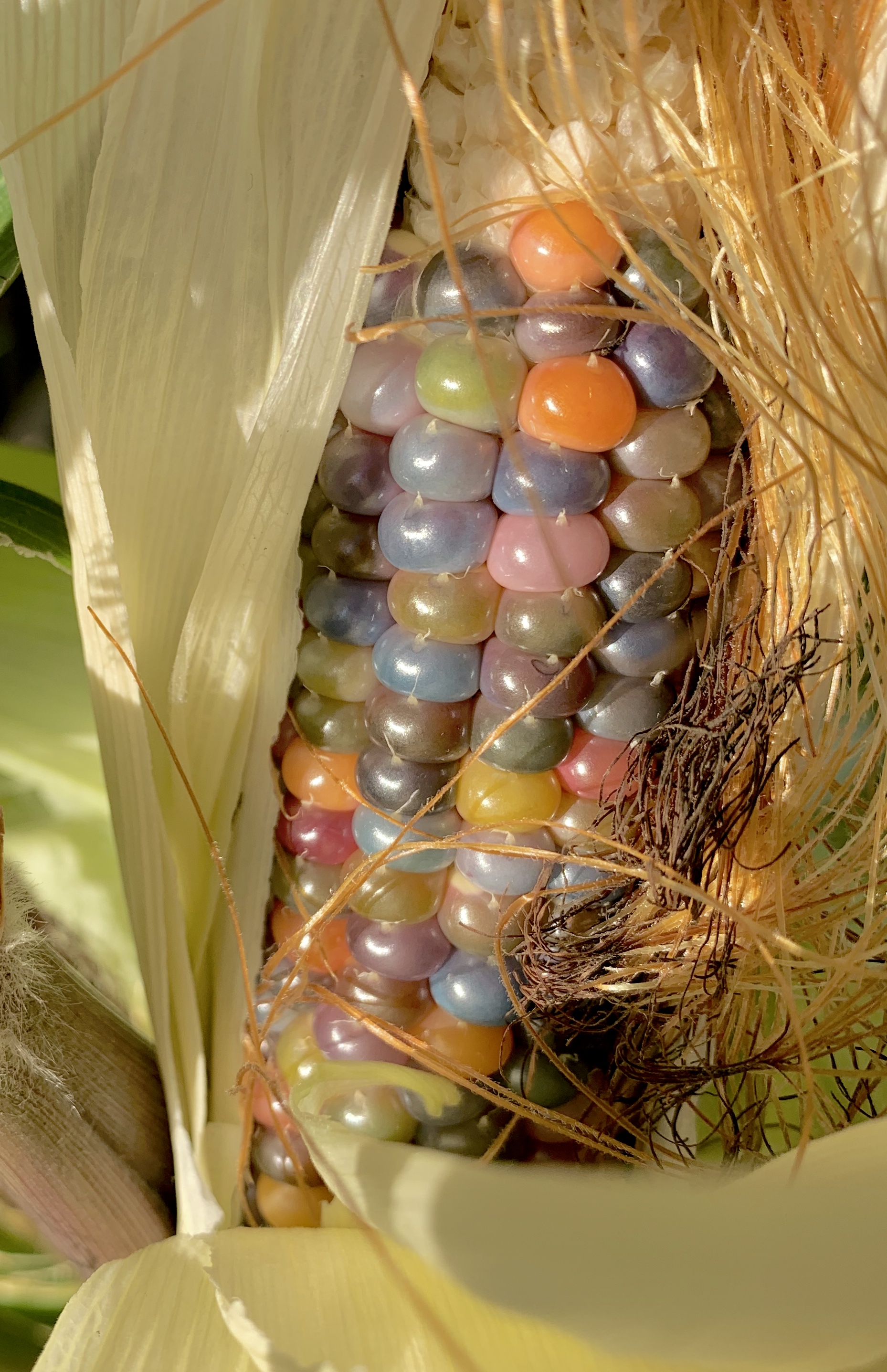
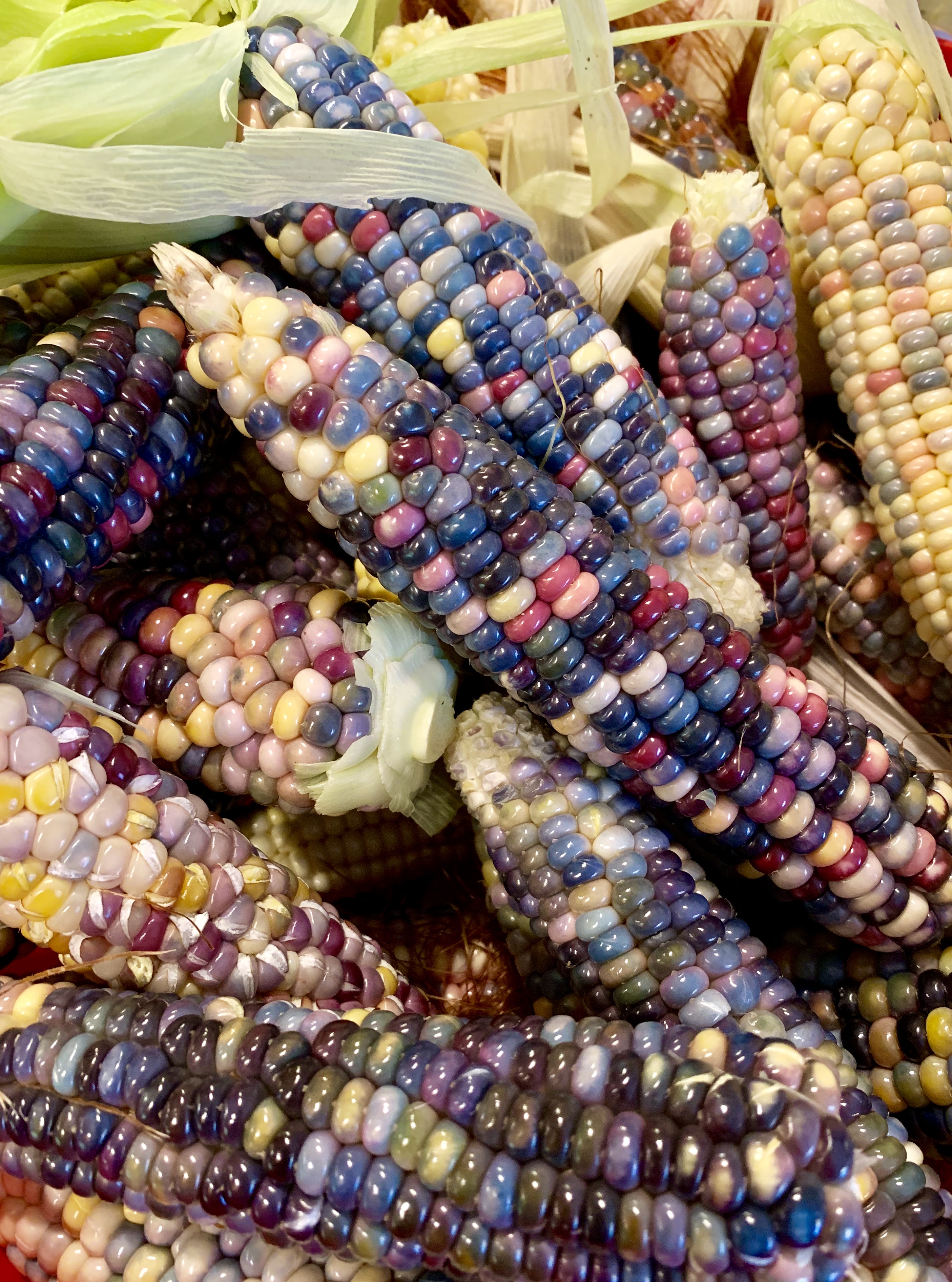
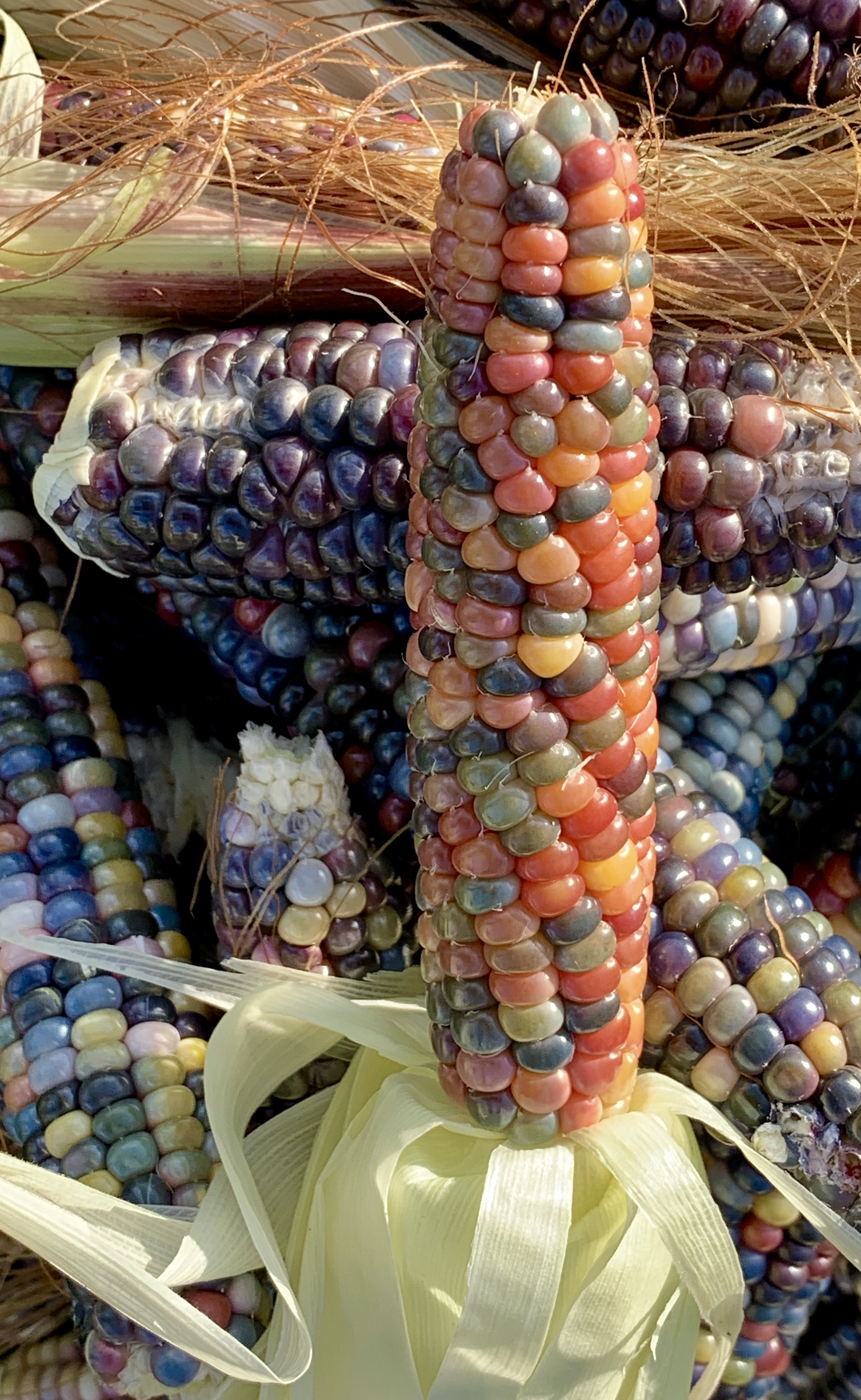
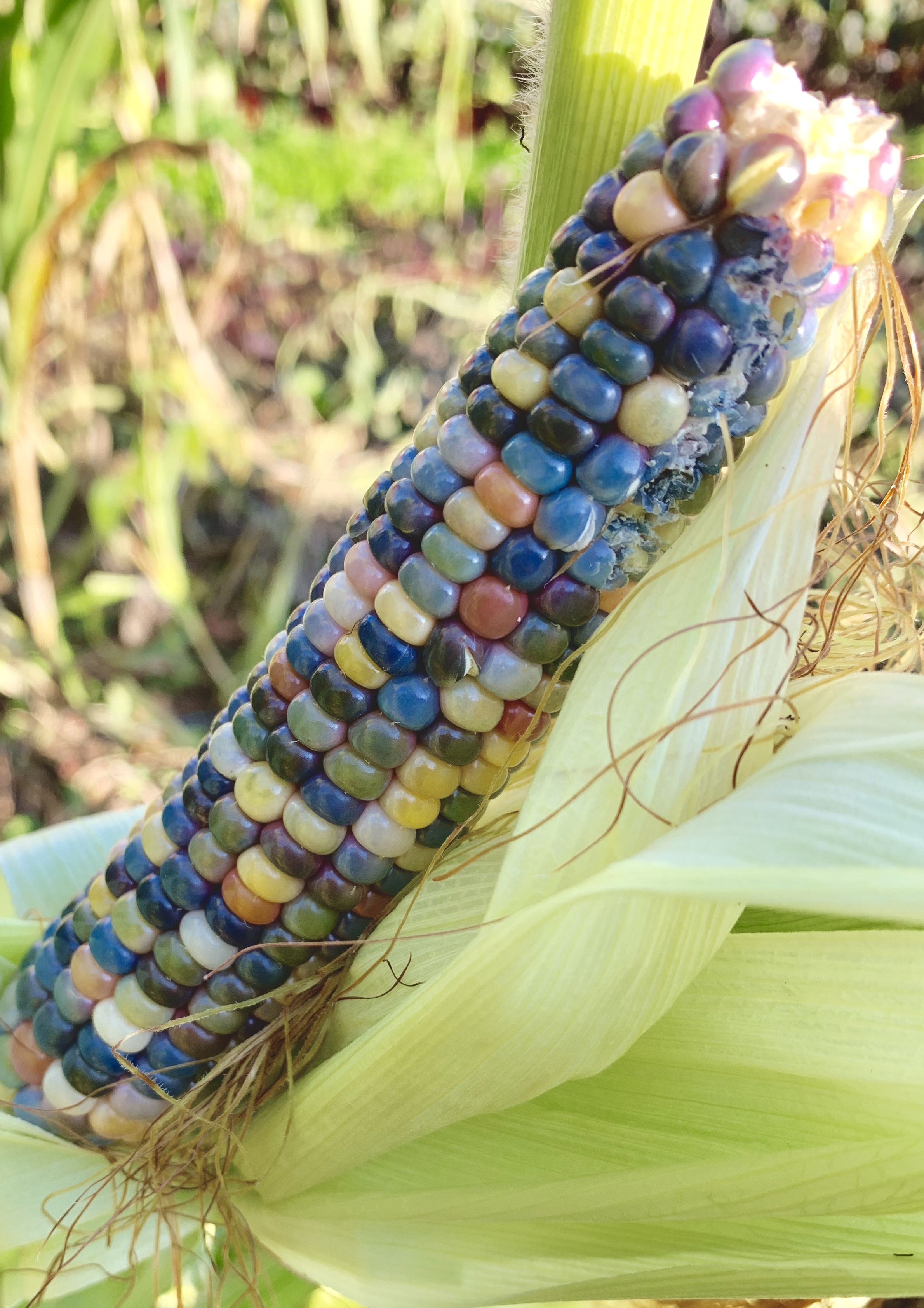
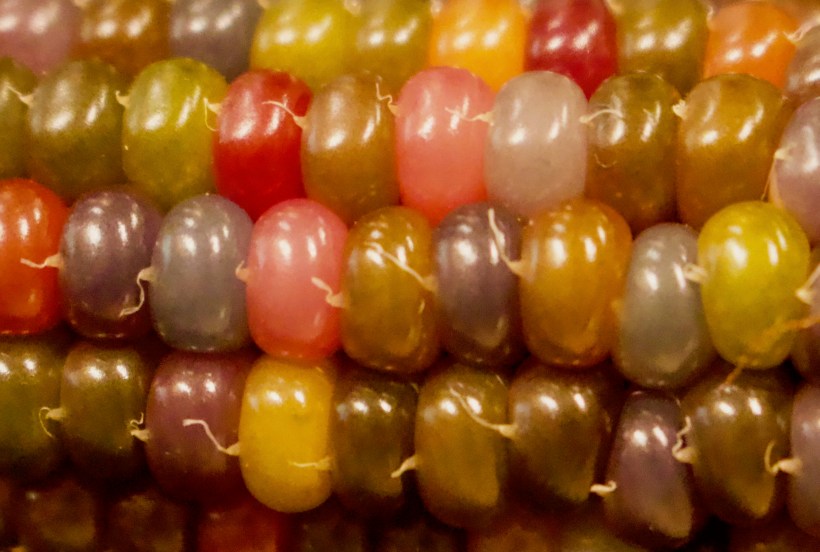
The greatest Easter Egg of all hidden away in husk and cornsilk is glass gem corn. It grew on stunted stalks with few apparent ears, so pitiful next to our robust sweet corn crop.

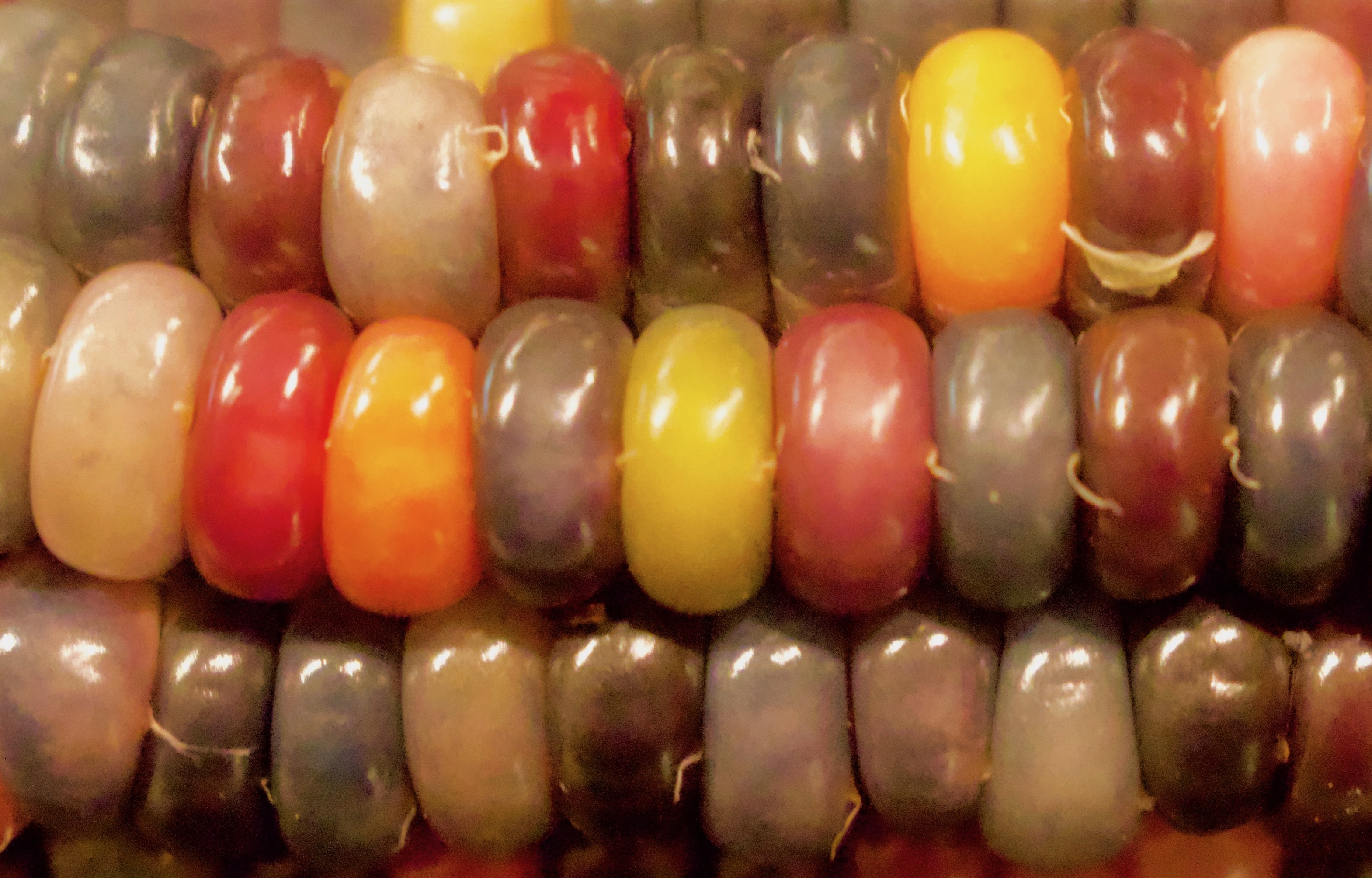
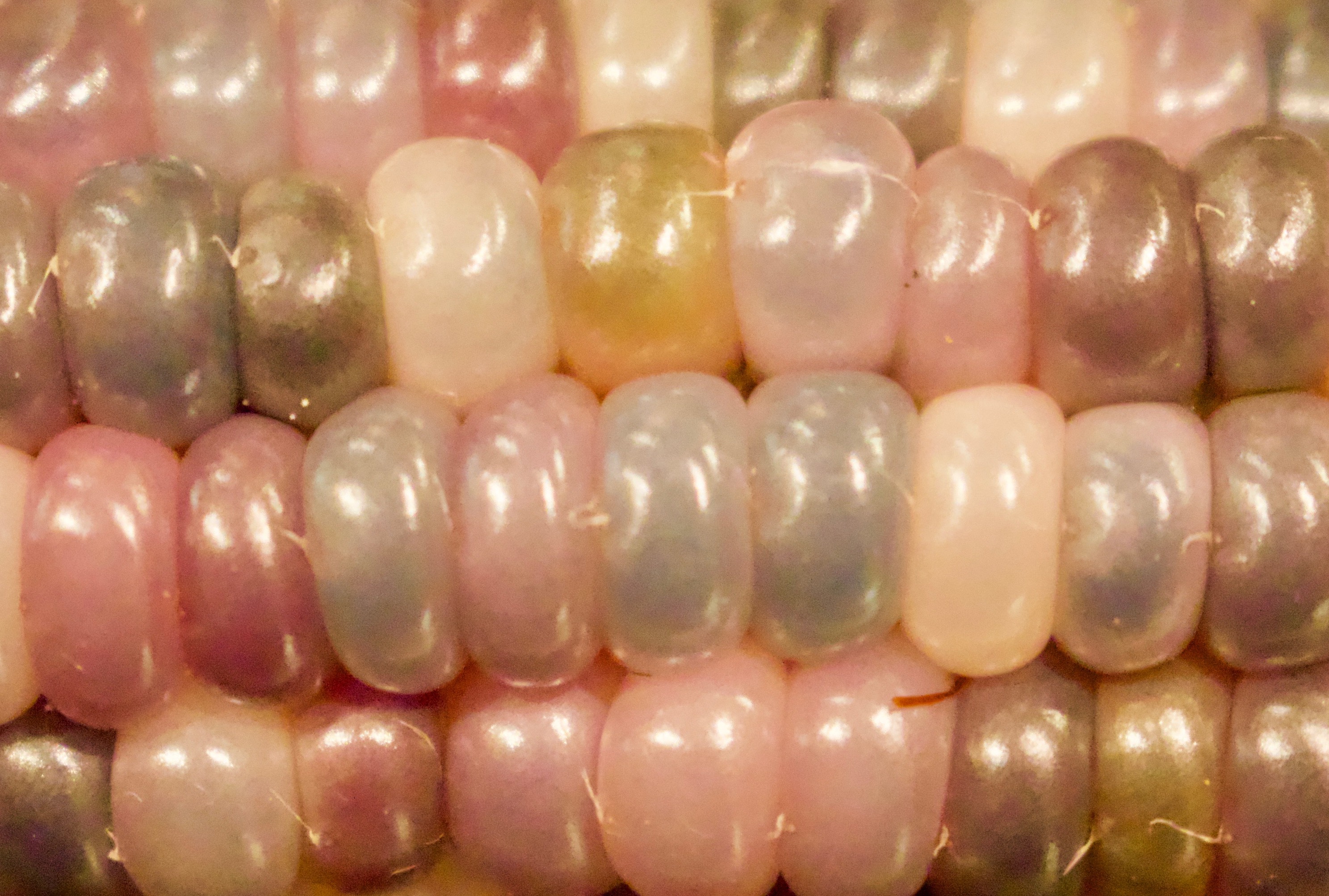
It fooled us; this corn is pure gold in a kaleidoscope Thanksgiving display – purely ornamental since it doesn’t grow prolific like a sweet yellow corn. Yet these meager ears glow like stained glass, colorful quilt swatches on a stalk.

God has a palette of heaven-sent color and imagination. People come in all colors too, thanks to His artistry, but not nearly so varied as these kernels of colored glass.

One-Time
Monthly
Yearly

Make a one-time and recurring donation to support daily Barnstorming posts

Make a monthly donation

Make a yearly donation

Choose an amount

$10.00
$25.00
$50.00
$5.00
$15.00
$100.00
$5.00
$15.00
$100.00

Or enter a custom amount

$

Your contribution is deeply appreciated.

Your contribution is appreciated.

Your contribution is appreciated.

DonateDonate monthlyDonate yearly
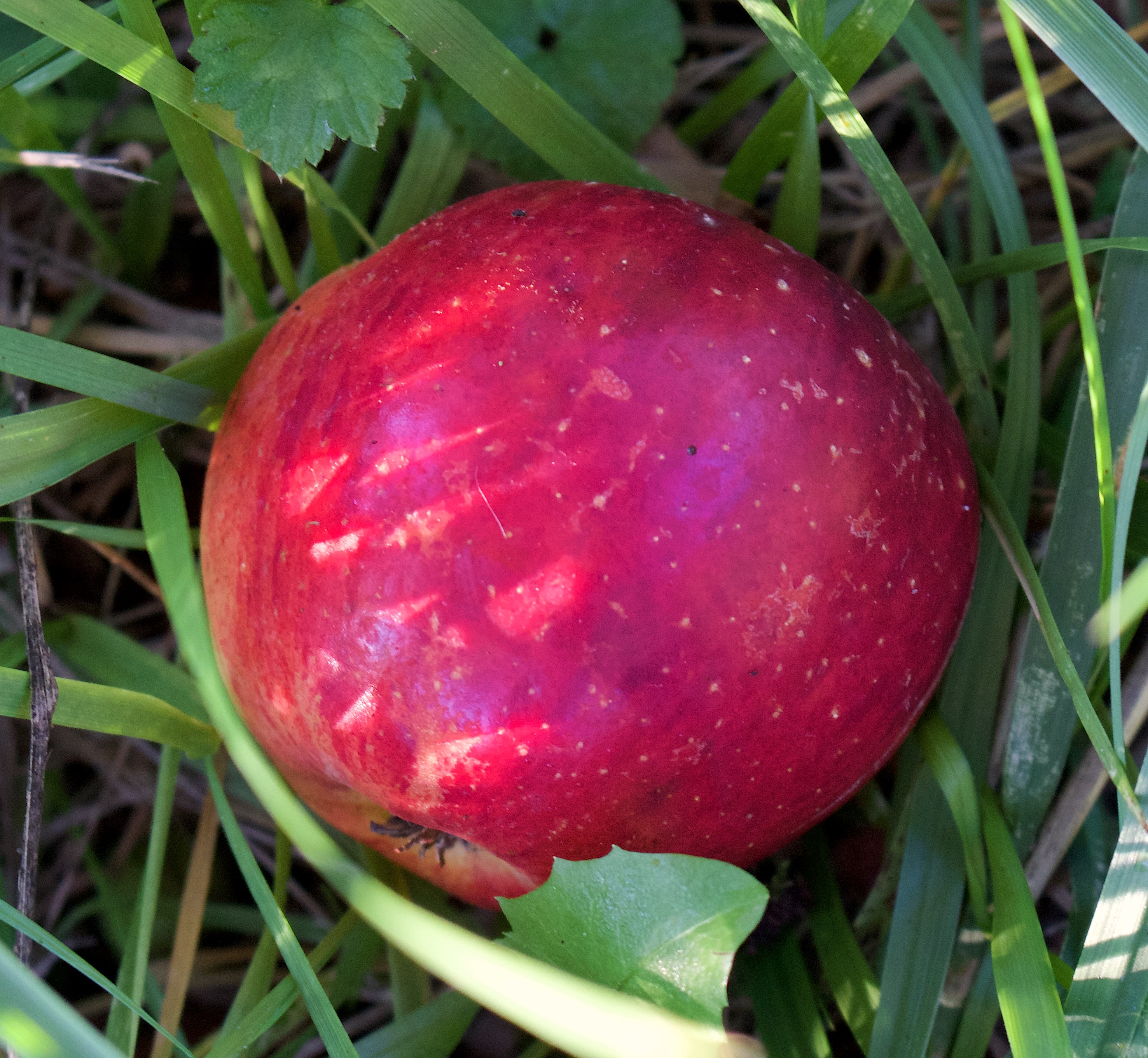

A Slow and Radiant Happening

In heaven it is always autumn. The leaves are always near
to falling there but never fall, and pairs of souls out walking
heaven’s paths no longer feel the weight of years upon them.
Safe in heaven’s calm, they take each other’s arm,
the light shining through them, all joy and terror gone.
But we are far from heaven here, in a garden ragged and unkept
as Eden would be with the walls knocked down, the paths littered
with the unswept leaves of many years, bright keepsakes
for children of the Fall. The light is gold, the sun pulling
the long shadow soul out of each thing, disclosing an outcome.
The last roses of the year nod their frail heads,
like listeners listening to all that’s said, to ask,
What brought us here? What seed? What rain? What light?
What forced us upward through dark earth? What made us bloom?
What wind shall take us soon, sweeping the garden bare?

Their voiceless voices hang there, as ours might,
if we were roses, too. Their beds are blanketed with leaves,
tended by an absent gardener whose life is elsewhere.
It is the last of many last days. Is it enough?
To rest in this moment? To turn our faces to the sun?
To watch the lineaments of a world passing?
To feel the metal of a black iron chair, cool and eternal,
press against our skin? To apprehend a chill as clouds
pass overhead, turning us to shivering shade and shadow?
And then to be restored, small miracle, the sun shining brightly
as before? We go on, you leading the way, a figure
leaning on a cane that leaves its mark on the earth.
My friend, you have led me farther than I have ever been.
To a garden in autumn. To a heaven of impermanence
where the final falling off is slow, a slow and radiant happening.
The light is gold. And while we’re here, I think it must
    be heaven.
~Elizabeth Spires from “In Heaven it is Always Autumn”
from Now the Green Blade Rises

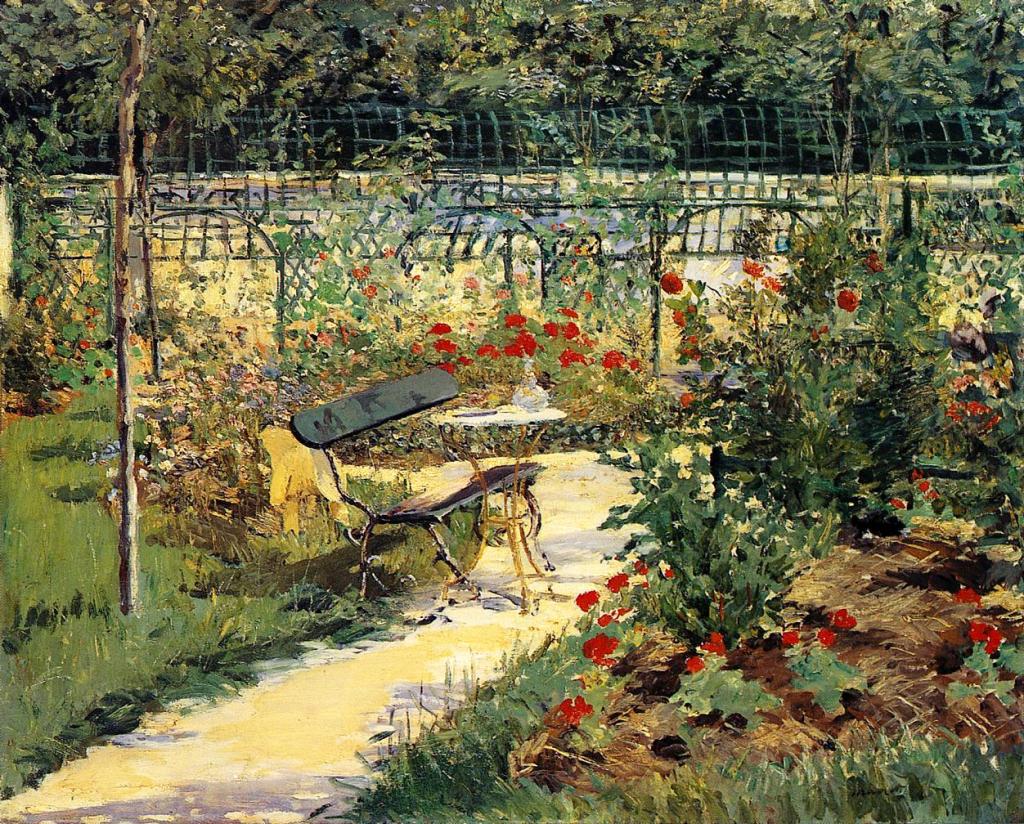
The Bench by Manet

We wander our autumn garden mystified at the passing of the weeks since seed was first sown, weeds pulled, peapods picked. It could not possibly be done so soon–this patch of productivity and beauty, now wilted and brown, vines crushed to the ground, no longer fruitful.

The root cellar is filling up, the freezer packed. The work of putting away is almost done.

So why do I go back to the now barren soil my husband so carefully worked, numb in the knowledge I will pick no more this season, feel the burst of a cherry tomato exploding in my mouth or the green freshness of a bean straight off the vine?

Because for a few fertile weeks, only a few weeks, the garden was a bit of heaven on earth, impermanent but a real taste nonetheless. 

We may have mistaken Him for the gardener when He appeared to us radiant, suddenly unfamiliar. He offered the care of the garden, to bring in the sheaves, to share the forever mercies in the form of daily bread grown right here and now.

When He says my name, I will know Him. 

And the light is golden.

One-Time
Monthly
Yearly

Make a one-time or recurring donation to support daily Barnstorming posts

Make a monthly donation

Make a yearly donation

Choose an amount

$10.00
$25.00
$50.00
$5.00
$15.00
$100.00
$5.00
$15.00
$100.00

Or enter a custom amount

$

Your contribution is deeply appreciated.

Your contribution is appreciated.

Your contribution is appreciated.

DonateDonate monthlyDonate yearly

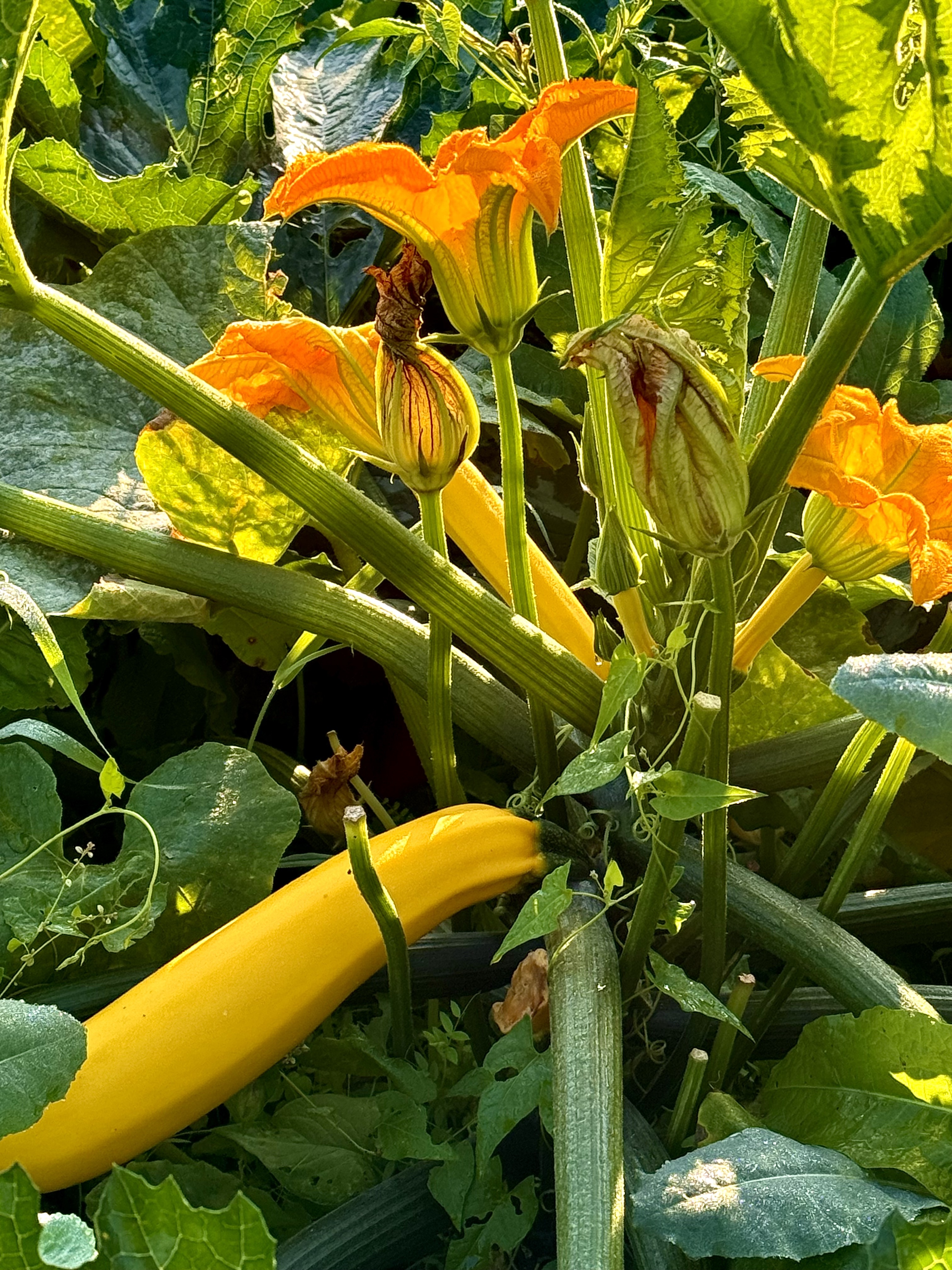
Zucchini Chronicles

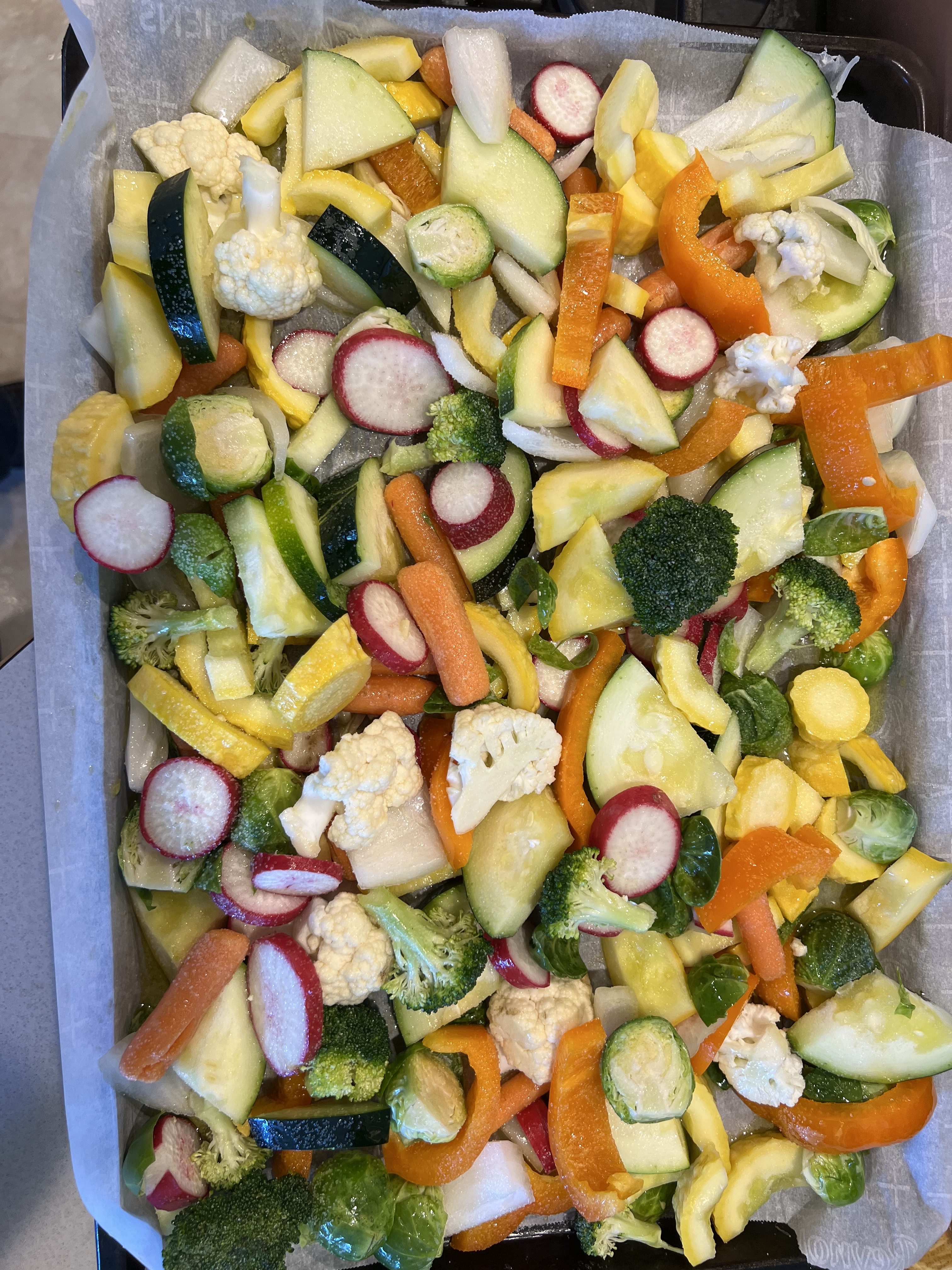
Recite fifty zucchini recipes!                                                                                     Zucchini tempura; creamed soup;                                                                                 sauté with olive oil and cumin,                                                                                casserole of lamb; baked                                                                                             topped with cheese; marinated;                                                                                stuffed; stewed….

Sneak out before dawn to drop                                                                                              them in other people’s gardens,                                                                                            in baby buggies at churchdoors.

 Shot, smuggling zucchini into                                                                                               mailboxes, a federal offense.
~Marge Piercy from “Attack of the Squash People”

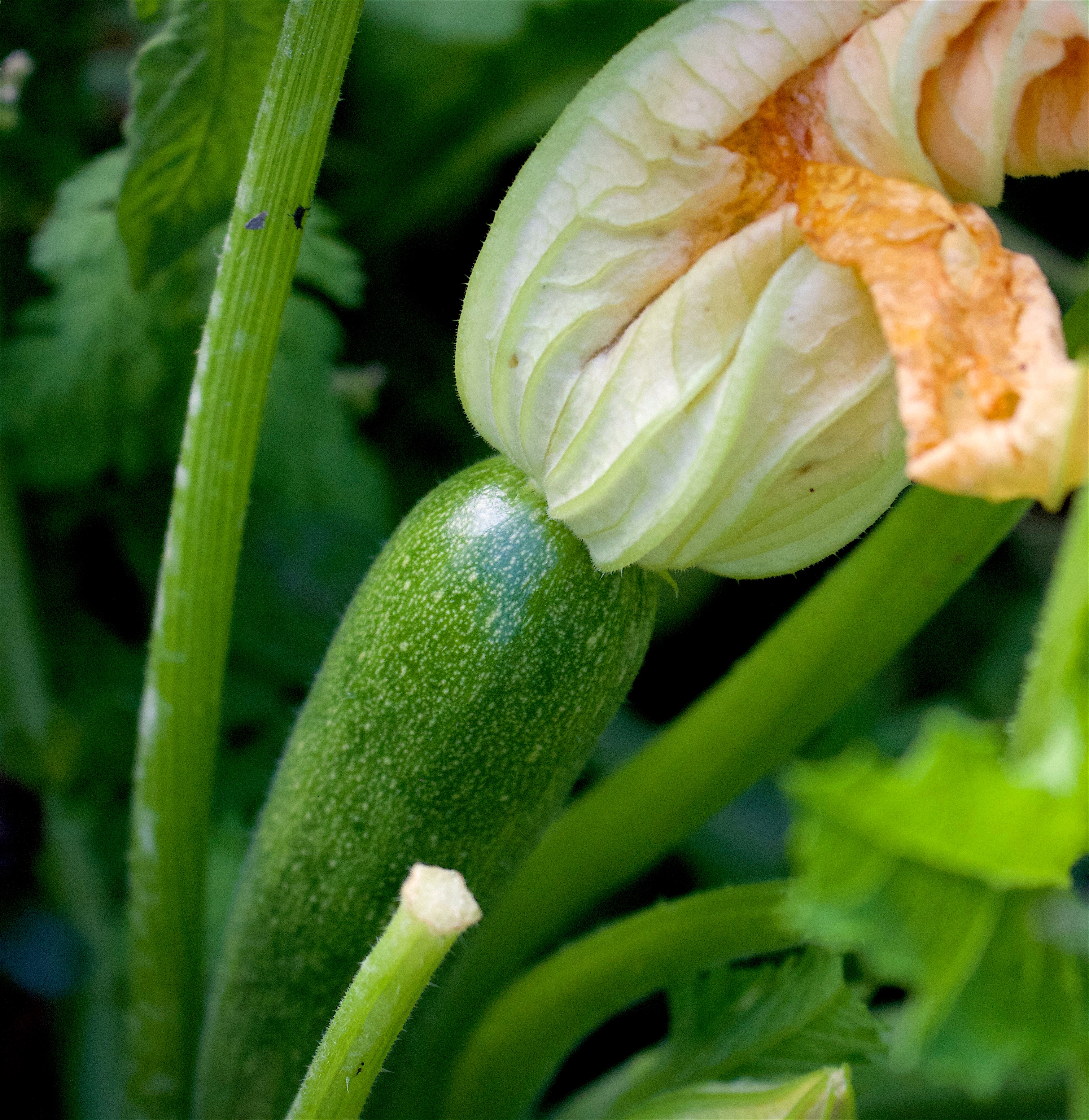
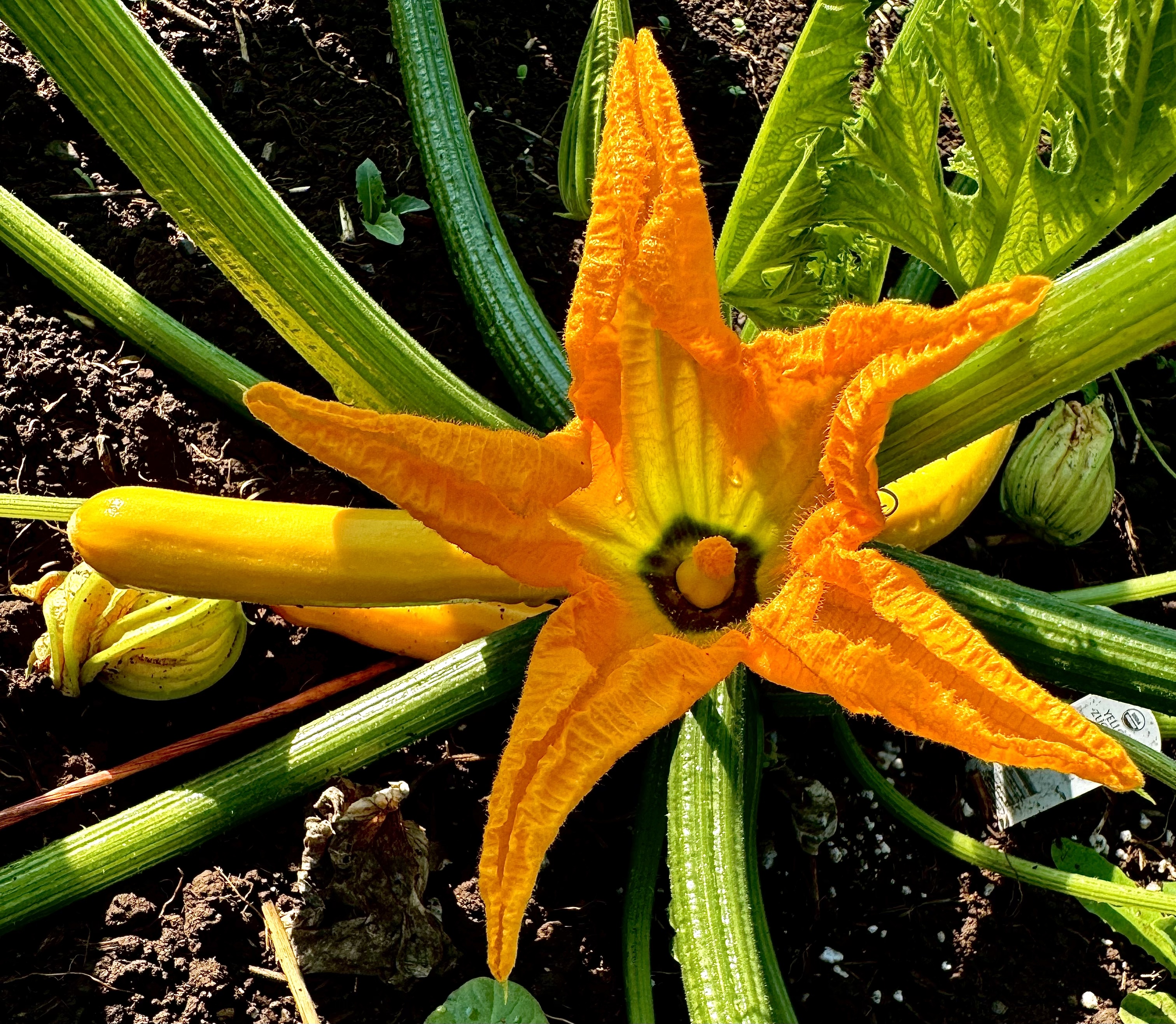
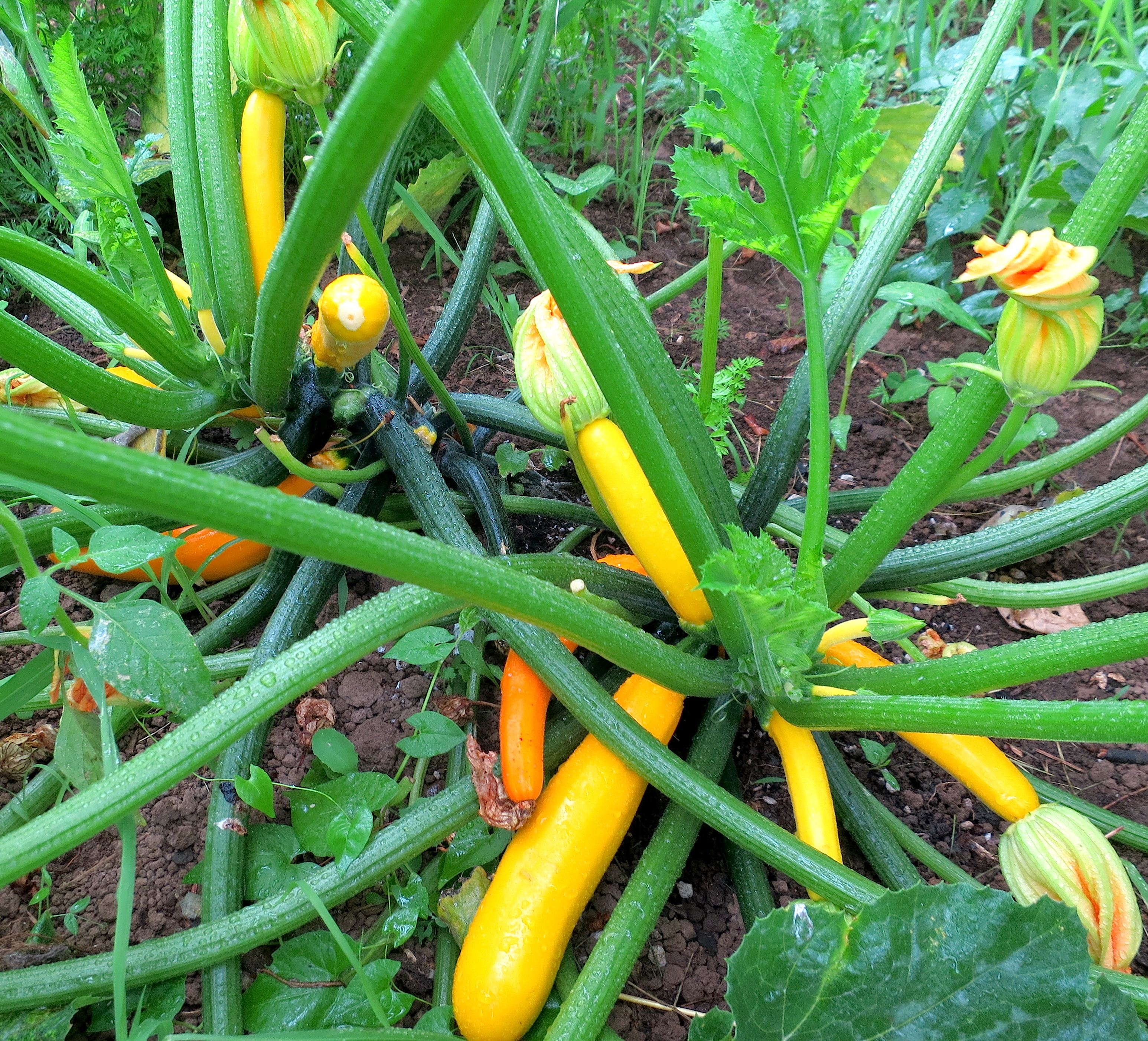
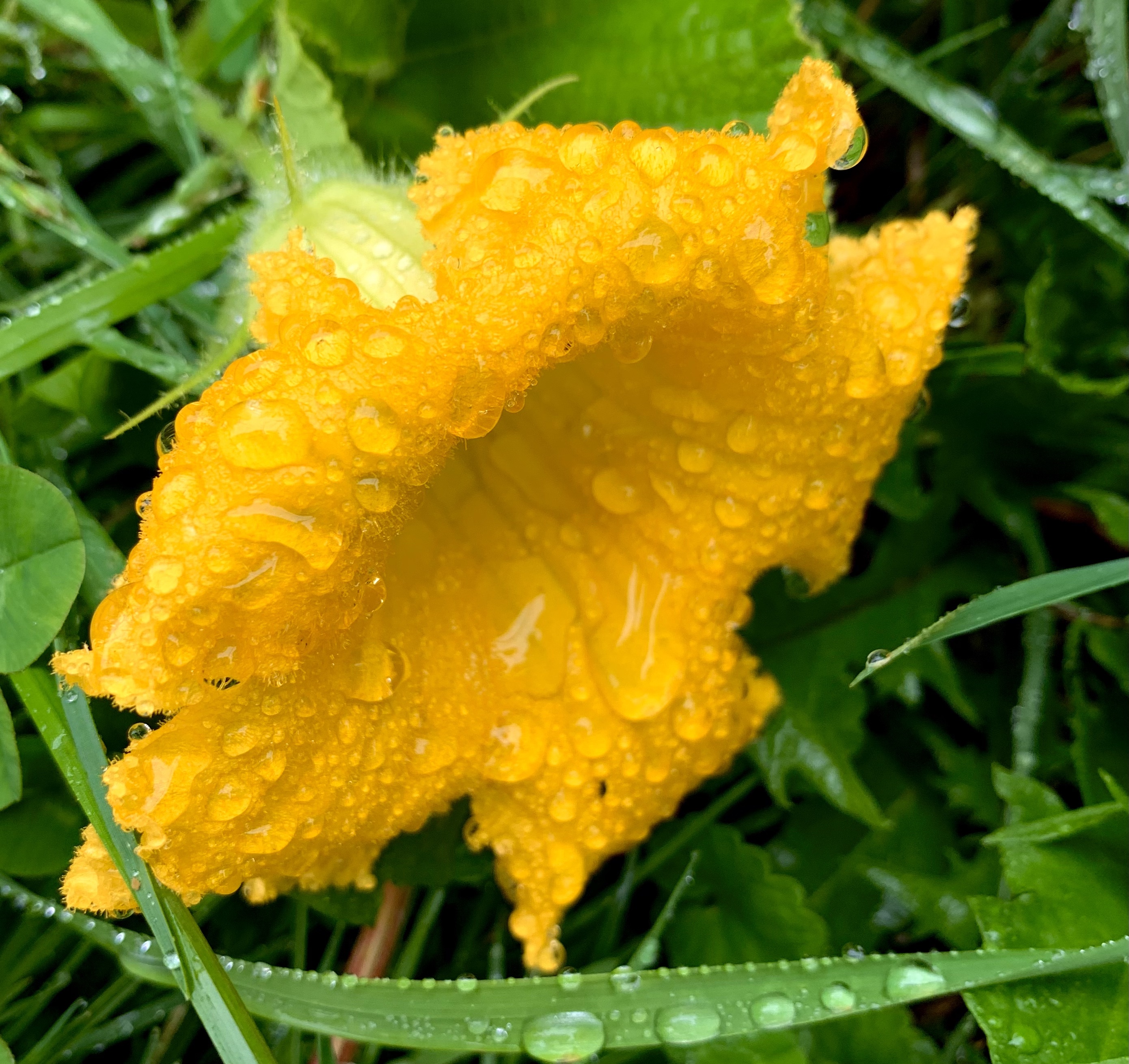
The trouble is, you cannot grow just one zucchini. Minutes after you plant a single seed, hundreds of zucchini will barge out of the ground and sprawl around the garden, menacing the other vegetables. At night, you will be able to hear the ground quake as more and more zucchinis erupt.
~Dave Barry

One day we came home from some errands to find a grocery sack of [zucchini] hanging on our mailbox. The perpetrator, of course, was nowhere in sight … Garrison Keillor says July is the only time of year when country people lock our cars in the church parking lot, so people won’t put squash on the front seat. I used to think that was a joke.
~Barbara Kingsolver

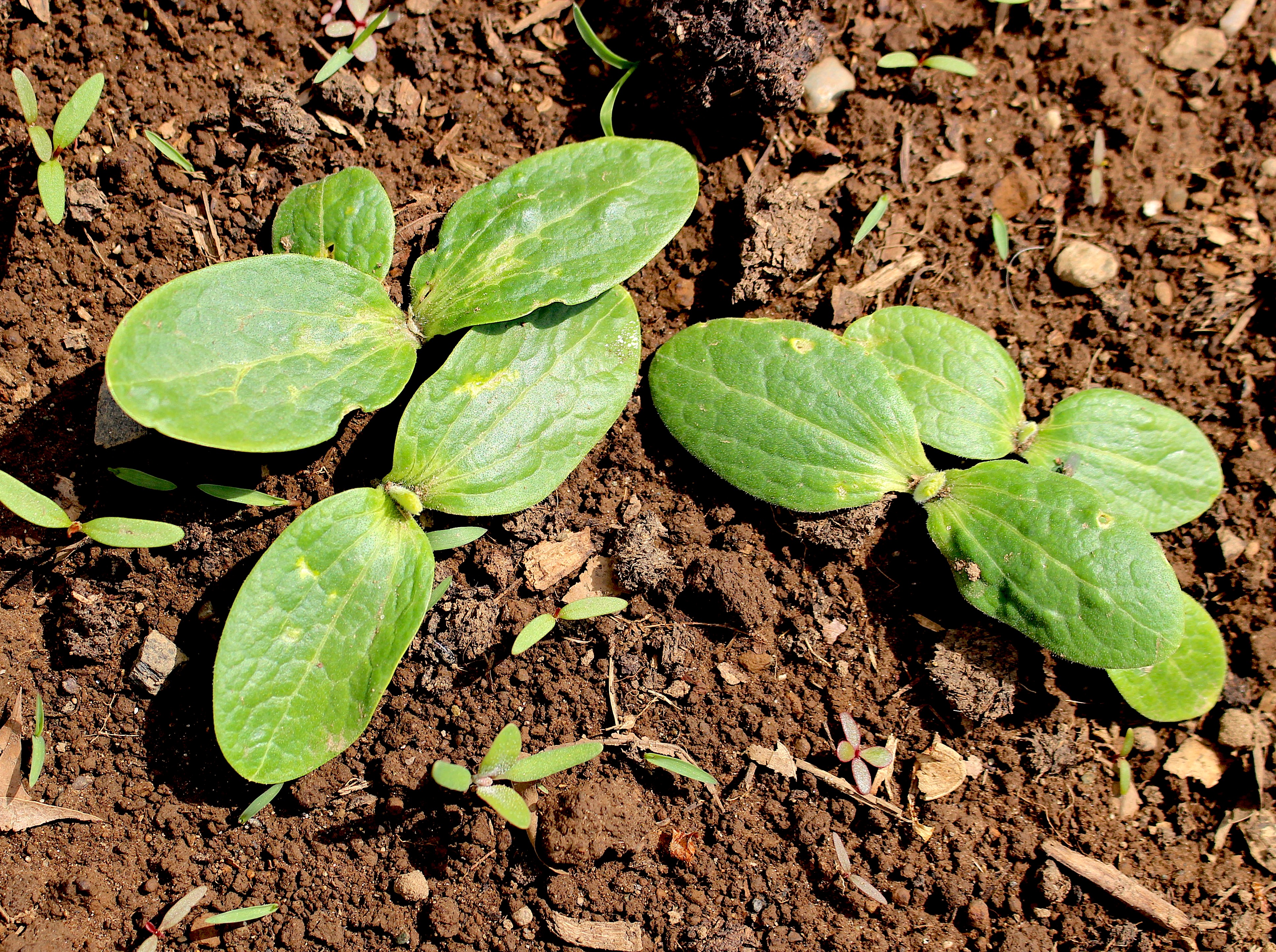
It started innocently enough in April
with two-leaf seedlings labeled green and golden;
non-descript squash plants harboring
vast potential.

By June the plants crept across the ground with vines
reaching past the beans to threaten the cucumbers:
going where no vine has gone before,
to divide and conquer, leaving no dust untouched.

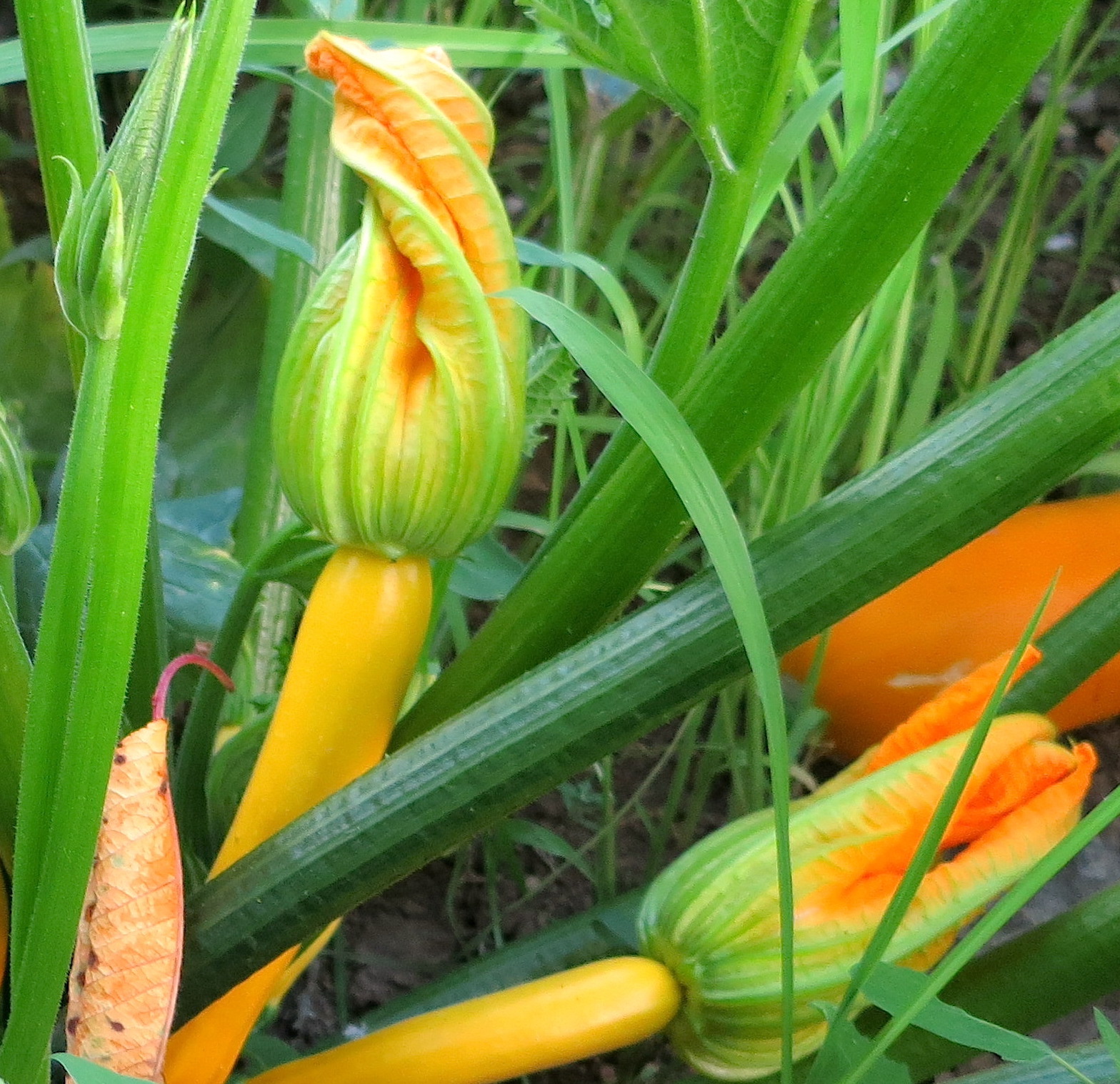
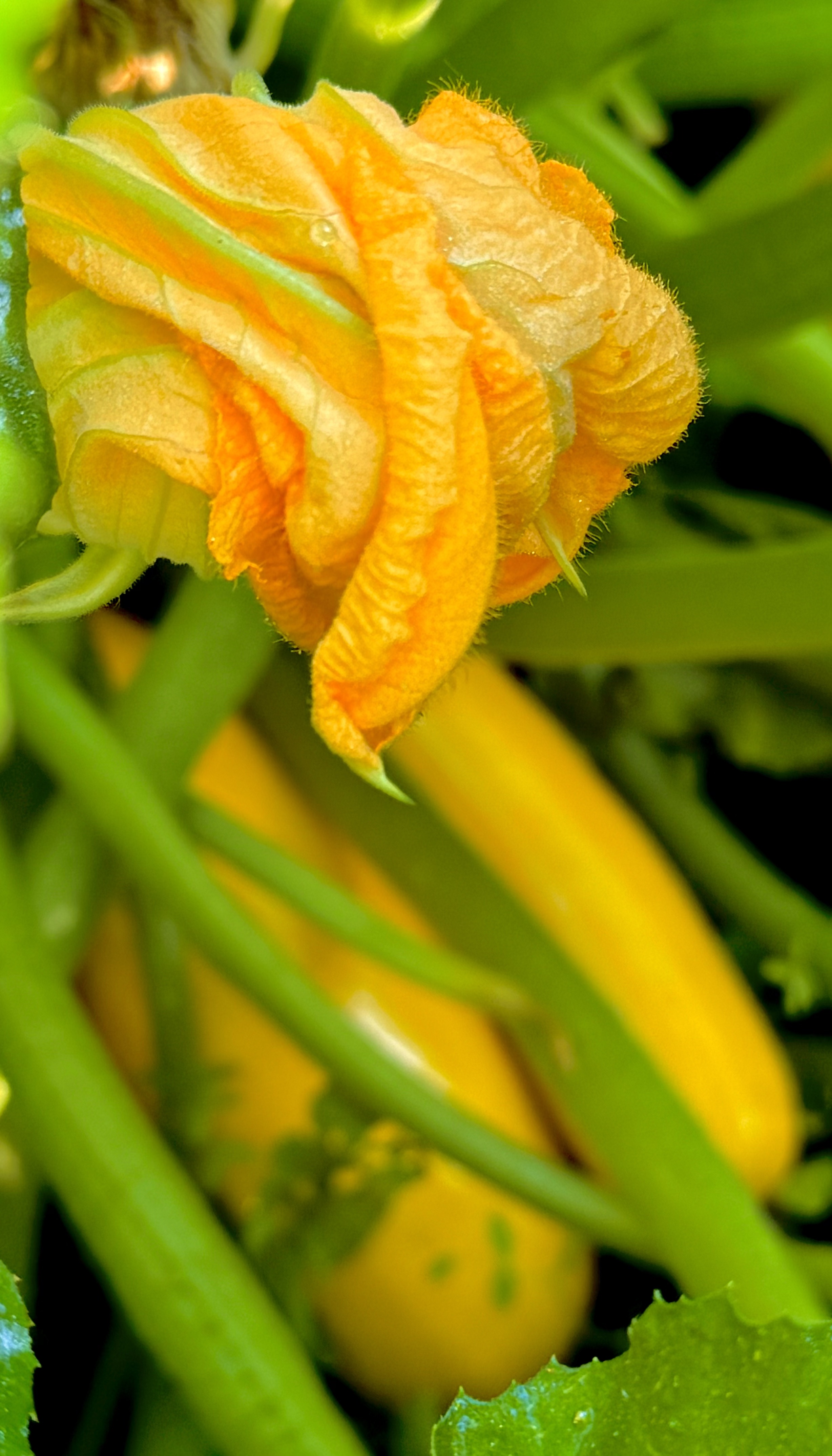
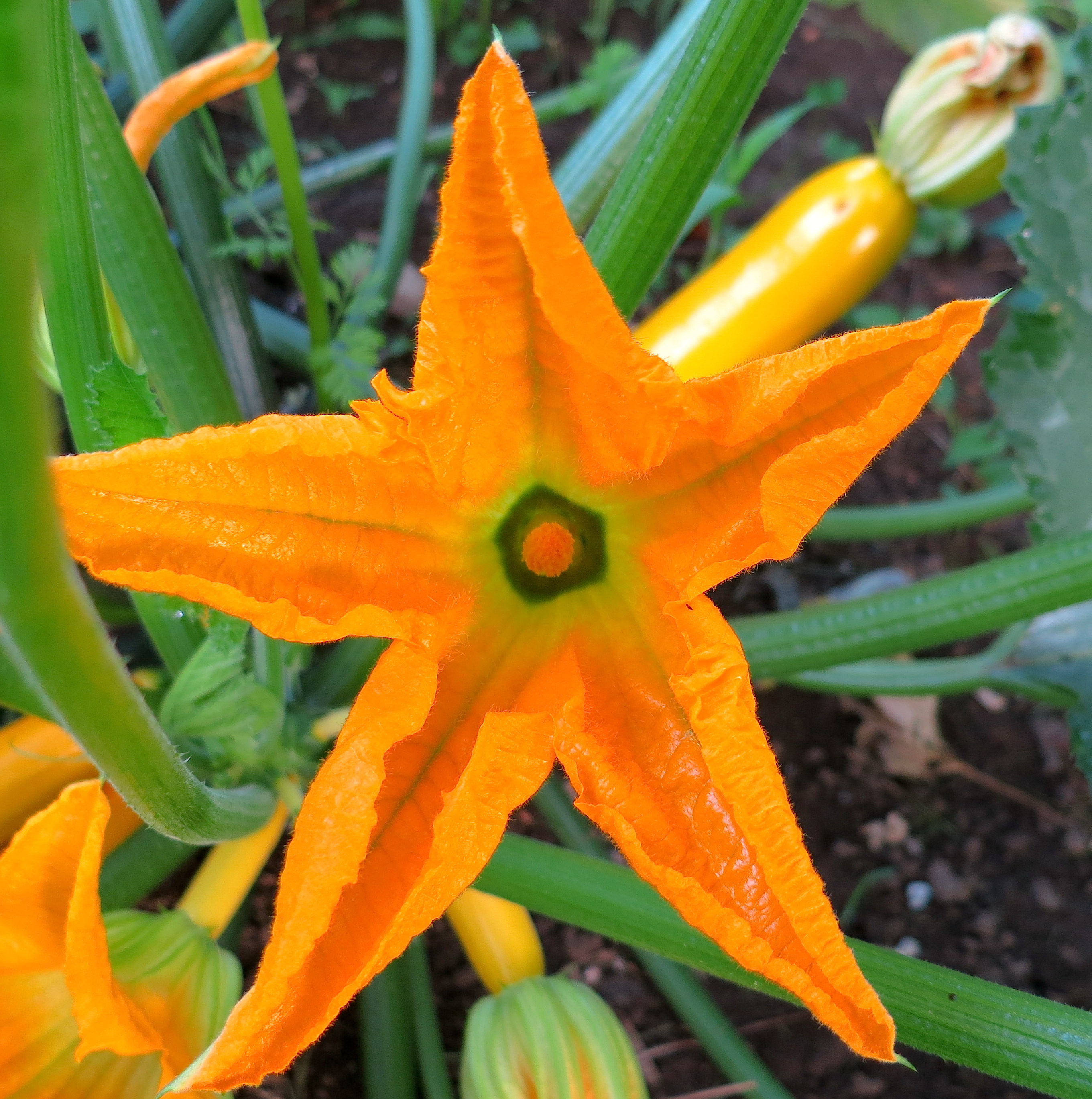
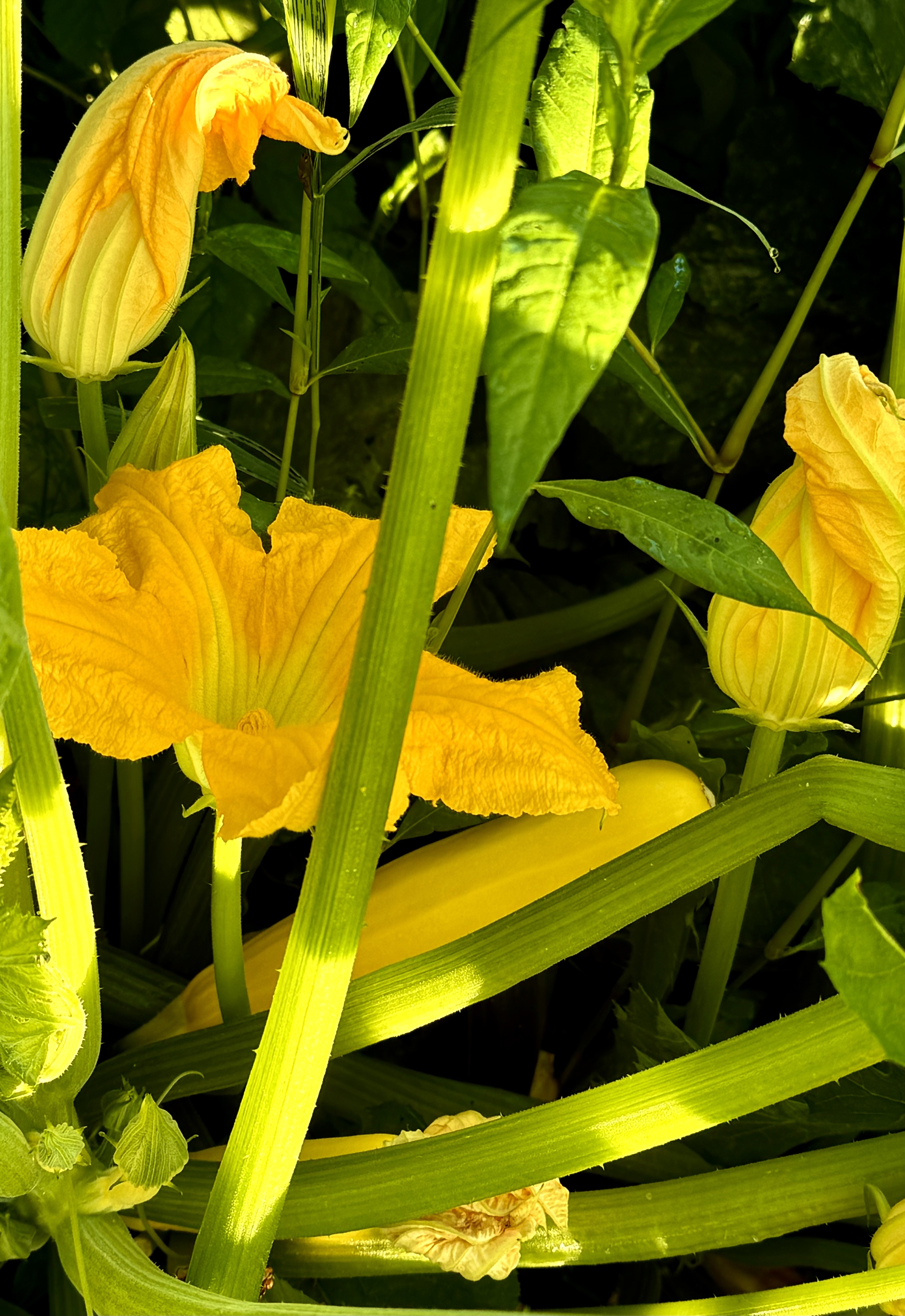
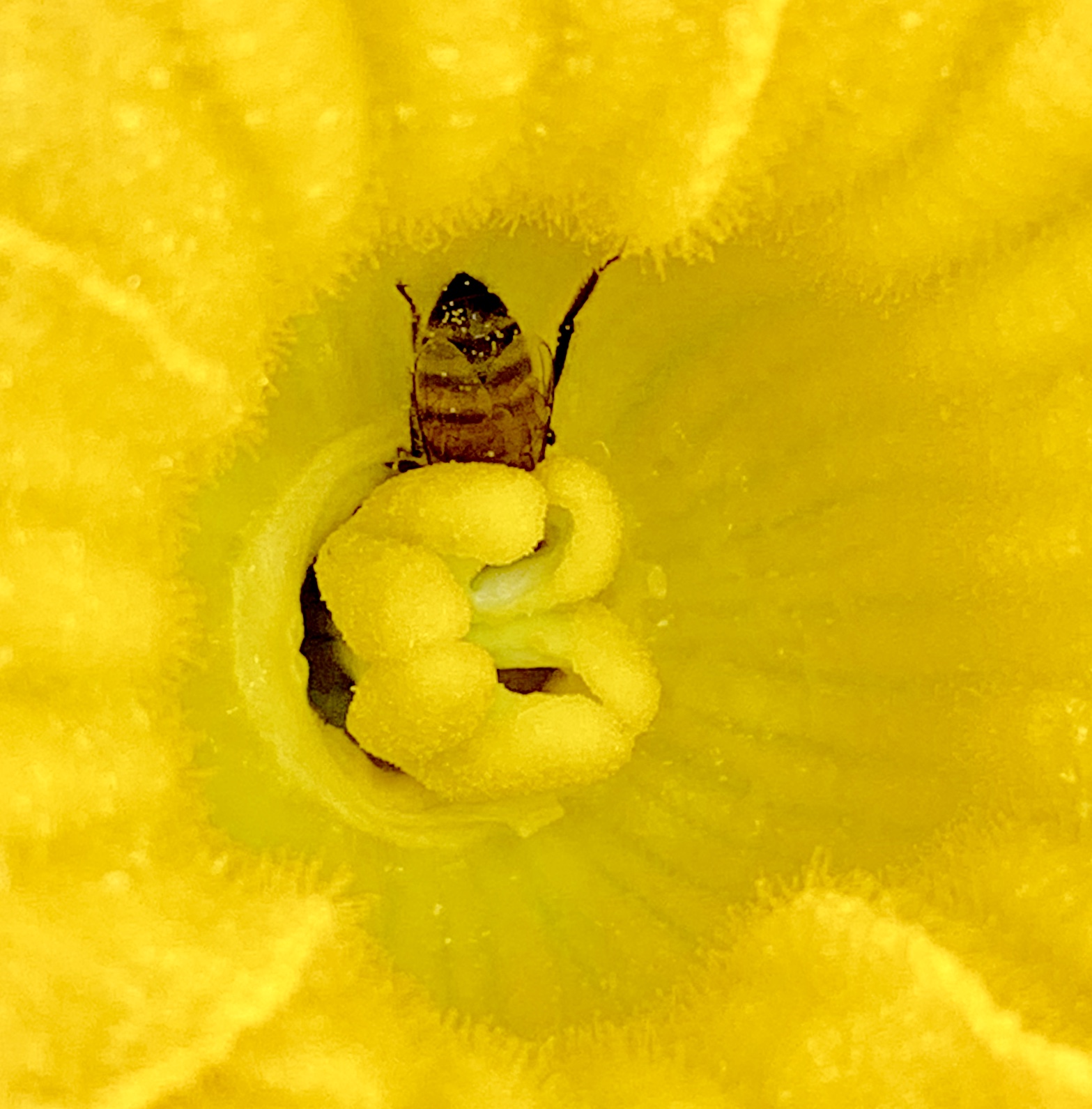
July buds formed blossoms inviting bees deep
into yellow-throated pollen pools
thickening within days to elongated flesh:
fecundity in action before our eyes.

The finger-like projections at first harvested
too small, but temptation overwhelms patience;
sauted, grilled with garlic, superb in
supreme simplicity.

But come back a day later: hose-like vines
pumping into each squash, progressive inflation like
balloon-man creations to be twisted and transformed,
but too plump, too distended, too insatiable.

It’s a race to keep up with the pace of production
eat some, give them away, leave on doorsteps like abandoned kittens,
in boxes in church lobbies, lunch rooms at work,
food banks posting signs: “No more zucchini please!”

They march in formation in the garden path
as they are yanked swelling from their umbilical cords
and lined up, stacked, multiplying
like the broom fragments of the “Sorcerer’s Apprentice”.

Once tossed on to the compost pile,
they rest in intimate embrace through heated decomposition
in dead of winter, amid steam rising,
a seedling, innocent enough, pokes through exploding with potential~

Run for your lives!

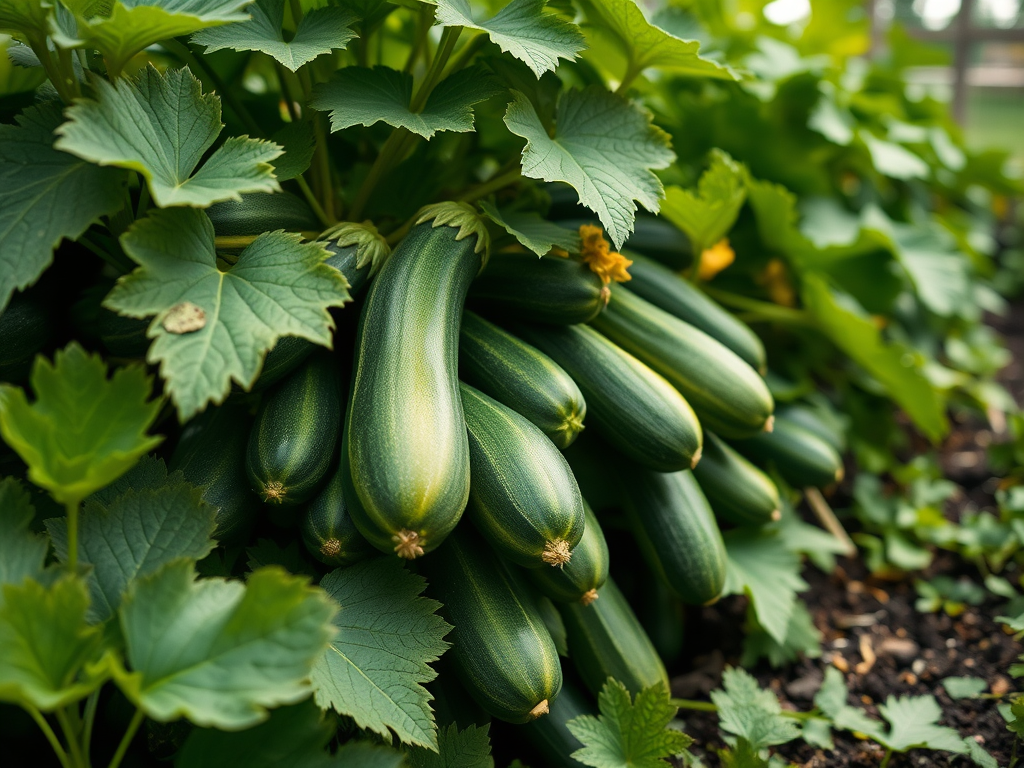
AI image created for this post
One-Time
Monthly
Yearly

Make a one-time or recurring donation to support daily Barnstorming posts

Make a monthly donation

Make a yearly donation

Choose an amount

$10.00
$25.00
$50.00
$5.00
$15.00
$100.00
$5.00
$15.00
$100.00

Or enter a custom amount

$

Your contribution is deeply appreciated.

Your contribution is appreciated.

Your contribution is appreciated.

DonateDonate monthlyDonate yearly
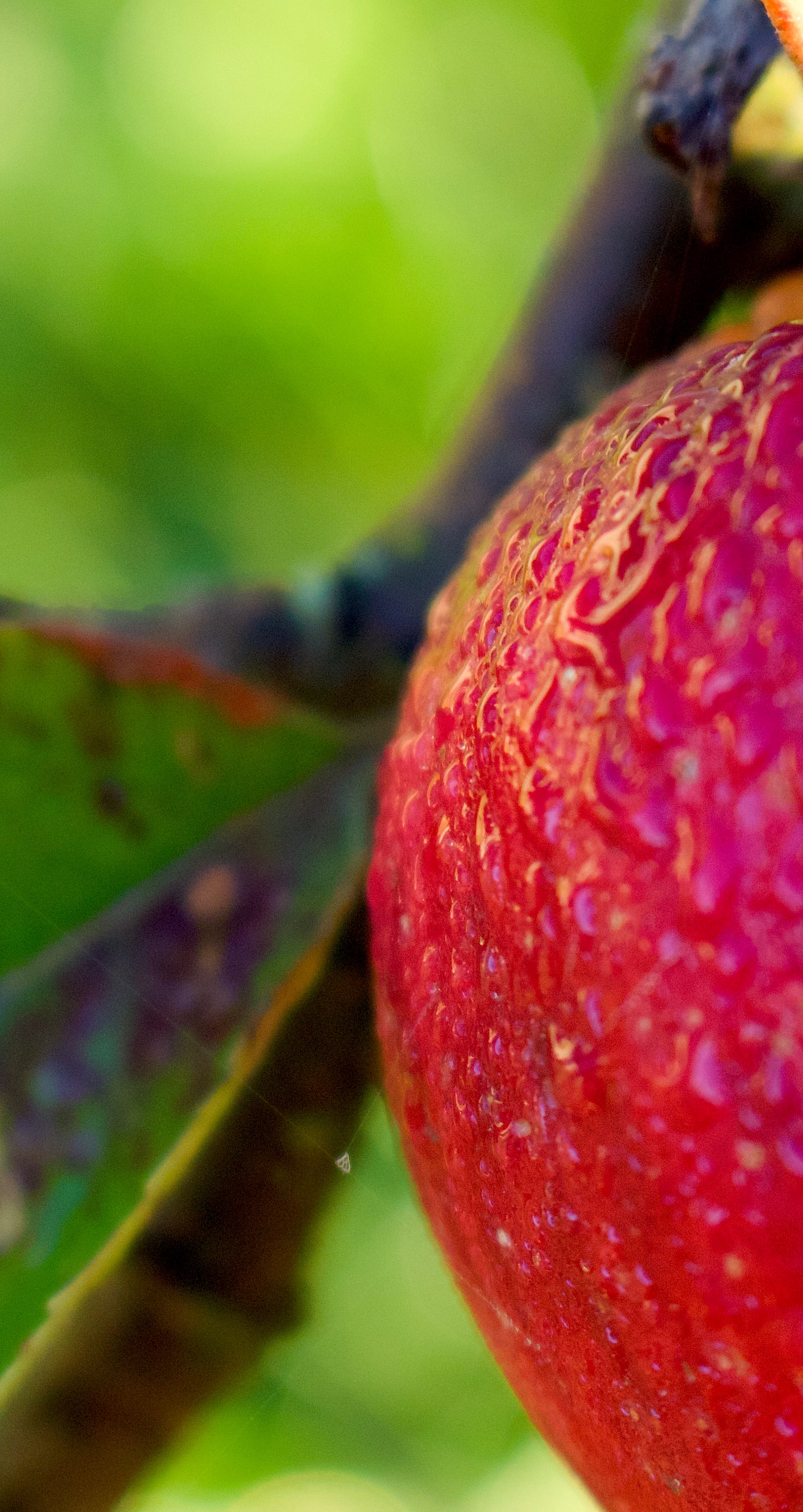
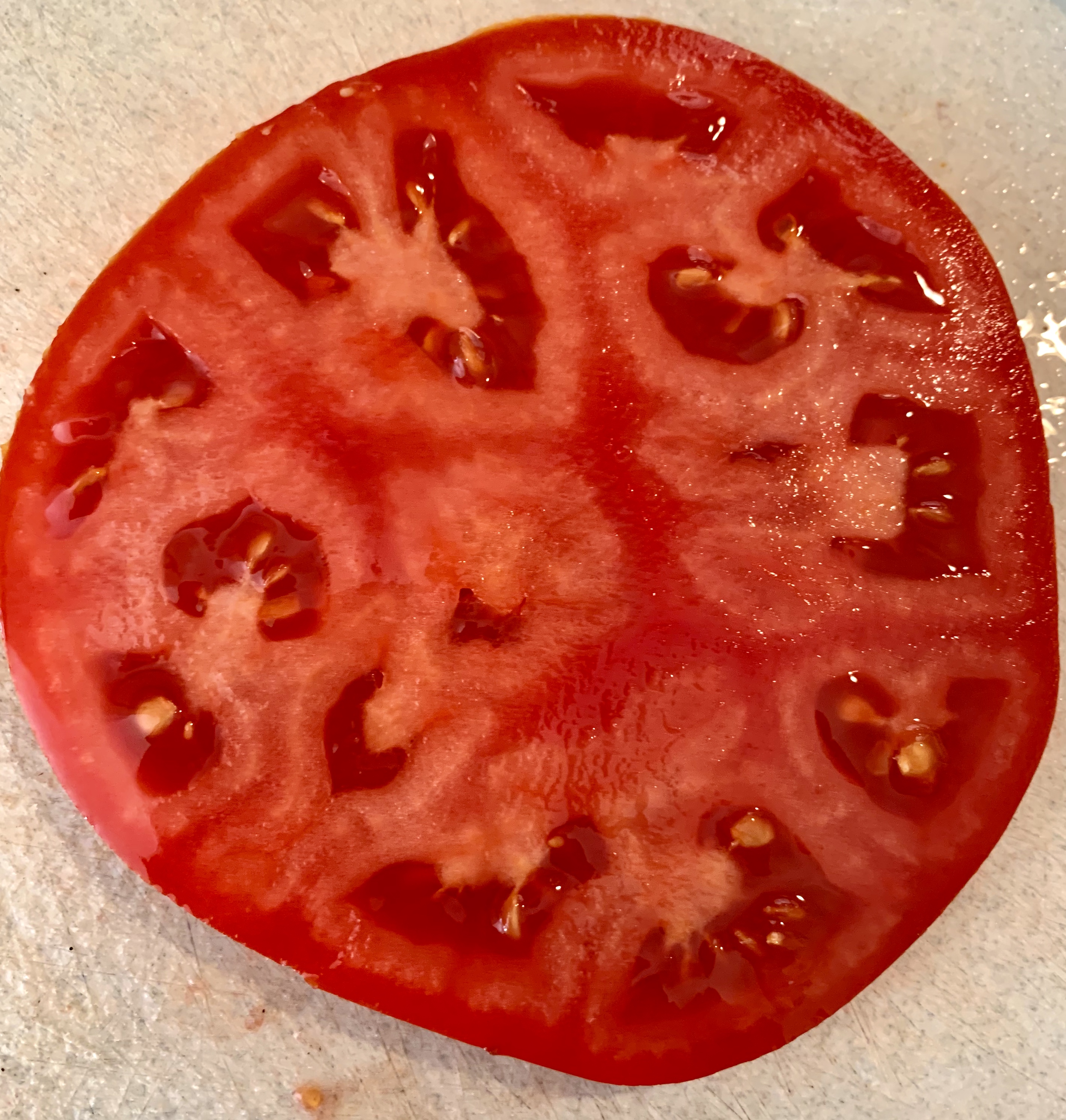
Growing a Summer Miracle

You must grow your own miracles.

Special has been hormoned
and hardened against the bump
and bruise. Pretty in the produce
aisle, but pithless and pitiful.

I prefer a nude stocking sling
for the heft, a slow blush,
not the red-on-arrival rouge
needled in the green-to-go.

In a hot June—the prize, only
once a year, the furrowed fruit
weighs down its stems for clipping
in your open hand, quite full
of tender skin.

Take care carrying
them to the kitchen, prepare
the bed of lettuce or only bread
and mayo, and oh! say a prayer before
you slice a single slice and lay
the flawless redness down and bite.

~Rick Maxson “Beefsteak”

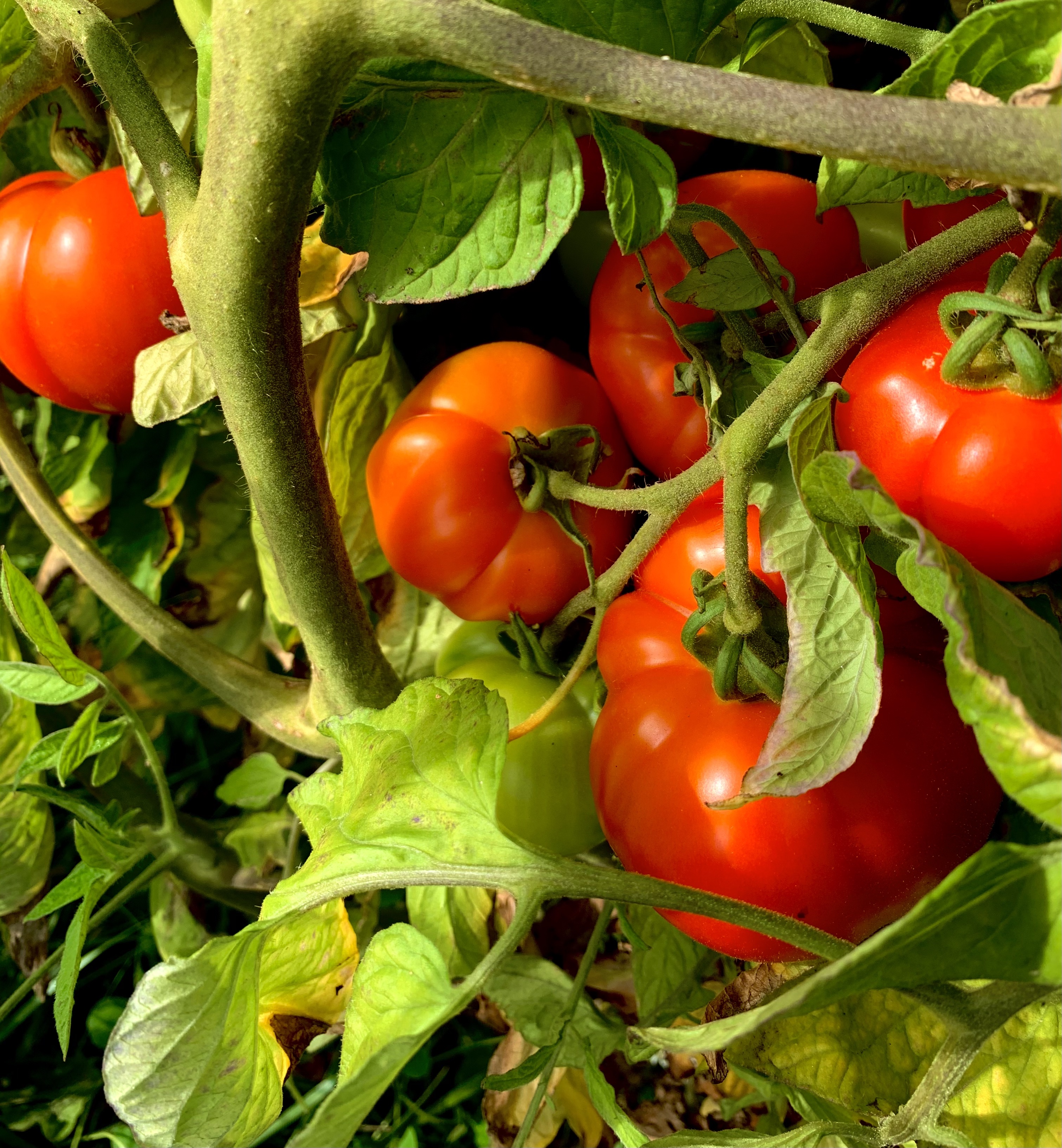
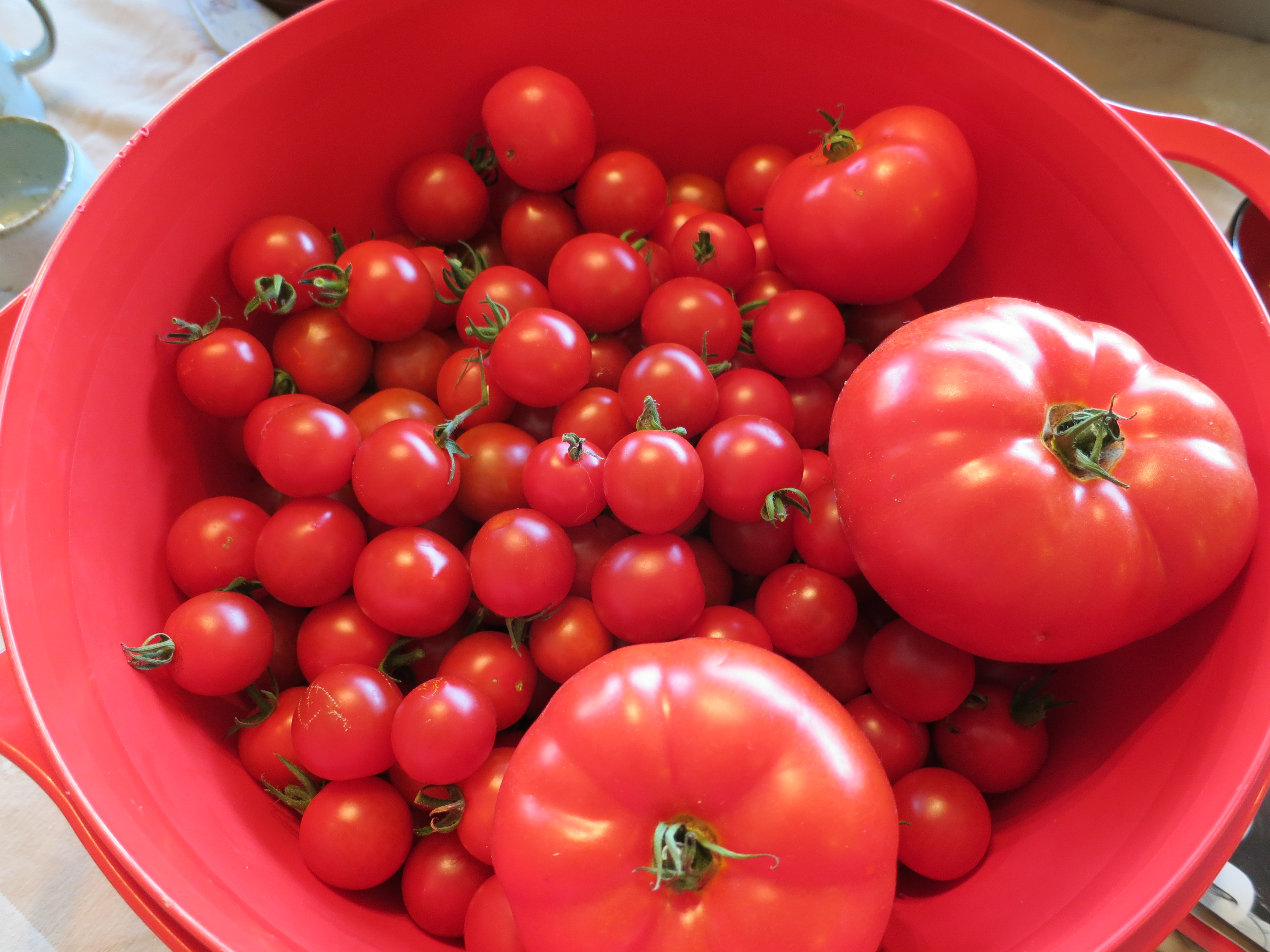
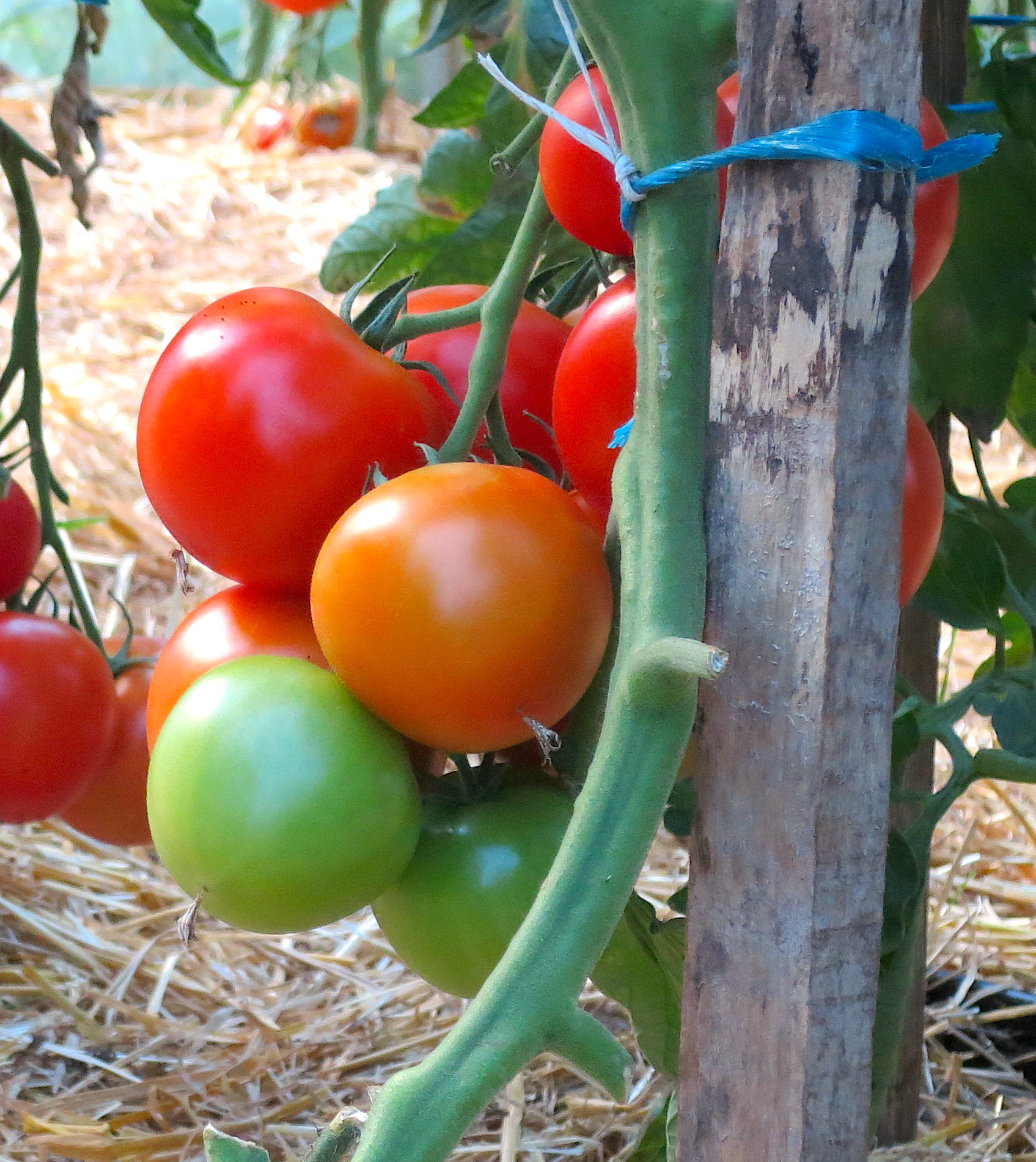
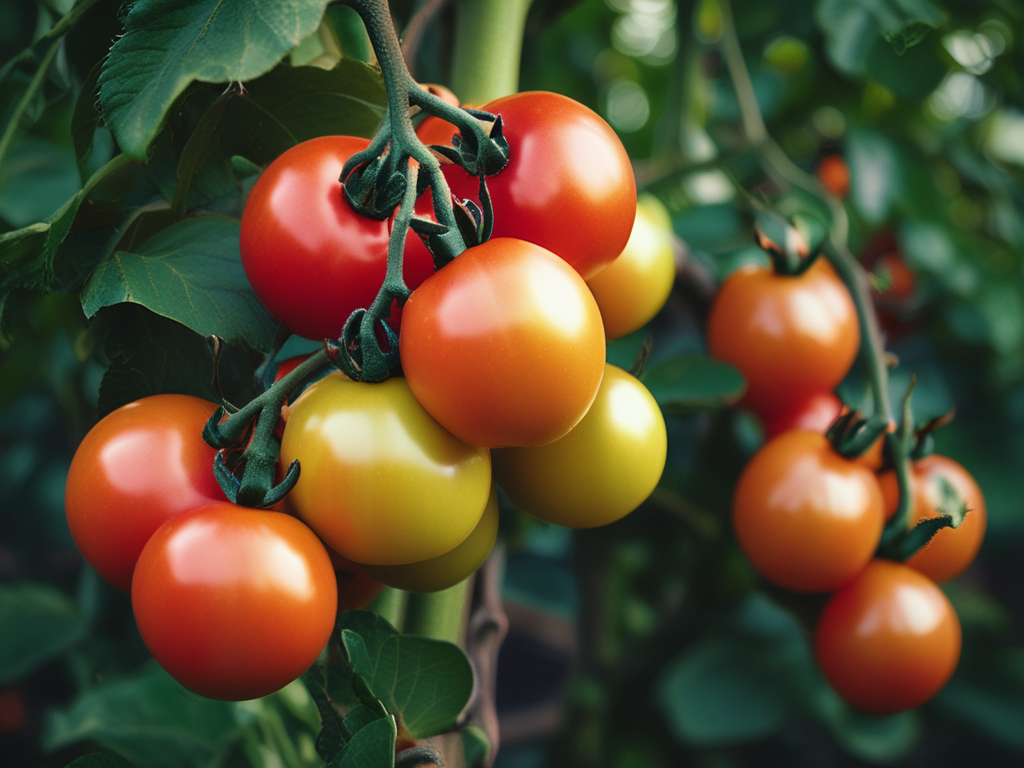
As August fades away, I am impatiently watching our garden tomatoes ripen slowly. I hope they can soon be harvested, bulging red and ripe, a miracle on the vine, before the rains and blight set in. Then I can walk past the grocery store’s produce section with tomatoes displaying surface perfection and no flavor.

Ordinarily, I love and anticipate autumn’s arrival each year. Now, at seventy, I am autumnal year-round. The threat of seasonal blight leading to rot becomes personal. Lived out in real time, aging isn’t all “pumpkin spice” and “harvest gold.”

So who am I in this season of my life? I have been planted, weeded, nurtured, watered and warmed in anticipation of a glorious harvest. Before long, all must be gathered in.

The garden is a daily reminder: time is short, there is so much yet to get done.

AI image created for this post (just a little too perfect, aren’t they??)
One-Time
Monthly
Yearly

Make a one-time or recurring donation to support daily Barnstorming posts

Make a monthly donation

Make a yearly donation

Choose an amount

$10.00
$25.00
$50.00
$5.00
$15.00
$100.00
$5.00
$15.00
$100.00

Or enter a custom amount

$

Your contribution is deeply appreciated.

Your contribution is appreciated.

Your contribution is appreciated.

DonateDonate monthlyDonate yearly

Each Impossible Blossom

There are days we live
as if death were nowhere
in the background; from joy
to joy to joy, from wing to wing,
from blossom to blossom to
impossible blossom, to sweet impossible blossom.

~Li-Young Lee from “From Blossoms”

August of another summer, and once again
I am drinking the sun…
All my life I have been able to feel happiness,

except whatever was not happiness,
which I also remember.
Each of us wears a shadow.
But just now it is summer again…

Soon now, I’ll turn and start for home.
And who knows, maybe I’ll be singing.

~Mary Oliver from “The Pond” from Felicity

…what I want in my life
is to be willing
to be dazzled-
to cast aside the weight of facts

and maybe even
to float a little
above this difficult world.
I want to believe I am looking

into the white fire of a great mystery.
I want to believe that the imperfections are nothing-
that the light is everything-that it is more than the sum
of each flawed blossom rising and fading. And I do.

~Mary Oliver from “The Ponds” from House of Light

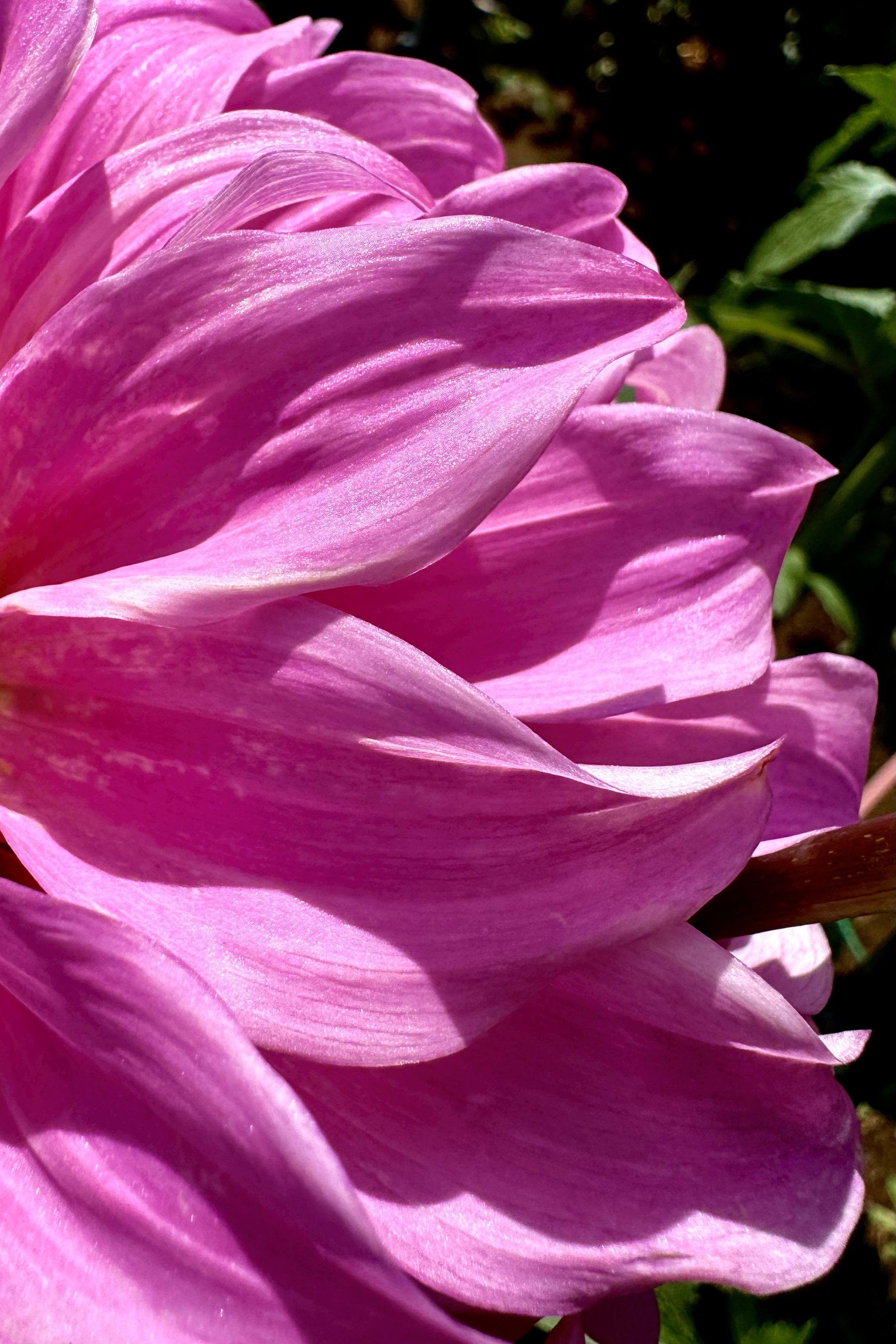
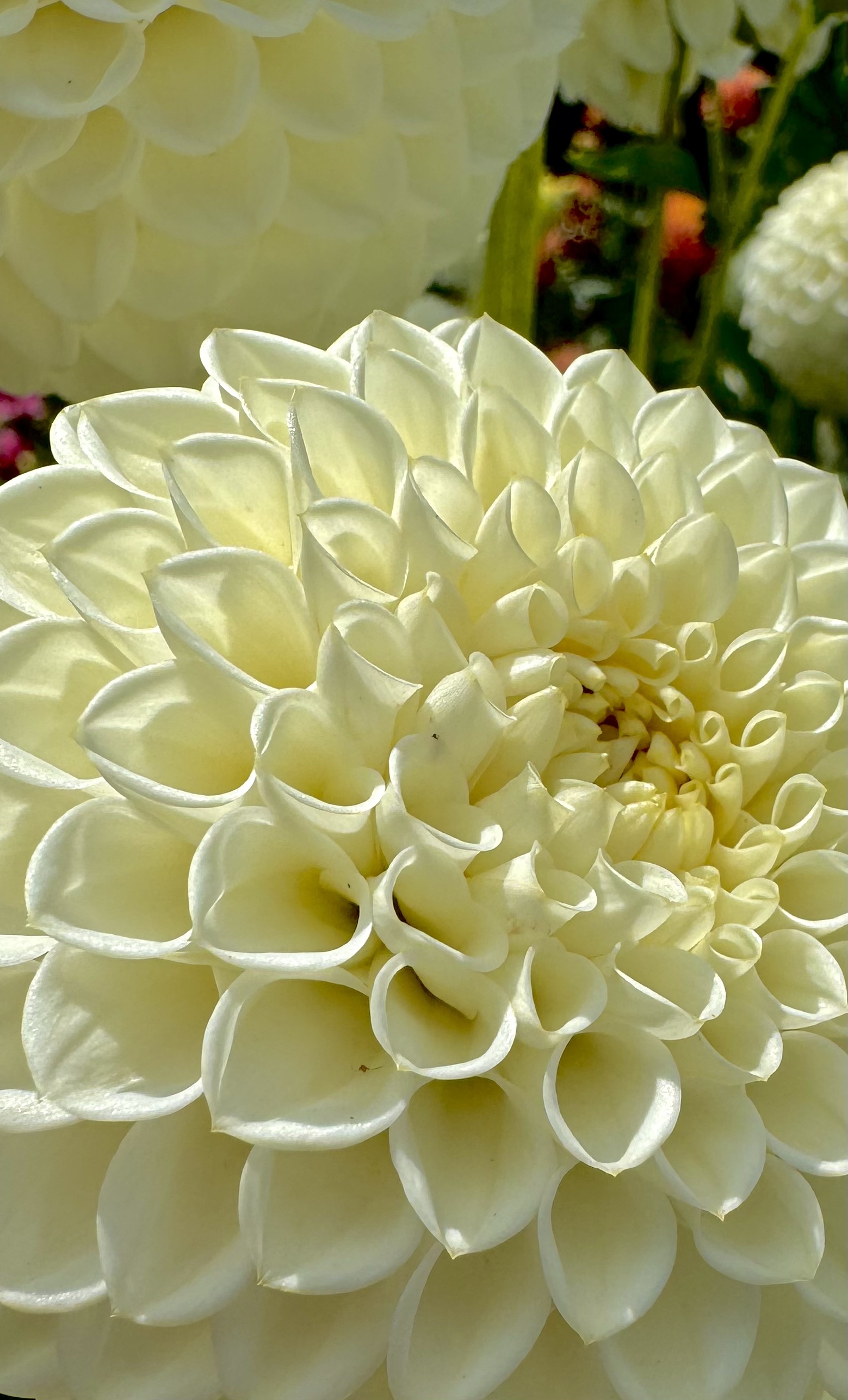
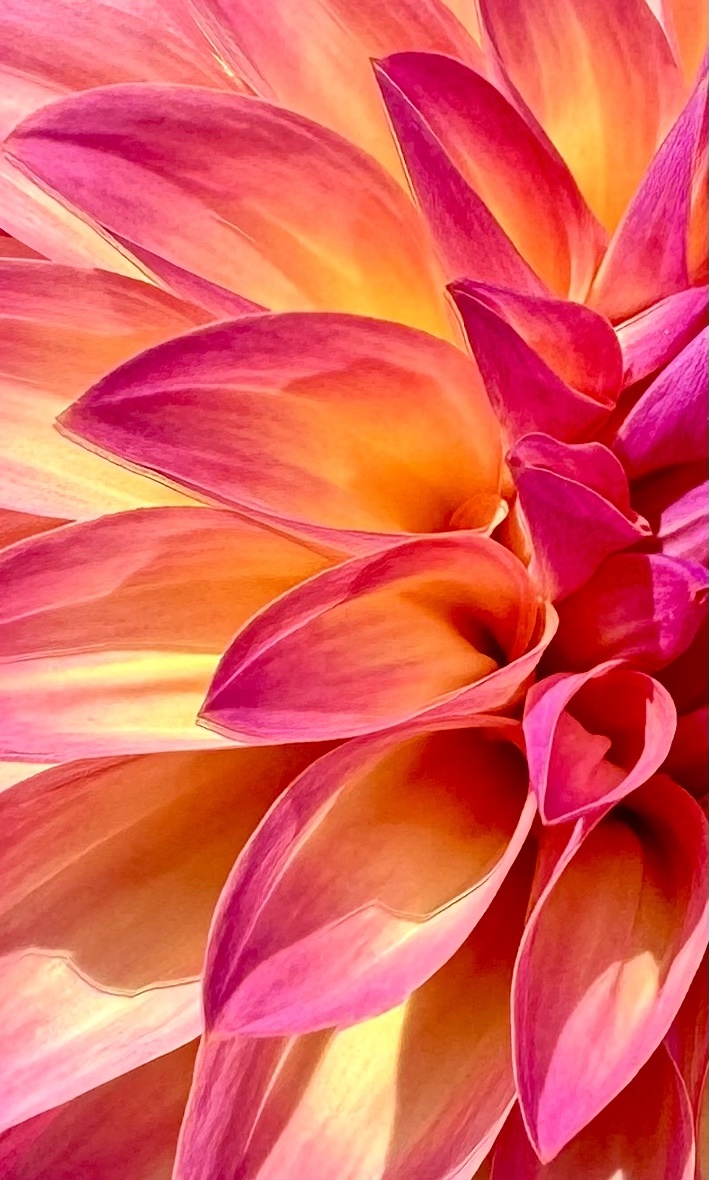
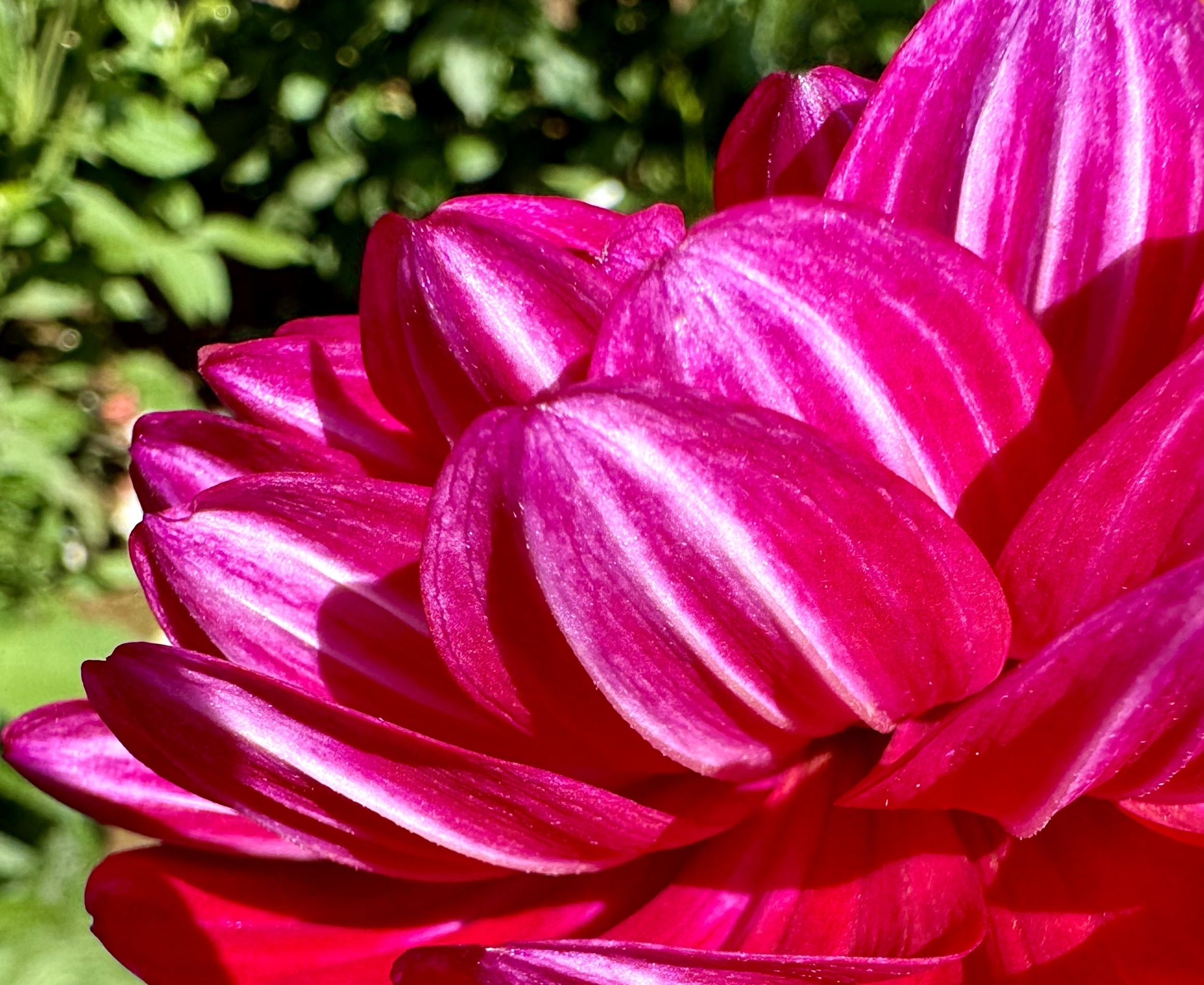
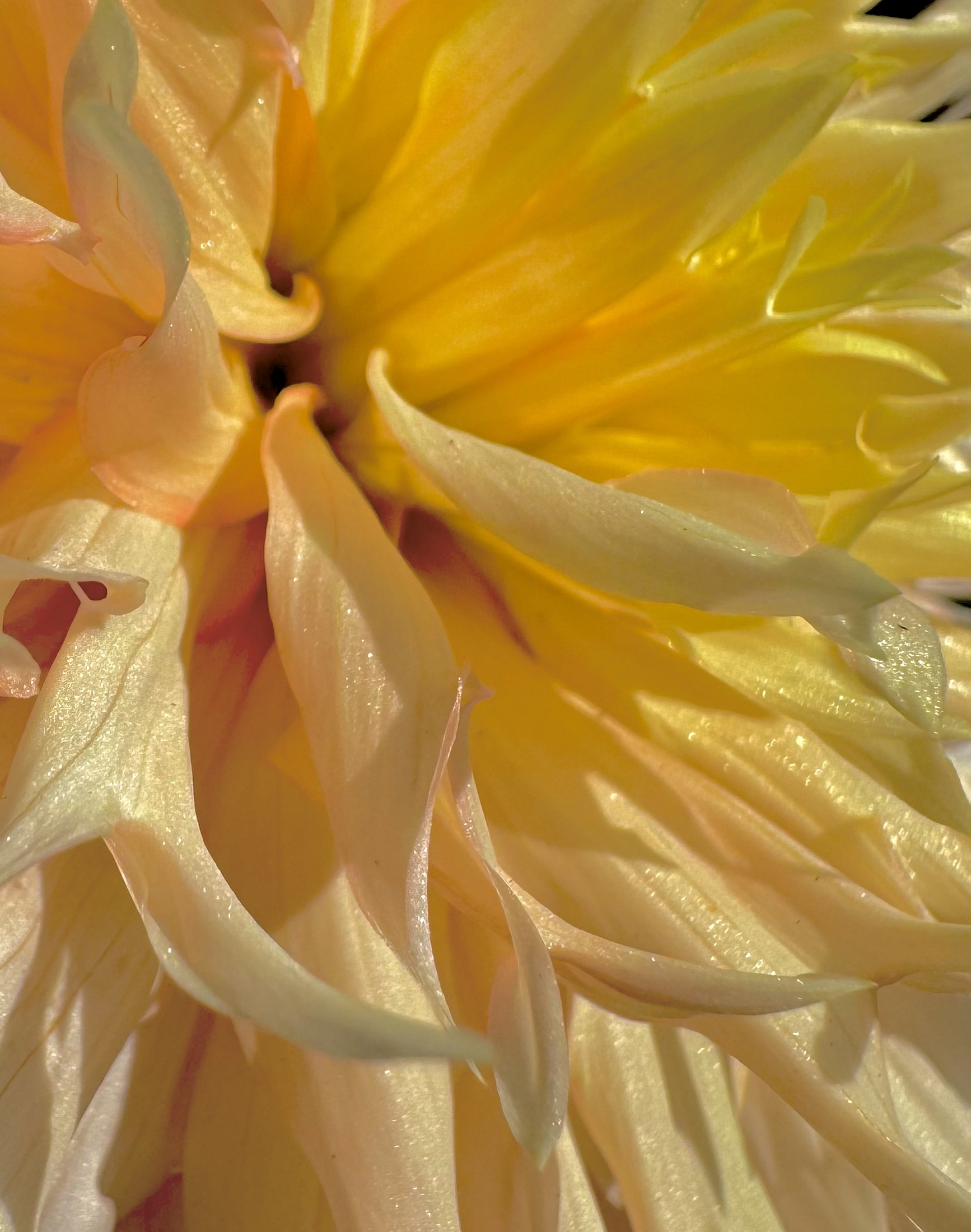
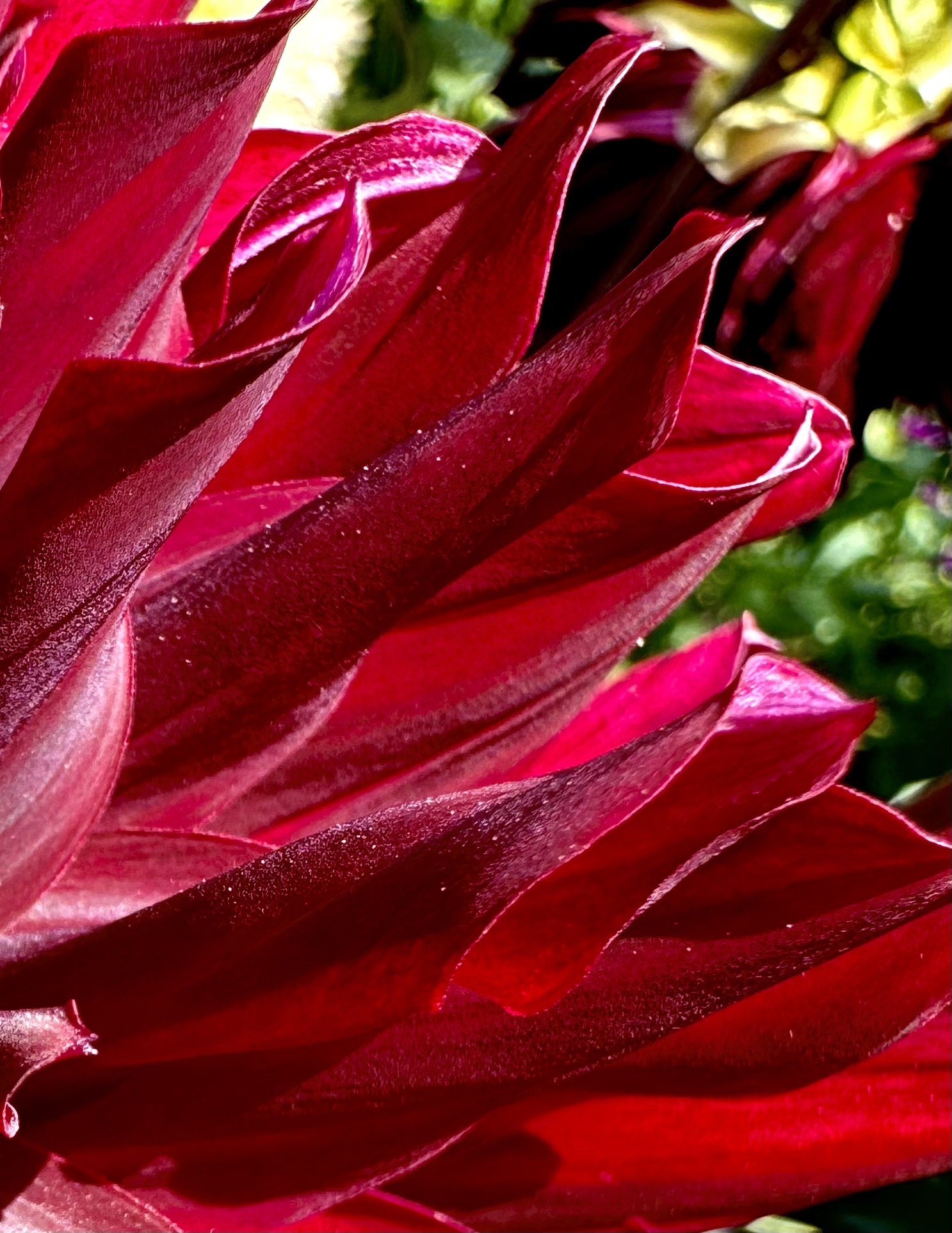
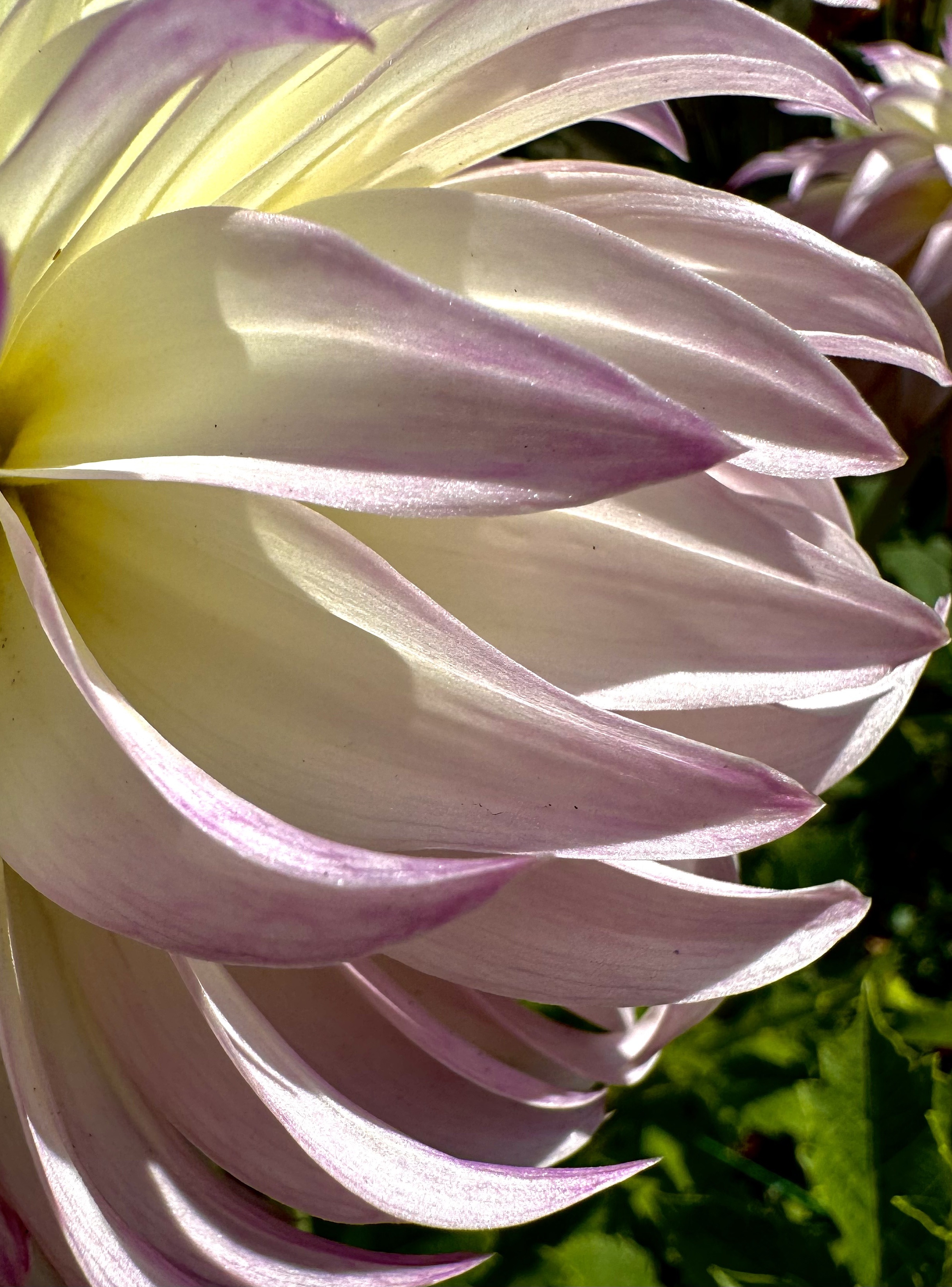
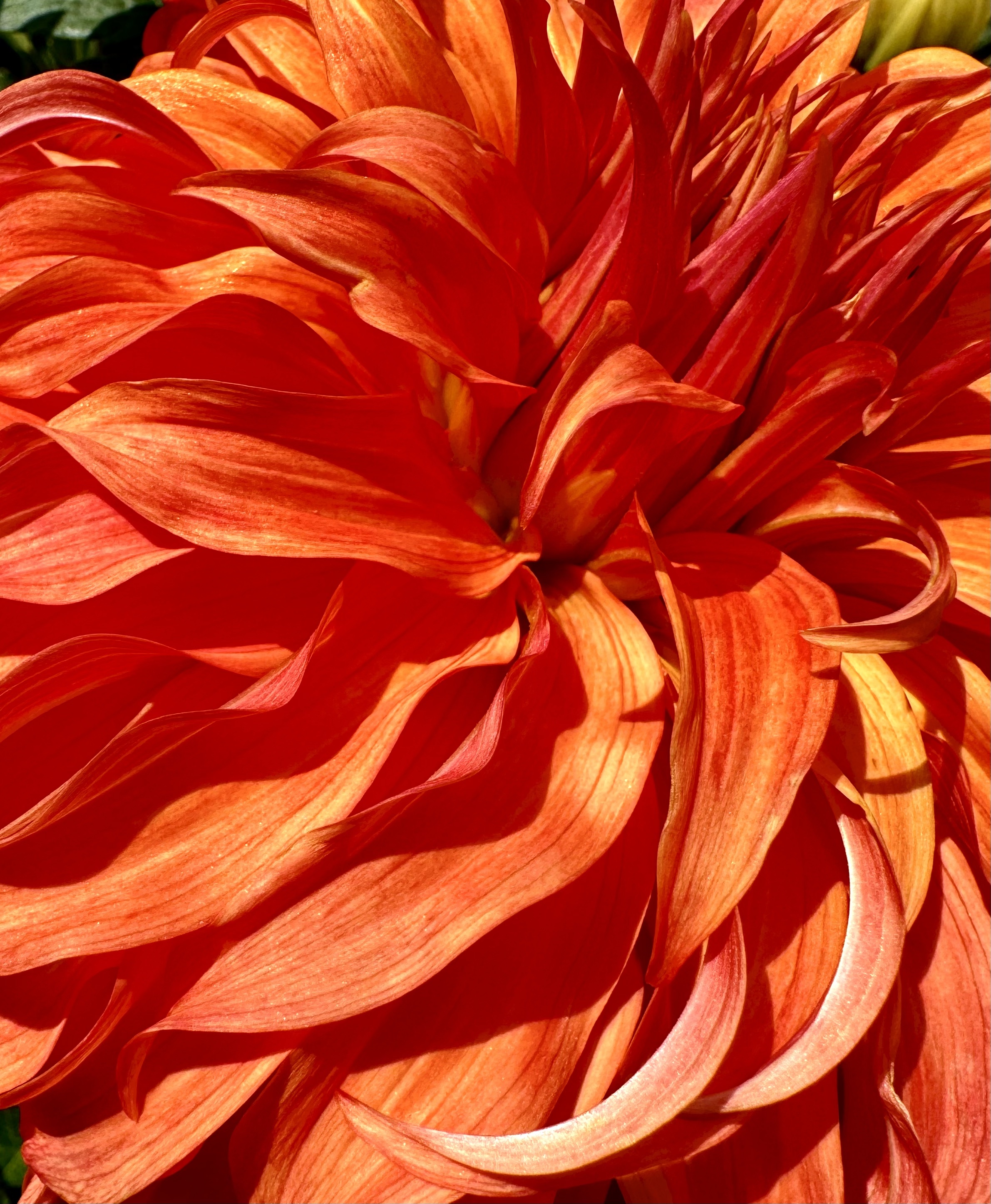
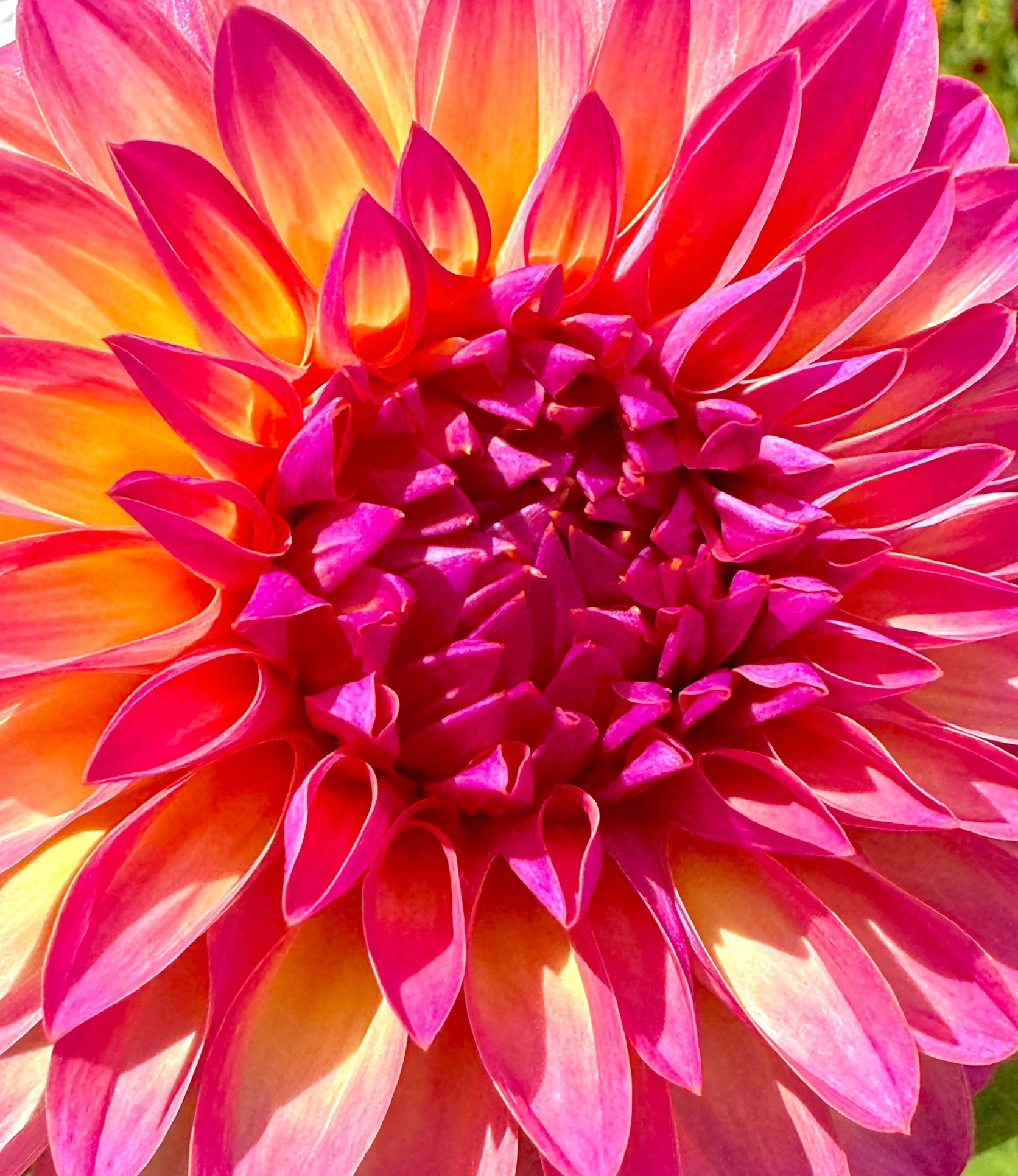
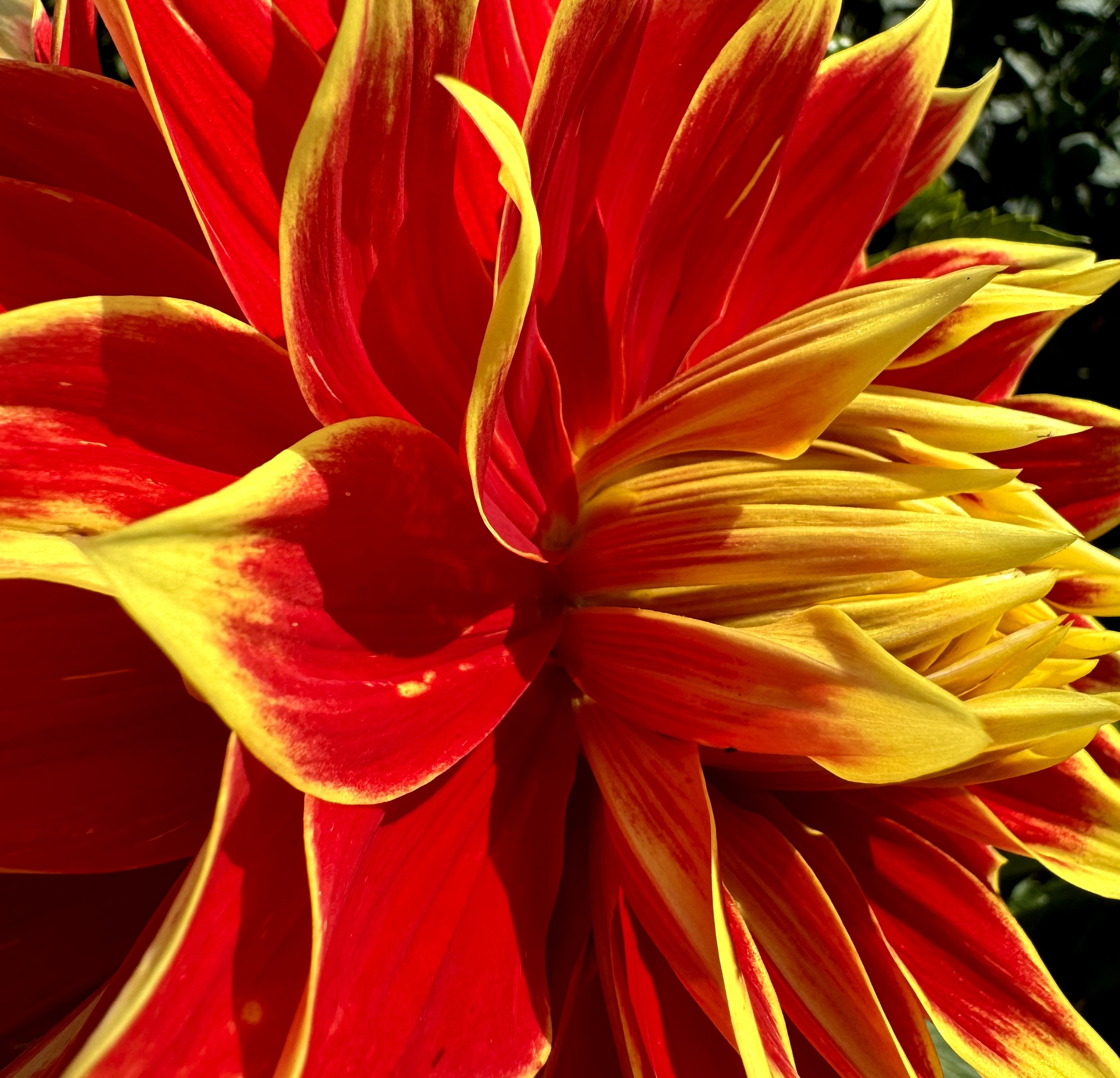
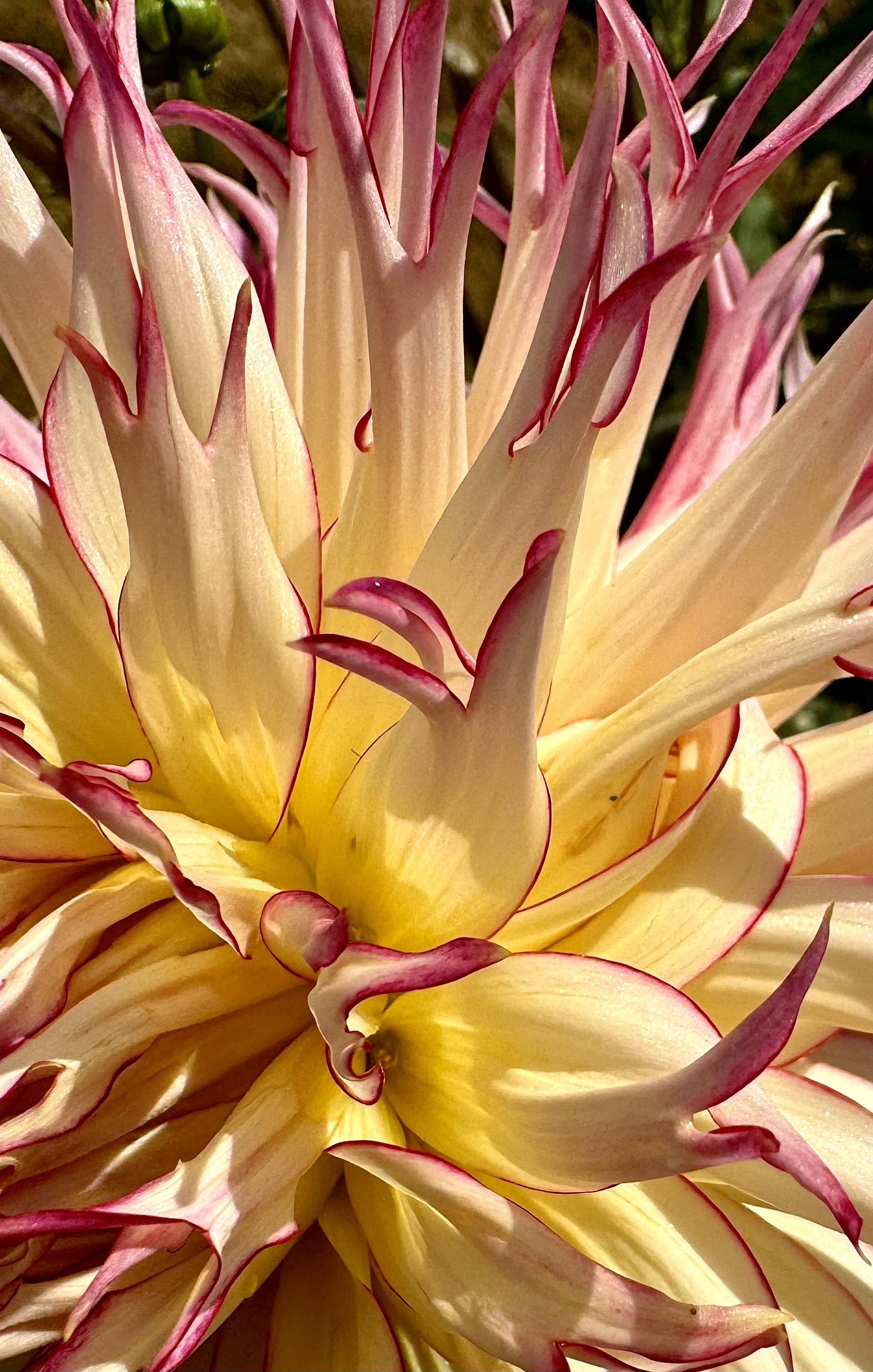
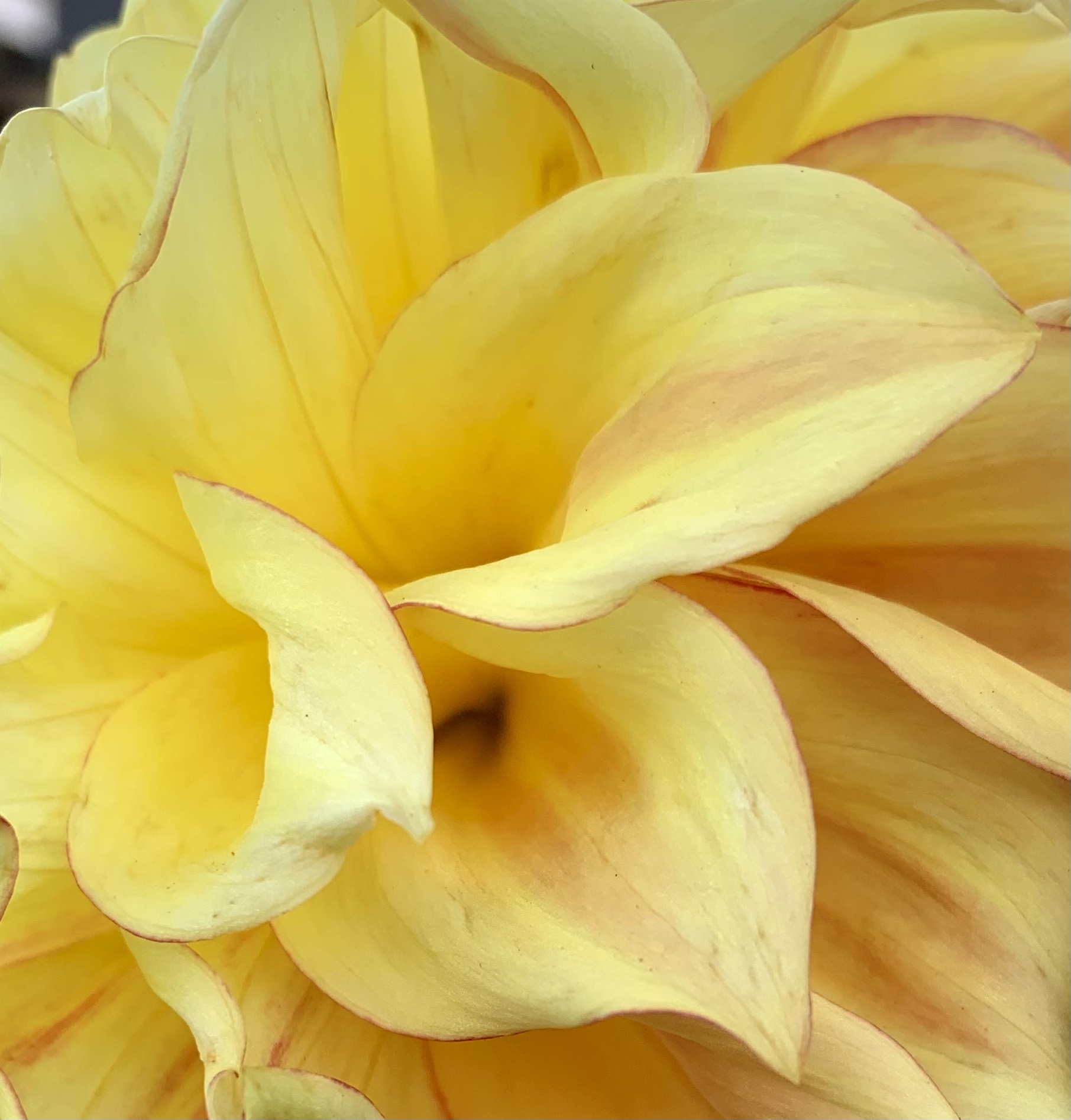
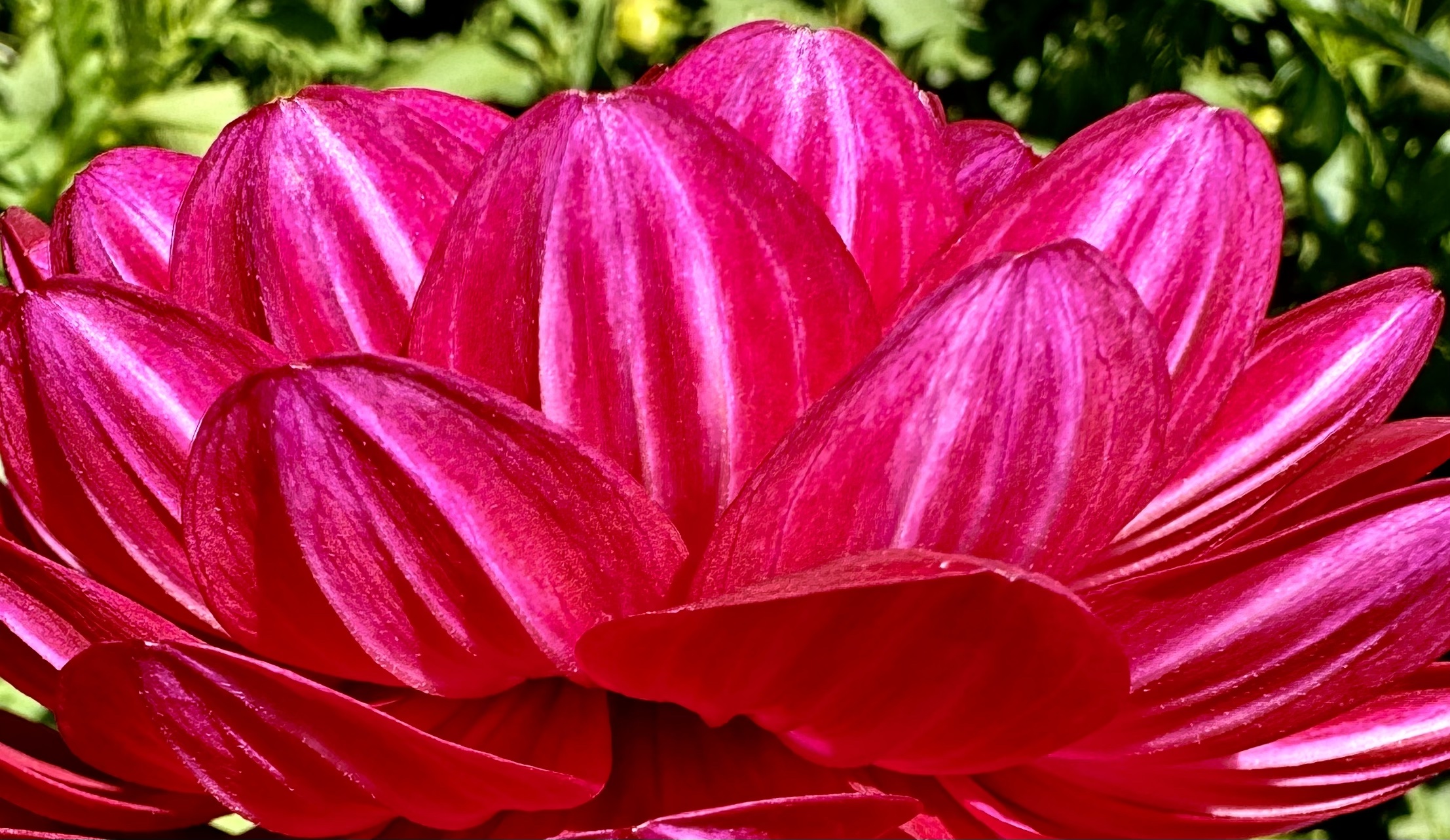
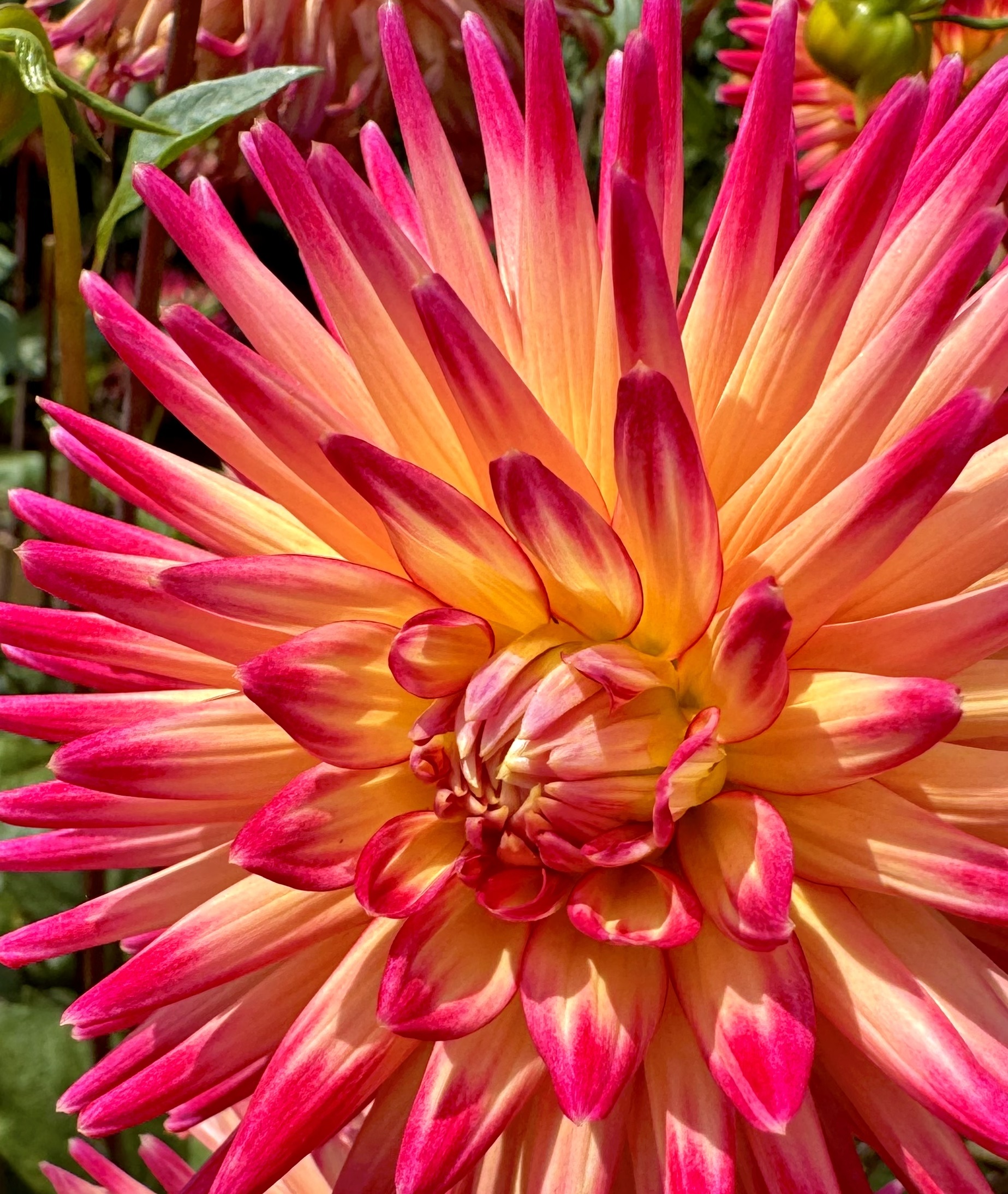
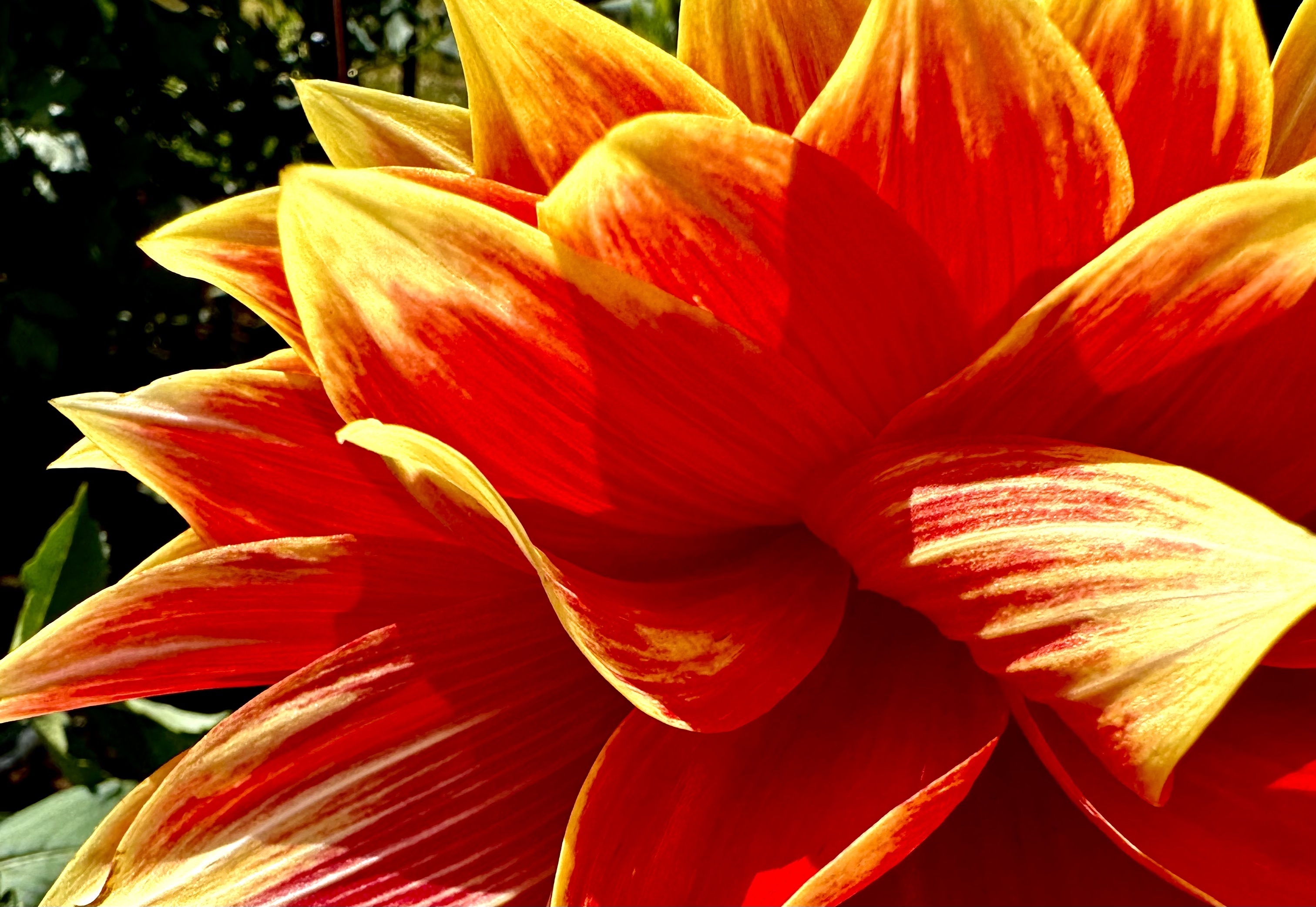
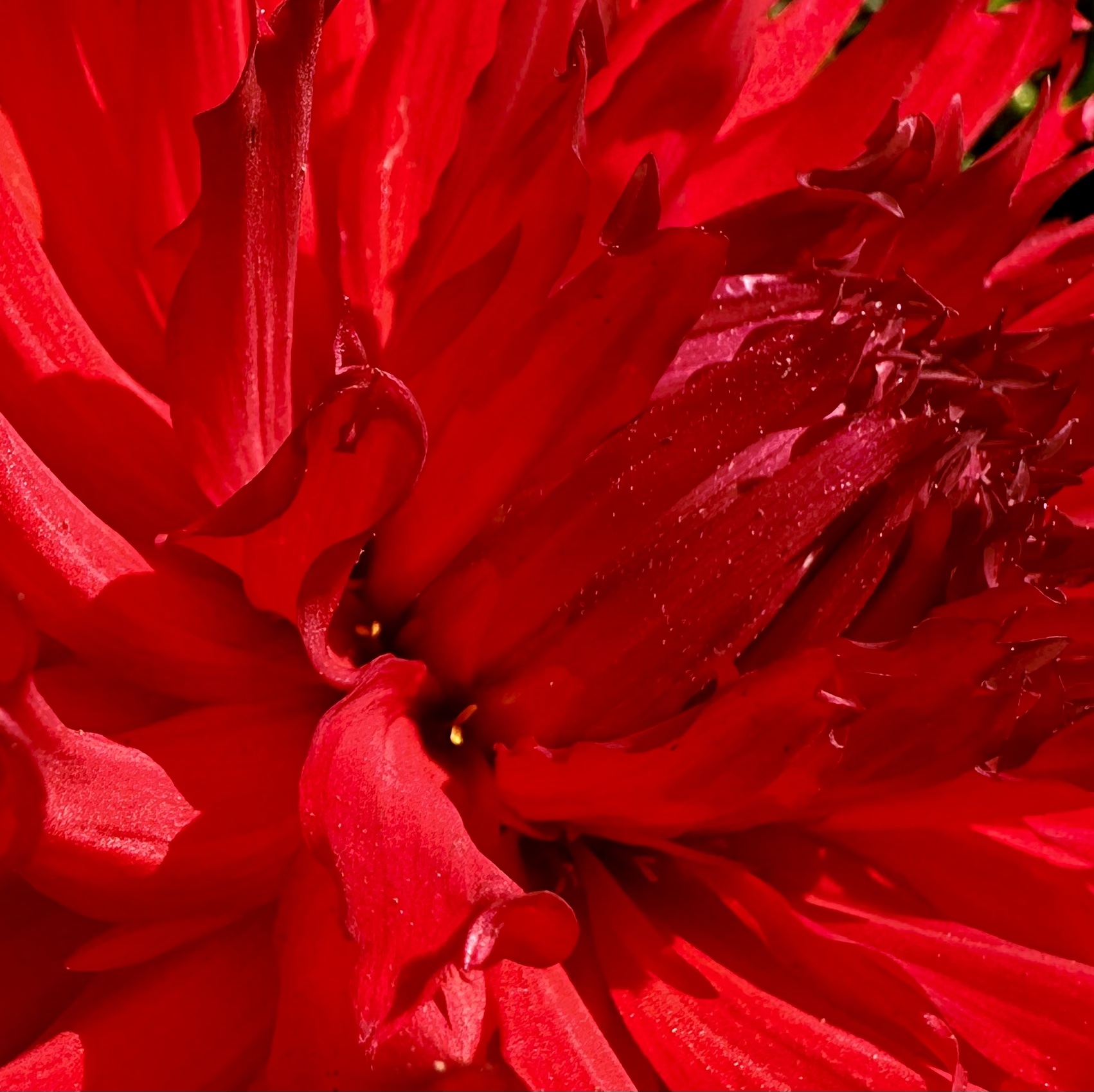
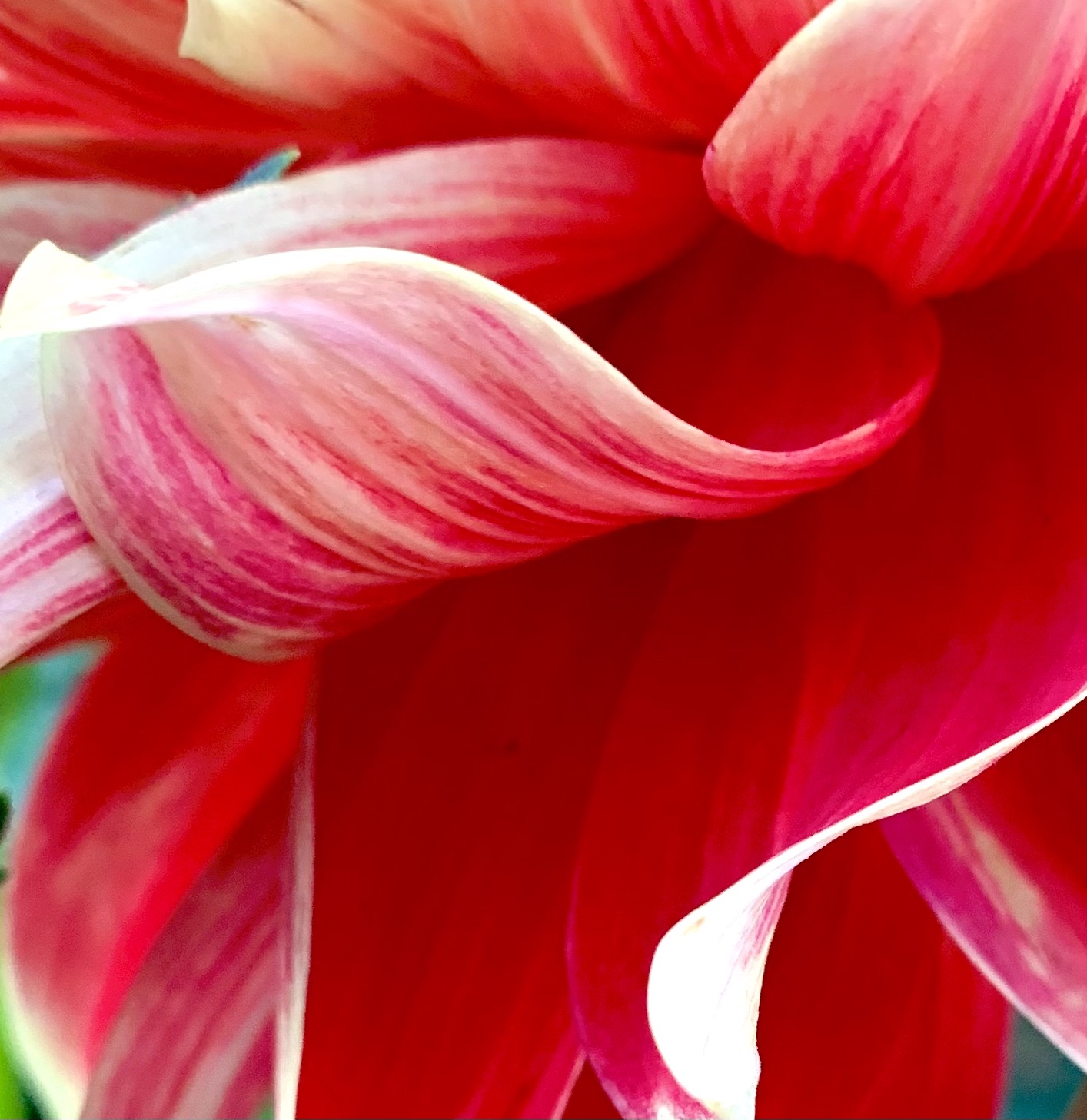
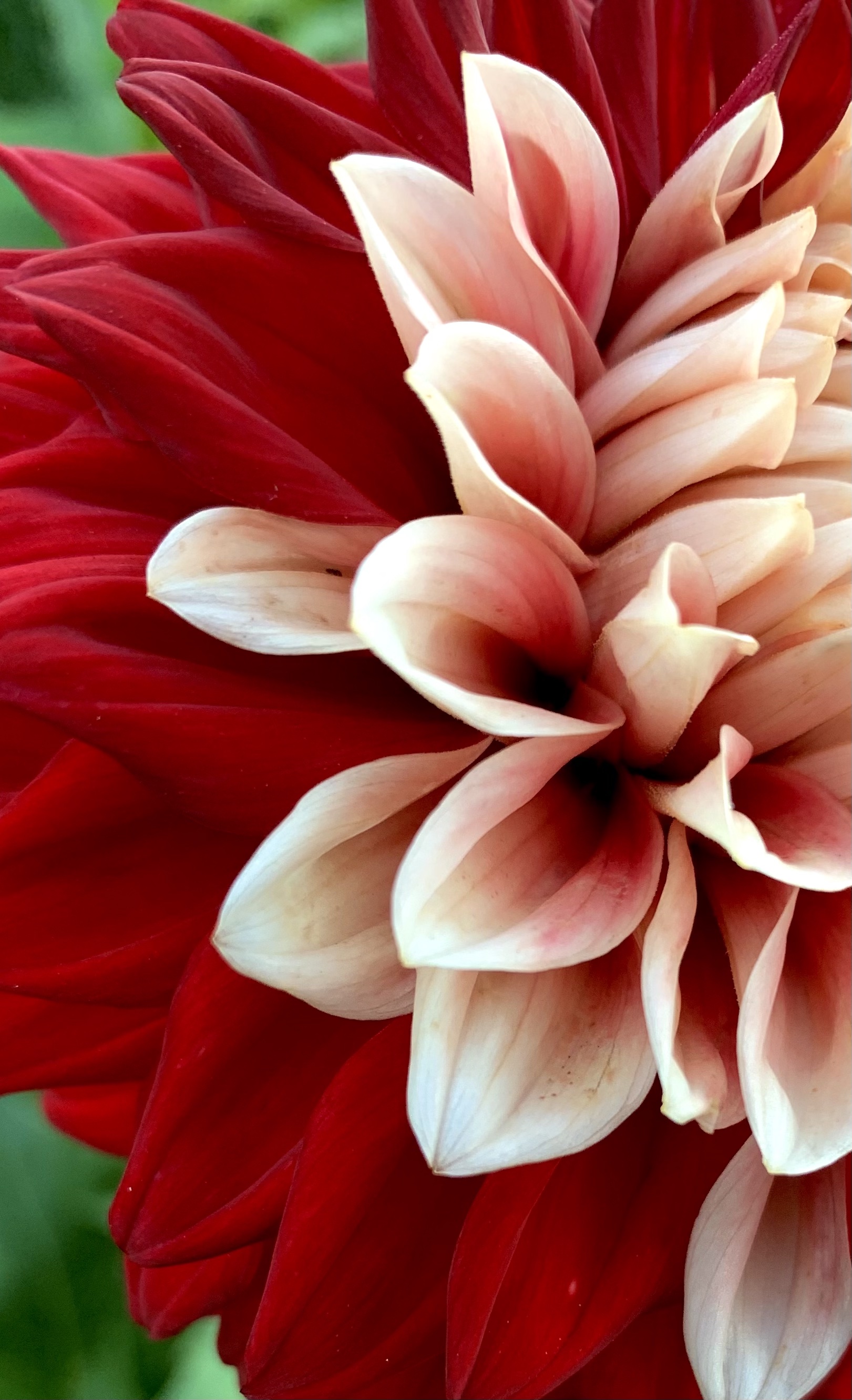
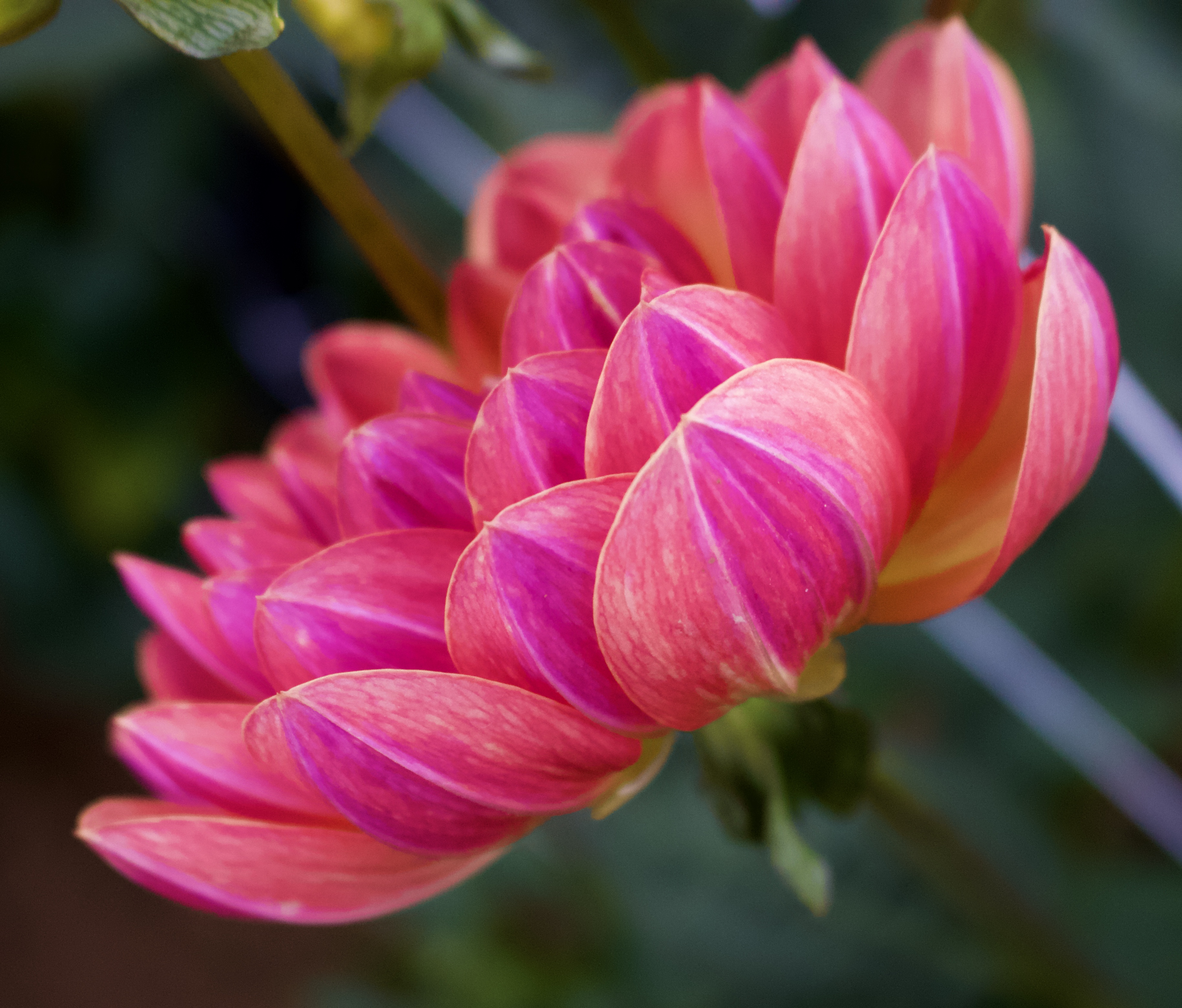
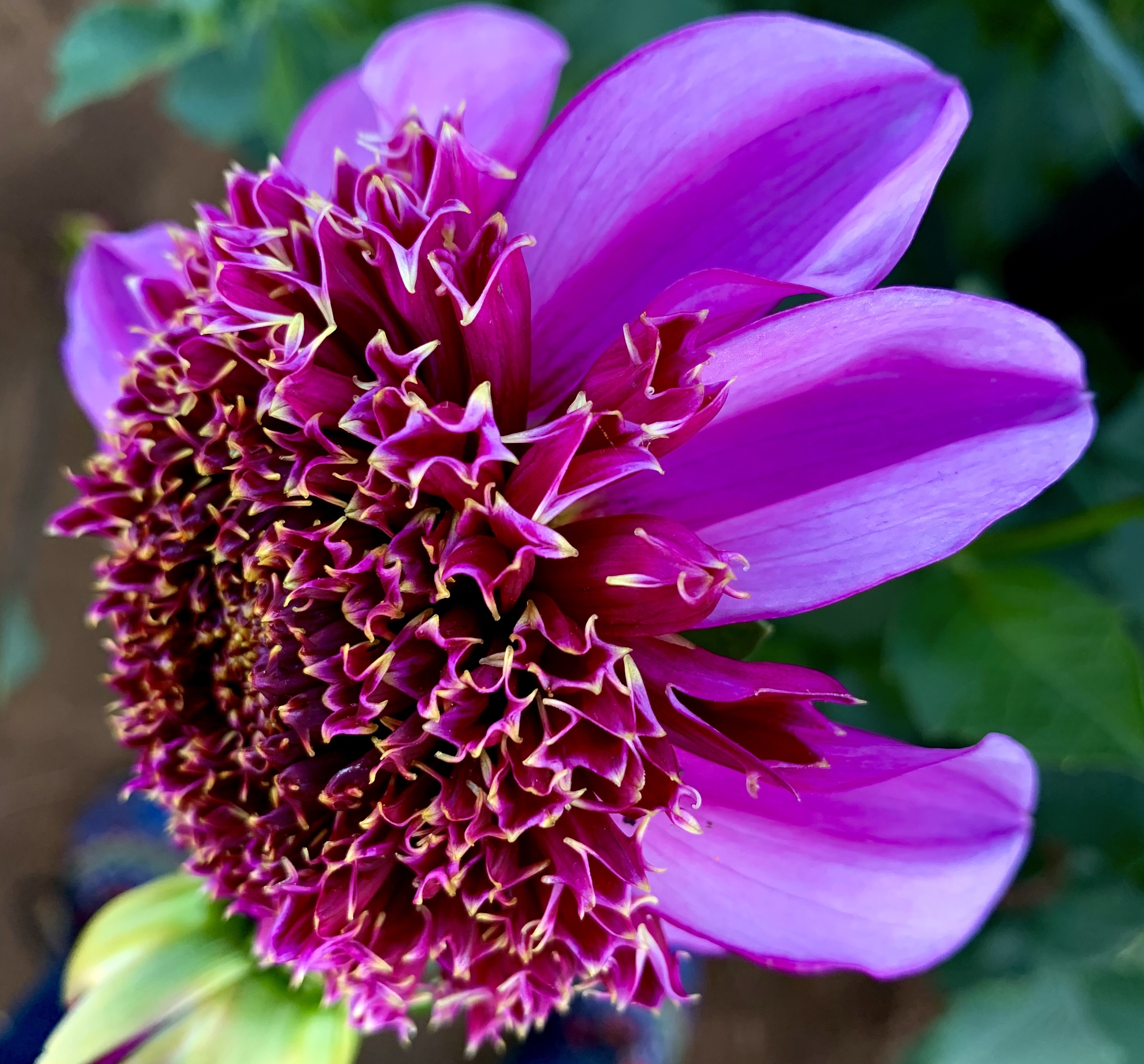
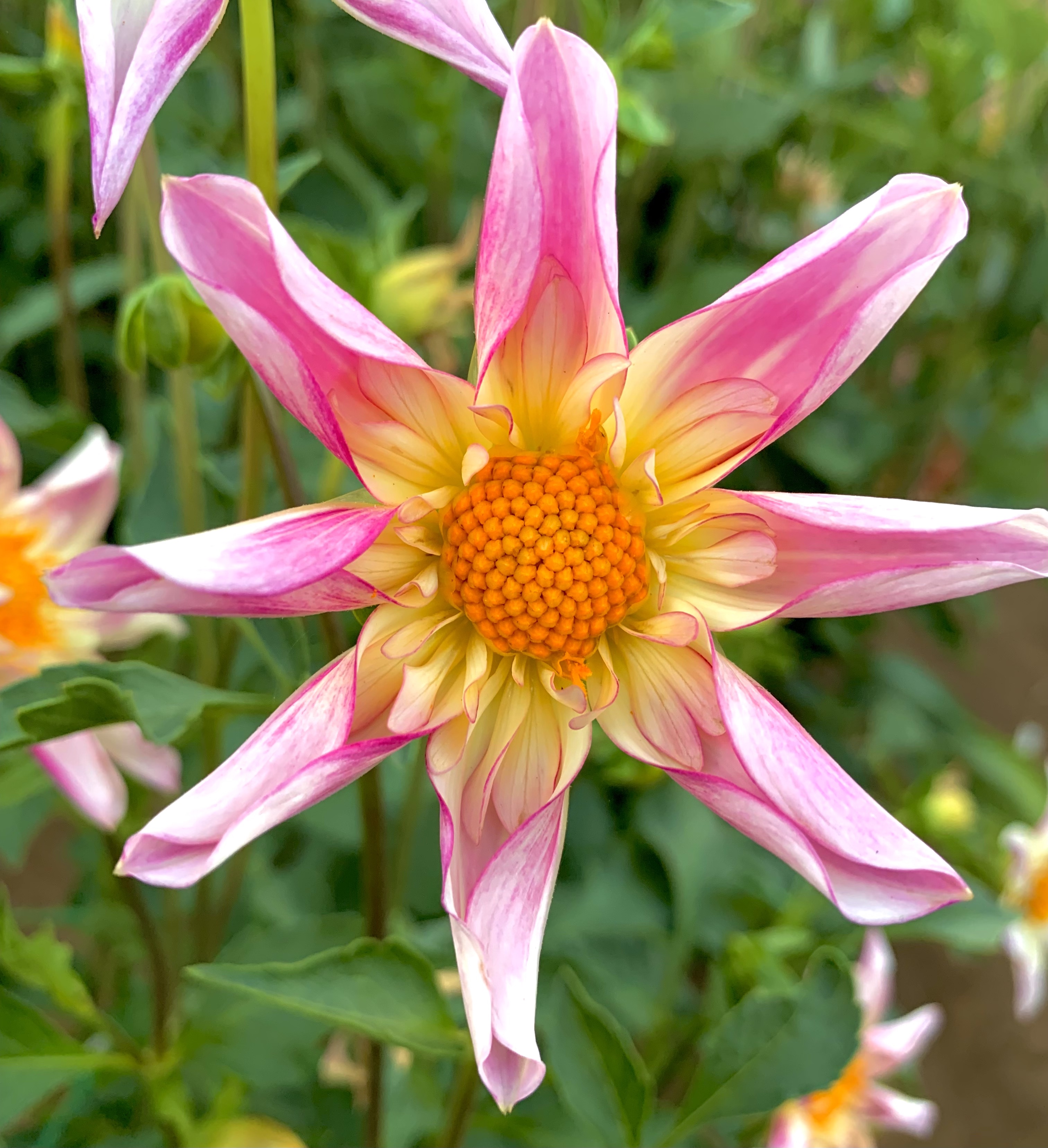
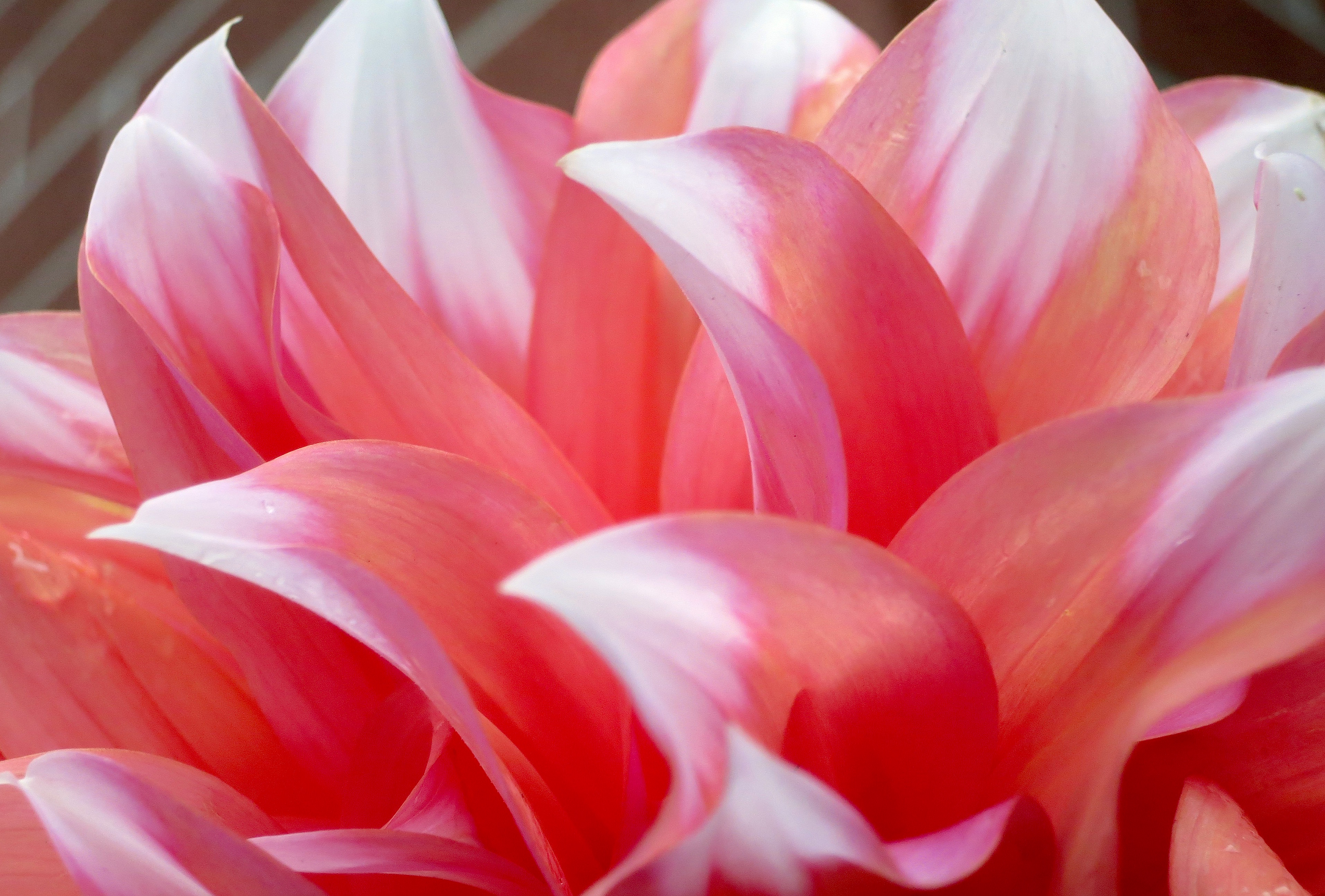
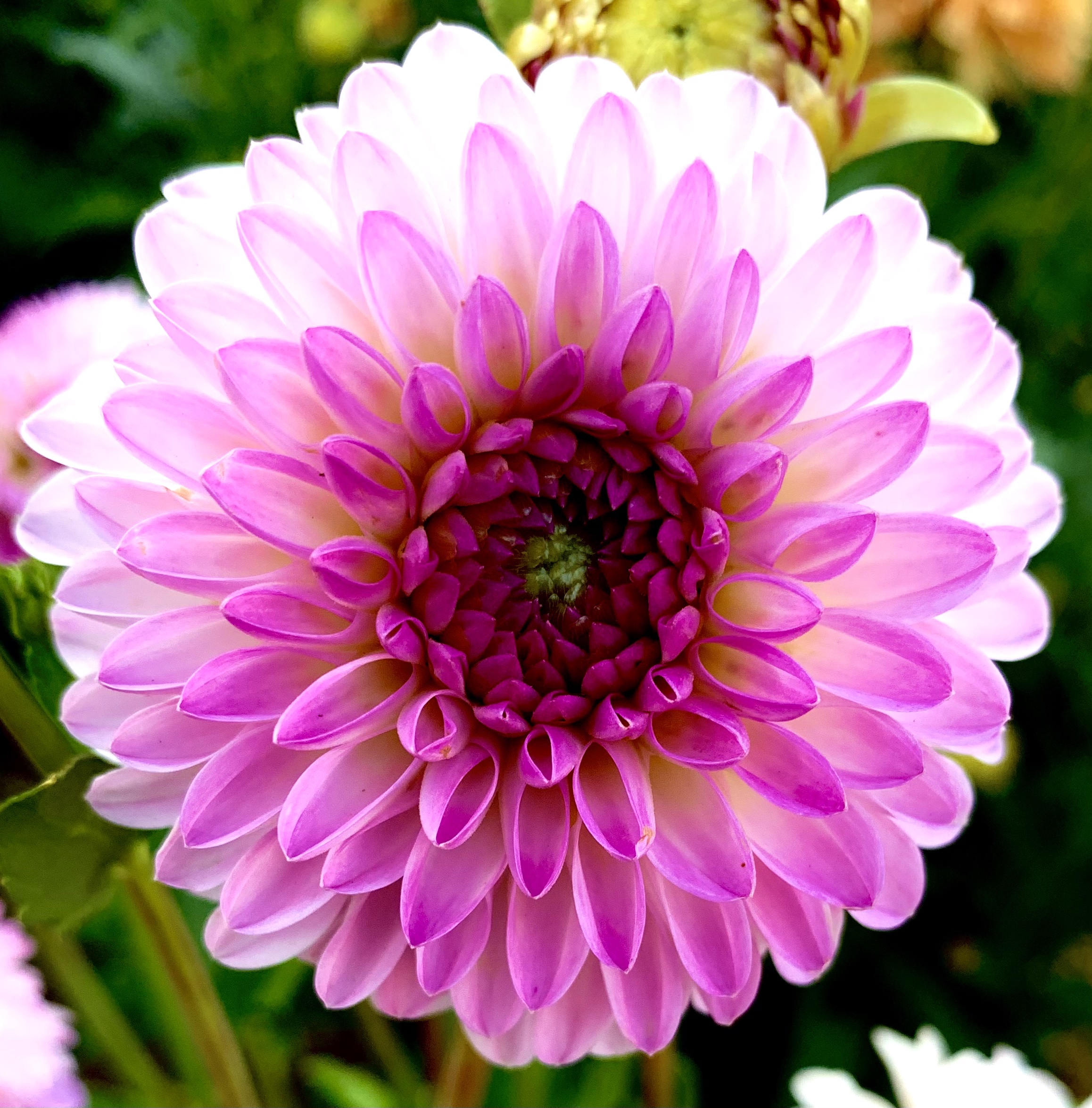
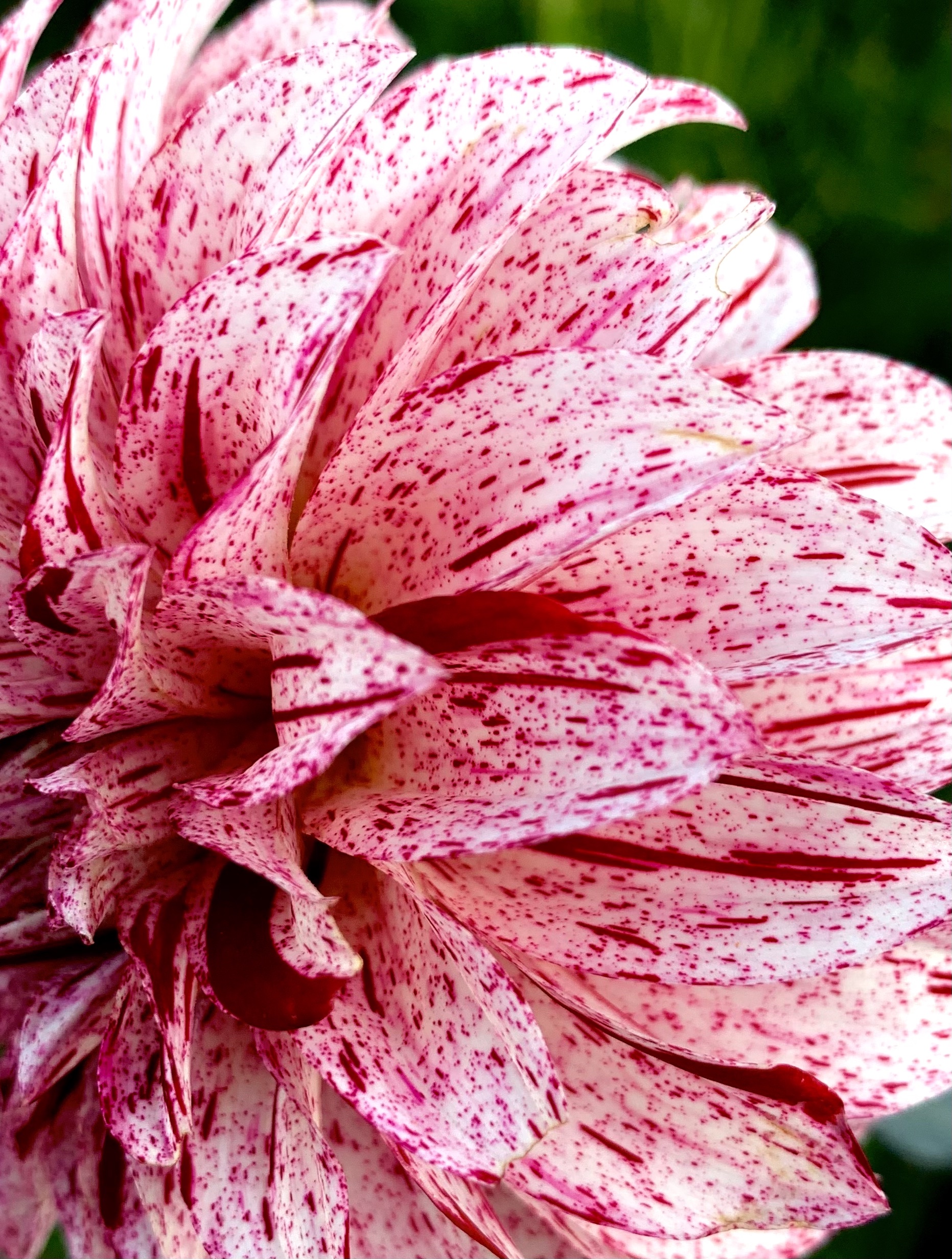
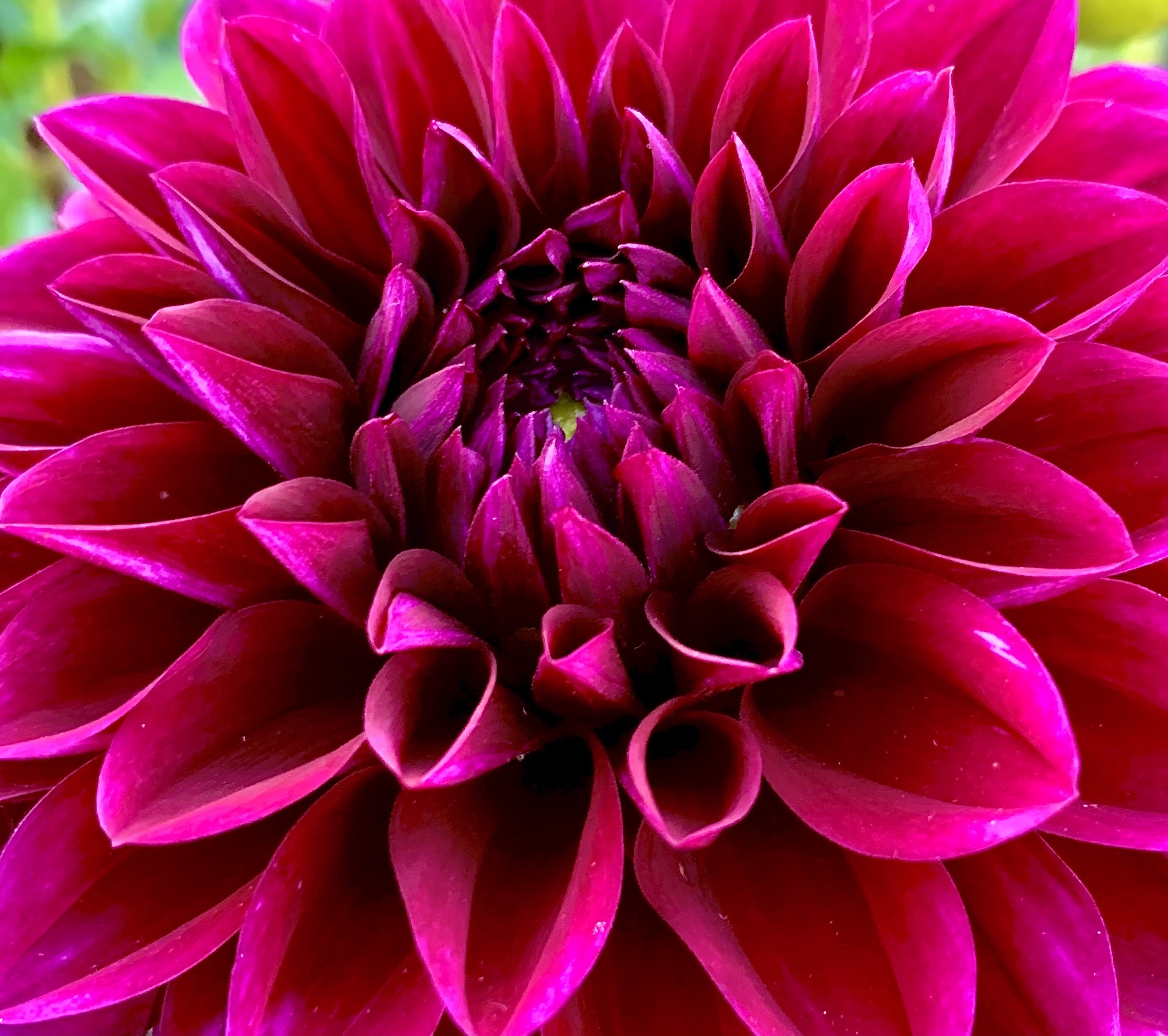
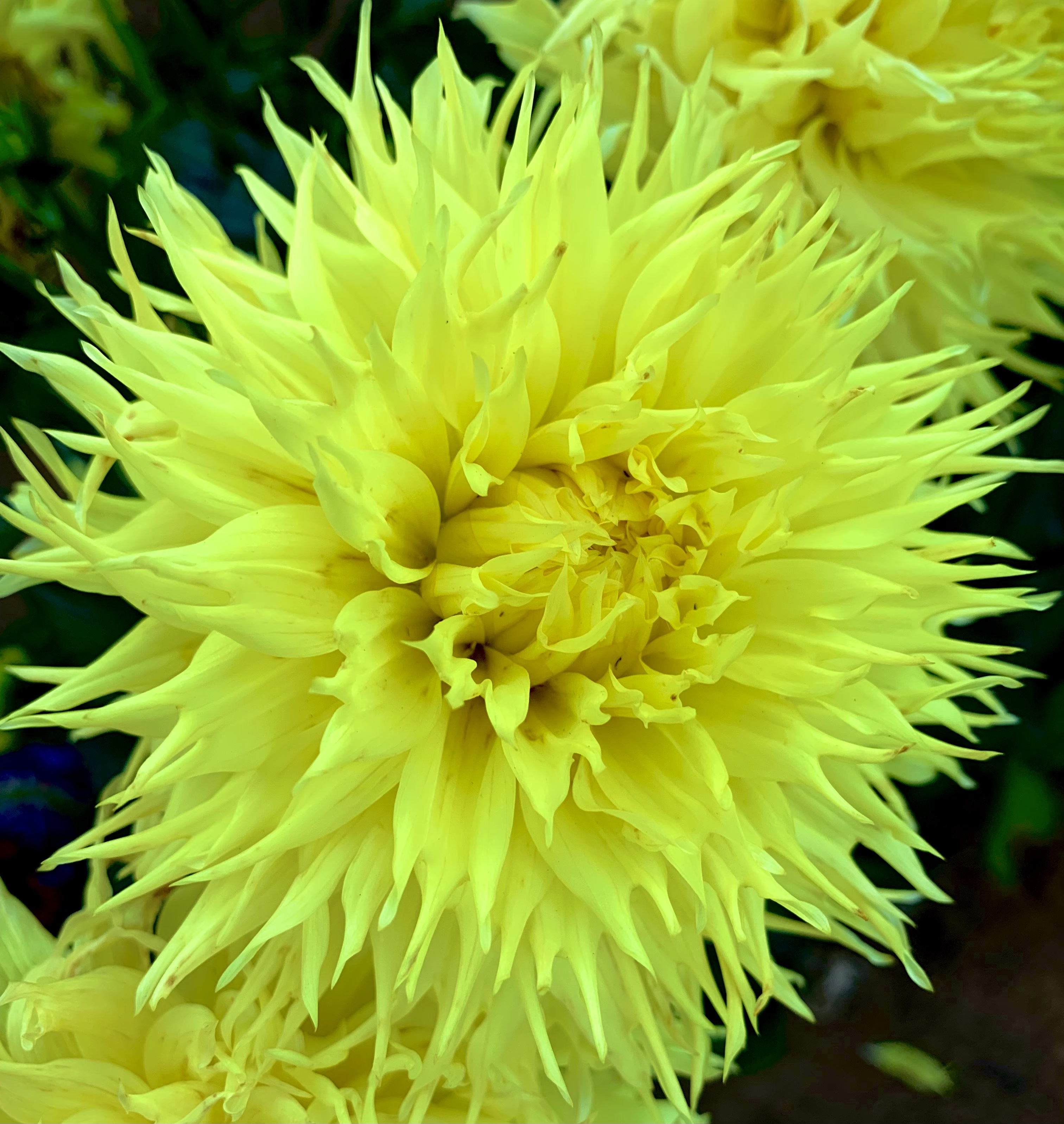
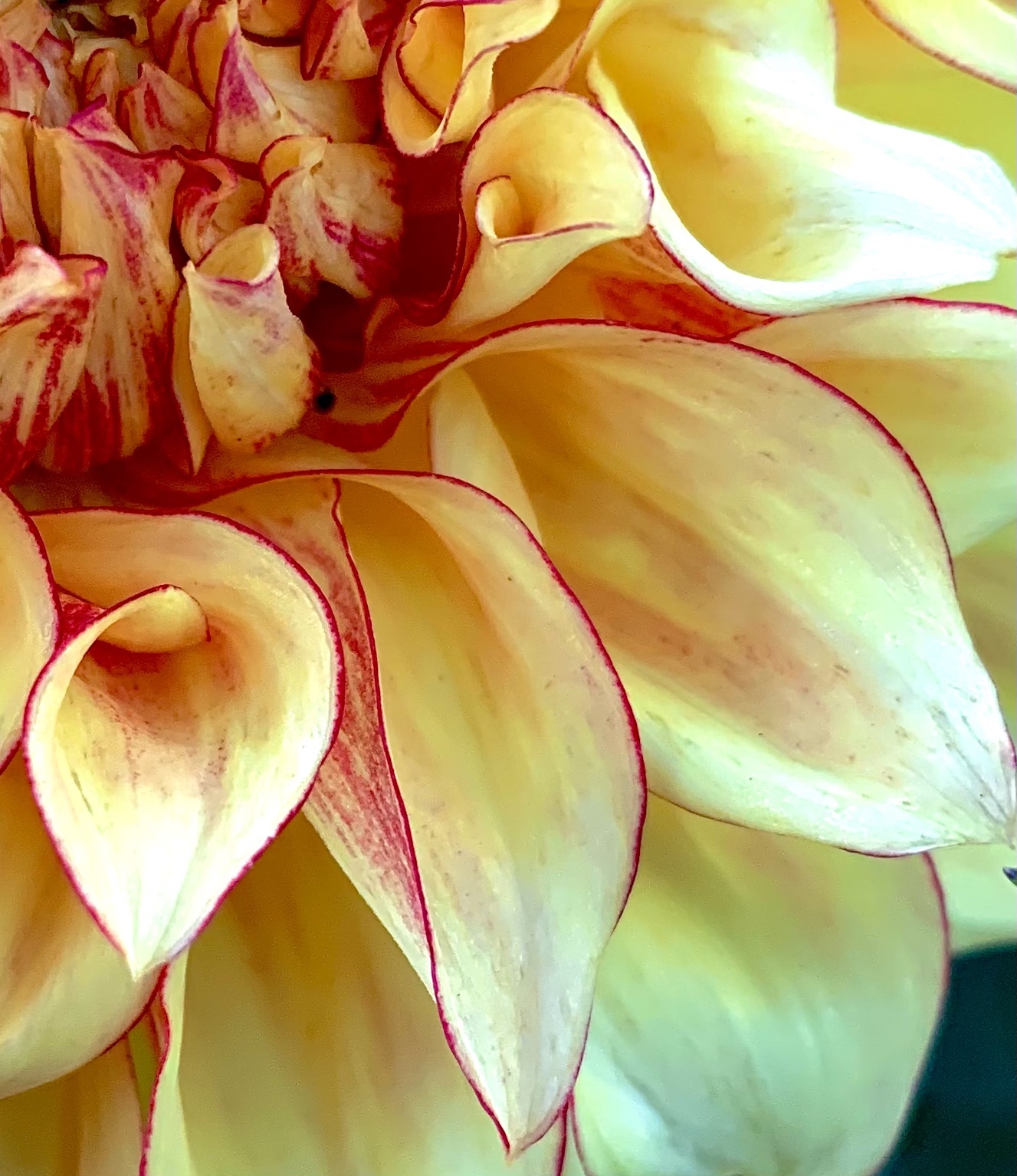
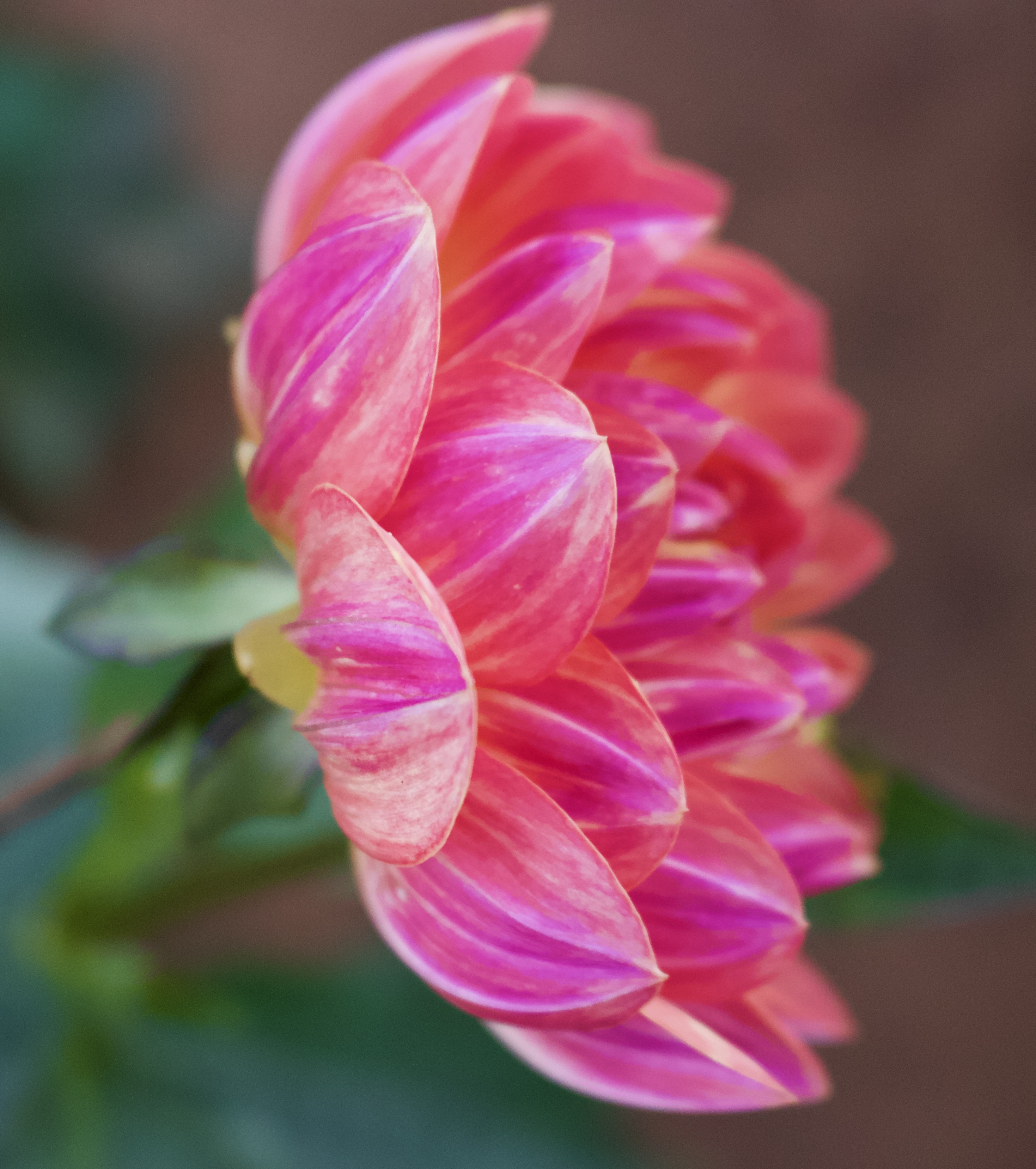
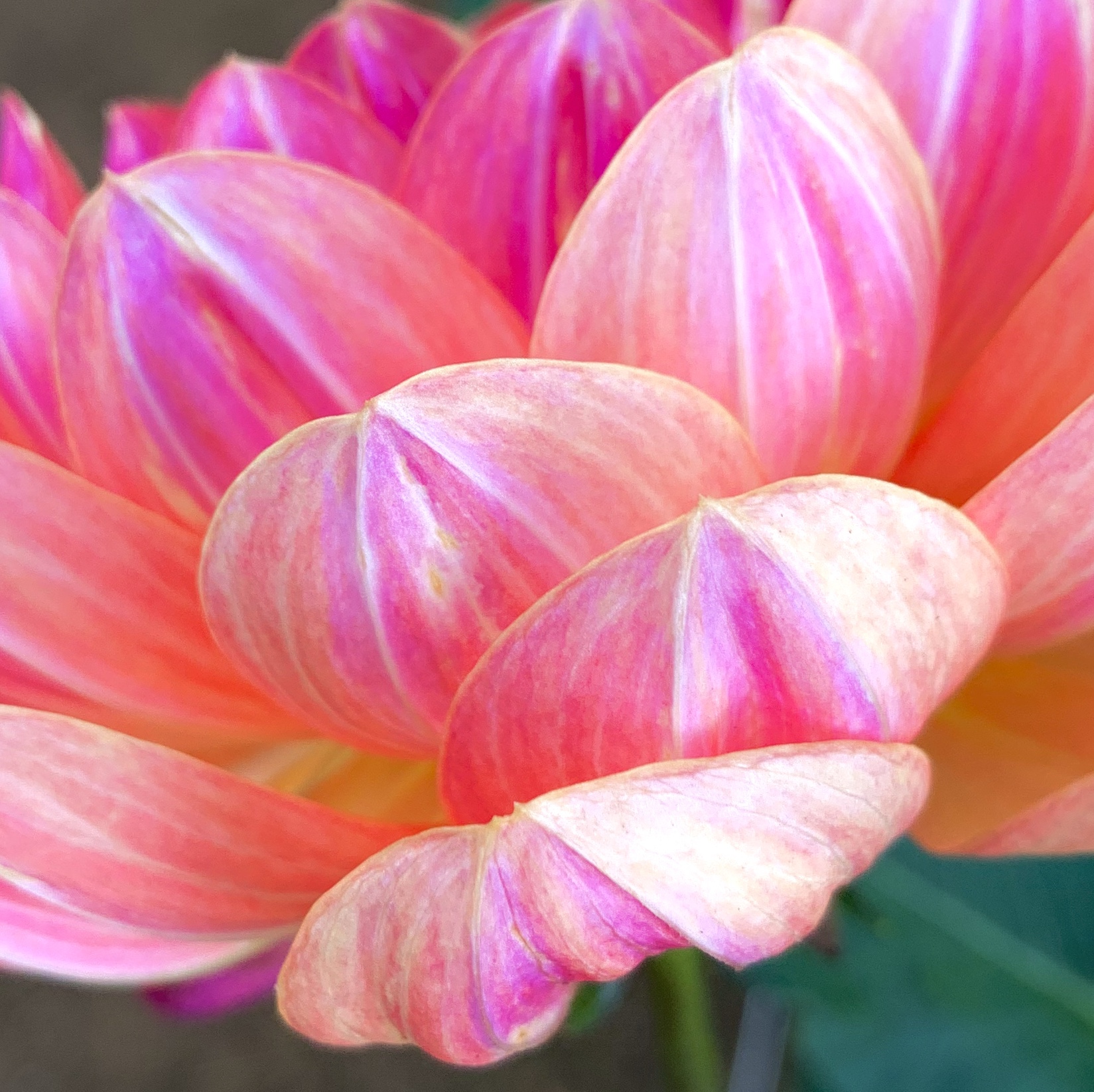
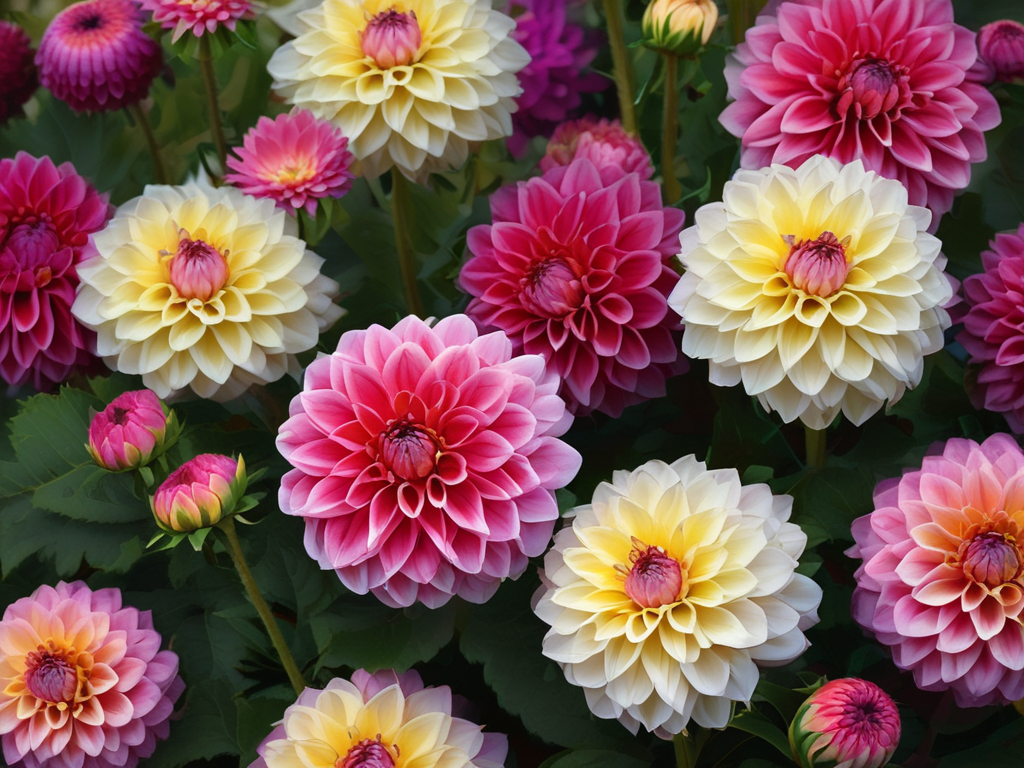
My friend Jean is a skilled gardener who has grown and hybridized dahlias for decades. What I see growing in the soil is her artist’s palette composed of petals, leaves and roots.

She has passionately cared for these plants; they reflect that love in every spiral and swirl, hue and gradient of color, showing stark symmetry and delightful variegation.

From homely and knobby look-alike tubers grow these luxurious beauties of infinite variety. I stand captivated before each one, realizing that same Creator makes sure I too impossibly bloom from mere dust.

Then He sets me to work in His garden, singing.

AI image created for this post
One-Time
Monthly
Yearly

Make a one-time or recurring donation to support daily Barnstorming posts

Make a monthly donation

Make a yearly donation

Choose an amount

$10.00
$25.00
$50.00
$5.00
$15.00
$100.00
$5.00
$15.00
$100.00

Or enter a custom amount

$

Your contribution is deeply appreciated.

Your contribution is appreciated.

Your contribution is appreciated.

DonateDonate monthlyDonate yearly
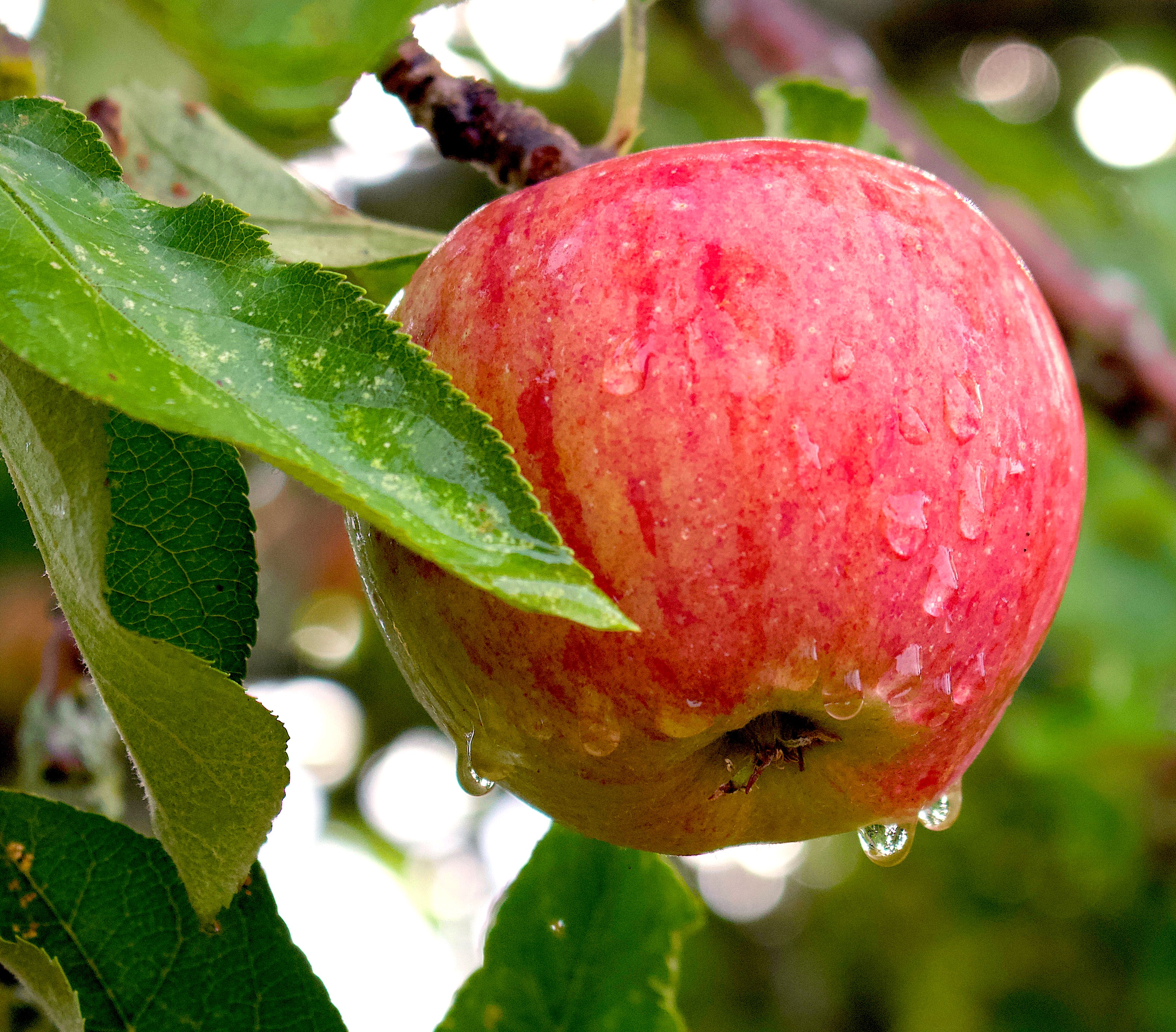
Only an Inch Beneath the Grass

He’s not so absorbed in the life around him
That he never looks up on clear nights
To admire the starry face of the sky.
But he’s awed even more by the earth he lives on,
By how much, for instance, its fertility
Depends on the unseen toil of earthworms.
Who would believe that over decades
Every inch of the field behind his house
Passes through their bodies again and again
As they feed on the dirt they tunnel through?
So much tireless turning over of loam,
So much natural harrowing, shredding, and leveling.
Yes, their work has undermined the stone wall
That marks the edge of his garden. But that’s a small price
For soil that nurtures the berries and grains
He enjoys at breakfast. Why turn from the table
To write a lament on the power of time
To undermine human effort when he can describe
How the work of worms helps sustain us?
Not to bother with them because they aren’t aware
Of his existence—how small-minded
That would seem to him in a species that prides itself
On understanding its place in the scheme of things,
As small-minded as thinking less of the stars
Because they aren’t twinkling for his benefit.
But the stars aren’t likely to go unnoticed
By a species quick to admire what’s distant,
Serene, and glittering, as opposed to what’s near,
Busy, and inconspicuous,
Working an inch beneath the grass.

~Carl Dennis “Near Darwin”

Aren’t you glad at least that the earthworms
Under the grass are ignorant, as they eat the earth,
Of the good they confer on us, that their silence
Isn’t a silent reproof for our bad manners,
Our never casting earthward a crumb of thanks
For their keeping the soil from packing so tight
That no root, however determined, could pierce it?

Imagine if they suspected how much we owe them,
How the weight of our debt would crush us
Even if they enjoyed keeping the grass alive,
The garden flowers and vegetables, the clover,
And wanted nothing that we could give them,
Not even the merest nod of acknowledgment.

A debt to angels would be easy in comparison,
Bright, weightless creatures of cloud, who serve
An even brighter and lighter master.


Lucky for us they don’t know what they’re doing,
These puny anonymous creatures of dark and damp
Who eat simply to live, with no more sense of mission
Than nature feels in providing for our survival.

…the tunneling earthworms, tireless, silent,
As they persist, oblivious, in their service.

~Carl Dennis from “Worms”

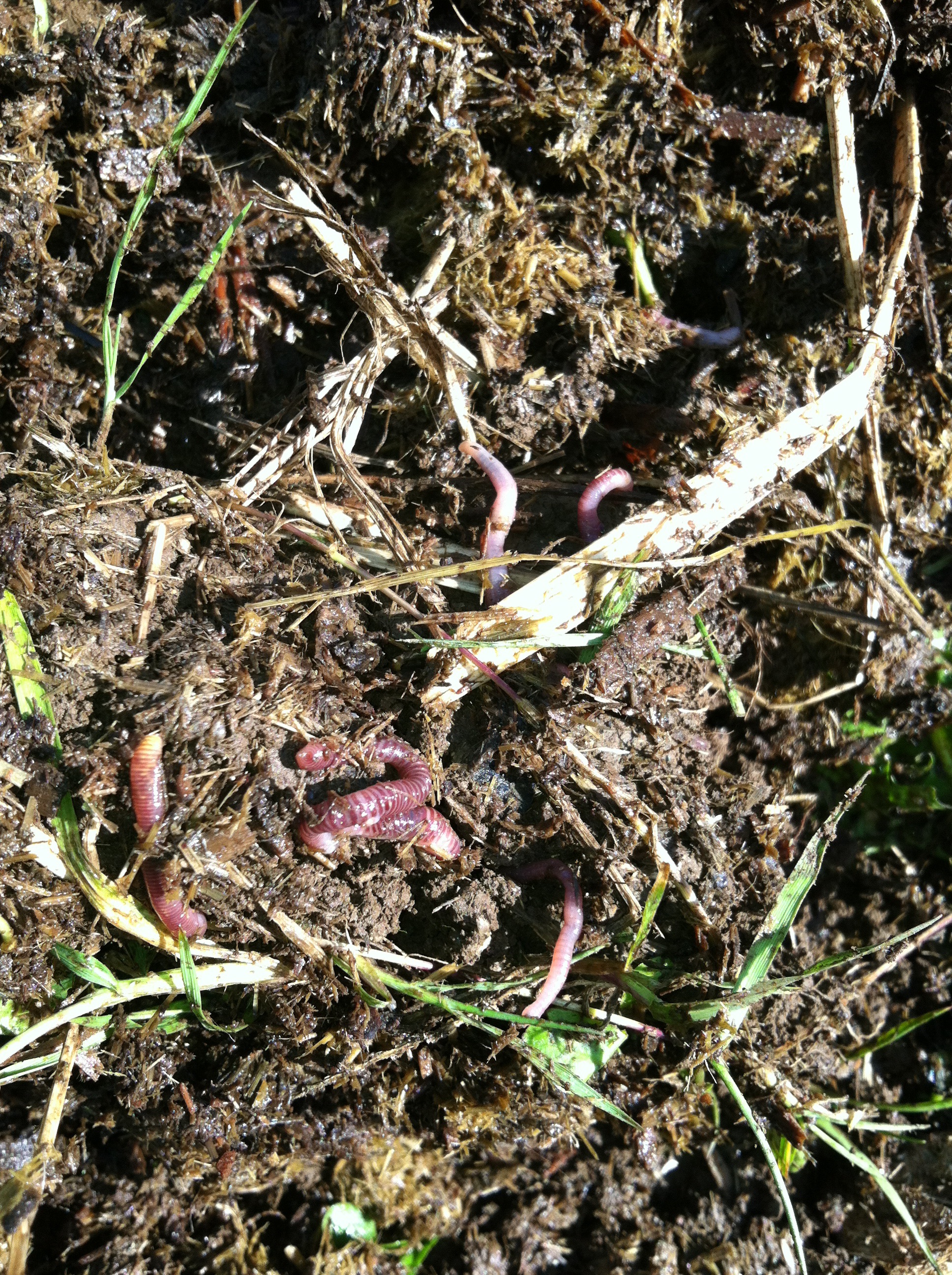
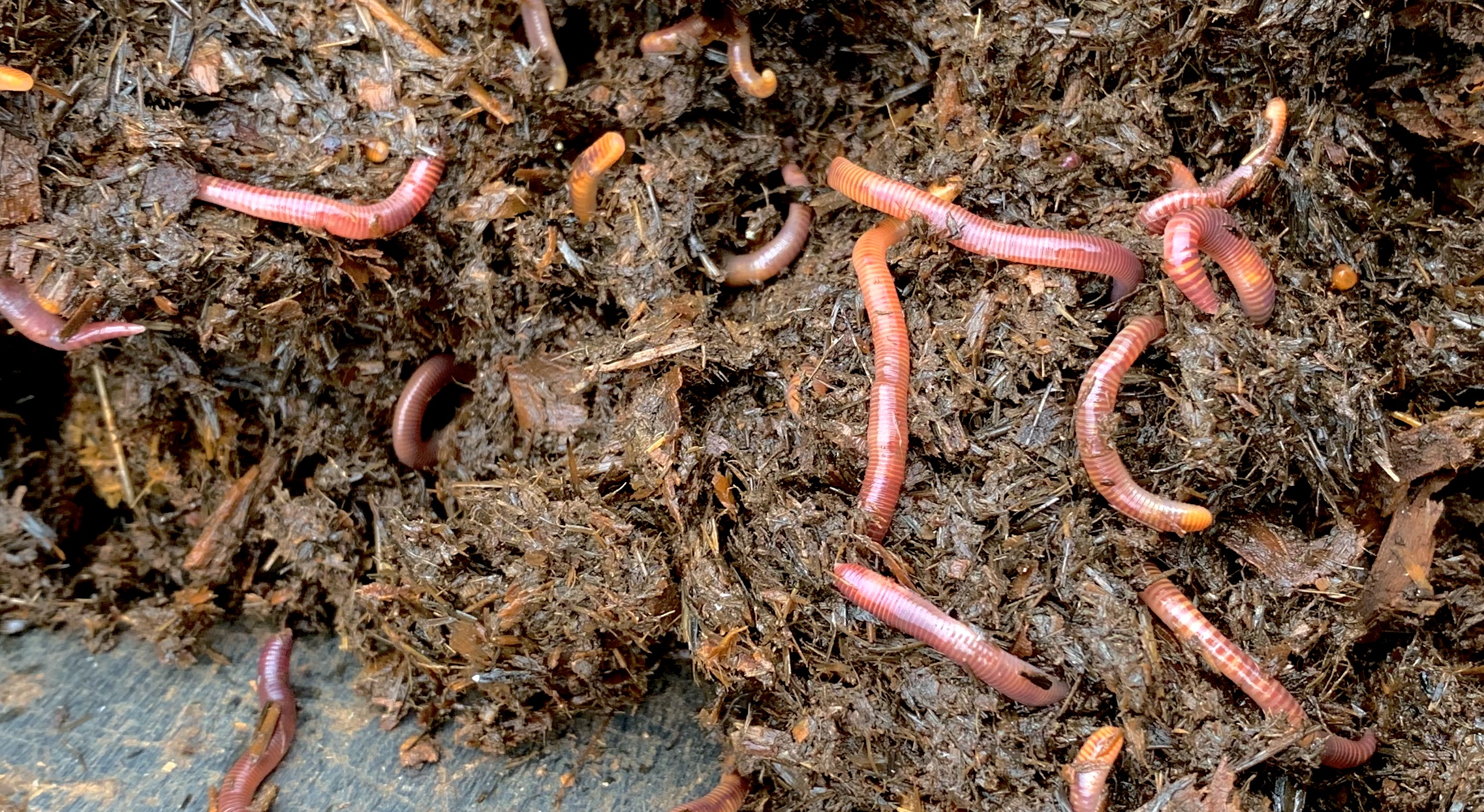
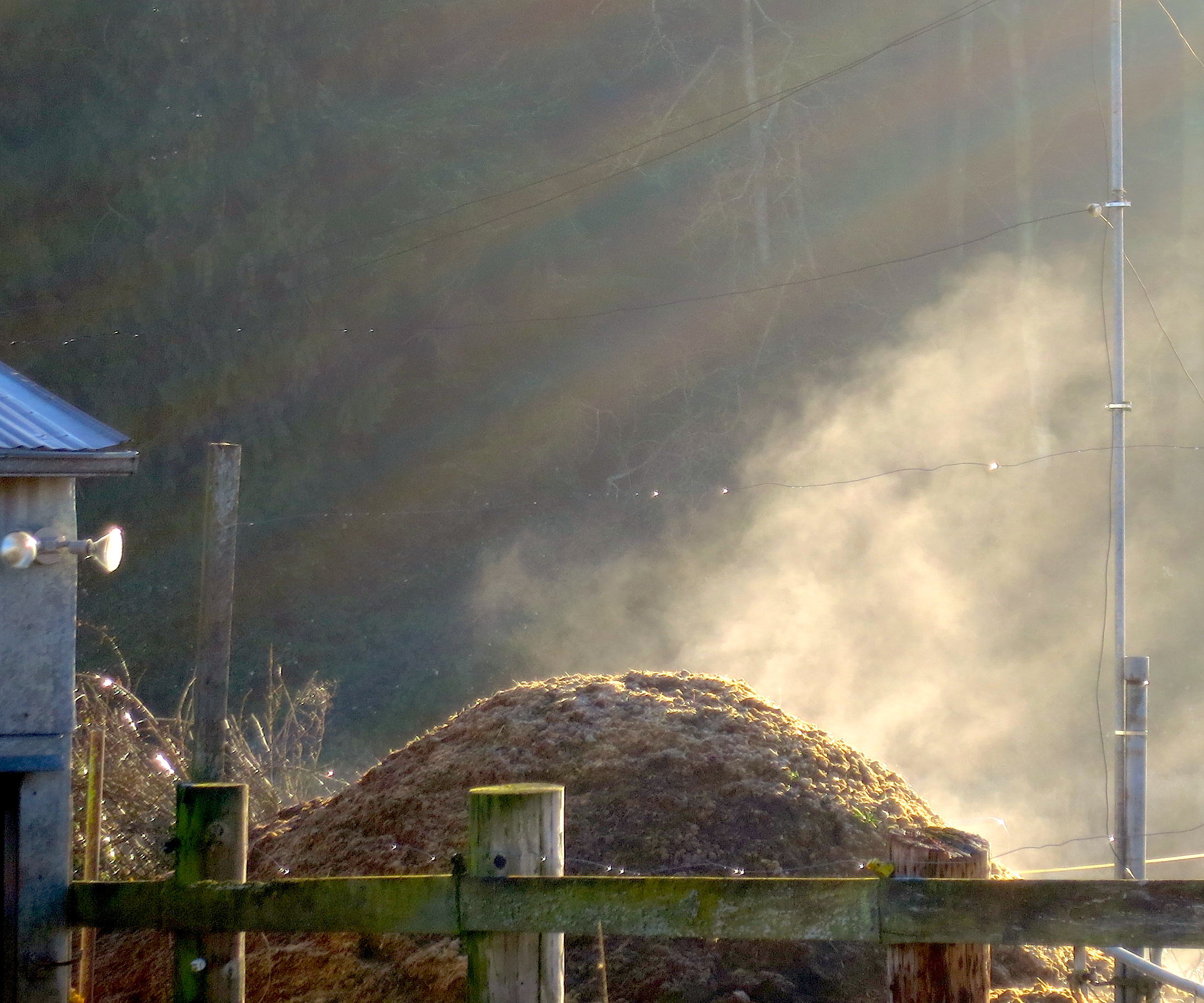
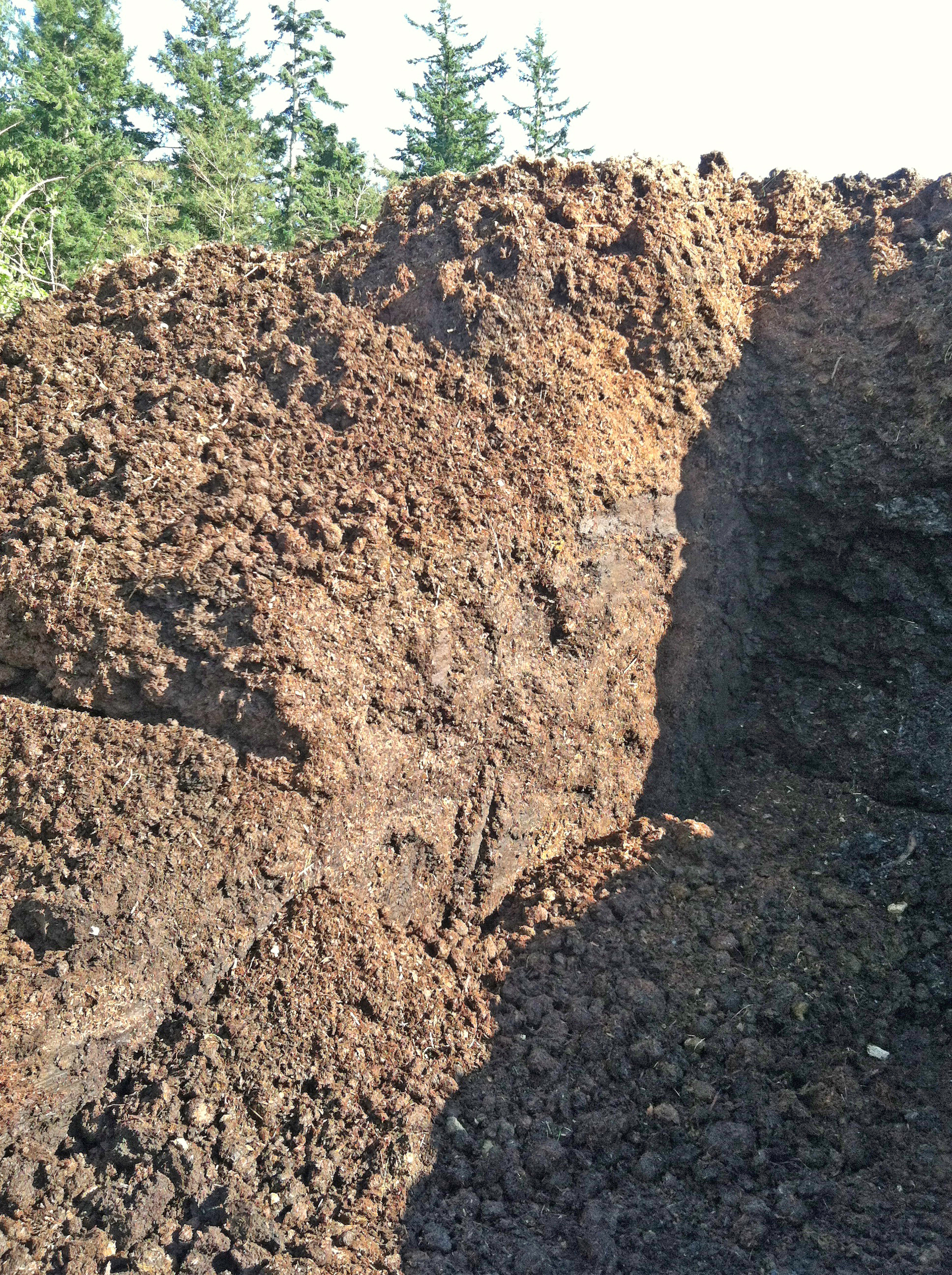
We’ve been composting horse manure for several decades behind the barn, and we dig in to the tall pile to spread on our garden plots. As Dan pushes the tractor’s front loader into the pile, steam rises from its compost innards. As the rich soil is scooped, thousands of newly exposed red wiggler worms immediately dive for cover. Within seconds, thousands of naked little creatures have, well, …wormed their way back into the security of warm dirt, being rudely interrupted from their routine. I can’t say I blame them.

Hundreds of thousands of wigglers end up being forced in the spring to adapt to new quarters, leaving the security of the manure mountain behind. As we smooth the topping of compost over the garden plot, the worms–gracious creatures that they are–tolerate being rolled and raked and lifted and turned over, waving their little bodies expectantly in the cool air before slipping back down into the dark. There they begin their work of digesting, aerating and renewing the soil of the garden, reproducing in their unique hermaphroditic way, leaving voluminous castings behind to further feed future seedlings to be planted.

Worms are unjustly denigrated by humans primarily because we don’t like to be surprised by them. We don’t like to see one in our food, especially only part of one, and are particularly distressed to see them after we’ve digested our food. Once we get past that bit of squeamishness, we can greatly appreciate their role as the ultimate recyclers, leaving the earth under our feet a lot better off once they are finished with their work.

We humans actually suffer by comparison: to be called “a worm” is really not as bad as it sounds at first. It is possible the worm may be offended by the association.

I hope to prove a worthy innkeeper for these new tenants.
May they live long and prosper only an inch beneath the grass,
so much more accessible than the infinite stars in the sky.
May each worm forgive the disruption
perpetrated by our rake and shovel.
May I smile appreciatively the next time
someone calls me a mere worm.

a cross section of 30 months of composted manure
AI image created for this post
One-Time
Monthly
Yearly

Make a one-time or recurring donation to support daily Barnstorming posts

Make a monthly donation

Make a yearly donation

Choose an amount

$10.00
$25.00
$50.00
$5.00
$15.00
$100.00
$5.00
$15.00
$100.00

Or enter a custom amount

$

Your contribution is deeply appreciated.

Your contribution is appreciated.

Your contribution is appreciated.

DonateDonate monthlyDonate yearly
Keep Reaching Out

Under a sky the color of pea soup
she is looking at her work growing away there
actively, thickly like grapevines or pole beans
as things grow in the real world, slowly enough.
If you tend them properly, if you mulch, if you water,
if you provide birds that eat insects a home and winter food,
if the sun shines and you pick off caterpillars,
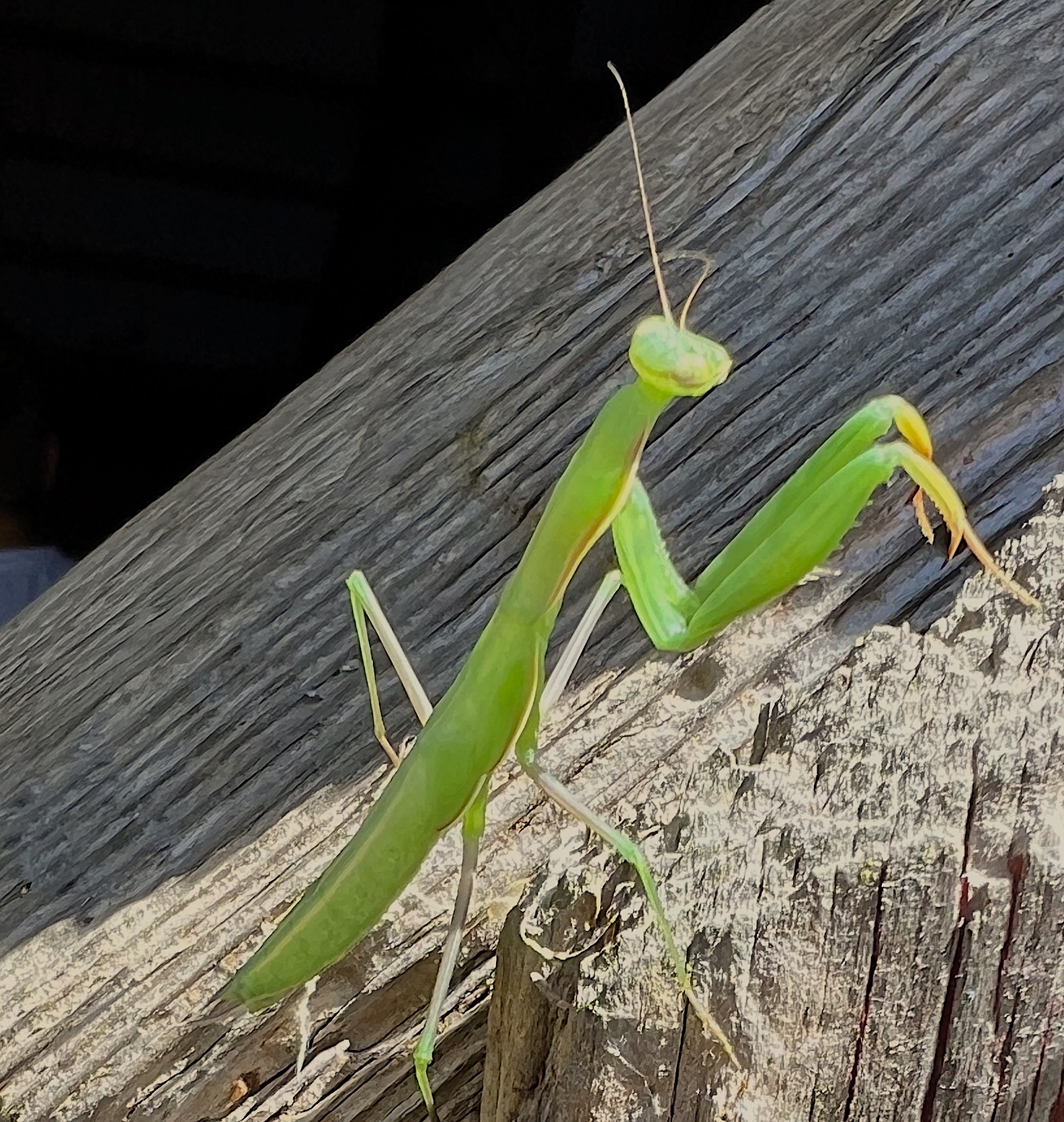
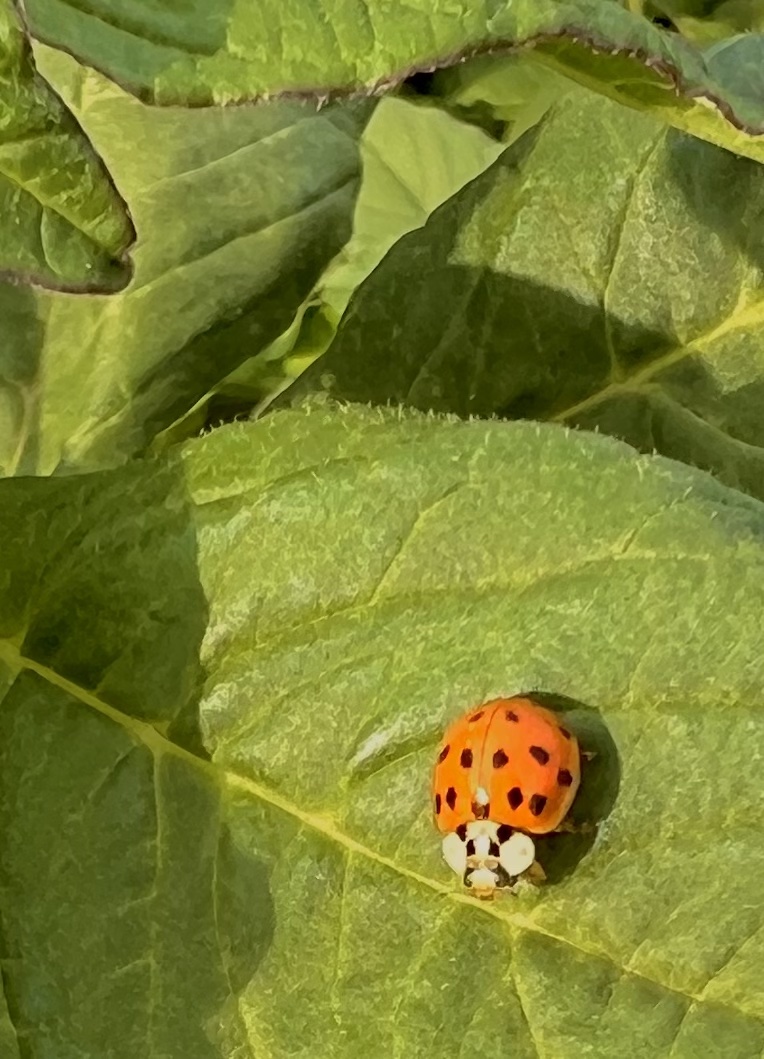
if the praying mantis comes and the ladybugs and the bees,
then the plants flourish, but at their own internal clock.

Connections are made slowly, sometimes they grow underground.
You cannot tell always by looking what is happening.
More than half the tree is spread out in the soil under your feet.
Penetrate quietly as the earthworm that blows no trumpet.
Fight persistently as the creeper that brings down the tree.
Spread like the squash plant that overruns the garden.
Gnaw in the dark and use the sun to make sugar.

Weave real connections, create real nodes, build real houses.
Live a life you can endure: Make love that is loving.
Keep tangling and interweaving and taking more in,
a thicket and bramble wilderness to the outside but to us
interconnected with rabbit runs and burrows and lairs.

Live as if you liked yourself, and it may happen:
reach out, keep reaching out, keep bringing in.
This is how we are going to live for a long time: not always,
for every gardener knows that after the digging, after the planting,
after the long season of tending and growth, the harvest comes.
~Marge Piercy “The Seven of Pentacles”

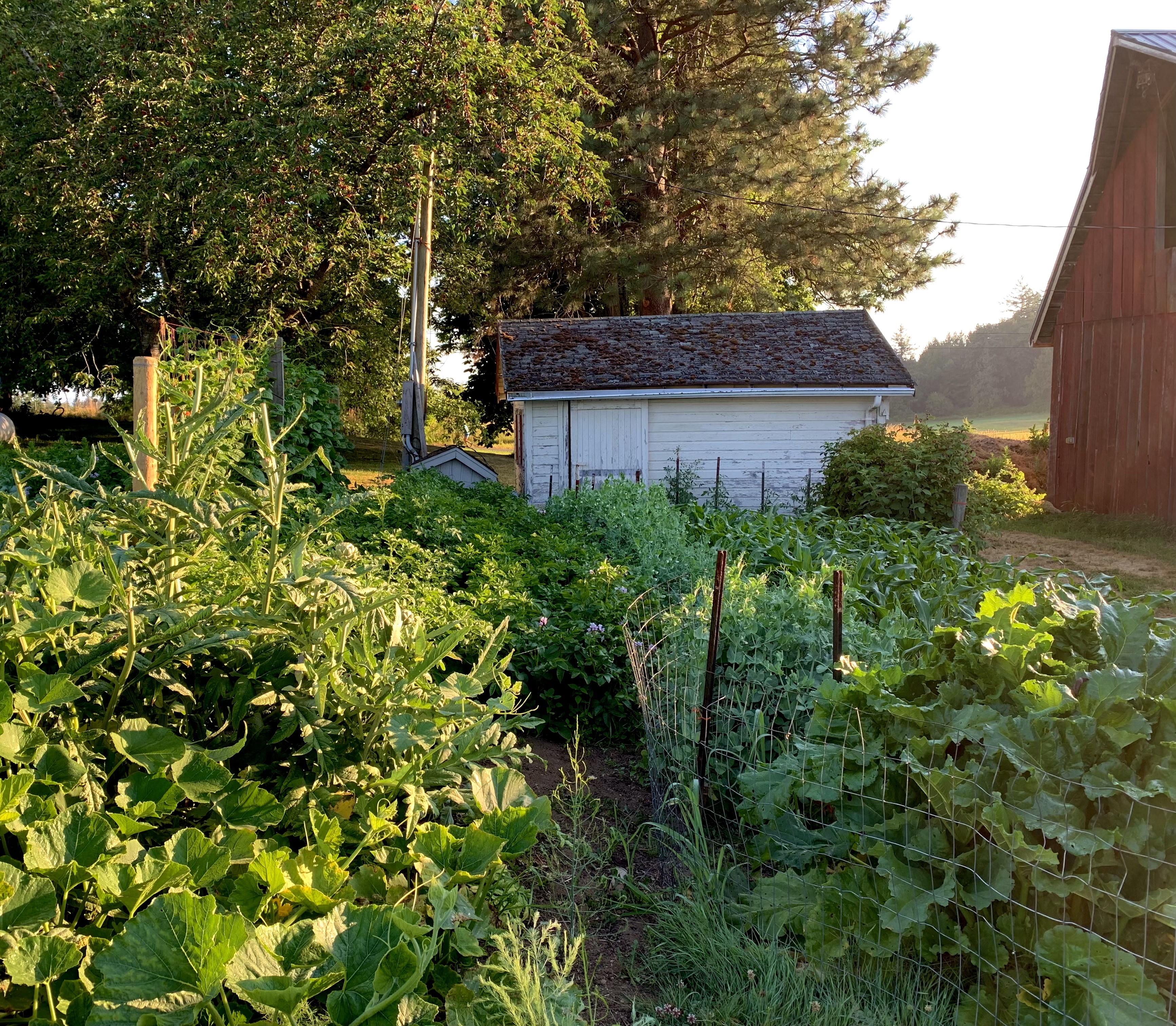
Our garden teaches us all kinds of life lessons, thanks to my husband’s hours of hard work preparing the soil, planting carefully and nurturing the emerging seedlings.

No garden tends itself – the growing plants reach out for connection to one another, for stability and companionship. The gardener nurtures, defends and harvests with an eye to preparing for the next growing season.

We who have been planted here need one another, interwoven and linked, both visibly and invisibly. I am woven around you and you around me; together we grow and thrive when tended, and as intended.

But more than anything else, we need our Gardener…

AI image created for this post
One-Time
Monthly
Yearly

Make a one-time or recurring donation to support daily Barnstorming posts

Make a monthly donation

Make a yearly donation

Choose an amount

$10.00
$25.00
$50.00
$5.00
$15.00
$100.00
$5.00
$15.00
$100.00

Or enter a custom amount

$

Your contribution is deeply appreciated.

Your contribution is appreciated.

Your contribution is appreciated.

DonateDonate monthlyDonate yearly
A Summer’s Sweetness

The clouds are low as a blanket.
Even the air is tangible,
and the steam from the kettle
thickens the air like wool.
Harvest is full on us; the pressure
to preserve builds like a thunderhead.

 
Shelling peas is fun at first,
slitting open the perfect pods,
working in rhythm to the pelter
of peas ringing in the pot.
But then our arms and shoulders ache,
the seeds rattle, hollow as bones,
and though we should rejoice,
another bushel groans before us.

 
But there in the blancher,
the new peas shine
fresh and wet, green
as emeralds; summer’s sweetness,
to be shelved with the long ripe days,
eaten with relish, as the butter
and juice run in our mouths
rare as dandelion wine.

~Barbara Crooker “Putting Up”

My earliest childhood memories include the taste and smell of fresh peas.  We lived in farming country north of Seattle where 50 years ago hundreds of acres of peas were grown for canning and freezing.  During the harvest, large pea harvesting machines would arrive for several days and travel down the road in caravans of 10 or 12, going from farm to farm to farm. They worked 24 hours a day to harvest as quickly as possible and traveled the roads late at night because they were so huge, they would take up both lanes of the country roads.  Inevitably a string of cars would form behind the pea harvesters, unable to pass, so it became a grand annual parade celebrating the humble pea.

The smell in the air when the fields were harvested was indescribable except to say it was most definitely a “green” and deliciously fresh smell.  The vines and pods would end up as silage for cattle and the peas would be separated to go to the cannery.  I figured those peas were destined for the city dwellers because in our back yard garden, we grew plenty of our own.

Pea seeds, wrinkled and frankly a little boring, could be planted even before the last frost was done with us in March, or even sometimes on Washington’s birthday in February.  The soil needed to not be frozen and not be sopping.  True, the seeds might sit still for a few weeks, unwilling to risk germination until the coast was clear and soil warmed a bit, but once they were up out of the ground, there was no stopping them.  We would generally have several rotations growing, in the hope of a 6 week pea eating season if we were fortunate, before the heat and worms claimed the vines and the pods.

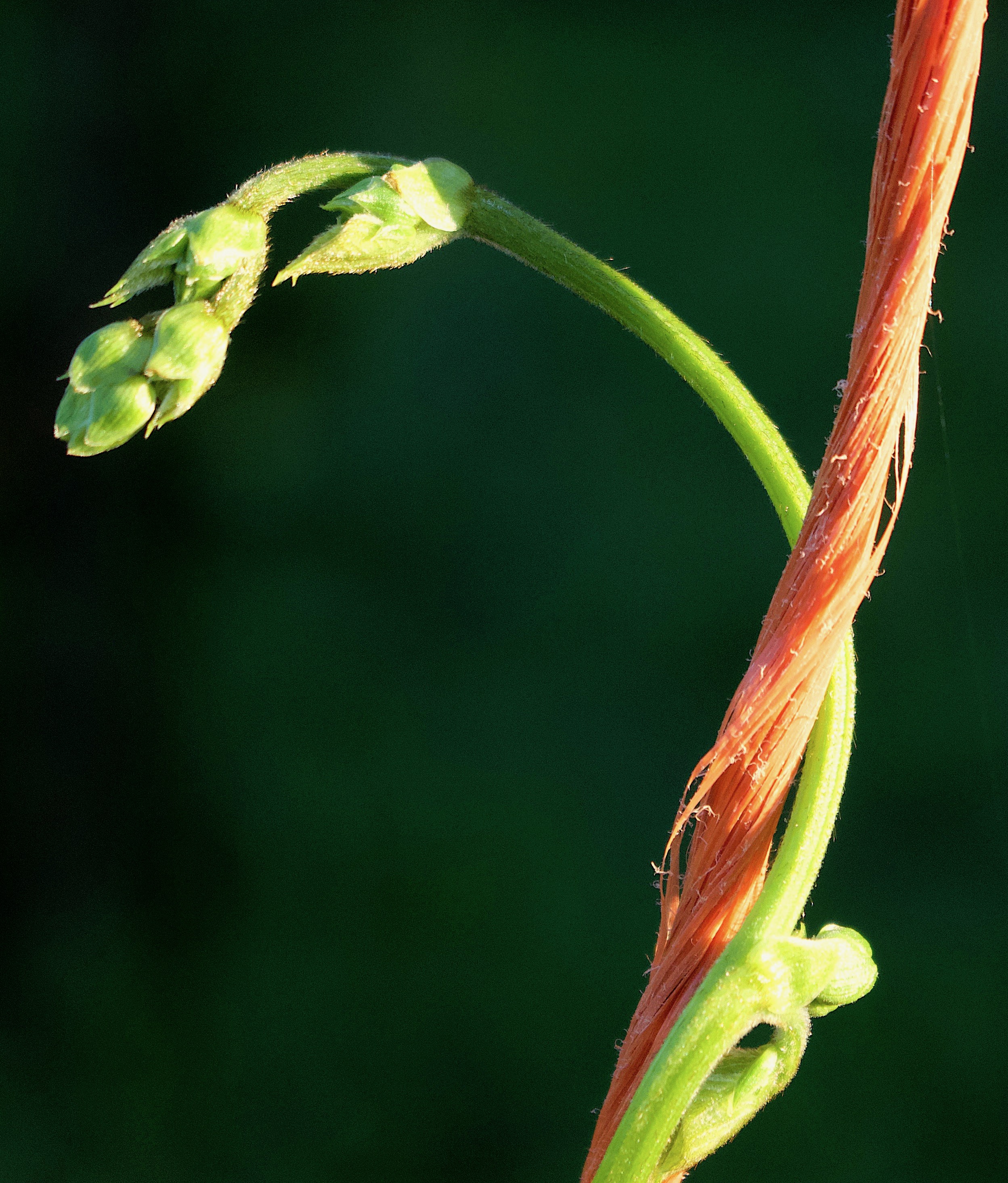
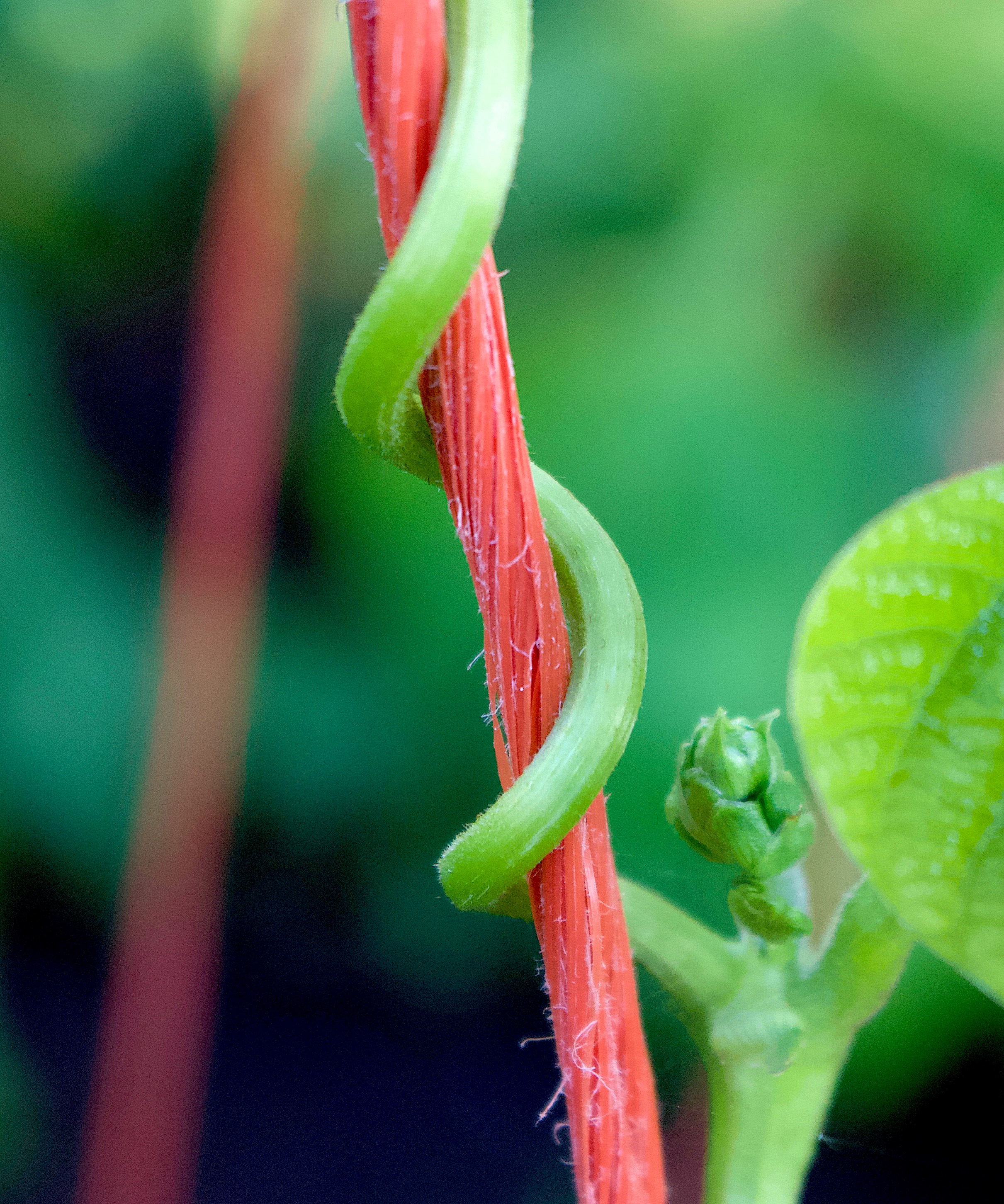
We always planted telephone peas, so the support of the vines was crucial–we used hay twine run up and down between two taut smooth wires attached high and low between two wooden posts.  The vines could climb 6 feet tall or better and it was fascinating to almost literally watch the pea tendrils wind their way around the strings (and each other), erotically clinging and wrapping themselves in their enthusiasm.

Once the pods start to form,  impatience begins.  I’d be out in the garden every day copping feels, looking for that first plump pod to pick and pop open.  It never failed that I would pick too soon, and open a pod to find only weenie little peas, barely with enough substance to taste.  Within a day or two, however, the harvest would be overwhelming, so we’d have to pick early in the morning while the peas were still cool from the night dew.

Then it was shelling time, which involved several siblings on a back porch, one mother supervising from a distance to make sure there weren’t too many peas being pelted in pique at an annoying little brother, and lots of bowls to catch the peas and the pods.  A big paper sack of intact pods would yield only a few cups of peas, so this was great labor for small yield.   Opening a pod of peas is extremely satisfying though;  there is a tiny audible “pop” when the pod is pressed at the bottom, and then as your thumb runs down the inner seam of the pod loosening all the peas, they make a dozen little “pings” in the bowl when they fall.  A symphony of pea shelling often was accompanied by the Beach Boys and the Beatles.

Once the weather got hot, the pea worms would be at work in the pods, so then one encountered wiggly white larvae with little black heads and their webs inside the pods.  We actually had a “Wormie” song we sung when we found one, even in the 60’s recognizing that our organic garden meant sharing the harvest with crawling protein critters. The peas would be bored through, like a hollowed out jack o’lantern, so those got dumped in the discard bowl.

The dull green coat of the raw pea turns bright green during the several minutes of blanching in boiling water, then they are plunged into ice water until cool and packed in ziplock bags.  Those peas are welcomed to the table during the other 11 months out of the year, sometimes mixed with carrots, sometimes with mushrooms, sometimes chased with a little fresh garlic.  They are simply the most lovely food there is other than chocolate.

From an undistinguished pea seed to intricate vines and coiling tendrils–from pregnant pods bursting at the seams to a bounty at meals: the humble pea does indeed deserve a grand parade in the middle of the night.

AI image generated for this post
One-Time
Monthly
Yearly

Make a one-time or recurring donation to support daily Barnstorming posts

Make a monthly donation

Make a yearly donation
Choose an amount

$10.00
$25.00
$50.00
$5.00
$15.00
$100.00
$5.00
$15.00
$100.00

Or enter a custom amount

$

Your contribution is deeply appreciated.
Your contribution is appreciated.

Your contribution is appreciated.

DonateDonate monthlyDonate yearly