There is no event so commonplace but that God is present within it, always hiddenly, always leaving you room to recognize Him or not…
Listen to your life. See it for the fathomless mystery that it is.
In the boredom and pain of it no less than in the excitement and gladness: touch, taste, smell your way to the holy and hidden art of it because in the last analysis all moments are key moments….. and Life itself is Grace. ~Frederick Buechner from Now and Then- Listening to Your Life
The locus of the human mystery is perception of this world. From it proceeds every thought, every art. I like Calvin’s metaphor—nature is a shining garment in which God is revealed and concealed. ~Marilynne Robinson from her “Reclaiming a Sense of the Sacred” essay
Perhaps it is the mystery of His life that brings us back, again and again, to read His story, familiar as it is, at first wrapped in the shining garment of swaddling clothes, then a plain robe to be gambled away beneath His nailed feet and finally a shroud left carefully folded and empty.
How can this mystery be? God appearing on earth, hidden in the commonplace, rendering it sacred and holy by His spilled blood.
How can it be? Through the will of the Father and the breath of the Spirit, this Son was born, died, then rose again and still is, and yet to be, forever and ever.
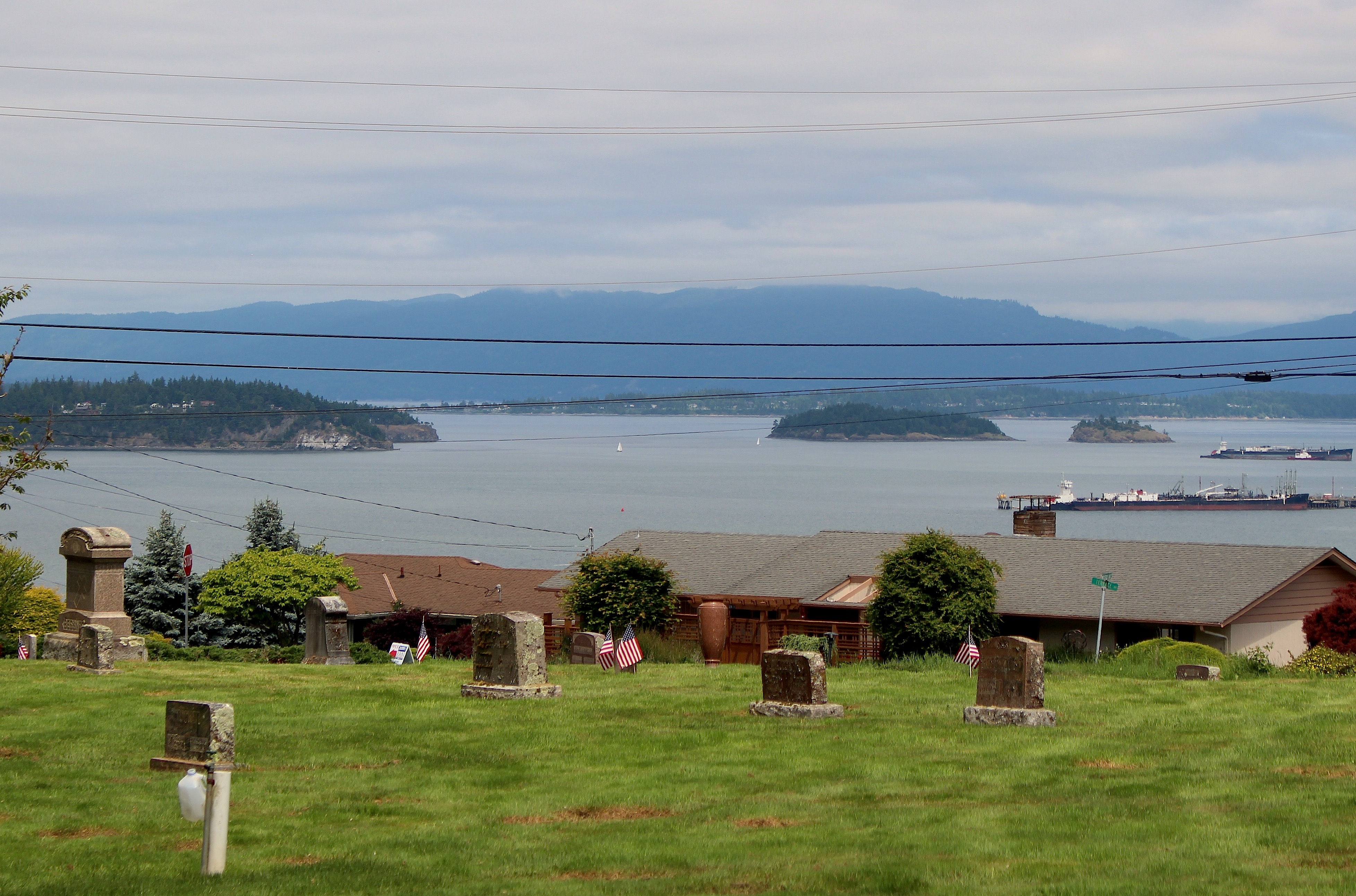
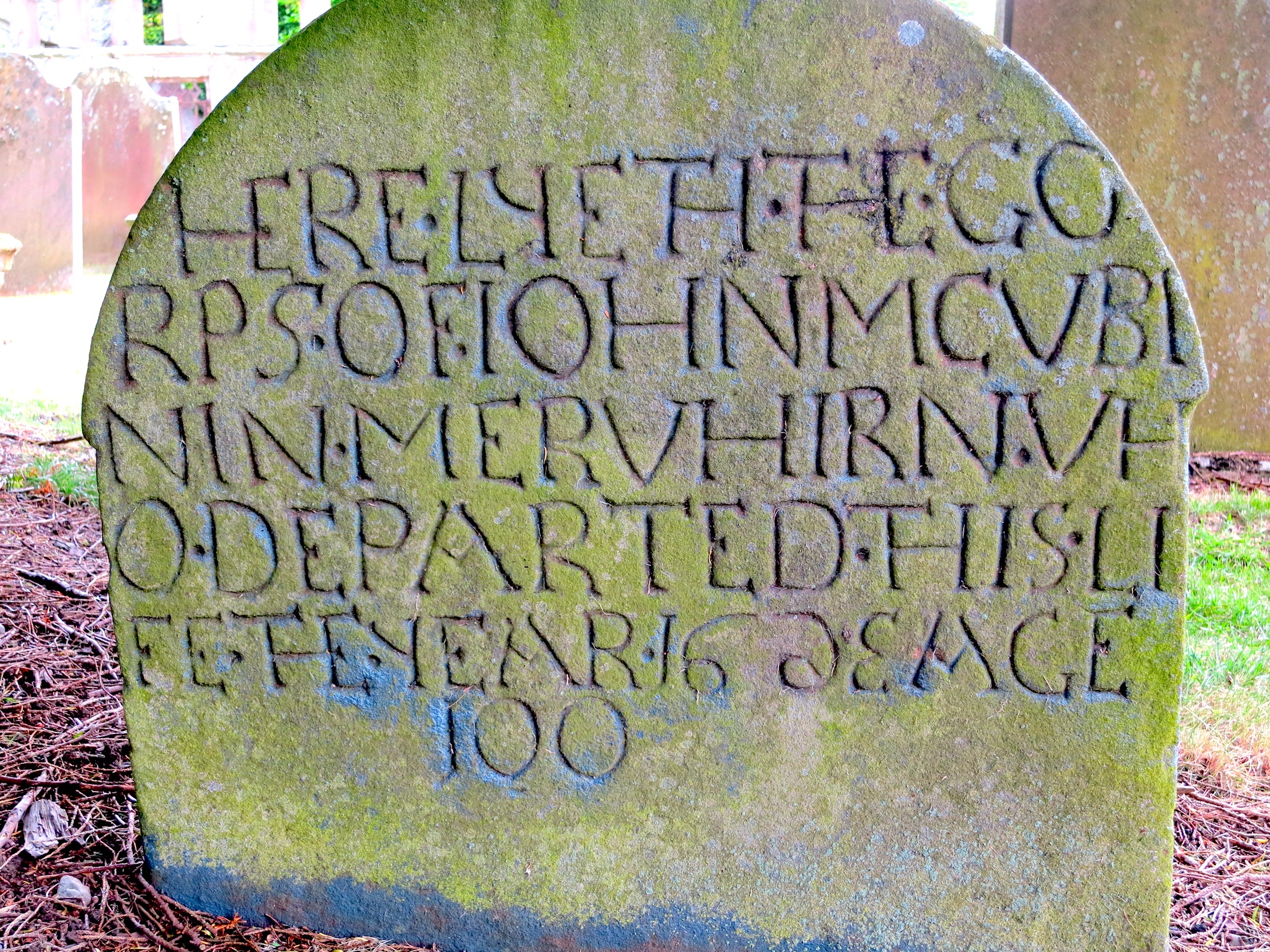
In the cemetery a mile away from where we used to live, my aunts and mother my father and uncles lie in two long rows, almost the way they used to sit around the long planked table at family dinners. And walking beside the graves today, down one straight path and up the next, I don’t feel sad, exactly, just left out a bit, as if they kept from me the kind of grown-up secret they used to share back then, something I’m not quite ready yet to learn. ~Linda Pastan “Unveiling” from Carnival Evening
Some family gatherings can wait. I don’t feel ready yet to learn what they all now know posthumously, in their tidy rows in peaceful settings. I feel some curiosity as I wander among them, realizing my invitation is coming, most likely before I wish to receive it.
I nod to one and then another, greeting them as I used to when we gathered around the same dinner table. To those I never met but share DNA, I introduce myself, hoping to make a good impression.
They still have their secrets, as they always had. And I try not to ask too many questions. No, not yet.
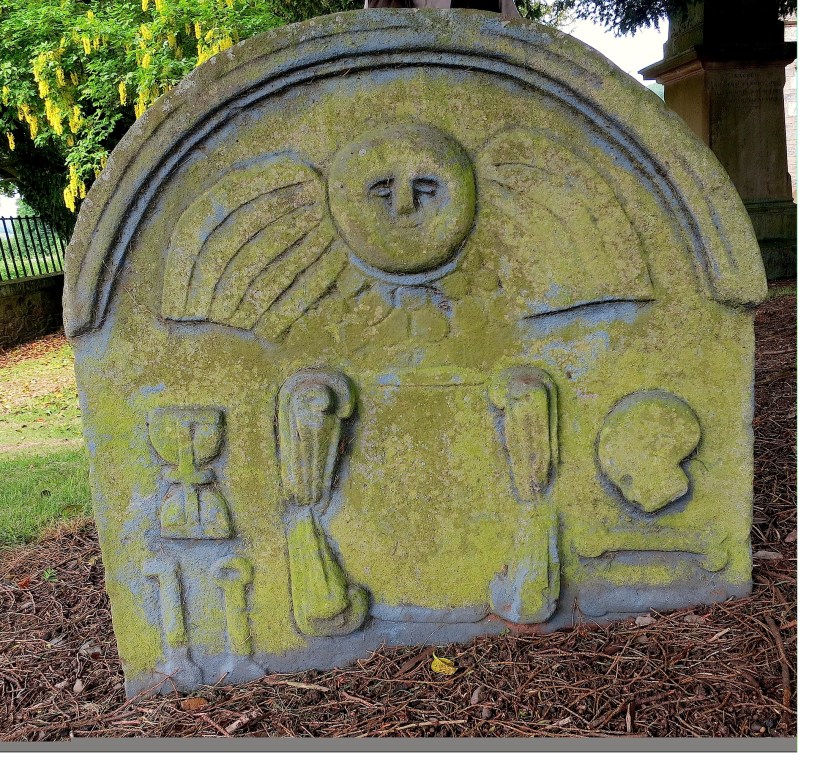
“Oh, that I had the wings of a dove! I would fly away and be at rest. Psalm 55:6
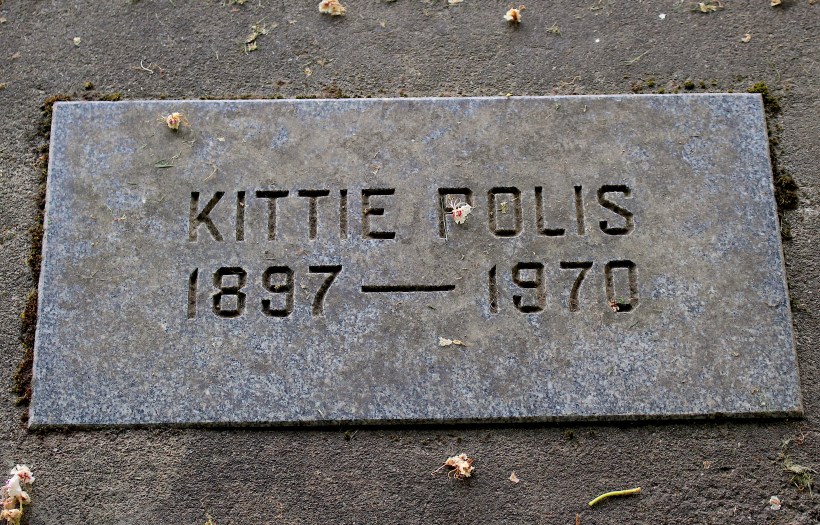
other side of the same stone
Some glad morning when this life is over I’ll fly away To a home on God’s celestial shore I’ll fly awayI’ll fly away, oh, Glory I’ll fly away When I die, Hallelujah, by and by I’ll fly awayJust a few more weary days and then I’ll fly away To a land where joy shall never end I’ll fly awayI’ll fly away, oh, Glory I’ll fly away When I die, Hallelujah, by and by I’ll fly awayYeah, when I die, Hallelujah, by and by I’ll fly away
In the dark, a child might ask, What is the world? just to hear his sister promise, An unfinished wing of heaven, just to hear his brother say, A house inside a house, but most of all to hear his mother answer, One more song, then you go to sleep. How could anyone in that bed guess the question finds its beginning in the answer long growing inside the one who asked, that restless boy, the night’s darling? Later, a man lying awake, he might ask it again, just to hear the silence charge him, This night arching over your sleepless wondering, this night, the near ground every reaching-out-to overreaches, just to remind himself out of what little earth and duration, out of what immense good-bye, each must make a safe place of his heart, before so strange and wild a guest as God approaches. ~Li-Young Lee “Nativity”
“What’s wrong with the world?” asked The Times of famous authors. “Dear Sir, I am. “ Yours, G.K. Chesterton
I’m not ashamed that I still ask the hard questions, just as I did when I was a child, lying in bed, fearful in the dark. Some call it a lack of faith: if I truly believed, I would trust completely, so asking such questions would be “out of the question.”
Yet God throughout scripture encourages questions, listens to lament, isn’t intimidated by uncertainty and weakness. He waits patiently for His people to make their hearts a safe place for Him to dwell – a place of wings and songs and awe and worship – even when resounding with questions.
My heart is a womb where our strange and wild God seeks to reside in this world. “Why me?” I ask, pondering yet another hard question in the dark. “Why not you?” comes His response: a question for which He awaits my answer.
What a piece of work is a man! …And yet, to me, what is this quintessence of dust? ~ William Shakespeare in Hamlet’s monologue
God – the God who made the dust, who made the stars, who made the elements of which we are composed – that same God chooses from the beginning to make his dwelling among us, to live for all time like us, as a servant of the soil. I am the dust of the earth, but God declares that he is not too good, not too proud, for my dustiness. ~Daniel Stulac fromPlough Quarterly No. 4: Earth
What I know for sure is this: We come from mystery and we return to mystery. I arrived here with no bad memories of wherever I’d come from, so I have no good reason to fear the place to which I’ll return. And I know this, too: Standing closer to the reality of death awakens my awe at the gift of life. ~Parker Palmer “On the Brink of Everything“
This dust left of man: earth, air, water and fire prove inadequate to quell the significance of how, in the beginning, this dust became us, and how, forevermore, this is the dust we leave behind.
Only now, the transcendent hope of eternal life restored by faith can breathe glory into us, the plainest of ash.
All this pain I wonder if I’ll ever find my way I wonder if my life could really change, at all All this earth Could all that is lost ever be found? Could a garden come out from this ground, at all?
You make beautiful things You make beautiful things out of the dust You make beautiful things You make beautiful things out of usAll around, Hope is springing up from this old ground Out of chaos life is being found, in you
You make beautiful things You make beautiful things out of the dust You make beautiful things You make beautiful things out of us Oh, you make beautiful things You make beautiful things out of the dust You make beautiful things You make beautiful things out of us
You make me new, You are making me new You make me new, You are making me new (Making me new)
You make beautiful things You make beautiful things out of the dust You make beautiful things You make beautiful things out of us Oh, you make beautiful things You make beautiful things out of the dust You make beautiful things You make beautiful things out of us
You make me new, You are making me new You make me new, You are making me new
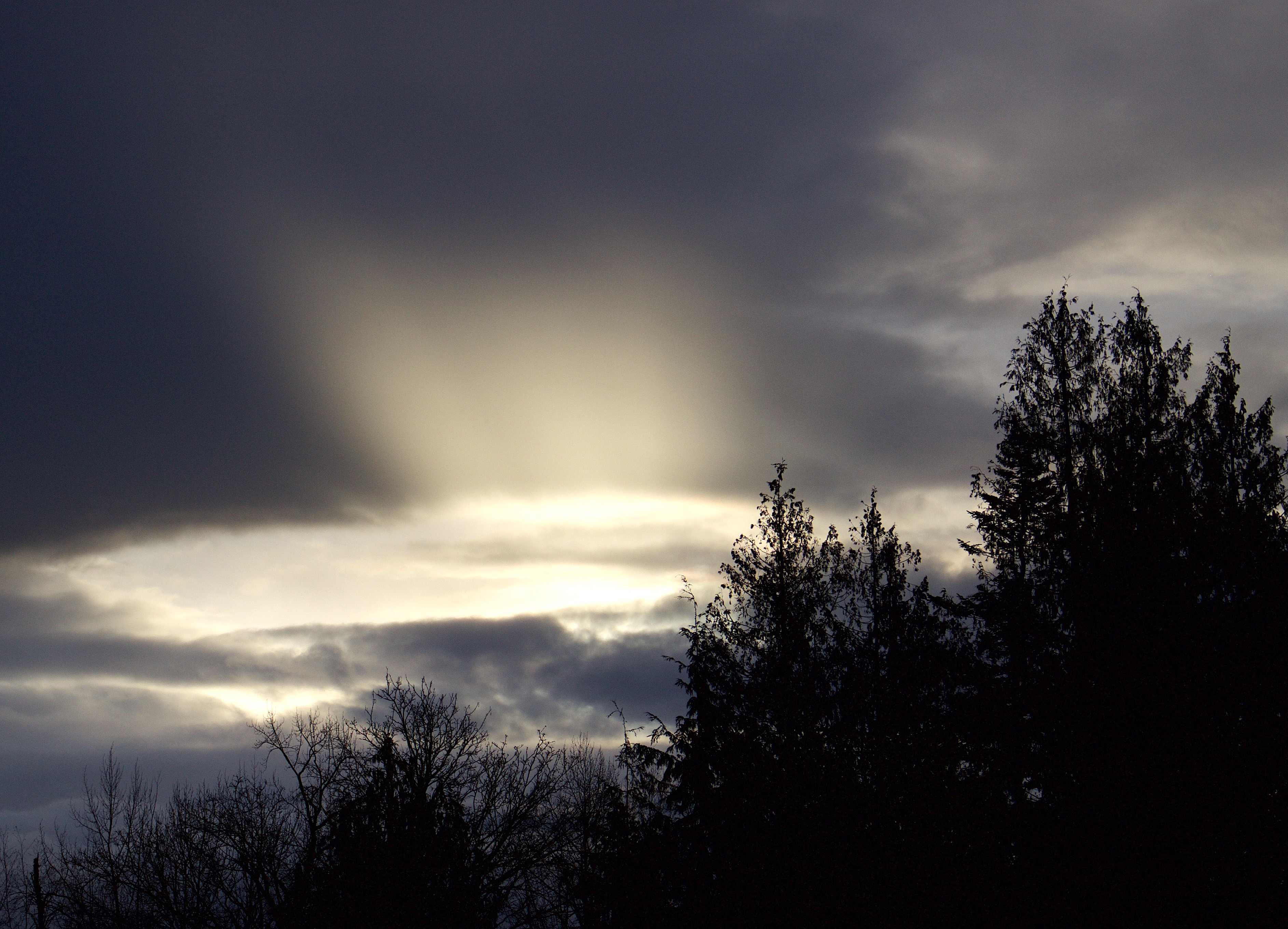
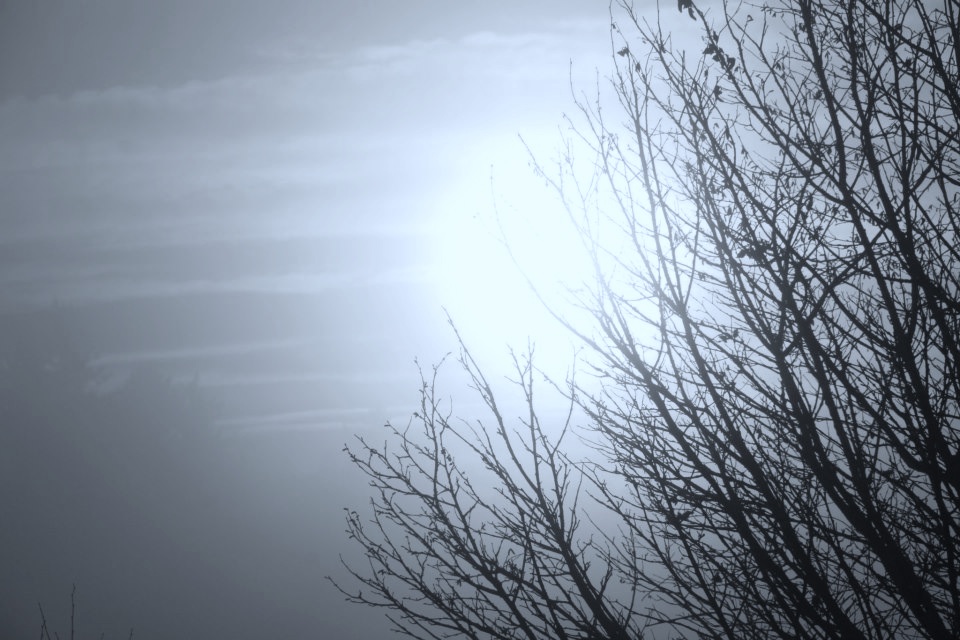
There’s a certain Slant of light On winter afternoons — That oppresses, like the Heft of cathedral tunes. When it comes, the Landscape listens — Shadows hold their breath — When it goes, ’tis like the Distance On the look of Death. ~Emily Dickinson
How valuable it is in these short days, threading through empty maple branches, the lacy-needled sugar pines.
Its glint off sheets of ice tells the story of Death’s brightness, her bitter cold.
We can make do with so little, just the hint of warmth, the slanted light... ~Molly Fisk, “Winter Sun” from The More Difficult Beauty
Tell all the truth but tell it slant — Success in Circuit lies Too bright for our infirm Delight The Truth’s superb surprise As Lightning to the Children eased With explanation kind The Truth must dazzle gradually Or every man be blind — ~Emily Dickinson
I like the slants of light; I’m a collector. That’s a good one, I say… ~Annie Dillard from Pilgrim at Tinker Creek
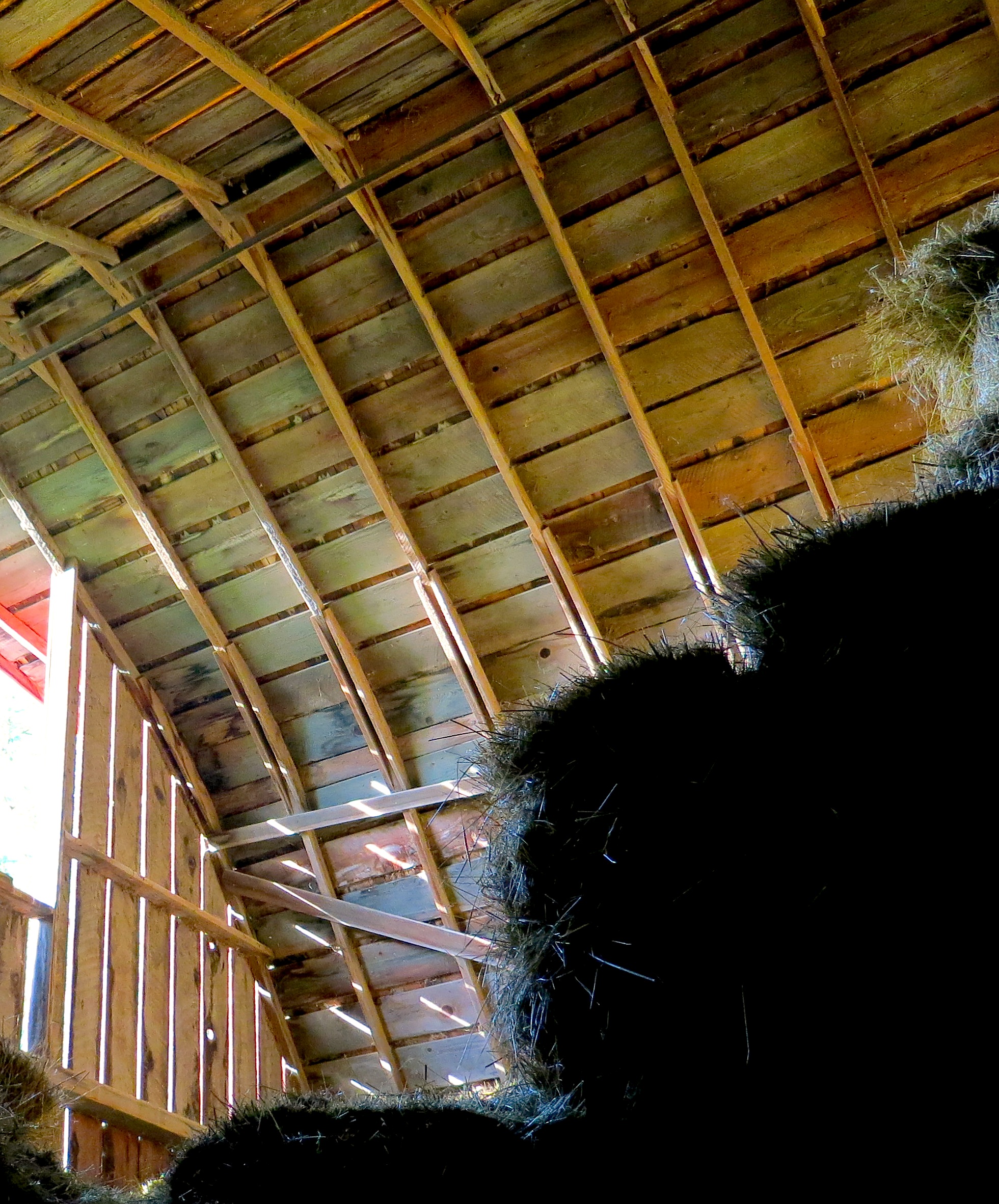
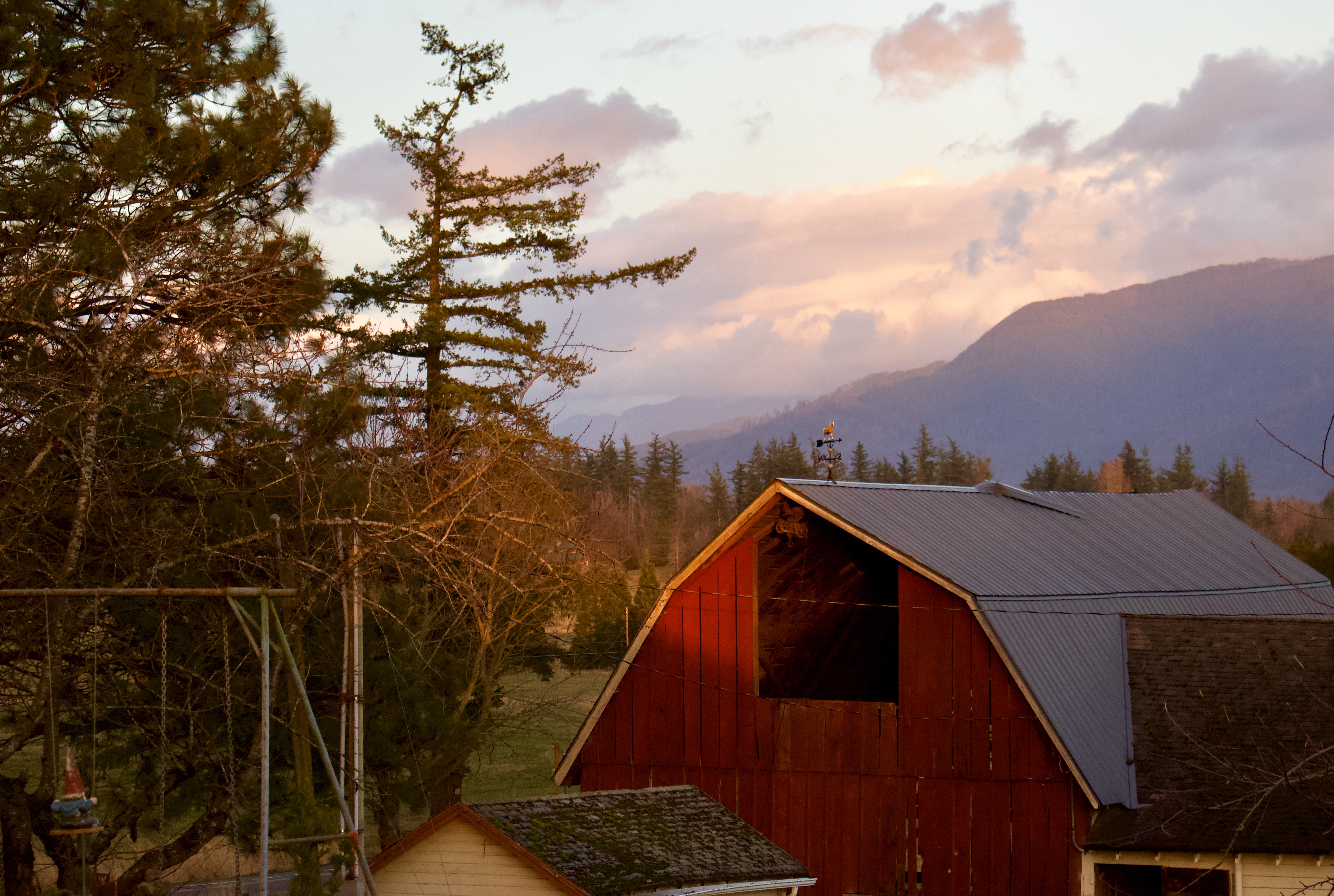
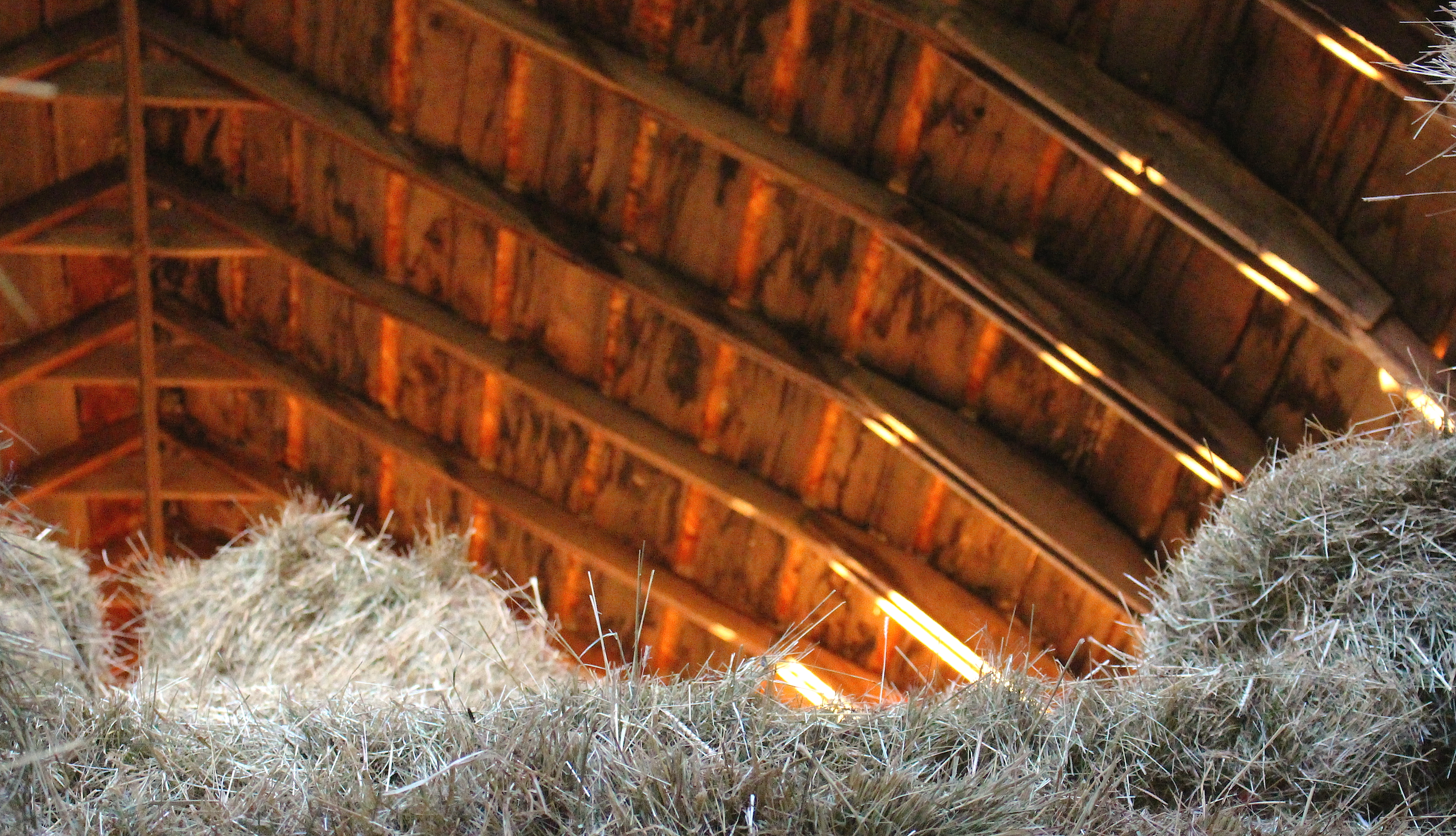
During our northwest winters, there is usually so little sunlight on gray cloudy days that I routinely turn on the two light bulbs in the big hay barn any time I need to fetch hay bales for the horses. This is so I avoid falling into the holes that inevitably develop in the hay stack between bales. Winter murky lighting tends to hide the dark shadows of the leg-swallowing pits among the bales, something that is particularly hazardous when carrying a 60 pound hay bale.
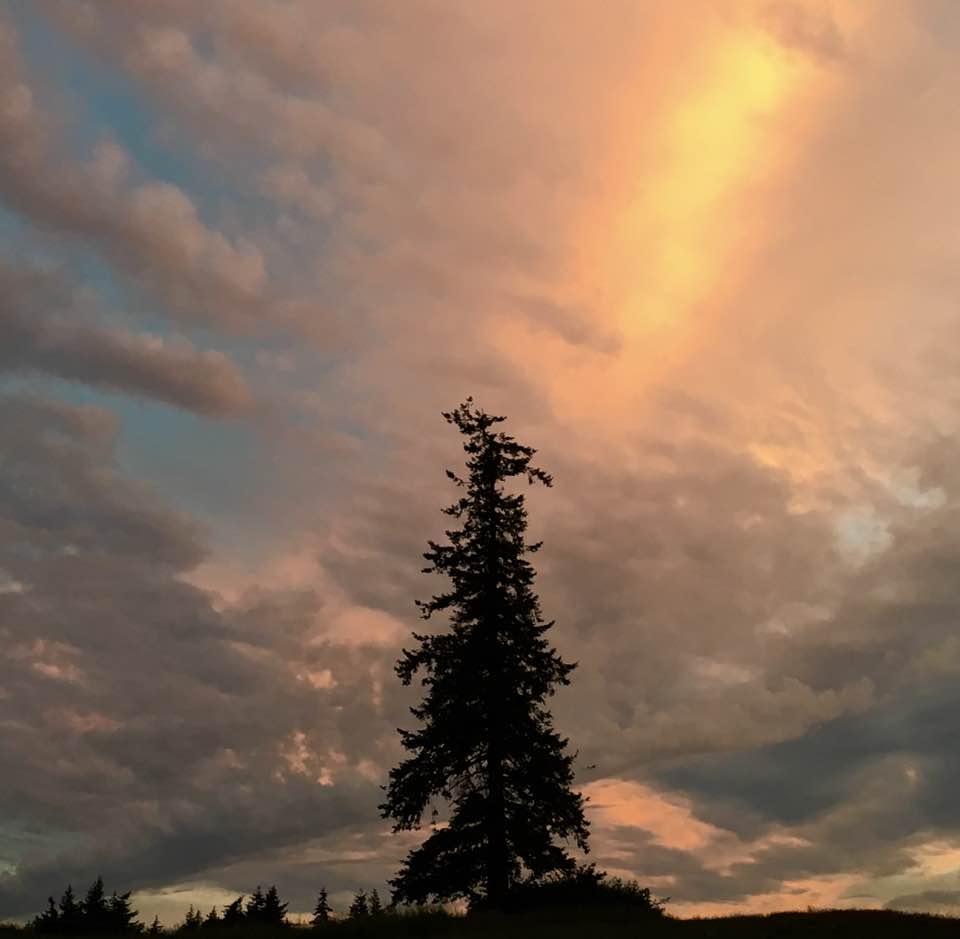
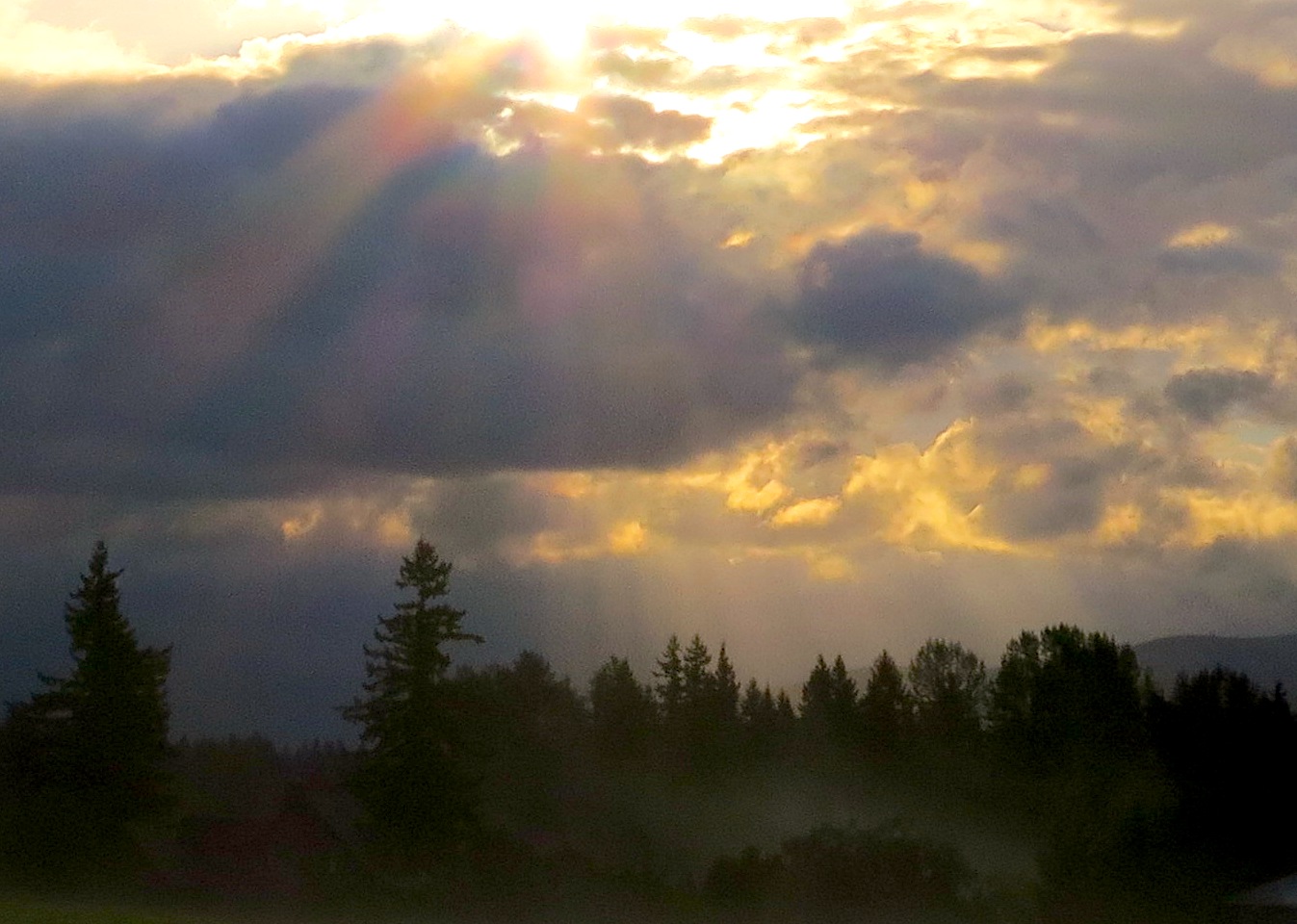
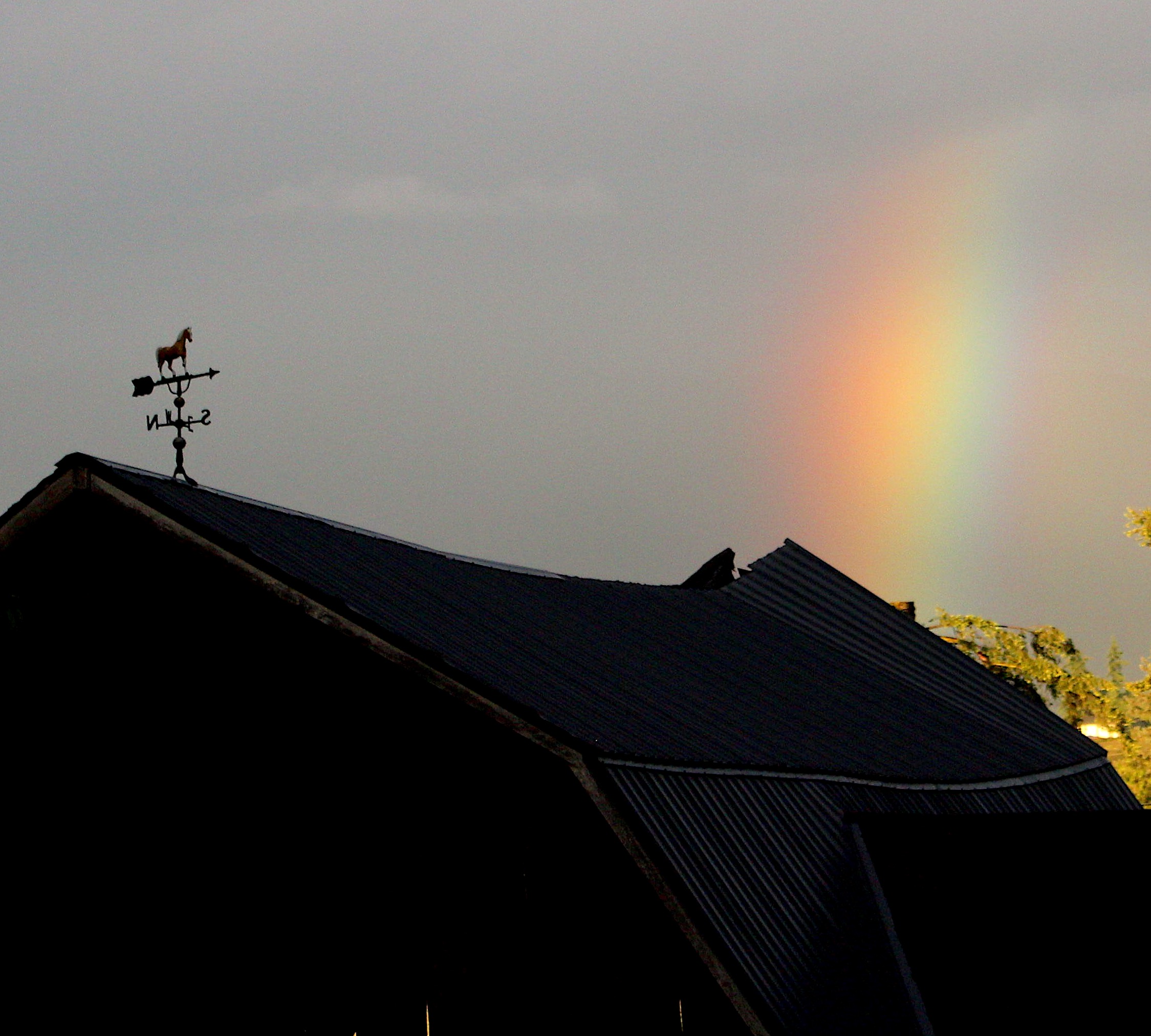
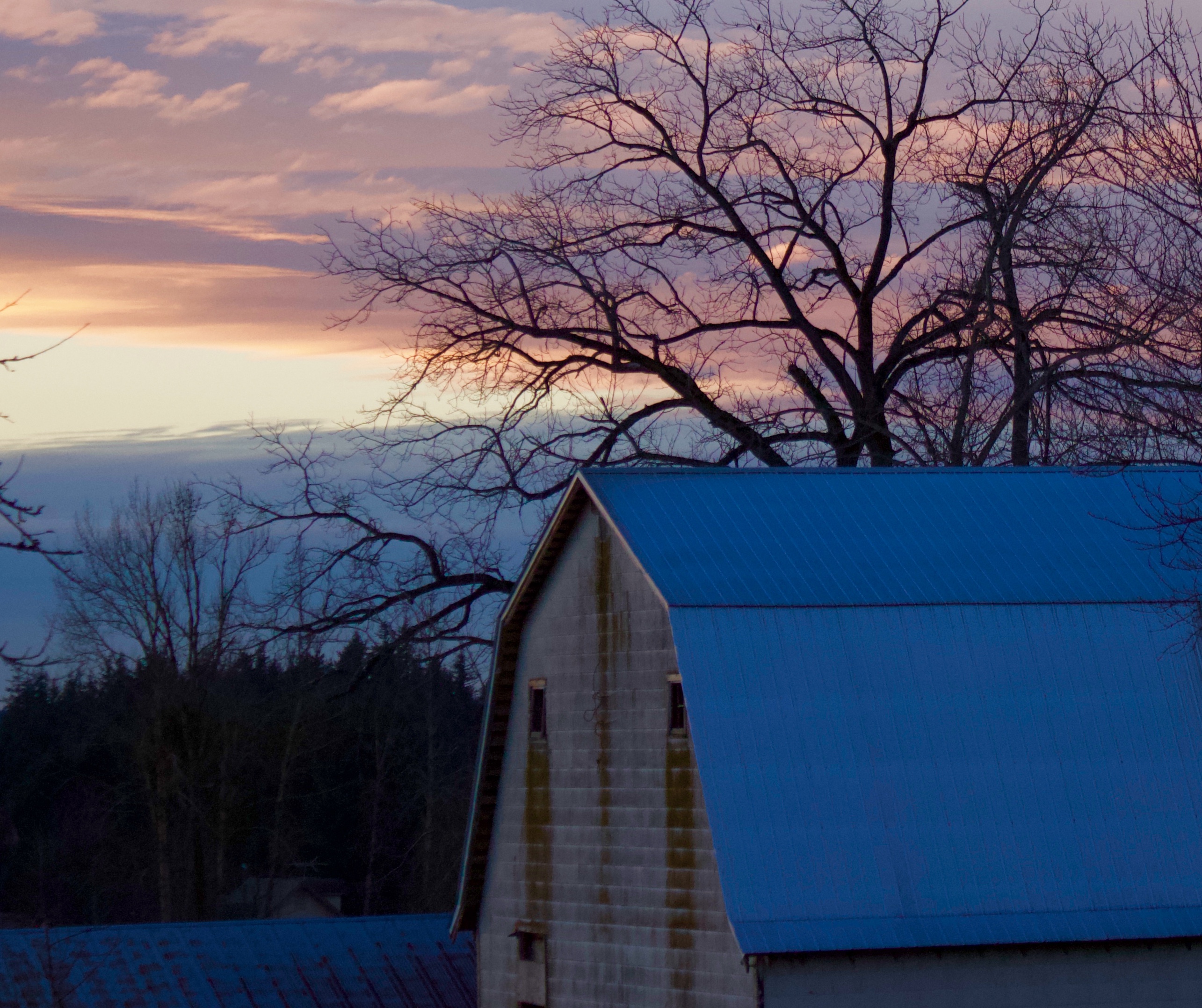
Yesterday when I went to grab hay bales for the horses at sunset, before I flipped the light switch, I could see light already blazing in the big barn. The last of the day’s sun rays were at a precise winter slant, streaming through the barn slat openings, ricocheting off the roof timbers onto the bales, casting an almost fiery glow onto the hay. The barn was ignited and ablaze without fire and smoke — the last things one would even want in a hay barn.
I scrambled among the bales without worry.
In my life outside the barn I’ve been falling into more than my share of dark holes lately. Even when I know where they lie and how deep they are, some days I will manage to step right in anyway. Each time it knocks the breath out of me, makes me cry out, makes me want to quit trying to lift the heavy loads. It leaves me fearful to venture where the footing is uncertain.
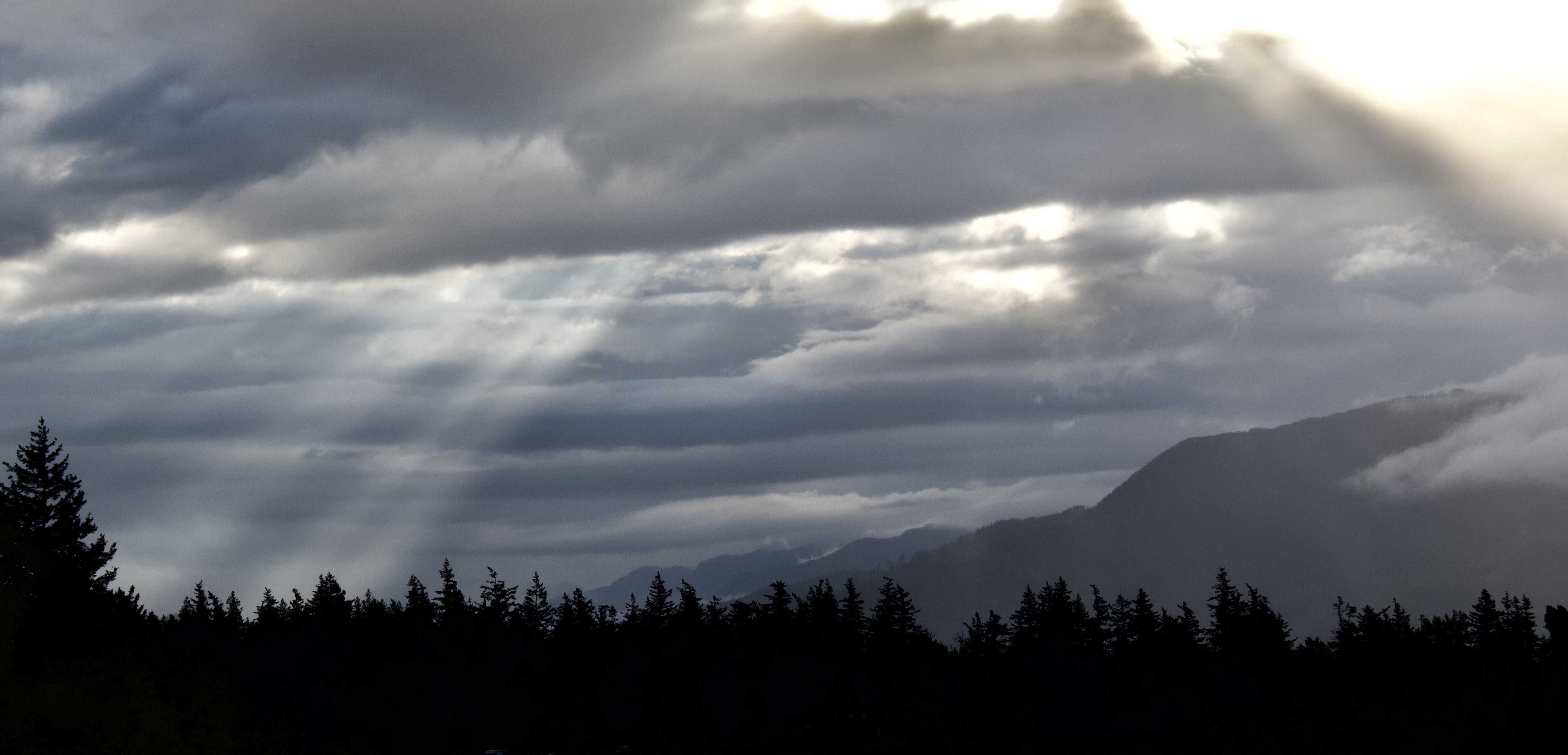
Then, on the darkest of days, light comes from the most unexpected of places, blazing a trail to help me see where to step, what to avoid, how to navigate the hazards to avoid collapsing on my face. I’m redirected, inspired anew, granted grace, gratefully calmed and comforted amid my fears. Even though the light fades, and the darkness descends again, it is only until tomorrow. Then it reignites again.
It is necessary to die, but nobody wants to; you don’t want to, but you are going to, willy-nilly. A hard necessity that is, not to want something which cannot be avoided. If it could be managed, we would much rather not die; we would like to become like the angels by some other means than death.
We want to reach the kingdom of God, but we don’t want to travel by way of death. And yet there stands Necessity saying: “This way, please.”
January’s naked and merciless dark yields to light.
Our God leads us through, pointing the way.
We too easily forget we are not asked to bear more than God has already endured on our behalf: our bare and tender feet follow the path of His bloody footprints.
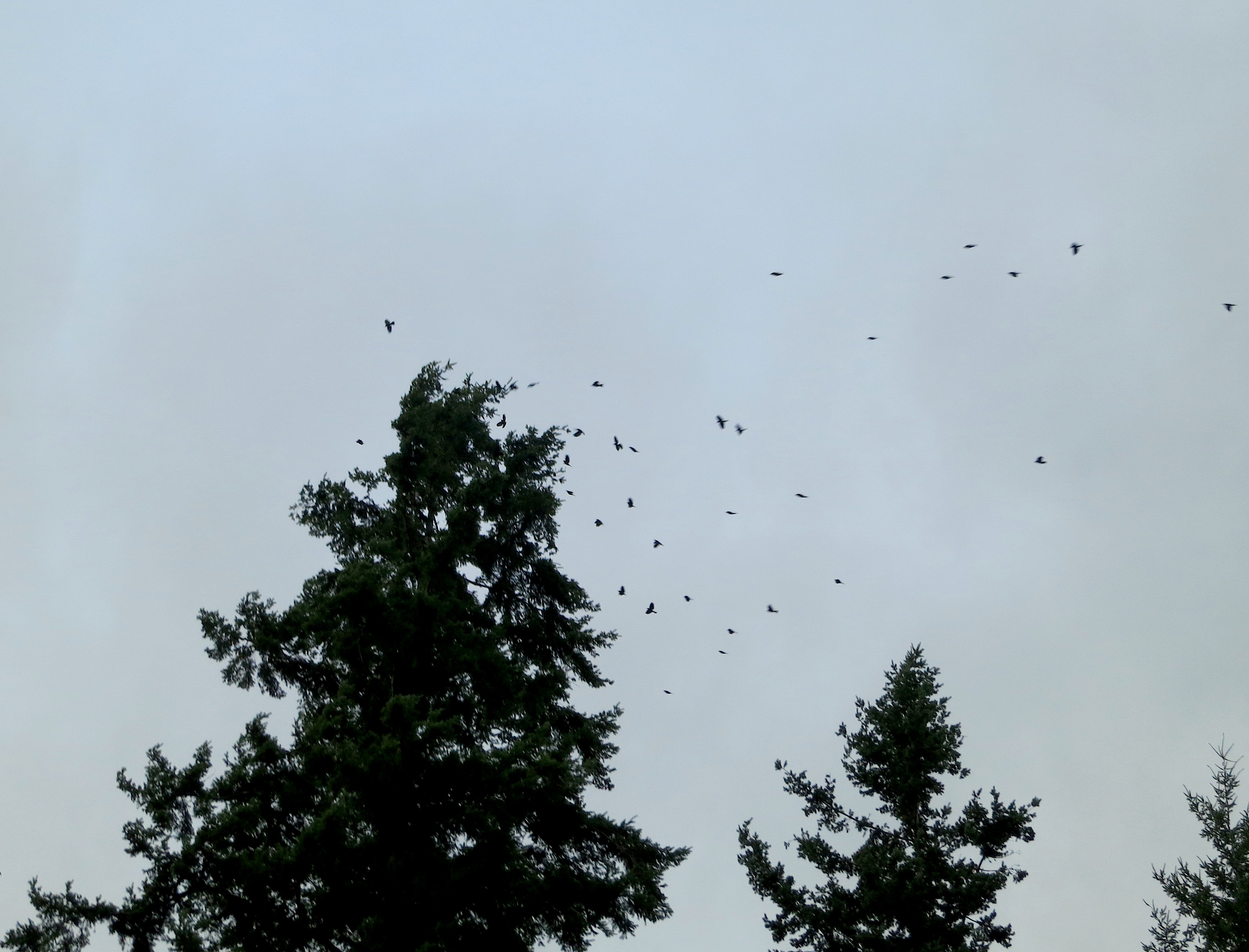
Chunky and noisy, but with stars in their black feathers, they spring from the telephone wire and instantly
they are acrobats in the freezing wind. And now, in the theater of air, they swing over buildings,
dipping and rising; they float like one stippled star that opens, becomes for a moment fragmented,
then closes again; and you watch and you try but you simply can’t imagine
how they do it with no articulated instruction, no pause, only the silent confirmation that they are this notable thing,
this wheel of many parts, that can rise and spin over and over again, full of gorgeous life.
Ah, world, what lessons you prepare for us, even in the leafless winter, even in the ashy city. I am thinking now of grief, and of getting past it;
I feel my boots trying to leave the ground, I feel my heart pumping hard. I want
to think again of dangerous and noble things. I want to be light and frolicsome. I want to be improbable beautiful and afraid of nothing, as though I had wings. ~Mary Oliver “Starlings in Winter” from Owls and Other Fantasies: Poems and Essays
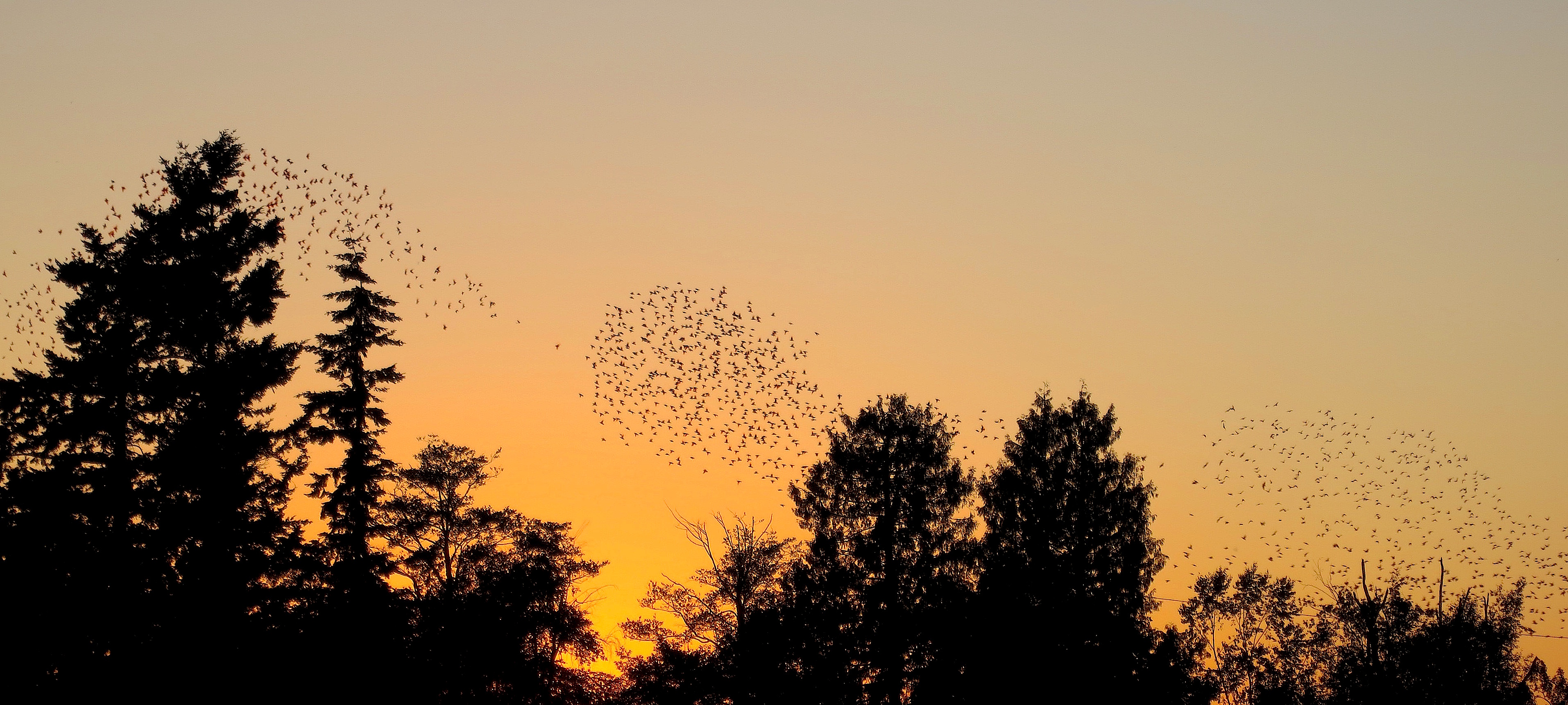
Out of the dimming sky a speck appeared, then another, and another. It was the starlings going to roost. They gathered deep in the distance, flock sifting into flock, and strayed towards me, transparent and whirling, like smoke. They seemed to unravel as they flew, lengthening in curves, like a loosened skein. I didn’t move;they flew directly over my head for half an hour.
Each individual bird bobbed and knitted up and down in the flight at apparent random, for no known reason except that that’s how starlings fly, yet all remained perfectly spaced. The flocks each tapered at either end from a rounded middle, like an eye. Overhead I heard a sound of beaten air, like a million shook rugs, a muffled whuff. Into the woods they sifted without shifting a twig, right through the crowns of trees, intricate and rushing, like wind.
Could tiny birds be sifting through me right now, birds winging through the gaps between my cells, touching nothing, but quickening in my tissues, fleet? ~Annie Dillard from Pilgrim at Tinker Creek
…yesterday I heard a new sound above my head a rustling, ruffling quietness in the spring air
and when I turned my face upward I saw a flock of blackbirds rounding a curve I didn’t know was there and the sound was simply all those wings, all those feathers against air, against gravity and such a beautiful winning: the whole flock taking a long, wide turn as if of one body and one mind.
How do they do that?
If we lived only in human society what a puny existence that would be
but instead we live and move and have our being here, in this curving and soaring world that is not our own so when mercy and tenderness triumph in our lives and when, even more rarely, we unite and move together toward a common good,
we can think to ourselves:
ah yes, this is how it’s meant to be. ~Julie Cadwallader Staub from “Blackbirds” from Wing Over Wing
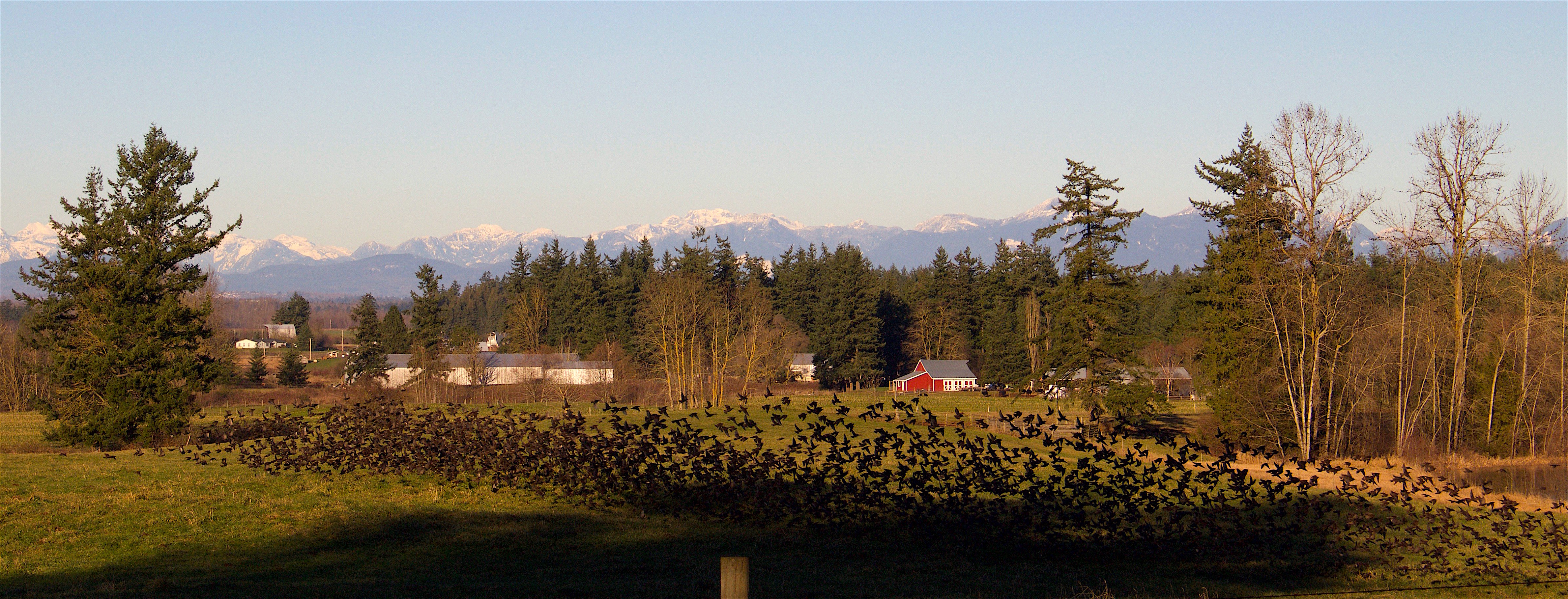
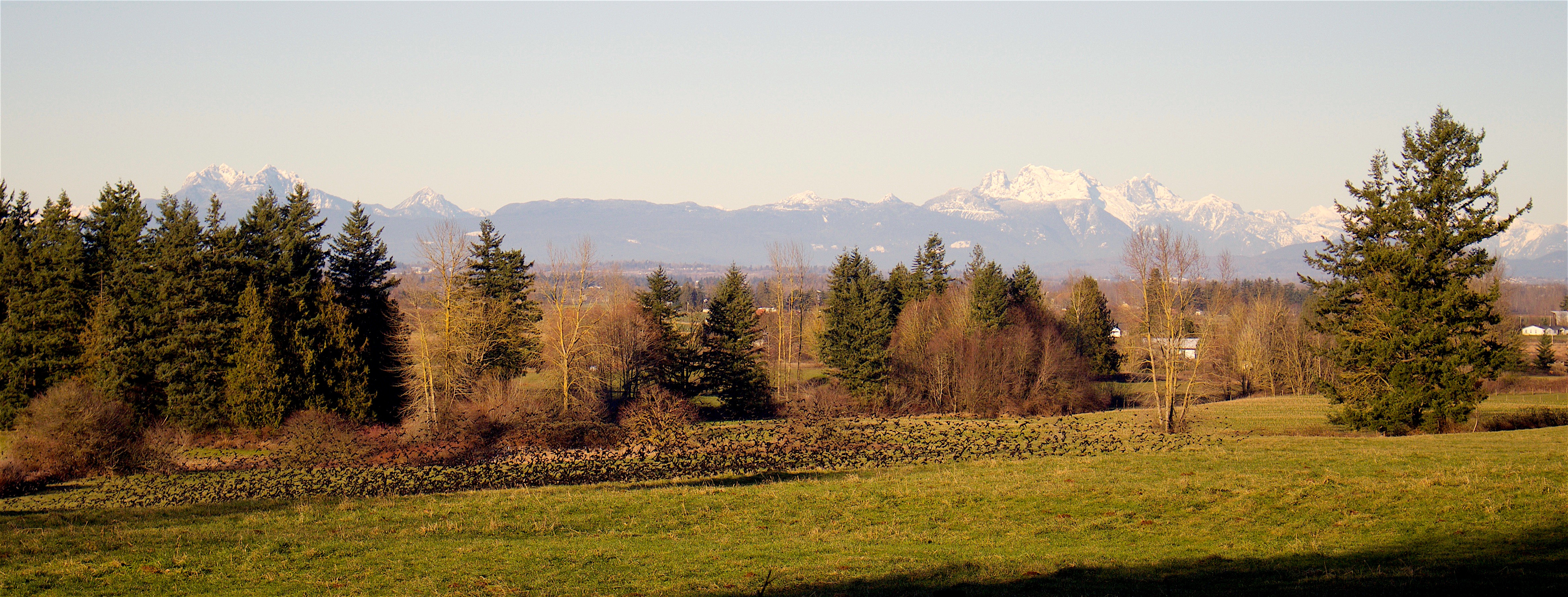
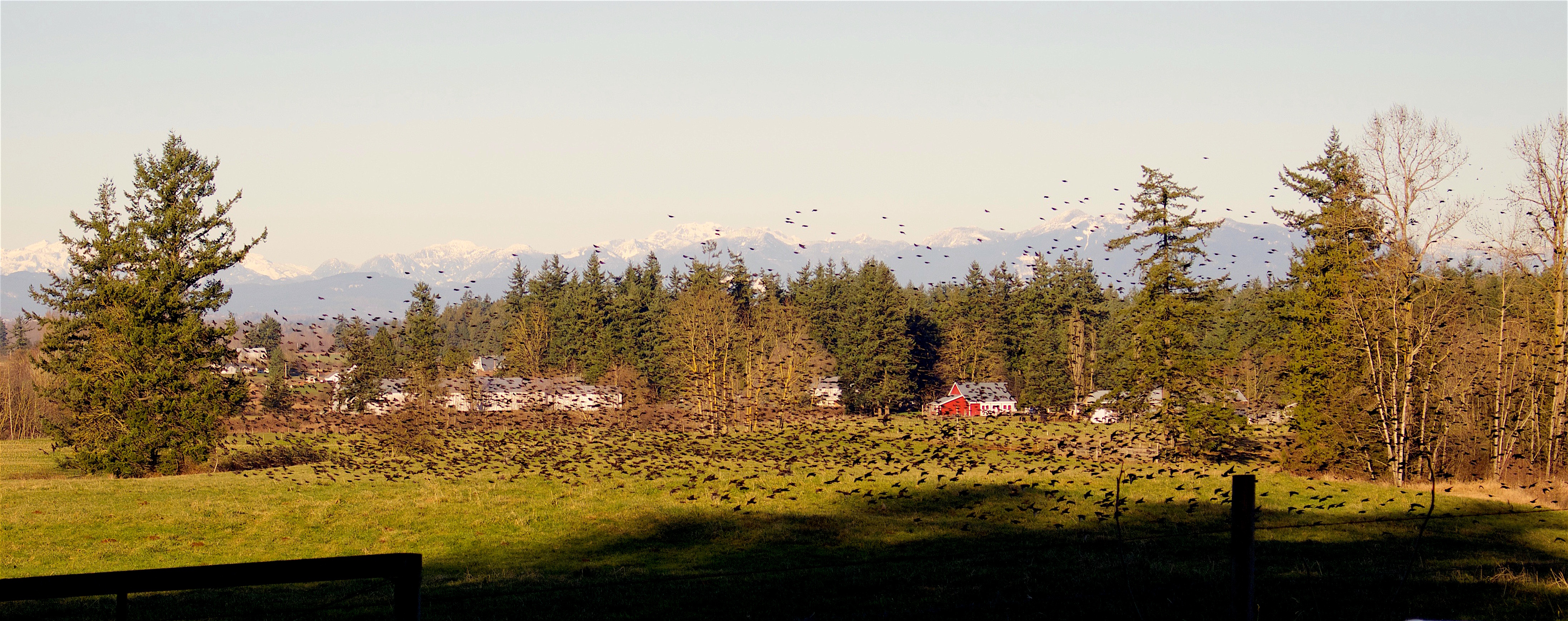
Watching a winter starlings’ murmuration is a visceral experience – my heart leaps to see it happen above me. I can get queasy following its looping amoebic folding and unfolding path.
Thousands of individual birds move in sync with one another to form one massive organism existing solely because each tiny component anticipates and cooperates to avoid mid-air collisions. It could explode into chaos but it doesn’t. It could result in massive casualties but it doesn’t. They could avoid each other altogether but they don’t – they come together with a purpose and reasoning beyond our imagining. Even the silence of their movement has a discernible sound.
We humans are made up of just such cooperating component parts, that which is deep in our tissues, programmed in our DNA. Yet we don’t exercise such unity from our designed and carefully constructed building blocks. We are frighteningly disparate and independent creatures, going our own way bumping and crashing without care, leaving so much body and spiritual wreckage behind.
To where has flown our mercy and tenderness? We have corporately lost our internal moral compass.
We figuratively and literally shoot each other in the back, trampling over and suffocating one another, in a reach for justice that seems right in our own eyes.
We even watch the daily death count rise in ever-increasing numbers, and still some resist doing what it takes to protect themselves and one another.
The sound of silence is muffled weeping.
There comes a time in every fall before the leaves begin to turn when blackbirds group and flock and gather choosing a tree, a branch, together to click and call and chorus and clamor announcing the season has come for travel.
Then comes a time when all those birds without a sound or backward glance pour from every branch and limb into the air, as if on a whim but it’s a dynamic, choreographed mass a swoop, a swerve, a mystery, a dance
and now the tree stands breathless, amazed at how it was chosen, how it was changed. ~Julie Cadwallader Staub “Turning” from Wing Over Wing
Thank God for grace, Ye who weep only! —look up! those tears will run Soon in long rivers down the lifted face, And leave the vision clear for stars and sun. ~Elizabeth Barrett Browning from “Tears”
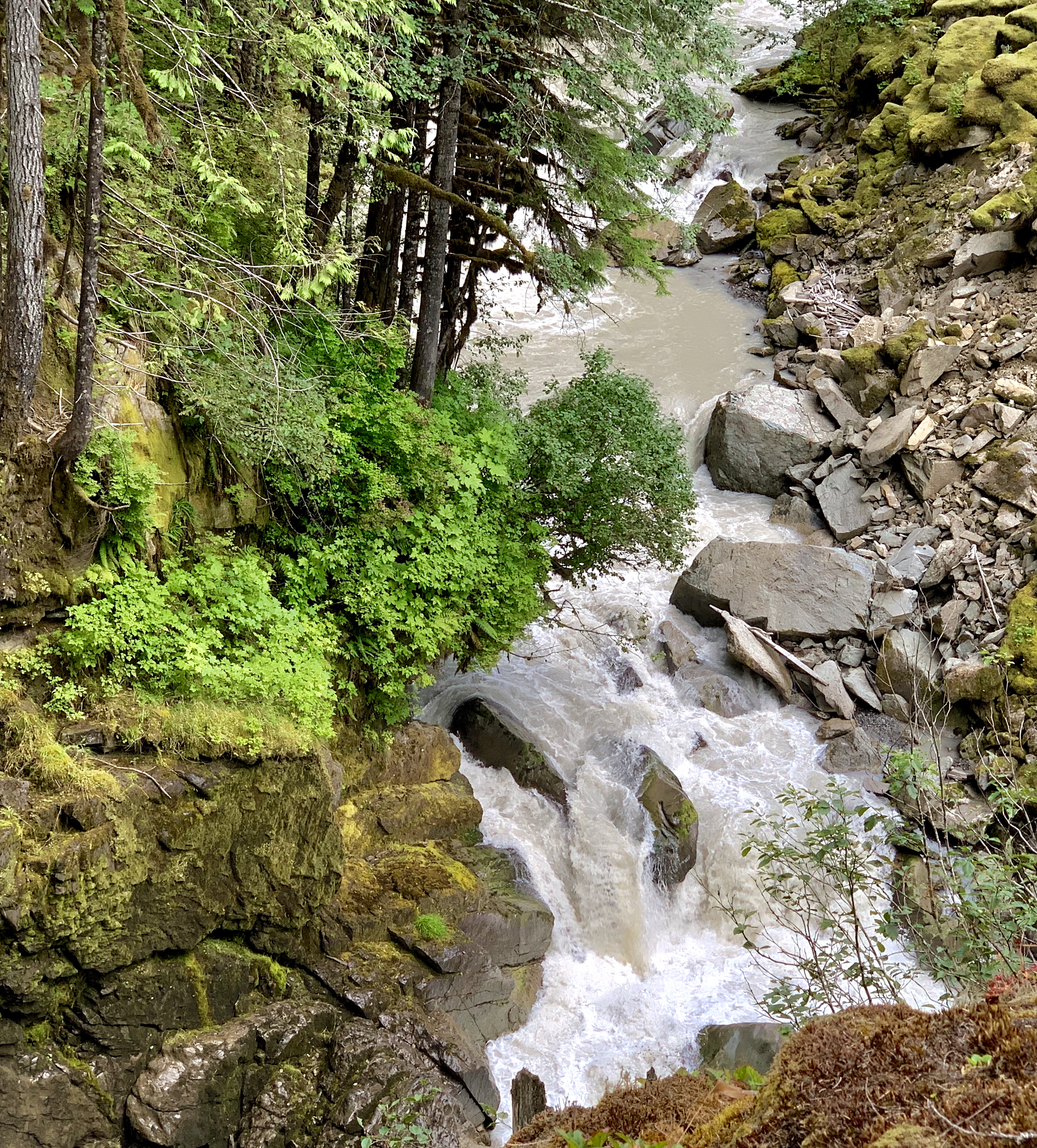
Grief is a river you wade in until you get to the other side. But I am here, stuck in the middle, water parting around my ankles, moving downstream over the flat rocks. I’m not able to lift a foot, move on. Instead, I’m going to stay here in the shallows with my sorrow… It’s mine. …I’m going to stand here, growing colder, until every inch of my skin is numb. I can’t cross over. Then you really will be gone. ~Barbara Crooker from “Grief”
A river of tears flows with the untimely loss of a young person, a child of our church. Sorrow at such a loss fills a chasm so deep and dark that it is a fearsome thing to even peer from the edge, as I do. The family is numb, swallowed up by their grief.
We can never understand why such infinite sadness should befall good and gracious people. We are once again reminded – there can be profound darkness that descends into the human heart, stealing away lives too soon.
Be assured you do not weep alone. Your grief is so familiar to a suffering God who too wept at the death of a friend, a God who cried out when asked to endure the unendurable.
There is comfort in knowing He understands and overcomes all peril to come to the rescue when we become stuck fast in the middle of our grief, too numb to move on. He will fill the hole left behind as only He can.
You who grieve: you are not abandoned. Your sadness is His, your sorrow is ours. You are loved with a love so deep and high and broad, it will somehow carry you through.
The thing is to love life, to love it even when you have no stomach for it and everything you’ve held dear crumbles like burnt paper in your hands, your throat filled with the silt of it. When grief sits with you, its tropical heat thickening the air, heavy as water more fit for gills than lungs; when grief weights you like your own flesh only more of it, an obesity of grief, you think, How can a body withstand this? Then you hold life like a face between your palms, a plain face, no charming smile, no violet eyes, and you say, yes, I will take you I will love you, again. ~Ellen Bass, “The Thing Is” from Mules of Love
There is so much grief these days so much loss of life so much weeping.
How can we withstand this? How can we know, now, when we are barely able to breathe that we might know – at some point – we might love life again?
Do not seek death. Death will find you. But seek the road which makes death a fulfillment.
The road, You shall follow it. The cup, You shall empty it. The pain, You shall conceal it. The truth, You shall be told it. The end, You shall endure it. ~Dag Hammarskjöld in writings from his 1953 journal
Today, after the wind storm of yesterday, when rain fell in unrelenting torrents from heaven, we are caught in a rising current so swift we must cling fast or be swept away.
Drenched beyond capacity to absorb any more, we are ready, Lord, to empty ourselves into your thirstiness so we are useful for your purposes.













 Barnstorming