An Austere Love

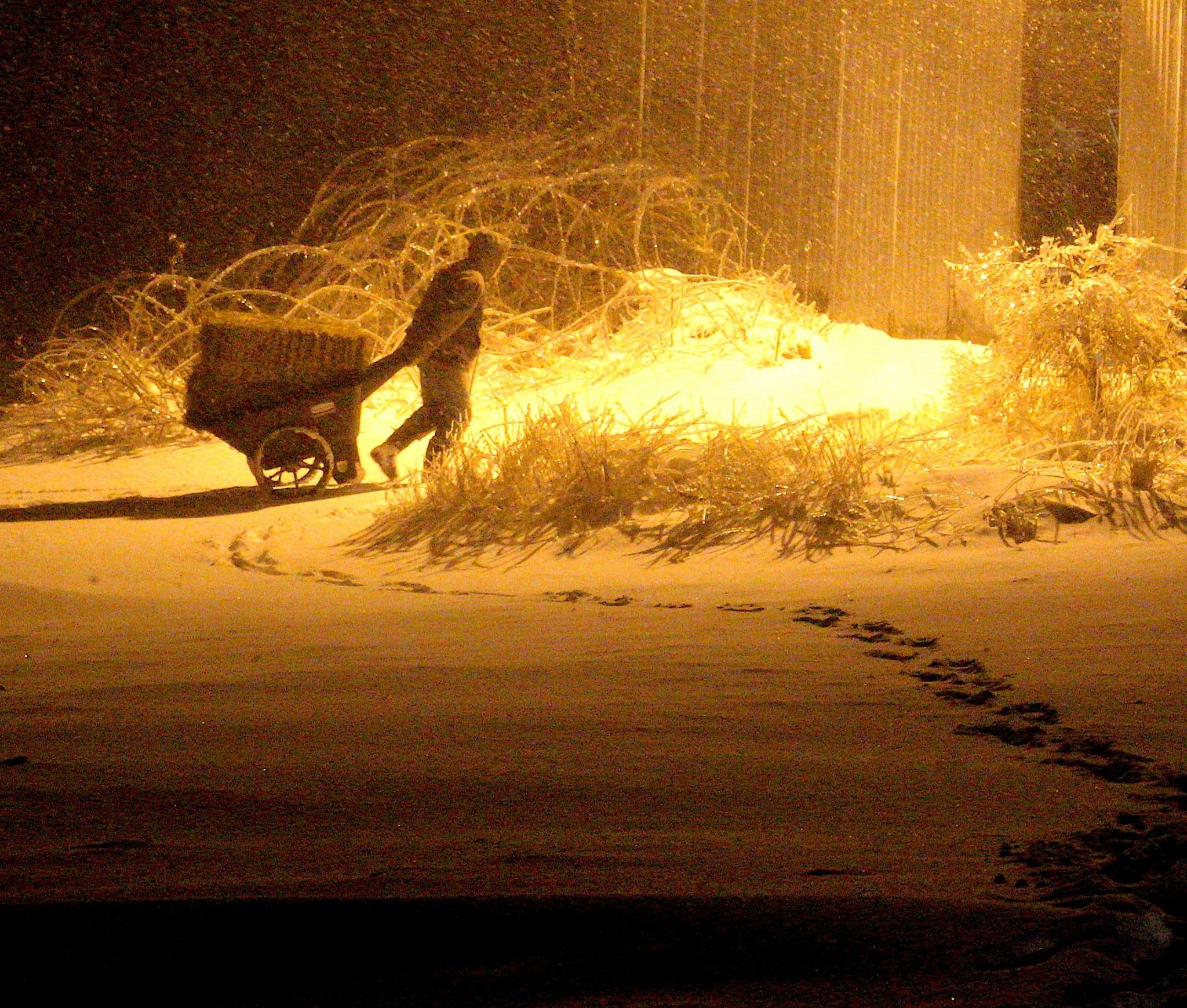
Sundays too my father got up early
And put his clothes on in the blueback cold,
then with cracked hands that ached
from labor in the weekday weather made
banked fires blaze. No one ever thanked him.

I’d wake and hear the cold splintering, breaking.
When the rooms were warm, he’d call,
and slowly I would rise and dress,
fearing the chronic angers of that house,

Speaking indifferently to him,
who had driven out the cold
and polished my good shoes as well.
What did I know, what did I know
of love’s austere and lonely offices? 
–  Robert HaydenThose Winter Sundays

As a child growing up,
I was oblivious
to the sacrifices my parents made
to keep the house warm,
place food on the table,
to teach us the importance of faith and belief,
to crack the door of opportunity open,
so we could walk through
to a better life.

It was no small offering
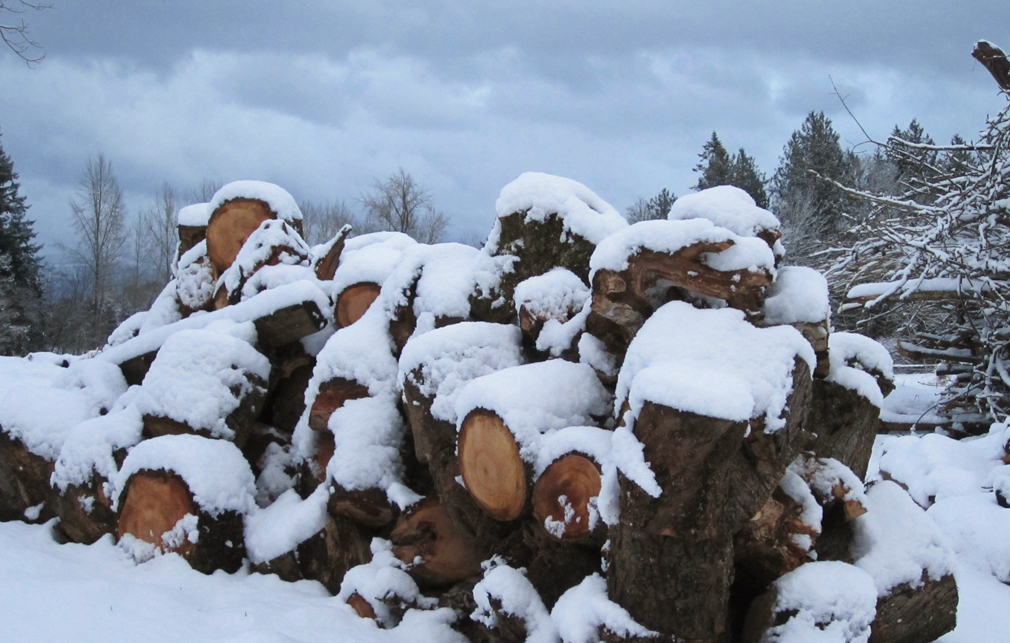
to keep dry seasoned fire and stove wood always at the doorstep,
to milk the cows twice a day,
to grow and preserve fruits and vegetables months in advance,
to raise and butcher meat animals,
to read books together every night,
to sit with us over homework
and drive us to 4H, Cub Scouts and Camp Fire,
to music lessons and sports,
to sit together, never missing a Sunday morning,
to worship God.

This was their love,
so often invisible,
too often imperfect,
even when they were angry with one another–
yet its encompassing warmth
splintered and broke
the grip of cold and loneliness
that too often
overwhelms and freezes
a child’s heart and soul.

What did I know?
Too little then,
maybe a little more now.

Now All Breathless


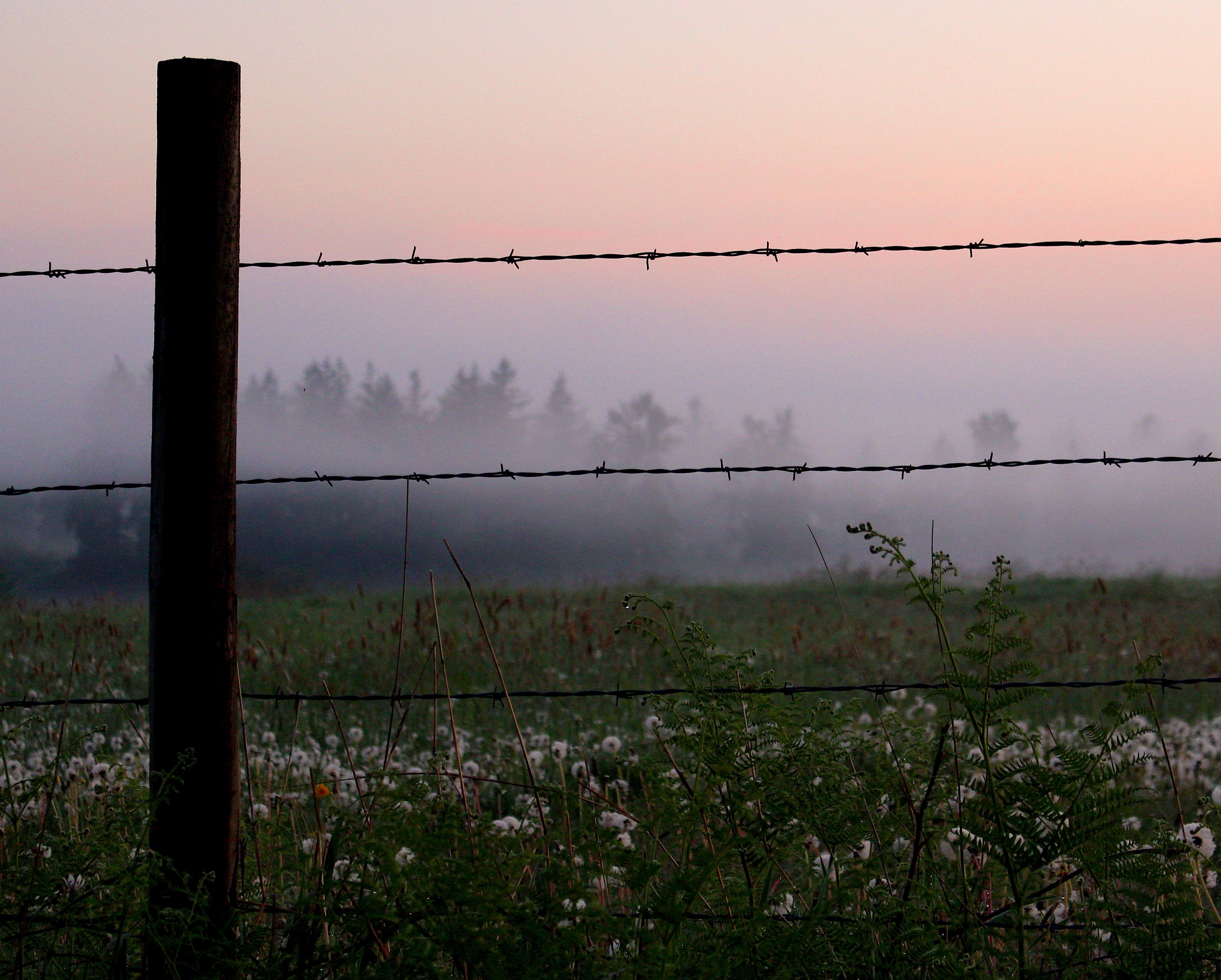
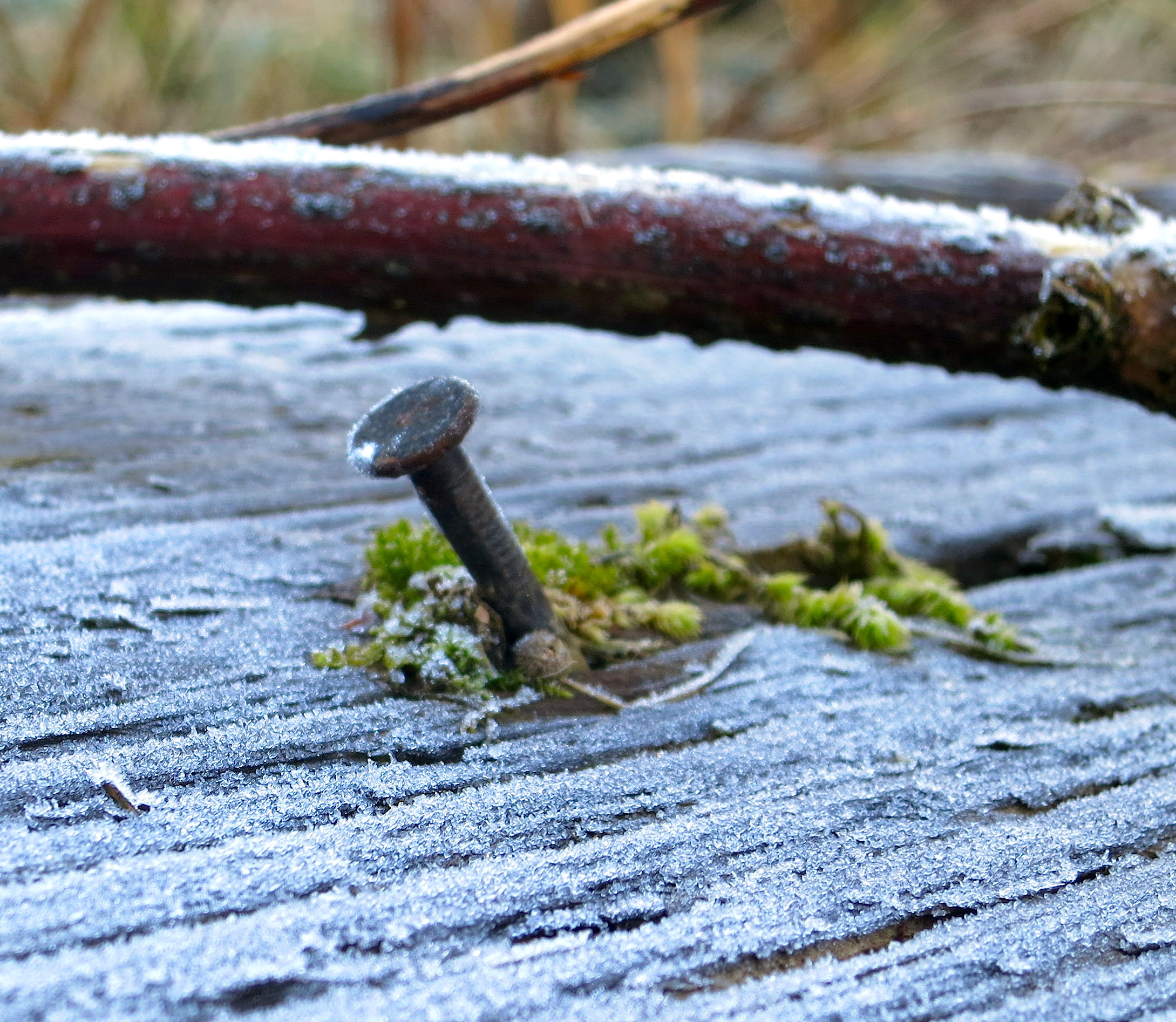
Two days of an icy prairie fog
and every blade of grass, and twig,
and branch, and every stretch
of wire, barb, post and staple,
is a knot or a threat in a lace
of the purest white. To walk
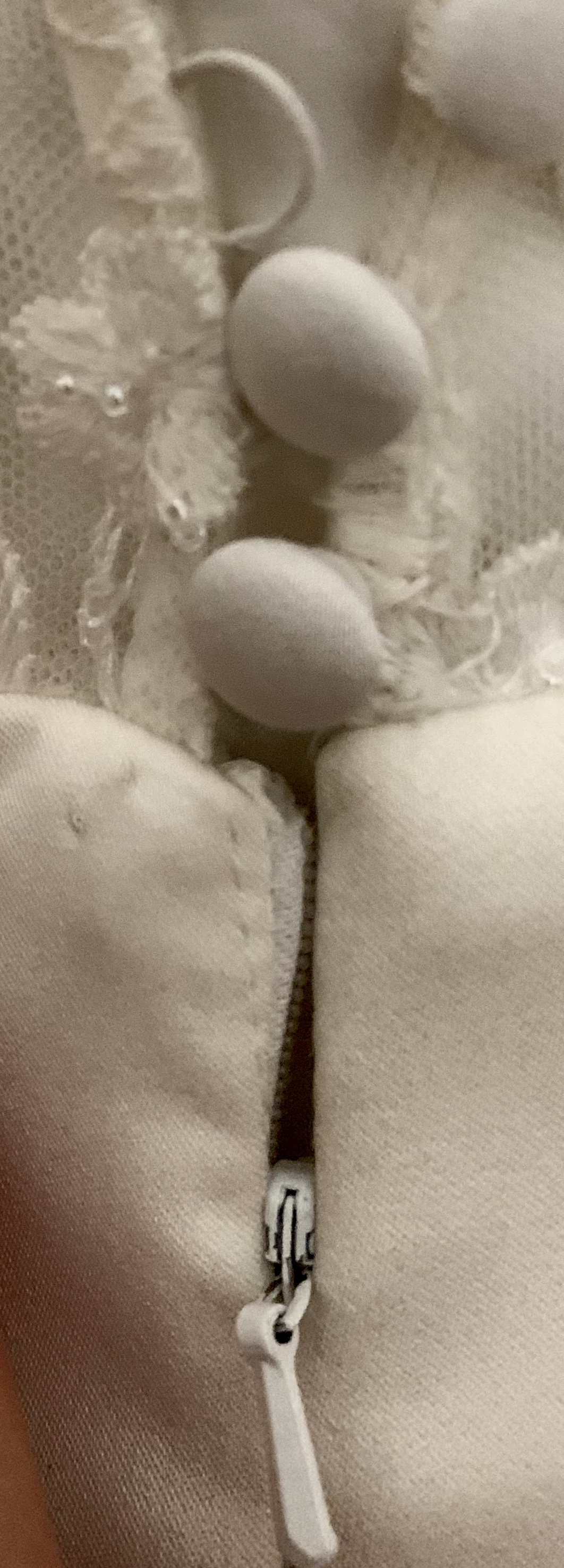
is like finding your way through a wedding dress, the sky
inside it cold and satiny; 
no past, no future, just the now
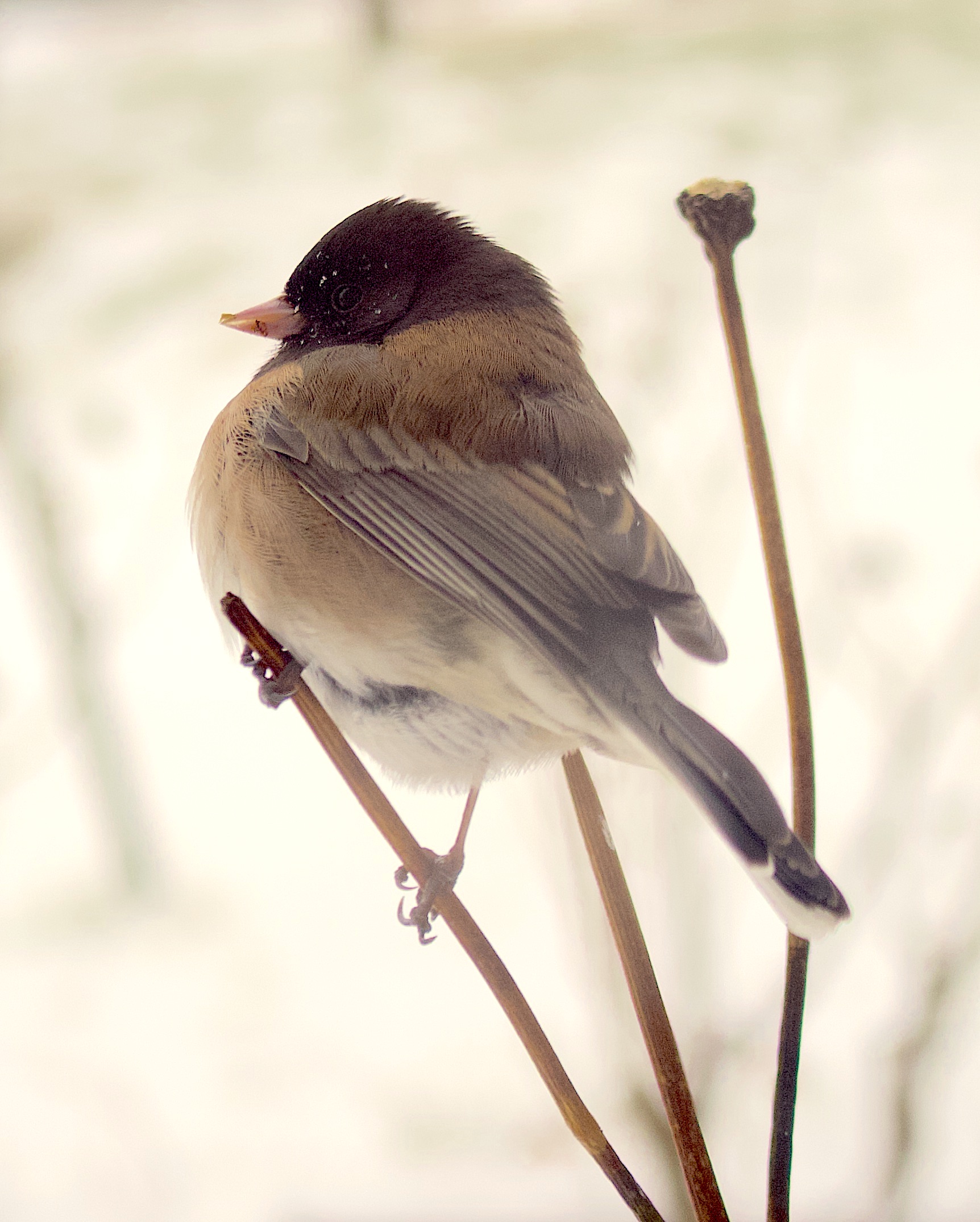
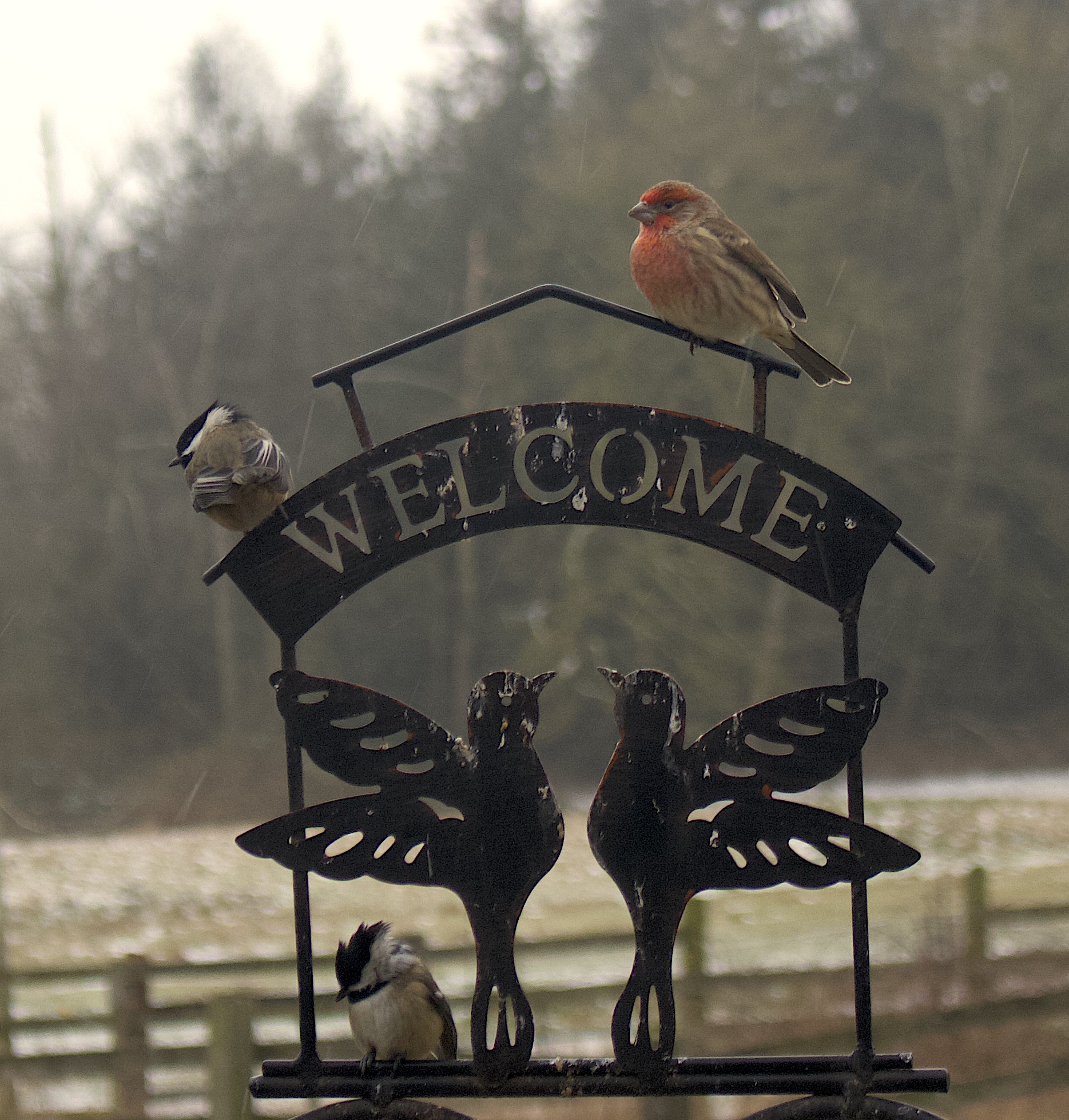
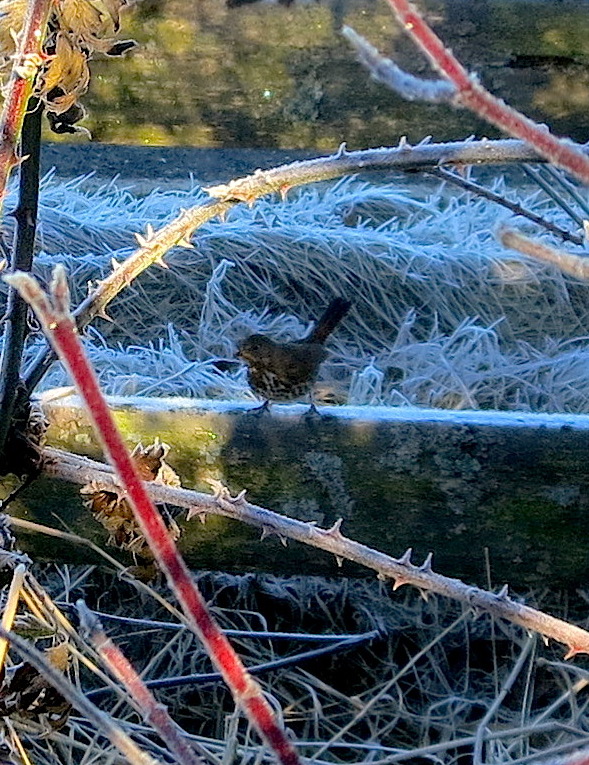
all breathless. Then a red bird,
like a pinprick, changes everything.
~ Ted Kooser, “Hoarfrost” in Kindest Regards: New and Selected Poems 


zipperbuttons

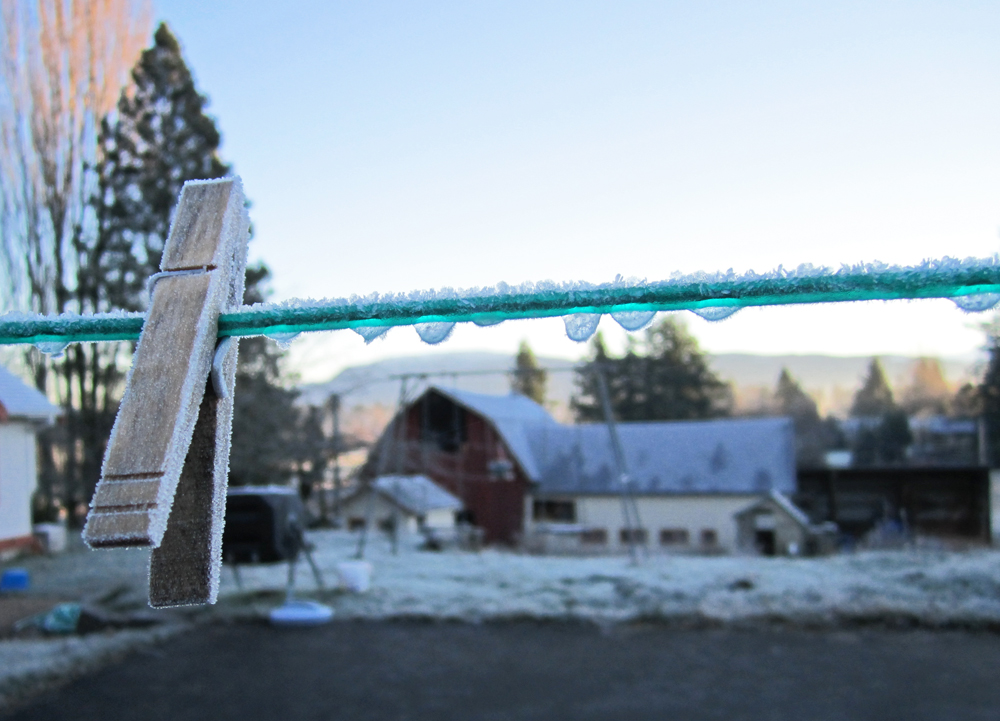
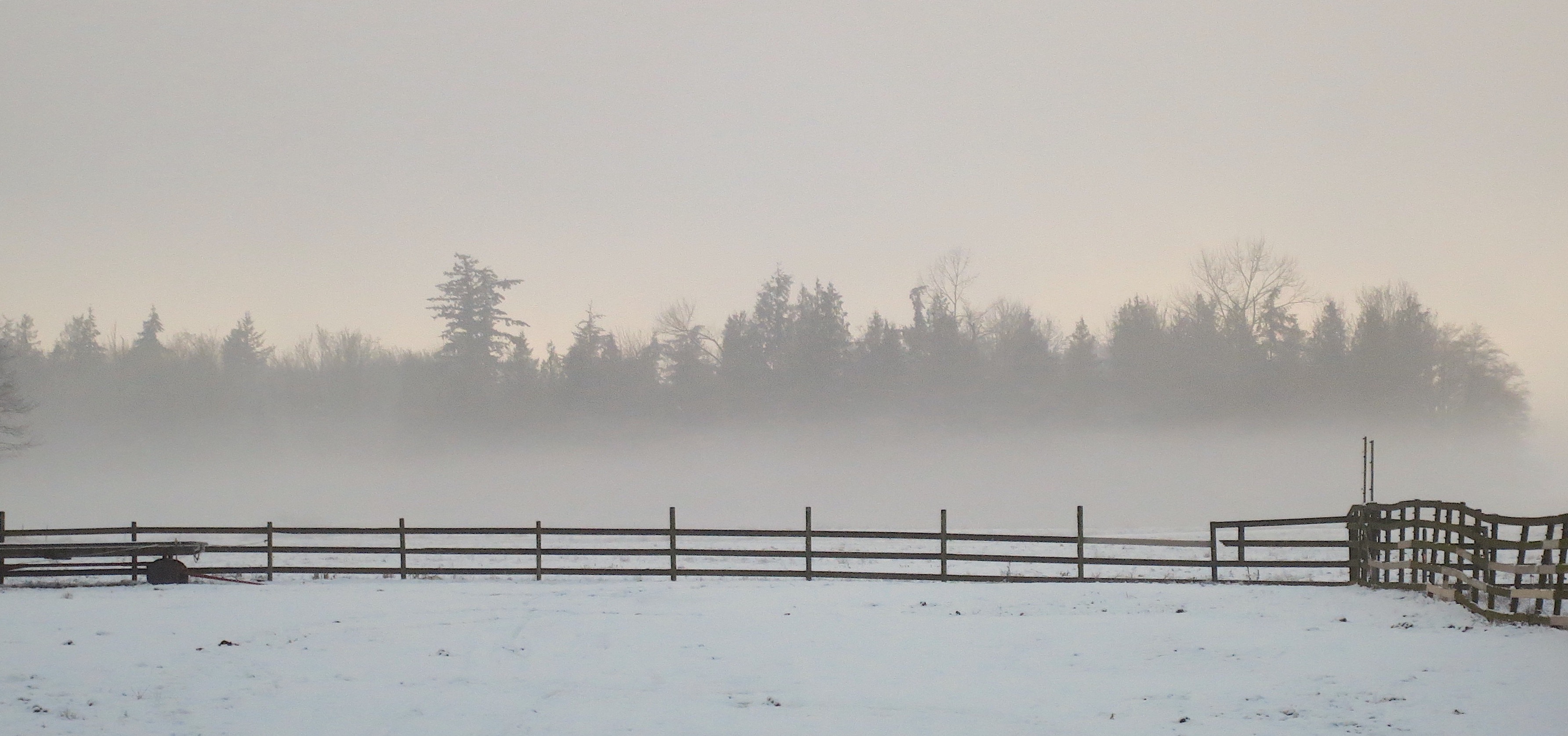
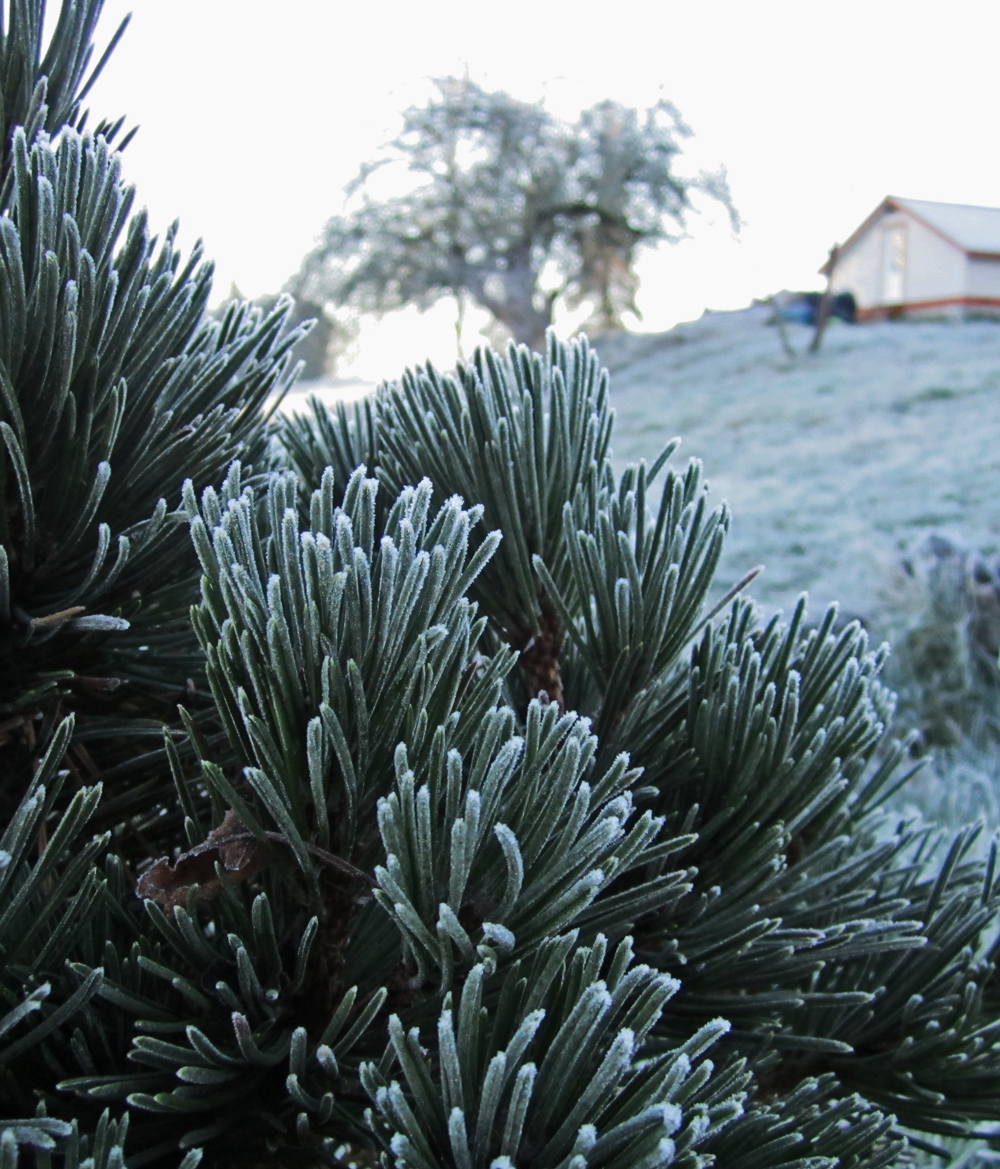
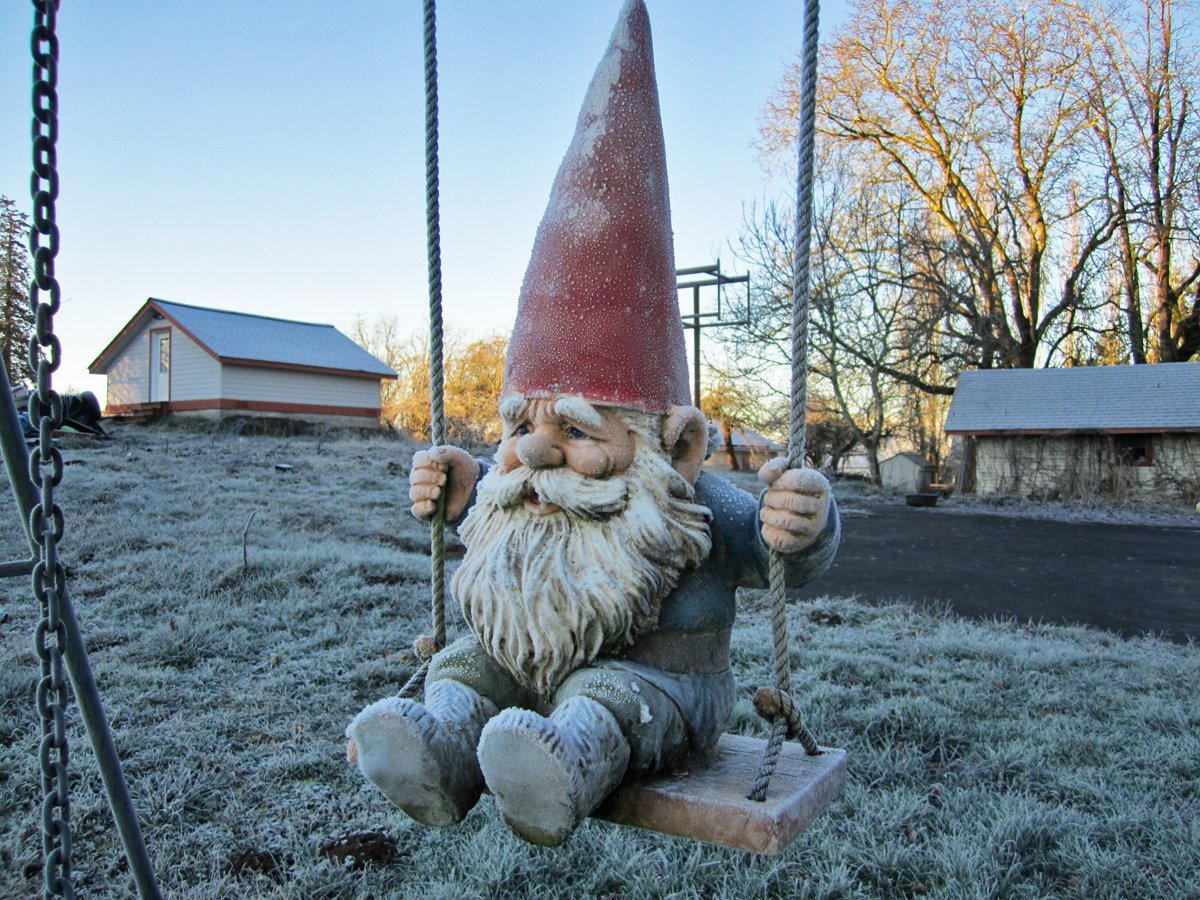
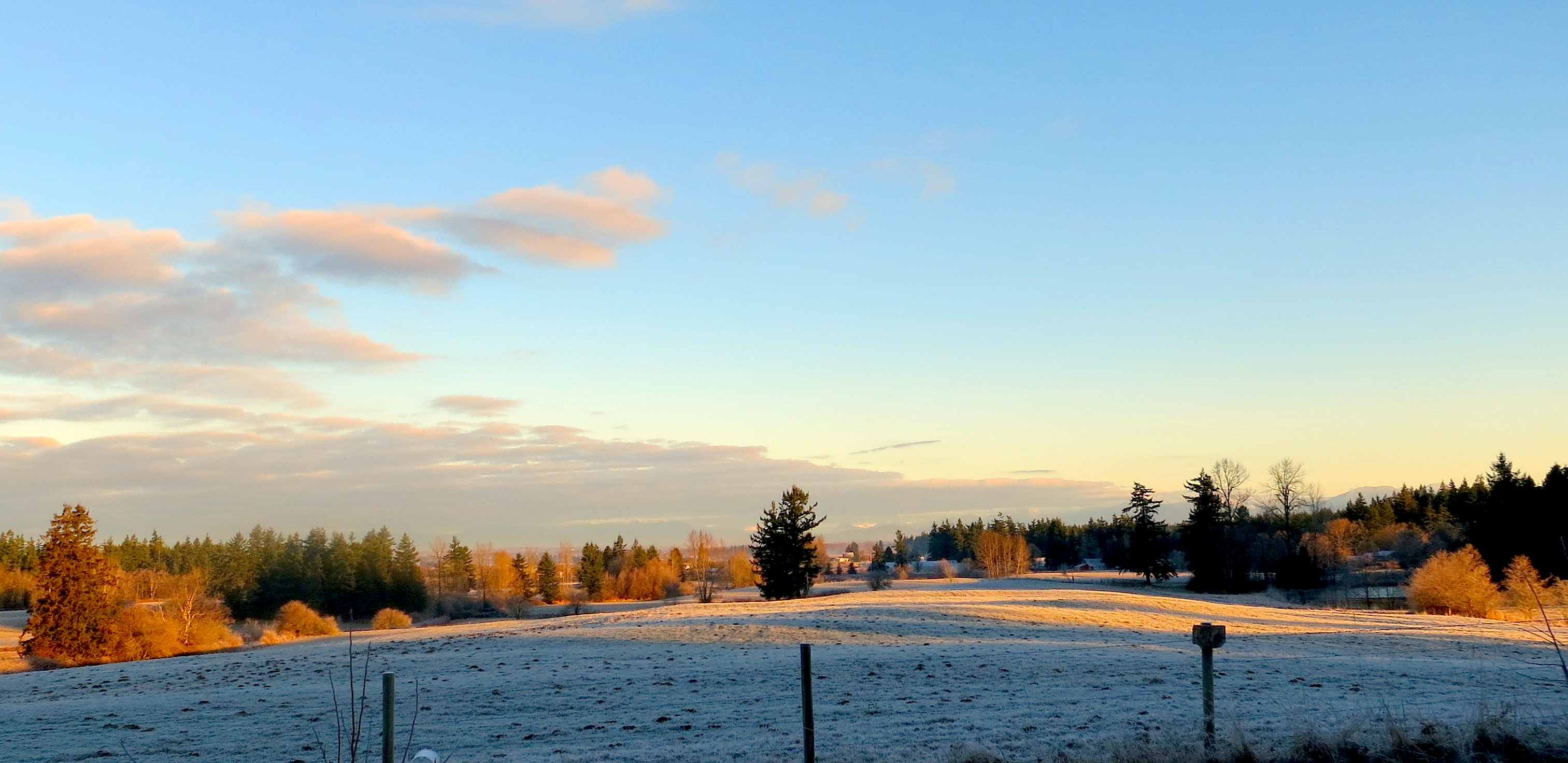
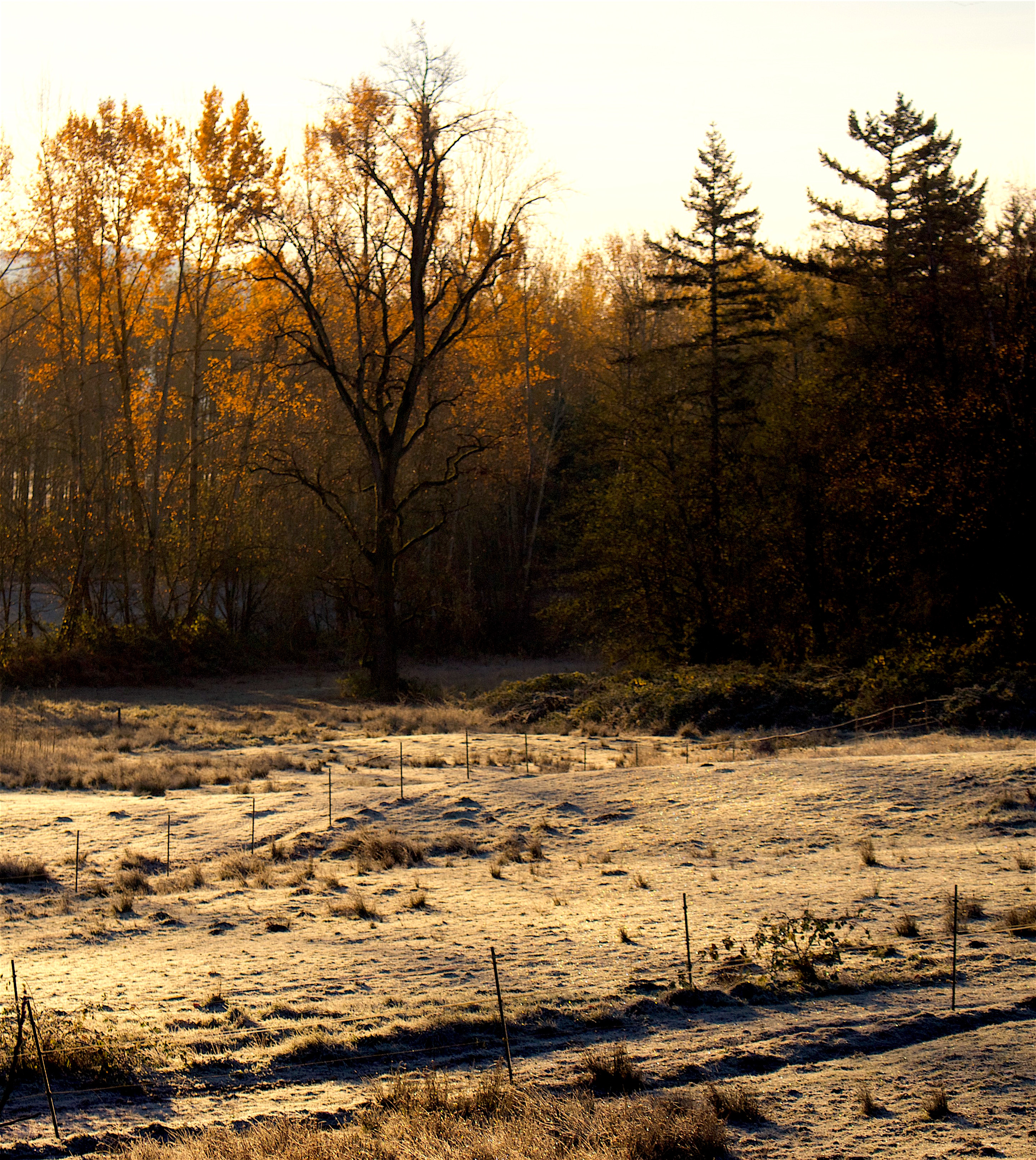
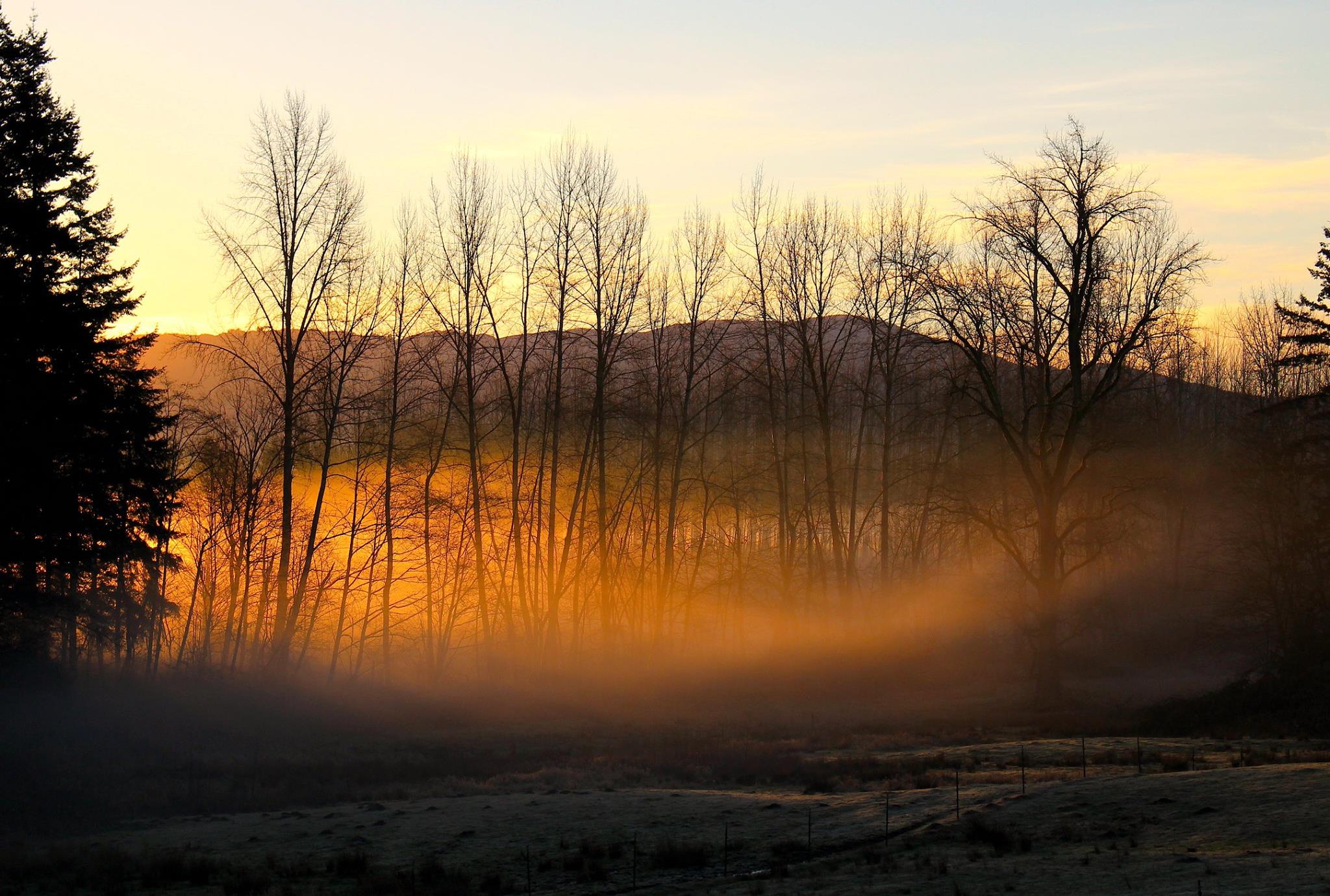
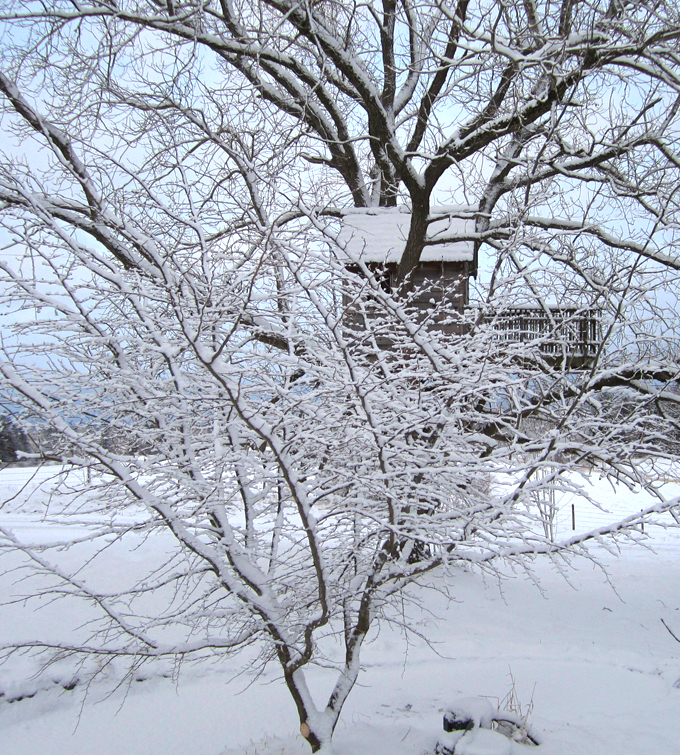
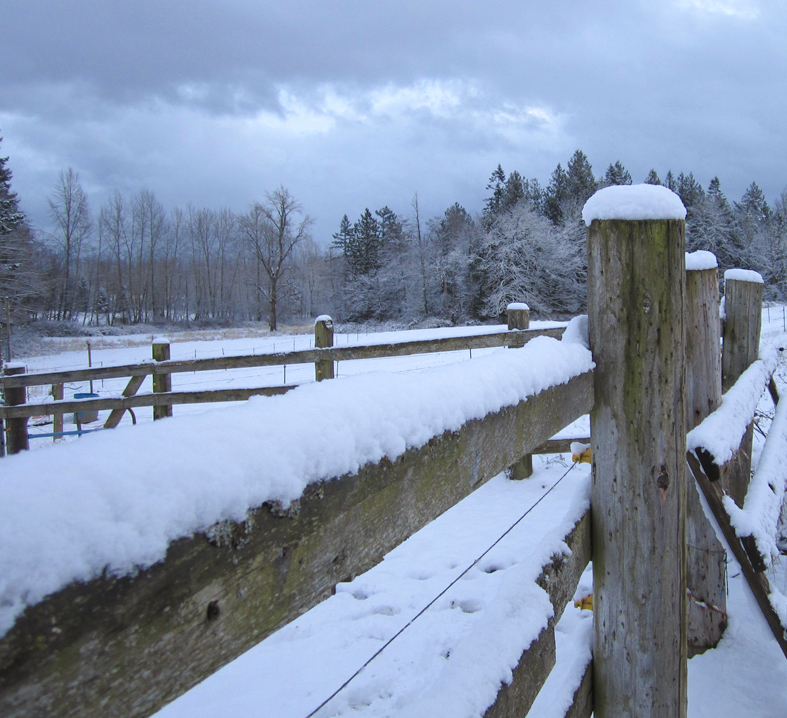
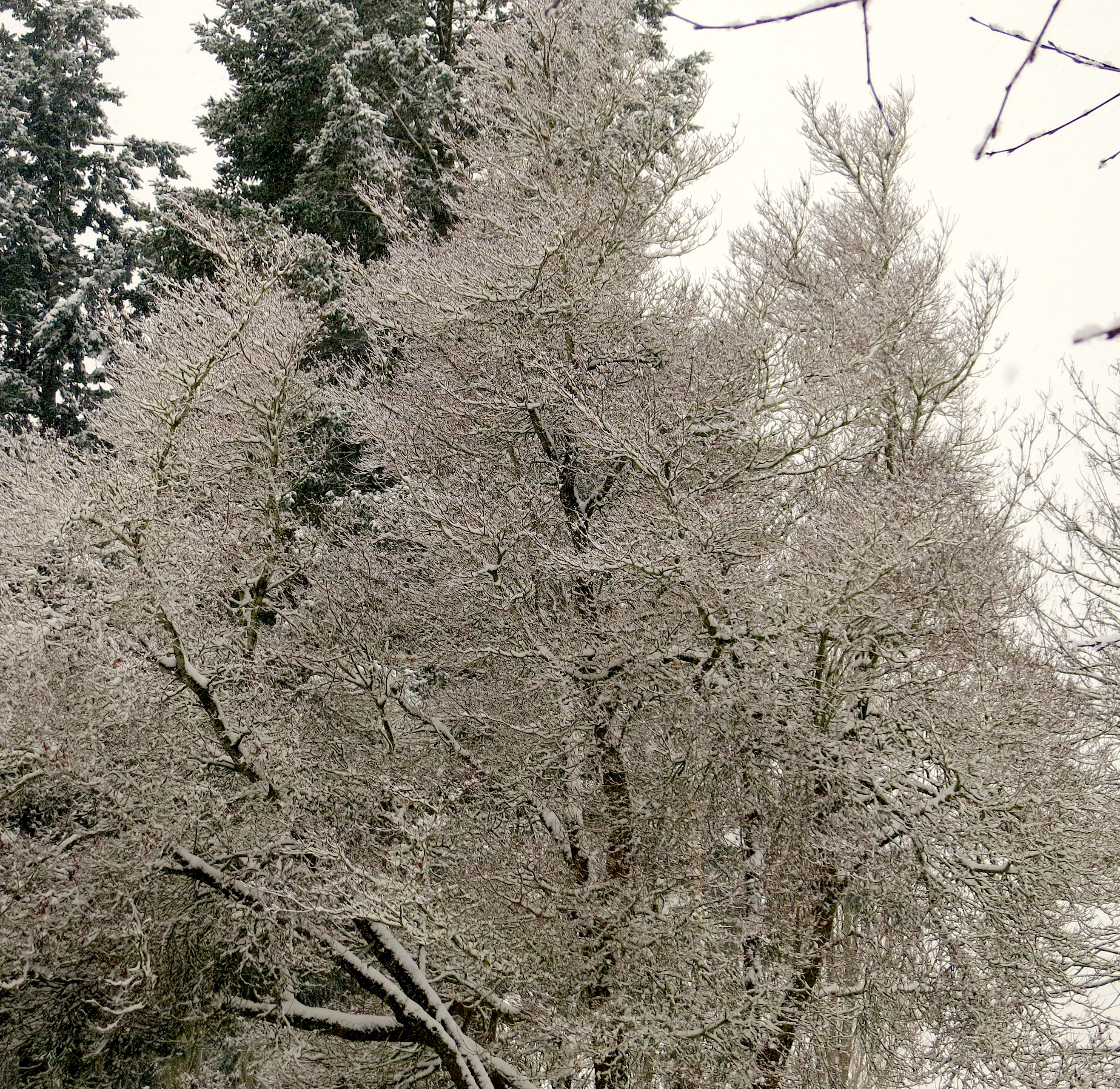
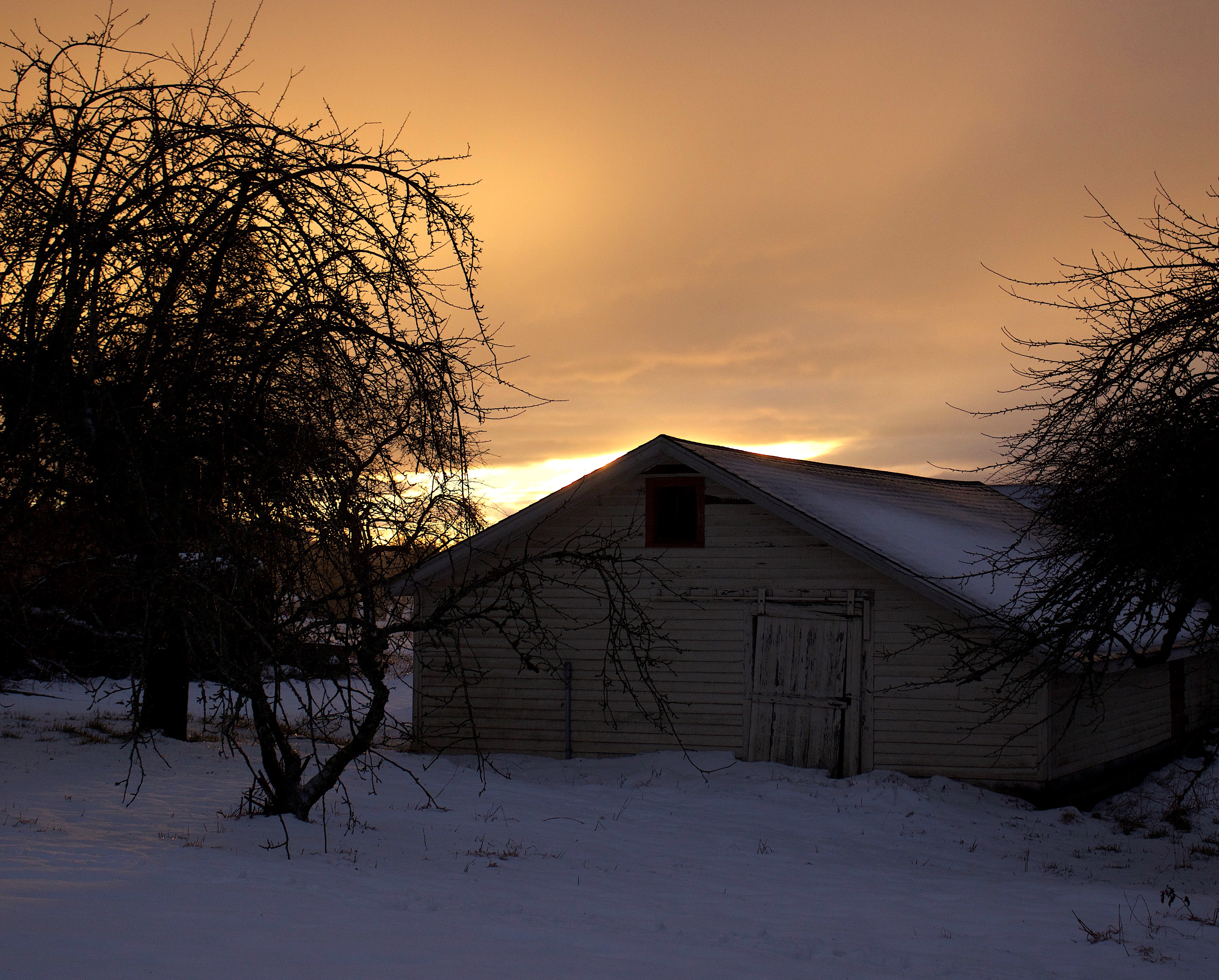
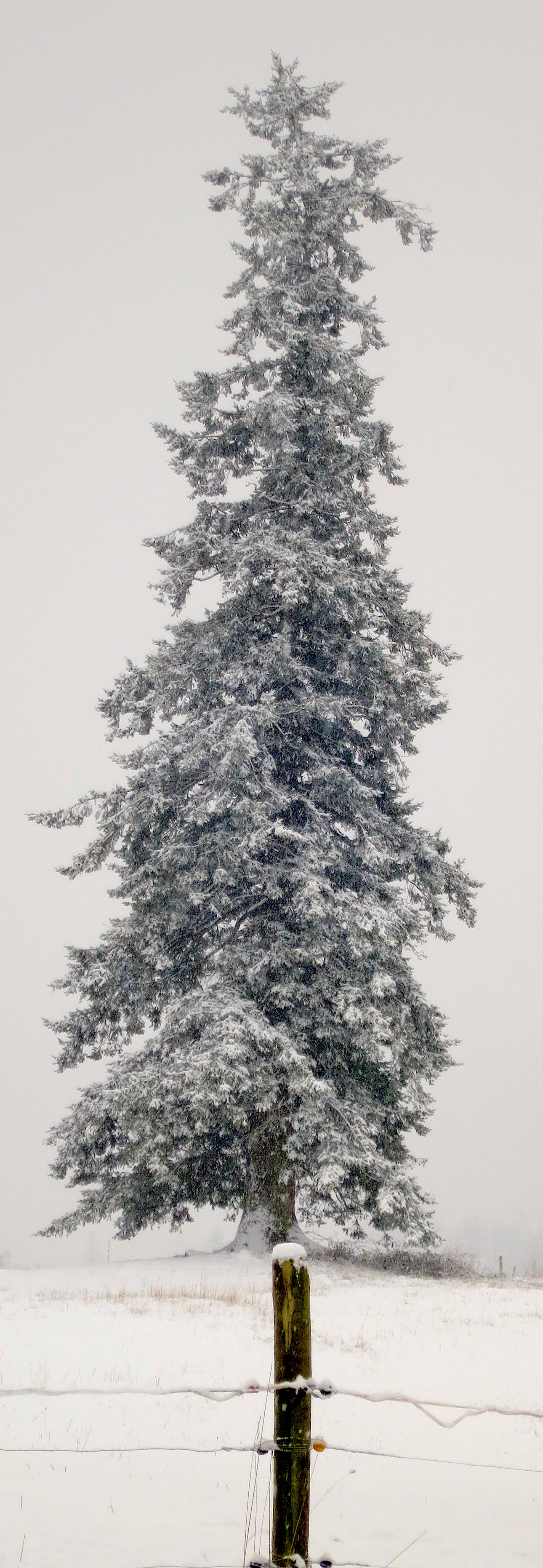
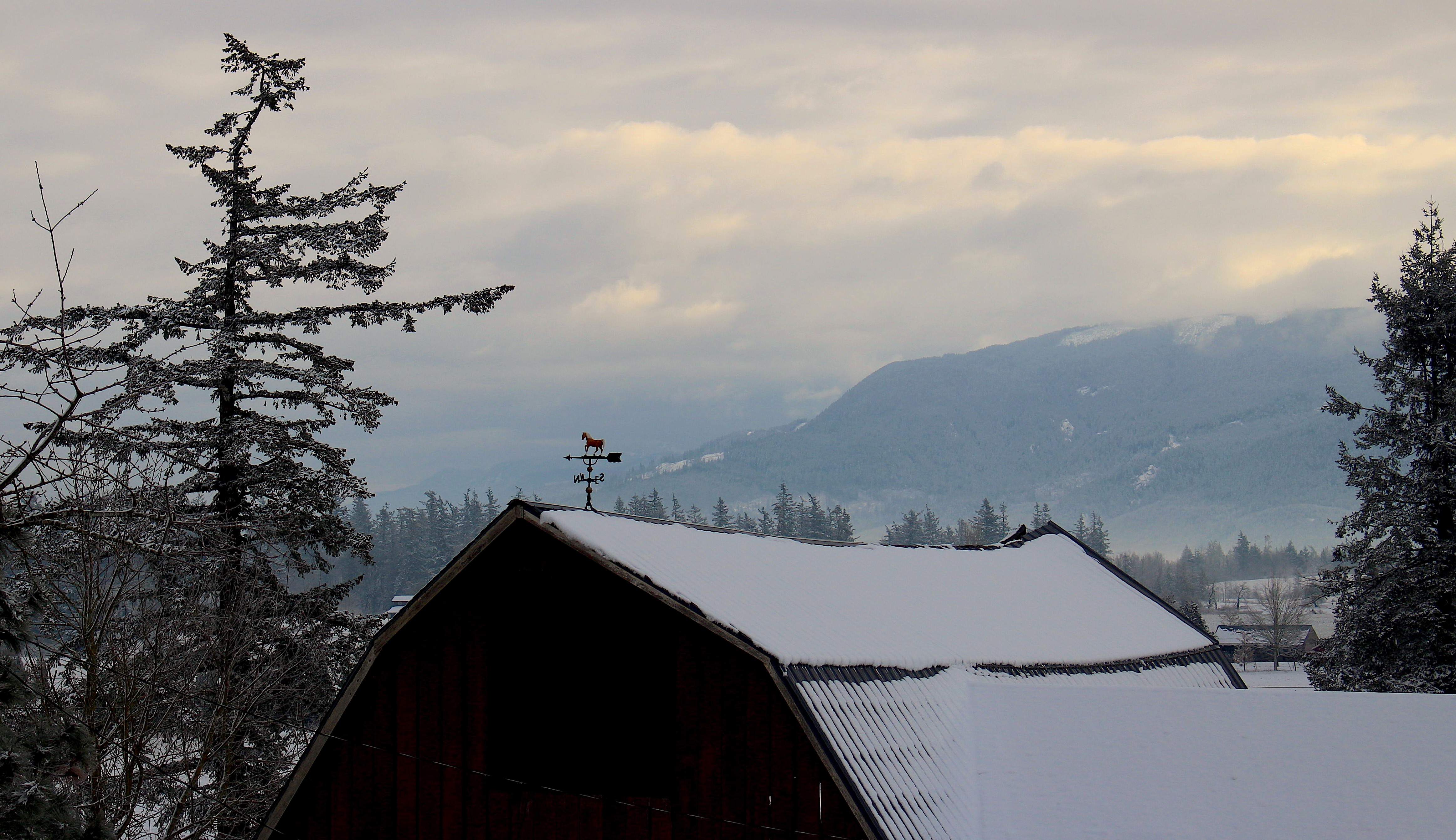
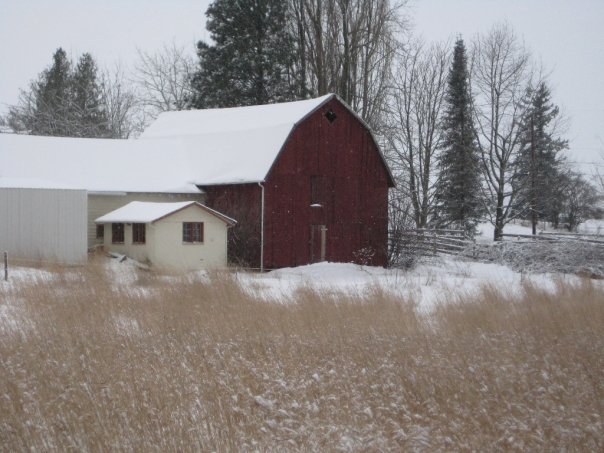
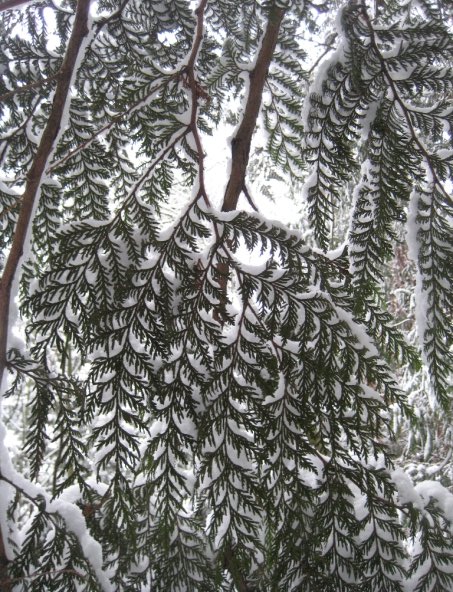
When the landscape emerges in the morning light frost-bitten, all iced up and white-crisp, I yearn for color, any color, to reappear with the day’s thawing out. My breath hangs like a cloud in the dry air as I crunch my way to the barn, living proof that I breathe for another day even though too many others right now can not.

We are a breathless people, wondering what comes next, feeling frozen and suspended in a pandemic and smoke-filled burning world.

We are a breathless people, wondering who or what will choke our life from us.

We are a breathless people, dressed as a bride in frosted satin, waiting at the altar for the Groom who bleeds red to save us from our fate.

And that alone changes everything.

How You Foretell the Weather is Changing

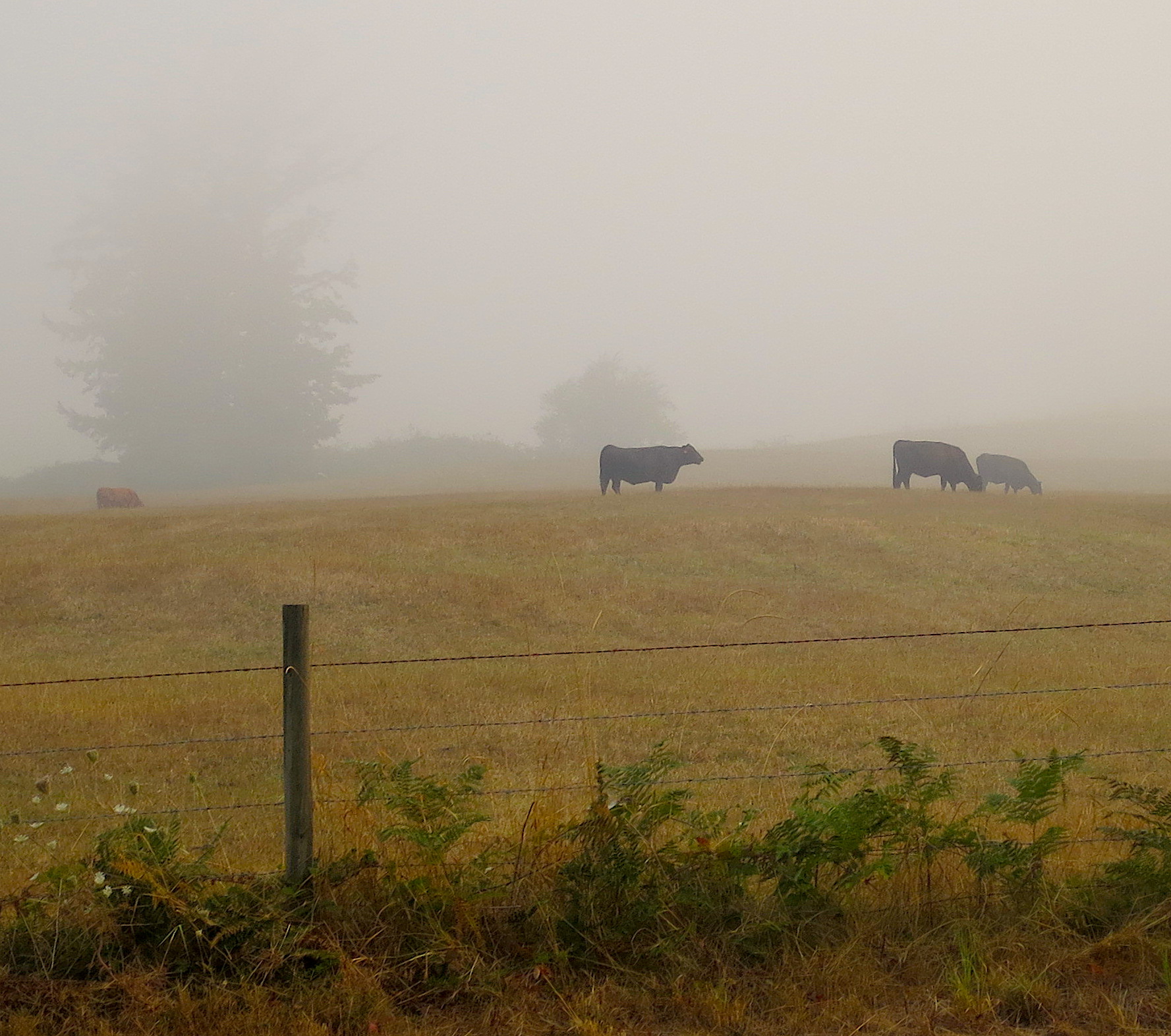
Rain always follows the cattle
sniffing the air and huddling
in fields with their heads to the lee.
You will know that the weather is changing
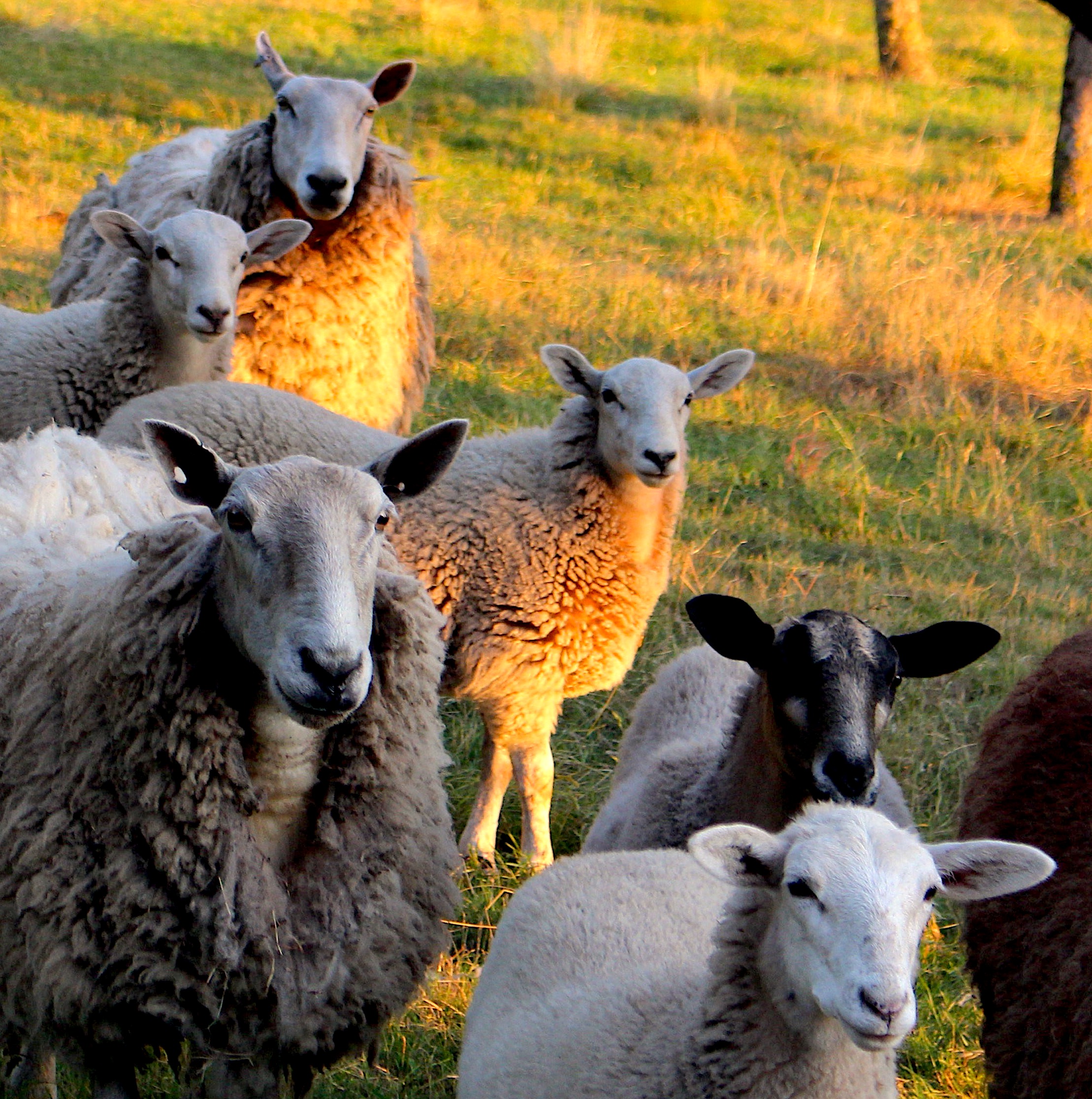
when your sheep leave the pasture
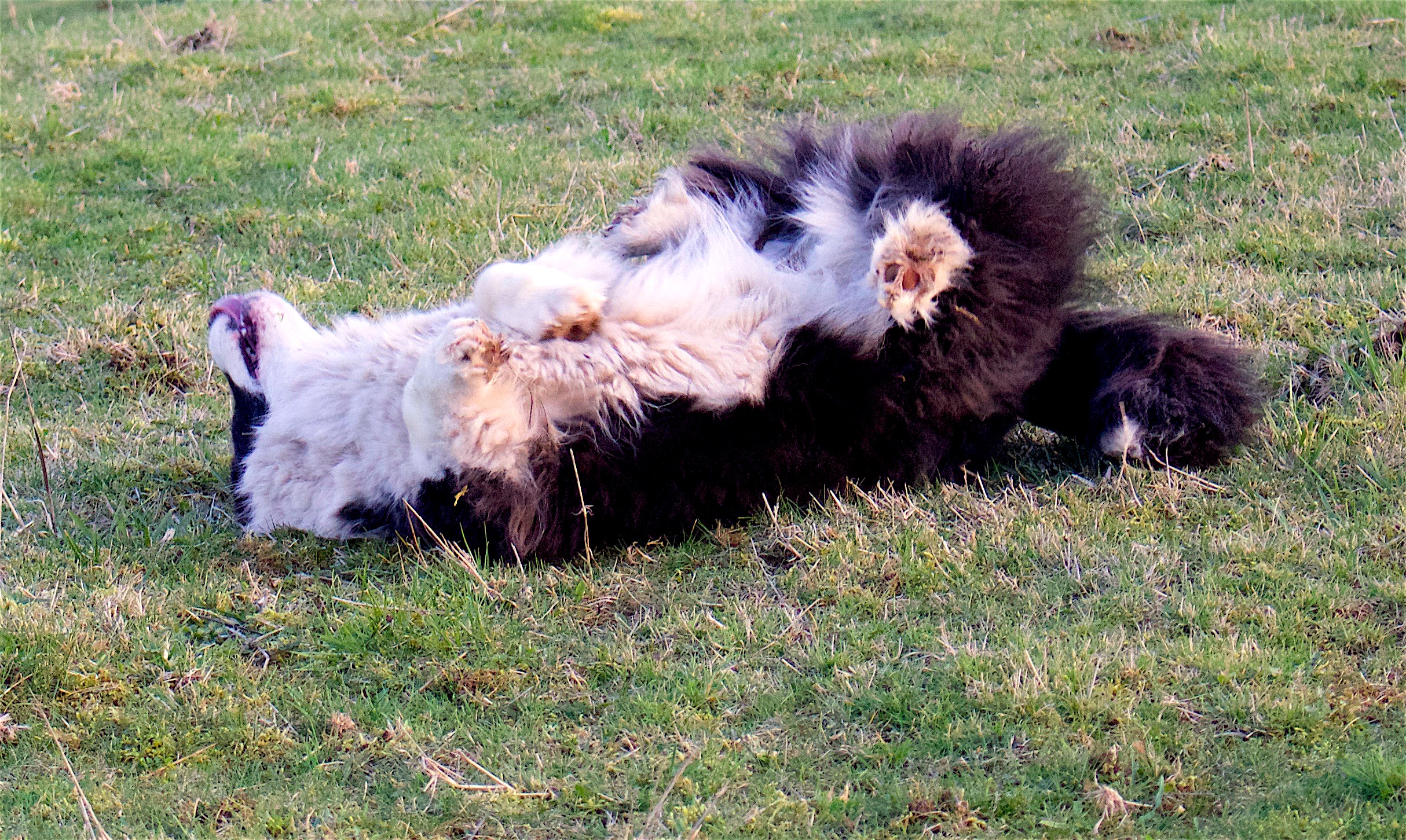
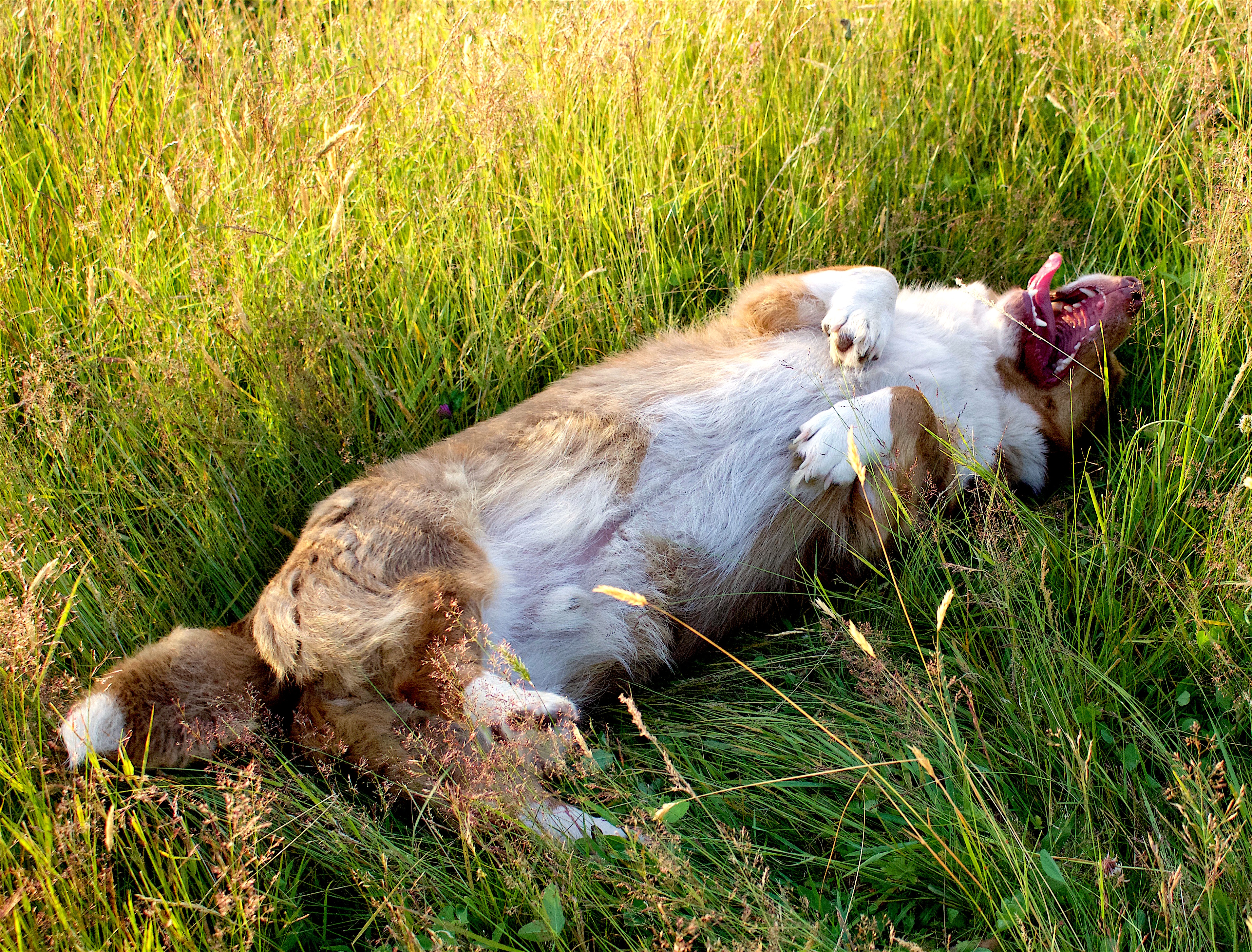
too slowly, and your dogs lie about
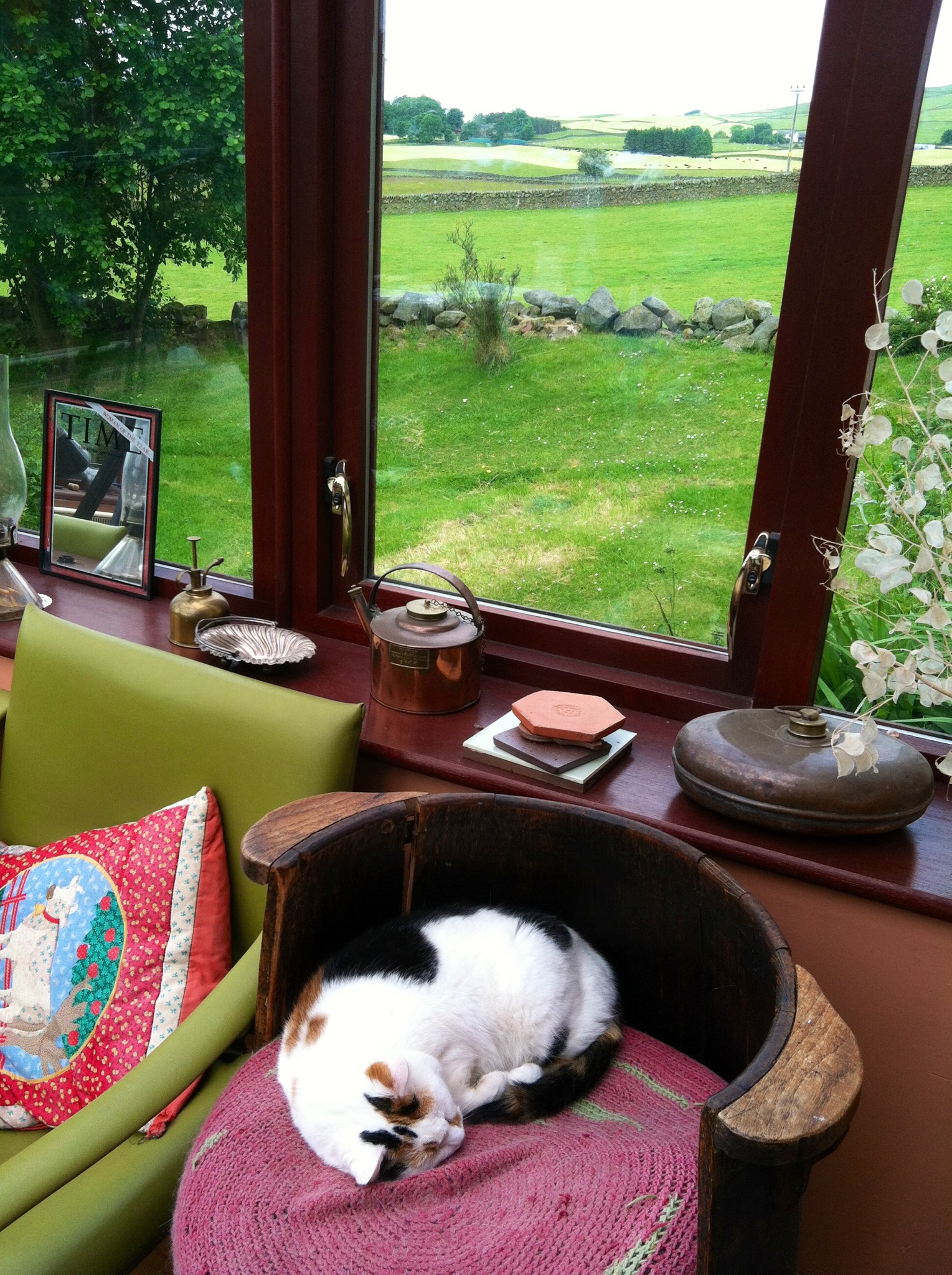
and look tired; when the cat
turns her back to the fire,
washing her face, and the pigs
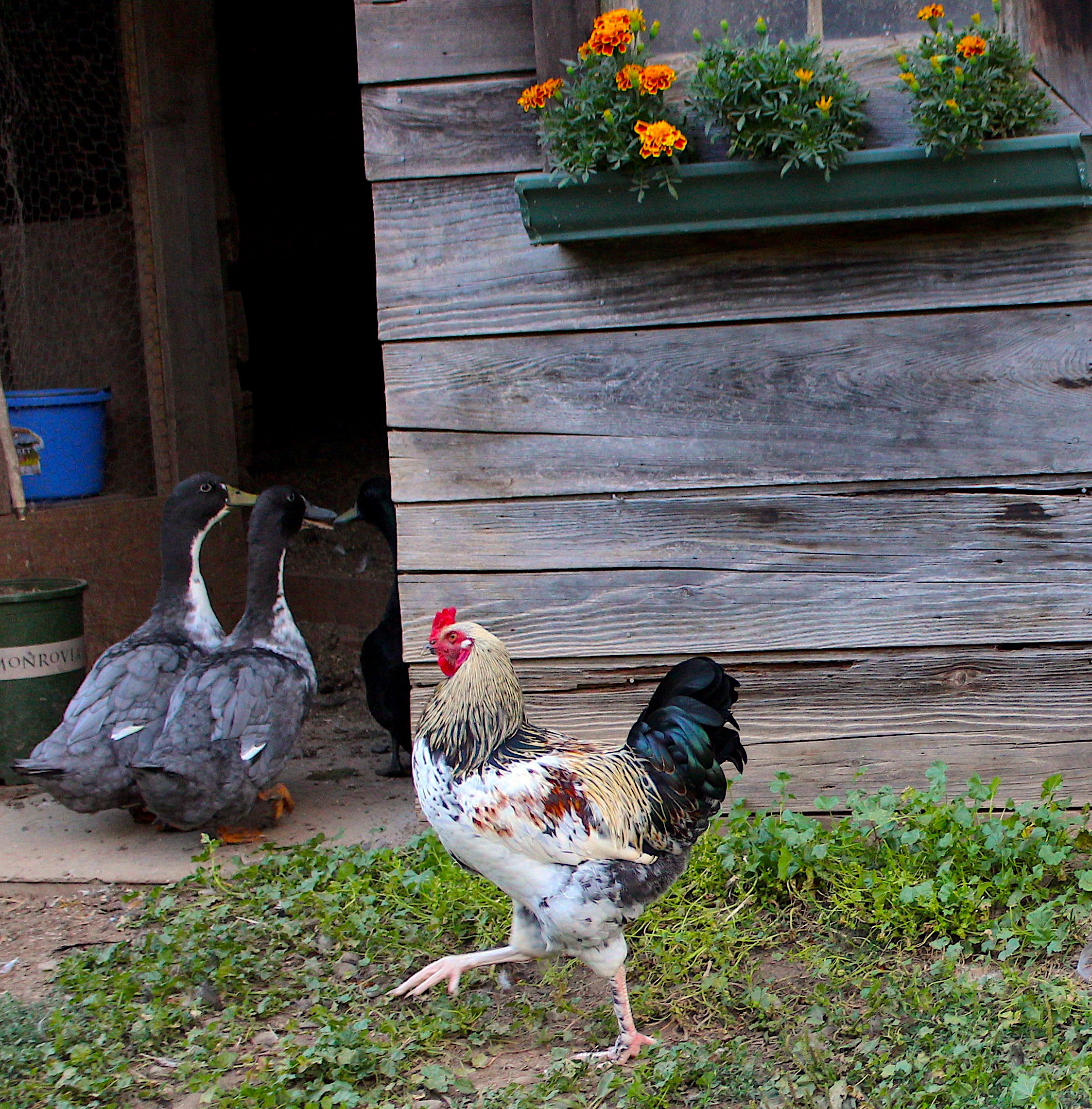
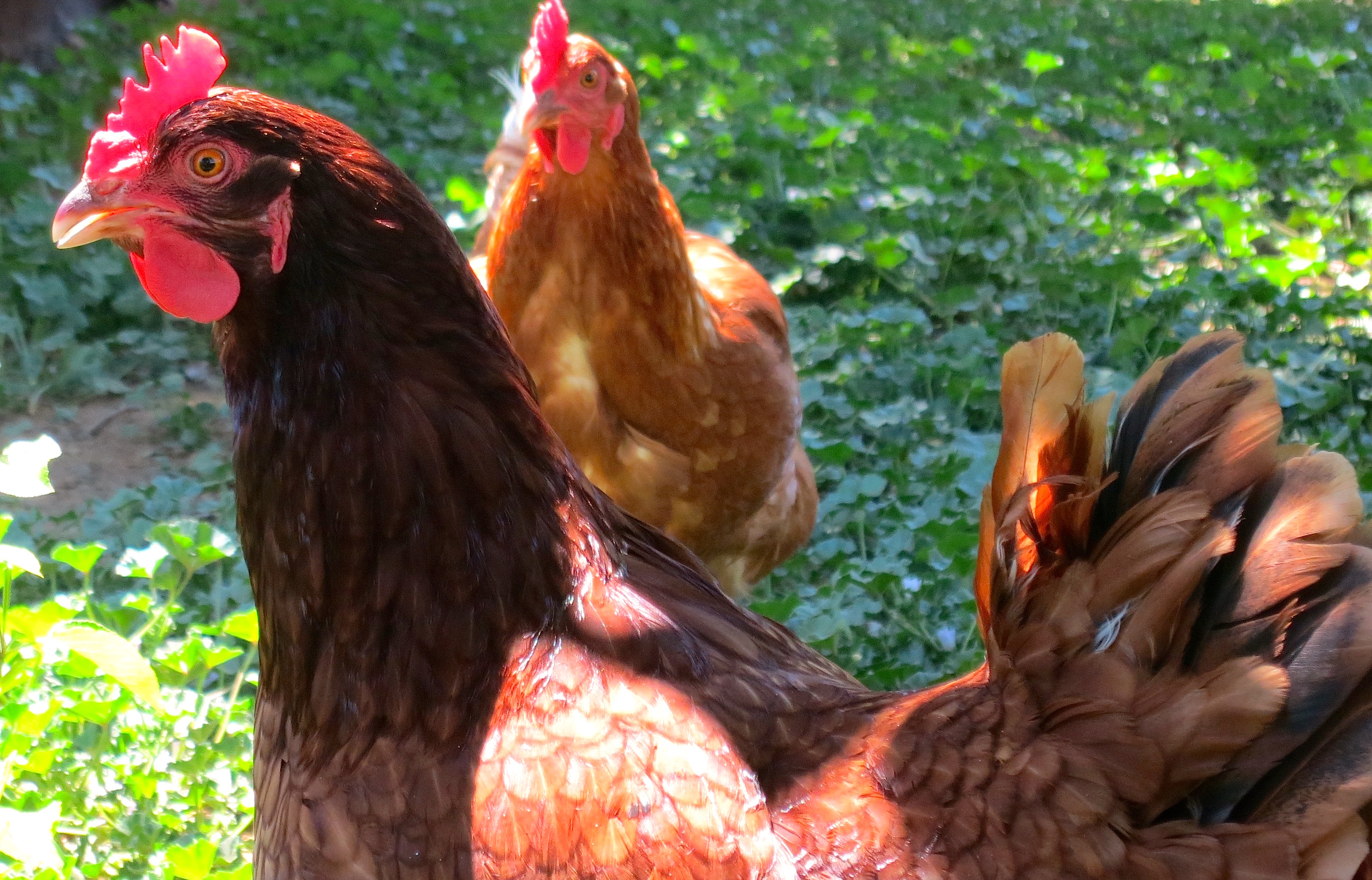
wallow in litter; cocks will be crowing
at unusual hours, flapping their wings;
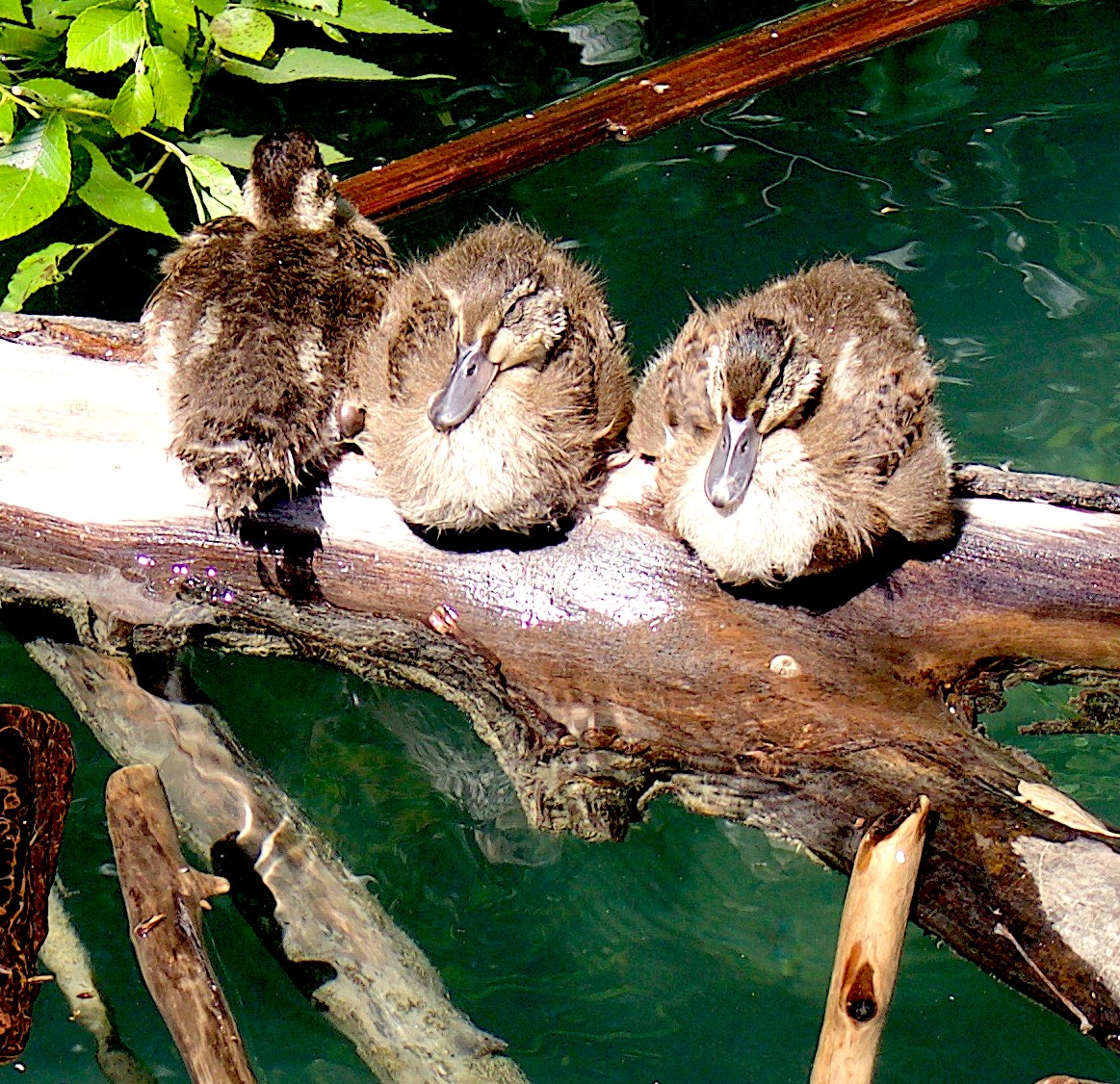
hens will chant; when your ducks
and your geese are too noisy,
and the pigeons are washing themselves;
when the peacocks squall loudly
from the tops of the trees,
when the guinea fowl grates;
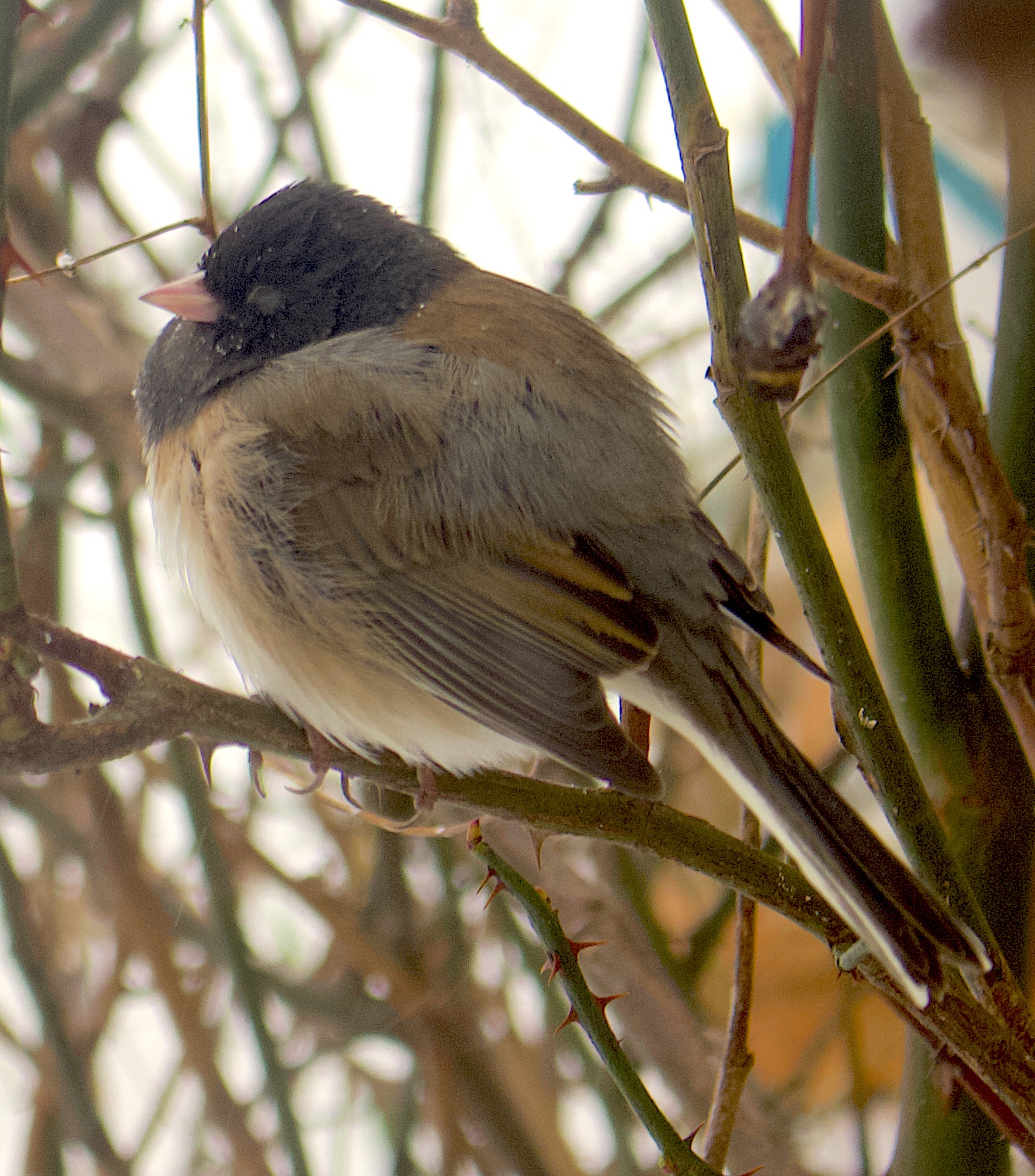
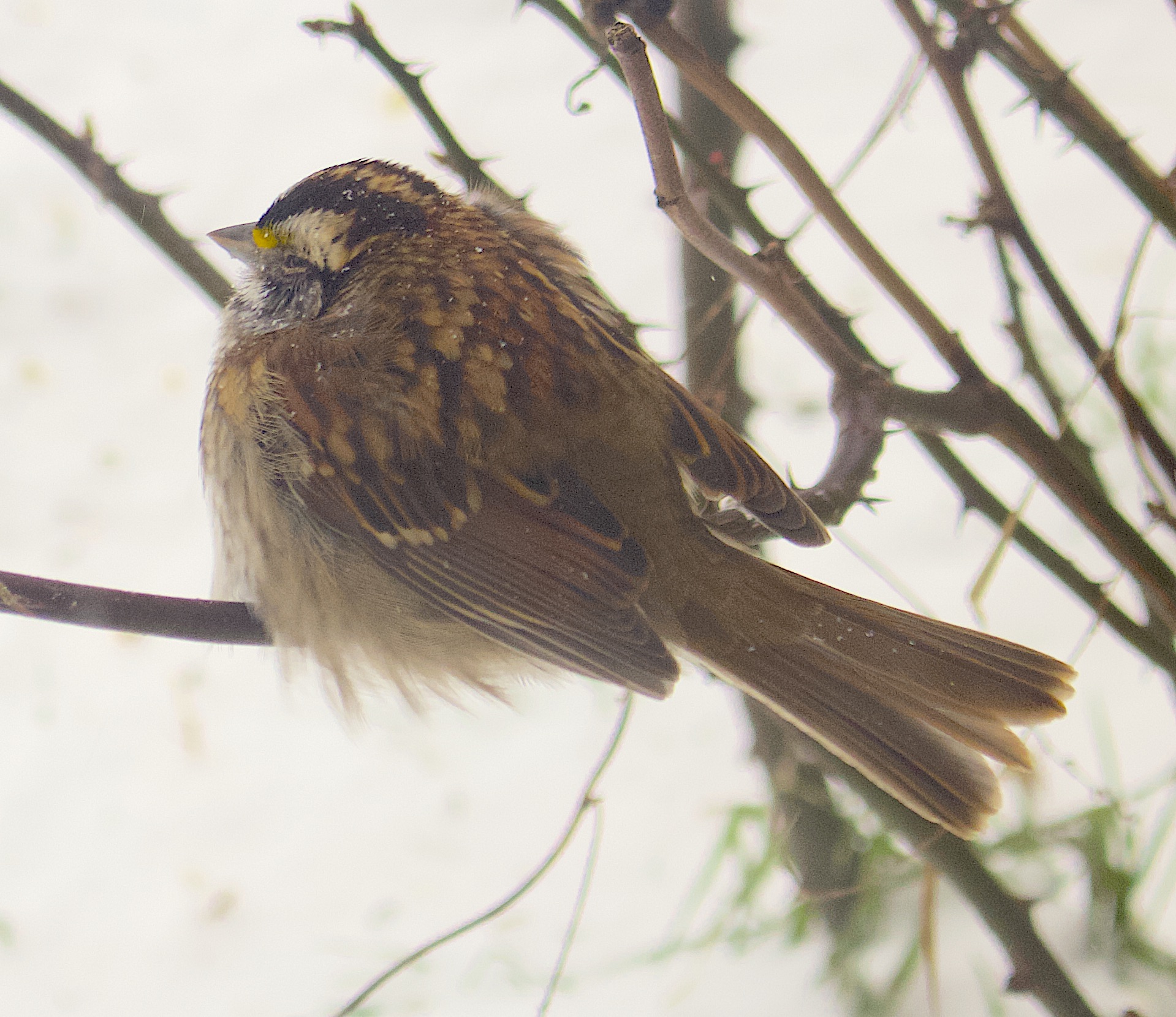
when sparrows chirp loudly
and fuss in the roadway, and when swallows
fly low, skimming the earth;
when the carrion crow
croaks to himself, and wild fowl
dip and wash, and when moles
throw up hills with great fervor;
when toads creep out in numbers;
when frogs croak; when bats
enter the houses; when birds
begin to seek shelter,
and the robin approaches your house;
when the swan flies at the wind,
and your bees leave the hive;
when ants carry their eggs to and fro,
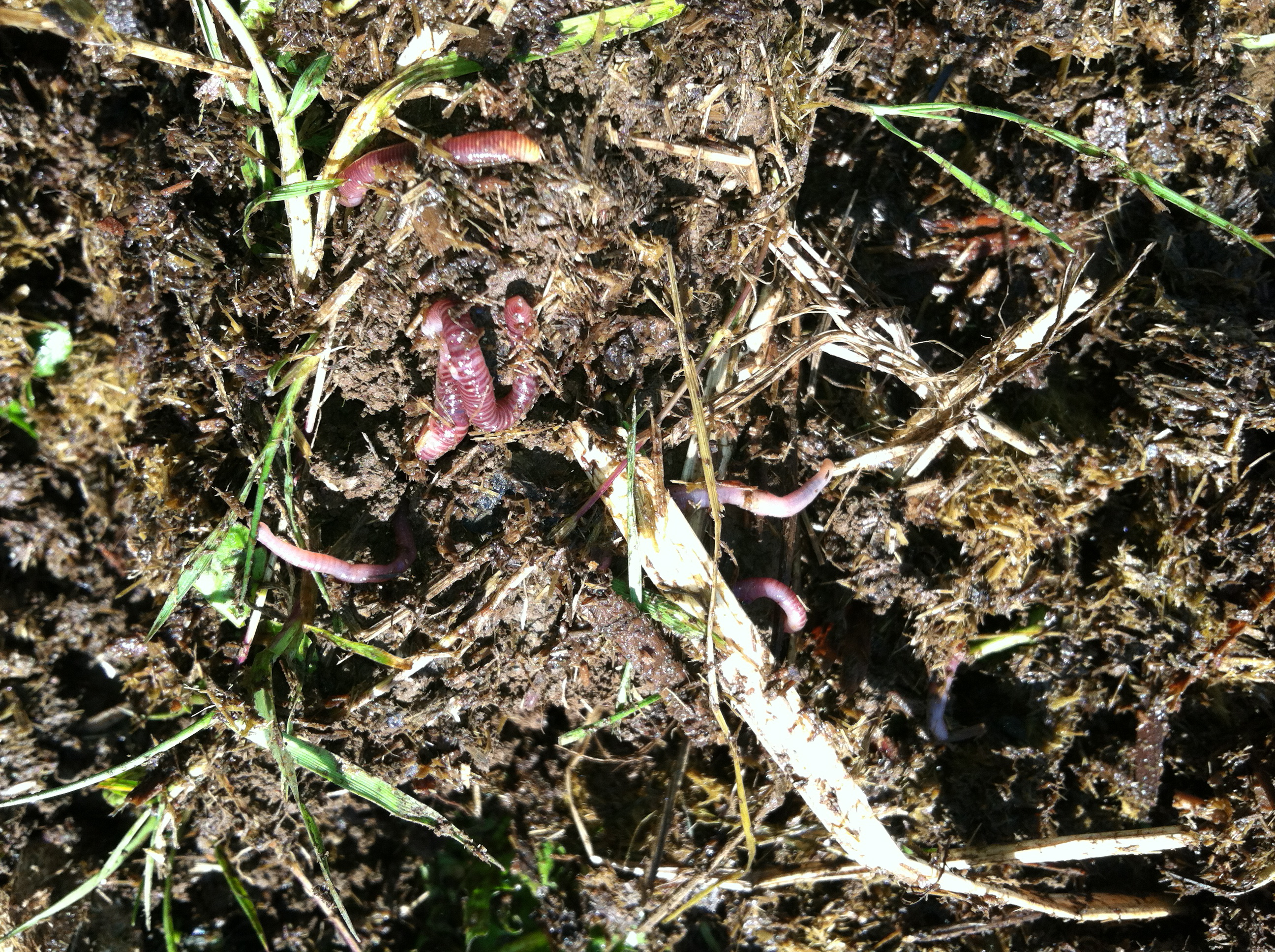
and flies bite, and the earthworm
is seen on the surface of things.

~Ted Kooser “How to Foretell a Change in the Weather” from Flying at Night: Poems 1965-1985, 

I reckon the birds and mammals and insects and worms are much better at anticipating weather change than we humans are. It is programmed into their DNA in a way that we have lost in our evolved state. Instead we are glued to our cell phone weather apps, or the Weather Channel, watching the prediction change hour to hour as if it is the gospel truth. I’m here to remind us all it is called a “prediction” for good reason.

We forget about checking the sky for the direction the clouds are traveling, or even what clouds are up there. We forget about checking our own outdoor thermometers because we don’t own them any longer. We certainly forget about barometers – a little kitchen window gadget that my father thumped with his finger every morning of my childhood, so he could see what the atmospheric pressure was doing so he could anticipate how wet or wind-blown he would be that day.

In particular, we forget to watch the critters around us – how their behavior changes and how they are preparing themselves and their environment for whatever weather change to come. They feel it in their bones and their brains by whatever means God has given them.

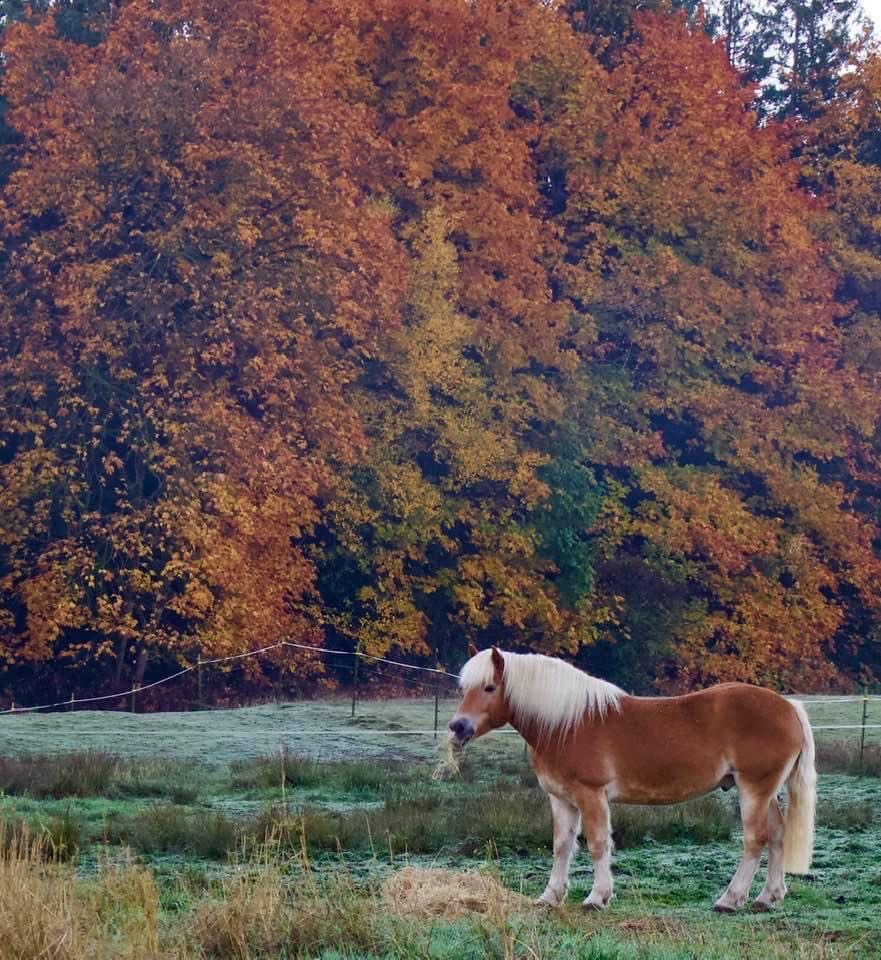
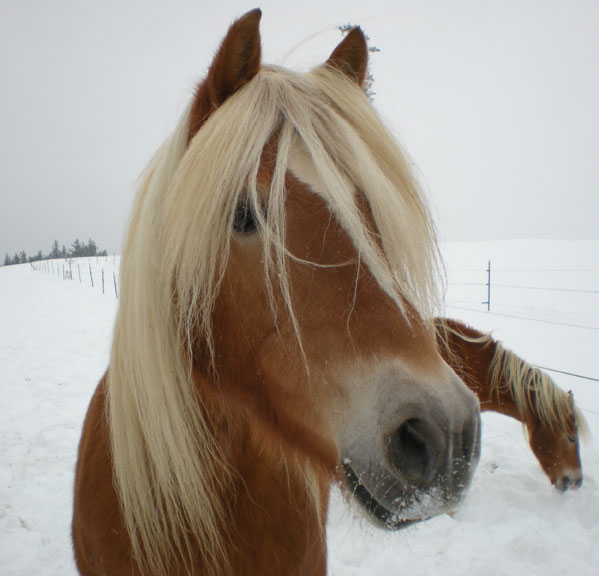
Our Haflinger horses are already shedding off their winter coats yet there are still six weeks left of winter. What are they trying to say about the weather to come?

So, we humans are weather-challenged creatures but all the clues still exist if only we pay attention. My weather app says the northwest will have rain rain and more rain through the weekend with a possibility of snow late Sunday. The Weather Channel website says we’ll experience high potentially damaging winds, flooding and snow. Who to believe?

I think, all things being equal, I’ll choose to believe what is predicted for Denver this weekend: all sun and a high temperature of 71 degrees. I’m sure all the critters there will be out sunbathing. Wish I could too.

Too Cold

We are partly tuber, partly bear.
Inside our warmth we fold ourselves
in the dark and its cold –
around us, outside us,
safely away from us;
we tuck ourselves up
in the long sleep
and comfort of cold’s opposite,
warming ourselves
by thought of the cold,
lighting ourselves by darkness’s idea.
~Donald Hall from “Seasons at Eagle Pond”

Being too warm the old lady said to me
is better than being too cold I think now
in between is the best because you never
give it a thought but it goes by too fast
I remember the winter how cold it got
I could never get warm wherever I was
but I don’t remember the summer heat like that
only the long days the breathing of the trees
the evenings with the hens still talking in the lane
and the light getting longer in the valley
the sound of a bell from down there somewhere
I can sit here now still listening to it
~W.S. Merwin “Remembering Summer”

I confess
loving the dark and cold
as much as light and warmth.
Drawn without alarm clock
away from my pillow,
I awake early
covered in inky blackness
of these unlit January mornings.

An uncharted day
before sunrise,
so raw with ripening,
belongs to no one else
until the light comes
to force me forth.
Only from darkness can I
sprout so boldly.

Savoring a Bad Mood

I like these cold, gray winter days.
Days like these let you savor a bad mood. 
~Bill Watterson
from “Calvin and Hobbes”

The wind is keen coming over the ice;
it carries the sound of breaking glass.
And the sun, bright but not warm,
has gone behind the hill. Chill, or the fear
of chill, sends me hurrying home.
~Jane Kenyon from “Walking Alone in Late Winter”

Roused by faint glow at midnight
peering between slats
of window blinds
closed tight to a chill wind-

Bedroom becomes suffused
in ethereal light
from a moonless sky~
a million stars fall silent as

Snow light covers all,
settling gently while
tucking the downy corners
of the snowflake comforter

of heaven, plumping the pillows,
cushioning the landscape,
lightening and illuminating
a fearfully chilled and grumpy heart.

A Tumultuous Privacy of Storm

Announced by all the trumpets of the sky,
Arrives the snow, and, driving o’er the fields,
Seems nowhere to alight: the whited air
Hides hills and woods, the river, and the heaven,
And veils the farm-house at the garden’s end.
The sled and traveller stopped, the courier’s feet
Delayed, all friends shut out, the housemates sit
Around the radiant fireplace, enclosed
In a tumultuous privacy of storm.

Come see the north wind’s masonry.
Out of an unseen quarry evermore
Furnished with tile, the fierce artificer
Curves his white bastions with projected roof
Round every windward stake, or tree, or door.

Built in an age, the mad wind’s night-work,
The frolic architecture of the snow.
~Ralph Waldo Emerson from “The Snow-Storm”

The barn bears the weight
of the first heavy snow
without complaint.

White breath of cows
rises in the tie-up, a man
wearing a frayed winter jacket
reaches for his milking stool
in the dark.

The cows have gone into the ground,
and the man,
his wife beside him now.

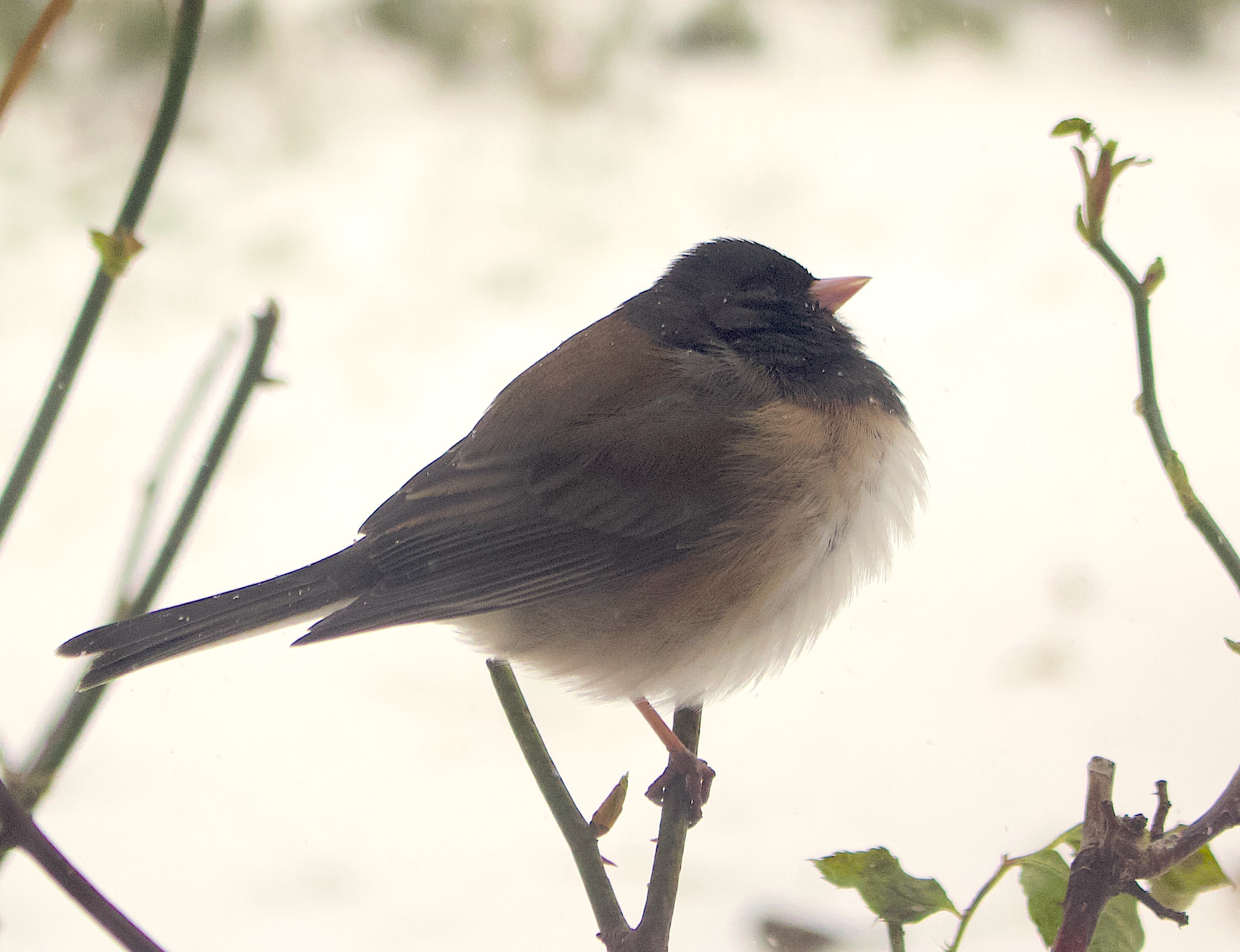
A nuthatch drops
to the ground, feeding
on sunflower seed and bits of bread
I scattered on the snow.

The cats doze near the stove.
They lift their heads
as the plow goes down the road,
making the house
tremble as it passes.
~Jane Kenyon “This Morning”

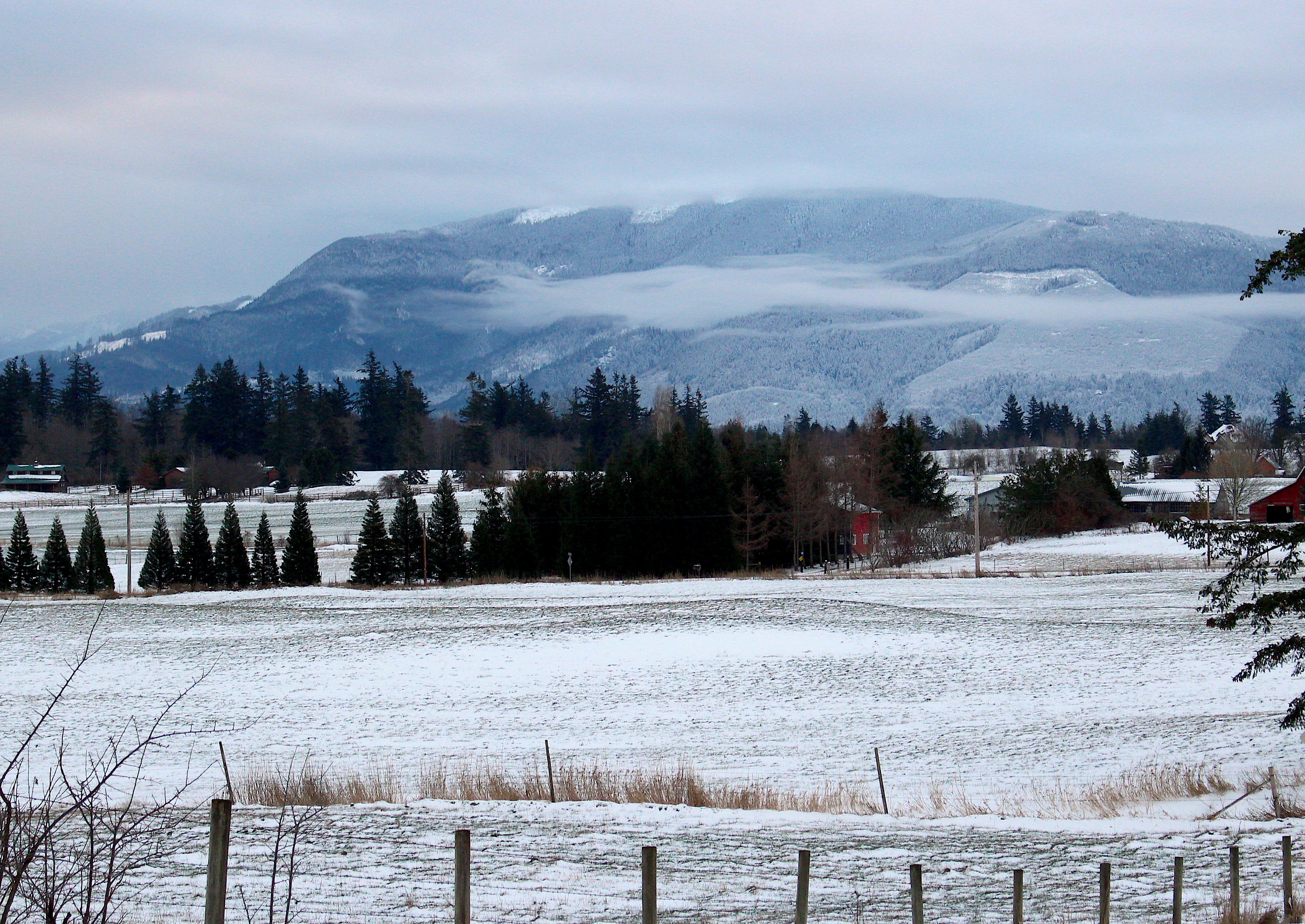
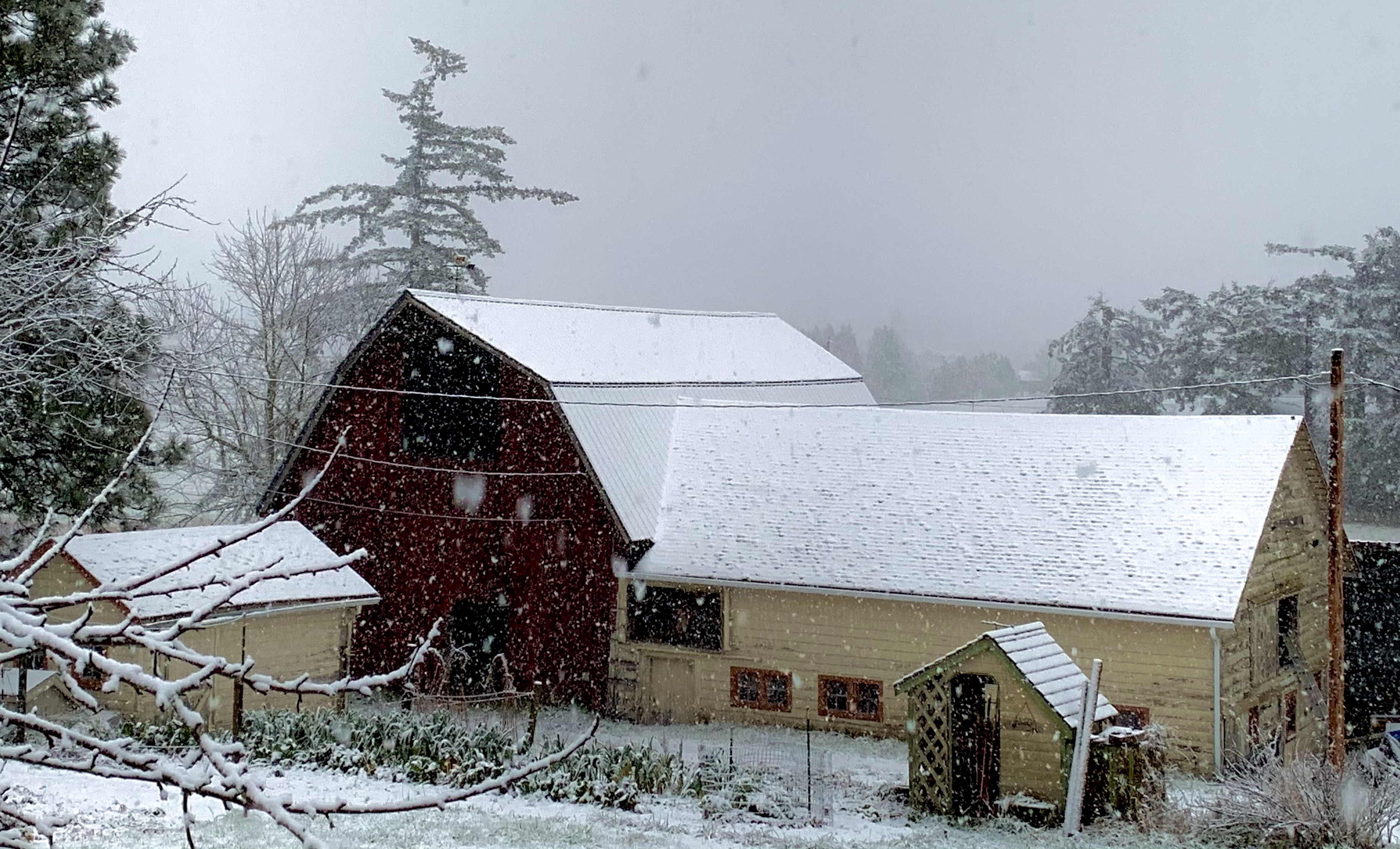
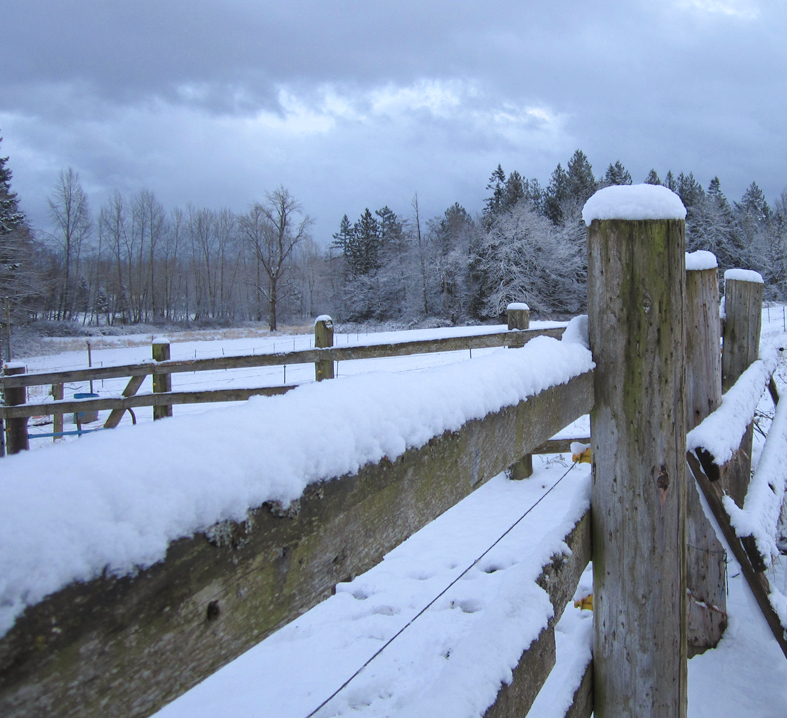
We’ve seen harsher northeast winds, we’ve seen heavier snow. Yet there is something refreshingly disruptive about the once or twice a year overnight snow storm: it transforms, transcends and transfigures.

So we stay home when the weather and farms demand we do, to feed and water ourselves and our animals and the wild ones around us. It is a quiet and private and tumultuous time, a time to be attuned to one another.

The ultimate snow day, when all is atremble.

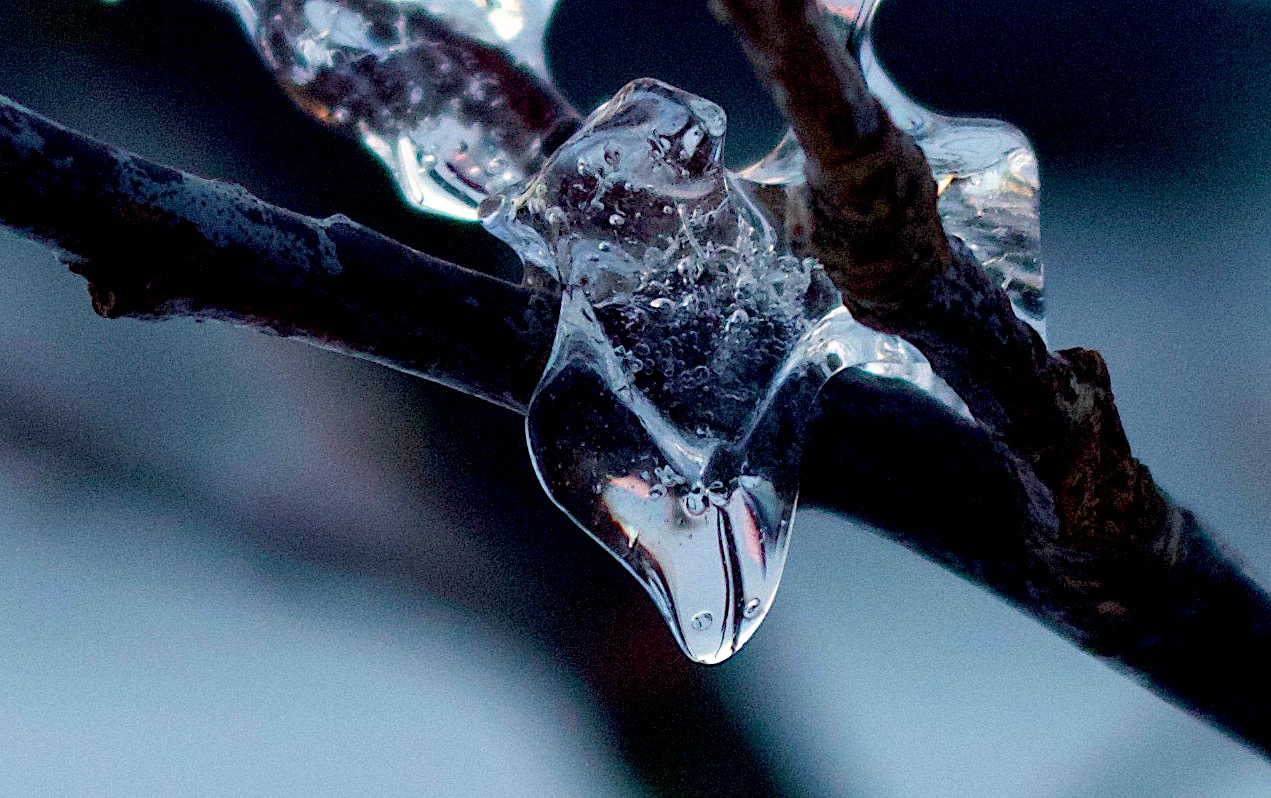
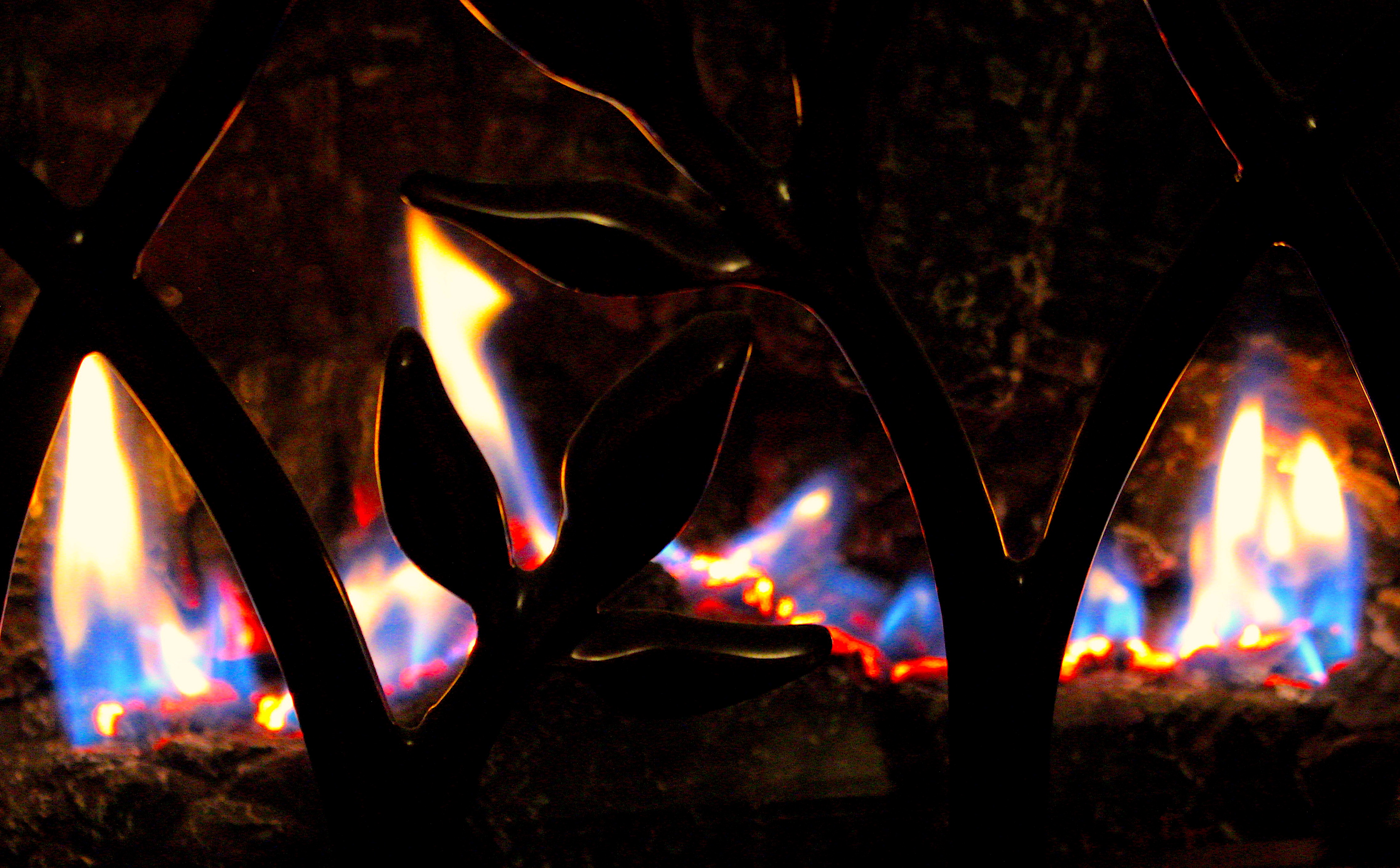
Ice and Fire Burns

Ice burns, and it is hard to the warm-skinned to distinguish one
sensation, fire, from the other, frost.
~A. S. Byatt from Elementals: Stories of Fire and Ice

The predicted northeast arctic winds began last night with a minimum of snowfall but already have begun to take a toll: my face and hands are reddened just as if I’ve been in the sun too long.

Whether consumed by flames or frozen solid, resulting in ashes or blocks of ice — somehow the burn yields the same result.

Yet ashes remain ashes, only and forever after, mere dust.

If, instead, during this harsh blow, I’m burned into ice, I know the coming thaw may restore me, melt me slowly by dribs and drabs — no longer imprisoned.

A February Face

“Why, what’s the matter, 
That you have such a February face, 
So full of frost, of storm and cloudiness?” 
–  William Shakespeare,  Much Ado About Nothing

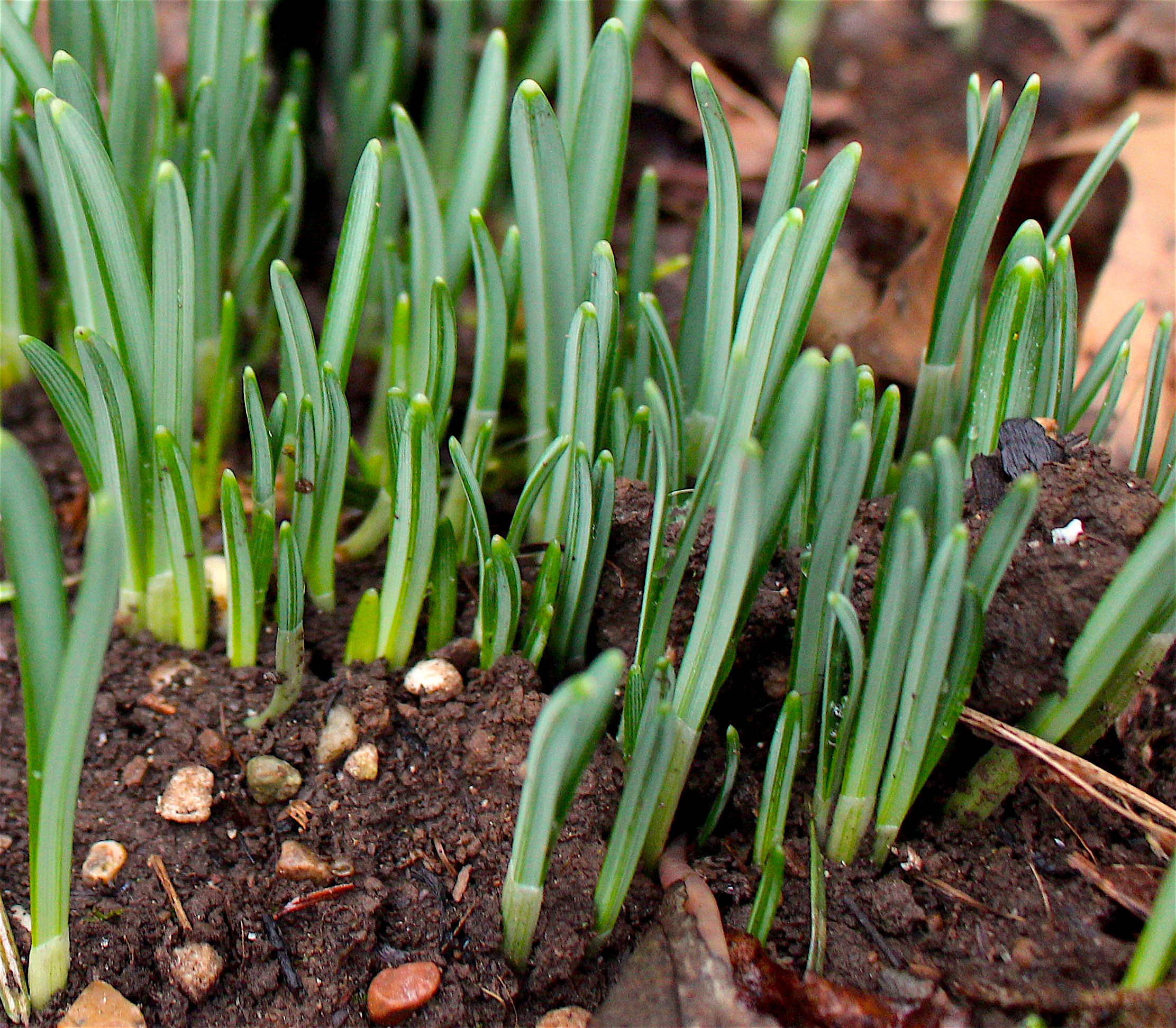
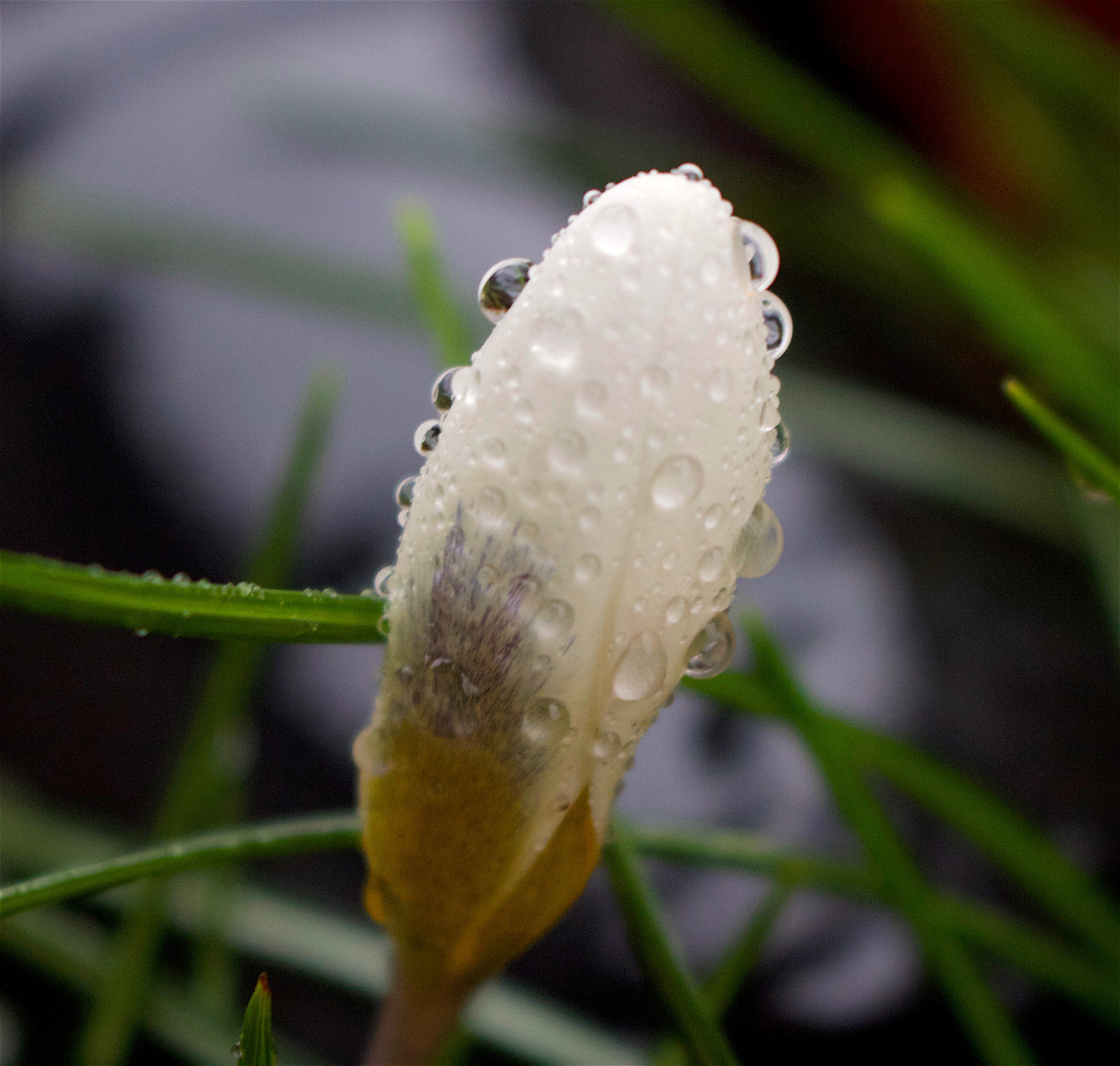
February never fails to be seductive,  teasing of spring on a bright sunny day and the next day all hope is dashed by a frosty wind cutting through layers of clothing.  There is a hint of green in the pastures but the deepening mud is sucking at our boots.  The snowdrops and crocus are up and blooming, but the brown leaves from last summer still cling tenaciously to oak branches, appearing as if they will never ever let go to make room for a new leaf crop.

A February face is tear-streaked and weepy, winter weary and spring hungry.  Thank goodness it is a short month or we’d never survive the glumminess of a month that can’t quite decide whether it is done with us or not.

So much ado.
So much nothing.
So much anything that becomes everything.

So Very Sublime

In a dry wind like this, snow and ice can pass directly into the air as a gas without having first melted to water.  This process is called sublimation; tonight the snow in the yard and the ice in the creek sublime.  A breeze buffets my palm held a foot from the wall.  A wind like this does my breathing for me: it engenders something quick and kicking in my lungs.  Pliny believed the mares of the Portuguese used to raise their tails to the wind, ‘and turn them full against it, and so conceive that genital air instead of natural seed; in such sort, as they become great withal, and quicken in their time, and bring forth foals as swift as the wind…’.

A single cell quivers at a windy embrace; it swells and splits, it bubbles into a raspberry; a dark clot starts to throb.  Soon something perfect is born. Something wholly new rides the wind, something fleet and fleeting I’m likely to miss.
~Annie Dillard from Pilgrim at Tinker Creek

Whenever we have a blowing northeaster, I assumed that our snow simply blew southwest and we were left with nothing but a skiff of white here. But I was wrong. The snow and ice are sublimated, disappearing into the air as vapor.

I wish I could be so transformed, blown into something wholly new and free, not tethered and earth-bound.

Our Creator God does just that: we are so very sublime through the power of His breath.

The Bitter Cold

The cold has the philosophical value of reminding men that the universe does not love us…cold is our ancient companion. To return back indoors after exposure to the bitter, inimical, implacable cold is to experience gratitude for the shelters of civilization, for the islands of warmth that life creates.
~John Updike from an essay on the cold of winter in
Winter: A Spiritual Biography of the Season


We’re in the midst of a string of sub-freezing temperature nights and days with crystal clear skies while a nor’easter sends the windchill plummeting. 

Even though it is often called the “Arctic Express” it is not nearly the cold of the midwest plains or the Alaskan frontier.  This is civilized, “kill the bugs and the allergens” cold that helps balance out the ecosystem as well as our internal thermostats.  It is just not seemly to live at 70 degrees year round, toasted by the stove in the winter, soothed by conditioned air in the summer.

The cold that descends from the Arctic can blast through the strongest Carhartt clothing, sneak through drafty doors and windows, pull down power lines and freeze pipes not left dripping.  It leaves no one untouched and unbitten with universal freezer burn.

A bitter cold snap ensures even independent fair-weather individualists must become companionable when the going gets rugged, mandating shelter with others for survival.  It can even mean forced companionship with those we ordinarily avoid, with whom we have little in common, with whom we disagree and even quarrel, with whom sharing a hug or snuggling for warmth would be unimaginable.

Our nation is in such a cold snap today, terribly and bitterly divided.  If we all together don’t come in out of the deep freeze, we each will perish alone.  

It is time to be thankful we have each other, such as we are.  At least we  generate heat, even if we can’t seem to lighten up.